Lube Oil Pump
A lube oil pump has one job that tolerates no interruption: keep oil pressure at the bearings under load, which is why every essential lube oil pump on board is backed up by a second pump rather than trusted to run alone.
Read more — Lube Oil Pump explained ▾
What makes a lube oil pump non-negotiable
A lube oil pump circulates oil under pressure to an engine's main bearings, big-end bearings, camshaft and, on some designs, piston cooling galleries, carrying away friction heat and keeping metal surfaces separated by a film of oil rather than touching. Unlike a cooling water pump, where a short interruption is uncomfortable but survivable, a lube oil interruption on a running engine causes bearing wipe within seconds to minutes depending on load, which is why lube oil pumps are essentially never installed as a single unit on any engine that matters to propulsion or power generation.

Main components
Pump element
Gear, screw or, less commonly, centrifugal pump elements; positive-displacement gear and screw types dominate because they hold pressure at low speed and give a predictable, near-linear flow-to-speed relationship.
Relief valve
A spring-loaded bypass that limits maximum discharge pressure and protects the pump and downstream filters from a blocked line or cold, viscous oil at start-up.
Drive
Engine-driven directly off the crankshaft or camshaft train on many designs, or electrically driven for pre-lubrication pumps and standby pumps that must run before the engine turns and independent of engine speed.
Suction strainer
A coarse strainer immediately ahead of the pump that protects the pump element from debris; a fine filter downstream of the pump protects the bearings themselves.
Selection / Sizing
- Flow rate matched to the engine builder's specified lube oil circulation rate at full load, with margin for oil viscosity at the coldest expected start-up temperature.
- Discharge pressure needed to overcome the resistance of the cooler, filter and bearing galleries in series, not just the bearing feed pressure alone.
- Standby arrangement: an electrically driven standby pump sized to match the main pump's output and capable of automatic start on a pressure drop.
- Pre-lubrication duty, since many class and engine-builder requirements call for oil pressure established before the engine is started, which an engine-driven main pump alone cannot provide.
Regulations / Class
Class rules require duplicated lube oil pumps for main propulsion and essential generator engines, with the standby pump able to start automatically on loss of pressure from the running pump, and low lube oil pressure alarms and automatic shutdown are mandatory protective functions for unattended machinery space operation. Survey confirms the standby pump's automatic start function and the shutdown trip setpoint at the interval set by the vessel's machinery survey scheme.
Typical faults
| Fault | Cause | Consequence |
|---|---|---|
| Falling oil pressure at running speed | Worn pump element clearances or a slipping drive coupling | Marginal bearing lubrication, risk of wipe under sustained load |
| Standby pump fails to start | Pressure switch out of calibration or battery/control power fault | No automatic back-up if the main pump fails, unattended-space risk |
| Relief valve stuck open | Debris under the valve seat or a weakened spring | Low discharge pressure even with a healthy pump element |
| Cavitation at start-up | Cold, high-viscosity oil restricting suction flow | Momentary pressure loss and accelerated wear on early bearing contact |
What to look for in a supplier
- A pump curve showing performance across the actual oil viscosity range the vessel will see, from cold start-up to full operating temperature.
- Confirmed compatibility with the engine builder's specified relief valve setting and flow rate, not a generic replacement.
- Standard wear-part kits (gears, seals, relief valve components) available as stocked spares.
- Documented factory test data for discharge pressure and flow at the specified speed.
A standby lube oil pump that has never actually been proven to start automatically under a real pressure drop is a checkbox, not a safeguard — test the auto-start function, don't just confirm the pump runs when started by hand.
37 manufacturers · 584 models
IMO/Colfax
120 ✓ 117 verified
- Area: Mechanical seal degradation or leakageCheck: Monthly inspection of seal faces for surface roughness exceeding Ra 0.8μm, visible scoring, corrosion pitting, and leakage rate. Check springs for >15% compression loss or corrosion. For marine saltwater environments, verify electropolished 304-grade stainless steel material. Accept minor imperfections <0.05mm depth only (polish out), deeper damage requires shaft sleeve and seal renewal.
- Area: Bearing wear and failure - noise/vibration/temperature increaseCheck: Quarterly monitoring of bearing condition via vibration analysis (compare to baseline), bearing housing temperature (target <80°C for normal operation), audible noise (grinding, squealing indicates wear), and lubricant oil samples for metal wear particles. Use thermocouples for direct bearing outer ring temperature measurement. Premature failure typically caused by lubrication starvation, contamination, or misalignment - check bearing clearances and shaft alignment within 0.1mm on coupling concentricity.
- Area: Rotor/screw internal wear and corrosion pittingCheck: Yearly inspection of internal screw and casing clearances: rotor-to-bore maximum 0.2mm, between rotor flanks maximum 0.4mm. Use borescope or remove inspection covers to check for internal scratches, scoring, or corrosion pitting. Casing material examination for stress corrosion cracking in cemented carbide components. Complete overhaul required not exceeding 3 years. Discard rotors with scoring exceeding 0.2mm depth.
- Area: Suction line blockage and cavitation - low flow/high noiseCheck: Check strainer and inlet screen monthly by monitoring suction pressure reduction (gradual drops indicate clogging). Verify suction piping for blockages, air leaks into suction line, and adequate net positive suction head (NPSH). Prime pump completely with working liquid before startup. Inlet pressure must not exceed 25-75 PSIG depending on pump type. Cavitation creates vapor bubbles causing noise, vibration, and rotor/impeller damage - verify pump inlet pressure at <6 bar (self-priming design requirement).
- Area: Coupling misalignment and shaft seal leakageCheck: Pre-installation: verify pump and motor shaft concentricity within 0.1mm on coupling outer circle, maintain 2-4mm gap between coupling planes (0.3mm tolerance). Post-installation: periodic inspection of foundation bolts torque, coupling wear, and shaft seal integrity (leakage should not exceed 10 drops per hour). Rotate pump-motor coupling by hand to confirm smooth operation. Any resistance or grinding indicates internal bearing damage. Replace shaft seals if leakage is excessive.
Typ-universelle Inspektionspunkte fuer Lube Oil Pumps (verifiziert, 2026-06).
- Area: Mechanical seal degradation or leakageCheck: Monthly inspection of seal faces for surface roughness exceeding Ra 0.8μm, visible scoring, corrosion pitting, and leakage rate. Check springs for >15% compression loss or corrosion. For marine saltwater environments, verify electropolished 304-grade stainless steel material. Accept minor imperfections <0.05mm depth only (polish out), deeper damage requires shaft sleeve and seal renewal.
- Area: Bearing wear and failure - noise/vibration/temperature increaseCheck: Quarterly monitoring of bearing condition via vibration analysis (compare to baseline), bearing housing temperature (target <80°C for normal operation), audible noise (grinding, squealing indicates wear), and lubricant oil samples for metal wear particles. Use thermocouples for direct bearing outer ring temperature measurement. Premature failure typically caused by lubrication starvation, contamination, or misalignment - check bearing clearances and shaft alignment within 0.1mm on coupling concentricity.
- Area: Rotor/screw internal wear and corrosion pittingCheck: Yearly inspection of internal screw and casing clearances: rotor-to-bore maximum 0.2mm, between rotor flanks maximum 0.4mm. Use borescope or remove inspection covers to check for internal scratches, scoring, or corrosion pitting. Casing material examination for stress corrosion cracking in cemented carbide components. Complete overhaul required not exceeding 3 years. Discard rotors with scoring exceeding 0.2mm depth.
- Area: Suction line blockage and cavitation - low flow/high noiseCheck: Check strainer and inlet screen monthly by monitoring suction pressure reduction (gradual drops indicate clogging). Verify suction piping for blockages, air leaks into suction line, and adequate net positive suction head (NPSH). Prime pump completely with working liquid before startup. Inlet pressure must not exceed 25-75 PSIG depending on pump type. Cavitation creates vapor bubbles causing noise, vibration, and rotor/impeller damage - verify pump inlet pressure at <6 bar (self-priming design requirement).
- Area: Coupling misalignment and shaft seal leakageCheck: Pre-installation: verify pump and motor shaft concentricity within 0.1mm on coupling outer circle, maintain 2-4mm gap between coupling planes (0.3mm tolerance). Post-installation: periodic inspection of foundation bolts torque, coupling wear, and shaft seal integrity (leakage should not exceed 10 drops per hour). Rotate pump-motor coupling by hand to confirm smooth operation. Any resistance or grinding indicates internal bearing damage. Replace shaft seals if leakage is excessive.
Typ-universelle Inspektionspunkte fuer Lube Oil Pumps (verifiziert, 2026-06).
- Area: Mechanical seal degradation or leakageCheck: Monthly inspection of seal faces for surface roughness exceeding Ra 0.8μm, visible scoring, corrosion pitting, and leakage rate. Check springs for >15% compression loss or corrosion. For marine saltwater environments, verify electropolished 304-grade stainless steel material. Accept minor imperfections <0.05mm depth only (polish out), deeper damage requires shaft sleeve and seal renewal.
- Area: Bearing wear and failure - noise/vibration/temperature increaseCheck: Quarterly monitoring of bearing condition via vibration analysis (compare to baseline), bearing housing temperature (target <80°C for normal operation), audible noise (grinding, squealing indicates wear), and lubricant oil samples for metal wear particles. Use thermocouples for direct bearing outer ring temperature measurement. Premature failure typically caused by lubrication starvation, contamination, or misalignment - check bearing clearances and shaft alignment within 0.1mm on coupling concentricity.
- Area: Rotor/screw internal wear and corrosion pittingCheck: Yearly inspection of internal screw and casing clearances: rotor-to-bore maximum 0.2mm, between rotor flanks maximum 0.4mm. Use borescope or remove inspection covers to check for internal scratches, scoring, or corrosion pitting. Casing material examination for stress corrosion cracking in cemented carbide components. Complete overhaul required not exceeding 3 years. Discard rotors with scoring exceeding 0.2mm depth.
- Area: Suction line blockage and cavitation - low flow/high noiseCheck: Check strainer and inlet screen monthly by monitoring suction pressure reduction (gradual drops indicate clogging). Verify suction piping for blockages, air leaks into suction line, and adequate net positive suction head (NPSH). Prime pump completely with working liquid before startup. Inlet pressure must not exceed 25-75 PSIG depending on pump type. Cavitation creates vapor bubbles causing noise, vibration, and rotor/impeller damage - verify pump inlet pressure at <6 bar (self-priming design requirement).
- Area: Coupling misalignment and shaft seal leakageCheck: Pre-installation: verify pump and motor shaft concentricity within 0.1mm on coupling outer circle, maintain 2-4mm gap between coupling planes (0.3mm tolerance). Post-installation: periodic inspection of foundation bolts torque, coupling wear, and shaft seal integrity (leakage should not exceed 10 drops per hour). Rotate pump-motor coupling by hand to confirm smooth operation. Any resistance or grinding indicates internal bearing damage. Replace shaft seals if leakage is excessive.
Typ-universelle Inspektionspunkte fuer Lube Oil Pumps (verifiziert, 2026-06).
- Area: Shaft seal wear or leakageCheck: Inspect mechanical seal condition for signs of leakage around shaft. Check for abrasive particle contamination (critical for HFO applications), especially in inlet strainer and seal interface. Visual inspection for weeping/dripping and pressure drop.
- Area: Rotor/housing wear and internal clearance degradationCheck: Measure rotor clearance tolerance (typically 0.002-0.005 inches). Check for scoring, cavitation marks, or buildup on rotor bores. Listen for abnormal noise/vibration indicating rotor friction increase. Pressure drop test to verify displacement loss.
- Area: Fuel oil quality degradation and filter cloggingCheck: Verify lube oil filter condition (change after 250 operating hours minimum). Test oil viscosity, total acid number (TAN), and particle count per ISO 4406. Confirm inlet/outlet strainer mesh integrity (60-mesh recommended for light oils, 100+ mesh for HFO). Check for water content/emulsification.
- Area: Bearing wear, lubrication starvation, or thermal issuesCheck: Monitor bearing temperature trends during operation (excessive heat = 60-70°C+ above ambient). Check external grease pack condition on permanently greased bearings. Inspect bearing races for spalling or pitting. Verify inlet pressure within specifications to prevent cavitation damage.
- Area: Cavitation or operational boundary violationsCheck: Verify inlet pressure is above minimum (avoid negative head). Test discharge pressure against rated maximum for each series (e.g., 150 PSIG for 3E, 2200 PSIG for 12D). Monitor viscosity range (33-3000 SSU typical). Confirm speed limits not exceeded per model/size rating.
Typ-universelle Inspektionspunkte fuer Lube Oil Pumps (verifiziert, 2026-06).
- Area: Shaft seal wear or leakageCheck: Inspect mechanical seal condition for signs of leakage around shaft. Check for abrasive particle contamination (critical for HFO applications), especially in inlet strainer and seal interface. Visual inspection for weeping/dripping and pressure drop.
- Area: Rotor/housing wear and internal clearance degradationCheck: Measure rotor clearance tolerance (typically 0.002-0.005 inches). Check for scoring, cavitation marks, or buildup on rotor bores. Listen for abnormal noise/vibration indicating rotor friction increase. Pressure drop test to verify displacement loss.
- Area: Fuel oil quality degradation and filter cloggingCheck: Verify lube oil filter condition (change after 250 operating hours minimum). Test oil viscosity, total acid number (TAN), and particle count per ISO 4406. Confirm inlet/outlet strainer mesh integrity (60-mesh recommended for light oils, 100+ mesh for HFO). Check for water content/emulsification.
- Area: Bearing wear, lubrication starvation, or thermal issuesCheck: Monitor bearing temperature trends during operation (excessive heat = 60-70°C+ above ambient). Check external grease pack condition on permanently greased bearings. Inspect bearing races for spalling or pitting. Verify inlet pressure within specifications to prevent cavitation damage.
- Area: Cavitation or operational boundary violationsCheck: Verify inlet pressure is above minimum (avoid negative head). Test discharge pressure against rated maximum for each series (e.g., 150 PSIG for 3E, 2200 PSIG for 12D). Monitor viscosity range (33-3000 SSU typical). Confirm speed limits not exceeded per model/size rating.
Typ-universelle Inspektionspunkte fuer Lube Oil Pumps (verifiziert, 2026-06).
- Area: Shaft seal wear or leakageCheck: Inspect mechanical seal condition for signs of leakage around shaft. Check for abrasive particle contamination (critical for HFO applications), especially in inlet strainer and seal interface. Visual inspection for weeping/dripping and pressure drop.
- Area: Rotor/housing wear and internal clearance degradationCheck: Measure rotor clearance tolerance (typically 0.002-0.005 inches). Check for scoring, cavitation marks, or buildup on rotor bores. Listen for abnormal noise/vibration indicating rotor friction increase. Pressure drop test to verify displacement loss.
- Area: Fuel oil quality degradation and filter cloggingCheck: Verify lube oil filter condition (change after 250 operating hours minimum). Test oil viscosity, total acid number (TAN), and particle count per ISO 4406. Confirm inlet/outlet strainer mesh integrity (60-mesh recommended for light oils, 100+ mesh for HFO). Check for water content/emulsification.
- Area: Bearing wear, lubrication starvation, or thermal issuesCheck: Monitor bearing temperature trends during operation (excessive heat = 60-70°C+ above ambient). Check external grease pack condition on permanently greased bearings. Inspect bearing races for spalling or pitting. Verify inlet pressure within specifications to prevent cavitation damage.
- Area: Cavitation or operational boundary violationsCheck: Verify inlet pressure is above minimum (avoid negative head). Test discharge pressure against rated maximum for each series (e.g., 150 PSIG for 3E, 2200 PSIG for 12D). Monitor viscosity range (33-3000 SSU typical). Confirm speed limits not exceeded per model/size rating.
Typ-universelle Inspektionspunkte fuer Lube Oil Pumps (verifiziert, 2026-06).
- Area: Shaft seal wear or leakageCheck: Inspect mechanical seal condition for signs of leakage around shaft. Check for abrasive particle contamination (critical for HFO applications), especially in inlet strainer and seal interface. Visual inspection for weeping/dripping and pressure drop.
- Area: Rotor/housing wear and internal clearance degradationCheck: Measure rotor clearance tolerance (typically 0.002-0.005 inches). Check for scoring, cavitation marks, or buildup on rotor bores. Listen for abnormal noise/vibration indicating rotor friction increase. Pressure drop test to verify displacement loss.
- Area: Fuel oil quality degradation and filter cloggingCheck: Verify lube oil filter condition (change after 250 operating hours minimum). Test oil viscosity, total acid number (TAN), and particle count per ISO 4406. Confirm inlet/outlet strainer mesh integrity (60-mesh recommended for light oils, 100+ mesh for HFO). Check for water content/emulsification.
- Area: Bearing wear, lubrication starvation, or thermal issuesCheck: Monitor bearing temperature trends during operation (excessive heat = 60-70°C+ above ambient). Check external grease pack condition on permanently greased bearings. Inspect bearing races for spalling or pitting. Verify inlet pressure within specifications to prevent cavitation damage.
- Area: Cavitation or operational boundary violationsCheck: Verify inlet pressure is above minimum (avoid negative head). Test discharge pressure against rated maximum for each series (e.g., 150 PSIG for 3E, 2200 PSIG for 12D). Monitor viscosity range (33-3000 SSU typical). Confirm speed limits not exceeded per model/size rating.
Typ-universelle Inspektionspunkte fuer Lube Oil Pumps (verifiziert, 2026-06).
- Area: Shaft seal wear or leakageCheck: Inspect mechanical seal condition for signs of leakage around shaft. Check for abrasive particle contamination (critical for HFO applications), especially in inlet strainer and seal interface. Visual inspection for weeping/dripping and pressure drop.
- Area: Rotor/housing wear and internal clearance degradationCheck: Measure rotor clearance tolerance (typically 0.002-0.005 inches). Check for scoring, cavitation marks, or buildup on rotor bores. Listen for abnormal noise/vibration indicating rotor friction increase. Pressure drop test to verify displacement loss.
- Area: Fuel oil quality degradation and filter cloggingCheck: Verify lube oil filter condition (change after 250 operating hours minimum). Test oil viscosity, total acid number (TAN), and particle count per ISO 4406. Confirm inlet/outlet strainer mesh integrity (60-mesh recommended for light oils, 100+ mesh for HFO). Check for water content/emulsification.
- Area: Bearing wear, lubrication starvation, or thermal issuesCheck: Monitor bearing temperature trends during operation (excessive heat = 60-70°C+ above ambient). Check external grease pack condition on permanently greased bearings. Inspect bearing races for spalling or pitting. Verify inlet pressure within specifications to prevent cavitation damage.
- Area: Cavitation or operational boundary violationsCheck: Verify inlet pressure is above minimum (avoid negative head). Test discharge pressure against rated maximum for each series (e.g., 150 PSIG for 3E, 2200 PSIG for 12D). Monitor viscosity range (33-3000 SSU typical). Confirm speed limits not exceeded per model/size rating.
Typ-universelle Inspektionspunkte fuer Lube Oil Pumps (verifiziert, 2026-06).
- Area: Shaft seal wear or leakageCheck: Inspect mechanical seal condition for signs of leakage around shaft. Check for abrasive particle contamination (critical for HFO applications), especially in inlet strainer and seal interface. Visual inspection for weeping/dripping and pressure drop.
- Area: Rotor/housing wear and internal clearance degradationCheck: Measure rotor clearance tolerance (typically 0.002-0.005 inches). Check for scoring, cavitation marks, or buildup on rotor bores. Listen for abnormal noise/vibration indicating rotor friction increase. Pressure drop test to verify displacement loss.
- Area: Fuel oil quality degradation and filter cloggingCheck: Verify lube oil filter condition (change after 250 operating hours minimum). Test oil viscosity, total acid number (TAN), and particle count per ISO 4406. Confirm inlet/outlet strainer mesh integrity (60-mesh recommended for light oils, 100+ mesh for HFO). Check for water content/emulsification.
- Area: Bearing wear, lubrication starvation, or thermal issuesCheck: Monitor bearing temperature trends during operation (excessive heat = 60-70°C+ above ambient). Check external grease pack condition on permanently greased bearings. Inspect bearing races for spalling or pitting. Verify inlet pressure within specifications to prevent cavitation damage.
- Area: Cavitation or operational boundary violationsCheck: Verify inlet pressure is above minimum (avoid negative head). Test discharge pressure against rated maximum for each series (e.g., 150 PSIG for 3E, 2200 PSIG for 12D). Monitor viscosity range (33-3000 SSU typical). Confirm speed limits not exceeded per model/size rating.
Typ-universelle Inspektionspunkte fuer Lube Oil Pumps (verifiziert, 2026-06).
- Area: Shaft seal wear or leakageCheck: Inspect mechanical seal condition for signs of leakage around shaft. Check for abrasive particle contamination (critical for HFO applications), especially in inlet strainer and seal interface. Visual inspection for weeping/dripping and pressure drop.
- Area: Rotor/housing wear and internal clearance degradationCheck: Measure rotor clearance tolerance (typically 0.002-0.005 inches). Check for scoring, cavitation marks, or buildup on rotor bores. Listen for abnormal noise/vibration indicating rotor friction increase. Pressure drop test to verify displacement loss.
- Area: Fuel oil quality degradation and filter cloggingCheck: Verify lube oil filter condition (change after 250 operating hours minimum). Test oil viscosity, total acid number (TAN), and particle count per ISO 4406. Confirm inlet/outlet strainer mesh integrity (60-mesh recommended for light oils, 100+ mesh for HFO). Check for water content/emulsification.
- Area: Bearing wear, lubrication starvation, or thermal issuesCheck: Monitor bearing temperature trends during operation (excessive heat = 60-70°C+ above ambient). Check external grease pack condition on permanently greased bearings. Inspect bearing races for spalling or pitting. Verify inlet pressure within specifications to prevent cavitation damage.
- Area: Cavitation or operational boundary violationsCheck: Verify inlet pressure is above minimum (avoid negative head). Test discharge pressure against rated maximum for each series (e.g., 150 PSIG for 3E, 2200 PSIG for 12D). Monitor viscosity range (33-3000 SSU typical). Confirm speed limits not exceeded per model/size rating.
Typ-universelle Inspektionspunkte fuer Lube Oil Pumps (verifiziert, 2026-06).
- Area: Shaft seal wear or leakageCheck: Inspect mechanical seal condition for signs of leakage around shaft. Check for abrasive particle contamination (critical for HFO applications), especially in inlet strainer and seal interface. Visual inspection for weeping/dripping and pressure drop.
- Area: Rotor/housing wear and internal clearance degradationCheck: Measure rotor clearance tolerance (typically 0.002-0.005 inches). Check for scoring, cavitation marks, or buildup on rotor bores. Listen for abnormal noise/vibration indicating rotor friction increase. Pressure drop test to verify displacement loss.
- Area: Fuel oil quality degradation and filter cloggingCheck: Verify lube oil filter condition (change after 250 operating hours minimum). Test oil viscosity, total acid number (TAN), and particle count per ISO 4406. Confirm inlet/outlet strainer mesh integrity (60-mesh recommended for light oils, 100+ mesh for HFO). Check for water content/emulsification.
- Area: Bearing wear, lubrication starvation, or thermal issuesCheck: Monitor bearing temperature trends during operation (excessive heat = 60-70°C+ above ambient). Check external grease pack condition on permanently greased bearings. Inspect bearing races for spalling or pitting. Verify inlet pressure within specifications to prevent cavitation damage.
- Area: Cavitation or operational boundary violationsCheck: Verify inlet pressure is above minimum (avoid negative head). Test discharge pressure against rated maximum for each series (e.g., 150 PSIG for 3E, 2200 PSIG for 12D). Monitor viscosity range (33-3000 SSU typical). Confirm speed limits not exceeded per model/size rating.
Typ-universelle Inspektionspunkte fuer Lube Oil Pumps (verifiziert, 2026-06).
- Area: Shaft seal wear or leakageCheck: Inspect mechanical seal condition for signs of leakage around shaft. Check for abrasive particle contamination (critical for HFO applications), especially in inlet strainer and seal interface. Visual inspection for weeping/dripping and pressure drop.
- Area: Rotor/housing wear and internal clearance degradationCheck: Measure rotor clearance tolerance (typically 0.002-0.005 inches). Check for scoring, cavitation marks, or buildup on rotor bores. Listen for abnormal noise/vibration indicating rotor friction increase. Pressure drop test to verify displacement loss.
- Area: Fuel oil quality degradation and filter cloggingCheck: Verify lube oil filter condition (change after 250 operating hours minimum). Test oil viscosity, total acid number (TAN), and particle count per ISO 4406. Confirm inlet/outlet strainer mesh integrity (60-mesh recommended for light oils, 100+ mesh for HFO). Check for water content/emulsification.
- Area: Bearing wear, lubrication starvation, or thermal issuesCheck: Monitor bearing temperature trends during operation (excessive heat = 60-70°C+ above ambient). Check external grease pack condition on permanently greased bearings. Inspect bearing races for spalling or pitting. Verify inlet pressure within specifications to prevent cavitation damage.
- Area: Cavitation or operational boundary violationsCheck: Verify inlet pressure is above minimum (avoid negative head). Test discharge pressure against rated maximum for each series (e.g., 150 PSIG for 3E, 2200 PSIG for 12D). Monitor viscosity range (33-3000 SSU typical). Confirm speed limits not exceeded per model/size rating.
Typ-universelle Inspektionspunkte fuer Lube Oil Pumps (verifiziert, 2026-06).
- Area: Shaft seal wear or leakageCheck: Inspect mechanical seal condition for signs of leakage around shaft. Check for abrasive particle contamination (critical for HFO applications), especially in inlet strainer and seal interface. Visual inspection for weeping/dripping and pressure drop.
- Area: Rotor/housing wear and internal clearance degradationCheck: Measure rotor clearance tolerance (typically 0.002-0.005 inches). Check for scoring, cavitation marks, or buildup on rotor bores. Listen for abnormal noise/vibration indicating rotor friction increase. Pressure drop test to verify displacement loss.
- Area: Fuel oil quality degradation and filter cloggingCheck: Verify lube oil filter condition (change after 250 operating hours minimum). Test oil viscosity, total acid number (TAN), and particle count per ISO 4406. Confirm inlet/outlet strainer mesh integrity (60-mesh recommended for light oils, 100+ mesh for HFO). Check for water content/emulsification.
- Area: Bearing wear, lubrication starvation, or thermal issuesCheck: Monitor bearing temperature trends during operation (excessive heat = 60-70°C+ above ambient). Check external grease pack condition on permanently greased bearings. Inspect bearing races for spalling or pitting. Verify inlet pressure within specifications to prevent cavitation damage.
- Area: Cavitation or operational boundary violationsCheck: Verify inlet pressure is above minimum (avoid negative head). Test discharge pressure against rated maximum for each series (e.g., 150 PSIG for 3E, 2200 PSIG for 12D). Monitor viscosity range (33-3000 SSU typical). Confirm speed limits not exceeded per model/size rating.
Typ-universelle Inspektionspunkte fuer Lube Oil Pumps (verifiziert, 2026-06).
- Area: Shaft seal wear or leakageCheck: Inspect mechanical seal condition for signs of leakage around shaft. Check for abrasive particle contamination (critical for HFO applications), especially in inlet strainer and seal interface. Visual inspection for weeping/dripping and pressure drop.
- Area: Rotor/housing wear and internal clearance degradationCheck: Measure rotor clearance tolerance (typically 0.002-0.005 inches). Check for scoring, cavitation marks, or buildup on rotor bores. Listen for abnormal noise/vibration indicating rotor friction increase. Pressure drop test to verify displacement loss.
- Area: Fuel oil quality degradation and filter cloggingCheck: Verify lube oil filter condition (change after 250 operating hours minimum). Test oil viscosity, total acid number (TAN), and particle count per ISO 4406. Confirm inlet/outlet strainer mesh integrity (60-mesh recommended for light oils, 100+ mesh for HFO). Check for water content/emulsification.
- Area: Bearing wear, lubrication starvation, or thermal issuesCheck: Monitor bearing temperature trends during operation (excessive heat = 60-70°C+ above ambient). Check external grease pack condition on permanently greased bearings. Inspect bearing races for spalling or pitting. Verify inlet pressure within specifications to prevent cavitation damage.
- Area: Cavitation or operational boundary violationsCheck: Verify inlet pressure is above minimum (avoid negative head). Test discharge pressure against rated maximum for each series (e.g., 150 PSIG for 3E, 2200 PSIG for 12D). Monitor viscosity range (33-3000 SSU typical). Confirm speed limits not exceeded per model/size rating.
Typ-universelle Inspektionspunkte fuer Lube Oil Pumps (verifiziert, 2026-06).
- Area: Shaft seal wear or leakageCheck: Inspect mechanical seal condition for signs of leakage around shaft. Check for abrasive particle contamination (critical for HFO applications), especially in inlet strainer and seal interface. Visual inspection for weeping/dripping and pressure drop.
- Area: Rotor/housing wear and internal clearance degradationCheck: Measure rotor clearance tolerance (typically 0.002-0.005 inches). Check for scoring, cavitation marks, or buildup on rotor bores. Listen for abnormal noise/vibration indicating rotor friction increase. Pressure drop test to verify displacement loss.
- Area: Fuel oil quality degradation and filter cloggingCheck: Verify lube oil filter condition (change after 250 operating hours minimum). Test oil viscosity, total acid number (TAN), and particle count per ISO 4406. Confirm inlet/outlet strainer mesh integrity (60-mesh recommended for light oils, 100+ mesh for HFO). Check for water content/emulsification.
- Area: Bearing wear, lubrication starvation, or thermal issuesCheck: Monitor bearing temperature trends during operation (excessive heat = 60-70°C+ above ambient). Check external grease pack condition on permanently greased bearings. Inspect bearing races for spalling or pitting. Verify inlet pressure within specifications to prevent cavitation damage.
- Area: Cavitation or operational boundary violationsCheck: Verify inlet pressure is above minimum (avoid negative head). Test discharge pressure against rated maximum for each series (e.g., 150 PSIG for 3E, 2200 PSIG for 12D). Monitor viscosity range (33-3000 SSU typical). Confirm speed limits not exceeded per model/size rating.
Typ-universelle Inspektionspunkte fuer Lube Oil Pumps (verifiziert, 2026-06).
- Area: Shaft seal wear or leakageCheck: Inspect mechanical seal condition for signs of leakage around shaft. Check for abrasive particle contamination (critical for HFO applications), especially in inlet strainer and seal interface. Visual inspection for weeping/dripping and pressure drop.
- Area: Rotor/housing wear and internal clearance degradationCheck: Measure rotor clearance tolerance (typically 0.002-0.005 inches). Check for scoring, cavitation marks, or buildup on rotor bores. Listen for abnormal noise/vibration indicating rotor friction increase. Pressure drop test to verify displacement loss.
- Area: Fuel oil quality degradation and filter cloggingCheck: Verify lube oil filter condition (change after 250 operating hours minimum). Test oil viscosity, total acid number (TAN), and particle count per ISO 4406. Confirm inlet/outlet strainer mesh integrity (60-mesh recommended for light oils, 100+ mesh for HFO). Check for water content/emulsification.
- Area: Bearing wear, lubrication starvation, or thermal issuesCheck: Monitor bearing temperature trends during operation (excessive heat = 60-70°C+ above ambient). Check external grease pack condition on permanently greased bearings. Inspect bearing races for spalling or pitting. Verify inlet pressure within specifications to prevent cavitation damage.
- Area: Cavitation or operational boundary violationsCheck: Verify inlet pressure is above minimum (avoid negative head). Test discharge pressure against rated maximum for each series (e.g., 150 PSIG for 3E, 2200 PSIG for 12D). Monitor viscosity range (33-3000 SSU typical). Confirm speed limits not exceeded per model/size rating.
Typ-universelle Inspektionspunkte fuer Lube Oil Pumps (verifiziert, 2026-06).
- Area: Shaft seal wear or leakageCheck: Inspect mechanical seal condition for signs of leakage around shaft. Check for abrasive particle contamination (critical for HFO applications), especially in inlet strainer and seal interface. Visual inspection for weeping/dripping and pressure drop.
- Area: Rotor/housing wear and internal clearance degradationCheck: Measure rotor clearance tolerance (typically 0.002-0.005 inches). Check for scoring, cavitation marks, or buildup on rotor bores. Listen for abnormal noise/vibration indicating rotor friction increase. Pressure drop test to verify displacement loss.
- Area: Fuel oil quality degradation and filter cloggingCheck: Verify lube oil filter condition (change after 250 operating hours minimum). Test oil viscosity, total acid number (TAN), and particle count per ISO 4406. Confirm inlet/outlet strainer mesh integrity (60-mesh recommended for light oils, 100+ mesh for HFO). Check for water content/emulsification.
- Area: Bearing wear, lubrication starvation, or thermal issuesCheck: Monitor bearing temperature trends during operation (excessive heat = 60-70°C+ above ambient). Check external grease pack condition on permanently greased bearings. Inspect bearing races for spalling or pitting. Verify inlet pressure within specifications to prevent cavitation damage.
- Area: Cavitation or operational boundary violationsCheck: Verify inlet pressure is above minimum (avoid negative head). Test discharge pressure against rated maximum for each series (e.g., 150 PSIG for 3E, 2200 PSIG for 12D). Monitor viscosity range (33-3000 SSU typical). Confirm speed limits not exceeded per model/size rating.
Typ-universelle Inspektionspunkte fuer Lube Oil Pumps (verifiziert, 2026-06).
- Area: Shaft seal wear or leakageCheck: Inspect mechanical seal condition for signs of leakage around shaft. Check for abrasive particle contamination (critical for HFO applications), especially in inlet strainer and seal interface. Visual inspection for weeping/dripping and pressure drop.
- Area: Rotor/housing wear and internal clearance degradationCheck: Measure rotor clearance tolerance (typically 0.002-0.005 inches). Check for scoring, cavitation marks, or buildup on rotor bores. Listen for abnormal noise/vibration indicating rotor friction increase. Pressure drop test to verify displacement loss.
- Area: Fuel oil quality degradation and filter cloggingCheck: Verify lube oil filter condition (change after 250 operating hours minimum). Test oil viscosity, total acid number (TAN), and particle count per ISO 4406. Confirm inlet/outlet strainer mesh integrity (60-mesh recommended for light oils, 100+ mesh for HFO). Check for water content/emulsification.
- Area: Bearing wear, lubrication starvation, or thermal issuesCheck: Monitor bearing temperature trends during operation (excessive heat = 60-70°C+ above ambient). Check external grease pack condition on permanently greased bearings. Inspect bearing races for spalling or pitting. Verify inlet pressure within specifications to prevent cavitation damage.
- Area: Cavitation or operational boundary violationsCheck: Verify inlet pressure is above minimum (avoid negative head). Test discharge pressure against rated maximum for each series (e.g., 150 PSIG for 3E, 2200 PSIG for 12D). Monitor viscosity range (33-3000 SSU typical). Confirm speed limits not exceeded per model/size rating.
Typ-universelle Inspektionspunkte fuer Lube Oil Pumps (verifiziert, 2026-06).
- Area: Shaft seal wear or leakageCheck: Inspect mechanical seal condition for signs of leakage around shaft. Check for abrasive particle contamination (critical for HFO applications), especially in inlet strainer and seal interface. Visual inspection for weeping/dripping and pressure drop.
- Area: Rotor/housing wear and internal clearance degradationCheck: Measure rotor clearance tolerance (typically 0.002-0.005 inches). Check for scoring, cavitation marks, or buildup on rotor bores. Listen for abnormal noise/vibration indicating rotor friction increase. Pressure drop test to verify displacement loss.
- Area: Fuel oil quality degradation and filter cloggingCheck: Verify lube oil filter condition (change after 250 operating hours minimum). Test oil viscosity, total acid number (TAN), and particle count per ISO 4406. Confirm inlet/outlet strainer mesh integrity (60-mesh recommended for light oils, 100+ mesh for HFO). Check for water content/emulsification.
- Area: Bearing wear, lubrication starvation, or thermal issuesCheck: Monitor bearing temperature trends during operation (excessive heat = 60-70°C+ above ambient). Check external grease pack condition on permanently greased bearings. Inspect bearing races for spalling or pitting. Verify inlet pressure within specifications to prevent cavitation damage.
- Area: Cavitation or operational boundary violationsCheck: Verify inlet pressure is above minimum (avoid negative head). Test discharge pressure against rated maximum for each series (e.g., 150 PSIG for 3E, 2200 PSIG for 12D). Monitor viscosity range (33-3000 SSU typical). Confirm speed limits not exceeded per model/size rating.
Typ-universelle Inspektionspunkte fuer Lube Oil Pumps (verifiziert, 2026-06).
- Area: Shaft seal wear or leakageCheck: Inspect mechanical seal condition for signs of leakage around shaft. Check for abrasive particle contamination (critical for HFO applications), especially in inlet strainer and seal interface. Visual inspection for weeping/dripping and pressure drop.
- Area: Rotor/housing wear and internal clearance degradationCheck: Measure rotor clearance tolerance (typically 0.002-0.005 inches). Check for scoring, cavitation marks, or buildup on rotor bores. Listen for abnormal noise/vibration indicating rotor friction increase. Pressure drop test to verify displacement loss.
- Area: Fuel oil quality degradation and filter cloggingCheck: Verify lube oil filter condition (change after 250 operating hours minimum). Test oil viscosity, total acid number (TAN), and particle count per ISO 4406. Confirm inlet/outlet strainer mesh integrity (60-mesh recommended for light oils, 100+ mesh for HFO). Check for water content/emulsification.
- Area: Bearing wear, lubrication starvation, or thermal issuesCheck: Monitor bearing temperature trends during operation (excessive heat = 60-70°C+ above ambient). Check external grease pack condition on permanently greased bearings. Inspect bearing races for spalling or pitting. Verify inlet pressure within specifications to prevent cavitation damage.
- Area: Cavitation or operational boundary violationsCheck: Verify inlet pressure is above minimum (avoid negative head). Test discharge pressure against rated maximum for each series (e.g., 150 PSIG for 3E, 2200 PSIG for 12D). Monitor viscosity range (33-3000 SSU typical). Confirm speed limits not exceeded per model/size rating.
Typ-universelle Inspektionspunkte fuer Lube Oil Pumps (verifiziert, 2026-06).
- Area: Shaft seal wear or leakageCheck: Inspect mechanical seal condition for signs of leakage around shaft. Check for abrasive particle contamination (critical for HFO applications), especially in inlet strainer and seal interface. Visual inspection for weeping/dripping and pressure drop.
- Area: Rotor/housing wear and internal clearance degradationCheck: Measure rotor clearance tolerance (typically 0.002-0.005 inches). Check for scoring, cavitation marks, or buildup on rotor bores. Listen for abnormal noise/vibration indicating rotor friction increase. Pressure drop test to verify displacement loss.
- Area: Fuel oil quality degradation and filter cloggingCheck: Verify lube oil filter condition (change after 250 operating hours minimum). Test oil viscosity, total acid number (TAN), and particle count per ISO 4406. Confirm inlet/outlet strainer mesh integrity (60-mesh recommended for light oils, 100+ mesh for HFO). Check for water content/emulsification.
- Area: Bearing wear, lubrication starvation, or thermal issuesCheck: Monitor bearing temperature trends during operation (excessive heat = 60-70°C+ above ambient). Check external grease pack condition on permanently greased bearings. Inspect bearing races for spalling or pitting. Verify inlet pressure within specifications to prevent cavitation damage.
- Area: Cavitation or operational boundary violationsCheck: Verify inlet pressure is above minimum (avoid negative head). Test discharge pressure against rated maximum for each series (e.g., 150 PSIG for 3E, 2200 PSIG for 12D). Monitor viscosity range (33-3000 SSU typical). Confirm speed limits not exceeded per model/size rating.
Typ-universelle Inspektionspunkte fuer Lube Oil Pumps (verifiziert, 2026-06).
- Area: Shaft seal wear or leakageCheck: Inspect mechanical seal condition for signs of leakage around shaft. Check for abrasive particle contamination (critical for HFO applications), especially in inlet strainer and seal interface. Visual inspection for weeping/dripping and pressure drop.
- Area: Rotor/housing wear and internal clearance degradationCheck: Measure rotor clearance tolerance (typically 0.002-0.005 inches). Check for scoring, cavitation marks, or buildup on rotor bores. Listen for abnormal noise/vibration indicating rotor friction increase. Pressure drop test to verify displacement loss.
- Area: Fuel oil quality degradation and filter cloggingCheck: Verify lube oil filter condition (change after 250 operating hours minimum). Test oil viscosity, total acid number (TAN), and particle count per ISO 4406. Confirm inlet/outlet strainer mesh integrity (60-mesh recommended for light oils, 100+ mesh for HFO). Check for water content/emulsification.
- Area: Bearing wear, lubrication starvation, or thermal issuesCheck: Monitor bearing temperature trends during operation (excessive heat = 60-70°C+ above ambient). Check external grease pack condition on permanently greased bearings. Inspect bearing races for spalling or pitting. Verify inlet pressure within specifications to prevent cavitation damage.
- Area: Cavitation or operational boundary violationsCheck: Verify inlet pressure is above minimum (avoid negative head). Test discharge pressure against rated maximum for each series (e.g., 150 PSIG for 3E, 2200 PSIG for 12D). Monitor viscosity range (33-3000 SSU typical). Confirm speed limits not exceeded per model/size rating.
Typ-universelle Inspektionspunkte fuer Lube Oil Pumps (verifiziert, 2026-06).
- Area: Shaft seal wear or leakageCheck: Inspect mechanical seal condition for signs of leakage around shaft. Check for abrasive particle contamination (critical for HFO applications), especially in inlet strainer and seal interface. Visual inspection for weeping/dripping and pressure drop.
- Area: Rotor/housing wear and internal clearance degradationCheck: Measure rotor clearance tolerance (typically 0.002-0.005 inches). Check for scoring, cavitation marks, or buildup on rotor bores. Listen for abnormal noise/vibration indicating rotor friction increase. Pressure drop test to verify displacement loss.
- Area: Fuel oil quality degradation and filter cloggingCheck: Verify lube oil filter condition (change after 250 operating hours minimum). Test oil viscosity, total acid number (TAN), and particle count per ISO 4406. Confirm inlet/outlet strainer mesh integrity (60-mesh recommended for light oils, 100+ mesh for HFO). Check for water content/emulsification.
- Area: Bearing wear, lubrication starvation, or thermal issuesCheck: Monitor bearing temperature trends during operation (excessive heat = 60-70°C+ above ambient). Check external grease pack condition on permanently greased bearings. Inspect bearing races for spalling or pitting. Verify inlet pressure within specifications to prevent cavitation damage.
- Area: Cavitation or operational boundary violationsCheck: Verify inlet pressure is above minimum (avoid negative head). Test discharge pressure against rated maximum for each series (e.g., 150 PSIG for 3E, 2200 PSIG for 12D). Monitor viscosity range (33-3000 SSU typical). Confirm speed limits not exceeded per model/size rating.
Typ-universelle Inspektionspunkte fuer Lube Oil Pumps (verifiziert, 2026-06).
- Area: Shaft seal wear or leakageCheck: Inspect mechanical seal condition for signs of leakage around shaft. Check for abrasive particle contamination (critical for HFO applications), especially in inlet strainer and seal interface. Visual inspection for weeping/dripping and pressure drop.
- Area: Rotor/housing wear and internal clearance degradationCheck: Measure rotor clearance tolerance (typically 0.002-0.005 inches). Check for scoring, cavitation marks, or buildup on rotor bores. Listen for abnormal noise/vibration indicating rotor friction increase. Pressure drop test to verify displacement loss.
- Area: Fuel oil quality degradation and filter cloggingCheck: Verify lube oil filter condition (change after 250 operating hours minimum). Test oil viscosity, total acid number (TAN), and particle count per ISO 4406. Confirm inlet/outlet strainer mesh integrity (60-mesh recommended for light oils, 100+ mesh for HFO). Check for water content/emulsification.
- Area: Bearing wear, lubrication starvation, or thermal issuesCheck: Monitor bearing temperature trends during operation (excessive heat = 60-70°C+ above ambient). Check external grease pack condition on permanently greased bearings. Inspect bearing races for spalling or pitting. Verify inlet pressure within specifications to prevent cavitation damage.
- Area: Cavitation or operational boundary violationsCheck: Verify inlet pressure is above minimum (avoid negative head). Test discharge pressure against rated maximum for each series (e.g., 150 PSIG for 3E, 2200 PSIG for 12D). Monitor viscosity range (33-3000 SSU typical). Confirm speed limits not exceeded per model/size rating.
Typ-universelle Inspektionspunkte fuer Lube Oil Pumps (verifiziert, 2026-06).
- Area: Shaft seal wear or leakageCheck: Inspect mechanical seal condition for signs of leakage around shaft. Check for abrasive particle contamination (critical for HFO applications), especially in inlet strainer and seal interface. Visual inspection for weeping/dripping and pressure drop.
- Area: Rotor/housing wear and internal clearance degradationCheck: Measure rotor clearance tolerance (typically 0.002-0.005 inches). Check for scoring, cavitation marks, or buildup on rotor bores. Listen for abnormal noise/vibration indicating rotor friction increase. Pressure drop test to verify displacement loss.
- Area: Fuel oil quality degradation and filter cloggingCheck: Verify lube oil filter condition (change after 250 operating hours minimum). Test oil viscosity, total acid number (TAN), and particle count per ISO 4406. Confirm inlet/outlet strainer mesh integrity (60-mesh recommended for light oils, 100+ mesh for HFO). Check for water content/emulsification.
- Area: Bearing wear, lubrication starvation, or thermal issuesCheck: Monitor bearing temperature trends during operation (excessive heat = 60-70°C+ above ambient). Check external grease pack condition on permanently greased bearings. Inspect bearing races for spalling or pitting. Verify inlet pressure within specifications to prevent cavitation damage.
- Area: Cavitation or operational boundary violationsCheck: Verify inlet pressure is above minimum (avoid negative head). Test discharge pressure against rated maximum for each series (e.g., 150 PSIG for 3E, 2200 PSIG for 12D). Monitor viscosity range (33-3000 SSU typical). Confirm speed limits not exceeded per model/size rating.
Typ-universelle Inspektionspunkte fuer Lube Oil Pumps (verifiziert, 2026-06).
- Area: Shaft seal wear or leakageCheck: Inspect mechanical seal condition for signs of leakage around shaft. Check for abrasive particle contamination (critical for HFO applications), especially in inlet strainer and seal interface. Visual inspection for weeping/dripping and pressure drop.
- Area: Rotor/housing wear and internal clearance degradationCheck: Measure rotor clearance tolerance (typically 0.002-0.005 inches). Check for scoring, cavitation marks, or buildup on rotor bores. Listen for abnormal noise/vibration indicating rotor friction increase. Pressure drop test to verify displacement loss.
- Area: Fuel oil quality degradation and filter cloggingCheck: Verify lube oil filter condition (change after 250 operating hours minimum). Test oil viscosity, total acid number (TAN), and particle count per ISO 4406. Confirm inlet/outlet strainer mesh integrity (60-mesh recommended for light oils, 100+ mesh for HFO). Check for water content/emulsification.
- Area: Bearing wear, lubrication starvation, or thermal issuesCheck: Monitor bearing temperature trends during operation (excessive heat = 60-70°C+ above ambient). Check external grease pack condition on permanently greased bearings. Inspect bearing races for spalling or pitting. Verify inlet pressure within specifications to prevent cavitation damage.
- Area: Cavitation or operational boundary violationsCheck: Verify inlet pressure is above minimum (avoid negative head). Test discharge pressure against rated maximum for each series (e.g., 150 PSIG for 3E, 2200 PSIG for 12D). Monitor viscosity range (33-3000 SSU typical). Confirm speed limits not exceeded per model/size rating.
Typ-universelle Inspektionspunkte fuer Lube Oil Pumps (verifiziert, 2026-06).
- Area: Shaft seal wear or leakageCheck: Inspect mechanical seal condition for signs of leakage around shaft. Check for abrasive particle contamination (critical for HFO applications), especially in inlet strainer and seal interface. Visual inspection for weeping/dripping and pressure drop.
- Area: Rotor/housing wear and internal clearance degradationCheck: Measure rotor clearance tolerance (typically 0.002-0.005 inches). Check for scoring, cavitation marks, or buildup on rotor bores. Listen for abnormal noise/vibration indicating rotor friction increase. Pressure drop test to verify displacement loss.
- Area: Fuel oil quality degradation and filter cloggingCheck: Verify lube oil filter condition (change after 250 operating hours minimum). Test oil viscosity, total acid number (TAN), and particle count per ISO 4406. Confirm inlet/outlet strainer mesh integrity (60-mesh recommended for light oils, 100+ mesh for HFO). Check for water content/emulsification.
- Area: Bearing wear, lubrication starvation, or thermal issuesCheck: Monitor bearing temperature trends during operation (excessive heat = 60-70°C+ above ambient). Check external grease pack condition on permanently greased bearings. Inspect bearing races for spalling or pitting. Verify inlet pressure within specifications to prevent cavitation damage.
- Area: Cavitation or operational boundary violationsCheck: Verify inlet pressure is above minimum (avoid negative head). Test discharge pressure against rated maximum for each series (e.g., 150 PSIG for 3E, 2200 PSIG for 12D). Monitor viscosity range (33-3000 SSU typical). Confirm speed limits not exceeded per model/size rating.
Typ-universelle Inspektionspunkte fuer Lube Oil Pumps (verifiziert, 2026-06).
- Area: Shaft seal wear or leakageCheck: Inspect mechanical seal condition for signs of leakage around shaft. Check for abrasive particle contamination (critical for HFO applications), especially in inlet strainer and seal interface. Visual inspection for weeping/dripping and pressure drop.
- Area: Rotor/housing wear and internal clearance degradationCheck: Measure rotor clearance tolerance (typically 0.002-0.005 inches). Check for scoring, cavitation marks, or buildup on rotor bores. Listen for abnormal noise/vibration indicating rotor friction increase. Pressure drop test to verify displacement loss.
- Area: Fuel oil quality degradation and filter cloggingCheck: Verify lube oil filter condition (change after 250 operating hours minimum). Test oil viscosity, total acid number (TAN), and particle count per ISO 4406. Confirm inlet/outlet strainer mesh integrity (60-mesh recommended for light oils, 100+ mesh for HFO). Check for water content/emulsification.
- Area: Bearing wear, lubrication starvation, or thermal issuesCheck: Monitor bearing temperature trends during operation (excessive heat = 60-70°C+ above ambient). Check external grease pack condition on permanently greased bearings. Inspect bearing races for spalling or pitting. Verify inlet pressure within specifications to prevent cavitation damage.
- Area: Cavitation or operational boundary violationsCheck: Verify inlet pressure is above minimum (avoid negative head). Test discharge pressure against rated maximum for each series (e.g., 150 PSIG for 3E, 2200 PSIG for 12D). Monitor viscosity range (33-3000 SSU typical). Confirm speed limits not exceeded per model/size rating.
Typ-universelle Inspektionspunkte fuer Lube Oil Pumps (verifiziert, 2026-06).
- Area: Shaft seal wear or leakageCheck: Inspect mechanical seal condition for signs of leakage around shaft. Check for abrasive particle contamination (critical for HFO applications), especially in inlet strainer and seal interface. Visual inspection for weeping/dripping and pressure drop.
- Area: Rotor/housing wear and internal clearance degradationCheck: Measure rotor clearance tolerance (typically 0.002-0.005 inches). Check for scoring, cavitation marks, or buildup on rotor bores. Listen for abnormal noise/vibration indicating rotor friction increase. Pressure drop test to verify displacement loss.
- Area: Fuel oil quality degradation and filter cloggingCheck: Verify lube oil filter condition (change after 250 operating hours minimum). Test oil viscosity, total acid number (TAN), and particle count per ISO 4406. Confirm inlet/outlet strainer mesh integrity (60-mesh recommended for light oils, 100+ mesh for HFO). Check for water content/emulsification.
- Area: Bearing wear, lubrication starvation, or thermal issuesCheck: Monitor bearing temperature trends during operation (excessive heat = 60-70°C+ above ambient). Check external grease pack condition on permanently greased bearings. Inspect bearing races for spalling or pitting. Verify inlet pressure within specifications to prevent cavitation damage.
- Area: Cavitation or operational boundary violationsCheck: Verify inlet pressure is above minimum (avoid negative head). Test discharge pressure against rated maximum for each series (e.g., 150 PSIG for 3E, 2200 PSIG for 12D). Monitor viscosity range (33-3000 SSU typical). Confirm speed limits not exceeded per model/size rating.
Typ-universelle Inspektionspunkte fuer Lube Oil Pumps (verifiziert, 2026-06).
- Area: Shaft seal wear or leakageCheck: Inspect mechanical seal condition for signs of leakage around shaft. Check for abrasive particle contamination (critical for HFO applications), especially in inlet strainer and seal interface. Visual inspection for weeping/dripping and pressure drop.
- Area: Rotor/housing wear and internal clearance degradationCheck: Measure rotor clearance tolerance (typically 0.002-0.005 inches). Check for scoring, cavitation marks, or buildup on rotor bores. Listen for abnormal noise/vibration indicating rotor friction increase. Pressure drop test to verify displacement loss.
- Area: Fuel oil quality degradation and filter cloggingCheck: Verify lube oil filter condition (change after 250 operating hours minimum). Test oil viscosity, total acid number (TAN), and particle count per ISO 4406. Confirm inlet/outlet strainer mesh integrity (60-mesh recommended for light oils, 100+ mesh for HFO). Check for water content/emulsification.
- Area: Bearing wear, lubrication starvation, or thermal issuesCheck: Monitor bearing temperature trends during operation (excessive heat = 60-70°C+ above ambient). Check external grease pack condition on permanently greased bearings. Inspect bearing races for spalling or pitting. Verify inlet pressure within specifications to prevent cavitation damage.
- Area: Cavitation or operational boundary violationsCheck: Verify inlet pressure is above minimum (avoid negative head). Test discharge pressure against rated maximum for each series (e.g., 150 PSIG for 3E, 2200 PSIG for 12D). Monitor viscosity range (33-3000 SSU typical). Confirm speed limits not exceeded per model/size rating.
Typ-universelle Inspektionspunkte fuer Lube Oil Pumps (verifiziert, 2026-06).
- Area: Shaft seal wear or leakageCheck: Inspect mechanical seal condition for signs of leakage around shaft. Check for abrasive particle contamination (critical for HFO applications), especially in inlet strainer and seal interface. Visual inspection for weeping/dripping and pressure drop.
- Area: Rotor/housing wear and internal clearance degradationCheck: Measure rotor clearance tolerance (typically 0.002-0.005 inches). Check for scoring, cavitation marks, or buildup on rotor bores. Listen for abnormal noise/vibration indicating rotor friction increase. Pressure drop test to verify displacement loss.
- Area: Fuel oil quality degradation and filter cloggingCheck: Verify lube oil filter condition (change after 250 operating hours minimum). Test oil viscosity, total acid number (TAN), and particle count per ISO 4406. Confirm inlet/outlet strainer mesh integrity (60-mesh recommended for light oils, 100+ mesh for HFO). Check for water content/emulsification.
- Area: Bearing wear, lubrication starvation, or thermal issuesCheck: Monitor bearing temperature trends during operation (excessive heat = 60-70°C+ above ambient). Check external grease pack condition on permanently greased bearings. Inspect bearing races for spalling or pitting. Verify inlet pressure within specifications to prevent cavitation damage.
- Area: Cavitation or operational boundary violationsCheck: Verify inlet pressure is above minimum (avoid negative head). Test discharge pressure against rated maximum for each series (e.g., 150 PSIG for 3E, 2200 PSIG for 12D). Monitor viscosity range (33-3000 SSU typical). Confirm speed limits not exceeded per model/size rating.
Typ-universelle Inspektionspunkte fuer Lube Oil Pumps (verifiziert, 2026-06).
- Area: Shaft seal wear or leakageCheck: Inspect mechanical seal condition for signs of leakage around shaft. Check for abrasive particle contamination (critical for HFO applications), especially in inlet strainer and seal interface. Visual inspection for weeping/dripping and pressure drop.
- Area: Rotor/housing wear and internal clearance degradationCheck: Measure rotor clearance tolerance (typically 0.002-0.005 inches). Check for scoring, cavitation marks, or buildup on rotor bores. Listen for abnormal noise/vibration indicating rotor friction increase. Pressure drop test to verify displacement loss.
- Area: Fuel oil quality degradation and filter cloggingCheck: Verify lube oil filter condition (change after 250 operating hours minimum). Test oil viscosity, total acid number (TAN), and particle count per ISO 4406. Confirm inlet/outlet strainer mesh integrity (60-mesh recommended for light oils, 100+ mesh for HFO). Check for water content/emulsification.
- Area: Bearing wear, lubrication starvation, or thermal issuesCheck: Monitor bearing temperature trends during operation (excessive heat = 60-70°C+ above ambient). Check external grease pack condition on permanently greased bearings. Inspect bearing races for spalling or pitting. Verify inlet pressure within specifications to prevent cavitation damage.
- Area: Cavitation or operational boundary violationsCheck: Verify inlet pressure is above minimum (avoid negative head). Test discharge pressure against rated maximum for each series (e.g., 150 PSIG for 3E, 2200 PSIG for 12D). Monitor viscosity range (33-3000 SSU typical). Confirm speed limits not exceeded per model/size rating.
Typ-universelle Inspektionspunkte fuer Lube Oil Pumps (verifiziert, 2026-06).
- Area: Shaft seal wear or leakageCheck: Inspect mechanical seal condition for signs of leakage around shaft. Check for abrasive particle contamination (critical for HFO applications), especially in inlet strainer and seal interface. Visual inspection for weeping/dripping and pressure drop.
- Area: Rotor/housing wear and internal clearance degradationCheck: Measure rotor clearance tolerance (typically 0.002-0.005 inches). Check for scoring, cavitation marks, or buildup on rotor bores. Listen for abnormal noise/vibration indicating rotor friction increase. Pressure drop test to verify displacement loss.
- Area: Fuel oil quality degradation and filter cloggingCheck: Verify lube oil filter condition (change after 250 operating hours minimum). Test oil viscosity, total acid number (TAN), and particle count per ISO 4406. Confirm inlet/outlet strainer mesh integrity (60-mesh recommended for light oils, 100+ mesh for HFO). Check for water content/emulsification.
- Area: Bearing wear, lubrication starvation, or thermal issuesCheck: Monitor bearing temperature trends during operation (excessive heat = 60-70°C+ above ambient). Check external grease pack condition on permanently greased bearings. Inspect bearing races for spalling or pitting. Verify inlet pressure within specifications to prevent cavitation damage.
- Area: Cavitation or operational boundary violationsCheck: Verify inlet pressure is above minimum (avoid negative head). Test discharge pressure against rated maximum for each series (e.g., 150 PSIG for 3E, 2200 PSIG for 12D). Monitor viscosity range (33-3000 SSU typical). Confirm speed limits not exceeded per model/size rating.
Typ-universelle Inspektionspunkte fuer Lube Oil Pumps (verifiziert, 2026-06).
- Area: Shaft seal wear or leakageCheck: Inspect mechanical seal condition for signs of leakage around shaft. Check for abrasive particle contamination (critical for HFO applications), especially in inlet strainer and seal interface. Visual inspection for weeping/dripping and pressure drop.
- Area: Rotor/housing wear and internal clearance degradationCheck: Measure rotor clearance tolerance (typically 0.002-0.005 inches). Check for scoring, cavitation marks, or buildup on rotor bores. Listen for abnormal noise/vibration indicating rotor friction increase. Pressure drop test to verify displacement loss.
- Area: Fuel oil quality degradation and filter cloggingCheck: Verify lube oil filter condition (change after 250 operating hours minimum). Test oil viscosity, total acid number (TAN), and particle count per ISO 4406. Confirm inlet/outlet strainer mesh integrity (60-mesh recommended for light oils, 100+ mesh for HFO). Check for water content/emulsification.
- Area: Bearing wear, lubrication starvation, or thermal issuesCheck: Monitor bearing temperature trends during operation (excessive heat = 60-70°C+ above ambient). Check external grease pack condition on permanently greased bearings. Inspect bearing races for spalling or pitting. Verify inlet pressure within specifications to prevent cavitation damage.
- Area: Cavitation or operational boundary violationsCheck: Verify inlet pressure is above minimum (avoid negative head). Test discharge pressure against rated maximum for each series (e.g., 150 PSIG for 3E, 2200 PSIG for 12D). Monitor viscosity range (33-3000 SSU typical). Confirm speed limits not exceeded per model/size rating.
Typ-universelle Inspektionspunkte fuer Lube Oil Pumps (verifiziert, 2026-06).
- Area: Shaft seal wear or leakageCheck: Inspect mechanical seal condition for signs of leakage around shaft. Check for abrasive particle contamination (critical for HFO applications), especially in inlet strainer and seal interface. Visual inspection for weeping/dripping and pressure drop.
- Area: Rotor/housing wear and internal clearance degradationCheck: Measure rotor clearance tolerance (typically 0.002-0.005 inches). Check for scoring, cavitation marks, or buildup on rotor bores. Listen for abnormal noise/vibration indicating rotor friction increase. Pressure drop test to verify displacement loss.
- Area: Fuel oil quality degradation and filter cloggingCheck: Verify lube oil filter condition (change after 250 operating hours minimum). Test oil viscosity, total acid number (TAN), and particle count per ISO 4406. Confirm inlet/outlet strainer mesh integrity (60-mesh recommended for light oils, 100+ mesh for HFO). Check for water content/emulsification.
- Area: Bearing wear, lubrication starvation, or thermal issuesCheck: Monitor bearing temperature trends during operation (excessive heat = 60-70°C+ above ambient). Check external grease pack condition on permanently greased bearings. Inspect bearing races for spalling or pitting. Verify inlet pressure within specifications to prevent cavitation damage.
- Area: Cavitation or operational boundary violationsCheck: Verify inlet pressure is above minimum (avoid negative head). Test discharge pressure against rated maximum for each series (e.g., 150 PSIG for 3E, 2200 PSIG for 12D). Monitor viscosity range (33-3000 SSU typical). Confirm speed limits not exceeded per model/size rating.
Typ-universelle Inspektionspunkte fuer Lube Oil Pumps (verifiziert, 2026-06).
- Area: Shaft seal wear or leakageCheck: Inspect mechanical seal condition for signs of leakage around shaft. Check for abrasive particle contamination (critical for HFO applications), especially in inlet strainer and seal interface. Visual inspection for weeping/dripping and pressure drop.
- Area: Rotor/housing wear and internal clearance degradationCheck: Measure rotor clearance tolerance (typically 0.002-0.005 inches). Check for scoring, cavitation marks, or buildup on rotor bores. Listen for abnormal noise/vibration indicating rotor friction increase. Pressure drop test to verify displacement loss.
- Area: Fuel oil quality degradation and filter cloggingCheck: Verify lube oil filter condition (change after 250 operating hours minimum). Test oil viscosity, total acid number (TAN), and particle count per ISO 4406. Confirm inlet/outlet strainer mesh integrity (60-mesh recommended for light oils, 100+ mesh for HFO). Check for water content/emulsification.
- Area: Bearing wear, lubrication starvation, or thermal issuesCheck: Monitor bearing temperature trends during operation (excessive heat = 60-70°C+ above ambient). Check external grease pack condition on permanently greased bearings. Inspect bearing races for spalling or pitting. Verify inlet pressure within specifications to prevent cavitation damage.
- Area: Cavitation or operational boundary violationsCheck: Verify inlet pressure is above minimum (avoid negative head). Test discharge pressure against rated maximum for each series (e.g., 150 PSIG for 3E, 2200 PSIG for 12D). Monitor viscosity range (33-3000 SSU typical). Confirm speed limits not exceeded per model/size rating.
Typ-universelle Inspektionspunkte fuer Lube Oil Pumps (verifiziert, 2026-06).
- Area: Shaft seal wear or leakageCheck: Inspect mechanical seal condition for signs of leakage around shaft. Check for abrasive particle contamination (critical for HFO applications), especially in inlet strainer and seal interface. Visual inspection for weeping/dripping and pressure drop.
- Area: Rotor/housing wear and internal clearance degradationCheck: Measure rotor clearance tolerance (typically 0.002-0.005 inches). Check for scoring, cavitation marks, or buildup on rotor bores. Listen for abnormal noise/vibration indicating rotor friction increase. Pressure drop test to verify displacement loss.
- Area: Fuel oil quality degradation and filter cloggingCheck: Verify lube oil filter condition (change after 250 operating hours minimum). Test oil viscosity, total acid number (TAN), and particle count per ISO 4406. Confirm inlet/outlet strainer mesh integrity (60-mesh recommended for light oils, 100+ mesh for HFO). Check for water content/emulsification.
- Area: Bearing wear, lubrication starvation, or thermal issuesCheck: Monitor bearing temperature trends during operation (excessive heat = 60-70°C+ above ambient). Check external grease pack condition on permanently greased bearings. Inspect bearing races for spalling or pitting. Verify inlet pressure within specifications to prevent cavitation damage.
- Area: Cavitation or operational boundary violationsCheck: Verify inlet pressure is above minimum (avoid negative head). Test discharge pressure against rated maximum for each series (e.g., 150 PSIG for 3E, 2200 PSIG for 12D). Monitor viscosity range (33-3000 SSU typical). Confirm speed limits not exceeded per model/size rating.
Typ-universelle Inspektionspunkte fuer Lube Oil Pumps (verifiziert, 2026-06).
- Area: Shaft seal wear or leakageCheck: Inspect mechanical seal condition for signs of leakage around shaft. Check for abrasive particle contamination (critical for HFO applications), especially in inlet strainer and seal interface. Visual inspection for weeping/dripping and pressure drop.
- Area: Rotor/housing wear and internal clearance degradationCheck: Measure rotor clearance tolerance (typically 0.002-0.005 inches). Check for scoring, cavitation marks, or buildup on rotor bores. Listen for abnormal noise/vibration indicating rotor friction increase. Pressure drop test to verify displacement loss.
- Area: Fuel oil quality degradation and filter cloggingCheck: Verify lube oil filter condition (change after 250 operating hours minimum). Test oil viscosity, total acid number (TAN), and particle count per ISO 4406. Confirm inlet/outlet strainer mesh integrity (60-mesh recommended for light oils, 100+ mesh for HFO). Check for water content/emulsification.
- Area: Bearing wear, lubrication starvation, or thermal issuesCheck: Monitor bearing temperature trends during operation (excessive heat = 60-70°C+ above ambient). Check external grease pack condition on permanently greased bearings. Inspect bearing races for spalling or pitting. Verify inlet pressure within specifications to prevent cavitation damage.
- Area: Cavitation or operational boundary violationsCheck: Verify inlet pressure is above minimum (avoid negative head). Test discharge pressure against rated maximum for each series (e.g., 150 PSIG for 3E, 2200 PSIG for 12D). Monitor viscosity range (33-3000 SSU typical). Confirm speed limits not exceeded per model/size rating.
Typ-universelle Inspektionspunkte fuer Lube Oil Pumps (verifiziert, 2026-06).
- Area: Shaft seal wear or leakageCheck: Inspect mechanical seal condition for signs of leakage around shaft. Check for abrasive particle contamination (critical for HFO applications), especially in inlet strainer and seal interface. Visual inspection for weeping/dripping and pressure drop.
- Area: Rotor/housing wear and internal clearance degradationCheck: Measure rotor clearance tolerance (typically 0.002-0.005 inches). Check for scoring, cavitation marks, or buildup on rotor bores. Listen for abnormal noise/vibration indicating rotor friction increase. Pressure drop test to verify displacement loss.
- Area: Fuel oil quality degradation and filter cloggingCheck: Verify lube oil filter condition (change after 250 operating hours minimum). Test oil viscosity, total acid number (TAN), and particle count per ISO 4406. Confirm inlet/outlet strainer mesh integrity (60-mesh recommended for light oils, 100+ mesh for HFO). Check for water content/emulsification.
- Area: Bearing wear, lubrication starvation, or thermal issuesCheck: Monitor bearing temperature trends during operation (excessive heat = 60-70°C+ above ambient). Check external grease pack condition on permanently greased bearings. Inspect bearing races for spalling or pitting. Verify inlet pressure within specifications to prevent cavitation damage.
- Area: Cavitation or operational boundary violationsCheck: Verify inlet pressure is above minimum (avoid negative head). Test discharge pressure against rated maximum for each series (e.g., 150 PSIG for 3E, 2200 PSIG for 12D). Monitor viscosity range (33-3000 SSU typical). Confirm speed limits not exceeded per model/size rating.
Typ-universelle Inspektionspunkte fuer Lube Oil Pumps (verifiziert, 2026-06).
- Area: Shaft seal wear or leakageCheck: Inspect mechanical seal condition for signs of leakage around shaft. Check for abrasive particle contamination (critical for HFO applications), especially in inlet strainer and seal interface. Visual inspection for weeping/dripping and pressure drop.
- Area: Rotor/housing wear and internal clearance degradationCheck: Measure rotor clearance tolerance (typically 0.002-0.005 inches). Check for scoring, cavitation marks, or buildup on rotor bores. Listen for abnormal noise/vibration indicating rotor friction increase. Pressure drop test to verify displacement loss.
- Area: Fuel oil quality degradation and filter cloggingCheck: Verify lube oil filter condition (change after 250 operating hours minimum). Test oil viscosity, total acid number (TAN), and particle count per ISO 4406. Confirm inlet/outlet strainer mesh integrity (60-mesh recommended for light oils, 100+ mesh for HFO). Check for water content/emulsification.
- Area: Bearing wear, lubrication starvation, or thermal issuesCheck: Monitor bearing temperature trends during operation (excessive heat = 60-70°C+ above ambient). Check external grease pack condition on permanently greased bearings. Inspect bearing races for spalling or pitting. Verify inlet pressure within specifications to prevent cavitation damage.
- Area: Cavitation or operational boundary violationsCheck: Verify inlet pressure is above minimum (avoid negative head). Test discharge pressure against rated maximum for each series (e.g., 150 PSIG for 3E, 2200 PSIG for 12D). Monitor viscosity range (33-3000 SSU typical). Confirm speed limits not exceeded per model/size rating.
Typ-universelle Inspektionspunkte fuer Lube Oil Pumps (verifiziert, 2026-06).
- Area: Shaft seal wear or leakageCheck: Inspect mechanical seal condition for signs of leakage around shaft. Check for abrasive particle contamination (critical for HFO applications), especially in inlet strainer and seal interface. Visual inspection for weeping/dripping and pressure drop.
- Area: Rotor/housing wear and internal clearance degradationCheck: Measure rotor clearance tolerance (typically 0.002-0.005 inches). Check for scoring, cavitation marks, or buildup on rotor bores. Listen for abnormal noise/vibration indicating rotor friction increase. Pressure drop test to verify displacement loss.
- Area: Fuel oil quality degradation and filter cloggingCheck: Verify lube oil filter condition (change after 250 operating hours minimum). Test oil viscosity, total acid number (TAN), and particle count per ISO 4406. Confirm inlet/outlet strainer mesh integrity (60-mesh recommended for light oils, 100+ mesh for HFO). Check for water content/emulsification.
- Area: Bearing wear, lubrication starvation, or thermal issuesCheck: Monitor bearing temperature trends during operation (excessive heat = 60-70°C+ above ambient). Check external grease pack condition on permanently greased bearings. Inspect bearing races for spalling or pitting. Verify inlet pressure within specifications to prevent cavitation damage.
- Area: Cavitation or operational boundary violationsCheck: Verify inlet pressure is above minimum (avoid negative head). Test discharge pressure against rated maximum for each series (e.g., 150 PSIG for 3E, 2200 PSIG for 12D). Monitor viscosity range (33-3000 SSU typical). Confirm speed limits not exceeded per model/size rating.
Typ-universelle Inspektionspunkte fuer Lube Oil Pumps (verifiziert, 2026-06).
- Area: Shaft seal wear or leakageCheck: Inspect mechanical seal condition for signs of leakage around shaft. Check for abrasive particle contamination (critical for HFO applications), especially in inlet strainer and seal interface. Visual inspection for weeping/dripping and pressure drop.
- Area: Rotor/housing wear and internal clearance degradationCheck: Measure rotor clearance tolerance (typically 0.002-0.005 inches). Check for scoring, cavitation marks, or buildup on rotor bores. Listen for abnormal noise/vibration indicating rotor friction increase. Pressure drop test to verify displacement loss.
- Area: Fuel oil quality degradation and filter cloggingCheck: Verify lube oil filter condition (change after 250 operating hours minimum). Test oil viscosity, total acid number (TAN), and particle count per ISO 4406. Confirm inlet/outlet strainer mesh integrity (60-mesh recommended for light oils, 100+ mesh for HFO). Check for water content/emulsification.
- Area: Bearing wear, lubrication starvation, or thermal issuesCheck: Monitor bearing temperature trends during operation (excessive heat = 60-70°C+ above ambient). Check external grease pack condition on permanently greased bearings. Inspect bearing races for spalling or pitting. Verify inlet pressure within specifications to prevent cavitation damage.
- Area: Cavitation or operational boundary violationsCheck: Verify inlet pressure is above minimum (avoid negative head). Test discharge pressure against rated maximum for each series (e.g., 150 PSIG for 3E, 2200 PSIG for 12D). Monitor viscosity range (33-3000 SSU typical). Confirm speed limits not exceeded per model/size rating.
Typ-universelle Inspektionspunkte fuer Lube Oil Pumps (verifiziert, 2026-06).
- Area: Shaft seal wear or leakageCheck: Inspect mechanical seal condition for signs of leakage around shaft. Check for abrasive particle contamination (critical for HFO applications), especially in inlet strainer and seal interface. Visual inspection for weeping/dripping and pressure drop.
- Area: Rotor/housing wear and internal clearance degradationCheck: Measure rotor clearance tolerance (typically 0.002-0.005 inches). Check for scoring, cavitation marks, or buildup on rotor bores. Listen for abnormal noise/vibration indicating rotor friction increase. Pressure drop test to verify displacement loss.
- Area: Fuel oil quality degradation and filter cloggingCheck: Verify lube oil filter condition (change after 250 operating hours minimum). Test oil viscosity, total acid number (TAN), and particle count per ISO 4406. Confirm inlet/outlet strainer mesh integrity (60-mesh recommended for light oils, 100+ mesh for HFO). Check for water content/emulsification.
- Area: Bearing wear, lubrication starvation, or thermal issuesCheck: Monitor bearing temperature trends during operation (excessive heat = 60-70°C+ above ambient). Check external grease pack condition on permanently greased bearings. Inspect bearing races for spalling or pitting. Verify inlet pressure within specifications to prevent cavitation damage.
- Area: Cavitation or operational boundary violationsCheck: Verify inlet pressure is above minimum (avoid negative head). Test discharge pressure against rated maximum for each series (e.g., 150 PSIG for 3E, 2200 PSIG for 12D). Monitor viscosity range (33-3000 SSU typical). Confirm speed limits not exceeded per model/size rating.
Typ-universelle Inspektionspunkte fuer Lube Oil Pumps (verifiziert, 2026-06).
- Area: Shaft seal wear or leakageCheck: Inspect mechanical seal condition for signs of leakage around shaft. Check for abrasive particle contamination (critical for HFO applications), especially in inlet strainer and seal interface. Visual inspection for weeping/dripping and pressure drop.
- Area: Rotor/housing wear and internal clearance degradationCheck: Measure rotor clearance tolerance (typically 0.002-0.005 inches). Check for scoring, cavitation marks, or buildup on rotor bores. Listen for abnormal noise/vibration indicating rotor friction increase. Pressure drop test to verify displacement loss.
- Area: Fuel oil quality degradation and filter cloggingCheck: Verify lube oil filter condition (change after 250 operating hours minimum). Test oil viscosity, total acid number (TAN), and particle count per ISO 4406. Confirm inlet/outlet strainer mesh integrity (60-mesh recommended for light oils, 100+ mesh for HFO). Check for water content/emulsification.
- Area: Bearing wear, lubrication starvation, or thermal issuesCheck: Monitor bearing temperature trends during operation (excessive heat = 60-70°C+ above ambient). Check external grease pack condition on permanently greased bearings. Inspect bearing races for spalling or pitting. Verify inlet pressure within specifications to prevent cavitation damage.
- Area: Cavitation or operational boundary violationsCheck: Verify inlet pressure is above minimum (avoid negative head). Test discharge pressure against rated maximum for each series (e.g., 150 PSIG for 3E, 2200 PSIG for 12D). Monitor viscosity range (33-3000 SSU typical). Confirm speed limits not exceeded per model/size rating.
Typ-universelle Inspektionspunkte fuer Lube Oil Pumps (verifiziert, 2026-06).
- Area: Shaft seal wear or leakageCheck: Inspect mechanical seal condition for signs of leakage around shaft. Check for abrasive particle contamination (critical for HFO applications), especially in inlet strainer and seal interface. Visual inspection for weeping/dripping and pressure drop.
- Area: Rotor/housing wear and internal clearance degradationCheck: Measure rotor clearance tolerance (typically 0.002-0.005 inches). Check for scoring, cavitation marks, or buildup on rotor bores. Listen for abnormal noise/vibration indicating rotor friction increase. Pressure drop test to verify displacement loss.
- Area: Fuel oil quality degradation and filter cloggingCheck: Verify lube oil filter condition (change after 250 operating hours minimum). Test oil viscosity, total acid number (TAN), and particle count per ISO 4406. Confirm inlet/outlet strainer mesh integrity (60-mesh recommended for light oils, 100+ mesh for HFO). Check for water content/emulsification.
- Area: Bearing wear, lubrication starvation, or thermal issuesCheck: Monitor bearing temperature trends during operation (excessive heat = 60-70°C+ above ambient). Check external grease pack condition on permanently greased bearings. Inspect bearing races for spalling or pitting. Verify inlet pressure within specifications to prevent cavitation damage.
- Area: Cavitation or operational boundary violationsCheck: Verify inlet pressure is above minimum (avoid negative head). Test discharge pressure against rated maximum for each series (e.g., 150 PSIG for 3E, 2200 PSIG for 12D). Monitor viscosity range (33-3000 SSU typical). Confirm speed limits not exceeded per model/size rating.
Typ-universelle Inspektionspunkte fuer Lube Oil Pumps (verifiziert, 2026-06).
- Area: Shaft seal wear or leakageCheck: Inspect mechanical seal condition for signs of leakage around shaft. Check for abrasive particle contamination (critical for HFO applications), especially in inlet strainer and seal interface. Visual inspection for weeping/dripping and pressure drop.
- Area: Rotor/housing wear and internal clearance degradationCheck: Measure rotor clearance tolerance (typically 0.002-0.005 inches). Check for scoring, cavitation marks, or buildup on rotor bores. Listen for abnormal noise/vibration indicating rotor friction increase. Pressure drop test to verify displacement loss.
- Area: Fuel oil quality degradation and filter cloggingCheck: Verify lube oil filter condition (change after 250 operating hours minimum). Test oil viscosity, total acid number (TAN), and particle count per ISO 4406. Confirm inlet/outlet strainer mesh integrity (60-mesh recommended for light oils, 100+ mesh for HFO). Check for water content/emulsification.
- Area: Bearing wear, lubrication starvation, or thermal issuesCheck: Monitor bearing temperature trends during operation (excessive heat = 60-70°C+ above ambient). Check external grease pack condition on permanently greased bearings. Inspect bearing races for spalling or pitting. Verify inlet pressure within specifications to prevent cavitation damage.
- Area: Cavitation or operational boundary violationsCheck: Verify inlet pressure is above minimum (avoid negative head). Test discharge pressure against rated maximum for each series (e.g., 150 PSIG for 3E, 2200 PSIG for 12D). Monitor viscosity range (33-3000 SSU typical). Confirm speed limits not exceeded per model/size rating.
Typ-universelle Inspektionspunkte fuer Lube Oil Pumps (verifiziert, 2026-06).
- Area: Shaft seal wear or leakageCheck: Inspect mechanical seal condition for signs of leakage around shaft. Check for abrasive particle contamination (critical for HFO applications), especially in inlet strainer and seal interface. Visual inspection for weeping/dripping and pressure drop.
- Area: Rotor/housing wear and internal clearance degradationCheck: Measure rotor clearance tolerance (typically 0.002-0.005 inches). Check for scoring, cavitation marks, or buildup on rotor bores. Listen for abnormal noise/vibration indicating rotor friction increase. Pressure drop test to verify displacement loss.
- Area: Fuel oil quality degradation and filter cloggingCheck: Verify lube oil filter condition (change after 250 operating hours minimum). Test oil viscosity, total acid number (TAN), and particle count per ISO 4406. Confirm inlet/outlet strainer mesh integrity (60-mesh recommended for light oils, 100+ mesh for HFO). Check for water content/emulsification.
- Area: Bearing wear, lubrication starvation, or thermal issuesCheck: Monitor bearing temperature trends during operation (excessive heat = 60-70°C+ above ambient). Check external grease pack condition on permanently greased bearings. Inspect bearing races for spalling or pitting. Verify inlet pressure within specifications to prevent cavitation damage.
- Area: Cavitation or operational boundary violationsCheck: Verify inlet pressure is above minimum (avoid negative head). Test discharge pressure against rated maximum for each series (e.g., 150 PSIG for 3E, 2200 PSIG for 12D). Monitor viscosity range (33-3000 SSU typical). Confirm speed limits not exceeded per model/size rating.
Typ-universelle Inspektionspunkte fuer Lube Oil Pumps (verifiziert, 2026-06).
- Area: Shaft seal wear or leakageCheck: Inspect mechanical seal condition for signs of leakage around shaft. Check for abrasive particle contamination (critical for HFO applications), especially in inlet strainer and seal interface. Visual inspection for weeping/dripping and pressure drop.
- Area: Rotor/housing wear and internal clearance degradationCheck: Measure rotor clearance tolerance (typically 0.002-0.005 inches). Check for scoring, cavitation marks, or buildup on rotor bores. Listen for abnormal noise/vibration indicating rotor friction increase. Pressure drop test to verify displacement loss.
- Area: Fuel oil quality degradation and filter cloggingCheck: Verify lube oil filter condition (change after 250 operating hours minimum). Test oil viscosity, total acid number (TAN), and particle count per ISO 4406. Confirm inlet/outlet strainer mesh integrity (60-mesh recommended for light oils, 100+ mesh for HFO). Check for water content/emulsification.
- Area: Bearing wear, lubrication starvation, or thermal issuesCheck: Monitor bearing temperature trends during operation (excessive heat = 60-70°C+ above ambient). Check external grease pack condition on permanently greased bearings. Inspect bearing races for spalling or pitting. Verify inlet pressure within specifications to prevent cavitation damage.
- Area: Cavitation or operational boundary violationsCheck: Verify inlet pressure is above minimum (avoid negative head). Test discharge pressure against rated maximum for each series (e.g., 150 PSIG for 3E, 2200 PSIG for 12D). Monitor viscosity range (33-3000 SSU typical). Confirm speed limits not exceeded per model/size rating.
Typ-universelle Inspektionspunkte fuer Lube Oil Pumps (verifiziert, 2026-06).
- Area: Shaft seal wear or leakageCheck: Inspect mechanical seal condition for signs of leakage around shaft. Check for abrasive particle contamination (critical for HFO applications), especially in inlet strainer and seal interface. Visual inspection for weeping/dripping and pressure drop.
- Area: Rotor/housing wear and internal clearance degradationCheck: Measure rotor clearance tolerance (typically 0.002-0.005 inches). Check for scoring, cavitation marks, or buildup on rotor bores. Listen for abnormal noise/vibration indicating rotor friction increase. Pressure drop test to verify displacement loss.
- Area: Fuel oil quality degradation and filter cloggingCheck: Verify lube oil filter condition (change after 250 operating hours minimum). Test oil viscosity, total acid number (TAN), and particle count per ISO 4406. Confirm inlet/outlet strainer mesh integrity (60-mesh recommended for light oils, 100+ mesh for HFO). Check for water content/emulsification.
- Area: Bearing wear, lubrication starvation, or thermal issuesCheck: Monitor bearing temperature trends during operation (excessive heat = 60-70°C+ above ambient). Check external grease pack condition on permanently greased bearings. Inspect bearing races for spalling or pitting. Verify inlet pressure within specifications to prevent cavitation damage.
- Area: Cavitation or operational boundary violationsCheck: Verify inlet pressure is above minimum (avoid negative head). Test discharge pressure against rated maximum for each series (e.g., 150 PSIG for 3E, 2200 PSIG for 12D). Monitor viscosity range (33-3000 SSU typical). Confirm speed limits not exceeded per model/size rating.
Typ-universelle Inspektionspunkte fuer Lube Oil Pumps (verifiziert, 2026-06).
- Area: Shaft seal wear or leakageCheck: Inspect mechanical seal condition for signs of leakage around shaft. Check for abrasive particle contamination (critical for HFO applications), especially in inlet strainer and seal interface. Visual inspection for weeping/dripping and pressure drop.
- Area: Rotor/housing wear and internal clearance degradationCheck: Measure rotor clearance tolerance (typically 0.002-0.005 inches). Check for scoring, cavitation marks, or buildup on rotor bores. Listen for abnormal noise/vibration indicating rotor friction increase. Pressure drop test to verify displacement loss.
- Area: Fuel oil quality degradation and filter cloggingCheck: Verify lube oil filter condition (change after 250 operating hours minimum). Test oil viscosity, total acid number (TAN), and particle count per ISO 4406. Confirm inlet/outlet strainer mesh integrity (60-mesh recommended for light oils, 100+ mesh for HFO). Check for water content/emulsification.
- Area: Bearing wear, lubrication starvation, or thermal issuesCheck: Monitor bearing temperature trends during operation (excessive heat = 60-70°C+ above ambient). Check external grease pack condition on permanently greased bearings. Inspect bearing races for spalling or pitting. Verify inlet pressure within specifications to prevent cavitation damage.
- Area: Cavitation or operational boundary violationsCheck: Verify inlet pressure is above minimum (avoid negative head). Test discharge pressure against rated maximum for each series (e.g., 150 PSIG for 3E, 2200 PSIG for 12D). Monitor viscosity range (33-3000 SSU typical). Confirm speed limits not exceeded per model/size rating.
Typ-universelle Inspektionspunkte fuer Lube Oil Pumps (verifiziert, 2026-06).
- Area: Shaft seal wear or leakageCheck: Inspect mechanical seal condition for signs of leakage around shaft. Check for abrasive particle contamination (critical for HFO applications), especially in inlet strainer and seal interface. Visual inspection for weeping/dripping and pressure drop.
- Area: Rotor/housing wear and internal clearance degradationCheck: Measure rotor clearance tolerance (typically 0.002-0.005 inches). Check for scoring, cavitation marks, or buildup on rotor bores. Listen for abnormal noise/vibration indicating rotor friction increase. Pressure drop test to verify displacement loss.
- Area: Fuel oil quality degradation and filter cloggingCheck: Verify lube oil filter condition (change after 250 operating hours minimum). Test oil viscosity, total acid number (TAN), and particle count per ISO 4406. Confirm inlet/outlet strainer mesh integrity (60-mesh recommended for light oils, 100+ mesh for HFO). Check for water content/emulsification.
- Area: Bearing wear, lubrication starvation, or thermal issuesCheck: Monitor bearing temperature trends during operation (excessive heat = 60-70°C+ above ambient). Check external grease pack condition on permanently greased bearings. Inspect bearing races for spalling or pitting. Verify inlet pressure within specifications to prevent cavitation damage.
- Area: Cavitation or operational boundary violationsCheck: Verify inlet pressure is above minimum (avoid negative head). Test discharge pressure against rated maximum for each series (e.g., 150 PSIG for 3E, 2200 PSIG for 12D). Monitor viscosity range (33-3000 SSU typical). Confirm speed limits not exceeded per model/size rating.
Typ-universelle Inspektionspunkte fuer Lube Oil Pumps (verifiziert, 2026-06).
- Area: Shaft seal wear or leakageCheck: Inspect mechanical seal condition for signs of leakage around shaft. Check for abrasive particle contamination (critical for HFO applications), especially in inlet strainer and seal interface. Visual inspection for weeping/dripping and pressure drop.
- Area: Rotor/housing wear and internal clearance degradationCheck: Measure rotor clearance tolerance (typically 0.002-0.005 inches). Check for scoring, cavitation marks, or buildup on rotor bores. Listen for abnormal noise/vibration indicating rotor friction increase. Pressure drop test to verify displacement loss.
- Area: Fuel oil quality degradation and filter cloggingCheck: Verify lube oil filter condition (change after 250 operating hours minimum). Test oil viscosity, total acid number (TAN), and particle count per ISO 4406. Confirm inlet/outlet strainer mesh integrity (60-mesh recommended for light oils, 100+ mesh for HFO). Check for water content/emulsification.
- Area: Bearing wear, lubrication starvation, or thermal issuesCheck: Monitor bearing temperature trends during operation (excessive heat = 60-70°C+ above ambient). Check external grease pack condition on permanently greased bearings. Inspect bearing races for spalling or pitting. Verify inlet pressure within specifications to prevent cavitation damage.
- Area: Cavitation or operational boundary violationsCheck: Verify inlet pressure is above minimum (avoid negative head). Test discharge pressure against rated maximum for each series (e.g., 150 PSIG for 3E, 2200 PSIG for 12D). Monitor viscosity range (33-3000 SSU typical). Confirm speed limits not exceeded per model/size rating.
Typ-universelle Inspektionspunkte fuer Lube Oil Pumps (verifiziert, 2026-06).
- Area: Shaft seal wear or leakageCheck: Inspect mechanical seal condition for signs of leakage around shaft. Check for abrasive particle contamination (critical for HFO applications), especially in inlet strainer and seal interface. Visual inspection for weeping/dripping and pressure drop.
- Area: Rotor/housing wear and internal clearance degradationCheck: Measure rotor clearance tolerance (typically 0.002-0.005 inches). Check for scoring, cavitation marks, or buildup on rotor bores. Listen for abnormal noise/vibration indicating rotor friction increase. Pressure drop test to verify displacement loss.
- Area: Fuel oil quality degradation and filter cloggingCheck: Verify lube oil filter condition (change after 250 operating hours minimum). Test oil viscosity, total acid number (TAN), and particle count per ISO 4406. Confirm inlet/outlet strainer mesh integrity (60-mesh recommended for light oils, 100+ mesh for HFO). Check for water content/emulsification.
- Area: Bearing wear, lubrication starvation, or thermal issuesCheck: Monitor bearing temperature trends during operation (excessive heat = 60-70°C+ above ambient). Check external grease pack condition on permanently greased bearings. Inspect bearing races for spalling or pitting. Verify inlet pressure within specifications to prevent cavitation damage.
- Area: Cavitation or operational boundary violationsCheck: Verify inlet pressure is above minimum (avoid negative head). Test discharge pressure against rated maximum for each series (e.g., 150 PSIG for 3E, 2200 PSIG for 12D). Monitor viscosity range (33-3000 SSU typical). Confirm speed limits not exceeded per model/size rating.
Typ-universelle Inspektionspunkte fuer Lube Oil Pumps (verifiziert, 2026-06).
- Area: Shaft seal wear or leakageCheck: Inspect mechanical seal condition for signs of leakage around shaft. Check for abrasive particle contamination (critical for HFO applications), especially in inlet strainer and seal interface. Visual inspection for weeping/dripping and pressure drop.
- Area: Rotor/housing wear and internal clearance degradationCheck: Measure rotor clearance tolerance (typically 0.002-0.005 inches). Check for scoring, cavitation marks, or buildup on rotor bores. Listen for abnormal noise/vibration indicating rotor friction increase. Pressure drop test to verify displacement loss.
- Area: Fuel oil quality degradation and filter cloggingCheck: Verify lube oil filter condition (change after 250 operating hours minimum). Test oil viscosity, total acid number (TAN), and particle count per ISO 4406. Confirm inlet/outlet strainer mesh integrity (60-mesh recommended for light oils, 100+ mesh for HFO). Check for water content/emulsification.
- Area: Bearing wear, lubrication starvation, or thermal issuesCheck: Monitor bearing temperature trends during operation (excessive heat = 60-70°C+ above ambient). Check external grease pack condition on permanently greased bearings. Inspect bearing races for spalling or pitting. Verify inlet pressure within specifications to prevent cavitation damage.
- Area: Cavitation or operational boundary violationsCheck: Verify inlet pressure is above minimum (avoid negative head). Test discharge pressure against rated maximum for each series (e.g., 150 PSIG for 3E, 2200 PSIG for 12D). Monitor viscosity range (33-3000 SSU typical). Confirm speed limits not exceeded per model/size rating.
Typ-universelle Inspektionspunkte fuer Lube Oil Pumps (verifiziert, 2026-06).
- Area: Shaft seal wear or leakageCheck: Inspect mechanical seal condition for signs of leakage around shaft. Check for abrasive particle contamination (critical for HFO applications), especially in inlet strainer and seal interface. Visual inspection for weeping/dripping and pressure drop.
- Area: Rotor/housing wear and internal clearance degradationCheck: Measure rotor clearance tolerance (typically 0.002-0.005 inches). Check for scoring, cavitation marks, or buildup on rotor bores. Listen for abnormal noise/vibration indicating rotor friction increase. Pressure drop test to verify displacement loss.
- Area: Fuel oil quality degradation and filter cloggingCheck: Verify lube oil filter condition (change after 250 operating hours minimum). Test oil viscosity, total acid number (TAN), and particle count per ISO 4406. Confirm inlet/outlet strainer mesh integrity (60-mesh recommended for light oils, 100+ mesh for HFO). Check for water content/emulsification.
- Area: Bearing wear, lubrication starvation, or thermal issuesCheck: Monitor bearing temperature trends during operation (excessive heat = 60-70°C+ above ambient). Check external grease pack condition on permanently greased bearings. Inspect bearing races for spalling or pitting. Verify inlet pressure within specifications to prevent cavitation damage.
- Area: Cavitation or operational boundary violationsCheck: Verify inlet pressure is above minimum (avoid negative head). Test discharge pressure against rated maximum for each series (e.g., 150 PSIG for 3E, 2200 PSIG for 12D). Monitor viscosity range (33-3000 SSU typical). Confirm speed limits not exceeded per model/size rating.
Typ-universelle Inspektionspunkte fuer Lube Oil Pumps (verifiziert, 2026-06).
- Area: Shaft seal wear or leakageCheck: Inspect mechanical seal condition for signs of leakage around shaft. Check for abrasive particle contamination (critical for HFO applications), especially in inlet strainer and seal interface. Visual inspection for weeping/dripping and pressure drop.
- Area: Rotor/housing wear and internal clearance degradationCheck: Measure rotor clearance tolerance (typically 0.002-0.005 inches). Check for scoring, cavitation marks, or buildup on rotor bores. Listen for abnormal noise/vibration indicating rotor friction increase. Pressure drop test to verify displacement loss.
- Area: Fuel oil quality degradation and filter cloggingCheck: Verify lube oil filter condition (change after 250 operating hours minimum). Test oil viscosity, total acid number (TAN), and particle count per ISO 4406. Confirm inlet/outlet strainer mesh integrity (60-mesh recommended for light oils, 100+ mesh for HFO). Check for water content/emulsification.
- Area: Bearing wear, lubrication starvation, or thermal issuesCheck: Monitor bearing temperature trends during operation (excessive heat = 60-70°C+ above ambient). Check external grease pack condition on permanently greased bearings. Inspect bearing races for spalling or pitting. Verify inlet pressure within specifications to prevent cavitation damage.
- Area: Cavitation or operational boundary violationsCheck: Verify inlet pressure is above minimum (avoid negative head). Test discharge pressure against rated maximum for each series (e.g., 150 PSIG for 3E, 2200 PSIG for 12D). Monitor viscosity range (33-3000 SSU typical). Confirm speed limits not exceeded per model/size rating.
Typ-universelle Inspektionspunkte fuer Lube Oil Pumps (verifiziert, 2026-06).
- Area: Shaft seal wear or leakageCheck: Inspect mechanical seal condition for signs of leakage around shaft. Check for abrasive particle contamination (critical for HFO applications), especially in inlet strainer and seal interface. Visual inspection for weeping/dripping and pressure drop.
- Area: Rotor/housing wear and internal clearance degradationCheck: Measure rotor clearance tolerance (typically 0.002-0.005 inches). Check for scoring, cavitation marks, or buildup on rotor bores. Listen for abnormal noise/vibration indicating rotor friction increase. Pressure drop test to verify displacement loss.
- Area: Fuel oil quality degradation and filter cloggingCheck: Verify lube oil filter condition (change after 250 operating hours minimum). Test oil viscosity, total acid number (TAN), and particle count per ISO 4406. Confirm inlet/outlet strainer mesh integrity (60-mesh recommended for light oils, 100+ mesh for HFO). Check for water content/emulsification.
- Area: Bearing wear, lubrication starvation, or thermal issuesCheck: Monitor bearing temperature trends during operation (excessive heat = 60-70°C+ above ambient). Check external grease pack condition on permanently greased bearings. Inspect bearing races for spalling or pitting. Verify inlet pressure within specifications to prevent cavitation damage.
- Area: Cavitation or operational boundary violationsCheck: Verify inlet pressure is above minimum (avoid negative head). Test discharge pressure against rated maximum for each series (e.g., 150 PSIG for 3E, 2200 PSIG for 12D). Monitor viscosity range (33-3000 SSU typical). Confirm speed limits not exceeded per model/size rating.
Typ-universelle Inspektionspunkte fuer Lube Oil Pumps (verifiziert, 2026-06).
- Area: Shaft seal wear or leakageCheck: Inspect mechanical seal condition for signs of leakage around shaft. Check for abrasive particle contamination (critical for HFO applications), especially in inlet strainer and seal interface. Visual inspection for weeping/dripping and pressure drop.
- Area: Rotor/housing wear and internal clearance degradationCheck: Measure rotor clearance tolerance (typically 0.002-0.005 inches). Check for scoring, cavitation marks, or buildup on rotor bores. Listen for abnormal noise/vibration indicating rotor friction increase. Pressure drop test to verify displacement loss.
- Area: Fuel oil quality degradation and filter cloggingCheck: Verify lube oil filter condition (change after 250 operating hours minimum). Test oil viscosity, total acid number (TAN), and particle count per ISO 4406. Confirm inlet/outlet strainer mesh integrity (60-mesh recommended for light oils, 100+ mesh for HFO). Check for water content/emulsification.
- Area: Bearing wear, lubrication starvation, or thermal issuesCheck: Monitor bearing temperature trends during operation (excessive heat = 60-70°C+ above ambient). Check external grease pack condition on permanently greased bearings. Inspect bearing races for spalling or pitting. Verify inlet pressure within specifications to prevent cavitation damage.
- Area: Cavitation or operational boundary violationsCheck: Verify inlet pressure is above minimum (avoid negative head). Test discharge pressure against rated maximum for each series (e.g., 150 PSIG for 3E, 2200 PSIG for 12D). Monitor viscosity range (33-3000 SSU typical). Confirm speed limits not exceeded per model/size rating.
Typ-universelle Inspektionspunkte fuer Lube Oil Pumps (verifiziert, 2026-06).
- Area: Shaft seal wear or leakageCheck: Inspect mechanical seal condition for signs of leakage around shaft. Check for abrasive particle contamination (critical for HFO applications), especially in inlet strainer and seal interface. Visual inspection for weeping/dripping and pressure drop.
- Area: Rotor/housing wear and internal clearance degradationCheck: Measure rotor clearance tolerance (typically 0.002-0.005 inches). Check for scoring, cavitation marks, or buildup on rotor bores. Listen for abnormal noise/vibration indicating rotor friction increase. Pressure drop test to verify displacement loss.
- Area: Fuel oil quality degradation and filter cloggingCheck: Verify lube oil filter condition (change after 250 operating hours minimum). Test oil viscosity, total acid number (TAN), and particle count per ISO 4406. Confirm inlet/outlet strainer mesh integrity (60-mesh recommended for light oils, 100+ mesh for HFO). Check for water content/emulsification.
- Area: Bearing wear, lubrication starvation, or thermal issuesCheck: Monitor bearing temperature trends during operation (excessive heat = 60-70°C+ above ambient). Check external grease pack condition on permanently greased bearings. Inspect bearing races for spalling or pitting. Verify inlet pressure within specifications to prevent cavitation damage.
- Area: Cavitation or operational boundary violationsCheck: Verify inlet pressure is above minimum (avoid negative head). Test discharge pressure against rated maximum for each series (e.g., 150 PSIG for 3E, 2200 PSIG for 12D). Monitor viscosity range (33-3000 SSU typical). Confirm speed limits not exceeded per model/size rating.
Typ-universelle Inspektionspunkte fuer Lube Oil Pumps (verifiziert, 2026-06).
- Area: Shaft seal wear or leakageCheck: Inspect mechanical seal condition for signs of leakage around shaft. Check for abrasive particle contamination (critical for HFO applications), especially in inlet strainer and seal interface. Visual inspection for weeping/dripping and pressure drop.
- Area: Rotor/housing wear and internal clearance degradationCheck: Measure rotor clearance tolerance (typically 0.002-0.005 inches). Check for scoring, cavitation marks, or buildup on rotor bores. Listen for abnormal noise/vibration indicating rotor friction increase. Pressure drop test to verify displacement loss.
- Area: Fuel oil quality degradation and filter cloggingCheck: Verify lube oil filter condition (change after 250 operating hours minimum). Test oil viscosity, total acid number (TAN), and particle count per ISO 4406. Confirm inlet/outlet strainer mesh integrity (60-mesh recommended for light oils, 100+ mesh for HFO). Check for water content/emulsification.
- Area: Bearing wear, lubrication starvation, or thermal issuesCheck: Monitor bearing temperature trends during operation (excessive heat = 60-70°C+ above ambient). Check external grease pack condition on permanently greased bearings. Inspect bearing races for spalling or pitting. Verify inlet pressure within specifications to prevent cavitation damage.
- Area: Cavitation or operational boundary violationsCheck: Verify inlet pressure is above minimum (avoid negative head). Test discharge pressure against rated maximum for each series (e.g., 150 PSIG for 3E, 2200 PSIG for 12D). Monitor viscosity range (33-3000 SSU typical). Confirm speed limits not exceeded per model/size rating.
Typ-universelle Inspektionspunkte fuer Lube Oil Pumps (verifiziert, 2026-06).
- Area: Shaft seal wear or leakageCheck: Inspect mechanical seal condition for signs of leakage around shaft. Check for abrasive particle contamination (critical for HFO applications), especially in inlet strainer and seal interface. Visual inspection for weeping/dripping and pressure drop.
- Area: Rotor/housing wear and internal clearance degradationCheck: Measure rotor clearance tolerance (typically 0.002-0.005 inches). Check for scoring, cavitation marks, or buildup on rotor bores. Listen for abnormal noise/vibration indicating rotor friction increase. Pressure drop test to verify displacement loss.
- Area: Fuel oil quality degradation and filter cloggingCheck: Verify lube oil filter condition (change after 250 operating hours minimum). Test oil viscosity, total acid number (TAN), and particle count per ISO 4406. Confirm inlet/outlet strainer mesh integrity (60-mesh recommended for light oils, 100+ mesh for HFO). Check for water content/emulsification.
- Area: Bearing wear, lubrication starvation, or thermal issuesCheck: Monitor bearing temperature trends during operation (excessive heat = 60-70°C+ above ambient). Check external grease pack condition on permanently greased bearings. Inspect bearing races for spalling or pitting. Verify inlet pressure within specifications to prevent cavitation damage.
- Area: Cavitation or operational boundary violationsCheck: Verify inlet pressure is above minimum (avoid negative head). Test discharge pressure against rated maximum for each series (e.g., 150 PSIG for 3E, 2200 PSIG for 12D). Monitor viscosity range (33-3000 SSU typical). Confirm speed limits not exceeded per model/size rating.
Typ-universelle Inspektionspunkte fuer Lube Oil Pumps (verifiziert, 2026-06).
- Area: Shaft seal wear or leakageCheck: Inspect mechanical seal condition for signs of leakage around shaft. Check for abrasive particle contamination (critical for HFO applications), especially in inlet strainer and seal interface. Visual inspection for weeping/dripping and pressure drop.
- Area: Rotor/housing wear and internal clearance degradationCheck: Measure rotor clearance tolerance (typically 0.002-0.005 inches). Check for scoring, cavitation marks, or buildup on rotor bores. Listen for abnormal noise/vibration indicating rotor friction increase. Pressure drop test to verify displacement loss.
- Area: Fuel oil quality degradation and filter cloggingCheck: Verify lube oil filter condition (change after 250 operating hours minimum). Test oil viscosity, total acid number (TAN), and particle count per ISO 4406. Confirm inlet/outlet strainer mesh integrity (60-mesh recommended for light oils, 100+ mesh for HFO). Check for water content/emulsification.
- Area: Bearing wear, lubrication starvation, or thermal issuesCheck: Monitor bearing temperature trends during operation (excessive heat = 60-70°C+ above ambient). Check external grease pack condition on permanently greased bearings. Inspect bearing races for spalling or pitting. Verify inlet pressure within specifications to prevent cavitation damage.
- Area: Cavitation or operational boundary violationsCheck: Verify inlet pressure is above minimum (avoid negative head). Test discharge pressure against rated maximum for each series (e.g., 150 PSIG for 3E, 2200 PSIG for 12D). Monitor viscosity range (33-3000 SSU typical). Confirm speed limits not exceeded per model/size rating.
Typ-universelle Inspektionspunkte fuer Lube Oil Pumps (verifiziert, 2026-06).
- Area: Shaft seal wear or leakageCheck: Inspect mechanical seal condition for signs of leakage around shaft. Check for abrasive particle contamination (critical for HFO applications), especially in inlet strainer and seal interface. Visual inspection for weeping/dripping and pressure drop.
- Area: Rotor/housing wear and internal clearance degradationCheck: Measure rotor clearance tolerance (typically 0.002-0.005 inches). Check for scoring, cavitation marks, or buildup on rotor bores. Listen for abnormal noise/vibration indicating rotor friction increase. Pressure drop test to verify displacement loss.
- Area: Fuel oil quality degradation and filter cloggingCheck: Verify lube oil filter condition (change after 250 operating hours minimum). Test oil viscosity, total acid number (TAN), and particle count per ISO 4406. Confirm inlet/outlet strainer mesh integrity (60-mesh recommended for light oils, 100+ mesh for HFO). Check for water content/emulsification.
- Area: Bearing wear, lubrication starvation, or thermal issuesCheck: Monitor bearing temperature trends during operation (excessive heat = 60-70°C+ above ambient). Check external grease pack condition on permanently greased bearings. Inspect bearing races for spalling or pitting. Verify inlet pressure within specifications to prevent cavitation damage.
- Area: Cavitation or operational boundary violationsCheck: Verify inlet pressure is above minimum (avoid negative head). Test discharge pressure against rated maximum for each series (e.g., 150 PSIG for 3E, 2200 PSIG for 12D). Monitor viscosity range (33-3000 SSU typical). Confirm speed limits not exceeded per model/size rating.
Typ-universelle Inspektionspunkte fuer Lube Oil Pumps (verifiziert, 2026-06).
- Area: Shaft seal wear or leakageCheck: Inspect mechanical seal condition for signs of leakage around shaft. Check for abrasive particle contamination (critical for HFO applications), especially in inlet strainer and seal interface. Visual inspection for weeping/dripping and pressure drop.
- Area: Rotor/housing wear and internal clearance degradationCheck: Measure rotor clearance tolerance (typically 0.002-0.005 inches). Check for scoring, cavitation marks, or buildup on rotor bores. Listen for abnormal noise/vibration indicating rotor friction increase. Pressure drop test to verify displacement loss.
- Area: Fuel oil quality degradation and filter cloggingCheck: Verify lube oil filter condition (change after 250 operating hours minimum). Test oil viscosity, total acid number (TAN), and particle count per ISO 4406. Confirm inlet/outlet strainer mesh integrity (60-mesh recommended for light oils, 100+ mesh for HFO). Check for water content/emulsification.
- Area: Bearing wear, lubrication starvation, or thermal issuesCheck: Monitor bearing temperature trends during operation (excessive heat = 60-70°C+ above ambient). Check external grease pack condition on permanently greased bearings. Inspect bearing races for spalling or pitting. Verify inlet pressure within specifications to prevent cavitation damage.
- Area: Cavitation or operational boundary violationsCheck: Verify inlet pressure is above minimum (avoid negative head). Test discharge pressure against rated maximum for each series (e.g., 150 PSIG for 3E, 2200 PSIG for 12D). Monitor viscosity range (33-3000 SSU typical). Confirm speed limits not exceeded per model/size rating.
Typ-universelle Inspektionspunkte fuer Lube Oil Pumps (verifiziert, 2026-06).
- Area: Shaft seal wear or leakageCheck: Inspect mechanical seal condition for signs of leakage around shaft. Check for abrasive particle contamination (critical for HFO applications), especially in inlet strainer and seal interface. Visual inspection for weeping/dripping and pressure drop.
- Area: Rotor/housing wear and internal clearance degradationCheck: Measure rotor clearance tolerance (typically 0.002-0.005 inches). Check for scoring, cavitation marks, or buildup on rotor bores. Listen for abnormal noise/vibration indicating rotor friction increase. Pressure drop test to verify displacement loss.
- Area: Fuel oil quality degradation and filter cloggingCheck: Verify lube oil filter condition (change after 250 operating hours minimum). Test oil viscosity, total acid number (TAN), and particle count per ISO 4406. Confirm inlet/outlet strainer mesh integrity (60-mesh recommended for light oils, 100+ mesh for HFO). Check for water content/emulsification.
- Area: Bearing wear, lubrication starvation, or thermal issuesCheck: Monitor bearing temperature trends during operation (excessive heat = 60-70°C+ above ambient). Check external grease pack condition on permanently greased bearings. Inspect bearing races for spalling or pitting. Verify inlet pressure within specifications to prevent cavitation damage.
- Area: Cavitation or operational boundary violationsCheck: Verify inlet pressure is above minimum (avoid negative head). Test discharge pressure against rated maximum for each series (e.g., 150 PSIG for 3E, 2200 PSIG for 12D). Monitor viscosity range (33-3000 SSU typical). Confirm speed limits not exceeded per model/size rating.
Typ-universelle Inspektionspunkte fuer Lube Oil Pumps (verifiziert, 2026-06).
- Area: Shaft seal wear or leakageCheck: Inspect mechanical seal condition for signs of leakage around shaft. Check for abrasive particle contamination (critical for HFO applications), especially in inlet strainer and seal interface. Visual inspection for weeping/dripping and pressure drop.
- Area: Rotor/housing wear and internal clearance degradationCheck: Measure rotor clearance tolerance (typically 0.002-0.005 inches). Check for scoring, cavitation marks, or buildup on rotor bores. Listen for abnormal noise/vibration indicating rotor friction increase. Pressure drop test to verify displacement loss.
- Area: Fuel oil quality degradation and filter cloggingCheck: Verify lube oil filter condition (change after 250 operating hours minimum). Test oil viscosity, total acid number (TAN), and particle count per ISO 4406. Confirm inlet/outlet strainer mesh integrity (60-mesh recommended for light oils, 100+ mesh for HFO). Check for water content/emulsification.
- Area: Bearing wear, lubrication starvation, or thermal issuesCheck: Monitor bearing temperature trends during operation (excessive heat = 60-70°C+ above ambient). Check external grease pack condition on permanently greased bearings. Inspect bearing races for spalling or pitting. Verify inlet pressure within specifications to prevent cavitation damage.
- Area: Cavitation or operational boundary violationsCheck: Verify inlet pressure is above minimum (avoid negative head). Test discharge pressure against rated maximum for each series (e.g., 150 PSIG for 3E, 2200 PSIG for 12D). Monitor viscosity range (33-3000 SSU typical). Confirm speed limits not exceeded per model/size rating.
Typ-universelle Inspektionspunkte fuer Lube Oil Pumps (verifiziert, 2026-06).
- Area: Shaft seal wear or leakageCheck: Inspect mechanical seal condition for signs of leakage around shaft. Check for abrasive particle contamination (critical for HFO applications), especially in inlet strainer and seal interface. Visual inspection for weeping/dripping and pressure drop.
- Area: Rotor/housing wear and internal clearance degradationCheck: Measure rotor clearance tolerance (typically 0.002-0.005 inches). Check for scoring, cavitation marks, or buildup on rotor bores. Listen for abnormal noise/vibration indicating rotor friction increase. Pressure drop test to verify displacement loss.
- Area: Fuel oil quality degradation and filter cloggingCheck: Verify lube oil filter condition (change after 250 operating hours minimum). Test oil viscosity, total acid number (TAN), and particle count per ISO 4406. Confirm inlet/outlet strainer mesh integrity (60-mesh recommended for light oils, 100+ mesh for HFO). Check for water content/emulsification.
- Area: Bearing wear, lubrication starvation, or thermal issuesCheck: Monitor bearing temperature trends during operation (excessive heat = 60-70°C+ above ambient). Check external grease pack condition on permanently greased bearings. Inspect bearing races for spalling or pitting. Verify inlet pressure within specifications to prevent cavitation damage.
- Area: Cavitation or operational boundary violationsCheck: Verify inlet pressure is above minimum (avoid negative head). Test discharge pressure against rated maximum for each series (e.g., 150 PSIG for 3E, 2200 PSIG for 12D). Monitor viscosity range (33-3000 SSU typical). Confirm speed limits not exceeded per model/size rating.
Typ-universelle Inspektionspunkte fuer Lube Oil Pumps (verifiziert, 2026-06).
- Area: Shaft seal wear or leakageCheck: Inspect mechanical seal condition for signs of leakage around shaft. Check for abrasive particle contamination (critical for HFO applications), especially in inlet strainer and seal interface. Visual inspection for weeping/dripping and pressure drop.
- Area: Rotor/housing wear and internal clearance degradationCheck: Measure rotor clearance tolerance (typically 0.002-0.005 inches). Check for scoring, cavitation marks, or buildup on rotor bores. Listen for abnormal noise/vibration indicating rotor friction increase. Pressure drop test to verify displacement loss.
- Area: Fuel oil quality degradation and filter cloggingCheck: Verify lube oil filter condition (change after 250 operating hours minimum). Test oil viscosity, total acid number (TAN), and particle count per ISO 4406. Confirm inlet/outlet strainer mesh integrity (60-mesh recommended for light oils, 100+ mesh for HFO). Check for water content/emulsification.
- Area: Bearing wear, lubrication starvation, or thermal issuesCheck: Monitor bearing temperature trends during operation (excessive heat = 60-70°C+ above ambient). Check external grease pack condition on permanently greased bearings. Inspect bearing races for spalling or pitting. Verify inlet pressure within specifications to prevent cavitation damage.
- Area: Cavitation or operational boundary violationsCheck: Verify inlet pressure is above minimum (avoid negative head). Test discharge pressure against rated maximum for each series (e.g., 150 PSIG for 3E, 2200 PSIG for 12D). Monitor viscosity range (33-3000 SSU typical). Confirm speed limits not exceeded per model/size rating.
Typ-universelle Inspektionspunkte fuer Lube Oil Pumps (verifiziert, 2026-06).
- Area: Shaft seal wear or leakageCheck: Inspect mechanical seal condition for signs of leakage around shaft. Check for abrasive particle contamination (critical for HFO applications), especially in inlet strainer and seal interface. Visual inspection for weeping/dripping and pressure drop.
- Area: Rotor/housing wear and internal clearance degradationCheck: Measure rotor clearance tolerance (typically 0.002-0.005 inches). Check for scoring, cavitation marks, or buildup on rotor bores. Listen for abnormal noise/vibration indicating rotor friction increase. Pressure drop test to verify displacement loss.
- Area: Fuel oil quality degradation and filter cloggingCheck: Verify lube oil filter condition (change after 250 operating hours minimum). Test oil viscosity, total acid number (TAN), and particle count per ISO 4406. Confirm inlet/outlet strainer mesh integrity (60-mesh recommended for light oils, 100+ mesh for HFO). Check for water content/emulsification.
- Area: Bearing wear, lubrication starvation, or thermal issuesCheck: Monitor bearing temperature trends during operation (excessive heat = 60-70°C+ above ambient). Check external grease pack condition on permanently greased bearings. Inspect bearing races for spalling or pitting. Verify inlet pressure within specifications to prevent cavitation damage.
- Area: Cavitation or operational boundary violationsCheck: Verify inlet pressure is above minimum (avoid negative head). Test discharge pressure against rated maximum for each series (e.g., 150 PSIG for 3E, 2200 PSIG for 12D). Monitor viscosity range (33-3000 SSU typical). Confirm speed limits not exceeded per model/size rating.
Typ-universelle Inspektionspunkte fuer Lube Oil Pumps (verifiziert, 2026-06).
- Area: Shaft seal wear or leakageCheck: Inspect mechanical seal condition for signs of leakage around shaft. Check for abrasive particle contamination (critical for HFO applications), especially in inlet strainer and seal interface. Visual inspection for weeping/dripping and pressure drop.
- Area: Rotor/housing wear and internal clearance degradationCheck: Measure rotor clearance tolerance (typically 0.002-0.005 inches). Check for scoring, cavitation marks, or buildup on rotor bores. Listen for abnormal noise/vibration indicating rotor friction increase. Pressure drop test to verify displacement loss.
- Area: Fuel oil quality degradation and filter cloggingCheck: Verify lube oil filter condition (change after 250 operating hours minimum). Test oil viscosity, total acid number (TAN), and particle count per ISO 4406. Confirm inlet/outlet strainer mesh integrity (60-mesh recommended for light oils, 100+ mesh for HFO). Check for water content/emulsification.
- Area: Bearing wear, lubrication starvation, or thermal issuesCheck: Monitor bearing temperature trends during operation (excessive heat = 60-70°C+ above ambient). Check external grease pack condition on permanently greased bearings. Inspect bearing races for spalling or pitting. Verify inlet pressure within specifications to prevent cavitation damage.
- Area: Cavitation or operational boundary violationsCheck: Verify inlet pressure is above minimum (avoid negative head). Test discharge pressure against rated maximum for each series (e.g., 150 PSIG for 3E, 2200 PSIG for 12D). Monitor viscosity range (33-3000 SSU typical). Confirm speed limits not exceeded per model/size rating.
Typ-universelle Inspektionspunkte fuer Lube Oil Pumps (verifiziert, 2026-06).
- Area: Shaft seal wear or leakageCheck: Inspect mechanical seal condition for signs of leakage around shaft. Check for abrasive particle contamination (critical for HFO applications), especially in inlet strainer and seal interface. Visual inspection for weeping/dripping and pressure drop.
- Area: Rotor/housing wear and internal clearance degradationCheck: Measure rotor clearance tolerance (typically 0.002-0.005 inches). Check for scoring, cavitation marks, or buildup on rotor bores. Listen for abnormal noise/vibration indicating rotor friction increase. Pressure drop test to verify displacement loss.
- Area: Fuel oil quality degradation and filter cloggingCheck: Verify lube oil filter condition (change after 250 operating hours minimum). Test oil viscosity, total acid number (TAN), and particle count per ISO 4406. Confirm inlet/outlet strainer mesh integrity (60-mesh recommended for light oils, 100+ mesh for HFO). Check for water content/emulsification.
- Area: Bearing wear, lubrication starvation, or thermal issuesCheck: Monitor bearing temperature trends during operation (excessive heat = 60-70°C+ above ambient). Check external grease pack condition on permanently greased bearings. Inspect bearing races for spalling or pitting. Verify inlet pressure within specifications to prevent cavitation damage.
- Area: Cavitation or operational boundary violationsCheck: Verify inlet pressure is above minimum (avoid negative head). Test discharge pressure against rated maximum for each series (e.g., 150 PSIG for 3E, 2200 PSIG for 12D). Monitor viscosity range (33-3000 SSU typical). Confirm speed limits not exceeded per model/size rating.
Typ-universelle Inspektionspunkte fuer Lube Oil Pumps (verifiziert, 2026-06).
- Area: Shaft seal wear or leakageCheck: Inspect mechanical seal condition for signs of leakage around shaft. Check for abrasive particle contamination (critical for HFO applications), especially in inlet strainer and seal interface. Visual inspection for weeping/dripping and pressure drop.
- Area: Rotor/housing wear and internal clearance degradationCheck: Measure rotor clearance tolerance (typically 0.002-0.005 inches). Check for scoring, cavitation marks, or buildup on rotor bores. Listen for abnormal noise/vibration indicating rotor friction increase. Pressure drop test to verify displacement loss.
- Area: Fuel oil quality degradation and filter cloggingCheck: Verify lube oil filter condition (change after 250 operating hours minimum). Test oil viscosity, total acid number (TAN), and particle count per ISO 4406. Confirm inlet/outlet strainer mesh integrity (60-mesh recommended for light oils, 100+ mesh for HFO). Check for water content/emulsification.
- Area: Bearing wear, lubrication starvation, or thermal issuesCheck: Monitor bearing temperature trends during operation (excessive heat = 60-70°C+ above ambient). Check external grease pack condition on permanently greased bearings. Inspect bearing races for spalling or pitting. Verify inlet pressure within specifications to prevent cavitation damage.
- Area: Cavitation or operational boundary violationsCheck: Verify inlet pressure is above minimum (avoid negative head). Test discharge pressure against rated maximum for each series (e.g., 150 PSIG for 3E, 2200 PSIG for 12D). Monitor viscosity range (33-3000 SSU typical). Confirm speed limits not exceeded per model/size rating.
Typ-universelle Inspektionspunkte fuer Lube Oil Pumps (verifiziert, 2026-06).
- Area: Shaft seal wear or leakageCheck: Inspect mechanical seal condition for signs of leakage around shaft. Check for abrasive particle contamination (critical for HFO applications), especially in inlet strainer and seal interface. Visual inspection for weeping/dripping and pressure drop.
- Area: Rotor/housing wear and internal clearance degradationCheck: Measure rotor clearance tolerance (typically 0.002-0.005 inches). Check for scoring, cavitation marks, or buildup on rotor bores. Listen for abnormal noise/vibration indicating rotor friction increase. Pressure drop test to verify displacement loss.
- Area: Fuel oil quality degradation and filter cloggingCheck: Verify lube oil filter condition (change after 250 operating hours minimum). Test oil viscosity, total acid number (TAN), and particle count per ISO 4406. Confirm inlet/outlet strainer mesh integrity (60-mesh recommended for light oils, 100+ mesh for HFO). Check for water content/emulsification.
- Area: Bearing wear, lubrication starvation, or thermal issuesCheck: Monitor bearing temperature trends during operation (excessive heat = 60-70°C+ above ambient). Check external grease pack condition on permanently greased bearings. Inspect bearing races for spalling or pitting. Verify inlet pressure within specifications to prevent cavitation damage.
- Area: Cavitation or operational boundary violationsCheck: Verify inlet pressure is above minimum (avoid negative head). Test discharge pressure against rated maximum for each series (e.g., 150 PSIG for 3E, 2200 PSIG for 12D). Monitor viscosity range (33-3000 SSU typical). Confirm speed limits not exceeded per model/size rating.
Typ-universelle Inspektionspunkte fuer Lube Oil Pumps (verifiziert, 2026-06).
- Area: Shaft seal wear or leakageCheck: Inspect mechanical seal condition for signs of leakage around shaft. Check for abrasive particle contamination (critical for HFO applications), especially in inlet strainer and seal interface. Visual inspection for weeping/dripping and pressure drop.
- Area: Rotor/housing wear and internal clearance degradationCheck: Measure rotor clearance tolerance (typically 0.002-0.005 inches). Check for scoring, cavitation marks, or buildup on rotor bores. Listen for abnormal noise/vibration indicating rotor friction increase. Pressure drop test to verify displacement loss.
- Area: Fuel oil quality degradation and filter cloggingCheck: Verify lube oil filter condition (change after 250 operating hours minimum). Test oil viscosity, total acid number (TAN), and particle count per ISO 4406. Confirm inlet/outlet strainer mesh integrity (60-mesh recommended for light oils, 100+ mesh for HFO). Check for water content/emulsification.
- Area: Bearing wear, lubrication starvation, or thermal issuesCheck: Monitor bearing temperature trends during operation (excessive heat = 60-70°C+ above ambient). Check external grease pack condition on permanently greased bearings. Inspect bearing races for spalling or pitting. Verify inlet pressure within specifications to prevent cavitation damage.
- Area: Cavitation or operational boundary violationsCheck: Verify inlet pressure is above minimum (avoid negative head). Test discharge pressure against rated maximum for each series (e.g., 150 PSIG for 3E, 2200 PSIG for 12D). Monitor viscosity range (33-3000 SSU typical). Confirm speed limits not exceeded per model/size rating.
Typ-universelle Inspektionspunkte fuer Lube Oil Pumps (verifiziert, 2026-06).
- Area: Shaft seal wear or leakageCheck: Inspect mechanical seal condition for signs of leakage around shaft. Check for abrasive particle contamination (critical for HFO applications), especially in inlet strainer and seal interface. Visual inspection for weeping/dripping and pressure drop.
- Area: Rotor/housing wear and internal clearance degradationCheck: Measure rotor clearance tolerance (typically 0.002-0.005 inches). Check for scoring, cavitation marks, or buildup on rotor bores. Listen for abnormal noise/vibration indicating rotor friction increase. Pressure drop test to verify displacement loss.
- Area: Fuel oil quality degradation and filter cloggingCheck: Verify lube oil filter condition (change after 250 operating hours minimum). Test oil viscosity, total acid number (TAN), and particle count per ISO 4406. Confirm inlet/outlet strainer mesh integrity (60-mesh recommended for light oils, 100+ mesh for HFO). Check for water content/emulsification.
- Area: Bearing wear, lubrication starvation, or thermal issuesCheck: Monitor bearing temperature trends during operation (excessive heat = 60-70°C+ above ambient). Check external grease pack condition on permanently greased bearings. Inspect bearing races for spalling or pitting. Verify inlet pressure within specifications to prevent cavitation damage.
- Area: Cavitation or operational boundary violationsCheck: Verify inlet pressure is above minimum (avoid negative head). Test discharge pressure against rated maximum for each series (e.g., 150 PSIG for 3E, 2200 PSIG for 12D). Monitor viscosity range (33-3000 SSU typical). Confirm speed limits not exceeded per model/size rating.
Typ-universelle Inspektionspunkte fuer Lube Oil Pumps (verifiziert, 2026-06).
- Area: Shaft seal wear or leakageCheck: Inspect mechanical seal condition for signs of leakage around shaft. Check for abrasive particle contamination (critical for HFO applications), especially in inlet strainer and seal interface. Visual inspection for weeping/dripping and pressure drop.
- Area: Rotor/housing wear and internal clearance degradationCheck: Measure rotor clearance tolerance (typically 0.002-0.005 inches). Check for scoring, cavitation marks, or buildup on rotor bores. Listen for abnormal noise/vibration indicating rotor friction increase. Pressure drop test to verify displacement loss.
- Area: Fuel oil quality degradation and filter cloggingCheck: Verify lube oil filter condition (change after 250 operating hours minimum). Test oil viscosity, total acid number (TAN), and particle count per ISO 4406. Confirm inlet/outlet strainer mesh integrity (60-mesh recommended for light oils, 100+ mesh for HFO). Check for water content/emulsification.
- Area: Bearing wear, lubrication starvation, or thermal issuesCheck: Monitor bearing temperature trends during operation (excessive heat = 60-70°C+ above ambient). Check external grease pack condition on permanently greased bearings. Inspect bearing races for spalling or pitting. Verify inlet pressure within specifications to prevent cavitation damage.
- Area: Cavitation or operational boundary violationsCheck: Verify inlet pressure is above minimum (avoid negative head). Test discharge pressure against rated maximum for each series (e.g., 150 PSIG for 3E, 2200 PSIG for 12D). Monitor viscosity range (33-3000 SSU typical). Confirm speed limits not exceeded per model/size rating.
Typ-universelle Inspektionspunkte fuer Lube Oil Pumps (verifiziert, 2026-06).
- Area: Shaft seal wear or leakageCheck: Inspect mechanical seal condition for signs of leakage around shaft. Check for abrasive particle contamination (critical for HFO applications), especially in inlet strainer and seal interface. Visual inspection for weeping/dripping and pressure drop.
- Area: Rotor/housing wear and internal clearance degradationCheck: Measure rotor clearance tolerance (typically 0.002-0.005 inches). Check for scoring, cavitation marks, or buildup on rotor bores. Listen for abnormal noise/vibration indicating rotor friction increase. Pressure drop test to verify displacement loss.
- Area: Fuel oil quality degradation and filter cloggingCheck: Verify lube oil filter condition (change after 250 operating hours minimum). Test oil viscosity, total acid number (TAN), and particle count per ISO 4406. Confirm inlet/outlet strainer mesh integrity (60-mesh recommended for light oils, 100+ mesh for HFO). Check for water content/emulsification.
- Area: Bearing wear, lubrication starvation, or thermal issuesCheck: Monitor bearing temperature trends during operation (excessive heat = 60-70°C+ above ambient). Check external grease pack condition on permanently greased bearings. Inspect bearing races for spalling or pitting. Verify inlet pressure within specifications to prevent cavitation damage.
- Area: Cavitation or operational boundary violationsCheck: Verify inlet pressure is above minimum (avoid negative head). Test discharge pressure against rated maximum for each series (e.g., 150 PSIG for 3E, 2200 PSIG for 12D). Monitor viscosity range (33-3000 SSU typical). Confirm speed limits not exceeded per model/size rating.
Typ-universelle Inspektionspunkte fuer Lube Oil Pumps (verifiziert, 2026-06).
- Area: Shaft seal wear or leakageCheck: Inspect mechanical seal condition for signs of leakage around shaft. Check for abrasive particle contamination (critical for HFO applications), especially in inlet strainer and seal interface. Visual inspection for weeping/dripping and pressure drop.
- Area: Rotor/housing wear and internal clearance degradationCheck: Measure rotor clearance tolerance (typically 0.002-0.005 inches). Check for scoring, cavitation marks, or buildup on rotor bores. Listen for abnormal noise/vibration indicating rotor friction increase. Pressure drop test to verify displacement loss.
- Area: Fuel oil quality degradation and filter cloggingCheck: Verify lube oil filter condition (change after 250 operating hours minimum). Test oil viscosity, total acid number (TAN), and particle count per ISO 4406. Confirm inlet/outlet strainer mesh integrity (60-mesh recommended for light oils, 100+ mesh for HFO). Check for water content/emulsification.
- Area: Bearing wear, lubrication starvation, or thermal issuesCheck: Monitor bearing temperature trends during operation (excessive heat = 60-70°C+ above ambient). Check external grease pack condition on permanently greased bearings. Inspect bearing races for spalling or pitting. Verify inlet pressure within specifications to prevent cavitation damage.
- Area: Cavitation or operational boundary violationsCheck: Verify inlet pressure is above minimum (avoid negative head). Test discharge pressure against rated maximum for each series (e.g., 150 PSIG for 3E, 2200 PSIG for 12D). Monitor viscosity range (33-3000 SSU typical). Confirm speed limits not exceeded per model/size rating.
Typ-universelle Inspektionspunkte fuer Lube Oil Pumps (verifiziert, 2026-06).
- Area: Shaft seal wear or leakageCheck: Inspect mechanical seal condition for signs of leakage around shaft. Check for abrasive particle contamination (critical for HFO applications), especially in inlet strainer and seal interface. Visual inspection for weeping/dripping and pressure drop.
- Area: Rotor/housing wear and internal clearance degradationCheck: Measure rotor clearance tolerance (typically 0.002-0.005 inches). Check for scoring, cavitation marks, or buildup on rotor bores. Listen for abnormal noise/vibration indicating rotor friction increase. Pressure drop test to verify displacement loss.
- Area: Fuel oil quality degradation and filter cloggingCheck: Verify lube oil filter condition (change after 250 operating hours minimum). Test oil viscosity, total acid number (TAN), and particle count per ISO 4406. Confirm inlet/outlet strainer mesh integrity (60-mesh recommended for light oils, 100+ mesh for HFO). Check for water content/emulsification.
- Area: Bearing wear, lubrication starvation, or thermal issuesCheck: Monitor bearing temperature trends during operation (excessive heat = 60-70°C+ above ambient). Check external grease pack condition on permanently greased bearings. Inspect bearing races for spalling or pitting. Verify inlet pressure within specifications to prevent cavitation damage.
- Area: Cavitation or operational boundary violationsCheck: Verify inlet pressure is above minimum (avoid negative head). Test discharge pressure against rated maximum for each series (e.g., 150 PSIG for 3E, 2200 PSIG for 12D). Monitor viscosity range (33-3000 SSU typical). Confirm speed limits not exceeded per model/size rating.
Typ-universelle Inspektionspunkte fuer Lube Oil Pumps (verifiziert, 2026-06).
- Area: Shaft seal wear or leakageCheck: Inspect mechanical seal condition for signs of leakage around shaft. Check for abrasive particle contamination (critical for HFO applications), especially in inlet strainer and seal interface. Visual inspection for weeping/dripping and pressure drop.
- Area: Rotor/housing wear and internal clearance degradationCheck: Measure rotor clearance tolerance (typically 0.002-0.005 inches). Check for scoring, cavitation marks, or buildup on rotor bores. Listen for abnormal noise/vibration indicating rotor friction increase. Pressure drop test to verify displacement loss.
- Area: Fuel oil quality degradation and filter cloggingCheck: Verify lube oil filter condition (change after 250 operating hours minimum). Test oil viscosity, total acid number (TAN), and particle count per ISO 4406. Confirm inlet/outlet strainer mesh integrity (60-mesh recommended for light oils, 100+ mesh for HFO). Check for water content/emulsification.
- Area: Bearing wear, lubrication starvation, or thermal issuesCheck: Monitor bearing temperature trends during operation (excessive heat = 60-70°C+ above ambient). Check external grease pack condition on permanently greased bearings. Inspect bearing races for spalling or pitting. Verify inlet pressure within specifications to prevent cavitation damage.
- Area: Cavitation or operational boundary violationsCheck: Verify inlet pressure is above minimum (avoid negative head). Test discharge pressure against rated maximum for each series (e.g., 150 PSIG for 3E, 2200 PSIG for 12D). Monitor viscosity range (33-3000 SSU typical). Confirm speed limits not exceeded per model/size rating.
Typ-universelle Inspektionspunkte fuer Lube Oil Pumps (verifiziert, 2026-06).
- Area: Shaft seal wear or leakageCheck: Inspect mechanical seal condition for signs of leakage around shaft. Check for abrasive particle contamination (critical for HFO applications), especially in inlet strainer and seal interface. Visual inspection for weeping/dripping and pressure drop.
- Area: Rotor/housing wear and internal clearance degradationCheck: Measure rotor clearance tolerance (typically 0.002-0.005 inches). Check for scoring, cavitation marks, or buildup on rotor bores. Listen for abnormal noise/vibration indicating rotor friction increase. Pressure drop test to verify displacement loss.
- Area: Fuel oil quality degradation and filter cloggingCheck: Verify lube oil filter condition (change after 250 operating hours minimum). Test oil viscosity, total acid number (TAN), and particle count per ISO 4406. Confirm inlet/outlet strainer mesh integrity (60-mesh recommended for light oils, 100+ mesh for HFO). Check for water content/emulsification.
- Area: Bearing wear, lubrication starvation, or thermal issuesCheck: Monitor bearing temperature trends during operation (excessive heat = 60-70°C+ above ambient). Check external grease pack condition on permanently greased bearings. Inspect bearing races for spalling or pitting. Verify inlet pressure within specifications to prevent cavitation damage.
- Area: Cavitation or operational boundary violationsCheck: Verify inlet pressure is above minimum (avoid negative head). Test discharge pressure against rated maximum for each series (e.g., 150 PSIG for 3E, 2200 PSIG for 12D). Monitor viscosity range (33-3000 SSU typical). Confirm speed limits not exceeded per model/size rating.
Typ-universelle Inspektionspunkte fuer Lube Oil Pumps (verifiziert, 2026-06).
- Area: Shaft seal wear or leakageCheck: Inspect mechanical seal condition for signs of leakage around shaft. Check for abrasive particle contamination (critical for HFO applications), especially in inlet strainer and seal interface. Visual inspection for weeping/dripping and pressure drop.
- Area: Rotor/housing wear and internal clearance degradationCheck: Measure rotor clearance tolerance (typically 0.002-0.005 inches). Check for scoring, cavitation marks, or buildup on rotor bores. Listen for abnormal noise/vibration indicating rotor friction increase. Pressure drop test to verify displacement loss.
- Area: Fuel oil quality degradation and filter cloggingCheck: Verify lube oil filter condition (change after 250 operating hours minimum). Test oil viscosity, total acid number (TAN), and particle count per ISO 4406. Confirm inlet/outlet strainer mesh integrity (60-mesh recommended for light oils, 100+ mesh for HFO). Check for water content/emulsification.
- Area: Bearing wear, lubrication starvation, or thermal issuesCheck: Monitor bearing temperature trends during operation (excessive heat = 60-70°C+ above ambient). Check external grease pack condition on permanently greased bearings. Inspect bearing races for spalling or pitting. Verify inlet pressure within specifications to prevent cavitation damage.
- Area: Cavitation or operational boundary violationsCheck: Verify inlet pressure is above minimum (avoid negative head). Test discharge pressure against rated maximum for each series (e.g., 150 PSIG for 3E, 2200 PSIG for 12D). Monitor viscosity range (33-3000 SSU typical). Confirm speed limits not exceeded per model/size rating.
Typ-universelle Inspektionspunkte fuer Lube Oil Pumps (verifiziert, 2026-06).
- Area: Shaft seal wear or leakageCheck: Inspect mechanical seal condition for signs of leakage around shaft. Check for abrasive particle contamination (critical for HFO applications), especially in inlet strainer and seal interface. Visual inspection for weeping/dripping and pressure drop.
- Area: Rotor/housing wear and internal clearance degradationCheck: Measure rotor clearance tolerance (typically 0.002-0.005 inches). Check for scoring, cavitation marks, or buildup on rotor bores. Listen for abnormal noise/vibration indicating rotor friction increase. Pressure drop test to verify displacement loss.
- Area: Fuel oil quality degradation and filter cloggingCheck: Verify lube oil filter condition (change after 250 operating hours minimum). Test oil viscosity, total acid number (TAN), and particle count per ISO 4406. Confirm inlet/outlet strainer mesh integrity (60-mesh recommended for light oils, 100+ mesh for HFO). Check for water content/emulsification.
- Area: Bearing wear, lubrication starvation, or thermal issuesCheck: Monitor bearing temperature trends during operation (excessive heat = 60-70°C+ above ambient). Check external grease pack condition on permanently greased bearings. Inspect bearing races for spalling or pitting. Verify inlet pressure within specifications to prevent cavitation damage.
- Area: Cavitation or operational boundary violationsCheck: Verify inlet pressure is above minimum (avoid negative head). Test discharge pressure against rated maximum for each series (e.g., 150 PSIG for 3E, 2200 PSIG for 12D). Monitor viscosity range (33-3000 SSU typical). Confirm speed limits not exceeded per model/size rating.
Typ-universelle Inspektionspunkte fuer Lube Oil Pumps (verifiziert, 2026-06).
- Area: Shaft seal wear or leakageCheck: Inspect mechanical seal condition for signs of leakage around shaft. Check for abrasive particle contamination (critical for HFO applications), especially in inlet strainer and seal interface. Visual inspection for weeping/dripping and pressure drop.
- Area: Rotor/housing wear and internal clearance degradationCheck: Measure rotor clearance tolerance (typically 0.002-0.005 inches). Check for scoring, cavitation marks, or buildup on rotor bores. Listen for abnormal noise/vibration indicating rotor friction increase. Pressure drop test to verify displacement loss.
- Area: Fuel oil quality degradation and filter cloggingCheck: Verify lube oil filter condition (change after 250 operating hours minimum). Test oil viscosity, total acid number (TAN), and particle count per ISO 4406. Confirm inlet/outlet strainer mesh integrity (60-mesh recommended for light oils, 100+ mesh for HFO). Check for water content/emulsification.
- Area: Bearing wear, lubrication starvation, or thermal issuesCheck: Monitor bearing temperature trends during operation (excessive heat = 60-70°C+ above ambient). Check external grease pack condition on permanently greased bearings. Inspect bearing races for spalling or pitting. Verify inlet pressure within specifications to prevent cavitation damage.
- Area: Cavitation or operational boundary violationsCheck: Verify inlet pressure is above minimum (avoid negative head). Test discharge pressure against rated maximum for each series (e.g., 150 PSIG for 3E, 2200 PSIG for 12D). Monitor viscosity range (33-3000 SSU typical). Confirm speed limits not exceeded per model/size rating.
Typ-universelle Inspektionspunkte fuer Lube Oil Pumps (verifiziert, 2026-06).
- Area: Shaft seal wear or leakageCheck: Inspect mechanical seal condition for signs of leakage around shaft. Check for abrasive particle contamination (critical for HFO applications), especially in inlet strainer and seal interface. Visual inspection for weeping/dripping and pressure drop.
- Area: Rotor/housing wear and internal clearance degradationCheck: Measure rotor clearance tolerance (typically 0.002-0.005 inches). Check for scoring, cavitation marks, or buildup on rotor bores. Listen for abnormal noise/vibration indicating rotor friction increase. Pressure drop test to verify displacement loss.
- Area: Fuel oil quality degradation and filter cloggingCheck: Verify lube oil filter condition (change after 250 operating hours minimum). Test oil viscosity, total acid number (TAN), and particle count per ISO 4406. Confirm inlet/outlet strainer mesh integrity (60-mesh recommended for light oils, 100+ mesh for HFO). Check for water content/emulsification.
- Area: Bearing wear, lubrication starvation, or thermal issuesCheck: Monitor bearing temperature trends during operation (excessive heat = 60-70°C+ above ambient). Check external grease pack condition on permanently greased bearings. Inspect bearing races for spalling or pitting. Verify inlet pressure within specifications to prevent cavitation damage.
- Area: Cavitation or operational boundary violationsCheck: Verify inlet pressure is above minimum (avoid negative head). Test discharge pressure against rated maximum for each series (e.g., 150 PSIG for 3E, 2200 PSIG for 12D). Monitor viscosity range (33-3000 SSU typical). Confirm speed limits not exceeded per model/size rating.
Typ-universelle Inspektionspunkte fuer Lube Oil Pumps (verifiziert, 2026-06).
- Area: Shaft seal wear or leakageCheck: Inspect mechanical seal condition for signs of leakage around shaft. Check for abrasive particle contamination (critical for HFO applications), especially in inlet strainer and seal interface. Visual inspection for weeping/dripping and pressure drop.
- Area: Rotor/housing wear and internal clearance degradationCheck: Measure rotor clearance tolerance (typically 0.002-0.005 inches). Check for scoring, cavitation marks, or buildup on rotor bores. Listen for abnormal noise/vibration indicating rotor friction increase. Pressure drop test to verify displacement loss.
- Area: Fuel oil quality degradation and filter cloggingCheck: Verify lube oil filter condition (change after 250 operating hours minimum). Test oil viscosity, total acid number (TAN), and particle count per ISO 4406. Confirm inlet/outlet strainer mesh integrity (60-mesh recommended for light oils, 100+ mesh for HFO). Check for water content/emulsification.
- Area: Bearing wear, lubrication starvation, or thermal issuesCheck: Monitor bearing temperature trends during operation (excessive heat = 60-70°C+ above ambient). Check external grease pack condition on permanently greased bearings. Inspect bearing races for spalling or pitting. Verify inlet pressure within specifications to prevent cavitation damage.
- Area: Cavitation or operational boundary violationsCheck: Verify inlet pressure is above minimum (avoid negative head). Test discharge pressure against rated maximum for each series (e.g., 150 PSIG for 3E, 2200 PSIG for 12D). Monitor viscosity range (33-3000 SSU typical). Confirm speed limits not exceeded per model/size rating.
Typ-universelle Inspektionspunkte fuer Lube Oil Pumps (verifiziert, 2026-06).
- Area: Shaft seal wear or leakageCheck: Inspect mechanical seal condition for signs of leakage around shaft. Check for abrasive particle contamination (critical for HFO applications), especially in inlet strainer and seal interface. Visual inspection for weeping/dripping and pressure drop.
- Area: Rotor/housing wear and internal clearance degradationCheck: Measure rotor clearance tolerance (typically 0.002-0.005 inches). Check for scoring, cavitation marks, or buildup on rotor bores. Listen for abnormal noise/vibration indicating rotor friction increase. Pressure drop test to verify displacement loss.
- Area: Fuel oil quality degradation and filter cloggingCheck: Verify lube oil filter condition (change after 250 operating hours minimum). Test oil viscosity, total acid number (TAN), and particle count per ISO 4406. Confirm inlet/outlet strainer mesh integrity (60-mesh recommended for light oils, 100+ mesh for HFO). Check for water content/emulsification.
- Area: Bearing wear, lubrication starvation, or thermal issuesCheck: Monitor bearing temperature trends during operation (excessive heat = 60-70°C+ above ambient). Check external grease pack condition on permanently greased bearings. Inspect bearing races for spalling or pitting. Verify inlet pressure within specifications to prevent cavitation damage.
- Area: Cavitation or operational boundary violationsCheck: Verify inlet pressure is above minimum (avoid negative head). Test discharge pressure against rated maximum for each series (e.g., 150 PSIG for 3E, 2200 PSIG for 12D). Monitor viscosity range (33-3000 SSU typical). Confirm speed limits not exceeded per model/size rating.
Typ-universelle Inspektionspunkte fuer Lube Oil Pumps (verifiziert, 2026-06).
- Area: Shaft seal wear or leakageCheck: Inspect mechanical seal condition for signs of leakage around shaft. Check for abrasive particle contamination (critical for HFO applications), especially in inlet strainer and seal interface. Visual inspection for weeping/dripping and pressure drop.
- Area: Rotor/housing wear and internal clearance degradationCheck: Measure rotor clearance tolerance (typically 0.002-0.005 inches). Check for scoring, cavitation marks, or buildup on rotor bores. Listen for abnormal noise/vibration indicating rotor friction increase. Pressure drop test to verify displacement loss.
- Area: Fuel oil quality degradation and filter cloggingCheck: Verify lube oil filter condition (change after 250 operating hours minimum). Test oil viscosity, total acid number (TAN), and particle count per ISO 4406. Confirm inlet/outlet strainer mesh integrity (60-mesh recommended for light oils, 100+ mesh for HFO). Check for water content/emulsification.
- Area: Bearing wear, lubrication starvation, or thermal issuesCheck: Monitor bearing temperature trends during operation (excessive heat = 60-70°C+ above ambient). Check external grease pack condition on permanently greased bearings. Inspect bearing races for spalling or pitting. Verify inlet pressure within specifications to prevent cavitation damage.
- Area: Cavitation or operational boundary violationsCheck: Verify inlet pressure is above minimum (avoid negative head). Test discharge pressure against rated maximum for each series (e.g., 150 PSIG for 3E, 2200 PSIG for 12D). Monitor viscosity range (33-3000 SSU typical). Confirm speed limits not exceeded per model/size rating.
Typ-universelle Inspektionspunkte fuer Lube Oil Pumps (verifiziert, 2026-06).
- Area: Shaft seal wear or leakageCheck: Inspect mechanical seal condition for signs of leakage around shaft. Check for abrasive particle contamination (critical for HFO applications), especially in inlet strainer and seal interface. Visual inspection for weeping/dripping and pressure drop.
- Area: Rotor/housing wear and internal clearance degradationCheck: Measure rotor clearance tolerance (typically 0.002-0.005 inches). Check for scoring, cavitation marks, or buildup on rotor bores. Listen for abnormal noise/vibration indicating rotor friction increase. Pressure drop test to verify displacement loss.
- Area: Fuel oil quality degradation and filter cloggingCheck: Verify lube oil filter condition (change after 250 operating hours minimum). Test oil viscosity, total acid number (TAN), and particle count per ISO 4406. Confirm inlet/outlet strainer mesh integrity (60-mesh recommended for light oils, 100+ mesh for HFO). Check for water content/emulsification.
- Area: Bearing wear, lubrication starvation, or thermal issuesCheck: Monitor bearing temperature trends during operation (excessive heat = 60-70°C+ above ambient). Check external grease pack condition on permanently greased bearings. Inspect bearing races for spalling or pitting. Verify inlet pressure within specifications to prevent cavitation damage.
- Area: Cavitation or operational boundary violationsCheck: Verify inlet pressure is above minimum (avoid negative head). Test discharge pressure against rated maximum for each series (e.g., 150 PSIG for 3E, 2200 PSIG for 12D). Monitor viscosity range (33-3000 SSU typical). Confirm speed limits not exceeded per model/size rating.
Typ-universelle Inspektionspunkte fuer Lube Oil Pumps (verifiziert, 2026-06).
- Area: Shaft seal wear or leakageCheck: Inspect mechanical seal condition for signs of leakage around shaft. Check for abrasive particle contamination (critical for HFO applications), especially in inlet strainer and seal interface. Visual inspection for weeping/dripping and pressure drop.
- Area: Rotor/housing wear and internal clearance degradationCheck: Measure rotor clearance tolerance (typically 0.002-0.005 inches). Check for scoring, cavitation marks, or buildup on rotor bores. Listen for abnormal noise/vibration indicating rotor friction increase. Pressure drop test to verify displacement loss.
- Area: Fuel oil quality degradation and filter cloggingCheck: Verify lube oil filter condition (change after 250 operating hours minimum). Test oil viscosity, total acid number (TAN), and particle count per ISO 4406. Confirm inlet/outlet strainer mesh integrity (60-mesh recommended for light oils, 100+ mesh for HFO). Check for water content/emulsification.
- Area: Bearing wear, lubrication starvation, or thermal issuesCheck: Monitor bearing temperature trends during operation (excessive heat = 60-70°C+ above ambient). Check external grease pack condition on permanently greased bearings. Inspect bearing races for spalling or pitting. Verify inlet pressure within specifications to prevent cavitation damage.
- Area: Cavitation or operational boundary violationsCheck: Verify inlet pressure is above minimum (avoid negative head). Test discharge pressure against rated maximum for each series (e.g., 150 PSIG for 3E, 2200 PSIG for 12D). Monitor viscosity range (33-3000 SSU typical). Confirm speed limits not exceeded per model/size rating.
Typ-universelle Inspektionspunkte fuer Lube Oil Pumps (verifiziert, 2026-06).
- Area: Shaft seal wear or leakageCheck: Inspect mechanical seal condition for signs of leakage around shaft. Check for abrasive particle contamination (critical for HFO applications), especially in inlet strainer and seal interface. Visual inspection for weeping/dripping and pressure drop.
- Area: Rotor/housing wear and internal clearance degradationCheck: Measure rotor clearance tolerance (typically 0.002-0.005 inches). Check for scoring, cavitation marks, or buildup on rotor bores. Listen for abnormal noise/vibration indicating rotor friction increase. Pressure drop test to verify displacement loss.
- Area: Fuel oil quality degradation and filter cloggingCheck: Verify lube oil filter condition (change after 250 operating hours minimum). Test oil viscosity, total acid number (TAN), and particle count per ISO 4406. Confirm inlet/outlet strainer mesh integrity (60-mesh recommended for light oils, 100+ mesh for HFO). Check for water content/emulsification.
- Area: Bearing wear, lubrication starvation, or thermal issuesCheck: Monitor bearing temperature trends during operation (excessive heat = 60-70°C+ above ambient). Check external grease pack condition on permanently greased bearings. Inspect bearing races for spalling or pitting. Verify inlet pressure within specifications to prevent cavitation damage.
- Area: Cavitation or operational boundary violationsCheck: Verify inlet pressure is above minimum (avoid negative head). Test discharge pressure against rated maximum for each series (e.g., 150 PSIG for 3E, 2200 PSIG for 12D). Monitor viscosity range (33-3000 SSU typical). Confirm speed limits not exceeded per model/size rating.
Typ-universelle Inspektionspunkte fuer Lube Oil Pumps (verifiziert, 2026-06).
- Area: Shaft seal wear or leakageCheck: Inspect mechanical seal condition for signs of leakage around shaft. Check for abrasive particle contamination (critical for HFO applications), especially in inlet strainer and seal interface. Visual inspection for weeping/dripping and pressure drop.
- Area: Rotor/housing wear and internal clearance degradationCheck: Measure rotor clearance tolerance (typically 0.002-0.005 inches). Check for scoring, cavitation marks, or buildup on rotor bores. Listen for abnormal noise/vibration indicating rotor friction increase. Pressure drop test to verify displacement loss.
- Area: Fuel oil quality degradation and filter cloggingCheck: Verify lube oil filter condition (change after 250 operating hours minimum). Test oil viscosity, total acid number (TAN), and particle count per ISO 4406. Confirm inlet/outlet strainer mesh integrity (60-mesh recommended for light oils, 100+ mesh for HFO). Check for water content/emulsification.
- Area: Bearing wear, lubrication starvation, or thermal issuesCheck: Monitor bearing temperature trends during operation (excessive heat = 60-70°C+ above ambient). Check external grease pack condition on permanently greased bearings. Inspect bearing races for spalling or pitting. Verify inlet pressure within specifications to prevent cavitation damage.
- Area: Cavitation or operational boundary violationsCheck: Verify inlet pressure is above minimum (avoid negative head). Test discharge pressure against rated maximum for each series (e.g., 150 PSIG for 3E, 2200 PSIG for 12D). Monitor viscosity range (33-3000 SSU typical). Confirm speed limits not exceeded per model/size rating.
Typ-universelle Inspektionspunkte fuer Lube Oil Pumps (verifiziert, 2026-06).
- Area: Shaft seal wear or leakageCheck: Inspect mechanical seal condition for signs of leakage around shaft. Check for abrasive particle contamination (critical for HFO applications), especially in inlet strainer and seal interface. Visual inspection for weeping/dripping and pressure drop.
- Area: Rotor/housing wear and internal clearance degradationCheck: Measure rotor clearance tolerance (typically 0.002-0.005 inches). Check for scoring, cavitation marks, or buildup on rotor bores. Listen for abnormal noise/vibration indicating rotor friction increase. Pressure drop test to verify displacement loss.
- Area: Fuel oil quality degradation and filter cloggingCheck: Verify lube oil filter condition (change after 250 operating hours minimum). Test oil viscosity, total acid number (TAN), and particle count per ISO 4406. Confirm inlet/outlet strainer mesh integrity (60-mesh recommended for light oils, 100+ mesh for HFO). Check for water content/emulsification.
- Area: Bearing wear, lubrication starvation, or thermal issuesCheck: Monitor bearing temperature trends during operation (excessive heat = 60-70°C+ above ambient). Check external grease pack condition on permanently greased bearings. Inspect bearing races for spalling or pitting. Verify inlet pressure within specifications to prevent cavitation damage.
- Area: Cavitation or operational boundary violationsCheck: Verify inlet pressure is above minimum (avoid negative head). Test discharge pressure against rated maximum for each series (e.g., 150 PSIG for 3E, 2200 PSIG for 12D). Monitor viscosity range (33-3000 SSU typical). Confirm speed limits not exceeded per model/size rating.
Typ-universelle Inspektionspunkte fuer Lube Oil Pumps (verifiziert, 2026-06).
- Area: Shaft seal wear or leakageCheck: Inspect mechanical seal condition for signs of leakage around shaft. Check for abrasive particle contamination (critical for HFO applications), especially in inlet strainer and seal interface. Visual inspection for weeping/dripping and pressure drop.
- Area: Rotor/housing wear and internal clearance degradationCheck: Measure rotor clearance tolerance (typically 0.002-0.005 inches). Check for scoring, cavitation marks, or buildup on rotor bores. Listen for abnormal noise/vibration indicating rotor friction increase. Pressure drop test to verify displacement loss.
- Area: Fuel oil quality degradation and filter cloggingCheck: Verify lube oil filter condition (change after 250 operating hours minimum). Test oil viscosity, total acid number (TAN), and particle count per ISO 4406. Confirm inlet/outlet strainer mesh integrity (60-mesh recommended for light oils, 100+ mesh for HFO). Check for water content/emulsification.
- Area: Bearing wear, lubrication starvation, or thermal issuesCheck: Monitor bearing temperature trends during operation (excessive heat = 60-70°C+ above ambient). Check external grease pack condition on permanently greased bearings. Inspect bearing races for spalling or pitting. Verify inlet pressure within specifications to prevent cavitation damage.
- Area: Cavitation or operational boundary violationsCheck: Verify inlet pressure is above minimum (avoid negative head). Test discharge pressure against rated maximum for each series (e.g., 150 PSIG for 3E, 2200 PSIG for 12D). Monitor viscosity range (33-3000 SSU typical). Confirm speed limits not exceeded per model/size rating.
Typ-universelle Inspektionspunkte fuer Lube Oil Pumps (verifiziert, 2026-06).
- Area: Shaft seal wear or leakageCheck: Inspect mechanical seal condition for signs of leakage around shaft. Check for abrasive particle contamination (critical for HFO applications), especially in inlet strainer and seal interface. Visual inspection for weeping/dripping and pressure drop.
- Area: Rotor/housing wear and internal clearance degradationCheck: Measure rotor clearance tolerance (typically 0.002-0.005 inches). Check for scoring, cavitation marks, or buildup on rotor bores. Listen for abnormal noise/vibration indicating rotor friction increase. Pressure drop test to verify displacement loss.
- Area: Fuel oil quality degradation and filter cloggingCheck: Verify lube oil filter condition (change after 250 operating hours minimum). Test oil viscosity, total acid number (TAN), and particle count per ISO 4406. Confirm inlet/outlet strainer mesh integrity (60-mesh recommended for light oils, 100+ mesh for HFO). Check for water content/emulsification.
- Area: Bearing wear, lubrication starvation, or thermal issuesCheck: Monitor bearing temperature trends during operation (excessive heat = 60-70°C+ above ambient). Check external grease pack condition on permanently greased bearings. Inspect bearing races for spalling or pitting. Verify inlet pressure within specifications to prevent cavitation damage.
- Area: Cavitation or operational boundary violationsCheck: Verify inlet pressure is above minimum (avoid negative head). Test discharge pressure against rated maximum for each series (e.g., 150 PSIG for 3E, 2200 PSIG for 12D). Monitor viscosity range (33-3000 SSU typical). Confirm speed limits not exceeded per model/size rating.
Typ-universelle Inspektionspunkte fuer Lube Oil Pumps (verifiziert, 2026-06).
- Area: Shaft seal wear or leakageCheck: Inspect mechanical seal condition for signs of leakage around shaft. Check for abrasive particle contamination (critical for HFO applications), especially in inlet strainer and seal interface. Visual inspection for weeping/dripping and pressure drop.
- Area: Rotor/housing wear and internal clearance degradationCheck: Measure rotor clearance tolerance (typically 0.002-0.005 inches). Check for scoring, cavitation marks, or buildup on rotor bores. Listen for abnormal noise/vibration indicating rotor friction increase. Pressure drop test to verify displacement loss.
- Area: Fuel oil quality degradation and filter cloggingCheck: Verify lube oil filter condition (change after 250 operating hours minimum). Test oil viscosity, total acid number (TAN), and particle count per ISO 4406. Confirm inlet/outlet strainer mesh integrity (60-mesh recommended for light oils, 100+ mesh for HFO). Check for water content/emulsification.
- Area: Bearing wear, lubrication starvation, or thermal issuesCheck: Monitor bearing temperature trends during operation (excessive heat = 60-70°C+ above ambient). Check external grease pack condition on permanently greased bearings. Inspect bearing races for spalling or pitting. Verify inlet pressure within specifications to prevent cavitation damage.
- Area: Cavitation or operational boundary violationsCheck: Verify inlet pressure is above minimum (avoid negative head). Test discharge pressure against rated maximum for each series (e.g., 150 PSIG for 3E, 2200 PSIG for 12D). Monitor viscosity range (33-3000 SSU typical). Confirm speed limits not exceeded per model/size rating.
Typ-universelle Inspektionspunkte fuer Lube Oil Pumps (verifiziert, 2026-06).
- Area: Shaft seal wear or leakageCheck: Inspect mechanical seal condition for signs of leakage around shaft. Check for abrasive particle contamination (critical for HFO applications), especially in inlet strainer and seal interface. Visual inspection for weeping/dripping and pressure drop.
- Area: Rotor/housing wear and internal clearance degradationCheck: Measure rotor clearance tolerance (typically 0.002-0.005 inches). Check for scoring, cavitation marks, or buildup on rotor bores. Listen for abnormal noise/vibration indicating rotor friction increase. Pressure drop test to verify displacement loss.
- Area: Fuel oil quality degradation and filter cloggingCheck: Verify lube oil filter condition (change after 250 operating hours minimum). Test oil viscosity, total acid number (TAN), and particle count per ISO 4406. Confirm inlet/outlet strainer mesh integrity (60-mesh recommended for light oils, 100+ mesh for HFO). Check for water content/emulsification.
- Area: Bearing wear, lubrication starvation, or thermal issuesCheck: Monitor bearing temperature trends during operation (excessive heat = 60-70°C+ above ambient). Check external grease pack condition on permanently greased bearings. Inspect bearing races for spalling or pitting. Verify inlet pressure within specifications to prevent cavitation damage.
- Area: Cavitation or operational boundary violationsCheck: Verify inlet pressure is above minimum (avoid negative head). Test discharge pressure against rated maximum for each series (e.g., 150 PSIG for 3E, 2200 PSIG for 12D). Monitor viscosity range (33-3000 SSU typical). Confirm speed limits not exceeded per model/size rating.
Typ-universelle Inspektionspunkte fuer Lube Oil Pumps (verifiziert, 2026-06).
- Area: Shaft seal wear or leakageCheck: Inspect mechanical seal condition for signs of leakage around shaft. Check for abrasive particle contamination (critical for HFO applications), especially in inlet strainer and seal interface. Visual inspection for weeping/dripping and pressure drop.
- Area: Rotor/housing wear and internal clearance degradationCheck: Measure rotor clearance tolerance (typically 0.002-0.005 inches). Check for scoring, cavitation marks, or buildup on rotor bores. Listen for abnormal noise/vibration indicating rotor friction increase. Pressure drop test to verify displacement loss.
- Area: Fuel oil quality degradation and filter cloggingCheck: Verify lube oil filter condition (change after 250 operating hours minimum). Test oil viscosity, total acid number (TAN), and particle count per ISO 4406. Confirm inlet/outlet strainer mesh integrity (60-mesh recommended for light oils, 100+ mesh for HFO). Check for water content/emulsification.
- Area: Bearing wear, lubrication starvation, or thermal issuesCheck: Monitor bearing temperature trends during operation (excessive heat = 60-70°C+ above ambient). Check external grease pack condition on permanently greased bearings. Inspect bearing races for spalling or pitting. Verify inlet pressure within specifications to prevent cavitation damage.
- Area: Cavitation or operational boundary violationsCheck: Verify inlet pressure is above minimum (avoid negative head). Test discharge pressure against rated maximum for each series (e.g., 150 PSIG for 3E, 2200 PSIG for 12D). Monitor viscosity range (33-3000 SSU typical). Confirm speed limits not exceeded per model/size rating.
Typ-universelle Inspektionspunkte fuer Lube Oil Pumps (verifiziert, 2026-06).
- Area: Shaft seal wear or leakageCheck: Inspect mechanical seal condition for signs of leakage around shaft. Check for abrasive particle contamination (critical for HFO applications), especially in inlet strainer and seal interface. Visual inspection for weeping/dripping and pressure drop.
- Area: Rotor/housing wear and internal clearance degradationCheck: Measure rotor clearance tolerance (typically 0.002-0.005 inches). Check for scoring, cavitation marks, or buildup on rotor bores. Listen for abnormal noise/vibration indicating rotor friction increase. Pressure drop test to verify displacement loss.
- Area: Fuel oil quality degradation and filter cloggingCheck: Verify lube oil filter condition (change after 250 operating hours minimum). Test oil viscosity, total acid number (TAN), and particle count per ISO 4406. Confirm inlet/outlet strainer mesh integrity (60-mesh recommended for light oils, 100+ mesh for HFO). Check for water content/emulsification.
- Area: Bearing wear, lubrication starvation, or thermal issuesCheck: Monitor bearing temperature trends during operation (excessive heat = 60-70°C+ above ambient). Check external grease pack condition on permanently greased bearings. Inspect bearing races for spalling or pitting. Verify inlet pressure within specifications to prevent cavitation damage.
- Area: Cavitation or operational boundary violationsCheck: Verify inlet pressure is above minimum (avoid negative head). Test discharge pressure against rated maximum for each series (e.g., 150 PSIG for 3E, 2200 PSIG for 12D). Monitor viscosity range (33-3000 SSU typical). Confirm speed limits not exceeded per model/size rating.
Typ-universelle Inspektionspunkte fuer Lube Oil Pumps (verifiziert, 2026-06).
- Area: Shaft seal wear or leakageCheck: Inspect mechanical seal condition for signs of leakage around shaft. Check for abrasive particle contamination (critical for HFO applications), especially in inlet strainer and seal interface. Visual inspection for weeping/dripping and pressure drop.
- Area: Rotor/housing wear and internal clearance degradationCheck: Measure rotor clearance tolerance (typically 0.002-0.005 inches). Check for scoring, cavitation marks, or buildup on rotor bores. Listen for abnormal noise/vibration indicating rotor friction increase. Pressure drop test to verify displacement loss.
- Area: Fuel oil quality degradation and filter cloggingCheck: Verify lube oil filter condition (change after 250 operating hours minimum). Test oil viscosity, total acid number (TAN), and particle count per ISO 4406. Confirm inlet/outlet strainer mesh integrity (60-mesh recommended for light oils, 100+ mesh for HFO). Check for water content/emulsification.
- Area: Bearing wear, lubrication starvation, or thermal issuesCheck: Monitor bearing temperature trends during operation (excessive heat = 60-70°C+ above ambient). Check external grease pack condition on permanently greased bearings. Inspect bearing races for spalling or pitting. Verify inlet pressure within specifications to prevent cavitation damage.
- Area: Cavitation or operational boundary violationsCheck: Verify inlet pressure is above minimum (avoid negative head). Test discharge pressure against rated maximum for each series (e.g., 150 PSIG for 3E, 2200 PSIG for 12D). Monitor viscosity range (33-3000 SSU typical). Confirm speed limits not exceeded per model/size rating.
Typ-universelle Inspektionspunkte fuer Lube Oil Pumps (verifiziert, 2026-06).
- Area: Shaft seal wear or leakageCheck: Inspect mechanical seal condition for signs of leakage around shaft. Check for abrasive particle contamination (critical for HFO applications), especially in inlet strainer and seal interface. Visual inspection for weeping/dripping and pressure drop.
- Area: Rotor/housing wear and internal clearance degradationCheck: Measure rotor clearance tolerance (typically 0.002-0.005 inches). Check for scoring, cavitation marks, or buildup on rotor bores. Listen for abnormal noise/vibration indicating rotor friction increase. Pressure drop test to verify displacement loss.
- Area: Fuel oil quality degradation and filter cloggingCheck: Verify lube oil filter condition (change after 250 operating hours minimum). Test oil viscosity, total acid number (TAN), and particle count per ISO 4406. Confirm inlet/outlet strainer mesh integrity (60-mesh recommended for light oils, 100+ mesh for HFO). Check for water content/emulsification.
- Area: Bearing wear, lubrication starvation, or thermal issuesCheck: Monitor bearing temperature trends during operation (excessive heat = 60-70°C+ above ambient). Check external grease pack condition on permanently greased bearings. Inspect bearing races for spalling or pitting. Verify inlet pressure within specifications to prevent cavitation damage.
- Area: Cavitation or operational boundary violationsCheck: Verify inlet pressure is above minimum (avoid negative head). Test discharge pressure against rated maximum for each series (e.g., 150 PSIG for 3E, 2200 PSIG for 12D). Monitor viscosity range (33-3000 SSU typical). Confirm speed limits not exceeded per model/size rating.
Typ-universelle Inspektionspunkte fuer Lube Oil Pumps (verifiziert, 2026-06).
- Area: Shaft seal wear or leakageCheck: Inspect mechanical seal condition for signs of leakage around shaft. Check for abrasive particle contamination (critical for HFO applications), especially in inlet strainer and seal interface. Visual inspection for weeping/dripping and pressure drop.
- Area: Rotor/housing wear and internal clearance degradationCheck: Measure rotor clearance tolerance (typically 0.002-0.005 inches). Check for scoring, cavitation marks, or buildup on rotor bores. Listen for abnormal noise/vibration indicating rotor friction increase. Pressure drop test to verify displacement loss.
- Area: Fuel oil quality degradation and filter cloggingCheck: Verify lube oil filter condition (change after 250 operating hours minimum). Test oil viscosity, total acid number (TAN), and particle count per ISO 4406. Confirm inlet/outlet strainer mesh integrity (60-mesh recommended for light oils, 100+ mesh for HFO). Check for water content/emulsification.
- Area: Bearing wear, lubrication starvation, or thermal issuesCheck: Monitor bearing temperature trends during operation (excessive heat = 60-70°C+ above ambient). Check external grease pack condition on permanently greased bearings. Inspect bearing races for spalling or pitting. Verify inlet pressure within specifications to prevent cavitation damage.
- Area: Cavitation or operational boundary violationsCheck: Verify inlet pressure is above minimum (avoid negative head). Test discharge pressure against rated maximum for each series (e.g., 150 PSIG for 3E, 2200 PSIG for 12D). Monitor viscosity range (33-3000 SSU typical). Confirm speed limits not exceeded per model/size rating.
Typ-universelle Inspektionspunkte fuer Lube Oil Pumps (verifiziert, 2026-06).
- Area: Shaft seal wear or leakageCheck: Inspect mechanical seal condition for signs of leakage around shaft. Check for abrasive particle contamination (critical for HFO applications), especially in inlet strainer and seal interface. Visual inspection for weeping/dripping and pressure drop.
- Area: Rotor/housing wear and internal clearance degradationCheck: Measure rotor clearance tolerance (typically 0.002-0.005 inches). Check for scoring, cavitation marks, or buildup on rotor bores. Listen for abnormal noise/vibration indicating rotor friction increase. Pressure drop test to verify displacement loss.
- Area: Fuel oil quality degradation and filter cloggingCheck: Verify lube oil filter condition (change after 250 operating hours minimum). Test oil viscosity, total acid number (TAN), and particle count per ISO 4406. Confirm inlet/outlet strainer mesh integrity (60-mesh recommended for light oils, 100+ mesh for HFO). Check for water content/emulsification.
- Area: Bearing wear, lubrication starvation, or thermal issuesCheck: Monitor bearing temperature trends during operation (excessive heat = 60-70°C+ above ambient). Check external grease pack condition on permanently greased bearings. Inspect bearing races for spalling or pitting. Verify inlet pressure within specifications to prevent cavitation damage.
- Area: Cavitation or operational boundary violationsCheck: Verify inlet pressure is above minimum (avoid negative head). Test discharge pressure against rated maximum for each series (e.g., 150 PSIG for 3E, 2200 PSIG for 12D). Monitor viscosity range (33-3000 SSU typical). Confirm speed limits not exceeded per model/size rating.
Typ-universelle Inspektionspunkte fuer Lube Oil Pumps (verifiziert, 2026-06).
- Area: Shaft seal wear or leakageCheck: Inspect mechanical seal condition for signs of leakage around shaft. Check for abrasive particle contamination (critical for HFO applications), especially in inlet strainer and seal interface. Visual inspection for weeping/dripping and pressure drop.
- Area: Rotor/housing wear and internal clearance degradationCheck: Measure rotor clearance tolerance (typically 0.002-0.005 inches). Check for scoring, cavitation marks, or buildup on rotor bores. Listen for abnormal noise/vibration indicating rotor friction increase. Pressure drop test to verify displacement loss.
- Area: Fuel oil quality degradation and filter cloggingCheck: Verify lube oil filter condition (change after 250 operating hours minimum). Test oil viscosity, total acid number (TAN), and particle count per ISO 4406. Confirm inlet/outlet strainer mesh integrity (60-mesh recommended for light oils, 100+ mesh for HFO). Check for water content/emulsification.
- Area: Bearing wear, lubrication starvation, or thermal issuesCheck: Monitor bearing temperature trends during operation (excessive heat = 60-70°C+ above ambient). Check external grease pack condition on permanently greased bearings. Inspect bearing races for spalling or pitting. Verify inlet pressure within specifications to prevent cavitation damage.
- Area: Cavitation or operational boundary violationsCheck: Verify inlet pressure is above minimum (avoid negative head). Test discharge pressure against rated maximum for each series (e.g., 150 PSIG for 3E, 2200 PSIG for 12D). Monitor viscosity range (33-3000 SSU typical). Confirm speed limits not exceeded per model/size rating.
Typ-universelle Inspektionspunkte fuer Lube Oil Pumps (verifiziert, 2026-06).
- Area: Shaft seal wear or leakageCheck: Inspect mechanical seal condition for signs of leakage around shaft. Check for abrasive particle contamination (critical for HFO applications), especially in inlet strainer and seal interface. Visual inspection for weeping/dripping and pressure drop.
- Area: Rotor/housing wear and internal clearance degradationCheck: Measure rotor clearance tolerance (typically 0.002-0.005 inches). Check for scoring, cavitation marks, or buildup on rotor bores. Listen for abnormal noise/vibration indicating rotor friction increase. Pressure drop test to verify displacement loss.
- Area: Fuel oil quality degradation and filter cloggingCheck: Verify lube oil filter condition (change after 250 operating hours minimum). Test oil viscosity, total acid number (TAN), and particle count per ISO 4406. Confirm inlet/outlet strainer mesh integrity (60-mesh recommended for light oils, 100+ mesh for HFO). Check for water content/emulsification.
- Area: Bearing wear, lubrication starvation, or thermal issuesCheck: Monitor bearing temperature trends during operation (excessive heat = 60-70°C+ above ambient). Check external grease pack condition on permanently greased bearings. Inspect bearing races for spalling or pitting. Verify inlet pressure within specifications to prevent cavitation damage.
- Area: Cavitation or operational boundary violationsCheck: Verify inlet pressure is above minimum (avoid negative head). Test discharge pressure against rated maximum for each series (e.g., 150 PSIG for 3E, 2200 PSIG for 12D). Monitor viscosity range (33-3000 SSU typical). Confirm speed limits not exceeded per model/size rating.
Typ-universelle Inspektionspunkte fuer Lube Oil Pumps (verifiziert, 2026-06).
- Area: Shaft seal wear or leakageCheck: Inspect mechanical seal condition for signs of leakage around shaft. Check for abrasive particle contamination (critical for HFO applications), especially in inlet strainer and seal interface. Visual inspection for weeping/dripping and pressure drop.
- Area: Rotor/housing wear and internal clearance degradationCheck: Measure rotor clearance tolerance (typically 0.002-0.005 inches). Check for scoring, cavitation marks, or buildup on rotor bores. Listen for abnormal noise/vibration indicating rotor friction increase. Pressure drop test to verify displacement loss.
- Area: Fuel oil quality degradation and filter cloggingCheck: Verify lube oil filter condition (change after 250 operating hours minimum). Test oil viscosity, total acid number (TAN), and particle count per ISO 4406. Confirm inlet/outlet strainer mesh integrity (60-mesh recommended for light oils, 100+ mesh for HFO). Check for water content/emulsification.
- Area: Bearing wear, lubrication starvation, or thermal issuesCheck: Monitor bearing temperature trends during operation (excessive heat = 60-70°C+ above ambient). Check external grease pack condition on permanently greased bearings. Inspect bearing races for spalling or pitting. Verify inlet pressure within specifications to prevent cavitation damage.
- Area: Cavitation or operational boundary violationsCheck: Verify inlet pressure is above minimum (avoid negative head). Test discharge pressure against rated maximum for each series (e.g., 150 PSIG for 3E, 2200 PSIG for 12D). Monitor viscosity range (33-3000 SSU typical). Confirm speed limits not exceeded per model/size rating.
Typ-universelle Inspektionspunkte fuer Lube Oil Pumps (verifiziert, 2026-06).
- Area: Shaft seal wear or leakageCheck: Inspect mechanical seal condition for signs of leakage around shaft. Check for abrasive particle contamination (critical for HFO applications), especially in inlet strainer and seal interface. Visual inspection for weeping/dripping and pressure drop.
- Area: Rotor/housing wear and internal clearance degradationCheck: Measure rotor clearance tolerance (typically 0.002-0.005 inches). Check for scoring, cavitation marks, or buildup on rotor bores. Listen for abnormal noise/vibration indicating rotor friction increase. Pressure drop test to verify displacement loss.
- Area: Fuel oil quality degradation and filter cloggingCheck: Verify lube oil filter condition (change after 250 operating hours minimum). Test oil viscosity, total acid number (TAN), and particle count per ISO 4406. Confirm inlet/outlet strainer mesh integrity (60-mesh recommended for light oils, 100+ mesh for HFO). Check for water content/emulsification.
- Area: Bearing wear, lubrication starvation, or thermal issuesCheck: Monitor bearing temperature trends during operation (excessive heat = 60-70°C+ above ambient). Check external grease pack condition on permanently greased bearings. Inspect bearing races for spalling or pitting. Verify inlet pressure within specifications to prevent cavitation damage.
- Area: Cavitation or operational boundary violationsCheck: Verify inlet pressure is above minimum (avoid negative head). Test discharge pressure against rated maximum for each series (e.g., 150 PSIG for 3E, 2200 PSIG for 12D). Monitor viscosity range (33-3000 SSU typical). Confirm speed limits not exceeded per model/size rating.
Typ-universelle Inspektionspunkte fuer Lube Oil Pumps (verifiziert, 2026-06).
- Area: Shaft seal wear or leakageCheck: Inspect mechanical seal condition for signs of leakage around shaft. Check for abrasive particle contamination (critical for HFO applications), especially in inlet strainer and seal interface. Visual inspection for weeping/dripping and pressure drop.
- Area: Rotor/housing wear and internal clearance degradationCheck: Measure rotor clearance tolerance (typically 0.002-0.005 inches). Check for scoring, cavitation marks, or buildup on rotor bores. Listen for abnormal noise/vibration indicating rotor friction increase. Pressure drop test to verify displacement loss.
- Area: Fuel oil quality degradation and filter cloggingCheck: Verify lube oil filter condition (change after 250 operating hours minimum). Test oil viscosity, total acid number (TAN), and particle count per ISO 4406. Confirm inlet/outlet strainer mesh integrity (60-mesh recommended for light oils, 100+ mesh for HFO). Check for water content/emulsification.
- Area: Bearing wear, lubrication starvation, or thermal issuesCheck: Monitor bearing temperature trends during operation (excessive heat = 60-70°C+ above ambient). Check external grease pack condition on permanently greased bearings. Inspect bearing races for spalling or pitting. Verify inlet pressure within specifications to prevent cavitation damage.
- Area: Cavitation or operational boundary violationsCheck: Verify inlet pressure is above minimum (avoid negative head). Test discharge pressure against rated maximum for each series (e.g., 150 PSIG for 3E, 2200 PSIG for 12D). Monitor viscosity range (33-3000 SSU typical). Confirm speed limits not exceeded per model/size rating.
Typ-universelle Inspektionspunkte fuer Lube Oil Pumps (verifiziert, 2026-06).
- Area: Shaft seal wear or leakageCheck: Inspect mechanical seal condition for signs of leakage around shaft. Check for abrasive particle contamination (critical for HFO applications), especially in inlet strainer and seal interface. Visual inspection for weeping/dripping and pressure drop.
- Area: Rotor/housing wear and internal clearance degradationCheck: Measure rotor clearance tolerance (typically 0.002-0.005 inches). Check for scoring, cavitation marks, or buildup on rotor bores. Listen for abnormal noise/vibration indicating rotor friction increase. Pressure drop test to verify displacement loss.
- Area: Fuel oil quality degradation and filter cloggingCheck: Verify lube oil filter condition (change after 250 operating hours minimum). Test oil viscosity, total acid number (TAN), and particle count per ISO 4406. Confirm inlet/outlet strainer mesh integrity (60-mesh recommended for light oils, 100+ mesh for HFO). Check for water content/emulsification.
- Area: Bearing wear, lubrication starvation, or thermal issuesCheck: Monitor bearing temperature trends during operation (excessive heat = 60-70°C+ above ambient). Check external grease pack condition on permanently greased bearings. Inspect bearing races for spalling or pitting. Verify inlet pressure within specifications to prevent cavitation damage.
- Area: Cavitation or operational boundary violationsCheck: Verify inlet pressure is above minimum (avoid negative head). Test discharge pressure against rated maximum for each series (e.g., 150 PSIG for 3E, 2200 PSIG for 12D). Monitor viscosity range (33-3000 SSU typical). Confirm speed limits not exceeded per model/size rating.
Typ-universelle Inspektionspunkte fuer Lube Oil Pumps (verifiziert, 2026-06).
- Area: Shaft seal wear or leakageCheck: Inspect mechanical seal condition for signs of leakage around shaft. Check for abrasive particle contamination (critical for HFO applications), especially in inlet strainer and seal interface. Visual inspection for weeping/dripping and pressure drop.
- Area: Rotor/housing wear and internal clearance degradationCheck: Measure rotor clearance tolerance (typically 0.002-0.005 inches). Check for scoring, cavitation marks, or buildup on rotor bores. Listen for abnormal noise/vibration indicating rotor friction increase. Pressure drop test to verify displacement loss.
- Area: Fuel oil quality degradation and filter cloggingCheck: Verify lube oil filter condition (change after 250 operating hours minimum). Test oil viscosity, total acid number (TAN), and particle count per ISO 4406. Confirm inlet/outlet strainer mesh integrity (60-mesh recommended for light oils, 100+ mesh for HFO). Check for water content/emulsification.
- Area: Bearing wear, lubrication starvation, or thermal issuesCheck: Monitor bearing temperature trends during operation (excessive heat = 60-70°C+ above ambient). Check external grease pack condition on permanently greased bearings. Inspect bearing races for spalling or pitting. Verify inlet pressure within specifications to prevent cavitation damage.
- Area: Cavitation or operational boundary violationsCheck: Verify inlet pressure is above minimum (avoid negative head). Test discharge pressure against rated maximum for each series (e.g., 150 PSIG for 3E, 2200 PSIG for 12D). Monitor viscosity range (33-3000 SSU typical). Confirm speed limits not exceeded per model/size rating.
Typ-universelle Inspektionspunkte fuer Lube Oil Pumps (verifiziert, 2026-06).
- Area: Shaft seal wear or leakageCheck: Inspect mechanical seal condition for signs of leakage around shaft. Check for abrasive particle contamination (critical for HFO applications), especially in inlet strainer and seal interface. Visual inspection for weeping/dripping and pressure drop.
- Area: Rotor/housing wear and internal clearance degradationCheck: Measure rotor clearance tolerance (typically 0.002-0.005 inches). Check for scoring, cavitation marks, or buildup on rotor bores. Listen for abnormal noise/vibration indicating rotor friction increase. Pressure drop test to verify displacement loss.
- Area: Fuel oil quality degradation and filter cloggingCheck: Verify lube oil filter condition (change after 250 operating hours minimum). Test oil viscosity, total acid number (TAN), and particle count per ISO 4406. Confirm inlet/outlet strainer mesh integrity (60-mesh recommended for light oils, 100+ mesh for HFO). Check for water content/emulsification.
- Area: Bearing wear, lubrication starvation, or thermal issuesCheck: Monitor bearing temperature trends during operation (excessive heat = 60-70°C+ above ambient). Check external grease pack condition on permanently greased bearings. Inspect bearing races for spalling or pitting. Verify inlet pressure within specifications to prevent cavitation damage.
- Area: Cavitation or operational boundary violationsCheck: Verify inlet pressure is above minimum (avoid negative head). Test discharge pressure against rated maximum for each series (e.g., 150 PSIG for 3E, 2200 PSIG for 12D). Monitor viscosity range (33-3000 SSU typical). Confirm speed limits not exceeded per model/size rating.
Typ-universelle Inspektionspunkte fuer Lube Oil Pumps (verifiziert, 2026-06).
- Area: Shaft seal wear or leakageCheck: Inspect mechanical seal condition for signs of leakage around shaft. Check for abrasive particle contamination (critical for HFO applications), especially in inlet strainer and seal interface. Visual inspection for weeping/dripping and pressure drop.
- Area: Rotor/housing wear and internal clearance degradationCheck: Measure rotor clearance tolerance (typically 0.002-0.005 inches). Check for scoring, cavitation marks, or buildup on rotor bores. Listen for abnormal noise/vibration indicating rotor friction increase. Pressure drop test to verify displacement loss.
- Area: Fuel oil quality degradation and filter cloggingCheck: Verify lube oil filter condition (change after 250 operating hours minimum). Test oil viscosity, total acid number (TAN), and particle count per ISO 4406. Confirm inlet/outlet strainer mesh integrity (60-mesh recommended for light oils, 100+ mesh for HFO). Check for water content/emulsification.
- Area: Bearing wear, lubrication starvation, or thermal issuesCheck: Monitor bearing temperature trends during operation (excessive heat = 60-70°C+ above ambient). Check external grease pack condition on permanently greased bearings. Inspect bearing races for spalling or pitting. Verify inlet pressure within specifications to prevent cavitation damage.
- Area: Cavitation or operational boundary violationsCheck: Verify inlet pressure is above minimum (avoid negative head). Test discharge pressure against rated maximum for each series (e.g., 150 PSIG for 3E, 2200 PSIG for 12D). Monitor viscosity range (33-3000 SSU typical). Confirm speed limits not exceeded per model/size rating.
Typ-universelle Inspektionspunkte fuer Lube Oil Pumps (verifiziert, 2026-06).
- Area: Shaft seal wear or leakageCheck: Inspect mechanical seal condition for signs of leakage around shaft. Check for abrasive particle contamination (critical for HFO applications), especially in inlet strainer and seal interface. Visual inspection for weeping/dripping and pressure drop.
- Area: Rotor/housing wear and internal clearance degradationCheck: Measure rotor clearance tolerance (typically 0.002-0.005 inches). Check for scoring, cavitation marks, or buildup on rotor bores. Listen for abnormal noise/vibration indicating rotor friction increase. Pressure drop test to verify displacement loss.
- Area: Fuel oil quality degradation and filter cloggingCheck: Verify lube oil filter condition (change after 250 operating hours minimum). Test oil viscosity, total acid number (TAN), and particle count per ISO 4406. Confirm inlet/outlet strainer mesh integrity (60-mesh recommended for light oils, 100+ mesh for HFO). Check for water content/emulsification.
- Area: Bearing wear, lubrication starvation, or thermal issuesCheck: Monitor bearing temperature trends during operation (excessive heat = 60-70°C+ above ambient). Check external grease pack condition on permanently greased bearings. Inspect bearing races for spalling or pitting. Verify inlet pressure within specifications to prevent cavitation damage.
- Area: Cavitation or operational boundary violationsCheck: Verify inlet pressure is above minimum (avoid negative head). Test discharge pressure against rated maximum for each series (e.g., 150 PSIG for 3E, 2200 PSIG for 12D). Monitor viscosity range (33-3000 SSU typical). Confirm speed limits not exceeded per model/size rating.
Typ-universelle Inspektionspunkte fuer Lube Oil Pumps (verifiziert, 2026-06).
- Area: Shaft seal wear or leakageCheck: Inspect mechanical seal condition for signs of leakage around shaft. Check for abrasive particle contamination (critical for HFO applications), especially in inlet strainer and seal interface. Visual inspection for weeping/dripping and pressure drop.
- Area: Rotor/housing wear and internal clearance degradationCheck: Measure rotor clearance tolerance (typically 0.002-0.005 inches). Check for scoring, cavitation marks, or buildup on rotor bores. Listen for abnormal noise/vibration indicating rotor friction increase. Pressure drop test to verify displacement loss.
- Area: Fuel oil quality degradation and filter cloggingCheck: Verify lube oil filter condition (change after 250 operating hours minimum). Test oil viscosity, total acid number (TAN), and particle count per ISO 4406. Confirm inlet/outlet strainer mesh integrity (60-mesh recommended for light oils, 100+ mesh for HFO). Check for water content/emulsification.
- Area: Bearing wear, lubrication starvation, or thermal issuesCheck: Monitor bearing temperature trends during operation (excessive heat = 60-70°C+ above ambient). Check external grease pack condition on permanently greased bearings. Inspect bearing races for spalling or pitting. Verify inlet pressure within specifications to prevent cavitation damage.
- Area: Cavitation or operational boundary violationsCheck: Verify inlet pressure is above minimum (avoid negative head). Test discharge pressure against rated maximum for each series (e.g., 150 PSIG for 3E, 2200 PSIG for 12D). Monitor viscosity range (33-3000 SSU typical). Confirm speed limits not exceeded per model/size rating.
Typ-universelle Inspektionspunkte fuer Lube Oil Pumps (verifiziert, 2026-06).
- Area: Shaft seal wear or leakageCheck: Inspect mechanical seal condition for signs of leakage around shaft. Check for abrasive particle contamination (critical for HFO applications), especially in inlet strainer and seal interface. Visual inspection for weeping/dripping and pressure drop.
- Area: Rotor/housing wear and internal clearance degradationCheck: Measure rotor clearance tolerance (typically 0.002-0.005 inches). Check for scoring, cavitation marks, or buildup on rotor bores. Listen for abnormal noise/vibration indicating rotor friction increase. Pressure drop test to verify displacement loss.
- Area: Fuel oil quality degradation and filter cloggingCheck: Verify lube oil filter condition (change after 250 operating hours minimum). Test oil viscosity, total acid number (TAN), and particle count per ISO 4406. Confirm inlet/outlet strainer mesh integrity (60-mesh recommended for light oils, 100+ mesh for HFO). Check for water content/emulsification.
- Area: Bearing wear, lubrication starvation, or thermal issuesCheck: Monitor bearing temperature trends during operation (excessive heat = 60-70°C+ above ambient). Check external grease pack condition on permanently greased bearings. Inspect bearing races for spalling or pitting. Verify inlet pressure within specifications to prevent cavitation damage.
- Area: Cavitation or operational boundary violationsCheck: Verify inlet pressure is above minimum (avoid negative head). Test discharge pressure against rated maximum for each series (e.g., 150 PSIG for 3E, 2200 PSIG for 12D). Monitor viscosity range (33-3000 SSU typical). Confirm speed limits not exceeded per model/size rating.
Typ-universelle Inspektionspunkte fuer Lube Oil Pumps (verifiziert, 2026-06).
- Area: Shaft seal wear or leakageCheck: Inspect mechanical seal condition for signs of leakage around shaft. Check for abrasive particle contamination (critical for HFO applications), especially in inlet strainer and seal interface. Visual inspection for weeping/dripping and pressure drop.
- Area: Rotor/housing wear and internal clearance degradationCheck: Measure rotor clearance tolerance (typically 0.002-0.005 inches). Check for scoring, cavitation marks, or buildup on rotor bores. Listen for abnormal noise/vibration indicating rotor friction increase. Pressure drop test to verify displacement loss.
- Area: Fuel oil quality degradation and filter cloggingCheck: Verify lube oil filter condition (change after 250 operating hours minimum). Test oil viscosity, total acid number (TAN), and particle count per ISO 4406. Confirm inlet/outlet strainer mesh integrity (60-mesh recommended for light oils, 100+ mesh for HFO). Check for water content/emulsification.
- Area: Bearing wear, lubrication starvation, or thermal issuesCheck: Monitor bearing temperature trends during operation (excessive heat = 60-70°C+ above ambient). Check external grease pack condition on permanently greased bearings. Inspect bearing races for spalling or pitting. Verify inlet pressure within specifications to prevent cavitation damage.
- Area: Cavitation or operational boundary violationsCheck: Verify inlet pressure is above minimum (avoid negative head). Test discharge pressure against rated maximum for each series (e.g., 150 PSIG for 3E, 2200 PSIG for 12D). Monitor viscosity range (33-3000 SSU typical). Confirm speed limits not exceeded per model/size rating.
Typ-universelle Inspektionspunkte fuer Lube Oil Pumps (verifiziert, 2026-06).
- Area: Shaft seal wear or leakageCheck: Inspect mechanical seal condition for signs of leakage around shaft. Check for abrasive particle contamination (critical for HFO applications), especially in inlet strainer and seal interface. Visual inspection for weeping/dripping and pressure drop.
- Area: Rotor/housing wear and internal clearance degradationCheck: Measure rotor clearance tolerance (typically 0.002-0.005 inches). Check for scoring, cavitation marks, or buildup on rotor bores. Listen for abnormal noise/vibration indicating rotor friction increase. Pressure drop test to verify displacement loss.
- Area: Fuel oil quality degradation and filter cloggingCheck: Verify lube oil filter condition (change after 250 operating hours minimum). Test oil viscosity, total acid number (TAN), and particle count per ISO 4406. Confirm inlet/outlet strainer mesh integrity (60-mesh recommended for light oils, 100+ mesh for HFO). Check for water content/emulsification.
- Area: Bearing wear, lubrication starvation, or thermal issuesCheck: Monitor bearing temperature trends during operation (excessive heat = 60-70°C+ above ambient). Check external grease pack condition on permanently greased bearings. Inspect bearing races for spalling or pitting. Verify inlet pressure within specifications to prevent cavitation damage.
- Area: Cavitation or operational boundary violationsCheck: Verify inlet pressure is above minimum (avoid negative head). Test discharge pressure against rated maximum for each series (e.g., 150 PSIG for 3E, 2200 PSIG for 12D). Monitor viscosity range (33-3000 SSU typical). Confirm speed limits not exceeded per model/size rating.
Typ-universelle Inspektionspunkte fuer Lube Oil Pumps (verifiziert, 2026-06).
- Area: Shaft seal wear or leakageCheck: Inspect mechanical seal condition for signs of leakage around shaft. Check for abrasive particle contamination (critical for HFO applications), especially in inlet strainer and seal interface. Visual inspection for weeping/dripping and pressure drop.
- Area: Rotor/housing wear and internal clearance degradationCheck: Measure rotor clearance tolerance (typically 0.002-0.005 inches). Check for scoring, cavitation marks, or buildup on rotor bores. Listen for abnormal noise/vibration indicating rotor friction increase. Pressure drop test to verify displacement loss.
- Area: Fuel oil quality degradation and filter cloggingCheck: Verify lube oil filter condition (change after 250 operating hours minimum). Test oil viscosity, total acid number (TAN), and particle count per ISO 4406. Confirm inlet/outlet strainer mesh integrity (60-mesh recommended for light oils, 100+ mesh for HFO). Check for water content/emulsification.
- Area: Bearing wear, lubrication starvation, or thermal issuesCheck: Monitor bearing temperature trends during operation (excessive heat = 60-70°C+ above ambient). Check external grease pack condition on permanently greased bearings. Inspect bearing races for spalling or pitting. Verify inlet pressure within specifications to prevent cavitation damage.
- Area: Cavitation or operational boundary violationsCheck: Verify inlet pressure is above minimum (avoid negative head). Test discharge pressure against rated maximum for each series (e.g., 150 PSIG for 3E, 2200 PSIG for 12D). Monitor viscosity range (33-3000 SSU typical). Confirm speed limits not exceeded per model/size rating.
Typ-universelle Inspektionspunkte fuer Lube Oil Pumps (verifiziert, 2026-06).
- Area: Shaft seal wear or leakageCheck: Inspect mechanical seal condition for signs of leakage around shaft. Check for abrasive particle contamination (critical for HFO applications), especially in inlet strainer and seal interface. Visual inspection for weeping/dripping and pressure drop.
- Area: Rotor/housing wear and internal clearance degradationCheck: Measure rotor clearance tolerance (typically 0.002-0.005 inches). Check for scoring, cavitation marks, or buildup on rotor bores. Listen for abnormal noise/vibration indicating rotor friction increase. Pressure drop test to verify displacement loss.
- Area: Fuel oil quality degradation and filter cloggingCheck: Verify lube oil filter condition (change after 250 operating hours minimum). Test oil viscosity, total acid number (TAN), and particle count per ISO 4406. Confirm inlet/outlet strainer mesh integrity (60-mesh recommended for light oils, 100+ mesh for HFO). Check for water content/emulsification.
- Area: Bearing wear, lubrication starvation, or thermal issuesCheck: Monitor bearing temperature trends during operation (excessive heat = 60-70°C+ above ambient). Check external grease pack condition on permanently greased bearings. Inspect bearing races for spalling or pitting. Verify inlet pressure within specifications to prevent cavitation damage.
- Area: Cavitation or operational boundary violationsCheck: Verify inlet pressure is above minimum (avoid negative head). Test discharge pressure against rated maximum for each series (e.g., 150 PSIG for 3E, 2200 PSIG for 12D). Monitor viscosity range (33-3000 SSU typical). Confirm speed limits not exceeded per model/size rating.
Typ-universelle Inspektionspunkte fuer Lube Oil Pumps (verifiziert, 2026-06).
- Area: Shaft seal wear or leakageCheck: Inspect mechanical seal condition for signs of leakage around shaft. Check for abrasive particle contamination (critical for HFO applications), especially in inlet strainer and seal interface. Visual inspection for weeping/dripping and pressure drop.
- Area: Rotor/housing wear and internal clearance degradationCheck: Measure rotor clearance tolerance (typically 0.002-0.005 inches). Check for scoring, cavitation marks, or buildup on rotor bores. Listen for abnormal noise/vibration indicating rotor friction increase. Pressure drop test to verify displacement loss.
- Area: Fuel oil quality degradation and filter cloggingCheck: Verify lube oil filter condition (change after 250 operating hours minimum). Test oil viscosity, total acid number (TAN), and particle count per ISO 4406. Confirm inlet/outlet strainer mesh integrity (60-mesh recommended for light oils, 100+ mesh for HFO). Check for water content/emulsification.
- Area: Bearing wear, lubrication starvation, or thermal issuesCheck: Monitor bearing temperature trends during operation (excessive heat = 60-70°C+ above ambient). Check external grease pack condition on permanently greased bearings. Inspect bearing races for spalling or pitting. Verify inlet pressure within specifications to prevent cavitation damage.
- Area: Cavitation or operational boundary violationsCheck: Verify inlet pressure is above minimum (avoid negative head). Test discharge pressure against rated maximum for each series (e.g., 150 PSIG for 3E, 2200 PSIG for 12D). Monitor viscosity range (33-3000 SSU typical). Confirm speed limits not exceeded per model/size rating.
Typ-universelle Inspektionspunkte fuer Lube Oil Pumps (verifiziert, 2026-06).
Taiko Kikai Industries
74 ✓ 73 verified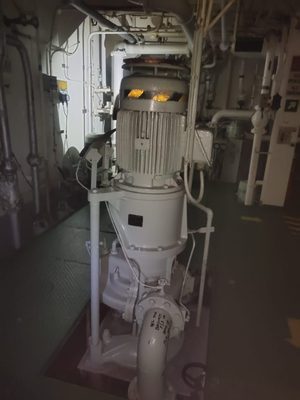
- Area: Segmental Gear Wear & DamageCheck: Visual inspection for scoring, pitting, chipping on gear teeth; measure gear backlash and contact surface wear using dial indicators; check for discoloration indicating overheating
- Area: Bearing Degradation & Lifetime LimitsCheck: Check for abnormal noise/vibration during operation; inspect for corrosion, spalling, or surface damage on roller/sliding bearings; verify bearing clearances per specification; temperature monitoring
- Area: Seal & Gasket LeakageCheck: Monitor leakage rate (acceptable: ~1 drop/second); inspect seal faces for wear, scoring, or hardening; check gasket compression and condition; pressure test at operating parameters
- Area: Lubrication Oil Quality & ViscosityCheck: Verify oil viscosity matches pump specification (check manufacturer datasheet); test for water contamination, oxidation products, and particle count per ISO 4406; change intervals per maintenance schedule
- Area: Pressure & Flow Performance DegradationCheck: Conduct pressure test at rated conditions; measure actual flow rate vs. specification; check for abnormal pressure drops indicating internal leakage; performance verification under loaded operation
Typ-universelle Inspektionspunkte fuer Lube Oil Pumps (verifiziert, 2026-06).
- Area: Segmental Gear Wear & DamageCheck: Visual inspection for scoring, pitting, chipping on gear teeth; measure gear backlash and contact surface wear using dial indicators; check for discoloration indicating overheating
- Area: Bearing Degradation & Lifetime LimitsCheck: Check for abnormal noise/vibration during operation; inspect for corrosion, spalling, or surface damage on roller/sliding bearings; verify bearing clearances per specification; temperature monitoring
- Area: Seal & Gasket LeakageCheck: Monitor leakage rate (acceptable: ~1 drop/second); inspect seal faces for wear, scoring, or hardening; check gasket compression and condition; pressure test at operating parameters
- Area: Lubrication Oil Quality & ViscosityCheck: Verify oil viscosity matches pump specification (check manufacturer datasheet); test for water contamination, oxidation products, and particle count per ISO 4406; change intervals per maintenance schedule
- Area: Pressure & Flow Performance DegradationCheck: Conduct pressure test at rated conditions; measure actual flow rate vs. specification; check for abnormal pressure drops indicating internal leakage; performance verification under loaded operation
Typ-universelle Inspektionspunkte fuer Lube Oil Pumps (verifiziert, 2026-06).
- Area: Segmental Gear Wear & DamageCheck: Visual inspection for scoring, pitting, chipping on gear teeth; measure gear backlash and contact surface wear using dial indicators; check for discoloration indicating overheating
- Area: Bearing Degradation & Lifetime LimitsCheck: Check for abnormal noise/vibration during operation; inspect for corrosion, spalling, or surface damage on roller/sliding bearings; verify bearing clearances per specification; temperature monitoring
- Area: Seal & Gasket LeakageCheck: Monitor leakage rate (acceptable: ~1 drop/second); inspect seal faces for wear, scoring, or hardening; check gasket compression and condition; pressure test at operating parameters
- Area: Lubrication Oil Quality & ViscosityCheck: Verify oil viscosity matches pump specification (check manufacturer datasheet); test for water contamination, oxidation products, and particle count per ISO 4406; change intervals per maintenance schedule
- Area: Pressure & Flow Performance DegradationCheck: Conduct pressure test at rated conditions; measure actual flow rate vs. specification; check for abnormal pressure drops indicating internal leakage; performance verification under loaded operation
Typ-universelle Inspektionspunkte fuer Lube Oil Pumps (verifiziert, 2026-06).
- Area: Segmental Gear Wear & DamageCheck: Visual inspection for scoring, pitting, chipping on gear teeth; measure gear backlash and contact surface wear using dial indicators; check for discoloration indicating overheating
- Area: Bearing Degradation & Lifetime LimitsCheck: Check for abnormal noise/vibration during operation; inspect for corrosion, spalling, or surface damage on roller/sliding bearings; verify bearing clearances per specification; temperature monitoring
- Area: Seal & Gasket LeakageCheck: Monitor leakage rate (acceptable: ~1 drop/second); inspect seal faces for wear, scoring, or hardening; check gasket compression and condition; pressure test at operating parameters
- Area: Lubrication Oil Quality & ViscosityCheck: Verify oil viscosity matches pump specification (check manufacturer datasheet); test for water contamination, oxidation products, and particle count per ISO 4406; change intervals per maintenance schedule
- Area: Pressure & Flow Performance DegradationCheck: Conduct pressure test at rated conditions; measure actual flow rate vs. specification; check for abnormal pressure drops indicating internal leakage; performance verification under loaded operation
Typ-universelle Inspektionspunkte fuer Lube Oil Pumps (verifiziert, 2026-06).
- Area: Segmental Gear Wear & DamageCheck: Visual inspection for scoring, pitting, chipping on gear teeth; measure gear backlash and contact surface wear using dial indicators; check for discoloration indicating overheating
- Area: Bearing Degradation & Lifetime LimitsCheck: Check for abnormal noise/vibration during operation; inspect for corrosion, spalling, or surface damage on roller/sliding bearings; verify bearing clearances per specification; temperature monitoring
- Area: Seal & Gasket LeakageCheck: Monitor leakage rate (acceptable: ~1 drop/second); inspect seal faces for wear, scoring, or hardening; check gasket compression and condition; pressure test at operating parameters
- Area: Lubrication Oil Quality & ViscosityCheck: Verify oil viscosity matches pump specification (check manufacturer datasheet); test for water contamination, oxidation products, and particle count per ISO 4406; change intervals per maintenance schedule
- Area: Pressure & Flow Performance DegradationCheck: Conduct pressure test at rated conditions; measure actual flow rate vs. specification; check for abnormal pressure drops indicating internal leakage; performance verification under loaded operation
Typ-universelle Inspektionspunkte fuer Lube Oil Pumps (verifiziert, 2026-06).
- Area: Segmental Gear Wear & DamageCheck: Visual inspection for scoring, pitting, chipping on gear teeth; measure gear backlash and contact surface wear using dial indicators; check for discoloration indicating overheating
- Area: Bearing Degradation & Lifetime LimitsCheck: Check for abnormal noise/vibration during operation; inspect for corrosion, spalling, or surface damage on roller/sliding bearings; verify bearing clearances per specification; temperature monitoring
- Area: Seal & Gasket LeakageCheck: Monitor leakage rate (acceptable: ~1 drop/second); inspect seal faces for wear, scoring, or hardening; check gasket compression and condition; pressure test at operating parameters
- Area: Lubrication Oil Quality & ViscosityCheck: Verify oil viscosity matches pump specification (check manufacturer datasheet); test for water contamination, oxidation products, and particle count per ISO 4406; change intervals per maintenance schedule
- Area: Pressure & Flow Performance DegradationCheck: Conduct pressure test at rated conditions; measure actual flow rate vs. specification; check for abnormal pressure drops indicating internal leakage; performance verification under loaded operation
Typ-universelle Inspektionspunkte fuer Lube Oil Pumps (verifiziert, 2026-06).

- Area: Segmental Gear Wear & DamageCheck: Visual inspection for scoring, pitting, chipping on gear teeth; measure gear backlash and contact surface wear using dial indicators; check for discoloration indicating overheating
- Area: Bearing Degradation & Lifetime LimitsCheck: Check for abnormal noise/vibration during operation; inspect for corrosion, spalling, or surface damage on roller/sliding bearings; verify bearing clearances per specification; temperature monitoring
- Area: Seal & Gasket LeakageCheck: Monitor leakage rate (acceptable: ~1 drop/second); inspect seal faces for wear, scoring, or hardening; check gasket compression and condition; pressure test at operating parameters
- Area: Lubrication Oil Quality & ViscosityCheck: Verify oil viscosity matches pump specification (check manufacturer datasheet); test for water contamination, oxidation products, and particle count per ISO 4406; change intervals per maintenance schedule
- Area: Pressure & Flow Performance DegradationCheck: Conduct pressure test at rated conditions; measure actual flow rate vs. specification; check for abnormal pressure drops indicating internal leakage; performance verification under loaded operation
Typ-universelle Inspektionspunkte fuer Lube Oil Pumps (verifiziert, 2026-06).
- Area: Segmental Gear Wear & DamageCheck: Visual inspection for scoring, pitting, chipping on gear teeth; measure gear backlash and contact surface wear using dial indicators; check for discoloration indicating overheating
- Area: Bearing Degradation & Lifetime LimitsCheck: Check for abnormal noise/vibration during operation; inspect for corrosion, spalling, or surface damage on roller/sliding bearings; verify bearing clearances per specification; temperature monitoring
- Area: Seal & Gasket LeakageCheck: Monitor leakage rate (acceptable: ~1 drop/second); inspect seal faces for wear, scoring, or hardening; check gasket compression and condition; pressure test at operating parameters
- Area: Lubrication Oil Quality & ViscosityCheck: Verify oil viscosity matches pump specification (check manufacturer datasheet); test for water contamination, oxidation products, and particle count per ISO 4406; change intervals per maintenance schedule
- Area: Pressure & Flow Performance DegradationCheck: Conduct pressure test at rated conditions; measure actual flow rate vs. specification; check for abnormal pressure drops indicating internal leakage; performance verification under loaded operation
Typ-universelle Inspektionspunkte fuer Lube Oil Pumps (verifiziert, 2026-06).
- Area: Segmental Gear Wear & DamageCheck: Visual inspection for scoring, pitting, chipping on gear teeth; measure gear backlash and contact surface wear using dial indicators; check for discoloration indicating overheating
- Area: Bearing Degradation & Lifetime LimitsCheck: Check for abnormal noise/vibration during operation; inspect for corrosion, spalling, or surface damage on roller/sliding bearings; verify bearing clearances per specification; temperature monitoring
- Area: Seal & Gasket LeakageCheck: Monitor leakage rate (acceptable: ~1 drop/second); inspect seal faces for wear, scoring, or hardening; check gasket compression and condition; pressure test at operating parameters
- Area: Lubrication Oil Quality & ViscosityCheck: Verify oil viscosity matches pump specification (check manufacturer datasheet); test for water contamination, oxidation products, and particle count per ISO 4406; change intervals per maintenance schedule
- Area: Pressure & Flow Performance DegradationCheck: Conduct pressure test at rated conditions; measure actual flow rate vs. specification; check for abnormal pressure drops indicating internal leakage; performance verification under loaded operation
Typ-universelle Inspektionspunkte fuer Lube Oil Pumps (verifiziert, 2026-06).
- Area: Segmental Gear Wear & DamageCheck: Visual inspection for scoring, pitting, chipping on gear teeth; measure gear backlash and contact surface wear using dial indicators; check for discoloration indicating overheating
- Area: Bearing Degradation & Lifetime LimitsCheck: Check for abnormal noise/vibration during operation; inspect for corrosion, spalling, or surface damage on roller/sliding bearings; verify bearing clearances per specification; temperature monitoring
- Area: Seal & Gasket LeakageCheck: Monitor leakage rate (acceptable: ~1 drop/second); inspect seal faces for wear, scoring, or hardening; check gasket compression and condition; pressure test at operating parameters
- Area: Lubrication Oil Quality & ViscosityCheck: Verify oil viscosity matches pump specification (check manufacturer datasheet); test for water contamination, oxidation products, and particle count per ISO 4406; change intervals per maintenance schedule
- Area: Pressure & Flow Performance DegradationCheck: Conduct pressure test at rated conditions; measure actual flow rate vs. specification; check for abnormal pressure drops indicating internal leakage; performance verification under loaded operation
Typ-universelle Inspektionspunkte fuer Lube Oil Pumps (verifiziert, 2026-06).
- Area: Segmental Gear Wear & DamageCheck: Visual inspection for scoring, pitting, chipping on gear teeth; measure gear backlash and contact surface wear using dial indicators; check for discoloration indicating overheating
- Area: Bearing Degradation & Lifetime LimitsCheck: Check for abnormal noise/vibration during operation; inspect for corrosion, spalling, or surface damage on roller/sliding bearings; verify bearing clearances per specification; temperature monitoring
- Area: Seal & Gasket LeakageCheck: Monitor leakage rate (acceptable: ~1 drop/second); inspect seal faces for wear, scoring, or hardening; check gasket compression and condition; pressure test at operating parameters
- Area: Lubrication Oil Quality & ViscosityCheck: Verify oil viscosity matches pump specification (check manufacturer datasheet); test for water contamination, oxidation products, and particle count per ISO 4406; change intervals per maintenance schedule
- Area: Pressure & Flow Performance DegradationCheck: Conduct pressure test at rated conditions; measure actual flow rate vs. specification; check for abnormal pressure drops indicating internal leakage; performance verification under loaded operation
Typ-universelle Inspektionspunkte fuer Lube Oil Pumps (verifiziert, 2026-06).
- Area: Segmental Gear Wear & DamageCheck: Visual inspection for scoring, pitting, chipping on gear teeth; measure gear backlash and contact surface wear using dial indicators; check for discoloration indicating overheating
- Area: Bearing Degradation & Lifetime LimitsCheck: Check for abnormal noise/vibration during operation; inspect for corrosion, spalling, or surface damage on roller/sliding bearings; verify bearing clearances per specification; temperature monitoring
- Area: Seal & Gasket LeakageCheck: Monitor leakage rate (acceptable: ~1 drop/second); inspect seal faces for wear, scoring, or hardening; check gasket compression and condition; pressure test at operating parameters
- Area: Lubrication Oil Quality & ViscosityCheck: Verify oil viscosity matches pump specification (check manufacturer datasheet); test for water contamination, oxidation products, and particle count per ISO 4406; change intervals per maintenance schedule
- Area: Pressure & Flow Performance DegradationCheck: Conduct pressure test at rated conditions; measure actual flow rate vs. specification; check for abnormal pressure drops indicating internal leakage; performance verification under loaded operation
Typ-universelle Inspektionspunkte fuer Lube Oil Pumps (verifiziert, 2026-06).
- Area: Segmental Gear Wear & DamageCheck: Visual inspection for scoring, pitting, chipping on gear teeth; measure gear backlash and contact surface wear using dial indicators; check for discoloration indicating overheating
- Area: Bearing Degradation & Lifetime LimitsCheck: Check for abnormal noise/vibration during operation; inspect for corrosion, spalling, or surface damage on roller/sliding bearings; verify bearing clearances per specification; temperature monitoring
- Area: Seal & Gasket LeakageCheck: Monitor leakage rate (acceptable: ~1 drop/second); inspect seal faces for wear, scoring, or hardening; check gasket compression and condition; pressure test at operating parameters
- Area: Lubrication Oil Quality & ViscosityCheck: Verify oil viscosity matches pump specification (check manufacturer datasheet); test for water contamination, oxidation products, and particle count per ISO 4406; change intervals per maintenance schedule
- Area: Pressure & Flow Performance DegradationCheck: Conduct pressure test at rated conditions; measure actual flow rate vs. specification; check for abnormal pressure drops indicating internal leakage; performance verification under loaded operation
Typ-universelle Inspektionspunkte fuer Lube Oil Pumps (verifiziert, 2026-06).
- Area: Segmental Gear Wear & DamageCheck: Visual inspection for scoring, pitting, chipping on gear teeth; measure gear backlash and contact surface wear using dial indicators; check for discoloration indicating overheating
- Area: Bearing Degradation & Lifetime LimitsCheck: Check for abnormal noise/vibration during operation; inspect for corrosion, spalling, or surface damage on roller/sliding bearings; verify bearing clearances per specification; temperature monitoring
- Area: Seal & Gasket LeakageCheck: Monitor leakage rate (acceptable: ~1 drop/second); inspect seal faces for wear, scoring, or hardening; check gasket compression and condition; pressure test at operating parameters
- Area: Lubrication Oil Quality & ViscosityCheck: Verify oil viscosity matches pump specification (check manufacturer datasheet); test for water contamination, oxidation products, and particle count per ISO 4406; change intervals per maintenance schedule
- Area: Pressure & Flow Performance DegradationCheck: Conduct pressure test at rated conditions; measure actual flow rate vs. specification; check for abnormal pressure drops indicating internal leakage; performance verification under loaded operation
Typ-universelle Inspektionspunkte fuer Lube Oil Pumps (verifiziert, 2026-06).
- Area: Segmental Gear Wear & DamageCheck: Visual inspection for scoring, pitting, chipping on gear teeth; measure gear backlash and contact surface wear using dial indicators; check for discoloration indicating overheating
- Area: Bearing Degradation & Lifetime LimitsCheck: Check for abnormal noise/vibration during operation; inspect for corrosion, spalling, or surface damage on roller/sliding bearings; verify bearing clearances per specification; temperature monitoring
- Area: Seal & Gasket LeakageCheck: Monitor leakage rate (acceptable: ~1 drop/second); inspect seal faces for wear, scoring, or hardening; check gasket compression and condition; pressure test at operating parameters
- Area: Lubrication Oil Quality & ViscosityCheck: Verify oil viscosity matches pump specification (check manufacturer datasheet); test for water contamination, oxidation products, and particle count per ISO 4406; change intervals per maintenance schedule
- Area: Pressure & Flow Performance DegradationCheck: Conduct pressure test at rated conditions; measure actual flow rate vs. specification; check for abnormal pressure drops indicating internal leakage; performance verification under loaded operation
Typ-universelle Inspektionspunkte fuer Lube Oil Pumps (verifiziert, 2026-06).
- Area: Segmental Gear Wear & DamageCheck: Visual inspection for scoring, pitting, chipping on gear teeth; measure gear backlash and contact surface wear using dial indicators; check for discoloration indicating overheating
- Area: Bearing Degradation & Lifetime LimitsCheck: Check for abnormal noise/vibration during operation; inspect for corrosion, spalling, or surface damage on roller/sliding bearings; verify bearing clearances per specification; temperature monitoring
- Area: Seal & Gasket LeakageCheck: Monitor leakage rate (acceptable: ~1 drop/second); inspect seal faces for wear, scoring, or hardening; check gasket compression and condition; pressure test at operating parameters
- Area: Lubrication Oil Quality & ViscosityCheck: Verify oil viscosity matches pump specification (check manufacturer datasheet); test for water contamination, oxidation products, and particle count per ISO 4406; change intervals per maintenance schedule
- Area: Pressure & Flow Performance DegradationCheck: Conduct pressure test at rated conditions; measure actual flow rate vs. specification; check for abnormal pressure drops indicating internal leakage; performance verification under loaded operation
Typ-universelle Inspektionspunkte fuer Lube Oil Pumps (verifiziert, 2026-06).
- Area: Segmental Gear Wear & DamageCheck: Visual inspection for scoring, pitting, chipping on gear teeth; measure gear backlash and contact surface wear using dial indicators; check for discoloration indicating overheating
- Area: Bearing Degradation & Lifetime LimitsCheck: Check for abnormal noise/vibration during operation; inspect for corrosion, spalling, or surface damage on roller/sliding bearings; verify bearing clearances per specification; temperature monitoring
- Area: Seal & Gasket LeakageCheck: Monitor leakage rate (acceptable: ~1 drop/second); inspect seal faces for wear, scoring, or hardening; check gasket compression and condition; pressure test at operating parameters
- Area: Lubrication Oil Quality & ViscosityCheck: Verify oil viscosity matches pump specification (check manufacturer datasheet); test for water contamination, oxidation products, and particle count per ISO 4406; change intervals per maintenance schedule
- Area: Pressure & Flow Performance DegradationCheck: Conduct pressure test at rated conditions; measure actual flow rate vs. specification; check for abnormal pressure drops indicating internal leakage; performance verification under loaded operation
Typ-universelle Inspektionspunkte fuer Lube Oil Pumps (verifiziert, 2026-06).
- Area: Segmental Gear Wear & DamageCheck: Visual inspection for scoring, pitting, chipping on gear teeth; measure gear backlash and contact surface wear using dial indicators; check for discoloration indicating overheating
- Area: Bearing Degradation & Lifetime LimitsCheck: Check for abnormal noise/vibration during operation; inspect for corrosion, spalling, or surface damage on roller/sliding bearings; verify bearing clearances per specification; temperature monitoring
- Area: Seal & Gasket LeakageCheck: Monitor leakage rate (acceptable: ~1 drop/second); inspect seal faces for wear, scoring, or hardening; check gasket compression and condition; pressure test at operating parameters
- Area: Lubrication Oil Quality & ViscosityCheck: Verify oil viscosity matches pump specification (check manufacturer datasheet); test for water contamination, oxidation products, and particle count per ISO 4406; change intervals per maintenance schedule
- Area: Pressure & Flow Performance DegradationCheck: Conduct pressure test at rated conditions; measure actual flow rate vs. specification; check for abnormal pressure drops indicating internal leakage; performance verification under loaded operation
Typ-universelle Inspektionspunkte fuer Lube Oil Pumps (verifiziert, 2026-06).
- Area: Segmental Gear Wear & DamageCheck: Visual inspection for scoring, pitting, chipping on gear teeth; measure gear backlash and contact surface wear using dial indicators; check for discoloration indicating overheating
- Area: Bearing Degradation & Lifetime LimitsCheck: Check for abnormal noise/vibration during operation; inspect for corrosion, spalling, or surface damage on roller/sliding bearings; verify bearing clearances per specification; temperature monitoring
- Area: Seal & Gasket LeakageCheck: Monitor leakage rate (acceptable: ~1 drop/second); inspect seal faces for wear, scoring, or hardening; check gasket compression and condition; pressure test at operating parameters
- Area: Lubrication Oil Quality & ViscosityCheck: Verify oil viscosity matches pump specification (check manufacturer datasheet); test for water contamination, oxidation products, and particle count per ISO 4406; change intervals per maintenance schedule
- Area: Pressure & Flow Performance DegradationCheck: Conduct pressure test at rated conditions; measure actual flow rate vs. specification; check for abnormal pressure drops indicating internal leakage; performance verification under loaded operation
Typ-universelle Inspektionspunkte fuer Lube Oil Pumps (verifiziert, 2026-06).
- Area: Segmental Gear Wear & DamageCheck: Visual inspection for scoring, pitting, chipping on gear teeth; measure gear backlash and contact surface wear using dial indicators; check for discoloration indicating overheating
- Area: Bearing Degradation & Lifetime LimitsCheck: Check for abnormal noise/vibration during operation; inspect for corrosion, spalling, or surface damage on roller/sliding bearings; verify bearing clearances per specification; temperature monitoring
- Area: Seal & Gasket LeakageCheck: Monitor leakage rate (acceptable: ~1 drop/second); inspect seal faces for wear, scoring, or hardening; check gasket compression and condition; pressure test at operating parameters
- Area: Lubrication Oil Quality & ViscosityCheck: Verify oil viscosity matches pump specification (check manufacturer datasheet); test for water contamination, oxidation products, and particle count per ISO 4406; change intervals per maintenance schedule
- Area: Pressure & Flow Performance DegradationCheck: Conduct pressure test at rated conditions; measure actual flow rate vs. specification; check for abnormal pressure drops indicating internal leakage; performance verification under loaded operation
Typ-universelle Inspektionspunkte fuer Lube Oil Pumps (verifiziert, 2026-06).
- Area: Segmental Gear Wear & DamageCheck: Visual inspection for scoring, pitting, chipping on gear teeth; measure gear backlash and contact surface wear using dial indicators; check for discoloration indicating overheating
- Area: Bearing Degradation & Lifetime LimitsCheck: Check for abnormal noise/vibration during operation; inspect for corrosion, spalling, or surface damage on roller/sliding bearings; verify bearing clearances per specification; temperature monitoring
- Area: Seal & Gasket LeakageCheck: Monitor leakage rate (acceptable: ~1 drop/second); inspect seal faces for wear, scoring, or hardening; check gasket compression and condition; pressure test at operating parameters
- Area: Lubrication Oil Quality & ViscosityCheck: Verify oil viscosity matches pump specification (check manufacturer datasheet); test for water contamination, oxidation products, and particle count per ISO 4406; change intervals per maintenance schedule
- Area: Pressure & Flow Performance DegradationCheck: Conduct pressure test at rated conditions; measure actual flow rate vs. specification; check for abnormal pressure drops indicating internal leakage; performance verification under loaded operation
Typ-universelle Inspektionspunkte fuer Lube Oil Pumps (verifiziert, 2026-06).
- Area: Segmental Gear Wear & DamageCheck: Visual inspection for scoring, pitting, chipping on gear teeth; measure gear backlash and contact surface wear using dial indicators; check for discoloration indicating overheating
- Area: Bearing Degradation & Lifetime LimitsCheck: Check for abnormal noise/vibration during operation; inspect for corrosion, spalling, or surface damage on roller/sliding bearings; verify bearing clearances per specification; temperature monitoring
- Area: Seal & Gasket LeakageCheck: Monitor leakage rate (acceptable: ~1 drop/second); inspect seal faces for wear, scoring, or hardening; check gasket compression and condition; pressure test at operating parameters
- Area: Lubrication Oil Quality & ViscosityCheck: Verify oil viscosity matches pump specification (check manufacturer datasheet); test for water contamination, oxidation products, and particle count per ISO 4406; change intervals per maintenance schedule
- Area: Pressure & Flow Performance DegradationCheck: Conduct pressure test at rated conditions; measure actual flow rate vs. specification; check for abnormal pressure drops indicating internal leakage; performance verification under loaded operation
Typ-universelle Inspektionspunkte fuer Lube Oil Pumps (verifiziert, 2026-06).
- Area: Segmental Gear Wear & DamageCheck: Visual inspection for scoring, pitting, chipping on gear teeth; measure gear backlash and contact surface wear using dial indicators; check for discoloration indicating overheating
- Area: Bearing Degradation & Lifetime LimitsCheck: Check for abnormal noise/vibration during operation; inspect for corrosion, spalling, or surface damage on roller/sliding bearings; verify bearing clearances per specification; temperature monitoring
- Area: Seal & Gasket LeakageCheck: Monitor leakage rate (acceptable: ~1 drop/second); inspect seal faces for wear, scoring, or hardening; check gasket compression and condition; pressure test at operating parameters
- Area: Lubrication Oil Quality & ViscosityCheck: Verify oil viscosity matches pump specification (check manufacturer datasheet); test for water contamination, oxidation products, and particle count per ISO 4406; change intervals per maintenance schedule
- Area: Pressure & Flow Performance DegradationCheck: Conduct pressure test at rated conditions; measure actual flow rate vs. specification; check for abnormal pressure drops indicating internal leakage; performance verification under loaded operation
Typ-universelle Inspektionspunkte fuer Lube Oil Pumps (verifiziert, 2026-06).
- Area: Segmental Gear Wear & DamageCheck: Visual inspection for scoring, pitting, chipping on gear teeth; measure gear backlash and contact surface wear using dial indicators; check for discoloration indicating overheating
- Area: Bearing Degradation & Lifetime LimitsCheck: Check for abnormal noise/vibration during operation; inspect for corrosion, spalling, or surface damage on roller/sliding bearings; verify bearing clearances per specification; temperature monitoring
- Area: Seal & Gasket LeakageCheck: Monitor leakage rate (acceptable: ~1 drop/second); inspect seal faces for wear, scoring, or hardening; check gasket compression and condition; pressure test at operating parameters
- Area: Lubrication Oil Quality & ViscosityCheck: Verify oil viscosity matches pump specification (check manufacturer datasheet); test for water contamination, oxidation products, and particle count per ISO 4406; change intervals per maintenance schedule
- Area: Pressure & Flow Performance DegradationCheck: Conduct pressure test at rated conditions; measure actual flow rate vs. specification; check for abnormal pressure drops indicating internal leakage; performance verification under loaded operation
Typ-universelle Inspektionspunkte fuer Lube Oil Pumps (verifiziert, 2026-06).
- Area: Segmental Gear Wear & DamageCheck: Visual inspection for scoring, pitting, chipping on gear teeth; measure gear backlash and contact surface wear using dial indicators; check for discoloration indicating overheating
- Area: Bearing Degradation & Lifetime LimitsCheck: Check for abnormal noise/vibration during operation; inspect for corrosion, spalling, or surface damage on roller/sliding bearings; verify bearing clearances per specification; temperature monitoring
- Area: Seal & Gasket LeakageCheck: Monitor leakage rate (acceptable: ~1 drop/second); inspect seal faces for wear, scoring, or hardening; check gasket compression and condition; pressure test at operating parameters
- Area: Lubrication Oil Quality & ViscosityCheck: Verify oil viscosity matches pump specification (check manufacturer datasheet); test for water contamination, oxidation products, and particle count per ISO 4406; change intervals per maintenance schedule
- Area: Pressure & Flow Performance DegradationCheck: Conduct pressure test at rated conditions; measure actual flow rate vs. specification; check for abnormal pressure drops indicating internal leakage; performance verification under loaded operation
Typ-universelle Inspektionspunkte fuer Lube Oil Pumps (verifiziert, 2026-06).
- Area: Segmental Gear Wear & DamageCheck: Visual inspection for scoring, pitting, chipping on gear teeth; measure gear backlash and contact surface wear using dial indicators; check for discoloration indicating overheating
- Area: Bearing Degradation & Lifetime LimitsCheck: Check for abnormal noise/vibration during operation; inspect for corrosion, spalling, or surface damage on roller/sliding bearings; verify bearing clearances per specification; temperature monitoring
- Area: Seal & Gasket LeakageCheck: Monitor leakage rate (acceptable: ~1 drop/second); inspect seal faces for wear, scoring, or hardening; check gasket compression and condition; pressure test at operating parameters
- Area: Lubrication Oil Quality & ViscosityCheck: Verify oil viscosity matches pump specification (check manufacturer datasheet); test for water contamination, oxidation products, and particle count per ISO 4406; change intervals per maintenance schedule
- Area: Pressure & Flow Performance DegradationCheck: Conduct pressure test at rated conditions; measure actual flow rate vs. specification; check for abnormal pressure drops indicating internal leakage; performance verification under loaded operation
Typ-universelle Inspektionspunkte fuer Lube Oil Pumps (verifiziert, 2026-06).
- Area: Segmental Gear Wear & DamageCheck: Visual inspection for scoring, pitting, chipping on gear teeth; measure gear backlash and contact surface wear using dial indicators; check for discoloration indicating overheating
- Area: Bearing Degradation & Lifetime LimitsCheck: Check for abnormal noise/vibration during operation; inspect for corrosion, spalling, or surface damage on roller/sliding bearings; verify bearing clearances per specification; temperature monitoring
- Area: Seal & Gasket LeakageCheck: Monitor leakage rate (acceptable: ~1 drop/second); inspect seal faces for wear, scoring, or hardening; check gasket compression and condition; pressure test at operating parameters
- Area: Lubrication Oil Quality & ViscosityCheck: Verify oil viscosity matches pump specification (check manufacturer datasheet); test for water contamination, oxidation products, and particle count per ISO 4406; change intervals per maintenance schedule
- Area: Pressure & Flow Performance DegradationCheck: Conduct pressure test at rated conditions; measure actual flow rate vs. specification; check for abnormal pressure drops indicating internal leakage; performance verification under loaded operation
Typ-universelle Inspektionspunkte fuer Lube Oil Pumps (verifiziert, 2026-06).
- Area: Segmental Gear Wear & DamageCheck: Visual inspection for scoring, pitting, chipping on gear teeth; measure gear backlash and contact surface wear using dial indicators; check for discoloration indicating overheating
- Area: Bearing Degradation & Lifetime LimitsCheck: Check for abnormal noise/vibration during operation; inspect for corrosion, spalling, or surface damage on roller/sliding bearings; verify bearing clearances per specification; temperature monitoring
- Area: Seal & Gasket LeakageCheck: Monitor leakage rate (acceptable: ~1 drop/second); inspect seal faces for wear, scoring, or hardening; check gasket compression and condition; pressure test at operating parameters
- Area: Lubrication Oil Quality & ViscosityCheck: Verify oil viscosity matches pump specification (check manufacturer datasheet); test for water contamination, oxidation products, and particle count per ISO 4406; change intervals per maintenance schedule
- Area: Pressure & Flow Performance DegradationCheck: Conduct pressure test at rated conditions; measure actual flow rate vs. specification; check for abnormal pressure drops indicating internal leakage; performance verification under loaded operation
Typ-universelle Inspektionspunkte fuer Lube Oil Pumps (verifiziert, 2026-06).
- Area: Segmental Gear Wear & DamageCheck: Visual inspection for scoring, pitting, chipping on gear teeth; measure gear backlash and contact surface wear using dial indicators; check for discoloration indicating overheating
- Area: Bearing Degradation & Lifetime LimitsCheck: Check for abnormal noise/vibration during operation; inspect for corrosion, spalling, or surface damage on roller/sliding bearings; verify bearing clearances per specification; temperature monitoring
- Area: Seal & Gasket LeakageCheck: Monitor leakage rate (acceptable: ~1 drop/second); inspect seal faces for wear, scoring, or hardening; check gasket compression and condition; pressure test at operating parameters
- Area: Lubrication Oil Quality & ViscosityCheck: Verify oil viscosity matches pump specification (check manufacturer datasheet); test for water contamination, oxidation products, and particle count per ISO 4406; change intervals per maintenance schedule
- Area: Pressure & Flow Performance DegradationCheck: Conduct pressure test at rated conditions; measure actual flow rate vs. specification; check for abnormal pressure drops indicating internal leakage; performance verification under loaded operation
Typ-universelle Inspektionspunkte fuer Lube Oil Pumps (verifiziert, 2026-06).
- Area: Segmental Gear Wear & DamageCheck: Visual inspection for scoring, pitting, chipping on gear teeth; measure gear backlash and contact surface wear using dial indicators; check for discoloration indicating overheating
- Area: Bearing Degradation & Lifetime LimitsCheck: Check for abnormal noise/vibration during operation; inspect for corrosion, spalling, or surface damage on roller/sliding bearings; verify bearing clearances per specification; temperature monitoring
- Area: Seal & Gasket LeakageCheck: Monitor leakage rate (acceptable: ~1 drop/second); inspect seal faces for wear, scoring, or hardening; check gasket compression and condition; pressure test at operating parameters
- Area: Lubrication Oil Quality & ViscosityCheck: Verify oil viscosity matches pump specification (check manufacturer datasheet); test for water contamination, oxidation products, and particle count per ISO 4406; change intervals per maintenance schedule
- Area: Pressure & Flow Performance DegradationCheck: Conduct pressure test at rated conditions; measure actual flow rate vs. specification; check for abnormal pressure drops indicating internal leakage; performance verification under loaded operation
Typ-universelle Inspektionspunkte fuer Lube Oil Pumps (verifiziert, 2026-06).
- Area: Segmental Gear Wear & DamageCheck: Visual inspection for scoring, pitting, chipping on gear teeth; measure gear backlash and contact surface wear using dial indicators; check for discoloration indicating overheating
- Area: Bearing Degradation & Lifetime LimitsCheck: Check for abnormal noise/vibration during operation; inspect for corrosion, spalling, or surface damage on roller/sliding bearings; verify bearing clearances per specification; temperature monitoring
- Area: Seal & Gasket LeakageCheck: Monitor leakage rate (acceptable: ~1 drop/second); inspect seal faces for wear, scoring, or hardening; check gasket compression and condition; pressure test at operating parameters
- Area: Lubrication Oil Quality & ViscosityCheck: Verify oil viscosity matches pump specification (check manufacturer datasheet); test for water contamination, oxidation products, and particle count per ISO 4406; change intervals per maintenance schedule
- Area: Pressure & Flow Performance DegradationCheck: Conduct pressure test at rated conditions; measure actual flow rate vs. specification; check for abnormal pressure drops indicating internal leakage; performance verification under loaded operation
Typ-universelle Inspektionspunkte fuer Lube Oil Pumps (verifiziert, 2026-06).
- Area: Segmental Gear Wear & DamageCheck: Visual inspection for scoring, pitting, chipping on gear teeth; measure gear backlash and contact surface wear using dial indicators; check for discoloration indicating overheating
- Area: Bearing Degradation & Lifetime LimitsCheck: Check for abnormal noise/vibration during operation; inspect for corrosion, spalling, or surface damage on roller/sliding bearings; verify bearing clearances per specification; temperature monitoring
- Area: Seal & Gasket LeakageCheck: Monitor leakage rate (acceptable: ~1 drop/second); inspect seal faces for wear, scoring, or hardening; check gasket compression and condition; pressure test at operating parameters
- Area: Lubrication Oil Quality & ViscosityCheck: Verify oil viscosity matches pump specification (check manufacturer datasheet); test for water contamination, oxidation products, and particle count per ISO 4406; change intervals per maintenance schedule
- Area: Pressure & Flow Performance DegradationCheck: Conduct pressure test at rated conditions; measure actual flow rate vs. specification; check for abnormal pressure drops indicating internal leakage; performance verification under loaded operation
Typ-universelle Inspektionspunkte fuer Lube Oil Pumps (verifiziert, 2026-06).
- Area: Segmental Gear Wear & DamageCheck: Visual inspection for scoring, pitting, chipping on gear teeth; measure gear backlash and contact surface wear using dial indicators; check for discoloration indicating overheating
- Area: Bearing Degradation & Lifetime LimitsCheck: Check for abnormal noise/vibration during operation; inspect for corrosion, spalling, or surface damage on roller/sliding bearings; verify bearing clearances per specification; temperature monitoring
- Area: Seal & Gasket LeakageCheck: Monitor leakage rate (acceptable: ~1 drop/second); inspect seal faces for wear, scoring, or hardening; check gasket compression and condition; pressure test at operating parameters
- Area: Lubrication Oil Quality & ViscosityCheck: Verify oil viscosity matches pump specification (check manufacturer datasheet); test for water contamination, oxidation products, and particle count per ISO 4406; change intervals per maintenance schedule
- Area: Pressure & Flow Performance DegradationCheck: Conduct pressure test at rated conditions; measure actual flow rate vs. specification; check for abnormal pressure drops indicating internal leakage; performance verification under loaded operation
Typ-universelle Inspektionspunkte fuer Lube Oil Pumps (verifiziert, 2026-06).
- Area: Segmental Gear Wear & DamageCheck: Visual inspection for scoring, pitting, chipping on gear teeth; measure gear backlash and contact surface wear using dial indicators; check for discoloration indicating overheating
- Area: Bearing Degradation & Lifetime LimitsCheck: Check for abnormal noise/vibration during operation; inspect for corrosion, spalling, or surface damage on roller/sliding bearings; verify bearing clearances per specification; temperature monitoring
- Area: Seal & Gasket LeakageCheck: Monitor leakage rate (acceptable: ~1 drop/second); inspect seal faces for wear, scoring, or hardening; check gasket compression and condition; pressure test at operating parameters
- Area: Lubrication Oil Quality & ViscosityCheck: Verify oil viscosity matches pump specification (check manufacturer datasheet); test for water contamination, oxidation products, and particle count per ISO 4406; change intervals per maintenance schedule
- Area: Pressure & Flow Performance DegradationCheck: Conduct pressure test at rated conditions; measure actual flow rate vs. specification; check for abnormal pressure drops indicating internal leakage; performance verification under loaded operation
Typ-universelle Inspektionspunkte fuer Lube Oil Pumps (verifiziert, 2026-06).
- Area: Segmental Gear Wear & DamageCheck: Visual inspection for scoring, pitting, chipping on gear teeth; measure gear backlash and contact surface wear using dial indicators; check for discoloration indicating overheating
- Area: Bearing Degradation & Lifetime LimitsCheck: Check for abnormal noise/vibration during operation; inspect for corrosion, spalling, or surface damage on roller/sliding bearings; verify bearing clearances per specification; temperature monitoring
- Area: Seal & Gasket LeakageCheck: Monitor leakage rate (acceptable: ~1 drop/second); inspect seal faces for wear, scoring, or hardening; check gasket compression and condition; pressure test at operating parameters
- Area: Lubrication Oil Quality & ViscosityCheck: Verify oil viscosity matches pump specification (check manufacturer datasheet); test for water contamination, oxidation products, and particle count per ISO 4406; change intervals per maintenance schedule
- Area: Pressure & Flow Performance DegradationCheck: Conduct pressure test at rated conditions; measure actual flow rate vs. specification; check for abnormal pressure drops indicating internal leakage; performance verification under loaded operation
Typ-universelle Inspektionspunkte fuer Lube Oil Pumps (verifiziert, 2026-06).
- Area: Segmental Gear Wear & DamageCheck: Visual inspection for scoring, pitting, chipping on gear teeth; measure gear backlash and contact surface wear using dial indicators; check for discoloration indicating overheating
- Area: Bearing Degradation & Lifetime LimitsCheck: Check for abnormal noise/vibration during operation; inspect for corrosion, spalling, or surface damage on roller/sliding bearings; verify bearing clearances per specification; temperature monitoring
- Area: Seal & Gasket LeakageCheck: Monitor leakage rate (acceptable: ~1 drop/second); inspect seal faces for wear, scoring, or hardening; check gasket compression and condition; pressure test at operating parameters
- Area: Lubrication Oil Quality & ViscosityCheck: Verify oil viscosity matches pump specification (check manufacturer datasheet); test for water contamination, oxidation products, and particle count per ISO 4406; change intervals per maintenance schedule
- Area: Pressure & Flow Performance DegradationCheck: Conduct pressure test at rated conditions; measure actual flow rate vs. specification; check for abnormal pressure drops indicating internal leakage; performance verification under loaded operation
Typ-universelle Inspektionspunkte fuer Lube Oil Pumps (verifiziert, 2026-06).
- Area: Segmental Gear Wear & DamageCheck: Visual inspection for scoring, pitting, chipping on gear teeth; measure gear backlash and contact surface wear using dial indicators; check for discoloration indicating overheating
- Area: Bearing Degradation & Lifetime LimitsCheck: Check for abnormal noise/vibration during operation; inspect for corrosion, spalling, or surface damage on roller/sliding bearings; verify bearing clearances per specification; temperature monitoring
- Area: Seal & Gasket LeakageCheck: Monitor leakage rate (acceptable: ~1 drop/second); inspect seal faces for wear, scoring, or hardening; check gasket compression and condition; pressure test at operating parameters
- Area: Lubrication Oil Quality & ViscosityCheck: Verify oil viscosity matches pump specification (check manufacturer datasheet); test for water contamination, oxidation products, and particle count per ISO 4406; change intervals per maintenance schedule
- Area: Pressure & Flow Performance DegradationCheck: Conduct pressure test at rated conditions; measure actual flow rate vs. specification; check for abnormal pressure drops indicating internal leakage; performance verification under loaded operation
Typ-universelle Inspektionspunkte fuer Lube Oil Pumps (verifiziert, 2026-06).
- Area: Segmental Gear Wear & DamageCheck: Visual inspection for scoring, pitting, chipping on gear teeth; measure gear backlash and contact surface wear using dial indicators; check for discoloration indicating overheating
- Area: Bearing Degradation & Lifetime LimitsCheck: Check for abnormal noise/vibration during operation; inspect for corrosion, spalling, or surface damage on roller/sliding bearings; verify bearing clearances per specification; temperature monitoring
- Area: Seal & Gasket LeakageCheck: Monitor leakage rate (acceptable: ~1 drop/second); inspect seal faces for wear, scoring, or hardening; check gasket compression and condition; pressure test at operating parameters
- Area: Lubrication Oil Quality & ViscosityCheck: Verify oil viscosity matches pump specification (check manufacturer datasheet); test for water contamination, oxidation products, and particle count per ISO 4406; change intervals per maintenance schedule
- Area: Pressure & Flow Performance DegradationCheck: Conduct pressure test at rated conditions; measure actual flow rate vs. specification; check for abnormal pressure drops indicating internal leakage; performance verification under loaded operation
Typ-universelle Inspektionspunkte fuer Lube Oil Pumps (verifiziert, 2026-06).
- Area: Segmental Gear Wear & DamageCheck: Visual inspection for scoring, pitting, chipping on gear teeth; measure gear backlash and contact surface wear using dial indicators; check for discoloration indicating overheating
- Area: Bearing Degradation & Lifetime LimitsCheck: Check for abnormal noise/vibration during operation; inspect for corrosion, spalling, or surface damage on roller/sliding bearings; verify bearing clearances per specification; temperature monitoring
- Area: Seal & Gasket LeakageCheck: Monitor leakage rate (acceptable: ~1 drop/second); inspect seal faces for wear, scoring, or hardening; check gasket compression and condition; pressure test at operating parameters
- Area: Lubrication Oil Quality & ViscosityCheck: Verify oil viscosity matches pump specification (check manufacturer datasheet); test for water contamination, oxidation products, and particle count per ISO 4406; change intervals per maintenance schedule
- Area: Pressure & Flow Performance DegradationCheck: Conduct pressure test at rated conditions; measure actual flow rate vs. specification; check for abnormal pressure drops indicating internal leakage; performance verification under loaded operation
Typ-universelle Inspektionspunkte fuer Lube Oil Pumps (verifiziert, 2026-06).
- Area: Segmental Gear Wear & DamageCheck: Visual inspection for scoring, pitting, chipping on gear teeth; measure gear backlash and contact surface wear using dial indicators; check for discoloration indicating overheating
- Area: Bearing Degradation & Lifetime LimitsCheck: Check for abnormal noise/vibration during operation; inspect for corrosion, spalling, or surface damage on roller/sliding bearings; verify bearing clearances per specification; temperature monitoring
- Area: Seal & Gasket LeakageCheck: Monitor leakage rate (acceptable: ~1 drop/second); inspect seal faces for wear, scoring, or hardening; check gasket compression and condition; pressure test at operating parameters
- Area: Lubrication Oil Quality & ViscosityCheck: Verify oil viscosity matches pump specification (check manufacturer datasheet); test for water contamination, oxidation products, and particle count per ISO 4406; change intervals per maintenance schedule
- Area: Pressure & Flow Performance DegradationCheck: Conduct pressure test at rated conditions; measure actual flow rate vs. specification; check for abnormal pressure drops indicating internal leakage; performance verification under loaded operation
Typ-universelle Inspektionspunkte fuer Lube Oil Pumps (verifiziert, 2026-06).
- Area: Segmental Gear Wear & DamageCheck: Visual inspection for scoring, pitting, chipping on gear teeth; measure gear backlash and contact surface wear using dial indicators; check for discoloration indicating overheating
- Area: Bearing Degradation & Lifetime LimitsCheck: Check for abnormal noise/vibration during operation; inspect for corrosion, spalling, or surface damage on roller/sliding bearings; verify bearing clearances per specification; temperature monitoring
- Area: Seal & Gasket LeakageCheck: Monitor leakage rate (acceptable: ~1 drop/second); inspect seal faces for wear, scoring, or hardening; check gasket compression and condition; pressure test at operating parameters
- Area: Lubrication Oil Quality & ViscosityCheck: Verify oil viscosity matches pump specification (check manufacturer datasheet); test for water contamination, oxidation products, and particle count per ISO 4406; change intervals per maintenance schedule
- Area: Pressure & Flow Performance DegradationCheck: Conduct pressure test at rated conditions; measure actual flow rate vs. specification; check for abnormal pressure drops indicating internal leakage; performance verification under loaded operation
Typ-universelle Inspektionspunkte fuer Lube Oil Pumps (verifiziert, 2026-06).
- Area: Segmental Gear Wear & DamageCheck: Visual inspection for scoring, pitting, chipping on gear teeth; measure gear backlash and contact surface wear using dial indicators; check for discoloration indicating overheating
- Area: Bearing Degradation & Lifetime LimitsCheck: Check for abnormal noise/vibration during operation; inspect for corrosion, spalling, or surface damage on roller/sliding bearings; verify bearing clearances per specification; temperature monitoring
- Area: Seal & Gasket LeakageCheck: Monitor leakage rate (acceptable: ~1 drop/second); inspect seal faces for wear, scoring, or hardening; check gasket compression and condition; pressure test at operating parameters
- Area: Lubrication Oil Quality & ViscosityCheck: Verify oil viscosity matches pump specification (check manufacturer datasheet); test for water contamination, oxidation products, and particle count per ISO 4406; change intervals per maintenance schedule
- Area: Pressure & Flow Performance DegradationCheck: Conduct pressure test at rated conditions; measure actual flow rate vs. specification; check for abnormal pressure drops indicating internal leakage; performance verification under loaded operation
Typ-universelle Inspektionspunkte fuer Lube Oil Pumps (verifiziert, 2026-06).
- Area: Segmental Gear Wear & DamageCheck: Visual inspection for scoring, pitting, chipping on gear teeth; measure gear backlash and contact surface wear using dial indicators; check for discoloration indicating overheating
- Area: Bearing Degradation & Lifetime LimitsCheck: Check for abnormal noise/vibration during operation; inspect for corrosion, spalling, or surface damage on roller/sliding bearings; verify bearing clearances per specification; temperature monitoring
- Area: Seal & Gasket LeakageCheck: Monitor leakage rate (acceptable: ~1 drop/second); inspect seal faces for wear, scoring, or hardening; check gasket compression and condition; pressure test at operating parameters
- Area: Lubrication Oil Quality & ViscosityCheck: Verify oil viscosity matches pump specification (check manufacturer datasheet); test for water contamination, oxidation products, and particle count per ISO 4406; change intervals per maintenance schedule
- Area: Pressure & Flow Performance DegradationCheck: Conduct pressure test at rated conditions; measure actual flow rate vs. specification; check for abnormal pressure drops indicating internal leakage; performance verification under loaded operation
Typ-universelle Inspektionspunkte fuer Lube Oil Pumps (verifiziert, 2026-06).
- Area: Segmental Gear Wear & DamageCheck: Visual inspection for scoring, pitting, chipping on gear teeth; measure gear backlash and contact surface wear using dial indicators; check for discoloration indicating overheating
- Area: Bearing Degradation & Lifetime LimitsCheck: Check for abnormal noise/vibration during operation; inspect for corrosion, spalling, or surface damage on roller/sliding bearings; verify bearing clearances per specification; temperature monitoring
- Area: Seal & Gasket LeakageCheck: Monitor leakage rate (acceptable: ~1 drop/second); inspect seal faces for wear, scoring, or hardening; check gasket compression and condition; pressure test at operating parameters
- Area: Lubrication Oil Quality & ViscosityCheck: Verify oil viscosity matches pump specification (check manufacturer datasheet); test for water contamination, oxidation products, and particle count per ISO 4406; change intervals per maintenance schedule
- Area: Pressure & Flow Performance DegradationCheck: Conduct pressure test at rated conditions; measure actual flow rate vs. specification; check for abnormal pressure drops indicating internal leakage; performance verification under loaded operation
Typ-universelle Inspektionspunkte fuer Lube Oil Pumps (verifiziert, 2026-06).
- Area: Segmental Gear Wear & DamageCheck: Visual inspection for scoring, pitting, chipping on gear teeth; measure gear backlash and contact surface wear using dial indicators; check for discoloration indicating overheating
- Area: Bearing Degradation & Lifetime LimitsCheck: Check for abnormal noise/vibration during operation; inspect for corrosion, spalling, or surface damage on roller/sliding bearings; verify bearing clearances per specification; temperature monitoring
- Area: Seal & Gasket LeakageCheck: Monitor leakage rate (acceptable: ~1 drop/second); inspect seal faces for wear, scoring, or hardening; check gasket compression and condition; pressure test at operating parameters
- Area: Lubrication Oil Quality & ViscosityCheck: Verify oil viscosity matches pump specification (check manufacturer datasheet); test for water contamination, oxidation products, and particle count per ISO 4406; change intervals per maintenance schedule
- Area: Pressure & Flow Performance DegradationCheck: Conduct pressure test at rated conditions; measure actual flow rate vs. specification; check for abnormal pressure drops indicating internal leakage; performance verification under loaded operation
Typ-universelle Inspektionspunkte fuer Lube Oil Pumps (verifiziert, 2026-06).
- Area: Segmental Gear Wear & DamageCheck: Visual inspection for scoring, pitting, chipping on gear teeth; measure gear backlash and contact surface wear using dial indicators; check for discoloration indicating overheating
- Area: Bearing Degradation & Lifetime LimitsCheck: Check for abnormal noise/vibration during operation; inspect for corrosion, spalling, or surface damage on roller/sliding bearings; verify bearing clearances per specification; temperature monitoring
- Area: Seal & Gasket LeakageCheck: Monitor leakage rate (acceptable: ~1 drop/second); inspect seal faces for wear, scoring, or hardening; check gasket compression and condition; pressure test at operating parameters
- Area: Lubrication Oil Quality & ViscosityCheck: Verify oil viscosity matches pump specification (check manufacturer datasheet); test for water contamination, oxidation products, and particle count per ISO 4406; change intervals per maintenance schedule
- Area: Pressure & Flow Performance DegradationCheck: Conduct pressure test at rated conditions; measure actual flow rate vs. specification; check for abnormal pressure drops indicating internal leakage; performance verification under loaded operation
Typ-universelle Inspektionspunkte fuer Lube Oil Pumps (verifiziert, 2026-06).
- Area: Segmental Gear Wear & DamageCheck: Visual inspection for scoring, pitting, chipping on gear teeth; measure gear backlash and contact surface wear using dial indicators; check for discoloration indicating overheating
- Area: Bearing Degradation & Lifetime LimitsCheck: Check for abnormal noise/vibration during operation; inspect for corrosion, spalling, or surface damage on roller/sliding bearings; verify bearing clearances per specification; temperature monitoring
- Area: Seal & Gasket LeakageCheck: Monitor leakage rate (acceptable: ~1 drop/second); inspect seal faces for wear, scoring, or hardening; check gasket compression and condition; pressure test at operating parameters
- Area: Lubrication Oil Quality & ViscosityCheck: Verify oil viscosity matches pump specification (check manufacturer datasheet); test for water contamination, oxidation products, and particle count per ISO 4406; change intervals per maintenance schedule
- Area: Pressure & Flow Performance DegradationCheck: Conduct pressure test at rated conditions; measure actual flow rate vs. specification; check for abnormal pressure drops indicating internal leakage; performance verification under loaded operation
Typ-universelle Inspektionspunkte fuer Lube Oil Pumps (verifiziert, 2026-06).
- Area: Segmental Gear Wear & DamageCheck: Visual inspection for scoring, pitting, chipping on gear teeth; measure gear backlash and contact surface wear using dial indicators; check for discoloration indicating overheating
- Area: Bearing Degradation & Lifetime LimitsCheck: Check for abnormal noise/vibration during operation; inspect for corrosion, spalling, or surface damage on roller/sliding bearings; verify bearing clearances per specification; temperature monitoring
- Area: Seal & Gasket LeakageCheck: Monitor leakage rate (acceptable: ~1 drop/second); inspect seal faces for wear, scoring, or hardening; check gasket compression and condition; pressure test at operating parameters
- Area: Lubrication Oil Quality & ViscosityCheck: Verify oil viscosity matches pump specification (check manufacturer datasheet); test for water contamination, oxidation products, and particle count per ISO 4406; change intervals per maintenance schedule
- Area: Pressure & Flow Performance DegradationCheck: Conduct pressure test at rated conditions; measure actual flow rate vs. specification; check for abnormal pressure drops indicating internal leakage; performance verification under loaded operation
Typ-universelle Inspektionspunkte fuer Lube Oil Pumps (verifiziert, 2026-06).
- Area: Segmental Gear Wear & DamageCheck: Visual inspection for scoring, pitting, chipping on gear teeth; measure gear backlash and contact surface wear using dial indicators; check for discoloration indicating overheating
- Area: Bearing Degradation & Lifetime LimitsCheck: Check for abnormal noise/vibration during operation; inspect for corrosion, spalling, or surface damage on roller/sliding bearings; verify bearing clearances per specification; temperature monitoring
- Area: Seal & Gasket LeakageCheck: Monitor leakage rate (acceptable: ~1 drop/second); inspect seal faces for wear, scoring, or hardening; check gasket compression and condition; pressure test at operating parameters
- Area: Lubrication Oil Quality & ViscosityCheck: Verify oil viscosity matches pump specification (check manufacturer datasheet); test for water contamination, oxidation products, and particle count per ISO 4406; change intervals per maintenance schedule
- Area: Pressure & Flow Performance DegradationCheck: Conduct pressure test at rated conditions; measure actual flow rate vs. specification; check for abnormal pressure drops indicating internal leakage; performance verification under loaded operation
Typ-universelle Inspektionspunkte fuer Lube Oil Pumps (verifiziert, 2026-06).
- Area: Segmental Gear Wear & DamageCheck: Visual inspection for scoring, pitting, chipping on gear teeth; measure gear backlash and contact surface wear using dial indicators; check for discoloration indicating overheating
- Area: Bearing Degradation & Lifetime LimitsCheck: Check for abnormal noise/vibration during operation; inspect for corrosion, spalling, or surface damage on roller/sliding bearings; verify bearing clearances per specification; temperature monitoring
- Area: Seal & Gasket LeakageCheck: Monitor leakage rate (acceptable: ~1 drop/second); inspect seal faces for wear, scoring, or hardening; check gasket compression and condition; pressure test at operating parameters
- Area: Lubrication Oil Quality & ViscosityCheck: Verify oil viscosity matches pump specification (check manufacturer datasheet); test for water contamination, oxidation products, and particle count per ISO 4406; change intervals per maintenance schedule
- Area: Pressure & Flow Performance DegradationCheck: Conduct pressure test at rated conditions; measure actual flow rate vs. specification; check for abnormal pressure drops indicating internal leakage; performance verification under loaded operation
Typ-universelle Inspektionspunkte fuer Lube Oil Pumps (verifiziert, 2026-06).
- Area: Segmental Gear Wear & DamageCheck: Visual inspection for scoring, pitting, chipping on gear teeth; measure gear backlash and contact surface wear using dial indicators; check for discoloration indicating overheating
- Area: Bearing Degradation & Lifetime LimitsCheck: Check for abnormal noise/vibration during operation; inspect for corrosion, spalling, or surface damage on roller/sliding bearings; verify bearing clearances per specification; temperature monitoring
- Area: Seal & Gasket LeakageCheck: Monitor leakage rate (acceptable: ~1 drop/second); inspect seal faces for wear, scoring, or hardening; check gasket compression and condition; pressure test at operating parameters
- Area: Lubrication Oil Quality & ViscosityCheck: Verify oil viscosity matches pump specification (check manufacturer datasheet); test for water contamination, oxidation products, and particle count per ISO 4406; change intervals per maintenance schedule
- Area: Pressure & Flow Performance DegradationCheck: Conduct pressure test at rated conditions; measure actual flow rate vs. specification; check for abnormal pressure drops indicating internal leakage; performance verification under loaded operation
Typ-universelle Inspektionspunkte fuer Lube Oil Pumps (verifiziert, 2026-06).
- Area: Segmental Gear Wear & DamageCheck: Visual inspection for scoring, pitting, chipping on gear teeth; measure gear backlash and contact surface wear using dial indicators; check for discoloration indicating overheating
- Area: Bearing Degradation & Lifetime LimitsCheck: Check for abnormal noise/vibration during operation; inspect for corrosion, spalling, or surface damage on roller/sliding bearings; verify bearing clearances per specification; temperature monitoring
- Area: Seal & Gasket LeakageCheck: Monitor leakage rate (acceptable: ~1 drop/second); inspect seal faces for wear, scoring, or hardening; check gasket compression and condition; pressure test at operating parameters
- Area: Lubrication Oil Quality & ViscosityCheck: Verify oil viscosity matches pump specification (check manufacturer datasheet); test for water contamination, oxidation products, and particle count per ISO 4406; change intervals per maintenance schedule
- Area: Pressure & Flow Performance DegradationCheck: Conduct pressure test at rated conditions; measure actual flow rate vs. specification; check for abnormal pressure drops indicating internal leakage; performance verification under loaded operation
Typ-universelle Inspektionspunkte fuer Lube Oil Pumps (verifiziert, 2026-06).
- Area: Segmental Gear Wear & DamageCheck: Visual inspection for scoring, pitting, chipping on gear teeth; measure gear backlash and contact surface wear using dial indicators; check for discoloration indicating overheating
- Area: Bearing Degradation & Lifetime LimitsCheck: Check for abnormal noise/vibration during operation; inspect for corrosion, spalling, or surface damage on roller/sliding bearings; verify bearing clearances per specification; temperature monitoring
- Area: Seal & Gasket LeakageCheck: Monitor leakage rate (acceptable: ~1 drop/second); inspect seal faces for wear, scoring, or hardening; check gasket compression and condition; pressure test at operating parameters
- Area: Lubrication Oil Quality & ViscosityCheck: Verify oil viscosity matches pump specification (check manufacturer datasheet); test for water contamination, oxidation products, and particle count per ISO 4406; change intervals per maintenance schedule
- Area: Pressure & Flow Performance DegradationCheck: Conduct pressure test at rated conditions; measure actual flow rate vs. specification; check for abnormal pressure drops indicating internal leakage; performance verification under loaded operation
Typ-universelle Inspektionspunkte fuer Lube Oil Pumps (verifiziert, 2026-06).
- Area: Segmental Gear Wear & DamageCheck: Visual inspection for scoring, pitting, chipping on gear teeth; measure gear backlash and contact surface wear using dial indicators; check for discoloration indicating overheating
- Area: Bearing Degradation & Lifetime LimitsCheck: Check for abnormal noise/vibration during operation; inspect for corrosion, spalling, or surface damage on roller/sliding bearings; verify bearing clearances per specification; temperature monitoring
- Area: Seal & Gasket LeakageCheck: Monitor leakage rate (acceptable: ~1 drop/second); inspect seal faces for wear, scoring, or hardening; check gasket compression and condition; pressure test at operating parameters
- Area: Lubrication Oil Quality & ViscosityCheck: Verify oil viscosity matches pump specification (check manufacturer datasheet); test for water contamination, oxidation products, and particle count per ISO 4406; change intervals per maintenance schedule
- Area: Pressure & Flow Performance DegradationCheck: Conduct pressure test at rated conditions; measure actual flow rate vs. specification; check for abnormal pressure drops indicating internal leakage; performance verification under loaded operation
Typ-universelle Inspektionspunkte fuer Lube Oil Pumps (verifiziert, 2026-06).
- Area: Segmental Gear Wear & DamageCheck: Visual inspection for scoring, pitting, chipping on gear teeth; measure gear backlash and contact surface wear using dial indicators; check for discoloration indicating overheating
- Area: Bearing Degradation & Lifetime LimitsCheck: Check for abnormal noise/vibration during operation; inspect for corrosion, spalling, or surface damage on roller/sliding bearings; verify bearing clearances per specification; temperature monitoring
- Area: Seal & Gasket LeakageCheck: Monitor leakage rate (acceptable: ~1 drop/second); inspect seal faces for wear, scoring, or hardening; check gasket compression and condition; pressure test at operating parameters
- Area: Lubrication Oil Quality & ViscosityCheck: Verify oil viscosity matches pump specification (check manufacturer datasheet); test for water contamination, oxidation products, and particle count per ISO 4406; change intervals per maintenance schedule
- Area: Pressure & Flow Performance DegradationCheck: Conduct pressure test at rated conditions; measure actual flow rate vs. specification; check for abnormal pressure drops indicating internal leakage; performance verification under loaded operation
Typ-universelle Inspektionspunkte fuer Lube Oil Pumps (verifiziert, 2026-06).
- Area: Segmental Gear Wear & DamageCheck: Visual inspection for scoring, pitting, chipping on gear teeth; measure gear backlash and contact surface wear using dial indicators; check for discoloration indicating overheating
- Area: Bearing Degradation & Lifetime LimitsCheck: Check for abnormal noise/vibration during operation; inspect for corrosion, spalling, or surface damage on roller/sliding bearings; verify bearing clearances per specification; temperature monitoring
- Area: Seal & Gasket LeakageCheck: Monitor leakage rate (acceptable: ~1 drop/second); inspect seal faces for wear, scoring, or hardening; check gasket compression and condition; pressure test at operating parameters
- Area: Lubrication Oil Quality & ViscosityCheck: Verify oil viscosity matches pump specification (check manufacturer datasheet); test for water contamination, oxidation products, and particle count per ISO 4406; change intervals per maintenance schedule
- Area: Pressure & Flow Performance DegradationCheck: Conduct pressure test at rated conditions; measure actual flow rate vs. specification; check for abnormal pressure drops indicating internal leakage; performance verification under loaded operation
Typ-universelle Inspektionspunkte fuer Lube Oil Pumps (verifiziert, 2026-06).
- Area: Segmental Gear Wear & DamageCheck: Visual inspection for scoring, pitting, chipping on gear teeth; measure gear backlash and contact surface wear using dial indicators; check for discoloration indicating overheating
- Area: Bearing Degradation & Lifetime LimitsCheck: Check for abnormal noise/vibration during operation; inspect for corrosion, spalling, or surface damage on roller/sliding bearings; verify bearing clearances per specification; temperature monitoring
- Area: Seal & Gasket LeakageCheck: Monitor leakage rate (acceptable: ~1 drop/second); inspect seal faces for wear, scoring, or hardening; check gasket compression and condition; pressure test at operating parameters
- Area: Lubrication Oil Quality & ViscosityCheck: Verify oil viscosity matches pump specification (check manufacturer datasheet); test for water contamination, oxidation products, and particle count per ISO 4406; change intervals per maintenance schedule
- Area: Pressure & Flow Performance DegradationCheck: Conduct pressure test at rated conditions; measure actual flow rate vs. specification; check for abnormal pressure drops indicating internal leakage; performance verification under loaded operation
Typ-universelle Inspektionspunkte fuer Lube Oil Pumps (verifiziert, 2026-06).
- Area: Segmental Gear Wear & DamageCheck: Visual inspection for scoring, pitting, chipping on gear teeth; measure gear backlash and contact surface wear using dial indicators; check for discoloration indicating overheating
- Area: Bearing Degradation & Lifetime LimitsCheck: Check for abnormal noise/vibration during operation; inspect for corrosion, spalling, or surface damage on roller/sliding bearings; verify bearing clearances per specification; temperature monitoring
- Area: Seal & Gasket LeakageCheck: Monitor leakage rate (acceptable: ~1 drop/second); inspect seal faces for wear, scoring, or hardening; check gasket compression and condition; pressure test at operating parameters
- Area: Lubrication Oil Quality & ViscosityCheck: Verify oil viscosity matches pump specification (check manufacturer datasheet); test for water contamination, oxidation products, and particle count per ISO 4406; change intervals per maintenance schedule
- Area: Pressure & Flow Performance DegradationCheck: Conduct pressure test at rated conditions; measure actual flow rate vs. specification; check for abnormal pressure drops indicating internal leakage; performance verification under loaded operation
Typ-universelle Inspektionspunkte fuer Lube Oil Pumps (verifiziert, 2026-06).
- Area: Segmental Gear Wear & DamageCheck: Visual inspection for scoring, pitting, chipping on gear teeth; measure gear backlash and contact surface wear using dial indicators; check for discoloration indicating overheating
- Area: Bearing Degradation & Lifetime LimitsCheck: Check for abnormal noise/vibration during operation; inspect for corrosion, spalling, or surface damage on roller/sliding bearings; verify bearing clearances per specification; temperature monitoring
- Area: Seal & Gasket LeakageCheck: Monitor leakage rate (acceptable: ~1 drop/second); inspect seal faces for wear, scoring, or hardening; check gasket compression and condition; pressure test at operating parameters
- Area: Lubrication Oil Quality & ViscosityCheck: Verify oil viscosity matches pump specification (check manufacturer datasheet); test for water contamination, oxidation products, and particle count per ISO 4406; change intervals per maintenance schedule
- Area: Pressure & Flow Performance DegradationCheck: Conduct pressure test at rated conditions; measure actual flow rate vs. specification; check for abnormal pressure drops indicating internal leakage; performance verification under loaded operation
Typ-universelle Inspektionspunkte fuer Lube Oil Pumps (verifiziert, 2026-06).
- Area: Segmental Gear Wear & DamageCheck: Visual inspection for scoring, pitting, chipping on gear teeth; measure gear backlash and contact surface wear using dial indicators; check for discoloration indicating overheating
- Area: Bearing Degradation & Lifetime LimitsCheck: Check for abnormal noise/vibration during operation; inspect for corrosion, spalling, or surface damage on roller/sliding bearings; verify bearing clearances per specification; temperature monitoring
- Area: Seal & Gasket LeakageCheck: Monitor leakage rate (acceptable: ~1 drop/second); inspect seal faces for wear, scoring, or hardening; check gasket compression and condition; pressure test at operating parameters
- Area: Lubrication Oil Quality & ViscosityCheck: Verify oil viscosity matches pump specification (check manufacturer datasheet); test for water contamination, oxidation products, and particle count per ISO 4406; change intervals per maintenance schedule
- Area: Pressure & Flow Performance DegradationCheck: Conduct pressure test at rated conditions; measure actual flow rate vs. specification; check for abnormal pressure drops indicating internal leakage; performance verification under loaded operation
Typ-universelle Inspektionspunkte fuer Lube Oil Pumps (verifiziert, 2026-06).
- Area: Segmental Gear Wear & DamageCheck: Visual inspection for scoring, pitting, chipping on gear teeth; measure gear backlash and contact surface wear using dial indicators; check for discoloration indicating overheating
- Area: Bearing Degradation & Lifetime LimitsCheck: Check for abnormal noise/vibration during operation; inspect for corrosion, spalling, or surface damage on roller/sliding bearings; verify bearing clearances per specification; temperature monitoring
- Area: Seal & Gasket LeakageCheck: Monitor leakage rate (acceptable: ~1 drop/second); inspect seal faces for wear, scoring, or hardening; check gasket compression and condition; pressure test at operating parameters
- Area: Lubrication Oil Quality & ViscosityCheck: Verify oil viscosity matches pump specification (check manufacturer datasheet); test for water contamination, oxidation products, and particle count per ISO 4406; change intervals per maintenance schedule
- Area: Pressure & Flow Performance DegradationCheck: Conduct pressure test at rated conditions; measure actual flow rate vs. specification; check for abnormal pressure drops indicating internal leakage; performance verification under loaded operation
Typ-universelle Inspektionspunkte fuer Lube Oil Pumps (verifiziert, 2026-06).
- Area: Segmental Gear Wear & DamageCheck: Visual inspection for scoring, pitting, chipping on gear teeth; measure gear backlash and contact surface wear using dial indicators; check for discoloration indicating overheating
- Area: Bearing Degradation & Lifetime LimitsCheck: Check for abnormal noise/vibration during operation; inspect for corrosion, spalling, or surface damage on roller/sliding bearings; verify bearing clearances per specification; temperature monitoring
- Area: Seal & Gasket LeakageCheck: Monitor leakage rate (acceptable: ~1 drop/second); inspect seal faces for wear, scoring, or hardening; check gasket compression and condition; pressure test at operating parameters
- Area: Lubrication Oil Quality & ViscosityCheck: Verify oil viscosity matches pump specification (check manufacturer datasheet); test for water contamination, oxidation products, and particle count per ISO 4406; change intervals per maintenance schedule
- Area: Pressure & Flow Performance DegradationCheck: Conduct pressure test at rated conditions; measure actual flow rate vs. specification; check for abnormal pressure drops indicating internal leakage; performance verification under loaded operation
Typ-universelle Inspektionspunkte fuer Lube Oil Pumps (verifiziert, 2026-06).
- Area: Segmental Gear Wear & DamageCheck: Visual inspection for scoring, pitting, chipping on gear teeth; measure gear backlash and contact surface wear using dial indicators; check for discoloration indicating overheating
- Area: Bearing Degradation & Lifetime LimitsCheck: Check for abnormal noise/vibration during operation; inspect for corrosion, spalling, or surface damage on roller/sliding bearings; verify bearing clearances per specification; temperature monitoring
- Area: Seal & Gasket LeakageCheck: Monitor leakage rate (acceptable: ~1 drop/second); inspect seal faces for wear, scoring, or hardening; check gasket compression and condition; pressure test at operating parameters
- Area: Lubrication Oil Quality & ViscosityCheck: Verify oil viscosity matches pump specification (check manufacturer datasheet); test for water contamination, oxidation products, and particle count per ISO 4406; change intervals per maintenance schedule
- Area: Pressure & Flow Performance DegradationCheck: Conduct pressure test at rated conditions; measure actual flow rate vs. specification; check for abnormal pressure drops indicating internal leakage; performance verification under loaded operation
Typ-universelle Inspektionspunkte fuer Lube Oil Pumps (verifiziert, 2026-06).
- Area: Segmental Gear Wear & DamageCheck: Visual inspection for scoring, pitting, chipping on gear teeth; measure gear backlash and contact surface wear using dial indicators; check for discoloration indicating overheating
- Area: Bearing Degradation & Lifetime LimitsCheck: Check for abnormal noise/vibration during operation; inspect for corrosion, spalling, or surface damage on roller/sliding bearings; verify bearing clearances per specification; temperature monitoring
- Area: Seal & Gasket LeakageCheck: Monitor leakage rate (acceptable: ~1 drop/second); inspect seal faces for wear, scoring, or hardening; check gasket compression and condition; pressure test at operating parameters
- Area: Lubrication Oil Quality & ViscosityCheck: Verify oil viscosity matches pump specification (check manufacturer datasheet); test for water contamination, oxidation products, and particle count per ISO 4406; change intervals per maintenance schedule
- Area: Pressure & Flow Performance DegradationCheck: Conduct pressure test at rated conditions; measure actual flow rate vs. specification; check for abnormal pressure drops indicating internal leakage; performance verification under loaded operation
Typ-universelle Inspektionspunkte fuer Lube Oil Pumps (verifiziert, 2026-06).
- Area: Segmental Gear Wear & DamageCheck: Visual inspection for scoring, pitting, chipping on gear teeth; measure gear backlash and contact surface wear using dial indicators; check for discoloration indicating overheating
- Area: Bearing Degradation & Lifetime LimitsCheck: Check for abnormal noise/vibration during operation; inspect for corrosion, spalling, or surface damage on roller/sliding bearings; verify bearing clearances per specification; temperature monitoring
- Area: Seal & Gasket LeakageCheck: Monitor leakage rate (acceptable: ~1 drop/second); inspect seal faces for wear, scoring, or hardening; check gasket compression and condition; pressure test at operating parameters
- Area: Lubrication Oil Quality & ViscosityCheck: Verify oil viscosity matches pump specification (check manufacturer datasheet); test for water contamination, oxidation products, and particle count per ISO 4406; change intervals per maintenance schedule
- Area: Pressure & Flow Performance DegradationCheck: Conduct pressure test at rated conditions; measure actual flow rate vs. specification; check for abnormal pressure drops indicating internal leakage; performance verification under loaded operation
Typ-universelle Inspektionspunkte fuer Lube Oil Pumps (verifiziert, 2026-06).
- Area: Segmental Gear Wear & DamageCheck: Visual inspection for scoring, pitting, chipping on gear teeth; measure gear backlash and contact surface wear using dial indicators; check for discoloration indicating overheating
- Area: Bearing Degradation & Lifetime LimitsCheck: Check for abnormal noise/vibration during operation; inspect for corrosion, spalling, or surface damage on roller/sliding bearings; verify bearing clearances per specification; temperature monitoring
- Area: Seal & Gasket LeakageCheck: Monitor leakage rate (acceptable: ~1 drop/second); inspect seal faces for wear, scoring, or hardening; check gasket compression and condition; pressure test at operating parameters
- Area: Lubrication Oil Quality & ViscosityCheck: Verify oil viscosity matches pump specification (check manufacturer datasheet); test for water contamination, oxidation products, and particle count per ISO 4406; change intervals per maintenance schedule
- Area: Pressure & Flow Performance DegradationCheck: Conduct pressure test at rated conditions; measure actual flow rate vs. specification; check for abnormal pressure drops indicating internal leakage; performance verification under loaded operation
Typ-universelle Inspektionspunkte fuer Lube Oil Pumps (verifiziert, 2026-06).
- Area: Segmental Gear Wear & DamageCheck: Visual inspection for scoring, pitting, chipping on gear teeth; measure gear backlash and contact surface wear using dial indicators; check for discoloration indicating overheating
- Area: Bearing Degradation & Lifetime LimitsCheck: Check for abnormal noise/vibration during operation; inspect for corrosion, spalling, or surface damage on roller/sliding bearings; verify bearing clearances per specification; temperature monitoring
- Area: Seal & Gasket LeakageCheck: Monitor leakage rate (acceptable: ~1 drop/second); inspect seal faces for wear, scoring, or hardening; check gasket compression and condition; pressure test at operating parameters
- Area: Lubrication Oil Quality & ViscosityCheck: Verify oil viscosity matches pump specification (check manufacturer datasheet); test for water contamination, oxidation products, and particle count per ISO 4406; change intervals per maintenance schedule
- Area: Pressure & Flow Performance DegradationCheck: Conduct pressure test at rated conditions; measure actual flow rate vs. specification; check for abnormal pressure drops indicating internal leakage; performance verification under loaded operation
Typ-universelle Inspektionspunkte fuer Lube Oil Pumps (verifiziert, 2026-06).
- Area: Segmental Gear Wear & DamageCheck: Visual inspection for scoring, pitting, chipping on gear teeth; measure gear backlash and contact surface wear using dial indicators; check for discoloration indicating overheating
- Area: Bearing Degradation & Lifetime LimitsCheck: Check for abnormal noise/vibration during operation; inspect for corrosion, spalling, or surface damage on roller/sliding bearings; verify bearing clearances per specification; temperature monitoring
- Area: Seal & Gasket LeakageCheck: Monitor leakage rate (acceptable: ~1 drop/second); inspect seal faces for wear, scoring, or hardening; check gasket compression and condition; pressure test at operating parameters
- Area: Lubrication Oil Quality & ViscosityCheck: Verify oil viscosity matches pump specification (check manufacturer datasheet); test for water contamination, oxidation products, and particle count per ISO 4406; change intervals per maintenance schedule
- Area: Pressure & Flow Performance DegradationCheck: Conduct pressure test at rated conditions; measure actual flow rate vs. specification; check for abnormal pressure drops indicating internal leakage; performance verification under loaded operation
Typ-universelle Inspektionspunkte fuer Lube Oil Pumps (verifiziert, 2026-06).
- Area: Segmental Gear Wear & DamageCheck: Visual inspection for scoring, pitting, chipping on gear teeth; measure gear backlash and contact surface wear using dial indicators; check for discoloration indicating overheating
- Area: Bearing Degradation & Lifetime LimitsCheck: Check for abnormal noise/vibration during operation; inspect for corrosion, spalling, or surface damage on roller/sliding bearings; verify bearing clearances per specification; temperature monitoring
- Area: Seal & Gasket LeakageCheck: Monitor leakage rate (acceptable: ~1 drop/second); inspect seal faces for wear, scoring, or hardening; check gasket compression and condition; pressure test at operating parameters
- Area: Lubrication Oil Quality & ViscosityCheck: Verify oil viscosity matches pump specification (check manufacturer datasheet); test for water contamination, oxidation products, and particle count per ISO 4406; change intervals per maintenance schedule
- Area: Pressure & Flow Performance DegradationCheck: Conduct pressure test at rated conditions; measure actual flow rate vs. specification; check for abnormal pressure drops indicating internal leakage; performance verification under loaded operation
Typ-universelle Inspektionspunkte fuer Lube Oil Pumps (verifiziert, 2026-06).
- Area: Segmental Gear Wear & DamageCheck: Visual inspection for scoring, pitting, chipping on gear teeth; measure gear backlash and contact surface wear using dial indicators; check for discoloration indicating overheating
- Area: Bearing Degradation & Lifetime LimitsCheck: Check for abnormal noise/vibration during operation; inspect for corrosion, spalling, or surface damage on roller/sliding bearings; verify bearing clearances per specification; temperature monitoring
- Area: Seal & Gasket LeakageCheck: Monitor leakage rate (acceptable: ~1 drop/second); inspect seal faces for wear, scoring, or hardening; check gasket compression and condition; pressure test at operating parameters
- Area: Lubrication Oil Quality & ViscosityCheck: Verify oil viscosity matches pump specification (check manufacturer datasheet); test for water contamination, oxidation products, and particle count per ISO 4406; change intervals per maintenance schedule
- Area: Pressure & Flow Performance DegradationCheck: Conduct pressure test at rated conditions; measure actual flow rate vs. specification; check for abnormal pressure drops indicating internal leakage; performance verification under loaded operation
Typ-universelle Inspektionspunkte fuer Lube Oil Pumps (verifiziert, 2026-06).
- Area: Segmental Gear Wear & DamageCheck: Visual inspection for scoring, pitting, chipping on gear teeth; measure gear backlash and contact surface wear using dial indicators; check for discoloration indicating overheating
- Area: Bearing Degradation & Lifetime LimitsCheck: Check for abnormal noise/vibration during operation; inspect for corrosion, spalling, or surface damage on roller/sliding bearings; verify bearing clearances per specification; temperature monitoring
- Area: Seal & Gasket LeakageCheck: Monitor leakage rate (acceptable: ~1 drop/second); inspect seal faces for wear, scoring, or hardening; check gasket compression and condition; pressure test at operating parameters
- Area: Lubrication Oil Quality & ViscosityCheck: Verify oil viscosity matches pump specification (check manufacturer datasheet); test for water contamination, oxidation products, and particle count per ISO 4406; change intervals per maintenance schedule
- Area: Pressure & Flow Performance DegradationCheck: Conduct pressure test at rated conditions; measure actual flow rate vs. specification; check for abnormal pressure drops indicating internal leakage; performance verification under loaded operation
Typ-universelle Inspektionspunkte fuer Lube Oil Pumps (verifiziert, 2026-06).
- Area: Segmental Gear Wear & DamageCheck: Visual inspection for scoring, pitting, chipping on gear teeth; measure gear backlash and contact surface wear using dial indicators; check for discoloration indicating overheating
- Area: Bearing Degradation & Lifetime LimitsCheck: Check for abnormal noise/vibration during operation; inspect for corrosion, spalling, or surface damage on roller/sliding bearings; verify bearing clearances per specification; temperature monitoring
- Area: Seal & Gasket LeakageCheck: Monitor leakage rate (acceptable: ~1 drop/second); inspect seal faces for wear, scoring, or hardening; check gasket compression and condition; pressure test at operating parameters
- Area: Lubrication Oil Quality & ViscosityCheck: Verify oil viscosity matches pump specification (check manufacturer datasheet); test for water contamination, oxidation products, and particle count per ISO 4406; change intervals per maintenance schedule
- Area: Pressure & Flow Performance DegradationCheck: Conduct pressure test at rated conditions; measure actual flow rate vs. specification; check for abnormal pressure drops indicating internal leakage; performance verification under loaded operation
Typ-universelle Inspektionspunkte fuer Lube Oil Pumps (verifiziert, 2026-06).
- Area: Segmental Gear Wear & DamageCheck: Visual inspection for scoring, pitting, chipping on gear teeth; measure gear backlash and contact surface wear using dial indicators; check for discoloration indicating overheating
- Area: Bearing Degradation & Lifetime LimitsCheck: Check for abnormal noise/vibration during operation; inspect for corrosion, spalling, or surface damage on roller/sliding bearings; verify bearing clearances per specification; temperature monitoring
- Area: Seal & Gasket LeakageCheck: Monitor leakage rate (acceptable: ~1 drop/second); inspect seal faces for wear, scoring, or hardening; check gasket compression and condition; pressure test at operating parameters
- Area: Lubrication Oil Quality & ViscosityCheck: Verify oil viscosity matches pump specification (check manufacturer datasheet); test for water contamination, oxidation products, and particle count per ISO 4406; change intervals per maintenance schedule
- Area: Pressure & Flow Performance DegradationCheck: Conduct pressure test at rated conditions; measure actual flow rate vs. specification; check for abnormal pressure drops indicating internal leakage; performance verification under loaded operation
Typ-universelle Inspektionspunkte fuer Lube Oil Pumps (verifiziert, 2026-06).
- SVL 25
- SVL 32
- SVL 40
- SVL 50
- SVL 65
- SVL 80
- 1
- 80
- 10
- 150
- Standard gear pump modes
Naniwa Pump
58 ✓ 57 verified
- GVL 25
- GVL 32
- GVL 40
- GVL 50
- GVL 65
- GVL 80
- 1
- 80
- 10
- 150
- Gear wear from contamination
- Seal leakage
- Pressure loss
- Bushing wear
- Area: Verschleiß von Wellendichtung und DichtflächenCheck: Visuelle Inspektion auf Öllecks an Wellensealdichtung; Überprüfung der Tropfmenge (max. wenige Tropfen/Minute bei Normalbetrieb)
- Area: Lagerverschleiß und VibrationenCheck: Vibrationsmessung am Lagersitz durchführen (Grenzwert: >0,3 in/s bei RPM <1800); Kontrolle auf abnormale Geräusche bei Betrieb
- Area: Zahnradflankenverschleiß (bei ALG, TLG, TOMG)Check: Augenprüfung auf Kratzer/Pittings an Zahnflanken nach Demontage; Druckprobe durchführen
- Area: Schmieröl-Kontamination und AlterungCheck: Ölprobenanalyse durchführen (Viskosität, Säurezahl, Partikelgehalt); Ölwechsel alle 2000-4000 Betriebsstunden
- Area: Kavitation in Saugseite (besonders TOM/TOMG Zentrifugal)Check: Kontrolle des Ölniveaus im Tank; Überprüfung Saugleitungsquerschnitt auf Blockaden; Druckprobe durchführen
Typ-universelle Inspektionspunkte fuer Lube Oil Pumps (verifiziert, 2026-06).
- Area: Verschleiß von Wellendichtung und DichtflächenCheck: Visuelle Inspektion auf Öllecks an Wellensealdichtung; Überprüfung der Tropfmenge (max. wenige Tropfen/Minute bei Normalbetrieb)
- Area: Lagerverschleiß und VibrationenCheck: Vibrationsmessung am Lagersitz durchführen (Grenzwert: >0,3 in/s bei RPM <1800); Kontrolle auf abnormale Geräusche bei Betrieb
- Area: Zahnradflankenverschleiß (bei ALG, TLG, TOMG)Check: Augenprüfung auf Kratzer/Pittings an Zahnflanken nach Demontage; Druckprobe durchführen
- Area: Schmieröl-Kontamination und AlterungCheck: Ölprobenanalyse durchführen (Viskosität, Säurezahl, Partikelgehalt); Ölwechsel alle 2000-4000 Betriebsstunden
- Area: Kavitation in Saugseite (besonders TOM/TOMG Zentrifugal)Check: Kontrolle des Ölniveaus im Tank; Überprüfung Saugleitungsquerschnitt auf Blockaden; Druckprobe durchführen
Typ-universelle Inspektionspunkte fuer Lube Oil Pumps (verifiziert, 2026-06).
- Area: Verschleiß von Wellendichtung und DichtflächenCheck: Visuelle Inspektion auf Öllecks an Wellensealdichtung; Überprüfung der Tropfmenge (max. wenige Tropfen/Minute bei Normalbetrieb)
- Area: Lagerverschleiß und VibrationenCheck: Vibrationsmessung am Lagersitz durchführen (Grenzwert: >0,3 in/s bei RPM <1800); Kontrolle auf abnormale Geräusche bei Betrieb
- Area: Zahnradflankenverschleiß (bei ALG, TLG, TOMG)Check: Augenprüfung auf Kratzer/Pittings an Zahnflanken nach Demontage; Druckprobe durchführen
- Area: Schmieröl-Kontamination und AlterungCheck: Ölprobenanalyse durchführen (Viskosität, Säurezahl, Partikelgehalt); Ölwechsel alle 2000-4000 Betriebsstunden
- Area: Kavitation in Saugseite (besonders TOM/TOMG Zentrifugal)Check: Kontrolle des Ölniveaus im Tank; Überprüfung Saugleitungsquerschnitt auf Blockaden; Druckprobe durchführen
Typ-universelle Inspektionspunkte fuer Lube Oil Pumps (verifiziert, 2026-06).
- Area: Verschleiß von Wellendichtung und DichtflächenCheck: Visuelle Inspektion auf Öllecks an Wellensealdichtung; Überprüfung der Tropfmenge (max. wenige Tropfen/Minute bei Normalbetrieb)
- Area: Lagerverschleiß und VibrationenCheck: Vibrationsmessung am Lagersitz durchführen (Grenzwert: >0,3 in/s bei RPM <1800); Kontrolle auf abnormale Geräusche bei Betrieb
- Area: Zahnradflankenverschleiß (bei ALG, TLG, TOMG)Check: Augenprüfung auf Kratzer/Pittings an Zahnflanken nach Demontage; Druckprobe durchführen
- Area: Schmieröl-Kontamination und AlterungCheck: Ölprobenanalyse durchführen (Viskosität, Säurezahl, Partikelgehalt); Ölwechsel alle 2000-4000 Betriebsstunden
- Area: Kavitation in Saugseite (besonders TOM/TOMG Zentrifugal)Check: Kontrolle des Ölniveaus im Tank; Überprüfung Saugleitungsquerschnitt auf Blockaden; Druckprobe durchführen
Typ-universelle Inspektionspunkte fuer Lube Oil Pumps (verifiziert, 2026-06).
- Area: Verschleiß von Wellendichtung und DichtflächenCheck: Visuelle Inspektion auf Öllecks an Wellensealdichtung; Überprüfung der Tropfmenge (max. wenige Tropfen/Minute bei Normalbetrieb)
- Area: Lagerverschleiß und VibrationenCheck: Vibrationsmessung am Lagersitz durchführen (Grenzwert: >0,3 in/s bei RPM <1800); Kontrolle auf abnormale Geräusche bei Betrieb
- Area: Zahnradflankenverschleiß (bei ALG, TLG, TOMG)Check: Augenprüfung auf Kratzer/Pittings an Zahnflanken nach Demontage; Druckprobe durchführen
- Area: Schmieröl-Kontamination und AlterungCheck: Ölprobenanalyse durchführen (Viskosität, Säurezahl, Partikelgehalt); Ölwechsel alle 2000-4000 Betriebsstunden
- Area: Kavitation in Saugseite (besonders TOM/TOMG Zentrifugal)Check: Kontrolle des Ölniveaus im Tank; Überprüfung Saugleitungsquerschnitt auf Blockaden; Druckprobe durchführen
Typ-universelle Inspektionspunkte fuer Lube Oil Pumps (verifiziert, 2026-06).
- Area: Verschleiß von Wellendichtung und DichtflächenCheck: Visuelle Inspektion auf Öllecks an Wellensealdichtung; Überprüfung der Tropfmenge (max. wenige Tropfen/Minute bei Normalbetrieb)
- Area: Lagerverschleiß und VibrationenCheck: Vibrationsmessung am Lagersitz durchführen (Grenzwert: >0,3 in/s bei RPM <1800); Kontrolle auf abnormale Geräusche bei Betrieb
- Area: Zahnradflankenverschleiß (bei ALG, TLG, TOMG)Check: Augenprüfung auf Kratzer/Pittings an Zahnflanken nach Demontage; Druckprobe durchführen
- Area: Schmieröl-Kontamination und AlterungCheck: Ölprobenanalyse durchführen (Viskosität, Säurezahl, Partikelgehalt); Ölwechsel alle 2000-4000 Betriebsstunden
- Area: Kavitation in Saugseite (besonders TOM/TOMG Zentrifugal)Check: Kontrolle des Ölniveaus im Tank; Überprüfung Saugleitungsquerschnitt auf Blockaden; Druckprobe durchführen
Typ-universelle Inspektionspunkte fuer Lube Oil Pumps (verifiziert, 2026-06).
- Area: Verschleiß von Wellendichtung und DichtflächenCheck: Visuelle Inspektion auf Öllecks an Wellensealdichtung; Überprüfung der Tropfmenge (max. wenige Tropfen/Minute bei Normalbetrieb)
- Area: Lagerverschleiß und VibrationenCheck: Vibrationsmessung am Lagersitz durchführen (Grenzwert: >0,3 in/s bei RPM <1800); Kontrolle auf abnormale Geräusche bei Betrieb
- Area: Zahnradflankenverschleiß (bei ALG, TLG, TOMG)Check: Augenprüfung auf Kratzer/Pittings an Zahnflanken nach Demontage; Druckprobe durchführen
- Area: Schmieröl-Kontamination und AlterungCheck: Ölprobenanalyse durchführen (Viskosität, Säurezahl, Partikelgehalt); Ölwechsel alle 2000-4000 Betriebsstunden
- Area: Kavitation in Saugseite (besonders TOM/TOMG Zentrifugal)Check: Kontrolle des Ölniveaus im Tank; Überprüfung Saugleitungsquerschnitt auf Blockaden; Druckprobe durchführen
Typ-universelle Inspektionspunkte fuer Lube Oil Pumps (verifiziert, 2026-06).
- Area: Verschleiß von Wellendichtung und DichtflächenCheck: Visuelle Inspektion auf Öllecks an Wellensealdichtung; Überprüfung der Tropfmenge (max. wenige Tropfen/Minute bei Normalbetrieb)
- Area: Lagerverschleiß und VibrationenCheck: Vibrationsmessung am Lagersitz durchführen (Grenzwert: >0,3 in/s bei RPM <1800); Kontrolle auf abnormale Geräusche bei Betrieb
- Area: Zahnradflankenverschleiß (bei ALG, TLG, TOMG)Check: Augenprüfung auf Kratzer/Pittings an Zahnflanken nach Demontage; Druckprobe durchführen
- Area: Schmieröl-Kontamination und AlterungCheck: Ölprobenanalyse durchführen (Viskosität, Säurezahl, Partikelgehalt); Ölwechsel alle 2000-4000 Betriebsstunden
- Area: Kavitation in Saugseite (besonders TOM/TOMG Zentrifugal)Check: Kontrolle des Ölniveaus im Tank; Überprüfung Saugleitungsquerschnitt auf Blockaden; Druckprobe durchführen
Typ-universelle Inspektionspunkte fuer Lube Oil Pumps (verifiziert, 2026-06).
- Area: Verschleiß von Wellendichtung und DichtflächenCheck: Visuelle Inspektion auf Öllecks an Wellensealdichtung; Überprüfung der Tropfmenge (max. wenige Tropfen/Minute bei Normalbetrieb)
- Area: Lagerverschleiß und VibrationenCheck: Vibrationsmessung am Lagersitz durchführen (Grenzwert: >0,3 in/s bei RPM <1800); Kontrolle auf abnormale Geräusche bei Betrieb
- Area: Zahnradflankenverschleiß (bei ALG, TLG, TOMG)Check: Augenprüfung auf Kratzer/Pittings an Zahnflanken nach Demontage; Druckprobe durchführen
- Area: Schmieröl-Kontamination und AlterungCheck: Ölprobenanalyse durchführen (Viskosität, Säurezahl, Partikelgehalt); Ölwechsel alle 2000-4000 Betriebsstunden
- Area: Kavitation in Saugseite (besonders TOM/TOMG Zentrifugal)Check: Kontrolle des Ölniveaus im Tank; Überprüfung Saugleitungsquerschnitt auf Blockaden; Druckprobe durchführen
Typ-universelle Inspektionspunkte fuer Lube Oil Pumps (verifiziert, 2026-06).
- Area: Verschleiß von Wellendichtung und DichtflächenCheck: Visuelle Inspektion auf Öllecks an Wellensealdichtung; Überprüfung der Tropfmenge (max. wenige Tropfen/Minute bei Normalbetrieb)
- Area: Lagerverschleiß und VibrationenCheck: Vibrationsmessung am Lagersitz durchführen (Grenzwert: >0,3 in/s bei RPM <1800); Kontrolle auf abnormale Geräusche bei Betrieb
- Area: Zahnradflankenverschleiß (bei ALG, TLG, TOMG)Check: Augenprüfung auf Kratzer/Pittings an Zahnflanken nach Demontage; Druckprobe durchführen
- Area: Schmieröl-Kontamination und AlterungCheck: Ölprobenanalyse durchführen (Viskosität, Säurezahl, Partikelgehalt); Ölwechsel alle 2000-4000 Betriebsstunden
- Area: Kavitation in Saugseite (besonders TOM/TOMG Zentrifugal)Check: Kontrolle des Ölniveaus im Tank; Überprüfung Saugleitungsquerschnitt auf Blockaden; Druckprobe durchführen
Typ-universelle Inspektionspunkte fuer Lube Oil Pumps (verifiziert, 2026-06).
- Area: Verschleiß von Wellendichtung und DichtflächenCheck: Visuelle Inspektion auf Öllecks an Wellensealdichtung; Überprüfung der Tropfmenge (max. wenige Tropfen/Minute bei Normalbetrieb)
- Area: Lagerverschleiß und VibrationenCheck: Vibrationsmessung am Lagersitz durchführen (Grenzwert: >0,3 in/s bei RPM <1800); Kontrolle auf abnormale Geräusche bei Betrieb
- Area: Zahnradflankenverschleiß (bei ALG, TLG, TOMG)Check: Augenprüfung auf Kratzer/Pittings an Zahnflanken nach Demontage; Druckprobe durchführen
- Area: Schmieröl-Kontamination und AlterungCheck: Ölprobenanalyse durchführen (Viskosität, Säurezahl, Partikelgehalt); Ölwechsel alle 2000-4000 Betriebsstunden
- Area: Kavitation in Saugseite (besonders TOM/TOMG Zentrifugal)Check: Kontrolle des Ölniveaus im Tank; Überprüfung Saugleitungsquerschnitt auf Blockaden; Druckprobe durchführen
Typ-universelle Inspektionspunkte fuer Lube Oil Pumps (verifiziert, 2026-06).
- Area: Verschleiß von Wellendichtung und DichtflächenCheck: Visuelle Inspektion auf Öllecks an Wellensealdichtung; Überprüfung der Tropfmenge (max. wenige Tropfen/Minute bei Normalbetrieb)
- Area: Lagerverschleiß und VibrationenCheck: Vibrationsmessung am Lagersitz durchführen (Grenzwert: >0,3 in/s bei RPM <1800); Kontrolle auf abnormale Geräusche bei Betrieb
- Area: Zahnradflankenverschleiß (bei ALG, TLG, TOMG)Check: Augenprüfung auf Kratzer/Pittings an Zahnflanken nach Demontage; Druckprobe durchführen
- Area: Schmieröl-Kontamination und AlterungCheck: Ölprobenanalyse durchführen (Viskosität, Säurezahl, Partikelgehalt); Ölwechsel alle 2000-4000 Betriebsstunden
- Area: Kavitation in Saugseite (besonders TOM/TOMG Zentrifugal)Check: Kontrolle des Ölniveaus im Tank; Überprüfung Saugleitungsquerschnitt auf Blockaden; Druckprobe durchführen
Typ-universelle Inspektionspunkte fuer Lube Oil Pumps (verifiziert, 2026-06).
- Area: Verschleiß von Wellendichtung und DichtflächenCheck: Visuelle Inspektion auf Öllecks an Wellensealdichtung; Überprüfung der Tropfmenge (max. wenige Tropfen/Minute bei Normalbetrieb)
- Area: Lagerverschleiß und VibrationenCheck: Vibrationsmessung am Lagersitz durchführen (Grenzwert: >0,3 in/s bei RPM <1800); Kontrolle auf abnormale Geräusche bei Betrieb
- Area: Zahnradflankenverschleiß (bei ALG, TLG, TOMG)Check: Augenprüfung auf Kratzer/Pittings an Zahnflanken nach Demontage; Druckprobe durchführen
- Area: Schmieröl-Kontamination und AlterungCheck: Ölprobenanalyse durchführen (Viskosität, Säurezahl, Partikelgehalt); Ölwechsel alle 2000-4000 Betriebsstunden
- Area: Kavitation in Saugseite (besonders TOM/TOMG Zentrifugal)Check: Kontrolle des Ölniveaus im Tank; Überprüfung Saugleitungsquerschnitt auf Blockaden; Druckprobe durchführen
Typ-universelle Inspektionspunkte fuer Lube Oil Pumps (verifiziert, 2026-06).
- Area: Verschleiß von Wellendichtung und DichtflächenCheck: Visuelle Inspektion auf Öllecks an Wellensealdichtung; Überprüfung der Tropfmenge (max. wenige Tropfen/Minute bei Normalbetrieb)
- Area: Lagerverschleiß und VibrationenCheck: Vibrationsmessung am Lagersitz durchführen (Grenzwert: >0,3 in/s bei RPM <1800); Kontrolle auf abnormale Geräusche bei Betrieb
- Area: Zahnradflankenverschleiß (bei ALG, TLG, TOMG)Check: Augenprüfung auf Kratzer/Pittings an Zahnflanken nach Demontage; Druckprobe durchführen
- Area: Schmieröl-Kontamination und AlterungCheck: Ölprobenanalyse durchführen (Viskosität, Säurezahl, Partikelgehalt); Ölwechsel alle 2000-4000 Betriebsstunden
- Area: Kavitation in Saugseite (besonders TOM/TOMG Zentrifugal)Check: Kontrolle des Ölniveaus im Tank; Überprüfung Saugleitungsquerschnitt auf Blockaden; Druckprobe durchführen
Typ-universelle Inspektionspunkte fuer Lube Oil Pumps (verifiziert, 2026-06).
- Area: Verschleiß von Wellendichtung und DichtflächenCheck: Visuelle Inspektion auf Öllecks an Wellensealdichtung; Überprüfung der Tropfmenge (max. wenige Tropfen/Minute bei Normalbetrieb)
- Area: Lagerverschleiß und VibrationenCheck: Vibrationsmessung am Lagersitz durchführen (Grenzwert: >0,3 in/s bei RPM <1800); Kontrolle auf abnormale Geräusche bei Betrieb
- Area: Zahnradflankenverschleiß (bei ALG, TLG, TOMG)Check: Augenprüfung auf Kratzer/Pittings an Zahnflanken nach Demontage; Druckprobe durchführen
- Area: Schmieröl-Kontamination und AlterungCheck: Ölprobenanalyse durchführen (Viskosität, Säurezahl, Partikelgehalt); Ölwechsel alle 2000-4000 Betriebsstunden
- Area: Kavitation in Saugseite (besonders TOM/TOMG Zentrifugal)Check: Kontrolle des Ölniveaus im Tank; Überprüfung Saugleitungsquerschnitt auf Blockaden; Druckprobe durchführen
Typ-universelle Inspektionspunkte fuer Lube Oil Pumps (verifiziert, 2026-06).
- Area: Verschleiß von Wellendichtung und DichtflächenCheck: Visuelle Inspektion auf Öllecks an Wellensealdichtung; Überprüfung der Tropfmenge (max. wenige Tropfen/Minute bei Normalbetrieb)
- Area: Lagerverschleiß und VibrationenCheck: Vibrationsmessung am Lagersitz durchführen (Grenzwert: >0,3 in/s bei RPM <1800); Kontrolle auf abnormale Geräusche bei Betrieb
- Area: Zahnradflankenverschleiß (bei ALG, TLG, TOMG)Check: Augenprüfung auf Kratzer/Pittings an Zahnflanken nach Demontage; Druckprobe durchführen
- Area: Schmieröl-Kontamination und AlterungCheck: Ölprobenanalyse durchführen (Viskosität, Säurezahl, Partikelgehalt); Ölwechsel alle 2000-4000 Betriebsstunden
- Area: Kavitation in Saugseite (besonders TOM/TOMG Zentrifugal)Check: Kontrolle des Ölniveaus im Tank; Überprüfung Saugleitungsquerschnitt auf Blockaden; Druckprobe durchführen
Typ-universelle Inspektionspunkte fuer Lube Oil Pumps (verifiziert, 2026-06).
- Area: Verschleiß von Wellendichtung und DichtflächenCheck: Visuelle Inspektion auf Öllecks an Wellensealdichtung; Überprüfung der Tropfmenge (max. wenige Tropfen/Minute bei Normalbetrieb)
- Area: Lagerverschleiß und VibrationenCheck: Vibrationsmessung am Lagersitz durchführen (Grenzwert: >0,3 in/s bei RPM <1800); Kontrolle auf abnormale Geräusche bei Betrieb
- Area: Zahnradflankenverschleiß (bei ALG, TLG, TOMG)Check: Augenprüfung auf Kratzer/Pittings an Zahnflanken nach Demontage; Druckprobe durchführen
- Area: Schmieröl-Kontamination und AlterungCheck: Ölprobenanalyse durchführen (Viskosität, Säurezahl, Partikelgehalt); Ölwechsel alle 2000-4000 Betriebsstunden
- Area: Kavitation in Saugseite (besonders TOM/TOMG Zentrifugal)Check: Kontrolle des Ölniveaus im Tank; Überprüfung Saugleitungsquerschnitt auf Blockaden; Druckprobe durchführen
Typ-universelle Inspektionspunkte fuer Lube Oil Pumps (verifiziert, 2026-06).
- Area: Verschleiß von Wellendichtung und DichtflächenCheck: Visuelle Inspektion auf Öllecks an Wellensealdichtung; Überprüfung der Tropfmenge (max. wenige Tropfen/Minute bei Normalbetrieb)
- Area: Lagerverschleiß und VibrationenCheck: Vibrationsmessung am Lagersitz durchführen (Grenzwert: >0,3 in/s bei RPM <1800); Kontrolle auf abnormale Geräusche bei Betrieb
- Area: Zahnradflankenverschleiß (bei ALG, TLG, TOMG)Check: Augenprüfung auf Kratzer/Pittings an Zahnflanken nach Demontage; Druckprobe durchführen
- Area: Schmieröl-Kontamination und AlterungCheck: Ölprobenanalyse durchführen (Viskosität, Säurezahl, Partikelgehalt); Ölwechsel alle 2000-4000 Betriebsstunden
- Area: Kavitation in Saugseite (besonders TOM/TOMG Zentrifugal)Check: Kontrolle des Ölniveaus im Tank; Überprüfung Saugleitungsquerschnitt auf Blockaden; Druckprobe durchführen
Typ-universelle Inspektionspunkte fuer Lube Oil Pumps (verifiziert, 2026-06).
- Area: Verschleiß von Wellendichtung und DichtflächenCheck: Visuelle Inspektion auf Öllecks an Wellensealdichtung; Überprüfung der Tropfmenge (max. wenige Tropfen/Minute bei Normalbetrieb)
- Area: Lagerverschleiß und VibrationenCheck: Vibrationsmessung am Lagersitz durchführen (Grenzwert: >0,3 in/s bei RPM <1800); Kontrolle auf abnormale Geräusche bei Betrieb
- Area: Zahnradflankenverschleiß (bei ALG, TLG, TOMG)Check: Augenprüfung auf Kratzer/Pittings an Zahnflanken nach Demontage; Druckprobe durchführen
- Area: Schmieröl-Kontamination und AlterungCheck: Ölprobenanalyse durchführen (Viskosität, Säurezahl, Partikelgehalt); Ölwechsel alle 2000-4000 Betriebsstunden
- Area: Kavitation in Saugseite (besonders TOM/TOMG Zentrifugal)Check: Kontrolle des Ölniveaus im Tank; Überprüfung Saugleitungsquerschnitt auf Blockaden; Druckprobe durchführen
Typ-universelle Inspektionspunkte fuer Lube Oil Pumps (verifiziert, 2026-06).
- Area: Verschleiß von Wellendichtung und DichtflächenCheck: Visuelle Inspektion auf Öllecks an Wellensealdichtung; Überprüfung der Tropfmenge (max. wenige Tropfen/Minute bei Normalbetrieb)
- Area: Lagerverschleiß und VibrationenCheck: Vibrationsmessung am Lagersitz durchführen (Grenzwert: >0,3 in/s bei RPM <1800); Kontrolle auf abnormale Geräusche bei Betrieb
- Area: Zahnradflankenverschleiß (bei ALG, TLG, TOMG)Check: Augenprüfung auf Kratzer/Pittings an Zahnflanken nach Demontage; Druckprobe durchführen
- Area: Schmieröl-Kontamination und AlterungCheck: Ölprobenanalyse durchführen (Viskosität, Säurezahl, Partikelgehalt); Ölwechsel alle 2000-4000 Betriebsstunden
- Area: Kavitation in Saugseite (besonders TOM/TOMG Zentrifugal)Check: Kontrolle des Ölniveaus im Tank; Überprüfung Saugleitungsquerschnitt auf Blockaden; Druckprobe durchführen
Typ-universelle Inspektionspunkte fuer Lube Oil Pumps (verifiziert, 2026-06).
- Area: Verschleiß von Wellendichtung und DichtflächenCheck: Visuelle Inspektion auf Öllecks an Wellensealdichtung; Überprüfung der Tropfmenge (max. wenige Tropfen/Minute bei Normalbetrieb)
- Area: Lagerverschleiß und VibrationenCheck: Vibrationsmessung am Lagersitz durchführen (Grenzwert: >0,3 in/s bei RPM <1800); Kontrolle auf abnormale Geräusche bei Betrieb
- Area: Zahnradflankenverschleiß (bei ALG, TLG, TOMG)Check: Augenprüfung auf Kratzer/Pittings an Zahnflanken nach Demontage; Druckprobe durchführen
- Area: Schmieröl-Kontamination und AlterungCheck: Ölprobenanalyse durchführen (Viskosität, Säurezahl, Partikelgehalt); Ölwechsel alle 2000-4000 Betriebsstunden
- Area: Kavitation in Saugseite (besonders TOM/TOMG Zentrifugal)Check: Kontrolle des Ölniveaus im Tank; Überprüfung Saugleitungsquerschnitt auf Blockaden; Druckprobe durchführen
Typ-universelle Inspektionspunkte fuer Lube Oil Pumps (verifiziert, 2026-06).
- Area: Verschleiß von Wellendichtung und DichtflächenCheck: Visuelle Inspektion auf Öllecks an Wellensealdichtung; Überprüfung der Tropfmenge (max. wenige Tropfen/Minute bei Normalbetrieb)
- Area: Lagerverschleiß und VibrationenCheck: Vibrationsmessung am Lagersitz durchführen (Grenzwert: >0,3 in/s bei RPM <1800); Kontrolle auf abnormale Geräusche bei Betrieb
- Area: Zahnradflankenverschleiß (bei ALG, TLG, TOMG)Check: Augenprüfung auf Kratzer/Pittings an Zahnflanken nach Demontage; Druckprobe durchführen
- Area: Schmieröl-Kontamination und AlterungCheck: Ölprobenanalyse durchführen (Viskosität, Säurezahl, Partikelgehalt); Ölwechsel alle 2000-4000 Betriebsstunden
- Area: Kavitation in Saugseite (besonders TOM/TOMG Zentrifugal)Check: Kontrolle des Ölniveaus im Tank; Überprüfung Saugleitungsquerschnitt auf Blockaden; Druckprobe durchführen
Typ-universelle Inspektionspunkte fuer Lube Oil Pumps (verifiziert, 2026-06).
- Area: Verschleiß von Wellendichtung und DichtflächenCheck: Visuelle Inspektion auf Öllecks an Wellensealdichtung; Überprüfung der Tropfmenge (max. wenige Tropfen/Minute bei Normalbetrieb)
- Area: Lagerverschleiß und VibrationenCheck: Vibrationsmessung am Lagersitz durchführen (Grenzwert: >0,3 in/s bei RPM <1800); Kontrolle auf abnormale Geräusche bei Betrieb
- Area: Zahnradflankenverschleiß (bei ALG, TLG, TOMG)Check: Augenprüfung auf Kratzer/Pittings an Zahnflanken nach Demontage; Druckprobe durchführen
- Area: Schmieröl-Kontamination und AlterungCheck: Ölprobenanalyse durchführen (Viskosität, Säurezahl, Partikelgehalt); Ölwechsel alle 2000-4000 Betriebsstunden
- Area: Kavitation in Saugseite (besonders TOM/TOMG Zentrifugal)Check: Kontrolle des Ölniveaus im Tank; Überprüfung Saugleitungsquerschnitt auf Blockaden; Druckprobe durchführen
Typ-universelle Inspektionspunkte fuer Lube Oil Pumps (verifiziert, 2026-06).
- Area: Verschleiß von Wellendichtung und DichtflächenCheck: Visuelle Inspektion auf Öllecks an Wellensealdichtung; Überprüfung der Tropfmenge (max. wenige Tropfen/Minute bei Normalbetrieb)
- Area: Lagerverschleiß und VibrationenCheck: Vibrationsmessung am Lagersitz durchführen (Grenzwert: >0,3 in/s bei RPM <1800); Kontrolle auf abnormale Geräusche bei Betrieb
- Area: Zahnradflankenverschleiß (bei ALG, TLG, TOMG)Check: Augenprüfung auf Kratzer/Pittings an Zahnflanken nach Demontage; Druckprobe durchführen
- Area: Schmieröl-Kontamination und AlterungCheck: Ölprobenanalyse durchführen (Viskosität, Säurezahl, Partikelgehalt); Ölwechsel alle 2000-4000 Betriebsstunden
- Area: Kavitation in Saugseite (besonders TOM/TOMG Zentrifugal)Check: Kontrolle des Ölniveaus im Tank; Überprüfung Saugleitungsquerschnitt auf Blockaden; Druckprobe durchführen
Typ-universelle Inspektionspunkte fuer Lube Oil Pumps (verifiziert, 2026-06).
- Area: Verschleiß von Wellendichtung und DichtflächenCheck: Visuelle Inspektion auf Öllecks an Wellensealdichtung; Überprüfung der Tropfmenge (max. wenige Tropfen/Minute bei Normalbetrieb)
- Area: Lagerverschleiß und VibrationenCheck: Vibrationsmessung am Lagersitz durchführen (Grenzwert: >0,3 in/s bei RPM <1800); Kontrolle auf abnormale Geräusche bei Betrieb
- Area: Zahnradflankenverschleiß (bei ALG, TLG, TOMG)Check: Augenprüfung auf Kratzer/Pittings an Zahnflanken nach Demontage; Druckprobe durchführen
- Area: Schmieröl-Kontamination und AlterungCheck: Ölprobenanalyse durchführen (Viskosität, Säurezahl, Partikelgehalt); Ölwechsel alle 2000-4000 Betriebsstunden
- Area: Kavitation in Saugseite (besonders TOM/TOMG Zentrifugal)Check: Kontrolle des Ölniveaus im Tank; Überprüfung Saugleitungsquerschnitt auf Blockaden; Druckprobe durchführen
Typ-universelle Inspektionspunkte fuer Lube Oil Pumps (verifiziert, 2026-06).
- Area: Verschleiß von Wellendichtung und DichtflächenCheck: Visuelle Inspektion auf Öllecks an Wellensealdichtung; Überprüfung der Tropfmenge (max. wenige Tropfen/Minute bei Normalbetrieb)
- Area: Lagerverschleiß und VibrationenCheck: Vibrationsmessung am Lagersitz durchführen (Grenzwert: >0,3 in/s bei RPM <1800); Kontrolle auf abnormale Geräusche bei Betrieb
- Area: Zahnradflankenverschleiß (bei ALG, TLG, TOMG)Check: Augenprüfung auf Kratzer/Pittings an Zahnflanken nach Demontage; Druckprobe durchführen
- Area: Schmieröl-Kontamination und AlterungCheck: Ölprobenanalyse durchführen (Viskosität, Säurezahl, Partikelgehalt); Ölwechsel alle 2000-4000 Betriebsstunden
- Area: Kavitation in Saugseite (besonders TOM/TOMG Zentrifugal)Check: Kontrolle des Ölniveaus im Tank; Überprüfung Saugleitungsquerschnitt auf Blockaden; Druckprobe durchführen
Typ-universelle Inspektionspunkte fuer Lube Oil Pumps (verifiziert, 2026-06).
- Area: Verschleiß von Wellendichtung und DichtflächenCheck: Visuelle Inspektion auf Öllecks an Wellensealdichtung; Überprüfung der Tropfmenge (max. wenige Tropfen/Minute bei Normalbetrieb)
- Area: Lagerverschleiß und VibrationenCheck: Vibrationsmessung am Lagersitz durchführen (Grenzwert: >0,3 in/s bei RPM <1800); Kontrolle auf abnormale Geräusche bei Betrieb
- Area: Zahnradflankenverschleiß (bei ALG, TLG, TOMG)Check: Augenprüfung auf Kratzer/Pittings an Zahnflanken nach Demontage; Druckprobe durchführen
- Area: Schmieröl-Kontamination und AlterungCheck: Ölprobenanalyse durchführen (Viskosität, Säurezahl, Partikelgehalt); Ölwechsel alle 2000-4000 Betriebsstunden
- Area: Kavitation in Saugseite (besonders TOM/TOMG Zentrifugal)Check: Kontrolle des Ölniveaus im Tank; Überprüfung Saugleitungsquerschnitt auf Blockaden; Druckprobe durchführen
Typ-universelle Inspektionspunkte fuer Lube Oil Pumps (verifiziert, 2026-06).
- Area: Verschleiß von Wellendichtung und DichtflächenCheck: Visuelle Inspektion auf Öllecks an Wellensealdichtung; Überprüfung der Tropfmenge (max. wenige Tropfen/Minute bei Normalbetrieb)
- Area: Lagerverschleiß und VibrationenCheck: Vibrationsmessung am Lagersitz durchführen (Grenzwert: >0,3 in/s bei RPM <1800); Kontrolle auf abnormale Geräusche bei Betrieb
- Area: Zahnradflankenverschleiß (bei ALG, TLG, TOMG)Check: Augenprüfung auf Kratzer/Pittings an Zahnflanken nach Demontage; Druckprobe durchführen
- Area: Schmieröl-Kontamination und AlterungCheck: Ölprobenanalyse durchführen (Viskosität, Säurezahl, Partikelgehalt); Ölwechsel alle 2000-4000 Betriebsstunden
- Area: Kavitation in Saugseite (besonders TOM/TOMG Zentrifugal)Check: Kontrolle des Ölniveaus im Tank; Überprüfung Saugleitungsquerschnitt auf Blockaden; Druckprobe durchführen
Typ-universelle Inspektionspunkte fuer Lube Oil Pumps (verifiziert, 2026-06).
- Area: Verschleiß von Wellendichtung und DichtflächenCheck: Visuelle Inspektion auf Öllecks an Wellensealdichtung; Überprüfung der Tropfmenge (max. wenige Tropfen/Minute bei Normalbetrieb)
- Area: Lagerverschleiß und VibrationenCheck: Vibrationsmessung am Lagersitz durchführen (Grenzwert: >0,3 in/s bei RPM <1800); Kontrolle auf abnormale Geräusche bei Betrieb
- Area: Zahnradflankenverschleiß (bei ALG, TLG, TOMG)Check: Augenprüfung auf Kratzer/Pittings an Zahnflanken nach Demontage; Druckprobe durchführen
- Area: Schmieröl-Kontamination und AlterungCheck: Ölprobenanalyse durchführen (Viskosität, Säurezahl, Partikelgehalt); Ölwechsel alle 2000-4000 Betriebsstunden
- Area: Kavitation in Saugseite (besonders TOM/TOMG Zentrifugal)Check: Kontrolle des Ölniveaus im Tank; Überprüfung Saugleitungsquerschnitt auf Blockaden; Druckprobe durchführen
Typ-universelle Inspektionspunkte fuer Lube Oil Pumps (verifiziert, 2026-06).
- Area: Verschleiß von Wellendichtung und DichtflächenCheck: Visuelle Inspektion auf Öllecks an Wellensealdichtung; Überprüfung der Tropfmenge (max. wenige Tropfen/Minute bei Normalbetrieb)
- Area: Lagerverschleiß und VibrationenCheck: Vibrationsmessung am Lagersitz durchführen (Grenzwert: >0,3 in/s bei RPM <1800); Kontrolle auf abnormale Geräusche bei Betrieb
- Area: Zahnradflankenverschleiß (bei ALG, TLG, TOMG)Check: Augenprüfung auf Kratzer/Pittings an Zahnflanken nach Demontage; Druckprobe durchführen
- Area: Schmieröl-Kontamination und AlterungCheck: Ölprobenanalyse durchführen (Viskosität, Säurezahl, Partikelgehalt); Ölwechsel alle 2000-4000 Betriebsstunden
- Area: Kavitation in Saugseite (besonders TOM/TOMG Zentrifugal)Check: Kontrolle des Ölniveaus im Tank; Überprüfung Saugleitungsquerschnitt auf Blockaden; Druckprobe durchführen
Typ-universelle Inspektionspunkte fuer Lube Oil Pumps (verifiziert, 2026-06).
- Area: Verschleiß von Wellendichtung und DichtflächenCheck: Visuelle Inspektion auf Öllecks an Wellensealdichtung; Überprüfung der Tropfmenge (max. wenige Tropfen/Minute bei Normalbetrieb)
- Area: Lagerverschleiß und VibrationenCheck: Vibrationsmessung am Lagersitz durchführen (Grenzwert: >0,3 in/s bei RPM <1800); Kontrolle auf abnormale Geräusche bei Betrieb
- Area: Zahnradflankenverschleiß (bei ALG, TLG, TOMG)Check: Augenprüfung auf Kratzer/Pittings an Zahnflanken nach Demontage; Druckprobe durchführen
- Area: Schmieröl-Kontamination und AlterungCheck: Ölprobenanalyse durchführen (Viskosität, Säurezahl, Partikelgehalt); Ölwechsel alle 2000-4000 Betriebsstunden
- Area: Kavitation in Saugseite (besonders TOM/TOMG Zentrifugal)Check: Kontrolle des Ölniveaus im Tank; Überprüfung Saugleitungsquerschnitt auf Blockaden; Druckprobe durchführen
Typ-universelle Inspektionspunkte fuer Lube Oil Pumps (verifiziert, 2026-06).
- Area: Verschleiß von Wellendichtung und DichtflächenCheck: Visuelle Inspektion auf Öllecks an Wellensealdichtung; Überprüfung der Tropfmenge (max. wenige Tropfen/Minute bei Normalbetrieb)
- Area: Lagerverschleiß und VibrationenCheck: Vibrationsmessung am Lagersitz durchführen (Grenzwert: >0,3 in/s bei RPM <1800); Kontrolle auf abnormale Geräusche bei Betrieb
- Area: Zahnradflankenverschleiß (bei ALG, TLG, TOMG)Check: Augenprüfung auf Kratzer/Pittings an Zahnflanken nach Demontage; Druckprobe durchführen
- Area: Schmieröl-Kontamination und AlterungCheck: Ölprobenanalyse durchführen (Viskosität, Säurezahl, Partikelgehalt); Ölwechsel alle 2000-4000 Betriebsstunden
- Area: Kavitation in Saugseite (besonders TOM/TOMG Zentrifugal)Check: Kontrolle des Ölniveaus im Tank; Überprüfung Saugleitungsquerschnitt auf Blockaden; Druckprobe durchführen
Typ-universelle Inspektionspunkte fuer Lube Oil Pumps (verifiziert, 2026-06).
- Area: Verschleiß von Wellendichtung und DichtflächenCheck: Visuelle Inspektion auf Öllecks an Wellensealdichtung; Überprüfung der Tropfmenge (max. wenige Tropfen/Minute bei Normalbetrieb)
- Area: Lagerverschleiß und VibrationenCheck: Vibrationsmessung am Lagersitz durchführen (Grenzwert: >0,3 in/s bei RPM <1800); Kontrolle auf abnormale Geräusche bei Betrieb
- Area: Zahnradflankenverschleiß (bei ALG, TLG, TOMG)Check: Augenprüfung auf Kratzer/Pittings an Zahnflanken nach Demontage; Druckprobe durchführen
- Area: Schmieröl-Kontamination und AlterungCheck: Ölprobenanalyse durchführen (Viskosität, Säurezahl, Partikelgehalt); Ölwechsel alle 2000-4000 Betriebsstunden
- Area: Kavitation in Saugseite (besonders TOM/TOMG Zentrifugal)Check: Kontrolle des Ölniveaus im Tank; Überprüfung Saugleitungsquerschnitt auf Blockaden; Druckprobe durchführen
Typ-universelle Inspektionspunkte fuer Lube Oil Pumps (verifiziert, 2026-06).
- Area: Verschleiß von Wellendichtung und DichtflächenCheck: Visuelle Inspektion auf Öllecks an Wellensealdichtung; Überprüfung der Tropfmenge (max. wenige Tropfen/Minute bei Normalbetrieb)
- Area: Lagerverschleiß und VibrationenCheck: Vibrationsmessung am Lagersitz durchführen (Grenzwert: >0,3 in/s bei RPM <1800); Kontrolle auf abnormale Geräusche bei Betrieb
- Area: Zahnradflankenverschleiß (bei ALG, TLG, TOMG)Check: Augenprüfung auf Kratzer/Pittings an Zahnflanken nach Demontage; Druckprobe durchführen
- Area: Schmieröl-Kontamination und AlterungCheck: Ölprobenanalyse durchführen (Viskosität, Säurezahl, Partikelgehalt); Ölwechsel alle 2000-4000 Betriebsstunden
- Area: Kavitation in Saugseite (besonders TOM/TOMG Zentrifugal)Check: Kontrolle des Ölniveaus im Tank; Überprüfung Saugleitungsquerschnitt auf Blockaden; Druckprobe durchführen
Typ-universelle Inspektionspunkte fuer Lube Oil Pumps (verifiziert, 2026-06).
- Area: Verschleiß von Wellendichtung und DichtflächenCheck: Visuelle Inspektion auf Öllecks an Wellensealdichtung; Überprüfung der Tropfmenge (max. wenige Tropfen/Minute bei Normalbetrieb)
- Area: Lagerverschleiß und VibrationenCheck: Vibrationsmessung am Lagersitz durchführen (Grenzwert: >0,3 in/s bei RPM <1800); Kontrolle auf abnormale Geräusche bei Betrieb
- Area: Zahnradflankenverschleiß (bei ALG, TLG, TOMG)Check: Augenprüfung auf Kratzer/Pittings an Zahnflanken nach Demontage; Druckprobe durchführen
- Area: Schmieröl-Kontamination und AlterungCheck: Ölprobenanalyse durchführen (Viskosität, Säurezahl, Partikelgehalt); Ölwechsel alle 2000-4000 Betriebsstunden
- Area: Kavitation in Saugseite (besonders TOM/TOMG Zentrifugal)Check: Kontrolle des Ölniveaus im Tank; Überprüfung Saugleitungsquerschnitt auf Blockaden; Druckprobe durchführen
Typ-universelle Inspektionspunkte fuer Lube Oil Pumps (verifiziert, 2026-06).
- Area: Verschleiß von Wellendichtung und DichtflächenCheck: Visuelle Inspektion auf Öllecks an Wellensealdichtung; Überprüfung der Tropfmenge (max. wenige Tropfen/Minute bei Normalbetrieb)
- Area: Lagerverschleiß und VibrationenCheck: Vibrationsmessung am Lagersitz durchführen (Grenzwert: >0,3 in/s bei RPM <1800); Kontrolle auf abnormale Geräusche bei Betrieb
- Area: Zahnradflankenverschleiß (bei ALG, TLG, TOMG)Check: Augenprüfung auf Kratzer/Pittings an Zahnflanken nach Demontage; Druckprobe durchführen
- Area: Schmieröl-Kontamination und AlterungCheck: Ölprobenanalyse durchführen (Viskosität, Säurezahl, Partikelgehalt); Ölwechsel alle 2000-4000 Betriebsstunden
- Area: Kavitation in Saugseite (besonders TOM/TOMG Zentrifugal)Check: Kontrolle des Ölniveaus im Tank; Überprüfung Saugleitungsquerschnitt auf Blockaden; Druckprobe durchführen
Typ-universelle Inspektionspunkte fuer Lube Oil Pumps (verifiziert, 2026-06).
- Area: Verschleiß von Wellendichtung und DichtflächenCheck: Visuelle Inspektion auf Öllecks an Wellensealdichtung; Überprüfung der Tropfmenge (max. wenige Tropfen/Minute bei Normalbetrieb)
- Area: Lagerverschleiß und VibrationenCheck: Vibrationsmessung am Lagersitz durchführen (Grenzwert: >0,3 in/s bei RPM <1800); Kontrolle auf abnormale Geräusche bei Betrieb
- Area: Zahnradflankenverschleiß (bei ALG, TLG, TOMG)Check: Augenprüfung auf Kratzer/Pittings an Zahnflanken nach Demontage; Druckprobe durchführen
- Area: Schmieröl-Kontamination und AlterungCheck: Ölprobenanalyse durchführen (Viskosität, Säurezahl, Partikelgehalt); Ölwechsel alle 2000-4000 Betriebsstunden
- Area: Kavitation in Saugseite (besonders TOM/TOMG Zentrifugal)Check: Kontrolle des Ölniveaus im Tank; Überprüfung Saugleitungsquerschnitt auf Blockaden; Druckprobe durchführen
Typ-universelle Inspektionspunkte fuer Lube Oil Pumps (verifiziert, 2026-06).
- Area: Verschleiß von Wellendichtung und DichtflächenCheck: Visuelle Inspektion auf Öllecks an Wellensealdichtung; Überprüfung der Tropfmenge (max. wenige Tropfen/Minute bei Normalbetrieb)
- Area: Lagerverschleiß und VibrationenCheck: Vibrationsmessung am Lagersitz durchführen (Grenzwert: >0,3 in/s bei RPM <1800); Kontrolle auf abnormale Geräusche bei Betrieb
- Area: Zahnradflankenverschleiß (bei ALG, TLG, TOMG)Check: Augenprüfung auf Kratzer/Pittings an Zahnflanken nach Demontage; Druckprobe durchführen
- Area: Schmieröl-Kontamination und AlterungCheck: Ölprobenanalyse durchführen (Viskosität, Säurezahl, Partikelgehalt); Ölwechsel alle 2000-4000 Betriebsstunden
- Area: Kavitation in Saugseite (besonders TOM/TOMG Zentrifugal)Check: Kontrolle des Ölniveaus im Tank; Überprüfung Saugleitungsquerschnitt auf Blockaden; Druckprobe durchführen
Typ-universelle Inspektionspunkte fuer Lube Oil Pumps (verifiziert, 2026-06).
- Area: Verschleiß von Wellendichtung und DichtflächenCheck: Visuelle Inspektion auf Öllecks an Wellensealdichtung; Überprüfung der Tropfmenge (max. wenige Tropfen/Minute bei Normalbetrieb)
- Area: Lagerverschleiß und VibrationenCheck: Vibrationsmessung am Lagersitz durchführen (Grenzwert: >0,3 in/s bei RPM <1800); Kontrolle auf abnormale Geräusche bei Betrieb
- Area: Zahnradflankenverschleiß (bei ALG, TLG, TOMG)Check: Augenprüfung auf Kratzer/Pittings an Zahnflanken nach Demontage; Druckprobe durchführen
- Area: Schmieröl-Kontamination und AlterungCheck: Ölprobenanalyse durchführen (Viskosität, Säurezahl, Partikelgehalt); Ölwechsel alle 2000-4000 Betriebsstunden
- Area: Kavitation in Saugseite (besonders TOM/TOMG Zentrifugal)Check: Kontrolle des Ölniveaus im Tank; Überprüfung Saugleitungsquerschnitt auf Blockaden; Druckprobe durchführen
Typ-universelle Inspektionspunkte fuer Lube Oil Pumps (verifiziert, 2026-06).
- Area: Verschleiß von Wellendichtung und DichtflächenCheck: Visuelle Inspektion auf Öllecks an Wellensealdichtung; Überprüfung der Tropfmenge (max. wenige Tropfen/Minute bei Normalbetrieb)
- Area: Lagerverschleiß und VibrationenCheck: Vibrationsmessung am Lagersitz durchführen (Grenzwert: >0,3 in/s bei RPM <1800); Kontrolle auf abnormale Geräusche bei Betrieb
- Area: Zahnradflankenverschleiß (bei ALG, TLG, TOMG)Check: Augenprüfung auf Kratzer/Pittings an Zahnflanken nach Demontage; Druckprobe durchführen
- Area: Schmieröl-Kontamination und AlterungCheck: Ölprobenanalyse durchführen (Viskosität, Säurezahl, Partikelgehalt); Ölwechsel alle 2000-4000 Betriebsstunden
- Area: Kavitation in Saugseite (besonders TOM/TOMG Zentrifugal)Check: Kontrolle des Ölniveaus im Tank; Überprüfung Saugleitungsquerschnitt auf Blockaden; Druckprobe durchführen
Typ-universelle Inspektionspunkte fuer Lube Oil Pumps (verifiziert, 2026-06).
- Area: Verschleiß von Wellendichtung und DichtflächenCheck: Visuelle Inspektion auf Öllecks an Wellensealdichtung; Überprüfung der Tropfmenge (max. wenige Tropfen/Minute bei Normalbetrieb)
- Area: Lagerverschleiß und VibrationenCheck: Vibrationsmessung am Lagersitz durchführen (Grenzwert: >0,3 in/s bei RPM <1800); Kontrolle auf abnormale Geräusche bei Betrieb
- Area: Zahnradflankenverschleiß (bei ALG, TLG, TOMG)Check: Augenprüfung auf Kratzer/Pittings an Zahnflanken nach Demontage; Druckprobe durchführen
- Area: Schmieröl-Kontamination und AlterungCheck: Ölprobenanalyse durchführen (Viskosität, Säurezahl, Partikelgehalt); Ölwechsel alle 2000-4000 Betriebsstunden
- Area: Kavitation in Saugseite (besonders TOM/TOMG Zentrifugal)Check: Kontrolle des Ölniveaus im Tank; Überprüfung Saugleitungsquerschnitt auf Blockaden; Druckprobe durchführen
Typ-universelle Inspektionspunkte fuer Lube Oil Pumps (verifiziert, 2026-06).
- Area: Verschleiß von Wellendichtung und DichtflächenCheck: Visuelle Inspektion auf Öllecks an Wellensealdichtung; Überprüfung der Tropfmenge (max. wenige Tropfen/Minute bei Normalbetrieb)
- Area: Lagerverschleiß und VibrationenCheck: Vibrationsmessung am Lagersitz durchführen (Grenzwert: >0,3 in/s bei RPM <1800); Kontrolle auf abnormale Geräusche bei Betrieb
- Area: Zahnradflankenverschleiß (bei ALG, TLG, TOMG)Check: Augenprüfung auf Kratzer/Pittings an Zahnflanken nach Demontage; Druckprobe durchführen
- Area: Schmieröl-Kontamination und AlterungCheck: Ölprobenanalyse durchführen (Viskosität, Säurezahl, Partikelgehalt); Ölwechsel alle 2000-4000 Betriebsstunden
- Area: Kavitation in Saugseite (besonders TOM/TOMG Zentrifugal)Check: Kontrolle des Ölniveaus im Tank; Überprüfung Saugleitungsquerschnitt auf Blockaden; Druckprobe durchführen
Typ-universelle Inspektionspunkte fuer Lube Oil Pumps (verifiziert, 2026-06).
- Area: Verschleiß von Wellendichtung und DichtflächenCheck: Visuelle Inspektion auf Öllecks an Wellensealdichtung; Überprüfung der Tropfmenge (max. wenige Tropfen/Minute bei Normalbetrieb)
- Area: Lagerverschleiß und VibrationenCheck: Vibrationsmessung am Lagersitz durchführen (Grenzwert: >0,3 in/s bei RPM <1800); Kontrolle auf abnormale Geräusche bei Betrieb
- Area: Zahnradflankenverschleiß (bei ALG, TLG, TOMG)Check: Augenprüfung auf Kratzer/Pittings an Zahnflanken nach Demontage; Druckprobe durchführen
- Area: Schmieröl-Kontamination und AlterungCheck: Ölprobenanalyse durchführen (Viskosität, Säurezahl, Partikelgehalt); Ölwechsel alle 2000-4000 Betriebsstunden
- Area: Kavitation in Saugseite (besonders TOM/TOMG Zentrifugal)Check: Kontrolle des Ölniveaus im Tank; Überprüfung Saugleitungsquerschnitt auf Blockaden; Druckprobe durchführen
Typ-universelle Inspektionspunkte fuer Lube Oil Pumps (verifiziert, 2026-06).
- Area: Verschleiß von Wellendichtung und DichtflächenCheck: Visuelle Inspektion auf Öllecks an Wellensealdichtung; Überprüfung der Tropfmenge (max. wenige Tropfen/Minute bei Normalbetrieb)
- Area: Lagerverschleiß und VibrationenCheck: Vibrationsmessung am Lagersitz durchführen (Grenzwert: >0,3 in/s bei RPM <1800); Kontrolle auf abnormale Geräusche bei Betrieb
- Area: Zahnradflankenverschleiß (bei ALG, TLG, TOMG)Check: Augenprüfung auf Kratzer/Pittings an Zahnflanken nach Demontage; Druckprobe durchführen
- Area: Schmieröl-Kontamination und AlterungCheck: Ölprobenanalyse durchführen (Viskosität, Säurezahl, Partikelgehalt); Ölwechsel alle 2000-4000 Betriebsstunden
- Area: Kavitation in Saugseite (besonders TOM/TOMG Zentrifugal)Check: Kontrolle des Ölniveaus im Tank; Überprüfung Saugleitungsquerschnitt auf Blockaden; Druckprobe durchführen
Typ-universelle Inspektionspunkte fuer Lube Oil Pumps (verifiziert, 2026-06).
- Area: Verschleiß von Wellendichtung und DichtflächenCheck: Visuelle Inspektion auf Öllecks an Wellensealdichtung; Überprüfung der Tropfmenge (max. wenige Tropfen/Minute bei Normalbetrieb)
- Area: Lagerverschleiß und VibrationenCheck: Vibrationsmessung am Lagersitz durchführen (Grenzwert: >0,3 in/s bei RPM <1800); Kontrolle auf abnormale Geräusche bei Betrieb
- Area: Zahnradflankenverschleiß (bei ALG, TLG, TOMG)Check: Augenprüfung auf Kratzer/Pittings an Zahnflanken nach Demontage; Druckprobe durchführen
- Area: Schmieröl-Kontamination und AlterungCheck: Ölprobenanalyse durchführen (Viskosität, Säurezahl, Partikelgehalt); Ölwechsel alle 2000-4000 Betriebsstunden
- Area: Kavitation in Saugseite (besonders TOM/TOMG Zentrifugal)Check: Kontrolle des Ölniveaus im Tank; Überprüfung Saugleitungsquerschnitt auf Blockaden; Druckprobe durchführen
Typ-universelle Inspektionspunkte fuer Lube Oil Pumps (verifiziert, 2026-06).
- Area: Verschleiß von Wellendichtung und DichtflächenCheck: Visuelle Inspektion auf Öllecks an Wellensealdichtung; Überprüfung der Tropfmenge (max. wenige Tropfen/Minute bei Normalbetrieb)
- Area: Lagerverschleiß und VibrationenCheck: Vibrationsmessung am Lagersitz durchführen (Grenzwert: >0,3 in/s bei RPM <1800); Kontrolle auf abnormale Geräusche bei Betrieb
- Area: Zahnradflankenverschleiß (bei ALG, TLG, TOMG)Check: Augenprüfung auf Kratzer/Pittings an Zahnflanken nach Demontage; Druckprobe durchführen
- Area: Schmieröl-Kontamination und AlterungCheck: Ölprobenanalyse durchführen (Viskosität, Säurezahl, Partikelgehalt); Ölwechsel alle 2000-4000 Betriebsstunden
- Area: Kavitation in Saugseite (besonders TOM/TOMG Zentrifugal)Check: Kontrolle des Ölniveaus im Tank; Überprüfung Saugleitungsquerschnitt auf Blockaden; Druckprobe durchführen
Typ-universelle Inspektionspunkte fuer Lube Oil Pumps (verifiziert, 2026-06).
- Area: Verschleiß von Wellendichtung und DichtflächenCheck: Visuelle Inspektion auf Öllecks an Wellensealdichtung; Überprüfung der Tropfmenge (max. wenige Tropfen/Minute bei Normalbetrieb)
- Area: Lagerverschleiß und VibrationenCheck: Vibrationsmessung am Lagersitz durchführen (Grenzwert: >0,3 in/s bei RPM <1800); Kontrolle auf abnormale Geräusche bei Betrieb
- Area: Zahnradflankenverschleiß (bei ALG, TLG, TOMG)Check: Augenprüfung auf Kratzer/Pittings an Zahnflanken nach Demontage; Druckprobe durchführen
- Area: Schmieröl-Kontamination und AlterungCheck: Ölprobenanalyse durchführen (Viskosität, Säurezahl, Partikelgehalt); Ölwechsel alle 2000-4000 Betriebsstunden
- Area: Kavitation in Saugseite (besonders TOM/TOMG Zentrifugal)Check: Kontrolle des Ölniveaus im Tank; Überprüfung Saugleitungsquerschnitt auf Blockaden; Druckprobe durchführen
Typ-universelle Inspektionspunkte fuer Lube Oil Pumps (verifiziert, 2026-06).
- Area: Verschleiß von Wellendichtung und DichtflächenCheck: Visuelle Inspektion auf Öllecks an Wellensealdichtung; Überprüfung der Tropfmenge (max. wenige Tropfen/Minute bei Normalbetrieb)
- Area: Lagerverschleiß und VibrationenCheck: Vibrationsmessung am Lagersitz durchführen (Grenzwert: >0,3 in/s bei RPM <1800); Kontrolle auf abnormale Geräusche bei Betrieb
- Area: Zahnradflankenverschleiß (bei ALG, TLG, TOMG)Check: Augenprüfung auf Kratzer/Pittings an Zahnflanken nach Demontage; Druckprobe durchführen
- Area: Schmieröl-Kontamination und AlterungCheck: Ölprobenanalyse durchführen (Viskosität, Säurezahl, Partikelgehalt); Ölwechsel alle 2000-4000 Betriebsstunden
- Area: Kavitation in Saugseite (besonders TOM/TOMG Zentrifugal)Check: Kontrolle des Ölniveaus im Tank; Überprüfung Saugleitungsquerschnitt auf Blockaden; Druckprobe durchführen
Typ-universelle Inspektionspunkte fuer Lube Oil Pumps (verifiziert, 2026-06).
- Area: Verschleiß von Wellendichtung und DichtflächenCheck: Visuelle Inspektion auf Öllecks an Wellensealdichtung; Überprüfung der Tropfmenge (max. wenige Tropfen/Minute bei Normalbetrieb)
- Area: Lagerverschleiß und VibrationenCheck: Vibrationsmessung am Lagersitz durchführen (Grenzwert: >0,3 in/s bei RPM <1800); Kontrolle auf abnormale Geräusche bei Betrieb
- Area: Zahnradflankenverschleiß (bei ALG, TLG, TOMG)Check: Augenprüfung auf Kratzer/Pittings an Zahnflanken nach Demontage; Druckprobe durchführen
- Area: Schmieröl-Kontamination und AlterungCheck: Ölprobenanalyse durchführen (Viskosität, Säurezahl, Partikelgehalt); Ölwechsel alle 2000-4000 Betriebsstunden
- Area: Kavitation in Saugseite (besonders TOM/TOMG Zentrifugal)Check: Kontrolle des Ölniveaus im Tank; Überprüfung Saugleitungsquerschnitt auf Blockaden; Druckprobe durchführen
Typ-universelle Inspektionspunkte fuer Lube Oil Pumps (verifiziert, 2026-06).
- Area: Verschleiß von Wellendichtung und DichtflächenCheck: Visuelle Inspektion auf Öllecks an Wellensealdichtung; Überprüfung der Tropfmenge (max. wenige Tropfen/Minute bei Normalbetrieb)
- Area: Lagerverschleiß und VibrationenCheck: Vibrationsmessung am Lagersitz durchführen (Grenzwert: >0,3 in/s bei RPM <1800); Kontrolle auf abnormale Geräusche bei Betrieb
- Area: Zahnradflankenverschleiß (bei ALG, TLG, TOMG)Check: Augenprüfung auf Kratzer/Pittings an Zahnflanken nach Demontage; Druckprobe durchführen
- Area: Schmieröl-Kontamination und AlterungCheck: Ölprobenanalyse durchführen (Viskosität, Säurezahl, Partikelgehalt); Ölwechsel alle 2000-4000 Betriebsstunden
- Area: Kavitation in Saugseite (besonders TOM/TOMG Zentrifugal)Check: Kontrolle des Ölniveaus im Tank; Überprüfung Saugleitungsquerschnitt auf Blockaden; Druckprobe durchführen
Typ-universelle Inspektionspunkte fuer Lube Oil Pumps (verifiziert, 2026-06).
- Area: Verschleiß von Wellendichtung und DichtflächenCheck: Visuelle Inspektion auf Öllecks an Wellensealdichtung; Überprüfung der Tropfmenge (max. wenige Tropfen/Minute bei Normalbetrieb)
- Area: Lagerverschleiß und VibrationenCheck: Vibrationsmessung am Lagersitz durchführen (Grenzwert: >0,3 in/s bei RPM <1800); Kontrolle auf abnormale Geräusche bei Betrieb
- Area: Zahnradflankenverschleiß (bei ALG, TLG, TOMG)Check: Augenprüfung auf Kratzer/Pittings an Zahnflanken nach Demontage; Druckprobe durchführen
- Area: Schmieröl-Kontamination und AlterungCheck: Ölprobenanalyse durchführen (Viskosität, Säurezahl, Partikelgehalt); Ölwechsel alle 2000-4000 Betriebsstunden
- Area: Kavitation in Saugseite (besonders TOM/TOMG Zentrifugal)Check: Kontrolle des Ölniveaus im Tank; Überprüfung Saugleitungsquerschnitt auf Blockaden; Druckprobe durchführen
Typ-universelle Inspektionspunkte fuer Lube Oil Pumps (verifiziert, 2026-06).
- Area: Verschleiß von Wellendichtung und DichtflächenCheck: Visuelle Inspektion auf Öllecks an Wellensealdichtung; Überprüfung der Tropfmenge (max. wenige Tropfen/Minute bei Normalbetrieb)
- Area: Lagerverschleiß und VibrationenCheck: Vibrationsmessung am Lagersitz durchführen (Grenzwert: >0,3 in/s bei RPM <1800); Kontrolle auf abnormale Geräusche bei Betrieb
- Area: Zahnradflankenverschleiß (bei ALG, TLG, TOMG)Check: Augenprüfung auf Kratzer/Pittings an Zahnflanken nach Demontage; Druckprobe durchführen
- Area: Schmieröl-Kontamination und AlterungCheck: Ölprobenanalyse durchführen (Viskosität, Säurezahl, Partikelgehalt); Ölwechsel alle 2000-4000 Betriebsstunden
- Area: Kavitation in Saugseite (besonders TOM/TOMG Zentrifugal)Check: Kontrolle des Ölniveaus im Tank; Überprüfung Saugleitungsquerschnitt auf Blockaden; Druckprobe durchführen
Typ-universelle Inspektionspunkte fuer Lube Oil Pumps (verifiziert, 2026-06).
- Area: Verschleiß von Wellendichtung und DichtflächenCheck: Visuelle Inspektion auf Öllecks an Wellensealdichtung; Überprüfung der Tropfmenge (max. wenige Tropfen/Minute bei Normalbetrieb)
- Area: Lagerverschleiß und VibrationenCheck: Vibrationsmessung am Lagersitz durchführen (Grenzwert: >0,3 in/s bei RPM <1800); Kontrolle auf abnormale Geräusche bei Betrieb
- Area: Zahnradflankenverschleiß (bei ALG, TLG, TOMG)Check: Augenprüfung auf Kratzer/Pittings an Zahnflanken nach Demontage; Druckprobe durchführen
- Area: Schmieröl-Kontamination und AlterungCheck: Ölprobenanalyse durchführen (Viskosität, Säurezahl, Partikelgehalt); Ölwechsel alle 2000-4000 Betriebsstunden
- Area: Kavitation in Saugseite (besonders TOM/TOMG Zentrifugal)Check: Kontrolle des Ölniveaus im Tank; Überprüfung Saugleitungsquerschnitt auf Blockaden; Druckprobe durchführen
Typ-universelle Inspektionspunkte fuer Lube Oil Pumps (verifiziert, 2026-06).
- Area: Verschleiß von Wellendichtung und DichtflächenCheck: Visuelle Inspektion auf Öllecks an Wellensealdichtung; Überprüfung der Tropfmenge (max. wenige Tropfen/Minute bei Normalbetrieb)
- Area: Lagerverschleiß und VibrationenCheck: Vibrationsmessung am Lagersitz durchführen (Grenzwert: >0,3 in/s bei RPM <1800); Kontrolle auf abnormale Geräusche bei Betrieb
- Area: Zahnradflankenverschleiß (bei ALG, TLG, TOMG)Check: Augenprüfung auf Kratzer/Pittings an Zahnflanken nach Demontage; Druckprobe durchführen
- Area: Schmieröl-Kontamination und AlterungCheck: Ölprobenanalyse durchführen (Viskosität, Säurezahl, Partikelgehalt); Ölwechsel alle 2000-4000 Betriebsstunden
- Area: Kavitation in Saugseite (besonders TOM/TOMG Zentrifugal)Check: Kontrolle des Ölniveaus im Tank; Überprüfung Saugleitungsquerschnitt auf Blockaden; Druckprobe durchführen
Typ-universelle Inspektionspunkte fuer Lube Oil Pumps (verifiziert, 2026-06).
- Area: Verschleiß von Wellendichtung und DichtflächenCheck: Visuelle Inspektion auf Öllecks an Wellensealdichtung; Überprüfung der Tropfmenge (max. wenige Tropfen/Minute bei Normalbetrieb)
- Area: Lagerverschleiß und VibrationenCheck: Vibrationsmessung am Lagersitz durchführen (Grenzwert: >0,3 in/s bei RPM <1800); Kontrolle auf abnormale Geräusche bei Betrieb
- Area: Zahnradflankenverschleiß (bei ALG, TLG, TOMG)Check: Augenprüfung auf Kratzer/Pittings an Zahnflanken nach Demontage; Druckprobe durchführen
- Area: Schmieröl-Kontamination und AlterungCheck: Ölprobenanalyse durchführen (Viskosität, Säurezahl, Partikelgehalt); Ölwechsel alle 2000-4000 Betriebsstunden
- Area: Kavitation in Saugseite (besonders TOM/TOMG Zentrifugal)Check: Kontrolle des Ölniveaus im Tank; Überprüfung Saugleitungsquerschnitt auf Blockaden; Druckprobe durchführen
Typ-universelle Inspektionspunkte fuer Lube Oil Pumps (verifiziert, 2026-06).
- Area: Verschleiß von Wellendichtung und DichtflächenCheck: Visuelle Inspektion auf Öllecks an Wellensealdichtung; Überprüfung der Tropfmenge (max. wenige Tropfen/Minute bei Normalbetrieb)
- Area: Lagerverschleiß und VibrationenCheck: Vibrationsmessung am Lagersitz durchführen (Grenzwert: >0,3 in/s bei RPM <1800); Kontrolle auf abnormale Geräusche bei Betrieb
- Area: Zahnradflankenverschleiß (bei ALG, TLG, TOMG)Check: Augenprüfung auf Kratzer/Pittings an Zahnflanken nach Demontage; Druckprobe durchführen
- Area: Schmieröl-Kontamination und AlterungCheck: Ölprobenanalyse durchführen (Viskosität, Säurezahl, Partikelgehalt); Ölwechsel alle 2000-4000 Betriebsstunden
- Area: Kavitation in Saugseite (besonders TOM/TOMG Zentrifugal)Check: Kontrolle des Ölniveaus im Tank; Überprüfung Saugleitungsquerschnitt auf Blockaden; Druckprobe durchführen
Typ-universelle Inspektionspunkte fuer Lube Oil Pumps (verifiziert, 2026-06).
- Area: Verschleiß von Wellendichtung und DichtflächenCheck: Visuelle Inspektion auf Öllecks an Wellensealdichtung; Überprüfung der Tropfmenge (max. wenige Tropfen/Minute bei Normalbetrieb)
- Area: Lagerverschleiß und VibrationenCheck: Vibrationsmessung am Lagersitz durchführen (Grenzwert: >0,3 in/s bei RPM <1800); Kontrolle auf abnormale Geräusche bei Betrieb
- Area: Zahnradflankenverschleiß (bei ALG, TLG, TOMG)Check: Augenprüfung auf Kratzer/Pittings an Zahnflanken nach Demontage; Druckprobe durchführen
- Area: Schmieröl-Kontamination und AlterungCheck: Ölprobenanalyse durchführen (Viskosität, Säurezahl, Partikelgehalt); Ölwechsel alle 2000-4000 Betriebsstunden
- Area: Kavitation in Saugseite (besonders TOM/TOMG Zentrifugal)Check: Kontrolle des Ölniveaus im Tank; Überprüfung Saugleitungsquerschnitt auf Blockaden; Druckprobe durchführen
Typ-universelle Inspektionspunkte fuer Lube Oil Pumps (verifiziert, 2026-06).
KRAL
54 ✓ 52 verified
- Area: Mechanical seal degradation or leakageCheck: Monthly inspection of seal faces for surface roughness exceeding Ra 0.8μm, visible scoring, corrosion pitting, and leakage rate. Check springs for >15% compression loss or corrosion. For marine saltwater environments, verify electropolished 304-grade stainless steel material. Accept minor imperfections <0.05mm depth only (polish out), deeper damage requires shaft sleeve and seal renewal.
- Area: Bearing wear and failure - noise/vibration/temperature increaseCheck: Quarterly monitoring of bearing condition via vibration analysis (compare to baseline), bearing housing temperature (target <80°C for normal operation), audible noise (grinding, squealing indicates wear), and lubricant oil samples for metal wear particles. Use thermocouples for direct bearing outer ring temperature measurement. Premature failure typically caused by lubrication starvation, contamination, or misalignment - check bearing clearances and shaft alignment within 0.1mm on coupling concentricity.
- Area: Rotor/screw internal wear and corrosion pittingCheck: Yearly inspection of internal screw and casing clearances: rotor-to-bore maximum 0.2mm, between rotor flanks maximum 0.4mm. Use borescope or remove inspection covers to check for internal scratches, scoring, or corrosion pitting. Casing material examination for stress corrosion cracking in cemented carbide components. Complete overhaul required not exceeding 3 years. Discard rotors with scoring exceeding 0.2mm depth.
- Area: Suction line blockage and cavitation - low flow/high noiseCheck: Check strainer and inlet screen monthly by monitoring suction pressure reduction (gradual drops indicate clogging). Verify suction piping for blockages, air leaks into suction line, and adequate net positive suction head (NPSH). Prime pump completely with working liquid before startup. Inlet pressure must not exceed 25-75 PSIG depending on pump type. Cavitation creates vapor bubbles causing noise, vibration, and rotor/impeller damage - verify pump inlet pressure at <6 bar (self-priming design requirement).
- Area: Coupling misalignment and shaft seal leakageCheck: Pre-installation: verify pump and motor shaft concentricity within 0.1mm on coupling outer circle, maintain 2-4mm gap between coupling planes (0.3mm tolerance). Post-installation: periodic inspection of foundation bolts torque, coupling wear, and shaft seal integrity (leakage should not exceed 10 drops per hour). Rotate pump-motor coupling by hand to confirm smooth operation. Any resistance or grinding indicates internal bearing damage. Replace shaft seals if leakage is excessive.
Typ-universelle Inspektionspunkte fuer Lube Oil Pumps (verifiziert, 2026-06).
- Area: Bearing Wear and Lubrication Film Thickness DegradationCheck: Verify oil viscosity at operating temperature (ISO VG specification), measure bearing clearances with dial indicators, check for metallic particles in oil samples via ferrography analysis. Ensure proper lubrication film pressure maintained per API 676 standards. Monitor bearing temperatures with infrared thermography.
- Area: Screw Spindle Surface Corrosion and Nitriding Layer Integrity LossCheck: Perform ultrasonic thickness measurement on nitrided screw spindles (target >0.3mm), conduct eddy-current inspection for surface defects, analyze oil samples for corrosion byproducts (iron content >100 ppm indicates corrosion), check for pitting via optical microscopy. Verify absence of rust blooming on steel surfaces in humid environments.
- Area: Pump Housing Cavitation Damage and Internal ErosionCheck: Perform ultrasonic wall thickness survey on pump housing (minimum required per design); inspect suction port for erosion pitting, measure suction pressure (NPSH available must exceed NPSH required by >0.5 bar margin). Check for audible cavitation noise during operation at full load. Examine pump discharge for metallic debris indicating internal damage.
- Area: Mechanical Seal Leakage and Face Corrosion (if mechanical seal variant)Check: Monitor drip rate from weep hole (0 drops/minute acceptable per design); inspect seal faces (SiC or graphite) for erosion patterns via optical examination, measure seal gap with feeler gauges, check coolant flow (if water-cooled) for blockage. For magnetic couplings: verify no axial displacement of magnetic rotor via endoscopy.
- Area: Rotational Imbalance and Vibration Induced by Wear or CavitationCheck: Measure pump vibration (ISO 10816-1: Class II machines <7.1 mm/s RMS at normal operation), perform FFT analysis to detect spindle speed and harmonics. Check coupling alignment via dial runout gauge (max 0.05mm TIR recommended). Monitor noise levels (should remain <75 dB at 1 meter for normal operation). Use thermography to detect bearing friction heat anomalies.
Typ-universelle Inspektionspunkte fuer Lube Oil Pumps (verifiziert, 2026-06).
- Area: Bearing Wear and Lubrication Film Thickness DegradationCheck: Verify oil viscosity at operating temperature (ISO VG specification), measure bearing clearances with dial indicators, check for metallic particles in oil samples via ferrography analysis. Ensure proper lubrication film pressure maintained per API 676 standards. Monitor bearing temperatures with infrared thermography.
- Area: Screw Spindle Surface Corrosion and Nitriding Layer Integrity LossCheck: Perform ultrasonic thickness measurement on nitrided screw spindles (target >0.3mm), conduct eddy-current inspection for surface defects, analyze oil samples for corrosion byproducts (iron content >100 ppm indicates corrosion), check for pitting via optical microscopy. Verify absence of rust blooming on steel surfaces in humid environments.
- Area: Pump Housing Cavitation Damage and Internal ErosionCheck: Perform ultrasonic wall thickness survey on pump housing (minimum required per design); inspect suction port for erosion pitting, measure suction pressure (NPSH available must exceed NPSH required by >0.5 bar margin). Check for audible cavitation noise during operation at full load. Examine pump discharge for metallic debris indicating internal damage.
- Area: Mechanical Seal Leakage and Face Corrosion (if mechanical seal variant)Check: Monitor drip rate from weep hole (0 drops/minute acceptable per design); inspect seal faces (SiC or graphite) for erosion patterns via optical examination, measure seal gap with feeler gauges, check coolant flow (if water-cooled) for blockage. For magnetic couplings: verify no axial displacement of magnetic rotor via endoscopy.
- Area: Rotational Imbalance and Vibration Induced by Wear or CavitationCheck: Measure pump vibration (ISO 10816-1: Class II machines <7.1 mm/s RMS at normal operation), perform FFT analysis to detect spindle speed and harmonics. Check coupling alignment via dial runout gauge (max 0.05mm TIR recommended). Monitor noise levels (should remain <75 dB at 1 meter for normal operation). Use thermography to detect bearing friction heat anomalies.
Typ-universelle Inspektionspunkte fuer Lube Oil Pumps (verifiziert, 2026-06).
- Area: Bearing Wear and Lubrication Film Thickness DegradationCheck: Verify oil viscosity at operating temperature (ISO VG specification), measure bearing clearances with dial indicators, check for metallic particles in oil samples via ferrography analysis. Ensure proper lubrication film pressure maintained per API 676 standards. Monitor bearing temperatures with infrared thermography.
- Area: Screw Spindle Surface Corrosion and Nitriding Layer Integrity LossCheck: Perform ultrasonic thickness measurement on nitrided screw spindles (target >0.3mm), conduct eddy-current inspection for surface defects, analyze oil samples for corrosion byproducts (iron content >100 ppm indicates corrosion), check for pitting via optical microscopy. Verify absence of rust blooming on steel surfaces in humid environments.
- Area: Pump Housing Cavitation Damage and Internal ErosionCheck: Perform ultrasonic wall thickness survey on pump housing (minimum required per design); inspect suction port for erosion pitting, measure suction pressure (NPSH available must exceed NPSH required by >0.5 bar margin). Check for audible cavitation noise during operation at full load. Examine pump discharge for metallic debris indicating internal damage.
- Area: Mechanical Seal Leakage and Face Corrosion (if mechanical seal variant)Check: Monitor drip rate from weep hole (0 drops/minute acceptable per design); inspect seal faces (SiC or graphite) for erosion patterns via optical examination, measure seal gap with feeler gauges, check coolant flow (if water-cooled) for blockage. For magnetic couplings: verify no axial displacement of magnetic rotor via endoscopy.
- Area: Rotational Imbalance and Vibration Induced by Wear or CavitationCheck: Measure pump vibration (ISO 10816-1: Class II machines <7.1 mm/s RMS at normal operation), perform FFT analysis to detect spindle speed and harmonics. Check coupling alignment via dial runout gauge (max 0.05mm TIR recommended). Monitor noise levels (should remain <75 dB at 1 meter for normal operation). Use thermography to detect bearing friction heat anomalies.
Typ-universelle Inspektionspunkte fuer Lube Oil Pumps (verifiziert, 2026-06).
- Area: Bearing Wear and Lubrication Film Thickness DegradationCheck: Verify oil viscosity at operating temperature (ISO VG specification), measure bearing clearances with dial indicators, check for metallic particles in oil samples via ferrography analysis. Ensure proper lubrication film pressure maintained per API 676 standards. Monitor bearing temperatures with infrared thermography.
- Area: Screw Spindle Surface Corrosion and Nitriding Layer Integrity LossCheck: Perform ultrasonic thickness measurement on nitrided screw spindles (target >0.3mm), conduct eddy-current inspection for surface defects, analyze oil samples for corrosion byproducts (iron content >100 ppm indicates corrosion), check for pitting via optical microscopy. Verify absence of rust blooming on steel surfaces in humid environments.
- Area: Pump Housing Cavitation Damage and Internal ErosionCheck: Perform ultrasonic wall thickness survey on pump housing (minimum required per design); inspect suction port for erosion pitting, measure suction pressure (NPSH available must exceed NPSH required by >0.5 bar margin). Check for audible cavitation noise during operation at full load. Examine pump discharge for metallic debris indicating internal damage.
- Area: Mechanical Seal Leakage and Face Corrosion (if mechanical seal variant)Check: Monitor drip rate from weep hole (0 drops/minute acceptable per design); inspect seal faces (SiC or graphite) for erosion patterns via optical examination, measure seal gap with feeler gauges, check coolant flow (if water-cooled) for blockage. For magnetic couplings: verify no axial displacement of magnetic rotor via endoscopy.
- Area: Rotational Imbalance and Vibration Induced by Wear or CavitationCheck: Measure pump vibration (ISO 10816-1: Class II machines <7.1 mm/s RMS at normal operation), perform FFT analysis to detect spindle speed and harmonics. Check coupling alignment via dial runout gauge (max 0.05mm TIR recommended). Monitor noise levels (should remain <75 dB at 1 meter for normal operation). Use thermography to detect bearing friction heat anomalies.
Typ-universelle Inspektionspunkte fuer Lube Oil Pumps (verifiziert, 2026-06).
- Area: Bearing Wear and Lubrication Film Thickness DegradationCheck: Verify oil viscosity at operating temperature (ISO VG specification), measure bearing clearances with dial indicators, check for metallic particles in oil samples via ferrography analysis. Ensure proper lubrication film pressure maintained per API 676 standards. Monitor bearing temperatures with infrared thermography.
- Area: Screw Spindle Surface Corrosion and Nitriding Layer Integrity LossCheck: Perform ultrasonic thickness measurement on nitrided screw spindles (target >0.3mm), conduct eddy-current inspection for surface defects, analyze oil samples for corrosion byproducts (iron content >100 ppm indicates corrosion), check for pitting via optical microscopy. Verify absence of rust blooming on steel surfaces in humid environments.
- Area: Pump Housing Cavitation Damage and Internal ErosionCheck: Perform ultrasonic wall thickness survey on pump housing (minimum required per design); inspect suction port for erosion pitting, measure suction pressure (NPSH available must exceed NPSH required by >0.5 bar margin). Check for audible cavitation noise during operation at full load. Examine pump discharge for metallic debris indicating internal damage.
- Area: Mechanical Seal Leakage and Face Corrosion (if mechanical seal variant)Check: Monitor drip rate from weep hole (0 drops/minute acceptable per design); inspect seal faces (SiC or graphite) for erosion patterns via optical examination, measure seal gap with feeler gauges, check coolant flow (if water-cooled) for blockage. For magnetic couplings: verify no axial displacement of magnetic rotor via endoscopy.
- Area: Rotational Imbalance and Vibration Induced by Wear or CavitationCheck: Measure pump vibration (ISO 10816-1: Class II machines <7.1 mm/s RMS at normal operation), perform FFT analysis to detect spindle speed and harmonics. Check coupling alignment via dial runout gauge (max 0.05mm TIR recommended). Monitor noise levels (should remain <75 dB at 1 meter for normal operation). Use thermography to detect bearing friction heat anomalies.
Typ-universelle Inspektionspunkte fuer Lube Oil Pumps (verifiziert, 2026-06).
- Area: Bearing Wear and Lubrication Film Thickness DegradationCheck: Verify oil viscosity at operating temperature (ISO VG specification), measure bearing clearances with dial indicators, check for metallic particles in oil samples via ferrography analysis. Ensure proper lubrication film pressure maintained per API 676 standards. Monitor bearing temperatures with infrared thermography.
- Area: Screw Spindle Surface Corrosion and Nitriding Layer Integrity LossCheck: Perform ultrasonic thickness measurement on nitrided screw spindles (target >0.3mm), conduct eddy-current inspection for surface defects, analyze oil samples for corrosion byproducts (iron content >100 ppm indicates corrosion), check for pitting via optical microscopy. Verify absence of rust blooming on steel surfaces in humid environments.
- Area: Pump Housing Cavitation Damage and Internal ErosionCheck: Perform ultrasonic wall thickness survey on pump housing (minimum required per design); inspect suction port for erosion pitting, measure suction pressure (NPSH available must exceed NPSH required by >0.5 bar margin). Check for audible cavitation noise during operation at full load. Examine pump discharge for metallic debris indicating internal damage.
- Area: Mechanical Seal Leakage and Face Corrosion (if mechanical seal variant)Check: Monitor drip rate from weep hole (0 drops/minute acceptable per design); inspect seal faces (SiC or graphite) for erosion patterns via optical examination, measure seal gap with feeler gauges, check coolant flow (if water-cooled) for blockage. For magnetic couplings: verify no axial displacement of magnetic rotor via endoscopy.
- Area: Rotational Imbalance and Vibration Induced by Wear or CavitationCheck: Measure pump vibration (ISO 10816-1: Class II machines <7.1 mm/s RMS at normal operation), perform FFT analysis to detect spindle speed and harmonics. Check coupling alignment via dial runout gauge (max 0.05mm TIR recommended). Monitor noise levels (should remain <75 dB at 1 meter for normal operation). Use thermography to detect bearing friction heat anomalies.
Typ-universelle Inspektionspunkte fuer Lube Oil Pumps (verifiziert, 2026-06).
- Area: Bearing Wear and Lubrication Film Thickness DegradationCheck: Verify oil viscosity at operating temperature (ISO VG specification), measure bearing clearances with dial indicators, check for metallic particles in oil samples via ferrography analysis. Ensure proper lubrication film pressure maintained per API 676 standards. Monitor bearing temperatures with infrared thermography.
- Area: Screw Spindle Surface Corrosion and Nitriding Layer Integrity LossCheck: Perform ultrasonic thickness measurement on nitrided screw spindles (target >0.3mm), conduct eddy-current inspection for surface defects, analyze oil samples for corrosion byproducts (iron content >100 ppm indicates corrosion), check for pitting via optical microscopy. Verify absence of rust blooming on steel surfaces in humid environments.
- Area: Pump Housing Cavitation Damage and Internal ErosionCheck: Perform ultrasonic wall thickness survey on pump housing (minimum required per design); inspect suction port for erosion pitting, measure suction pressure (NPSH available must exceed NPSH required by >0.5 bar margin). Check for audible cavitation noise during operation at full load. Examine pump discharge for metallic debris indicating internal damage.
- Area: Mechanical Seal Leakage and Face Corrosion (if mechanical seal variant)Check: Monitor drip rate from weep hole (0 drops/minute acceptable per design); inspect seal faces (SiC or graphite) for erosion patterns via optical examination, measure seal gap with feeler gauges, check coolant flow (if water-cooled) for blockage. For magnetic couplings: verify no axial displacement of magnetic rotor via endoscopy.
- Area: Rotational Imbalance and Vibration Induced by Wear or CavitationCheck: Measure pump vibration (ISO 10816-1: Class II machines <7.1 mm/s RMS at normal operation), perform FFT analysis to detect spindle speed and harmonics. Check coupling alignment via dial runout gauge (max 0.05mm TIR recommended). Monitor noise levels (should remain <75 dB at 1 meter for normal operation). Use thermography to detect bearing friction heat anomalies.
Typ-universelle Inspektionspunkte fuer Lube Oil Pumps (verifiziert, 2026-06).
- Area: Bearing Wear and Lubrication Film Thickness DegradationCheck: Verify oil viscosity at operating temperature (ISO VG specification), measure bearing clearances with dial indicators, check for metallic particles in oil samples via ferrography analysis. Ensure proper lubrication film pressure maintained per API 676 standards. Monitor bearing temperatures with infrared thermography.
- Area: Screw Spindle Surface Corrosion and Nitriding Layer Integrity LossCheck: Perform ultrasonic thickness measurement on nitrided screw spindles (target >0.3mm), conduct eddy-current inspection for surface defects, analyze oil samples for corrosion byproducts (iron content >100 ppm indicates corrosion), check for pitting via optical microscopy. Verify absence of rust blooming on steel surfaces in humid environments.
- Area: Pump Housing Cavitation Damage and Internal ErosionCheck: Perform ultrasonic wall thickness survey on pump housing (minimum required per design); inspect suction port for erosion pitting, measure suction pressure (NPSH available must exceed NPSH required by >0.5 bar margin). Check for audible cavitation noise during operation at full load. Examine pump discharge for metallic debris indicating internal damage.
- Area: Mechanical Seal Leakage and Face Corrosion (if mechanical seal variant)Check: Monitor drip rate from weep hole (0 drops/minute acceptable per design); inspect seal faces (SiC or graphite) for erosion patterns via optical examination, measure seal gap with feeler gauges, check coolant flow (if water-cooled) for blockage. For magnetic couplings: verify no axial displacement of magnetic rotor via endoscopy.
- Area: Rotational Imbalance and Vibration Induced by Wear or CavitationCheck: Measure pump vibration (ISO 10816-1: Class II machines <7.1 mm/s RMS at normal operation), perform FFT analysis to detect spindle speed and harmonics. Check coupling alignment via dial runout gauge (max 0.05mm TIR recommended). Monitor noise levels (should remain <75 dB at 1 meter for normal operation). Use thermography to detect bearing friction heat anomalies.
Typ-universelle Inspektionspunkte fuer Lube Oil Pumps (verifiziert, 2026-06).
- Area: Bearing Wear and Lubrication Film Thickness DegradationCheck: Verify oil viscosity at operating temperature (ISO VG specification), measure bearing clearances with dial indicators, check for metallic particles in oil samples via ferrography analysis. Ensure proper lubrication film pressure maintained per API 676 standards. Monitor bearing temperatures with infrared thermography.
- Area: Screw Spindle Surface Corrosion and Nitriding Layer Integrity LossCheck: Perform ultrasonic thickness measurement on nitrided screw spindles (target >0.3mm), conduct eddy-current inspection for surface defects, analyze oil samples for corrosion byproducts (iron content >100 ppm indicates corrosion), check for pitting via optical microscopy. Verify absence of rust blooming on steel surfaces in humid environments.
- Area: Pump Housing Cavitation Damage and Internal ErosionCheck: Perform ultrasonic wall thickness survey on pump housing (minimum required per design); inspect suction port for erosion pitting, measure suction pressure (NPSH available must exceed NPSH required by >0.5 bar margin). Check for audible cavitation noise during operation at full load. Examine pump discharge for metallic debris indicating internal damage.
- Area: Mechanical Seal Leakage and Face Corrosion (if mechanical seal variant)Check: Monitor drip rate from weep hole (0 drops/minute acceptable per design); inspect seal faces (SiC or graphite) for erosion patterns via optical examination, measure seal gap with feeler gauges, check coolant flow (if water-cooled) for blockage. For magnetic couplings: verify no axial displacement of magnetic rotor via endoscopy.
- Area: Rotational Imbalance and Vibration Induced by Wear or CavitationCheck: Measure pump vibration (ISO 10816-1: Class II machines <7.1 mm/s RMS at normal operation), perform FFT analysis to detect spindle speed and harmonics. Check coupling alignment via dial runout gauge (max 0.05mm TIR recommended). Monitor noise levels (should remain <75 dB at 1 meter for normal operation). Use thermography to detect bearing friction heat anomalies.
Typ-universelle Inspektionspunkte fuer Lube Oil Pumps (verifiziert, 2026-06).
- Area: Bearing Wear and Lubrication Film Thickness DegradationCheck: Verify oil viscosity at operating temperature (ISO VG specification), measure bearing clearances with dial indicators, check for metallic particles in oil samples via ferrography analysis. Ensure proper lubrication film pressure maintained per API 676 standards. Monitor bearing temperatures with infrared thermography.
- Area: Screw Spindle Surface Corrosion and Nitriding Layer Integrity LossCheck: Perform ultrasonic thickness measurement on nitrided screw spindles (target >0.3mm), conduct eddy-current inspection for surface defects, analyze oil samples for corrosion byproducts (iron content >100 ppm indicates corrosion), check for pitting via optical microscopy. Verify absence of rust blooming on steel surfaces in humid environments.
- Area: Pump Housing Cavitation Damage and Internal ErosionCheck: Perform ultrasonic wall thickness survey on pump housing (minimum required per design); inspect suction port for erosion pitting, measure suction pressure (NPSH available must exceed NPSH required by >0.5 bar margin). Check for audible cavitation noise during operation at full load. Examine pump discharge for metallic debris indicating internal damage.
- Area: Mechanical Seal Leakage and Face Corrosion (if mechanical seal variant)Check: Monitor drip rate from weep hole (0 drops/minute acceptable per design); inspect seal faces (SiC or graphite) for erosion patterns via optical examination, measure seal gap with feeler gauges, check coolant flow (if water-cooled) for blockage. For magnetic couplings: verify no axial displacement of magnetic rotor via endoscopy.
- Area: Rotational Imbalance and Vibration Induced by Wear or CavitationCheck: Measure pump vibration (ISO 10816-1: Class II machines <7.1 mm/s RMS at normal operation), perform FFT analysis to detect spindle speed and harmonics. Check coupling alignment via dial runout gauge (max 0.05mm TIR recommended). Monitor noise levels (should remain <75 dB at 1 meter for normal operation). Use thermography to detect bearing friction heat anomalies.
Typ-universelle Inspektionspunkte fuer Lube Oil Pumps (verifiziert, 2026-06).
- Area: Bearing Wear and Lubrication Film Thickness DegradationCheck: Verify oil viscosity at operating temperature (ISO VG specification), measure bearing clearances with dial indicators, check for metallic particles in oil samples via ferrography analysis. Ensure proper lubrication film pressure maintained per API 676 standards. Monitor bearing temperatures with infrared thermography.
- Area: Screw Spindle Surface Corrosion and Nitriding Layer Integrity LossCheck: Perform ultrasonic thickness measurement on nitrided screw spindles (target >0.3mm), conduct eddy-current inspection for surface defects, analyze oil samples for corrosion byproducts (iron content >100 ppm indicates corrosion), check for pitting via optical microscopy. Verify absence of rust blooming on steel surfaces in humid environments.
- Area: Pump Housing Cavitation Damage and Internal ErosionCheck: Perform ultrasonic wall thickness survey on pump housing (minimum required per design); inspect suction port for erosion pitting, measure suction pressure (NPSH available must exceed NPSH required by >0.5 bar margin). Check for audible cavitation noise during operation at full load. Examine pump discharge for metallic debris indicating internal damage.
- Area: Mechanical Seal Leakage and Face Corrosion (if mechanical seal variant)Check: Monitor drip rate from weep hole (0 drops/minute acceptable per design); inspect seal faces (SiC or graphite) for erosion patterns via optical examination, measure seal gap with feeler gauges, check coolant flow (if water-cooled) for blockage. For magnetic couplings: verify no axial displacement of magnetic rotor via endoscopy.
- Area: Rotational Imbalance and Vibration Induced by Wear or CavitationCheck: Measure pump vibration (ISO 10816-1: Class II machines <7.1 mm/s RMS at normal operation), perform FFT analysis to detect spindle speed and harmonics. Check coupling alignment via dial runout gauge (max 0.05mm TIR recommended). Monitor noise levels (should remain <75 dB at 1 meter for normal operation). Use thermography to detect bearing friction heat anomalies.
Typ-universelle Inspektionspunkte fuer Lube Oil Pumps (verifiziert, 2026-06).
- Area: Bearing Wear and Lubrication Film Thickness DegradationCheck: Verify oil viscosity at operating temperature (ISO VG specification), measure bearing clearances with dial indicators, check for metallic particles in oil samples via ferrography analysis. Ensure proper lubrication film pressure maintained per API 676 standards. Monitor bearing temperatures with infrared thermography.
- Area: Screw Spindle Surface Corrosion and Nitriding Layer Integrity LossCheck: Perform ultrasonic thickness measurement on nitrided screw spindles (target >0.3mm), conduct eddy-current inspection for surface defects, analyze oil samples for corrosion byproducts (iron content >100 ppm indicates corrosion), check for pitting via optical microscopy. Verify absence of rust blooming on steel surfaces in humid environments.
- Area: Pump Housing Cavitation Damage and Internal ErosionCheck: Perform ultrasonic wall thickness survey on pump housing (minimum required per design); inspect suction port for erosion pitting, measure suction pressure (NPSH available must exceed NPSH required by >0.5 bar margin). Check for audible cavitation noise during operation at full load. Examine pump discharge for metallic debris indicating internal damage.
- Area: Mechanical Seal Leakage and Face Corrosion (if mechanical seal variant)Check: Monitor drip rate from weep hole (0 drops/minute acceptable per design); inspect seal faces (SiC or graphite) for erosion patterns via optical examination, measure seal gap with feeler gauges, check coolant flow (if water-cooled) for blockage. For magnetic couplings: verify no axial displacement of magnetic rotor via endoscopy.
- Area: Rotational Imbalance and Vibration Induced by Wear or CavitationCheck: Measure pump vibration (ISO 10816-1: Class II machines <7.1 mm/s RMS at normal operation), perform FFT analysis to detect spindle speed and harmonics. Check coupling alignment via dial runout gauge (max 0.05mm TIR recommended). Monitor noise levels (should remain <75 dB at 1 meter for normal operation). Use thermography to detect bearing friction heat anomalies.
Typ-universelle Inspektionspunkte fuer Lube Oil Pumps (verifiziert, 2026-06).
- Area: Bearing Wear and Lubrication Film Thickness DegradationCheck: Verify oil viscosity at operating temperature (ISO VG specification), measure bearing clearances with dial indicators, check for metallic particles in oil samples via ferrography analysis. Ensure proper lubrication film pressure maintained per API 676 standards. Monitor bearing temperatures with infrared thermography.
- Area: Screw Spindle Surface Corrosion and Nitriding Layer Integrity LossCheck: Perform ultrasonic thickness measurement on nitrided screw spindles (target >0.3mm), conduct eddy-current inspection for surface defects, analyze oil samples for corrosion byproducts (iron content >100 ppm indicates corrosion), check for pitting via optical microscopy. Verify absence of rust blooming on steel surfaces in humid environments.
- Area: Pump Housing Cavitation Damage and Internal ErosionCheck: Perform ultrasonic wall thickness survey on pump housing (minimum required per design); inspect suction port for erosion pitting, measure suction pressure (NPSH available must exceed NPSH required by >0.5 bar margin). Check for audible cavitation noise during operation at full load. Examine pump discharge for metallic debris indicating internal damage.
- Area: Mechanical Seal Leakage and Face Corrosion (if mechanical seal variant)Check: Monitor drip rate from weep hole (0 drops/minute acceptable per design); inspect seal faces (SiC or graphite) for erosion patterns via optical examination, measure seal gap with feeler gauges, check coolant flow (if water-cooled) for blockage. For magnetic couplings: verify no axial displacement of magnetic rotor via endoscopy.
- Area: Rotational Imbalance and Vibration Induced by Wear or CavitationCheck: Measure pump vibration (ISO 10816-1: Class II machines <7.1 mm/s RMS at normal operation), perform FFT analysis to detect spindle speed and harmonics. Check coupling alignment via dial runout gauge (max 0.05mm TIR recommended). Monitor noise levels (should remain <75 dB at 1 meter for normal operation). Use thermography to detect bearing friction heat anomalies.
Typ-universelle Inspektionspunkte fuer Lube Oil Pumps (verifiziert, 2026-06).
- Area: Bearing Wear and Lubrication Film Thickness DegradationCheck: Verify oil viscosity at operating temperature (ISO VG specification), measure bearing clearances with dial indicators, check for metallic particles in oil samples via ferrography analysis. Ensure proper lubrication film pressure maintained per API 676 standards. Monitor bearing temperatures with infrared thermography.
- Area: Screw Spindle Surface Corrosion and Nitriding Layer Integrity LossCheck: Perform ultrasonic thickness measurement on nitrided screw spindles (target >0.3mm), conduct eddy-current inspection for surface defects, analyze oil samples for corrosion byproducts (iron content >100 ppm indicates corrosion), check for pitting via optical microscopy. Verify absence of rust blooming on steel surfaces in humid environments.
- Area: Pump Housing Cavitation Damage and Internal ErosionCheck: Perform ultrasonic wall thickness survey on pump housing (minimum required per design); inspect suction port for erosion pitting, measure suction pressure (NPSH available must exceed NPSH required by >0.5 bar margin). Check for audible cavitation noise during operation at full load. Examine pump discharge for metallic debris indicating internal damage.
- Area: Mechanical Seal Leakage and Face Corrosion (if mechanical seal variant)Check: Monitor drip rate from weep hole (0 drops/minute acceptable per design); inspect seal faces (SiC or graphite) for erosion patterns via optical examination, measure seal gap with feeler gauges, check coolant flow (if water-cooled) for blockage. For magnetic couplings: verify no axial displacement of magnetic rotor via endoscopy.
- Area: Rotational Imbalance and Vibration Induced by Wear or CavitationCheck: Measure pump vibration (ISO 10816-1: Class II machines <7.1 mm/s RMS at normal operation), perform FFT analysis to detect spindle speed and harmonics. Check coupling alignment via dial runout gauge (max 0.05mm TIR recommended). Monitor noise levels (should remain <75 dB at 1 meter for normal operation). Use thermography to detect bearing friction heat anomalies.
Typ-universelle Inspektionspunkte fuer Lube Oil Pumps (verifiziert, 2026-06).
- Area: Bearing Wear and Lubrication Film Thickness DegradationCheck: Verify oil viscosity at operating temperature (ISO VG specification), measure bearing clearances with dial indicators, check for metallic particles in oil samples via ferrography analysis. Ensure proper lubrication film pressure maintained per API 676 standards. Monitor bearing temperatures with infrared thermography.
- Area: Screw Spindle Surface Corrosion and Nitriding Layer Integrity LossCheck: Perform ultrasonic thickness measurement on nitrided screw spindles (target >0.3mm), conduct eddy-current inspection for surface defects, analyze oil samples for corrosion byproducts (iron content >100 ppm indicates corrosion), check for pitting via optical microscopy. Verify absence of rust blooming on steel surfaces in humid environments.
- Area: Pump Housing Cavitation Damage and Internal ErosionCheck: Perform ultrasonic wall thickness survey on pump housing (minimum required per design); inspect suction port for erosion pitting, measure suction pressure (NPSH available must exceed NPSH required by >0.5 bar margin). Check for audible cavitation noise during operation at full load. Examine pump discharge for metallic debris indicating internal damage.
- Area: Mechanical Seal Leakage and Face Corrosion (if mechanical seal variant)Check: Monitor drip rate from weep hole (0 drops/minute acceptable per design); inspect seal faces (SiC or graphite) for erosion patterns via optical examination, measure seal gap with feeler gauges, check coolant flow (if water-cooled) for blockage. For magnetic couplings: verify no axial displacement of magnetic rotor via endoscopy.
- Area: Rotational Imbalance and Vibration Induced by Wear or CavitationCheck: Measure pump vibration (ISO 10816-1: Class II machines <7.1 mm/s RMS at normal operation), perform FFT analysis to detect spindle speed and harmonics. Check coupling alignment via dial runout gauge (max 0.05mm TIR recommended). Monitor noise levels (should remain <75 dB at 1 meter for normal operation). Use thermography to detect bearing friction heat anomalies.
Typ-universelle Inspektionspunkte fuer Lube Oil Pumps (verifiziert, 2026-06).
- Area: Bearing Wear and Lubrication Film Thickness DegradationCheck: Verify oil viscosity at operating temperature (ISO VG specification), measure bearing clearances with dial indicators, check for metallic particles in oil samples via ferrography analysis. Ensure proper lubrication film pressure maintained per API 676 standards. Monitor bearing temperatures with infrared thermography.
- Area: Screw Spindle Surface Corrosion and Nitriding Layer Integrity LossCheck: Perform ultrasonic thickness measurement on nitrided screw spindles (target >0.3mm), conduct eddy-current inspection for surface defects, analyze oil samples for corrosion byproducts (iron content >100 ppm indicates corrosion), check for pitting via optical microscopy. Verify absence of rust blooming on steel surfaces in humid environments.
- Area: Pump Housing Cavitation Damage and Internal ErosionCheck: Perform ultrasonic wall thickness survey on pump housing (minimum required per design); inspect suction port for erosion pitting, measure suction pressure (NPSH available must exceed NPSH required by >0.5 bar margin). Check for audible cavitation noise during operation at full load. Examine pump discharge for metallic debris indicating internal damage.
- Area: Mechanical Seal Leakage and Face Corrosion (if mechanical seal variant)Check: Monitor drip rate from weep hole (0 drops/minute acceptable per design); inspect seal faces (SiC or graphite) for erosion patterns via optical examination, measure seal gap with feeler gauges, check coolant flow (if water-cooled) for blockage. For magnetic couplings: verify no axial displacement of magnetic rotor via endoscopy.
- Area: Rotational Imbalance and Vibration Induced by Wear or CavitationCheck: Measure pump vibration (ISO 10816-1: Class II machines <7.1 mm/s RMS at normal operation), perform FFT analysis to detect spindle speed and harmonics. Check coupling alignment via dial runout gauge (max 0.05mm TIR recommended). Monitor noise levels (should remain <75 dB at 1 meter for normal operation). Use thermography to detect bearing friction heat anomalies.
Typ-universelle Inspektionspunkte fuer Lube Oil Pumps (verifiziert, 2026-06).
- Area: Bearing Wear and Lubrication Film Thickness DegradationCheck: Verify oil viscosity at operating temperature (ISO VG specification), measure bearing clearances with dial indicators, check for metallic particles in oil samples via ferrography analysis. Ensure proper lubrication film pressure maintained per API 676 standards. Monitor bearing temperatures with infrared thermography.
- Area: Screw Spindle Surface Corrosion and Nitriding Layer Integrity LossCheck: Perform ultrasonic thickness measurement on nitrided screw spindles (target >0.3mm), conduct eddy-current inspection for surface defects, analyze oil samples for corrosion byproducts (iron content >100 ppm indicates corrosion), check for pitting via optical microscopy. Verify absence of rust blooming on steel surfaces in humid environments.
- Area: Pump Housing Cavitation Damage and Internal ErosionCheck: Perform ultrasonic wall thickness survey on pump housing (minimum required per design); inspect suction port for erosion pitting, measure suction pressure (NPSH available must exceed NPSH required by >0.5 bar margin). Check for audible cavitation noise during operation at full load. Examine pump discharge for metallic debris indicating internal damage.
- Area: Mechanical Seal Leakage and Face Corrosion (if mechanical seal variant)Check: Monitor drip rate from weep hole (0 drops/minute acceptable per design); inspect seal faces (SiC or graphite) for erosion patterns via optical examination, measure seal gap with feeler gauges, check coolant flow (if water-cooled) for blockage. For magnetic couplings: verify no axial displacement of magnetic rotor via endoscopy.
- Area: Rotational Imbalance and Vibration Induced by Wear or CavitationCheck: Measure pump vibration (ISO 10816-1: Class II machines <7.1 mm/s RMS at normal operation), perform FFT analysis to detect spindle speed and harmonics. Check coupling alignment via dial runout gauge (max 0.05mm TIR recommended). Monitor noise levels (should remain <75 dB at 1 meter for normal operation). Use thermography to detect bearing friction heat anomalies.
Typ-universelle Inspektionspunkte fuer Lube Oil Pumps (verifiziert, 2026-06).
- Area: Bearing Wear and Lubrication Film Thickness DegradationCheck: Verify oil viscosity at operating temperature (ISO VG specification), measure bearing clearances with dial indicators, check for metallic particles in oil samples via ferrography analysis. Ensure proper lubrication film pressure maintained per API 676 standards. Monitor bearing temperatures with infrared thermography.
- Area: Screw Spindle Surface Corrosion and Nitriding Layer Integrity LossCheck: Perform ultrasonic thickness measurement on nitrided screw spindles (target >0.3mm), conduct eddy-current inspection for surface defects, analyze oil samples for corrosion byproducts (iron content >100 ppm indicates corrosion), check for pitting via optical microscopy. Verify absence of rust blooming on steel surfaces in humid environments.
- Area: Pump Housing Cavitation Damage and Internal ErosionCheck: Perform ultrasonic wall thickness survey on pump housing (minimum required per design); inspect suction port for erosion pitting, measure suction pressure (NPSH available must exceed NPSH required by >0.5 bar margin). Check for audible cavitation noise during operation at full load. Examine pump discharge for metallic debris indicating internal damage.
- Area: Mechanical Seal Leakage and Face Corrosion (if mechanical seal variant)Check: Monitor drip rate from weep hole (0 drops/minute acceptable per design); inspect seal faces (SiC or graphite) for erosion patterns via optical examination, measure seal gap with feeler gauges, check coolant flow (if water-cooled) for blockage. For magnetic couplings: verify no axial displacement of magnetic rotor via endoscopy.
- Area: Rotational Imbalance and Vibration Induced by Wear or CavitationCheck: Measure pump vibration (ISO 10816-1: Class II machines <7.1 mm/s RMS at normal operation), perform FFT analysis to detect spindle speed and harmonics. Check coupling alignment via dial runout gauge (max 0.05mm TIR recommended). Monitor noise levels (should remain <75 dB at 1 meter for normal operation). Use thermography to detect bearing friction heat anomalies.
Typ-universelle Inspektionspunkte fuer Lube Oil Pumps (verifiziert, 2026-06).
- Area: Bearing Wear and Lubrication Film Thickness DegradationCheck: Verify oil viscosity at operating temperature (ISO VG specification), measure bearing clearances with dial indicators, check for metallic particles in oil samples via ferrography analysis. Ensure proper lubrication film pressure maintained per API 676 standards. Monitor bearing temperatures with infrared thermography.
- Area: Screw Spindle Surface Corrosion and Nitriding Layer Integrity LossCheck: Perform ultrasonic thickness measurement on nitrided screw spindles (target >0.3mm), conduct eddy-current inspection for surface defects, analyze oil samples for corrosion byproducts (iron content >100 ppm indicates corrosion), check for pitting via optical microscopy. Verify absence of rust blooming on steel surfaces in humid environments.
- Area: Pump Housing Cavitation Damage and Internal ErosionCheck: Perform ultrasonic wall thickness survey on pump housing (minimum required per design); inspect suction port for erosion pitting, measure suction pressure (NPSH available must exceed NPSH required by >0.5 bar margin). Check for audible cavitation noise during operation at full load. Examine pump discharge for metallic debris indicating internal damage.
- Area: Mechanical Seal Leakage and Face Corrosion (if mechanical seal variant)Check: Monitor drip rate from weep hole (0 drops/minute acceptable per design); inspect seal faces (SiC or graphite) for erosion patterns via optical examination, measure seal gap with feeler gauges, check coolant flow (if water-cooled) for blockage. For magnetic couplings: verify no axial displacement of magnetic rotor via endoscopy.
- Area: Rotational Imbalance and Vibration Induced by Wear or CavitationCheck: Measure pump vibration (ISO 10816-1: Class II machines <7.1 mm/s RMS at normal operation), perform FFT analysis to detect spindle speed and harmonics. Check coupling alignment via dial runout gauge (max 0.05mm TIR recommended). Monitor noise levels (should remain <75 dB at 1 meter for normal operation). Use thermography to detect bearing friction heat anomalies.
Typ-universelle Inspektionspunkte fuer Lube Oil Pumps (verifiziert, 2026-06).
- Area: Bearing Wear and Lubrication Film Thickness DegradationCheck: Verify oil viscosity at operating temperature (ISO VG specification), measure bearing clearances with dial indicators, check for metallic particles in oil samples via ferrography analysis. Ensure proper lubrication film pressure maintained per API 676 standards. Monitor bearing temperatures with infrared thermography.
- Area: Screw Spindle Surface Corrosion and Nitriding Layer Integrity LossCheck: Perform ultrasonic thickness measurement on nitrided screw spindles (target >0.3mm), conduct eddy-current inspection for surface defects, analyze oil samples for corrosion byproducts (iron content >100 ppm indicates corrosion), check for pitting via optical microscopy. Verify absence of rust blooming on steel surfaces in humid environments.
- Area: Pump Housing Cavitation Damage and Internal ErosionCheck: Perform ultrasonic wall thickness survey on pump housing (minimum required per design); inspect suction port for erosion pitting, measure suction pressure (NPSH available must exceed NPSH required by >0.5 bar margin). Check for audible cavitation noise during operation at full load. Examine pump discharge for metallic debris indicating internal damage.
- Area: Mechanical Seal Leakage and Face Corrosion (if mechanical seal variant)Check: Monitor drip rate from weep hole (0 drops/minute acceptable per design); inspect seal faces (SiC or graphite) for erosion patterns via optical examination, measure seal gap with feeler gauges, check coolant flow (if water-cooled) for blockage. For magnetic couplings: verify no axial displacement of magnetic rotor via endoscopy.
- Area: Rotational Imbalance and Vibration Induced by Wear or CavitationCheck: Measure pump vibration (ISO 10816-1: Class II machines <7.1 mm/s RMS at normal operation), perform FFT analysis to detect spindle speed and harmonics. Check coupling alignment via dial runout gauge (max 0.05mm TIR recommended). Monitor noise levels (should remain <75 dB at 1 meter for normal operation). Use thermography to detect bearing friction heat anomalies.
Typ-universelle Inspektionspunkte fuer Lube Oil Pumps (verifiziert, 2026-06).
- Area: Bearing Wear and Lubrication Film Thickness DegradationCheck: Verify oil viscosity at operating temperature (ISO VG specification), measure bearing clearances with dial indicators, check for metallic particles in oil samples via ferrography analysis. Ensure proper lubrication film pressure maintained per API 676 standards. Monitor bearing temperatures with infrared thermography.
- Area: Screw Spindle Surface Corrosion and Nitriding Layer Integrity LossCheck: Perform ultrasonic thickness measurement on nitrided screw spindles (target >0.3mm), conduct eddy-current inspection for surface defects, analyze oil samples for corrosion byproducts (iron content >100 ppm indicates corrosion), check for pitting via optical microscopy. Verify absence of rust blooming on steel surfaces in humid environments.
- Area: Pump Housing Cavitation Damage and Internal ErosionCheck: Perform ultrasonic wall thickness survey on pump housing (minimum required per design); inspect suction port for erosion pitting, measure suction pressure (NPSH available must exceed NPSH required by >0.5 bar margin). Check for audible cavitation noise during operation at full load. Examine pump discharge for metallic debris indicating internal damage.
- Area: Mechanical Seal Leakage and Face Corrosion (if mechanical seal variant)Check: Monitor drip rate from weep hole (0 drops/minute acceptable per design); inspect seal faces (SiC or graphite) for erosion patterns via optical examination, measure seal gap with feeler gauges, check coolant flow (if water-cooled) for blockage. For magnetic couplings: verify no axial displacement of magnetic rotor via endoscopy.
- Area: Rotational Imbalance and Vibration Induced by Wear or CavitationCheck: Measure pump vibration (ISO 10816-1: Class II machines <7.1 mm/s RMS at normal operation), perform FFT analysis to detect spindle speed and harmonics. Check coupling alignment via dial runout gauge (max 0.05mm TIR recommended). Monitor noise levels (should remain <75 dB at 1 meter for normal operation). Use thermography to detect bearing friction heat anomalies.
Typ-universelle Inspektionspunkte fuer Lube Oil Pumps (verifiziert, 2026-06).
- Area: Bearing Wear and Lubrication Film Thickness DegradationCheck: Verify oil viscosity at operating temperature (ISO VG specification), measure bearing clearances with dial indicators, check for metallic particles in oil samples via ferrography analysis. Ensure proper lubrication film pressure maintained per API 676 standards. Monitor bearing temperatures with infrared thermography.
- Area: Screw Spindle Surface Corrosion and Nitriding Layer Integrity LossCheck: Perform ultrasonic thickness measurement on nitrided screw spindles (target >0.3mm), conduct eddy-current inspection for surface defects, analyze oil samples for corrosion byproducts (iron content >100 ppm indicates corrosion), check for pitting via optical microscopy. Verify absence of rust blooming on steel surfaces in humid environments.
- Area: Pump Housing Cavitation Damage and Internal ErosionCheck: Perform ultrasonic wall thickness survey on pump housing (minimum required per design); inspect suction port for erosion pitting, measure suction pressure (NPSH available must exceed NPSH required by >0.5 bar margin). Check for audible cavitation noise during operation at full load. Examine pump discharge for metallic debris indicating internal damage.
- Area: Mechanical Seal Leakage and Face Corrosion (if mechanical seal variant)Check: Monitor drip rate from weep hole (0 drops/minute acceptable per design); inspect seal faces (SiC or graphite) for erosion patterns via optical examination, measure seal gap with feeler gauges, check coolant flow (if water-cooled) for blockage. For magnetic couplings: verify no axial displacement of magnetic rotor via endoscopy.
- Area: Rotational Imbalance and Vibration Induced by Wear or CavitationCheck: Measure pump vibration (ISO 10816-1: Class II machines <7.1 mm/s RMS at normal operation), perform FFT analysis to detect spindle speed and harmonics. Check coupling alignment via dial runout gauge (max 0.05mm TIR recommended). Monitor noise levels (should remain <75 dB at 1 meter for normal operation). Use thermography to detect bearing friction heat anomalies.
Typ-universelle Inspektionspunkte fuer Lube Oil Pumps (verifiziert, 2026-06).
- Area: Bearing Wear and Lubrication Film Thickness DegradationCheck: Verify oil viscosity at operating temperature (ISO VG specification), measure bearing clearances with dial indicators, check for metallic particles in oil samples via ferrography analysis. Ensure proper lubrication film pressure maintained per API 676 standards. Monitor bearing temperatures with infrared thermography.
- Area: Screw Spindle Surface Corrosion and Nitriding Layer Integrity LossCheck: Perform ultrasonic thickness measurement on nitrided screw spindles (target >0.3mm), conduct eddy-current inspection for surface defects, analyze oil samples for corrosion byproducts (iron content >100 ppm indicates corrosion), check for pitting via optical microscopy. Verify absence of rust blooming on steel surfaces in humid environments.
- Area: Pump Housing Cavitation Damage and Internal ErosionCheck: Perform ultrasonic wall thickness survey on pump housing (minimum required per design); inspect suction port for erosion pitting, measure suction pressure (NPSH available must exceed NPSH required by >0.5 bar margin). Check for audible cavitation noise during operation at full load. Examine pump discharge for metallic debris indicating internal damage.
- Area: Mechanical Seal Leakage and Face Corrosion (if mechanical seal variant)Check: Monitor drip rate from weep hole (0 drops/minute acceptable per design); inspect seal faces (SiC or graphite) for erosion patterns via optical examination, measure seal gap with feeler gauges, check coolant flow (if water-cooled) for blockage. For magnetic couplings: verify no axial displacement of magnetic rotor via endoscopy.
- Area: Rotational Imbalance and Vibration Induced by Wear or CavitationCheck: Measure pump vibration (ISO 10816-1: Class II machines <7.1 mm/s RMS at normal operation), perform FFT analysis to detect spindle speed and harmonics. Check coupling alignment via dial runout gauge (max 0.05mm TIR recommended). Monitor noise levels (should remain <75 dB at 1 meter for normal operation). Use thermography to detect bearing friction heat anomalies.
Typ-universelle Inspektionspunkte fuer Lube Oil Pumps (verifiziert, 2026-06).
- Area: Bearing Wear and Lubrication Film Thickness DegradationCheck: Verify oil viscosity at operating temperature (ISO VG specification), measure bearing clearances with dial indicators, check for metallic particles in oil samples via ferrography analysis. Ensure proper lubrication film pressure maintained per API 676 standards. Monitor bearing temperatures with infrared thermography.
- Area: Screw Spindle Surface Corrosion and Nitriding Layer Integrity LossCheck: Perform ultrasonic thickness measurement on nitrided screw spindles (target >0.3mm), conduct eddy-current inspection for surface defects, analyze oil samples for corrosion byproducts (iron content >100 ppm indicates corrosion), check for pitting via optical microscopy. Verify absence of rust blooming on steel surfaces in humid environments.
- Area: Pump Housing Cavitation Damage and Internal ErosionCheck: Perform ultrasonic wall thickness survey on pump housing (minimum required per design); inspect suction port for erosion pitting, measure suction pressure (NPSH available must exceed NPSH required by >0.5 bar margin). Check for audible cavitation noise during operation at full load. Examine pump discharge for metallic debris indicating internal damage.
- Area: Mechanical Seal Leakage and Face Corrosion (if mechanical seal variant)Check: Monitor drip rate from weep hole (0 drops/minute acceptable per design); inspect seal faces (SiC or graphite) for erosion patterns via optical examination, measure seal gap with feeler gauges, check coolant flow (if water-cooled) for blockage. For magnetic couplings: verify no axial displacement of magnetic rotor via endoscopy.
- Area: Rotational Imbalance and Vibration Induced by Wear or CavitationCheck: Measure pump vibration (ISO 10816-1: Class II machines <7.1 mm/s RMS at normal operation), perform FFT analysis to detect spindle speed and harmonics. Check coupling alignment via dial runout gauge (max 0.05mm TIR recommended). Monitor noise levels (should remain <75 dB at 1 meter for normal operation). Use thermography to detect bearing friction heat anomalies.
Typ-universelle Inspektionspunkte fuer Lube Oil Pumps (verifiziert, 2026-06).
- Area: Bearing Wear and Lubrication Film Thickness DegradationCheck: Verify oil viscosity at operating temperature (ISO VG specification), measure bearing clearances with dial indicators, check for metallic particles in oil samples via ferrography analysis. Ensure proper lubrication film pressure maintained per API 676 standards. Monitor bearing temperatures with infrared thermography.
- Area: Screw Spindle Surface Corrosion and Nitriding Layer Integrity LossCheck: Perform ultrasonic thickness measurement on nitrided screw spindles (target >0.3mm), conduct eddy-current inspection for surface defects, analyze oil samples for corrosion byproducts (iron content >100 ppm indicates corrosion), check for pitting via optical microscopy. Verify absence of rust blooming on steel surfaces in humid environments.
- Area: Pump Housing Cavitation Damage and Internal ErosionCheck: Perform ultrasonic wall thickness survey on pump housing (minimum required per design); inspect suction port for erosion pitting, measure suction pressure (NPSH available must exceed NPSH required by >0.5 bar margin). Check for audible cavitation noise during operation at full load. Examine pump discharge for metallic debris indicating internal damage.
- Area: Mechanical Seal Leakage and Face Corrosion (if mechanical seal variant)Check: Monitor drip rate from weep hole (0 drops/minute acceptable per design); inspect seal faces (SiC or graphite) for erosion patterns via optical examination, measure seal gap with feeler gauges, check coolant flow (if water-cooled) for blockage. For magnetic couplings: verify no axial displacement of magnetic rotor via endoscopy.
- Area: Rotational Imbalance and Vibration Induced by Wear or CavitationCheck: Measure pump vibration (ISO 10816-1: Class II machines <7.1 mm/s RMS at normal operation), perform FFT analysis to detect spindle speed and harmonics. Check coupling alignment via dial runout gauge (max 0.05mm TIR recommended). Monitor noise levels (should remain <75 dB at 1 meter for normal operation). Use thermography to detect bearing friction heat anomalies.
Typ-universelle Inspektionspunkte fuer Lube Oil Pumps (verifiziert, 2026-06).
- Area: Bearing Wear and Lubrication Film Thickness DegradationCheck: Verify oil viscosity at operating temperature (ISO VG specification), measure bearing clearances with dial indicators, check for metallic particles in oil samples via ferrography analysis. Ensure proper lubrication film pressure maintained per API 676 standards. Monitor bearing temperatures with infrared thermography.
- Area: Screw Spindle Surface Corrosion and Nitriding Layer Integrity LossCheck: Perform ultrasonic thickness measurement on nitrided screw spindles (target >0.3mm), conduct eddy-current inspection for surface defects, analyze oil samples for corrosion byproducts (iron content >100 ppm indicates corrosion), check for pitting via optical microscopy. Verify absence of rust blooming on steel surfaces in humid environments.
- Area: Pump Housing Cavitation Damage and Internal ErosionCheck: Perform ultrasonic wall thickness survey on pump housing (minimum required per design); inspect suction port for erosion pitting, measure suction pressure (NPSH available must exceed NPSH required by >0.5 bar margin). Check for audible cavitation noise during operation at full load. Examine pump discharge for metallic debris indicating internal damage.
- Area: Mechanical Seal Leakage and Face Corrosion (if mechanical seal variant)Check: Monitor drip rate from weep hole (0 drops/minute acceptable per design); inspect seal faces (SiC or graphite) for erosion patterns via optical examination, measure seal gap with feeler gauges, check coolant flow (if water-cooled) for blockage. For magnetic couplings: verify no axial displacement of magnetic rotor via endoscopy.
- Area: Rotational Imbalance and Vibration Induced by Wear or CavitationCheck: Measure pump vibration (ISO 10816-1: Class II machines <7.1 mm/s RMS at normal operation), perform FFT analysis to detect spindle speed and harmonics. Check coupling alignment via dial runout gauge (max 0.05mm TIR recommended). Monitor noise levels (should remain <75 dB at 1 meter for normal operation). Use thermography to detect bearing friction heat anomalies.
Typ-universelle Inspektionspunkte fuer Lube Oil Pumps (verifiziert, 2026-06).
- Area: Bearing Wear and Lubrication Film Thickness DegradationCheck: Verify oil viscosity at operating temperature (ISO VG specification), measure bearing clearances with dial indicators, check for metallic particles in oil samples via ferrography analysis. Ensure proper lubrication film pressure maintained per API 676 standards. Monitor bearing temperatures with infrared thermography.
- Area: Screw Spindle Surface Corrosion and Nitriding Layer Integrity LossCheck: Perform ultrasonic thickness measurement on nitrided screw spindles (target >0.3mm), conduct eddy-current inspection for surface defects, analyze oil samples for corrosion byproducts (iron content >100 ppm indicates corrosion), check for pitting via optical microscopy. Verify absence of rust blooming on steel surfaces in humid environments.
- Area: Pump Housing Cavitation Damage and Internal ErosionCheck: Perform ultrasonic wall thickness survey on pump housing (minimum required per design); inspect suction port for erosion pitting, measure suction pressure (NPSH available must exceed NPSH required by >0.5 bar margin). Check for audible cavitation noise during operation at full load. Examine pump discharge for metallic debris indicating internal damage.
- Area: Mechanical Seal Leakage and Face Corrosion (if mechanical seal variant)Check: Monitor drip rate from weep hole (0 drops/minute acceptable per design); inspect seal faces (SiC or graphite) for erosion patterns via optical examination, measure seal gap with feeler gauges, check coolant flow (if water-cooled) for blockage. For magnetic couplings: verify no axial displacement of magnetic rotor via endoscopy.
- Area: Rotational Imbalance and Vibration Induced by Wear or CavitationCheck: Measure pump vibration (ISO 10816-1: Class II machines <7.1 mm/s RMS at normal operation), perform FFT analysis to detect spindle speed and harmonics. Check coupling alignment via dial runout gauge (max 0.05mm TIR recommended). Monitor noise levels (should remain <75 dB at 1 meter for normal operation). Use thermography to detect bearing friction heat anomalies.
Typ-universelle Inspektionspunkte fuer Lube Oil Pumps (verifiziert, 2026-06).
- Area: Bearing Wear and Lubrication Film Thickness DegradationCheck: Verify oil viscosity at operating temperature (ISO VG specification), measure bearing clearances with dial indicators, check for metallic particles in oil samples via ferrography analysis. Ensure proper lubrication film pressure maintained per API 676 standards. Monitor bearing temperatures with infrared thermography.
- Area: Screw Spindle Surface Corrosion and Nitriding Layer Integrity LossCheck: Perform ultrasonic thickness measurement on nitrided screw spindles (target >0.3mm), conduct eddy-current inspection for surface defects, analyze oil samples for corrosion byproducts (iron content >100 ppm indicates corrosion), check for pitting via optical microscopy. Verify absence of rust blooming on steel surfaces in humid environments.
- Area: Pump Housing Cavitation Damage and Internal ErosionCheck: Perform ultrasonic wall thickness survey on pump housing (minimum required per design); inspect suction port for erosion pitting, measure suction pressure (NPSH available must exceed NPSH required by >0.5 bar margin). Check for audible cavitation noise during operation at full load. Examine pump discharge for metallic debris indicating internal damage.
- Area: Mechanical Seal Leakage and Face Corrosion (if mechanical seal variant)Check: Monitor drip rate from weep hole (0 drops/minute acceptable per design); inspect seal faces (SiC or graphite) for erosion patterns via optical examination, measure seal gap with feeler gauges, check coolant flow (if water-cooled) for blockage. For magnetic couplings: verify no axial displacement of magnetic rotor via endoscopy.
- Area: Rotational Imbalance and Vibration Induced by Wear or CavitationCheck: Measure pump vibration (ISO 10816-1: Class II machines <7.1 mm/s RMS at normal operation), perform FFT analysis to detect spindle speed and harmonics. Check coupling alignment via dial runout gauge (max 0.05mm TIR recommended). Monitor noise levels (should remain <75 dB at 1 meter for normal operation). Use thermography to detect bearing friction heat anomalies.
Typ-universelle Inspektionspunkte fuer Lube Oil Pumps (verifiziert, 2026-06).
- Area: Bearing Wear and Lubrication Film Thickness DegradationCheck: Verify oil viscosity at operating temperature (ISO VG specification), measure bearing clearances with dial indicators, check for metallic particles in oil samples via ferrography analysis. Ensure proper lubrication film pressure maintained per API 676 standards. Monitor bearing temperatures with infrared thermography.
- Area: Screw Spindle Surface Corrosion and Nitriding Layer Integrity LossCheck: Perform ultrasonic thickness measurement on nitrided screw spindles (target >0.3mm), conduct eddy-current inspection for surface defects, analyze oil samples for corrosion byproducts (iron content >100 ppm indicates corrosion), check for pitting via optical microscopy. Verify absence of rust blooming on steel surfaces in humid environments.
- Area: Pump Housing Cavitation Damage and Internal ErosionCheck: Perform ultrasonic wall thickness survey on pump housing (minimum required per design); inspect suction port for erosion pitting, measure suction pressure (NPSH available must exceed NPSH required by >0.5 bar margin). Check for audible cavitation noise during operation at full load. Examine pump discharge for metallic debris indicating internal damage.
- Area: Mechanical Seal Leakage and Face Corrosion (if mechanical seal variant)Check: Monitor drip rate from weep hole (0 drops/minute acceptable per design); inspect seal faces (SiC or graphite) for erosion patterns via optical examination, measure seal gap with feeler gauges, check coolant flow (if water-cooled) for blockage. For magnetic couplings: verify no axial displacement of magnetic rotor via endoscopy.
- Area: Rotational Imbalance and Vibration Induced by Wear or CavitationCheck: Measure pump vibration (ISO 10816-1: Class II machines <7.1 mm/s RMS at normal operation), perform FFT analysis to detect spindle speed and harmonics. Check coupling alignment via dial runout gauge (max 0.05mm TIR recommended). Monitor noise levels (should remain <75 dB at 1 meter for normal operation). Use thermography to detect bearing friction heat anomalies.
Typ-universelle Inspektionspunkte fuer Lube Oil Pumps (verifiziert, 2026-06).
- Area: Bearing Wear and Lubrication Film Thickness DegradationCheck: Verify oil viscosity at operating temperature (ISO VG specification), measure bearing clearances with dial indicators, check for metallic particles in oil samples via ferrography analysis. Ensure proper lubrication film pressure maintained per API 676 standards. Monitor bearing temperatures with infrared thermography.
- Area: Screw Spindle Surface Corrosion and Nitriding Layer Integrity LossCheck: Perform ultrasonic thickness measurement on nitrided screw spindles (target >0.3mm), conduct eddy-current inspection for surface defects, analyze oil samples for corrosion byproducts (iron content >100 ppm indicates corrosion), check for pitting via optical microscopy. Verify absence of rust blooming on steel surfaces in humid environments.
- Area: Pump Housing Cavitation Damage and Internal ErosionCheck: Perform ultrasonic wall thickness survey on pump housing (minimum required per design); inspect suction port for erosion pitting, measure suction pressure (NPSH available must exceed NPSH required by >0.5 bar margin). Check for audible cavitation noise during operation at full load. Examine pump discharge for metallic debris indicating internal damage.
- Area: Mechanical Seal Leakage and Face Corrosion (if mechanical seal variant)Check: Monitor drip rate from weep hole (0 drops/minute acceptable per design); inspect seal faces (SiC or graphite) for erosion patterns via optical examination, measure seal gap with feeler gauges, check coolant flow (if water-cooled) for blockage. For magnetic couplings: verify no axial displacement of magnetic rotor via endoscopy.
- Area: Rotational Imbalance and Vibration Induced by Wear or CavitationCheck: Measure pump vibration (ISO 10816-1: Class II machines <7.1 mm/s RMS at normal operation), perform FFT analysis to detect spindle speed and harmonics. Check coupling alignment via dial runout gauge (max 0.05mm TIR recommended). Monitor noise levels (should remain <75 dB at 1 meter for normal operation). Use thermography to detect bearing friction heat anomalies.
Typ-universelle Inspektionspunkte fuer Lube Oil Pumps (verifiziert, 2026-06).
- Area: Bearing Wear and Lubrication Film Thickness DegradationCheck: Verify oil viscosity at operating temperature (ISO VG specification), measure bearing clearances with dial indicators, check for metallic particles in oil samples via ferrography analysis. Ensure proper lubrication film pressure maintained per API 676 standards. Monitor bearing temperatures with infrared thermography.
- Area: Screw Spindle Surface Corrosion and Nitriding Layer Integrity LossCheck: Perform ultrasonic thickness measurement on nitrided screw spindles (target >0.3mm), conduct eddy-current inspection for surface defects, analyze oil samples for corrosion byproducts (iron content >100 ppm indicates corrosion), check for pitting via optical microscopy. Verify absence of rust blooming on steel surfaces in humid environments.
- Area: Pump Housing Cavitation Damage and Internal ErosionCheck: Perform ultrasonic wall thickness survey on pump housing (minimum required per design); inspect suction port for erosion pitting, measure suction pressure (NPSH available must exceed NPSH required by >0.5 bar margin). Check for audible cavitation noise during operation at full load. Examine pump discharge for metallic debris indicating internal damage.
- Area: Mechanical Seal Leakage and Face Corrosion (if mechanical seal variant)Check: Monitor drip rate from weep hole (0 drops/minute acceptable per design); inspect seal faces (SiC or graphite) for erosion patterns via optical examination, measure seal gap with feeler gauges, check coolant flow (if water-cooled) for blockage. For magnetic couplings: verify no axial displacement of magnetic rotor via endoscopy.
- Area: Rotational Imbalance and Vibration Induced by Wear or CavitationCheck: Measure pump vibration (ISO 10816-1: Class II machines <7.1 mm/s RMS at normal operation), perform FFT analysis to detect spindle speed and harmonics. Check coupling alignment via dial runout gauge (max 0.05mm TIR recommended). Monitor noise levels (should remain <75 dB at 1 meter for normal operation). Use thermography to detect bearing friction heat anomalies.
Typ-universelle Inspektionspunkte fuer Lube Oil Pumps (verifiziert, 2026-06).
- Area: Bearing Wear and Lubrication Film Thickness DegradationCheck: Verify oil viscosity at operating temperature (ISO VG specification), measure bearing clearances with dial indicators, check for metallic particles in oil samples via ferrography analysis. Ensure proper lubrication film pressure maintained per API 676 standards. Monitor bearing temperatures with infrared thermography.
- Area: Screw Spindle Surface Corrosion and Nitriding Layer Integrity LossCheck: Perform ultrasonic thickness measurement on nitrided screw spindles (target >0.3mm), conduct eddy-current inspection for surface defects, analyze oil samples for corrosion byproducts (iron content >100 ppm indicates corrosion), check for pitting via optical microscopy. Verify absence of rust blooming on steel surfaces in humid environments.
- Area: Pump Housing Cavitation Damage and Internal ErosionCheck: Perform ultrasonic wall thickness survey on pump housing (minimum required per design); inspect suction port for erosion pitting, measure suction pressure (NPSH available must exceed NPSH required by >0.5 bar margin). Check for audible cavitation noise during operation at full load. Examine pump discharge for metallic debris indicating internal damage.
- Area: Mechanical Seal Leakage and Face Corrosion (if mechanical seal variant)Check: Monitor drip rate from weep hole (0 drops/minute acceptable per design); inspect seal faces (SiC or graphite) for erosion patterns via optical examination, measure seal gap with feeler gauges, check coolant flow (if water-cooled) for blockage. For magnetic couplings: verify no axial displacement of magnetic rotor via endoscopy.
- Area: Rotational Imbalance and Vibration Induced by Wear or CavitationCheck: Measure pump vibration (ISO 10816-1: Class II machines <7.1 mm/s RMS at normal operation), perform FFT analysis to detect spindle speed and harmonics. Check coupling alignment via dial runout gauge (max 0.05mm TIR recommended). Monitor noise levels (should remain <75 dB at 1 meter for normal operation). Use thermography to detect bearing friction heat anomalies.
Typ-universelle Inspektionspunkte fuer Lube Oil Pumps (verifiziert, 2026-06).
- Area: Bearing Wear and Lubrication Film Thickness DegradationCheck: Verify oil viscosity at operating temperature (ISO VG specification), measure bearing clearances with dial indicators, check for metallic particles in oil samples via ferrography analysis. Ensure proper lubrication film pressure maintained per API 676 standards. Monitor bearing temperatures with infrared thermography.
- Area: Screw Spindle Surface Corrosion and Nitriding Layer Integrity LossCheck: Perform ultrasonic thickness measurement on nitrided screw spindles (target >0.3mm), conduct eddy-current inspection for surface defects, analyze oil samples for corrosion byproducts (iron content >100 ppm indicates corrosion), check for pitting via optical microscopy. Verify absence of rust blooming on steel surfaces in humid environments.
- Area: Pump Housing Cavitation Damage and Internal ErosionCheck: Perform ultrasonic wall thickness survey on pump housing (minimum required per design); inspect suction port for erosion pitting, measure suction pressure (NPSH available must exceed NPSH required by >0.5 bar margin). Check for audible cavitation noise during operation at full load. Examine pump discharge for metallic debris indicating internal damage.
- Area: Mechanical Seal Leakage and Face Corrosion (if mechanical seal variant)Check: Monitor drip rate from weep hole (0 drops/minute acceptable per design); inspect seal faces (SiC or graphite) for erosion patterns via optical examination, measure seal gap with feeler gauges, check coolant flow (if water-cooled) for blockage. For magnetic couplings: verify no axial displacement of magnetic rotor via endoscopy.
- Area: Rotational Imbalance and Vibration Induced by Wear or CavitationCheck: Measure pump vibration (ISO 10816-1: Class II machines <7.1 mm/s RMS at normal operation), perform FFT analysis to detect spindle speed and harmonics. Check coupling alignment via dial runout gauge (max 0.05mm TIR recommended). Monitor noise levels (should remain <75 dB at 1 meter for normal operation). Use thermography to detect bearing friction heat anomalies.
Typ-universelle Inspektionspunkte fuer Lube Oil Pumps (verifiziert, 2026-06).
- Area: Bearing Wear and Lubrication Film Thickness DegradationCheck: Verify oil viscosity at operating temperature (ISO VG specification), measure bearing clearances with dial indicators, check for metallic particles in oil samples via ferrography analysis. Ensure proper lubrication film pressure maintained per API 676 standards. Monitor bearing temperatures with infrared thermography.
- Area: Screw Spindle Surface Corrosion and Nitriding Layer Integrity LossCheck: Perform ultrasonic thickness measurement on nitrided screw spindles (target >0.3mm), conduct eddy-current inspection for surface defects, analyze oil samples for corrosion byproducts (iron content >100 ppm indicates corrosion), check for pitting via optical microscopy. Verify absence of rust blooming on steel surfaces in humid environments.
- Area: Pump Housing Cavitation Damage and Internal ErosionCheck: Perform ultrasonic wall thickness survey on pump housing (minimum required per design); inspect suction port for erosion pitting, measure suction pressure (NPSH available must exceed NPSH required by >0.5 bar margin). Check for audible cavitation noise during operation at full load. Examine pump discharge for metallic debris indicating internal damage.
- Area: Mechanical Seal Leakage and Face Corrosion (if mechanical seal variant)Check: Monitor drip rate from weep hole (0 drops/minute acceptable per design); inspect seal faces (SiC or graphite) for erosion patterns via optical examination, measure seal gap with feeler gauges, check coolant flow (if water-cooled) for blockage. For magnetic couplings: verify no axial displacement of magnetic rotor via endoscopy.
- Area: Rotational Imbalance and Vibration Induced by Wear or CavitationCheck: Measure pump vibration (ISO 10816-1: Class II machines <7.1 mm/s RMS at normal operation), perform FFT analysis to detect spindle speed and harmonics. Check coupling alignment via dial runout gauge (max 0.05mm TIR recommended). Monitor noise levels (should remain <75 dB at 1 meter for normal operation). Use thermography to detect bearing friction heat anomalies.
Typ-universelle Inspektionspunkte fuer Lube Oil Pumps (verifiziert, 2026-06).
- Area: Bearing Wear and Lubrication Film Thickness DegradationCheck: Verify oil viscosity at operating temperature (ISO VG specification), measure bearing clearances with dial indicators, check for metallic particles in oil samples via ferrography analysis. Ensure proper lubrication film pressure maintained per API 676 standards. Monitor bearing temperatures with infrared thermography.
- Area: Screw Spindle Surface Corrosion and Nitriding Layer Integrity LossCheck: Perform ultrasonic thickness measurement on nitrided screw spindles (target >0.3mm), conduct eddy-current inspection for surface defects, analyze oil samples for corrosion byproducts (iron content >100 ppm indicates corrosion), check for pitting via optical microscopy. Verify absence of rust blooming on steel surfaces in humid environments.
- Area: Pump Housing Cavitation Damage and Internal ErosionCheck: Perform ultrasonic wall thickness survey on pump housing (minimum required per design); inspect suction port for erosion pitting, measure suction pressure (NPSH available must exceed NPSH required by >0.5 bar margin). Check for audible cavitation noise during operation at full load. Examine pump discharge for metallic debris indicating internal damage.
- Area: Mechanical Seal Leakage and Face Corrosion (if mechanical seal variant)Check: Monitor drip rate from weep hole (0 drops/minute acceptable per design); inspect seal faces (SiC or graphite) for erosion patterns via optical examination, measure seal gap with feeler gauges, check coolant flow (if water-cooled) for blockage. For magnetic couplings: verify no axial displacement of magnetic rotor via endoscopy.
- Area: Rotational Imbalance and Vibration Induced by Wear or CavitationCheck: Measure pump vibration (ISO 10816-1: Class II machines <7.1 mm/s RMS at normal operation), perform FFT analysis to detect spindle speed and harmonics. Check coupling alignment via dial runout gauge (max 0.05mm TIR recommended). Monitor noise levels (should remain <75 dB at 1 meter for normal operation). Use thermography to detect bearing friction heat anomalies.
Typ-universelle Inspektionspunkte fuer Lube Oil Pumps (verifiziert, 2026-06).
- Area: Bearing Wear and Lubrication Film Thickness DegradationCheck: Verify oil viscosity at operating temperature (ISO VG specification), measure bearing clearances with dial indicators, check for metallic particles in oil samples via ferrography analysis. Ensure proper lubrication film pressure maintained per API 676 standards. Monitor bearing temperatures with infrared thermography.
- Area: Screw Spindle Surface Corrosion and Nitriding Layer Integrity LossCheck: Perform ultrasonic thickness measurement on nitrided screw spindles (target >0.3mm), conduct eddy-current inspection for surface defects, analyze oil samples for corrosion byproducts (iron content >100 ppm indicates corrosion), check for pitting via optical microscopy. Verify absence of rust blooming on steel surfaces in humid environments.
- Area: Pump Housing Cavitation Damage and Internal ErosionCheck: Perform ultrasonic wall thickness survey on pump housing (minimum required per design); inspect suction port for erosion pitting, measure suction pressure (NPSH available must exceed NPSH required by >0.5 bar margin). Check for audible cavitation noise during operation at full load. Examine pump discharge for metallic debris indicating internal damage.
- Area: Mechanical Seal Leakage and Face Corrosion (if mechanical seal variant)Check: Monitor drip rate from weep hole (0 drops/minute acceptable per design); inspect seal faces (SiC or graphite) for erosion patterns via optical examination, measure seal gap with feeler gauges, check coolant flow (if water-cooled) for blockage. For magnetic couplings: verify no axial displacement of magnetic rotor via endoscopy.
- Area: Rotational Imbalance and Vibration Induced by Wear or CavitationCheck: Measure pump vibration (ISO 10816-1: Class II machines <7.1 mm/s RMS at normal operation), perform FFT analysis to detect spindle speed and harmonics. Check coupling alignment via dial runout gauge (max 0.05mm TIR recommended). Monitor noise levels (should remain <75 dB at 1 meter for normal operation). Use thermography to detect bearing friction heat anomalies.
Typ-universelle Inspektionspunkte fuer Lube Oil Pumps (verifiziert, 2026-06).
- Area: Bearing Wear and Lubrication Film Thickness DegradationCheck: Verify oil viscosity at operating temperature (ISO VG specification), measure bearing clearances with dial indicators, check for metallic particles in oil samples via ferrography analysis. Ensure proper lubrication film pressure maintained per API 676 standards. Monitor bearing temperatures with infrared thermography.
- Area: Screw Spindle Surface Corrosion and Nitriding Layer Integrity LossCheck: Perform ultrasonic thickness measurement on nitrided screw spindles (target >0.3mm), conduct eddy-current inspection for surface defects, analyze oil samples for corrosion byproducts (iron content >100 ppm indicates corrosion), check for pitting via optical microscopy. Verify absence of rust blooming on steel surfaces in humid environments.
- Area: Pump Housing Cavitation Damage and Internal ErosionCheck: Perform ultrasonic wall thickness survey on pump housing (minimum required per design); inspect suction port for erosion pitting, measure suction pressure (NPSH available must exceed NPSH required by >0.5 bar margin). Check for audible cavitation noise during operation at full load. Examine pump discharge for metallic debris indicating internal damage.
- Area: Mechanical Seal Leakage and Face Corrosion (if mechanical seal variant)Check: Monitor drip rate from weep hole (0 drops/minute acceptable per design); inspect seal faces (SiC or graphite) for erosion patterns via optical examination, measure seal gap with feeler gauges, check coolant flow (if water-cooled) for blockage. For magnetic couplings: verify no axial displacement of magnetic rotor via endoscopy.
- Area: Rotational Imbalance and Vibration Induced by Wear or CavitationCheck: Measure pump vibration (ISO 10816-1: Class II machines <7.1 mm/s RMS at normal operation), perform FFT analysis to detect spindle speed and harmonics. Check coupling alignment via dial runout gauge (max 0.05mm TIR recommended). Monitor noise levels (should remain <75 dB at 1 meter for normal operation). Use thermography to detect bearing friction heat anomalies.
Typ-universelle Inspektionspunkte fuer Lube Oil Pumps (verifiziert, 2026-06).
- Area: Bearing Wear and Lubrication Film Thickness DegradationCheck: Verify oil viscosity at operating temperature (ISO VG specification), measure bearing clearances with dial indicators, check for metallic particles in oil samples via ferrography analysis. Ensure proper lubrication film pressure maintained per API 676 standards. Monitor bearing temperatures with infrared thermography.
- Area: Screw Spindle Surface Corrosion and Nitriding Layer Integrity LossCheck: Perform ultrasonic thickness measurement on nitrided screw spindles (target >0.3mm), conduct eddy-current inspection for surface defects, analyze oil samples for corrosion byproducts (iron content >100 ppm indicates corrosion), check for pitting via optical microscopy. Verify absence of rust blooming on steel surfaces in humid environments.
- Area: Pump Housing Cavitation Damage and Internal ErosionCheck: Perform ultrasonic wall thickness survey on pump housing (minimum required per design); inspect suction port for erosion pitting, measure suction pressure (NPSH available must exceed NPSH required by >0.5 bar margin). Check for audible cavitation noise during operation at full load. Examine pump discharge for metallic debris indicating internal damage.
- Area: Mechanical Seal Leakage and Face Corrosion (if mechanical seal variant)Check: Monitor drip rate from weep hole (0 drops/minute acceptable per design); inspect seal faces (SiC or graphite) for erosion patterns via optical examination, measure seal gap with feeler gauges, check coolant flow (if water-cooled) for blockage. For magnetic couplings: verify no axial displacement of magnetic rotor via endoscopy.
- Area: Rotational Imbalance and Vibration Induced by Wear or CavitationCheck: Measure pump vibration (ISO 10816-1: Class II machines <7.1 mm/s RMS at normal operation), perform FFT analysis to detect spindle speed and harmonics. Check coupling alignment via dial runout gauge (max 0.05mm TIR recommended). Monitor noise levels (should remain <75 dB at 1 meter for normal operation). Use thermography to detect bearing friction heat anomalies.
Typ-universelle Inspektionspunkte fuer Lube Oil Pumps (verifiziert, 2026-06).
- Area: Bearing Wear and Lubrication Film Thickness DegradationCheck: Verify oil viscosity at operating temperature (ISO VG specification), measure bearing clearances with dial indicators, check for metallic particles in oil samples via ferrography analysis. Ensure proper lubrication film pressure maintained per API 676 standards. Monitor bearing temperatures with infrared thermography.
- Area: Screw Spindle Surface Corrosion and Nitriding Layer Integrity LossCheck: Perform ultrasonic thickness measurement on nitrided screw spindles (target >0.3mm), conduct eddy-current inspection for surface defects, analyze oil samples for corrosion byproducts (iron content >100 ppm indicates corrosion), check for pitting via optical microscopy. Verify absence of rust blooming on steel surfaces in humid environments.
- Area: Pump Housing Cavitation Damage and Internal ErosionCheck: Perform ultrasonic wall thickness survey on pump housing (minimum required per design); inspect suction port for erosion pitting, measure suction pressure (NPSH available must exceed NPSH required by >0.5 bar margin). Check for audible cavitation noise during operation at full load. Examine pump discharge for metallic debris indicating internal damage.
- Area: Mechanical Seal Leakage and Face Corrosion (if mechanical seal variant)Check: Monitor drip rate from weep hole (0 drops/minute acceptable per design); inspect seal faces (SiC or graphite) for erosion patterns via optical examination, measure seal gap with feeler gauges, check coolant flow (if water-cooled) for blockage. For magnetic couplings: verify no axial displacement of magnetic rotor via endoscopy.
- Area: Rotational Imbalance and Vibration Induced by Wear or CavitationCheck: Measure pump vibration (ISO 10816-1: Class II machines <7.1 mm/s RMS at normal operation), perform FFT analysis to detect spindle speed and harmonics. Check coupling alignment via dial runout gauge (max 0.05mm TIR recommended). Monitor noise levels (should remain <75 dB at 1 meter for normal operation). Use thermography to detect bearing friction heat anomalies.
Typ-universelle Inspektionspunkte fuer Lube Oil Pumps (verifiziert, 2026-06).
- Area: Bearing Wear and Lubrication Film Thickness DegradationCheck: Verify oil viscosity at operating temperature (ISO VG specification), measure bearing clearances with dial indicators, check for metallic particles in oil samples via ferrography analysis. Ensure proper lubrication film pressure maintained per API 676 standards. Monitor bearing temperatures with infrared thermography.
- Area: Screw Spindle Surface Corrosion and Nitriding Layer Integrity LossCheck: Perform ultrasonic thickness measurement on nitrided screw spindles (target >0.3mm), conduct eddy-current inspection for surface defects, analyze oil samples for corrosion byproducts (iron content >100 ppm indicates corrosion), check for pitting via optical microscopy. Verify absence of rust blooming on steel surfaces in humid environments.
- Area: Pump Housing Cavitation Damage and Internal ErosionCheck: Perform ultrasonic wall thickness survey on pump housing (minimum required per design); inspect suction port for erosion pitting, measure suction pressure (NPSH available must exceed NPSH required by >0.5 bar margin). Check for audible cavitation noise during operation at full load. Examine pump discharge for metallic debris indicating internal damage.
- Area: Mechanical Seal Leakage and Face Corrosion (if mechanical seal variant)Check: Monitor drip rate from weep hole (0 drops/minute acceptable per design); inspect seal faces (SiC or graphite) for erosion patterns via optical examination, measure seal gap with feeler gauges, check coolant flow (if water-cooled) for blockage. For magnetic couplings: verify no axial displacement of magnetic rotor via endoscopy.
- Area: Rotational Imbalance and Vibration Induced by Wear or CavitationCheck: Measure pump vibration (ISO 10816-1: Class II machines <7.1 mm/s RMS at normal operation), perform FFT analysis to detect spindle speed and harmonics. Check coupling alignment via dial runout gauge (max 0.05mm TIR recommended). Monitor noise levels (should remain <75 dB at 1 meter for normal operation). Use thermography to detect bearing friction heat anomalies.
Typ-universelle Inspektionspunkte fuer Lube Oil Pumps (verifiziert, 2026-06).
- Area: Bearing Wear and Lubrication Film Thickness DegradationCheck: Verify oil viscosity at operating temperature (ISO VG specification), measure bearing clearances with dial indicators, check for metallic particles in oil samples via ferrography analysis. Ensure proper lubrication film pressure maintained per API 676 standards. Monitor bearing temperatures with infrared thermography.
- Area: Screw Spindle Surface Corrosion and Nitriding Layer Integrity LossCheck: Perform ultrasonic thickness measurement on nitrided screw spindles (target >0.3mm), conduct eddy-current inspection for surface defects, analyze oil samples for corrosion byproducts (iron content >100 ppm indicates corrosion), check for pitting via optical microscopy. Verify absence of rust blooming on steel surfaces in humid environments.
- Area: Pump Housing Cavitation Damage and Internal ErosionCheck: Perform ultrasonic wall thickness survey on pump housing (minimum required per design); inspect suction port for erosion pitting, measure suction pressure (NPSH available must exceed NPSH required by >0.5 bar margin). Check for audible cavitation noise during operation at full load. Examine pump discharge for metallic debris indicating internal damage.
- Area: Mechanical Seal Leakage and Face Corrosion (if mechanical seal variant)Check: Monitor drip rate from weep hole (0 drops/minute acceptable per design); inspect seal faces (SiC or graphite) for erosion patterns via optical examination, measure seal gap with feeler gauges, check coolant flow (if water-cooled) for blockage. For magnetic couplings: verify no axial displacement of magnetic rotor via endoscopy.
- Area: Rotational Imbalance and Vibration Induced by Wear or CavitationCheck: Measure pump vibration (ISO 10816-1: Class II machines <7.1 mm/s RMS at normal operation), perform FFT analysis to detect spindle speed and harmonics. Check coupling alignment via dial runout gauge (max 0.05mm TIR recommended). Monitor noise levels (should remain <75 dB at 1 meter for normal operation). Use thermography to detect bearing friction heat anomalies.
Typ-universelle Inspektionspunkte fuer Lube Oil Pumps (verifiziert, 2026-06).
- Area: Bearing Wear and Lubrication Film Thickness DegradationCheck: Verify oil viscosity at operating temperature (ISO VG specification), measure bearing clearances with dial indicators, check for metallic particles in oil samples via ferrography analysis. Ensure proper lubrication film pressure maintained per API 676 standards. Monitor bearing temperatures with infrared thermography.
- Area: Screw Spindle Surface Corrosion and Nitriding Layer Integrity LossCheck: Perform ultrasonic thickness measurement on nitrided screw spindles (target >0.3mm), conduct eddy-current inspection for surface defects, analyze oil samples for corrosion byproducts (iron content >100 ppm indicates corrosion), check for pitting via optical microscopy. Verify absence of rust blooming on steel surfaces in humid environments.
- Area: Pump Housing Cavitation Damage and Internal ErosionCheck: Perform ultrasonic wall thickness survey on pump housing (minimum required per design); inspect suction port for erosion pitting, measure suction pressure (NPSH available must exceed NPSH required by >0.5 bar margin). Check for audible cavitation noise during operation at full load. Examine pump discharge for metallic debris indicating internal damage.
- Area: Mechanical Seal Leakage and Face Corrosion (if mechanical seal variant)Check: Monitor drip rate from weep hole (0 drops/minute acceptable per design); inspect seal faces (SiC or graphite) for erosion patterns via optical examination, measure seal gap with feeler gauges, check coolant flow (if water-cooled) for blockage. For magnetic couplings: verify no axial displacement of magnetic rotor via endoscopy.
- Area: Rotational Imbalance and Vibration Induced by Wear or CavitationCheck: Measure pump vibration (ISO 10816-1: Class II machines <7.1 mm/s RMS at normal operation), perform FFT analysis to detect spindle speed and harmonics. Check coupling alignment via dial runout gauge (max 0.05mm TIR recommended). Monitor noise levels (should remain <75 dB at 1 meter for normal operation). Use thermography to detect bearing friction heat anomalies.
Typ-universelle Inspektionspunkte fuer Lube Oil Pumps (verifiziert, 2026-06).
- Area: Bearing Wear and Lubrication Film Thickness DegradationCheck: Verify oil viscosity at operating temperature (ISO VG specification), measure bearing clearances with dial indicators, check for metallic particles in oil samples via ferrography analysis. Ensure proper lubrication film pressure maintained per API 676 standards. Monitor bearing temperatures with infrared thermography.
- Area: Screw Spindle Surface Corrosion and Nitriding Layer Integrity LossCheck: Perform ultrasonic thickness measurement on nitrided screw spindles (target >0.3mm), conduct eddy-current inspection for surface defects, analyze oil samples for corrosion byproducts (iron content >100 ppm indicates corrosion), check for pitting via optical microscopy. Verify absence of rust blooming on steel surfaces in humid environments.
- Area: Pump Housing Cavitation Damage and Internal ErosionCheck: Perform ultrasonic wall thickness survey on pump housing (minimum required per design); inspect suction port for erosion pitting, measure suction pressure (NPSH available must exceed NPSH required by >0.5 bar margin). Check for audible cavitation noise during operation at full load. Examine pump discharge for metallic debris indicating internal damage.
- Area: Mechanical Seal Leakage and Face Corrosion (if mechanical seal variant)Check: Monitor drip rate from weep hole (0 drops/minute acceptable per design); inspect seal faces (SiC or graphite) for erosion patterns via optical examination, measure seal gap with feeler gauges, check coolant flow (if water-cooled) for blockage. For magnetic couplings: verify no axial displacement of magnetic rotor via endoscopy.
- Area: Rotational Imbalance and Vibration Induced by Wear or CavitationCheck: Measure pump vibration (ISO 10816-1: Class II machines <7.1 mm/s RMS at normal operation), perform FFT analysis to detect spindle speed and harmonics. Check coupling alignment via dial runout gauge (max 0.05mm TIR recommended). Monitor noise levels (should remain <75 dB at 1 meter for normal operation). Use thermography to detect bearing friction heat anomalies.
Typ-universelle Inspektionspunkte fuer Lube Oil Pumps (verifiziert, 2026-06).
- Area: Bearing Wear and Lubrication Film Thickness DegradationCheck: Verify oil viscosity at operating temperature (ISO VG specification), measure bearing clearances with dial indicators, check for metallic particles in oil samples via ferrography analysis. Ensure proper lubrication film pressure maintained per API 676 standards. Monitor bearing temperatures with infrared thermography.
- Area: Screw Spindle Surface Corrosion and Nitriding Layer Integrity LossCheck: Perform ultrasonic thickness measurement on nitrided screw spindles (target >0.3mm), conduct eddy-current inspection for surface defects, analyze oil samples for corrosion byproducts (iron content >100 ppm indicates corrosion), check for pitting via optical microscopy. Verify absence of rust blooming on steel surfaces in humid environments.
- Area: Pump Housing Cavitation Damage and Internal ErosionCheck: Perform ultrasonic wall thickness survey on pump housing (minimum required per design); inspect suction port for erosion pitting, measure suction pressure (NPSH available must exceed NPSH required by >0.5 bar margin). Check for audible cavitation noise during operation at full load. Examine pump discharge for metallic debris indicating internal damage.
- Area: Mechanical Seal Leakage and Face Corrosion (if mechanical seal variant)Check: Monitor drip rate from weep hole (0 drops/minute acceptable per design); inspect seal faces (SiC or graphite) for erosion patterns via optical examination, measure seal gap with feeler gauges, check coolant flow (if water-cooled) for blockage. For magnetic couplings: verify no axial displacement of magnetic rotor via endoscopy.
- Area: Rotational Imbalance and Vibration Induced by Wear or CavitationCheck: Measure pump vibration (ISO 10816-1: Class II machines <7.1 mm/s RMS at normal operation), perform FFT analysis to detect spindle speed and harmonics. Check coupling alignment via dial runout gauge (max 0.05mm TIR recommended). Monitor noise levels (should remain <75 dB at 1 meter for normal operation). Use thermography to detect bearing friction heat anomalies.
Typ-universelle Inspektionspunkte fuer Lube Oil Pumps (verifiziert, 2026-06).
- Area: Bearing Wear and Lubrication Film Thickness DegradationCheck: Verify oil viscosity at operating temperature (ISO VG specification), measure bearing clearances with dial indicators, check for metallic particles in oil samples via ferrography analysis. Ensure proper lubrication film pressure maintained per API 676 standards. Monitor bearing temperatures with infrared thermography.
- Area: Screw Spindle Surface Corrosion and Nitriding Layer Integrity LossCheck: Perform ultrasonic thickness measurement on nitrided screw spindles (target >0.3mm), conduct eddy-current inspection for surface defects, analyze oil samples for corrosion byproducts (iron content >100 ppm indicates corrosion), check for pitting via optical microscopy. Verify absence of rust blooming on steel surfaces in humid environments.
- Area: Pump Housing Cavitation Damage and Internal ErosionCheck: Perform ultrasonic wall thickness survey on pump housing (minimum required per design); inspect suction port for erosion pitting, measure suction pressure (NPSH available must exceed NPSH required by >0.5 bar margin). Check for audible cavitation noise during operation at full load. Examine pump discharge for metallic debris indicating internal damage.
- Area: Mechanical Seal Leakage and Face Corrosion (if mechanical seal variant)Check: Monitor drip rate from weep hole (0 drops/minute acceptable per design); inspect seal faces (SiC or graphite) for erosion patterns via optical examination, measure seal gap with feeler gauges, check coolant flow (if water-cooled) for blockage. For magnetic couplings: verify no axial displacement of magnetic rotor via endoscopy.
- Area: Rotational Imbalance and Vibration Induced by Wear or CavitationCheck: Measure pump vibration (ISO 10816-1: Class II machines <7.1 mm/s RMS at normal operation), perform FFT analysis to detect spindle speed and harmonics. Check coupling alignment via dial runout gauge (max 0.05mm TIR recommended). Monitor noise levels (should remain <75 dB at 1 meter for normal operation). Use thermography to detect bearing friction heat anomalies.
Typ-universelle Inspektionspunkte fuer Lube Oil Pumps (verifiziert, 2026-06).
- Area: Bearing Wear and Lubrication Film Thickness DegradationCheck: Verify oil viscosity at operating temperature (ISO VG specification), measure bearing clearances with dial indicators, check for metallic particles in oil samples via ferrography analysis. Ensure proper lubrication film pressure maintained per API 676 standards. Monitor bearing temperatures with infrared thermography.
- Area: Screw Spindle Surface Corrosion and Nitriding Layer Integrity LossCheck: Perform ultrasonic thickness measurement on nitrided screw spindles (target >0.3mm), conduct eddy-current inspection for surface defects, analyze oil samples for corrosion byproducts (iron content >100 ppm indicates corrosion), check for pitting via optical microscopy. Verify absence of rust blooming on steel surfaces in humid environments.
- Area: Pump Housing Cavitation Damage and Internal ErosionCheck: Perform ultrasonic wall thickness survey on pump housing (minimum required per design); inspect suction port for erosion pitting, measure suction pressure (NPSH available must exceed NPSH required by >0.5 bar margin). Check for audible cavitation noise during operation at full load. Examine pump discharge for metallic debris indicating internal damage.
- Area: Mechanical Seal Leakage and Face Corrosion (if mechanical seal variant)Check: Monitor drip rate from weep hole (0 drops/minute acceptable per design); inspect seal faces (SiC or graphite) for erosion patterns via optical examination, measure seal gap with feeler gauges, check coolant flow (if water-cooled) for blockage. For magnetic couplings: verify no axial displacement of magnetic rotor via endoscopy.
- Area: Rotational Imbalance and Vibration Induced by Wear or CavitationCheck: Measure pump vibration (ISO 10816-1: Class II machines <7.1 mm/s RMS at normal operation), perform FFT analysis to detect spindle speed and harmonics. Check coupling alignment via dial runout gauge (max 0.05mm TIR recommended). Monitor noise levels (should remain <75 dB at 1 meter for normal operation). Use thermography to detect bearing friction heat anomalies.
Typ-universelle Inspektionspunkte fuer Lube Oil Pumps (verifiziert, 2026-06).
- Area: Bearing Wear and Lubrication Film Thickness DegradationCheck: Verify oil viscosity at operating temperature (ISO VG specification), measure bearing clearances with dial indicators, check for metallic particles in oil samples via ferrography analysis. Ensure proper lubrication film pressure maintained per API 676 standards. Monitor bearing temperatures with infrared thermography.
- Area: Screw Spindle Surface Corrosion and Nitriding Layer Integrity LossCheck: Perform ultrasonic thickness measurement on nitrided screw spindles (target >0.3mm), conduct eddy-current inspection for surface defects, analyze oil samples for corrosion byproducts (iron content >100 ppm indicates corrosion), check for pitting via optical microscopy. Verify absence of rust blooming on steel surfaces in humid environments.
- Area: Pump Housing Cavitation Damage and Internal ErosionCheck: Perform ultrasonic wall thickness survey on pump housing (minimum required per design); inspect suction port for erosion pitting, measure suction pressure (NPSH available must exceed NPSH required by >0.5 bar margin). Check for audible cavitation noise during operation at full load. Examine pump discharge for metallic debris indicating internal damage.
- Area: Mechanical Seal Leakage and Face Corrosion (if mechanical seal variant)Check: Monitor drip rate from weep hole (0 drops/minute acceptable per design); inspect seal faces (SiC or graphite) for erosion patterns via optical examination, measure seal gap with feeler gauges, check coolant flow (if water-cooled) for blockage. For magnetic couplings: verify no axial displacement of magnetic rotor via endoscopy.
- Area: Rotational Imbalance and Vibration Induced by Wear or CavitationCheck: Measure pump vibration (ISO 10816-1: Class II machines <7.1 mm/s RMS at normal operation), perform FFT analysis to detect spindle speed and harmonics. Check coupling alignment via dial runout gauge (max 0.05mm TIR recommended). Monitor noise levels (should remain <75 dB at 1 meter for normal operation). Use thermography to detect bearing friction heat anomalies.
Typ-universelle Inspektionspunkte fuer Lube Oil Pumps (verifiziert, 2026-06).
- Area: Bearing Wear and Lubrication Film Thickness DegradationCheck: Verify oil viscosity at operating temperature (ISO VG specification), measure bearing clearances with dial indicators, check for metallic particles in oil samples via ferrography analysis. Ensure proper lubrication film pressure maintained per API 676 standards. Monitor bearing temperatures with infrared thermography.
- Area: Screw Spindle Surface Corrosion and Nitriding Layer Integrity LossCheck: Perform ultrasonic thickness measurement on nitrided screw spindles (target >0.3mm), conduct eddy-current inspection for surface defects, analyze oil samples for corrosion byproducts (iron content >100 ppm indicates corrosion), check for pitting via optical microscopy. Verify absence of rust blooming on steel surfaces in humid environments.
- Area: Pump Housing Cavitation Damage and Internal ErosionCheck: Perform ultrasonic wall thickness survey on pump housing (minimum required per design); inspect suction port for erosion pitting, measure suction pressure (NPSH available must exceed NPSH required by >0.5 bar margin). Check for audible cavitation noise during operation at full load. Examine pump discharge for metallic debris indicating internal damage.
- Area: Mechanical Seal Leakage and Face Corrosion (if mechanical seal variant)Check: Monitor drip rate from weep hole (0 drops/minute acceptable per design); inspect seal faces (SiC or graphite) for erosion patterns via optical examination, measure seal gap with feeler gauges, check coolant flow (if water-cooled) for blockage. For magnetic couplings: verify no axial displacement of magnetic rotor via endoscopy.
- Area: Rotational Imbalance and Vibration Induced by Wear or CavitationCheck: Measure pump vibration (ISO 10816-1: Class II machines <7.1 mm/s RMS at normal operation), perform FFT analysis to detect spindle speed and harmonics. Check coupling alignment via dial runout gauge (max 0.05mm TIR recommended). Monitor noise levels (should remain <75 dB at 1 meter for normal operation). Use thermography to detect bearing friction heat anomalies.
Typ-universelle Inspektionspunkte fuer Lube Oil Pumps (verifiziert, 2026-06).
- Area: Bearing Wear and Lubrication Film Thickness DegradationCheck: Verify oil viscosity at operating temperature (ISO VG specification), measure bearing clearances with dial indicators, check for metallic particles in oil samples via ferrography analysis. Ensure proper lubrication film pressure maintained per API 676 standards. Monitor bearing temperatures with infrared thermography.
- Area: Screw Spindle Surface Corrosion and Nitriding Layer Integrity LossCheck: Perform ultrasonic thickness measurement on nitrided screw spindles (target >0.3mm), conduct eddy-current inspection for surface defects, analyze oil samples for corrosion byproducts (iron content >100 ppm indicates corrosion), check for pitting via optical microscopy. Verify absence of rust blooming on steel surfaces in humid environments.
- Area: Pump Housing Cavitation Damage and Internal ErosionCheck: Perform ultrasonic wall thickness survey on pump housing (minimum required per design); inspect suction port for erosion pitting, measure suction pressure (NPSH available must exceed NPSH required by >0.5 bar margin). Check for audible cavitation noise during operation at full load. Examine pump discharge for metallic debris indicating internal damage.
- Area: Mechanical Seal Leakage and Face Corrosion (if mechanical seal variant)Check: Monitor drip rate from weep hole (0 drops/minute acceptable per design); inspect seal faces (SiC or graphite) for erosion patterns via optical examination, measure seal gap with feeler gauges, check coolant flow (if water-cooled) for blockage. For magnetic couplings: verify no axial displacement of magnetic rotor via endoscopy.
- Area: Rotational Imbalance and Vibration Induced by Wear or CavitationCheck: Measure pump vibration (ISO 10816-1: Class II machines <7.1 mm/s RMS at normal operation), perform FFT analysis to detect spindle speed and harmonics. Check coupling alignment via dial runout gauge (max 0.05mm TIR recommended). Monitor noise levels (should remain <75 dB at 1 meter for normal operation). Use thermography to detect bearing friction heat anomalies.
Typ-universelle Inspektionspunkte fuer Lube Oil Pumps (verifiziert, 2026-06).
- Area: Bearing Wear and Lubrication Film Thickness DegradationCheck: Verify oil viscosity at operating temperature (ISO VG specification), measure bearing clearances with dial indicators, check for metallic particles in oil samples via ferrography analysis. Ensure proper lubrication film pressure maintained per API 676 standards. Monitor bearing temperatures with infrared thermography.
- Area: Screw Spindle Surface Corrosion and Nitriding Layer Integrity LossCheck: Perform ultrasonic thickness measurement on nitrided screw spindles (target >0.3mm), conduct eddy-current inspection for surface defects, analyze oil samples for corrosion byproducts (iron content >100 ppm indicates corrosion), check for pitting via optical microscopy. Verify absence of rust blooming on steel surfaces in humid environments.
- Area: Pump Housing Cavitation Damage and Internal ErosionCheck: Perform ultrasonic wall thickness survey on pump housing (minimum required per design); inspect suction port for erosion pitting, measure suction pressure (NPSH available must exceed NPSH required by >0.5 bar margin). Check for audible cavitation noise during operation at full load. Examine pump discharge for metallic debris indicating internal damage.
- Area: Mechanical Seal Leakage and Face Corrosion (if mechanical seal variant)Check: Monitor drip rate from weep hole (0 drops/minute acceptable per design); inspect seal faces (SiC or graphite) for erosion patterns via optical examination, measure seal gap with feeler gauges, check coolant flow (if water-cooled) for blockage. For magnetic couplings: verify no axial displacement of magnetic rotor via endoscopy.
- Area: Rotational Imbalance and Vibration Induced by Wear or CavitationCheck: Measure pump vibration (ISO 10816-1: Class II machines <7.1 mm/s RMS at normal operation), perform FFT analysis to detect spindle speed and harmonics. Check coupling alignment via dial runout gauge (max 0.05mm TIR recommended). Monitor noise levels (should remain <75 dB at 1 meter for normal operation). Use thermography to detect bearing friction heat anomalies.
Typ-universelle Inspektionspunkte fuer Lube Oil Pumps (verifiziert, 2026-06).
- Area: Bearing Wear and Lubrication Film Thickness DegradationCheck: Verify oil viscosity at operating temperature (ISO VG specification), measure bearing clearances with dial indicators, check for metallic particles in oil samples via ferrography analysis. Ensure proper lubrication film pressure maintained per API 676 standards. Monitor bearing temperatures with infrared thermography.
- Area: Screw Spindle Surface Corrosion and Nitriding Layer Integrity LossCheck: Perform ultrasonic thickness measurement on nitrided screw spindles (target >0.3mm), conduct eddy-current inspection for surface defects, analyze oil samples for corrosion byproducts (iron content >100 ppm indicates corrosion), check for pitting via optical microscopy. Verify absence of rust blooming on steel surfaces in humid environments.
- Area: Pump Housing Cavitation Damage and Internal ErosionCheck: Perform ultrasonic wall thickness survey on pump housing (minimum required per design); inspect suction port for erosion pitting, measure suction pressure (NPSH available must exceed NPSH required by >0.5 bar margin). Check for audible cavitation noise during operation at full load. Examine pump discharge for metallic debris indicating internal damage.
- Area: Mechanical Seal Leakage and Face Corrosion (if mechanical seal variant)Check: Monitor drip rate from weep hole (0 drops/minute acceptable per design); inspect seal faces (SiC or graphite) for erosion patterns via optical examination, measure seal gap with feeler gauges, check coolant flow (if water-cooled) for blockage. For magnetic couplings: verify no axial displacement of magnetic rotor via endoscopy.
- Area: Rotational Imbalance and Vibration Induced by Wear or CavitationCheck: Measure pump vibration (ISO 10816-1: Class II machines <7.1 mm/s RMS at normal operation), perform FFT analysis to detect spindle speed and harmonics. Check coupling alignment via dial runout gauge (max 0.05mm TIR recommended). Monitor noise levels (should remain <75 dB at 1 meter for normal operation). Use thermography to detect bearing friction heat anomalies.
Typ-universelle Inspektionspunkte fuer Lube Oil Pumps (verifiziert, 2026-06).
- Area: Bearing Wear and Lubrication Film Thickness DegradationCheck: Verify oil viscosity at operating temperature (ISO VG specification), measure bearing clearances with dial indicators, check for metallic particles in oil samples via ferrography analysis. Ensure proper lubrication film pressure maintained per API 676 standards. Monitor bearing temperatures with infrared thermography.
- Area: Screw Spindle Surface Corrosion and Nitriding Layer Integrity LossCheck: Perform ultrasonic thickness measurement on nitrided screw spindles (target >0.3mm), conduct eddy-current inspection for surface defects, analyze oil samples for corrosion byproducts (iron content >100 ppm indicates corrosion), check for pitting via optical microscopy. Verify absence of rust blooming on steel surfaces in humid environments.
- Area: Pump Housing Cavitation Damage and Internal ErosionCheck: Perform ultrasonic wall thickness survey on pump housing (minimum required per design); inspect suction port for erosion pitting, measure suction pressure (NPSH available must exceed NPSH required by >0.5 bar margin). Check for audible cavitation noise during operation at full load. Examine pump discharge for metallic debris indicating internal damage.
- Area: Mechanical Seal Leakage and Face Corrosion (if mechanical seal variant)Check: Monitor drip rate from weep hole (0 drops/minute acceptable per design); inspect seal faces (SiC or graphite) for erosion patterns via optical examination, measure seal gap with feeler gauges, check coolant flow (if water-cooled) for blockage. For magnetic couplings: verify no axial displacement of magnetic rotor via endoscopy.
- Area: Rotational Imbalance and Vibration Induced by Wear or CavitationCheck: Measure pump vibration (ISO 10816-1: Class II machines <7.1 mm/s RMS at normal operation), perform FFT analysis to detect spindle speed and harmonics. Check coupling alignment via dial runout gauge (max 0.05mm TIR recommended). Monitor noise levels (should remain <75 dB at 1 meter for normal operation). Use thermography to detect bearing friction heat anomalies.
Typ-universelle Inspektionspunkte fuer Lube Oil Pumps (verifiziert, 2026-06).
- K 32
- K 42
- K 55
- K 70
- K 85
- K 105
- K 130
- 2
- 200
- 40
- 200
- Standard three-screw modes
Settima Meccanica
48 ✓ 47 verified
- GR 32
- GR 40
- GR 50
- GR 65
- GR 80
- 3
- 150
- 40
- 200
- Standard three-screw modes
- Area: Cavitation damage and suction line leaksCheck: Visually inspect pump inlet connection and suction line for air leaks, verify reservoir levels adequate, listen for unusual bubbling/rattling sounds; perform oil quality analysis to detect vapor formation indicators
- Area: Mechanical wear and rotor/screw erosionCheck: Check for grinding, whining, or knocking sounds during operation; monitor oil pressure and flow rate stability; inspect pump body externally for cracks or corrosion; verify fastening bolts are tight; perform periodic oil sampling for particle analysis indicating wear debris
- Area: Pressure relief valve malfunction and leakageCheck: Test internal and external pressure relief valve settings (typically 5-25 bar range for lube oil pumps); verify no external weeping from shaft seals or port connections; check for unexpected pressure fluctuations or inability to maintain rated pressure
- Area: Fluid contamination and viscosity degradationCheck: Monitor outlet fluid viscosity and temperature during operation (typical range -15°C to +60°C); perform regular ISO particle count analysis; inspect inlet filter condition and replace per manufacturer schedule; verify fluid compatibility with pump materials (NBR, Viton, EPDM, or PTFE seals)
- Area: Shaft coupling and motor interface alignmentCheck: Verify coupling alignment within tolerance; check for signs of excessive vibration or unusual bearing noise; inspect hollow shaft configurations for proper seal integrity; confirm hollow shaft coupling fitment and locking mechanism security
Typ-universelle Inspektionspunkte fuer Lube Oil Pumps (verifiziert, 2026-06).
- Area: Cavitation damage and suction line leaksCheck: Visually inspect pump inlet connection and suction line for air leaks, verify reservoir levels adequate, listen for unusual bubbling/rattling sounds; perform oil quality analysis to detect vapor formation indicators
- Area: Mechanical wear and rotor/screw erosionCheck: Check for grinding, whining, or knocking sounds during operation; monitor oil pressure and flow rate stability; inspect pump body externally for cracks or corrosion; verify fastening bolts are tight; perform periodic oil sampling for particle analysis indicating wear debris
- Area: Pressure relief valve malfunction and leakageCheck: Test internal and external pressure relief valve settings (typically 5-25 bar range for lube oil pumps); verify no external weeping from shaft seals or port connections; check for unexpected pressure fluctuations or inability to maintain rated pressure
- Area: Fluid contamination and viscosity degradationCheck: Monitor outlet fluid viscosity and temperature during operation (typical range -15°C to +60°C); perform regular ISO particle count analysis; inspect inlet filter condition and replace per manufacturer schedule; verify fluid compatibility with pump materials (NBR, Viton, EPDM, or PTFE seals)
- Area: Shaft coupling and motor interface alignmentCheck: Verify coupling alignment within tolerance; check for signs of excessive vibration or unusual bearing noise; inspect hollow shaft configurations for proper seal integrity; confirm hollow shaft coupling fitment and locking mechanism security
Typ-universelle Inspektionspunkte fuer Lube Oil Pumps (verifiziert, 2026-06).
- Area: Cavitation damage and suction line leaksCheck: Visually inspect pump inlet connection and suction line for air leaks, verify reservoir levels adequate, listen for unusual bubbling/rattling sounds; perform oil quality analysis to detect vapor formation indicators
- Area: Mechanical wear and rotor/screw erosionCheck: Check for grinding, whining, or knocking sounds during operation; monitor oil pressure and flow rate stability; inspect pump body externally for cracks or corrosion; verify fastening bolts are tight; perform periodic oil sampling for particle analysis indicating wear debris
- Area: Pressure relief valve malfunction and leakageCheck: Test internal and external pressure relief valve settings (typically 5-25 bar range for lube oil pumps); verify no external weeping from shaft seals or port connections; check for unexpected pressure fluctuations or inability to maintain rated pressure
- Area: Fluid contamination and viscosity degradationCheck: Monitor outlet fluid viscosity and temperature during operation (typical range -15°C to +60°C); perform regular ISO particle count analysis; inspect inlet filter condition and replace per manufacturer schedule; verify fluid compatibility with pump materials (NBR, Viton, EPDM, or PTFE seals)
- Area: Shaft coupling and motor interface alignmentCheck: Verify coupling alignment within tolerance; check for signs of excessive vibration or unusual bearing noise; inspect hollow shaft configurations for proper seal integrity; confirm hollow shaft coupling fitment and locking mechanism security
Typ-universelle Inspektionspunkte fuer Lube Oil Pumps (verifiziert, 2026-06).
- Area: Cavitation damage and suction line leaksCheck: Visually inspect pump inlet connection and suction line for air leaks, verify reservoir levels adequate, listen for unusual bubbling/rattling sounds; perform oil quality analysis to detect vapor formation indicators
- Area: Mechanical wear and rotor/screw erosionCheck: Check for grinding, whining, or knocking sounds during operation; monitor oil pressure and flow rate stability; inspect pump body externally for cracks or corrosion; verify fastening bolts are tight; perform periodic oil sampling for particle analysis indicating wear debris
- Area: Pressure relief valve malfunction and leakageCheck: Test internal and external pressure relief valve settings (typically 5-25 bar range for lube oil pumps); verify no external weeping from shaft seals or port connections; check for unexpected pressure fluctuations or inability to maintain rated pressure
- Area: Fluid contamination and viscosity degradationCheck: Monitor outlet fluid viscosity and temperature during operation (typical range -15°C to +60°C); perform regular ISO particle count analysis; inspect inlet filter condition and replace per manufacturer schedule; verify fluid compatibility with pump materials (NBR, Viton, EPDM, or PTFE seals)
- Area: Shaft coupling and motor interface alignmentCheck: Verify coupling alignment within tolerance; check for signs of excessive vibration or unusual bearing noise; inspect hollow shaft configurations for proper seal integrity; confirm hollow shaft coupling fitment and locking mechanism security
Typ-universelle Inspektionspunkte fuer Lube Oil Pumps (verifiziert, 2026-06).
- Area: Cavitation damage and suction line leaksCheck: Visually inspect pump inlet connection and suction line for air leaks, verify reservoir levels adequate, listen for unusual bubbling/rattling sounds; perform oil quality analysis to detect vapor formation indicators
- Area: Mechanical wear and rotor/screw erosionCheck: Check for grinding, whining, or knocking sounds during operation; monitor oil pressure and flow rate stability; inspect pump body externally for cracks or corrosion; verify fastening bolts are tight; perform periodic oil sampling for particle analysis indicating wear debris
- Area: Pressure relief valve malfunction and leakageCheck: Test internal and external pressure relief valve settings (typically 5-25 bar range for lube oil pumps); verify no external weeping from shaft seals or port connections; check for unexpected pressure fluctuations or inability to maintain rated pressure
- Area: Fluid contamination and viscosity degradationCheck: Monitor outlet fluid viscosity and temperature during operation (typical range -15°C to +60°C); perform regular ISO particle count analysis; inspect inlet filter condition and replace per manufacturer schedule; verify fluid compatibility with pump materials (NBR, Viton, EPDM, or PTFE seals)
- Area: Shaft coupling and motor interface alignmentCheck: Verify coupling alignment within tolerance; check for signs of excessive vibration or unusual bearing noise; inspect hollow shaft configurations for proper seal integrity; confirm hollow shaft coupling fitment and locking mechanism security
Typ-universelle Inspektionspunkte fuer Lube Oil Pumps (verifiziert, 2026-06).
- Area: Cavitation damage and suction line leaksCheck: Visually inspect pump inlet connection and suction line for air leaks, verify reservoir levels adequate, listen for unusual bubbling/rattling sounds; perform oil quality analysis to detect vapor formation indicators
- Area: Mechanical wear and rotor/screw erosionCheck: Check for grinding, whining, or knocking sounds during operation; monitor oil pressure and flow rate stability; inspect pump body externally for cracks or corrosion; verify fastening bolts are tight; perform periodic oil sampling for particle analysis indicating wear debris
- Area: Pressure relief valve malfunction and leakageCheck: Test internal and external pressure relief valve settings (typically 5-25 bar range for lube oil pumps); verify no external weeping from shaft seals or port connections; check for unexpected pressure fluctuations or inability to maintain rated pressure
- Area: Fluid contamination and viscosity degradationCheck: Monitor outlet fluid viscosity and temperature during operation (typical range -15°C to +60°C); perform regular ISO particle count analysis; inspect inlet filter condition and replace per manufacturer schedule; verify fluid compatibility with pump materials (NBR, Viton, EPDM, or PTFE seals)
- Area: Shaft coupling and motor interface alignmentCheck: Verify coupling alignment within tolerance; check for signs of excessive vibration or unusual bearing noise; inspect hollow shaft configurations for proper seal integrity; confirm hollow shaft coupling fitment and locking mechanism security
Typ-universelle Inspektionspunkte fuer Lube Oil Pumps (verifiziert, 2026-06).
- Area: Cavitation damage and suction line leaksCheck: Visually inspect pump inlet connection and suction line for air leaks, verify reservoir levels adequate, listen for unusual bubbling/rattling sounds; perform oil quality analysis to detect vapor formation indicators
- Area: Mechanical wear and rotor/screw erosionCheck: Check for grinding, whining, or knocking sounds during operation; monitor oil pressure and flow rate stability; inspect pump body externally for cracks or corrosion; verify fastening bolts are tight; perform periodic oil sampling for particle analysis indicating wear debris
- Area: Pressure relief valve malfunction and leakageCheck: Test internal and external pressure relief valve settings (typically 5-25 bar range for lube oil pumps); verify no external weeping from shaft seals or port connections; check for unexpected pressure fluctuations or inability to maintain rated pressure
- Area: Fluid contamination and viscosity degradationCheck: Monitor outlet fluid viscosity and temperature during operation (typical range -15°C to +60°C); perform regular ISO particle count analysis; inspect inlet filter condition and replace per manufacturer schedule; verify fluid compatibility with pump materials (NBR, Viton, EPDM, or PTFE seals)
- Area: Shaft coupling and motor interface alignmentCheck: Verify coupling alignment within tolerance; check for signs of excessive vibration or unusual bearing noise; inspect hollow shaft configurations for proper seal integrity; confirm hollow shaft coupling fitment and locking mechanism security
Typ-universelle Inspektionspunkte fuer Lube Oil Pumps (verifiziert, 2026-06).
- Area: Cavitation damage and suction line leaksCheck: Visually inspect pump inlet connection and suction line for air leaks, verify reservoir levels adequate, listen for unusual bubbling/rattling sounds; perform oil quality analysis to detect vapor formation indicators
- Area: Mechanical wear and rotor/screw erosionCheck: Check for grinding, whining, or knocking sounds during operation; monitor oil pressure and flow rate stability; inspect pump body externally for cracks or corrosion; verify fastening bolts are tight; perform periodic oil sampling for particle analysis indicating wear debris
- Area: Pressure relief valve malfunction and leakageCheck: Test internal and external pressure relief valve settings (typically 5-25 bar range for lube oil pumps); verify no external weeping from shaft seals or port connections; check for unexpected pressure fluctuations or inability to maintain rated pressure
- Area: Fluid contamination and viscosity degradationCheck: Monitor outlet fluid viscosity and temperature during operation (typical range -15°C to +60°C); perform regular ISO particle count analysis; inspect inlet filter condition and replace per manufacturer schedule; verify fluid compatibility with pump materials (NBR, Viton, EPDM, or PTFE seals)
- Area: Shaft coupling and motor interface alignmentCheck: Verify coupling alignment within tolerance; check for signs of excessive vibration or unusual bearing noise; inspect hollow shaft configurations for proper seal integrity; confirm hollow shaft coupling fitment and locking mechanism security
Typ-universelle Inspektionspunkte fuer Lube Oil Pumps (verifiziert, 2026-06).
- Area: Cavitation damage and suction line leaksCheck: Visually inspect pump inlet connection and suction line for air leaks, verify reservoir levels adequate, listen for unusual bubbling/rattling sounds; perform oil quality analysis to detect vapor formation indicators
- Area: Mechanical wear and rotor/screw erosionCheck: Check for grinding, whining, or knocking sounds during operation; monitor oil pressure and flow rate stability; inspect pump body externally for cracks or corrosion; verify fastening bolts are tight; perform periodic oil sampling for particle analysis indicating wear debris
- Area: Pressure relief valve malfunction and leakageCheck: Test internal and external pressure relief valve settings (typically 5-25 bar range for lube oil pumps); verify no external weeping from shaft seals or port connections; check for unexpected pressure fluctuations or inability to maintain rated pressure
- Area: Fluid contamination and viscosity degradationCheck: Monitor outlet fluid viscosity and temperature during operation (typical range -15°C to +60°C); perform regular ISO particle count analysis; inspect inlet filter condition and replace per manufacturer schedule; verify fluid compatibility with pump materials (NBR, Viton, EPDM, or PTFE seals)
- Area: Shaft coupling and motor interface alignmentCheck: Verify coupling alignment within tolerance; check for signs of excessive vibration or unusual bearing noise; inspect hollow shaft configurations for proper seal integrity; confirm hollow shaft coupling fitment and locking mechanism security
Typ-universelle Inspektionspunkte fuer Lube Oil Pumps (verifiziert, 2026-06).
- Area: Cavitation damage and suction line leaksCheck: Visually inspect pump inlet connection and suction line for air leaks, verify reservoir levels adequate, listen for unusual bubbling/rattling sounds; perform oil quality analysis to detect vapor formation indicators
- Area: Mechanical wear and rotor/screw erosionCheck: Check for grinding, whining, or knocking sounds during operation; monitor oil pressure and flow rate stability; inspect pump body externally for cracks or corrosion; verify fastening bolts are tight; perform periodic oil sampling for particle analysis indicating wear debris
- Area: Pressure relief valve malfunction and leakageCheck: Test internal and external pressure relief valve settings (typically 5-25 bar range for lube oil pumps); verify no external weeping from shaft seals or port connections; check for unexpected pressure fluctuations or inability to maintain rated pressure
- Area: Fluid contamination and viscosity degradationCheck: Monitor outlet fluid viscosity and temperature during operation (typical range -15°C to +60°C); perform regular ISO particle count analysis; inspect inlet filter condition and replace per manufacturer schedule; verify fluid compatibility with pump materials (NBR, Viton, EPDM, or PTFE seals)
- Area: Shaft coupling and motor interface alignmentCheck: Verify coupling alignment within tolerance; check for signs of excessive vibration or unusual bearing noise; inspect hollow shaft configurations for proper seal integrity; confirm hollow shaft coupling fitment and locking mechanism security
Typ-universelle Inspektionspunkte fuer Lube Oil Pumps (verifiziert, 2026-06).
- Area: Cavitation damage and suction line leaksCheck: Visually inspect pump inlet connection and suction line for air leaks, verify reservoir levels adequate, listen for unusual bubbling/rattling sounds; perform oil quality analysis to detect vapor formation indicators
- Area: Mechanical wear and rotor/screw erosionCheck: Check for grinding, whining, or knocking sounds during operation; monitor oil pressure and flow rate stability; inspect pump body externally for cracks or corrosion; verify fastening bolts are tight; perform periodic oil sampling for particle analysis indicating wear debris
- Area: Pressure relief valve malfunction and leakageCheck: Test internal and external pressure relief valve settings (typically 5-25 bar range for lube oil pumps); verify no external weeping from shaft seals or port connections; check for unexpected pressure fluctuations or inability to maintain rated pressure
- Area: Fluid contamination and viscosity degradationCheck: Monitor outlet fluid viscosity and temperature during operation (typical range -15°C to +60°C); perform regular ISO particle count analysis; inspect inlet filter condition and replace per manufacturer schedule; verify fluid compatibility with pump materials (NBR, Viton, EPDM, or PTFE seals)
- Area: Shaft coupling and motor interface alignmentCheck: Verify coupling alignment within tolerance; check for signs of excessive vibration or unusual bearing noise; inspect hollow shaft configurations for proper seal integrity; confirm hollow shaft coupling fitment and locking mechanism security
Typ-universelle Inspektionspunkte fuer Lube Oil Pumps (verifiziert, 2026-06).
- Area: Cavitation damage and suction line leaksCheck: Visually inspect pump inlet connection and suction line for air leaks, verify reservoir levels adequate, listen for unusual bubbling/rattling sounds; perform oil quality analysis to detect vapor formation indicators
- Area: Mechanical wear and rotor/screw erosionCheck: Check for grinding, whining, or knocking sounds during operation; monitor oil pressure and flow rate stability; inspect pump body externally for cracks or corrosion; verify fastening bolts are tight; perform periodic oil sampling for particle analysis indicating wear debris
- Area: Pressure relief valve malfunction and leakageCheck: Test internal and external pressure relief valve settings (typically 5-25 bar range for lube oil pumps); verify no external weeping from shaft seals or port connections; check for unexpected pressure fluctuations or inability to maintain rated pressure
- Area: Fluid contamination and viscosity degradationCheck: Monitor outlet fluid viscosity and temperature during operation (typical range -15°C to +60°C); perform regular ISO particle count analysis; inspect inlet filter condition and replace per manufacturer schedule; verify fluid compatibility with pump materials (NBR, Viton, EPDM, or PTFE seals)
- Area: Shaft coupling and motor interface alignmentCheck: Verify coupling alignment within tolerance; check for signs of excessive vibration or unusual bearing noise; inspect hollow shaft configurations for proper seal integrity; confirm hollow shaft coupling fitment and locking mechanism security
Typ-universelle Inspektionspunkte fuer Lube Oil Pumps (verifiziert, 2026-06).
- Area: Cavitation damage and suction line leaksCheck: Visually inspect pump inlet connection and suction line for air leaks, verify reservoir levels adequate, listen for unusual bubbling/rattling sounds; perform oil quality analysis to detect vapor formation indicators
- Area: Mechanical wear and rotor/screw erosionCheck: Check for grinding, whining, or knocking sounds during operation; monitor oil pressure and flow rate stability; inspect pump body externally for cracks or corrosion; verify fastening bolts are tight; perform periodic oil sampling for particle analysis indicating wear debris
- Area: Pressure relief valve malfunction and leakageCheck: Test internal and external pressure relief valve settings (typically 5-25 bar range for lube oil pumps); verify no external weeping from shaft seals or port connections; check for unexpected pressure fluctuations or inability to maintain rated pressure
- Area: Fluid contamination and viscosity degradationCheck: Monitor outlet fluid viscosity and temperature during operation (typical range -15°C to +60°C); perform regular ISO particle count analysis; inspect inlet filter condition and replace per manufacturer schedule; verify fluid compatibility with pump materials (NBR, Viton, EPDM, or PTFE seals)
- Area: Shaft coupling and motor interface alignmentCheck: Verify coupling alignment within tolerance; check for signs of excessive vibration or unusual bearing noise; inspect hollow shaft configurations for proper seal integrity; confirm hollow shaft coupling fitment and locking mechanism security
Typ-universelle Inspektionspunkte fuer Lube Oil Pumps (verifiziert, 2026-06).
- Area: Cavitation damage and suction line leaksCheck: Visually inspect pump inlet connection and suction line for air leaks, verify reservoir levels adequate, listen for unusual bubbling/rattling sounds; perform oil quality analysis to detect vapor formation indicators
- Area: Mechanical wear and rotor/screw erosionCheck: Check for grinding, whining, or knocking sounds during operation; monitor oil pressure and flow rate stability; inspect pump body externally for cracks or corrosion; verify fastening bolts are tight; perform periodic oil sampling for particle analysis indicating wear debris
- Area: Pressure relief valve malfunction and leakageCheck: Test internal and external pressure relief valve settings (typically 5-25 bar range for lube oil pumps); verify no external weeping from shaft seals or port connections; check for unexpected pressure fluctuations or inability to maintain rated pressure
- Area: Fluid contamination and viscosity degradationCheck: Monitor outlet fluid viscosity and temperature during operation (typical range -15°C to +60°C); perform regular ISO particle count analysis; inspect inlet filter condition and replace per manufacturer schedule; verify fluid compatibility with pump materials (NBR, Viton, EPDM, or PTFE seals)
- Area: Shaft coupling and motor interface alignmentCheck: Verify coupling alignment within tolerance; check for signs of excessive vibration or unusual bearing noise; inspect hollow shaft configurations for proper seal integrity; confirm hollow shaft coupling fitment and locking mechanism security
Typ-universelle Inspektionspunkte fuer Lube Oil Pumps (verifiziert, 2026-06).
- Area: Cavitation damage and suction line leaksCheck: Visually inspect pump inlet connection and suction line for air leaks, verify reservoir levels adequate, listen for unusual bubbling/rattling sounds; perform oil quality analysis to detect vapor formation indicators
- Area: Mechanical wear and rotor/screw erosionCheck: Check for grinding, whining, or knocking sounds during operation; monitor oil pressure and flow rate stability; inspect pump body externally for cracks or corrosion; verify fastening bolts are tight; perform periodic oil sampling for particle analysis indicating wear debris
- Area: Pressure relief valve malfunction and leakageCheck: Test internal and external pressure relief valve settings (typically 5-25 bar range for lube oil pumps); verify no external weeping from shaft seals or port connections; check for unexpected pressure fluctuations or inability to maintain rated pressure
- Area: Fluid contamination and viscosity degradationCheck: Monitor outlet fluid viscosity and temperature during operation (typical range -15°C to +60°C); perform regular ISO particle count analysis; inspect inlet filter condition and replace per manufacturer schedule; verify fluid compatibility with pump materials (NBR, Viton, EPDM, or PTFE seals)
- Area: Shaft coupling and motor interface alignmentCheck: Verify coupling alignment within tolerance; check for signs of excessive vibration or unusual bearing noise; inspect hollow shaft configurations for proper seal integrity; confirm hollow shaft coupling fitment and locking mechanism security
Typ-universelle Inspektionspunkte fuer Lube Oil Pumps (verifiziert, 2026-06).
- Area: Cavitation damage and suction line leaksCheck: Visually inspect pump inlet connection and suction line for air leaks, verify reservoir levels adequate, listen for unusual bubbling/rattling sounds; perform oil quality analysis to detect vapor formation indicators
- Area: Mechanical wear and rotor/screw erosionCheck: Check for grinding, whining, or knocking sounds during operation; monitor oil pressure and flow rate stability; inspect pump body externally for cracks or corrosion; verify fastening bolts are tight; perform periodic oil sampling for particle analysis indicating wear debris
- Area: Pressure relief valve malfunction and leakageCheck: Test internal and external pressure relief valve settings (typically 5-25 bar range for lube oil pumps); verify no external weeping from shaft seals or port connections; check for unexpected pressure fluctuations or inability to maintain rated pressure
- Area: Fluid contamination and viscosity degradationCheck: Monitor outlet fluid viscosity and temperature during operation (typical range -15°C to +60°C); perform regular ISO particle count analysis; inspect inlet filter condition and replace per manufacturer schedule; verify fluid compatibility with pump materials (NBR, Viton, EPDM, or PTFE seals)
- Area: Shaft coupling and motor interface alignmentCheck: Verify coupling alignment within tolerance; check for signs of excessive vibration or unusual bearing noise; inspect hollow shaft configurations for proper seal integrity; confirm hollow shaft coupling fitment and locking mechanism security
Typ-universelle Inspektionspunkte fuer Lube Oil Pumps (verifiziert, 2026-06).
- Area: Cavitation damage and suction line leaksCheck: Visually inspect pump inlet connection and suction line for air leaks, verify reservoir levels adequate, listen for unusual bubbling/rattling sounds; perform oil quality analysis to detect vapor formation indicators
- Area: Mechanical wear and rotor/screw erosionCheck: Check for grinding, whining, or knocking sounds during operation; monitor oil pressure and flow rate stability; inspect pump body externally for cracks or corrosion; verify fastening bolts are tight; perform periodic oil sampling for particle analysis indicating wear debris
- Area: Pressure relief valve malfunction and leakageCheck: Test internal and external pressure relief valve settings (typically 5-25 bar range for lube oil pumps); verify no external weeping from shaft seals or port connections; check for unexpected pressure fluctuations or inability to maintain rated pressure
- Area: Fluid contamination and viscosity degradationCheck: Monitor outlet fluid viscosity and temperature during operation (typical range -15°C to +60°C); perform regular ISO particle count analysis; inspect inlet filter condition and replace per manufacturer schedule; verify fluid compatibility with pump materials (NBR, Viton, EPDM, or PTFE seals)
- Area: Shaft coupling and motor interface alignmentCheck: Verify coupling alignment within tolerance; check for signs of excessive vibration or unusual bearing noise; inspect hollow shaft configurations for proper seal integrity; confirm hollow shaft coupling fitment and locking mechanism security
Typ-universelle Inspektionspunkte fuer Lube Oil Pumps (verifiziert, 2026-06).
- Area: Cavitation damage and suction line leaksCheck: Visually inspect pump inlet connection and suction line for air leaks, verify reservoir levels adequate, listen for unusual bubbling/rattling sounds; perform oil quality analysis to detect vapor formation indicators
- Area: Mechanical wear and rotor/screw erosionCheck: Check for grinding, whining, or knocking sounds during operation; monitor oil pressure and flow rate stability; inspect pump body externally for cracks or corrosion; verify fastening bolts are tight; perform periodic oil sampling for particle analysis indicating wear debris
- Area: Pressure relief valve malfunction and leakageCheck: Test internal and external pressure relief valve settings (typically 5-25 bar range for lube oil pumps); verify no external weeping from shaft seals or port connections; check for unexpected pressure fluctuations or inability to maintain rated pressure
- Area: Fluid contamination and viscosity degradationCheck: Monitor outlet fluid viscosity and temperature during operation (typical range -15°C to +60°C); perform regular ISO particle count analysis; inspect inlet filter condition and replace per manufacturer schedule; verify fluid compatibility with pump materials (NBR, Viton, EPDM, or PTFE seals)
- Area: Shaft coupling and motor interface alignmentCheck: Verify coupling alignment within tolerance; check for signs of excessive vibration or unusual bearing noise; inspect hollow shaft configurations for proper seal integrity; confirm hollow shaft coupling fitment and locking mechanism security
Typ-universelle Inspektionspunkte fuer Lube Oil Pumps (verifiziert, 2026-06).
- Area: Cavitation damage and suction line leaksCheck: Visually inspect pump inlet connection and suction line for air leaks, verify reservoir levels adequate, listen for unusual bubbling/rattling sounds; perform oil quality analysis to detect vapor formation indicators
- Area: Mechanical wear and rotor/screw erosionCheck: Check for grinding, whining, or knocking sounds during operation; monitor oil pressure and flow rate stability; inspect pump body externally for cracks or corrosion; verify fastening bolts are tight; perform periodic oil sampling for particle analysis indicating wear debris
- Area: Pressure relief valve malfunction and leakageCheck: Test internal and external pressure relief valve settings (typically 5-25 bar range for lube oil pumps); verify no external weeping from shaft seals or port connections; check for unexpected pressure fluctuations or inability to maintain rated pressure
- Area: Fluid contamination and viscosity degradationCheck: Monitor outlet fluid viscosity and temperature during operation (typical range -15°C to +60°C); perform regular ISO particle count analysis; inspect inlet filter condition and replace per manufacturer schedule; verify fluid compatibility with pump materials (NBR, Viton, EPDM, or PTFE seals)
- Area: Shaft coupling and motor interface alignmentCheck: Verify coupling alignment within tolerance; check for signs of excessive vibration or unusual bearing noise; inspect hollow shaft configurations for proper seal integrity; confirm hollow shaft coupling fitment and locking mechanism security
Typ-universelle Inspektionspunkte fuer Lube Oil Pumps (verifiziert, 2026-06).
- Area: Cavitation damage and suction line leaksCheck: Visually inspect pump inlet connection and suction line for air leaks, verify reservoir levels adequate, listen for unusual bubbling/rattling sounds; perform oil quality analysis to detect vapor formation indicators
- Area: Mechanical wear and rotor/screw erosionCheck: Check for grinding, whining, or knocking sounds during operation; monitor oil pressure and flow rate stability; inspect pump body externally for cracks or corrosion; verify fastening bolts are tight; perform periodic oil sampling for particle analysis indicating wear debris
- Area: Pressure relief valve malfunction and leakageCheck: Test internal and external pressure relief valve settings (typically 5-25 bar range for lube oil pumps); verify no external weeping from shaft seals or port connections; check for unexpected pressure fluctuations or inability to maintain rated pressure
- Area: Fluid contamination and viscosity degradationCheck: Monitor outlet fluid viscosity and temperature during operation (typical range -15°C to +60°C); perform regular ISO particle count analysis; inspect inlet filter condition and replace per manufacturer schedule; verify fluid compatibility with pump materials (NBR, Viton, EPDM, or PTFE seals)
- Area: Shaft coupling and motor interface alignmentCheck: Verify coupling alignment within tolerance; check for signs of excessive vibration or unusual bearing noise; inspect hollow shaft configurations for proper seal integrity; confirm hollow shaft coupling fitment and locking mechanism security
Typ-universelle Inspektionspunkte fuer Lube Oil Pumps (verifiziert, 2026-06).
- Area: Cavitation damage and suction line leaksCheck: Visually inspect pump inlet connection and suction line for air leaks, verify reservoir levels adequate, listen for unusual bubbling/rattling sounds; perform oil quality analysis to detect vapor formation indicators
- Area: Mechanical wear and rotor/screw erosionCheck: Check for grinding, whining, or knocking sounds during operation; monitor oil pressure and flow rate stability; inspect pump body externally for cracks or corrosion; verify fastening bolts are tight; perform periodic oil sampling for particle analysis indicating wear debris
- Area: Pressure relief valve malfunction and leakageCheck: Test internal and external pressure relief valve settings (typically 5-25 bar range for lube oil pumps); verify no external weeping from shaft seals or port connections; check for unexpected pressure fluctuations or inability to maintain rated pressure
- Area: Fluid contamination and viscosity degradationCheck: Monitor outlet fluid viscosity and temperature during operation (typical range -15°C to +60°C); perform regular ISO particle count analysis; inspect inlet filter condition and replace per manufacturer schedule; verify fluid compatibility with pump materials (NBR, Viton, EPDM, or PTFE seals)
- Area: Shaft coupling and motor interface alignmentCheck: Verify coupling alignment within tolerance; check for signs of excessive vibration or unusual bearing noise; inspect hollow shaft configurations for proper seal integrity; confirm hollow shaft coupling fitment and locking mechanism security
Typ-universelle Inspektionspunkte fuer Lube Oil Pumps (verifiziert, 2026-06).
- Area: Cavitation damage and suction line leaksCheck: Visually inspect pump inlet connection and suction line for air leaks, verify reservoir levels adequate, listen for unusual bubbling/rattling sounds; perform oil quality analysis to detect vapor formation indicators
- Area: Mechanical wear and rotor/screw erosionCheck: Check for grinding, whining, or knocking sounds during operation; monitor oil pressure and flow rate stability; inspect pump body externally for cracks or corrosion; verify fastening bolts are tight; perform periodic oil sampling for particle analysis indicating wear debris
- Area: Pressure relief valve malfunction and leakageCheck: Test internal and external pressure relief valve settings (typically 5-25 bar range for lube oil pumps); verify no external weeping from shaft seals or port connections; check for unexpected pressure fluctuations or inability to maintain rated pressure
- Area: Fluid contamination and viscosity degradationCheck: Monitor outlet fluid viscosity and temperature during operation (typical range -15°C to +60°C); perform regular ISO particle count analysis; inspect inlet filter condition and replace per manufacturer schedule; verify fluid compatibility with pump materials (NBR, Viton, EPDM, or PTFE seals)
- Area: Shaft coupling and motor interface alignmentCheck: Verify coupling alignment within tolerance; check for signs of excessive vibration or unusual bearing noise; inspect hollow shaft configurations for proper seal integrity; confirm hollow shaft coupling fitment and locking mechanism security
Typ-universelle Inspektionspunkte fuer Lube Oil Pumps (verifiziert, 2026-06).
- Area: Cavitation damage and suction line leaksCheck: Visually inspect pump inlet connection and suction line for air leaks, verify reservoir levels adequate, listen for unusual bubbling/rattling sounds; perform oil quality analysis to detect vapor formation indicators
- Area: Mechanical wear and rotor/screw erosionCheck: Check for grinding, whining, or knocking sounds during operation; monitor oil pressure and flow rate stability; inspect pump body externally for cracks or corrosion; verify fastening bolts are tight; perform periodic oil sampling for particle analysis indicating wear debris
- Area: Pressure relief valve malfunction and leakageCheck: Test internal and external pressure relief valve settings (typically 5-25 bar range for lube oil pumps); verify no external weeping from shaft seals or port connections; check for unexpected pressure fluctuations or inability to maintain rated pressure
- Area: Fluid contamination and viscosity degradationCheck: Monitor outlet fluid viscosity and temperature during operation (typical range -15°C to +60°C); perform regular ISO particle count analysis; inspect inlet filter condition and replace per manufacturer schedule; verify fluid compatibility with pump materials (NBR, Viton, EPDM, or PTFE seals)
- Area: Shaft coupling and motor interface alignmentCheck: Verify coupling alignment within tolerance; check for signs of excessive vibration or unusual bearing noise; inspect hollow shaft configurations for proper seal integrity; confirm hollow shaft coupling fitment and locking mechanism security
Typ-universelle Inspektionspunkte fuer Lube Oil Pumps (verifiziert, 2026-06).
- Area: Cavitation damage and suction line leaksCheck: Visually inspect pump inlet connection and suction line for air leaks, verify reservoir levels adequate, listen for unusual bubbling/rattling sounds; perform oil quality analysis to detect vapor formation indicators
- Area: Mechanical wear and rotor/screw erosionCheck: Check for grinding, whining, or knocking sounds during operation; monitor oil pressure and flow rate stability; inspect pump body externally for cracks or corrosion; verify fastening bolts are tight; perform periodic oil sampling for particle analysis indicating wear debris
- Area: Pressure relief valve malfunction and leakageCheck: Test internal and external pressure relief valve settings (typically 5-25 bar range for lube oil pumps); verify no external weeping from shaft seals or port connections; check for unexpected pressure fluctuations or inability to maintain rated pressure
- Area: Fluid contamination and viscosity degradationCheck: Monitor outlet fluid viscosity and temperature during operation (typical range -15°C to +60°C); perform regular ISO particle count analysis; inspect inlet filter condition and replace per manufacturer schedule; verify fluid compatibility with pump materials (NBR, Viton, EPDM, or PTFE seals)
- Area: Shaft coupling and motor interface alignmentCheck: Verify coupling alignment within tolerance; check for signs of excessive vibration or unusual bearing noise; inspect hollow shaft configurations for proper seal integrity; confirm hollow shaft coupling fitment and locking mechanism security
Typ-universelle Inspektionspunkte fuer Lube Oil Pumps (verifiziert, 2026-06).
- Area: Cavitation damage and suction line leaksCheck: Visually inspect pump inlet connection and suction line for air leaks, verify reservoir levels adequate, listen for unusual bubbling/rattling sounds; perform oil quality analysis to detect vapor formation indicators
- Area: Mechanical wear and rotor/screw erosionCheck: Check for grinding, whining, or knocking sounds during operation; monitor oil pressure and flow rate stability; inspect pump body externally for cracks or corrosion; verify fastening bolts are tight; perform periodic oil sampling for particle analysis indicating wear debris
- Area: Pressure relief valve malfunction and leakageCheck: Test internal and external pressure relief valve settings (typically 5-25 bar range for lube oil pumps); verify no external weeping from shaft seals or port connections; check for unexpected pressure fluctuations or inability to maintain rated pressure
- Area: Fluid contamination and viscosity degradationCheck: Monitor outlet fluid viscosity and temperature during operation (typical range -15°C to +60°C); perform regular ISO particle count analysis; inspect inlet filter condition and replace per manufacturer schedule; verify fluid compatibility with pump materials (NBR, Viton, EPDM, or PTFE seals)
- Area: Shaft coupling and motor interface alignmentCheck: Verify coupling alignment within tolerance; check for signs of excessive vibration or unusual bearing noise; inspect hollow shaft configurations for proper seal integrity; confirm hollow shaft coupling fitment and locking mechanism security
Typ-universelle Inspektionspunkte fuer Lube Oil Pumps (verifiziert, 2026-06).
- Area: Cavitation damage and suction line leaksCheck: Visually inspect pump inlet connection and suction line for air leaks, verify reservoir levels adequate, listen for unusual bubbling/rattling sounds; perform oil quality analysis to detect vapor formation indicators
- Area: Mechanical wear and rotor/screw erosionCheck: Check for grinding, whining, or knocking sounds during operation; monitor oil pressure and flow rate stability; inspect pump body externally for cracks or corrosion; verify fastening bolts are tight; perform periodic oil sampling for particle analysis indicating wear debris
- Area: Pressure relief valve malfunction and leakageCheck: Test internal and external pressure relief valve settings (typically 5-25 bar range for lube oil pumps); verify no external weeping from shaft seals or port connections; check for unexpected pressure fluctuations or inability to maintain rated pressure
- Area: Fluid contamination and viscosity degradationCheck: Monitor outlet fluid viscosity and temperature during operation (typical range -15°C to +60°C); perform regular ISO particle count analysis; inspect inlet filter condition and replace per manufacturer schedule; verify fluid compatibility with pump materials (NBR, Viton, EPDM, or PTFE seals)
- Area: Shaft coupling and motor interface alignmentCheck: Verify coupling alignment within tolerance; check for signs of excessive vibration or unusual bearing noise; inspect hollow shaft configurations for proper seal integrity; confirm hollow shaft coupling fitment and locking mechanism security
Typ-universelle Inspektionspunkte fuer Lube Oil Pumps (verifiziert, 2026-06).
- Area: Cavitation damage and suction line leaksCheck: Visually inspect pump inlet connection and suction line for air leaks, verify reservoir levels adequate, listen for unusual bubbling/rattling sounds; perform oil quality analysis to detect vapor formation indicators
- Area: Mechanical wear and rotor/screw erosionCheck: Check for grinding, whining, or knocking sounds during operation; monitor oil pressure and flow rate stability; inspect pump body externally for cracks or corrosion; verify fastening bolts are tight; perform periodic oil sampling for particle analysis indicating wear debris
- Area: Pressure relief valve malfunction and leakageCheck: Test internal and external pressure relief valve settings (typically 5-25 bar range for lube oil pumps); verify no external weeping from shaft seals or port connections; check for unexpected pressure fluctuations or inability to maintain rated pressure
- Area: Fluid contamination and viscosity degradationCheck: Monitor outlet fluid viscosity and temperature during operation (typical range -15°C to +60°C); perform regular ISO particle count analysis; inspect inlet filter condition and replace per manufacturer schedule; verify fluid compatibility with pump materials (NBR, Viton, EPDM, or PTFE seals)
- Area: Shaft coupling and motor interface alignmentCheck: Verify coupling alignment within tolerance; check for signs of excessive vibration or unusual bearing noise; inspect hollow shaft configurations for proper seal integrity; confirm hollow shaft coupling fitment and locking mechanism security
Typ-universelle Inspektionspunkte fuer Lube Oil Pumps (verifiziert, 2026-06).
- Area: Cavitation damage and suction line leaksCheck: Visually inspect pump inlet connection and suction line for air leaks, verify reservoir levels adequate, listen for unusual bubbling/rattling sounds; perform oil quality analysis to detect vapor formation indicators
- Area: Mechanical wear and rotor/screw erosionCheck: Check for grinding, whining, or knocking sounds during operation; monitor oil pressure and flow rate stability; inspect pump body externally for cracks or corrosion; verify fastening bolts are tight; perform periodic oil sampling for particle analysis indicating wear debris
- Area: Pressure relief valve malfunction and leakageCheck: Test internal and external pressure relief valve settings (typically 5-25 bar range for lube oil pumps); verify no external weeping from shaft seals or port connections; check for unexpected pressure fluctuations or inability to maintain rated pressure
- Area: Fluid contamination and viscosity degradationCheck: Monitor outlet fluid viscosity and temperature during operation (typical range -15°C to +60°C); perform regular ISO particle count analysis; inspect inlet filter condition and replace per manufacturer schedule; verify fluid compatibility with pump materials (NBR, Viton, EPDM, or PTFE seals)
- Area: Shaft coupling and motor interface alignmentCheck: Verify coupling alignment within tolerance; check for signs of excessive vibration or unusual bearing noise; inspect hollow shaft configurations for proper seal integrity; confirm hollow shaft coupling fitment and locking mechanism security
Typ-universelle Inspektionspunkte fuer Lube Oil Pumps (verifiziert, 2026-06).
- Area: Cavitation damage and suction line leaksCheck: Visually inspect pump inlet connection and suction line for air leaks, verify reservoir levels adequate, listen for unusual bubbling/rattling sounds; perform oil quality analysis to detect vapor formation indicators
- Area: Mechanical wear and rotor/screw erosionCheck: Check for grinding, whining, or knocking sounds during operation; monitor oil pressure and flow rate stability; inspect pump body externally for cracks or corrosion; verify fastening bolts are tight; perform periodic oil sampling for particle analysis indicating wear debris
- Area: Pressure relief valve malfunction and leakageCheck: Test internal and external pressure relief valve settings (typically 5-25 bar range for lube oil pumps); verify no external weeping from shaft seals or port connections; check for unexpected pressure fluctuations or inability to maintain rated pressure
- Area: Fluid contamination and viscosity degradationCheck: Monitor outlet fluid viscosity and temperature during operation (typical range -15°C to +60°C); perform regular ISO particle count analysis; inspect inlet filter condition and replace per manufacturer schedule; verify fluid compatibility with pump materials (NBR, Viton, EPDM, or PTFE seals)
- Area: Shaft coupling and motor interface alignmentCheck: Verify coupling alignment within tolerance; check for signs of excessive vibration or unusual bearing noise; inspect hollow shaft configurations for proper seal integrity; confirm hollow shaft coupling fitment and locking mechanism security
Typ-universelle Inspektionspunkte fuer Lube Oil Pumps (verifiziert, 2026-06).
- Area: Cavitation damage and suction line leaksCheck: Visually inspect pump inlet connection and suction line for air leaks, verify reservoir levels adequate, listen for unusual bubbling/rattling sounds; perform oil quality analysis to detect vapor formation indicators
- Area: Mechanical wear and rotor/screw erosionCheck: Check for grinding, whining, or knocking sounds during operation; monitor oil pressure and flow rate stability; inspect pump body externally for cracks or corrosion; verify fastening bolts are tight; perform periodic oil sampling for particle analysis indicating wear debris
- Area: Pressure relief valve malfunction and leakageCheck: Test internal and external pressure relief valve settings (typically 5-25 bar range for lube oil pumps); verify no external weeping from shaft seals or port connections; check for unexpected pressure fluctuations or inability to maintain rated pressure
- Area: Fluid contamination and viscosity degradationCheck: Monitor outlet fluid viscosity and temperature during operation (typical range -15°C to +60°C); perform regular ISO particle count analysis; inspect inlet filter condition and replace per manufacturer schedule; verify fluid compatibility with pump materials (NBR, Viton, EPDM, or PTFE seals)
- Area: Shaft coupling and motor interface alignmentCheck: Verify coupling alignment within tolerance; check for signs of excessive vibration or unusual bearing noise; inspect hollow shaft configurations for proper seal integrity; confirm hollow shaft coupling fitment and locking mechanism security
Typ-universelle Inspektionspunkte fuer Lube Oil Pumps (verifiziert, 2026-06).
- Area: Cavitation damage and suction line leaksCheck: Visually inspect pump inlet connection and suction line for air leaks, verify reservoir levels adequate, listen for unusual bubbling/rattling sounds; perform oil quality analysis to detect vapor formation indicators
- Area: Mechanical wear and rotor/screw erosionCheck: Check for grinding, whining, or knocking sounds during operation; monitor oil pressure and flow rate stability; inspect pump body externally for cracks or corrosion; verify fastening bolts are tight; perform periodic oil sampling for particle analysis indicating wear debris
- Area: Pressure relief valve malfunction and leakageCheck: Test internal and external pressure relief valve settings (typically 5-25 bar range for lube oil pumps); verify no external weeping from shaft seals or port connections; check for unexpected pressure fluctuations or inability to maintain rated pressure
- Area: Fluid contamination and viscosity degradationCheck: Monitor outlet fluid viscosity and temperature during operation (typical range -15°C to +60°C); perform regular ISO particle count analysis; inspect inlet filter condition and replace per manufacturer schedule; verify fluid compatibility with pump materials (NBR, Viton, EPDM, or PTFE seals)
- Area: Shaft coupling and motor interface alignmentCheck: Verify coupling alignment within tolerance; check for signs of excessive vibration or unusual bearing noise; inspect hollow shaft configurations for proper seal integrity; confirm hollow shaft coupling fitment and locking mechanism security
Typ-universelle Inspektionspunkte fuer Lube Oil Pumps (verifiziert, 2026-06).
- Area: Cavitation damage and suction line leaksCheck: Visually inspect pump inlet connection and suction line for air leaks, verify reservoir levels adequate, listen for unusual bubbling/rattling sounds; perform oil quality analysis to detect vapor formation indicators
- Area: Mechanical wear and rotor/screw erosionCheck: Check for grinding, whining, or knocking sounds during operation; monitor oil pressure and flow rate stability; inspect pump body externally for cracks or corrosion; verify fastening bolts are tight; perform periodic oil sampling for particle analysis indicating wear debris
- Area: Pressure relief valve malfunction and leakageCheck: Test internal and external pressure relief valve settings (typically 5-25 bar range for lube oil pumps); verify no external weeping from shaft seals or port connections; check for unexpected pressure fluctuations or inability to maintain rated pressure
- Area: Fluid contamination and viscosity degradationCheck: Monitor outlet fluid viscosity and temperature during operation (typical range -15°C to +60°C); perform regular ISO particle count analysis; inspect inlet filter condition and replace per manufacturer schedule; verify fluid compatibility with pump materials (NBR, Viton, EPDM, or PTFE seals)
- Area: Shaft coupling and motor interface alignmentCheck: Verify coupling alignment within tolerance; check for signs of excessive vibration or unusual bearing noise; inspect hollow shaft configurations for proper seal integrity; confirm hollow shaft coupling fitment and locking mechanism security
Typ-universelle Inspektionspunkte fuer Lube Oil Pumps (verifiziert, 2026-06).
- Area: Cavitation damage and suction line leaksCheck: Visually inspect pump inlet connection and suction line for air leaks, verify reservoir levels adequate, listen for unusual bubbling/rattling sounds; perform oil quality analysis to detect vapor formation indicators
- Area: Mechanical wear and rotor/screw erosionCheck: Check for grinding, whining, or knocking sounds during operation; monitor oil pressure and flow rate stability; inspect pump body externally for cracks or corrosion; verify fastening bolts are tight; perform periodic oil sampling for particle analysis indicating wear debris
- Area: Pressure relief valve malfunction and leakageCheck: Test internal and external pressure relief valve settings (typically 5-25 bar range for lube oil pumps); verify no external weeping from shaft seals or port connections; check for unexpected pressure fluctuations or inability to maintain rated pressure
- Area: Fluid contamination and viscosity degradationCheck: Monitor outlet fluid viscosity and temperature during operation (typical range -15°C to +60°C); perform regular ISO particle count analysis; inspect inlet filter condition and replace per manufacturer schedule; verify fluid compatibility with pump materials (NBR, Viton, EPDM, or PTFE seals)
- Area: Shaft coupling and motor interface alignmentCheck: Verify coupling alignment within tolerance; check for signs of excessive vibration or unusual bearing noise; inspect hollow shaft configurations for proper seal integrity; confirm hollow shaft coupling fitment and locking mechanism security
Typ-universelle Inspektionspunkte fuer Lube Oil Pumps (verifiziert, 2026-06).
- Area: Cavitation damage and suction line leaksCheck: Visually inspect pump inlet connection and suction line for air leaks, verify reservoir levels adequate, listen for unusual bubbling/rattling sounds; perform oil quality analysis to detect vapor formation indicators
- Area: Mechanical wear and rotor/screw erosionCheck: Check for grinding, whining, or knocking sounds during operation; monitor oil pressure and flow rate stability; inspect pump body externally for cracks or corrosion; verify fastening bolts are tight; perform periodic oil sampling for particle analysis indicating wear debris
- Area: Pressure relief valve malfunction and leakageCheck: Test internal and external pressure relief valve settings (typically 5-25 bar range for lube oil pumps); verify no external weeping from shaft seals or port connections; check for unexpected pressure fluctuations or inability to maintain rated pressure
- Area: Fluid contamination and viscosity degradationCheck: Monitor outlet fluid viscosity and temperature during operation (typical range -15°C to +60°C); perform regular ISO particle count analysis; inspect inlet filter condition and replace per manufacturer schedule; verify fluid compatibility with pump materials (NBR, Viton, EPDM, or PTFE seals)
- Area: Shaft coupling and motor interface alignmentCheck: Verify coupling alignment within tolerance; check for signs of excessive vibration or unusual bearing noise; inspect hollow shaft configurations for proper seal integrity; confirm hollow shaft coupling fitment and locking mechanism security
Typ-universelle Inspektionspunkte fuer Lube Oil Pumps (verifiziert, 2026-06).
- Area: Cavitation damage and suction line leaksCheck: Visually inspect pump inlet connection and suction line for air leaks, verify reservoir levels adequate, listen for unusual bubbling/rattling sounds; perform oil quality analysis to detect vapor formation indicators
- Area: Mechanical wear and rotor/screw erosionCheck: Check for grinding, whining, or knocking sounds during operation; monitor oil pressure and flow rate stability; inspect pump body externally for cracks or corrosion; verify fastening bolts are tight; perform periodic oil sampling for particle analysis indicating wear debris
- Area: Pressure relief valve malfunction and leakageCheck: Test internal and external pressure relief valve settings (typically 5-25 bar range for lube oil pumps); verify no external weeping from shaft seals or port connections; check for unexpected pressure fluctuations or inability to maintain rated pressure
- Area: Fluid contamination and viscosity degradationCheck: Monitor outlet fluid viscosity and temperature during operation (typical range -15°C to +60°C); perform regular ISO particle count analysis; inspect inlet filter condition and replace per manufacturer schedule; verify fluid compatibility with pump materials (NBR, Viton, EPDM, or PTFE seals)
- Area: Shaft coupling and motor interface alignmentCheck: Verify coupling alignment within tolerance; check for signs of excessive vibration or unusual bearing noise; inspect hollow shaft configurations for proper seal integrity; confirm hollow shaft coupling fitment and locking mechanism security
Typ-universelle Inspektionspunkte fuer Lube Oil Pumps (verifiziert, 2026-06).
- Area: Cavitation damage and suction line leaksCheck: Visually inspect pump inlet connection and suction line for air leaks, verify reservoir levels adequate, listen for unusual bubbling/rattling sounds; perform oil quality analysis to detect vapor formation indicators
- Area: Mechanical wear and rotor/screw erosionCheck: Check for grinding, whining, or knocking sounds during operation; monitor oil pressure and flow rate stability; inspect pump body externally for cracks or corrosion; verify fastening bolts are tight; perform periodic oil sampling for particle analysis indicating wear debris
- Area: Pressure relief valve malfunction and leakageCheck: Test internal and external pressure relief valve settings (typically 5-25 bar range for lube oil pumps); verify no external weeping from shaft seals or port connections; check for unexpected pressure fluctuations or inability to maintain rated pressure
- Area: Fluid contamination and viscosity degradationCheck: Monitor outlet fluid viscosity and temperature during operation (typical range -15°C to +60°C); perform regular ISO particle count analysis; inspect inlet filter condition and replace per manufacturer schedule; verify fluid compatibility with pump materials (NBR, Viton, EPDM, or PTFE seals)
- Area: Shaft coupling and motor interface alignmentCheck: Verify coupling alignment within tolerance; check for signs of excessive vibration or unusual bearing noise; inspect hollow shaft configurations for proper seal integrity; confirm hollow shaft coupling fitment and locking mechanism security
Typ-universelle Inspektionspunkte fuer Lube Oil Pumps (verifiziert, 2026-06).
- Area: Cavitation damage and suction line leaksCheck: Visually inspect pump inlet connection and suction line for air leaks, verify reservoir levels adequate, listen for unusual bubbling/rattling sounds; perform oil quality analysis to detect vapor formation indicators
- Area: Mechanical wear and rotor/screw erosionCheck: Check for grinding, whining, or knocking sounds during operation; monitor oil pressure and flow rate stability; inspect pump body externally for cracks or corrosion; verify fastening bolts are tight; perform periodic oil sampling for particle analysis indicating wear debris
- Area: Pressure relief valve malfunction and leakageCheck: Test internal and external pressure relief valve settings (typically 5-25 bar range for lube oil pumps); verify no external weeping from shaft seals or port connections; check for unexpected pressure fluctuations or inability to maintain rated pressure
- Area: Fluid contamination and viscosity degradationCheck: Monitor outlet fluid viscosity and temperature during operation (typical range -15°C to +60°C); perform regular ISO particle count analysis; inspect inlet filter condition and replace per manufacturer schedule; verify fluid compatibility with pump materials (NBR, Viton, EPDM, or PTFE seals)
- Area: Shaft coupling and motor interface alignmentCheck: Verify coupling alignment within tolerance; check for signs of excessive vibration or unusual bearing noise; inspect hollow shaft configurations for proper seal integrity; confirm hollow shaft coupling fitment and locking mechanism security
Typ-universelle Inspektionspunkte fuer Lube Oil Pumps (verifiziert, 2026-06).
- Area: Cavitation damage and suction line leaksCheck: Visually inspect pump inlet connection and suction line for air leaks, verify reservoir levels adequate, listen for unusual bubbling/rattling sounds; perform oil quality analysis to detect vapor formation indicators
- Area: Mechanical wear and rotor/screw erosionCheck: Check for grinding, whining, or knocking sounds during operation; monitor oil pressure and flow rate stability; inspect pump body externally for cracks or corrosion; verify fastening bolts are tight; perform periodic oil sampling for particle analysis indicating wear debris
- Area: Pressure relief valve malfunction and leakageCheck: Test internal and external pressure relief valve settings (typically 5-25 bar range for lube oil pumps); verify no external weeping from shaft seals or port connections; check for unexpected pressure fluctuations or inability to maintain rated pressure
- Area: Fluid contamination and viscosity degradationCheck: Monitor outlet fluid viscosity and temperature during operation (typical range -15°C to +60°C); perform regular ISO particle count analysis; inspect inlet filter condition and replace per manufacturer schedule; verify fluid compatibility with pump materials (NBR, Viton, EPDM, or PTFE seals)
- Area: Shaft coupling and motor interface alignmentCheck: Verify coupling alignment within tolerance; check for signs of excessive vibration or unusual bearing noise; inspect hollow shaft configurations for proper seal integrity; confirm hollow shaft coupling fitment and locking mechanism security
Typ-universelle Inspektionspunkte fuer Lube Oil Pumps (verifiziert, 2026-06).
- Area: Cavitation damage and suction line leaksCheck: Visually inspect pump inlet connection and suction line for air leaks, verify reservoir levels adequate, listen for unusual bubbling/rattling sounds; perform oil quality analysis to detect vapor formation indicators
- Area: Mechanical wear and rotor/screw erosionCheck: Check for grinding, whining, or knocking sounds during operation; monitor oil pressure and flow rate stability; inspect pump body externally for cracks or corrosion; verify fastening bolts are tight; perform periodic oil sampling for particle analysis indicating wear debris
- Area: Pressure relief valve malfunction and leakageCheck: Test internal and external pressure relief valve settings (typically 5-25 bar range for lube oil pumps); verify no external weeping from shaft seals or port connections; check for unexpected pressure fluctuations or inability to maintain rated pressure
- Area: Fluid contamination and viscosity degradationCheck: Monitor outlet fluid viscosity and temperature during operation (typical range -15°C to +60°C); perform regular ISO particle count analysis; inspect inlet filter condition and replace per manufacturer schedule; verify fluid compatibility with pump materials (NBR, Viton, EPDM, or PTFE seals)
- Area: Shaft coupling and motor interface alignmentCheck: Verify coupling alignment within tolerance; check for signs of excessive vibration or unusual bearing noise; inspect hollow shaft configurations for proper seal integrity; confirm hollow shaft coupling fitment and locking mechanism security
Typ-universelle Inspektionspunkte fuer Lube Oil Pumps (verifiziert, 2026-06).
- Area: Cavitation damage and suction line leaksCheck: Visually inspect pump inlet connection and suction line for air leaks, verify reservoir levels adequate, listen for unusual bubbling/rattling sounds; perform oil quality analysis to detect vapor formation indicators
- Area: Mechanical wear and rotor/screw erosionCheck: Check for grinding, whining, or knocking sounds during operation; monitor oil pressure and flow rate stability; inspect pump body externally for cracks or corrosion; verify fastening bolts are tight; perform periodic oil sampling for particle analysis indicating wear debris
- Area: Pressure relief valve malfunction and leakageCheck: Test internal and external pressure relief valve settings (typically 5-25 bar range for lube oil pumps); verify no external weeping from shaft seals or port connections; check for unexpected pressure fluctuations or inability to maintain rated pressure
- Area: Fluid contamination and viscosity degradationCheck: Monitor outlet fluid viscosity and temperature during operation (typical range -15°C to +60°C); perform regular ISO particle count analysis; inspect inlet filter condition and replace per manufacturer schedule; verify fluid compatibility with pump materials (NBR, Viton, EPDM, or PTFE seals)
- Area: Shaft coupling and motor interface alignmentCheck: Verify coupling alignment within tolerance; check for signs of excessive vibration or unusual bearing noise; inspect hollow shaft configurations for proper seal integrity; confirm hollow shaft coupling fitment and locking mechanism security
Typ-universelle Inspektionspunkte fuer Lube Oil Pumps (verifiziert, 2026-06).
- Area: Cavitation damage and suction line leaksCheck: Visually inspect pump inlet connection and suction line for air leaks, verify reservoir levels adequate, listen for unusual bubbling/rattling sounds; perform oil quality analysis to detect vapor formation indicators
- Area: Mechanical wear and rotor/screw erosionCheck: Check for grinding, whining, or knocking sounds during operation; monitor oil pressure and flow rate stability; inspect pump body externally for cracks or corrosion; verify fastening bolts are tight; perform periodic oil sampling for particle analysis indicating wear debris
- Area: Pressure relief valve malfunction and leakageCheck: Test internal and external pressure relief valve settings (typically 5-25 bar range for lube oil pumps); verify no external weeping from shaft seals or port connections; check for unexpected pressure fluctuations or inability to maintain rated pressure
- Area: Fluid contamination and viscosity degradationCheck: Monitor outlet fluid viscosity and temperature during operation (typical range -15°C to +60°C); perform regular ISO particle count analysis; inspect inlet filter condition and replace per manufacturer schedule; verify fluid compatibility with pump materials (NBR, Viton, EPDM, or PTFE seals)
- Area: Shaft coupling and motor interface alignmentCheck: Verify coupling alignment within tolerance; check for signs of excessive vibration or unusual bearing noise; inspect hollow shaft configurations for proper seal integrity; confirm hollow shaft coupling fitment and locking mechanism security
Typ-universelle Inspektionspunkte fuer Lube Oil Pumps (verifiziert, 2026-06).
- Area: Cavitation damage and suction line leaksCheck: Visually inspect pump inlet connection and suction line for air leaks, verify reservoir levels adequate, listen for unusual bubbling/rattling sounds; perform oil quality analysis to detect vapor formation indicators
- Area: Mechanical wear and rotor/screw erosionCheck: Check for grinding, whining, or knocking sounds during operation; monitor oil pressure and flow rate stability; inspect pump body externally for cracks or corrosion; verify fastening bolts are tight; perform periodic oil sampling for particle analysis indicating wear debris
- Area: Pressure relief valve malfunction and leakageCheck: Test internal and external pressure relief valve settings (typically 5-25 bar range for lube oil pumps); verify no external weeping from shaft seals or port connections; check for unexpected pressure fluctuations or inability to maintain rated pressure
- Area: Fluid contamination and viscosity degradationCheck: Monitor outlet fluid viscosity and temperature during operation (typical range -15°C to +60°C); perform regular ISO particle count analysis; inspect inlet filter condition and replace per manufacturer schedule; verify fluid compatibility with pump materials (NBR, Viton, EPDM, or PTFE seals)
- Area: Shaft coupling and motor interface alignmentCheck: Verify coupling alignment within tolerance; check for signs of excessive vibration or unusual bearing noise; inspect hollow shaft configurations for proper seal integrity; confirm hollow shaft coupling fitment and locking mechanism security
Typ-universelle Inspektionspunkte fuer Lube Oil Pumps (verifiziert, 2026-06).
- Area: Cavitation damage and suction line leaksCheck: Visually inspect pump inlet connection and suction line for air leaks, verify reservoir levels adequate, listen for unusual bubbling/rattling sounds; perform oil quality analysis to detect vapor formation indicators
- Area: Mechanical wear and rotor/screw erosionCheck: Check for grinding, whining, or knocking sounds during operation; monitor oil pressure and flow rate stability; inspect pump body externally for cracks or corrosion; verify fastening bolts are tight; perform periodic oil sampling for particle analysis indicating wear debris
- Area: Pressure relief valve malfunction and leakageCheck: Test internal and external pressure relief valve settings (typically 5-25 bar range for lube oil pumps); verify no external weeping from shaft seals or port connections; check for unexpected pressure fluctuations or inability to maintain rated pressure
- Area: Fluid contamination and viscosity degradationCheck: Monitor outlet fluid viscosity and temperature during operation (typical range -15°C to +60°C); perform regular ISO particle count analysis; inspect inlet filter condition and replace per manufacturer schedule; verify fluid compatibility with pump materials (NBR, Viton, EPDM, or PTFE seals)
- Area: Shaft coupling and motor interface alignmentCheck: Verify coupling alignment within tolerance; check for signs of excessive vibration or unusual bearing noise; inspect hollow shaft configurations for proper seal integrity; confirm hollow shaft coupling fitment and locking mechanism security
Typ-universelle Inspektionspunkte fuer Lube Oil Pumps (verifiziert, 2026-06).
- Area: Cavitation damage and suction line leaksCheck: Visually inspect pump inlet connection and suction line for air leaks, verify reservoir levels adequate, listen for unusual bubbling/rattling sounds; perform oil quality analysis to detect vapor formation indicators
- Area: Mechanical wear and rotor/screw erosionCheck: Check for grinding, whining, or knocking sounds during operation; monitor oil pressure and flow rate stability; inspect pump body externally for cracks or corrosion; verify fastening bolts are tight; perform periodic oil sampling for particle analysis indicating wear debris
- Area: Pressure relief valve malfunction and leakageCheck: Test internal and external pressure relief valve settings (typically 5-25 bar range for lube oil pumps); verify no external weeping from shaft seals or port connections; check for unexpected pressure fluctuations or inability to maintain rated pressure
- Area: Fluid contamination and viscosity degradationCheck: Monitor outlet fluid viscosity and temperature during operation (typical range -15°C to +60°C); perform regular ISO particle count analysis; inspect inlet filter condition and replace per manufacturer schedule; verify fluid compatibility with pump materials (NBR, Viton, EPDM, or PTFE seals)
- Area: Shaft coupling and motor interface alignmentCheck: Verify coupling alignment within tolerance; check for signs of excessive vibration or unusual bearing noise; inspect hollow shaft configurations for proper seal integrity; confirm hollow shaft coupling fitment and locking mechanism security
Typ-universelle Inspektionspunkte fuer Lube Oil Pumps (verifiziert, 2026-06).
- Area: Cavitation damage and suction line leaksCheck: Visually inspect pump inlet connection and suction line for air leaks, verify reservoir levels adequate, listen for unusual bubbling/rattling sounds; perform oil quality analysis to detect vapor formation indicators
- Area: Mechanical wear and rotor/screw erosionCheck: Check for grinding, whining, or knocking sounds during operation; monitor oil pressure and flow rate stability; inspect pump body externally for cracks or corrosion; verify fastening bolts are tight; perform periodic oil sampling for particle analysis indicating wear debris
- Area: Pressure relief valve malfunction and leakageCheck: Test internal and external pressure relief valve settings (typically 5-25 bar range for lube oil pumps); verify no external weeping from shaft seals or port connections; check for unexpected pressure fluctuations or inability to maintain rated pressure
- Area: Fluid contamination and viscosity degradationCheck: Monitor outlet fluid viscosity and temperature during operation (typical range -15°C to +60°C); perform regular ISO particle count analysis; inspect inlet filter condition and replace per manufacturer schedule; verify fluid compatibility with pump materials (NBR, Viton, EPDM, or PTFE seals)
- Area: Shaft coupling and motor interface alignmentCheck: Verify coupling alignment within tolerance; check for signs of excessive vibration or unusual bearing noise; inspect hollow shaft configurations for proper seal integrity; confirm hollow shaft coupling fitment and locking mechanism security
Typ-universelle Inspektionspunkte fuer Lube Oil Pumps (verifiziert, 2026-06).
- Area: Cavitation damage and suction line leaksCheck: Visually inspect pump inlet connection and suction line for air leaks, verify reservoir levels adequate, listen for unusual bubbling/rattling sounds; perform oil quality analysis to detect vapor formation indicators
- Area: Mechanical wear and rotor/screw erosionCheck: Check for grinding, whining, or knocking sounds during operation; monitor oil pressure and flow rate stability; inspect pump body externally for cracks or corrosion; verify fastening bolts are tight; perform periodic oil sampling for particle analysis indicating wear debris
- Area: Pressure relief valve malfunction and leakageCheck: Test internal and external pressure relief valve settings (typically 5-25 bar range for lube oil pumps); verify no external weeping from shaft seals or port connections; check for unexpected pressure fluctuations or inability to maintain rated pressure
- Area: Fluid contamination and viscosity degradationCheck: Monitor outlet fluid viscosity and temperature during operation (typical range -15°C to +60°C); perform regular ISO particle count analysis; inspect inlet filter condition and replace per manufacturer schedule; verify fluid compatibility with pump materials (NBR, Viton, EPDM, or PTFE seals)
- Area: Shaft coupling and motor interface alignmentCheck: Verify coupling alignment within tolerance; check for signs of excessive vibration or unusual bearing noise; inspect hollow shaft configurations for proper seal integrity; confirm hollow shaft coupling fitment and locking mechanism security
Typ-universelle Inspektionspunkte fuer Lube Oil Pumps (verifiziert, 2026-06).
- Area: Cavitation damage and suction line leaksCheck: Visually inspect pump inlet connection and suction line for air leaks, verify reservoir levels adequate, listen for unusual bubbling/rattling sounds; perform oil quality analysis to detect vapor formation indicators
- Area: Mechanical wear and rotor/screw erosionCheck: Check for grinding, whining, or knocking sounds during operation; monitor oil pressure and flow rate stability; inspect pump body externally for cracks or corrosion; verify fastening bolts are tight; perform periodic oil sampling for particle analysis indicating wear debris
- Area: Pressure relief valve malfunction and leakageCheck: Test internal and external pressure relief valve settings (typically 5-25 bar range for lube oil pumps); verify no external weeping from shaft seals or port connections; check for unexpected pressure fluctuations or inability to maintain rated pressure
- Area: Fluid contamination and viscosity degradationCheck: Monitor outlet fluid viscosity and temperature during operation (typical range -15°C to +60°C); perform regular ISO particle count analysis; inspect inlet filter condition and replace per manufacturer schedule; verify fluid compatibility with pump materials (NBR, Viton, EPDM, or PTFE seals)
- Area: Shaft coupling and motor interface alignmentCheck: Verify coupling alignment within tolerance; check for signs of excessive vibration or unusual bearing noise; inspect hollow shaft configurations for proper seal integrity; confirm hollow shaft coupling fitment and locking mechanism security
Typ-universelle Inspektionspunkte fuer Lube Oil Pumps (verifiziert, 2026-06).
Heishin
45 ✓ 45 verified
- Area: Pump suction and discharge pressure anomaliesCheck: Verify pressure gauge readings against design specifications. For gear pumps (MGB, M, MA, MGA, TGB, MVB) check inlet/outlet pressure differential; for centrifugal pumps verify head performance curve compliance.
- Area: Pump seal and bearing wear leading to oil leakage or contaminationCheck: Inspect pump body, shaft seals, and bearing housings for oil seepage or residue. Check oil condition (color, clarity, viscosity) in lube oil lines. For bilge/sludge pumps (HP, RI series) verify shaft packing condition.
- Area: Cavitation or abnormal noise/vibration in gear and screw pumpsCheck: Auditory/vibration assessment during operation. Verify suction strainer cleanliness (visual/pressure drop check). Confirm inlet pressure above minimum required (typically 0.1-0.3 bar for positive displacement pumps).
- Area: Fuel/lube oil contamination affecting pump performance and lifespanCheck: Obtain oil samples from pump suction and discharge lines. Conduct particle count analysis (ISO 4406) and water content testing (Karl Fischer method) per ISO 3448 lube oil grade standard.
- Area: Motor coupling misalignment or shaft runout affecting pump reliabilityCheck: Dial gauge measurement of coupling concentricity (runout <0.05 mm typical). Check motor-to-pump base bolts for tightness. Verify shaft end float and radial bearing play within design limits.
Typ-universelle Inspektionspunkte fuer Lube Oil Pumps (verifiziert, 2026-06).
- Area: Pump suction and discharge pressure anomaliesCheck: Verify pressure gauge readings against design specifications. For gear pumps (MGB, M, MA, MGA, TGB, MVB) check inlet/outlet pressure differential; for centrifugal pumps verify head performance curve compliance.
- Area: Pump seal and bearing wear leading to oil leakage or contaminationCheck: Inspect pump body, shaft seals, and bearing housings for oil seepage or residue. Check oil condition (color, clarity, viscosity) in lube oil lines. For bilge/sludge pumps (HP, RI series) verify shaft packing condition.
- Area: Cavitation or abnormal noise/vibration in gear and screw pumpsCheck: Auditory/vibration assessment during operation. Verify suction strainer cleanliness (visual/pressure drop check). Confirm inlet pressure above minimum required (typically 0.1-0.3 bar for positive displacement pumps).
- Area: Fuel/lube oil contamination affecting pump performance and lifespanCheck: Obtain oil samples from pump suction and discharge lines. Conduct particle count analysis (ISO 4406) and water content testing (Karl Fischer method) per ISO 3448 lube oil grade standard.
- Area: Motor coupling misalignment or shaft runout affecting pump reliabilityCheck: Dial gauge measurement of coupling concentricity (runout <0.05 mm typical). Check motor-to-pump base bolts for tightness. Verify shaft end float and radial bearing play within design limits.
Typ-universelle Inspektionspunkte fuer Lube Oil Pumps (verifiziert, 2026-06).
- Area: Pump suction and discharge pressure anomaliesCheck: Verify pressure gauge readings against design specifications. For gear pumps (MGB, M, MA, MGA, TGB, MVB) check inlet/outlet pressure differential; for centrifugal pumps verify head performance curve compliance.
- Area: Pump seal and bearing wear leading to oil leakage or contaminationCheck: Inspect pump body, shaft seals, and bearing housings for oil seepage or residue. Check oil condition (color, clarity, viscosity) in lube oil lines. For bilge/sludge pumps (HP, RI series) verify shaft packing condition.
- Area: Cavitation or abnormal noise/vibration in gear and screw pumpsCheck: Auditory/vibration assessment during operation. Verify suction strainer cleanliness (visual/pressure drop check). Confirm inlet pressure above minimum required (typically 0.1-0.3 bar for positive displacement pumps).
- Area: Fuel/lube oil contamination affecting pump performance and lifespanCheck: Obtain oil samples from pump suction and discharge lines. Conduct particle count analysis (ISO 4406) and water content testing (Karl Fischer method) per ISO 3448 lube oil grade standard.
- Area: Motor coupling misalignment or shaft runout affecting pump reliabilityCheck: Dial gauge measurement of coupling concentricity (runout <0.05 mm typical). Check motor-to-pump base bolts for tightness. Verify shaft end float and radial bearing play within design limits.
Typ-universelle Inspektionspunkte fuer Lube Oil Pumps (verifiziert, 2026-06).
- Area: Pump suction and discharge pressure anomaliesCheck: Verify pressure gauge readings against design specifications. For gear pumps (MGB, M, MA, MGA, TGB, MVB) check inlet/outlet pressure differential; for centrifugal pumps verify head performance curve compliance.
- Area: Pump seal and bearing wear leading to oil leakage or contaminationCheck: Inspect pump body, shaft seals, and bearing housings for oil seepage or residue. Check oil condition (color, clarity, viscosity) in lube oil lines. For bilge/sludge pumps (HP, RI series) verify shaft packing condition.
- Area: Cavitation or abnormal noise/vibration in gear and screw pumpsCheck: Auditory/vibration assessment during operation. Verify suction strainer cleanliness (visual/pressure drop check). Confirm inlet pressure above minimum required (typically 0.1-0.3 bar for positive displacement pumps).
- Area: Fuel/lube oil contamination affecting pump performance and lifespanCheck: Obtain oil samples from pump suction and discharge lines. Conduct particle count analysis (ISO 4406) and water content testing (Karl Fischer method) per ISO 3448 lube oil grade standard.
- Area: Motor coupling misalignment or shaft runout affecting pump reliabilityCheck: Dial gauge measurement of coupling concentricity (runout <0.05 mm typical). Check motor-to-pump base bolts for tightness. Verify shaft end float and radial bearing play within design limits.
Typ-universelle Inspektionspunkte fuer Lube Oil Pumps (verifiziert, 2026-06).
- Area: Pump suction and discharge pressure anomaliesCheck: Verify pressure gauge readings against design specifications. For gear pumps (MGB, M, MA, MGA, TGB, MVB) check inlet/outlet pressure differential; for centrifugal pumps verify head performance curve compliance.
- Area: Pump seal and bearing wear leading to oil leakage or contaminationCheck: Inspect pump body, shaft seals, and bearing housings for oil seepage or residue. Check oil condition (color, clarity, viscosity) in lube oil lines. For bilge/sludge pumps (HP, RI series) verify shaft packing condition.
- Area: Cavitation or abnormal noise/vibration in gear and screw pumpsCheck: Auditory/vibration assessment during operation. Verify suction strainer cleanliness (visual/pressure drop check). Confirm inlet pressure above minimum required (typically 0.1-0.3 bar for positive displacement pumps).
- Area: Fuel/lube oil contamination affecting pump performance and lifespanCheck: Obtain oil samples from pump suction and discharge lines. Conduct particle count analysis (ISO 4406) and water content testing (Karl Fischer method) per ISO 3448 lube oil grade standard.
- Area: Motor coupling misalignment or shaft runout affecting pump reliabilityCheck: Dial gauge measurement of coupling concentricity (runout <0.05 mm typical). Check motor-to-pump base bolts for tightness. Verify shaft end float and radial bearing play within design limits.
Typ-universelle Inspektionspunkte fuer Lube Oil Pumps (verifiziert, 2026-06).
- Area: Pump suction and discharge pressure anomaliesCheck: Verify pressure gauge readings against design specifications. For gear pumps (MGB, M, MA, MGA, TGB, MVB) check inlet/outlet pressure differential; for centrifugal pumps verify head performance curve compliance.
- Area: Pump seal and bearing wear leading to oil leakage or contaminationCheck: Inspect pump body, shaft seals, and bearing housings for oil seepage or residue. Check oil condition (color, clarity, viscosity) in lube oil lines. For bilge/sludge pumps (HP, RI series) verify shaft packing condition.
- Area: Cavitation or abnormal noise/vibration in gear and screw pumpsCheck: Auditory/vibration assessment during operation. Verify suction strainer cleanliness (visual/pressure drop check). Confirm inlet pressure above minimum required (typically 0.1-0.3 bar for positive displacement pumps).
- Area: Fuel/lube oil contamination affecting pump performance and lifespanCheck: Obtain oil samples from pump suction and discharge lines. Conduct particle count analysis (ISO 4406) and water content testing (Karl Fischer method) per ISO 3448 lube oil grade standard.
- Area: Motor coupling misalignment or shaft runout affecting pump reliabilityCheck: Dial gauge measurement of coupling concentricity (runout <0.05 mm typical). Check motor-to-pump base bolts for tightness. Verify shaft end float and radial bearing play within design limits.
Typ-universelle Inspektionspunkte fuer Lube Oil Pumps (verifiziert, 2026-06).
- Area: Pump suction and discharge pressure anomaliesCheck: Verify pressure gauge readings against design specifications. For gear pumps (MGB, M, MA, MGA, TGB, MVB) check inlet/outlet pressure differential; for centrifugal pumps verify head performance curve compliance.
- Area: Pump seal and bearing wear leading to oil leakage or contaminationCheck: Inspect pump body, shaft seals, and bearing housings for oil seepage or residue. Check oil condition (color, clarity, viscosity) in lube oil lines. For bilge/sludge pumps (HP, RI series) verify shaft packing condition.
- Area: Cavitation or abnormal noise/vibration in gear and screw pumpsCheck: Auditory/vibration assessment during operation. Verify suction strainer cleanliness (visual/pressure drop check). Confirm inlet pressure above minimum required (typically 0.1-0.3 bar for positive displacement pumps).
- Area: Fuel/lube oil contamination affecting pump performance and lifespanCheck: Obtain oil samples from pump suction and discharge lines. Conduct particle count analysis (ISO 4406) and water content testing (Karl Fischer method) per ISO 3448 lube oil grade standard.
- Area: Motor coupling misalignment or shaft runout affecting pump reliabilityCheck: Dial gauge measurement of coupling concentricity (runout <0.05 mm typical). Check motor-to-pump base bolts for tightness. Verify shaft end float and radial bearing play within design limits.
Typ-universelle Inspektionspunkte fuer Lube Oil Pumps (verifiziert, 2026-06).
- Area: Pump suction and discharge pressure anomaliesCheck: Verify pressure gauge readings against design specifications. For gear pumps (MGB, M, MA, MGA, TGB, MVB) check inlet/outlet pressure differential; for centrifugal pumps verify head performance curve compliance.
- Area: Pump seal and bearing wear leading to oil leakage or contaminationCheck: Inspect pump body, shaft seals, and bearing housings for oil seepage or residue. Check oil condition (color, clarity, viscosity) in lube oil lines. For bilge/sludge pumps (HP, RI series) verify shaft packing condition.
- Area: Cavitation or abnormal noise/vibration in gear and screw pumpsCheck: Auditory/vibration assessment during operation. Verify suction strainer cleanliness (visual/pressure drop check). Confirm inlet pressure above minimum required (typically 0.1-0.3 bar for positive displacement pumps).
- Area: Fuel/lube oil contamination affecting pump performance and lifespanCheck: Obtain oil samples from pump suction and discharge lines. Conduct particle count analysis (ISO 4406) and water content testing (Karl Fischer method) per ISO 3448 lube oil grade standard.
- Area: Motor coupling misalignment or shaft runout affecting pump reliabilityCheck: Dial gauge measurement of coupling concentricity (runout <0.05 mm typical). Check motor-to-pump base bolts for tightness. Verify shaft end float and radial bearing play within design limits.
Typ-universelle Inspektionspunkte fuer Lube Oil Pumps (verifiziert, 2026-06).
- Area: Pump suction and discharge pressure anomaliesCheck: Verify pressure gauge readings against design specifications. For gear pumps (MGB, M, MA, MGA, TGB, MVB) check inlet/outlet pressure differential; for centrifugal pumps verify head performance curve compliance.
- Area: Pump seal and bearing wear leading to oil leakage or contaminationCheck: Inspect pump body, shaft seals, and bearing housings for oil seepage or residue. Check oil condition (color, clarity, viscosity) in lube oil lines. For bilge/sludge pumps (HP, RI series) verify shaft packing condition.
- Area: Cavitation or abnormal noise/vibration in gear and screw pumpsCheck: Auditory/vibration assessment during operation. Verify suction strainer cleanliness (visual/pressure drop check). Confirm inlet pressure above minimum required (typically 0.1-0.3 bar for positive displacement pumps).
- Area: Fuel/lube oil contamination affecting pump performance and lifespanCheck: Obtain oil samples from pump suction and discharge lines. Conduct particle count analysis (ISO 4406) and water content testing (Karl Fischer method) per ISO 3448 lube oil grade standard.
- Area: Motor coupling misalignment or shaft runout affecting pump reliabilityCheck: Dial gauge measurement of coupling concentricity (runout <0.05 mm typical). Check motor-to-pump base bolts for tightness. Verify shaft end float and radial bearing play within design limits.
Typ-universelle Inspektionspunkte fuer Lube Oil Pumps (verifiziert, 2026-06).
- Area: Pump suction and discharge pressure anomaliesCheck: Verify pressure gauge readings against design specifications. For gear pumps (MGB, M, MA, MGA, TGB, MVB) check inlet/outlet pressure differential; for centrifugal pumps verify head performance curve compliance.
- Area: Pump seal and bearing wear leading to oil leakage or contaminationCheck: Inspect pump body, shaft seals, and bearing housings for oil seepage or residue. Check oil condition (color, clarity, viscosity) in lube oil lines. For bilge/sludge pumps (HP, RI series) verify shaft packing condition.
- Area: Cavitation or abnormal noise/vibration in gear and screw pumpsCheck: Auditory/vibration assessment during operation. Verify suction strainer cleanliness (visual/pressure drop check). Confirm inlet pressure above minimum required (typically 0.1-0.3 bar for positive displacement pumps).
- Area: Fuel/lube oil contamination affecting pump performance and lifespanCheck: Obtain oil samples from pump suction and discharge lines. Conduct particle count analysis (ISO 4406) and water content testing (Karl Fischer method) per ISO 3448 lube oil grade standard.
- Area: Motor coupling misalignment or shaft runout affecting pump reliabilityCheck: Dial gauge measurement of coupling concentricity (runout <0.05 mm typical). Check motor-to-pump base bolts for tightness. Verify shaft end float and radial bearing play within design limits.
Typ-universelle Inspektionspunkte fuer Lube Oil Pumps (verifiziert, 2026-06).
- Area: Pump suction and discharge pressure anomaliesCheck: Verify pressure gauge readings against design specifications. For gear pumps (MGB, M, MA, MGA, TGB, MVB) check inlet/outlet pressure differential; for centrifugal pumps verify head performance curve compliance.
- Area: Pump seal and bearing wear leading to oil leakage or contaminationCheck: Inspect pump body, shaft seals, and bearing housings for oil seepage or residue. Check oil condition (color, clarity, viscosity) in lube oil lines. For bilge/sludge pumps (HP, RI series) verify shaft packing condition.
- Area: Cavitation or abnormal noise/vibration in gear and screw pumpsCheck: Auditory/vibration assessment during operation. Verify suction strainer cleanliness (visual/pressure drop check). Confirm inlet pressure above minimum required (typically 0.1-0.3 bar for positive displacement pumps).
- Area: Fuel/lube oil contamination affecting pump performance and lifespanCheck: Obtain oil samples from pump suction and discharge lines. Conduct particle count analysis (ISO 4406) and water content testing (Karl Fischer method) per ISO 3448 lube oil grade standard.
- Area: Motor coupling misalignment or shaft runout affecting pump reliabilityCheck: Dial gauge measurement of coupling concentricity (runout <0.05 mm typical). Check motor-to-pump base bolts for tightness. Verify shaft end float and radial bearing play within design limits.
Typ-universelle Inspektionspunkte fuer Lube Oil Pumps (verifiziert, 2026-06).
- Area: Pump suction and discharge pressure anomaliesCheck: Verify pressure gauge readings against design specifications. For gear pumps (MGB, M, MA, MGA, TGB, MVB) check inlet/outlet pressure differential; for centrifugal pumps verify head performance curve compliance.
- Area: Pump seal and bearing wear leading to oil leakage or contaminationCheck: Inspect pump body, shaft seals, and bearing housings for oil seepage or residue. Check oil condition (color, clarity, viscosity) in lube oil lines. For bilge/sludge pumps (HP, RI series) verify shaft packing condition.
- Area: Cavitation or abnormal noise/vibration in gear and screw pumpsCheck: Auditory/vibration assessment during operation. Verify suction strainer cleanliness (visual/pressure drop check). Confirm inlet pressure above minimum required (typically 0.1-0.3 bar for positive displacement pumps).
- Area: Fuel/lube oil contamination affecting pump performance and lifespanCheck: Obtain oil samples from pump suction and discharge lines. Conduct particle count analysis (ISO 4406) and water content testing (Karl Fischer method) per ISO 3448 lube oil grade standard.
- Area: Motor coupling misalignment or shaft runout affecting pump reliabilityCheck: Dial gauge measurement of coupling concentricity (runout <0.05 mm typical). Check motor-to-pump base bolts for tightness. Verify shaft end float and radial bearing play within design limits.
Typ-universelle Inspektionspunkte fuer Lube Oil Pumps (verifiziert, 2026-06).
- Area: Pump suction and discharge pressure anomaliesCheck: Verify pressure gauge readings against design specifications. For gear pumps (MGB, M, MA, MGA, TGB, MVB) check inlet/outlet pressure differential; for centrifugal pumps verify head performance curve compliance.
- Area: Pump seal and bearing wear leading to oil leakage or contaminationCheck: Inspect pump body, shaft seals, and bearing housings for oil seepage or residue. Check oil condition (color, clarity, viscosity) in lube oil lines. For bilge/sludge pumps (HP, RI series) verify shaft packing condition.
- Area: Cavitation or abnormal noise/vibration in gear and screw pumpsCheck: Auditory/vibration assessment during operation. Verify suction strainer cleanliness (visual/pressure drop check). Confirm inlet pressure above minimum required (typically 0.1-0.3 bar for positive displacement pumps).
- Area: Fuel/lube oil contamination affecting pump performance and lifespanCheck: Obtain oil samples from pump suction and discharge lines. Conduct particle count analysis (ISO 4406) and water content testing (Karl Fischer method) per ISO 3448 lube oil grade standard.
- Area: Motor coupling misalignment or shaft runout affecting pump reliabilityCheck: Dial gauge measurement of coupling concentricity (runout <0.05 mm typical). Check motor-to-pump base bolts for tightness. Verify shaft end float and radial bearing play within design limits.
Typ-universelle Inspektionspunkte fuer Lube Oil Pumps (verifiziert, 2026-06).
- Area: Pump suction and discharge pressure anomaliesCheck: Verify pressure gauge readings against design specifications. For gear pumps (MGB, M, MA, MGA, TGB, MVB) check inlet/outlet pressure differential; for centrifugal pumps verify head performance curve compliance.
- Area: Pump seal and bearing wear leading to oil leakage or contaminationCheck: Inspect pump body, shaft seals, and bearing housings for oil seepage or residue. Check oil condition (color, clarity, viscosity) in lube oil lines. For bilge/sludge pumps (HP, RI series) verify shaft packing condition.
- Area: Cavitation or abnormal noise/vibration in gear and screw pumpsCheck: Auditory/vibration assessment during operation. Verify suction strainer cleanliness (visual/pressure drop check). Confirm inlet pressure above minimum required (typically 0.1-0.3 bar for positive displacement pumps).
- Area: Fuel/lube oil contamination affecting pump performance and lifespanCheck: Obtain oil samples from pump suction and discharge lines. Conduct particle count analysis (ISO 4406) and water content testing (Karl Fischer method) per ISO 3448 lube oil grade standard.
- Area: Motor coupling misalignment or shaft runout affecting pump reliabilityCheck: Dial gauge measurement of coupling concentricity (runout <0.05 mm typical). Check motor-to-pump base bolts for tightness. Verify shaft end float and radial bearing play within design limits.
Typ-universelle Inspektionspunkte fuer Lube Oil Pumps (verifiziert, 2026-06).
- Area: Pump suction and discharge pressure anomaliesCheck: Verify pressure gauge readings against design specifications. For gear pumps (MGB, M, MA, MGA, TGB, MVB) check inlet/outlet pressure differential; for centrifugal pumps verify head performance curve compliance.
- Area: Pump seal and bearing wear leading to oil leakage or contaminationCheck: Inspect pump body, shaft seals, and bearing housings for oil seepage or residue. Check oil condition (color, clarity, viscosity) in lube oil lines. For bilge/sludge pumps (HP, RI series) verify shaft packing condition.
- Area: Cavitation or abnormal noise/vibration in gear and screw pumpsCheck: Auditory/vibration assessment during operation. Verify suction strainer cleanliness (visual/pressure drop check). Confirm inlet pressure above minimum required (typically 0.1-0.3 bar for positive displacement pumps).
- Area: Fuel/lube oil contamination affecting pump performance and lifespanCheck: Obtain oil samples from pump suction and discharge lines. Conduct particle count analysis (ISO 4406) and water content testing (Karl Fischer method) per ISO 3448 lube oil grade standard.
- Area: Motor coupling misalignment or shaft runout affecting pump reliabilityCheck: Dial gauge measurement of coupling concentricity (runout <0.05 mm typical). Check motor-to-pump base bolts for tightness. Verify shaft end float and radial bearing play within design limits.
Typ-universelle Inspektionspunkte fuer Lube Oil Pumps (verifiziert, 2026-06).
- Area: Pump suction and discharge pressure anomaliesCheck: Verify pressure gauge readings against design specifications. For gear pumps (MGB, M, MA, MGA, TGB, MVB) check inlet/outlet pressure differential; for centrifugal pumps verify head performance curve compliance.
- Area: Pump seal and bearing wear leading to oil leakage or contaminationCheck: Inspect pump body, shaft seals, and bearing housings for oil seepage or residue. Check oil condition (color, clarity, viscosity) in lube oil lines. For bilge/sludge pumps (HP, RI series) verify shaft packing condition.
- Area: Cavitation or abnormal noise/vibration in gear and screw pumpsCheck: Auditory/vibration assessment during operation. Verify suction strainer cleanliness (visual/pressure drop check). Confirm inlet pressure above minimum required (typically 0.1-0.3 bar for positive displacement pumps).
- Area: Fuel/lube oil contamination affecting pump performance and lifespanCheck: Obtain oil samples from pump suction and discharge lines. Conduct particle count analysis (ISO 4406) and water content testing (Karl Fischer method) per ISO 3448 lube oil grade standard.
- Area: Motor coupling misalignment or shaft runout affecting pump reliabilityCheck: Dial gauge measurement of coupling concentricity (runout <0.05 mm typical). Check motor-to-pump base bolts for tightness. Verify shaft end float and radial bearing play within design limits.
Typ-universelle Inspektionspunkte fuer Lube Oil Pumps (verifiziert, 2026-06).
- Area: Pump suction and discharge pressure anomaliesCheck: Verify pressure gauge readings against design specifications. For gear pumps (MGB, M, MA, MGA, TGB, MVB) check inlet/outlet pressure differential; for centrifugal pumps verify head performance curve compliance.
- Area: Pump seal and bearing wear leading to oil leakage or contaminationCheck: Inspect pump body, shaft seals, and bearing housings for oil seepage or residue. Check oil condition (color, clarity, viscosity) in lube oil lines. For bilge/sludge pumps (HP, RI series) verify shaft packing condition.
- Area: Cavitation or abnormal noise/vibration in gear and screw pumpsCheck: Auditory/vibration assessment during operation. Verify suction strainer cleanliness (visual/pressure drop check). Confirm inlet pressure above minimum required (typically 0.1-0.3 bar for positive displacement pumps).
- Area: Fuel/lube oil contamination affecting pump performance and lifespanCheck: Obtain oil samples from pump suction and discharge lines. Conduct particle count analysis (ISO 4406) and water content testing (Karl Fischer method) per ISO 3448 lube oil grade standard.
- Area: Motor coupling misalignment or shaft runout affecting pump reliabilityCheck: Dial gauge measurement of coupling concentricity (runout <0.05 mm typical). Check motor-to-pump base bolts for tightness. Verify shaft end float and radial bearing play within design limits.
Typ-universelle Inspektionspunkte fuer Lube Oil Pumps (verifiziert, 2026-06).
- Area: Pump suction and discharge pressure anomaliesCheck: Verify pressure gauge readings against design specifications. For gear pumps (MGB, M, MA, MGA, TGB, MVB) check inlet/outlet pressure differential; for centrifugal pumps verify head performance curve compliance.
- Area: Pump seal and bearing wear leading to oil leakage or contaminationCheck: Inspect pump body, shaft seals, and bearing housings for oil seepage or residue. Check oil condition (color, clarity, viscosity) in lube oil lines. For bilge/sludge pumps (HP, RI series) verify shaft packing condition.
- Area: Cavitation or abnormal noise/vibration in gear and screw pumpsCheck: Auditory/vibration assessment during operation. Verify suction strainer cleanliness (visual/pressure drop check). Confirm inlet pressure above minimum required (typically 0.1-0.3 bar for positive displacement pumps).
- Area: Fuel/lube oil contamination affecting pump performance and lifespanCheck: Obtain oil samples from pump suction and discharge lines. Conduct particle count analysis (ISO 4406) and water content testing (Karl Fischer method) per ISO 3448 lube oil grade standard.
- Area: Motor coupling misalignment or shaft runout affecting pump reliabilityCheck: Dial gauge measurement of coupling concentricity (runout <0.05 mm typical). Check motor-to-pump base bolts for tightness. Verify shaft end float and radial bearing play within design limits.
Typ-universelle Inspektionspunkte fuer Lube Oil Pumps (verifiziert, 2026-06).
- Area: Pump suction and discharge pressure anomaliesCheck: Verify pressure gauge readings against design specifications. For gear pumps (MGB, M, MA, MGA, TGB, MVB) check inlet/outlet pressure differential; for centrifugal pumps verify head performance curve compliance.
- Area: Pump seal and bearing wear leading to oil leakage or contaminationCheck: Inspect pump body, shaft seals, and bearing housings for oil seepage or residue. Check oil condition (color, clarity, viscosity) in lube oil lines. For bilge/sludge pumps (HP, RI series) verify shaft packing condition.
- Area: Cavitation or abnormal noise/vibration in gear and screw pumpsCheck: Auditory/vibration assessment during operation. Verify suction strainer cleanliness (visual/pressure drop check). Confirm inlet pressure above minimum required (typically 0.1-0.3 bar for positive displacement pumps).
- Area: Fuel/lube oil contamination affecting pump performance and lifespanCheck: Obtain oil samples from pump suction and discharge lines. Conduct particle count analysis (ISO 4406) and water content testing (Karl Fischer method) per ISO 3448 lube oil grade standard.
- Area: Motor coupling misalignment or shaft runout affecting pump reliabilityCheck: Dial gauge measurement of coupling concentricity (runout <0.05 mm typical). Check motor-to-pump base bolts for tightness. Verify shaft end float and radial bearing play within design limits.
Typ-universelle Inspektionspunkte fuer Lube Oil Pumps (verifiziert, 2026-06).
- Area: Pump suction and discharge pressure anomaliesCheck: Verify pressure gauge readings against design specifications. For gear pumps (MGB, M, MA, MGA, TGB, MVB) check inlet/outlet pressure differential; for centrifugal pumps verify head performance curve compliance.
- Area: Pump seal and bearing wear leading to oil leakage or contaminationCheck: Inspect pump body, shaft seals, and bearing housings for oil seepage or residue. Check oil condition (color, clarity, viscosity) in lube oil lines. For bilge/sludge pumps (HP, RI series) verify shaft packing condition.
- Area: Cavitation or abnormal noise/vibration in gear and screw pumpsCheck: Auditory/vibration assessment during operation. Verify suction strainer cleanliness (visual/pressure drop check). Confirm inlet pressure above minimum required (typically 0.1-0.3 bar for positive displacement pumps).
- Area: Fuel/lube oil contamination affecting pump performance and lifespanCheck: Obtain oil samples from pump suction and discharge lines. Conduct particle count analysis (ISO 4406) and water content testing (Karl Fischer method) per ISO 3448 lube oil grade standard.
- Area: Motor coupling misalignment or shaft runout affecting pump reliabilityCheck: Dial gauge measurement of coupling concentricity (runout <0.05 mm typical). Check motor-to-pump base bolts for tightness. Verify shaft end float and radial bearing play within design limits.
Typ-universelle Inspektionspunkte fuer Lube Oil Pumps (verifiziert, 2026-06).
- Area: Pump suction and discharge pressure anomaliesCheck: Verify pressure gauge readings against design specifications. For gear pumps (MGB, M, MA, MGA, TGB, MVB) check inlet/outlet pressure differential; for centrifugal pumps verify head performance curve compliance.
- Area: Pump seal and bearing wear leading to oil leakage or contaminationCheck: Inspect pump body, shaft seals, and bearing housings for oil seepage or residue. Check oil condition (color, clarity, viscosity) in lube oil lines. For bilge/sludge pumps (HP, RI series) verify shaft packing condition.
- Area: Cavitation or abnormal noise/vibration in gear and screw pumpsCheck: Auditory/vibration assessment during operation. Verify suction strainer cleanliness (visual/pressure drop check). Confirm inlet pressure above minimum required (typically 0.1-0.3 bar for positive displacement pumps).
- Area: Fuel/lube oil contamination affecting pump performance and lifespanCheck: Obtain oil samples from pump suction and discharge lines. Conduct particle count analysis (ISO 4406) and water content testing (Karl Fischer method) per ISO 3448 lube oil grade standard.
- Area: Motor coupling misalignment or shaft runout affecting pump reliabilityCheck: Dial gauge measurement of coupling concentricity (runout <0.05 mm typical). Check motor-to-pump base bolts for tightness. Verify shaft end float and radial bearing play within design limits.
Typ-universelle Inspektionspunkte fuer Lube Oil Pumps (verifiziert, 2026-06).
- Area: Pump suction and discharge pressure anomaliesCheck: Verify pressure gauge readings against design specifications. For gear pumps (MGB, M, MA, MGA, TGB, MVB) check inlet/outlet pressure differential; for centrifugal pumps verify head performance curve compliance.
- Area: Pump seal and bearing wear leading to oil leakage or contaminationCheck: Inspect pump body, shaft seals, and bearing housings for oil seepage or residue. Check oil condition (color, clarity, viscosity) in lube oil lines. For bilge/sludge pumps (HP, RI series) verify shaft packing condition.
- Area: Cavitation or abnormal noise/vibration in gear and screw pumpsCheck: Auditory/vibration assessment during operation. Verify suction strainer cleanliness (visual/pressure drop check). Confirm inlet pressure above minimum required (typically 0.1-0.3 bar for positive displacement pumps).
- Area: Fuel/lube oil contamination affecting pump performance and lifespanCheck: Obtain oil samples from pump suction and discharge lines. Conduct particle count analysis (ISO 4406) and water content testing (Karl Fischer method) per ISO 3448 lube oil grade standard.
- Area: Motor coupling misalignment or shaft runout affecting pump reliabilityCheck: Dial gauge measurement of coupling concentricity (runout <0.05 mm typical). Check motor-to-pump base bolts for tightness. Verify shaft end float and radial bearing play within design limits.
Typ-universelle Inspektionspunkte fuer Lube Oil Pumps (verifiziert, 2026-06).
- Area: Pump suction and discharge pressure anomaliesCheck: Verify pressure gauge readings against design specifications. For gear pumps (MGB, M, MA, MGA, TGB, MVB) check inlet/outlet pressure differential; for centrifugal pumps verify head performance curve compliance.
- Area: Pump seal and bearing wear leading to oil leakage or contaminationCheck: Inspect pump body, shaft seals, and bearing housings for oil seepage or residue. Check oil condition (color, clarity, viscosity) in lube oil lines. For bilge/sludge pumps (HP, RI series) verify shaft packing condition.
- Area: Cavitation or abnormal noise/vibration in gear and screw pumpsCheck: Auditory/vibration assessment during operation. Verify suction strainer cleanliness (visual/pressure drop check). Confirm inlet pressure above minimum required (typically 0.1-0.3 bar for positive displacement pumps).
- Area: Fuel/lube oil contamination affecting pump performance and lifespanCheck: Obtain oil samples from pump suction and discharge lines. Conduct particle count analysis (ISO 4406) and water content testing (Karl Fischer method) per ISO 3448 lube oil grade standard.
- Area: Motor coupling misalignment or shaft runout affecting pump reliabilityCheck: Dial gauge measurement of coupling concentricity (runout <0.05 mm typical). Check motor-to-pump base bolts for tightness. Verify shaft end float and radial bearing play within design limits.
Typ-universelle Inspektionspunkte fuer Lube Oil Pumps (verifiziert, 2026-06).
- Area: Pump suction and discharge pressure anomaliesCheck: Verify pressure gauge readings against design specifications. For gear pumps (MGB, M, MA, MGA, TGB, MVB) check inlet/outlet pressure differential; for centrifugal pumps verify head performance curve compliance.
- Area: Pump seal and bearing wear leading to oil leakage or contaminationCheck: Inspect pump body, shaft seals, and bearing housings for oil seepage or residue. Check oil condition (color, clarity, viscosity) in lube oil lines. For bilge/sludge pumps (HP, RI series) verify shaft packing condition.
- Area: Cavitation or abnormal noise/vibration in gear and screw pumpsCheck: Auditory/vibration assessment during operation. Verify suction strainer cleanliness (visual/pressure drop check). Confirm inlet pressure above minimum required (typically 0.1-0.3 bar for positive displacement pumps).
- Area: Fuel/lube oil contamination affecting pump performance and lifespanCheck: Obtain oil samples from pump suction and discharge lines. Conduct particle count analysis (ISO 4406) and water content testing (Karl Fischer method) per ISO 3448 lube oil grade standard.
- Area: Motor coupling misalignment or shaft runout affecting pump reliabilityCheck: Dial gauge measurement of coupling concentricity (runout <0.05 mm typical). Check motor-to-pump base bolts for tightness. Verify shaft end float and radial bearing play within design limits.
Typ-universelle Inspektionspunkte fuer Lube Oil Pumps (verifiziert, 2026-06).
- Area: Pump suction and discharge pressure anomaliesCheck: Verify pressure gauge readings against design specifications. For gear pumps (MGB, M, MA, MGA, TGB, MVB) check inlet/outlet pressure differential; for centrifugal pumps verify head performance curve compliance.
- Area: Pump seal and bearing wear leading to oil leakage or contaminationCheck: Inspect pump body, shaft seals, and bearing housings for oil seepage or residue. Check oil condition (color, clarity, viscosity) in lube oil lines. For bilge/sludge pumps (HP, RI series) verify shaft packing condition.
- Area: Cavitation or abnormal noise/vibration in gear and screw pumpsCheck: Auditory/vibration assessment during operation. Verify suction strainer cleanliness (visual/pressure drop check). Confirm inlet pressure above minimum required (typically 0.1-0.3 bar for positive displacement pumps).
- Area: Fuel/lube oil contamination affecting pump performance and lifespanCheck: Obtain oil samples from pump suction and discharge lines. Conduct particle count analysis (ISO 4406) and water content testing (Karl Fischer method) per ISO 3448 lube oil grade standard.
- Area: Motor coupling misalignment or shaft runout affecting pump reliabilityCheck: Dial gauge measurement of coupling concentricity (runout <0.05 mm typical). Check motor-to-pump base bolts for tightness. Verify shaft end float and radial bearing play within design limits.
Typ-universelle Inspektionspunkte fuer Lube Oil Pumps (verifiziert, 2026-06).
- Area: Pump suction and discharge pressure anomaliesCheck: Verify pressure gauge readings against design specifications. For gear pumps (MGB, M, MA, MGA, TGB, MVB) check inlet/outlet pressure differential; for centrifugal pumps verify head performance curve compliance.
- Area: Pump seal and bearing wear leading to oil leakage or contaminationCheck: Inspect pump body, shaft seals, and bearing housings for oil seepage or residue. Check oil condition (color, clarity, viscosity) in lube oil lines. For bilge/sludge pumps (HP, RI series) verify shaft packing condition.
- Area: Cavitation or abnormal noise/vibration in gear and screw pumpsCheck: Auditory/vibration assessment during operation. Verify suction strainer cleanliness (visual/pressure drop check). Confirm inlet pressure above minimum required (typically 0.1-0.3 bar for positive displacement pumps).
- Area: Fuel/lube oil contamination affecting pump performance and lifespanCheck: Obtain oil samples from pump suction and discharge lines. Conduct particle count analysis (ISO 4406) and water content testing (Karl Fischer method) per ISO 3448 lube oil grade standard.
- Area: Motor coupling misalignment or shaft runout affecting pump reliabilityCheck: Dial gauge measurement of coupling concentricity (runout <0.05 mm typical). Check motor-to-pump base bolts for tightness. Verify shaft end float and radial bearing play within design limits.
Typ-universelle Inspektionspunkte fuer Lube Oil Pumps (verifiziert, 2026-06).
- Area: Pump suction and discharge pressure anomaliesCheck: Verify pressure gauge readings against design specifications. For gear pumps (MGB, M, MA, MGA, TGB, MVB) check inlet/outlet pressure differential; for centrifugal pumps verify head performance curve compliance.
- Area: Pump seal and bearing wear leading to oil leakage or contaminationCheck: Inspect pump body, shaft seals, and bearing housings for oil seepage or residue. Check oil condition (color, clarity, viscosity) in lube oil lines. For bilge/sludge pumps (HP, RI series) verify shaft packing condition.
- Area: Cavitation or abnormal noise/vibration in gear and screw pumpsCheck: Auditory/vibration assessment during operation. Verify suction strainer cleanliness (visual/pressure drop check). Confirm inlet pressure above minimum required (typically 0.1-0.3 bar for positive displacement pumps).
- Area: Fuel/lube oil contamination affecting pump performance and lifespanCheck: Obtain oil samples from pump suction and discharge lines. Conduct particle count analysis (ISO 4406) and water content testing (Karl Fischer method) per ISO 3448 lube oil grade standard.
- Area: Motor coupling misalignment or shaft runout affecting pump reliabilityCheck: Dial gauge measurement of coupling concentricity (runout <0.05 mm typical). Check motor-to-pump base bolts for tightness. Verify shaft end float and radial bearing play within design limits.
Typ-universelle Inspektionspunkte fuer Lube Oil Pumps (verifiziert, 2026-06).
- Area: Pump suction and discharge pressure anomaliesCheck: Verify pressure gauge readings against design specifications. For gear pumps (MGB, M, MA, MGA, TGB, MVB) check inlet/outlet pressure differential; for centrifugal pumps verify head performance curve compliance.
- Area: Pump seal and bearing wear leading to oil leakage or contaminationCheck: Inspect pump body, shaft seals, and bearing housings for oil seepage or residue. Check oil condition (color, clarity, viscosity) in lube oil lines. For bilge/sludge pumps (HP, RI series) verify shaft packing condition.
- Area: Cavitation or abnormal noise/vibration in gear and screw pumpsCheck: Auditory/vibration assessment during operation. Verify suction strainer cleanliness (visual/pressure drop check). Confirm inlet pressure above minimum required (typically 0.1-0.3 bar for positive displacement pumps).
- Area: Fuel/lube oil contamination affecting pump performance and lifespanCheck: Obtain oil samples from pump suction and discharge lines. Conduct particle count analysis (ISO 4406) and water content testing (Karl Fischer method) per ISO 3448 lube oil grade standard.
- Area: Motor coupling misalignment or shaft runout affecting pump reliabilityCheck: Dial gauge measurement of coupling concentricity (runout <0.05 mm typical). Check motor-to-pump base bolts for tightness. Verify shaft end float and radial bearing play within design limits.
Typ-universelle Inspektionspunkte fuer Lube Oil Pumps (verifiziert, 2026-06).
- Area: Pump suction and discharge pressure anomaliesCheck: Verify pressure gauge readings against design specifications. For gear pumps (MGB, M, MA, MGA, TGB, MVB) check inlet/outlet pressure differential; for centrifugal pumps verify head performance curve compliance.
- Area: Pump seal and bearing wear leading to oil leakage or contaminationCheck: Inspect pump body, shaft seals, and bearing housings for oil seepage or residue. Check oil condition (color, clarity, viscosity) in lube oil lines. For bilge/sludge pumps (HP, RI series) verify shaft packing condition.
- Area: Cavitation or abnormal noise/vibration in gear and screw pumpsCheck: Auditory/vibration assessment during operation. Verify suction strainer cleanliness (visual/pressure drop check). Confirm inlet pressure above minimum required (typically 0.1-0.3 bar for positive displacement pumps).
- Area: Fuel/lube oil contamination affecting pump performance and lifespanCheck: Obtain oil samples from pump suction and discharge lines. Conduct particle count analysis (ISO 4406) and water content testing (Karl Fischer method) per ISO 3448 lube oil grade standard.
- Area: Motor coupling misalignment or shaft runout affecting pump reliabilityCheck: Dial gauge measurement of coupling concentricity (runout <0.05 mm typical). Check motor-to-pump base bolts for tightness. Verify shaft end float and radial bearing play within design limits.
Typ-universelle Inspektionspunkte fuer Lube Oil Pumps (verifiziert, 2026-06).
- Area: Pump suction and discharge pressure anomaliesCheck: Verify pressure gauge readings against design specifications. For gear pumps (MGB, M, MA, MGA, TGB, MVB) check inlet/outlet pressure differential; for centrifugal pumps verify head performance curve compliance.
- Area: Pump seal and bearing wear leading to oil leakage or contaminationCheck: Inspect pump body, shaft seals, and bearing housings for oil seepage or residue. Check oil condition (color, clarity, viscosity) in lube oil lines. For bilge/sludge pumps (HP, RI series) verify shaft packing condition.
- Area: Cavitation or abnormal noise/vibration in gear and screw pumpsCheck: Auditory/vibration assessment during operation. Verify suction strainer cleanliness (visual/pressure drop check). Confirm inlet pressure above minimum required (typically 0.1-0.3 bar for positive displacement pumps).
- Area: Fuel/lube oil contamination affecting pump performance and lifespanCheck: Obtain oil samples from pump suction and discharge lines. Conduct particle count analysis (ISO 4406) and water content testing (Karl Fischer method) per ISO 3448 lube oil grade standard.
- Area: Motor coupling misalignment or shaft runout affecting pump reliabilityCheck: Dial gauge measurement of coupling concentricity (runout <0.05 mm typical). Check motor-to-pump base bolts for tightness. Verify shaft end float and radial bearing play within design limits.
Typ-universelle Inspektionspunkte fuer Lube Oil Pumps (verifiziert, 2026-06).
- Area: Pump suction and discharge pressure anomaliesCheck: Verify pressure gauge readings against design specifications. For gear pumps (MGB, M, MA, MGA, TGB, MVB) check inlet/outlet pressure differential; for centrifugal pumps verify head performance curve compliance.
- Area: Pump seal and bearing wear leading to oil leakage or contaminationCheck: Inspect pump body, shaft seals, and bearing housings for oil seepage or residue. Check oil condition (color, clarity, viscosity) in lube oil lines. For bilge/sludge pumps (HP, RI series) verify shaft packing condition.
- Area: Cavitation or abnormal noise/vibration in gear and screw pumpsCheck: Auditory/vibration assessment during operation. Verify suction strainer cleanliness (visual/pressure drop check). Confirm inlet pressure above minimum required (typically 0.1-0.3 bar for positive displacement pumps).
- Area: Fuel/lube oil contamination affecting pump performance and lifespanCheck: Obtain oil samples from pump suction and discharge lines. Conduct particle count analysis (ISO 4406) and water content testing (Karl Fischer method) per ISO 3448 lube oil grade standard.
- Area: Motor coupling misalignment or shaft runout affecting pump reliabilityCheck: Dial gauge measurement of coupling concentricity (runout <0.05 mm typical). Check motor-to-pump base bolts for tightness. Verify shaft end float and radial bearing play within design limits.
Typ-universelle Inspektionspunkte fuer Lube Oil Pumps (verifiziert, 2026-06).
- Area: Pump suction and discharge pressure anomaliesCheck: Verify pressure gauge readings against design specifications. For gear pumps (MGB, M, MA, MGA, TGB, MVB) check inlet/outlet pressure differential; for centrifugal pumps verify head performance curve compliance.
- Area: Pump seal and bearing wear leading to oil leakage or contaminationCheck: Inspect pump body, shaft seals, and bearing housings for oil seepage or residue. Check oil condition (color, clarity, viscosity) in lube oil lines. For bilge/sludge pumps (HP, RI series) verify shaft packing condition.
- Area: Cavitation or abnormal noise/vibration in gear and screw pumpsCheck: Auditory/vibration assessment during operation. Verify suction strainer cleanliness (visual/pressure drop check). Confirm inlet pressure above minimum required (typically 0.1-0.3 bar for positive displacement pumps).
- Area: Fuel/lube oil contamination affecting pump performance and lifespanCheck: Obtain oil samples from pump suction and discharge lines. Conduct particle count analysis (ISO 4406) and water content testing (Karl Fischer method) per ISO 3448 lube oil grade standard.
- Area: Motor coupling misalignment or shaft runout affecting pump reliabilityCheck: Dial gauge measurement of coupling concentricity (runout <0.05 mm typical). Check motor-to-pump base bolts for tightness. Verify shaft end float and radial bearing play within design limits.
Typ-universelle Inspektionspunkte fuer Lube Oil Pumps (verifiziert, 2026-06).
- Area: Pump suction and discharge pressure anomaliesCheck: Verify pressure gauge readings against design specifications. For gear pumps (MGB, M, MA, MGA, TGB, MVB) check inlet/outlet pressure differential; for centrifugal pumps verify head performance curve compliance.
- Area: Pump seal and bearing wear leading to oil leakage or contaminationCheck: Inspect pump body, shaft seals, and bearing housings for oil seepage or residue. Check oil condition (color, clarity, viscosity) in lube oil lines. For bilge/sludge pumps (HP, RI series) verify shaft packing condition.
- Area: Cavitation or abnormal noise/vibration in gear and screw pumpsCheck: Auditory/vibration assessment during operation. Verify suction strainer cleanliness (visual/pressure drop check). Confirm inlet pressure above minimum required (typically 0.1-0.3 bar for positive displacement pumps).
- Area: Fuel/lube oil contamination affecting pump performance and lifespanCheck: Obtain oil samples from pump suction and discharge lines. Conduct particle count analysis (ISO 4406) and water content testing (Karl Fischer method) per ISO 3448 lube oil grade standard.
- Area: Motor coupling misalignment or shaft runout affecting pump reliabilityCheck: Dial gauge measurement of coupling concentricity (runout <0.05 mm typical). Check motor-to-pump base bolts for tightness. Verify shaft end float and radial bearing play within design limits.
Typ-universelle Inspektionspunkte fuer Lube Oil Pumps (verifiziert, 2026-06).
- Area: Pump suction and discharge pressure anomaliesCheck: Verify pressure gauge readings against design specifications. For gear pumps (MGB, M, MA, MGA, TGB, MVB) check inlet/outlet pressure differential; for centrifugal pumps verify head performance curve compliance.
- Area: Pump seal and bearing wear leading to oil leakage or contaminationCheck: Inspect pump body, shaft seals, and bearing housings for oil seepage or residue. Check oil condition (color, clarity, viscosity) in lube oil lines. For bilge/sludge pumps (HP, RI series) verify shaft packing condition.
- Area: Cavitation or abnormal noise/vibration in gear and screw pumpsCheck: Auditory/vibration assessment during operation. Verify suction strainer cleanliness (visual/pressure drop check). Confirm inlet pressure above minimum required (typically 0.1-0.3 bar for positive displacement pumps).
- Area: Fuel/lube oil contamination affecting pump performance and lifespanCheck: Obtain oil samples from pump suction and discharge lines. Conduct particle count analysis (ISO 4406) and water content testing (Karl Fischer method) per ISO 3448 lube oil grade standard.
- Area: Motor coupling misalignment or shaft runout affecting pump reliabilityCheck: Dial gauge measurement of coupling concentricity (runout <0.05 mm typical). Check motor-to-pump base bolts for tightness. Verify shaft end float and radial bearing play within design limits.
Typ-universelle Inspektionspunkte fuer Lube Oil Pumps (verifiziert, 2026-06).

- Area: Pump suction and discharge pressure anomaliesCheck: Verify pressure gauge readings against design specifications. For gear pumps (MGB, M, MA, MGA, TGB, MVB) check inlet/outlet pressure differential; for centrifugal pumps verify head performance curve compliance.
- Area: Pump seal and bearing wear leading to oil leakage or contaminationCheck: Inspect pump body, shaft seals, and bearing housings for oil seepage or residue. Check oil condition (color, clarity, viscosity) in lube oil lines. For bilge/sludge pumps (HP, RI series) verify shaft packing condition.
- Area: Cavitation or abnormal noise/vibration in gear and screw pumpsCheck: Auditory/vibration assessment during operation. Verify suction strainer cleanliness (visual/pressure drop check). Confirm inlet pressure above minimum required (typically 0.1-0.3 bar for positive displacement pumps).
- Area: Fuel/lube oil contamination affecting pump performance and lifespanCheck: Obtain oil samples from pump suction and discharge lines. Conduct particle count analysis (ISO 4406) and water content testing (Karl Fischer method) per ISO 3448 lube oil grade standard.
- Area: Motor coupling misalignment or shaft runout affecting pump reliabilityCheck: Dial gauge measurement of coupling concentricity (runout <0.05 mm typical). Check motor-to-pump base bolts for tightness. Verify shaft end float and radial bearing play within design limits.
Typ-universelle Inspektionspunkte fuer Lube Oil Pumps (verifiziert, 2026-06).
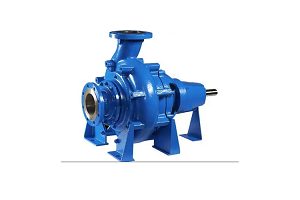
- Area: Pump suction and discharge pressure anomaliesCheck: Verify pressure gauge readings against design specifications. For gear pumps (MGB, M, MA, MGA, TGB, MVB) check inlet/outlet pressure differential; for centrifugal pumps verify head performance curve compliance.
- Area: Pump seal and bearing wear leading to oil leakage or contaminationCheck: Inspect pump body, shaft seals, and bearing housings for oil seepage or residue. Check oil condition (color, clarity, viscosity) in lube oil lines. For bilge/sludge pumps (HP, RI series) verify shaft packing condition.
- Area: Cavitation or abnormal noise/vibration in gear and screw pumpsCheck: Auditory/vibration assessment during operation. Verify suction strainer cleanliness (visual/pressure drop check). Confirm inlet pressure above minimum required (typically 0.1-0.3 bar for positive displacement pumps).
- Area: Fuel/lube oil contamination affecting pump performance and lifespanCheck: Obtain oil samples from pump suction and discharge lines. Conduct particle count analysis (ISO 4406) and water content testing (Karl Fischer method) per ISO 3448 lube oil grade standard.
- Area: Motor coupling misalignment or shaft runout affecting pump reliabilityCheck: Dial gauge measurement of coupling concentricity (runout <0.05 mm typical). Check motor-to-pump base bolts for tightness. Verify shaft end float and radial bearing play within design limits.
Typ-universelle Inspektionspunkte fuer Lube Oil Pumps (verifiziert, 2026-06).
- Area: Pump suction and discharge pressure anomaliesCheck: Verify pressure gauge readings against design specifications. For gear pumps (MGB, M, MA, MGA, TGB, MVB) check inlet/outlet pressure differential; for centrifugal pumps verify head performance curve compliance.
- Area: Pump seal and bearing wear leading to oil leakage or contaminationCheck: Inspect pump body, shaft seals, and bearing housings for oil seepage or residue. Check oil condition (color, clarity, viscosity) in lube oil lines. For bilge/sludge pumps (HP, RI series) verify shaft packing condition.
- Area: Cavitation or abnormal noise/vibration in gear and screw pumpsCheck: Auditory/vibration assessment during operation. Verify suction strainer cleanliness (visual/pressure drop check). Confirm inlet pressure above minimum required (typically 0.1-0.3 bar for positive displacement pumps).
- Area: Fuel/lube oil contamination affecting pump performance and lifespanCheck: Obtain oil samples from pump suction and discharge lines. Conduct particle count analysis (ISO 4406) and water content testing (Karl Fischer method) per ISO 3448 lube oil grade standard.
- Area: Motor coupling misalignment or shaft runout affecting pump reliabilityCheck: Dial gauge measurement of coupling concentricity (runout <0.05 mm typical). Check motor-to-pump base bolts for tightness. Verify shaft end float and radial bearing play within design limits.
Typ-universelle Inspektionspunkte fuer Lube Oil Pumps (verifiziert, 2026-06).
- Area: Pump suction and discharge pressure anomaliesCheck: Verify pressure gauge readings against design specifications. For gear pumps (MGB, M, MA, MGA, TGB, MVB) check inlet/outlet pressure differential; for centrifugal pumps verify head performance curve compliance.
- Area: Pump seal and bearing wear leading to oil leakage or contaminationCheck: Inspect pump body, shaft seals, and bearing housings for oil seepage or residue. Check oil condition (color, clarity, viscosity) in lube oil lines. For bilge/sludge pumps (HP, RI series) verify shaft packing condition.
- Area: Cavitation or abnormal noise/vibration in gear and screw pumpsCheck: Auditory/vibration assessment during operation. Verify suction strainer cleanliness (visual/pressure drop check). Confirm inlet pressure above minimum required (typically 0.1-0.3 bar for positive displacement pumps).
- Area: Fuel/lube oil contamination affecting pump performance and lifespanCheck: Obtain oil samples from pump suction and discharge lines. Conduct particle count analysis (ISO 4406) and water content testing (Karl Fischer method) per ISO 3448 lube oil grade standard.
- Area: Motor coupling misalignment or shaft runout affecting pump reliabilityCheck: Dial gauge measurement of coupling concentricity (runout <0.05 mm typical). Check motor-to-pump base bolts for tightness. Verify shaft end float and radial bearing play within design limits.
Typ-universelle Inspektionspunkte fuer Lube Oil Pumps (verifiziert, 2026-06).
- Area: Pump suction and discharge pressure anomaliesCheck: Verify pressure gauge readings against design specifications. For gear pumps (MGB, M, MA, MGA, TGB, MVB) check inlet/outlet pressure differential; for centrifugal pumps verify head performance curve compliance.
- Area: Pump seal and bearing wear leading to oil leakage or contaminationCheck: Inspect pump body, shaft seals, and bearing housings for oil seepage or residue. Check oil condition (color, clarity, viscosity) in lube oil lines. For bilge/sludge pumps (HP, RI series) verify shaft packing condition.
- Area: Cavitation or abnormal noise/vibration in gear and screw pumpsCheck: Auditory/vibration assessment during operation. Verify suction strainer cleanliness (visual/pressure drop check). Confirm inlet pressure above minimum required (typically 0.1-0.3 bar for positive displacement pumps).
- Area: Fuel/lube oil contamination affecting pump performance and lifespanCheck: Obtain oil samples from pump suction and discharge lines. Conduct particle count analysis (ISO 4406) and water content testing (Karl Fischer method) per ISO 3448 lube oil grade standard.
- Area: Motor coupling misalignment or shaft runout affecting pump reliabilityCheck: Dial gauge measurement of coupling concentricity (runout <0.05 mm typical). Check motor-to-pump base bolts for tightness. Verify shaft end float and radial bearing play within design limits.
Typ-universelle Inspektionspunkte fuer Lube Oil Pumps (verifiziert, 2026-06).
- Area: Pump suction and discharge pressure anomaliesCheck: Verify pressure gauge readings against design specifications. For gear pumps (MGB, M, MA, MGA, TGB, MVB) check inlet/outlet pressure differential; for centrifugal pumps verify head performance curve compliance.
- Area: Pump seal and bearing wear leading to oil leakage or contaminationCheck: Inspect pump body, shaft seals, and bearing housings for oil seepage or residue. Check oil condition (color, clarity, viscosity) in lube oil lines. For bilge/sludge pumps (HP, RI series) verify shaft packing condition.
- Area: Cavitation or abnormal noise/vibration in gear and screw pumpsCheck: Auditory/vibration assessment during operation. Verify suction strainer cleanliness (visual/pressure drop check). Confirm inlet pressure above minimum required (typically 0.1-0.3 bar for positive displacement pumps).
- Area: Fuel/lube oil contamination affecting pump performance and lifespanCheck: Obtain oil samples from pump suction and discharge lines. Conduct particle count analysis (ISO 4406) and water content testing (Karl Fischer method) per ISO 3448 lube oil grade standard.
- Area: Motor coupling misalignment or shaft runout affecting pump reliabilityCheck: Dial gauge measurement of coupling concentricity (runout <0.05 mm typical). Check motor-to-pump base bolts for tightness. Verify shaft end float and radial bearing play within design limits.
Typ-universelle Inspektionspunkte fuer Lube Oil Pumps (verifiziert, 2026-06).
- Area: Pump suction and discharge pressure anomaliesCheck: Verify pressure gauge readings against design specifications. For gear pumps (MGB, M, MA, MGA, TGB, MVB) check inlet/outlet pressure differential; for centrifugal pumps verify head performance curve compliance.
- Area: Pump seal and bearing wear leading to oil leakage or contaminationCheck: Inspect pump body, shaft seals, and bearing housings for oil seepage or residue. Check oil condition (color, clarity, viscosity) in lube oil lines. For bilge/sludge pumps (HP, RI series) verify shaft packing condition.
- Area: Cavitation or abnormal noise/vibration in gear and screw pumpsCheck: Auditory/vibration assessment during operation. Verify suction strainer cleanliness (visual/pressure drop check). Confirm inlet pressure above minimum required (typically 0.1-0.3 bar for positive displacement pumps).
- Area: Fuel/lube oil contamination affecting pump performance and lifespanCheck: Obtain oil samples from pump suction and discharge lines. Conduct particle count analysis (ISO 4406) and water content testing (Karl Fischer method) per ISO 3448 lube oil grade standard.
- Area: Motor coupling misalignment or shaft runout affecting pump reliabilityCheck: Dial gauge measurement of coupling concentricity (runout <0.05 mm typical). Check motor-to-pump base bolts for tightness. Verify shaft end float and radial bearing play within design limits.
Typ-universelle Inspektionspunkte fuer Lube Oil Pumps (verifiziert, 2026-06).
- Area: Pump suction and discharge pressure anomaliesCheck: Verify pressure gauge readings against design specifications. For gear pumps (MGB, M, MA, MGA, TGB, MVB) check inlet/outlet pressure differential; for centrifugal pumps verify head performance curve compliance.
- Area: Pump seal and bearing wear leading to oil leakage or contaminationCheck: Inspect pump body, shaft seals, and bearing housings for oil seepage or residue. Check oil condition (color, clarity, viscosity) in lube oil lines. For bilge/sludge pumps (HP, RI series) verify shaft packing condition.
- Area: Cavitation or abnormal noise/vibration in gear and screw pumpsCheck: Auditory/vibration assessment during operation. Verify suction strainer cleanliness (visual/pressure drop check). Confirm inlet pressure above minimum required (typically 0.1-0.3 bar for positive displacement pumps).
- Area: Fuel/lube oil contamination affecting pump performance and lifespanCheck: Obtain oil samples from pump suction and discharge lines. Conduct particle count analysis (ISO 4406) and water content testing (Karl Fischer method) per ISO 3448 lube oil grade standard.
- Area: Motor coupling misalignment or shaft runout affecting pump reliabilityCheck: Dial gauge measurement of coupling concentricity (runout <0.05 mm typical). Check motor-to-pump base bolts for tightness. Verify shaft end float and radial bearing play within design limits.
Typ-universelle Inspektionspunkte fuer Lube Oil Pumps (verifiziert, 2026-06).
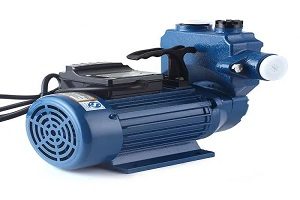
- Area: Pump suction and discharge pressure anomaliesCheck: Verify pressure gauge readings against design specifications. For gear pumps (MGB, M, MA, MGA, TGB, MVB) check inlet/outlet pressure differential; for centrifugal pumps verify head performance curve compliance.
- Area: Pump seal and bearing wear leading to oil leakage or contaminationCheck: Inspect pump body, shaft seals, and bearing housings for oil seepage or residue. Check oil condition (color, clarity, viscosity) in lube oil lines. For bilge/sludge pumps (HP, RI series) verify shaft packing condition.
- Area: Cavitation or abnormal noise/vibration in gear and screw pumpsCheck: Auditory/vibration assessment during operation. Verify suction strainer cleanliness (visual/pressure drop check). Confirm inlet pressure above minimum required (typically 0.1-0.3 bar for positive displacement pumps).
- Area: Fuel/lube oil contamination affecting pump performance and lifespanCheck: Obtain oil samples from pump suction and discharge lines. Conduct particle count analysis (ISO 4406) and water content testing (Karl Fischer method) per ISO 3448 lube oil grade standard.
- Area: Motor coupling misalignment or shaft runout affecting pump reliabilityCheck: Dial gauge measurement of coupling concentricity (runout <0.05 mm typical). Check motor-to-pump base bolts for tightness. Verify shaft end float and radial bearing play within design limits.
Typ-universelle Inspektionspunkte fuer Lube Oil Pumps (verifiziert, 2026-06).
- Area: Pump suction and discharge pressure anomaliesCheck: Verify pressure gauge readings against design specifications. For gear pumps (MGB, M, MA, MGA, TGB, MVB) check inlet/outlet pressure differential; for centrifugal pumps verify head performance curve compliance.
- Area: Pump seal and bearing wear leading to oil leakage or contaminationCheck: Inspect pump body, shaft seals, and bearing housings for oil seepage or residue. Check oil condition (color, clarity, viscosity) in lube oil lines. For bilge/sludge pumps (HP, RI series) verify shaft packing condition.
- Area: Cavitation or abnormal noise/vibration in gear and screw pumpsCheck: Auditory/vibration assessment during operation. Verify suction strainer cleanliness (visual/pressure drop check). Confirm inlet pressure above minimum required (typically 0.1-0.3 bar for positive displacement pumps).
- Area: Fuel/lube oil contamination affecting pump performance and lifespanCheck: Obtain oil samples from pump suction and discharge lines. Conduct particle count analysis (ISO 4406) and water content testing (Karl Fischer method) per ISO 3448 lube oil grade standard.
- Area: Motor coupling misalignment or shaft runout affecting pump reliabilityCheck: Dial gauge measurement of coupling concentricity (runout <0.05 mm typical). Check motor-to-pump base bolts for tightness. Verify shaft end float and radial bearing play within design limits.
Typ-universelle Inspektionspunkte fuer Lube Oil Pumps (verifiziert, 2026-06).
- Area: Pump suction and discharge pressure anomaliesCheck: Verify pressure gauge readings against design specifications. For gear pumps (MGB, M, MA, MGA, TGB, MVB) check inlet/outlet pressure differential; for centrifugal pumps verify head performance curve compliance.
- Area: Pump seal and bearing wear leading to oil leakage or contaminationCheck: Inspect pump body, shaft seals, and bearing housings for oil seepage or residue. Check oil condition (color, clarity, viscosity) in lube oil lines. For bilge/sludge pumps (HP, RI series) verify shaft packing condition.
- Area: Cavitation or abnormal noise/vibration in gear and screw pumpsCheck: Auditory/vibration assessment during operation. Verify suction strainer cleanliness (visual/pressure drop check). Confirm inlet pressure above minimum required (typically 0.1-0.3 bar for positive displacement pumps).
- Area: Fuel/lube oil contamination affecting pump performance and lifespanCheck: Obtain oil samples from pump suction and discharge lines. Conduct particle count analysis (ISO 4406) and water content testing (Karl Fischer method) per ISO 3448 lube oil grade standard.
- Area: Motor coupling misalignment or shaft runout affecting pump reliabilityCheck: Dial gauge measurement of coupling concentricity (runout <0.05 mm typical). Check motor-to-pump base bolts for tightness. Verify shaft end float and radial bearing play within design limits.
Typ-universelle Inspektionspunkte fuer Lube Oil Pumps (verifiziert, 2026-06).
Leistritz
44 ✓ 41 verified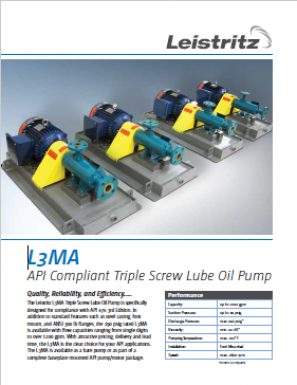
- L3MF 40
- L3MF 60
- L3MF 80
- L3MF 100
- L3MF 120
- 5
- 400
- 40
- 250
- Standard three-screw modes
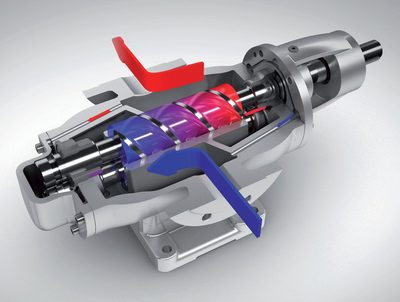
- Area: Mechanical seal degradation or leakageCheck: Monthly inspection of seal faces for surface roughness exceeding Ra 0.8μm, visible scoring, corrosion pitting, and leakage rate. Check springs for >15% compression loss or corrosion. For marine saltwater environments, verify electropolished 304-grade stainless steel material. Accept minor imperfections <0.05mm depth only (polish out), deeper damage requires shaft sleeve and seal renewal.
- Area: Bearing wear and failure - noise/vibration/temperature increaseCheck: Quarterly monitoring of bearing condition via vibration analysis (compare to baseline), bearing housing temperature (target <80°C for normal operation), audible noise (grinding, squealing indicates wear), and lubricant oil samples for metal wear particles. Use thermocouples for direct bearing outer ring temperature measurement. Premature failure typically caused by lubrication starvation, contamination, or misalignment - check bearing clearances and shaft alignment within 0.1mm on coupling concentricity.
- Area: Rotor/screw internal wear and corrosion pittingCheck: Yearly inspection of internal screw and casing clearances: rotor-to-bore maximum 0.2mm, between rotor flanks maximum 0.4mm. Use borescope or remove inspection covers to check for internal scratches, scoring, or corrosion pitting. Casing material examination for stress corrosion cracking in cemented carbide components. Complete overhaul required not exceeding 3 years. Discard rotors with scoring exceeding 0.2mm depth.
- Area: Suction line blockage and cavitation - low flow/high noiseCheck: Check strainer and inlet screen monthly by monitoring suction pressure reduction (gradual drops indicate clogging). Verify suction piping for blockages, air leaks into suction line, and adequate net positive suction head (NPSH). Prime pump completely with working liquid before startup. Inlet pressure must not exceed 25-75 PSIG depending on pump type. Cavitation creates vapor bubbles causing noise, vibration, and rotor/impeller damage - verify pump inlet pressure at <6 bar (self-priming design requirement).
- Area: Coupling misalignment and shaft seal leakageCheck: Pre-installation: verify pump and motor shaft concentricity within 0.1mm on coupling outer circle, maintain 2-4mm gap between coupling planes (0.3mm tolerance). Post-installation: periodic inspection of foundation bolts torque, coupling wear, and shaft seal integrity (leakage should not exceed 10 drops per hour). Rotate pump-motor coupling by hand to confirm smooth operation. Any resistance or grinding indicates internal bearing damage. Replace shaft seals if leakage is excessive.
Typ-universelle Inspektionspunkte fuer Lube Oil Pumps (verifiziert, 2026-06).
- Area: Mechanical seal degradation or leakageCheck: Monthly inspection of seal faces for surface roughness exceeding Ra 0.8μm, visible scoring, corrosion pitting, and leakage rate. Check springs for >15% compression loss or corrosion. For marine saltwater environments, verify electropolished 304-grade stainless steel material. Accept minor imperfections <0.05mm depth only (polish out), deeper damage requires shaft sleeve and seal renewal.
- Area: Bearing wear and failure - noise/vibration/temperature increaseCheck: Quarterly monitoring of bearing condition via vibration analysis (compare to baseline), bearing housing temperature (target <80°C for normal operation), audible noise (grinding, squealing indicates wear), and lubricant oil samples for metal wear particles. Use thermocouples for direct bearing outer ring temperature measurement. Premature failure typically caused by lubrication starvation, contamination, or misalignment - check bearing clearances and shaft alignment within 0.1mm on coupling concentricity.
- Area: Rotor/screw internal wear and corrosion pittingCheck: Yearly inspection of internal screw and casing clearances: rotor-to-bore maximum 0.2mm, between rotor flanks maximum 0.4mm. Use borescope or remove inspection covers to check for internal scratches, scoring, or corrosion pitting. Casing material examination for stress corrosion cracking in cemented carbide components. Complete overhaul required not exceeding 3 years. Discard rotors with scoring exceeding 0.2mm depth.
- Area: Suction line blockage and cavitation - low flow/high noiseCheck: Check strainer and inlet screen monthly by monitoring suction pressure reduction (gradual drops indicate clogging). Verify suction piping for blockages, air leaks into suction line, and adequate net positive suction head (NPSH). Prime pump completely with working liquid before startup. Inlet pressure must not exceed 25-75 PSIG depending on pump type. Cavitation creates vapor bubbles causing noise, vibration, and rotor/impeller damage - verify pump inlet pressure at <6 bar (self-priming design requirement).
- Area: Coupling misalignment and shaft seal leakageCheck: Pre-installation: verify pump and motor shaft concentricity within 0.1mm on coupling outer circle, maintain 2-4mm gap between coupling planes (0.3mm tolerance). Post-installation: periodic inspection of foundation bolts torque, coupling wear, and shaft seal integrity (leakage should not exceed 10 drops per hour). Rotate pump-motor coupling by hand to confirm smooth operation. Any resistance or grinding indicates internal bearing damage. Replace shaft seals if leakage is excessive.
Typ-universelle Inspektionspunkte fuer Lube Oil Pumps (verifiziert, 2026-06).
- Area: Mechanical Seal Wear and LeakageCheck: Inspect mechanical shaft seal for external leakage, carbon face erosion, and seal ring condition; perform dye or soap solution test for micro-leaks; check seal flush/barrier fluid systems on high-pressure variants
- Area: Bearing Lubrication and TemperatureCheck: Monitor bearing temperature with infrared thermometer (normal: 50-82°C for ISO 68 oil); inspect bearing oil for water content via Karl Fischer test; check oil color for darkening/oxidation; measure bearing vibration levels with portable vibration analyzer
- Area: Screw Rotor Surface Erosion and Internal WearCheck: Perform oil analysis for ferrous metal concentration (Fe) and chromium from bearing rings; monitor flow rate trending against original performance data; check for abnormal noise indicating rotor contact; perform ultrasonic inspection for internal cavitation damage
- Area: Volumetric Efficiency Loss and Pressure DropCheck: Measure differential pressure at pump suction/discharge; compare to baseline specifications; check for clearance wear via flow decay test; monitor pump amperage/power consumption for trending; inspect suction strainer and discharge filter for restrictions
- Area: Oil Contamination and Viscosity DegradationCheck: Perform ISO Cleanliness particle count (ISO 4406 standard); test oil viscosity at 40°C and 100°C against specifications; check acid number (TAN) for oxidation; measure water content (Karl Fischer); perform FTIR analysis for additive depletion and degradation byproducts
Typ-universelle Inspektionspunkte fuer Lube Oil Pumps (verifiziert, 2026-06).
- Area: Mechanical Seal Wear and LeakageCheck: Inspect mechanical shaft seal for external leakage, carbon face erosion, and seal ring condition; perform dye or soap solution test for micro-leaks; check seal flush/barrier fluid systems on high-pressure variants
- Area: Bearing Lubrication and TemperatureCheck: Monitor bearing temperature with infrared thermometer (normal: 50-82°C for ISO 68 oil); inspect bearing oil for water content via Karl Fischer test; check oil color for darkening/oxidation; measure bearing vibration levels with portable vibration analyzer
- Area: Screw Rotor Surface Erosion and Internal WearCheck: Perform oil analysis for ferrous metal concentration (Fe) and chromium from bearing rings; monitor flow rate trending against original performance data; check for abnormal noise indicating rotor contact; perform ultrasonic inspection for internal cavitation damage
- Area: Volumetric Efficiency Loss and Pressure DropCheck: Measure differential pressure at pump suction/discharge; compare to baseline specifications; check for clearance wear via flow decay test; monitor pump amperage/power consumption for trending; inspect suction strainer and discharge filter for restrictions
- Area: Oil Contamination and Viscosity DegradationCheck: Perform ISO Cleanliness particle count (ISO 4406 standard); test oil viscosity at 40°C and 100°C against specifications; check acid number (TAN) for oxidation; measure water content (Karl Fischer); perform FTIR analysis for additive depletion and degradation byproducts
Typ-universelle Inspektionspunkte fuer Lube Oil Pumps (verifiziert, 2026-06).

- Area: Mechanical Seal Wear and LeakageCheck: Inspect mechanical shaft seal for external leakage, carbon face erosion, and seal ring condition; perform dye or soap solution test for micro-leaks; check seal flush/barrier fluid systems on high-pressure variants
- Area: Bearing Lubrication and TemperatureCheck: Monitor bearing temperature with infrared thermometer (normal: 50-82°C for ISO 68 oil); inspect bearing oil for water content via Karl Fischer test; check oil color for darkening/oxidation; measure bearing vibration levels with portable vibration analyzer
- Area: Screw Rotor Surface Erosion and Internal WearCheck: Perform oil analysis for ferrous metal concentration (Fe) and chromium from bearing rings; monitor flow rate trending against original performance data; check for abnormal noise indicating rotor contact; perform ultrasonic inspection for internal cavitation damage
- Area: Volumetric Efficiency Loss and Pressure DropCheck: Measure differential pressure at pump suction/discharge; compare to baseline specifications; check for clearance wear via flow decay test; monitor pump amperage/power consumption for trending; inspect suction strainer and discharge filter for restrictions
- Area: Oil Contamination and Viscosity DegradationCheck: Perform ISO Cleanliness particle count (ISO 4406 standard); test oil viscosity at 40°C and 100°C against specifications; check acid number (TAN) for oxidation; measure water content (Karl Fischer); perform FTIR analysis for additive depletion and degradation byproducts
Typ-universelle Inspektionspunkte fuer Lube Oil Pumps (verifiziert, 2026-06).
- Area: Mechanical Seal Wear and LeakageCheck: Inspect mechanical shaft seal for external leakage, carbon face erosion, and seal ring condition; perform dye or soap solution test for micro-leaks; check seal flush/barrier fluid systems on high-pressure variants
- Area: Bearing Lubrication and TemperatureCheck: Monitor bearing temperature with infrared thermometer (normal: 50-82°C for ISO 68 oil); inspect bearing oil for water content via Karl Fischer test; check oil color for darkening/oxidation; measure bearing vibration levels with portable vibration analyzer
- Area: Screw Rotor Surface Erosion and Internal WearCheck: Perform oil analysis for ferrous metal concentration (Fe) and chromium from bearing rings; monitor flow rate trending against original performance data; check for abnormal noise indicating rotor contact; perform ultrasonic inspection for internal cavitation damage
- Area: Volumetric Efficiency Loss and Pressure DropCheck: Measure differential pressure at pump suction/discharge; compare to baseline specifications; check for clearance wear via flow decay test; monitor pump amperage/power consumption for trending; inspect suction strainer and discharge filter for restrictions
- Area: Oil Contamination and Viscosity DegradationCheck: Perform ISO Cleanliness particle count (ISO 4406 standard); test oil viscosity at 40°C and 100°C against specifications; check acid number (TAN) for oxidation; measure water content (Karl Fischer); perform FTIR analysis for additive depletion and degradation byproducts
Typ-universelle Inspektionspunkte fuer Lube Oil Pumps (verifiziert, 2026-06).
- Area: Mechanical Seal Wear and LeakageCheck: Inspect mechanical shaft seal for external leakage, carbon face erosion, and seal ring condition; perform dye or soap solution test for micro-leaks; check seal flush/barrier fluid systems on high-pressure variants
- Area: Bearing Lubrication and TemperatureCheck: Monitor bearing temperature with infrared thermometer (normal: 50-82°C for ISO 68 oil); inspect bearing oil for water content via Karl Fischer test; check oil color for darkening/oxidation; measure bearing vibration levels with portable vibration analyzer
- Area: Screw Rotor Surface Erosion and Internal WearCheck: Perform oil analysis for ferrous metal concentration (Fe) and chromium from bearing rings; monitor flow rate trending against original performance data; check for abnormal noise indicating rotor contact; perform ultrasonic inspection for internal cavitation damage
- Area: Volumetric Efficiency Loss and Pressure DropCheck: Measure differential pressure at pump suction/discharge; compare to baseline specifications; check for clearance wear via flow decay test; monitor pump amperage/power consumption for trending; inspect suction strainer and discharge filter for restrictions
- Area: Oil Contamination and Viscosity DegradationCheck: Perform ISO Cleanliness particle count (ISO 4406 standard); test oil viscosity at 40°C and 100°C against specifications; check acid number (TAN) for oxidation; measure water content (Karl Fischer); perform FTIR analysis for additive depletion and degradation byproducts
Typ-universelle Inspektionspunkte fuer Lube Oil Pumps (verifiziert, 2026-06).
- Area: Mechanical Seal Wear and LeakageCheck: Inspect mechanical shaft seal for external leakage, carbon face erosion, and seal ring condition; perform dye or soap solution test for micro-leaks; check seal flush/barrier fluid systems on high-pressure variants
- Area: Bearing Lubrication and TemperatureCheck: Monitor bearing temperature with infrared thermometer (normal: 50-82°C for ISO 68 oil); inspect bearing oil for water content via Karl Fischer test; check oil color for darkening/oxidation; measure bearing vibration levels with portable vibration analyzer
- Area: Screw Rotor Surface Erosion and Internal WearCheck: Perform oil analysis for ferrous metal concentration (Fe) and chromium from bearing rings; monitor flow rate trending against original performance data; check for abnormal noise indicating rotor contact; perform ultrasonic inspection for internal cavitation damage
- Area: Volumetric Efficiency Loss and Pressure DropCheck: Measure differential pressure at pump suction/discharge; compare to baseline specifications; check for clearance wear via flow decay test; monitor pump amperage/power consumption for trending; inspect suction strainer and discharge filter for restrictions
- Area: Oil Contamination and Viscosity DegradationCheck: Perform ISO Cleanliness particle count (ISO 4406 standard); test oil viscosity at 40°C and 100°C against specifications; check acid number (TAN) for oxidation; measure water content (Karl Fischer); perform FTIR analysis for additive depletion and degradation byproducts
Typ-universelle Inspektionspunkte fuer Lube Oil Pumps (verifiziert, 2026-06).
- Area: Mechanical Seal Wear and LeakageCheck: Inspect mechanical shaft seal for external leakage, carbon face erosion, and seal ring condition; perform dye or soap solution test for micro-leaks; check seal flush/barrier fluid systems on high-pressure variants
- Area: Bearing Lubrication and TemperatureCheck: Monitor bearing temperature with infrared thermometer (normal: 50-82°C for ISO 68 oil); inspect bearing oil for water content via Karl Fischer test; check oil color for darkening/oxidation; measure bearing vibration levels with portable vibration analyzer
- Area: Screw Rotor Surface Erosion and Internal WearCheck: Perform oil analysis for ferrous metal concentration (Fe) and chromium from bearing rings; monitor flow rate trending against original performance data; check for abnormal noise indicating rotor contact; perform ultrasonic inspection for internal cavitation damage
- Area: Volumetric Efficiency Loss and Pressure DropCheck: Measure differential pressure at pump suction/discharge; compare to baseline specifications; check for clearance wear via flow decay test; monitor pump amperage/power consumption for trending; inspect suction strainer and discharge filter for restrictions
- Area: Oil Contamination and Viscosity DegradationCheck: Perform ISO Cleanliness particle count (ISO 4406 standard); test oil viscosity at 40°C and 100°C against specifications; check acid number (TAN) for oxidation; measure water content (Karl Fischer); perform FTIR analysis for additive depletion and degradation byproducts
Typ-universelle Inspektionspunkte fuer Lube Oil Pumps (verifiziert, 2026-06).
- Area: Mechanical Seal Wear and LeakageCheck: Inspect mechanical shaft seal for external leakage, carbon face erosion, and seal ring condition; perform dye or soap solution test for micro-leaks; check seal flush/barrier fluid systems on high-pressure variants
- Area: Bearing Lubrication and TemperatureCheck: Monitor bearing temperature with infrared thermometer (normal: 50-82°C for ISO 68 oil); inspect bearing oil for water content via Karl Fischer test; check oil color for darkening/oxidation; measure bearing vibration levels with portable vibration analyzer
- Area: Screw Rotor Surface Erosion and Internal WearCheck: Perform oil analysis for ferrous metal concentration (Fe) and chromium from bearing rings; monitor flow rate trending against original performance data; check for abnormal noise indicating rotor contact; perform ultrasonic inspection for internal cavitation damage
- Area: Volumetric Efficiency Loss and Pressure DropCheck: Measure differential pressure at pump suction/discharge; compare to baseline specifications; check for clearance wear via flow decay test; monitor pump amperage/power consumption for trending; inspect suction strainer and discharge filter for restrictions
- Area: Oil Contamination and Viscosity DegradationCheck: Perform ISO Cleanliness particle count (ISO 4406 standard); test oil viscosity at 40°C and 100°C against specifications; check acid number (TAN) for oxidation; measure water content (Karl Fischer); perform FTIR analysis for additive depletion and degradation byproducts
Typ-universelle Inspektionspunkte fuer Lube Oil Pumps (verifiziert, 2026-06).
- Area: Mechanical Seal Wear and LeakageCheck: Inspect mechanical shaft seal for external leakage, carbon face erosion, and seal ring condition; perform dye or soap solution test for micro-leaks; check seal flush/barrier fluid systems on high-pressure variants
- Area: Bearing Lubrication and TemperatureCheck: Monitor bearing temperature with infrared thermometer (normal: 50-82°C for ISO 68 oil); inspect bearing oil for water content via Karl Fischer test; check oil color for darkening/oxidation; measure bearing vibration levels with portable vibration analyzer
- Area: Screw Rotor Surface Erosion and Internal WearCheck: Perform oil analysis for ferrous metal concentration (Fe) and chromium from bearing rings; monitor flow rate trending against original performance data; check for abnormal noise indicating rotor contact; perform ultrasonic inspection for internal cavitation damage
- Area: Volumetric Efficiency Loss and Pressure DropCheck: Measure differential pressure at pump suction/discharge; compare to baseline specifications; check for clearance wear via flow decay test; monitor pump amperage/power consumption for trending; inspect suction strainer and discharge filter for restrictions
- Area: Oil Contamination and Viscosity DegradationCheck: Perform ISO Cleanliness particle count (ISO 4406 standard); test oil viscosity at 40°C and 100°C against specifications; check acid number (TAN) for oxidation; measure water content (Karl Fischer); perform FTIR analysis for additive depletion and degradation byproducts
Typ-universelle Inspektionspunkte fuer Lube Oil Pumps (verifiziert, 2026-06).
- Area: Mechanical Seal Wear and LeakageCheck: Inspect mechanical shaft seal for external leakage, carbon face erosion, and seal ring condition; perform dye or soap solution test for micro-leaks; check seal flush/barrier fluid systems on high-pressure variants
- Area: Bearing Lubrication and TemperatureCheck: Monitor bearing temperature with infrared thermometer (normal: 50-82°C for ISO 68 oil); inspect bearing oil for water content via Karl Fischer test; check oil color for darkening/oxidation; measure bearing vibration levels with portable vibration analyzer
- Area: Screw Rotor Surface Erosion and Internal WearCheck: Perform oil analysis for ferrous metal concentration (Fe) and chromium from bearing rings; monitor flow rate trending against original performance data; check for abnormal noise indicating rotor contact; perform ultrasonic inspection for internal cavitation damage
- Area: Volumetric Efficiency Loss and Pressure DropCheck: Measure differential pressure at pump suction/discharge; compare to baseline specifications; check for clearance wear via flow decay test; monitor pump amperage/power consumption for trending; inspect suction strainer and discharge filter for restrictions
- Area: Oil Contamination and Viscosity DegradationCheck: Perform ISO Cleanliness particle count (ISO 4406 standard); test oil viscosity at 40°C and 100°C against specifications; check acid number (TAN) for oxidation; measure water content (Karl Fischer); perform FTIR analysis for additive depletion and degradation byproducts
Typ-universelle Inspektionspunkte fuer Lube Oil Pumps (verifiziert, 2026-06).
- Area: Mechanical Seal Wear and LeakageCheck: Inspect mechanical shaft seal for external leakage, carbon face erosion, and seal ring condition; perform dye or soap solution test for micro-leaks; check seal flush/barrier fluid systems on high-pressure variants
- Area: Bearing Lubrication and TemperatureCheck: Monitor bearing temperature with infrared thermometer (normal: 50-82°C for ISO 68 oil); inspect bearing oil for water content via Karl Fischer test; check oil color for darkening/oxidation; measure bearing vibration levels with portable vibration analyzer
- Area: Screw Rotor Surface Erosion and Internal WearCheck: Perform oil analysis for ferrous metal concentration (Fe) and chromium from bearing rings; monitor flow rate trending against original performance data; check for abnormal noise indicating rotor contact; perform ultrasonic inspection for internal cavitation damage
- Area: Volumetric Efficiency Loss and Pressure DropCheck: Measure differential pressure at pump suction/discharge; compare to baseline specifications; check for clearance wear via flow decay test; monitor pump amperage/power consumption for trending; inspect suction strainer and discharge filter for restrictions
- Area: Oil Contamination and Viscosity DegradationCheck: Perform ISO Cleanliness particle count (ISO 4406 standard); test oil viscosity at 40°C and 100°C against specifications; check acid number (TAN) for oxidation; measure water content (Karl Fischer); perform FTIR analysis for additive depletion and degradation byproducts
Typ-universelle Inspektionspunkte fuer Lube Oil Pumps (verifiziert, 2026-06).
- Area: Mechanical Seal Wear and LeakageCheck: Inspect mechanical shaft seal for external leakage, carbon face erosion, and seal ring condition; perform dye or soap solution test for micro-leaks; check seal flush/barrier fluid systems on high-pressure variants
- Area: Bearing Lubrication and TemperatureCheck: Monitor bearing temperature with infrared thermometer (normal: 50-82°C for ISO 68 oil); inspect bearing oil for water content via Karl Fischer test; check oil color for darkening/oxidation; measure bearing vibration levels with portable vibration analyzer
- Area: Screw Rotor Surface Erosion and Internal WearCheck: Perform oil analysis for ferrous metal concentration (Fe) and chromium from bearing rings; monitor flow rate trending against original performance data; check for abnormal noise indicating rotor contact; perform ultrasonic inspection for internal cavitation damage
- Area: Volumetric Efficiency Loss and Pressure DropCheck: Measure differential pressure at pump suction/discharge; compare to baseline specifications; check for clearance wear via flow decay test; monitor pump amperage/power consumption for trending; inspect suction strainer and discharge filter for restrictions
- Area: Oil Contamination and Viscosity DegradationCheck: Perform ISO Cleanliness particle count (ISO 4406 standard); test oil viscosity at 40°C and 100°C against specifications; check acid number (TAN) for oxidation; measure water content (Karl Fischer); perform FTIR analysis for additive depletion and degradation byproducts
Typ-universelle Inspektionspunkte fuer Lube Oil Pumps (verifiziert, 2026-06).
- Area: Mechanical Seal Wear and LeakageCheck: Inspect mechanical shaft seal for external leakage, carbon face erosion, and seal ring condition; perform dye or soap solution test for micro-leaks; check seal flush/barrier fluid systems on high-pressure variants
- Area: Bearing Lubrication and TemperatureCheck: Monitor bearing temperature with infrared thermometer (normal: 50-82°C for ISO 68 oil); inspect bearing oil for water content via Karl Fischer test; check oil color for darkening/oxidation; measure bearing vibration levels with portable vibration analyzer
- Area: Screw Rotor Surface Erosion and Internal WearCheck: Perform oil analysis for ferrous metal concentration (Fe) and chromium from bearing rings; monitor flow rate trending against original performance data; check for abnormal noise indicating rotor contact; perform ultrasonic inspection for internal cavitation damage
- Area: Volumetric Efficiency Loss and Pressure DropCheck: Measure differential pressure at pump suction/discharge; compare to baseline specifications; check for clearance wear via flow decay test; monitor pump amperage/power consumption for trending; inspect suction strainer and discharge filter for restrictions
- Area: Oil Contamination and Viscosity DegradationCheck: Perform ISO Cleanliness particle count (ISO 4406 standard); test oil viscosity at 40°C and 100°C against specifications; check acid number (TAN) for oxidation; measure water content (Karl Fischer); perform FTIR analysis for additive depletion and degradation byproducts
Typ-universelle Inspektionspunkte fuer Lube Oil Pumps (verifiziert, 2026-06).
- Area: Mechanical Seal Wear and LeakageCheck: Inspect mechanical shaft seal for external leakage, carbon face erosion, and seal ring condition; perform dye or soap solution test for micro-leaks; check seal flush/barrier fluid systems on high-pressure variants
- Area: Bearing Lubrication and TemperatureCheck: Monitor bearing temperature with infrared thermometer (normal: 50-82°C for ISO 68 oil); inspect bearing oil for water content via Karl Fischer test; check oil color for darkening/oxidation; measure bearing vibration levels with portable vibration analyzer
- Area: Screw Rotor Surface Erosion and Internal WearCheck: Perform oil analysis for ferrous metal concentration (Fe) and chromium from bearing rings; monitor flow rate trending against original performance data; check for abnormal noise indicating rotor contact; perform ultrasonic inspection for internal cavitation damage
- Area: Volumetric Efficiency Loss and Pressure DropCheck: Measure differential pressure at pump suction/discharge; compare to baseline specifications; check for clearance wear via flow decay test; monitor pump amperage/power consumption for trending; inspect suction strainer and discharge filter for restrictions
- Area: Oil Contamination and Viscosity DegradationCheck: Perform ISO Cleanliness particle count (ISO 4406 standard); test oil viscosity at 40°C and 100°C against specifications; check acid number (TAN) for oxidation; measure water content (Karl Fischer); perform FTIR analysis for additive depletion and degradation byproducts
Typ-universelle Inspektionspunkte fuer Lube Oil Pumps (verifiziert, 2026-06).
- Area: Mechanical Seal Wear and LeakageCheck: Inspect mechanical shaft seal for external leakage, carbon face erosion, and seal ring condition; perform dye or soap solution test for micro-leaks; check seal flush/barrier fluid systems on high-pressure variants
- Area: Bearing Lubrication and TemperatureCheck: Monitor bearing temperature with infrared thermometer (normal: 50-82°C for ISO 68 oil); inspect bearing oil for water content via Karl Fischer test; check oil color for darkening/oxidation; measure bearing vibration levels with portable vibration analyzer
- Area: Screw Rotor Surface Erosion and Internal WearCheck: Perform oil analysis for ferrous metal concentration (Fe) and chromium from bearing rings; monitor flow rate trending against original performance data; check for abnormal noise indicating rotor contact; perform ultrasonic inspection for internal cavitation damage
- Area: Volumetric Efficiency Loss and Pressure DropCheck: Measure differential pressure at pump suction/discharge; compare to baseline specifications; check for clearance wear via flow decay test; monitor pump amperage/power consumption for trending; inspect suction strainer and discharge filter for restrictions
- Area: Oil Contamination and Viscosity DegradationCheck: Perform ISO Cleanliness particle count (ISO 4406 standard); test oil viscosity at 40°C and 100°C against specifications; check acid number (TAN) for oxidation; measure water content (Karl Fischer); perform FTIR analysis for additive depletion and degradation byproducts
Typ-universelle Inspektionspunkte fuer Lube Oil Pumps (verifiziert, 2026-06).
- Area: Mechanical Seal Wear and LeakageCheck: Inspect mechanical shaft seal for external leakage, carbon face erosion, and seal ring condition; perform dye or soap solution test for micro-leaks; check seal flush/barrier fluid systems on high-pressure variants
- Area: Bearing Lubrication and TemperatureCheck: Monitor bearing temperature with infrared thermometer (normal: 50-82°C for ISO 68 oil); inspect bearing oil for water content via Karl Fischer test; check oil color for darkening/oxidation; measure bearing vibration levels with portable vibration analyzer
- Area: Screw Rotor Surface Erosion and Internal WearCheck: Perform oil analysis for ferrous metal concentration (Fe) and chromium from bearing rings; monitor flow rate trending against original performance data; check for abnormal noise indicating rotor contact; perform ultrasonic inspection for internal cavitation damage
- Area: Volumetric Efficiency Loss and Pressure DropCheck: Measure differential pressure at pump suction/discharge; compare to baseline specifications; check for clearance wear via flow decay test; monitor pump amperage/power consumption for trending; inspect suction strainer and discharge filter for restrictions
- Area: Oil Contamination and Viscosity DegradationCheck: Perform ISO Cleanliness particle count (ISO 4406 standard); test oil viscosity at 40°C and 100°C against specifications; check acid number (TAN) for oxidation; measure water content (Karl Fischer); perform FTIR analysis for additive depletion and degradation byproducts
Typ-universelle Inspektionspunkte fuer Lube Oil Pumps (verifiziert, 2026-06).
- Area: Mechanical Seal Wear and LeakageCheck: Inspect mechanical shaft seal for external leakage, carbon face erosion, and seal ring condition; perform dye or soap solution test for micro-leaks; check seal flush/barrier fluid systems on high-pressure variants
- Area: Bearing Lubrication and TemperatureCheck: Monitor bearing temperature with infrared thermometer (normal: 50-82°C for ISO 68 oil); inspect bearing oil for water content via Karl Fischer test; check oil color for darkening/oxidation; measure bearing vibration levels with portable vibration analyzer
- Area: Screw Rotor Surface Erosion and Internal WearCheck: Perform oil analysis for ferrous metal concentration (Fe) and chromium from bearing rings; monitor flow rate trending against original performance data; check for abnormal noise indicating rotor contact; perform ultrasonic inspection for internal cavitation damage
- Area: Volumetric Efficiency Loss and Pressure DropCheck: Measure differential pressure at pump suction/discharge; compare to baseline specifications; check for clearance wear via flow decay test; monitor pump amperage/power consumption for trending; inspect suction strainer and discharge filter for restrictions
- Area: Oil Contamination and Viscosity DegradationCheck: Perform ISO Cleanliness particle count (ISO 4406 standard); test oil viscosity at 40°C and 100°C against specifications; check acid number (TAN) for oxidation; measure water content (Karl Fischer); perform FTIR analysis for additive depletion and degradation byproducts
Typ-universelle Inspektionspunkte fuer Lube Oil Pumps (verifiziert, 2026-06).
- Area: Mechanical Seal Wear and LeakageCheck: Inspect mechanical shaft seal for external leakage, carbon face erosion, and seal ring condition; perform dye or soap solution test for micro-leaks; check seal flush/barrier fluid systems on high-pressure variants
- Area: Bearing Lubrication and TemperatureCheck: Monitor bearing temperature with infrared thermometer (normal: 50-82°C for ISO 68 oil); inspect bearing oil for water content via Karl Fischer test; check oil color for darkening/oxidation; measure bearing vibration levels with portable vibration analyzer
- Area: Screw Rotor Surface Erosion and Internal WearCheck: Perform oil analysis for ferrous metal concentration (Fe) and chromium from bearing rings; monitor flow rate trending against original performance data; check for abnormal noise indicating rotor contact; perform ultrasonic inspection for internal cavitation damage
- Area: Volumetric Efficiency Loss and Pressure DropCheck: Measure differential pressure at pump suction/discharge; compare to baseline specifications; check for clearance wear via flow decay test; monitor pump amperage/power consumption for trending; inspect suction strainer and discharge filter for restrictions
- Area: Oil Contamination and Viscosity DegradationCheck: Perform ISO Cleanliness particle count (ISO 4406 standard); test oil viscosity at 40°C and 100°C against specifications; check acid number (TAN) for oxidation; measure water content (Karl Fischer); perform FTIR analysis for additive depletion and degradation byproducts
Typ-universelle Inspektionspunkte fuer Lube Oil Pumps (verifiziert, 2026-06).
- Area: Mechanical Seal Wear and LeakageCheck: Inspect mechanical shaft seal for external leakage, carbon face erosion, and seal ring condition; perform dye or soap solution test for micro-leaks; check seal flush/barrier fluid systems on high-pressure variants
- Area: Bearing Lubrication and TemperatureCheck: Monitor bearing temperature with infrared thermometer (normal: 50-82°C for ISO 68 oil); inspect bearing oil for water content via Karl Fischer test; check oil color for darkening/oxidation; measure bearing vibration levels with portable vibration analyzer
- Area: Screw Rotor Surface Erosion and Internal WearCheck: Perform oil analysis for ferrous metal concentration (Fe) and chromium from bearing rings; monitor flow rate trending against original performance data; check for abnormal noise indicating rotor contact; perform ultrasonic inspection for internal cavitation damage
- Area: Volumetric Efficiency Loss and Pressure DropCheck: Measure differential pressure at pump suction/discharge; compare to baseline specifications; check for clearance wear via flow decay test; monitor pump amperage/power consumption for trending; inspect suction strainer and discharge filter for restrictions
- Area: Oil Contamination and Viscosity DegradationCheck: Perform ISO Cleanliness particle count (ISO 4406 standard); test oil viscosity at 40°C and 100°C against specifications; check acid number (TAN) for oxidation; measure water content (Karl Fischer); perform FTIR analysis for additive depletion and degradation byproducts
Typ-universelle Inspektionspunkte fuer Lube Oil Pumps (verifiziert, 2026-06).
- Area: Mechanical Seal Wear and LeakageCheck: Inspect mechanical shaft seal for external leakage, carbon face erosion, and seal ring condition; perform dye or soap solution test for micro-leaks; check seal flush/barrier fluid systems on high-pressure variants
- Area: Bearing Lubrication and TemperatureCheck: Monitor bearing temperature with infrared thermometer (normal: 50-82°C for ISO 68 oil); inspect bearing oil for water content via Karl Fischer test; check oil color for darkening/oxidation; measure bearing vibration levels with portable vibration analyzer
- Area: Screw Rotor Surface Erosion and Internal WearCheck: Perform oil analysis for ferrous metal concentration (Fe) and chromium from bearing rings; monitor flow rate trending against original performance data; check for abnormal noise indicating rotor contact; perform ultrasonic inspection for internal cavitation damage
- Area: Volumetric Efficiency Loss and Pressure DropCheck: Measure differential pressure at pump suction/discharge; compare to baseline specifications; check for clearance wear via flow decay test; monitor pump amperage/power consumption for trending; inspect suction strainer and discharge filter for restrictions
- Area: Oil Contamination and Viscosity DegradationCheck: Perform ISO Cleanliness particle count (ISO 4406 standard); test oil viscosity at 40°C and 100°C against specifications; check acid number (TAN) for oxidation; measure water content (Karl Fischer); perform FTIR analysis for additive depletion and degradation byproducts
Typ-universelle Inspektionspunkte fuer Lube Oil Pumps (verifiziert, 2026-06).
- Area: Mechanical Seal Wear and LeakageCheck: Inspect mechanical shaft seal for external leakage, carbon face erosion, and seal ring condition; perform dye or soap solution test for micro-leaks; check seal flush/barrier fluid systems on high-pressure variants
- Area: Bearing Lubrication and TemperatureCheck: Monitor bearing temperature with infrared thermometer (normal: 50-82°C for ISO 68 oil); inspect bearing oil for water content via Karl Fischer test; check oil color for darkening/oxidation; measure bearing vibration levels with portable vibration analyzer
- Area: Screw Rotor Surface Erosion and Internal WearCheck: Perform oil analysis for ferrous metal concentration (Fe) and chromium from bearing rings; monitor flow rate trending against original performance data; check for abnormal noise indicating rotor contact; perform ultrasonic inspection for internal cavitation damage
- Area: Volumetric Efficiency Loss and Pressure DropCheck: Measure differential pressure at pump suction/discharge; compare to baseline specifications; check for clearance wear via flow decay test; monitor pump amperage/power consumption for trending; inspect suction strainer and discharge filter for restrictions
- Area: Oil Contamination and Viscosity DegradationCheck: Perform ISO Cleanliness particle count (ISO 4406 standard); test oil viscosity at 40°C and 100°C against specifications; check acid number (TAN) for oxidation; measure water content (Karl Fischer); perform FTIR analysis for additive depletion and degradation byproducts
Typ-universelle Inspektionspunkte fuer Lube Oil Pumps (verifiziert, 2026-06).
- Area: Mechanical Seal Wear and LeakageCheck: Inspect mechanical shaft seal for external leakage, carbon face erosion, and seal ring condition; perform dye or soap solution test for micro-leaks; check seal flush/barrier fluid systems on high-pressure variants
- Area: Bearing Lubrication and TemperatureCheck: Monitor bearing temperature with infrared thermometer (normal: 50-82°C for ISO 68 oil); inspect bearing oil for water content via Karl Fischer test; check oil color for darkening/oxidation; measure bearing vibration levels with portable vibration analyzer
- Area: Screw Rotor Surface Erosion and Internal WearCheck: Perform oil analysis for ferrous metal concentration (Fe) and chromium from bearing rings; monitor flow rate trending against original performance data; check for abnormal noise indicating rotor contact; perform ultrasonic inspection for internal cavitation damage
- Area: Volumetric Efficiency Loss and Pressure DropCheck: Measure differential pressure at pump suction/discharge; compare to baseline specifications; check for clearance wear via flow decay test; monitor pump amperage/power consumption for trending; inspect suction strainer and discharge filter for restrictions
- Area: Oil Contamination and Viscosity DegradationCheck: Perform ISO Cleanliness particle count (ISO 4406 standard); test oil viscosity at 40°C and 100°C against specifications; check acid number (TAN) for oxidation; measure water content (Karl Fischer); perform FTIR analysis for additive depletion and degradation byproducts
Typ-universelle Inspektionspunkte fuer Lube Oil Pumps (verifiziert, 2026-06).
- Area: Mechanical Seal Wear and LeakageCheck: Inspect mechanical shaft seal for external leakage, carbon face erosion, and seal ring condition; perform dye or soap solution test for micro-leaks; check seal flush/barrier fluid systems on high-pressure variants
- Area: Bearing Lubrication and TemperatureCheck: Monitor bearing temperature with infrared thermometer (normal: 50-82°C for ISO 68 oil); inspect bearing oil for water content via Karl Fischer test; check oil color for darkening/oxidation; measure bearing vibration levels with portable vibration analyzer
- Area: Screw Rotor Surface Erosion and Internal WearCheck: Perform oil analysis for ferrous metal concentration (Fe) and chromium from bearing rings; monitor flow rate trending against original performance data; check for abnormal noise indicating rotor contact; perform ultrasonic inspection for internal cavitation damage
- Area: Volumetric Efficiency Loss and Pressure DropCheck: Measure differential pressure at pump suction/discharge; compare to baseline specifications; check for clearance wear via flow decay test; monitor pump amperage/power consumption for trending; inspect suction strainer and discharge filter for restrictions
- Area: Oil Contamination and Viscosity DegradationCheck: Perform ISO Cleanliness particle count (ISO 4406 standard); test oil viscosity at 40°C and 100°C against specifications; check acid number (TAN) for oxidation; measure water content (Karl Fischer); perform FTIR analysis for additive depletion and degradation byproducts
Typ-universelle Inspektionspunkte fuer Lube Oil Pumps (verifiziert, 2026-06).
- Area: Mechanical Seal Wear and LeakageCheck: Inspect mechanical shaft seal for external leakage, carbon face erosion, and seal ring condition; perform dye or soap solution test for micro-leaks; check seal flush/barrier fluid systems on high-pressure variants
- Area: Bearing Lubrication and TemperatureCheck: Monitor bearing temperature with infrared thermometer (normal: 50-82°C for ISO 68 oil); inspect bearing oil for water content via Karl Fischer test; check oil color for darkening/oxidation; measure bearing vibration levels with portable vibration analyzer
- Area: Screw Rotor Surface Erosion and Internal WearCheck: Perform oil analysis for ferrous metal concentration (Fe) and chromium from bearing rings; monitor flow rate trending against original performance data; check for abnormal noise indicating rotor contact; perform ultrasonic inspection for internal cavitation damage
- Area: Volumetric Efficiency Loss and Pressure DropCheck: Measure differential pressure at pump suction/discharge; compare to baseline specifications; check for clearance wear via flow decay test; monitor pump amperage/power consumption for trending; inspect suction strainer and discharge filter for restrictions
- Area: Oil Contamination and Viscosity DegradationCheck: Perform ISO Cleanliness particle count (ISO 4406 standard); test oil viscosity at 40°C and 100°C against specifications; check acid number (TAN) for oxidation; measure water content (Karl Fischer); perform FTIR analysis for additive depletion and degradation byproducts
Typ-universelle Inspektionspunkte fuer Lube Oil Pumps (verifiziert, 2026-06).
- Area: Mechanical Seal Wear and LeakageCheck: Inspect mechanical shaft seal for external leakage, carbon face erosion, and seal ring condition; perform dye or soap solution test for micro-leaks; check seal flush/barrier fluid systems on high-pressure variants
- Area: Bearing Lubrication and TemperatureCheck: Monitor bearing temperature with infrared thermometer (normal: 50-82°C for ISO 68 oil); inspect bearing oil for water content via Karl Fischer test; check oil color for darkening/oxidation; measure bearing vibration levels with portable vibration analyzer
- Area: Screw Rotor Surface Erosion and Internal WearCheck: Perform oil analysis for ferrous metal concentration (Fe) and chromium from bearing rings; monitor flow rate trending against original performance data; check for abnormal noise indicating rotor contact; perform ultrasonic inspection for internal cavitation damage
- Area: Volumetric Efficiency Loss and Pressure DropCheck: Measure differential pressure at pump suction/discharge; compare to baseline specifications; check for clearance wear via flow decay test; monitor pump amperage/power consumption for trending; inspect suction strainer and discharge filter for restrictions
- Area: Oil Contamination and Viscosity DegradationCheck: Perform ISO Cleanliness particle count (ISO 4406 standard); test oil viscosity at 40°C and 100°C against specifications; check acid number (TAN) for oxidation; measure water content (Karl Fischer); perform FTIR analysis for additive depletion and degradation byproducts
Typ-universelle Inspektionspunkte fuer Lube Oil Pumps (verifiziert, 2026-06).
- Area: Mechanical Seal Wear and LeakageCheck: Inspect mechanical shaft seal for external leakage, carbon face erosion, and seal ring condition; perform dye or soap solution test for micro-leaks; check seal flush/barrier fluid systems on high-pressure variants
- Area: Bearing Lubrication and TemperatureCheck: Monitor bearing temperature with infrared thermometer (normal: 50-82°C for ISO 68 oil); inspect bearing oil for water content via Karl Fischer test; check oil color for darkening/oxidation; measure bearing vibration levels with portable vibration analyzer
- Area: Screw Rotor Surface Erosion and Internal WearCheck: Perform oil analysis for ferrous metal concentration (Fe) and chromium from bearing rings; monitor flow rate trending against original performance data; check for abnormal noise indicating rotor contact; perform ultrasonic inspection for internal cavitation damage
- Area: Volumetric Efficiency Loss and Pressure DropCheck: Measure differential pressure at pump suction/discharge; compare to baseline specifications; check for clearance wear via flow decay test; monitor pump amperage/power consumption for trending; inspect suction strainer and discharge filter for restrictions
- Area: Oil Contamination and Viscosity DegradationCheck: Perform ISO Cleanliness particle count (ISO 4406 standard); test oil viscosity at 40°C and 100°C against specifications; check acid number (TAN) for oxidation; measure water content (Karl Fischer); perform FTIR analysis for additive depletion and degradation byproducts
Typ-universelle Inspektionspunkte fuer Lube Oil Pumps (verifiziert, 2026-06).
- Area: Mechanical Seal Wear and LeakageCheck: Inspect mechanical shaft seal for external leakage, carbon face erosion, and seal ring condition; perform dye or soap solution test for micro-leaks; check seal flush/barrier fluid systems on high-pressure variants
- Area: Bearing Lubrication and TemperatureCheck: Monitor bearing temperature with infrared thermometer (normal: 50-82°C for ISO 68 oil); inspect bearing oil for water content via Karl Fischer test; check oil color for darkening/oxidation; measure bearing vibration levels with portable vibration analyzer
- Area: Screw Rotor Surface Erosion and Internal WearCheck: Perform oil analysis for ferrous metal concentration (Fe) and chromium from bearing rings; monitor flow rate trending against original performance data; check for abnormal noise indicating rotor contact; perform ultrasonic inspection for internal cavitation damage
- Area: Volumetric Efficiency Loss and Pressure DropCheck: Measure differential pressure at pump suction/discharge; compare to baseline specifications; check for clearance wear via flow decay test; monitor pump amperage/power consumption for trending; inspect suction strainer and discharge filter for restrictions
- Area: Oil Contamination and Viscosity DegradationCheck: Perform ISO Cleanliness particle count (ISO 4406 standard); test oil viscosity at 40°C and 100°C against specifications; check acid number (TAN) for oxidation; measure water content (Karl Fischer); perform FTIR analysis for additive depletion and degradation byproducts
Typ-universelle Inspektionspunkte fuer Lube Oil Pumps (verifiziert, 2026-06).
- Area: Mechanical Seal Wear and LeakageCheck: Inspect mechanical shaft seal for external leakage, carbon face erosion, and seal ring condition; perform dye or soap solution test for micro-leaks; check seal flush/barrier fluid systems on high-pressure variants
- Area: Bearing Lubrication and TemperatureCheck: Monitor bearing temperature with infrared thermometer (normal: 50-82°C for ISO 68 oil); inspect bearing oil for water content via Karl Fischer test; check oil color for darkening/oxidation; measure bearing vibration levels with portable vibration analyzer
- Area: Screw Rotor Surface Erosion and Internal WearCheck: Perform oil analysis for ferrous metal concentration (Fe) and chromium from bearing rings; monitor flow rate trending against original performance data; check for abnormal noise indicating rotor contact; perform ultrasonic inspection for internal cavitation damage
- Area: Volumetric Efficiency Loss and Pressure DropCheck: Measure differential pressure at pump suction/discharge; compare to baseline specifications; check for clearance wear via flow decay test; monitor pump amperage/power consumption for trending; inspect suction strainer and discharge filter for restrictions
- Area: Oil Contamination and Viscosity DegradationCheck: Perform ISO Cleanliness particle count (ISO 4406 standard); test oil viscosity at 40°C and 100°C against specifications; check acid number (TAN) for oxidation; measure water content (Karl Fischer); perform FTIR analysis for additive depletion and degradation byproducts
Typ-universelle Inspektionspunkte fuer Lube Oil Pumps (verifiziert, 2026-06).
- Area: Mechanical Seal Wear and LeakageCheck: Inspect mechanical shaft seal for external leakage, carbon face erosion, and seal ring condition; perform dye or soap solution test for micro-leaks; check seal flush/barrier fluid systems on high-pressure variants
- Area: Bearing Lubrication and TemperatureCheck: Monitor bearing temperature with infrared thermometer (normal: 50-82°C for ISO 68 oil); inspect bearing oil for water content via Karl Fischer test; check oil color for darkening/oxidation; measure bearing vibration levels with portable vibration analyzer
- Area: Screw Rotor Surface Erosion and Internal WearCheck: Perform oil analysis for ferrous metal concentration (Fe) and chromium from bearing rings; monitor flow rate trending against original performance data; check for abnormal noise indicating rotor contact; perform ultrasonic inspection for internal cavitation damage
- Area: Volumetric Efficiency Loss and Pressure DropCheck: Measure differential pressure at pump suction/discharge; compare to baseline specifications; check for clearance wear via flow decay test; monitor pump amperage/power consumption for trending; inspect suction strainer and discharge filter for restrictions
- Area: Oil Contamination and Viscosity DegradationCheck: Perform ISO Cleanliness particle count (ISO 4406 standard); test oil viscosity at 40°C and 100°C against specifications; check acid number (TAN) for oxidation; measure water content (Karl Fischer); perform FTIR analysis for additive depletion and degradation byproducts
Typ-universelle Inspektionspunkte fuer Lube Oil Pumps (verifiziert, 2026-06).
- Area: Mechanical Seal Wear and LeakageCheck: Inspect mechanical shaft seal for external leakage, carbon face erosion, and seal ring condition; perform dye or soap solution test for micro-leaks; check seal flush/barrier fluid systems on high-pressure variants
- Area: Bearing Lubrication and TemperatureCheck: Monitor bearing temperature with infrared thermometer (normal: 50-82°C for ISO 68 oil); inspect bearing oil for water content via Karl Fischer test; check oil color for darkening/oxidation; measure bearing vibration levels with portable vibration analyzer
- Area: Screw Rotor Surface Erosion and Internal WearCheck: Perform oil analysis for ferrous metal concentration (Fe) and chromium from bearing rings; monitor flow rate trending against original performance data; check for abnormal noise indicating rotor contact; perform ultrasonic inspection for internal cavitation damage
- Area: Volumetric Efficiency Loss and Pressure DropCheck: Measure differential pressure at pump suction/discharge; compare to baseline specifications; check for clearance wear via flow decay test; monitor pump amperage/power consumption for trending; inspect suction strainer and discharge filter for restrictions
- Area: Oil Contamination and Viscosity DegradationCheck: Perform ISO Cleanliness particle count (ISO 4406 standard); test oil viscosity at 40°C and 100°C against specifications; check acid number (TAN) for oxidation; measure water content (Karl Fischer); perform FTIR analysis for additive depletion and degradation byproducts
Typ-universelle Inspektionspunkte fuer Lube Oil Pumps (verifiziert, 2026-06).
- Area: Mechanical Seal Wear and LeakageCheck: Inspect mechanical shaft seal for external leakage, carbon face erosion, and seal ring condition; perform dye or soap solution test for micro-leaks; check seal flush/barrier fluid systems on high-pressure variants
- Area: Bearing Lubrication and TemperatureCheck: Monitor bearing temperature with infrared thermometer (normal: 50-82°C for ISO 68 oil); inspect bearing oil for water content via Karl Fischer test; check oil color for darkening/oxidation; measure bearing vibration levels with portable vibration analyzer
- Area: Screw Rotor Surface Erosion and Internal WearCheck: Perform oil analysis for ferrous metal concentration (Fe) and chromium from bearing rings; monitor flow rate trending against original performance data; check for abnormal noise indicating rotor contact; perform ultrasonic inspection for internal cavitation damage
- Area: Volumetric Efficiency Loss and Pressure DropCheck: Measure differential pressure at pump suction/discharge; compare to baseline specifications; check for clearance wear via flow decay test; monitor pump amperage/power consumption for trending; inspect suction strainer and discharge filter for restrictions
- Area: Oil Contamination and Viscosity DegradationCheck: Perform ISO Cleanliness particle count (ISO 4406 standard); test oil viscosity at 40°C and 100°C against specifications; check acid number (TAN) for oxidation; measure water content (Karl Fischer); perform FTIR analysis for additive depletion and degradation byproducts
Typ-universelle Inspektionspunkte fuer Lube Oil Pumps (verifiziert, 2026-06).
- Area: Mechanical Seal Wear and LeakageCheck: Inspect mechanical shaft seal for external leakage, carbon face erosion, and seal ring condition; perform dye or soap solution test for micro-leaks; check seal flush/barrier fluid systems on high-pressure variants
- Area: Bearing Lubrication and TemperatureCheck: Monitor bearing temperature with infrared thermometer (normal: 50-82°C for ISO 68 oil); inspect bearing oil for water content via Karl Fischer test; check oil color for darkening/oxidation; measure bearing vibration levels with portable vibration analyzer
- Area: Screw Rotor Surface Erosion and Internal WearCheck: Perform oil analysis for ferrous metal concentration (Fe) and chromium from bearing rings; monitor flow rate trending against original performance data; check for abnormal noise indicating rotor contact; perform ultrasonic inspection for internal cavitation damage
- Area: Volumetric Efficiency Loss and Pressure DropCheck: Measure differential pressure at pump suction/discharge; compare to baseline specifications; check for clearance wear via flow decay test; monitor pump amperage/power consumption for trending; inspect suction strainer and discharge filter for restrictions
- Area: Oil Contamination and Viscosity DegradationCheck: Perform ISO Cleanliness particle count (ISO 4406 standard); test oil viscosity at 40°C and 100°C against specifications; check acid number (TAN) for oxidation; measure water content (Karl Fischer); perform FTIR analysis for additive depletion and degradation byproducts
Typ-universelle Inspektionspunkte fuer Lube Oil Pumps (verifiziert, 2026-06).
- Area: Mechanical Seal Wear and LeakageCheck: Inspect mechanical shaft seal for external leakage, carbon face erosion, and seal ring condition; perform dye or soap solution test for micro-leaks; check seal flush/barrier fluid systems on high-pressure variants
- Area: Bearing Lubrication and TemperatureCheck: Monitor bearing temperature with infrared thermometer (normal: 50-82°C for ISO 68 oil); inspect bearing oil for water content via Karl Fischer test; check oil color for darkening/oxidation; measure bearing vibration levels with portable vibration analyzer
- Area: Screw Rotor Surface Erosion and Internal WearCheck: Perform oil analysis for ferrous metal concentration (Fe) and chromium from bearing rings; monitor flow rate trending against original performance data; check for abnormal noise indicating rotor contact; perform ultrasonic inspection for internal cavitation damage
- Area: Volumetric Efficiency Loss and Pressure DropCheck: Measure differential pressure at pump suction/discharge; compare to baseline specifications; check for clearance wear via flow decay test; monitor pump amperage/power consumption for trending; inspect suction strainer and discharge filter for restrictions
- Area: Oil Contamination and Viscosity DegradationCheck: Perform ISO Cleanliness particle count (ISO 4406 standard); test oil viscosity at 40°C and 100°C against specifications; check acid number (TAN) for oxidation; measure water content (Karl Fischer); perform FTIR analysis for additive depletion and degradation byproducts
Typ-universelle Inspektionspunkte fuer Lube Oil Pumps (verifiziert, 2026-06).
- Area: Mechanical Seal Wear and LeakageCheck: Inspect mechanical shaft seal for external leakage, carbon face erosion, and seal ring condition; perform dye or soap solution test for micro-leaks; check seal flush/barrier fluid systems on high-pressure variants
- Area: Bearing Lubrication and TemperatureCheck: Monitor bearing temperature with infrared thermometer (normal: 50-82°C for ISO 68 oil); inspect bearing oil for water content via Karl Fischer test; check oil color for darkening/oxidation; measure bearing vibration levels with portable vibration analyzer
- Area: Screw Rotor Surface Erosion and Internal WearCheck: Perform oil analysis for ferrous metal concentration (Fe) and chromium from bearing rings; monitor flow rate trending against original performance data; check for abnormal noise indicating rotor contact; perform ultrasonic inspection for internal cavitation damage
- Area: Volumetric Efficiency Loss and Pressure DropCheck: Measure differential pressure at pump suction/discharge; compare to baseline specifications; check for clearance wear via flow decay test; monitor pump amperage/power consumption for trending; inspect suction strainer and discharge filter for restrictions
- Area: Oil Contamination and Viscosity DegradationCheck: Perform ISO Cleanliness particle count (ISO 4406 standard); test oil viscosity at 40°C and 100°C against specifications; check acid number (TAN) for oxidation; measure water content (Karl Fischer); perform FTIR analysis for additive depletion and degradation byproducts
Typ-universelle Inspektionspunkte fuer Lube Oil Pumps (verifiziert, 2026-06).
- Area: Mechanical Seal Wear and LeakageCheck: Inspect mechanical shaft seal for external leakage, carbon face erosion, and seal ring condition; perform dye or soap solution test for micro-leaks; check seal flush/barrier fluid systems on high-pressure variants
- Area: Bearing Lubrication and TemperatureCheck: Monitor bearing temperature with infrared thermometer (normal: 50-82°C for ISO 68 oil); inspect bearing oil for water content via Karl Fischer test; check oil color for darkening/oxidation; measure bearing vibration levels with portable vibration analyzer
- Area: Screw Rotor Surface Erosion and Internal WearCheck: Perform oil analysis for ferrous metal concentration (Fe) and chromium from bearing rings; monitor flow rate trending against original performance data; check for abnormal noise indicating rotor contact; perform ultrasonic inspection for internal cavitation damage
- Area: Volumetric Efficiency Loss and Pressure DropCheck: Measure differential pressure at pump suction/discharge; compare to baseline specifications; check for clearance wear via flow decay test; monitor pump amperage/power consumption for trending; inspect suction strainer and discharge filter for restrictions
- Area: Oil Contamination and Viscosity DegradationCheck: Perform ISO Cleanliness particle count (ISO 4406 standard); test oil viscosity at 40°C and 100°C against specifications; check acid number (TAN) for oxidation; measure water content (Karl Fischer); perform FTIR analysis for additive depletion and degradation byproducts
Typ-universelle Inspektionspunkte fuer Lube Oil Pumps (verifiziert, 2026-06).
- Area: Mechanical Seal Wear and LeakageCheck: Inspect mechanical shaft seal for external leakage, carbon face erosion, and seal ring condition; perform dye or soap solution test for micro-leaks; check seal flush/barrier fluid systems on high-pressure variants
- Area: Bearing Lubrication and TemperatureCheck: Monitor bearing temperature with infrared thermometer (normal: 50-82°C for ISO 68 oil); inspect bearing oil for water content via Karl Fischer test; check oil color for darkening/oxidation; measure bearing vibration levels with portable vibration analyzer
- Area: Screw Rotor Surface Erosion and Internal WearCheck: Perform oil analysis for ferrous metal concentration (Fe) and chromium from bearing rings; monitor flow rate trending against original performance data; check for abnormal noise indicating rotor contact; perform ultrasonic inspection for internal cavitation damage
- Area: Volumetric Efficiency Loss and Pressure DropCheck: Measure differential pressure at pump suction/discharge; compare to baseline specifications; check for clearance wear via flow decay test; monitor pump amperage/power consumption for trending; inspect suction strainer and discharge filter for restrictions
- Area: Oil Contamination and Viscosity DegradationCheck: Perform ISO Cleanliness particle count (ISO 4406 standard); test oil viscosity at 40°C and 100°C against specifications; check acid number (TAN) for oxidation; measure water content (Karl Fischer); perform FTIR analysis for additive depletion and degradation byproducts
Typ-universelle Inspektionspunkte fuer Lube Oil Pumps (verifiziert, 2026-06).
- Area: Mechanical Seal Wear and LeakageCheck: Inspect mechanical shaft seal for external leakage, carbon face erosion, and seal ring condition; perform dye or soap solution test for micro-leaks; check seal flush/barrier fluid systems on high-pressure variants
- Area: Bearing Lubrication and TemperatureCheck: Monitor bearing temperature with infrared thermometer (normal: 50-82°C for ISO 68 oil); inspect bearing oil for water content via Karl Fischer test; check oil color for darkening/oxidation; measure bearing vibration levels with portable vibration analyzer
- Area: Screw Rotor Surface Erosion and Internal WearCheck: Perform oil analysis for ferrous metal concentration (Fe) and chromium from bearing rings; monitor flow rate trending against original performance data; check for abnormal noise indicating rotor contact; perform ultrasonic inspection for internal cavitation damage
- Area: Volumetric Efficiency Loss and Pressure DropCheck: Measure differential pressure at pump suction/discharge; compare to baseline specifications; check for clearance wear via flow decay test; monitor pump amperage/power consumption for trending; inspect suction strainer and discharge filter for restrictions
- Area: Oil Contamination and Viscosity DegradationCheck: Perform ISO Cleanliness particle count (ISO 4406 standard); test oil viscosity at 40°C and 100°C against specifications; check acid number (TAN) for oxidation; measure water content (Karl Fischer); perform FTIR analysis for additive depletion and degradation byproducts
Typ-universelle Inspektionspunkte fuer Lube Oil Pumps (verifiziert, 2026-06).
- Area: Mechanical Seal Wear and LeakageCheck: Inspect mechanical shaft seal for external leakage, carbon face erosion, and seal ring condition; perform dye or soap solution test for micro-leaks; check seal flush/barrier fluid systems on high-pressure variants
- Area: Bearing Lubrication and TemperatureCheck: Monitor bearing temperature with infrared thermometer (normal: 50-82°C for ISO 68 oil); inspect bearing oil for water content via Karl Fischer test; check oil color for darkening/oxidation; measure bearing vibration levels with portable vibration analyzer
- Area: Screw Rotor Surface Erosion and Internal WearCheck: Perform oil analysis for ferrous metal concentration (Fe) and chromium from bearing rings; monitor flow rate trending against original performance data; check for abnormal noise indicating rotor contact; perform ultrasonic inspection for internal cavitation damage
- Area: Volumetric Efficiency Loss and Pressure DropCheck: Measure differential pressure at pump suction/discharge; compare to baseline specifications; check for clearance wear via flow decay test; monitor pump amperage/power consumption for trending; inspect suction strainer and discharge filter for restrictions
- Area: Oil Contamination and Viscosity DegradationCheck: Perform ISO Cleanliness particle count (ISO 4406 standard); test oil viscosity at 40°C and 100°C against specifications; check acid number (TAN) for oxidation; measure water content (Karl Fischer); perform FTIR analysis for additive depletion and degradation byproducts
Typ-universelle Inspektionspunkte fuer Lube Oil Pumps (verifiziert, 2026-06).
- Area: Mechanical Seal Wear and LeakageCheck: Inspect mechanical shaft seal for external leakage, carbon face erosion, and seal ring condition; perform dye or soap solution test for micro-leaks; check seal flush/barrier fluid systems on high-pressure variants
- Area: Bearing Lubrication and TemperatureCheck: Monitor bearing temperature with infrared thermometer (normal: 50-82°C for ISO 68 oil); inspect bearing oil for water content via Karl Fischer test; check oil color for darkening/oxidation; measure bearing vibration levels with portable vibration analyzer
- Area: Screw Rotor Surface Erosion and Internal WearCheck: Perform oil analysis for ferrous metal concentration (Fe) and chromium from bearing rings; monitor flow rate trending against original performance data; check for abnormal noise indicating rotor contact; perform ultrasonic inspection for internal cavitation damage
- Area: Volumetric Efficiency Loss and Pressure DropCheck: Measure differential pressure at pump suction/discharge; compare to baseline specifications; check for clearance wear via flow decay test; monitor pump amperage/power consumption for trending; inspect suction strainer and discharge filter for restrictions
- Area: Oil Contamination and Viscosity DegradationCheck: Perform ISO Cleanliness particle count (ISO 4406 standard); test oil viscosity at 40°C and 100°C against specifications; check acid number (TAN) for oxidation; measure water content (Karl Fischer); perform FTIR analysis for additive depletion and degradation byproducts
Typ-universelle Inspektionspunkte fuer Lube Oil Pumps (verifiziert, 2026-06).
- Area: Mechanical Seal Wear and LeakageCheck: Inspect mechanical shaft seal for external leakage, carbon face erosion, and seal ring condition; perform dye or soap solution test for micro-leaks; check seal flush/barrier fluid systems on high-pressure variants
- Area: Bearing Lubrication and TemperatureCheck: Monitor bearing temperature with infrared thermometer (normal: 50-82°C for ISO 68 oil); inspect bearing oil for water content via Karl Fischer test; check oil color for darkening/oxidation; measure bearing vibration levels with portable vibration analyzer
- Area: Screw Rotor Surface Erosion and Internal WearCheck: Perform oil analysis for ferrous metal concentration (Fe) and chromium from bearing rings; monitor flow rate trending against original performance data; check for abnormal noise indicating rotor contact; perform ultrasonic inspection for internal cavitation damage
- Area: Volumetric Efficiency Loss and Pressure DropCheck: Measure differential pressure at pump suction/discharge; compare to baseline specifications; check for clearance wear via flow decay test; monitor pump amperage/power consumption for trending; inspect suction strainer and discharge filter for restrictions
- Area: Oil Contamination and Viscosity DegradationCheck: Perform ISO Cleanliness particle count (ISO 4406 standard); test oil viscosity at 40°C and 100°C against specifications; check acid number (TAN) for oxidation; measure water content (Karl Fischer); perform FTIR analysis for additive depletion and degradation byproducts
Typ-universelle Inspektionspunkte fuer Lube Oil Pumps (verifiziert, 2026-06).
- Area: Mechanical Seal Wear and LeakageCheck: Inspect mechanical shaft seal for external leakage, carbon face erosion, and seal ring condition; perform dye or soap solution test for micro-leaks; check seal flush/barrier fluid systems on high-pressure variants
- Area: Bearing Lubrication and TemperatureCheck: Monitor bearing temperature with infrared thermometer (normal: 50-82°C for ISO 68 oil); inspect bearing oil for water content via Karl Fischer test; check oil color for darkening/oxidation; measure bearing vibration levels with portable vibration analyzer
- Area: Screw Rotor Surface Erosion and Internal WearCheck: Perform oil analysis for ferrous metal concentration (Fe) and chromium from bearing rings; monitor flow rate trending against original performance data; check for abnormal noise indicating rotor contact; perform ultrasonic inspection for internal cavitation damage
- Area: Volumetric Efficiency Loss and Pressure DropCheck: Measure differential pressure at pump suction/discharge; compare to baseline specifications; check for clearance wear via flow decay test; monitor pump amperage/power consumption for trending; inspect suction strainer and discharge filter for restrictions
- Area: Oil Contamination and Viscosity DegradationCheck: Perform ISO Cleanliness particle count (ISO 4406 standard); test oil viscosity at 40°C and 100°C against specifications; check acid number (TAN) for oxidation; measure water content (Karl Fischer); perform FTIR analysis for additive depletion and degradation byproducts
Typ-universelle Inspektionspunkte fuer Lube Oil Pumps (verifiziert, 2026-06).
Allweiler
35 ✓ 33 verified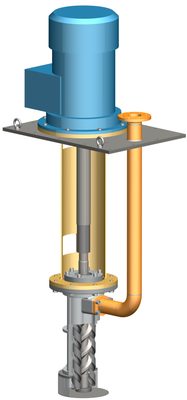
- Area: Mechanical seal degradation or leakageCheck: Monthly inspection of seal faces for surface roughness exceeding Ra 0.8μm, visible scoring, corrosion pitting, and leakage rate. Check springs for >15% compression loss or corrosion. For marine saltwater environments, verify electropolished 304-grade stainless steel material. Accept minor imperfections <0.05mm depth only (polish out), deeper damage requires shaft sleeve and seal renewal.
- Area: Bearing wear and failure - noise/vibration/temperature increaseCheck: Quarterly monitoring of bearing condition via vibration analysis (compare to baseline), bearing housing temperature (target <80°C for normal operation), audible noise (grinding, squealing indicates wear), and lubricant oil samples for metal wear particles. Use thermocouples for direct bearing outer ring temperature measurement. Premature failure typically caused by lubrication starvation, contamination, or misalignment - check bearing clearances and shaft alignment within 0.1mm on coupling concentricity.
- Area: Rotor/screw internal wear and corrosion pittingCheck: Yearly inspection of internal screw and casing clearances: rotor-to-bore maximum 0.2mm, between rotor flanks maximum 0.4mm. Use borescope or remove inspection covers to check for internal scratches, scoring, or corrosion pitting. Casing material examination for stress corrosion cracking in cemented carbide components. Complete overhaul required not exceeding 3 years. Discard rotors with scoring exceeding 0.2mm depth.
- Area: Suction line blockage and cavitation - low flow/high noiseCheck: Check strainer and inlet screen monthly by monitoring suction pressure reduction (gradual drops indicate clogging). Verify suction piping for blockages, air leaks into suction line, and adequate net positive suction head (NPSH). Prime pump completely with working liquid before startup. Inlet pressure must not exceed 25-75 PSIG depending on pump type. Cavitation creates vapor bubbles causing noise, vibration, and rotor/impeller damage - verify pump inlet pressure at <6 bar (self-priming design requirement).
- Area: Coupling misalignment and shaft seal leakageCheck: Pre-installation: verify pump and motor shaft concentricity within 0.1mm on coupling outer circle, maintain 2-4mm gap between coupling planes (0.3mm tolerance). Post-installation: periodic inspection of foundation bolts torque, coupling wear, and shaft seal integrity (leakage should not exceed 10 drops per hour). Rotate pump-motor coupling by hand to confirm smooth operation. Any resistance or grinding indicates internal bearing damage. Replace shaft seals if leakage is excessive.
Typ-universelle Inspektionspunkte fuer Lube Oil Pumps (verifiziert, 2026-06).
- Area: Mechanical seal degradation or leakageCheck: Monthly inspection of seal faces for surface roughness exceeding Ra 0.8μm, visible scoring, corrosion pitting, and leakage rate. Check springs for >15% compression loss or corrosion. For marine saltwater environments, verify electropolished 304-grade stainless steel material. Accept minor imperfections <0.05mm depth only (polish out), deeper damage requires shaft sleeve and seal renewal.
- Area: Bearing wear and failure - noise/vibration/temperature increaseCheck: Quarterly monitoring of bearing condition via vibration analysis (compare to baseline), bearing housing temperature (target <80°C for normal operation), audible noise (grinding, squealing indicates wear), and lubricant oil samples for metal wear particles. Use thermocouples for direct bearing outer ring temperature measurement. Premature failure typically caused by lubrication starvation, contamination, or misalignment - check bearing clearances and shaft alignment within 0.1mm on coupling concentricity.
- Area: Rotor/screw internal wear and corrosion pittingCheck: Yearly inspection of internal screw and casing clearances: rotor-to-bore maximum 0.2mm, between rotor flanks maximum 0.4mm. Use borescope or remove inspection covers to check for internal scratches, scoring, or corrosion pitting. Casing material examination for stress corrosion cracking in cemented carbide components. Complete overhaul required not exceeding 3 years. Discard rotors with scoring exceeding 0.2mm depth.
- Area: Suction line blockage and cavitation - low flow/high noiseCheck: Check strainer and inlet screen monthly by monitoring suction pressure reduction (gradual drops indicate clogging). Verify suction piping for blockages, air leaks into suction line, and adequate net positive suction head (NPSH). Prime pump completely with working liquid before startup. Inlet pressure must not exceed 25-75 PSIG depending on pump type. Cavitation creates vapor bubbles causing noise, vibration, and rotor/impeller damage - verify pump inlet pressure at <6 bar (self-priming design requirement).
- Area: Coupling misalignment and shaft seal leakageCheck: Pre-installation: verify pump and motor shaft concentricity within 0.1mm on coupling outer circle, maintain 2-4mm gap between coupling planes (0.3mm tolerance). Post-installation: periodic inspection of foundation bolts torque, coupling wear, and shaft seal integrity (leakage should not exceed 10 drops per hour). Rotate pump-motor coupling by hand to confirm smooth operation. Any resistance or grinding indicates internal bearing damage. Replace shaft seals if leakage is excessive.
Typ-universelle Inspektionspunkte fuer Lube Oil Pumps (verifiziert, 2026-06).
- Area: Mechanical seal deterioration and leakageCheck: Visual inspection of seal area for oil seepage; check seal faces for scoring, corrosion, or embedded particles. Perform pressure test at 1.5x rated pressure. Monitor seal cavity temperature with infrared thermometer (should not exceed +10°C above ambient).
- Area: Spindle/rotor wear and surface degradationCheck: Measure spindle surface hardness using hardness tester (Allweiler specification typically 58-62 HRC); inspect under magnification for scoring marks or polishing wear patterns. Check for abnormal noise during operation indicating rotor contact. Take oil samples for ferrous particle analysis (target <25mg/l).
- Area: Bearing lubrication failure and contaminationCheck: Check bearing temperature (should not exceed 90°C or +15°C above inlet oil); verify bearing oil level monthly; perform oil change every 8,000 operating hours or 12 months. Test oil viscosity at operating temperature (ISO 6743 analysis). Monitor for bearing cage wear or noise during run-in.
- Area: Pressure relief valve stiction and bypass leakageCheck: Test relief valve opening pressure at no-load condition (should match nameplate +/-0.5 bar). Verify valve closes cleanly without chattering. Check for external bypass leakage using flow meter at relief setting. Inspect valve seat and poppet under magnification for deposits or erosion.
- Area: Oil contamination and water ingress in reservoirCheck: Perform ISO 4406 particle count analysis monthly (target <16/14/11 or better); test water content via Karl Fischer coulometric titration (target <500ppm); monitor viscosity drift (±10% of nominal at 40°C). Inspect immersion tubes/suction strainers for sediment blockage. Check breather condition weekly.
Typ-universelle Inspektionspunkte fuer Lube Oil Pumps (verifiziert, 2026-06).
- Area: Mechanical seal deterioration and leakageCheck: Visual inspection of seal area for oil seepage; check seal faces for scoring, corrosion, or embedded particles. Perform pressure test at 1.5x rated pressure. Monitor seal cavity temperature with infrared thermometer (should not exceed +10°C above ambient).
- Area: Spindle/rotor wear and surface degradationCheck: Measure spindle surface hardness using hardness tester (Allweiler specification typically 58-62 HRC); inspect under magnification for scoring marks or polishing wear patterns. Check for abnormal noise during operation indicating rotor contact. Take oil samples for ferrous particle analysis (target <25mg/l).
- Area: Bearing lubrication failure and contaminationCheck: Check bearing temperature (should not exceed 90°C or +15°C above inlet oil); verify bearing oil level monthly; perform oil change every 8,000 operating hours or 12 months. Test oil viscosity at operating temperature (ISO 6743 analysis). Monitor for bearing cage wear or noise during run-in.
- Area: Pressure relief valve stiction and bypass leakageCheck: Test relief valve opening pressure at no-load condition (should match nameplate +/-0.5 bar). Verify valve closes cleanly without chattering. Check for external bypass leakage using flow meter at relief setting. Inspect valve seat and poppet under magnification for deposits or erosion.
- Area: Oil contamination and water ingress in reservoirCheck: Perform ISO 4406 particle count analysis monthly (target <16/14/11 or better); test water content via Karl Fischer coulometric titration (target <500ppm); monitor viscosity drift (±10% of nominal at 40°C). Inspect immersion tubes/suction strainers for sediment blockage. Check breather condition weekly.
Typ-universelle Inspektionspunkte fuer Lube Oil Pumps (verifiziert, 2026-06).
- Area: Mechanical seal deterioration and leakageCheck: Visual inspection of seal area for oil seepage; check seal faces for scoring, corrosion, or embedded particles. Perform pressure test at 1.5x rated pressure. Monitor seal cavity temperature with infrared thermometer (should not exceed +10°C above ambient).
- Area: Spindle/rotor wear and surface degradationCheck: Measure spindle surface hardness using hardness tester (Allweiler specification typically 58-62 HRC); inspect under magnification for scoring marks or polishing wear patterns. Check for abnormal noise during operation indicating rotor contact. Take oil samples for ferrous particle analysis (target <25mg/l).
- Area: Bearing lubrication failure and contaminationCheck: Check bearing temperature (should not exceed 90°C or +15°C above inlet oil); verify bearing oil level monthly; perform oil change every 8,000 operating hours or 12 months. Test oil viscosity at operating temperature (ISO 6743 analysis). Monitor for bearing cage wear or noise during run-in.
- Area: Pressure relief valve stiction and bypass leakageCheck: Test relief valve opening pressure at no-load condition (should match nameplate +/-0.5 bar). Verify valve closes cleanly without chattering. Check for external bypass leakage using flow meter at relief setting. Inspect valve seat and poppet under magnification for deposits or erosion.
- Area: Oil contamination and water ingress in reservoirCheck: Perform ISO 4406 particle count analysis monthly (target <16/14/11 or better); test water content via Karl Fischer coulometric titration (target <500ppm); monitor viscosity drift (±10% of nominal at 40°C). Inspect immersion tubes/suction strainers for sediment blockage. Check breather condition weekly.
Typ-universelle Inspektionspunkte fuer Lube Oil Pumps (verifiziert, 2026-06).
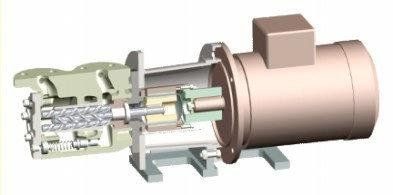
- Area: Mechanical seal deterioration and leakageCheck: Visual inspection of seal area for oil seepage; check seal faces for scoring, corrosion, or embedded particles. Perform pressure test at 1.5x rated pressure. Monitor seal cavity temperature with infrared thermometer (should not exceed +10°C above ambient).
- Area: Spindle/rotor wear and surface degradationCheck: Measure spindle surface hardness using hardness tester (Allweiler specification typically 58-62 HRC); inspect under magnification for scoring marks or polishing wear patterns. Check for abnormal noise during operation indicating rotor contact. Take oil samples for ferrous particle analysis (target <25mg/l).
- Area: Bearing lubrication failure and contaminationCheck: Check bearing temperature (should not exceed 90°C or +15°C above inlet oil); verify bearing oil level monthly; perform oil change every 8,000 operating hours or 12 months. Test oil viscosity at operating temperature (ISO 6743 analysis). Monitor for bearing cage wear or noise during run-in.
- Area: Pressure relief valve stiction and bypass leakageCheck: Test relief valve opening pressure at no-load condition (should match nameplate +/-0.5 bar). Verify valve closes cleanly without chattering. Check for external bypass leakage using flow meter at relief setting. Inspect valve seat and poppet under magnification for deposits or erosion.
- Area: Oil contamination and water ingress in reservoirCheck: Perform ISO 4406 particle count analysis monthly (target <16/14/11 or better); test water content via Karl Fischer coulometric titration (target <500ppm); monitor viscosity drift (±10% of nominal at 40°C). Inspect immersion tubes/suction strainers for sediment blockage. Check breather condition weekly.
Typ-universelle Inspektionspunkte fuer Lube Oil Pumps (verifiziert, 2026-06).
- Area: Mechanical seal deterioration and leakageCheck: Visual inspection of seal area for oil seepage; check seal faces for scoring, corrosion, or embedded particles. Perform pressure test at 1.5x rated pressure. Monitor seal cavity temperature with infrared thermometer (should not exceed +10°C above ambient).
- Area: Spindle/rotor wear and surface degradationCheck: Measure spindle surface hardness using hardness tester (Allweiler specification typically 58-62 HRC); inspect under magnification for scoring marks or polishing wear patterns. Check for abnormal noise during operation indicating rotor contact. Take oil samples for ferrous particle analysis (target <25mg/l).
- Area: Bearing lubrication failure and contaminationCheck: Check bearing temperature (should not exceed 90°C or +15°C above inlet oil); verify bearing oil level monthly; perform oil change every 8,000 operating hours or 12 months. Test oil viscosity at operating temperature (ISO 6743 analysis). Monitor for bearing cage wear or noise during run-in.
- Area: Pressure relief valve stiction and bypass leakageCheck: Test relief valve opening pressure at no-load condition (should match nameplate +/-0.5 bar). Verify valve closes cleanly without chattering. Check for external bypass leakage using flow meter at relief setting. Inspect valve seat and poppet under magnification for deposits or erosion.
- Area: Oil contamination and water ingress in reservoirCheck: Perform ISO 4406 particle count analysis monthly (target <16/14/11 or better); test water content via Karl Fischer coulometric titration (target <500ppm); monitor viscosity drift (±10% of nominal at 40°C). Inspect immersion tubes/suction strainers for sediment blockage. Check breather condition weekly.
Typ-universelle Inspektionspunkte fuer Lube Oil Pumps (verifiziert, 2026-06).
- Area: Mechanical seal deterioration and leakageCheck: Visual inspection of seal area for oil seepage; check seal faces for scoring, corrosion, or embedded particles. Perform pressure test at 1.5x rated pressure. Monitor seal cavity temperature with infrared thermometer (should not exceed +10°C above ambient).
- Area: Spindle/rotor wear and surface degradationCheck: Measure spindle surface hardness using hardness tester (Allweiler specification typically 58-62 HRC); inspect under magnification for scoring marks or polishing wear patterns. Check for abnormal noise during operation indicating rotor contact. Take oil samples for ferrous particle analysis (target <25mg/l).
- Area: Bearing lubrication failure and contaminationCheck: Check bearing temperature (should not exceed 90°C or +15°C above inlet oil); verify bearing oil level monthly; perform oil change every 8,000 operating hours or 12 months. Test oil viscosity at operating temperature (ISO 6743 analysis). Monitor for bearing cage wear or noise during run-in.
- Area: Pressure relief valve stiction and bypass leakageCheck: Test relief valve opening pressure at no-load condition (should match nameplate +/-0.5 bar). Verify valve closes cleanly without chattering. Check for external bypass leakage using flow meter at relief setting. Inspect valve seat and poppet under magnification for deposits or erosion.
- Area: Oil contamination and water ingress in reservoirCheck: Perform ISO 4406 particle count analysis monthly (target <16/14/11 or better); test water content via Karl Fischer coulometric titration (target <500ppm); monitor viscosity drift (±10% of nominal at 40°C). Inspect immersion tubes/suction strainers for sediment blockage. Check breather condition weekly.
Typ-universelle Inspektionspunkte fuer Lube Oil Pumps (verifiziert, 2026-06).
- Area: Mechanical seal deterioration and leakageCheck: Visual inspection of seal area for oil seepage; check seal faces for scoring, corrosion, or embedded particles. Perform pressure test at 1.5x rated pressure. Monitor seal cavity temperature with infrared thermometer (should not exceed +10°C above ambient).
- Area: Spindle/rotor wear and surface degradationCheck: Measure spindle surface hardness using hardness tester (Allweiler specification typically 58-62 HRC); inspect under magnification for scoring marks or polishing wear patterns. Check for abnormal noise during operation indicating rotor contact. Take oil samples for ferrous particle analysis (target <25mg/l).
- Area: Bearing lubrication failure and contaminationCheck: Check bearing temperature (should not exceed 90°C or +15°C above inlet oil); verify bearing oil level monthly; perform oil change every 8,000 operating hours or 12 months. Test oil viscosity at operating temperature (ISO 6743 analysis). Monitor for bearing cage wear or noise during run-in.
- Area: Pressure relief valve stiction and bypass leakageCheck: Test relief valve opening pressure at no-load condition (should match nameplate +/-0.5 bar). Verify valve closes cleanly without chattering. Check for external bypass leakage using flow meter at relief setting. Inspect valve seat and poppet under magnification for deposits or erosion.
- Area: Oil contamination and water ingress in reservoirCheck: Perform ISO 4406 particle count analysis monthly (target <16/14/11 or better); test water content via Karl Fischer coulometric titration (target <500ppm); monitor viscosity drift (±10% of nominal at 40°C). Inspect immersion tubes/suction strainers for sediment blockage. Check breather condition weekly.
Typ-universelle Inspektionspunkte fuer Lube Oil Pumps (verifiziert, 2026-06).
- Area: Mechanical seal deterioration and leakageCheck: Visual inspection of seal area for oil seepage; check seal faces for scoring, corrosion, or embedded particles. Perform pressure test at 1.5x rated pressure. Monitor seal cavity temperature with infrared thermometer (should not exceed +10°C above ambient).
- Area: Spindle/rotor wear and surface degradationCheck: Measure spindle surface hardness using hardness tester (Allweiler specification typically 58-62 HRC); inspect under magnification for scoring marks or polishing wear patterns. Check for abnormal noise during operation indicating rotor contact. Take oil samples for ferrous particle analysis (target <25mg/l).
- Area: Bearing lubrication failure and contaminationCheck: Check bearing temperature (should not exceed 90°C or +15°C above inlet oil); verify bearing oil level monthly; perform oil change every 8,000 operating hours or 12 months. Test oil viscosity at operating temperature (ISO 6743 analysis). Monitor for bearing cage wear or noise during run-in.
- Area: Pressure relief valve stiction and bypass leakageCheck: Test relief valve opening pressure at no-load condition (should match nameplate +/-0.5 bar). Verify valve closes cleanly without chattering. Check for external bypass leakage using flow meter at relief setting. Inspect valve seat and poppet under magnification for deposits or erosion.
- Area: Oil contamination and water ingress in reservoirCheck: Perform ISO 4406 particle count analysis monthly (target <16/14/11 or better); test water content via Karl Fischer coulometric titration (target <500ppm); monitor viscosity drift (±10% of nominal at 40°C). Inspect immersion tubes/suction strainers for sediment blockage. Check breather condition weekly.
Typ-universelle Inspektionspunkte fuer Lube Oil Pumps (verifiziert, 2026-06).
- Area: Mechanical seal deterioration and leakageCheck: Visual inspection of seal area for oil seepage; check seal faces for scoring, corrosion, or embedded particles. Perform pressure test at 1.5x rated pressure. Monitor seal cavity temperature with infrared thermometer (should not exceed +10°C above ambient).
- Area: Spindle/rotor wear and surface degradationCheck: Measure spindle surface hardness using hardness tester (Allweiler specification typically 58-62 HRC); inspect under magnification for scoring marks or polishing wear patterns. Check for abnormal noise during operation indicating rotor contact. Take oil samples for ferrous particle analysis (target <25mg/l).
- Area: Bearing lubrication failure and contaminationCheck: Check bearing temperature (should not exceed 90°C or +15°C above inlet oil); verify bearing oil level monthly; perform oil change every 8,000 operating hours or 12 months. Test oil viscosity at operating temperature (ISO 6743 analysis). Monitor for bearing cage wear or noise during run-in.
- Area: Pressure relief valve stiction and bypass leakageCheck: Test relief valve opening pressure at no-load condition (should match nameplate +/-0.5 bar). Verify valve closes cleanly without chattering. Check for external bypass leakage using flow meter at relief setting. Inspect valve seat and poppet under magnification for deposits or erosion.
- Area: Oil contamination and water ingress in reservoirCheck: Perform ISO 4406 particle count analysis monthly (target <16/14/11 or better); test water content via Karl Fischer coulometric titration (target <500ppm); monitor viscosity drift (±10% of nominal at 40°C). Inspect immersion tubes/suction strainers for sediment blockage. Check breather condition weekly.
Typ-universelle Inspektionspunkte fuer Lube Oil Pumps (verifiziert, 2026-06).

- Area: Mechanical seal deterioration and leakageCheck: Visual inspection of seal area for oil seepage; check seal faces for scoring, corrosion, or embedded particles. Perform pressure test at 1.5x rated pressure. Monitor seal cavity temperature with infrared thermometer (should not exceed +10°C above ambient).
- Area: Spindle/rotor wear and surface degradationCheck: Measure spindle surface hardness using hardness tester (Allweiler specification typically 58-62 HRC); inspect under magnification for scoring marks or polishing wear patterns. Check for abnormal noise during operation indicating rotor contact. Take oil samples for ferrous particle analysis (target <25mg/l).
- Area: Bearing lubrication failure and contaminationCheck: Check bearing temperature (should not exceed 90°C or +15°C above inlet oil); verify bearing oil level monthly; perform oil change every 8,000 operating hours or 12 months. Test oil viscosity at operating temperature (ISO 6743 analysis). Monitor for bearing cage wear or noise during run-in.
- Area: Pressure relief valve stiction and bypass leakageCheck: Test relief valve opening pressure at no-load condition (should match nameplate +/-0.5 bar). Verify valve closes cleanly without chattering. Check for external bypass leakage using flow meter at relief setting. Inspect valve seat and poppet under magnification for deposits or erosion.
- Area: Oil contamination and water ingress in reservoirCheck: Perform ISO 4406 particle count analysis monthly (target <16/14/11 or better); test water content via Karl Fischer coulometric titration (target <500ppm); monitor viscosity drift (±10% of nominal at 40°C). Inspect immersion tubes/suction strainers for sediment blockage. Check breather condition weekly.
Typ-universelle Inspektionspunkte fuer Lube Oil Pumps (verifiziert, 2026-06).
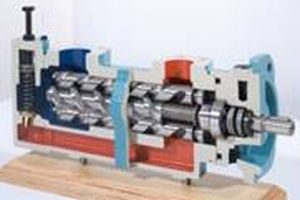
- Area: Mechanical seal deterioration and leakageCheck: Visual inspection of seal area for oil seepage; check seal faces for scoring, corrosion, or embedded particles. Perform pressure test at 1.5x rated pressure. Monitor seal cavity temperature with infrared thermometer (should not exceed +10°C above ambient).
- Area: Spindle/rotor wear and surface degradationCheck: Measure spindle surface hardness using hardness tester (Allweiler specification typically 58-62 HRC); inspect under magnification for scoring marks or polishing wear patterns. Check for abnormal noise during operation indicating rotor contact. Take oil samples for ferrous particle analysis (target <25mg/l).
- Area: Bearing lubrication failure and contaminationCheck: Check bearing temperature (should not exceed 90°C or +15°C above inlet oil); verify bearing oil level monthly; perform oil change every 8,000 operating hours or 12 months. Test oil viscosity at operating temperature (ISO 6743 analysis). Monitor for bearing cage wear or noise during run-in.
- Area: Pressure relief valve stiction and bypass leakageCheck: Test relief valve opening pressure at no-load condition (should match nameplate +/-0.5 bar). Verify valve closes cleanly without chattering. Check for external bypass leakage using flow meter at relief setting. Inspect valve seat and poppet under magnification for deposits or erosion.
- Area: Oil contamination and water ingress in reservoirCheck: Perform ISO 4406 particle count analysis monthly (target <16/14/11 or better); test water content via Karl Fischer coulometric titration (target <500ppm); monitor viscosity drift (±10% of nominal at 40°C). Inspect immersion tubes/suction strainers for sediment blockage. Check breather condition weekly.
Typ-universelle Inspektionspunkte fuer Lube Oil Pumps (verifiziert, 2026-06).
- Area: Mechanical seal deterioration and leakageCheck: Visual inspection of seal area for oil seepage; check seal faces for scoring, corrosion, or embedded particles. Perform pressure test at 1.5x rated pressure. Monitor seal cavity temperature with infrared thermometer (should not exceed +10°C above ambient).
- Area: Spindle/rotor wear and surface degradationCheck: Measure spindle surface hardness using hardness tester (Allweiler specification typically 58-62 HRC); inspect under magnification for scoring marks or polishing wear patterns. Check for abnormal noise during operation indicating rotor contact. Take oil samples for ferrous particle analysis (target <25mg/l).
- Area: Bearing lubrication failure and contaminationCheck: Check bearing temperature (should not exceed 90°C or +15°C above inlet oil); verify bearing oil level monthly; perform oil change every 8,000 operating hours or 12 months. Test oil viscosity at operating temperature (ISO 6743 analysis). Monitor for bearing cage wear or noise during run-in.
- Area: Pressure relief valve stiction and bypass leakageCheck: Test relief valve opening pressure at no-load condition (should match nameplate +/-0.5 bar). Verify valve closes cleanly without chattering. Check for external bypass leakage using flow meter at relief setting. Inspect valve seat and poppet under magnification for deposits or erosion.
- Area: Oil contamination and water ingress in reservoirCheck: Perform ISO 4406 particle count analysis monthly (target <16/14/11 or better); test water content via Karl Fischer coulometric titration (target <500ppm); monitor viscosity drift (±10% of nominal at 40°C). Inspect immersion tubes/suction strainers for sediment blockage. Check breather condition weekly.
Typ-universelle Inspektionspunkte fuer Lube Oil Pumps (verifiziert, 2026-06).
- Area: Mechanical seal deterioration and leakageCheck: Visual inspection of seal area for oil seepage; check seal faces for scoring, corrosion, or embedded particles. Perform pressure test at 1.5x rated pressure. Monitor seal cavity temperature with infrared thermometer (should not exceed +10°C above ambient).
- Area: Spindle/rotor wear and surface degradationCheck: Measure spindle surface hardness using hardness tester (Allweiler specification typically 58-62 HRC); inspect under magnification for scoring marks or polishing wear patterns. Check for abnormal noise during operation indicating rotor contact. Take oil samples for ferrous particle analysis (target <25mg/l).
- Area: Bearing lubrication failure and contaminationCheck: Check bearing temperature (should not exceed 90°C or +15°C above inlet oil); verify bearing oil level monthly; perform oil change every 8,000 operating hours or 12 months. Test oil viscosity at operating temperature (ISO 6743 analysis). Monitor for bearing cage wear or noise during run-in.
- Area: Pressure relief valve stiction and bypass leakageCheck: Test relief valve opening pressure at no-load condition (should match nameplate +/-0.5 bar). Verify valve closes cleanly without chattering. Check for external bypass leakage using flow meter at relief setting. Inspect valve seat and poppet under magnification for deposits or erosion.
- Area: Oil contamination and water ingress in reservoirCheck: Perform ISO 4406 particle count analysis monthly (target <16/14/11 or better); test water content via Karl Fischer coulometric titration (target <500ppm); monitor viscosity drift (±10% of nominal at 40°C). Inspect immersion tubes/suction strainers for sediment blockage. Check breather condition weekly.
Typ-universelle Inspektionspunkte fuer Lube Oil Pumps (verifiziert, 2026-06).
- Area: Mechanical seal deterioration and leakageCheck: Visual inspection of seal area for oil seepage; check seal faces for scoring, corrosion, or embedded particles. Perform pressure test at 1.5x rated pressure. Monitor seal cavity temperature with infrared thermometer (should not exceed +10°C above ambient).
- Area: Spindle/rotor wear and surface degradationCheck: Measure spindle surface hardness using hardness tester (Allweiler specification typically 58-62 HRC); inspect under magnification for scoring marks or polishing wear patterns. Check for abnormal noise during operation indicating rotor contact. Take oil samples for ferrous particle analysis (target <25mg/l).
- Area: Bearing lubrication failure and contaminationCheck: Check bearing temperature (should not exceed 90°C or +15°C above inlet oil); verify bearing oil level monthly; perform oil change every 8,000 operating hours or 12 months. Test oil viscosity at operating temperature (ISO 6743 analysis). Monitor for bearing cage wear or noise during run-in.
- Area: Pressure relief valve stiction and bypass leakageCheck: Test relief valve opening pressure at no-load condition (should match nameplate +/-0.5 bar). Verify valve closes cleanly without chattering. Check for external bypass leakage using flow meter at relief setting. Inspect valve seat and poppet under magnification for deposits or erosion.
- Area: Oil contamination and water ingress in reservoirCheck: Perform ISO 4406 particle count analysis monthly (target <16/14/11 or better); test water content via Karl Fischer coulometric titration (target <500ppm); monitor viscosity drift (±10% of nominal at 40°C). Inspect immersion tubes/suction strainers for sediment blockage. Check breather condition weekly.
Typ-universelle Inspektionspunkte fuer Lube Oil Pumps (verifiziert, 2026-06).
- Area: Mechanical seal deterioration and leakageCheck: Visual inspection of seal area for oil seepage; check seal faces for scoring, corrosion, or embedded particles. Perform pressure test at 1.5x rated pressure. Monitor seal cavity temperature with infrared thermometer (should not exceed +10°C above ambient).
- Area: Spindle/rotor wear and surface degradationCheck: Measure spindle surface hardness using hardness tester (Allweiler specification typically 58-62 HRC); inspect under magnification for scoring marks or polishing wear patterns. Check for abnormal noise during operation indicating rotor contact. Take oil samples for ferrous particle analysis (target <25mg/l).
- Area: Bearing lubrication failure and contaminationCheck: Check bearing temperature (should not exceed 90°C or +15°C above inlet oil); verify bearing oil level monthly; perform oil change every 8,000 operating hours or 12 months. Test oil viscosity at operating temperature (ISO 6743 analysis). Monitor for bearing cage wear or noise during run-in.
- Area: Pressure relief valve stiction and bypass leakageCheck: Test relief valve opening pressure at no-load condition (should match nameplate +/-0.5 bar). Verify valve closes cleanly without chattering. Check for external bypass leakage using flow meter at relief setting. Inspect valve seat and poppet under magnification for deposits or erosion.
- Area: Oil contamination and water ingress in reservoirCheck: Perform ISO 4406 particle count analysis monthly (target <16/14/11 or better); test water content via Karl Fischer coulometric titration (target <500ppm); monitor viscosity drift (±10% of nominal at 40°C). Inspect immersion tubes/suction strainers for sediment blockage. Check breather condition weekly.
Typ-universelle Inspektionspunkte fuer Lube Oil Pumps (verifiziert, 2026-06).
- Area: Mechanical seal deterioration and leakageCheck: Visual inspection of seal area for oil seepage; check seal faces for scoring, corrosion, or embedded particles. Perform pressure test at 1.5x rated pressure. Monitor seal cavity temperature with infrared thermometer (should not exceed +10°C above ambient).
- Area: Spindle/rotor wear and surface degradationCheck: Measure spindle surface hardness using hardness tester (Allweiler specification typically 58-62 HRC); inspect under magnification for scoring marks or polishing wear patterns. Check for abnormal noise during operation indicating rotor contact. Take oil samples for ferrous particle analysis (target <25mg/l).
- Area: Bearing lubrication failure and contaminationCheck: Check bearing temperature (should not exceed 90°C or +15°C above inlet oil); verify bearing oil level monthly; perform oil change every 8,000 operating hours or 12 months. Test oil viscosity at operating temperature (ISO 6743 analysis). Monitor for bearing cage wear or noise during run-in.
- Area: Pressure relief valve stiction and bypass leakageCheck: Test relief valve opening pressure at no-load condition (should match nameplate +/-0.5 bar). Verify valve closes cleanly without chattering. Check for external bypass leakage using flow meter at relief setting. Inspect valve seat and poppet under magnification for deposits or erosion.
- Area: Oil contamination and water ingress in reservoirCheck: Perform ISO 4406 particle count analysis monthly (target <16/14/11 or better); test water content via Karl Fischer coulometric titration (target <500ppm); monitor viscosity drift (±10% of nominal at 40°C). Inspect immersion tubes/suction strainers for sediment blockage. Check breather condition weekly.
Typ-universelle Inspektionspunkte fuer Lube Oil Pumps (verifiziert, 2026-06).
- Area: Mechanical seal deterioration and leakageCheck: Visual inspection of seal area for oil seepage; check seal faces for scoring, corrosion, or embedded particles. Perform pressure test at 1.5x rated pressure. Monitor seal cavity temperature with infrared thermometer (should not exceed +10°C above ambient).
- Area: Spindle/rotor wear and surface degradationCheck: Measure spindle surface hardness using hardness tester (Allweiler specification typically 58-62 HRC); inspect under magnification for scoring marks or polishing wear patterns. Check for abnormal noise during operation indicating rotor contact. Take oil samples for ferrous particle analysis (target <25mg/l).
- Area: Bearing lubrication failure and contaminationCheck: Check bearing temperature (should not exceed 90°C or +15°C above inlet oil); verify bearing oil level monthly; perform oil change every 8,000 operating hours or 12 months. Test oil viscosity at operating temperature (ISO 6743 analysis). Monitor for bearing cage wear or noise during run-in.
- Area: Pressure relief valve stiction and bypass leakageCheck: Test relief valve opening pressure at no-load condition (should match nameplate +/-0.5 bar). Verify valve closes cleanly without chattering. Check for external bypass leakage using flow meter at relief setting. Inspect valve seat and poppet under magnification for deposits or erosion.
- Area: Oil contamination and water ingress in reservoirCheck: Perform ISO 4406 particle count analysis monthly (target <16/14/11 or better); test water content via Karl Fischer coulometric titration (target <500ppm); monitor viscosity drift (±10% of nominal at 40°C). Inspect immersion tubes/suction strainers for sediment blockage. Check breather condition weekly.
Typ-universelle Inspektionspunkte fuer Lube Oil Pumps (verifiziert, 2026-06).
- Area: Mechanical seal deterioration and leakageCheck: Visual inspection of seal area for oil seepage; check seal faces for scoring, corrosion, or embedded particles. Perform pressure test at 1.5x rated pressure. Monitor seal cavity temperature with infrared thermometer (should not exceed +10°C above ambient).
- Area: Spindle/rotor wear and surface degradationCheck: Measure spindle surface hardness using hardness tester (Allweiler specification typically 58-62 HRC); inspect under magnification for scoring marks or polishing wear patterns. Check for abnormal noise during operation indicating rotor contact. Take oil samples for ferrous particle analysis (target <25mg/l).
- Area: Bearing lubrication failure and contaminationCheck: Check bearing temperature (should not exceed 90°C or +15°C above inlet oil); verify bearing oil level monthly; perform oil change every 8,000 operating hours or 12 months. Test oil viscosity at operating temperature (ISO 6743 analysis). Monitor for bearing cage wear or noise during run-in.
- Area: Pressure relief valve stiction and bypass leakageCheck: Test relief valve opening pressure at no-load condition (should match nameplate +/-0.5 bar). Verify valve closes cleanly without chattering. Check for external bypass leakage using flow meter at relief setting. Inspect valve seat and poppet under magnification for deposits or erosion.
- Area: Oil contamination and water ingress in reservoirCheck: Perform ISO 4406 particle count analysis monthly (target <16/14/11 or better); test water content via Karl Fischer coulometric titration (target <500ppm); monitor viscosity drift (±10% of nominal at 40°C). Inspect immersion tubes/suction strainers for sediment blockage. Check breather condition weekly.
Typ-universelle Inspektionspunkte fuer Lube Oil Pumps (verifiziert, 2026-06).
- Area: Mechanical seal deterioration and leakageCheck: Visual inspection of seal area for oil seepage; check seal faces for scoring, corrosion, or embedded particles. Perform pressure test at 1.5x rated pressure. Monitor seal cavity temperature with infrared thermometer (should not exceed +10°C above ambient).
- Area: Spindle/rotor wear and surface degradationCheck: Measure spindle surface hardness using hardness tester (Allweiler specification typically 58-62 HRC); inspect under magnification for scoring marks or polishing wear patterns. Check for abnormal noise during operation indicating rotor contact. Take oil samples for ferrous particle analysis (target <25mg/l).
- Area: Bearing lubrication failure and contaminationCheck: Check bearing temperature (should not exceed 90°C or +15°C above inlet oil); verify bearing oil level monthly; perform oil change every 8,000 operating hours or 12 months. Test oil viscosity at operating temperature (ISO 6743 analysis). Monitor for bearing cage wear or noise during run-in.
- Area: Pressure relief valve stiction and bypass leakageCheck: Test relief valve opening pressure at no-load condition (should match nameplate +/-0.5 bar). Verify valve closes cleanly without chattering. Check for external bypass leakage using flow meter at relief setting. Inspect valve seat and poppet under magnification for deposits or erosion.
- Area: Oil contamination and water ingress in reservoirCheck: Perform ISO 4406 particle count analysis monthly (target <16/14/11 or better); test water content via Karl Fischer coulometric titration (target <500ppm); monitor viscosity drift (±10% of nominal at 40°C). Inspect immersion tubes/suction strainers for sediment blockage. Check breather condition weekly.
Typ-universelle Inspektionspunkte fuer Lube Oil Pumps (verifiziert, 2026-06).
- Area: Mechanical seal deterioration and leakageCheck: Visual inspection of seal area for oil seepage; check seal faces for scoring, corrosion, or embedded particles. Perform pressure test at 1.5x rated pressure. Monitor seal cavity temperature with infrared thermometer (should not exceed +10°C above ambient).
- Area: Spindle/rotor wear and surface degradationCheck: Measure spindle surface hardness using hardness tester (Allweiler specification typically 58-62 HRC); inspect under magnification for scoring marks or polishing wear patterns. Check for abnormal noise during operation indicating rotor contact. Take oil samples for ferrous particle analysis (target <25mg/l).
- Area: Bearing lubrication failure and contaminationCheck: Check bearing temperature (should not exceed 90°C or +15°C above inlet oil); verify bearing oil level monthly; perform oil change every 8,000 operating hours or 12 months. Test oil viscosity at operating temperature (ISO 6743 analysis). Monitor for bearing cage wear or noise during run-in.
- Area: Pressure relief valve stiction and bypass leakageCheck: Test relief valve opening pressure at no-load condition (should match nameplate +/-0.5 bar). Verify valve closes cleanly without chattering. Check for external bypass leakage using flow meter at relief setting. Inspect valve seat and poppet under magnification for deposits or erosion.
- Area: Oil contamination and water ingress in reservoirCheck: Perform ISO 4406 particle count analysis monthly (target <16/14/11 or better); test water content via Karl Fischer coulometric titration (target <500ppm); monitor viscosity drift (±10% of nominal at 40°C). Inspect immersion tubes/suction strainers for sediment blockage. Check breather condition weekly.
Typ-universelle Inspektionspunkte fuer Lube Oil Pumps (verifiziert, 2026-06).
- Area: Mechanical seal deterioration and leakageCheck: Visual inspection of seal area for oil seepage; check seal faces for scoring, corrosion, or embedded particles. Perform pressure test at 1.5x rated pressure. Monitor seal cavity temperature with infrared thermometer (should not exceed +10°C above ambient).
- Area: Spindle/rotor wear and surface degradationCheck: Measure spindle surface hardness using hardness tester (Allweiler specification typically 58-62 HRC); inspect under magnification for scoring marks or polishing wear patterns. Check for abnormal noise during operation indicating rotor contact. Take oil samples for ferrous particle analysis (target <25mg/l).
- Area: Bearing lubrication failure and contaminationCheck: Check bearing temperature (should not exceed 90°C or +15°C above inlet oil); verify bearing oil level monthly; perform oil change every 8,000 operating hours or 12 months. Test oil viscosity at operating temperature (ISO 6743 analysis). Monitor for bearing cage wear or noise during run-in.
- Area: Pressure relief valve stiction and bypass leakageCheck: Test relief valve opening pressure at no-load condition (should match nameplate +/-0.5 bar). Verify valve closes cleanly without chattering. Check for external bypass leakage using flow meter at relief setting. Inspect valve seat and poppet under magnification for deposits or erosion.
- Area: Oil contamination and water ingress in reservoirCheck: Perform ISO 4406 particle count analysis monthly (target <16/14/11 or better); test water content via Karl Fischer coulometric titration (target <500ppm); monitor viscosity drift (±10% of nominal at 40°C). Inspect immersion tubes/suction strainers for sediment blockage. Check breather condition weekly.
Typ-universelle Inspektionspunkte fuer Lube Oil Pumps (verifiziert, 2026-06).
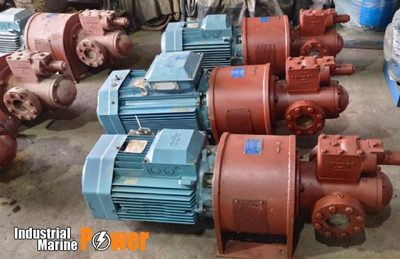
- Area: Mechanical seal deterioration and leakageCheck: Visual inspection of seal area for oil seepage; check seal faces for scoring, corrosion, or embedded particles. Perform pressure test at 1.5x rated pressure. Monitor seal cavity temperature with infrared thermometer (should not exceed +10°C above ambient).
- Area: Spindle/rotor wear and surface degradationCheck: Measure spindle surface hardness using hardness tester (Allweiler specification typically 58-62 HRC); inspect under magnification for scoring marks or polishing wear patterns. Check for abnormal noise during operation indicating rotor contact. Take oil samples for ferrous particle analysis (target <25mg/l).
- Area: Bearing lubrication failure and contaminationCheck: Check bearing temperature (should not exceed 90°C or +15°C above inlet oil); verify bearing oil level monthly; perform oil change every 8,000 operating hours or 12 months. Test oil viscosity at operating temperature (ISO 6743 analysis). Monitor for bearing cage wear or noise during run-in.
- Area: Pressure relief valve stiction and bypass leakageCheck: Test relief valve opening pressure at no-load condition (should match nameplate +/-0.5 bar). Verify valve closes cleanly without chattering. Check for external bypass leakage using flow meter at relief setting. Inspect valve seat and poppet under magnification for deposits or erosion.
- Area: Oil contamination and water ingress in reservoirCheck: Perform ISO 4406 particle count analysis monthly (target <16/14/11 or better); test water content via Karl Fischer coulometric titration (target <500ppm); monitor viscosity drift (±10% of nominal at 40°C). Inspect immersion tubes/suction strainers for sediment blockage. Check breather condition weekly.
Typ-universelle Inspektionspunkte fuer Lube Oil Pumps (verifiziert, 2026-06).
- Area: Mechanical seal deterioration and leakageCheck: Visual inspection of seal area for oil seepage; check seal faces for scoring, corrosion, or embedded particles. Perform pressure test at 1.5x rated pressure. Monitor seal cavity temperature with infrared thermometer (should not exceed +10°C above ambient).
- Area: Spindle/rotor wear and surface degradationCheck: Measure spindle surface hardness using hardness tester (Allweiler specification typically 58-62 HRC); inspect under magnification for scoring marks or polishing wear patterns. Check for abnormal noise during operation indicating rotor contact. Take oil samples for ferrous particle analysis (target <25mg/l).
- Area: Bearing lubrication failure and contaminationCheck: Check bearing temperature (should not exceed 90°C or +15°C above inlet oil); verify bearing oil level monthly; perform oil change every 8,000 operating hours or 12 months. Test oil viscosity at operating temperature (ISO 6743 analysis). Monitor for bearing cage wear or noise during run-in.
- Area: Pressure relief valve stiction and bypass leakageCheck: Test relief valve opening pressure at no-load condition (should match nameplate +/-0.5 bar). Verify valve closes cleanly without chattering. Check for external bypass leakage using flow meter at relief setting. Inspect valve seat and poppet under magnification for deposits or erosion.
- Area: Oil contamination and water ingress in reservoirCheck: Perform ISO 4406 particle count analysis monthly (target <16/14/11 or better); test water content via Karl Fischer coulometric titration (target <500ppm); monitor viscosity drift (±10% of nominal at 40°C). Inspect immersion tubes/suction strainers for sediment blockage. Check breather condition weekly.
Typ-universelle Inspektionspunkte fuer Lube Oil Pumps (verifiziert, 2026-06).
- Area: Mechanical seal deterioration and leakageCheck: Visual inspection of seal area for oil seepage; check seal faces for scoring, corrosion, or embedded particles. Perform pressure test at 1.5x rated pressure. Monitor seal cavity temperature with infrared thermometer (should not exceed +10°C above ambient).
- Area: Spindle/rotor wear and surface degradationCheck: Measure spindle surface hardness using hardness tester (Allweiler specification typically 58-62 HRC); inspect under magnification for scoring marks or polishing wear patterns. Check for abnormal noise during operation indicating rotor contact. Take oil samples for ferrous particle analysis (target <25mg/l).
- Area: Bearing lubrication failure and contaminationCheck: Check bearing temperature (should not exceed 90°C or +15°C above inlet oil); verify bearing oil level monthly; perform oil change every 8,000 operating hours or 12 months. Test oil viscosity at operating temperature (ISO 6743 analysis). Monitor for bearing cage wear or noise during run-in.
- Area: Pressure relief valve stiction and bypass leakageCheck: Test relief valve opening pressure at no-load condition (should match nameplate +/-0.5 bar). Verify valve closes cleanly without chattering. Check for external bypass leakage using flow meter at relief setting. Inspect valve seat and poppet under magnification for deposits or erosion.
- Area: Oil contamination and water ingress in reservoirCheck: Perform ISO 4406 particle count analysis monthly (target <16/14/11 or better); test water content via Karl Fischer coulometric titration (target <500ppm); monitor viscosity drift (±10% of nominal at 40°C). Inspect immersion tubes/suction strainers for sediment blockage. Check breather condition weekly.
Typ-universelle Inspektionspunkte fuer Lube Oil Pumps (verifiziert, 2026-06).
- Area: Mechanical seal deterioration and leakageCheck: Visual inspection of seal area for oil seepage; check seal faces for scoring, corrosion, or embedded particles. Perform pressure test at 1.5x rated pressure. Monitor seal cavity temperature with infrared thermometer (should not exceed +10°C above ambient).
- Area: Spindle/rotor wear and surface degradationCheck: Measure spindle surface hardness using hardness tester (Allweiler specification typically 58-62 HRC); inspect under magnification for scoring marks or polishing wear patterns. Check for abnormal noise during operation indicating rotor contact. Take oil samples for ferrous particle analysis (target <25mg/l).
- Area: Bearing lubrication failure and contaminationCheck: Check bearing temperature (should not exceed 90°C or +15°C above inlet oil); verify bearing oil level monthly; perform oil change every 8,000 operating hours or 12 months. Test oil viscosity at operating temperature (ISO 6743 analysis). Monitor for bearing cage wear or noise during run-in.
- Area: Pressure relief valve stiction and bypass leakageCheck: Test relief valve opening pressure at no-load condition (should match nameplate +/-0.5 bar). Verify valve closes cleanly without chattering. Check for external bypass leakage using flow meter at relief setting. Inspect valve seat and poppet under magnification for deposits or erosion.
- Area: Oil contamination and water ingress in reservoirCheck: Perform ISO 4406 particle count analysis monthly (target <16/14/11 or better); test water content via Karl Fischer coulometric titration (target <500ppm); monitor viscosity drift (±10% of nominal at 40°C). Inspect immersion tubes/suction strainers for sediment blockage. Check breather condition weekly.
Typ-universelle Inspektionspunkte fuer Lube Oil Pumps (verifiziert, 2026-06).
- Area: Mechanical seal deterioration and leakageCheck: Visual inspection of seal area for oil seepage; check seal faces for scoring, corrosion, or embedded particles. Perform pressure test at 1.5x rated pressure. Monitor seal cavity temperature with infrared thermometer (should not exceed +10°C above ambient).
- Area: Spindle/rotor wear and surface degradationCheck: Measure spindle surface hardness using hardness tester (Allweiler specification typically 58-62 HRC); inspect under magnification for scoring marks or polishing wear patterns. Check for abnormal noise during operation indicating rotor contact. Take oil samples for ferrous particle analysis (target <25mg/l).
- Area: Bearing lubrication failure and contaminationCheck: Check bearing temperature (should not exceed 90°C or +15°C above inlet oil); verify bearing oil level monthly; perform oil change every 8,000 operating hours or 12 months. Test oil viscosity at operating temperature (ISO 6743 analysis). Monitor for bearing cage wear or noise during run-in.
- Area: Pressure relief valve stiction and bypass leakageCheck: Test relief valve opening pressure at no-load condition (should match nameplate +/-0.5 bar). Verify valve closes cleanly without chattering. Check for external bypass leakage using flow meter at relief setting. Inspect valve seat and poppet under magnification for deposits or erosion.
- Area: Oil contamination and water ingress in reservoirCheck: Perform ISO 4406 particle count analysis monthly (target <16/14/11 or better); test water content via Karl Fischer coulometric titration (target <500ppm); monitor viscosity drift (±10% of nominal at 40°C). Inspect immersion tubes/suction strainers for sediment blockage. Check breather condition weekly.
Typ-universelle Inspektionspunkte fuer Lube Oil Pumps (verifiziert, 2026-06).
- Area: Mechanical seal deterioration and leakageCheck: Visual inspection of seal area for oil seepage; check seal faces for scoring, corrosion, or embedded particles. Perform pressure test at 1.5x rated pressure. Monitor seal cavity temperature with infrared thermometer (should not exceed +10°C above ambient).
- Area: Spindle/rotor wear and surface degradationCheck: Measure spindle surface hardness using hardness tester (Allweiler specification typically 58-62 HRC); inspect under magnification for scoring marks or polishing wear patterns. Check for abnormal noise during operation indicating rotor contact. Take oil samples for ferrous particle analysis (target <25mg/l).
- Area: Bearing lubrication failure and contaminationCheck: Check bearing temperature (should not exceed 90°C or +15°C above inlet oil); verify bearing oil level monthly; perform oil change every 8,000 operating hours or 12 months. Test oil viscosity at operating temperature (ISO 6743 analysis). Monitor for bearing cage wear or noise during run-in.
- Area: Pressure relief valve stiction and bypass leakageCheck: Test relief valve opening pressure at no-load condition (should match nameplate +/-0.5 bar). Verify valve closes cleanly without chattering. Check for external bypass leakage using flow meter at relief setting. Inspect valve seat and poppet under magnification for deposits or erosion.
- Area: Oil contamination and water ingress in reservoirCheck: Perform ISO 4406 particle count analysis monthly (target <16/14/11 or better); test water content via Karl Fischer coulometric titration (target <500ppm); monitor viscosity drift (±10% of nominal at 40°C). Inspect immersion tubes/suction strainers for sediment blockage. Check breather condition weekly.
Typ-universelle Inspektionspunkte fuer Lube Oil Pumps (verifiziert, 2026-06).
- Area: Mechanical seal deterioration and leakageCheck: Visual inspection of seal area for oil seepage; check seal faces for scoring, corrosion, or embedded particles. Perform pressure test at 1.5x rated pressure. Monitor seal cavity temperature with infrared thermometer (should not exceed +10°C above ambient).
- Area: Spindle/rotor wear and surface degradationCheck: Measure spindle surface hardness using hardness tester (Allweiler specification typically 58-62 HRC); inspect under magnification for scoring marks or polishing wear patterns. Check for abnormal noise during operation indicating rotor contact. Take oil samples for ferrous particle analysis (target <25mg/l).
- Area: Bearing lubrication failure and contaminationCheck: Check bearing temperature (should not exceed 90°C or +15°C above inlet oil); verify bearing oil level monthly; perform oil change every 8,000 operating hours or 12 months. Test oil viscosity at operating temperature (ISO 6743 analysis). Monitor for bearing cage wear or noise during run-in.
- Area: Pressure relief valve stiction and bypass leakageCheck: Test relief valve opening pressure at no-load condition (should match nameplate +/-0.5 bar). Verify valve closes cleanly without chattering. Check for external bypass leakage using flow meter at relief setting. Inspect valve seat and poppet under magnification for deposits or erosion.
- Area: Oil contamination and water ingress in reservoirCheck: Perform ISO 4406 particle count analysis monthly (target <16/14/11 or better); test water content via Karl Fischer coulometric titration (target <500ppm); monitor viscosity drift (±10% of nominal at 40°C). Inspect immersion tubes/suction strainers for sediment blockage. Check breather condition weekly.
Typ-universelle Inspektionspunkte fuer Lube Oil Pumps (verifiziert, 2026-06).
- Area: Mechanical seal deterioration and leakageCheck: Visual inspection of seal area for oil seepage; check seal faces for scoring, corrosion, or embedded particles. Perform pressure test at 1.5x rated pressure. Monitor seal cavity temperature with infrared thermometer (should not exceed +10°C above ambient).
- Area: Spindle/rotor wear and surface degradationCheck: Measure spindle surface hardness using hardness tester (Allweiler specification typically 58-62 HRC); inspect under magnification for scoring marks or polishing wear patterns. Check for abnormal noise during operation indicating rotor contact. Take oil samples for ferrous particle analysis (target <25mg/l).
- Area: Bearing lubrication failure and contaminationCheck: Check bearing temperature (should not exceed 90°C or +15°C above inlet oil); verify bearing oil level monthly; perform oil change every 8,000 operating hours or 12 months. Test oil viscosity at operating temperature (ISO 6743 analysis). Monitor for bearing cage wear or noise during run-in.
- Area: Pressure relief valve stiction and bypass leakageCheck: Test relief valve opening pressure at no-load condition (should match nameplate +/-0.5 bar). Verify valve closes cleanly without chattering. Check for external bypass leakage using flow meter at relief setting. Inspect valve seat and poppet under magnification for deposits or erosion.
- Area: Oil contamination and water ingress in reservoirCheck: Perform ISO 4406 particle count analysis monthly (target <16/14/11 or better); test water content via Karl Fischer coulometric titration (target <500ppm); monitor viscosity drift (±10% of nominal at 40°C). Inspect immersion tubes/suction strainers for sediment blockage. Check breather condition weekly.
Typ-universelle Inspektionspunkte fuer Lube Oil Pumps (verifiziert, 2026-06).
- Area: Mechanical seal deterioration and leakageCheck: Visual inspection of seal area for oil seepage; check seal faces for scoring, corrosion, or embedded particles. Perform pressure test at 1.5x rated pressure. Monitor seal cavity temperature with infrared thermometer (should not exceed +10°C above ambient).
- Area: Spindle/rotor wear and surface degradationCheck: Measure spindle surface hardness using hardness tester (Allweiler specification typically 58-62 HRC); inspect under magnification for scoring marks or polishing wear patterns. Check for abnormal noise during operation indicating rotor contact. Take oil samples for ferrous particle analysis (target <25mg/l).
- Area: Bearing lubrication failure and contaminationCheck: Check bearing temperature (should not exceed 90°C or +15°C above inlet oil); verify bearing oil level monthly; perform oil change every 8,000 operating hours or 12 months. Test oil viscosity at operating temperature (ISO 6743 analysis). Monitor for bearing cage wear or noise during run-in.
- Area: Pressure relief valve stiction and bypass leakageCheck: Test relief valve opening pressure at no-load condition (should match nameplate +/-0.5 bar). Verify valve closes cleanly without chattering. Check for external bypass leakage using flow meter at relief setting. Inspect valve seat and poppet under magnification for deposits or erosion.
- Area: Oil contamination and water ingress in reservoirCheck: Perform ISO 4406 particle count analysis monthly (target <16/14/11 or better); test water content via Karl Fischer coulometric titration (target <500ppm); monitor viscosity drift (±10% of nominal at 40°C). Inspect immersion tubes/suction strainers for sediment blockage. Check breather condition weekly.
Typ-universelle Inspektionspunkte fuer Lube Oil Pumps (verifiziert, 2026-06).
- Area: Mechanical seal deterioration and leakageCheck: Visual inspection of seal area for oil seepage; check seal faces for scoring, corrosion, or embedded particles. Perform pressure test at 1.5x rated pressure. Monitor seal cavity temperature with infrared thermometer (should not exceed +10°C above ambient).
- Area: Spindle/rotor wear and surface degradationCheck: Measure spindle surface hardness using hardness tester (Allweiler specification typically 58-62 HRC); inspect under magnification for scoring marks or polishing wear patterns. Check for abnormal noise during operation indicating rotor contact. Take oil samples for ferrous particle analysis (target <25mg/l).
- Area: Bearing lubrication failure and contaminationCheck: Check bearing temperature (should not exceed 90°C or +15°C above inlet oil); verify bearing oil level monthly; perform oil change every 8,000 operating hours or 12 months. Test oil viscosity at operating temperature (ISO 6743 analysis). Monitor for bearing cage wear or noise during run-in.
- Area: Pressure relief valve stiction and bypass leakageCheck: Test relief valve opening pressure at no-load condition (should match nameplate +/-0.5 bar). Verify valve closes cleanly without chattering. Check for external bypass leakage using flow meter at relief setting. Inspect valve seat and poppet under magnification for deposits or erosion.
- Area: Oil contamination and water ingress in reservoirCheck: Perform ISO 4406 particle count analysis monthly (target <16/14/11 or better); test water content via Karl Fischer coulometric titration (target <500ppm); monitor viscosity drift (±10% of nominal at 40°C). Inspect immersion tubes/suction strainers for sediment blockage. Check breather condition weekly.
Typ-universelle Inspektionspunkte fuer Lube Oil Pumps (verifiziert, 2026-06).
- Area: Mechanical seal deterioration and leakageCheck: Visual inspection of seal area for oil seepage; check seal faces for scoring, corrosion, or embedded particles. Perform pressure test at 1.5x rated pressure. Monitor seal cavity temperature with infrared thermometer (should not exceed +10°C above ambient).
- Area: Spindle/rotor wear and surface degradationCheck: Measure spindle surface hardness using hardness tester (Allweiler specification typically 58-62 HRC); inspect under magnification for scoring marks or polishing wear patterns. Check for abnormal noise during operation indicating rotor contact. Take oil samples for ferrous particle analysis (target <25mg/l).
- Area: Bearing lubrication failure and contaminationCheck: Check bearing temperature (should not exceed 90°C or +15°C above inlet oil); verify bearing oil level monthly; perform oil change every 8,000 operating hours or 12 months. Test oil viscosity at operating temperature (ISO 6743 analysis). Monitor for bearing cage wear or noise during run-in.
- Area: Pressure relief valve stiction and bypass leakageCheck: Test relief valve opening pressure at no-load condition (should match nameplate +/-0.5 bar). Verify valve closes cleanly without chattering. Check for external bypass leakage using flow meter at relief setting. Inspect valve seat and poppet under magnification for deposits or erosion.
- Area: Oil contamination and water ingress in reservoirCheck: Perform ISO 4406 particle count analysis monthly (target <16/14/11 or better); test water content via Karl Fischer coulometric titration (target <500ppm); monitor viscosity drift (±10% of nominal at 40°C). Inspect immersion tubes/suction strainers for sediment blockage. Check breather condition weekly.
Typ-universelle Inspektionspunkte fuer Lube Oil Pumps (verifiziert, 2026-06).
- Area: Mechanical seal deterioration and leakageCheck: Visual inspection of seal area for oil seepage; check seal faces for scoring, corrosion, or embedded particles. Perform pressure test at 1.5x rated pressure. Monitor seal cavity temperature with infrared thermometer (should not exceed +10°C above ambient).
- Area: Spindle/rotor wear and surface degradationCheck: Measure spindle surface hardness using hardness tester (Allweiler specification typically 58-62 HRC); inspect under magnification for scoring marks or polishing wear patterns. Check for abnormal noise during operation indicating rotor contact. Take oil samples for ferrous particle analysis (target <25mg/l).
- Area: Bearing lubrication failure and contaminationCheck: Check bearing temperature (should not exceed 90°C or +15°C above inlet oil); verify bearing oil level monthly; perform oil change every 8,000 operating hours or 12 months. Test oil viscosity at operating temperature (ISO 6743 analysis). Monitor for bearing cage wear or noise during run-in.
- Area: Pressure relief valve stiction and bypass leakageCheck: Test relief valve opening pressure at no-load condition (should match nameplate +/-0.5 bar). Verify valve closes cleanly without chattering. Check for external bypass leakage using flow meter at relief setting. Inspect valve seat and poppet under magnification for deposits or erosion.
- Area: Oil contamination and water ingress in reservoirCheck: Perform ISO 4406 particle count analysis monthly (target <16/14/11 or better); test water content via Karl Fischer coulometric titration (target <500ppm); monitor viscosity drift (±10% of nominal at 40°C). Inspect immersion tubes/suction strainers for sediment blockage. Check breather condition weekly.
Typ-universelle Inspektionspunkte fuer Lube Oil Pumps (verifiziert, 2026-06).
Netzsch
20 ✓ 18 verified
- Area: Mechanical seal degradation or leakageCheck: Monthly inspection of seal faces for surface roughness exceeding Ra 0.8μm, visible scoring, corrosion pitting, and leakage rate. Check springs for >15% compression loss or corrosion. For marine saltwater environments, verify electropolished 304-grade stainless steel material. Accept minor imperfections <0.05mm depth only (polish out), deeper damage requires shaft sleeve and seal renewal.
- Area: Bearing wear and failure - noise/vibration/temperature increaseCheck: Quarterly monitoring of bearing condition via vibration analysis (compare to baseline), bearing housing temperature (target <80°C for normal operation), audible noise (grinding, squealing indicates wear), and lubricant oil samples for metal wear particles. Use thermocouples for direct bearing outer ring temperature measurement. Premature failure typically caused by lubrication starvation, contamination, or misalignment - check bearing clearances and shaft alignment within 0.1mm on coupling concentricity.
- Area: Rotor/screw internal wear and corrosion pittingCheck: Yearly inspection of internal screw and casing clearances: rotor-to-bore maximum 0.2mm, between rotor flanks maximum 0.4mm. Use borescope or remove inspection covers to check for internal scratches, scoring, or corrosion pitting. Casing material examination for stress corrosion cracking in cemented carbide components. Complete overhaul required not exceeding 3 years. Discard rotors with scoring exceeding 0.2mm depth.
- Area: Suction line blockage and cavitation - low flow/high noiseCheck: Check strainer and inlet screen monthly by monitoring suction pressure reduction (gradual drops indicate clogging). Verify suction piping for blockages, air leaks into suction line, and adequate net positive suction head (NPSH). Prime pump completely with working liquid before startup. Inlet pressure must not exceed 25-75 PSIG depending on pump type. Cavitation creates vapor bubbles causing noise, vibration, and rotor/impeller damage - verify pump inlet pressure at <6 bar (self-priming design requirement).
- Area: Coupling misalignment and shaft seal leakageCheck: Pre-installation: verify pump and motor shaft concentricity within 0.1mm on coupling outer circle, maintain 2-4mm gap between coupling planes (0.3mm tolerance). Post-installation: periodic inspection of foundation bolts torque, coupling wear, and shaft seal integrity (leakage should not exceed 10 drops per hour). Rotate pump-motor coupling by hand to confirm smooth operation. Any resistance or grinding indicates internal bearing damage. Replace shaft seals if leakage is excessive.
Typ-universelle Inspektionspunkte fuer Lube Oil Pumps (verifiziert, 2026-06).
- Area: Mechanical seal degradation or leakageCheck: Monthly inspection of seal faces for surface roughness exceeding Ra 0.8μm, visible scoring, corrosion pitting, and leakage rate. Check springs for >15% compression loss or corrosion. For marine saltwater environments, verify electropolished 304-grade stainless steel material. Accept minor imperfections <0.05mm depth only (polish out), deeper damage requires shaft sleeve and seal renewal.
- Area: Bearing wear and failure - noise/vibration/temperature increaseCheck: Quarterly monitoring of bearing condition via vibration analysis (compare to baseline), bearing housing temperature (target <80°C for normal operation), audible noise (grinding, squealing indicates wear), and lubricant oil samples for metal wear particles. Use thermocouples for direct bearing outer ring temperature measurement. Premature failure typically caused by lubrication starvation, contamination, or misalignment - check bearing clearances and shaft alignment within 0.1mm on coupling concentricity.
- Area: Rotor/screw internal wear and corrosion pittingCheck: Yearly inspection of internal screw and casing clearances: rotor-to-bore maximum 0.2mm, between rotor flanks maximum 0.4mm. Use borescope or remove inspection covers to check for internal scratches, scoring, or corrosion pitting. Casing material examination for stress corrosion cracking in cemented carbide components. Complete overhaul required not exceeding 3 years. Discard rotors with scoring exceeding 0.2mm depth.
- Area: Suction line blockage and cavitation - low flow/high noiseCheck: Check strainer and inlet screen monthly by monitoring suction pressure reduction (gradual drops indicate clogging). Verify suction piping for blockages, air leaks into suction line, and adequate net positive suction head (NPSH). Prime pump completely with working liquid before startup. Inlet pressure must not exceed 25-75 PSIG depending on pump type. Cavitation creates vapor bubbles causing noise, vibration, and rotor/impeller damage - verify pump inlet pressure at <6 bar (self-priming design requirement).
- Area: Coupling misalignment and shaft seal leakageCheck: Pre-installation: verify pump and motor shaft concentricity within 0.1mm on coupling outer circle, maintain 2-4mm gap between coupling planes (0.3mm tolerance). Post-installation: periodic inspection of foundation bolts torque, coupling wear, and shaft seal integrity (leakage should not exceed 10 drops per hour). Rotate pump-motor coupling by hand to confirm smooth operation. Any resistance or grinding indicates internal bearing damage. Replace shaft seals if leakage is excessive.
Typ-universelle Inspektionspunkte fuer Lube Oil Pumps (verifiziert, 2026-06).
- Area: Discharge Pressure MonitoringCheck: Verify pump discharge pressure is within specification (50-130 psi for marine lube oil systems). Abnormal pressure drops may indicate internal wear of screw elements or cavitation.
- Area: Volumetric Flow Rate LossCheck: Check actual flow rate against pump curves. Low flow with normal pressure indicates internal leakage or screw surface wear; erratic flow suggests cavitation or inlet strainer blockage.
- Area: Mechanical Seal IntegrityCheck: Inspect shaft seal area for oil weeping, external leakage, or crystallized salt deposits. Leaking seals require replacement to prevent contamination and bearing damage.
- Area: Oil Quality & ContaminationCheck: Monitor oil viscosity, water content, and particulate contamination. Replace lube oil every 1000 operating hours; inspect inlet and outlet filters for clogging. Contaminated oil accelerates screw wear.
- Area: Vibration & Noise AnalysisCheck: Monitor for abnormal vibration, grinding sounds, or high-frequency noise indicating bearing wear, screw surface spalling, or cavitation erosion. Smooth, quiet operation is baseline for screw pumps.
Typ-universelle Inspektionspunkte fuer Lube Oil Pumps (verifiziert, 2026-06).
- Area: Discharge Pressure MonitoringCheck: Verify pump discharge pressure is within specification (50-130 psi for marine lube oil systems). Abnormal pressure drops may indicate internal wear of screw elements or cavitation.
- Area: Volumetric Flow Rate LossCheck: Check actual flow rate against pump curves. Low flow with normal pressure indicates internal leakage or screw surface wear; erratic flow suggests cavitation or inlet strainer blockage.
- Area: Mechanical Seal IntegrityCheck: Inspect shaft seal area for oil weeping, external leakage, or crystallized salt deposits. Leaking seals require replacement to prevent contamination and bearing damage.
- Area: Oil Quality & ContaminationCheck: Monitor oil viscosity, water content, and particulate contamination. Replace lube oil every 1000 operating hours; inspect inlet and outlet filters for clogging. Contaminated oil accelerates screw wear.
- Area: Vibration & Noise AnalysisCheck: Monitor for abnormal vibration, grinding sounds, or high-frequency noise indicating bearing wear, screw surface spalling, or cavitation erosion. Smooth, quiet operation is baseline for screw pumps.
Typ-universelle Inspektionspunkte fuer Lube Oil Pumps (verifiziert, 2026-06).
- Area: Discharge Pressure MonitoringCheck: Verify pump discharge pressure is within specification (50-130 psi for marine lube oil systems). Abnormal pressure drops may indicate internal wear of screw elements or cavitation.
- Area: Volumetric Flow Rate LossCheck: Check actual flow rate against pump curves. Low flow with normal pressure indicates internal leakage or screw surface wear; erratic flow suggests cavitation or inlet strainer blockage.
- Area: Mechanical Seal IntegrityCheck: Inspect shaft seal area for oil weeping, external leakage, or crystallized salt deposits. Leaking seals require replacement to prevent contamination and bearing damage.
- Area: Oil Quality & ContaminationCheck: Monitor oil viscosity, water content, and particulate contamination. Replace lube oil every 1000 operating hours; inspect inlet and outlet filters for clogging. Contaminated oil accelerates screw wear.
- Area: Vibration & Noise AnalysisCheck: Monitor for abnormal vibration, grinding sounds, or high-frequency noise indicating bearing wear, screw surface spalling, or cavitation erosion. Smooth, quiet operation is baseline for screw pumps.
Typ-universelle Inspektionspunkte fuer Lube Oil Pumps (verifiziert, 2026-06).
- Area: Discharge Pressure MonitoringCheck: Verify pump discharge pressure is within specification (50-130 psi for marine lube oil systems). Abnormal pressure drops may indicate internal wear of screw elements or cavitation.
- Area: Volumetric Flow Rate LossCheck: Check actual flow rate against pump curves. Low flow with normal pressure indicates internal leakage or screw surface wear; erratic flow suggests cavitation or inlet strainer blockage.
- Area: Mechanical Seal IntegrityCheck: Inspect shaft seal area for oil weeping, external leakage, or crystallized salt deposits. Leaking seals require replacement to prevent contamination and bearing damage.
- Area: Oil Quality & ContaminationCheck: Monitor oil viscosity, water content, and particulate contamination. Replace lube oil every 1000 operating hours; inspect inlet and outlet filters for clogging. Contaminated oil accelerates screw wear.
- Area: Vibration & Noise AnalysisCheck: Monitor for abnormal vibration, grinding sounds, or high-frequency noise indicating bearing wear, screw surface spalling, or cavitation erosion. Smooth, quiet operation is baseline for screw pumps.
Typ-universelle Inspektionspunkte fuer Lube Oil Pumps (verifiziert, 2026-06).
- Area: Discharge Pressure MonitoringCheck: Verify pump discharge pressure is within specification (50-130 psi for marine lube oil systems). Abnormal pressure drops may indicate internal wear of screw elements or cavitation.
- Area: Volumetric Flow Rate LossCheck: Check actual flow rate against pump curves. Low flow with normal pressure indicates internal leakage or screw surface wear; erratic flow suggests cavitation or inlet strainer blockage.
- Area: Mechanical Seal IntegrityCheck: Inspect shaft seal area for oil weeping, external leakage, or crystallized salt deposits. Leaking seals require replacement to prevent contamination and bearing damage.
- Area: Oil Quality & ContaminationCheck: Monitor oil viscosity, water content, and particulate contamination. Replace lube oil every 1000 operating hours; inspect inlet and outlet filters for clogging. Contaminated oil accelerates screw wear.
- Area: Vibration & Noise AnalysisCheck: Monitor for abnormal vibration, grinding sounds, or high-frequency noise indicating bearing wear, screw surface spalling, or cavitation erosion. Smooth, quiet operation is baseline for screw pumps.
Typ-universelle Inspektionspunkte fuer Lube Oil Pumps (verifiziert, 2026-06).
- Area: Discharge Pressure MonitoringCheck: Verify pump discharge pressure is within specification (50-130 psi for marine lube oil systems). Abnormal pressure drops may indicate internal wear of screw elements or cavitation.
- Area: Volumetric Flow Rate LossCheck: Check actual flow rate against pump curves. Low flow with normal pressure indicates internal leakage or screw surface wear; erratic flow suggests cavitation or inlet strainer blockage.
- Area: Mechanical Seal IntegrityCheck: Inspect shaft seal area for oil weeping, external leakage, or crystallized salt deposits. Leaking seals require replacement to prevent contamination and bearing damage.
- Area: Oil Quality & ContaminationCheck: Monitor oil viscosity, water content, and particulate contamination. Replace lube oil every 1000 operating hours; inspect inlet and outlet filters for clogging. Contaminated oil accelerates screw wear.
- Area: Vibration & Noise AnalysisCheck: Monitor for abnormal vibration, grinding sounds, or high-frequency noise indicating bearing wear, screw surface spalling, or cavitation erosion. Smooth, quiet operation is baseline for screw pumps.
Typ-universelle Inspektionspunkte fuer Lube Oil Pumps (verifiziert, 2026-06).
- Area: Discharge Pressure MonitoringCheck: Verify pump discharge pressure is within specification (50-130 psi for marine lube oil systems). Abnormal pressure drops may indicate internal wear of screw elements or cavitation.
- Area: Volumetric Flow Rate LossCheck: Check actual flow rate against pump curves. Low flow with normal pressure indicates internal leakage or screw surface wear; erratic flow suggests cavitation or inlet strainer blockage.
- Area: Mechanical Seal IntegrityCheck: Inspect shaft seal area for oil weeping, external leakage, or crystallized salt deposits. Leaking seals require replacement to prevent contamination and bearing damage.
- Area: Oil Quality & ContaminationCheck: Monitor oil viscosity, water content, and particulate contamination. Replace lube oil every 1000 operating hours; inspect inlet and outlet filters for clogging. Contaminated oil accelerates screw wear.
- Area: Vibration & Noise AnalysisCheck: Monitor for abnormal vibration, grinding sounds, or high-frequency noise indicating bearing wear, screw surface spalling, or cavitation erosion. Smooth, quiet operation is baseline for screw pumps.
Typ-universelle Inspektionspunkte fuer Lube Oil Pumps (verifiziert, 2026-06).
- Area: Discharge Pressure MonitoringCheck: Verify pump discharge pressure is within specification (50-130 psi for marine lube oil systems). Abnormal pressure drops may indicate internal wear of screw elements or cavitation.
- Area: Volumetric Flow Rate LossCheck: Check actual flow rate against pump curves. Low flow with normal pressure indicates internal leakage or screw surface wear; erratic flow suggests cavitation or inlet strainer blockage.
- Area: Mechanical Seal IntegrityCheck: Inspect shaft seal area for oil weeping, external leakage, or crystallized salt deposits. Leaking seals require replacement to prevent contamination and bearing damage.
- Area: Oil Quality & ContaminationCheck: Monitor oil viscosity, water content, and particulate contamination. Replace lube oil every 1000 operating hours; inspect inlet and outlet filters for clogging. Contaminated oil accelerates screw wear.
- Area: Vibration & Noise AnalysisCheck: Monitor for abnormal vibration, grinding sounds, or high-frequency noise indicating bearing wear, screw surface spalling, or cavitation erosion. Smooth, quiet operation is baseline for screw pumps.
Typ-universelle Inspektionspunkte fuer Lube Oil Pumps (verifiziert, 2026-06).
- Area: Discharge Pressure MonitoringCheck: Verify pump discharge pressure is within specification (50-130 psi for marine lube oil systems). Abnormal pressure drops may indicate internal wear of screw elements or cavitation.
- Area: Volumetric Flow Rate LossCheck: Check actual flow rate against pump curves. Low flow with normal pressure indicates internal leakage or screw surface wear; erratic flow suggests cavitation or inlet strainer blockage.
- Area: Mechanical Seal IntegrityCheck: Inspect shaft seal area for oil weeping, external leakage, or crystallized salt deposits. Leaking seals require replacement to prevent contamination and bearing damage.
- Area: Oil Quality & ContaminationCheck: Monitor oil viscosity, water content, and particulate contamination. Replace lube oil every 1000 operating hours; inspect inlet and outlet filters for clogging. Contaminated oil accelerates screw wear.
- Area: Vibration & Noise AnalysisCheck: Monitor for abnormal vibration, grinding sounds, or high-frequency noise indicating bearing wear, screw surface spalling, or cavitation erosion. Smooth, quiet operation is baseline for screw pumps.
Typ-universelle Inspektionspunkte fuer Lube Oil Pumps (verifiziert, 2026-06).
- Area: Discharge Pressure MonitoringCheck: Verify pump discharge pressure is within specification (50-130 psi for marine lube oil systems). Abnormal pressure drops may indicate internal wear of screw elements or cavitation.
- Area: Volumetric Flow Rate LossCheck: Check actual flow rate against pump curves. Low flow with normal pressure indicates internal leakage or screw surface wear; erratic flow suggests cavitation or inlet strainer blockage.
- Area: Mechanical Seal IntegrityCheck: Inspect shaft seal area for oil weeping, external leakage, or crystallized salt deposits. Leaking seals require replacement to prevent contamination and bearing damage.
- Area: Oil Quality & ContaminationCheck: Monitor oil viscosity, water content, and particulate contamination. Replace lube oil every 1000 operating hours; inspect inlet and outlet filters for clogging. Contaminated oil accelerates screw wear.
- Area: Vibration & Noise AnalysisCheck: Monitor for abnormal vibration, grinding sounds, or high-frequency noise indicating bearing wear, screw surface spalling, or cavitation erosion. Smooth, quiet operation is baseline for screw pumps.
Typ-universelle Inspektionspunkte fuer Lube Oil Pumps (verifiziert, 2026-06).
- Area: Discharge Pressure MonitoringCheck: Verify pump discharge pressure is within specification (50-130 psi for marine lube oil systems). Abnormal pressure drops may indicate internal wear of screw elements or cavitation.
- Area: Volumetric Flow Rate LossCheck: Check actual flow rate against pump curves. Low flow with normal pressure indicates internal leakage or screw surface wear; erratic flow suggests cavitation or inlet strainer blockage.
- Area: Mechanical Seal IntegrityCheck: Inspect shaft seal area for oil weeping, external leakage, or crystallized salt deposits. Leaking seals require replacement to prevent contamination and bearing damage.
- Area: Oil Quality & ContaminationCheck: Monitor oil viscosity, water content, and particulate contamination. Replace lube oil every 1000 operating hours; inspect inlet and outlet filters for clogging. Contaminated oil accelerates screw wear.
- Area: Vibration & Noise AnalysisCheck: Monitor for abnormal vibration, grinding sounds, or high-frequency noise indicating bearing wear, screw surface spalling, or cavitation erosion. Smooth, quiet operation is baseline for screw pumps.
Typ-universelle Inspektionspunkte fuer Lube Oil Pumps (verifiziert, 2026-06).
- Area: Discharge Pressure MonitoringCheck: Verify pump discharge pressure is within specification (50-130 psi for marine lube oil systems). Abnormal pressure drops may indicate internal wear of screw elements or cavitation.
- Area: Volumetric Flow Rate LossCheck: Check actual flow rate against pump curves. Low flow with normal pressure indicates internal leakage or screw surface wear; erratic flow suggests cavitation or inlet strainer blockage.
- Area: Mechanical Seal IntegrityCheck: Inspect shaft seal area for oil weeping, external leakage, or crystallized salt deposits. Leaking seals require replacement to prevent contamination and bearing damage.
- Area: Oil Quality & ContaminationCheck: Monitor oil viscosity, water content, and particulate contamination. Replace lube oil every 1000 operating hours; inspect inlet and outlet filters for clogging. Contaminated oil accelerates screw wear.
- Area: Vibration & Noise AnalysisCheck: Monitor for abnormal vibration, grinding sounds, or high-frequency noise indicating bearing wear, screw surface spalling, or cavitation erosion. Smooth, quiet operation is baseline for screw pumps.
Typ-universelle Inspektionspunkte fuer Lube Oil Pumps (verifiziert, 2026-06).
- Area: Discharge Pressure MonitoringCheck: Verify pump discharge pressure is within specification (50-130 psi for marine lube oil systems). Abnormal pressure drops may indicate internal wear of screw elements or cavitation.
- Area: Volumetric Flow Rate LossCheck: Check actual flow rate against pump curves. Low flow with normal pressure indicates internal leakage or screw surface wear; erratic flow suggests cavitation or inlet strainer blockage.
- Area: Mechanical Seal IntegrityCheck: Inspect shaft seal area for oil weeping, external leakage, or crystallized salt deposits. Leaking seals require replacement to prevent contamination and bearing damage.
- Area: Oil Quality & ContaminationCheck: Monitor oil viscosity, water content, and particulate contamination. Replace lube oil every 1000 operating hours; inspect inlet and outlet filters for clogging. Contaminated oil accelerates screw wear.
- Area: Vibration & Noise AnalysisCheck: Monitor for abnormal vibration, grinding sounds, or high-frequency noise indicating bearing wear, screw surface spalling, or cavitation erosion. Smooth, quiet operation is baseline for screw pumps.
Typ-universelle Inspektionspunkte fuer Lube Oil Pumps (verifiziert, 2026-06).
- Area: Discharge Pressure MonitoringCheck: Verify pump discharge pressure is within specification (50-130 psi for marine lube oil systems). Abnormal pressure drops may indicate internal wear of screw elements or cavitation.
- Area: Volumetric Flow Rate LossCheck: Check actual flow rate against pump curves. Low flow with normal pressure indicates internal leakage or screw surface wear; erratic flow suggests cavitation or inlet strainer blockage.
- Area: Mechanical Seal IntegrityCheck: Inspect shaft seal area for oil weeping, external leakage, or crystallized salt deposits. Leaking seals require replacement to prevent contamination and bearing damage.
- Area: Oil Quality & ContaminationCheck: Monitor oil viscosity, water content, and particulate contamination. Replace lube oil every 1000 operating hours; inspect inlet and outlet filters for clogging. Contaminated oil accelerates screw wear.
- Area: Vibration & Noise AnalysisCheck: Monitor for abnormal vibration, grinding sounds, or high-frequency noise indicating bearing wear, screw surface spalling, or cavitation erosion. Smooth, quiet operation is baseline for screw pumps.
Typ-universelle Inspektionspunkte fuer Lube Oil Pumps (verifiziert, 2026-06).
- Area: Discharge Pressure MonitoringCheck: Verify pump discharge pressure is within specification (50-130 psi for marine lube oil systems). Abnormal pressure drops may indicate internal wear of screw elements or cavitation.
- Area: Volumetric Flow Rate LossCheck: Check actual flow rate against pump curves. Low flow with normal pressure indicates internal leakage or screw surface wear; erratic flow suggests cavitation or inlet strainer blockage.
- Area: Mechanical Seal IntegrityCheck: Inspect shaft seal area for oil weeping, external leakage, or crystallized salt deposits. Leaking seals require replacement to prevent contamination and bearing damage.
- Area: Oil Quality & ContaminationCheck: Monitor oil viscosity, water content, and particulate contamination. Replace lube oil every 1000 operating hours; inspect inlet and outlet filters for clogging. Contaminated oil accelerates screw wear.
- Area: Vibration & Noise AnalysisCheck: Monitor for abnormal vibration, grinding sounds, or high-frequency noise indicating bearing wear, screw surface spalling, or cavitation erosion. Smooth, quiet operation is baseline for screw pumps.
Typ-universelle Inspektionspunkte fuer Lube Oil Pumps (verifiziert, 2026-06).
- Area: Discharge Pressure MonitoringCheck: Verify pump discharge pressure is within specification (50-130 psi for marine lube oil systems). Abnormal pressure drops may indicate internal wear of screw elements or cavitation.
- Area: Volumetric Flow Rate LossCheck: Check actual flow rate against pump curves. Low flow with normal pressure indicates internal leakage or screw surface wear; erratic flow suggests cavitation or inlet strainer blockage.
- Area: Mechanical Seal IntegrityCheck: Inspect shaft seal area for oil weeping, external leakage, or crystallized salt deposits. Leaking seals require replacement to prevent contamination and bearing damage.
- Area: Oil Quality & ContaminationCheck: Monitor oil viscosity, water content, and particulate contamination. Replace lube oil every 1000 operating hours; inspect inlet and outlet filters for clogging. Contaminated oil accelerates screw wear.
- Area: Vibration & Noise AnalysisCheck: Monitor for abnormal vibration, grinding sounds, or high-frequency noise indicating bearing wear, screw surface spalling, or cavitation erosion. Smooth, quiet operation is baseline for screw pumps.
Typ-universelle Inspektionspunkte fuer Lube Oil Pumps (verifiziert, 2026-06).
- Area: Discharge Pressure MonitoringCheck: Verify pump discharge pressure is within specification (50-130 psi for marine lube oil systems). Abnormal pressure drops may indicate internal wear of screw elements or cavitation.
- Area: Volumetric Flow Rate LossCheck: Check actual flow rate against pump curves. Low flow with normal pressure indicates internal leakage or screw surface wear; erratic flow suggests cavitation or inlet strainer blockage.
- Area: Mechanical Seal IntegrityCheck: Inspect shaft seal area for oil weeping, external leakage, or crystallized salt deposits. Leaking seals require replacement to prevent contamination and bearing damage.
- Area: Oil Quality & ContaminationCheck: Monitor oil viscosity, water content, and particulate contamination. Replace lube oil every 1000 operating hours; inspect inlet and outlet filters for clogging. Contaminated oil accelerates screw wear.
- Area: Vibration & Noise AnalysisCheck: Monitor for abnormal vibration, grinding sounds, or high-frequency noise indicating bearing wear, screw surface spalling, or cavitation erosion. Smooth, quiet operation is baseline for screw pumps.
Typ-universelle Inspektionspunkte fuer Lube Oil Pumps (verifiziert, 2026-06).
- Area: Discharge Pressure MonitoringCheck: Verify pump discharge pressure is within specification (50-130 psi for marine lube oil systems). Abnormal pressure drops may indicate internal wear of screw elements or cavitation.
- Area: Volumetric Flow Rate LossCheck: Check actual flow rate against pump curves. Low flow with normal pressure indicates internal leakage or screw surface wear; erratic flow suggests cavitation or inlet strainer blockage.
- Area: Mechanical Seal IntegrityCheck: Inspect shaft seal area for oil weeping, external leakage, or crystallized salt deposits. Leaking seals require replacement to prevent contamination and bearing damage.
- Area: Oil Quality & ContaminationCheck: Monitor oil viscosity, water content, and particulate contamination. Replace lube oil every 1000 operating hours; inspect inlet and outlet filters for clogging. Contaminated oil accelerates screw wear.
- Area: Vibration & Noise AnalysisCheck: Monitor for abnormal vibration, grinding sounds, or high-frequency noise indicating bearing wear, screw surface spalling, or cavitation erosion. Smooth, quiet operation is baseline for screw pumps.
Typ-universelle Inspektionspunkte fuer Lube Oil Pumps (verifiziert, 2026-06).
Hamworthy
18 ✓ 18 verified
- Area: Mechanical seal degradation from dry running or contaminationCheck: Inspect mechanical seal faces for wear marks, scoring, or discoloration; verify seal lubrication system delivers fluid barrier protection; measure seal leakage (normal: a few drops per minute; excessive: >5-10 drops/min indicates failure)
- Area: Bearing wear, overheating, or lubrication failure leading to catastrophic failureCheck: Monitor bearing housing temperature using non-contact infrared thermometer; check bearing lubrication level (grease or oil at sight glass midpoint); inspect for grease purging or oil seepage; perform vibration analysis to detect bearing degradation signatures early
- Area: Pump cavitation, misalignment, or impeller wear reducing efficiency and causing damageCheck: Verify suction and discharge pressure readings match design specifications; analyze pressure differential against pump performance curves; monitor for cavitation noise; measure pump vibration (radial and axial) with transmitters to detect imbalance or misalignment
- Area: Lube oil system contamination, oxidation, or insufficient cooling reducing seal and bearing lifeCheck: Verify lube oil level in oil-lubricated units (DL, CKL series) at sight glass midpoint; test oil quality (clarity, viscosity, contamination); confirm oil cooling system effective operation; inspect for water ingress, foaming, or degradation signs
- Area: Heat exchanger fouling reducing cooling capacity and leading to overheatingCheck: For air-cooled heat exchangers, inspect fins for blockage by debris, dust, or oil aerosol (>30% blockage reduces cooling >30%); test differential temperature across cooler, jackets, and exchangers; hand-feel cooler outlet temperature
Typ-universelle Inspektionspunkte fuer Lube Oil Pumps (verifiziert, 2026-06).
- Area: Mechanical seal degradation from dry running or contaminationCheck: Inspect mechanical seal faces for wear marks, scoring, or discoloration; verify seal lubrication system delivers fluid barrier protection; measure seal leakage (normal: a few drops per minute; excessive: >5-10 drops/min indicates failure)
- Area: Bearing wear, overheating, or lubrication failure leading to catastrophic failureCheck: Monitor bearing housing temperature using non-contact infrared thermometer; check bearing lubrication level (grease or oil at sight glass midpoint); inspect for grease purging or oil seepage; perform vibration analysis to detect bearing degradation signatures early
- Area: Pump cavitation, misalignment, or impeller wear reducing efficiency and causing damageCheck: Verify suction and discharge pressure readings match design specifications; analyze pressure differential against pump performance curves; monitor for cavitation noise; measure pump vibration (radial and axial) with transmitters to detect imbalance or misalignment
- Area: Lube oil system contamination, oxidation, or insufficient cooling reducing seal and bearing lifeCheck: Verify lube oil level in oil-lubricated units (DL, CKL series) at sight glass midpoint; test oil quality (clarity, viscosity, contamination); confirm oil cooling system effective operation; inspect for water ingress, foaming, or degradation signs
- Area: Heat exchanger fouling reducing cooling capacity and leading to overheatingCheck: For air-cooled heat exchangers, inspect fins for blockage by debris, dust, or oil aerosol (>30% blockage reduces cooling >30%); test differential temperature across cooler, jackets, and exchangers; hand-feel cooler outlet temperature
Typ-universelle Inspektionspunkte fuer Lube Oil Pumps (verifiziert, 2026-06).
- Area: Mechanical seal degradation from dry running or contaminationCheck: Inspect mechanical seal faces for wear marks, scoring, or discoloration; verify seal lubrication system delivers fluid barrier protection; measure seal leakage (normal: a few drops per minute; excessive: >5-10 drops/min indicates failure)
- Area: Bearing wear, overheating, or lubrication failure leading to catastrophic failureCheck: Monitor bearing housing temperature using non-contact infrared thermometer; check bearing lubrication level (grease or oil at sight glass midpoint); inspect for grease purging or oil seepage; perform vibration analysis to detect bearing degradation signatures early
- Area: Pump cavitation, misalignment, or impeller wear reducing efficiency and causing damageCheck: Verify suction and discharge pressure readings match design specifications; analyze pressure differential against pump performance curves; monitor for cavitation noise; measure pump vibration (radial and axial) with transmitters to detect imbalance or misalignment
- Area: Lube oil system contamination, oxidation, or insufficient cooling reducing seal and bearing lifeCheck: Verify lube oil level in oil-lubricated units (DL, CKL series) at sight glass midpoint; test oil quality (clarity, viscosity, contamination); confirm oil cooling system effective operation; inspect for water ingress, foaming, or degradation signs
- Area: Heat exchanger fouling reducing cooling capacity and leading to overheatingCheck: For air-cooled heat exchangers, inspect fins for blockage by debris, dust, or oil aerosol (>30% blockage reduces cooling >30%); test differential temperature across cooler, jackets, and exchangers; hand-feel cooler outlet temperature
Typ-universelle Inspektionspunkte fuer Lube Oil Pumps (verifiziert, 2026-06).
- Area: Mechanical seal degradation from dry running or contaminationCheck: Inspect mechanical seal faces for wear marks, scoring, or discoloration; verify seal lubrication system delivers fluid barrier protection; measure seal leakage (normal: a few drops per minute; excessive: >5-10 drops/min indicates failure)
- Area: Bearing wear, overheating, or lubrication failure leading to catastrophic failureCheck: Monitor bearing housing temperature using non-contact infrared thermometer; check bearing lubrication level (grease or oil at sight glass midpoint); inspect for grease purging or oil seepage; perform vibration analysis to detect bearing degradation signatures early
- Area: Pump cavitation, misalignment, or impeller wear reducing efficiency and causing damageCheck: Verify suction and discharge pressure readings match design specifications; analyze pressure differential against pump performance curves; monitor for cavitation noise; measure pump vibration (radial and axial) with transmitters to detect imbalance or misalignment
- Area: Lube oil system contamination, oxidation, or insufficient cooling reducing seal and bearing lifeCheck: Verify lube oil level in oil-lubricated units (DL, CKL series) at sight glass midpoint; test oil quality (clarity, viscosity, contamination); confirm oil cooling system effective operation; inspect for water ingress, foaming, or degradation signs
- Area: Heat exchanger fouling reducing cooling capacity and leading to overheatingCheck: For air-cooled heat exchangers, inspect fins for blockage by debris, dust, or oil aerosol (>30% blockage reduces cooling >30%); test differential temperature across cooler, jackets, and exchangers; hand-feel cooler outlet temperature
Typ-universelle Inspektionspunkte fuer Lube Oil Pumps (verifiziert, 2026-06).
- Area: Mechanical seal degradation from dry running or contaminationCheck: Inspect mechanical seal faces for wear marks, scoring, or discoloration; verify seal lubrication system delivers fluid barrier protection; measure seal leakage (normal: a few drops per minute; excessive: >5-10 drops/min indicates failure)
- Area: Bearing wear, overheating, or lubrication failure leading to catastrophic failureCheck: Monitor bearing housing temperature using non-contact infrared thermometer; check bearing lubrication level (grease or oil at sight glass midpoint); inspect for grease purging or oil seepage; perform vibration analysis to detect bearing degradation signatures early
- Area: Pump cavitation, misalignment, or impeller wear reducing efficiency and causing damageCheck: Verify suction and discharge pressure readings match design specifications; analyze pressure differential against pump performance curves; monitor for cavitation noise; measure pump vibration (radial and axial) with transmitters to detect imbalance or misalignment
- Area: Lube oil system contamination, oxidation, or insufficient cooling reducing seal and bearing lifeCheck: Verify lube oil level in oil-lubricated units (DL, CKL series) at sight glass midpoint; test oil quality (clarity, viscosity, contamination); confirm oil cooling system effective operation; inspect for water ingress, foaming, or degradation signs
- Area: Heat exchanger fouling reducing cooling capacity and leading to overheatingCheck: For air-cooled heat exchangers, inspect fins for blockage by debris, dust, or oil aerosol (>30% blockage reduces cooling >30%); test differential temperature across cooler, jackets, and exchangers; hand-feel cooler outlet temperature
Typ-universelle Inspektionspunkte fuer Lube Oil Pumps (verifiziert, 2026-06).
- Area: Mechanical seal degradation from dry running or contaminationCheck: Inspect mechanical seal faces for wear marks, scoring, or discoloration; verify seal lubrication system delivers fluid barrier protection; measure seal leakage (normal: a few drops per minute; excessive: >5-10 drops/min indicates failure)
- Area: Bearing wear, overheating, or lubrication failure leading to catastrophic failureCheck: Monitor bearing housing temperature using non-contact infrared thermometer; check bearing lubrication level (grease or oil at sight glass midpoint); inspect for grease purging or oil seepage; perform vibration analysis to detect bearing degradation signatures early
- Area: Pump cavitation, misalignment, or impeller wear reducing efficiency and causing damageCheck: Verify suction and discharge pressure readings match design specifications; analyze pressure differential against pump performance curves; monitor for cavitation noise; measure pump vibration (radial and axial) with transmitters to detect imbalance or misalignment
- Area: Lube oil system contamination, oxidation, or insufficient cooling reducing seal and bearing lifeCheck: Verify lube oil level in oil-lubricated units (DL, CKL series) at sight glass midpoint; test oil quality (clarity, viscosity, contamination); confirm oil cooling system effective operation; inspect for water ingress, foaming, or degradation signs
- Area: Heat exchanger fouling reducing cooling capacity and leading to overheatingCheck: For air-cooled heat exchangers, inspect fins for blockage by debris, dust, or oil aerosol (>30% blockage reduces cooling >30%); test differential temperature across cooler, jackets, and exchangers; hand-feel cooler outlet temperature
Typ-universelle Inspektionspunkte fuer Lube Oil Pumps (verifiziert, 2026-06).
- Area: Mechanical seal degradation from dry running or contaminationCheck: Inspect mechanical seal faces for wear marks, scoring, or discoloration; verify seal lubrication system delivers fluid barrier protection; measure seal leakage (normal: a few drops per minute; excessive: >5-10 drops/min indicates failure)
- Area: Bearing wear, overheating, or lubrication failure leading to catastrophic failureCheck: Monitor bearing housing temperature using non-contact infrared thermometer; check bearing lubrication level (grease or oil at sight glass midpoint); inspect for grease purging or oil seepage; perform vibration analysis to detect bearing degradation signatures early
- Area: Pump cavitation, misalignment, or impeller wear reducing efficiency and causing damageCheck: Verify suction and discharge pressure readings match design specifications; analyze pressure differential against pump performance curves; monitor for cavitation noise; measure pump vibration (radial and axial) with transmitters to detect imbalance or misalignment
- Area: Lube oil system contamination, oxidation, or insufficient cooling reducing seal and bearing lifeCheck: Verify lube oil level in oil-lubricated units (DL, CKL series) at sight glass midpoint; test oil quality (clarity, viscosity, contamination); confirm oil cooling system effective operation; inspect for water ingress, foaming, or degradation signs
- Area: Heat exchanger fouling reducing cooling capacity and leading to overheatingCheck: For air-cooled heat exchangers, inspect fins for blockage by debris, dust, or oil aerosol (>30% blockage reduces cooling >30%); test differential temperature across cooler, jackets, and exchangers; hand-feel cooler outlet temperature
Typ-universelle Inspektionspunkte fuer Lube Oil Pumps (verifiziert, 2026-06).
- Area: Mechanical seal degradation from dry running or contaminationCheck: Inspect mechanical seal faces for wear marks, scoring, or discoloration; verify seal lubrication system delivers fluid barrier protection; measure seal leakage (normal: a few drops per minute; excessive: >5-10 drops/min indicates failure)
- Area: Bearing wear, overheating, or lubrication failure leading to catastrophic failureCheck: Monitor bearing housing temperature using non-contact infrared thermometer; check bearing lubrication level (grease or oil at sight glass midpoint); inspect for grease purging or oil seepage; perform vibration analysis to detect bearing degradation signatures early
- Area: Pump cavitation, misalignment, or impeller wear reducing efficiency and causing damageCheck: Verify suction and discharge pressure readings match design specifications; analyze pressure differential against pump performance curves; monitor for cavitation noise; measure pump vibration (radial and axial) with transmitters to detect imbalance or misalignment
- Area: Lube oil system contamination, oxidation, or insufficient cooling reducing seal and bearing lifeCheck: Verify lube oil level in oil-lubricated units (DL, CKL series) at sight glass midpoint; test oil quality (clarity, viscosity, contamination); confirm oil cooling system effective operation; inspect for water ingress, foaming, or degradation signs
- Area: Heat exchanger fouling reducing cooling capacity and leading to overheatingCheck: For air-cooled heat exchangers, inspect fins for blockage by debris, dust, or oil aerosol (>30% blockage reduces cooling >30%); test differential temperature across cooler, jackets, and exchangers; hand-feel cooler outlet temperature
Typ-universelle Inspektionspunkte fuer Lube Oil Pumps (verifiziert, 2026-06).
- Area: Mechanical seal degradation from dry running or contaminationCheck: Inspect mechanical seal faces for wear marks, scoring, or discoloration; verify seal lubrication system delivers fluid barrier protection; measure seal leakage (normal: a few drops per minute; excessive: >5-10 drops/min indicates failure)
- Area: Bearing wear, overheating, or lubrication failure leading to catastrophic failureCheck: Monitor bearing housing temperature using non-contact infrared thermometer; check bearing lubrication level (grease or oil at sight glass midpoint); inspect for grease purging or oil seepage; perform vibration analysis to detect bearing degradation signatures early
- Area: Pump cavitation, misalignment, or impeller wear reducing efficiency and causing damageCheck: Verify suction and discharge pressure readings match design specifications; analyze pressure differential against pump performance curves; monitor for cavitation noise; measure pump vibration (radial and axial) with transmitters to detect imbalance or misalignment
- Area: Lube oil system contamination, oxidation, or insufficient cooling reducing seal and bearing lifeCheck: Verify lube oil level in oil-lubricated units (DL, CKL series) at sight glass midpoint; test oil quality (clarity, viscosity, contamination); confirm oil cooling system effective operation; inspect for water ingress, foaming, or degradation signs
- Area: Heat exchanger fouling reducing cooling capacity and leading to overheatingCheck: For air-cooled heat exchangers, inspect fins for blockage by debris, dust, or oil aerosol (>30% blockage reduces cooling >30%); test differential temperature across cooler, jackets, and exchangers; hand-feel cooler outlet temperature
Typ-universelle Inspektionspunkte fuer Lube Oil Pumps (verifiziert, 2026-06).
- Area: Mechanical seal degradation from dry running or contaminationCheck: Inspect mechanical seal faces for wear marks, scoring, or discoloration; verify seal lubrication system delivers fluid barrier protection; measure seal leakage (normal: a few drops per minute; excessive: >5-10 drops/min indicates failure)
- Area: Bearing wear, overheating, or lubrication failure leading to catastrophic failureCheck: Monitor bearing housing temperature using non-contact infrared thermometer; check bearing lubrication level (grease or oil at sight glass midpoint); inspect for grease purging or oil seepage; perform vibration analysis to detect bearing degradation signatures early
- Area: Pump cavitation, misalignment, or impeller wear reducing efficiency and causing damageCheck: Verify suction and discharge pressure readings match design specifications; analyze pressure differential against pump performance curves; monitor for cavitation noise; measure pump vibration (radial and axial) with transmitters to detect imbalance or misalignment
- Area: Lube oil system contamination, oxidation, or insufficient cooling reducing seal and bearing lifeCheck: Verify lube oil level in oil-lubricated units (DL, CKL series) at sight glass midpoint; test oil quality (clarity, viscosity, contamination); confirm oil cooling system effective operation; inspect for water ingress, foaming, or degradation signs
- Area: Heat exchanger fouling reducing cooling capacity and leading to overheatingCheck: For air-cooled heat exchangers, inspect fins for blockage by debris, dust, or oil aerosol (>30% blockage reduces cooling >30%); test differential temperature across cooler, jackets, and exchangers; hand-feel cooler outlet temperature
Typ-universelle Inspektionspunkte fuer Lube Oil Pumps (verifiziert, 2026-06).
- Area: Mechanical seal degradation from dry running or contaminationCheck: Inspect mechanical seal faces for wear marks, scoring, or discoloration; verify seal lubrication system delivers fluid barrier protection; measure seal leakage (normal: a few drops per minute; excessive: >5-10 drops/min indicates failure)
- Area: Bearing wear, overheating, or lubrication failure leading to catastrophic failureCheck: Monitor bearing housing temperature using non-contact infrared thermometer; check bearing lubrication level (grease or oil at sight glass midpoint); inspect for grease purging or oil seepage; perform vibration analysis to detect bearing degradation signatures early
- Area: Pump cavitation, misalignment, or impeller wear reducing efficiency and causing damageCheck: Verify suction and discharge pressure readings match design specifications; analyze pressure differential against pump performance curves; monitor for cavitation noise; measure pump vibration (radial and axial) with transmitters to detect imbalance or misalignment
- Area: Lube oil system contamination, oxidation, or insufficient cooling reducing seal and bearing lifeCheck: Verify lube oil level in oil-lubricated units (DL, CKL series) at sight glass midpoint; test oil quality (clarity, viscosity, contamination); confirm oil cooling system effective operation; inspect for water ingress, foaming, or degradation signs
- Area: Heat exchanger fouling reducing cooling capacity and leading to overheatingCheck: For air-cooled heat exchangers, inspect fins for blockage by debris, dust, or oil aerosol (>30% blockage reduces cooling >30%); test differential temperature across cooler, jackets, and exchangers; hand-feel cooler outlet temperature
Typ-universelle Inspektionspunkte fuer Lube Oil Pumps (verifiziert, 2026-06).
- Area: Mechanical seal degradation from dry running or contaminationCheck: Inspect mechanical seal faces for wear marks, scoring, or discoloration; verify seal lubrication system delivers fluid barrier protection; measure seal leakage (normal: a few drops per minute; excessive: >5-10 drops/min indicates failure)
- Area: Bearing wear, overheating, or lubrication failure leading to catastrophic failureCheck: Monitor bearing housing temperature using non-contact infrared thermometer; check bearing lubrication level (grease or oil at sight glass midpoint); inspect for grease purging or oil seepage; perform vibration analysis to detect bearing degradation signatures early
- Area: Pump cavitation, misalignment, or impeller wear reducing efficiency and causing damageCheck: Verify suction and discharge pressure readings match design specifications; analyze pressure differential against pump performance curves; monitor for cavitation noise; measure pump vibration (radial and axial) with transmitters to detect imbalance or misalignment
- Area: Lube oil system contamination, oxidation, or insufficient cooling reducing seal and bearing lifeCheck: Verify lube oil level in oil-lubricated units (DL, CKL series) at sight glass midpoint; test oil quality (clarity, viscosity, contamination); confirm oil cooling system effective operation; inspect for water ingress, foaming, or degradation signs
- Area: Heat exchanger fouling reducing cooling capacity and leading to overheatingCheck: For air-cooled heat exchangers, inspect fins for blockage by debris, dust, or oil aerosol (>30% blockage reduces cooling >30%); test differential temperature across cooler, jackets, and exchangers; hand-feel cooler outlet temperature
Typ-universelle Inspektionspunkte fuer Lube Oil Pumps (verifiziert, 2026-06).
- Area: Mechanical seal degradation from dry running or contaminationCheck: Inspect mechanical seal faces for wear marks, scoring, or discoloration; verify seal lubrication system delivers fluid barrier protection; measure seal leakage (normal: a few drops per minute; excessive: >5-10 drops/min indicates failure)
- Area: Bearing wear, overheating, or lubrication failure leading to catastrophic failureCheck: Monitor bearing housing temperature using non-contact infrared thermometer; check bearing lubrication level (grease or oil at sight glass midpoint); inspect for grease purging or oil seepage; perform vibration analysis to detect bearing degradation signatures early
- Area: Pump cavitation, misalignment, or impeller wear reducing efficiency and causing damageCheck: Verify suction and discharge pressure readings match design specifications; analyze pressure differential against pump performance curves; monitor for cavitation noise; measure pump vibration (radial and axial) with transmitters to detect imbalance or misalignment
- Area: Lube oil system contamination, oxidation, or insufficient cooling reducing seal and bearing lifeCheck: Verify lube oil level in oil-lubricated units (DL, CKL series) at sight glass midpoint; test oil quality (clarity, viscosity, contamination); confirm oil cooling system effective operation; inspect for water ingress, foaming, or degradation signs
- Area: Heat exchanger fouling reducing cooling capacity and leading to overheatingCheck: For air-cooled heat exchangers, inspect fins for blockage by debris, dust, or oil aerosol (>30% blockage reduces cooling >30%); test differential temperature across cooler, jackets, and exchangers; hand-feel cooler outlet temperature
Typ-universelle Inspektionspunkte fuer Lube Oil Pumps (verifiziert, 2026-06).
- Area: Mechanical seal degradation from dry running or contaminationCheck: Inspect mechanical seal faces for wear marks, scoring, or discoloration; verify seal lubrication system delivers fluid barrier protection; measure seal leakage (normal: a few drops per minute; excessive: >5-10 drops/min indicates failure)
- Area: Bearing wear, overheating, or lubrication failure leading to catastrophic failureCheck: Monitor bearing housing temperature using non-contact infrared thermometer; check bearing lubrication level (grease or oil at sight glass midpoint); inspect for grease purging or oil seepage; perform vibration analysis to detect bearing degradation signatures early
- Area: Pump cavitation, misalignment, or impeller wear reducing efficiency and causing damageCheck: Verify suction and discharge pressure readings match design specifications; analyze pressure differential against pump performance curves; monitor for cavitation noise; measure pump vibration (radial and axial) with transmitters to detect imbalance or misalignment
- Area: Lube oil system contamination, oxidation, or insufficient cooling reducing seal and bearing lifeCheck: Verify lube oil level in oil-lubricated units (DL, CKL series) at sight glass midpoint; test oil quality (clarity, viscosity, contamination); confirm oil cooling system effective operation; inspect for water ingress, foaming, or degradation signs
- Area: Heat exchanger fouling reducing cooling capacity and leading to overheatingCheck: For air-cooled heat exchangers, inspect fins for blockage by debris, dust, or oil aerosol (>30% blockage reduces cooling >30%); test differential temperature across cooler, jackets, and exchangers; hand-feel cooler outlet temperature
Typ-universelle Inspektionspunkte fuer Lube Oil Pumps (verifiziert, 2026-06).
- Area: Mechanical seal degradation from dry running or contaminationCheck: Inspect mechanical seal faces for wear marks, scoring, or discoloration; verify seal lubrication system delivers fluid barrier protection; measure seal leakage (normal: a few drops per minute; excessive: >5-10 drops/min indicates failure)
- Area: Bearing wear, overheating, or lubrication failure leading to catastrophic failureCheck: Monitor bearing housing temperature using non-contact infrared thermometer; check bearing lubrication level (grease or oil at sight glass midpoint); inspect for grease purging or oil seepage; perform vibration analysis to detect bearing degradation signatures early
- Area: Pump cavitation, misalignment, or impeller wear reducing efficiency and causing damageCheck: Verify suction and discharge pressure readings match design specifications; analyze pressure differential against pump performance curves; monitor for cavitation noise; measure pump vibration (radial and axial) with transmitters to detect imbalance or misalignment
- Area: Lube oil system contamination, oxidation, or insufficient cooling reducing seal and bearing lifeCheck: Verify lube oil level in oil-lubricated units (DL, CKL series) at sight glass midpoint; test oil quality (clarity, viscosity, contamination); confirm oil cooling system effective operation; inspect for water ingress, foaming, or degradation signs
- Area: Heat exchanger fouling reducing cooling capacity and leading to overheatingCheck: For air-cooled heat exchangers, inspect fins for blockage by debris, dust, or oil aerosol (>30% blockage reduces cooling >30%); test differential temperature across cooler, jackets, and exchangers; hand-feel cooler outlet temperature
Typ-universelle Inspektionspunkte fuer Lube Oil Pumps (verifiziert, 2026-06).
- Area: Mechanical seal degradation from dry running or contaminationCheck: Inspect mechanical seal faces for wear marks, scoring, or discoloration; verify seal lubrication system delivers fluid barrier protection; measure seal leakage (normal: a few drops per minute; excessive: >5-10 drops/min indicates failure)
- Area: Bearing wear, overheating, or lubrication failure leading to catastrophic failureCheck: Monitor bearing housing temperature using non-contact infrared thermometer; check bearing lubrication level (grease or oil at sight glass midpoint); inspect for grease purging or oil seepage; perform vibration analysis to detect bearing degradation signatures early
- Area: Pump cavitation, misalignment, or impeller wear reducing efficiency and causing damageCheck: Verify suction and discharge pressure readings match design specifications; analyze pressure differential against pump performance curves; monitor for cavitation noise; measure pump vibration (radial and axial) with transmitters to detect imbalance or misalignment
- Area: Lube oil system contamination, oxidation, or insufficient cooling reducing seal and bearing lifeCheck: Verify lube oil level in oil-lubricated units (DL, CKL series) at sight glass midpoint; test oil quality (clarity, viscosity, contamination); confirm oil cooling system effective operation; inspect for water ingress, foaming, or degradation signs
- Area: Heat exchanger fouling reducing cooling capacity and leading to overheatingCheck: For air-cooled heat exchangers, inspect fins for blockage by debris, dust, or oil aerosol (>30% blockage reduces cooling >30%); test differential temperature across cooler, jackets, and exchangers; hand-feel cooler outlet temperature
Typ-universelle Inspektionspunkte fuer Lube Oil Pumps (verifiziert, 2026-06).
- Area: Mechanical seal degradation from dry running or contaminationCheck: Inspect mechanical seal faces for wear marks, scoring, or discoloration; verify seal lubrication system delivers fluid barrier protection; measure seal leakage (normal: a few drops per minute; excessive: >5-10 drops/min indicates failure)
- Area: Bearing wear, overheating, or lubrication failure leading to catastrophic failureCheck: Monitor bearing housing temperature using non-contact infrared thermometer; check bearing lubrication level (grease or oil at sight glass midpoint); inspect for grease purging or oil seepage; perform vibration analysis to detect bearing degradation signatures early
- Area: Pump cavitation, misalignment, or impeller wear reducing efficiency and causing damageCheck: Verify suction and discharge pressure readings match design specifications; analyze pressure differential against pump performance curves; monitor for cavitation noise; measure pump vibration (radial and axial) with transmitters to detect imbalance or misalignment
- Area: Lube oil system contamination, oxidation, or insufficient cooling reducing seal and bearing lifeCheck: Verify lube oil level in oil-lubricated units (DL, CKL series) at sight glass midpoint; test oil quality (clarity, viscosity, contamination); confirm oil cooling system effective operation; inspect for water ingress, foaming, or degradation signs
- Area: Heat exchanger fouling reducing cooling capacity and leading to overheatingCheck: For air-cooled heat exchangers, inspect fins for blockage by debris, dust, or oil aerosol (>30% blockage reduces cooling >30%); test differential temperature across cooler, jackets, and exchangers; hand-feel cooler outlet temperature
Typ-universelle Inspektionspunkte fuer Lube Oil Pumps (verifiziert, 2026-06).
- Area: Mechanical seal degradation from dry running or contaminationCheck: Inspect mechanical seal faces for wear marks, scoring, or discoloration; verify seal lubrication system delivers fluid barrier protection; measure seal leakage (normal: a few drops per minute; excessive: >5-10 drops/min indicates failure)
- Area: Bearing wear, overheating, or lubrication failure leading to catastrophic failureCheck: Monitor bearing housing temperature using non-contact infrared thermometer; check bearing lubrication level (grease or oil at sight glass midpoint); inspect for grease purging or oil seepage; perform vibration analysis to detect bearing degradation signatures early
- Area: Pump cavitation, misalignment, or impeller wear reducing efficiency and causing damageCheck: Verify suction and discharge pressure readings match design specifications; analyze pressure differential against pump performance curves; monitor for cavitation noise; measure pump vibration (radial and axial) with transmitters to detect imbalance or misalignment
- Area: Lube oil system contamination, oxidation, or insufficient cooling reducing seal and bearing lifeCheck: Verify lube oil level in oil-lubricated units (DL, CKL series) at sight glass midpoint; test oil quality (clarity, viscosity, contamination); confirm oil cooling system effective operation; inspect for water ingress, foaming, or degradation signs
- Area: Heat exchanger fouling reducing cooling capacity and leading to overheatingCheck: For air-cooled heat exchangers, inspect fins for blockage by debris, dust, or oil aerosol (>30% blockage reduces cooling >30%); test differential temperature across cooler, jackets, and exchangers; hand-feel cooler outlet temperature
Typ-universelle Inspektionspunkte fuer Lube Oil Pumps (verifiziert, 2026-06).
Houttuin
14 ✓ 14 verified
- Area: Shaft alignment and runout deviation exceeding toleranceCheck: Check coupling alignment with dial indicator after installation and weekly during operation; axial/radial deviation must not exceed 0.25 mm (0.010 inch); recheck after one week of operation
- Area: Screw clearance wear and gear backlash deteriorationCheck: Check axial clearance of shafts (max 0.2 mm / 0.0080 inch) and timing gear clearance (max 0.5 mm / 0.0020 inch); replace timing gears if clearance exceeded; inspect screw shafts and cylinders for damage
- Area: Cavitation risk and NPSH margin inadequacyCheck: Verify inlet pressure and flow characteristics; confirm low NPSH requirements are maintained (Houttuin pumps designed for <0.5 bar NPSH); monitor for cavitation noise/vibration indicating suction line issues
- Area: Mechanical seal leakage and cooling/lubrication failureCheck: Inspect seal chamber for weeping or stream leaks; verify cooling lines patent if integral cooling present; check seal API Plan (90/Plan 2 for pressurized sealing); monitor gearbox oil level and condition for timely lubrication of timing gears
- Area: Excessive vibration from bearing wear or misalignmentCheck: Measure overall vibration (ISO 10816); confirm major misalignment will cause shorter coupling/bearing life and vibration spikes; inspect bearings (internal or external) for noise and play; replace if vibration levels abnormal
Typ-universelle Inspektionspunkte fuer Lube Oil Pumps (verifiziert, 2026-06).
- Area: Shaft alignment and runout deviation exceeding toleranceCheck: Check coupling alignment with dial indicator after installation and weekly during operation; axial/radial deviation must not exceed 0.25 mm (0.010 inch); recheck after one week of operation
- Area: Screw clearance wear and gear backlash deteriorationCheck: Check axial clearance of shafts (max 0.2 mm / 0.0080 inch) and timing gear clearance (max 0.5 mm / 0.0020 inch); replace timing gears if clearance exceeded; inspect screw shafts and cylinders for damage
- Area: Cavitation risk and NPSH margin inadequacyCheck: Verify inlet pressure and flow characteristics; confirm low NPSH requirements are maintained (Houttuin pumps designed for <0.5 bar NPSH); monitor for cavitation noise/vibration indicating suction line issues
- Area: Mechanical seal leakage and cooling/lubrication failureCheck: Inspect seal chamber for weeping or stream leaks; verify cooling lines patent if integral cooling present; check seal API Plan (90/Plan 2 for pressurized sealing); monitor gearbox oil level and condition for timely lubrication of timing gears
- Area: Excessive vibration from bearing wear or misalignmentCheck: Measure overall vibration (ISO 10816); confirm major misalignment will cause shorter coupling/bearing life and vibration spikes; inspect bearings (internal or external) for noise and play; replace if vibration levels abnormal
Typ-universelle Inspektionspunkte fuer Lube Oil Pumps (verifiziert, 2026-06).
- Area: Shaft alignment and runout deviation exceeding toleranceCheck: Check coupling alignment with dial indicator after installation and weekly during operation; axial/radial deviation must not exceed 0.25 mm (0.010 inch); recheck after one week of operation
- Area: Screw clearance wear and gear backlash deteriorationCheck: Check axial clearance of shafts (max 0.2 mm / 0.0080 inch) and timing gear clearance (max 0.5 mm / 0.0020 inch); replace timing gears if clearance exceeded; inspect screw shafts and cylinders for damage
- Area: Cavitation risk and NPSH margin inadequacyCheck: Verify inlet pressure and flow characteristics; confirm low NPSH requirements are maintained (Houttuin pumps designed for <0.5 bar NPSH); monitor for cavitation noise/vibration indicating suction line issues
- Area: Mechanical seal leakage and cooling/lubrication failureCheck: Inspect seal chamber for weeping or stream leaks; verify cooling lines patent if integral cooling present; check seal API Plan (90/Plan 2 for pressurized sealing); monitor gearbox oil level and condition for timely lubrication of timing gears
- Area: Excessive vibration from bearing wear or misalignmentCheck: Measure overall vibration (ISO 10816); confirm major misalignment will cause shorter coupling/bearing life and vibration spikes; inspect bearings (internal or external) for noise and play; replace if vibration levels abnormal
Typ-universelle Inspektionspunkte fuer Lube Oil Pumps (verifiziert, 2026-06).
- Area: Shaft alignment and runout deviation exceeding toleranceCheck: Check coupling alignment with dial indicator after installation and weekly during operation; axial/radial deviation must not exceed 0.25 mm (0.010 inch); recheck after one week of operation
- Area: Screw clearance wear and gear backlash deteriorationCheck: Check axial clearance of shafts (max 0.2 mm / 0.0080 inch) and timing gear clearance (max 0.5 mm / 0.0020 inch); replace timing gears if clearance exceeded; inspect screw shafts and cylinders for damage
- Area: Cavitation risk and NPSH margin inadequacyCheck: Verify inlet pressure and flow characteristics; confirm low NPSH requirements are maintained (Houttuin pumps designed for <0.5 bar NPSH); monitor for cavitation noise/vibration indicating suction line issues
- Area: Mechanical seal leakage and cooling/lubrication failureCheck: Inspect seal chamber for weeping or stream leaks; verify cooling lines patent if integral cooling present; check seal API Plan (90/Plan 2 for pressurized sealing); monitor gearbox oil level and condition for timely lubrication of timing gears
- Area: Excessive vibration from bearing wear or misalignmentCheck: Measure overall vibration (ISO 10816); confirm major misalignment will cause shorter coupling/bearing life and vibration spikes; inspect bearings (internal or external) for noise and play; replace if vibration levels abnormal
Typ-universelle Inspektionspunkte fuer Lube Oil Pumps (verifiziert, 2026-06).
- Area: Shaft alignment and runout deviation exceeding toleranceCheck: Check coupling alignment with dial indicator after installation and weekly during operation; axial/radial deviation must not exceed 0.25 mm (0.010 inch); recheck after one week of operation
- Area: Screw clearance wear and gear backlash deteriorationCheck: Check axial clearance of shafts (max 0.2 mm / 0.0080 inch) and timing gear clearance (max 0.5 mm / 0.0020 inch); replace timing gears if clearance exceeded; inspect screw shafts and cylinders for damage
- Area: Cavitation risk and NPSH margin inadequacyCheck: Verify inlet pressure and flow characteristics; confirm low NPSH requirements are maintained (Houttuin pumps designed for <0.5 bar NPSH); monitor for cavitation noise/vibration indicating suction line issues
- Area: Mechanical seal leakage and cooling/lubrication failureCheck: Inspect seal chamber for weeping or stream leaks; verify cooling lines patent if integral cooling present; check seal API Plan (90/Plan 2 for pressurized sealing); monitor gearbox oil level and condition for timely lubrication of timing gears
- Area: Excessive vibration from bearing wear or misalignmentCheck: Measure overall vibration (ISO 10816); confirm major misalignment will cause shorter coupling/bearing life and vibration spikes; inspect bearings (internal or external) for noise and play; replace if vibration levels abnormal
Typ-universelle Inspektionspunkte fuer Lube Oil Pumps (verifiziert, 2026-06).
- Area: Shaft alignment and runout deviation exceeding toleranceCheck: Check coupling alignment with dial indicator after installation and weekly during operation; axial/radial deviation must not exceed 0.25 mm (0.010 inch); recheck after one week of operation
- Area: Screw clearance wear and gear backlash deteriorationCheck: Check axial clearance of shafts (max 0.2 mm / 0.0080 inch) and timing gear clearance (max 0.5 mm / 0.0020 inch); replace timing gears if clearance exceeded; inspect screw shafts and cylinders for damage
- Area: Cavitation risk and NPSH margin inadequacyCheck: Verify inlet pressure and flow characteristics; confirm low NPSH requirements are maintained (Houttuin pumps designed for <0.5 bar NPSH); monitor for cavitation noise/vibration indicating suction line issues
- Area: Mechanical seal leakage and cooling/lubrication failureCheck: Inspect seal chamber for weeping or stream leaks; verify cooling lines patent if integral cooling present; check seal API Plan (90/Plan 2 for pressurized sealing); monitor gearbox oil level and condition for timely lubrication of timing gears
- Area: Excessive vibration from bearing wear or misalignmentCheck: Measure overall vibration (ISO 10816); confirm major misalignment will cause shorter coupling/bearing life and vibration spikes; inspect bearings (internal or external) for noise and play; replace if vibration levels abnormal
Typ-universelle Inspektionspunkte fuer Lube Oil Pumps (verifiziert, 2026-06).
- Area: Shaft alignment and runout deviation exceeding toleranceCheck: Check coupling alignment with dial indicator after installation and weekly during operation; axial/radial deviation must not exceed 0.25 mm (0.010 inch); recheck after one week of operation
- Area: Screw clearance wear and gear backlash deteriorationCheck: Check axial clearance of shafts (max 0.2 mm / 0.0080 inch) and timing gear clearance (max 0.5 mm / 0.0020 inch); replace timing gears if clearance exceeded; inspect screw shafts and cylinders for damage
- Area: Cavitation risk and NPSH margin inadequacyCheck: Verify inlet pressure and flow characteristics; confirm low NPSH requirements are maintained (Houttuin pumps designed for <0.5 bar NPSH); monitor for cavitation noise/vibration indicating suction line issues
- Area: Mechanical seal leakage and cooling/lubrication failureCheck: Inspect seal chamber for weeping or stream leaks; verify cooling lines patent if integral cooling present; check seal API Plan (90/Plan 2 for pressurized sealing); monitor gearbox oil level and condition for timely lubrication of timing gears
- Area: Excessive vibration from bearing wear or misalignmentCheck: Measure overall vibration (ISO 10816); confirm major misalignment will cause shorter coupling/bearing life and vibration spikes; inspect bearings (internal or external) for noise and play; replace if vibration levels abnormal
Typ-universelle Inspektionspunkte fuer Lube Oil Pumps (verifiziert, 2026-06).
- Area: Shaft alignment and runout deviation exceeding toleranceCheck: Check coupling alignment with dial indicator after installation and weekly during operation; axial/radial deviation must not exceed 0.25 mm (0.010 inch); recheck after one week of operation
- Area: Screw clearance wear and gear backlash deteriorationCheck: Check axial clearance of shafts (max 0.2 mm / 0.0080 inch) and timing gear clearance (max 0.5 mm / 0.0020 inch); replace timing gears if clearance exceeded; inspect screw shafts and cylinders for damage
- Area: Cavitation risk and NPSH margin inadequacyCheck: Verify inlet pressure and flow characteristics; confirm low NPSH requirements are maintained (Houttuin pumps designed for <0.5 bar NPSH); monitor for cavitation noise/vibration indicating suction line issues
- Area: Mechanical seal leakage and cooling/lubrication failureCheck: Inspect seal chamber for weeping or stream leaks; verify cooling lines patent if integral cooling present; check seal API Plan (90/Plan 2 for pressurized sealing); monitor gearbox oil level and condition for timely lubrication of timing gears
- Area: Excessive vibration from bearing wear or misalignmentCheck: Measure overall vibration (ISO 10816); confirm major misalignment will cause shorter coupling/bearing life and vibration spikes; inspect bearings (internal or external) for noise and play; replace if vibration levels abnormal
Typ-universelle Inspektionspunkte fuer Lube Oil Pumps (verifiziert, 2026-06).
- Area: Shaft alignment and runout deviation exceeding toleranceCheck: Check coupling alignment with dial indicator after installation and weekly during operation; axial/radial deviation must not exceed 0.25 mm (0.010 inch); recheck after one week of operation
- Area: Screw clearance wear and gear backlash deteriorationCheck: Check axial clearance of shafts (max 0.2 mm / 0.0080 inch) and timing gear clearance (max 0.5 mm / 0.0020 inch); replace timing gears if clearance exceeded; inspect screw shafts and cylinders for damage
- Area: Cavitation risk and NPSH margin inadequacyCheck: Verify inlet pressure and flow characteristics; confirm low NPSH requirements are maintained (Houttuin pumps designed for <0.5 bar NPSH); monitor for cavitation noise/vibration indicating suction line issues
- Area: Mechanical seal leakage and cooling/lubrication failureCheck: Inspect seal chamber for weeping or stream leaks; verify cooling lines patent if integral cooling present; check seal API Plan (90/Plan 2 for pressurized sealing); monitor gearbox oil level and condition for timely lubrication of timing gears
- Area: Excessive vibration from bearing wear or misalignmentCheck: Measure overall vibration (ISO 10816); confirm major misalignment will cause shorter coupling/bearing life and vibration spikes; inspect bearings (internal or external) for noise and play; replace if vibration levels abnormal
Typ-universelle Inspektionspunkte fuer Lube Oil Pumps (verifiziert, 2026-06).
- Area: Shaft alignment and runout deviation exceeding toleranceCheck: Check coupling alignment with dial indicator after installation and weekly during operation; axial/radial deviation must not exceed 0.25 mm (0.010 inch); recheck after one week of operation
- Area: Screw clearance wear and gear backlash deteriorationCheck: Check axial clearance of shafts (max 0.2 mm / 0.0080 inch) and timing gear clearance (max 0.5 mm / 0.0020 inch); replace timing gears if clearance exceeded; inspect screw shafts and cylinders for damage
- Area: Cavitation risk and NPSH margin inadequacyCheck: Verify inlet pressure and flow characteristics; confirm low NPSH requirements are maintained (Houttuin pumps designed for <0.5 bar NPSH); monitor for cavitation noise/vibration indicating suction line issues
- Area: Mechanical seal leakage and cooling/lubrication failureCheck: Inspect seal chamber for weeping or stream leaks; verify cooling lines patent if integral cooling present; check seal API Plan (90/Plan 2 for pressurized sealing); monitor gearbox oil level and condition for timely lubrication of timing gears
- Area: Excessive vibration from bearing wear or misalignmentCheck: Measure overall vibration (ISO 10816); confirm major misalignment will cause shorter coupling/bearing life and vibration spikes; inspect bearings (internal or external) for noise and play; replace if vibration levels abnormal
Typ-universelle Inspektionspunkte fuer Lube Oil Pumps (verifiziert, 2026-06).
- Area: Shaft alignment and runout deviation exceeding toleranceCheck: Check coupling alignment with dial indicator after installation and weekly during operation; axial/radial deviation must not exceed 0.25 mm (0.010 inch); recheck after one week of operation
- Area: Screw clearance wear and gear backlash deteriorationCheck: Check axial clearance of shafts (max 0.2 mm / 0.0080 inch) and timing gear clearance (max 0.5 mm / 0.0020 inch); replace timing gears if clearance exceeded; inspect screw shafts and cylinders for damage
- Area: Cavitation risk and NPSH margin inadequacyCheck: Verify inlet pressure and flow characteristics; confirm low NPSH requirements are maintained (Houttuin pumps designed for <0.5 bar NPSH); monitor for cavitation noise/vibration indicating suction line issues
- Area: Mechanical seal leakage and cooling/lubrication failureCheck: Inspect seal chamber for weeping or stream leaks; verify cooling lines patent if integral cooling present; check seal API Plan (90/Plan 2 for pressurized sealing); monitor gearbox oil level and condition for timely lubrication of timing gears
- Area: Excessive vibration from bearing wear or misalignmentCheck: Measure overall vibration (ISO 10816); confirm major misalignment will cause shorter coupling/bearing life and vibration spikes; inspect bearings (internal or external) for noise and play; replace if vibration levels abnormal
Typ-universelle Inspektionspunkte fuer Lube Oil Pumps (verifiziert, 2026-06).
- Area: Shaft alignment and runout deviation exceeding toleranceCheck: Check coupling alignment with dial indicator after installation and weekly during operation; axial/radial deviation must not exceed 0.25 mm (0.010 inch); recheck after one week of operation
- Area: Screw clearance wear and gear backlash deteriorationCheck: Check axial clearance of shafts (max 0.2 mm / 0.0080 inch) and timing gear clearance (max 0.5 mm / 0.0020 inch); replace timing gears if clearance exceeded; inspect screw shafts and cylinders for damage
- Area: Cavitation risk and NPSH margin inadequacyCheck: Verify inlet pressure and flow characteristics; confirm low NPSH requirements are maintained (Houttuin pumps designed for <0.5 bar NPSH); monitor for cavitation noise/vibration indicating suction line issues
- Area: Mechanical seal leakage and cooling/lubrication failureCheck: Inspect seal chamber for weeping or stream leaks; verify cooling lines patent if integral cooling present; check seal API Plan (90/Plan 2 for pressurized sealing); monitor gearbox oil level and condition for timely lubrication of timing gears
- Area: Excessive vibration from bearing wear or misalignmentCheck: Measure overall vibration (ISO 10816); confirm major misalignment will cause shorter coupling/bearing life and vibration spikes; inspect bearings (internal or external) for noise and play; replace if vibration levels abnormal
Typ-universelle Inspektionspunkte fuer Lube Oil Pumps (verifiziert, 2026-06).
- Area: Shaft alignment and runout deviation exceeding toleranceCheck: Check coupling alignment with dial indicator after installation and weekly during operation; axial/radial deviation must not exceed 0.25 mm (0.010 inch); recheck after one week of operation
- Area: Screw clearance wear and gear backlash deteriorationCheck: Check axial clearance of shafts (max 0.2 mm / 0.0080 inch) and timing gear clearance (max 0.5 mm / 0.0020 inch); replace timing gears if clearance exceeded; inspect screw shafts and cylinders for damage
- Area: Cavitation risk and NPSH margin inadequacyCheck: Verify inlet pressure and flow characteristics; confirm low NPSH requirements are maintained (Houttuin pumps designed for <0.5 bar NPSH); monitor for cavitation noise/vibration indicating suction line issues
- Area: Mechanical seal leakage and cooling/lubrication failureCheck: Inspect seal chamber for weeping or stream leaks; verify cooling lines patent if integral cooling present; check seal API Plan (90/Plan 2 for pressurized sealing); monitor gearbox oil level and condition for timely lubrication of timing gears
- Area: Excessive vibration from bearing wear or misalignmentCheck: Measure overall vibration (ISO 10816); confirm major misalignment will cause shorter coupling/bearing life and vibration spikes; inspect bearings (internal or external) for noise and play; replace if vibration levels abnormal
Typ-universelle Inspektionspunkte fuer Lube Oil Pumps (verifiziert, 2026-06).
- Area: Shaft alignment and runout deviation exceeding toleranceCheck: Check coupling alignment with dial indicator after installation and weekly during operation; axial/radial deviation must not exceed 0.25 mm (0.010 inch); recheck after one week of operation
- Area: Screw clearance wear and gear backlash deteriorationCheck: Check axial clearance of shafts (max 0.2 mm / 0.0080 inch) and timing gear clearance (max 0.5 mm / 0.0020 inch); replace timing gears if clearance exceeded; inspect screw shafts and cylinders for damage
- Area: Cavitation risk and NPSH margin inadequacyCheck: Verify inlet pressure and flow characteristics; confirm low NPSH requirements are maintained (Houttuin pumps designed for <0.5 bar NPSH); monitor for cavitation noise/vibration indicating suction line issues
- Area: Mechanical seal leakage and cooling/lubrication failureCheck: Inspect seal chamber for weeping or stream leaks; verify cooling lines patent if integral cooling present; check seal API Plan (90/Plan 2 for pressurized sealing); monitor gearbox oil level and condition for timely lubrication of timing gears
- Area: Excessive vibration from bearing wear or misalignmentCheck: Measure overall vibration (ISO 10816); confirm major misalignment will cause shorter coupling/bearing life and vibration spikes; inspect bearings (internal or external) for noise and play; replace if vibration levels abnormal
Typ-universelle Inspektionspunkte fuer Lube Oil Pumps (verifiziert, 2026-06).
Bornemann (ITT Corporation)
13 ✓ 13 verified
- Area: Lube Oil Contamination and Degradation CheckCheck: Verify oil color (should be clear amber to brown, not black/opaque), viscosity grade verification via viscosity index testing, acid number (TAN) measurement, and iron/wear particle content via ferrography analysis per ASTM D6595. Check oil circulation temperature stability (typical 40-60°C).
- Area: Pump Suction Line Blockage/Air IngestionCheck: Inspect suction strainer mesh for debris accumulation, verify positive suction pressure (vacuum reading <50 mbar), check suction line for air leaks via bubble test, confirm strainer bypass valve operation and differential pressure gauge (change when >0.2 bar).
- Area: Bearing and Timing Gear Lubrication Integrity (Twin-Screw Pumps)Check: For HP/W/V/U/T series: verify clean lube oil is circulating through external bearings and timing gears, check bearing temperature (should remain <80°C), inspect for oil leakage at bearing seals, confirm timing gear mesh is visible and properly submerged in oil reservoir.
- Area: Mechanical Seal Condition and Leakage MonitoringCheck: Measure seal leakage rate (target: <0.1 ml/hour for API Plan 53A, <0.5 ml/h for standard seals), inspect seal faces for wear/scoring via magnifying glass, monitor seal chamber temperature (max 80°C), verify cooling/flushing plan integrity if fitted (e.g., API Plan 53B), check seal flush line for blockage.
- Area: Screw Rotor Contact and Wear Assessment (Twin-Screw Pumps Only)Check: Monitor discharge pressure pulsation (should be <5% ripple for W/V series), measure actual pump displacement via volumetric test and compare to baseline, inspect for metal particles in discharge line filter, perform thermography on pump casing to detect internal friction hotspots (normal: casing ~45-60°C, alarm >70°C).
Typ-universelle Inspektionspunkte fuer Lube Oil Pumps (verifiziert, 2026-06).
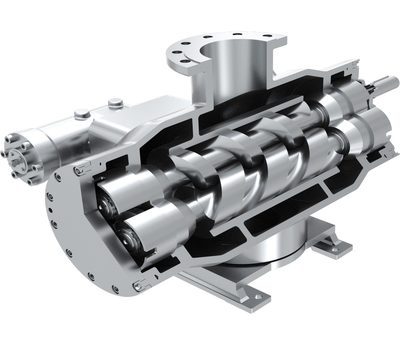
- Area: Lube Oil Contamination and Degradation CheckCheck: Verify oil color (should be clear amber to brown, not black/opaque), viscosity grade verification via viscosity index testing, acid number (TAN) measurement, and iron/wear particle content via ferrography analysis per ASTM D6595. Check oil circulation temperature stability (typical 40-60°C).
- Area: Pump Suction Line Blockage/Air IngestionCheck: Inspect suction strainer mesh for debris accumulation, verify positive suction pressure (vacuum reading <50 mbar), check suction line for air leaks via bubble test, confirm strainer bypass valve operation and differential pressure gauge (change when >0.2 bar).
- Area: Bearing and Timing Gear Lubrication Integrity (Twin-Screw Pumps)Check: For HP/W/V/U/T series: verify clean lube oil is circulating through external bearings and timing gears, check bearing temperature (should remain <80°C), inspect for oil leakage at bearing seals, confirm timing gear mesh is visible and properly submerged in oil reservoir.
- Area: Mechanical Seal Condition and Leakage MonitoringCheck: Measure seal leakage rate (target: <0.1 ml/hour for API Plan 53A, <0.5 ml/h for standard seals), inspect seal faces for wear/scoring via magnifying glass, monitor seal chamber temperature (max 80°C), verify cooling/flushing plan integrity if fitted (e.g., API Plan 53B), check seal flush line for blockage.
- Area: Screw Rotor Contact and Wear Assessment (Twin-Screw Pumps Only)Check: Monitor discharge pressure pulsation (should be <5% ripple for W/V series), measure actual pump displacement via volumetric test and compare to baseline, inspect for metal particles in discharge line filter, perform thermography on pump casing to detect internal friction hotspots (normal: casing ~45-60°C, alarm >70°C).
Typ-universelle Inspektionspunkte fuer Lube Oil Pumps (verifiziert, 2026-06).
- Area: Lube Oil Contamination and Degradation CheckCheck: Verify oil color (should be clear amber to brown, not black/opaque), viscosity grade verification via viscosity index testing, acid number (TAN) measurement, and iron/wear particle content via ferrography analysis per ASTM D6595. Check oil circulation temperature stability (typical 40-60°C).
- Area: Pump Suction Line Blockage/Air IngestionCheck: Inspect suction strainer mesh for debris accumulation, verify positive suction pressure (vacuum reading <50 mbar), check suction line for air leaks via bubble test, confirm strainer bypass valve operation and differential pressure gauge (change when >0.2 bar).
- Area: Bearing and Timing Gear Lubrication Integrity (Twin-Screw Pumps)Check: For HP/W/V/U/T series: verify clean lube oil is circulating through external bearings and timing gears, check bearing temperature (should remain <80°C), inspect for oil leakage at bearing seals, confirm timing gear mesh is visible and properly submerged in oil reservoir.
- Area: Mechanical Seal Condition and Leakage MonitoringCheck: Measure seal leakage rate (target: <0.1 ml/hour for API Plan 53A, <0.5 ml/h for standard seals), inspect seal faces for wear/scoring via magnifying glass, monitor seal chamber temperature (max 80°C), verify cooling/flushing plan integrity if fitted (e.g., API Plan 53B), check seal flush line for blockage.
- Area: Screw Rotor Contact and Wear Assessment (Twin-Screw Pumps Only)Check: Monitor discharge pressure pulsation (should be <5% ripple for W/V series), measure actual pump displacement via volumetric test and compare to baseline, inspect for metal particles in discharge line filter, perform thermography on pump casing to detect internal friction hotspots (normal: casing ~45-60°C, alarm >70°C).
Typ-universelle Inspektionspunkte fuer Lube Oil Pumps (verifiziert, 2026-06).
- Area: Lube Oil Contamination and Degradation CheckCheck: Verify oil color (should be clear amber to brown, not black/opaque), viscosity grade verification via viscosity index testing, acid number (TAN) measurement, and iron/wear particle content via ferrography analysis per ASTM D6595. Check oil circulation temperature stability (typical 40-60°C).
- Area: Pump Suction Line Blockage/Air IngestionCheck: Inspect suction strainer mesh for debris accumulation, verify positive suction pressure (vacuum reading <50 mbar), check suction line for air leaks via bubble test, confirm strainer bypass valve operation and differential pressure gauge (change when >0.2 bar).
- Area: Bearing and Timing Gear Lubrication Integrity (Twin-Screw Pumps)Check: For HP/W/V/U/T series: verify clean lube oil is circulating through external bearings and timing gears, check bearing temperature (should remain <80°C), inspect for oil leakage at bearing seals, confirm timing gear mesh is visible and properly submerged in oil reservoir.
- Area: Mechanical Seal Condition and Leakage MonitoringCheck: Measure seal leakage rate (target: <0.1 ml/hour for API Plan 53A, <0.5 ml/h for standard seals), inspect seal faces for wear/scoring via magnifying glass, monitor seal chamber temperature (max 80°C), verify cooling/flushing plan integrity if fitted (e.g., API Plan 53B), check seal flush line for blockage.
- Area: Screw Rotor Contact and Wear Assessment (Twin-Screw Pumps Only)Check: Monitor discharge pressure pulsation (should be <5% ripple for W/V series), measure actual pump displacement via volumetric test and compare to baseline, inspect for metal particles in discharge line filter, perform thermography on pump casing to detect internal friction hotspots (normal: casing ~45-60°C, alarm >70°C).
Typ-universelle Inspektionspunkte fuer Lube Oil Pumps (verifiziert, 2026-06).
- Area: Lube Oil Contamination and Degradation CheckCheck: Verify oil color (should be clear amber to brown, not black/opaque), viscosity grade verification via viscosity index testing, acid number (TAN) measurement, and iron/wear particle content via ferrography analysis per ASTM D6595. Check oil circulation temperature stability (typical 40-60°C).
- Area: Pump Suction Line Blockage/Air IngestionCheck: Inspect suction strainer mesh for debris accumulation, verify positive suction pressure (vacuum reading <50 mbar), check suction line for air leaks via bubble test, confirm strainer bypass valve operation and differential pressure gauge (change when >0.2 bar).
- Area: Bearing and Timing Gear Lubrication Integrity (Twin-Screw Pumps)Check: For HP/W/V/U/T series: verify clean lube oil is circulating through external bearings and timing gears, check bearing temperature (should remain <80°C), inspect for oil leakage at bearing seals, confirm timing gear mesh is visible and properly submerged in oil reservoir.
- Area: Mechanical Seal Condition and Leakage MonitoringCheck: Measure seal leakage rate (target: <0.1 ml/hour for API Plan 53A, <0.5 ml/h for standard seals), inspect seal faces for wear/scoring via magnifying glass, monitor seal chamber temperature (max 80°C), verify cooling/flushing plan integrity if fitted (e.g., API Plan 53B), check seal flush line for blockage.
- Area: Screw Rotor Contact and Wear Assessment (Twin-Screw Pumps Only)Check: Monitor discharge pressure pulsation (should be <5% ripple for W/V series), measure actual pump displacement via volumetric test and compare to baseline, inspect for metal particles in discharge line filter, perform thermography on pump casing to detect internal friction hotspots (normal: casing ~45-60°C, alarm >70°C).
Typ-universelle Inspektionspunkte fuer Lube Oil Pumps (verifiziert, 2026-06).
- Area: Lube Oil Contamination and Degradation CheckCheck: Verify oil color (should be clear amber to brown, not black/opaque), viscosity grade verification via viscosity index testing, acid number (TAN) measurement, and iron/wear particle content via ferrography analysis per ASTM D6595. Check oil circulation temperature stability (typical 40-60°C).
- Area: Pump Suction Line Blockage/Air IngestionCheck: Inspect suction strainer mesh for debris accumulation, verify positive suction pressure (vacuum reading <50 mbar), check suction line for air leaks via bubble test, confirm strainer bypass valve operation and differential pressure gauge (change when >0.2 bar).
- Area: Bearing and Timing Gear Lubrication Integrity (Twin-Screw Pumps)Check: For HP/W/V/U/T series: verify clean lube oil is circulating through external bearings and timing gears, check bearing temperature (should remain <80°C), inspect for oil leakage at bearing seals, confirm timing gear mesh is visible and properly submerged in oil reservoir.
- Area: Mechanical Seal Condition and Leakage MonitoringCheck: Measure seal leakage rate (target: <0.1 ml/hour for API Plan 53A, <0.5 ml/h for standard seals), inspect seal faces for wear/scoring via magnifying glass, monitor seal chamber temperature (max 80°C), verify cooling/flushing plan integrity if fitted (e.g., API Plan 53B), check seal flush line for blockage.
- Area: Screw Rotor Contact and Wear Assessment (Twin-Screw Pumps Only)Check: Monitor discharge pressure pulsation (should be <5% ripple for W/V series), measure actual pump displacement via volumetric test and compare to baseline, inspect for metal particles in discharge line filter, perform thermography on pump casing to detect internal friction hotspots (normal: casing ~45-60°C, alarm >70°C).
Typ-universelle Inspektionspunkte fuer Lube Oil Pumps (verifiziert, 2026-06).
- Area: Lube Oil Contamination and Degradation CheckCheck: Verify oil color (should be clear amber to brown, not black/opaque), viscosity grade verification via viscosity index testing, acid number (TAN) measurement, and iron/wear particle content via ferrography analysis per ASTM D6595. Check oil circulation temperature stability (typical 40-60°C).
- Area: Pump Suction Line Blockage/Air IngestionCheck: Inspect suction strainer mesh for debris accumulation, verify positive suction pressure (vacuum reading <50 mbar), check suction line for air leaks via bubble test, confirm strainer bypass valve operation and differential pressure gauge (change when >0.2 bar).
- Area: Bearing and Timing Gear Lubrication Integrity (Twin-Screw Pumps)Check: For HP/W/V/U/T series: verify clean lube oil is circulating through external bearings and timing gears, check bearing temperature (should remain <80°C), inspect for oil leakage at bearing seals, confirm timing gear mesh is visible and properly submerged in oil reservoir.
- Area: Mechanical Seal Condition and Leakage MonitoringCheck: Measure seal leakage rate (target: <0.1 ml/hour for API Plan 53A, <0.5 ml/h for standard seals), inspect seal faces for wear/scoring via magnifying glass, monitor seal chamber temperature (max 80°C), verify cooling/flushing plan integrity if fitted (e.g., API Plan 53B), check seal flush line for blockage.
- Area: Screw Rotor Contact and Wear Assessment (Twin-Screw Pumps Only)Check: Monitor discharge pressure pulsation (should be <5% ripple for W/V series), measure actual pump displacement via volumetric test and compare to baseline, inspect for metal particles in discharge line filter, perform thermography on pump casing to detect internal friction hotspots (normal: casing ~45-60°C, alarm >70°C).
Typ-universelle Inspektionspunkte fuer Lube Oil Pumps (verifiziert, 2026-06).
- Area: Lube Oil Contamination and Degradation CheckCheck: Verify oil color (should be clear amber to brown, not black/opaque), viscosity grade verification via viscosity index testing, acid number (TAN) measurement, and iron/wear particle content via ferrography analysis per ASTM D6595. Check oil circulation temperature stability (typical 40-60°C).
- Area: Pump Suction Line Blockage/Air IngestionCheck: Inspect suction strainer mesh for debris accumulation, verify positive suction pressure (vacuum reading <50 mbar), check suction line for air leaks via bubble test, confirm strainer bypass valve operation and differential pressure gauge (change when >0.2 bar).
- Area: Bearing and Timing Gear Lubrication Integrity (Twin-Screw Pumps)Check: For HP/W/V/U/T series: verify clean lube oil is circulating through external bearings and timing gears, check bearing temperature (should remain <80°C), inspect for oil leakage at bearing seals, confirm timing gear mesh is visible and properly submerged in oil reservoir.
- Area: Mechanical Seal Condition and Leakage MonitoringCheck: Measure seal leakage rate (target: <0.1 ml/hour for API Plan 53A, <0.5 ml/h for standard seals), inspect seal faces for wear/scoring via magnifying glass, monitor seal chamber temperature (max 80°C), verify cooling/flushing plan integrity if fitted (e.g., API Plan 53B), check seal flush line for blockage.
- Area: Screw Rotor Contact and Wear Assessment (Twin-Screw Pumps Only)Check: Monitor discharge pressure pulsation (should be <5% ripple for W/V series), measure actual pump displacement via volumetric test and compare to baseline, inspect for metal particles in discharge line filter, perform thermography on pump casing to detect internal friction hotspots (normal: casing ~45-60°C, alarm >70°C).
Typ-universelle Inspektionspunkte fuer Lube Oil Pumps (verifiziert, 2026-06).
- Area: Lube Oil Contamination and Degradation CheckCheck: Verify oil color (should be clear amber to brown, not black/opaque), viscosity grade verification via viscosity index testing, acid number (TAN) measurement, and iron/wear particle content via ferrography analysis per ASTM D6595. Check oil circulation temperature stability (typical 40-60°C).
- Area: Pump Suction Line Blockage/Air IngestionCheck: Inspect suction strainer mesh for debris accumulation, verify positive suction pressure (vacuum reading <50 mbar), check suction line for air leaks via bubble test, confirm strainer bypass valve operation and differential pressure gauge (change when >0.2 bar).
- Area: Bearing and Timing Gear Lubrication Integrity (Twin-Screw Pumps)Check: For HP/W/V/U/T series: verify clean lube oil is circulating through external bearings and timing gears, check bearing temperature (should remain <80°C), inspect for oil leakage at bearing seals, confirm timing gear mesh is visible and properly submerged in oil reservoir.
- Area: Mechanical Seal Condition and Leakage MonitoringCheck: Measure seal leakage rate (target: <0.1 ml/hour for API Plan 53A, <0.5 ml/h for standard seals), inspect seal faces for wear/scoring via magnifying glass, monitor seal chamber temperature (max 80°C), verify cooling/flushing plan integrity if fitted (e.g., API Plan 53B), check seal flush line for blockage.
- Area: Screw Rotor Contact and Wear Assessment (Twin-Screw Pumps Only)Check: Monitor discharge pressure pulsation (should be <5% ripple for W/V series), measure actual pump displacement via volumetric test and compare to baseline, inspect for metal particles in discharge line filter, perform thermography on pump casing to detect internal friction hotspots (normal: casing ~45-60°C, alarm >70°C).
Typ-universelle Inspektionspunkte fuer Lube Oil Pumps (verifiziert, 2026-06).
- Area: Lube Oil Contamination and Degradation CheckCheck: Verify oil color (should be clear amber to brown, not black/opaque), viscosity grade verification via viscosity index testing, acid number (TAN) measurement, and iron/wear particle content via ferrography analysis per ASTM D6595. Check oil circulation temperature stability (typical 40-60°C).
- Area: Pump Suction Line Blockage/Air IngestionCheck: Inspect suction strainer mesh for debris accumulation, verify positive suction pressure (vacuum reading <50 mbar), check suction line for air leaks via bubble test, confirm strainer bypass valve operation and differential pressure gauge (change when >0.2 bar).
- Area: Bearing and Timing Gear Lubrication Integrity (Twin-Screw Pumps)Check: For HP/W/V/U/T series: verify clean lube oil is circulating through external bearings and timing gears, check bearing temperature (should remain <80°C), inspect for oil leakage at bearing seals, confirm timing gear mesh is visible and properly submerged in oil reservoir.
- Area: Mechanical Seal Condition and Leakage MonitoringCheck: Measure seal leakage rate (target: <0.1 ml/hour for API Plan 53A, <0.5 ml/h for standard seals), inspect seal faces for wear/scoring via magnifying glass, monitor seal chamber temperature (max 80°C), verify cooling/flushing plan integrity if fitted (e.g., API Plan 53B), check seal flush line for blockage.
- Area: Screw Rotor Contact and Wear Assessment (Twin-Screw Pumps Only)Check: Monitor discharge pressure pulsation (should be <5% ripple for W/V series), measure actual pump displacement via volumetric test and compare to baseline, inspect for metal particles in discharge line filter, perform thermography on pump casing to detect internal friction hotspots (normal: casing ~45-60°C, alarm >70°C).
Typ-universelle Inspektionspunkte fuer Lube Oil Pumps (verifiziert, 2026-06).
- Area: Lube Oil Contamination and Degradation CheckCheck: Verify oil color (should be clear amber to brown, not black/opaque), viscosity grade verification via viscosity index testing, acid number (TAN) measurement, and iron/wear particle content via ferrography analysis per ASTM D6595. Check oil circulation temperature stability (typical 40-60°C).
- Area: Pump Suction Line Blockage/Air IngestionCheck: Inspect suction strainer mesh for debris accumulation, verify positive suction pressure (vacuum reading <50 mbar), check suction line for air leaks via bubble test, confirm strainer bypass valve operation and differential pressure gauge (change when >0.2 bar).
- Area: Bearing and Timing Gear Lubrication Integrity (Twin-Screw Pumps)Check: For HP/W/V/U/T series: verify clean lube oil is circulating through external bearings and timing gears, check bearing temperature (should remain <80°C), inspect for oil leakage at bearing seals, confirm timing gear mesh is visible and properly submerged in oil reservoir.
- Area: Mechanical Seal Condition and Leakage MonitoringCheck: Measure seal leakage rate (target: <0.1 ml/hour for API Plan 53A, <0.5 ml/h for standard seals), inspect seal faces for wear/scoring via magnifying glass, monitor seal chamber temperature (max 80°C), verify cooling/flushing plan integrity if fitted (e.g., API Plan 53B), check seal flush line for blockage.
- Area: Screw Rotor Contact and Wear Assessment (Twin-Screw Pumps Only)Check: Monitor discharge pressure pulsation (should be <5% ripple for W/V series), measure actual pump displacement via volumetric test and compare to baseline, inspect for metal particles in discharge line filter, perform thermography on pump casing to detect internal friction hotspots (normal: casing ~45-60°C, alarm >70°C).
Typ-universelle Inspektionspunkte fuer Lube Oil Pumps (verifiziert, 2026-06).
- Area: Lube Oil Contamination and Degradation CheckCheck: Verify oil color (should be clear amber to brown, not black/opaque), viscosity grade verification via viscosity index testing, acid number (TAN) measurement, and iron/wear particle content via ferrography analysis per ASTM D6595. Check oil circulation temperature stability (typical 40-60°C).
- Area: Pump Suction Line Blockage/Air IngestionCheck: Inspect suction strainer mesh for debris accumulation, verify positive suction pressure (vacuum reading <50 mbar), check suction line for air leaks via bubble test, confirm strainer bypass valve operation and differential pressure gauge (change when >0.2 bar).
- Area: Bearing and Timing Gear Lubrication Integrity (Twin-Screw Pumps)Check: For HP/W/V/U/T series: verify clean lube oil is circulating through external bearings and timing gears, check bearing temperature (should remain <80°C), inspect for oil leakage at bearing seals, confirm timing gear mesh is visible and properly submerged in oil reservoir.
- Area: Mechanical Seal Condition and Leakage MonitoringCheck: Measure seal leakage rate (target: <0.1 ml/hour for API Plan 53A, <0.5 ml/h for standard seals), inspect seal faces for wear/scoring via magnifying glass, monitor seal chamber temperature (max 80°C), verify cooling/flushing plan integrity if fitted (e.g., API Plan 53B), check seal flush line for blockage.
- Area: Screw Rotor Contact and Wear Assessment (Twin-Screw Pumps Only)Check: Monitor discharge pressure pulsation (should be <5% ripple for W/V series), measure actual pump displacement via volumetric test and compare to baseline, inspect for metal particles in discharge line filter, perform thermography on pump casing to detect internal friction hotspots (normal: casing ~45-60°C, alarm >70°C).
Typ-universelle Inspektionspunkte fuer Lube Oil Pumps (verifiziert, 2026-06).
- Area: Lube Oil Contamination and Degradation CheckCheck: Verify oil color (should be clear amber to brown, not black/opaque), viscosity grade verification via viscosity index testing, acid number (TAN) measurement, and iron/wear particle content via ferrography analysis per ASTM D6595. Check oil circulation temperature stability (typical 40-60°C).
- Area: Pump Suction Line Blockage/Air IngestionCheck: Inspect suction strainer mesh for debris accumulation, verify positive suction pressure (vacuum reading <50 mbar), check suction line for air leaks via bubble test, confirm strainer bypass valve operation and differential pressure gauge (change when >0.2 bar).
- Area: Bearing and Timing Gear Lubrication Integrity (Twin-Screw Pumps)Check: For HP/W/V/U/T series: verify clean lube oil is circulating through external bearings and timing gears, check bearing temperature (should remain <80°C), inspect for oil leakage at bearing seals, confirm timing gear mesh is visible and properly submerged in oil reservoir.
- Area: Mechanical Seal Condition and Leakage MonitoringCheck: Measure seal leakage rate (target: <0.1 ml/hour for API Plan 53A, <0.5 ml/h for standard seals), inspect seal faces for wear/scoring via magnifying glass, monitor seal chamber temperature (max 80°C), verify cooling/flushing plan integrity if fitted (e.g., API Plan 53B), check seal flush line for blockage.
- Area: Screw Rotor Contact and Wear Assessment (Twin-Screw Pumps Only)Check: Monitor discharge pressure pulsation (should be <5% ripple for W/V series), measure actual pump displacement via volumetric test and compare to baseline, inspect for metal particles in discharge line filter, perform thermography on pump casing to detect internal friction hotspots (normal: casing ~45-60°C, alarm >70°C).
Typ-universelle Inspektionspunkte fuer Lube Oil Pumps (verifiziert, 2026-06).
Houttuin (WARREN FSXA brand)
7 ✓ 7 verified
- Area: Shaft alignment and runout deviation exceeding toleranceCheck: Check coupling alignment with dial indicator after installation and weekly during operation; axial/radial deviation must not exceed 0.25 mm (0.010 inch); recheck after one week of operation
- Area: Screw clearance wear and gear backlash deteriorationCheck: Check axial clearance of shafts (max 0.2 mm / 0.0080 inch) and timing gear clearance (max 0.5 mm / 0.0020 inch); replace timing gears if clearance exceeded; inspect screw shafts and cylinders for damage
- Area: Cavitation risk and NPSH margin inadequacyCheck: Verify inlet pressure and flow characteristics; confirm low NPSH requirements are maintained (Houttuin pumps designed for <0.5 bar NPSH); monitor for cavitation noise/vibration indicating suction line issues
- Area: Mechanical seal leakage and cooling/lubrication failureCheck: Inspect seal chamber for weeping or stream leaks; verify cooling lines patent if integral cooling present; check seal API Plan (90/Plan 2 for pressurized sealing); monitor gearbox oil level and condition for timely lubrication of timing gears
- Area: Excessive vibration from bearing wear or misalignmentCheck: Measure overall vibration (ISO 10816); confirm major misalignment will cause shorter coupling/bearing life and vibration spikes; inspect bearings (internal or external) for noise and play; replace if vibration levels abnormal
Typ-universelle Inspektionspunkte fuer Lube Oil Pumps (verifiziert, 2026-06).
- Area: Shaft alignment and runout deviation exceeding toleranceCheck: Check coupling alignment with dial indicator after installation and weekly during operation; axial/radial deviation must not exceed 0.25 mm (0.010 inch); recheck after one week of operation
- Area: Screw clearance wear and gear backlash deteriorationCheck: Check axial clearance of shafts (max 0.2 mm / 0.0080 inch) and timing gear clearance (max 0.5 mm / 0.0020 inch); replace timing gears if clearance exceeded; inspect screw shafts and cylinders for damage
- Area: Cavitation risk and NPSH margin inadequacyCheck: Verify inlet pressure and flow characteristics; confirm low NPSH requirements are maintained (Houttuin pumps designed for <0.5 bar NPSH); monitor for cavitation noise/vibration indicating suction line issues
- Area: Mechanical seal leakage and cooling/lubrication failureCheck: Inspect seal chamber for weeping or stream leaks; verify cooling lines patent if integral cooling present; check seal API Plan (90/Plan 2 for pressurized sealing); monitor gearbox oil level and condition for timely lubrication of timing gears
- Area: Excessive vibration from bearing wear or misalignmentCheck: Measure overall vibration (ISO 10816); confirm major misalignment will cause shorter coupling/bearing life and vibration spikes; inspect bearings (internal or external) for noise and play; replace if vibration levels abnormal
Typ-universelle Inspektionspunkte fuer Lube Oil Pumps (verifiziert, 2026-06).
- Area: Shaft alignment and runout deviation exceeding toleranceCheck: Check coupling alignment with dial indicator after installation and weekly during operation; axial/radial deviation must not exceed 0.25 mm (0.010 inch); recheck after one week of operation
- Area: Screw clearance wear and gear backlash deteriorationCheck: Check axial clearance of shafts (max 0.2 mm / 0.0080 inch) and timing gear clearance (max 0.5 mm / 0.0020 inch); replace timing gears if clearance exceeded; inspect screw shafts and cylinders for damage
- Area: Cavitation risk and NPSH margin inadequacyCheck: Verify inlet pressure and flow characteristics; confirm low NPSH requirements are maintained (Houttuin pumps designed for <0.5 bar NPSH); monitor for cavitation noise/vibration indicating suction line issues
- Area: Mechanical seal leakage and cooling/lubrication failureCheck: Inspect seal chamber for weeping or stream leaks; verify cooling lines patent if integral cooling present; check seal API Plan (90/Plan 2 for pressurized sealing); monitor gearbox oil level and condition for timely lubrication of timing gears
- Area: Excessive vibration from bearing wear or misalignmentCheck: Measure overall vibration (ISO 10816); confirm major misalignment will cause shorter coupling/bearing life and vibration spikes; inspect bearings (internal or external) for noise and play; replace if vibration levels abnormal
Typ-universelle Inspektionspunkte fuer Lube Oil Pumps (verifiziert, 2026-06).
- Area: Shaft alignment and runout deviation exceeding toleranceCheck: Check coupling alignment with dial indicator after installation and weekly during operation; axial/radial deviation must not exceed 0.25 mm (0.010 inch); recheck after one week of operation
- Area: Screw clearance wear and gear backlash deteriorationCheck: Check axial clearance of shafts (max 0.2 mm / 0.0080 inch) and timing gear clearance (max 0.5 mm / 0.0020 inch); replace timing gears if clearance exceeded; inspect screw shafts and cylinders for damage
- Area: Cavitation risk and NPSH margin inadequacyCheck: Verify inlet pressure and flow characteristics; confirm low NPSH requirements are maintained (Houttuin pumps designed for <0.5 bar NPSH); monitor for cavitation noise/vibration indicating suction line issues
- Area: Mechanical seal leakage and cooling/lubrication failureCheck: Inspect seal chamber for weeping or stream leaks; verify cooling lines patent if integral cooling present; check seal API Plan (90/Plan 2 for pressurized sealing); monitor gearbox oil level and condition for timely lubrication of timing gears
- Area: Excessive vibration from bearing wear or misalignmentCheck: Measure overall vibration (ISO 10816); confirm major misalignment will cause shorter coupling/bearing life and vibration spikes; inspect bearings (internal or external) for noise and play; replace if vibration levels abnormal
Typ-universelle Inspektionspunkte fuer Lube Oil Pumps (verifiziert, 2026-06).
- Area: Shaft alignment and runout deviation exceeding toleranceCheck: Check coupling alignment with dial indicator after installation and weekly during operation; axial/radial deviation must not exceed 0.25 mm (0.010 inch); recheck after one week of operation
- Area: Screw clearance wear and gear backlash deteriorationCheck: Check axial clearance of shafts (max 0.2 mm / 0.0080 inch) and timing gear clearance (max 0.5 mm / 0.0020 inch); replace timing gears if clearance exceeded; inspect screw shafts and cylinders for damage
- Area: Cavitation risk and NPSH margin inadequacyCheck: Verify inlet pressure and flow characteristics; confirm low NPSH requirements are maintained (Houttuin pumps designed for <0.5 bar NPSH); monitor for cavitation noise/vibration indicating suction line issues
- Area: Mechanical seal leakage and cooling/lubrication failureCheck: Inspect seal chamber for weeping or stream leaks; verify cooling lines patent if integral cooling present; check seal API Plan (90/Plan 2 for pressurized sealing); monitor gearbox oil level and condition for timely lubrication of timing gears
- Area: Excessive vibration from bearing wear or misalignmentCheck: Measure overall vibration (ISO 10816); confirm major misalignment will cause shorter coupling/bearing life and vibration spikes; inspect bearings (internal or external) for noise and play; replace if vibration levels abnormal
Typ-universelle Inspektionspunkte fuer Lube Oil Pumps (verifiziert, 2026-06).
- Area: Shaft alignment and runout deviation exceeding toleranceCheck: Check coupling alignment with dial indicator after installation and weekly during operation; axial/radial deviation must not exceed 0.25 mm (0.010 inch); recheck after one week of operation
- Area: Screw clearance wear and gear backlash deteriorationCheck: Check axial clearance of shafts (max 0.2 mm / 0.0080 inch) and timing gear clearance (max 0.5 mm / 0.0020 inch); replace timing gears if clearance exceeded; inspect screw shafts and cylinders for damage
- Area: Cavitation risk and NPSH margin inadequacyCheck: Verify inlet pressure and flow characteristics; confirm low NPSH requirements are maintained (Houttuin pumps designed for <0.5 bar NPSH); monitor for cavitation noise/vibration indicating suction line issues
- Area: Mechanical seal leakage and cooling/lubrication failureCheck: Inspect seal chamber for weeping or stream leaks; verify cooling lines patent if integral cooling present; check seal API Plan (90/Plan 2 for pressurized sealing); monitor gearbox oil level and condition for timely lubrication of timing gears
- Area: Excessive vibration from bearing wear or misalignmentCheck: Measure overall vibration (ISO 10816); confirm major misalignment will cause shorter coupling/bearing life and vibration spikes; inspect bearings (internal or external) for noise and play; replace if vibration levels abnormal
Typ-universelle Inspektionspunkte fuer Lube Oil Pumps (verifiziert, 2026-06).
- Area: Shaft alignment and runout deviation exceeding toleranceCheck: Check coupling alignment with dial indicator after installation and weekly during operation; axial/radial deviation must not exceed 0.25 mm (0.010 inch); recheck after one week of operation
- Area: Screw clearance wear and gear backlash deteriorationCheck: Check axial clearance of shafts (max 0.2 mm / 0.0080 inch) and timing gear clearance (max 0.5 mm / 0.0020 inch); replace timing gears if clearance exceeded; inspect screw shafts and cylinders for damage
- Area: Cavitation risk and NPSH margin inadequacyCheck: Verify inlet pressure and flow characteristics; confirm low NPSH requirements are maintained (Houttuin pumps designed for <0.5 bar NPSH); monitor for cavitation noise/vibration indicating suction line issues
- Area: Mechanical seal leakage and cooling/lubrication failureCheck: Inspect seal chamber for weeping or stream leaks; verify cooling lines patent if integral cooling present; check seal API Plan (90/Plan 2 for pressurized sealing); monitor gearbox oil level and condition for timely lubrication of timing gears
- Area: Excessive vibration from bearing wear or misalignmentCheck: Measure overall vibration (ISO 10816); confirm major misalignment will cause shorter coupling/bearing life and vibration spikes; inspect bearings (internal or external) for noise and play; replace if vibration levels abnormal
Typ-universelle Inspektionspunkte fuer Lube Oil Pumps (verifiziert, 2026-06).
Houttuin (WARREN FSXB brand)
1 ✓ 1 verified
- Area: Shaft alignment and runout deviation exceeding toleranceCheck: Check coupling alignment with dial indicator after installation and weekly during operation; axial/radial deviation must not exceed 0.25 mm (0.010 inch); recheck after one week of operation
- Area: Screw clearance wear and gear backlash deteriorationCheck: Check axial clearance of shafts (max 0.2 mm / 0.0080 inch) and timing gear clearance (max 0.5 mm / 0.0020 inch); replace timing gears if clearance exceeded; inspect screw shafts and cylinders for damage
- Area: Cavitation risk and NPSH margin inadequacyCheck: Verify inlet pressure and flow characteristics; confirm low NPSH requirements are maintained (Houttuin pumps designed for <0.5 bar NPSH); monitor for cavitation noise/vibration indicating suction line issues
- Area: Mechanical seal leakage and cooling/lubrication failureCheck: Inspect seal chamber for weeping or stream leaks; verify cooling lines patent if integral cooling present; check seal API Plan (90/Plan 2 for pressurized sealing); monitor gearbox oil level and condition for timely lubrication of timing gears
- Area: Excessive vibration from bearing wear or misalignmentCheck: Measure overall vibration (ISO 10816); confirm major misalignment will cause shorter coupling/bearing life and vibration spikes; inspect bearings (internal or external) for noise and play; replace if vibration levels abnormal
Typ-universelle Inspektionspunkte fuer Lube Oil Pumps (verifiziert, 2026-06).
Houttuin (WARREN MR/MRX brand)
1 ✓ 1 verified
- Area: Shaft alignment and runout deviation exceeding toleranceCheck: Check coupling alignment with dial indicator after installation and weekly during operation; axial/radial deviation must not exceed 0.25 mm (0.010 inch); recheck after one week of operation
- Area: Screw clearance wear and gear backlash deteriorationCheck: Check axial clearance of shafts (max 0.2 mm / 0.0080 inch) and timing gear clearance (max 0.5 mm / 0.0020 inch); replace timing gears if clearance exceeded; inspect screw shafts and cylinders for damage
- Area: Cavitation risk and NPSH margin inadequacyCheck: Verify inlet pressure and flow characteristics; confirm low NPSH requirements are maintained (Houttuin pumps designed for <0.5 bar NPSH); monitor for cavitation noise/vibration indicating suction line issues
- Area: Mechanical seal leakage and cooling/lubrication failureCheck: Inspect seal chamber for weeping or stream leaks; verify cooling lines patent if integral cooling present; check seal API Plan (90/Plan 2 for pressurized sealing); monitor gearbox oil level and condition for timely lubrication of timing gears
- Area: Excessive vibration from bearing wear or misalignmentCheck: Measure overall vibration (ISO 10816); confirm major misalignment will cause shorter coupling/bearing life and vibration spikes; inspect bearings (internal or external) for noise and play; replace if vibration levels abnormal
Typ-universelle Inspektionspunkte fuer Lube Oil Pumps (verifiziert, 2026-06).
DESMI
3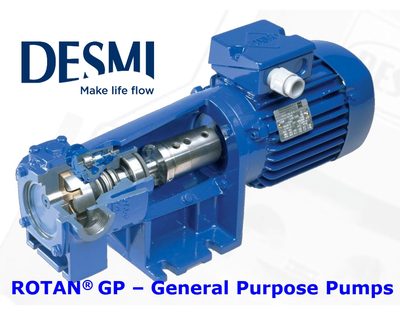
- GP 41
- GP 65
- GP 81
- GP 101
- 2
- 200
- 10
- 200
- Bushing wear
- Seal leakage
- Gear scoring
- Area: Mechanical seal degradation or leakageCheck: Monthly inspection of seal faces for surface roughness exceeding Ra 0.8μm, visible scoring, corrosion pitting, and leakage rate. Check springs for >15% compression loss or corrosion. For marine saltwater environments, verify electropolished 304-grade stainless steel material. Accept minor imperfections <0.05mm depth only (polish out), deeper damage requires shaft sleeve and seal renewal.
- Area: Bearing wear and failure - noise/vibration/temperature increaseCheck: Quarterly monitoring of bearing condition via vibration analysis (compare to baseline), bearing housing temperature (target <80°C for normal operation), audible noise (grinding, squealing indicates wear), and lubricant oil samples for metal wear particles. Use thermocouples for direct bearing outer ring temperature measurement. Premature failure typically caused by lubrication starvation, contamination, or misalignment - check bearing clearances and shaft alignment within 0.1mm on coupling concentricity.
- Area: Rotor/screw internal wear and corrosion pittingCheck: Yearly inspection of internal screw and casing clearances: rotor-to-bore maximum 0.2mm, between rotor flanks maximum 0.4mm. Use borescope or remove inspection covers to check for internal scratches, scoring, or corrosion pitting. Casing material examination for stress corrosion cracking in cemented carbide components. Complete overhaul required not exceeding 3 years. Discard rotors with scoring exceeding 0.2mm depth.
- Area: Suction line blockage and cavitation - low flow/high noiseCheck: Check strainer and inlet screen monthly by monitoring suction pressure reduction (gradual drops indicate clogging). Verify suction piping for blockages, air leaks into suction line, and adequate net positive suction head (NPSH). Prime pump completely with working liquid before startup. Inlet pressure must not exceed 25-75 PSIG depending on pump type. Cavitation creates vapor bubbles causing noise, vibration, and rotor/impeller damage - verify pump inlet pressure at <6 bar (self-priming design requirement).
- Area: Coupling misalignment and shaft seal leakageCheck: Pre-installation: verify pump and motor shaft concentricity within 0.1mm on coupling outer circle, maintain 2-4mm gap between coupling planes (0.3mm tolerance). Post-installation: periodic inspection of foundation bolts torque, coupling wear, and shaft seal integrity (leakage should not exceed 10 drops per hour). Rotate pump-motor coupling by hand to confirm smooth operation. Any resistance or grinding indicates internal bearing damage. Replace shaft seals if leakage is excessive.
Typ-universelle Inspektionspunkte fuer Lube Oil Pumps (verifiziert, 2026-06).
- Area: Mechanical seal degradation or leakageCheck: Monthly inspection of seal faces for surface roughness exceeding Ra 0.8μm, visible scoring, corrosion pitting, and leakage rate. Check springs for >15% compression loss or corrosion. For marine saltwater environments, verify electropolished 304-grade stainless steel material. Accept minor imperfections <0.05mm depth only (polish out), deeper damage requires shaft sleeve and seal renewal.
- Area: Bearing wear and failure - noise/vibration/temperature increaseCheck: Quarterly monitoring of bearing condition via vibration analysis (compare to baseline), bearing housing temperature (target <80°C for normal operation), audible noise (grinding, squealing indicates wear), and lubricant oil samples for metal wear particles. Use thermocouples for direct bearing outer ring temperature measurement. Premature failure typically caused by lubrication starvation, contamination, or misalignment - check bearing clearances and shaft alignment within 0.1mm on coupling concentricity.
- Area: Rotor/screw internal wear and corrosion pittingCheck: Yearly inspection of internal screw and casing clearances: rotor-to-bore maximum 0.2mm, between rotor flanks maximum 0.4mm. Use borescope or remove inspection covers to check for internal scratches, scoring, or corrosion pitting. Casing material examination for stress corrosion cracking in cemented carbide components. Complete overhaul required not exceeding 3 years. Discard rotors with scoring exceeding 0.2mm depth.
- Area: Suction line blockage and cavitation - low flow/high noiseCheck: Check strainer and inlet screen monthly by monitoring suction pressure reduction (gradual drops indicate clogging). Verify suction piping for blockages, air leaks into suction line, and adequate net positive suction head (NPSH). Prime pump completely with working liquid before startup. Inlet pressure must not exceed 25-75 PSIG depending on pump type. Cavitation creates vapor bubbles causing noise, vibration, and rotor/impeller damage - verify pump inlet pressure at <6 bar (self-priming design requirement).
- Area: Coupling misalignment and shaft seal leakageCheck: Pre-installation: verify pump and motor shaft concentricity within 0.1mm on coupling outer circle, maintain 2-4mm gap between coupling planes (0.3mm tolerance). Post-installation: periodic inspection of foundation bolts torque, coupling wear, and shaft seal integrity (leakage should not exceed 10 drops per hour). Rotate pump-motor coupling by hand to confirm smooth operation. Any resistance or grinding indicates internal bearing damage. Replace shaft seals if leakage is excessive.
Typ-universelle Inspektionspunkte fuer Lube Oil Pumps (verifiziert, 2026-06).
IMO AB (Colfax)
3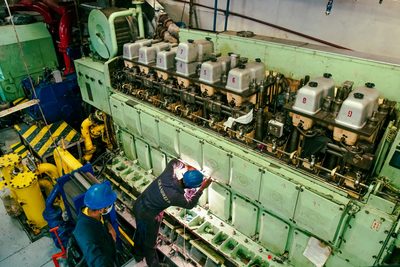
- ACE 032
- ACE 038
- ACE 052
- ACE 070
- ACE 090
- ACE 105
- ACE 125
- 5
- 300
- 40
- 250
- Screw scoring from oil contamination after lube oil filter failure
- Mechanical seal leakage after 8000h
- Bearing wear from low-viscosity warm oil operation
- Relief valve sticking from varnish/sludge
- ACG 045
- ACG 052
- ACG 070
- ACG 090
- 3
- 150
- 40
- 200
- Screw wear from contamination
- Seal leakage
- Cavitation
- Bearing wear

- LPD 020
- LPD 030
- LPD 050
- 2
- 80
- 20
- 150
- Standard three-screw wear modes
JBJ Techniques
3
- Area: Mechanical seal degradation or leakageCheck: Monthly inspection of seal faces for surface roughness exceeding Ra 0.8μm, visible scoring, corrosion pitting, and leakage rate. Check springs for >15% compression loss or corrosion. For marine saltwater environments, verify electropolished 304-grade stainless steel material. Accept minor imperfections <0.05mm depth only (polish out), deeper damage requires shaft sleeve and seal renewal.
- Area: Bearing wear and failure - noise/vibration/temperature increaseCheck: Quarterly monitoring of bearing condition via vibration analysis (compare to baseline), bearing housing temperature (target <80°C for normal operation), audible noise (grinding, squealing indicates wear), and lubricant oil samples for metal wear particles. Use thermocouples for direct bearing outer ring temperature measurement. Premature failure typically caused by lubrication starvation, contamination, or misalignment - check bearing clearances and shaft alignment within 0.1mm on coupling concentricity.
- Area: Rotor/screw internal wear and corrosion pittingCheck: Yearly inspection of internal screw and casing clearances: rotor-to-bore maximum 0.2mm, between rotor flanks maximum 0.4mm. Use borescope or remove inspection covers to check for internal scratches, scoring, or corrosion pitting. Casing material examination for stress corrosion cracking in cemented carbide components. Complete overhaul required not exceeding 3 years. Discard rotors with scoring exceeding 0.2mm depth.
- Area: Suction line blockage and cavitation - low flow/high noiseCheck: Check strainer and inlet screen monthly by monitoring suction pressure reduction (gradual drops indicate clogging). Verify suction piping for blockages, air leaks into suction line, and adequate net positive suction head (NPSH). Prime pump completely with working liquid before startup. Inlet pressure must not exceed 25-75 PSIG depending on pump type. Cavitation creates vapor bubbles causing noise, vibration, and rotor/impeller damage - verify pump inlet pressure at <6 bar (self-priming design requirement).
- Area: Coupling misalignment and shaft seal leakageCheck: Pre-installation: verify pump and motor shaft concentricity within 0.1mm on coupling outer circle, maintain 2-4mm gap between coupling planes (0.3mm tolerance). Post-installation: periodic inspection of foundation bolts torque, coupling wear, and shaft seal integrity (leakage should not exceed 10 drops per hour). Rotate pump-motor coupling by hand to confirm smooth operation. Any resistance or grinding indicates internal bearing damage. Replace shaft seals if leakage is excessive.
Typ-universelle Inspektionspunkte fuer Lube Oil Pumps (verifiziert, 2026-06).
- Area: Mechanical seal degradation or leakageCheck: Monthly inspection of seal faces for surface roughness exceeding Ra 0.8μm, visible scoring, corrosion pitting, and leakage rate. Check springs for >15% compression loss or corrosion. For marine saltwater environments, verify electropolished 304-grade stainless steel material. Accept minor imperfections <0.05mm depth only (polish out), deeper damage requires shaft sleeve and seal renewal.
- Area: Bearing wear and failure - noise/vibration/temperature increaseCheck: Quarterly monitoring of bearing condition via vibration analysis (compare to baseline), bearing housing temperature (target <80°C for normal operation), audible noise (grinding, squealing indicates wear), and lubricant oil samples for metal wear particles. Use thermocouples for direct bearing outer ring temperature measurement. Premature failure typically caused by lubrication starvation, contamination, or misalignment - check bearing clearances and shaft alignment within 0.1mm on coupling concentricity.
- Area: Rotor/screw internal wear and corrosion pittingCheck: Yearly inspection of internal screw and casing clearances: rotor-to-bore maximum 0.2mm, between rotor flanks maximum 0.4mm. Use borescope or remove inspection covers to check for internal scratches, scoring, or corrosion pitting. Casing material examination for stress corrosion cracking in cemented carbide components. Complete overhaul required not exceeding 3 years. Discard rotors with scoring exceeding 0.2mm depth.
- Area: Suction line blockage and cavitation - low flow/high noiseCheck: Check strainer and inlet screen monthly by monitoring suction pressure reduction (gradual drops indicate clogging). Verify suction piping for blockages, air leaks into suction line, and adequate net positive suction head (NPSH). Prime pump completely with working liquid before startup. Inlet pressure must not exceed 25-75 PSIG depending on pump type. Cavitation creates vapor bubbles causing noise, vibration, and rotor/impeller damage - verify pump inlet pressure at <6 bar (self-priming design requirement).
- Area: Coupling misalignment and shaft seal leakageCheck: Pre-installation: verify pump and motor shaft concentricity within 0.1mm on coupling outer circle, maintain 2-4mm gap between coupling planes (0.3mm tolerance). Post-installation: periodic inspection of foundation bolts torque, coupling wear, and shaft seal integrity (leakage should not exceed 10 drops per hour). Rotate pump-motor coupling by hand to confirm smooth operation. Any resistance or grinding indicates internal bearing damage. Replace shaft seals if leakage is excessive.
Typ-universelle Inspektionspunkte fuer Lube Oil Pumps (verifiziert, 2026-06).

- Area: Mechanical seal degradation or leakageCheck: Monthly inspection of seal faces for surface roughness exceeding Ra 0.8μm, visible scoring, corrosion pitting, and leakage rate. Check springs for >15% compression loss or corrosion. For marine saltwater environments, verify electropolished 304-grade stainless steel material. Accept minor imperfections <0.05mm depth only (polish out), deeper damage requires shaft sleeve and seal renewal.
- Area: Bearing wear and failure - noise/vibration/temperature increaseCheck: Quarterly monitoring of bearing condition via vibration analysis (compare to baseline), bearing housing temperature (target <80°C for normal operation), audible noise (grinding, squealing indicates wear), and lubricant oil samples for metal wear particles. Use thermocouples for direct bearing outer ring temperature measurement. Premature failure typically caused by lubrication starvation, contamination, or misalignment - check bearing clearances and shaft alignment within 0.1mm on coupling concentricity.
- Area: Rotor/screw internal wear and corrosion pittingCheck: Yearly inspection of internal screw and casing clearances: rotor-to-bore maximum 0.2mm, between rotor flanks maximum 0.4mm. Use borescope or remove inspection covers to check for internal scratches, scoring, or corrosion pitting. Casing material examination for stress corrosion cracking in cemented carbide components. Complete overhaul required not exceeding 3 years. Discard rotors with scoring exceeding 0.2mm depth.
- Area: Suction line blockage and cavitation - low flow/high noiseCheck: Check strainer and inlet screen monthly by monitoring suction pressure reduction (gradual drops indicate clogging). Verify suction piping for blockages, air leaks into suction line, and adequate net positive suction head (NPSH). Prime pump completely with working liquid before startup. Inlet pressure must not exceed 25-75 PSIG depending on pump type. Cavitation creates vapor bubbles causing noise, vibration, and rotor/impeller damage - verify pump inlet pressure at <6 bar (self-priming design requirement).
- Area: Coupling misalignment and shaft seal leakageCheck: Pre-installation: verify pump and motor shaft concentricity within 0.1mm on coupling outer circle, maintain 2-4mm gap between coupling planes (0.3mm tolerance). Post-installation: periodic inspection of foundation bolts torque, coupling wear, and shaft seal integrity (leakage should not exceed 10 drops per hour). Rotate pump-motor coupling by hand to confirm smooth operation. Any resistance or grinding indicates internal bearing damage. Replace shaft seals if leakage is excessive.
Typ-universelle Inspektionspunkte fuer Lube Oil Pumps (verifiziert, 2026-06).
ALLWEILER (CIRCOR/IDEX)
2
- SNH 40
- SNH 50
- SNH 60
- SNH 80
- SNH 100
- SNH 120
- SNH 150
- 5
- 400
- 40
- 250
- Screw wear
- Seal leakage
- Relief valve
- Bearing wear
- SPF 40
- SPF 50
- SPF 65
- SPF 80
- SPF 100
- 3
- 200
- 40
- 200
- Screw wear
- Seal leakage
- Cavitation
- Bearing wear
Grundfos Marine
2
- Area: Mechanical seal degradation or leakageCheck: Monthly inspection of seal faces for surface roughness exceeding Ra 0.8μm, visible scoring, corrosion pitting, and leakage rate. Check springs for >15% compression loss or corrosion. For marine saltwater environments, verify electropolished 304-grade stainless steel material. Accept minor imperfections <0.05mm depth only (polish out), deeper damage requires shaft sleeve and seal renewal.
- Area: Bearing wear and failure - noise/vibration/temperature increaseCheck: Quarterly monitoring of bearing condition via vibration analysis (compare to baseline), bearing housing temperature (target <80°C for normal operation), audible noise (grinding, squealing indicates wear), and lubricant oil samples for metal wear particles. Use thermocouples for direct bearing outer ring temperature measurement. Premature failure typically caused by lubrication starvation, contamination, or misalignment - check bearing clearances and shaft alignment within 0.1mm on coupling concentricity.
- Area: Rotor/screw internal wear and corrosion pittingCheck: Yearly inspection of internal screw and casing clearances: rotor-to-bore maximum 0.2mm, between rotor flanks maximum 0.4mm. Use borescope or remove inspection covers to check for internal scratches, scoring, or corrosion pitting. Casing material examination for stress corrosion cracking in cemented carbide components. Complete overhaul required not exceeding 3 years. Discard rotors with scoring exceeding 0.2mm depth.
- Area: Suction line blockage and cavitation - low flow/high noiseCheck: Check strainer and inlet screen monthly by monitoring suction pressure reduction (gradual drops indicate clogging). Verify suction piping for blockages, air leaks into suction line, and adequate net positive suction head (NPSH). Prime pump completely with working liquid before startup. Inlet pressure must not exceed 25-75 PSIG depending on pump type. Cavitation creates vapor bubbles causing noise, vibration, and rotor/impeller damage - verify pump inlet pressure at <6 bar (self-priming design requirement).
- Area: Coupling misalignment and shaft seal leakageCheck: Pre-installation: verify pump and motor shaft concentricity within 0.1mm on coupling outer circle, maintain 2-4mm gap between coupling planes (0.3mm tolerance). Post-installation: periodic inspection of foundation bolts torque, coupling wear, and shaft seal integrity (leakage should not exceed 10 drops per hour). Rotate pump-motor coupling by hand to confirm smooth operation. Any resistance or grinding indicates internal bearing damage. Replace shaft seals if leakage is excessive.
Typ-universelle Inspektionspunkte fuer Lube Oil Pumps (verifiziert, 2026-06).
- Area: Mechanical seal degradation or leakageCheck: Monthly inspection of seal faces for surface roughness exceeding Ra 0.8μm, visible scoring, corrosion pitting, and leakage rate. Check springs for >15% compression loss or corrosion. For marine saltwater environments, verify electropolished 304-grade stainless steel material. Accept minor imperfections <0.05mm depth only (polish out), deeper damage requires shaft sleeve and seal renewal.
- Area: Bearing wear and failure - noise/vibration/temperature increaseCheck: Quarterly monitoring of bearing condition via vibration analysis (compare to baseline), bearing housing temperature (target <80°C for normal operation), audible noise (grinding, squealing indicates wear), and lubricant oil samples for metal wear particles. Use thermocouples for direct bearing outer ring temperature measurement. Premature failure typically caused by lubrication starvation, contamination, or misalignment - check bearing clearances and shaft alignment within 0.1mm on coupling concentricity.
- Area: Rotor/screw internal wear and corrosion pittingCheck: Yearly inspection of internal screw and casing clearances: rotor-to-bore maximum 0.2mm, between rotor flanks maximum 0.4mm. Use borescope or remove inspection covers to check for internal scratches, scoring, or corrosion pitting. Casing material examination for stress corrosion cracking in cemented carbide components. Complete overhaul required not exceeding 3 years. Discard rotors with scoring exceeding 0.2mm depth.
- Area: Suction line blockage and cavitation - low flow/high noiseCheck: Check strainer and inlet screen monthly by monitoring suction pressure reduction (gradual drops indicate clogging). Verify suction piping for blockages, air leaks into suction line, and adequate net positive suction head (NPSH). Prime pump completely with working liquid before startup. Inlet pressure must not exceed 25-75 PSIG depending on pump type. Cavitation creates vapor bubbles causing noise, vibration, and rotor/impeller damage - verify pump inlet pressure at <6 bar (self-priming design requirement).
- Area: Coupling misalignment and shaft seal leakageCheck: Pre-installation: verify pump and motor shaft concentricity within 0.1mm on coupling outer circle, maintain 2-4mm gap between coupling planes (0.3mm tolerance). Post-installation: periodic inspection of foundation bolts torque, coupling wear, and shaft seal integrity (leakage should not exceed 10 drops per hour). Rotate pump-motor coupling by hand to confirm smooth operation. Any resistance or grinding indicates internal bearing damage. Replace shaft seals if leakage is excessive.
Typ-universelle Inspektionspunkte fuer Lube Oil Pumps (verifiziert, 2026-06).
Houttuin (Colfax/CIRCOR)
2
- Area: Mechanical seal degradation or leakageCheck: Monthly inspection of seal faces for surface roughness exceeding Ra 0.8μm, visible scoring, corrosion pitting, and leakage rate. Check springs for >15% compression loss or corrosion. For marine saltwater environments, verify electropolished 304-grade stainless steel material. Accept minor imperfections <0.05mm depth only (polish out), deeper damage requires shaft sleeve and seal renewal.
- Area: Bearing wear and failure - noise/vibration/temperature increaseCheck: Quarterly monitoring of bearing condition via vibration analysis (compare to baseline), bearing housing temperature (target <80°C for normal operation), audible noise (grinding, squealing indicates wear), and lubricant oil samples for metal wear particles. Use thermocouples for direct bearing outer ring temperature measurement. Premature failure typically caused by lubrication starvation, contamination, or misalignment - check bearing clearances and shaft alignment within 0.1mm on coupling concentricity.
- Area: Rotor/screw internal wear and corrosion pittingCheck: Yearly inspection of internal screw and casing clearances: rotor-to-bore maximum 0.2mm, between rotor flanks maximum 0.4mm. Use borescope or remove inspection covers to check for internal scratches, scoring, or corrosion pitting. Casing material examination for stress corrosion cracking in cemented carbide components. Complete overhaul required not exceeding 3 years. Discard rotors with scoring exceeding 0.2mm depth.
- Area: Suction line blockage and cavitation - low flow/high noiseCheck: Check strainer and inlet screen monthly by monitoring suction pressure reduction (gradual drops indicate clogging). Verify suction piping for blockages, air leaks into suction line, and adequate net positive suction head (NPSH). Prime pump completely with working liquid before startup. Inlet pressure must not exceed 25-75 PSIG depending on pump type. Cavitation creates vapor bubbles causing noise, vibration, and rotor/impeller damage - verify pump inlet pressure at <6 bar (self-priming design requirement).
- Area: Coupling misalignment and shaft seal leakageCheck: Pre-installation: verify pump and motor shaft concentricity within 0.1mm on coupling outer circle, maintain 2-4mm gap between coupling planes (0.3mm tolerance). Post-installation: periodic inspection of foundation bolts torque, coupling wear, and shaft seal integrity (leakage should not exceed 10 drops per hour). Rotate pump-motor coupling by hand to confirm smooth operation. Any resistance or grinding indicates internal bearing damage. Replace shaft seals if leakage is excessive.
Typ-universelle Inspektionspunkte fuer Lube Oil Pumps (verifiziert, 2026-06).
- Area: Mechanical seal degradation or leakageCheck: Monthly inspection of seal faces for surface roughness exceeding Ra 0.8μm, visible scoring, corrosion pitting, and leakage rate. Check springs for >15% compression loss or corrosion. For marine saltwater environments, verify electropolished 304-grade stainless steel material. Accept minor imperfections <0.05mm depth only (polish out), deeper damage requires shaft sleeve and seal renewal.
- Area: Bearing wear and failure - noise/vibration/temperature increaseCheck: Quarterly monitoring of bearing condition via vibration analysis (compare to baseline), bearing housing temperature (target <80°C for normal operation), audible noise (grinding, squealing indicates wear), and lubricant oil samples for metal wear particles. Use thermocouples for direct bearing outer ring temperature measurement. Premature failure typically caused by lubrication starvation, contamination, or misalignment - check bearing clearances and shaft alignment within 0.1mm on coupling concentricity.
- Area: Rotor/screw internal wear and corrosion pittingCheck: Yearly inspection of internal screw and casing clearances: rotor-to-bore maximum 0.2mm, between rotor flanks maximum 0.4mm. Use borescope or remove inspection covers to check for internal scratches, scoring, or corrosion pitting. Casing material examination for stress corrosion cracking in cemented carbide components. Complete overhaul required not exceeding 3 years. Discard rotors with scoring exceeding 0.2mm depth.
- Area: Suction line blockage and cavitation - low flow/high noiseCheck: Check strainer and inlet screen monthly by monitoring suction pressure reduction (gradual drops indicate clogging). Verify suction piping for blockages, air leaks into suction line, and adequate net positive suction head (NPSH). Prime pump completely with working liquid before startup. Inlet pressure must not exceed 25-75 PSIG depending on pump type. Cavitation creates vapor bubbles causing noise, vibration, and rotor/impeller damage - verify pump inlet pressure at <6 bar (self-priming design requirement).
- Area: Coupling misalignment and shaft seal leakageCheck: Pre-installation: verify pump and motor shaft concentricity within 0.1mm on coupling outer circle, maintain 2-4mm gap between coupling planes (0.3mm tolerance). Post-installation: periodic inspection of foundation bolts torque, coupling wear, and shaft seal integrity (leakage should not exceed 10 drops per hour). Rotate pump-motor coupling by hand to confirm smooth operation. Any resistance or grinding indicates internal bearing damage. Replace shaft seals if leakage is excessive.
Typ-universelle Inspektionspunkte fuer Lube Oil Pumps (verifiziert, 2026-06).
Naniwa
2
- Area: Mechanical seal degradation or leakageCheck: Monthly inspection of seal faces for surface roughness exceeding Ra 0.8μm, visible scoring, corrosion pitting, and leakage rate. Check springs for >15% compression loss or corrosion. For marine saltwater environments, verify electropolished 304-grade stainless steel material. Accept minor imperfections <0.05mm depth only (polish out), deeper damage requires shaft sleeve and seal renewal.
- Area: Bearing wear and failure - noise/vibration/temperature increaseCheck: Quarterly monitoring of bearing condition via vibration analysis (compare to baseline), bearing housing temperature (target <80°C for normal operation), audible noise (grinding, squealing indicates wear), and lubricant oil samples for metal wear particles. Use thermocouples for direct bearing outer ring temperature measurement. Premature failure typically caused by lubrication starvation, contamination, or misalignment - check bearing clearances and shaft alignment within 0.1mm on coupling concentricity.
- Area: Rotor/screw internal wear and corrosion pittingCheck: Yearly inspection of internal screw and casing clearances: rotor-to-bore maximum 0.2mm, between rotor flanks maximum 0.4mm. Use borescope or remove inspection covers to check for internal scratches, scoring, or corrosion pitting. Casing material examination for stress corrosion cracking in cemented carbide components. Complete overhaul required not exceeding 3 years. Discard rotors with scoring exceeding 0.2mm depth.
- Area: Suction line blockage and cavitation - low flow/high noiseCheck: Check strainer and inlet screen monthly by monitoring suction pressure reduction (gradual drops indicate clogging). Verify suction piping for blockages, air leaks into suction line, and adequate net positive suction head (NPSH). Prime pump completely with working liquid before startup. Inlet pressure must not exceed 25-75 PSIG depending on pump type. Cavitation creates vapor bubbles causing noise, vibration, and rotor/impeller damage - verify pump inlet pressure at <6 bar (self-priming design requirement).
- Area: Coupling misalignment and shaft seal leakageCheck: Pre-installation: verify pump and motor shaft concentricity within 0.1mm on coupling outer circle, maintain 2-4mm gap between coupling planes (0.3mm tolerance). Post-installation: periodic inspection of foundation bolts torque, coupling wear, and shaft seal integrity (leakage should not exceed 10 drops per hour). Rotate pump-motor coupling by hand to confirm smooth operation. Any resistance or grinding indicates internal bearing damage. Replace shaft seals if leakage is excessive.
Typ-universelle Inspektionspunkte fuer Lube Oil Pumps (verifiziert, 2026-06).
- Area: Mechanical seal degradation or leakageCheck: Monthly inspection of seal faces for surface roughness exceeding Ra 0.8μm, visible scoring, corrosion pitting, and leakage rate. Check springs for >15% compression loss or corrosion. For marine saltwater environments, verify electropolished 304-grade stainless steel material. Accept minor imperfections <0.05mm depth only (polish out), deeper damage requires shaft sleeve and seal renewal.
- Area: Bearing wear and failure - noise/vibration/temperature increaseCheck: Quarterly monitoring of bearing condition via vibration analysis (compare to baseline), bearing housing temperature (target <80°C for normal operation), audible noise (grinding, squealing indicates wear), and lubricant oil samples for metal wear particles. Use thermocouples for direct bearing outer ring temperature measurement. Premature failure typically caused by lubrication starvation, contamination, or misalignment - check bearing clearances and shaft alignment within 0.1mm on coupling concentricity.
- Area: Rotor/screw internal wear and corrosion pittingCheck: Yearly inspection of internal screw and casing clearances: rotor-to-bore maximum 0.2mm, between rotor flanks maximum 0.4mm. Use borescope or remove inspection covers to check for internal scratches, scoring, or corrosion pitting. Casing material examination for stress corrosion cracking in cemented carbide components. Complete overhaul required not exceeding 3 years. Discard rotors with scoring exceeding 0.2mm depth.
- Area: Suction line blockage and cavitation - low flow/high noiseCheck: Check strainer and inlet screen monthly by monitoring suction pressure reduction (gradual drops indicate clogging). Verify suction piping for blockages, air leaks into suction line, and adequate net positive suction head (NPSH). Prime pump completely with working liquid before startup. Inlet pressure must not exceed 25-75 PSIG depending on pump type. Cavitation creates vapor bubbles causing noise, vibration, and rotor/impeller damage - verify pump inlet pressure at <6 bar (self-priming design requirement).
- Area: Coupling misalignment and shaft seal leakageCheck: Pre-installation: verify pump and motor shaft concentricity within 0.1mm on coupling outer circle, maintain 2-4mm gap between coupling planes (0.3mm tolerance). Post-installation: periodic inspection of foundation bolts torque, coupling wear, and shaft seal integrity (leakage should not exceed 10 drops per hour). Rotate pump-motor coupling by hand to confirm smooth operation. Any resistance or grinding indicates internal bearing damage. Replace shaft seals if leakage is excessive.
Typ-universelle Inspektionspunkte fuer Lube Oil Pumps (verifiziert, 2026-06).
Azcue Pumps
1
- MOL 25
- MOL 32
- MOL 40
- MOL 50
- MOL 65
- 1
- 50
- 10
- 120
- Standard gear pump modes
Bornemann (Itron Group)
1
- E1H
- E2H
- E3H
- E4H
- 5
- 300
- 40
- 250
- Twin-screw wear modes
- Timing gear wear
- Seal leakage
Heishin Pump (Sulzer)
1
- NMM 50
- NMM 65
- NMM 80
- NMM 100
- 5
- 150
- 40
- 200
- Stage wear
- Seal leakage
- Bearing wear
Houttuin (Sulzer)
1
- H-100
- H-150
- H-200
- 10
- 400
- 40
- 300
- Twin-screw wear
- Timing gear
- Seal leakage
Iron Pump
1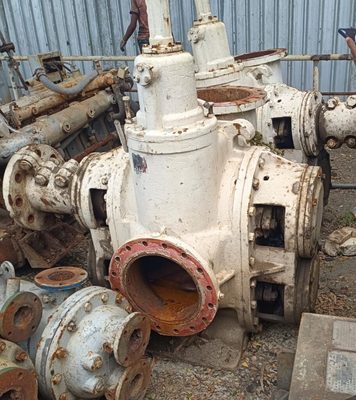
- CGL 25
- CGL 32
- CGL 40
- CGL 50
- CGL 65
- CGL 80
- 1
- 60
- 10
- 150
- Standard gear pump modes
Marlow Pumps (ITT)
1
- GP 40
- GP 50
- GP 65
- GP 80
- 2
- 80
- 10
- 150
- Standard modes
Parker
1
- Area: Mechanical seal degradation or leakageCheck: Monthly inspection of seal faces for surface roughness exceeding Ra 0.8μm, visible scoring, corrosion pitting, and leakage rate. Check springs for >15% compression loss or corrosion. For marine saltwater environments, verify electropolished 304-grade stainless steel material. Accept minor imperfections <0.05mm depth only (polish out), deeper damage requires shaft sleeve and seal renewal.
- Area: Bearing wear and failure - noise/vibration/temperature increaseCheck: Quarterly monitoring of bearing condition via vibration analysis (compare to baseline), bearing housing temperature (target <80°C for normal operation), audible noise (grinding, squealing indicates wear), and lubricant oil samples for metal wear particles. Use thermocouples for direct bearing outer ring temperature measurement. Premature failure typically caused by lubrication starvation, contamination, or misalignment - check bearing clearances and shaft alignment within 0.1mm on coupling concentricity.
- Area: Rotor/screw internal wear and corrosion pittingCheck: Yearly inspection of internal screw and casing clearances: rotor-to-bore maximum 0.2mm, between rotor flanks maximum 0.4mm. Use borescope or remove inspection covers to check for internal scratches, scoring, or corrosion pitting. Casing material examination for stress corrosion cracking in cemented carbide components. Complete overhaul required not exceeding 3 years. Discard rotors with scoring exceeding 0.2mm depth.
- Area: Suction line blockage and cavitation - low flow/high noiseCheck: Check strainer and inlet screen monthly by monitoring suction pressure reduction (gradual drops indicate clogging). Verify suction piping for blockages, air leaks into suction line, and adequate net positive suction head (NPSH). Prime pump completely with working liquid before startup. Inlet pressure must not exceed 25-75 PSIG depending on pump type. Cavitation creates vapor bubbles causing noise, vibration, and rotor/impeller damage - verify pump inlet pressure at <6 bar (self-priming design requirement).
- Area: Coupling misalignment and shaft seal leakageCheck: Pre-installation: verify pump and motor shaft concentricity within 0.1mm on coupling outer circle, maintain 2-4mm gap between coupling planes (0.3mm tolerance). Post-installation: periodic inspection of foundation bolts torque, coupling wear, and shaft seal integrity (leakage should not exceed 10 drops per hour). Rotate pump-motor coupling by hand to confirm smooth operation. Any resistance or grinding indicates internal bearing damage. Replace shaft seals if leakage is excessive.
Typ-universelle Inspektionspunkte fuer Lube Oil Pumps (verifiziert, 2026-06).
Parker Hannifin
1
- PV 25
- PV 32
- PV 40
- PV 50
- 2
- 60
- 10
- 150
- Standard rotary pump modes
Shinko Industries
1
- SVA 25
- SVA 32
- SVA 40
- SVA 50
- SVA 65
- 1
- 50
- 10
- 120
- Standard gear pump modes
Tuthill
1
- GP 100
- GP 200
- GP 300
- GP 400
- 2
- 80
- 10
- 200
- Standard internal gear modes
Viking Pump (IDEX)
1
- H
- HL
- K
- LS
- 1
- 100
- 10
- 250
- Bushing wear
- Seal leakage
- Idler scoring
Voith
1
- IPV 5
- IPV 7
- IPV 10
- IPV 16
- IPV 20
- IPV 25
- 5
- 200
- 10
- 300
- Bushing wear
- Seal leakage
- Gear scoring
Weir IMO (Colfax subsidiary)
1
- Area: Mechanical seal degradation or leakageCheck: Monthly inspection of seal faces for surface roughness exceeding Ra 0.8μm, visible scoring, corrosion pitting, and leakage rate. Check springs for >15% compression loss or corrosion. For marine saltwater environments, verify electropolished 304-grade stainless steel material. Accept minor imperfections <0.05mm depth only (polish out), deeper damage requires shaft sleeve and seal renewal.
- Area: Bearing wear and failure - noise/vibration/temperature increaseCheck: Quarterly monitoring of bearing condition via vibration analysis (compare to baseline), bearing housing temperature (target <80°C for normal operation), audible noise (grinding, squealing indicates wear), and lubricant oil samples for metal wear particles. Use thermocouples for direct bearing outer ring temperature measurement. Premature failure typically caused by lubrication starvation, contamination, or misalignment - check bearing clearances and shaft alignment within 0.1mm on coupling concentricity.
- Area: Rotor/screw internal wear and corrosion pittingCheck: Yearly inspection of internal screw and casing clearances: rotor-to-bore maximum 0.2mm, between rotor flanks maximum 0.4mm. Use borescope or remove inspection covers to check for internal scratches, scoring, or corrosion pitting. Casing material examination for stress corrosion cracking in cemented carbide components. Complete overhaul required not exceeding 3 years. Discard rotors with scoring exceeding 0.2mm depth.
- Area: Suction line blockage and cavitation - low flow/high noiseCheck: Check strainer and inlet screen monthly by monitoring suction pressure reduction (gradual drops indicate clogging). Verify suction piping for blockages, air leaks into suction line, and adequate net positive suction head (NPSH). Prime pump completely with working liquid before startup. Inlet pressure must not exceed 25-75 PSIG depending on pump type. Cavitation creates vapor bubbles causing noise, vibration, and rotor/impeller damage - verify pump inlet pressure at <6 bar (self-priming design requirement).
- Area: Coupling misalignment and shaft seal leakageCheck: Pre-installation: verify pump and motor shaft concentricity within 0.1mm on coupling outer circle, maintain 2-4mm gap between coupling planes (0.3mm tolerance). Post-installation: periodic inspection of foundation bolts torque, coupling wear, and shaft seal integrity (leakage should not exceed 10 drops per hour). Rotate pump-motor coupling by hand to confirm smooth operation. Any resistance or grinding indicates internal bearing damage. Replace shaft seals if leakage is excessive.
Typ-universelle Inspektionspunkte fuer Lube Oil Pumps (verifiziert, 2026-06).
Wärtsilä
1
- GP 50
- GP 65
- GP 80
- GP 100
- GP 125
- 5
- 300
- 40
- 200
- Standard three-screw modes
Yamada
1
- YPL 25
- YPL 32
- YPL 40
- YPL 50
- 1
- 40
- 10
- 100
- Standard gear pump modes