Open Reversible Life Raft
An open reversible life raft has no canopy and is built symmetrically so it floats and functions the same way up or down, removing the need to right it after inflation, a simplification that trades weather protection and full SOLAS equipment for lower weight, lower cost and fast deployment on smaller craft.
Read more — Open Reversible Life Raft explained ▾
What sets an open reversible raft apart
Most inflatable life rafts have a canopy and a defined top and bottom, and a righting strap is fitted because an inflated raft that lands upside down must be turned over by a survivor in the water. A reversible raft avoids that problem by being symmetrical: the buoyancy tubes and floor are shaped so the raft supports its occupants and stays stable whichever side lands uppermost. Without a canopy there is no weather protection and no space for the full ration and signalling pack fitted to a covered SOLAS raft, so this type is typically used on fishing vessels, workboats and other craft where regulation does not call for a fully equipped SOLAS raft.

Main components
Buoyancy tubes
Two or more superimposed tubular chambers, each independently inflated, so a puncture in one chamber still leaves enough buoyancy to support the rated capacity.
Floor
A single or double skin floor, sometimes without the insulating air pocket used in canopied rafts, since the reversible design keeps cost and weight down.
Inflation system
A CO2 or CO2/nitrogen cylinder triggered by a hydrostatic release unit or a painter line pull, inflating both tube chambers through a common or dual manifold.
Painter line and boarding aids
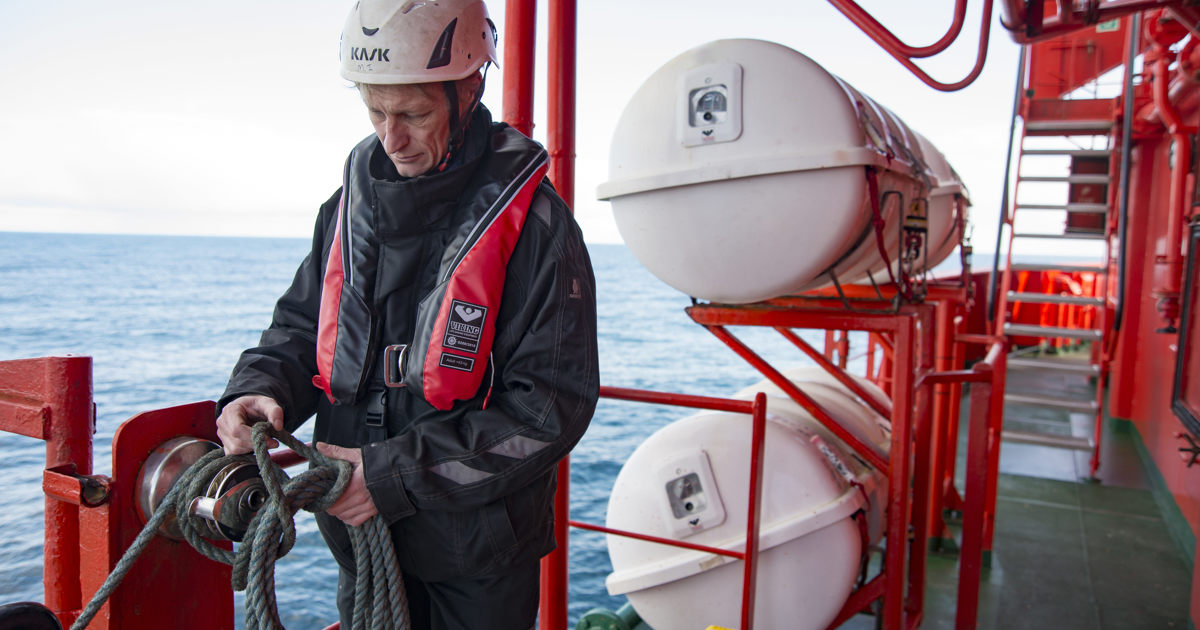
A painter line for securing the raft to the vessel during launch and for triggering inflation, plus boarding handles or a light boarding ladder along the tube.
Selection and sizing
- Rated capacity in persons, driven by the vessel's crew complement plus a margin.
- Water temperature and exposure risk on the operating area, since an open raft gives no shelter from wind, spray or sun.
- Stowage weight and cradle type, since reversible rafts are often chosen specifically because they are lighter than a canopied equivalent of the same capacity.
- Equipment pack level, where regulation allows a reduced pack rather than full SOLAS-A provisioning.
Regulations and class
Open reversible rafts generally fall outside full SOLAS passenger and cargo ship carriage requirements and are instead accepted under fishing vessel safety rules, national small craft regulation or as supplementary equipment. Where fitted in place of a SOLAS raft, flag administration approval is required, since SOLAS Ch. III sets minimum equipment and canopy requirements that this design does not meet. Servicing intervals still apply, typically annual, at a shore station approved for the specific raft manufacturer.
Typical faults
| Fault | Consequence |
|---|---|
| Painter line not secured to a strong point before launch | Raft drifts away empty before survivors can board |
| Hydrostatic release unit past its expiry date | Raft fails to auto-release if the vessel sinks before manual launch |
| Chamber puncture from chafing against the stowage cradle | Reduced buoyancy margin, raft settles low with a full load |
| UV degradation of fabric on rafts stowed in the open | Loss of tensile strength, tube failure under load |
What to look for in a supplier
- Manufacturer approval covering the specific capacity and pack level required for the vessel's operating area.
- A servicing network with a station reachable from the vessel's normal ports of call, since a raft due for service cannot sail.
- Clear documentation of what the equipment pack does and does not include, so the crew is not caught assuming SOLAS-level provisioning.
- Cradle and hydrostatic release unit compatibility confirmed for the exact raft model, not assumed from a similar type.
Because an open reversible raft has no canopy, briefing new crew that this is a deliberate design choice and not a stripped-down SOLAS raft avoids a dangerous surprise if it is ever needed in cold or exposed conditions.
5 manufacturers · 50 models
DSB Marine
12- Engine or propulsion failure where fitted caused by battery, fuel or mechanical faults, noticed during drills
- Release, hook or launching-interface fault caused by corrosion, wear or incorrect adjustment, noticed as stiff operation or failed approved test
- Hull, enclosure or raft-pack damage caused by weather, impact or poor stowage, noticed as cracks, leakage, deformation or damaged container
- Steering, restraint or securing fault caused by wear/damage, noticed during drill or inspection
- Missing, expired or overdue survival equipment/service caused by maintenance-control failure, noticed from inventory or service labels
- Engine or propulsion failure where fitted caused by battery, fuel or mechanical faults, noticed during drills
- Release, hook or launching-interface fault caused by corrosion, wear or incorrect adjustment, noticed as stiff operation or failed approved test
- Hull, enclosure or raft-pack damage caused by weather, impact or poor stowage, noticed as cracks, leakage, deformation or damaged container
- Steering, restraint or securing fault caused by wear/damage, noticed during drill or inspection
- Missing, expired or overdue survival equipment/service caused by maintenance-control failure, noticed from inventory or service labels
- Engine or propulsion failure where fitted caused by battery, fuel or mechanical faults, noticed during drills
- Release, hook or launching-interface fault caused by corrosion, wear or incorrect adjustment, noticed as stiff operation or failed approved test
- Hull, enclosure or raft-pack damage caused by weather, impact or poor stowage, noticed as cracks, leakage, deformation or damaged container
- Steering, restraint or securing fault caused by wear/damage, noticed during drill or inspection
- Missing, expired or overdue survival equipment/service caused by maintenance-control failure, noticed from inventory or service labels
- Engine or propulsion failure where fitted caused by battery, fuel or mechanical faults, noticed during drills
- Release, hook or launching-interface fault caused by corrosion, wear or incorrect adjustment, noticed as stiff operation or failed approved test
- Hull, enclosure or raft-pack damage caused by weather, impact or poor stowage, noticed as cracks, leakage, deformation or damaged container
- Steering, restraint or securing fault caused by wear/damage, noticed during drill or inspection
- Missing, expired or overdue survival equipment/service caused by maintenance-control failure, noticed from inventory or service labels

- Engine or propulsion failure where fitted caused by battery, fuel or mechanical faults, noticed during drills
- Release, hook or launching-interface fault caused by corrosion, wear or incorrect adjustment, noticed as stiff operation or failed approved test
- Hull, enclosure or raft-pack damage caused by weather, impact or poor stowage, noticed as cracks, leakage, deformation or damaged container
- Steering, restraint or securing fault caused by wear/damage, noticed during drill or inspection
- Missing, expired or overdue survival equipment/service caused by maintenance-control failure, noticed from inventory or service labels
- Container, hull or fabric damage from weathering or impact compromises readiness and is visible during inspection
- Release, hook or securing defects can prevent correct launching or create unsafe premature release
- Expired, missing or damaged emergency equipment is identified during service or inventory checks
- Inflation or pressure loss in inflatable craft may result from valve, cylinder or fabric defects and is found during certified servicing
- Corrosion or seizure of fittings and moving parts can hinder launching, steering or recovery
- Container, valise or securing damage caused by weather, impact or poor stowage, resulting in visible deterioration or compromised deployment readiness
- Inflation-system leakage or cylinder problems caused by corrosion, seal deterioration or servicing defects, resulting in failed or incomplete inflation
- Fabric, seam or valve deterioration caused by age, UV exposure or contamination, resulting in leakage or loss of buoyancy
- Hydrostatic-release or weak-link problems where fitted caused by expiry, incorrect installation or corrosion, resulting in unreliable float-free release
- Davit or launching-attachment defects where applicable caused by corrosion, wear or incorrect rigging, resulting in difficulty launching the raft safely
- Container, valise or securing damage caused by weather, impact or poor stowage, resulting in visible deterioration or compromised deployment readiness
- Inflation-system leakage or cylinder problems caused by corrosion, seal deterioration or servicing defects, resulting in failed or incomplete inflation
- Fabric, seam or valve deterioration caused by age, UV exposure or contamination, resulting in leakage or loss of buoyancy
- Hydrostatic-release or weak-link problems where fitted caused by expiry, incorrect installation or corrosion, resulting in unreliable float-free release
- Davit or launching-attachment defects where applicable caused by corrosion, wear or incorrect rigging, resulting in difficulty launching the raft safely
- Container, valise or securing damage caused by weather, impact or poor stowage, resulting in visible deterioration or compromised deployment readiness
- Inflation-system leakage or cylinder problems caused by corrosion, seal deterioration or servicing defects, resulting in failed or incomplete inflation
- Fabric, seam or valve deterioration caused by age, UV exposure or contamination, resulting in leakage or loss of buoyancy
- Hydrostatic-release or weak-link problems where fitted caused by expiry, incorrect installation or corrosion, resulting in unreliable float-free release
- Davit or launching-attachment defects where applicable caused by corrosion, wear or incorrect rigging, resulting in difficulty launching the raft safely

- Container, valise or securing damage caused by weather, impact or poor stowage, resulting in visible deterioration or compromised deployment readiness
- Inflation-system leakage or cylinder problems caused by corrosion, seal deterioration or servicing defects, resulting in failed or incomplete inflation
- Fabric, seam or valve deterioration caused by age, UV exposure or contamination, resulting in leakage or loss of buoyancy
- Hydrostatic-release or weak-link problems where fitted caused by expiry, incorrect installation or corrosion, resulting in unreliable float-free release
- Davit or launching-attachment defects where applicable caused by corrosion, wear or incorrect rigging, resulting in difficulty launching the raft safely
- Container, valise or securing damage caused by weather, impact or poor stowage, resulting in visible deterioration or compromised deployment readiness
- Inflation-system leakage or cylinder problems caused by corrosion, seal deterioration or servicing defects, resulting in failed or incomplete inflation
- Fabric, seam or valve deterioration caused by age, UV exposure or contamination, resulting in leakage or loss of buoyancy
- Hydrostatic-release or weak-link problems where fitted caused by expiry, incorrect installation or corrosion, resulting in unreliable float-free release
- Davit or launching-attachment defects where applicable caused by corrosion, wear or incorrect rigging, resulting in difficulty launching the raft safely
- Container, valise or securing damage caused by weather, impact or poor stowage, resulting in visible deterioration or compromised deployment readiness
- Inflation-system leakage or cylinder problems caused by corrosion, seal deterioration or servicing defects, resulting in failed or incomplete inflation
- Fabric, seam or valve deterioration caused by age, UV exposure or contamination, resulting in leakage or loss of buoyancy
- Hydrostatic-release or weak-link problems where fitted caused by expiry, incorrect installation or corrosion, resulting in unreliable float-free release
- Davit or launching-attachment defects where applicable caused by corrosion, wear or incorrect rigging, resulting in difficulty launching the raft safely
Survitec / RFD
12
- Container, hull or fabric damage from weathering or impact compromises readiness and is visible during inspection
- Release, hook or securing defects can prevent correct launching or create unsafe premature release
- Expired, missing or damaged emergency equipment is identified during service or inventory checks
- Inflation or pressure loss in inflatable craft may result from valve, cylinder or fabric defects and is found during certified servicing
- Corrosion or seizure of fittings and moving parts can hinder launching, steering or recovery
- Container, valise or securing damage caused by weather, impact or poor stowage, resulting in visible deterioration or compromised deployment readiness
- Inflation-system leakage or cylinder problems caused by corrosion, seal deterioration or servicing defects, resulting in failed or incomplete inflation
- Fabric, seam or valve deterioration caused by age, UV exposure or contamination, resulting in leakage or loss of buoyancy
- Hydrostatic-release or weak-link problems where fitted caused by expiry, incorrect installation or corrosion, resulting in unreliable float-free release
- Davit or launching-attachment defects where applicable caused by corrosion, wear or incorrect rigging, resulting in difficulty launching the raft safely
- Container, valise or securing damage caused by weather, impact or poor stowage, resulting in visible deterioration or compromised deployment readiness
- Inflation-system leakage or cylinder problems caused by corrosion, seal deterioration or servicing defects, resulting in failed or incomplete inflation
- Fabric, seam or valve deterioration caused by age, UV exposure or contamination, resulting in leakage or loss of buoyancy
- Hydrostatic-release or weak-link problems where fitted caused by expiry, incorrect installation or corrosion, resulting in unreliable float-free release
- Davit or launching-attachment defects where applicable caused by corrosion, wear or incorrect rigging, resulting in difficulty launching the raft safely
- Container, valise or securing damage caused by weather, impact or poor stowage, resulting in visible deterioration or compromised deployment readiness
- Inflation-system leakage or cylinder problems caused by corrosion, seal deterioration or servicing defects, resulting in failed or incomplete inflation
- Fabric, seam or valve deterioration caused by age, UV exposure or contamination, resulting in leakage or loss of buoyancy
- Hydrostatic-release or weak-link problems where fitted caused by expiry, incorrect installation or corrosion, resulting in unreliable float-free release
- Davit or launching-attachment defects where applicable caused by corrosion, wear or incorrect rigging, resulting in difficulty launching the raft safely
- Container, valise or securing damage caused by weather, impact or poor stowage, resulting in visible deterioration or compromised deployment readiness
- Inflation-system leakage or cylinder problems caused by corrosion, seal deterioration or servicing defects, resulting in failed or incomplete inflation
- Fabric, seam or valve deterioration caused by age, UV exposure or contamination, resulting in leakage or loss of buoyancy
- Hydrostatic-release or weak-link problems where fitted caused by expiry, incorrect installation or corrosion, resulting in unreliable float-free release
- Davit or launching-attachment defects where applicable caused by corrosion, wear or incorrect rigging, resulting in difficulty launching the raft safely
- Engine, battery, inflation or release-system deterioration causes failed drills or unreliable deployment depending on the appliance
- Hook, release, painter, securing or interlock faults cause stiff operation, incorrect indication or unsafe deployment
- Hull, fabric, canopy, seal or container damage causes water ingress, pressure loss or reduced protection
- Propulsion, steering, fall or davit faults cause poor manoeuvrability or failed launching and recovery
- Missing, expired or damaged emergency inventory is detected during drills or statutory inspection
- Canister, securing arrangement, painter, or release-system deterioration from weather exposure can prevent correct deployment
- Hydrostatic release or weak-link problems caused by expiry, incorrect rigging, or damage can prevent automatic release where such release is fitted
- Fabric, seam, valve, or inflation-system deterioration can cause loss of pressure or incomplete inflation
- Moisture ingress or damaged packaging can degrade survival equipment and raft components before use
- Incorrect servicing, missing equipment, or expired consumables may only become evident during inspection or deployment and can reduce emergency readiness
- Canister, securing arrangement, painter, or release-system deterioration from weather exposure can prevent correct deployment
- Hydrostatic release or weak-link problems caused by expiry, incorrect rigging, or damage can prevent automatic release where such release is fitted
- Fabric, seam, valve, or inflation-system deterioration can cause loss of pressure or incomplete inflation
- Moisture ingress or damaged packaging can degrade survival equipment and raft components before use
- Incorrect servicing, missing equipment, or expired consumables may only become evident during inspection or deployment and can reduce emergency readiness
- Canister, securing arrangement, painter, or release-system deterioration from weather exposure can prevent correct deployment
- Hydrostatic release or weak-link problems caused by expiry, incorrect rigging, or damage can prevent automatic release where such release is fitted
- Fabric, seam, valve, or inflation-system deterioration can cause loss of pressure or incomplete inflation
- Moisture ingress or damaged packaging can degrade survival equipment and raft components before use
- Incorrect servicing, missing equipment, or expired consumables may only become evident during inspection or deployment and can reduce emergency readiness
- Canister, securing arrangement, painter, or release-system deterioration from weather exposure can prevent correct deployment
- Hydrostatic release or weak-link problems caused by expiry, incorrect rigging, or damage can prevent automatic release where such release is fitted
- Fabric, seam, valve, or inflation-system deterioration can cause loss of pressure or incomplete inflation
- Moisture ingress or damaged packaging can degrade survival equipment and raft components before use
- Incorrect servicing, missing equipment, or expired consumables may only become evident during inspection or deployment and can reduce emergency readiness
- Canister, securing arrangement, painter, or release-system deterioration from weather exposure can prevent correct deployment
- Hydrostatic release or weak-link problems caused by expiry, incorrect rigging, or damage can prevent automatic release where such release is fitted
- Fabric, seam, valve, or inflation-system deterioration can cause loss of pressure or incomplete inflation
- Moisture ingress or damaged packaging can degrade survival equipment and raft components before use
- Incorrect servicing, missing equipment, or expired consumables may only become evident during inspection or deployment and can reduce emergency readiness
- Canister, securing arrangement, painter, or release-system deterioration from weather exposure can prevent correct deployment
- Hydrostatic release or weak-link problems caused by expiry, incorrect rigging, or damage can prevent automatic release where such release is fitted
- Fabric, seam, valve, or inflation-system deterioration can cause loss of pressure or incomplete inflation
- Moisture ingress or damaged packaging can degrade survival equipment and raft components before use
- Incorrect servicing, missing equipment, or expired consumables may only become evident during inspection or deployment and can reduce emergency readiness
VIKING Life-Saving
12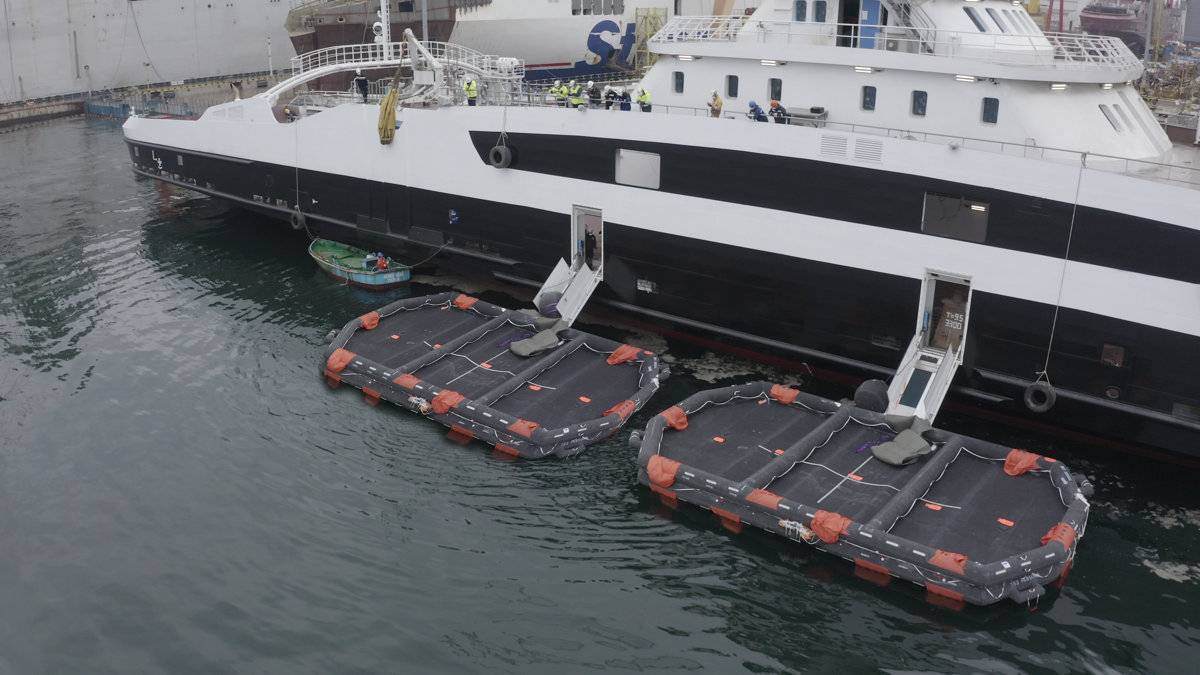
- Kapazitätsbereich
- 4 bis 35 Personen (DK+ & DKF+ Serien)
- Behältertypen
- Rund, Quadratisch, Low-Profile (Fiberglas)
- Funktionstemperatur
- -30°C bis +65°C (Standard); -50°C für Polar-Versionen
- Inflation
- Automatic via painter line or CO2 cylinder; inflation within 1 minute (throw-overboard)
- Notfall-packungen
- SOLAS A (Standard) or SOLAS B
- Behälter-Material
- Starrer Fiberglas-Container mit Schaumstoff-Polsterung
- Stabilität
- Two independent buoyancy chambers; remains stable even with one deflated chamber
- DK+ Throw-overboard (4-35 Personen)
- DKF+ Davit-launched (12-35 Personen)
- S30 Extended Service Interval (all capacities)
- RescYou Recreational Series (Yachting)
- Area: Jährliches Service-Intervall (SOLAS)Check: Inspector checks for service label date (not older than 12 months); Standard SOLAS requires complete inspection, inflation test, cylinder control, equipment inventory (pyrotechnics, water, rations)
- Area: HRU (Hydrostatic Release Unit) - replacement maximum every 24 monthsCheck: Inspector verifies HRU expiration date independent of raft service date; PSC checks both dates separately; must be compatible with raft model; use Hammar H20 or similar certified models
- Area: Painter line and weak-link systemCheck: Inspector checks: Painter permanently connected to ship; weak-link correctly attached to HRU; weak-link breaking strength 1.6-2.0 kN; red color and 30 ft (approx. 10 m) length for throw-overboard; fastening must withstand hoisting force and break under raft weight during ship sinking
- Area: Container integrity and lashing strapsCheck: Inspector controls: Container for cracks, deformations, water damage; lashing straps tight and undamaged; cradle securely fastened; container stored horizontally stable; seals intact
- Area: Davit-System Prüfung (nur DKF+-Modelle)Check: Inspector checks: Davit connected with cables/ropes; raft attachment straps intact; lateral impact test: raft must withstand impact 3.5 m/s against ship hull; water immersion test from 3 m height without loss of function; document launching procedure
- Area: S30 Extended Service Interval - Jährliche Bordsinspektion (30-Monate-Option)Check: Inspector (crew) performs 3-step onboard inspection: test panel for environment in aluminum pouch; visual inspection container; no electrical equipment required; complete service every 30 months at certified Viking station (instead of 12 months standard); no interval extensions possible for S30
Type-universal inspection/service points for Life Rafts (Viking Life-Saving Equipment, Mega-Fleet 2026-06). Per-model specs not auto-populated.
- Kapazitätsbereich
- 4 bis 35 Personen (DK+ & DKF+ Serien)
- Behältertypen
- Rund, Quadratisch, Low-Profile (Fiberglas)
- Funktionstemperatur
- -30°C bis +65°C (Standard); -50°C für Polar-Versionen
- Inflation
- Automatic via painter line or CO2 cylinder; inflation within 1 minute (throw-overboard)
- Notfall-packungen
- SOLAS A (Standard) or SOLAS B
- Behälter-Material
- Starrer Fiberglas-Container mit Schaumstoff-Polsterung
- Stabilität
- Two independent buoyancy chambers; remains stable even with one deflated chamber
- DK+ Throw-overboard (4-35 Personen)
- DKF+ Davit-launched (12-35 Personen)
- S30 Extended Service Interval (all capacities)
- RescYou Recreational Series (Yachting)
- Area: Jährliches Service-Intervall (SOLAS)Check: Inspector checks for service label date (not older than 12 months); Standard SOLAS requires complete inspection, inflation test, cylinder control, equipment inventory (pyrotechnics, water, rations)
- Area: HRU (Hydrostatic Release Unit) - replacement maximum every 24 monthsCheck: Inspector verifies HRU expiration date independent of raft service date; PSC checks both dates separately; must be compatible with raft model; use Hammar H20 or similar certified models
- Area: Painter line and weak-link systemCheck: Inspector checks: Painter permanently connected to ship; weak-link correctly attached to HRU; weak-link breaking strength 1.6-2.0 kN; red color and 30 ft (approx. 10 m) length for throw-overboard; fastening must withstand hoisting force and break under raft weight during ship sinking
- Area: Container integrity and lashing strapsCheck: Inspector controls: Container for cracks, deformations, water damage; lashing straps tight and undamaged; cradle securely fastened; container stored horizontally stable; seals intact
- Area: Davit-System Prüfung (nur DKF+-Modelle)Check: Inspector checks: Davit connected with cables/ropes; raft attachment straps intact; lateral impact test: raft must withstand impact 3.5 m/s against ship hull; water immersion test from 3 m height without loss of function; document launching procedure
- Area: S30 Extended Service Interval - Jährliche Bordsinspektion (30-Monate-Option)Check: Inspector (crew) performs 3-step onboard inspection: test panel for environment in aluminum pouch; visual inspection container; no electrical equipment required; complete service every 30 months at certified Viking station (instead of 12 months standard); no interval extensions possible for S30
Type-universal inspection/service points for Life Rafts (Viking Life-Saving Equipment, Mega-Fleet 2026-06). Per-model specs not auto-populated.
- Kapazitätsbereich
- 4 bis 35 Personen (DK+ & DKF+ Serien)
- Behältertypen
- Rund, Quadratisch, Low-Profile (Fiberglas)
- Funktionstemperatur
- -30°C bis +65°C (Standard); -50°C für Polar-Versionen
- Inflation
- Automatic via painter line or CO2 cylinder; inflation within 1 minute (throw-overboard)
- Notfall-packungen
- SOLAS A (Standard) or SOLAS B
- Behälter-Material
- Starrer Fiberglas-Container mit Schaumstoff-Polsterung
- Stabilität
- Two independent buoyancy chambers; remains stable even with one deflated chamber
- DK+ Throw-overboard (4-35 Personen)
- DKF+ Davit-launched (12-35 Personen)
- S30 Extended Service Interval (all capacities)
- RescYou Recreational Series (Yachting)
- Area: Jährliches Service-Intervall (SOLAS)Check: Inspector checks for service label date (not older than 12 months); Standard SOLAS requires complete inspection, inflation test, cylinder control, equipment inventory (pyrotechnics, water, rations)
- Area: HRU (Hydrostatic Release Unit) - replacement maximum every 24 monthsCheck: Inspector verifies HRU expiration date independent of raft service date; PSC checks both dates separately; must be compatible with raft model; use Hammar H20 or similar certified models
- Area: Painter line and weak-link systemCheck: Inspector checks: Painter permanently connected to ship; weak-link correctly attached to HRU; weak-link breaking strength 1.6-2.0 kN; red color and 30 ft (approx. 10 m) length for throw-overboard; fastening must withstand hoisting force and break under raft weight during ship sinking
- Area: Container integrity and lashing strapsCheck: Inspector controls: Container for cracks, deformations, water damage; lashing straps tight and undamaged; cradle securely fastened; container stored horizontally stable; seals intact
- Area: Davit-System Prüfung (nur DKF+-Modelle)Check: Inspector checks: Davit connected with cables/ropes; raft attachment straps intact; lateral impact test: raft must withstand impact 3.5 m/s against ship hull; water immersion test from 3 m height without loss of function; document launching procedure
- Area: S30 Extended Service Interval - Jährliche Bordsinspektion (30-Monate-Option)Check: Inspector (crew) performs 3-step onboard inspection: test panel for environment in aluminum pouch; visual inspection container; no electrical equipment required; complete service every 30 months at certified Viking station (instead of 12 months standard); no interval extensions possible for S30
Type-universal inspection/service points for Life Rafts (Viking Life-Saving Equipment, Mega-Fleet 2026-06). Per-model specs not auto-populated.
- Kapazitätsbereich
- 4 bis 35 Personen (DK+ & DKF+ Serien)
- Behältertypen
- Rund, Quadratisch, Low-Profile (Fiberglas)
- Funktionstemperatur
- -30°C bis +65°C (Standard); -50°C für Polar-Versionen
- Inflation
- Automatic via painter line or CO2 cylinder; inflation within 1 minute (throw-overboard)
- Notfall-packungen
- SOLAS A (Standard) or SOLAS B
- Behälter-Material
- Starrer Fiberglas-Container mit Schaumstoff-Polsterung
- Stabilität
- Two independent buoyancy chambers; remains stable even with one deflated chamber
- DK+ Throw-overboard (4-35 Personen)
- DKF+ Davit-launched (12-35 Personen)
- S30 Extended Service Interval (all capacities)
- RescYou Recreational Series (Yachting)
- Area: Jährliches Service-Intervall (SOLAS)Check: Inspector checks for service label date (not older than 12 months); Standard SOLAS requires complete inspection, inflation test, cylinder control, equipment inventory (pyrotechnics, water, rations)
- Area: HRU (Hydrostatic Release Unit) - replacement maximum every 24 monthsCheck: Inspector verifies HRU expiration date independent of raft service date; PSC checks both dates separately; must be compatible with raft model; use Hammar H20 or similar certified models
- Area: Painter line and weak-link systemCheck: Inspector checks: Painter permanently connected to ship; weak-link correctly attached to HRU; weak-link breaking strength 1.6-2.0 kN; red color and 30 ft (approx. 10 m) length for throw-overboard; fastening must withstand hoisting force and break under raft weight during ship sinking
- Area: Container integrity and lashing strapsCheck: Inspector controls: Container for cracks, deformations, water damage; lashing straps tight and undamaged; cradle securely fastened; container stored horizontally stable; seals intact
- Area: Davit-System Prüfung (nur DKF+-Modelle)Check: Inspector checks: Davit connected with cables/ropes; raft attachment straps intact; lateral impact test: raft must withstand impact 3.5 m/s against ship hull; water immersion test from 3 m height without loss of function; document launching procedure
- Area: S30 Extended Service Interval - Jährliche Bordsinspektion (30-Monate-Option)Check: Inspector (crew) performs 3-step onboard inspection: test panel for environment in aluminum pouch; visual inspection container; no electrical equipment required; complete service every 30 months at certified Viking station (instead of 12 months standard); no interval extensions possible for S30
Type-universal inspection/service points for Life Rafts (Viking Life-Saving Equipment, Mega-Fleet 2026-06). Per-model specs not auto-populated.

- Kapazitätsbereich
- 4 bis 35 Personen (DK+ & DKF+ Serien)
- Behältertypen
- Rund, Quadratisch, Low-Profile (Fiberglas)
- Funktionstemperatur
- -30°C bis +65°C (Standard); -50°C für Polar-Versionen
- Inflation
- Automatic via painter line or CO2 cylinder; inflation within 1 minute (throw-overboard)
- Notfall-packungen
- SOLAS A (Standard) or SOLAS B
- Behälter-Material
- Starrer Fiberglas-Container mit Schaumstoff-Polsterung
- Stabilität
- Two independent buoyancy chambers; remains stable even with one deflated chamber
- DK+ Throw-overboard (4-35 Personen)
- DKF+ Davit-launched (12-35 Personen)
- S30 Extended Service Interval (all capacities)
- RescYou Recreational Series (Yachting)
- Area: Jährliches Service-Intervall (SOLAS)Check: Inspector checks for service label date (not older than 12 months); Standard SOLAS requires complete inspection, inflation test, cylinder control, equipment inventory (pyrotechnics, water, rations)
- Area: HRU (Hydrostatic Release Unit) - replacement maximum every 24 monthsCheck: Inspector verifies HRU expiration date independent of raft service date; PSC checks both dates separately; must be compatible with raft model; use Hammar H20 or similar certified models
- Area: Painter line and weak-link systemCheck: Inspector checks: Painter permanently connected to ship; weak-link correctly attached to HRU; weak-link breaking strength 1.6-2.0 kN; red color and 30 ft (approx. 10 m) length for throw-overboard; fastening must withstand hoisting force and break under raft weight during ship sinking
- Area: Container integrity and lashing strapsCheck: Inspector controls: Container for cracks, deformations, water damage; lashing straps tight and undamaged; cradle securely fastened; container stored horizontally stable; seals intact
- Area: Davit-System Prüfung (nur DKF+-Modelle)Check: Inspector checks: Davit connected with cables/ropes; raft attachment straps intact; lateral impact test: raft must withstand impact 3.5 m/s against ship hull; water immersion test from 3 m height without loss of function; document launching procedure
- Area: S30 Extended Service Interval - Jährliche Bordsinspektion (30-Monate-Option)Check: Inspector (crew) performs 3-step onboard inspection: test panel for environment in aluminum pouch; visual inspection container; no electrical equipment required; complete service every 30 months at certified Viking station (instead of 12 months standard); no interval extensions possible for S30
Type-universal inspection/service points for Life Rafts (Viking Life-Saving Equipment, Mega-Fleet 2026-06). Per-model specs not auto-populated.
- Kapazitätsbereich
- 4 bis 35 Personen (DK+ & DKF+ Serien)
- Behältertypen
- Rund, Quadratisch, Low-Profile (Fiberglas)
- Funktionstemperatur
- -30°C bis +65°C (Standard); -50°C für Polar-Versionen
- Inflation
- Automatic via painter line or CO2 cylinder; inflation within 1 minute (throw-overboard)
- Notfall-packungen
- SOLAS A (Standard) or SOLAS B
- Behälter-Material
- Starrer Fiberglas-Container mit Schaumstoff-Polsterung
- Stabilität
- Two independent buoyancy chambers; remains stable even with one deflated chamber
- DK+ Throw-overboard (4-35 Personen)
- DKF+ Davit-launched (12-35 Personen)
- S30 Extended Service Interval (all capacities)
- RescYou Recreational Series (Yachting)
- Area: Jährliches Service-Intervall (SOLAS)Check: Inspector checks for service label date (not older than 12 months); Standard SOLAS requires complete inspection, inflation test, cylinder control, equipment inventory (pyrotechnics, water, rations)
- Area: HRU (Hydrostatic Release Unit) - replacement maximum every 24 monthsCheck: Inspector verifies HRU expiration date independent of raft service date; PSC checks both dates separately; must be compatible with raft model; use Hammar H20 or similar certified models
- Area: Painter line and weak-link systemCheck: Inspector checks: Painter permanently connected to ship; weak-link correctly attached to HRU; weak-link breaking strength 1.6-2.0 kN; red color and 30 ft (approx. 10 m) length for throw-overboard; fastening must withstand hoisting force and break under raft weight during ship sinking
- Area: Container integrity and lashing strapsCheck: Inspector controls: Container for cracks, deformations, water damage; lashing straps tight and undamaged; cradle securely fastened; container stored horizontally stable; seals intact
- Area: Davit-System Prüfung (nur DKF+-Modelle)Check: Inspector checks: Davit connected with cables/ropes; raft attachment straps intact; lateral impact test: raft must withstand impact 3.5 m/s against ship hull; water immersion test from 3 m height without loss of function; document launching procedure
- Area: S30 Extended Service Interval - Jährliche Bordsinspektion (30-Monate-Option)Check: Inspector (crew) performs 3-step onboard inspection: test panel for environment in aluminum pouch; visual inspection container; no electrical equipment required; complete service every 30 months at certified Viking station (instead of 12 months standard); no interval extensions possible for S30
Type-universal inspection/service points for Life Rafts (Viking Life-Saving Equipment, Mega-Fleet 2026-06). Per-model specs not auto-populated.
- Kapazitätsbereich
- 4 bis 35 Personen (DK+ & DKF+ Serien)
- Behältertypen
- Rund, Quadratisch, Low-Profile (Fiberglas)
- Funktionstemperatur
- -30°C bis +65°C (Standard); -50°C für Polar-Versionen
- Inflation
- Automatic via painter line or CO2 cylinder; inflation within 1 minute (throw-overboard)
- Notfall-packungen
- SOLAS A (Standard) or SOLAS B
- Behälter-Material
- Starrer Fiberglas-Container mit Schaumstoff-Polsterung
- Stabilität
- Two independent buoyancy chambers; remains stable even with one deflated chamber
- DK+ Throw-overboard (4-35 Personen)
- DKF+ Davit-launched (12-35 Personen)
- S30 Extended Service Interval (all capacities)
- RescYou Recreational Series (Yachting)
- Area: Jährliches Service-Intervall (SOLAS)Check: Inspector checks for service label date (not older than 12 months); Standard SOLAS requires complete inspection, inflation test, cylinder control, equipment inventory (pyrotechnics, water, rations)
- Area: HRU (Hydrostatic Release Unit) - replacement maximum every 24 monthsCheck: Inspector verifies HRU expiration date independent of raft service date; PSC checks both dates separately; must be compatible with raft model; use Hammar H20 or similar certified models
- Area: Painter line and weak-link systemCheck: Inspector checks: Painter permanently connected to ship; weak-link correctly attached to HRU; weak-link breaking strength 1.6-2.0 kN; red color and 30 ft (approx. 10 m) length for throw-overboard; fastening must withstand hoisting force and break under raft weight during ship sinking
- Area: Container integrity and lashing strapsCheck: Inspector controls: Container for cracks, deformations, water damage; lashing straps tight and undamaged; cradle securely fastened; container stored horizontally stable; seals intact
- Area: Davit-System Prüfung (nur DKF+-Modelle)Check: Inspector checks: Davit connected with cables/ropes; raft attachment straps intact; lateral impact test: raft must withstand impact 3.5 m/s against ship hull; water immersion test from 3 m height without loss of function; document launching procedure
- Area: S30 Extended Service Interval - Jährliche Bordsinspektion (30-Monate-Option)Check: Inspector (crew) performs 3-step onboard inspection: test panel for environment in aluminum pouch; visual inspection container; no electrical equipment required; complete service every 30 months at certified Viking station (instead of 12 months standard); no interval extensions possible for S30
Type-universal inspection/service points for Life Rafts (Viking Life-Saving Equipment, Mega-Fleet 2026-06). Per-model specs not auto-populated.
- Kapazitätsbereich
- 4 bis 35 Personen (DK+ & DKF+ Serien)
- Behältertypen
- Rund, Quadratisch, Low-Profile (Fiberglas)
- Funktionstemperatur
- -30°C bis +65°C (Standard); -50°C für Polar-Versionen
- Inflation
- Automatic via painter line or CO2 cylinder; inflation within 1 minute (throw-overboard)
- Notfall-packungen
- SOLAS A (Standard) or SOLAS B
- Behälter-Material
- Starrer Fiberglas-Container mit Schaumstoff-Polsterung
- Stabilität
- Two independent buoyancy chambers; remains stable even with one deflated chamber
- DK+ Throw-overboard (4-35 Personen)
- DKF+ Davit-launched (12-35 Personen)
- S30 Extended Service Interval (all capacities)
- RescYou Recreational Series (Yachting)
- Area: Jährliches Service-Intervall (SOLAS)Check: Inspector checks for service label date (not older than 12 months); Standard SOLAS requires complete inspection, inflation test, cylinder control, equipment inventory (pyrotechnics, water, rations)
- Area: HRU (Hydrostatic Release Unit) - replacement maximum every 24 monthsCheck: Inspector verifies HRU expiration date independent of raft service date; PSC checks both dates separately; must be compatible with raft model; use Hammar H20 or similar certified models
- Area: Painter line and weak-link systemCheck: Inspector checks: Painter permanently connected to ship; weak-link correctly attached to HRU; weak-link breaking strength 1.6-2.0 kN; red color and 30 ft (approx. 10 m) length for throw-overboard; fastening must withstand hoisting force and break under raft weight during ship sinking
- Area: Container integrity and lashing strapsCheck: Inspector controls: Container for cracks, deformations, water damage; lashing straps tight and undamaged; cradle securely fastened; container stored horizontally stable; seals intact
- Area: Davit-System Prüfung (nur DKF+-Modelle)Check: Inspector checks: Davit connected with cables/ropes; raft attachment straps intact; lateral impact test: raft must withstand impact 3.5 m/s against ship hull; water immersion test from 3 m height without loss of function; document launching procedure
- Area: S30 Extended Service Interval - Jährliche Bordsinspektion (30-Monate-Option)Check: Inspector (crew) performs 3-step onboard inspection: test panel for environment in aluminum pouch; visual inspection container; no electrical equipment required; complete service every 30 months at certified Viking station (instead of 12 months standard); no interval extensions possible for S30
Type-universal inspection/service points for Life Rafts (Viking Life-Saving Equipment, Mega-Fleet 2026-06). Per-model specs not auto-populated.
- Kapazitätsbereich
- 4 bis 35 Personen (DK+ & DKF+ Serien)
- Behältertypen
- Rund, Quadratisch, Low-Profile (Fiberglas)
- Funktionstemperatur
- -30°C bis +65°C (Standard); -50°C für Polar-Versionen
- Inflation
- Automatic via painter line or CO2 cylinder; inflation within 1 minute (throw-overboard)
- Notfall-packungen
- SOLAS A (Standard) or SOLAS B
- Behälter-Material
- Starrer Fiberglas-Container mit Schaumstoff-Polsterung
- Stabilität
- Two independent buoyancy chambers; remains stable even with one deflated chamber
- DK+ Throw-overboard (4-35 Personen)
- DKF+ Davit-launched (12-35 Personen)
- S30 Extended Service Interval (all capacities)
- RescYou Recreational Series (Yachting)
- Area: Jährliches Service-Intervall (SOLAS)Check: Inspector checks for service label date (not older than 12 months); Standard SOLAS requires complete inspection, inflation test, cylinder control, equipment inventory (pyrotechnics, water, rations)
- Area: HRU (Hydrostatic Release Unit) - replacement maximum every 24 monthsCheck: Inspector verifies HRU expiration date independent of raft service date; PSC checks both dates separately; must be compatible with raft model; use Hammar H20 or similar certified models
- Area: Painter line and weak-link systemCheck: Inspector checks: Painter permanently connected to ship; weak-link correctly attached to HRU; weak-link breaking strength 1.6-2.0 kN; red color and 30 ft (approx. 10 m) length for throw-overboard; fastening must withstand hoisting force and break under raft weight during ship sinking
- Area: Container integrity and lashing strapsCheck: Inspector controls: Container for cracks, deformations, water damage; lashing straps tight and undamaged; cradle securely fastened; container stored horizontally stable; seals intact
- Area: Davit-System Prüfung (nur DKF+-Modelle)Check: Inspector checks: Davit connected with cables/ropes; raft attachment straps intact; lateral impact test: raft must withstand impact 3.5 m/s against ship hull; water immersion test from 3 m height without loss of function; document launching procedure
- Area: S30 Extended Service Interval - Jährliche Bordsinspektion (30-Monate-Option)Check: Inspector (crew) performs 3-step onboard inspection: test panel for environment in aluminum pouch; visual inspection container; no electrical equipment required; complete service every 30 months at certified Viking station (instead of 12 months standard); no interval extensions possible for S30
Type-universal inspection/service points for Life Rafts (Viking Life-Saving Equipment, Mega-Fleet 2026-06). Per-model specs not auto-populated.
- Kapazitätsbereich
- 4 bis 35 Personen (DK+ & DKF+ Serien)
- Behältertypen
- Rund, Quadratisch, Low-Profile (Fiberglas)
- Funktionstemperatur
- -30°C bis +65°C (Standard); -50°C für Polar-Versionen
- Inflation
- Automatic via painter line or CO2 cylinder; inflation within 1 minute (throw-overboard)
- Notfall-packungen
- SOLAS A (Standard) or SOLAS B
- Behälter-Material
- Starrer Fiberglas-Container mit Schaumstoff-Polsterung
- Stabilität
- Two independent buoyancy chambers; remains stable even with one deflated chamber
- DK+ Throw-overboard (4-35 Personen)
- DKF+ Davit-launched (12-35 Personen)
- S30 Extended Service Interval (all capacities)
- RescYou Recreational Series (Yachting)
- Area: Jährliches Service-Intervall (SOLAS)Check: Inspector checks for service label date (not older than 12 months); Standard SOLAS requires complete inspection, inflation test, cylinder control, equipment inventory (pyrotechnics, water, rations)
- Area: HRU (Hydrostatic Release Unit) - replacement maximum every 24 monthsCheck: Inspector verifies HRU expiration date independent of raft service date; PSC checks both dates separately; must be compatible with raft model; use Hammar H20 or similar certified models
- Area: Painter line and weak-link systemCheck: Inspector checks: Painter permanently connected to ship; weak-link correctly attached to HRU; weak-link breaking strength 1.6-2.0 kN; red color and 30 ft (approx. 10 m) length for throw-overboard; fastening must withstand hoisting force and break under raft weight during ship sinking
- Area: Container integrity and lashing strapsCheck: Inspector controls: Container for cracks, deformations, water damage; lashing straps tight and undamaged; cradle securely fastened; container stored horizontally stable; seals intact
- Area: Davit-System Prüfung (nur DKF+-Modelle)Check: Inspector checks: Davit connected with cables/ropes; raft attachment straps intact; lateral impact test: raft must withstand impact 3.5 m/s against ship hull; water immersion test from 3 m height without loss of function; document launching procedure
- Area: S30 Extended Service Interval - Jährliche Bordsinspektion (30-Monate-Option)Check: Inspector (crew) performs 3-step onboard inspection: test panel for environment in aluminum pouch; visual inspection container; no electrical equipment required; complete service every 30 months at certified Viking station (instead of 12 months standard); no interval extensions possible for S30
Type-universal inspection/service points for Life Rafts (Viking Life-Saving Equipment, Mega-Fleet 2026-06). Per-model specs not auto-populated.
- Kapazitätsbereich
- 4 bis 35 Personen (DK+ & DKF+ Serien)
- Behältertypen
- Rund, Quadratisch, Low-Profile (Fiberglas)
- Funktionstemperatur
- -30°C bis +65°C (Standard); -50°C für Polar-Versionen
- Inflation
- Automatic via painter line or CO2 cylinder; inflation within 1 minute (throw-overboard)
- Notfall-packungen
- SOLAS A (Standard) or SOLAS B
- Behälter-Material
- Starrer Fiberglas-Container mit Schaumstoff-Polsterung
- Stabilität
- Two independent buoyancy chambers; remains stable even with one deflated chamber
- DK+ Throw-overboard (4-35 Personen)
- DKF+ Davit-launched (12-35 Personen)
- S30 Extended Service Interval (all capacities)
- RescYou Recreational Series (Yachting)
- Area: Jährliches Service-Intervall (SOLAS)Check: Inspector checks for service label date (not older than 12 months); Standard SOLAS requires complete inspection, inflation test, cylinder control, equipment inventory (pyrotechnics, water, rations)
- Area: HRU (Hydrostatic Release Unit) - replacement maximum every 24 monthsCheck: Inspector verifies HRU expiration date independent of raft service date; PSC checks both dates separately; must be compatible with raft model; use Hammar H20 or similar certified models
- Area: Painter line and weak-link systemCheck: Inspector checks: Painter permanently connected to ship; weak-link correctly attached to HRU; weak-link breaking strength 1.6-2.0 kN; red color and 30 ft (approx. 10 m) length for throw-overboard; fastening must withstand hoisting force and break under raft weight during ship sinking
- Area: Container integrity and lashing strapsCheck: Inspector controls: Container for cracks, deformations, water damage; lashing straps tight and undamaged; cradle securely fastened; container stored horizontally stable; seals intact
- Area: Davit-System Prüfung (nur DKF+-Modelle)Check: Inspector checks: Davit connected with cables/ropes; raft attachment straps intact; lateral impact test: raft must withstand impact 3.5 m/s against ship hull; water immersion test from 3 m height without loss of function; document launching procedure
- Area: S30 Extended Service Interval - Jährliche Bordsinspektion (30-Monate-Option)Check: Inspector (crew) performs 3-step onboard inspection: test panel for environment in aluminum pouch; visual inspection container; no electrical equipment required; complete service every 30 months at certified Viking station (instead of 12 months standard); no interval extensions possible for S30
Type-universal inspection/service points for Life Rafts (Viking Life-Saving Equipment, Mega-Fleet 2026-06). Per-model specs not auto-populated.
- Kapazitätsbereich
- 4 bis 35 Personen (DK+ & DKF+ Serien)
- Behältertypen
- Rund, Quadratisch, Low-Profile (Fiberglas)
- Funktionstemperatur
- -30°C bis +65°C (Standard); -50°C für Polar-Versionen
- Inflation
- Automatic via painter line or CO2 cylinder; inflation within 1 minute (throw-overboard)
- Notfall-packungen
- SOLAS A (Standard) or SOLAS B
- Behälter-Material
- Starrer Fiberglas-Container mit Schaumstoff-Polsterung
- Stabilität
- Two independent buoyancy chambers; remains stable even with one deflated chamber
- DK+ Throw-overboard (4-35 Personen)
- DKF+ Davit-launched (12-35 Personen)
- S30 Extended Service Interval (all capacities)
- RescYou Recreational Series (Yachting)
- Area: Jährliches Service-Intervall (SOLAS)Check: Inspector checks for service label date (not older than 12 months); Standard SOLAS requires complete inspection, inflation test, cylinder control, equipment inventory (pyrotechnics, water, rations)
- Area: HRU (Hydrostatic Release Unit) - replacement maximum every 24 monthsCheck: Inspector verifies HRU expiration date independent of raft service date; PSC checks both dates separately; must be compatible with raft model; use Hammar H20 or similar certified models
- Area: Painter line and weak-link systemCheck: Inspector checks: Painter permanently connected to ship; weak-link correctly attached to HRU; weak-link breaking strength 1.6-2.0 kN; red color and 30 ft (approx. 10 m) length for throw-overboard; fastening must withstand hoisting force and break under raft weight during ship sinking
- Area: Container integrity and lashing strapsCheck: Inspector controls: Container for cracks, deformations, water damage; lashing straps tight and undamaged; cradle securely fastened; container stored horizontally stable; seals intact
- Area: Davit-System Prüfung (nur DKF+-Modelle)Check: Inspector checks: Davit connected with cables/ropes; raft attachment straps intact; lateral impact test: raft must withstand impact 3.5 m/s against ship hull; water immersion test from 3 m height without loss of function; document launching procedure
- Area: S30 Extended Service Interval - Jährliche Bordsinspektion (30-Monate-Option)Check: Inspector (crew) performs 3-step onboard inspection: test panel for environment in aluminum pouch; visual inspection container; no electrical equipment required; complete service every 30 months at certified Viking station (instead of 12 months standard); no interval extensions possible for S30
Type-universal inspection/service points for Life Rafts (Viking Life-Saving Equipment, Mega-Fleet 2026-06). Per-model specs not auto-populated.
Fujikura
7- Container, valise or securing damage caused by weather, impact or poor stowage, resulting in visible deterioration or compromised deployment readiness
- Inflation-system leakage or cylinder problems caused by corrosion, seal deterioration or servicing defects, resulting in failed or incomplete inflation
- Fabric, seam or valve deterioration caused by age, UV exposure or contamination, resulting in leakage or loss of buoyancy
- Hydrostatic-release or weak-link problems where fitted caused by expiry, incorrect installation or corrosion, resulting in unreliable float-free release
- Davit or launching-attachment defects where applicable caused by corrosion, wear or incorrect rigging, resulting in difficulty launching the raft safely
- Container, securing or hydrostatic-release deterioration can prevent correct automatic or manual deployment
- Inflation-system leakage or cylinder problems prevent full inflation and are identified during certified servicing
- Fabric, seam or valve deterioration causes pressure loss or water ingress
- Painter-line, boarding-ladder or canopy damage delays boarding or reduces survival functionality
- Expired or missing emergency-pack contents are detected during service or inspection
- Container, securing or hydrostatic-release deterioration can prevent correct automatic or manual deployment
- Inflation-system leakage or cylinder problems prevent full inflation and are identified during certified servicing
- Fabric, seam or valve deterioration causes pressure loss or water ingress
- Painter-line, boarding-ladder or canopy damage delays boarding or reduces survival functionality
- Expired or missing emergency-pack contents are detected during service or inspection
- Container, securing or hydrostatic-release deterioration can prevent correct automatic or manual deployment
- Inflation-system leakage or cylinder problems prevent full inflation and are identified during certified servicing
- Fabric, seam or valve deterioration causes pressure loss or water ingress
- Painter-line, boarding-ladder or canopy damage delays boarding or reduces survival functionality
- Expired or missing emergency-pack contents are detected during service or inspection
- Container, securing or hydrostatic-release deterioration can prevent correct automatic or manual deployment
- Inflation-system leakage or cylinder problems prevent full inflation and are identified during certified servicing
- Fabric, seam or valve deterioration causes pressure loss or water ingress
- Painter-line, boarding-ladder or canopy damage delays boarding or reduces survival functionality
- Expired or missing emergency-pack contents are detected during service or inspection
- Container, securing or hydrostatic-release deterioration can prevent correct automatic or manual deployment
- Inflation-system leakage or cylinder problems prevent full inflation and are identified during certified servicing
- Fabric, seam or valve deterioration causes pressure loss or water ingress
- Painter-line, boarding-ladder or canopy damage delays boarding or reduces survival functionality
- Expired or missing emergency-pack contents are detected during service or inspection
- Container, securing or hydrostatic-release deterioration can prevent correct automatic or manual deployment
- Inflation-system leakage or cylinder problems prevent full inflation and are identified during certified servicing
- Fabric, seam or valve deterioration causes pressure loss or water ingress
- Painter-line, boarding-ladder or canopy damage delays boarding or reduces survival functionality
- Expired or missing emergency-pack contents are detected during service or inspection
Zodiac Marine
7- Canister, securing arrangement, painter, or release-system deterioration from weather exposure can prevent correct deployment
- Hydrostatic release or weak-link problems caused by expiry, incorrect rigging, or damage can prevent automatic release where such release is fitted
- Fabric, seam, valve, or inflation-system deterioration can cause loss of pressure or incomplete inflation
- Moisture ingress or damaged packaging can degrade survival equipment and raft components before use
- Incorrect servicing, missing equipment, or expired consumables may only become evident during inspection or deployment and can reduce emergency readiness
- Container, fabric, hull or protective-cover damage caused by weather exposure, impact or poor stowage can compromise readiness and may be visible during inspection
- Release, lashing or securing faults caused by corrosion, incorrect rigging or maintenance errors can prevent normal deployment or allow insecure stowage
- Inflation, starting or propulsion-system faults where applicable caused by depleted cylinders, battery issues, fuel problems or mechanical defects can prevent successful deployment or operation
- Missing, damaged or expired survival equipment caused by poor inventory control can be identified during statutory service or onboard checks
- Drainage blockage, corrosion or water ingress around the stowage location can deteriorate equipment and create seized fasteners or damaged containers
- Container, fabric, hull or protective-cover damage caused by weather exposure, impact or poor stowage can compromise readiness and may be visible during inspection
- Release, lashing or securing faults caused by corrosion, incorrect rigging or maintenance errors can prevent normal deployment or allow insecure stowage
- Inflation, starting or propulsion-system faults where applicable caused by depleted cylinders, battery issues, fuel problems or mechanical defects can prevent successful deployment or operation
- Missing, damaged or expired survival equipment caused by poor inventory control can be identified during statutory service or onboard checks
- Drainage blockage, corrosion or water ingress around the stowage location can deteriorate equipment and create seized fasteners or damaged containers
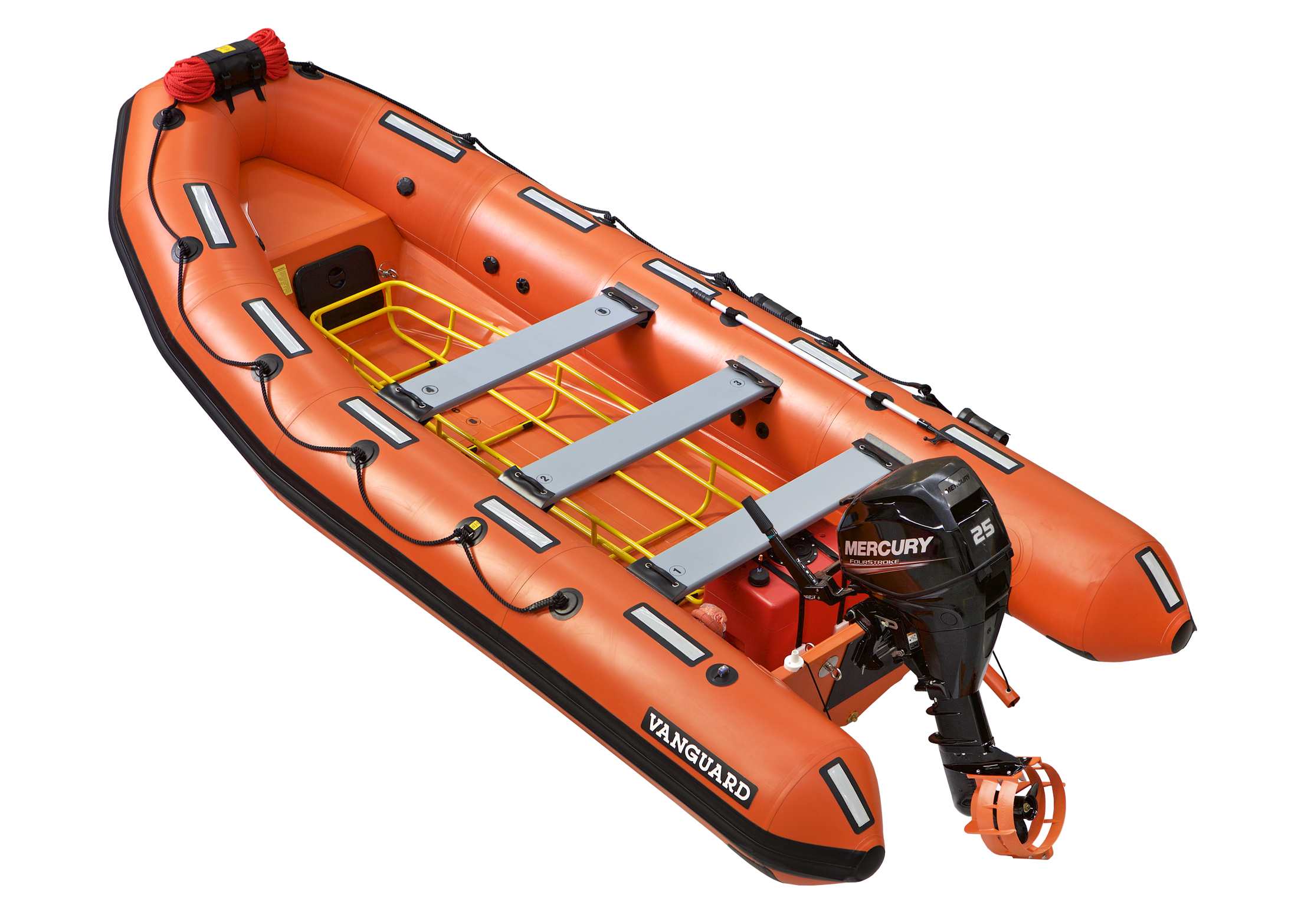
- Container, fabric, hull or protective-cover damage caused by weather exposure, impact or poor stowage can compromise readiness and may be visible during inspection
- Release, lashing or securing faults caused by corrosion, incorrect rigging or maintenance errors can prevent normal deployment or allow insecure stowage
- Inflation, starting or propulsion-system faults where applicable caused by depleted cylinders, battery issues, fuel problems or mechanical defects can prevent successful deployment or operation
- Missing, damaged or expired survival equipment caused by poor inventory control can be identified during statutory service or onboard checks
- Drainage blockage, corrosion or water ingress around the stowage location can deteriorate equipment and create seized fasteners or damaged containers
- Container, fabric, hull or protective-cover damage caused by weather exposure, impact or poor stowage can compromise readiness and may be visible during inspection
- Release, lashing or securing faults caused by corrosion, incorrect rigging or maintenance errors can prevent normal deployment or allow insecure stowage
- Inflation, starting or propulsion-system faults where applicable caused by depleted cylinders, battery issues, fuel problems or mechanical defects can prevent successful deployment or operation
- Missing, damaged or expired survival equipment caused by poor inventory control can be identified during statutory service or onboard checks
- Drainage blockage, corrosion or water ingress around the stowage location can deteriorate equipment and create seized fasteners or damaged containers
- Container, fabric, hull or protective-cover damage caused by weather exposure, impact or poor stowage can compromise readiness and may be visible during inspection
- Release, lashing or securing faults caused by corrosion, incorrect rigging or maintenance errors can prevent normal deployment or allow insecure stowage
- Inflation, starting or propulsion-system faults where applicable caused by depleted cylinders, battery issues, fuel problems or mechanical defects can prevent successful deployment or operation
- Missing, damaged or expired survival equipment caused by poor inventory control can be identified during statutory service or onboard checks
- Drainage blockage, corrosion or water ingress around the stowage location can deteriorate equipment and create seized fasteners or damaged containers
- Container, fabric, hull or protective-cover damage caused by weather exposure, impact or poor stowage can compromise readiness and may be visible during inspection
- Release, lashing or securing faults caused by corrosion, incorrect rigging or maintenance errors can prevent normal deployment or allow insecure stowage
- Inflation, starting or propulsion-system faults where applicable caused by depleted cylinders, battery issues, fuel problems or mechanical defects can prevent successful deployment or operation
- Missing, damaged or expired survival equipment caused by poor inventory control can be identified during statutory service or onboard checks
- Drainage blockage, corrosion or water ingress around the stowage location can deteriorate equipment and create seized fasteners or damaged containers