Exhaust Fan
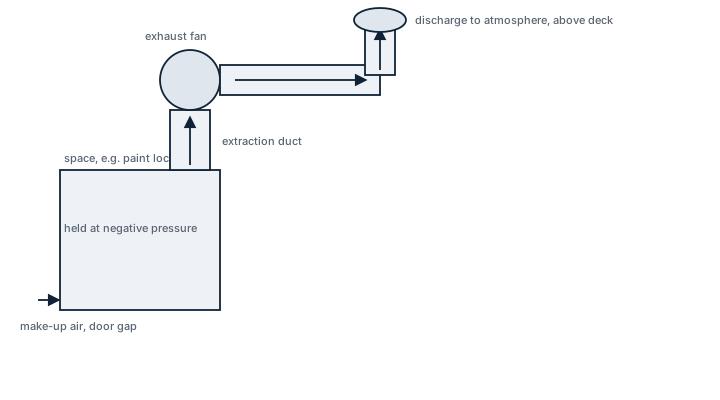
An exhaust fan pulls air out of a space to create negative pressure relative to its surroundings, which is why paint lockers, galleys and battery rooms depend on extraction rather than supply to keep fumes, heat or hydrogen from spreading beyond the compartment they start in.
Read more — Exhaust Fan explained ▾
The Job an Exhaust Fan Does
An exhaust fan removes air from a compartment and discharges it to open deck, pulling the space slightly negative relative to the spaces around it. That negative pressure is deliberate: a galley extract keeps cooking fumes and grease-laden air from drifting into the accommodation, a paint locker extract keeps solvent vapour from building up, and a battery room extract removes hydrogen given off during charging before it reaches an ignition source. Engine room extraction works differently, removing heat and combustion by-products roughly in balance with the supply fans rather than running deliberately negative. The direction of airflow, not the fan itself, is what separates this equipment from a supply fan doing the opposite job in the same ventilation system.
Main Components
- Impeller – axial for high-volume, low-resistance duties like engine room extraction, centrifugal where duct runs and resistance are higher.
- Motor – standard enclosure for general spaces, explosion-protected (Ex d or Ex e) where the fan serves a hazardous area such as a battery room or a gas-dangerous space.
- Flexible duct connection – isolates fan vibration from the ductwork and structure.
- Fire damper – fitted where the duct passes a fire boundary, normally open and closed remotely or by fusible link.
- Spark-proof grille or non-ferrous impeller – required where the fan handles air that could contain flammable vapour.
- Weather terminal – goose-neck or cowl on open deck with a non-return flap to stop green water or backflow entering the duct.
Selection and Sizing
Air change targets vary sharply by space: a paint locker typically needs mechanical extraction sized for a set minimum number of air changes per hour under class rules, a galley needs enough capacity to clear heat and grease-laden air at the cooking line, and an engine room extract is sized to match its supply fans rather than to a fixed ACH figure. Static pressure has to cover duct losses, grille resistance and any silencer, and hazardous-area duties fix the motor's explosion-protection class before capacity is even considered.
Regulations and Class
SOLAS Chapter II-2 requires fire dampers at fire boundaries and remote stopping of ventilation fans serving machinery spaces and galleys from outside the space, coordinated with the release of any fixed fire-extinguishing system so the fire is starved of ventilation rather than fed by it. Paint locker mechanical extraction is a SOLAS requirement in its own right. Hazardous-area fans, such as those serving battery rooms or gas-dangerous spaces, must meet the applicable IACS unified requirements for spark-proof or explosion-protected construction.
Typical Faults
| Fault | Consequence |
|---|---|
| Bearing wear from continuous duty | Vibration, eventual seizure and loss of extraction to the space it serves |
| Grease-clogged galley duct or filter | Reduced extraction and a real fire load building up inside the ductwork |
| Fire damper seized by paint or corrosion | Damper fails the fire test open or blocks normal ventilation shut |
| Weather terminal non-return flap seized | Water ingress in heavy weather, or duct backflow when the fan stops |
| Ex-rated motor replaced with a standard unit | Explosion protection is lost without any visible change to the installation |
What to Look for in a Supplier
- Ex motor certificates matched to the specific zone classification of the space, not a generic explosion-proof label.
- Damper actuators compatible with the ship's existing fire detection and release panel.
- Spare impellers and bearings held for the exact model fitted.
- Noise and vibration figures where the fan sits near accommodation.
Test the fire damper and emergency stop for every extract fan at each fire drill, not just the ones an inspector is likely to check; a damper that has silently seized shut is invisible until the fan can no longer clear the space.
7 manufacturers · 561 models
Novenco Marine & Offshore
165- Impeller fouling, corrosion, or imbalance causes increased vibration, noise, and reduced airflow
- Bearing wear or inadequate lubrication produces rising bearing temperature, rumbling noise, or excessive vibration
- Motor, starter, protection, or cable faults cause failed starting, nuisance trips, or reduced speed
- Blocked louvers, filters, dampers, or ducting increase system resistance and appear as low airflow or abnormal fan load
- Loose foundations, flexible connections, guards, or duct joints cause vibration, air leakage, or mechanical noise
- Impeller fouling, corrosion, or imbalance causes increased vibration, noise, and reduced airflow
- Bearing wear or inadequate lubrication produces rising bearing temperature, rumbling noise, or excessive vibration
- Motor, starter, protection, or cable faults cause failed starting, nuisance trips, or reduced speed
- Blocked louvers, filters, dampers, or ducting increase system resistance and appear as low airflow or abnormal fan load
- Loose foundations, flexible connections, guards, or duct joints cause vibration, air leakage, or mechanical noise
- Bearing wear from contamination, inadequate lubrication or normal service, typically indicated by increased vibration, rumbling noise or motor overload
- Impeller fouling, corrosion or imbalance from dirty or corrosive air, typically indicated by reduced airflow, vibration or uneven running
- Motor or winding fault from overheating, moisture ingress or electrical defects, typically indicated by failure to start, high current or protective trip
- Damper or inlet restriction from stuck fire dampers, blocked louvers or debris, typically indicated by low airflow, abnormal duct pressure or poor space ventilation
- Flexible connection or mounting damage from vibration and ageing, typically indicated by air leakage, noise or movement at the fan foundation
- Bearing wear from contamination, inadequate lubrication or normal service, typically indicated by increased vibration, rumbling noise or motor overload
- Impeller fouling, corrosion or imbalance from dirty or corrosive air, typically indicated by reduced airflow, vibration or uneven running
- Motor or winding fault from overheating, moisture ingress or electrical defects, typically indicated by failure to start, high current or protective trip
- Damper or inlet restriction from stuck fire dampers, blocked louvers or debris, typically indicated by low airflow, abnormal duct pressure or poor space ventilation
- Flexible connection or mounting damage from vibration and ageing, typically indicated by air leakage, noise or movement at the fan foundation
- Impeller fouling, corrosion, or imbalance causes increased vibration, noise, and reduced airflow
- Bearing wear or inadequate lubrication produces rising bearing temperature, rumbling noise, or excessive vibration
- Motor, starter, protection, or cable faults cause failed starting, nuisance trips, or reduced speed
- Blocked louvers, filters, dampers, or ducting increase system resistance and appear as low airflow or abnormal fan load
- Loose foundations, flexible connections, guards, or duct joints cause vibration, air leakage, or mechanical noise
- Bearing wear from contamination, inadequate lubrication or normal service, typically indicated by increased vibration, rumbling noise or motor overload
- Impeller fouling, corrosion or imbalance from dirty or corrosive air, typically indicated by reduced airflow, vibration or uneven running
- Motor or winding fault from overheating, moisture ingress or electrical defects, typically indicated by failure to start, high current or protective trip
- Damper or inlet restriction from stuck fire dampers, blocked louvers or debris, typically indicated by low airflow, abnormal duct pressure or poor space ventilation
- Flexible connection or mounting damage from vibration and ageing, typically indicated by air leakage, noise or movement at the fan foundation
- Bearing wear from contamination, inadequate lubrication or normal service, typically indicated by increased vibration, rumbling noise or motor overload
- Impeller fouling, corrosion or imbalance from dirty or corrosive air, typically indicated by reduced airflow, vibration or uneven running
- Motor or winding fault from overheating, moisture ingress or electrical defects, typically indicated by failure to start, high current or protective trip
- Damper or inlet restriction from stuck fire dampers, blocked louvers or debris, typically indicated by low airflow, abnormal duct pressure or poor space ventilation
- Flexible connection or mounting damage from vibration and ageing, typically indicated by air leakage, noise or movement at the fan foundation
- Impeller fouling, corrosion, or imbalance causes increased vibration, noise, and reduced airflow
- Bearing wear or inadequate lubrication produces rising bearing temperature, rumbling noise, or excessive vibration
- Motor, starter, protection, or cable faults cause failed starting, nuisance trips, or reduced speed
- Blocked louvers, filters, dampers, or ducting increase system resistance and appear as low airflow or abnormal fan load
- Loose foundations, flexible connections, guards, or duct joints cause vibration, air leakage, or mechanical noise
- Bearing wear from contamination, inadequate lubrication or normal service, typically indicated by increased vibration, rumbling noise or motor overload
- Impeller fouling, corrosion or imbalance from dirty or corrosive air, typically indicated by reduced airflow, vibration or uneven running
- Motor or winding fault from overheating, moisture ingress or electrical defects, typically indicated by failure to start, high current or protective trip
- Damper or inlet restriction from stuck fire dampers, blocked louvers or debris, typically indicated by low airflow, abnormal duct pressure or poor space ventilation
- Flexible connection or mounting damage from vibration and ageing, typically indicated by air leakage, noise or movement at the fan foundation
- Bearing wear from contamination, inadequate lubrication or normal service, typically indicated by increased vibration, rumbling noise or motor overload
- Impeller fouling, corrosion or imbalance from dirty or corrosive air, typically indicated by reduced airflow, vibration or uneven running
- Motor or winding fault from overheating, moisture ingress or electrical defects, typically indicated by failure to start, high current or protective trip
- Damper or inlet restriction from stuck fire dampers, blocked louvers or debris, typically indicated by low airflow, abnormal duct pressure or poor space ventilation
- Flexible connection or mounting damage from vibration and ageing, typically indicated by air leakage, noise or movement at the fan foundation
- Impeller fouling, corrosion, or imbalance causes increased vibration, noise, and reduced airflow
- Bearing wear or inadequate lubrication produces rising bearing temperature, rumbling noise, or excessive vibration
- Motor, starter, protection, or cable faults cause failed starting, nuisance trips, or reduced speed
- Blocked louvers, filters, dampers, or ducting increase system resistance and appear as low airflow or abnormal fan load
- Loose foundations, flexible connections, guards, or duct joints cause vibration, air leakage, or mechanical noise
- Bearing wear from contamination, inadequate lubrication or normal service, typically indicated by increased vibration, rumbling noise or motor overload
- Impeller fouling, corrosion or imbalance from dirty or corrosive air, typically indicated by reduced airflow, vibration or uneven running
- Motor or winding fault from overheating, moisture ingress or electrical defects, typically indicated by failure to start, high current or protective trip
- Damper or inlet restriction from stuck fire dampers, blocked louvers or debris, typically indicated by low airflow, abnormal duct pressure or poor space ventilation
- Flexible connection or mounting damage from vibration and ageing, typically indicated by air leakage, noise or movement at the fan foundation
- Bearing wear from contamination, inadequate lubrication or normal service, typically indicated by increased vibration, rumbling noise or motor overload
- Impeller fouling, corrosion or imbalance from dirty or corrosive air, typically indicated by reduced airflow, vibration or uneven running
- Motor or winding fault from overheating, moisture ingress or electrical defects, typically indicated by failure to start, high current or protective trip
- Damper or inlet restriction from stuck fire dampers, blocked louvers or debris, typically indicated by low airflow, abnormal duct pressure or poor space ventilation
- Flexible connection or mounting damage from vibration and ageing, typically indicated by air leakage, noise or movement at the fan foundation
- Impeller fouling, corrosion, or imbalance causes increased vibration, noise, and reduced airflow
- Bearing wear or inadequate lubrication produces rising bearing temperature, rumbling noise, or excessive vibration
- Motor, starter, protection, or cable faults cause failed starting, nuisance trips, or reduced speed
- Blocked louvers, filters, dampers, or ducting increase system resistance and appear as low airflow or abnormal fan load
- Loose foundations, flexible connections, guards, or duct joints cause vibration, air leakage, or mechanical noise
- Bearing wear from contamination, inadequate lubrication or normal service, typically indicated by increased vibration, rumbling noise or motor overload
- Impeller fouling, corrosion or imbalance from dirty or corrosive air, typically indicated by reduced airflow, vibration or uneven running
- Motor or winding fault from overheating, moisture ingress or electrical defects, typically indicated by failure to start, high current or protective trip
- Damper or inlet restriction from stuck fire dampers, blocked louvers or debris, typically indicated by low airflow, abnormal duct pressure or poor space ventilation
- Flexible connection or mounting damage from vibration and ageing, typically indicated by air leakage, noise or movement at the fan foundation
- Bearing wear from contamination, inadequate lubrication or normal service, typically indicated by increased vibration, rumbling noise or motor overload
- Impeller fouling, corrosion or imbalance from dirty or corrosive air, typically indicated by reduced airflow, vibration or uneven running
- Motor or winding fault from overheating, moisture ingress or electrical defects, typically indicated by failure to start, high current or protective trip
- Damper or inlet restriction from stuck fire dampers, blocked louvers or debris, typically indicated by low airflow, abnormal duct pressure or poor space ventilation
- Flexible connection or mounting damage from vibration and ageing, typically indicated by air leakage, noise or movement at the fan foundation
- Impeller fouling, corrosion, or imbalance causes increased vibration, noise, and reduced airflow
- Bearing wear or inadequate lubrication produces rising bearing temperature, rumbling noise, or excessive vibration
- Motor, starter, protection, or cable faults cause failed starting, nuisance trips, or reduced speed
- Blocked louvers, filters, dampers, or ducting increase system resistance and appear as low airflow or abnormal fan load
- Loose foundations, flexible connections, guards, or duct joints cause vibration, air leakage, or mechanical noise
- Bearing wear from contamination, inadequate lubrication or normal service, typically indicated by increased vibration, rumbling noise or motor overload
- Impeller fouling, corrosion or imbalance from dirty or corrosive air, typically indicated by reduced airflow, vibration or uneven running
- Motor or winding fault from overheating, moisture ingress or electrical defects, typically indicated by failure to start, high current or protective trip
- Damper or inlet restriction from stuck fire dampers, blocked louvers or debris, typically indicated by low airflow, abnormal duct pressure or poor space ventilation
- Flexible connection or mounting damage from vibration and ageing, typically indicated by air leakage, noise or movement at the fan foundation
- Bearing wear from contamination, inadequate lubrication or normal service, typically indicated by increased vibration, rumbling noise or motor overload
- Impeller fouling, corrosion or imbalance from dirty or corrosive air, typically indicated by reduced airflow, vibration or uneven running
- Motor or winding fault from overheating, moisture ingress or electrical defects, typically indicated by failure to start, high current or protective trip
- Damper or inlet restriction from stuck fire dampers, blocked louvers or debris, typically indicated by low airflow, abnormal duct pressure or poor space ventilation
- Flexible connection or mounting damage from vibration and ageing, typically indicated by air leakage, noise or movement at the fan foundation
- Bearing wear from contamination, inadequate lubrication or normal service, typically indicated by increased vibration, rumbling noise or motor overload
- Impeller fouling, corrosion or imbalance from dirty or corrosive air, typically indicated by reduced airflow, vibration or uneven running
- Motor or winding fault from overheating, moisture ingress or electrical defects, typically indicated by failure to start, high current or protective trip
- Damper or inlet restriction from stuck fire dampers, blocked louvers or debris, typically indicated by low airflow, abnormal duct pressure or poor space ventilation
- Flexible connection or mounting damage from vibration and ageing, typically indicated by air leakage, noise or movement at the fan foundation
- Blade fouling, duct restriction or blocked guards reduce airflow and cause poor ventilation, high motor load or abnormal pressure
- Bearing wear or lubrication deterioration causes rising vibration, rumbling noise or elevated bearing temperature
- Impeller imbalance, corrosion or mechanical damage causes vibration and can lead to repeated motor or vibration trips
- Motor, contactor or power-supply faults cause failure to start, phase-related alarms or unexpected shutdown
- Loose foundations, flexible connections or damper faults cause structural vibration, air leakage or incorrect airflow distribution
- Bearing wear from contamination, inadequate lubrication or normal service, typically indicated by increased vibration, rumbling noise or motor overload
- Impeller fouling, corrosion or imbalance from dirty or corrosive air, typically indicated by reduced airflow, vibration or uneven running
- Motor or winding fault from overheating, moisture ingress or electrical defects, typically indicated by failure to start, high current or protective trip
- Damper or inlet restriction from stuck fire dampers, blocked louvers or debris, typically indicated by low airflow, abnormal duct pressure or poor space ventilation
- Flexible connection or mounting damage from vibration and ageing, typically indicated by air leakage, noise or movement at the fan foundation
- Bearing wear from contamination, inadequate lubrication or normal service, typically indicated by increased vibration, rumbling noise or motor overload
- Impeller fouling, corrosion or imbalance from dirty or corrosive air, typically indicated by reduced airflow, vibration or uneven running
- Motor or winding fault from overheating, moisture ingress or electrical defects, typically indicated by failure to start, high current or protective trip
- Damper or inlet restriction from stuck fire dampers, blocked louvers or debris, typically indicated by low airflow, abnormal duct pressure or poor space ventilation
- Flexible connection or mounting damage from vibration and ageing, typically indicated by air leakage, noise or movement at the fan foundation
- Blade fouling, duct restriction or blocked guards reduce airflow and cause poor ventilation, high motor load or abnormal pressure
- Bearing wear or lubrication deterioration causes rising vibration, rumbling noise or elevated bearing temperature
- Impeller imbalance, corrosion or mechanical damage causes vibration and can lead to repeated motor or vibration trips
- Motor, contactor or power-supply faults cause failure to start, phase-related alarms or unexpected shutdown
- Loose foundations, flexible connections or damper faults cause structural vibration, air leakage or incorrect airflow distribution
- Bearing wear from contamination, inadequate lubrication or normal service, typically indicated by increased vibration, rumbling noise or motor overload
- Impeller fouling, corrosion or imbalance from dirty or corrosive air, typically indicated by reduced airflow, vibration or uneven running
- Motor or winding fault from overheating, moisture ingress or electrical defects, typically indicated by failure to start, high current or protective trip
- Damper or inlet restriction from stuck fire dampers, blocked louvers or debris, typically indicated by low airflow, abnormal duct pressure or poor space ventilation
- Flexible connection or mounting damage from vibration and ageing, typically indicated by air leakage, noise or movement at the fan foundation
- Bearing wear from contamination, inadequate lubrication or normal service, typically indicated by increased vibration, rumbling noise or motor overload
- Impeller fouling, corrosion or imbalance from dirty or corrosive air, typically indicated by reduced airflow, vibration or uneven running
- Motor or winding fault from overheating, moisture ingress or electrical defects, typically indicated by failure to start, high current or protective trip
- Damper or inlet restriction from stuck fire dampers, blocked louvers or debris, typically indicated by low airflow, abnormal duct pressure or poor space ventilation
- Flexible connection or mounting damage from vibration and ageing, typically indicated by air leakage, noise or movement at the fan foundation
- Blade fouling, duct restriction or blocked guards reduce airflow and cause poor ventilation, high motor load or abnormal pressure
- Bearing wear or lubrication deterioration causes rising vibration, rumbling noise or elevated bearing temperature
- Impeller imbalance, corrosion or mechanical damage causes vibration and can lead to repeated motor or vibration trips
- Motor, contactor or power-supply faults cause failure to start, phase-related alarms or unexpected shutdown
- Loose foundations, flexible connections or damper faults cause structural vibration, air leakage or incorrect airflow distribution
- Bearing wear from contamination, inadequate lubrication or normal service, typically indicated by increased vibration, rumbling noise or motor overload
- Impeller fouling, corrosion or imbalance from dirty or corrosive air, typically indicated by reduced airflow, vibration or uneven running
- Motor or winding fault from overheating, moisture ingress or electrical defects, typically indicated by failure to start, high current or protective trip
- Damper or inlet restriction from stuck fire dampers, blocked louvers or debris, typically indicated by low airflow, abnormal duct pressure or poor space ventilation
- Flexible connection or mounting damage from vibration and ageing, typically indicated by air leakage, noise or movement at the fan foundation
- Bearing wear from contamination, inadequate lubrication or normal service, typically indicated by increased vibration, rumbling noise or motor overload
- Impeller fouling, corrosion or imbalance from dirty or corrosive air, typically indicated by reduced airflow, vibration or uneven running
- Motor or winding fault from overheating, moisture ingress or electrical defects, typically indicated by failure to start, high current or protective trip
- Damper or inlet restriction from stuck fire dampers, blocked louvers or debris, typically indicated by low airflow, abnormal duct pressure or poor space ventilation
- Flexible connection or mounting damage from vibration and ageing, typically indicated by air leakage, noise or movement at the fan foundation
- Blade fouling, duct restriction or blocked guards reduce airflow and cause poor ventilation, high motor load or abnormal pressure
- Bearing wear or lubrication deterioration causes rising vibration, rumbling noise or elevated bearing temperature
- Impeller imbalance, corrosion or mechanical damage causes vibration and can lead to repeated motor or vibration trips
- Motor, contactor or power-supply faults cause failure to start, phase-related alarms or unexpected shutdown
- Loose foundations, flexible connections or damper faults cause structural vibration, air leakage or incorrect airflow distribution
- Bearing wear from contamination, inadequate lubrication or normal service, typically indicated by increased vibration, rumbling noise or motor overload
- Impeller fouling, corrosion or imbalance from dirty or corrosive air, typically indicated by reduced airflow, vibration or uneven running
- Motor or winding fault from overheating, moisture ingress or electrical defects, typically indicated by failure to start, high current or protective trip
- Damper or inlet restriction from stuck fire dampers, blocked louvers or debris, typically indicated by low airflow, abnormal duct pressure or poor space ventilation
- Flexible connection or mounting damage from vibration and ageing, typically indicated by air leakage, noise or movement at the fan foundation
- Bearing wear from contamination, inadequate lubrication or normal service, typically indicated by increased vibration, rumbling noise or motor overload
- Impeller fouling, corrosion or imbalance from dirty or corrosive air, typically indicated by reduced airflow, vibration or uneven running
- Motor or winding fault from overheating, moisture ingress or electrical defects, typically indicated by failure to start, high current or protective trip
- Damper or inlet restriction from stuck fire dampers, blocked louvers or debris, typically indicated by low airflow, abnormal duct pressure or poor space ventilation
- Flexible connection or mounting damage from vibration and ageing, typically indicated by air leakage, noise or movement at the fan foundation
- Blade fouling, duct restriction or blocked guards reduce airflow and cause poor ventilation, high motor load or abnormal pressure
- Bearing wear or lubrication deterioration causes rising vibration, rumbling noise or elevated bearing temperature
- Impeller imbalance, corrosion or mechanical damage causes vibration and can lead to repeated motor or vibration trips
- Motor, contactor or power-supply faults cause failure to start, phase-related alarms or unexpected shutdown
- Loose foundations, flexible connections or damper faults cause structural vibration, air leakage or incorrect airflow distribution
- Impeller fouling, corrosion, or imbalance causes increased vibration, noise, and reduced airflow
- Bearing wear or inadequate lubrication produces rising bearing temperature, rumbling noise, or excessive vibration
- Motor, starter, protection, or cable faults cause failed starting, nuisance trips, or reduced speed
- Blocked louvers, filters, dampers, or ducting increase system resistance and appear as low airflow or abnormal fan load
- Loose foundations, flexible connections, guards, or duct joints cause vibration, air leakage, or mechanical noise
- Filter blockage or coil fouling caused by dust, salt or poor cleaning can reduce airflow and cause poor heating or cooling performance
- Fan, motor or bearing wear caused by imbalance, contamination or ageing can produce vibration, noise or loss of airflow
- Control sensor or actuator faults caused by wiring problems, drift or failed dampers can cause unstable temperature, incorrect airflow or persistent alarms
- Drain blockage or condensate leakage caused by dirt or poor fall can produce water accumulation, corrosion or leakage into adjacent spaces
- Refrigerant or water-side leakage where applicable caused by damaged joints, coils or seals can lead to reduced capacity, low-pressure alarms or visible fluid loss
- Impeller fouling, corrosion, or imbalance causes increased vibration, noise, and reduced airflow
- Bearing wear or inadequate lubrication produces rising bearing temperature, rumbling noise, or excessive vibration
- Motor, starter, protection, or cable faults cause failed starting, nuisance trips, or reduced speed
- Blocked louvers, filters, dampers, or ducting increase system resistance and appear as low airflow or abnormal fan load
- Loose foundations, flexible connections, guards, or duct joints cause vibration, air leakage, or mechanical noise
- Impeller fouling, corrosion, or imbalance causes increased vibration, noise, and reduced airflow
- Bearing wear or inadequate lubrication produces rising bearing temperature, rumbling noise, or excessive vibration
- Motor, starter, protection, or cable faults cause failed starting, nuisance trips, or reduced speed
- Blocked louvers, filters, dampers, or ducting increase system resistance and appear as low airflow or abnormal fan load
- Loose foundations, flexible connections, guards, or duct joints cause vibration, air leakage, or mechanical noise
- Impeller fouling, corrosion, or imbalance causes increased vibration, noise, and reduced airflow
- Bearing wear or inadequate lubrication produces rising bearing temperature, rumbling noise, or excessive vibration
- Motor, starter, protection, or cable faults cause failed starting, nuisance trips, or reduced speed
- Blocked louvers, filters, dampers, or ducting increase system resistance and appear as low airflow or abnormal fan load
- Loose foundations, flexible connections, guards, or duct joints cause vibration, air leakage, or mechanical noise
- Bearing wear from contamination, inadequate lubrication or normal service, typically indicated by increased vibration, rumbling noise or motor overload
- Impeller fouling, corrosion or imbalance from dirty or corrosive air, typically indicated by reduced airflow, vibration or uneven running
- Motor or winding fault from overheating, moisture ingress or electrical defects, typically indicated by failure to start, high current or protective trip
- Damper or inlet restriction from stuck fire dampers, blocked louvers or debris, typically indicated by low airflow, abnormal duct pressure or poor space ventilation
- Flexible connection or mounting damage from vibration and ageing, typically indicated by air leakage, noise or movement at the fan foundation
- Impeller fouling, corrosion, or imbalance causes increased vibration, noise, and reduced airflow
- Bearing wear or inadequate lubrication produces rising bearing temperature, rumbling noise, or excessive vibration
- Motor, starter, protection, or cable faults cause failed starting, nuisance trips, or reduced speed
- Blocked louvers, filters, dampers, or ducting increase system resistance and appear as low airflow or abnormal fan load
- Loose foundations, flexible connections, guards, or duct joints cause vibration, air leakage, or mechanical noise
- Impeller fouling, corrosion, or imbalance causes increased vibration, noise, and reduced airflow
- Bearing wear or inadequate lubrication produces rising bearing temperature, rumbling noise, or excessive vibration
- Motor, starter, protection, or cable faults cause failed starting, nuisance trips, or reduced speed
- Blocked louvers, filters, dampers, or ducting increase system resistance and appear as low airflow or abnormal fan load
- Loose foundations, flexible connections, guards, or duct joints cause vibration, air leakage, or mechanical noise
- Bearing wear from contamination, inadequate lubrication or normal service, typically indicated by increased vibration, rumbling noise or motor overload
- Impeller fouling, corrosion or imbalance from dirty or corrosive air, typically indicated by reduced airflow, vibration or uneven running
- Motor or winding fault from overheating, moisture ingress or electrical defects, typically indicated by failure to start, high current or protective trip
- Damper or inlet restriction from stuck fire dampers, blocked louvers or debris, typically indicated by low airflow, abnormal duct pressure or poor space ventilation
- Flexible connection or mounting damage from vibration and ageing, typically indicated by air leakage, noise or movement at the fan foundation
- Impeller fouling, corrosion, or imbalance causes increased vibration, noise, and reduced airflow
- Bearing wear or inadequate lubrication produces rising bearing temperature, rumbling noise, or excessive vibration
- Motor, starter, protection, or cable faults cause failed starting, nuisance trips, or reduced speed
- Blocked louvers, filters, dampers, or ducting increase system resistance and appear as low airflow or abnormal fan load
- Loose foundations, flexible connections, guards, or duct joints cause vibration, air leakage, or mechanical noise
- Impeller fouling, corrosion, or imbalance causes increased vibration, noise, and reduced airflow
- Bearing wear or inadequate lubrication produces rising bearing temperature, rumbling noise, or excessive vibration
- Motor, starter, protection, or cable faults cause failed starting, nuisance trips, or reduced speed
- Blocked louvers, filters, dampers, or ducting increase system resistance and appear as low airflow or abnormal fan load
- Loose foundations, flexible connections, guards, or duct joints cause vibration, air leakage, or mechanical noise
- Bearing wear from contamination, inadequate lubrication or normal service, typically indicated by increased vibration, rumbling noise or motor overload
- Impeller fouling, corrosion or imbalance from dirty or corrosive air, typically indicated by reduced airflow, vibration or uneven running
- Motor or winding fault from overheating, moisture ingress or electrical defects, typically indicated by failure to start, high current or protective trip
- Damper or inlet restriction from stuck fire dampers, blocked louvers or debris, typically indicated by low airflow, abnormal duct pressure or poor space ventilation
- Flexible connection or mounting damage from vibration and ageing, typically indicated by air leakage, noise or movement at the fan foundation
- Impeller fouling, corrosion, or imbalance causes increased vibration, noise, and reduced airflow
- Bearing wear or inadequate lubrication produces rising bearing temperature, rumbling noise, or excessive vibration
- Motor, starter, protection, or cable faults cause failed starting, nuisance trips, or reduced speed
- Blocked louvers, filters, dampers, or ducting increase system resistance and appear as low airflow or abnormal fan load
- Loose foundations, flexible connections, guards, or duct joints cause vibration, air leakage, or mechanical noise
- Impeller fouling, corrosion, or imbalance causes increased vibration, noise, and reduced airflow
- Bearing wear or inadequate lubrication produces rising bearing temperature, rumbling noise, or excessive vibration
- Motor, starter, protection, or cable faults cause failed starting, nuisance trips, or reduced speed
- Blocked louvers, filters, dampers, or ducting increase system resistance and appear as low airflow or abnormal fan load
- Loose foundations, flexible connections, guards, or duct joints cause vibration, air leakage, or mechanical noise
- Bearing wear from contamination, inadequate lubrication or normal service, typically indicated by increased vibration, rumbling noise or motor overload
- Impeller fouling, corrosion or imbalance from dirty or corrosive air, typically indicated by reduced airflow, vibration or uneven running
- Motor or winding fault from overheating, moisture ingress or electrical defects, typically indicated by failure to start, high current or protective trip
- Damper or inlet restriction from stuck fire dampers, blocked louvers or debris, typically indicated by low airflow, abnormal duct pressure or poor space ventilation
- Flexible connection or mounting damage from vibration and ageing, typically indicated by air leakage, noise or movement at the fan foundation
- Impeller fouling, corrosion, or imbalance causes increased vibration, noise, and reduced airflow
- Bearing wear or inadequate lubrication produces rising bearing temperature, rumbling noise, or excessive vibration
- Motor, starter, protection, or cable faults cause failed starting, nuisance trips, or reduced speed
- Blocked louvers, filters, dampers, or ducting increase system resistance and appear as low airflow or abnormal fan load
- Loose foundations, flexible connections, guards, or duct joints cause vibration, air leakage, or mechanical noise
- Impeller fouling, corrosion, or imbalance causes increased vibration, noise, and reduced airflow
- Bearing wear or inadequate lubrication produces rising bearing temperature, rumbling noise, or excessive vibration
- Motor, starter, protection, or cable faults cause failed starting, nuisance trips, or reduced speed
- Blocked louvers, filters, dampers, or ducting increase system resistance and appear as low airflow or abnormal fan load
- Loose foundations, flexible connections, guards, or duct joints cause vibration, air leakage, or mechanical noise
- Bearing wear from contamination, inadequate lubrication or normal service, typically indicated by increased vibration, rumbling noise or motor overload
- Impeller fouling, corrosion or imbalance from dirty or corrosive air, typically indicated by reduced airflow, vibration or uneven running
- Motor or winding fault from overheating, moisture ingress or electrical defects, typically indicated by failure to start, high current or protective trip
- Damper or inlet restriction from stuck fire dampers, blocked louvers or debris, typically indicated by low airflow, abnormal duct pressure or poor space ventilation
- Flexible connection or mounting damage from vibration and ageing, typically indicated by air leakage, noise or movement at the fan foundation
- Impeller fouling, corrosion, or imbalance causes increased vibration, noise, and reduced airflow
- Bearing wear or inadequate lubrication produces rising bearing temperature, rumbling noise, or excessive vibration
- Motor, starter, protection, or cable faults cause failed starting, nuisance trips, or reduced speed
- Blocked louvers, filters, dampers, or ducting increase system resistance and appear as low airflow or abnormal fan load
- Loose foundations, flexible connections, guards, or duct joints cause vibration, air leakage, or mechanical noise
- Impeller fouling, corrosion, or imbalance causes increased vibration, noise, and reduced airflow
- Bearing wear or inadequate lubrication produces rising bearing temperature, rumbling noise, or excessive vibration
- Motor, starter, protection, or cable faults cause failed starting, nuisance trips, or reduced speed
- Blocked louvers, filters, dampers, or ducting increase system resistance and appear as low airflow or abnormal fan load
- Loose foundations, flexible connections, guards, or duct joints cause vibration, air leakage, or mechanical noise
- Bearing wear from contamination, inadequate lubrication or normal service, typically indicated by increased vibration, rumbling noise or motor overload
- Impeller fouling, corrosion or imbalance from dirty or corrosive air, typically indicated by reduced airflow, vibration or uneven running
- Motor or winding fault from overheating, moisture ingress or electrical defects, typically indicated by failure to start, high current or protective trip
- Damper or inlet restriction from stuck fire dampers, blocked louvers or debris, typically indicated by low airflow, abnormal duct pressure or poor space ventilation
- Flexible connection or mounting damage from vibration and ageing, typically indicated by air leakage, noise or movement at the fan foundation
- Impeller fouling, corrosion, or imbalance causes increased vibration, noise, and reduced airflow
- Bearing wear or inadequate lubrication produces rising bearing temperature, rumbling noise, or excessive vibration
- Motor, starter, protection, or cable faults cause failed starting, nuisance trips, or reduced speed
- Blocked louvers, filters, dampers, or ducting increase system resistance and appear as low airflow or abnormal fan load
- Loose foundations, flexible connections, guards, or duct joints cause vibration, air leakage, or mechanical noise
- Impeller fouling, corrosion, or imbalance causes increased vibration, noise, and reduced airflow
- Bearing wear or inadequate lubrication produces rising bearing temperature, rumbling noise, or excessive vibration
- Motor, starter, protection, or cable faults cause failed starting, nuisance trips, or reduced speed
- Blocked louvers, filters, dampers, or ducting increase system resistance and appear as low airflow or abnormal fan load
- Loose foundations, flexible connections, guards, or duct joints cause vibration, air leakage, or mechanical noise
- Bearing wear from contamination, inadequate lubrication or normal service, typically indicated by increased vibration, rumbling noise or motor overload
- Impeller fouling, corrosion or imbalance from dirty or corrosive air, typically indicated by reduced airflow, vibration or uneven running
- Motor or winding fault from overheating, moisture ingress or electrical defects, typically indicated by failure to start, high current or protective trip
- Damper or inlet restriction from stuck fire dampers, blocked louvers or debris, typically indicated by low airflow, abnormal duct pressure or poor space ventilation
- Flexible connection or mounting damage from vibration and ageing, typically indicated by air leakage, noise or movement at the fan foundation
- Impeller fouling, corrosion, or imbalance causes increased vibration, noise, and reduced airflow
- Bearing wear or inadequate lubrication produces rising bearing temperature, rumbling noise, or excessive vibration
- Motor, starter, protection, or cable faults cause failed starting, nuisance trips, or reduced speed
- Blocked louvers, filters, dampers, or ducting increase system resistance and appear as low airflow or abnormal fan load
- Loose foundations, flexible connections, guards, or duct joints cause vibration, air leakage, or mechanical noise
- Impeller fouling, corrosion, or imbalance causes increased vibration, noise, and reduced airflow
- Bearing wear or inadequate lubrication produces rising bearing temperature, rumbling noise, or excessive vibration
- Motor, starter, protection, or cable faults cause failed starting, nuisance trips, or reduced speed
- Blocked louvers, filters, dampers, or ducting increase system resistance and appear as low airflow or abnormal fan load
- Loose foundations, flexible connections, guards, or duct joints cause vibration, air leakage, or mechanical noise
- Bearing wear from contamination, inadequate lubrication or normal service, typically indicated by increased vibration, rumbling noise or motor overload
- Impeller fouling, corrosion or imbalance from dirty or corrosive air, typically indicated by reduced airflow, vibration or uneven running
- Motor or winding fault from overheating, moisture ingress or electrical defects, typically indicated by failure to start, high current or protective trip
- Damper or inlet restriction from stuck fire dampers, blocked louvers or debris, typically indicated by low airflow, abnormal duct pressure or poor space ventilation
- Flexible connection or mounting damage from vibration and ageing, typically indicated by air leakage, noise or movement at the fan foundation
- Impeller fouling, corrosion, or imbalance causes increased vibration, noise, and reduced airflow
- Bearing wear or inadequate lubrication produces rising bearing temperature, rumbling noise, or excessive vibration
- Motor, starter, protection, or cable faults cause failed starting, nuisance trips, or reduced speed
- Blocked louvers, filters, dampers, or ducting increase system resistance and appear as low airflow or abnormal fan load
- Loose foundations, flexible connections, guards, or duct joints cause vibration, air leakage, or mechanical noise
- Impeller fouling, corrosion, or imbalance causes increased vibration, noise, and reduced airflow
- Bearing wear or inadequate lubrication produces rising bearing temperature, rumbling noise, or excessive vibration
- Motor, starter, protection, or cable faults cause failed starting, nuisance trips, or reduced speed
- Blocked louvers, filters, dampers, or ducting increase system resistance and appear as low airflow or abnormal fan load
- Loose foundations, flexible connections, guards, or duct joints cause vibration, air leakage, or mechanical noise
- Bearing wear from contamination, inadequate lubrication or normal service, typically indicated by increased vibration, rumbling noise or motor overload
- Impeller fouling, corrosion or imbalance from dirty or corrosive air, typically indicated by reduced airflow, vibration or uneven running
- Motor or winding fault from overheating, moisture ingress or electrical defects, typically indicated by failure to start, high current or protective trip
- Damper or inlet restriction from stuck fire dampers, blocked louvers or debris, typically indicated by low airflow, abnormal duct pressure or poor space ventilation
- Flexible connection or mounting damage from vibration and ageing, typically indicated by air leakage, noise or movement at the fan foundation
- Bearing wear from contamination, inadequate lubrication or normal service, typically indicated by increased vibration, rumbling noise or motor overload
- Impeller fouling, corrosion or imbalance from dirty or corrosive air, typically indicated by reduced airflow, vibration or uneven running
- Motor or winding fault from overheating, moisture ingress or electrical defects, typically indicated by failure to start, high current or protective trip
- Damper or inlet restriction from stuck fire dampers, blocked louvers or debris, typically indicated by low airflow, abnormal duct pressure or poor space ventilation
- Flexible connection or mounting damage from vibration and ageing, typically indicated by air leakage, noise or movement at the fan foundation
- Impeller fouling, corrosion, or imbalance causes increased vibration, noise, and reduced airflow
- Bearing wear or inadequate lubrication produces rising bearing temperature, rumbling noise, or excessive vibration
- Motor, starter, protection, or cable faults cause failed starting, nuisance trips, or reduced speed
- Blocked louvers, filters, dampers, or ducting increase system resistance and appear as low airflow or abnormal fan load
- Loose foundations, flexible connections, guards, or duct joints cause vibration, air leakage, or mechanical noise
- Bearing wear from contamination, inadequate lubrication or normal service, typically indicated by increased vibration, rumbling noise or motor overload
- Impeller fouling, corrosion or imbalance from dirty or corrosive air, typically indicated by reduced airflow, vibration or uneven running
- Motor or winding fault from overheating, moisture ingress or electrical defects, typically indicated by failure to start, high current or protective trip
- Damper or inlet restriction from stuck fire dampers, blocked louvers or debris, typically indicated by low airflow, abnormal duct pressure or poor space ventilation
- Flexible connection or mounting damage from vibration and ageing, typically indicated by air leakage, noise or movement at the fan foundation
- Impeller fouling, corrosion, or imbalance causes increased vibration, noise, and reduced airflow
- Bearing wear or inadequate lubrication produces rising bearing temperature, rumbling noise, or excessive vibration
- Motor, starter, protection, or cable faults cause failed starting, nuisance trips, or reduced speed
- Blocked louvers, filters, dampers, or ducting increase system resistance and appear as low airflow or abnormal fan load
- Loose foundations, flexible connections, guards, or duct joints cause vibration, air leakage, or mechanical noise
- Filter blockage or coil fouling caused by dust, salt or poor cleaning can reduce airflow and cause poor heating or cooling performance
- Fan, motor or bearing wear caused by imbalance, contamination or ageing can produce vibration, noise or loss of airflow
- Control sensor or actuator faults caused by wiring problems, drift or failed dampers can cause unstable temperature, incorrect airflow or persistent alarms
- Drain blockage or condensate leakage caused by dirt or poor fall can produce water accumulation, corrosion or leakage into adjacent spaces
- Refrigerant or water-side leakage where applicable caused by damaged joints, coils or seals can lead to reduced capacity, low-pressure alarms or visible fluid loss
- Impeller fouling, corrosion, or imbalance causes increased vibration, noise, and reduced airflow
- Bearing wear or inadequate lubrication produces rising bearing temperature, rumbling noise, or excessive vibration
- Motor, starter, protection, or cable faults cause failed starting, nuisance trips, or reduced speed
- Blocked louvers, filters, dampers, or ducting increase system resistance and appear as low airflow or abnormal fan load
- Loose foundations, flexible connections, guards, or duct joints cause vibration, air leakage, or mechanical noise
- Impeller fouling, corrosion, or imbalance causes increased vibration, noise, and reduced airflow
- Bearing wear or inadequate lubrication produces rising bearing temperature, rumbling noise, or excessive vibration
- Motor, starter, protection, or cable faults cause failed starting, nuisance trips, or reduced speed
- Blocked louvers, filters, dampers, or ducting increase system resistance and appear as low airflow or abnormal fan load
- Loose foundations, flexible connections, guards, or duct joints cause vibration, air leakage, or mechanical noise
- Impeller fouling, corrosion, or imbalance causes increased vibration, noise, and reduced airflow
- Bearing wear or inadequate lubrication produces rising bearing temperature, rumbling noise, or excessive vibration
- Motor, starter, protection, or cable faults cause failed starting, nuisance trips, or reduced speed
- Blocked louvers, filters, dampers, or ducting increase system resistance and appear as low airflow or abnormal fan load
- Loose foundations, flexible connections, guards, or duct joints cause vibration, air leakage, or mechanical noise
- Bearing wear from contamination, inadequate lubrication or normal service, typically indicated by increased vibration, rumbling noise or motor overload
- Impeller fouling, corrosion or imbalance from dirty or corrosive air, typically indicated by reduced airflow, vibration or uneven running
- Motor or winding fault from overheating, moisture ingress or electrical defects, typically indicated by failure to start, high current or protective trip
- Damper or inlet restriction from stuck fire dampers, blocked louvers or debris, typically indicated by low airflow, abnormal duct pressure or poor space ventilation
- Flexible connection or mounting damage from vibration and ageing, typically indicated by air leakage, noise or movement at the fan foundation
- Impeller fouling, corrosion, or imbalance causes increased vibration, noise, and reduced airflow
- Bearing wear or inadequate lubrication produces rising bearing temperature, rumbling noise, or excessive vibration
- Motor, starter, protection, or cable faults cause failed starting, nuisance trips, or reduced speed
- Blocked louvers, filters, dampers, or ducting increase system resistance and appear as low airflow or abnormal fan load
- Loose foundations, flexible connections, guards, or duct joints cause vibration, air leakage, or mechanical noise
- Impeller fouling, corrosion, or imbalance causes increased vibration, noise, and reduced airflow
- Bearing wear or inadequate lubrication produces rising bearing temperature, rumbling noise, or excessive vibration
- Motor, starter, protection, or cable faults cause failed starting, nuisance trips, or reduced speed
- Blocked louvers, filters, dampers, or ducting increase system resistance and appear as low airflow or abnormal fan load
- Loose foundations, flexible connections, guards, or duct joints cause vibration, air leakage, or mechanical noise
- Bearing wear from contamination, inadequate lubrication or normal service, typically indicated by increased vibration, rumbling noise or motor overload
- Impeller fouling, corrosion or imbalance from dirty or corrosive air, typically indicated by reduced airflow, vibration or uneven running
- Motor or winding fault from overheating, moisture ingress or electrical defects, typically indicated by failure to start, high current or protective trip
- Damper or inlet restriction from stuck fire dampers, blocked louvers or debris, typically indicated by low airflow, abnormal duct pressure or poor space ventilation
- Flexible connection or mounting damage from vibration and ageing, typically indicated by air leakage, noise or movement at the fan foundation
- Impeller fouling, corrosion, or imbalance causes increased vibration, noise, and reduced airflow
- Bearing wear or inadequate lubrication produces rising bearing temperature, rumbling noise, or excessive vibration
- Motor, starter, protection, or cable faults cause failed starting, nuisance trips, or reduced speed
- Blocked louvers, filters, dampers, or ducting increase system resistance and appear as low airflow or abnormal fan load
- Loose foundations, flexible connections, guards, or duct joints cause vibration, air leakage, or mechanical noise
- Impeller fouling, corrosion, or imbalance causes increased vibration, noise, and reduced airflow
- Bearing wear or inadequate lubrication produces rising bearing temperature, rumbling noise, or excessive vibration
- Motor, starter, protection, or cable faults cause failed starting, nuisance trips, or reduced speed
- Blocked louvers, filters, dampers, or ducting increase system resistance and appear as low airflow or abnormal fan load
- Loose foundations, flexible connections, guards, or duct joints cause vibration, air leakage, or mechanical noise
- Bearing wear from contamination, inadequate lubrication or normal service, typically indicated by increased vibration, rumbling noise or motor overload
- Impeller fouling, corrosion or imbalance from dirty or corrosive air, typically indicated by reduced airflow, vibration or uneven running
- Motor or winding fault from overheating, moisture ingress or electrical defects, typically indicated by failure to start, high current or protective trip
- Damper or inlet restriction from stuck fire dampers, blocked louvers or debris, typically indicated by low airflow, abnormal duct pressure or poor space ventilation
- Flexible connection or mounting damage from vibration and ageing, typically indicated by air leakage, noise or movement at the fan foundation
- Impeller fouling, corrosion, or imbalance causes increased vibration, noise, and reduced airflow
- Bearing wear or inadequate lubrication produces rising bearing temperature, rumbling noise, or excessive vibration
- Motor, starter, protection, or cable faults cause failed starting, nuisance trips, or reduced speed
- Blocked louvers, filters, dampers, or ducting increase system resistance and appear as low airflow or abnormal fan load
- Loose foundations, flexible connections, guards, or duct joints cause vibration, air leakage, or mechanical noise
- Impeller fouling, corrosion, or imbalance causes increased vibration, noise, and reduced airflow
- Bearing wear or inadequate lubrication produces rising bearing temperature, rumbling noise, or excessive vibration
- Motor, starter, protection, or cable faults cause failed starting, nuisance trips, or reduced speed
- Blocked louvers, filters, dampers, or ducting increase system resistance and appear as low airflow or abnormal fan load
- Loose foundations, flexible connections, guards, or duct joints cause vibration, air leakage, or mechanical noise
- Bearing wear from contamination, inadequate lubrication or normal service, typically indicated by increased vibration, rumbling noise or motor overload
- Impeller fouling, corrosion or imbalance from dirty or corrosive air, typically indicated by reduced airflow, vibration or uneven running
- Motor or winding fault from overheating, moisture ingress or electrical defects, typically indicated by failure to start, high current or protective trip
- Damper or inlet restriction from stuck fire dampers, blocked louvers or debris, typically indicated by low airflow, abnormal duct pressure or poor space ventilation
- Flexible connection or mounting damage from vibration and ageing, typically indicated by air leakage, noise or movement at the fan foundation
- Impeller fouling, corrosion, or imbalance causes increased vibration, noise, and reduced airflow
- Bearing wear or inadequate lubrication produces rising bearing temperature, rumbling noise, or excessive vibration
- Motor, starter, protection, or cable faults cause failed starting, nuisance trips, or reduced speed
- Blocked louvers, filters, dampers, or ducting increase system resistance and appear as low airflow or abnormal fan load
- Loose foundations, flexible connections, guards, or duct joints cause vibration, air leakage, or mechanical noise
- Impeller fouling, corrosion, or imbalance causes increased vibration, noise, and reduced airflow
- Bearing wear or inadequate lubrication produces rising bearing temperature, rumbling noise, or excessive vibration
- Motor, starter, protection, or cable faults cause failed starting, nuisance trips, or reduced speed
- Blocked louvers, filters, dampers, or ducting increase system resistance and appear as low airflow or abnormal fan load
- Loose foundations, flexible connections, guards, or duct joints cause vibration, air leakage, or mechanical noise
- Bearing wear from contamination, inadequate lubrication or normal service, typically indicated by increased vibration, rumbling noise or motor overload
- Impeller fouling, corrosion or imbalance from dirty or corrosive air, typically indicated by reduced airflow, vibration or uneven running
- Motor or winding fault from overheating, moisture ingress or electrical defects, typically indicated by failure to start, high current or protective trip
- Damper or inlet restriction from stuck fire dampers, blocked louvers or debris, typically indicated by low airflow, abnormal duct pressure or poor space ventilation
- Flexible connection or mounting damage from vibration and ageing, typically indicated by air leakage, noise or movement at the fan foundation
- Impeller fouling, corrosion, or imbalance causes increased vibration, noise, and reduced airflow
- Bearing wear or inadequate lubrication produces rising bearing temperature, rumbling noise, or excessive vibration
- Motor, starter, protection, or cable faults cause failed starting, nuisance trips, or reduced speed
- Blocked louvers, filters, dampers, or ducting increase system resistance and appear as low airflow or abnormal fan load
- Loose foundations, flexible connections, guards, or duct joints cause vibration, air leakage, or mechanical noise
- Impeller fouling, corrosion, or imbalance causes increased vibration, noise, and reduced airflow
- Bearing wear or inadequate lubrication produces rising bearing temperature, rumbling noise, or excessive vibration
- Motor, starter, protection, or cable faults cause failed starting, nuisance trips, or reduced speed
- Blocked louvers, filters, dampers, or ducting increase system resistance and appear as low airflow or abnormal fan load
- Loose foundations, flexible connections, guards, or duct joints cause vibration, air leakage, or mechanical noise
- Bearing wear from contamination, inadequate lubrication or normal service, typically indicated by increased vibration, rumbling noise or motor overload
- Impeller fouling, corrosion or imbalance from dirty or corrosive air, typically indicated by reduced airflow, vibration or uneven running
- Motor or winding fault from overheating, moisture ingress or electrical defects, typically indicated by failure to start, high current or protective trip
- Damper or inlet restriction from stuck fire dampers, blocked louvers or debris, typically indicated by low airflow, abnormal duct pressure or poor space ventilation
- Flexible connection or mounting damage from vibration and ageing, typically indicated by air leakage, noise or movement at the fan foundation
- Impeller fouling, corrosion, or imbalance causes increased vibration, noise, and reduced airflow
- Bearing wear or inadequate lubrication produces rising bearing temperature, rumbling noise, or excessive vibration
- Motor, starter, protection, or cable faults cause failed starting, nuisance trips, or reduced speed
- Blocked louvers, filters, dampers, or ducting increase system resistance and appear as low airflow or abnormal fan load
- Loose foundations, flexible connections, guards, or duct joints cause vibration, air leakage, or mechanical noise
- Impeller fouling, corrosion, or imbalance causes increased vibration, noise, and reduced airflow
- Bearing wear or inadequate lubrication produces rising bearing temperature, rumbling noise, or excessive vibration
- Motor, starter, protection, or cable faults cause failed starting, nuisance trips, or reduced speed
- Blocked louvers, filters, dampers, or ducting increase system resistance and appear as low airflow or abnormal fan load
- Loose foundations, flexible connections, guards, or duct joints cause vibration, air leakage, or mechanical noise
- Bearing wear from contamination, inadequate lubrication or normal service, typically indicated by increased vibration, rumbling noise or motor overload
- Impeller fouling, corrosion or imbalance from dirty or corrosive air, typically indicated by reduced airflow, vibration or uneven running
- Motor or winding fault from overheating, moisture ingress or electrical defects, typically indicated by failure to start, high current or protective trip
- Damper or inlet restriction from stuck fire dampers, blocked louvers or debris, typically indicated by low airflow, abnormal duct pressure or poor space ventilation
- Flexible connection or mounting damage from vibration and ageing, typically indicated by air leakage, noise or movement at the fan foundation
- Impeller fouling, corrosion, or imbalance causes increased vibration, noise, and reduced airflow
- Bearing wear or inadequate lubrication produces rising bearing temperature, rumbling noise, or excessive vibration
- Motor, starter, protection, or cable faults cause failed starting, nuisance trips, or reduced speed
- Blocked louvers, filters, dampers, or ducting increase system resistance and appear as low airflow or abnormal fan load
- Loose foundations, flexible connections, guards, or duct joints cause vibration, air leakage, or mechanical noise
- Impeller fouling, corrosion, or imbalance causes increased vibration, noise, and reduced airflow
- Bearing wear or inadequate lubrication produces rising bearing temperature, rumbling noise, or excessive vibration
- Motor, starter, protection, or cable faults cause failed starting, nuisance trips, or reduced speed
- Blocked louvers, filters, dampers, or ducting increase system resistance and appear as low airflow or abnormal fan load
- Loose foundations, flexible connections, guards, or duct joints cause vibration, air leakage, or mechanical noise
- Bearing wear from contamination, inadequate lubrication or normal service, typically indicated by increased vibration, rumbling noise or motor overload
- Impeller fouling, corrosion or imbalance from dirty or corrosive air, typically indicated by reduced airflow, vibration or uneven running
- Motor or winding fault from overheating, moisture ingress or electrical defects, typically indicated by failure to start, high current or protective trip
- Damper or inlet restriction from stuck fire dampers, blocked louvers or debris, typically indicated by low airflow, abnormal duct pressure or poor space ventilation
- Flexible connection or mounting damage from vibration and ageing, typically indicated by air leakage, noise or movement at the fan foundation
- Impeller fouling, corrosion, or imbalance causes increased vibration, noise, and reduced airflow
- Bearing wear or inadequate lubrication produces rising bearing temperature, rumbling noise, or excessive vibration
- Motor, starter, protection, or cable faults cause failed starting, nuisance trips, or reduced speed
- Blocked louvers, filters, dampers, or ducting increase system resistance and appear as low airflow or abnormal fan load
- Loose foundations, flexible connections, guards, or duct joints cause vibration, air leakage, or mechanical noise
- Impeller fouling, corrosion, or imbalance causes increased vibration, noise, and reduced airflow
- Bearing wear or inadequate lubrication produces rising bearing temperature, rumbling noise, or excessive vibration
- Motor, starter, protection, or cable faults cause failed starting, nuisance trips, or reduced speed
- Blocked louvers, filters, dampers, or ducting increase system resistance and appear as low airflow or abnormal fan load
- Loose foundations, flexible connections, guards, or duct joints cause vibration, air leakage, or mechanical noise
- Bearing wear from contamination, inadequate lubrication or normal service, typically indicated by increased vibration, rumbling noise or motor overload
- Impeller fouling, corrosion or imbalance from dirty or corrosive air, typically indicated by reduced airflow, vibration or uneven running
- Motor or winding fault from overheating, moisture ingress or electrical defects, typically indicated by failure to start, high current or protective trip
- Damper or inlet restriction from stuck fire dampers, blocked louvers or debris, typically indicated by low airflow, abnormal duct pressure or poor space ventilation
- Flexible connection or mounting damage from vibration and ageing, typically indicated by air leakage, noise or movement at the fan foundation
- Bearing wear from contamination, inadequate lubrication or normal service, typically indicated by increased vibration, rumbling noise or motor overload
- Impeller fouling, corrosion or imbalance from dirty or corrosive air, typically indicated by reduced airflow, vibration or uneven running
- Motor or winding fault from overheating, moisture ingress or electrical defects, typically indicated by failure to start, high current or protective trip
- Damper or inlet restriction from stuck fire dampers, blocked louvers or debris, typically indicated by low airflow, abnormal duct pressure or poor space ventilation
- Flexible connection or mounting damage from vibration and ageing, typically indicated by air leakage, noise or movement at the fan foundation
- Impeller fouling, corrosion, or imbalance causes increased vibration, noise, and reduced airflow
- Bearing wear or inadequate lubrication produces rising bearing temperature, rumbling noise, or excessive vibration
- Motor, starter, protection, or cable faults cause failed starting, nuisance trips, or reduced speed
- Blocked louvers, filters, dampers, or ducting increase system resistance and appear as low airflow or abnormal fan load
- Loose foundations, flexible connections, guards, or duct joints cause vibration, air leakage, or mechanical noise
- Bearing wear from contamination, inadequate lubrication or normal service, typically indicated by increased vibration, rumbling noise or motor overload
- Impeller fouling, corrosion or imbalance from dirty or corrosive air, typically indicated by reduced airflow, vibration or uneven running
- Motor or winding fault from overheating, moisture ingress or electrical defects, typically indicated by failure to start, high current or protective trip
- Damper or inlet restriction from stuck fire dampers, blocked louvers or debris, typically indicated by low airflow, abnormal duct pressure or poor space ventilation
- Flexible connection or mounting damage from vibration and ageing, typically indicated by air leakage, noise or movement at the fan foundation
- Impeller fouling, corrosion, or imbalance causes increased vibration, noise, and reduced airflow
- Bearing wear or inadequate lubrication produces rising bearing temperature, rumbling noise, or excessive vibration
- Motor, starter, protection, or cable faults cause failed starting, nuisance trips, or reduced speed
- Blocked louvers, filters, dampers, or ducting increase system resistance and appear as low airflow or abnormal fan load
- Loose foundations, flexible connections, guards, or duct joints cause vibration, air leakage, or mechanical noise
- Filter blockage or coil fouling caused by dust, salt or poor cleaning can reduce airflow and cause poor heating or cooling performance
- Fan, motor or bearing wear caused by imbalance, contamination or ageing can produce vibration, noise or loss of airflow
- Control sensor or actuator faults caused by wiring problems, drift or failed dampers can cause unstable temperature, incorrect airflow or persistent alarms
- Drain blockage or condensate leakage caused by dirt or poor fall can produce water accumulation, corrosion or leakage into adjacent spaces
- Refrigerant or water-side leakage where applicable caused by damaged joints, coils or seals can lead to reduced capacity, low-pressure alarms or visible fluid loss
- Impeller fouling, corrosion, or imbalance causes increased vibration, noise, and reduced airflow
- Bearing wear or inadequate lubrication produces rising bearing temperature, rumbling noise, or excessive vibration
- Motor, starter, protection, or cable faults cause failed starting, nuisance trips, or reduced speed
- Blocked louvers, filters, dampers, or ducting increase system resistance and appear as low airflow or abnormal fan load
- Loose foundations, flexible connections, guards, or duct joints cause vibration, air leakage, or mechanical noise
- Impeller fouling, corrosion, or imbalance causes increased vibration, noise, and reduced airflow
- Bearing wear or inadequate lubrication produces rising bearing temperature, rumbling noise, or excessive vibration
- Motor, starter, protection, or cable faults cause failed starting, nuisance trips, or reduced speed
- Blocked louvers, filters, dampers, or ducting increase system resistance and appear as low airflow or abnormal fan load
- Loose foundations, flexible connections, guards, or duct joints cause vibration, air leakage, or mechanical noise
- Impeller fouling, corrosion, or imbalance causes increased vibration, noise, and reduced airflow
- Bearing wear or inadequate lubrication produces rising bearing temperature, rumbling noise, or excessive vibration
- Motor, starter, protection, or cable faults cause failed starting, nuisance trips, or reduced speed
- Blocked louvers, filters, dampers, or ducting increase system resistance and appear as low airflow or abnormal fan load
- Loose foundations, flexible connections, guards, or duct joints cause vibration, air leakage, or mechanical noise
- Bearing wear from contamination, inadequate lubrication or normal service, typically indicated by increased vibration, rumbling noise or motor overload
- Impeller fouling, corrosion or imbalance from dirty or corrosive air, typically indicated by reduced airflow, vibration or uneven running
- Motor or winding fault from overheating, moisture ingress or electrical defects, typically indicated by failure to start, high current or protective trip
- Damper or inlet restriction from stuck fire dampers, blocked louvers or debris, typically indicated by low airflow, abnormal duct pressure or poor space ventilation
- Flexible connection or mounting damage from vibration and ageing, typically indicated by air leakage, noise or movement at the fan foundation
- Impeller fouling, corrosion, or imbalance causes increased vibration, noise, and reduced airflow
- Bearing wear or inadequate lubrication produces rising bearing temperature, rumbling noise, or excessive vibration
- Motor, starter, protection, or cable faults cause failed starting, nuisance trips, or reduced speed
- Blocked louvers, filters, dampers, or ducting increase system resistance and appear as low airflow or abnormal fan load
- Loose foundations, flexible connections, guards, or duct joints cause vibration, air leakage, or mechanical noise
- Impeller fouling, corrosion, or imbalance causes increased vibration, noise, and reduced airflow
- Bearing wear or inadequate lubrication produces rising bearing temperature, rumbling noise, or excessive vibration
- Motor, starter, protection, or cable faults cause failed starting, nuisance trips, or reduced speed
- Blocked louvers, filters, dampers, or ducting increase system resistance and appear as low airflow or abnormal fan load
- Loose foundations, flexible connections, guards, or duct joints cause vibration, air leakage, or mechanical noise
- Bearing wear from contamination, inadequate lubrication or normal service, typically indicated by increased vibration, rumbling noise or motor overload
- Impeller fouling, corrosion or imbalance from dirty or corrosive air, typically indicated by reduced airflow, vibration or uneven running
- Motor or winding fault from overheating, moisture ingress or electrical defects, typically indicated by failure to start, high current or protective trip
- Damper or inlet restriction from stuck fire dampers, blocked louvers or debris, typically indicated by low airflow, abnormal duct pressure or poor space ventilation
- Flexible connection or mounting damage from vibration and ageing, typically indicated by air leakage, noise or movement at the fan foundation
- Impeller fouling, corrosion, or imbalance causes increased vibration, noise, and reduced airflow
- Bearing wear or inadequate lubrication produces rising bearing temperature, rumbling noise, or excessive vibration
- Motor, starter, protection, or cable faults cause failed starting, nuisance trips, or reduced speed
- Blocked louvers, filters, dampers, or ducting increase system resistance and appear as low airflow or abnormal fan load
- Loose foundations, flexible connections, guards, or duct joints cause vibration, air leakage, or mechanical noise
- Impeller fouling, corrosion, or imbalance causes increased vibration, noise, and reduced airflow
- Bearing wear or inadequate lubrication produces rising bearing temperature, rumbling noise, or excessive vibration
- Motor, starter, protection, or cable faults cause failed starting, nuisance trips, or reduced speed
- Blocked louvers, filters, dampers, or ducting increase system resistance and appear as low airflow or abnormal fan load
- Loose foundations, flexible connections, guards, or duct joints cause vibration, air leakage, or mechanical noise
- Bearing wear from contamination, inadequate lubrication or normal service, typically indicated by increased vibration, rumbling noise or motor overload
- Impeller fouling, corrosion or imbalance from dirty or corrosive air, typically indicated by reduced airflow, vibration or uneven running
- Motor or winding fault from overheating, moisture ingress or electrical defects, typically indicated by failure to start, high current or protective trip
- Damper or inlet restriction from stuck fire dampers, blocked louvers or debris, typically indicated by low airflow, abnormal duct pressure or poor space ventilation
- Flexible connection or mounting damage from vibration and ageing, typically indicated by air leakage, noise or movement at the fan foundation
- Impeller fouling, corrosion, or imbalance causes increased vibration, noise, and reduced airflow
- Bearing wear or inadequate lubrication produces rising bearing temperature, rumbling noise, or excessive vibration
- Motor, starter, protection, or cable faults cause failed starting, nuisance trips, or reduced speed
- Blocked louvers, filters, dampers, or ducting increase system resistance and appear as low airflow or abnormal fan load
- Loose foundations, flexible connections, guards, or duct joints cause vibration, air leakage, or mechanical noise
- Impeller fouling, corrosion, or imbalance causes increased vibration, noise, and reduced airflow
- Bearing wear or inadequate lubrication produces rising bearing temperature, rumbling noise, or excessive vibration
- Motor, starter, protection, or cable faults cause failed starting, nuisance trips, or reduced speed
- Blocked louvers, filters, dampers, or ducting increase system resistance and appear as low airflow or abnormal fan load
- Loose foundations, flexible connections, guards, or duct joints cause vibration, air leakage, or mechanical noise
- Bearing wear from contamination, inadequate lubrication or normal service, typically indicated by increased vibration, rumbling noise or motor overload
- Impeller fouling, corrosion or imbalance from dirty or corrosive air, typically indicated by reduced airflow, vibration or uneven running
- Motor or winding fault from overheating, moisture ingress or electrical defects, typically indicated by failure to start, high current or protective trip
- Damper or inlet restriction from stuck fire dampers, blocked louvers or debris, typically indicated by low airflow, abnormal duct pressure or poor space ventilation
- Flexible connection or mounting damage from vibration and ageing, typically indicated by air leakage, noise or movement at the fan foundation
- Impeller fouling, corrosion, or imbalance causes increased vibration, noise, and reduced airflow
- Bearing wear or inadequate lubrication produces rising bearing temperature, rumbling noise, or excessive vibration
- Motor, starter, protection, or cable faults cause failed starting, nuisance trips, or reduced speed
- Blocked louvers, filters, dampers, or ducting increase system resistance and appear as low airflow or abnormal fan load
- Loose foundations, flexible connections, guards, or duct joints cause vibration, air leakage, or mechanical noise
- Impeller fouling, corrosion, or imbalance causes increased vibration, noise, and reduced airflow
- Bearing wear or inadequate lubrication produces rising bearing temperature, rumbling noise, or excessive vibration
- Motor, starter, protection, or cable faults cause failed starting, nuisance trips, or reduced speed
- Blocked louvers, filters, dampers, or ducting increase system resistance and appear as low airflow or abnormal fan load
- Loose foundations, flexible connections, guards, or duct joints cause vibration, air leakage, or mechanical noise
- Bearing wear from contamination, inadequate lubrication or normal service, typically indicated by increased vibration, rumbling noise or motor overload
- Impeller fouling, corrosion or imbalance from dirty or corrosive air, typically indicated by reduced airflow, vibration or uneven running
- Motor or winding fault from overheating, moisture ingress or electrical defects, typically indicated by failure to start, high current or protective trip
- Damper or inlet restriction from stuck fire dampers, blocked louvers or debris, typically indicated by low airflow, abnormal duct pressure or poor space ventilation
- Flexible connection or mounting damage from vibration and ageing, typically indicated by air leakage, noise or movement at the fan foundation
- Impeller fouling, corrosion, or imbalance causes increased vibration, noise, and reduced airflow
- Bearing wear or inadequate lubrication produces rising bearing temperature, rumbling noise, or excessive vibration
- Motor, starter, protection, or cable faults cause failed starting, nuisance trips, or reduced speed
- Blocked louvers, filters, dampers, or ducting increase system resistance and appear as low airflow or abnormal fan load
- Loose foundations, flexible connections, guards, or duct joints cause vibration, air leakage, or mechanical noise
- Impeller fouling, corrosion, or imbalance causes increased vibration, noise, and reduced airflow
- Bearing wear or inadequate lubrication produces rising bearing temperature, rumbling noise, or excessive vibration
- Motor, starter, protection, or cable faults cause failed starting, nuisance trips, or reduced speed
- Blocked louvers, filters, dampers, or ducting increase system resistance and appear as low airflow or abnormal fan load
- Loose foundations, flexible connections, guards, or duct joints cause vibration, air leakage, or mechanical noise
- Bearing wear from contamination, inadequate lubrication or normal service, typically indicated by increased vibration, rumbling noise or motor overload
- Impeller fouling, corrosion or imbalance from dirty or corrosive air, typically indicated by reduced airflow, vibration or uneven running
- Motor or winding fault from overheating, moisture ingress or electrical defects, typically indicated by failure to start, high current or protective trip
- Damper or inlet restriction from stuck fire dampers, blocked louvers or debris, typically indicated by low airflow, abnormal duct pressure or poor space ventilation
- Flexible connection or mounting damage from vibration and ageing, typically indicated by air leakage, noise or movement at the fan foundation
- Impeller fouling, corrosion, or imbalance causes increased vibration, noise, and reduced airflow
- Bearing wear or inadequate lubrication produces rising bearing temperature, rumbling noise, or excessive vibration
- Motor, starter, protection, or cable faults cause failed starting, nuisance trips, or reduced speed
- Blocked louvers, filters, dampers, or ducting increase system resistance and appear as low airflow or abnormal fan load
- Loose foundations, flexible connections, guards, or duct joints cause vibration, air leakage, or mechanical noise
- Impeller fouling, corrosion, or imbalance causes increased vibration, noise, and reduced airflow
- Bearing wear or inadequate lubrication produces rising bearing temperature, rumbling noise, or excessive vibration
- Motor, starter, protection, or cable faults cause failed starting, nuisance trips, or reduced speed
- Blocked louvers, filters, dampers, or ducting increase system resistance and appear as low airflow or abnormal fan load
- Loose foundations, flexible connections, guards, or duct joints cause vibration, air leakage, or mechanical noise
- Bearing wear from contamination, inadequate lubrication or normal service, typically indicated by increased vibration, rumbling noise or motor overload
- Impeller fouling, corrosion or imbalance from dirty or corrosive air, typically indicated by reduced airflow, vibration or uneven running
- Motor or winding fault from overheating, moisture ingress or electrical defects, typically indicated by failure to start, high current or protective trip
- Damper or inlet restriction from stuck fire dampers, blocked louvers or debris, typically indicated by low airflow, abnormal duct pressure or poor space ventilation
- Flexible connection or mounting damage from vibration and ageing, typically indicated by air leakage, noise or movement at the fan foundation
- Impeller fouling, corrosion, or imbalance causes increased vibration, noise, and reduced airflow
- Bearing wear or inadequate lubrication produces rising bearing temperature, rumbling noise, or excessive vibration
- Motor, starter, protection, or cable faults cause failed starting, nuisance trips, or reduced speed
- Blocked louvers, filters, dampers, or ducting increase system resistance and appear as low airflow or abnormal fan load
- Loose foundations, flexible connections, guards, or duct joints cause vibration, air leakage, or mechanical noise
- Impeller fouling, corrosion, or imbalance causes increased vibration, noise, and reduced airflow
- Bearing wear or inadequate lubrication produces rising bearing temperature, rumbling noise, or excessive vibration
- Motor, starter, protection, or cable faults cause failed starting, nuisance trips, or reduced speed
- Blocked louvers, filters, dampers, or ducting increase system resistance and appear as low airflow or abnormal fan load
- Loose foundations, flexible connections, guards, or duct joints cause vibration, air leakage, or mechanical noise
- Bearing wear from contamination, inadequate lubrication or normal service, typically indicated by increased vibration, rumbling noise or motor overload
- Impeller fouling, corrosion or imbalance from dirty or corrosive air, typically indicated by reduced airflow, vibration or uneven running
- Motor or winding fault from overheating, moisture ingress or electrical defects, typically indicated by failure to start, high current or protective trip
- Damper or inlet restriction from stuck fire dampers, blocked louvers or debris, typically indicated by low airflow, abnormal duct pressure or poor space ventilation
- Flexible connection or mounting damage from vibration and ageing, typically indicated by air leakage, noise or movement at the fan foundation
- Impeller fouling, corrosion, or imbalance causes increased vibration, noise, and reduced airflow
- Bearing wear or inadequate lubrication produces rising bearing temperature, rumbling noise, or excessive vibration
- Motor, starter, protection, or cable faults cause failed starting, nuisance trips, or reduced speed
- Blocked louvers, filters, dampers, or ducting increase system resistance and appear as low airflow or abnormal fan load
- Loose foundations, flexible connections, guards, or duct joints cause vibration, air leakage, or mechanical noise
- Impeller fouling, corrosion, or imbalance causes increased vibration, noise, and reduced airflow
- Bearing wear or inadequate lubrication produces rising bearing temperature, rumbling noise, or excessive vibration
- Motor, starter, protection, or cable faults cause failed starting, nuisance trips, or reduced speed
- Blocked louvers, filters, dampers, or ducting increase system resistance and appear as low airflow or abnormal fan load
- Loose foundations, flexible connections, guards, or duct joints cause vibration, air leakage, or mechanical noise
- Bearing wear from contamination, inadequate lubrication or normal service, typically indicated by increased vibration, rumbling noise or motor overload
- Impeller fouling, corrosion or imbalance from dirty or corrosive air, typically indicated by reduced airflow, vibration or uneven running
- Motor or winding fault from overheating, moisture ingress or electrical defects, typically indicated by failure to start, high current or protective trip
- Damper or inlet restriction from stuck fire dampers, blocked louvers or debris, typically indicated by low airflow, abnormal duct pressure or poor space ventilation
- Flexible connection or mounting damage from vibration and ageing, typically indicated by air leakage, noise or movement at the fan foundation
- Bearing wear from contamination, inadequate lubrication or normal service, typically indicated by increased vibration, rumbling noise or motor overload
- Impeller fouling, corrosion or imbalance from dirty or corrosive air, typically indicated by reduced airflow, vibration or uneven running
- Motor or winding fault from overheating, moisture ingress or electrical defects, typically indicated by failure to start, high current or protective trip
- Damper or inlet restriction from stuck fire dampers, blocked louvers or debris, typically indicated by low airflow, abnormal duct pressure or poor space ventilation
- Flexible connection or mounting damage from vibration and ageing, typically indicated by air leakage, noise or movement at the fan foundation
- Impeller fouling, corrosion, or imbalance causes increased vibration, noise, and reduced airflow
- Bearing wear or inadequate lubrication produces rising bearing temperature, rumbling noise, or excessive vibration
- Motor, starter, protection, or cable faults cause failed starting, nuisance trips, or reduced speed
- Blocked louvers, filters, dampers, or ducting increase system resistance and appear as low airflow or abnormal fan load
- Loose foundations, flexible connections, guards, or duct joints cause vibration, air leakage, or mechanical noise
- Bearing wear from contamination, inadequate lubrication or normal service, typically indicated by increased vibration, rumbling noise or motor overload
- Impeller fouling, corrosion or imbalance from dirty or corrosive air, typically indicated by reduced airflow, vibration or uneven running
- Motor or winding fault from overheating, moisture ingress or electrical defects, typically indicated by failure to start, high current or protective trip
- Damper or inlet restriction from stuck fire dampers, blocked louvers or debris, typically indicated by low airflow, abnormal duct pressure or poor space ventilation
- Flexible connection or mounting damage from vibration and ageing, typically indicated by air leakage, noise or movement at the fan foundation
- Impeller fouling, corrosion, or imbalance causes increased vibration, noise, and reduced airflow
- Bearing wear or inadequate lubrication produces rising bearing temperature, rumbling noise, or excessive vibration
- Motor, starter, protection, or cable faults cause failed starting, nuisance trips, or reduced speed
- Blocked louvers, filters, dampers, or ducting increase system resistance and appear as low airflow or abnormal fan load
- Loose foundations, flexible connections, guards, or duct joints cause vibration, air leakage, or mechanical noise
- Filter blockage or coil fouling caused by dust, salt or poor cleaning can reduce airflow and cause poor heating or cooling performance
- Fan, motor or bearing wear caused by imbalance, contamination or ageing can produce vibration, noise or loss of airflow
- Control sensor or actuator faults caused by wiring problems, drift or failed dampers can cause unstable temperature, incorrect airflow or persistent alarms
- Drain blockage or condensate leakage caused by dirt or poor fall can produce water accumulation, corrosion or leakage into adjacent spaces
- Refrigerant or water-side leakage where applicable caused by damaged joints, coils or seals can lead to reduced capacity, low-pressure alarms or visible fluid loss
- Impeller fouling, corrosion, or imbalance causes increased vibration, noise, and reduced airflow
- Bearing wear or inadequate lubrication produces rising bearing temperature, rumbling noise, or excessive vibration
- Motor, starter, protection, or cable faults cause failed starting, nuisance trips, or reduced speed
- Blocked louvers, filters, dampers, or ducting increase system resistance and appear as low airflow or abnormal fan load
- Loose foundations, flexible connections, guards, or duct joints cause vibration, air leakage, or mechanical noise
- Impeller fouling, corrosion, or imbalance causes increased vibration, noise, and reduced airflow
- Bearing wear or inadequate lubrication produces rising bearing temperature, rumbling noise, or excessive vibration
- Motor, starter, protection, or cable faults cause failed starting, nuisance trips, or reduced speed
- Blocked louvers, filters, dampers, or ducting increase system resistance and appear as low airflow or abnormal fan load
- Loose foundations, flexible connections, guards, or duct joints cause vibration, air leakage, or mechanical noise
- Impeller fouling, corrosion, or imbalance causes increased vibration, noise, and reduced airflow
- Bearing wear or inadequate lubrication produces rising bearing temperature, rumbling noise, or excessive vibration
- Motor, starter, protection, or cable faults cause failed starting, nuisance trips, or reduced speed
- Blocked louvers, filters, dampers, or ducting increase system resistance and appear as low airflow or abnormal fan load
- Loose foundations, flexible connections, guards, or duct joints cause vibration, air leakage, or mechanical noise
- Bearing wear from contamination, inadequate lubrication or normal service, typically indicated by increased vibration, rumbling noise or motor overload
- Impeller fouling, corrosion or imbalance from dirty or corrosive air, typically indicated by reduced airflow, vibration or uneven running
- Motor or winding fault from overheating, moisture ingress or electrical defects, typically indicated by failure to start, high current or protective trip
- Damper or inlet restriction from stuck fire dampers, blocked louvers or debris, typically indicated by low airflow, abnormal duct pressure or poor space ventilation
- Flexible connection or mounting damage from vibration and ageing, typically indicated by air leakage, noise or movement at the fan foundation
- Impeller fouling, corrosion, or imbalance causes increased vibration, noise, and reduced airflow
- Bearing wear or inadequate lubrication produces rising bearing temperature, rumbling noise, or excessive vibration
- Motor, starter, protection, or cable faults cause failed starting, nuisance trips, or reduced speed
- Blocked louvers, filters, dampers, or ducting increase system resistance and appear as low airflow or abnormal fan load
- Loose foundations, flexible connections, guards, or duct joints cause vibration, air leakage, or mechanical noise
- Impeller fouling, corrosion, or imbalance causes increased vibration, noise, and reduced airflow
- Bearing wear or inadequate lubrication produces rising bearing temperature, rumbling noise, or excessive vibration
- Motor, starter, protection, or cable faults cause failed starting, nuisance trips, or reduced speed
- Blocked louvers, filters, dampers, or ducting increase system resistance and appear as low airflow or abnormal fan load
- Loose foundations, flexible connections, guards, or duct joints cause vibration, air leakage, or mechanical noise
- Bearing wear from contamination, inadequate lubrication or normal service, typically indicated by increased vibration, rumbling noise or motor overload
- Impeller fouling, corrosion or imbalance from dirty or corrosive air, typically indicated by reduced airflow, vibration or uneven running
- Motor or winding fault from overheating, moisture ingress or electrical defects, typically indicated by failure to start, high current or protective trip
- Damper or inlet restriction from stuck fire dampers, blocked louvers or debris, typically indicated by low airflow, abnormal duct pressure or poor space ventilation
- Flexible connection or mounting damage from vibration and ageing, typically indicated by air leakage, noise or movement at the fan foundation
- Impeller fouling, corrosion, or imbalance causes increased vibration, noise, and reduced airflow
- Bearing wear or inadequate lubrication produces rising bearing temperature, rumbling noise, or excessive vibration
- Motor, starter, protection, or cable faults cause failed starting, nuisance trips, or reduced speed
- Blocked louvers, filters, dampers, or ducting increase system resistance and appear as low airflow or abnormal fan load
- Loose foundations, flexible connections, guards, or duct joints cause vibration, air leakage, or mechanical noise
- Impeller fouling, corrosion, or imbalance causes increased vibration, noise, and reduced airflow
- Bearing wear or inadequate lubrication produces rising bearing temperature, rumbling noise, or excessive vibration
- Motor, starter, protection, or cable faults cause failed starting, nuisance trips, or reduced speed
- Blocked louvers, filters, dampers, or ducting increase system resistance and appear as low airflow or abnormal fan load
- Loose foundations, flexible connections, guards, or duct joints cause vibration, air leakage, or mechanical noise
- Bearing wear from contamination, inadequate lubrication or normal service, typically indicated by increased vibration, rumbling noise or motor overload
- Impeller fouling, corrosion or imbalance from dirty or corrosive air, typically indicated by reduced airflow, vibration or uneven running
- Motor or winding fault from overheating, moisture ingress or electrical defects, typically indicated by failure to start, high current or protective trip
- Damper or inlet restriction from stuck fire dampers, blocked louvers or debris, typically indicated by low airflow, abnormal duct pressure or poor space ventilation
- Flexible connection or mounting damage from vibration and ageing, typically indicated by air leakage, noise or movement at the fan foundation
- Impeller fouling, corrosion, or imbalance causes increased vibration, noise, and reduced airflow
- Bearing wear or inadequate lubrication produces rising bearing temperature, rumbling noise, or excessive vibration
- Motor, starter, protection, or cable faults cause failed starting, nuisance trips, or reduced speed
- Blocked louvers, filters, dampers, or ducting increase system resistance and appear as low airflow or abnormal fan load
- Loose foundations, flexible connections, guards, or duct joints cause vibration, air leakage, or mechanical noise
- Impeller fouling, corrosion, or imbalance causes increased vibration, noise, and reduced airflow
- Bearing wear or inadequate lubrication produces rising bearing temperature, rumbling noise, or excessive vibration
- Motor, starter, protection, or cable faults cause failed starting, nuisance trips, or reduced speed
- Blocked louvers, filters, dampers, or ducting increase system resistance and appear as low airflow or abnormal fan load
- Loose foundations, flexible connections, guards, or duct joints cause vibration, air leakage, or mechanical noise
- Bearing wear from contamination, inadequate lubrication or normal service, typically indicated by increased vibration, rumbling noise or motor overload
- Impeller fouling, corrosion or imbalance from dirty or corrosive air, typically indicated by reduced airflow, vibration or uneven running
- Motor or winding fault from overheating, moisture ingress or electrical defects, typically indicated by failure to start, high current or protective trip
- Damper or inlet restriction from stuck fire dampers, blocked louvers or debris, typically indicated by low airflow, abnormal duct pressure or poor space ventilation
- Flexible connection or mounting damage from vibration and ageing, typically indicated by air leakage, noise or movement at the fan foundation
- Impeller fouling, corrosion, or imbalance causes increased vibration, noise, and reduced airflow
- Bearing wear or inadequate lubrication produces rising bearing temperature, rumbling noise, or excessive vibration
- Motor, starter, protection, or cable faults cause failed starting, nuisance trips, or reduced speed
- Blocked louvers, filters, dampers, or ducting increase system resistance and appear as low airflow or abnormal fan load
- Loose foundations, flexible connections, guards, or duct joints cause vibration, air leakage, or mechanical noise
- Impeller fouling, corrosion, or imbalance causes increased vibration, noise, and reduced airflow
- Bearing wear or inadequate lubrication produces rising bearing temperature, rumbling noise, or excessive vibration
- Motor, starter, protection, or cable faults cause failed starting, nuisance trips, or reduced speed
- Blocked louvers, filters, dampers, or ducting increase system resistance and appear as low airflow or abnormal fan load
- Loose foundations, flexible connections, guards, or duct joints cause vibration, air leakage, or mechanical noise
- Bearing wear from contamination, inadequate lubrication or normal service, typically indicated by increased vibration, rumbling noise or motor overload
- Impeller fouling, corrosion or imbalance from dirty or corrosive air, typically indicated by reduced airflow, vibration or uneven running
- Motor or winding fault from overheating, moisture ingress or electrical defects, typically indicated by failure to start, high current or protective trip
- Damper or inlet restriction from stuck fire dampers, blocked louvers or debris, typically indicated by low airflow, abnormal duct pressure or poor space ventilation
- Flexible connection or mounting damage from vibration and ageing, typically indicated by air leakage, noise or movement at the fan foundation
- Impeller fouling, corrosion, or imbalance causes increased vibration, noise, and reduced airflow
- Bearing wear or inadequate lubrication produces rising bearing temperature, rumbling noise, or excessive vibration
- Motor, starter, protection, or cable faults cause failed starting, nuisance trips, or reduced speed
- Blocked louvers, filters, dampers, or ducting increase system resistance and appear as low airflow or abnormal fan load
- Loose foundations, flexible connections, guards, or duct joints cause vibration, air leakage, or mechanical noise
- Impeller fouling, corrosion, or imbalance causes increased vibration, noise, and reduced airflow
- Bearing wear or inadequate lubrication produces rising bearing temperature, rumbling noise, or excessive vibration
- Motor, starter, protection, or cable faults cause failed starting, nuisance trips, or reduced speed
- Blocked louvers, filters, dampers, or ducting increase system resistance and appear as low airflow or abnormal fan load
- Loose foundations, flexible connections, guards, or duct joints cause vibration, air leakage, or mechanical noise
- Bearing wear from contamination, inadequate lubrication or normal service, typically indicated by increased vibration, rumbling noise or motor overload
- Impeller fouling, corrosion or imbalance from dirty or corrosive air, typically indicated by reduced airflow, vibration or uneven running
- Motor or winding fault from overheating, moisture ingress or electrical defects, typically indicated by failure to start, high current or protective trip
- Damper or inlet restriction from stuck fire dampers, blocked louvers or debris, typically indicated by low airflow, abnormal duct pressure or poor space ventilation
- Flexible connection or mounting damage from vibration and ageing, typically indicated by air leakage, noise or movement at the fan foundation
- Impeller fouling, corrosion, or imbalance causes increased vibration, noise, and reduced airflow
- Bearing wear or inadequate lubrication produces rising bearing temperature, rumbling noise, or excessive vibration
- Motor, starter, protection, or cable faults cause failed starting, nuisance trips, or reduced speed
- Blocked louvers, filters, dampers, or ducting increase system resistance and appear as low airflow or abnormal fan load
- Loose foundations, flexible connections, guards, or duct joints cause vibration, air leakage, or mechanical noise
- Impeller fouling, corrosion, or imbalance causes increased vibration, noise, and reduced airflow
- Bearing wear or inadequate lubrication produces rising bearing temperature, rumbling noise, or excessive vibration
- Motor, starter, protection, or cable faults cause failed starting, nuisance trips, or reduced speed
- Blocked louvers, filters, dampers, or ducting increase system resistance and appear as low airflow or abnormal fan load
- Loose foundations, flexible connections, guards, or duct joints cause vibration, air leakage, or mechanical noise
- Bearing wear from contamination, inadequate lubrication or normal service, typically indicated by increased vibration, rumbling noise or motor overload
- Impeller fouling, corrosion or imbalance from dirty or corrosive air, typically indicated by reduced airflow, vibration or uneven running
- Motor or winding fault from overheating, moisture ingress or electrical defects, typically indicated by failure to start, high current or protective trip
- Damper or inlet restriction from stuck fire dampers, blocked louvers or debris, typically indicated by low airflow, abnormal duct pressure or poor space ventilation
- Flexible connection or mounting damage from vibration and ageing, typically indicated by air leakage, noise or movement at the fan foundation
- Impeller fouling, corrosion, or imbalance causes increased vibration, noise, and reduced airflow
- Bearing wear or inadequate lubrication produces rising bearing temperature, rumbling noise, or excessive vibration
- Motor, starter, protection, or cable faults cause failed starting, nuisance trips, or reduced speed
- Blocked louvers, filters, dampers, or ducting increase system resistance and appear as low airflow or abnormal fan load
- Loose foundations, flexible connections, guards, or duct joints cause vibration, air leakage, or mechanical noise
- Impeller fouling, corrosion, or imbalance causes increased vibration, noise, and reduced airflow
- Bearing wear or inadequate lubrication produces rising bearing temperature, rumbling noise, or excessive vibration
- Motor, starter, protection, or cable faults cause failed starting, nuisance trips, or reduced speed
- Blocked louvers, filters, dampers, or ducting increase system resistance and appear as low airflow or abnormal fan load
- Loose foundations, flexible connections, guards, or duct joints cause vibration, air leakage, or mechanical noise
- Bearing wear from contamination, inadequate lubrication or normal service, typically indicated by increased vibration, rumbling noise or motor overload
- Impeller fouling, corrosion or imbalance from dirty or corrosive air, typically indicated by reduced airflow, vibration or uneven running
- Motor or winding fault from overheating, moisture ingress or electrical defects, typically indicated by failure to start, high current or protective trip
- Damper or inlet restriction from stuck fire dampers, blocked louvers or debris, typically indicated by low airflow, abnormal duct pressure or poor space ventilation
- Flexible connection or mounting damage from vibration and ageing, typically indicated by air leakage, noise or movement at the fan foundation
- Impeller fouling, corrosion, or imbalance causes increased vibration, noise, and reduced airflow
- Bearing wear or inadequate lubrication produces rising bearing temperature, rumbling noise, or excessive vibration
- Motor, starter, protection, or cable faults cause failed starting, nuisance trips, or reduced speed
- Blocked louvers, filters, dampers, or ducting increase system resistance and appear as low airflow or abnormal fan load
- Loose foundations, flexible connections, guards, or duct joints cause vibration, air leakage, or mechanical noise
- Impeller fouling, corrosion, or imbalance causes increased vibration, noise, and reduced airflow
- Bearing wear or inadequate lubrication produces rising bearing temperature, rumbling noise, or excessive vibration
- Motor, starter, protection, or cable faults cause failed starting, nuisance trips, or reduced speed
- Blocked louvers, filters, dampers, or ducting increase system resistance and appear as low airflow or abnormal fan load
- Loose foundations, flexible connections, guards, or duct joints cause vibration, air leakage, or mechanical noise
- Bearing wear from contamination, inadequate lubrication or normal service, typically indicated by increased vibration, rumbling noise or motor overload
- Impeller fouling, corrosion or imbalance from dirty or corrosive air, typically indicated by reduced airflow, vibration or uneven running
- Motor or winding fault from overheating, moisture ingress or electrical defects, typically indicated by failure to start, high current or protective trip
- Damper or inlet restriction from stuck fire dampers, blocked louvers or debris, typically indicated by low airflow, abnormal duct pressure or poor space ventilation
- Flexible connection or mounting damage from vibration and ageing, typically indicated by air leakage, noise or movement at the fan foundation
- Bearing wear from contamination, inadequate lubrication or normal service, typically indicated by increased vibration, rumbling noise or motor overload
- Impeller fouling, corrosion or imbalance from dirty or corrosive air, typically indicated by reduced airflow, vibration or uneven running
- Motor or winding fault from overheating, moisture ingress or electrical defects, typically indicated by failure to start, high current or protective trip
- Damper or inlet restriction from stuck fire dampers, blocked louvers or debris, typically indicated by low airflow, abnormal duct pressure or poor space ventilation
- Flexible connection or mounting damage from vibration and ageing, typically indicated by air leakage, noise or movement at the fan foundation
- Impeller fouling, corrosion, or imbalance causes increased vibration, noise, and reduced airflow
- Bearing wear or inadequate lubrication produces rising bearing temperature, rumbling noise, or excessive vibration
- Motor, starter, protection, or cable faults cause failed starting, nuisance trips, or reduced speed
- Blocked louvers, filters, dampers, or ducting increase system resistance and appear as low airflow or abnormal fan load
- Loose foundations, flexible connections, guards, or duct joints cause vibration, air leakage, or mechanical noise
- Bearing wear from contamination, inadequate lubrication or normal service, typically indicated by increased vibration, rumbling noise or motor overload
- Impeller fouling, corrosion or imbalance from dirty or corrosive air, typically indicated by reduced airflow, vibration or uneven running
- Motor or winding fault from overheating, moisture ingress or electrical defects, typically indicated by failure to start, high current or protective trip
- Damper or inlet restriction from stuck fire dampers, blocked louvers or debris, typically indicated by low airflow, abnormal duct pressure or poor space ventilation
- Flexible connection or mounting damage from vibration and ageing, typically indicated by air leakage, noise or movement at the fan foundation
Bronswerk Marine
66- Impeller fouling, corrosion, or imbalance causes increased vibration, noise, and reduced airflow
- Bearing wear or inadequate lubrication produces rising bearing temperature, rumbling noise, or excessive vibration
- Motor, starter, protection, or cable faults cause failed starting, nuisance trips, or reduced speed
- Blocked louvers, filters, dampers, or ducting increase system resistance and appear as low airflow or abnormal fan load
- Loose foundations, flexible connections, guards, or duct joints cause vibration, air leakage, or mechanical noise
- Impeller fouling, corrosion, or imbalance causes increased vibration, noise, and reduced airflow
- Bearing wear or inadequate lubrication produces rising bearing temperature, rumbling noise, or excessive vibration
- Motor, starter, protection, or cable faults cause failed starting, nuisance trips, or reduced speed
- Blocked louvers, filters, dampers, or ducting increase system resistance and appear as low airflow or abnormal fan load
- Loose foundations, flexible connections, guards, or duct joints cause vibration, air leakage, or mechanical noise
- Bearing wear from contamination, inadequate lubrication or normal service, typically indicated by increased vibration, rumbling noise or motor overload
- Impeller fouling, corrosion or imbalance from dirty or corrosive air, typically indicated by reduced airflow, vibration or uneven running
- Motor or winding fault from overheating, moisture ingress or electrical defects, typically indicated by failure to start, high current or protective trip
- Damper or inlet restriction from stuck fire dampers, blocked louvers or debris, typically indicated by low airflow, abnormal duct pressure or poor space ventilation
- Flexible connection or mounting damage from vibration and ageing, typically indicated by air leakage, noise or movement at the fan foundation
- Impeller fouling, corrosion, or imbalance causes increased vibration, noise, and reduced airflow
- Bearing wear or inadequate lubrication produces rising bearing temperature, rumbling noise, or excessive vibration
- Motor, starter, protection, or cable faults cause failed starting, nuisance trips, or reduced speed
- Blocked louvers, filters, dampers, or ducting increase system resistance and appear as low airflow or abnormal fan load
- Loose foundations, flexible connections, guards, or duct joints cause vibration, air leakage, or mechanical noise
- Impeller fouling, corrosion, or imbalance causes increased vibration, noise, and reduced airflow
- Bearing wear or inadequate lubrication produces rising bearing temperature, rumbling noise, or excessive vibration
- Motor, starter, protection, or cable faults cause failed starting, nuisance trips, or reduced speed
- Blocked louvers, filters, dampers, or ducting increase system resistance and appear as low airflow or abnormal fan load
- Loose foundations, flexible connections, guards, or duct joints cause vibration, air leakage, or mechanical noise
- Bearing wear from contamination, inadequate lubrication or normal service, typically indicated by increased vibration, rumbling noise or motor overload
- Impeller fouling, corrosion or imbalance from dirty or corrosive air, typically indicated by reduced airflow, vibration or uneven running
- Motor or winding fault from overheating, moisture ingress or electrical defects, typically indicated by failure to start, high current or protective trip
- Damper or inlet restriction from stuck fire dampers, blocked louvers or debris, typically indicated by low airflow, abnormal duct pressure or poor space ventilation
- Flexible connection or mounting damage from vibration and ageing, typically indicated by air leakage, noise or movement at the fan foundation
- Impeller fouling, corrosion, or imbalance causes increased vibration, noise, and reduced airflow
- Bearing wear or inadequate lubrication produces rising bearing temperature, rumbling noise, or excessive vibration
- Motor, starter, protection, or cable faults cause failed starting, nuisance trips, or reduced speed
- Blocked louvers, filters, dampers, or ducting increase system resistance and appear as low airflow or abnormal fan load
- Loose foundations, flexible connections, guards, or duct joints cause vibration, air leakage, or mechanical noise
- Impeller fouling, corrosion, or imbalance causes increased vibration, noise, and reduced airflow
- Bearing wear or inadequate lubrication produces rising bearing temperature, rumbling noise, or excessive vibration
- Motor, starter, protection, or cable faults cause failed starting, nuisance trips, or reduced speed
- Blocked louvers, filters, dampers, or ducting increase system resistance and appear as low airflow or abnormal fan load
- Loose foundations, flexible connections, guards, or duct joints cause vibration, air leakage, or mechanical noise
- Bearing wear from contamination, inadequate lubrication or normal service, typically indicated by increased vibration, rumbling noise or motor overload
- Impeller fouling, corrosion or imbalance from dirty or corrosive air, typically indicated by reduced airflow, vibration or uneven running
- Motor or winding fault from overheating, moisture ingress or electrical defects, typically indicated by failure to start, high current or protective trip
- Damper or inlet restriction from stuck fire dampers, blocked louvers or debris, typically indicated by low airflow, abnormal duct pressure or poor space ventilation
- Flexible connection or mounting damage from vibration and ageing, typically indicated by air leakage, noise or movement at the fan foundation
- Impeller fouling, corrosion, or imbalance causes increased vibration, noise, and reduced airflow
- Bearing wear or inadequate lubrication produces rising bearing temperature, rumbling noise, or excessive vibration
- Motor, starter, protection, or cable faults cause failed starting, nuisance trips, or reduced speed
- Blocked louvers, filters, dampers, or ducting increase system resistance and appear as low airflow or abnormal fan load
- Loose foundations, flexible connections, guards, or duct joints cause vibration, air leakage, or mechanical noise
- Impeller fouling, corrosion, or imbalance causes increased vibration, noise, and reduced airflow
- Bearing wear or inadequate lubrication produces rising bearing temperature, rumbling noise, or excessive vibration
- Motor, starter, protection, or cable faults cause failed starting, nuisance trips, or reduced speed
- Blocked louvers, filters, dampers, or ducting increase system resistance and appear as low airflow or abnormal fan load
- Loose foundations, flexible connections, guards, or duct joints cause vibration, air leakage, or mechanical noise
- Bearing wear from contamination, inadequate lubrication or normal service, typically indicated by increased vibration, rumbling noise or motor overload
- Impeller fouling, corrosion or imbalance from dirty or corrosive air, typically indicated by reduced airflow, vibration or uneven running
- Motor or winding fault from overheating, moisture ingress or electrical defects, typically indicated by failure to start, high current or protective trip
- Damper or inlet restriction from stuck fire dampers, blocked louvers or debris, typically indicated by low airflow, abnormal duct pressure or poor space ventilation
- Flexible connection or mounting damage from vibration and ageing, typically indicated by air leakage, noise or movement at the fan foundation
- Impeller fouling, corrosion, or imbalance causes increased vibration, noise, and reduced airflow
- Bearing wear or inadequate lubrication produces rising bearing temperature, rumbling noise, or excessive vibration
- Motor, starter, protection, or cable faults cause failed starting, nuisance trips, or reduced speed
- Blocked louvers, filters, dampers, or ducting increase system resistance and appear as low airflow or abnormal fan load
- Loose foundations, flexible connections, guards, or duct joints cause vibration, air leakage, or mechanical noise
- Impeller fouling, corrosion, or imbalance causes increased vibration, noise, and reduced airflow
- Bearing wear or inadequate lubrication produces rising bearing temperature, rumbling noise, or excessive vibration
- Motor, starter, protection, or cable faults cause failed starting, nuisance trips, or reduced speed
- Blocked louvers, filters, dampers, or ducting increase system resistance and appear as low airflow or abnormal fan load
- Loose foundations, flexible connections, guards, or duct joints cause vibration, air leakage, or mechanical noise
- Bearing wear from contamination, inadequate lubrication or normal service, typically indicated by increased vibration, rumbling noise or motor overload
- Impeller fouling, corrosion or imbalance from dirty or corrosive air, typically indicated by reduced airflow, vibration or uneven running
- Motor or winding fault from overheating, moisture ingress or electrical defects, typically indicated by failure to start, high current or protective trip
- Damper or inlet restriction from stuck fire dampers, blocked louvers or debris, typically indicated by low airflow, abnormal duct pressure or poor space ventilation
- Flexible connection or mounting damage from vibration and ageing, typically indicated by air leakage, noise or movement at the fan foundation
- Impeller fouling, corrosion, or imbalance causes increased vibration, noise, and reduced airflow
- Bearing wear or inadequate lubrication produces rising bearing temperature, rumbling noise, or excessive vibration
- Motor, starter, protection, or cable faults cause failed starting, nuisance trips, or reduced speed
- Blocked louvers, filters, dampers, or ducting increase system resistance and appear as low airflow or abnormal fan load
- Loose foundations, flexible connections, guards, or duct joints cause vibration, air leakage, or mechanical noise
- Impeller fouling, corrosion, or imbalance causes increased vibration, noise, and reduced airflow
- Bearing wear or inadequate lubrication produces rising bearing temperature, rumbling noise, or excessive vibration
- Motor, starter, protection, or cable faults cause failed starting, nuisance trips, or reduced speed
- Blocked louvers, filters, dampers, or ducting increase system resistance and appear as low airflow or abnormal fan load
- Loose foundations, flexible connections, guards, or duct joints cause vibration, air leakage, or mechanical noise
- Bearing wear from contamination, inadequate lubrication or normal service, typically indicated by increased vibration, rumbling noise or motor overload
- Impeller fouling, corrosion or imbalance from dirty or corrosive air, typically indicated by reduced airflow, vibration or uneven running
- Motor or winding fault from overheating, moisture ingress or electrical defects, typically indicated by failure to start, high current or protective trip
- Damper or inlet restriction from stuck fire dampers, blocked louvers or debris, typically indicated by low airflow, abnormal duct pressure or poor space ventilation
- Flexible connection or mounting damage from vibration and ageing, typically indicated by air leakage, noise or movement at the fan foundation
- Bearing wear from contamination, inadequate lubrication or normal service, typically indicated by increased vibration, rumbling noise or motor overload
- Impeller fouling, corrosion or imbalance from dirty or corrosive air, typically indicated by reduced airflow, vibration or uneven running
- Motor or winding fault from overheating, moisture ingress or electrical defects, typically indicated by failure to start, high current or protective trip
- Damper or inlet restriction from stuck fire dampers, blocked louvers or debris, typically indicated by low airflow, abnormal duct pressure or poor space ventilation
- Flexible connection or mounting damage from vibration and ageing, typically indicated by air leakage, noise or movement at the fan foundation
- Impeller fouling, corrosion, or imbalance causes increased vibration, noise, and reduced airflow
- Bearing wear or inadequate lubrication produces rising bearing temperature, rumbling noise, or excessive vibration
- Motor, starter, protection, or cable faults cause failed starting, nuisance trips, or reduced speed
- Blocked louvers, filters, dampers, or ducting increase system resistance and appear as low airflow or abnormal fan load
- Loose foundations, flexible connections, guards, or duct joints cause vibration, air leakage, or mechanical noise
- Bearing wear from contamination, inadequate lubrication or normal service, typically indicated by increased vibration, rumbling noise or motor overload
- Impeller fouling, corrosion or imbalance from dirty or corrosive air, typically indicated by reduced airflow, vibration or uneven running
- Motor or winding fault from overheating, moisture ingress or electrical defects, typically indicated by failure to start, high current or protective trip
- Damper or inlet restriction from stuck fire dampers, blocked louvers or debris, typically indicated by low airflow, abnormal duct pressure or poor space ventilation
- Flexible connection or mounting damage from vibration and ageing, typically indicated by air leakage, noise or movement at the fan foundation
- Bearing wear from contamination, inadequate lubrication or normal service, typically indicated by increased vibration, rumbling noise or motor overload
- Impeller fouling, corrosion or imbalance from dirty or corrosive air, typically indicated by reduced airflow, vibration or uneven running
- Motor or winding fault from overheating, moisture ingress or electrical defects, typically indicated by failure to start, high current or protective trip
- Damper or inlet restriction from stuck fire dampers, blocked louvers or debris, typically indicated by low airflow, abnormal duct pressure or poor space ventilation
- Flexible connection or mounting damage from vibration and ageing, typically indicated by air leakage, noise or movement at the fan foundation
- Impeller fouling, corrosion, or imbalance causes increased vibration, noise, and reduced airflow
- Bearing wear or inadequate lubrication produces rising bearing temperature, rumbling noise, or excessive vibration
- Motor, starter, protection, or cable faults cause failed starting, nuisance trips, or reduced speed
- Blocked louvers, filters, dampers, or ducting increase system resistance and appear as low airflow or abnormal fan load
- Loose foundations, flexible connections, guards, or duct joints cause vibration, air leakage, or mechanical noise
- Bearing wear from contamination, inadequate lubrication or normal service, typically indicated by increased vibration, rumbling noise or motor overload
- Impeller fouling, corrosion or imbalance from dirty or corrosive air, typically indicated by reduced airflow, vibration or uneven running
- Motor or winding fault from overheating, moisture ingress or electrical defects, typically indicated by failure to start, high current or protective trip
- Damper or inlet restriction from stuck fire dampers, blocked louvers or debris, typically indicated by low airflow, abnormal duct pressure or poor space ventilation
- Flexible connection or mounting damage from vibration and ageing, typically indicated by air leakage, noise or movement at the fan foundation
- Bearing wear from contamination, inadequate lubrication or normal service, typically indicated by increased vibration, rumbling noise or motor overload
- Impeller fouling, corrosion or imbalance from dirty or corrosive air, typically indicated by reduced airflow, vibration or uneven running
- Motor or winding fault from overheating, moisture ingress or electrical defects, typically indicated by failure to start, high current or protective trip
- Damper or inlet restriction from stuck fire dampers, blocked louvers or debris, typically indicated by low airflow, abnormal duct pressure or poor space ventilation
- Flexible connection or mounting damage from vibration and ageing, typically indicated by air leakage, noise or movement at the fan foundation
- Impeller fouling, corrosion, or imbalance causes increased vibration, noise, and reduced airflow
- Bearing wear or inadequate lubrication produces rising bearing temperature, rumbling noise, or excessive vibration
- Motor, starter, protection, or cable faults cause failed starting, nuisance trips, or reduced speed
- Blocked louvers, filters, dampers, or ducting increase system resistance and appear as low airflow or abnormal fan load
- Loose foundations, flexible connections, guards, or duct joints cause vibration, air leakage, or mechanical noise
- Bearing wear from contamination, inadequate lubrication or normal service, typically indicated by increased vibration, rumbling noise or motor overload
- Impeller fouling, corrosion or imbalance from dirty or corrosive air, typically indicated by reduced airflow, vibration or uneven running
- Motor or winding fault from overheating, moisture ingress or electrical defects, typically indicated by failure to start, high current or protective trip
- Damper or inlet restriction from stuck fire dampers, blocked louvers or debris, typically indicated by low airflow, abnormal duct pressure or poor space ventilation
- Flexible connection or mounting damage from vibration and ageing, typically indicated by air leakage, noise or movement at the fan foundation
- Bearing wear from contamination, inadequate lubrication or normal service, typically indicated by increased vibration, rumbling noise or motor overload
- Impeller fouling, corrosion or imbalance from dirty or corrosive air, typically indicated by reduced airflow, vibration or uneven running
- Motor or winding fault from overheating, moisture ingress or electrical defects, typically indicated by failure to start, high current or protective trip
- Damper or inlet restriction from stuck fire dampers, blocked louvers or debris, typically indicated by low airflow, abnormal duct pressure or poor space ventilation
- Flexible connection or mounting damage from vibration and ageing, typically indicated by air leakage, noise or movement at the fan foundation
- Impeller fouling, corrosion, or imbalance causes increased vibration, noise, and reduced airflow
- Bearing wear or inadequate lubrication produces rising bearing temperature, rumbling noise, or excessive vibration
- Motor, starter, protection, or cable faults cause failed starting, nuisance trips, or reduced speed
- Blocked louvers, filters, dampers, or ducting increase system resistance and appear as low airflow or abnormal fan load
- Loose foundations, flexible connections, guards, or duct joints cause vibration, air leakage, or mechanical noise
- Bearing wear from contamination, inadequate lubrication or normal service, typically indicated by increased vibration, rumbling noise or motor overload
- Impeller fouling, corrosion or imbalance from dirty or corrosive air, typically indicated by reduced airflow, vibration or uneven running
- Motor or winding fault from overheating, moisture ingress or electrical defects, typically indicated by failure to start, high current or protective trip
- Damper or inlet restriction from stuck fire dampers, blocked louvers or debris, typically indicated by low airflow, abnormal duct pressure or poor space ventilation
- Flexible connection or mounting damage from vibration and ageing, typically indicated by air leakage, noise or movement at the fan foundation
- Bearing wear from contamination, inadequate lubrication or normal service, typically indicated by increased vibration, rumbling noise or motor overload
- Impeller fouling, corrosion or imbalance from dirty or corrosive air, typically indicated by reduced airflow, vibration or uneven running
- Motor or winding fault from overheating, moisture ingress or electrical defects, typically indicated by failure to start, high current or protective trip
- Damper or inlet restriction from stuck fire dampers, blocked louvers or debris, typically indicated by low airflow, abnormal duct pressure or poor space ventilation
- Flexible connection or mounting damage from vibration and ageing, typically indicated by air leakage, noise or movement at the fan foundation
- Bearing wear from contamination, inadequate lubrication or normal service, typically indicated by increased vibration, rumbling noise or motor overload
- Impeller fouling, corrosion or imbalance from dirty or corrosive air, typically indicated by reduced airflow, vibration or uneven running
- Motor or winding fault from overheating, moisture ingress or electrical defects, typically indicated by failure to start, high current or protective trip
- Damper or inlet restriction from stuck fire dampers, blocked louvers or debris, typically indicated by low airflow, abnormal duct pressure or poor space ventilation
- Flexible connection or mounting damage from vibration and ageing, typically indicated by air leakage, noise or movement at the fan foundation
- Blade fouling, duct restriction or blocked guards reduce airflow and cause poor ventilation, high motor load or abnormal pressure
- Bearing wear or lubrication deterioration causes rising vibration, rumbling noise or elevated bearing temperature
- Impeller imbalance, corrosion or mechanical damage causes vibration and can lead to repeated motor or vibration trips
- Motor, contactor or power-supply faults cause failure to start, phase-related alarms or unexpected shutdown
- Loose foundations, flexible connections or damper faults cause structural vibration, air leakage or incorrect airflow distribution
- Impeller fouling, corrosion, or imbalance causes increased vibration, noise, and reduced airflow
- Bearing wear or inadequate lubrication produces rising bearing temperature, rumbling noise, or excessive vibration
- Motor, starter, protection, or cable faults cause failed starting, nuisance trips, or reduced speed
- Blocked louvers, filters, dampers, or ducting increase system resistance and appear as low airflow or abnormal fan load
- Loose foundations, flexible connections, guards, or duct joints cause vibration, air leakage, or mechanical noise
- Impeller fouling, corrosion, or imbalance causes increased vibration, noise, and reduced airflow
- Bearing wear or inadequate lubrication produces rising bearing temperature, rumbling noise, or excessive vibration
- Motor, starter, protection, or cable faults cause failed starting, nuisance trips, or reduced speed
- Blocked louvers, filters, dampers, or ducting increase system resistance and appear as low airflow or abnormal fan load
- Loose foundations, flexible connections, guards, or duct joints cause vibration, air leakage, or mechanical noise
- Bearing wear from contamination, inadequate lubrication or normal service, typically indicated by increased vibration, rumbling noise or motor overload
- Impeller fouling, corrosion or imbalance from dirty or corrosive air, typically indicated by reduced airflow, vibration or uneven running
- Motor or winding fault from overheating, moisture ingress or electrical defects, typically indicated by failure to start, high current or protective trip
- Damper or inlet restriction from stuck fire dampers, blocked louvers or debris, typically indicated by low airflow, abnormal duct pressure or poor space ventilation
- Flexible connection or mounting damage from vibration and ageing, typically indicated by air leakage, noise or movement at the fan foundation
- Impeller fouling, corrosion, or imbalance causes increased vibration, noise, and reduced airflow
- Bearing wear or inadequate lubrication produces rising bearing temperature, rumbling noise, or excessive vibration
- Motor, starter, protection, or cable faults cause failed starting, nuisance trips, or reduced speed
- Blocked louvers, filters, dampers, or ducting increase system resistance and appear as low airflow or abnormal fan load
- Loose foundations, flexible connections, guards, or duct joints cause vibration, air leakage, or mechanical noise
- Impeller fouling, corrosion, or imbalance causes increased vibration, noise, and reduced airflow
- Bearing wear or inadequate lubrication produces rising bearing temperature, rumbling noise, or excessive vibration
- Motor, starter, protection, or cable faults cause failed starting, nuisance trips, or reduced speed
- Blocked louvers, filters, dampers, or ducting increase system resistance and appear as low airflow or abnormal fan load
- Loose foundations, flexible connections, guards, or duct joints cause vibration, air leakage, or mechanical noise
- Bearing wear from contamination, inadequate lubrication or normal service, typically indicated by increased vibration, rumbling noise or motor overload
- Impeller fouling, corrosion or imbalance from dirty or corrosive air, typically indicated by reduced airflow, vibration or uneven running
- Motor or winding fault from overheating, moisture ingress or electrical defects, typically indicated by failure to start, high current or protective trip
- Damper or inlet restriction from stuck fire dampers, blocked louvers or debris, typically indicated by low airflow, abnormal duct pressure or poor space ventilation
- Flexible connection or mounting damage from vibration and ageing, typically indicated by air leakage, noise or movement at the fan foundation
- Impeller fouling, corrosion, or imbalance causes increased vibration, noise, and reduced airflow
- Bearing wear or inadequate lubrication produces rising bearing temperature, rumbling noise, or excessive vibration
- Motor, starter, protection, or cable faults cause failed starting, nuisance trips, or reduced speed
- Blocked louvers, filters, dampers, or ducting increase system resistance and appear as low airflow or abnormal fan load
- Loose foundations, flexible connections, guards, or duct joints cause vibration, air leakage, or mechanical noise
- Impeller fouling, corrosion, or imbalance causes increased vibration, noise, and reduced airflow
- Bearing wear or inadequate lubrication produces rising bearing temperature, rumbling noise, or excessive vibration
- Motor, starter, protection, or cable faults cause failed starting, nuisance trips, or reduced speed
- Blocked louvers, filters, dampers, or ducting increase system resistance and appear as low airflow or abnormal fan load
- Loose foundations, flexible connections, guards, or duct joints cause vibration, air leakage, or mechanical noise
- Bearing wear from contamination, inadequate lubrication or normal service, typically indicated by increased vibration, rumbling noise or motor overload
- Impeller fouling, corrosion or imbalance from dirty or corrosive air, typically indicated by reduced airflow, vibration or uneven running
- Motor or winding fault from overheating, moisture ingress or electrical defects, typically indicated by failure to start, high current or protective trip
- Damper or inlet restriction from stuck fire dampers, blocked louvers or debris, typically indicated by low airflow, abnormal duct pressure or poor space ventilation
- Flexible connection or mounting damage from vibration and ageing, typically indicated by air leakage, noise or movement at the fan foundation
- Impeller fouling, corrosion, or imbalance causes increased vibration, noise, and reduced airflow
- Bearing wear or inadequate lubrication produces rising bearing temperature, rumbling noise, or excessive vibration
- Motor, starter, protection, or cable faults cause failed starting, nuisance trips, or reduced speed
- Blocked louvers, filters, dampers, or ducting increase system resistance and appear as low airflow or abnormal fan load
- Loose foundations, flexible connections, guards, or duct joints cause vibration, air leakage, or mechanical noise
- Impeller fouling, corrosion, or imbalance causes increased vibration, noise, and reduced airflow
- Bearing wear or inadequate lubrication produces rising bearing temperature, rumbling noise, or excessive vibration
- Motor, starter, protection, or cable faults cause failed starting, nuisance trips, or reduced speed
- Blocked louvers, filters, dampers, or ducting increase system resistance and appear as low airflow or abnormal fan load
- Loose foundations, flexible connections, guards, or duct joints cause vibration, air leakage, or mechanical noise
- Bearing wear from contamination, inadequate lubrication or normal service, typically indicated by increased vibration, rumbling noise or motor overload
- Impeller fouling, corrosion or imbalance from dirty or corrosive air, typically indicated by reduced airflow, vibration or uneven running
- Motor or winding fault from overheating, moisture ingress or electrical defects, typically indicated by failure to start, high current or protective trip
- Damper or inlet restriction from stuck fire dampers, blocked louvers or debris, typically indicated by low airflow, abnormal duct pressure or poor space ventilation
- Flexible connection or mounting damage from vibration and ageing, typically indicated by air leakage, noise or movement at the fan foundation
- Impeller fouling, corrosion, or imbalance causes increased vibration, noise, and reduced airflow
- Bearing wear or inadequate lubrication produces rising bearing temperature, rumbling noise, or excessive vibration
- Motor, starter, protection, or cable faults cause failed starting, nuisance trips, or reduced speed
- Blocked louvers, filters, dampers, or ducting increase system resistance and appear as low airflow or abnormal fan load
- Loose foundations, flexible connections, guards, or duct joints cause vibration, air leakage, or mechanical noise
- Impeller fouling, corrosion, or imbalance causes increased vibration, noise, and reduced airflow
- Bearing wear or inadequate lubrication produces rising bearing temperature, rumbling noise, or excessive vibration
- Motor, starter, protection, or cable faults cause failed starting, nuisance trips, or reduced speed
- Blocked louvers, filters, dampers, or ducting increase system resistance and appear as low airflow or abnormal fan load
- Loose foundations, flexible connections, guards, or duct joints cause vibration, air leakage, or mechanical noise
- Bearing wear from contamination, inadequate lubrication or normal service, typically indicated by increased vibration, rumbling noise or motor overload
- Impeller fouling, corrosion or imbalance from dirty or corrosive air, typically indicated by reduced airflow, vibration or uneven running
- Motor or winding fault from overheating, moisture ingress or electrical defects, typically indicated by failure to start, high current or protective trip
- Damper or inlet restriction from stuck fire dampers, blocked louvers or debris, typically indicated by low airflow, abnormal duct pressure or poor space ventilation
- Flexible connection or mounting damage from vibration and ageing, typically indicated by air leakage, noise or movement at the fan foundation
- Impeller fouling, corrosion, or imbalance causes increased vibration, noise, and reduced airflow
- Bearing wear or inadequate lubrication produces rising bearing temperature, rumbling noise, or excessive vibration
- Motor, starter, protection, or cable faults cause failed starting, nuisance trips, or reduced speed
- Blocked louvers, filters, dampers, or ducting increase system resistance and appear as low airflow or abnormal fan load
- Loose foundations, flexible connections, guards, or duct joints cause vibration, air leakage, or mechanical noise
- Impeller fouling, corrosion, or imbalance causes increased vibration, noise, and reduced airflow
- Bearing wear or inadequate lubrication produces rising bearing temperature, rumbling noise, or excessive vibration
- Motor, starter, protection, or cable faults cause failed starting, nuisance trips, or reduced speed
- Blocked louvers, filters, dampers, or ducting increase system resistance and appear as low airflow or abnormal fan load
- Loose foundations, flexible connections, guards, or duct joints cause vibration, air leakage, or mechanical noise
- Bearing wear from contamination, inadequate lubrication or normal service, typically indicated by increased vibration, rumbling noise or motor overload
- Impeller fouling, corrosion or imbalance from dirty or corrosive air, typically indicated by reduced airflow, vibration or uneven running
- Motor or winding fault from overheating, moisture ingress or electrical defects, typically indicated by failure to start, high current or protective trip
- Damper or inlet restriction from stuck fire dampers, blocked louvers or debris, typically indicated by low airflow, abnormal duct pressure or poor space ventilation
- Flexible connection or mounting damage from vibration and ageing, typically indicated by air leakage, noise or movement at the fan foundation
- Bearing wear from contamination, inadequate lubrication or normal service, typically indicated by increased vibration, rumbling noise or motor overload
- Impeller fouling, corrosion or imbalance from dirty or corrosive air, typically indicated by reduced airflow, vibration or uneven running
- Motor or winding fault from overheating, moisture ingress or electrical defects, typically indicated by failure to start, high current or protective trip
- Damper or inlet restriction from stuck fire dampers, blocked louvers or debris, typically indicated by low airflow, abnormal duct pressure or poor space ventilation
- Flexible connection or mounting damage from vibration and ageing, typically indicated by air leakage, noise or movement at the fan foundation
- Impeller fouling, corrosion, or imbalance causes increased vibration, noise, and reduced airflow
- Bearing wear or inadequate lubrication produces rising bearing temperature, rumbling noise, or excessive vibration
- Motor, starter, protection, or cable faults cause failed starting, nuisance trips, or reduced speed
- Blocked louvers, filters, dampers, or ducting increase system resistance and appear as low airflow or abnormal fan load
- Loose foundations, flexible connections, guards, or duct joints cause vibration, air leakage, or mechanical noise
- Bearing wear from contamination, inadequate lubrication or normal service, typically indicated by increased vibration, rumbling noise or motor overload
- Impeller fouling, corrosion or imbalance from dirty or corrosive air, typically indicated by reduced airflow, vibration or uneven running
- Motor or winding fault from overheating, moisture ingress or electrical defects, typically indicated by failure to start, high current or protective trip
- Damper or inlet restriction from stuck fire dampers, blocked louvers or debris, typically indicated by low airflow, abnormal duct pressure or poor space ventilation
- Flexible connection or mounting damage from vibration and ageing, typically indicated by air leakage, noise or movement at the fan foundation
- Bearing wear from contamination, inadequate lubrication or normal service, typically indicated by increased vibration, rumbling noise or motor overload
- Impeller fouling, corrosion or imbalance from dirty or corrosive air, typically indicated by reduced airflow, vibration or uneven running
- Motor or winding fault from overheating, moisture ingress or electrical defects, typically indicated by failure to start, high current or protective trip
- Damper or inlet restriction from stuck fire dampers, blocked louvers or debris, typically indicated by low airflow, abnormal duct pressure or poor space ventilation
- Flexible connection or mounting damage from vibration and ageing, typically indicated by air leakage, noise or movement at the fan foundation
- Impeller fouling, corrosion, or imbalance causes increased vibration, noise, and reduced airflow
- Bearing wear or inadequate lubrication produces rising bearing temperature, rumbling noise, or excessive vibration
- Motor, starter, protection, or cable faults cause failed starting, nuisance trips, or reduced speed
- Blocked louvers, filters, dampers, or ducting increase system resistance and appear as low airflow or abnormal fan load
- Loose foundations, flexible connections, guards, or duct joints cause vibration, air leakage, or mechanical noise
- Bearing wear from contamination, inadequate lubrication or normal service, typically indicated by increased vibration, rumbling noise or motor overload
- Impeller fouling, corrosion or imbalance from dirty or corrosive air, typically indicated by reduced airflow, vibration or uneven running
- Motor or winding fault from overheating, moisture ingress or electrical defects, typically indicated by failure to start, high current or protective trip
- Damper or inlet restriction from stuck fire dampers, blocked louvers or debris, typically indicated by low airflow, abnormal duct pressure or poor space ventilation
- Flexible connection or mounting damage from vibration and ageing, typically indicated by air leakage, noise or movement at the fan foundation
- Bearing wear from contamination, inadequate lubrication or normal service, typically indicated by increased vibration, rumbling noise or motor overload
- Impeller fouling, corrosion or imbalance from dirty or corrosive air, typically indicated by reduced airflow, vibration or uneven running
- Motor or winding fault from overheating, moisture ingress or electrical defects, typically indicated by failure to start, high current or protective trip
- Damper or inlet restriction from stuck fire dampers, blocked louvers or debris, typically indicated by low airflow, abnormal duct pressure or poor space ventilation
- Flexible connection or mounting damage from vibration and ageing, typically indicated by air leakage, noise or movement at the fan foundation
- Impeller fouling, corrosion, or imbalance causes increased vibration, noise, and reduced airflow
- Bearing wear or inadequate lubrication produces rising bearing temperature, rumbling noise, or excessive vibration
- Motor, starter, protection, or cable faults cause failed starting, nuisance trips, or reduced speed
- Blocked louvers, filters, dampers, or ducting increase system resistance and appear as low airflow or abnormal fan load
- Loose foundations, flexible connections, guards, or duct joints cause vibration, air leakage, or mechanical noise
- Bearing wear from contamination, inadequate lubrication or normal service, typically indicated by increased vibration, rumbling noise or motor overload
- Impeller fouling, corrosion or imbalance from dirty or corrosive air, typically indicated by reduced airflow, vibration or uneven running
- Motor or winding fault from overheating, moisture ingress or electrical defects, typically indicated by failure to start, high current or protective trip
- Damper or inlet restriction from stuck fire dampers, blocked louvers or debris, typically indicated by low airflow, abnormal duct pressure or poor space ventilation
- Flexible connection or mounting damage from vibration and ageing, typically indicated by air leakage, noise or movement at the fan foundation
- Bearing wear from contamination, inadequate lubrication or normal service, typically indicated by increased vibration, rumbling noise or motor overload
- Impeller fouling, corrosion or imbalance from dirty or corrosive air, typically indicated by reduced airflow, vibration or uneven running
- Motor or winding fault from overheating, moisture ingress or electrical defects, typically indicated by failure to start, high current or protective trip
- Damper or inlet restriction from stuck fire dampers, blocked louvers or debris, typically indicated by low airflow, abnormal duct pressure or poor space ventilation
- Flexible connection or mounting damage from vibration and ageing, typically indicated by air leakage, noise or movement at the fan foundation
- Impeller fouling, corrosion, or imbalance causes increased vibration, noise, and reduced airflow
- Bearing wear or inadequate lubrication produces rising bearing temperature, rumbling noise, or excessive vibration
- Motor, starter, protection, or cable faults cause failed starting, nuisance trips, or reduced speed
- Blocked louvers, filters, dampers, or ducting increase system resistance and appear as low airflow or abnormal fan load
- Loose foundations, flexible connections, guards, or duct joints cause vibration, air leakage, or mechanical noise
- Bearing wear from contamination, inadequate lubrication or normal service, typically indicated by increased vibration, rumbling noise or motor overload
- Impeller fouling, corrosion or imbalance from dirty or corrosive air, typically indicated by reduced airflow, vibration or uneven running
- Motor or winding fault from overheating, moisture ingress or electrical defects, typically indicated by failure to start, high current or protective trip
- Damper or inlet restriction from stuck fire dampers, blocked louvers or debris, typically indicated by low airflow, abnormal duct pressure or poor space ventilation
- Flexible connection or mounting damage from vibration and ageing, typically indicated by air leakage, noise or movement at the fan foundation
- Bearing wear from contamination, inadequate lubrication or normal service, typically indicated by increased vibration, rumbling noise or motor overload
- Impeller fouling, corrosion or imbalance from dirty or corrosive air, typically indicated by reduced airflow, vibration or uneven running
- Motor or winding fault from overheating, moisture ingress or electrical defects, typically indicated by failure to start, high current or protective trip
- Damper or inlet restriction from stuck fire dampers, blocked louvers or debris, typically indicated by low airflow, abnormal duct pressure or poor space ventilation
- Flexible connection or mounting damage from vibration and ageing, typically indicated by air leakage, noise or movement at the fan foundation
- Bearing wear from contamination, inadequate lubrication or normal service, typically indicated by increased vibration, rumbling noise or motor overload
- Impeller fouling, corrosion or imbalance from dirty or corrosive air, typically indicated by reduced airflow, vibration or uneven running
- Motor or winding fault from overheating, moisture ingress or electrical defects, typically indicated by failure to start, high current or protective trip
- Damper or inlet restriction from stuck fire dampers, blocked louvers or debris, typically indicated by low airflow, abnormal duct pressure or poor space ventilation
- Flexible connection or mounting damage from vibration and ageing, typically indicated by air leakage, noise or movement at the fan foundation
- Blade fouling, duct restriction or blocked guards reduce airflow and cause poor ventilation, high motor load or abnormal pressure
- Bearing wear or lubrication deterioration causes rising vibration, rumbling noise or elevated bearing temperature
- Impeller imbalance, corrosion or mechanical damage causes vibration and can lead to repeated motor or vibration trips
- Motor, contactor or power-supply faults cause failure to start, phase-related alarms or unexpected shutdown
- Loose foundations, flexible connections or damper faults cause structural vibration, air leakage or incorrect airflow distribution
FläktGroup Marine
66- Airflow loss caused by fouled blades, blocked dampers, dirty screens or duct restriction, resulting in poor space ventilation
- Bearing or motor deterioration caused by wear, inadequate lubrication or overheating, resulting in noise, vibration or high current
- Impeller imbalance caused by dirt, corrosion or physical damage, resulting in increased vibration and structural noise
- Flexible-connection or mounting failure caused by vibration and age, resulting in air leakage, transmitted vibration or abnormal movement
- Control, damper or starter fault caused by actuator, wiring or electrical problems, resulting in inability to start, stop or establish the required airflow direction
- Airflow loss caused by fouled blades, blocked dampers, dirty screens or duct restriction, resulting in poor space ventilation
- Bearing or motor deterioration caused by wear, inadequate lubrication or overheating, resulting in noise, vibration or high current
- Impeller imbalance caused by dirt, corrosion or physical damage, resulting in increased vibration and structural noise
- Flexible-connection or mounting failure caused by vibration and age, resulting in air leakage, transmitted vibration or abnormal movement
- Control, damper or starter fault caused by actuator, wiring or electrical problems, resulting in inability to start, stop or establish the required airflow direction
- Airflow loss caused by fouled blades, blocked dampers, dirty screens or duct restriction, resulting in poor space ventilation
- Bearing or motor deterioration caused by wear, inadequate lubrication or overheating, resulting in noise, vibration or high current
- Impeller imbalance caused by dirt, corrosion or physical damage, resulting in increased vibration and structural noise
- Flexible-connection or mounting failure caused by vibration and age, resulting in air leakage, transmitted vibration or abnormal movement
- Control, damper or starter fault caused by actuator, wiring or electrical problems, resulting in inability to start, stop or establish the required airflow direction
- Airflow loss caused by fouled blades, blocked dampers, dirty screens or duct restriction, resulting in poor space ventilation
- Bearing or motor deterioration caused by wear, inadequate lubrication or overheating, resulting in noise, vibration or high current
- Impeller imbalance caused by dirt, corrosion or physical damage, resulting in increased vibration and structural noise
- Flexible-connection or mounting failure caused by vibration and age, resulting in air leakage, transmitted vibration or abnormal movement
- Control, damper or starter fault caused by actuator, wiring or electrical problems, resulting in inability to start, stop or establish the required airflow direction
- Airflow loss caused by fouled blades, blocked dampers, dirty screens or duct restriction, resulting in poor space ventilation
- Bearing or motor deterioration caused by wear, inadequate lubrication or overheating, resulting in noise, vibration or high current
- Impeller imbalance caused by dirt, corrosion or physical damage, resulting in increased vibration and structural noise
- Flexible-connection or mounting failure caused by vibration and age, resulting in air leakage, transmitted vibration or abnormal movement
- Control, damper or starter fault caused by actuator, wiring or electrical problems, resulting in inability to start, stop or establish the required airflow direction
- Airflow loss caused by fouled blades, blocked dampers, dirty screens or duct restriction, resulting in poor space ventilation
- Bearing or motor deterioration caused by wear, inadequate lubrication or overheating, resulting in noise, vibration or high current
- Impeller imbalance caused by dirt, corrosion or physical damage, resulting in increased vibration and structural noise
- Flexible-connection or mounting failure caused by vibration and age, resulting in air leakage, transmitted vibration or abnormal movement
- Control, damper or starter fault caused by actuator, wiring or electrical problems, resulting in inability to start, stop or establish the required airflow direction
- Airflow loss caused by fouled blades, blocked dampers, dirty screens or duct restriction, resulting in poor space ventilation
- Bearing or motor deterioration caused by wear, inadequate lubrication or overheating, resulting in noise, vibration or high current
- Impeller imbalance caused by dirt, corrosion or physical damage, resulting in increased vibration and structural noise
- Flexible-connection or mounting failure caused by vibration and age, resulting in air leakage, transmitted vibration or abnormal movement
- Control, damper or starter fault caused by actuator, wiring or electrical problems, resulting in inability to start, stop or establish the required airflow direction
- Airflow loss caused by fouled blades, blocked dampers, dirty screens or duct restriction, resulting in poor space ventilation
- Bearing or motor deterioration caused by wear, inadequate lubrication or overheating, resulting in noise, vibration or high current
- Impeller imbalance caused by dirt, corrosion or physical damage, resulting in increased vibration and structural noise
- Flexible-connection or mounting failure caused by vibration and age, resulting in air leakage, transmitted vibration or abnormal movement
- Control, damper or starter fault caused by actuator, wiring or electrical problems, resulting in inability to start, stop or establish the required airflow direction
- Airflow loss caused by fouled blades, blocked dampers, dirty screens or duct restriction, resulting in poor space ventilation
- Bearing or motor deterioration caused by wear, inadequate lubrication or overheating, resulting in noise, vibration or high current
- Impeller imbalance caused by dirt, corrosion or physical damage, resulting in increased vibration and structural noise
- Flexible-connection or mounting failure caused by vibration and age, resulting in air leakage, transmitted vibration or abnormal movement
- Control, damper or starter fault caused by actuator, wiring or electrical problems, resulting in inability to start, stop or establish the required airflow direction
- Airflow loss caused by fouled blades, blocked dampers, dirty screens or duct restriction, resulting in poor space ventilation
- Bearing or motor deterioration caused by wear, inadequate lubrication or overheating, resulting in noise, vibration or high current
- Impeller imbalance caused by dirt, corrosion or physical damage, resulting in increased vibration and structural noise
- Flexible-connection or mounting failure caused by vibration and age, resulting in air leakage, transmitted vibration or abnormal movement
- Control, damper or starter fault caused by actuator, wiring or electrical problems, resulting in inability to start, stop or establish the required airflow direction
- Airflow loss caused by fouled blades, blocked dampers, dirty screens or duct restriction, resulting in poor space ventilation
- Bearing or motor deterioration caused by wear, inadequate lubrication or overheating, resulting in noise, vibration or high current
- Impeller imbalance caused by dirt, corrosion or physical damage, resulting in increased vibration and structural noise
- Flexible-connection or mounting failure caused by vibration and age, resulting in air leakage, transmitted vibration or abnormal movement
- Control, damper or starter fault caused by actuator, wiring or electrical problems, resulting in inability to start, stop or establish the required airflow direction
- Airflow loss caused by fouled blades, blocked dampers, dirty screens or duct restriction, resulting in poor space ventilation
- Bearing or motor deterioration caused by wear, inadequate lubrication or overheating, resulting in noise, vibration or high current
- Impeller imbalance caused by dirt, corrosion or physical damage, resulting in increased vibration and structural noise
- Flexible-connection or mounting failure caused by vibration and age, resulting in air leakage, transmitted vibration or abnormal movement
- Control, damper or starter fault caused by actuator, wiring or electrical problems, resulting in inability to start, stop or establish the required airflow direction
- Airflow loss caused by fouled blades, blocked dampers, dirty screens or duct restriction, resulting in poor space ventilation
- Bearing or motor deterioration caused by wear, inadequate lubrication or overheating, resulting in noise, vibration or high current
- Impeller imbalance caused by dirt, corrosion or physical damage, resulting in increased vibration and structural noise
- Flexible-connection or mounting failure caused by vibration and age, resulting in air leakage, transmitted vibration or abnormal movement
- Control, damper or starter fault caused by actuator, wiring or electrical problems, resulting in inability to start, stop or establish the required airflow direction
- Airflow loss caused by fouled blades, blocked dampers, dirty screens or duct restriction, resulting in poor space ventilation
- Bearing or motor deterioration caused by wear, inadequate lubrication or overheating, resulting in noise, vibration or high current
- Impeller imbalance caused by dirt, corrosion or physical damage, resulting in increased vibration and structural noise
- Flexible-connection or mounting failure caused by vibration and age, resulting in air leakage, transmitted vibration or abnormal movement
- Control, damper or starter fault caused by actuator, wiring or electrical problems, resulting in inability to start, stop or establish the required airflow direction
- Airflow loss caused by fouled blades, blocked dampers, dirty screens or duct restriction, resulting in poor space ventilation
- Bearing or motor deterioration caused by wear, inadequate lubrication or overheating, resulting in noise, vibration or high current
- Impeller imbalance caused by dirt, corrosion or physical damage, resulting in increased vibration and structural noise
- Flexible-connection or mounting failure caused by vibration and age, resulting in air leakage, transmitted vibration or abnormal movement
- Control, damper or starter fault caused by actuator, wiring or electrical problems, resulting in inability to start, stop or establish the required airflow direction
- Airflow loss caused by fouled blades, blocked dampers, dirty screens or duct restriction, resulting in poor space ventilation
- Bearing or motor deterioration caused by wear, inadequate lubrication or overheating, resulting in noise, vibration or high current
- Impeller imbalance caused by dirt, corrosion or physical damage, resulting in increased vibration and structural noise
- Flexible-connection or mounting failure caused by vibration and age, resulting in air leakage, transmitted vibration or abnormal movement
- Control, damper or starter fault caused by actuator, wiring or electrical problems, resulting in inability to start, stop or establish the required airflow direction
- Airflow loss caused by fouled blades, blocked dampers, dirty screens or duct restriction, resulting in poor space ventilation
- Bearing or motor deterioration caused by wear, inadequate lubrication or overheating, resulting in noise, vibration or high current
- Impeller imbalance caused by dirt, corrosion or physical damage, resulting in increased vibration and structural noise
- Flexible-connection or mounting failure caused by vibration and age, resulting in air leakage, transmitted vibration or abnormal movement
- Control, damper or starter fault caused by actuator, wiring or electrical problems, resulting in inability to start, stop or establish the required airflow direction
- Airflow loss caused by fouled blades, blocked dampers, dirty screens or duct restriction, resulting in poor space ventilation
- Bearing or motor deterioration caused by wear, inadequate lubrication or overheating, resulting in noise, vibration or high current
- Impeller imbalance caused by dirt, corrosion or physical damage, resulting in increased vibration and structural noise
- Flexible-connection or mounting failure caused by vibration and age, resulting in air leakage, transmitted vibration or abnormal movement
- Control, damper or starter fault caused by actuator, wiring or electrical problems, resulting in inability to start, stop or establish the required airflow direction
- Airflow loss caused by fouled blades, blocked dampers, dirty screens or duct restriction, resulting in poor space ventilation
- Bearing or motor deterioration caused by wear, inadequate lubrication or overheating, resulting in noise, vibration or high current
- Impeller imbalance caused by dirt, corrosion or physical damage, resulting in increased vibration and structural noise
- Flexible-connection or mounting failure caused by vibration and age, resulting in air leakage, transmitted vibration or abnormal movement
- Control, damper or starter fault caused by actuator, wiring or electrical problems, resulting in inability to start, stop or establish the required airflow direction
- Airflow loss caused by fouled blades, blocked dampers, dirty screens or duct restriction, resulting in poor space ventilation
- Bearing or motor deterioration caused by wear, inadequate lubrication or overheating, resulting in noise, vibration or high current
- Impeller imbalance caused by dirt, corrosion or physical damage, resulting in increased vibration and structural noise
- Flexible-connection or mounting failure caused by vibration and age, resulting in air leakage, transmitted vibration or abnormal movement
- Control, damper or starter fault caused by actuator, wiring or electrical problems, resulting in inability to start, stop or establish the required airflow direction
- Airflow loss caused by fouled blades, blocked dampers, dirty screens or duct restriction, resulting in poor space ventilation
- Bearing or motor deterioration caused by wear, inadequate lubrication or overheating, resulting in noise, vibration or high current
- Impeller imbalance caused by dirt, corrosion or physical damage, resulting in increased vibration and structural noise
- Flexible-connection or mounting failure caused by vibration and age, resulting in air leakage, transmitted vibration or abnormal movement
- Control, damper or starter fault caused by actuator, wiring or electrical problems, resulting in inability to start, stop or establish the required airflow direction
- Airflow loss caused by fouled blades, blocked dampers, dirty screens or duct restriction, resulting in poor space ventilation
- Bearing or motor deterioration caused by wear, inadequate lubrication or overheating, resulting in noise, vibration or high current
- Impeller imbalance caused by dirt, corrosion or physical damage, resulting in increased vibration and structural noise
- Flexible-connection or mounting failure caused by vibration and age, resulting in air leakage, transmitted vibration or abnormal movement
- Control, damper or starter fault caused by actuator, wiring or electrical problems, resulting in inability to start, stop or establish the required airflow direction
- Airflow loss caused by fouled blades, blocked dampers, dirty screens or duct restriction, resulting in poor space ventilation
- Bearing or motor deterioration caused by wear, inadequate lubrication or overheating, resulting in noise, vibration or high current
- Impeller imbalance caused by dirt, corrosion or physical damage, resulting in increased vibration and structural noise
- Flexible-connection or mounting failure caused by vibration and age, resulting in air leakage, transmitted vibration or abnormal movement
- Control, damper or starter fault caused by actuator, wiring or electrical problems, resulting in inability to start, stop or establish the required airflow direction
- Airflow loss caused by fouled blades, blocked dampers, dirty screens or duct restriction, resulting in poor space ventilation
- Bearing or motor deterioration caused by wear, inadequate lubrication or overheating, resulting in noise, vibration or high current
- Impeller imbalance caused by dirt, corrosion or physical damage, resulting in increased vibration and structural noise
- Flexible-connection or mounting failure caused by vibration and age, resulting in air leakage, transmitted vibration or abnormal movement
- Control, damper or starter fault caused by actuator, wiring or electrical problems, resulting in inability to start, stop or establish the required airflow direction
- Airflow loss caused by fouled blades, blocked dampers, dirty screens or duct restriction, resulting in poor space ventilation
- Bearing or motor deterioration caused by wear, inadequate lubrication or overheating, resulting in noise, vibration or high current
- Impeller imbalance caused by dirt, corrosion or physical damage, resulting in increased vibration and structural noise
- Flexible-connection or mounting failure caused by vibration and age, resulting in air leakage, transmitted vibration or abnormal movement
- Control, damper or starter fault caused by actuator, wiring or electrical problems, resulting in inability to start, stop or establish the required airflow direction
- Airflow loss caused by fouled blades, blocked dampers, dirty screens or duct restriction, resulting in poor space ventilation
- Bearing or motor deterioration caused by wear, inadequate lubrication or overheating, resulting in noise, vibration or high current
- Impeller imbalance caused by dirt, corrosion or physical damage, resulting in increased vibration and structural noise
- Flexible-connection or mounting failure caused by vibration and age, resulting in air leakage, transmitted vibration or abnormal movement
- Control, damper or starter fault caused by actuator, wiring or electrical problems, resulting in inability to start, stop or establish the required airflow direction
- Airflow loss caused by fouled blades, blocked dampers, dirty screens or duct restriction, resulting in poor space ventilation
- Bearing or motor deterioration caused by wear, inadequate lubrication or overheating, resulting in noise, vibration or high current
- Impeller imbalance caused by dirt, corrosion or physical damage, resulting in increased vibration and structural noise
- Flexible-connection or mounting failure caused by vibration and age, resulting in air leakage, transmitted vibration or abnormal movement
- Control, damper or starter fault caused by actuator, wiring or electrical problems, resulting in inability to start, stop or establish the required airflow direction
- Airflow loss caused by fouled blades, blocked dampers, dirty screens or duct restriction, resulting in poor space ventilation
- Bearing or motor deterioration caused by wear, inadequate lubrication or overheating, resulting in noise, vibration or high current
- Impeller imbalance caused by dirt, corrosion or physical damage, resulting in increased vibration and structural noise
- Flexible-connection or mounting failure caused by vibration and age, resulting in air leakage, transmitted vibration or abnormal movement
- Control, damper or starter fault caused by actuator, wiring or electrical problems, resulting in inability to start, stop or establish the required airflow direction
- Airflow loss caused by fouled blades, blocked dampers, dirty screens or duct restriction, resulting in poor space ventilation
- Bearing or motor deterioration caused by wear, inadequate lubrication or overheating, resulting in noise, vibration or high current
- Impeller imbalance caused by dirt, corrosion or physical damage, resulting in increased vibration and structural noise
- Flexible-connection or mounting failure caused by vibration and age, resulting in air leakage, transmitted vibration or abnormal movement
- Control, damper or starter fault caused by actuator, wiring or electrical problems, resulting in inability to start, stop or establish the required airflow direction
- Airflow loss caused by fouled blades, blocked dampers, dirty screens or duct restriction, resulting in poor space ventilation
- Bearing or motor deterioration caused by wear, inadequate lubrication or overheating, resulting in noise, vibration or high current
- Impeller imbalance caused by dirt, corrosion or physical damage, resulting in increased vibration and structural noise
- Flexible-connection or mounting failure caused by vibration and age, resulting in air leakage, transmitted vibration or abnormal movement
- Control, damper or starter fault caused by actuator, wiring or electrical problems, resulting in inability to start, stop or establish the required airflow direction
- Airflow loss caused by fouled blades, blocked dampers, dirty screens or duct restriction, resulting in poor space ventilation
- Bearing or motor deterioration caused by wear, inadequate lubrication or overheating, resulting in noise, vibration or high current
- Impeller imbalance caused by dirt, corrosion or physical damage, resulting in increased vibration and structural noise
- Flexible-connection or mounting failure caused by vibration and age, resulting in air leakage, transmitted vibration or abnormal movement
- Control, damper or starter fault caused by actuator, wiring or electrical problems, resulting in inability to start, stop or establish the required airflow direction
- Airflow loss caused by fouled blades, blocked dampers, dirty screens or duct restriction, resulting in poor space ventilation
- Bearing or motor deterioration caused by wear, inadequate lubrication or overheating, resulting in noise, vibration or high current
- Impeller imbalance caused by dirt, corrosion or physical damage, resulting in increased vibration and structural noise
- Flexible-connection or mounting failure caused by vibration and age, resulting in air leakage, transmitted vibration or abnormal movement
- Control, damper or starter fault caused by actuator, wiring or electrical problems, resulting in inability to start, stop or establish the required airflow direction
- Airflow loss caused by fouled blades, blocked dampers, dirty screens or duct restriction, resulting in poor space ventilation
- Bearing or motor deterioration caused by wear, inadequate lubrication or overheating, resulting in noise, vibration or high current
- Impeller imbalance caused by dirt, corrosion or physical damage, resulting in increased vibration and structural noise
- Flexible-connection or mounting failure caused by vibration and age, resulting in air leakage, transmitted vibration or abnormal movement
- Control, damper or starter fault caused by actuator, wiring or electrical problems, resulting in inability to start, stop or establish the required airflow direction
- Blade fouling, duct restriction or blocked guards reduce airflow and cause poor ventilation, high motor load or abnormal pressure
- Bearing wear or lubrication deterioration causes rising vibration, rumbling noise or elevated bearing temperature
- Impeller imbalance, corrosion or mechanical damage causes vibration and can lead to repeated motor or vibration trips
- Motor, contactor or power-supply faults cause failure to start, phase-related alarms or unexpected shutdown
- Loose foundations, flexible connections or damper faults cause structural vibration, air leakage or incorrect airflow distribution
- Blade fouling, duct restriction or blocked guards reduce airflow and cause poor ventilation, high motor load or abnormal pressure
- Bearing wear or lubrication deterioration causes rising vibration, rumbling noise or elevated bearing temperature
- Impeller imbalance, corrosion or mechanical damage causes vibration and can lead to repeated motor or vibration trips
- Motor, contactor or power-supply faults cause failure to start, phase-related alarms or unexpected shutdown
- Loose foundations, flexible connections or damper faults cause structural vibration, air leakage or incorrect airflow distribution
- Blade fouling, duct restriction or blocked guards reduce airflow and cause poor ventilation, high motor load or abnormal pressure
- Bearing wear or lubrication deterioration causes rising vibration, rumbling noise or elevated bearing temperature
- Impeller imbalance, corrosion or mechanical damage causes vibration and can lead to repeated motor or vibration trips
- Motor, contactor or power-supply faults cause failure to start, phase-related alarms or unexpected shutdown
- Loose foundations, flexible connections or damper faults cause structural vibration, air leakage or incorrect airflow distribution
- Blade fouling, duct restriction or blocked guards reduce airflow and cause poor ventilation, high motor load or abnormal pressure
- Bearing wear or lubrication deterioration causes rising vibration, rumbling noise or elevated bearing temperature
- Impeller imbalance, corrosion or mechanical damage causes vibration and can lead to repeated motor or vibration trips
- Motor, contactor or power-supply faults cause failure to start, phase-related alarms or unexpected shutdown
- Loose foundations, flexible connections or damper faults cause structural vibration, air leakage or incorrect airflow distribution
- Blade fouling, duct restriction or blocked guards reduce airflow and cause poor ventilation, high motor load or abnormal pressure
- Bearing wear or lubrication deterioration causes rising vibration, rumbling noise or elevated bearing temperature
- Impeller imbalance, corrosion or mechanical damage causes vibration and can lead to repeated motor or vibration trips
- Motor, contactor or power-supply faults cause failure to start, phase-related alarms or unexpected shutdown
- Loose foundations, flexible connections or damper faults cause structural vibration, air leakage or incorrect airflow distribution
- Airflow loss caused by fouled blades, blocked dampers, dirty screens or duct restriction, resulting in poor space ventilation
- Bearing or motor deterioration caused by wear, inadequate lubrication or overheating, resulting in noise, vibration or high current
- Impeller imbalance caused by dirt, corrosion or physical damage, resulting in increased vibration and structural noise
- Flexible-connection or mounting failure caused by vibration and age, resulting in air leakage, transmitted vibration or abnormal movement
- Control, damper or starter fault caused by actuator, wiring or electrical problems, resulting in inability to start, stop or establish the required airflow direction
- Blade fouling, duct restriction or blocked guards reduce airflow and cause poor ventilation, high motor load or abnormal pressure
- Bearing wear or lubrication deterioration causes rising vibration, rumbling noise or elevated bearing temperature
- Impeller imbalance, corrosion or mechanical damage causes vibration and can lead to repeated motor or vibration trips
- Motor, contactor or power-supply faults cause failure to start, phase-related alarms or unexpected shutdown
- Loose foundations, flexible connections or damper faults cause structural vibration, air leakage or incorrect airflow distribution
- Blade fouling, duct restriction or blocked guards reduce airflow and cause poor ventilation, high motor load or abnormal pressure
- Bearing wear or lubrication deterioration causes rising vibration, rumbling noise or elevated bearing temperature
- Impeller imbalance, corrosion or mechanical damage causes vibration and can lead to repeated motor or vibration trips
- Motor, contactor or power-supply faults cause failure to start, phase-related alarms or unexpected shutdown
- Loose foundations, flexible connections or damper faults cause structural vibration, air leakage or incorrect airflow distribution
- Airflow loss caused by fouled blades, blocked dampers, dirty screens or duct restriction, resulting in poor space ventilation
- Bearing or motor deterioration caused by wear, inadequate lubrication or overheating, resulting in noise, vibration or high current
- Impeller imbalance caused by dirt, corrosion or physical damage, resulting in increased vibration and structural noise
- Flexible-connection or mounting failure caused by vibration and age, resulting in air leakage, transmitted vibration or abnormal movement
- Control, damper or starter fault caused by actuator, wiring or electrical problems, resulting in inability to start, stop or establish the required airflow direction
- Blade fouling, duct restriction or blocked guards reduce airflow and cause poor ventilation, high motor load or abnormal pressure
- Bearing wear or lubrication deterioration causes rising vibration, rumbling noise or elevated bearing temperature
- Impeller imbalance, corrosion or mechanical damage causes vibration and can lead to repeated motor or vibration trips
- Motor, contactor or power-supply faults cause failure to start, phase-related alarms or unexpected shutdown
- Loose foundations, flexible connections or damper faults cause structural vibration, air leakage or incorrect airflow distribution
- Blade fouling, duct restriction or blocked guards reduce airflow and cause poor ventilation, high motor load or abnormal pressure
- Bearing wear or lubrication deterioration causes rising vibration, rumbling noise or elevated bearing temperature
- Impeller imbalance, corrosion or mechanical damage causes vibration and can lead to repeated motor or vibration trips
- Motor, contactor or power-supply faults cause failure to start, phase-related alarms or unexpected shutdown
- Loose foundations, flexible connections or damper faults cause structural vibration, air leakage or incorrect airflow distribution
- Airflow loss caused by fouled blades, blocked dampers, dirty screens or duct restriction, resulting in poor space ventilation
- Bearing or motor deterioration caused by wear, inadequate lubrication or overheating, resulting in noise, vibration or high current
- Impeller imbalance caused by dirt, corrosion or physical damage, resulting in increased vibration and structural noise
- Flexible-connection or mounting failure caused by vibration and age, resulting in air leakage, transmitted vibration or abnormal movement
- Control, damper or starter fault caused by actuator, wiring or electrical problems, resulting in inability to start, stop or establish the required airflow direction
- Blade fouling, duct restriction or blocked guards reduce airflow and cause poor ventilation, high motor load or abnormal pressure
- Bearing wear or lubrication deterioration causes rising vibration, rumbling noise or elevated bearing temperature
- Impeller imbalance, corrosion or mechanical damage causes vibration and can lead to repeated motor or vibration trips
- Motor, contactor or power-supply faults cause failure to start, phase-related alarms or unexpected shutdown
- Loose foundations, flexible connections or damper faults cause structural vibration, air leakage or incorrect airflow distribution
- Blade fouling, duct restriction or blocked guards reduce airflow and cause poor ventilation, high motor load or abnormal pressure
- Bearing wear or lubrication deterioration causes rising vibration, rumbling noise or elevated bearing temperature
- Impeller imbalance, corrosion or mechanical damage causes vibration and can lead to repeated motor or vibration trips
- Motor, contactor or power-supply faults cause failure to start, phase-related alarms or unexpected shutdown
- Loose foundations, flexible connections or damper faults cause structural vibration, air leakage or incorrect airflow distribution
- Airflow loss caused by fouled blades, blocked dampers, dirty screens or duct restriction, resulting in poor space ventilation
- Bearing or motor deterioration caused by wear, inadequate lubrication or overheating, resulting in noise, vibration or high current
- Impeller imbalance caused by dirt, corrosion or physical damage, resulting in increased vibration and structural noise
- Flexible-connection or mounting failure caused by vibration and age, resulting in air leakage, transmitted vibration or abnormal movement
- Control, damper or starter fault caused by actuator, wiring or electrical problems, resulting in inability to start, stop or establish the required airflow direction
- Blade fouling, duct restriction or blocked guards reduce airflow and cause poor ventilation, high motor load or abnormal pressure
- Bearing wear or lubrication deterioration causes rising vibration, rumbling noise or elevated bearing temperature
- Impeller imbalance, corrosion or mechanical damage causes vibration and can lead to repeated motor or vibration trips
- Motor, contactor or power-supply faults cause failure to start, phase-related alarms or unexpected shutdown
- Loose foundations, flexible connections or damper faults cause structural vibration, air leakage or incorrect airflow distribution
- Blade fouling, duct restriction or blocked guards reduce airflow and cause poor ventilation, high motor load or abnormal pressure
- Bearing wear or lubrication deterioration causes rising vibration, rumbling noise or elevated bearing temperature
- Impeller imbalance, corrosion or mechanical damage causes vibration and can lead to repeated motor or vibration trips
- Motor, contactor or power-supply faults cause failure to start, phase-related alarms or unexpected shutdown
- Loose foundations, flexible connections or damper faults cause structural vibration, air leakage or incorrect airflow distribution
- Airflow loss caused by fouled blades, blocked dampers, dirty screens or duct restriction, resulting in poor space ventilation
- Bearing or motor deterioration caused by wear, inadequate lubrication or overheating, resulting in noise, vibration or high current
- Impeller imbalance caused by dirt, corrosion or physical damage, resulting in increased vibration and structural noise
- Flexible-connection or mounting failure caused by vibration and age, resulting in air leakage, transmitted vibration or abnormal movement
- Control, damper or starter fault caused by actuator, wiring or electrical problems, resulting in inability to start, stop or establish the required airflow direction
- Blade fouling, duct restriction or blocked guards reduce airflow and cause poor ventilation, high motor load or abnormal pressure
- Bearing wear or lubrication deterioration causes rising vibration, rumbling noise or elevated bearing temperature
- Impeller imbalance, corrosion or mechanical damage causes vibration and can lead to repeated motor or vibration trips
- Motor, contactor or power-supply faults cause failure to start, phase-related alarms or unexpected shutdown
- Loose foundations, flexible connections or damper faults cause structural vibration, air leakage or incorrect airflow distribution
- Blade fouling, duct restriction or blocked guards reduce airflow and cause poor ventilation, high motor load or abnormal pressure
- Bearing wear or lubrication deterioration causes rising vibration, rumbling noise or elevated bearing temperature
- Impeller imbalance, corrosion or mechanical damage causes vibration and can lead to repeated motor or vibration trips
- Motor, contactor or power-supply faults cause failure to start, phase-related alarms or unexpected shutdown
- Loose foundations, flexible connections or damper faults cause structural vibration, air leakage or incorrect airflow distribution
- Airflow loss caused by fouled blades, blocked dampers, dirty screens or duct restriction, resulting in poor space ventilation
- Bearing or motor deterioration caused by wear, inadequate lubrication or overheating, resulting in noise, vibration or high current
- Impeller imbalance caused by dirt, corrosion or physical damage, resulting in increased vibration and structural noise
- Flexible-connection or mounting failure caused by vibration and age, resulting in air leakage, transmitted vibration or abnormal movement
- Control, damper or starter fault caused by actuator, wiring or electrical problems, resulting in inability to start, stop or establish the required airflow direction
- Blade fouling, duct restriction or blocked guards reduce airflow and cause poor ventilation, high motor load or abnormal pressure
- Bearing wear or lubrication deterioration causes rising vibration, rumbling noise or elevated bearing temperature
- Impeller imbalance, corrosion or mechanical damage causes vibration and can lead to repeated motor or vibration trips
- Motor, contactor or power-supply faults cause failure to start, phase-related alarms or unexpected shutdown
- Loose foundations, flexible connections or damper faults cause structural vibration, air leakage or incorrect airflow distribution
- Blade fouling, duct restriction or blocked guards reduce airflow and cause poor ventilation, high motor load or abnormal pressure
- Bearing wear or lubrication deterioration causes rising vibration, rumbling noise or elevated bearing temperature
- Impeller imbalance, corrosion or mechanical damage causes vibration and can lead to repeated motor or vibration trips
- Motor, contactor or power-supply faults cause failure to start, phase-related alarms or unexpected shutdown
- Loose foundations, flexible connections or damper faults cause structural vibration, air leakage or incorrect airflow distribution
- Airflow loss caused by fouled blades, blocked dampers, dirty screens or duct restriction, resulting in poor space ventilation
- Bearing or motor deterioration caused by wear, inadequate lubrication or overheating, resulting in noise, vibration or high current
- Impeller imbalance caused by dirt, corrosion or physical damage, resulting in increased vibration and structural noise
- Flexible-connection or mounting failure caused by vibration and age, resulting in air leakage, transmitted vibration or abnormal movement
- Control, damper or starter fault caused by actuator, wiring or electrical problems, resulting in inability to start, stop or establish the required airflow direction
- Blade fouling, duct restriction or blocked guards reduce airflow and cause poor ventilation, high motor load or abnormal pressure
- Bearing wear or lubrication deterioration causes rising vibration, rumbling noise or elevated bearing temperature
- Impeller imbalance, corrosion or mechanical damage causes vibration and can lead to repeated motor or vibration trips
- Motor, contactor or power-supply faults cause failure to start, phase-related alarms or unexpected shutdown
- Loose foundations, flexible connections or damper faults cause structural vibration, air leakage or incorrect airflow distribution
- Blade fouling, duct restriction or blocked guards reduce airflow and cause poor ventilation, high motor load or abnormal pressure
- Bearing wear or lubrication deterioration causes rising vibration, rumbling noise or elevated bearing temperature
- Impeller imbalance, corrosion or mechanical damage causes vibration and can lead to repeated motor or vibration trips
- Motor, contactor or power-supply faults cause failure to start, phase-related alarms or unexpected shutdown
- Loose foundations, flexible connections or damper faults cause structural vibration, air leakage or incorrect airflow distribution
- Airflow loss caused by fouled blades, blocked dampers, dirty screens or duct restriction, resulting in poor space ventilation
- Bearing or motor deterioration caused by wear, inadequate lubrication or overheating, resulting in noise, vibration or high current
- Impeller imbalance caused by dirt, corrosion or physical damage, resulting in increased vibration and structural noise
- Flexible-connection or mounting failure caused by vibration and age, resulting in air leakage, transmitted vibration or abnormal movement
- Control, damper or starter fault caused by actuator, wiring or electrical problems, resulting in inability to start, stop or establish the required airflow direction
- Blade fouling, duct restriction or blocked guards reduce airflow and cause poor ventilation, high motor load or abnormal pressure
- Bearing wear or lubrication deterioration causes rising vibration, rumbling noise or elevated bearing temperature
- Impeller imbalance, corrosion or mechanical damage causes vibration and can lead to repeated motor or vibration trips
- Motor, contactor or power-supply faults cause failure to start, phase-related alarms or unexpected shutdown
- Loose foundations, flexible connections or damper faults cause structural vibration, air leakage or incorrect airflow distribution
- Blade fouling, duct restriction or blocked guards reduce airflow and cause poor ventilation, high motor load or abnormal pressure
- Bearing wear or lubrication deterioration causes rising vibration, rumbling noise or elevated bearing temperature
- Impeller imbalance, corrosion or mechanical damage causes vibration and can lead to repeated motor or vibration trips
- Motor, contactor or power-supply faults cause failure to start, phase-related alarms or unexpected shutdown
- Loose foundations, flexible connections or damper faults cause structural vibration, air leakage or incorrect airflow distribution
- Airflow loss caused by fouled blades, blocked dampers, dirty screens or duct restriction, resulting in poor space ventilation
- Bearing or motor deterioration caused by wear, inadequate lubrication or overheating, resulting in noise, vibration or high current
- Impeller imbalance caused by dirt, corrosion or physical damage, resulting in increased vibration and structural noise
- Flexible-connection or mounting failure caused by vibration and age, resulting in air leakage, transmitted vibration or abnormal movement
- Control, damper or starter fault caused by actuator, wiring or electrical problems, resulting in inability to start, stop or establish the required airflow direction
- Airflow loss caused by fouled blades, blocked dampers, dirty screens or duct restriction, resulting in poor space ventilation
- Bearing or motor deterioration caused by wear, inadequate lubrication or overheating, resulting in noise, vibration or high current
- Impeller imbalance caused by dirt, corrosion or physical damage, resulting in increased vibration and structural noise
- Flexible-connection or mounting failure caused by vibration and age, resulting in air leakage, transmitted vibration or abnormal movement
- Control, damper or starter fault caused by actuator, wiring or electrical problems, resulting in inability to start, stop or establish the required airflow direction
- Blade fouling, duct restriction or blocked guards reduce airflow and cause poor ventilation, high motor load or abnormal pressure
- Bearing wear or lubrication deterioration causes rising vibration, rumbling noise or elevated bearing temperature
- Impeller imbalance, corrosion or mechanical damage causes vibration and can lead to repeated motor or vibration trips
- Motor, contactor or power-supply faults cause failure to start, phase-related alarms or unexpected shutdown
- Loose foundations, flexible connections or damper faults cause structural vibration, air leakage or incorrect airflow distribution
- Airflow loss caused by fouled blades, blocked dampers, dirty screens or duct restriction, resulting in poor space ventilation
- Bearing or motor deterioration caused by wear, inadequate lubrication or overheating, resulting in noise, vibration or high current
- Impeller imbalance caused by dirt, corrosion or physical damage, resulting in increased vibration and structural noise
- Flexible-connection or mounting failure caused by vibration and age, resulting in air leakage, transmitted vibration or abnormal movement
- Control, damper or starter fault caused by actuator, wiring or electrical problems, resulting in inability to start, stop or establish the required airflow direction
Heinen & Hopman
66- Impeller fouling, corrosion, or imbalance causes increased vibration, noise, and reduced airflow
- Bearing wear or inadequate lubrication produces rising bearing temperature, rumbling noise, or excessive vibration
- Motor, starter, protection, or cable faults cause failed starting, nuisance trips, or reduced speed
- Blocked louvers, filters, dampers, or ducting increase system resistance and appear as low airflow or abnormal fan load
- Loose foundations, flexible connections, guards, or duct joints cause vibration, air leakage, or mechanical noise
- Impeller fouling, corrosion, or imbalance causes increased vibration, noise, and reduced airflow
- Bearing wear or inadequate lubrication produces rising bearing temperature, rumbling noise, or excessive vibration
- Motor, starter, protection, or cable faults cause failed starting, nuisance trips, or reduced speed
- Blocked louvers, filters, dampers, or ducting increase system resistance and appear as low airflow or abnormal fan load
- Loose foundations, flexible connections, guards, or duct joints cause vibration, air leakage, or mechanical noise
- Bearing wear from contamination, inadequate lubrication or normal service, typically indicated by increased vibration, rumbling noise or motor overload
- Impeller fouling, corrosion or imbalance from dirty or corrosive air, typically indicated by reduced airflow, vibration or uneven running
- Motor or winding fault from overheating, moisture ingress or electrical defects, typically indicated by failure to start, high current or protective trip
- Damper or inlet restriction from stuck fire dampers, blocked louvers or debris, typically indicated by low airflow, abnormal duct pressure or poor space ventilation
- Flexible connection or mounting damage from vibration and ageing, typically indicated by air leakage, noise or movement at the fan foundation
- Bearing wear from contamination, inadequate lubrication or normal service, typically indicated by increased vibration, rumbling noise or motor overload
- Impeller fouling, corrosion or imbalance from dirty or corrosive air, typically indicated by reduced airflow, vibration or uneven running
- Motor or winding fault from overheating, moisture ingress or electrical defects, typically indicated by failure to start, high current or protective trip
- Damper or inlet restriction from stuck fire dampers, blocked louvers or debris, typically indicated by low airflow, abnormal duct pressure or poor space ventilation
- Flexible connection or mounting damage from vibration and ageing, typically indicated by air leakage, noise or movement at the fan foundation
- Impeller fouling, corrosion, or imbalance causes increased vibration, noise, and reduced airflow
- Bearing wear or inadequate lubrication produces rising bearing temperature, rumbling noise, or excessive vibration
- Motor, starter, protection, or cable faults cause failed starting, nuisance trips, or reduced speed
- Blocked louvers, filters, dampers, or ducting increase system resistance and appear as low airflow or abnormal fan load
- Loose foundations, flexible connections, guards, or duct joints cause vibration, air leakage, or mechanical noise
- Bearing wear from contamination, inadequate lubrication or normal service, typically indicated by increased vibration, rumbling noise or motor overload
- Impeller fouling, corrosion or imbalance from dirty or corrosive air, typically indicated by reduced airflow, vibration or uneven running
- Motor or winding fault from overheating, moisture ingress or electrical defects, typically indicated by failure to start, high current or protective trip
- Damper or inlet restriction from stuck fire dampers, blocked louvers or debris, typically indicated by low airflow, abnormal duct pressure or poor space ventilation
- Flexible connection or mounting damage from vibration and ageing, typically indicated by air leakage, noise or movement at the fan foundation
- Bearing wear from contamination, inadequate lubrication or normal service, typically indicated by increased vibration, rumbling noise or motor overload
- Impeller fouling, corrosion or imbalance from dirty or corrosive air, typically indicated by reduced airflow, vibration or uneven running
- Motor or winding fault from overheating, moisture ingress or electrical defects, typically indicated by failure to start, high current or protective trip
- Damper or inlet restriction from stuck fire dampers, blocked louvers or debris, typically indicated by low airflow, abnormal duct pressure or poor space ventilation
- Flexible connection or mounting damage from vibration and ageing, typically indicated by air leakage, noise or movement at the fan foundation
- Impeller fouling, corrosion, or imbalance causes increased vibration, noise, and reduced airflow
- Bearing wear or inadequate lubrication produces rising bearing temperature, rumbling noise, or excessive vibration
- Motor, starter, protection, or cable faults cause failed starting, nuisance trips, or reduced speed
- Blocked louvers, filters, dampers, or ducting increase system resistance and appear as low airflow or abnormal fan load
- Loose foundations, flexible connections, guards, or duct joints cause vibration, air leakage, or mechanical noise
- Bearing wear from contamination, inadequate lubrication or normal service, typically indicated by increased vibration, rumbling noise or motor overload
- Impeller fouling, corrosion or imbalance from dirty or corrosive air, typically indicated by reduced airflow, vibration or uneven running
- Motor or winding fault from overheating, moisture ingress or electrical defects, typically indicated by failure to start, high current or protective trip
- Damper or inlet restriction from stuck fire dampers, blocked louvers or debris, typically indicated by low airflow, abnormal duct pressure or poor space ventilation
- Flexible connection or mounting damage from vibration and ageing, typically indicated by air leakage, noise or movement at the fan foundation
- Bearing wear from contamination, inadequate lubrication or normal service, typically indicated by increased vibration, rumbling noise or motor overload
- Impeller fouling, corrosion or imbalance from dirty or corrosive air, typically indicated by reduced airflow, vibration or uneven running
- Motor or winding fault from overheating, moisture ingress or electrical defects, typically indicated by failure to start, high current or protective trip
- Damper or inlet restriction from stuck fire dampers, blocked louvers or debris, typically indicated by low airflow, abnormal duct pressure or poor space ventilation
- Flexible connection or mounting damage from vibration and ageing, typically indicated by air leakage, noise or movement at the fan foundation
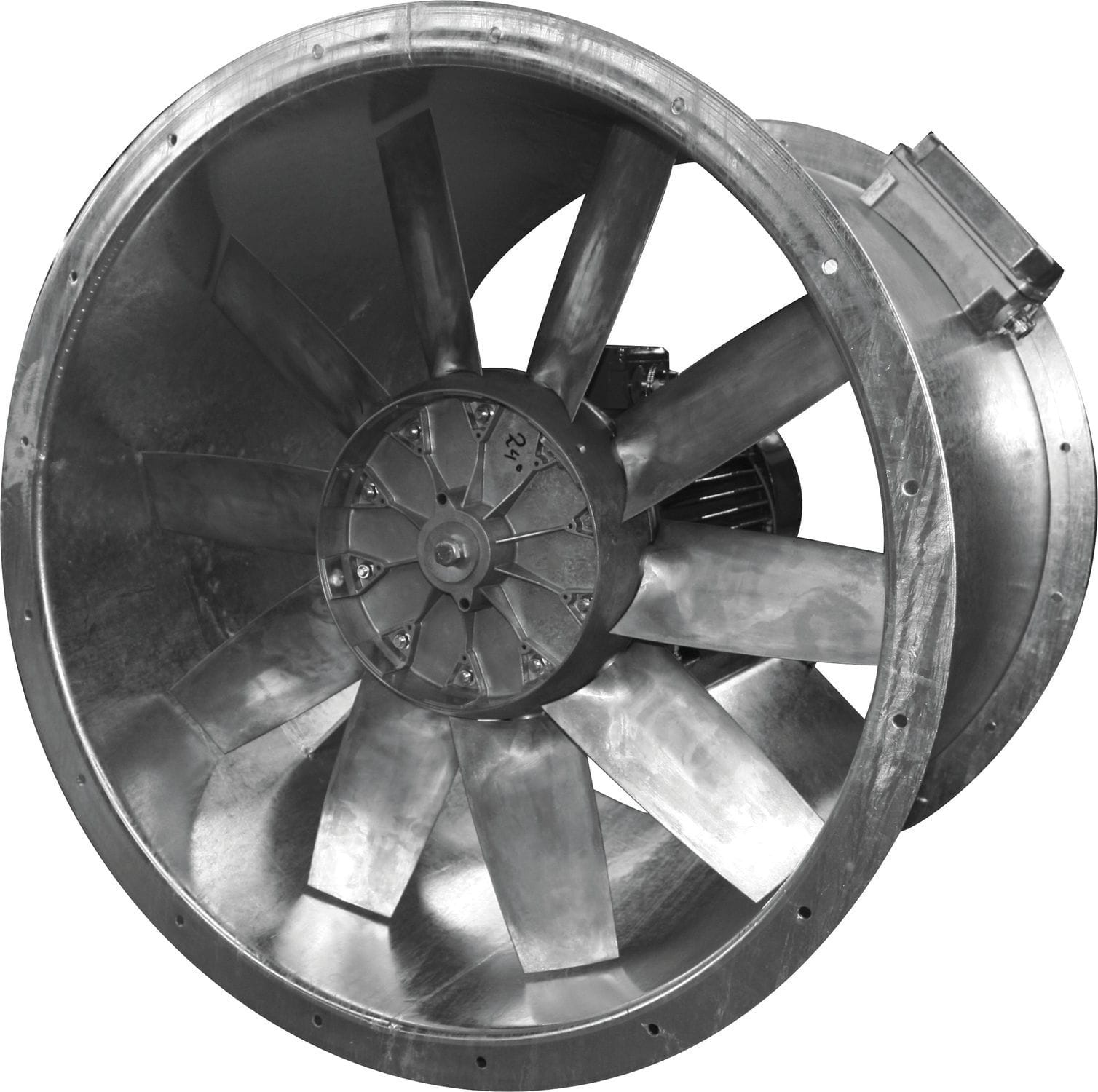
- Impeller fouling, corrosion, or imbalance causes increased vibration, noise, and reduced airflow
- Bearing wear or inadequate lubrication produces rising bearing temperature, rumbling noise, or excessive vibration
- Motor, starter, protection, or cable faults cause failed starting, nuisance trips, or reduced speed
- Blocked louvers, filters, dampers, or ducting increase system resistance and appear as low airflow or abnormal fan load
- Loose foundations, flexible connections, guards, or duct joints cause vibration, air leakage, or mechanical noise
- Bearing wear from contamination, inadequate lubrication or normal service, typically indicated by increased vibration, rumbling noise or motor overload
- Impeller fouling, corrosion or imbalance from dirty or corrosive air, typically indicated by reduced airflow, vibration or uneven running
- Motor or winding fault from overheating, moisture ingress or electrical defects, typically indicated by failure to start, high current or protective trip
- Damper or inlet restriction from stuck fire dampers, blocked louvers or debris, typically indicated by low airflow, abnormal duct pressure or poor space ventilation
- Flexible connection or mounting damage from vibration and ageing, typically indicated by air leakage, noise or movement at the fan foundation
- Bearing wear from contamination, inadequate lubrication or normal service, typically indicated by increased vibration, rumbling noise or motor overload
- Impeller fouling, corrosion or imbalance from dirty or corrosive air, typically indicated by reduced airflow, vibration or uneven running
- Motor or winding fault from overheating, moisture ingress or electrical defects, typically indicated by failure to start, high current or protective trip
- Damper or inlet restriction from stuck fire dampers, blocked louvers or debris, typically indicated by low airflow, abnormal duct pressure or poor space ventilation
- Flexible connection or mounting damage from vibration and ageing, typically indicated by air leakage, noise or movement at the fan foundation
- Impeller fouling, corrosion, or imbalance causes increased vibration, noise, and reduced airflow
- Bearing wear or inadequate lubrication produces rising bearing temperature, rumbling noise, or excessive vibration
- Motor, starter, protection, or cable faults cause failed starting, nuisance trips, or reduced speed
- Blocked louvers, filters, dampers, or ducting increase system resistance and appear as low airflow or abnormal fan load
- Loose foundations, flexible connections, guards, or duct joints cause vibration, air leakage, or mechanical noise
- Bearing wear from contamination, inadequate lubrication or normal service, typically indicated by increased vibration, rumbling noise or motor overload
- Impeller fouling, corrosion or imbalance from dirty or corrosive air, typically indicated by reduced airflow, vibration or uneven running
- Motor or winding fault from overheating, moisture ingress or electrical defects, typically indicated by failure to start, high current or protective trip
- Damper or inlet restriction from stuck fire dampers, blocked louvers or debris, typically indicated by low airflow, abnormal duct pressure or poor space ventilation
- Flexible connection or mounting damage from vibration and ageing, typically indicated by air leakage, noise or movement at the fan foundation
- Bearing wear from contamination, inadequate lubrication or normal service, typically indicated by increased vibration, rumbling noise or motor overload
- Impeller fouling, corrosion or imbalance from dirty or corrosive air, typically indicated by reduced airflow, vibration or uneven running
- Motor or winding fault from overheating, moisture ingress or electrical defects, typically indicated by failure to start, high current or protective trip
- Damper or inlet restriction from stuck fire dampers, blocked louvers or debris, typically indicated by low airflow, abnormal duct pressure or poor space ventilation
- Flexible connection or mounting damage from vibration and ageing, typically indicated by air leakage, noise or movement at the fan foundation
- Impeller fouling, corrosion, or imbalance causes increased vibration, noise, and reduced airflow
- Bearing wear or inadequate lubrication produces rising bearing temperature, rumbling noise, or excessive vibration
- Motor, starter, protection, or cable faults cause failed starting, nuisance trips, or reduced speed
- Blocked louvers, filters, dampers, or ducting increase system resistance and appear as low airflow or abnormal fan load
- Loose foundations, flexible connections, guards, or duct joints cause vibration, air leakage, or mechanical noise
- Bearing wear from contamination, inadequate lubrication or normal service, typically indicated by increased vibration, rumbling noise or motor overload
- Impeller fouling, corrosion or imbalance from dirty or corrosive air, typically indicated by reduced airflow, vibration or uneven running
- Motor or winding fault from overheating, moisture ingress or electrical defects, typically indicated by failure to start, high current or protective trip
- Damper or inlet restriction from stuck fire dampers, blocked louvers or debris, typically indicated by low airflow, abnormal duct pressure or poor space ventilation
- Flexible connection or mounting damage from vibration and ageing, typically indicated by air leakage, noise or movement at the fan foundation
- Bearing wear from contamination, inadequate lubrication or normal service, typically indicated by increased vibration, rumbling noise or motor overload
- Impeller fouling, corrosion or imbalance from dirty or corrosive air, typically indicated by reduced airflow, vibration or uneven running
- Motor or winding fault from overheating, moisture ingress or electrical defects, typically indicated by failure to start, high current or protective trip
- Damper or inlet restriction from stuck fire dampers, blocked louvers or debris, typically indicated by low airflow, abnormal duct pressure or poor space ventilation
- Flexible connection or mounting damage from vibration and ageing, typically indicated by air leakage, noise or movement at the fan foundation
- Bearing wear from contamination, inadequate lubrication or normal service, typically indicated by increased vibration, rumbling noise or motor overload
- Impeller fouling, corrosion or imbalance from dirty or corrosive air, typically indicated by reduced airflow, vibration or uneven running
- Motor or winding fault from overheating, moisture ingress or electrical defects, typically indicated by failure to start, high current or protective trip
- Damper or inlet restriction from stuck fire dampers, blocked louvers or debris, typically indicated by low airflow, abnormal duct pressure or poor space ventilation
- Flexible connection or mounting damage from vibration and ageing, typically indicated by air leakage, noise or movement at the fan foundation
- Blade fouling, duct restriction or blocked guards reduce airflow and cause poor ventilation, high motor load or abnormal pressure
- Bearing wear or lubrication deterioration causes rising vibration, rumbling noise or elevated bearing temperature
- Impeller imbalance, corrosion or mechanical damage causes vibration and can lead to repeated motor or vibration trips
- Motor, contactor or power-supply faults cause failure to start, phase-related alarms or unexpected shutdown
- Loose foundations, flexible connections or damper faults cause structural vibration, air leakage or incorrect airflow distribution
- Bearing wear from contamination, inadequate lubrication or normal service, typically indicated by increased vibration, rumbling noise or motor overload
- Impeller fouling, corrosion or imbalance from dirty or corrosive air, typically indicated by reduced airflow, vibration or uneven running
- Motor or winding fault from overheating, moisture ingress or electrical defects, typically indicated by failure to start, high current or protective trip
- Damper or inlet restriction from stuck fire dampers, blocked louvers or debris, typically indicated by low airflow, abnormal duct pressure or poor space ventilation
- Flexible connection or mounting damage from vibration and ageing, typically indicated by air leakage, noise or movement at the fan foundation
- Bearing wear from contamination, inadequate lubrication or normal service, typically indicated by increased vibration, rumbling noise or motor overload
- Impeller fouling, corrosion or imbalance from dirty or corrosive air, typically indicated by reduced airflow, vibration or uneven running
- Motor or winding fault from overheating, moisture ingress or electrical defects, typically indicated by failure to start, high current or protective trip
- Damper or inlet restriction from stuck fire dampers, blocked louvers or debris, typically indicated by low airflow, abnormal duct pressure or poor space ventilation
- Flexible connection or mounting damage from vibration and ageing, typically indicated by air leakage, noise or movement at the fan foundation
- Blade fouling, duct restriction or blocked guards reduce airflow and cause poor ventilation, high motor load or abnormal pressure
- Bearing wear or lubrication deterioration causes rising vibration, rumbling noise or elevated bearing temperature
- Impeller imbalance, corrosion or mechanical damage causes vibration and can lead to repeated motor or vibration trips
- Motor, contactor or power-supply faults cause failure to start, phase-related alarms or unexpected shutdown
- Loose foundations, flexible connections or damper faults cause structural vibration, air leakage or incorrect airflow distribution
- Bearing wear from contamination, inadequate lubrication or normal service, typically indicated by increased vibration, rumbling noise or motor overload
- Impeller fouling, corrosion or imbalance from dirty or corrosive air, typically indicated by reduced airflow, vibration or uneven running
- Motor or winding fault from overheating, moisture ingress or electrical defects, typically indicated by failure to start, high current or protective trip
- Damper or inlet restriction from stuck fire dampers, blocked louvers or debris, typically indicated by low airflow, abnormal duct pressure or poor space ventilation
- Flexible connection or mounting damage from vibration and ageing, typically indicated by air leakage, noise or movement at the fan foundation
- Bearing wear from contamination, inadequate lubrication or normal service, typically indicated by increased vibration, rumbling noise or motor overload
- Impeller fouling, corrosion or imbalance from dirty or corrosive air, typically indicated by reduced airflow, vibration or uneven running
- Motor or winding fault from overheating, moisture ingress or electrical defects, typically indicated by failure to start, high current or protective trip
- Damper or inlet restriction from stuck fire dampers, blocked louvers or debris, typically indicated by low airflow, abnormal duct pressure or poor space ventilation
- Flexible connection or mounting damage from vibration and ageing, typically indicated by air leakage, noise or movement at the fan foundation
- Blade fouling, duct restriction or blocked guards reduce airflow and cause poor ventilation, high motor load or abnormal pressure
- Bearing wear or lubrication deterioration causes rising vibration, rumbling noise or elevated bearing temperature
- Impeller imbalance, corrosion or mechanical damage causes vibration and can lead to repeated motor or vibration trips
- Motor, contactor or power-supply faults cause failure to start, phase-related alarms or unexpected shutdown
- Loose foundations, flexible connections or damper faults cause structural vibration, air leakage or incorrect airflow distribution
- Bearing wear from contamination, inadequate lubrication or normal service, typically indicated by increased vibration, rumbling noise or motor overload
- Impeller fouling, corrosion or imbalance from dirty or corrosive air, typically indicated by reduced airflow, vibration or uneven running
- Motor or winding fault from overheating, moisture ingress or electrical defects, typically indicated by failure to start, high current or protective trip
- Damper or inlet restriction from stuck fire dampers, blocked louvers or debris, typically indicated by low airflow, abnormal duct pressure or poor space ventilation
- Flexible connection or mounting damage from vibration and ageing, typically indicated by air leakage, noise or movement at the fan foundation
- Bearing wear from contamination, inadequate lubrication or normal service, typically indicated by increased vibration, rumbling noise or motor overload
- Impeller fouling, corrosion or imbalance from dirty or corrosive air, typically indicated by reduced airflow, vibration or uneven running
- Motor or winding fault from overheating, moisture ingress or electrical defects, typically indicated by failure to start, high current or protective trip
- Damper or inlet restriction from stuck fire dampers, blocked louvers or debris, typically indicated by low airflow, abnormal duct pressure or poor space ventilation
- Flexible connection or mounting damage from vibration and ageing, typically indicated by air leakage, noise or movement at the fan foundation
- Blade fouling, duct restriction or blocked guards reduce airflow and cause poor ventilation, high motor load or abnormal pressure
- Bearing wear or lubrication deterioration causes rising vibration, rumbling noise or elevated bearing temperature
- Impeller imbalance, corrosion or mechanical damage causes vibration and can lead to repeated motor or vibration trips
- Motor, contactor or power-supply faults cause failure to start, phase-related alarms or unexpected shutdown
- Loose foundations, flexible connections or damper faults cause structural vibration, air leakage or incorrect airflow distribution
- Bearing wear from contamination, inadequate lubrication or normal service, typically indicated by increased vibration, rumbling noise or motor overload
- Impeller fouling, corrosion or imbalance from dirty or corrosive air, typically indicated by reduced airflow, vibration or uneven running
- Motor or winding fault from overheating, moisture ingress or electrical defects, typically indicated by failure to start, high current or protective trip
- Damper or inlet restriction from stuck fire dampers, blocked louvers or debris, typically indicated by low airflow, abnormal duct pressure or poor space ventilation
- Flexible connection or mounting damage from vibration and ageing, typically indicated by air leakage, noise or movement at the fan foundation
- Bearing wear from contamination, inadequate lubrication or normal service, typically indicated by increased vibration, rumbling noise or motor overload
- Impeller fouling, corrosion or imbalance from dirty or corrosive air, typically indicated by reduced airflow, vibration or uneven running
- Motor or winding fault from overheating, moisture ingress or electrical defects, typically indicated by failure to start, high current or protective trip
- Damper or inlet restriction from stuck fire dampers, blocked louvers or debris, typically indicated by low airflow, abnormal duct pressure or poor space ventilation
- Flexible connection or mounting damage from vibration and ageing, typically indicated by air leakage, noise or movement at the fan foundation
- Blade fouling, duct restriction or blocked guards reduce airflow and cause poor ventilation, high motor load or abnormal pressure
- Bearing wear or lubrication deterioration causes rising vibration, rumbling noise or elevated bearing temperature
- Impeller imbalance, corrosion or mechanical damage causes vibration and can lead to repeated motor or vibration trips
- Motor, contactor or power-supply faults cause failure to start, phase-related alarms or unexpected shutdown
- Loose foundations, flexible connections or damper faults cause structural vibration, air leakage or incorrect airflow distribution
- Impeller fouling, corrosion, or imbalance causes increased vibration, noise, and reduced airflow
- Bearing wear or inadequate lubrication produces rising bearing temperature, rumbling noise, or excessive vibration
- Motor, starter, protection, or cable faults cause failed starting, nuisance trips, or reduced speed
- Blocked louvers, filters, dampers, or ducting increase system resistance and appear as low airflow or abnormal fan load
- Loose foundations, flexible connections, guards, or duct joints cause vibration, air leakage, or mechanical noise
- Impeller fouling, corrosion, or imbalance causes increased vibration, noise, and reduced airflow
- Bearing wear or inadequate lubrication produces rising bearing temperature, rumbling noise, or excessive vibration
- Motor, starter, protection, or cable faults cause failed starting, nuisance trips, or reduced speed
- Blocked louvers, filters, dampers, or ducting increase system resistance and appear as low airflow or abnormal fan load
- Loose foundations, flexible connections, guards, or duct joints cause vibration, air leakage, or mechanical noise
- Bearing wear from contamination, inadequate lubrication or normal service, typically indicated by increased vibration, rumbling noise or motor overload
- Impeller fouling, corrosion or imbalance from dirty or corrosive air, typically indicated by reduced airflow, vibration or uneven running
- Motor or winding fault from overheating, moisture ingress or electrical defects, typically indicated by failure to start, high current or protective trip
- Damper or inlet restriction from stuck fire dampers, blocked louvers or debris, typically indicated by low airflow, abnormal duct pressure or poor space ventilation
- Flexible connection or mounting damage from vibration and ageing, typically indicated by air leakage, noise or movement at the fan foundation
- Bearing wear from contamination, inadequate lubrication or normal service, typically indicated by increased vibration, rumbling noise or motor overload
- Impeller fouling, corrosion or imbalance from dirty or corrosive air, typically indicated by reduced airflow, vibration or uneven running
- Motor or winding fault from overheating, moisture ingress or electrical defects, typically indicated by failure to start, high current or protective trip
- Damper or inlet restriction from stuck fire dampers, blocked louvers or debris, typically indicated by low airflow, abnormal duct pressure or poor space ventilation
- Flexible connection or mounting damage from vibration and ageing, typically indicated by air leakage, noise or movement at the fan foundation
- Impeller fouling, corrosion, or imbalance causes increased vibration, noise, and reduced airflow
- Bearing wear or inadequate lubrication produces rising bearing temperature, rumbling noise, or excessive vibration
- Motor, starter, protection, or cable faults cause failed starting, nuisance trips, or reduced speed
- Blocked louvers, filters, dampers, or ducting increase system resistance and appear as low airflow or abnormal fan load
- Loose foundations, flexible connections, guards, or duct joints cause vibration, air leakage, or mechanical noise
- Bearing wear from contamination, inadequate lubrication or normal service, typically indicated by increased vibration, rumbling noise or motor overload
- Impeller fouling, corrosion or imbalance from dirty or corrosive air, typically indicated by reduced airflow, vibration or uneven running
- Motor or winding fault from overheating, moisture ingress or electrical defects, typically indicated by failure to start, high current or protective trip
- Damper or inlet restriction from stuck fire dampers, blocked louvers or debris, typically indicated by low airflow, abnormal duct pressure or poor space ventilation
- Flexible connection or mounting damage from vibration and ageing, typically indicated by air leakage, noise or movement at the fan foundation
- Bearing wear from contamination, inadequate lubrication or normal service, typically indicated by increased vibration, rumbling noise or motor overload
- Impeller fouling, corrosion or imbalance from dirty or corrosive air, typically indicated by reduced airflow, vibration or uneven running
- Motor or winding fault from overheating, moisture ingress or electrical defects, typically indicated by failure to start, high current or protective trip
- Damper or inlet restriction from stuck fire dampers, blocked louvers or debris, typically indicated by low airflow, abnormal duct pressure or poor space ventilation
- Flexible connection or mounting damage from vibration and ageing, typically indicated by air leakage, noise or movement at the fan foundation
- Impeller fouling, corrosion, or imbalance causes increased vibration, noise, and reduced airflow
- Bearing wear or inadequate lubrication produces rising bearing temperature, rumbling noise, or excessive vibration
- Motor, starter, protection, or cable faults cause failed starting, nuisance trips, or reduced speed
- Blocked louvers, filters, dampers, or ducting increase system resistance and appear as low airflow or abnormal fan load
- Loose foundations, flexible connections, guards, or duct joints cause vibration, air leakage, or mechanical noise
- Bearing wear from contamination, inadequate lubrication or normal service, typically indicated by increased vibration, rumbling noise or motor overload
- Impeller fouling, corrosion or imbalance from dirty or corrosive air, typically indicated by reduced airflow, vibration or uneven running
- Motor or winding fault from overheating, moisture ingress or electrical defects, typically indicated by failure to start, high current or protective trip
- Damper or inlet restriction from stuck fire dampers, blocked louvers or debris, typically indicated by low airflow, abnormal duct pressure or poor space ventilation
- Flexible connection or mounting damage from vibration and ageing, typically indicated by air leakage, noise or movement at the fan foundation
- Bearing wear from contamination, inadequate lubrication or normal service, typically indicated by increased vibration, rumbling noise or motor overload
- Impeller fouling, corrosion or imbalance from dirty or corrosive air, typically indicated by reduced airflow, vibration or uneven running
- Motor or winding fault from overheating, moisture ingress or electrical defects, typically indicated by failure to start, high current or protective trip
- Damper or inlet restriction from stuck fire dampers, blocked louvers or debris, typically indicated by low airflow, abnormal duct pressure or poor space ventilation
- Flexible connection or mounting damage from vibration and ageing, typically indicated by air leakage, noise or movement at the fan foundation
- Impeller fouling, corrosion, or imbalance causes increased vibration, noise, and reduced airflow
- Bearing wear or inadequate lubrication produces rising bearing temperature, rumbling noise, or excessive vibration
- Motor, starter, protection, or cable faults cause failed starting, nuisance trips, or reduced speed
- Blocked louvers, filters, dampers, or ducting increase system resistance and appear as low airflow or abnormal fan load
- Loose foundations, flexible connections, guards, or duct joints cause vibration, air leakage, or mechanical noise
- Bearing wear from contamination, inadequate lubrication or normal service, typically indicated by increased vibration, rumbling noise or motor overload
- Impeller fouling, corrosion or imbalance from dirty or corrosive air, typically indicated by reduced airflow, vibration or uneven running
- Motor or winding fault from overheating, moisture ingress or electrical defects, typically indicated by failure to start, high current or protective trip
- Damper or inlet restriction from stuck fire dampers, blocked louvers or debris, typically indicated by low airflow, abnormal duct pressure or poor space ventilation
- Flexible connection or mounting damage from vibration and ageing, typically indicated by air leakage, noise or movement at the fan foundation
- Bearing wear from contamination, inadequate lubrication or normal service, typically indicated by increased vibration, rumbling noise or motor overload
- Impeller fouling, corrosion or imbalance from dirty or corrosive air, typically indicated by reduced airflow, vibration or uneven running
- Motor or winding fault from overheating, moisture ingress or electrical defects, typically indicated by failure to start, high current or protective trip
- Damper or inlet restriction from stuck fire dampers, blocked louvers or debris, typically indicated by low airflow, abnormal duct pressure or poor space ventilation
- Flexible connection or mounting damage from vibration and ageing, typically indicated by air leakage, noise or movement at the fan foundation
- Impeller fouling, corrosion, or imbalance causes increased vibration, noise, and reduced airflow
- Bearing wear or inadequate lubrication produces rising bearing temperature, rumbling noise, or excessive vibration
- Motor, starter, protection, or cable faults cause failed starting, nuisance trips, or reduced speed
- Blocked louvers, filters, dampers, or ducting increase system resistance and appear as low airflow or abnormal fan load
- Loose foundations, flexible connections, guards, or duct joints cause vibration, air leakage, or mechanical noise
- Bearing wear from contamination, inadequate lubrication or normal service, typically indicated by increased vibration, rumbling noise or motor overload
- Impeller fouling, corrosion or imbalance from dirty or corrosive air, typically indicated by reduced airflow, vibration or uneven running
- Motor or winding fault from overheating, moisture ingress or electrical defects, typically indicated by failure to start, high current or protective trip
- Damper or inlet restriction from stuck fire dampers, blocked louvers or debris, typically indicated by low airflow, abnormal duct pressure or poor space ventilation
- Flexible connection or mounting damage from vibration and ageing, typically indicated by air leakage, noise or movement at the fan foundation
- Bearing wear from contamination, inadequate lubrication or normal service, typically indicated by increased vibration, rumbling noise or motor overload
- Impeller fouling, corrosion or imbalance from dirty or corrosive air, typically indicated by reduced airflow, vibration or uneven running
- Motor or winding fault from overheating, moisture ingress or electrical defects, typically indicated by failure to start, high current or protective trip
- Damper or inlet restriction from stuck fire dampers, blocked louvers or debris, typically indicated by low airflow, abnormal duct pressure or poor space ventilation
- Flexible connection or mounting damage from vibration and ageing, typically indicated by air leakage, noise or movement at the fan foundation
- Impeller fouling, corrosion, or imbalance causes increased vibration, noise, and reduced airflow
- Bearing wear or inadequate lubrication produces rising bearing temperature, rumbling noise, or excessive vibration
- Motor, starter, protection, or cable faults cause failed starting, nuisance trips, or reduced speed
- Blocked louvers, filters, dampers, or ducting increase system resistance and appear as low airflow or abnormal fan load
- Loose foundations, flexible connections, guards, or duct joints cause vibration, air leakage, or mechanical noise
- Bearing wear from contamination, inadequate lubrication or normal service, typically indicated by increased vibration, rumbling noise or motor overload
- Impeller fouling, corrosion or imbalance from dirty or corrosive air, typically indicated by reduced airflow, vibration or uneven running
- Motor or winding fault from overheating, moisture ingress or electrical defects, typically indicated by failure to start, high current or protective trip
- Damper or inlet restriction from stuck fire dampers, blocked louvers or debris, typically indicated by low airflow, abnormal duct pressure or poor space ventilation
- Flexible connection or mounting damage from vibration and ageing, typically indicated by air leakage, noise or movement at the fan foundation
- Bearing wear from contamination, inadequate lubrication or normal service, typically indicated by increased vibration, rumbling noise or motor overload
- Impeller fouling, corrosion or imbalance from dirty or corrosive air, typically indicated by reduced airflow, vibration or uneven running
- Motor or winding fault from overheating, moisture ingress or electrical defects, typically indicated by failure to start, high current or protective trip
- Damper or inlet restriction from stuck fire dampers, blocked louvers or debris, typically indicated by low airflow, abnormal duct pressure or poor space ventilation
- Flexible connection or mounting damage from vibration and ageing, typically indicated by air leakage, noise or movement at the fan foundation
- Bearing wear from contamination, inadequate lubrication or normal service, typically indicated by increased vibration, rumbling noise or motor overload
- Impeller fouling, corrosion or imbalance from dirty or corrosive air, typically indicated by reduced airflow, vibration or uneven running
- Motor or winding fault from overheating, moisture ingress or electrical defects, typically indicated by failure to start, high current or protective trip
- Damper or inlet restriction from stuck fire dampers, blocked louvers or debris, typically indicated by low airflow, abnormal duct pressure or poor space ventilation
- Flexible connection or mounting damage from vibration and ageing, typically indicated by air leakage, noise or movement at the fan foundation
- Blade fouling, duct restriction or blocked guards reduce airflow and cause poor ventilation, high motor load or abnormal pressure
- Bearing wear or lubrication deterioration causes rising vibration, rumbling noise or elevated bearing temperature
- Impeller imbalance, corrosion or mechanical damage causes vibration and can lead to repeated motor or vibration trips
- Motor, contactor or power-supply faults cause failure to start, phase-related alarms or unexpected shutdown
- Loose foundations, flexible connections or damper faults cause structural vibration, air leakage or incorrect airflow distribution
- Bearing wear from contamination, inadequate lubrication or normal service, typically indicated by increased vibration, rumbling noise or motor overload
- Impeller fouling, corrosion or imbalance from dirty or corrosive air, typically indicated by reduced airflow, vibration or uneven running
- Motor or winding fault from overheating, moisture ingress or electrical defects, typically indicated by failure to start, high current or protective trip
- Damper or inlet restriction from stuck fire dampers, blocked louvers or debris, typically indicated by low airflow, abnormal duct pressure or poor space ventilation
- Flexible connection or mounting damage from vibration and ageing, typically indicated by air leakage, noise or movement at the fan foundation
- Bearing wear from contamination, inadequate lubrication or normal service, typically indicated by increased vibration, rumbling noise or motor overload
- Impeller fouling, corrosion or imbalance from dirty or corrosive air, typically indicated by reduced airflow, vibration or uneven running
- Motor or winding fault from overheating, moisture ingress or electrical defects, typically indicated by failure to start, high current or protective trip
- Damper or inlet restriction from stuck fire dampers, blocked louvers or debris, typically indicated by low airflow, abnormal duct pressure or poor space ventilation
- Flexible connection or mounting damage from vibration and ageing, typically indicated by air leakage, noise or movement at the fan foundation
- Blade fouling, duct restriction or blocked guards reduce airflow and cause poor ventilation, high motor load or abnormal pressure
- Bearing wear or lubrication deterioration causes rising vibration, rumbling noise or elevated bearing temperature
- Impeller imbalance, corrosion or mechanical damage causes vibration and can lead to repeated motor or vibration trips
- Motor, contactor or power-supply faults cause failure to start, phase-related alarms or unexpected shutdown
- Loose foundations, flexible connections or damper faults cause structural vibration, air leakage or incorrect airflow distribution
- Bearing wear from contamination, inadequate lubrication or normal service, typically indicated by increased vibration, rumbling noise or motor overload
- Impeller fouling, corrosion or imbalance from dirty or corrosive air, typically indicated by reduced airflow, vibration or uneven running
- Motor or winding fault from overheating, moisture ingress or electrical defects, typically indicated by failure to start, high current or protective trip
- Damper or inlet restriction from stuck fire dampers, blocked louvers or debris, typically indicated by low airflow, abnormal duct pressure or poor space ventilation
- Flexible connection or mounting damage from vibration and ageing, typically indicated by air leakage, noise or movement at the fan foundation
- Bearing wear from contamination, inadequate lubrication or normal service, typically indicated by increased vibration, rumbling noise or motor overload
- Impeller fouling, corrosion or imbalance from dirty or corrosive air, typically indicated by reduced airflow, vibration or uneven running
- Motor or winding fault from overheating, moisture ingress or electrical defects, typically indicated by failure to start, high current or protective trip
- Damper or inlet restriction from stuck fire dampers, blocked louvers or debris, typically indicated by low airflow, abnormal duct pressure or poor space ventilation
- Flexible connection or mounting damage from vibration and ageing, typically indicated by air leakage, noise or movement at the fan foundation
- Blade fouling, duct restriction or blocked guards reduce airflow and cause poor ventilation, high motor load or abnormal pressure
- Bearing wear or lubrication deterioration causes rising vibration, rumbling noise or elevated bearing temperature
- Impeller imbalance, corrosion or mechanical damage causes vibration and can lead to repeated motor or vibration trips
- Motor, contactor or power-supply faults cause failure to start, phase-related alarms or unexpected shutdown
- Loose foundations, flexible connections or damper faults cause structural vibration, air leakage or incorrect airflow distribution
- Bearing wear from contamination, inadequate lubrication or normal service, typically indicated by increased vibration, rumbling noise or motor overload
- Impeller fouling, corrosion or imbalance from dirty or corrosive air, typically indicated by reduced airflow, vibration or uneven running
- Motor or winding fault from overheating, moisture ingress or electrical defects, typically indicated by failure to start, high current or protective trip
- Damper or inlet restriction from stuck fire dampers, blocked louvers or debris, typically indicated by low airflow, abnormal duct pressure or poor space ventilation
- Flexible connection or mounting damage from vibration and ageing, typically indicated by air leakage, noise or movement at the fan foundation
- Bearing wear from contamination, inadequate lubrication or normal service, typically indicated by increased vibration, rumbling noise or motor overload
- Impeller fouling, corrosion or imbalance from dirty or corrosive air, typically indicated by reduced airflow, vibration or uneven running
- Motor or winding fault from overheating, moisture ingress or electrical defects, typically indicated by failure to start, high current or protective trip
- Damper or inlet restriction from stuck fire dampers, blocked louvers or debris, typically indicated by low airflow, abnormal duct pressure or poor space ventilation
- Flexible connection or mounting damage from vibration and ageing, typically indicated by air leakage, noise or movement at the fan foundation
- Blade fouling, duct restriction or blocked guards reduce airflow and cause poor ventilation, high motor load or abnormal pressure
- Bearing wear or lubrication deterioration causes rising vibration, rumbling noise or elevated bearing temperature
- Impeller imbalance, corrosion or mechanical damage causes vibration and can lead to repeated motor or vibration trips
- Motor, contactor or power-supply faults cause failure to start, phase-related alarms or unexpected shutdown
- Loose foundations, flexible connections or damper faults cause structural vibration, air leakage or incorrect airflow distribution
- Bearing wear from contamination, inadequate lubrication or normal service, typically indicated by increased vibration, rumbling noise or motor overload
- Impeller fouling, corrosion or imbalance from dirty or corrosive air, typically indicated by reduced airflow, vibration or uneven running
- Motor or winding fault from overheating, moisture ingress or electrical defects, typically indicated by failure to start, high current or protective trip
- Damper or inlet restriction from stuck fire dampers, blocked louvers or debris, typically indicated by low airflow, abnormal duct pressure or poor space ventilation
- Flexible connection or mounting damage from vibration and ageing, typically indicated by air leakage, noise or movement at the fan foundation
- Bearing wear from contamination, inadequate lubrication or normal service, typically indicated by increased vibration, rumbling noise or motor overload
- Impeller fouling, corrosion or imbalance from dirty or corrosive air, typically indicated by reduced airflow, vibration or uneven running
- Motor or winding fault from overheating, moisture ingress or electrical defects, typically indicated by failure to start, high current or protective trip
- Damper or inlet restriction from stuck fire dampers, blocked louvers or debris, typically indicated by low airflow, abnormal duct pressure or poor space ventilation
- Flexible connection or mounting damage from vibration and ageing, typically indicated by air leakage, noise or movement at the fan foundation
- Blade fouling, duct restriction or blocked guards reduce airflow and cause poor ventilation, high motor load or abnormal pressure
- Bearing wear or lubrication deterioration causes rising vibration, rumbling noise or elevated bearing temperature
- Impeller imbalance, corrosion or mechanical damage causes vibration and can lead to repeated motor or vibration trips
- Motor, contactor or power-supply faults cause failure to start, phase-related alarms or unexpected shutdown
- Loose foundations, flexible connections or damper faults cause structural vibration, air leakage or incorrect airflow distribution
Howden Marine
66- Filter blockage or coil fouling caused by dust, salt or poor cleaning can reduce airflow and cause poor heating or cooling performance
- Fan, motor or bearing wear caused by imbalance, contamination or ageing can produce vibration, noise or loss of airflow
- Control sensor or actuator faults caused by wiring problems, drift or failed dampers can cause unstable temperature, incorrect airflow or persistent alarms
- Drain blockage or condensate leakage caused by dirt or poor fall can produce water accumulation, corrosion or leakage into adjacent spaces
- Refrigerant or water-side leakage where applicable caused by damaged joints, coils or seals can lead to reduced capacity, low-pressure alarms or visible fluid loss
- Filter blockage or coil fouling caused by dust, salt or poor cleaning can reduce airflow and cause poor heating or cooling performance
- Fan, motor or bearing wear caused by imbalance, contamination or ageing can produce vibration, noise or loss of airflow
- Control sensor or actuator faults caused by wiring problems, drift or failed dampers can cause unstable temperature, incorrect airflow or persistent alarms
- Drain blockage or condensate leakage caused by dirt or poor fall can produce water accumulation, corrosion or leakage into adjacent spaces
- Refrigerant or water-side leakage where applicable caused by damaged joints, coils or seals can lead to reduced capacity, low-pressure alarms or visible fluid loss
- Impeller fouling, corrosion, or imbalance causes increased vibration, noise, and reduced airflow
- Bearing wear or inadequate lubrication produces rising bearing temperature, rumbling noise, or excessive vibration
- Motor, starter, protection, or cable faults cause failed starting, nuisance trips, or reduced speed
- Blocked louvers, filters, dampers, or ducting increase system resistance and appear as low airflow or abnormal fan load
- Loose foundations, flexible connections, guards, or duct joints cause vibration, air leakage, or mechanical noise
- Impeller fouling, corrosion, or imbalance causes increased vibration, noise, and reduced airflow
- Bearing wear or inadequate lubrication produces rising bearing temperature, rumbling noise, or excessive vibration
- Motor, starter, protection, or cable faults cause failed starting, nuisance trips, or reduced speed
- Blocked louvers, filters, dampers, or ducting increase system resistance and appear as low airflow or abnormal fan load
- Loose foundations, flexible connections, guards, or duct joints cause vibration, air leakage, or mechanical noise
- Filter blockage or coil fouling caused by dust, salt or poor cleaning can reduce airflow and cause poor heating or cooling performance
- Fan, motor or bearing wear caused by imbalance, contamination or ageing can produce vibration, noise or loss of airflow
- Control sensor or actuator faults caused by wiring problems, drift or failed dampers can cause unstable temperature, incorrect airflow or persistent alarms
- Drain blockage or condensate leakage caused by dirt or poor fall can produce water accumulation, corrosion or leakage into adjacent spaces
- Refrigerant or water-side leakage where applicable caused by damaged joints, coils or seals can lead to reduced capacity, low-pressure alarms or visible fluid loss
- Impeller fouling, corrosion, or imbalance causes increased vibration, noise, and reduced airflow
- Bearing wear or inadequate lubrication produces rising bearing temperature, rumbling noise, or excessive vibration
- Motor, starter, protection, or cable faults cause failed starting, nuisance trips, or reduced speed
- Blocked louvers, filters, dampers, or ducting increase system resistance and appear as low airflow or abnormal fan load
- Loose foundations, flexible connections, guards, or duct joints cause vibration, air leakage, or mechanical noise
- Impeller fouling, corrosion, or imbalance causes increased vibration, noise, and reduced airflow
- Bearing wear or inadequate lubrication produces rising bearing temperature, rumbling noise, or excessive vibration
- Motor, starter, protection, or cable faults cause failed starting, nuisance trips, or reduced speed
- Blocked louvers, filters, dampers, or ducting increase system resistance and appear as low airflow or abnormal fan load
- Loose foundations, flexible connections, guards, or duct joints cause vibration, air leakage, or mechanical noise
- Filter blockage or coil fouling caused by dust, salt or poor cleaning can reduce airflow and cause poor heating or cooling performance
- Fan, motor or bearing wear caused by imbalance, contamination or ageing can produce vibration, noise or loss of airflow
- Control sensor or actuator faults caused by wiring problems, drift or failed dampers can cause unstable temperature, incorrect airflow or persistent alarms
- Drain blockage or condensate leakage caused by dirt or poor fall can produce water accumulation, corrosion or leakage into adjacent spaces
- Refrigerant or water-side leakage where applicable caused by damaged joints, coils or seals can lead to reduced capacity, low-pressure alarms or visible fluid loss
- Impeller fouling, corrosion, or imbalance causes increased vibration, noise, and reduced airflow
- Bearing wear or inadequate lubrication produces rising bearing temperature, rumbling noise, or excessive vibration
- Motor, starter, protection, or cable faults cause failed starting, nuisance trips, or reduced speed
- Blocked louvers, filters, dampers, or ducting increase system resistance and appear as low airflow or abnormal fan load
- Loose foundations, flexible connections, guards, or duct joints cause vibration, air leakage, or mechanical noise
- Impeller fouling, corrosion, or imbalance causes increased vibration, noise, and reduced airflow
- Bearing wear or inadequate lubrication produces rising bearing temperature, rumbling noise, or excessive vibration
- Motor, starter, protection, or cable faults cause failed starting, nuisance trips, or reduced speed
- Blocked louvers, filters, dampers, or ducting increase system resistance and appear as low airflow or abnormal fan load
- Loose foundations, flexible connections, guards, or duct joints cause vibration, air leakage, or mechanical noise
- Filter blockage or coil fouling caused by dust, salt or poor cleaning can reduce airflow and cause poor heating or cooling performance
- Fan, motor or bearing wear caused by imbalance, contamination or ageing can produce vibration, noise or loss of airflow
- Control sensor or actuator faults caused by wiring problems, drift or failed dampers can cause unstable temperature, incorrect airflow or persistent alarms
- Drain blockage or condensate leakage caused by dirt or poor fall can produce water accumulation, corrosion or leakage into adjacent spaces
- Refrigerant or water-side leakage where applicable caused by damaged joints, coils or seals can lead to reduced capacity, low-pressure alarms or visible fluid loss
- Impeller fouling, corrosion, or imbalance causes increased vibration, noise, and reduced airflow
- Bearing wear or inadequate lubrication produces rising bearing temperature, rumbling noise, or excessive vibration
- Motor, starter, protection, or cable faults cause failed starting, nuisance trips, or reduced speed
- Blocked louvers, filters, dampers, or ducting increase system resistance and appear as low airflow or abnormal fan load
- Loose foundations, flexible connections, guards, or duct joints cause vibration, air leakage, or mechanical noise
- Impeller fouling, corrosion, or imbalance causes increased vibration, noise, and reduced airflow
- Bearing wear or inadequate lubrication produces rising bearing temperature, rumbling noise, or excessive vibration
- Motor, starter, protection, or cable faults cause failed starting, nuisance trips, or reduced speed
- Blocked louvers, filters, dampers, or ducting increase system resistance and appear as low airflow or abnormal fan load
- Loose foundations, flexible connections, guards, or duct joints cause vibration, air leakage, or mechanical noise
- Filter blockage or coil fouling caused by dust, salt or poor cleaning can reduce airflow and cause poor heating or cooling performance
- Fan, motor or bearing wear caused by imbalance, contamination or ageing can produce vibration, noise or loss of airflow
- Control sensor or actuator faults caused by wiring problems, drift or failed dampers can cause unstable temperature, incorrect airflow or persistent alarms
- Drain blockage or condensate leakage caused by dirt or poor fall can produce water accumulation, corrosion or leakage into adjacent spaces
- Refrigerant or water-side leakage where applicable caused by damaged joints, coils or seals can lead to reduced capacity, low-pressure alarms or visible fluid loss
- Impeller fouling, corrosion, or imbalance causes increased vibration, noise, and reduced airflow
- Bearing wear or inadequate lubrication produces rising bearing temperature, rumbling noise, or excessive vibration
- Motor, starter, protection, or cable faults cause failed starting, nuisance trips, or reduced speed
- Blocked louvers, filters, dampers, or ducting increase system resistance and appear as low airflow or abnormal fan load
- Loose foundations, flexible connections, guards, or duct joints cause vibration, air leakage, or mechanical noise
- Impeller fouling, corrosion, or imbalance causes increased vibration, noise, and reduced airflow
- Bearing wear or inadequate lubrication produces rising bearing temperature, rumbling noise, or excessive vibration
- Motor, starter, protection, or cable faults cause failed starting, nuisance trips, or reduced speed
- Blocked louvers, filters, dampers, or ducting increase system resistance and appear as low airflow or abnormal fan load
- Loose foundations, flexible connections, guards, or duct joints cause vibration, air leakage, or mechanical noise
- Filter blockage or coil fouling caused by dust, salt or poor cleaning can reduce airflow and cause poor heating or cooling performance
- Fan, motor or bearing wear caused by imbalance, contamination or ageing can produce vibration, noise or loss of airflow
- Control sensor or actuator faults caused by wiring problems, drift or failed dampers can cause unstable temperature, incorrect airflow or persistent alarms
- Drain blockage or condensate leakage caused by dirt or poor fall can produce water accumulation, corrosion or leakage into adjacent spaces
- Refrigerant or water-side leakage where applicable caused by damaged joints, coils or seals can lead to reduced capacity, low-pressure alarms or visible fluid loss
- Impeller fouling, corrosion, or imbalance causes increased vibration, noise, and reduced airflow
- Bearing wear or inadequate lubrication produces rising bearing temperature, rumbling noise, or excessive vibration
- Motor, starter, protection, or cable faults cause failed starting, nuisance trips, or reduced speed
- Blocked louvers, filters, dampers, or ducting increase system resistance and appear as low airflow or abnormal fan load
- Loose foundations, flexible connections, guards, or duct joints cause vibration, air leakage, or mechanical noise
- Impeller fouling, corrosion, or imbalance causes increased vibration, noise, and reduced airflow
- Bearing wear or inadequate lubrication produces rising bearing temperature, rumbling noise, or excessive vibration
- Motor, starter, protection, or cable faults cause failed starting, nuisance trips, or reduced speed
- Blocked louvers, filters, dampers, or ducting increase system resistance and appear as low airflow or abnormal fan load
- Loose foundations, flexible connections, guards, or duct joints cause vibration, air leakage, or mechanical noise
- Impeller fouling, corrosion, or imbalance causes increased vibration, noise, and reduced airflow
- Bearing wear or inadequate lubrication produces rising bearing temperature, rumbling noise, or excessive vibration
- Motor, starter, protection, or cable faults cause failed starting, nuisance trips, or reduced speed
- Blocked louvers, filters, dampers, or ducting increase system resistance and appear as low airflow or abnormal fan load
- Loose foundations, flexible connections, guards, or duct joints cause vibration, air leakage, or mechanical noise
- Bearing wear from contamination, inadequate lubrication or normal service, typically indicated by increased vibration, rumbling noise or motor overload
- Impeller fouling, corrosion or imbalance from dirty or corrosive air, typically indicated by reduced airflow, vibration or uneven running
- Motor or winding fault from overheating, moisture ingress or electrical defects, typically indicated by failure to start, high current or protective trip
- Damper or inlet restriction from stuck fire dampers, blocked louvers or debris, typically indicated by low airflow, abnormal duct pressure or poor space ventilation
- Flexible connection or mounting damage from vibration and ageing, typically indicated by air leakage, noise or movement at the fan foundation
- Impeller fouling, corrosion, or imbalance causes increased vibration, noise, and reduced airflow
- Bearing wear or inadequate lubrication produces rising bearing temperature, rumbling noise, or excessive vibration
- Motor, starter, protection, or cable faults cause failed starting, nuisance trips, or reduced speed
- Blocked louvers, filters, dampers, or ducting increase system resistance and appear as low airflow or abnormal fan load
- Loose foundations, flexible connections, guards, or duct joints cause vibration, air leakage, or mechanical noise
- Impeller fouling, corrosion, or imbalance causes increased vibration, noise, and reduced airflow
- Bearing wear or inadequate lubrication produces rising bearing temperature, rumbling noise, or excessive vibration
- Motor, starter, protection, or cable faults cause failed starting, nuisance trips, or reduced speed
- Blocked louvers, filters, dampers, or ducting increase system resistance and appear as low airflow or abnormal fan load
- Loose foundations, flexible connections, guards, or duct joints cause vibration, air leakage, or mechanical noise
- Bearing wear from contamination, inadequate lubrication or normal service, typically indicated by increased vibration, rumbling noise or motor overload
- Impeller fouling, corrosion or imbalance from dirty or corrosive air, typically indicated by reduced airflow, vibration or uneven running
- Motor or winding fault from overheating, moisture ingress or electrical defects, typically indicated by failure to start, high current or protective trip
- Damper or inlet restriction from stuck fire dampers, blocked louvers or debris, typically indicated by low airflow, abnormal duct pressure or poor space ventilation
- Flexible connection or mounting damage from vibration and ageing, typically indicated by air leakage, noise or movement at the fan foundation

- Impeller fouling, corrosion, or imbalance causes increased vibration, noise, and reduced airflow
- Bearing wear or inadequate lubrication produces rising bearing temperature, rumbling noise, or excessive vibration
- Motor, starter, protection, or cable faults cause failed starting, nuisance trips, or reduced speed
- Blocked louvers, filters, dampers, or ducting increase system resistance and appear as low airflow or abnormal fan load
- Loose foundations, flexible connections, guards, or duct joints cause vibration, air leakage, or mechanical noise
- Impeller fouling, corrosion, or imbalance causes increased vibration, noise, and reduced airflow
- Bearing wear or inadequate lubrication produces rising bearing temperature, rumbling noise, or excessive vibration
- Motor, starter, protection, or cable faults cause failed starting, nuisance trips, or reduced speed
- Blocked louvers, filters, dampers, or ducting increase system resistance and appear as low airflow or abnormal fan load
- Loose foundations, flexible connections, guards, or duct joints cause vibration, air leakage, or mechanical noise

- Bearing wear from contamination, inadequate lubrication or normal service, typically indicated by increased vibration, rumbling noise or motor overload
- Impeller fouling, corrosion or imbalance from dirty or corrosive air, typically indicated by reduced airflow, vibration or uneven running
- Motor or winding fault from overheating, moisture ingress or electrical defects, typically indicated by failure to start, high current or protective trip
- Damper or inlet restriction from stuck fire dampers, blocked louvers or debris, typically indicated by low airflow, abnormal duct pressure or poor space ventilation
- Flexible connection or mounting damage from vibration and ageing, typically indicated by air leakage, noise or movement at the fan foundation
- Impeller fouling, corrosion, or imbalance causes increased vibration, noise, and reduced airflow
- Bearing wear or inadequate lubrication produces rising bearing temperature, rumbling noise, or excessive vibration
- Motor, starter, protection, or cable faults cause failed starting, nuisance trips, or reduced speed
- Blocked louvers, filters, dampers, or ducting increase system resistance and appear as low airflow or abnormal fan load
- Loose foundations, flexible connections, guards, or duct joints cause vibration, air leakage, or mechanical noise
- Impeller fouling, corrosion, or imbalance causes increased vibration, noise, and reduced airflow
- Bearing wear or inadequate lubrication produces rising bearing temperature, rumbling noise, or excessive vibration
- Motor, starter, protection, or cable faults cause failed starting, nuisance trips, or reduced speed
- Blocked louvers, filters, dampers, or ducting increase system resistance and appear as low airflow or abnormal fan load
- Loose foundations, flexible connections, guards, or duct joints cause vibration, air leakage, or mechanical noise

- Bearing wear from contamination, inadequate lubrication or normal service, typically indicated by increased vibration, rumbling noise or motor overload
- Impeller fouling, corrosion or imbalance from dirty or corrosive air, typically indicated by reduced airflow, vibration or uneven running
- Motor or winding fault from overheating, moisture ingress or electrical defects, typically indicated by failure to start, high current or protective trip
- Damper or inlet restriction from stuck fire dampers, blocked louvers or debris, typically indicated by low airflow, abnormal duct pressure or poor space ventilation
- Flexible connection or mounting damage from vibration and ageing, typically indicated by air leakage, noise or movement at the fan foundation
- Impeller fouling, corrosion, or imbalance causes increased vibration, noise, and reduced airflow
- Bearing wear or inadequate lubrication produces rising bearing temperature, rumbling noise, or excessive vibration
- Motor, starter, protection, or cable faults cause failed starting, nuisance trips, or reduced speed
- Blocked louvers, filters, dampers, or ducting increase system resistance and appear as low airflow or abnormal fan load
- Loose foundations, flexible connections, guards, or duct joints cause vibration, air leakage, or mechanical noise
- Impeller fouling, corrosion, or imbalance causes increased vibration, noise, and reduced airflow
- Bearing wear or inadequate lubrication produces rising bearing temperature, rumbling noise, or excessive vibration
- Motor, starter, protection, or cable faults cause failed starting, nuisance trips, or reduced speed
- Blocked louvers, filters, dampers, or ducting increase system resistance and appear as low airflow or abnormal fan load
- Loose foundations, flexible connections, guards, or duct joints cause vibration, air leakage, or mechanical noise
- Bearing wear from contamination, inadequate lubrication or normal service, typically indicated by increased vibration, rumbling noise or motor overload
- Impeller fouling, corrosion or imbalance from dirty or corrosive air, typically indicated by reduced airflow, vibration or uneven running
- Motor or winding fault from overheating, moisture ingress or electrical defects, typically indicated by failure to start, high current or protective trip
- Damper or inlet restriction from stuck fire dampers, blocked louvers or debris, typically indicated by low airflow, abnormal duct pressure or poor space ventilation
- Flexible connection or mounting damage from vibration and ageing, typically indicated by air leakage, noise or movement at the fan foundation
- Filter blockage or coil fouling caused by dust, salt or poor cleaning can reduce airflow and cause poor heating or cooling performance
- Fan, motor or bearing wear caused by imbalance, contamination or ageing can produce vibration, noise or loss of airflow
- Control sensor or actuator faults caused by wiring problems, drift or failed dampers can cause unstable temperature, incorrect airflow or persistent alarms
- Drain blockage or condensate leakage caused by dirt or poor fall can produce water accumulation, corrosion or leakage into adjacent spaces
- Refrigerant or water-side leakage where applicable caused by damaged joints, coils or seals can lead to reduced capacity, low-pressure alarms or visible fluid loss

- Filter blockage or coil fouling caused by dust, salt or poor cleaning can reduce airflow and cause poor heating or cooling performance
- Fan, motor or bearing wear caused by imbalance, contamination or ageing can produce vibration, noise or loss of airflow
- Control sensor or actuator faults caused by wiring problems, drift or failed dampers can cause unstable temperature, incorrect airflow or persistent alarms
- Drain blockage or condensate leakage caused by dirt or poor fall can produce water accumulation, corrosion or leakage into adjacent spaces
- Refrigerant or water-side leakage where applicable caused by damaged joints, coils or seals can lead to reduced capacity, low-pressure alarms or visible fluid loss
- Impeller fouling, corrosion, or imbalance causes increased vibration, noise, and reduced airflow
- Bearing wear or inadequate lubrication produces rising bearing temperature, rumbling noise, or excessive vibration
- Motor, starter, protection, or cable faults cause failed starting, nuisance trips, or reduced speed
- Blocked louvers, filters, dampers, or ducting increase system resistance and appear as low airflow or abnormal fan load
- Loose foundations, flexible connections, guards, or duct joints cause vibration, air leakage, or mechanical noise
- Impeller fouling, corrosion, or imbalance causes increased vibration, noise, and reduced airflow
- Bearing wear or inadequate lubrication produces rising bearing temperature, rumbling noise, or excessive vibration
- Motor, starter, protection, or cable faults cause failed starting, nuisance trips, or reduced speed
- Blocked louvers, filters, dampers, or ducting increase system resistance and appear as low airflow or abnormal fan load
- Loose foundations, flexible connections, guards, or duct joints cause vibration, air leakage, or mechanical noise
- Filter blockage or coil fouling caused by dust, salt or poor cleaning can reduce airflow and cause poor heating or cooling performance
- Fan, motor or bearing wear caused by imbalance, contamination or ageing can produce vibration, noise or loss of airflow
- Control sensor or actuator faults caused by wiring problems, drift or failed dampers can cause unstable temperature, incorrect airflow or persistent alarms
- Drain blockage or condensate leakage caused by dirt or poor fall can produce water accumulation, corrosion or leakage into adjacent spaces
- Refrigerant or water-side leakage where applicable caused by damaged joints, coils or seals can lead to reduced capacity, low-pressure alarms or visible fluid loss
- Impeller fouling, corrosion, or imbalance causes increased vibration, noise, and reduced airflow
- Bearing wear or inadequate lubrication produces rising bearing temperature, rumbling noise, or excessive vibration
- Motor, starter, protection, or cable faults cause failed starting, nuisance trips, or reduced speed
- Blocked louvers, filters, dampers, or ducting increase system resistance and appear as low airflow or abnormal fan load
- Loose foundations, flexible connections, guards, or duct joints cause vibration, air leakage, or mechanical noise
- Impeller fouling, corrosion, or imbalance causes increased vibration, noise, and reduced airflow
- Bearing wear or inadequate lubrication produces rising bearing temperature, rumbling noise, or excessive vibration
- Motor, starter, protection, or cable faults cause failed starting, nuisance trips, or reduced speed
- Blocked louvers, filters, dampers, or ducting increase system resistance and appear as low airflow or abnormal fan load
- Loose foundations, flexible connections, guards, or duct joints cause vibration, air leakage, or mechanical noise
- Filter blockage or coil fouling caused by dust, salt or poor cleaning can reduce airflow and cause poor heating or cooling performance
- Fan, motor or bearing wear caused by imbalance, contamination or ageing can produce vibration, noise or loss of airflow
- Control sensor or actuator faults caused by wiring problems, drift or failed dampers can cause unstable temperature, incorrect airflow or persistent alarms
- Drain blockage or condensate leakage caused by dirt or poor fall can produce water accumulation, corrosion or leakage into adjacent spaces
- Refrigerant or water-side leakage where applicable caused by damaged joints, coils or seals can lead to reduced capacity, low-pressure alarms or visible fluid loss
- Impeller fouling, corrosion, or imbalance causes increased vibration, noise, and reduced airflow
- Bearing wear or inadequate lubrication produces rising bearing temperature, rumbling noise, or excessive vibration
- Motor, starter, protection, or cable faults cause failed starting, nuisance trips, or reduced speed
- Blocked louvers, filters, dampers, or ducting increase system resistance and appear as low airflow or abnormal fan load
- Loose foundations, flexible connections, guards, or duct joints cause vibration, air leakage, or mechanical noise
- Impeller fouling, corrosion, or imbalance causes increased vibration, noise, and reduced airflow
- Bearing wear or inadequate lubrication produces rising bearing temperature, rumbling noise, or excessive vibration
- Motor, starter, protection, or cable faults cause failed starting, nuisance trips, or reduced speed
- Blocked louvers, filters, dampers, or ducting increase system resistance and appear as low airflow or abnormal fan load
- Loose foundations, flexible connections, guards, or duct joints cause vibration, air leakage, or mechanical noise
- Filter blockage or coil fouling caused by dust, salt or poor cleaning can reduce airflow and cause poor heating or cooling performance
- Fan, motor or bearing wear caused by imbalance, contamination or ageing can produce vibration, noise or loss of airflow
- Control sensor or actuator faults caused by wiring problems, drift or failed dampers can cause unstable temperature, incorrect airflow or persistent alarms
- Drain blockage or condensate leakage caused by dirt or poor fall can produce water accumulation, corrosion or leakage into adjacent spaces
- Refrigerant or water-side leakage where applicable caused by damaged joints, coils or seals can lead to reduced capacity, low-pressure alarms or visible fluid loss
- Impeller fouling, corrosion, or imbalance causes increased vibration, noise, and reduced airflow
- Bearing wear or inadequate lubrication produces rising bearing temperature, rumbling noise, or excessive vibration
- Motor, starter, protection, or cable faults cause failed starting, nuisance trips, or reduced speed
- Blocked louvers, filters, dampers, or ducting increase system resistance and appear as low airflow or abnormal fan load
- Loose foundations, flexible connections, guards, or duct joints cause vibration, air leakage, or mechanical noise
- Impeller fouling, corrosion, or imbalance causes increased vibration, noise, and reduced airflow
- Bearing wear or inadequate lubrication produces rising bearing temperature, rumbling noise, or excessive vibration
- Motor, starter, protection, or cable faults cause failed starting, nuisance trips, or reduced speed
- Blocked louvers, filters, dampers, or ducting increase system resistance and appear as low airflow or abnormal fan load
- Loose foundations, flexible connections, guards, or duct joints cause vibration, air leakage, or mechanical noise
- Filter blockage or coil fouling caused by dust, salt or poor cleaning can reduce airflow and cause poor heating or cooling performance
- Fan, motor or bearing wear caused by imbalance, contamination or ageing can produce vibration, noise or loss of airflow
- Control sensor or actuator faults caused by wiring problems, drift or failed dampers can cause unstable temperature, incorrect airflow or persistent alarms
- Drain blockage or condensate leakage caused by dirt or poor fall can produce water accumulation, corrosion or leakage into adjacent spaces
- Refrigerant or water-side leakage where applicable caused by damaged joints, coils or seals can lead to reduced capacity, low-pressure alarms or visible fluid loss
- Impeller fouling, corrosion, or imbalance causes increased vibration, noise, and reduced airflow
- Bearing wear or inadequate lubrication produces rising bearing temperature, rumbling noise, or excessive vibration
- Motor, starter, protection, or cable faults cause failed starting, nuisance trips, or reduced speed
- Blocked louvers, filters, dampers, or ducting increase system resistance and appear as low airflow or abnormal fan load
- Loose foundations, flexible connections, guards, or duct joints cause vibration, air leakage, or mechanical noise
- Impeller fouling, corrosion, or imbalance causes increased vibration, noise, and reduced airflow
- Bearing wear or inadequate lubrication produces rising bearing temperature, rumbling noise, or excessive vibration
- Motor, starter, protection, or cable faults cause failed starting, nuisance trips, or reduced speed
- Blocked louvers, filters, dampers, or ducting increase system resistance and appear as low airflow or abnormal fan load
- Loose foundations, flexible connections, guards, or duct joints cause vibration, air leakage, or mechanical noise
- Filter blockage or coil fouling caused by dust, salt or poor cleaning can reduce airflow and cause poor heating or cooling performance
- Fan, motor or bearing wear caused by imbalance, contamination or ageing can produce vibration, noise or loss of airflow
- Control sensor or actuator faults caused by wiring problems, drift or failed dampers can cause unstable temperature, incorrect airflow or persistent alarms
- Drain blockage or condensate leakage caused by dirt or poor fall can produce water accumulation, corrosion or leakage into adjacent spaces
- Refrigerant or water-side leakage where applicable caused by damaged joints, coils or seals can lead to reduced capacity, low-pressure alarms or visible fluid loss
- Impeller fouling, corrosion, or imbalance causes increased vibration, noise, and reduced airflow
- Bearing wear or inadequate lubrication produces rising bearing temperature, rumbling noise, or excessive vibration
- Motor, starter, protection, or cable faults cause failed starting, nuisance trips, or reduced speed
- Blocked louvers, filters, dampers, or ducting increase system resistance and appear as low airflow or abnormal fan load
- Loose foundations, flexible connections, guards, or duct joints cause vibration, air leakage, or mechanical noise
- Impeller fouling, corrosion, or imbalance causes increased vibration, noise, and reduced airflow
- Bearing wear or inadequate lubrication produces rising bearing temperature, rumbling noise, or excessive vibration
- Motor, starter, protection, or cable faults cause failed starting, nuisance trips, or reduced speed
- Blocked louvers, filters, dampers, or ducting increase system resistance and appear as low airflow or abnormal fan load
- Loose foundations, flexible connections, guards, or duct joints cause vibration, air leakage, or mechanical noise
- Impeller fouling, corrosion, or imbalance causes increased vibration, noise, and reduced airflow
- Bearing wear or inadequate lubrication produces rising bearing temperature, rumbling noise, or excessive vibration
- Motor, starter, protection, or cable faults cause failed starting, nuisance trips, or reduced speed
- Blocked louvers, filters, dampers, or ducting increase system resistance and appear as low airflow or abnormal fan load
- Loose foundations, flexible connections, guards, or duct joints cause vibration, air leakage, or mechanical noise
- Bearing wear from contamination, inadequate lubrication or normal service, typically indicated by increased vibration, rumbling noise or motor overload
- Impeller fouling, corrosion or imbalance from dirty or corrosive air, typically indicated by reduced airflow, vibration or uneven running
- Motor or winding fault from overheating, moisture ingress or electrical defects, typically indicated by failure to start, high current or protective trip
- Damper or inlet restriction from stuck fire dampers, blocked louvers or debris, typically indicated by low airflow, abnormal duct pressure or poor space ventilation
- Flexible connection or mounting damage from vibration and ageing, typically indicated by air leakage, noise or movement at the fan foundation
- Impeller fouling, corrosion, or imbalance causes increased vibration, noise, and reduced airflow
- Bearing wear or inadequate lubrication produces rising bearing temperature, rumbling noise, or excessive vibration
- Motor, starter, protection, or cable faults cause failed starting, nuisance trips, or reduced speed
- Blocked louvers, filters, dampers, or ducting increase system resistance and appear as low airflow or abnormal fan load
- Loose foundations, flexible connections, guards, or duct joints cause vibration, air leakage, or mechanical noise
- Impeller fouling, corrosion, or imbalance causes increased vibration, noise, and reduced airflow
- Bearing wear or inadequate lubrication produces rising bearing temperature, rumbling noise, or excessive vibration
- Motor, starter, protection, or cable faults cause failed starting, nuisance trips, or reduced speed
- Blocked louvers, filters, dampers, or ducting increase system resistance and appear as low airflow or abnormal fan load
- Loose foundations, flexible connections, guards, or duct joints cause vibration, air leakage, or mechanical noise
- Bearing wear from contamination, inadequate lubrication or normal service, typically indicated by increased vibration, rumbling noise or motor overload
- Impeller fouling, corrosion or imbalance from dirty or corrosive air, typically indicated by reduced airflow, vibration or uneven running
- Motor or winding fault from overheating, moisture ingress or electrical defects, typically indicated by failure to start, high current or protective trip
- Damper or inlet restriction from stuck fire dampers, blocked louvers or debris, typically indicated by low airflow, abnormal duct pressure or poor space ventilation
- Flexible connection or mounting damage from vibration and ageing, typically indicated by air leakage, noise or movement at the fan foundation
- Impeller fouling, corrosion, or imbalance causes increased vibration, noise, and reduced airflow
- Bearing wear or inadequate lubrication produces rising bearing temperature, rumbling noise, or excessive vibration
- Motor, starter, protection, or cable faults cause failed starting, nuisance trips, or reduced speed
- Blocked louvers, filters, dampers, or ducting increase system resistance and appear as low airflow or abnormal fan load
- Loose foundations, flexible connections, guards, or duct joints cause vibration, air leakage, or mechanical noise
- Impeller fouling, corrosion, or imbalance causes increased vibration, noise, and reduced airflow
- Bearing wear or inadequate lubrication produces rising bearing temperature, rumbling noise, or excessive vibration
- Motor, starter, protection, or cable faults cause failed starting, nuisance trips, or reduced speed
- Blocked louvers, filters, dampers, or ducting increase system resistance and appear as low airflow or abnormal fan load
- Loose foundations, flexible connections, guards, or duct joints cause vibration, air leakage, or mechanical noise
- Bearing wear from contamination, inadequate lubrication or normal service, typically indicated by increased vibration, rumbling noise or motor overload
- Impeller fouling, corrosion or imbalance from dirty or corrosive air, typically indicated by reduced airflow, vibration or uneven running
- Motor or winding fault from overheating, moisture ingress or electrical defects, typically indicated by failure to start, high current or protective trip
- Damper or inlet restriction from stuck fire dampers, blocked louvers or debris, typically indicated by low airflow, abnormal duct pressure or poor space ventilation
- Flexible connection or mounting damage from vibration and ageing, typically indicated by air leakage, noise or movement at the fan foundation
- Impeller fouling, corrosion, or imbalance causes increased vibration, noise, and reduced airflow
- Bearing wear or inadequate lubrication produces rising bearing temperature, rumbling noise, or excessive vibration
- Motor, starter, protection, or cable faults cause failed starting, nuisance trips, or reduced speed
- Blocked louvers, filters, dampers, or ducting increase system resistance and appear as low airflow or abnormal fan load
- Loose foundations, flexible connections, guards, or duct joints cause vibration, air leakage, or mechanical noise
- Impeller fouling, corrosion, or imbalance causes increased vibration, noise, and reduced airflow
- Bearing wear or inadequate lubrication produces rising bearing temperature, rumbling noise, or excessive vibration
- Motor, starter, protection, or cable faults cause failed starting, nuisance trips, or reduced speed
- Blocked louvers, filters, dampers, or ducting increase system resistance and appear as low airflow or abnormal fan load
- Loose foundations, flexible connections, guards, or duct joints cause vibration, air leakage, or mechanical noise
- Bearing wear from contamination, inadequate lubrication or normal service, typically indicated by increased vibration, rumbling noise or motor overload
- Impeller fouling, corrosion or imbalance from dirty or corrosive air, typically indicated by reduced airflow, vibration or uneven running
- Motor or winding fault from overheating, moisture ingress or electrical defects, typically indicated by failure to start, high current or protective trip
- Damper or inlet restriction from stuck fire dampers, blocked louvers or debris, typically indicated by low airflow, abnormal duct pressure or poor space ventilation
- Flexible connection or mounting damage from vibration and ageing, typically indicated by air leakage, noise or movement at the fan foundation
- Impeller fouling, corrosion, or imbalance causes increased vibration, noise, and reduced airflow
- Bearing wear or inadequate lubrication produces rising bearing temperature, rumbling noise, or excessive vibration
- Motor, starter, protection, or cable faults cause failed starting, nuisance trips, or reduced speed
- Blocked louvers, filters, dampers, or ducting increase system resistance and appear as low airflow or abnormal fan load
- Loose foundations, flexible connections, guards, or duct joints cause vibration, air leakage, or mechanical noise
- Impeller fouling, corrosion, or imbalance causes increased vibration, noise, and reduced airflow
- Bearing wear or inadequate lubrication produces rising bearing temperature, rumbling noise, or excessive vibration
- Motor, starter, protection, or cable faults cause failed starting, nuisance trips, or reduced speed
- Blocked louvers, filters, dampers, or ducting increase system resistance and appear as low airflow or abnormal fan load
- Loose foundations, flexible connections, guards, or duct joints cause vibration, air leakage, or mechanical noise
- Bearing wear from contamination, inadequate lubrication or normal service, typically indicated by increased vibration, rumbling noise or motor overload
- Impeller fouling, corrosion or imbalance from dirty or corrosive air, typically indicated by reduced airflow, vibration or uneven running
- Motor or winding fault from overheating, moisture ingress or electrical defects, typically indicated by failure to start, high current or protective trip
- Damper or inlet restriction from stuck fire dampers, blocked louvers or debris, typically indicated by low airflow, abnormal duct pressure or poor space ventilation
- Flexible connection or mounting damage from vibration and ageing, typically indicated by air leakage, noise or movement at the fan foundation
Vortice Marine
66- Impeller fouling, corrosion, or imbalance causes increased vibration, noise, and reduced airflow
- Bearing wear or inadequate lubrication produces rising bearing temperature, rumbling noise, or excessive vibration
- Motor, starter, protection, or cable faults cause failed starting, nuisance trips, or reduced speed
- Blocked louvers, filters, dampers, or ducting increase system resistance and appear as low airflow or abnormal fan load
- Loose foundations, flexible connections, guards, or duct joints cause vibration, air leakage, or mechanical noise
- Impeller fouling, corrosion, or imbalance causes increased vibration, noise, and reduced airflow
- Bearing wear or inadequate lubrication produces rising bearing temperature, rumbling noise, or excessive vibration
- Motor, starter, protection, or cable faults cause failed starting, nuisance trips, or reduced speed
- Blocked louvers, filters, dampers, or ducting increase system resistance and appear as low airflow or abnormal fan load
- Loose foundations, flexible connections, guards, or duct joints cause vibration, air leakage, or mechanical noise
- Bearing wear from contamination, inadequate lubrication or normal service, typically indicated by increased vibration, rumbling noise or motor overload
- Impeller fouling, corrosion or imbalance from dirty or corrosive air, typically indicated by reduced airflow, vibration or uneven running
- Motor or winding fault from overheating, moisture ingress or electrical defects, typically indicated by failure to start, high current or protective trip
- Damper or inlet restriction from stuck fire dampers, blocked louvers or debris, typically indicated by low airflow, abnormal duct pressure or poor space ventilation
- Flexible connection or mounting damage from vibration and ageing, typically indicated by air leakage, noise or movement at the fan foundation
- Impeller fouling, corrosion, or imbalance causes increased vibration, noise, and reduced airflow
- Bearing wear or inadequate lubrication produces rising bearing temperature, rumbling noise, or excessive vibration
- Motor, starter, protection, or cable faults cause failed starting, nuisance trips, or reduced speed
- Blocked louvers, filters, dampers, or ducting increase system resistance and appear as low airflow or abnormal fan load
- Loose foundations, flexible connections, guards, or duct joints cause vibration, air leakage, or mechanical noise
- Impeller fouling, corrosion, or imbalance causes increased vibration, noise, and reduced airflow
- Bearing wear or inadequate lubrication produces rising bearing temperature, rumbling noise, or excessive vibration
- Motor, starter, protection, or cable faults cause failed starting, nuisance trips, or reduced speed
- Blocked louvers, filters, dampers, or ducting increase system resistance and appear as low airflow or abnormal fan load
- Loose foundations, flexible connections, guards, or duct joints cause vibration, air leakage, or mechanical noise
- Bearing wear from contamination, inadequate lubrication or normal service, typically indicated by increased vibration, rumbling noise or motor overload
- Impeller fouling, corrosion or imbalance from dirty or corrosive air, typically indicated by reduced airflow, vibration or uneven running
- Motor or winding fault from overheating, moisture ingress or electrical defects, typically indicated by failure to start, high current or protective trip
- Damper or inlet restriction from stuck fire dampers, blocked louvers or debris, typically indicated by low airflow, abnormal duct pressure or poor space ventilation
- Flexible connection or mounting damage from vibration and ageing, typically indicated by air leakage, noise or movement at the fan foundation
- Impeller fouling, corrosion, or imbalance causes increased vibration, noise, and reduced airflow
- Bearing wear or inadequate lubrication produces rising bearing temperature, rumbling noise, or excessive vibration
- Motor, starter, protection, or cable faults cause failed starting, nuisance trips, or reduced speed
- Blocked louvers, filters, dampers, or ducting increase system resistance and appear as low airflow or abnormal fan load
- Loose foundations, flexible connections, guards, or duct joints cause vibration, air leakage, or mechanical noise
- Impeller fouling, corrosion, or imbalance causes increased vibration, noise, and reduced airflow
- Bearing wear or inadequate lubrication produces rising bearing temperature, rumbling noise, or excessive vibration
- Motor, starter, protection, or cable faults cause failed starting, nuisance trips, or reduced speed
- Blocked louvers, filters, dampers, or ducting increase system resistance and appear as low airflow or abnormal fan load
- Loose foundations, flexible connections, guards, or duct joints cause vibration, air leakage, or mechanical noise
- Bearing wear from contamination, inadequate lubrication or normal service, typically indicated by increased vibration, rumbling noise or motor overload
- Impeller fouling, corrosion or imbalance from dirty or corrosive air, typically indicated by reduced airflow, vibration or uneven running
- Motor or winding fault from overheating, moisture ingress or electrical defects, typically indicated by failure to start, high current or protective trip
- Damper or inlet restriction from stuck fire dampers, blocked louvers or debris, typically indicated by low airflow, abnormal duct pressure or poor space ventilation
- Flexible connection or mounting damage from vibration and ageing, typically indicated by air leakage, noise or movement at the fan foundation
- Impeller fouling, corrosion, or imbalance causes increased vibration, noise, and reduced airflow
- Bearing wear or inadequate lubrication produces rising bearing temperature, rumbling noise, or excessive vibration
- Motor, starter, protection, or cable faults cause failed starting, nuisance trips, or reduced speed
- Blocked louvers, filters, dampers, or ducting increase system resistance and appear as low airflow or abnormal fan load
- Loose foundations, flexible connections, guards, or duct joints cause vibration, air leakage, or mechanical noise
- Impeller fouling, corrosion, or imbalance causes increased vibration, noise, and reduced airflow
- Bearing wear or inadequate lubrication produces rising bearing temperature, rumbling noise, or excessive vibration
- Motor, starter, protection, or cable faults cause failed starting, nuisance trips, or reduced speed
- Blocked louvers, filters, dampers, or ducting increase system resistance and appear as low airflow or abnormal fan load
- Loose foundations, flexible connections, guards, or duct joints cause vibration, air leakage, or mechanical noise
- Bearing wear from contamination, inadequate lubrication or normal service, typically indicated by increased vibration, rumbling noise or motor overload
- Impeller fouling, corrosion or imbalance from dirty or corrosive air, typically indicated by reduced airflow, vibration or uneven running
- Motor or winding fault from overheating, moisture ingress or electrical defects, typically indicated by failure to start, high current or protective trip
- Damper or inlet restriction from stuck fire dampers, blocked louvers or debris, typically indicated by low airflow, abnormal duct pressure or poor space ventilation
- Flexible connection or mounting damage from vibration and ageing, typically indicated by air leakage, noise or movement at the fan foundation
- Impeller fouling, corrosion, or imbalance causes increased vibration, noise, and reduced airflow
- Bearing wear or inadequate lubrication produces rising bearing temperature, rumbling noise, or excessive vibration
- Motor, starter, protection, or cable faults cause failed starting, nuisance trips, or reduced speed
- Blocked louvers, filters, dampers, or ducting increase system resistance and appear as low airflow or abnormal fan load
- Loose foundations, flexible connections, guards, or duct joints cause vibration, air leakage, or mechanical noise
- Impeller fouling, corrosion, or imbalance causes increased vibration, noise, and reduced airflow
- Bearing wear or inadequate lubrication produces rising bearing temperature, rumbling noise, or excessive vibration
- Motor, starter, protection, or cable faults cause failed starting, nuisance trips, or reduced speed
- Blocked louvers, filters, dampers, or ducting increase system resistance and appear as low airflow or abnormal fan load
- Loose foundations, flexible connections, guards, or duct joints cause vibration, air leakage, or mechanical noise
- Bearing wear from contamination, inadequate lubrication or normal service, typically indicated by increased vibration, rumbling noise or motor overload
- Impeller fouling, corrosion or imbalance from dirty or corrosive air, typically indicated by reduced airflow, vibration or uneven running
- Motor or winding fault from overheating, moisture ingress or electrical defects, typically indicated by failure to start, high current or protective trip
- Damper or inlet restriction from stuck fire dampers, blocked louvers or debris, typically indicated by low airflow, abnormal duct pressure or poor space ventilation
- Flexible connection or mounting damage from vibration and ageing, typically indicated by air leakage, noise or movement at the fan foundation
- Impeller fouling, corrosion, or imbalance causes increased vibration, noise, and reduced airflow
- Bearing wear or inadequate lubrication produces rising bearing temperature, rumbling noise, or excessive vibration
- Motor, starter, protection, or cable faults cause failed starting, nuisance trips, or reduced speed
- Blocked louvers, filters, dampers, or ducting increase system resistance and appear as low airflow or abnormal fan load
- Loose foundations, flexible connections, guards, or duct joints cause vibration, air leakage, or mechanical noise
- Impeller fouling, corrosion, or imbalance causes increased vibration, noise, and reduced airflow
- Bearing wear or inadequate lubrication produces rising bearing temperature, rumbling noise, or excessive vibration
- Motor, starter, protection, or cable faults cause failed starting, nuisance trips, or reduced speed
- Blocked louvers, filters, dampers, or ducting increase system resistance and appear as low airflow or abnormal fan load
- Loose foundations, flexible connections, guards, or duct joints cause vibration, air leakage, or mechanical noise
- Bearing wear from contamination, inadequate lubrication or normal service, typically indicated by increased vibration, rumbling noise or motor overload
- Impeller fouling, corrosion or imbalance from dirty or corrosive air, typically indicated by reduced airflow, vibration or uneven running
- Motor or winding fault from overheating, moisture ingress or electrical defects, typically indicated by failure to start, high current or protective trip
- Damper or inlet restriction from stuck fire dampers, blocked louvers or debris, typically indicated by low airflow, abnormal duct pressure or poor space ventilation
- Flexible connection or mounting damage from vibration and ageing, typically indicated by air leakage, noise or movement at the fan foundation
- Bearing wear from contamination, inadequate lubrication or normal service, typically indicated by increased vibration, rumbling noise or motor overload
- Impeller fouling, corrosion or imbalance from dirty or corrosive air, typically indicated by reduced airflow, vibration or uneven running
- Motor or winding fault from overheating, moisture ingress or electrical defects, typically indicated by failure to start, high current or protective trip
- Damper or inlet restriction from stuck fire dampers, blocked louvers or debris, typically indicated by low airflow, abnormal duct pressure or poor space ventilation
- Flexible connection or mounting damage from vibration and ageing, typically indicated by air leakage, noise or movement at the fan foundation
- Impeller fouling, corrosion, or imbalance causes increased vibration, noise, and reduced airflow
- Bearing wear or inadequate lubrication produces rising bearing temperature, rumbling noise, or excessive vibration
- Motor, starter, protection, or cable faults cause failed starting, nuisance trips, or reduced speed
- Blocked louvers, filters, dampers, or ducting increase system resistance and appear as low airflow or abnormal fan load
- Loose foundations, flexible connections, guards, or duct joints cause vibration, air leakage, or mechanical noise
- Bearing wear from contamination, inadequate lubrication or normal service, typically indicated by increased vibration, rumbling noise or motor overload
- Impeller fouling, corrosion or imbalance from dirty or corrosive air, typically indicated by reduced airflow, vibration or uneven running
- Motor or winding fault from overheating, moisture ingress or electrical defects, typically indicated by failure to start, high current or protective trip
- Damper or inlet restriction from stuck fire dampers, blocked louvers or debris, typically indicated by low airflow, abnormal duct pressure or poor space ventilation
- Flexible connection or mounting damage from vibration and ageing, typically indicated by air leakage, noise or movement at the fan foundation
- Bearing wear from contamination, inadequate lubrication or normal service, typically indicated by increased vibration, rumbling noise or motor overload
- Impeller fouling, corrosion or imbalance from dirty or corrosive air, typically indicated by reduced airflow, vibration or uneven running
- Motor or winding fault from overheating, moisture ingress or electrical defects, typically indicated by failure to start, high current or protective trip
- Damper or inlet restriction from stuck fire dampers, blocked louvers or debris, typically indicated by low airflow, abnormal duct pressure or poor space ventilation
- Flexible connection or mounting damage from vibration and ageing, typically indicated by air leakage, noise or movement at the fan foundation
- Impeller fouling, corrosion, or imbalance causes increased vibration, noise, and reduced airflow
- Bearing wear or inadequate lubrication produces rising bearing temperature, rumbling noise, or excessive vibration
- Motor, starter, protection, or cable faults cause failed starting, nuisance trips, or reduced speed
- Blocked louvers, filters, dampers, or ducting increase system resistance and appear as low airflow or abnormal fan load
- Loose foundations, flexible connections, guards, or duct joints cause vibration, air leakage, or mechanical noise
- Bearing wear from contamination, inadequate lubrication or normal service, typically indicated by increased vibration, rumbling noise or motor overload
- Impeller fouling, corrosion or imbalance from dirty or corrosive air, typically indicated by reduced airflow, vibration or uneven running
- Motor or winding fault from overheating, moisture ingress or electrical defects, typically indicated by failure to start, high current or protective trip
- Damper or inlet restriction from stuck fire dampers, blocked louvers or debris, typically indicated by low airflow, abnormal duct pressure or poor space ventilation
- Flexible connection or mounting damage from vibration and ageing, typically indicated by air leakage, noise or movement at the fan foundation
- Bearing wear from contamination, inadequate lubrication or normal service, typically indicated by increased vibration, rumbling noise or motor overload
- Impeller fouling, corrosion or imbalance from dirty or corrosive air, typically indicated by reduced airflow, vibration or uneven running
- Motor or winding fault from overheating, moisture ingress or electrical defects, typically indicated by failure to start, high current or protective trip
- Damper or inlet restriction from stuck fire dampers, blocked louvers or debris, typically indicated by low airflow, abnormal duct pressure or poor space ventilation
- Flexible connection or mounting damage from vibration and ageing, typically indicated by air leakage, noise or movement at the fan foundation
- Impeller fouling, corrosion, or imbalance causes increased vibration, noise, and reduced airflow
- Bearing wear or inadequate lubrication produces rising bearing temperature, rumbling noise, or excessive vibration
- Motor, starter, protection, or cable faults cause failed starting, nuisance trips, or reduced speed
- Blocked louvers, filters, dampers, or ducting increase system resistance and appear as low airflow or abnormal fan load
- Loose foundations, flexible connections, guards, or duct joints cause vibration, air leakage, or mechanical noise
- Bearing wear from contamination, inadequate lubrication or normal service, typically indicated by increased vibration, rumbling noise or motor overload
- Impeller fouling, corrosion or imbalance from dirty or corrosive air, typically indicated by reduced airflow, vibration or uneven running
- Motor or winding fault from overheating, moisture ingress or electrical defects, typically indicated by failure to start, high current or protective trip
- Damper or inlet restriction from stuck fire dampers, blocked louvers or debris, typically indicated by low airflow, abnormal duct pressure or poor space ventilation
- Flexible connection or mounting damage from vibration and ageing, typically indicated by air leakage, noise or movement at the fan foundation
- Bearing wear from contamination, inadequate lubrication or normal service, typically indicated by increased vibration, rumbling noise or motor overload
- Impeller fouling, corrosion or imbalance from dirty or corrosive air, typically indicated by reduced airflow, vibration or uneven running
- Motor or winding fault from overheating, moisture ingress or electrical defects, typically indicated by failure to start, high current or protective trip
- Damper or inlet restriction from stuck fire dampers, blocked louvers or debris, typically indicated by low airflow, abnormal duct pressure or poor space ventilation
- Flexible connection or mounting damage from vibration and ageing, typically indicated by air leakage, noise or movement at the fan foundation
- Impeller fouling, corrosion, or imbalance causes increased vibration, noise, and reduced airflow
- Bearing wear or inadequate lubrication produces rising bearing temperature, rumbling noise, or excessive vibration
- Motor, starter, protection, or cable faults cause failed starting, nuisance trips, or reduced speed
- Blocked louvers, filters, dampers, or ducting increase system resistance and appear as low airflow or abnormal fan load
- Loose foundations, flexible connections, guards, or duct joints cause vibration, air leakage, or mechanical noise
- Bearing wear from contamination, inadequate lubrication or normal service, typically indicated by increased vibration, rumbling noise or motor overload
- Impeller fouling, corrosion or imbalance from dirty or corrosive air, typically indicated by reduced airflow, vibration or uneven running
- Motor or winding fault from overheating, moisture ingress or electrical defects, typically indicated by failure to start, high current or protective trip
- Damper or inlet restriction from stuck fire dampers, blocked louvers or debris, typically indicated by low airflow, abnormal duct pressure or poor space ventilation
- Flexible connection or mounting damage from vibration and ageing, typically indicated by air leakage, noise or movement at the fan foundation
- Bearing wear from contamination, inadequate lubrication or normal service, typically indicated by increased vibration, rumbling noise or motor overload
- Impeller fouling, corrosion or imbalance from dirty or corrosive air, typically indicated by reduced airflow, vibration or uneven running
- Motor or winding fault from overheating, moisture ingress or electrical defects, typically indicated by failure to start, high current or protective trip
- Damper or inlet restriction from stuck fire dampers, blocked louvers or debris, typically indicated by low airflow, abnormal duct pressure or poor space ventilation
- Flexible connection or mounting damage from vibration and ageing, typically indicated by air leakage, noise or movement at the fan foundation
- Bearing wear from contamination, inadequate lubrication or normal service, typically indicated by increased vibration, rumbling noise or motor overload
- Impeller fouling, corrosion or imbalance from dirty or corrosive air, typically indicated by reduced airflow, vibration or uneven running
- Motor or winding fault from overheating, moisture ingress or electrical defects, typically indicated by failure to start, high current or protective trip
- Damper or inlet restriction from stuck fire dampers, blocked louvers or debris, typically indicated by low airflow, abnormal duct pressure or poor space ventilation
- Flexible connection or mounting damage from vibration and ageing, typically indicated by air leakage, noise or movement at the fan foundation
- Blade fouling, duct restriction or blocked guards reduce airflow and cause poor ventilation, high motor load or abnormal pressure
- Bearing wear or lubrication deterioration causes rising vibration, rumbling noise or elevated bearing temperature
- Impeller imbalance, corrosion or mechanical damage causes vibration and can lead to repeated motor or vibration trips
- Motor, contactor or power-supply faults cause failure to start, phase-related alarms or unexpected shutdown
- Loose foundations, flexible connections or damper faults cause structural vibration, air leakage or incorrect airflow distribution
- Impeller fouling, corrosion, or imbalance causes increased vibration, noise, and reduced airflow
- Bearing wear or inadequate lubrication produces rising bearing temperature, rumbling noise, or excessive vibration
- Motor, starter, protection, or cable faults cause failed starting, nuisance trips, or reduced speed
- Blocked louvers, filters, dampers, or ducting increase system resistance and appear as low airflow or abnormal fan load
- Loose foundations, flexible connections, guards, or duct joints cause vibration, air leakage, or mechanical noise
- Impeller fouling, corrosion, or imbalance causes increased vibration, noise, and reduced airflow
- Bearing wear or inadequate lubrication produces rising bearing temperature, rumbling noise, or excessive vibration
- Motor, starter, protection, or cable faults cause failed starting, nuisance trips, or reduced speed
- Blocked louvers, filters, dampers, or ducting increase system resistance and appear as low airflow or abnormal fan load
- Loose foundations, flexible connections, guards, or duct joints cause vibration, air leakage, or mechanical noise
- Bearing wear from contamination, inadequate lubrication or normal service, typically indicated by increased vibration, rumbling noise or motor overload
- Impeller fouling, corrosion or imbalance from dirty or corrosive air, typically indicated by reduced airflow, vibration or uneven running
- Motor or winding fault from overheating, moisture ingress or electrical defects, typically indicated by failure to start, high current or protective trip
- Damper or inlet restriction from stuck fire dampers, blocked louvers or debris, typically indicated by low airflow, abnormal duct pressure or poor space ventilation
- Flexible connection or mounting damage from vibration and ageing, typically indicated by air leakage, noise or movement at the fan foundation
- Impeller fouling, corrosion, or imbalance causes increased vibration, noise, and reduced airflow
- Bearing wear or inadequate lubrication produces rising bearing temperature, rumbling noise, or excessive vibration
- Motor, starter, protection, or cable faults cause failed starting, nuisance trips, or reduced speed
- Blocked louvers, filters, dampers, or ducting increase system resistance and appear as low airflow or abnormal fan load
- Loose foundations, flexible connections, guards, or duct joints cause vibration, air leakage, or mechanical noise
- Impeller fouling, corrosion, or imbalance causes increased vibration, noise, and reduced airflow
- Bearing wear or inadequate lubrication produces rising bearing temperature, rumbling noise, or excessive vibration
- Motor, starter, protection, or cable faults cause failed starting, nuisance trips, or reduced speed
- Blocked louvers, filters, dampers, or ducting increase system resistance and appear as low airflow or abnormal fan load
- Loose foundations, flexible connections, guards, or duct joints cause vibration, air leakage, or mechanical noise
- Bearing wear from contamination, inadequate lubrication or normal service, typically indicated by increased vibration, rumbling noise or motor overload
- Impeller fouling, corrosion or imbalance from dirty or corrosive air, typically indicated by reduced airflow, vibration or uneven running
- Motor or winding fault from overheating, moisture ingress or electrical defects, typically indicated by failure to start, high current or protective trip
- Damper or inlet restriction from stuck fire dampers, blocked louvers or debris, typically indicated by low airflow, abnormal duct pressure or poor space ventilation
- Flexible connection or mounting damage from vibration and ageing, typically indicated by air leakage, noise or movement at the fan foundation
- Impeller fouling, corrosion, or imbalance causes increased vibration, noise, and reduced airflow
- Bearing wear or inadequate lubrication produces rising bearing temperature, rumbling noise, or excessive vibration
- Motor, starter, protection, or cable faults cause failed starting, nuisance trips, or reduced speed
- Blocked louvers, filters, dampers, or ducting increase system resistance and appear as low airflow or abnormal fan load
- Loose foundations, flexible connections, guards, or duct joints cause vibration, air leakage, or mechanical noise
- Impeller fouling, corrosion, or imbalance causes increased vibration, noise, and reduced airflow
- Bearing wear or inadequate lubrication produces rising bearing temperature, rumbling noise, or excessive vibration
- Motor, starter, protection, or cable faults cause failed starting, nuisance trips, or reduced speed
- Blocked louvers, filters, dampers, or ducting increase system resistance and appear as low airflow or abnormal fan load
- Loose foundations, flexible connections, guards, or duct joints cause vibration, air leakage, or mechanical noise
- Bearing wear from contamination, inadequate lubrication or normal service, typically indicated by increased vibration, rumbling noise or motor overload
- Impeller fouling, corrosion or imbalance from dirty or corrosive air, typically indicated by reduced airflow, vibration or uneven running
- Motor or winding fault from overheating, moisture ingress or electrical defects, typically indicated by failure to start, high current or protective trip
- Damper or inlet restriction from stuck fire dampers, blocked louvers or debris, typically indicated by low airflow, abnormal duct pressure or poor space ventilation
- Flexible connection or mounting damage from vibration and ageing, typically indicated by air leakage, noise or movement at the fan foundation
- Impeller fouling, corrosion, or imbalance causes increased vibration, noise, and reduced airflow
- Bearing wear or inadequate lubrication produces rising bearing temperature, rumbling noise, or excessive vibration
- Motor, starter, protection, or cable faults cause failed starting, nuisance trips, or reduced speed
- Blocked louvers, filters, dampers, or ducting increase system resistance and appear as low airflow or abnormal fan load
- Loose foundations, flexible connections, guards, or duct joints cause vibration, air leakage, or mechanical noise
- Impeller fouling, corrosion, or imbalance causes increased vibration, noise, and reduced airflow
- Bearing wear or inadequate lubrication produces rising bearing temperature, rumbling noise, or excessive vibration
- Motor, starter, protection, or cable faults cause failed starting, nuisance trips, or reduced speed
- Blocked louvers, filters, dampers, or ducting increase system resistance and appear as low airflow or abnormal fan load
- Loose foundations, flexible connections, guards, or duct joints cause vibration, air leakage, or mechanical noise
- Bearing wear from contamination, inadequate lubrication or normal service, typically indicated by increased vibration, rumbling noise or motor overload
- Impeller fouling, corrosion or imbalance from dirty or corrosive air, typically indicated by reduced airflow, vibration or uneven running
- Motor or winding fault from overheating, moisture ingress or electrical defects, typically indicated by failure to start, high current or protective trip
- Damper or inlet restriction from stuck fire dampers, blocked louvers or debris, typically indicated by low airflow, abnormal duct pressure or poor space ventilation
- Flexible connection or mounting damage from vibration and ageing, typically indicated by air leakage, noise or movement at the fan foundation
- Impeller fouling, corrosion, or imbalance causes increased vibration, noise, and reduced airflow
- Bearing wear or inadequate lubrication produces rising bearing temperature, rumbling noise, or excessive vibration
- Motor, starter, protection, or cable faults cause failed starting, nuisance trips, or reduced speed
- Blocked louvers, filters, dampers, or ducting increase system resistance and appear as low airflow or abnormal fan load
- Loose foundations, flexible connections, guards, or duct joints cause vibration, air leakage, or mechanical noise
- Impeller fouling, corrosion, or imbalance causes increased vibration, noise, and reduced airflow
- Bearing wear or inadequate lubrication produces rising bearing temperature, rumbling noise, or excessive vibration
- Motor, starter, protection, or cable faults cause failed starting, nuisance trips, or reduced speed
- Blocked louvers, filters, dampers, or ducting increase system resistance and appear as low airflow or abnormal fan load
- Loose foundations, flexible connections, guards, or duct joints cause vibration, air leakage, or mechanical noise
- Bearing wear from contamination, inadequate lubrication or normal service, typically indicated by increased vibration, rumbling noise or motor overload
- Impeller fouling, corrosion or imbalance from dirty or corrosive air, typically indicated by reduced airflow, vibration or uneven running
- Motor or winding fault from overheating, moisture ingress or electrical defects, typically indicated by failure to start, high current or protective trip
- Damper or inlet restriction from stuck fire dampers, blocked louvers or debris, typically indicated by low airflow, abnormal duct pressure or poor space ventilation
- Flexible connection or mounting damage from vibration and ageing, typically indicated by air leakage, noise or movement at the fan foundation
- Impeller fouling, corrosion, or imbalance causes increased vibration, noise, and reduced airflow
- Bearing wear or inadequate lubrication produces rising bearing temperature, rumbling noise, or excessive vibration
- Motor, starter, protection, or cable faults cause failed starting, nuisance trips, or reduced speed
- Blocked louvers, filters, dampers, or ducting increase system resistance and appear as low airflow or abnormal fan load
- Loose foundations, flexible connections, guards, or duct joints cause vibration, air leakage, or mechanical noise
- Impeller fouling, corrosion, or imbalance causes increased vibration, noise, and reduced airflow
- Bearing wear or inadequate lubrication produces rising bearing temperature, rumbling noise, or excessive vibration
- Motor, starter, protection, or cable faults cause failed starting, nuisance trips, or reduced speed
- Blocked louvers, filters, dampers, or ducting increase system resistance and appear as low airflow or abnormal fan load
- Loose foundations, flexible connections, guards, or duct joints cause vibration, air leakage, or mechanical noise
- Bearing wear from contamination, inadequate lubrication or normal service, typically indicated by increased vibration, rumbling noise or motor overload
- Impeller fouling, corrosion or imbalance from dirty or corrosive air, typically indicated by reduced airflow, vibration or uneven running
- Motor or winding fault from overheating, moisture ingress or electrical defects, typically indicated by failure to start, high current or protective trip
- Damper or inlet restriction from stuck fire dampers, blocked louvers or debris, typically indicated by low airflow, abnormal duct pressure or poor space ventilation
- Flexible connection or mounting damage from vibration and ageing, typically indicated by air leakage, noise or movement at the fan foundation
- Bearing wear from contamination, inadequate lubrication or normal service, typically indicated by increased vibration, rumbling noise or motor overload
- Impeller fouling, corrosion or imbalance from dirty or corrosive air, typically indicated by reduced airflow, vibration or uneven running
- Motor or winding fault from overheating, moisture ingress or electrical defects, typically indicated by failure to start, high current or protective trip
- Damper or inlet restriction from stuck fire dampers, blocked louvers or debris, typically indicated by low airflow, abnormal duct pressure or poor space ventilation
- Flexible connection or mounting damage from vibration and ageing, typically indicated by air leakage, noise or movement at the fan foundation
- Impeller fouling, corrosion, or imbalance causes increased vibration, noise, and reduced airflow
- Bearing wear or inadequate lubrication produces rising bearing temperature, rumbling noise, or excessive vibration
- Motor, starter, protection, or cable faults cause failed starting, nuisance trips, or reduced speed
- Blocked louvers, filters, dampers, or ducting increase system resistance and appear as low airflow or abnormal fan load
- Loose foundations, flexible connections, guards, or duct joints cause vibration, air leakage, or mechanical noise
- Bearing wear from contamination, inadequate lubrication or normal service, typically indicated by increased vibration, rumbling noise or motor overload
- Impeller fouling, corrosion or imbalance from dirty or corrosive air, typically indicated by reduced airflow, vibration or uneven running
- Motor or winding fault from overheating, moisture ingress or electrical defects, typically indicated by failure to start, high current or protective trip
- Damper or inlet restriction from stuck fire dampers, blocked louvers or debris, typically indicated by low airflow, abnormal duct pressure or poor space ventilation
- Flexible connection or mounting damage from vibration and ageing, typically indicated by air leakage, noise or movement at the fan foundation
- Bearing wear from contamination, inadequate lubrication or normal service, typically indicated by increased vibration, rumbling noise or motor overload
- Impeller fouling, corrosion or imbalance from dirty or corrosive air, typically indicated by reduced airflow, vibration or uneven running
- Motor or winding fault from overheating, moisture ingress or electrical defects, typically indicated by failure to start, high current or protective trip
- Damper or inlet restriction from stuck fire dampers, blocked louvers or debris, typically indicated by low airflow, abnormal duct pressure or poor space ventilation
- Flexible connection or mounting damage from vibration and ageing, typically indicated by air leakage, noise or movement at the fan foundation
- Impeller fouling, corrosion, or imbalance causes increased vibration, noise, and reduced airflow
- Bearing wear or inadequate lubrication produces rising bearing temperature, rumbling noise, or excessive vibration
- Motor, starter, protection, or cable faults cause failed starting, nuisance trips, or reduced speed
- Blocked louvers, filters, dampers, or ducting increase system resistance and appear as low airflow or abnormal fan load
- Loose foundations, flexible connections, guards, or duct joints cause vibration, air leakage, or mechanical noise
- Bearing wear from contamination, inadequate lubrication or normal service, typically indicated by increased vibration, rumbling noise or motor overload
- Impeller fouling, corrosion or imbalance from dirty or corrosive air, typically indicated by reduced airflow, vibration or uneven running
- Motor or winding fault from overheating, moisture ingress or electrical defects, typically indicated by failure to start, high current or protective trip
- Damper or inlet restriction from stuck fire dampers, blocked louvers or debris, typically indicated by low airflow, abnormal duct pressure or poor space ventilation
- Flexible connection or mounting damage from vibration and ageing, typically indicated by air leakage, noise or movement at the fan foundation
- Bearing wear from contamination, inadequate lubrication or normal service, typically indicated by increased vibration, rumbling noise or motor overload
- Impeller fouling, corrosion or imbalance from dirty or corrosive air, typically indicated by reduced airflow, vibration or uneven running
- Motor or winding fault from overheating, moisture ingress or electrical defects, typically indicated by failure to start, high current or protective trip
- Damper or inlet restriction from stuck fire dampers, blocked louvers or debris, typically indicated by low airflow, abnormal duct pressure or poor space ventilation
- Flexible connection or mounting damage from vibration and ageing, typically indicated by air leakage, noise or movement at the fan foundation
- Impeller fouling, corrosion, or imbalance causes increased vibration, noise, and reduced airflow
- Bearing wear or inadequate lubrication produces rising bearing temperature, rumbling noise, or excessive vibration
- Motor, starter, protection, or cable faults cause failed starting, nuisance trips, or reduced speed
- Blocked louvers, filters, dampers, or ducting increase system resistance and appear as low airflow or abnormal fan load
- Loose foundations, flexible connections, guards, or duct joints cause vibration, air leakage, or mechanical noise
- Bearing wear from contamination, inadequate lubrication or normal service, typically indicated by increased vibration, rumbling noise or motor overload
- Impeller fouling, corrosion or imbalance from dirty or corrosive air, typically indicated by reduced airflow, vibration or uneven running
- Motor or winding fault from overheating, moisture ingress or electrical defects, typically indicated by failure to start, high current or protective trip
- Damper or inlet restriction from stuck fire dampers, blocked louvers or debris, typically indicated by low airflow, abnormal duct pressure or poor space ventilation
- Flexible connection or mounting damage from vibration and ageing, typically indicated by air leakage, noise or movement at the fan foundation
- Bearing wear from contamination, inadequate lubrication or normal service, typically indicated by increased vibration, rumbling noise or motor overload
- Impeller fouling, corrosion or imbalance from dirty or corrosive air, typically indicated by reduced airflow, vibration or uneven running
- Motor or winding fault from overheating, moisture ingress or electrical defects, typically indicated by failure to start, high current or protective trip
- Damper or inlet restriction from stuck fire dampers, blocked louvers or debris, typically indicated by low airflow, abnormal duct pressure or poor space ventilation
- Flexible connection or mounting damage from vibration and ageing, typically indicated by air leakage, noise or movement at the fan foundation
- Impeller fouling, corrosion, or imbalance causes increased vibration, noise, and reduced airflow
- Bearing wear or inadequate lubrication produces rising bearing temperature, rumbling noise, or excessive vibration
- Motor, starter, protection, or cable faults cause failed starting, nuisance trips, or reduced speed
- Blocked louvers, filters, dampers, or ducting increase system resistance and appear as low airflow or abnormal fan load
- Loose foundations, flexible connections, guards, or duct joints cause vibration, air leakage, or mechanical noise
- Bearing wear from contamination, inadequate lubrication or normal service, typically indicated by increased vibration, rumbling noise or motor overload
- Impeller fouling, corrosion or imbalance from dirty or corrosive air, typically indicated by reduced airflow, vibration or uneven running
- Motor or winding fault from overheating, moisture ingress or electrical defects, typically indicated by failure to start, high current or protective trip
- Damper or inlet restriction from stuck fire dampers, blocked louvers or debris, typically indicated by low airflow, abnormal duct pressure or poor space ventilation
- Flexible connection or mounting damage from vibration and ageing, typically indicated by air leakage, noise or movement at the fan foundation
- Bearing wear from contamination, inadequate lubrication or normal service, typically indicated by increased vibration, rumbling noise or motor overload
- Impeller fouling, corrosion or imbalance from dirty or corrosive air, typically indicated by reduced airflow, vibration or uneven running
- Motor or winding fault from overheating, moisture ingress or electrical defects, typically indicated by failure to start, high current or protective trip
- Damper or inlet restriction from stuck fire dampers, blocked louvers or debris, typically indicated by low airflow, abnormal duct pressure or poor space ventilation
- Flexible connection or mounting damage from vibration and ageing, typically indicated by air leakage, noise or movement at the fan foundation
- Bearing wear from contamination, inadequate lubrication or normal service, typically indicated by increased vibration, rumbling noise or motor overload
- Impeller fouling, corrosion or imbalance from dirty or corrosive air, typically indicated by reduced airflow, vibration or uneven running
- Motor or winding fault from overheating, moisture ingress or electrical defects, typically indicated by failure to start, high current or protective trip
- Damper or inlet restriction from stuck fire dampers, blocked louvers or debris, typically indicated by low airflow, abnormal duct pressure or poor space ventilation
- Flexible connection or mounting damage from vibration and ageing, typically indicated by air leakage, noise or movement at the fan foundation
- Blade fouling, duct restriction or blocked guards reduce airflow and cause poor ventilation, high motor load or abnormal pressure
- Bearing wear or lubrication deterioration causes rising vibration, rumbling noise or elevated bearing temperature
- Impeller imbalance, corrosion or mechanical damage causes vibration and can lead to repeated motor or vibration trips
- Motor, contactor or power-supply faults cause failure to start, phase-related alarms or unexpected shutdown
- Loose foundations, flexible connections or damper faults cause structural vibration, air leakage or incorrect airflow distribution
Ziehl-Abegg Marine
66- Blade fouling, duct restriction or blocked guards reduce airflow and cause poor ventilation, high motor load or abnormal pressure
- Bearing wear or lubrication deterioration causes rising vibration, rumbling noise or elevated bearing temperature
- Impeller imbalance, corrosion or mechanical damage causes vibration and can lead to repeated motor or vibration trips
- Motor, contactor or power-supply faults cause failure to start, phase-related alarms or unexpected shutdown
- Loose foundations, flexible connections or damper faults cause structural vibration, air leakage or incorrect airflow distribution
- Blade fouling, duct restriction or blocked guards reduce airflow and cause poor ventilation, high motor load or abnormal pressure
- Bearing wear or lubrication deterioration causes rising vibration, rumbling noise or elevated bearing temperature
- Impeller imbalance, corrosion or mechanical damage causes vibration and can lead to repeated motor or vibration trips
- Motor, contactor or power-supply faults cause failure to start, phase-related alarms or unexpected shutdown
- Loose foundations, flexible connections or damper faults cause structural vibration, air leakage or incorrect airflow distribution
- Airflow loss caused by fouled blades, blocked dampers, dirty screens or duct restriction, resulting in poor space ventilation
- Bearing or motor deterioration caused by wear, inadequate lubrication or overheating, resulting in noise, vibration or high current
- Impeller imbalance caused by dirt, corrosion or physical damage, resulting in increased vibration and structural noise
- Flexible-connection or mounting failure caused by vibration and age, resulting in air leakage, transmitted vibration or abnormal movement
- Control, damper or starter fault caused by actuator, wiring or electrical problems, resulting in inability to start, stop or establish the required airflow direction
- Airflow loss caused by fouled blades, blocked dampers, dirty screens or duct restriction, resulting in poor space ventilation
- Bearing or motor deterioration caused by wear, inadequate lubrication or overheating, resulting in noise, vibration or high current
- Impeller imbalance caused by dirt, corrosion or physical damage, resulting in increased vibration and structural noise
- Flexible-connection or mounting failure caused by vibration and age, resulting in air leakage, transmitted vibration or abnormal movement
- Control, damper or starter fault caused by actuator, wiring or electrical problems, resulting in inability to start, stop or establish the required airflow direction
- Blade fouling, duct restriction or blocked guards reduce airflow and cause poor ventilation, high motor load or abnormal pressure
- Bearing wear or lubrication deterioration causes rising vibration, rumbling noise or elevated bearing temperature
- Impeller imbalance, corrosion or mechanical damage causes vibration and can lead to repeated motor or vibration trips
- Motor, contactor or power-supply faults cause failure to start, phase-related alarms or unexpected shutdown
- Loose foundations, flexible connections or damper faults cause structural vibration, air leakage or incorrect airflow distribution
- Airflow loss caused by fouled blades, blocked dampers, dirty screens or duct restriction, resulting in poor space ventilation
- Bearing or motor deterioration caused by wear, inadequate lubrication or overheating, resulting in noise, vibration or high current
- Impeller imbalance caused by dirt, corrosion or physical damage, resulting in increased vibration and structural noise
- Flexible-connection or mounting failure caused by vibration and age, resulting in air leakage, transmitted vibration or abnormal movement
- Control, damper or starter fault caused by actuator, wiring or electrical problems, resulting in inability to start, stop or establish the required airflow direction
- Airflow loss caused by fouled blades, blocked dampers, dirty screens or duct restriction, resulting in poor space ventilation
- Bearing or motor deterioration caused by wear, inadequate lubrication or overheating, resulting in noise, vibration or high current
- Impeller imbalance caused by dirt, corrosion or physical damage, resulting in increased vibration and structural noise
- Flexible-connection or mounting failure caused by vibration and age, resulting in air leakage, transmitted vibration or abnormal movement
- Control, damper or starter fault caused by actuator, wiring or electrical problems, resulting in inability to start, stop or establish the required airflow direction
- Blade fouling, duct restriction or blocked guards reduce airflow and cause poor ventilation, high motor load or abnormal pressure
- Bearing wear or lubrication deterioration causes rising vibration, rumbling noise or elevated bearing temperature
- Impeller imbalance, corrosion or mechanical damage causes vibration and can lead to repeated motor or vibration trips
- Motor, contactor or power-supply faults cause failure to start, phase-related alarms or unexpected shutdown
- Loose foundations, flexible connections or damper faults cause structural vibration, air leakage or incorrect airflow distribution
- Airflow loss caused by fouled blades, blocked dampers, dirty screens or duct restriction, resulting in poor space ventilation
- Bearing or motor deterioration caused by wear, inadequate lubrication or overheating, resulting in noise, vibration or high current
- Impeller imbalance caused by dirt, corrosion or physical damage, resulting in increased vibration and structural noise
- Flexible-connection or mounting failure caused by vibration and age, resulting in air leakage, transmitted vibration or abnormal movement
- Control, damper or starter fault caused by actuator, wiring or electrical problems, resulting in inability to start, stop or establish the required airflow direction
- Airflow loss caused by fouled blades, blocked dampers, dirty screens or duct restriction, resulting in poor space ventilation
- Bearing or motor deterioration caused by wear, inadequate lubrication or overheating, resulting in noise, vibration or high current
- Impeller imbalance caused by dirt, corrosion or physical damage, resulting in increased vibration and structural noise
- Flexible-connection or mounting failure caused by vibration and age, resulting in air leakage, transmitted vibration or abnormal movement
- Control, damper or starter fault caused by actuator, wiring or electrical problems, resulting in inability to start, stop or establish the required airflow direction
- Blade fouling, duct restriction or blocked guards reduce airflow and cause poor ventilation, high motor load or abnormal pressure
- Bearing wear or lubrication deterioration causes rising vibration, rumbling noise or elevated bearing temperature
- Impeller imbalance, corrosion or mechanical damage causes vibration and can lead to repeated motor or vibration trips
- Motor, contactor or power-supply faults cause failure to start, phase-related alarms or unexpected shutdown
- Loose foundations, flexible connections or damper faults cause structural vibration, air leakage or incorrect airflow distribution
- Airflow loss caused by fouled blades, blocked dampers, dirty screens or duct restriction, resulting in poor space ventilation
- Bearing or motor deterioration caused by wear, inadequate lubrication or overheating, resulting in noise, vibration or high current
- Impeller imbalance caused by dirt, corrosion or physical damage, resulting in increased vibration and structural noise
- Flexible-connection or mounting failure caused by vibration and age, resulting in air leakage, transmitted vibration or abnormal movement
- Control, damper or starter fault caused by actuator, wiring or electrical problems, resulting in inability to start, stop or establish the required airflow direction
- Airflow loss caused by fouled blades, blocked dampers, dirty screens or duct restriction, resulting in poor space ventilation
- Bearing or motor deterioration caused by wear, inadequate lubrication or overheating, resulting in noise, vibration or high current
- Impeller imbalance caused by dirt, corrosion or physical damage, resulting in increased vibration and structural noise
- Flexible-connection or mounting failure caused by vibration and age, resulting in air leakage, transmitted vibration or abnormal movement
- Control, damper or starter fault caused by actuator, wiring or electrical problems, resulting in inability to start, stop or establish the required airflow direction
- Blade fouling, duct restriction or blocked guards reduce airflow and cause poor ventilation, high motor load or abnormal pressure
- Bearing wear or lubrication deterioration causes rising vibration, rumbling noise or elevated bearing temperature
- Impeller imbalance, corrosion or mechanical damage causes vibration and can lead to repeated motor or vibration trips
- Motor, contactor or power-supply faults cause failure to start, phase-related alarms or unexpected shutdown
- Loose foundations, flexible connections or damper faults cause structural vibration, air leakage or incorrect airflow distribution
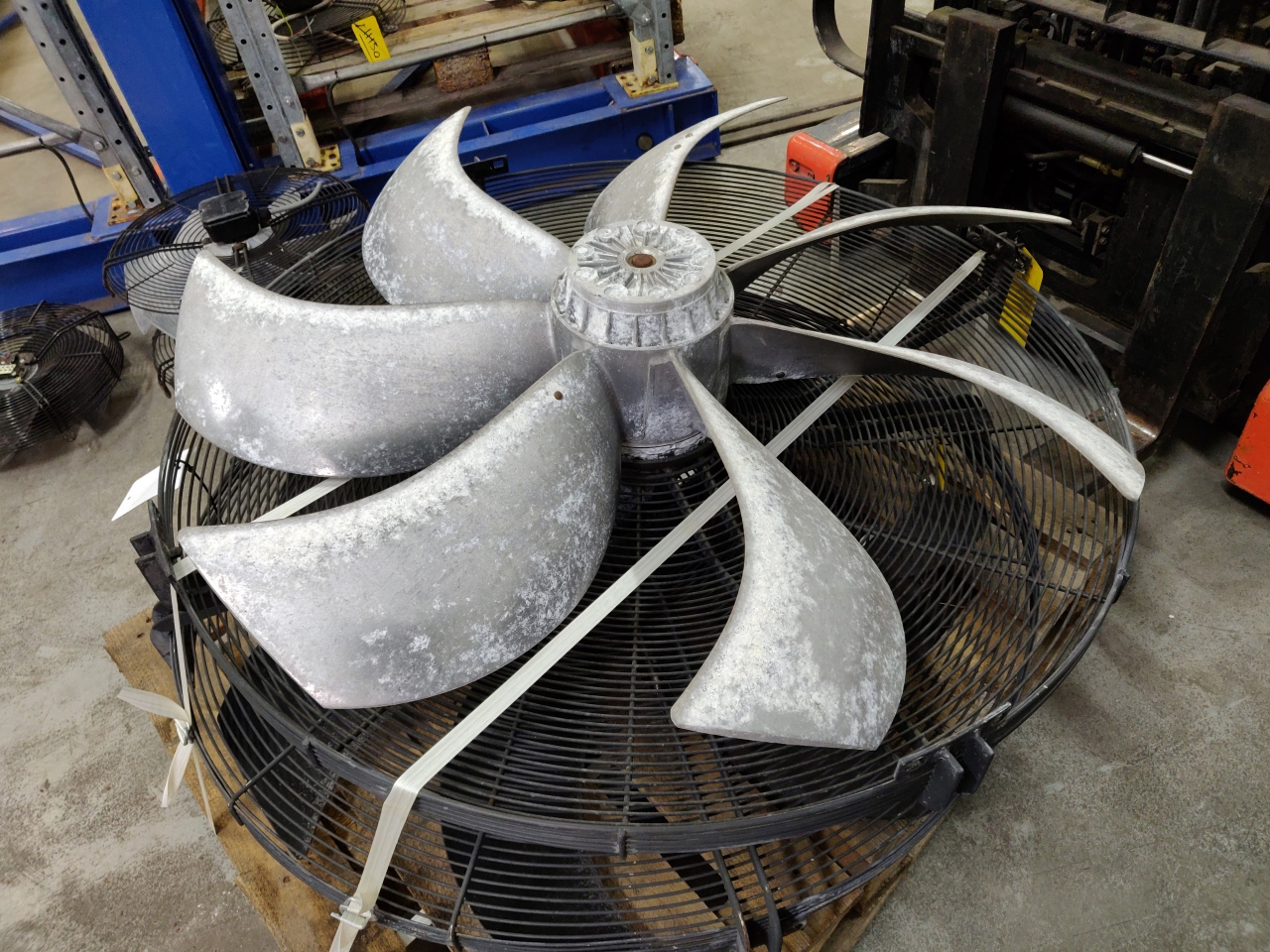
- Airflow loss caused by fouled blades, blocked dampers, dirty screens or duct restriction, resulting in poor space ventilation
- Bearing or motor deterioration caused by wear, inadequate lubrication or overheating, resulting in noise, vibration or high current
- Impeller imbalance caused by dirt, corrosion or physical damage, resulting in increased vibration and structural noise
- Flexible-connection or mounting failure caused by vibration and age, resulting in air leakage, transmitted vibration or abnormal movement
- Control, damper or starter fault caused by actuator, wiring or electrical problems, resulting in inability to start, stop or establish the required airflow direction
- Airflow loss caused by fouled blades, blocked dampers, dirty screens or duct restriction, resulting in poor space ventilation
- Bearing or motor deterioration caused by wear, inadequate lubrication or overheating, resulting in noise, vibration or high current
- Impeller imbalance caused by dirt, corrosion or physical damage, resulting in increased vibration and structural noise
- Flexible-connection or mounting failure caused by vibration and age, resulting in air leakage, transmitted vibration or abnormal movement
- Control, damper or starter fault caused by actuator, wiring or electrical problems, resulting in inability to start, stop or establish the required airflow direction
- Blade fouling, duct restriction or blocked guards reduce airflow and cause poor ventilation, high motor load or abnormal pressure
- Bearing wear or lubrication deterioration causes rising vibration, rumbling noise or elevated bearing temperature
- Impeller imbalance, corrosion or mechanical damage causes vibration and can lead to repeated motor or vibration trips
- Motor, contactor or power-supply faults cause failure to start, phase-related alarms or unexpected shutdown
- Loose foundations, flexible connections or damper faults cause structural vibration, air leakage or incorrect airflow distribution
- Airflow loss caused by fouled blades, blocked dampers, dirty screens or duct restriction, resulting in poor space ventilation
- Bearing or motor deterioration caused by wear, inadequate lubrication or overheating, resulting in noise, vibration or high current
- Impeller imbalance caused by dirt, corrosion or physical damage, resulting in increased vibration and structural noise
- Flexible-connection or mounting failure caused by vibration and age, resulting in air leakage, transmitted vibration or abnormal movement
- Control, damper or starter fault caused by actuator, wiring or electrical problems, resulting in inability to start, stop or establish the required airflow direction
- Airflow loss caused by fouled blades, blocked dampers, dirty screens or duct restriction, resulting in poor space ventilation
- Bearing or motor deterioration caused by wear, inadequate lubrication or overheating, resulting in noise, vibration or high current
- Impeller imbalance caused by dirt, corrosion or physical damage, resulting in increased vibration and structural noise
- Flexible-connection or mounting failure caused by vibration and age, resulting in air leakage, transmitted vibration or abnormal movement
- Control, damper or starter fault caused by actuator, wiring or electrical problems, resulting in inability to start, stop or establish the required airflow direction
- Airflow loss caused by fouled blades, blocked dampers, dirty screens or duct restriction, resulting in poor space ventilation
- Bearing or motor deterioration caused by wear, inadequate lubrication or overheating, resulting in noise, vibration or high current
- Impeller imbalance caused by dirt, corrosion or physical damage, resulting in increased vibration and structural noise
- Flexible-connection or mounting failure caused by vibration and age, resulting in air leakage, transmitted vibration or abnormal movement
- Control, damper or starter fault caused by actuator, wiring or electrical problems, resulting in inability to start, stop or establish the required airflow direction
- Airflow loss caused by fouled blades, blocked dampers, dirty screens or duct restriction, resulting in poor space ventilation
- Bearing or motor deterioration caused by wear, inadequate lubrication or overheating, resulting in noise, vibration or high current
- Impeller imbalance caused by dirt, corrosion or physical damage, resulting in increased vibration and structural noise
- Flexible-connection or mounting failure caused by vibration and age, resulting in air leakage, transmitted vibration or abnormal movement
- Control, damper or starter fault caused by actuator, wiring or electrical problems, resulting in inability to start, stop or establish the required airflow direction
- Airflow loss caused by fouled blades, blocked dampers, dirty screens or duct restriction, resulting in poor space ventilation
- Bearing or motor deterioration caused by wear, inadequate lubrication or overheating, resulting in noise, vibration or high current
- Impeller imbalance caused by dirt, corrosion or physical damage, resulting in increased vibration and structural noise
- Flexible-connection or mounting failure caused by vibration and age, resulting in air leakage, transmitted vibration or abnormal movement
- Control, damper or starter fault caused by actuator, wiring or electrical problems, resulting in inability to start, stop or establish the required airflow direction
- Airflow loss caused by fouled blades, blocked dampers, dirty screens or duct restriction, resulting in poor space ventilation
- Bearing or motor deterioration caused by wear, inadequate lubrication or overheating, resulting in noise, vibration or high current
- Impeller imbalance caused by dirt, corrosion or physical damage, resulting in increased vibration and structural noise
- Flexible-connection or mounting failure caused by vibration and age, resulting in air leakage, transmitted vibration or abnormal movement
- Control, damper or starter fault caused by actuator, wiring or electrical problems, resulting in inability to start, stop or establish the required airflow direction
- Airflow loss caused by fouled blades, blocked dampers, dirty screens or duct restriction, resulting in poor space ventilation
- Bearing or motor deterioration caused by wear, inadequate lubrication or overheating, resulting in noise, vibration or high current
- Impeller imbalance caused by dirt, corrosion or physical damage, resulting in increased vibration and structural noise
- Flexible-connection or mounting failure caused by vibration and age, resulting in air leakage, transmitted vibration or abnormal movement
- Control, damper or starter fault caused by actuator, wiring or electrical problems, resulting in inability to start, stop or establish the required airflow direction
- Airflow loss caused by fouled blades, blocked dampers, dirty screens or duct restriction, resulting in poor space ventilation
- Bearing or motor deterioration caused by wear, inadequate lubrication or overheating, resulting in noise, vibration or high current
- Impeller imbalance caused by dirt, corrosion or physical damage, resulting in increased vibration and structural noise
- Flexible-connection or mounting failure caused by vibration and age, resulting in air leakage, transmitted vibration or abnormal movement
- Control, damper or starter fault caused by actuator, wiring or electrical problems, resulting in inability to start, stop or establish the required airflow direction
- Airflow loss caused by fouled blades, blocked dampers, dirty screens or duct restriction, resulting in poor space ventilation
- Bearing or motor deterioration caused by wear, inadequate lubrication or overheating, resulting in noise, vibration or high current
- Impeller imbalance caused by dirt, corrosion or physical damage, resulting in increased vibration and structural noise
- Flexible-connection or mounting failure caused by vibration and age, resulting in air leakage, transmitted vibration or abnormal movement
- Control, damper or starter fault caused by actuator, wiring or electrical problems, resulting in inability to start, stop or establish the required airflow direction
- Airflow loss caused by fouled blades, blocked dampers, dirty screens or duct restriction, resulting in poor space ventilation
- Bearing or motor deterioration caused by wear, inadequate lubrication or overheating, resulting in noise, vibration or high current
- Impeller imbalance caused by dirt, corrosion or physical damage, resulting in increased vibration and structural noise
- Flexible-connection or mounting failure caused by vibration and age, resulting in air leakage, transmitted vibration or abnormal movement
- Control, damper or starter fault caused by actuator, wiring or electrical problems, resulting in inability to start, stop or establish the required airflow direction
- Airflow loss caused by fouled blades, blocked dampers, dirty screens or duct restriction, resulting in poor space ventilation
- Bearing or motor deterioration caused by wear, inadequate lubrication or overheating, resulting in noise, vibration or high current
- Impeller imbalance caused by dirt, corrosion or physical damage, resulting in increased vibration and structural noise
- Flexible-connection or mounting failure caused by vibration and age, resulting in air leakage, transmitted vibration or abnormal movement
- Control, damper or starter fault caused by actuator, wiring or electrical problems, resulting in inability to start, stop or establish the required airflow direction
- Airflow loss caused by fouled blades, blocked dampers, dirty screens or duct restriction, resulting in poor space ventilation
- Bearing or motor deterioration caused by wear, inadequate lubrication or overheating, resulting in noise, vibration or high current
- Impeller imbalance caused by dirt, corrosion or physical damage, resulting in increased vibration and structural noise
- Flexible-connection or mounting failure caused by vibration and age, resulting in air leakage, transmitted vibration or abnormal movement
- Control, damper or starter fault caused by actuator, wiring or electrical problems, resulting in inability to start, stop or establish the required airflow direction
- Airflow loss caused by fouled blades, blocked dampers, dirty screens or duct restriction, resulting in poor space ventilation
- Bearing or motor deterioration caused by wear, inadequate lubrication or overheating, resulting in noise, vibration or high current
- Impeller imbalance caused by dirt, corrosion or physical damage, resulting in increased vibration and structural noise
- Flexible-connection or mounting failure caused by vibration and age, resulting in air leakage, transmitted vibration or abnormal movement
- Control, damper or starter fault caused by actuator, wiring or electrical problems, resulting in inability to start, stop or establish the required airflow direction
- Airflow loss caused by fouled blades, blocked dampers, dirty screens or duct restriction, resulting in poor space ventilation
- Bearing or motor deterioration caused by wear, inadequate lubrication or overheating, resulting in noise, vibration or high current
- Impeller imbalance caused by dirt, corrosion or physical damage, resulting in increased vibration and structural noise
- Flexible-connection or mounting failure caused by vibration and age, resulting in air leakage, transmitted vibration or abnormal movement
- Control, damper or starter fault caused by actuator, wiring or electrical problems, resulting in inability to start, stop or establish the required airflow direction
- Airflow loss caused by fouled blades, blocked dampers, dirty screens or duct restriction, resulting in poor space ventilation
- Bearing or motor deterioration caused by wear, inadequate lubrication or overheating, resulting in noise, vibration or high current
- Impeller imbalance caused by dirt, corrosion or physical damage, resulting in increased vibration and structural noise
- Flexible-connection or mounting failure caused by vibration and age, resulting in air leakage, transmitted vibration or abnormal movement
- Control, damper or starter fault caused by actuator, wiring or electrical problems, resulting in inability to start, stop or establish the required airflow direction

- Airflow loss caused by fouled blades, blocked dampers, dirty screens or duct restriction, resulting in poor space ventilation
- Bearing or motor deterioration caused by wear, inadequate lubrication or overheating, resulting in noise, vibration or high current
- Impeller imbalance caused by dirt, corrosion or physical damage, resulting in increased vibration and structural noise
- Flexible-connection or mounting failure caused by vibration and age, resulting in air leakage, transmitted vibration or abnormal movement
- Control, damper or starter fault caused by actuator, wiring or electrical problems, resulting in inability to start, stop or establish the required airflow direction

- Bearing wear from contamination, inadequate lubrication or normal service, typically indicated by increased vibration, rumbling noise or motor overload
- Impeller fouling, corrosion or imbalance from dirty or corrosive air, typically indicated by reduced airflow, vibration or uneven running
- Motor or winding fault from overheating, moisture ingress or electrical defects, typically indicated by failure to start, high current or protective trip
- Damper or inlet restriction from stuck fire dampers, blocked louvers or debris, typically indicated by low airflow, abnormal duct pressure or poor space ventilation
- Flexible connection or mounting damage from vibration and ageing, typically indicated by air leakage, noise or movement at the fan foundation
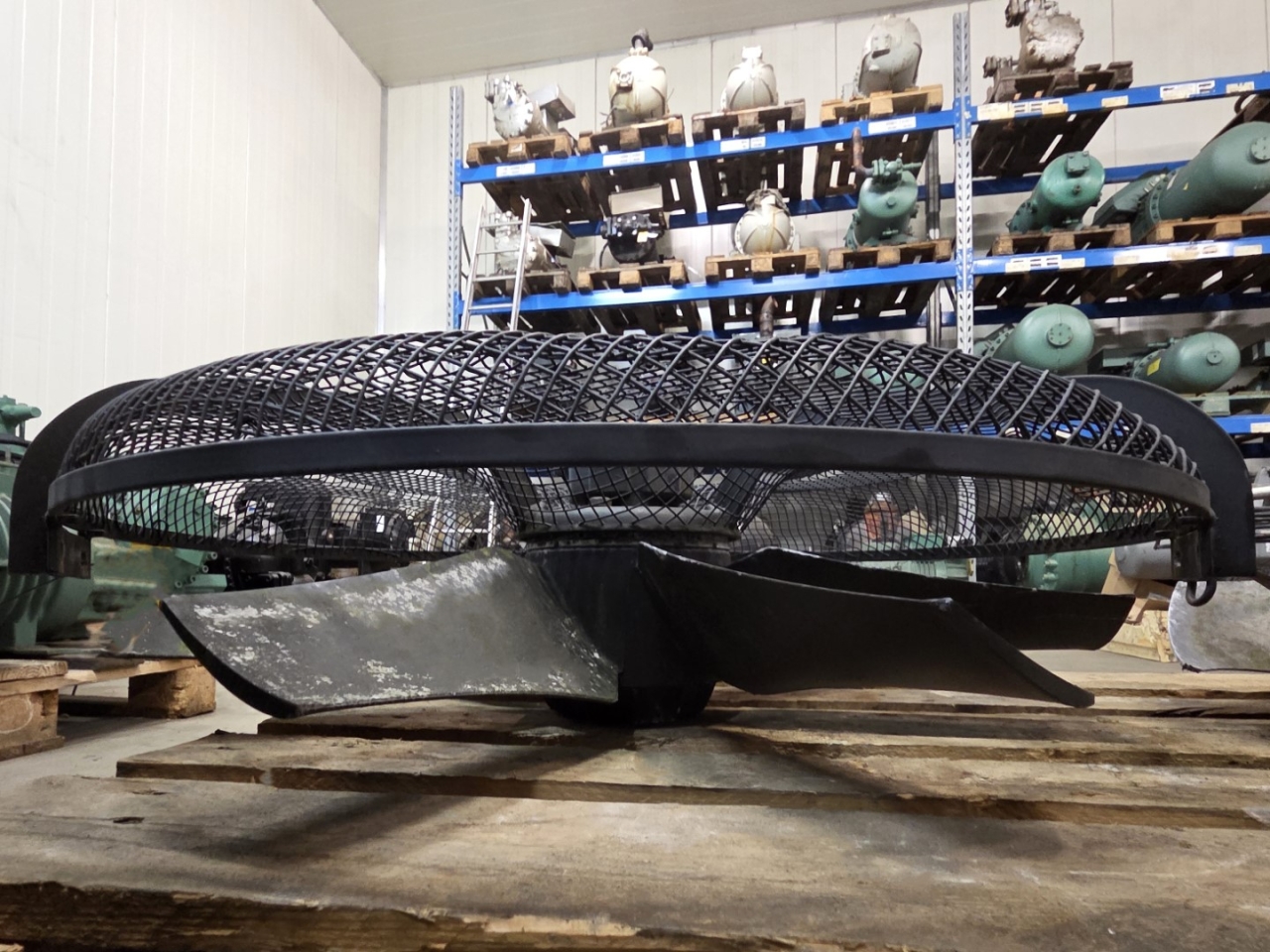
- Impeller fouling, corrosion, or imbalance causes increased vibration, noise, and reduced airflow
- Bearing wear or inadequate lubrication produces rising bearing temperature, rumbling noise, or excessive vibration
- Motor, starter, protection, or cable faults cause failed starting, nuisance trips, or reduced speed
- Blocked louvers, filters, dampers, or ducting increase system resistance and appear as low airflow or abnormal fan load
- Loose foundations, flexible connections, guards, or duct joints cause vibration, air leakage, or mechanical noise
- Bearing wear from contamination, inadequate lubrication or normal service, typically indicated by increased vibration, rumbling noise or motor overload
- Impeller fouling, corrosion or imbalance from dirty or corrosive air, typically indicated by reduced airflow, vibration or uneven running
- Motor or winding fault from overheating, moisture ingress or electrical defects, typically indicated by failure to start, high current or protective trip
- Damper or inlet restriction from stuck fire dampers, blocked louvers or debris, typically indicated by low airflow, abnormal duct pressure or poor space ventilation
- Flexible connection or mounting damage from vibration and ageing, typically indicated by air leakage, noise or movement at the fan foundation

- Bearing wear from contamination, inadequate lubrication or normal service, typically indicated by increased vibration, rumbling noise or motor overload
- Impeller fouling, corrosion or imbalance from dirty or corrosive air, typically indicated by reduced airflow, vibration or uneven running
- Motor or winding fault from overheating, moisture ingress or electrical defects, typically indicated by failure to start, high current or protective trip
- Damper or inlet restriction from stuck fire dampers, blocked louvers or debris, typically indicated by low airflow, abnormal duct pressure or poor space ventilation
- Flexible connection or mounting damage from vibration and ageing, typically indicated by air leakage, noise or movement at the fan foundation
- Bearing wear from contamination, inadequate lubrication or normal service, typically indicated by increased vibration, rumbling noise or motor overload
- Impeller fouling, corrosion or imbalance from dirty or corrosive air, typically indicated by reduced airflow, vibration or uneven running
- Motor or winding fault from overheating, moisture ingress or electrical defects, typically indicated by failure to start, high current or protective trip
- Damper or inlet restriction from stuck fire dampers, blocked louvers or debris, typically indicated by low airflow, abnormal duct pressure or poor space ventilation
- Flexible connection or mounting damage from vibration and ageing, typically indicated by air leakage, noise or movement at the fan foundation

- Blade fouling, duct restriction or blocked guards reduce airflow and cause poor ventilation, high motor load or abnormal pressure
- Bearing wear or lubrication deterioration causes rising vibration, rumbling noise or elevated bearing temperature
- Impeller imbalance, corrosion or mechanical damage causes vibration and can lead to repeated motor or vibration trips
- Motor, contactor or power-supply faults cause failure to start, phase-related alarms or unexpected shutdown
- Loose foundations, flexible connections or damper faults cause structural vibration, air leakage or incorrect airflow distribution
- Bearing wear from contamination, inadequate lubrication or normal service, typically indicated by increased vibration, rumbling noise or motor overload
- Impeller fouling, corrosion or imbalance from dirty or corrosive air, typically indicated by reduced airflow, vibration or uneven running
- Motor or winding fault from overheating, moisture ingress or electrical defects, typically indicated by failure to start, high current or protective trip
- Damper or inlet restriction from stuck fire dampers, blocked louvers or debris, typically indicated by low airflow, abnormal duct pressure or poor space ventilation
- Flexible connection or mounting damage from vibration and ageing, typically indicated by air leakage, noise or movement at the fan foundation
- Bearing wear from contamination, inadequate lubrication or normal service, typically indicated by increased vibration, rumbling noise or motor overload
- Impeller fouling, corrosion or imbalance from dirty or corrosive air, typically indicated by reduced airflow, vibration or uneven running
- Motor or winding fault from overheating, moisture ingress or electrical defects, typically indicated by failure to start, high current or protective trip
- Damper or inlet restriction from stuck fire dampers, blocked louvers or debris, typically indicated by low airflow, abnormal duct pressure or poor space ventilation
- Flexible connection or mounting damage from vibration and ageing, typically indicated by air leakage, noise or movement at the fan foundation
- Blade fouling, duct restriction or blocked guards reduce airflow and cause poor ventilation, high motor load or abnormal pressure
- Bearing wear or lubrication deterioration causes rising vibration, rumbling noise or elevated bearing temperature
- Impeller imbalance, corrosion or mechanical damage causes vibration and can lead to repeated motor or vibration trips
- Motor, contactor or power-supply faults cause failure to start, phase-related alarms or unexpected shutdown
- Loose foundations, flexible connections or damper faults cause structural vibration, air leakage or incorrect airflow distribution
- Bearing wear from contamination, inadequate lubrication or normal service, typically indicated by increased vibration, rumbling noise or motor overload
- Impeller fouling, corrosion or imbalance from dirty or corrosive air, typically indicated by reduced airflow, vibration or uneven running
- Motor or winding fault from overheating, moisture ingress or electrical defects, typically indicated by failure to start, high current or protective trip
- Damper or inlet restriction from stuck fire dampers, blocked louvers or debris, typically indicated by low airflow, abnormal duct pressure or poor space ventilation
- Flexible connection or mounting damage from vibration and ageing, typically indicated by air leakage, noise or movement at the fan foundation
- Bearing wear from contamination, inadequate lubrication or normal service, typically indicated by increased vibration, rumbling noise or motor overload
- Impeller fouling, corrosion or imbalance from dirty or corrosive air, typically indicated by reduced airflow, vibration or uneven running
- Motor or winding fault from overheating, moisture ingress or electrical defects, typically indicated by failure to start, high current or protective trip
- Damper or inlet restriction from stuck fire dampers, blocked louvers or debris, typically indicated by low airflow, abnormal duct pressure or poor space ventilation
- Flexible connection or mounting damage from vibration and ageing, typically indicated by air leakage, noise or movement at the fan foundation
- Blade fouling, duct restriction or blocked guards reduce airflow and cause poor ventilation, high motor load or abnormal pressure
- Bearing wear or lubrication deterioration causes rising vibration, rumbling noise or elevated bearing temperature
- Impeller imbalance, corrosion or mechanical damage causes vibration and can lead to repeated motor or vibration trips
- Motor, contactor or power-supply faults cause failure to start, phase-related alarms or unexpected shutdown
- Loose foundations, flexible connections or damper faults cause structural vibration, air leakage or incorrect airflow distribution
- Bearing wear from contamination, inadequate lubrication or normal service, typically indicated by increased vibration, rumbling noise or motor overload
- Impeller fouling, corrosion or imbalance from dirty or corrosive air, typically indicated by reduced airflow, vibration or uneven running
- Motor or winding fault from overheating, moisture ingress or electrical defects, typically indicated by failure to start, high current or protective trip
- Damper or inlet restriction from stuck fire dampers, blocked louvers or debris, typically indicated by low airflow, abnormal duct pressure or poor space ventilation
- Flexible connection or mounting damage from vibration and ageing, typically indicated by air leakage, noise or movement at the fan foundation
- Bearing wear from contamination, inadequate lubrication or normal service, typically indicated by increased vibration, rumbling noise or motor overload
- Impeller fouling, corrosion or imbalance from dirty or corrosive air, typically indicated by reduced airflow, vibration or uneven running
- Motor or winding fault from overheating, moisture ingress or electrical defects, typically indicated by failure to start, high current or protective trip
- Damper or inlet restriction from stuck fire dampers, blocked louvers or debris, typically indicated by low airflow, abnormal duct pressure or poor space ventilation
- Flexible connection or mounting damage from vibration and ageing, typically indicated by air leakage, noise or movement at the fan foundation
- Blade fouling, duct restriction or blocked guards reduce airflow and cause poor ventilation, high motor load or abnormal pressure
- Bearing wear or lubrication deterioration causes rising vibration, rumbling noise or elevated bearing temperature
- Impeller imbalance, corrosion or mechanical damage causes vibration and can lead to repeated motor or vibration trips
- Motor, contactor or power-supply faults cause failure to start, phase-related alarms or unexpected shutdown
- Loose foundations, flexible connections or damper faults cause structural vibration, air leakage or incorrect airflow distribution
- Bearing wear from contamination, inadequate lubrication or normal service, typically indicated by increased vibration, rumbling noise or motor overload
- Impeller fouling, corrosion or imbalance from dirty or corrosive air, typically indicated by reduced airflow, vibration or uneven running
- Motor or winding fault from overheating, moisture ingress or electrical defects, typically indicated by failure to start, high current or protective trip
- Damper or inlet restriction from stuck fire dampers, blocked louvers or debris, typically indicated by low airflow, abnormal duct pressure or poor space ventilation
- Flexible connection or mounting damage from vibration and ageing, typically indicated by air leakage, noise or movement at the fan foundation
- Bearing wear from contamination, inadequate lubrication or normal service, typically indicated by increased vibration, rumbling noise or motor overload
- Impeller fouling, corrosion or imbalance from dirty or corrosive air, typically indicated by reduced airflow, vibration or uneven running
- Motor or winding fault from overheating, moisture ingress or electrical defects, typically indicated by failure to start, high current or protective trip
- Damper or inlet restriction from stuck fire dampers, blocked louvers or debris, typically indicated by low airflow, abnormal duct pressure or poor space ventilation
- Flexible connection or mounting damage from vibration and ageing, typically indicated by air leakage, noise or movement at the fan foundation
- Blade fouling, duct restriction or blocked guards reduce airflow and cause poor ventilation, high motor load or abnormal pressure
- Bearing wear or lubrication deterioration causes rising vibration, rumbling noise or elevated bearing temperature
- Impeller imbalance, corrosion or mechanical damage causes vibration and can lead to repeated motor or vibration trips
- Motor, contactor or power-supply faults cause failure to start, phase-related alarms or unexpected shutdown
- Loose foundations, flexible connections or damper faults cause structural vibration, air leakage or incorrect airflow distribution
- Bearing wear from contamination, inadequate lubrication or normal service, typically indicated by increased vibration, rumbling noise or motor overload
- Impeller fouling, corrosion or imbalance from dirty or corrosive air, typically indicated by reduced airflow, vibration or uneven running
- Motor or winding fault from overheating, moisture ingress or electrical defects, typically indicated by failure to start, high current or protective trip
- Damper or inlet restriction from stuck fire dampers, blocked louvers or debris, typically indicated by low airflow, abnormal duct pressure or poor space ventilation
- Flexible connection or mounting damage from vibration and ageing, typically indicated by air leakage, noise or movement at the fan foundation
- Bearing wear from contamination, inadequate lubrication or normal service, typically indicated by increased vibration, rumbling noise or motor overload
- Impeller fouling, corrosion or imbalance from dirty or corrosive air, typically indicated by reduced airflow, vibration or uneven running
- Motor or winding fault from overheating, moisture ingress or electrical defects, typically indicated by failure to start, high current or protective trip
- Damper or inlet restriction from stuck fire dampers, blocked louvers or debris, typically indicated by low airflow, abnormal duct pressure or poor space ventilation
- Flexible connection or mounting damage from vibration and ageing, typically indicated by air leakage, noise or movement at the fan foundation
- Blade fouling, duct restriction or blocked guards reduce airflow and cause poor ventilation, high motor load or abnormal pressure
- Bearing wear or lubrication deterioration causes rising vibration, rumbling noise or elevated bearing temperature
- Impeller imbalance, corrosion or mechanical damage causes vibration and can lead to repeated motor or vibration trips
- Motor, contactor or power-supply faults cause failure to start, phase-related alarms or unexpected shutdown
- Loose foundations, flexible connections or damper faults cause structural vibration, air leakage or incorrect airflow distribution
- Bearing wear from contamination, inadequate lubrication or normal service, typically indicated by increased vibration, rumbling noise or motor overload
- Impeller fouling, corrosion or imbalance from dirty or corrosive air, typically indicated by reduced airflow, vibration or uneven running
- Motor or winding fault from overheating, moisture ingress or electrical defects, typically indicated by failure to start, high current or protective trip
- Damper or inlet restriction from stuck fire dampers, blocked louvers or debris, typically indicated by low airflow, abnormal duct pressure or poor space ventilation
- Flexible connection or mounting damage from vibration and ageing, typically indicated by air leakage, noise or movement at the fan foundation
- Bearing wear from contamination, inadequate lubrication or normal service, typically indicated by increased vibration, rumbling noise or motor overload
- Impeller fouling, corrosion or imbalance from dirty or corrosive air, typically indicated by reduced airflow, vibration or uneven running
- Motor or winding fault from overheating, moisture ingress or electrical defects, typically indicated by failure to start, high current or protective trip
- Damper or inlet restriction from stuck fire dampers, blocked louvers or debris, typically indicated by low airflow, abnormal duct pressure or poor space ventilation
- Flexible connection or mounting damage from vibration and ageing, typically indicated by air leakage, noise or movement at the fan foundation
- Blade fouling, duct restriction or blocked guards reduce airflow and cause poor ventilation, high motor load or abnormal pressure
- Bearing wear or lubrication deterioration causes rising vibration, rumbling noise or elevated bearing temperature
- Impeller imbalance, corrosion or mechanical damage causes vibration and can lead to repeated motor or vibration trips
- Motor, contactor or power-supply faults cause failure to start, phase-related alarms or unexpected shutdown
- Loose foundations, flexible connections or damper faults cause structural vibration, air leakage or incorrect airflow distribution
- Bearing wear from contamination, inadequate lubrication or normal service, typically indicated by increased vibration, rumbling noise or motor overload
- Impeller fouling, corrosion or imbalance from dirty or corrosive air, typically indicated by reduced airflow, vibration or uneven running
- Motor or winding fault from overheating, moisture ingress or electrical defects, typically indicated by failure to start, high current or protective trip
- Damper or inlet restriction from stuck fire dampers, blocked louvers or debris, typically indicated by low airflow, abnormal duct pressure or poor space ventilation
- Flexible connection or mounting damage from vibration and ageing, typically indicated by air leakage, noise or movement at the fan foundation
- Bearing wear from contamination, inadequate lubrication or normal service, typically indicated by increased vibration, rumbling noise or motor overload
- Impeller fouling, corrosion or imbalance from dirty or corrosive air, typically indicated by reduced airflow, vibration or uneven running
- Motor or winding fault from overheating, moisture ingress or electrical defects, typically indicated by failure to start, high current or protective trip
- Damper or inlet restriction from stuck fire dampers, blocked louvers or debris, typically indicated by low airflow, abnormal duct pressure or poor space ventilation
- Flexible connection or mounting damage from vibration and ageing, typically indicated by air leakage, noise or movement at the fan foundation
- Blade fouling, duct restriction or blocked guards reduce airflow and cause poor ventilation, high motor load or abnormal pressure
- Bearing wear or lubrication deterioration causes rising vibration, rumbling noise or elevated bearing temperature
- Impeller imbalance, corrosion or mechanical damage causes vibration and can lead to repeated motor or vibration trips
- Motor, contactor or power-supply faults cause failure to start, phase-related alarms or unexpected shutdown
- Loose foundations, flexible connections or damper faults cause structural vibration, air leakage or incorrect airflow distribution
- Bearing wear from contamination, inadequate lubrication or normal service, typically indicated by increased vibration, rumbling noise or motor overload
- Impeller fouling, corrosion or imbalance from dirty or corrosive air, typically indicated by reduced airflow, vibration or uneven running
- Motor or winding fault from overheating, moisture ingress or electrical defects, typically indicated by failure to start, high current or protective trip
- Damper or inlet restriction from stuck fire dampers, blocked louvers or debris, typically indicated by low airflow, abnormal duct pressure or poor space ventilation
- Flexible connection or mounting damage from vibration and ageing, typically indicated by air leakage, noise or movement at the fan foundation

- Bearing wear from contamination, inadequate lubrication or normal service, typically indicated by increased vibration, rumbling noise or motor overload
- Impeller fouling, corrosion or imbalance from dirty or corrosive air, typically indicated by reduced airflow, vibration or uneven running
- Motor or winding fault from overheating, moisture ingress or electrical defects, typically indicated by failure to start, high current or protective trip
- Damper or inlet restriction from stuck fire dampers, blocked louvers or debris, typically indicated by low airflow, abnormal duct pressure or poor space ventilation
- Flexible connection or mounting damage from vibration and ageing, typically indicated by air leakage, noise or movement at the fan foundation
- Blade fouling, duct restriction or blocked guards reduce airflow and cause poor ventilation, high motor load or abnormal pressure
- Bearing wear or lubrication deterioration causes rising vibration, rumbling noise or elevated bearing temperature
- Impeller imbalance, corrosion or mechanical damage causes vibration and can lead to repeated motor or vibration trips
- Motor, contactor or power-supply faults cause failure to start, phase-related alarms or unexpected shutdown
- Loose foundations, flexible connections or damper faults cause structural vibration, air leakage or incorrect airflow distribution
- Blade fouling, duct restriction or blocked guards reduce airflow and cause poor ventilation, high motor load or abnormal pressure
- Bearing wear or lubrication deterioration causes rising vibration, rumbling noise or elevated bearing temperature
- Impeller imbalance, corrosion or mechanical damage causes vibration and can lead to repeated motor or vibration trips
- Motor, contactor or power-supply faults cause failure to start, phase-related alarms or unexpected shutdown
- Loose foundations, flexible connections or damper faults cause structural vibration, air leakage or incorrect airflow distribution
- Bearing wear from contamination, inadequate lubrication or normal service, typically indicated by increased vibration, rumbling noise or motor overload
- Impeller fouling, corrosion or imbalance from dirty or corrosive air, typically indicated by reduced airflow, vibration or uneven running
- Motor or winding fault from overheating, moisture ingress or electrical defects, typically indicated by failure to start, high current or protective trip
- Damper or inlet restriction from stuck fire dampers, blocked louvers or debris, typically indicated by low airflow, abnormal duct pressure or poor space ventilation
- Flexible connection or mounting damage from vibration and ageing, typically indicated by air leakage, noise or movement at the fan foundation
- Blade fouling, duct restriction or blocked guards reduce airflow and cause poor ventilation, high motor load or abnormal pressure
- Bearing wear or lubrication deterioration causes rising vibration, rumbling noise or elevated bearing temperature
- Impeller imbalance, corrosion or mechanical damage causes vibration and can lead to repeated motor or vibration trips
- Motor, contactor or power-supply faults cause failure to start, phase-related alarms or unexpected shutdown
- Loose foundations, flexible connections or damper faults cause structural vibration, air leakage or incorrect airflow distribution