Bilge Water Separator
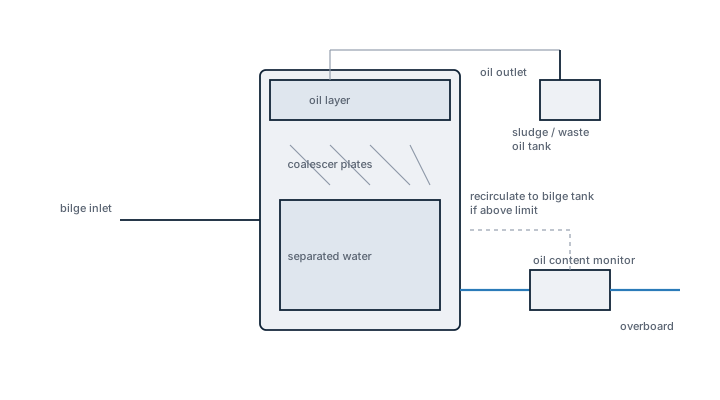
A bilge water separator processes bilge water collected from the engine room before overboard discharge, separating free oil by gravity and coalescing stages and monitoring the effluent continuously, unlike a fuel or lube oil purifier which centrifuges a continuous, oil-rich stream instead.
Read more — Bilge Water Separator explained ▾
What makes a bilge water separator different from a purifier
A fuel or lubricating oil purifier centrifuges a continuous stream that is mostly oil, spinning out small amounts of water and solids at high speed. A bilge water separator works the opposite mixture - mostly water with a variable, often small, oil content - and generally relies on gravity separation and coalescing media rather than centrifugal force, because the flow is batch-processed bilge water rather than a continuous oil-dominant stream. Its output is checked continuously by an in-line oil content meter, since the system's purpose is to prove the discharge meets the 15 parts per million limit before the overboard valve opens, not simply to clean the oil for reuse.
Main components
Separation chambers
A multi-stage vessel where oil droplets rise by gravity in the first stage and coalescing plates or media capture finer droplets in later stages, progressively reducing oil content.
Coalescer element
A replaceable filter or plate pack that merges fine oil droplets into larger ones that will rise and separate; it fouls over time with emulsified oil, detergents and solids and needs periodic cleaning or replacement.
Oil content monitor
A continuous in-line analyser measures the effluent's oil content and automatically closes the overboard discharge valve and diverts flow back to the bilge holding tank if the reading approaches the discharge limit.
Sludge and oil collection
Separated oil drains to a waste oil or sludge tank for later incineration or shore discharge, rather than being returned to the fuel system.
Selection and sizing
Capacity is rated in cubic metres per hour against the volume of bilge water the engine room actually generates, which depends on machinery type, age and leakage rate rather than ship size alone. Selection should also weigh the mixture's typical contamination - detergents, coolants and emulsified oil from workshop and tank cleaning activity - since some separator technologies handle emulsified oil far better than others, and a unit chosen only on flow rate can still fail to meet the discharge limit on real bilge water.
Regulations and class
MARPOL Annex I sets the 15 ppm oil content limit for machinery space bilge water discharge and requires an approved oily water separator with an oil discharge monitoring and control system fitted to enforce it automatically. Equipment must carry IMO type approval under the applicable MEPC resolution, and class surveys check the automatic stopping device and alarm function, along with the ship's Oil Record Book entries, at each relevant survey.
Typical faults
- Fouled coalescer element - reduced separation efficiency lets more oil through to the monitor stage, increasing the chance of an automatic stop and diversion back to the bilge tank.
- Oil content monitor drift or fouling of its sample cell - a dirty or uncalibrated sensor gives a false reading, either shutting the discharge line unnecessarily or, more seriously, failing to detect a real exceedance.
- Emulsified oil from detergent use - cleaning chemicals used on tank tops break oil into an emulsion that gravity separation cannot remove, overwhelming the separator's design basis.
- Bypass or manipulation of the monitoring system - a well-documented category of MARPOL enforcement case, where the monitor or discharge valve is defeated to discharge without proper treatment; this carries serious legal and detention consequences.
- Sludge line blockage - thickened waste oil or solids block the sludge outlet, backing up into the separation chambers and reducing effective capacity.
What to look for in a supplier
- Current IMO type approval certificate for the specific model, matched to the relevant MEPC resolution in force at the time of installation.
- Demonstrated performance on real bilge water contamination, not only on clean test-rig oil-water mixtures.
- Coalescer and filter spares readily available in the ship's trading region, since separator downtime forces bilge water storage and eventual shore or barge disposal.
- A monitoring system with a service and calibration network in the ports the ship regularly visits.
A clean discharge reading proves nothing about the last litre through the line - check the oil content monitor's calibration record before trusting it, since a drifted sensor is what turns an accidental discharge into a MARPOL violation.
24 manufacturers · 179 models
GEA
31 ✓ 31 verified
- Area: Oil content exceeding discharge limit (>15ppm)Check: Verify oil content monitor (OCM/15ppm bilge alarm) reading and ensure overboard discharge valve is closed when threshold exceeded. Check integrated data recorder logs for discharge violations during previous 18 months. Verify alarm activation within 5 seconds and auto-stop device activation within 20 seconds.
- Area: Sampling point contamination or improper installationCheck: Inspect sampling point location in vertical section of water effluent piping as close as practicable to separator outlet. Verify sample integrity (no floating oil layer), homogeneous mixture, and proper connection to oil content monitor. Ensure no bypass of OWS system and re-circulation facilities adjacent to overboard outlet.
- Area: Separator maintenance overdue or service interval exceededCheck: Confirm service interval tracking (16,000 operating hours for current models, 8,000 hours for legacy models). Verify maintenance records completion, including feed pump condition, automatic filter status, preheater function, bowl cleanliness, and oil monitor calibration. Check separator performance log for any efficiency degradation.
- Area: Oil monitor calibration accuracy loss or seal tamperingCheck: Verify 15ppm oil monitor calibration certificate and date of last calibration check (not exceeding 5 years from commissioning or manufacturer-specified interval). Inspect seal integrity on monitor access points. Confirm monitor cannot be accessed for cleaning or zeroing without breaking seal. Test alarm response with clean water to verify activation.
- Area: System bypass or incomplete separation during operationCheck: Inspect modular unit assembly (feed pump/preheater and separator units) for physical disconnection or valve bypass. Verify all key components installed: feed pump operational, automatic filter unblocked, preheater maintaining fluid temperature (60-85°C per model), separator bowl for cracks/erosion, and control panel displaying no fault codes. Check return piping configuration to prevent by-pass.
Typ-universelle Inspektionspunkte fuer Separators & Purifiers (verifiziert, 2026-06).
- Area: Oil content exceeding discharge limit (>15ppm)Check: Verify oil content monitor (OCM/15ppm bilge alarm) reading and ensure overboard discharge valve is closed when threshold exceeded. Check integrated data recorder logs for discharge violations during previous 18 months. Verify alarm activation within 5 seconds and auto-stop device activation within 20 seconds.
- Area: Sampling point contamination or improper installationCheck: Inspect sampling point location in vertical section of water effluent piping as close as practicable to separator outlet. Verify sample integrity (no floating oil layer), homogeneous mixture, and proper connection to oil content monitor. Ensure no bypass of OWS system and re-circulation facilities adjacent to overboard outlet.
- Area: Separator maintenance overdue or service interval exceededCheck: Confirm service interval tracking (16,000 operating hours for current models, 8,000 hours for legacy models). Verify maintenance records completion, including feed pump condition, automatic filter status, preheater function, bowl cleanliness, and oil monitor calibration. Check separator performance log for any efficiency degradation.
- Area: Oil monitor calibration accuracy loss or seal tamperingCheck: Verify 15ppm oil monitor calibration certificate and date of last calibration check (not exceeding 5 years from commissioning or manufacturer-specified interval). Inspect seal integrity on monitor access points. Confirm monitor cannot be accessed for cleaning or zeroing without breaking seal. Test alarm response with clean water to verify activation.
- Area: System bypass or incomplete separation during operationCheck: Inspect modular unit assembly (feed pump/preheater and separator units) for physical disconnection or valve bypass. Verify all key components installed: feed pump operational, automatic filter unblocked, preheater maintaining fluid temperature (60-85°C per model), separator bowl for cracks/erosion, and control panel displaying no fault codes. Check return piping configuration to prevent by-pass.
Typ-universelle Inspektionspunkte fuer Separators & Purifiers (verifiziert, 2026-06).
- Area: Oil content exceeding discharge limit (>15ppm)Check: Verify oil content monitor (OCM/15ppm bilge alarm) reading and ensure overboard discharge valve is closed when threshold exceeded. Check integrated data recorder logs for discharge violations during previous 18 months. Verify alarm activation within 5 seconds and auto-stop device activation within 20 seconds.
- Area: Sampling point contamination or improper installationCheck: Inspect sampling point location in vertical section of water effluent piping as close as practicable to separator outlet. Verify sample integrity (no floating oil layer), homogeneous mixture, and proper connection to oil content monitor. Ensure no bypass of OWS system and re-circulation facilities adjacent to overboard outlet.
- Area: Separator maintenance overdue or service interval exceededCheck: Confirm service interval tracking (16,000 operating hours for current models, 8,000 hours for legacy models). Verify maintenance records completion, including feed pump condition, automatic filter status, preheater function, bowl cleanliness, and oil monitor calibration. Check separator performance log for any efficiency degradation.
- Area: Oil monitor calibration accuracy loss or seal tamperingCheck: Verify 15ppm oil monitor calibration certificate and date of last calibration check (not exceeding 5 years from commissioning or manufacturer-specified interval). Inspect seal integrity on monitor access points. Confirm monitor cannot be accessed for cleaning or zeroing without breaking seal. Test alarm response with clean water to verify activation.
- Area: System bypass or incomplete separation during operationCheck: Inspect modular unit assembly (feed pump/preheater and separator units) for physical disconnection or valve bypass. Verify all key components installed: feed pump operational, automatic filter unblocked, preheater maintaining fluid temperature (60-85°C per model), separator bowl for cracks/erosion, and control panel displaying no fault codes. Check return piping configuration to prevent by-pass.
Typ-universelle Inspektionspunkte fuer Separators & Purifiers (verifiziert, 2026-06).
- Area: Oil content exceeding discharge limit (>15ppm)Check: Verify oil content monitor (OCM/15ppm bilge alarm) reading and ensure overboard discharge valve is closed when threshold exceeded. Check integrated data recorder logs for discharge violations during previous 18 months. Verify alarm activation within 5 seconds and auto-stop device activation within 20 seconds.
- Area: Sampling point contamination or improper installationCheck: Inspect sampling point location in vertical section of water effluent piping as close as practicable to separator outlet. Verify sample integrity (no floating oil layer), homogeneous mixture, and proper connection to oil content monitor. Ensure no bypass of OWS system and re-circulation facilities adjacent to overboard outlet.
- Area: Separator maintenance overdue or service interval exceededCheck: Confirm service interval tracking (16,000 operating hours for current models, 8,000 hours for legacy models). Verify maintenance records completion, including feed pump condition, automatic filter status, preheater function, bowl cleanliness, and oil monitor calibration. Check separator performance log for any efficiency degradation.
- Area: Oil monitor calibration accuracy loss or seal tamperingCheck: Verify 15ppm oil monitor calibration certificate and date of last calibration check (not exceeding 5 years from commissioning or manufacturer-specified interval). Inspect seal integrity on monitor access points. Confirm monitor cannot be accessed for cleaning or zeroing without breaking seal. Test alarm response with clean water to verify activation.
- Area: System bypass or incomplete separation during operationCheck: Inspect modular unit assembly (feed pump/preheater and separator units) for physical disconnection or valve bypass. Verify all key components installed: feed pump operational, automatic filter unblocked, preheater maintaining fluid temperature (60-85°C per model), separator bowl for cracks/erosion, and control panel displaying no fault codes. Check return piping configuration to prevent by-pass.
Typ-universelle Inspektionspunkte fuer Separators & Purifiers (verifiziert, 2026-06).
- Area: Oil content exceeding discharge limit (>15ppm)Check: Verify oil content monitor (OCM/15ppm bilge alarm) reading and ensure overboard discharge valve is closed when threshold exceeded. Check integrated data recorder logs for discharge violations during previous 18 months. Verify alarm activation within 5 seconds and auto-stop device activation within 20 seconds.
- Area: Sampling point contamination or improper installationCheck: Inspect sampling point location in vertical section of water effluent piping as close as practicable to separator outlet. Verify sample integrity (no floating oil layer), homogeneous mixture, and proper connection to oil content monitor. Ensure no bypass of OWS system and re-circulation facilities adjacent to overboard outlet.
- Area: Separator maintenance overdue or service interval exceededCheck: Confirm service interval tracking (16,000 operating hours for current models, 8,000 hours for legacy models). Verify maintenance records completion, including feed pump condition, automatic filter status, preheater function, bowl cleanliness, and oil monitor calibration. Check separator performance log for any efficiency degradation.
- Area: Oil monitor calibration accuracy loss or seal tamperingCheck: Verify 15ppm oil monitor calibration certificate and date of last calibration check (not exceeding 5 years from commissioning or manufacturer-specified interval). Inspect seal integrity on monitor access points. Confirm monitor cannot be accessed for cleaning or zeroing without breaking seal. Test alarm response with clean water to verify activation.
- Area: System bypass or incomplete separation during operationCheck: Inspect modular unit assembly (feed pump/preheater and separator units) for physical disconnection or valve bypass. Verify all key components installed: feed pump operational, automatic filter unblocked, preheater maintaining fluid temperature (60-85°C per model), separator bowl for cracks/erosion, and control panel displaying no fault codes. Check return piping configuration to prevent by-pass.
Typ-universelle Inspektionspunkte fuer Separators & Purifiers (verifiziert, 2026-06).
- Area: Oil content exceeding discharge limit (>15ppm)Check: Verify oil content monitor (OCM/15ppm bilge alarm) reading and ensure overboard discharge valve is closed when threshold exceeded. Check integrated data recorder logs for discharge violations during previous 18 months. Verify alarm activation within 5 seconds and auto-stop device activation within 20 seconds.
- Area: Sampling point contamination or improper installationCheck: Inspect sampling point location in vertical section of water effluent piping as close as practicable to separator outlet. Verify sample integrity (no floating oil layer), homogeneous mixture, and proper connection to oil content monitor. Ensure no bypass of OWS system and re-circulation facilities adjacent to overboard outlet.
- Area: Separator maintenance overdue or service interval exceededCheck: Confirm service interval tracking (16,000 operating hours for current models, 8,000 hours for legacy models). Verify maintenance records completion, including feed pump condition, automatic filter status, preheater function, bowl cleanliness, and oil monitor calibration. Check separator performance log for any efficiency degradation.
- Area: Oil monitor calibration accuracy loss or seal tamperingCheck: Verify 15ppm oil monitor calibration certificate and date of last calibration check (not exceeding 5 years from commissioning or manufacturer-specified interval). Inspect seal integrity on monitor access points. Confirm monitor cannot be accessed for cleaning or zeroing without breaking seal. Test alarm response with clean water to verify activation.
- Area: System bypass or incomplete separation during operationCheck: Inspect modular unit assembly (feed pump/preheater and separator units) for physical disconnection or valve bypass. Verify all key components installed: feed pump operational, automatic filter unblocked, preheater maintaining fluid temperature (60-85°C per model), separator bowl for cracks/erosion, and control panel displaying no fault codes. Check return piping configuration to prevent by-pass.
Typ-universelle Inspektionspunkte fuer Separators & Purifiers (verifiziert, 2026-06).

- Area: Oil content exceeding discharge limit (>15ppm)Check: Verify oil content monitor (OCM/15ppm bilge alarm) reading and ensure overboard discharge valve is closed when threshold exceeded. Check integrated data recorder logs for discharge violations during previous 18 months. Verify alarm activation within 5 seconds and auto-stop device activation within 20 seconds.
- Area: Sampling point contamination or improper installationCheck: Inspect sampling point location in vertical section of water effluent piping as close as practicable to separator outlet. Verify sample integrity (no floating oil layer), homogeneous mixture, and proper connection to oil content monitor. Ensure no bypass of OWS system and re-circulation facilities adjacent to overboard outlet.
- Area: Separator maintenance overdue or service interval exceededCheck: Confirm service interval tracking (16,000 operating hours for current models, 8,000 hours for legacy models). Verify maintenance records completion, including feed pump condition, automatic filter status, preheater function, bowl cleanliness, and oil monitor calibration. Check separator performance log for any efficiency degradation.
- Area: Oil monitor calibration accuracy loss or seal tamperingCheck: Verify 15ppm oil monitor calibration certificate and date of last calibration check (not exceeding 5 years from commissioning or manufacturer-specified interval). Inspect seal integrity on monitor access points. Confirm monitor cannot be accessed for cleaning or zeroing without breaking seal. Test alarm response with clean water to verify activation.
- Area: System bypass or incomplete separation during operationCheck: Inspect modular unit assembly (feed pump/preheater and separator units) for physical disconnection or valve bypass. Verify all key components installed: feed pump operational, automatic filter unblocked, preheater maintaining fluid temperature (60-85°C per model), separator bowl for cracks/erosion, and control panel displaying no fault codes. Check return piping configuration to prevent by-pass.
Typ-universelle Inspektionspunkte fuer Separators & Purifiers (verifiziert, 2026-06).
- Area: Oil content exceeding discharge limit (>15ppm)Check: Verify oil content monitor (OCM/15ppm bilge alarm) reading and ensure overboard discharge valve is closed when threshold exceeded. Check integrated data recorder logs for discharge violations during previous 18 months. Verify alarm activation within 5 seconds and auto-stop device activation within 20 seconds.
- Area: Sampling point contamination or improper installationCheck: Inspect sampling point location in vertical section of water effluent piping as close as practicable to separator outlet. Verify sample integrity (no floating oil layer), homogeneous mixture, and proper connection to oil content monitor. Ensure no bypass of OWS system and re-circulation facilities adjacent to overboard outlet.
- Area: Separator maintenance overdue or service interval exceededCheck: Confirm service interval tracking (16,000 operating hours for current models, 8,000 hours for legacy models). Verify maintenance records completion, including feed pump condition, automatic filter status, preheater function, bowl cleanliness, and oil monitor calibration. Check separator performance log for any efficiency degradation.
- Area: Oil monitor calibration accuracy loss or seal tamperingCheck: Verify 15ppm oil monitor calibration certificate and date of last calibration check (not exceeding 5 years from commissioning or manufacturer-specified interval). Inspect seal integrity on monitor access points. Confirm monitor cannot be accessed for cleaning or zeroing without breaking seal. Test alarm response with clean water to verify activation.
- Area: System bypass or incomplete separation during operationCheck: Inspect modular unit assembly (feed pump/preheater and separator units) for physical disconnection or valve bypass. Verify all key components installed: feed pump operational, automatic filter unblocked, preheater maintaining fluid temperature (60-85°C per model), separator bowl for cracks/erosion, and control panel displaying no fault codes. Check return piping configuration to prevent by-pass.
Typ-universelle Inspektionspunkte fuer Separators & Purifiers (verifiziert, 2026-06).
- Area: Oil content exceeding discharge limit (>15ppm)Check: Verify oil content monitor (OCM/15ppm bilge alarm) reading and ensure overboard discharge valve is closed when threshold exceeded. Check integrated data recorder logs for discharge violations during previous 18 months. Verify alarm activation within 5 seconds and auto-stop device activation within 20 seconds.
- Area: Sampling point contamination or improper installationCheck: Inspect sampling point location in vertical section of water effluent piping as close as practicable to separator outlet. Verify sample integrity (no floating oil layer), homogeneous mixture, and proper connection to oil content monitor. Ensure no bypass of OWS system and re-circulation facilities adjacent to overboard outlet.
- Area: Separator maintenance overdue or service interval exceededCheck: Confirm service interval tracking (16,000 operating hours for current models, 8,000 hours for legacy models). Verify maintenance records completion, including feed pump condition, automatic filter status, preheater function, bowl cleanliness, and oil monitor calibration. Check separator performance log for any efficiency degradation.
- Area: Oil monitor calibration accuracy loss or seal tamperingCheck: Verify 15ppm oil monitor calibration certificate and date of last calibration check (not exceeding 5 years from commissioning or manufacturer-specified interval). Inspect seal integrity on monitor access points. Confirm monitor cannot be accessed for cleaning or zeroing without breaking seal. Test alarm response with clean water to verify activation.
- Area: System bypass or incomplete separation during operationCheck: Inspect modular unit assembly (feed pump/preheater and separator units) for physical disconnection or valve bypass. Verify all key components installed: feed pump operational, automatic filter unblocked, preheater maintaining fluid temperature (60-85°C per model), separator bowl for cracks/erosion, and control panel displaying no fault codes. Check return piping configuration to prevent by-pass.
Typ-universelle Inspektionspunkte fuer Separators & Purifiers (verifiziert, 2026-06).
- Area: Oil content exceeding discharge limit (>15ppm)Check: Verify oil content monitor (OCM/15ppm bilge alarm) reading and ensure overboard discharge valve is closed when threshold exceeded. Check integrated data recorder logs for discharge violations during previous 18 months. Verify alarm activation within 5 seconds and auto-stop device activation within 20 seconds.
- Area: Sampling point contamination or improper installationCheck: Inspect sampling point location in vertical section of water effluent piping as close as practicable to separator outlet. Verify sample integrity (no floating oil layer), homogeneous mixture, and proper connection to oil content monitor. Ensure no bypass of OWS system and re-circulation facilities adjacent to overboard outlet.
- Area: Separator maintenance overdue or service interval exceededCheck: Confirm service interval tracking (16,000 operating hours for current models, 8,000 hours for legacy models). Verify maintenance records completion, including feed pump condition, automatic filter status, preheater function, bowl cleanliness, and oil monitor calibration. Check separator performance log for any efficiency degradation.
- Area: Oil monitor calibration accuracy loss or seal tamperingCheck: Verify 15ppm oil monitor calibration certificate and date of last calibration check (not exceeding 5 years from commissioning or manufacturer-specified interval). Inspect seal integrity on monitor access points. Confirm monitor cannot be accessed for cleaning or zeroing without breaking seal. Test alarm response with clean water to verify activation.
- Area: System bypass or incomplete separation during operationCheck: Inspect modular unit assembly (feed pump/preheater and separator units) for physical disconnection or valve bypass. Verify all key components installed: feed pump operational, automatic filter unblocked, preheater maintaining fluid temperature (60-85°C per model), separator bowl for cracks/erosion, and control panel displaying no fault codes. Check return piping configuration to prevent by-pass.
Typ-universelle Inspektionspunkte fuer Separators & Purifiers (verifiziert, 2026-06).
- Area: Oil content exceeding discharge limit (>15ppm)Check: Verify oil content monitor (OCM/15ppm bilge alarm) reading and ensure overboard discharge valve is closed when threshold exceeded. Check integrated data recorder logs for discharge violations during previous 18 months. Verify alarm activation within 5 seconds and auto-stop device activation within 20 seconds.
- Area: Sampling point contamination or improper installationCheck: Inspect sampling point location in vertical section of water effluent piping as close as practicable to separator outlet. Verify sample integrity (no floating oil layer), homogeneous mixture, and proper connection to oil content monitor. Ensure no bypass of OWS system and re-circulation facilities adjacent to overboard outlet.
- Area: Separator maintenance overdue or service interval exceededCheck: Confirm service interval tracking (16,000 operating hours for current models, 8,000 hours for legacy models). Verify maintenance records completion, including feed pump condition, automatic filter status, preheater function, bowl cleanliness, and oil monitor calibration. Check separator performance log for any efficiency degradation.
- Area: Oil monitor calibration accuracy loss or seal tamperingCheck: Verify 15ppm oil monitor calibration certificate and date of last calibration check (not exceeding 5 years from commissioning or manufacturer-specified interval). Inspect seal integrity on monitor access points. Confirm monitor cannot be accessed for cleaning or zeroing without breaking seal. Test alarm response with clean water to verify activation.
- Area: System bypass or incomplete separation during operationCheck: Inspect modular unit assembly (feed pump/preheater and separator units) for physical disconnection or valve bypass. Verify all key components installed: feed pump operational, automatic filter unblocked, preheater maintaining fluid temperature (60-85°C per model), separator bowl for cracks/erosion, and control panel displaying no fault codes. Check return piping configuration to prevent by-pass.
Typ-universelle Inspektionspunkte fuer Separators & Purifiers (verifiziert, 2026-06).
- Area: Oil content exceeding discharge limit (>15ppm)Check: Verify oil content monitor (OCM/15ppm bilge alarm) reading and ensure overboard discharge valve is closed when threshold exceeded. Check integrated data recorder logs for discharge violations during previous 18 months. Verify alarm activation within 5 seconds and auto-stop device activation within 20 seconds.
- Area: Sampling point contamination or improper installationCheck: Inspect sampling point location in vertical section of water effluent piping as close as practicable to separator outlet. Verify sample integrity (no floating oil layer), homogeneous mixture, and proper connection to oil content monitor. Ensure no bypass of OWS system and re-circulation facilities adjacent to overboard outlet.
- Area: Separator maintenance overdue or service interval exceededCheck: Confirm service interval tracking (16,000 operating hours for current models, 8,000 hours for legacy models). Verify maintenance records completion, including feed pump condition, automatic filter status, preheater function, bowl cleanliness, and oil monitor calibration. Check separator performance log for any efficiency degradation.
- Area: Oil monitor calibration accuracy loss or seal tamperingCheck: Verify 15ppm oil monitor calibration certificate and date of last calibration check (not exceeding 5 years from commissioning or manufacturer-specified interval). Inspect seal integrity on monitor access points. Confirm monitor cannot be accessed for cleaning or zeroing without breaking seal. Test alarm response with clean water to verify activation.
- Area: System bypass or incomplete separation during operationCheck: Inspect modular unit assembly (feed pump/preheater and separator units) for physical disconnection or valve bypass. Verify all key components installed: feed pump operational, automatic filter unblocked, preheater maintaining fluid temperature (60-85°C per model), separator bowl for cracks/erosion, and control panel displaying no fault codes. Check return piping configuration to prevent by-pass.
Typ-universelle Inspektionspunkte fuer Separators & Purifiers (verifiziert, 2026-06).
- Area: Oil content exceeding discharge limit (>15ppm)Check: Verify oil content monitor (OCM/15ppm bilge alarm) reading and ensure overboard discharge valve is closed when threshold exceeded. Check integrated data recorder logs for discharge violations during previous 18 months. Verify alarm activation within 5 seconds and auto-stop device activation within 20 seconds.
- Area: Sampling point contamination or improper installationCheck: Inspect sampling point location in vertical section of water effluent piping as close as practicable to separator outlet. Verify sample integrity (no floating oil layer), homogeneous mixture, and proper connection to oil content monitor. Ensure no bypass of OWS system and re-circulation facilities adjacent to overboard outlet.
- Area: Separator maintenance overdue or service interval exceededCheck: Confirm service interval tracking (16,000 operating hours for current models, 8,000 hours for legacy models). Verify maintenance records completion, including feed pump condition, automatic filter status, preheater function, bowl cleanliness, and oil monitor calibration. Check separator performance log for any efficiency degradation.
- Area: Oil monitor calibration accuracy loss or seal tamperingCheck: Verify 15ppm oil monitor calibration certificate and date of last calibration check (not exceeding 5 years from commissioning or manufacturer-specified interval). Inspect seal integrity on monitor access points. Confirm monitor cannot be accessed for cleaning or zeroing without breaking seal. Test alarm response with clean water to verify activation.
- Area: System bypass or incomplete separation during operationCheck: Inspect modular unit assembly (feed pump/preheater and separator units) for physical disconnection or valve bypass. Verify all key components installed: feed pump operational, automatic filter unblocked, preheater maintaining fluid temperature (60-85°C per model), separator bowl for cracks/erosion, and control panel displaying no fault codes. Check return piping configuration to prevent by-pass.
Typ-universelle Inspektionspunkte fuer Separators & Purifiers (verifiziert, 2026-06).
- Area: Oil content exceeding discharge limit (>15ppm)Check: Verify oil content monitor (OCM/15ppm bilge alarm) reading and ensure overboard discharge valve is closed when threshold exceeded. Check integrated data recorder logs for discharge violations during previous 18 months. Verify alarm activation within 5 seconds and auto-stop device activation within 20 seconds.
- Area: Sampling point contamination or improper installationCheck: Inspect sampling point location in vertical section of water effluent piping as close as practicable to separator outlet. Verify sample integrity (no floating oil layer), homogeneous mixture, and proper connection to oil content monitor. Ensure no bypass of OWS system and re-circulation facilities adjacent to overboard outlet.
- Area: Separator maintenance overdue or service interval exceededCheck: Confirm service interval tracking (16,000 operating hours for current models, 8,000 hours for legacy models). Verify maintenance records completion, including feed pump condition, automatic filter status, preheater function, bowl cleanliness, and oil monitor calibration. Check separator performance log for any efficiency degradation.
- Area: Oil monitor calibration accuracy loss or seal tamperingCheck: Verify 15ppm oil monitor calibration certificate and date of last calibration check (not exceeding 5 years from commissioning or manufacturer-specified interval). Inspect seal integrity on monitor access points. Confirm monitor cannot be accessed for cleaning or zeroing without breaking seal. Test alarm response with clean water to verify activation.
- Area: System bypass or incomplete separation during operationCheck: Inspect modular unit assembly (feed pump/preheater and separator units) for physical disconnection or valve bypass. Verify all key components installed: feed pump operational, automatic filter unblocked, preheater maintaining fluid temperature (60-85°C per model), separator bowl for cracks/erosion, and control panel displaying no fault codes. Check return piping configuration to prevent by-pass.
Typ-universelle Inspektionspunkte fuer Separators & Purifiers (verifiziert, 2026-06).
- Area: Oil content exceeding discharge limit (>15ppm)Check: Verify oil content monitor (OCM/15ppm bilge alarm) reading and ensure overboard discharge valve is closed when threshold exceeded. Check integrated data recorder logs for discharge violations during previous 18 months. Verify alarm activation within 5 seconds and auto-stop device activation within 20 seconds.
- Area: Sampling point contamination or improper installationCheck: Inspect sampling point location in vertical section of water effluent piping as close as practicable to separator outlet. Verify sample integrity (no floating oil layer), homogeneous mixture, and proper connection to oil content monitor. Ensure no bypass of OWS system and re-circulation facilities adjacent to overboard outlet.
- Area: Separator maintenance overdue or service interval exceededCheck: Confirm service interval tracking (16,000 operating hours for current models, 8,000 hours for legacy models). Verify maintenance records completion, including feed pump condition, automatic filter status, preheater function, bowl cleanliness, and oil monitor calibration. Check separator performance log for any efficiency degradation.
- Area: Oil monitor calibration accuracy loss or seal tamperingCheck: Verify 15ppm oil monitor calibration certificate and date of last calibration check (not exceeding 5 years from commissioning or manufacturer-specified interval). Inspect seal integrity on monitor access points. Confirm monitor cannot be accessed for cleaning or zeroing without breaking seal. Test alarm response with clean water to verify activation.
- Area: System bypass or incomplete separation during operationCheck: Inspect modular unit assembly (feed pump/preheater and separator units) for physical disconnection or valve bypass. Verify all key components installed: feed pump operational, automatic filter unblocked, preheater maintaining fluid temperature (60-85°C per model), separator bowl for cracks/erosion, and control panel displaying no fault codes. Check return piping configuration to prevent by-pass.
Typ-universelle Inspektionspunkte fuer Separators & Purifiers (verifiziert, 2026-06).
- Area: Oil content exceeding discharge limit (>15ppm)Check: Verify oil content monitor (OCM/15ppm bilge alarm) reading and ensure overboard discharge valve is closed when threshold exceeded. Check integrated data recorder logs for discharge violations during previous 18 months. Verify alarm activation within 5 seconds and auto-stop device activation within 20 seconds.
- Area: Sampling point contamination or improper installationCheck: Inspect sampling point location in vertical section of water effluent piping as close as practicable to separator outlet. Verify sample integrity (no floating oil layer), homogeneous mixture, and proper connection to oil content monitor. Ensure no bypass of OWS system and re-circulation facilities adjacent to overboard outlet.
- Area: Separator maintenance overdue or service interval exceededCheck: Confirm service interval tracking (16,000 operating hours for current models, 8,000 hours for legacy models). Verify maintenance records completion, including feed pump condition, automatic filter status, preheater function, bowl cleanliness, and oil monitor calibration. Check separator performance log for any efficiency degradation.
- Area: Oil monitor calibration accuracy loss or seal tamperingCheck: Verify 15ppm oil monitor calibration certificate and date of last calibration check (not exceeding 5 years from commissioning or manufacturer-specified interval). Inspect seal integrity on monitor access points. Confirm monitor cannot be accessed for cleaning or zeroing without breaking seal. Test alarm response with clean water to verify activation.
- Area: System bypass or incomplete separation during operationCheck: Inspect modular unit assembly (feed pump/preheater and separator units) for physical disconnection or valve bypass. Verify all key components installed: feed pump operational, automatic filter unblocked, preheater maintaining fluid temperature (60-85°C per model), separator bowl for cracks/erosion, and control panel displaying no fault codes. Check return piping configuration to prevent by-pass.
Typ-universelle Inspektionspunkte fuer Separators & Purifiers (verifiziert, 2026-06).
- Area: Oil content exceeding discharge limit (>15ppm)Check: Verify oil content monitor (OCM/15ppm bilge alarm) reading and ensure overboard discharge valve is closed when threshold exceeded. Check integrated data recorder logs for discharge violations during previous 18 months. Verify alarm activation within 5 seconds and auto-stop device activation within 20 seconds.
- Area: Sampling point contamination or improper installationCheck: Inspect sampling point location in vertical section of water effluent piping as close as practicable to separator outlet. Verify sample integrity (no floating oil layer), homogeneous mixture, and proper connection to oil content monitor. Ensure no bypass of OWS system and re-circulation facilities adjacent to overboard outlet.
- Area: Separator maintenance overdue or service interval exceededCheck: Confirm service interval tracking (16,000 operating hours for current models, 8,000 hours for legacy models). Verify maintenance records completion, including feed pump condition, automatic filter status, preheater function, bowl cleanliness, and oil monitor calibration. Check separator performance log for any efficiency degradation.
- Area: Oil monitor calibration accuracy loss or seal tamperingCheck: Verify 15ppm oil monitor calibration certificate and date of last calibration check (not exceeding 5 years from commissioning or manufacturer-specified interval). Inspect seal integrity on monitor access points. Confirm monitor cannot be accessed for cleaning or zeroing without breaking seal. Test alarm response with clean water to verify activation.
- Area: System bypass or incomplete separation during operationCheck: Inspect modular unit assembly (feed pump/preheater and separator units) for physical disconnection or valve bypass. Verify all key components installed: feed pump operational, automatic filter unblocked, preheater maintaining fluid temperature (60-85°C per model), separator bowl for cracks/erosion, and control panel displaying no fault codes. Check return piping configuration to prevent by-pass.
Typ-universelle Inspektionspunkte fuer Separators & Purifiers (verifiziert, 2026-06).
- Area: Oil content exceeding discharge limit (>15ppm)Check: Verify oil content monitor (OCM/15ppm bilge alarm) reading and ensure overboard discharge valve is closed when threshold exceeded. Check integrated data recorder logs for discharge violations during previous 18 months. Verify alarm activation within 5 seconds and auto-stop device activation within 20 seconds.
- Area: Sampling point contamination or improper installationCheck: Inspect sampling point location in vertical section of water effluent piping as close as practicable to separator outlet. Verify sample integrity (no floating oil layer), homogeneous mixture, and proper connection to oil content monitor. Ensure no bypass of OWS system and re-circulation facilities adjacent to overboard outlet.
- Area: Separator maintenance overdue or service interval exceededCheck: Confirm service interval tracking (16,000 operating hours for current models, 8,000 hours for legacy models). Verify maintenance records completion, including feed pump condition, automatic filter status, preheater function, bowl cleanliness, and oil monitor calibration. Check separator performance log for any efficiency degradation.
- Area: Oil monitor calibration accuracy loss or seal tamperingCheck: Verify 15ppm oil monitor calibration certificate and date of last calibration check (not exceeding 5 years from commissioning or manufacturer-specified interval). Inspect seal integrity on monitor access points. Confirm monitor cannot be accessed for cleaning or zeroing without breaking seal. Test alarm response with clean water to verify activation.
- Area: System bypass or incomplete separation during operationCheck: Inspect modular unit assembly (feed pump/preheater and separator units) for physical disconnection or valve bypass. Verify all key components installed: feed pump operational, automatic filter unblocked, preheater maintaining fluid temperature (60-85°C per model), separator bowl for cracks/erosion, and control panel displaying no fault codes. Check return piping configuration to prevent by-pass.
Typ-universelle Inspektionspunkte fuer Separators & Purifiers (verifiziert, 2026-06).
- Area: Oil content exceeding discharge limit (>15ppm)Check: Verify oil content monitor (OCM/15ppm bilge alarm) reading and ensure overboard discharge valve is closed when threshold exceeded. Check integrated data recorder logs for discharge violations during previous 18 months. Verify alarm activation within 5 seconds and auto-stop device activation within 20 seconds.
- Area: Sampling point contamination or improper installationCheck: Inspect sampling point location in vertical section of water effluent piping as close as practicable to separator outlet. Verify sample integrity (no floating oil layer), homogeneous mixture, and proper connection to oil content monitor. Ensure no bypass of OWS system and re-circulation facilities adjacent to overboard outlet.
- Area: Separator maintenance overdue or service interval exceededCheck: Confirm service interval tracking (16,000 operating hours for current models, 8,000 hours for legacy models). Verify maintenance records completion, including feed pump condition, automatic filter status, preheater function, bowl cleanliness, and oil monitor calibration. Check separator performance log for any efficiency degradation.
- Area: Oil monitor calibration accuracy loss or seal tamperingCheck: Verify 15ppm oil monitor calibration certificate and date of last calibration check (not exceeding 5 years from commissioning or manufacturer-specified interval). Inspect seal integrity on monitor access points. Confirm monitor cannot be accessed for cleaning or zeroing without breaking seal. Test alarm response with clean water to verify activation.
- Area: System bypass or incomplete separation during operationCheck: Inspect modular unit assembly (feed pump/preheater and separator units) for physical disconnection or valve bypass. Verify all key components installed: feed pump operational, automatic filter unblocked, preheater maintaining fluid temperature (60-85°C per model), separator bowl for cracks/erosion, and control panel displaying no fault codes. Check return piping configuration to prevent by-pass.
Typ-universelle Inspektionspunkte fuer Separators & Purifiers (verifiziert, 2026-06).
- Area: Oil content exceeding discharge limit (>15ppm)Check: Verify oil content monitor (OCM/15ppm bilge alarm) reading and ensure overboard discharge valve is closed when threshold exceeded. Check integrated data recorder logs for discharge violations during previous 18 months. Verify alarm activation within 5 seconds and auto-stop device activation within 20 seconds.
- Area: Sampling point contamination or improper installationCheck: Inspect sampling point location in vertical section of water effluent piping as close as practicable to separator outlet. Verify sample integrity (no floating oil layer), homogeneous mixture, and proper connection to oil content monitor. Ensure no bypass of OWS system and re-circulation facilities adjacent to overboard outlet.
- Area: Separator maintenance overdue or service interval exceededCheck: Confirm service interval tracking (16,000 operating hours for current models, 8,000 hours for legacy models). Verify maintenance records completion, including feed pump condition, automatic filter status, preheater function, bowl cleanliness, and oil monitor calibration. Check separator performance log for any efficiency degradation.
- Area: Oil monitor calibration accuracy loss or seal tamperingCheck: Verify 15ppm oil monitor calibration certificate and date of last calibration check (not exceeding 5 years from commissioning or manufacturer-specified interval). Inspect seal integrity on monitor access points. Confirm monitor cannot be accessed for cleaning or zeroing without breaking seal. Test alarm response with clean water to verify activation.
- Area: System bypass or incomplete separation during operationCheck: Inspect modular unit assembly (feed pump/preheater and separator units) for physical disconnection or valve bypass. Verify all key components installed: feed pump operational, automatic filter unblocked, preheater maintaining fluid temperature (60-85°C per model), separator bowl for cracks/erosion, and control panel displaying no fault codes. Check return piping configuration to prevent by-pass.
Typ-universelle Inspektionspunkte fuer Separators & Purifiers (verifiziert, 2026-06).
- Area: Oil content exceeding discharge limit (>15ppm)Check: Verify oil content monitor (OCM/15ppm bilge alarm) reading and ensure overboard discharge valve is closed when threshold exceeded. Check integrated data recorder logs for discharge violations during previous 18 months. Verify alarm activation within 5 seconds and auto-stop device activation within 20 seconds.
- Area: Sampling point contamination or improper installationCheck: Inspect sampling point location in vertical section of water effluent piping as close as practicable to separator outlet. Verify sample integrity (no floating oil layer), homogeneous mixture, and proper connection to oil content monitor. Ensure no bypass of OWS system and re-circulation facilities adjacent to overboard outlet.
- Area: Separator maintenance overdue or service interval exceededCheck: Confirm service interval tracking (16,000 operating hours for current models, 8,000 hours for legacy models). Verify maintenance records completion, including feed pump condition, automatic filter status, preheater function, bowl cleanliness, and oil monitor calibration. Check separator performance log for any efficiency degradation.
- Area: Oil monitor calibration accuracy loss or seal tamperingCheck: Verify 15ppm oil monitor calibration certificate and date of last calibration check (not exceeding 5 years from commissioning or manufacturer-specified interval). Inspect seal integrity on monitor access points. Confirm monitor cannot be accessed for cleaning or zeroing without breaking seal. Test alarm response with clean water to verify activation.
- Area: System bypass or incomplete separation during operationCheck: Inspect modular unit assembly (feed pump/preheater and separator units) for physical disconnection or valve bypass. Verify all key components installed: feed pump operational, automatic filter unblocked, preheater maintaining fluid temperature (60-85°C per model), separator bowl for cracks/erosion, and control panel displaying no fault codes. Check return piping configuration to prevent by-pass.
Typ-universelle Inspektionspunkte fuer Separators & Purifiers (verifiziert, 2026-06).
- Area: Oil content exceeding discharge limit (>15ppm)Check: Verify oil content monitor (OCM/15ppm bilge alarm) reading and ensure overboard discharge valve is closed when threshold exceeded. Check integrated data recorder logs for discharge violations during previous 18 months. Verify alarm activation within 5 seconds and auto-stop device activation within 20 seconds.
- Area: Sampling point contamination or improper installationCheck: Inspect sampling point location in vertical section of water effluent piping as close as practicable to separator outlet. Verify sample integrity (no floating oil layer), homogeneous mixture, and proper connection to oil content monitor. Ensure no bypass of OWS system and re-circulation facilities adjacent to overboard outlet.
- Area: Separator maintenance overdue or service interval exceededCheck: Confirm service interval tracking (16,000 operating hours for current models, 8,000 hours for legacy models). Verify maintenance records completion, including feed pump condition, automatic filter status, preheater function, bowl cleanliness, and oil monitor calibration. Check separator performance log for any efficiency degradation.
- Area: Oil monitor calibration accuracy loss or seal tamperingCheck: Verify 15ppm oil monitor calibration certificate and date of last calibration check (not exceeding 5 years from commissioning or manufacturer-specified interval). Inspect seal integrity on monitor access points. Confirm monitor cannot be accessed for cleaning or zeroing without breaking seal. Test alarm response with clean water to verify activation.
- Area: System bypass or incomplete separation during operationCheck: Inspect modular unit assembly (feed pump/preheater and separator units) for physical disconnection or valve bypass. Verify all key components installed: feed pump operational, automatic filter unblocked, preheater maintaining fluid temperature (60-85°C per model), separator bowl for cracks/erosion, and control panel displaying no fault codes. Check return piping configuration to prevent by-pass.
Typ-universelle Inspektionspunkte fuer Separators & Purifiers (verifiziert, 2026-06).
- Area: Oil content exceeding discharge limit (>15ppm)Check: Verify oil content monitor (OCM/15ppm bilge alarm) reading and ensure overboard discharge valve is closed when threshold exceeded. Check integrated data recorder logs for discharge violations during previous 18 months. Verify alarm activation within 5 seconds and auto-stop device activation within 20 seconds.
- Area: Sampling point contamination or improper installationCheck: Inspect sampling point location in vertical section of water effluent piping as close as practicable to separator outlet. Verify sample integrity (no floating oil layer), homogeneous mixture, and proper connection to oil content monitor. Ensure no bypass of OWS system and re-circulation facilities adjacent to overboard outlet.
- Area: Separator maintenance overdue or service interval exceededCheck: Confirm service interval tracking (16,000 operating hours for current models, 8,000 hours for legacy models). Verify maintenance records completion, including feed pump condition, automatic filter status, preheater function, bowl cleanliness, and oil monitor calibration. Check separator performance log for any efficiency degradation.
- Area: Oil monitor calibration accuracy loss or seal tamperingCheck: Verify 15ppm oil monitor calibration certificate and date of last calibration check (not exceeding 5 years from commissioning or manufacturer-specified interval). Inspect seal integrity on monitor access points. Confirm monitor cannot be accessed for cleaning or zeroing without breaking seal. Test alarm response with clean water to verify activation.
- Area: System bypass or incomplete separation during operationCheck: Inspect modular unit assembly (feed pump/preheater and separator units) for physical disconnection or valve bypass. Verify all key components installed: feed pump operational, automatic filter unblocked, preheater maintaining fluid temperature (60-85°C per model), separator bowl for cracks/erosion, and control panel displaying no fault codes. Check return piping configuration to prevent by-pass.
Typ-universelle Inspektionspunkte fuer Separators & Purifiers (verifiziert, 2026-06).
- Area: Oil content exceeding discharge limit (>15ppm)Check: Verify oil content monitor (OCM/15ppm bilge alarm) reading and ensure overboard discharge valve is closed when threshold exceeded. Check integrated data recorder logs for discharge violations during previous 18 months. Verify alarm activation within 5 seconds and auto-stop device activation within 20 seconds.
- Area: Sampling point contamination or improper installationCheck: Inspect sampling point location in vertical section of water effluent piping as close as practicable to separator outlet. Verify sample integrity (no floating oil layer), homogeneous mixture, and proper connection to oil content monitor. Ensure no bypass of OWS system and re-circulation facilities adjacent to overboard outlet.
- Area: Separator maintenance overdue or service interval exceededCheck: Confirm service interval tracking (16,000 operating hours for current models, 8,000 hours for legacy models). Verify maintenance records completion, including feed pump condition, automatic filter status, preheater function, bowl cleanliness, and oil monitor calibration. Check separator performance log for any efficiency degradation.
- Area: Oil monitor calibration accuracy loss or seal tamperingCheck: Verify 15ppm oil monitor calibration certificate and date of last calibration check (not exceeding 5 years from commissioning or manufacturer-specified interval). Inspect seal integrity on monitor access points. Confirm monitor cannot be accessed for cleaning or zeroing without breaking seal. Test alarm response with clean water to verify activation.
- Area: System bypass or incomplete separation during operationCheck: Inspect modular unit assembly (feed pump/preheater and separator units) for physical disconnection or valve bypass. Verify all key components installed: feed pump operational, automatic filter unblocked, preheater maintaining fluid temperature (60-85°C per model), separator bowl for cracks/erosion, and control panel displaying no fault codes. Check return piping configuration to prevent by-pass.
Typ-universelle Inspektionspunkte fuer Separators & Purifiers (verifiziert, 2026-06).
- Area: Oil content exceeding discharge limit (>15ppm)Check: Verify oil content monitor (OCM/15ppm bilge alarm) reading and ensure overboard discharge valve is closed when threshold exceeded. Check integrated data recorder logs for discharge violations during previous 18 months. Verify alarm activation within 5 seconds and auto-stop device activation within 20 seconds.
- Area: Sampling point contamination or improper installationCheck: Inspect sampling point location in vertical section of water effluent piping as close as practicable to separator outlet. Verify sample integrity (no floating oil layer), homogeneous mixture, and proper connection to oil content monitor. Ensure no bypass of OWS system and re-circulation facilities adjacent to overboard outlet.
- Area: Separator maintenance overdue or service interval exceededCheck: Confirm service interval tracking (16,000 operating hours for current models, 8,000 hours for legacy models). Verify maintenance records completion, including feed pump condition, automatic filter status, preheater function, bowl cleanliness, and oil monitor calibration. Check separator performance log for any efficiency degradation.
- Area: Oil monitor calibration accuracy loss or seal tamperingCheck: Verify 15ppm oil monitor calibration certificate and date of last calibration check (not exceeding 5 years from commissioning or manufacturer-specified interval). Inspect seal integrity on monitor access points. Confirm monitor cannot be accessed for cleaning or zeroing without breaking seal. Test alarm response with clean water to verify activation.
- Area: System bypass or incomplete separation during operationCheck: Inspect modular unit assembly (feed pump/preheater and separator units) for physical disconnection or valve bypass. Verify all key components installed: feed pump operational, automatic filter unblocked, preheater maintaining fluid temperature (60-85°C per model), separator bowl for cracks/erosion, and control panel displaying no fault codes. Check return piping configuration to prevent by-pass.
Typ-universelle Inspektionspunkte fuer Separators & Purifiers (verifiziert, 2026-06).
- Area: Oil content exceeding discharge limit (>15ppm)Check: Verify oil content monitor (OCM/15ppm bilge alarm) reading and ensure overboard discharge valve is closed when threshold exceeded. Check integrated data recorder logs for discharge violations during previous 18 months. Verify alarm activation within 5 seconds and auto-stop device activation within 20 seconds.
- Area: Sampling point contamination or improper installationCheck: Inspect sampling point location in vertical section of water effluent piping as close as practicable to separator outlet. Verify sample integrity (no floating oil layer), homogeneous mixture, and proper connection to oil content monitor. Ensure no bypass of OWS system and re-circulation facilities adjacent to overboard outlet.
- Area: Separator maintenance overdue or service interval exceededCheck: Confirm service interval tracking (16,000 operating hours for current models, 8,000 hours for legacy models). Verify maintenance records completion, including feed pump condition, automatic filter status, preheater function, bowl cleanliness, and oil monitor calibration. Check separator performance log for any efficiency degradation.
- Area: Oil monitor calibration accuracy loss or seal tamperingCheck: Verify 15ppm oil monitor calibration certificate and date of last calibration check (not exceeding 5 years from commissioning or manufacturer-specified interval). Inspect seal integrity on monitor access points. Confirm monitor cannot be accessed for cleaning or zeroing without breaking seal. Test alarm response with clean water to verify activation.
- Area: System bypass or incomplete separation during operationCheck: Inspect modular unit assembly (feed pump/preheater and separator units) for physical disconnection or valve bypass. Verify all key components installed: feed pump operational, automatic filter unblocked, preheater maintaining fluid temperature (60-85°C per model), separator bowl for cracks/erosion, and control panel displaying no fault codes. Check return piping configuration to prevent by-pass.
Typ-universelle Inspektionspunkte fuer Separators & Purifiers (verifiziert, 2026-06).

- Area: Oil content exceeding discharge limit (>15ppm)Check: Verify oil content monitor (OCM/15ppm bilge alarm) reading and ensure overboard discharge valve is closed when threshold exceeded. Check integrated data recorder logs for discharge violations during previous 18 months. Verify alarm activation within 5 seconds and auto-stop device activation within 20 seconds.
- Area: Sampling point contamination or improper installationCheck: Inspect sampling point location in vertical section of water effluent piping as close as practicable to separator outlet. Verify sample integrity (no floating oil layer), homogeneous mixture, and proper connection to oil content monitor. Ensure no bypass of OWS system and re-circulation facilities adjacent to overboard outlet.
- Area: Separator maintenance overdue or service interval exceededCheck: Confirm service interval tracking (16,000 operating hours for current models, 8,000 hours for legacy models). Verify maintenance records completion, including feed pump condition, automatic filter status, preheater function, bowl cleanliness, and oil monitor calibration. Check separator performance log for any efficiency degradation.
- Area: Oil monitor calibration accuracy loss or seal tamperingCheck: Verify 15ppm oil monitor calibration certificate and date of last calibration check (not exceeding 5 years from commissioning or manufacturer-specified interval). Inspect seal integrity on monitor access points. Confirm monitor cannot be accessed for cleaning or zeroing without breaking seal. Test alarm response with clean water to verify activation.
- Area: System bypass or incomplete separation during operationCheck: Inspect modular unit assembly (feed pump/preheater and separator units) for physical disconnection or valve bypass. Verify all key components installed: feed pump operational, automatic filter unblocked, preheater maintaining fluid temperature (60-85°C per model), separator bowl for cracks/erosion, and control panel displaying no fault codes. Check return piping configuration to prevent by-pass.
Typ-universelle Inspektionspunkte fuer Separators & Purifiers (verifiziert, 2026-06).
- Area: Oil content exceeding discharge limit (>15ppm)Check: Verify oil content monitor (OCM/15ppm bilge alarm) reading and ensure overboard discharge valve is closed when threshold exceeded. Check integrated data recorder logs for discharge violations during previous 18 months. Verify alarm activation within 5 seconds and auto-stop device activation within 20 seconds.
- Area: Sampling point contamination or improper installationCheck: Inspect sampling point location in vertical section of water effluent piping as close as practicable to separator outlet. Verify sample integrity (no floating oil layer), homogeneous mixture, and proper connection to oil content monitor. Ensure no bypass of OWS system and re-circulation facilities adjacent to overboard outlet.
- Area: Separator maintenance overdue or service interval exceededCheck: Confirm service interval tracking (16,000 operating hours for current models, 8,000 hours for legacy models). Verify maintenance records completion, including feed pump condition, automatic filter status, preheater function, bowl cleanliness, and oil monitor calibration. Check separator performance log for any efficiency degradation.
- Area: Oil monitor calibration accuracy loss or seal tamperingCheck: Verify 15ppm oil monitor calibration certificate and date of last calibration check (not exceeding 5 years from commissioning or manufacturer-specified interval). Inspect seal integrity on monitor access points. Confirm monitor cannot be accessed for cleaning or zeroing without breaking seal. Test alarm response with clean water to verify activation.
- Area: System bypass or incomplete separation during operationCheck: Inspect modular unit assembly (feed pump/preheater and separator units) for physical disconnection or valve bypass. Verify all key components installed: feed pump operational, automatic filter unblocked, preheater maintaining fluid temperature (60-85°C per model), separator bowl for cracks/erosion, and control panel displaying no fault codes. Check return piping configuration to prevent by-pass.
Typ-universelle Inspektionspunkte fuer Separators & Purifiers (verifiziert, 2026-06).
- Area: Oil content exceeding discharge limit (>15ppm)Check: Verify oil content monitor (OCM/15ppm bilge alarm) reading and ensure overboard discharge valve is closed when threshold exceeded. Check integrated data recorder logs for discharge violations during previous 18 months. Verify alarm activation within 5 seconds and auto-stop device activation within 20 seconds.
- Area: Sampling point contamination or improper installationCheck: Inspect sampling point location in vertical section of water effluent piping as close as practicable to separator outlet. Verify sample integrity (no floating oil layer), homogeneous mixture, and proper connection to oil content monitor. Ensure no bypass of OWS system and re-circulation facilities adjacent to overboard outlet.
- Area: Separator maintenance overdue or service interval exceededCheck: Confirm service interval tracking (16,000 operating hours for current models, 8,000 hours for legacy models). Verify maintenance records completion, including feed pump condition, automatic filter status, preheater function, bowl cleanliness, and oil monitor calibration. Check separator performance log for any efficiency degradation.
- Area: Oil monitor calibration accuracy loss or seal tamperingCheck: Verify 15ppm oil monitor calibration certificate and date of last calibration check (not exceeding 5 years from commissioning or manufacturer-specified interval). Inspect seal integrity on monitor access points. Confirm monitor cannot be accessed for cleaning or zeroing without breaking seal. Test alarm response with clean water to verify activation.
- Area: System bypass or incomplete separation during operationCheck: Inspect modular unit assembly (feed pump/preheater and separator units) for physical disconnection or valve bypass. Verify all key components installed: feed pump operational, automatic filter unblocked, preheater maintaining fluid temperature (60-85°C per model), separator bowl for cracks/erosion, and control panel displaying no fault codes. Check return piping configuration to prevent by-pass.
Typ-universelle Inspektionspunkte fuer Separators & Purifiers (verifiziert, 2026-06).
- Area: Oil content exceeding discharge limit (>15ppm)Check: Verify oil content monitor (OCM/15ppm bilge alarm) reading and ensure overboard discharge valve is closed when threshold exceeded. Check integrated data recorder logs for discharge violations during previous 18 months. Verify alarm activation within 5 seconds and auto-stop device activation within 20 seconds.
- Area: Sampling point contamination or improper installationCheck: Inspect sampling point location in vertical section of water effluent piping as close as practicable to separator outlet. Verify sample integrity (no floating oil layer), homogeneous mixture, and proper connection to oil content monitor. Ensure no bypass of OWS system and re-circulation facilities adjacent to overboard outlet.
- Area: Separator maintenance overdue or service interval exceededCheck: Confirm service interval tracking (16,000 operating hours for current models, 8,000 hours for legacy models). Verify maintenance records completion, including feed pump condition, automatic filter status, preheater function, bowl cleanliness, and oil monitor calibration. Check separator performance log for any efficiency degradation.
- Area: Oil monitor calibration accuracy loss or seal tamperingCheck: Verify 15ppm oil monitor calibration certificate and date of last calibration check (not exceeding 5 years from commissioning or manufacturer-specified interval). Inspect seal integrity on monitor access points. Confirm monitor cannot be accessed for cleaning or zeroing without breaking seal. Test alarm response with clean water to verify activation.
- Area: System bypass or incomplete separation during operationCheck: Inspect modular unit assembly (feed pump/preheater and separator units) for physical disconnection or valve bypass. Verify all key components installed: feed pump operational, automatic filter unblocked, preheater maintaining fluid temperature (60-85°C per model), separator bowl for cracks/erosion, and control panel displaying no fault codes. Check return piping configuration to prevent by-pass.
Typ-universelle Inspektionspunkte fuer Separators & Purifiers (verifiziert, 2026-06).
- Area: Oil content exceeding discharge limit (>15ppm)Check: Verify oil content monitor (OCM/15ppm bilge alarm) reading and ensure overboard discharge valve is closed when threshold exceeded. Check integrated data recorder logs for discharge violations during previous 18 months. Verify alarm activation within 5 seconds and auto-stop device activation within 20 seconds.
- Area: Sampling point contamination or improper installationCheck: Inspect sampling point location in vertical section of water effluent piping as close as practicable to separator outlet. Verify sample integrity (no floating oil layer), homogeneous mixture, and proper connection to oil content monitor. Ensure no bypass of OWS system and re-circulation facilities adjacent to overboard outlet.
- Area: Separator maintenance overdue or service interval exceededCheck: Confirm service interval tracking (16,000 operating hours for current models, 8,000 hours for legacy models). Verify maintenance records completion, including feed pump condition, automatic filter status, preheater function, bowl cleanliness, and oil monitor calibration. Check separator performance log for any efficiency degradation.
- Area: Oil monitor calibration accuracy loss or seal tamperingCheck: Verify 15ppm oil monitor calibration certificate and date of last calibration check (not exceeding 5 years from commissioning or manufacturer-specified interval). Inspect seal integrity on monitor access points. Confirm monitor cannot be accessed for cleaning or zeroing without breaking seal. Test alarm response with clean water to verify activation.
- Area: System bypass or incomplete separation during operationCheck: Inspect modular unit assembly (feed pump/preheater and separator units) for physical disconnection or valve bypass. Verify all key components installed: feed pump operational, automatic filter unblocked, preheater maintaining fluid temperature (60-85°C per model), separator bowl for cracks/erosion, and control panel displaying no fault codes. Check return piping configuration to prevent by-pass.
Typ-universelle Inspektionspunkte fuer Separators & Purifiers (verifiziert, 2026-06).
RWO/Veolia
27 ✓ 12 verified- Bowl or disc-stack fouling from sludge accumulation, typically indicated by reduced separation efficiency, vibration or frequent discharge
- Seal or O-ring deterioration, typically indicated by oil/water leakage, loss of operating water or unstable separation
- Bearing/spindle wear from poor lubrication or imbalance, typically indicated by vibration, noise or high-temperature alarms
- Incorrect interface control or water-seal condition, typically indicated by oil in water outlet, water in clean oil or repeated alarms
- Control/solenoid or discharge mechanism fault, typically indicated by failure to discharge sludge or repeated shutdown
- Bowl or disc-stack fouling from sludge accumulation, typically indicated by reduced separation efficiency, vibration or frequent discharge
- Seal or O-ring deterioration, typically indicated by oil/water leakage, loss of operating water or unstable separation
- Bearing/spindle wear from poor lubrication or imbalance, typically indicated by vibration, noise or high-temperature alarms
- Incorrect interface control or water-seal condition, typically indicated by oil in water outlet, water in clean oil or repeated alarms
- Control/solenoid or discharge mechanism fault, typically indicated by failure to discharge sludge or repeated shutdown
- Bowl or disc-stack fouling from sludge accumulation, typically indicated by reduced separation efficiency, vibration or frequent discharge
- Seal or O-ring deterioration, typically indicated by oil/water leakage, loss of operating water or unstable separation
- Bearing/spindle wear from poor lubrication or imbalance, typically indicated by vibration, noise or high-temperature alarms
- Incorrect interface control or water-seal condition, typically indicated by oil in water outlet, water in clean oil or repeated alarms
- Control/solenoid or discharge mechanism fault, typically indicated by failure to discharge sludge or repeated shutdown
- Bowl or disc-stack fouling from sludge accumulation, typically indicated by reduced separation efficiency, vibration or frequent discharge
- Seal or O-ring deterioration, typically indicated by oil/water leakage, loss of operating water or unstable separation
- Bearing/spindle wear from poor lubrication or imbalance, typically indicated by vibration, noise or high-temperature alarms
- Incorrect interface control or water-seal condition, typically indicated by oil in water outlet, water in clean oil or repeated alarms
- Control/solenoid or discharge mechanism fault, typically indicated by failure to discharge sludge or repeated shutdown
- Bowl or disc-stack fouling from sludge accumulation, typically indicated by reduced separation efficiency, vibration or frequent discharge
- Seal or O-ring deterioration, typically indicated by oil/water leakage, loss of operating water or unstable separation
- Bearing/spindle wear from poor lubrication or imbalance, typically indicated by vibration, noise or high-temperature alarms
- Incorrect interface control or water-seal condition, typically indicated by oil in water outlet, water in clean oil or repeated alarms
- Control/solenoid or discharge mechanism fault, typically indicated by failure to discharge sludge or repeated shutdown
- Bowl or disc-stack fouling from sludge accumulation, typically indicated by reduced separation efficiency, vibration or frequent discharge
- Seal or O-ring deterioration, typically indicated by oil/water leakage, loss of operating water or unstable separation
- Bearing/spindle wear from poor lubrication or imbalance, typically indicated by vibration, noise or high-temperature alarms
- Incorrect interface control or water-seal condition, typically indicated by oil in water outlet, water in clean oil or repeated alarms
- Control/solenoid or discharge mechanism fault, typically indicated by failure to discharge sludge or repeated shutdown
- Bowl or disc-stack fouling from sludge accumulation, typically indicated by reduced separation efficiency, vibration or frequent discharge
- Seal or O-ring deterioration, typically indicated by oil/water leakage, loss of operating water or unstable separation
- Bearing/spindle wear from poor lubrication or imbalance, typically indicated by vibration, noise or high-temperature alarms
- Incorrect interface control or water-seal condition, typically indicated by oil in water outlet, water in clean oil or repeated alarms
- Control/solenoid or discharge mechanism fault, typically indicated by failure to discharge sludge or repeated shutdown
- Bowl or disc-stack fouling from sludge accumulation, typically indicated by reduced separation efficiency, vibration or frequent discharge
- Seal or O-ring deterioration, typically indicated by oil/water leakage, loss of operating water or unstable separation
- Bearing/spindle wear from poor lubrication or imbalance, typically indicated by vibration, noise or high-temperature alarms
- Incorrect interface control or water-seal condition, typically indicated by oil in water outlet, water in clean oil or repeated alarms
- Control/solenoid or discharge mechanism fault, typically indicated by failure to discharge sludge or repeated shutdown
- Bowl or disc-stack fouling from sludge accumulation, typically indicated by reduced separation efficiency, vibration or frequent discharge
- Seal or O-ring deterioration, typically indicated by oil/water leakage, loss of operating water or unstable separation
- Bearing/spindle wear from poor lubrication or imbalance, typically indicated by vibration, noise or high-temperature alarms
- Incorrect interface control or water-seal condition, typically indicated by oil in water outlet, water in clean oil or repeated alarms
- Control/solenoid or discharge mechanism fault, typically indicated by failure to discharge sludge or repeated shutdown
- Bowl or disc-stack fouling reduces separation efficiency and causes vibration, poor outlet quality or frequent discharge cycles
- Bowl seals, operating-water passages or assembly faults cause leakage, loss of interface control or failed discharge
- Bearing, spindle or drive wear causes abnormal noise, rising vibration or protective shutdown
- Feed-temperature, flow or backpressure problems cause poor separation despite normal bowl speed
- Solenoid, discharge or control faults prevent correct opening and closing sequence and cause product loss or alarms
- Bowl or disc-stack fouling from sludge accumulation, typically indicated by reduced separation efficiency, vibration or frequent discharge
- Seal or O-ring deterioration, typically indicated by oil/water leakage, loss of operating water or unstable separation
- Bearing/spindle wear from poor lubrication or imbalance, typically indicated by vibration, noise or high-temperature alarms
- Incorrect interface control or water-seal condition, typically indicated by oil in water outlet, water in clean oil or repeated alarms
- Control/solenoid or discharge mechanism fault, typically indicated by failure to discharge sludge or repeated shutdown
- Bowl or disc-stack fouling from sludge accumulation, typically indicated by reduced separation efficiency, vibration or frequent discharge
- Seal or O-ring deterioration, typically indicated by oil/water leakage, loss of operating water or unstable separation
- Bearing/spindle wear from poor lubrication or imbalance, typically indicated by vibration, noise or high-temperature alarms
- Incorrect interface control or water-seal condition, typically indicated by oil in water outlet, water in clean oil or repeated alarms
- Control/solenoid or discharge mechanism fault, typically indicated by failure to discharge sludge or repeated shutdown
- Bowl or disc-stack fouling from sludge accumulation, typically indicated by reduced separation efficiency, vibration or frequent discharge
- Seal or O-ring deterioration, typically indicated by oil/water leakage, loss of operating water or unstable separation
- Bearing/spindle wear from poor lubrication or imbalance, typically indicated by vibration, noise or high-temperature alarms
- Incorrect interface control or water-seal condition, typically indicated by oil in water outlet, water in clean oil or repeated alarms
- Control/solenoid or discharge mechanism fault, typically indicated by failure to discharge sludge or repeated shutdown
- Bowl or disc-stack fouling from sludge accumulation, typically indicated by reduced separation efficiency, vibration or frequent discharge
- Seal or O-ring deterioration, typically indicated by oil/water leakage, loss of operating water or unstable separation
- Bearing/spindle wear from poor lubrication or imbalance, typically indicated by vibration, noise or high-temperature alarms
- Incorrect interface control or water-seal condition, typically indicated by oil in water outlet, water in clean oil or repeated alarms
- Control/solenoid or discharge mechanism fault, typically indicated by failure to discharge sludge or repeated shutdown
- Bowl or disc-stack fouling from sludge accumulation, typically indicated by reduced separation efficiency, vibration or frequent discharge
- Seal or O-ring deterioration, typically indicated by oil/water leakage, loss of operating water or unstable separation
- Bearing/spindle wear from poor lubrication or imbalance, typically indicated by vibration, noise or high-temperature alarms
- Incorrect interface control or water-seal condition, typically indicated by oil in water outlet, water in clean oil or repeated alarms
- Control/solenoid or discharge mechanism fault, typically indicated by failure to discharge sludge or repeated shutdown
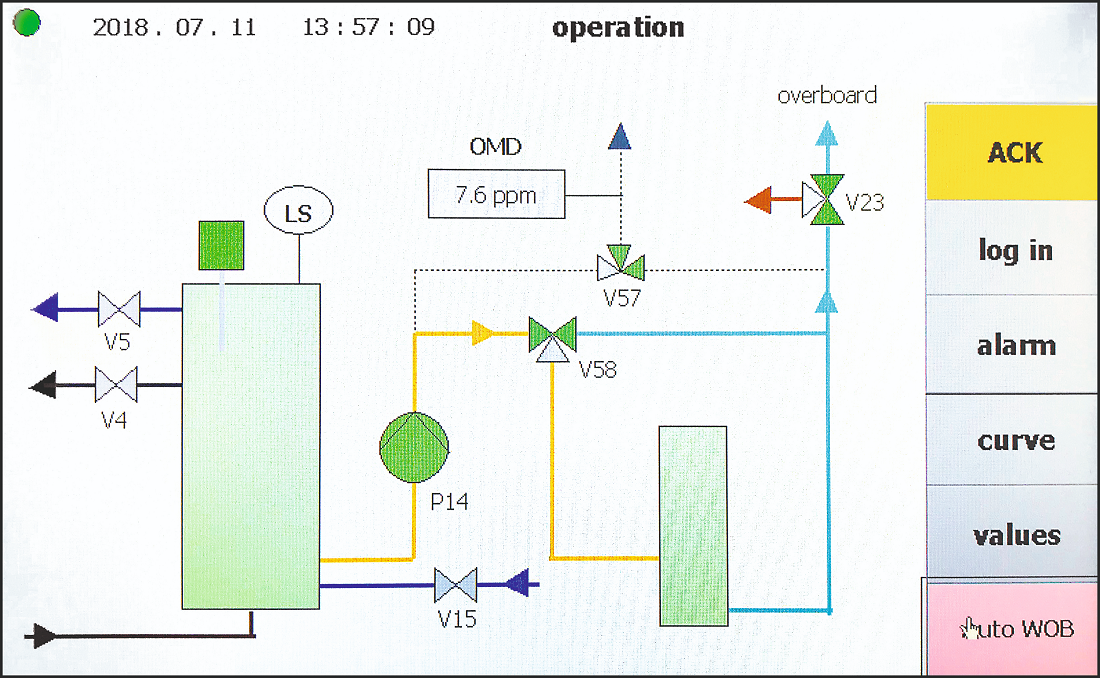
- Area: Coalescer wear and cloggingCheck: Visual: check coalescer for wear, discolouration, clogging; measure pressure differential across coalescer (should be <0.5 bar)
- Area: 15ppm bilge alarm accuracy and calibrationCheck: Alle 5 Jahre: Kalibrierungsprüfung des 15ppm Monitors durchführen; Sensorelektrode reinigen; Funktionsprüfung durchführen; Zertifikat ausstellen
- Area: Aktivkohle-Adsorberpatronen SättigungCheck: Jährlich: Adsorberpatronen wechseln; Effluent-Qualität auf <5 ppm überprüfen; Energieverbrauch monitoring
- Area: Piston valves and solenoid valves for leakageCheck: Visual and pressure test: check all piston and solenoid valves for leakage; perform annual maintenance
- Area: Flush water supply and air pressureCheck: Check: inspect flush water supply for clogging; monitor air pressure in system; test backflush function
Typ-universelle Inspektionspunkte fuer Separators & Purifiers (verifiziert, 2026-06).
- Area: Coalescer wear and cloggingCheck: Visual: check coalescer for wear, discolouration, clogging; measure pressure differential across coalescer (should be <0.5 bar)
- Area: 15ppm bilge alarm accuracy and calibrationCheck: Alle 5 Jahre: Kalibrierungsprüfung des 15ppm Monitors durchführen; Sensorelektrode reinigen; Funktionsprüfung durchführen; Zertifikat ausstellen
- Area: Aktivkohle-Adsorberpatronen SättigungCheck: Jährlich: Adsorberpatronen wechseln; Effluent-Qualität auf <5 ppm überprüfen; Energieverbrauch monitoring
- Area: Piston valves and solenoid valves for leakageCheck: Visual and pressure test: check all piston and solenoid valves for leakage; perform annual maintenance
- Area: Flush water supply and air pressureCheck: Check: inspect flush water supply for clogging; monitor air pressure in system; test backflush function
Typ-universelle Inspektionspunkte fuer Separators & Purifiers (verifiziert, 2026-06).
- Area: Coalescer wear and cloggingCheck: Visual: check coalescer for wear, discolouration, clogging; measure pressure differential across coalescer (should be <0.5 bar)
- Area: 15ppm bilge alarm accuracy and calibrationCheck: Alle 5 Jahre: Kalibrierungsprüfung des 15ppm Monitors durchführen; Sensorelektrode reinigen; Funktionsprüfung durchführen; Zertifikat ausstellen
- Area: Aktivkohle-Adsorberpatronen SättigungCheck: Jährlich: Adsorberpatronen wechseln; Effluent-Qualität auf <5 ppm überprüfen; Energieverbrauch monitoring
- Area: Piston valves and solenoid valves for leakageCheck: Visual and pressure test: check all piston and solenoid valves for leakage; perform annual maintenance
- Area: Flush water supply and air pressureCheck: Check: inspect flush water supply for clogging; monitor air pressure in system; test backflush function
Typ-universelle Inspektionspunkte fuer Separators & Purifiers (verifiziert, 2026-06).
- Area: Coalescer wear and cloggingCheck: Visual: check coalescer for wear, discolouration, clogging; measure pressure differential across coalescer (should be <0.5 bar)
- Area: 15ppm bilge alarm accuracy and calibrationCheck: Alle 5 Jahre: Kalibrierungsprüfung des 15ppm Monitors durchführen; Sensorelektrode reinigen; Funktionsprüfung durchführen; Zertifikat ausstellen
- Area: Aktivkohle-Adsorberpatronen SättigungCheck: Jährlich: Adsorberpatronen wechseln; Effluent-Qualität auf <5 ppm überprüfen; Energieverbrauch monitoring
- Area: Piston valves and solenoid valves for leakageCheck: Visual and pressure test: check all piston and solenoid valves for leakage; perform annual maintenance
- Area: Flush water supply and air pressureCheck: Check: inspect flush water supply for clogging; monitor air pressure in system; test backflush function
Typ-universelle Inspektionspunkte fuer Separators & Purifiers (verifiziert, 2026-06).
- Area: Coalescer wear and cloggingCheck: Visual: check coalescer for wear, discolouration, clogging; measure pressure differential across coalescer (should be <0.5 bar)
- Area: 15ppm bilge alarm accuracy and calibrationCheck: Alle 5 Jahre: Kalibrierungsprüfung des 15ppm Monitors durchführen; Sensorelektrode reinigen; Funktionsprüfung durchführen; Zertifikat ausstellen
- Area: Aktivkohle-Adsorberpatronen SättigungCheck: Jährlich: Adsorberpatronen wechseln; Effluent-Qualität auf <5 ppm überprüfen; Energieverbrauch monitoring
- Area: Piston valves and solenoid valves for leakageCheck: Visual and pressure test: check all piston and solenoid valves for leakage; perform annual maintenance
- Area: Flush water supply and air pressureCheck: Check: inspect flush water supply for clogging; monitor air pressure in system; test backflush function
Typ-universelle Inspektionspunkte fuer Separators & Purifiers (verifiziert, 2026-06).
- Area: Coalescer wear and cloggingCheck: Visual: check coalescer for wear, discolouration, clogging; measure pressure differential across coalescer (should be <0.5 bar)
- Area: 15ppm bilge alarm accuracy and calibrationCheck: Alle 5 Jahre: Kalibrierungsprüfung des 15ppm Monitors durchführen; Sensorelektrode reinigen; Funktionsprüfung durchführen; Zertifikat ausstellen
- Area: Aktivkohle-Adsorberpatronen SättigungCheck: Jährlich: Adsorberpatronen wechseln; Effluent-Qualität auf <5 ppm überprüfen; Energieverbrauch monitoring
- Area: Piston valves and solenoid valves for leakageCheck: Visual and pressure test: check all piston and solenoid valves for leakage; perform annual maintenance
- Area: Flush water supply and air pressureCheck: Check: inspect flush water supply for clogging; monitor air pressure in system; test backflush function
Typ-universelle Inspektionspunkte fuer Separators & Purifiers (verifiziert, 2026-06).
- Area: Coalescer wear and cloggingCheck: Visual: check coalescer for wear, discolouration, clogging; measure pressure differential across coalescer (should be <0.5 bar)
- Area: 15ppm bilge alarm accuracy and calibrationCheck: Alle 5 Jahre: Kalibrierungsprüfung des 15ppm Monitors durchführen; Sensorelektrode reinigen; Funktionsprüfung durchführen; Zertifikat ausstellen
- Area: Aktivkohle-Adsorberpatronen SättigungCheck: Jährlich: Adsorberpatronen wechseln; Effluent-Qualität auf <5 ppm überprüfen; Energieverbrauch monitoring
- Area: Piston valves and solenoid valves for leakageCheck: Visual and pressure test: check all piston and solenoid valves for leakage; perform annual maintenance
- Area: Flush water supply and air pressureCheck: Check: inspect flush water supply for clogging; monitor air pressure in system; test backflush function
Typ-universelle Inspektionspunkte fuer Separators & Purifiers (verifiziert, 2026-06).
- Area: Coalescer wear and cloggingCheck: Visual: check coalescer for wear, discolouration, clogging; measure pressure differential across coalescer (should be <0.5 bar)
- Area: 15ppm bilge alarm accuracy and calibrationCheck: Alle 5 Jahre: Kalibrierungsprüfung des 15ppm Monitors durchführen; Sensorelektrode reinigen; Funktionsprüfung durchführen; Zertifikat ausstellen
- Area: Aktivkohle-Adsorberpatronen SättigungCheck: Jährlich: Adsorberpatronen wechseln; Effluent-Qualität auf <5 ppm überprüfen; Energieverbrauch monitoring
- Area: Piston valves and solenoid valves for leakageCheck: Visual and pressure test: check all piston and solenoid valves for leakage; perform annual maintenance
- Area: Flush water supply and air pressureCheck: Check: inspect flush water supply for clogging; monitor air pressure in system; test backflush function
Typ-universelle Inspektionspunkte fuer Separators & Purifiers (verifiziert, 2026-06).
- Area: Coalescer wear and cloggingCheck: Visual: check coalescer for wear, discolouration, clogging; measure pressure differential across coalescer (should be <0.5 bar)
- Area: 15ppm bilge alarm accuracy and calibrationCheck: Alle 5 Jahre: Kalibrierungsprüfung des 15ppm Monitors durchführen; Sensorelektrode reinigen; Funktionsprüfung durchführen; Zertifikat ausstellen
- Area: Aktivkohle-Adsorberpatronen SättigungCheck: Jährlich: Adsorberpatronen wechseln; Effluent-Qualität auf <5 ppm überprüfen; Energieverbrauch monitoring
- Area: Piston valves and solenoid valves for leakageCheck: Visual and pressure test: check all piston and solenoid valves for leakage; perform annual maintenance
- Area: Flush water supply and air pressureCheck: Check: inspect flush water supply for clogging; monitor air pressure in system; test backflush function
Typ-universelle Inspektionspunkte fuer Separators & Purifiers (verifiziert, 2026-06).
- Area: Coalescer wear and cloggingCheck: Visual: check coalescer for wear, discolouration, clogging; measure pressure differential across coalescer (should be <0.5 bar)
- Area: 15ppm bilge alarm accuracy and calibrationCheck: Alle 5 Jahre: Kalibrierungsprüfung des 15ppm Monitors durchführen; Sensorelektrode reinigen; Funktionsprüfung durchführen; Zertifikat ausstellen
- Area: Aktivkohle-Adsorberpatronen SättigungCheck: Jährlich: Adsorberpatronen wechseln; Effluent-Qualität auf <5 ppm überprüfen; Energieverbrauch monitoring
- Area: Piston valves and solenoid valves for leakageCheck: Visual and pressure test: check all piston and solenoid valves for leakage; perform annual maintenance
- Area: Flush water supply and air pressureCheck: Check: inspect flush water supply for clogging; monitor air pressure in system; test backflush function
Typ-universelle Inspektionspunkte fuer Separators & Purifiers (verifiziert, 2026-06).
- Area: Coalescer wear and cloggingCheck: Visual: check coalescer for wear, discolouration, clogging; measure pressure differential across coalescer (should be <0.5 bar)
- Area: 15ppm bilge alarm accuracy and calibrationCheck: Alle 5 Jahre: Kalibrierungsprüfung des 15ppm Monitors durchführen; Sensorelektrode reinigen; Funktionsprüfung durchführen; Zertifikat ausstellen
- Area: Aktivkohle-Adsorberpatronen SättigungCheck: Jährlich: Adsorberpatronen wechseln; Effluent-Qualität auf <5 ppm überprüfen; Energieverbrauch monitoring
- Area: Piston valves and solenoid valves for leakageCheck: Visual and pressure test: check all piston and solenoid valves for leakage; perform annual maintenance
- Area: Flush water supply and air pressureCheck: Check: inspect flush water supply for clogging; monitor air pressure in system; test backflush function
Typ-universelle Inspektionspunkte fuer Separators & Purifiers (verifiziert, 2026-06).
- Area: Coalescer wear and cloggingCheck: Visual: check coalescer for wear, discolouration, clogging; measure pressure differential across coalescer (should be <0.5 bar)
- Area: 15ppm bilge alarm accuracy and calibrationCheck: Alle 5 Jahre: Kalibrierungsprüfung des 15ppm Monitors durchführen; Sensorelektrode reinigen; Funktionsprüfung durchführen; Zertifikat ausstellen
- Area: Aktivkohle-Adsorberpatronen SättigungCheck: Jährlich: Adsorberpatronen wechseln; Effluent-Qualität auf <5 ppm überprüfen; Energieverbrauch monitoring
- Area: Piston valves and solenoid valves for leakageCheck: Visual and pressure test: check all piston and solenoid valves for leakage; perform annual maintenance
- Area: Flush water supply and air pressureCheck: Check: inspect flush water supply for clogging; monitor air pressure in system; test backflush function
Typ-universelle Inspektionspunkte fuer Separators & Purifiers (verifiziert, 2026-06).
Victor Marine
21 ✓ 8 verified- Mechanical wear caused by inadequate lubrication, contamination or long service, resulting in rising vibration, noise or temperature
- Seal or gasket deterioration caused by wear, corrosion or misalignment, resulting in visible leakage or loss of process containment
- Flow restriction, cavitation or fouling caused by blocked passages or unsuitable operating conditions, resulting in reduced capacity and unstable performance
- Motor, coupling or drive failure caused by electrical faults, misalignment or overload, resulting in trips, abnormal current or inability to reach normal speed
- Sensor, control or protection failure caused by wiring, calibration or electronics faults, resulting in alarms, incorrect control response or shutdown

- Area: Bilge Water Level & Composition VerificationCheck: Daily inspection of bilge water level in separator and verification of composition (identify oil slicks, emulsions, sediment accumulation) to ensure proper operation and detect contamination sources before processing
- Area: 15ppm Alarm System Functionality TestCheck: Confirm that 15ppm bilge alarm is displaying correctly and functional; verify alarm sensor is properly installed in vertical section of water effluent piping close to separator outlet; test alarm response with sample line flow verification
- Area: Filter/Coalescer Element Inspection & CleaningCheck: Regular inspection and cleaning of coalescing filter elements and AGM (Adsorption Granular Media) filtration cartridges for sediment/oil accumulation; assess element saturation state; plan replacement intervals based on bilge composition and flow rate
- Area: Valve Position & Piping Integrity CheckCheck: Verify all three-way isolation and bypass valves are in correct operational position; inspect all pipe connections, flanges (cast iron three-way valve per IMO MEPC 107(49) Section 6.1.1), and valve seals for leaks; pressurize system to maximum 3.45 bar to detect micro-leaks
- Area: Data Recording Device & Sample Line VerificationCheck: Verify data recording device is functioning and storing operation/discharge records; confirm sample line from separator to 15ppm alarm is unobstructed and provides representative sample with adequate pressure and flow; check line connections for kinks, blockages, or sediment deposition
Typ-universelle Inspektionspunkte fuer Separators & Purifiers (verifiziert, 2026-06).
- Area: Bilge Water Level & Composition VerificationCheck: Daily inspection of bilge water level in separator and verification of composition (identify oil slicks, emulsions, sediment accumulation) to ensure proper operation and detect contamination sources before processing
- Area: 15ppm Alarm System Functionality TestCheck: Confirm that 15ppm bilge alarm is displaying correctly and functional; verify alarm sensor is properly installed in vertical section of water effluent piping close to separator outlet; test alarm response with sample line flow verification
- Area: Filter/Coalescer Element Inspection & CleaningCheck: Regular inspection and cleaning of coalescing filter elements and AGM (Adsorption Granular Media) filtration cartridges for sediment/oil accumulation; assess element saturation state; plan replacement intervals based on bilge composition and flow rate
- Area: Valve Position & Piping Integrity CheckCheck: Verify all three-way isolation and bypass valves are in correct operational position; inspect all pipe connections, flanges (cast iron three-way valve per IMO MEPC 107(49) Section 6.1.1), and valve seals for leaks; pressurize system to maximum 3.45 bar to detect micro-leaks
- Area: Data Recording Device & Sample Line VerificationCheck: Verify data recording device is functioning and storing operation/discharge records; confirm sample line from separator to 15ppm alarm is unobstructed and provides representative sample with adequate pressure and flow; check line connections for kinks, blockages, or sediment deposition
Typ-universelle Inspektionspunkte fuer Separators & Purifiers (verifiziert, 2026-06).
- Area: Bilge Water Level & Composition VerificationCheck: Daily inspection of bilge water level in separator and verification of composition (identify oil slicks, emulsions, sediment accumulation) to ensure proper operation and detect contamination sources before processing
- Area: 15ppm Alarm System Functionality TestCheck: Confirm that 15ppm bilge alarm is displaying correctly and functional; verify alarm sensor is properly installed in vertical section of water effluent piping close to separator outlet; test alarm response with sample line flow verification
- Area: Filter/Coalescer Element Inspection & CleaningCheck: Regular inspection and cleaning of coalescing filter elements and AGM (Adsorption Granular Media) filtration cartridges for sediment/oil accumulation; assess element saturation state; plan replacement intervals based on bilge composition and flow rate
- Area: Valve Position & Piping Integrity CheckCheck: Verify all three-way isolation and bypass valves are in correct operational position; inspect all pipe connections, flanges (cast iron three-way valve per IMO MEPC 107(49) Section 6.1.1), and valve seals for leaks; pressurize system to maximum 3.45 bar to detect micro-leaks
- Area: Data Recording Device & Sample Line VerificationCheck: Verify data recording device is functioning and storing operation/discharge records; confirm sample line from separator to 15ppm alarm is unobstructed and provides representative sample with adequate pressure and flow; check line connections for kinks, blockages, or sediment deposition
Typ-universelle Inspektionspunkte fuer Separators & Purifiers (verifiziert, 2026-06).
- Area: Bilge Water Level & Composition VerificationCheck: Daily inspection of bilge water level in separator and verification of composition (identify oil slicks, emulsions, sediment accumulation) to ensure proper operation and detect contamination sources before processing
- Area: 15ppm Alarm System Functionality TestCheck: Confirm that 15ppm bilge alarm is displaying correctly and functional; verify alarm sensor is properly installed in vertical section of water effluent piping close to separator outlet; test alarm response with sample line flow verification
- Area: Filter/Coalescer Element Inspection & CleaningCheck: Regular inspection and cleaning of coalescing filter elements and AGM (Adsorption Granular Media) filtration cartridges for sediment/oil accumulation; assess element saturation state; plan replacement intervals based on bilge composition and flow rate
- Area: Valve Position & Piping Integrity CheckCheck: Verify all three-way isolation and bypass valves are in correct operational position; inspect all pipe connections, flanges (cast iron three-way valve per IMO MEPC 107(49) Section 6.1.1), and valve seals for leaks; pressurize system to maximum 3.45 bar to detect micro-leaks
- Area: Data Recording Device & Sample Line VerificationCheck: Verify data recording device is functioning and storing operation/discharge records; confirm sample line from separator to 15ppm alarm is unobstructed and provides representative sample with adequate pressure and flow; check line connections for kinks, blockages, or sediment deposition
Typ-universelle Inspektionspunkte fuer Separators & Purifiers (verifiziert, 2026-06).
- Area: Bilge Water Level & Composition VerificationCheck: Daily inspection of bilge water level in separator and verification of composition (identify oil slicks, emulsions, sediment accumulation) to ensure proper operation and detect contamination sources before processing
- Area: 15ppm Alarm System Functionality TestCheck: Confirm that 15ppm bilge alarm is displaying correctly and functional; verify alarm sensor is properly installed in vertical section of water effluent piping close to separator outlet; test alarm response with sample line flow verification
- Area: Filter/Coalescer Element Inspection & CleaningCheck: Regular inspection and cleaning of coalescing filter elements and AGM (Adsorption Granular Media) filtration cartridges for sediment/oil accumulation; assess element saturation state; plan replacement intervals based on bilge composition and flow rate
- Area: Valve Position & Piping Integrity CheckCheck: Verify all three-way isolation and bypass valves are in correct operational position; inspect all pipe connections, flanges (cast iron three-way valve per IMO MEPC 107(49) Section 6.1.1), and valve seals for leaks; pressurize system to maximum 3.45 bar to detect micro-leaks
- Area: Data Recording Device & Sample Line VerificationCheck: Verify data recording device is functioning and storing operation/discharge records; confirm sample line from separator to 15ppm alarm is unobstructed and provides representative sample with adequate pressure and flow; check line connections for kinks, blockages, or sediment deposition
Typ-universelle Inspektionspunkte fuer Separators & Purifiers (verifiziert, 2026-06).
- Area: Bilge Water Level & Composition VerificationCheck: Daily inspection of bilge water level in separator and verification of composition (identify oil slicks, emulsions, sediment accumulation) to ensure proper operation and detect contamination sources before processing
- Area: 15ppm Alarm System Functionality TestCheck: Confirm that 15ppm bilge alarm is displaying correctly and functional; verify alarm sensor is properly installed in vertical section of water effluent piping close to separator outlet; test alarm response with sample line flow verification
- Area: Filter/Coalescer Element Inspection & CleaningCheck: Regular inspection and cleaning of coalescing filter elements and AGM (Adsorption Granular Media) filtration cartridges for sediment/oil accumulation; assess element saturation state; plan replacement intervals based on bilge composition and flow rate
- Area: Valve Position & Piping Integrity CheckCheck: Verify all three-way isolation and bypass valves are in correct operational position; inspect all pipe connections, flanges (cast iron three-way valve per IMO MEPC 107(49) Section 6.1.1), and valve seals for leaks; pressurize system to maximum 3.45 bar to detect micro-leaks
- Area: Data Recording Device & Sample Line VerificationCheck: Verify data recording device is functioning and storing operation/discharge records; confirm sample line from separator to 15ppm alarm is unobstructed and provides representative sample with adequate pressure and flow; check line connections for kinks, blockages, or sediment deposition
Typ-universelle Inspektionspunkte fuer Separators & Purifiers (verifiziert, 2026-06).
- Area: Bilge Water Level & Composition VerificationCheck: Daily inspection of bilge water level in separator and verification of composition (identify oil slicks, emulsions, sediment accumulation) to ensure proper operation and detect contamination sources before processing
- Area: 15ppm Alarm System Functionality TestCheck: Confirm that 15ppm bilge alarm is displaying correctly and functional; verify alarm sensor is properly installed in vertical section of water effluent piping close to separator outlet; test alarm response with sample line flow verification
- Area: Filter/Coalescer Element Inspection & CleaningCheck: Regular inspection and cleaning of coalescing filter elements and AGM (Adsorption Granular Media) filtration cartridges for sediment/oil accumulation; assess element saturation state; plan replacement intervals based on bilge composition and flow rate
- Area: Valve Position & Piping Integrity CheckCheck: Verify all three-way isolation and bypass valves are in correct operational position; inspect all pipe connections, flanges (cast iron three-way valve per IMO MEPC 107(49) Section 6.1.1), and valve seals for leaks; pressurize system to maximum 3.45 bar to detect micro-leaks
- Area: Data Recording Device & Sample Line VerificationCheck: Verify data recording device is functioning and storing operation/discharge records; confirm sample line from separator to 15ppm alarm is unobstructed and provides representative sample with adequate pressure and flow; check line connections for kinks, blockages, or sediment deposition
Typ-universelle Inspektionspunkte fuer Separators & Purifiers (verifiziert, 2026-06).
- Area: Bilge Water Level & Composition VerificationCheck: Daily inspection of bilge water level in separator and verification of composition (identify oil slicks, emulsions, sediment accumulation) to ensure proper operation and detect contamination sources before processing
- Area: 15ppm Alarm System Functionality TestCheck: Confirm that 15ppm bilge alarm is displaying correctly and functional; verify alarm sensor is properly installed in vertical section of water effluent piping close to separator outlet; test alarm response with sample line flow verification
- Area: Filter/Coalescer Element Inspection & CleaningCheck: Regular inspection and cleaning of coalescing filter elements and AGM (Adsorption Granular Media) filtration cartridges for sediment/oil accumulation; assess element saturation state; plan replacement intervals based on bilge composition and flow rate
- Area: Valve Position & Piping Integrity CheckCheck: Verify all three-way isolation and bypass valves are in correct operational position; inspect all pipe connections, flanges (cast iron three-way valve per IMO MEPC 107(49) Section 6.1.1), and valve seals for leaks; pressurize system to maximum 3.45 bar to detect micro-leaks
- Area: Data Recording Device & Sample Line VerificationCheck: Verify data recording device is functioning and storing operation/discharge records; confirm sample line from separator to 15ppm alarm is unobstructed and provides representative sample with adequate pressure and flow; check line connections for kinks, blockages, or sediment deposition
Typ-universelle Inspektionspunkte fuer Separators & Purifiers (verifiziert, 2026-06).
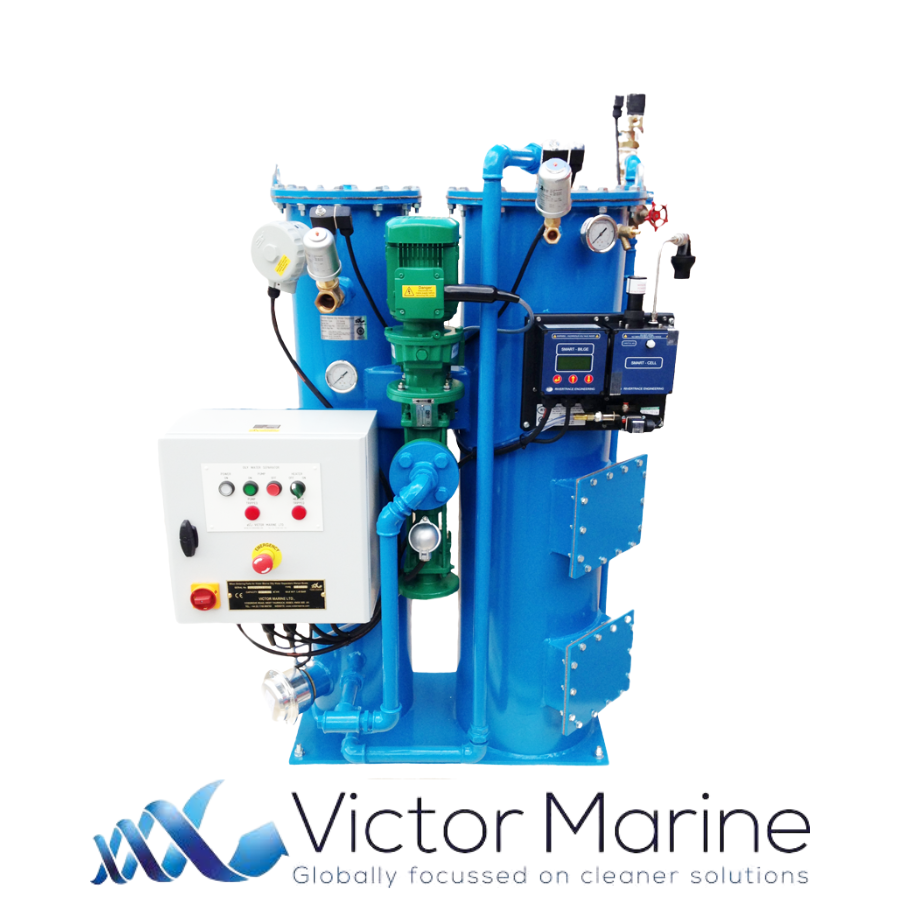
- Vane seal leakage in rotary-vane type causes internal bypass
- HPU motor bearing damage after 30,000+ operating hours
- Solenoid valve sticking from oil contamination
- Ruderlage-Rückmeldesystem Kalibrierungsdrift
Alfa Laval
16 ✓ 4 verified
- Area: Schuessel-/Teller-ErosionCheck: Paring disc, top disc, mud ports check for dull spots/wash-out; erosion depth >0.2 mm (bowl/cap) or >0.5 mm (other) = replacement.
- Area: DichtungsringeCheck: Leaks at cover/bolted joints/mud outlet; gasket rings (EPDM) change every 6000–8000 h, original parts only.
- Area: KugellagerCheck: Check vibration/noise; bearings change in pairs every 12000–16000 h, lubricate correctly; do not increase throughput during vibration.
- Area: Riemen & KupplungCheck: Belts every 3000 h (tension per manufacturer), cracks/wear; coupling check for axial play (>0.5 mm = fault), corrosion.
- Area: Stromaufnahme/VerschmutzungCheck: Monitor current consumption nominal/actual; clean bowl during shutdown; check pre-filtration + lubrication; limit sludge volume.
Universelle Inspektions-/Wartungspunkte fuer Alfa-Laval-Tellerseparatoren (modellunabhaengig gueltig, verifiziert aus Alfa-Laval-Doku + premiersepservices, 2026-06). Per-Modell-Specs NICHT auto-gefuellt (kein erfundener Wert).
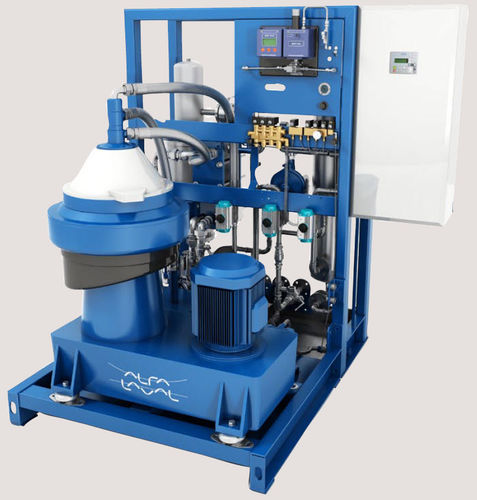
- Area: Schuessel-/Teller-ErosionCheck: Paring disc, top disc, mud ports check for dull spots/wash-out; erosion depth >0.2 mm (bowl/cap) or >0.5 mm (other) = replacement.
- Area: DichtungsringeCheck: Leaks at cover/bolted joints/mud outlet; gasket rings (EPDM) change every 6000–8000 h, original parts only.
- Area: KugellagerCheck: Check vibration/noise; bearings change in pairs every 12000–16000 h, lubricate correctly; do not increase throughput during vibration.
- Area: Riemen & KupplungCheck: Belts every 3000 h (tension per manufacturer), cracks/wear; coupling check for axial play (>0.5 mm = fault), corrosion.
- Area: Stromaufnahme/VerschmutzungCheck: Monitor current consumption nominal/actual; clean bowl during shutdown; check pre-filtration + lubrication; limit sludge volume.
Universelle Inspektions-/Wartungspunkte fuer Alfa-Laval-Tellerseparatoren (modellunabhaengig gueltig, verifiziert aus Alfa-Laval-Doku + premiersepservices, 2026-06). Per-Modell-Specs NICHT auto-gefuellt (kein erfundener Wert).
- Area: Schuessel-/Teller-ErosionCheck: Paring disc, top disc, mud ports check for dull spots/wash-out; erosion depth >0.2 mm (bowl/cap) or >0.5 mm (other) = replacement.
- Area: DichtungsringeCheck: Leaks at cover/bolted joints/mud outlet; gasket rings (EPDM) change every 6000–8000 h, original parts only.
- Area: KugellagerCheck: Check vibration/noise; bearings change in pairs every 12000–16000 h, lubricate correctly; do not increase throughput during vibration.
- Area: Riemen & KupplungCheck: Belts every 3000 h (tension per manufacturer), cracks/wear; coupling check for axial play (>0.5 mm = fault), corrosion.
- Area: Stromaufnahme/VerschmutzungCheck: Monitor current consumption nominal/actual; clean bowl during shutdown; check pre-filtration + lubrication; limit sludge volume.
Universelle Inspektions-/Wartungspunkte fuer Alfa-Laval-Tellerseparatoren (modellunabhaengig gueltig, verifiziert aus Alfa-Laval-Doku + premiersepservices, 2026-06). Per-Modell-Specs NICHT auto-gefuellt (kein erfundener Wert).
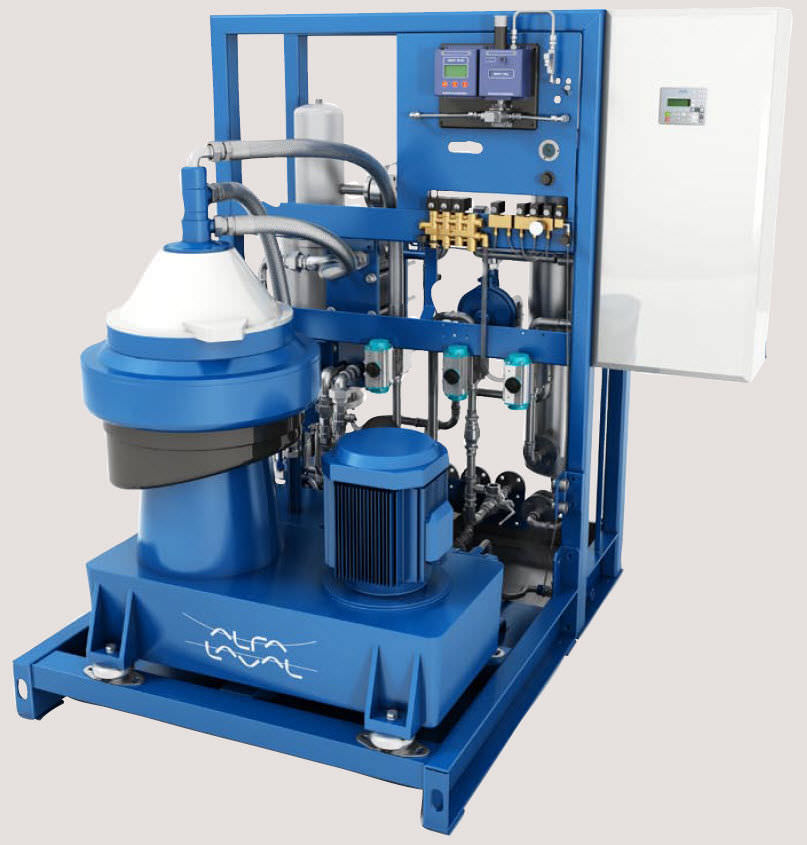
- Area: Schuessel-/Teller-ErosionCheck: Paring disc, top disc, mud ports check for dull spots/wash-out; erosion depth >0.2 mm (bowl/cap) or >0.5 mm (other) = replacement.
- Area: DichtungsringeCheck: Leaks at cover/bolted joints/mud outlet; gasket rings (EPDM) change every 6000–8000 h, original parts only.
- Area: KugellagerCheck: Check vibration/noise; bearings change in pairs every 12000–16000 h, lubricate correctly; do not increase throughput during vibration.
- Area: Riemen & KupplungCheck: Belts every 3000 h (tension per manufacturer), cracks/wear; coupling check for axial play (>0.5 mm = fault), corrosion.
- Area: Stromaufnahme/VerschmutzungCheck: Monitor current consumption nominal/actual; clean bowl during shutdown; check pre-filtration + lubrication; limit sludge volume.
Universelle Inspektions-/Wartungspunkte fuer Alfa-Laval-Tellerseparatoren (modellunabhaengig gueltig, verifiziert aus Alfa-Laval-Doku + premiersepservices, 2026-06). Per-Modell-Specs NICHT auto-gefuellt (kein erfundener Wert).
- Area: Schuessel-/Teller-ErosionCheck: Paring disc, top disc, mud ports check for dull spots/wash-out; erosion depth >0.2 mm (bowl/cap) or >0.5 mm (other) = replacement.
- Area: DichtungsringeCheck: Leaks at cover/bolted joints/mud outlet; gasket rings (EPDM) change every 6000–8000 h, original parts only.
- Area: KugellagerCheck: Check vibration/noise; bearings change in pairs every 12000–16000 h, lubricate correctly; do not increase throughput during vibration.
- Area: Riemen & KupplungCheck: Belts every 3000 h (tension per manufacturer), cracks/wear; coupling check for axial play (>0.5 mm = fault), corrosion.
- Area: Stromaufnahme/VerschmutzungCheck: Monitor current consumption nominal/actual; clean bowl during shutdown; check pre-filtration + lubrication; limit sludge volume.
Universelle Inspektions-/Wartungspunkte fuer Alfa-Laval-Tellerseparatoren (modellunabhaengig gueltig, verifiziert aus Alfa-Laval-Doku + premiersepservices, 2026-06). Per-Modell-Specs NICHT auto-gefuellt (kein erfundener Wert).
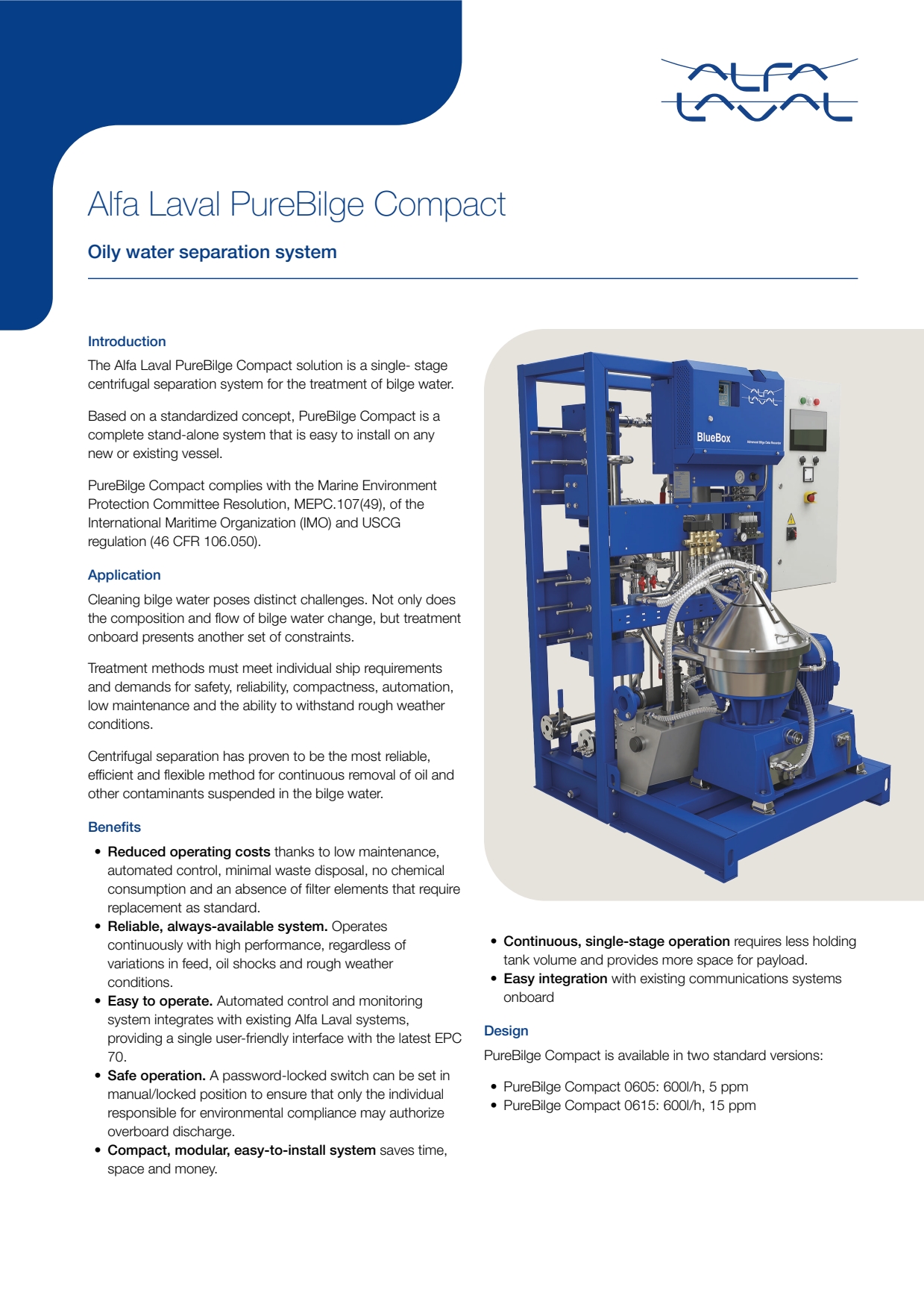
- Area: Schuessel-/Teller-ErosionCheck: Paring disc, top disc, mud ports check for dull spots/wash-out; erosion depth >0.2 mm (bowl/cap) or >0.5 mm (other) = replacement.
- Area: DichtungsringeCheck: Leaks at cover/bolted joints/mud outlet; gasket rings (EPDM) change every 6000–8000 h, original parts only.
- Area: KugellagerCheck: Check vibration/noise; bearings change in pairs every 12000–16000 h, lubricate correctly; do not increase throughput during vibration.
- Area: Riemen & KupplungCheck: Belts every 3000 h (tension per manufacturer), cracks/wear; coupling check for axial play (>0.5 mm = fault), corrosion.
- Area: Stromaufnahme/VerschmutzungCheck: Monitor current consumption nominal/actual; clean bowl during shutdown; check pre-filtration + lubrication; limit sludge volume.
Universelle Inspektions-/Wartungspunkte fuer Alfa-Laval-Tellerseparatoren (modellunabhaengig gueltig, verifiziert aus Alfa-Laval-Doku + premiersepservices, 2026-06). Per-Modell-Specs NICHT auto-gefuellt (kein erfundener Wert).
- Area: Schuessel-/Teller-ErosionCheck: Paring disc, top disc, mud ports check for dull spots/wash-out; erosion depth >0.2 mm (bowl/cap) or >0.5 mm (other) = replacement.
- Area: DichtungsringeCheck: Leaks at cover/bolted joints/mud outlet; gasket rings (EPDM) change every 6000–8000 h, original parts only.
- Area: KugellagerCheck: Check vibration/noise; bearings change in pairs every 12000–16000 h, lubricate correctly; do not increase throughput during vibration.
- Area: Riemen & KupplungCheck: Belts every 3000 h (tension per manufacturer), cracks/wear; coupling check for axial play (>0.5 mm = fault), corrosion.
- Area: Stromaufnahme/VerschmutzungCheck: Monitor current consumption nominal/actual; clean bowl during shutdown; check pre-filtration + lubrication; limit sludge volume.
Universelle Inspektions-/Wartungspunkte fuer Alfa-Laval-Tellerseparatoren (modellunabhaengig gueltig, verifiziert aus Alfa-Laval-Doku + premiersepservices, 2026-06). Per-Modell-Specs NICHT auto-gefuellt (kein erfundener Wert).
- Area: Schuessel-/Teller-ErosionCheck: Paring disc, top disc, mud ports check for dull spots/wash-out; erosion depth >0.2 mm (bowl/cap) or >0.5 mm (other) = replacement.
- Area: DichtungsringeCheck: Leaks at cover/bolted joints/mud outlet; gasket rings (EPDM) change every 6000–8000 h, original parts only.
- Area: KugellagerCheck: Check vibration/noise; bearings change in pairs every 12000–16000 h, lubricate correctly; do not increase throughput during vibration.
- Area: Riemen & KupplungCheck: Belts every 3000 h (tension per manufacturer), cracks/wear; coupling check for axial play (>0.5 mm = fault), corrosion.
- Area: Stromaufnahme/VerschmutzungCheck: Monitor current consumption nominal/actual; clean bowl during shutdown; check pre-filtration + lubrication; limit sludge volume.
Universelle Inspektions-/Wartungspunkte fuer Alfa-Laval-Tellerseparatoren (modellunabhaengig gueltig, verifiziert aus Alfa-Laval-Doku + premiersepservices, 2026-06). Per-Modell-Specs NICHT auto-gefuellt (kein erfundener Wert).
- Area: Schuessel-/Teller-ErosionCheck: Paring disc, top disc, mud ports check for dull spots/wash-out; erosion depth >0.2 mm (bowl/cap) or >0.5 mm (other) = replacement.
- Area: DichtungsringeCheck: Leaks at cover/bolted joints/mud outlet; gasket rings (EPDM) change every 6000–8000 h, original parts only.
- Area: KugellagerCheck: Check vibration/noise; bearings change in pairs every 12000–16000 h, lubricate correctly; do not increase throughput during vibration.
- Area: Riemen & KupplungCheck: Belts every 3000 h (tension per manufacturer), cracks/wear; coupling check for axial play (>0.5 mm = fault), corrosion.
- Area: Stromaufnahme/VerschmutzungCheck: Monitor current consumption nominal/actual; clean bowl during shutdown; check pre-filtration + lubrication; limit sludge volume.
Universelle Inspektions-/Wartungspunkte fuer Alfa-Laval-Tellerseparatoren (modellunabhaengig gueltig, verifiziert aus Alfa-Laval-Doku + premiersepservices, 2026-06). Per-Modell-Specs NICHT auto-gefuellt (kein erfundener Wert).
- Area: Schuessel-/Teller-ErosionCheck: Paring disc, top disc, mud ports check for dull spots/wash-out; erosion depth >0.2 mm (bowl/cap) or >0.5 mm (other) = replacement.
- Area: DichtungsringeCheck: Leaks at cover/bolted joints/mud outlet; gasket rings (EPDM) change every 6000–8000 h, original parts only.
- Area: KugellagerCheck: Check vibration/noise; bearings change in pairs every 12000–16000 h, lubricate correctly; do not increase throughput during vibration.
- Area: Riemen & KupplungCheck: Belts every 3000 h (tension per manufacturer), cracks/wear; coupling check for axial play (>0.5 mm = fault), corrosion.
- Area: Stromaufnahme/VerschmutzungCheck: Monitor current consumption nominal/actual; clean bowl during shutdown; check pre-filtration + lubrication; limit sludge volume.
Universelle Inspektions-/Wartungspunkte fuer Alfa-Laval-Tellerseparatoren (modellunabhaengig gueltig, verifiziert aus Alfa-Laval-Doku + premiersepservices, 2026-06). Per-Modell-Specs NICHT auto-gefuellt (kein erfundener Wert).
- Area: Oil content exceeds discharge limitCheck: Verify oil content monitor (15ppm bilge alarm) calibration and sampling point integrity per IMO MEPC.107(49) paragraph 6.1-6.2; sampling point must be vertical, close to separator outlet for representative homogenous samples
- Area: Disc stack separation efficiency degradationCheck: Inspect disc stack and spindle for cracks, warping, corrosion, erosion, or deposit buildup at manufacturer-specified intervals; clean with approved chemical agents if needed
- Area: Bearing and seal failuresCheck: Check all bearing points per lubrication schedule, verify oil pressure gauge readings within normal range; inspect seals and gaskets for wear, leakage, or material degradation
- Area: Bowl corrosion or structural damageCheck: Inspect bowl and bearing housing for corrosion patterns, stress cracks, deformation, or wear marks that indicate internal component contact or fatigue
- Area: Operational compliance with MEPC.107(49)Check: Verify historical operational data is recorded in oil content monitor memory; confirm discharge is diverted back to OWS inlet or bilge tank when oil content exceeds 15ppm threshold per installed piping logic
Typ-universelle Inspektionspunkte fuer Separators & Purifiers (verifiziert, 2026-06).
- Area: Oil content exceeds discharge limitCheck: Verify oil content monitor (15ppm bilge alarm) calibration and sampling point integrity per IMO MEPC.107(49) paragraph 6.1-6.2; sampling point must be vertical, close to separator outlet for representative homogenous samples
- Area: Disc stack separation efficiency degradationCheck: Inspect disc stack and spindle for cracks, warping, corrosion, erosion, or deposit buildup at manufacturer-specified intervals; clean with approved chemical agents if needed
- Area: Bearing and seal failuresCheck: Check all bearing points per lubrication schedule, verify oil pressure gauge readings within normal range; inspect seals and gaskets for wear, leakage, or material degradation
- Area: Bowl corrosion or structural damageCheck: Inspect bowl and bearing housing for corrosion patterns, stress cracks, deformation, or wear marks that indicate internal component contact or fatigue
- Area: Operational compliance with MEPC.107(49)Check: Verify historical operational data is recorded in oil content monitor memory; confirm discharge is diverted back to OWS inlet or bilge tank when oil content exceeds 15ppm threshold per installed piping logic
Typ-universelle Inspektionspunkte fuer Separators & Purifiers (verifiziert, 2026-06).
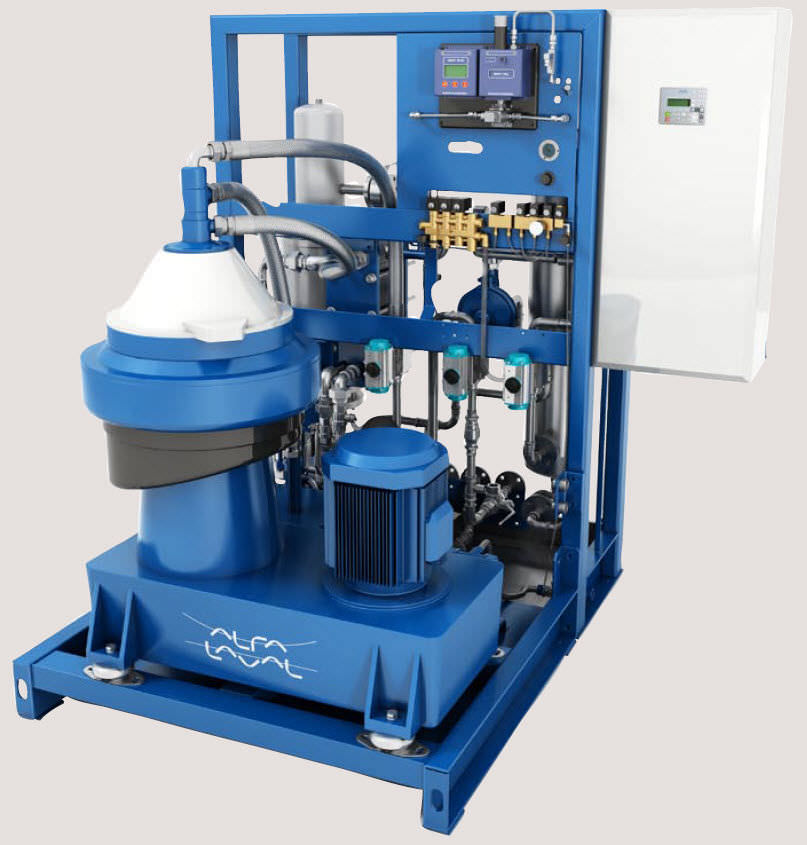
- Area: Oil content exceeds discharge limitCheck: Verify oil content monitor (15ppm bilge alarm) calibration and sampling point integrity per IMO MEPC.107(49) paragraph 6.1-6.2; sampling point must be vertical, close to separator outlet for representative homogenous samples
- Area: Disc stack separation efficiency degradationCheck: Inspect disc stack and spindle for cracks, warping, corrosion, erosion, or deposit buildup at manufacturer-specified intervals; clean with approved chemical agents if needed
- Area: Bearing and seal failuresCheck: Check all bearing points per lubrication schedule, verify oil pressure gauge readings within normal range; inspect seals and gaskets for wear, leakage, or material degradation
- Area: Bowl corrosion or structural damageCheck: Inspect bowl and bearing housing for corrosion patterns, stress cracks, deformation, or wear marks that indicate internal component contact or fatigue
- Area: Operational compliance with MEPC.107(49)Check: Verify historical operational data is recorded in oil content monitor memory; confirm discharge is diverted back to OWS inlet or bilge tank when oil content exceeds 15ppm threshold per installed piping logic
Typ-universelle Inspektionspunkte fuer Separators & Purifiers (verifiziert, 2026-06).
- Area: Oil content exceeds discharge limitCheck: Verify oil content monitor (15ppm bilge alarm) calibration and sampling point integrity per IMO MEPC.107(49) paragraph 6.1-6.2; sampling point must be vertical, close to separator outlet for representative homogenous samples
- Area: Disc stack separation efficiency degradationCheck: Inspect disc stack and spindle for cracks, warping, corrosion, erosion, or deposit buildup at manufacturer-specified intervals; clean with approved chemical agents if needed
- Area: Bearing and seal failuresCheck: Check all bearing points per lubrication schedule, verify oil pressure gauge readings within normal range; inspect seals and gaskets for wear, leakage, or material degradation
- Area: Bowl corrosion or structural damageCheck: Inspect bowl and bearing housing for corrosion patterns, stress cracks, deformation, or wear marks that indicate internal component contact or fatigue
- Area: Operational compliance with MEPC.107(49)Check: Verify historical operational data is recorded in oil content monitor memory; confirm discharge is diverted back to OWS inlet or bilge tank when oil content exceeds 15ppm threshold per installed piping logic
Typ-universelle Inspektionspunkte fuer Separators & Purifiers (verifiziert, 2026-06).

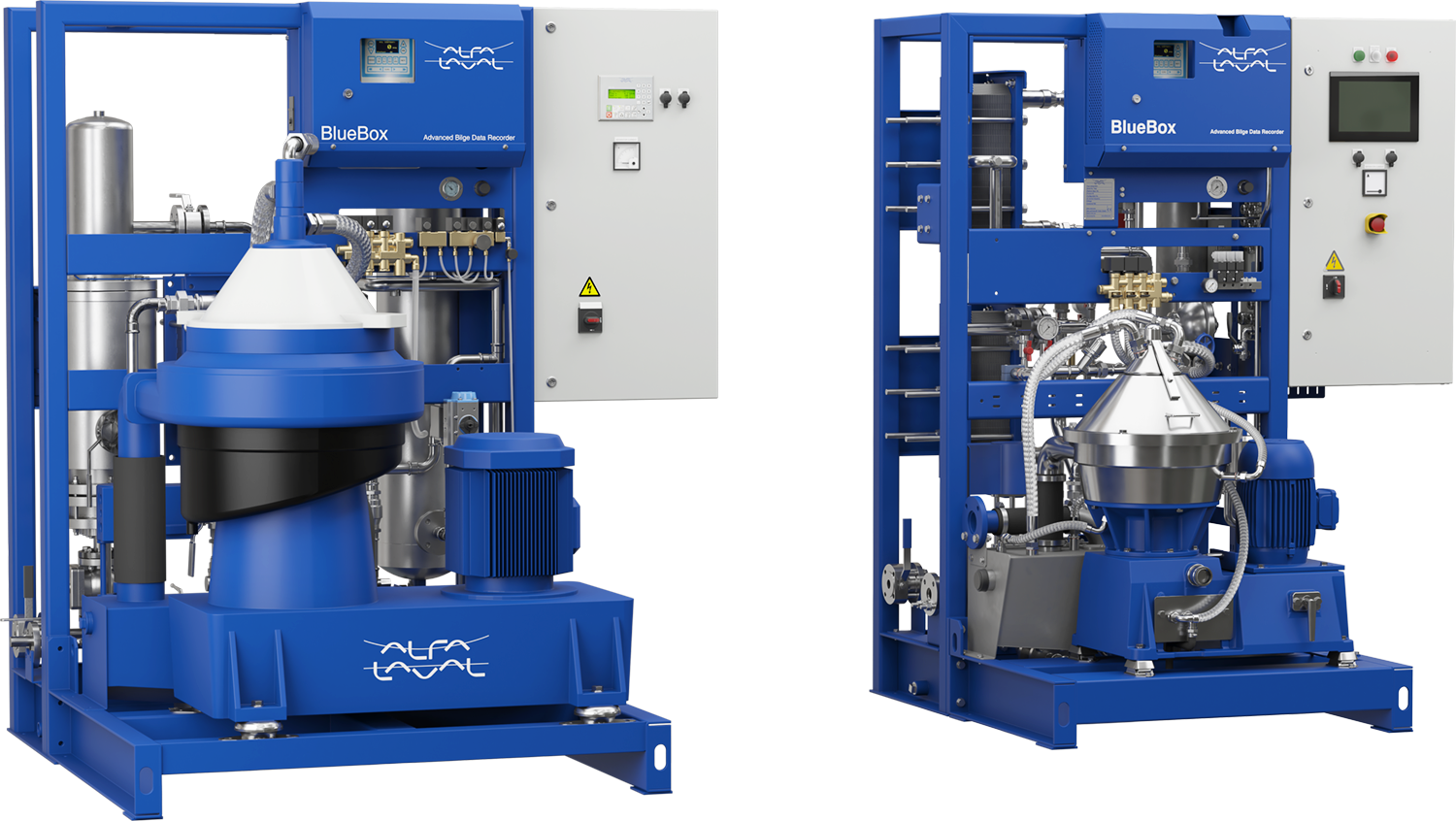
Facet
10 ✓ 10 verified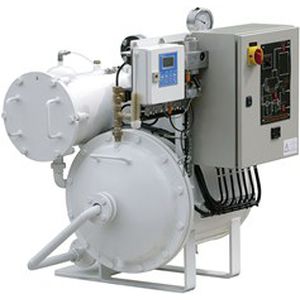
- Area: Membrane wear and integrityCheck: Perform visual inspection of EBM/EMB ceramic membranes for cracks, pores or wear; replacement recommended after approximately 3–6 months of operation or upon visible wear
- Area: KoaleszenzplattenverunreinigungCheck: Coalescer plate stack (FACET Mpak) to be rinsed regularly to remove fouling and oil deposits; chemicals not required
- Area: Probenahmestelle für IMO MEPC.107(49) KonformitätCheck: Check vertical section of effluent line near separator outlet; sampling point must be present and unobstructed for oil content measurements
- Area: Flange gaskets and connection leakageCheck: Inspect all flange gaskets (DN connections), pneumatic valve gaskets and BSP outlet connections for oil or water leaks; ensure gasket condition
- Area: Automatic PLC control and sensorsCheck: Perform functional test of fully automatic control; check oil content sensor calibration; test alarm and shutdown functions; verify power supply 380/440 V at 50/60 Hz
Typ-universelle Inspektionspunkte fuer Separators & Purifiers (verifiziert, 2026-06).
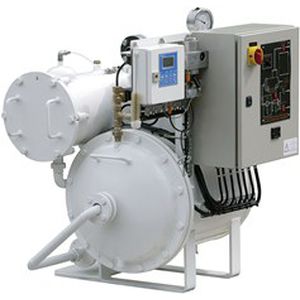
- Area: Membrane wear and integrityCheck: Perform visual inspection of EBM/EMB ceramic membranes for cracks, pores or wear; replacement recommended after approximately 3–6 months of operation or upon visible wear
- Area: KoaleszenzplattenverunreinigungCheck: Coalescer plate stack (FACET Mpak) to be rinsed regularly to remove fouling and oil deposits; chemicals not required
- Area: Probenahmestelle für IMO MEPC.107(49) KonformitätCheck: Check vertical section of effluent line near separator outlet; sampling point must be present and unobstructed for oil content measurements
- Area: Flange gaskets and connection leakageCheck: Inspect all flange gaskets (DN connections), pneumatic valve gaskets and BSP outlet connections for oil or water leaks; ensure gasket condition
- Area: Automatic PLC control and sensorsCheck: Perform functional test of fully automatic control; check oil content sensor calibration; test alarm and shutdown functions; verify power supply 380/440 V at 50/60 Hz
Typ-universelle Inspektionspunkte fuer Separators & Purifiers (verifiziert, 2026-06).
- Area: Membrane wear and integrityCheck: Perform visual inspection of EBM/EMB ceramic membranes for cracks, pores or wear; replacement recommended after approximately 3–6 months of operation or upon visible wear
- Area: KoaleszenzplattenverunreinigungCheck: Coalescer plate stack (FACET Mpak) to be rinsed regularly to remove fouling and oil deposits; chemicals not required
- Area: Probenahmestelle für IMO MEPC.107(49) KonformitätCheck: Check vertical section of effluent line near separator outlet; sampling point must be present and unobstructed for oil content measurements
- Area: Flange gaskets and connection leakageCheck: Inspect all flange gaskets (DN connections), pneumatic valve gaskets and BSP outlet connections for oil or water leaks; ensure gasket condition
- Area: Automatic PLC control and sensorsCheck: Perform functional test of fully automatic control; check oil content sensor calibration; test alarm and shutdown functions; verify power supply 380/440 V at 50/60 Hz
Typ-universelle Inspektionspunkte fuer Separators & Purifiers (verifiziert, 2026-06).
- Area: Membrane wear and integrityCheck: Perform visual inspection of EBM/EMB ceramic membranes for cracks, pores or wear; replacement recommended after approximately 3–6 months of operation or upon visible wear
- Area: KoaleszenzplattenverunreinigungCheck: Coalescer plate stack (FACET Mpak) to be rinsed regularly to remove fouling and oil deposits; chemicals not required
- Area: Probenahmestelle für IMO MEPC.107(49) KonformitätCheck: Check vertical section of effluent line near separator outlet; sampling point must be present and unobstructed for oil content measurements
- Area: Flange gaskets and connection leakageCheck: Inspect all flange gaskets (DN connections), pneumatic valve gaskets and BSP outlet connections for oil or water leaks; ensure gasket condition
- Area: Automatic PLC control and sensorsCheck: Perform functional test of fully automatic control; check oil content sensor calibration; test alarm and shutdown functions; verify power supply 380/440 V at 50/60 Hz
Typ-universelle Inspektionspunkte fuer Separators & Purifiers (verifiziert, 2026-06).
- Area: Membrane wear and integrityCheck: Perform visual inspection of EBM/EMB ceramic membranes for cracks, pores or wear; replacement recommended after approximately 3–6 months of operation or upon visible wear
- Area: KoaleszenzplattenverunreinigungCheck: Coalescer plate stack (FACET Mpak) to be rinsed regularly to remove fouling and oil deposits; chemicals not required
- Area: Probenahmestelle für IMO MEPC.107(49) KonformitätCheck: Check vertical section of effluent line near separator outlet; sampling point must be present and unobstructed for oil content measurements
- Area: Flange gaskets and connection leakageCheck: Inspect all flange gaskets (DN connections), pneumatic valve gaskets and BSP outlet connections for oil or water leaks; ensure gasket condition
- Area: Automatic PLC control and sensorsCheck: Perform functional test of fully automatic control; check oil content sensor calibration; test alarm and shutdown functions; verify power supply 380/440 V at 50/60 Hz
Typ-universelle Inspektionspunkte fuer Separators & Purifiers (verifiziert, 2026-06).
- Area: Membrane wear and integrityCheck: Perform visual inspection of EBM/EMB ceramic membranes for cracks, pores or wear; replacement recommended after approximately 3–6 months of operation or upon visible wear
- Area: KoaleszenzplattenverunreinigungCheck: Coalescer plate stack (FACET Mpak) to be rinsed regularly to remove fouling and oil deposits; chemicals not required
- Area: Probenahmestelle für IMO MEPC.107(49) KonformitätCheck: Check vertical section of effluent line near separator outlet; sampling point must be present and unobstructed for oil content measurements
- Area: Flange gaskets and connection leakageCheck: Inspect all flange gaskets (DN connections), pneumatic valve gaskets and BSP outlet connections for oil or water leaks; ensure gasket condition
- Area: Automatic PLC control and sensorsCheck: Perform functional test of fully automatic control; check oil content sensor calibration; test alarm and shutdown functions; verify power supply 380/440 V at 50/60 Hz
Typ-universelle Inspektionspunkte fuer Separators & Purifiers (verifiziert, 2026-06).
- Area: Membrane wear and integrityCheck: Perform visual inspection of EBM/EMB ceramic membranes for cracks, pores or wear; replacement recommended after approximately 3–6 months of operation or upon visible wear
- Area: KoaleszenzplattenverunreinigungCheck: Coalescer plate stack (FACET Mpak) to be rinsed regularly to remove fouling and oil deposits; chemicals not required
- Area: Probenahmestelle für IMO MEPC.107(49) KonformitätCheck: Check vertical section of effluent line near separator outlet; sampling point must be present and unobstructed for oil content measurements
- Area: Flange gaskets and connection leakageCheck: Inspect all flange gaskets (DN connections), pneumatic valve gaskets and BSP outlet connections for oil or water leaks; ensure gasket condition
- Area: Automatic PLC control and sensorsCheck: Perform functional test of fully automatic control; check oil content sensor calibration; test alarm and shutdown functions; verify power supply 380/440 V at 50/60 Hz
Typ-universelle Inspektionspunkte fuer Separators & Purifiers (verifiziert, 2026-06).
- Area: Membrane wear and integrityCheck: Perform visual inspection of EBM/EMB ceramic membranes for cracks, pores or wear; replacement recommended after approximately 3–6 months of operation or upon visible wear
- Area: KoaleszenzplattenverunreinigungCheck: Coalescer plate stack (FACET Mpak) to be rinsed regularly to remove fouling and oil deposits; chemicals not required
- Area: Probenahmestelle für IMO MEPC.107(49) KonformitätCheck: Check vertical section of effluent line near separator outlet; sampling point must be present and unobstructed for oil content measurements
- Area: Flange gaskets and connection leakageCheck: Inspect all flange gaskets (DN connections), pneumatic valve gaskets and BSP outlet connections for oil or water leaks; ensure gasket condition
- Area: Automatic PLC control and sensorsCheck: Perform functional test of fully automatic control; check oil content sensor calibration; test alarm and shutdown functions; verify power supply 380/440 V at 50/60 Hz
Typ-universelle Inspektionspunkte fuer Separators & Purifiers (verifiziert, 2026-06).

- Area: Membrane wear and integrityCheck: Perform visual inspection of EBM/EMB ceramic membranes for cracks, pores or wear; replacement recommended after approximately 3–6 months of operation or upon visible wear
- Area: KoaleszenzplattenverunreinigungCheck: Coalescer plate stack (FACET Mpak) to be rinsed regularly to remove fouling and oil deposits; chemicals not required
- Area: Probenahmestelle für IMO MEPC.107(49) KonformitätCheck: Check vertical section of effluent line near separator outlet; sampling point must be present and unobstructed for oil content measurements
- Area: Flange gaskets and connection leakageCheck: Inspect all flange gaskets (DN connections), pneumatic valve gaskets and BSP outlet connections for oil or water leaks; ensure gasket condition
- Area: Automatic PLC control and sensorsCheck: Perform functional test of fully automatic control; check oil content sensor calibration; test alarm and shutdown functions; verify power supply 380/440 V at 50/60 Hz
Typ-universelle Inspektionspunkte fuer Separators & Purifiers (verifiziert, 2026-06).
- Area: Membrane wear and integrityCheck: Perform visual inspection of EBM/EMB ceramic membranes for cracks, pores or wear; replacement recommended after approximately 3–6 months of operation or upon visible wear
- Area: KoaleszenzplattenverunreinigungCheck: Coalescer plate stack (FACET Mpak) to be rinsed regularly to remove fouling and oil deposits; chemicals not required
- Area: Probenahmestelle für IMO MEPC.107(49) KonformitätCheck: Check vertical section of effluent line near separator outlet; sampling point must be present and unobstructed for oil content measurements
- Area: Flange gaskets and connection leakageCheck: Inspect all flange gaskets (DN connections), pneumatic valve gaskets and BSP outlet connections for oil or water leaks; ensure gasket condition
- Area: Automatic PLC control and sensorsCheck: Perform functional test of fully automatic control; check oil content sensor calibration; test alarm and shutdown functions; verify power supply 380/440 V at 50/60 Hz
Typ-universelle Inspektionspunkte fuer Separators & Purifiers (verifiziert, 2026-06).
DVZ-Services
9 ✓ 9 verified- Area: Oil-in-water monitoring electrode contamination and sensor accuracy degradationCheck: Clean bilge alarm sensor electrode regularly; perform monthly electrode cleaning and quarterly calibration verification against certified standards per IMO MEPC.107(49)
- Area: Fine separation cartridge (FSC) blockage and filter pressure differential exceeding operational limitsCheck: Monitor differential pressure across FSC; replace cartridge when pressure exceeds 1.6 bar or when oil-monitor shows consistent 15 ppm exceedance; pre-soak new cartridges minimum 8 hours before installation
- Area: Sampling point representativeness and water effluent outlet line blockageCheck: Verify sampling point installed in vertical effluent pipe section; check for proper flow and adequate pressure to bilge alarm; ensure sampling loop at separator outlet complies with MEPC inspection requirements
- Area: Valve leakage in coarse separation stage, hydrocyclone stage, and 3-way bypass valve (FSU-B models)Check: Inspect all piston and solenoid valves for external leakage and proper operation; test FSU-bypass valve automatic switching at 10 ppm setpoint; flush water inlet annually
- Area: Inadequate system commissioning and operational setup of fine-separation cartridgeCheck: Before first use, completely submerge FSC under water minimum 8 hours for proper saturation; verify two-stage system operation (coalescence + FSU) or FSU-bypass function availability per model variant
Typ-universelle Inspektionspunkte fuer Separators & Purifiers (verifiziert, 2026-06).
- Area: Oil-in-water monitoring electrode contamination and sensor accuracy degradationCheck: Clean bilge alarm sensor electrode regularly; perform monthly electrode cleaning and quarterly calibration verification against certified standards per IMO MEPC.107(49)
- Area: Fine separation cartridge (FSC) blockage and filter pressure differential exceeding operational limitsCheck: Monitor differential pressure across FSC; replace cartridge when pressure exceeds 1.6 bar or when oil-monitor shows consistent 15 ppm exceedance; pre-soak new cartridges minimum 8 hours before installation
- Area: Sampling point representativeness and water effluent outlet line blockageCheck: Verify sampling point installed in vertical effluent pipe section; check for proper flow and adequate pressure to bilge alarm; ensure sampling loop at separator outlet complies with MEPC inspection requirements
- Area: Valve leakage in coarse separation stage, hydrocyclone stage, and 3-way bypass valve (FSU-B models)Check: Inspect all piston and solenoid valves for external leakage and proper operation; test FSU-bypass valve automatic switching at 10 ppm setpoint; flush water inlet annually
- Area: Inadequate system commissioning and operational setup of fine-separation cartridgeCheck: Before first use, completely submerge FSC under water minimum 8 hours for proper saturation; verify two-stage system operation (coalescence + FSU) or FSU-bypass function availability per model variant
Typ-universelle Inspektionspunkte fuer Separators & Purifiers (verifiziert, 2026-06).
- Area: Oil-in-water monitoring electrode contamination and sensor accuracy degradationCheck: Clean bilge alarm sensor electrode regularly; perform monthly electrode cleaning and quarterly calibration verification against certified standards per IMO MEPC.107(49)
- Area: Fine separation cartridge (FSC) blockage and filter pressure differential exceeding operational limitsCheck: Monitor differential pressure across FSC; replace cartridge when pressure exceeds 1.6 bar or when oil-monitor shows consistent 15 ppm exceedance; pre-soak new cartridges minimum 8 hours before installation
- Area: Sampling point representativeness and water effluent outlet line blockageCheck: Verify sampling point installed in vertical effluent pipe section; check for proper flow and adequate pressure to bilge alarm; ensure sampling loop at separator outlet complies with MEPC inspection requirements
- Area: Valve leakage in coarse separation stage, hydrocyclone stage, and 3-way bypass valve (FSU-B models)Check: Inspect all piston and solenoid valves for external leakage and proper operation; test FSU-bypass valve automatic switching at 10 ppm setpoint; flush water inlet annually
- Area: Inadequate system commissioning and operational setup of fine-separation cartridgeCheck: Before first use, completely submerge FSC under water minimum 8 hours for proper saturation; verify two-stage system operation (coalescence + FSU) or FSU-bypass function availability per model variant
Typ-universelle Inspektionspunkte fuer Separators & Purifiers (verifiziert, 2026-06).
- Area: Oil-in-water monitoring electrode contamination and sensor accuracy degradationCheck: Clean bilge alarm sensor electrode regularly; perform monthly electrode cleaning and quarterly calibration verification against certified standards per IMO MEPC.107(49)
- Area: Fine separation cartridge (FSC) blockage and filter pressure differential exceeding operational limitsCheck: Monitor differential pressure across FSC; replace cartridge when pressure exceeds 1.6 bar or when oil-monitor shows consistent 15 ppm exceedance; pre-soak new cartridges minimum 8 hours before installation
- Area: Sampling point representativeness and water effluent outlet line blockageCheck: Verify sampling point installed in vertical effluent pipe section; check for proper flow and adequate pressure to bilge alarm; ensure sampling loop at separator outlet complies with MEPC inspection requirements
- Area: Valve leakage in coarse separation stage, hydrocyclone stage, and 3-way bypass valve (FSU-B models)Check: Inspect all piston and solenoid valves for external leakage and proper operation; test FSU-bypass valve automatic switching at 10 ppm setpoint; flush water inlet annually
- Area: Inadequate system commissioning and operational setup of fine-separation cartridgeCheck: Before first use, completely submerge FSC under water minimum 8 hours for proper saturation; verify two-stage system operation (coalescence + FSU) or FSU-bypass function availability per model variant
Typ-universelle Inspektionspunkte fuer Separators & Purifiers (verifiziert, 2026-06).
- Area: Oil-in-water monitoring electrode contamination and sensor accuracy degradationCheck: Clean bilge alarm sensor electrode regularly; perform monthly electrode cleaning and quarterly calibration verification against certified standards per IMO MEPC.107(49)
- Area: Fine separation cartridge (FSC) blockage and filter pressure differential exceeding operational limitsCheck: Monitor differential pressure across FSC; replace cartridge when pressure exceeds 1.6 bar or when oil-monitor shows consistent 15 ppm exceedance; pre-soak new cartridges minimum 8 hours before installation
- Area: Sampling point representativeness and water effluent outlet line blockageCheck: Verify sampling point installed in vertical effluent pipe section; check for proper flow and adequate pressure to bilge alarm; ensure sampling loop at separator outlet complies with MEPC inspection requirements
- Area: Valve leakage in coarse separation stage, hydrocyclone stage, and 3-way bypass valve (FSU-B models)Check: Inspect all piston and solenoid valves for external leakage and proper operation; test FSU-bypass valve automatic switching at 10 ppm setpoint; flush water inlet annually
- Area: Inadequate system commissioning and operational setup of fine-separation cartridgeCheck: Before first use, completely submerge FSC under water minimum 8 hours for proper saturation; verify two-stage system operation (coalescence + FSU) or FSU-bypass function availability per model variant
Typ-universelle Inspektionspunkte fuer Separators & Purifiers (verifiziert, 2026-06).
- Area: Oil-in-water monitoring electrode contamination and sensor accuracy degradationCheck: Clean bilge alarm sensor electrode regularly; perform monthly electrode cleaning and quarterly calibration verification against certified standards per IMO MEPC.107(49)
- Area: Fine separation cartridge (FSC) blockage and filter pressure differential exceeding operational limitsCheck: Monitor differential pressure across FSC; replace cartridge when pressure exceeds 1.6 bar or when oil-monitor shows consistent 15 ppm exceedance; pre-soak new cartridges minimum 8 hours before installation
- Area: Sampling point representativeness and water effluent outlet line blockageCheck: Verify sampling point installed in vertical effluent pipe section; check for proper flow and adequate pressure to bilge alarm; ensure sampling loop at separator outlet complies with MEPC inspection requirements
- Area: Valve leakage in coarse separation stage, hydrocyclone stage, and 3-way bypass valve (FSU-B models)Check: Inspect all piston and solenoid valves for external leakage and proper operation; test FSU-bypass valve automatic switching at 10 ppm setpoint; flush water inlet annually
- Area: Inadequate system commissioning and operational setup of fine-separation cartridgeCheck: Before first use, completely submerge FSC under water minimum 8 hours for proper saturation; verify two-stage system operation (coalescence + FSU) or FSU-bypass function availability per model variant
Typ-universelle Inspektionspunkte fuer Separators & Purifiers (verifiziert, 2026-06).
- Area: Oil-in-water monitoring electrode contamination and sensor accuracy degradationCheck: Clean bilge alarm sensor electrode regularly; perform monthly electrode cleaning and quarterly calibration verification against certified standards per IMO MEPC.107(49)
- Area: Fine separation cartridge (FSC) blockage and filter pressure differential exceeding operational limitsCheck: Monitor differential pressure across FSC; replace cartridge when pressure exceeds 1.6 bar or when oil-monitor shows consistent 15 ppm exceedance; pre-soak new cartridges minimum 8 hours before installation
- Area: Sampling point representativeness and water effluent outlet line blockageCheck: Verify sampling point installed in vertical effluent pipe section; check for proper flow and adequate pressure to bilge alarm; ensure sampling loop at separator outlet complies with MEPC inspection requirements
- Area: Valve leakage in coarse separation stage, hydrocyclone stage, and 3-way bypass valve (FSU-B models)Check: Inspect all piston and solenoid valves for external leakage and proper operation; test FSU-bypass valve automatic switching at 10 ppm setpoint; flush water inlet annually
- Area: Inadequate system commissioning and operational setup of fine-separation cartridgeCheck: Before first use, completely submerge FSC under water minimum 8 hours for proper saturation; verify two-stage system operation (coalescence + FSU) or FSU-bypass function availability per model variant
Typ-universelle Inspektionspunkte fuer Separators & Purifiers (verifiziert, 2026-06).
- Area: Oil-in-water monitoring electrode contamination and sensor accuracy degradationCheck: Clean bilge alarm sensor electrode regularly; perform monthly electrode cleaning and quarterly calibration verification against certified standards per IMO MEPC.107(49)
- Area: Fine separation cartridge (FSC) blockage and filter pressure differential exceeding operational limitsCheck: Monitor differential pressure across FSC; replace cartridge when pressure exceeds 1.6 bar or when oil-monitor shows consistent 15 ppm exceedance; pre-soak new cartridges minimum 8 hours before installation
- Area: Sampling point representativeness and water effluent outlet line blockageCheck: Verify sampling point installed in vertical effluent pipe section; check for proper flow and adequate pressure to bilge alarm; ensure sampling loop at separator outlet complies with MEPC inspection requirements
- Area: Valve leakage in coarse separation stage, hydrocyclone stage, and 3-way bypass valve (FSU-B models)Check: Inspect all piston and solenoid valves for external leakage and proper operation; test FSU-bypass valve automatic switching at 10 ppm setpoint; flush water inlet annually
- Area: Inadequate system commissioning and operational setup of fine-separation cartridgeCheck: Before first use, completely submerge FSC under water minimum 8 hours for proper saturation; verify two-stage system operation (coalescence + FSU) or FSU-bypass function availability per model variant
Typ-universelle Inspektionspunkte fuer Separators & Purifiers (verifiziert, 2026-06).
- Area: Oil-in-water monitoring electrode contamination and sensor accuracy degradationCheck: Clean bilge alarm sensor electrode regularly; perform monthly electrode cleaning and quarterly calibration verification against certified standards per IMO MEPC.107(49)
- Area: Fine separation cartridge (FSC) blockage and filter pressure differential exceeding operational limitsCheck: Monitor differential pressure across FSC; replace cartridge when pressure exceeds 1.6 bar or when oil-monitor shows consistent 15 ppm exceedance; pre-soak new cartridges minimum 8 hours before installation
- Area: Sampling point representativeness and water effluent outlet line blockageCheck: Verify sampling point installed in vertical effluent pipe section; check for proper flow and adequate pressure to bilge alarm; ensure sampling loop at separator outlet complies with MEPC inspection requirements
- Area: Valve leakage in coarse separation stage, hydrocyclone stage, and 3-way bypass valve (FSU-B models)Check: Inspect all piston and solenoid valves for external leakage and proper operation; test FSU-bypass valve automatic switching at 10 ppm setpoint; flush water inlet annually
- Area: Inadequate system commissioning and operational setup of fine-separation cartridgeCheck: Before first use, completely submerge FSC under water minimum 8 hours for proper saturation; verify two-stage system operation (coalescence + FSU) or FSU-bypass function availability per model variant
Typ-universelle Inspektionspunkte fuer Separators & Purifiers (verifiziert, 2026-06).
Wärtsilä Senitec
8 ✓ 8 verified- Area: Oil Sensor Electrode ConditionCheck: Visual inspection and cleaning of oil content sensor electrode for deposits, corrosion, or fouling that would affect 15 ppm monitoring accuracy
- Area: Oil Content Discharge ComplianceCheck: Verify actual discharge sampling from vertical sampling point near separator outlet yields less than 15 ppm (target below 5 ppm); calibration accuracy must be within +/-5 ppm according to manufacturer instructions
- Area: Filter Media Saturation and PerformanceCheck: Inspect oleophilic coalescing filter element and high adsorption activated media for saturation; verify that media maintains >60% oil adsorption capacity; replace when discharge quality degrades
- Area: Automatic Three-Way Valve OperationCheck: Test 3-way discharge valve (if fitted) for proper operation to ensure rerouting to sludge tank when discharge exceeds set threshold; verify seals and actuator function
- Area: BilgeGuard Monitoring System FunctionCheck: Confirm BilgeGuard discharge monitoring system records quantity, oil content, time, and location; verify alarm triggers at 15 ppm threshold and automatic flow reroute occurs; audit recorded discharge log
Typ-universelle Inspektionspunkte fuer Separators & Purifiers (verifiziert, 2026-06).
- Area: Oil Sensor Electrode ConditionCheck: Visual inspection and cleaning of oil content sensor electrode for deposits, corrosion, or fouling that would affect 15 ppm monitoring accuracy
- Area: Oil Content Discharge ComplianceCheck: Verify actual discharge sampling from vertical sampling point near separator outlet yields less than 15 ppm (target below 5 ppm); calibration accuracy must be within +/-5 ppm according to manufacturer instructions
- Area: Filter Media Saturation and PerformanceCheck: Inspect oleophilic coalescing filter element and high adsorption activated media for saturation; verify that media maintains >60% oil adsorption capacity; replace when discharge quality degrades
- Area: Automatic Three-Way Valve OperationCheck: Test 3-way discharge valve (if fitted) for proper operation to ensure rerouting to sludge tank when discharge exceeds set threshold; verify seals and actuator function
- Area: BilgeGuard Monitoring System FunctionCheck: Confirm BilgeGuard discharge monitoring system records quantity, oil content, time, and location; verify alarm triggers at 15 ppm threshold and automatic flow reroute occurs; audit recorded discharge log
Typ-universelle Inspektionspunkte fuer Separators & Purifiers (verifiziert, 2026-06).
- Area: Oil Sensor Electrode ConditionCheck: Visual inspection and cleaning of oil content sensor electrode for deposits, corrosion, or fouling that would affect 15 ppm monitoring accuracy
- Area: Oil Content Discharge ComplianceCheck: Verify actual discharge sampling from vertical sampling point near separator outlet yields less than 15 ppm (target below 5 ppm); calibration accuracy must be within +/-5 ppm according to manufacturer instructions
- Area: Filter Media Saturation and PerformanceCheck: Inspect oleophilic coalescing filter element and high adsorption activated media for saturation; verify that media maintains >60% oil adsorption capacity; replace when discharge quality degrades
- Area: Automatic Three-Way Valve OperationCheck: Test 3-way discharge valve (if fitted) for proper operation to ensure rerouting to sludge tank when discharge exceeds set threshold; verify seals and actuator function
- Area: BilgeGuard Monitoring System FunctionCheck: Confirm BilgeGuard discharge monitoring system records quantity, oil content, time, and location; verify alarm triggers at 15 ppm threshold and automatic flow reroute occurs; audit recorded discharge log
Typ-universelle Inspektionspunkte fuer Separators & Purifiers (verifiziert, 2026-06).
- Area: Oil Sensor Electrode ConditionCheck: Visual inspection and cleaning of oil content sensor electrode for deposits, corrosion, or fouling that would affect 15 ppm monitoring accuracy
- Area: Oil Content Discharge ComplianceCheck: Verify actual discharge sampling from vertical sampling point near separator outlet yields less than 15 ppm (target below 5 ppm); calibration accuracy must be within +/-5 ppm according to manufacturer instructions
- Area: Filter Media Saturation and PerformanceCheck: Inspect oleophilic coalescing filter element and high adsorption activated media for saturation; verify that media maintains >60% oil adsorption capacity; replace when discharge quality degrades
- Area: Automatic Three-Way Valve OperationCheck: Test 3-way discharge valve (if fitted) for proper operation to ensure rerouting to sludge tank when discharge exceeds set threshold; verify seals and actuator function
- Area: BilgeGuard Monitoring System FunctionCheck: Confirm BilgeGuard discharge monitoring system records quantity, oil content, time, and location; verify alarm triggers at 15 ppm threshold and automatic flow reroute occurs; audit recorded discharge log
Typ-universelle Inspektionspunkte fuer Separators & Purifiers (verifiziert, 2026-06).
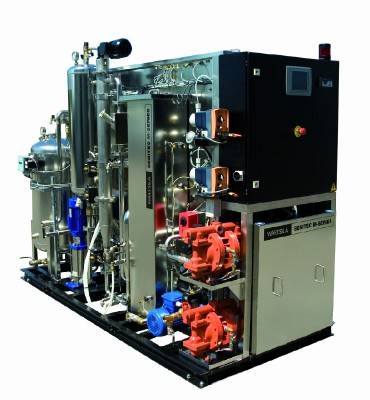
- Area: Oil Sensor Electrode ConditionCheck: Visual inspection and cleaning of oil content sensor electrode for deposits, corrosion, or fouling that would affect 15 ppm monitoring accuracy
- Area: Oil Content Discharge ComplianceCheck: Verify actual discharge sampling from vertical sampling point near separator outlet yields less than 15 ppm (target below 5 ppm); calibration accuracy must be within +/-5 ppm according to manufacturer instructions
- Area: Filter Media Saturation and PerformanceCheck: Inspect oleophilic coalescing filter element and high adsorption activated media for saturation; verify that media maintains >60% oil adsorption capacity; replace when discharge quality degrades
- Area: Automatic Three-Way Valve OperationCheck: Test 3-way discharge valve (if fitted) for proper operation to ensure rerouting to sludge tank when discharge exceeds set threshold; verify seals and actuator function
- Area: BilgeGuard Monitoring System FunctionCheck: Confirm BilgeGuard discharge monitoring system records quantity, oil content, time, and location; verify alarm triggers at 15 ppm threshold and automatic flow reroute occurs; audit recorded discharge log
Typ-universelle Inspektionspunkte fuer Separators & Purifiers (verifiziert, 2026-06).
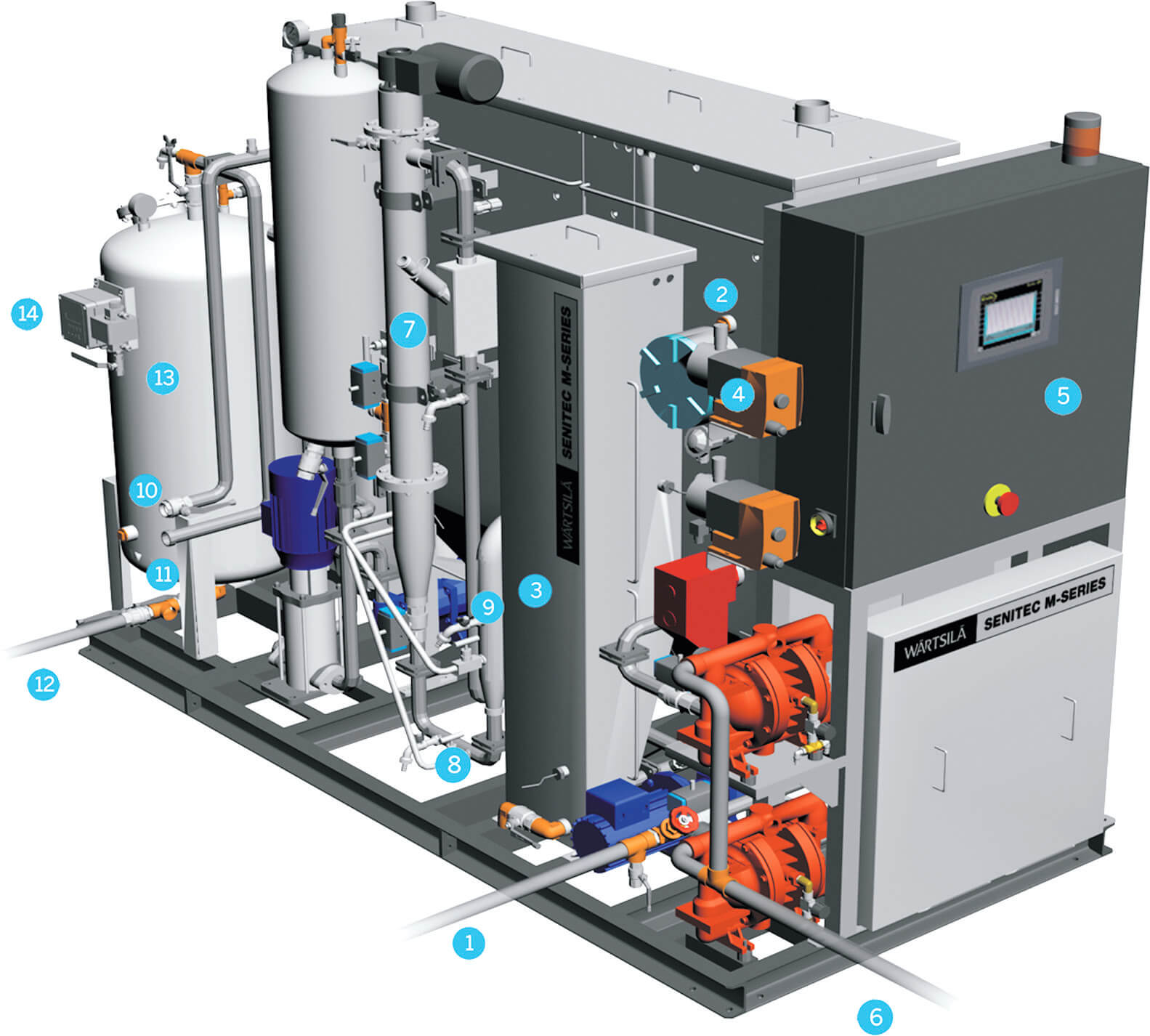
- Area: Oil Sensor Electrode ConditionCheck: Visual inspection and cleaning of oil content sensor electrode for deposits, corrosion, or fouling that would affect 15 ppm monitoring accuracy
- Area: Oil Content Discharge ComplianceCheck: Verify actual discharge sampling from vertical sampling point near separator outlet yields less than 15 ppm (target below 5 ppm); calibration accuracy must be within +/-5 ppm according to manufacturer instructions
- Area: Filter Media Saturation and PerformanceCheck: Inspect oleophilic coalescing filter element and high adsorption activated media for saturation; verify that media maintains >60% oil adsorption capacity; replace when discharge quality degrades
- Area: Automatic Three-Way Valve OperationCheck: Test 3-way discharge valve (if fitted) for proper operation to ensure rerouting to sludge tank when discharge exceeds set threshold; verify seals and actuator function
- Area: BilgeGuard Monitoring System FunctionCheck: Confirm BilgeGuard discharge monitoring system records quantity, oil content, time, and location; verify alarm triggers at 15 ppm threshold and automatic flow reroute occurs; audit recorded discharge log
Typ-universelle Inspektionspunkte fuer Separators & Purifiers (verifiziert, 2026-06).
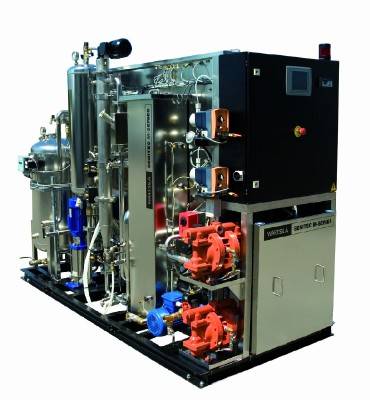
- Area: Oil Sensor Electrode ConditionCheck: Visual inspection and cleaning of oil content sensor electrode for deposits, corrosion, or fouling that would affect 15 ppm monitoring accuracy
- Area: Oil Content Discharge ComplianceCheck: Verify actual discharge sampling from vertical sampling point near separator outlet yields less than 15 ppm (target below 5 ppm); calibration accuracy must be within +/-5 ppm according to manufacturer instructions
- Area: Filter Media Saturation and PerformanceCheck: Inspect oleophilic coalescing filter element and high adsorption activated media for saturation; verify that media maintains >60% oil adsorption capacity; replace when discharge quality degrades
- Area: Automatic Three-Way Valve OperationCheck: Test 3-way discharge valve (if fitted) for proper operation to ensure rerouting to sludge tank when discharge exceeds set threshold; verify seals and actuator function
- Area: BilgeGuard Monitoring System FunctionCheck: Confirm BilgeGuard discharge monitoring system records quantity, oil content, time, and location; verify alarm triggers at 15 ppm threshold and automatic flow reroute occurs; audit recorded discharge log
Typ-universelle Inspektionspunkte fuer Separators & Purifiers (verifiziert, 2026-06).
- Area: Oil Sensor Electrode ConditionCheck: Visual inspection and cleaning of oil content sensor electrode for deposits, corrosion, or fouling that would affect 15 ppm monitoring accuracy
- Area: Oil Content Discharge ComplianceCheck: Verify actual discharge sampling from vertical sampling point near separator outlet yields less than 15 ppm (target below 5 ppm); calibration accuracy must be within +/-5 ppm according to manufacturer instructions
- Area: Filter Media Saturation and PerformanceCheck: Inspect oleophilic coalescing filter element and high adsorption activated media for saturation; verify that media maintains >60% oil adsorption capacity; replace when discharge quality degrades
- Area: Automatic Three-Way Valve OperationCheck: Test 3-way discharge valve (if fitted) for proper operation to ensure rerouting to sludge tank when discharge exceeds set threshold; verify seals and actuator function
- Area: BilgeGuard Monitoring System FunctionCheck: Confirm BilgeGuard discharge monitoring system records quantity, oil content, time, and location; verify alarm triggers at 15 ppm threshold and automatic flow reroute occurs; audit recorded discharge log
Typ-universelle Inspektionspunkte fuer Separators & Purifiers (verifiziert, 2026-06).
Hyde Marine
1 ✓ 1 verified- Area: Sludge and sediment accumulation in separation chambersCheck: Visual inspection of separator compartments; measure sludge level. Cleaning required when sludge reaches 25% of separator compartment volume or system reaches 75% retention capacity per IMO MEPC.107(49)
- Area: Oil content discharge exceeds 15 ppm regulatory limitCheck: Test bilge alarm system by simulating high oil content; verify 15ppm alarm displays correctly and system triggers discharge block. Inspect sample line for flow obstruction
- Area: Separator internal component degradation and loss of separation efficiencyCheck: Internal inspection of all separation chambers, coalescers, and baffle systems; check for clogging, particle breakthrough, physical damage, or delamination. Verify internal seals and gaskets for degradation or loss of integrity
- Area: Inlet blockage or debris accumulation preventing water flowCheck: Inspect inlet condition for blockages or accumulated debris; verify unobstructed flow path. Check inlet strainer or screen condition
- Area: Structural integrity and potential environmental discharge failureCheck: External visual inspection for corrosion, cracks, leaks, or previous spills. Pressure test if required by classification society. Verify structural condition at outlet and emergency discharge connections
Typ-universelle Inspektionspunkte fuer Separators & Purifiers (verifiziert, 2026-06).
Kangrim
18- Filter, membrane, separator or treatment-stage fouling caused by solids, oil, scale or biological contamination can reduce throughput and increase differential pressure
- Pump or valve faults caused by wear, blockage or actuator problems can cause low flow, unstable pressure or failure to complete an operating sequence
- Sensor or monitor contamination caused by dirty process fluid or poor maintenance can produce implausible readings, alarms or automatic discharge inhibition
- Seal, gasket or piping leakage caused by corrosion, ageing or vibration can lead to visible leakage, air ingress or loss of process pressure
- Control or treatment-component failure caused by electrical faults, lamp or cell deterioration where fitted, or software issues can lead to shutdown or inability to meet the required treatment condition
- Filter, membrane, separator or treatment-stage fouling caused by solids, oil, scale or biological contamination can reduce throughput and increase differential pressure
- Pump or valve faults caused by wear, blockage or actuator problems can cause low flow, unstable pressure or failure to complete an operating sequence
- Sensor or monitor contamination caused by dirty process fluid or poor maintenance can produce implausible readings, alarms or automatic discharge inhibition
- Seal, gasket or piping leakage caused by corrosion, ageing or vibration can lead to visible leakage, air ingress or loss of process pressure
- Control or treatment-component failure caused by electrical faults, lamp or cell deterioration where fitted, or software issues can lead to shutdown or inability to meet the required treatment condition
- Separation-stage, bowl, coalescer or filter fouling reduces treatment efficiency and causes poor outlet quality or alarms
- Monitor, sensor or sampling-line contamination causes unstable readings or unnecessary recirculation and trips
- Seal, gasket or bowl-sealing faults cause leakage or loss of correct separation conditions
- Feed-pump, drive or bearing faults cause unstable flow, vibration, abnormal noise or shutdown
- Incorrect temperature, flow, interface or chemical condition causes poor separation despite apparently normal machinery
- Separation-stage, bowl, coalescer or filter fouling reduces treatment efficiency and causes poor outlet quality or alarms
- Monitor, sensor or sampling-line contamination causes unstable readings or unnecessary recirculation and trips
- Seal, gasket or bowl-sealing faults cause leakage or loss of correct separation conditions
- Feed-pump, drive or bearing faults cause unstable flow, vibration, abnormal noise or shutdown
- Incorrect temperature, flow, interface or chemical condition causes poor separation despite apparently normal machinery
- Separation-stage, bowl, coalescer or filter fouling reduces treatment efficiency and causes poor outlet quality or alarms
- Monitor, sensor or sampling-line contamination causes unstable readings or unnecessary recirculation and trips
- Seal, gasket or bowl-sealing faults cause leakage or loss of correct separation conditions
- Feed-pump, drive or bearing faults cause unstable flow, vibration, abnormal noise or shutdown
- Incorrect temperature, flow, interface or chemical condition causes poor separation despite apparently normal machinery
- Bowl, disc stack, filter, or separation-stage fouling from sludge and solids reduces capacity and separation efficiency
- Seal or gasket wear causes external leakage, cross-leakage, or loss of operating water or process fluid
- Bearing, spindle, gear, or drive wear causes abnormal vibration, noise, overheating, or protective trips
- Incorrect temperature, density, flow, or interface condition causes poor separation and contaminated outlet fluid
- Control valve, water system, sensor, or automatic sequence faults cause failed discharge cycles, alarms, or inability to reach operating speed
- Filter, membrane, separator or treatment-stage fouling caused by solids, oil, scale or biological contamination can reduce throughput and increase differential pressure
- Pump or valve faults caused by wear, blockage or actuator problems can cause low flow, unstable pressure or failure to complete an operating sequence
- Sensor or monitor contamination caused by dirty process fluid or poor maintenance can produce implausible readings, alarms or automatic discharge inhibition
- Seal, gasket or piping leakage caused by corrosion, ageing or vibration can lead to visible leakage, air ingress or loss of process pressure
- Control or treatment-component failure caused by electrical faults, lamp or cell deterioration where fitted, or software issues can lead to shutdown or inability to meet the required treatment condition
- Filter, membrane, separator or treatment-stage fouling caused by solids, oil, scale or biological contamination can reduce throughput and increase differential pressure
- Pump or valve faults caused by wear, blockage or actuator problems can cause low flow, unstable pressure or failure to complete an operating sequence
- Sensor or monitor contamination caused by dirty process fluid or poor maintenance can produce implausible readings, alarms or automatic discharge inhibition
- Seal, gasket or piping leakage caused by corrosion, ageing or vibration can lead to visible leakage, air ingress or loss of process pressure
- Control or treatment-component failure caused by electrical faults, lamp or cell deterioration where fitted, or software issues can lead to shutdown or inability to meet the required treatment condition
- Separation-stage, bowl, coalescer or filter fouling reduces treatment efficiency and causes poor outlet quality or alarms
- Monitor, sensor or sampling-line contamination causes unstable readings or unnecessary recirculation and trips
- Seal, gasket or bowl-sealing faults cause leakage or loss of correct separation conditions
- Feed-pump, drive or bearing faults cause unstable flow, vibration, abnormal noise or shutdown
- Incorrect temperature, flow, interface or chemical condition causes poor separation despite apparently normal machinery
- Separation-stage, bowl, coalescer or filter fouling reduces treatment efficiency and causes poor outlet quality or alarms
- Monitor, sensor or sampling-line contamination causes unstable readings or unnecessary recirculation and trips
- Seal, gasket or bowl-sealing faults cause leakage or loss of correct separation conditions
- Feed-pump, drive or bearing faults cause unstable flow, vibration, abnormal noise or shutdown
- Incorrect temperature, flow, interface or chemical condition causes poor separation despite apparently normal machinery
- Separation-stage, bowl, coalescer or filter fouling reduces treatment efficiency and causes poor outlet quality or alarms
- Monitor, sensor or sampling-line contamination causes unstable readings or unnecessary recirculation and trips
- Seal, gasket or bowl-sealing faults cause leakage or loss of correct separation conditions
- Feed-pump, drive or bearing faults cause unstable flow, vibration, abnormal noise or shutdown
- Incorrect temperature, flow, interface or chemical condition causes poor separation despite apparently normal machinery
- Bowl, disc stack, filter, or separation-stage fouling from sludge and solids reduces capacity and separation efficiency
- Seal or gasket wear causes external leakage, cross-leakage, or loss of operating water or process fluid
- Bearing, spindle, gear, or drive wear causes abnormal vibration, noise, overheating, or protective trips
- Incorrect temperature, density, flow, or interface condition causes poor separation and contaminated outlet fluid
- Control valve, water system, sensor, or automatic sequence faults cause failed discharge cycles, alarms, or inability to reach operating speed
- Filter, membrane, separator or treatment-stage fouling caused by solids, oil, scale or biological contamination can reduce throughput and increase differential pressure
- Pump or valve faults caused by wear, blockage or actuator problems can cause low flow, unstable pressure or failure to complete an operating sequence
- Sensor or monitor contamination caused by dirty process fluid or poor maintenance can produce implausible readings, alarms or automatic discharge inhibition
- Seal, gasket or piping leakage caused by corrosion, ageing or vibration can lead to visible leakage, air ingress or loss of process pressure
- Control or treatment-component failure caused by electrical faults, lamp or cell deterioration where fitted, or software issues can lead to shutdown or inability to meet the required treatment condition
- Filter, membrane, separator or treatment-stage fouling caused by solids, oil, scale or biological contamination can reduce throughput and increase differential pressure
- Pump or valve faults caused by wear, blockage or actuator problems can cause low flow, unstable pressure or failure to complete an operating sequence
- Sensor or monitor contamination caused by dirty process fluid or poor maintenance can produce implausible readings, alarms or automatic discharge inhibition
- Seal, gasket or piping leakage caused by corrosion, ageing or vibration can lead to visible leakage, air ingress or loss of process pressure
- Control or treatment-component failure caused by electrical faults, lamp or cell deterioration where fitted, or software issues can lead to shutdown or inability to meet the required treatment condition
- Separation-stage, bowl, coalescer or filter fouling reduces treatment efficiency and causes poor outlet quality or alarms
- Monitor, sensor or sampling-line contamination causes unstable readings or unnecessary recirculation and trips
- Seal, gasket or bowl-sealing faults cause leakage or loss of correct separation conditions
- Feed-pump, drive or bearing faults cause unstable flow, vibration, abnormal noise or shutdown
- Incorrect temperature, flow, interface or chemical condition causes poor separation despite apparently normal machinery
- Separation-stage, bowl, coalescer or filter fouling reduces treatment efficiency and causes poor outlet quality or alarms
- Monitor, sensor or sampling-line contamination causes unstable readings or unnecessary recirculation and trips
- Seal, gasket or bowl-sealing faults cause leakage or loss of correct separation conditions
- Feed-pump, drive or bearing faults cause unstable flow, vibration, abnormal noise or shutdown
- Incorrect temperature, flow, interface or chemical condition causes poor separation despite apparently normal machinery
- Separation-stage, bowl, coalescer or filter fouling reduces treatment efficiency and causes poor outlet quality or alarms
- Monitor, sensor or sampling-line contamination causes unstable readings or unnecessary recirculation and trips
- Seal, gasket or bowl-sealing faults cause leakage or loss of correct separation conditions
- Feed-pump, drive or bearing faults cause unstable flow, vibration, abnormal noise or shutdown
- Incorrect temperature, flow, interface or chemical condition causes poor separation despite apparently normal machinery
- Bowl, disc stack, filter, or separation-stage fouling from sludge and solids reduces capacity and separation efficiency
- Seal or gasket wear causes external leakage, cross-leakage, or loss of operating water or process fluid
- Bearing, spindle, gear, or drive wear causes abnormal vibration, noise, overheating, or protective trips
- Incorrect temperature, density, flow, or interface condition causes poor separation and contaminated outlet fluid
- Control valve, water system, sensor, or automatic sequence faults cause failed discharge cycles, alarms, or inability to reach operating speed
GEA Westfalia
8
- Drive System
- 3-phase AC motor with centrifugal clutch and flat belt drive to spindle
- Bowl Speed
- 12,000 rpm (typical for marine models OSE 5-120)
- Bearing Lubrication
- Splash-lubricated from central oil bath (spindle and motor)
- Bowl Design
- Self-cleaning disc-type (tellerpaket) with polyamide seals
- Operating Temperature Range
- ~95°C for mineral oil separation
- Fuel Capacity Density Limit
- Up to 1.01 g/ml
- First Service Interval
- 8,000 operating hours or 1 year maximum
- OSD Series (2000s): OSD 2, 6, 18, 30, 35, 50, 60
- OSE Series eagleclass (2008+): OSE 5, 10, 20, 40, 80, 120
- Area: Tellerpaket/Bowl Sealing Surfaces WearCheck: Check polyamide gasket (B) seating parallel in groove via measurements around circumference; Inspect sliding piston sealing surface (A) for wear; Document if remachining is required (up to manufacturer spec)
- Area: Spindle Bearing Lubrication & ConditionCheck: Verify oil level in central oil bath; Check bearing splash lubrication system function; At 8,000h intervals: measure neck bearing spring lengths; Inspect for discoloration/degradation of lube oil; Motor bearings per manufacturer instruction
- Area: Bowl Erosion, Corrosion & Material IntegrityCheck: Inspect bowl lock ring, bowl bottom, bowl top for corrosion (flat-spread/pit/crack patterns); Check for mechanical damage in high-diameter outer sections; Under aggressive/high-temp operation: document erosion patterns; Requires bowl disassembly per 16,000-hour maintenance
- Area: Drive Coupling & Flat Belt SystemCheck: Visually inspect flat belt for wear, fraying, cracks; Check centrifugal clutch engagement/disengagement function; Measure belt tension; Check all hydraulic system channels (holes/nozzles/chambers) for blockage; Clean hydraulic orifices during 16,000h service
- Area: Centripetal Pump Wear & Hydraulic LeakageCheck: After bowl removal: inspect pump impeller and casing for wear marks; Check all hydraulic flanges, valve glands for oil seepage; Pressure-test hydraulic lines if available; Review for signs of cavitation or blockage in sensing pump
- Area: Scheduled Maintenance Intervals Not MetCheck: Verify first service completion at 8,000h/1yr; Check documentation for 16,000h (2yr) and 48,000h (6yr) services; Under unfavorable conditions (aggressive feedstock, high temps, poor product quality): recommend shortened intervals; Replace vibration isolators after 48,000h
Type–universal inspection/service points for separators & purifiers (GEA Westfalia, Mega-Swarm 2026–06). Per-model specs not auto-filled.
- Drive System
- 3-phase AC motor with centrifugal clutch and flat belt drive to spindle
- Bowl Speed
- 12,000 rpm (typical for marine models OSE 5-120)
- Bearing Lubrication
- Splash-lubricated from central oil bath (spindle and motor)
- Bowl Design
- Self-cleaning disc-type (tellerpaket) with polyamide seals
- Operating Temperature Range
- ~95°C for mineral oil separation
- Fuel Capacity Density Limit
- Up to 1.01 g/ml
- First Service Interval
- 8,000 operating hours or 1 year maximum
- OSD Series (2000s): OSD 2, 6, 18, 30, 35, 50, 60
- OSE Series eagleclass (2008+): OSE 5, 10, 20, 40, 80, 120
- Area: Tellerpaket/Bowl Sealing Surfaces WearCheck: Check polyamide gasket (B) seating parallel in groove via measurements around circumference; Inspect sliding piston sealing surface (A) for wear; Document if remachining is required (up to manufacturer spec)
- Area: Spindle Bearing Lubrication & ConditionCheck: Verify oil level in central oil bath; Check bearing splash lubrication system function; At 8,000h intervals: measure neck bearing spring lengths; Inspect for discoloration/degradation of lube oil; Motor bearings per manufacturer instruction
- Area: Bowl Erosion, Corrosion & Material IntegrityCheck: Inspect bowl lock ring, bowl bottom, bowl top for corrosion (flat-spread/pit/crack patterns); Check for mechanical damage in high-diameter outer sections; Under aggressive/high-temp operation: document erosion patterns; Requires bowl disassembly per 16,000-hour maintenance
- Area: Drive Coupling & Flat Belt SystemCheck: Visually inspect flat belt for wear, fraying, cracks; Check centrifugal clutch engagement/disengagement function; Measure belt tension; Check all hydraulic system channels (holes/nozzles/chambers) for blockage; Clean hydraulic orifices during 16,000h service
- Area: Centripetal Pump Wear & Hydraulic LeakageCheck: After bowl removal: inspect pump impeller and casing for wear marks; Check all hydraulic flanges, valve glands for oil seepage; Pressure-test hydraulic lines if available; Review for signs of cavitation or blockage in sensing pump
- Area: Scheduled Maintenance Intervals Not MetCheck: Verify first service completion at 8,000h/1yr; Check documentation for 16,000h (2yr) and 48,000h (6yr) services; Under unfavorable conditions (aggressive feedstock, high temps, poor product quality): recommend shortened intervals; Replace vibration isolators after 48,000h
Type–universal inspection/service points for separators & purifiers (GEA Westfalia, Mega-Swarm 2026–06). Per-model specs not auto-filled.
- Drive System
- 3-phase AC motor with centrifugal clutch and flat belt drive to spindle
- Bowl Speed
- 12,000 rpm (typical for marine models OSE 5-120)
- Bearing Lubrication
- Splash-lubricated from central oil bath (spindle and motor)
- Bowl Design
- Self-cleaning disc-type (tellerpaket) with polyamide seals
- Operating Temperature Range
- ~95°C for mineral oil separation
- Fuel Capacity Density Limit
- Up to 1.01 g/ml
- First Service Interval
- 8,000 operating hours or 1 year maximum
- OSD Series (2000s): OSD 2, 6, 18, 30, 35, 50, 60
- OSE Series eagleclass (2008+): OSE 5, 10, 20, 40, 80, 120
- Area: Tellerpaket/Bowl Sealing Surfaces WearCheck: Check polyamide gasket (B) seating parallel in groove via measurements around circumference; Inspect sliding piston sealing surface (A) for wear; Document if remachining is required (up to manufacturer spec)
- Area: Spindle Bearing Lubrication & ConditionCheck: Verify oil level in central oil bath; Check bearing splash lubrication system function; At 8,000h intervals: measure neck bearing spring lengths; Inspect for discoloration/degradation of lube oil; Motor bearings per manufacturer instruction
- Area: Bowl Erosion, Corrosion & Material IntegrityCheck: Inspect bowl lock ring, bowl bottom, bowl top for corrosion (flat-spread/pit/crack patterns); Check for mechanical damage in high-diameter outer sections; Under aggressive/high-temp operation: document erosion patterns; Requires bowl disassembly per 16,000-hour maintenance
- Area: Drive Coupling & Flat Belt SystemCheck: Visually inspect flat belt for wear, fraying, cracks; Check centrifugal clutch engagement/disengagement function; Measure belt tension; Check all hydraulic system channels (holes/nozzles/chambers) for blockage; Clean hydraulic orifices during 16,000h service
- Area: Centripetal Pump Wear & Hydraulic LeakageCheck: After bowl removal: inspect pump impeller and casing for wear marks; Check all hydraulic flanges, valve glands for oil seepage; Pressure-test hydraulic lines if available; Review for signs of cavitation or blockage in sensing pump
- Area: Scheduled Maintenance Intervals Not MetCheck: Verify first service completion at 8,000h/1yr; Check documentation for 16,000h (2yr) and 48,000h (6yr) services; Under unfavorable conditions (aggressive feedstock, high temps, poor product quality): recommend shortened intervals; Replace vibration isolators after 48,000h
Type–universal inspection/service points for separators & purifiers (GEA Westfalia, Mega-Swarm 2026–06). Per-model specs not auto-filled.
- Drive System
- 3-phase AC motor with centrifugal clutch and flat belt drive to spindle
- Bowl Speed
- 12,000 rpm (typical for marine models OSE 5-120)
- Bearing Lubrication
- Splash-lubricated from central oil bath (spindle and motor)
- Bowl Design
- Self-cleaning disc-type (tellerpaket) with polyamide seals
- Operating Temperature Range
- ~95°C for mineral oil separation
- Fuel Capacity Density Limit
- Up to 1.01 g/ml
- First Service Interval
- 8,000 operating hours or 1 year maximum
- OSD Series (2000s): OSD 2, 6, 18, 30, 35, 50, 60
- OSE Series eagleclass (2008+): OSE 5, 10, 20, 40, 80, 120
- Area: Tellerpaket/Bowl Sealing Surfaces WearCheck: Check polyamide gasket (B) seating parallel in groove via measurements around circumference; Inspect sliding piston sealing surface (A) for wear; Document if remachining is required (up to manufacturer spec)
- Area: Spindle Bearing Lubrication & ConditionCheck: Verify oil level in central oil bath; Check bearing splash lubrication system function; At 8,000h intervals: measure neck bearing spring lengths; Inspect for discoloration/degradation of lube oil; Motor bearings per manufacturer instruction
- Area: Bowl Erosion, Corrosion & Material IntegrityCheck: Inspect bowl lock ring, bowl bottom, bowl top for corrosion (flat-spread/pit/crack patterns); Check for mechanical damage in high-diameter outer sections; Under aggressive/high-temp operation: document erosion patterns; Requires bowl disassembly per 16,000-hour maintenance
- Area: Drive Coupling & Flat Belt SystemCheck: Visually inspect flat belt for wear, fraying, cracks; Check centrifugal clutch engagement/disengagement function; Measure belt tension; Check all hydraulic system channels (holes/nozzles/chambers) for blockage; Clean hydraulic orifices during 16,000h service
- Area: Centripetal Pump Wear & Hydraulic LeakageCheck: After bowl removal: inspect pump impeller and casing for wear marks; Check all hydraulic flanges, valve glands for oil seepage; Pressure-test hydraulic lines if available; Review for signs of cavitation or blockage in sensing pump
- Area: Scheduled Maintenance Intervals Not MetCheck: Verify first service completion at 8,000h/1yr; Check documentation for 16,000h (2yr) and 48,000h (6yr) services; Under unfavorable conditions (aggressive feedstock, high temps, poor product quality): recommend shortened intervals; Replace vibration isolators after 48,000h
Type–universal inspection/service points for separators & purifiers (GEA Westfalia, Mega-Swarm 2026–06). Per-model specs not auto-filled.
- Drive System
- 3-phase AC motor with centrifugal clutch and flat belt drive to spindle
- Bowl Speed
- 12,000 rpm (typical for marine models OSE 5-120)
- Bearing Lubrication
- Splash-lubricated from central oil bath (spindle and motor)
- Bowl Design
- Self-cleaning disc-type (tellerpaket) with polyamide seals
- Operating Temperature Range
- ~95°C for mineral oil separation
- Fuel Capacity Density Limit
- Up to 1.01 g/ml
- First Service Interval
- 8,000 operating hours or 1 year maximum
- OSD Series (2000s): OSD 2, 6, 18, 30, 35, 50, 60
- OSE Series eagleclass (2008+): OSE 5, 10, 20, 40, 80, 120
- Area: Tellerpaket/Bowl Sealing Surfaces WearCheck: Check polyamide gasket (B) seating parallel in groove via measurements around circumference; Inspect sliding piston sealing surface (A) for wear; Document if remachining is required (up to manufacturer spec)
- Area: Spindle Bearing Lubrication & ConditionCheck: Verify oil level in central oil bath; Check bearing splash lubrication system function; At 8,000h intervals: measure neck bearing spring lengths; Inspect for discoloration/degradation of lube oil; Motor bearings per manufacturer instruction
- Area: Bowl Erosion, Corrosion & Material IntegrityCheck: Inspect bowl lock ring, bowl bottom, bowl top for corrosion (flat-spread/pit/crack patterns); Check for mechanical damage in high-diameter outer sections; Under aggressive/high-temp operation: document erosion patterns; Requires bowl disassembly per 16,000-hour maintenance
- Area: Drive Coupling & Flat Belt SystemCheck: Visually inspect flat belt for wear, fraying, cracks; Check centrifugal clutch engagement/disengagement function; Measure belt tension; Check all hydraulic system channels (holes/nozzles/chambers) for blockage; Clean hydraulic orifices during 16,000h service
- Area: Centripetal Pump Wear & Hydraulic LeakageCheck: After bowl removal: inspect pump impeller and casing for wear marks; Check all hydraulic flanges, valve glands for oil seepage; Pressure-test hydraulic lines if available; Review for signs of cavitation or blockage in sensing pump
- Area: Scheduled Maintenance Intervals Not MetCheck: Verify first service completion at 8,000h/1yr; Check documentation for 16,000h (2yr) and 48,000h (6yr) services; Under unfavorable conditions (aggressive feedstock, high temps, poor product quality): recommend shortened intervals; Replace vibration isolators after 48,000h
Type–universal inspection/service points for separators & purifiers (GEA Westfalia, Mega-Swarm 2026–06). Per-model specs not auto-filled.

- Drive System
- 3-phase AC motor with centrifugal clutch and flat belt drive to spindle
- Bowl Speed
- 12,000 rpm (typical for marine models OSE 5-120)
- Bearing Lubrication
- Splash-lubricated from central oil bath (spindle and motor)
- Bowl Design
- Self-cleaning disc-type (tellerpaket) with polyamide seals
- Operating Temperature Range
- ~95°C for mineral oil separation
- Fuel Capacity Density Limit
- Up to 1.01 g/ml
- First Service Interval
- 8,000 operating hours or 1 year maximum
- OSD Series (2000s): OSD 2, 6, 18, 30, 35, 50, 60
- OSE Series eagleclass (2008+): OSE 5, 10, 20, 40, 80, 120
- Area: Tellerpaket/Bowl Sealing Surfaces WearCheck: Check polyamide gasket (B) seating parallel in groove via measurements around circumference; Inspect sliding piston sealing surface (A) for wear; Document if remachining is required (up to manufacturer spec)
- Area: Spindle Bearing Lubrication & ConditionCheck: Verify oil level in central oil bath; Check bearing splash lubrication system function; At 8,000h intervals: measure neck bearing spring lengths; Inspect for discoloration/degradation of lube oil; Motor bearings per manufacturer instruction
- Area: Bowl Erosion, Corrosion & Material IntegrityCheck: Inspect bowl lock ring, bowl bottom, bowl top for corrosion (flat-spread/pit/crack patterns); Check for mechanical damage in high-diameter outer sections; Under aggressive/high-temp operation: document erosion patterns; Requires bowl disassembly per 16,000-hour maintenance
- Area: Drive Coupling & Flat Belt SystemCheck: Visually inspect flat belt for wear, fraying, cracks; Check centrifugal clutch engagement/disengagement function; Measure belt tension; Check all hydraulic system channels (holes/nozzles/chambers) for blockage; Clean hydraulic orifices during 16,000h service
- Area: Centripetal Pump Wear & Hydraulic LeakageCheck: After bowl removal: inspect pump impeller and casing for wear marks; Check all hydraulic flanges, valve glands for oil seepage; Pressure-test hydraulic lines if available; Review for signs of cavitation or blockage in sensing pump
- Area: Scheduled Maintenance Intervals Not MetCheck: Verify first service completion at 8,000h/1yr; Check documentation for 16,000h (2yr) and 48,000h (6yr) services; Under unfavorable conditions (aggressive feedstock, high temps, poor product quality): recommend shortened intervals; Replace vibration isolators after 48,000h
Type–universal inspection/service points for separators & purifiers (GEA Westfalia, Mega-Swarm 2026–06). Per-model specs not auto-filled.
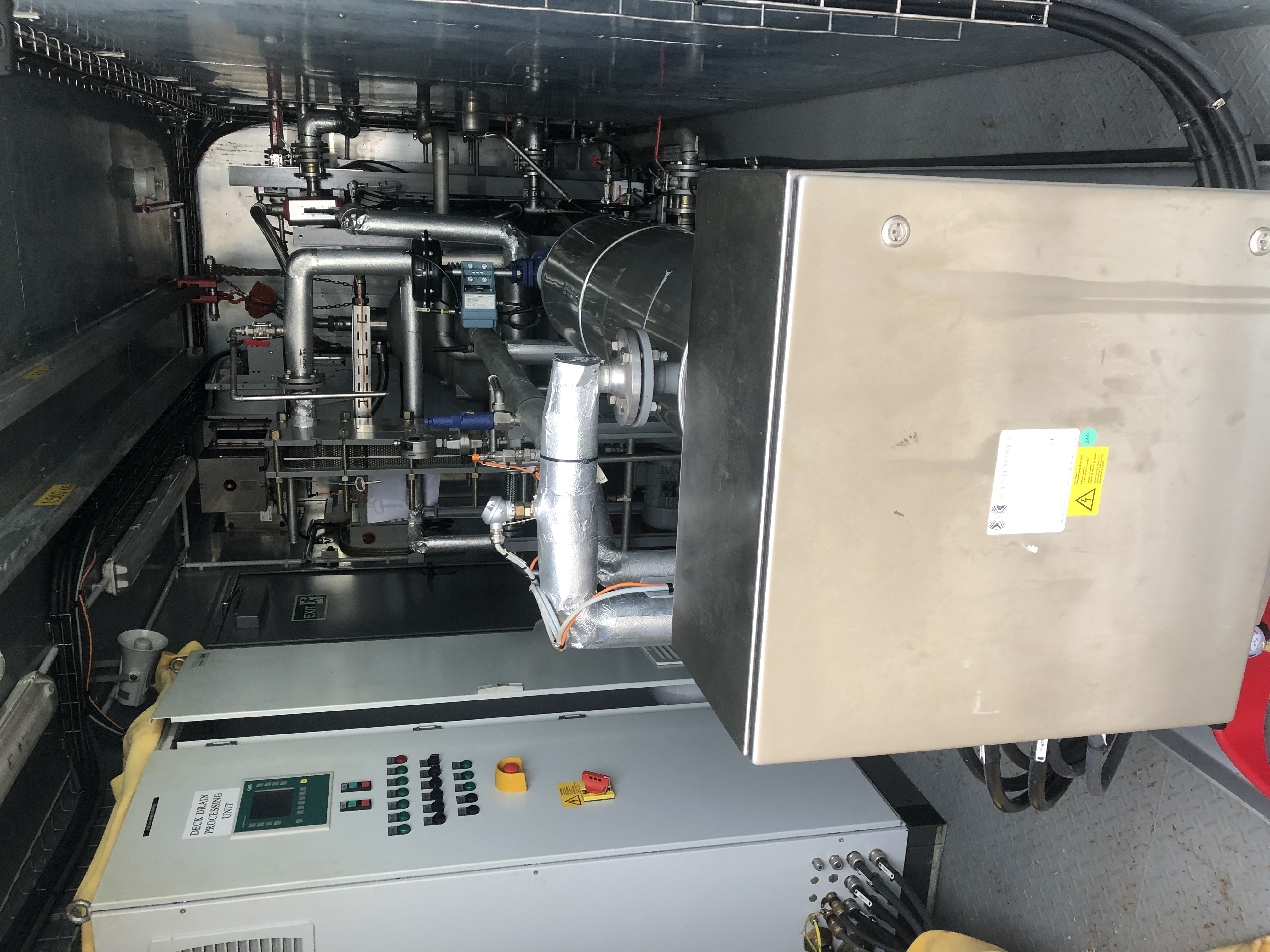
- Drive System
- 3-phase AC motor with centrifugal clutch and flat belt drive to spindle
- Bowl Speed
- 12,000 rpm (typical for marine models OSE 5-120)
- Bearing Lubrication
- Splash-lubricated from central oil bath (spindle and motor)
- Bowl Design
- Self-cleaning disc-type (tellerpaket) with polyamide seals
- Operating Temperature Range
- ~95°C for mineral oil separation
- Fuel Capacity Density Limit
- Up to 1.01 g/ml
- First Service Interval
- 8,000 operating hours or 1 year maximum
- OSD Series (2000s): OSD 2, 6, 18, 30, 35, 50, 60
- OSE Series eagleclass (2008+): OSE 5, 10, 20, 40, 80, 120
- Area: Tellerpaket/Bowl Sealing Surfaces WearCheck: Check polyamide gasket (B) seating parallel in groove via measurements around circumference; Inspect sliding piston sealing surface (A) for wear; Document if remachining is required (up to manufacturer spec)
- Area: Spindle Bearing Lubrication & ConditionCheck: Verify oil level in central oil bath; Check bearing splash lubrication system function; At 8,000h intervals: measure neck bearing spring lengths; Inspect for discoloration/degradation of lube oil; Motor bearings per manufacturer instruction
- Area: Bowl Erosion, Corrosion & Material IntegrityCheck: Inspect bowl lock ring, bowl bottom, bowl top for corrosion (flat-spread/pit/crack patterns); Check for mechanical damage in high-diameter outer sections; Under aggressive/high-temp operation: document erosion patterns; Requires bowl disassembly per 16,000-hour maintenance
- Area: Drive Coupling & Flat Belt SystemCheck: Visually inspect flat belt for wear, fraying, cracks; Check centrifugal clutch engagement/disengagement function; Measure belt tension; Check all hydraulic system channels (holes/nozzles/chambers) for blockage; Clean hydraulic orifices during 16,000h service
- Area: Centripetal Pump Wear & Hydraulic LeakageCheck: After bowl removal: inspect pump impeller and casing for wear marks; Check all hydraulic flanges, valve glands for oil seepage; Pressure-test hydraulic lines if available; Review for signs of cavitation or blockage in sensing pump
- Area: Scheduled Maintenance Intervals Not MetCheck: Verify first service completion at 8,000h/1yr; Check documentation for 16,000h (2yr) and 48,000h (6yr) services; Under unfavorable conditions (aggressive feedstock, high temps, poor product quality): recommend shortened intervals; Replace vibration isolators after 48,000h
Type–universal inspection/service points for separators & purifiers (GEA Westfalia, Mega-Swarm 2026–06). Per-model specs not auto-filled.
- Drive System
- 3-phase AC motor with centrifugal clutch and flat belt drive to spindle
- Bowl Speed
- 12,000 rpm (typical for marine models OSE 5-120)
- Bearing Lubrication
- Splash-lubricated from central oil bath (spindle and motor)
- Bowl Design
- Self-cleaning disc-type (tellerpaket) with polyamide seals
- Operating Temperature Range
- ~95°C for mineral oil separation
- Fuel Capacity Density Limit
- Up to 1.01 g/ml
- First Service Interval
- 8,000 operating hours or 1 year maximum
- OSD Series (2000s): OSD 2, 6, 18, 30, 35, 50, 60
- OSE Series eagleclass (2008+): OSE 5, 10, 20, 40, 80, 120
- Area: Tellerpaket/Bowl Sealing Surfaces WearCheck: Check polyamide gasket (B) seating parallel in groove via measurements around circumference; Inspect sliding piston sealing surface (A) for wear; Document if remachining is required (up to manufacturer spec)
- Area: Spindle Bearing Lubrication & ConditionCheck: Verify oil level in central oil bath; Check bearing splash lubrication system function; At 8,000h intervals: measure neck bearing spring lengths; Inspect for discoloration/degradation of lube oil; Motor bearings per manufacturer instruction
- Area: Bowl Erosion, Corrosion & Material IntegrityCheck: Inspect bowl lock ring, bowl bottom, bowl top for corrosion (flat-spread/pit/crack patterns); Check for mechanical damage in high-diameter outer sections; Under aggressive/high-temp operation: document erosion patterns; Requires bowl disassembly per 16,000-hour maintenance
- Area: Drive Coupling & Flat Belt SystemCheck: Visually inspect flat belt for wear, fraying, cracks; Check centrifugal clutch engagement/disengagement function; Measure belt tension; Check all hydraulic system channels (holes/nozzles/chambers) for blockage; Clean hydraulic orifices during 16,000h service
- Area: Centripetal Pump Wear & Hydraulic LeakageCheck: After bowl removal: inspect pump impeller and casing for wear marks; Check all hydraulic flanges, valve glands for oil seepage; Pressure-test hydraulic lines if available; Review for signs of cavitation or blockage in sensing pump
- Area: Scheduled Maintenance Intervals Not MetCheck: Verify first service completion at 8,000h/1yr; Check documentation for 16,000h (2yr) and 48,000h (6yr) services; Under unfavorable conditions (aggressive feedstock, high temps, poor product quality): recommend shortened intervals; Replace vibration isolators after 48,000h
Type–universal inspection/service points for separators & purifiers (GEA Westfalia, Mega-Swarm 2026–06). Per-model specs not auto-filled.
Mitsubishi Kakoki (MKK)
8- Bowl or separation-space contamination can reduce efficiency, noticed as poor outlet quality or frequent sludge discharge
- Seal-ring deterioration can cause internal or external leakage, seen as fluid loss or cross-contamination
- Incorrect feed temperature, flow or backpressure can upset separation, noticed as unstable operation or poor treatment
- Drive or bearing wear can increase vibration and noise, potentially causing trips
- Control-water, solenoid or automation faults can disturb the operating cycle, seen as failed bowl opening/closing or repeated alarms
- Bowl or separation-space contamination can reduce efficiency, noticed as poor outlet quality or frequent sludge discharge
- Seal-ring deterioration can cause internal or external leakage, seen as fluid loss or cross-contamination
- Incorrect feed temperature, flow or backpressure can upset separation, noticed as unstable operation or poor treatment
- Drive or bearing wear can increase vibration and noise, potentially causing trips
- Control-water, solenoid or automation faults can disturb the operating cycle, seen as failed bowl opening/closing or repeated alarms
- Bowl or separation-space contamination can reduce efficiency, noticed as poor outlet quality or frequent sludge discharge
- Seal-ring deterioration can cause internal or external leakage, seen as fluid loss or cross-contamination
- Incorrect feed temperature, flow or backpressure can upset separation, noticed as unstable operation or poor treatment
- Drive or bearing wear can increase vibration and noise, potentially causing trips
- Control-water, solenoid or automation faults can disturb the operating cycle, seen as failed bowl opening/closing or repeated alarms
- Bowl or separation-space contamination can reduce efficiency, noticed as poor outlet quality or frequent sludge discharge
- Seal-ring deterioration can cause internal or external leakage, seen as fluid loss or cross-contamination
- Incorrect feed temperature, flow or backpressure can upset separation, noticed as unstable operation or poor treatment
- Drive or bearing wear can increase vibration and noise, potentially causing trips
- Control-water, solenoid or automation faults can disturb the operating cycle, seen as failed bowl opening/closing or repeated alarms
- Bowl or separation-space contamination can reduce efficiency, noticed as poor outlet quality or frequent sludge discharge
- Seal-ring deterioration can cause internal or external leakage, seen as fluid loss or cross-contamination
- Incorrect feed temperature, flow or backpressure can upset separation, noticed as unstable operation or poor treatment
- Drive or bearing wear can increase vibration and noise, potentially causing trips
- Control-water, solenoid or automation faults can disturb the operating cycle, seen as failed bowl opening/closing or repeated alarms
- Bowl or separation-space contamination can reduce efficiency, noticed as poor outlet quality or frequent sludge discharge
- Seal-ring deterioration can cause internal or external leakage, seen as fluid loss or cross-contamination
- Incorrect feed temperature, flow or backpressure can upset separation, noticed as unstable operation or poor treatment
- Drive or bearing wear can increase vibration and noise, potentially causing trips
- Control-water, solenoid or automation faults can disturb the operating cycle, seen as failed bowl opening/closing or repeated alarms
- Bowl or separation-space contamination can reduce efficiency, noticed as poor outlet quality or frequent sludge discharge
- Seal-ring deterioration can cause internal or external leakage, seen as fluid loss or cross-contamination
- Incorrect feed temperature, flow or backpressure can upset separation, noticed as unstable operation or poor treatment
- Drive or bearing wear can increase vibration and noise, potentially causing trips
- Control-water, solenoid or automation faults can disturb the operating cycle, seen as failed bowl opening/closing or repeated alarms
- Bowl or separation-space contamination can reduce efficiency, noticed as poor outlet quality or frequent sludge discharge
- Seal-ring deterioration can cause internal or external leakage, seen as fluid loss or cross-contamination
- Incorrect feed temperature, flow or backpressure can upset separation, noticed as unstable operation or poor treatment
- Drive or bearing wear can increase vibration and noise, potentially causing trips
- Control-water, solenoid or automation faults can disturb the operating cycle, seen as failed bowl opening/closing or repeated alarms
Hi Fuji
5- Bowl or disc-stack fouling from sludge accumulation, typically indicated by reduced separation efficiency, vibration or frequent discharge
- Seal or O-ring deterioration, typically indicated by oil/water leakage, loss of operating water or unstable separation
- Bearing/spindle wear from poor lubrication or imbalance, typically indicated by vibration, noise or high-temperature alarms
- Incorrect interface control or water-seal condition, typically indicated by oil in water outlet, water in clean oil or repeated alarms
- Control/solenoid or discharge mechanism fault, typically indicated by failure to discharge sludge or repeated shutdown
- Mechanical wear caused by inadequate lubrication, contamination or long service, resulting in rising vibration, noise or temperature
- Seal or gasket deterioration caused by wear, corrosion or misalignment, resulting in visible leakage or loss of process containment
- Flow restriction, cavitation or fouling caused by blocked passages or unsuitable operating conditions, resulting in reduced capacity and unstable performance
- Motor, coupling or drive failure caused by electrical faults, misalignment or overload, resulting in trips, abnormal current or inability to reach normal speed
- Sensor, control or protection failure caused by wiring, calibration or electronics faults, resulting in alarms, incorrect control response or shutdown
- Mechanical wear caused by inadequate lubrication, contamination or long service, resulting in rising vibration, noise or temperature
- Seal or gasket deterioration caused by wear, corrosion or misalignment, resulting in visible leakage or loss of process containment
- Flow restriction, cavitation or fouling caused by blocked passages or unsuitable operating conditions, resulting in reduced capacity and unstable performance
- Motor, coupling or drive failure caused by electrical faults, misalignment or overload, resulting in trips, abnormal current or inability to reach normal speed
- Sensor, control or protection failure caused by wiring, calibration or electronics faults, resulting in alarms, incorrect control response or shutdown
- Mechanical wear caused by inadequate lubrication, contamination or long service, resulting in rising vibration, noise or temperature
- Seal or gasket deterioration caused by wear, corrosion or misalignment, resulting in visible leakage or loss of process containment
- Flow restriction, cavitation or fouling caused by blocked passages or unsuitable operating conditions, resulting in reduced capacity and unstable performance
- Motor, coupling or drive failure caused by electrical faults, misalignment or overload, resulting in trips, abnormal current or inability to reach normal speed
- Sensor, control or protection failure caused by wiring, calibration or electronics faults, resulting in alarms, incorrect control response or shutdown
- Mechanical wear caused by inadequate lubrication, contamination or long service, resulting in rising vibration, noise or temperature
- Seal or gasket deterioration caused by wear, corrosion or misalignment, resulting in visible leakage or loss of process containment
- Flow restriction, cavitation or fouling caused by blocked passages or unsuitable operating conditions, resulting in reduced capacity and unstable performance
- Motor, coupling or drive failure caused by electrical faults, misalignment or overload, resulting in trips, abnormal current or inability to reach normal speed
- Sensor, control or protection failure caused by wiring, calibration or electronics faults, resulting in alarms, incorrect control response or shutdown
Yokogawa
4- Bowl, disc stack, filter, or separation-stage fouling from sludge and solids reduces capacity and separation efficiency
- Seal or gasket wear causes external leakage, cross-leakage, or loss of operating water or process fluid
- Bearing, spindle, gear, or drive wear causes abnormal vibration, noise, overheating, or protective trips
- Incorrect temperature, density, flow, or interface condition causes poor separation and contaminated outlet fluid
- Control valve, water system, sensor, or automatic sequence faults cause failed discharge cycles, alarms, or inability to reach operating speed
- Mechanical wear caused by inadequate lubrication, contamination or long service, resulting in rising vibration, noise or temperature
- Seal or gasket deterioration caused by wear, corrosion or misalignment, resulting in visible leakage or loss of process containment
- Flow restriction, cavitation or fouling caused by blocked passages or unsuitable operating conditions, resulting in reduced capacity and unstable performance
- Motor, coupling or drive failure caused by electrical faults, misalignment or overload, resulting in trips, abnormal current or inability to reach normal speed
- Sensor, control or protection failure caused by wiring, calibration or electronics faults, resulting in alarms, incorrect control response or shutdown
- Mechanical wear caused by inadequate lubrication, contamination or long service, resulting in rising vibration, noise or temperature
- Seal or gasket deterioration caused by wear, corrosion or misalignment, resulting in visible leakage or loss of process containment
- Flow restriction, cavitation or fouling caused by blocked passages or unsuitable operating conditions, resulting in reduced capacity and unstable performance
- Motor, coupling or drive failure caused by electrical faults, misalignment or overload, resulting in trips, abnormal current or inability to reach normal speed
- Sensor, control or protection failure caused by wiring, calibration or electronics faults, resulting in alarms, incorrect control response or shutdown
- Mechanical wear caused by inadequate lubrication, contamination or long service, resulting in rising vibration, noise or temperature
- Seal or gasket deterioration caused by wear, corrosion or misalignment, resulting in visible leakage or loss of process containment
- Flow restriction, cavitation or fouling caused by blocked passages or unsuitable operating conditions, resulting in reduced capacity and unstable performance
- Motor, coupling or drive failure caused by electrical faults, misalignment or overload, resulting in trips, abnormal current or inability to reach normal speed
- Sensor, control or protection failure caused by wiring, calibration or electronics faults, resulting in alarms, incorrect control response or shutdown
GEA Westfalia Separator Group
2
- Bowl vibration due to disc stack imbalance after 5,000–7,000 operating hours
- Operating water valve failure causes incomplete desludging
- Main sealing ring aging due to HFO deposits every 4,000–6,000 operating hours
- Gear wear in worm gearbox after 15,000–20,000 operating hours
- Bowl vibration due to disc stack imbalance after 5,000–7,000 operating hours
- Operating water valve failure causes incomplete desludging
- Main sealing ring aging due to HFO deposits every 4,000–6,000 operating hours
- Gear wear in worm gearbox after 15,000–20,000 operating hours
HEISHIN PUMP WORKS
2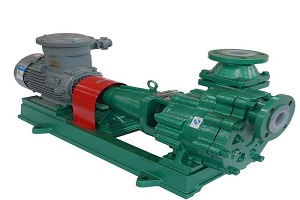
Compass Water Solutions
1DESARROLLO TECNICAS INDUSTRIALES DE GALICIA
1Filtration Group
1Geo Rim Engineering
1Jowa
1