Cargo Pump (Deepwell)
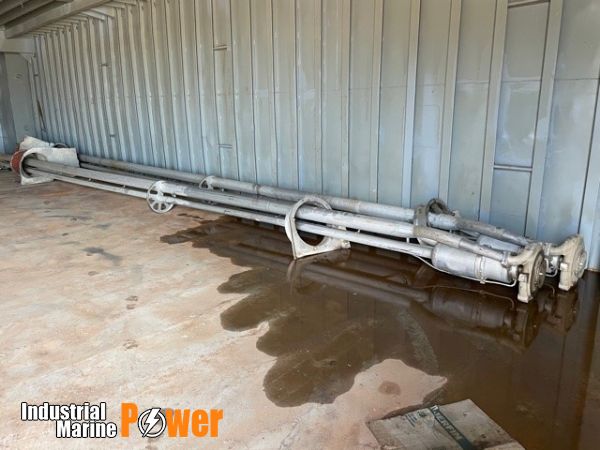
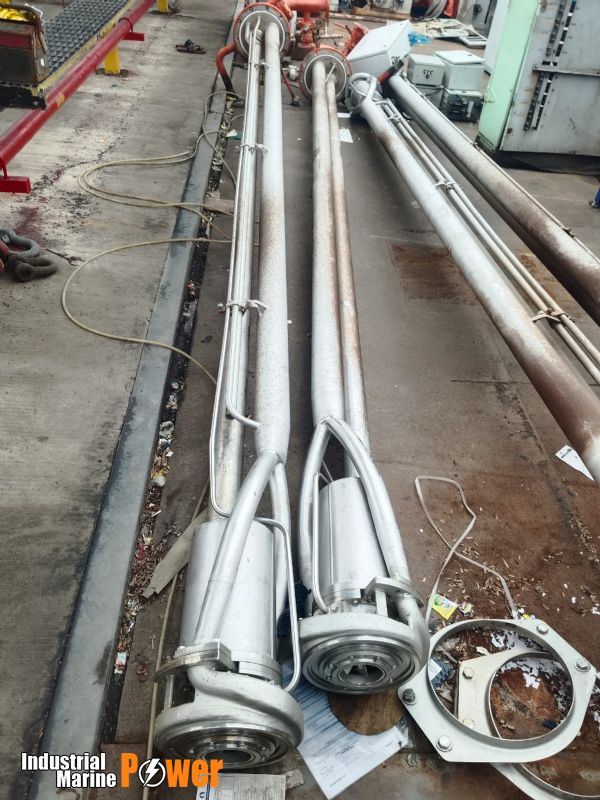
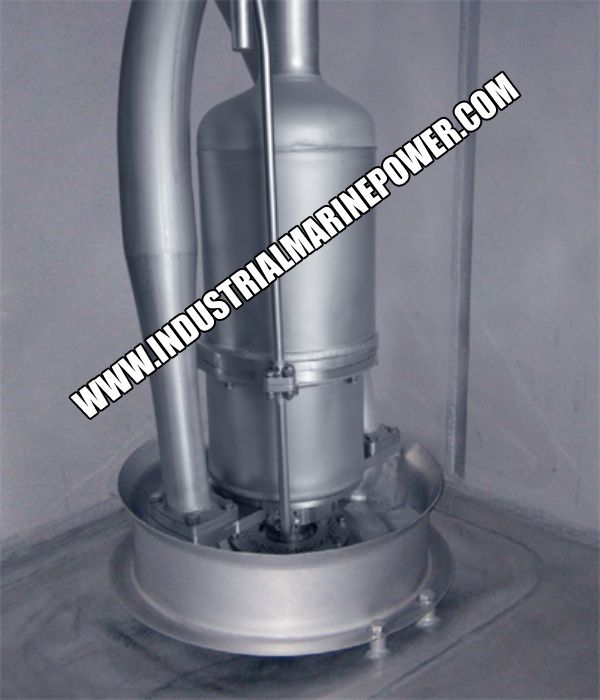
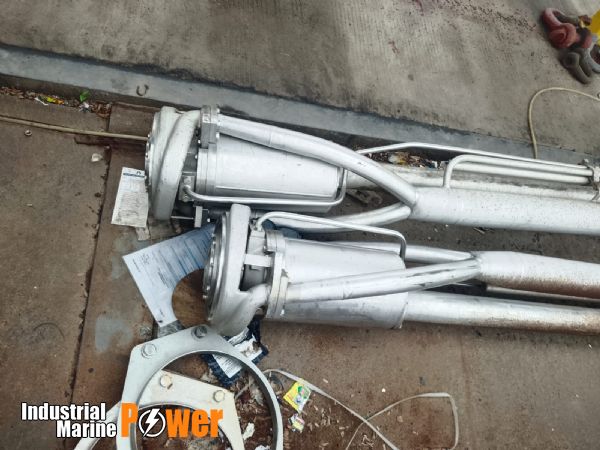
A deepwell cargo pump hangs a vertical multistage centrifugal element down inside the cargo tank itself, with only the drive shaft and motor above deck, avoiding the sealed-motor design that submersible pumps require.
Read more — Cargo Pump (Deepwell) explained ▾
What Sets a Deepwell Pump Apart
A deepwell cargo pump is a vertical, multistage centrifugal pump built into a long column that is lowered through a trunk in the tank top so the pumping element itself sits near the tank bottom, with a long shaft running up to a motor mounted on deck. This differs from submersible cargo pumps, which put the motor itself down in the tank sealed against the cargo, and from eductor or stripping systems, which move cargo using a jet of driving liquid rather than a rotating impeller. Deepwell pumps are the standard fit on product and chemical tankers where each tank needs its own independent, segregated pump so different grades can be loaded and discharged simultaneously without cross-contamination. Because the motor stays above deck, deepwell pumps avoid the sealed-motor cargo compatibility questions that come with submersibles, at the cost of a long shaft that must run true through multiple line-shaft bearings.

Main Components
Pump bowl assembly
Multiple impeller stages stacked in a column at the base of the unit build the discharge head progressively; stage count is matched to the required total dynamic head for the tank's discharge line run and shore connection pressure.
Line shaft and bearings
The shaft runs the full depth of the tank inside a shaft tube, supported by intermediate bearings that are typically lubricated by the cargo itself, which is why compatibility between the bearing material and the cargo grade matters.
Top unit and deck seal
The above-deck top unit houses the motor coupling, a mechanical seal or stuffing box sealing the shaft where it passes through the deck, and often a bearing lubrication or cooling arrangement for cargoes that cannot lubricate the shaft themselves.
Stripping stage / eductor
Many deepwell pumps include a low-flow stripping stage or a separate eductor connection to remove the final residual cargo from the tank bottom once bulk flow can no longer be maintained by the main stages.
Selection and Sizing
Sizing is set by cargo compatibility as much as by hydraulic duty, since the wrong material choice fails long before the pump reaches its rated flow:
- Rated capacity (m³/h) and total dynamic head at the design discharge rate to shore or to a cargo manifold
- Cargo compatibility of wetted materials, seals and shaft bearing bushes with the specific cargo grades the tank carries
- Number of stages and NPSH available at minimum tank level, since deepwell pumps must maintain suction as the tank empties
- Stripping capability and the residual quantity it can achieve, which matters for grade-critical chemical cargoes
Regulations and Class
Cargo pump installations on tankers fall under SOLAS Chapter II-2 fire safety requirements for cargo pump rooms and, for chemical tankers, the IBC Code requirements on cargo containment and segregation that drive the independent-pump-per-tank arrangement in the first place. Class rules require periodic tightness testing of the shaft seal at the deck penetration and inspection of the pump room ventilation and gas detection systems that protect against vapour accumulating around the top unit. Cargo piping and pump certification is also checked against the vessel's certificate of fitness for the cargoes it is approved to carry.
Typical Faults
| Fault | Cause | Consequence |
|---|---|---|
| Line shaft bearing wear | Cargo with poor lubricating properties, running dry during stripping | Shaft vibration, eventual seizure requiring full pump withdrawal from the tank |
| Deck seal leakage | Worn mechanical seal faces, misalignment after reinstallation | Cargo vapour escape at deck level, gas hazard around the top unit |
| Loss of suction / cavitation | Low tank level below NPSH margin, blocked suction strainer | Reduced discharge rate, pitting damage to impellers over repeated occurrence |
| Cross-contamination between grades | Incomplete stripping or line clearing between cargoes | Off-spec cargo, rejected discharge, commercial claim |
What to Look for in a Supplier
- Material compatibility charts for the specific cargo list the vessel trades, not a generic chemical resistance table
- Documented stripping performance and residual quantity figures for comparable tank geometry
- Availability of line shaft bearings and mechanical seal kits as stocked spares, since these are the parts that wear fastest
- Experience servicing pumps of this depth and stage count, since deepwell units longer than the standard range need column handling equipment at overhaul
Never run a deepwell pump into stripping mode without confirming actual tank level against the gauge — a false-empty reading and a dry line shaft bearing is one of the fastest ways to write off a pump mid-voyage.
10 manufacturers · 321 models
Framo
83 ✓ 9 verified- Loss of suction from empty source, closed valve, blocked strainer, air ingress, or poor priming causes low discharge pressure, cavitation noise, or no flow
- Seal or packing wear from ageing, dry running, shaft movement, or contamination produces visible leakage or loss of suction
- Bearing, coupling, shaft, impeller, rotor, or internal wear from poor lubrication, misalignment, debris, or normal service causes vibration, noise, heat, or reduced capacity
- Internal erosion, corrosion, or excessive wear reduces discharge pressure and increases recirculation or running time
- Motor, hydraulic drive, protection, or control faults from overload, electrical failure, or actuator problems result in trips, failed starting, or unstable speed
- Bearing or shaft wear causes vibration, noise, reduced efficiency or mechanical contact
- Seal or tank-top leakage causes visible cargo leakage or vapour escape
- Hydraulic, electric or mechanical drive faults cause reduced speed, inability to start or protective trip
- Impeller or pump-stage fouling causes low discharge pressure or reduced cargo rate
- Dry running or poor liquid level causes overheating, vibration or damage to internal components
- Area: Mechanical seal wear and leakageCheck: Flush cofferdam regularly (before/after each loading, every 2 weeks), monitor leakage rate; elevated leakage (>10 ml/h) requires immediate inspection and seal replacement
- Area: Wear of wear rings due to cargo particles and operating hoursCheck: Test delivery rate; poor stripping performance = worn wear rings; check oil volume flow in parallel operation
- Area: Cofferdam blockage and leakage monitoring failureCheck: Cofferdam openings must be free; blocked points = pump not usable until remedied; check purge air/nitrogen
- Area: Hydraulic oil temperature rise and oil degradation through bearing frictionCheck: Monitor hydraulic oil temperature at return filter-cooler; set temperature alarm (>60°C typ.); check cooler performance and water flow
- Area: Corrosion of stainless steel surfaces due to seawater exposure and chloride depositsCheck: Regular cleaning of stainless steel components; check zinc anodes (in ballast models) for wear; examine surface discoloration/pitting
Inspektions-/Wartungspunkte der Framo SD-Serie (serien-universell, framo.com + marineengineeringonline, 2026-06).
- Area: Mechanical seal wear and leakageCheck: Flush cofferdam regularly (before/after each loading, every 2 weeks), monitor leakage rate; elevated leakage (>10 ml/h) requires immediate inspection and seal replacement
- Area: Wear of wear rings due to cargo particles and operating hoursCheck: Test delivery rate; poor stripping performance = worn wear rings; check oil volume flow in parallel operation
- Area: Cofferdam blockage and leakage monitoring failureCheck: Cofferdam openings must be free; blocked points = pump not usable until remedied; check purge air/nitrogen
- Area: Hydraulic oil temperature rise and oil degradation through bearing frictionCheck: Monitor hydraulic oil temperature at return filter-cooler; set temperature alarm (>60°C typ.); check cooler performance and water flow
- Area: Corrosion of stainless steel surfaces due to seawater exposure and chloride depositsCheck: Regular cleaning of stainless steel components; check zinc anodes (in ballast models) for wear; examine surface discoloration/pitting
Inspektions-/Wartungspunkte der Framo SD-Serie (serien-universell, framo.com + marineengineeringonline, 2026-06).
- Area: Mechanical seal wear and leakageCheck: Flush cofferdam regularly (before/after each loading, every 2 weeks), monitor leakage rate; elevated leakage (>10 ml/h) requires immediate inspection and seal replacement
- Area: Wear of wear rings due to cargo particles and operating hoursCheck: Test delivery rate; poor stripping performance = worn wear rings; check oil volume flow in parallel operation
- Area: Cofferdam blockage and leakage monitoring failureCheck: Cofferdam openings must be free; blocked points = pump not usable until remedied; check purge air/nitrogen
- Area: Hydraulic oil temperature rise and oil degradation through bearing frictionCheck: Monitor hydraulic oil temperature at return filter-cooler; set temperature alarm (>60°C typ.); check cooler performance and water flow
- Area: Corrosion of stainless steel surfaces due to seawater exposure and chloride depositsCheck: Regular cleaning of stainless steel components; check zinc anodes (in ballast models) for wear; examine surface discoloration/pitting
Inspektions-/Wartungspunkte der Framo SD-Serie (serien-universell, framo.com + marineengineeringonline, 2026-06).
- Area: Mechanical seal wear and leakageCheck: Flush cofferdam regularly (before/after each loading, every 2 weeks), monitor leakage rate; elevated leakage (>10 ml/h) requires immediate inspection and seal replacement
- Area: Wear of wear rings due to cargo particles and operating hoursCheck: Test delivery rate; poor stripping performance = worn wear rings; check oil volume flow in parallel operation
- Area: Cofferdam blockage and leakage monitoring failureCheck: Cofferdam openings must be free; blocked points = pump not usable until remedied; check purge air/nitrogen
- Area: Hydraulic oil temperature rise and oil degradation through bearing frictionCheck: Monitor hydraulic oil temperature at return filter-cooler; set temperature alarm (>60°C typ.); check cooler performance and water flow
- Area: Corrosion of stainless steel surfaces due to seawater exposure and chloride depositsCheck: Regular cleaning of stainless steel components; check zinc anodes (in ballast models) for wear; examine surface discoloration/pitting
Inspektions-/Wartungspunkte der Framo SD-Serie (serien-universell, framo.com + marineengineeringonline, 2026-06).
- Area: Mechanical seal wear and leakageCheck: Flush cofferdam regularly (before/after each loading, every 2 weeks), monitor leakage rate; elevated leakage (>10 ml/h) requires immediate inspection and seal replacement
- Area: Wear of wear rings due to cargo particles and operating hoursCheck: Test delivery rate; poor stripping performance = worn wear rings; check oil volume flow in parallel operation
- Area: Cofferdam blockage and leakage monitoring failureCheck: Cofferdam openings must be free; blocked points = pump not usable until remedied; check purge air/nitrogen
- Area: Hydraulic oil temperature rise and oil degradation through bearing frictionCheck: Monitor hydraulic oil temperature at return filter-cooler; set temperature alarm (>60°C typ.); check cooler performance and water flow
- Area: Corrosion of stainless steel surfaces due to seawater exposure and chloride depositsCheck: Regular cleaning of stainless steel components; check zinc anodes (in ballast models) for wear; examine surface discoloration/pitting
Inspektions-/Wartungspunkte der Framo SD-Serie (serien-universell, framo.com + marineengineeringonline, 2026-06).
- Area: Mechanical seal wear and leakageCheck: Flush cofferdam regularly (before/after each loading, every 2 weeks), monitor leakage rate; elevated leakage (>10 ml/h) requires immediate inspection and seal replacement
- Area: Wear of wear rings due to cargo particles and operating hoursCheck: Test delivery rate; poor stripping performance = worn wear rings; check oil volume flow in parallel operation
- Area: Cofferdam blockage and leakage monitoring failureCheck: Cofferdam openings must be free; blocked points = pump not usable until remedied; check purge air/nitrogen
- Area: Hydraulic oil temperature rise and oil degradation through bearing frictionCheck: Monitor hydraulic oil temperature at return filter-cooler; set temperature alarm (>60°C typ.); check cooler performance and water flow
- Area: Corrosion of stainless steel surfaces due to seawater exposure and chloride depositsCheck: Regular cleaning of stainless steel components; check zinc anodes (in ballast models) for wear; examine surface discoloration/pitting
Inspektions-/Wartungspunkte der Framo SD-Serie (serien-universell, framo.com + marineengineeringonline, 2026-06).
- Area: Mechanical seal wear and leakageCheck: Flush cofferdam regularly (before/after each loading, every 2 weeks), monitor leakage rate; elevated leakage (>10 ml/h) requires immediate inspection and seal replacement
- Area: Wear of wear rings due to cargo particles and operating hoursCheck: Test delivery rate; poor stripping performance = worn wear rings; check oil volume flow in parallel operation
- Area: Cofferdam blockage and leakage monitoring failureCheck: Cofferdam openings must be free; blocked points = pump not usable until remedied; check purge air/nitrogen
- Area: Hydraulic oil temperature rise and oil degradation through bearing frictionCheck: Monitor hydraulic oil temperature at return filter-cooler; set temperature alarm (>60°C typ.); check cooler performance and water flow
- Area: Corrosion of stainless steel surfaces due to seawater exposure and chloride depositsCheck: Regular cleaning of stainless steel components; check zinc anodes (in ballast models) for wear; examine surface discoloration/pitting
Inspektions-/Wartungspunkte der Framo SD-Serie (serien-universell, framo.com + marineengineeringonline, 2026-06).
- Area: Mechanical seal wear and leakageCheck: Flush cofferdam regularly (before/after each loading, every 2 weeks), monitor leakage rate; elevated leakage (>10 ml/h) requires immediate inspection and seal replacement
- Area: Wear of wear rings due to cargo particles and operating hoursCheck: Test delivery rate; poor stripping performance = worn wear rings; check oil volume flow in parallel operation
- Area: Cofferdam blockage and leakage monitoring failureCheck: Cofferdam openings must be free; blocked points = pump not usable until remedied; check purge air/nitrogen
- Area: Hydraulic oil temperature rise and oil degradation through bearing frictionCheck: Monitor hydraulic oil temperature at return filter-cooler; set temperature alarm (>60°C typ.); check cooler performance and water flow
- Area: Corrosion of stainless steel surfaces due to seawater exposure and chloride depositsCheck: Regular cleaning of stainless steel components; check zinc anodes (in ballast models) for wear; examine surface discoloration/pitting
Inspektions-/Wartungspunkte der Framo SD-Serie (serien-universell, framo.com + marineengineeringonline, 2026-06).
- Area: Mechanical seal wear and leakageCheck: Flush cofferdam regularly (before/after each loading, every 2 weeks), monitor leakage rate; elevated leakage (>10 ml/h) requires immediate inspection and seal replacement
- Area: Wear of wear rings due to cargo particles and operating hoursCheck: Test delivery rate; poor stripping performance = worn wear rings; check oil volume flow in parallel operation
- Area: Cofferdam blockage and leakage monitoring failureCheck: Cofferdam openings must be free; blocked points = pump not usable until remedied; check purge air/nitrogen
- Area: Hydraulic oil temperature rise and oil degradation through bearing frictionCheck: Monitor hydraulic oil temperature at return filter-cooler; set temperature alarm (>60°C typ.); check cooler performance and water flow
- Area: Corrosion of stainless steel surfaces due to seawater exposure and chloride depositsCheck: Regular cleaning of stainless steel components; check zinc anodes (in ballast models) for wear; examine surface discoloration/pitting
Inspektions-/Wartungspunkte der Framo SD-Serie (serien-universell, framo.com + marineengineeringonline, 2026-06).
- Area: Mechanical seal wear and leakageCheck: Flush cofferdam regularly (before/after each loading, every 2 weeks), monitor leakage rate; elevated leakage (>10 ml/h) requires immediate inspection and seal replacement
- Area: Wear of wear rings due to cargo particles and operating hoursCheck: Test delivery rate; poor stripping performance = worn wear rings; check oil volume flow in parallel operation
- Area: Cofferdam blockage and leakage monitoring failureCheck: Cofferdam openings must be free; blocked points = pump not usable until remedied; check purge air/nitrogen
- Area: Hydraulic oil temperature rise and oil degradation through bearing frictionCheck: Monitor hydraulic oil temperature at return filter-cooler; set temperature alarm (>60°C typ.); check cooler performance and water flow
- Area: Corrosion of stainless steel surfaces due to seawater exposure and chloride depositsCheck: Regular cleaning of stainless steel components; check zinc anodes (in ballast models) for wear; examine surface discoloration/pitting
Inspektions-/Wartungspunkte der Framo SD-Serie (serien-universell, framo.com + marineengineeringonline, 2026-06).
- Area: Mechanical seal wear and leakageCheck: Flush cofferdam regularly (before/after each loading, every 2 weeks), monitor leakage rate; elevated leakage (>10 ml/h) requires immediate inspection and seal replacement
- Area: Wear of wear rings due to cargo particles and operating hoursCheck: Test delivery rate; poor stripping performance = worn wear rings; check oil volume flow in parallel operation
- Area: Cofferdam blockage and leakage monitoring failureCheck: Cofferdam openings must be free; blocked points = pump not usable until remedied; check purge air/nitrogen
- Area: Hydraulic oil temperature rise and oil degradation through bearing frictionCheck: Monitor hydraulic oil temperature at return filter-cooler; set temperature alarm (>60°C typ.); check cooler performance and water flow
- Area: Corrosion of stainless steel surfaces due to seawater exposure and chloride depositsCheck: Regular cleaning of stainless steel components; check zinc anodes (in ballast models) for wear; examine surface discoloration/pitting
Inspektions-/Wartungspunkte der Framo SD-Serie (serien-universell, framo.com + marineengineeringonline, 2026-06).
- Area: Mechanical seal wear and leakageCheck: Flush cofferdam regularly (before/after each loading, every 2 weeks), monitor leakage rate; elevated leakage (>10 ml/h) requires immediate inspection and seal replacement
- Area: Wear of wear rings due to cargo particles and operating hoursCheck: Test delivery rate; poor stripping performance = worn wear rings; check oil volume flow in parallel operation
- Area: Cofferdam blockage and leakage monitoring failureCheck: Cofferdam openings must be free; blocked points = pump not usable until remedied; check purge air/nitrogen
- Area: Hydraulic oil temperature rise and oil degradation through bearing frictionCheck: Monitor hydraulic oil temperature at return filter-cooler; set temperature alarm (>60°C typ.); check cooler performance and water flow
- Area: Corrosion of stainless steel surfaces due to seawater exposure and chloride depositsCheck: Regular cleaning of stainless steel components; check zinc anodes (in ballast models) for wear; examine surface discoloration/pitting
Inspektions-/Wartungspunkte der Framo SD-Serie (serien-universell, framo.com + marineengineeringonline, 2026-06).
- Area: Mechanical seal wear and leakageCheck: Flush cofferdam regularly (before/after each loading, every 2 weeks), monitor leakage rate; elevated leakage (>10 ml/h) requires immediate inspection and seal replacement
- Area: Wear of wear rings due to cargo particles and operating hoursCheck: Test delivery rate; poor stripping performance = worn wear rings; check oil volume flow in parallel operation
- Area: Cofferdam blockage and leakage monitoring failureCheck: Cofferdam openings must be free; blocked points = pump not usable until remedied; check purge air/nitrogen
- Area: Hydraulic oil temperature rise and oil degradation through bearing frictionCheck: Monitor hydraulic oil temperature at return filter-cooler; set temperature alarm (>60°C typ.); check cooler performance and water flow
- Area: Corrosion of stainless steel surfaces due to seawater exposure and chloride depositsCheck: Regular cleaning of stainless steel components; check zinc anodes (in ballast models) for wear; examine surface discoloration/pitting
Inspektions-/Wartungspunkte der Framo SD-Serie (serien-universell, framo.com + marineengineeringonline, 2026-06).
- Area: Mechanical seal wear and leakageCheck: Flush cofferdam regularly (before/after each loading, every 2 weeks), monitor leakage rate; elevated leakage (>10 ml/h) requires immediate inspection and seal replacement
- Area: Wear of wear rings due to cargo particles and operating hoursCheck: Test delivery rate; poor stripping performance = worn wear rings; check oil volume flow in parallel operation
- Area: Cofferdam blockage and leakage monitoring failureCheck: Cofferdam openings must be free; blocked points = pump not usable until remedied; check purge air/nitrogen
- Area: Hydraulic oil temperature rise and oil degradation through bearing frictionCheck: Monitor hydraulic oil temperature at return filter-cooler; set temperature alarm (>60°C typ.); check cooler performance and water flow
- Area: Corrosion of stainless steel surfaces due to seawater exposure and chloride depositsCheck: Regular cleaning of stainless steel components; check zinc anodes (in ballast models) for wear; examine surface discoloration/pitting
Inspektions-/Wartungspunkte der Framo SD-Serie (serien-universell, framo.com + marineengineeringonline, 2026-06).
- Area: Mechanical seal wear and leakageCheck: Flush cofferdam regularly (before/after each loading, every 2 weeks), monitor leakage rate; elevated leakage (>10 ml/h) requires immediate inspection and seal replacement
- Area: Wear of wear rings due to cargo particles and operating hoursCheck: Test delivery rate; poor stripping performance = worn wear rings; check oil volume flow in parallel operation
- Area: Cofferdam blockage and leakage monitoring failureCheck: Cofferdam openings must be free; blocked points = pump not usable until remedied; check purge air/nitrogen
- Area: Hydraulic oil temperature rise and oil degradation through bearing frictionCheck: Monitor hydraulic oil temperature at return filter-cooler; set temperature alarm (>60°C typ.); check cooler performance and water flow
- Area: Corrosion of stainless steel surfaces due to seawater exposure and chloride depositsCheck: Regular cleaning of stainless steel components; check zinc anodes (in ballast models) for wear; examine surface discoloration/pitting
Inspektions-/Wartungspunkte der Framo SD-Serie (serien-universell, framo.com + marineengineeringonline, 2026-06).
- Area: Mechanical seal wear and leakageCheck: Flush cofferdam regularly (before/after each loading, every 2 weeks), monitor leakage rate; elevated leakage (>10 ml/h) requires immediate inspection and seal replacement
- Area: Wear of wear rings due to cargo particles and operating hoursCheck: Test delivery rate; poor stripping performance = worn wear rings; check oil volume flow in parallel operation
- Area: Cofferdam blockage and leakage monitoring failureCheck: Cofferdam openings must be free; blocked points = pump not usable until remedied; check purge air/nitrogen
- Area: Hydraulic oil temperature rise and oil degradation through bearing frictionCheck: Monitor hydraulic oil temperature at return filter-cooler; set temperature alarm (>60°C typ.); check cooler performance and water flow
- Area: Corrosion of stainless steel surfaces due to seawater exposure and chloride depositsCheck: Regular cleaning of stainless steel components; check zinc anodes (in ballast models) for wear; examine surface discoloration/pitting
Inspektions-/Wartungspunkte der Framo SD-Serie (serien-universell, framo.com + marineengineeringonline, 2026-06).
- Area: Mechanical seal wear and leakageCheck: Flush cofferdam regularly (before/after each loading, every 2 weeks), monitor leakage rate; elevated leakage (>10 ml/h) requires immediate inspection and seal replacement
- Area: Wear of wear rings due to cargo particles and operating hoursCheck: Test delivery rate; poor stripping performance = worn wear rings; check oil volume flow in parallel operation
- Area: Cofferdam blockage and leakage monitoring failureCheck: Cofferdam openings must be free; blocked points = pump not usable until remedied; check purge air/nitrogen
- Area: Hydraulic oil temperature rise and oil degradation through bearing frictionCheck: Monitor hydraulic oil temperature at return filter-cooler; set temperature alarm (>60°C typ.); check cooler performance and water flow
- Area: Corrosion of stainless steel surfaces due to seawater exposure and chloride depositsCheck: Regular cleaning of stainless steel components; check zinc anodes (in ballast models) for wear; examine surface discoloration/pitting
Inspektions-/Wartungspunkte der Framo SD-Serie (serien-universell, framo.com + marineengineeringonline, 2026-06).
- Area: Mechanical seal wear and leakageCheck: Flush cofferdam regularly (before/after each loading, every 2 weeks), monitor leakage rate; elevated leakage (>10 ml/h) requires immediate inspection and seal replacement
- Area: Wear of wear rings due to cargo particles and operating hoursCheck: Test delivery rate; poor stripping performance = worn wear rings; check oil volume flow in parallel operation
- Area: Cofferdam blockage and leakage monitoring failureCheck: Cofferdam openings must be free; blocked points = pump not usable until remedied; check purge air/nitrogen
- Area: Hydraulic oil temperature rise and oil degradation through bearing frictionCheck: Monitor hydraulic oil temperature at return filter-cooler; set temperature alarm (>60°C typ.); check cooler performance and water flow
- Area: Corrosion of stainless steel surfaces due to seawater exposure and chloride depositsCheck: Regular cleaning of stainless steel components; check zinc anodes (in ballast models) for wear; examine surface discoloration/pitting
Inspektions-/Wartungspunkte der Framo SD-Serie (serien-universell, framo.com + marineengineeringonline, 2026-06).
- Area: Mechanical seal wear and leakageCheck: Flush cofferdam regularly (before/after each loading, every 2 weeks), monitor leakage rate; elevated leakage (>10 ml/h) requires immediate inspection and seal replacement
- Area: Wear of wear rings due to cargo particles and operating hoursCheck: Test delivery rate; poor stripping performance = worn wear rings; check oil volume flow in parallel operation
- Area: Cofferdam blockage and leakage monitoring failureCheck: Cofferdam openings must be free; blocked points = pump not usable until remedied; check purge air/nitrogen
- Area: Hydraulic oil temperature rise and oil degradation through bearing frictionCheck: Monitor hydraulic oil temperature at return filter-cooler; set temperature alarm (>60°C typ.); check cooler performance and water flow
- Area: Corrosion of stainless steel surfaces due to seawater exposure and chloride depositsCheck: Regular cleaning of stainless steel components; check zinc anodes (in ballast models) for wear; examine surface discoloration/pitting
Inspektions-/Wartungspunkte der Framo SD-Serie (serien-universell, framo.com + marineengineeringonline, 2026-06).
- Area: Mechanical seal wear and leakageCheck: Flush cofferdam regularly (before/after each loading, every 2 weeks), monitor leakage rate; elevated leakage (>10 ml/h) requires immediate inspection and seal replacement
- Area: Wear of wear rings due to cargo particles and operating hoursCheck: Test delivery rate; poor stripping performance = worn wear rings; check oil volume flow in parallel operation
- Area: Cofferdam blockage and leakage monitoring failureCheck: Cofferdam openings must be free; blocked points = pump not usable until remedied; check purge air/nitrogen
- Area: Hydraulic oil temperature rise and oil degradation through bearing frictionCheck: Monitor hydraulic oil temperature at return filter-cooler; set temperature alarm (>60°C typ.); check cooler performance and water flow
- Area: Corrosion of stainless steel surfaces due to seawater exposure and chloride depositsCheck: Regular cleaning of stainless steel components; check zinc anodes (in ballast models) for wear; examine surface discoloration/pitting
Inspektions-/Wartungspunkte der Framo SD-Serie (serien-universell, framo.com + marineengineeringonline, 2026-06).
- Area: Mechanical seal wear and leakageCheck: Flush cofferdam regularly (before/after each loading, every 2 weeks), monitor leakage rate; elevated leakage (>10 ml/h) requires immediate inspection and seal replacement
- Area: Wear of wear rings due to cargo particles and operating hoursCheck: Test delivery rate; poor stripping performance = worn wear rings; check oil volume flow in parallel operation
- Area: Cofferdam blockage and leakage monitoring failureCheck: Cofferdam openings must be free; blocked points = pump not usable until remedied; check purge air/nitrogen
- Area: Hydraulic oil temperature rise and oil degradation through bearing frictionCheck: Monitor hydraulic oil temperature at return filter-cooler; set temperature alarm (>60°C typ.); check cooler performance and water flow
- Area: Corrosion of stainless steel surfaces due to seawater exposure and chloride depositsCheck: Regular cleaning of stainless steel components; check zinc anodes (in ballast models) for wear; examine surface discoloration/pitting
Inspektions-/Wartungspunkte der Framo SD-Serie (serien-universell, framo.com + marineengineeringonline, 2026-06).
- Area: Mechanical seal wear and leakageCheck: Flush cofferdam regularly (before/after each loading, every 2 weeks), monitor leakage rate; elevated leakage (>10 ml/h) requires immediate inspection and seal replacement
- Area: Wear of wear rings due to cargo particles and operating hoursCheck: Test delivery rate; poor stripping performance = worn wear rings; check oil volume flow in parallel operation
- Area: Cofferdam blockage and leakage monitoring failureCheck: Cofferdam openings must be free; blocked points = pump not usable until remedied; check purge air/nitrogen
- Area: Hydraulic oil temperature rise and oil degradation through bearing frictionCheck: Monitor hydraulic oil temperature at return filter-cooler; set temperature alarm (>60°C typ.); check cooler performance and water flow
- Area: Corrosion of stainless steel surfaces due to seawater exposure and chloride depositsCheck: Regular cleaning of stainless steel components; check zinc anodes (in ballast models) for wear; examine surface discoloration/pitting
Inspektions-/Wartungspunkte der Framo SD-Serie (serien-universell, framo.com + marineengineeringonline, 2026-06).
- Area: Mechanical seal wear and leakageCheck: Flush cofferdam regularly (before/after each loading, every 2 weeks), monitor leakage rate; elevated leakage (>10 ml/h) requires immediate inspection and seal replacement
- Area: Wear of wear rings due to cargo particles and operating hoursCheck: Test delivery rate; poor stripping performance = worn wear rings; check oil volume flow in parallel operation
- Area: Cofferdam blockage and leakage monitoring failureCheck: Cofferdam openings must be free; blocked points = pump not usable until remedied; check purge air/nitrogen
- Area: Hydraulic oil temperature rise and oil degradation through bearing frictionCheck: Monitor hydraulic oil temperature at return filter-cooler; set temperature alarm (>60°C typ.); check cooler performance and water flow
- Area: Corrosion of stainless steel surfaces due to seawater exposure and chloride depositsCheck: Regular cleaning of stainless steel components; check zinc anodes (in ballast models) for wear; examine surface discoloration/pitting
Inspektions-/Wartungspunkte der Framo SD-Serie (serien-universell, framo.com + marineengineeringonline, 2026-06).
- Area: Mechanical seal wear and leakageCheck: Flush cofferdam regularly (before/after each loading, every 2 weeks), monitor leakage rate; elevated leakage (>10 ml/h) requires immediate inspection and seal replacement
- Area: Wear of wear rings due to cargo particles and operating hoursCheck: Test delivery rate; poor stripping performance = worn wear rings; check oil volume flow in parallel operation
- Area: Cofferdam blockage and leakage monitoring failureCheck: Cofferdam openings must be free; blocked points = pump not usable until remedied; check purge air/nitrogen
- Area: Hydraulic oil temperature rise and oil degradation through bearing frictionCheck: Monitor hydraulic oil temperature at return filter-cooler; set temperature alarm (>60°C typ.); check cooler performance and water flow
- Area: Corrosion of stainless steel surfaces due to seawater exposure and chloride depositsCheck: Regular cleaning of stainless steel components; check zinc anodes (in ballast models) for wear; examine surface discoloration/pitting
Inspektions-/Wartungspunkte der Framo SD-Serie (serien-universell, framo.com + marineengineeringonline, 2026-06).
- Area: Mechanical seal wear and leakageCheck: Flush cofferdam regularly (before/after each loading, every 2 weeks), monitor leakage rate; elevated leakage (>10 ml/h) requires immediate inspection and seal replacement
- Area: Wear of wear rings due to cargo particles and operating hoursCheck: Test delivery rate; poor stripping performance = worn wear rings; check oil volume flow in parallel operation
- Area: Cofferdam blockage and leakage monitoring failureCheck: Cofferdam openings must be free; blocked points = pump not usable until remedied; check purge air/nitrogen
- Area: Hydraulic oil temperature rise and oil degradation through bearing frictionCheck: Monitor hydraulic oil temperature at return filter-cooler; set temperature alarm (>60°C typ.); check cooler performance and water flow
- Area: Corrosion of stainless steel surfaces due to seawater exposure and chloride depositsCheck: Regular cleaning of stainless steel components; check zinc anodes (in ballast models) for wear; examine surface discoloration/pitting
Inspektions-/Wartungspunkte der Framo SD-Serie (serien-universell, framo.com + marineengineeringonline, 2026-06).
- Area: Mechanical seal wear and leakageCheck: Flush cofferdam regularly (before/after each loading, every 2 weeks), monitor leakage rate; elevated leakage (>10 ml/h) requires immediate inspection and seal replacement
- Area: Wear of wear rings due to cargo particles and operating hoursCheck: Test delivery rate; poor stripping performance = worn wear rings; check oil volume flow in parallel operation
- Area: Cofferdam blockage and leakage monitoring failureCheck: Cofferdam openings must be free; blocked points = pump not usable until remedied; check purge air/nitrogen
- Area: Hydraulic oil temperature rise and oil degradation through bearing frictionCheck: Monitor hydraulic oil temperature at return filter-cooler; set temperature alarm (>60°C typ.); check cooler performance and water flow
- Area: Corrosion of stainless steel surfaces due to seawater exposure and chloride depositsCheck: Regular cleaning of stainless steel components; check zinc anodes (in ballast models) for wear; examine surface discoloration/pitting
Inspektions-/Wartungspunkte der Framo SD-Serie (serien-universell, framo.com + marineengineeringonline, 2026-06).
- Area: Mechanical seal wear and leakageCheck: Flush cofferdam regularly (before/after each loading, every 2 weeks), monitor leakage rate; elevated leakage (>10 ml/h) requires immediate inspection and seal replacement
- Area: Wear of wear rings due to cargo particles and operating hoursCheck: Test delivery rate; poor stripping performance = worn wear rings; check oil volume flow in parallel operation
- Area: Cofferdam blockage and leakage monitoring failureCheck: Cofferdam openings must be free; blocked points = pump not usable until remedied; check purge air/nitrogen
- Area: Hydraulic oil temperature rise and oil degradation through bearing frictionCheck: Monitor hydraulic oil temperature at return filter-cooler; set temperature alarm (>60°C typ.); check cooler performance and water flow
- Area: Corrosion of stainless steel surfaces due to seawater exposure and chloride depositsCheck: Regular cleaning of stainless steel components; check zinc anodes (in ballast models) for wear; examine surface discoloration/pitting
Inspektions-/Wartungspunkte der Framo SD-Serie (serien-universell, framo.com + marineengineeringonline, 2026-06).
- Area: Mechanical seal wear and leakageCheck: Flush cofferdam regularly (before/after each loading, every 2 weeks), monitor leakage rate; elevated leakage (>10 ml/h) requires immediate inspection and seal replacement
- Area: Wear of wear rings due to cargo particles and operating hoursCheck: Test delivery rate; poor stripping performance = worn wear rings; check oil volume flow in parallel operation
- Area: Cofferdam blockage and leakage monitoring failureCheck: Cofferdam openings must be free; blocked points = pump not usable until remedied; check purge air/nitrogen
- Area: Hydraulic oil temperature rise and oil degradation through bearing frictionCheck: Monitor hydraulic oil temperature at return filter-cooler; set temperature alarm (>60°C typ.); check cooler performance and water flow
- Area: Corrosion of stainless steel surfaces due to seawater exposure and chloride depositsCheck: Regular cleaning of stainless steel components; check zinc anodes (in ballast models) for wear; examine surface discoloration/pitting
Inspektions-/Wartungspunkte der Framo SD-Serie (serien-universell, framo.com + marineengineeringonline, 2026-06).
- Area: Mechanical seal wear and leakageCheck: Flush cofferdam regularly (before/after each loading, every 2 weeks), monitor leakage rate; elevated leakage (>10 ml/h) requires immediate inspection and seal replacement
- Area: Wear of wear rings due to cargo particles and operating hoursCheck: Test delivery rate; poor stripping performance = worn wear rings; check oil volume flow in parallel operation
- Area: Cofferdam blockage and leakage monitoring failureCheck: Cofferdam openings must be free; blocked points = pump not usable until remedied; check purge air/nitrogen
- Area: Hydraulic oil temperature rise and oil degradation through bearing frictionCheck: Monitor hydraulic oil temperature at return filter-cooler; set temperature alarm (>60°C typ.); check cooler performance and water flow
- Area: Corrosion of stainless steel surfaces due to seawater exposure and chloride depositsCheck: Regular cleaning of stainless steel components; check zinc anodes (in ballast models) for wear; examine surface discoloration/pitting
Inspektions-/Wartungspunkte der Framo SD-Serie (serien-universell, framo.com + marineengineeringonline, 2026-06).
- Area: Mechanical seal wear and leakageCheck: Flush cofferdam regularly (before/after each loading, every 2 weeks), monitor leakage rate; elevated leakage (>10 ml/h) requires immediate inspection and seal replacement
- Area: Wear of wear rings due to cargo particles and operating hoursCheck: Test delivery rate; poor stripping performance = worn wear rings; check oil volume flow in parallel operation
- Area: Cofferdam blockage and leakage monitoring failureCheck: Cofferdam openings must be free; blocked points = pump not usable until remedied; check purge air/nitrogen
- Area: Hydraulic oil temperature rise and oil degradation through bearing frictionCheck: Monitor hydraulic oil temperature at return filter-cooler; set temperature alarm (>60°C typ.); check cooler performance and water flow
- Area: Corrosion of stainless steel surfaces due to seawater exposure and chloride depositsCheck: Regular cleaning of stainless steel components; check zinc anodes (in ballast models) for wear; examine surface discoloration/pitting
Inspektions-/Wartungspunkte der Framo SD-Serie (serien-universell, framo.com + marineengineeringonline, 2026-06).
- Area: Mechanical seal wear and leakageCheck: Flush cofferdam regularly (before/after each loading, every 2 weeks), monitor leakage rate; elevated leakage (>10 ml/h) requires immediate inspection and seal replacement
- Area: Wear of wear rings due to cargo particles and operating hoursCheck: Test delivery rate; poor stripping performance = worn wear rings; check oil volume flow in parallel operation
- Area: Cofferdam blockage and leakage monitoring failureCheck: Cofferdam openings must be free; blocked points = pump not usable until remedied; check purge air/nitrogen
- Area: Hydraulic oil temperature rise and oil degradation through bearing frictionCheck: Monitor hydraulic oil temperature at return filter-cooler; set temperature alarm (>60°C typ.); check cooler performance and water flow
- Area: Corrosion of stainless steel surfaces due to seawater exposure and chloride depositsCheck: Regular cleaning of stainless steel components; check zinc anodes (in ballast models) for wear; examine surface discoloration/pitting
Inspektions-/Wartungspunkte der Framo SD-Serie (serien-universell, framo.com + marineengineeringonline, 2026-06).
- Area: Mechanical seal wear and leakageCheck: Flush cofferdam regularly (before/after each loading, every 2 weeks), monitor leakage rate; elevated leakage (>10 ml/h) requires immediate inspection and seal replacement
- Area: Wear of wear rings due to cargo particles and operating hoursCheck: Test delivery rate; poor stripping performance = worn wear rings; check oil volume flow in parallel operation
- Area: Cofferdam blockage and leakage monitoring failureCheck: Cofferdam openings must be free; blocked points = pump not usable until remedied; check purge air/nitrogen
- Area: Hydraulic oil temperature rise and oil degradation through bearing frictionCheck: Monitor hydraulic oil temperature at return filter-cooler; set temperature alarm (>60°C typ.); check cooler performance and water flow
- Area: Corrosion of stainless steel surfaces due to seawater exposure and chloride depositsCheck: Regular cleaning of stainless steel components; check zinc anodes (in ballast models) for wear; examine surface discoloration/pitting
Inspektions-/Wartungspunkte der Framo SD-Serie (serien-universell, framo.com + marineengineeringonline, 2026-06).
- Area: Mechanical seal wear and leakageCheck: Flush cofferdam regularly (before/after each loading, every 2 weeks), monitor leakage rate; elevated leakage (>10 ml/h) requires immediate inspection and seal replacement
- Area: Wear of wear rings due to cargo particles and operating hoursCheck: Test delivery rate; poor stripping performance = worn wear rings; check oil volume flow in parallel operation
- Area: Cofferdam blockage and leakage monitoring failureCheck: Cofferdam openings must be free; blocked points = pump not usable until remedied; check purge air/nitrogen
- Area: Hydraulic oil temperature rise and oil degradation through bearing frictionCheck: Monitor hydraulic oil temperature at return filter-cooler; set temperature alarm (>60°C typ.); check cooler performance and water flow
- Area: Corrosion of stainless steel surfaces due to seawater exposure and chloride depositsCheck: Regular cleaning of stainless steel components; check zinc anodes (in ballast models) for wear; examine surface discoloration/pitting
Inspektions-/Wartungspunkte der Framo SD-Serie (serien-universell, framo.com + marineengineeringonline, 2026-06).
- Area: Mechanical seal wear and leakageCheck: Flush cofferdam regularly (before/after each loading, every 2 weeks), monitor leakage rate; elevated leakage (>10 ml/h) requires immediate inspection and seal replacement
- Area: Wear of wear rings due to cargo particles and operating hoursCheck: Test delivery rate; poor stripping performance = worn wear rings; check oil volume flow in parallel operation
- Area: Cofferdam blockage and leakage monitoring failureCheck: Cofferdam openings must be free; blocked points = pump not usable until remedied; check purge air/nitrogen
- Area: Hydraulic oil temperature rise and oil degradation through bearing frictionCheck: Monitor hydraulic oil temperature at return filter-cooler; set temperature alarm (>60°C typ.); check cooler performance and water flow
- Area: Corrosion of stainless steel surfaces due to seawater exposure and chloride depositsCheck: Regular cleaning of stainless steel components; check zinc anodes (in ballast models) for wear; examine surface discoloration/pitting
Inspektions-/Wartungspunkte der Framo SD-Serie (serien-universell, framo.com + marineengineeringonline, 2026-06).
- Area: Mechanical seal wear and leakageCheck: Flush cofferdam regularly (before/after each loading, every 2 weeks), monitor leakage rate; elevated leakage (>10 ml/h) requires immediate inspection and seal replacement
- Area: Wear of wear rings due to cargo particles and operating hoursCheck: Test delivery rate; poor stripping performance = worn wear rings; check oil volume flow in parallel operation
- Area: Cofferdam blockage and leakage monitoring failureCheck: Cofferdam openings must be free; blocked points = pump not usable until remedied; check purge air/nitrogen
- Area: Hydraulic oil temperature rise and oil degradation through bearing frictionCheck: Monitor hydraulic oil temperature at return filter-cooler; set temperature alarm (>60°C typ.); check cooler performance and water flow
- Area: Corrosion of stainless steel surfaces due to seawater exposure and chloride depositsCheck: Regular cleaning of stainless steel components; check zinc anodes (in ballast models) for wear; examine surface discoloration/pitting
Inspektions-/Wartungspunkte der Framo SD-Serie (serien-universell, framo.com + marineengineeringonline, 2026-06).
- Area: Mechanical seal wear and leakageCheck: Flush cofferdam regularly (before/after each loading, every 2 weeks), monitor leakage rate; elevated leakage (>10 ml/h) requires immediate inspection and seal replacement
- Area: Wear of wear rings due to cargo particles and operating hoursCheck: Test delivery rate; poor stripping performance = worn wear rings; check oil volume flow in parallel operation
- Area: Cofferdam blockage and leakage monitoring failureCheck: Cofferdam openings must be free; blocked points = pump not usable until remedied; check purge air/nitrogen
- Area: Hydraulic oil temperature rise and oil degradation through bearing frictionCheck: Monitor hydraulic oil temperature at return filter-cooler; set temperature alarm (>60°C typ.); check cooler performance and water flow
- Area: Corrosion of stainless steel surfaces due to seawater exposure and chloride depositsCheck: Regular cleaning of stainless steel components; check zinc anodes (in ballast models) for wear; examine surface discoloration/pitting
Inspektions-/Wartungspunkte der Framo SD-Serie (serien-universell, framo.com + marineengineeringonline, 2026-06).
- Area: Mechanical seal wear and leakageCheck: Flush cofferdam regularly (before/after each loading, every 2 weeks), monitor leakage rate; elevated leakage (>10 ml/h) requires immediate inspection and seal replacement
- Area: Wear of wear rings due to cargo particles and operating hoursCheck: Test delivery rate; poor stripping performance = worn wear rings; check oil volume flow in parallel operation
- Area: Cofferdam blockage and leakage monitoring failureCheck: Cofferdam openings must be free; blocked points = pump not usable until remedied; check purge air/nitrogen
- Area: Hydraulic oil temperature rise and oil degradation through bearing frictionCheck: Monitor hydraulic oil temperature at return filter-cooler; set temperature alarm (>60°C typ.); check cooler performance and water flow
- Area: Corrosion of stainless steel surfaces due to seawater exposure and chloride depositsCheck: Regular cleaning of stainless steel components; check zinc anodes (in ballast models) for wear; examine surface discoloration/pitting
Inspektions-/Wartungspunkte der Framo SD-Serie (serien-universell, framo.com + marineengineeringonline, 2026-06).
- Area: Mechanical seal wear and leakageCheck: Flush cofferdam regularly (before/after each loading, every 2 weeks), monitor leakage rate; elevated leakage (>10 ml/h) requires immediate inspection and seal replacement
- Area: Wear of wear rings due to cargo particles and operating hoursCheck: Test delivery rate; poor stripping performance = worn wear rings; check oil volume flow in parallel operation
- Area: Cofferdam blockage and leakage monitoring failureCheck: Cofferdam openings must be free; blocked points = pump not usable until remedied; check purge air/nitrogen
- Area: Hydraulic oil temperature rise and oil degradation through bearing frictionCheck: Monitor hydraulic oil temperature at return filter-cooler; set temperature alarm (>60°C typ.); check cooler performance and water flow
- Area: Corrosion of stainless steel surfaces due to seawater exposure and chloride depositsCheck: Regular cleaning of stainless steel components; check zinc anodes (in ballast models) for wear; examine surface discoloration/pitting
Inspektions-/Wartungspunkte der Framo SD-Serie (serien-universell, framo.com + marineengineeringonline, 2026-06).
- Area: Mechanical seal wear and leakageCheck: Flush cofferdam regularly (before/after each loading, every 2 weeks), monitor leakage rate; elevated leakage (>10 ml/h) requires immediate inspection and seal replacement
- Area: Wear of wear rings due to cargo particles and operating hoursCheck: Test delivery rate; poor stripping performance = worn wear rings; check oil volume flow in parallel operation
- Area: Cofferdam blockage and leakage monitoring failureCheck: Cofferdam openings must be free; blocked points = pump not usable until remedied; check purge air/nitrogen
- Area: Hydraulic oil temperature rise and oil degradation through bearing frictionCheck: Monitor hydraulic oil temperature at return filter-cooler; set temperature alarm (>60°C typ.); check cooler performance and water flow
- Area: Corrosion of stainless steel surfaces due to seawater exposure and chloride depositsCheck: Regular cleaning of stainless steel components; check zinc anodes (in ballast models) for wear; examine surface discoloration/pitting
Inspektions-/Wartungspunkte der Framo SD-Serie (serien-universell, framo.com + marineengineeringonline, 2026-06).
- Area: Mechanical seal wear and leakageCheck: Flush cofferdam regularly (before/after each loading, every 2 weeks), monitor leakage rate; elevated leakage (>10 ml/h) requires immediate inspection and seal replacement
- Area: Wear of wear rings due to cargo particles and operating hoursCheck: Test delivery rate; poor stripping performance = worn wear rings; check oil volume flow in parallel operation
- Area: Cofferdam blockage and leakage monitoring failureCheck: Cofferdam openings must be free; blocked points = pump not usable until remedied; check purge air/nitrogen
- Area: Hydraulic oil temperature rise and oil degradation through bearing frictionCheck: Monitor hydraulic oil temperature at return filter-cooler; set temperature alarm (>60°C typ.); check cooler performance and water flow
- Area: Corrosion of stainless steel surfaces due to seawater exposure and chloride depositsCheck: Regular cleaning of stainless steel components; check zinc anodes (in ballast models) for wear; examine surface discoloration/pitting
Inspektions-/Wartungspunkte der Framo SD-Serie (serien-universell, framo.com + marineengineeringonline, 2026-06).
- Area: Mechanical seal wear and leakageCheck: Flush cofferdam regularly (before/after each loading, every 2 weeks), monitor leakage rate; elevated leakage (>10 ml/h) requires immediate inspection and seal replacement
- Area: Wear of wear rings due to cargo particles and operating hoursCheck: Test delivery rate; poor stripping performance = worn wear rings; check oil volume flow in parallel operation
- Area: Cofferdam blockage and leakage monitoring failureCheck: Cofferdam openings must be free; blocked points = pump not usable until remedied; check purge air/nitrogen
- Area: Hydraulic oil temperature rise and oil degradation through bearing frictionCheck: Monitor hydraulic oil temperature at return filter-cooler; set temperature alarm (>60°C typ.); check cooler performance and water flow
- Area: Corrosion of stainless steel surfaces due to seawater exposure and chloride depositsCheck: Regular cleaning of stainless steel components; check zinc anodes (in ballast models) for wear; examine surface discoloration/pitting
Inspektions-/Wartungspunkte der Framo SD-Serie (serien-universell, framo.com + marineengineeringonline, 2026-06).
- Area: Mechanical seal wear and leakageCheck: Flush cofferdam regularly (before/after each loading, every 2 weeks), monitor leakage rate; elevated leakage (>10 ml/h) requires immediate inspection and seal replacement
- Area: Wear of wear rings due to cargo particles and operating hoursCheck: Test delivery rate; poor stripping performance = worn wear rings; check oil volume flow in parallel operation
- Area: Cofferdam blockage and leakage monitoring failureCheck: Cofferdam openings must be free; blocked points = pump not usable until remedied; check purge air/nitrogen
- Area: Hydraulic oil temperature rise and oil degradation through bearing frictionCheck: Monitor hydraulic oil temperature at return filter-cooler; set temperature alarm (>60°C typ.); check cooler performance and water flow
- Area: Corrosion of stainless steel surfaces due to seawater exposure and chloride depositsCheck: Regular cleaning of stainless steel components; check zinc anodes (in ballast models) for wear; examine surface discoloration/pitting
Inspektions-/Wartungspunkte der Framo SD-Serie (serien-universell, framo.com + marineengineeringonline, 2026-06).
- Area: Mechanical seal wear and leakageCheck: Flush cofferdam regularly (before/after each loading, every 2 weeks), monitor leakage rate; elevated leakage (>10 ml/h) requires immediate inspection and seal replacement
- Area: Wear of wear rings due to cargo particles and operating hoursCheck: Test delivery rate; poor stripping performance = worn wear rings; check oil volume flow in parallel operation
- Area: Cofferdam blockage and leakage monitoring failureCheck: Cofferdam openings must be free; blocked points = pump not usable until remedied; check purge air/nitrogen
- Area: Hydraulic oil temperature rise and oil degradation through bearing frictionCheck: Monitor hydraulic oil temperature at return filter-cooler; set temperature alarm (>60°C typ.); check cooler performance and water flow
- Area: Corrosion of stainless steel surfaces due to seawater exposure and chloride depositsCheck: Regular cleaning of stainless steel components; check zinc anodes (in ballast models) for wear; examine surface discoloration/pitting
Inspektions-/Wartungspunkte der Framo SD-Serie (serien-universell, framo.com + marineengineeringonline, 2026-06).
- Area: Mechanical seal wear and leakageCheck: Flush cofferdam regularly (before/after each loading, every 2 weeks), monitor leakage rate; elevated leakage (>10 ml/h) requires immediate inspection and seal replacement
- Area: Wear of wear rings due to cargo particles and operating hoursCheck: Test delivery rate; poor stripping performance = worn wear rings; check oil volume flow in parallel operation
- Area: Cofferdam blockage and leakage monitoring failureCheck: Cofferdam openings must be free; blocked points = pump not usable until remedied; check purge air/nitrogen
- Area: Hydraulic oil temperature rise and oil degradation through bearing frictionCheck: Monitor hydraulic oil temperature at return filter-cooler; set temperature alarm (>60°C typ.); check cooler performance and water flow
- Area: Corrosion of stainless steel surfaces due to seawater exposure and chloride depositsCheck: Regular cleaning of stainless steel components; check zinc anodes (in ballast models) for wear; examine surface discoloration/pitting
Inspektions-/Wartungspunkte der Framo SD-Serie (serien-universell, framo.com + marineengineeringonline, 2026-06).
- Area: Mechanical seal wear and leakageCheck: Flush cofferdam regularly (before/after each loading, every 2 weeks), monitor leakage rate; elevated leakage (>10 ml/h) requires immediate inspection and seal replacement
- Area: Wear of wear rings due to cargo particles and operating hoursCheck: Test delivery rate; poor stripping performance = worn wear rings; check oil volume flow in parallel operation
- Area: Cofferdam blockage and leakage monitoring failureCheck: Cofferdam openings must be free; blocked points = pump not usable until remedied; check purge air/nitrogen
- Area: Hydraulic oil temperature rise and oil degradation through bearing frictionCheck: Monitor hydraulic oil temperature at return filter-cooler; set temperature alarm (>60°C typ.); check cooler performance and water flow
- Area: Corrosion of stainless steel surfaces due to seawater exposure and chloride depositsCheck: Regular cleaning of stainless steel components; check zinc anodes (in ballast models) for wear; examine surface discoloration/pitting
Inspektions-/Wartungspunkte der Framo SD-Serie (serien-universell, framo.com + marineengineeringonline, 2026-06).
- Area: Mechanical seal wear and leakageCheck: Flush cofferdam regularly (before/after each loading, every 2 weeks), monitor leakage rate; elevated leakage (>10 ml/h) requires immediate inspection and seal replacement
- Area: Wear of wear rings due to cargo particles and operating hoursCheck: Test delivery rate; poor stripping performance = worn wear rings; check oil volume flow in parallel operation
- Area: Cofferdam blockage and leakage monitoring failureCheck: Cofferdam openings must be free; blocked points = pump not usable until remedied; check purge air/nitrogen
- Area: Hydraulic oil temperature rise and oil degradation through bearing frictionCheck: Monitor hydraulic oil temperature at return filter-cooler; set temperature alarm (>60°C typ.); check cooler performance and water flow
- Area: Corrosion of stainless steel surfaces due to seawater exposure and chloride depositsCheck: Regular cleaning of stainless steel components; check zinc anodes (in ballast models) for wear; examine surface discoloration/pitting
Inspektions-/Wartungspunkte der Framo SD-Serie (serien-universell, framo.com + marineengineeringonline, 2026-06).
- Area: Mechanical seal wear and leakageCheck: Flush cofferdam regularly (before/after each loading, every 2 weeks), monitor leakage rate; elevated leakage (>10 ml/h) requires immediate inspection and seal replacement
- Area: Wear of wear rings due to cargo particles and operating hoursCheck: Test delivery rate; poor stripping performance = worn wear rings; check oil volume flow in parallel operation
- Area: Cofferdam blockage and leakage monitoring failureCheck: Cofferdam openings must be free; blocked points = pump not usable until remedied; check purge air/nitrogen
- Area: Hydraulic oil temperature rise and oil degradation through bearing frictionCheck: Monitor hydraulic oil temperature at return filter-cooler; set temperature alarm (>60°C typ.); check cooler performance and water flow
- Area: Corrosion of stainless steel surfaces due to seawater exposure and chloride depositsCheck: Regular cleaning of stainless steel components; check zinc anodes (in ballast models) for wear; examine surface discoloration/pitting
Inspektions-/Wartungspunkte der Framo SD-Serie (serien-universell, framo.com + marineengineeringonline, 2026-06).
- Area: Mechanical seal wear and leakageCheck: Flush cofferdam regularly (before/after each loading, every 2 weeks), monitor leakage rate; elevated leakage (>10 ml/h) requires immediate inspection and seal replacement
- Area: Wear of wear rings due to cargo particles and operating hoursCheck: Test delivery rate; poor stripping performance = worn wear rings; check oil volume flow in parallel operation
- Area: Cofferdam blockage and leakage monitoring failureCheck: Cofferdam openings must be free; blocked points = pump not usable until remedied; check purge air/nitrogen
- Area: Hydraulic oil temperature rise and oil degradation through bearing frictionCheck: Monitor hydraulic oil temperature at return filter-cooler; set temperature alarm (>60°C typ.); check cooler performance and water flow
- Area: Corrosion of stainless steel surfaces due to seawater exposure and chloride depositsCheck: Regular cleaning of stainless steel components; check zinc anodes (in ballast models) for wear; examine surface discoloration/pitting
Inspektions-/Wartungspunkte der Framo SD-Serie (serien-universell, framo.com + marineengineeringonline, 2026-06).
- Area: Mechanical seal wear and leakageCheck: Flush cofferdam regularly (before/after each loading, every 2 weeks), monitor leakage rate; elevated leakage (>10 ml/h) requires immediate inspection and seal replacement
- Area: Wear of wear rings due to cargo particles and operating hoursCheck: Test delivery rate; poor stripping performance = worn wear rings; check oil volume flow in parallel operation
- Area: Cofferdam blockage and leakage monitoring failureCheck: Cofferdam openings must be free; blocked points = pump not usable until remedied; check purge air/nitrogen
- Area: Hydraulic oil temperature rise and oil degradation through bearing frictionCheck: Monitor hydraulic oil temperature at return filter-cooler; set temperature alarm (>60°C typ.); check cooler performance and water flow
- Area: Corrosion of stainless steel surfaces due to seawater exposure and chloride depositsCheck: Regular cleaning of stainless steel components; check zinc anodes (in ballast models) for wear; examine surface discoloration/pitting
Inspektions-/Wartungspunkte der Framo SD-Serie (serien-universell, framo.com + marineengineeringonline, 2026-06).
- Area: Mechanical seal wear and leakageCheck: Flush cofferdam regularly (before/after each loading, every 2 weeks), monitor leakage rate; elevated leakage (>10 ml/h) requires immediate inspection and seal replacement
- Area: Wear of wear rings due to cargo particles and operating hoursCheck: Test delivery rate; poor stripping performance = worn wear rings; check oil volume flow in parallel operation
- Area: Cofferdam blockage and leakage monitoring failureCheck: Cofferdam openings must be free; blocked points = pump not usable until remedied; check purge air/nitrogen
- Area: Hydraulic oil temperature rise and oil degradation through bearing frictionCheck: Monitor hydraulic oil temperature at return filter-cooler; set temperature alarm (>60°C typ.); check cooler performance and water flow
- Area: Corrosion of stainless steel surfaces due to seawater exposure and chloride depositsCheck: Regular cleaning of stainless steel components; check zinc anodes (in ballast models) for wear; examine surface discoloration/pitting
Inspektions-/Wartungspunkte der Framo SD-Serie (serien-universell, framo.com + marineengineeringonline, 2026-06).
- Area: Mechanical seal wear and leakageCheck: Flush cofferdam regularly (before/after each loading, every 2 weeks), monitor leakage rate; elevated leakage (>10 ml/h) requires immediate inspection and seal replacement
- Area: Wear of wear rings due to cargo particles and operating hoursCheck: Test delivery rate; poor stripping performance = worn wear rings; check oil volume flow in parallel operation
- Area: Cofferdam blockage and leakage monitoring failureCheck: Cofferdam openings must be free; blocked points = pump not usable until remedied; check purge air/nitrogen
- Area: Hydraulic oil temperature rise and oil degradation through bearing frictionCheck: Monitor hydraulic oil temperature at return filter-cooler; set temperature alarm (>60°C typ.); check cooler performance and water flow
- Area: Corrosion of stainless steel surfaces due to seawater exposure and chloride depositsCheck: Regular cleaning of stainless steel components; check zinc anodes (in ballast models) for wear; examine surface discoloration/pitting
Inspektions-/Wartungspunkte der Framo SD-Serie (serien-universell, framo.com + marineengineeringonline, 2026-06).
- Area: Mechanical seal wear and leakageCheck: Flush cofferdam regularly (before/after each loading, every 2 weeks), monitor leakage rate; elevated leakage (>10 ml/h) requires immediate inspection and seal replacement
- Area: Wear of wear rings due to cargo particles and operating hoursCheck: Test delivery rate; poor stripping performance = worn wear rings; check oil volume flow in parallel operation
- Area: Cofferdam blockage and leakage monitoring failureCheck: Cofferdam openings must be free; blocked points = pump not usable until remedied; check purge air/nitrogen
- Area: Hydraulic oil temperature rise and oil degradation through bearing frictionCheck: Monitor hydraulic oil temperature at return filter-cooler; set temperature alarm (>60°C typ.); check cooler performance and water flow
- Area: Corrosion of stainless steel surfaces due to seawater exposure and chloride depositsCheck: Regular cleaning of stainless steel components; check zinc anodes (in ballast models) for wear; examine surface discoloration/pitting
Inspektions-/Wartungspunkte der Framo SD-Serie (serien-universell, framo.com + marineengineeringonline, 2026-06).
- Area: Mechanical seal wear and leakageCheck: Flush cofferdam regularly (before/after each loading, every 2 weeks), monitor leakage rate; elevated leakage (>10 ml/h) requires immediate inspection and seal replacement
- Area: Wear of wear rings due to cargo particles and operating hoursCheck: Test delivery rate; poor stripping performance = worn wear rings; check oil volume flow in parallel operation
- Area: Cofferdam blockage and leakage monitoring failureCheck: Cofferdam openings must be free; blocked points = pump not usable until remedied; check purge air/nitrogen
- Area: Hydraulic oil temperature rise and oil degradation through bearing frictionCheck: Monitor hydraulic oil temperature at return filter-cooler; set temperature alarm (>60°C typ.); check cooler performance and water flow
- Area: Corrosion of stainless steel surfaces due to seawater exposure and chloride depositsCheck: Regular cleaning of stainless steel components; check zinc anodes (in ballast models) for wear; examine surface discoloration/pitting
Inspektions-/Wartungspunkte der Framo SD-Serie (serien-universell, framo.com + marineengineeringonline, 2026-06).
- Area: Mechanical seal wear and leakageCheck: Flush cofferdam regularly (before/after each loading, every 2 weeks), monitor leakage rate; elevated leakage (>10 ml/h) requires immediate inspection and seal replacement
- Area: Wear of wear rings due to cargo particles and operating hoursCheck: Test delivery rate; poor stripping performance = worn wear rings; check oil volume flow in parallel operation
- Area: Cofferdam blockage and leakage monitoring failureCheck: Cofferdam openings must be free; blocked points = pump not usable until remedied; check purge air/nitrogen
- Area: Hydraulic oil temperature rise and oil degradation through bearing frictionCheck: Monitor hydraulic oil temperature at return filter-cooler; set temperature alarm (>60°C typ.); check cooler performance and water flow
- Area: Corrosion of stainless steel surfaces due to seawater exposure and chloride depositsCheck: Regular cleaning of stainless steel components; check zinc anodes (in ballast models) for wear; examine surface discoloration/pitting
Inspektions-/Wartungspunkte der Framo SD-Serie (serien-universell, framo.com + marineengineeringonline, 2026-06).
- Loss of suction from empty source tank, closed valve, blocked strainer, air ingress, or poor priming causes low discharge pressure, cavitation noise, or no flow
- Seal or packing wear caused by ageing, dry running, shaft movement, or contamination produces visible leakage or loss of suction
- Bearing, coupling, gear, rotor, screw, impeller, or stator wear from poor lubrication, misalignment, debris, or normal service causes vibration, noise, heat, or reduced capacity
- Internal wear, erosion, or excessive clearances caused by abrasive or corrosive media reduces discharge pressure and increases recirculation or running time
- Motor, hydraulic drive, protection, or control faults caused by overload, electrical failure, or actuator problems result in trips, failed starting, or unstable speed
- Loss of suction from empty source tank, closed valve, blocked strainer, air ingress, or poor priming causes low discharge pressure, cavitation noise, or no flow
- Seal or packing wear caused by ageing, dry running, shaft movement, or contamination produces visible leakage or loss of suction
- Bearing, coupling, gear, rotor, screw, impeller, or stator wear from poor lubrication, misalignment, debris, or normal service causes vibration, noise, heat, or reduced capacity
- Internal wear, erosion, or excessive clearances caused by abrasive or corrosive media reduces discharge pressure and increases recirculation or running time
- Motor, hydraulic drive, protection, or control faults caused by overload, electrical failure, or actuator problems result in trips, failed starting, or unstable speed
- Loss of suction from empty source tank, closed valve, blocked strainer, air ingress, or poor priming causes low discharge pressure, cavitation noise, or no flow
- Seal or packing wear caused by ageing, dry running, shaft movement, or contamination produces visible leakage or loss of suction
- Bearing, coupling, gear, rotor, screw, impeller, or stator wear from poor lubrication, misalignment, debris, or normal service causes vibration, noise, heat, or reduced capacity
- Internal wear, erosion, or excessive clearances caused by abrasive or corrosive media reduces discharge pressure and increases recirculation or running time
- Motor, hydraulic drive, protection, or control faults caused by overload, electrical failure, or actuator problems result in trips, failed starting, or unstable speed
- Loss of suction from empty source tank, closed valve, blocked strainer, air ingress, or poor priming causes low discharge pressure, cavitation noise, or no flow
- Seal or packing wear caused by ageing, dry running, shaft movement, or contamination produces visible leakage or loss of suction
- Bearing, coupling, gear, rotor, screw, impeller, or stator wear from poor lubrication, misalignment, debris, or normal service causes vibration, noise, heat, or reduced capacity
- Internal wear, erosion, or excessive clearances caused by abrasive or corrosive media reduces discharge pressure and increases recirculation or running time
- Motor, hydraulic drive, protection, or control faults caused by overload, electrical failure, or actuator problems result in trips, failed starting, or unstable speed
- Loss of suction from empty source tank, closed valve, blocked strainer, air ingress, or poor priming causes low discharge pressure, cavitation noise, or no flow
- Seal or packing wear caused by ageing, dry running, shaft movement, or contamination produces visible leakage or loss of suction
- Bearing, coupling, gear, rotor, screw, impeller, or stator wear from poor lubrication, misalignment, debris, or normal service causes vibration, noise, heat, or reduced capacity
- Internal wear, erosion, or excessive clearances caused by abrasive or corrosive media reduces discharge pressure and increases recirculation or running time
- Motor, hydraulic drive, protection, or control faults caused by overload, electrical failure, or actuator problems result in trips, failed starting, or unstable speed
- Loss of suction from empty source tank, closed valve, blocked strainer, air ingress, or poor priming causes low discharge pressure, cavitation noise, or no flow
- Seal or packing wear caused by ageing, dry running, shaft movement, or contamination produces visible leakage or loss of suction
- Bearing, coupling, gear, rotor, screw, impeller, or stator wear from poor lubrication, misalignment, debris, or normal service causes vibration, noise, heat, or reduced capacity
- Internal wear, erosion, or excessive clearances caused by abrasive or corrosive media reduces discharge pressure and increases recirculation or running time
- Motor, hydraulic drive, protection, or control faults caused by overload, electrical failure, or actuator problems result in trips, failed starting, or unstable speed
- Loss of suction from empty source tank, closed valve, blocked strainer, air ingress, or poor priming causes low discharge pressure, cavitation noise, or no flow
- Seal or packing wear caused by ageing, dry running, shaft movement, or contamination produces visible leakage or loss of suction
- Bearing, coupling, gear, rotor, screw, impeller, or stator wear from poor lubrication, misalignment, debris, or normal service causes vibration, noise, heat, or reduced capacity
- Internal wear, erosion, or excessive clearances caused by abrasive or corrosive media reduces discharge pressure and increases recirculation or running time
- Motor, hydraulic drive, protection, or control faults caused by overload, electrical failure, or actuator problems result in trips, failed starting, or unstable speed
- Loss of suction from empty source tank, closed valve, blocked strainer, air ingress, or poor priming causes low discharge pressure, cavitation noise, or no flow
- Seal or packing wear caused by ageing, dry running, shaft movement, or contamination produces visible leakage or loss of suction
- Bearing, coupling, gear, rotor, screw, impeller, or stator wear from poor lubrication, misalignment, debris, or normal service causes vibration, noise, heat, or reduced capacity
- Internal wear, erosion, or excessive clearances caused by abrasive or corrosive media reduces discharge pressure and increases recirculation or running time
- Motor, hydraulic drive, protection, or control faults caused by overload, electrical failure, or actuator problems result in trips, failed starting, or unstable speed
- Loss of suction from empty source tank, closed valve, blocked strainer, air ingress, or poor priming causes low discharge pressure, cavitation noise, or no flow
- Seal or packing wear caused by ageing, dry running, shaft movement, or contamination produces visible leakage or loss of suction
- Bearing, coupling, gear, rotor, screw, impeller, or stator wear from poor lubrication, misalignment, debris, or normal service causes vibration, noise, heat, or reduced capacity
- Internal wear, erosion, or excessive clearances caused by abrasive or corrosive media reduces discharge pressure and increases recirculation or running time
- Motor, hydraulic drive, protection, or control faults caused by overload, electrical failure, or actuator problems result in trips, failed starting, or unstable speed
- Loss of suction from empty source tank, closed valve, blocked strainer, air ingress, or poor priming causes low discharge pressure, cavitation noise, or no flow
- Seal or packing wear caused by ageing, dry running, shaft movement, or contamination produces visible leakage or loss of suction
- Bearing, coupling, gear, rotor, screw, impeller, or stator wear from poor lubrication, misalignment, debris, or normal service causes vibration, noise, heat, or reduced capacity
- Internal wear, erosion, or excessive clearances caused by abrasive or corrosive media reduces discharge pressure and increases recirculation or running time
- Motor, hydraulic drive, protection, or control faults caused by overload, electrical failure, or actuator problems result in trips, failed starting, or unstable speed
- Loss of suction from empty source tank, closed valve, blocked strainer, air ingress, or poor priming causes low discharge pressure, cavitation noise, or no flow
- Seal or packing wear caused by ageing, dry running, shaft movement, or contamination produces visible leakage or loss of suction
- Bearing, coupling, gear, rotor, screw, impeller, or stator wear from poor lubrication, misalignment, debris, or normal service causes vibration, noise, heat, or reduced capacity
- Internal wear, erosion, or excessive clearances caused by abrasive or corrosive media reduces discharge pressure and increases recirculation or running time
- Motor, hydraulic drive, protection, or control faults caused by overload, electrical failure, or actuator problems result in trips, failed starting, or unstable speed
- Loss of suction from empty source tank, closed valve, blocked strainer, air ingress, or poor priming causes low discharge pressure, cavitation noise, or no flow
- Seal or packing wear caused by ageing, dry running, shaft movement, or contamination produces visible leakage or loss of suction
- Bearing, coupling, gear, rotor, screw, impeller, or stator wear from poor lubrication, misalignment, debris, or normal service causes vibration, noise, heat, or reduced capacity
- Internal wear, erosion, or excessive clearances caused by abrasive or corrosive media reduces discharge pressure and increases recirculation or running time
- Motor, hydraulic drive, protection, or control faults caused by overload, electrical failure, or actuator problems result in trips, failed starting, or unstable speed
- Loss of suction from empty source tank, closed valve, blocked strainer, air ingress, or poor priming causes low discharge pressure, cavitation noise, or no flow
- Seal or packing wear caused by ageing, dry running, shaft movement, or contamination produces visible leakage or loss of suction
- Bearing, coupling, gear, rotor, screw, impeller, or stator wear from poor lubrication, misalignment, debris, or normal service causes vibration, noise, heat, or reduced capacity
- Internal wear, erosion, or excessive clearances caused by abrasive or corrosive media reduces discharge pressure and increases recirculation or running time
- Motor, hydraulic drive, protection, or control faults caused by overload, electrical failure, or actuator problems result in trips, failed starting, or unstable speed
- Loss of suction from empty source tank, closed valve, blocked strainer, air ingress, or poor priming causes low discharge pressure, cavitation noise, or no flow
- Seal or packing wear caused by ageing, dry running, shaft movement, or contamination produces visible leakage or loss of suction
- Bearing, coupling, gear, rotor, screw, impeller, or stator wear from poor lubrication, misalignment, debris, or normal service causes vibration, noise, heat, or reduced capacity
- Internal wear, erosion, or excessive clearances caused by abrasive or corrosive media reduces discharge pressure and increases recirculation or running time
- Motor, hydraulic drive, protection, or control faults caused by overload, electrical failure, or actuator problems result in trips, failed starting, or unstable speed
- Loss of suction from empty source tank, closed valve, blocked strainer, air ingress, or poor priming causes low discharge pressure, cavitation noise, or no flow
- Seal or packing wear caused by ageing, dry running, shaft movement, or contamination produces visible leakage or loss of suction
- Bearing, coupling, gear, rotor, screw, impeller, or stator wear from poor lubrication, misalignment, debris, or normal service causes vibration, noise, heat, or reduced capacity
- Internal wear, erosion, or excessive clearances caused by abrasive or corrosive media reduces discharge pressure and increases recirculation or running time
- Motor, hydraulic drive, protection, or control faults caused by overload, electrical failure, or actuator problems result in trips, failed starting, or unstable speed
- Loss of suction from empty source tank, closed valve, blocked strainer, air ingress, or poor priming causes low discharge pressure, cavitation noise, or no flow
- Seal or packing wear caused by ageing, dry running, shaft movement, or contamination produces visible leakage or loss of suction
- Bearing, coupling, gear, rotor, screw, impeller, or stator wear from poor lubrication, misalignment, debris, or normal service causes vibration, noise, heat, or reduced capacity
- Internal wear, erosion, or excessive clearances caused by abrasive or corrosive media reduces discharge pressure and increases recirculation or running time
- Motor, hydraulic drive, protection, or control faults caused by overload, electrical failure, or actuator problems result in trips, failed starting, or unstable speed
- Loss of suction from empty source tank, closed valve, blocked strainer, air ingress, or poor priming causes low discharge pressure, cavitation noise, or no flow
- Seal or packing wear caused by ageing, dry running, shaft movement, or contamination produces visible leakage or loss of suction
- Bearing, coupling, gear, rotor, screw, impeller, or stator wear from poor lubrication, misalignment, debris, or normal service causes vibration, noise, heat, or reduced capacity
- Internal wear, erosion, or excessive clearances caused by abrasive or corrosive media reduces discharge pressure and increases recirculation or running time
- Motor, hydraulic drive, protection, or control faults caused by overload, electrical failure, or actuator problems result in trips, failed starting, or unstable speed
- Area: Check the overall condition of the pump housing for corrosion, wear and damage to the steel surface treatmentCheck: Check the overall condition of the pump housing for corrosion, wear and damage to the steel surface treatment
- Area: Check all hydraulic connections, pipes and flanges for leaks or pressure dropsCheck: Check all hydraulic connections, pipes and flanges for leaks or pressure drops
- Area: Inspect the mechanical seal (Shaft Seal) against hydraulic oil loss and wearCheck: Inspect the mechanical seal (Shaft Seal) against hydraulic oil loss and wear
- Area: Check the drive motor and speed control valves (STC valve) for correct response and hydraulic pressureCheck: Check the drive motor and speed control valves (STC valve) for correct response and hydraulic pressure
- Area: Check bearing function and noise (couplings, bearings, shaft)Check: Check bearing function and noise (couplings, bearings, shaft)
- Area: Check the condition and effectiveness of the pump suction pipe and internal impellerCheck: Check the condition and effectiveness of the pump suction pipe and internal impeller
- Area: Check the insulation and ventilation of the cofferdam as well as the integrity of the protection systemCheck: Check the insulation and ventilation of the cofferdam as well as the integrity of the protection system
- Area: Inspect wear parts (impeller, bearings, seals) for wear and plan replacement according to service scheduleCheck: Inspect wear parts (impeller, bearings, seals) for wear and plan replacement according to service schedule
Typ-universelle Inspektionspunkte fuer Pumps (verifiziert, 2026-06).
- Area: Check the overall condition of the pump housing for corrosion, wear and damage to the steel surface treatmentCheck: Check the overall condition of the pump housing for corrosion, wear and damage to the steel surface treatment
- Area: Check all hydraulic connections, pipes and flanges for leaks or pressure dropsCheck: Check all hydraulic connections, pipes and flanges for leaks or pressure drops
- Area: Inspect the mechanical seal (Shaft Seal) against hydraulic oil loss and wearCheck: Inspect the mechanical seal (Shaft Seal) against hydraulic oil loss and wear
- Area: Check the drive motor and speed control valves (STC valve) for correct response and hydraulic pressureCheck: Check the drive motor and speed control valves (STC valve) for correct response and hydraulic pressure
- Area: Check bearing function and noise (couplings, bearings, shaft)Check: Check bearing function and noise (couplings, bearings, shaft)
- Area: Check the condition and effectiveness of the pump suction pipe and internal impellerCheck: Check the condition and effectiveness of the pump suction pipe and internal impeller
- Area: Check the insulation and ventilation of the cofferdam as well as the integrity of the protection systemCheck: Check the insulation and ventilation of the cofferdam as well as the integrity of the protection system
- Area: Inspect wear parts (impeller, bearings, seals) for wear and plan replacement according to service scheduleCheck: Inspect wear parts (impeller, bearings, seals) for wear and plan replacement according to service schedule
Typ-universelle Inspektionspunkte fuer Pumps (verifiziert, 2026-06).
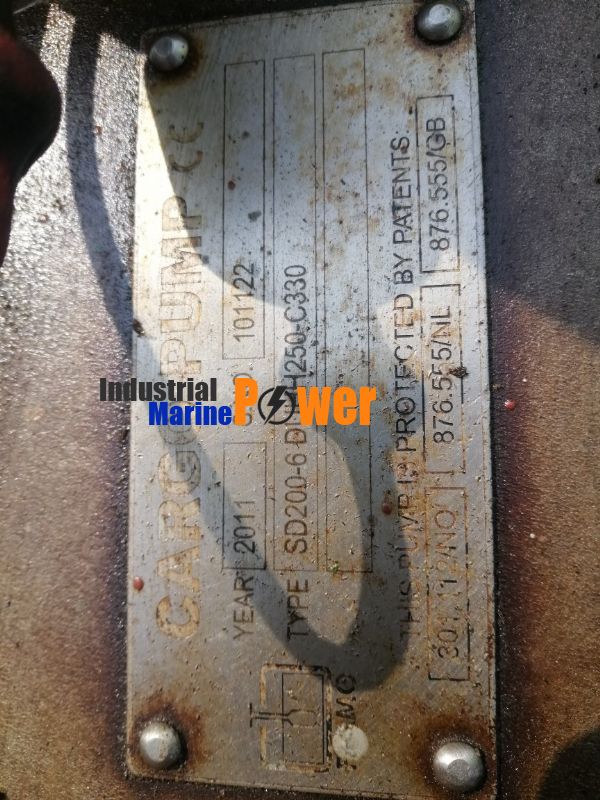
- Area: Check the overall condition of the pump housing for corrosion, wear and damage to the steel surface treatmentCheck: Check the overall condition of the pump housing for corrosion, wear and damage to the steel surface treatment
- Area: Check all hydraulic connections, pipes and flanges for leaks or pressure dropsCheck: Check all hydraulic connections, pipes and flanges for leaks or pressure drops
- Area: Inspect the mechanical seal (Shaft Seal) against hydraulic oil loss and wearCheck: Inspect the mechanical seal (Shaft Seal) against hydraulic oil loss and wear
- Area: Check the drive motor and speed control valves (STC valve) for correct response and hydraulic pressureCheck: Check the drive motor and speed control valves (STC valve) for correct response and hydraulic pressure
- Area: Check bearing function and noise (couplings, bearings, shaft)Check: Check bearing function and noise (couplings, bearings, shaft)
- Area: Check the condition and effectiveness of the pump suction pipe and internal impellerCheck: Check the condition and effectiveness of the pump suction pipe and internal impeller
- Area: Check the insulation and ventilation of the cofferdam as well as the integrity of the protection systemCheck: Check the insulation and ventilation of the cofferdam as well as the integrity of the protection system
- Area: Inspect wear parts (impeller, bearings, seals) for wear and plan replacement according to service scheduleCheck: Inspect wear parts (impeller, bearings, seals) for wear and plan replacement according to service schedule
Typ-universelle Inspektionspunkte fuer Pumps (verifiziert, 2026-06).
- Area: Check the overall condition of the pump housing for corrosion, wear and damage to the steel surface treatmentCheck: Check the overall condition of the pump housing for corrosion, wear and damage to the steel surface treatment
- Area: Check all hydraulic connections, pipes and flanges for leaks or pressure dropsCheck: Check all hydraulic connections, pipes and flanges for leaks or pressure drops
- Area: Inspect the mechanical seal (Shaft Seal) against hydraulic oil loss and wearCheck: Inspect the mechanical seal (Shaft Seal) against hydraulic oil loss and wear
- Area: Check the drive motor and speed control valves (STC valve) for correct response and hydraulic pressureCheck: Check the drive motor and speed control valves (STC valve) for correct response and hydraulic pressure
- Area: Check bearing function and noise (couplings, bearings, shaft)Check: Check bearing function and noise (couplings, bearings, shaft)
- Area: Check the condition and effectiveness of the pump suction pipe and internal impellerCheck: Check the condition and effectiveness of the pump suction pipe and internal impeller
- Area: Check the insulation and ventilation of the cofferdam as well as the integrity of the protection systemCheck: Check the insulation and ventilation of the cofferdam as well as the integrity of the protection system
- Area: Inspect wear parts (impeller, bearings, seals) for wear and plan replacement according to service scheduleCheck: Inspect wear parts (impeller, bearings, seals) for wear and plan replacement according to service schedule
Typ-universelle Inspektionspunkte fuer Pumps (verifiziert, 2026-06).
- Area: Check the overall condition of the pump housing for corrosion, wear and damage to the steel surface treatmentCheck: Check the overall condition of the pump housing for corrosion, wear and damage to the steel surface treatment
- Area: Check all hydraulic connections, pipes and flanges for leaks or pressure dropsCheck: Check all hydraulic connections, pipes and flanges for leaks or pressure drops
- Area: Inspect the mechanical seal (Shaft Seal) against hydraulic oil loss and wearCheck: Inspect the mechanical seal (Shaft Seal) against hydraulic oil loss and wear
- Area: Check the drive motor and speed control valves (STC valve) for correct response and hydraulic pressureCheck: Check the drive motor and speed control valves (STC valve) for correct response and hydraulic pressure
- Area: Check bearing function and noise (couplings, bearings, shaft)Check: Check bearing function and noise (couplings, bearings, shaft)
- Area: Check the condition and effectiveness of the pump suction pipe and internal impellerCheck: Check the condition and effectiveness of the pump suction pipe and internal impeller
- Area: Check the insulation and ventilation of the cofferdam as well as the integrity of the protection systemCheck: Check the insulation and ventilation of the cofferdam as well as the integrity of the protection system
- Area: Inspect wear parts (impeller, bearings, seals) for wear and plan replacement according to service scheduleCheck: Inspect wear parts (impeller, bearings, seals) for wear and plan replacement according to service schedule
Typ-universelle Inspektionspunkte fuer Pumps (verifiziert, 2026-06).
- Area: Check the overall condition of the pump housing for corrosion, wear and damage to the steel surface treatmentCheck: Check the overall condition of the pump housing for corrosion, wear and damage to the steel surface treatment
- Area: Check all hydraulic connections, pipes and flanges for leaks or pressure dropsCheck: Check all hydraulic connections, pipes and flanges for leaks or pressure drops
- Area: Inspect the mechanical seal (Shaft Seal) against hydraulic oil loss and wearCheck: Inspect the mechanical seal (Shaft Seal) against hydraulic oil loss and wear
- Area: Check the drive motor and speed control valves (STC valve) for correct response and hydraulic pressureCheck: Check the drive motor and speed control valves (STC valve) for correct response and hydraulic pressure
- Area: Check bearing function and noise (couplings, bearings, shaft)Check: Check bearing function and noise (couplings, bearings, shaft)
- Area: Check the condition and effectiveness of the pump suction pipe and internal impellerCheck: Check the condition and effectiveness of the pump suction pipe and internal impeller
- Area: Check the insulation and ventilation of the cofferdam as well as the integrity of the protection systemCheck: Check the insulation and ventilation of the cofferdam as well as the integrity of the protection system
- Area: Inspect wear parts (impeller, bearings, seals) for wear and plan replacement according to service scheduleCheck: Inspect wear parts (impeller, bearings, seals) for wear and plan replacement according to service schedule
Typ-universelle Inspektionspunkte fuer Pumps (verifiziert, 2026-06).
- Area: Check the overall condition of the pump housing for corrosion, wear and damage to the steel surface treatmentCheck: Check the overall condition of the pump housing for corrosion, wear and damage to the steel surface treatment
- Area: Check all hydraulic connections, pipes and flanges for leaks or pressure dropsCheck: Check all hydraulic connections, pipes and flanges for leaks or pressure drops
- Area: Inspect the mechanical seal (Shaft Seal) against hydraulic oil loss and wearCheck: Inspect the mechanical seal (Shaft Seal) against hydraulic oil loss and wear
- Area: Check the drive motor and speed control valves (STC valve) for correct response and hydraulic pressureCheck: Check the drive motor and speed control valves (STC valve) for correct response and hydraulic pressure
- Area: Check bearing function and noise (couplings, bearings, shaft)Check: Check bearing function and noise (couplings, bearings, shaft)
- Area: Check the condition and effectiveness of the pump suction pipe and internal impellerCheck: Check the condition and effectiveness of the pump suction pipe and internal impeller
- Area: Check the insulation and ventilation of the cofferdam as well as the integrity of the protection systemCheck: Check the insulation and ventilation of the cofferdam as well as the integrity of the protection system
- Area: Inspect wear parts (impeller, bearings, seals) for wear and plan replacement according to service scheduleCheck: Inspect wear parts (impeller, bearings, seals) for wear and plan replacement according to service schedule
Typ-universelle Inspektionspunkte fuer Pumps (verifiziert, 2026-06).
- Area: Check the overall condition of the pump housing for corrosion, wear and damage to the steel surface treatmentCheck: Check the overall condition of the pump housing for corrosion, wear and damage to the steel surface treatment
- Area: Check all hydraulic connections, pipes and flanges for leaks or pressure dropsCheck: Check all hydraulic connections, pipes and flanges for leaks or pressure drops
- Area: Inspect the mechanical seal (Shaft Seal) against hydraulic oil loss and wearCheck: Inspect the mechanical seal (Shaft Seal) against hydraulic oil loss and wear
- Area: Check the drive motor and speed control valves (STC valve) for correct response and hydraulic pressureCheck: Check the drive motor and speed control valves (STC valve) for correct response and hydraulic pressure
- Area: Check bearing function and noise (couplings, bearings, shaft)Check: Check bearing function and noise (couplings, bearings, shaft)
- Area: Check the condition and effectiveness of the pump suction pipe and internal impellerCheck: Check the condition and effectiveness of the pump suction pipe and internal impeller
- Area: Check the insulation and ventilation of the cofferdam as well as the integrity of the protection systemCheck: Check the insulation and ventilation of the cofferdam as well as the integrity of the protection system
- Area: Inspect wear parts (impeller, bearings, seals) for wear and plan replacement according to service scheduleCheck: Inspect wear parts (impeller, bearings, seals) for wear and plan replacement according to service schedule
Typ-universelle Inspektionspunkte fuer Pumps (verifiziert, 2026-06).
- Area: Check the overall condition of the pump housing for corrosion, wear and damage to the steel surface treatmentCheck: Check the overall condition of the pump housing for corrosion, wear and damage to the steel surface treatment
- Area: Check all hydraulic connections, pipes and flanges for leaks or pressure dropsCheck: Check all hydraulic connections, pipes and flanges for leaks or pressure drops
- Area: Inspect the mechanical seal (Shaft Seal) against hydraulic oil loss and wearCheck: Inspect the mechanical seal (Shaft Seal) against hydraulic oil loss and wear
- Area: Check the drive motor and speed control valves (STC valve) for correct response and hydraulic pressureCheck: Check the drive motor and speed control valves (STC valve) for correct response and hydraulic pressure
- Area: Check bearing function and noise (couplings, bearings, shaft)Check: Check bearing function and noise (couplings, bearings, shaft)
- Area: Check the condition and effectiveness of the pump suction pipe and internal impellerCheck: Check the condition and effectiveness of the pump suction pipe and internal impeller
- Area: Check the insulation and ventilation of the cofferdam as well as the integrity of the protection systemCheck: Check the insulation and ventilation of the cofferdam as well as the integrity of the protection system
- Area: Inspect wear parts (impeller, bearings, seals) for wear and plan replacement according to service scheduleCheck: Inspect wear parts (impeller, bearings, seals) for wear and plan replacement according to service schedule
Typ-universelle Inspektionspunkte fuer Pumps (verifiziert, 2026-06).
SVANEHØJ
11 ✓ 11 verified- Area: Double mechanical shaft seal inspection - primary seal against cargo, secondary seal against lubricating oilCheck: Double mechanical shaft seal inspection - primary seal against cargo, secondary seal against lubricating oil
- Area: Stainless steel shaft and ball bearing arrangement condition assessmentCheck: Stainless steel shaft and ball bearing arrangement condition assessment
- Area: Oil-filled drive shaft column and slide bearing lubrication and wear checkCheck: Oil-filled drive shaft column and slide bearing lubrication and wear check
- Area: Discharge flange integrity and EN 1092 PN16 standard compliance verificationCheck: Discharge flange integrity and EN 1092 PN16 standard compliance verification
- Area: Pump head casting for cracks or defects and fastener tightnessCheck: Pump head casting for cracks or defects and fastener tightness
- Area: Electrical motor - explosion-proof and weather-proof enclosure conditionCheck: Electrical motor - explosion-proof and weather-proof enclosure condition
- Area: Service interval adherence: first interval at 5,000-15,000 operating hours or 5-15 years for seal, bearing, gasket replacementCheck: Service interval adherence: first interval at 5,000-15,000 operating hours or 5-15 years for seal, bearing, gasket replacement
- Area: Shaft straightness and bearing condition check at second interval: 10,000-20,000 operating hours or 10-20 yearsCheck: Shaft straightness and bearing condition check at second interval: 10,000-20,000 operating hours or 10-20 years
Typ-universelle Inspektionspunkte fuer Pumps (verifiziert, 2026-06).
- Area: Double mechanical shaft seal inspection - primary seal against cargo, secondary seal against lubricating oilCheck: Double mechanical shaft seal inspection - primary seal against cargo, secondary seal against lubricating oil
- Area: Stainless steel shaft and ball bearing arrangement condition assessmentCheck: Stainless steel shaft and ball bearing arrangement condition assessment
- Area: Oil-filled drive shaft column and slide bearing lubrication and wear checkCheck: Oil-filled drive shaft column and slide bearing lubrication and wear check
- Area: Discharge flange integrity and EN 1092 PN16 standard compliance verificationCheck: Discharge flange integrity and EN 1092 PN16 standard compliance verification
- Area: Pump head casting for cracks or defects and fastener tightnessCheck: Pump head casting for cracks or defects and fastener tightness
- Area: Electrical motor - explosion-proof and weather-proof enclosure conditionCheck: Electrical motor - explosion-proof and weather-proof enclosure condition
- Area: Service interval adherence: first interval at 5,000-15,000 operating hours or 5-15 years for seal, bearing, gasket replacementCheck: Service interval adherence: first interval at 5,000-15,000 operating hours or 5-15 years for seal, bearing, gasket replacement
- Area: Shaft straightness and bearing condition check at second interval: 10,000-20,000 operating hours or 10-20 yearsCheck: Shaft straightness and bearing condition check at second interval: 10,000-20,000 operating hours or 10-20 years
Typ-universelle Inspektionspunkte fuer Pumps (verifiziert, 2026-06).
- Area: Double mechanical shaft seal inspection - primary seal against cargo, secondary seal against lubricating oilCheck: Double mechanical shaft seal inspection - primary seal against cargo, secondary seal against lubricating oil
- Area: Stainless steel shaft and ball bearing arrangement condition assessmentCheck: Stainless steel shaft and ball bearing arrangement condition assessment
- Area: Oil-filled drive shaft column and slide bearing lubrication and wear checkCheck: Oil-filled drive shaft column and slide bearing lubrication and wear check
- Area: Discharge flange integrity and EN 1092 PN16 standard compliance verificationCheck: Discharge flange integrity and EN 1092 PN16 standard compliance verification
- Area: Pump head casting for cracks or defects and fastener tightnessCheck: Pump head casting for cracks or defects and fastener tightness
- Area: Electrical motor - explosion-proof and weather-proof enclosure conditionCheck: Electrical motor - explosion-proof and weather-proof enclosure condition
- Area: Service interval adherence: first interval at 5,000-15,000 operating hours or 5-15 years for seal, bearing, gasket replacementCheck: Service interval adherence: first interval at 5,000-15,000 operating hours or 5-15 years for seal, bearing, gasket replacement
- Area: Shaft straightness and bearing condition check at second interval: 10,000-20,000 operating hours or 10-20 yearsCheck: Shaft straightness and bearing condition check at second interval: 10,000-20,000 operating hours or 10-20 years
Typ-universelle Inspektionspunkte fuer Pumps (verifiziert, 2026-06).
- Area: Double mechanical shaft seal inspection - primary seal against cargo, secondary seal against lubricating oilCheck: Double mechanical shaft seal inspection - primary seal against cargo, secondary seal against lubricating oil
- Area: Stainless steel shaft and ball bearing arrangement condition assessmentCheck: Stainless steel shaft and ball bearing arrangement condition assessment
- Area: Oil-filled drive shaft column and slide bearing lubrication and wear checkCheck: Oil-filled drive shaft column and slide bearing lubrication and wear check
- Area: Discharge flange integrity and EN 1092 PN16 standard compliance verificationCheck: Discharge flange integrity and EN 1092 PN16 standard compliance verification
- Area: Pump head casting for cracks or defects and fastener tightnessCheck: Pump head casting for cracks or defects and fastener tightness
- Area: Electrical motor - explosion-proof and weather-proof enclosure conditionCheck: Electrical motor - explosion-proof and weather-proof enclosure condition
- Area: Service interval adherence: first interval at 5,000-15,000 operating hours or 5-15 years for seal, bearing, gasket replacementCheck: Service interval adherence: first interval at 5,000-15,000 operating hours or 5-15 years for seal, bearing, gasket replacement
- Area: Shaft straightness and bearing condition check at second interval: 10,000-20,000 operating hours or 10-20 yearsCheck: Shaft straightness and bearing condition check at second interval: 10,000-20,000 operating hours or 10-20 years
Typ-universelle Inspektionspunkte fuer Pumps (verifiziert, 2026-06).
- Area: Double mechanical shaft seal inspection - primary seal against cargo, secondary seal against lubricating oilCheck: Double mechanical shaft seal inspection - primary seal against cargo, secondary seal against lubricating oil
- Area: Stainless steel shaft and ball bearing arrangement condition assessmentCheck: Stainless steel shaft and ball bearing arrangement condition assessment
- Area: Oil-filled drive shaft column and slide bearing lubrication and wear checkCheck: Oil-filled drive shaft column and slide bearing lubrication and wear check
- Area: Discharge flange integrity and EN 1092 PN16 standard compliance verificationCheck: Discharge flange integrity and EN 1092 PN16 standard compliance verification
- Area: Pump head casting for cracks or defects and fastener tightnessCheck: Pump head casting for cracks or defects and fastener tightness
- Area: Electrical motor - explosion-proof and weather-proof enclosure conditionCheck: Electrical motor - explosion-proof and weather-proof enclosure condition
- Area: Service interval adherence: first interval at 5,000-15,000 operating hours or 5-15 years for seal, bearing, gasket replacementCheck: Service interval adherence: first interval at 5,000-15,000 operating hours or 5-15 years for seal, bearing, gasket replacement
- Area: Shaft straightness and bearing condition check at second interval: 10,000-20,000 operating hours or 10-20 yearsCheck: Shaft straightness and bearing condition check at second interval: 10,000-20,000 operating hours or 10-20 years
Typ-universelle Inspektionspunkte fuer Pumps (verifiziert, 2026-06).
- Area: Double mechanical shaft seal inspection - primary seal against cargo, secondary seal against lubricating oilCheck: Double mechanical shaft seal inspection - primary seal against cargo, secondary seal against lubricating oil
- Area: Stainless steel shaft and ball bearing arrangement condition assessmentCheck: Stainless steel shaft and ball bearing arrangement condition assessment
- Area: Oil-filled drive shaft column and slide bearing lubrication and wear checkCheck: Oil-filled drive shaft column and slide bearing lubrication and wear check
- Area: Discharge flange integrity and EN 1092 PN16 standard compliance verificationCheck: Discharge flange integrity and EN 1092 PN16 standard compliance verification
- Area: Pump head casting for cracks or defects and fastener tightnessCheck: Pump head casting for cracks or defects and fastener tightness
- Area: Electrical motor - explosion-proof and weather-proof enclosure conditionCheck: Electrical motor - explosion-proof and weather-proof enclosure condition
- Area: Service interval adherence: first interval at 5,000-15,000 operating hours or 5-15 years for seal, bearing, gasket replacementCheck: Service interval adherence: first interval at 5,000-15,000 operating hours or 5-15 years for seal, bearing, gasket replacement
- Area: Shaft straightness and bearing condition check at second interval: 10,000-20,000 operating hours or 10-20 yearsCheck: Shaft straightness and bearing condition check at second interval: 10,000-20,000 operating hours or 10-20 years
Typ-universelle Inspektionspunkte fuer Pumps (verifiziert, 2026-06).
- Area: Double mechanical shaft seal inspection - primary seal against cargo, secondary seal against lubricating oilCheck: Double mechanical shaft seal inspection - primary seal against cargo, secondary seal against lubricating oil
- Area: Stainless steel shaft and ball bearing arrangement condition assessmentCheck: Stainless steel shaft and ball bearing arrangement condition assessment
- Area: Oil-filled drive shaft column and slide bearing lubrication and wear checkCheck: Oil-filled drive shaft column and slide bearing lubrication and wear check
- Area: Discharge flange integrity and EN 1092 PN16 standard compliance verificationCheck: Discharge flange integrity and EN 1092 PN16 standard compliance verification
- Area: Pump head casting for cracks or defects and fastener tightnessCheck: Pump head casting for cracks or defects and fastener tightness
- Area: Electrical motor - explosion-proof and weather-proof enclosure conditionCheck: Electrical motor - explosion-proof and weather-proof enclosure condition
- Area: Service interval adherence: first interval at 5,000-15,000 operating hours or 5-15 years for seal, bearing, gasket replacementCheck: Service interval adherence: first interval at 5,000-15,000 operating hours or 5-15 years for seal, bearing, gasket replacement
- Area: Shaft straightness and bearing condition check at second interval: 10,000-20,000 operating hours or 10-20 yearsCheck: Shaft straightness and bearing condition check at second interval: 10,000-20,000 operating hours or 10-20 years
Typ-universelle Inspektionspunkte fuer Pumps (verifiziert, 2026-06).
- Area: Double mechanical shaft seal inspection - primary seal against cargo, secondary seal against lubricating oilCheck: Double mechanical shaft seal inspection - primary seal against cargo, secondary seal against lubricating oil
- Area: Stainless steel shaft and ball bearing arrangement condition assessmentCheck: Stainless steel shaft and ball bearing arrangement condition assessment
- Area: Oil-filled drive shaft column and slide bearing lubrication and wear checkCheck: Oil-filled drive shaft column and slide bearing lubrication and wear check
- Area: Discharge flange integrity and EN 1092 PN16 standard compliance verificationCheck: Discharge flange integrity and EN 1092 PN16 standard compliance verification
- Area: Pump head casting for cracks or defects and fastener tightnessCheck: Pump head casting for cracks or defects and fastener tightness
- Area: Electrical motor - explosion-proof and weather-proof enclosure conditionCheck: Electrical motor - explosion-proof and weather-proof enclosure condition
- Area: Service interval adherence: first interval at 5,000-15,000 operating hours or 5-15 years for seal, bearing, gasket replacementCheck: Service interval adherence: first interval at 5,000-15,000 operating hours or 5-15 years for seal, bearing, gasket replacement
- Area: Shaft straightness and bearing condition check at second interval: 10,000-20,000 operating hours or 10-20 yearsCheck: Shaft straightness and bearing condition check at second interval: 10,000-20,000 operating hours or 10-20 years
Typ-universelle Inspektionspunkte fuer Pumps (verifiziert, 2026-06).
- Area: Double mechanical shaft seal inspection - primary seal against cargo, secondary seal against lubricating oilCheck: Double mechanical shaft seal inspection - primary seal against cargo, secondary seal against lubricating oil
- Area: Stainless steel shaft and ball bearing arrangement condition assessmentCheck: Stainless steel shaft and ball bearing arrangement condition assessment
- Area: Oil-filled drive shaft column and slide bearing lubrication and wear checkCheck: Oil-filled drive shaft column and slide bearing lubrication and wear check
- Area: Discharge flange integrity and EN 1092 PN16 standard compliance verificationCheck: Discharge flange integrity and EN 1092 PN16 standard compliance verification
- Area: Pump head casting for cracks or defects and fastener tightnessCheck: Pump head casting for cracks or defects and fastener tightness
- Area: Electrical motor - explosion-proof and weather-proof enclosure conditionCheck: Electrical motor - explosion-proof and weather-proof enclosure condition
- Area: Service interval adherence: first interval at 5,000-15,000 operating hours or 5-15 years for seal, bearing, gasket replacementCheck: Service interval adherence: first interval at 5,000-15,000 operating hours or 5-15 years for seal, bearing, gasket replacement
- Area: Shaft straightness and bearing condition check at second interval: 10,000-20,000 operating hours or 10-20 yearsCheck: Shaft straightness and bearing condition check at second interval: 10,000-20,000 operating hours or 10-20 years
Typ-universelle Inspektionspunkte fuer Pumps (verifiziert, 2026-06).
- Area: Double mechanical shaft seal inspection - primary seal against cargo, secondary seal against lubricating oilCheck: Double mechanical shaft seal inspection - primary seal against cargo, secondary seal against lubricating oil
- Area: Stainless steel shaft and ball bearing arrangement condition assessmentCheck: Stainless steel shaft and ball bearing arrangement condition assessment
- Area: Oil-filled drive shaft column and slide bearing lubrication and wear checkCheck: Oil-filled drive shaft column and slide bearing lubrication and wear check
- Area: Discharge flange integrity and EN 1092 PN16 standard compliance verificationCheck: Discharge flange integrity and EN 1092 PN16 standard compliance verification
- Area: Pump head casting for cracks or defects and fastener tightnessCheck: Pump head casting for cracks or defects and fastener tightness
- Area: Electrical motor - explosion-proof and weather-proof enclosure conditionCheck: Electrical motor - explosion-proof and weather-proof enclosure condition
- Area: Service interval adherence: first interval at 5,000-15,000 operating hours or 5-15 years for seal, bearing, gasket replacementCheck: Service interval adherence: first interval at 5,000-15,000 operating hours or 5-15 years for seal, bearing, gasket replacement
- Area: Shaft straightness and bearing condition check at second interval: 10,000-20,000 operating hours or 10-20 yearsCheck: Shaft straightness and bearing condition check at second interval: 10,000-20,000 operating hours or 10-20 years
Typ-universelle Inspektionspunkte fuer Pumps (verifiziert, 2026-06).
- Area: Double mechanical shaft seal inspection - primary seal against cargo, secondary seal against lubricating oilCheck: Double mechanical shaft seal inspection - primary seal against cargo, secondary seal against lubricating oil
- Area: Stainless steel shaft and ball bearing arrangement condition assessmentCheck: Stainless steel shaft and ball bearing arrangement condition assessment
- Area: Oil-filled drive shaft column and slide bearing lubrication and wear checkCheck: Oil-filled drive shaft column and slide bearing lubrication and wear check
- Area: Discharge flange integrity and EN 1092 PN16 standard compliance verificationCheck: Discharge flange integrity and EN 1092 PN16 standard compliance verification
- Area: Pump head casting for cracks or defects and fastener tightnessCheck: Pump head casting for cracks or defects and fastener tightness
- Area: Electrical motor - explosion-proof and weather-proof enclosure conditionCheck: Electrical motor - explosion-proof and weather-proof enclosure condition
- Area: Service interval adherence: first interval at 5,000-15,000 operating hours or 5-15 years for seal, bearing, gasket replacementCheck: Service interval adherence: first interval at 5,000-15,000 operating hours or 5-15 years for seal, bearing, gasket replacement
- Area: Shaft straightness and bearing condition check at second interval: 10,000-20,000 operating hours or 10-20 yearsCheck: Shaft straightness and bearing condition check at second interval: 10,000-20,000 operating hours or 10-20 years
Typ-universelle Inspektionspunkte fuer Pumps (verifiziert, 2026-06).
DESMI
7 ✓ 7 verified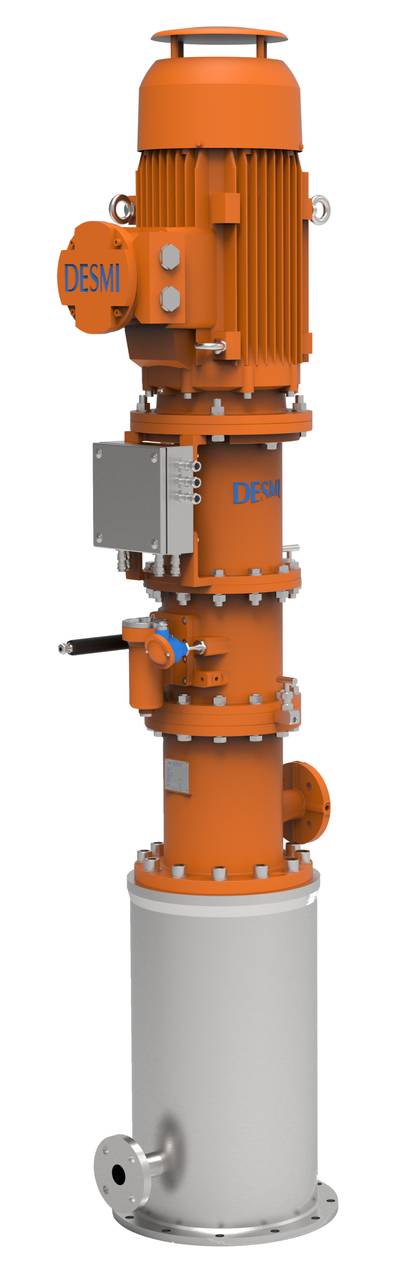
- Area: Check the shaft seal system for tightness and pressure deviationsCheck: Check the shaft seal system for tightness and pressure deviations
- Area: Check carbon guide bearings for wear (every 1.2 m along the pump shaft)Check: Check carbon guide bearings for wear (every 1.2 m along the pump shaft)
- Area: Überprüfung der Leckage am Wellendichtungssystem mittels Purging-VerbindungCheck: Überprüfung der Leckage am Wellendichtungssystem mittels Purging-Verbindung
- Area: Check and maintain the leakage oil collection tank and lubricating oil systemCheck: Check and maintain the leakage oil collection tank and lubricating oil system
- Area: Visual inspection for vibrations and abnormal wear characteristics of the shaftCheck: Visual inspection for vibrations and abnormal wear characteristics of the shaft
- Area: Check flange connections and intermediate lines for mechanical wearCheck: Check flange connections and intermediate lines for mechanical wear
- Area: Kontra-Rotations-Test durchführen für Vereisung-SzenarienCheck: Kontra-Rotations-Test durchführen für Vereisung-Szenarien
- Area: Ensure that pump does not run dry (product lubrication required)Check: Ensure that pump does not run dry (product lubrication required)
Typ-universelle Inspektionspunkte fuer Pumps (verifiziert, 2026-06).
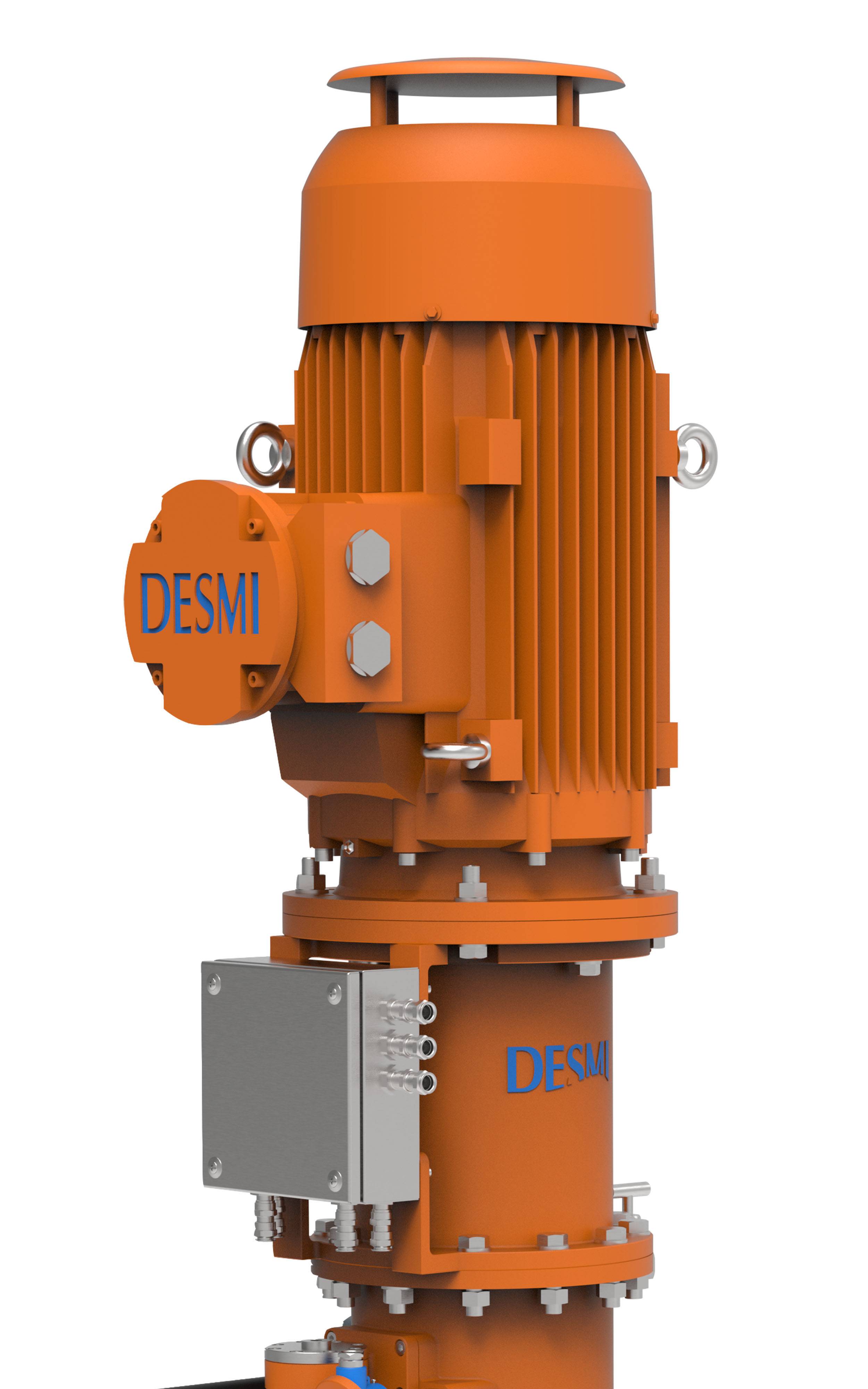
- Area: Check the shaft seal system for tightness and pressure deviationsCheck: Check the shaft seal system for tightness and pressure deviations
- Area: Check carbon guide bearings for wear (every 1.2 m along the pump shaft)Check: Check carbon guide bearings for wear (every 1.2 m along the pump shaft)
- Area: Überprüfung der Leckage am Wellendichtungssystem mittels Purging-VerbindungCheck: Überprüfung der Leckage am Wellendichtungssystem mittels Purging-Verbindung
- Area: Check and maintain the leakage oil collection tank and lubricating oil systemCheck: Check and maintain the leakage oil collection tank and lubricating oil system
- Area: Visual inspection for vibrations and abnormal wear characteristics of the shaftCheck: Visual inspection for vibrations and abnormal wear characteristics of the shaft
- Area: Check flange connections and intermediate lines for mechanical wearCheck: Check flange connections and intermediate lines for mechanical wear
- Area: Kontra-Rotations-Test durchführen für Vereisung-SzenarienCheck: Kontra-Rotations-Test durchführen für Vereisung-Szenarien
- Area: Ensure that pump does not run dry (product lubrication required)Check: Ensure that pump does not run dry (product lubrication required)
Typ-universelle Inspektionspunkte fuer Pumps (verifiziert, 2026-06).
- Area: Check the shaft seal system for tightness and pressure deviationsCheck: Check the shaft seal system for tightness and pressure deviations
- Area: Check carbon guide bearings for wear (every 1.2 m along the pump shaft)Check: Check carbon guide bearings for wear (every 1.2 m along the pump shaft)
- Area: Überprüfung der Leckage am Wellendichtungssystem mittels Purging-VerbindungCheck: Überprüfung der Leckage am Wellendichtungssystem mittels Purging-Verbindung
- Area: Check and maintain the leakage oil collection tank and lubricating oil systemCheck: Check and maintain the leakage oil collection tank and lubricating oil system
- Area: Visual inspection for vibrations and abnormal wear characteristics of the shaftCheck: Visual inspection for vibrations and abnormal wear characteristics of the shaft
- Area: Check flange connections and intermediate lines for mechanical wearCheck: Check flange connections and intermediate lines for mechanical wear
- Area: Kontra-Rotations-Test durchführen für Vereisung-SzenarienCheck: Kontra-Rotations-Test durchführen für Vereisung-Szenarien
- Area: Ensure that pump does not run dry (product lubrication required)Check: Ensure that pump does not run dry (product lubrication required)
Typ-universelle Inspektionspunkte fuer Pumps (verifiziert, 2026-06).
- Area: Check the shaft seal system for tightness and pressure deviationsCheck: Check the shaft seal system for tightness and pressure deviations
- Area: Check carbon guide bearings for wear (every 1.2 m along the pump shaft)Check: Check carbon guide bearings for wear (every 1.2 m along the pump shaft)
- Area: Überprüfung der Leckage am Wellendichtungssystem mittels Purging-VerbindungCheck: Überprüfung der Leckage am Wellendichtungssystem mittels Purging-Verbindung
- Area: Check and maintain the leakage oil collection tank and lubricating oil systemCheck: Check and maintain the leakage oil collection tank and lubricating oil system
- Area: Visual inspection for vibrations and abnormal wear characteristics of the shaftCheck: Visual inspection for vibrations and abnormal wear characteristics of the shaft
- Area: Check flange connections and intermediate lines for mechanical wearCheck: Check flange connections and intermediate lines for mechanical wear
- Area: Kontra-Rotations-Test durchführen für Vereisung-SzenarienCheck: Kontra-Rotations-Test durchführen für Vereisung-Szenarien
- Area: Ensure that pump does not run dry (product lubrication required)Check: Ensure that pump does not run dry (product lubrication required)
Typ-universelle Inspektionspunkte fuer Pumps (verifiziert, 2026-06).
- Area: Check the shaft seal system for tightness and pressure deviationsCheck: Check the shaft seal system for tightness and pressure deviations
- Area: Check carbon guide bearings for wear (every 1.2 m along the pump shaft)Check: Check carbon guide bearings for wear (every 1.2 m along the pump shaft)
- Area: Überprüfung der Leckage am Wellendichtungssystem mittels Purging-VerbindungCheck: Überprüfung der Leckage am Wellendichtungssystem mittels Purging-Verbindung
- Area: Check and maintain the leakage oil collection tank and lubricating oil systemCheck: Check and maintain the leakage oil collection tank and lubricating oil system
- Area: Visual inspection for vibrations and abnormal wear characteristics of the shaftCheck: Visual inspection for vibrations and abnormal wear characteristics of the shaft
- Area: Check flange connections and intermediate lines for mechanical wearCheck: Check flange connections and intermediate lines for mechanical wear
- Area: Kontra-Rotations-Test durchführen für Vereisung-SzenarienCheck: Kontra-Rotations-Test durchführen für Vereisung-Szenarien
- Area: Ensure that pump does not run dry (product lubrication required)Check: Ensure that pump does not run dry (product lubrication required)
Typ-universelle Inspektionspunkte fuer Pumps (verifiziert, 2026-06).
- Area: Check the shaft seal system for tightness and pressure deviationsCheck: Check the shaft seal system for tightness and pressure deviations
- Area: Check carbon guide bearings for wear (every 1.2 m along the pump shaft)Check: Check carbon guide bearings for wear (every 1.2 m along the pump shaft)
- Area: Überprüfung der Leckage am Wellendichtungssystem mittels Purging-VerbindungCheck: Überprüfung der Leckage am Wellendichtungssystem mittels Purging-Verbindung
- Area: Check and maintain the leakage oil collection tank and lubricating oil systemCheck: Check and maintain the leakage oil collection tank and lubricating oil system
- Area: Visual inspection for vibrations and abnormal wear characteristics of the shaftCheck: Visual inspection for vibrations and abnormal wear characteristics of the shaft
- Area: Check flange connections and intermediate lines for mechanical wearCheck: Check flange connections and intermediate lines for mechanical wear
- Area: Kontra-Rotations-Test durchführen für Vereisung-SzenarienCheck: Kontra-Rotations-Test durchführen für Vereisung-Szenarien
- Area: Ensure that pump does not run dry (product lubrication required)Check: Ensure that pump does not run dry (product lubrication required)
Typ-universelle Inspektionspunkte fuer Pumps (verifiziert, 2026-06).
- Area: Check the shaft seal system for tightness and pressure deviationsCheck: Check the shaft seal system for tightness and pressure deviations
- Area: Check carbon guide bearings for wear (every 1.2 m along the pump shaft)Check: Check carbon guide bearings for wear (every 1.2 m along the pump shaft)
- Area: Überprüfung der Leckage am Wellendichtungssystem mittels Purging-VerbindungCheck: Überprüfung der Leckage am Wellendichtungssystem mittels Purging-Verbindung
- Area: Check and maintain the leakage oil collection tank and lubricating oil systemCheck: Check and maintain the leakage oil collection tank and lubricating oil system
- Area: Visual inspection for vibrations and abnormal wear characteristics of the shaftCheck: Visual inspection for vibrations and abnormal wear characteristics of the shaft
- Area: Check flange connections and intermediate lines for mechanical wearCheck: Check flange connections and intermediate lines for mechanical wear
- Area: Kontra-Rotations-Test durchführen für Vereisung-SzenarienCheck: Kontra-Rotations-Test durchführen für Vereisung-Szenarien
- Area: Ensure that pump does not run dry (product lubrication required)Check: Ensure that pump does not run dry (product lubrication required)
Typ-universelle Inspektionspunkte fuer Pumps (verifiziert, 2026-06).
Unique Group
7 ✓ 7 verified- Area: Shaft seal inspection for cargo/oil leakage - monitor purging connections (nitrogen or air) and adjust purging interval based on leakage quantityCheck: Shaft seal inspection for cargo/oil leakage - monitor purging connections (nitrogen or air) and adjust purging interval based on leakage quantity
- Area: Double mechanical shaft seal condition - check for wear, degradation, and proper seatingCheck: Double mechanical shaft seal condition - check for wear, degradation, and proper seating
- Area: Intermediate bearing lubrication - verify lube oil supply through shaft tunnel to bottom and top bearings, monitor oil quality and temperatureCheck: Intermediate bearing lubrication - verify lube oil supply through shaft tunnel to bottom and top bearings, monitor oil quality and temperature
- Area: Suction and discharge piping for blockages and air leaks - check strainer and discharge pipe for restrictionsCheck: Suction and discharge piping for blockages and air leaks - check strainer and discharge pipe for restrictions
- Area: Impeller and volute examination for wear, cavitation damage, and corrosionCheck: Impeller and volute examination for wear, cavitation damage, and corrosion
- Area: Pump casing and housing inspection for structural integrity, cracks, and corrosion in stainless steel componentsCheck: Pump casing and housing inspection for structural integrity, cracks, and corrosion in stainless steel components
- Area: Vibration and alignment monitoring of the electric motor drive shaft and coupling connectionsCheck: Vibration and alignment monitoring of the electric motor drive shaft and coupling connections
- Area: Oil-filled drive shaft column bearings - inspect slide bearing condition and lubrication status periodicallyCheck: Oil-filled drive shaft column bearings - inspect slide bearing condition and lubrication status periodically
Typ-universelle Inspektionspunkte fuer Pumps (verifiziert, 2026-06).
- Area: Shaft seal inspection for cargo/oil leakage - monitor purging connections (nitrogen or air) and adjust purging interval based on leakage quantityCheck: Shaft seal inspection for cargo/oil leakage - monitor purging connections (nitrogen or air) and adjust purging interval based on leakage quantity
- Area: Double mechanical shaft seal condition - check for wear, degradation, and proper seatingCheck: Double mechanical shaft seal condition - check for wear, degradation, and proper seating
- Area: Intermediate bearing lubrication - verify lube oil supply through shaft tunnel to bottom and top bearings, monitor oil quality and temperatureCheck: Intermediate bearing lubrication - verify lube oil supply through shaft tunnel to bottom and top bearings, monitor oil quality and temperature
- Area: Suction and discharge piping for blockages and air leaks - check strainer and discharge pipe for restrictionsCheck: Suction and discharge piping for blockages and air leaks - check strainer and discharge pipe for restrictions
- Area: Impeller and volute examination for wear, cavitation damage, and corrosionCheck: Impeller and volute examination for wear, cavitation damage, and corrosion
- Area: Pump casing and housing inspection for structural integrity, cracks, and corrosion in stainless steel componentsCheck: Pump casing and housing inspection for structural integrity, cracks, and corrosion in stainless steel components
- Area: Vibration and alignment monitoring of the electric motor drive shaft and coupling connectionsCheck: Vibration and alignment monitoring of the electric motor drive shaft and coupling connections
- Area: Oil-filled drive shaft column bearings - inspect slide bearing condition and lubrication status periodicallyCheck: Oil-filled drive shaft column bearings - inspect slide bearing condition and lubrication status periodically
Typ-universelle Inspektionspunkte fuer Pumps (verifiziert, 2026-06).
- Area: Shaft seal inspection for cargo/oil leakage - monitor purging connections (nitrogen or air) and adjust purging interval based on leakage quantityCheck: Shaft seal inspection for cargo/oil leakage - monitor purging connections (nitrogen or air) and adjust purging interval based on leakage quantity
- Area: Double mechanical shaft seal condition - check for wear, degradation, and proper seatingCheck: Double mechanical shaft seal condition - check for wear, degradation, and proper seating
- Area: Intermediate bearing lubrication - verify lube oil supply through shaft tunnel to bottom and top bearings, monitor oil quality and temperatureCheck: Intermediate bearing lubrication - verify lube oil supply through shaft tunnel to bottom and top bearings, monitor oil quality and temperature
- Area: Suction and discharge piping for blockages and air leaks - check strainer and discharge pipe for restrictionsCheck: Suction and discharge piping for blockages and air leaks - check strainer and discharge pipe for restrictions
- Area: Impeller and volute examination for wear, cavitation damage, and corrosionCheck: Impeller and volute examination for wear, cavitation damage, and corrosion
- Area: Pump casing and housing inspection for structural integrity, cracks, and corrosion in stainless steel componentsCheck: Pump casing and housing inspection for structural integrity, cracks, and corrosion in stainless steel components
- Area: Vibration and alignment monitoring of the electric motor drive shaft and coupling connectionsCheck: Vibration and alignment monitoring of the electric motor drive shaft and coupling connections
- Area: Oil-filled drive shaft column bearings - inspect slide bearing condition and lubrication status periodicallyCheck: Oil-filled drive shaft column bearings - inspect slide bearing condition and lubrication status periodically
Typ-universelle Inspektionspunkte fuer Pumps (verifiziert, 2026-06).
- Area: Shaft seal inspection for cargo/oil leakage - monitor purging connections (nitrogen or air) and adjust purging interval based on leakage quantityCheck: Shaft seal inspection for cargo/oil leakage - monitor purging connections (nitrogen or air) and adjust purging interval based on leakage quantity
- Area: Double mechanical shaft seal condition - check for wear, degradation, and proper seatingCheck: Double mechanical shaft seal condition - check for wear, degradation, and proper seating
- Area: Intermediate bearing lubrication - verify lube oil supply through shaft tunnel to bottom and top bearings, monitor oil quality and temperatureCheck: Intermediate bearing lubrication - verify lube oil supply through shaft tunnel to bottom and top bearings, monitor oil quality and temperature
- Area: Suction and discharge piping for blockages and air leaks - check strainer and discharge pipe for restrictionsCheck: Suction and discharge piping for blockages and air leaks - check strainer and discharge pipe for restrictions
- Area: Impeller and volute examination for wear, cavitation damage, and corrosionCheck: Impeller and volute examination for wear, cavitation damage, and corrosion
- Area: Pump casing and housing inspection for structural integrity, cracks, and corrosion in stainless steel componentsCheck: Pump casing and housing inspection for structural integrity, cracks, and corrosion in stainless steel components
- Area: Vibration and alignment monitoring of the electric motor drive shaft and coupling connectionsCheck: Vibration and alignment monitoring of the electric motor drive shaft and coupling connections
- Area: Oil-filled drive shaft column bearings - inspect slide bearing condition and lubrication status periodicallyCheck: Oil-filled drive shaft column bearings - inspect slide bearing condition and lubrication status periodically
Typ-universelle Inspektionspunkte fuer Pumps (verifiziert, 2026-06).
- Area: Shaft seal inspection for cargo/oil leakage - monitor purging connections (nitrogen or air) and adjust purging interval based on leakage quantityCheck: Shaft seal inspection for cargo/oil leakage - monitor purging connections (nitrogen or air) and adjust purging interval based on leakage quantity
- Area: Double mechanical shaft seal condition - check for wear, degradation, and proper seatingCheck: Double mechanical shaft seal condition - check for wear, degradation, and proper seating
- Area: Intermediate bearing lubrication - verify lube oil supply through shaft tunnel to bottom and top bearings, monitor oil quality and temperatureCheck: Intermediate bearing lubrication - verify lube oil supply through shaft tunnel to bottom and top bearings, monitor oil quality and temperature
- Area: Suction and discharge piping for blockages and air leaks - check strainer and discharge pipe for restrictionsCheck: Suction and discharge piping for blockages and air leaks - check strainer and discharge pipe for restrictions
- Area: Impeller and volute examination for wear, cavitation damage, and corrosionCheck: Impeller and volute examination for wear, cavitation damage, and corrosion
- Area: Pump casing and housing inspection for structural integrity, cracks, and corrosion in stainless steel componentsCheck: Pump casing and housing inspection for structural integrity, cracks, and corrosion in stainless steel components
- Area: Vibration and alignment monitoring of the electric motor drive shaft and coupling connectionsCheck: Vibration and alignment monitoring of the electric motor drive shaft and coupling connections
- Area: Oil-filled drive shaft column bearings - inspect slide bearing condition and lubrication status periodicallyCheck: Oil-filled drive shaft column bearings - inspect slide bearing condition and lubrication status periodically
Typ-universelle Inspektionspunkte fuer Pumps (verifiziert, 2026-06).
- Area: Shaft seal inspection for cargo/oil leakage - monitor purging connections (nitrogen or air) and adjust purging interval based on leakage quantityCheck: Shaft seal inspection for cargo/oil leakage - monitor purging connections (nitrogen or air) and adjust purging interval based on leakage quantity
- Area: Double mechanical shaft seal condition - check for wear, degradation, and proper seatingCheck: Double mechanical shaft seal condition - check for wear, degradation, and proper seating
- Area: Intermediate bearing lubrication - verify lube oil supply through shaft tunnel to bottom and top bearings, monitor oil quality and temperatureCheck: Intermediate bearing lubrication - verify lube oil supply through shaft tunnel to bottom and top bearings, monitor oil quality and temperature
- Area: Suction and discharge piping for blockages and air leaks - check strainer and discharge pipe for restrictionsCheck: Suction and discharge piping for blockages and air leaks - check strainer and discharge pipe for restrictions
- Area: Impeller and volute examination for wear, cavitation damage, and corrosionCheck: Impeller and volute examination for wear, cavitation damage, and corrosion
- Area: Pump casing and housing inspection for structural integrity, cracks, and corrosion in stainless steel componentsCheck: Pump casing and housing inspection for structural integrity, cracks, and corrosion in stainless steel components
- Area: Vibration and alignment monitoring of the electric motor drive shaft and coupling connectionsCheck: Vibration and alignment monitoring of the electric motor drive shaft and coupling connections
- Area: Oil-filled drive shaft column bearings - inspect slide bearing condition and lubrication status periodicallyCheck: Oil-filled drive shaft column bearings - inspect slide bearing condition and lubrication status periodically
Typ-universelle Inspektionspunkte fuer Pumps (verifiziert, 2026-06).
- Area: Shaft seal inspection for cargo/oil leakage - monitor purging connections (nitrogen or air) and adjust purging interval based on leakage quantityCheck: Shaft seal inspection for cargo/oil leakage - monitor purging connections (nitrogen or air) and adjust purging interval based on leakage quantity
- Area: Double mechanical shaft seal condition - check for wear, degradation, and proper seatingCheck: Double mechanical shaft seal condition - check for wear, degradation, and proper seating
- Area: Intermediate bearing lubrication - verify lube oil supply through shaft tunnel to bottom and top bearings, monitor oil quality and temperatureCheck: Intermediate bearing lubrication - verify lube oil supply through shaft tunnel to bottom and top bearings, monitor oil quality and temperature
- Area: Suction and discharge piping for blockages and air leaks - check strainer and discharge pipe for restrictionsCheck: Suction and discharge piping for blockages and air leaks - check strainer and discharge pipe for restrictions
- Area: Impeller and volute examination for wear, cavitation damage, and corrosionCheck: Impeller and volute examination for wear, cavitation damage, and corrosion
- Area: Pump casing and housing inspection for structural integrity, cracks, and corrosion in stainless steel componentsCheck: Pump casing and housing inspection for structural integrity, cracks, and corrosion in stainless steel components
- Area: Vibration and alignment monitoring of the electric motor drive shaft and coupling connectionsCheck: Vibration and alignment monitoring of the electric motor drive shaft and coupling connections
- Area: Oil-filled drive shaft column bearings - inspect slide bearing condition and lubrication status periodicallyCheck: Oil-filled drive shaft column bearings - inspect slide bearing condition and lubrication status periodically
Typ-universelle Inspektionspunkte fuer Pumps (verifiziert, 2026-06).
HG Machinery
4 ✓ 4 verified- Area: Mechanical seal condition and wear (ceramic/graphite ring and mating ring for CLB electric models)Check: Mechanical seal condition and wear (ceramic/graphite ring and mating ring for CLB electric models)
- Area: Rolling bearing condition and lubrication status in drive shaft supportsCheck: Rolling bearing condition and lubrication status in drive shaft supports
- Area: Flexible coupling alignment and elastomer condition between motor and pump shaftCheck: Flexible coupling alignment and elastomer condition between motor and pump shaft
- Area: Wetted surface material integrity (SS304, SS316, or SS316L stainless steel) - checking for corrosion specific to cargo typeCheck: Wetted surface material integrity (SS304, SS316, or SS316L stainless steel) - checking for corrosion specific to cargo type
- Area: Suction and discharge port integrity and connection securityCheck: Suction and discharge port integrity and connection security
- Area: Motor base and deck mounting fastener securityCheck: Motor base and deck mounting fastener security
- Area: Control device functionality (flow adjustment, pressure monitoring, system overload protection)Check: Control device functionality (flow adjustment, pressure monitoring, system overload protection)
- Area: Shaft seal leak detection at deck level (for deep well installations)Check: Shaft seal leak detection at deck level (for deep well installations)
Typ-universelle Inspektionspunkte fuer Pumps (verifiziert, 2026-06).
- Area: Mechanical seal condition and wear (ceramic/graphite ring and mating ring for CLB electric models)Check: Mechanical seal condition and wear (ceramic/graphite ring and mating ring for CLB electric models)
- Area: Rolling bearing condition and lubrication status in drive shaft supportsCheck: Rolling bearing condition and lubrication status in drive shaft supports
- Area: Flexible coupling alignment and elastomer condition between motor and pump shaftCheck: Flexible coupling alignment and elastomer condition between motor and pump shaft
- Area: Wetted surface material integrity (SS304, SS316, or SS316L stainless steel) - checking for corrosion specific to cargo typeCheck: Wetted surface material integrity (SS304, SS316, or SS316L stainless steel) - checking for corrosion specific to cargo type
- Area: Suction and discharge port integrity and connection securityCheck: Suction and discharge port integrity and connection security
- Area: Motor base and deck mounting fastener securityCheck: Motor base and deck mounting fastener security
- Area: Control device functionality (flow adjustment, pressure monitoring, system overload protection)Check: Control device functionality (flow adjustment, pressure monitoring, system overload protection)
- Area: Shaft seal leak detection at deck level (for deep well installations)Check: Shaft seal leak detection at deck level (for deep well installations)
Typ-universelle Inspektionspunkte fuer Pumps (verifiziert, 2026-06).
- Area: Mechanical seal condition and wear (ceramic/graphite ring and mating ring for CLB electric models)Check: Mechanical seal condition and wear (ceramic/graphite ring and mating ring for CLB electric models)
- Area: Rolling bearing condition and lubrication status in drive shaft supportsCheck: Rolling bearing condition and lubrication status in drive shaft supports
- Area: Flexible coupling alignment and elastomer condition between motor and pump shaftCheck: Flexible coupling alignment and elastomer condition between motor and pump shaft
- Area: Wetted surface material integrity (SS304, SS316, or SS316L stainless steel) - checking for corrosion specific to cargo typeCheck: Wetted surface material integrity (SS304, SS316, or SS316L stainless steel) - checking for corrosion specific to cargo type
- Area: Suction and discharge port integrity and connection securityCheck: Suction and discharge port integrity and connection security
- Area: Motor base and deck mounting fastener securityCheck: Motor base and deck mounting fastener security
- Area: Control device functionality (flow adjustment, pressure monitoring, system overload protection)Check: Control device functionality (flow adjustment, pressure monitoring, system overload protection)
- Area: Shaft seal leak detection at deck level (for deep well installations)Check: Shaft seal leak detection at deck level (for deep well installations)
Typ-universelle Inspektionspunkte fuer Pumps (verifiziert, 2026-06).
- Area: Mechanical seal condition and wear (ceramic/graphite ring and mating ring for CLB electric models)Check: Mechanical seal condition and wear (ceramic/graphite ring and mating ring for CLB electric models)
- Area: Rolling bearing condition and lubrication status in drive shaft supportsCheck: Rolling bearing condition and lubrication status in drive shaft supports
- Area: Flexible coupling alignment and elastomer condition between motor and pump shaftCheck: Flexible coupling alignment and elastomer condition between motor and pump shaft
- Area: Wetted surface material integrity (SS304, SS316, or SS316L stainless steel) - checking for corrosion specific to cargo typeCheck: Wetted surface material integrity (SS304, SS316, or SS316L stainless steel) - checking for corrosion specific to cargo type
- Area: Suction and discharge port integrity and connection securityCheck: Suction and discharge port integrity and connection security
- Area: Motor base and deck mounting fastener securityCheck: Motor base and deck mounting fastener security
- Area: Control device functionality (flow adjustment, pressure monitoring, system overload protection)Check: Control device functionality (flow adjustment, pressure monitoring, system overload protection)
- Area: Shaft seal leak detection at deck level (for deep well installations)Check: Shaft seal leak detection at deck level (for deep well installations)
Typ-universelle Inspektionspunkte fuer Pumps (verifiziert, 2026-06).
Ruhrpumpen
1 ✓ 1 verified- Area: Mechanical shaft seal condition inspection via purging connections (nitrogen/air purging) for cargo/oil or lubricating oil leakage detectionCheck: Mechanical shaft seal condition inspection via purging connections (nitrogen/air purging) for cargo/oil or lubricating oil leakage detection
- Area: Oil level monitoring in seal system pressure vessel and sealing fluid condition assessmentCheck: Oil level monitoring in seal system pressure vessel and sealing fluid condition assessment
- Area: Bearing and wear ring lubrication status verification (bearings cooled/lubricated by pumped cargo - critical for dry-run prevention)Check: Bearing and wear ring lubrication status verification (bearings cooled/lubricated by pumped cargo - critical for dry-run prevention)
- Area: Vibration, noise, and motor load analysis for early indication of developing equipment issuesCheck: Vibration, noise, and motor load analysis for early indication of developing equipment issues
- Area: Discharge and suction pressure monitoring, flow rate verification, and temperature trendingCheck: Discharge and suction pressure monitoring, flow rate verification, and temperature trending
- Area: Cavitation risk assessment, particularly during final discharge stages with boiling-point cargoesCheck: Cavitation risk assessment, particularly during final discharge stages with boiling-point cargoes
- Area: Electric motor condition (cold/warm start cycle limits, 1-hour mandatory rest period between restart attempts)Check: Electric motor condition (cold/warm start cycle limits, 1-hour mandatory rest period between restart attempts)
- Area: Intermediate shaft bearing positions and alignment verification along piping column assemblyCheck: Intermediate shaft bearing positions and alignment verification along piping column assembly
Typ-universelle Inspektionspunkte fuer Pumps (verifiziert, 2026-06).
SVANEHOJ
118- Bearing or line-shaft wear caused by poor lubrication, misalignment or unfavorable operation, resulting in vibration, noise or rising drive load
- Hydraulic wear or impeller damage caused by cavitation, solids or corrosion, resulting in reduced cargo discharge rate and unstable pressure
- Seal or column leakage caused by gasket, seal or joint deterioration, resulting in cargo leakage or loss of containment
- Drive or coupling fault caused by motor, hydraulic drive or mechanical transmission problems, resulting in inability to start or reduced pump speed
- Suction starvation or gas entrainment caused by low tank level, vortexing or blocked inlet, resulting in cavitation noise, vibration and poor delivery
- Bearing or line-shaft wear caused by poor lubrication, misalignment or unfavorable operation, resulting in vibration, noise or rising drive load
- Hydraulic wear or impeller damage caused by cavitation, solids or corrosion, resulting in reduced cargo discharge rate and unstable pressure
- Seal or column leakage caused by gasket, seal or joint deterioration, resulting in cargo leakage or loss of containment
- Drive or coupling fault caused by motor, hydraulic drive or mechanical transmission problems, resulting in inability to start or reduced pump speed
- Suction starvation or gas entrainment caused by low tank level, vortexing or blocked inlet, resulting in cavitation noise, vibration and poor delivery
- Bearing or line-shaft wear caused by poor lubrication, misalignment or unfavorable operation, resulting in vibration, noise or rising drive load
- Hydraulic wear or impeller damage caused by cavitation, solids or corrosion, resulting in reduced cargo discharge rate and unstable pressure
- Seal or column leakage caused by gasket, seal or joint deterioration, resulting in cargo leakage or loss of containment
- Drive or coupling fault caused by motor, hydraulic drive or mechanical transmission problems, resulting in inability to start or reduced pump speed
- Suction starvation or gas entrainment caused by low tank level, vortexing or blocked inlet, resulting in cavitation noise, vibration and poor delivery
- Bearing or line-shaft wear caused by poor lubrication, misalignment or unfavorable operation, resulting in vibration, noise or rising drive load
- Hydraulic wear or impeller damage caused by cavitation, solids or corrosion, resulting in reduced cargo discharge rate and unstable pressure
- Seal or column leakage caused by gasket, seal or joint deterioration, resulting in cargo leakage or loss of containment
- Drive or coupling fault caused by motor, hydraulic drive or mechanical transmission problems, resulting in inability to start or reduced pump speed
- Suction starvation or gas entrainment caused by low tank level, vortexing or blocked inlet, resulting in cavitation noise, vibration and poor delivery
- Bearing or line-shaft wear caused by poor lubrication, misalignment or unfavorable operation, resulting in vibration, noise or rising drive load
- Hydraulic wear or impeller damage caused by cavitation, solids or corrosion, resulting in reduced cargo discharge rate and unstable pressure
- Seal or column leakage caused by gasket, seal or joint deterioration, resulting in cargo leakage or loss of containment
- Drive or coupling fault caused by motor, hydraulic drive or mechanical transmission problems, resulting in inability to start or reduced pump speed
- Suction starvation or gas entrainment caused by low tank level, vortexing or blocked inlet, resulting in cavitation noise, vibration and poor delivery
- Poor suction conditions, blockage or air ingress cause low flow, cavitation-like noise or unstable discharge
- Seal, packing or gasket wear causes visible leakage and falling pressure
- Bearing, shaft or coupling wear causes vibration, abnormal noise or rising temperature
- Impeller, screw or pumping-element wear or fouling reduces capacity and can increase motor load
- Motor, hydraulic-drive, valve or control faults cause failure to start, reduced speed or protective trips
- Poor suction conditions, blockage or air ingress cause low flow, cavitation-like noise or unstable discharge
- Seal, packing or gasket wear causes visible leakage and falling pressure
- Bearing, shaft or coupling wear causes vibration, abnormal noise or rising temperature
- Impeller, screw or pumping-element wear or fouling reduces capacity and can increase motor load
- Motor, hydraulic-drive, valve or control faults cause failure to start, reduced speed or protective trips
- Bearing or line-shaft wear caused by poor lubrication, misalignment or unfavorable operation, resulting in vibration, noise or rising drive load
- Hydraulic wear or impeller damage caused by cavitation, solids or corrosion, resulting in reduced cargo discharge rate and unstable pressure
- Seal or column leakage caused by gasket, seal or joint deterioration, resulting in cargo leakage or loss of containment
- Drive or coupling fault caused by motor, hydraulic drive or mechanical transmission problems, resulting in inability to start or reduced pump speed
- Suction starvation or gas entrainment caused by low tank level, vortexing or blocked inlet, resulting in cavitation noise, vibration and poor delivery
- Poor suction conditions, blockage or air ingress cause low flow, cavitation-like noise or unstable discharge
- Seal, packing or gasket wear causes visible leakage and falling pressure
- Bearing, shaft or coupling wear causes vibration, abnormal noise or rising temperature
- Impeller, screw or pumping-element wear or fouling reduces capacity and can increase motor load
- Motor, hydraulic-drive, valve or control faults cause failure to start, reduced speed or protective trips
- Poor suction conditions, blockage or air ingress cause low flow, cavitation-like noise or unstable discharge
- Seal, packing or gasket wear causes visible leakage and falling pressure
- Bearing, shaft or coupling wear causes vibration, abnormal noise or rising temperature
- Impeller, screw or pumping-element wear or fouling reduces capacity and can increase motor load
- Motor, hydraulic-drive, valve or control faults cause failure to start, reduced speed or protective trips
- Poor suction conditions, blockage or air ingress cause low flow, cavitation-like noise or unstable discharge
- Seal, packing or gasket wear causes visible leakage and falling pressure
- Bearing, shaft or coupling wear causes vibration, abnormal noise or rising temperature
- Impeller, screw or pumping-element wear or fouling reduces capacity and can increase motor load
- Motor, hydraulic-drive, valve or control faults cause failure to start, reduced speed or protective trips
- Poor suction conditions, blockage or air ingress cause low flow, cavitation-like noise or unstable discharge
- Seal, packing or gasket wear causes visible leakage and falling pressure
- Bearing, shaft or coupling wear causes vibration, abnormal noise or rising temperature
- Impeller, screw or pumping-element wear or fouling reduces capacity and can increase motor load
- Motor, hydraulic-drive, valve or control faults cause failure to start, reduced speed or protective trips
- Loss of suction from empty source tank, closed valve, blocked strainer, air ingress, or poor priming causes low discharge pressure, cavitation noise, or no flow
- Seal or packing wear caused by ageing, dry running, shaft movement, or contamination produces visible leakage or loss of suction
- Bearing, coupling, gear, rotor, screw, impeller, or stator wear from poor lubrication, misalignment, debris, or normal service causes vibration, noise, heat, or reduced capacity
- Internal wear, erosion, or excessive clearances caused by abrasive or corrosive media reduces discharge pressure and increases recirculation or running time
- Motor, hydraulic drive, protection, or control faults caused by overload, electrical failure, or actuator problems result in trips, failed starting, or unstable speed
- Loss of suction from empty source tank, closed valve, blocked strainer, air ingress, or poor priming causes low discharge pressure, cavitation noise, or no flow
- Seal or packing wear caused by ageing, dry running, shaft movement, or contamination produces visible leakage or loss of suction
- Bearing, coupling, gear, rotor, screw, impeller, or stator wear from poor lubrication, misalignment, debris, or normal service causes vibration, noise, heat, or reduced capacity
- Internal wear, erosion, or excessive clearances caused by abrasive or corrosive media reduces discharge pressure and increases recirculation or running time
- Motor, hydraulic drive, protection, or control faults caused by overload, electrical failure, or actuator problems result in trips, failed starting, or unstable speed
- Poor suction conditions, blockage or air ingress cause low flow, cavitation-like noise or unstable discharge
- Seal, packing or gasket wear causes visible leakage and falling pressure
- Bearing, shaft or coupling wear causes vibration, abnormal noise or rising temperature
- Impeller, screw or pumping-element wear or fouling reduces capacity and can increase motor load
- Motor, hydraulic-drive, valve or control faults cause failure to start, reduced speed or protective trips
- Loss of suction from empty source tank, closed valve, blocked strainer, air ingress, or poor priming causes low discharge pressure, cavitation noise, or no flow
- Seal or packing wear caused by ageing, dry running, shaft movement, or contamination produces visible leakage or loss of suction
- Bearing, coupling, gear, rotor, screw, impeller, or stator wear from poor lubrication, misalignment, debris, or normal service causes vibration, noise, heat, or reduced capacity
- Internal wear, erosion, or excessive clearances caused by abrasive or corrosive media reduces discharge pressure and increases recirculation or running time
- Motor, hydraulic drive, protection, or control faults caused by overload, electrical failure, or actuator problems result in trips, failed starting, or unstable speed
- Loss of suction from empty source tank, closed valve, blocked strainer, air ingress, or poor priming causes low discharge pressure, cavitation noise, or no flow
- Seal or packing wear caused by ageing, dry running, shaft movement, or contamination produces visible leakage or loss of suction
- Bearing, coupling, gear, rotor, screw, impeller, or stator wear from poor lubrication, misalignment, debris, or normal service causes vibration, noise, heat, or reduced capacity
- Internal wear, erosion, or excessive clearances caused by abrasive or corrosive media reduces discharge pressure and increases recirculation or running time
- Motor, hydraulic drive, protection, or control faults caused by overload, electrical failure, or actuator problems result in trips, failed starting, or unstable speed
- Poor suction conditions, blockage or air ingress cause low flow, cavitation-like noise or unstable discharge
- Seal, packing or gasket wear causes visible leakage and falling pressure
- Bearing, shaft or coupling wear causes vibration, abnormal noise or rising temperature
- Impeller, screw or pumping-element wear or fouling reduces capacity and can increase motor load
- Motor, hydraulic-drive, valve or control faults cause failure to start, reduced speed or protective trips
- Loss of suction from empty source tank, closed valve, blocked strainer, air ingress, or poor priming causes low discharge pressure, cavitation noise, or no flow
- Seal or packing wear caused by ageing, dry running, shaft movement, or contamination produces visible leakage or loss of suction
- Bearing, coupling, gear, rotor, screw, impeller, or stator wear from poor lubrication, misalignment, debris, or normal service causes vibration, noise, heat, or reduced capacity
- Internal wear, erosion, or excessive clearances caused by abrasive or corrosive media reduces discharge pressure and increases recirculation or running time
- Motor, hydraulic drive, protection, or control faults caused by overload, electrical failure, or actuator problems result in trips, failed starting, or unstable speed
- Loss of suction from empty source tank, closed valve, blocked strainer, air ingress, or poor priming causes low discharge pressure, cavitation noise, or no flow
- Seal or packing wear caused by ageing, dry running, shaft movement, or contamination produces visible leakage or loss of suction
- Bearing, coupling, gear, rotor, screw, impeller, or stator wear from poor lubrication, misalignment, debris, or normal service causes vibration, noise, heat, or reduced capacity
- Internal wear, erosion, or excessive clearances caused by abrasive or corrosive media reduces discharge pressure and increases recirculation or running time
- Motor, hydraulic drive, protection, or control faults caused by overload, electrical failure, or actuator problems result in trips, failed starting, or unstable speed
- Poor suction conditions, blockage or air ingress cause low flow, cavitation-like noise or unstable discharge
- Seal, packing or gasket wear causes visible leakage and falling pressure
- Bearing, shaft or coupling wear causes vibration, abnormal noise or rising temperature
- Impeller, screw or pumping-element wear or fouling reduces capacity and can increase motor load
- Motor, hydraulic-drive, valve or control faults cause failure to start, reduced speed or protective trips
- Poor suction conditions, blockage or air ingress cause low flow, cavitation-like noise or unstable discharge
- Seal, packing or gasket wear causes visible leakage and falling pressure
- Bearing, shaft or coupling wear causes vibration, abnormal noise or rising temperature
- Impeller, screw or pumping-element wear or fouling reduces capacity and can increase motor load
- Motor, hydraulic-drive, valve or control faults cause failure to start, reduced speed or protective trips
- Loss of suction from empty source tank, closed valve, blocked strainer, air ingress, or poor priming causes low discharge pressure, cavitation noise, or no flow
- Seal or packing wear caused by ageing, dry running, shaft movement, or contamination produces visible leakage or loss of suction
- Bearing, coupling, gear, rotor, screw, impeller, or stator wear from poor lubrication, misalignment, debris, or normal service causes vibration, noise, heat, or reduced capacity
- Internal wear, erosion, or excessive clearances caused by abrasive or corrosive media reduces discharge pressure and increases recirculation or running time
- Motor, hydraulic drive, protection, or control faults caused by overload, electrical failure, or actuator problems result in trips, failed starting, or unstable speed
- Loss of suction from empty source tank, closed valve, blocked strainer, air ingress, or poor priming causes low discharge pressure, cavitation noise, or no flow
- Seal or packing wear caused by ageing, dry running, shaft movement, or contamination produces visible leakage or loss of suction
- Bearing, coupling, gear, rotor, screw, impeller, or stator wear from poor lubrication, misalignment, debris, or normal service causes vibration, noise, heat, or reduced capacity
- Internal wear, erosion, or excessive clearances caused by abrasive or corrosive media reduces discharge pressure and increases recirculation or running time
- Motor, hydraulic drive, protection, or control faults caused by overload, electrical failure, or actuator problems result in trips, failed starting, or unstable speed
- Poor suction conditions, blockage or air ingress cause low flow, cavitation-like noise or unstable discharge
- Seal, packing or gasket wear causes visible leakage and falling pressure
- Bearing, shaft or coupling wear causes vibration, abnormal noise or rising temperature
- Impeller, screw or pumping-element wear or fouling reduces capacity and can increase motor load
- Motor, hydraulic-drive, valve or control faults cause failure to start, reduced speed or protective trips
- Loss of suction from empty source tank, closed valve, blocked strainer, air ingress, or poor priming causes low discharge pressure, cavitation noise, or no flow
- Seal or packing wear caused by ageing, dry running, shaft movement, or contamination produces visible leakage or loss of suction
- Bearing, coupling, gear, rotor, screw, impeller, or stator wear from poor lubrication, misalignment, debris, or normal service causes vibration, noise, heat, or reduced capacity
- Internal wear, erosion, or excessive clearances caused by abrasive or corrosive media reduces discharge pressure and increases recirculation or running time
- Motor, hydraulic drive, protection, or control faults caused by overload, electrical failure, or actuator problems result in trips, failed starting, or unstable speed
- Loss of suction from empty source tank, closed valve, blocked strainer, air ingress, or poor priming causes low discharge pressure, cavitation noise, or no flow
- Seal or packing wear caused by ageing, dry running, shaft movement, or contamination produces visible leakage or loss of suction
- Bearing, coupling, gear, rotor, screw, impeller, or stator wear from poor lubrication, misalignment, debris, or normal service causes vibration, noise, heat, or reduced capacity
- Internal wear, erosion, or excessive clearances caused by abrasive or corrosive media reduces discharge pressure and increases recirculation or running time
- Motor, hydraulic drive, protection, or control faults caused by overload, electrical failure, or actuator problems result in trips, failed starting, or unstable speed
- Poor suction conditions, blockage or air ingress cause low flow, cavitation-like noise or unstable discharge
- Seal, packing or gasket wear causes visible leakage and falling pressure
- Bearing, shaft or coupling wear causes vibration, abnormal noise or rising temperature
- Impeller, screw or pumping-element wear or fouling reduces capacity and can increase motor load
- Motor, hydraulic-drive, valve or control faults cause failure to start, reduced speed or protective trips
- Loss of suction from empty source tank, closed valve, blocked strainer, air ingress, or poor priming causes low discharge pressure, cavitation noise, or no flow
- Seal or packing wear caused by ageing, dry running, shaft movement, or contamination produces visible leakage or loss of suction
- Bearing, coupling, gear, rotor, screw, impeller, or stator wear from poor lubrication, misalignment, debris, or normal service causes vibration, noise, heat, or reduced capacity
- Internal wear, erosion, or excessive clearances caused by abrasive or corrosive media reduces discharge pressure and increases recirculation or running time
- Motor, hydraulic drive, protection, or control faults caused by overload, electrical failure, or actuator problems result in trips, failed starting, or unstable speed
- Loss of suction from empty source tank, closed valve, blocked strainer, air ingress, or poor priming causes low discharge pressure, cavitation noise, or no flow
- Seal or packing wear caused by ageing, dry running, shaft movement, or contamination produces visible leakage or loss of suction
- Bearing, coupling, gear, rotor, screw, impeller, or stator wear from poor lubrication, misalignment, debris, or normal service causes vibration, noise, heat, or reduced capacity
- Internal wear, erosion, or excessive clearances caused by abrasive or corrosive media reduces discharge pressure and increases recirculation or running time
- Motor, hydraulic drive, protection, or control faults caused by overload, electrical failure, or actuator problems result in trips, failed starting, or unstable speed
- Poor suction conditions, blockage or air ingress cause low flow, cavitation-like noise or unstable discharge
- Seal, packing or gasket wear causes visible leakage and falling pressure
- Bearing, shaft or coupling wear causes vibration, abnormal noise or rising temperature
- Impeller, screw or pumping-element wear or fouling reduces capacity and can increase motor load
- Motor, hydraulic-drive, valve or control faults cause failure to start, reduced speed or protective trips
- Poor suction conditions, blockage or air ingress cause low flow, cavitation-like noise or unstable discharge
- Seal, packing or gasket wear causes visible leakage and falling pressure
- Bearing, shaft or coupling wear causes vibration, abnormal noise or rising temperature
- Impeller, screw or pumping-element wear or fouling reduces capacity and can increase motor load
- Motor, hydraulic-drive, valve or control faults cause failure to start, reduced speed or protective trips
- Loss of suction from empty source tank, closed valve, blocked strainer, air ingress, or poor priming causes low discharge pressure, cavitation noise, or no flow
- Seal or packing wear caused by ageing, dry running, shaft movement, or contamination produces visible leakage or loss of suction
- Bearing, coupling, gear, rotor, screw, impeller, or stator wear from poor lubrication, misalignment, debris, or normal service causes vibration, noise, heat, or reduced capacity
- Internal wear, erosion, or excessive clearances caused by abrasive or corrosive media reduces discharge pressure and increases recirculation or running time
- Motor, hydraulic drive, protection, or control faults caused by overload, electrical failure, or actuator problems result in trips, failed starting, or unstable speed
- Loss of suction from empty source tank, closed valve, blocked strainer, air ingress, or poor priming causes low discharge pressure, cavitation noise, or no flow
- Seal or packing wear caused by ageing, dry running, shaft movement, or contamination produces visible leakage or loss of suction
- Bearing, coupling, gear, rotor, screw, impeller, or stator wear from poor lubrication, misalignment, debris, or normal service causes vibration, noise, heat, or reduced capacity
- Internal wear, erosion, or excessive clearances caused by abrasive or corrosive media reduces discharge pressure and increases recirculation or running time
- Motor, hydraulic drive, protection, or control faults caused by overload, electrical failure, or actuator problems result in trips, failed starting, or unstable speed
- Poor suction conditions, blockage or air ingress cause low flow, cavitation-like noise or unstable discharge
- Seal, packing or gasket wear causes visible leakage and falling pressure
- Bearing, shaft or coupling wear causes vibration, abnormal noise or rising temperature
- Impeller, screw or pumping-element wear or fouling reduces capacity and can increase motor load
- Motor, hydraulic-drive, valve or control faults cause failure to start, reduced speed or protective trips
- Loss of suction from empty source tank, closed valve, blocked strainer, air ingress, or poor priming causes low discharge pressure, cavitation noise, or no flow
- Seal or packing wear caused by ageing, dry running, shaft movement, or contamination produces visible leakage or loss of suction
- Bearing, coupling, gear, rotor, screw, impeller, or stator wear from poor lubrication, misalignment, debris, or normal service causes vibration, noise, heat, or reduced capacity
- Internal wear, erosion, or excessive clearances caused by abrasive or corrosive media reduces discharge pressure and increases recirculation or running time
- Motor, hydraulic drive, protection, or control faults caused by overload, electrical failure, or actuator problems result in trips, failed starting, or unstable speed
- Loss of suction from empty source tank, closed valve, blocked strainer, air ingress, or poor priming causes low discharge pressure, cavitation noise, or no flow
- Seal or packing wear caused by ageing, dry running, shaft movement, or contamination produces visible leakage or loss of suction
- Bearing, coupling, gear, rotor, screw, impeller, or stator wear from poor lubrication, misalignment, debris, or normal service causes vibration, noise, heat, or reduced capacity
- Internal wear, erosion, or excessive clearances caused by abrasive or corrosive media reduces discharge pressure and increases recirculation or running time
- Motor, hydraulic drive, protection, or control faults caused by overload, electrical failure, or actuator problems result in trips, failed starting, or unstable speed
- Loss of suction from empty source tank, closed valve, blocked strainer, air ingress, or poor priming causes low discharge pressure, cavitation noise, or no flow
- Seal or packing wear caused by ageing, dry running, shaft movement, or contamination produces visible leakage or loss of suction
- Bearing, coupling, gear, rotor, screw, impeller, or stator wear from poor lubrication, misalignment, debris, or normal service causes vibration, noise, heat, or reduced capacity
- Internal wear, erosion, or excessive clearances caused by abrasive or corrosive media reduces discharge pressure and increases recirculation or running time
- Motor, hydraulic drive, protection, or control faults caused by overload, electrical failure, or actuator problems result in trips, failed starting, or unstable speed
- Loss of suction from empty source tank, closed valve, blocked strainer, air ingress, or poor priming causes low discharge pressure, cavitation noise, or no flow
- Seal or packing wear caused by ageing, dry running, shaft movement, or contamination produces visible leakage or loss of suction
- Bearing, coupling, gear, rotor, screw, impeller, or stator wear from poor lubrication, misalignment, debris, or normal service causes vibration, noise, heat, or reduced capacity
- Internal wear, erosion, or excessive clearances caused by abrasive or corrosive media reduces discharge pressure and increases recirculation or running time
- Motor, hydraulic drive, protection, or control faults caused by overload, electrical failure, or actuator problems result in trips, failed starting, or unstable speed
- Loss of suction from empty source tank, closed valve, blocked strainer, air ingress, or poor priming causes low discharge pressure, cavitation noise, or no flow
- Seal or packing wear caused by ageing, dry running, shaft movement, or contamination produces visible leakage or loss of suction
- Bearing, coupling, gear, rotor, screw, impeller, or stator wear from poor lubrication, misalignment, debris, or normal service causes vibration, noise, heat, or reduced capacity
- Internal wear, erosion, or excessive clearances caused by abrasive or corrosive media reduces discharge pressure and increases recirculation or running time
- Motor, hydraulic drive, protection, or control faults caused by overload, electrical failure, or actuator problems result in trips, failed starting, or unstable speed
- Poor suction conditions, blockage or air ingress cause low flow, cavitation-like noise or unstable discharge
- Seal, packing or gasket wear causes visible leakage and falling pressure
- Bearing, shaft or coupling wear causes vibration, abnormal noise or rising temperature
- Impeller, screw or pumping-element wear or fouling reduces capacity and can increase motor load
- Motor, hydraulic-drive, valve or control faults cause failure to start, reduced speed or protective trips
- Poor suction conditions, blockage or air ingress cause low flow, cavitation-like noise or unstable discharge
- Seal, packing or gasket wear causes visible leakage and falling pressure
- Bearing, shaft or coupling wear causes vibration, abnormal noise or rising temperature
- Impeller, screw or pumping-element wear or fouling reduces capacity and can increase motor load
- Motor, hydraulic-drive, valve or control faults cause failure to start, reduced speed or protective trips
- Loss of suction from empty source tank, closed valve, blocked strainer, air ingress, or poor priming causes low discharge pressure, cavitation noise, or no flow
- Seal or packing wear caused by ageing, dry running, shaft movement, or contamination produces visible leakage or loss of suction
- Bearing, coupling, gear, rotor, screw, impeller, or stator wear from poor lubrication, misalignment, debris, or normal service causes vibration, noise, heat, or reduced capacity
- Internal wear, erosion, or excessive clearances caused by abrasive or corrosive media reduces discharge pressure and increases recirculation or running time
- Motor, hydraulic drive, protection, or control faults caused by overload, electrical failure, or actuator problems result in trips, failed starting, or unstable speed
- Loss of suction from empty source tank, closed valve, blocked strainer, air ingress, or poor priming causes low discharge pressure, cavitation noise, or no flow
- Seal or packing wear caused by ageing, dry running, shaft movement, or contamination produces visible leakage or loss of suction
- Bearing, coupling, gear, rotor, screw, impeller, or stator wear from poor lubrication, misalignment, debris, or normal service causes vibration, noise, heat, or reduced capacity
- Internal wear, erosion, or excessive clearances caused by abrasive or corrosive media reduces discharge pressure and increases recirculation or running time
- Motor, hydraulic drive, protection, or control faults caused by overload, electrical failure, or actuator problems result in trips, failed starting, or unstable speed
- Loss of suction from empty source tank, closed valve, blocked strainer, air ingress, or poor priming causes low discharge pressure, cavitation noise, or no flow
- Seal or packing wear caused by ageing, dry running, shaft movement, or contamination produces visible leakage or loss of suction
- Bearing, coupling, gear, rotor, screw, impeller, or stator wear from poor lubrication, misalignment, debris, or normal service causes vibration, noise, heat, or reduced capacity
- Internal wear, erosion, or excessive clearances caused by abrasive or corrosive media reduces discharge pressure and increases recirculation or running time
- Motor, hydraulic drive, protection, or control faults caused by overload, electrical failure, or actuator problems result in trips, failed starting, or unstable speed
- Loss of suction from empty source tank, closed valve, blocked strainer, air ingress, or poor priming causes low discharge pressure, cavitation noise, or no flow
- Seal or packing wear caused by ageing, dry running, shaft movement, or contamination produces visible leakage or loss of suction
- Bearing, coupling, gear, rotor, screw, impeller, or stator wear from poor lubrication, misalignment, debris, or normal service causes vibration, noise, heat, or reduced capacity
- Internal wear, erosion, or excessive clearances caused by abrasive or corrosive media reduces discharge pressure and increases recirculation or running time
- Motor, hydraulic drive, protection, or control faults caused by overload, electrical failure, or actuator problems result in trips, failed starting, or unstable speed
- Loss of suction from empty source tank, closed valve, blocked strainer, air ingress, or poor priming causes low discharge pressure, cavitation noise, or no flow
- Seal or packing wear caused by ageing, dry running, shaft movement, or contamination produces visible leakage or loss of suction
- Bearing, coupling, gear, rotor, screw, impeller, or stator wear from poor lubrication, misalignment, debris, or normal service causes vibration, noise, heat, or reduced capacity
- Internal wear, erosion, or excessive clearances caused by abrasive or corrosive media reduces discharge pressure and increases recirculation or running time
- Motor, hydraulic drive, protection, or control faults caused by overload, electrical failure, or actuator problems result in trips, failed starting, or unstable speed
- Loss of suction from empty source tank, closed valve, blocked strainer, air ingress, or poor priming causes low discharge pressure, cavitation noise, or no flow
- Seal or packing wear caused by ageing, dry running, shaft movement, or contamination produces visible leakage or loss of suction
- Bearing, coupling, gear, rotor, screw, impeller, or stator wear from poor lubrication, misalignment, debris, or normal service causes vibration, noise, heat, or reduced capacity
- Internal wear, erosion, or excessive clearances caused by abrasive or corrosive media reduces discharge pressure and increases recirculation or running time
- Motor, hydraulic drive, protection, or control faults caused by overload, electrical failure, or actuator problems result in trips, failed starting, or unstable speed
- Loss of suction from empty source tank, closed valve, blocked strainer, air ingress, or poor priming causes low discharge pressure, cavitation noise, or no flow
- Seal or packing wear caused by ageing, dry running, shaft movement, or contamination produces visible leakage or loss of suction
- Bearing, coupling, gear, rotor, screw, impeller, or stator wear from poor lubrication, misalignment, debris, or normal service causes vibration, noise, heat, or reduced capacity
- Internal wear, erosion, or excessive clearances caused by abrasive or corrosive media reduces discharge pressure and increases recirculation or running time
- Motor, hydraulic drive, protection, or control faults caused by overload, electrical failure, or actuator problems result in trips, failed starting, or unstable speed
- Loss of suction from empty source tank, closed valve, blocked strainer, air ingress, or poor priming causes low discharge pressure, cavitation noise, or no flow
- Seal or packing wear caused by ageing, dry running, shaft movement, or contamination produces visible leakage or loss of suction
- Bearing, coupling, gear, rotor, screw, impeller, or stator wear from poor lubrication, misalignment, debris, or normal service causes vibration, noise, heat, or reduced capacity
- Internal wear, erosion, or excessive clearances caused by abrasive or corrosive media reduces discharge pressure and increases recirculation or running time
- Motor, hydraulic drive, protection, or control faults caused by overload, electrical failure, or actuator problems result in trips, failed starting, or unstable speed
- Poor suction conditions, blockage or air ingress cause low flow, cavitation-like noise or unstable discharge
- Seal, packing or gasket wear causes visible leakage and falling pressure
- Bearing, shaft or coupling wear causes vibration, abnormal noise or rising temperature
- Impeller, screw or pumping-element wear or fouling reduces capacity and can increase motor load
- Motor, hydraulic-drive, valve or control faults cause failure to start, reduced speed or protective trips
- Bearing or line-shaft wear caused by poor lubrication, misalignment or unfavorable operation, resulting in vibration, noise or rising drive load
- Hydraulic wear or impeller damage caused by cavitation, solids or corrosion, resulting in reduced cargo discharge rate and unstable pressure
- Seal or column leakage caused by gasket, seal or joint deterioration, resulting in cargo leakage or loss of containment
- Drive or coupling fault caused by motor, hydraulic drive or mechanical transmission problems, resulting in inability to start or reduced pump speed
- Suction starvation or gas entrainment caused by low tank level, vortexing or blocked inlet, resulting in cavitation noise, vibration and poor delivery
- Poor suction conditions, blockage or air ingress cause low flow, cavitation-like noise or unstable discharge
- Seal, packing or gasket wear causes visible leakage and falling pressure
- Bearing, shaft or coupling wear causes vibration, abnormal noise or rising temperature
- Impeller, screw or pumping-element wear or fouling reduces capacity and can increase motor load
- Motor, hydraulic-drive, valve or control faults cause failure to start, reduced speed or protective trips
- Poor suction conditions, blockage or air ingress cause low flow, cavitation-like noise or unstable discharge
- Seal, packing or gasket wear causes visible leakage and falling pressure
- Bearing, shaft or coupling wear causes vibration, abnormal noise or rising temperature
- Impeller, screw or pumping-element wear or fouling reduces capacity and can increase motor load
- Motor, hydraulic-drive, valve or control faults cause failure to start, reduced speed or protective trips
- Poor suction conditions, blockage or air ingress cause low flow, cavitation-like noise or unstable discharge
- Seal, packing or gasket wear causes visible leakage and falling pressure
- Bearing, shaft or coupling wear causes vibration, abnormal noise or rising temperature
- Impeller, screw or pumping-element wear or fouling reduces capacity and can increase motor load
- Motor, hydraulic-drive, valve or control faults cause failure to start, reduced speed or protective trips
- Loss of suction from empty source tank, closed valve, blocked strainer, air ingress, or poor priming causes low discharge pressure, cavitation noise, or no flow
- Seal or packing wear caused by ageing, dry running, shaft movement, or contamination produces visible leakage or loss of suction
- Bearing, coupling, gear, rotor, screw, impeller, or stator wear from poor lubrication, misalignment, debris, or normal service causes vibration, noise, heat, or reduced capacity
- Internal wear, erosion, or excessive clearances caused by abrasive or corrosive media reduces discharge pressure and increases recirculation or running time
- Motor, hydraulic drive, protection, or control faults caused by overload, electrical failure, or actuator problems result in trips, failed starting, or unstable speed
- Loss of suction from empty source tank, closed valve, blocked strainer, air ingress, or poor priming causes low discharge pressure, cavitation noise, or no flow
- Seal or packing wear caused by ageing, dry running, shaft movement, or contamination produces visible leakage or loss of suction
- Bearing, coupling, gear, rotor, screw, impeller, or stator wear from poor lubrication, misalignment, debris, or normal service causes vibration, noise, heat, or reduced capacity
- Internal wear, erosion, or excessive clearances caused by abrasive or corrosive media reduces discharge pressure and increases recirculation or running time
- Motor, hydraulic drive, protection, or control faults caused by overload, electrical failure, or actuator problems result in trips, failed starting, or unstable speed
- Poor suction conditions, blockage or air ingress cause low flow, cavitation-like noise or unstable discharge
- Seal, packing or gasket wear causes visible leakage and falling pressure
- Bearing, shaft or coupling wear causes vibration, abnormal noise or rising temperature
- Impeller, screw or pumping-element wear or fouling reduces capacity and can increase motor load
- Motor, hydraulic-drive, valve or control faults cause failure to start, reduced speed or protective trips
- Poor suction conditions, blockage or air ingress cause low flow, cavitation-like noise or unstable discharge
- Seal, packing or gasket wear causes visible leakage and falling pressure
- Bearing, shaft or coupling wear causes vibration, abnormal noise or rising temperature
- Impeller, screw or pumping-element wear or fouling reduces capacity and can increase motor load
- Motor, hydraulic-drive, valve or control faults cause failure to start, reduced speed or protective trips
- Loss of suction from empty source tank, closed valve, blocked strainer, air ingress, or poor priming causes low discharge pressure, cavitation noise, or no flow
- Seal or packing wear caused by ageing, dry running, shaft movement, or contamination produces visible leakage or loss of suction
- Bearing, coupling, gear, rotor, screw, impeller, or stator wear from poor lubrication, misalignment, debris, or normal service causes vibration, noise, heat, or reduced capacity
- Internal wear, erosion, or excessive clearances caused by abrasive or corrosive media reduces discharge pressure and increases recirculation or running time
- Motor, hydraulic drive, protection, or control faults caused by overload, electrical failure, or actuator problems result in trips, failed starting, or unstable speed
- Loss of suction from empty source tank, closed valve, blocked strainer, air ingress, or poor priming causes low discharge pressure, cavitation noise, or no flow
- Seal or packing wear caused by ageing, dry running, shaft movement, or contamination produces visible leakage or loss of suction
- Bearing, coupling, gear, rotor, screw, impeller, or stator wear from poor lubrication, misalignment, debris, or normal service causes vibration, noise, heat, or reduced capacity
- Internal wear, erosion, or excessive clearances caused by abrasive or corrosive media reduces discharge pressure and increases recirculation or running time
- Motor, hydraulic drive, protection, or control faults caused by overload, electrical failure, or actuator problems result in trips, failed starting, or unstable speed
- Poor suction conditions, blockage or air ingress cause low flow, cavitation-like noise or unstable discharge
- Seal, packing or gasket wear causes visible leakage and falling pressure
- Bearing, shaft or coupling wear causes vibration, abnormal noise or rising temperature
- Impeller, screw or pumping-element wear or fouling reduces capacity and can increase motor load
- Motor, hydraulic-drive, valve or control faults cause failure to start, reduced speed or protective trips
- Loss of suction from empty source tank, closed valve, blocked strainer, air ingress, or poor priming causes low discharge pressure, cavitation noise, or no flow
- Seal or packing wear caused by ageing, dry running, shaft movement, or contamination produces visible leakage or loss of suction
- Bearing, coupling, gear, rotor, screw, impeller, or stator wear from poor lubrication, misalignment, debris, or normal service causes vibration, noise, heat, or reduced capacity
- Internal wear, erosion, or excessive clearances caused by abrasive or corrosive media reduces discharge pressure and increases recirculation or running time
- Motor, hydraulic drive, protection, or control faults caused by overload, electrical failure, or actuator problems result in trips, failed starting, or unstable speed
- Loss of suction from empty source tank, closed valve, blocked strainer, air ingress, or poor priming causes low discharge pressure, cavitation noise, or no flow
- Seal or packing wear caused by ageing, dry running, shaft movement, or contamination produces visible leakage or loss of suction
- Bearing, coupling, gear, rotor, screw, impeller, or stator wear from poor lubrication, misalignment, debris, or normal service causes vibration, noise, heat, or reduced capacity
- Internal wear, erosion, or excessive clearances caused by abrasive or corrosive media reduces discharge pressure and increases recirculation or running time
- Motor, hydraulic drive, protection, or control faults caused by overload, electrical failure, or actuator problems result in trips, failed starting, or unstable speed
- Loss of suction from empty source tank, closed valve, blocked strainer, air ingress, or poor priming causes low discharge pressure, cavitation noise, or no flow
- Seal or packing wear caused by ageing, dry running, shaft movement, or contamination produces visible leakage or loss of suction
- Bearing, coupling, gear, rotor, screw, impeller, or stator wear from poor lubrication, misalignment, debris, or normal service causes vibration, noise, heat, or reduced capacity
- Internal wear, erosion, or excessive clearances caused by abrasive or corrosive media reduces discharge pressure and increases recirculation or running time
- Motor, hydraulic drive, protection, or control faults caused by overload, electrical failure, or actuator problems result in trips, failed starting, or unstable speed
- Poor suction conditions, blockage or air ingress cause low flow, cavitation-like noise or unstable discharge
- Seal, packing or gasket wear causes visible leakage and falling pressure
- Bearing, shaft or coupling wear causes vibration, abnormal noise or rising temperature
- Impeller, screw or pumping-element wear or fouling reduces capacity and can increase motor load
- Motor, hydraulic-drive, valve or control faults cause failure to start, reduced speed or protective trips
- Loss of suction from empty source tank, closed valve, blocked strainer, air ingress, or poor priming causes low discharge pressure, cavitation noise, or no flow
- Seal or packing wear caused by ageing, dry running, shaft movement, or contamination produces visible leakage or loss of suction
- Bearing, coupling, gear, rotor, screw, impeller, or stator wear from poor lubrication, misalignment, debris, or normal service causes vibration, noise, heat, or reduced capacity
- Internal wear, erosion, or excessive clearances caused by abrasive or corrosive media reduces discharge pressure and increases recirculation or running time
- Motor, hydraulic drive, protection, or control faults caused by overload, electrical failure, or actuator problems result in trips, failed starting, or unstable speed
- Loss of suction from empty source tank, closed valve, blocked strainer, air ingress, or poor priming causes low discharge pressure, cavitation noise, or no flow
- Seal or packing wear caused by ageing, dry running, shaft movement, or contamination produces visible leakage or loss of suction
- Bearing, coupling, gear, rotor, screw, impeller, or stator wear from poor lubrication, misalignment, debris, or normal service causes vibration, noise, heat, or reduced capacity
- Internal wear, erosion, or excessive clearances caused by abrasive or corrosive media reduces discharge pressure and increases recirculation or running time
- Motor, hydraulic drive, protection, or control faults caused by overload, electrical failure, or actuator problems result in trips, failed starting, or unstable speed
- Loss of suction from empty source tank, closed valve, blocked strainer, air ingress, or poor priming causes low discharge pressure, cavitation noise, or no flow
- Seal or packing wear caused by ageing, dry running, shaft movement, or contamination produces visible leakage or loss of suction
- Bearing, coupling, gear, rotor, screw, impeller, or stator wear from poor lubrication, misalignment, debris, or normal service causes vibration, noise, heat, or reduced capacity
- Internal wear, erosion, or excessive clearances caused by abrasive or corrosive media reduces discharge pressure and increases recirculation or running time
- Motor, hydraulic drive, protection, or control faults caused by overload, electrical failure, or actuator problems result in trips, failed starting, or unstable speed
- Loss of suction from empty source tank, closed valve, blocked strainer, air ingress, or poor priming causes low discharge pressure, cavitation noise, or no flow
- Seal or packing wear caused by ageing, dry running, shaft movement, or contamination produces visible leakage or loss of suction
- Bearing, coupling, gear, rotor, screw, impeller, or stator wear from poor lubrication, misalignment, debris, or normal service causes vibration, noise, heat, or reduced capacity
- Internal wear, erosion, or excessive clearances caused by abrasive or corrosive media reduces discharge pressure and increases recirculation or running time
- Motor, hydraulic drive, protection, or control faults caused by overload, electrical failure, or actuator problems result in trips, failed starting, or unstable speed
- Loss of suction from empty source tank, closed valve, blocked strainer, air ingress, or poor priming causes low discharge pressure, cavitation noise, or no flow
- Seal or packing wear caused by ageing, dry running, shaft movement, or contamination produces visible leakage or loss of suction
- Bearing, coupling, gear, rotor, screw, impeller, or stator wear from poor lubrication, misalignment, debris, or normal service causes vibration, noise, heat, or reduced capacity
- Internal wear, erosion, or excessive clearances caused by abrasive or corrosive media reduces discharge pressure and increases recirculation or running time
- Motor, hydraulic drive, protection, or control faults caused by overload, electrical failure, or actuator problems result in trips, failed starting, or unstable speed
- Loss of suction from empty source tank, closed valve, blocked strainer, air ingress, or poor priming causes low discharge pressure, cavitation noise, or no flow
- Seal or packing wear caused by ageing, dry running, shaft movement, or contamination produces visible leakage or loss of suction
- Bearing, coupling, gear, rotor, screw, impeller, or stator wear from poor lubrication, misalignment, debris, or normal service causes vibration, noise, heat, or reduced capacity
- Internal wear, erosion, or excessive clearances caused by abrasive or corrosive media reduces discharge pressure and increases recirculation or running time
- Motor, hydraulic drive, protection, or control faults caused by overload, electrical failure, or actuator problems result in trips, failed starting, or unstable speed
- Loss of suction from empty source tank, closed valve, blocked strainer, air ingress, or poor priming causes low discharge pressure, cavitation noise, or no flow
- Seal or packing wear caused by ageing, dry running, shaft movement, or contamination produces visible leakage or loss of suction
- Bearing, coupling, gear, rotor, screw, impeller, or stator wear from poor lubrication, misalignment, debris, or normal service causes vibration, noise, heat, or reduced capacity
- Internal wear, erosion, or excessive clearances caused by abrasive or corrosive media reduces discharge pressure and increases recirculation or running time
- Motor, hydraulic drive, protection, or control faults caused by overload, electrical failure, or actuator problems result in trips, failed starting, or unstable speed
- Loss of suction from empty source tank, closed valve, blocked strainer, air ingress, or poor priming causes low discharge pressure, cavitation noise, or no flow
- Seal or packing wear caused by ageing, dry running, shaft movement, or contamination produces visible leakage or loss of suction
- Bearing, coupling, gear, rotor, screw, impeller, or stator wear from poor lubrication, misalignment, debris, or normal service causes vibration, noise, heat, or reduced capacity
- Internal wear, erosion, or excessive clearances caused by abrasive or corrosive media reduces discharge pressure and increases recirculation or running time
- Motor, hydraulic drive, protection, or control faults caused by overload, electrical failure, or actuator problems result in trips, failed starting, or unstable speed
- Loss of suction from empty source tank, closed valve, blocked strainer, air ingress, or poor priming causes low discharge pressure, cavitation noise, or no flow
- Seal or packing wear caused by ageing, dry running, shaft movement, or contamination produces visible leakage or loss of suction
- Bearing, coupling, gear, rotor, screw, impeller, or stator wear from poor lubrication, misalignment, debris, or normal service causes vibration, noise, heat, or reduced capacity
- Internal wear, erosion, or excessive clearances caused by abrasive or corrosive media reduces discharge pressure and increases recirculation or running time
- Motor, hydraulic drive, protection, or control faults caused by overload, electrical failure, or actuator problems result in trips, failed starting, or unstable speed
- Loss of suction from empty source tank, closed valve, blocked strainer, air ingress, or poor priming causes low discharge pressure, cavitation noise, or no flow
- Seal or packing wear caused by ageing, dry running, shaft movement, or contamination produces visible leakage or loss of suction
- Bearing, coupling, gear, rotor, screw, impeller, or stator wear from poor lubrication, misalignment, debris, or normal service causes vibration, noise, heat, or reduced capacity
- Internal wear, erosion, or excessive clearances caused by abrasive or corrosive media reduces discharge pressure and increases recirculation or running time
- Motor, hydraulic drive, protection, or control faults caused by overload, electrical failure, or actuator problems result in trips, failed starting, or unstable speed
- Loss of suction from empty source tank, closed valve, blocked strainer, air ingress, or poor priming causes low discharge pressure, cavitation noise, or no flow
- Seal or packing wear caused by ageing, dry running, shaft movement, or contamination produces visible leakage or loss of suction
- Bearing, coupling, gear, rotor, screw, impeller, or stator wear from poor lubrication, misalignment, debris, or normal service causes vibration, noise, heat, or reduced capacity
- Internal wear, erosion, or excessive clearances caused by abrasive or corrosive media reduces discharge pressure and increases recirculation or running time
- Motor, hydraulic drive, protection, or control faults caused by overload, electrical failure, or actuator problems result in trips, failed starting, or unstable speed
- Loss of suction from empty source tank, closed valve, blocked strainer, air ingress, or poor priming causes low discharge pressure, cavitation noise, or no flow
- Seal or packing wear caused by ageing, dry running, shaft movement, or contamination produces visible leakage or loss of suction
- Bearing, coupling, gear, rotor, screw, impeller, or stator wear from poor lubrication, misalignment, debris, or normal service causes vibration, noise, heat, or reduced capacity
- Internal wear, erosion, or excessive clearances caused by abrasive or corrosive media reduces discharge pressure and increases recirculation or running time
- Motor, hydraulic drive, protection, or control faults caused by overload, electrical failure, or actuator problems result in trips, failed starting, or unstable speed
- Loss of suction from empty source tank, closed valve, blocked strainer, air ingress, or poor priming causes low discharge pressure, cavitation noise, or no flow
- Seal or packing wear caused by ageing, dry running, shaft movement, or contamination produces visible leakage or loss of suction
- Bearing, coupling, gear, rotor, screw, impeller, or stator wear from poor lubrication, misalignment, debris, or normal service causes vibration, noise, heat, or reduced capacity
- Internal wear, erosion, or excessive clearances caused by abrasive or corrosive media reduces discharge pressure and increases recirculation or running time
- Motor, hydraulic drive, protection, or control faults caused by overload, electrical failure, or actuator problems result in trips, failed starting, or unstable speed
- Loss of suction from empty source tank, closed valve, blocked strainer, air ingress, or poor priming causes low discharge pressure, cavitation noise, or no flow
- Seal or packing wear caused by ageing, dry running, shaft movement, or contamination produces visible leakage or loss of suction
- Bearing, coupling, gear, rotor, screw, impeller, or stator wear from poor lubrication, misalignment, debris, or normal service causes vibration, noise, heat, or reduced capacity
- Internal wear, erosion, or excessive clearances caused by abrasive or corrosive media reduces discharge pressure and increases recirculation or running time
- Motor, hydraulic drive, protection, or control faults caused by overload, electrical failure, or actuator problems result in trips, failed starting, or unstable speed
- Loss of suction from empty source tank, closed valve, blocked strainer, air ingress, or poor priming causes low discharge pressure, cavitation noise, or no flow
- Seal or packing wear caused by ageing, dry running, shaft movement, or contamination produces visible leakage or loss of suction
- Bearing, coupling, gear, rotor, screw, impeller, or stator wear from poor lubrication, misalignment, debris, or normal service causes vibration, noise, heat, or reduced capacity
- Internal wear, erosion, or excessive clearances caused by abrasive or corrosive media reduces discharge pressure and increases recirculation or running time
- Motor, hydraulic drive, protection, or control faults caused by overload, electrical failure, or actuator problems result in trips, failed starting, or unstable speed
- Loss of suction from empty source tank, closed valve, blocked strainer, air ingress, or poor priming causes low discharge pressure, cavitation noise, or no flow
- Seal or packing wear caused by ageing, dry running, shaft movement, or contamination produces visible leakage or loss of suction
- Bearing, coupling, gear, rotor, screw, impeller, or stator wear from poor lubrication, misalignment, debris, or normal service causes vibration, noise, heat, or reduced capacity
- Internal wear, erosion, or excessive clearances caused by abrasive or corrosive media reduces discharge pressure and increases recirculation or running time
- Motor, hydraulic drive, protection, or control faults caused by overload, electrical failure, or actuator problems result in trips, failed starting, or unstable speed
- Loss of suction from empty source tank, closed valve, blocked strainer, air ingress, or poor priming causes low discharge pressure, cavitation noise, or no flow
- Seal or packing wear caused by ageing, dry running, shaft movement, or contamination produces visible leakage or loss of suction
- Bearing, coupling, gear, rotor, screw, impeller, or stator wear from poor lubrication, misalignment, debris, or normal service causes vibration, noise, heat, or reduced capacity
- Internal wear, erosion, or excessive clearances caused by abrasive or corrosive media reduces discharge pressure and increases recirculation or running time
- Motor, hydraulic drive, protection, or control faults caused by overload, electrical failure, or actuator problems result in trips, failed starting, or unstable speed
- Loss of suction from empty source tank, closed valve, blocked strainer, air ingress, or poor priming causes low discharge pressure, cavitation noise, or no flow
- Seal or packing wear caused by ageing, dry running, shaft movement, or contamination produces visible leakage or loss of suction
- Bearing, coupling, gear, rotor, screw, impeller, or stator wear from poor lubrication, misalignment, debris, or normal service causes vibration, noise, heat, or reduced capacity
- Internal wear, erosion, or excessive clearances caused by abrasive or corrosive media reduces discharge pressure and increases recirculation or running time
- Motor, hydraulic drive, protection, or control faults caused by overload, electrical failure, or actuator problems result in trips, failed starting, or unstable speed
- Poor suction conditions, blockage or air ingress cause low flow, cavitation-like noise or unstable discharge
- Seal, packing or gasket wear causes visible leakage and falling pressure
- Bearing, shaft or coupling wear causes vibration, abnormal noise or rising temperature
- Impeller, screw or pumping-element wear or fouling reduces capacity and can increase motor load
- Motor, hydraulic-drive, valve or control faults cause failure to start, reduced speed or protective trips
- Bearing or line-shaft wear caused by poor lubrication, misalignment or unfavorable operation, resulting in vibration, noise or rising drive load
- Hydraulic wear or impeller damage caused by cavitation, solids or corrosion, resulting in reduced cargo discharge rate and unstable pressure
- Seal or column leakage caused by gasket, seal or joint deterioration, resulting in cargo leakage or loss of containment
- Drive or coupling fault caused by motor, hydraulic drive or mechanical transmission problems, resulting in inability to start or reduced pump speed
- Suction starvation or gas entrainment caused by low tank level, vortexing or blocked inlet, resulting in cavitation noise, vibration and poor delivery
- Poor suction conditions, blockage or air ingress cause low flow, cavitation-like noise or unstable discharge
- Seal, packing or gasket wear causes visible leakage and falling pressure
- Bearing, shaft or coupling wear causes vibration, abnormal noise or rising temperature
- Impeller, screw or pumping-element wear or fouling reduces capacity and can increase motor load
- Motor, hydraulic-drive, valve or control faults cause failure to start, reduced speed or protective trips
- Poor suction conditions, blockage or air ingress cause low flow, cavitation-like noise or unstable discharge
- Seal, packing or gasket wear causes visible leakage and falling pressure
- Bearing, shaft or coupling wear causes vibration, abnormal noise or rising temperature
- Impeller, screw or pumping-element wear or fouling reduces capacity and can increase motor load
- Motor, hydraulic-drive, valve or control faults cause failure to start, reduced speed or protective trips
- Bearing or line-shaft wear caused by poor lubrication, misalignment or unfavorable operation, resulting in vibration, noise or rising drive load
- Hydraulic wear or impeller damage caused by cavitation, solids or corrosion, resulting in reduced cargo discharge rate and unstable pressure
- Seal or column leakage caused by gasket, seal or joint deterioration, resulting in cargo leakage or loss of containment
- Drive or coupling fault caused by motor, hydraulic drive or mechanical transmission problems, resulting in inability to start or reduced pump speed
- Suction starvation or gas entrainment caused by low tank level, vortexing or blocked inlet, resulting in cavitation noise, vibration and poor delivery
- Poor suction conditions, blockage or air ingress cause low flow, cavitation-like noise or unstable discharge
- Seal, packing or gasket wear causes visible leakage and falling pressure
- Bearing, shaft or coupling wear causes vibration, abnormal noise or rising temperature
- Impeller, screw or pumping-element wear or fouling reduces capacity and can increase motor load
- Motor, hydraulic-drive, valve or control faults cause failure to start, reduced speed or protective trips
- Poor suction conditions, blockage or air ingress cause low flow, cavitation-like noise or unstable discharge
- Seal, packing or gasket wear causes visible leakage and falling pressure
- Bearing, shaft or coupling wear causes vibration, abnormal noise or rising temperature
- Impeller, screw or pumping-element wear or fouling reduces capacity and can increase motor load
- Motor, hydraulic-drive, valve or control faults cause failure to start, reduced speed or protective trips
- Bearing or line-shaft wear caused by poor lubrication, misalignment or unfavorable operation, resulting in vibration, noise or rising drive load
- Hydraulic wear or impeller damage caused by cavitation, solids or corrosion, resulting in reduced cargo discharge rate and unstable pressure
- Seal or column leakage caused by gasket, seal or joint deterioration, resulting in cargo leakage or loss of containment
- Drive or coupling fault caused by motor, hydraulic drive or mechanical transmission problems, resulting in inability to start or reduced pump speed
- Suction starvation or gas entrainment caused by low tank level, vortexing or blocked inlet, resulting in cavitation noise, vibration and poor delivery
- Poor suction conditions, blockage or air ingress cause low flow, cavitation-like noise or unstable discharge
- Seal, packing or gasket wear causes visible leakage and falling pressure
- Bearing, shaft or coupling wear causes vibration, abnormal noise or rising temperature
- Impeller, screw or pumping-element wear or fouling reduces capacity and can increase motor load
- Motor, hydraulic-drive, valve or control faults cause failure to start, reduced speed or protective trips
- Poor suction conditions, blockage or air ingress cause low flow, cavitation-like noise or unstable discharge
- Seal, packing or gasket wear causes visible leakage and falling pressure
- Bearing, shaft or coupling wear causes vibration, abnormal noise or rising temperature
- Impeller, screw or pumping-element wear or fouling reduces capacity and can increase motor load
- Motor, hydraulic-drive, valve or control faults cause failure to start, reduced speed or protective trips
- Poor suction conditions, blockage or air ingress cause low flow, cavitation-like noise or unstable discharge
- Seal, packing or gasket wear causes visible leakage and falling pressure
- Bearing, shaft or coupling wear causes vibration, abnormal noise or rising temperature
- Impeller, screw or pumping-element wear or fouling reduces capacity and can increase motor load
- Motor, hydraulic-drive, valve or control faults cause failure to start, reduced speed or protective trips
- Bearing or line-shaft wear caused by poor lubrication, misalignment or unfavorable operation, resulting in vibration, noise or rising drive load
- Hydraulic wear or impeller damage caused by cavitation, solids or corrosion, resulting in reduced cargo discharge rate and unstable pressure
- Seal or column leakage caused by gasket, seal or joint deterioration, resulting in cargo leakage or loss of containment
- Drive or coupling fault caused by motor, hydraulic drive or mechanical transmission problems, resulting in inability to start or reduced pump speed
- Suction starvation or gas entrainment caused by low tank level, vortexing or blocked inlet, resulting in cavitation noise, vibration and poor delivery
- Poor suction conditions, blockage or air ingress cause low flow, cavitation-like noise or unstable discharge
- Seal, packing or gasket wear causes visible leakage and falling pressure
- Bearing, shaft or coupling wear causes vibration, abnormal noise or rising temperature
- Impeller, screw or pumping-element wear or fouling reduces capacity and can increase motor load
- Motor, hydraulic-drive, valve or control faults cause failure to start, reduced speed or protective trips
- Poor suction conditions, blockage or air ingress cause low flow, cavitation-like noise or unstable discharge
- Seal, packing or gasket wear causes visible leakage and falling pressure
- Bearing, shaft or coupling wear causes vibration, abnormal noise or rising temperature
- Impeller, screw or pumping-element wear or fouling reduces capacity and can increase motor load
- Motor, hydraulic-drive, valve or control faults cause failure to start, reduced speed or protective trips
- Bearing or line-shaft wear caused by poor lubrication, misalignment or unfavorable operation, resulting in vibration, noise or rising drive load
- Hydraulic wear or impeller damage caused by cavitation, solids or corrosion, resulting in reduced cargo discharge rate and unstable pressure
- Seal or column leakage caused by gasket, seal or joint deterioration, resulting in cargo leakage or loss of containment
- Drive or coupling fault caused by motor, hydraulic drive or mechanical transmission problems, resulting in inability to start or reduced pump speed
- Suction starvation or gas entrainment caused by low tank level, vortexing or blocked inlet, resulting in cavitation noise, vibration and poor delivery
- Poor suction conditions, blockage or air ingress cause low flow, cavitation-like noise or unstable discharge
- Seal, packing or gasket wear causes visible leakage and falling pressure
- Bearing, shaft or coupling wear causes vibration, abnormal noise or rising temperature
- Impeller, screw or pumping-element wear or fouling reduces capacity and can increase motor load
- Motor, hydraulic-drive, valve or control faults cause failure to start, reduced speed or protective trips
- Poor suction conditions, blockage or air ingress cause low flow, cavitation-like noise or unstable discharge
- Seal, packing or gasket wear causes visible leakage and falling pressure
- Bearing, shaft or coupling wear causes vibration, abnormal noise or rising temperature
- Impeller, screw or pumping-element wear or fouling reduces capacity and can increase motor load
- Motor, hydraulic-drive, valve or control faults cause failure to start, reduced speed or protective trips
- Poor suction conditions, blockage or air ingress cause low flow, cavitation-like noise or unstable discharge
- Seal, packing or gasket wear causes visible leakage and falling pressure
- Bearing, shaft or coupling wear causes vibration, abnormal noise or rising temperature
- Impeller, screw or pumping-element wear or fouling reduces capacity and can increase motor load
- Motor, hydraulic-drive, valve or control faults cause failure to start, reduced speed or protective trips
- Loss of suction from empty source tank, closed valve, blocked strainer, air ingress, or poor priming causes low discharge pressure, cavitation noise, or no flow
- Seal or packing wear caused by ageing, dry running, shaft movement, or contamination produces visible leakage or loss of suction
- Bearing, coupling, gear, rotor, screw, impeller, or stator wear from poor lubrication, misalignment, debris, or normal service causes vibration, noise, heat, or reduced capacity
- Internal wear, erosion, or excessive clearances caused by abrasive or corrosive media reduces discharge pressure and increases recirculation or running time
- Motor, hydraulic drive, protection, or control faults caused by overload, electrical failure, or actuator problems result in trips, failed starting, or unstable speed
- Loss of suction from empty source tank, closed valve, blocked strainer, air ingress, or poor priming causes low discharge pressure, cavitation noise, or no flow
- Seal or packing wear caused by ageing, dry running, shaft movement, or contamination produces visible leakage or loss of suction
- Bearing, coupling, gear, rotor, screw, impeller, or stator wear from poor lubrication, misalignment, debris, or normal service causes vibration, noise, heat, or reduced capacity
- Internal wear, erosion, or excessive clearances caused by abrasive or corrosive media reduces discharge pressure and increases recirculation or running time
- Motor, hydraulic drive, protection, or control faults caused by overload, electrical failure, or actuator problems result in trips, failed starting, or unstable speed
- Loss of suction from empty source tank, closed valve, blocked strainer, air ingress, or poor priming causes low discharge pressure, cavitation noise, or no flow
- Seal or packing wear caused by ageing, dry running, shaft movement, or contamination produces visible leakage or loss of suction
- Bearing, coupling, gear, rotor, screw, impeller, or stator wear from poor lubrication, misalignment, debris, or normal service causes vibration, noise, heat, or reduced capacity
- Internal wear, erosion, or excessive clearances caused by abrasive or corrosive media reduces discharge pressure and increases recirculation or running time
- Motor, hydraulic drive, protection, or control faults caused by overload, electrical failure, or actuator problems result in trips, failed starting, or unstable speed
- Loss of suction from empty source tank, closed valve, blocked strainer, air ingress, or poor priming causes low discharge pressure, cavitation noise, or no flow
- Seal or packing wear caused by ageing, dry running, shaft movement, or contamination produces visible leakage or loss of suction
- Bearing, coupling, gear, rotor, screw, impeller, or stator wear from poor lubrication, misalignment, debris, or normal service causes vibration, noise, heat, or reduced capacity
- Internal wear, erosion, or excessive clearances caused by abrasive or corrosive media reduces discharge pressure and increases recirculation or running time
- Motor, hydraulic drive, protection, or control faults caused by overload, electrical failure, or actuator problems result in trips, failed starting, or unstable speed
- Loss of suction from empty source tank, closed valve, blocked strainer, air ingress, or poor priming causes low discharge pressure, cavitation noise, or no flow
- Seal or packing wear caused by ageing, dry running, shaft movement, or contamination produces visible leakage or loss of suction
- Bearing, coupling, gear, rotor, screw, impeller, or stator wear from poor lubrication, misalignment, debris, or normal service causes vibration, noise, heat, or reduced capacity
- Internal wear, erosion, or excessive clearances caused by abrasive or corrosive media reduces discharge pressure and increases recirculation or running time
- Motor, hydraulic drive, protection, or control faults caused by overload, electrical failure, or actuator problems result in trips, failed starting, or unstable speed
- Loss of suction from empty source tank, closed valve, blocked strainer, air ingress, or poor priming causes low discharge pressure, cavitation noise, or no flow
- Seal or packing wear caused by ageing, dry running, shaft movement, or contamination produces visible leakage or loss of suction
- Bearing, coupling, gear, rotor, screw, impeller, or stator wear from poor lubrication, misalignment, debris, or normal service causes vibration, noise, heat, or reduced capacity
- Internal wear, erosion, or excessive clearances caused by abrasive or corrosive media reduces discharge pressure and increases recirculation or running time
- Motor, hydraulic drive, protection, or control faults caused by overload, electrical failure, or actuator problems result in trips, failed starting, or unstable speed
- Loss of suction from empty source tank, closed valve, blocked strainer, air ingress, or poor priming causes low discharge pressure, cavitation noise, or no flow
- Seal or packing wear caused by ageing, dry running, shaft movement, or contamination produces visible leakage or loss of suction
- Bearing, coupling, gear, rotor, screw, impeller, or stator wear from poor lubrication, misalignment, debris, or normal service causes vibration, noise, heat, or reduced capacity
- Internal wear, erosion, or excessive clearances caused by abrasive or corrosive media reduces discharge pressure and increases recirculation or running time
- Motor, hydraulic drive, protection, or control faults caused by overload, electrical failure, or actuator problems result in trips, failed starting, or unstable speed
- Loss of suction from empty source tank, closed valve, blocked strainer, air ingress, or poor priming causes low discharge pressure, cavitation noise, or no flow
- Seal or packing wear caused by ageing, dry running, shaft movement, or contamination produces visible leakage or loss of suction
- Bearing, coupling, gear, rotor, screw, impeller, or stator wear from poor lubrication, misalignment, debris, or normal service causes vibration, noise, heat, or reduced capacity
- Internal wear, erosion, or excessive clearances caused by abrasive or corrosive media reduces discharge pressure and increases recirculation or running time
- Motor, hydraulic drive, protection, or control faults caused by overload, electrical failure, or actuator problems result in trips, failed starting, or unstable speed
- Loss of suction from empty source tank, closed valve, blocked strainer, air ingress, or poor priming causes low discharge pressure, cavitation noise, or no flow
- Seal or packing wear caused by ageing, dry running, shaft movement, or contamination produces visible leakage or loss of suction
- Bearing, coupling, gear, rotor, screw, impeller, or stator wear from poor lubrication, misalignment, debris, or normal service causes vibration, noise, heat, or reduced capacity
- Internal wear, erosion, or excessive clearances caused by abrasive or corrosive media reduces discharge pressure and increases recirculation or running time
- Motor, hydraulic drive, protection, or control faults caused by overload, electrical failure, or actuator problems result in trips, failed starting, or unstable speed
- Loss of suction from empty source tank, closed valve, blocked strainer, air ingress, or poor priming causes low discharge pressure, cavitation noise, or no flow
- Seal or packing wear caused by ageing, dry running, shaft movement, or contamination produces visible leakage or loss of suction
- Bearing, coupling, gear, rotor, screw, impeller, or stator wear from poor lubrication, misalignment, debris, or normal service causes vibration, noise, heat, or reduced capacity
- Internal wear, erosion, or excessive clearances caused by abrasive or corrosive media reduces discharge pressure and increases recirculation or running time
- Motor, hydraulic drive, protection, or control faults caused by overload, electrical failure, or actuator problems result in trips, failed starting, or unstable speed
- Loss of suction from empty source tank, closed valve, blocked strainer, air ingress, or poor priming causes low discharge pressure, cavitation noise, or no flow
- Seal or packing wear caused by ageing, dry running, shaft movement, or contamination produces visible leakage or loss of suction
- Bearing, coupling, gear, rotor, screw, impeller, or stator wear from poor lubrication, misalignment, debris, or normal service causes vibration, noise, heat, or reduced capacity
- Internal wear, erosion, or excessive clearances caused by abrasive or corrosive media reduces discharge pressure and increases recirculation or running time
- Motor, hydraulic drive, protection, or control faults caused by overload, electrical failure, or actuator problems result in trips, failed starting, or unstable speed
- Loss of suction from empty source tank, closed valve, blocked strainer, air ingress, or poor priming causes low discharge pressure, cavitation noise, or no flow
- Seal or packing wear caused by ageing, dry running, shaft movement, or contamination produces visible leakage or loss of suction
- Bearing, coupling, gear, rotor, screw, impeller, or stator wear from poor lubrication, misalignment, debris, or normal service causes vibration, noise, heat, or reduced capacity
- Internal wear, erosion, or excessive clearances caused by abrasive or corrosive media reduces discharge pressure and increases recirculation or running time
- Motor, hydraulic drive, protection, or control faults caused by overload, electrical failure, or actuator problems result in trips, failed starting, or unstable speed
- Loss of suction from empty source tank, closed valve, blocked strainer, air ingress, or poor priming causes low discharge pressure, cavitation noise, or no flow
- Seal or packing wear caused by ageing, dry running, shaft movement, or contamination produces visible leakage or loss of suction
- Bearing, coupling, gear, rotor, screw, impeller, or stator wear from poor lubrication, misalignment, debris, or normal service causes vibration, noise, heat, or reduced capacity
- Internal wear, erosion, or excessive clearances caused by abrasive or corrosive media reduces discharge pressure and increases recirculation or running time
- Motor, hydraulic drive, protection, or control faults caused by overload, electrical failure, or actuator problems result in trips, failed starting, or unstable speed
- Loss of suction from empty source tank, closed valve, blocked strainer, air ingress, or poor priming causes low discharge pressure, cavitation noise, or no flow
- Seal or packing wear caused by ageing, dry running, shaft movement, or contamination produces visible leakage or loss of suction
- Bearing, coupling, gear, rotor, screw, impeller, or stator wear from poor lubrication, misalignment, debris, or normal service causes vibration, noise, heat, or reduced capacity
- Internal wear, erosion, or excessive clearances caused by abrasive or corrosive media reduces discharge pressure and increases recirculation or running time
- Motor, hydraulic drive, protection, or control faults caused by overload, electrical failure, or actuator problems result in trips, failed starting, or unstable speed
- Loss of suction from empty source tank, closed valve, blocked strainer, air ingress, or poor priming causes low discharge pressure, cavitation noise, or no flow
- Seal or packing wear caused by ageing, dry running, shaft movement, or contamination produces visible leakage or loss of suction
- Bearing, coupling, gear, rotor, screw, impeller, or stator wear from poor lubrication, misalignment, debris, or normal service causes vibration, noise, heat, or reduced capacity
- Internal wear, erosion, or excessive clearances caused by abrasive or corrosive media reduces discharge pressure and increases recirculation or running time
- Motor, hydraulic drive, protection, or control faults caused by overload, electrical failure, or actuator problems result in trips, failed starting, or unstable speed
- Loss of suction from empty source tank, closed valve, blocked strainer, air ingress, or poor priming causes low discharge pressure, cavitation noise, or no flow
- Seal or packing wear caused by ageing, dry running, shaft movement, or contamination produces visible leakage or loss of suction
- Bearing, coupling, gear, rotor, screw, impeller, or stator wear from poor lubrication, misalignment, debris, or normal service causes vibration, noise, heat, or reduced capacity
- Internal wear, erosion, or excessive clearances caused by abrasive or corrosive media reduces discharge pressure and increases recirculation or running time
- Motor, hydraulic drive, protection, or control faults caused by overload, electrical failure, or actuator problems result in trips, failed starting, or unstable speed
Naniwa Pump
58- Bearing or line-shaft wear caused by poor lubrication, misalignment or unfavorable operation, resulting in vibration, noise or rising drive load
- Hydraulic wear or impeller damage caused by cavitation, solids or corrosion, resulting in reduced cargo discharge rate and unstable pressure
- Seal or column leakage caused by gasket, seal or joint deterioration, resulting in cargo leakage or loss of containment
- Drive or coupling fault caused by motor, hydraulic drive or mechanical transmission problems, resulting in inability to start or reduced pump speed
- Suction starvation or gas entrainment caused by low tank level, vortexing or blocked inlet, resulting in cavitation noise, vibration and poor delivery
- Air ingress or loss of prime reduces suction performance, noticed as low discharge pressure, fluctuating flow or cavitation noise
- Blocked strainers or restricted suction causes cavitation and reduced capacity, noticed as vibration and poor flow
- Mechanical-seal or gland wear causes leakage around the shaft and may lead to bearing contamination
- Bearing or alignment problems cause abnormal noise, vibration and rising bearing temperature
- Impeller, rotor or internal wear reduces hydraulic performance, noticed as lower pressure or flow at normal operating conditions
- Air ingress or loss of prime reduces suction performance, noticed as low discharge pressure, fluctuating flow or cavitation noise
- Blocked strainers or restricted suction causes cavitation and reduced capacity, noticed as vibration and poor flow
- Mechanical-seal or gland wear causes leakage around the shaft and may lead to bearing contamination
- Bearing or alignment problems cause abnormal noise, vibration and rising bearing temperature
- Impeller, rotor or internal wear reduces hydraulic performance, noticed as lower pressure or flow at normal operating conditions
- Air ingress or loss of prime reduces suction performance, noticed as low discharge pressure, fluctuating flow or cavitation noise
- Blocked strainers or restricted suction causes cavitation and reduced capacity, noticed as vibration and poor flow
- Mechanical-seal or gland wear causes leakage around the shaft and may lead to bearing contamination
- Bearing or alignment problems cause abnormal noise, vibration and rising bearing temperature
- Impeller, rotor or internal wear reduces hydraulic performance, noticed as lower pressure or flow at normal operating conditions
- Bearing or line-shaft wear caused by poor lubrication, misalignment or unfavorable operation, resulting in vibration, noise or rising drive load
- Hydraulic wear or impeller damage caused by cavitation, solids or corrosion, resulting in reduced cargo discharge rate and unstable pressure
- Seal or column leakage caused by gasket, seal or joint deterioration, resulting in cargo leakage or loss of containment
- Drive or coupling fault caused by motor, hydraulic drive or mechanical transmission problems, resulting in inability to start or reduced pump speed
- Suction starvation or gas entrainment caused by low tank level, vortexing or blocked inlet, resulting in cavitation noise, vibration and poor delivery
- Bearing or line-shaft wear caused by poor lubrication, misalignment or unfavorable operation, resulting in vibration, noise or rising drive load
- Hydraulic wear or impeller damage caused by cavitation, solids or corrosion, resulting in reduced cargo discharge rate and unstable pressure
- Seal or column leakage caused by gasket, seal or joint deterioration, resulting in cargo leakage or loss of containment
- Drive or coupling fault caused by motor, hydraulic drive or mechanical transmission problems, resulting in inability to start or reduced pump speed
- Suction starvation or gas entrainment caused by low tank level, vortexing or blocked inlet, resulting in cavitation noise, vibration and poor delivery
- Bearing or line-shaft wear caused by poor lubrication, misalignment or unfavorable operation, resulting in vibration, noise or rising drive load
- Hydraulic wear or impeller damage caused by cavitation, solids or corrosion, resulting in reduced cargo discharge rate and unstable pressure
- Seal or column leakage caused by gasket, seal or joint deterioration, resulting in cargo leakage or loss of containment
- Drive or coupling fault caused by motor, hydraulic drive or mechanical transmission problems, resulting in inability to start or reduced pump speed
- Suction starvation or gas entrainment caused by low tank level, vortexing or blocked inlet, resulting in cavitation noise, vibration and poor delivery
- Bearing or line-shaft wear caused by poor lubrication, misalignment or unfavorable operation, resulting in vibration, noise or rising drive load
- Hydraulic wear or impeller damage caused by cavitation, solids or corrosion, resulting in reduced cargo discharge rate and unstable pressure
- Seal or column leakage caused by gasket, seal or joint deterioration, resulting in cargo leakage or loss of containment
- Drive or coupling fault caused by motor, hydraulic drive or mechanical transmission problems, resulting in inability to start or reduced pump speed
- Suction starvation or gas entrainment caused by low tank level, vortexing or blocked inlet, resulting in cavitation noise, vibration and poor delivery
- Bearing or line-shaft wear caused by poor lubrication, misalignment or unfavorable operation, resulting in vibration, noise or rising drive load
- Hydraulic wear or impeller damage caused by cavitation, solids or corrosion, resulting in reduced cargo discharge rate and unstable pressure
- Seal or column leakage caused by gasket, seal or joint deterioration, resulting in cargo leakage or loss of containment
- Drive or coupling fault caused by motor, hydraulic drive or mechanical transmission problems, resulting in inability to start or reduced pump speed
- Suction starvation or gas entrainment caused by low tank level, vortexing or blocked inlet, resulting in cavitation noise, vibration and poor delivery
- Bearing or line-shaft wear caused by poor lubrication, misalignment or unfavorable operation, resulting in vibration, noise or rising drive load
- Hydraulic wear or impeller damage caused by cavitation, solids or corrosion, resulting in reduced cargo discharge rate and unstable pressure
- Seal or column leakage caused by gasket, seal or joint deterioration, resulting in cargo leakage or loss of containment
- Drive or coupling fault caused by motor, hydraulic drive or mechanical transmission problems, resulting in inability to start or reduced pump speed
- Suction starvation or gas entrainment caused by low tank level, vortexing or blocked inlet, resulting in cavitation noise, vibration and poor delivery
- Bearing or line-shaft wear caused by poor lubrication, misalignment or unfavorable operation, resulting in vibration, noise or rising drive load
- Hydraulic wear or impeller damage caused by cavitation, solids or corrosion, resulting in reduced cargo discharge rate and unstable pressure
- Seal or column leakage caused by gasket, seal or joint deterioration, resulting in cargo leakage or loss of containment
- Drive or coupling fault caused by motor, hydraulic drive or mechanical transmission problems, resulting in inability to start or reduced pump speed
- Suction starvation or gas entrainment caused by low tank level, vortexing or blocked inlet, resulting in cavitation noise, vibration and poor delivery
- Bearing or line-shaft wear caused by poor lubrication, misalignment or unfavorable operation, resulting in vibration, noise or rising drive load
- Hydraulic wear or impeller damage caused by cavitation, solids or corrosion, resulting in reduced cargo discharge rate and unstable pressure
- Seal or column leakage caused by gasket, seal or joint deterioration, resulting in cargo leakage or loss of containment
- Drive or coupling fault caused by motor, hydraulic drive or mechanical transmission problems, resulting in inability to start or reduced pump speed
- Suction starvation or gas entrainment caused by low tank level, vortexing or blocked inlet, resulting in cavitation noise, vibration and poor delivery
- Bearing or line-shaft wear caused by poor lubrication, misalignment or unfavorable operation, resulting in vibration, noise or rising drive load
- Hydraulic wear or impeller damage caused by cavitation, solids or corrosion, resulting in reduced cargo discharge rate and unstable pressure
- Seal or column leakage caused by gasket, seal or joint deterioration, resulting in cargo leakage or loss of containment
- Drive or coupling fault caused by motor, hydraulic drive or mechanical transmission problems, resulting in inability to start or reduced pump speed
- Suction starvation or gas entrainment caused by low tank level, vortexing or blocked inlet, resulting in cavitation noise, vibration and poor delivery
- Bearing or line-shaft wear caused by poor lubrication, misalignment or unfavorable operation, resulting in vibration, noise or rising drive load
- Hydraulic wear or impeller damage caused by cavitation, solids or corrosion, resulting in reduced cargo discharge rate and unstable pressure
- Seal or column leakage caused by gasket, seal or joint deterioration, resulting in cargo leakage or loss of containment
- Drive or coupling fault caused by motor, hydraulic drive or mechanical transmission problems, resulting in inability to start or reduced pump speed
- Suction starvation or gas entrainment caused by low tank level, vortexing or blocked inlet, resulting in cavitation noise, vibration and poor delivery
- Bearing or line-shaft wear caused by poor lubrication, misalignment or unfavorable operation, resulting in vibration, noise or rising drive load
- Hydraulic wear or impeller damage caused by cavitation, solids or corrosion, resulting in reduced cargo discharge rate and unstable pressure
- Seal or column leakage caused by gasket, seal or joint deterioration, resulting in cargo leakage or loss of containment
- Drive or coupling fault caused by motor, hydraulic drive or mechanical transmission problems, resulting in inability to start or reduced pump speed
- Suction starvation or gas entrainment caused by low tank level, vortexing or blocked inlet, resulting in cavitation noise, vibration and poor delivery
- Poor suction conditions, blockage or air ingress cause low flow, cavitation-like noise or unstable discharge
- Seal, packing or gasket wear causes visible leakage and falling pressure
- Bearing, shaft or coupling wear causes vibration, abnormal noise or rising temperature
- Impeller, screw or pumping-element wear or fouling reduces capacity and can increase motor load
- Motor, hydraulic-drive, valve or control faults cause failure to start, reduced speed or protective trips
- Poor suction conditions, blockage or air ingress cause low flow, cavitation-like noise or unstable discharge
- Seal, packing or gasket wear causes visible leakage and falling pressure
- Bearing, shaft or coupling wear causes vibration, abnormal noise or rising temperature
- Impeller, screw or pumping-element wear or fouling reduces capacity and can increase motor load
- Motor, hydraulic-drive, valve or control faults cause failure to start, reduced speed or protective trips
- Line-shaft or column-bearing wear caused by lubrication, alignment or cargo-service conditions, noticed as increasing vibration or noise
- Deck-seal or stuffing-box leakage, noticed as cargo or vapor leakage at the tank-top penetration
- Impeller erosion, corrosion or fouling, noticed as reduced cargo rate or abnormal discharge pressure
- Drive-system leakage or deterioration, depending on whether the installed unit is hydraulic, electric or mechanically driven, noticed as reduced speed or loss of torque
- Discharge non-return/isolation valve malfunction, noticed as backflow, poor tank isolation or difficulty establishing flow
- Bearing or shaft wear causes vibration, noise, reduced efficiency or mechanical contact
- Seal or tank-top leakage causes visible cargo leakage or vapour escape
- Hydraulic, electric or mechanical drive faults cause reduced speed, inability to start or protective trip
- Impeller or pump-stage fouling causes low discharge pressure or reduced cargo rate
- Dry running or poor liquid level causes overheating, vibration or damage to internal components
- Bearing or shaft wear causes vibration, noise, reduced efficiency or mechanical contact
- Seal or tank-top leakage causes visible cargo leakage or vapour escape
- Hydraulic, electric or mechanical drive faults cause reduced speed, inability to start or protective trip
- Impeller or pump-stage fouling causes low discharge pressure or reduced cargo rate
- Dry running or poor liquid level causes overheating, vibration or damage to internal components
- Bearing or shaft wear causes vibration, noise, reduced efficiency or mechanical contact
- Seal or tank-top leakage causes visible cargo leakage or vapour escape
- Hydraulic, electric or mechanical drive faults cause reduced speed, inability to start or protective trip
- Impeller or pump-stage fouling causes low discharge pressure or reduced cargo rate
- Dry running or poor liquid level causes overheating, vibration or damage to internal components
- Bearing or shaft wear causes vibration, noise, reduced efficiency or mechanical contact
- Seal or tank-top leakage causes visible cargo leakage or vapour escape
- Hydraulic, electric or mechanical drive faults cause reduced speed, inability to start or protective trip
- Impeller or pump-stage fouling causes low discharge pressure or reduced cargo rate
- Dry running or poor liquid level causes overheating, vibration or damage to internal components
- Bearing or shaft wear causes vibration, noise, reduced efficiency or mechanical contact
- Seal or tank-top leakage causes visible cargo leakage or vapour escape
- Hydraulic, electric or mechanical drive faults cause reduced speed, inability to start or protective trip
- Impeller or pump-stage fouling causes low discharge pressure or reduced cargo rate
- Dry running or poor liquid level causes overheating, vibration or damage to internal components
- Bearing or shaft wear causes vibration, noise, reduced efficiency or mechanical contact
- Seal or tank-top leakage causes visible cargo leakage or vapour escape
- Hydraulic, electric or mechanical drive faults cause reduced speed, inability to start or protective trip
- Impeller or pump-stage fouling causes low discharge pressure or reduced cargo rate
- Dry running or poor liquid level causes overheating, vibration or damage to internal components
- Air ingress or loss of prime reduces suction performance, noticed as low discharge pressure, fluctuating flow or cavitation noise
- Blocked strainers or restricted suction causes cavitation and reduced capacity, noticed as vibration and poor flow
- Mechanical-seal or gland wear causes leakage around the shaft and may lead to bearing contamination
- Bearing or alignment problems cause abnormal noise, vibration and rising bearing temperature
- Impeller, rotor or internal wear reduces hydraulic performance, noticed as lower pressure or flow at normal operating conditions
- Air ingress or loss of prime reduces suction performance, noticed as low discharge pressure, fluctuating flow or cavitation noise
- Blocked strainers or restricted suction causes cavitation and reduced capacity, noticed as vibration and poor flow
- Mechanical-seal or gland wear causes leakage around the shaft and may lead to bearing contamination
- Bearing or alignment problems cause abnormal noise, vibration and rising bearing temperature
- Impeller, rotor or internal wear reduces hydraulic performance, noticed as lower pressure or flow at normal operating conditions
- Air ingress or loss of prime reduces suction performance, noticed as low discharge pressure, fluctuating flow or cavitation noise
- Blocked strainers or restricted suction causes cavitation and reduced capacity, noticed as vibration and poor flow
- Mechanical-seal or gland wear causes leakage around the shaft and may lead to bearing contamination
- Bearing or alignment problems cause abnormal noise, vibration and rising bearing temperature
- Impeller, rotor or internal wear reduces hydraulic performance, noticed as lower pressure or flow at normal operating conditions
- Air ingress or loss of prime reduces suction performance, noticed as low discharge pressure, fluctuating flow or cavitation noise
- Blocked strainers or restricted suction causes cavitation and reduced capacity, noticed as vibration and poor flow
- Mechanical-seal or gland wear causes leakage around the shaft and may lead to bearing contamination
- Bearing or alignment problems cause abnormal noise, vibration and rising bearing temperature
- Impeller, rotor or internal wear reduces hydraulic performance, noticed as lower pressure or flow at normal operating conditions
- Bearing or line-shaft wear caused by poor lubrication, misalignment or unfavorable operation, resulting in vibration, noise or rising drive load
- Hydraulic wear or impeller damage caused by cavitation, solids or corrosion, resulting in reduced cargo discharge rate and unstable pressure
- Seal or column leakage caused by gasket, seal or joint deterioration, resulting in cargo leakage or loss of containment
- Drive or coupling fault caused by motor, hydraulic drive or mechanical transmission problems, resulting in inability to start or reduced pump speed
- Suction starvation or gas entrainment caused by low tank level, vortexing or blocked inlet, resulting in cavitation noise, vibration and poor delivery
- Bearing or line-shaft wear caused by poor lubrication, misalignment or unfavorable operation, resulting in vibration, noise or rising drive load
- Hydraulic wear or impeller damage caused by cavitation, solids or corrosion, resulting in reduced cargo discharge rate and unstable pressure
- Seal or column leakage caused by gasket, seal or joint deterioration, resulting in cargo leakage or loss of containment
- Drive or coupling fault caused by motor, hydraulic drive or mechanical transmission problems, resulting in inability to start or reduced pump speed
- Suction starvation or gas entrainment caused by low tank level, vortexing or blocked inlet, resulting in cavitation noise, vibration and poor delivery
- Bearing or line-shaft wear caused by poor lubrication, misalignment or unfavorable operation, resulting in vibration, noise or rising drive load
- Hydraulic wear or impeller damage caused by cavitation, solids or corrosion, resulting in reduced cargo discharge rate and unstable pressure
- Seal or column leakage caused by gasket, seal or joint deterioration, resulting in cargo leakage or loss of containment
- Drive or coupling fault caused by motor, hydraulic drive or mechanical transmission problems, resulting in inability to start or reduced pump speed
- Suction starvation or gas entrainment caused by low tank level, vortexing or blocked inlet, resulting in cavitation noise, vibration and poor delivery
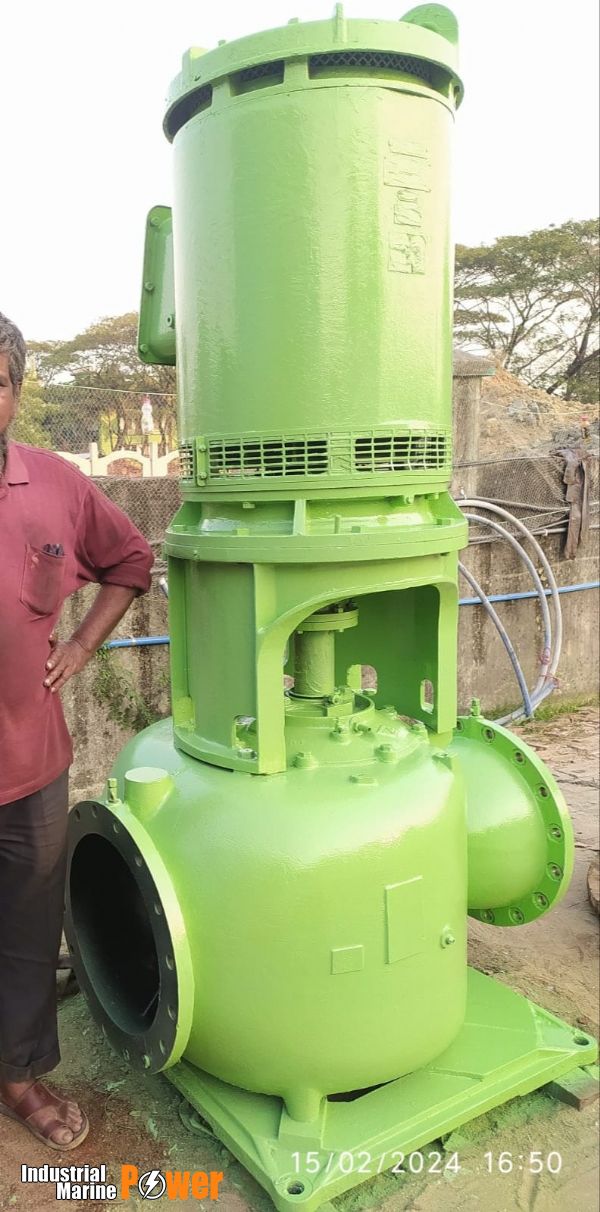
- Bearing or line-shaft wear caused by poor lubrication, misalignment or unfavorable operation, resulting in vibration, noise or rising drive load
- Hydraulic wear or impeller damage caused by cavitation, solids or corrosion, resulting in reduced cargo discharge rate and unstable pressure
- Seal or column leakage caused by gasket, seal or joint deterioration, resulting in cargo leakage or loss of containment
- Drive or coupling fault caused by motor, hydraulic drive or mechanical transmission problems, resulting in inability to start or reduced pump speed
- Suction starvation or gas entrainment caused by low tank level, vortexing or blocked inlet, resulting in cavitation noise, vibration and poor delivery
- Bearing or line-shaft wear caused by poor lubrication, misalignment or unfavorable operation, resulting in vibration, noise or rising drive load
- Hydraulic wear or impeller damage caused by cavitation, solids or corrosion, resulting in reduced cargo discharge rate and unstable pressure
- Seal or column leakage caused by gasket, seal or joint deterioration, resulting in cargo leakage or loss of containment
- Drive or coupling fault caused by motor, hydraulic drive or mechanical transmission problems, resulting in inability to start or reduced pump speed
- Suction starvation or gas entrainment caused by low tank level, vortexing or blocked inlet, resulting in cavitation noise, vibration and poor delivery
- Bearing or line-shaft wear caused by poor lubrication, misalignment or unfavorable operation, resulting in vibration, noise or rising drive load
- Hydraulic wear or impeller damage caused by cavitation, solids or corrosion, resulting in reduced cargo discharge rate and unstable pressure
- Seal or column leakage caused by gasket, seal or joint deterioration, resulting in cargo leakage or loss of containment
- Drive or coupling fault caused by motor, hydraulic drive or mechanical transmission problems, resulting in inability to start or reduced pump speed
- Suction starvation or gas entrainment caused by low tank level, vortexing or blocked inlet, resulting in cavitation noise, vibration and poor delivery
- Bearing or line-shaft wear caused by poor lubrication, misalignment or unfavorable operation, resulting in vibration, noise or rising drive load
- Hydraulic wear or impeller damage caused by cavitation, solids or corrosion, resulting in reduced cargo discharge rate and unstable pressure
- Seal or column leakage caused by gasket, seal or joint deterioration, resulting in cargo leakage or loss of containment
- Drive or coupling fault caused by motor, hydraulic drive or mechanical transmission problems, resulting in inability to start or reduced pump speed
- Suction starvation or gas entrainment caused by low tank level, vortexing or blocked inlet, resulting in cavitation noise, vibration and poor delivery
- Bearing or line-shaft wear caused by poor lubrication, misalignment or unfavorable operation, resulting in vibration, noise or rising drive load
- Hydraulic wear or impeller damage caused by cavitation, solids or corrosion, resulting in reduced cargo discharge rate and unstable pressure
- Seal or column leakage caused by gasket, seal or joint deterioration, resulting in cargo leakage or loss of containment
- Drive or coupling fault caused by motor, hydraulic drive or mechanical transmission problems, resulting in inability to start or reduced pump speed
- Suction starvation or gas entrainment caused by low tank level, vortexing or blocked inlet, resulting in cavitation noise, vibration and poor delivery
- Bearing or line-shaft wear caused by poor lubrication, misalignment or unfavorable operation, resulting in vibration, noise or rising drive load
- Hydraulic wear or impeller damage caused by cavitation, solids or corrosion, resulting in reduced cargo discharge rate and unstable pressure
- Seal or column leakage caused by gasket, seal or joint deterioration, resulting in cargo leakage or loss of containment
- Drive or coupling fault caused by motor, hydraulic drive or mechanical transmission problems, resulting in inability to start or reduced pump speed
- Suction starvation or gas entrainment caused by low tank level, vortexing or blocked inlet, resulting in cavitation noise, vibration and poor delivery
- Bearing or line-shaft wear caused by poor lubrication, misalignment or unfavorable operation, resulting in vibration, noise or rising drive load
- Hydraulic wear or impeller damage caused by cavitation, solids or corrosion, resulting in reduced cargo discharge rate and unstable pressure
- Seal or column leakage caused by gasket, seal or joint deterioration, resulting in cargo leakage or loss of containment
- Drive or coupling fault caused by motor, hydraulic drive or mechanical transmission problems, resulting in inability to start or reduced pump speed
- Suction starvation or gas entrainment caused by low tank level, vortexing or blocked inlet, resulting in cavitation noise, vibration and poor delivery
- Bearing or line-shaft wear caused by poor lubrication, misalignment or unfavorable operation, resulting in vibration, noise or rising drive load
- Hydraulic wear or impeller damage caused by cavitation, solids or corrosion, resulting in reduced cargo discharge rate and unstable pressure
- Seal or column leakage caused by gasket, seal or joint deterioration, resulting in cargo leakage or loss of containment
- Drive or coupling fault caused by motor, hydraulic drive or mechanical transmission problems, resulting in inability to start or reduced pump speed
- Suction starvation or gas entrainment caused by low tank level, vortexing or blocked inlet, resulting in cavitation noise, vibration and poor delivery
- Bearing or line-shaft wear caused by poor lubrication, misalignment or unfavorable operation, resulting in vibration, noise or rising drive load
- Hydraulic wear or impeller damage caused by cavitation, solids or corrosion, resulting in reduced cargo discharge rate and unstable pressure
- Seal or column leakage caused by gasket, seal or joint deterioration, resulting in cargo leakage or loss of containment
- Drive or coupling fault caused by motor, hydraulic drive or mechanical transmission problems, resulting in inability to start or reduced pump speed
- Suction starvation or gas entrainment caused by low tank level, vortexing or blocked inlet, resulting in cavitation noise, vibration and poor delivery
- Bearing or line-shaft wear caused by poor lubrication, misalignment or unfavorable operation, resulting in vibration, noise or rising drive load
- Hydraulic wear or impeller damage caused by cavitation, solids or corrosion, resulting in reduced cargo discharge rate and unstable pressure
- Seal or column leakage caused by gasket, seal or joint deterioration, resulting in cargo leakage or loss of containment
- Drive or coupling fault caused by motor, hydraulic drive or mechanical transmission problems, resulting in inability to start or reduced pump speed
- Suction starvation or gas entrainment caused by low tank level, vortexing or blocked inlet, resulting in cavitation noise, vibration and poor delivery
- Bearing or line-shaft wear caused by poor lubrication, misalignment or unfavorable operation, resulting in vibration, noise or rising drive load
- Hydraulic wear or impeller damage caused by cavitation, solids or corrosion, resulting in reduced cargo discharge rate and unstable pressure
- Seal or column leakage caused by gasket, seal or joint deterioration, resulting in cargo leakage or loss of containment
- Drive or coupling fault caused by motor, hydraulic drive or mechanical transmission problems, resulting in inability to start or reduced pump speed
- Suction starvation or gas entrainment caused by low tank level, vortexing or blocked inlet, resulting in cavitation noise, vibration and poor delivery
- Bearing or line-shaft wear caused by poor lubrication, misalignment or unfavorable operation, resulting in vibration, noise or rising drive load
- Hydraulic wear or impeller damage caused by cavitation, solids or corrosion, resulting in reduced cargo discharge rate and unstable pressure
- Seal or column leakage caused by gasket, seal or joint deterioration, resulting in cargo leakage or loss of containment
- Drive or coupling fault caused by motor, hydraulic drive or mechanical transmission problems, resulting in inability to start or reduced pump speed
- Suction starvation or gas entrainment caused by low tank level, vortexing or blocked inlet, resulting in cavitation noise, vibration and poor delivery
- Bearing or line-shaft wear caused by poor lubrication, misalignment or unfavorable operation, resulting in vibration, noise or rising drive load
- Hydraulic wear or impeller damage caused by cavitation, solids or corrosion, resulting in reduced cargo discharge rate and unstable pressure
- Seal or column leakage caused by gasket, seal or joint deterioration, resulting in cargo leakage or loss of containment
- Drive or coupling fault caused by motor, hydraulic drive or mechanical transmission problems, resulting in inability to start or reduced pump speed
- Suction starvation or gas entrainment caused by low tank level, vortexing or blocked inlet, resulting in cavitation noise, vibration and poor delivery
- Bearing or line-shaft wear caused by poor lubrication, misalignment or unfavorable operation, resulting in vibration, noise or rising drive load
- Hydraulic wear or impeller damage caused by cavitation, solids or corrosion, resulting in reduced cargo discharge rate and unstable pressure
- Seal or column leakage caused by gasket, seal or joint deterioration, resulting in cargo leakage or loss of containment
- Drive or coupling fault caused by motor, hydraulic drive or mechanical transmission problems, resulting in inability to start or reduced pump speed
- Suction starvation or gas entrainment caused by low tank level, vortexing or blocked inlet, resulting in cavitation noise, vibration and poor delivery
- Bearing or line-shaft wear caused by poor lubrication, misalignment or unfavorable operation, resulting in vibration, noise or rising drive load
- Hydraulic wear or impeller damage caused by cavitation, solids or corrosion, resulting in reduced cargo discharge rate and unstable pressure
- Seal or column leakage caused by gasket, seal or joint deterioration, resulting in cargo leakage or loss of containment
- Drive or coupling fault caused by motor, hydraulic drive or mechanical transmission problems, resulting in inability to start or reduced pump speed
- Suction starvation or gas entrainment caused by low tank level, vortexing or blocked inlet, resulting in cavitation noise, vibration and poor delivery
- Air ingress or loss of prime reduces suction performance, noticed as low discharge pressure, fluctuating flow or cavitation noise
- Blocked strainers or restricted suction causes cavitation and reduced capacity, noticed as vibration and poor flow
- Mechanical-seal or gland wear causes leakage around the shaft and may lead to bearing contamination
- Bearing or alignment problems cause abnormal noise, vibration and rising bearing temperature
- Impeller, rotor or internal wear reduces hydraulic performance, noticed as lower pressure or flow at normal operating conditions
- Air ingress or loss of prime reduces suction performance, noticed as low discharge pressure, fluctuating flow or cavitation noise
- Blocked strainers or restricted suction causes cavitation and reduced capacity, noticed as vibration and poor flow
- Mechanical-seal or gland wear causes leakage around the shaft and may lead to bearing contamination
- Bearing or alignment problems cause abnormal noise, vibration and rising bearing temperature
- Impeller, rotor or internal wear reduces hydraulic performance, noticed as lower pressure or flow at normal operating conditions
- Air ingress or loss of prime reduces suction performance, noticed as low discharge pressure, fluctuating flow or cavitation noise
- Blocked strainers or restricted suction causes cavitation and reduced capacity, noticed as vibration and poor flow
- Mechanical-seal or gland wear causes leakage around the shaft and may lead to bearing contamination
- Bearing or alignment problems cause abnormal noise, vibration and rising bearing temperature
- Impeller, rotor or internal wear reduces hydraulic performance, noticed as lower pressure or flow at normal operating conditions
- Bearing or line-shaft wear caused by poor lubrication, misalignment or unfavorable operation, resulting in vibration, noise or rising drive load
- Hydraulic wear or impeller damage caused by cavitation, solids or corrosion, resulting in reduced cargo discharge rate and unstable pressure
- Seal or column leakage caused by gasket, seal or joint deterioration, resulting in cargo leakage or loss of containment
- Drive or coupling fault caused by motor, hydraulic drive or mechanical transmission problems, resulting in inability to start or reduced pump speed
- Suction starvation or gas entrainment caused by low tank level, vortexing or blocked inlet, resulting in cavitation noise, vibration and poor delivery
- Bearing or line-shaft wear caused by poor lubrication, misalignment or unfavorable operation, resulting in vibration, noise or rising drive load
- Hydraulic wear or impeller damage caused by cavitation, solids or corrosion, resulting in reduced cargo discharge rate and unstable pressure
- Seal or column leakage caused by gasket, seal or joint deterioration, resulting in cargo leakage or loss of containment
- Drive or coupling fault caused by motor, hydraulic drive or mechanical transmission problems, resulting in inability to start or reduced pump speed
- Suction starvation or gas entrainment caused by low tank level, vortexing or blocked inlet, resulting in cavitation noise, vibration and poor delivery
- Bearing or line-shaft wear caused by poor lubrication, misalignment or unfavorable operation, resulting in vibration, noise or rising drive load
- Hydraulic wear or impeller damage caused by cavitation, solids or corrosion, resulting in reduced cargo discharge rate and unstable pressure
- Seal or column leakage caused by gasket, seal or joint deterioration, resulting in cargo leakage or loss of containment
- Drive or coupling fault caused by motor, hydraulic drive or mechanical transmission problems, resulting in inability to start or reduced pump speed
- Suction starvation or gas entrainment caused by low tank level, vortexing or blocked inlet, resulting in cavitation noise, vibration and poor delivery
- Bearing or line-shaft wear caused by poor lubrication, misalignment or unfavorable operation, resulting in vibration, noise or rising drive load
- Hydraulic wear or impeller damage caused by cavitation, solids or corrosion, resulting in reduced cargo discharge rate and unstable pressure
- Seal or column leakage caused by gasket, seal or joint deterioration, resulting in cargo leakage or loss of containment
- Drive or coupling fault caused by motor, hydraulic drive or mechanical transmission problems, resulting in inability to start or reduced pump speed
- Suction starvation or gas entrainment caused by low tank level, vortexing or blocked inlet, resulting in cavitation noise, vibration and poor delivery
- Bearing or line-shaft wear caused by poor lubrication, misalignment or unfavorable operation, resulting in vibration, noise or rising drive load
- Hydraulic wear or impeller damage caused by cavitation, solids or corrosion, resulting in reduced cargo discharge rate and unstable pressure
- Seal or column leakage caused by gasket, seal or joint deterioration, resulting in cargo leakage or loss of containment
- Drive or coupling fault caused by motor, hydraulic drive or mechanical transmission problems, resulting in inability to start or reduced pump speed
- Suction starvation or gas entrainment caused by low tank level, vortexing or blocked inlet, resulting in cavitation noise, vibration and poor delivery
- Bearing or line-shaft wear caused by poor lubrication, misalignment or unfavorable operation, resulting in vibration, noise or rising drive load
- Hydraulic wear or impeller damage caused by cavitation, solids or corrosion, resulting in reduced cargo discharge rate and unstable pressure
- Seal or column leakage caused by gasket, seal or joint deterioration, resulting in cargo leakage or loss of containment
- Drive or coupling fault caused by motor, hydraulic drive or mechanical transmission problems, resulting in inability to start or reduced pump speed
- Suction starvation or gas entrainment caused by low tank level, vortexing or blocked inlet, resulting in cavitation noise, vibration and poor delivery
- Bearing or line-shaft wear caused by poor lubrication, misalignment or unfavorable operation, resulting in vibration, noise or rising drive load
- Hydraulic wear or impeller damage caused by cavitation, solids or corrosion, resulting in reduced cargo discharge rate and unstable pressure
- Seal or column leakage caused by gasket, seal or joint deterioration, resulting in cargo leakage or loss of containment
- Drive or coupling fault caused by motor, hydraulic drive or mechanical transmission problems, resulting in inability to start or reduced pump speed
- Suction starvation or gas entrainment caused by low tank level, vortexing or blocked inlet, resulting in cavitation noise, vibration and poor delivery
- Bearing or line-shaft wear caused by poor lubrication, misalignment or unfavorable operation, resulting in vibration, noise or rising drive load
- Hydraulic wear or impeller damage caused by cavitation, solids or corrosion, resulting in reduced cargo discharge rate and unstable pressure
- Seal or column leakage caused by gasket, seal or joint deterioration, resulting in cargo leakage or loss of containment
- Drive or coupling fault caused by motor, hydraulic drive or mechanical transmission problems, resulting in inability to start or reduced pump speed
- Suction starvation or gas entrainment caused by low tank level, vortexing or blocked inlet, resulting in cavitation noise, vibration and poor delivery
Sulzer
19- Bearing or line-shaft wear caused by poor lubrication, misalignment or unfavorable operation, resulting in vibration, noise or rising drive load
- Hydraulic wear or impeller damage caused by cavitation, solids or corrosion, resulting in reduced cargo discharge rate and unstable pressure
- Seal or column leakage caused by gasket, seal or joint deterioration, resulting in cargo leakage or loss of containment
- Drive or coupling fault caused by motor, hydraulic drive or mechanical transmission problems, resulting in inability to start or reduced pump speed
- Suction starvation or gas entrainment caused by low tank level, vortexing or blocked inlet, resulting in cavitation noise, vibration and poor delivery
- Bearing or line-shaft wear caused by poor lubrication, misalignment or unfavorable operation, resulting in vibration, noise or rising drive load
- Hydraulic wear or impeller damage caused by cavitation, solids or corrosion, resulting in reduced cargo discharge rate and unstable pressure
- Seal or column leakage caused by gasket, seal or joint deterioration, resulting in cargo leakage or loss of containment
- Drive or coupling fault caused by motor, hydraulic drive or mechanical transmission problems, resulting in inability to start or reduced pump speed
- Suction starvation or gas entrainment caused by low tank level, vortexing or blocked inlet, resulting in cavitation noise, vibration and poor delivery
- Bearing or line-shaft wear caused by poor lubrication, misalignment or unfavorable operation, resulting in vibration, noise or rising drive load
- Hydraulic wear or impeller damage caused by cavitation, solids or corrosion, resulting in reduced cargo discharge rate and unstable pressure
- Seal or column leakage caused by gasket, seal or joint deterioration, resulting in cargo leakage or loss of containment
- Drive or coupling fault caused by motor, hydraulic drive or mechanical transmission problems, resulting in inability to start or reduced pump speed
- Suction starvation or gas entrainment caused by low tank level, vortexing or blocked inlet, resulting in cavitation noise, vibration and poor delivery
- Bearing or line-shaft wear caused by poor lubrication, misalignment or unfavorable operation, resulting in vibration, noise or rising drive load
- Hydraulic wear or impeller damage caused by cavitation, solids or corrosion, resulting in reduced cargo discharge rate and unstable pressure
- Seal or column leakage caused by gasket, seal or joint deterioration, resulting in cargo leakage or loss of containment
- Drive or coupling fault caused by motor, hydraulic drive or mechanical transmission problems, resulting in inability to start or reduced pump speed
- Suction starvation or gas entrainment caused by low tank level, vortexing or blocked inlet, resulting in cavitation noise, vibration and poor delivery
- Bearing or line-shaft wear caused by poor lubrication, misalignment or unfavorable operation, resulting in vibration, noise or rising drive load
- Hydraulic wear or impeller damage caused by cavitation, solids or corrosion, resulting in reduced cargo discharge rate and unstable pressure
- Seal or column leakage caused by gasket, seal or joint deterioration, resulting in cargo leakage or loss of containment
- Drive or coupling fault caused by motor, hydraulic drive or mechanical transmission problems, resulting in inability to start or reduced pump speed
- Suction starvation or gas entrainment caused by low tank level, vortexing or blocked inlet, resulting in cavitation noise, vibration and poor delivery
- Bearing or line-shaft wear caused by poor lubrication, misalignment or unfavorable operation, resulting in vibration, noise or rising drive load
- Hydraulic wear or impeller damage caused by cavitation, solids or corrosion, resulting in reduced cargo discharge rate and unstable pressure
- Seal or column leakage caused by gasket, seal or joint deterioration, resulting in cargo leakage or loss of containment
- Drive or coupling fault caused by motor, hydraulic drive or mechanical transmission problems, resulting in inability to start or reduced pump speed
- Suction starvation or gas entrainment caused by low tank level, vortexing or blocked inlet, resulting in cavitation noise, vibration and poor delivery
- Bearing or line-shaft wear caused by poor lubrication, misalignment or unfavorable operation, resulting in vibration, noise or rising drive load
- Hydraulic wear or impeller damage caused by cavitation, solids or corrosion, resulting in reduced cargo discharge rate and unstable pressure
- Seal or column leakage caused by gasket, seal or joint deterioration, resulting in cargo leakage or loss of containment
- Drive or coupling fault caused by motor, hydraulic drive or mechanical transmission problems, resulting in inability to start or reduced pump speed
- Suction starvation or gas entrainment caused by low tank level, vortexing or blocked inlet, resulting in cavitation noise, vibration and poor delivery
- Bearing or line-shaft wear caused by poor lubrication, misalignment or unfavorable operation, resulting in vibration, noise or rising drive load
- Hydraulic wear or impeller damage caused by cavitation, solids or corrosion, resulting in reduced cargo discharge rate and unstable pressure
- Seal or column leakage caused by gasket, seal or joint deterioration, resulting in cargo leakage or loss of containment
- Drive or coupling fault caused by motor, hydraulic drive or mechanical transmission problems, resulting in inability to start or reduced pump speed
- Suction starvation or gas entrainment caused by low tank level, vortexing or blocked inlet, resulting in cavitation noise, vibration and poor delivery
- Poor suction conditions, blockage or air ingress cause low flow, cavitation-like noise or unstable discharge
- Seal, packing or gasket wear causes visible leakage and falling pressure
- Bearing, shaft or coupling wear causes vibration, abnormal noise or rising temperature
- Impeller, screw or pumping-element wear or fouling reduces capacity and can increase motor load
- Motor, hydraulic-drive, valve or control faults cause failure to start, reduced speed or protective trips
- Poor suction conditions, blockage or air ingress cause low flow, cavitation-like noise or unstable discharge
- Seal, packing or gasket wear causes visible leakage and falling pressure
- Bearing, shaft or coupling wear causes vibration, abnormal noise or rising temperature
- Impeller, screw or pumping-element wear or fouling reduces capacity and can increase motor load
- Motor, hydraulic-drive, valve or control faults cause failure to start, reduced speed or protective trips
- Bearing or line-shaft wear caused by poor lubrication, misalignment or unfavorable operation, resulting in vibration, noise or rising drive load
- Hydraulic wear or impeller damage caused by cavitation, solids or corrosion, resulting in reduced cargo discharge rate and unstable pressure
- Seal or column leakage caused by gasket, seal or joint deterioration, resulting in cargo leakage or loss of containment
- Drive or coupling fault caused by motor, hydraulic drive or mechanical transmission problems, resulting in inability to start or reduced pump speed
- Suction starvation or gas entrainment caused by low tank level, vortexing or blocked inlet, resulting in cavitation noise, vibration and poor delivery
- Bearing or line-shaft wear caused by poor lubrication, misalignment or unfavorable operation, resulting in vibration, noise or rising drive load
- Hydraulic wear or impeller damage caused by cavitation, solids or corrosion, resulting in reduced cargo discharge rate and unstable pressure
- Seal or column leakage caused by gasket, seal or joint deterioration, resulting in cargo leakage or loss of containment
- Drive or coupling fault caused by motor, hydraulic drive or mechanical transmission problems, resulting in inability to start or reduced pump speed
- Suction starvation or gas entrainment caused by low tank level, vortexing or blocked inlet, resulting in cavitation noise, vibration and poor delivery
- Bearing or line-shaft wear caused by poor lubrication, misalignment or unfavorable operation, resulting in vibration, noise or rising drive load
- Hydraulic wear or impeller damage caused by cavitation, solids or corrosion, resulting in reduced cargo discharge rate and unstable pressure
- Seal or column leakage caused by gasket, seal or joint deterioration, resulting in cargo leakage or loss of containment
- Drive or coupling fault caused by motor, hydraulic drive or mechanical transmission problems, resulting in inability to start or reduced pump speed
- Suction starvation or gas entrainment caused by low tank level, vortexing or blocked inlet, resulting in cavitation noise, vibration and poor delivery
- Bearing or line-shaft wear caused by poor lubrication, misalignment or unfavorable operation, resulting in vibration, noise or rising drive load
- Hydraulic wear or impeller damage caused by cavitation, solids or corrosion, resulting in reduced cargo discharge rate and unstable pressure
- Seal or column leakage caused by gasket, seal or joint deterioration, resulting in cargo leakage or loss of containment
- Drive or coupling fault caused by motor, hydraulic drive or mechanical transmission problems, resulting in inability to start or reduced pump speed
- Suction starvation or gas entrainment caused by low tank level, vortexing or blocked inlet, resulting in cavitation noise, vibration and poor delivery
- Bearing or line-shaft wear caused by poor lubrication, misalignment or unfavorable operation, resulting in vibration, noise or rising drive load
- Hydraulic wear or impeller damage caused by cavitation, solids or corrosion, resulting in reduced cargo discharge rate and unstable pressure
- Seal or column leakage caused by gasket, seal or joint deterioration, resulting in cargo leakage or loss of containment
- Drive or coupling fault caused by motor, hydraulic drive or mechanical transmission problems, resulting in inability to start or reduced pump speed
- Suction starvation or gas entrainment caused by low tank level, vortexing or blocked inlet, resulting in cavitation noise, vibration and poor delivery
- Bearing or line-shaft wear caused by poor lubrication, misalignment or unfavorable operation, resulting in vibration, noise or rising drive load
- Hydraulic wear or impeller damage caused by cavitation, solids or corrosion, resulting in reduced cargo discharge rate and unstable pressure
- Seal or column leakage caused by gasket, seal or joint deterioration, resulting in cargo leakage or loss of containment
- Drive or coupling fault caused by motor, hydraulic drive or mechanical transmission problems, resulting in inability to start or reduced pump speed
- Suction starvation or gas entrainment caused by low tank level, vortexing or blocked inlet, resulting in cavitation noise, vibration and poor delivery
- Bearing or line-shaft wear caused by poor lubrication, misalignment or unfavorable operation, resulting in vibration, noise or rising drive load
- Hydraulic wear or impeller damage caused by cavitation, solids or corrosion, resulting in reduced cargo discharge rate and unstable pressure
- Seal or column leakage caused by gasket, seal or joint deterioration, resulting in cargo leakage or loss of containment
- Drive or coupling fault caused by motor, hydraulic drive or mechanical transmission problems, resulting in inability to start or reduced pump speed
- Suction starvation or gas entrainment caused by low tank level, vortexing or blocked inlet, resulting in cavitation noise, vibration and poor delivery
- Bearing or line-shaft wear caused by poor lubrication, misalignment or unfavorable operation, resulting in vibration, noise or rising drive load
- Hydraulic wear or impeller damage caused by cavitation, solids or corrosion, resulting in reduced cargo discharge rate and unstable pressure
- Seal or column leakage caused by gasket, seal or joint deterioration, resulting in cargo leakage or loss of containment
- Drive or coupling fault caused by motor, hydraulic drive or mechanical transmission problems, resulting in inability to start or reduced pump speed
- Suction starvation or gas entrainment caused by low tank level, vortexing or blocked inlet, resulting in cavitation noise, vibration and poor delivery
- Poor suction conditions, blockage or air ingress cause low flow, cavitation-like noise or unstable discharge
- Seal, packing or gasket wear causes visible leakage and falling pressure
- Bearing, shaft or coupling wear causes vibration, abnormal noise or rising temperature
- Impeller, screw or pumping-element wear or fouling reduces capacity and can increase motor load
- Motor, hydraulic-drive, valve or control faults cause failure to start, reduced speed or protective trips
Wärtsilä
13- Loss of suction from empty source, closed valve, blocked strainer, air ingress, or poor priming causes low discharge pressure, cavitation noise, or no flow
- Seal or packing wear from ageing, dry running, shaft movement, or contamination produces visible leakage or loss of suction
- Bearing, coupling, shaft, impeller, rotor, or internal wear from poor lubrication, misalignment, debris, or normal service causes vibration, noise, heat, or reduced capacity
- Internal erosion, corrosion, or excessive wear reduces discharge pressure and increases recirculation or running time
- Motor, hydraulic drive, protection, or control faults from overload, electrical failure, or actuator problems result in trips, failed starting, or unstable speed
- Loss of suction from empty source, closed valve, blocked strainer, air ingress, or poor priming causes low discharge pressure, cavitation noise, or no flow
- Seal or packing wear from ageing, dry running, shaft movement, or contamination produces visible leakage or loss of suction
- Bearing, coupling, shaft, impeller, rotor, or internal wear from poor lubrication, misalignment, debris, or normal service causes vibration, noise, heat, or reduced capacity
- Internal erosion, corrosion, or excessive wear reduces discharge pressure and increases recirculation or running time
- Motor, hydraulic drive, protection, or control faults from overload, electrical failure, or actuator problems result in trips, failed starting, or unstable speed
- Loss of suction from empty source, closed valve, blocked strainer, air ingress, or poor priming causes low discharge pressure, cavitation noise, or no flow
- Seal or packing wear from ageing, dry running, shaft movement, or contamination produces visible leakage or loss of suction
- Bearing, coupling, shaft, impeller, rotor, or internal wear from poor lubrication, misalignment, debris, or normal service causes vibration, noise, heat, or reduced capacity
- Internal erosion, corrosion, or excessive wear reduces discharge pressure and increases recirculation or running time
- Motor, hydraulic drive, protection, or control faults from overload, electrical failure, or actuator problems result in trips, failed starting, or unstable speed
- Loss of suction from empty source, closed valve, blocked strainer, air ingress, or poor priming causes low discharge pressure, cavitation noise, or no flow
- Seal or packing wear from ageing, dry running, shaft movement, or contamination produces visible leakage or loss of suction
- Bearing, coupling, shaft, impeller, rotor, or internal wear from poor lubrication, misalignment, debris, or normal service causes vibration, noise, heat, or reduced capacity
- Internal erosion, corrosion, or excessive wear reduces discharge pressure and increases recirculation or running time
- Motor, hydraulic drive, protection, or control faults from overload, electrical failure, or actuator problems result in trips, failed starting, or unstable speed
- Loss of suction from empty source, closed valve, blocked strainer, air ingress, or poor priming causes low discharge pressure, cavitation noise, or no flow
- Seal or packing wear from ageing, dry running, shaft movement, or contamination produces visible leakage or loss of suction
- Bearing, coupling, shaft, impeller, rotor, or internal wear from poor lubrication, misalignment, debris, or normal service causes vibration, noise, heat, or reduced capacity
- Internal erosion, corrosion, or excessive wear reduces discharge pressure and increases recirculation or running time
- Motor, hydraulic drive, protection, or control faults from overload, electrical failure, or actuator problems result in trips, failed starting, or unstable speed
- Loss of suction from empty source, closed valve, blocked strainer, air ingress, or poor priming causes low discharge pressure, cavitation noise, or no flow
- Seal or packing wear from ageing, dry running, shaft movement, or contamination produces visible leakage or loss of suction
- Bearing, coupling, shaft, impeller, rotor, or internal wear from poor lubrication, misalignment, debris, or normal service causes vibration, noise, heat, or reduced capacity
- Internal erosion, corrosion, or excessive wear reduces discharge pressure and increases recirculation or running time
- Motor, hydraulic drive, protection, or control faults from overload, electrical failure, or actuator problems result in trips, failed starting, or unstable speed
- Loss of suction from empty source, closed valve, blocked strainer, air ingress, or poor priming causes low discharge pressure, cavitation noise, or no flow
- Seal or packing wear from ageing, dry running, shaft movement, or contamination produces visible leakage or loss of suction
- Bearing, coupling, shaft, impeller, rotor, or internal wear from poor lubrication, misalignment, debris, or normal service causes vibration, noise, heat, or reduced capacity
- Internal erosion, corrosion, or excessive wear reduces discharge pressure and increases recirculation or running time
- Motor, hydraulic drive, protection, or control faults from overload, electrical failure, or actuator problems result in trips, failed starting, or unstable speed
- Loss of suction from empty source, closed valve, blocked strainer, air ingress, or poor priming causes low discharge pressure, cavitation noise, or no flow
- Seal or packing wear from ageing, dry running, shaft movement, or contamination produces visible leakage or loss of suction
- Bearing, coupling, shaft, impeller, rotor, or internal wear from poor lubrication, misalignment, debris, or normal service causes vibration, noise, heat, or reduced capacity
- Internal erosion, corrosion, or excessive wear reduces discharge pressure and increases recirculation or running time
- Motor, hydraulic drive, protection, or control faults from overload, electrical failure, or actuator problems result in trips, failed starting, or unstable speed
- Loss of suction from empty source, closed valve, blocked strainer, air ingress, or poor priming causes low discharge pressure, cavitation noise, or no flow
- Seal or packing wear from ageing, dry running, shaft movement, or contamination produces visible leakage or loss of suction
- Bearing, coupling, shaft, impeller, rotor, or internal wear from poor lubrication, misalignment, debris, or normal service causes vibration, noise, heat, or reduced capacity
- Internal erosion, corrosion, or excessive wear reduces discharge pressure and increases recirculation or running time
- Motor, hydraulic drive, protection, or control faults from overload, electrical failure, or actuator problems result in trips, failed starting, or unstable speed
- Mechanical seal or packing leakage from wear or dry running, typically indicated by visible leakage or loss of suction
- Cavitation from restricted suction, air ingress or insufficient NPSH, typically indicated by rattling noise, vibration and reduced flow
- Impeller wear/fouling or internal clearance increase, typically indicated by reduced capacity or pressure
- Bearing or coupling wear, typically indicated by vibration, noise or overheating
- Motor/drive or control fault, typically indicated by failure to start, high current or protective trip
- Mechanical seal or packing leakage from wear or dry running, typically indicated by visible leakage or loss of suction
- Cavitation from restricted suction, air ingress or insufficient NPSH, typically indicated by rattling noise, vibration and reduced flow
- Impeller wear/fouling or internal clearance increase, typically indicated by reduced capacity or pressure
- Bearing or coupling wear, typically indicated by vibration, noise or overheating
- Motor/drive or control fault, typically indicated by failure to start, high current or protective trip