Submerged Cargo Pump
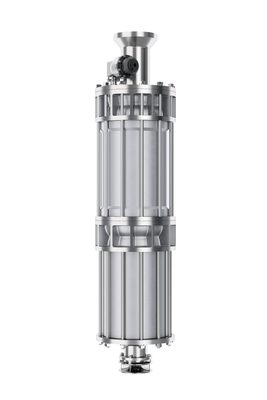
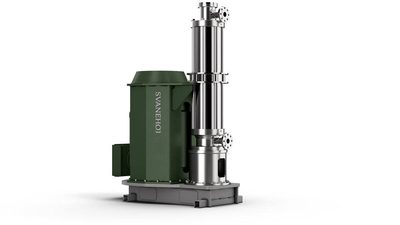
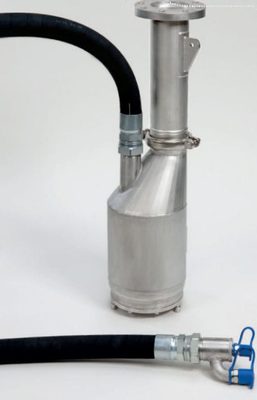
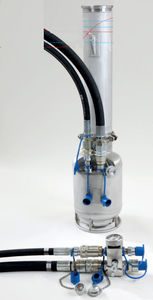
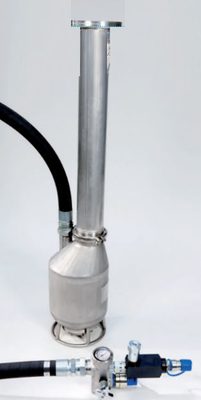
A submerged cargo pump hangs its whole pump stack inside the cargo tank, driven from deck through a long vertical shaft, so there is no shaft seal in contact with the cargo — the feature that lets it handle volatile or corrosive liquids a deck-mounted pump cannot.
Read more — Submerged Cargo Pump explained ▾
What makes this type
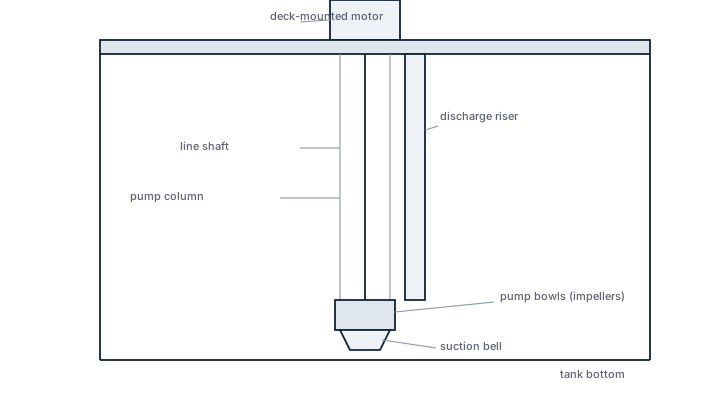
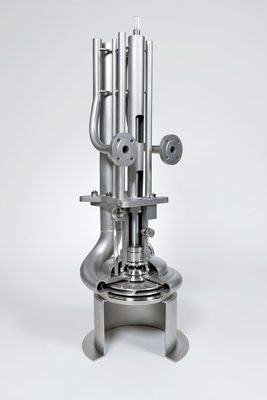
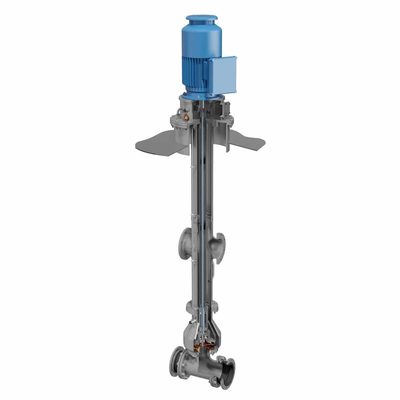
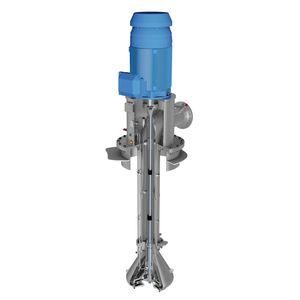
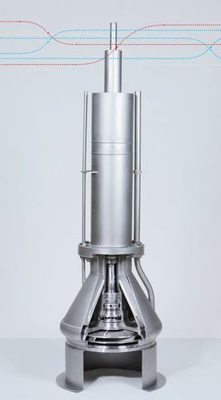
A submerged (deepwell) cargo pump is lowered into the tank on its own column, with the pump bowls sitting near the tank bottom and a long line shaft running up through the column to a driver on deck — hydraulic motor, electric motor, or steam turbine depending on the ship. Because the only shaft seal is on deck, above the cargo, there is no mechanical seal in the tank that can leak cargo vapour into the pump room or engine room, which is why deepwell pumps rather than deck-mounted centrifugal pumps are the standard on chemical and product tankers. This distinguishes them from submersible pumps, which carry the electric motor itself inside the tank in a pressure-tight housing, and from the older ballast/cargo systems built around a single pump room with suction lines running to every tank.
Main components
Pump bowls and impeller stages
Multi-stage centrifugal bowls sit at the bottom of the column; the number of stages sets the head the pump can develop for a given tank suction lift.
Column and line shaft
The column carries cargo from the bowls to deck and also encloses the rotating shaft that drives the bowls; shaft bearings inside the column are lubricated by the cargo itself in most designs, which is why running a deepwell pump dry, even briefly, damages the bearings.
Driver
Hydraulic motors dominate on chemical tankers because output speed can be trimmed to match different cargo viscosities without changing gearing; steam turbine drives remain common on older crude carriers; variable-frequency electric drives appear on newer product tankers.
Stripping arrangement
A separate small stripping pump or a stripping stage on the main pump clears the last cargo from the tank bottom once suction is lost, which matters directly for MARPOL Annex II residue limits on chemical cargoes.
Selection / Sizing
Capacity is matched to the tank arrangement and required discharge time, typically expressed as tonnes per hour against a design discharge head. Materials are the real selection driver on chemical tankers: duplex or super-duplex stainless steel, or in some cases exotic alloys, are chosen tank by tank according to the IBC Code cargo list the ship is certified to carry, since a pump material incompatible with a listed cargo makes that cargo grade unusable regardless of pump performance. NPSH available at the tank bottom, cargo viscosity range, and vapour pressure (for cargoes prone to cavitation at low ullage) all feed into stage count and driver speed selection.
Regulations / Class
MARPOL Annex II sets the stripping performance requirement that determines maximum permissible tank residue after discharge, which is a pump performance figure, not just a procedural one. IACS UR requirements and class rules govern the electrical or hydraulic isolation between the pump room/tank and any potential ignition source, and cargo pump systems on tankers fall under the ship's approved cargo system drawings that class surveys against at each renewal. ATEX/hazardous-area classification governs any electric drive components located in or near the tank.
Typical faults
- Dry running on the last of the cargo — column bearings run on the pumped liquid, so loss of suction without shutting down burns the bearings within minutes.
- Hydraulic system contamination — water or particulate in the hydraulic power fluid degrades motor performance and can seize the drive without warning.
- Column shaft misalignment after tank cleaning or repair — vibration and premature bearing wear that is hard to diagnose from deck.
- Incompatible cargo exposure — carrying a cargo outside the pump's approved material list corrodes wetted parts, sometimes rapidly.
- Stripping stage blockage — cargo residue or sediment blocks the stripping path, leaving the ship unable to meet Annex II residue limits and delaying departure.
What to look for in a supplier
- Material certification against the specific IBC Code cargoes the vessel is certified to carry, not a generic stainless-steel spec.
- Documented NPSH and performance curves at the actual tank geometry and column length, not catalogue figures for a standard column.
- Spare parts and service support that covers the column bearings and mechanical seal on deck, which are the components that need periodic renewal.
- Track record with the specific driver type fitted (hydraulic, steam, or VFD electric), since service expertise does not transfer cleanly between driver types.
Watch the suction pressure gauge, not the discharge gauge, as ullage drops — by the time discharge pressure tells you the pump is running dry, the bearings are already damaged.
5 manufacturers · 1625 models
Framo
425



SVANEHØJ
425
Marflex
335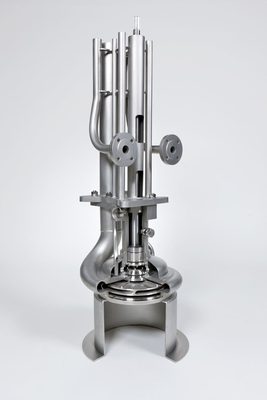










Wärtsilä
335


DESMI Cargo
105