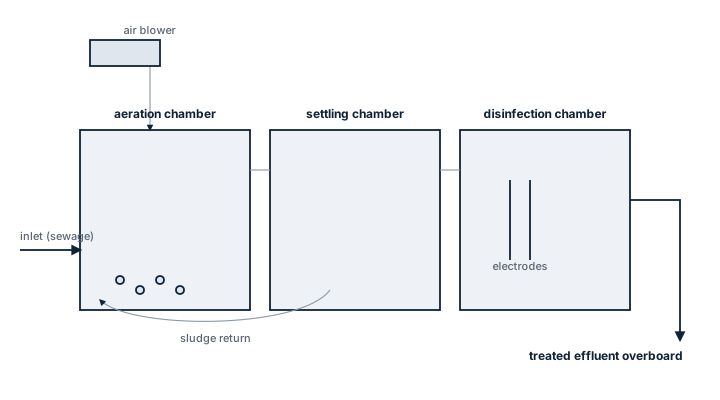
Sewage Treatment Plant
Typical Manufacturers
17 manufacturers · 96 models
Evac
24 ✓ 20 verified- Area: International Sewage Pollution Prevention Certificate (ISPPC) validity and authenticityCheck: Verify ISPPC is valid, properly issued for vessel size (≥400GT or ≥15 persons), signed and endorsed by flag state authority, not expired
- Area: Sewage treatment plant IMO type approval certificate missing or invalidCheck: Confirm STP holds valid IMO MEPC 227(64) certificate (or MEPC 159(55) for older units), check certification class (STP type approval letter), verify not lapsed
- Area: Direct sewage discharge valve not sealed or incorrectly securedCheck: Inspect discharge valve seals, verify valve is sealed shut when in port or within 3 nautical miles from shore, confirm mechanical lock/weld, check pump discharge isolation
- Area: Sewage treatment plant not operational or inadequate capacity for crewCheck: Test plant start-up sequence, verify blower/pump operation, check aeration and treatment tank water levels, confirm adequate treatment time (typically 8-15 hours retention), measure actual vs. design capacity, review operational log
- Area: Monthly effluent quality testing records missing or deficient (BOD, COD, TSS, E.coli)Check: Request last 12 months of effluent test reports, verify parameter compliance with MEPC 227(64) limits (BOD ≤25mg/L, COD ≤125mg/L, TSS ≤35mg/L, fecal coliform <250 CFU/100mL), check testing lab certification, confirm disposal location recorded
Typ-universelle Inspektionspunkte fuer Sewage Treatment Plant (verifiziert, 2026-06).
- Area: International Sewage Pollution Prevention Certificate (ISPPC) validity and authenticityCheck: Verify ISPPC is valid, properly issued for vessel size (≥400GT or ≥15 persons), signed and endorsed by flag state authority, not expired
- Area: Sewage treatment plant IMO type approval certificate missing or invalidCheck: Confirm STP holds valid IMO MEPC 227(64) certificate (or MEPC 159(55) for older units), check certification class (STP type approval letter), verify not lapsed
- Area: Direct sewage discharge valve not sealed or incorrectly securedCheck: Inspect discharge valve seals, verify valve is sealed shut when in port or within 3 nautical miles from shore, confirm mechanical lock/weld, check pump discharge isolation
- Area: Sewage treatment plant not operational or inadequate capacity for crewCheck: Test plant start-up sequence, verify blower/pump operation, check aeration and treatment tank water levels, confirm adequate treatment time (typically 8-15 hours retention), measure actual vs. design capacity, review operational log
- Area: Monthly effluent quality testing records missing or deficient (BOD, COD, TSS, E.coli)Check: Request last 12 months of effluent test reports, verify parameter compliance with MEPC 227(64) limits (BOD ≤25mg/L, COD ≤125mg/L, TSS ≤35mg/L, fecal coliform <250 CFU/100mL), check testing lab certification, confirm disposal location recorded
Typ-universelle Inspektionspunkte fuer Sewage Treatment Plant (verifiziert, 2026-06).
- Area: International Sewage Pollution Prevention Certificate (ISPPC) validity and authenticityCheck: Verify ISPPC is valid, properly issued for vessel size (≥400GT or ≥15 persons), signed and endorsed by flag state authority, not expired
- Area: Sewage treatment plant IMO type approval certificate missing or invalidCheck: Confirm STP holds valid IMO MEPC 227(64) certificate (or MEPC 159(55) for older units), check certification class (STP type approval letter), verify not lapsed
- Area: Direct sewage discharge valve not sealed or incorrectly securedCheck: Inspect discharge valve seals, verify valve is sealed shut when in port or within 3 nautical miles from shore, confirm mechanical lock/weld, check pump discharge isolation
- Area: Sewage treatment plant not operational or inadequate capacity for crewCheck: Test plant start-up sequence, verify blower/pump operation, check aeration and treatment tank water levels, confirm adequate treatment time (typically 8-15 hours retention), measure actual vs. design capacity, review operational log
- Area: Monthly effluent quality testing records missing or deficient (BOD, COD, TSS, E.coli)Check: Request last 12 months of effluent test reports, verify parameter compliance with MEPC 227(64) limits (BOD ≤25mg/L, COD ≤125mg/L, TSS ≤35mg/L, fecal coliform <250 CFU/100mL), check testing lab certification, confirm disposal location recorded
Typ-universelle Inspektionspunkte fuer Sewage Treatment Plant (verifiziert, 2026-06).
- Area: International Sewage Pollution Prevention Certificate (ISPPC) validity and authenticityCheck: Verify ISPPC is valid, properly issued for vessel size (≥400GT or ≥15 persons), signed and endorsed by flag state authority, not expired
- Area: Sewage treatment plant IMO type approval certificate missing or invalidCheck: Confirm STP holds valid IMO MEPC 227(64) certificate (or MEPC 159(55) for older units), check certification class (STP type approval letter), verify not lapsed
- Area: Direct sewage discharge valve not sealed or incorrectly securedCheck: Inspect discharge valve seals, verify valve is sealed shut when in port or within 3 nautical miles from shore, confirm mechanical lock/weld, check pump discharge isolation
- Area: Sewage treatment plant not operational or inadequate capacity for crewCheck: Test plant start-up sequence, verify blower/pump operation, check aeration and treatment tank water levels, confirm adequate treatment time (typically 8-15 hours retention), measure actual vs. design capacity, review operational log
- Area: Monthly effluent quality testing records missing or deficient (BOD, COD, TSS, E.coli)Check: Request last 12 months of effluent test reports, verify parameter compliance with MEPC 227(64) limits (BOD ≤25mg/L, COD ≤125mg/L, TSS ≤35mg/L, fecal coliform <250 CFU/100mL), check testing lab certification, confirm disposal location recorded
Typ-universelle Inspektionspunkte fuer Sewage Treatment Plant (verifiziert, 2026-06).
- Area: Membrane fouling and filter clogging in MBR/MBBR systemsCheck: Visual inspection of membrane status and pressure differential readings; verify EcoScreen pre-treatment is properly operated for BOD load reduction; inspect transmembrane pressure (TMP) recordings - should remain stable within design specifications
- Area: Biological process upset and sludge accumulation in treatment reactorsCheck: Monthly biosolids level monitoring and sludge discharge procedures; verify mixed liquor suspended solids (MLSS) concentration matches design specifications; inspect sludge handling system for proper collection tank operation and maintenance
- Area: Chemical depletion and overdosing in ORCA electrolytic systemsCheck: Verify 5% chlorine solution levels (ORCA II A) or electrolyte levels are within specifications; confirm automated dosing systems are functioning correctly; test effluent disinfection efficacy according to IMO MEPC 227(64) requirements
- Area: Effluent quality non-compliance and nutrient overflow in restricted areas (Baltic Sea, River Rhine)Check: Quarterly sampling and testing of treated effluent for BOD, TSS, nitrogen and phosphorus levels; verify compliance with IMO MEPC 227(64) Chapter 4.2 requirements for passenger ships in special areas; maintain International Sewage Pollution Prevention Certificate documentation
- Area: System operational failure and control panel malfunctionsCheck: Verify touchscreen control panel responsiveness; test automated shutdown procedures; confirm integration with ship's main automation system; check alarm and monitoring functions are properly logged and reviewed; ORCA IV B systems require 3-month maintenance interval verification
Typ-universelle Inspektionspunkte fuer Oily Water & Waste Systems (verifiziert, 2026-06).
- Area: Membrane fouling and filter clogging in MBR/MBBR systemsCheck: Visual inspection of membrane status and pressure differential readings; verify EcoScreen pre-treatment is properly operated for BOD load reduction; inspect transmembrane pressure (TMP) recordings - should remain stable within design specifications
- Area: Biological process upset and sludge accumulation in treatment reactorsCheck: Monthly biosolids level monitoring and sludge discharge procedures; verify mixed liquor suspended solids (MLSS) concentration matches design specifications; inspect sludge handling system for proper collection tank operation and maintenance
- Area: Chemical depletion and overdosing in ORCA electrolytic systemsCheck: Verify 5% chlorine solution levels (ORCA II A) or electrolyte levels are within specifications; confirm automated dosing systems are functioning correctly; test effluent disinfection efficacy according to IMO MEPC 227(64) requirements
- Area: Effluent quality non-compliance and nutrient overflow in restricted areas (Baltic Sea, River Rhine)Check: Quarterly sampling and testing of treated effluent for BOD, TSS, nitrogen and phosphorus levels; verify compliance with IMO MEPC 227(64) Chapter 4.2 requirements for passenger ships in special areas; maintain International Sewage Pollution Prevention Certificate documentation
- Area: System operational failure and control panel malfunctionsCheck: Verify touchscreen control panel responsiveness; test automated shutdown procedures; confirm integration with ship's main automation system; check alarm and monitoring functions are properly logged and reviewed; ORCA IV B systems require 3-month maintenance interval verification
Typ-universelle Inspektionspunkte fuer Oily Water & Waste Systems (verifiziert, 2026-06).
- Area: Membrane fouling and filter clogging in MBR/MBBR systemsCheck: Visual inspection of membrane status and pressure differential readings; verify EcoScreen pre-treatment is properly operated for BOD load reduction; inspect transmembrane pressure (TMP) recordings - should remain stable within design specifications
- Area: Biological process upset and sludge accumulation in treatment reactorsCheck: Monthly biosolids level monitoring and sludge discharge procedures; verify mixed liquor suspended solids (MLSS) concentration matches design specifications; inspect sludge handling system for proper collection tank operation and maintenance
- Area: Chemical depletion and overdosing in ORCA electrolytic systemsCheck: Verify 5% chlorine solution levels (ORCA II A) or electrolyte levels are within specifications; confirm automated dosing systems are functioning correctly; test effluent disinfection efficacy according to IMO MEPC 227(64) requirements
- Area: Effluent quality non-compliance and nutrient overflow in restricted areas (Baltic Sea, River Rhine)Check: Quarterly sampling and testing of treated effluent for BOD, TSS, nitrogen and phosphorus levels; verify compliance with IMO MEPC 227(64) Chapter 4.2 requirements for passenger ships in special areas; maintain International Sewage Pollution Prevention Certificate documentation
- Area: System operational failure and control panel malfunctionsCheck: Verify touchscreen control panel responsiveness; test automated shutdown procedures; confirm integration with ship's main automation system; check alarm and monitoring functions are properly logged and reviewed; ORCA IV B systems require 3-month maintenance interval verification
Typ-universelle Inspektionspunkte fuer Oily Water & Waste Systems (verifiziert, 2026-06).
- Area: Membrane fouling and filter clogging in MBR/MBBR systemsCheck: Visual inspection of membrane status and pressure differential readings; verify EcoScreen pre-treatment is properly operated for BOD load reduction; inspect transmembrane pressure (TMP) recordings - should remain stable within design specifications
- Area: Biological process upset and sludge accumulation in treatment reactorsCheck: Monthly biosolids level monitoring and sludge discharge procedures; verify mixed liquor suspended solids (MLSS) concentration matches design specifications; inspect sludge handling system for proper collection tank operation and maintenance
- Area: Chemical depletion and overdosing in ORCA electrolytic systemsCheck: Verify 5% chlorine solution levels (ORCA II A) or electrolyte levels are within specifications; confirm automated dosing systems are functioning correctly; test effluent disinfection efficacy according to IMO MEPC 227(64) requirements
- Area: Effluent quality non-compliance and nutrient overflow in restricted areas (Baltic Sea, River Rhine)Check: Quarterly sampling and testing of treated effluent for BOD, TSS, nitrogen and phosphorus levels; verify compliance with IMO MEPC 227(64) Chapter 4.2 requirements for passenger ships in special areas; maintain International Sewage Pollution Prevention Certificate documentation
- Area: System operational failure and control panel malfunctionsCheck: Verify touchscreen control panel responsiveness; test automated shutdown procedures; confirm integration with ship's main automation system; check alarm and monitoring functions are properly logged and reviewed; ORCA IV B systems require 3-month maintenance interval verification
Typ-universelle Inspektionspunkte fuer Oily Water & Waste Systems (verifiziert, 2026-06).
- Area: Membrane fouling and filter clogging in MBR/MBBR systemsCheck: Visual inspection of membrane status and pressure differential readings; verify EcoScreen pre-treatment is properly operated for BOD load reduction; inspect transmembrane pressure (TMP) recordings - should remain stable within design specifications
- Area: Biological process upset and sludge accumulation in treatment reactorsCheck: Monthly biosolids level monitoring and sludge discharge procedures; verify mixed liquor suspended solids (MLSS) concentration matches design specifications; inspect sludge handling system for proper collection tank operation and maintenance
- Area: Chemical depletion and overdosing in ORCA electrolytic systemsCheck: Verify 5% chlorine solution levels (ORCA II A) or electrolyte levels are within specifications; confirm automated dosing systems are functioning correctly; test effluent disinfection efficacy according to IMO MEPC 227(64) requirements
- Area: Effluent quality non-compliance and nutrient overflow in restricted areas (Baltic Sea, River Rhine)Check: Quarterly sampling and testing of treated effluent for BOD, TSS, nitrogen and phosphorus levels; verify compliance with IMO MEPC 227(64) Chapter 4.2 requirements for passenger ships in special areas; maintain International Sewage Pollution Prevention Certificate documentation
- Area: System operational failure and control panel malfunctionsCheck: Verify touchscreen control panel responsiveness; test automated shutdown procedures; confirm integration with ship's main automation system; check alarm and monitoring functions are properly logged and reviewed; ORCA IV B systems require 3-month maintenance interval verification
Typ-universelle Inspektionspunkte fuer Oily Water & Waste Systems (verifiziert, 2026-06).
- Area: Membrane fouling and filter clogging in MBR/MBBR systemsCheck: Visual inspection of membrane status and pressure differential readings; verify EcoScreen pre-treatment is properly operated for BOD load reduction; inspect transmembrane pressure (TMP) recordings - should remain stable within design specifications
- Area: Biological process upset and sludge accumulation in treatment reactorsCheck: Monthly biosolids level monitoring and sludge discharge procedures; verify mixed liquor suspended solids (MLSS) concentration matches design specifications; inspect sludge handling system for proper collection tank operation and maintenance
- Area: Chemical depletion and overdosing in ORCA electrolytic systemsCheck: Verify 5% chlorine solution levels (ORCA II A) or electrolyte levels are within specifications; confirm automated dosing systems are functioning correctly; test effluent disinfection efficacy according to IMO MEPC 227(64) requirements
- Area: Effluent quality non-compliance and nutrient overflow in restricted areas (Baltic Sea, River Rhine)Check: Quarterly sampling and testing of treated effluent for BOD, TSS, nitrogen and phosphorus levels; verify compliance with IMO MEPC 227(64) Chapter 4.2 requirements for passenger ships in special areas; maintain International Sewage Pollution Prevention Certificate documentation
- Area: System operational failure and control panel malfunctionsCheck: Verify touchscreen control panel responsiveness; test automated shutdown procedures; confirm integration with ship's main automation system; check alarm and monitoring functions are properly logged and reviewed; ORCA IV B systems require 3-month maintenance interval verification
Typ-universelle Inspektionspunkte fuer Oily Water & Waste Systems (verifiziert, 2026-06).
- Area: Membrane fouling and filter clogging in MBR/MBBR systemsCheck: Visual inspection of membrane status and pressure differential readings; verify EcoScreen pre-treatment is properly operated for BOD load reduction; inspect transmembrane pressure (TMP) recordings - should remain stable within design specifications
- Area: Biological process upset and sludge accumulation in treatment reactorsCheck: Monthly biosolids level monitoring and sludge discharge procedures; verify mixed liquor suspended solids (MLSS) concentration matches design specifications; inspect sludge handling system for proper collection tank operation and maintenance
- Area: Chemical depletion and overdosing in ORCA electrolytic systemsCheck: Verify 5% chlorine solution levels (ORCA II A) or electrolyte levels are within specifications; confirm automated dosing systems are functioning correctly; test effluent disinfection efficacy according to IMO MEPC 227(64) requirements
- Area: Effluent quality non-compliance and nutrient overflow in restricted areas (Baltic Sea, River Rhine)Check: Quarterly sampling and testing of treated effluent for BOD, TSS, nitrogen and phosphorus levels; verify compliance with IMO MEPC 227(64) Chapter 4.2 requirements for passenger ships in special areas; maintain International Sewage Pollution Prevention Certificate documentation
- Area: System operational failure and control panel malfunctionsCheck: Verify touchscreen control panel responsiveness; test automated shutdown procedures; confirm integration with ship's main automation system; check alarm and monitoring functions are properly logged and reviewed; ORCA IV B systems require 3-month maintenance interval verification
Typ-universelle Inspektionspunkte fuer Oily Water & Waste Systems (verifiziert, 2026-06).
- Area: Membrane fouling and filter clogging in MBR/MBBR systemsCheck: Visual inspection of membrane status and pressure differential readings; verify EcoScreen pre-treatment is properly operated for BOD load reduction; inspect transmembrane pressure (TMP) recordings - should remain stable within design specifications
- Area: Biological process upset and sludge accumulation in treatment reactorsCheck: Monthly biosolids level monitoring and sludge discharge procedures; verify mixed liquor suspended solids (MLSS) concentration matches design specifications; inspect sludge handling system for proper collection tank operation and maintenance
- Area: Chemical depletion and overdosing in ORCA electrolytic systemsCheck: Verify 5% chlorine solution levels (ORCA II A) or electrolyte levels are within specifications; confirm automated dosing systems are functioning correctly; test effluent disinfection efficacy according to IMO MEPC 227(64) requirements
- Area: Effluent quality non-compliance and nutrient overflow in restricted areas (Baltic Sea, River Rhine)Check: Quarterly sampling and testing of treated effluent for BOD, TSS, nitrogen and phosphorus levels; verify compliance with IMO MEPC 227(64) Chapter 4.2 requirements for passenger ships in special areas; maintain International Sewage Pollution Prevention Certificate documentation
- Area: System operational failure and control panel malfunctionsCheck: Verify touchscreen control panel responsiveness; test automated shutdown procedures; confirm integration with ship's main automation system; check alarm and monitoring functions are properly logged and reviewed; ORCA IV B systems require 3-month maintenance interval verification
Typ-universelle Inspektionspunkte fuer Oily Water & Waste Systems (verifiziert, 2026-06).
- Area: Membrane fouling and filter clogging in MBR/MBBR systemsCheck: Visual inspection of membrane status and pressure differential readings; verify EcoScreen pre-treatment is properly operated for BOD load reduction; inspect transmembrane pressure (TMP) recordings - should remain stable within design specifications
- Area: Biological process upset and sludge accumulation in treatment reactorsCheck: Monthly biosolids level monitoring and sludge discharge procedures; verify mixed liquor suspended solids (MLSS) concentration matches design specifications; inspect sludge handling system for proper collection tank operation and maintenance
- Area: Chemical depletion and overdosing in ORCA electrolytic systemsCheck: Verify 5% chlorine solution levels (ORCA II A) or electrolyte levels are within specifications; confirm automated dosing systems are functioning correctly; test effluent disinfection efficacy according to IMO MEPC 227(64) requirements
- Area: Effluent quality non-compliance and nutrient overflow in restricted areas (Baltic Sea, River Rhine)Check: Quarterly sampling and testing of treated effluent for BOD, TSS, nitrogen and phosphorus levels; verify compliance with IMO MEPC 227(64) Chapter 4.2 requirements for passenger ships in special areas; maintain International Sewage Pollution Prevention Certificate documentation
- Area: System operational failure and control panel malfunctionsCheck: Verify touchscreen control panel responsiveness; test automated shutdown procedures; confirm integration with ship's main automation system; check alarm and monitoring functions are properly logged and reviewed; ORCA IV B systems require 3-month maintenance interval verification
Typ-universelle Inspektionspunkte fuer Oily Water & Waste Systems (verifiziert, 2026-06).
- Area: Membrane fouling and filter clogging in MBR/MBBR systemsCheck: Visual inspection of membrane status and pressure differential readings; verify EcoScreen pre-treatment is properly operated for BOD load reduction; inspect transmembrane pressure (TMP) recordings - should remain stable within design specifications
- Area: Biological process upset and sludge accumulation in treatment reactorsCheck: Monthly biosolids level monitoring and sludge discharge procedures; verify mixed liquor suspended solids (MLSS) concentration matches design specifications; inspect sludge handling system for proper collection tank operation and maintenance
- Area: Chemical depletion and overdosing in ORCA electrolytic systemsCheck: Verify 5% chlorine solution levels (ORCA II A) or electrolyte levels are within specifications; confirm automated dosing systems are functioning correctly; test effluent disinfection efficacy according to IMO MEPC 227(64) requirements
- Area: Effluent quality non-compliance and nutrient overflow in restricted areas (Baltic Sea, River Rhine)Check: Quarterly sampling and testing of treated effluent for BOD, TSS, nitrogen and phosphorus levels; verify compliance with IMO MEPC 227(64) Chapter 4.2 requirements for passenger ships in special areas; maintain International Sewage Pollution Prevention Certificate documentation
- Area: System operational failure and control panel malfunctionsCheck: Verify touchscreen control panel responsiveness; test automated shutdown procedures; confirm integration with ship's main automation system; check alarm and monitoring functions are properly logged and reviewed; ORCA IV B systems require 3-month maintenance interval verification
Typ-universelle Inspektionspunkte fuer Oily Water & Waste Systems (verifiziert, 2026-06).
- Area: Membrane fouling and filter clogging in MBR/MBBR systemsCheck: Visual inspection of membrane status and pressure differential readings; verify EcoScreen pre-treatment is properly operated for BOD load reduction; inspect transmembrane pressure (TMP) recordings - should remain stable within design specifications
- Area: Biological process upset and sludge accumulation in treatment reactorsCheck: Monthly biosolids level monitoring and sludge discharge procedures; verify mixed liquor suspended solids (MLSS) concentration matches design specifications; inspect sludge handling system for proper collection tank operation and maintenance
- Area: Chemical depletion and overdosing in ORCA electrolytic systemsCheck: Verify 5% chlorine solution levels (ORCA II A) or electrolyte levels are within specifications; confirm automated dosing systems are functioning correctly; test effluent disinfection efficacy according to IMO MEPC 227(64) requirements
- Area: Effluent quality non-compliance and nutrient overflow in restricted areas (Baltic Sea, River Rhine)Check: Quarterly sampling and testing of treated effluent for BOD, TSS, nitrogen and phosphorus levels; verify compliance with IMO MEPC 227(64) Chapter 4.2 requirements for passenger ships in special areas; maintain International Sewage Pollution Prevention Certificate documentation
- Area: System operational failure and control panel malfunctionsCheck: Verify touchscreen control panel responsiveness; test automated shutdown procedures; confirm integration with ship's main automation system; check alarm and monitoring functions are properly logged and reviewed; ORCA IV B systems require 3-month maintenance interval verification
Typ-universelle Inspektionspunkte fuer Oily Water & Waste Systems (verifiziert, 2026-06).
- Area: Membrane fouling and filter clogging in MBR/MBBR systemsCheck: Visual inspection of membrane status and pressure differential readings; verify EcoScreen pre-treatment is properly operated for BOD load reduction; inspect transmembrane pressure (TMP) recordings - should remain stable within design specifications
- Area: Biological process upset and sludge accumulation in treatment reactorsCheck: Monthly biosolids level monitoring and sludge discharge procedures; verify mixed liquor suspended solids (MLSS) concentration matches design specifications; inspect sludge handling system for proper collection tank operation and maintenance
- Area: Chemical depletion and overdosing in ORCA electrolytic systemsCheck: Verify 5% chlorine solution levels (ORCA II A) or electrolyte levels are within specifications; confirm automated dosing systems are functioning correctly; test effluent disinfection efficacy according to IMO MEPC 227(64) requirements
- Area: Effluent quality non-compliance and nutrient overflow in restricted areas (Baltic Sea, River Rhine)Check: Quarterly sampling and testing of treated effluent for BOD, TSS, nitrogen and phosphorus levels; verify compliance with IMO MEPC 227(64) Chapter 4.2 requirements for passenger ships in special areas; maintain International Sewage Pollution Prevention Certificate documentation
- Area: System operational failure and control panel malfunctionsCheck: Verify touchscreen control panel responsiveness; test automated shutdown procedures; confirm integration with ship's main automation system; check alarm and monitoring functions are properly logged and reviewed; ORCA IV B systems require 3-month maintenance interval verification
Typ-universelle Inspektionspunkte fuer Oily Water & Waste Systems (verifiziert, 2026-06).
- Area: Membrane fouling and filter clogging in MBR/MBBR systemsCheck: Visual inspection of membrane status and pressure differential readings; verify EcoScreen pre-treatment is properly operated for BOD load reduction; inspect transmembrane pressure (TMP) recordings - should remain stable within design specifications
- Area: Biological process upset and sludge accumulation in treatment reactorsCheck: Monthly biosolids level monitoring and sludge discharge procedures; verify mixed liquor suspended solids (MLSS) concentration matches design specifications; inspect sludge handling system for proper collection tank operation and maintenance
- Area: Chemical depletion and overdosing in ORCA electrolytic systemsCheck: Verify 5% chlorine solution levels (ORCA II A) or electrolyte levels are within specifications; confirm automated dosing systems are functioning correctly; test effluent disinfection efficacy according to IMO MEPC 227(64) requirements
- Area: Effluent quality non-compliance and nutrient overflow in restricted areas (Baltic Sea, River Rhine)Check: Quarterly sampling and testing of treated effluent for BOD, TSS, nitrogen and phosphorus levels; verify compliance with IMO MEPC 227(64) Chapter 4.2 requirements for passenger ships in special areas; maintain International Sewage Pollution Prevention Certificate documentation
- Area: System operational failure and control panel malfunctionsCheck: Verify touchscreen control panel responsiveness; test automated shutdown procedures; confirm integration with ship's main automation system; check alarm and monitoring functions are properly logged and reviewed; ORCA IV B systems require 3-month maintenance interval verification
Typ-universelle Inspektionspunkte fuer Oily Water & Waste Systems (verifiziert, 2026-06).
- Area: Membrane fouling and filter clogging in MBR/MBBR systemsCheck: Visual inspection of membrane status and pressure differential readings; verify EcoScreen pre-treatment is properly operated for BOD load reduction; inspect transmembrane pressure (TMP) recordings - should remain stable within design specifications
- Area: Biological process upset and sludge accumulation in treatment reactorsCheck: Monthly biosolids level monitoring and sludge discharge procedures; verify mixed liquor suspended solids (MLSS) concentration matches design specifications; inspect sludge handling system for proper collection tank operation and maintenance
- Area: Chemical depletion and overdosing in ORCA electrolytic systemsCheck: Verify 5% chlorine solution levels (ORCA II A) or electrolyte levels are within specifications; confirm automated dosing systems are functioning correctly; test effluent disinfection efficacy according to IMO MEPC 227(64) requirements
- Area: Effluent quality non-compliance and nutrient overflow in restricted areas (Baltic Sea, River Rhine)Check: Quarterly sampling and testing of treated effluent for BOD, TSS, nitrogen and phosphorus levels; verify compliance with IMO MEPC 227(64) Chapter 4.2 requirements for passenger ships in special areas; maintain International Sewage Pollution Prevention Certificate documentation
- Area: System operational failure and control panel malfunctionsCheck: Verify touchscreen control panel responsiveness; test automated shutdown procedures; confirm integration with ship's main automation system; check alarm and monitoring functions are properly logged and reviewed; ORCA IV B systems require 3-month maintenance interval verification
Typ-universelle Inspektionspunkte fuer Oily Water & Waste Systems (verifiziert, 2026-06).
- Area: Membrane fouling and filter clogging in MBR/MBBR systemsCheck: Visual inspection of membrane status and pressure differential readings; verify EcoScreen pre-treatment is properly operated for BOD load reduction; inspect transmembrane pressure (TMP) recordings - should remain stable within design specifications
- Area: Biological process upset and sludge accumulation in treatment reactorsCheck: Monthly biosolids level monitoring and sludge discharge procedures; verify mixed liquor suspended solids (MLSS) concentration matches design specifications; inspect sludge handling system for proper collection tank operation and maintenance
- Area: Chemical depletion and overdosing in ORCA electrolytic systemsCheck: Verify 5% chlorine solution levels (ORCA II A) or electrolyte levels are within specifications; confirm automated dosing systems are functioning correctly; test effluent disinfection efficacy according to IMO MEPC 227(64) requirements
- Area: Effluent quality non-compliance and nutrient overflow in restricted areas (Baltic Sea, River Rhine)Check: Quarterly sampling and testing of treated effluent for BOD, TSS, nitrogen and phosphorus levels; verify compliance with IMO MEPC 227(64) Chapter 4.2 requirements for passenger ships in special areas; maintain International Sewage Pollution Prevention Certificate documentation
- Area: System operational failure and control panel malfunctionsCheck: Verify touchscreen control panel responsiveness; test automated shutdown procedures; confirm integration with ship's main automation system; check alarm and monitoring functions are properly logged and reviewed; ORCA IV B systems require 3-month maintenance interval verification
Typ-universelle Inspektionspunkte fuer Oily Water & Waste Systems (verifiziert, 2026-06).
- Area: Membrane fouling and filter clogging in MBR/MBBR systemsCheck: Visual inspection of membrane status and pressure differential readings; verify EcoScreen pre-treatment is properly operated for BOD load reduction; inspect transmembrane pressure (TMP) recordings - should remain stable within design specifications
- Area: Biological process upset and sludge accumulation in treatment reactorsCheck: Monthly biosolids level monitoring and sludge discharge procedures; verify mixed liquor suspended solids (MLSS) concentration matches design specifications; inspect sludge handling system for proper collection tank operation and maintenance
- Area: Chemical depletion and overdosing in ORCA electrolytic systemsCheck: Verify 5% chlorine solution levels (ORCA II A) or electrolyte levels are within specifications; confirm automated dosing systems are functioning correctly; test effluent disinfection efficacy according to IMO MEPC 227(64) requirements
- Area: Effluent quality non-compliance and nutrient overflow in restricted areas (Baltic Sea, River Rhine)Check: Quarterly sampling and testing of treated effluent for BOD, TSS, nitrogen and phosphorus levels; verify compliance with IMO MEPC 227(64) Chapter 4.2 requirements for passenger ships in special areas; maintain International Sewage Pollution Prevention Certificate documentation
- Area: System operational failure and control panel malfunctionsCheck: Verify touchscreen control panel responsiveness; test automated shutdown procedures; confirm integration with ship's main automation system; check alarm and monitoring functions are properly logged and reviewed; ORCA IV B systems require 3-month maintenance interval verification
Typ-universelle Inspektionspunkte fuer Oily Water & Waste Systems (verifiziert, 2026-06).
- Area: Membrane fouling and filter clogging in MBR/MBBR systemsCheck: Visual inspection of membrane status and pressure differential readings; verify EcoScreen pre-treatment is properly operated for BOD load reduction; inspect transmembrane pressure (TMP) recordings - should remain stable within design specifications
- Area: Biological process upset and sludge accumulation in treatment reactorsCheck: Monthly biosolids level monitoring and sludge discharge procedures; verify mixed liquor suspended solids (MLSS) concentration matches design specifications; inspect sludge handling system for proper collection tank operation and maintenance
- Area: Chemical depletion and overdosing in ORCA electrolytic systemsCheck: Verify 5% chlorine solution levels (ORCA II A) or electrolyte levels are within specifications; confirm automated dosing systems are functioning correctly; test effluent disinfection efficacy according to IMO MEPC 227(64) requirements
- Area: Effluent quality non-compliance and nutrient overflow in restricted areas (Baltic Sea, River Rhine)Check: Quarterly sampling and testing of treated effluent for BOD, TSS, nitrogen and phosphorus levels; verify compliance with IMO MEPC 227(64) Chapter 4.2 requirements for passenger ships in special areas; maintain International Sewage Pollution Prevention Certificate documentation
- Area: System operational failure and control panel malfunctionsCheck: Verify touchscreen control panel responsiveness; test automated shutdown procedures; confirm integration with ship's main automation system; check alarm and monitoring functions are properly logged and reviewed; ORCA IV B systems require 3-month maintenance interval verification
Typ-universelle Inspektionspunkte fuer Oily Water & Waste Systems (verifiziert, 2026-06).
- Area: Membrane fouling and filter clogging in MBR/MBBR systemsCheck: Visual inspection of membrane status and pressure differential readings; verify EcoScreen pre-treatment is properly operated for BOD load reduction; inspect transmembrane pressure (TMP) recordings - should remain stable within design specifications
- Area: Biological process upset and sludge accumulation in treatment reactorsCheck: Monthly biosolids level monitoring and sludge discharge procedures; verify mixed liquor suspended solids (MLSS) concentration matches design specifications; inspect sludge handling system for proper collection tank operation and maintenance
- Area: Chemical depletion and overdosing in ORCA electrolytic systemsCheck: Verify 5% chlorine solution levels (ORCA II A) or electrolyte levels are within specifications; confirm automated dosing systems are functioning correctly; test effluent disinfection efficacy according to IMO MEPC 227(64) requirements
- Area: Effluent quality non-compliance and nutrient overflow in restricted areas (Baltic Sea, River Rhine)Check: Quarterly sampling and testing of treated effluent for BOD, TSS, nitrogen and phosphorus levels; verify compliance with IMO MEPC 227(64) Chapter 4.2 requirements for passenger ships in special areas; maintain International Sewage Pollution Prevention Certificate documentation
- Area: System operational failure and control panel malfunctionsCheck: Verify touchscreen control panel responsiveness; test automated shutdown procedures; confirm integration with ship's main automation system; check alarm and monitoring functions are properly logged and reviewed; ORCA IV B systems require 3-month maintenance interval verification
Typ-universelle Inspektionspunkte fuer Oily Water & Waste Systems (verifiziert, 2026-06).
- Area: Membrane fouling and filter clogging in MBR/MBBR systemsCheck: Visual inspection of membrane status and pressure differential readings; verify EcoScreen pre-treatment is properly operated for BOD load reduction; inspect transmembrane pressure (TMP) recordings - should remain stable within design specifications
- Area: Biological process upset and sludge accumulation in treatment reactorsCheck: Monthly biosolids level monitoring and sludge discharge procedures; verify mixed liquor suspended solids (MLSS) concentration matches design specifications; inspect sludge handling system for proper collection tank operation and maintenance
- Area: Chemical depletion and overdosing in ORCA electrolytic systemsCheck: Verify 5% chlorine solution levels (ORCA II A) or electrolyte levels are within specifications; confirm automated dosing systems are functioning correctly; test effluent disinfection efficacy according to IMO MEPC 227(64) requirements
- Area: Effluent quality non-compliance and nutrient overflow in restricted areas (Baltic Sea, River Rhine)Check: Quarterly sampling and testing of treated effluent for BOD, TSS, nitrogen and phosphorus levels; verify compliance with IMO MEPC 227(64) Chapter 4.2 requirements for passenger ships in special areas; maintain International Sewage Pollution Prevention Certificate documentation
- Area: System operational failure and control panel malfunctionsCheck: Verify touchscreen control panel responsiveness; test automated shutdown procedures; confirm integration with ship's main automation system; check alarm and monitoring functions are properly logged and reviewed; ORCA IV B systems require 3-month maintenance interval verification
Typ-universelle Inspektionspunkte fuer Oily Water & Waste Systems (verifiziert, 2026-06).
- Area: Membrane fouling and filter clogging in MBR/MBBR systemsCheck: Visual inspection of membrane status and pressure differential readings; verify EcoScreen pre-treatment is properly operated for BOD load reduction; inspect transmembrane pressure (TMP) recordings - should remain stable within design specifications
- Area: Biological process upset and sludge accumulation in treatment reactorsCheck: Monthly biosolids level monitoring and sludge discharge procedures; verify mixed liquor suspended solids (MLSS) concentration matches design specifications; inspect sludge handling system for proper collection tank operation and maintenance
- Area: Chemical depletion and overdosing in ORCA electrolytic systemsCheck: Verify 5% chlorine solution levels (ORCA II A) or electrolyte levels are within specifications; confirm automated dosing systems are functioning correctly; test effluent disinfection efficacy according to IMO MEPC 227(64) requirements
- Area: Effluent quality non-compliance and nutrient overflow in restricted areas (Baltic Sea, River Rhine)Check: Quarterly sampling and testing of treated effluent for BOD, TSS, nitrogen and phosphorus levels; verify compliance with IMO MEPC 227(64) Chapter 4.2 requirements for passenger ships in special areas; maintain International Sewage Pollution Prevention Certificate documentation
- Area: System operational failure and control panel malfunctionsCheck: Verify touchscreen control panel responsiveness; test automated shutdown procedures; confirm integration with ship's main automation system; check alarm and monitoring functions are properly logged and reviewed; ORCA IV B systems require 3-month maintenance interval verification
Typ-universelle Inspektionspunkte fuer Oily Water & Waste Systems (verifiziert, 2026-06).
Hamworthy/Wartsila
19 ✓ 19 verified- Area: Blower and compressor motor operation and performance efficiency lossCheck: Verify rotary blower functionality, measure air output pressure, inspect motor insulation and bearing condition, test for unusual vibration or noise indicating wear
- Area: Aeration compartment fouling and biological sludge accumulation reducing treatment efficiencyCheck: Inspect aeration compartment for excessive sludge buildup, check fine-bubble diffuser clogging, verify settling rate and sludge removal procedures compliance
- Area: Chemical disinfection and dechlorination system effectiveness (chlorine residual levels)Check: Test chlorine residual concentration in contact compartment, verify dechlorination chemical levels, check discharge effluent quality parameters per IMO MEPC 227(64)
- Area: Discharge pump and motor degradation affecting overboard discharge capabilityCheck: Inspect discharge pump casings for corrosion, verify motor seal integrity against saltwater ingress, test pump pressure and flow rate against design specifications
- Area: Electrical system corrosion and control circuit failure in saltwater marine environmentCheck: Inspect 380-440V electrical connections and control panels for corrosion/moisture, verify 110V control voltage and safety interlocks functional, test emergency stop functionality
Typ-universelle Inspektionspunkte fuer Oily Water & Waste Systems (verifiziert, 2026-06).
- Area: Blower and compressor motor operation and performance efficiency lossCheck: Verify rotary blower functionality, measure air output pressure, inspect motor insulation and bearing condition, test for unusual vibration or noise indicating wear
- Area: Aeration compartment fouling and biological sludge accumulation reducing treatment efficiencyCheck: Inspect aeration compartment for excessive sludge buildup, check fine-bubble diffuser clogging, verify settling rate and sludge removal procedures compliance
- Area: Chemical disinfection and dechlorination system effectiveness (chlorine residual levels)Check: Test chlorine residual concentration in contact compartment, verify dechlorination chemical levels, check discharge effluent quality parameters per IMO MEPC 227(64)
- Area: Discharge pump and motor degradation affecting overboard discharge capabilityCheck: Inspect discharge pump casings for corrosion, verify motor seal integrity against saltwater ingress, test pump pressure and flow rate against design specifications
- Area: Electrical system corrosion and control circuit failure in saltwater marine environmentCheck: Inspect 380-440V electrical connections and control panels for corrosion/moisture, verify 110V control voltage and safety interlocks functional, test emergency stop functionality
Typ-universelle Inspektionspunkte fuer Oily Water & Waste Systems (verifiziert, 2026-06).
- Area: Blower and compressor motor operation and performance efficiency lossCheck: Verify rotary blower functionality, measure air output pressure, inspect motor insulation and bearing condition, test for unusual vibration or noise indicating wear
- Area: Aeration compartment fouling and biological sludge accumulation reducing treatment efficiencyCheck: Inspect aeration compartment for excessive sludge buildup, check fine-bubble diffuser clogging, verify settling rate and sludge removal procedures compliance
- Area: Chemical disinfection and dechlorination system effectiveness (chlorine residual levels)Check: Test chlorine residual concentration in contact compartment, verify dechlorination chemical levels, check discharge effluent quality parameters per IMO MEPC 227(64)
- Area: Discharge pump and motor degradation affecting overboard discharge capabilityCheck: Inspect discharge pump casings for corrosion, verify motor seal integrity against saltwater ingress, test pump pressure and flow rate against design specifications
- Area: Electrical system corrosion and control circuit failure in saltwater marine environmentCheck: Inspect 380-440V electrical connections and control panels for corrosion/moisture, verify 110V control voltage and safety interlocks functional, test emergency stop functionality
Typ-universelle Inspektionspunkte fuer Oily Water & Waste Systems (verifiziert, 2026-06).
- Area: Blower and compressor motor operation and performance efficiency lossCheck: Verify rotary blower functionality, measure air output pressure, inspect motor insulation and bearing condition, test for unusual vibration or noise indicating wear
- Area: Aeration compartment fouling and biological sludge accumulation reducing treatment efficiencyCheck: Inspect aeration compartment for excessive sludge buildup, check fine-bubble diffuser clogging, verify settling rate and sludge removal procedures compliance
- Area: Chemical disinfection and dechlorination system effectiveness (chlorine residual levels)Check: Test chlorine residual concentration in contact compartment, verify dechlorination chemical levels, check discharge effluent quality parameters per IMO MEPC 227(64)
- Area: Discharge pump and motor degradation affecting overboard discharge capabilityCheck: Inspect discharge pump casings for corrosion, verify motor seal integrity against saltwater ingress, test pump pressure and flow rate against design specifications
- Area: Electrical system corrosion and control circuit failure in saltwater marine environmentCheck: Inspect 380-440V electrical connections and control panels for corrosion/moisture, verify 110V control voltage and safety interlocks functional, test emergency stop functionality
Typ-universelle Inspektionspunkte fuer Oily Water & Waste Systems (verifiziert, 2026-06).
- Area: Blower and compressor motor operation and performance efficiency lossCheck: Verify rotary blower functionality, measure air output pressure, inspect motor insulation and bearing condition, test for unusual vibration or noise indicating wear
- Area: Aeration compartment fouling and biological sludge accumulation reducing treatment efficiencyCheck: Inspect aeration compartment for excessive sludge buildup, check fine-bubble diffuser clogging, verify settling rate and sludge removal procedures compliance
- Area: Chemical disinfection and dechlorination system effectiveness (chlorine residual levels)Check: Test chlorine residual concentration in contact compartment, verify dechlorination chemical levels, check discharge effluent quality parameters per IMO MEPC 227(64)
- Area: Discharge pump and motor degradation affecting overboard discharge capabilityCheck: Inspect discharge pump casings for corrosion, verify motor seal integrity against saltwater ingress, test pump pressure and flow rate against design specifications
- Area: Electrical system corrosion and control circuit failure in saltwater marine environmentCheck: Inspect 380-440V electrical connections and control panels for corrosion/moisture, verify 110V control voltage and safety interlocks functional, test emergency stop functionality
Typ-universelle Inspektionspunkte fuer Oily Water & Waste Systems (verifiziert, 2026-06).
- Area: Blower and compressor motor operation and performance efficiency lossCheck: Verify rotary blower functionality, measure air output pressure, inspect motor insulation and bearing condition, test for unusual vibration or noise indicating wear
- Area: Aeration compartment fouling and biological sludge accumulation reducing treatment efficiencyCheck: Inspect aeration compartment for excessive sludge buildup, check fine-bubble diffuser clogging, verify settling rate and sludge removal procedures compliance
- Area: Chemical disinfection and dechlorination system effectiveness (chlorine residual levels)Check: Test chlorine residual concentration in contact compartment, verify dechlorination chemical levels, check discharge effluent quality parameters per IMO MEPC 227(64)
- Area: Discharge pump and motor degradation affecting overboard discharge capabilityCheck: Inspect discharge pump casings for corrosion, verify motor seal integrity against saltwater ingress, test pump pressure and flow rate against design specifications
- Area: Electrical system corrosion and control circuit failure in saltwater marine environmentCheck: Inspect 380-440V electrical connections and control panels for corrosion/moisture, verify 110V control voltage and safety interlocks functional, test emergency stop functionality
Typ-universelle Inspektionspunkte fuer Oily Water & Waste Systems (verifiziert, 2026-06).
- Area: Blower and compressor motor operation and performance efficiency lossCheck: Verify rotary blower functionality, measure air output pressure, inspect motor insulation and bearing condition, test for unusual vibration or noise indicating wear
- Area: Aeration compartment fouling and biological sludge accumulation reducing treatment efficiencyCheck: Inspect aeration compartment for excessive sludge buildup, check fine-bubble diffuser clogging, verify settling rate and sludge removal procedures compliance
- Area: Chemical disinfection and dechlorination system effectiveness (chlorine residual levels)Check: Test chlorine residual concentration in contact compartment, verify dechlorination chemical levels, check discharge effluent quality parameters per IMO MEPC 227(64)
- Area: Discharge pump and motor degradation affecting overboard discharge capabilityCheck: Inspect discharge pump casings for corrosion, verify motor seal integrity against saltwater ingress, test pump pressure and flow rate against design specifications
- Area: Electrical system corrosion and control circuit failure in saltwater marine environmentCheck: Inspect 380-440V electrical connections and control panels for corrosion/moisture, verify 110V control voltage and safety interlocks functional, test emergency stop functionality
Typ-universelle Inspektionspunkte fuer Oily Water & Waste Systems (verifiziert, 2026-06).
- Area: Blower and compressor motor operation and performance efficiency lossCheck: Verify rotary blower functionality, measure air output pressure, inspect motor insulation and bearing condition, test for unusual vibration or noise indicating wear
- Area: Aeration compartment fouling and biological sludge accumulation reducing treatment efficiencyCheck: Inspect aeration compartment for excessive sludge buildup, check fine-bubble diffuser clogging, verify settling rate and sludge removal procedures compliance
- Area: Chemical disinfection and dechlorination system effectiveness (chlorine residual levels)Check: Test chlorine residual concentration in contact compartment, verify dechlorination chemical levels, check discharge effluent quality parameters per IMO MEPC 227(64)
- Area: Discharge pump and motor degradation affecting overboard discharge capabilityCheck: Inspect discharge pump casings for corrosion, verify motor seal integrity against saltwater ingress, test pump pressure and flow rate against design specifications
- Area: Electrical system corrosion and control circuit failure in saltwater marine environmentCheck: Inspect 380-440V electrical connections and control panels for corrosion/moisture, verify 110V control voltage and safety interlocks functional, test emergency stop functionality
Typ-universelle Inspektionspunkte fuer Oily Water & Waste Systems (verifiziert, 2026-06).
- Area: Blower and compressor motor operation and performance efficiency lossCheck: Verify rotary blower functionality, measure air output pressure, inspect motor insulation and bearing condition, test for unusual vibration or noise indicating wear
- Area: Aeration compartment fouling and biological sludge accumulation reducing treatment efficiencyCheck: Inspect aeration compartment for excessive sludge buildup, check fine-bubble diffuser clogging, verify settling rate and sludge removal procedures compliance
- Area: Chemical disinfection and dechlorination system effectiveness (chlorine residual levels)Check: Test chlorine residual concentration in contact compartment, verify dechlorination chemical levels, check discharge effluent quality parameters per IMO MEPC 227(64)
- Area: Discharge pump and motor degradation affecting overboard discharge capabilityCheck: Inspect discharge pump casings for corrosion, verify motor seal integrity against saltwater ingress, test pump pressure and flow rate against design specifications
- Area: Electrical system corrosion and control circuit failure in saltwater marine environmentCheck: Inspect 380-440V electrical connections and control panels for corrosion/moisture, verify 110V control voltage and safety interlocks functional, test emergency stop functionality
Typ-universelle Inspektionspunkte fuer Oily Water & Waste Systems (verifiziert, 2026-06).
- Area: Blower and compressor motor operation and performance efficiency lossCheck: Verify rotary blower functionality, measure air output pressure, inspect motor insulation and bearing condition, test for unusual vibration or noise indicating wear
- Area: Aeration compartment fouling and biological sludge accumulation reducing treatment efficiencyCheck: Inspect aeration compartment for excessive sludge buildup, check fine-bubble diffuser clogging, verify settling rate and sludge removal procedures compliance
- Area: Chemical disinfection and dechlorination system effectiveness (chlorine residual levels)Check: Test chlorine residual concentration in contact compartment, verify dechlorination chemical levels, check discharge effluent quality parameters per IMO MEPC 227(64)
- Area: Discharge pump and motor degradation affecting overboard discharge capabilityCheck: Inspect discharge pump casings for corrosion, verify motor seal integrity against saltwater ingress, test pump pressure and flow rate against design specifications
- Area: Electrical system corrosion and control circuit failure in saltwater marine environmentCheck: Inspect 380-440V electrical connections and control panels for corrosion/moisture, verify 110V control voltage and safety interlocks functional, test emergency stop functionality
Typ-universelle Inspektionspunkte fuer Oily Water & Waste Systems (verifiziert, 2026-06).
- Area: Blower and compressor motor operation and performance efficiency lossCheck: Verify rotary blower functionality, measure air output pressure, inspect motor insulation and bearing condition, test for unusual vibration or noise indicating wear
- Area: Aeration compartment fouling and biological sludge accumulation reducing treatment efficiencyCheck: Inspect aeration compartment for excessive sludge buildup, check fine-bubble diffuser clogging, verify settling rate and sludge removal procedures compliance
- Area: Chemical disinfection and dechlorination system effectiveness (chlorine residual levels)Check: Test chlorine residual concentration in contact compartment, verify dechlorination chemical levels, check discharge effluent quality parameters per IMO MEPC 227(64)
- Area: Discharge pump and motor degradation affecting overboard discharge capabilityCheck: Inspect discharge pump casings for corrosion, verify motor seal integrity against saltwater ingress, test pump pressure and flow rate against design specifications
- Area: Electrical system corrosion and control circuit failure in saltwater marine environmentCheck: Inspect 380-440V electrical connections and control panels for corrosion/moisture, verify 110V control voltage and safety interlocks functional, test emergency stop functionality
Typ-universelle Inspektionspunkte fuer Oily Water & Waste Systems (verifiziert, 2026-06).
- Area: Blower and compressor motor operation and performance efficiency lossCheck: Verify rotary blower functionality, measure air output pressure, inspect motor insulation and bearing condition, test for unusual vibration or noise indicating wear
- Area: Aeration compartment fouling and biological sludge accumulation reducing treatment efficiencyCheck: Inspect aeration compartment for excessive sludge buildup, check fine-bubble diffuser clogging, verify settling rate and sludge removal procedures compliance
- Area: Chemical disinfection and dechlorination system effectiveness (chlorine residual levels)Check: Test chlorine residual concentration in contact compartment, verify dechlorination chemical levels, check discharge effluent quality parameters per IMO MEPC 227(64)
- Area: Discharge pump and motor degradation affecting overboard discharge capabilityCheck: Inspect discharge pump casings for corrosion, verify motor seal integrity against saltwater ingress, test pump pressure and flow rate against design specifications
- Area: Electrical system corrosion and control circuit failure in saltwater marine environmentCheck: Inspect 380-440V electrical connections and control panels for corrosion/moisture, verify 110V control voltage and safety interlocks functional, test emergency stop functionality
Typ-universelle Inspektionspunkte fuer Oily Water & Waste Systems (verifiziert, 2026-06).
- Area: Blower and compressor motor operation and performance efficiency lossCheck: Verify rotary blower functionality, measure air output pressure, inspect motor insulation and bearing condition, test for unusual vibration or noise indicating wear
- Area: Aeration compartment fouling and biological sludge accumulation reducing treatment efficiencyCheck: Inspect aeration compartment for excessive sludge buildup, check fine-bubble diffuser clogging, verify settling rate and sludge removal procedures compliance
- Area: Chemical disinfection and dechlorination system effectiveness (chlorine residual levels)Check: Test chlorine residual concentration in contact compartment, verify dechlorination chemical levels, check discharge effluent quality parameters per IMO MEPC 227(64)
- Area: Discharge pump and motor degradation affecting overboard discharge capabilityCheck: Inspect discharge pump casings for corrosion, verify motor seal integrity against saltwater ingress, test pump pressure and flow rate against design specifications
- Area: Electrical system corrosion and control circuit failure in saltwater marine environmentCheck: Inspect 380-440V electrical connections and control panels for corrosion/moisture, verify 110V control voltage and safety interlocks functional, test emergency stop functionality
Typ-universelle Inspektionspunkte fuer Oily Water & Waste Systems (verifiziert, 2026-06).
- Area: Blower and compressor motor operation and performance efficiency lossCheck: Verify rotary blower functionality, measure air output pressure, inspect motor insulation and bearing condition, test for unusual vibration or noise indicating wear
- Area: Aeration compartment fouling and biological sludge accumulation reducing treatment efficiencyCheck: Inspect aeration compartment for excessive sludge buildup, check fine-bubble diffuser clogging, verify settling rate and sludge removal procedures compliance
- Area: Chemical disinfection and dechlorination system effectiveness (chlorine residual levels)Check: Test chlorine residual concentration in contact compartment, verify dechlorination chemical levels, check discharge effluent quality parameters per IMO MEPC 227(64)
- Area: Discharge pump and motor degradation affecting overboard discharge capabilityCheck: Inspect discharge pump casings for corrosion, verify motor seal integrity against saltwater ingress, test pump pressure and flow rate against design specifications
- Area: Electrical system corrosion and control circuit failure in saltwater marine environmentCheck: Inspect 380-440V electrical connections and control panels for corrosion/moisture, verify 110V control voltage and safety interlocks functional, test emergency stop functionality
Typ-universelle Inspektionspunkte fuer Oily Water & Waste Systems (verifiziert, 2026-06).
- Area: Blower and compressor motor operation and performance efficiency lossCheck: Verify rotary blower functionality, measure air output pressure, inspect motor insulation and bearing condition, test for unusual vibration or noise indicating wear
- Area: Aeration compartment fouling and biological sludge accumulation reducing treatment efficiencyCheck: Inspect aeration compartment for excessive sludge buildup, check fine-bubble diffuser clogging, verify settling rate and sludge removal procedures compliance
- Area: Chemical disinfection and dechlorination system effectiveness (chlorine residual levels)Check: Test chlorine residual concentration in contact compartment, verify dechlorination chemical levels, check discharge effluent quality parameters per IMO MEPC 227(64)
- Area: Discharge pump and motor degradation affecting overboard discharge capabilityCheck: Inspect discharge pump casings for corrosion, verify motor seal integrity against saltwater ingress, test pump pressure and flow rate against design specifications
- Area: Electrical system corrosion and control circuit failure in saltwater marine environmentCheck: Inspect 380-440V electrical connections and control panels for corrosion/moisture, verify 110V control voltage and safety interlocks functional, test emergency stop functionality
Typ-universelle Inspektionspunkte fuer Oily Water & Waste Systems (verifiziert, 2026-06).
- Area: Blower and compressor motor operation and performance efficiency lossCheck: Verify rotary blower functionality, measure air output pressure, inspect motor insulation and bearing condition, test for unusual vibration or noise indicating wear
- Area: Aeration compartment fouling and biological sludge accumulation reducing treatment efficiencyCheck: Inspect aeration compartment for excessive sludge buildup, check fine-bubble diffuser clogging, verify settling rate and sludge removal procedures compliance
- Area: Chemical disinfection and dechlorination system effectiveness (chlorine residual levels)Check: Test chlorine residual concentration in contact compartment, verify dechlorination chemical levels, check discharge effluent quality parameters per IMO MEPC 227(64)
- Area: Discharge pump and motor degradation affecting overboard discharge capabilityCheck: Inspect discharge pump casings for corrosion, verify motor seal integrity against saltwater ingress, test pump pressure and flow rate against design specifications
- Area: Electrical system corrosion and control circuit failure in saltwater marine environmentCheck: Inspect 380-440V electrical connections and control panels for corrosion/moisture, verify 110V control voltage and safety interlocks functional, test emergency stop functionality
Typ-universelle Inspektionspunkte fuer Oily Water & Waste Systems (verifiziert, 2026-06).
- Area: Blower and compressor motor operation and performance efficiency lossCheck: Verify rotary blower functionality, measure air output pressure, inspect motor insulation and bearing condition, test for unusual vibration or noise indicating wear
- Area: Aeration compartment fouling and biological sludge accumulation reducing treatment efficiencyCheck: Inspect aeration compartment for excessive sludge buildup, check fine-bubble diffuser clogging, verify settling rate and sludge removal procedures compliance
- Area: Chemical disinfection and dechlorination system effectiveness (chlorine residual levels)Check: Test chlorine residual concentration in contact compartment, verify dechlorination chemical levels, check discharge effluent quality parameters per IMO MEPC 227(64)
- Area: Discharge pump and motor degradation affecting overboard discharge capabilityCheck: Inspect discharge pump casings for corrosion, verify motor seal integrity against saltwater ingress, test pump pressure and flow rate against design specifications
- Area: Electrical system corrosion and control circuit failure in saltwater marine environmentCheck: Inspect 380-440V electrical connections and control panels for corrosion/moisture, verify 110V control voltage and safety interlocks functional, test emergency stop functionality
Typ-universelle Inspektionspunkte fuer Oily Water & Waste Systems (verifiziert, 2026-06).
- Area: Blower and compressor motor operation and performance efficiency lossCheck: Verify rotary blower functionality, measure air output pressure, inspect motor insulation and bearing condition, test for unusual vibration or noise indicating wear
- Area: Aeration compartment fouling and biological sludge accumulation reducing treatment efficiencyCheck: Inspect aeration compartment for excessive sludge buildup, check fine-bubble diffuser clogging, verify settling rate and sludge removal procedures compliance
- Area: Chemical disinfection and dechlorination system effectiveness (chlorine residual levels)Check: Test chlorine residual concentration in contact compartment, verify dechlorination chemical levels, check discharge effluent quality parameters per IMO MEPC 227(64)
- Area: Discharge pump and motor degradation affecting overboard discharge capabilityCheck: Inspect discharge pump casings for corrosion, verify motor seal integrity against saltwater ingress, test pump pressure and flow rate against design specifications
- Area: Electrical system corrosion and control circuit failure in saltwater marine environmentCheck: Inspect 380-440V electrical connections and control panels for corrosion/moisture, verify 110V control voltage and safety interlocks functional, test emergency stop functionality
Typ-universelle Inspektionspunkte fuer Oily Water & Waste Systems (verifiziert, 2026-06).
- Area: Blower and compressor motor operation and performance efficiency lossCheck: Verify rotary blower functionality, measure air output pressure, inspect motor insulation and bearing condition, test for unusual vibration or noise indicating wear
- Area: Aeration compartment fouling and biological sludge accumulation reducing treatment efficiencyCheck: Inspect aeration compartment for excessive sludge buildup, check fine-bubble diffuser clogging, verify settling rate and sludge removal procedures compliance
- Area: Chemical disinfection and dechlorination system effectiveness (chlorine residual levels)Check: Test chlorine residual concentration in contact compartment, verify dechlorination chemical levels, check discharge effluent quality parameters per IMO MEPC 227(64)
- Area: Discharge pump and motor degradation affecting overboard discharge capabilityCheck: Inspect discharge pump casings for corrosion, verify motor seal integrity against saltwater ingress, test pump pressure and flow rate against design specifications
- Area: Electrical system corrosion and control circuit failure in saltwater marine environmentCheck: Inspect 380-440V electrical connections and control panels for corrosion/moisture, verify 110V control voltage and safety interlocks functional, test emergency stop functionality
Typ-universelle Inspektionspunkte fuer Oily Water & Waste Systems (verifiziert, 2026-06).
ACO Marine
14 ✓ 12 verified- Area: International Sewage Pollution Prevention Certificate (ISPPC) validity and authenticityCheck: Verify ISPPC is valid, properly issued for vessel size (≥400GT or ≥15 persons), signed and endorsed by flag state authority, not expired
- Area: Sewage treatment plant IMO type approval certificate missing or invalidCheck: Confirm STP holds valid IMO MEPC 227(64) certificate (or MEPC 159(55) for older units), check certification class (STP type approval letter), verify not lapsed
- Area: Direct sewage discharge valve not sealed or incorrectly securedCheck: Inspect discharge valve seals, verify valve is sealed shut when in port or within 3 nautical miles from shore, confirm mechanical lock/weld, check pump discharge isolation
- Area: Sewage treatment plant not operational or inadequate capacity for crewCheck: Test plant start-up sequence, verify blower/pump operation, check aeration and treatment tank water levels, confirm adequate treatment time (typically 8-15 hours retention), measure actual vs. design capacity, review operational log
- Area: Monthly effluent quality testing records missing or deficient (BOD, COD, TSS, E.coli)Check: Request last 12 months of effluent test reports, verify parameter compliance with MEPC 227(64) limits (BOD ≤25mg/L, COD ≤125mg/L, TSS ≤35mg/L, fecal coliform <250 CFU/100mL), check testing lab certification, confirm disposal location recorded
Typ-universelle Inspektionspunkte fuer Sewage Treatment Plant (verifiziert, 2026-06).
- Area: International Sewage Pollution Prevention Certificate (ISPPC) validity and authenticityCheck: Verify ISPPC is valid, properly issued for vessel size (≥400GT or ≥15 persons), signed and endorsed by flag state authority, not expired
- Area: Sewage treatment plant IMO type approval certificate missing or invalidCheck: Confirm STP holds valid IMO MEPC 227(64) certificate (or MEPC 159(55) for older units), check certification class (STP type approval letter), verify not lapsed
- Area: Direct sewage discharge valve not sealed or incorrectly securedCheck: Inspect discharge valve seals, verify valve is sealed shut when in port or within 3 nautical miles from shore, confirm mechanical lock/weld, check pump discharge isolation
- Area: Sewage treatment plant not operational or inadequate capacity for crewCheck: Test plant start-up sequence, verify blower/pump operation, check aeration and treatment tank water levels, confirm adequate treatment time (typically 8-15 hours retention), measure actual vs. design capacity, review operational log
- Area: Monthly effluent quality testing records missing or deficient (BOD, COD, TSS, E.coli)Check: Request last 12 months of effluent test reports, verify parameter compliance with MEPC 227(64) limits (BOD ≤25mg/L, COD ≤125mg/L, TSS ≤35mg/L, fecal coliform <250 CFU/100mL), check testing lab certification, confirm disposal location recorded
Typ-universelle Inspektionspunkte fuer Sewage Treatment Plant (verifiziert, 2026-06).
- Area: UV lamp degradation/loss of disinfection effectivenessCheck: Measure UV lamp intensity using radiometer; verify it exceeds validated minimum threshold for current flow rate. Monitor lamp operating hours; schedule replacement at 65% output threshold (not at failure). Confirm all lamp positions are illuminated.
- Area: Filter/membrane blockage and fouling reducing treatment capacityCheck: For Clarimar MF: visually inspect 'Bio-Sword' filtration element for biological accumulation; verify pressure differential across filter within normal range. For Maripur NF: check membrane permeability via trans-membrane pressure (TMP); confirm clean-in-place (CIP) system functionality; inspect for organic/inorganic fouling deposits.
- Area: Effluent discharge water quality non-compliance with IMO standardsCheck: Conduct monthly water quality testing: coliform bacteria count (limit ≤100/100ml), total suspended solids TSS (≤35 mg/l), biochemical oxygen demand BOD (≤25 mg/l), chemical oxygen demand COD (≤125 mg/l). Document results and compare against baseline performance test values.
- Area: Electrical system vulnerability to ship vibration, humidity, and voltage fluctuationsCheck: Verify nominal voltage stability at 380-440V AC; confirm frequency stability (50 or 60 Hz). Test electrical systems under simulated ship motion conditions (vibration per MEPC.107(49)). Inspect enclosure sealing for humidity/moisture ingress; verify electrical continuity and grounding integrity.
- Area: Structural degradation of tank materials leading to corrosion or leakageCheck: For Clarimar MF composite tanks: inspect for surface cracks, discoloration, or delamination in ACO Composite PPFR GREY material. For Maripur NF stainless steel tanks: check for pitting, stress corrosion cracking, or scale accumulation. Inspect all weld seams (or bolted connections for modular units) for integrity; verify gaskets and dynamic seals for degradation.
Typ-universelle Inspektionspunkte fuer Oily Water & Waste Systems (verifiziert, 2026-06).
- Area: UV lamp degradation/loss of disinfection effectivenessCheck: Measure UV lamp intensity using radiometer; verify it exceeds validated minimum threshold for current flow rate. Monitor lamp operating hours; schedule replacement at 65% output threshold (not at failure). Confirm all lamp positions are illuminated.
- Area: Filter/membrane blockage and fouling reducing treatment capacityCheck: For Clarimar MF: visually inspect 'Bio-Sword' filtration element for biological accumulation; verify pressure differential across filter within normal range. For Maripur NF: check membrane permeability via trans-membrane pressure (TMP); confirm clean-in-place (CIP) system functionality; inspect for organic/inorganic fouling deposits.
- Area: Effluent discharge water quality non-compliance with IMO standardsCheck: Conduct monthly water quality testing: coliform bacteria count (limit ≤100/100ml), total suspended solids TSS (≤35 mg/l), biochemical oxygen demand BOD (≤25 mg/l), chemical oxygen demand COD (≤125 mg/l). Document results and compare against baseline performance test values.
- Area: Electrical system vulnerability to ship vibration, humidity, and voltage fluctuationsCheck: Verify nominal voltage stability at 380-440V AC; confirm frequency stability (50 or 60 Hz). Test electrical systems under simulated ship motion conditions (vibration per MEPC.107(49)). Inspect enclosure sealing for humidity/moisture ingress; verify electrical continuity and grounding integrity.
- Area: Structural degradation of tank materials leading to corrosion or leakageCheck: For Clarimar MF composite tanks: inspect for surface cracks, discoloration, or delamination in ACO Composite PPFR GREY material. For Maripur NF stainless steel tanks: check for pitting, stress corrosion cracking, or scale accumulation. Inspect all weld seams (or bolted connections for modular units) for integrity; verify gaskets and dynamic seals for degradation.
Typ-universelle Inspektionspunkte fuer Oily Water & Waste Systems (verifiziert, 2026-06).
- Area: UV lamp degradation/loss of disinfection effectivenessCheck: Measure UV lamp intensity using radiometer; verify it exceeds validated minimum threshold for current flow rate. Monitor lamp operating hours; schedule replacement at 65% output threshold (not at failure). Confirm all lamp positions are illuminated.
- Area: Filter/membrane blockage and fouling reducing treatment capacityCheck: For Clarimar MF: visually inspect 'Bio-Sword' filtration element for biological accumulation; verify pressure differential across filter within normal range. For Maripur NF: check membrane permeability via trans-membrane pressure (TMP); confirm clean-in-place (CIP) system functionality; inspect for organic/inorganic fouling deposits.
- Area: Effluent discharge water quality non-compliance with IMO standardsCheck: Conduct monthly water quality testing: coliform bacteria count (limit ≤100/100ml), total suspended solids TSS (≤35 mg/l), biochemical oxygen demand BOD (≤25 mg/l), chemical oxygen demand COD (≤125 mg/l). Document results and compare against baseline performance test values.
- Area: Electrical system vulnerability to ship vibration, humidity, and voltage fluctuationsCheck: Verify nominal voltage stability at 380-440V AC; confirm frequency stability (50 or 60 Hz). Test electrical systems under simulated ship motion conditions (vibration per MEPC.107(49)). Inspect enclosure sealing for humidity/moisture ingress; verify electrical continuity and grounding integrity.
- Area: Structural degradation of tank materials leading to corrosion or leakageCheck: For Clarimar MF composite tanks: inspect for surface cracks, discoloration, or delamination in ACO Composite PPFR GREY material. For Maripur NF stainless steel tanks: check for pitting, stress corrosion cracking, or scale accumulation. Inspect all weld seams (or bolted connections for modular units) for integrity; verify gaskets and dynamic seals for degradation.
Typ-universelle Inspektionspunkte fuer Oily Water & Waste Systems (verifiziert, 2026-06).
- Area: UV lamp degradation/loss of disinfection effectivenessCheck: Measure UV lamp intensity using radiometer; verify it exceeds validated minimum threshold for current flow rate. Monitor lamp operating hours; schedule replacement at 65% output threshold (not at failure). Confirm all lamp positions are illuminated.
- Area: Filter/membrane blockage and fouling reducing treatment capacityCheck: For Clarimar MF: visually inspect 'Bio-Sword' filtration element for biological accumulation; verify pressure differential across filter within normal range. For Maripur NF: check membrane permeability via trans-membrane pressure (TMP); confirm clean-in-place (CIP) system functionality; inspect for organic/inorganic fouling deposits.
- Area: Effluent discharge water quality non-compliance with IMO standardsCheck: Conduct monthly water quality testing: coliform bacteria count (limit ≤100/100ml), total suspended solids TSS (≤35 mg/l), biochemical oxygen demand BOD (≤25 mg/l), chemical oxygen demand COD (≤125 mg/l). Document results and compare against baseline performance test values.
- Area: Electrical system vulnerability to ship vibration, humidity, and voltage fluctuationsCheck: Verify nominal voltage stability at 380-440V AC; confirm frequency stability (50 or 60 Hz). Test electrical systems under simulated ship motion conditions (vibration per MEPC.107(49)). Inspect enclosure sealing for humidity/moisture ingress; verify electrical continuity and grounding integrity.
- Area: Structural degradation of tank materials leading to corrosion or leakageCheck: For Clarimar MF composite tanks: inspect for surface cracks, discoloration, or delamination in ACO Composite PPFR GREY material. For Maripur NF stainless steel tanks: check for pitting, stress corrosion cracking, or scale accumulation. Inspect all weld seams (or bolted connections for modular units) for integrity; verify gaskets and dynamic seals for degradation.
Typ-universelle Inspektionspunkte fuer Oily Water & Waste Systems (verifiziert, 2026-06).
- Area: UV lamp degradation/loss of disinfection effectivenessCheck: Measure UV lamp intensity using radiometer; verify it exceeds validated minimum threshold for current flow rate. Monitor lamp operating hours; schedule replacement at 65% output threshold (not at failure). Confirm all lamp positions are illuminated.
- Area: Filter/membrane blockage and fouling reducing treatment capacityCheck: For Clarimar MF: visually inspect 'Bio-Sword' filtration element for biological accumulation; verify pressure differential across filter within normal range. For Maripur NF: check membrane permeability via trans-membrane pressure (TMP); confirm clean-in-place (CIP) system functionality; inspect for organic/inorganic fouling deposits.
- Area: Effluent discharge water quality non-compliance with IMO standardsCheck: Conduct monthly water quality testing: coliform bacteria count (limit ≤100/100ml), total suspended solids TSS (≤35 mg/l), biochemical oxygen demand BOD (≤25 mg/l), chemical oxygen demand COD (≤125 mg/l). Document results and compare against baseline performance test values.
- Area: Electrical system vulnerability to ship vibration, humidity, and voltage fluctuationsCheck: Verify nominal voltage stability at 380-440V AC; confirm frequency stability (50 or 60 Hz). Test electrical systems under simulated ship motion conditions (vibration per MEPC.107(49)). Inspect enclosure sealing for humidity/moisture ingress; verify electrical continuity and grounding integrity.
- Area: Structural degradation of tank materials leading to corrosion or leakageCheck: For Clarimar MF composite tanks: inspect for surface cracks, discoloration, or delamination in ACO Composite PPFR GREY material. For Maripur NF stainless steel tanks: check for pitting, stress corrosion cracking, or scale accumulation. Inspect all weld seams (or bolted connections for modular units) for integrity; verify gaskets and dynamic seals for degradation.
Typ-universelle Inspektionspunkte fuer Oily Water & Waste Systems (verifiziert, 2026-06).
- Area: UV lamp degradation/loss of disinfection effectivenessCheck: Measure UV lamp intensity using radiometer; verify it exceeds validated minimum threshold for current flow rate. Monitor lamp operating hours; schedule replacement at 65% output threshold (not at failure). Confirm all lamp positions are illuminated.
- Area: Filter/membrane blockage and fouling reducing treatment capacityCheck: For Clarimar MF: visually inspect 'Bio-Sword' filtration element for biological accumulation; verify pressure differential across filter within normal range. For Maripur NF: check membrane permeability via trans-membrane pressure (TMP); confirm clean-in-place (CIP) system functionality; inspect for organic/inorganic fouling deposits.
- Area: Effluent discharge water quality non-compliance with IMO standardsCheck: Conduct monthly water quality testing: coliform bacteria count (limit ≤100/100ml), total suspended solids TSS (≤35 mg/l), biochemical oxygen demand BOD (≤25 mg/l), chemical oxygen demand COD (≤125 mg/l). Document results and compare against baseline performance test values.
- Area: Electrical system vulnerability to ship vibration, humidity, and voltage fluctuationsCheck: Verify nominal voltage stability at 380-440V AC; confirm frequency stability (50 or 60 Hz). Test electrical systems under simulated ship motion conditions (vibration per MEPC.107(49)). Inspect enclosure sealing for humidity/moisture ingress; verify electrical continuity and grounding integrity.
- Area: Structural degradation of tank materials leading to corrosion or leakageCheck: For Clarimar MF composite tanks: inspect for surface cracks, discoloration, or delamination in ACO Composite PPFR GREY material. For Maripur NF stainless steel tanks: check for pitting, stress corrosion cracking, or scale accumulation. Inspect all weld seams (or bolted connections for modular units) for integrity; verify gaskets and dynamic seals for degradation.
Typ-universelle Inspektionspunkte fuer Oily Water & Waste Systems (verifiziert, 2026-06).
- Area: UV lamp degradation/loss of disinfection effectivenessCheck: Measure UV lamp intensity using radiometer; verify it exceeds validated minimum threshold for current flow rate. Monitor lamp operating hours; schedule replacement at 65% output threshold (not at failure). Confirm all lamp positions are illuminated.
- Area: Filter/membrane blockage and fouling reducing treatment capacityCheck: For Clarimar MF: visually inspect 'Bio-Sword' filtration element for biological accumulation; verify pressure differential across filter within normal range. For Maripur NF: check membrane permeability via trans-membrane pressure (TMP); confirm clean-in-place (CIP) system functionality; inspect for organic/inorganic fouling deposits.
- Area: Effluent discharge water quality non-compliance with IMO standardsCheck: Conduct monthly water quality testing: coliform bacteria count (limit ≤100/100ml), total suspended solids TSS (≤35 mg/l), biochemical oxygen demand BOD (≤25 mg/l), chemical oxygen demand COD (≤125 mg/l). Document results and compare against baseline performance test values.
- Area: Electrical system vulnerability to ship vibration, humidity, and voltage fluctuationsCheck: Verify nominal voltage stability at 380-440V AC; confirm frequency stability (50 or 60 Hz). Test electrical systems under simulated ship motion conditions (vibration per MEPC.107(49)). Inspect enclosure sealing for humidity/moisture ingress; verify electrical continuity and grounding integrity.
- Area: Structural degradation of tank materials leading to corrosion or leakageCheck: For Clarimar MF composite tanks: inspect for surface cracks, discoloration, or delamination in ACO Composite PPFR GREY material. For Maripur NF stainless steel tanks: check for pitting, stress corrosion cracking, or scale accumulation. Inspect all weld seams (or bolted connections for modular units) for integrity; verify gaskets and dynamic seals for degradation.
Typ-universelle Inspektionspunkte fuer Oily Water & Waste Systems (verifiziert, 2026-06).
- Area: UV lamp degradation/loss of disinfection effectivenessCheck: Measure UV lamp intensity using radiometer; verify it exceeds validated minimum threshold for current flow rate. Monitor lamp operating hours; schedule replacement at 65% output threshold (not at failure). Confirm all lamp positions are illuminated.
- Area: Filter/membrane blockage and fouling reducing treatment capacityCheck: For Clarimar MF: visually inspect 'Bio-Sword' filtration element for biological accumulation; verify pressure differential across filter within normal range. For Maripur NF: check membrane permeability via trans-membrane pressure (TMP); confirm clean-in-place (CIP) system functionality; inspect for organic/inorganic fouling deposits.
- Area: Effluent discharge water quality non-compliance with IMO standardsCheck: Conduct monthly water quality testing: coliform bacteria count (limit ≤100/100ml), total suspended solids TSS (≤35 mg/l), biochemical oxygen demand BOD (≤25 mg/l), chemical oxygen demand COD (≤125 mg/l). Document results and compare against baseline performance test values.
- Area: Electrical system vulnerability to ship vibration, humidity, and voltage fluctuationsCheck: Verify nominal voltage stability at 380-440V AC; confirm frequency stability (50 or 60 Hz). Test electrical systems under simulated ship motion conditions (vibration per MEPC.107(49)). Inspect enclosure sealing for humidity/moisture ingress; verify electrical continuity and grounding integrity.
- Area: Structural degradation of tank materials leading to corrosion or leakageCheck: For Clarimar MF composite tanks: inspect for surface cracks, discoloration, or delamination in ACO Composite PPFR GREY material. For Maripur NF stainless steel tanks: check for pitting, stress corrosion cracking, or scale accumulation. Inspect all weld seams (or bolted connections for modular units) for integrity; verify gaskets and dynamic seals for degradation.
Typ-universelle Inspektionspunkte fuer Oily Water & Waste Systems (verifiziert, 2026-06).
- Area: UV lamp degradation/loss of disinfection effectivenessCheck: Measure UV lamp intensity using radiometer; verify it exceeds validated minimum threshold for current flow rate. Monitor lamp operating hours; schedule replacement at 65% output threshold (not at failure). Confirm all lamp positions are illuminated.
- Area: Filter/membrane blockage and fouling reducing treatment capacityCheck: For Clarimar MF: visually inspect 'Bio-Sword' filtration element for biological accumulation; verify pressure differential across filter within normal range. For Maripur NF: check membrane permeability via trans-membrane pressure (TMP); confirm clean-in-place (CIP) system functionality; inspect for organic/inorganic fouling deposits.
- Area: Effluent discharge water quality non-compliance with IMO standardsCheck: Conduct monthly water quality testing: coliform bacteria count (limit ≤100/100ml), total suspended solids TSS (≤35 mg/l), biochemical oxygen demand BOD (≤25 mg/l), chemical oxygen demand COD (≤125 mg/l). Document results and compare against baseline performance test values.
- Area: Electrical system vulnerability to ship vibration, humidity, and voltage fluctuationsCheck: Verify nominal voltage stability at 380-440V AC; confirm frequency stability (50 or 60 Hz). Test electrical systems under simulated ship motion conditions (vibration per MEPC.107(49)). Inspect enclosure sealing for humidity/moisture ingress; verify electrical continuity and grounding integrity.
- Area: Structural degradation of tank materials leading to corrosion or leakageCheck: For Clarimar MF composite tanks: inspect for surface cracks, discoloration, or delamination in ACO Composite PPFR GREY material. For Maripur NF stainless steel tanks: check for pitting, stress corrosion cracking, or scale accumulation. Inspect all weld seams (or bolted connections for modular units) for integrity; verify gaskets and dynamic seals for degradation.
Typ-universelle Inspektionspunkte fuer Oily Water & Waste Systems (verifiziert, 2026-06).
- Area: UV lamp degradation/loss of disinfection effectivenessCheck: Measure UV lamp intensity using radiometer; verify it exceeds validated minimum threshold for current flow rate. Monitor lamp operating hours; schedule replacement at 65% output threshold (not at failure). Confirm all lamp positions are illuminated.
- Area: Filter/membrane blockage and fouling reducing treatment capacityCheck: For Clarimar MF: visually inspect 'Bio-Sword' filtration element for biological accumulation; verify pressure differential across filter within normal range. For Maripur NF: check membrane permeability via trans-membrane pressure (TMP); confirm clean-in-place (CIP) system functionality; inspect for organic/inorganic fouling deposits.
- Area: Effluent discharge water quality non-compliance with IMO standardsCheck: Conduct monthly water quality testing: coliform bacteria count (limit ≤100/100ml), total suspended solids TSS (≤35 mg/l), biochemical oxygen demand BOD (≤25 mg/l), chemical oxygen demand COD (≤125 mg/l). Document results and compare against baseline performance test values.
- Area: Electrical system vulnerability to ship vibration, humidity, and voltage fluctuationsCheck: Verify nominal voltage stability at 380-440V AC; confirm frequency stability (50 or 60 Hz). Test electrical systems under simulated ship motion conditions (vibration per MEPC.107(49)). Inspect enclosure sealing for humidity/moisture ingress; verify electrical continuity and grounding integrity.
- Area: Structural degradation of tank materials leading to corrosion or leakageCheck: For Clarimar MF composite tanks: inspect for surface cracks, discoloration, or delamination in ACO Composite PPFR GREY material. For Maripur NF stainless steel tanks: check for pitting, stress corrosion cracking, or scale accumulation. Inspect all weld seams (or bolted connections for modular units) for integrity; verify gaskets and dynamic seals for degradation.
Typ-universelle Inspektionspunkte fuer Oily Water & Waste Systems (verifiziert, 2026-06).
- Area: UV lamp degradation/loss of disinfection effectivenessCheck: Measure UV lamp intensity using radiometer; verify it exceeds validated minimum threshold for current flow rate. Monitor lamp operating hours; schedule replacement at 65% output threshold (not at failure). Confirm all lamp positions are illuminated.
- Area: Filter/membrane blockage and fouling reducing treatment capacityCheck: For Clarimar MF: visually inspect 'Bio-Sword' filtration element for biological accumulation; verify pressure differential across filter within normal range. For Maripur NF: check membrane permeability via trans-membrane pressure (TMP); confirm clean-in-place (CIP) system functionality; inspect for organic/inorganic fouling deposits.
- Area: Effluent discharge water quality non-compliance with IMO standardsCheck: Conduct monthly water quality testing: coliform bacteria count (limit ≤100/100ml), total suspended solids TSS (≤35 mg/l), biochemical oxygen demand BOD (≤25 mg/l), chemical oxygen demand COD (≤125 mg/l). Document results and compare against baseline performance test values.
- Area: Electrical system vulnerability to ship vibration, humidity, and voltage fluctuationsCheck: Verify nominal voltage stability at 380-440V AC; confirm frequency stability (50 or 60 Hz). Test electrical systems under simulated ship motion conditions (vibration per MEPC.107(49)). Inspect enclosure sealing for humidity/moisture ingress; verify electrical continuity and grounding integrity.
- Area: Structural degradation of tank materials leading to corrosion or leakageCheck: For Clarimar MF composite tanks: inspect for surface cracks, discoloration, or delamination in ACO Composite PPFR GREY material. For Maripur NF stainless steel tanks: check for pitting, stress corrosion cracking, or scale accumulation. Inspect all weld seams (or bolted connections for modular units) for integrity; verify gaskets and dynamic seals for degradation.
Typ-universelle Inspektionspunkte fuer Oily Water & Waste Systems (verifiziert, 2026-06).
- Area: UV lamp degradation/loss of disinfection effectivenessCheck: Measure UV lamp intensity using radiometer; verify it exceeds validated minimum threshold for current flow rate. Monitor lamp operating hours; schedule replacement at 65% output threshold (not at failure). Confirm all lamp positions are illuminated.
- Area: Filter/membrane blockage and fouling reducing treatment capacityCheck: For Clarimar MF: visually inspect 'Bio-Sword' filtration element for biological accumulation; verify pressure differential across filter within normal range. For Maripur NF: check membrane permeability via trans-membrane pressure (TMP); confirm clean-in-place (CIP) system functionality; inspect for organic/inorganic fouling deposits.
- Area: Effluent discharge water quality non-compliance with IMO standardsCheck: Conduct monthly water quality testing: coliform bacteria count (limit ≤100/100ml), total suspended solids TSS (≤35 mg/l), biochemical oxygen demand BOD (≤25 mg/l), chemical oxygen demand COD (≤125 mg/l). Document results and compare against baseline performance test values.
- Area: Electrical system vulnerability to ship vibration, humidity, and voltage fluctuationsCheck: Verify nominal voltage stability at 380-440V AC; confirm frequency stability (50 or 60 Hz). Test electrical systems under simulated ship motion conditions (vibration per MEPC.107(49)). Inspect enclosure sealing for humidity/moisture ingress; verify electrical continuity and grounding integrity.
- Area: Structural degradation of tank materials leading to corrosion or leakageCheck: For Clarimar MF composite tanks: inspect for surface cracks, discoloration, or delamination in ACO Composite PPFR GREY material. For Maripur NF stainless steel tanks: check for pitting, stress corrosion cracking, or scale accumulation. Inspect all weld seams (or bolted connections for modular units) for integrity; verify gaskets and dynamic seals for degradation.
Typ-universelle Inspektionspunkte fuer Oily Water & Waste Systems (verifiziert, 2026-06).
Jowa
10 ✓ 10 verified- Area: Aeration System Functionality - Verify that the air blower operates normally, produces adequate air flow (measured in m³/h), and shows no unusual vibrations orCheck: Operational test of blower unit; visual inspection of diffuser elements; measurement of air delivery pressure and flow rate; check for unusual noise or vibration
- Area: Chlorine Disinfection and De-chlorination Chemical System - Verify chlorine dosing pump operational status and output rate (target 5%), monitor de-chlorinationCheck: Test chlorine dosing pump capacity and pressure; verify de-chlorination system activation; sampling of effluent for residual chlorine content; inspection of chemical storage and delivery lines
- Area: Biofilm Reactor Integrity and Biological Process - Verify that the fixed-film structured matrix is intact, not collapsed or excessively fouled. Monitor tank forCheck: Visual internal inspection of reactor matrix and tank walls; odor assessment; sludge level measurement; microbial activity verification; sediment sampling for COD/BOD parameters
- Area: Vacuum/Gravity Feed System and Sewage Inlet Lines - Ensure vacuum unit (if installed) operates at correct pressure range, check all sewage inlet lines for leaksCheck: Pressure gauge reading for vacuum system; visual inspection of all feed lines and connections; pressure/flow testing; valve function verification; check for odor leaks indicating line failures
- Area: System Capacity and Load Compliance - Verify that actual crew/passenger count and wastewater generation rates do not exceed the rated P.E. capacity of the instaCheck: Review vessel crew manifest and capacity records; sampling of influent sewage flow rate and BOD5 concentration; comparison with unit design specifications (1.05-4.20 m³/day for STP 2010; 15-100 P.E. for STP 2016)
Typ-universelle Inspektionspunkte fuer Oily Water & Waste Systems (verifiziert, 2026-06).
- Area: Aeration System Functionality - Verify that the air blower operates normally, produces adequate air flow (measured in m³/h), and shows no unusual vibrations orCheck: Operational test of blower unit; visual inspection of diffuser elements; measurement of air delivery pressure and flow rate; check for unusual noise or vibration
- Area: Chlorine Disinfection and De-chlorination Chemical System - Verify chlorine dosing pump operational status and output rate (target 5%), monitor de-chlorinationCheck: Test chlorine dosing pump capacity and pressure; verify de-chlorination system activation; sampling of effluent for residual chlorine content; inspection of chemical storage and delivery lines
- Area: Biofilm Reactor Integrity and Biological Process - Verify that the fixed-film structured matrix is intact, not collapsed or excessively fouled. Monitor tank forCheck: Visual internal inspection of reactor matrix and tank walls; odor assessment; sludge level measurement; microbial activity verification; sediment sampling for COD/BOD parameters
- Area: Vacuum/Gravity Feed System and Sewage Inlet Lines - Ensure vacuum unit (if installed) operates at correct pressure range, check all sewage inlet lines for leaksCheck: Pressure gauge reading for vacuum system; visual inspection of all feed lines and connections; pressure/flow testing; valve function verification; check for odor leaks indicating line failures
- Area: System Capacity and Load Compliance - Verify that actual crew/passenger count and wastewater generation rates do not exceed the rated P.E. capacity of the instaCheck: Review vessel crew manifest and capacity records; sampling of influent sewage flow rate and BOD5 concentration; comparison with unit design specifications (1.05-4.20 m³/day for STP 2010; 15-100 P.E. for STP 2016)
Typ-universelle Inspektionspunkte fuer Oily Water & Waste Systems (verifiziert, 2026-06).
- Area: Aeration System Functionality - Verify that the air blower operates normally, produces adequate air flow (measured in m³/h), and shows no unusual vibrations orCheck: Operational test of blower unit; visual inspection of diffuser elements; measurement of air delivery pressure and flow rate; check for unusual noise or vibration
- Area: Chlorine Disinfection and De-chlorination Chemical System - Verify chlorine dosing pump operational status and output rate (target 5%), monitor de-chlorinationCheck: Test chlorine dosing pump capacity and pressure; verify de-chlorination system activation; sampling of effluent for residual chlorine content; inspection of chemical storage and delivery lines
- Area: Biofilm Reactor Integrity and Biological Process - Verify that the fixed-film structured matrix is intact, not collapsed or excessively fouled. Monitor tank forCheck: Visual internal inspection of reactor matrix and tank walls; odor assessment; sludge level measurement; microbial activity verification; sediment sampling for COD/BOD parameters
- Area: Vacuum/Gravity Feed System and Sewage Inlet Lines - Ensure vacuum unit (if installed) operates at correct pressure range, check all sewage inlet lines for leaksCheck: Pressure gauge reading for vacuum system; visual inspection of all feed lines and connections; pressure/flow testing; valve function verification; check for odor leaks indicating line failures
- Area: System Capacity and Load Compliance - Verify that actual crew/passenger count and wastewater generation rates do not exceed the rated P.E. capacity of the instaCheck: Review vessel crew manifest and capacity records; sampling of influent sewage flow rate and BOD5 concentration; comparison with unit design specifications (1.05-4.20 m³/day for STP 2010; 15-100 P.E. for STP 2016)
Typ-universelle Inspektionspunkte fuer Oily Water & Waste Systems (verifiziert, 2026-06).
- Area: Aeration System Functionality - Verify that the air blower operates normally, produces adequate air flow (measured in m³/h), and shows no unusual vibrations orCheck: Operational test of blower unit; visual inspection of diffuser elements; measurement of air delivery pressure and flow rate; check for unusual noise or vibration
- Area: Chlorine Disinfection and De-chlorination Chemical System - Verify chlorine dosing pump operational status and output rate (target 5%), monitor de-chlorinationCheck: Test chlorine dosing pump capacity and pressure; verify de-chlorination system activation; sampling of effluent for residual chlorine content; inspection of chemical storage and delivery lines
- Area: Biofilm Reactor Integrity and Biological Process - Verify that the fixed-film structured matrix is intact, not collapsed or excessively fouled. Monitor tank forCheck: Visual internal inspection of reactor matrix and tank walls; odor assessment; sludge level measurement; microbial activity verification; sediment sampling for COD/BOD parameters
- Area: Vacuum/Gravity Feed System and Sewage Inlet Lines - Ensure vacuum unit (if installed) operates at correct pressure range, check all sewage inlet lines for leaksCheck: Pressure gauge reading for vacuum system; visual inspection of all feed lines and connections; pressure/flow testing; valve function verification; check for odor leaks indicating line failures
- Area: System Capacity and Load Compliance - Verify that actual crew/passenger count and wastewater generation rates do not exceed the rated P.E. capacity of the instaCheck: Review vessel crew manifest and capacity records; sampling of influent sewage flow rate and BOD5 concentration; comparison with unit design specifications (1.05-4.20 m³/day for STP 2010; 15-100 P.E. for STP 2016)
Typ-universelle Inspektionspunkte fuer Oily Water & Waste Systems (verifiziert, 2026-06).
- Area: Aeration System Functionality - Verify that the air blower operates normally, produces adequate air flow (measured in m³/h), and shows no unusual vibrations orCheck: Operational test of blower unit; visual inspection of diffuser elements; measurement of air delivery pressure and flow rate; check for unusual noise or vibration
- Area: Chlorine Disinfection and De-chlorination Chemical System - Verify chlorine dosing pump operational status and output rate (target 5%), monitor de-chlorinationCheck: Test chlorine dosing pump capacity and pressure; verify de-chlorination system activation; sampling of effluent for residual chlorine content; inspection of chemical storage and delivery lines
- Area: Biofilm Reactor Integrity and Biological Process - Verify that the fixed-film structured matrix is intact, not collapsed or excessively fouled. Monitor tank forCheck: Visual internal inspection of reactor matrix and tank walls; odor assessment; sludge level measurement; microbial activity verification; sediment sampling for COD/BOD parameters
- Area: Vacuum/Gravity Feed System and Sewage Inlet Lines - Ensure vacuum unit (if installed) operates at correct pressure range, check all sewage inlet lines for leaksCheck: Pressure gauge reading for vacuum system; visual inspection of all feed lines and connections; pressure/flow testing; valve function verification; check for odor leaks indicating line failures
- Area: System Capacity and Load Compliance - Verify that actual crew/passenger count and wastewater generation rates do not exceed the rated P.E. capacity of the instaCheck: Review vessel crew manifest and capacity records; sampling of influent sewage flow rate and BOD5 concentration; comparison with unit design specifications (1.05-4.20 m³/day for STP 2010; 15-100 P.E. for STP 2016)
Typ-universelle Inspektionspunkte fuer Oily Water & Waste Systems (verifiziert, 2026-06).
- Area: Aeration System Functionality - Verify that the air blower operates normally, produces adequate air flow (measured in m³/h), and shows no unusual vibrations orCheck: Operational test of blower unit; visual inspection of diffuser elements; measurement of air delivery pressure and flow rate; check for unusual noise or vibration
- Area: Chlorine Disinfection and De-chlorination Chemical System - Verify chlorine dosing pump operational status and output rate (target 5%), monitor de-chlorinationCheck: Test chlorine dosing pump capacity and pressure; verify de-chlorination system activation; sampling of effluent for residual chlorine content; inspection of chemical storage and delivery lines
- Area: Biofilm Reactor Integrity and Biological Process - Verify that the fixed-film structured matrix is intact, not collapsed or excessively fouled. Monitor tank forCheck: Visual internal inspection of reactor matrix and tank walls; odor assessment; sludge level measurement; microbial activity verification; sediment sampling for COD/BOD parameters
- Area: Vacuum/Gravity Feed System and Sewage Inlet Lines - Ensure vacuum unit (if installed) operates at correct pressure range, check all sewage inlet lines for leaksCheck: Pressure gauge reading for vacuum system; visual inspection of all feed lines and connections; pressure/flow testing; valve function verification; check for odor leaks indicating line failures
- Area: System Capacity and Load Compliance - Verify that actual crew/passenger count and wastewater generation rates do not exceed the rated P.E. capacity of the instaCheck: Review vessel crew manifest and capacity records; sampling of influent sewage flow rate and BOD5 concentration; comparison with unit design specifications (1.05-4.20 m³/day for STP 2010; 15-100 P.E. for STP 2016)
Typ-universelle Inspektionspunkte fuer Oily Water & Waste Systems (verifiziert, 2026-06).
- Area: Aeration System Functionality - Verify that the air blower operates normally, produces adequate air flow (measured in m³/h), and shows no unusual vibrations orCheck: Operational test of blower unit; visual inspection of diffuser elements; measurement of air delivery pressure and flow rate; check for unusual noise or vibration
- Area: Chlorine Disinfection and De-chlorination Chemical System - Verify chlorine dosing pump operational status and output rate (target 5%), monitor de-chlorinationCheck: Test chlorine dosing pump capacity and pressure; verify de-chlorination system activation; sampling of effluent for residual chlorine content; inspection of chemical storage and delivery lines
- Area: Biofilm Reactor Integrity and Biological Process - Verify that the fixed-film structured matrix is intact, not collapsed or excessively fouled. Monitor tank forCheck: Visual internal inspection of reactor matrix and tank walls; odor assessment; sludge level measurement; microbial activity verification; sediment sampling for COD/BOD parameters
- Area: Vacuum/Gravity Feed System and Sewage Inlet Lines - Ensure vacuum unit (if installed) operates at correct pressure range, check all sewage inlet lines for leaksCheck: Pressure gauge reading for vacuum system; visual inspection of all feed lines and connections; pressure/flow testing; valve function verification; check for odor leaks indicating line failures
- Area: System Capacity and Load Compliance - Verify that actual crew/passenger count and wastewater generation rates do not exceed the rated P.E. capacity of the instaCheck: Review vessel crew manifest and capacity records; sampling of influent sewage flow rate and BOD5 concentration; comparison with unit design specifications (1.05-4.20 m³/day for STP 2010; 15-100 P.E. for STP 2016)
Typ-universelle Inspektionspunkte fuer Oily Water & Waste Systems (verifiziert, 2026-06).
- Area: Aeration System Functionality - Verify that the air blower operates normally, produces adequate air flow (measured in m³/h), and shows no unusual vibrations orCheck: Operational test of blower unit; visual inspection of diffuser elements; measurement of air delivery pressure and flow rate; check for unusual noise or vibration
- Area: Chlorine Disinfection and De-chlorination Chemical System - Verify chlorine dosing pump operational status and output rate (target 5%), monitor de-chlorinationCheck: Test chlorine dosing pump capacity and pressure; verify de-chlorination system activation; sampling of effluent for residual chlorine content; inspection of chemical storage and delivery lines
- Area: Biofilm Reactor Integrity and Biological Process - Verify that the fixed-film structured matrix is intact, not collapsed or excessively fouled. Monitor tank forCheck: Visual internal inspection of reactor matrix and tank walls; odor assessment; sludge level measurement; microbial activity verification; sediment sampling for COD/BOD parameters
- Area: Vacuum/Gravity Feed System and Sewage Inlet Lines - Ensure vacuum unit (if installed) operates at correct pressure range, check all sewage inlet lines for leaksCheck: Pressure gauge reading for vacuum system; visual inspection of all feed lines and connections; pressure/flow testing; valve function verification; check for odor leaks indicating line failures
- Area: System Capacity and Load Compliance - Verify that actual crew/passenger count and wastewater generation rates do not exceed the rated P.E. capacity of the instaCheck: Review vessel crew manifest and capacity records; sampling of influent sewage flow rate and BOD5 concentration; comparison with unit design specifications (1.05-4.20 m³/day for STP 2010; 15-100 P.E. for STP 2016)
Typ-universelle Inspektionspunkte fuer Oily Water & Waste Systems (verifiziert, 2026-06).
- Area: Aeration System Functionality - Verify that the air blower operates normally, produces adequate air flow (measured in m³/h), and shows no unusual vibrations orCheck: Operational test of blower unit; visual inspection of diffuser elements; measurement of air delivery pressure and flow rate; check for unusual noise or vibration
- Area: Chlorine Disinfection and De-chlorination Chemical System - Verify chlorine dosing pump operational status and output rate (target 5%), monitor de-chlorinationCheck: Test chlorine dosing pump capacity and pressure; verify de-chlorination system activation; sampling of effluent for residual chlorine content; inspection of chemical storage and delivery lines
- Area: Biofilm Reactor Integrity and Biological Process - Verify that the fixed-film structured matrix is intact, not collapsed or excessively fouled. Monitor tank forCheck: Visual internal inspection of reactor matrix and tank walls; odor assessment; sludge level measurement; microbial activity verification; sediment sampling for COD/BOD parameters
- Area: Vacuum/Gravity Feed System and Sewage Inlet Lines - Ensure vacuum unit (if installed) operates at correct pressure range, check all sewage inlet lines for leaksCheck: Pressure gauge reading for vacuum system; visual inspection of all feed lines and connections; pressure/flow testing; valve function verification; check for odor leaks indicating line failures
- Area: System Capacity and Load Compliance - Verify that actual crew/passenger count and wastewater generation rates do not exceed the rated P.E. capacity of the instaCheck: Review vessel crew manifest and capacity records; sampling of influent sewage flow rate and BOD5 concentration; comparison with unit design specifications (1.05-4.20 m³/day for STP 2010; 15-100 P.E. for STP 2016)
Typ-universelle Inspektionspunkte fuer Oily Water & Waste Systems (verifiziert, 2026-06).
- Area: Aeration System Functionality - Verify that the air blower operates normally, produces adequate air flow (measured in m³/h), and shows no unusual vibrations orCheck: Operational test of blower unit; visual inspection of diffuser elements; measurement of air delivery pressure and flow rate; check for unusual noise or vibration
- Area: Chlorine Disinfection and De-chlorination Chemical System - Verify chlorine dosing pump operational status and output rate (target 5%), monitor de-chlorinationCheck: Test chlorine dosing pump capacity and pressure; verify de-chlorination system activation; sampling of effluent for residual chlorine content; inspection of chemical storage and delivery lines
- Area: Biofilm Reactor Integrity and Biological Process - Verify that the fixed-film structured matrix is intact, not collapsed or excessively fouled. Monitor tank forCheck: Visual internal inspection of reactor matrix and tank walls; odor assessment; sludge level measurement; microbial activity verification; sediment sampling for COD/BOD parameters
- Area: Vacuum/Gravity Feed System and Sewage Inlet Lines - Ensure vacuum unit (if installed) operates at correct pressure range, check all sewage inlet lines for leaksCheck: Pressure gauge reading for vacuum system; visual inspection of all feed lines and connections; pressure/flow testing; valve function verification; check for odor leaks indicating line failures
- Area: System Capacity and Load Compliance - Verify that actual crew/passenger count and wastewater generation rates do not exceed the rated P.E. capacity of the instaCheck: Review vessel crew manifest and capacity records; sampling of influent sewage flow rate and BOD5 concentration; comparison with unit design specifications (1.05-4.20 m³/day for STP 2010; 15-100 P.E. for STP 2016)
Typ-universelle Inspektionspunkte fuer Oily Water & Waste Systems (verifiziert, 2026-06).
Detegasa
7 ✓ 6 verified- Area: International Sewage Pollution Prevention Certificate (ISPPC) validity and authenticityCheck: Verify ISPPC is valid, properly issued for vessel size (≥400GT or ≥15 persons), signed and endorsed by flag state authority, not expired
- Area: Sewage treatment plant IMO type approval certificate missing or invalidCheck: Confirm STP holds valid IMO MEPC 227(64) certificate (or MEPC 159(55) for older units), check certification class (STP type approval letter), verify not lapsed
- Area: Direct sewage discharge valve not sealed or incorrectly securedCheck: Inspect discharge valve seals, verify valve is sealed shut when in port or within 3 nautical miles from shore, confirm mechanical lock/weld, check pump discharge isolation
- Area: Sewage treatment plant not operational or inadequate capacity for crewCheck: Test plant start-up sequence, verify blower/pump operation, check aeration and treatment tank water levels, confirm adequate treatment time (typically 8-15 hours retention), measure actual vs. design capacity, review operational log
- Area: Monthly effluent quality testing records missing or deficient (BOD, COD, TSS, E.coli)Check: Request last 12 months of effluent test reports, verify parameter compliance with MEPC 227(64) limits (BOD ≤25mg/L, COD ≤125mg/L, TSS ≤35mg/L, fecal coliform <250 CFU/100mL), check testing lab certification, confirm disposal location recorded
Typ-universelle Inspektionspunkte fuer Sewage Treatment Plant (verifiziert, 2026-06).
- Area: Aeration System Performance and Pump OperationCheck: Verify air blower functionality, check for abnormal noise or vibration, measure dissolved oxygen levels in aeration tanks (should maintain 2-4 mg/L), inspect air hoses for blockages or leaks
- Area: Membrane Condition and Filtration Integrity (for MBR/FQM/PRM models)Check: Visual inspection of membrane module for fouling or damage, measure membrane pressure drop, verify permeate quality (suspended solids < 50 mg/L, BOD5 < 50 mg/L), test system backflushing effectiveness
- Area: Disinfection System Chemical Dosing AccuracyCheck: Verify chlorine/bisulphite dosing system calibration, check chemical storage levels and expiry dates, measure residual disinfectant in effluent, ensure coliform bacteria count < 200/100 ml per IMO standards
- Area: Biological Process Stability and Odor/Gas ControlCheck: Monitor aerobic process conditions to prevent anaerobic degradation, check for methane or hydrogen sulfide odor, verify settling tank sludge level and solids accumulation, test for absence of anaerobic gas production
- Area: Effluent Discharge Quality and Regulatory ComplianceCheck: Verify discharge pump operation and pressure, test effluent quality parameters (suspended solids, BOD5, coliform bacteria), confirm compliance with MARPOL 73/78 Annex IV discharge standards, check overboard discharge valve positioning
Typ-universelle Inspektionspunkte fuer Oily Water & Waste Systems (verifiziert, 2026-06).
- Area: Aeration System Performance and Pump OperationCheck: Verify air blower functionality, check for abnormal noise or vibration, measure dissolved oxygen levels in aeration tanks (should maintain 2-4 mg/L), inspect air hoses for blockages or leaks
- Area: Membrane Condition and Filtration Integrity (for MBR/FQM/PRM models)Check: Visual inspection of membrane module for fouling or damage, measure membrane pressure drop, verify permeate quality (suspended solids < 50 mg/L, BOD5 < 50 mg/L), test system backflushing effectiveness
- Area: Disinfection System Chemical Dosing AccuracyCheck: Verify chlorine/bisulphite dosing system calibration, check chemical storage levels and expiry dates, measure residual disinfectant in effluent, ensure coliform bacteria count < 200/100 ml per IMO standards
- Area: Biological Process Stability and Odor/Gas ControlCheck: Monitor aerobic process conditions to prevent anaerobic degradation, check for methane or hydrogen sulfide odor, verify settling tank sludge level and solids accumulation, test for absence of anaerobic gas production
- Area: Effluent Discharge Quality and Regulatory ComplianceCheck: Verify discharge pump operation and pressure, test effluent quality parameters (suspended solids, BOD5, coliform bacteria), confirm compliance with MARPOL 73/78 Annex IV discharge standards, check overboard discharge valve positioning
Typ-universelle Inspektionspunkte fuer Oily Water & Waste Systems (verifiziert, 2026-06).
- Area: Aeration System Performance and Pump OperationCheck: Verify air blower functionality, check for abnormal noise or vibration, measure dissolved oxygen levels in aeration tanks (should maintain 2-4 mg/L), inspect air hoses for blockages or leaks
- Area: Membrane Condition and Filtration Integrity (for MBR/FQM/PRM models)Check: Visual inspection of membrane module for fouling or damage, measure membrane pressure drop, verify permeate quality (suspended solids < 50 mg/L, BOD5 < 50 mg/L), test system backflushing effectiveness
- Area: Disinfection System Chemical Dosing AccuracyCheck: Verify chlorine/bisulphite dosing system calibration, check chemical storage levels and expiry dates, measure residual disinfectant in effluent, ensure coliform bacteria count < 200/100 ml per IMO standards
- Area: Biological Process Stability and Odor/Gas ControlCheck: Monitor aerobic process conditions to prevent anaerobic degradation, check for methane or hydrogen sulfide odor, verify settling tank sludge level and solids accumulation, test for absence of anaerobic gas production
- Area: Effluent Discharge Quality and Regulatory ComplianceCheck: Verify discharge pump operation and pressure, test effluent quality parameters (suspended solids, BOD5, coliform bacteria), confirm compliance with MARPOL 73/78 Annex IV discharge standards, check overboard discharge valve positioning
Typ-universelle Inspektionspunkte fuer Oily Water & Waste Systems (verifiziert, 2026-06).
- Area: Aeration System Performance and Pump OperationCheck: Verify air blower functionality, check for abnormal noise or vibration, measure dissolved oxygen levels in aeration tanks (should maintain 2-4 mg/L), inspect air hoses for blockages or leaks
- Area: Membrane Condition and Filtration Integrity (for MBR/FQM/PRM models)Check: Visual inspection of membrane module for fouling or damage, measure membrane pressure drop, verify permeate quality (suspended solids < 50 mg/L, BOD5 < 50 mg/L), test system backflushing effectiveness
- Area: Disinfection System Chemical Dosing AccuracyCheck: Verify chlorine/bisulphite dosing system calibration, check chemical storage levels and expiry dates, measure residual disinfectant in effluent, ensure coliform bacteria count < 200/100 ml per IMO standards
- Area: Biological Process Stability and Odor/Gas ControlCheck: Monitor aerobic process conditions to prevent anaerobic degradation, check for methane or hydrogen sulfide odor, verify settling tank sludge level and solids accumulation, test for absence of anaerobic gas production
- Area: Effluent Discharge Quality and Regulatory ComplianceCheck: Verify discharge pump operation and pressure, test effluent quality parameters (suspended solids, BOD5, coliform bacteria), confirm compliance with MARPOL 73/78 Annex IV discharge standards, check overboard discharge valve positioning
Typ-universelle Inspektionspunkte fuer Oily Water & Waste Systems (verifiziert, 2026-06).
- Area: Aeration System Performance and Pump OperationCheck: Verify air blower functionality, check for abnormal noise or vibration, measure dissolved oxygen levels in aeration tanks (should maintain 2-4 mg/L), inspect air hoses for blockages or leaks
- Area: Membrane Condition and Filtration Integrity (for MBR/FQM/PRM models)Check: Visual inspection of membrane module for fouling or damage, measure membrane pressure drop, verify permeate quality (suspended solids < 50 mg/L, BOD5 < 50 mg/L), test system backflushing effectiveness
- Area: Disinfection System Chemical Dosing AccuracyCheck: Verify chlorine/bisulphite dosing system calibration, check chemical storage levels and expiry dates, measure residual disinfectant in effluent, ensure coliform bacteria count < 200/100 ml per IMO standards
- Area: Biological Process Stability and Odor/Gas ControlCheck: Monitor aerobic process conditions to prevent anaerobic degradation, check for methane or hydrogen sulfide odor, verify settling tank sludge level and solids accumulation, test for absence of anaerobic gas production
- Area: Effluent Discharge Quality and Regulatory ComplianceCheck: Verify discharge pump operation and pressure, test effluent quality parameters (suspended solids, BOD5, coliform bacteria), confirm compliance with MARPOL 73/78 Annex IV discharge standards, check overboard discharge valve positioning
Typ-universelle Inspektionspunkte fuer Oily Water & Waste Systems (verifiziert, 2026-06).
- Area: Aeration System Performance and Pump OperationCheck: Verify air blower functionality, check for abnormal noise or vibration, measure dissolved oxygen levels in aeration tanks (should maintain 2-4 mg/L), inspect air hoses for blockages or leaks
- Area: Membrane Condition and Filtration Integrity (for MBR/FQM/PRM models)Check: Visual inspection of membrane module for fouling or damage, measure membrane pressure drop, verify permeate quality (suspended solids < 50 mg/L, BOD5 < 50 mg/L), test system backflushing effectiveness
- Area: Disinfection System Chemical Dosing AccuracyCheck: Verify chlorine/bisulphite dosing system calibration, check chemical storage levels and expiry dates, measure residual disinfectant in effluent, ensure coliform bacteria count < 200/100 ml per IMO standards
- Area: Biological Process Stability and Odor/Gas ControlCheck: Monitor aerobic process conditions to prevent anaerobic degradation, check for methane or hydrogen sulfide odor, verify settling tank sludge level and solids accumulation, test for absence of anaerobic gas production
- Area: Effluent Discharge Quality and Regulatory ComplianceCheck: Verify discharge pump operation and pressure, test effluent quality parameters (suspended solids, BOD5, coliform bacteria), confirm compliance with MARPOL 73/78 Annex IV discharge standards, check overboard discharge valve positioning
Typ-universelle Inspektionspunkte fuer Oily Water & Waste Systems (verifiziert, 2026-06).
JOWA AB
3- Area: International Sewage Pollution Prevention Certificate (ISPPC) validity and authenticityCheck: Verify ISPPC is valid, properly issued for vessel size (≥400GT or ≥15 persons), signed and endorsed by flag state authority, not expired
- Area: Sewage treatment plant IMO type approval certificate missing or invalidCheck: Confirm STP holds valid IMO MEPC 227(64) certificate (or MEPC 159(55) for older units), check certification class (STP type approval letter), verify not lapsed
- Area: Direct sewage discharge valve not sealed or incorrectly securedCheck: Inspect discharge valve seals, verify valve is sealed shut when in port or within 3 nautical miles from shore, confirm mechanical lock/weld, check pump discharge isolation
- Area: Sewage treatment plant not operational or inadequate capacity for crewCheck: Test plant start-up sequence, verify blower/pump operation, check aeration and treatment tank water levels, confirm adequate treatment time (typically 8-15 hours retention), measure actual vs. design capacity, review operational log
- Area: Monthly effluent quality testing records missing or deficient (BOD, COD, TSS, E.coli)Check: Request last 12 months of effluent test reports, verify parameter compliance with MEPC 227(64) limits (BOD ≤25mg/L, COD ≤125mg/L, TSS ≤35mg/L, fecal coliform <250 CFU/100mL), check testing lab certification, confirm disposal location recorded
Typ-universelle Inspektionspunkte fuer Sewage Treatment Plant (verifiziert, 2026-06).
- Area: International Sewage Pollution Prevention Certificate (ISPPC) validity and authenticityCheck: Verify ISPPC is valid, properly issued for vessel size (≥400GT or ≥15 persons), signed and endorsed by flag state authority, not expired
- Area: Sewage treatment plant IMO type approval certificate missing or invalidCheck: Confirm STP holds valid IMO MEPC 227(64) certificate (or MEPC 159(55) for older units), check certification class (STP type approval letter), verify not lapsed
- Area: Direct sewage discharge valve not sealed or incorrectly securedCheck: Inspect discharge valve seals, verify valve is sealed shut when in port or within 3 nautical miles from shore, confirm mechanical lock/weld, check pump discharge isolation
- Area: Sewage treatment plant not operational or inadequate capacity for crewCheck: Test plant start-up sequence, verify blower/pump operation, check aeration and treatment tank water levels, confirm adequate treatment time (typically 8-15 hours retention), measure actual vs. design capacity, review operational log
- Area: Monthly effluent quality testing records missing or deficient (BOD, COD, TSS, E.coli)Check: Request last 12 months of effluent test reports, verify parameter compliance with MEPC 227(64) limits (BOD ≤25mg/L, COD ≤125mg/L, TSS ≤35mg/L, fecal coliform <250 CFU/100mL), check testing lab certification, confirm disposal location recorded
Typ-universelle Inspektionspunkte fuer Sewage Treatment Plant (verifiziert, 2026-06).
- Area: International Sewage Pollution Prevention Certificate (ISPPC) validity and authenticityCheck: Verify ISPPC is valid, properly issued for vessel size (≥400GT or ≥15 persons), signed and endorsed by flag state authority, not expired
- Area: Sewage treatment plant IMO type approval certificate missing or invalidCheck: Confirm STP holds valid IMO MEPC 227(64) certificate (or MEPC 159(55) for older units), check certification class (STP type approval letter), verify not lapsed
- Area: Direct sewage discharge valve not sealed or incorrectly securedCheck: Inspect discharge valve seals, verify valve is sealed shut when in port or within 3 nautical miles from shore, confirm mechanical lock/weld, check pump discharge isolation
- Area: Sewage treatment plant not operational or inadequate capacity for crewCheck: Test plant start-up sequence, verify blower/pump operation, check aeration and treatment tank water levels, confirm adequate treatment time (typically 8-15 hours retention), measure actual vs. design capacity, review operational log
- Area: Monthly effluent quality testing records missing or deficient (BOD, COD, TSS, E.coli)Check: Request last 12 months of effluent test reports, verify parameter compliance with MEPC 227(64) limits (BOD ≤25mg/L, COD ≤125mg/L, TSS ≤35mg/L, fecal coliform <250 CFU/100mL), check testing lab certification, confirm disposal location recorded
Typ-universelle Inspektionspunkte fuer Sewage Treatment Plant (verifiziert, 2026-06).
RWO Water Technologies
3- Area: International Sewage Pollution Prevention Certificate (ISPPC) validity and authenticityCheck: Verify ISPPC is valid, properly issued for vessel size (≥400GT or ≥15 persons), signed and endorsed by flag state authority, not expired
- Area: Sewage treatment plant IMO type approval certificate missing or invalidCheck: Confirm STP holds valid IMO MEPC 227(64) certificate (or MEPC 159(55) for older units), check certification class (STP type approval letter), verify not lapsed
- Area: Direct sewage discharge valve not sealed or incorrectly securedCheck: Inspect discharge valve seals, verify valve is sealed shut when in port or within 3 nautical miles from shore, confirm mechanical lock/weld, check pump discharge isolation
- Area: Sewage treatment plant not operational or inadequate capacity for crewCheck: Test plant start-up sequence, verify blower/pump operation, check aeration and treatment tank water levels, confirm adequate treatment time (typically 8-15 hours retention), measure actual vs. design capacity, review operational log
- Area: Monthly effluent quality testing records missing or deficient (BOD, COD, TSS, E.coli)Check: Request last 12 months of effluent test reports, verify parameter compliance with MEPC 227(64) limits (BOD ≤25mg/L, COD ≤125mg/L, TSS ≤35mg/L, fecal coliform <250 CFU/100mL), check testing lab certification, confirm disposal location recorded
Typ-universelle Inspektionspunkte fuer Sewage Treatment Plant (verifiziert, 2026-06).
- Area: International Sewage Pollution Prevention Certificate (ISPPC) validity and authenticityCheck: Verify ISPPC is valid, properly issued for vessel size (≥400GT or ≥15 persons), signed and endorsed by flag state authority, not expired
- Area: Sewage treatment plant IMO type approval certificate missing or invalidCheck: Confirm STP holds valid IMO MEPC 227(64) certificate (or MEPC 159(55) for older units), check certification class (STP type approval letter), verify not lapsed
- Area: Direct sewage discharge valve not sealed or incorrectly securedCheck: Inspect discharge valve seals, verify valve is sealed shut when in port or within 3 nautical miles from shore, confirm mechanical lock/weld, check pump discharge isolation
- Area: Sewage treatment plant not operational or inadequate capacity for crewCheck: Test plant start-up sequence, verify blower/pump operation, check aeration and treatment tank water levels, confirm adequate treatment time (typically 8-15 hours retention), measure actual vs. design capacity, review operational log
- Area: Monthly effluent quality testing records missing or deficient (BOD, COD, TSS, E.coli)Check: Request last 12 months of effluent test reports, verify parameter compliance with MEPC 227(64) limits (BOD ≤25mg/L, COD ≤125mg/L, TSS ≤35mg/L, fecal coliform <250 CFU/100mL), check testing lab certification, confirm disposal location recorded
Typ-universelle Inspektionspunkte fuer Sewage Treatment Plant (verifiziert, 2026-06).
- Area: International Sewage Pollution Prevention Certificate (ISPPC) validity and authenticityCheck: Verify ISPPC is valid, properly issued for vessel size (≥400GT or ≥15 persons), signed and endorsed by flag state authority, not expired
- Area: Sewage treatment plant IMO type approval certificate missing or invalidCheck: Confirm STP holds valid IMO MEPC 227(64) certificate (or MEPC 159(55) for older units), check certification class (STP type approval letter), verify not lapsed
- Area: Direct sewage discharge valve not sealed or incorrectly securedCheck: Inspect discharge valve seals, verify valve is sealed shut when in port or within 3 nautical miles from shore, confirm mechanical lock/weld, check pump discharge isolation
- Area: Sewage treatment plant not operational or inadequate capacity for crewCheck: Test plant start-up sequence, verify blower/pump operation, check aeration and treatment tank water levels, confirm adequate treatment time (typically 8-15 hours retention), measure actual vs. design capacity, review operational log
- Area: Monthly effluent quality testing records missing or deficient (BOD, COD, TSS, E.coli)Check: Request last 12 months of effluent test reports, verify parameter compliance with MEPC 227(64) limits (BOD ≤25mg/L, COD ≤125mg/L, TSS ≤35mg/L, fecal coliform <250 CFU/100mL), check testing lab certification, confirm disposal location recorded
Typ-universelle Inspektionspunkte fuer Sewage Treatment Plant (verifiziert, 2026-06).
Victor Marine
3- Area: International Sewage Pollution Prevention Certificate (ISPPC) validity and authenticityCheck: Verify ISPPC is valid, properly issued for vessel size (≥400GT or ≥15 persons), signed and endorsed by flag state authority, not expired
- Area: Sewage treatment plant IMO type approval certificate missing or invalidCheck: Confirm STP holds valid IMO MEPC 227(64) certificate (or MEPC 159(55) for older units), check certification class (STP type approval letter), verify not lapsed
- Area: Direct sewage discharge valve not sealed or incorrectly securedCheck: Inspect discharge valve seals, verify valve is sealed shut when in port or within 3 nautical miles from shore, confirm mechanical lock/weld, check pump discharge isolation
- Area: Sewage treatment plant not operational or inadequate capacity for crewCheck: Test plant start-up sequence, verify blower/pump operation, check aeration and treatment tank water levels, confirm adequate treatment time (typically 8-15 hours retention), measure actual vs. design capacity, review operational log
- Area: Monthly effluent quality testing records missing or deficient (BOD, COD, TSS, E.coli)Check: Request last 12 months of effluent test reports, verify parameter compliance with MEPC 227(64) limits (BOD ≤25mg/L, COD ≤125mg/L, TSS ≤35mg/L, fecal coliform <250 CFU/100mL), check testing lab certification, confirm disposal location recorded
Typ-universelle Inspektionspunkte fuer Sewage Treatment Plant (verifiziert, 2026-06).
- Area: International Sewage Pollution Prevention Certificate (ISPPC) validity and authenticityCheck: Verify ISPPC is valid, properly issued for vessel size (≥400GT or ≥15 persons), signed and endorsed by flag state authority, not expired
- Area: Sewage treatment plant IMO type approval certificate missing or invalidCheck: Confirm STP holds valid IMO MEPC 227(64) certificate (or MEPC 159(55) for older units), check certification class (STP type approval letter), verify not lapsed
- Area: Direct sewage discharge valve not sealed or incorrectly securedCheck: Inspect discharge valve seals, verify valve is sealed shut when in port or within 3 nautical miles from shore, confirm mechanical lock/weld, check pump discharge isolation
- Area: Sewage treatment plant not operational or inadequate capacity for crewCheck: Test plant start-up sequence, verify blower/pump operation, check aeration and treatment tank water levels, confirm adequate treatment time (typically 8-15 hours retention), measure actual vs. design capacity, review operational log
- Area: Monthly effluent quality testing records missing or deficient (BOD, COD, TSS, E.coli)Check: Request last 12 months of effluent test reports, verify parameter compliance with MEPC 227(64) limits (BOD ≤25mg/L, COD ≤125mg/L, TSS ≤35mg/L, fecal coliform <250 CFU/100mL), check testing lab certification, confirm disposal location recorded
Typ-universelle Inspektionspunkte fuer Sewage Treatment Plant (verifiziert, 2026-06).
- Area: International Sewage Pollution Prevention Certificate (ISPPC) validity and authenticityCheck: Verify ISPPC is valid, properly issued for vessel size (≥400GT or ≥15 persons), signed and endorsed by flag state authority, not expired
- Area: Sewage treatment plant IMO type approval certificate missing or invalidCheck: Confirm STP holds valid IMO MEPC 227(64) certificate (or MEPC 159(55) for older units), check certification class (STP type approval letter), verify not lapsed
- Area: Direct sewage discharge valve not sealed or incorrectly securedCheck: Inspect discharge valve seals, verify valve is sealed shut when in port or within 3 nautical miles from shore, confirm mechanical lock/weld, check pump discharge isolation
- Area: Sewage treatment plant not operational or inadequate capacity for crewCheck: Test plant start-up sequence, verify blower/pump operation, check aeration and treatment tank water levels, confirm adequate treatment time (typically 8-15 hours retention), measure actual vs. design capacity, review operational log
- Area: Monthly effluent quality testing records missing or deficient (BOD, COD, TSS, E.coli)Check: Request last 12 months of effluent test reports, verify parameter compliance with MEPC 227(64) limits (BOD ≤25mg/L, COD ≤125mg/L, TSS ≤35mg/L, fecal coliform <250 CFU/100mL), check testing lab certification, confirm disposal location recorded
Typ-universelle Inspektionspunkte fuer Sewage Treatment Plant (verifiziert, 2026-06).
Wärtsilä Hamworthy
3- Area: International Sewage Pollution Prevention Certificate (ISPPC) validity and authenticityCheck: Verify ISPPC is valid, properly issued for vessel size (≥400GT or ≥15 persons), signed and endorsed by flag state authority, not expired
- Area: Sewage treatment plant IMO type approval certificate missing or invalidCheck: Confirm STP holds valid IMO MEPC 227(64) certificate (or MEPC 159(55) for older units), check certification class (STP type approval letter), verify not lapsed
- Area: Direct sewage discharge valve not sealed or incorrectly securedCheck: Inspect discharge valve seals, verify valve is sealed shut when in port or within 3 nautical miles from shore, confirm mechanical lock/weld, check pump discharge isolation
- Area: Sewage treatment plant not operational or inadequate capacity for crewCheck: Test plant start-up sequence, verify blower/pump operation, check aeration and treatment tank water levels, confirm adequate treatment time (typically 8-15 hours retention), measure actual vs. design capacity, review operational log
- Area: Monthly effluent quality testing records missing or deficient (BOD, COD, TSS, E.coli)Check: Request last 12 months of effluent test reports, verify parameter compliance with MEPC 227(64) limits (BOD ≤25mg/L, COD ≤125mg/L, TSS ≤35mg/L, fecal coliform <250 CFU/100mL), check testing lab certification, confirm disposal location recorded
Typ-universelle Inspektionspunkte fuer Sewage Treatment Plant (verifiziert, 2026-06).
- Area: International Sewage Pollution Prevention Certificate (ISPPC) validity and authenticityCheck: Verify ISPPC is valid, properly issued for vessel size (≥400GT or ≥15 persons), signed and endorsed by flag state authority, not expired
- Area: Sewage treatment plant IMO type approval certificate missing or invalidCheck: Confirm STP holds valid IMO MEPC 227(64) certificate (or MEPC 159(55) for older units), check certification class (STP type approval letter), verify not lapsed
- Area: Direct sewage discharge valve not sealed or incorrectly securedCheck: Inspect discharge valve seals, verify valve is sealed shut when in port or within 3 nautical miles from shore, confirm mechanical lock/weld, check pump discharge isolation
- Area: Sewage treatment plant not operational or inadequate capacity for crewCheck: Test plant start-up sequence, verify blower/pump operation, check aeration and treatment tank water levels, confirm adequate treatment time (typically 8-15 hours retention), measure actual vs. design capacity, review operational log
- Area: Monthly effluent quality testing records missing or deficient (BOD, COD, TSS, E.coli)Check: Request last 12 months of effluent test reports, verify parameter compliance with MEPC 227(64) limits (BOD ≤25mg/L, COD ≤125mg/L, TSS ≤35mg/L, fecal coliform <250 CFU/100mL), check testing lab certification, confirm disposal location recorded
Typ-universelle Inspektionspunkte fuer Sewage Treatment Plant (verifiziert, 2026-06).
- Area: International Sewage Pollution Prevention Certificate (ISPPC) validity and authenticityCheck: Verify ISPPC is valid, properly issued for vessel size (≥400GT or ≥15 persons), signed and endorsed by flag state authority, not expired
- Area: Sewage treatment plant IMO type approval certificate missing or invalidCheck: Confirm STP holds valid IMO MEPC 227(64) certificate (or MEPC 159(55) for older units), check certification class (STP type approval letter), verify not lapsed
- Area: Direct sewage discharge valve not sealed or incorrectly securedCheck: Inspect discharge valve seals, verify valve is sealed shut when in port or within 3 nautical miles from shore, confirm mechanical lock/weld, check pump discharge isolation
- Area: Sewage treatment plant not operational or inadequate capacity for crewCheck: Test plant start-up sequence, verify blower/pump operation, check aeration and treatment tank water levels, confirm adequate treatment time (typically 8-15 hours retention), measure actual vs. design capacity, review operational log
- Area: Monthly effluent quality testing records missing or deficient (BOD, COD, TSS, E.coli)Check: Request last 12 months of effluent test reports, verify parameter compliance with MEPC 227(64) limits (BOD ≤25mg/L, COD ≤125mg/L, TSS ≤35mg/L, fecal coliform <250 CFU/100mL), check testing lab certification, confirm disposal location recorded
Typ-universelle Inspektionspunkte fuer Sewage Treatment Plant (verifiziert, 2026-06).
HAMANN AG
2- Area: International Sewage Pollution Prevention Certificate (ISPPC) validity and authenticityCheck: Verify ISPPC is valid, properly issued for vessel size (≥400GT or ≥15 persons), signed and endorsed by flag state authority, not expired
- Area: Sewage treatment plant IMO type approval certificate missing or invalidCheck: Confirm STP holds valid IMO MEPC 227(64) certificate (or MEPC 159(55) for older units), check certification class (STP type approval letter), verify not lapsed
- Area: Direct sewage discharge valve not sealed or incorrectly securedCheck: Inspect discharge valve seals, verify valve is sealed shut when in port or within 3 nautical miles from shore, confirm mechanical lock/weld, check pump discharge isolation
- Area: Sewage treatment plant not operational or inadequate capacity for crewCheck: Test plant start-up sequence, verify blower/pump operation, check aeration and treatment tank water levels, confirm adequate treatment time (typically 8-15 hours retention), measure actual vs. design capacity, review operational log
- Area: Monthly effluent quality testing records missing or deficient (BOD, COD, TSS, E.coli)Check: Request last 12 months of effluent test reports, verify parameter compliance with MEPC 227(64) limits (BOD ≤25mg/L, COD ≤125mg/L, TSS ≤35mg/L, fecal coliform <250 CFU/100mL), check testing lab certification, confirm disposal location recorded
Typ-universelle Inspektionspunkte fuer Sewage Treatment Plant (verifiziert, 2026-06).
- Area: International Sewage Pollution Prevention Certificate (ISPPC) validity and authenticityCheck: Verify ISPPC is valid, properly issued for vessel size (≥400GT or ≥15 persons), signed and endorsed by flag state authority, not expired
- Area: Sewage treatment plant IMO type approval certificate missing or invalidCheck: Confirm STP holds valid IMO MEPC 227(64) certificate (or MEPC 159(55) for older units), check certification class (STP type approval letter), verify not lapsed
- Area: Direct sewage discharge valve not sealed or incorrectly securedCheck: Inspect discharge valve seals, verify valve is sealed shut when in port or within 3 nautical miles from shore, confirm mechanical lock/weld, check pump discharge isolation
- Area: Sewage treatment plant not operational or inadequate capacity for crewCheck: Test plant start-up sequence, verify blower/pump operation, check aeration and treatment tank water levels, confirm adequate treatment time (typically 8-15 hours retention), measure actual vs. design capacity, review operational log
- Area: Monthly effluent quality testing records missing or deficient (BOD, COD, TSS, E.coli)Check: Request last 12 months of effluent test reports, verify parameter compliance with MEPC 227(64) limits (BOD ≤25mg/L, COD ≤125mg/L, TSS ≤35mg/L, fecal coliform <250 CFU/100mL), check testing lab certification, confirm disposal location recorded
Typ-universelle Inspektionspunkte fuer Sewage Treatment Plant (verifiziert, 2026-06).
Selmar
2- Area: International Sewage Pollution Prevention Certificate (ISPPC) validity and authenticityCheck: Verify ISPPC is valid, properly issued for vessel size (≥400GT or ≥15 persons), signed and endorsed by flag state authority, not expired
- Area: Sewage treatment plant IMO type approval certificate missing or invalidCheck: Confirm STP holds valid IMO MEPC 227(64) certificate (or MEPC 159(55) for older units), check certification class (STP type approval letter), verify not lapsed
- Area: Direct sewage discharge valve not sealed or incorrectly securedCheck: Inspect discharge valve seals, verify valve is sealed shut when in port or within 3 nautical miles from shore, confirm mechanical lock/weld, check pump discharge isolation
- Area: Sewage treatment plant not operational or inadequate capacity for crewCheck: Test plant start-up sequence, verify blower/pump operation, check aeration and treatment tank water levels, confirm adequate treatment time (typically 8-15 hours retention), measure actual vs. design capacity, review operational log
- Area: Monthly effluent quality testing records missing or deficient (BOD, COD, TSS, E.coli)Check: Request last 12 months of effluent test reports, verify parameter compliance with MEPC 227(64) limits (BOD ≤25mg/L, COD ≤125mg/L, TSS ≤35mg/L, fecal coliform <250 CFU/100mL), check testing lab certification, confirm disposal location recorded
Typ-universelle Inspektionspunkte fuer Sewage Treatment Plant (verifiziert, 2026-06).
- Area: International Sewage Pollution Prevention Certificate (ISPPC) validity and authenticityCheck: Verify ISPPC is valid, properly issued for vessel size (≥400GT or ≥15 persons), signed and endorsed by flag state authority, not expired
- Area: Sewage treatment plant IMO type approval certificate missing or invalidCheck: Confirm STP holds valid IMO MEPC 227(64) certificate (or MEPC 159(55) for older units), check certification class (STP type approval letter), verify not lapsed
- Area: Direct sewage discharge valve not sealed or incorrectly securedCheck: Inspect discharge valve seals, verify valve is sealed shut when in port or within 3 nautical miles from shore, confirm mechanical lock/weld, check pump discharge isolation
- Area: Sewage treatment plant not operational or inadequate capacity for crewCheck: Test plant start-up sequence, verify blower/pump operation, check aeration and treatment tank water levels, confirm adequate treatment time (typically 8-15 hours retention), measure actual vs. design capacity, review operational log
- Area: Monthly effluent quality testing records missing or deficient (BOD, COD, TSS, E.coli)Check: Request last 12 months of effluent test reports, verify parameter compliance with MEPC 227(64) limits (BOD ≤25mg/L, COD ≤125mg/L, TSS ≤35mg/L, fecal coliform <250 CFU/100mL), check testing lab certification, confirm disposal location recorded
Typ-universelle Inspektionspunkte fuer Sewage Treatment Plant (verifiziert, 2026-06).
Deyuan Marine
1- Area: International Sewage Pollution Prevention Certificate (ISPPC) validity and authenticityCheck: Verify ISPPC is valid, properly issued for vessel size (≥400GT or ≥15 persons), signed and endorsed by flag state authority, not expired
- Area: Sewage treatment plant IMO type approval certificate missing or invalidCheck: Confirm STP holds valid IMO MEPC 227(64) certificate (or MEPC 159(55) for older units), check certification class (STP type approval letter), verify not lapsed
- Area: Direct sewage discharge valve not sealed or incorrectly securedCheck: Inspect discharge valve seals, verify valve is sealed shut when in port or within 3 nautical miles from shore, confirm mechanical lock/weld, check pump discharge isolation
- Area: Sewage treatment plant not operational or inadequate capacity for crewCheck: Test plant start-up sequence, verify blower/pump operation, check aeration and treatment tank water levels, confirm adequate treatment time (typically 8-15 hours retention), measure actual vs. design capacity, review operational log
- Area: Monthly effluent quality testing records missing or deficient (BOD, COD, TSS, E.coli)Check: Request last 12 months of effluent test reports, verify parameter compliance with MEPC 227(64) limits (BOD ≤25mg/L, COD ≤125mg/L, TSS ≤35mg/L, fecal coliform <250 CFU/100mL), check testing lab certification, confirm disposal location recorded
Typ-universelle Inspektionspunkte fuer Sewage Treatment Plant (verifiziert, 2026-06).
DVZ
1
- Chlorination tablet exhaustion
- Aeration insufficient
- Effluent quality deterioration
Headhunter Inc.
1- Area: International Sewage Pollution Prevention Certificate (ISPPC) validity and authenticityCheck: Verify ISPPC is valid, properly issued for vessel size (≥400GT or ≥15 persons), signed and endorsed by flag state authority, not expired
- Area: Sewage treatment plant IMO type approval certificate missing or invalidCheck: Confirm STP holds valid IMO MEPC 227(64) certificate (or MEPC 159(55) for older units), check certification class (STP type approval letter), verify not lapsed
- Area: Direct sewage discharge valve not sealed or incorrectly securedCheck: Inspect discharge valve seals, verify valve is sealed shut when in port or within 3 nautical miles from shore, confirm mechanical lock/weld, check pump discharge isolation
- Area: Sewage treatment plant not operational or inadequate capacity for crewCheck: Test plant start-up sequence, verify blower/pump operation, check aeration and treatment tank water levels, confirm adequate treatment time (typically 8-15 hours retention), measure actual vs. design capacity, review operational log
- Area: Monthly effluent quality testing records missing or deficient (BOD, COD, TSS, E.coli)Check: Request last 12 months of effluent test reports, verify parameter compliance with MEPC 227(64) limits (BOD ≤25mg/L, COD ≤125mg/L, TSS ≤35mg/L, fecal coliform <250 CFU/100mL), check testing lab certification, confirm disposal location recorded
Typ-universelle Inspektionspunkte fuer Sewage Treatment Plant (verifiziert, 2026-06).
Jets
1- Vacuum generator failure
- Discharge pump blockage
- Effluent test failure
Scanship
1- Membrane fouling
- Aeration blower failure
- UV lamp burnout
- Sludge pump blockage
Wärtsilä
1- Membrane permeability loss
- Blower motor overheating
- Control panel fault