OceanSphere
Engines

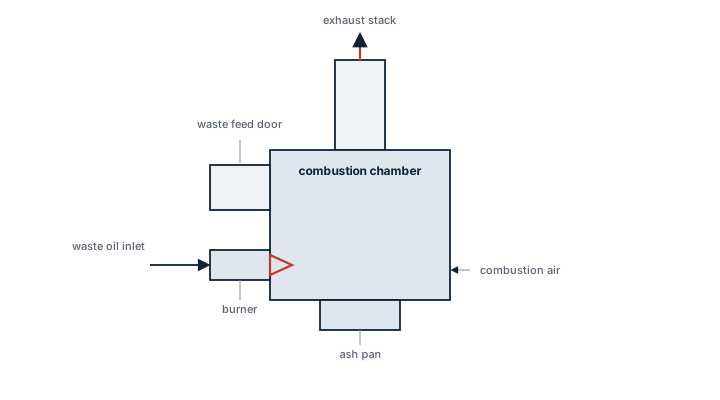
Incinerator

medium IMO Required 60 models total
Waste oil and solid waste incinerator; MARPOL Annex VI compliance
2000h
Service Interval
5 yr
Class Survey
15 yr
Typical Lifetime

Typical Manufacturers

TeamTec Atlas Kangrim Detegasa

13 manufacturers · 60 models

Detegasa

15 ✓ 10 verified
DG-1000
250 kW thermal · Waste oil / Solid waste
Common Failures & Inspection Points
  • Refractory spalling
  • Burner atomisation poor
  • Auto-shutdown from over-temp
Service: Spanish manufacturer; clean burner nozzle and check refractory each 500 h.
Spare Parts: Ersatzteile über Detegasa oder zugelassene Vertriebspartner. Lead time: 2-6 Wochen.
IRA-10
Application
Solid waste only incinerator
Common Failures & Inspection Points
  • Area: Combustion chamber flue gas outlet temperature below operating minimum
    Check: Verify temperature monitoring system displays 850 degrees C minimum for continuous feed (600-850 degrees C for batch startup). Check thermocouple calibration and temperature recording instruments. Inspect documentation of temperature logs from operational records.
  • Area: Missing or invalid Type Approval Certificate for shipboard incinerator
    Check: Request Type Approval Certificate issued by recognized classification society (DNV, USCG, ABS, LRS, GL, RMRS). Verify certificate includes IMO MEPC 244(66) or MEPC 76(40) compliance. Check certificate validity period (5-year renewal requirement). Compare incinerator model on vessel with certified model on certificate.
  • Area: Prohibited waste types being incinerated
    Check: Inspect waste segregation procedures and crew training records. Check incinerator operational manual for prohibited materials list. Verify crew training certificates for authorized operators. Review waste records to ensure no PCBs, cargo residues (Annex I/II/III), heavy metal contamination, halogenated petroleum products, sewage sludge not generated onboard, or EGCS residues are burned.
  • Area: Incinerator safety interlocks and flame detection system malfunctioning
    Check: Test flame detector sensors for proper ignition detection. Verify high-temperature alarms trigger at design limits. Inspect pressure relief valves for operability. Check primary burner interlock prevents sludge feeding if main burner not ignited. Verify equipment maintenance log shows periodic testing of safety devices.
  • Area: Incomplete or inaccessible operational manual and crew training documentation
    Check: Verify manufacturers operational manual present and in working language understood by crew. Confirm manual includes operating limits per Appendix IV (capacity, fuel types, waste types). Check crew training records showing authorized personnel have completed incinerator operation training. Interview chief engineer and incinerator operators on operating procedures and prohibited materials.

Typ-universelle Inspektionspunkte fuer Incinerator (verifiziert, 2026-06).

IRA-18
Application
Solid waste only incinerator
Common Failures & Inspection Points
  • Area: Combustion chamber flue gas outlet temperature below operating minimum
    Check: Verify temperature monitoring system displays 850 degrees C minimum for continuous feed (600-850 degrees C for batch startup). Check thermocouple calibration and temperature recording instruments. Inspect documentation of temperature logs from operational records.
  • Area: Missing or invalid Type Approval Certificate for shipboard incinerator
    Check: Request Type Approval Certificate issued by recognized classification society (DNV, USCG, ABS, LRS, GL, RMRS). Verify certificate includes IMO MEPC 244(66) or MEPC 76(40) compliance. Check certificate validity period (5-year renewal requirement). Compare incinerator model on vessel with certified model on certificate.
  • Area: Prohibited waste types being incinerated
    Check: Inspect waste segregation procedures and crew training records. Check incinerator operational manual for prohibited materials list. Verify crew training certificates for authorized operators. Review waste records to ensure no PCBs, cargo residues (Annex I/II/III), heavy metal contamination, halogenated petroleum products, sewage sludge not generated onboard, or EGCS residues are burned.
  • Area: Incinerator safety interlocks and flame detection system malfunctioning
    Check: Test flame detector sensors for proper ignition detection. Verify high-temperature alarms trigger at design limits. Inspect pressure relief valves for operability. Check primary burner interlock prevents sludge feeding if main burner not ignited. Verify equipment maintenance log shows periodic testing of safety devices.
  • Area: Incomplete or inaccessible operational manual and crew training documentation
    Check: Verify manufacturers operational manual present and in working language understood by crew. Confirm manual includes operating limits per Appendix IV (capacity, fuel types, waste types). Check crew training records showing authorized personnel have completed incinerator operation training. Interview chief engineer and incinerator operators on operating procedures and prohibited materials.

Typ-universelle Inspektionspunkte fuer Incinerator (verifiziert, 2026-06).

IRLA-50
Application
Sludge & solid waste incinerator
Common Failures & Inspection Points
  • Area: Combustion chamber flue gas outlet temperature below operating minimum
    Check: Verify temperature monitoring system displays 850 degrees C minimum for continuous feed (600-850 degrees C for batch startup). Check thermocouple calibration and temperature recording instruments. Inspect documentation of temperature logs from operational records.
  • Area: Missing or invalid Type Approval Certificate for shipboard incinerator
    Check: Request Type Approval Certificate issued by recognized classification society (DNV, USCG, ABS, LRS, GL, RMRS). Verify certificate includes IMO MEPC 244(66) or MEPC 76(40) compliance. Check certificate validity period (5-year renewal requirement). Compare incinerator model on vessel with certified model on certificate.
  • Area: Prohibited waste types being incinerated
    Check: Inspect waste segregation procedures and crew training records. Check incinerator operational manual for prohibited materials list. Verify crew training certificates for authorized operators. Review waste records to ensure no PCBs, cargo residues (Annex I/II/III), heavy metal contamination, halogenated petroleum products, sewage sludge not generated onboard, or EGCS residues are burned.
  • Area: Incinerator safety interlocks and flame detection system malfunctioning
    Check: Test flame detector sensors for proper ignition detection. Verify high-temperature alarms trigger at design limits. Inspect pressure relief valves for operability. Check primary burner interlock prevents sludge feeding if main burner not ignited. Verify equipment maintenance log shows periodic testing of safety devices.
  • Area: Incomplete or inaccessible operational manual and crew training documentation
    Check: Verify manufacturers operational manual present and in working language understood by crew. Confirm manual includes operating limits per Appendix IV (capacity, fuel types, waste types). Check crew training records showing authorized personnel have completed incinerator operation training. Interview chief engineer and incinerator operators on operating procedures and prohibited materials.

Typ-universelle Inspektionspunkte fuer Incinerator (verifiziert, 2026-06).

IRA-100
Application
High-capacity solid waste incinerator
Common Failures & Inspection Points
  • Area: Combustion chamber flue gas outlet temperature below operating minimum
    Check: Verify temperature monitoring system displays 850 degrees C minimum for continuous feed (600-850 degrees C for batch startup). Check thermocouple calibration and temperature recording instruments. Inspect documentation of temperature logs from operational records.
  • Area: Missing or invalid Type Approval Certificate for shipboard incinerator
    Check: Request Type Approval Certificate issued by recognized classification society (DNV, USCG, ABS, LRS, GL, RMRS). Verify certificate includes IMO MEPC 244(66) or MEPC 76(40) compliance. Check certificate validity period (5-year renewal requirement). Compare incinerator model on vessel with certified model on certificate.
  • Area: Prohibited waste types being incinerated
    Check: Inspect waste segregation procedures and crew training records. Check incinerator operational manual for prohibited materials list. Verify crew training certificates for authorized operators. Review waste records to ensure no PCBs, cargo residues (Annex I/II/III), heavy metal contamination, halogenated petroleum products, sewage sludge not generated onboard, or EGCS residues are burned.
  • Area: Incinerator safety interlocks and flame detection system malfunctioning
    Check: Test flame detector sensors for proper ignition detection. Verify high-temperature alarms trigger at design limits. Inspect pressure relief valves for operability. Check primary burner interlock prevents sludge feeding if main burner not ignited. Verify equipment maintenance log shows periodic testing of safety devices.
  • Area: Incomplete or inaccessible operational manual and crew training documentation
    Check: Verify manufacturers operational manual present and in working language understood by crew. Confirm manual includes operating limits per Appendix IV (capacity, fuel types, waste types). Check crew training records showing authorized personnel have completed incinerator operation training. Interview chief engineer and incinerator operators on operating procedures and prohibited materials.

Typ-universelle Inspektionspunkte fuer Incinerator (verifiziert, 2026-06).

IRLA-10 ✓ verified
Application
Sludge and solid waste marine incinerator
Common Failures & Inspection Points
  • Area: Combustion Chamber Corrosion and Refractory Degradation
    Check: Visual inspection of refractory lining integrity, measurement of wall thickness, checking for cracks, spalling, and erosion patterns; temperature monitoring of combustion chamber walls
  • Area: Burner Components Wear and Improper Combustion
    Check: Weekly inspection of burner nozzles, fuel injection systems, flame characteristics; verification of proper fuel atomization and flame stability; cleaning and replacement of worn burner components
  • Area: Ash Accumulation and Blockage in Combustion/Exhaust System
    Check: Periodic cleaning of combustion chamber and ash removal system; inspection of ash discharge system for blockages; verification of ash handling mechanisms and disposal paths
  • Area: Flue Gas Treatment System Efficiency and Emissions Compliance
    Check: Regular checks of gas exit outlet and burner parts cleanliness; emissions monitoring system verification; testing of scrubber or treatment system components; compliance verification with IMO MEPC 76(40) & 244(66)
  • Area: Safety Interlocks and Control System Malfunction
    Check: Testing of all safety switches and interlocks; verification of PLC touch screen monitoring system functionality; alarm system testing; emergency shutdown procedure verification

Typ-universelle Inspektionspunkte fuer Oily Water & Waste Systems (verifiziert, 2026-06).

IRLA-18 ✓ verified
Application
Sludge and solid waste marine incinerator
Common Failures & Inspection Points
  • Area: Combustion Chamber Corrosion and Refractory Degradation
    Check: Visual inspection of refractory lining integrity, measurement of wall thickness, checking for cracks, spalling, and erosion patterns; temperature monitoring of combustion chamber walls
  • Area: Burner Components Wear and Improper Combustion
    Check: Weekly inspection of burner nozzles, fuel injection systems, flame characteristics; verification of proper fuel atomization and flame stability; cleaning and replacement of worn burner components
  • Area: Ash Accumulation and Blockage in Combustion/Exhaust System
    Check: Periodic cleaning of combustion chamber and ash removal system; inspection of ash discharge system for blockages; verification of ash handling mechanisms and disposal paths
  • Area: Flue Gas Treatment System Efficiency and Emissions Compliance
    Check: Regular checks of gas exit outlet and burner parts cleanliness; emissions monitoring system verification; testing of scrubber or treatment system components; compliance verification with IMO MEPC 76(40) & 244(66)
  • Area: Safety Interlocks and Control System Malfunction
    Check: Testing of all safety switches and interlocks; verification of PLC touch screen monitoring system functionality; alarm system testing; emergency shutdown procedure verification

Typ-universelle Inspektionspunkte fuer Oily Water & Waste Systems (verifiziert, 2026-06).

IRA-30 ✓ verified
Application
Solid waste marine incinerator
Common Failures & Inspection Points
  • Area: Combustion Chamber Corrosion and Refractory Degradation
    Check: Visual inspection of refractory lining integrity, measurement of wall thickness, checking for cracks, spalling, and erosion patterns; temperature monitoring of combustion chamber walls
  • Area: Burner Components Wear and Improper Combustion
    Check: Weekly inspection of burner nozzles, fuel injection systems, flame characteristics; verification of proper fuel atomization and flame stability; cleaning and replacement of worn burner components
  • Area: Ash Accumulation and Blockage in Combustion/Exhaust System
    Check: Periodic cleaning of combustion chamber and ash removal system; inspection of ash discharge system for blockages; verification of ash handling mechanisms and disposal paths
  • Area: Flue Gas Treatment System Efficiency and Emissions Compliance
    Check: Regular checks of gas exit outlet and burner parts cleanliness; emissions monitoring system verification; testing of scrubber or treatment system components; compliance verification with IMO MEPC 76(40) & 244(66)
  • Area: Safety Interlocks and Control System Malfunction
    Check: Testing of all safety switches and interlocks; verification of PLC touch screen monitoring system functionality; alarm system testing; emergency shutdown procedure verification

Typ-universelle Inspektionspunkte fuer Oily Water & Waste Systems (verifiziert, 2026-06).

IRLA-30 ✓ verified
Application
Sludge and solid waste marine incinerator
Common Failures & Inspection Points
  • Area: Combustion Chamber Corrosion and Refractory Degradation
    Check: Visual inspection of refractory lining integrity, measurement of wall thickness, checking for cracks, spalling, and erosion patterns; temperature monitoring of combustion chamber walls
  • Area: Burner Components Wear and Improper Combustion
    Check: Weekly inspection of burner nozzles, fuel injection systems, flame characteristics; verification of proper fuel atomization and flame stability; cleaning and replacement of worn burner components
  • Area: Ash Accumulation and Blockage in Combustion/Exhaust System
    Check: Periodic cleaning of combustion chamber and ash removal system; inspection of ash discharge system for blockages; verification of ash handling mechanisms and disposal paths
  • Area: Flue Gas Treatment System Efficiency and Emissions Compliance
    Check: Regular checks of gas exit outlet and burner parts cleanliness; emissions monitoring system verification; testing of scrubber or treatment system components; compliance verification with IMO MEPC 76(40) & 244(66)
  • Area: Safety Interlocks and Control System Malfunction
    Check: Testing of all safety switches and interlocks; verification of PLC touch screen monitoring system functionality; alarm system testing; emergency shutdown procedure verification

Typ-universelle Inspektionspunkte fuer Oily Water & Waste Systems (verifiziert, 2026-06).

IRA-50 ✓ verified
Application
Solid waste marine incinerator
Common Failures & Inspection Points
  • Area: Combustion Chamber Corrosion and Refractory Degradation
    Check: Visual inspection of refractory lining integrity, measurement of wall thickness, checking for cracks, spalling, and erosion patterns; temperature monitoring of combustion chamber walls
  • Area: Burner Components Wear and Improper Combustion
    Check: Weekly inspection of burner nozzles, fuel injection systems, flame characteristics; verification of proper fuel atomization and flame stability; cleaning and replacement of worn burner components
  • Area: Ash Accumulation and Blockage in Combustion/Exhaust System
    Check: Periodic cleaning of combustion chamber and ash removal system; inspection of ash discharge system for blockages; verification of ash handling mechanisms and disposal paths
  • Area: Flue Gas Treatment System Efficiency and Emissions Compliance
    Check: Regular checks of gas exit outlet and burner parts cleanliness; emissions monitoring system verification; testing of scrubber or treatment system components; compliance verification with IMO MEPC 76(40) & 244(66)
  • Area: Safety Interlocks and Control System Malfunction
    Check: Testing of all safety switches and interlocks; verification of PLC touch screen monitoring system functionality; alarm system testing; emergency shutdown procedure verification

Typ-universelle Inspektionspunkte fuer Oily Water & Waste Systems (verifiziert, 2026-06).

IRA-65 ✓ verified
Application
Solid waste marine incinerator
Common Failures & Inspection Points
  • Area: Combustion Chamber Corrosion and Refractory Degradation
    Check: Visual inspection of refractory lining integrity, measurement of wall thickness, checking for cracks, spalling, and erosion patterns; temperature monitoring of combustion chamber walls
  • Area: Burner Components Wear and Improper Combustion
    Check: Weekly inspection of burner nozzles, fuel injection systems, flame characteristics; verification of proper fuel atomization and flame stability; cleaning and replacement of worn burner components
  • Area: Ash Accumulation and Blockage in Combustion/Exhaust System
    Check: Periodic cleaning of combustion chamber and ash removal system; inspection of ash discharge system for blockages; verification of ash handling mechanisms and disposal paths
  • Area: Flue Gas Treatment System Efficiency and Emissions Compliance
    Check: Regular checks of gas exit outlet and burner parts cleanliness; emissions monitoring system verification; testing of scrubber or treatment system components; compliance verification with IMO MEPC 76(40) & 244(66)
  • Area: Safety Interlocks and Control System Malfunction
    Check: Testing of all safety switches and interlocks; verification of PLC touch screen monitoring system functionality; alarm system testing; emergency shutdown procedure verification

Typ-universelle Inspektionspunkte fuer Oily Water & Waste Systems (verifiziert, 2026-06).

IRLA-65 ✓ verified
Application
Sludge and solid waste marine incinerator
Common Failures & Inspection Points
  • Area: Combustion Chamber Corrosion and Refractory Degradation
    Check: Visual inspection of refractory lining integrity, measurement of wall thickness, checking for cracks, spalling, and erosion patterns; temperature monitoring of combustion chamber walls
  • Area: Burner Components Wear and Improper Combustion
    Check: Weekly inspection of burner nozzles, fuel injection systems, flame characteristics; verification of proper fuel atomization and flame stability; cleaning and replacement of worn burner components
  • Area: Ash Accumulation and Blockage in Combustion/Exhaust System
    Check: Periodic cleaning of combustion chamber and ash removal system; inspection of ash discharge system for blockages; verification of ash handling mechanisms and disposal paths
  • Area: Flue Gas Treatment System Efficiency and Emissions Compliance
    Check: Regular checks of gas exit outlet and burner parts cleanliness; emissions monitoring system verification; testing of scrubber or treatment system components; compliance verification with IMO MEPC 76(40) & 244(66)
  • Area: Safety Interlocks and Control System Malfunction
    Check: Testing of all safety switches and interlocks; verification of PLC touch screen monitoring system functionality; alarm system testing; emergency shutdown procedure verification

Typ-universelle Inspektionspunkte fuer Oily Water & Waste Systems (verifiziert, 2026-06).

IRA-80 ✓ verified
Application
Solid waste marine incinerator
Common Failures & Inspection Points
  • Area: Combustion Chamber Corrosion and Refractory Degradation
    Check: Visual inspection of refractory lining integrity, measurement of wall thickness, checking for cracks, spalling, and erosion patterns; temperature monitoring of combustion chamber walls
  • Area: Burner Components Wear and Improper Combustion
    Check: Weekly inspection of burner nozzles, fuel injection systems, flame characteristics; verification of proper fuel atomization and flame stability; cleaning and replacement of worn burner components
  • Area: Ash Accumulation and Blockage in Combustion/Exhaust System
    Check: Periodic cleaning of combustion chamber and ash removal system; inspection of ash discharge system for blockages; verification of ash handling mechanisms and disposal paths
  • Area: Flue Gas Treatment System Efficiency and Emissions Compliance
    Check: Regular checks of gas exit outlet and burner parts cleanliness; emissions monitoring system verification; testing of scrubber or treatment system components; compliance verification with IMO MEPC 76(40) & 244(66)
  • Area: Safety Interlocks and Control System Malfunction
    Check: Testing of all safety switches and interlocks; verification of PLC touch screen monitoring system functionality; alarm system testing; emergency shutdown procedure verification

Typ-universelle Inspektionspunkte fuer Oily Water & Waste Systems (verifiziert, 2026-06).

IRLA-80 ✓ verified
Application
Sludge and solid waste marine incinerator
Common Failures & Inspection Points
  • Area: Combustion Chamber Corrosion and Refractory Degradation
    Check: Visual inspection of refractory lining integrity, measurement of wall thickness, checking for cracks, spalling, and erosion patterns; temperature monitoring of combustion chamber walls
  • Area: Burner Components Wear and Improper Combustion
    Check: Weekly inspection of burner nozzles, fuel injection systems, flame characteristics; verification of proper fuel atomization and flame stability; cleaning and replacement of worn burner components
  • Area: Ash Accumulation and Blockage in Combustion/Exhaust System
    Check: Periodic cleaning of combustion chamber and ash removal system; inspection of ash discharge system for blockages; verification of ash handling mechanisms and disposal paths
  • Area: Flue Gas Treatment System Efficiency and Emissions Compliance
    Check: Regular checks of gas exit outlet and burner parts cleanliness; emissions monitoring system verification; testing of scrubber or treatment system components; compliance verification with IMO MEPC 76(40) & 244(66)
  • Area: Safety Interlocks and Control System Malfunction
    Check: Testing of all safety switches and interlocks; verification of PLC touch screen monitoring system functionality; alarm system testing; emergency shutdown procedure verification

Typ-universelle Inspektionspunkte fuer Oily Water & Waste Systems (verifiziert, 2026-06).

IRLA-100 ✓ verified
Application
Sludge and solid waste marine incinerator
Common Failures & Inspection Points
  • Area: Combustion Chamber Corrosion and Refractory Degradation
    Check: Visual inspection of refractory lining integrity, measurement of wall thickness, checking for cracks, spalling, and erosion patterns; temperature monitoring of combustion chamber walls
  • Area: Burner Components Wear and Improper Combustion
    Check: Weekly inspection of burner nozzles, fuel injection systems, flame characteristics; verification of proper fuel atomization and flame stability; cleaning and replacement of worn burner components
  • Area: Ash Accumulation and Blockage in Combustion/Exhaust System
    Check: Periodic cleaning of combustion chamber and ash removal system; inspection of ash discharge system for blockages; verification of ash handling mechanisms and disposal paths
  • Area: Flue Gas Treatment System Efficiency and Emissions Compliance
    Check: Regular checks of gas exit outlet and burner parts cleanliness; emissions monitoring system verification; testing of scrubber or treatment system components; compliance verification with IMO MEPC 76(40) & 244(66)
  • Area: Safety Interlocks and Control System Malfunction
    Check: Testing of all safety switches and interlocks; verification of PLC touch screen monitoring system functionality; alarm system testing; emergency shutdown procedure verification

Typ-universelle Inspektionspunkte fuer Oily Water & Waste Systems (verifiziert, 2026-06).

Hyundai HMIS (Hyundai Marine Machinery Co., Ltd.)

14 ✓ 14 verified
MAXI 25 SL WS ✓ verified
Application
Marine waste oil and solid waste incineration
Common Failures & Inspection Points
  • Area: Combustion chamber, burners, and flue gas treatment system deterioration
    Check: Perform routine visual inspections and tactile checks for wear and tear on primary and secondary burners, combustion chamber interior linings, and flue gas channels
  • Area: Chamber inlet/outlet blockage and burner carbon deposits
    Check: Daily cleaning of incinerator chamber inlet, outlet, and burner parts before morning start-up to ensure unrestricted combustion and air flow
  • Area: Cooling jacket and heat exchanger fouling
    Check: Inspect cooling jacket every six months by opening cover plates; clean with steam or hot water if deposits present; verify proper cooling water circulation
  • Area: Abnormal combustion temperatures (below 850°C or above 950°C)
    Check: Continuously monitor flue gas exit temperature during operation; ensure minimum 850°C during continuous operation and 700°C during safe standby; record temperature trends for deviations
  • Area: Sludge pump and oil circulation system malfunction
    Check: Pre-operation inspection: run sludge heating overnight without circulation pump; drain free water before startup; verify pump pressure and flow rate meet manufacturer specifications

Typ-universelle Inspektionspunkte fuer Oily Water & Waste Systems (verifiziert, 2026-06).

MAXI 50 SL-1 WS ✓ verified
Application
Marine waste oil and solid waste incineration
Common Failures & Inspection Points
  • Area: Combustion chamber, burners, and flue gas treatment system deterioration
    Check: Perform routine visual inspections and tactile checks for wear and tear on primary and secondary burners, combustion chamber interior linings, and flue gas channels
  • Area: Chamber inlet/outlet blockage and burner carbon deposits
    Check: Daily cleaning of incinerator chamber inlet, outlet, and burner parts before morning start-up to ensure unrestricted combustion and air flow
  • Area: Cooling jacket and heat exchanger fouling
    Check: Inspect cooling jacket every six months by opening cover plates; clean with steam or hot water if deposits present; verify proper cooling water circulation
  • Area: Abnormal combustion temperatures (below 850°C or above 950°C)
    Check: Continuously monitor flue gas exit temperature during operation; ensure minimum 850°C during continuous operation and 700°C during safe standby; record temperature trends for deviations
  • Area: Sludge pump and oil circulation system malfunction
    Check: Pre-operation inspection: run sludge heating overnight without circulation pump; drain free water before startup; verify pump pressure and flow rate meet manufacturer specifications

Typ-universelle Inspektionspunkte fuer Oily Water & Waste Systems (verifiziert, 2026-06).

MAXI 100 SL-1 WS ✓ verified
Application
Marine waste oil and solid waste incineration
Common Failures & Inspection Points
  • Area: Combustion chamber, burners, and flue gas treatment system deterioration
    Check: Perform routine visual inspections and tactile checks for wear and tear on primary and secondary burners, combustion chamber interior linings, and flue gas channels
  • Area: Chamber inlet/outlet blockage and burner carbon deposits
    Check: Daily cleaning of incinerator chamber inlet, outlet, and burner parts before morning start-up to ensure unrestricted combustion and air flow
  • Area: Cooling jacket and heat exchanger fouling
    Check: Inspect cooling jacket every six months by opening cover plates; clean with steam or hot water if deposits present; verify proper cooling water circulation
  • Area: Abnormal combustion temperatures (below 850°C or above 950°C)
    Check: Continuously monitor flue gas exit temperature during operation; ensure minimum 850°C during continuous operation and 700°C during safe standby; record temperature trends for deviations
  • Area: Sludge pump and oil circulation system malfunction
    Check: Pre-operation inspection: run sludge heating overnight without circulation pump; drain free water before startup; verify pump pressure and flow rate meet manufacturer specifications

Typ-universelle Inspektionspunkte fuer Oily Water & Waste Systems (verifiziert, 2026-06).

MAXI 150 SL-1 WS ✓ verified
Application
Marine waste oil and solid waste incineration
Common Failures & Inspection Points
  • Area: Combustion chamber, burners, and flue gas treatment system deterioration
    Check: Perform routine visual inspections and tactile checks for wear and tear on primary and secondary burners, combustion chamber interior linings, and flue gas channels
  • Area: Chamber inlet/outlet blockage and burner carbon deposits
    Check: Daily cleaning of incinerator chamber inlet, outlet, and burner parts before morning start-up to ensure unrestricted combustion and air flow
  • Area: Cooling jacket and heat exchanger fouling
    Check: Inspect cooling jacket every six months by opening cover plates; clean with steam or hot water if deposits present; verify proper cooling water circulation
  • Area: Abnormal combustion temperatures (below 850°C or above 950°C)
    Check: Continuously monitor flue gas exit temperature during operation; ensure minimum 850°C during continuous operation and 700°C during safe standby; record temperature trends for deviations
  • Area: Sludge pump and oil circulation system malfunction
    Check: Pre-operation inspection: run sludge heating overnight without circulation pump; drain free water before startup; verify pump pressure and flow rate meet manufacturer specifications

Typ-universelle Inspektionspunkte fuer Oily Water & Waste Systems (verifiziert, 2026-06).

MAXI NG 25 SL WS ✓ verified
Application
Marine waste oil and solid waste incineration (New Generation)
Common Failures & Inspection Points
  • Area: Combustion chamber, burners, and flue gas treatment system deterioration
    Check: Perform routine visual inspections and tactile checks for wear and tear on primary and secondary burners, combustion chamber interior linings, and flue gas channels
  • Area: Chamber inlet/outlet blockage and burner carbon deposits
    Check: Daily cleaning of incinerator chamber inlet, outlet, and burner parts before morning start-up to ensure unrestricted combustion and air flow
  • Area: Cooling jacket and heat exchanger fouling
    Check: Inspect cooling jacket every six months by opening cover plates; clean with steam or hot water if deposits present; verify proper cooling water circulation
  • Area: Abnormal combustion temperatures (below 850°C or above 950°C)
    Check: Continuously monitor flue gas exit temperature during operation; ensure minimum 850°C during continuous operation and 700°C during safe standby; record temperature trends for deviations
  • Area: Sludge pump and oil circulation system malfunction
    Check: Pre-operation inspection: run sludge heating overnight without circulation pump; drain free water before startup; verify pump pressure and flow rate meet manufacturer specifications

Typ-universelle Inspektionspunkte fuer Oily Water & Waste Systems (verifiziert, 2026-06).

MAXI NG 50 SL WS ✓ verified
Application
Marine waste oil and solid waste incineration (New Generation)
Common Failures & Inspection Points
  • Area: Combustion chamber, burners, and flue gas treatment system deterioration
    Check: Perform routine visual inspections and tactile checks for wear and tear on primary and secondary burners, combustion chamber interior linings, and flue gas channels
  • Area: Chamber inlet/outlet blockage and burner carbon deposits
    Check: Daily cleaning of incinerator chamber inlet, outlet, and burner parts before morning start-up to ensure unrestricted combustion and air flow
  • Area: Cooling jacket and heat exchanger fouling
    Check: Inspect cooling jacket every six months by opening cover plates; clean with steam or hot water if deposits present; verify proper cooling water circulation
  • Area: Abnormal combustion temperatures (below 850°C or above 950°C)
    Check: Continuously monitor flue gas exit temperature during operation; ensure minimum 850°C during continuous operation and 700°C during safe standby; record temperature trends for deviations
  • Area: Sludge pump and oil circulation system malfunction
    Check: Pre-operation inspection: run sludge heating overnight without circulation pump; drain free water before startup; verify pump pressure and flow rate meet manufacturer specifications

Typ-universelle Inspektionspunkte fuer Oily Water & Waste Systems (verifiziert, 2026-06).

MAXI NG 100 SL WS ✓ verified
Application
Marine waste oil and solid waste incineration (New Generation)
Common Failures & Inspection Points
  • Area: Combustion chamber, burners, and flue gas treatment system deterioration
    Check: Perform routine visual inspections and tactile checks for wear and tear on primary and secondary burners, combustion chamber interior linings, and flue gas channels
  • Area: Chamber inlet/outlet blockage and burner carbon deposits
    Check: Daily cleaning of incinerator chamber inlet, outlet, and burner parts before morning start-up to ensure unrestricted combustion and air flow
  • Area: Cooling jacket and heat exchanger fouling
    Check: Inspect cooling jacket every six months by opening cover plates; clean with steam or hot water if deposits present; verify proper cooling water circulation
  • Area: Abnormal combustion temperatures (below 850°C or above 950°C)
    Check: Continuously monitor flue gas exit temperature during operation; ensure minimum 850°C during continuous operation and 700°C during safe standby; record temperature trends for deviations
  • Area: Sludge pump and oil circulation system malfunction
    Check: Pre-operation inspection: run sludge heating overnight without circulation pump; drain free water before startup; verify pump pressure and flow rate meet manufacturer specifications

Typ-universelle Inspektionspunkte fuer Oily Water & Waste Systems (verifiziert, 2026-06).

MAXI NG 150 SL WS ✓ verified
Application
Marine waste oil and solid waste incineration (New Generation)
Common Failures & Inspection Points
  • Area: Combustion chamber, burners, and flue gas treatment system deterioration
    Check: Perform routine visual inspections and tactile checks for wear and tear on primary and secondary burners, combustion chamber interior linings, and flue gas channels
  • Area: Chamber inlet/outlet blockage and burner carbon deposits
    Check: Daily cleaning of incinerator chamber inlet, outlet, and burner parts before morning start-up to ensure unrestricted combustion and air flow
  • Area: Cooling jacket and heat exchanger fouling
    Check: Inspect cooling jacket every six months by opening cover plates; clean with steam or hot water if deposits present; verify proper cooling water circulation
  • Area: Abnormal combustion temperatures (below 850°C or above 950°C)
    Check: Continuously monitor flue gas exit temperature during operation; ensure minimum 850°C during continuous operation and 700°C during safe standby; record temperature trends for deviations
  • Area: Sludge pump and oil circulation system malfunction
    Check: Pre-operation inspection: run sludge heating overnight without circulation pump; drain free water before startup; verify pump pressure and flow rate meet manufacturer specifications

Typ-universelle Inspektionspunkte fuer Oily Water & Waste Systems (verifiziert, 2026-06).

MAXI T50 SL WS ✓ verified
Application
Marine waste oil and solid waste incineration (Tubular design)
Common Failures & Inspection Points
  • Area: Combustion chamber, burners, and flue gas treatment system deterioration
    Check: Perform routine visual inspections and tactile checks for wear and tear on primary and secondary burners, combustion chamber interior linings, and flue gas channels
  • Area: Chamber inlet/outlet blockage and burner carbon deposits
    Check: Daily cleaning of incinerator chamber inlet, outlet, and burner parts before morning start-up to ensure unrestricted combustion and air flow
  • Area: Cooling jacket and heat exchanger fouling
    Check: Inspect cooling jacket every six months by opening cover plates; clean with steam or hot water if deposits present; verify proper cooling water circulation
  • Area: Abnormal combustion temperatures (below 850°C or above 950°C)
    Check: Continuously monitor flue gas exit temperature during operation; ensure minimum 850°C during continuous operation and 700°C during safe standby; record temperature trends for deviations
  • Area: Sludge pump and oil circulation system malfunction
    Check: Pre-operation inspection: run sludge heating overnight without circulation pump; drain free water before startup; verify pump pressure and flow rate meet manufacturer specifications

Typ-universelle Inspektionspunkte fuer Oily Water & Waste Systems (verifiziert, 2026-06).

MAXI T50 SL WS2 ✓ verified
Application
Marine waste oil and solid waste incineration (Variant design)
Common Failures & Inspection Points
  • Area: Combustion chamber, burners, and flue gas treatment system deterioration
    Check: Perform routine visual inspections and tactile checks for wear and tear on primary and secondary burners, combustion chamber interior linings, and flue gas channels
  • Area: Chamber inlet/outlet blockage and burner carbon deposits
    Check: Daily cleaning of incinerator chamber inlet, outlet, and burner parts before morning start-up to ensure unrestricted combustion and air flow
  • Area: Cooling jacket and heat exchanger fouling
    Check: Inspect cooling jacket every six months by opening cover plates; clean with steam or hot water if deposits present; verify proper cooling water circulation
  • Area: Abnormal combustion temperatures (below 850°C or above 950°C)
    Check: Continuously monitor flue gas exit temperature during operation; ensure minimum 850°C during continuous operation and 700°C during safe standby; record temperature trends for deviations
  • Area: Sludge pump and oil circulation system malfunction
    Check: Pre-operation inspection: run sludge heating overnight without circulation pump; drain free water before startup; verify pump pressure and flow rate meet manufacturer specifications

Typ-universelle Inspektionspunkte fuer Oily Water & Waste Systems (verifiziert, 2026-06).

MAXI 100 SL-1 (SA variant) ✓ verified
Application
Marine waste oil and solid waste incineration
Common Failures & Inspection Points
  • Area: Combustion chamber, burners, and flue gas treatment system deterioration
    Check: Perform routine visual inspections and tactile checks for wear and tear on primary and secondary burners, combustion chamber interior linings, and flue gas channels
  • Area: Chamber inlet/outlet blockage and burner carbon deposits
    Check: Daily cleaning of incinerator chamber inlet, outlet, and burner parts before morning start-up to ensure unrestricted combustion and air flow
  • Area: Cooling jacket and heat exchanger fouling
    Check: Inspect cooling jacket every six months by opening cover plates; clean with steam or hot water if deposits present; verify proper cooling water circulation
  • Area: Abnormal combustion temperatures (below 850°C or above 950°C)
    Check: Continuously monitor flue gas exit temperature during operation; ensure minimum 850°C during continuous operation and 700°C during safe standby; record temperature trends for deviations
  • Area: Sludge pump and oil circulation system malfunction
    Check: Pre-operation inspection: run sludge heating overnight without circulation pump; drain free water before startup; verify pump pressure and flow rate meet manufacturer specifications

Typ-universelle Inspektionspunkte fuer Oily Water & Waste Systems (verifiziert, 2026-06).

MAXI 1200/1500 SL WS ✓ verified
Application
Large-capacity marine waste oil and solid waste incineration
Common Failures & Inspection Points
  • Area: Combustion chamber, burners, and flue gas treatment system deterioration
    Check: Perform routine visual inspections and tactile checks for wear and tear on primary and secondary burners, combustion chamber interior linings, and flue gas channels
  • Area: Chamber inlet/outlet blockage and burner carbon deposits
    Check: Daily cleaning of incinerator chamber inlet, outlet, and burner parts before morning start-up to ensure unrestricted combustion and air flow
  • Area: Cooling jacket and heat exchanger fouling
    Check: Inspect cooling jacket every six months by opening cover plates; clean with steam or hot water if deposits present; verify proper cooling water circulation
  • Area: Abnormal combustion temperatures (below 850°C or above 950°C)
    Check: Continuously monitor flue gas exit temperature during operation; ensure minimum 850°C during continuous operation and 700°C during safe standby; record temperature trends for deviations
  • Area: Sludge pump and oil circulation system malfunction
    Check: Pre-operation inspection: run sludge heating overnight without circulation pump; drain free water before startup; verify pump pressure and flow rate meet manufacturer specifications

Typ-universelle Inspektionspunkte fuer Oily Water & Waste Systems (verifiziert, 2026-06).

M32 W.O. Incinerator ✓ verified
Application
Marine waste oil incineration (Older model designation)
Common Failures & Inspection Points
  • Area: Combustion chamber, burners, and flue gas treatment system deterioration
    Check: Perform routine visual inspections and tactile checks for wear and tear on primary and secondary burners, combustion chamber interior linings, and flue gas channels
  • Area: Chamber inlet/outlet blockage and burner carbon deposits
    Check: Daily cleaning of incinerator chamber inlet, outlet, and burner parts before morning start-up to ensure unrestricted combustion and air flow
  • Area: Cooling jacket and heat exchanger fouling
    Check: Inspect cooling jacket every six months by opening cover plates; clean with steam or hot water if deposits present; verify proper cooling water circulation
  • Area: Abnormal combustion temperatures (below 850°C or above 950°C)
    Check: Continuously monitor flue gas exit temperature during operation; ensure minimum 850°C during continuous operation and 700°C during safe standby; record temperature trends for deviations
  • Area: Sludge pump and oil circulation system malfunction
    Check: Pre-operation inspection: run sludge heating overnight without circulation pump; drain free water before startup; verify pump pressure and flow rate meet manufacturer specifications

Typ-universelle Inspektionspunkte fuer Oily Water & Waste Systems (verifiziert, 2026-06).

M41 Incinerator ✓ verified
Application
Marine waste oil incineration (Model designation M41)
Common Failures & Inspection Points
  • Area: Combustion chamber, burners, and flue gas treatment system deterioration
    Check: Perform routine visual inspections and tactile checks for wear and tear on primary and secondary burners, combustion chamber interior linings, and flue gas channels
  • Area: Chamber inlet/outlet blockage and burner carbon deposits
    Check: Daily cleaning of incinerator chamber inlet, outlet, and burner parts before morning start-up to ensure unrestricted combustion and air flow
  • Area: Cooling jacket and heat exchanger fouling
    Check: Inspect cooling jacket every six months by opening cover plates; clean with steam or hot water if deposits present; verify proper cooling water circulation
  • Area: Abnormal combustion temperatures (below 850°C or above 950°C)
    Check: Continuously monitor flue gas exit temperature during operation; ensure minimum 850°C during continuous operation and 700°C during safe standby; record temperature trends for deviations
  • Area: Sludge pump and oil circulation system malfunction
    Check: Pre-operation inspection: run sludge heating overnight without circulation pump; drain free water before startup; verify pump pressure and flow rate meet manufacturer specifications

Typ-universelle Inspektionspunkte fuer Oily Water & Waste Systems (verifiziert, 2026-06).

Atlas Incinerators

11 ✓ 9 verified
X10 Titan
Application
Modern sludge & solid waste incinerator
Common Failures & Inspection Points
  • Area: Combustion chamber flue gas outlet temperature below operating minimum
    Check: Verify temperature monitoring system displays 850 degrees C minimum for continuous feed (600-850 degrees C for batch startup). Check thermocouple calibration and temperature recording instruments. Inspect documentation of temperature logs from operational records.
  • Area: Missing or invalid Type Approval Certificate for shipboard incinerator
    Check: Request Type Approval Certificate issued by recognized classification society (DNV, USCG, ABS, LRS, GL, RMRS). Verify certificate includes IMO MEPC 244(66) or MEPC 76(40) compliance. Check certificate validity period (5-year renewal requirement). Compare incinerator model on vessel with certified model on certificate.
  • Area: Prohibited waste types being incinerated
    Check: Inspect waste segregation procedures and crew training records. Check incinerator operational manual for prohibited materials list. Verify crew training certificates for authorized operators. Review waste records to ensure no PCBs, cargo residues (Annex I/II/III), heavy metal contamination, halogenated petroleum products, sewage sludge not generated onboard, or EGCS residues are burned.
  • Area: Incinerator safety interlocks and flame detection system malfunctioning
    Check: Test flame detector sensors for proper ignition detection. Verify high-temperature alarms trigger at design limits. Inspect pressure relief valves for operability. Check primary burner interlock prevents sludge feeding if main burner not ignited. Verify equipment maintenance log shows periodic testing of safety devices.
  • Area: Incomplete or inaccessible operational manual and crew training documentation
    Check: Verify manufacturers operational manual present and in working language understood by crew. Confirm manual includes operating limits per Appendix IV (capacity, fuel types, waste types). Check crew training records showing authorized personnel have completed incinerator operation training. Interview chief engineer and incinerator operators on operating procedures and prohibited materials.

Typ-universelle Inspektionspunkte fuer Incinerator (verifiziert, 2026-06).

Atlas Series 1200S
Application
Compact sludge & waste incinerator
Common Failures & Inspection Points
  • Area: Combustion chamber flue gas outlet temperature below operating minimum
    Check: Verify temperature monitoring system displays 850 degrees C minimum for continuous feed (600-850 degrees C for batch startup). Check thermocouple calibration and temperature recording instruments. Inspect documentation of temperature logs from operational records.
  • Area: Missing or invalid Type Approval Certificate for shipboard incinerator
    Check: Request Type Approval Certificate issued by recognized classification society (DNV, USCG, ABS, LRS, GL, RMRS). Verify certificate includes IMO MEPC 244(66) or MEPC 76(40) compliance. Check certificate validity period (5-year renewal requirement). Compare incinerator model on vessel with certified model on certificate.
  • Area: Prohibited waste types being incinerated
    Check: Inspect waste segregation procedures and crew training records. Check incinerator operational manual for prohibited materials list. Verify crew training certificates for authorized operators. Review waste records to ensure no PCBs, cargo residues (Annex I/II/III), heavy metal contamination, halogenated petroleum products, sewage sludge not generated onboard, or EGCS residues are burned.
  • Area: Incinerator safety interlocks and flame detection system malfunctioning
    Check: Test flame detector sensors for proper ignition detection. Verify high-temperature alarms trigger at design limits. Inspect pressure relief valves for operability. Check primary burner interlock prevents sludge feeding if main burner not ignited. Verify equipment maintenance log shows periodic testing of safety devices.
  • Area: Incomplete or inaccessible operational manual and crew training documentation
    Check: Verify manufacturers operational manual present and in working language understood by crew. Confirm manual includes operating limits per Appendix IV (capacity, fuel types, waste types). Check crew training records showing authorized personnel have completed incinerator operation training. Interview chief engineer and incinerator operators on operating procedures and prohibited materials.

Typ-universelle Inspektionspunkte fuer Incinerator (verifiziert, 2026-06).

Atlas 200 (209 kW) S WS ✓ verified
Application
Marine incinerator for solid waste only, compact solution for smaller vessels
Common Failures & Inspection Points
  • Area: Refractory lining deterioration and combustion chamber damage
    Check: Visual and structural inspection for cracks, erosion, corrosion in combustion chamber and refractory lining; assess condition for temperatures up to 1600°C withstand capability
  • Area: Emissions exceed IMO MARPOL Annex VI limits (SOx, NOx, dioxins)
    Check: Test incinerator emissions to ensure they are within acceptable limits and comply with MARPOL Annex VI standards; verify combustion temperatures maintained at 850-950°C; check automated emission monitoring systems are operational
  • Area: Burner malfunction, flame instability, or incomplete combustion
    Check: Test flame monitors, check burner nozzles for carbon buildup or damage; inspect fuel delivery system for leaks or blockages; verify fuel type and delivery rate; clean oil supply filters and burner components; test automatic ignition and flame failure protection systems
  • Area: Flue gas system failures, leaks in exhaust line, or inadequate draft
    Check: Inspect all seals, gaskets, and connections in flue gas system for leaks; conduct smoke tests to verify proper exhaust of combustion gases; check three-chamber system integrity; verify flue gas temperature (850-1,200°C range); clean accumulated soot and ash from combustion and ash removal systems
  • Area: Safety system failures (temperature control, pressure relief, shutdown systems)
    Check: Test all safety features including temperature controllers, pressure relief valves, flame monitors, and automatic shutdown systems for malfunction; verify interlock systems preventing unsafe operation; review all operational and maintenance records to confirm documented periodic maintenance is current

Typ-universelle Inspektionspunkte fuer Oily Water & Waste Systems (verifiziert, 2026-06).

Atlas 200 (209 kW) SL WS P ✓ verified
Application
Marine incinerator for solid and liquid waste, compact solution for smaller vessels
Common Failures & Inspection Points
  • Area: Refractory lining deterioration and combustion chamber damage
    Check: Visual and structural inspection for cracks, erosion, corrosion in combustion chamber and refractory lining; assess condition for temperatures up to 1600°C withstand capability
  • Area: Emissions exceed IMO MARPOL Annex VI limits (SOx, NOx, dioxins)
    Check: Test incinerator emissions to ensure they are within acceptable limits and comply with MARPOL Annex VI standards; verify combustion temperatures maintained at 850-950°C; check automated emission monitoring systems are operational
  • Area: Burner malfunction, flame instability, or incomplete combustion
    Check: Test flame monitors, check burner nozzles for carbon buildup or damage; inspect fuel delivery system for leaks or blockages; verify fuel type and delivery rate; clean oil supply filters and burner components; test automatic ignition and flame failure protection systems
  • Area: Flue gas system failures, leaks in exhaust line, or inadequate draft
    Check: Inspect all seals, gaskets, and connections in flue gas system for leaks; conduct smoke tests to verify proper exhaust of combustion gases; check three-chamber system integrity; verify flue gas temperature (850-1,200°C range); clean accumulated soot and ash from combustion and ash removal systems
  • Area: Safety system failures (temperature control, pressure relief, shutdown systems)
    Check: Test all safety features including temperature controllers, pressure relief valves, flame monitors, and automatic shutdown systems for malfunction; verify interlock systems preventing unsafe operation; review all operational and maintenance records to confirm documented periodic maintenance is current

Typ-universelle Inspektionspunkte fuer Oily Water & Waste Systems (verifiziert, 2026-06).

Atlas 400 (465 kW) SL WS P ✓ verified
Application
Marine incinerator for solid and liquid waste, suitable for offshore supply vessels and small merchant vessels
Common Failures & Inspection Points
  • Area: Refractory lining deterioration and combustion chamber damage
    Check: Visual and structural inspection for cracks, erosion, corrosion in combustion chamber and refractory lining; assess condition for temperatures up to 1600°C withstand capability
  • Area: Emissions exceed IMO MARPOL Annex VI limits (SOx, NOx, dioxins)
    Check: Test incinerator emissions to ensure they are within acceptable limits and comply with MARPOL Annex VI standards; verify combustion temperatures maintained at 850-950°C; check automated emission monitoring systems are operational
  • Area: Burner malfunction, flame instability, or incomplete combustion
    Check: Test flame monitors, check burner nozzles for carbon buildup or damage; inspect fuel delivery system for leaks or blockages; verify fuel type and delivery rate; clean oil supply filters and burner components; test automatic ignition and flame failure protection systems
  • Area: Flue gas system failures, leaks in exhaust line, or inadequate draft
    Check: Inspect all seals, gaskets, and connections in flue gas system for leaks; conduct smoke tests to verify proper exhaust of combustion gases; check three-chamber system integrity; verify flue gas temperature (850-1,200°C range); clean accumulated soot and ash from combustion and ash removal systems
  • Area: Safety system failures (temperature control, pressure relief, shutdown systems)
    Check: Test all safety features including temperature controllers, pressure relief valves, flame monitors, and automatic shutdown systems for malfunction; verify interlock systems preventing unsafe operation; review all operational and maintenance records to confirm documented periodic maintenance is current

Typ-universelle Inspektionspunkte fuer Oily Water & Waste Systems (verifiziert, 2026-06).

Atlas 600 (600 kW) SL WS P ✓ verified
Application
Marine incinerator for solid and liquid waste, medium-sized vessel application
Common Failures & Inspection Points
  • Area: Refractory lining deterioration and combustion chamber damage
    Check: Visual and structural inspection for cracks, erosion, corrosion in combustion chamber and refractory lining; assess condition for temperatures up to 1600°C withstand capability
  • Area: Emissions exceed IMO MARPOL Annex VI limits (SOx, NOx, dioxins)
    Check: Test incinerator emissions to ensure they are within acceptable limits and comply with MARPOL Annex VI standards; verify combustion temperatures maintained at 850-950°C; check automated emission monitoring systems are operational
  • Area: Burner malfunction, flame instability, or incomplete combustion
    Check: Test flame monitors, check burner nozzles for carbon buildup or damage; inspect fuel delivery system for leaks or blockages; verify fuel type and delivery rate; clean oil supply filters and burner components; test automatic ignition and flame failure protection systems
  • Area: Flue gas system failures, leaks in exhaust line, or inadequate draft
    Check: Inspect all seals, gaskets, and connections in flue gas system for leaks; conduct smoke tests to verify proper exhaust of combustion gases; check three-chamber system integrity; verify flue gas temperature (850-1,200°C range); clean accumulated soot and ash from combustion and ash removal systems
  • Area: Safety system failures (temperature control, pressure relief, shutdown systems)
    Check: Test all safety features including temperature controllers, pressure relief valves, flame monitors, and automatic shutdown systems for malfunction; verify interlock systems preventing unsafe operation; review all operational and maintenance records to confirm documented periodic maintenance is current

Typ-universelle Inspektionspunkte fuer Oily Water & Waste Systems (verifiziert, 2026-06).

Atlas 800 (814 kW) SL WS P ✓ verified
Application
Marine incinerator for solid and liquid waste, medium/large incinerator for larger merchant vessels
Common Failures & Inspection Points
  • Area: Refractory lining deterioration and combustion chamber damage
    Check: Visual and structural inspection for cracks, erosion, corrosion in combustion chamber and refractory lining; assess condition for temperatures up to 1600°C withstand capability
  • Area: Emissions exceed IMO MARPOL Annex VI limits (SOx, NOx, dioxins)
    Check: Test incinerator emissions to ensure they are within acceptable limits and comply with MARPOL Annex VI standards; verify combustion temperatures maintained at 850-950°C; check automated emission monitoring systems are operational
  • Area: Burner malfunction, flame instability, or incomplete combustion
    Check: Test flame monitors, check burner nozzles for carbon buildup or damage; inspect fuel delivery system for leaks or blockages; verify fuel type and delivery rate; clean oil supply filters and burner components; test automatic ignition and flame failure protection systems
  • Area: Flue gas system failures, leaks in exhaust line, or inadequate draft
    Check: Inspect all seals, gaskets, and connections in flue gas system for leaks; conduct smoke tests to verify proper exhaust of combustion gases; check three-chamber system integrity; verify flue gas temperature (850-1,200°C range); clean accumulated soot and ash from combustion and ash removal systems
  • Area: Safety system failures (temperature control, pressure relief, shutdown systems)
    Check: Test all safety features including temperature controllers, pressure relief valves, flame monitors, and automatic shutdown systems for malfunction; verify interlock systems preventing unsafe operation; review all operational and maintenance records to confirm documented periodic maintenance is current

Typ-universelle Inspektionspunkte fuer Oily Water & Waste Systems (verifiziert, 2026-06).

Atlas 1200 (1163 kW) SL WS P ✓ verified
Application
Marine incinerator for solid and liquid waste, large incinerator for big merchant vessels
Common Failures & Inspection Points
  • Area: Refractory lining deterioration and combustion chamber damage
    Check: Visual and structural inspection for cracks, erosion, corrosion in combustion chamber and refractory lining; assess condition for temperatures up to 1600°C withstand capability
  • Area: Emissions exceed IMO MARPOL Annex VI limits (SOx, NOx, dioxins)
    Check: Test incinerator emissions to ensure they are within acceptable limits and comply with MARPOL Annex VI standards; verify combustion temperatures maintained at 850-950°C; check automated emission monitoring systems are operational
  • Area: Burner malfunction, flame instability, or incomplete combustion
    Check: Test flame monitors, check burner nozzles for carbon buildup or damage; inspect fuel delivery system for leaks or blockages; verify fuel type and delivery rate; clean oil supply filters and burner components; test automatic ignition and flame failure protection systems
  • Area: Flue gas system failures, leaks in exhaust line, or inadequate draft
    Check: Inspect all seals, gaskets, and connections in flue gas system for leaks; conduct smoke tests to verify proper exhaust of combustion gases; check three-chamber system integrity; verify flue gas temperature (850-1,200°C range); clean accumulated soot and ash from combustion and ash removal systems
  • Area: Safety system failures (temperature control, pressure relief, shutdown systems)
    Check: Test all safety features including temperature controllers, pressure relief valves, flame monitors, and automatic shutdown systems for malfunction; verify interlock systems preventing unsafe operation; review all operational and maintenance records to confirm documented periodic maintenance is current

Typ-universelle Inspektionspunkte fuer Oily Water & Waste Systems (verifiziert, 2026-06).

Atlas 1500 (1500 kW) SL WS P ✓ verified
Application
Marine incinerator for solid and liquid waste, large incinerator for very big merchant vessels
Common Failures & Inspection Points
  • Area: Refractory lining deterioration and combustion chamber damage
    Check: Visual and structural inspection for cracks, erosion, corrosion in combustion chamber and refractory lining; assess condition for temperatures up to 1600°C withstand capability
  • Area: Emissions exceed IMO MARPOL Annex VI limits (SOx, NOx, dioxins)
    Check: Test incinerator emissions to ensure they are within acceptable limits and comply with MARPOL Annex VI standards; verify combustion temperatures maintained at 850-950°C; check automated emission monitoring systems are operational
  • Area: Burner malfunction, flame instability, or incomplete combustion
    Check: Test flame monitors, check burner nozzles for carbon buildup or damage; inspect fuel delivery system for leaks or blockages; verify fuel type and delivery rate; clean oil supply filters and burner components; test automatic ignition and flame failure protection systems
  • Area: Flue gas system failures, leaks in exhaust line, or inadequate draft
    Check: Inspect all seals, gaskets, and connections in flue gas system for leaks; conduct smoke tests to verify proper exhaust of combustion gases; check three-chamber system integrity; verify flue gas temperature (850-1,200°C range); clean accumulated soot and ash from combustion and ash removal systems
  • Area: Safety system failures (temperature control, pressure relief, shutdown systems)
    Check: Test all safety features including temperature controllers, pressure relief valves, flame monitors, and automatic shutdown systems for malfunction; verify interlock systems preventing unsafe operation; review all operational and maintenance records to confirm documented periodic maintenance is current

Typ-universelle Inspektionspunkte fuer Oily Water & Waste Systems (verifiziert, 2026-06).

Atlas 2400 (2400 kW) SL WS P ✓ verified
Application
Marine incinerator for solid and liquid waste, largest incinerator for biggest merchant vessels
Common Failures & Inspection Points
  • Area: Refractory lining deterioration and combustion chamber damage
    Check: Visual and structural inspection for cracks, erosion, corrosion in combustion chamber and refractory lining; assess condition for temperatures up to 1600°C withstand capability
  • Area: Emissions exceed IMO MARPOL Annex VI limits (SOx, NOx, dioxins)
    Check: Test incinerator emissions to ensure they are within acceptable limits and comply with MARPOL Annex VI standards; verify combustion temperatures maintained at 850-950°C; check automated emission monitoring systems are operational
  • Area: Burner malfunction, flame instability, or incomplete combustion
    Check: Test flame monitors, check burner nozzles for carbon buildup or damage; inspect fuel delivery system for leaks or blockages; verify fuel type and delivery rate; clean oil supply filters and burner components; test automatic ignition and flame failure protection systems
  • Area: Flue gas system failures, leaks in exhaust line, or inadequate draft
    Check: Inspect all seals, gaskets, and connections in flue gas system for leaks; conduct smoke tests to verify proper exhaust of combustion gases; check three-chamber system integrity; verify flue gas temperature (850-1,200°C range); clean accumulated soot and ash from combustion and ash removal systems
  • Area: Safety system failures (temperature control, pressure relief, shutdown systems)
    Check: Test all safety features including temperature controllers, pressure relief valves, flame monitors, and automatic shutdown systems for malfunction; verify interlock systems preventing unsafe operation; review all operational and maintenance records to confirm documented periodic maintenance is current

Typ-universelle Inspektionspunkte fuer Oily Water & Waste Systems (verifiziert, 2026-06).

X10 TITAN X610 (600 kW equivalent) ✓ verified
Application
Modern marine incinerator for solid and liquid waste, energy-efficient with reduced pre-heating requirements
Common Failures & Inspection Points
  • Area: Refractory lining deterioration and combustion chamber damage
    Check: Visual and structural inspection for cracks, erosion, corrosion in combustion chamber and refractory lining; assess condition for temperatures up to 1600°C withstand capability
  • Area: Emissions exceed IMO MARPOL Annex VI limits (SOx, NOx, dioxins)
    Check: Test incinerator emissions to ensure they are within acceptable limits and comply with MARPOL Annex VI standards; verify combustion temperatures maintained at 850-950°C; check automated emission monitoring systems are operational
  • Area: Burner malfunction, flame instability, or incomplete combustion
    Check: Test flame monitors, check burner nozzles for carbon buildup or damage; inspect fuel delivery system for leaks or blockages; verify fuel type and delivery rate; clean oil supply filters and burner components; test automatic ignition and flame failure protection systems
  • Area: Flue gas system failures, leaks in exhaust line, or inadequate draft
    Check: Inspect all seals, gaskets, and connections in flue gas system for leaks; conduct smoke tests to verify proper exhaust of combustion gases; check three-chamber system integrity; verify flue gas temperature (850-1,200°C range); clean accumulated soot and ash from combustion and ash removal systems
  • Area: Safety system failures (temperature control, pressure relief, shutdown systems)
    Check: Test all safety features including temperature controllers, pressure relief valves, flame monitors, and automatic shutdown systems for malfunction; verify interlock systems preventing unsafe operation; review all operational and maintenance records to confirm documented periodic maintenance is current

Typ-universelle Inspektionspunkte fuer Oily Water & Waste Systems (verifiziert, 2026-06).

TeamTec

8
TeamTec OG 200
OG 200
200 kW thermal · Waste oil / Solid waste
Common Failures & Inspection Points
  • Refractory lining cracking
  • Burner nozzle clogging
  • Flame sensor failure
  • Ash buildup
Service: Max combustion temp 1200 deg C; remove ash after each burn cycle.
Spare Parts: Ersatzteile über TeamTec oder zugelassene Vertriebspartner. Lead time: 2-6 Wochen.
OG120C
Application
Sludge & solid waste incinerator
Common Failures & Inspection Points
  • Area: Combustion chamber flue gas outlet temperature below operating minimum
    Check: Verify temperature monitoring system displays 850 degrees C minimum for continuous feed (600-850 degrees C for batch startup). Check thermocouple calibration and temperature recording instruments. Inspect documentation of temperature logs from operational records.
  • Area: Missing or invalid Type Approval Certificate for shipboard incinerator
    Check: Request Type Approval Certificate issued by recognized classification society (DNV, USCG, ABS, LRS, GL, RMRS). Verify certificate includes IMO MEPC 244(66) or MEPC 76(40) compliance. Check certificate validity period (5-year renewal requirement). Compare incinerator model on vessel with certified model on certificate.
  • Area: Prohibited waste types being incinerated
    Check: Inspect waste segregation procedures and crew training records. Check incinerator operational manual for prohibited materials list. Verify crew training certificates for authorized operators. Review waste records to ensure no PCBs, cargo residues (Annex I/II/III), heavy metal contamination, halogenated petroleum products, sewage sludge not generated onboard, or EGCS residues are burned.
  • Area: Incinerator safety interlocks and flame detection system malfunctioning
    Check: Test flame detector sensors for proper ignition detection. Verify high-temperature alarms trigger at design limits. Inspect pressure relief valves for operability. Check primary burner interlock prevents sludge feeding if main burner not ignited. Verify equipment maintenance log shows periodic testing of safety devices.
  • Area: Incomplete or inaccessible operational manual and crew training documentation
    Check: Verify manufacturers operational manual present and in working language understood by crew. Confirm manual includes operating limits per Appendix IV (capacity, fuel types, waste types). Check crew training records showing authorized personnel have completed incinerator operation training. Interview chief engineer and incinerator operators on operating procedures and prohibited materials.

Typ-universelle Inspektionspunkte fuer Incinerator (verifiziert, 2026-06).

OG200CS
Application
Sludge & solid waste incinerator with continuous sluice
Common Failures & Inspection Points
  • Area: Combustion chamber flue gas outlet temperature below operating minimum
    Check: Verify temperature monitoring system displays 850 degrees C minimum for continuous feed (600-850 degrees C for batch startup). Check thermocouple calibration and temperature recording instruments. Inspect documentation of temperature logs from operational records.
  • Area: Missing or invalid Type Approval Certificate for shipboard incinerator
    Check: Request Type Approval Certificate issued by recognized classification society (DNV, USCG, ABS, LRS, GL, RMRS). Verify certificate includes IMO MEPC 244(66) or MEPC 76(40) compliance. Check certificate validity period (5-year renewal requirement). Compare incinerator model on vessel with certified model on certificate.
  • Area: Prohibited waste types being incinerated
    Check: Inspect waste segregation procedures and crew training records. Check incinerator operational manual for prohibited materials list. Verify crew training certificates for authorized operators. Review waste records to ensure no PCBs, cargo residues (Annex I/II/III), heavy metal contamination, halogenated petroleum products, sewage sludge not generated onboard, or EGCS residues are burned.
  • Area: Incinerator safety interlocks and flame detection system malfunctioning
    Check: Test flame detector sensors for proper ignition detection. Verify high-temperature alarms trigger at design limits. Inspect pressure relief valves for operability. Check primary burner interlock prevents sludge feeding if main burner not ignited. Verify equipment maintenance log shows periodic testing of safety devices.
  • Area: Incomplete or inaccessible operational manual and crew training documentation
    Check: Verify manufacturers operational manual present and in working language understood by crew. Confirm manual includes operating limits per Appendix IV (capacity, fuel types, waste types). Check crew training records showing authorized personnel have completed incinerator operation training. Interview chief engineer and incinerator operators on operating procedures and prohibited materials.

Typ-universelle Inspektionspunkte fuer Incinerator (verifiziert, 2026-06).

OG400C
Application
Sludge & solid waste incinerator
Common Failures & Inspection Points
  • Area: Combustion chamber flue gas outlet temperature below operating minimum
    Check: Verify temperature monitoring system displays 850 degrees C minimum for continuous feed (600-850 degrees C for batch startup). Check thermocouple calibration and temperature recording instruments. Inspect documentation of temperature logs from operational records.
  • Area: Missing or invalid Type Approval Certificate for shipboard incinerator
    Check: Request Type Approval Certificate issued by recognized classification society (DNV, USCG, ABS, LRS, GL, RMRS). Verify certificate includes IMO MEPC 244(66) or MEPC 76(40) compliance. Check certificate validity period (5-year renewal requirement). Compare incinerator model on vessel with certified model on certificate.
  • Area: Prohibited waste types being incinerated
    Check: Inspect waste segregation procedures and crew training records. Check incinerator operational manual for prohibited materials list. Verify crew training certificates for authorized operators. Review waste records to ensure no PCBs, cargo residues (Annex I/II/III), heavy metal contamination, halogenated petroleum products, sewage sludge not generated onboard, or EGCS residues are burned.
  • Area: Incinerator safety interlocks and flame detection system malfunctioning
    Check: Test flame detector sensors for proper ignition detection. Verify high-temperature alarms trigger at design limits. Inspect pressure relief valves for operability. Check primary burner interlock prevents sludge feeding if main burner not ignited. Verify equipment maintenance log shows periodic testing of safety devices.
  • Area: Incomplete or inaccessible operational manual and crew training documentation
    Check: Verify manufacturers operational manual present and in working language understood by crew. Confirm manual includes operating limits per Appendix IV (capacity, fuel types, waste types). Check crew training records showing authorized personnel have completed incinerator operation training. Interview chief engineer and incinerator operators on operating procedures and prohibited materials.

Typ-universelle Inspektionspunkte fuer Incinerator (verifiziert, 2026-06).

GS500C
Application
High-capacity sludge & solid waste incinerator
Common Failures & Inspection Points
  • Area: Combustion chamber flue gas outlet temperature below operating minimum
    Check: Verify temperature monitoring system displays 850 degrees C minimum for continuous feed (600-850 degrees C for batch startup). Check thermocouple calibration and temperature recording instruments. Inspect documentation of temperature logs from operational records.
  • Area: Missing or invalid Type Approval Certificate for shipboard incinerator
    Check: Request Type Approval Certificate issued by recognized classification society (DNV, USCG, ABS, LRS, GL, RMRS). Verify certificate includes IMO MEPC 244(66) or MEPC 76(40) compliance. Check certificate validity period (5-year renewal requirement). Compare incinerator model on vessel with certified model on certificate.
  • Area: Prohibited waste types being incinerated
    Check: Inspect waste segregation procedures and crew training records. Check incinerator operational manual for prohibited materials list. Verify crew training certificates for authorized operators. Review waste records to ensure no PCBs, cargo residues (Annex I/II/III), heavy metal contamination, halogenated petroleum products, sewage sludge not generated onboard, or EGCS residues are burned.
  • Area: Incinerator safety interlocks and flame detection system malfunctioning
    Check: Test flame detector sensors for proper ignition detection. Verify high-temperature alarms trigger at design limits. Inspect pressure relief valves for operability. Check primary burner interlock prevents sludge feeding if main burner not ignited. Verify equipment maintenance log shows periodic testing of safety devices.
  • Area: Incomplete or inaccessible operational manual and crew training documentation
    Check: Verify manufacturers operational manual present and in working language understood by crew. Confirm manual includes operating limits per Appendix IV (capacity, fuel types, waste types). Check crew training records showing authorized personnel have completed incinerator operation training. Interview chief engineer and incinerator operators on operating procedures and prohibited materials.

Typ-universelle Inspektionspunkte fuer Incinerator (verifiziert, 2026-06).

GS900C
Application
High-capacity sludge incinerator
Common Failures & Inspection Points
  • Area: Combustion chamber flue gas outlet temperature below operating minimum
    Check: Verify temperature monitoring system displays 850 degrees C minimum for continuous feed (600-850 degrees C for batch startup). Check thermocouple calibration and temperature recording instruments. Inspect documentation of temperature logs from operational records.
  • Area: Missing or invalid Type Approval Certificate for shipboard incinerator
    Check: Request Type Approval Certificate issued by recognized classification society (DNV, USCG, ABS, LRS, GL, RMRS). Verify certificate includes IMO MEPC 244(66) or MEPC 76(40) compliance. Check certificate validity period (5-year renewal requirement). Compare incinerator model on vessel with certified model on certificate.
  • Area: Prohibited waste types being incinerated
    Check: Inspect waste segregation procedures and crew training records. Check incinerator operational manual for prohibited materials list. Verify crew training certificates for authorized operators. Review waste records to ensure no PCBs, cargo residues (Annex I/II/III), heavy metal contamination, halogenated petroleum products, sewage sludge not generated onboard, or EGCS residues are burned.
  • Area: Incinerator safety interlocks and flame detection system malfunctioning
    Check: Test flame detector sensors for proper ignition detection. Verify high-temperature alarms trigger at design limits. Inspect pressure relief valves for operability. Check primary burner interlock prevents sludge feeding if main burner not ignited. Verify equipment maintenance log shows periodic testing of safety devices.
  • Area: Incomplete or inaccessible operational manual and crew training documentation
    Check: Verify manufacturers operational manual present and in working language understood by crew. Confirm manual includes operating limits per Appendix IV (capacity, fuel types, waste types). Check crew training records showing authorized personnel have completed incinerator operation training. Interview chief engineer and incinerator operators on operating procedures and prohibited materials.

Typ-universelle Inspektionspunkte fuer Incinerator (verifiziert, 2026-06).

GS1000CRSX
Application
Ultra-high capacity sludge incinerator
Common Failures & Inspection Points
  • Area: Combustion chamber flue gas outlet temperature below operating minimum
    Check: Verify temperature monitoring system displays 850 degrees C minimum for continuous feed (600-850 degrees C for batch startup). Check thermocouple calibration and temperature recording instruments. Inspect documentation of temperature logs from operational records.
  • Area: Missing or invalid Type Approval Certificate for shipboard incinerator
    Check: Request Type Approval Certificate issued by recognized classification society (DNV, USCG, ABS, LRS, GL, RMRS). Verify certificate includes IMO MEPC 244(66) or MEPC 76(40) compliance. Check certificate validity period (5-year renewal requirement). Compare incinerator model on vessel with certified model on certificate.
  • Area: Prohibited waste types being incinerated
    Check: Inspect waste segregation procedures and crew training records. Check incinerator operational manual for prohibited materials list. Verify crew training certificates for authorized operators. Review waste records to ensure no PCBs, cargo residues (Annex I/II/III), heavy metal contamination, halogenated petroleum products, sewage sludge not generated onboard, or EGCS residues are burned.
  • Area: Incinerator safety interlocks and flame detection system malfunctioning
    Check: Test flame detector sensors for proper ignition detection. Verify high-temperature alarms trigger at design limits. Inspect pressure relief valves for operability. Check primary burner interlock prevents sludge feeding if main burner not ignited. Verify equipment maintenance log shows periodic testing of safety devices.
  • Area: Incomplete or inaccessible operational manual and crew training documentation
    Check: Verify manufacturers operational manual present and in working language understood by crew. Confirm manual includes operating limits per Appendix IV (capacity, fuel types, waste types). Check crew training records showing authorized personnel have completed incinerator operation training. Interview chief engineer and incinerator operators on operating procedures and prohibited materials.

Typ-universelle Inspektionspunkte fuer Incinerator (verifiziert, 2026-06).

LOGI Series
Application
Compact entry-level sludge & waste incinerator
Common Failures & Inspection Points
  • Area: Combustion chamber flue gas outlet temperature below operating minimum
    Check: Verify temperature monitoring system displays 850 degrees C minimum for continuous feed (600-850 degrees C for batch startup). Check thermocouple calibration and temperature recording instruments. Inspect documentation of temperature logs from operational records.
  • Area: Missing or invalid Type Approval Certificate for shipboard incinerator
    Check: Request Type Approval Certificate issued by recognized classification society (DNV, USCG, ABS, LRS, GL, RMRS). Verify certificate includes IMO MEPC 244(66) or MEPC 76(40) compliance. Check certificate validity period (5-year renewal requirement). Compare incinerator model on vessel with certified model on certificate.
  • Area: Prohibited waste types being incinerated
    Check: Inspect waste segregation procedures and crew training records. Check incinerator operational manual for prohibited materials list. Verify crew training certificates for authorized operators. Review waste records to ensure no PCBs, cargo residues (Annex I/II/III), heavy metal contamination, halogenated petroleum products, sewage sludge not generated onboard, or EGCS residues are burned.
  • Area: Incinerator safety interlocks and flame detection system malfunctioning
    Check: Test flame detector sensors for proper ignition detection. Verify high-temperature alarms trigger at design limits. Inspect pressure relief valves for operability. Check primary burner interlock prevents sludge feeding if main burner not ignited. Verify equipment maintenance log shows periodic testing of safety devices.
  • Area: Incomplete or inaccessible operational manual and crew training documentation
    Check: Verify manufacturers operational manual present and in working language understood by crew. Confirm manual includes operating limits per Appendix IV (capacity, fuel types, waste types). Check crew training records showing authorized personnel have completed incinerator operation training. Interview chief engineer and incinerator operators on operating procedures and prohibited materials.

Typ-universelle Inspektionspunkte fuer Incinerator (verifiziert, 2026-06).

Sunflame

3
OSV-1200SAI
Application
Sludge & waste incinerator with rotary cup burner
Common Failures & Inspection Points
  • Area: Combustion chamber flue gas outlet temperature below operating minimum
    Check: Verify temperature monitoring system displays 850 degrees C minimum for continuous feed (600-850 degrees C for batch startup). Check thermocouple calibration and temperature recording instruments. Inspect documentation of temperature logs from operational records.
  • Area: Missing or invalid Type Approval Certificate for shipboard incinerator
    Check: Request Type Approval Certificate issued by recognized classification society (DNV, USCG, ABS, LRS, GL, RMRS). Verify certificate includes IMO MEPC 244(66) or MEPC 76(40) compliance. Check certificate validity period (5-year renewal requirement). Compare incinerator model on vessel with certified model on certificate.
  • Area: Prohibited waste types being incinerated
    Check: Inspect waste segregation procedures and crew training records. Check incinerator operational manual for prohibited materials list. Verify crew training certificates for authorized operators. Review waste records to ensure no PCBs, cargo residues (Annex I/II/III), heavy metal contamination, halogenated petroleum products, sewage sludge not generated onboard, or EGCS residues are burned.
  • Area: Incinerator safety interlocks and flame detection system malfunctioning
    Check: Test flame detector sensors for proper ignition detection. Verify high-temperature alarms trigger at design limits. Inspect pressure relief valves for operability. Check primary burner interlock prevents sludge feeding if main burner not ignited. Verify equipment maintenance log shows periodic testing of safety devices.
  • Area: Incomplete or inaccessible operational manual and crew training documentation
    Check: Verify manufacturers operational manual present and in working language understood by crew. Confirm manual includes operating limits per Appendix IV (capacity, fuel types, waste types). Check crew training records showing authorized personnel have completed incinerator operation training. Interview chief engineer and incinerator operators on operating procedures and prohibited materials.

Typ-universelle Inspektionspunkte fuer Incinerator (verifiziert, 2026-06).

OSV-1500SAI
Application
High-capacity waste incinerator
Common Failures & Inspection Points
  • Area: Combustion chamber flue gas outlet temperature below operating minimum
    Check: Verify temperature monitoring system displays 850 degrees C minimum for continuous feed (600-850 degrees C for batch startup). Check thermocouple calibration and temperature recording instruments. Inspect documentation of temperature logs from operational records.
  • Area: Missing or invalid Type Approval Certificate for shipboard incinerator
    Check: Request Type Approval Certificate issued by recognized classification society (DNV, USCG, ABS, LRS, GL, RMRS). Verify certificate includes IMO MEPC 244(66) or MEPC 76(40) compliance. Check certificate validity period (5-year renewal requirement). Compare incinerator model on vessel with certified model on certificate.
  • Area: Prohibited waste types being incinerated
    Check: Inspect waste segregation procedures and crew training records. Check incinerator operational manual for prohibited materials list. Verify crew training certificates for authorized operators. Review waste records to ensure no PCBs, cargo residues (Annex I/II/III), heavy metal contamination, halogenated petroleum products, sewage sludge not generated onboard, or EGCS residues are burned.
  • Area: Incinerator safety interlocks and flame detection system malfunctioning
    Check: Test flame detector sensors for proper ignition detection. Verify high-temperature alarms trigger at design limits. Inspect pressure relief valves for operability. Check primary burner interlock prevents sludge feeding if main burner not ignited. Verify equipment maintenance log shows periodic testing of safety devices.
  • Area: Incomplete or inaccessible operational manual and crew training documentation
    Check: Verify manufacturers operational manual present and in working language understood by crew. Confirm manual includes operating limits per Appendix IV (capacity, fuel types, waste types). Check crew training records showing authorized personnel have completed incinerator operation training. Interview chief engineer and incinerator operators on operating procedures and prohibited materials.

Typ-universelle Inspektionspunkte fuer Incinerator (verifiziert, 2026-06).

SDR-1500
Application
Sludge & dry waste incinerator
Common Failures & Inspection Points
  • Area: Combustion chamber flue gas outlet temperature below operating minimum
    Check: Verify temperature monitoring system displays 850 degrees C minimum for continuous feed (600-850 degrees C for batch startup). Check thermocouple calibration and temperature recording instruments. Inspect documentation of temperature logs from operational records.
  • Area: Missing or invalid Type Approval Certificate for shipboard incinerator
    Check: Request Type Approval Certificate issued by recognized classification society (DNV, USCG, ABS, LRS, GL, RMRS). Verify certificate includes IMO MEPC 244(66) or MEPC 76(40) compliance. Check certificate validity period (5-year renewal requirement). Compare incinerator model on vessel with certified model on certificate.
  • Area: Prohibited waste types being incinerated
    Check: Inspect waste segregation procedures and crew training records. Check incinerator operational manual for prohibited materials list. Verify crew training certificates for authorized operators. Review waste records to ensure no PCBs, cargo residues (Annex I/II/III), heavy metal contamination, halogenated petroleum products, sewage sludge not generated onboard, or EGCS residues are burned.
  • Area: Incinerator safety interlocks and flame detection system malfunctioning
    Check: Test flame detector sensors for proper ignition detection. Verify high-temperature alarms trigger at design limits. Inspect pressure relief valves for operability. Check primary burner interlock prevents sludge feeding if main burner not ignited. Verify equipment maintenance log shows periodic testing of safety devices.
  • Area: Incomplete or inaccessible operational manual and crew training documentation
    Check: Verify manufacturers operational manual present and in working language understood by crew. Confirm manual includes operating limits per Appendix IV (capacity, fuel types, waste types). Check crew training records showing authorized personnel have completed incinerator operation training. Interview chief engineer and incinerator operators on operating procedures and prohibited materials.

Typ-universelle Inspektionspunkte fuer Incinerator (verifiziert, 2026-06).

Volcano Co., Ltd.

2
VIM 50
Application
Air atomizer type sludge incinerator
Common Failures & Inspection Points
  • Area: Combustion chamber flue gas outlet temperature below operating minimum
    Check: Verify temperature monitoring system displays 850 degrees C minimum for continuous feed (600-850 degrees C for batch startup). Check thermocouple calibration and temperature recording instruments. Inspect documentation of temperature logs from operational records.
  • Area: Missing or invalid Type Approval Certificate for shipboard incinerator
    Check: Request Type Approval Certificate issued by recognized classification society (DNV, USCG, ABS, LRS, GL, RMRS). Verify certificate includes IMO MEPC 244(66) or MEPC 76(40) compliance. Check certificate validity period (5-year renewal requirement). Compare incinerator model on vessel with certified model on certificate.
  • Area: Prohibited waste types being incinerated
    Check: Inspect waste segregation procedures and crew training records. Check incinerator operational manual for prohibited materials list. Verify crew training certificates for authorized operators. Review waste records to ensure no PCBs, cargo residues (Annex I/II/III), heavy metal contamination, halogenated petroleum products, sewage sludge not generated onboard, or EGCS residues are burned.
  • Area: Incinerator safety interlocks and flame detection system malfunctioning
    Check: Test flame detector sensors for proper ignition detection. Verify high-temperature alarms trigger at design limits. Inspect pressure relief valves for operability. Check primary burner interlock prevents sludge feeding if main burner not ignited. Verify equipment maintenance log shows periodic testing of safety devices.
  • Area: Incomplete or inaccessible operational manual and crew training documentation
    Check: Verify manufacturers operational manual present and in working language understood by crew. Confirm manual includes operating limits per Appendix IV (capacity, fuel types, waste types). Check crew training records showing authorized personnel have completed incinerator operation training. Interview chief engineer and incinerator operators on operating procedures and prohibited materials.

Typ-universelle Inspektionspunkte fuer Incinerator (verifiziert, 2026-06).

VIRM 100
Application
Rotary cup burner sludge incinerator
Common Failures & Inspection Points
  • Area: Combustion chamber flue gas outlet temperature below operating minimum
    Check: Verify temperature monitoring system displays 850 degrees C minimum for continuous feed (600-850 degrees C for batch startup). Check thermocouple calibration and temperature recording instruments. Inspect documentation of temperature logs from operational records.
  • Area: Missing or invalid Type Approval Certificate for shipboard incinerator
    Check: Request Type Approval Certificate issued by recognized classification society (DNV, USCG, ABS, LRS, GL, RMRS). Verify certificate includes IMO MEPC 244(66) or MEPC 76(40) compliance. Check certificate validity period (5-year renewal requirement). Compare incinerator model on vessel with certified model on certificate.
  • Area: Prohibited waste types being incinerated
    Check: Inspect waste segregation procedures and crew training records. Check incinerator operational manual for prohibited materials list. Verify crew training certificates for authorized operators. Review waste records to ensure no PCBs, cargo residues (Annex I/II/III), heavy metal contamination, halogenated petroleum products, sewage sludge not generated onboard, or EGCS residues are burned.
  • Area: Incinerator safety interlocks and flame detection system malfunctioning
    Check: Test flame detector sensors for proper ignition detection. Verify high-temperature alarms trigger at design limits. Inspect pressure relief valves for operability. Check primary burner interlock prevents sludge feeding if main burner not ignited. Verify equipment maintenance log shows periodic testing of safety devices.
  • Area: Incomplete or inaccessible operational manual and crew training documentation
    Check: Verify manufacturers operational manual present and in working language understood by crew. Confirm manual includes operating limits per Appendix IV (capacity, fuel types, waste types). Check crew training records showing authorized personnel have completed incinerator operation training. Interview chief engineer and incinerator operators on operating procedures and prohibited materials.

Typ-universelle Inspektionspunkte fuer Incinerator (verifiziert, 2026-06).

Alfa Laval

1
ARMS (Ammonia Release Mitigation System)
Application
Ammonia waste incineration boiler system
Common Failures & Inspection Points
  • Area: Combustion chamber flue gas outlet temperature below operating minimum
    Check: Verify temperature monitoring system displays 850 degrees C minimum for continuous feed (600-850 degrees C for batch startup). Check thermocouple calibration and temperature recording instruments. Inspect documentation of temperature logs from operational records.
  • Area: Missing or invalid Type Approval Certificate for shipboard incinerator
    Check: Request Type Approval Certificate issued by recognized classification society (DNV, USCG, ABS, LRS, GL, RMRS). Verify certificate includes IMO MEPC 244(66) or MEPC 76(40) compliance. Check certificate validity period (5-year renewal requirement). Compare incinerator model on vessel with certified model on certificate.
  • Area: Prohibited waste types being incinerated
    Check: Inspect waste segregation procedures and crew training records. Check incinerator operational manual for prohibited materials list. Verify crew training certificates for authorized operators. Review waste records to ensure no PCBs, cargo residues (Annex I/II/III), heavy metal contamination, halogenated petroleum products, sewage sludge not generated onboard, or EGCS residues are burned.
  • Area: Incinerator safety interlocks and flame detection system malfunctioning
    Check: Test flame detector sensors for proper ignition detection. Verify high-temperature alarms trigger at design limits. Inspect pressure relief valves for operability. Check primary burner interlock prevents sludge feeding if main burner not ignited. Verify equipment maintenance log shows periodic testing of safety devices.
  • Area: Incomplete or inaccessible operational manual and crew training documentation
    Check: Verify manufacturers operational manual present and in working language understood by crew. Confirm manual includes operating limits per Appendix IV (capacity, fuel types, waste types). Check crew training records showing authorized personnel have completed incinerator operation training. Interview chief engineer and incinerator operators on operating procedures and prohibited materials.

Typ-universelle Inspektionspunkte fuer Incinerator (verifiziert, 2026-06).

Atlas

1
ACI 200
200 kW thermal · Waste oil / Solid waste
Common Failures & Inspection Points
  • Ignition electrode fouling
  • Door seal degradation
  • Exhaust gas temp sensor fault
Service: Atlas incinerator; preheat sludge oil before injection.
Spare Parts: Ersatzteile über Atlas oder zugelassene Vertriebspartner. Lead time: 2-6 Wochen.

HAAT Incinerators

1
SWR Marine (200-2400kW)
Application
Type-approved shipboard sludge & waste incinerator
Common Failures & Inspection Points
  • Area: Combustion chamber flue gas outlet temperature below operating minimum
    Check: Verify temperature monitoring system displays 850 degrees C minimum for continuous feed (600-850 degrees C for batch startup). Check thermocouple calibration and temperature recording instruments. Inspect documentation of temperature logs from operational records.
  • Area: Missing or invalid Type Approval Certificate for shipboard incinerator
    Check: Request Type Approval Certificate issued by recognized classification society (DNV, USCG, ABS, LRS, GL, RMRS). Verify certificate includes IMO MEPC 244(66) or MEPC 76(40) compliance. Check certificate validity period (5-year renewal requirement). Compare incinerator model on vessel with certified model on certificate.
  • Area: Prohibited waste types being incinerated
    Check: Inspect waste segregation procedures and crew training records. Check incinerator operational manual for prohibited materials list. Verify crew training certificates for authorized operators. Review waste records to ensure no PCBs, cargo residues (Annex I/II/III), heavy metal contamination, halogenated petroleum products, sewage sludge not generated onboard, or EGCS residues are burned.
  • Area: Incinerator safety interlocks and flame detection system malfunctioning
    Check: Test flame detector sensors for proper ignition detection. Verify high-temperature alarms trigger at design limits. Inspect pressure relief valves for operability. Check primary burner interlock prevents sludge feeding if main burner not ignited. Verify equipment maintenance log shows periodic testing of safety devices.
  • Area: Incomplete or inaccessible operational manual and crew training documentation
    Check: Verify manufacturers operational manual present and in working language understood by crew. Confirm manual includes operating limits per Appendix IV (capacity, fuel types, waste types). Check crew training records showing authorized personnel have completed incinerator operation training. Interview chief engineer and incinerator operators on operating procedures and prohibited materials.

Typ-universelle Inspektionspunkte fuer Incinerator (verifiziert, 2026-06).

Hyundai-Atlas

1
MAXI 50SL-1
Application
Sludge & solid waste incinerator
Common Failures & Inspection Points
  • Area: Combustion chamber flue gas outlet temperature below operating minimum
    Check: Verify temperature monitoring system displays 850 degrees C minimum for continuous feed (600-850 degrees C for batch startup). Check thermocouple calibration and temperature recording instruments. Inspect documentation of temperature logs from operational records.
  • Area: Missing or invalid Type Approval Certificate for shipboard incinerator
    Check: Request Type Approval Certificate issued by recognized classification society (DNV, USCG, ABS, LRS, GL, RMRS). Verify certificate includes IMO MEPC 244(66) or MEPC 76(40) compliance. Check certificate validity period (5-year renewal requirement). Compare incinerator model on vessel with certified model on certificate.
  • Area: Prohibited waste types being incinerated
    Check: Inspect waste segregation procedures and crew training records. Check incinerator operational manual for prohibited materials list. Verify crew training certificates for authorized operators. Review waste records to ensure no PCBs, cargo residues (Annex I/II/III), heavy metal contamination, halogenated petroleum products, sewage sludge not generated onboard, or EGCS residues are burned.
  • Area: Incinerator safety interlocks and flame detection system malfunctioning
    Check: Test flame detector sensors for proper ignition detection. Verify high-temperature alarms trigger at design limits. Inspect pressure relief valves for operability. Check primary burner interlock prevents sludge feeding if main burner not ignited. Verify equipment maintenance log shows periodic testing of safety devices.
  • Area: Incomplete or inaccessible operational manual and crew training documentation
    Check: Verify manufacturers operational manual present and in working language understood by crew. Confirm manual includes operating limits per Appendix IV (capacity, fuel types, waste types). Check crew training records showing authorized personnel have completed incinerator operation training. Interview chief engineer and incinerator operators on operating procedures and prohibited materials.

Typ-universelle Inspektionspunkte fuer Incinerator (verifiziert, 2026-06).

Kangrim

1
KI-200
200 kW thermal · Waste oil / Solid waste
Common Failures & Inspection Points
  • Combustion chamber refractory damage
  • Fuel pump failure
  • Stack temperature high
Service: Korean manufacturer; do not exceed rated sludge oil feed rate.
Spare Parts: Ersatzteile über Kangrim oder zugelassene Vertriebspartner. Lead time: 2-6 Wochen.

Scanship Environmental

1
Semi-pyrolysis Multi-chamber
Application
Advanced waste-to-energy incinerator
Common Failures & Inspection Points
  • Area: Combustion chamber flue gas outlet temperature below operating minimum
    Check: Verify temperature monitoring system displays 850 degrees C minimum for continuous feed (600-850 degrees C for batch startup). Check thermocouple calibration and temperature recording instruments. Inspect documentation of temperature logs from operational records.
  • Area: Missing or invalid Type Approval Certificate for shipboard incinerator
    Check: Request Type Approval Certificate issued by recognized classification society (DNV, USCG, ABS, LRS, GL, RMRS). Verify certificate includes IMO MEPC 244(66) or MEPC 76(40) compliance. Check certificate validity period (5-year renewal requirement). Compare incinerator model on vessel with certified model on certificate.
  • Area: Prohibited waste types being incinerated
    Check: Inspect waste segregation procedures and crew training records. Check incinerator operational manual for prohibited materials list. Verify crew training certificates for authorized operators. Review waste records to ensure no PCBs, cargo residues (Annex I/II/III), heavy metal contamination, halogenated petroleum products, sewage sludge not generated onboard, or EGCS residues are burned.
  • Area: Incinerator safety interlocks and flame detection system malfunctioning
    Check: Test flame detector sensors for proper ignition detection. Verify high-temperature alarms trigger at design limits. Inspect pressure relief valves for operability. Check primary burner interlock prevents sludge feeding if main burner not ignited. Verify equipment maintenance log shows periodic testing of safety devices.
  • Area: Incomplete or inaccessible operational manual and crew training documentation
    Check: Verify manufacturers operational manual present and in working language understood by crew. Confirm manual includes operating limits per Appendix IV (capacity, fuel types, waste types). Check crew training records showing authorized personnel have completed incinerator operation training. Interview chief engineer and incinerator operators on operating procedures and prohibited materials.

Typ-universelle Inspektionspunkte fuer Incinerator (verifiziert, 2026-06).

WÄRTSILÄ

1
Compact Waste Incinerator
Application
Dry waste incinerator for cruise ships
Common Failures & Inspection Points
  • Area: Combustion chamber flue gas outlet temperature below operating minimum
    Check: Verify temperature monitoring system displays 850 degrees C minimum for continuous feed (600-850 degrees C for batch startup). Check thermocouple calibration and temperature recording instruments. Inspect documentation of temperature logs from operational records.
  • Area: Missing or invalid Type Approval Certificate for shipboard incinerator
    Check: Request Type Approval Certificate issued by recognized classification society (DNV, USCG, ABS, LRS, GL, RMRS). Verify certificate includes IMO MEPC 244(66) or MEPC 76(40) compliance. Check certificate validity period (5-year renewal requirement). Compare incinerator model on vessel with certified model on certificate.
  • Area: Prohibited waste types being incinerated
    Check: Inspect waste segregation procedures and crew training records. Check incinerator operational manual for prohibited materials list. Verify crew training certificates for authorized operators. Review waste records to ensure no PCBs, cargo residues (Annex I/II/III), heavy metal contamination, halogenated petroleum products, sewage sludge not generated onboard, or EGCS residues are burned.
  • Area: Incinerator safety interlocks and flame detection system malfunctioning
    Check: Test flame detector sensors for proper ignition detection. Verify high-temperature alarms trigger at design limits. Inspect pressure relief valves for operability. Check primary burner interlock prevents sludge feeding if main burner not ignited. Verify equipment maintenance log shows periodic testing of safety devices.
  • Area: Incomplete or inaccessible operational manual and crew training documentation
    Check: Verify manufacturers operational manual present and in working language understood by crew. Confirm manual includes operating limits per Appendix IV (capacity, fuel types, waste types). Check crew training records showing authorized personnel have completed incinerator operation training. Interview chief engineer and incinerator operators on operating procedures and prohibited materials.

Typ-universelle Inspektionspunkte fuer Incinerator (verifiziert, 2026-06).