AIS Transponder
An AIS transponder broadcasts the ship's own identity, position and course over VHF so other vessels and shore stations can see it directly, which makes it fundamentally different from radar, which only sees what it illuminates and reflects back.
Read more — AIS Transponder explained ▾
What sets AIS apart from other navigation equipment
Radar and ECDIS build a picture of the world around the ship from reflected energy or stored charts. AIS works the other way: the transponder transmits the vessel's own identity, position, course, speed and voyage data over VHF at regular intervals, and receives the same broadcasts from every other AIS-fitted vessel and shore station within range. It is a cooperative system -- it depends on other ships transmitting honestly and correctly -- which is why it supplements rather than replaces radar and visual lookout, not the other way round.
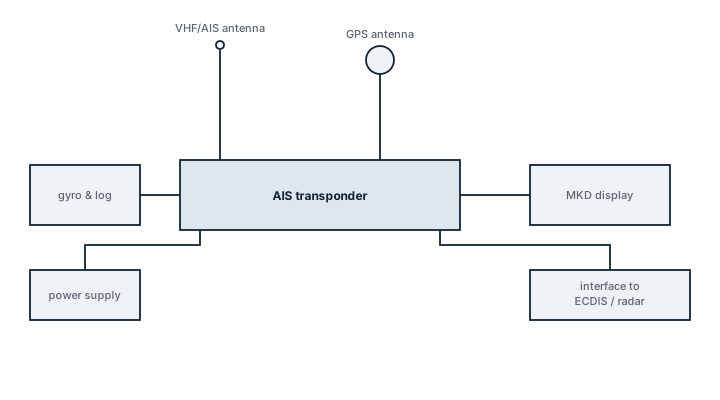
Main components
Transceiver unit
Transmits and receives on two dedicated VHF channels simultaneously, using Self-Organising Time Division Multiple Access to share the channel with every other AIS unit in range without collisions.
GNSS position input
A dedicated internal or external GPS receiver providing the position and time reference the transponder broadcasts; loss of this input degrades the AIS message quality even if transmission continues.
Pilot plug and display
A standard connector giving a visiting pilot direct access to AIS data on a laptop, and a minimum keyboard and display unit on the bridge for entering voyage-specific data such as destination and ETA.
Selection criteria
- Class A versus Class B: SOLAS vessels require Class A with its higher transmit power and reporting rate; Class B suits smaller craft not subject to SOLAS carriage requirements.
- Integration with ECDIS and VDR, since AIS targets are normally overlaid on the electronic chart and its messages are logged by the voyage data recorder.
- Antenna separation from other VHF and radar equipment to avoid mutual interference, a common installation oversight on retrofits.
Regulations and class
SOLAS Chapter V requires AIS on all ships of 300 gross tonnage and above on international voyages, cargo ships of 500 gross tonnage and above not on international voyages, and all passenger ships regardless of size. The transponder must transmit continuously except where the master judges it a security risk to do so, a provision intended for high-risk piracy areas rather than routine discretion. Class surveys check the unit's static data programming matches the vessel's actual particulars and that voyage data is updated each passage.
Typical faults
- Incorrect or stale static data such as destination, draught or ship type, which the crew forgot to update and which then misleads other traffic and VTS.
- GNSS antenna fault degrading position accuracy silently, since the transponder keeps transmitting even when its own position input has drifted.
- VHF antenna or cable degradation reducing transmit range, often only discovered when a nearby vessel or VTS reports poor reception.
- Overlapping MMSI numbers from a duplicated or incorrectly programmed identity, which corrupts the target picture for everyone tracking the vessel.
What to look for in a supplier
- Type approval matching flag state requirements and confirmed interoperability with the vessel's existing ECDIS and VDR interfaces.
- Straightforward static and voyage data entry at the bridge unit, since this is updated by the crew every passage and a clumsy interface leads to skipped updates.
- Documented antenna separation guidance to avoid interference with existing VHF and radar installations during retrofit.
Check the static data programmed into the transponder against the vessel's actual particulars at every port call, not just at commissioning -- a wrong ship type or an outdated draught quietly undermines the whole reason AIS exists.
16 manufacturers · 144 models
Furuno
25- GNSS, heading or speed-input failure causes invalid or missing dynamic data and produces sensor alarms or incorrect transmitted information
- VHF antenna or feeder faults reduce transmit and receive range and may cause built-in-test warnings
- Incorrect static or voyage-data entry results in wrong vessel information being transmitted despite otherwise normal operation
- Power-supply or network faults cause unit restart, blank display or loss of targets on connected bridge systems
- Internal transceiver or GPS timing faults cause transmission alarms, missing own-ship reports or inability to receive nearby targets
- Loss of supply power from a tripped breaker, failed power unit, loose connection, or depleted reserve battery causes a dead unit, rebooting, or failure to transmit
- Antenna, feeder, connector, or matching fault caused by corrosion, water ingress, or physical damage results in poor range, failed transmission, or weak received signals
- Control-panel, display, keypad, or software faults can prevent channel selection, message handling, or normal operator input
- Interface or position-data failure caused by wiring, configuration, or sensor faults can remove position information or connected-system data
- Internal transmitter, receiver, or modem faults caused by component ageing or overheating can produce intermittent communication, alarms, or inability to establish a link
- Loss of supply power from a tripped breaker, failed power unit, loose connection, or depleted reserve battery causes a dead unit, rebooting, or failure to transmit
- Antenna, feeder, connector, or matching fault caused by corrosion, water ingress, or physical damage results in poor range, failed transmission, or weak received signals
- Control-panel, display, keypad, or software faults can prevent channel selection, message handling, or normal operator input
- Interface or position-data failure caused by wiring, configuration, or sensor faults can remove position information or connected-system data
- Internal transmitter, receiver, or modem faults caused by component ageing or overheating can produce intermittent communication, alarms, or inability to establish a link
- Loss of supply power from a tripped breaker, failed power unit, loose connection, or depleted reserve battery causes a dead unit, rebooting, or failure to transmit
- Antenna, feeder, connector, or matching fault caused by corrosion, water ingress, or physical damage results in poor range, failed transmission, or weak received signals
- Control-panel, display, keypad, or software faults can prevent channel selection, message handling, or normal operator input
- Interface or position-data failure caused by wiring, configuration, or sensor faults can remove position information or connected-system data
- Internal transmitter, receiver, or modem faults caused by component ageing or overheating can produce intermittent communication, alarms, or inability to establish a link
- Loss of supply power from a tripped breaker, failed power unit, loose connection, or depleted reserve battery causes a dead unit, rebooting, or failure to transmit
- Antenna, feeder, connector, or matching fault caused by corrosion, water ingress, or physical damage results in poor range, failed transmission, or weak received signals
- Control-panel, display, keypad, or software faults can prevent channel selection, message handling, or normal operator input
- Interface or position-data failure caused by wiring, configuration, or sensor faults can remove position information or connected-system data
- Internal transmitter, receiver, or modem faults caused by component ageing or overheating can produce intermittent communication, alarms, or inability to establish a link
- GNSS, heading or speed-input failure causes invalid or missing dynamic data and produces sensor alarms or incorrect transmitted information
- VHF antenna or feeder faults reduce transmit and receive range and may cause built-in-test warnings
- Incorrect static or voyage-data entry results in wrong vessel information being transmitted despite otherwise normal operation
- Power-supply or network faults cause unit restart, blank display or loss of targets on connected bridge systems
- Internal transceiver or GPS timing faults cause transmission alarms, missing own-ship reports or inability to receive nearby targets
- GNSS, heading or speed-input failure causes invalid or missing dynamic data and produces sensor alarms or incorrect transmitted information
- VHF antenna or feeder faults reduce transmit and receive range and may cause built-in-test warnings
- Incorrect static or voyage-data entry results in wrong vessel information being transmitted despite otherwise normal operation
- Power-supply or network faults cause unit restart, blank display or loss of targets on connected bridge systems
- Internal transceiver or GPS timing faults cause transmission alarms, missing own-ship reports or inability to receive nearby targets
- GNSS, heading or speed-input failure causes invalid or missing dynamic data and produces sensor alarms or incorrect transmitted information
- VHF antenna or feeder faults reduce transmit and receive range and may cause built-in-test warnings
- Incorrect static or voyage-data entry results in wrong vessel information being transmitted despite otherwise normal operation
- Power-supply or network faults cause unit restart, blank display or loss of targets on connected bridge systems
- Internal transceiver or GPS timing faults cause transmission alarms, missing own-ship reports or inability to receive nearby targets
- GNSS, heading or speed-input failure causes invalid or missing dynamic data and produces sensor alarms or incorrect transmitted information
- VHF antenna or feeder faults reduce transmit and receive range and may cause built-in-test warnings
- Incorrect static or voyage-data entry results in wrong vessel information being transmitted despite otherwise normal operation
- Power-supply or network faults cause unit restart, blank display or loss of targets on connected bridge systems
- Internal transceiver or GPS timing faults cause transmission alarms, missing own-ship reports or inability to receive nearby targets
- Loss of supply power from a tripped breaker, failed power unit, loose connection, or depleted reserve battery causes a dead unit, rebooting, or failure to transmit
- Antenna, feeder, connector, or matching fault caused by corrosion, water ingress, or physical damage results in poor range, failed transmission, or weak received signals
- Control-panel, display, keypad, or software faults can prevent channel selection, message handling, or normal operator input
- Interface or position-data failure caused by wiring, configuration, or sensor faults can remove position information or connected-system data
- Internal transmitter, receiver, or modem faults caused by component ageing or overheating can produce intermittent communication, alarms, or inability to establish a link
- Sensor or antenna degradation caused by contamination, damage, ageing or poor exposure can produce missing, unstable or implausible data
- Connector, cable or network faults caused by vibration, corrosion or disturbed terminations can cause intermittent data loss or interface alarms
- Power-supply or internal electronics failure caused by ageing, heat or poor ventilation can result in resets, blank indications or complete loss of function
- Configuration or software errors after service or replacement can cause incorrect data, rejected inputs or loss of communication with other bridge equipment
- Mechanical damage or water ingress at exposed components can lead to erratic readings, repeated alarms or loss of the affected channel
- Sensor or antenna degradation caused by contamination, damage, ageing or poor exposure can produce missing, unstable or implausible data
- Connector, cable or network faults caused by vibration, corrosion or disturbed terminations can cause intermittent data loss or interface alarms
- Power-supply or internal electronics failure caused by ageing, heat or poor ventilation can result in resets, blank indications or complete loss of function
- Configuration or software errors after service or replacement can cause incorrect data, rejected inputs or loss of communication with other bridge equipment
- Mechanical damage or water ingress at exposed components can lead to erratic readings, repeated alarms or loss of the affected channel
- Sensor or antenna degradation caused by contamination, damage, ageing or poor exposure can produce missing, unstable or implausible data
- Connector, cable or network faults caused by vibration, corrosion or disturbed terminations can cause intermittent data loss or interface alarms
- Power-supply or internal electronics failure caused by ageing, heat or poor ventilation can result in resets, blank indications or complete loss of function
- Configuration or software errors after service or replacement can cause incorrect data, rejected inputs or loss of communication with other bridge equipment
- Mechanical damage or water ingress at exposed components can lead to erratic readings, repeated alarms or loss of the affected channel
- Antenna, feeder or connector corrosion causes weak reception, poor transmission or high reflected-power indications
- Power-supply or backup-battery faults cause resets or loss of availability during main-power failure
- GNSS or data-interface loss causes missing position or identity information in transmitted messages
- Microphone, handset, speaker or operator-control faults impair communication despite the main unit remaining powered
- Configuration or programming errors can cause incorrect identity, channel or service behaviour
- Loss of supply power from a tripped breaker, failed power unit, loose connection, or depleted reserve battery causes a dead unit, rebooting, or failure to transmit
- Antenna, feeder, connector, or matching fault caused by corrosion, water ingress, or physical damage results in poor range, failed transmission, or weak received signals
- Control-panel, display, keypad, or software faults can prevent channel selection, message handling, or normal operator input
- Interface or position-data failure caused by wiring, configuration, or sensor faults can remove position information or connected-system data
- Internal transmitter, receiver, or modem faults caused by component ageing or overheating can produce intermittent communication, alarms, or inability to establish a link
- Antenna, feeder or tuning fault caused by corrosion, damaged cabling or poor connections, resulting in weak transmission, reception problems or equipment alarms
- Power-supply or backup-battery failure caused by charger defects, aged batteries or wiring faults, resulting in loss of availability when main power is removed
- Transmitter or receiver failure caused by RF-component or electronic faults, resulting in inability to establish communications or receive expected traffic
- Position or time-input failure caused by GNSS or network faults, resulting in missing or incorrect data in distress or DSC functions
- Control, display or software fault caused by hardware failure or configuration problems, resulting in frozen controls, error messages or unavailable functions
- Antenna, feeder or tuning fault caused by corrosion, damaged cabling or poor connections, resulting in weak transmission, reception problems or equipment alarms
- Power-supply or backup-battery failure caused by charger defects, aged batteries or wiring faults, resulting in loss of availability when main power is removed
- Transmitter or receiver failure caused by RF-component or electronic faults, resulting in inability to establish communications or receive expected traffic
- Position or time-input failure caused by GNSS or network faults, resulting in missing or incorrect data in distress or DSC functions
- Control, display or software fault caused by hardware failure or configuration problems, resulting in frozen controls, error messages or unavailable functions
- Antenna, feeder or tuning fault caused by corrosion, damaged cabling or poor connections, resulting in weak transmission, reception problems or equipment alarms
- Power-supply or backup-battery failure caused by charger defects, aged batteries or wiring faults, resulting in loss of availability when main power is removed
- Transmitter or receiver failure caused by RF-component or electronic faults, resulting in inability to establish communications or receive expected traffic
- Position or time-input failure caused by GNSS or network faults, resulting in missing or incorrect data in distress or DSC functions
- Control, display or software fault caused by hardware failure or configuration problems, resulting in frozen controls, error messages or unavailable functions
- Antenna, feeder or connector corrosion causes weak reception, poor transmission or high reflected-power indications
- Power-supply or backup-battery faults cause resets or loss of availability during main-power failure
- GNSS or data-interface loss causes missing position or identity information in transmitted messages
- Microphone, handset, speaker or operator-control faults impair communication despite the main unit remaining powered
- Configuration or programming errors can cause incorrect identity, channel or service behaviour
- GNSS, heading or speed-input failure causes invalid dynamic data and sensor alarms
- VHF antenna or feeder faults reduce transmit and receive range and may trigger built-in-test warnings
- Incorrect static or voyage data results in wrong vessel information being transmitted
- Power-supply or network faults cause unit resets, blank displays or loss of target data to bridge systems
- Internal transceiver or timing faults cause transmission alarms or missing nearby targets
- Sensor, antenna or transducer fault, typically indicated by missing, unstable or implausible navigation data
- Power-supply or processor failure, typically indicated by blank display, rebooting or unavailable function
- Network/interface fault, typically indicated by missing data on connected bridge systems or communication alarms
- Cable/connector corrosion or water ingress, typically indicated by intermittent operation or signal loss
- Recording/storage or software fault on recorder-type equipment, typically indicated by data gaps, recording alarms or failed playback
- GNSS, VHF antenna or transceiver fault caused by damage, poor connections or electronics failure, resulting in missing targets, transmission alarms or invalid own-ship data
- Power-supply failure caused by breaker, converter or wiring faults, resulting in loss of the equipment or repeated restarts
- Network or interface failure caused by damaged cabling, port faults or configuration changes, resulting in loss of data to connected systems
- Display, processor or control failure caused by hardware or software faults, resulting in frozen indications, alarms or unavailable functions
- Incorrect configuration or time, position or sensor input caused by setup or upstream faults, resulting in misleading or incomplete information
- GNSS, VHF antenna or transceiver fault caused by damage, poor connections or electronics failure, resulting in missing targets, transmission alarms or invalid own-ship data
- Power-supply failure caused by breaker, converter or wiring faults, resulting in loss of the equipment or repeated restarts
- Network or interface failure caused by damaged cabling, port faults or configuration changes, resulting in loss of data to connected systems
- Display, processor or control failure caused by hardware or software faults, resulting in frozen indications, alarms or unavailable functions
- Incorrect configuration or time, position or sensor input caused by setup or upstream faults, resulting in misleading or incomplete information
- GNSS, heading or speed-input failure causes invalid dynamic data and sensor alarms
- VHF antenna or feeder faults reduce transmit and receive range and may trigger built-in-test warnings
- Incorrect static or voyage data results in wrong vessel information being transmitted
- Power-supply or network faults cause unit resets, blank displays or loss of target data to bridge systems
- Internal transceiver or timing faults cause transmission alarms or missing nearby targets
- GNSS, heading or speed-input failure causes invalid dynamic data and sensor alarms
- VHF antenna or feeder faults reduce transmit and receive range and may trigger built-in-test warnings
- Incorrect static or voyage data results in wrong vessel information being transmitted
- Power-supply or network faults cause unit resets, blank displays or loss of target data to bridge systems
- Internal transceiver or timing faults cause transmission alarms or missing nearby targets
em-trak
21- GNSS, heading or speed-input failure causes invalid or missing dynamic data and produces sensor alarms or incorrect transmitted information
- VHF antenna or feeder faults reduce transmit and receive range and may cause built-in-test warnings
- Incorrect static or voyage-data entry results in wrong vessel information being transmitted despite otherwise normal operation
- Power-supply or network faults cause unit restart, blank display or loss of targets on connected bridge systems
- Internal transceiver or GPS timing faults cause transmission alarms, missing own-ship reports or inability to receive nearby targets
- GNSS, heading or speed-input failure causes invalid or missing dynamic data and produces sensor alarms or incorrect transmitted information
- VHF antenna or feeder faults reduce transmit and receive range and may cause built-in-test warnings
- Incorrect static or voyage-data entry results in wrong vessel information being transmitted despite otherwise normal operation
- Power-supply or network faults cause unit restart, blank display or loss of targets on connected bridge systems
- Internal transceiver or GPS timing faults cause transmission alarms, missing own-ship reports or inability to receive nearby targets
- GNSS, heading or speed-input failure causes invalid or missing dynamic data and produces sensor alarms or incorrect transmitted information
- VHF antenna or feeder faults reduce transmit and receive range and may cause built-in-test warnings
- Incorrect static or voyage-data entry results in wrong vessel information being transmitted despite otherwise normal operation
- Power-supply or network faults cause unit restart, blank display or loss of targets on connected bridge systems
- Internal transceiver or GPS timing faults cause transmission alarms, missing own-ship reports or inability to receive nearby targets
- Sensor or antenna degradation caused by contamination, damage, ageing or poor exposure can produce missing, unstable or implausible data
- Connector, cable or network faults caused by vibration, corrosion or disturbed terminations can cause intermittent data loss or interface alarms
- Power-supply or internal electronics failure caused by ageing, heat or poor ventilation can result in resets, blank indications or complete loss of function
- Configuration or software errors after service or replacement can cause incorrect data, rejected inputs or loss of communication with other bridge equipment
- Mechanical damage or water ingress at exposed components can lead to erratic readings, repeated alarms or loss of the affected channel
- Sensor or antenna degradation caused by contamination, damage, ageing or poor exposure can produce missing, unstable or implausible data
- Connector, cable or network faults caused by vibration, corrosion or disturbed terminations can cause intermittent data loss or interface alarms
- Power-supply or internal electronics failure caused by ageing, heat or poor ventilation can result in resets, blank indications or complete loss of function
- Configuration or software errors after service or replacement can cause incorrect data, rejected inputs or loss of communication with other bridge equipment
- Mechanical damage or water ingress at exposed components can lead to erratic readings, repeated alarms or loss of the affected channel
- Loss of supply power from a tripped breaker, failed power unit, loose connection, or depleted reserve battery causes a dead unit, rebooting, or failure to transmit
- Antenna, feeder, connector, or matching fault caused by corrosion, water ingress, or physical damage results in poor range, failed transmission, or weak received signals
- Control-panel, display, keypad, or software faults can prevent channel selection, message handling, or normal operator input
- Interface or position-data failure caused by wiring, configuration, or sensor faults can remove position information or connected-system data
- Internal transmitter, receiver, or modem faults caused by component ageing or overheating can produce intermittent communication, alarms, or inability to establish a link
- GNSS, heading or speed-input failure causes invalid or missing dynamic data and produces sensor alarms or incorrect transmitted information
- VHF antenna or feeder faults reduce transmit and receive range and may cause built-in-test warnings
- Incorrect static or voyage-data entry results in wrong vessel information being transmitted despite otherwise normal operation
- Power-supply or network faults cause unit restart, blank display or loss of targets on connected bridge systems
- Internal transceiver or GPS timing faults cause transmission alarms, missing own-ship reports or inability to receive nearby targets

- GNSS, heading or speed-input failure causes invalid or missing dynamic data and produces sensor alarms or incorrect transmitted information
- VHF antenna or feeder faults reduce transmit and receive range and may cause built-in-test warnings
- Incorrect static or voyage-data entry results in wrong vessel information being transmitted despite otherwise normal operation
- Power-supply or network faults cause unit restart, blank display or loss of targets on connected bridge systems
- Internal transceiver or GPS timing faults cause transmission alarms, missing own-ship reports or inability to receive nearby targets
- GNSS, heading or speed-input failure causes invalid or missing dynamic data and produces sensor alarms or incorrect transmitted information
- VHF antenna or feeder faults reduce transmit and receive range and may cause built-in-test warnings
- Incorrect static or voyage-data entry results in wrong vessel information being transmitted despite otherwise normal operation
- Power-supply or network faults cause unit restart, blank display or loss of targets on connected bridge systems
- Internal transceiver or GPS timing faults cause transmission alarms, missing own-ship reports or inability to receive nearby targets
- Antenna, feeder or tuning fault caused by corrosion, damaged cabling or poor connections, resulting in weak transmission, reception problems or equipment alarms
- Power-supply or backup-battery failure caused by charger defects, aged batteries or wiring faults, resulting in loss of availability when normal power is removed
- Transmitter or receiver failure caused by RF-component or electronic faults, resulting in inability to establish communications or receive expected traffic
- Position, time or identity-input problem caused by navigation-data or configuration faults, resulting in missing or incorrect information in distress or DSC functions
- Control, display or software fault caused by hardware failure or configuration problems, resulting in frozen controls, error messages or unavailable functions
- Antenna, feeder or tuning fault caused by corrosion, damaged cabling or poor connections, resulting in weak transmission, reception problems or equipment alarms
- Power-supply or backup-battery failure caused by charger defects, aged batteries or wiring faults, resulting in loss of availability when main power is removed
- Transmitter or receiver failure caused by RF-component or electronic faults, resulting in inability to establish communications or receive expected traffic
- Position or time-input failure caused by GNSS or network faults, resulting in missing or incorrect data in distress or DSC functions
- Control, display or software fault caused by hardware failure or configuration problems, resulting in frozen controls, error messages or unavailable functions
- GNSS, heading or speed-input failure causes invalid dynamic data and sensor alarms
- VHF antenna or feeder faults reduce transmit and receive range and may trigger built-in-test warnings
- Incorrect static or voyage data results in wrong vessel information being transmitted
- Power-supply or network faults cause unit resets, blank displays or loss of target data to bridge systems
- Internal transceiver or timing faults cause transmission alarms or missing nearby targets
- GNSS, heading or speed-input failure causes invalid dynamic data and sensor alarms
- VHF antenna or feeder faults reduce transmit and receive range and may trigger built-in-test warnings
- Incorrect static or voyage data results in wrong vessel information being transmitted
- Power-supply or network faults cause unit resets, blank displays or loss of target data to bridge systems
- Internal transceiver or timing faults cause transmission alarms or missing nearby targets
- GNSS, heading or speed-input failure causes invalid dynamic data and sensor alarms
- VHF antenna or feeder faults reduce transmit and receive range and may trigger built-in-test warnings
- Incorrect static or voyage data results in wrong vessel information being transmitted
- Power-supply or network faults cause unit resets, blank displays or loss of target data to bridge systems
- Internal transceiver or timing faults cause transmission alarms or missing nearby targets
- Antenna, feeder or tuning fault caused by corrosion, damaged cabling or poor connections, resulting in weak transmission, reception problems or equipment alarms
- Power-supply or backup-battery failure caused by charger defects, aged batteries or wiring faults, resulting in loss of availability when normal power is removed
- Transmitter or receiver failure caused by RF-component or electronic faults, resulting in inability to establish communications or receive expected traffic
- Position, time or identity-input problem caused by navigation-data or configuration faults, resulting in missing or incorrect information in distress or DSC functions
- Control, display or software fault caused by hardware failure or configuration problems, resulting in frozen controls, error messages or unavailable functions
- GNSS, VHF antenna or transceiver fault caused by damage, poor connections or electronics failure, resulting in missing targets, transmission alarms or invalid own-ship data
- Power-supply failure caused by breaker, converter or wiring faults, resulting in loss of the equipment or repeated restarts
- Network or interface failure caused by damaged cabling, port faults or configuration changes, resulting in loss of data to connected systems
- Display, processor or control failure caused by hardware or software faults, resulting in frozen indications, alarms or unavailable functions
- Incorrect configuration or time, position or sensor input caused by setup or upstream faults, resulting in misleading or incomplete information
- GNSS, heading or speed-input failure causes invalid dynamic data and sensor alarms
- VHF antenna or feeder faults reduce transmit and receive range and may trigger built-in-test warnings
- Incorrect static or voyage data results in wrong vessel information being transmitted
- Power-supply or network faults cause unit resets, blank displays or loss of target data to bridge systems
- Internal transceiver or timing faults cause transmission alarms or missing nearby targets
- GNSS, VHF antenna or transceiver fault caused by damage, poor connections or electronics failure, resulting in missing targets, transmission alarms or invalid own-ship data
- Power-supply failure caused by breaker, converter or wiring faults, resulting in loss of the equipment or repeated restarts
- Network or interface failure caused by damaged cabling, port faults or configuration changes, resulting in loss of data to connected systems
- Display, processor or control failure caused by hardware or software faults, resulting in frozen indications, alarms or unavailable functions
- Incorrect configuration or time, position or sensor input caused by setup or upstream faults, resulting in misleading or incomplete information
- Sensor, antenna or transducer fault caused by damage, fouling, water ingress or electronics failure, resulting in missing, unstable or implausible navigation data
- Power-supply failure caused by breaker, converter or wiring faults, resulting in loss of indication or repeated restarts
- Network or interface failure caused by damaged cabling, port faults or configuration changes, resulting in loss of data to connected bridge systems
- Display, processor or control failure caused by hardware or software faults, resulting in frozen, blank or unavailable functions
- Calibration, alignment or configuration error caused by incorrect setup or maintenance, resulting in persistent disagreement with independent references
- GNSS, heading or speed-input failure causes invalid dynamic data and sensor alarms
- VHF antenna or feeder faults reduce transmit and receive range and may trigger built-in-test warnings
- Incorrect static or voyage data results in wrong vessel information being transmitted
- Power-supply or network faults cause unit resets, blank displays or loss of target data to bridge systems
- Internal transceiver or timing faults cause transmission alarms or missing nearby targets
- GNSS, VHF antenna or transceiver fault caused by damage, poor connections or electronics failure, resulting in missing targets, transmission alarms or invalid own-ship data
- Power-supply failure caused by breaker, converter or wiring faults, resulting in loss of the equipment or repeated restarts
- Network or interface failure caused by damaged cabling, port faults or configuration changes, resulting in loss of data to connected systems
- Display, processor or control failure caused by hardware or software faults, resulting in frozen indications, alarms or unavailable functions
- Incorrect configuration or time, position or sensor input caused by setup or upstream faults, resulting in misleading or incomplete information
JRC (Japan Radio Co)
21- Loss of supply power from a tripped breaker, failed power unit, loose connection, or depleted reserve battery causes a dead unit, rebooting, or failure to transmit
- Antenna, feeder, connector, or matching fault caused by corrosion, water ingress, or physical damage results in poor range, failed transmission, or weak received signals
- Control-panel, display, keypad, or software faults can prevent channel selection, message handling, or normal operator input
- Interface or position-data failure caused by wiring, configuration, or sensor faults can remove position information or connected-system data
- Internal transmitter, receiver, or modem faults caused by component ageing or overheating can produce intermittent communication, alarms, or inability to establish a link
- Loss of supply power from a tripped breaker, failed power unit, loose connection, or depleted reserve battery causes a dead unit, rebooting, or failure to transmit
- Antenna, feeder, connector, or matching fault caused by corrosion, water ingress, or physical damage results in poor range, failed transmission, or weak received signals
- Control-panel, display, keypad, or software faults can prevent channel selection, message handling, or normal operator input
- Interface or position-data failure caused by wiring, configuration, or sensor faults can remove position information or connected-system data
- Internal transmitter, receiver, or modem faults caused by component ageing or overheating can produce intermittent communication, alarms, or inability to establish a link
- GNSS, VHF antenna or transceiver fault caused by damage, poor connections or electronics failure, resulting in missing targets, transmission alarms or invalid own-ship data
- Power-supply failure caused by breaker, converter or wiring faults, resulting in loss of the equipment or repeated restarts
- Network or interface failure caused by damaged cabling, port faults or configuration changes, resulting in loss of data to connected systems
- Display, processor or control failure caused by hardware or software faults, resulting in frozen indications, alarms or unavailable functions
- Incorrect configuration or time, position or sensor input caused by setup or upstream faults, resulting in misleading or incomplete information
- GNSS, VHF antenna or transceiver fault caused by damage, poor connections or electronics failure, resulting in missing targets, transmission alarms or invalid own-ship data
- Power-supply failure caused by breaker, converter or wiring faults, resulting in loss of the equipment or repeated restarts
- Network or interface failure caused by damaged cabling, port faults or configuration changes, resulting in loss of data to connected systems
- Display, processor or control failure caused by hardware or software faults, resulting in frozen indications, alarms or unavailable functions
- Incorrect configuration or time, position or sensor input caused by setup or upstream faults, resulting in misleading or incomplete information
- GNSS, VHF antenna or transceiver fault caused by damage, poor connections or electronics failure, resulting in missing targets, transmission alarms or invalid own-ship data
- Power-supply failure caused by breaker, converter or wiring faults, resulting in loss of the equipment or repeated restarts
- Network or interface failure caused by damaged cabling, port faults or configuration changes, resulting in loss of data to connected systems
- Display, processor or control failure caused by hardware or software faults, resulting in frozen indications, alarms or unavailable functions
- Incorrect configuration or time, position or sensor input caused by setup or upstream faults, resulting in misleading or incomplete information
- GNSS, heading or speed-input failure causes invalid dynamic data and sensor alarms
- VHF antenna or feeder faults reduce transmit and receive range and may trigger built-in-test warnings
- Incorrect static or voyage data results in wrong vessel information being transmitted
- Power-supply or network faults cause unit resets, blank displays or loss of target data to bridge systems
- Internal transceiver or timing faults cause transmission alarms or missing nearby targets
- GNSS, heading or speed-input failure causes invalid dynamic data and sensor alarms
- VHF antenna or feeder faults reduce transmit and receive range and may trigger built-in-test warnings
- Incorrect static or voyage data results in wrong vessel information being transmitted
- Power-supply or network faults cause unit resets, blank displays or loss of target data to bridge systems
- Internal transceiver or timing faults cause transmission alarms or missing nearby targets
- Antenna, feeder or tuning fault caused by corrosion, damaged cabling or poor connections, resulting in weak transmission, reception problems or equipment alarms
- Power-supply or backup-battery failure caused by charger defects, aged batteries or wiring faults, resulting in loss of availability when normal power is removed
- Transmitter or receiver failure caused by RF-component or electronic faults, resulting in inability to establish communications or receive expected traffic
- Position, time or identity-input problem caused by navigation-data or configuration faults, resulting in missing or incorrect information in distress or DSC functions
- Control, display or software fault caused by hardware failure or configuration problems, resulting in frozen controls, error messages or unavailable functions
- Loss of supply power from a tripped breaker, failed power unit, loose connection, or depleted reserve battery causes a dead unit, rebooting, or failure to transmit
- Antenna, feeder, connector, or matching fault caused by corrosion, water ingress, or physical damage results in poor range, failed transmission, or weak received signals
- Control-panel, display, keypad, or software faults can prevent channel selection, message handling, or normal operator input
- Interface or position-data failure caused by wiring, configuration, or sensor faults can remove position information or connected-system data
- Internal transmitter, receiver, or modem faults caused by component ageing or overheating can produce intermittent communication, alarms, or inability to establish a link
- Sensor, antenna or transducer fault caused by damage, fouling, water ingress or electronics failure, resulting in missing, unstable or implausible navigation data
- Power-supply failure caused by breaker, converter or wiring faults, resulting in loss of indication or repeated restarts
- Network or interface failure caused by damaged cabling, port faults or configuration changes, resulting in loss of data to connected bridge systems
- Display, processor or control failure caused by hardware or software faults, resulting in frozen, blank or unavailable functions
- Calibration, alignment or configuration error caused by incorrect setup or maintenance, resulting in persistent disagreement with independent references
- Antenna or feeder fault caused by corrosion, damaged cabling or poor connections, resulting in weak transmission, reception problems or equipment alarms
- Power-supply or backup-battery failure caused by charger defects, aged batteries or wiring faults, resulting in loss of availability when normal power is removed
- Transmitter or receiver failure caused by radio-frequency component or electronic faults, resulting in inability to establish communications or receive expected traffic
- Position, time or identity-input problem caused by navigation-data or configuration faults, resulting in missing or incorrect information
- Control, display or software fault caused by hardware failure or configuration problems, resulting in frozen controls, error messages or unavailable functions
- Antenna or feeder fault caused by corrosion, damaged cabling or poor connections, resulting in weak transmission, reception problems or equipment alarms
- Power-supply or backup-battery failure caused by charger defects, aged batteries or wiring faults, resulting in loss of availability when normal power is removed
- Transmitter or receiver failure caused by radio-frequency component or electronic faults, resulting in inability to establish communications or receive expected traffic
- Position, time or identity-input problem caused by navigation-data or configuration faults, resulting in missing or incorrect information
- Control, display or software fault caused by hardware failure or configuration problems, resulting in frozen controls, error messages or unavailable functions
- Sensor, antenna or transducer fault caused by damage, fouling, water ingress or electronics failure, resulting in missing, unstable or implausible navigation data
- Power-supply failure caused by breaker, converter or wiring faults, resulting in loss of indication or repeated restarts
- Network or interface failure caused by damaged cabling, port faults or configuration changes, resulting in loss of data to connected bridge systems
- Display, processor or control failure caused by hardware or software faults, resulting in frozen, blank or unavailable functions
- Calibration, alignment or configuration error caused by incorrect setup or maintenance, resulting in persistent disagreement with independent references
- Antenna or feeder fault caused by corrosion, damaged cabling or poor connections, resulting in weak transmission, reception problems or equipment alarms
- Power-supply or backup-battery failure caused by charger defects, aged batteries or wiring faults, resulting in loss of availability when normal power is removed
- Transmitter or receiver failure caused by radio-frequency component or electronic faults, resulting in inability to establish communications or receive expected traffic
- Position, time or identity-input problem caused by navigation-data or configuration faults, resulting in missing or incorrect information
- Control, display or software fault caused by hardware failure or configuration problems, resulting in frozen controls, error messages or unavailable functions
- Sensor, antenna or transducer fault caused by damage, fouling, water ingress or electronics failure, resulting in missing, unstable or implausible navigation data
- Power-supply failure caused by breaker, converter or wiring faults, resulting in loss of indication or repeated restarts
- Network or interface failure caused by damaged cabling, port faults or configuration changes, resulting in loss of data to connected bridge systems
- Display, processor or control failure caused by hardware or software faults, resulting in frozen, blank or unavailable functions
- Calibration, alignment or configuration error caused by incorrect setup or maintenance, resulting in persistent disagreement with independent references
- Sensor, antenna or transducer fault caused by damage, fouling, water ingress or electronics failure, resulting in missing, unstable or implausible navigation data
- Power-supply failure caused by breaker, converter or wiring faults, resulting in loss of indication or repeated restarts
- Network or interface failure caused by damaged cabling, port faults or configuration changes, resulting in loss of data to connected bridge systems
- Display, processor or control failure caused by hardware or software faults, resulting in frozen, blank or unavailable functions
- Calibration, alignment or configuration error caused by incorrect setup or maintenance, resulting in persistent disagreement with independent references
- Sensor, antenna or transducer fault caused by damage, fouling, water ingress or electronics failure, resulting in missing, unstable or implausible navigation data
- Power-supply failure caused by breaker, converter or wiring faults, resulting in loss of indication or repeated restarts
- Network or interface failure caused by damaged cabling, port faults or configuration changes, resulting in loss of data to connected bridge systems
- Display, processor or control failure caused by hardware or software faults, resulting in frozen, blank or unavailable functions
- Calibration, alignment or configuration error caused by incorrect setup or maintenance, resulting in persistent disagreement with independent references
- Loss of sensor input or network communication can remove or freeze displayed data, noticed as invalid-data flags, alarms or missing targets
- Antenna, transducer or external-sensor contamination or damage can degrade performance, seen as weak, erratic or implausible indications
- Power-supply or internal electronics faults can cause resets or loss of function, noticed as blank displays, rebooting or system alarms
- Configuration or calibration drift can produce inaccurate output, seen as disagreement with independent bridge instruments
- Connector corrosion or water ingress can create intermittent faults, noticed as performance changing with vibration, weather or vessel movement
- Loss of sensor input or network communication can remove or freeze displayed data, noticed as invalid-data flags, alarms or missing targets
- Antenna, transducer or external-sensor contamination or damage can degrade performance, seen as weak, erratic or implausible indications
- Power-supply or internal electronics faults can cause resets or loss of function, noticed as blank displays, rebooting or system alarms
- Configuration or calibration drift can produce inaccurate output, seen as disagreement with independent bridge instruments
- Connector corrosion or water ingress can create intermittent faults, noticed as performance changing with vibration, weather or vessel movement
- Sensor, antenna or transducer fault caused by damage, fouling, water ingress or electronics failure, resulting in missing, unstable or implausible navigation data
- Power-supply failure caused by breaker, converter or wiring faults, resulting in loss of indication or repeated restarts
- Network or interface failure caused by damaged cabling, port faults or configuration changes, resulting in loss of data to connected bridge systems
- Display, processor or control failure caused by hardware or software faults, resulting in frozen, blank or unavailable functions
- Calibration, alignment or configuration error caused by incorrect setup or maintenance, resulting in persistent disagreement with independent references
- Sensor, antenna or transducer fault caused by damage, fouling, water ingress or electronics failure, resulting in missing, unstable or implausible navigation data
- Power-supply failure caused by breaker, converter or wiring faults, resulting in loss of indication or repeated restarts
- Network or interface failure caused by damaged cabling, port faults or configuration changes, resulting in loss of data to connected bridge systems
- Display, processor or control failure caused by hardware or software faults, resulting in frozen, blank or unavailable functions
- Calibration, alignment or configuration error caused by incorrect setup or maintenance, resulting in persistent disagreement with independent references
SAAB TransponderTech
20- Sensor, antenna or transducer fault caused by damage, fouling, water ingress or electronics failure, resulting in missing, unstable or implausible navigation data
- Power-supply failure caused by breaker, converter or wiring faults, resulting in loss of indication or repeated restarts
- Network or interface failure caused by damaged cabling, port faults or configuration changes, resulting in loss of data to connected bridge systems
- Display, processor or control failure caused by hardware or software faults, resulting in frozen, blank or unavailable functions
- Calibration, alignment or configuration error caused by incorrect setup or maintenance, resulting in persistent disagreement with independent references
- GNSS, VHF antenna or transceiver fault caused by damage, poor connections or electronics failure, resulting in missing targets, transmission alarms or invalid own-ship data
- Power-supply failure caused by breaker, converter or wiring faults, resulting in loss of the equipment or repeated restarts
- Network or interface failure caused by damaged cabling, port faults or configuration changes, resulting in loss of data to connected systems
- Display, processor or control failure caused by hardware or software faults, resulting in frozen indications, alarms or unavailable functions
- Incorrect configuration or time, position or sensor input caused by setup or upstream faults, resulting in misleading or incomplete information
- Loss of supply power from a tripped breaker, failed power unit, loose connection, or depleted reserve battery causes a dead unit, rebooting, or failure to transmit
- Antenna, feeder, connector, or matching fault caused by corrosion, water ingress, or physical damage results in poor range, failed transmission, or weak received signals
- Control-panel, display, keypad, or software faults can prevent channel selection, message handling, or normal operator input
- Interface or position-data failure caused by wiring, configuration, or sensor faults can remove position information or connected-system data
- Internal transmitter, receiver, or modem faults caused by component ageing or overheating can produce intermittent communication, alarms, or inability to establish a link
- Antenna, feeder or casing damage reduces communication or locating performance and can cause self-test faults
- Battery, emergency-power or power-supply deterioration causes resets, low-voltage alarms or failure to operate
- Water ingress or corrosion causes intermittent operation, damaged connectors or internal faults
- Configuration, registration or identity errors cause incorrect vessel or beacon information
- Internal transceiver, display or control faults cause failed self-tests, missing communications or unavailable emergency functions
- Antenna, feeder or connector corrosion causes weak reception, poor transmission or high reflected-power indications
- Power-supply or backup-battery faults cause resets or loss of availability during main-power failure
- GNSS or data-interface loss causes missing position or identity information in transmitted messages
- Microphone, handset, speaker or operator-control faults impair communication despite the main unit remaining powered
- Configuration or programming errors can cause incorrect identity, channel or service behaviour
- Sensor, antenna or transducer fault caused by damage, fouling, water ingress or electronics failure, resulting in missing, unstable or implausible navigation data
- Power-supply failure caused by breaker, converter or wiring faults, resulting in loss of indication or repeated restarts
- Network or interface failure caused by damaged cabling, port faults or configuration changes, resulting in loss of data to connected bridge systems
- Display, processor or control failure caused by hardware or software faults, resulting in frozen, blank or unavailable functions
- Calibration, alignment or configuration error caused by incorrect setup or maintenance, resulting in persistent disagreement with independent references
- GNSS, VHF antenna or transceiver fault caused by damage, poor connections or electronics failure, resulting in missing targets, transmission alarms or invalid own-ship data
- Power-supply failure caused by breaker, converter or wiring faults, resulting in loss of the equipment or repeated restarts
- Network or interface failure caused by damaged cabling, port faults or configuration changes, resulting in loss of data to connected systems
- Display, processor or control failure caused by hardware or software faults, resulting in frozen indications, alarms or unavailable functions
- Incorrect configuration or time, position or sensor input caused by setup or upstream faults, resulting in misleading or incomplete information
- GNSS, VHF antenna or transceiver fault caused by damage, poor connections or electronics failure, resulting in missing targets, transmission alarms or invalid own-ship data
- Power-supply failure caused by breaker, converter or wiring faults, resulting in loss of the equipment or repeated restarts
- Network or interface failure caused by damaged cabling, port faults or configuration changes, resulting in loss of data to connected systems
- Display, processor or control failure caused by hardware or software faults, resulting in frozen indications, alarms or unavailable functions
- Incorrect configuration or time, position or sensor input caused by setup or upstream faults, resulting in misleading or incomplete information
- Sensor, antenna or transducer fault caused by damage, fouling, water ingress or electronics failure, resulting in missing, unstable or implausible navigation data
- Power-supply failure caused by breaker, converter or wiring faults, resulting in loss of indication or repeated restarts
- Network or interface failure caused by damaged cabling, port faults or configuration changes, resulting in loss of data to connected bridge systems
- Display, processor or control failure caused by hardware or software faults, resulting in frozen, blank or unavailable functions
- Calibration, alignment or configuration error caused by incorrect setup or maintenance, resulting in persistent disagreement with independent references
- Antenna or feeder fault caused by corrosion, damaged cabling or poor connections, resulting in weak transmission, reception problems or equipment alarms
- Power-supply or backup-battery failure caused by charger defects, aged batteries or wiring faults, resulting in loss of availability when normal power is removed
- Transmitter or receiver failure caused by radio-frequency component or electronic faults, resulting in inability to establish communications or receive expected traffic
- Position, time or identity-input problem caused by navigation-data or configuration faults, resulting in missing or incorrect information
- Control, display or software fault caused by hardware failure or configuration problems, resulting in frozen controls, error messages or unavailable functions
- Antenna or feeder fault caused by corrosion, damaged cabling or poor connections, resulting in weak transmission, reception problems or equipment alarms
- Power-supply or backup-battery failure caused by charger defects, aged batteries or wiring faults, resulting in loss of availability when normal power is removed
- Transmitter or receiver failure caused by radio-frequency component or electronic faults, resulting in inability to establish communications or receive expected traffic
- Position, time or identity-input problem caused by navigation-data or configuration faults, resulting in missing or incorrect information
- Control, display or software fault caused by hardware failure or configuration problems, resulting in frozen controls, error messages or unavailable functions
- Sensor, antenna or transducer fault caused by damage, fouling, water ingress or electronics failure, resulting in missing, unstable or implausible navigation data
- Power-supply failure caused by breaker, converter or wiring faults, resulting in loss of indication or repeated restarts
- Network or interface failure caused by damaged cabling, port faults or configuration changes, resulting in loss of data to connected bridge systems
- Display, processor or control failure caused by hardware or software faults, resulting in frozen, blank or unavailable functions
- Calibration, alignment or configuration error caused by incorrect setup or maintenance, resulting in persistent disagreement with independent references
- Antenna or feeder fault caused by corrosion, damaged cabling or poor connections, resulting in weak transmission, reception problems or equipment alarms
- Power-supply or backup-battery failure caused by charger defects, aged batteries or wiring faults, resulting in loss of availability when normal power is removed
- Transmitter or receiver failure caused by radio-frequency component or electronic faults, resulting in inability to establish communications or receive expected traffic
- Position, time or identity-input problem caused by navigation-data or configuration faults, resulting in missing or incorrect information
- Control, display or software fault caused by hardware failure or configuration problems, resulting in frozen controls, error messages or unavailable functions
- Sensor, antenna or transducer fault caused by damage, fouling, water ingress or electronics failure, resulting in missing, unstable or implausible navigation data
- Power-supply failure caused by breaker, converter or wiring faults, resulting in loss of indication or repeated restarts
- Network or interface failure caused by damaged cabling, port faults or configuration changes, resulting in loss of data to connected bridge systems
- Display, processor or control failure caused by hardware or software faults, resulting in frozen, blank or unavailable functions
- Calibration, alignment or configuration error caused by incorrect setup or maintenance, resulting in persistent disagreement with independent references
- Loss of sensor input or network communication can remove or freeze displayed data, noticed as invalid-data flags, alarms or missing targets
- Antenna, transducer or external-sensor contamination or damage can degrade performance, seen as weak, erratic or implausible indications
- Power-supply or internal electronics faults can cause resets or loss of function, noticed as blank displays, rebooting or system alarms
- Configuration or calibration drift can produce inaccurate output, seen as disagreement with independent bridge instruments
- Connector corrosion or water ingress can create intermittent faults, noticed as performance changing with vibration, weather or vessel movement
- Loss of sensor input or network communication can remove or freeze displayed data, noticed as invalid-data flags, alarms or missing targets
- Antenna, transducer or external-sensor contamination or damage can degrade performance, seen as weak, erratic or implausible indications
- Power-supply or internal electronics faults can cause resets or loss of function, noticed as blank displays, rebooting or system alarms
- Configuration or calibration drift can produce inaccurate output, seen as disagreement with independent bridge instruments
- Connector corrosion or water ingress can create intermittent faults, noticed as performance changing with vibration, weather or vessel movement
- Loss of sensor input or network communication can remove or freeze displayed data, noticed as invalid-data flags, alarms or missing targets
- Antenna, transducer or external-sensor contamination or damage can degrade performance, seen as weak, erratic or implausible indications
- Power-supply or internal electronics faults can cause resets or loss of function, noticed as blank displays, rebooting or system alarms
- Configuration or calibration drift can produce inaccurate output, seen as disagreement with independent bridge instruments
- Connector corrosion or water ingress can create intermittent faults, noticed as performance changing with vibration, weather or vessel movement
- Loss of sensor input or network communication can remove or freeze displayed data, noticed as invalid-data flags, alarms or missing targets
- Antenna, transducer or external-sensor contamination or damage can degrade performance, seen as weak, erratic or implausible indications
- Power-supply or internal electronics faults can cause resets or loss of function, noticed as blank displays, rebooting or system alarms
- Configuration or calibration drift can produce inaccurate output, seen as disagreement with independent bridge instruments
- Connector corrosion or water ingress can create intermittent faults, noticed as performance changing with vibration, weather or vessel movement
- Loss of sensor input or network communication can remove or freeze displayed data, noticed as invalid-data flags, alarms or missing targets
- Antenna, transducer or external-sensor contamination or damage can degrade performance, seen as weak, erratic or implausible indications
- Power-supply or internal electronics faults can cause resets or loss of function, noticed as blank displays, rebooting or system alarms
- Configuration or calibration drift can produce inaccurate output, seen as disagreement with independent bridge instruments
- Connector corrosion or water ingress can create intermittent faults, noticed as performance changing with vibration, weather or vessel movement
- Loss of sensor input or network communication can remove or freeze displayed data, noticed as invalid-data flags, alarms or missing targets
- Antenna, transducer or external-sensor contamination or damage can degrade performance, seen as weak, erratic or implausible indications
- Power-supply or internal electronics faults can cause resets or loss of function, noticed as blank displays, rebooting or system alarms
- Configuration or calibration drift can produce inaccurate output, seen as disagreement with independent bridge instruments
- Connector corrosion or water ingress can create intermittent faults, noticed as performance changing with vibration, weather or vessel movement
True Heading
13- Sensor or antenna degradation caused by contamination, damage, ageing or poor exposure can produce missing, unstable or implausible data
- Connector, cable or network faults caused by vibration, corrosion or disturbed terminations can cause intermittent data loss or interface alarms
- Power-supply or internal electronics failure caused by ageing, heat or poor ventilation can result in resets, blank indications or complete loss of function
- Configuration or software errors after service or replacement can cause incorrect data, rejected inputs or loss of communication with other bridge equipment
- Mechanical damage or water ingress at exposed components can lead to erratic readings, repeated alarms or loss of the affected channel
- Sensor or antenna degradation caused by contamination, damage, ageing or poor exposure can produce missing, unstable or implausible data
- Connector, cable or network faults caused by vibration, corrosion or disturbed terminations can cause intermittent data loss or interface alarms
- Power-supply or internal electronics failure caused by ageing, heat or poor ventilation can result in resets, blank indications or complete loss of function
- Configuration or software errors after service or replacement can cause incorrect data, rejected inputs or loss of communication with other bridge equipment
- Mechanical damage or water ingress at exposed components can lead to erratic readings, repeated alarms or loss of the affected channel
- Sensor or antenna degradation caused by contamination, damage, ageing or poor exposure can produce missing, unstable or implausible data
- Connector, cable or network faults caused by vibration, corrosion or disturbed terminations can cause intermittent data loss or interface alarms
- Power-supply or internal electronics failure caused by ageing, heat or poor ventilation can result in resets, blank indications or complete loss of function
- Configuration or software errors after service or replacement can cause incorrect data, rejected inputs or loss of communication with other bridge equipment
- Mechanical damage or water ingress at exposed components can lead to erratic readings, repeated alarms or loss of the affected channel
- Sensor or antenna degradation caused by contamination, damage, ageing or poor exposure can produce missing, unstable or implausible data
- Connector, cable or network faults caused by vibration, corrosion or disturbed terminations can cause intermittent data loss or interface alarms
- Power-supply or internal electronics failure caused by ageing, heat or poor ventilation can result in resets, blank indications or complete loss of function
- Configuration or software errors after service or replacement can cause incorrect data, rejected inputs or loss of communication with other bridge equipment
- Mechanical damage or water ingress at exposed components can lead to erratic readings, repeated alarms or loss of the affected channel
- Sensor or antenna degradation caused by contamination, damage, ageing or poor exposure can produce missing, unstable or implausible data
- Connector, cable or network faults caused by vibration, corrosion or disturbed terminations can cause intermittent data loss or interface alarms
- Power-supply or internal electronics failure caused by ageing, heat or poor ventilation can result in resets, blank indications or complete loss of function
- Configuration or software errors after service or replacement can cause incorrect data, rejected inputs or loss of communication with other bridge equipment
- Mechanical damage or water ingress at exposed components can lead to erratic readings, repeated alarms or loss of the affected channel
- Transmitter or receiver failure caused by RF, antenna, feeder or power faults, noticed as poor range, failed checks or loss of reception
- Antenna/feed-line deterioration caused by corrosion, water ingress or mechanical damage, noticed as intermittent operation or reduced range
- Control or audio failure caused by handset, microphone, display, keypad or controller faults, noticed as inability to operate normal functions
- Position/identity or data-interface failure caused by wiring or configuration faults, noticed as missing or incorrect safety data
- Power-source failure caused by breaker, fuse, converter or emergency-supply faults, noticed as dead equipment or loss of required GMDSS availability
- Transmitter or receiver failure caused by RF, antenna, feeder or power faults, noticed as poor range, failed checks or loss of reception
- Antenna/feed-line deterioration caused by corrosion, water ingress or mechanical damage, noticed as intermittent operation or reduced range
- Control or audio failure caused by handset, microphone, display, keypad or controller faults, noticed as inability to operate normal functions
- Position/identity or data-interface failure caused by wiring or configuration faults, noticed as missing or incorrect safety data
- Power-source failure caused by breaker, fuse, converter or emergency-supply faults, noticed as dead equipment or loss of required GMDSS availability
- Sensor, antenna or transducer fault caused by damage, fouling, water ingress or electronics failure, resulting in missing, unstable or implausible navigation data
- Power-supply failure caused by breaker, converter or wiring faults, resulting in loss of indication or repeated restarts
- Network or interface failure caused by damaged cabling, port faults or configuration changes, resulting in loss of data to connected bridge systems
- Display, processor or control failure caused by hardware or software faults, resulting in frozen, blank or unavailable functions
- Calibration, alignment or configuration error caused by incorrect setup or maintenance, resulting in persistent disagreement with independent references
- Sensor, antenna or transducer fault caused by damage, fouling, water ingress or electronics failure, resulting in missing, unstable or implausible navigation data
- Power-supply failure caused by breaker, converter or wiring faults, resulting in loss of indication or repeated restarts
- Network or interface failure caused by damaged cabling, port faults or configuration changes, resulting in loss of data to connected bridge systems
- Display, processor or control failure caused by hardware or software faults, resulting in frozen, blank or unavailable functions
- Calibration, alignment or configuration error caused by incorrect setup or maintenance, resulting in persistent disagreement with independent references
- Loss of sensor input or network communication can remove or freeze displayed data, noticed as invalid-data flags, alarms or missing targets
- Antenna, transducer or external-sensor contamination or damage can degrade performance, seen as weak, erratic or implausible indications
- Power-supply or internal electronics faults can cause resets or loss of function, noticed as blank displays, rebooting or system alarms
- Configuration or calibration drift can produce inaccurate output, seen as disagreement with independent bridge instruments
- Connector corrosion or water ingress can create intermittent faults, noticed as performance changing with vibration, weather or vessel movement
- Loss of sensor input or network communication can remove or freeze displayed data, noticed as invalid-data flags, alarms or missing targets
- Antenna, transducer or external-sensor contamination or damage can degrade performance, seen as weak, erratic or implausible indications
- Power-supply or internal electronics faults can cause resets or loss of function, noticed as blank displays, rebooting or system alarms
- Configuration or calibration drift can produce inaccurate output, seen as disagreement with independent bridge instruments
- Connector corrosion or water ingress can create intermittent faults, noticed as performance changing with vibration, weather or vessel movement
- Sensor, antenna or transducer fault caused by damage, fouling, water ingress or electronics failure, resulting in missing, unstable or implausible navigation data
- Power-supply failure caused by breaker, converter or wiring faults, resulting in loss of indication or repeated restarts
- Network or interface failure caused by damaged cabling, port faults or configuration changes, resulting in loss of data to connected bridge systems
- Display, processor or control failure caused by hardware or software faults, resulting in frozen, blank or unavailable functions
- Calibration, alignment or configuration error caused by incorrect setup or maintenance, resulting in persistent disagreement with independent references
- Sensor, antenna or transducer fault caused by damage, fouling, water ingress or electronics failure, resulting in missing, unstable or implausible navigation data
- Power-supply failure caused by breaker, converter or wiring faults, resulting in loss of indication or repeated restarts
- Network or interface failure caused by damaged cabling, port faults or configuration changes, resulting in loss of data to connected bridge systems
- Display, processor or control failure caused by hardware or software faults, resulting in frozen, blank or unavailable functions
- Calibration, alignment or configuration error caused by incorrect setup or maintenance, resulting in persistent disagreement with independent references
Kongsberg Maritime
9- GNSS, heading or speed-input failure causes invalid dynamic data and sensor alarms
- VHF antenna or feeder faults reduce transmit and receive range and may trigger built-in-test warnings
- Incorrect static or voyage data results in wrong vessel information being transmitted
- Power-supply or network faults cause unit resets, blank displays or loss of target data to bridge systems
- Internal transceiver or timing faults cause transmission alarms or missing nearby targets
- GNSS, VHF antenna or transceiver fault caused by damage, poor connections or electronics failure, resulting in missing targets, transmission alarms or invalid own-ship data
- Power-supply failure caused by breaker, converter or wiring faults, resulting in loss of the equipment or repeated restarts
- Network or interface failure caused by damaged cabling, port faults or configuration changes, resulting in loss of data to connected systems
- Display, processor or control failure caused by hardware or software faults, resulting in frozen indications, alarms or unavailable functions
- Incorrect configuration or time, position or sensor input caused by setup or upstream faults, resulting in misleading or incomplete information
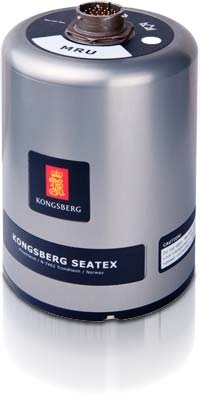
- GNSS, VHF antenna or transceiver fault caused by damage, poor connections or electronics failure, resulting in missing targets, transmission alarms or invalid own-ship data
- Power-supply failure caused by breaker, converter or wiring faults, resulting in loss of the equipment or repeated restarts
- Network or interface failure caused by damaged cabling, port faults or configuration changes, resulting in loss of data to connected systems
- Display, processor or control failure caused by hardware or software faults, resulting in frozen indications, alarms or unavailable functions
- Incorrect configuration or time, position or sensor input caused by setup or upstream faults, resulting in misleading or incomplete information
- Loss of sensor input or network communication can remove or freeze displayed data, noticed as invalid-data flags, alarms or missing targets
- Antenna, transducer or external-sensor contamination or damage can degrade performance, seen as weak, erratic or implausible indications
- Power-supply or internal electronics faults can cause resets or loss of function, noticed as blank displays, rebooting or system alarms
- Configuration or calibration drift can produce inaccurate output, seen as disagreement with independent bridge instruments
- Connector corrosion or water ingress can create intermittent faults, noticed as performance changing with vibration, weather or vessel movement
- Loss of sensor input or network communication can remove or freeze displayed data, noticed as invalid-data flags, alarms or missing targets
- Antenna, transducer or external-sensor contamination or damage can degrade performance, seen as weak, erratic or implausible indications
- Power-supply or internal electronics faults can cause resets or loss of function, noticed as blank displays, rebooting or system alarms
- Configuration or calibration drift can produce inaccurate output, seen as disagreement with independent bridge instruments
- Connector corrosion or water ingress can create intermittent faults, noticed as performance changing with vibration, weather or vessel movement
- Loss of sensor input or network communication can remove or freeze displayed data, noticed as invalid-data flags, alarms or missing targets
- Antenna, transducer or external-sensor contamination or damage can degrade performance, seen as weak, erratic or implausible indications
- Power-supply or internal electronics faults can cause resets or loss of function, noticed as blank displays, rebooting or system alarms
- Configuration or calibration drift can produce inaccurate output, seen as disagreement with independent bridge instruments
- Connector corrosion or water ingress can create intermittent faults, noticed as performance changing with vibration, weather or vessel movement
- Loss of sensor input or network communication can remove or freeze displayed data, noticed as invalid-data flags, alarms or missing targets
- Antenna, transducer or external-sensor contamination or damage can degrade performance, seen as weak, erratic or implausible indications
- Power-supply or internal electronics faults can cause resets or loss of function, noticed as blank displays, rebooting or system alarms
- Configuration or calibration drift can produce inaccurate output, seen as disagreement with independent bridge instruments
- Connector corrosion or water ingress can create intermittent faults, noticed as performance changing with vibration, weather or vessel movement
- Loss of sensor input or network communication can remove or freeze displayed data, noticed as invalid-data flags, alarms or missing targets
- Antenna, transducer or external-sensor contamination or damage can degrade performance, seen as weak, erratic or implausible indications
- Power-supply or internal electronics faults can cause resets or loss of function, noticed as blank displays, rebooting or system alarms
- Configuration or calibration drift can produce inaccurate output, seen as disagreement with independent bridge instruments
- Connector corrosion or water ingress can create intermittent faults, noticed as performance changing with vibration, weather or vessel movement
- Loss of sensor input or network communication can remove or freeze displayed data, noticed as invalid-data flags, alarms or missing targets
- Antenna, transducer or external-sensor contamination or damage can degrade performance, seen as weak, erratic or implausible indications
- Power-supply or internal electronics faults can cause resets or loss of function, noticed as blank displays, rebooting or system alarms
- Configuration or calibration drift can produce inaccurate output, seen as disagreement with independent bridge instruments
- Connector corrosion or water ingress can create intermittent faults, noticed as performance changing with vibration, weather or vessel movement
Simrad
9- GNSS, heading or speed-input failure causes invalid or missing dynamic data and produces sensor alarms or incorrect transmitted information
- VHF antenna or feeder faults reduce transmit and receive range and may cause built-in-test warnings
- Incorrect static or voyage-data entry results in wrong vessel information being transmitted despite otherwise normal operation
- Power-supply or network faults cause unit restart, blank display or loss of targets on connected bridge systems
- Internal transceiver or GPS timing faults cause transmission alarms, missing own-ship reports or inability to receive nearby targets
- GNSS, heading or speed-input failure causes invalid or missing dynamic data and produces sensor alarms or incorrect transmitted information
- VHF antenna or feeder faults reduce transmit and receive range and may cause built-in-test warnings
- Incorrect static or voyage-data entry results in wrong vessel information being transmitted despite otherwise normal operation
- Power-supply or network faults cause unit restart, blank display or loss of targets on connected bridge systems
- Internal transceiver or GPS timing faults cause transmission alarms, missing own-ship reports or inability to receive nearby targets
- GNSS, heading or speed-input failure causes invalid or missing dynamic data and produces sensor alarms or incorrect transmitted information
- VHF antenna or feeder faults reduce transmit and receive range and may cause built-in-test warnings
- Incorrect static or voyage-data entry results in wrong vessel information being transmitted despite otherwise normal operation
- Power-supply or network faults cause unit restart, blank display or loss of targets on connected bridge systems
- Internal transceiver or GPS timing faults cause transmission alarms, missing own-ship reports or inability to receive nearby targets
- Antenna, feeder or connector corrosion causes weak reception, poor transmission or high reflected-power indications
- Power-supply or backup-battery faults cause resets or loss of availability during main-power failure
- GNSS or data-interface loss causes missing position or identity information in transmitted messages
- Microphone, handset, speaker or operator-control faults impair communication despite the main unit remaining powered
- Configuration or programming errors can cause incorrect identity, channel or service behaviour
- Loss of supply power from a tripped breaker, failed power unit, loose connection, or depleted reserve battery causes a dead unit, rebooting, or failure to transmit
- Antenna, feeder, connector, or matching fault caused by corrosion, water ingress, or physical damage results in poor range, failed transmission, or weak received signals
- Control-panel, display, keypad, or software faults can prevent channel selection, message handling, or normal operator input
- Interface or position-data failure caused by wiring, configuration, or sensor faults can remove position information or connected-system data
- Internal transmitter, receiver, or modem faults caused by component ageing or overheating can produce intermittent communication, alarms, or inability to establish a link
- Antenna, feeder or tuning fault caused by corrosion, damaged cabling or poor connections, resulting in weak transmission, reception problems or equipment alarms
- Power-supply or backup-battery failure caused by charger defects, aged batteries or wiring faults, resulting in loss of availability when main power is removed
- Transmitter or receiver failure caused by RF-component or electronic faults, resulting in inability to establish communications or receive expected traffic
- Position or time-input failure caused by GNSS or network faults, resulting in missing or incorrect data in distress or DSC functions
- Control, display or software fault caused by hardware failure or configuration problems, resulting in frozen controls, error messages or unavailable functions
- Antenna, feeder or tuning fault caused by corrosion, damaged cabling or poor connections, resulting in weak transmission, reception problems or equipment alarms
- Power-supply or backup-battery failure caused by charger defects, aged batteries or wiring faults, resulting in loss of availability when main power is removed
- Transmitter or receiver failure caused by RF-component or electronic faults, resulting in inability to establish communications or receive expected traffic
- Position or time-input failure caused by GNSS or network faults, resulting in missing or incorrect data in distress or DSC functions
- Control, display or software fault caused by hardware failure or configuration problems, resulting in frozen controls, error messages or unavailable functions
- Antenna, feeder or tuning fault caused by corrosion, damaged cabling or poor connections, resulting in weak transmission, reception problems or equipment alarms
- Power-supply or backup-battery failure caused by charger defects, aged batteries or wiring faults, resulting in loss of availability when main power is removed
- Transmitter or receiver failure caused by RF-component or electronic faults, resulting in inability to establish communications or receive expected traffic
- Position or time-input failure caused by GNSS or network faults, resulting in missing or incorrect data in distress or DSC functions
- Control, display or software fault caused by hardware failure or configuration problems, resulting in frozen controls, error messages or unavailable functions
- Antenna, feeder or connector corrosion causes weak reception, poor transmission or high reflected-power indications
- Power-supply or backup-battery faults cause resets or loss of availability during main-power failure
- GNSS or data-interface loss causes missing position or identity information in transmitted messages
- Microphone, handset, speaker or operator-control faults impair communication despite the main unit remaining powered
- Configuration or programming errors can cause incorrect identity, channel or service behaviour
Vesper Marine
6- Antenna, feeder or tuning fault caused by corrosion, damaged cabling or poor connections, resulting in weak transmission, reception problems or equipment alarms
- Power-supply or backup-battery failure caused by charger defects, aged batteries or wiring faults, resulting in loss of availability when main power is removed
- Transmitter or receiver failure caused by RF-component or electronic faults, resulting in inability to establish communications or receive expected traffic
- Position or time-input failure caused by GNSS or network faults, resulting in missing or incorrect data in distress or DSC functions
- Control, display or software fault caused by hardware failure or configuration problems, resulting in frozen controls, error messages or unavailable functions
- Loss of supply power from a tripped breaker, failed power unit, loose connection, or depleted reserve battery causes a dead unit, rebooting, or failure to transmit
- Antenna, feeder, connector, or matching fault caused by corrosion, water ingress, or physical damage results in poor range, failed transmission, or weak received signals
- Control-panel, display, keypad, or software faults can prevent channel selection, message handling, or normal operator input
- Interface or position-data failure caused by wiring, configuration, or sensor faults can remove position information or connected-system data
- Internal transmitter, receiver, or modem faults caused by component ageing or overheating can produce intermittent communication, alarms, or inability to establish a link
- Loss of supply power from a tripped breaker, failed power unit, loose connection, or depleted reserve battery causes a dead unit, rebooting, or failure to transmit
- Antenna, feeder, connector, or matching fault caused by corrosion, water ingress, or physical damage results in poor range, failed transmission, or weak received signals
- Control-panel, display, keypad, or software faults can prevent channel selection, message handling, or normal operator input
- Interface or position-data failure caused by wiring, configuration, or sensor faults can remove position information or connected-system data
- Internal transmitter, receiver, or modem faults caused by component ageing or overheating can produce intermittent communication, alarms, or inability to establish a link
- Transmitter or receiver failure caused by RF, antenna, feeder or power faults, noticed as poor range, failed checks or loss of reception
- Antenna/feed-line deterioration caused by corrosion, water ingress or mechanical damage, noticed as intermittent operation or reduced range
- Control or audio failure caused by handset, microphone, display, keypad or controller faults, noticed as inability to operate normal functions
- Position/identity or data-interface failure caused by wiring or configuration faults, noticed as missing or incorrect safety data
- Power-source failure caused by breaker, fuse, converter or emergency-supply faults, noticed as dead equipment or loss of required GMDSS availability
- Transmitter or receiver failure caused by RF, antenna, feeder or power faults, noticed as poor range, failed checks or loss of reception
- Antenna/feed-line deterioration caused by corrosion, water ingress or mechanical damage, noticed as intermittent operation or reduced range
- Control or audio failure caused by handset, microphone, display, keypad or controller faults, noticed as inability to operate normal functions
- Position/identity or data-interface failure caused by wiring or configuration faults, noticed as missing or incorrect safety data
- Power-source failure caused by breaker, fuse, converter or emergency-supply faults, noticed as dead equipment or loss of required GMDSS availability

- Antenna, feeder or tuning fault caused by corrosion, damaged cabling or poor connections, resulting in weak transmission, reception problems or equipment alarms
- Power-supply or backup-battery failure caused by charger defects, aged batteries or wiring faults, resulting in loss of availability when main power is removed
- Transmitter or receiver failure caused by RF-component or electronic faults, resulting in inability to establish communications or receive expected traffic
- Position or time-input failure caused by GNSS or network faults, resulting in missing or incorrect data in distress or DSC functions
- Control, display or software fault caused by hardware failure or configuration problems, resulting in frozen controls, error messages or unavailable functions
Digital Yacht
4- Sensor or antenna degradation caused by contamination, damage, ageing or poor exposure can produce missing, unstable or implausible data
- Connector, cable or network faults caused by vibration, corrosion or disturbed terminations can cause intermittent data loss or interface alarms
- Power-supply or internal electronics failure caused by ageing, heat or poor ventilation can result in resets, blank indications or complete loss of function
- Configuration or software errors after service or replacement can cause incorrect data, rejected inputs or loss of communication with other bridge equipment
- Mechanical damage or water ingress at exposed components can lead to erratic readings, repeated alarms or loss of the affected channel
- Sensor or antenna degradation caused by contamination, damage, ageing or poor exposure can produce missing, unstable or implausible data
- Connector, cable or network faults caused by vibration, corrosion or disturbed terminations can cause intermittent data loss or interface alarms
- Power-supply or internal electronics failure caused by ageing, heat or poor ventilation can result in resets, blank indications or complete loss of function
- Configuration or software errors after service or replacement can cause incorrect data, rejected inputs or loss of communication with other bridge equipment
- Mechanical damage or water ingress at exposed components can lead to erratic readings, repeated alarms or loss of the affected channel
- Sensor or antenna degradation caused by contamination, damage, ageing or poor exposure can produce missing, unstable or implausible data
- Connector, cable or network faults caused by vibration, corrosion or disturbed terminations can cause intermittent data loss or interface alarms
- Power-supply or internal electronics failure caused by ageing, heat or poor ventilation can result in resets, blank indications or complete loss of function
- Configuration or software errors after service or replacement can cause incorrect data, rejected inputs or loss of communication with other bridge equipment
- Mechanical damage or water ingress at exposed components can lead to erratic readings, repeated alarms or loss of the affected channel
- Sensor or antenna degradation caused by contamination, damage, ageing or poor exposure can produce missing, unstable or implausible data
- Connector, cable or network faults caused by vibration, corrosion or disturbed terminations can cause intermittent data loss or interface alarms
- Power-supply or internal electronics failure caused by ageing, heat or poor ventilation can result in resets, blank indications or complete loss of function
- Configuration or software errors after service or replacement can cause incorrect data, rejected inputs or loss of communication with other bridge equipment
- Mechanical damage or water ingress at exposed components can lead to erratic readings, repeated alarms or loss of the affected channel
Alltek Marine
3- Sensor or antenna degradation caused by contamination, damage, ageing or poor exposure can produce missing, unstable or implausible data
- Connector, cable or network faults caused by vibration, corrosion or disturbed terminations can cause intermittent data loss or interface alarms
- Power-supply or internal electronics failure caused by ageing, heat or poor ventilation can result in resets, blank indications or complete loss of function
- Configuration or software errors after service or replacement can cause incorrect data, rejected inputs or loss of communication with other bridge equipment
- Mechanical damage or water ingress at exposed components can lead to erratic readings, repeated alarms or loss of the affected channel
- Sensor or antenna degradation caused by contamination, damage, ageing or poor exposure can produce missing, unstable or implausible data
- Connector, cable or network faults caused by vibration, corrosion or disturbed terminations can cause intermittent data loss or interface alarms
- Power-supply or internal electronics failure caused by ageing, heat or poor ventilation can result in resets, blank indications or complete loss of function
- Configuration or software errors after service or replacement can cause incorrect data, rejected inputs or loss of communication with other bridge equipment
- Mechanical damage or water ingress at exposed components can lead to erratic readings, repeated alarms or loss of the affected channel
- Sensor or antenna degradation caused by contamination, damage, ageing or poor exposure can produce missing, unstable or implausible data
- Connector, cable or network faults caused by vibration, corrosion or disturbed terminations can cause intermittent data loss or interface alarms
- Power-supply or internal electronics failure caused by ageing, heat or poor ventilation can result in resets, blank indications or complete loss of function
- Configuration or software errors after service or replacement can cause incorrect data, rejected inputs or loss of communication with other bridge equipment
- Mechanical damage or water ingress at exposed components can lead to erratic readings, repeated alarms or loss of the affected channel
Sailor / Cobham
3- GNSS, heading or speed-input failure causes invalid dynamic data and sensor alarms
- VHF antenna or feeder faults reduce transmit and receive range and may trigger built-in-test warnings
- Incorrect static or voyage data results in wrong vessel information being transmitted
- Power-supply or network faults cause unit resets, blank displays or loss of target data to bridge systems
- Internal transceiver or timing faults cause transmission alarms or missing nearby targets
- Sensor, antenna or transducer fault, typically indicated by missing, unstable or implausible navigation data
- Power-supply or processor failure, typically indicated by blank display, rebooting or unavailable function
- Network/interface fault, typically indicated by missing data on connected bridge systems or communication alarms
- Cable/connector corrosion or water ingress, typically indicated by intermittent operation or signal loss
- Recording/storage or software fault on recorder-type equipment, typically indicated by data gaps, recording alarms or failed playback
- Sensor, antenna or transducer fault, typically indicated by missing, unstable or implausible navigation data
- Power-supply or processor failure, typically indicated by blank display, rebooting or unavailable function
- Network/interface fault, typically indicated by missing data on connected bridge systems or communication alarms
- Cable/connector corrosion or water ingress, typically indicated by intermittent operation or signal loss
- Recording/storage or software fault on recorder-type equipment, typically indicated by data gaps, recording alarms or failed playback
SRT Marine Technology
3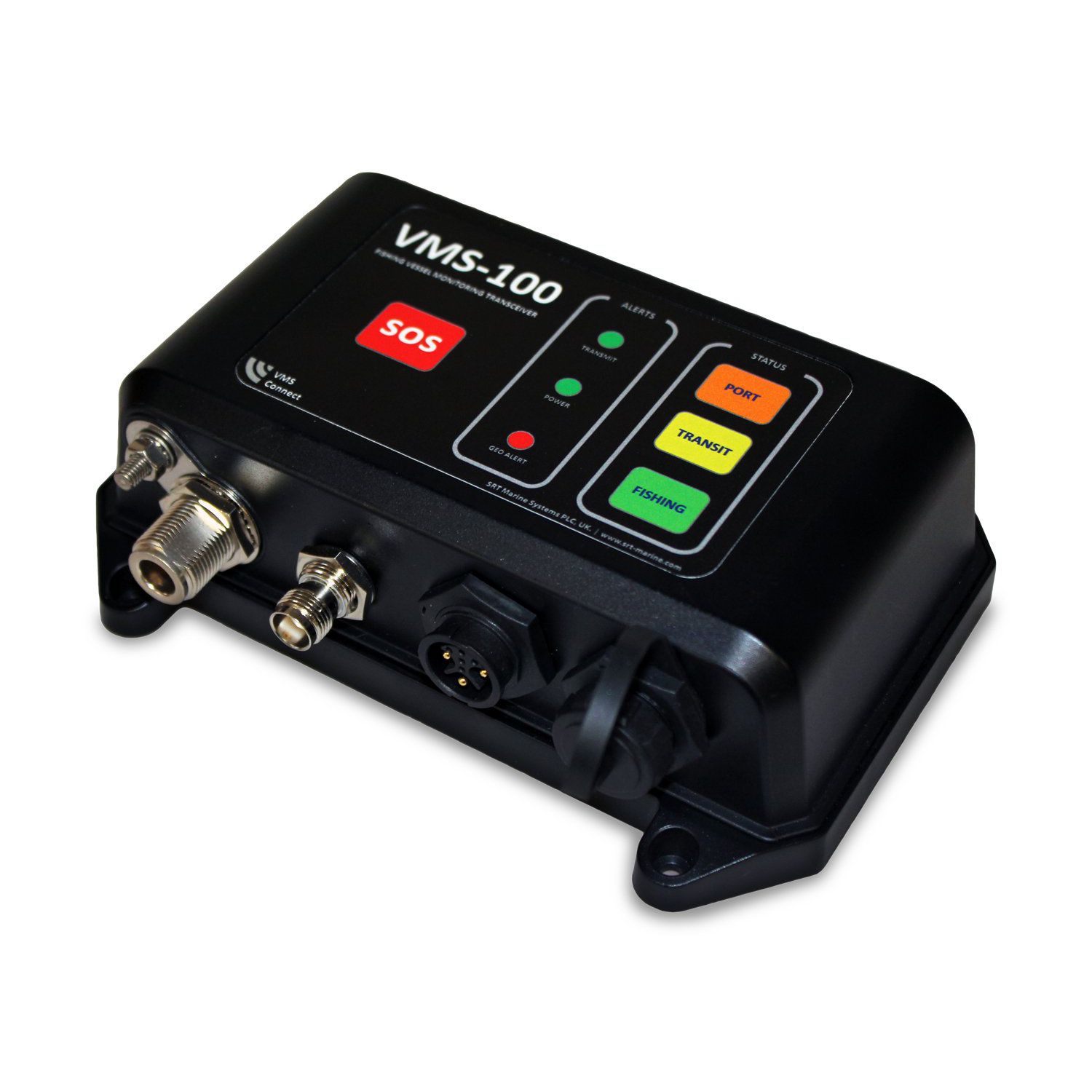
- GNSS, heading or speed-input failure causes invalid dynamic data and sensor alarms
- VHF antenna or feeder faults reduce transmit and receive range and may trigger built-in-test warnings
- Incorrect static or voyage data results in wrong vessel information being transmitted
- Power-supply or network faults cause unit resets, blank displays or loss of target data to bridge systems
- Internal transceiver or timing faults cause transmission alarms or missing nearby targets
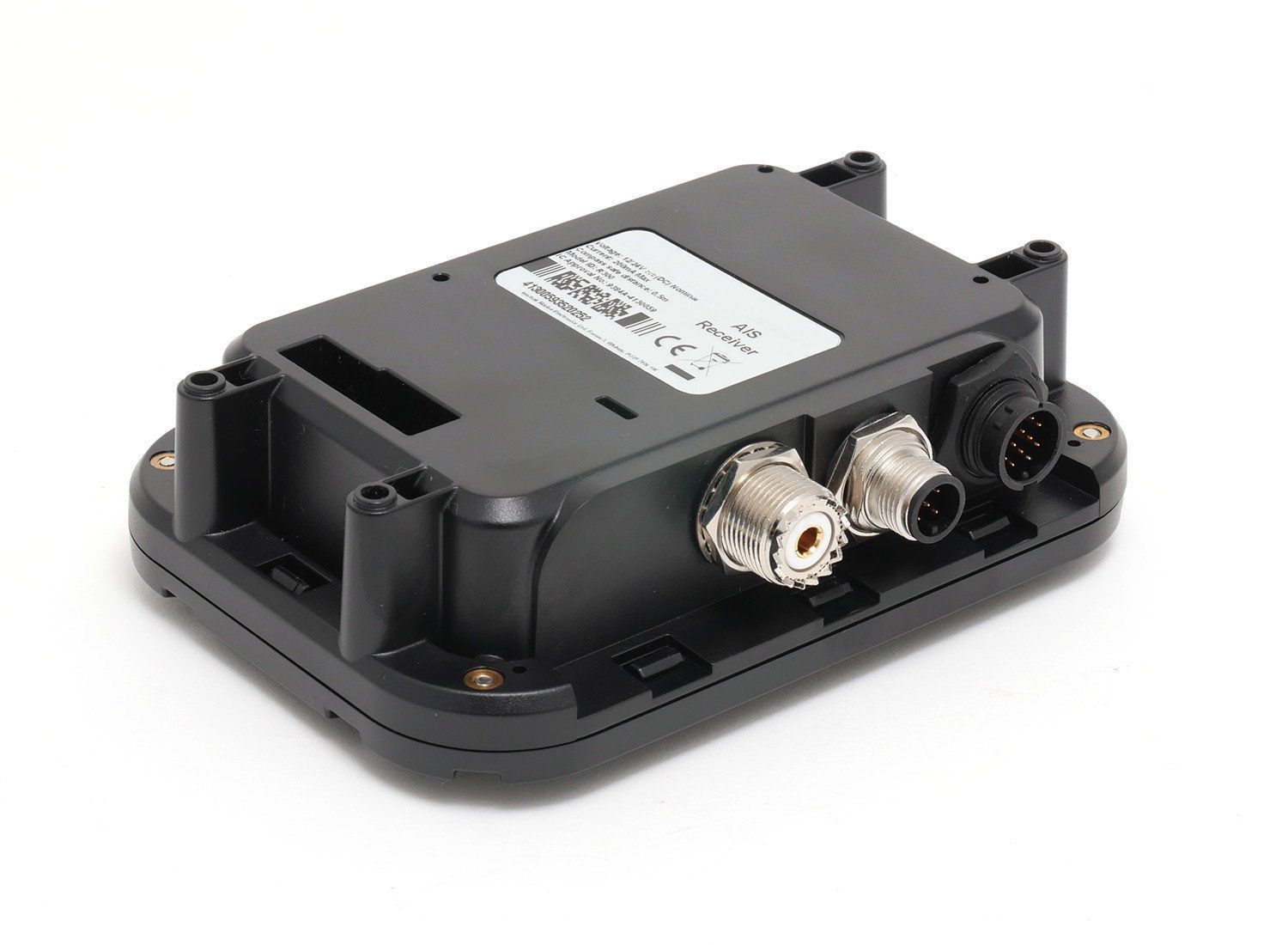
- GNSS, heading or speed-input failure causes invalid dynamic data and sensor alarms
- VHF antenna or feeder faults reduce transmit and receive range and may trigger built-in-test warnings
- Incorrect static or voyage data results in wrong vessel information being transmitted
- Power-supply or network faults cause unit resets, blank displays or loss of target data to bridge systems
- Internal transceiver or timing faults cause transmission alarms or missing nearby targets
- GNSS, heading or speed-input failure causes invalid dynamic data and sensor alarms
- VHF antenna or feeder faults reduce transmit and receive range and may trigger built-in-test warnings
- Incorrect static or voyage data results in wrong vessel information being transmitted
- Power-supply or network faults cause unit resets, blank displays or loss of target data to bridge systems
- Internal transceiver or timing faults cause transmission alarms or missing nearby targets
Pole Star
2- Loss of primary or reserve power from a tripped breaker, failed power unit, loose connection, or depleted battery causes a dead unit, rebooting, or failed transmission
- Antenna, feeder, connector, or matching faults from corrosion, water ingress, or physical damage cause poor range or weak received signals
- Control-panel, display, keypad, or software faults prevent channel selection, message handling, or operator input
- Interface or position-data failure from wiring, configuration, or sensor faults removes position or connected-system data
- Internal transmitter, receiver, or modem faults from component ageing or overheating cause intermittent communication, alarms, or inability to establish a link
- Loss of primary or reserve power from a tripped breaker, failed power unit, loose connection, or depleted battery causes a dead unit, rebooting, or failed transmission
- Antenna, feeder, connector, or matching faults from corrosion, water ingress, or physical damage cause poor range or weak received signals
- Control-panel, display, keypad, or software faults prevent channel selection, message handling, or operator input
- Interface or position-data failure from wiring, configuration, or sensor faults removes position or connected-system data
- Internal transmitter, receiver, or modem faults from component ageing or overheating cause intermittent communication, alarms, or inability to establish a link
SAAB
2- GNSS, heading or speed-input failure causes invalid or missing dynamic data and produces sensor alarms or incorrect transmitted information
- VHF antenna or feeder faults reduce transmit and receive range and may cause built-in-test warnings
- Incorrect static or voyage-data entry results in wrong vessel information being transmitted despite otherwise normal operation
- Power-supply or network faults cause unit restart, blank display or loss of targets on connected bridge systems
- Internal transceiver or GPS timing faults cause transmission alarms, missing own-ship reports or inability to receive nearby targets
- GNSS, heading or speed-input failure causes invalid or missing dynamic data and produces sensor alarms or incorrect transmitted information
- VHF antenna or feeder faults reduce transmit and receive range and may cause built-in-test warnings
- Incorrect static or voyage-data entry results in wrong vessel information being transmitted despite otherwise normal operation
- Power-supply or network faults cause unit restart, blank display or loss of targets on connected bridge systems
- Internal transceiver or GPS timing faults cause transmission alarms, missing own-ship reports or inability to receive nearby targets
Weatherdock
2- Transmitter or receiver failure caused by RF, antenna, feeder or power faults, noticed as poor range, failed checks or loss of reception
- Antenna/feed-line deterioration caused by corrosion, water ingress or mechanical damage, noticed as intermittent operation or reduced range
- Control or audio failure caused by handset, microphone, display, keypad or controller faults, noticed as inability to operate normal functions
- Position/identity or data-interface failure caused by wiring or configuration faults, noticed as missing or incorrect safety data
- Power-source failure caused by breaker, fuse, converter or emergency-supply faults, noticed as dead equipment or loss of required GMDSS availability
- Transmitter or receiver failure caused by RF, antenna, feeder or power faults, noticed as poor range, failed checks or loss of reception
- Antenna/feed-line deterioration caused by corrosion, water ingress or mechanical damage, noticed as intermittent operation or reduced range
- Control or audio failure caused by handset, microphone, display, keypad or controller faults, noticed as inability to operate normal functions
- Position/identity or data-interface failure caused by wiring or configuration faults, noticed as missing or incorrect safety data
- Power-source failure caused by breaker, fuse, converter or emergency-supply faults, noticed as dead equipment or loss of required GMDSS availability
McMurdo
1- Transmitter or receiver failure caused by RF, antenna, feeder or power faults, noticed as poor range, failed checks or loss of reception
- Antenna/feed-line deterioration caused by corrosion, water ingress or mechanical damage, noticed as intermittent operation or reduced range
- Control or audio failure caused by handset, microphone, display, keypad or controller faults, noticed as inability to operate normal functions
- Position/identity or data-interface failure caused by wiring or configuration faults, noticed as missing or incorrect safety data
- Power-source failure caused by breaker, fuse, converter or emergency-supply faults, noticed as dead equipment or loss of required GMDSS availability