Heading Control System
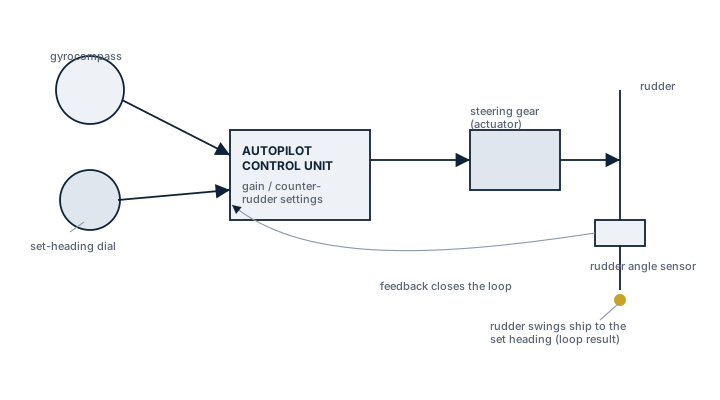
A heading control system is the basic-mode autopilot function: it drives the steering gear to hold a set compass heading using gyro feedback and adjustable rudder gain and counter-rudder settings, without following a planned track the way a track control system does.
Read more — Heading Control System explained ▾
What sets a heading control system apart
Within autopilot functions, heading control is the simplest mode: the system takes a heading set by the officer of the watch and drives the steering gear to hold it, correcting for yaw from wind, sea and current using feedback from the gyrocompass. It does not know or care where the ship's track lies on the chart; a track control system, by contrast, drives the ship along a planned route from the ECDIS, automatically adjusting heading at waypoints and correcting for cross-track error. Heading control is what is actually in use for most of an ocean passage even on ships fitted with track control, because it is simpler to monitor and sufficient once the ship is well clear of other traffic and hazards.
Main components
Control unit
Takes the set heading from the operator, compares it continuously to the actual heading from the gyrocompass, and generates a rudder demand signal to correct any error.
Adaptive control parameters
Rudder gain, how much rudder is applied per degree of heading error, and counter-rudder, how early the system starts opposing the turn as the ship approaches the set heading, are tuned to the vessel's loaded condition and sea state; wrongly set, the ship either wanders off heading or oversteers into a hunting oscillation.
Interface to steering gear
Sends the rudder demand to the steering gear's control system, which drives the actual hydraulic rudder actuator; the autopilot itself does not move the rudder, it commands the steering gear to do so.
Off-heading alarm
Monitors deviation from the set heading and alarms if it exceeds a set limit, a required safety function since an unmonitored autopilot can carry a ship well off course before anyone notices.
Selection and sizing
- Compatibility with the vessel's existing gyrocompass and steering gear interface, since heading control systems are rarely a clean standalone fit on a retrofit.
- Adaptive or self-tuning capability, which reduces the manual retuning burden as loading and sea state change through a voyage.
- Redundancy and changeover arrangements to manual or emergency steering, tested as part of the vessel's steering gear tests.
- Integration requirement: whether the system needs to interoperate with a track control system already fitted or planned.
Regulations and class
SOLAS Ch. V requires steering gear performance standards that heading control systems must not compromise, including the ability to revert quickly to manual steering. IMO performance standards for heading and track control systems set minimum requirements for accuracy, alarm functions and changeover behaviour. Class societies require periodic testing of the steering control system, including changeover between control modes, typically verified during the mandatory steering gear test carried out before departure and at other required intervals.
Typical faults
| Fault | Cause | Consequence |
|---|---|---|
| Hunting, repeated over-correction | Rudder gain and counter-rudder not retuned for a change in loading or sea state | Excess rudder activity, wasted fuel, faster steering gear wear |
| Slow response in following seas | Parameters tuned for head seas applied unchanged in a following sea | Larger heading excursions before correction takes effect |
| Undetected drift off heading | Off-heading alarm limit set too wide, or muted without being reset | Ship well off intended heading before the watch notices |
| Loss of control on changeover | Poorly tested or unclear procedure for reverting from autopilot to manual steering | Delay regaining rudder control at a critical moment, for example entering a traffic scheme |
What to look for in a supplier
- Type approval to the applicable IMO performance standard for heading, and if fitted track, control.
- Clear, tested interface specification against the vessel's actual gyrocompass and steering gear model.
- Documented adaptive tuning behaviour, and manual override of gain and counter-rudder for the watch officer when needed.
- Established service support for software updates and periodic performance verification.
Retune rudder gain and counter-rudder after any significant change in loading condition or when heading into markedly different sea conditions; a setting that was smooth in ballast can hunt badly when the ship is loaded deep.
10 manufacturers · 188 models
Kongsberg
33- Heading-sensor or bus-data loss can disable automatic steering, seen as heading-source alarms or transfer to manual control
- Rudder-feedback faults can make the controller misread steering response, noticed as hunting, excessive correction or feedback alarms
- Control-unit or power-supply faults can cause resets or loss of automatic mode, seen as unavailable autopilot functions
- Poorly tuned or corrupted control parameters can cause unstable steering, noticed as yawing or frequent rudder activity
- Cabling, connector or interface faults can interrupt commands to the steering system, seen as intermittent mode changes or command mismatch alarms
- Sensor, antenna or transducer fault caused by damage, fouling, water ingress or electronics failure, resulting in missing, unstable or implausible navigation data
- Power-supply failure caused by breaker, converter or wiring faults, resulting in loss of indication or repeated restarts
- Network or interface failure caused by damaged cabling, port faults or configuration changes, resulting in loss of data to connected bridge systems
- Display, processor or control failure caused by hardware or software faults, resulting in frozen, blank or unavailable functions
- Calibration, alignment or configuration error caused by incorrect setup or maintenance, resulting in persistent disagreement with independent references
- Heading-input failure caused by gyro, compass or network faults, resulting in alarms, unstable steering or loss of automatic mode
- Steering-interface fault caused by wiring, actuator, solenoid or follow-up problems, resulting in poor rudder response or inability to control heading
- Control-unit or display failure caused by power, hardware or software faults, resulting in frozen controls, resets or loss of function
- Rudder-feedback error caused by sensor or linkage deterioration, resulting in hunting, incorrect rudder indication or steering instability
- Power-supply or communication failure caused by breaker, converter, network or cabling faults, resulting in repeated alarms or system shutdown
- Sensor, antenna or transducer fault caused by damage, fouling, water ingress or electronics failure, resulting in missing, unstable or implausible navigation data
- Power-supply failure caused by breaker, converter or wiring faults, resulting in loss of indication or repeated restarts
- Network or interface failure caused by damaged cabling, port faults or configuration changes, resulting in loss of data to connected bridge systems
- Display, processor or control failure caused by hardware or software faults, resulting in frozen, blank or unavailable functions
- Calibration, alignment or configuration error caused by incorrect setup or maintenance, resulting in persistent disagreement with independent references
- Sensor, antenna or transducer fault caused by damage, fouling, water ingress or electronics failure, resulting in missing, unstable or implausible navigation data
- Power-supply failure caused by breaker, converter or wiring faults, resulting in loss of indication or repeated restarts
- Network or interface failure caused by damaged cabling, port faults or configuration changes, resulting in loss of data to connected bridge systems
- Display, processor or control failure caused by hardware or software faults, resulting in frozen, blank or unavailable functions
- Calibration, alignment or configuration error caused by incorrect setup or maintenance, resulting in persistent disagreement with independent references
- Sensor, antenna or transducer fault caused by damage, fouling, water ingress or electronics failure, resulting in missing, unstable or implausible navigation data
- Power-supply failure caused by breaker, converter or wiring faults, resulting in loss of indication or repeated restarts
- Network or interface failure caused by damaged cabling, port faults or configuration changes, resulting in loss of data to connected bridge systems
- Display, processor or control failure caused by hardware or software faults, resulting in frozen, blank or unavailable functions
- Calibration, alignment or configuration error caused by incorrect setup or maintenance, resulting in persistent disagreement with independent references
- Sensor, antenna or transducer fault caused by damage, fouling, water ingress or electronics failure, resulting in missing, unstable or implausible navigation data
- Power-supply failure caused by breaker, converter or wiring faults, resulting in loss of indication or repeated restarts
- Network or interface failure caused by damaged cabling, port faults or configuration changes, resulting in loss of data to connected bridge systems
- Display, processor or control failure caused by hardware or software faults, resulting in frozen, blank or unavailable functions
- Calibration, alignment or configuration error caused by incorrect setup or maintenance, resulting in persistent disagreement with independent references
- Sensor, antenna or transducer fault caused by damage, fouling, water ingress or electronics failure, resulting in missing, unstable or implausible navigation data
- Power-supply failure caused by breaker, converter or wiring faults, resulting in loss of indication or repeated restarts
- Network or interface failure caused by damaged cabling, port faults or configuration changes, resulting in loss of data to connected bridge systems
- Display, processor or control failure caused by hardware or software faults, resulting in frozen, blank or unavailable functions
- Calibration, alignment or configuration error caused by incorrect setup or maintenance, resulting in persistent disagreement with independent references
- Sensor, antenna or transducer fault caused by damage, fouling, water ingress or electronics failure, resulting in missing, unstable or implausible navigation data
- Power-supply failure caused by breaker, converter or wiring faults, resulting in loss of indication or repeated restarts
- Network or interface failure caused by damaged cabling, port faults or configuration changes, resulting in loss of data to connected bridge systems
- Display, processor or control failure caused by hardware or software faults, resulting in frozen, blank or unavailable functions
- Calibration, alignment or configuration error caused by incorrect setup or maintenance, resulting in persistent disagreement with independent references
- Sensor, antenna or transducer fault caused by damage, fouling, water ingress or electronics failure, resulting in missing, unstable or implausible navigation data
- Power-supply failure caused by breaker, converter or wiring faults, resulting in loss of indication or repeated restarts
- Network or interface failure caused by damaged cabling, port faults or configuration changes, resulting in loss of data to connected bridge systems
- Display, processor or control failure caused by hardware or software faults, resulting in frozen, blank or unavailable functions
- Calibration, alignment or configuration error caused by incorrect setup or maintenance, resulting in persistent disagreement with independent references
- Sensor, antenna or transducer fault caused by damage, fouling, water ingress or electronics failure, resulting in missing, unstable or implausible navigation data
- Power-supply failure caused by breaker, converter or wiring faults, resulting in loss of indication or repeated restarts
- Network or interface failure caused by damaged cabling, port faults or configuration changes, resulting in loss of data to connected bridge systems
- Display, processor or control failure caused by hardware or software faults, resulting in frozen, blank or unavailable functions
- Calibration, alignment or configuration error caused by incorrect setup or maintenance, resulting in persistent disagreement with independent references
- Heading-sensor or bus-data loss can disable automatic steering, seen as heading-source alarms or transfer to manual control
- Rudder-feedback faults can make the controller misread steering response, noticed as hunting, excessive correction or feedback alarms
- Control-unit or power-supply faults can cause resets or loss of automatic mode, seen as unavailable autopilot functions
- Poorly tuned or corrupted control parameters can cause unstable steering, noticed as yawing or frequent rudder activity
- Cabling, connector or interface faults can interrupt commands to the steering system, seen as intermittent mode changes or command mismatch alarms
- Heading-sensor or bus-data loss can disable automatic steering, seen as heading-source alarms or transfer to manual control
- Rudder-feedback faults can make the controller misread steering response, noticed as hunting, excessive correction or feedback alarms
- Control-unit or power-supply faults can cause resets or loss of automatic mode, seen as unavailable autopilot functions
- Poorly tuned or corrupted control parameters can cause unstable steering, noticed as yawing or frequent rudder activity
- Cabling, connector or interface faults can interrupt commands to the steering system, seen as intermittent mode changes or command mismatch alarms
- Heading-sensor or bus-data loss can disable automatic steering, seen as heading-source alarms or transfer to manual control
- Rudder-feedback faults can make the controller misread steering response, noticed as hunting, excessive correction or feedback alarms
- Control-unit or power-supply faults can cause resets or loss of automatic mode, seen as unavailable autopilot functions
- Poorly tuned or corrupted control parameters can cause unstable steering, noticed as yawing or frequent rudder activity
- Cabling, connector or interface faults can interrupt commands to the steering system, seen as intermittent mode changes or command mismatch alarms
- Sensor, antenna or transducer fault caused by damage, fouling, water ingress or electronics failure, resulting in missing, unstable or implausible navigation data
- Power-supply failure caused by breaker, converter or wiring faults, resulting in loss of indication or repeated restarts
- Network or interface failure caused by damaged cabling, port faults or configuration changes, resulting in loss of data to connected bridge systems
- Display, processor or control failure caused by hardware or software faults, resulting in frozen, blank or unavailable functions
- Calibration, alignment or configuration error caused by incorrect setup or maintenance, resulting in persistent disagreement with independent references
- Heading-sensor or bus-data loss can disable automatic steering, seen as heading-source alarms or transfer to manual control
- Rudder-feedback faults can make the controller misread steering response, noticed as hunting, excessive correction or feedback alarms
- Control-unit or power-supply faults can cause resets or loss of automatic mode, seen as unavailable autopilot functions
- Poorly tuned or corrupted control parameters can cause unstable steering, noticed as yawing or frequent rudder activity
- Cabling, connector or interface faults can interrupt commands to the steering system, seen as intermittent mode changes or command mismatch alarms
- Sensor, antenna or transducer fault caused by damage, fouling, water ingress or electronics failure, resulting in missing, unstable or implausible navigation data
- Power-supply failure caused by breaker, converter or wiring faults, resulting in loss of indication or repeated restarts
- Network or interface failure caused by damaged cabling, port faults or configuration changes, resulting in loss of data to connected bridge systems
- Display, processor or control failure caused by hardware or software faults, resulting in frozen, blank or unavailable functions
- Calibration, alignment or configuration error caused by incorrect setup or maintenance, resulting in persistent disagreement with independent references
- Heading-sensor or bus-data loss can disable automatic steering, seen as heading-source alarms or transfer to manual control
- Rudder-feedback faults can make the controller misread steering response, noticed as hunting, excessive correction or feedback alarms
- Control-unit or power-supply faults can cause resets or loss of automatic mode, seen as unavailable autopilot functions
- Poorly tuned or corrupted control parameters can cause unstable steering, noticed as yawing or frequent rudder activity
- Cabling, connector or interface faults can interrupt commands to the steering system, seen as intermittent mode changes or command mismatch alarms
- Sensor, antenna or transducer fault caused by damage, fouling, water ingress or electronics failure, resulting in missing, unstable or implausible navigation data
- Power-supply failure caused by breaker, converter or wiring faults, resulting in loss of indication or repeated restarts
- Network or interface failure caused by damaged cabling, port faults or configuration changes, resulting in loss of data to connected bridge systems
- Display, processor or control failure caused by hardware or software faults, resulting in frozen, blank or unavailable functions
- Calibration, alignment or configuration error caused by incorrect setup or maintenance, resulting in persistent disagreement with independent references
- Heading-sensor or bus-data loss can disable automatic steering, seen as heading-source alarms or transfer to manual control
- Rudder-feedback faults can make the controller misread steering response, noticed as hunting, excessive correction or feedback alarms
- Control-unit or power-supply faults can cause resets or loss of automatic mode, seen as unavailable autopilot functions
- Poorly tuned or corrupted control parameters can cause unstable steering, noticed as yawing or frequent rudder activity
- Cabling, connector or interface faults can interrupt commands to the steering system, seen as intermittent mode changes or command mismatch alarms
- Sensor, antenna or transducer fault caused by damage, fouling, water ingress or electronics failure, resulting in missing, unstable or implausible navigation data
- Power-supply failure caused by breaker, converter or wiring faults, resulting in loss of indication or repeated restarts
- Network or interface failure caused by damaged cabling, port faults or configuration changes, resulting in loss of data to connected bridge systems
- Display, processor or control failure caused by hardware or software faults, resulting in frozen, blank or unavailable functions
- Calibration, alignment or configuration error caused by incorrect setup or maintenance, resulting in persistent disagreement with independent references
- Heading-sensor or bus-data loss can disable automatic steering, seen as heading-source alarms or transfer to manual control
- Rudder-feedback faults can make the controller misread steering response, noticed as hunting, excessive correction or feedback alarms
- Control-unit or power-supply faults can cause resets or loss of automatic mode, seen as unavailable autopilot functions
- Poorly tuned or corrupted control parameters can cause unstable steering, noticed as yawing or frequent rudder activity
- Cabling, connector or interface faults can interrupt commands to the steering system, seen as intermittent mode changes or command mismatch alarms
- Sensor, antenna or transducer fault caused by damage, fouling, water ingress or electronics failure, resulting in missing, unstable or implausible navigation data
- Power-supply failure caused by breaker, converter or wiring faults, resulting in loss of indication or repeated restarts
- Network or interface failure caused by damaged cabling, port faults or configuration changes, resulting in loss of data to connected bridge systems
- Display, processor or control failure caused by hardware or software faults, resulting in frozen, blank or unavailable functions
- Calibration, alignment or configuration error caused by incorrect setup or maintenance, resulting in persistent disagreement with independent references
- Heading-sensor or bus-data loss can disable automatic steering, seen as heading-source alarms or transfer to manual control
- Rudder-feedback faults can make the controller misread steering response, noticed as hunting, excessive correction or feedback alarms
- Control-unit or power-supply faults can cause resets or loss of automatic mode, seen as unavailable autopilot functions
- Poorly tuned or corrupted control parameters can cause unstable steering, noticed as yawing or frequent rudder activity
- Cabling, connector or interface faults can interrupt commands to the steering system, seen as intermittent mode changes or command mismatch alarms
- Sensor, antenna or transducer fault caused by damage, fouling, water ingress or electronics failure, resulting in missing, unstable or implausible navigation data
- Power-supply failure caused by breaker, converter or wiring faults, resulting in loss of indication or repeated restarts
- Network or interface failure caused by damaged cabling, port faults or configuration changes, resulting in loss of data to connected bridge systems
- Display, processor or control failure caused by hardware or software faults, resulting in frozen, blank or unavailable functions
- Calibration, alignment or configuration error caused by incorrect setup or maintenance, resulting in persistent disagreement with independent references
- Heading-sensor or bus-data loss can disable automatic steering, seen as heading-source alarms or transfer to manual control
- Rudder-feedback faults can make the controller misread steering response, noticed as hunting, excessive correction or feedback alarms
- Control-unit or power-supply faults can cause resets or loss of automatic mode, seen as unavailable autopilot functions
- Poorly tuned or corrupted control parameters can cause unstable steering, noticed as yawing or frequent rudder activity
- Cabling, connector or interface faults can interrupt commands to the steering system, seen as intermittent mode changes or command mismatch alarms
- Sensor, antenna or transducer fault caused by damage, fouling, water ingress or electronics failure, resulting in missing, unstable or implausible navigation data
- Power-supply failure caused by breaker, converter or wiring faults, resulting in loss of indication or repeated restarts
- Network or interface failure caused by damaged cabling, port faults or configuration changes, resulting in loss of data to connected bridge systems
- Display, processor or control failure caused by hardware or software faults, resulting in frozen, blank or unavailable functions
- Calibration, alignment or configuration error caused by incorrect setup or maintenance, resulting in persistent disagreement with independent references
- Heading-sensor or bus-data loss can disable automatic steering, seen as heading-source alarms or transfer to manual control
- Rudder-feedback faults can make the controller misread steering response, noticed as hunting, excessive correction or feedback alarms
- Control-unit or power-supply faults can cause resets or loss of automatic mode, seen as unavailable autopilot functions
- Poorly tuned or corrupted control parameters can cause unstable steering, noticed as yawing or frequent rudder activity
- Cabling, connector or interface faults can interrupt commands to the steering system, seen as intermittent mode changes or command mismatch alarms
- Sensor, antenna or transducer fault caused by damage, fouling, water ingress or electronics failure, resulting in missing, unstable or implausible navigation data
- Power-supply failure caused by breaker, converter or wiring faults, resulting in loss of indication or repeated restarts
- Network or interface failure caused by damaged cabling, port faults or configuration changes, resulting in loss of data to connected bridge systems
- Display, processor or control failure caused by hardware or software faults, resulting in frozen, blank or unavailable functions
- Calibration, alignment or configuration error caused by incorrect setup or maintenance, resulting in persistent disagreement with independent references
- Heading-sensor or bus-data loss can disable automatic steering, seen as heading-source alarms or transfer to manual control
- Rudder-feedback faults can make the controller misread steering response, noticed as hunting, excessive correction or feedback alarms
- Control-unit or power-supply faults can cause resets or loss of automatic mode, seen as unavailable autopilot functions
- Poorly tuned or corrupted control parameters can cause unstable steering, noticed as yawing or frequent rudder activity
- Cabling, connector or interface faults can interrupt commands to the steering system, seen as intermittent mode changes or command mismatch alarms
- Sensor, antenna or transducer fault caused by damage, fouling, water ingress or electronics failure, resulting in missing, unstable or implausible navigation data
- Power-supply failure caused by breaker, converter or wiring faults, resulting in loss of indication or repeated restarts
- Network or interface failure caused by damaged cabling, port faults or configuration changes, resulting in loss of data to connected bridge systems
- Display, processor or control failure caused by hardware or software faults, resulting in frozen, blank or unavailable functions
- Calibration, alignment or configuration error caused by incorrect setup or maintenance, resulting in persistent disagreement with independent references
- Heading-sensor or bus-data loss can disable automatic steering, seen as heading-source alarms or transfer to manual control
- Rudder-feedback faults can make the controller misread steering response, noticed as hunting, excessive correction or feedback alarms
- Control-unit or power-supply faults can cause resets or loss of automatic mode, seen as unavailable autopilot functions
- Poorly tuned or corrupted control parameters can cause unstable steering, noticed as yawing or frequent rudder activity
- Cabling, connector or interface faults can interrupt commands to the steering system, seen as intermittent mode changes or command mismatch alarms
- Sensor, antenna or transducer fault caused by damage, fouling, water ingress or electronics failure, resulting in missing, unstable or implausible navigation data
- Power-supply failure caused by breaker, converter or wiring faults, resulting in loss of indication or repeated restarts
- Network or interface failure caused by damaged cabling, port faults or configuration changes, resulting in loss of data to connected bridge systems
- Display, processor or control failure caused by hardware or software faults, resulting in frozen, blank or unavailable functions
- Calibration, alignment or configuration error caused by incorrect setup or maintenance, resulting in persistent disagreement with independent references
MacTaggart Scott
33- Sensor drift, damage or loss of reference caused by ageing, magnetic influence, antenna issues or internal faults can produce unstable or incorrect heading or position information
- Control or interface failure caused by electronics, cabling or network faults can create steering alarms, rejected inputs or loss of automatic control
- Power-supply interruption caused by loose connections, protection trips or internal failure can result in resets or total loss of indication
- Incorrect calibration or configuration after maintenance can show as persistent offset, poor course keeping or disagreement with independent references
- Mechanical wear in connected steering components where applicable can cause slow response, hunting, leakage or increased steering error
- Sensor drift, damage or loss of reference caused by ageing, magnetic influence, antenna issues or internal faults can produce unstable or incorrect heading or position information
- Control or interface failure caused by electronics, cabling or network faults can create steering alarms, rejected inputs or loss of automatic control
- Power-supply interruption caused by loose connections, protection trips or internal failure can result in resets or total loss of indication
- Incorrect calibration or configuration after maintenance can show as persistent offset, poor course keeping or disagreement with independent references
- Mechanical wear in connected steering components where applicable can cause slow response, hunting, leakage or increased steering error
- Sensor drift, damage or loss of reference caused by ageing, magnetic influence, antenna issues or internal faults can produce unstable or incorrect heading or position information
- Control or interface failure caused by electronics, cabling or network faults can create steering alarms, rejected inputs or loss of automatic control
- Power-supply interruption caused by loose connections, protection trips or internal failure can result in resets or total loss of indication
- Incorrect calibration or configuration after maintenance can show as persistent offset, poor course keeping or disagreement with independent references
- Mechanical wear in connected steering components where applicable can cause slow response, hunting, leakage or increased steering error
- Heading-input failure caused by gyro, compass or network faults, resulting in alarms, unstable steering or loss of automatic mode
- Steering-interface fault caused by wiring, actuator, solenoid or follow-up problems, resulting in poor rudder response or inability to control heading
- Control-unit or display failure caused by power, hardware or software faults, resulting in frozen controls, resets or loss of function
- Rudder-feedback error caused by sensor or linkage deterioration, resulting in hunting, incorrect rudder indication or steering instability
- Power-supply or communication failure caused by breaker, converter, network or cabling faults, resulting in repeated alarms or system shutdown
- Heading-input failure caused by gyro, compass or network faults, resulting in alarms, unstable steering or loss of automatic mode
- Steering-interface fault caused by wiring, actuator, solenoid or follow-up problems, resulting in poor rudder response or inability to control heading
- Control-unit or display failure caused by power, hardware or software faults, resulting in frozen controls, resets or loss of function
- Rudder-feedback error caused by sensor or linkage deterioration, resulting in hunting, incorrect rudder indication or steering instability
- Power-supply or communication failure caused by breaker, converter, network or cabling faults, resulting in repeated alarms or system shutdown
- Heading-input failure caused by gyro, compass or network faults, resulting in alarms, unstable steering or loss of automatic mode
- Steering-interface fault caused by wiring, actuator, solenoid or follow-up problems, resulting in poor rudder response or inability to control heading
- Control-unit or display failure caused by power, hardware or software faults, resulting in frozen controls, resets or loss of function
- Rudder-feedback error caused by sensor or linkage deterioration, resulting in hunting, incorrect rudder indication or steering instability
- Power-supply or communication failure caused by breaker, converter, network or cabling faults, resulting in repeated alarms or system shutdown
- Heading-input failure caused by gyro, compass or network faults, resulting in alarms, unstable steering or loss of automatic mode
- Steering-interface fault caused by wiring, actuator, solenoid or follow-up problems, resulting in poor rudder response or inability to control heading
- Control-unit or display failure caused by power, hardware or software faults, resulting in frozen controls, resets or loss of function
- Rudder-feedback error caused by sensor or linkage deterioration, resulting in hunting, incorrect rudder indication or steering instability
- Power-supply or communication failure caused by breaker, converter, network or cabling faults, resulting in repeated alarms or system shutdown

- Heading-input failure caused by gyro, compass or network faults, resulting in alarms, unstable steering or loss of automatic mode
- Steering-interface fault caused by wiring, actuator, solenoid or follow-up problems, resulting in poor rudder response or inability to control heading
- Control-unit or display failure caused by power, hardware or software faults, resulting in frozen controls, resets or loss of function
- Rudder-feedback error caused by sensor or linkage deterioration, resulting in hunting, incorrect rudder indication or steering instability
- Power-supply or communication failure caused by breaker, converter, network or cabling faults, resulting in repeated alarms or system shutdown
- Heading-input failure caused by gyro, compass or network faults, resulting in alarms, unstable steering or loss of automatic mode
- Steering-interface fault caused by wiring, actuator, solenoid or follow-up problems, resulting in poor rudder response or inability to control heading
- Control-unit or display failure caused by power, hardware or software faults, resulting in frozen controls, resets or loss of function
- Rudder-feedback error caused by sensor or linkage deterioration, resulting in hunting, incorrect rudder indication or steering instability
- Power-supply or communication failure caused by breaker, converter, network or cabling faults, resulting in repeated alarms or system shutdown
- Heading-sensor or input failure causes wandering, unexpected rudder commands or heading alarms
- Rudder-feedback faults cause hunting, overshoot or disagreement between commanded and actual rudder angle
- Control-unit or software faults cause loss of automatic mode or repeated alarms
- Steering-gear interface faults prevent commanded rudder movement despite normal bridge indication
- Incorrect tuning or sea-state settings cause excessive rudder activity, poor course keeping or increased steering-gear wear
- Heading-sensor or input failure causes wandering, unexpected rudder commands or heading alarms
- Rudder-feedback faults cause hunting, overshoot or disagreement between commanded and actual rudder angle
- Control-unit or software faults cause loss of automatic mode or repeated alarms
- Steering-gear interface faults prevent commanded rudder movement despite normal bridge indication
- Incorrect tuning or sea-state settings cause excessive rudder activity, poor course keeping or increased steering-gear wear
- Heading-input failure caused by gyro, compass or network faults, resulting in alarms, unstable steering or loss of automatic mode
- Steering-interface fault caused by wiring, actuator, solenoid or follow-up problems, resulting in poor rudder response or inability to control heading
- Control-unit or display failure caused by power, hardware or software faults, resulting in frozen controls, resets or loss of function
- Rudder-feedback error caused by sensor or linkage deterioration, resulting in hunting, incorrect rudder indication or steering instability
- Power-supply or communication failure caused by breaker, converter, network or cabling faults, resulting in repeated alarms or system shutdown
- Heading-input failure caused by gyro, compass or network faults, resulting in alarms, unstable steering or loss of automatic mode
- Steering-interface fault caused by wiring, actuator, solenoid or follow-up problems, resulting in poor rudder response or inability to control heading
- Control-unit or display failure caused by power, hardware or software faults, resulting in frozen controls, resets or loss of function
- Rudder-feedback error caused by sensor or linkage deterioration, resulting in hunting, incorrect rudder indication or steering instability
- Power-supply or communication failure caused by breaker, converter, network or cabling faults, resulting in repeated alarms or system shutdown
- Heading-input failure caused by gyro, compass or network faults, resulting in alarms, unstable steering or loss of automatic mode
- Steering-interface fault caused by wiring, actuator, solenoid or follow-up problems, resulting in poor rudder response or inability to control heading
- Control-unit or display failure caused by power, hardware or software faults, resulting in frozen controls, resets or loss of function
- Rudder-feedback error caused by sensor or linkage deterioration, resulting in hunting, incorrect rudder indication or steering instability
- Power-supply or communication failure caused by breaker, converter, network or cabling faults, resulting in repeated alarms or system shutdown
- Heading-sensor or input failure causes wandering, unexpected rudder commands or heading alarms
- Rudder-feedback faults cause hunting, overshoot or disagreement between commanded and actual rudder angle
- Control-unit or software faults cause loss of automatic mode or repeated alarms
- Steering-gear interface faults prevent commanded rudder movement despite normal bridge indication
- Incorrect tuning or sea-state settings cause excessive rudder activity, poor course keeping or increased steering-gear wear
- Heading-input failure caused by gyro, compass or network faults, resulting in alarms, unstable steering or loss of automatic mode
- Steering-interface fault caused by wiring, actuator, solenoid or follow-up problems, resulting in poor rudder response or inability to control heading
- Control-unit or display failure caused by power, hardware or software faults, resulting in frozen controls, resets or loss of function
- Rudder-feedback error caused by sensor or linkage deterioration, resulting in hunting, incorrect rudder indication or steering instability
- Power-supply or communication failure caused by breaker, converter, network or cabling faults, resulting in repeated alarms or system shutdown
- Heading-sensor or input failure causes wandering, unexpected rudder commands or heading alarms
- Rudder-feedback faults cause hunting, overshoot or disagreement between commanded and actual rudder angle
- Control-unit or software faults cause loss of automatic mode or repeated alarms
- Steering-gear interface faults prevent commanded rudder movement despite normal bridge indication
- Incorrect tuning or sea-state settings cause excessive rudder activity, poor course keeping or increased steering-gear wear
- Heading-input failure caused by gyro, compass or network faults, resulting in alarms, unstable steering or loss of automatic mode
- Steering-interface fault caused by wiring, actuator, solenoid or follow-up problems, resulting in poor rudder response or inability to control heading
- Control-unit or display failure caused by power, hardware or software faults, resulting in frozen controls, resets or loss of function
- Rudder-feedback error caused by sensor or linkage deterioration, resulting in hunting, incorrect rudder indication or steering instability
- Power-supply or communication failure caused by breaker, converter, network or cabling faults, resulting in repeated alarms or system shutdown
- Heading-sensor or input failure causes wandering, unexpected rudder commands or heading alarms
- Rudder-feedback faults cause hunting, overshoot or disagreement between commanded and actual rudder angle
- Control-unit or software faults cause loss of automatic mode or repeated alarms
- Steering-gear interface faults prevent commanded rudder movement despite normal bridge indication
- Incorrect tuning or sea-state settings cause excessive rudder activity, poor course keeping or increased steering-gear wear
- Heading-input failure caused by gyro, compass or network faults, resulting in alarms, unstable steering or loss of automatic mode
- Steering-interface fault caused by wiring, actuator, solenoid or follow-up problems, resulting in poor rudder response or inability to control heading
- Control-unit or display failure caused by power, hardware or software faults, resulting in frozen controls, resets or loss of function
- Rudder-feedback error caused by sensor or linkage deterioration, resulting in hunting, incorrect rudder indication or steering instability
- Power-supply or communication failure caused by breaker, converter, network or cabling faults, resulting in repeated alarms or system shutdown
- Heading-sensor or input failure causes wandering, unexpected rudder commands or heading alarms
- Rudder-feedback faults cause hunting, overshoot or disagreement between commanded and actual rudder angle
- Control-unit or software faults cause loss of automatic mode or repeated alarms
- Steering-gear interface faults prevent commanded rudder movement despite normal bridge indication
- Incorrect tuning or sea-state settings cause excessive rudder activity, poor course keeping or increased steering-gear wear
- Heading-input failure caused by gyro, compass or network faults, resulting in alarms, unstable steering or loss of automatic mode
- Steering-interface fault caused by wiring, actuator, solenoid or follow-up problems, resulting in poor rudder response or inability to control heading
- Control-unit or display failure caused by power, hardware or software faults, resulting in frozen controls, resets or loss of function
- Rudder-feedback error caused by sensor or linkage deterioration, resulting in hunting, incorrect rudder indication or steering instability
- Power-supply or communication failure caused by breaker, converter, network or cabling faults, resulting in repeated alarms or system shutdown
- Heading-sensor or input failure causes wandering, unexpected rudder commands or heading alarms
- Rudder-feedback faults cause hunting, overshoot or disagreement between commanded and actual rudder angle
- Control-unit or software faults cause loss of automatic mode or repeated alarms
- Steering-gear interface faults prevent commanded rudder movement despite normal bridge indication
- Incorrect tuning or sea-state settings cause excessive rudder activity, poor course keeping or increased steering-gear wear
- Heading-input failure caused by gyro, compass or network faults, resulting in alarms, unstable steering or loss of automatic mode
- Steering-interface fault caused by wiring, actuator, solenoid or follow-up problems, resulting in poor rudder response or inability to control heading
- Control-unit or display failure caused by power, hardware or software faults, resulting in frozen controls, resets or loss of function
- Rudder-feedback error caused by sensor or linkage deterioration, resulting in hunting, incorrect rudder indication or steering instability
- Power-supply or communication failure caused by breaker, converter, network or cabling faults, resulting in repeated alarms or system shutdown
- Heading-sensor or input failure causes wandering, unexpected rudder commands or heading alarms
- Rudder-feedback faults cause hunting, overshoot or disagreement between commanded and actual rudder angle
- Control-unit or software faults cause loss of automatic mode or repeated alarms
- Steering-gear interface faults prevent commanded rudder movement despite normal bridge indication
- Incorrect tuning or sea-state settings cause excessive rudder activity, poor course keeping or increased steering-gear wear
- Heading-input failure caused by gyro, compass or network faults, resulting in alarms, unstable steering or loss of automatic mode
- Steering-interface fault caused by wiring, actuator, solenoid or follow-up problems, resulting in poor rudder response or inability to control heading
- Control-unit or display failure caused by power, hardware or software faults, resulting in frozen controls, resets or loss of function
- Rudder-feedback error caused by sensor or linkage deterioration, resulting in hunting, incorrect rudder indication or steering instability
- Power-supply or communication failure caused by breaker, converter, network or cabling faults, resulting in repeated alarms or system shutdown
- Heading-sensor or input failure causes wandering, unexpected rudder commands or heading alarms
- Rudder-feedback faults cause hunting, overshoot or disagreement between commanded and actual rudder angle
- Control-unit or software faults cause loss of automatic mode or repeated alarms
- Steering-gear interface faults prevent commanded rudder movement despite normal bridge indication
- Incorrect tuning or sea-state settings cause excessive rudder activity, poor course keeping or increased steering-gear wear
- Heading-input failure caused by gyro, compass or network faults, resulting in alarms, unstable steering or loss of automatic mode
- Steering-interface fault caused by wiring, actuator, solenoid or follow-up problems, resulting in poor rudder response or inability to control heading
- Control-unit or display failure caused by power, hardware or software faults, resulting in frozen controls, resets or loss of function
- Rudder-feedback error caused by sensor or linkage deterioration, resulting in hunting, incorrect rudder indication or steering instability
- Power-supply or communication failure caused by breaker, converter, network or cabling faults, resulting in repeated alarms or system shutdown
- Heading-sensor or input failure causes wandering, unexpected rudder commands or heading alarms
- Rudder-feedback faults cause hunting, overshoot or disagreement between commanded and actual rudder angle
- Control-unit or software faults cause loss of automatic mode or repeated alarms
- Steering-gear interface faults prevent commanded rudder movement despite normal bridge indication
- Incorrect tuning or sea-state settings cause excessive rudder activity, poor course keeping or increased steering-gear wear
- Heading-input failure caused by gyro, compass or network faults, resulting in alarms, unstable steering or loss of automatic mode
- Steering-interface fault caused by wiring, actuator, solenoid or follow-up problems, resulting in poor rudder response or inability to control heading
- Control-unit or display failure caused by power, hardware or software faults, resulting in frozen controls, resets or loss of function
- Rudder-feedback error caused by sensor or linkage deterioration, resulting in hunting, incorrect rudder indication or steering instability
- Power-supply or communication failure caused by breaker, converter, network or cabling faults, resulting in repeated alarms or system shutdown
- Heading-sensor or input failure causes wandering, unexpected rudder commands or heading alarms
- Rudder-feedback faults cause hunting, overshoot or disagreement between commanded and actual rudder angle
- Control-unit or software faults cause loss of automatic mode or repeated alarms
- Steering-gear interface faults prevent commanded rudder movement despite normal bridge indication
- Incorrect tuning or sea-state settings cause excessive rudder activity, poor course keeping or increased steering-gear wear
- Heading-input failure caused by gyro, compass or network faults, resulting in alarms, unstable steering or loss of automatic mode
- Steering-interface fault caused by wiring, actuator, solenoid or follow-up problems, resulting in poor rudder response or inability to control heading
- Control-unit or display failure caused by power, hardware or software faults, resulting in frozen controls, resets or loss of function
- Rudder-feedback error caused by sensor or linkage deterioration, resulting in hunting, incorrect rudder indication or steering instability
- Power-supply or communication failure caused by breaker, converter, network or cabling faults, resulting in repeated alarms or system shutdown
- Heading-sensor or input failure causes wandering, unexpected rudder commands or heading alarms
- Rudder-feedback faults cause hunting, overshoot or disagreement between commanded and actual rudder angle
- Control-unit or software faults cause loss of automatic mode or repeated alarms
- Steering-gear interface faults prevent commanded rudder movement despite normal bridge indication
- Incorrect tuning or sea-state settings cause excessive rudder activity, poor course keeping or increased steering-gear wear
Jastram
32- Loss of electrical, hydraulic, pneumatic, or other service supply caused by a tripped protection device, leakage, blockage, or upstream fault results in failed starting or loss of function
- Mechanical wear, corrosion, fouling, or contamination of moving and wetted parts causes increased noise, leakage, sticking, vibration, or reduced performance
- Seal, gasket, hose, cable, or connection deterioration from age, heat, vibration, or environmental exposure produces visible leakage, intermittent signals, or loss of pressure
- Sensor, switch, actuator, relay, or control-system faults can cause incorrect indication, nuisance alarms, failed automatic sequences, or loss of remote control
- Incorrect adjustment, assembly, or maintenance can lead to unstable operation, recurrent alarms, or performance that differs from the vessel's normal baseline
- Sensor drift, damage or loss of reference caused by ageing, magnetic influence, antenna issues or internal faults can produce unstable or incorrect heading or position information
- Control or interface failure caused by electronics, cabling or network faults can create steering alarms, rejected inputs or loss of automatic control
- Power-supply interruption caused by loose connections, protection trips or internal failure can result in resets or total loss of indication
- Incorrect calibration or configuration after maintenance can show as persistent offset, poor course keeping or disagreement with independent references
- Mechanical wear in connected steering components where applicable can cause slow response, hunting, leakage or increased steering error
- Loss of electrical, hydraulic, pneumatic, or other service supply caused by a tripped protection device, leakage, blockage, or upstream fault results in failed starting or loss of function
- Mechanical wear, corrosion, fouling, or contamination of moving and wetted parts causes increased noise, leakage, sticking, vibration, or reduced performance
- Seal, gasket, hose, cable, or connection deterioration from age, heat, vibration, or environmental exposure produces visible leakage, intermittent signals, or loss of pressure
- Sensor, switch, actuator, relay, or control-system faults can cause incorrect indication, nuisance alarms, failed automatic sequences, or loss of remote control
- Incorrect adjustment, assembly, or maintenance can lead to unstable operation, recurrent alarms, or performance that differs from the vessel's normal baseline
- Sensor drift, damage or loss of reference caused by ageing, magnetic influence, antenna issues or internal faults can produce unstable or incorrect heading or position information
- Control or interface failure caused by electronics, cabling or network faults can create steering alarms, rejected inputs or loss of automatic control
- Power-supply interruption caused by loose connections, protection trips or internal failure can result in resets or total loss of indication
- Incorrect calibration or configuration after maintenance can show as persistent offset, poor course keeping or disagreement with independent references
- Mechanical wear in connected steering components where applicable can cause slow response, hunting, leakage or increased steering error
- Sensor drift, damage or loss of reference caused by ageing, magnetic influence, antenna issues or internal faults can produce unstable or incorrect heading or position information
- Control or interface failure caused by electronics, cabling or network faults can create steering alarms, rejected inputs or loss of automatic control
- Power-supply interruption caused by loose connections, protection trips or internal failure can result in resets or total loss of indication
- Incorrect calibration or configuration after maintenance can show as persistent offset, poor course keeping or disagreement with independent references
- Mechanical wear in connected steering components where applicable can cause slow response, hunting, leakage or increased steering error
- Sensor drift, damage or loss of reference caused by ageing, magnetic influence, antenna issues or internal faults can produce unstable or incorrect heading or position information
- Control or interface failure caused by electronics, cabling or network faults can create steering alarms, rejected inputs or loss of automatic control
- Power-supply interruption caused by loose connections, protection trips or internal failure can result in resets or total loss of indication
- Incorrect calibration or configuration after maintenance can show as persistent offset, poor course keeping or disagreement with independent references
- Mechanical wear in connected steering components where applicable can cause slow response, hunting, leakage or increased steering error
- Sensor drift, damage or loss of reference caused by ageing, magnetic influence, antenna issues or internal faults can produce unstable or incorrect heading or position information
- Control or interface failure caused by electronics, cabling or network faults can create steering alarms, rejected inputs or loss of automatic control
- Power-supply interruption caused by loose connections, protection trips or internal failure can result in resets or total loss of indication
- Incorrect calibration or configuration after maintenance can show as persistent offset, poor course keeping or disagreement with independent references
- Mechanical wear in connected steering components where applicable can cause slow response, hunting, leakage or increased steering error
- Sensor drift, damage or loss of reference caused by ageing, magnetic influence, antenna issues or internal faults can produce unstable or incorrect heading or position information
- Control or interface failure caused by electronics, cabling or network faults can create steering alarms, rejected inputs or loss of automatic control
- Power-supply interruption caused by loose connections, protection trips or internal failure can result in resets or total loss of indication
- Incorrect calibration or configuration after maintenance can show as persistent offset, poor course keeping or disagreement with independent references
- Mechanical wear in connected steering components where applicable can cause slow response, hunting, leakage or increased steering error
- Sensor drift, damage or loss of reference caused by ageing, magnetic influence, antenna issues or internal faults can produce unstable or incorrect heading or position information
- Control or interface failure caused by electronics, cabling or network faults can create steering alarms, rejected inputs or loss of automatic control
- Power-supply interruption caused by loose connections, protection trips or internal failure can result in resets or total loss of indication
- Incorrect calibration or configuration after maintenance can show as persistent offset, poor course keeping or disagreement with independent references
- Mechanical wear in connected steering components where applicable can cause slow response, hunting, leakage or increased steering error
- Sensor drift, damage or loss of reference caused by ageing, magnetic influence, antenna issues or internal faults can produce unstable or incorrect heading or position information
- Control or interface failure caused by electronics, cabling or network faults can create steering alarms, rejected inputs or loss of automatic control
- Power-supply interruption caused by loose connections, protection trips or internal failure can result in resets or total loss of indication
- Incorrect calibration or configuration after maintenance can show as persistent offset, poor course keeping or disagreement with independent references
- Mechanical wear in connected steering components where applicable can cause slow response, hunting, leakage or increased steering error
- Sensor drift, damage or loss of reference caused by ageing, magnetic influence, antenna issues or internal faults can produce unstable or incorrect heading or position information
- Control or interface failure caused by electronics, cabling or network faults can create steering alarms, rejected inputs or loss of automatic control
- Power-supply interruption caused by loose connections, protection trips or internal failure can result in resets or total loss of indication
- Incorrect calibration or configuration after maintenance can show as persistent offset, poor course keeping or disagreement with independent references
- Mechanical wear in connected steering components where applicable can cause slow response, hunting, leakage or increased steering error
- Sensor drift, damage or loss of reference caused by ageing, magnetic influence, antenna issues or internal faults can produce unstable or incorrect heading or position information
- Control or interface failure caused by electronics, cabling or network faults can create steering alarms, rejected inputs or loss of automatic control
- Power-supply interruption caused by loose connections, protection trips or internal failure can result in resets or total loss of indication
- Incorrect calibration or configuration after maintenance can show as persistent offset, poor course keeping or disagreement with independent references
- Mechanical wear in connected steering components where applicable can cause slow response, hunting, leakage or increased steering error
- Sensor drift, damage or loss of reference caused by ageing, magnetic influence, antenna issues or internal faults can produce unstable or incorrect heading or position information
- Control or interface failure caused by electronics, cabling or network faults can create steering alarms, rejected inputs or loss of automatic control
- Power-supply interruption caused by loose connections, protection trips or internal failure can result in resets or total loss of indication
- Incorrect calibration or configuration after maintenance can show as persistent offset, poor course keeping or disagreement with independent references
- Mechanical wear in connected steering components where applicable can cause slow response, hunting, leakage or increased steering error
- Sensor drift, damage or loss of reference caused by ageing, magnetic influence, antenna issues or internal faults can produce unstable or incorrect heading or position information
- Control or interface failure caused by electronics, cabling or network faults can create steering alarms, rejected inputs or loss of automatic control
- Power-supply interruption caused by loose connections, protection trips or internal failure can result in resets or total loss of indication
- Incorrect calibration or configuration after maintenance can show as persistent offset, poor course keeping or disagreement with independent references
- Mechanical wear in connected steering components where applicable can cause slow response, hunting, leakage or increased steering error
- Sensor drift, damage or loss of reference caused by ageing, magnetic influence, antenna issues or internal faults can produce unstable or incorrect heading or position information
- Control or interface failure caused by electronics, cabling or network faults can create steering alarms, rejected inputs or loss of automatic control
- Power-supply interruption caused by loose connections, protection trips or internal failure can result in resets or total loss of indication
- Incorrect calibration or configuration after maintenance can show as persistent offset, poor course keeping or disagreement with independent references
- Mechanical wear in connected steering components where applicable can cause slow response, hunting, leakage or increased steering error
- Sensor drift, damage or loss of reference caused by ageing, magnetic influence, antenna issues or internal faults can produce unstable or incorrect heading or position information
- Control or interface failure caused by electronics, cabling or network faults can create steering alarms, rejected inputs or loss of automatic control
- Power-supply interruption caused by loose connections, protection trips or internal failure can result in resets or total loss of indication
- Incorrect calibration or configuration after maintenance can show as persistent offset, poor course keeping or disagreement with independent references
- Mechanical wear in connected steering components where applicable can cause slow response, hunting, leakage or increased steering error
- Sensor drift, damage or loss of reference caused by ageing, magnetic influence, antenna issues or internal faults can produce unstable or incorrect heading or position information
- Control or interface failure caused by electronics, cabling or network faults can create steering alarms, rejected inputs or loss of automatic control
- Power-supply interruption caused by loose connections, protection trips or internal failure can result in resets or total loss of indication
- Incorrect calibration or configuration after maintenance can show as persistent offset, poor course keeping or disagreement with independent references
- Mechanical wear in connected steering components where applicable can cause slow response, hunting, leakage or increased steering error
- Sensor drift, damage or loss of reference caused by ageing, magnetic influence, antenna issues or internal faults can produce unstable or incorrect heading or position information
- Control or interface failure caused by electronics, cabling or network faults can create steering alarms, rejected inputs or loss of automatic control
- Power-supply interruption caused by loose connections, protection trips or internal failure can result in resets or total loss of indication
- Incorrect calibration or configuration after maintenance can show as persistent offset, poor course keeping or disagreement with independent references
- Mechanical wear in connected steering components where applicable can cause slow response, hunting, leakage or increased steering error
- Sensor drift, damage or loss of reference caused by ageing, magnetic influence, antenna issues or internal faults can produce unstable or incorrect heading or position information
- Control or interface failure caused by electronics, cabling or network faults can create steering alarms, rejected inputs or loss of automatic control
- Power-supply interruption caused by loose connections, protection trips or internal failure can result in resets or total loss of indication
- Incorrect calibration or configuration after maintenance can show as persistent offset, poor course keeping or disagreement with independent references
- Mechanical wear in connected steering components where applicable can cause slow response, hunting, leakage or increased steering error
- Sensor drift, damage or loss of reference caused by ageing, magnetic influence, antenna issues or internal faults can produce unstable or incorrect heading or position information
- Control or interface failure caused by electronics, cabling or network faults can create steering alarms, rejected inputs or loss of automatic control
- Power-supply interruption caused by loose connections, protection trips or internal failure can result in resets or total loss of indication
- Incorrect calibration or configuration after maintenance can show as persistent offset, poor course keeping or disagreement with independent references
- Mechanical wear in connected steering components where applicable can cause slow response, hunting, leakage or increased steering error
- Sensor drift, damage or loss of reference caused by ageing, magnetic influence, antenna issues or internal faults can produce unstable or incorrect heading or position information
- Control or interface failure caused by electronics, cabling or network faults can create steering alarms, rejected inputs or loss of automatic control
- Power-supply interruption caused by loose connections, protection trips or internal failure can result in resets or total loss of indication
- Incorrect calibration or configuration after maintenance can show as persistent offset, poor course keeping or disagreement with independent references
- Mechanical wear in connected steering components where applicable can cause slow response, hunting, leakage or increased steering error
- Sensor drift, damage or loss of reference caused by ageing, magnetic influence, antenna issues or internal faults can produce unstable or incorrect heading or position information
- Control or interface failure caused by electronics, cabling or network faults can create steering alarms, rejected inputs or loss of automatic control
- Power-supply interruption caused by loose connections, protection trips or internal failure can result in resets or total loss of indication
- Incorrect calibration or configuration after maintenance can show as persistent offset, poor course keeping or disagreement with independent references
- Mechanical wear in connected steering components where applicable can cause slow response, hunting, leakage or increased steering error
- Sensor drift, damage or loss of reference caused by ageing, magnetic influence, antenna issues or internal faults can produce unstable or incorrect heading or position information
- Control or interface failure caused by electronics, cabling or network faults can create steering alarms, rejected inputs or loss of automatic control
- Power-supply interruption caused by loose connections, protection trips or internal failure can result in resets or total loss of indication
- Incorrect calibration or configuration after maintenance can show as persistent offset, poor course keeping or disagreement with independent references
- Mechanical wear in connected steering components where applicable can cause slow response, hunting, leakage or increased steering error
- Sensor drift, damage or loss of reference caused by ageing, magnetic influence, antenna issues or internal faults can produce unstable or incorrect heading or position information
- Control or interface failure caused by electronics, cabling or network faults can create steering alarms, rejected inputs or loss of automatic control
- Power-supply interruption caused by loose connections, protection trips or internal failure can result in resets or total loss of indication
- Incorrect calibration or configuration after maintenance can show as persistent offset, poor course keeping or disagreement with independent references
- Mechanical wear in connected steering components where applicable can cause slow response, hunting, leakage or increased steering error
- Heading-sensor or interface faults cause wandering, incorrect commanded heading, or sensor alarms
- Rudder-feedback, steering-interface, or actuator faults cause hunting, poor course keeping, or inability to execute commands
- Power-supply, control-computer, or display faults cause loss of automatic steering or unexpected mode changes
- Incorrect gain, counter-rudder, weather, or vessel-response settings produce excessive rudder activity or sluggish course correction
- Mode-selector, alarm, network, or navigation-input faults prevent track control or produce nuisance disengagement
- Sensor drift, damage or loss of reference caused by ageing, magnetic influence, antenna issues or internal faults can produce unstable or incorrect heading or position information
- Control or interface failure caused by electronics, cabling or network faults can create steering alarms, rejected inputs or loss of automatic control
- Power-supply interruption caused by loose connections, protection trips or internal failure can result in resets or total loss of indication
- Incorrect calibration or configuration after maintenance can show as persistent offset, poor course keeping or disagreement with independent references
- Mechanical wear in connected steering components where applicable can cause slow response, hunting, leakage or increased steering error
- Heading-sensor or interface faults cause wandering, incorrect commanded heading, or sensor alarms
- Rudder-feedback, steering-interface, or actuator faults cause hunting, poor course keeping, or inability to execute commands
- Power-supply, control-computer, or display faults cause loss of automatic steering or unexpected mode changes
- Incorrect gain, counter-rudder, weather, or vessel-response settings produce excessive rudder activity or sluggish course correction
- Mode-selector, alarm, network, or navigation-input faults prevent track control or produce nuisance disengagement
- Sensor drift, damage or loss of reference caused by ageing, magnetic influence, antenna issues or internal faults can produce unstable or incorrect heading or position information
- Control or interface failure caused by electronics, cabling or network faults can create steering alarms, rejected inputs or loss of automatic control
- Power-supply interruption caused by loose connections, protection trips or internal failure can result in resets or total loss of indication
- Incorrect calibration or configuration after maintenance can show as persistent offset, poor course keeping or disagreement with independent references
- Mechanical wear in connected steering components where applicable can cause slow response, hunting, leakage or increased steering error
- Heading-sensor or interface faults cause wandering, incorrect commanded heading, or sensor alarms
- Rudder-feedback, steering-interface, or actuator faults cause hunting, poor course keeping, or inability to execute commands
- Power-supply, control-computer, or display faults cause loss of automatic steering or unexpected mode changes
- Incorrect gain, counter-rudder, weather, or vessel-response settings produce excessive rudder activity or sluggish course correction
- Mode-selector, alarm, network, or navigation-input faults prevent track control or produce nuisance disengagement
- Sensor drift, damage or loss of reference caused by ageing, magnetic influence, antenna issues or internal faults can produce unstable or incorrect heading or position information
- Control or interface failure caused by electronics, cabling or network faults can create steering alarms, rejected inputs or loss of automatic control
- Power-supply interruption caused by loose connections, protection trips or internal failure can result in resets or total loss of indication
- Incorrect calibration or configuration after maintenance can show as persistent offset, poor course keeping or disagreement with independent references
- Mechanical wear in connected steering components where applicable can cause slow response, hunting, leakage or increased steering error
- Heading-sensor or interface faults cause wandering, incorrect commanded heading, or sensor alarms
- Rudder-feedback, steering-interface, or actuator faults cause hunting, poor course keeping, or inability to execute commands
- Power-supply, control-computer, or display faults cause loss of automatic steering or unexpected mode changes
- Incorrect gain, counter-rudder, weather, or vessel-response settings produce excessive rudder activity or sluggish course correction
- Mode-selector, alarm, network, or navigation-input faults prevent track control or produce nuisance disengagement
- Sensor drift, damage or loss of reference caused by ageing, magnetic influence, antenna issues or internal faults can produce unstable or incorrect heading or position information
- Control or interface failure caused by electronics, cabling or network faults can create steering alarms, rejected inputs or loss of automatic control
- Power-supply interruption caused by loose connections, protection trips or internal failure can result in resets or total loss of indication
- Incorrect calibration or configuration after maintenance can show as persistent offset, poor course keeping or disagreement with independent references
- Mechanical wear in connected steering components where applicable can cause slow response, hunting, leakage or increased steering error
Hatlapa
27- Heading sensor input loss or error, typically indicated by autopilot alarm, heading wander or incorrect commanded rudder
- Rudder-feedback sensor fault, typically indicated by unstable steering, feedback alarm or inability to engage automatic control
- Controller or power-supply fault, typically indicated by loss of autopilot, rebooting or transfer to manual steering
- Steering command/interface failure, typically indicated by no rudder response or intermittent control
- Incorrect tuning/configuration or sensor alignment, typically indicated by hunting, overshoot or poor course keeping
- Heading sensor input loss or error, typically indicated by autopilot alarm, heading wander or incorrect commanded rudder
- Rudder-feedback sensor fault, typically indicated by unstable steering, feedback alarm or inability to engage automatic control
- Controller or power-supply fault, typically indicated by loss of autopilot, rebooting or transfer to manual steering
- Steering command/interface failure, typically indicated by no rudder response or intermittent control
- Incorrect tuning/configuration or sensor alignment, typically indicated by hunting, overshoot or poor course keeping
- Heading sensor input loss or error, typically indicated by autopilot alarm, heading wander or incorrect commanded rudder
- Rudder-feedback sensor fault, typically indicated by unstable steering, feedback alarm or inability to engage automatic control
- Controller or power-supply fault, typically indicated by loss of autopilot, rebooting or transfer to manual steering
- Steering command/interface failure, typically indicated by no rudder response or intermittent control
- Incorrect tuning/configuration or sensor alignment, typically indicated by hunting, overshoot or poor course keeping
- Sensor drift, damage or loss of reference caused by ageing, magnetic influence, antenna issues or internal faults can produce unstable or incorrect heading or position information
- Control or interface failure caused by electronics, cabling or network faults can create steering alarms, rejected inputs or loss of automatic control
- Power-supply interruption caused by loose connections, protection trips or internal failure can result in resets or total loss of indication
- Incorrect calibration or configuration after maintenance can show as persistent offset, poor course keeping or disagreement with independent references
- Mechanical wear in connected steering components where applicable can cause slow response, hunting, leakage or increased steering error
- Sensor drift, damage or loss of reference caused by ageing, magnetic influence, antenna issues or internal faults can produce unstable or incorrect heading or position information
- Control or interface failure caused by electronics, cabling or network faults can create steering alarms, rejected inputs or loss of automatic control
- Power-supply interruption caused by loose connections, protection trips or internal failure can result in resets or total loss of indication
- Incorrect calibration or configuration after maintenance can show as persistent offset, poor course keeping or disagreement with independent references
- Mechanical wear in connected steering components where applicable can cause slow response, hunting, leakage or increased steering error
- Heading-sensor or interface faults cause wandering, incorrect commanded heading, or sensor alarms
- Rudder-feedback, steering-interface, or actuator faults cause hunting, poor course keeping, or inability to execute commands
- Power-supply, control-computer, or display faults cause loss of automatic steering or unexpected mode changes
- Incorrect gain, counter-rudder, weather, or vessel-response settings produce excessive rudder activity or sluggish course correction
- Mode-selector, alarm, network, or navigation-input faults prevent track control or produce nuisance disengagement
- Heading-sensor or interface faults cause wandering, incorrect commanded heading, or sensor alarms
- Rudder-feedback, steering-interface, or actuator faults cause hunting, poor course keeping, or inability to execute commands
- Power-supply, control-computer, or display faults cause loss of automatic steering or unexpected mode changes
- Incorrect gain, counter-rudder, weather, or vessel-response settings produce excessive rudder activity or sluggish course correction
- Mode-selector, alarm, network, or navigation-input faults prevent track control or produce nuisance disengagement
- Heading-sensor or interface faults cause wandering, incorrect commanded heading, or sensor alarms
- Rudder-feedback, steering-interface, or actuator faults cause hunting, poor course keeping, or inability to execute commands
- Power-supply, control-computer, or display faults cause loss of automatic steering or unexpected mode changes
- Incorrect gain, counter-rudder, weather, or vessel-response settings produce excessive rudder activity or sluggish course correction
- Mode-selector, alarm, network, or navigation-input faults prevent track control or produce nuisance disengagement
- Sensor drift, damage or loss of reference caused by ageing, magnetic influence, antenna issues or internal faults can produce unstable or incorrect heading or position information
- Control or interface failure caused by electronics, cabling or network faults can create steering alarms, rejected inputs or loss of automatic control
- Power-supply interruption caused by loose connections, protection trips or internal failure can result in resets or total loss of indication
- Incorrect calibration or configuration after maintenance can show as persistent offset, poor course keeping or disagreement with independent references
- Mechanical wear in connected steering components where applicable can cause slow response, hunting, leakage or increased steering error
- Heading-sensor or interface faults cause wandering, incorrect commanded heading, or sensor alarms
- Rudder-feedback, steering-interface, or actuator faults cause hunting, poor course keeping, or inability to execute commands
- Power-supply, control-computer, or display faults cause loss of automatic steering or unexpected mode changes
- Incorrect gain, counter-rudder, weather, or vessel-response settings produce excessive rudder activity or sluggish course correction
- Mode-selector, alarm, network, or navigation-input faults prevent track control or produce nuisance disengagement
- Sensor drift, damage or loss of reference caused by ageing, magnetic influence, antenna issues or internal faults can produce unstable or incorrect heading or position information
- Control or interface failure caused by electronics, cabling or network faults can create steering alarms, rejected inputs or loss of automatic control
- Power-supply interruption caused by loose connections, protection trips or internal failure can result in resets or total loss of indication
- Incorrect calibration or configuration after maintenance can show as persistent offset, poor course keeping or disagreement with independent references
- Mechanical wear in connected steering components where applicable can cause slow response, hunting, leakage or increased steering error
- Heading-sensor or interface faults cause wandering, incorrect commanded heading, or sensor alarms
- Rudder-feedback, steering-interface, or actuator faults cause hunting, poor course keeping, or inability to execute commands
- Power-supply, control-computer, or display faults cause loss of automatic steering or unexpected mode changes
- Incorrect gain, counter-rudder, weather, or vessel-response settings produce excessive rudder activity or sluggish course correction
- Mode-selector, alarm, network, or navigation-input faults prevent track control or produce nuisance disengagement
- Sensor drift, damage or loss of reference caused by ageing, magnetic influence, antenna issues or internal faults can produce unstable or incorrect heading or position information
- Control or interface failure caused by electronics, cabling or network faults can create steering alarms, rejected inputs or loss of automatic control
- Power-supply interruption caused by loose connections, protection trips or internal failure can result in resets or total loss of indication
- Incorrect calibration or configuration after maintenance can show as persistent offset, poor course keeping or disagreement with independent references
- Mechanical wear in connected steering components where applicable can cause slow response, hunting, leakage or increased steering error
- Heading-sensor or interface faults cause wandering, incorrect commanded heading, or sensor alarms
- Rudder-feedback, steering-interface, or actuator faults cause hunting, poor course keeping, or inability to execute commands
- Power-supply, control-computer, or display faults cause loss of automatic steering or unexpected mode changes
- Incorrect gain, counter-rudder, weather, or vessel-response settings produce excessive rudder activity or sluggish course correction
- Mode-selector, alarm, network, or navigation-input faults prevent track control or produce nuisance disengagement
- Sensor drift, damage or loss of reference caused by ageing, magnetic influence, antenna issues or internal faults can produce unstable or incorrect heading or position information
- Control or interface failure caused by electronics, cabling or network faults can create steering alarms, rejected inputs or loss of automatic control
- Power-supply interruption caused by loose connections, protection trips or internal failure can result in resets or total loss of indication
- Incorrect calibration or configuration after maintenance can show as persistent offset, poor course keeping or disagreement with independent references
- Mechanical wear in connected steering components where applicable can cause slow response, hunting, leakage or increased steering error
- Heading-sensor or interface faults cause wandering, incorrect commanded heading, or sensor alarms
- Rudder-feedback, steering-interface, or actuator faults cause hunting, poor course keeping, or inability to execute commands
- Power-supply, control-computer, or display faults cause loss of automatic steering or unexpected mode changes
- Incorrect gain, counter-rudder, weather, or vessel-response settings produce excessive rudder activity or sluggish course correction
- Mode-selector, alarm, network, or navigation-input faults prevent track control or produce nuisance disengagement
- Sensor drift, damage or loss of reference caused by ageing, magnetic influence, antenna issues or internal faults can produce unstable or incorrect heading or position information
- Control or interface failure caused by electronics, cabling or network faults can create steering alarms, rejected inputs or loss of automatic control
- Power-supply interruption caused by loose connections, protection trips or internal failure can result in resets or total loss of indication
- Incorrect calibration or configuration after maintenance can show as persistent offset, poor course keeping or disagreement with independent references
- Mechanical wear in connected steering components where applicable can cause slow response, hunting, leakage or increased steering error
- Heading-sensor or interface faults cause wandering, incorrect commanded heading, or sensor alarms
- Rudder-feedback, steering-interface, or actuator faults cause hunting, poor course keeping, or inability to execute commands
- Power-supply, control-computer, or display faults cause loss of automatic steering or unexpected mode changes
- Incorrect gain, counter-rudder, weather, or vessel-response settings produce excessive rudder activity or sluggish course correction
- Mode-selector, alarm, network, or navigation-input faults prevent track control or produce nuisance disengagement
- Sensor drift, damage or loss of reference caused by ageing, magnetic influence, antenna issues or internal faults can produce unstable or incorrect heading or position information
- Control or interface failure caused by electronics, cabling or network faults can create steering alarms, rejected inputs or loss of automatic control
- Power-supply interruption caused by loose connections, protection trips or internal failure can result in resets or total loss of indication
- Incorrect calibration or configuration after maintenance can show as persistent offset, poor course keeping or disagreement with independent references
- Mechanical wear in connected steering components where applicable can cause slow response, hunting, leakage or increased steering error
- Heading-sensor or interface faults cause wandering, incorrect commanded heading, or sensor alarms
- Rudder-feedback, steering-interface, or actuator faults cause hunting, poor course keeping, or inability to execute commands
- Power-supply, control-computer, or display faults cause loss of automatic steering or unexpected mode changes
- Incorrect gain, counter-rudder, weather, or vessel-response settings produce excessive rudder activity or sluggish course correction
- Mode-selector, alarm, network, or navigation-input faults prevent track control or produce nuisance disengagement
- Sensor drift, damage or loss of reference caused by ageing, magnetic influence, antenna issues or internal faults can produce unstable or incorrect heading or position information
- Control or interface failure caused by electronics, cabling or network faults can create steering alarms, rejected inputs or loss of automatic control
- Power-supply interruption caused by loose connections, protection trips or internal failure can result in resets or total loss of indication
- Incorrect calibration or configuration after maintenance can show as persistent offset, poor course keeping or disagreement with independent references
- Mechanical wear in connected steering components where applicable can cause slow response, hunting, leakage or increased steering error
- Heading-sensor or interface faults cause wandering, incorrect commanded heading, or sensor alarms
- Rudder-feedback, steering-interface, or actuator faults cause hunting, poor course keeping, or inability to execute commands
- Power-supply, control-computer, or display faults cause loss of automatic steering or unexpected mode changes
- Incorrect gain, counter-rudder, weather, or vessel-response settings produce excessive rudder activity or sluggish course correction
- Mode-selector, alarm, network, or navigation-input faults prevent track control or produce nuisance disengagement
- Sensor drift, damage or loss of reference caused by ageing, magnetic influence, antenna issues or internal faults can produce unstable or incorrect heading or position information
- Control or interface failure caused by electronics, cabling or network faults can create steering alarms, rejected inputs or loss of automatic control
- Power-supply interruption caused by loose connections, protection trips or internal failure can result in resets or total loss of indication
- Incorrect calibration or configuration after maintenance can show as persistent offset, poor course keeping or disagreement with independent references
- Mechanical wear in connected steering components where applicable can cause slow response, hunting, leakage or increased steering error
- Heading-sensor or interface faults cause wandering, incorrect commanded heading, or sensor alarms
- Rudder-feedback, steering-interface, or actuator faults cause hunting, poor course keeping, or inability to execute commands
- Power-supply, control-computer, or display faults cause loss of automatic steering or unexpected mode changes
- Incorrect gain, counter-rudder, weather, or vessel-response settings produce excessive rudder activity or sluggish course correction
- Mode-selector, alarm, network, or navigation-input faults prevent track control or produce nuisance disengagement
- Sensor drift, damage or loss of reference caused by ageing, magnetic influence, antenna issues or internal faults can produce unstable or incorrect heading or position information
- Control or interface failure caused by electronics, cabling or network faults can create steering alarms, rejected inputs or loss of automatic control
- Power-supply interruption caused by loose connections, protection trips or internal failure can result in resets or total loss of indication
- Incorrect calibration or configuration after maintenance can show as persistent offset, poor course keeping or disagreement with independent references
- Mechanical wear in connected steering components where applicable can cause slow response, hunting, leakage or increased steering error
- Heading-sensor or interface faults cause wandering, incorrect commanded heading, or sensor alarms
- Rudder-feedback, steering-interface, or actuator faults cause hunting, poor course keeping, or inability to execute commands
- Power-supply, control-computer, or display faults cause loss of automatic steering or unexpected mode changes
- Incorrect gain, counter-rudder, weather, or vessel-response settings produce excessive rudder activity or sluggish course correction
- Mode-selector, alarm, network, or navigation-input faults prevent track control or produce nuisance disengagement
- Sensor drift, damage or loss of reference caused by ageing, magnetic influence, antenna issues or internal faults can produce unstable or incorrect heading or position information
- Control or interface failure caused by electronics, cabling or network faults can create steering alarms, rejected inputs or loss of automatic control
- Power-supply interruption caused by loose connections, protection trips or internal failure can result in resets or total loss of indication
- Incorrect calibration or configuration after maintenance can show as persistent offset, poor course keeping or disagreement with independent references
- Mechanical wear in connected steering components where applicable can cause slow response, hunting, leakage or increased steering error
Rexroth / Bosch
27- Sensor drift, damage or loss of reference caused by ageing, magnetic influence, antenna issues or internal faults can produce unstable or incorrect heading or position information
- Control or interface failure caused by electronics, cabling or network faults can create steering alarms, rejected inputs or loss of automatic control
- Power-supply interruption caused by loose connections, protection trips or internal failure can result in resets or total loss of indication
- Incorrect calibration or configuration after maintenance can show as persistent offset, poor course keeping or disagreement with independent references
- Mechanical wear in connected steering components where applicable can cause slow response, hunting, leakage or increased steering error
- Sensor drift, damage or loss of reference caused by ageing, magnetic influence, antenna issues or internal faults can produce unstable or incorrect heading or position information
- Control or interface failure caused by electronics, cabling or network faults can create steering alarms, rejected inputs or loss of automatic control
- Power-supply interruption caused by loose connections, protection trips or internal failure can result in resets or total loss of indication
- Incorrect calibration or configuration after maintenance can show as persistent offset, poor course keeping or disagreement with independent references
- Mechanical wear in connected steering components where applicable can cause slow response, hunting, leakage or increased steering error
- Sensor drift, damage or loss of reference caused by ageing, magnetic influence, antenna issues or internal faults can produce unstable or incorrect heading or position information
- Control or interface failure caused by electronics, cabling or network faults can create steering alarms, rejected inputs or loss of automatic control
- Power-supply interruption caused by loose connections, protection trips or internal failure can result in resets or total loss of indication
- Incorrect calibration or configuration after maintenance can show as persistent offset, poor course keeping or disagreement with independent references
- Mechanical wear in connected steering components where applicable can cause slow response, hunting, leakage or increased steering error
- Heading-sensor or input failure causes wandering, unexpected rudder commands or heading alarms
- Rudder-feedback faults cause hunting, overshoot or disagreement between commanded and actual rudder angle
- Control-unit or software faults cause loss of automatic mode or repeated alarms
- Steering-gear interface faults prevent commanded rudder movement despite normal bridge indication
- Incorrect tuning or sea-state settings cause excessive rudder activity, poor course keeping or increased steering-gear wear
- Heading-sensor or input failure causes wandering, unexpected rudder commands or heading alarms
- Rudder-feedback faults cause hunting, overshoot or disagreement between commanded and actual rudder angle
- Control-unit or software faults cause loss of automatic mode or repeated alarms
- Steering-gear interface faults prevent commanded rudder movement despite normal bridge indication
- Incorrect tuning or sea-state settings cause excessive rudder activity, poor course keeping or increased steering-gear wear
- Heading-sensor or input failure causes wandering, unexpected rudder commands or heading alarms
- Rudder-feedback faults cause hunting, overshoot or disagreement between commanded and actual rudder angle
- Control-unit or software faults cause loss of automatic mode or repeated alarms
- Steering-gear interface faults prevent commanded rudder movement despite normal bridge indication
- Incorrect tuning or sea-state settings cause excessive rudder activity, poor course keeping or increased steering-gear wear
- Heading-sensor or input failure causes wandering, unexpected rudder commands or heading alarms
- Rudder-feedback faults cause hunting, overshoot or disagreement between commanded and actual rudder angle
- Control-unit or software faults cause loss of automatic mode or repeated alarms
- Steering-gear interface faults prevent commanded rudder movement despite normal bridge indication
- Incorrect tuning or sea-state settings cause excessive rudder activity, poor course keeping or increased steering-gear wear
- Heading-sensor or input failure causes wandering, unexpected rudder commands or heading alarms
- Rudder-feedback faults cause hunting, overshoot or disagreement between commanded and actual rudder angle
- Control-unit or software faults cause loss of automatic mode or repeated alarms
- Steering-gear interface faults prevent commanded rudder movement despite normal bridge indication
- Incorrect tuning or sea-state settings cause excessive rudder activity, poor course keeping or increased steering-gear wear
- Heading sensor input loss or error, typically indicated by autopilot alarm, heading wander or incorrect commanded rudder
- Rudder-feedback sensor fault, typically indicated by unstable steering, feedback alarm or inability to engage automatic control
- Controller or power-supply fault, typically indicated by loss of autopilot, rebooting or transfer to manual steering
- Steering command/interface failure, typically indicated by no rudder response or intermittent control
- Incorrect tuning/configuration or sensor alignment, typically indicated by hunting, overshoot or poor course keeping
- Heading-sensor or input failure causes wandering, unexpected rudder commands or heading alarms
- Rudder-feedback faults cause hunting, overshoot or disagreement between commanded and actual rudder angle
- Control-unit or software faults cause loss of automatic mode or repeated alarms
- Steering-gear interface faults prevent commanded rudder movement despite normal bridge indication
- Incorrect tuning or sea-state settings cause excessive rudder activity, poor course keeping or increased steering-gear wear
- Heading sensor input loss or error, typically indicated by autopilot alarm, heading wander or incorrect commanded rudder
- Rudder-feedback sensor fault, typically indicated by unstable steering, feedback alarm or inability to engage automatic control
- Controller or power-supply fault, typically indicated by loss of autopilot, rebooting or transfer to manual steering
- Steering command/interface failure, typically indicated by no rudder response or intermittent control
- Incorrect tuning/configuration or sensor alignment, typically indicated by hunting, overshoot or poor course keeping
- Heading-sensor or input failure causes wandering, unexpected rudder commands or heading alarms
- Rudder-feedback faults cause hunting, overshoot or disagreement between commanded and actual rudder angle
- Control-unit or software faults cause loss of automatic mode or repeated alarms
- Steering-gear interface faults prevent commanded rudder movement despite normal bridge indication
- Incorrect tuning or sea-state settings cause excessive rudder activity, poor course keeping or increased steering-gear wear
- Heading sensor input loss or error, typically indicated by autopilot alarm, heading wander or incorrect commanded rudder
- Rudder-feedback sensor fault, typically indicated by unstable steering, feedback alarm or inability to engage automatic control
- Controller or power-supply fault, typically indicated by loss of autopilot, rebooting or transfer to manual steering
- Steering command/interface failure, typically indicated by no rudder response or intermittent control
- Incorrect tuning/configuration or sensor alignment, typically indicated by hunting, overshoot or poor course keeping
- Heading-sensor or input failure causes wandering, unexpected rudder commands or heading alarms
- Rudder-feedback faults cause hunting, overshoot or disagreement between commanded and actual rudder angle
- Control-unit or software faults cause loss of automatic mode or repeated alarms
- Steering-gear interface faults prevent commanded rudder movement despite normal bridge indication
- Incorrect tuning or sea-state settings cause excessive rudder activity, poor course keeping or increased steering-gear wear
- Heading sensor input loss or error, typically indicated by autopilot alarm, heading wander or incorrect commanded rudder
- Rudder-feedback sensor fault, typically indicated by unstable steering, feedback alarm or inability to engage automatic control
- Controller or power-supply fault, typically indicated by loss of autopilot, rebooting or transfer to manual steering
- Steering command/interface failure, typically indicated by no rudder response or intermittent control
- Incorrect tuning/configuration or sensor alignment, typically indicated by hunting, overshoot or poor course keeping
- Heading-sensor or input failure causes wandering, unexpected rudder commands or heading alarms
- Rudder-feedback faults cause hunting, overshoot or disagreement between commanded and actual rudder angle
- Control-unit or software faults cause loss of automatic mode or repeated alarms
- Steering-gear interface faults prevent commanded rudder movement despite normal bridge indication
- Incorrect tuning or sea-state settings cause excessive rudder activity, poor course keeping or increased steering-gear wear
- Heading sensor input loss or error, typically indicated by autopilot alarm, heading wander or incorrect commanded rudder
- Rudder-feedback sensor fault, typically indicated by unstable steering, feedback alarm or inability to engage automatic control
- Controller or power-supply fault, typically indicated by loss of autopilot, rebooting or transfer to manual steering
- Steering command/interface failure, typically indicated by no rudder response or intermittent control
- Incorrect tuning/configuration or sensor alignment, typically indicated by hunting, overshoot or poor course keeping
- Heading-sensor or input failure causes wandering, unexpected rudder commands or heading alarms
- Rudder-feedback faults cause hunting, overshoot or disagreement between commanded and actual rudder angle
- Control-unit or software faults cause loss of automatic mode or repeated alarms
- Steering-gear interface faults prevent commanded rudder movement despite normal bridge indication
- Incorrect tuning or sea-state settings cause excessive rudder activity, poor course keeping or increased steering-gear wear
- Heading sensor input loss or error, typically indicated by autopilot alarm, heading wander or incorrect commanded rudder
- Rudder-feedback sensor fault, typically indicated by unstable steering, feedback alarm or inability to engage automatic control
- Controller or power-supply fault, typically indicated by loss of autopilot, rebooting or transfer to manual steering
- Steering command/interface failure, typically indicated by no rudder response or intermittent control
- Incorrect tuning/configuration or sensor alignment, typically indicated by hunting, overshoot or poor course keeping
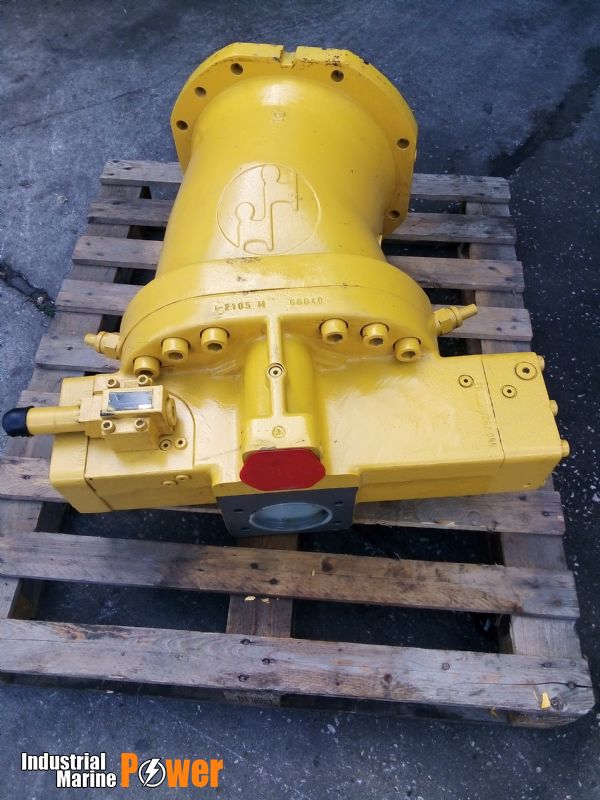
- Heading-sensor or input failure causes wandering, unexpected rudder commands or heading alarms
- Rudder-feedback faults cause hunting, overshoot or disagreement between commanded and actual rudder angle
- Control-unit or software faults cause loss of automatic mode or repeated alarms
- Steering-gear interface faults prevent commanded rudder movement despite normal bridge indication
- Incorrect tuning or sea-state settings cause excessive rudder activity, poor course keeping or increased steering-gear wear
- Heading sensor input loss or error, typically indicated by autopilot alarm, heading wander or incorrect commanded rudder
- Rudder-feedback sensor fault, typically indicated by unstable steering, feedback alarm or inability to engage automatic control
- Controller or power-supply fault, typically indicated by loss of autopilot, rebooting or transfer to manual steering
- Steering command/interface failure, typically indicated by no rudder response or intermittent control
- Incorrect tuning/configuration or sensor alignment, typically indicated by hunting, overshoot or poor course keeping
- Heading-sensor or input failure causes wandering, unexpected rudder commands or heading alarms
- Rudder-feedback faults cause hunting, overshoot or disagreement between commanded and actual rudder angle
- Control-unit or software faults cause loss of automatic mode or repeated alarms
- Steering-gear interface faults prevent commanded rudder movement despite normal bridge indication
- Incorrect tuning or sea-state settings cause excessive rudder activity, poor course keeping or increased steering-gear wear
- Heading sensor input loss or error, typically indicated by autopilot alarm, heading wander or incorrect commanded rudder
- Rudder-feedback sensor fault, typically indicated by unstable steering, feedback alarm or inability to engage automatic control
- Controller or power-supply fault, typically indicated by loss of autopilot, rebooting or transfer to manual steering
- Steering command/interface failure, typically indicated by no rudder response or intermittent control
- Incorrect tuning/configuration or sensor alignment, typically indicated by hunting, overshoot or poor course keeping
- Heading-sensor or input failure causes wandering, unexpected rudder commands or heading alarms
- Rudder-feedback faults cause hunting, overshoot or disagreement between commanded and actual rudder angle
- Control-unit or software faults cause loss of automatic mode or repeated alarms
- Steering-gear interface faults prevent commanded rudder movement despite normal bridge indication
- Incorrect tuning or sea-state settings cause excessive rudder activity, poor course keeping or increased steering-gear wear
- Heading sensor input loss or error, typically indicated by autopilot alarm, heading wander or incorrect commanded rudder
- Rudder-feedback sensor fault, typically indicated by unstable steering, feedback alarm or inability to engage automatic control
- Controller or power-supply fault, typically indicated by loss of autopilot, rebooting or transfer to manual steering
- Steering command/interface failure, typically indicated by no rudder response or intermittent control
- Incorrect tuning/configuration or sensor alignment, typically indicated by hunting, overshoot or poor course keeping
- Heading-sensor or input failure causes wandering, unexpected rudder commands or heading alarms
- Rudder-feedback faults cause hunting, overshoot or disagreement between commanded and actual rudder angle
- Control-unit or software faults cause loss of automatic mode or repeated alarms
- Steering-gear interface faults prevent commanded rudder movement despite normal bridge indication
- Incorrect tuning or sea-state settings cause excessive rudder activity, poor course keeping or increased steering-gear wear
- Heading sensor input loss or error, typically indicated by autopilot alarm, heading wander or incorrect commanded rudder
- Rudder-feedback sensor fault, typically indicated by unstable steering, feedback alarm or inability to engage automatic control
- Controller or power-supply fault, typically indicated by loss of autopilot, rebooting or transfer to manual steering
- Steering command/interface failure, typically indicated by no rudder response or intermittent control
- Incorrect tuning/configuration or sensor alignment, typically indicated by hunting, overshoot or poor course keeping
Frydenbo
24- Heading-sensor or interface faults cause wandering, incorrect commanded heading, or sensor alarms
- Rudder-feedback, steering-interface, or actuator faults cause hunting, poor course keeping, or inability to execute commands
- Power-supply, control-computer, or display faults cause loss of automatic steering or unexpected mode changes
- Incorrect gain, counter-rudder, weather, or vessel-response settings produce excessive rudder activity or sluggish course correction
- Mode-selector, alarm, network, or navigation-input faults prevent track control or produce nuisance disengagement
- Heading-sensor or interface faults cause wandering, incorrect commanded heading, or sensor alarms
- Rudder-feedback, steering-interface, or actuator faults cause hunting, poor course keeping, or inability to execute commands
- Power-supply, control-computer, or display faults cause loss of automatic steering or unexpected mode changes
- Incorrect gain, counter-rudder, weather, or vessel-response settings produce excessive rudder activity or sluggish course correction
- Mode-selector, alarm, network, or navigation-input faults prevent track control or produce nuisance disengagement
- Heading-sensor or interface faults cause wandering, incorrect commanded heading, or sensor alarms
- Rudder-feedback, steering-interface, or actuator faults cause hunting, poor course keeping, or inability to execute commands
- Power-supply, control-computer, or display faults cause loss of automatic steering or unexpected mode changes
- Incorrect gain, counter-rudder, weather, or vessel-response settings produce excessive rudder activity or sluggish course correction
- Mode-selector, alarm, network, or navigation-input faults prevent track control or produce nuisance disengagement
- Heading-sensor or interface faults cause wandering, incorrect commanded heading, or sensor alarms
- Rudder-feedback, steering-interface, or actuator faults cause hunting, poor course keeping, or inability to execute commands
- Power-supply, control-computer, or display faults cause loss of automatic steering or unexpected mode changes
- Incorrect gain, counter-rudder, weather, or vessel-response settings produce excessive rudder activity or sluggish course correction
- Mode-selector, alarm, network, or navigation-input faults prevent track control or produce nuisance disengagement
- Heading-sensor or interface faults cause wandering, incorrect commanded heading, or sensor alarms
- Rudder-feedback, steering-interface, or actuator faults cause hunting, poor course keeping, or inability to execute commands
- Power-supply, control-computer, or display faults cause loss of automatic steering or unexpected mode changes
- Incorrect gain, counter-rudder, weather, or vessel-response settings produce excessive rudder activity or sluggish course correction
- Mode-selector, alarm, network, or navigation-input faults prevent track control or produce nuisance disengagement
- Sensor drift, damage or loss of reference caused by ageing, magnetic influence, antenna issues or internal faults can produce unstable or incorrect heading or position information
- Control or interface failure caused by electronics, cabling or network faults can create steering alarms, rejected inputs or loss of automatic control
- Power-supply interruption caused by loose connections, protection trips or internal failure can result in resets or total loss of indication
- Incorrect calibration or configuration after maintenance can show as persistent offset, poor course keeping or disagreement with independent references
- Mechanical wear in connected steering components where applicable can cause slow response, hunting, leakage or increased steering error
- Heading-sensor or interface faults cause wandering, incorrect commanded heading, or sensor alarms
- Rudder-feedback, steering-interface, or actuator faults cause hunting, poor course keeping, or inability to execute commands
- Power-supply, control-computer, or display faults cause loss of automatic steering or unexpected mode changes
- Incorrect gain, counter-rudder, weather, or vessel-response settings produce excessive rudder activity or sluggish course correction
- Mode-selector, alarm, network, or navigation-input faults prevent track control or produce nuisance disengagement
- Sensor drift, damage or loss of reference caused by ageing, magnetic influence, antenna issues or internal faults can produce unstable or incorrect heading or position information
- Control or interface failure caused by electronics, cabling or network faults can create steering alarms, rejected inputs or loss of automatic control
- Power-supply interruption caused by loose connections, protection trips or internal failure can result in resets or total loss of indication
- Incorrect calibration or configuration after maintenance can show as persistent offset, poor course keeping or disagreement with independent references
- Mechanical wear in connected steering components where applicable can cause slow response, hunting, leakage or increased steering error
- Heading-sensor or interface faults cause wandering, incorrect commanded heading, or sensor alarms
- Rudder-feedback, steering-interface, or actuator faults cause hunting, poor course keeping, or inability to execute commands
- Power-supply, control-computer, or display faults cause loss of automatic steering or unexpected mode changes
- Incorrect gain, counter-rudder, weather, or vessel-response settings produce excessive rudder activity or sluggish course correction
- Mode-selector, alarm, network, or navigation-input faults prevent track control or produce nuisance disengagement
- Sensor drift, damage or loss of reference caused by ageing, magnetic influence, antenna issues or internal faults can produce unstable or incorrect heading or position information
- Control or interface failure caused by electronics, cabling or network faults can create steering alarms, rejected inputs or loss of automatic control
- Power-supply interruption caused by loose connections, protection trips or internal failure can result in resets or total loss of indication
- Incorrect calibration or configuration after maintenance can show as persistent offset, poor course keeping or disagreement with independent references
- Mechanical wear in connected steering components where applicable can cause slow response, hunting, leakage or increased steering error
- Heading-sensor or interface faults cause wandering, incorrect commanded heading, or sensor alarms
- Rudder-feedback, steering-interface, or actuator faults cause hunting, poor course keeping, or inability to execute commands
- Power-supply, control-computer, or display faults cause loss of automatic steering or unexpected mode changes
- Incorrect gain, counter-rudder, weather, or vessel-response settings produce excessive rudder activity or sluggish course correction
- Mode-selector, alarm, network, or navigation-input faults prevent track control or produce nuisance disengagement
- Sensor drift, damage or loss of reference caused by ageing, magnetic influence, antenna issues or internal faults can produce unstable or incorrect heading or position information
- Control or interface failure caused by electronics, cabling or network faults can create steering alarms, rejected inputs or loss of automatic control
- Power-supply interruption caused by loose connections, protection trips or internal failure can result in resets or total loss of indication
- Incorrect calibration or configuration after maintenance can show as persistent offset, poor course keeping or disagreement with independent references
- Mechanical wear in connected steering components where applicable can cause slow response, hunting, leakage or increased steering error
- Heading-sensor or interface faults cause wandering, incorrect commanded heading, or sensor alarms
- Rudder-feedback, steering-interface, or actuator faults cause hunting, poor course keeping, or inability to execute commands
- Power-supply, control-computer, or display faults cause loss of automatic steering or unexpected mode changes
- Incorrect gain, counter-rudder, weather, or vessel-response settings produce excessive rudder activity or sluggish course correction
- Mode-selector, alarm, network, or navigation-input faults prevent track control or produce nuisance disengagement
- Sensor drift, damage or loss of reference caused by ageing, magnetic influence, antenna issues or internal faults can produce unstable or incorrect heading or position information
- Control or interface failure caused by electronics, cabling or network faults can create steering alarms, rejected inputs or loss of automatic control
- Power-supply interruption caused by loose connections, protection trips or internal failure can result in resets or total loss of indication
- Incorrect calibration or configuration after maintenance can show as persistent offset, poor course keeping or disagreement with independent references
- Mechanical wear in connected steering components where applicable can cause slow response, hunting, leakage or increased steering error
- Heading-sensor or interface faults cause wandering, incorrect commanded heading, or sensor alarms
- Rudder-feedback, steering-interface, or actuator faults cause hunting, poor course keeping, or inability to execute commands
- Power-supply, control-computer, or display faults cause loss of automatic steering or unexpected mode changes
- Incorrect gain, counter-rudder, weather, or vessel-response settings produce excessive rudder activity or sluggish course correction
- Mode-selector, alarm, network, or navigation-input faults prevent track control or produce nuisance disengagement
- Sensor drift, damage or loss of reference caused by ageing, magnetic influence, antenna issues or internal faults can produce unstable or incorrect heading or position information
- Control or interface failure caused by electronics, cabling or network faults can create steering alarms, rejected inputs or loss of automatic control
- Power-supply interruption caused by loose connections, protection trips or internal failure can result in resets or total loss of indication
- Incorrect calibration or configuration after maintenance can show as persistent offset, poor course keeping or disagreement with independent references
- Mechanical wear in connected steering components where applicable can cause slow response, hunting, leakage or increased steering error
- Heading-sensor or interface faults cause wandering, incorrect commanded heading, or sensor alarms
- Rudder-feedback, steering-interface, or actuator faults cause hunting, poor course keeping, or inability to execute commands
- Power-supply, control-computer, or display faults cause loss of automatic steering or unexpected mode changes
- Incorrect gain, counter-rudder, weather, or vessel-response settings produce excessive rudder activity or sluggish course correction
- Mode-selector, alarm, network, or navigation-input faults prevent track control or produce nuisance disengagement
- Sensor drift, damage or loss of reference caused by ageing, magnetic influence, antenna issues or internal faults can produce unstable or incorrect heading or position information
- Control or interface failure caused by electronics, cabling or network faults can create steering alarms, rejected inputs or loss of automatic control
- Power-supply interruption caused by loose connections, protection trips or internal failure can result in resets or total loss of indication
- Incorrect calibration or configuration after maintenance can show as persistent offset, poor course keeping or disagreement with independent references
- Mechanical wear in connected steering components where applicable can cause slow response, hunting, leakage or increased steering error
- Heading-sensor or interface faults cause wandering, incorrect commanded heading, or sensor alarms
- Rudder-feedback, steering-interface, or actuator faults cause hunting, poor course keeping, or inability to execute commands
- Power-supply, control-computer, or display faults cause loss of automatic steering or unexpected mode changes
- Incorrect gain, counter-rudder, weather, or vessel-response settings produce excessive rudder activity or sluggish course correction
- Mode-selector, alarm, network, or navigation-input faults prevent track control or produce nuisance disengagement
- Sensor drift, damage or loss of reference caused by ageing, magnetic influence, antenna issues or internal faults can produce unstable or incorrect heading or position information
- Control or interface failure caused by electronics, cabling or network faults can create steering alarms, rejected inputs or loss of automatic control
- Power-supply interruption caused by loose connections, protection trips or internal failure can result in resets or total loss of indication
- Incorrect calibration or configuration after maintenance can show as persistent offset, poor course keeping or disagreement with independent references
- Mechanical wear in connected steering components where applicable can cause slow response, hunting, leakage or increased steering error
- Heading-sensor or interface faults cause wandering, incorrect commanded heading, or sensor alarms
- Rudder-feedback, steering-interface, or actuator faults cause hunting, poor course keeping, or inability to execute commands
- Power-supply, control-computer, or display faults cause loss of automatic steering or unexpected mode changes
- Incorrect gain, counter-rudder, weather, or vessel-response settings produce excessive rudder activity or sluggish course correction
- Mode-selector, alarm, network, or navigation-input faults prevent track control or produce nuisance disengagement
- Sensor drift, damage or loss of reference caused by ageing, magnetic influence, antenna issues or internal faults can produce unstable or incorrect heading or position information
- Control or interface failure caused by electronics, cabling or network faults can create steering alarms, rejected inputs or loss of automatic control
- Power-supply interruption caused by loose connections, protection trips or internal failure can result in resets or total loss of indication
- Incorrect calibration or configuration after maintenance can show as persistent offset, poor course keeping or disagreement with independent references
- Mechanical wear in connected steering components where applicable can cause slow response, hunting, leakage or increased steering error
- Heading-sensor or interface faults cause wandering, incorrect commanded heading, or sensor alarms
- Rudder-feedback, steering-interface, or actuator faults cause hunting, poor course keeping, or inability to execute commands
- Power-supply, control-computer, or display faults cause loss of automatic steering or unexpected mode changes
- Incorrect gain, counter-rudder, weather, or vessel-response settings produce excessive rudder activity or sluggish course correction
- Mode-selector, alarm, network, or navigation-input faults prevent track control or produce nuisance disengagement
- Sensor drift, damage or loss of reference caused by ageing, magnetic influence, antenna issues or internal faults can produce unstable or incorrect heading or position information
- Control or interface failure caused by electronics, cabling or network faults can create steering alarms, rejected inputs or loss of automatic control
- Power-supply interruption caused by loose connections, protection trips or internal failure can result in resets or total loss of indication
- Incorrect calibration or configuration after maintenance can show as persistent offset, poor course keeping or disagreement with independent references
- Mechanical wear in connected steering components where applicable can cause slow response, hunting, leakage or increased steering error
ComNav Marine
3- Heading-sensor or input failure causes wandering, unexpected rudder commands or heading alarms
- Rudder-feedback faults cause hunting, overshoot or disagreement between commanded and actual rudder angle
- Control-unit or software faults cause loss of automatic mode or repeated alarms
- Steering-gear interface faults prevent commanded rudder movement despite normal autopilot display
- Incorrect tuning or sea-state settings cause excessive rudder activity, poor course keeping or increased steering-gear wear
- Heading-sensor or input failure causes wandering, unexpected rudder commands or heading alarms
- Rudder-feedback faults cause hunting, overshoot or disagreement between commanded and actual rudder angle
- Control-unit or software faults cause loss of automatic mode or repeated alarms
- Steering-gear interface faults prevent commanded rudder movement despite normal autopilot display
- Incorrect tuning or sea-state settings cause excessive rudder activity, poor course keeping or increased steering-gear wear
- Heading-sensor or input failure causes wandering, unexpected rudder commands or heading alarms
- Rudder-feedback faults cause hunting, overshoot or disagreement between commanded and actual rudder angle
- Control-unit or software faults cause loss of automatic mode or repeated alarms
- Steering-gear interface faults prevent commanded rudder movement despite normal autopilot display
- Incorrect tuning or sea-state settings cause excessive rudder activity, poor course keeping or increased steering-gear wear
Praxis Automation
3- Heading-sensor or interface faults cause wandering, incorrect commanded heading, or sensor alarms
- Rudder-feedback, steering-interface, or actuator faults cause hunting, poor course keeping, or inability to execute commands
- Power-supply, control-computer, or display faults cause loss of automatic steering or unexpected mode changes
- Incorrect gain, counter-rudder, weather, or vessel-response settings produce excessive rudder activity or sluggish course correction
- Mode-selector, alarm, network, or navigation-input faults prevent track control or produce nuisance disengagement
- Heading-sensor or interface faults cause wandering, incorrect commanded heading, or sensor alarms
- Rudder-feedback, steering-interface, or actuator faults cause hunting, poor course keeping, or inability to execute commands
- Power-supply, control-computer, or display faults cause loss of automatic steering or unexpected mode changes
- Incorrect gain, counter-rudder, weather, or vessel-response settings produce excessive rudder activity or sluggish course correction
- Mode-selector, alarm, network, or navigation-input faults prevent track control or produce nuisance disengagement
- Heading-sensor or interface faults cause wandering, incorrect commanded heading, or sensor alarms
- Rudder-feedback, steering-interface, or actuator faults cause hunting, poor course keeping, or inability to execute commands
- Power-supply, control-computer, or display faults cause loss of automatic steering or unexpected mode changes
- Incorrect gain, counter-rudder, weather, or vessel-response settings produce excessive rudder activity or sluggish course correction
- Mode-selector, alarm, network, or navigation-input faults prevent track control or produce nuisance disengagement
Raytheon Anschütz
3
- Heading sensor input loss or error, typically indicated by autopilot alarm, heading wander or incorrect commanded rudder
- Rudder-feedback sensor fault, typically indicated by unstable steering, feedback alarm or inability to engage automatic control
- Controller or power-supply fault, typically indicated by loss of autopilot, rebooting or transfer to manual steering
- Steering command/interface failure, typically indicated by no rudder response or intermittent control
- Incorrect tuning/configuration or sensor alignment, typically indicated by hunting, overshoot or poor course keeping

- Heading sensor input loss or error, typically indicated by autopilot alarm, heading wander or incorrect commanded rudder
- Rudder-feedback sensor fault, typically indicated by unstable steering, feedback alarm or inability to engage automatic control
- Controller or power-supply fault, typically indicated by loss of autopilot, rebooting or transfer to manual steering
- Steering command/interface failure, typically indicated by no rudder response or intermittent control
- Incorrect tuning/configuration or sensor alignment, typically indicated by hunting, overshoot or poor course keeping
- Heading sensor input loss or error, typically indicated by autopilot alarm, heading wander or incorrect commanded rudder
- Rudder-feedback sensor fault, typically indicated by unstable steering, feedback alarm or inability to engage automatic control
- Controller or power-supply fault, typically indicated by loss of autopilot, rebooting or transfer to manual steering
- Steering command/interface failure, typically indicated by no rudder response or intermittent control
- Incorrect tuning/configuration or sensor alignment, typically indicated by hunting, overshoot or poor course keeping
Simrad
3- Loss of sensor input or damaged cabling causes missing, frozen or implausible navigation data
- Antenna, transducer or scanner faults reduce detection or measurement performance and generate equipment alarms
- Power-supply or cooling faults cause resets, blank displays or complete loss of function
- Configuration or interface faults cause disagreement between systems or missing data on connected equipment
- Display, control or processing faults cause unstable operation, error messages or inability to select required functions
- Loss of sensor input or damaged cabling causes missing, frozen or implausible navigation data
- Antenna, transducer or scanner faults reduce detection or measurement performance and generate equipment alarms
- Power-supply or cooling faults cause resets, blank displays or complete loss of function
- Configuration or interface faults cause disagreement between systems or missing data on connected equipment
- Display, control or processing faults cause unstable operation, error messages or inability to select required functions
- Loss of sensor input or damaged cabling causes missing, frozen or implausible navigation data
- Antenna, transducer or scanner faults reduce detection or measurement performance and generate equipment alarms
- Power-supply or cooling faults cause resets, blank displays or complete loss of function
- Configuration or interface faults cause disagreement between systems or missing data on connected equipment
- Display, control or processing faults cause unstable operation, error messages or inability to select required functions