Bow/Stern Thruster
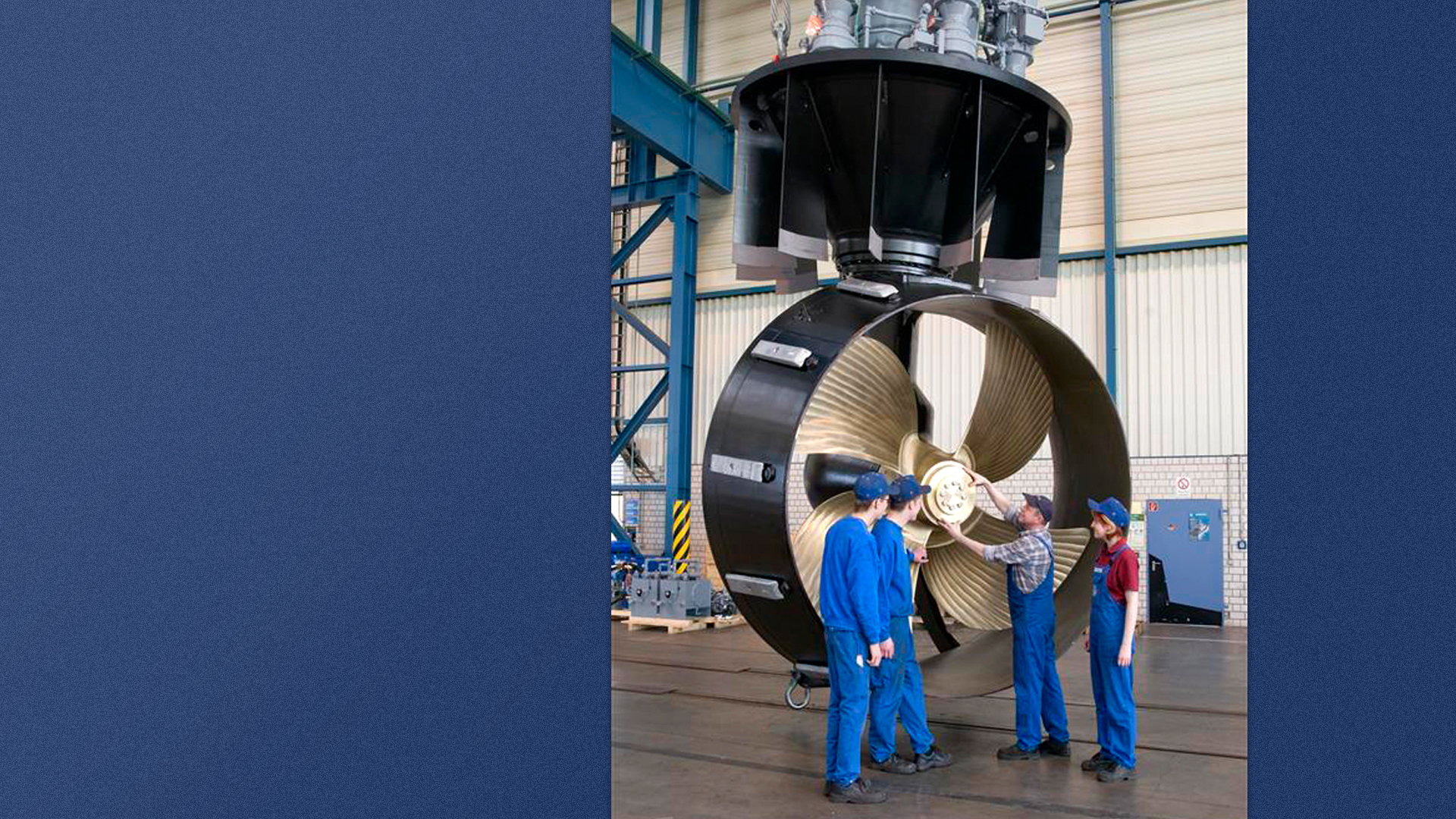
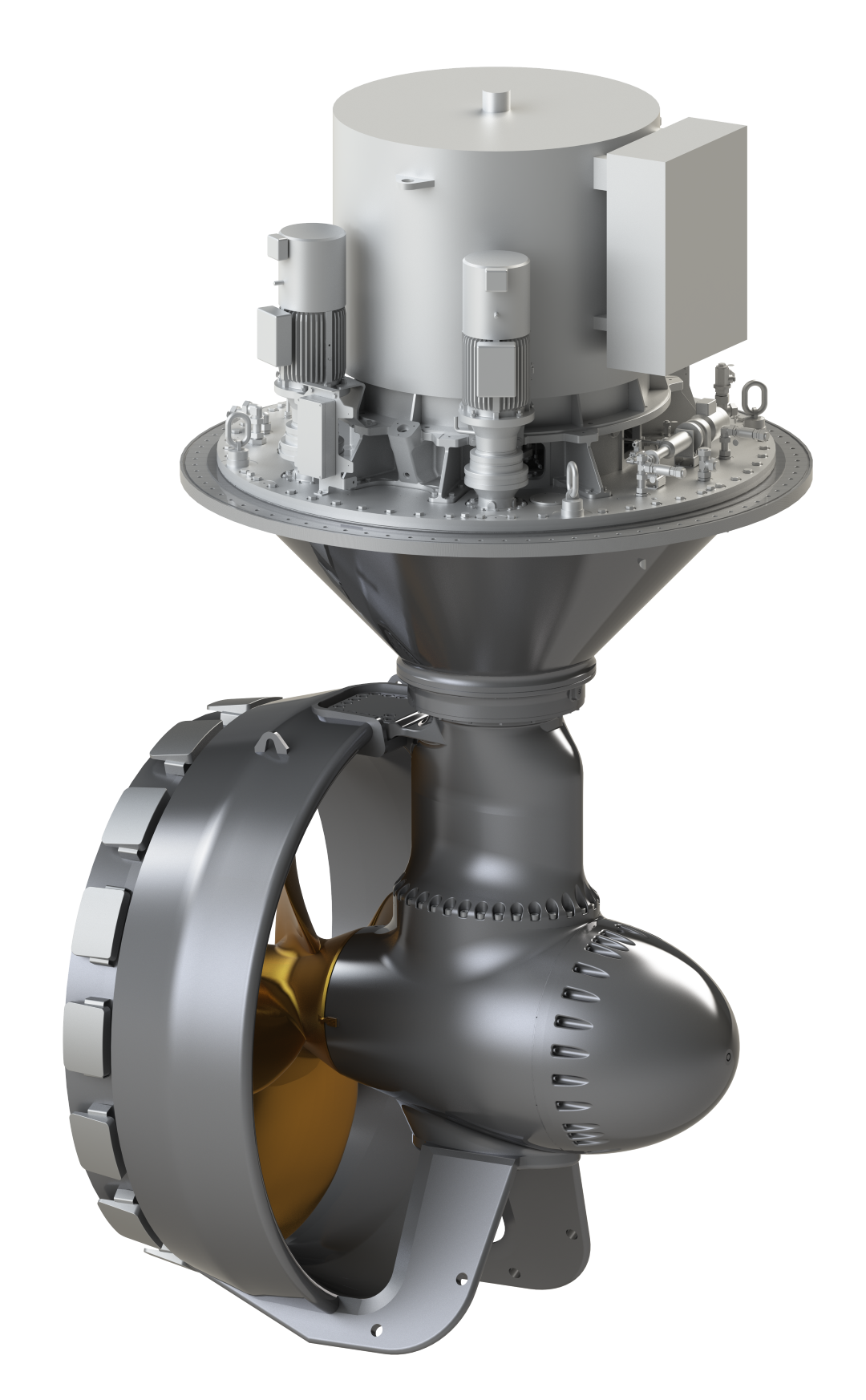
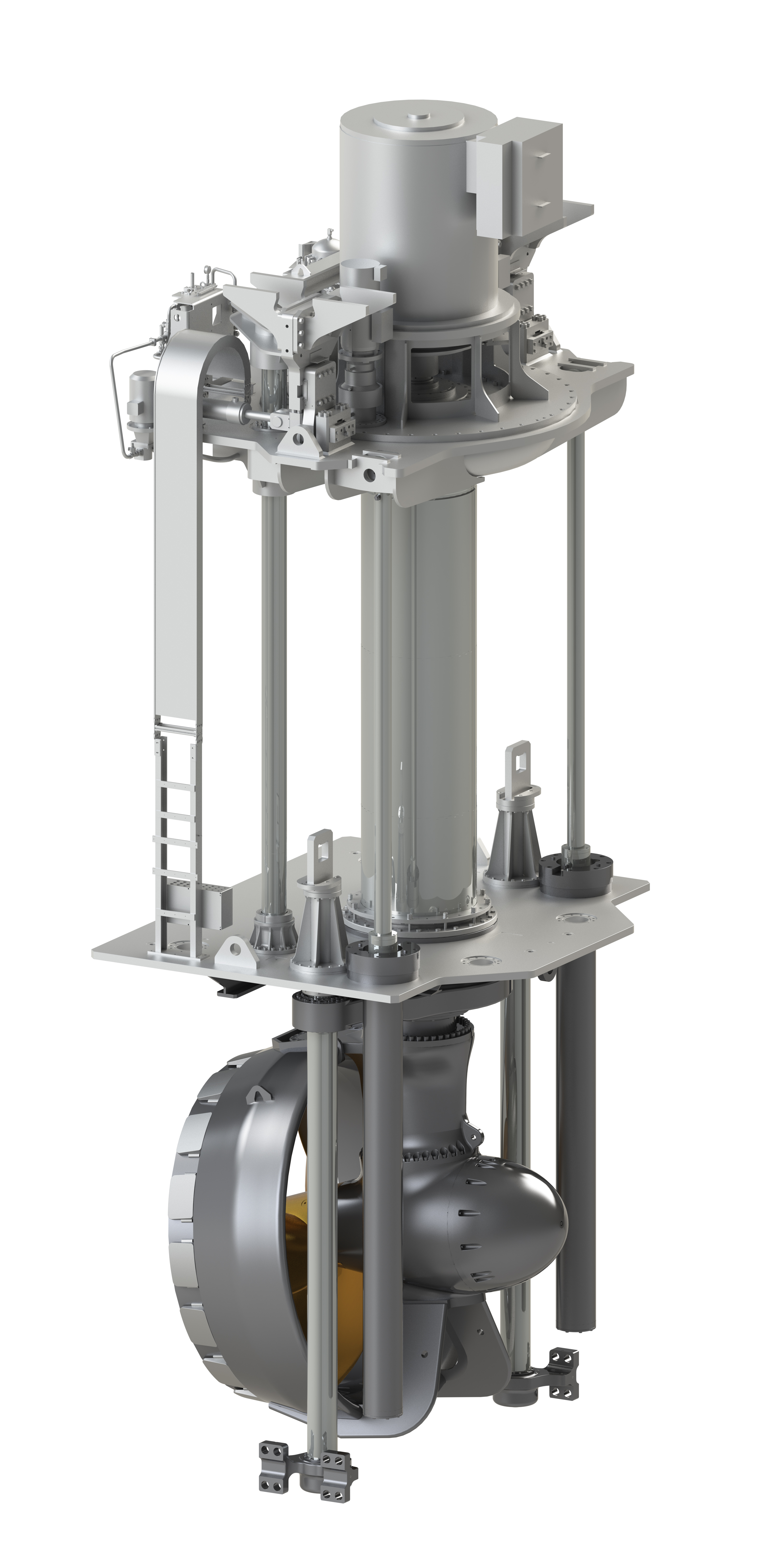
The fixed tunnel thruster: a propeller inside a transverse tube through the hull, pushing the bow or stern sideways. Unlike the retractable azimuth unit, it gives thrust in one axis only but has no moving seal exposed to the sea.
Read more — Bow/Stern Thruster explained ▾
What makes this type
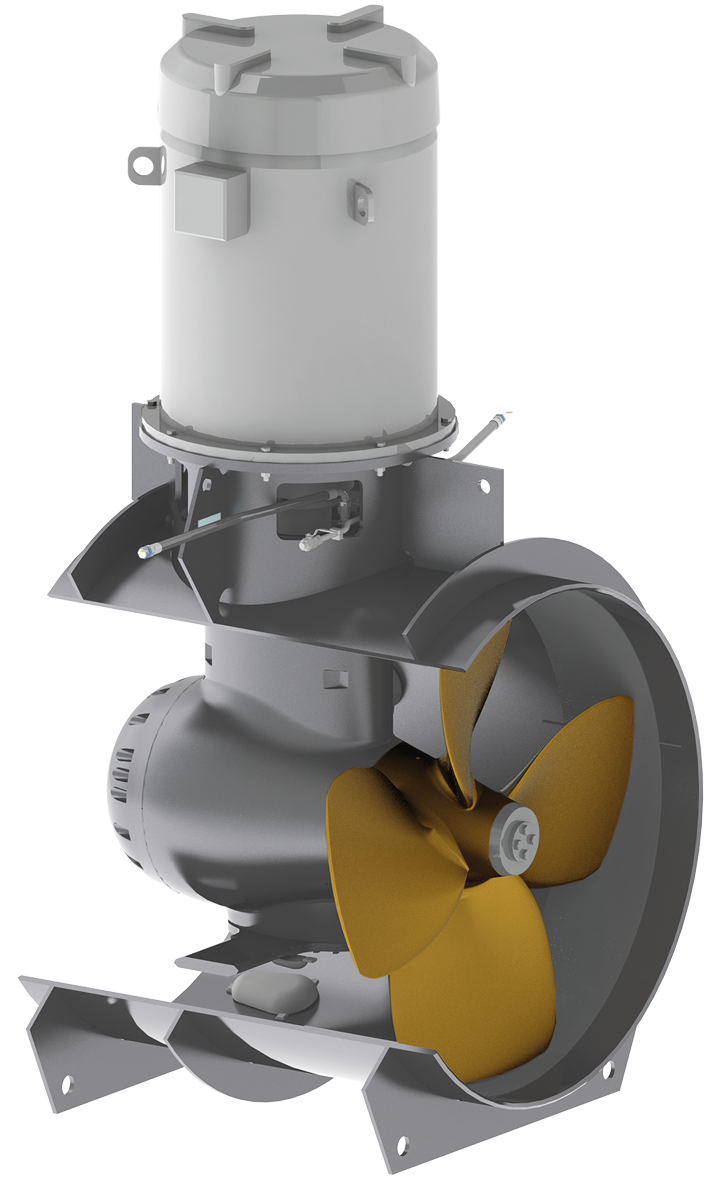
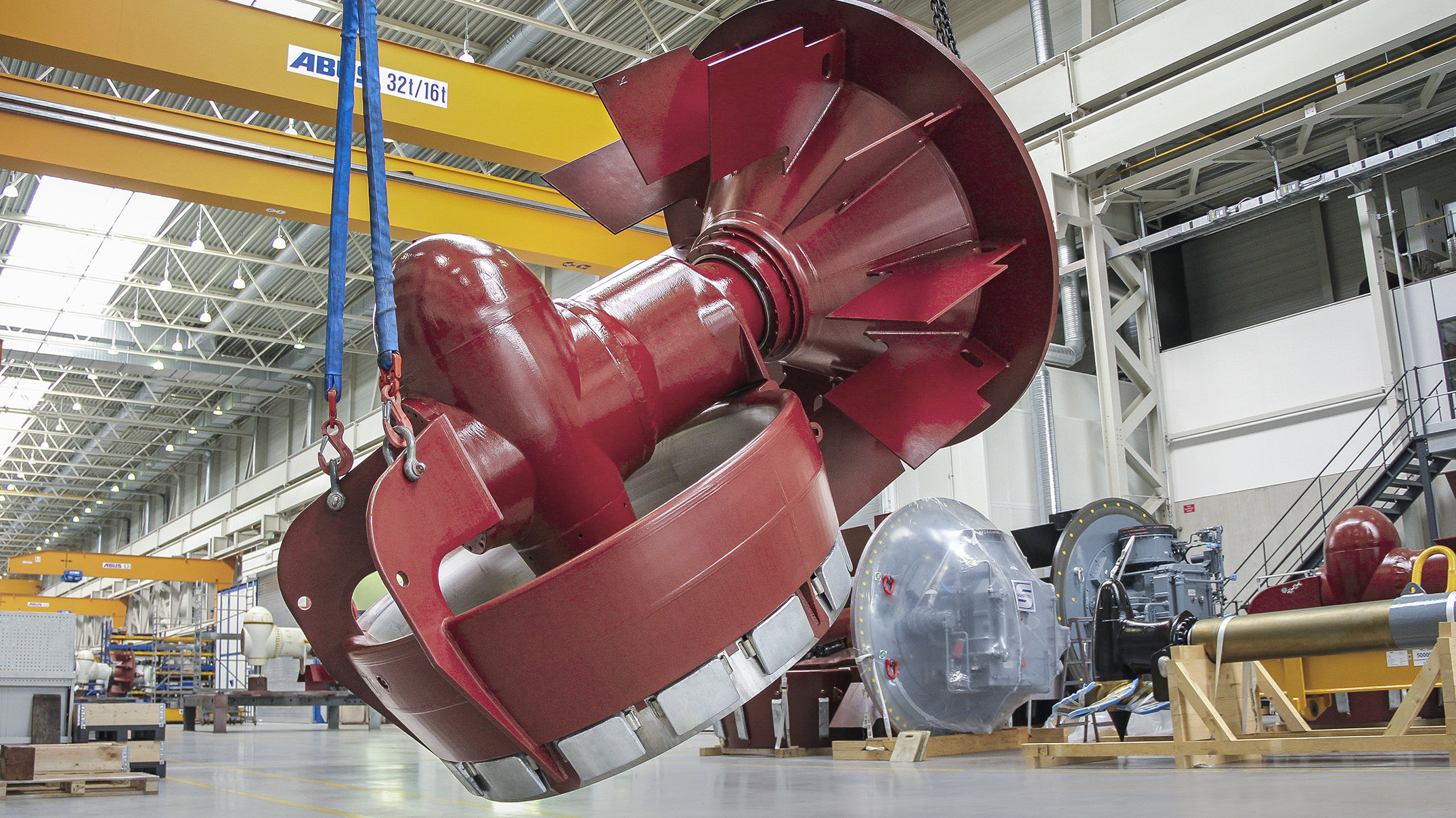
The standard bow or stern thruster is a propeller mounted inside a fixed transverse tunnel that runs through the hull below the waterline. Water is drawn in one side of the tunnel and expelled the other, pushing that end of the ship sideways. Unlike a retractable azimuth thruster, it produces thrust along a single axis only, either to port or starboard, and cannot rotate to give thrust in other directions. In exchange it is mechanically simpler: there is no strut to raise or lower and no rotating pod seal exposed to the sea, which makes it the lower-maintenance choice where full azimuthing capability is not required.

Main components
Tunnel
A steel tube built into the hull, with rounded or flared openings on each side to reduce flow losses and cavitation noise as water passes through.
Propeller
Fixed-pitch or controllable-pitch, driven directly or through a right-angle gearbox from a motor mounted vertically above the tunnel inside the hull.
Drive motor
Electric motor on most vessels, sized for intermittent duty since thrusters are typically used only during berthing and manoeuvring rather than continuously.
Seals and shaft
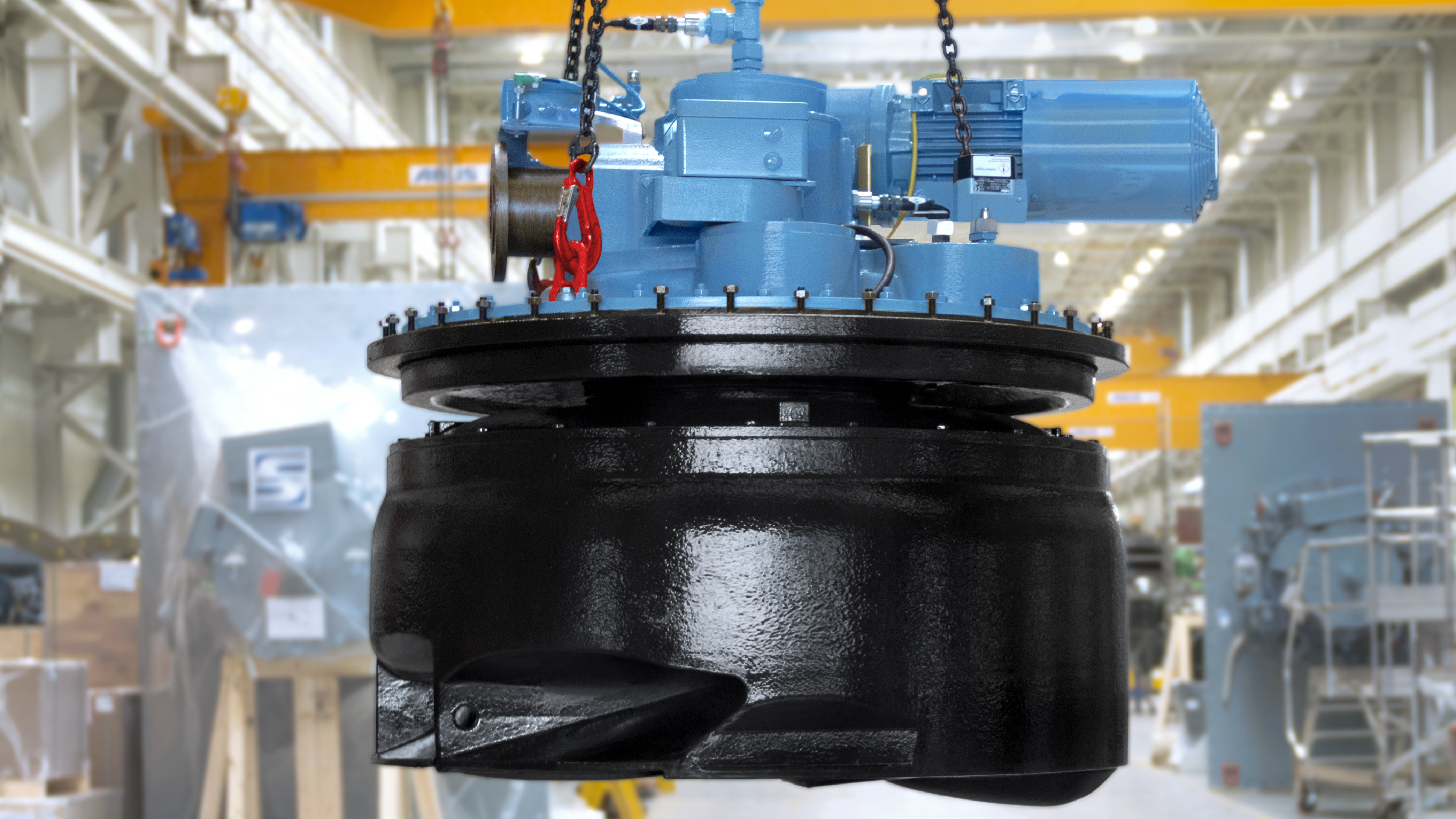
A shaft seal where the drive shaft passes from the dry motor space into the tunnel, the main point where water ingress can occur on this type.
Selection / Sizing
- Thrust output in kN, sized against the vessel's windage area and the manoeuvring performance required in the expected berthing conditions.
- Tunnel diameter, set by the propeller size needed to reach the target thrust without excessive tip speed and cavitation.
- Fixed-pitch versus controllable-pitch, trading mechanical simplicity against faster, smoother thrust response.
- Duty cycle rating of the motor, since most vessels use the thruster in short bursts rather than continuously.
Typical faults
- Shaft seal wear — slow water ingress into the motor space, often first noticed as bilge alarms near the thruster compartment.
- Propeller damage from debris drawn into the tunnel — vibration and reduced thrust, sometimes an unbalanced shaft.
- Motor winding failure from intermittent duty overheating — total loss of thrust on that unit.
- Corrosion at the tunnel grating or flared openings — increased flow noise and reduced thrust efficiency over time.
What to look for in a supplier
- Thrust and current draw figures verified against the vessel's actual electrical supply capacity.
- Seal design and access arrangement for replacement without drydocking where possible.
- Match to the existing tunnel dimensions if the unit is a replacement rather than a new installation.
Check the tunnel grating for debris and marine growth before every port call that will rely on the thruster; a partly blocked tunnel loses thrust long before the motor shows any sign of strain.
12 manufacturers · 298 models
Schottel
51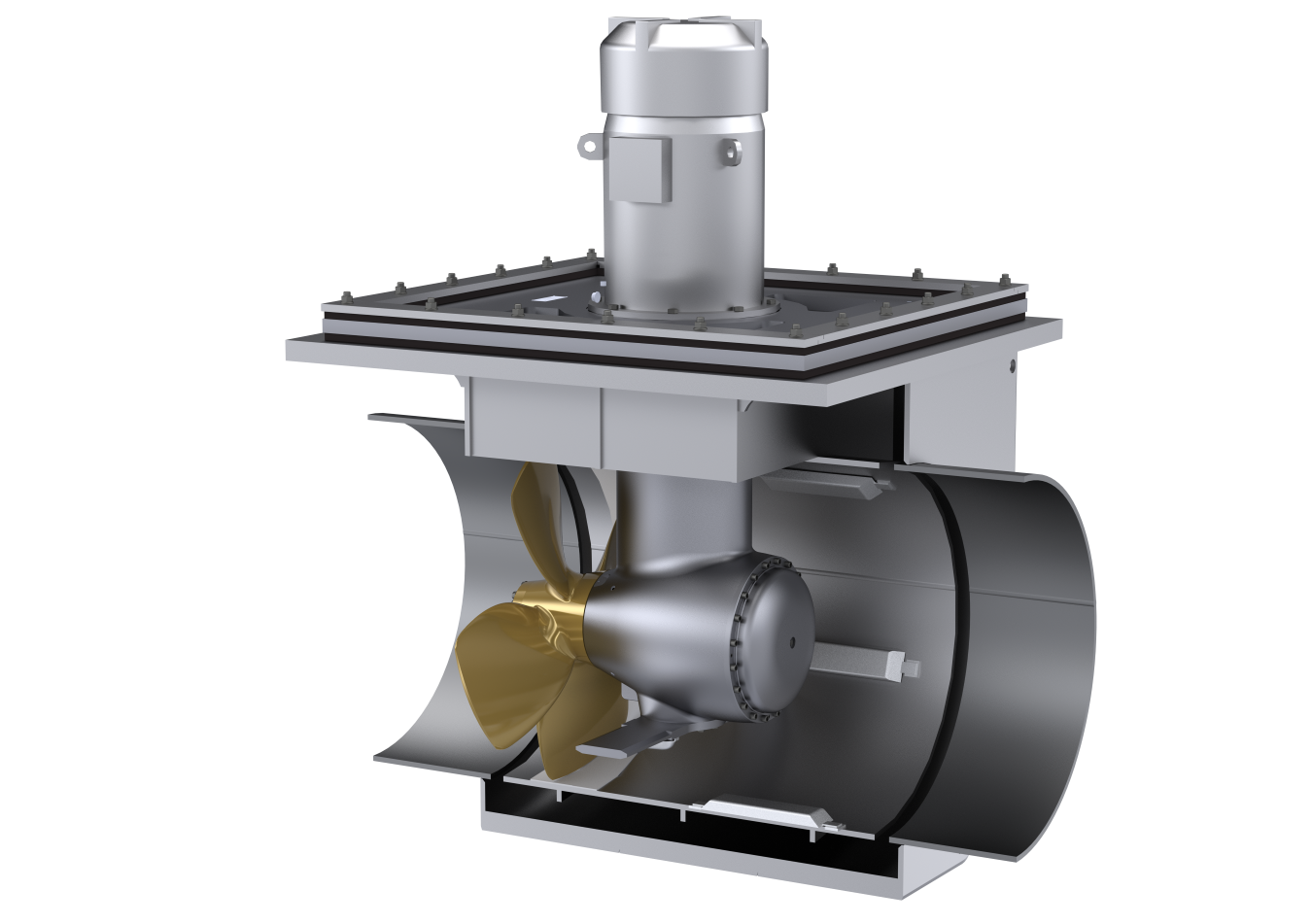
- Propeller or blade damage from debris can cause vibration and reduced thrust, noticed during maneuvering
- Gear or bearing wear can produce abnormal noise, heat or metallic debris in lubricant
- Seal leakage can allow water ingress or oil loss, seen through header-tank level changes or leakage alarms
- Motor, converter or hydraulic-drive faults can prevent commanded thrust, seen as trips, low power or unavailable thruster status
- Control or feedback-sensor faults can cause incorrect direction or pitch/azimuth indication, seen as command mismatch alarms
- Propeller or blade damage from debris can cause vibration and reduced thrust, noticed during maneuvering
- Gear or bearing wear can produce abnormal noise, heat or metallic debris in lubricant
- Seal leakage can allow water ingress or oil loss, seen through header-tank level changes or leakage alarms
- Motor, converter or hydraulic-drive faults can prevent commanded thrust, seen as trips, low power or unavailable thruster status
- Control or feedback-sensor faults can cause incorrect direction or pitch/azimuth indication, seen as command mismatch alarms
- Propeller or blade damage from debris can cause vibration and reduced thrust, noticed during maneuvering
- Gear or bearing wear can produce abnormal noise, heat or metallic debris in lubricant
- Seal leakage can allow water ingress or oil loss, seen through header-tank level changes or leakage alarms
- Motor, converter or hydraulic-drive faults can prevent commanded thrust, seen as trips, low power or unavailable thruster status
- Control or feedback-sensor faults can cause incorrect direction or pitch/azimuth indication, seen as command mismatch alarms
- Propeller or blade damage from debris can cause vibration and reduced thrust, noticed during maneuvering
- Gear or bearing wear can produce abnormal noise, heat or metallic debris in lubricant
- Seal leakage can allow water ingress or oil loss, seen through header-tank level changes or leakage alarms
- Motor, converter or hydraulic-drive faults can prevent commanded thrust, seen as trips, low power or unavailable thruster status
- Control or feedback-sensor faults can cause incorrect direction or pitch/azimuth indication, seen as command mismatch alarms
- Propeller or blade damage from debris can cause vibration and reduced thrust, noticed during maneuvering
- Gear or bearing wear can produce abnormal noise, heat or metallic debris in lubricant
- Seal leakage can allow water ingress or oil loss, seen through header-tank level changes or leakage alarms
- Motor, converter or hydraulic-drive faults can prevent commanded thrust, seen as trips, low power or unavailable thruster status
- Control or feedback-sensor faults can cause incorrect direction or pitch/azimuth indication, seen as command mismatch alarms
- Propeller or blade damage from debris can cause vibration and reduced thrust, noticed during maneuvering
- Gear or bearing wear can produce abnormal noise, heat or metallic debris in lubricant
- Seal leakage can allow water ingress or oil loss, seen through header-tank level changes or leakage alarms
- Motor, converter or hydraulic-drive faults can prevent commanded thrust, seen as trips, low power or unavailable thruster status
- Control or feedback-sensor faults can cause incorrect direction or pitch/azimuth indication, seen as command mismatch alarms
- Propeller or blade damage from debris can cause vibration and reduced thrust, noticed during maneuvering
- Gear or bearing wear can produce abnormal noise, heat or metallic debris in lubricant
- Seal leakage can allow water ingress or oil loss, seen through header-tank level changes or leakage alarms
- Motor, converter or hydraulic-drive faults can prevent commanded thrust, seen as trips, low power or unavailable thruster status
- Control or feedback-sensor faults can cause incorrect direction or pitch/azimuth indication, seen as command mismatch alarms
- Propeller or blade damage from debris can cause vibration and reduced thrust, noticed during maneuvering
- Gear or bearing wear can produce abnormal noise, heat or metallic debris in lubricant
- Seal leakage can allow water ingress or oil loss, seen through header-tank level changes or leakage alarms
- Motor, converter or hydraulic-drive faults can prevent commanded thrust, seen as trips, low power or unavailable thruster status
- Control or feedback-sensor faults can cause incorrect direction or pitch/azimuth indication, seen as command mismatch alarms
- Propeller or blade damage from debris can cause vibration and reduced thrust, noticed during maneuvering
- Gear or bearing wear can produce abnormal noise, heat or metallic debris in lubricant
- Seal leakage can allow water ingress or oil loss, seen through header-tank level changes or leakage alarms
- Motor, converter or hydraulic-drive faults can prevent commanded thrust, seen as trips, low power or unavailable thruster status
- Control or feedback-sensor faults can cause incorrect direction or pitch/azimuth indication, seen as command mismatch alarms
- Propeller or blade damage from debris can cause vibration and reduced thrust, noticed during maneuvering
- Gear or bearing wear can produce abnormal noise, heat or metallic debris in lubricant
- Seal leakage can allow water ingress or oil loss, seen through header-tank level changes or leakage alarms
- Motor, converter or hydraulic-drive faults can prevent commanded thrust, seen as trips, low power or unavailable thruster status
- Control or feedback-sensor faults can cause incorrect direction or pitch/azimuth indication, seen as command mismatch alarms
- Propeller or blade damage from debris can cause vibration and reduced thrust, noticed during maneuvering
- Gear or bearing wear can produce abnormal noise, heat or metallic debris in lubricant
- Seal leakage can allow water ingress or oil loss, seen through header-tank level changes or leakage alarms
- Motor, converter or hydraulic-drive faults can prevent commanded thrust, seen as trips, low power or unavailable thruster status
- Control or feedback-sensor faults can cause incorrect direction or pitch/azimuth indication, seen as command mismatch alarms
- Propeller or blade damage from debris can cause vibration and reduced thrust, noticed during maneuvering
- Gear or bearing wear can produce abnormal noise, heat or metallic debris in lubricant
- Seal leakage can allow water ingress or oil loss, seen through header-tank level changes or leakage alarms
- Motor, converter or hydraulic-drive faults can prevent commanded thrust, seen as trips, low power or unavailable thruster status
- Control or feedback-sensor faults can cause incorrect direction or pitch/azimuth indication, seen as command mismatch alarms
- Propeller or blade damage from debris can cause vibration and reduced thrust, noticed during maneuvering
- Gear or bearing wear can produce abnormal noise, heat or metallic debris in lubricant
- Seal leakage can allow water ingress or oil loss, seen through header-tank level changes or leakage alarms
- Motor, converter or hydraulic-drive faults can prevent commanded thrust, seen as trips, low power or unavailable thruster status
- Control or feedback-sensor faults can cause incorrect direction or pitch/azimuth indication, seen as command mismatch alarms
- Propeller or blade damage from debris can cause vibration and reduced thrust, noticed during maneuvering
- Gear or bearing wear can produce abnormal noise, heat or metallic debris in lubricant
- Seal leakage can allow water ingress or oil loss, seen through header-tank level changes or leakage alarms
- Motor, converter or hydraulic-drive faults can prevent commanded thrust, seen as trips, low power or unavailable thruster status
- Control or feedback-sensor faults can cause incorrect direction or pitch/azimuth indication, seen as command mismatch alarms
- Propeller or blade damage from debris can cause vibration and reduced thrust, noticed during maneuvering
- Gear or bearing wear can produce abnormal noise, heat or metallic debris in lubricant
- Seal leakage can allow water ingress or oil loss, seen through header-tank level changes or leakage alarms
- Motor, converter or hydraulic-drive faults can prevent commanded thrust, seen as trips, low power or unavailable thruster status
- Control or feedback-sensor faults can cause incorrect direction or pitch/azimuth indication, seen as command mismatch alarms
- Propeller or blade damage from debris can cause vibration and reduced thrust, noticed during maneuvering
- Gear or bearing wear can produce abnormal noise, heat or metallic debris in lubricant
- Seal leakage can allow water ingress or oil loss, seen through header-tank level changes or leakage alarms
- Motor, converter or hydraulic-drive faults can prevent commanded thrust, seen as trips, low power or unavailable thruster status
- Control or feedback-sensor faults can cause incorrect direction or pitch/azimuth indication, seen as command mismatch alarms
- Propeller or blade damage from debris can cause vibration and reduced thrust, noticed during maneuvering
- Gear or bearing wear can produce abnormal noise, heat or metallic debris in lubricant
- Seal leakage can allow water ingress or oil loss, seen through header-tank level changes or leakage alarms
- Motor, converter or hydraulic-drive faults can prevent commanded thrust, seen as trips, low power or unavailable thruster status
- Control or feedback-sensor faults can cause incorrect direction or pitch/azimuth indication, seen as command mismatch alarms
- Propeller or blade damage from debris can cause vibration and reduced thrust, noticed during maneuvering
- Gear or bearing wear can produce abnormal noise, heat or metallic debris in lubricant
- Seal leakage can allow water ingress or oil loss, seen through header-tank level changes or leakage alarms
- Motor, converter or hydraulic-drive faults can prevent commanded thrust, seen as trips, low power or unavailable thruster status
- Control or feedback-sensor faults can cause incorrect direction or pitch/azimuth indication, seen as command mismatch alarms
- Propeller or blade damage from debris can cause vibration and reduced thrust, noticed during maneuvering
- Gear or bearing wear can produce abnormal noise, heat or metallic debris in lubricant
- Seal leakage can allow water ingress or oil loss, seen through header-tank level changes or leakage alarms
- Motor, converter or hydraulic-drive faults can prevent commanded thrust, seen as trips, low power or unavailable thruster status
- Control or feedback-sensor faults can cause incorrect direction or pitch/azimuth indication, seen as command mismatch alarms
- Propeller or blade damage from debris can cause vibration and reduced thrust, noticed during maneuvering
- Gear or bearing wear can produce abnormal noise, heat or metallic debris in lubricant
- Seal leakage can allow water ingress or oil loss, seen through header-tank level changes or leakage alarms
- Motor, converter or hydraulic-drive faults can prevent commanded thrust, seen as trips, low power or unavailable thruster status
- Control or feedback-sensor faults can cause incorrect direction or pitch/azimuth indication, seen as command mismatch alarms
- Propeller or blade damage from debris can cause vibration and reduced thrust, noticed during maneuvering
- Gear or bearing wear can produce abnormal noise, heat or metallic debris in lubricant
- Seal leakage can allow water ingress or oil loss, seen through header-tank level changes or leakage alarms
- Motor, converter or hydraulic-drive faults can prevent commanded thrust, seen as trips, low power or unavailable thruster status
- Control or feedback-sensor faults can cause incorrect direction or pitch/azimuth indication, seen as command mismatch alarms
- Propeller or blade damage from debris can cause vibration and reduced thrust, noticed during maneuvering
- Gear or bearing wear can produce abnormal noise, heat or metallic debris in lubricant
- Seal leakage can allow water ingress or oil loss, seen through header-tank level changes or leakage alarms
- Motor, converter or hydraulic-drive faults can prevent commanded thrust, seen as trips, low power or unavailable thruster status
- Control or feedback-sensor faults can cause incorrect direction or pitch/azimuth indication, seen as command mismatch alarms
- Propeller or blade damage from debris can cause vibration and reduced thrust, noticed during maneuvering
- Gear or bearing wear can produce abnormal noise, heat or metallic debris in lubricant
- Seal leakage can allow water ingress or oil loss, seen through header-tank level changes or leakage alarms
- Motor, converter or hydraulic-drive faults can prevent commanded thrust, seen as trips, low power or unavailable thruster status
- Control or feedback-sensor faults can cause incorrect direction or pitch/azimuth indication, seen as command mismatch alarms
- Propeller or blade damage from debris can cause vibration and reduced thrust, noticed during maneuvering
- Gear or bearing wear can produce abnormal noise, heat or metallic debris in lubricant
- Seal leakage can allow water ingress or oil loss, seen through header-tank level changes or leakage alarms
- Motor, converter or hydraulic-drive faults can prevent commanded thrust, seen as trips, low power or unavailable thruster status
- Control or feedback-sensor faults can cause incorrect direction or pitch/azimuth indication, seen as command mismatch alarms
- Propeller or blade damage from debris can cause vibration and reduced thrust, noticed during maneuvering
- Gear or bearing wear can produce abnormal noise, heat or metallic debris in lubricant
- Seal leakage can allow water ingress or oil loss, seen through header-tank level changes or leakage alarms
- Motor, converter or hydraulic-drive faults can prevent commanded thrust, seen as trips, low power or unavailable thruster status
- Control or feedback-sensor faults can cause incorrect direction or pitch/azimuth indication, seen as command mismatch alarms
- Propeller or blade damage from debris can cause vibration and reduced thrust, noticed during maneuvering
- Gear or bearing wear can produce abnormal noise, heat or metallic debris in lubricant
- Seal leakage can allow water ingress or oil loss, seen through header-tank level changes or leakage alarms
- Motor, converter or hydraulic-drive faults can prevent commanded thrust, seen as trips, low power or unavailable thruster status
- Control or feedback-sensor faults can cause incorrect direction or pitch/azimuth indication, seen as command mismatch alarms
- Propeller or blade damage from debris can cause vibration and reduced thrust, noticed during maneuvering
- Gear or bearing wear can produce abnormal noise, heat or metallic debris in lubricant
- Seal leakage can allow water ingress or oil loss, seen through header-tank level changes or leakage alarms
- Motor, converter or hydraulic-drive faults can prevent commanded thrust, seen as trips, low power or unavailable thruster status
- Control or feedback-sensor faults can cause incorrect direction or pitch/azimuth indication, seen as command mismatch alarms
- Propeller or blade damage from debris can cause vibration and reduced thrust, noticed during maneuvering
- Gear or bearing wear can produce abnormal noise, heat or metallic debris in lubricant
- Seal leakage can allow water ingress or oil loss, seen through header-tank level changes or leakage alarms
- Motor, converter or hydraulic-drive faults can prevent commanded thrust, seen as trips, low power or unavailable thruster status
- Control or feedback-sensor faults can cause incorrect direction or pitch/azimuth indication, seen as command mismatch alarms
- Propeller or blade damage from debris can cause vibration and reduced thrust, noticed during maneuvering
- Gear or bearing wear can produce abnormal noise, heat or metallic debris in lubricant
- Seal leakage can allow water ingress or oil loss, seen through header-tank level changes or leakage alarms
- Motor, converter or hydraulic-drive faults can prevent commanded thrust, seen as trips, low power or unavailable thruster status
- Control or feedback-sensor faults can cause incorrect direction or pitch/azimuth indication, seen as command mismatch alarms
- Propeller or blade damage from debris can cause vibration and reduced thrust, noticed during maneuvering
- Gear or bearing wear can produce abnormal noise, heat or metallic debris in lubricant
- Seal leakage can allow water ingress or oil loss, seen through header-tank level changes or leakage alarms
- Motor, converter or hydraulic-drive faults can prevent commanded thrust, seen as trips, low power or unavailable thruster status
- Control or feedback-sensor faults can cause incorrect direction or pitch/azimuth indication, seen as command mismatch alarms
- Propeller or blade damage from debris can cause vibration and reduced thrust, noticed during maneuvering
- Gear or bearing wear can produce abnormal noise, heat or metallic debris in lubricant
- Seal leakage can allow water ingress or oil loss, seen through header-tank level changes or leakage alarms
- Motor, converter or hydraulic-drive faults can prevent commanded thrust, seen as trips, low power or unavailable thruster status
- Control or feedback-sensor faults can cause incorrect direction or pitch/azimuth indication, seen as command mismatch alarms
- Propeller or blade damage from debris can cause vibration and reduced thrust, noticed during maneuvering
- Gear or bearing wear can produce abnormal noise, heat or metallic debris in lubricant
- Seal leakage can allow water ingress or oil loss, seen through header-tank level changes or leakage alarms
- Motor, converter or hydraulic-drive faults can prevent commanded thrust, seen as trips, low power or unavailable thruster status
- Control or feedback-sensor faults can cause incorrect direction or pitch/azimuth indication, seen as command mismatch alarms
- Propeller or blade damage from debris can cause vibration and reduced thrust, noticed during maneuvering
- Gear or bearing wear can produce abnormal noise, heat or metallic debris in lubricant
- Seal leakage can allow water ingress or oil loss, seen through header-tank level changes or leakage alarms
- Motor, converter or hydraulic-drive faults can prevent commanded thrust, seen as trips, low power or unavailable thruster status
- Control or feedback-sensor faults can cause incorrect direction or pitch/azimuth indication, seen as command mismatch alarms
- Propeller or blade damage from debris can cause vibration and reduced thrust, noticed during maneuvering
- Gear or bearing wear can produce abnormal noise, heat or metallic debris in lubricant
- Seal leakage can allow water ingress or oil loss, seen through header-tank level changes or leakage alarms
- Motor, converter or hydraulic-drive faults can prevent commanded thrust, seen as trips, low power or unavailable thruster status
- Control or feedback-sensor faults can cause incorrect direction or pitch/azimuth indication, seen as command mismatch alarms
- Propeller or blade damage from debris can cause vibration and reduced thrust, noticed during maneuvering
- Gear or bearing wear can produce abnormal noise, heat or metallic debris in lubricant
- Seal leakage can allow water ingress or oil loss, seen through header-tank level changes or leakage alarms
- Motor, converter or hydraulic-drive faults can prevent commanded thrust, seen as trips, low power or unavailable thruster status
- Control or feedback-sensor faults can cause incorrect direction or pitch/azimuth indication, seen as command mismatch alarms
- Propeller or blade damage from debris can cause vibration and reduced thrust, noticed during maneuvering
- Gear or bearing wear can produce abnormal noise, heat or metallic debris in lubricant
- Seal leakage can allow water ingress or oil loss, seen through header-tank level changes or leakage alarms
- Motor, converter or hydraulic-drive faults can prevent commanded thrust, seen as trips, low power or unavailable thruster status
- Control or feedback-sensor faults can cause incorrect direction or pitch/azimuth indication, seen as command mismatch alarms
- Propeller or blade damage from debris can cause vibration and reduced thrust, noticed during maneuvering
- Gear or bearing wear can produce abnormal noise, heat or metallic debris in lubricant
- Seal leakage can allow water ingress or oil loss, seen through header-tank level changes or leakage alarms
- Motor, converter or hydraulic-drive faults can prevent commanded thrust, seen as trips, low power or unavailable thruster status
- Control or feedback-sensor faults can cause incorrect direction or pitch/azimuth indication, seen as command mismatch alarms
- Propeller or blade damage from debris can cause vibration and reduced thrust, noticed during maneuvering
- Gear or bearing wear can produce abnormal noise, heat or metallic debris in lubricant
- Seal leakage can allow water ingress or oil loss, seen through header-tank level changes or leakage alarms
- Motor, converter or hydraulic-drive faults can prevent commanded thrust, seen as trips, low power or unavailable thruster status
- Control or feedback-sensor faults can cause incorrect direction or pitch/azimuth indication, seen as command mismatch alarms
- Propeller or blade damage from debris can cause vibration and reduced thrust, noticed during maneuvering
- Gear or bearing wear can produce abnormal noise, heat or metallic debris in lubricant
- Seal leakage can allow water ingress or oil loss, seen through header-tank level changes or leakage alarms
- Motor, converter or hydraulic-drive faults can prevent commanded thrust, seen as trips, low power or unavailable thruster status
- Control or feedback-sensor faults can cause incorrect direction or pitch/azimuth indication, seen as command mismatch alarms
- Propeller or blade damage from debris can cause vibration and reduced thrust, noticed during maneuvering
- Gear or bearing wear can produce abnormal noise, heat or metallic debris in lubricant
- Seal leakage can allow water ingress or oil loss, seen through header-tank level changes or leakage alarms
- Motor, converter or hydraulic-drive faults can prevent commanded thrust, seen as trips, low power or unavailable thruster status
- Control or feedback-sensor faults can cause incorrect direction or pitch/azimuth indication, seen as command mismatch alarms
- Propeller or blade damage from debris can cause vibration and reduced thrust, noticed during maneuvering
- Gear or bearing wear can produce abnormal noise, heat or metallic debris in lubricant
- Seal leakage can allow water ingress or oil loss, seen through header-tank level changes or leakage alarms
- Motor, converter or hydraulic-drive faults can prevent commanded thrust, seen as trips, low power or unavailable thruster status
- Control or feedback-sensor faults can cause incorrect direction or pitch/azimuth indication, seen as command mismatch alarms
- Propeller or blade damage from debris can cause vibration and reduced thrust, noticed during maneuvering
- Gear or bearing wear can produce abnormal noise, heat or metallic debris in lubricant
- Seal leakage can allow water ingress or oil loss, seen through header-tank level changes or leakage alarms
- Motor, converter or hydraulic-drive faults can prevent commanded thrust, seen as trips, low power or unavailable thruster status
- Control or feedback-sensor faults can cause incorrect direction or pitch/azimuth indication, seen as command mismatch alarms
- Propeller or blade damage from debris can cause vibration and reduced thrust, noticed during maneuvering
- Gear or bearing wear can produce abnormal noise, heat or metallic debris in lubricant
- Seal leakage can allow water ingress or oil loss, seen through header-tank level changes or leakage alarms
- Motor, converter or hydraulic-drive faults can prevent commanded thrust, seen as trips, low power or unavailable thruster status
- Control or feedback-sensor faults can cause incorrect direction or pitch/azimuth indication, seen as command mismatch alarms
- Mechanical wear caused by inadequate lubrication, contamination or long service, resulting in rising vibration, noise or temperature
- Seal or gasket deterioration caused by wear, corrosion or misalignment, resulting in visible leakage or loss of process containment
- Flow restriction, cavitation or fouling caused by blocked passages or unsuitable operating conditions, resulting in reduced capacity and unstable performance
- Motor, coupling or drive failure caused by electrical faults, misalignment or overload, resulting in trips, abnormal current or inability to reach normal speed
- Sensor, control or protection failure caused by wiring, calibration or electronics faults, resulting in alarms, incorrect control response or shutdown
- Mechanical wear caused by inadequate lubrication, contamination or long service, resulting in rising vibration, noise or temperature
- Seal or gasket deterioration caused by wear, corrosion or misalignment, resulting in visible leakage or loss of process containment
- Flow restriction, cavitation or fouling caused by blocked passages or unsuitable operating conditions, resulting in reduced capacity and unstable performance
- Motor, coupling or drive failure caused by electrical faults, misalignment or overload, resulting in trips, abnormal current or inability to reach normal speed
- Sensor, control or protection failure caused by wiring, calibration or electronics faults, resulting in alarms, incorrect control response or shutdown
- Mechanical wear caused by inadequate lubrication, contamination or long service, resulting in rising vibration, noise or temperature
- Seal or gasket deterioration caused by wear, corrosion or misalignment, resulting in visible leakage or loss of process containment
- Flow restriction, cavitation or fouling caused by blocked passages or unsuitable operating conditions, resulting in reduced capacity and unstable performance
- Motor, coupling or drive failure caused by electrical faults, misalignment or overload, resulting in trips, abnormal current or inability to reach normal speed
- Sensor, control or protection failure caused by wiring, calibration or electronics faults, resulting in alarms, incorrect control response or shutdown
- Mechanical wear caused by inadequate lubrication, contamination or long service, resulting in rising vibration, noise or temperature
- Seal or gasket deterioration caused by wear, corrosion or misalignment, resulting in visible leakage or loss of process containment
- Flow restriction, cavitation or fouling caused by blocked passages or unsuitable operating conditions, resulting in reduced capacity and unstable performance
- Motor, coupling or drive failure caused by electrical faults, misalignment or overload, resulting in trips, abnormal current or inability to reach normal speed
- Sensor, control or protection failure caused by wiring, calibration or electronics faults, resulting in alarms, incorrect control response or shutdown
- Propeller or blade damage from debris can cause vibration and reduced thrust, noticed during maneuvering
- Gear or bearing wear can produce abnormal noise, heat or metallic debris in lubricant
- Seal leakage can allow water ingress or oil loss, seen through header-tank level changes or leakage alarms
- Motor, converter or hydraulic-drive faults can prevent commanded thrust, seen as trips, low power or unavailable thruster status
- Control or feedback-sensor faults can cause incorrect direction or pitch/azimuth indication, seen as command mismatch alarms
- Propeller or blade damage from debris can cause vibration and reduced thrust, noticed during maneuvering
- Gear or bearing wear can produce abnormal noise, heat or metallic debris in lubricant
- Seal leakage can allow water ingress or oil loss, seen through header-tank level changes or leakage alarms
- Motor, converter or hydraulic-drive faults can prevent commanded thrust, seen as trips, low power or unavailable thruster status
- Control or feedback-sensor faults can cause incorrect direction or pitch/azimuth indication, seen as command mismatch alarms
- Propeller or blade damage from debris can cause vibration and reduced thrust, noticed during maneuvering
- Gear or bearing wear can produce abnormal noise, heat or metallic debris in lubricant
- Seal leakage can allow water ingress or oil loss, seen through header-tank level changes or leakage alarms
- Motor, converter or hydraulic-drive faults can prevent commanded thrust, seen as trips, low power or unavailable thruster status
- Control or feedback-sensor faults can cause incorrect direction or pitch/azimuth indication, seen as command mismatch alarms
- Propeller or blade damage from debris can cause vibration and reduced thrust, noticed during maneuvering
- Gear or bearing wear can produce abnormal noise, heat or metallic debris in lubricant
- Seal leakage can allow water ingress or oil loss, seen through header-tank level changes or leakage alarms
- Motor, converter or hydraulic-drive faults can prevent commanded thrust, seen as trips, low power or unavailable thruster status
- Control or feedback-sensor faults can cause incorrect direction or pitch/azimuth indication, seen as command mismatch alarms
Kongsberg
47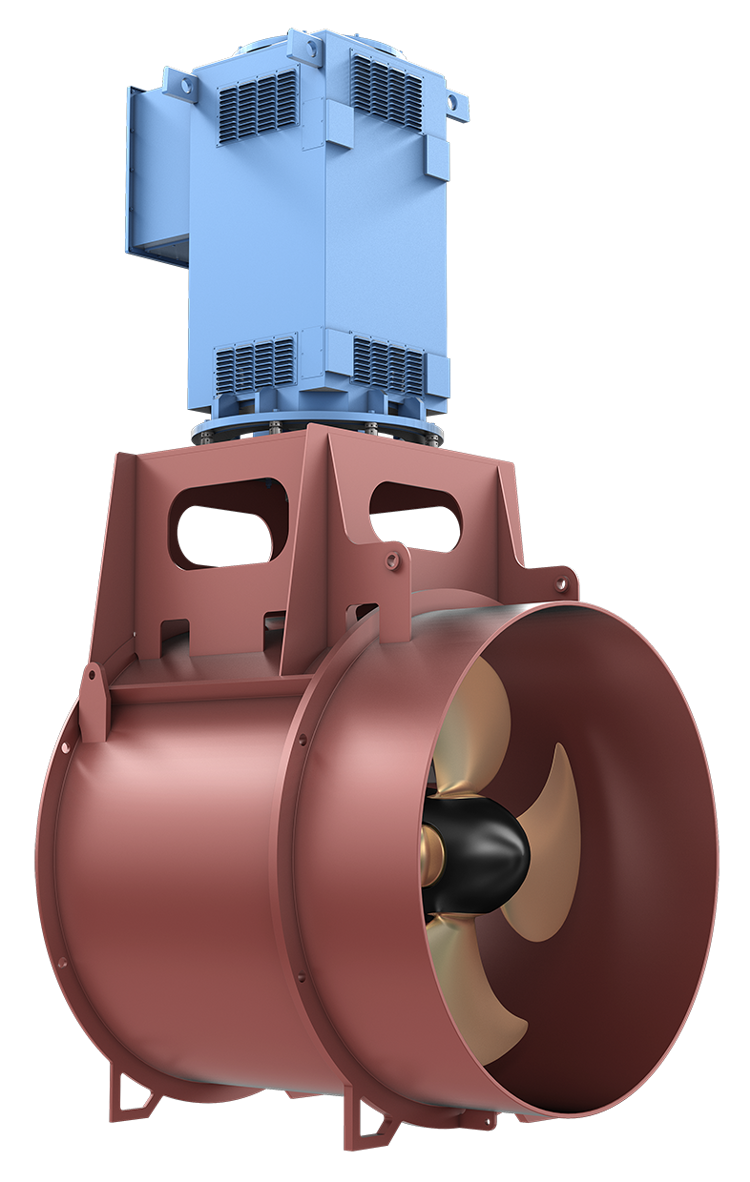
- Tunnelthrusters
- Output 200–3,700 kW, propeller diameter 1,600–2,000 mm, thrust up to 229 kN, available in CP (Constant Pitch) and FP (Fixed Pitch)
- Azimuth-thrusters
- Leistung 330-6.500 kW (mechanical/hybrid), neun Baumgroessen, Zugkraft optimiert fuer Bollard-Pull, 360°-Schwenkung
- Arctic Thruster (ARC)
- Power from 3 MW to >10 MW, no oil-sea interfaces, adaptive seals, Polar-Class-2 and Icebreaker-7 to 9 MW
- Permanent Magnet (PM) Thrusters
- TT-PM 1000 kW (146 kN), TT-PM 1600 kW (229 kN), Effizienzsteigerung 7-13% gegenueber Diesel-Elektrik
- Hydraulik-standard
- Double gear hydraulics for control/ventilation/lubricant, double cylinder with pressure pipe safety, seal tank with refueling capacity
- Lagerung
- Rollenlager fuer Schubwelle, Schmierung mit Fett, Dichtung an Lagergehausen, Toleranz-Freispiele typisch 0,5-2,0 mm
- US Azimuth Thruster
- Arctic Thruster (ARC)
- TCNS/C Azimuth Thruster (Swing-up/Retractable)
- Rim Drive Azimuth Thruster (RD-AZ)
- Tunnel Thruster Type TT/TTH
- Permanent Magnet Tunnel Thruster (TT-PM)
- Rim Drive Tunnel Thruster (RD-TT)
- Underwater Mountable Azimuth Thruster (UUC/UUC-PM)
- Retractable Azimuth Thruster (UL/ULE)
- Azipull Thruster (Integrated PM Motor)
- Area: Propellerblaetter: Verschleiss, Risse, Verformung, SeewuchsbewuchsCheck: Sichtpruefung auf Schaedigungen, Freispiel, Blattoberflaeche glatt ohne Kratzer/Dellen. Blattwurzel-O-Ringe auf Verschleiss checken, Spitzzenspiel messen. Bei Zweifeln: 1,5 bar Luftdruck auf VT-Nippel, Seifenblasen-Test auf Oellecks.
- Area: Propellerwellen-Dichtung: Durchfeuchtuung, Oelaustrittsverlust, VerschleissCheck: Visual inspection for leaks around shaft seal, check sealing cavity (monitored automatically via ARC). Observe seal clip pressure (e.g. via sensor output). At 5-year overhaul: renew seal. Check adaptive pressure regulation.
- Area: Lagerfreispiel/Lagerverschleiss: Axiales/Radiales Play ueber Norm, BohrlochabtragCheck: Calipers/counter gauges: measure shaft diameter and bores (target value via manufacturer data sheet). Document caliper readings. If exceeded: replace bearing journal/bearing shells. Observe vibration/noise during operation.
- Area: Hydraulikfluid: Verschmutzung, Feuchtigkeit, Alterung, Farb-/GeruechsveraenderungCheck: Check fluid level in tank (target level). Color test: light/yellowish OK, cloudy/dark = change required. Particle count (if available). Change filter per manufacturer interval. Perform pressure test on hydraulic line.
- Area: Hydraulik-Leitungen/Verbindungen: Risse, Lecks, Verformung, korrosive BelaegeCheck: Visual inspection of all hoses, pipes, connections for defects. Check for dryness, corrosion (rust spots), kink marks. High-frequency leak test if necessary. Observe operating pressure during voyage.
- Area: Elastomer-Bauteile (O-Ringe, Dichtlippen, Gummistuecke): Hartung, Risse, QuellungserscheinungenCheck: Visual inspection of all O-rings/seals for wear, hardening, deformation. Test with finger pressure (elasticity). Clean O-ring grooves/lubricate with gearbox oil (at 5-year overhaul). Replace damaged parts.
Type-universal inspection/service points for bow/stern thrusters (Kongsberg, Mega-Swarm 2026-06). Per-model specs not auto-populated.
- Tunnelthrusters
- Output 200–3,700 kW, propeller diameter 1,600–2,000 mm, thrust up to 229 kN, available in CP (Constant Pitch) and FP (Fixed Pitch)
- Azimuth-thrusters
- Leistung 330-6.500 kW (mechanical/hybrid), neun Baumgroessen, Zugkraft optimiert fuer Bollard-Pull, 360°-Schwenkung
- Arctic Thruster (ARC)
- Power from 3 MW to >10 MW, no oil-sea interfaces, adaptive seals, Polar-Class-2 and Icebreaker-7 to 9 MW
- Permanent Magnet (PM) Thrusters
- TT-PM 1000 kW (146 kN), TT-PM 1600 kW (229 kN), Effizienzsteigerung 7-13% gegenueber Diesel-Elektrik
- Hydraulik-standard
- Double gear hydraulics for control/ventilation/lubricant, double cylinder with pressure pipe safety, seal tank with refueling capacity
- Lagerung
- Rollenlager fuer Schubwelle, Schmierung mit Fett, Dichtung an Lagergehausen, Toleranz-Freispiele typisch 0,5-2,0 mm
- US Azimuth Thruster
- Arctic Thruster (ARC)
- TCNS/C Azimuth Thruster (Swing-up/Retractable)
- Rim Drive Azimuth Thruster (RD-AZ)
- Tunnel Thruster Type TT/TTH
- Permanent Magnet Tunnel Thruster (TT-PM)
- Rim Drive Tunnel Thruster (RD-TT)
- Underwater Mountable Azimuth Thruster (UUC/UUC-PM)
- Retractable Azimuth Thruster (UL/ULE)
- Azipull Thruster (Integrated PM Motor)
- Area: Propellerblaetter: Verschleiss, Risse, Verformung, SeewuchsbewuchsCheck: Sichtpruefung auf Schaedigungen, Freispiel, Blattoberflaeche glatt ohne Kratzer/Dellen. Blattwurzel-O-Ringe auf Verschleiss checken, Spitzzenspiel messen. Bei Zweifeln: 1,5 bar Luftdruck auf VT-Nippel, Seifenblasen-Test auf Oellecks.
- Area: Propellerwellen-Dichtung: Durchfeuchtuung, Oelaustrittsverlust, VerschleissCheck: Visual inspection for leaks around shaft seal, check sealing cavity (monitored automatically via ARC). Observe seal clip pressure (e.g. via sensor output). At 5-year overhaul: renew seal. Check adaptive pressure regulation.
- Area: Lagerfreispiel/Lagerverschleiss: Axiales/Radiales Play ueber Norm, BohrlochabtragCheck: Calipers/counter gauges: measure shaft diameter and bores (target value via manufacturer data sheet). Document caliper readings. If exceeded: replace bearing journal/bearing shells. Observe vibration/noise during operation.
- Area: Hydraulikfluid: Verschmutzung, Feuchtigkeit, Alterung, Farb-/GeruechsveraenderungCheck: Check fluid level in tank (target level). Color test: light/yellowish OK, cloudy/dark = change required. Particle count (if available). Change filter per manufacturer interval. Perform pressure test on hydraulic line.
- Area: Hydraulik-Leitungen/Verbindungen: Risse, Lecks, Verformung, korrosive BelaegeCheck: Visual inspection of all hoses, pipes, connections for defects. Check for dryness, corrosion (rust spots), kink marks. High-frequency leak test if necessary. Observe operating pressure during voyage.
- Area: Elastomer-Bauteile (O-Ringe, Dichtlippen, Gummistuecke): Hartung, Risse, QuellungserscheinungenCheck: Visual inspection of all O-rings/seals for wear, hardening, deformation. Test with finger pressure (elasticity). Clean O-ring grooves/lubricate with gearbox oil (at 5-year overhaul). Replace damaged parts.
Type-universal inspection/service points for bow/stern thrusters (Kongsberg, Mega-Swarm 2026-06). Per-model specs not auto-populated.
- Tunnelthrusters
- Output 200–3,700 kW, propeller diameter 1,600–2,000 mm, thrust up to 229 kN, available in CP (Constant Pitch) and FP (Fixed Pitch)
- Azimuth-thrusters
- Leistung 330-6.500 kW (mechanical/hybrid), neun Baumgroessen, Zugkraft optimiert fuer Bollard-Pull, 360°-Schwenkung
- Arctic Thruster (ARC)
- Power from 3 MW to >10 MW, no oil-sea interfaces, adaptive seals, Polar-Class-2 and Icebreaker-7 to 9 MW
- Permanent Magnet (PM) Thrusters
- TT-PM 1000 kW (146 kN), TT-PM 1600 kW (229 kN), Effizienzsteigerung 7-13% gegenueber Diesel-Elektrik
- Hydraulik-standard
- Double gear hydraulics for control/ventilation/lubricant, double cylinder with pressure pipe safety, seal tank with refueling capacity
- Lagerung
- Rollenlager fuer Schubwelle, Schmierung mit Fett, Dichtung an Lagergehausen, Toleranz-Freispiele typisch 0,5-2,0 mm
- US Azimuth Thruster
- Arctic Thruster (ARC)
- TCNS/C Azimuth Thruster (Swing-up/Retractable)
- Rim Drive Azimuth Thruster (RD-AZ)
- Tunnel Thruster Type TT/TTH
- Permanent Magnet Tunnel Thruster (TT-PM)
- Rim Drive Tunnel Thruster (RD-TT)
- Underwater Mountable Azimuth Thruster (UUC/UUC-PM)
- Retractable Azimuth Thruster (UL/ULE)
- Azipull Thruster (Integrated PM Motor)
- Area: Propellerblaetter: Verschleiss, Risse, Verformung, SeewuchsbewuchsCheck: Sichtpruefung auf Schaedigungen, Freispiel, Blattoberflaeche glatt ohne Kratzer/Dellen. Blattwurzel-O-Ringe auf Verschleiss checken, Spitzzenspiel messen. Bei Zweifeln: 1,5 bar Luftdruck auf VT-Nippel, Seifenblasen-Test auf Oellecks.
- Area: Propellerwellen-Dichtung: Durchfeuchtuung, Oelaustrittsverlust, VerschleissCheck: Visual inspection for leaks around shaft seal, check sealing cavity (monitored automatically via ARC). Observe seal clip pressure (e.g. via sensor output). At 5-year overhaul: renew seal. Check adaptive pressure regulation.
- Area: Lagerfreispiel/Lagerverschleiss: Axiales/Radiales Play ueber Norm, BohrlochabtragCheck: Calipers/counter gauges: measure shaft diameter and bores (target value via manufacturer data sheet). Document caliper readings. If exceeded: replace bearing journal/bearing shells. Observe vibration/noise during operation.
- Area: Hydraulikfluid: Verschmutzung, Feuchtigkeit, Alterung, Farb-/GeruechsveraenderungCheck: Check fluid level in tank (target level). Color test: light/yellowish OK, cloudy/dark = change required. Particle count (if available). Change filter per manufacturer interval. Perform pressure test on hydraulic line.
- Area: Hydraulik-Leitungen/Verbindungen: Risse, Lecks, Verformung, korrosive BelaegeCheck: Visual inspection of all hoses, pipes, connections for defects. Check for dryness, corrosion (rust spots), kink marks. High-frequency leak test if necessary. Observe operating pressure during voyage.
- Area: Elastomer-Bauteile (O-Ringe, Dichtlippen, Gummistuecke): Hartung, Risse, QuellungserscheinungenCheck: Visual inspection of all O-rings/seals for wear, hardening, deformation. Test with finger pressure (elasticity). Clean O-ring grooves/lubricate with gearbox oil (at 5-year overhaul). Replace damaged parts.
Type-universal inspection/service points for bow/stern thrusters (Kongsberg, Mega-Swarm 2026-06). Per-model specs not auto-populated.
- Tunnelthrusters
- Output 200–3,700 kW, propeller diameter 1,600–2,000 mm, thrust up to 229 kN, available in CP (Constant Pitch) and FP (Fixed Pitch)
- Azimuth-thrusters
- Leistung 330-6.500 kW (mechanical/hybrid), neun Baumgroessen, Zugkraft optimiert fuer Bollard-Pull, 360°-Schwenkung
- Arctic Thruster (ARC)
- Power from 3 MW to >10 MW, no oil-sea interfaces, adaptive seals, Polar-Class-2 and Icebreaker-7 to 9 MW
- Permanent Magnet (PM) Thrusters
- TT-PM 1000 kW (146 kN), TT-PM 1600 kW (229 kN), Effizienzsteigerung 7-13% gegenueber Diesel-Elektrik
- Hydraulik-standard
- Double gear hydraulics for control/ventilation/lubricant, double cylinder with pressure pipe safety, seal tank with refueling capacity
- Lagerung
- Rollenlager fuer Schubwelle, Schmierung mit Fett, Dichtung an Lagergehausen, Toleranz-Freispiele typisch 0,5-2,0 mm
- US Azimuth Thruster
- Arctic Thruster (ARC)
- TCNS/C Azimuth Thruster (Swing-up/Retractable)
- Rim Drive Azimuth Thruster (RD-AZ)
- Tunnel Thruster Type TT/TTH
- Permanent Magnet Tunnel Thruster (TT-PM)
- Rim Drive Tunnel Thruster (RD-TT)
- Underwater Mountable Azimuth Thruster (UUC/UUC-PM)
- Retractable Azimuth Thruster (UL/ULE)
- Azipull Thruster (Integrated PM Motor)
- Area: Propellerblaetter: Verschleiss, Risse, Verformung, SeewuchsbewuchsCheck: Sichtpruefung auf Schaedigungen, Freispiel, Blattoberflaeche glatt ohne Kratzer/Dellen. Blattwurzel-O-Ringe auf Verschleiss checken, Spitzzenspiel messen. Bei Zweifeln: 1,5 bar Luftdruck auf VT-Nippel, Seifenblasen-Test auf Oellecks.
- Area: Propellerwellen-Dichtung: Durchfeuchtuung, Oelaustrittsverlust, VerschleissCheck: Visual inspection for leaks around shaft seal, check sealing cavity (monitored automatically via ARC). Observe seal clip pressure (e.g. via sensor output). At 5-year overhaul: renew seal. Check adaptive pressure regulation.
- Area: Lagerfreispiel/Lagerverschleiss: Axiales/Radiales Play ueber Norm, BohrlochabtragCheck: Calipers/counter gauges: measure shaft diameter and bores (target value via manufacturer data sheet). Document caliper readings. If exceeded: replace bearing journal/bearing shells. Observe vibration/noise during operation.
- Area: Hydraulikfluid: Verschmutzung, Feuchtigkeit, Alterung, Farb-/GeruechsveraenderungCheck: Check fluid level in tank (target level). Color test: light/yellowish OK, cloudy/dark = change required. Particle count (if available). Change filter per manufacturer interval. Perform pressure test on hydraulic line.
- Area: Hydraulik-Leitungen/Verbindungen: Risse, Lecks, Verformung, korrosive BelaegeCheck: Visual inspection of all hoses, pipes, connections for defects. Check for dryness, corrosion (rust spots), kink marks. High-frequency leak test if necessary. Observe operating pressure during voyage.
- Area: Elastomer-Bauteile (O-Ringe, Dichtlippen, Gummistuecke): Hartung, Risse, QuellungserscheinungenCheck: Visual inspection of all O-rings/seals for wear, hardening, deformation. Test with finger pressure (elasticity). Clean O-ring grooves/lubricate with gearbox oil (at 5-year overhaul). Replace damaged parts.
Type-universal inspection/service points for bow/stern thrusters (Kongsberg, Mega-Swarm 2026-06). Per-model specs not auto-populated.
- Tunnelthrusters
- Output 200–3,700 kW, propeller diameter 1,600–2,000 mm, thrust up to 229 kN, available in CP (Constant Pitch) and FP (Fixed Pitch)
- Azimuth-thrusters
- Leistung 330-6.500 kW (mechanical/hybrid), neun Baumgroessen, Zugkraft optimiert fuer Bollard-Pull, 360°-Schwenkung
- Arctic Thruster (ARC)
- Power from 3 MW to >10 MW, no oil-sea interfaces, adaptive seals, Polar-Class-2 and Icebreaker-7 to 9 MW
- Permanent Magnet (PM) Thrusters
- TT-PM 1000 kW (146 kN), TT-PM 1600 kW (229 kN), Effizienzsteigerung 7-13% gegenueber Diesel-Elektrik
- Hydraulik-standard
- Double gear hydraulics for control/ventilation/lubricant, double cylinder with pressure pipe safety, seal tank with refueling capacity
- Lagerung
- Rollenlager fuer Schubwelle, Schmierung mit Fett, Dichtung an Lagergehausen, Toleranz-Freispiele typisch 0,5-2,0 mm
- US Azimuth Thruster
- Arctic Thruster (ARC)
- TCNS/C Azimuth Thruster (Swing-up/Retractable)
- Rim Drive Azimuth Thruster (RD-AZ)
- Tunnel Thruster Type TT/TTH
- Permanent Magnet Tunnel Thruster (TT-PM)
- Rim Drive Tunnel Thruster (RD-TT)
- Underwater Mountable Azimuth Thruster (UUC/UUC-PM)
- Retractable Azimuth Thruster (UL/ULE)
- Azipull Thruster (Integrated PM Motor)
- Area: Propellerblaetter: Verschleiss, Risse, Verformung, SeewuchsbewuchsCheck: Sichtpruefung auf Schaedigungen, Freispiel, Blattoberflaeche glatt ohne Kratzer/Dellen. Blattwurzel-O-Ringe auf Verschleiss checken, Spitzzenspiel messen. Bei Zweifeln: 1,5 bar Luftdruck auf VT-Nippel, Seifenblasen-Test auf Oellecks.
- Area: Propellerwellen-Dichtung: Durchfeuchtuung, Oelaustrittsverlust, VerschleissCheck: Visual inspection for leaks around shaft seal, check sealing cavity (monitored automatically via ARC). Observe seal clip pressure (e.g. via sensor output). At 5-year overhaul: renew seal. Check adaptive pressure regulation.
- Area: Lagerfreispiel/Lagerverschleiss: Axiales/Radiales Play ueber Norm, BohrlochabtragCheck: Calipers/counter gauges: measure shaft diameter and bores (target value via manufacturer data sheet). Document caliper readings. If exceeded: replace bearing journal/bearing shells. Observe vibration/noise during operation.
- Area: Hydraulikfluid: Verschmutzung, Feuchtigkeit, Alterung, Farb-/GeruechsveraenderungCheck: Check fluid level in tank (target level). Color test: light/yellowish OK, cloudy/dark = change required. Particle count (if available). Change filter per manufacturer interval. Perform pressure test on hydraulic line.
- Area: Hydraulik-Leitungen/Verbindungen: Risse, Lecks, Verformung, korrosive BelaegeCheck: Visual inspection of all hoses, pipes, connections for defects. Check for dryness, corrosion (rust spots), kink marks. High-frequency leak test if necessary. Observe operating pressure during voyage.
- Area: Elastomer-Bauteile (O-Ringe, Dichtlippen, Gummistuecke): Hartung, Risse, QuellungserscheinungenCheck: Visual inspection of all O-rings/seals for wear, hardening, deformation. Test with finger pressure (elasticity). Clean O-ring grooves/lubricate with gearbox oil (at 5-year overhaul). Replace damaged parts.
Type-universal inspection/service points for bow/stern thrusters (Kongsberg, Mega-Swarm 2026-06). Per-model specs not auto-populated.
- Tunnelthrusters
- Output 200–3,700 kW, propeller diameter 1,600–2,000 mm, thrust up to 229 kN, available in CP (Constant Pitch) and FP (Fixed Pitch)
- Azimuth-thrusters
- Leistung 330-6.500 kW (mechanical/hybrid), neun Baumgroessen, Zugkraft optimiert fuer Bollard-Pull, 360°-Schwenkung
- Arctic Thruster (ARC)
- Power from 3 MW to >10 MW, no oil-sea interfaces, adaptive seals, Polar-Class-2 and Icebreaker-7 to 9 MW
- Permanent Magnet (PM) Thrusters
- TT-PM 1000 kW (146 kN), TT-PM 1600 kW (229 kN), Effizienzsteigerung 7-13% gegenueber Diesel-Elektrik
- Hydraulik-standard
- Double gear hydraulics for control/ventilation/lubricant, double cylinder with pressure pipe safety, seal tank with refueling capacity
- Lagerung
- Rollenlager fuer Schubwelle, Schmierung mit Fett, Dichtung an Lagergehausen, Toleranz-Freispiele typisch 0,5-2,0 mm
- US Azimuth Thruster
- Arctic Thruster (ARC)
- TCNS/C Azimuth Thruster (Swing-up/Retractable)
- Rim Drive Azimuth Thruster (RD-AZ)
- Tunnel Thruster Type TT/TTH
- Permanent Magnet Tunnel Thruster (TT-PM)
- Rim Drive Tunnel Thruster (RD-TT)
- Underwater Mountable Azimuth Thruster (UUC/UUC-PM)
- Retractable Azimuth Thruster (UL/ULE)
- Azipull Thruster (Integrated PM Motor)
- Area: Propellerblaetter: Verschleiss, Risse, Verformung, SeewuchsbewuchsCheck: Sichtpruefung auf Schaedigungen, Freispiel, Blattoberflaeche glatt ohne Kratzer/Dellen. Blattwurzel-O-Ringe auf Verschleiss checken, Spitzzenspiel messen. Bei Zweifeln: 1,5 bar Luftdruck auf VT-Nippel, Seifenblasen-Test auf Oellecks.
- Area: Propellerwellen-Dichtung: Durchfeuchtuung, Oelaustrittsverlust, VerschleissCheck: Visual inspection for leaks around shaft seal, check sealing cavity (monitored automatically via ARC). Observe seal clip pressure (e.g. via sensor output). At 5-year overhaul: renew seal. Check adaptive pressure regulation.
- Area: Lagerfreispiel/Lagerverschleiss: Axiales/Radiales Play ueber Norm, BohrlochabtragCheck: Calipers/counter gauges: measure shaft diameter and bores (target value via manufacturer data sheet). Document caliper readings. If exceeded: replace bearing journal/bearing shells. Observe vibration/noise during operation.
- Area: Hydraulikfluid: Verschmutzung, Feuchtigkeit, Alterung, Farb-/GeruechsveraenderungCheck: Check fluid level in tank (target level). Color test: light/yellowish OK, cloudy/dark = change required. Particle count (if available). Change filter per manufacturer interval. Perform pressure test on hydraulic line.
- Area: Hydraulik-Leitungen/Verbindungen: Risse, Lecks, Verformung, korrosive BelaegeCheck: Visual inspection of all hoses, pipes, connections for defects. Check for dryness, corrosion (rust spots), kink marks. High-frequency leak test if necessary. Observe operating pressure during voyage.
- Area: Elastomer-Bauteile (O-Ringe, Dichtlippen, Gummistuecke): Hartung, Risse, QuellungserscheinungenCheck: Visual inspection of all O-rings/seals for wear, hardening, deformation. Test with finger pressure (elasticity). Clean O-ring grooves/lubricate with gearbox oil (at 5-year overhaul). Replace damaged parts.
Type-universal inspection/service points for bow/stern thrusters (Kongsberg, Mega-Swarm 2026-06). Per-model specs not auto-populated.
- Tunnelthrusters
- Output 200–3,700 kW, propeller diameter 1,600–2,000 mm, thrust up to 229 kN, available in CP (Constant Pitch) and FP (Fixed Pitch)
- Azimuth-thrusters
- Leistung 330-6.500 kW (mechanical/hybrid), neun Baumgroessen, Zugkraft optimiert fuer Bollard-Pull, 360°-Schwenkung
- Arctic Thruster (ARC)
- Power from 3 MW to >10 MW, no oil-sea interfaces, adaptive seals, Polar-Class-2 and Icebreaker-7 to 9 MW
- Permanent Magnet (PM) Thrusters
- TT-PM 1000 kW (146 kN), TT-PM 1600 kW (229 kN), Effizienzsteigerung 7-13% gegenueber Diesel-Elektrik
- Hydraulik-standard
- Double gear hydraulics for control/ventilation/lubricant, double cylinder with pressure pipe safety, seal tank with refueling capacity
- Lagerung
- Rollenlager fuer Schubwelle, Schmierung mit Fett, Dichtung an Lagergehausen, Toleranz-Freispiele typisch 0,5-2,0 mm
- US Azimuth Thruster
- Arctic Thruster (ARC)
- TCNS/C Azimuth Thruster (Swing-up/Retractable)
- Rim Drive Azimuth Thruster (RD-AZ)
- Tunnel Thruster Type TT/TTH
- Permanent Magnet Tunnel Thruster (TT-PM)
- Rim Drive Tunnel Thruster (RD-TT)
- Underwater Mountable Azimuth Thruster (UUC/UUC-PM)
- Retractable Azimuth Thruster (UL/ULE)
- Azipull Thruster (Integrated PM Motor)
- Area: Propellerblaetter: Verschleiss, Risse, Verformung, SeewuchsbewuchsCheck: Sichtpruefung auf Schaedigungen, Freispiel, Blattoberflaeche glatt ohne Kratzer/Dellen. Blattwurzel-O-Ringe auf Verschleiss checken, Spitzzenspiel messen. Bei Zweifeln: 1,5 bar Luftdruck auf VT-Nippel, Seifenblasen-Test auf Oellecks.
- Area: Propellerwellen-Dichtung: Durchfeuchtuung, Oelaustrittsverlust, VerschleissCheck: Visual inspection for leaks around shaft seal, check sealing cavity (monitored automatically via ARC). Observe seal clip pressure (e.g. via sensor output). At 5-year overhaul: renew seal. Check adaptive pressure regulation.
- Area: Lagerfreispiel/Lagerverschleiss: Axiales/Radiales Play ueber Norm, BohrlochabtragCheck: Calipers/counter gauges: measure shaft diameter and bores (target value via manufacturer data sheet). Document caliper readings. If exceeded: replace bearing journal/bearing shells. Observe vibration/noise during operation.
- Area: Hydraulikfluid: Verschmutzung, Feuchtigkeit, Alterung, Farb-/GeruechsveraenderungCheck: Check fluid level in tank (target level). Color test: light/yellowish OK, cloudy/dark = change required. Particle count (if available). Change filter per manufacturer interval. Perform pressure test on hydraulic line.
- Area: Hydraulik-Leitungen/Verbindungen: Risse, Lecks, Verformung, korrosive BelaegeCheck: Visual inspection of all hoses, pipes, connections for defects. Check for dryness, corrosion (rust spots), kink marks. High-frequency leak test if necessary. Observe operating pressure during voyage.
- Area: Elastomer-Bauteile (O-Ringe, Dichtlippen, Gummistuecke): Hartung, Risse, QuellungserscheinungenCheck: Visual inspection of all O-rings/seals for wear, hardening, deformation. Test with finger pressure (elasticity). Clean O-ring grooves/lubricate with gearbox oil (at 5-year overhaul). Replace damaged parts.
Type-universal inspection/service points for bow/stern thrusters (Kongsberg, Mega-Swarm 2026-06). Per-model specs not auto-populated.
- Tunnelthrusters
- Output 200–3,700 kW, propeller diameter 1,600–2,000 mm, thrust up to 229 kN, available in CP (Constant Pitch) and FP (Fixed Pitch)
- Azimuth-thrusters
- Leistung 330-6.500 kW (mechanical/hybrid), neun Baumgroessen, Zugkraft optimiert fuer Bollard-Pull, 360°-Schwenkung
- Arctic Thruster (ARC)
- Power from 3 MW to >10 MW, no oil-sea interfaces, adaptive seals, Polar-Class-2 and Icebreaker-7 to 9 MW
- Permanent Magnet (PM) Thrusters
- TT-PM 1000 kW (146 kN), TT-PM 1600 kW (229 kN), Effizienzsteigerung 7-13% gegenueber Diesel-Elektrik
- Hydraulik-standard
- Double gear hydraulics for control/ventilation/lubricant, double cylinder with pressure pipe safety, seal tank with refueling capacity
- Lagerung
- Rollenlager fuer Schubwelle, Schmierung mit Fett, Dichtung an Lagergehausen, Toleranz-Freispiele typisch 0,5-2,0 mm
- US Azimuth Thruster
- Arctic Thruster (ARC)
- TCNS/C Azimuth Thruster (Swing-up/Retractable)
- Rim Drive Azimuth Thruster (RD-AZ)
- Tunnel Thruster Type TT/TTH
- Permanent Magnet Tunnel Thruster (TT-PM)
- Rim Drive Tunnel Thruster (RD-TT)
- Underwater Mountable Azimuth Thruster (UUC/UUC-PM)
- Retractable Azimuth Thruster (UL/ULE)
- Azipull Thruster (Integrated PM Motor)
- Area: Propellerblaetter: Verschleiss, Risse, Verformung, SeewuchsbewuchsCheck: Sichtpruefung auf Schaedigungen, Freispiel, Blattoberflaeche glatt ohne Kratzer/Dellen. Blattwurzel-O-Ringe auf Verschleiss checken, Spitzzenspiel messen. Bei Zweifeln: 1,5 bar Luftdruck auf VT-Nippel, Seifenblasen-Test auf Oellecks.
- Area: Propellerwellen-Dichtung: Durchfeuchtuung, Oelaustrittsverlust, VerschleissCheck: Visual inspection for leaks around shaft seal, check sealing cavity (monitored automatically via ARC). Observe seal clip pressure (e.g. via sensor output). At 5-year overhaul: renew seal. Check adaptive pressure regulation.
- Area: Lagerfreispiel/Lagerverschleiss: Axiales/Radiales Play ueber Norm, BohrlochabtragCheck: Calipers/counter gauges: measure shaft diameter and bores (target value via manufacturer data sheet). Document caliper readings. If exceeded: replace bearing journal/bearing shells. Observe vibration/noise during operation.
- Area: Hydraulikfluid: Verschmutzung, Feuchtigkeit, Alterung, Farb-/GeruechsveraenderungCheck: Check fluid level in tank (target level). Color test: light/yellowish OK, cloudy/dark = change required. Particle count (if available). Change filter per manufacturer interval. Perform pressure test on hydraulic line.
- Area: Hydraulik-Leitungen/Verbindungen: Risse, Lecks, Verformung, korrosive BelaegeCheck: Visual inspection of all hoses, pipes, connections for defects. Check for dryness, corrosion (rust spots), kink marks. High-frequency leak test if necessary. Observe operating pressure during voyage.
- Area: Elastomer-Bauteile (O-Ringe, Dichtlippen, Gummistuecke): Hartung, Risse, QuellungserscheinungenCheck: Visual inspection of all O-rings/seals for wear, hardening, deformation. Test with finger pressure (elasticity). Clean O-ring grooves/lubricate with gearbox oil (at 5-year overhaul). Replace damaged parts.
Type-universal inspection/service points for bow/stern thrusters (Kongsberg, Mega-Swarm 2026-06). Per-model specs not auto-populated.
- Tunnelthrusters
- Output 200–3,700 kW, propeller diameter 1,600–2,000 mm, thrust up to 229 kN, available in CP (Constant Pitch) and FP (Fixed Pitch)
- Azimuth-thrusters
- Leistung 330-6.500 kW (mechanical/hybrid), neun Baumgroessen, Zugkraft optimiert fuer Bollard-Pull, 360°-Schwenkung
- Arctic Thruster (ARC)
- Power from 3 MW to >10 MW, no oil-sea interfaces, adaptive seals, Polar-Class-2 and Icebreaker-7 to 9 MW
- Permanent Magnet (PM) Thrusters
- TT-PM 1000 kW (146 kN), TT-PM 1600 kW (229 kN), Effizienzsteigerung 7-13% gegenueber Diesel-Elektrik
- Hydraulik-standard
- Double gear hydraulics for control/ventilation/lubricant, double cylinder with pressure pipe safety, seal tank with refueling capacity
- Lagerung
- Rollenlager fuer Schubwelle, Schmierung mit Fett, Dichtung an Lagergehausen, Toleranz-Freispiele typisch 0,5-2,0 mm
- US Azimuth Thruster
- Arctic Thruster (ARC)
- TCNS/C Azimuth Thruster (Swing-up/Retractable)
- Rim Drive Azimuth Thruster (RD-AZ)
- Tunnel Thruster Type TT/TTH
- Permanent Magnet Tunnel Thruster (TT-PM)
- Rim Drive Tunnel Thruster (RD-TT)
- Underwater Mountable Azimuth Thruster (UUC/UUC-PM)
- Retractable Azimuth Thruster (UL/ULE)
- Azipull Thruster (Integrated PM Motor)
- Area: Propellerblaetter: Verschleiss, Risse, Verformung, SeewuchsbewuchsCheck: Sichtpruefung auf Schaedigungen, Freispiel, Blattoberflaeche glatt ohne Kratzer/Dellen. Blattwurzel-O-Ringe auf Verschleiss checken, Spitzzenspiel messen. Bei Zweifeln: 1,5 bar Luftdruck auf VT-Nippel, Seifenblasen-Test auf Oellecks.
- Area: Propellerwellen-Dichtung: Durchfeuchtuung, Oelaustrittsverlust, VerschleissCheck: Visual inspection for leaks around shaft seal, check sealing cavity (monitored automatically via ARC). Observe seal clip pressure (e.g. via sensor output). At 5-year overhaul: renew seal. Check adaptive pressure regulation.
- Area: Lagerfreispiel/Lagerverschleiss: Axiales/Radiales Play ueber Norm, BohrlochabtragCheck: Calipers/counter gauges: measure shaft diameter and bores (target value via manufacturer data sheet). Document caliper readings. If exceeded: replace bearing journal/bearing shells. Observe vibration/noise during operation.
- Area: Hydraulikfluid: Verschmutzung, Feuchtigkeit, Alterung, Farb-/GeruechsveraenderungCheck: Check fluid level in tank (target level). Color test: light/yellowish OK, cloudy/dark = change required. Particle count (if available). Change filter per manufacturer interval. Perform pressure test on hydraulic line.
- Area: Hydraulik-Leitungen/Verbindungen: Risse, Lecks, Verformung, korrosive BelaegeCheck: Visual inspection of all hoses, pipes, connections for defects. Check for dryness, corrosion (rust spots), kink marks. High-frequency leak test if necessary. Observe operating pressure during voyage.
- Area: Elastomer-Bauteile (O-Ringe, Dichtlippen, Gummistuecke): Hartung, Risse, QuellungserscheinungenCheck: Visual inspection of all O-rings/seals for wear, hardening, deformation. Test with finger pressure (elasticity). Clean O-ring grooves/lubricate with gearbox oil (at 5-year overhaul). Replace damaged parts.
Type-universal inspection/service points for bow/stern thrusters (Kongsberg, Mega-Swarm 2026-06). Per-model specs not auto-populated.
- Tunnelthrusters
- Output 200–3,700 kW, propeller diameter 1,600–2,000 mm, thrust up to 229 kN, available in CP (Constant Pitch) and FP (Fixed Pitch)
- Azimuth-thrusters
- Leistung 330-6.500 kW (mechanical/hybrid), neun Baumgroessen, Zugkraft optimiert fuer Bollard-Pull, 360°-Schwenkung
- Arctic Thruster (ARC)
- Power from 3 MW to >10 MW, no oil-sea interfaces, adaptive seals, Polar-Class-2 and Icebreaker-7 to 9 MW
- Permanent Magnet (PM) Thrusters
- TT-PM 1000 kW (146 kN), TT-PM 1600 kW (229 kN), Effizienzsteigerung 7-13% gegenueber Diesel-Elektrik
- Hydraulik-standard
- Double gear hydraulics for control/ventilation/lubricant, double cylinder with pressure pipe safety, seal tank with refueling capacity
- Lagerung
- Rollenlager fuer Schubwelle, Schmierung mit Fett, Dichtung an Lagergehausen, Toleranz-Freispiele typisch 0,5-2,0 mm
- US Azimuth Thruster
- Arctic Thruster (ARC)
- TCNS/C Azimuth Thruster (Swing-up/Retractable)
- Rim Drive Azimuth Thruster (RD-AZ)
- Tunnel Thruster Type TT/TTH
- Permanent Magnet Tunnel Thruster (TT-PM)
- Rim Drive Tunnel Thruster (RD-TT)
- Underwater Mountable Azimuth Thruster (UUC/UUC-PM)
- Retractable Azimuth Thruster (UL/ULE)
- Azipull Thruster (Integrated PM Motor)
- Area: Propellerblaetter: Verschleiss, Risse, Verformung, SeewuchsbewuchsCheck: Sichtpruefung auf Schaedigungen, Freispiel, Blattoberflaeche glatt ohne Kratzer/Dellen. Blattwurzel-O-Ringe auf Verschleiss checken, Spitzzenspiel messen. Bei Zweifeln: 1,5 bar Luftdruck auf VT-Nippel, Seifenblasen-Test auf Oellecks.
- Area: Propellerwellen-Dichtung: Durchfeuchtuung, Oelaustrittsverlust, VerschleissCheck: Visual inspection for leaks around shaft seal, check sealing cavity (monitored automatically via ARC). Observe seal clip pressure (e.g. via sensor output). At 5-year overhaul: renew seal. Check adaptive pressure regulation.
- Area: Lagerfreispiel/Lagerverschleiss: Axiales/Radiales Play ueber Norm, BohrlochabtragCheck: Calipers/counter gauges: measure shaft diameter and bores (target value via manufacturer data sheet). Document caliper readings. If exceeded: replace bearing journal/bearing shells. Observe vibration/noise during operation.
- Area: Hydraulikfluid: Verschmutzung, Feuchtigkeit, Alterung, Farb-/GeruechsveraenderungCheck: Check fluid level in tank (target level). Color test: light/yellowish OK, cloudy/dark = change required. Particle count (if available). Change filter per manufacturer interval. Perform pressure test on hydraulic line.
- Area: Hydraulik-Leitungen/Verbindungen: Risse, Lecks, Verformung, korrosive BelaegeCheck: Visual inspection of all hoses, pipes, connections for defects. Check for dryness, corrosion (rust spots), kink marks. High-frequency leak test if necessary. Observe operating pressure during voyage.
- Area: Elastomer-Bauteile (O-Ringe, Dichtlippen, Gummistuecke): Hartung, Risse, QuellungserscheinungenCheck: Visual inspection of all O-rings/seals for wear, hardening, deformation. Test with finger pressure (elasticity). Clean O-ring grooves/lubricate with gearbox oil (at 5-year overhaul). Replace damaged parts.
Type-universal inspection/service points for bow/stern thrusters (Kongsberg, Mega-Swarm 2026-06). Per-model specs not auto-populated.
- Tunnelthrusters
- Output 200–3,700 kW, propeller diameter 1,600–2,000 mm, thrust up to 229 kN, available in CP (Constant Pitch) and FP (Fixed Pitch)
- Azimuth-thrusters
- Leistung 330-6.500 kW (mechanical/hybrid), neun Baumgroessen, Zugkraft optimiert fuer Bollard-Pull, 360°-Schwenkung
- Arctic Thruster (ARC)
- Power from 3 MW to >10 MW, no oil-sea interfaces, adaptive seals, Polar-Class-2 and Icebreaker-7 to 9 MW
- Permanent Magnet (PM) Thrusters
- TT-PM 1000 kW (146 kN), TT-PM 1600 kW (229 kN), Effizienzsteigerung 7-13% gegenueber Diesel-Elektrik
- Hydraulik-standard
- Double gear hydraulics for control/ventilation/lubricant, double cylinder with pressure pipe safety, seal tank with refueling capacity
- Lagerung
- Rollenlager fuer Schubwelle, Schmierung mit Fett, Dichtung an Lagergehausen, Toleranz-Freispiele typisch 0,5-2,0 mm
- US Azimuth Thruster
- Arctic Thruster (ARC)
- TCNS/C Azimuth Thruster (Swing-up/Retractable)
- Rim Drive Azimuth Thruster (RD-AZ)
- Tunnel Thruster Type TT/TTH
- Permanent Magnet Tunnel Thruster (TT-PM)
- Rim Drive Tunnel Thruster (RD-TT)
- Underwater Mountable Azimuth Thruster (UUC/UUC-PM)
- Retractable Azimuth Thruster (UL/ULE)
- Azipull Thruster (Integrated PM Motor)
- Area: Propellerblaetter: Verschleiss, Risse, Verformung, SeewuchsbewuchsCheck: Sichtpruefung auf Schaedigungen, Freispiel, Blattoberflaeche glatt ohne Kratzer/Dellen. Blattwurzel-O-Ringe auf Verschleiss checken, Spitzzenspiel messen. Bei Zweifeln: 1,5 bar Luftdruck auf VT-Nippel, Seifenblasen-Test auf Oellecks.
- Area: Propellerwellen-Dichtung: Durchfeuchtuung, Oelaustrittsverlust, VerschleissCheck: Visual inspection for leaks around shaft seal, check sealing cavity (monitored automatically via ARC). Observe seal clip pressure (e.g. via sensor output). At 5-year overhaul: renew seal. Check adaptive pressure regulation.
- Area: Lagerfreispiel/Lagerverschleiss: Axiales/Radiales Play ueber Norm, BohrlochabtragCheck: Calipers/counter gauges: measure shaft diameter and bores (target value via manufacturer data sheet). Document caliper readings. If exceeded: replace bearing journal/bearing shells. Observe vibration/noise during operation.
- Area: Hydraulikfluid: Verschmutzung, Feuchtigkeit, Alterung, Farb-/GeruechsveraenderungCheck: Check fluid level in tank (target level). Color test: light/yellowish OK, cloudy/dark = change required. Particle count (if available). Change filter per manufacturer interval. Perform pressure test on hydraulic line.
- Area: Hydraulik-Leitungen/Verbindungen: Risse, Lecks, Verformung, korrosive BelaegeCheck: Visual inspection of all hoses, pipes, connections for defects. Check for dryness, corrosion (rust spots), kink marks. High-frequency leak test if necessary. Observe operating pressure during voyage.
- Area: Elastomer-Bauteile (O-Ringe, Dichtlippen, Gummistuecke): Hartung, Risse, QuellungserscheinungenCheck: Visual inspection of all O-rings/seals for wear, hardening, deformation. Test with finger pressure (elasticity). Clean O-ring grooves/lubricate with gearbox oil (at 5-year overhaul). Replace damaged parts.
Type-universal inspection/service points for bow/stern thrusters (Kongsberg, Mega-Swarm 2026-06). Per-model specs not auto-populated.
- Tunnelthrusters
- Output 200–3,700 kW, propeller diameter 1,600–2,000 mm, thrust up to 229 kN, available in CP (Constant Pitch) and FP (Fixed Pitch)
- Azimuth-thrusters
- Leistung 330-6.500 kW (mechanical/hybrid), neun Baumgroessen, Zugkraft optimiert fuer Bollard-Pull, 360°-Schwenkung
- Arctic Thruster (ARC)
- Power from 3 MW to >10 MW, no oil-sea interfaces, adaptive seals, Polar-Class-2 and Icebreaker-7 to 9 MW
- Permanent Magnet (PM) Thrusters
- TT-PM 1000 kW (146 kN), TT-PM 1600 kW (229 kN), Effizienzsteigerung 7-13% gegenueber Diesel-Elektrik
- Hydraulik-standard
- Double gear hydraulics for control/ventilation/lubricant, double cylinder with pressure pipe safety, seal tank with refueling capacity
- Lagerung
- Rollenlager fuer Schubwelle, Schmierung mit Fett, Dichtung an Lagergehausen, Toleranz-Freispiele typisch 0,5-2,0 mm
- US Azimuth Thruster
- Arctic Thruster (ARC)
- TCNS/C Azimuth Thruster (Swing-up/Retractable)
- Rim Drive Azimuth Thruster (RD-AZ)
- Tunnel Thruster Type TT/TTH
- Permanent Magnet Tunnel Thruster (TT-PM)
- Rim Drive Tunnel Thruster (RD-TT)
- Underwater Mountable Azimuth Thruster (UUC/UUC-PM)
- Retractable Azimuth Thruster (UL/ULE)
- Azipull Thruster (Integrated PM Motor)
- Area: Propellerblaetter: Verschleiss, Risse, Verformung, SeewuchsbewuchsCheck: Sichtpruefung auf Schaedigungen, Freispiel, Blattoberflaeche glatt ohne Kratzer/Dellen. Blattwurzel-O-Ringe auf Verschleiss checken, Spitzzenspiel messen. Bei Zweifeln: 1,5 bar Luftdruck auf VT-Nippel, Seifenblasen-Test auf Oellecks.
- Area: Propellerwellen-Dichtung: Durchfeuchtuung, Oelaustrittsverlust, VerschleissCheck: Visual inspection for leaks around shaft seal, check sealing cavity (monitored automatically via ARC). Observe seal clip pressure (e.g. via sensor output). At 5-year overhaul: renew seal. Check adaptive pressure regulation.
- Area: Lagerfreispiel/Lagerverschleiss: Axiales/Radiales Play ueber Norm, BohrlochabtragCheck: Calipers/counter gauges: measure shaft diameter and bores (target value via manufacturer data sheet). Document caliper readings. If exceeded: replace bearing journal/bearing shells. Observe vibration/noise during operation.
- Area: Hydraulikfluid: Verschmutzung, Feuchtigkeit, Alterung, Farb-/GeruechsveraenderungCheck: Check fluid level in tank (target level). Color test: light/yellowish OK, cloudy/dark = change required. Particle count (if available). Change filter per manufacturer interval. Perform pressure test on hydraulic line.
- Area: Hydraulik-Leitungen/Verbindungen: Risse, Lecks, Verformung, korrosive BelaegeCheck: Visual inspection of all hoses, pipes, connections for defects. Check for dryness, corrosion (rust spots), kink marks. High-frequency leak test if necessary. Observe operating pressure during voyage.
- Area: Elastomer-Bauteile (O-Ringe, Dichtlippen, Gummistuecke): Hartung, Risse, QuellungserscheinungenCheck: Visual inspection of all O-rings/seals for wear, hardening, deformation. Test with finger pressure (elasticity). Clean O-ring grooves/lubricate with gearbox oil (at 5-year overhaul). Replace damaged parts.
Type-universal inspection/service points for bow/stern thrusters (Kongsberg, Mega-Swarm 2026-06). Per-model specs not auto-populated.
- Tunnelthrusters
- Output 200–3,700 kW, propeller diameter 1,600–2,000 mm, thrust up to 229 kN, available in CP (Constant Pitch) and FP (Fixed Pitch)
- Azimuth-thrusters
- Leistung 330-6.500 kW (mechanical/hybrid), neun Baumgroessen, Zugkraft optimiert fuer Bollard-Pull, 360°-Schwenkung
- Arctic Thruster (ARC)
- Power from 3 MW to >10 MW, no oil-sea interfaces, adaptive seals, Polar-Class-2 and Icebreaker-7 to 9 MW
- Permanent Magnet (PM) Thrusters
- TT-PM 1000 kW (146 kN), TT-PM 1600 kW (229 kN), Effizienzsteigerung 7-13% gegenueber Diesel-Elektrik
- Hydraulik-standard
- Double gear hydraulics for control/ventilation/lubricant, double cylinder with pressure pipe safety, seal tank with refueling capacity
- Lagerung
- Rollenlager fuer Schubwelle, Schmierung mit Fett, Dichtung an Lagergehausen, Toleranz-Freispiele typisch 0,5-2,0 mm
- US Azimuth Thruster
- Arctic Thruster (ARC)
- TCNS/C Azimuth Thruster (Swing-up/Retractable)
- Rim Drive Azimuth Thruster (RD-AZ)
- Tunnel Thruster Type TT/TTH
- Permanent Magnet Tunnel Thruster (TT-PM)
- Rim Drive Tunnel Thruster (RD-TT)
- Underwater Mountable Azimuth Thruster (UUC/UUC-PM)
- Retractable Azimuth Thruster (UL/ULE)
- Azipull Thruster (Integrated PM Motor)
- Area: Propellerblaetter: Verschleiss, Risse, Verformung, SeewuchsbewuchsCheck: Sichtpruefung auf Schaedigungen, Freispiel, Blattoberflaeche glatt ohne Kratzer/Dellen. Blattwurzel-O-Ringe auf Verschleiss checken, Spitzzenspiel messen. Bei Zweifeln: 1,5 bar Luftdruck auf VT-Nippel, Seifenblasen-Test auf Oellecks.
- Area: Propellerwellen-Dichtung: Durchfeuchtuung, Oelaustrittsverlust, VerschleissCheck: Visual inspection for leaks around shaft seal, check sealing cavity (monitored automatically via ARC). Observe seal clip pressure (e.g. via sensor output). At 5-year overhaul: renew seal. Check adaptive pressure regulation.
- Area: Lagerfreispiel/Lagerverschleiss: Axiales/Radiales Play ueber Norm, BohrlochabtragCheck: Calipers/counter gauges: measure shaft diameter and bores (target value via manufacturer data sheet). Document caliper readings. If exceeded: replace bearing journal/bearing shells. Observe vibration/noise during operation.
- Area: Hydraulikfluid: Verschmutzung, Feuchtigkeit, Alterung, Farb-/GeruechsveraenderungCheck: Check fluid level in tank (target level). Color test: light/yellowish OK, cloudy/dark = change required. Particle count (if available). Change filter per manufacturer interval. Perform pressure test on hydraulic line.
- Area: Hydraulik-Leitungen/Verbindungen: Risse, Lecks, Verformung, korrosive BelaegeCheck: Visual inspection of all hoses, pipes, connections for defects. Check for dryness, corrosion (rust spots), kink marks. High-frequency leak test if necessary. Observe operating pressure during voyage.
- Area: Elastomer-Bauteile (O-Ringe, Dichtlippen, Gummistuecke): Hartung, Risse, QuellungserscheinungenCheck: Visual inspection of all O-rings/seals for wear, hardening, deformation. Test with finger pressure (elasticity). Clean O-ring grooves/lubricate with gearbox oil (at 5-year overhaul). Replace damaged parts.
Type-universal inspection/service points for bow/stern thrusters (Kongsberg, Mega-Swarm 2026-06). Per-model specs not auto-populated.
- Tunnelthrusters
- Output 200–3,700 kW, propeller diameter 1,600–2,000 mm, thrust up to 229 kN, available in CP (Constant Pitch) and FP (Fixed Pitch)
- Azimuth-thrusters
- Leistung 330-6.500 kW (mechanical/hybrid), neun Baumgroessen, Zugkraft optimiert fuer Bollard-Pull, 360°-Schwenkung
- Arctic Thruster (ARC)
- Power from 3 MW to >10 MW, no oil-sea interfaces, adaptive seals, Polar-Class-2 and Icebreaker-7 to 9 MW
- Permanent Magnet (PM) Thrusters
- TT-PM 1000 kW (146 kN), TT-PM 1600 kW (229 kN), Effizienzsteigerung 7-13% gegenueber Diesel-Elektrik
- Hydraulik-standard
- Double gear hydraulics for control/ventilation/lubricant, double cylinder with pressure pipe safety, seal tank with refueling capacity
- Lagerung
- Rollenlager fuer Schubwelle, Schmierung mit Fett, Dichtung an Lagergehausen, Toleranz-Freispiele typisch 0,5-2,0 mm
- US Azimuth Thruster
- Arctic Thruster (ARC)
- TCNS/C Azimuth Thruster (Swing-up/Retractable)
- Rim Drive Azimuth Thruster (RD-AZ)
- Tunnel Thruster Type TT/TTH
- Permanent Magnet Tunnel Thruster (TT-PM)
- Rim Drive Tunnel Thruster (RD-TT)
- Underwater Mountable Azimuth Thruster (UUC/UUC-PM)
- Retractable Azimuth Thruster (UL/ULE)
- Azipull Thruster (Integrated PM Motor)
- Area: Propellerblaetter: Verschleiss, Risse, Verformung, SeewuchsbewuchsCheck: Sichtpruefung auf Schaedigungen, Freispiel, Blattoberflaeche glatt ohne Kratzer/Dellen. Blattwurzel-O-Ringe auf Verschleiss checken, Spitzzenspiel messen. Bei Zweifeln: 1,5 bar Luftdruck auf VT-Nippel, Seifenblasen-Test auf Oellecks.
- Area: Propellerwellen-Dichtung: Durchfeuchtuung, Oelaustrittsverlust, VerschleissCheck: Visual inspection for leaks around shaft seal, check sealing cavity (monitored automatically via ARC). Observe seal clip pressure (e.g. via sensor output). At 5-year overhaul: renew seal. Check adaptive pressure regulation.
- Area: Lagerfreispiel/Lagerverschleiss: Axiales/Radiales Play ueber Norm, BohrlochabtragCheck: Calipers/counter gauges: measure shaft diameter and bores (target value via manufacturer data sheet). Document caliper readings. If exceeded: replace bearing journal/bearing shells. Observe vibration/noise during operation.
- Area: Hydraulikfluid: Verschmutzung, Feuchtigkeit, Alterung, Farb-/GeruechsveraenderungCheck: Check fluid level in tank (target level). Color test: light/yellowish OK, cloudy/dark = change required. Particle count (if available). Change filter per manufacturer interval. Perform pressure test on hydraulic line.
- Area: Hydraulik-Leitungen/Verbindungen: Risse, Lecks, Verformung, korrosive BelaegeCheck: Visual inspection of all hoses, pipes, connections for defects. Check for dryness, corrosion (rust spots), kink marks. High-frequency leak test if necessary. Observe operating pressure during voyage.
- Area: Elastomer-Bauteile (O-Ringe, Dichtlippen, Gummistuecke): Hartung, Risse, QuellungserscheinungenCheck: Visual inspection of all O-rings/seals for wear, hardening, deformation. Test with finger pressure (elasticity). Clean O-ring grooves/lubricate with gearbox oil (at 5-year overhaul). Replace damaged parts.
Type-universal inspection/service points for bow/stern thrusters (Kongsberg, Mega-Swarm 2026-06). Per-model specs not auto-populated.
- Tunnelthrusters
- Output 200–3,700 kW, propeller diameter 1,600–2,000 mm, thrust up to 229 kN, available in CP (Constant Pitch) and FP (Fixed Pitch)
- Azimuth-thrusters
- Leistung 330-6.500 kW (mechanical/hybrid), neun Baumgroessen, Zugkraft optimiert fuer Bollard-Pull, 360°-Schwenkung
- Arctic Thruster (ARC)
- Power from 3 MW to >10 MW, no oil-sea interfaces, adaptive seals, Polar-Class-2 and Icebreaker-7 to 9 MW
- Permanent Magnet (PM) Thrusters
- TT-PM 1000 kW (146 kN), TT-PM 1600 kW (229 kN), Effizienzsteigerung 7-13% gegenueber Diesel-Elektrik
- Hydraulik-standard
- Double gear hydraulics for control/ventilation/lubricant, double cylinder with pressure pipe safety, seal tank with refueling capacity
- Lagerung
- Rollenlager fuer Schubwelle, Schmierung mit Fett, Dichtung an Lagergehausen, Toleranz-Freispiele typisch 0,5-2,0 mm
- US Azimuth Thruster
- Arctic Thruster (ARC)
- TCNS/C Azimuth Thruster (Swing-up/Retractable)
- Rim Drive Azimuth Thruster (RD-AZ)
- Tunnel Thruster Type TT/TTH
- Permanent Magnet Tunnel Thruster (TT-PM)
- Rim Drive Tunnel Thruster (RD-TT)
- Underwater Mountable Azimuth Thruster (UUC/UUC-PM)
- Retractable Azimuth Thruster (UL/ULE)
- Azipull Thruster (Integrated PM Motor)
- Area: Propellerblaetter: Verschleiss, Risse, Verformung, SeewuchsbewuchsCheck: Sichtpruefung auf Schaedigungen, Freispiel, Blattoberflaeche glatt ohne Kratzer/Dellen. Blattwurzel-O-Ringe auf Verschleiss checken, Spitzzenspiel messen. Bei Zweifeln: 1,5 bar Luftdruck auf VT-Nippel, Seifenblasen-Test auf Oellecks.
- Area: Propellerwellen-Dichtung: Durchfeuchtuung, Oelaustrittsverlust, VerschleissCheck: Visual inspection for leaks around shaft seal, check sealing cavity (monitored automatically via ARC). Observe seal clip pressure (e.g. via sensor output). At 5-year overhaul: renew seal. Check adaptive pressure regulation.
- Area: Lagerfreispiel/Lagerverschleiss: Axiales/Radiales Play ueber Norm, BohrlochabtragCheck: Calipers/counter gauges: measure shaft diameter and bores (target value via manufacturer data sheet). Document caliper readings. If exceeded: replace bearing journal/bearing shells. Observe vibration/noise during operation.
- Area: Hydraulikfluid: Verschmutzung, Feuchtigkeit, Alterung, Farb-/GeruechsveraenderungCheck: Check fluid level in tank (target level). Color test: light/yellowish OK, cloudy/dark = change required. Particle count (if available). Change filter per manufacturer interval. Perform pressure test on hydraulic line.
- Area: Hydraulik-Leitungen/Verbindungen: Risse, Lecks, Verformung, korrosive BelaegeCheck: Visual inspection of all hoses, pipes, connections for defects. Check for dryness, corrosion (rust spots), kink marks. High-frequency leak test if necessary. Observe operating pressure during voyage.
- Area: Elastomer-Bauteile (O-Ringe, Dichtlippen, Gummistuecke): Hartung, Risse, QuellungserscheinungenCheck: Visual inspection of all O-rings/seals for wear, hardening, deformation. Test with finger pressure (elasticity). Clean O-ring grooves/lubricate with gearbox oil (at 5-year overhaul). Replace damaged parts.
Type-universal inspection/service points for bow/stern thrusters (Kongsberg, Mega-Swarm 2026-06). Per-model specs not auto-populated.
- Tunnelthrusters
- Output 200–3,700 kW, propeller diameter 1,600–2,000 mm, thrust up to 229 kN, available in CP (Constant Pitch) and FP (Fixed Pitch)
- Azimuth-thrusters
- Leistung 330-6.500 kW (mechanical/hybrid), neun Baumgroessen, Zugkraft optimiert fuer Bollard-Pull, 360°-Schwenkung
- Arctic Thruster (ARC)
- Power from 3 MW to >10 MW, no oil-sea interfaces, adaptive seals, Polar-Class-2 and Icebreaker-7 to 9 MW
- Permanent Magnet (PM) Thrusters
- TT-PM 1000 kW (146 kN), TT-PM 1600 kW (229 kN), Effizienzsteigerung 7-13% gegenueber Diesel-Elektrik
- Hydraulik-standard
- Double gear hydraulics for control/ventilation/lubricant, double cylinder with pressure pipe safety, seal tank with refueling capacity
- Lagerung
- Rollenlager fuer Schubwelle, Schmierung mit Fett, Dichtung an Lagergehausen, Toleranz-Freispiele typisch 0,5-2,0 mm
- US Azimuth Thruster
- Arctic Thruster (ARC)
- TCNS/C Azimuth Thruster (Swing-up/Retractable)
- Rim Drive Azimuth Thruster (RD-AZ)
- Tunnel Thruster Type TT/TTH
- Permanent Magnet Tunnel Thruster (TT-PM)
- Rim Drive Tunnel Thruster (RD-TT)
- Underwater Mountable Azimuth Thruster (UUC/UUC-PM)
- Retractable Azimuth Thruster (UL/ULE)
- Azipull Thruster (Integrated PM Motor)
- Area: Propellerblaetter: Verschleiss, Risse, Verformung, SeewuchsbewuchsCheck: Sichtpruefung auf Schaedigungen, Freispiel, Blattoberflaeche glatt ohne Kratzer/Dellen. Blattwurzel-O-Ringe auf Verschleiss checken, Spitzzenspiel messen. Bei Zweifeln: 1,5 bar Luftdruck auf VT-Nippel, Seifenblasen-Test auf Oellecks.
- Area: Propellerwellen-Dichtung: Durchfeuchtuung, Oelaustrittsverlust, VerschleissCheck: Visual inspection for leaks around shaft seal, check sealing cavity (monitored automatically via ARC). Observe seal clip pressure (e.g. via sensor output). At 5-year overhaul: renew seal. Check adaptive pressure regulation.
- Area: Lagerfreispiel/Lagerverschleiss: Axiales/Radiales Play ueber Norm, BohrlochabtragCheck: Calipers/counter gauges: measure shaft diameter and bores (target value via manufacturer data sheet). Document caliper readings. If exceeded: replace bearing journal/bearing shells. Observe vibration/noise during operation.
- Area: Hydraulikfluid: Verschmutzung, Feuchtigkeit, Alterung, Farb-/GeruechsveraenderungCheck: Check fluid level in tank (target level). Color test: light/yellowish OK, cloudy/dark = change required. Particle count (if available). Change filter per manufacturer interval. Perform pressure test on hydraulic line.
- Area: Hydraulik-Leitungen/Verbindungen: Risse, Lecks, Verformung, korrosive BelaegeCheck: Visual inspection of all hoses, pipes, connections for defects. Check for dryness, corrosion (rust spots), kink marks. High-frequency leak test if necessary. Observe operating pressure during voyage.
- Area: Elastomer-Bauteile (O-Ringe, Dichtlippen, Gummistuecke): Hartung, Risse, QuellungserscheinungenCheck: Visual inspection of all O-rings/seals for wear, hardening, deformation. Test with finger pressure (elasticity). Clean O-ring grooves/lubricate with gearbox oil (at 5-year overhaul). Replace damaged parts.
Type-universal inspection/service points for bow/stern thrusters (Kongsberg, Mega-Swarm 2026-06). Per-model specs not auto-populated.
- Tunnelthrusters
- Output 200–3,700 kW, propeller diameter 1,600–2,000 mm, thrust up to 229 kN, available in CP (Constant Pitch) and FP (Fixed Pitch)
- Azimuth-thrusters
- Leistung 330-6.500 kW (mechanical/hybrid), neun Baumgroessen, Zugkraft optimiert fuer Bollard-Pull, 360°-Schwenkung
- Arctic Thruster (ARC)
- Power from 3 MW to >10 MW, no oil-sea interfaces, adaptive seals, Polar-Class-2 and Icebreaker-7 to 9 MW
- Permanent Magnet (PM) Thrusters
- TT-PM 1000 kW (146 kN), TT-PM 1600 kW (229 kN), Effizienzsteigerung 7-13% gegenueber Diesel-Elektrik
- Hydraulik-standard
- Double gear hydraulics for control/ventilation/lubricant, double cylinder with pressure pipe safety, seal tank with refueling capacity
- Lagerung
- Rollenlager fuer Schubwelle, Schmierung mit Fett, Dichtung an Lagergehausen, Toleranz-Freispiele typisch 0,5-2,0 mm
- US Azimuth Thruster
- Arctic Thruster (ARC)
- TCNS/C Azimuth Thruster (Swing-up/Retractable)
- Rim Drive Azimuth Thruster (RD-AZ)
- Tunnel Thruster Type TT/TTH
- Permanent Magnet Tunnel Thruster (TT-PM)
- Rim Drive Tunnel Thruster (RD-TT)
- Underwater Mountable Azimuth Thruster (UUC/UUC-PM)
- Retractable Azimuth Thruster (UL/ULE)
- Azipull Thruster (Integrated PM Motor)
- Area: Propellerblaetter: Verschleiss, Risse, Verformung, SeewuchsbewuchsCheck: Sichtpruefung auf Schaedigungen, Freispiel, Blattoberflaeche glatt ohne Kratzer/Dellen. Blattwurzel-O-Ringe auf Verschleiss checken, Spitzzenspiel messen. Bei Zweifeln: 1,5 bar Luftdruck auf VT-Nippel, Seifenblasen-Test auf Oellecks.
- Area: Propellerwellen-Dichtung: Durchfeuchtuung, Oelaustrittsverlust, VerschleissCheck: Visual inspection for leaks around shaft seal, check sealing cavity (monitored automatically via ARC). Observe seal clip pressure (e.g. via sensor output). At 5-year overhaul: renew seal. Check adaptive pressure regulation.
- Area: Lagerfreispiel/Lagerverschleiss: Axiales/Radiales Play ueber Norm, BohrlochabtragCheck: Calipers/counter gauges: measure shaft diameter and bores (target value via manufacturer data sheet). Document caliper readings. If exceeded: replace bearing journal/bearing shells. Observe vibration/noise during operation.
- Area: Hydraulikfluid: Verschmutzung, Feuchtigkeit, Alterung, Farb-/GeruechsveraenderungCheck: Check fluid level in tank (target level). Color test: light/yellowish OK, cloudy/dark = change required. Particle count (if available). Change filter per manufacturer interval. Perform pressure test on hydraulic line.
- Area: Hydraulik-Leitungen/Verbindungen: Risse, Lecks, Verformung, korrosive BelaegeCheck: Visual inspection of all hoses, pipes, connections for defects. Check for dryness, corrosion (rust spots), kink marks. High-frequency leak test if necessary. Observe operating pressure during voyage.
- Area: Elastomer-Bauteile (O-Ringe, Dichtlippen, Gummistuecke): Hartung, Risse, QuellungserscheinungenCheck: Visual inspection of all O-rings/seals for wear, hardening, deformation. Test with finger pressure (elasticity). Clean O-ring grooves/lubricate with gearbox oil (at 5-year overhaul). Replace damaged parts.
Type-universal inspection/service points for bow/stern thrusters (Kongsberg, Mega-Swarm 2026-06). Per-model specs not auto-populated.
- Tunnelthrusters
- Output 200–3,700 kW, propeller diameter 1,600–2,000 mm, thrust up to 229 kN, available in CP (Constant Pitch) and FP (Fixed Pitch)
- Azimuth-thrusters
- Leistung 330-6.500 kW (mechanical/hybrid), neun Baumgroessen, Zugkraft optimiert fuer Bollard-Pull, 360°-Schwenkung
- Arctic Thruster (ARC)
- Power from 3 MW to >10 MW, no oil-sea interfaces, adaptive seals, Polar-Class-2 and Icebreaker-7 to 9 MW
- Permanent Magnet (PM) Thrusters
- TT-PM 1000 kW (146 kN), TT-PM 1600 kW (229 kN), Effizienzsteigerung 7-13% gegenueber Diesel-Elektrik
- Hydraulik-standard
- Double gear hydraulics for control/ventilation/lubricant, double cylinder with pressure pipe safety, seal tank with refueling capacity
- Lagerung
- Rollenlager fuer Schubwelle, Schmierung mit Fett, Dichtung an Lagergehausen, Toleranz-Freispiele typisch 0,5-2,0 mm
- US Azimuth Thruster
- Arctic Thruster (ARC)
- TCNS/C Azimuth Thruster (Swing-up/Retractable)
- Rim Drive Azimuth Thruster (RD-AZ)
- Tunnel Thruster Type TT/TTH
- Permanent Magnet Tunnel Thruster (TT-PM)
- Rim Drive Tunnel Thruster (RD-TT)
- Underwater Mountable Azimuth Thruster (UUC/UUC-PM)
- Retractable Azimuth Thruster (UL/ULE)
- Azipull Thruster (Integrated PM Motor)
- Area: Propellerblaetter: Verschleiss, Risse, Verformung, SeewuchsbewuchsCheck: Sichtpruefung auf Schaedigungen, Freispiel, Blattoberflaeche glatt ohne Kratzer/Dellen. Blattwurzel-O-Ringe auf Verschleiss checken, Spitzzenspiel messen. Bei Zweifeln: 1,5 bar Luftdruck auf VT-Nippel, Seifenblasen-Test auf Oellecks.
- Area: Propellerwellen-Dichtung: Durchfeuchtuung, Oelaustrittsverlust, VerschleissCheck: Visual inspection for leaks around shaft seal, check sealing cavity (monitored automatically via ARC). Observe seal clip pressure (e.g. via sensor output). At 5-year overhaul: renew seal. Check adaptive pressure regulation.
- Area: Lagerfreispiel/Lagerverschleiss: Axiales/Radiales Play ueber Norm, BohrlochabtragCheck: Calipers/counter gauges: measure shaft diameter and bores (target value via manufacturer data sheet). Document caliper readings. If exceeded: replace bearing journal/bearing shells. Observe vibration/noise during operation.
- Area: Hydraulikfluid: Verschmutzung, Feuchtigkeit, Alterung, Farb-/GeruechsveraenderungCheck: Check fluid level in tank (target level). Color test: light/yellowish OK, cloudy/dark = change required. Particle count (if available). Change filter per manufacturer interval. Perform pressure test on hydraulic line.
- Area: Hydraulik-Leitungen/Verbindungen: Risse, Lecks, Verformung, korrosive BelaegeCheck: Visual inspection of all hoses, pipes, connections for defects. Check for dryness, corrosion (rust spots), kink marks. High-frequency leak test if necessary. Observe operating pressure during voyage.
- Area: Elastomer-Bauteile (O-Ringe, Dichtlippen, Gummistuecke): Hartung, Risse, QuellungserscheinungenCheck: Visual inspection of all O-rings/seals for wear, hardening, deformation. Test with finger pressure (elasticity). Clean O-ring grooves/lubricate with gearbox oil (at 5-year overhaul). Replace damaged parts.
Type-universal inspection/service points for bow/stern thrusters (Kongsberg, Mega-Swarm 2026-06). Per-model specs not auto-populated.
- Tunnelthrusters
- Output 200–3,700 kW, propeller diameter 1,600–2,000 mm, thrust up to 229 kN, available in CP (Constant Pitch) and FP (Fixed Pitch)
- Azimuth-thrusters
- Leistung 330-6.500 kW (mechanical/hybrid), neun Baumgroessen, Zugkraft optimiert fuer Bollard-Pull, 360°-Schwenkung
- Arctic Thruster (ARC)
- Power from 3 MW to >10 MW, no oil-sea interfaces, adaptive seals, Polar-Class-2 and Icebreaker-7 to 9 MW
- Permanent Magnet (PM) Thrusters
- TT-PM 1000 kW (146 kN), TT-PM 1600 kW (229 kN), Effizienzsteigerung 7-13% gegenueber Diesel-Elektrik
- Hydraulik-standard
- Double gear hydraulics for control/ventilation/lubricant, double cylinder with pressure pipe safety, seal tank with refueling capacity
- Lagerung
- Rollenlager fuer Schubwelle, Schmierung mit Fett, Dichtung an Lagergehausen, Toleranz-Freispiele typisch 0,5-2,0 mm
- US Azimuth Thruster
- Arctic Thruster (ARC)
- TCNS/C Azimuth Thruster (Swing-up/Retractable)
- Rim Drive Azimuth Thruster (RD-AZ)
- Tunnel Thruster Type TT/TTH
- Permanent Magnet Tunnel Thruster (TT-PM)
- Rim Drive Tunnel Thruster (RD-TT)
- Underwater Mountable Azimuth Thruster (UUC/UUC-PM)
- Retractable Azimuth Thruster (UL/ULE)
- Azipull Thruster (Integrated PM Motor)
- Area: Propellerblaetter: Verschleiss, Risse, Verformung, SeewuchsbewuchsCheck: Sichtpruefung auf Schaedigungen, Freispiel, Blattoberflaeche glatt ohne Kratzer/Dellen. Blattwurzel-O-Ringe auf Verschleiss checken, Spitzzenspiel messen. Bei Zweifeln: 1,5 bar Luftdruck auf VT-Nippel, Seifenblasen-Test auf Oellecks.
- Area: Propellerwellen-Dichtung: Durchfeuchtuung, Oelaustrittsverlust, VerschleissCheck: Visual inspection for leaks around shaft seal, check sealing cavity (monitored automatically via ARC). Observe seal clip pressure (e.g. via sensor output). At 5-year overhaul: renew seal. Check adaptive pressure regulation.
- Area: Lagerfreispiel/Lagerverschleiss: Axiales/Radiales Play ueber Norm, BohrlochabtragCheck: Calipers/counter gauges: measure shaft diameter and bores (target value via manufacturer data sheet). Document caliper readings. If exceeded: replace bearing journal/bearing shells. Observe vibration/noise during operation.
- Area: Hydraulikfluid: Verschmutzung, Feuchtigkeit, Alterung, Farb-/GeruechsveraenderungCheck: Check fluid level in tank (target level). Color test: light/yellowish OK, cloudy/dark = change required. Particle count (if available). Change filter per manufacturer interval. Perform pressure test on hydraulic line.
- Area: Hydraulik-Leitungen/Verbindungen: Risse, Lecks, Verformung, korrosive BelaegeCheck: Visual inspection of all hoses, pipes, connections for defects. Check for dryness, corrosion (rust spots), kink marks. High-frequency leak test if necessary. Observe operating pressure during voyage.
- Area: Elastomer-Bauteile (O-Ringe, Dichtlippen, Gummistuecke): Hartung, Risse, QuellungserscheinungenCheck: Visual inspection of all O-rings/seals for wear, hardening, deformation. Test with finger pressure (elasticity). Clean O-ring grooves/lubricate with gearbox oil (at 5-year overhaul). Replace damaged parts.
Type-universal inspection/service points for bow/stern thrusters (Kongsberg, Mega-Swarm 2026-06). Per-model specs not auto-populated.
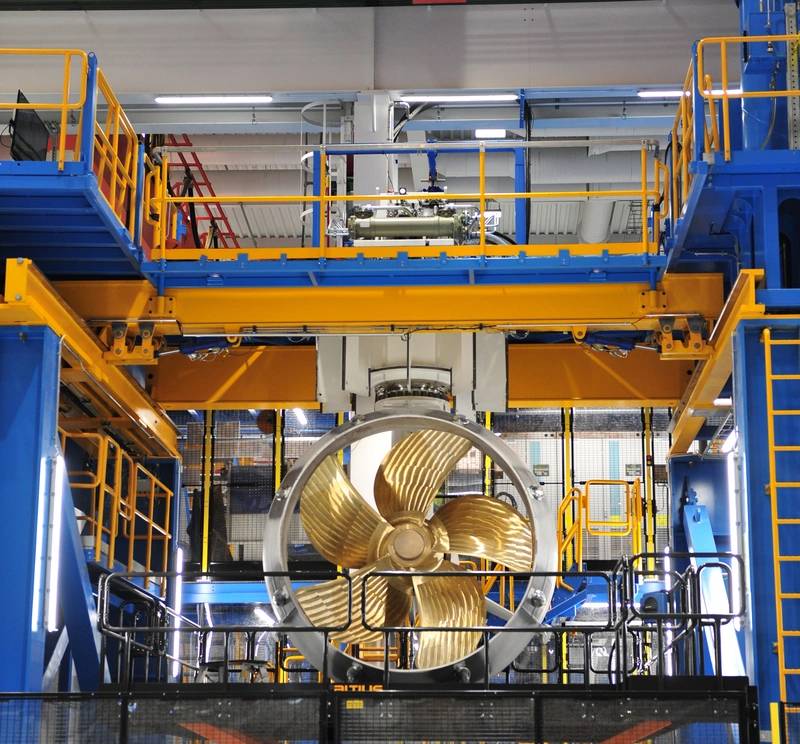
- Tunnelthrusters
- Output 200–3,700 kW, propeller diameter 1,600–2,000 mm, thrust up to 229 kN, available in CP (Constant Pitch) and FP (Fixed Pitch)
- Azimuth-thrusters
- Leistung 330-6.500 kW (mechanical/hybrid), neun Baumgroessen, Zugkraft optimiert fuer Bollard-Pull, 360°-Schwenkung
- Arctic Thruster (ARC)
- Power from 3 MW to >10 MW, no oil-sea interfaces, adaptive seals, Polar-Class-2 and Icebreaker-7 to 9 MW
- Permanent Magnet (PM) Thrusters
- TT-PM 1000 kW (146 kN), TT-PM 1600 kW (229 kN), Effizienzsteigerung 7-13% gegenueber Diesel-Elektrik
- Hydraulik-standard
- Double gear hydraulics for control/ventilation/lubricant, double cylinder with pressure pipe safety, seal tank with refueling capacity
- Lagerung
- Rollenlager fuer Schubwelle, Schmierung mit Fett, Dichtung an Lagergehausen, Toleranz-Freispiele typisch 0,5-2,0 mm
- US Azimuth Thruster
- Arctic Thruster (ARC)
- TCNS/C Azimuth Thruster (Swing-up/Retractable)
- Rim Drive Azimuth Thruster (RD-AZ)
- Tunnel Thruster Type TT/TTH
- Permanent Magnet Tunnel Thruster (TT-PM)
- Rim Drive Tunnel Thruster (RD-TT)
- Underwater Mountable Azimuth Thruster (UUC/UUC-PM)
- Retractable Azimuth Thruster (UL/ULE)
- Azipull Thruster (Integrated PM Motor)
- Area: Propellerblaetter: Verschleiss, Risse, Verformung, SeewuchsbewuchsCheck: Sichtpruefung auf Schaedigungen, Freispiel, Blattoberflaeche glatt ohne Kratzer/Dellen. Blattwurzel-O-Ringe auf Verschleiss checken, Spitzzenspiel messen. Bei Zweifeln: 1,5 bar Luftdruck auf VT-Nippel, Seifenblasen-Test auf Oellecks.
- Area: Propellerwellen-Dichtung: Durchfeuchtuung, Oelaustrittsverlust, VerschleissCheck: Visual inspection for leaks around shaft seal, check sealing cavity (monitored automatically via ARC). Observe seal clip pressure (e.g. via sensor output). At 5-year overhaul: renew seal. Check adaptive pressure regulation.
- Area: Lagerfreispiel/Lagerverschleiss: Axiales/Radiales Play ueber Norm, BohrlochabtragCheck: Calipers/counter gauges: measure shaft diameter and bores (target value via manufacturer data sheet). Document caliper readings. If exceeded: replace bearing journal/bearing shells. Observe vibration/noise during operation.
- Area: Hydraulikfluid: Verschmutzung, Feuchtigkeit, Alterung, Farb-/GeruechsveraenderungCheck: Check fluid level in tank (target level). Color test: light/yellowish OK, cloudy/dark = change required. Particle count (if available). Change filter per manufacturer interval. Perform pressure test on hydraulic line.
- Area: Hydraulik-Leitungen/Verbindungen: Risse, Lecks, Verformung, korrosive BelaegeCheck: Visual inspection of all hoses, pipes, connections for defects. Check for dryness, corrosion (rust spots), kink marks. High-frequency leak test if necessary. Observe operating pressure during voyage.
- Area: Elastomer-Bauteile (O-Ringe, Dichtlippen, Gummistuecke): Hartung, Risse, QuellungserscheinungenCheck: Visual inspection of all O-rings/seals for wear, hardening, deformation. Test with finger pressure (elasticity). Clean O-ring grooves/lubricate with gearbox oil (at 5-year overhaul). Replace damaged parts.
Type-universal inspection/service points for bow/stern thrusters (Kongsberg, Mega-Swarm 2026-06). Per-model specs not auto-populated.
- Tunnelthrusters
- Output 200–3,700 kW, propeller diameter 1,600–2,000 mm, thrust up to 229 kN, available in CP (Constant Pitch) and FP (Fixed Pitch)
- Azimuth-thrusters
- Leistung 330-6.500 kW (mechanical/hybrid), neun Baumgroessen, Zugkraft optimiert fuer Bollard-Pull, 360°-Schwenkung
- Arctic Thruster (ARC)
- Power from 3 MW to >10 MW, no oil-sea interfaces, adaptive seals, Polar-Class-2 and Icebreaker-7 to 9 MW
- Permanent Magnet (PM) Thrusters
- TT-PM 1000 kW (146 kN), TT-PM 1600 kW (229 kN), Effizienzsteigerung 7-13% gegenueber Diesel-Elektrik
- Hydraulik-standard
- Double gear hydraulics for control/ventilation/lubricant, double cylinder with pressure pipe safety, seal tank with refueling capacity
- Lagerung
- Rollenlager fuer Schubwelle, Schmierung mit Fett, Dichtung an Lagergehausen, Toleranz-Freispiele typisch 0,5-2,0 mm
- US Azimuth Thruster
- Arctic Thruster (ARC)
- TCNS/C Azimuth Thruster (Swing-up/Retractable)
- Rim Drive Azimuth Thruster (RD-AZ)
- Tunnel Thruster Type TT/TTH
- Permanent Magnet Tunnel Thruster (TT-PM)
- Rim Drive Tunnel Thruster (RD-TT)
- Underwater Mountable Azimuth Thruster (UUC/UUC-PM)
- Retractable Azimuth Thruster (UL/ULE)
- Azipull Thruster (Integrated PM Motor)
- Area: Propellerblaetter: Verschleiss, Risse, Verformung, SeewuchsbewuchsCheck: Sichtpruefung auf Schaedigungen, Freispiel, Blattoberflaeche glatt ohne Kratzer/Dellen. Blattwurzel-O-Ringe auf Verschleiss checken, Spitzzenspiel messen. Bei Zweifeln: 1,5 bar Luftdruck auf VT-Nippel, Seifenblasen-Test auf Oellecks.
- Area: Propellerwellen-Dichtung: Durchfeuchtuung, Oelaustrittsverlust, VerschleissCheck: Visual inspection for leaks around shaft seal, check sealing cavity (monitored automatically via ARC). Observe seal clip pressure (e.g. via sensor output). At 5-year overhaul: renew seal. Check adaptive pressure regulation.
- Area: Lagerfreispiel/Lagerverschleiss: Axiales/Radiales Play ueber Norm, BohrlochabtragCheck: Calipers/counter gauges: measure shaft diameter and bores (target value via manufacturer data sheet). Document caliper readings. If exceeded: replace bearing journal/bearing shells. Observe vibration/noise during operation.
- Area: Hydraulikfluid: Verschmutzung, Feuchtigkeit, Alterung, Farb-/GeruechsveraenderungCheck: Check fluid level in tank (target level). Color test: light/yellowish OK, cloudy/dark = change required. Particle count (if available). Change filter per manufacturer interval. Perform pressure test on hydraulic line.
- Area: Hydraulik-Leitungen/Verbindungen: Risse, Lecks, Verformung, korrosive BelaegeCheck: Visual inspection of all hoses, pipes, connections for defects. Check for dryness, corrosion (rust spots), kink marks. High-frequency leak test if necessary. Observe operating pressure during voyage.
- Area: Elastomer-Bauteile (O-Ringe, Dichtlippen, Gummistuecke): Hartung, Risse, QuellungserscheinungenCheck: Visual inspection of all O-rings/seals for wear, hardening, deformation. Test with finger pressure (elasticity). Clean O-ring grooves/lubricate with gearbox oil (at 5-year overhaul). Replace damaged parts.
Type-universal inspection/service points for bow/stern thrusters (Kongsberg, Mega-Swarm 2026-06). Per-model specs not auto-populated.
- Tunnelthrusters
- Output 200–3,700 kW, propeller diameter 1,600–2,000 mm, thrust up to 229 kN, available in CP (Constant Pitch) and FP (Fixed Pitch)
- Azimuth-thrusters
- Leistung 330-6.500 kW (mechanical/hybrid), neun Baumgroessen, Zugkraft optimiert fuer Bollard-Pull, 360°-Schwenkung
- Arctic Thruster (ARC)
- Power from 3 MW to >10 MW, no oil-sea interfaces, adaptive seals, Polar-Class-2 and Icebreaker-7 to 9 MW
- Permanent Magnet (PM) Thrusters
- TT-PM 1000 kW (146 kN), TT-PM 1600 kW (229 kN), Effizienzsteigerung 7-13% gegenueber Diesel-Elektrik
- Hydraulik-standard
- Double gear hydraulics for control/ventilation/lubricant, double cylinder with pressure pipe safety, seal tank with refueling capacity
- Lagerung
- Rollenlager fuer Schubwelle, Schmierung mit Fett, Dichtung an Lagergehausen, Toleranz-Freispiele typisch 0,5-2,0 mm
- US Azimuth Thruster
- Arctic Thruster (ARC)
- TCNS/C Azimuth Thruster (Swing-up/Retractable)
- Rim Drive Azimuth Thruster (RD-AZ)
- Tunnel Thruster Type TT/TTH
- Permanent Magnet Tunnel Thruster (TT-PM)
- Rim Drive Tunnel Thruster (RD-TT)
- Underwater Mountable Azimuth Thruster (UUC/UUC-PM)
- Retractable Azimuth Thruster (UL/ULE)
- Azipull Thruster (Integrated PM Motor)
- Area: Propellerblaetter: Verschleiss, Risse, Verformung, SeewuchsbewuchsCheck: Sichtpruefung auf Schaedigungen, Freispiel, Blattoberflaeche glatt ohne Kratzer/Dellen. Blattwurzel-O-Ringe auf Verschleiss checken, Spitzzenspiel messen. Bei Zweifeln: 1,5 bar Luftdruck auf VT-Nippel, Seifenblasen-Test auf Oellecks.
- Area: Propellerwellen-Dichtung: Durchfeuchtuung, Oelaustrittsverlust, VerschleissCheck: Visual inspection for leaks around shaft seal, check sealing cavity (monitored automatically via ARC). Observe seal clip pressure (e.g. via sensor output). At 5-year overhaul: renew seal. Check adaptive pressure regulation.
- Area: Lagerfreispiel/Lagerverschleiss: Axiales/Radiales Play ueber Norm, BohrlochabtragCheck: Calipers/counter gauges: measure shaft diameter and bores (target value via manufacturer data sheet). Document caliper readings. If exceeded: replace bearing journal/bearing shells. Observe vibration/noise during operation.
- Area: Hydraulikfluid: Verschmutzung, Feuchtigkeit, Alterung, Farb-/GeruechsveraenderungCheck: Check fluid level in tank (target level). Color test: light/yellowish OK, cloudy/dark = change required. Particle count (if available). Change filter per manufacturer interval. Perform pressure test on hydraulic line.
- Area: Hydraulik-Leitungen/Verbindungen: Risse, Lecks, Verformung, korrosive BelaegeCheck: Visual inspection of all hoses, pipes, connections for defects. Check for dryness, corrosion (rust spots), kink marks. High-frequency leak test if necessary. Observe operating pressure during voyage.
- Area: Elastomer-Bauteile (O-Ringe, Dichtlippen, Gummistuecke): Hartung, Risse, QuellungserscheinungenCheck: Visual inspection of all O-rings/seals for wear, hardening, deformation. Test with finger pressure (elasticity). Clean O-ring grooves/lubricate with gearbox oil (at 5-year overhaul). Replace damaged parts.
Type-universal inspection/service points for bow/stern thrusters (Kongsberg, Mega-Swarm 2026-06). Per-model specs not auto-populated.
- Tunnelthrusters
- Output 200–3,700 kW, propeller diameter 1,600–2,000 mm, thrust up to 229 kN, available in CP (Constant Pitch) and FP (Fixed Pitch)
- Azimuth-thrusters
- Leistung 330-6.500 kW (mechanical/hybrid), neun Baumgroessen, Zugkraft optimiert fuer Bollard-Pull, 360°-Schwenkung
- Arctic Thruster (ARC)
- Power from 3 MW to >10 MW, no oil-sea interfaces, adaptive seals, Polar-Class-2 and Icebreaker-7 to 9 MW
- Permanent Magnet (PM) Thrusters
- TT-PM 1000 kW (146 kN), TT-PM 1600 kW (229 kN), Effizienzsteigerung 7-13% gegenueber Diesel-Elektrik
- Hydraulik-standard
- Double gear hydraulics for control/ventilation/lubricant, double cylinder with pressure pipe safety, seal tank with refueling capacity
- Lagerung
- Rollenlager fuer Schubwelle, Schmierung mit Fett, Dichtung an Lagergehausen, Toleranz-Freispiele typisch 0,5-2,0 mm
- US Azimuth Thruster
- Arctic Thruster (ARC)
- TCNS/C Azimuth Thruster (Swing-up/Retractable)
- Rim Drive Azimuth Thruster (RD-AZ)
- Tunnel Thruster Type TT/TTH
- Permanent Magnet Tunnel Thruster (TT-PM)
- Rim Drive Tunnel Thruster (RD-TT)
- Underwater Mountable Azimuth Thruster (UUC/UUC-PM)
- Retractable Azimuth Thruster (UL/ULE)
- Azipull Thruster (Integrated PM Motor)
- Area: Propellerblaetter: Verschleiss, Risse, Verformung, SeewuchsbewuchsCheck: Sichtpruefung auf Schaedigungen, Freispiel, Blattoberflaeche glatt ohne Kratzer/Dellen. Blattwurzel-O-Ringe auf Verschleiss checken, Spitzzenspiel messen. Bei Zweifeln: 1,5 bar Luftdruck auf VT-Nippel, Seifenblasen-Test auf Oellecks.
- Area: Propellerwellen-Dichtung: Durchfeuchtuung, Oelaustrittsverlust, VerschleissCheck: Visual inspection for leaks around shaft seal, check sealing cavity (monitored automatically via ARC). Observe seal clip pressure (e.g. via sensor output). At 5-year overhaul: renew seal. Check adaptive pressure regulation.
- Area: Lagerfreispiel/Lagerverschleiss: Axiales/Radiales Play ueber Norm, BohrlochabtragCheck: Calipers/counter gauges: measure shaft diameter and bores (target value via manufacturer data sheet). Document caliper readings. If exceeded: replace bearing journal/bearing shells. Observe vibration/noise during operation.
- Area: Hydraulikfluid: Verschmutzung, Feuchtigkeit, Alterung, Farb-/GeruechsveraenderungCheck: Check fluid level in tank (target level). Color test: light/yellowish OK, cloudy/dark = change required. Particle count (if available). Change filter per manufacturer interval. Perform pressure test on hydraulic line.
- Area: Hydraulik-Leitungen/Verbindungen: Risse, Lecks, Verformung, korrosive BelaegeCheck: Visual inspection of all hoses, pipes, connections for defects. Check for dryness, corrosion (rust spots), kink marks. High-frequency leak test if necessary. Observe operating pressure during voyage.
- Area: Elastomer-Bauteile (O-Ringe, Dichtlippen, Gummistuecke): Hartung, Risse, QuellungserscheinungenCheck: Visual inspection of all O-rings/seals for wear, hardening, deformation. Test with finger pressure (elasticity). Clean O-ring grooves/lubricate with gearbox oil (at 5-year overhaul). Replace damaged parts.
Type-universal inspection/service points for bow/stern thrusters (Kongsberg, Mega-Swarm 2026-06). Per-model specs not auto-populated.
- Tunnelthrusters
- Output 200–3,700 kW, propeller diameter 1,600–2,000 mm, thrust up to 229 kN, available in CP (Constant Pitch) and FP (Fixed Pitch)
- Azimuth-thrusters
- Leistung 330-6.500 kW (mechanical/hybrid), neun Baumgroessen, Zugkraft optimiert fuer Bollard-Pull, 360°-Schwenkung
- Arctic Thruster (ARC)
- Power from 3 MW to >10 MW, no oil-sea interfaces, adaptive seals, Polar-Class-2 and Icebreaker-7 to 9 MW
- Permanent Magnet (PM) Thrusters
- TT-PM 1000 kW (146 kN), TT-PM 1600 kW (229 kN), Effizienzsteigerung 7-13% gegenueber Diesel-Elektrik
- Hydraulik-standard
- Double gear hydraulics for control/ventilation/lubricant, double cylinder with pressure pipe safety, seal tank with refueling capacity
- Lagerung
- Rollenlager fuer Schubwelle, Schmierung mit Fett, Dichtung an Lagergehausen, Toleranz-Freispiele typisch 0,5-2,0 mm
- US Azimuth Thruster
- Arctic Thruster (ARC)
- TCNS/C Azimuth Thruster (Swing-up/Retractable)
- Rim Drive Azimuth Thruster (RD-AZ)
- Tunnel Thruster Type TT/TTH
- Permanent Magnet Tunnel Thruster (TT-PM)
- Rim Drive Tunnel Thruster (RD-TT)
- Underwater Mountable Azimuth Thruster (UUC/UUC-PM)
- Retractable Azimuth Thruster (UL/ULE)
- Azipull Thruster (Integrated PM Motor)
- Area: Propellerblaetter: Verschleiss, Risse, Verformung, SeewuchsbewuchsCheck: Sichtpruefung auf Schaedigungen, Freispiel, Blattoberflaeche glatt ohne Kratzer/Dellen. Blattwurzel-O-Ringe auf Verschleiss checken, Spitzzenspiel messen. Bei Zweifeln: 1,5 bar Luftdruck auf VT-Nippel, Seifenblasen-Test auf Oellecks.
- Area: Propellerwellen-Dichtung: Durchfeuchtuung, Oelaustrittsverlust, VerschleissCheck: Visual inspection for leaks around shaft seal, check sealing cavity (monitored automatically via ARC). Observe seal clip pressure (e.g. via sensor output). At 5-year overhaul: renew seal. Check adaptive pressure regulation.
- Area: Lagerfreispiel/Lagerverschleiss: Axiales/Radiales Play ueber Norm, BohrlochabtragCheck: Calipers/counter gauges: measure shaft diameter and bores (target value via manufacturer data sheet). Document caliper readings. If exceeded: replace bearing journal/bearing shells. Observe vibration/noise during operation.
- Area: Hydraulikfluid: Verschmutzung, Feuchtigkeit, Alterung, Farb-/GeruechsveraenderungCheck: Check fluid level in tank (target level). Color test: light/yellowish OK, cloudy/dark = change required. Particle count (if available). Change filter per manufacturer interval. Perform pressure test on hydraulic line.
- Area: Hydraulik-Leitungen/Verbindungen: Risse, Lecks, Verformung, korrosive BelaegeCheck: Visual inspection of all hoses, pipes, connections for defects. Check for dryness, corrosion (rust spots), kink marks. High-frequency leak test if necessary. Observe operating pressure during voyage.
- Area: Elastomer-Bauteile (O-Ringe, Dichtlippen, Gummistuecke): Hartung, Risse, QuellungserscheinungenCheck: Visual inspection of all O-rings/seals for wear, hardening, deformation. Test with finger pressure (elasticity). Clean O-ring grooves/lubricate with gearbox oil (at 5-year overhaul). Replace damaged parts.
Type-universal inspection/service points for bow/stern thrusters (Kongsberg, Mega-Swarm 2026-06). Per-model specs not auto-populated.
- Tunnelthrusters
- Output 200–3,700 kW, propeller diameter 1,600–2,000 mm, thrust up to 229 kN, available in CP (Constant Pitch) and FP (Fixed Pitch)
- Azimuth-thrusters
- Leistung 330-6.500 kW (mechanical/hybrid), neun Baumgroessen, Zugkraft optimiert fuer Bollard-Pull, 360°-Schwenkung
- Arctic Thruster (ARC)
- Power from 3 MW to >10 MW, no oil-sea interfaces, adaptive seals, Polar-Class-2 and Icebreaker-7 to 9 MW
- Permanent Magnet (PM) Thrusters
- TT-PM 1000 kW (146 kN), TT-PM 1600 kW (229 kN), Effizienzsteigerung 7-13% gegenueber Diesel-Elektrik
- Hydraulik-standard
- Double gear hydraulics for control/ventilation/lubricant, double cylinder with pressure pipe safety, seal tank with refueling capacity
- Lagerung
- Rollenlager fuer Schubwelle, Schmierung mit Fett, Dichtung an Lagergehausen, Toleranz-Freispiele typisch 0,5-2,0 mm
- US Azimuth Thruster
- Arctic Thruster (ARC)
- TCNS/C Azimuth Thruster (Swing-up/Retractable)
- Rim Drive Azimuth Thruster (RD-AZ)
- Tunnel Thruster Type TT/TTH
- Permanent Magnet Tunnel Thruster (TT-PM)
- Rim Drive Tunnel Thruster (RD-TT)
- Underwater Mountable Azimuth Thruster (UUC/UUC-PM)
- Retractable Azimuth Thruster (UL/ULE)
- Azipull Thruster (Integrated PM Motor)
- Area: Propellerblaetter: Verschleiss, Risse, Verformung, SeewuchsbewuchsCheck: Sichtpruefung auf Schaedigungen, Freispiel, Blattoberflaeche glatt ohne Kratzer/Dellen. Blattwurzel-O-Ringe auf Verschleiss checken, Spitzzenspiel messen. Bei Zweifeln: 1,5 bar Luftdruck auf VT-Nippel, Seifenblasen-Test auf Oellecks.
- Area: Propellerwellen-Dichtung: Durchfeuchtuung, Oelaustrittsverlust, VerschleissCheck: Visual inspection for leaks around shaft seal, check sealing cavity (monitored automatically via ARC). Observe seal clip pressure (e.g. via sensor output). At 5-year overhaul: renew seal. Check adaptive pressure regulation.
- Area: Lagerfreispiel/Lagerverschleiss: Axiales/Radiales Play ueber Norm, BohrlochabtragCheck: Calipers/counter gauges: measure shaft diameter and bores (target value via manufacturer data sheet). Document caliper readings. If exceeded: replace bearing journal/bearing shells. Observe vibration/noise during operation.
- Area: Hydraulikfluid: Verschmutzung, Feuchtigkeit, Alterung, Farb-/GeruechsveraenderungCheck: Check fluid level in tank (target level). Color test: light/yellowish OK, cloudy/dark = change required. Particle count (if available). Change filter per manufacturer interval. Perform pressure test on hydraulic line.
- Area: Hydraulik-Leitungen/Verbindungen: Risse, Lecks, Verformung, korrosive BelaegeCheck: Visual inspection of all hoses, pipes, connections for defects. Check for dryness, corrosion (rust spots), kink marks. High-frequency leak test if necessary. Observe operating pressure during voyage.
- Area: Elastomer-Bauteile (O-Ringe, Dichtlippen, Gummistuecke): Hartung, Risse, QuellungserscheinungenCheck: Visual inspection of all O-rings/seals for wear, hardening, deformation. Test with finger pressure (elasticity). Clean O-ring grooves/lubricate with gearbox oil (at 5-year overhaul). Replace damaged parts.
Type-universal inspection/service points for bow/stern thrusters (Kongsberg, Mega-Swarm 2026-06). Per-model specs not auto-populated.

- Tunnelthrusters
- Output 200–3,700 kW, propeller diameter 1,600–2,000 mm, thrust up to 229 kN, available in CP (Constant Pitch) and FP (Fixed Pitch)
- Azimuth-thrusters
- Leistung 330-6.500 kW (mechanical/hybrid), neun Baumgroessen, Zugkraft optimiert fuer Bollard-Pull, 360°-Schwenkung
- Arctic Thruster (ARC)
- Power from 3 MW to >10 MW, no oil-sea interfaces, adaptive seals, Polar-Class-2 and Icebreaker-7 to 9 MW
- Permanent Magnet (PM) Thrusters
- TT-PM 1000 kW (146 kN), TT-PM 1600 kW (229 kN), Effizienzsteigerung 7-13% gegenueber Diesel-Elektrik
- Hydraulik-standard
- Double gear hydraulics for control/ventilation/lubricant, double cylinder with pressure pipe safety, seal tank with refueling capacity
- Lagerung
- Rollenlager fuer Schubwelle, Schmierung mit Fett, Dichtung an Lagergehausen, Toleranz-Freispiele typisch 0,5-2,0 mm
- US Azimuth Thruster
- Arctic Thruster (ARC)
- TCNS/C Azimuth Thruster (Swing-up/Retractable)
- Rim Drive Azimuth Thruster (RD-AZ)
- Tunnel Thruster Type TT/TTH
- Permanent Magnet Tunnel Thruster (TT-PM)
- Rim Drive Tunnel Thruster (RD-TT)
- Underwater Mountable Azimuth Thruster (UUC/UUC-PM)
- Retractable Azimuth Thruster (UL/ULE)
- Azipull Thruster (Integrated PM Motor)
- Area: Propellerblaetter: Verschleiss, Risse, Verformung, SeewuchsbewuchsCheck: Sichtpruefung auf Schaedigungen, Freispiel, Blattoberflaeche glatt ohne Kratzer/Dellen. Blattwurzel-O-Ringe auf Verschleiss checken, Spitzzenspiel messen. Bei Zweifeln: 1,5 bar Luftdruck auf VT-Nippel, Seifenblasen-Test auf Oellecks.
- Area: Propellerwellen-Dichtung: Durchfeuchtuung, Oelaustrittsverlust, VerschleissCheck: Visual inspection for leaks around shaft seal, check sealing cavity (monitored automatically via ARC). Observe seal clip pressure (e.g. via sensor output). At 5-year overhaul: renew seal. Check adaptive pressure regulation.
- Area: Lagerfreispiel/Lagerverschleiss: Axiales/Radiales Play ueber Norm, BohrlochabtragCheck: Calipers/counter gauges: measure shaft diameter and bores (target value via manufacturer data sheet). Document caliper readings. If exceeded: replace bearing journal/bearing shells. Observe vibration/noise during operation.
- Area: Hydraulikfluid: Verschmutzung, Feuchtigkeit, Alterung, Farb-/GeruechsveraenderungCheck: Check fluid level in tank (target level). Color test: light/yellowish OK, cloudy/dark = change required. Particle count (if available). Change filter per manufacturer interval. Perform pressure test on hydraulic line.
- Area: Hydraulik-Leitungen/Verbindungen: Risse, Lecks, Verformung, korrosive BelaegeCheck: Visual inspection of all hoses, pipes, connections for defects. Check for dryness, corrosion (rust spots), kink marks. High-frequency leak test if necessary. Observe operating pressure during voyage.
- Area: Elastomer-Bauteile (O-Ringe, Dichtlippen, Gummistuecke): Hartung, Risse, QuellungserscheinungenCheck: Visual inspection of all O-rings/seals for wear, hardening, deformation. Test with finger pressure (elasticity). Clean O-ring grooves/lubricate with gearbox oil (at 5-year overhaul). Replace damaged parts.
Type-universal inspection/service points for bow/stern thrusters (Kongsberg, Mega-Swarm 2026-06). Per-model specs not auto-populated.
- Tunnelthrusters
- Output 200–3,700 kW, propeller diameter 1,600–2,000 mm, thrust up to 229 kN, available in CP (Constant Pitch) and FP (Fixed Pitch)
- Azimuth-thrusters
- Leistung 330-6.500 kW (mechanical/hybrid), neun Baumgroessen, Zugkraft optimiert fuer Bollard-Pull, 360°-Schwenkung
- Arctic Thruster (ARC)
- Power from 3 MW to >10 MW, no oil-sea interfaces, adaptive seals, Polar-Class-2 and Icebreaker-7 to 9 MW
- Permanent Magnet (PM) Thrusters
- TT-PM 1000 kW (146 kN), TT-PM 1600 kW (229 kN), Effizienzsteigerung 7-13% gegenueber Diesel-Elektrik
- Hydraulik-standard
- Double gear hydraulics for control/ventilation/lubricant, double cylinder with pressure pipe safety, seal tank with refueling capacity
- Lagerung
- Rollenlager fuer Schubwelle, Schmierung mit Fett, Dichtung an Lagergehausen, Toleranz-Freispiele typisch 0,5-2,0 mm
- US Azimuth Thruster
- Arctic Thruster (ARC)
- TCNS/C Azimuth Thruster (Swing-up/Retractable)
- Rim Drive Azimuth Thruster (RD-AZ)
- Tunnel Thruster Type TT/TTH
- Permanent Magnet Tunnel Thruster (TT-PM)
- Rim Drive Tunnel Thruster (RD-TT)
- Underwater Mountable Azimuth Thruster (UUC/UUC-PM)
- Retractable Azimuth Thruster (UL/ULE)
- Azipull Thruster (Integrated PM Motor)
- Area: Propellerblaetter: Verschleiss, Risse, Verformung, SeewuchsbewuchsCheck: Sichtpruefung auf Schaedigungen, Freispiel, Blattoberflaeche glatt ohne Kratzer/Dellen. Blattwurzel-O-Ringe auf Verschleiss checken, Spitzzenspiel messen. Bei Zweifeln: 1,5 bar Luftdruck auf VT-Nippel, Seifenblasen-Test auf Oellecks.
- Area: Propellerwellen-Dichtung: Durchfeuchtuung, Oelaustrittsverlust, VerschleissCheck: Visual inspection for leaks around shaft seal, check sealing cavity (monitored automatically via ARC). Observe seal clip pressure (e.g. via sensor output). At 5-year overhaul: renew seal. Check adaptive pressure regulation.
- Area: Lagerfreispiel/Lagerverschleiss: Axiales/Radiales Play ueber Norm, BohrlochabtragCheck: Calipers/counter gauges: measure shaft diameter and bores (target value via manufacturer data sheet). Document caliper readings. If exceeded: replace bearing journal/bearing shells. Observe vibration/noise during operation.
- Area: Hydraulikfluid: Verschmutzung, Feuchtigkeit, Alterung, Farb-/GeruechsveraenderungCheck: Check fluid level in tank (target level). Color test: light/yellowish OK, cloudy/dark = change required. Particle count (if available). Change filter per manufacturer interval. Perform pressure test on hydraulic line.
- Area: Hydraulik-Leitungen/Verbindungen: Risse, Lecks, Verformung, korrosive BelaegeCheck: Visual inspection of all hoses, pipes, connections for defects. Check for dryness, corrosion (rust spots), kink marks. High-frequency leak test if necessary. Observe operating pressure during voyage.
- Area: Elastomer-Bauteile (O-Ringe, Dichtlippen, Gummistuecke): Hartung, Risse, QuellungserscheinungenCheck: Visual inspection of all O-rings/seals for wear, hardening, deformation. Test with finger pressure (elasticity). Clean O-ring grooves/lubricate with gearbox oil (at 5-year overhaul). Replace damaged parts.
Type-universal inspection/service points for bow/stern thrusters (Kongsberg, Mega-Swarm 2026-06). Per-model specs not auto-populated.
- Tunnelthrusters
- Output 200–3,700 kW, propeller diameter 1,600–2,000 mm, thrust up to 229 kN, available in CP (Constant Pitch) and FP (Fixed Pitch)
- Azimuth-thrusters
- Leistung 330-6.500 kW (mechanical/hybrid), neun Baumgroessen, Zugkraft optimiert fuer Bollard-Pull, 360°-Schwenkung
- Arctic Thruster (ARC)
- Power from 3 MW to >10 MW, no oil-sea interfaces, adaptive seals, Polar-Class-2 and Icebreaker-7 to 9 MW
- Permanent Magnet (PM) Thrusters
- TT-PM 1000 kW (146 kN), TT-PM 1600 kW (229 kN), Effizienzsteigerung 7-13% gegenueber Diesel-Elektrik
- Hydraulik-standard
- Double gear hydraulics for control/ventilation/lubricant, double cylinder with pressure pipe safety, seal tank with refueling capacity
- Lagerung
- Rollenlager fuer Schubwelle, Schmierung mit Fett, Dichtung an Lagergehausen, Toleranz-Freispiele typisch 0,5-2,0 mm
- US Azimuth Thruster
- Arctic Thruster (ARC)
- TCNS/C Azimuth Thruster (Swing-up/Retractable)
- Rim Drive Azimuth Thruster (RD-AZ)
- Tunnel Thruster Type TT/TTH
- Permanent Magnet Tunnel Thruster (TT-PM)
- Rim Drive Tunnel Thruster (RD-TT)
- Underwater Mountable Azimuth Thruster (UUC/UUC-PM)
- Retractable Azimuth Thruster (UL/ULE)
- Azipull Thruster (Integrated PM Motor)
- Area: Propellerblaetter: Verschleiss, Risse, Verformung, SeewuchsbewuchsCheck: Sichtpruefung auf Schaedigungen, Freispiel, Blattoberflaeche glatt ohne Kratzer/Dellen. Blattwurzel-O-Ringe auf Verschleiss checken, Spitzzenspiel messen. Bei Zweifeln: 1,5 bar Luftdruck auf VT-Nippel, Seifenblasen-Test auf Oellecks.
- Area: Propellerwellen-Dichtung: Durchfeuchtuung, Oelaustrittsverlust, VerschleissCheck: Visual inspection for leaks around shaft seal, check sealing cavity (monitored automatically via ARC). Observe seal clip pressure (e.g. via sensor output). At 5-year overhaul: renew seal. Check adaptive pressure regulation.
- Area: Lagerfreispiel/Lagerverschleiss: Axiales/Radiales Play ueber Norm, BohrlochabtragCheck: Calipers/counter gauges: measure shaft diameter and bores (target value via manufacturer data sheet). Document caliper readings. If exceeded: replace bearing journal/bearing shells. Observe vibration/noise during operation.
- Area: Hydraulikfluid: Verschmutzung, Feuchtigkeit, Alterung, Farb-/GeruechsveraenderungCheck: Check fluid level in tank (target level). Color test: light/yellowish OK, cloudy/dark = change required. Particle count (if available). Change filter per manufacturer interval. Perform pressure test on hydraulic line.
- Area: Hydraulik-Leitungen/Verbindungen: Risse, Lecks, Verformung, korrosive BelaegeCheck: Visual inspection of all hoses, pipes, connections for defects. Check for dryness, corrosion (rust spots), kink marks. High-frequency leak test if necessary. Observe operating pressure during voyage.
- Area: Elastomer-Bauteile (O-Ringe, Dichtlippen, Gummistuecke): Hartung, Risse, QuellungserscheinungenCheck: Visual inspection of all O-rings/seals for wear, hardening, deformation. Test with finger pressure (elasticity). Clean O-ring grooves/lubricate with gearbox oil (at 5-year overhaul). Replace damaged parts.
Type-universal inspection/service points for bow/stern thrusters (Kongsberg, Mega-Swarm 2026-06). Per-model specs not auto-populated.
- Tunnelthrusters
- Output 200–3,700 kW, propeller diameter 1,600–2,000 mm, thrust up to 229 kN, available in CP (Constant Pitch) and FP (Fixed Pitch)
- Azimuth-thrusters
- Leistung 330-6.500 kW (mechanical/hybrid), neun Baumgroessen, Zugkraft optimiert fuer Bollard-Pull, 360°-Schwenkung
- Arctic Thruster (ARC)
- Power from 3 MW to >10 MW, no oil-sea interfaces, adaptive seals, Polar-Class-2 and Icebreaker-7 to 9 MW
- Permanent Magnet (PM) Thrusters
- TT-PM 1000 kW (146 kN), TT-PM 1600 kW (229 kN), Effizienzsteigerung 7-13% gegenueber Diesel-Elektrik
- Hydraulik-standard
- Double gear hydraulics for control/ventilation/lubricant, double cylinder with pressure pipe safety, seal tank with refueling capacity
- Lagerung
- Rollenlager fuer Schubwelle, Schmierung mit Fett, Dichtung an Lagergehausen, Toleranz-Freispiele typisch 0,5-2,0 mm
- US Azimuth Thruster
- Arctic Thruster (ARC)
- TCNS/C Azimuth Thruster (Swing-up/Retractable)
- Rim Drive Azimuth Thruster (RD-AZ)
- Tunnel Thruster Type TT/TTH
- Permanent Magnet Tunnel Thruster (TT-PM)
- Rim Drive Tunnel Thruster (RD-TT)
- Underwater Mountable Azimuth Thruster (UUC/UUC-PM)
- Retractable Azimuth Thruster (UL/ULE)
- Azipull Thruster (Integrated PM Motor)
- Area: Propellerblaetter: Verschleiss, Risse, Verformung, SeewuchsbewuchsCheck: Sichtpruefung auf Schaedigungen, Freispiel, Blattoberflaeche glatt ohne Kratzer/Dellen. Blattwurzel-O-Ringe auf Verschleiss checken, Spitzzenspiel messen. Bei Zweifeln: 1,5 bar Luftdruck auf VT-Nippel, Seifenblasen-Test auf Oellecks.
- Area: Propellerwellen-Dichtung: Durchfeuchtuung, Oelaustrittsverlust, VerschleissCheck: Visual inspection for leaks around shaft seal, check sealing cavity (monitored automatically via ARC). Observe seal clip pressure (e.g. via sensor output). At 5-year overhaul: renew seal. Check adaptive pressure regulation.
- Area: Lagerfreispiel/Lagerverschleiss: Axiales/Radiales Play ueber Norm, BohrlochabtragCheck: Calipers/counter gauges: measure shaft diameter and bores (target value via manufacturer data sheet). Document caliper readings. If exceeded: replace bearing journal/bearing shells. Observe vibration/noise during operation.
- Area: Hydraulikfluid: Verschmutzung, Feuchtigkeit, Alterung, Farb-/GeruechsveraenderungCheck: Check fluid level in tank (target level). Color test: light/yellowish OK, cloudy/dark = change required. Particle count (if available). Change filter per manufacturer interval. Perform pressure test on hydraulic line.
- Area: Hydraulik-Leitungen/Verbindungen: Risse, Lecks, Verformung, korrosive BelaegeCheck: Visual inspection of all hoses, pipes, connections for defects. Check for dryness, corrosion (rust spots), kink marks. High-frequency leak test if necessary. Observe operating pressure during voyage.
- Area: Elastomer-Bauteile (O-Ringe, Dichtlippen, Gummistuecke): Hartung, Risse, QuellungserscheinungenCheck: Visual inspection of all O-rings/seals for wear, hardening, deformation. Test with finger pressure (elasticity). Clean O-ring grooves/lubricate with gearbox oil (at 5-year overhaul). Replace damaged parts.
Type-universal inspection/service points for bow/stern thrusters (Kongsberg, Mega-Swarm 2026-06). Per-model specs not auto-populated.
- Tunnelthrusters
- Output 200–3,700 kW, propeller diameter 1,600–2,000 mm, thrust up to 229 kN, available in CP (Constant Pitch) and FP (Fixed Pitch)
- Azimuth-thrusters
- Leistung 330-6.500 kW (mechanical/hybrid), neun Baumgroessen, Zugkraft optimiert fuer Bollard-Pull, 360°-Schwenkung
- Arctic Thruster (ARC)
- Power from 3 MW to >10 MW, no oil-sea interfaces, adaptive seals, Polar-Class-2 and Icebreaker-7 to 9 MW
- Permanent Magnet (PM) Thrusters
- TT-PM 1000 kW (146 kN), TT-PM 1600 kW (229 kN), Effizienzsteigerung 7-13% gegenueber Diesel-Elektrik
- Hydraulik-standard
- Double gear hydraulics for control/ventilation/lubricant, double cylinder with pressure pipe safety, seal tank with refueling capacity
- Lagerung
- Rollenlager fuer Schubwelle, Schmierung mit Fett, Dichtung an Lagergehausen, Toleranz-Freispiele typisch 0,5-2,0 mm
- US Azimuth Thruster
- Arctic Thruster (ARC)
- TCNS/C Azimuth Thruster (Swing-up/Retractable)
- Rim Drive Azimuth Thruster (RD-AZ)
- Tunnel Thruster Type TT/TTH
- Permanent Magnet Tunnel Thruster (TT-PM)
- Rim Drive Tunnel Thruster (RD-TT)
- Underwater Mountable Azimuth Thruster (UUC/UUC-PM)
- Retractable Azimuth Thruster (UL/ULE)
- Azipull Thruster (Integrated PM Motor)
- Area: Propellerblaetter: Verschleiss, Risse, Verformung, SeewuchsbewuchsCheck: Sichtpruefung auf Schaedigungen, Freispiel, Blattoberflaeche glatt ohne Kratzer/Dellen. Blattwurzel-O-Ringe auf Verschleiss checken, Spitzzenspiel messen. Bei Zweifeln: 1,5 bar Luftdruck auf VT-Nippel, Seifenblasen-Test auf Oellecks.
- Area: Propellerwellen-Dichtung: Durchfeuchtuung, Oelaustrittsverlust, VerschleissCheck: Visual inspection for leaks around shaft seal, check sealing cavity (monitored automatically via ARC). Observe seal clip pressure (e.g. via sensor output). At 5-year overhaul: renew seal. Check adaptive pressure regulation.
- Area: Lagerfreispiel/Lagerverschleiss: Axiales/Radiales Play ueber Norm, BohrlochabtragCheck: Calipers/counter gauges: measure shaft diameter and bores (target value via manufacturer data sheet). Document caliper readings. If exceeded: replace bearing journal/bearing shells. Observe vibration/noise during operation.
- Area: Hydraulikfluid: Verschmutzung, Feuchtigkeit, Alterung, Farb-/GeruechsveraenderungCheck: Check fluid level in tank (target level). Color test: light/yellowish OK, cloudy/dark = change required. Particle count (if available). Change filter per manufacturer interval. Perform pressure test on hydraulic line.
- Area: Hydraulik-Leitungen/Verbindungen: Risse, Lecks, Verformung, korrosive BelaegeCheck: Visual inspection of all hoses, pipes, connections for defects. Check for dryness, corrosion (rust spots), kink marks. High-frequency leak test if necessary. Observe operating pressure during voyage.
- Area: Elastomer-Bauteile (O-Ringe, Dichtlippen, Gummistuecke): Hartung, Risse, QuellungserscheinungenCheck: Visual inspection of all O-rings/seals for wear, hardening, deformation. Test with finger pressure (elasticity). Clean O-ring grooves/lubricate with gearbox oil (at 5-year overhaul). Replace damaged parts.
Type-universal inspection/service points for bow/stern thrusters (Kongsberg, Mega-Swarm 2026-06). Per-model specs not auto-populated.
- Tunnelthrusters
- Output 200–3,700 kW, propeller diameter 1,600–2,000 mm, thrust up to 229 kN, available in CP (Constant Pitch) and FP (Fixed Pitch)
- Azimuth-thrusters
- Leistung 330-6.500 kW (mechanical/hybrid), neun Baumgroessen, Zugkraft optimiert fuer Bollard-Pull, 360°-Schwenkung
- Arctic Thruster (ARC)
- Power from 3 MW to >10 MW, no oil-sea interfaces, adaptive seals, Polar-Class-2 and Icebreaker-7 to 9 MW
- Permanent Magnet (PM) Thrusters
- TT-PM 1000 kW (146 kN), TT-PM 1600 kW (229 kN), Effizienzsteigerung 7-13% gegenueber Diesel-Elektrik
- Hydraulik-standard
- Double gear hydraulics for control/ventilation/lubricant, double cylinder with pressure pipe safety, seal tank with refueling capacity
- Lagerung
- Rollenlager fuer Schubwelle, Schmierung mit Fett, Dichtung an Lagergehausen, Toleranz-Freispiele typisch 0,5-2,0 mm
- US Azimuth Thruster
- Arctic Thruster (ARC)
- TCNS/C Azimuth Thruster (Swing-up/Retractable)
- Rim Drive Azimuth Thruster (RD-AZ)
- Tunnel Thruster Type TT/TTH
- Permanent Magnet Tunnel Thruster (TT-PM)
- Rim Drive Tunnel Thruster (RD-TT)
- Underwater Mountable Azimuth Thruster (UUC/UUC-PM)
- Retractable Azimuth Thruster (UL/ULE)
- Azipull Thruster (Integrated PM Motor)
- Area: Propellerblaetter: Verschleiss, Risse, Verformung, SeewuchsbewuchsCheck: Sichtpruefung auf Schaedigungen, Freispiel, Blattoberflaeche glatt ohne Kratzer/Dellen. Blattwurzel-O-Ringe auf Verschleiss checken, Spitzzenspiel messen. Bei Zweifeln: 1,5 bar Luftdruck auf VT-Nippel, Seifenblasen-Test auf Oellecks.
- Area: Propellerwellen-Dichtung: Durchfeuchtuung, Oelaustrittsverlust, VerschleissCheck: Visual inspection for leaks around shaft seal, check sealing cavity (monitored automatically via ARC). Observe seal clip pressure (e.g. via sensor output). At 5-year overhaul: renew seal. Check adaptive pressure regulation.
- Area: Lagerfreispiel/Lagerverschleiss: Axiales/Radiales Play ueber Norm, BohrlochabtragCheck: Calipers/counter gauges: measure shaft diameter and bores (target value via manufacturer data sheet). Document caliper readings. If exceeded: replace bearing journal/bearing shells. Observe vibration/noise during operation.
- Area: Hydraulikfluid: Verschmutzung, Feuchtigkeit, Alterung, Farb-/GeruechsveraenderungCheck: Check fluid level in tank (target level). Color test: light/yellowish OK, cloudy/dark = change required. Particle count (if available). Change filter per manufacturer interval. Perform pressure test on hydraulic line.
- Area: Hydraulik-Leitungen/Verbindungen: Risse, Lecks, Verformung, korrosive BelaegeCheck: Visual inspection of all hoses, pipes, connections for defects. Check for dryness, corrosion (rust spots), kink marks. High-frequency leak test if necessary. Observe operating pressure during voyage.
- Area: Elastomer-Bauteile (O-Ringe, Dichtlippen, Gummistuecke): Hartung, Risse, QuellungserscheinungenCheck: Visual inspection of all O-rings/seals for wear, hardening, deformation. Test with finger pressure (elasticity). Clean O-ring grooves/lubricate with gearbox oil (at 5-year overhaul). Replace damaged parts.
Type-universal inspection/service points for bow/stern thrusters (Kongsberg, Mega-Swarm 2026-06). Per-model specs not auto-populated.

- Tunnelthrusters
- Output 200–3,700 kW, propeller diameter 1,600–2,000 mm, thrust up to 229 kN, available in CP (Constant Pitch) and FP (Fixed Pitch)
- Azimuth-thrusters
- Leistung 330-6.500 kW (mechanical/hybrid), neun Baumgroessen, Zugkraft optimiert fuer Bollard-Pull, 360°-Schwenkung
- Arctic Thruster (ARC)
- Power from 3 MW to >10 MW, no oil-sea interfaces, adaptive seals, Polar-Class-2 and Icebreaker-7 to 9 MW
- Permanent Magnet (PM) Thrusters
- TT-PM 1000 kW (146 kN), TT-PM 1600 kW (229 kN), Effizienzsteigerung 7-13% gegenueber Diesel-Elektrik
- Hydraulik-standard
- Double gear hydraulics for control/ventilation/lubricant, double cylinder with pressure pipe safety, seal tank with refueling capacity
- Lagerung
- Rollenlager fuer Schubwelle, Schmierung mit Fett, Dichtung an Lagergehausen, Toleranz-Freispiele typisch 0,5-2,0 mm
- US Azimuth Thruster
- Arctic Thruster (ARC)
- TCNS/C Azimuth Thruster (Swing-up/Retractable)
- Rim Drive Azimuth Thruster (RD-AZ)
- Tunnel Thruster Type TT/TTH
- Permanent Magnet Tunnel Thruster (TT-PM)
- Rim Drive Tunnel Thruster (RD-TT)
- Underwater Mountable Azimuth Thruster (UUC/UUC-PM)
- Retractable Azimuth Thruster (UL/ULE)
- Azipull Thruster (Integrated PM Motor)
- Area: Propellerblaetter: Verschleiss, Risse, Verformung, SeewuchsbewuchsCheck: Sichtpruefung auf Schaedigungen, Freispiel, Blattoberflaeche glatt ohne Kratzer/Dellen. Blattwurzel-O-Ringe auf Verschleiss checken, Spitzzenspiel messen. Bei Zweifeln: 1,5 bar Luftdruck auf VT-Nippel, Seifenblasen-Test auf Oellecks.
- Area: Propellerwellen-Dichtung: Durchfeuchtuung, Oelaustrittsverlust, VerschleissCheck: Visual inspection for leaks around shaft seal, check sealing cavity (monitored automatically via ARC). Observe seal clip pressure (e.g. via sensor output). At 5-year overhaul: renew seal. Check adaptive pressure regulation.
- Area: Lagerfreispiel/Lagerverschleiss: Axiales/Radiales Play ueber Norm, BohrlochabtragCheck: Calipers/counter gauges: measure shaft diameter and bores (target value via manufacturer data sheet). Document caliper readings. If exceeded: replace bearing journal/bearing shells. Observe vibration/noise during operation.
- Area: Hydraulikfluid: Verschmutzung, Feuchtigkeit, Alterung, Farb-/GeruechsveraenderungCheck: Check fluid level in tank (target level). Color test: light/yellowish OK, cloudy/dark = change required. Particle count (if available). Change filter per manufacturer interval. Perform pressure test on hydraulic line.
- Area: Hydraulik-Leitungen/Verbindungen: Risse, Lecks, Verformung, korrosive BelaegeCheck: Visual inspection of all hoses, pipes, connections for defects. Check for dryness, corrosion (rust spots), kink marks. High-frequency leak test if necessary. Observe operating pressure during voyage.
- Area: Elastomer-Bauteile (O-Ringe, Dichtlippen, Gummistuecke): Hartung, Risse, QuellungserscheinungenCheck: Visual inspection of all O-rings/seals for wear, hardening, deformation. Test with finger pressure (elasticity). Clean O-ring grooves/lubricate with gearbox oil (at 5-year overhaul). Replace damaged parts.
Type-universal inspection/service points for bow/stern thrusters (Kongsberg, Mega-Swarm 2026-06). Per-model specs not auto-populated.
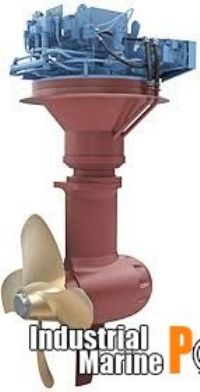
- Tunnelthrusters
- Output 200–3,700 kW, propeller diameter 1,600–2,000 mm, thrust up to 229 kN, available in CP (Constant Pitch) and FP (Fixed Pitch)
- Azimuth-thrusters
- Leistung 330-6.500 kW (mechanical/hybrid), neun Baumgroessen, Zugkraft optimiert fuer Bollard-Pull, 360°-Schwenkung
- Arctic Thruster (ARC)
- Power from 3 MW to >10 MW, no oil-sea interfaces, adaptive seals, Polar-Class-2 and Icebreaker-7 to 9 MW
- Permanent Magnet (PM) Thrusters
- TT-PM 1000 kW (146 kN), TT-PM 1600 kW (229 kN), Effizienzsteigerung 7-13% gegenueber Diesel-Elektrik
- Hydraulik-standard
- Double gear hydraulics for control/ventilation/lubricant, double cylinder with pressure pipe safety, seal tank with refueling capacity
- Lagerung
- Rollenlager fuer Schubwelle, Schmierung mit Fett, Dichtung an Lagergehausen, Toleranz-Freispiele typisch 0,5-2,0 mm
- US Azimuth Thruster
- Arctic Thruster (ARC)
- TCNS/C Azimuth Thruster (Swing-up/Retractable)
- Rim Drive Azimuth Thruster (RD-AZ)
- Tunnel Thruster Type TT/TTH
- Permanent Magnet Tunnel Thruster (TT-PM)
- Rim Drive Tunnel Thruster (RD-TT)
- Underwater Mountable Azimuth Thruster (UUC/UUC-PM)
- Retractable Azimuth Thruster (UL/ULE)
- Azipull Thruster (Integrated PM Motor)
- Area: Propellerblaetter: Verschleiss, Risse, Verformung, SeewuchsbewuchsCheck: Sichtpruefung auf Schaedigungen, Freispiel, Blattoberflaeche glatt ohne Kratzer/Dellen. Blattwurzel-O-Ringe auf Verschleiss checken, Spitzzenspiel messen. Bei Zweifeln: 1,5 bar Luftdruck auf VT-Nippel, Seifenblasen-Test auf Oellecks.
- Area: Propellerwellen-Dichtung: Durchfeuchtuung, Oelaustrittsverlust, VerschleissCheck: Visual inspection for leaks around shaft seal, check sealing cavity (monitored automatically via ARC). Observe seal clip pressure (e.g. via sensor output). At 5-year overhaul: renew seal. Check adaptive pressure regulation.
- Area: Lagerfreispiel/Lagerverschleiss: Axiales/Radiales Play ueber Norm, BohrlochabtragCheck: Calipers/counter gauges: measure shaft diameter and bores (target value via manufacturer data sheet). Document caliper readings. If exceeded: replace bearing journal/bearing shells. Observe vibration/noise during operation.
- Area: Hydraulikfluid: Verschmutzung, Feuchtigkeit, Alterung, Farb-/GeruechsveraenderungCheck: Check fluid level in tank (target level). Color test: light/yellowish OK, cloudy/dark = change required. Particle count (if available). Change filter per manufacturer interval. Perform pressure test on hydraulic line.
- Area: Hydraulik-Leitungen/Verbindungen: Risse, Lecks, Verformung, korrosive BelaegeCheck: Visual inspection of all hoses, pipes, connections for defects. Check for dryness, corrosion (rust spots), kink marks. High-frequency leak test if necessary. Observe operating pressure during voyage.
- Area: Elastomer-Bauteile (O-Ringe, Dichtlippen, Gummistuecke): Hartung, Risse, QuellungserscheinungenCheck: Visual inspection of all O-rings/seals for wear, hardening, deformation. Test with finger pressure (elasticity). Clean O-ring grooves/lubricate with gearbox oil (at 5-year overhaul). Replace damaged parts.
Type-universal inspection/service points for bow/stern thrusters (Kongsberg, Mega-Swarm 2026-06). Per-model specs not auto-populated.
- Tunnelthrusters
- Output 200–3,700 kW, propeller diameter 1,600–2,000 mm, thrust up to 229 kN, available in CP (Constant Pitch) and FP (Fixed Pitch)
- Azimuth-thrusters
- Leistung 330-6.500 kW (mechanical/hybrid), neun Baumgroessen, Zugkraft optimiert fuer Bollard-Pull, 360°-Schwenkung
- Arctic Thruster (ARC)
- Power from 3 MW to >10 MW, no oil-sea interfaces, adaptive seals, Polar-Class-2 and Icebreaker-7 to 9 MW
- Permanent Magnet (PM) Thrusters
- TT-PM 1000 kW (146 kN), TT-PM 1600 kW (229 kN), Effizienzsteigerung 7-13% gegenueber Diesel-Elektrik
- Hydraulik-standard
- Double gear hydraulics for control/ventilation/lubricant, double cylinder with pressure pipe safety, seal tank with refueling capacity
- Lagerung
- Rollenlager fuer Schubwelle, Schmierung mit Fett, Dichtung an Lagergehausen, Toleranz-Freispiele typisch 0,5-2,0 mm
- US Azimuth Thruster
- Arctic Thruster (ARC)
- TCNS/C Azimuth Thruster (Swing-up/Retractable)
- Rim Drive Azimuth Thruster (RD-AZ)
- Tunnel Thruster Type TT/TTH
- Permanent Magnet Tunnel Thruster (TT-PM)
- Rim Drive Tunnel Thruster (RD-TT)
- Underwater Mountable Azimuth Thruster (UUC/UUC-PM)
- Retractable Azimuth Thruster (UL/ULE)
- Azipull Thruster (Integrated PM Motor)
- Area: Propellerblaetter: Verschleiss, Risse, Verformung, SeewuchsbewuchsCheck: Sichtpruefung auf Schaedigungen, Freispiel, Blattoberflaeche glatt ohne Kratzer/Dellen. Blattwurzel-O-Ringe auf Verschleiss checken, Spitzzenspiel messen. Bei Zweifeln: 1,5 bar Luftdruck auf VT-Nippel, Seifenblasen-Test auf Oellecks.
- Area: Propellerwellen-Dichtung: Durchfeuchtuung, Oelaustrittsverlust, VerschleissCheck: Visual inspection for leaks around shaft seal, check sealing cavity (monitored automatically via ARC). Observe seal clip pressure (e.g. via sensor output). At 5-year overhaul: renew seal. Check adaptive pressure regulation.
- Area: Lagerfreispiel/Lagerverschleiss: Axiales/Radiales Play ueber Norm, BohrlochabtragCheck: Calipers/counter gauges: measure shaft diameter and bores (target value via manufacturer data sheet). Document caliper readings. If exceeded: replace bearing journal/bearing shells. Observe vibration/noise during operation.
- Area: Hydraulikfluid: Verschmutzung, Feuchtigkeit, Alterung, Farb-/GeruechsveraenderungCheck: Check fluid level in tank (target level). Color test: light/yellowish OK, cloudy/dark = change required. Particle count (if available). Change filter per manufacturer interval. Perform pressure test on hydraulic line.
- Area: Hydraulik-Leitungen/Verbindungen: Risse, Lecks, Verformung, korrosive BelaegeCheck: Visual inspection of all hoses, pipes, connections for defects. Check for dryness, corrosion (rust spots), kink marks. High-frequency leak test if necessary. Observe operating pressure during voyage.
- Area: Elastomer-Bauteile (O-Ringe, Dichtlippen, Gummistuecke): Hartung, Risse, QuellungserscheinungenCheck: Visual inspection of all O-rings/seals for wear, hardening, deformation. Test with finger pressure (elasticity). Clean O-ring grooves/lubricate with gearbox oil (at 5-year overhaul). Replace damaged parts.
Type-universal inspection/service points for bow/stern thrusters (Kongsberg, Mega-Swarm 2026-06). Per-model specs not auto-populated.
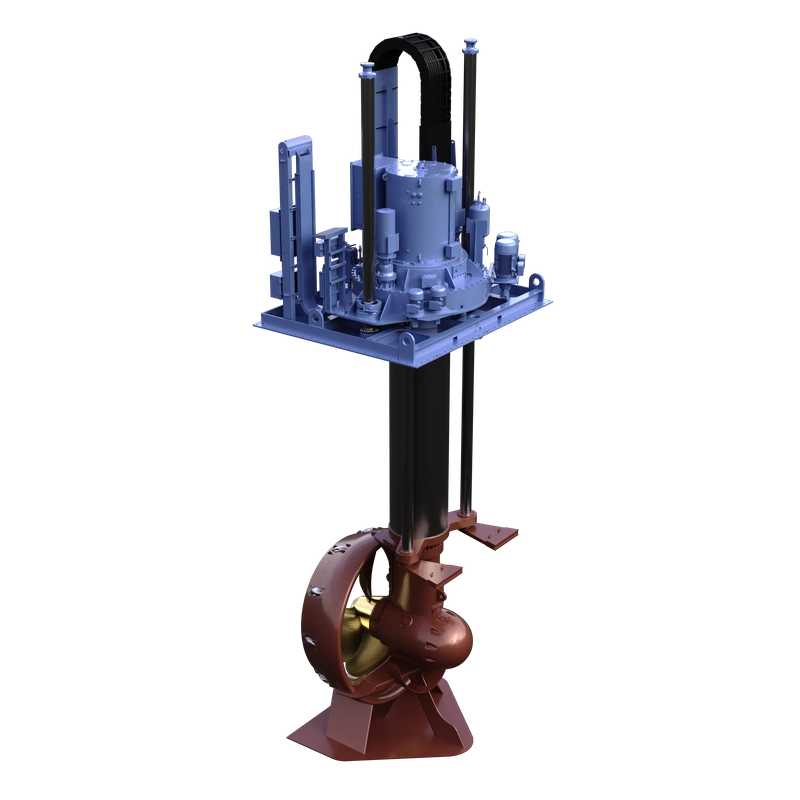
- Tunnelthrusters
- Output 200–3,700 kW, propeller diameter 1,600–2,000 mm, thrust up to 229 kN, available in CP (Constant Pitch) and FP (Fixed Pitch)
- Azimuth-thrusters
- Leistung 330-6.500 kW (mechanical/hybrid), neun Baumgroessen, Zugkraft optimiert fuer Bollard-Pull, 360°-Schwenkung
- Arctic Thruster (ARC)
- Power from 3 MW to >10 MW, no oil-sea interfaces, adaptive seals, Polar-Class-2 and Icebreaker-7 to 9 MW
- Permanent Magnet (PM) Thrusters
- TT-PM 1000 kW (146 kN), TT-PM 1600 kW (229 kN), Effizienzsteigerung 7-13% gegenueber Diesel-Elektrik
- Hydraulik-standard
- Double gear hydraulics for control/ventilation/lubricant, double cylinder with pressure pipe safety, seal tank with refueling capacity
- Lagerung
- Rollenlager fuer Schubwelle, Schmierung mit Fett, Dichtung an Lagergehausen, Toleranz-Freispiele typisch 0,5-2,0 mm
- US Azimuth Thruster
- Arctic Thruster (ARC)
- TCNS/C Azimuth Thruster (Swing-up/Retractable)
- Rim Drive Azimuth Thruster (RD-AZ)
- Tunnel Thruster Type TT/TTH
- Permanent Magnet Tunnel Thruster (TT-PM)
- Rim Drive Tunnel Thruster (RD-TT)
- Underwater Mountable Azimuth Thruster (UUC/UUC-PM)
- Retractable Azimuth Thruster (UL/ULE)
- Azipull Thruster (Integrated PM Motor)
- Area: Propellerblaetter: Verschleiss, Risse, Verformung, SeewuchsbewuchsCheck: Sichtpruefung auf Schaedigungen, Freispiel, Blattoberflaeche glatt ohne Kratzer/Dellen. Blattwurzel-O-Ringe auf Verschleiss checken, Spitzzenspiel messen. Bei Zweifeln: 1,5 bar Luftdruck auf VT-Nippel, Seifenblasen-Test auf Oellecks.
- Area: Propellerwellen-Dichtung: Durchfeuchtuung, Oelaustrittsverlust, VerschleissCheck: Visual inspection for leaks around shaft seal, check sealing cavity (monitored automatically via ARC). Observe seal clip pressure (e.g. via sensor output). At 5-year overhaul: renew seal. Check adaptive pressure regulation.
- Area: Lagerfreispiel/Lagerverschleiss: Axiales/Radiales Play ueber Norm, BohrlochabtragCheck: Calipers/counter gauges: measure shaft diameter and bores (target value via manufacturer data sheet). Document caliper readings. If exceeded: replace bearing journal/bearing shells. Observe vibration/noise during operation.
- Area: Hydraulikfluid: Verschmutzung, Feuchtigkeit, Alterung, Farb-/GeruechsveraenderungCheck: Check fluid level in tank (target level). Color test: light/yellowish OK, cloudy/dark = change required. Particle count (if available). Change filter per manufacturer interval. Perform pressure test on hydraulic line.
- Area: Hydraulik-Leitungen/Verbindungen: Risse, Lecks, Verformung, korrosive BelaegeCheck: Visual inspection of all hoses, pipes, connections for defects. Check for dryness, corrosion (rust spots), kink marks. High-frequency leak test if necessary. Observe operating pressure during voyage.
- Area: Elastomer-Bauteile (O-Ringe, Dichtlippen, Gummistuecke): Hartung, Risse, QuellungserscheinungenCheck: Visual inspection of all O-rings/seals for wear, hardening, deformation. Test with finger pressure (elasticity). Clean O-ring grooves/lubricate with gearbox oil (at 5-year overhaul). Replace damaged parts.
Type-universal inspection/service points for bow/stern thrusters (Kongsberg, Mega-Swarm 2026-06). Per-model specs not auto-populated.
- Tunnelthrusters
- Output 200–3,700 kW, propeller diameter 1,600–2,000 mm, thrust up to 229 kN, available in CP (Constant Pitch) and FP (Fixed Pitch)
- Azimuth-thrusters
- Leistung 330-6.500 kW (mechanical/hybrid), neun Baumgroessen, Zugkraft optimiert fuer Bollard-Pull, 360°-Schwenkung
- Arctic Thruster (ARC)
- Power from 3 MW to >10 MW, no oil-sea interfaces, adaptive seals, Polar-Class-2 and Icebreaker-7 to 9 MW
- Permanent Magnet (PM) Thrusters
- TT-PM 1000 kW (146 kN), TT-PM 1600 kW (229 kN), Effizienzsteigerung 7-13% gegenueber Diesel-Elektrik
- Hydraulik-standard
- Double gear hydraulics for control/ventilation/lubricant, double cylinder with pressure pipe safety, seal tank with refueling capacity
- Lagerung
- Rollenlager fuer Schubwelle, Schmierung mit Fett, Dichtung an Lagergehausen, Toleranz-Freispiele typisch 0,5-2,0 mm
- US Azimuth Thruster
- Arctic Thruster (ARC)
- TCNS/C Azimuth Thruster (Swing-up/Retractable)
- Rim Drive Azimuth Thruster (RD-AZ)
- Tunnel Thruster Type TT/TTH
- Permanent Magnet Tunnel Thruster (TT-PM)
- Rim Drive Tunnel Thruster (RD-TT)
- Underwater Mountable Azimuth Thruster (UUC/UUC-PM)
- Retractable Azimuth Thruster (UL/ULE)
- Azipull Thruster (Integrated PM Motor)
- Area: Propellerblaetter: Verschleiss, Risse, Verformung, SeewuchsbewuchsCheck: Sichtpruefung auf Schaedigungen, Freispiel, Blattoberflaeche glatt ohne Kratzer/Dellen. Blattwurzel-O-Ringe auf Verschleiss checken, Spitzzenspiel messen. Bei Zweifeln: 1,5 bar Luftdruck auf VT-Nippel, Seifenblasen-Test auf Oellecks.
- Area: Propellerwellen-Dichtung: Durchfeuchtuung, Oelaustrittsverlust, VerschleissCheck: Visual inspection for leaks around shaft seal, check sealing cavity (monitored automatically via ARC). Observe seal clip pressure (e.g. via sensor output). At 5-year overhaul: renew seal. Check adaptive pressure regulation.
- Area: Lagerfreispiel/Lagerverschleiss: Axiales/Radiales Play ueber Norm, BohrlochabtragCheck: Calipers/counter gauges: measure shaft diameter and bores (target value via manufacturer data sheet). Document caliper readings. If exceeded: replace bearing journal/bearing shells. Observe vibration/noise during operation.
- Area: Hydraulikfluid: Verschmutzung, Feuchtigkeit, Alterung, Farb-/GeruechsveraenderungCheck: Check fluid level in tank (target level). Color test: light/yellowish OK, cloudy/dark = change required. Particle count (if available). Change filter per manufacturer interval. Perform pressure test on hydraulic line.
- Area: Hydraulik-Leitungen/Verbindungen: Risse, Lecks, Verformung, korrosive BelaegeCheck: Visual inspection of all hoses, pipes, connections for defects. Check for dryness, corrosion (rust spots), kink marks. High-frequency leak test if necessary. Observe operating pressure during voyage.
- Area: Elastomer-Bauteile (O-Ringe, Dichtlippen, Gummistuecke): Hartung, Risse, QuellungserscheinungenCheck: Visual inspection of all O-rings/seals for wear, hardening, deformation. Test with finger pressure (elasticity). Clean O-ring grooves/lubricate with gearbox oil (at 5-year overhaul). Replace damaged parts.
Type-universal inspection/service points for bow/stern thrusters (Kongsberg, Mega-Swarm 2026-06). Per-model specs not auto-populated.
- Tunnelthrusters
- Output 200–3,700 kW, propeller diameter 1,600–2,000 mm, thrust up to 229 kN, available in CP (Constant Pitch) and FP (Fixed Pitch)
- Azimuth-thrusters
- Leistung 330-6.500 kW (mechanical/hybrid), neun Baumgroessen, Zugkraft optimiert fuer Bollard-Pull, 360°-Schwenkung
- Arctic Thruster (ARC)
- Power from 3 MW to >10 MW, no oil-sea interfaces, adaptive seals, Polar-Class-2 and Icebreaker-7 to 9 MW
- Permanent Magnet (PM) Thrusters
- TT-PM 1000 kW (146 kN), TT-PM 1600 kW (229 kN), Effizienzsteigerung 7-13% gegenueber Diesel-Elektrik
- Hydraulik-standard
- Double gear hydraulics for control/ventilation/lubricant, double cylinder with pressure pipe safety, seal tank with refueling capacity
- Lagerung
- Rollenlager fuer Schubwelle, Schmierung mit Fett, Dichtung an Lagergehausen, Toleranz-Freispiele typisch 0,5-2,0 mm
- US Azimuth Thruster
- Arctic Thruster (ARC)
- TCNS/C Azimuth Thruster (Swing-up/Retractable)
- Rim Drive Azimuth Thruster (RD-AZ)
- Tunnel Thruster Type TT/TTH
- Permanent Magnet Tunnel Thruster (TT-PM)
- Rim Drive Tunnel Thruster (RD-TT)
- Underwater Mountable Azimuth Thruster (UUC/UUC-PM)
- Retractable Azimuth Thruster (UL/ULE)
- Azipull Thruster (Integrated PM Motor)
- Area: Propellerblaetter: Verschleiss, Risse, Verformung, SeewuchsbewuchsCheck: Sichtpruefung auf Schaedigungen, Freispiel, Blattoberflaeche glatt ohne Kratzer/Dellen. Blattwurzel-O-Ringe auf Verschleiss checken, Spitzzenspiel messen. Bei Zweifeln: 1,5 bar Luftdruck auf VT-Nippel, Seifenblasen-Test auf Oellecks.
- Area: Propellerwellen-Dichtung: Durchfeuchtuung, Oelaustrittsverlust, VerschleissCheck: Visual inspection for leaks around shaft seal, check sealing cavity (monitored automatically via ARC). Observe seal clip pressure (e.g. via sensor output). At 5-year overhaul: renew seal. Check adaptive pressure regulation.
- Area: Lagerfreispiel/Lagerverschleiss: Axiales/Radiales Play ueber Norm, BohrlochabtragCheck: Calipers/counter gauges: measure shaft diameter and bores (target value via manufacturer data sheet). Document caliper readings. If exceeded: replace bearing journal/bearing shells. Observe vibration/noise during operation.
- Area: Hydraulikfluid: Verschmutzung, Feuchtigkeit, Alterung, Farb-/GeruechsveraenderungCheck: Check fluid level in tank (target level). Color test: light/yellowish OK, cloudy/dark = change required. Particle count (if available). Change filter per manufacturer interval. Perform pressure test on hydraulic line.
- Area: Hydraulik-Leitungen/Verbindungen: Risse, Lecks, Verformung, korrosive BelaegeCheck: Visual inspection of all hoses, pipes, connections for defects. Check for dryness, corrosion (rust spots), kink marks. High-frequency leak test if necessary. Observe operating pressure during voyage.
- Area: Elastomer-Bauteile (O-Ringe, Dichtlippen, Gummistuecke): Hartung, Risse, QuellungserscheinungenCheck: Visual inspection of all O-rings/seals for wear, hardening, deformation. Test with finger pressure (elasticity). Clean O-ring grooves/lubricate with gearbox oil (at 5-year overhaul). Replace damaged parts.
Type-universal inspection/service points for bow/stern thrusters (Kongsberg, Mega-Swarm 2026-06). Per-model specs not auto-populated.
- Tunnelthrusters
- Output 200–3,700 kW, propeller diameter 1,600–2,000 mm, thrust up to 229 kN, available in CP (Constant Pitch) and FP (Fixed Pitch)
- Azimuth-thrusters
- Leistung 330-6.500 kW (mechanical/hybrid), neun Baumgroessen, Zugkraft optimiert fuer Bollard-Pull, 360°-Schwenkung
- Arctic Thruster (ARC)
- Power from 3 MW to >10 MW, no oil-sea interfaces, adaptive seals, Polar-Class-2 and Icebreaker-7 to 9 MW
- Permanent Magnet (PM) Thrusters
- TT-PM 1000 kW (146 kN), TT-PM 1600 kW (229 kN), Effizienzsteigerung 7-13% gegenueber Diesel-Elektrik
- Hydraulik-standard
- Double gear hydraulics for control/ventilation/lubricant, double cylinder with pressure pipe safety, seal tank with refueling capacity
- Lagerung
- Rollenlager fuer Schubwelle, Schmierung mit Fett, Dichtung an Lagergehausen, Toleranz-Freispiele typisch 0,5-2,0 mm
- US Azimuth Thruster
- Arctic Thruster (ARC)
- TCNS/C Azimuth Thruster (Swing-up/Retractable)
- Rim Drive Azimuth Thruster (RD-AZ)
- Tunnel Thruster Type TT/TTH
- Permanent Magnet Tunnel Thruster (TT-PM)
- Rim Drive Tunnel Thruster (RD-TT)
- Underwater Mountable Azimuth Thruster (UUC/UUC-PM)
- Retractable Azimuth Thruster (UL/ULE)
- Azipull Thruster (Integrated PM Motor)
- Area: Propellerblaetter: Verschleiss, Risse, Verformung, SeewuchsbewuchsCheck: Sichtpruefung auf Schaedigungen, Freispiel, Blattoberflaeche glatt ohne Kratzer/Dellen. Blattwurzel-O-Ringe auf Verschleiss checken, Spitzzenspiel messen. Bei Zweifeln: 1,5 bar Luftdruck auf VT-Nippel, Seifenblasen-Test auf Oellecks.
- Area: Propellerwellen-Dichtung: Durchfeuchtuung, Oelaustrittsverlust, VerschleissCheck: Visual inspection for leaks around shaft seal, check sealing cavity (monitored automatically via ARC). Observe seal clip pressure (e.g. via sensor output). At 5-year overhaul: renew seal. Check adaptive pressure regulation.
- Area: Lagerfreispiel/Lagerverschleiss: Axiales/Radiales Play ueber Norm, BohrlochabtragCheck: Calipers/counter gauges: measure shaft diameter and bores (target value via manufacturer data sheet). Document caliper readings. If exceeded: replace bearing journal/bearing shells. Observe vibration/noise during operation.
- Area: Hydraulikfluid: Verschmutzung, Feuchtigkeit, Alterung, Farb-/GeruechsveraenderungCheck: Check fluid level in tank (target level). Color test: light/yellowish OK, cloudy/dark = change required. Particle count (if available). Change filter per manufacturer interval. Perform pressure test on hydraulic line.
- Area: Hydraulik-Leitungen/Verbindungen: Risse, Lecks, Verformung, korrosive BelaegeCheck: Visual inspection of all hoses, pipes, connections for defects. Check for dryness, corrosion (rust spots), kink marks. High-frequency leak test if necessary. Observe operating pressure during voyage.
- Area: Elastomer-Bauteile (O-Ringe, Dichtlippen, Gummistuecke): Hartung, Risse, QuellungserscheinungenCheck: Visual inspection of all O-rings/seals for wear, hardening, deformation. Test with finger pressure (elasticity). Clean O-ring grooves/lubricate with gearbox oil (at 5-year overhaul). Replace damaged parts.
Type-universal inspection/service points for bow/stern thrusters (Kongsberg, Mega-Swarm 2026-06). Per-model specs not auto-populated.
- Tunnelthrusters
- Output 200–3,700 kW, propeller diameter 1,600–2,000 mm, thrust up to 229 kN, available in CP (Constant Pitch) and FP (Fixed Pitch)
- Azimuth-thrusters
- Leistung 330-6.500 kW (mechanical/hybrid), neun Baumgroessen, Zugkraft optimiert fuer Bollard-Pull, 360°-Schwenkung
- Arctic Thruster (ARC)
- Power from 3 MW to >10 MW, no oil-sea interfaces, adaptive seals, Polar-Class-2 and Icebreaker-7 to 9 MW
- Permanent Magnet (PM) Thrusters
- TT-PM 1000 kW (146 kN), TT-PM 1600 kW (229 kN), Effizienzsteigerung 7-13% gegenueber Diesel-Elektrik
- Hydraulik-standard
- Double gear hydraulics for control/ventilation/lubricant, double cylinder with pressure pipe safety, seal tank with refueling capacity
- Lagerung
- Rollenlager fuer Schubwelle, Schmierung mit Fett, Dichtung an Lagergehausen, Toleranz-Freispiele typisch 0,5-2,0 mm
- US Azimuth Thruster
- Arctic Thruster (ARC)
- TCNS/C Azimuth Thruster (Swing-up/Retractable)
- Rim Drive Azimuth Thruster (RD-AZ)
- Tunnel Thruster Type TT/TTH
- Permanent Magnet Tunnel Thruster (TT-PM)
- Rim Drive Tunnel Thruster (RD-TT)
- Underwater Mountable Azimuth Thruster (UUC/UUC-PM)
- Retractable Azimuth Thruster (UL/ULE)
- Azipull Thruster (Integrated PM Motor)
- Area: Propellerblaetter: Verschleiss, Risse, Verformung, SeewuchsbewuchsCheck: Sichtpruefung auf Schaedigungen, Freispiel, Blattoberflaeche glatt ohne Kratzer/Dellen. Blattwurzel-O-Ringe auf Verschleiss checken, Spitzzenspiel messen. Bei Zweifeln: 1,5 bar Luftdruck auf VT-Nippel, Seifenblasen-Test auf Oellecks.
- Area: Propellerwellen-Dichtung: Durchfeuchtuung, Oelaustrittsverlust, VerschleissCheck: Visual inspection for leaks around shaft seal, check sealing cavity (monitored automatically via ARC). Observe seal clip pressure (e.g. via sensor output). At 5-year overhaul: renew seal. Check adaptive pressure regulation.
- Area: Lagerfreispiel/Lagerverschleiss: Axiales/Radiales Play ueber Norm, BohrlochabtragCheck: Calipers/counter gauges: measure shaft diameter and bores (target value via manufacturer data sheet). Document caliper readings. If exceeded: replace bearing journal/bearing shells. Observe vibration/noise during operation.
- Area: Hydraulikfluid: Verschmutzung, Feuchtigkeit, Alterung, Farb-/GeruechsveraenderungCheck: Check fluid level in tank (target level). Color test: light/yellowish OK, cloudy/dark = change required. Particle count (if available). Change filter per manufacturer interval. Perform pressure test on hydraulic line.
- Area: Hydraulik-Leitungen/Verbindungen: Risse, Lecks, Verformung, korrosive BelaegeCheck: Visual inspection of all hoses, pipes, connections for defects. Check for dryness, corrosion (rust spots), kink marks. High-frequency leak test if necessary. Observe operating pressure during voyage.
- Area: Elastomer-Bauteile (O-Ringe, Dichtlippen, Gummistuecke): Hartung, Risse, QuellungserscheinungenCheck: Visual inspection of all O-rings/seals for wear, hardening, deformation. Test with finger pressure (elasticity). Clean O-ring grooves/lubricate with gearbox oil (at 5-year overhaul). Replace damaged parts.
Type-universal inspection/service points for bow/stern thrusters (Kongsberg, Mega-Swarm 2026-06). Per-model specs not auto-populated.
- Tunnelthrusters
- Output 200–3,700 kW, propeller diameter 1,600–2,000 mm, thrust up to 229 kN, available in CP (Constant Pitch) and FP (Fixed Pitch)
- Azimuth-thrusters
- Leistung 330-6.500 kW (mechanical/hybrid), neun Baumgroessen, Zugkraft optimiert fuer Bollard-Pull, 360°-Schwenkung
- Arctic Thruster (ARC)
- Power from 3 MW to >10 MW, no oil-sea interfaces, adaptive seals, Polar-Class-2 and Icebreaker-7 to 9 MW
- Permanent Magnet (PM) Thrusters
- TT-PM 1000 kW (146 kN), TT-PM 1600 kW (229 kN), Effizienzsteigerung 7-13% gegenueber Diesel-Elektrik
- Hydraulik-standard
- Double gear hydraulics for control/ventilation/lubricant, double cylinder with pressure pipe safety, seal tank with refueling capacity
- Lagerung
- Rollenlager fuer Schubwelle, Schmierung mit Fett, Dichtung an Lagergehausen, Toleranz-Freispiele typisch 0,5-2,0 mm
- US Azimuth Thruster
- Arctic Thruster (ARC)
- TCNS/C Azimuth Thruster (Swing-up/Retractable)
- Rim Drive Azimuth Thruster (RD-AZ)
- Tunnel Thruster Type TT/TTH
- Permanent Magnet Tunnel Thruster (TT-PM)
- Rim Drive Tunnel Thruster (RD-TT)
- Underwater Mountable Azimuth Thruster (UUC/UUC-PM)
- Retractable Azimuth Thruster (UL/ULE)
- Azipull Thruster (Integrated PM Motor)
- Area: Propellerblaetter: Verschleiss, Risse, Verformung, SeewuchsbewuchsCheck: Sichtpruefung auf Schaedigungen, Freispiel, Blattoberflaeche glatt ohne Kratzer/Dellen. Blattwurzel-O-Ringe auf Verschleiss checken, Spitzzenspiel messen. Bei Zweifeln: 1,5 bar Luftdruck auf VT-Nippel, Seifenblasen-Test auf Oellecks.
- Area: Propellerwellen-Dichtung: Durchfeuchtuung, Oelaustrittsverlust, VerschleissCheck: Visual inspection for leaks around shaft seal, check sealing cavity (monitored automatically via ARC). Observe seal clip pressure (e.g. via sensor output). At 5-year overhaul: renew seal. Check adaptive pressure regulation.
- Area: Lagerfreispiel/Lagerverschleiss: Axiales/Radiales Play ueber Norm, BohrlochabtragCheck: Calipers/counter gauges: measure shaft diameter and bores (target value via manufacturer data sheet). Document caliper readings. If exceeded: replace bearing journal/bearing shells. Observe vibration/noise during operation.
- Area: Hydraulikfluid: Verschmutzung, Feuchtigkeit, Alterung, Farb-/GeruechsveraenderungCheck: Check fluid level in tank (target level). Color test: light/yellowish OK, cloudy/dark = change required. Particle count (if available). Change filter per manufacturer interval. Perform pressure test on hydraulic line.
- Area: Hydraulik-Leitungen/Verbindungen: Risse, Lecks, Verformung, korrosive BelaegeCheck: Visual inspection of all hoses, pipes, connections for defects. Check for dryness, corrosion (rust spots), kink marks. High-frequency leak test if necessary. Observe operating pressure during voyage.
- Area: Elastomer-Bauteile (O-Ringe, Dichtlippen, Gummistuecke): Hartung, Risse, QuellungserscheinungenCheck: Visual inspection of all O-rings/seals for wear, hardening, deformation. Test with finger pressure (elasticity). Clean O-ring grooves/lubricate with gearbox oil (at 5-year overhaul). Replace damaged parts.
Type-universal inspection/service points for bow/stern thrusters (Kongsberg, Mega-Swarm 2026-06). Per-model specs not auto-populated.
- Tunnelthrusters
- Output 200–3,700 kW, propeller diameter 1,600–2,000 mm, thrust up to 229 kN, available in CP (Constant Pitch) and FP (Fixed Pitch)
- Azimuth-thrusters
- Leistung 330-6.500 kW (mechanical/hybrid), neun Baumgroessen, Zugkraft optimiert fuer Bollard-Pull, 360°-Schwenkung
- Arctic Thruster (ARC)
- Power from 3 MW to >10 MW, no oil-sea interfaces, adaptive seals, Polar-Class-2 and Icebreaker-7 to 9 MW
- Permanent Magnet (PM) Thrusters
- TT-PM 1000 kW (146 kN), TT-PM 1600 kW (229 kN), Effizienzsteigerung 7-13% gegenueber Diesel-Elektrik
- Hydraulik-standard
- Double gear hydraulics for control/ventilation/lubricant, double cylinder with pressure pipe safety, seal tank with refueling capacity
- Lagerung
- Rollenlager fuer Schubwelle, Schmierung mit Fett, Dichtung an Lagergehausen, Toleranz-Freispiele typisch 0,5-2,0 mm
- US Azimuth Thruster
- Arctic Thruster (ARC)
- TCNS/C Azimuth Thruster (Swing-up/Retractable)
- Rim Drive Azimuth Thruster (RD-AZ)
- Tunnel Thruster Type TT/TTH
- Permanent Magnet Tunnel Thruster (TT-PM)
- Rim Drive Tunnel Thruster (RD-TT)
- Underwater Mountable Azimuth Thruster (UUC/UUC-PM)
- Retractable Azimuth Thruster (UL/ULE)
- Azipull Thruster (Integrated PM Motor)
- Area: Propellerblaetter: Verschleiss, Risse, Verformung, SeewuchsbewuchsCheck: Sichtpruefung auf Schaedigungen, Freispiel, Blattoberflaeche glatt ohne Kratzer/Dellen. Blattwurzel-O-Ringe auf Verschleiss checken, Spitzzenspiel messen. Bei Zweifeln: 1,5 bar Luftdruck auf VT-Nippel, Seifenblasen-Test auf Oellecks.
- Area: Propellerwellen-Dichtung: Durchfeuchtuung, Oelaustrittsverlust, VerschleissCheck: Visual inspection for leaks around shaft seal, check sealing cavity (monitored automatically via ARC). Observe seal clip pressure (e.g. via sensor output). At 5-year overhaul: renew seal. Check adaptive pressure regulation.
- Area: Lagerfreispiel/Lagerverschleiss: Axiales/Radiales Play ueber Norm, BohrlochabtragCheck: Calipers/counter gauges: measure shaft diameter and bores (target value via manufacturer data sheet). Document caliper readings. If exceeded: replace bearing journal/bearing shells. Observe vibration/noise during operation.
- Area: Hydraulikfluid: Verschmutzung, Feuchtigkeit, Alterung, Farb-/GeruechsveraenderungCheck: Check fluid level in tank (target level). Color test: light/yellowish OK, cloudy/dark = change required. Particle count (if available). Change filter per manufacturer interval. Perform pressure test on hydraulic line.
- Area: Hydraulik-Leitungen/Verbindungen: Risse, Lecks, Verformung, korrosive BelaegeCheck: Visual inspection of all hoses, pipes, connections for defects. Check for dryness, corrosion (rust spots), kink marks. High-frequency leak test if necessary. Observe operating pressure during voyage.
- Area: Elastomer-Bauteile (O-Ringe, Dichtlippen, Gummistuecke): Hartung, Risse, QuellungserscheinungenCheck: Visual inspection of all O-rings/seals for wear, hardening, deformation. Test with finger pressure (elasticity). Clean O-ring grooves/lubricate with gearbox oil (at 5-year overhaul). Replace damaged parts.
Type-universal inspection/service points for bow/stern thrusters (Kongsberg, Mega-Swarm 2026-06). Per-model specs not auto-populated.
- Tunnelthrusters
- Output 200–3,700 kW, propeller diameter 1,600–2,000 mm, thrust up to 229 kN, available in CP (Constant Pitch) and FP (Fixed Pitch)
- Azimuth-thrusters
- Leistung 330-6.500 kW (mechanical/hybrid), neun Baumgroessen, Zugkraft optimiert fuer Bollard-Pull, 360°-Schwenkung
- Arctic Thruster (ARC)
- Power from 3 MW to >10 MW, no oil-sea interfaces, adaptive seals, Polar-Class-2 and Icebreaker-7 to 9 MW
- Permanent Magnet (PM) Thrusters
- TT-PM 1000 kW (146 kN), TT-PM 1600 kW (229 kN), Effizienzsteigerung 7-13% gegenueber Diesel-Elektrik
- Hydraulik-standard
- Double gear hydraulics for control/ventilation/lubricant, double cylinder with pressure pipe safety, seal tank with refueling capacity
- Lagerung
- Rollenlager fuer Schubwelle, Schmierung mit Fett, Dichtung an Lagergehausen, Toleranz-Freispiele typisch 0,5-2,0 mm
- US Azimuth Thruster
- Arctic Thruster (ARC)
- TCNS/C Azimuth Thruster (Swing-up/Retractable)
- Rim Drive Azimuth Thruster (RD-AZ)
- Tunnel Thruster Type TT/TTH
- Permanent Magnet Tunnel Thruster (TT-PM)
- Rim Drive Tunnel Thruster (RD-TT)
- Underwater Mountable Azimuth Thruster (UUC/UUC-PM)
- Retractable Azimuth Thruster (UL/ULE)
- Azipull Thruster (Integrated PM Motor)
- Area: Propellerblaetter: Verschleiss, Risse, Verformung, SeewuchsbewuchsCheck: Sichtpruefung auf Schaedigungen, Freispiel, Blattoberflaeche glatt ohne Kratzer/Dellen. Blattwurzel-O-Ringe auf Verschleiss checken, Spitzzenspiel messen. Bei Zweifeln: 1,5 bar Luftdruck auf VT-Nippel, Seifenblasen-Test auf Oellecks.
- Area: Propellerwellen-Dichtung: Durchfeuchtuung, Oelaustrittsverlust, VerschleissCheck: Visual inspection for leaks around shaft seal, check sealing cavity (monitored automatically via ARC). Observe seal clip pressure (e.g. via sensor output). At 5-year overhaul: renew seal. Check adaptive pressure regulation.
- Area: Lagerfreispiel/Lagerverschleiss: Axiales/Radiales Play ueber Norm, BohrlochabtragCheck: Calipers/counter gauges: measure shaft diameter and bores (target value via manufacturer data sheet). Document caliper readings. If exceeded: replace bearing journal/bearing shells. Observe vibration/noise during operation.
- Area: Hydraulikfluid: Verschmutzung, Feuchtigkeit, Alterung, Farb-/GeruechsveraenderungCheck: Check fluid level in tank (target level). Color test: light/yellowish OK, cloudy/dark = change required. Particle count (if available). Change filter per manufacturer interval. Perform pressure test on hydraulic line.
- Area: Hydraulik-Leitungen/Verbindungen: Risse, Lecks, Verformung, korrosive BelaegeCheck: Visual inspection of all hoses, pipes, connections for defects. Check for dryness, corrosion (rust spots), kink marks. High-frequency leak test if necessary. Observe operating pressure during voyage.
- Area: Elastomer-Bauteile (O-Ringe, Dichtlippen, Gummistuecke): Hartung, Risse, QuellungserscheinungenCheck: Visual inspection of all O-rings/seals for wear, hardening, deformation. Test with finger pressure (elasticity). Clean O-ring grooves/lubricate with gearbox oil (at 5-year overhaul). Replace damaged parts.
Type-universal inspection/service points for bow/stern thrusters (Kongsberg, Mega-Swarm 2026-06). Per-model specs not auto-populated.
- Tunnelthrusters
- Output 200–3,700 kW, propeller diameter 1,600–2,000 mm, thrust up to 229 kN, available in CP (Constant Pitch) and FP (Fixed Pitch)
- Azimuth-thrusters
- Leistung 330-6.500 kW (mechanical/hybrid), neun Baumgroessen, Zugkraft optimiert fuer Bollard-Pull, 360°-Schwenkung
- Arctic Thruster (ARC)
- Power from 3 MW to >10 MW, no oil-sea interfaces, adaptive seals, Polar-Class-2 and Icebreaker-7 to 9 MW
- Permanent Magnet (PM) Thrusters
- TT-PM 1000 kW (146 kN), TT-PM 1600 kW (229 kN), Effizienzsteigerung 7-13% gegenueber Diesel-Elektrik
- Hydraulik-standard
- Double gear hydraulics for control/ventilation/lubricant, double cylinder with pressure pipe safety, seal tank with refueling capacity
- Lagerung
- Rollenlager fuer Schubwelle, Schmierung mit Fett, Dichtung an Lagergehausen, Toleranz-Freispiele typisch 0,5-2,0 mm
- US Azimuth Thruster
- Arctic Thruster (ARC)
- TCNS/C Azimuth Thruster (Swing-up/Retractable)
- Rim Drive Azimuth Thruster (RD-AZ)
- Tunnel Thruster Type TT/TTH
- Permanent Magnet Tunnel Thruster (TT-PM)
- Rim Drive Tunnel Thruster (RD-TT)
- Underwater Mountable Azimuth Thruster (UUC/UUC-PM)
- Retractable Azimuth Thruster (UL/ULE)
- Azipull Thruster (Integrated PM Motor)
- Area: Propellerblaetter: Verschleiss, Risse, Verformung, SeewuchsbewuchsCheck: Sichtpruefung auf Schaedigungen, Freispiel, Blattoberflaeche glatt ohne Kratzer/Dellen. Blattwurzel-O-Ringe auf Verschleiss checken, Spitzzenspiel messen. Bei Zweifeln: 1,5 bar Luftdruck auf VT-Nippel, Seifenblasen-Test auf Oellecks.
- Area: Propellerwellen-Dichtung: Durchfeuchtuung, Oelaustrittsverlust, VerschleissCheck: Visual inspection for leaks around shaft seal, check sealing cavity (monitored automatically via ARC). Observe seal clip pressure (e.g. via sensor output). At 5-year overhaul: renew seal. Check adaptive pressure regulation.
- Area: Lagerfreispiel/Lagerverschleiss: Axiales/Radiales Play ueber Norm, BohrlochabtragCheck: Calipers/counter gauges: measure shaft diameter and bores (target value via manufacturer data sheet). Document caliper readings. If exceeded: replace bearing journal/bearing shells. Observe vibration/noise during operation.
- Area: Hydraulikfluid: Verschmutzung, Feuchtigkeit, Alterung, Farb-/GeruechsveraenderungCheck: Check fluid level in tank (target level). Color test: light/yellowish OK, cloudy/dark = change required. Particle count (if available). Change filter per manufacturer interval. Perform pressure test on hydraulic line.
- Area: Hydraulik-Leitungen/Verbindungen: Risse, Lecks, Verformung, korrosive BelaegeCheck: Visual inspection of all hoses, pipes, connections for defects. Check for dryness, corrosion (rust spots), kink marks. High-frequency leak test if necessary. Observe operating pressure during voyage.
- Area: Elastomer-Bauteile (O-Ringe, Dichtlippen, Gummistuecke): Hartung, Risse, QuellungserscheinungenCheck: Visual inspection of all O-rings/seals for wear, hardening, deformation. Test with finger pressure (elasticity). Clean O-ring grooves/lubricate with gearbox oil (at 5-year overhaul). Replace damaged parts.
Type-universal inspection/service points for bow/stern thrusters (Kongsberg, Mega-Swarm 2026-06). Per-model specs not auto-populated.
- Tunnelthrusters
- Output 200–3,700 kW, propeller diameter 1,600–2,000 mm, thrust up to 229 kN, available in CP (Constant Pitch) and FP (Fixed Pitch)
- Azimuth-thrusters
- Leistung 330-6.500 kW (mechanical/hybrid), neun Baumgroessen, Zugkraft optimiert fuer Bollard-Pull, 360°-Schwenkung
- Arctic Thruster (ARC)
- Power from 3 MW to >10 MW, no oil-sea interfaces, adaptive seals, Polar-Class-2 and Icebreaker-7 to 9 MW
- Permanent Magnet (PM) Thrusters
- TT-PM 1000 kW (146 kN), TT-PM 1600 kW (229 kN), Effizienzsteigerung 7-13% gegenueber Diesel-Elektrik
- Hydraulik-standard
- Double gear hydraulics for control/ventilation/lubricant, double cylinder with pressure pipe safety, seal tank with refueling capacity
- Lagerung
- Rollenlager fuer Schubwelle, Schmierung mit Fett, Dichtung an Lagergehausen, Toleranz-Freispiele typisch 0,5-2,0 mm
- US Azimuth Thruster
- Arctic Thruster (ARC)
- TCNS/C Azimuth Thruster (Swing-up/Retractable)
- Rim Drive Azimuth Thruster (RD-AZ)
- Tunnel Thruster Type TT/TTH
- Permanent Magnet Tunnel Thruster (TT-PM)
- Rim Drive Tunnel Thruster (RD-TT)
- Underwater Mountable Azimuth Thruster (UUC/UUC-PM)
- Retractable Azimuth Thruster (UL/ULE)
- Azipull Thruster (Integrated PM Motor)
- Area: Propellerblaetter: Verschleiss, Risse, Verformung, SeewuchsbewuchsCheck: Sichtpruefung auf Schaedigungen, Freispiel, Blattoberflaeche glatt ohne Kratzer/Dellen. Blattwurzel-O-Ringe auf Verschleiss checken, Spitzzenspiel messen. Bei Zweifeln: 1,5 bar Luftdruck auf VT-Nippel, Seifenblasen-Test auf Oellecks.
- Area: Propellerwellen-Dichtung: Durchfeuchtuung, Oelaustrittsverlust, VerschleissCheck: Visual inspection for leaks around shaft seal, check sealing cavity (monitored automatically via ARC). Observe seal clip pressure (e.g. via sensor output). At 5-year overhaul: renew seal. Check adaptive pressure regulation.
- Area: Lagerfreispiel/Lagerverschleiss: Axiales/Radiales Play ueber Norm, BohrlochabtragCheck: Calipers/counter gauges: measure shaft diameter and bores (target value via manufacturer data sheet). Document caliper readings. If exceeded: replace bearing journal/bearing shells. Observe vibration/noise during operation.
- Area: Hydraulikfluid: Verschmutzung, Feuchtigkeit, Alterung, Farb-/GeruechsveraenderungCheck: Check fluid level in tank (target level). Color test: light/yellowish OK, cloudy/dark = change required. Particle count (if available). Change filter per manufacturer interval. Perform pressure test on hydraulic line.
- Area: Hydraulik-Leitungen/Verbindungen: Risse, Lecks, Verformung, korrosive BelaegeCheck: Visual inspection of all hoses, pipes, connections for defects. Check for dryness, corrosion (rust spots), kink marks. High-frequency leak test if necessary. Observe operating pressure during voyage.
- Area: Elastomer-Bauteile (O-Ringe, Dichtlippen, Gummistuecke): Hartung, Risse, QuellungserscheinungenCheck: Visual inspection of all O-rings/seals for wear, hardening, deformation. Test with finger pressure (elasticity). Clean O-ring grooves/lubricate with gearbox oil (at 5-year overhaul). Replace damaged parts.
Type-universal inspection/service points for bow/stern thrusters (Kongsberg, Mega-Swarm 2026-06). Per-model specs not auto-populated.
- Tunnelthrusters
- Output 200–3,700 kW, propeller diameter 1,600–2,000 mm, thrust up to 229 kN, available in CP (Constant Pitch) and FP (Fixed Pitch)
- Azimuth-thrusters
- Leistung 330-6.500 kW (mechanical/hybrid), neun Baumgroessen, Zugkraft optimiert fuer Bollard-Pull, 360°-Schwenkung
- Arctic Thruster (ARC)
- Power from 3 MW to >10 MW, no oil-sea interfaces, adaptive seals, Polar-Class-2 and Icebreaker-7 to 9 MW
- Permanent Magnet (PM) Thrusters
- TT-PM 1000 kW (146 kN), TT-PM 1600 kW (229 kN), Effizienzsteigerung 7-13% gegenueber Diesel-Elektrik
- Hydraulik-standard
- Double gear hydraulics for control/ventilation/lubricant, double cylinder with pressure pipe safety, seal tank with refueling capacity
- Lagerung
- Rollenlager fuer Schubwelle, Schmierung mit Fett, Dichtung an Lagergehausen, Toleranz-Freispiele typisch 0,5-2,0 mm
- US Azimuth Thruster
- Arctic Thruster (ARC)
- TCNS/C Azimuth Thruster (Swing-up/Retractable)
- Rim Drive Azimuth Thruster (RD-AZ)
- Tunnel Thruster Type TT/TTH
- Permanent Magnet Tunnel Thruster (TT-PM)
- Rim Drive Tunnel Thruster (RD-TT)
- Underwater Mountable Azimuth Thruster (UUC/UUC-PM)
- Retractable Azimuth Thruster (UL/ULE)
- Azipull Thruster (Integrated PM Motor)
- Area: Propellerblaetter: Verschleiss, Risse, Verformung, SeewuchsbewuchsCheck: Sichtpruefung auf Schaedigungen, Freispiel, Blattoberflaeche glatt ohne Kratzer/Dellen. Blattwurzel-O-Ringe auf Verschleiss checken, Spitzzenspiel messen. Bei Zweifeln: 1,5 bar Luftdruck auf VT-Nippel, Seifenblasen-Test auf Oellecks.
- Area: Propellerwellen-Dichtung: Durchfeuchtuung, Oelaustrittsverlust, VerschleissCheck: Visual inspection for leaks around shaft seal, check sealing cavity (monitored automatically via ARC). Observe seal clip pressure (e.g. via sensor output). At 5-year overhaul: renew seal. Check adaptive pressure regulation.
- Area: Lagerfreispiel/Lagerverschleiss: Axiales/Radiales Play ueber Norm, BohrlochabtragCheck: Calipers/counter gauges: measure shaft diameter and bores (target value via manufacturer data sheet). Document caliper readings. If exceeded: replace bearing journal/bearing shells. Observe vibration/noise during operation.
- Area: Hydraulikfluid: Verschmutzung, Feuchtigkeit, Alterung, Farb-/GeruechsveraenderungCheck: Check fluid level in tank (target level). Color test: light/yellowish OK, cloudy/dark = change required. Particle count (if available). Change filter per manufacturer interval. Perform pressure test on hydraulic line.
- Area: Hydraulik-Leitungen/Verbindungen: Risse, Lecks, Verformung, korrosive BelaegeCheck: Visual inspection of all hoses, pipes, connections for defects. Check for dryness, corrosion (rust spots), kink marks. High-frequency leak test if necessary. Observe operating pressure during voyage.
- Area: Elastomer-Bauteile (O-Ringe, Dichtlippen, Gummistuecke): Hartung, Risse, QuellungserscheinungenCheck: Visual inspection of all O-rings/seals for wear, hardening, deformation. Test with finger pressure (elasticity). Clean O-ring grooves/lubricate with gearbox oil (at 5-year overhaul). Replace damaged parts.
Type-universal inspection/service points for bow/stern thrusters (Kongsberg, Mega-Swarm 2026-06). Per-model specs not auto-populated.
- Tunnelthrusters
- Output 200–3,700 kW, propeller diameter 1,600–2,000 mm, thrust up to 229 kN, available in CP (Constant Pitch) and FP (Fixed Pitch)
- Azimuth-thrusters
- Leistung 330-6.500 kW (mechanical/hybrid), neun Baumgroessen, Zugkraft optimiert fuer Bollard-Pull, 360°-Schwenkung
- Arctic Thruster (ARC)
- Power from 3 MW to >10 MW, no oil-sea interfaces, adaptive seals, Polar-Class-2 and Icebreaker-7 to 9 MW
- Permanent Magnet (PM) Thrusters
- TT-PM 1000 kW (146 kN), TT-PM 1600 kW (229 kN), Effizienzsteigerung 7-13% gegenueber Diesel-Elektrik
- Hydraulik-standard
- Double gear hydraulics for control/ventilation/lubricant, double cylinder with pressure pipe safety, seal tank with refueling capacity
- Lagerung
- Rollenlager fuer Schubwelle, Schmierung mit Fett, Dichtung an Lagergehausen, Toleranz-Freispiele typisch 0,5-2,0 mm
- US Azimuth Thruster
- Arctic Thruster (ARC)
- TCNS/C Azimuth Thruster (Swing-up/Retractable)
- Rim Drive Azimuth Thruster (RD-AZ)
- Tunnel Thruster Type TT/TTH
- Permanent Magnet Tunnel Thruster (TT-PM)
- Rim Drive Tunnel Thruster (RD-TT)
- Underwater Mountable Azimuth Thruster (UUC/UUC-PM)
- Retractable Azimuth Thruster (UL/ULE)
- Azipull Thruster (Integrated PM Motor)
- Area: Propellerblaetter: Verschleiss, Risse, Verformung, SeewuchsbewuchsCheck: Sichtpruefung auf Schaedigungen, Freispiel, Blattoberflaeche glatt ohne Kratzer/Dellen. Blattwurzel-O-Ringe auf Verschleiss checken, Spitzzenspiel messen. Bei Zweifeln: 1,5 bar Luftdruck auf VT-Nippel, Seifenblasen-Test auf Oellecks.
- Area: Propellerwellen-Dichtung: Durchfeuchtuung, Oelaustrittsverlust, VerschleissCheck: Visual inspection for leaks around shaft seal, check sealing cavity (monitored automatically via ARC). Observe seal clip pressure (e.g. via sensor output). At 5-year overhaul: renew seal. Check adaptive pressure regulation.
- Area: Lagerfreispiel/Lagerverschleiss: Axiales/Radiales Play ueber Norm, BohrlochabtragCheck: Calipers/counter gauges: measure shaft diameter and bores (target value via manufacturer data sheet). Document caliper readings. If exceeded: replace bearing journal/bearing shells. Observe vibration/noise during operation.
- Area: Hydraulikfluid: Verschmutzung, Feuchtigkeit, Alterung, Farb-/GeruechsveraenderungCheck: Check fluid level in tank (target level). Color test: light/yellowish OK, cloudy/dark = change required. Particle count (if available). Change filter per manufacturer interval. Perform pressure test on hydraulic line.
- Area: Hydraulik-Leitungen/Verbindungen: Risse, Lecks, Verformung, korrosive BelaegeCheck: Visual inspection of all hoses, pipes, connections for defects. Check for dryness, corrosion (rust spots), kink marks. High-frequency leak test if necessary. Observe operating pressure during voyage.
- Area: Elastomer-Bauteile (O-Ringe, Dichtlippen, Gummistuecke): Hartung, Risse, QuellungserscheinungenCheck: Visual inspection of all O-rings/seals for wear, hardening, deformation. Test with finger pressure (elasticity). Clean O-ring grooves/lubricate with gearbox oil (at 5-year overhaul). Replace damaged parts.
Type-universal inspection/service points for bow/stern thrusters (Kongsberg, Mega-Swarm 2026-06). Per-model specs not auto-populated.
- Tunnelthrusters
- Output 200–3,700 kW, propeller diameter 1,600–2,000 mm, thrust up to 229 kN, available in CP (Constant Pitch) and FP (Fixed Pitch)
- Azimuth-thrusters
- Leistung 330-6.500 kW (mechanical/hybrid), neun Baumgroessen, Zugkraft optimiert fuer Bollard-Pull, 360°-Schwenkung
- Arctic Thruster (ARC)
- Power from 3 MW to >10 MW, no oil-sea interfaces, adaptive seals, Polar-Class-2 and Icebreaker-7 to 9 MW
- Permanent Magnet (PM) Thrusters
- TT-PM 1000 kW (146 kN), TT-PM 1600 kW (229 kN), Effizienzsteigerung 7-13% gegenueber Diesel-Elektrik
- Hydraulik-standard
- Double gear hydraulics for control/ventilation/lubricant, double cylinder with pressure pipe safety, seal tank with refueling capacity
- Lagerung
- Rollenlager fuer Schubwelle, Schmierung mit Fett, Dichtung an Lagergehausen, Toleranz-Freispiele typisch 0,5-2,0 mm
- US Azimuth Thruster
- Arctic Thruster (ARC)
- TCNS/C Azimuth Thruster (Swing-up/Retractable)
- Rim Drive Azimuth Thruster (RD-AZ)
- Tunnel Thruster Type TT/TTH
- Permanent Magnet Tunnel Thruster (TT-PM)
- Rim Drive Tunnel Thruster (RD-TT)
- Underwater Mountable Azimuth Thruster (UUC/UUC-PM)
- Retractable Azimuth Thruster (UL/ULE)
- Azipull Thruster (Integrated PM Motor)
- Area: Propellerblaetter: Verschleiss, Risse, Verformung, SeewuchsbewuchsCheck: Sichtpruefung auf Schaedigungen, Freispiel, Blattoberflaeche glatt ohne Kratzer/Dellen. Blattwurzel-O-Ringe auf Verschleiss checken, Spitzzenspiel messen. Bei Zweifeln: 1,5 bar Luftdruck auf VT-Nippel, Seifenblasen-Test auf Oellecks.
- Area: Propellerwellen-Dichtung: Durchfeuchtuung, Oelaustrittsverlust, VerschleissCheck: Visual inspection for leaks around shaft seal, check sealing cavity (monitored automatically via ARC). Observe seal clip pressure (e.g. via sensor output). At 5-year overhaul: renew seal. Check adaptive pressure regulation.
- Area: Lagerfreispiel/Lagerverschleiss: Axiales/Radiales Play ueber Norm, BohrlochabtragCheck: Calipers/counter gauges: measure shaft diameter and bores (target value via manufacturer data sheet). Document caliper readings. If exceeded: replace bearing journal/bearing shells. Observe vibration/noise during operation.
- Area: Hydraulikfluid: Verschmutzung, Feuchtigkeit, Alterung, Farb-/GeruechsveraenderungCheck: Check fluid level in tank (target level). Color test: light/yellowish OK, cloudy/dark = change required. Particle count (if available). Change filter per manufacturer interval. Perform pressure test on hydraulic line.
- Area: Hydraulik-Leitungen/Verbindungen: Risse, Lecks, Verformung, korrosive BelaegeCheck: Visual inspection of all hoses, pipes, connections for defects. Check for dryness, corrosion (rust spots), kink marks. High-frequency leak test if necessary. Observe operating pressure during voyage.
- Area: Elastomer-Bauteile (O-Ringe, Dichtlippen, Gummistuecke): Hartung, Risse, QuellungserscheinungenCheck: Visual inspection of all O-rings/seals for wear, hardening, deformation. Test with finger pressure (elasticity). Clean O-ring grooves/lubricate with gearbox oil (at 5-year overhaul). Replace damaged parts.
Type-universal inspection/service points for bow/stern thrusters (Kongsberg, Mega-Swarm 2026-06). Per-model specs not auto-populated.
Brunvoll
37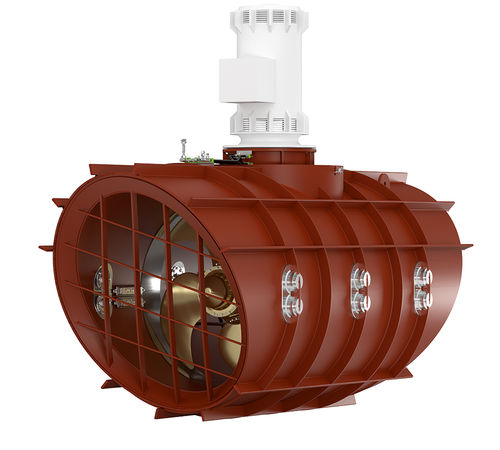
- Propeller or blade damage from debris can cause vibration and reduced thrust, noticed during maneuvering
- Gear or bearing wear can produce abnormal noise, heat or metallic debris in lubricant
- Seal leakage can allow water ingress or oil loss, seen through header-tank level changes or leakage alarms
- Motor, converter or hydraulic-drive faults can prevent commanded thrust, seen as trips, low power or unavailable thruster status
- Control or feedback-sensor faults can cause incorrect direction or pitch/azimuth indication, seen as command mismatch alarms

- Propeller or blade damage from debris can cause vibration and reduced thrust, noticed during maneuvering
- Gear or bearing wear can produce abnormal noise, heat or metallic debris in lubricant
- Seal leakage can allow water ingress or oil loss, seen through header-tank level changes or leakage alarms
- Motor, converter or hydraulic-drive faults can prevent commanded thrust, seen as trips, low power or unavailable thruster status
- Control or feedback-sensor faults can cause incorrect direction or pitch/azimuth indication, seen as command mismatch alarms
- Propeller or blade damage from debris can cause vibration and reduced thrust, noticed during maneuvering
- Gear or bearing wear can produce abnormal noise, heat or metallic debris in lubricant
- Seal leakage can allow water ingress or oil loss, seen through header-tank level changes or leakage alarms
- Motor, converter or hydraulic-drive faults can prevent commanded thrust, seen as trips, low power or unavailable thruster status
- Control or feedback-sensor faults can cause incorrect direction or pitch/azimuth indication, seen as command mismatch alarms
- Propeller or blade damage from debris can cause vibration and reduced thrust, noticed during maneuvering
- Gear or bearing wear can produce abnormal noise, heat or metallic debris in lubricant
- Seal leakage can allow water ingress or oil loss, seen through header-tank level changes or leakage alarms
- Motor, converter or hydraulic-drive faults can prevent commanded thrust, seen as trips, low power or unavailable thruster status
- Control or feedback-sensor faults can cause incorrect direction or pitch/azimuth indication, seen as command mismatch alarms
- Propeller or blade damage from debris can cause vibration and reduced thrust, noticed during maneuvering
- Gear or bearing wear can produce abnormal noise, heat or metallic debris in lubricant
- Seal leakage can allow water ingress or oil loss, seen through header-tank level changes or leakage alarms
- Motor, converter or hydraulic-drive faults can prevent commanded thrust, seen as trips, low power or unavailable thruster status
- Control or feedback-sensor faults can cause incorrect direction or pitch/azimuth indication, seen as command mismatch alarms
- Propeller or blade damage from debris can cause vibration and reduced thrust, noticed during maneuvering
- Gear or bearing wear can produce abnormal noise, heat or metallic debris in lubricant
- Seal leakage can allow water ingress or oil loss, seen through header-tank level changes or leakage alarms
- Motor, converter or hydraulic-drive faults can prevent commanded thrust, seen as trips, low power or unavailable thruster status
- Control or feedback-sensor faults can cause incorrect direction or pitch/azimuth indication, seen as command mismatch alarms
- Propeller or blade damage from debris can cause vibration and reduced thrust, noticed during maneuvering
- Gear or bearing wear can produce abnormal noise, heat or metallic debris in lubricant
- Seal leakage can allow water ingress or oil loss, seen through header-tank level changes or leakage alarms
- Motor, converter or hydraulic-drive faults can prevent commanded thrust, seen as trips, low power or unavailable thruster status
- Control or feedback-sensor faults can cause incorrect direction or pitch/azimuth indication, seen as command mismatch alarms
- Propeller or blade damage from debris can cause vibration and reduced thrust, noticed during maneuvering
- Gear or bearing wear can produce abnormal noise, heat or metallic debris in lubricant
- Seal leakage can allow water ingress or oil loss, seen through header-tank level changes or leakage alarms
- Motor, converter or hydraulic-drive faults can prevent commanded thrust, seen as trips, low power or unavailable thruster status
- Control or feedback-sensor faults can cause incorrect direction or pitch/azimuth indication, seen as command mismatch alarms
- Propeller or blade damage from debris can cause vibration and reduced thrust, noticed during maneuvering
- Gear or bearing wear can produce abnormal noise, heat or metallic debris in lubricant
- Seal leakage can allow water ingress or oil loss, seen through header-tank level changes or leakage alarms
- Motor, converter or hydraulic-drive faults can prevent commanded thrust, seen as trips, low power or unavailable thruster status
- Control or feedback-sensor faults can cause incorrect direction or pitch/azimuth indication, seen as command mismatch alarms
- Propeller or blade damage from debris can cause vibration and reduced thrust, noticed during maneuvering
- Gear or bearing wear can produce abnormal noise, heat or metallic debris in lubricant
- Seal leakage can allow water ingress or oil loss, seen through header-tank level changes or leakage alarms
- Motor, converter or hydraulic-drive faults can prevent commanded thrust, seen as trips, low power or unavailable thruster status
- Control or feedback-sensor faults can cause incorrect direction or pitch/azimuth indication, seen as command mismatch alarms
- Propeller or blade damage from debris can cause vibration and reduced thrust, noticed during maneuvering
- Gear or bearing wear can produce abnormal noise, heat or metallic debris in lubricant
- Seal leakage can allow water ingress or oil loss, seen through header-tank level changes or leakage alarms
- Motor, converter or hydraulic-drive faults can prevent commanded thrust, seen as trips, low power or unavailable thruster status
- Control or feedback-sensor faults can cause incorrect direction or pitch/azimuth indication, seen as command mismatch alarms
- Propeller or blade damage from debris can cause vibration and reduced thrust, noticed during maneuvering
- Gear or bearing wear can produce abnormal noise, heat or metallic debris in lubricant
- Seal leakage can allow water ingress or oil loss, seen through header-tank level changes or leakage alarms
- Motor, converter or hydraulic-drive faults can prevent commanded thrust, seen as trips, low power or unavailable thruster status
- Control or feedback-sensor faults can cause incorrect direction or pitch/azimuth indication, seen as command mismatch alarms
- Propeller or blade damage from debris can cause vibration and reduced thrust, noticed during maneuvering
- Gear or bearing wear can produce abnormal noise, heat or metallic debris in lubricant
- Seal leakage can allow water ingress or oil loss, seen through header-tank level changes or leakage alarms
- Motor, converter or hydraulic-drive faults can prevent commanded thrust, seen as trips, low power or unavailable thruster status
- Control or feedback-sensor faults can cause incorrect direction or pitch/azimuth indication, seen as command mismatch alarms
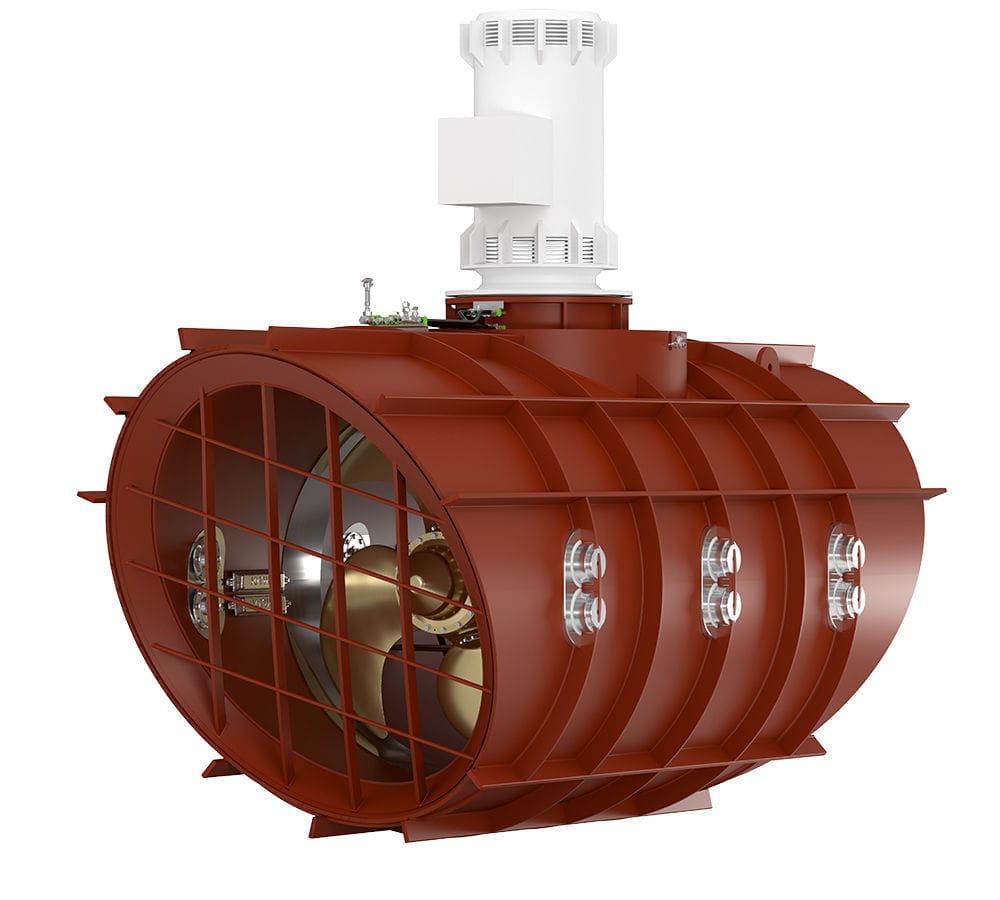
- Propeller or blade damage from debris can cause vibration and reduced thrust, noticed during maneuvering
- Gear or bearing wear can produce abnormal noise, heat or metallic debris in lubricant
- Seal leakage can allow water ingress or oil loss, seen through header-tank level changes or leakage alarms
- Motor, converter or hydraulic-drive faults can prevent commanded thrust, seen as trips, low power or unavailable thruster status
- Control or feedback-sensor faults can cause incorrect direction or pitch/azimuth indication, seen as command mismatch alarms
- Propeller or blade damage from debris can cause vibration and reduced thrust, noticed during maneuvering
- Gear or bearing wear can produce abnormal noise, heat or metallic debris in lubricant
- Seal leakage can allow water ingress or oil loss, seen through header-tank level changes or leakage alarms
- Motor, converter or hydraulic-drive faults can prevent commanded thrust, seen as trips, low power or unavailable thruster status
- Control or feedback-sensor faults can cause incorrect direction or pitch/azimuth indication, seen as command mismatch alarms
- Propeller or blade damage from debris can cause vibration and reduced thrust, noticed during maneuvering
- Gear or bearing wear can produce abnormal noise, heat or metallic debris in lubricant
- Seal leakage can allow water ingress or oil loss, seen through header-tank level changes or leakage alarms
- Motor, converter or hydraulic-drive faults can prevent commanded thrust, seen as trips, low power or unavailable thruster status
- Control or feedback-sensor faults can cause incorrect direction or pitch/azimuth indication, seen as command mismatch alarms
- Propeller or blade damage from debris can cause vibration and reduced thrust, noticed during maneuvering
- Gear or bearing wear can produce abnormal noise, heat or metallic debris in lubricant
- Seal leakage can allow water ingress or oil loss, seen through header-tank level changes or leakage alarms
- Motor, converter or hydraulic-drive faults can prevent commanded thrust, seen as trips, low power or unavailable thruster status
- Control or feedback-sensor faults can cause incorrect direction or pitch/azimuth indication, seen as command mismatch alarms
- Propeller or blade damage from debris can cause vibration and reduced thrust, noticed during maneuvering
- Gear or bearing wear can produce abnormal noise, heat or metallic debris in lubricant
- Seal leakage can allow water ingress or oil loss, seen through header-tank level changes or leakage alarms
- Motor, converter or hydraulic-drive faults can prevent commanded thrust, seen as trips, low power or unavailable thruster status
- Control or feedback-sensor faults can cause incorrect direction or pitch/azimuth indication, seen as command mismatch alarms
- Propeller or blade damage from debris can cause vibration and reduced thrust, noticed during maneuvering
- Gear or bearing wear can produce abnormal noise, heat or metallic debris in lubricant
- Seal leakage can allow water ingress or oil loss, seen through header-tank level changes or leakage alarms
- Motor, converter or hydraulic-drive faults can prevent commanded thrust, seen as trips, low power or unavailable thruster status
- Control or feedback-sensor faults can cause incorrect direction or pitch/azimuth indication, seen as command mismatch alarms

- Propeller or blade damage from debris can cause vibration and reduced thrust, noticed during maneuvering
- Gear or bearing wear can produce abnormal noise, heat or metallic debris in lubricant
- Seal leakage can allow water ingress or oil loss, seen through header-tank level changes or leakage alarms
- Motor, converter or hydraulic-drive faults can prevent commanded thrust, seen as trips, low power or unavailable thruster status
- Control or feedback-sensor faults can cause incorrect direction or pitch/azimuth indication, seen as command mismatch alarms
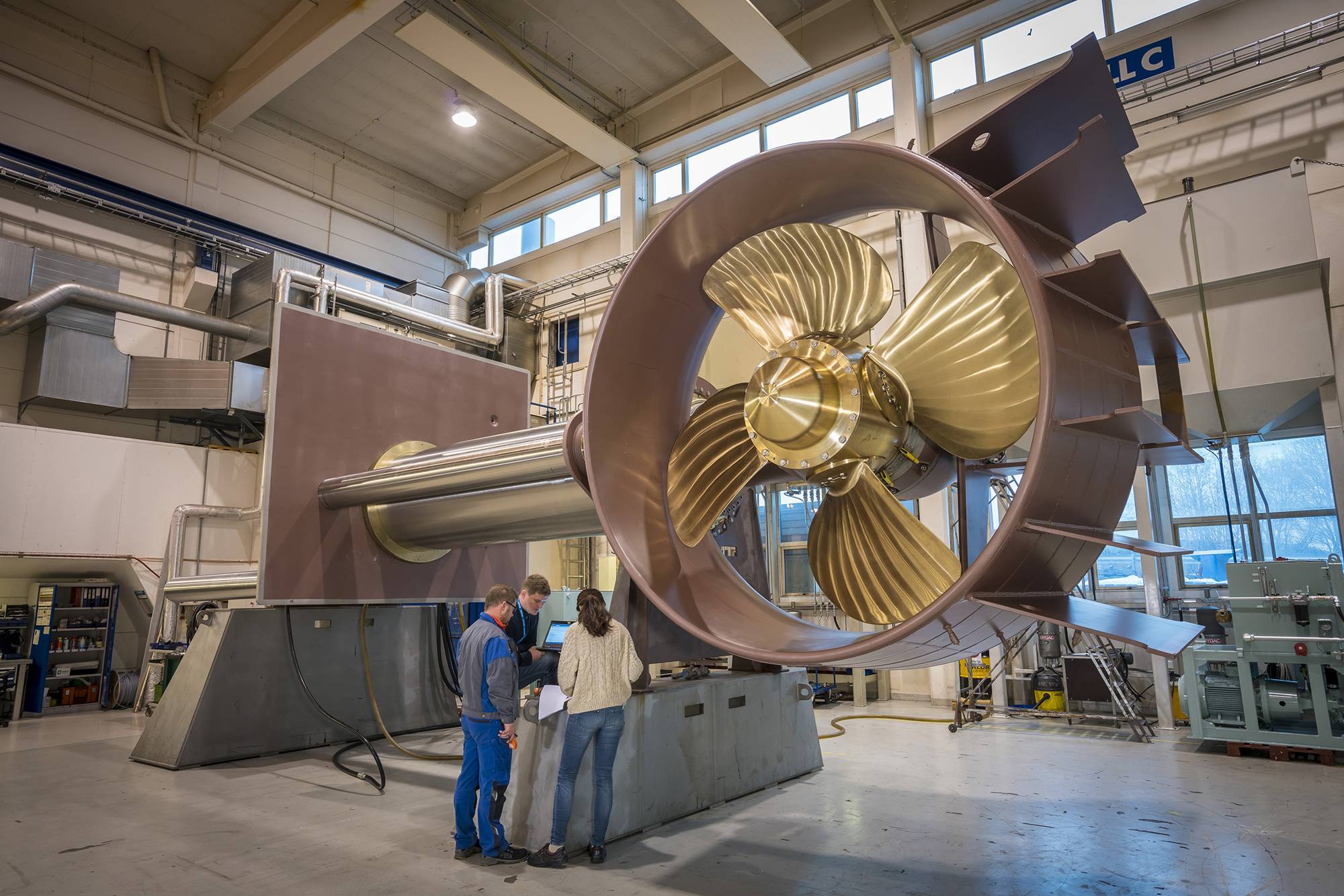
- Propeller or blade damage from debris can cause vibration and reduced thrust, noticed during maneuvering
- Gear or bearing wear can produce abnormal noise, heat or metallic debris in lubricant
- Seal leakage can allow water ingress or oil loss, seen through header-tank level changes or leakage alarms
- Motor, converter or hydraulic-drive faults can prevent commanded thrust, seen as trips, low power or unavailable thruster status
- Control or feedback-sensor faults can cause incorrect direction or pitch/azimuth indication, seen as command mismatch alarms
- Propeller or blade damage from debris can cause vibration and reduced thrust, noticed during maneuvering
- Gear or bearing wear can produce abnormal noise, heat or metallic debris in lubricant
- Seal leakage can allow water ingress or oil loss, seen through header-tank level changes or leakage alarms
- Motor, converter or hydraulic-drive faults can prevent commanded thrust, seen as trips, low power or unavailable thruster status
- Control or feedback-sensor faults can cause incorrect direction or pitch/azimuth indication, seen as command mismatch alarms
- Propeller or blade damage from debris can cause vibration and reduced thrust, noticed during maneuvering
- Gear or bearing wear can produce abnormal noise, heat or metallic debris in lubricant
- Seal leakage can allow water ingress or oil loss, seen through header-tank level changes or leakage alarms
- Motor, converter or hydraulic-drive faults can prevent commanded thrust, seen as trips, low power or unavailable thruster status
- Control or feedback-sensor faults can cause incorrect direction or pitch/azimuth indication, seen as command mismatch alarms
- Propeller or blade damage from debris can cause vibration and reduced thrust, noticed during maneuvering
- Gear or bearing wear can produce abnormal noise, heat or metallic debris in lubricant
- Seal leakage can allow water ingress or oil loss, seen through header-tank level changes or leakage alarms
- Motor, converter or hydraulic-drive faults can prevent commanded thrust, seen as trips, low power or unavailable thruster status
- Control or feedback-sensor faults can cause incorrect direction or pitch/azimuth indication, seen as command mismatch alarms
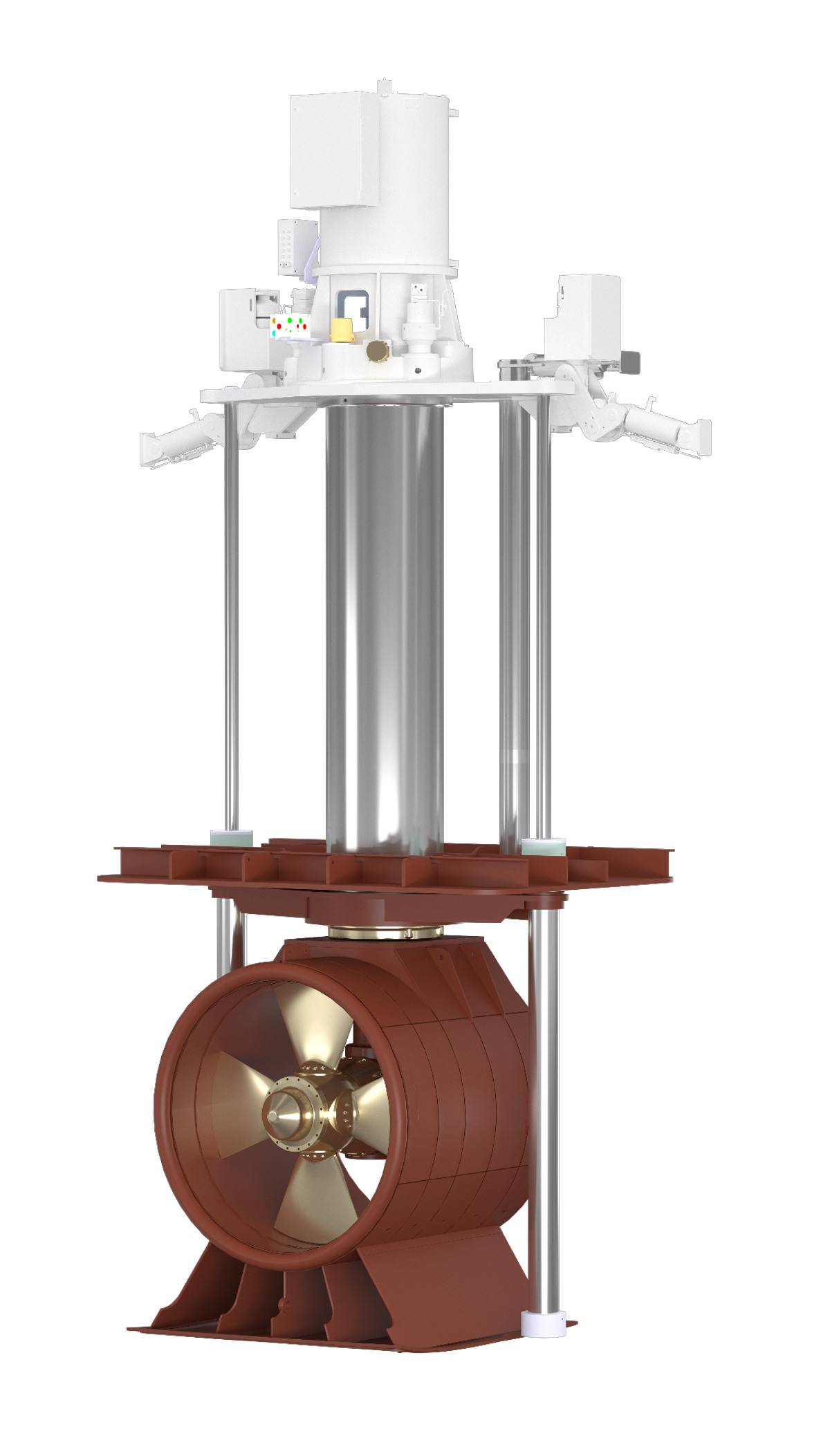
- Propeller or blade damage from debris can cause vibration and reduced thrust, noticed during maneuvering
- Gear or bearing wear can produce abnormal noise, heat or metallic debris in lubricant
- Seal leakage can allow water ingress or oil loss, seen through header-tank level changes or leakage alarms
- Motor, converter or hydraulic-drive faults can prevent commanded thrust, seen as trips, low power or unavailable thruster status
- Control or feedback-sensor faults can cause incorrect direction or pitch/azimuth indication, seen as command mismatch alarms
- Propeller or blade damage from debris can cause vibration and reduced thrust, noticed during maneuvering
- Gear or bearing wear can produce abnormal noise, heat or metallic debris in lubricant
- Seal leakage can allow water ingress or oil loss, seen through header-tank level changes or leakage alarms
- Motor, converter or hydraulic-drive faults can prevent commanded thrust, seen as trips, low power or unavailable thruster status
- Control or feedback-sensor faults can cause incorrect direction or pitch/azimuth indication, seen as command mismatch alarms
- Propeller or blade damage from debris can cause vibration and reduced thrust, noticed during maneuvering
- Gear or bearing wear can produce abnormal noise, heat or metallic debris in lubricant
- Seal leakage can allow water ingress or oil loss, seen through header-tank level changes or leakage alarms
- Motor, converter or hydraulic-drive faults can prevent commanded thrust, seen as trips, low power or unavailable thruster status
- Control or feedback-sensor faults can cause incorrect direction or pitch/azimuth indication, seen as command mismatch alarms
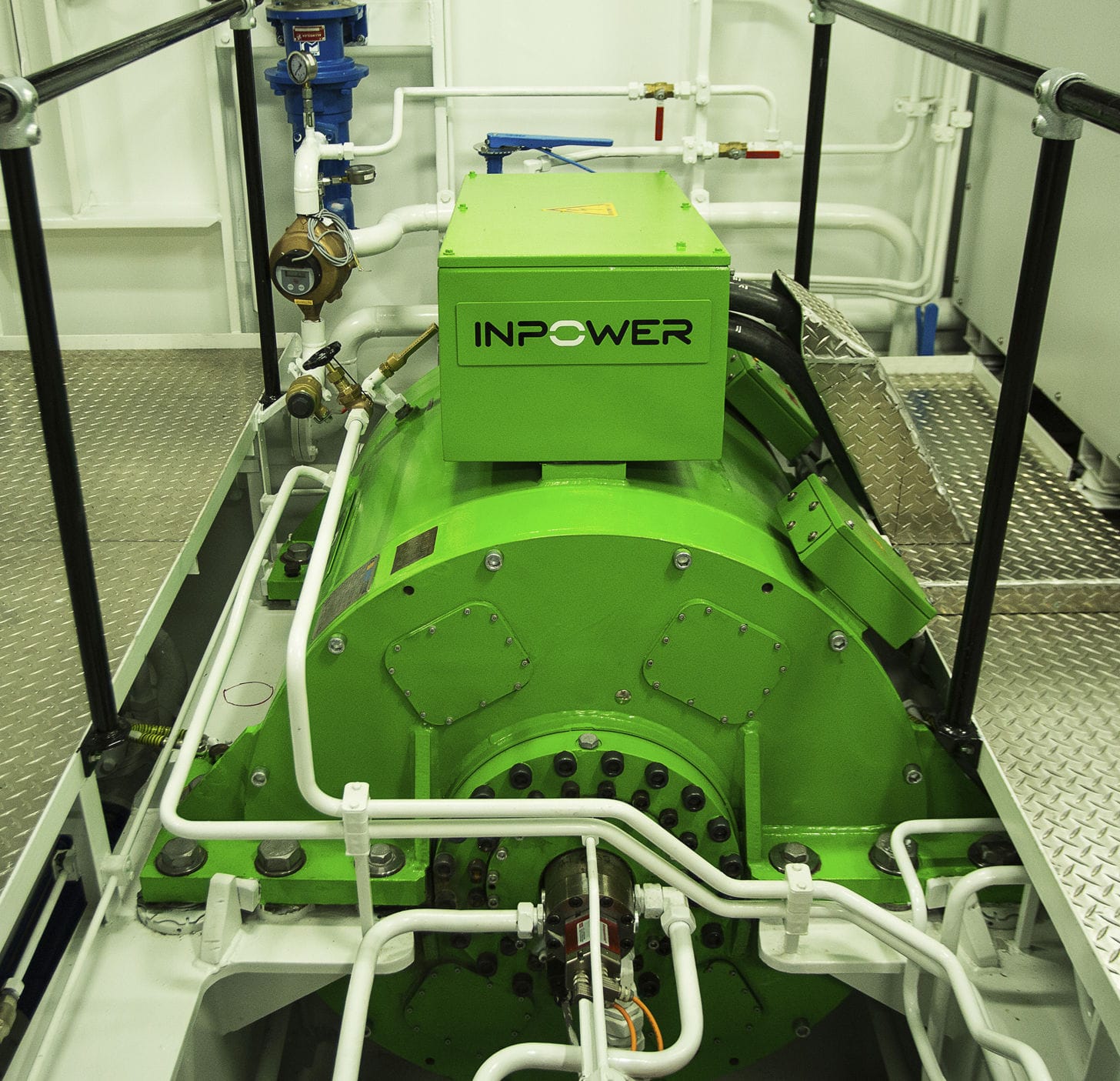
- Mechanical wear caused by inadequate lubrication, contamination or long service, resulting in rising vibration, noise or temperature
- Seal or gasket deterioration caused by wear, corrosion or misalignment, resulting in visible leakage or loss of process containment
- Flow restriction, cavitation or fouling caused by blocked passages or unsuitable operating conditions, resulting in reduced capacity and unstable performance
- Motor, coupling or drive failure caused by electrical faults, misalignment or overload, resulting in trips, abnormal current or inability to reach normal speed
- Sensor, control or protection failure caused by wiring, calibration or electronics faults, resulting in alarms, incorrect control response or shutdown
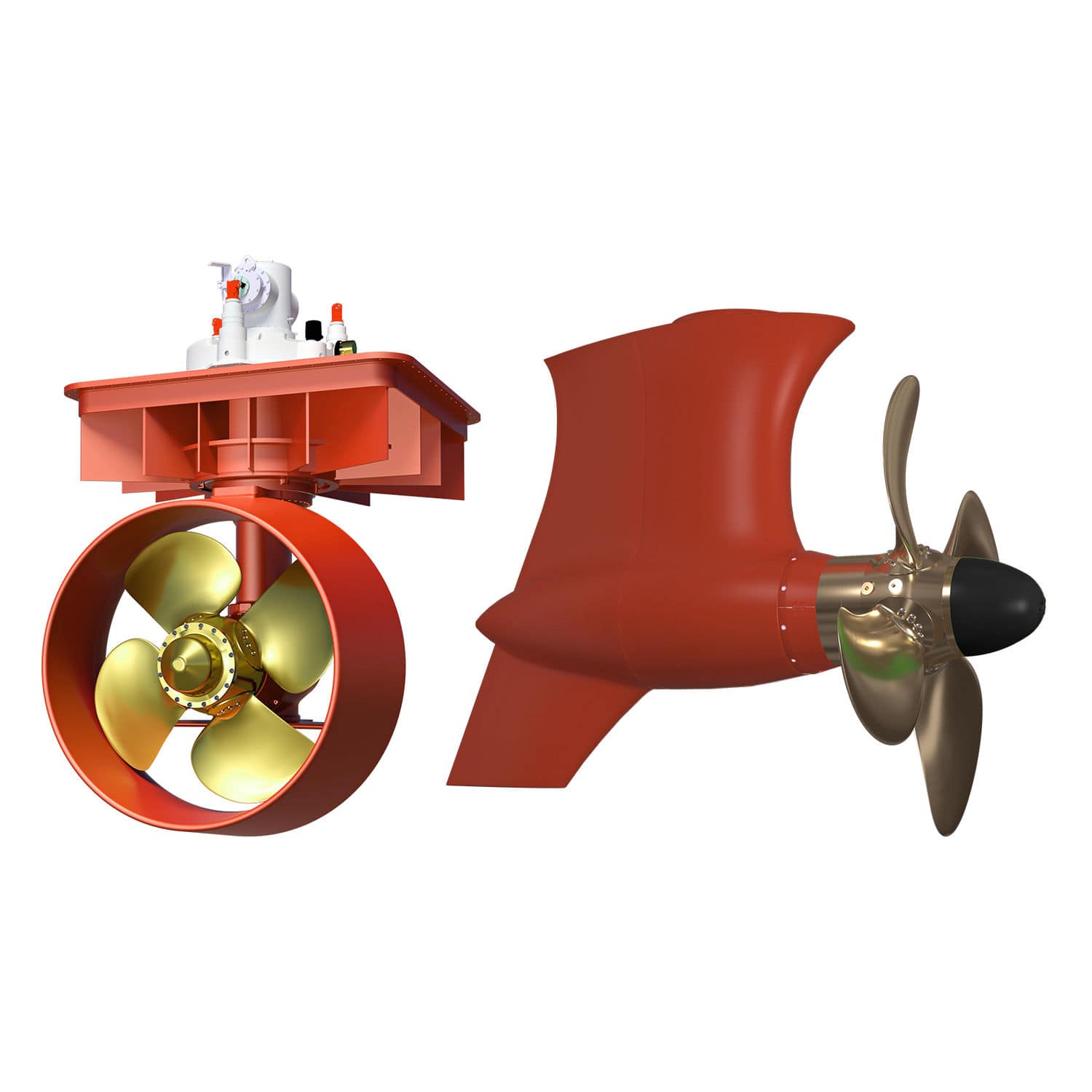
- Mechanical wear caused by inadequate lubrication, contamination or long service, resulting in rising vibration, noise or temperature
- Seal or gasket deterioration caused by wear, corrosion or misalignment, resulting in visible leakage or loss of process containment
- Flow restriction, cavitation or fouling caused by blocked passages or unsuitable operating conditions, resulting in reduced capacity and unstable performance
- Motor, coupling or drive failure caused by electrical faults, misalignment or overload, resulting in trips, abnormal current or inability to reach normal speed
- Sensor, control or protection failure caused by wiring, calibration or electronics faults, resulting in alarms, incorrect control response or shutdown
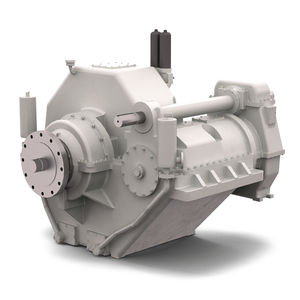
- Mechanical wear caused by inadequate lubrication, contamination or long service, resulting in rising vibration, noise or temperature
- Seal or gasket deterioration caused by wear, corrosion or misalignment, resulting in visible leakage or loss of process containment
- Flow restriction, cavitation or fouling caused by blocked passages or unsuitable operating conditions, resulting in reduced capacity and unstable performance
- Motor, coupling or drive failure caused by electrical faults, misalignment or overload, resulting in trips, abnormal current or inability to reach normal speed
- Sensor, control or protection failure caused by wiring, calibration or electronics faults, resulting in alarms, incorrect control response or shutdown
- Mechanical wear caused by inadequate lubrication, contamination or long service, resulting in rising vibration, noise or temperature
- Seal or gasket deterioration caused by wear, corrosion or misalignment, resulting in visible leakage or loss of process containment
- Flow restriction, cavitation or fouling caused by blocked passages or unsuitable operating conditions, resulting in reduced capacity and unstable performance
- Motor, coupling or drive failure caused by electrical faults, misalignment or overload, resulting in trips, abnormal current or inability to reach normal speed
- Sensor, control or protection failure caused by wiring, calibration or electronics faults, resulting in alarms, incorrect control response or shutdown
- Mechanical wear caused by inadequate lubrication, contamination or long service, resulting in rising vibration, noise or temperature
- Seal or gasket deterioration caused by wear, corrosion or misalignment, resulting in visible leakage or loss of process containment
- Flow restriction, cavitation or fouling caused by blocked passages or unsuitable operating conditions, resulting in reduced capacity and unstable performance
- Motor, coupling or drive failure caused by electrical faults, misalignment or overload, resulting in trips, abnormal current or inability to reach normal speed
- Sensor, control or protection failure caused by wiring, calibration or electronics faults, resulting in alarms, incorrect control response or shutdown
- Mechanical wear caused by inadequate lubrication, contamination or long service, resulting in rising vibration, noise or temperature
- Seal or gasket deterioration caused by wear, corrosion or misalignment, resulting in visible leakage or loss of process containment
- Flow restriction, cavitation or fouling caused by blocked passages or unsuitable operating conditions, resulting in reduced capacity and unstable performance
- Motor, coupling or drive failure caused by electrical faults, misalignment or overload, resulting in trips, abnormal current or inability to reach normal speed
- Sensor, control or protection failure caused by wiring, calibration or electronics faults, resulting in alarms, incorrect control response or shutdown
- Propeller or blade damage from debris can cause vibration and reduced thrust, noticed during maneuvering
- Gear or bearing wear can produce abnormal noise, heat or metallic debris in lubricant
- Seal leakage can allow water ingress or oil loss, seen through header-tank level changes or leakage alarms
- Motor, converter or hydraulic-drive faults can prevent commanded thrust, seen as trips, low power or unavailable thruster status
- Control or feedback-sensor faults can cause incorrect direction or pitch/azimuth indication, seen as command mismatch alarms
- Propeller or blade damage from debris can cause vibration and reduced thrust, noticed during maneuvering
- Gear or bearing wear can produce abnormal noise, heat or metallic debris in lubricant
- Seal leakage can allow water ingress or oil loss, seen through header-tank level changes or leakage alarms
- Motor, converter or hydraulic-drive faults can prevent commanded thrust, seen as trips, low power or unavailable thruster status
- Control or feedback-sensor faults can cause incorrect direction or pitch/azimuth indication, seen as command mismatch alarms
- Propeller or blade damage from debris can cause vibration and reduced thrust, noticed during maneuvering
- Gear or bearing wear can produce abnormal noise, heat or metallic debris in lubricant
- Seal leakage can allow water ingress or oil loss, seen through header-tank level changes or leakage alarms
- Motor, converter or hydraulic-drive faults can prevent commanded thrust, seen as trips, low power or unavailable thruster status
- Control or feedback-sensor faults can cause incorrect direction or pitch/azimuth indication, seen as command mismatch alarms
- Propeller or blade damage from debris can cause vibration and reduced thrust, noticed during maneuvering
- Gear or bearing wear can produce abnormal noise, heat or metallic debris in lubricant
- Seal leakage can allow water ingress or oil loss, seen through header-tank level changes or leakage alarms
- Motor, converter or hydraulic-drive faults can prevent commanded thrust, seen as trips, low power or unavailable thruster status
- Control or feedback-sensor faults can cause incorrect direction or pitch/azimuth indication, seen as command mismatch alarms
ABB
31
- Mechanical wear caused by inadequate lubrication, contamination or long service, resulting in rising vibration, noise or temperature
- Seal or gasket deterioration caused by wear, corrosion or misalignment, resulting in visible leakage or loss of process containment
- Flow restriction, cavitation or fouling caused by blocked passages or unsuitable operating conditions, resulting in reduced capacity and unstable performance
- Motor, coupling or drive failure caused by electrical faults, misalignment or overload, resulting in trips, abnormal current or inability to reach normal speed
- Sensor, control or protection failure caused by wiring, calibration or electronics faults, resulting in alarms, incorrect control response or shutdown

- Mechanical wear caused by inadequate lubrication, contamination or long service, resulting in rising vibration, noise or temperature
- Seal or gasket deterioration caused by wear, corrosion or misalignment, resulting in visible leakage or loss of process containment
- Flow restriction, cavitation or fouling caused by blocked passages or unsuitable operating conditions, resulting in reduced capacity and unstable performance
- Motor, coupling or drive failure caused by electrical faults, misalignment or overload, resulting in trips, abnormal current or inability to reach normal speed
- Sensor, control or protection failure caused by wiring, calibration or electronics faults, resulting in alarms, incorrect control response or shutdown
- Mechanical wear caused by inadequate lubrication, contamination or long service, resulting in rising vibration, noise or temperature
- Seal or gasket deterioration caused by wear, corrosion or misalignment, resulting in visible leakage or loss of process containment
- Flow restriction, cavitation or fouling caused by blocked passages or unsuitable operating conditions, resulting in reduced capacity and unstable performance
- Motor, coupling or drive failure caused by electrical faults, misalignment or overload, resulting in trips, abnormal current or inability to reach normal speed
- Sensor, control or protection failure caused by wiring, calibration or electronics faults, resulting in alarms, incorrect control response or shutdown
- Mechanical wear caused by inadequate lubrication, contamination or long service, resulting in rising vibration, noise or temperature
- Seal or gasket deterioration caused by wear, corrosion or misalignment, resulting in visible leakage or loss of process containment
- Flow restriction, cavitation or fouling caused by blocked passages or unsuitable operating conditions, resulting in reduced capacity and unstable performance
- Motor, coupling or drive failure caused by electrical faults, misalignment or overload, resulting in trips, abnormal current or inability to reach normal speed
- Sensor, control or protection failure caused by wiring, calibration or electronics faults, resulting in alarms, incorrect control response or shutdown
- Mechanical wear caused by inadequate lubrication, contamination or long service, resulting in rising vibration, noise or temperature
- Seal or gasket deterioration caused by wear, corrosion or misalignment, resulting in visible leakage or loss of process containment
- Flow restriction, cavitation or fouling caused by blocked passages or unsuitable operating conditions, resulting in reduced capacity and unstable performance
- Motor, coupling or drive failure caused by electrical faults, misalignment or overload, resulting in trips, abnormal current or inability to reach normal speed
- Sensor, control or protection failure caused by wiring, calibration or electronics faults, resulting in alarms, incorrect control response or shutdown
- Mechanical wear caused by inadequate lubrication, contamination or long service, resulting in rising vibration, noise or temperature
- Seal or gasket deterioration caused by wear, corrosion or misalignment, resulting in visible leakage or loss of process containment
- Flow restriction, cavitation or fouling caused by blocked passages or unsuitable operating conditions, resulting in reduced capacity and unstable performance
- Motor, coupling or drive failure caused by electrical faults, misalignment or overload, resulting in trips, abnormal current or inability to reach normal speed
- Sensor, control or protection failure caused by wiring, calibration or electronics faults, resulting in alarms, incorrect control response or shutdown
- Mechanical wear caused by inadequate lubrication, contamination or long service, resulting in rising vibration, noise or temperature
- Seal or gasket deterioration caused by wear, corrosion or misalignment, resulting in visible leakage or loss of process containment
- Flow restriction, cavitation or fouling caused by blocked passages or unsuitable operating conditions, resulting in reduced capacity and unstable performance
- Motor, coupling or drive failure caused by electrical faults, misalignment or overload, resulting in trips, abnormal current or inability to reach normal speed
- Sensor, control or protection failure caused by wiring, calibration or electronics faults, resulting in alarms, incorrect control response or shutdown
- Mechanical wear caused by inadequate lubrication, contamination or long service, resulting in rising vibration, noise or temperature
- Seal or gasket deterioration caused by wear, corrosion or misalignment, resulting in visible leakage or loss of process containment
- Flow restriction, cavitation or fouling caused by blocked passages or unsuitable operating conditions, resulting in reduced capacity and unstable performance
- Motor, coupling or drive failure caused by electrical faults, misalignment or overload, resulting in trips, abnormal current or inability to reach normal speed
- Sensor, control or protection failure caused by wiring, calibration or electronics faults, resulting in alarms, incorrect control response or shutdown

- Propeller or tunnel damage caused by debris, impact or cavitation, resulting in vibration, reduced thrust or abnormal noise
- Gearbox, bearing or seal deterioration caused by lubrication problems, water ingress or wear, resulting in oil leakage, temperature rise or vibration
- Motor or hydraulic-drive fault caused by electrical, cooling or pressure problems, resulting in reduced output or inability to run the thruster
- Control or feedback failure caused by joystick, sensor, communication or wiring faults, resulting in unavailable or incorrect thrust command
- Cooling or ventilation restriction caused by fouling, blocked filters or fan failure, resulting in motor or drive overheating and protective trips
- Mechanical wear caused by inadequate lubrication, contamination or long service, resulting in rising vibration, noise or temperature
- Seal or gasket deterioration caused by wear, corrosion or misalignment, resulting in visible leakage or loss of process containment
- Flow restriction, cavitation or fouling caused by blocked passages or unsuitable operating conditions, resulting in reduced capacity and unstable performance
- Motor, coupling or drive failure caused by electrical faults, misalignment or overload, resulting in trips, abnormal current or inability to reach normal speed
- Sensor, control or protection failure caused by wiring, calibration or electronics faults, resulting in alarms, incorrect control response or shutdown
- Mechanical wear caused by inadequate lubrication, contamination or long service, resulting in rising vibration, noise or temperature
- Seal or gasket deterioration caused by wear, corrosion or misalignment, resulting in visible leakage or loss of process containment
- Flow restriction, cavitation or fouling caused by blocked passages or unsuitable operating conditions, resulting in reduced capacity and unstable performance
- Motor, coupling or drive failure caused by electrical faults, misalignment or overload, resulting in trips, abnormal current or inability to reach normal speed
- Sensor, control or protection failure caused by wiring, calibration or electronics faults, resulting in alarms, incorrect control response or shutdown
- Mechanical wear caused by inadequate lubrication, contamination or long service, resulting in rising vibration, noise or temperature
- Seal or gasket deterioration caused by wear, corrosion or misalignment, resulting in visible leakage or loss of process containment
- Flow restriction, cavitation or fouling caused by blocked passages or unsuitable operating conditions, resulting in reduced capacity and unstable performance
- Motor, coupling or drive failure caused by electrical faults, misalignment or overload, resulting in trips, abnormal current or inability to reach normal speed
- Sensor, control or protection failure caused by wiring, calibration or electronics faults, resulting in alarms, incorrect control response or shutdown
- Mechanical wear caused by inadequate lubrication, contamination or long service, resulting in rising vibration, noise or temperature
- Seal or gasket deterioration caused by wear, corrosion or misalignment, resulting in visible leakage or loss of process containment
- Flow restriction, cavitation or fouling caused by blocked passages or unsuitable operating conditions, resulting in reduced capacity and unstable performance
- Motor, coupling or drive failure caused by electrical faults, misalignment or overload, resulting in trips, abnormal current or inability to reach normal speed
- Sensor, control or protection failure caused by wiring, calibration or electronics faults, resulting in alarms, incorrect control response or shutdown
- Propeller or tunnel damage caused by debris, impact or cavitation, resulting in vibration, reduced thrust or abnormal noise
- Gearbox, bearing or seal deterioration caused by lubrication problems, water ingress or wear, resulting in oil leakage, temperature rise or vibration
- Motor or hydraulic-drive fault caused by electrical, cooling or pressure problems, resulting in reduced output or inability to run the thruster
- Control or feedback failure caused by joystick, sensor, communication or wiring faults, resulting in unavailable or incorrect thrust command
- Cooling or ventilation restriction caused by fouling, blocked filters or fan failure, resulting in motor or drive overheating and protective trips
- Propeller or tunnel damage caused by debris, impact or cavitation, resulting in vibration, reduced thrust or abnormal noise
- Gearbox, bearing or seal deterioration caused by lubrication problems, water ingress or wear, resulting in oil leakage, temperature rise or vibration
- Motor or hydraulic-drive fault caused by electrical, cooling or pressure problems, resulting in reduced output or inability to run the thruster
- Control or feedback failure caused by joystick, sensor, communication or wiring faults, resulting in unavailable or incorrect thrust command
- Cooling or ventilation restriction caused by fouling, blocked filters or fan failure, resulting in motor or drive overheating and protective trips
- Propeller or tunnel damage caused by debris, impact or cavitation, resulting in vibration, reduced thrust or abnormal noise
- Gearbox, bearing or seal deterioration caused by lubrication problems, water ingress or wear, resulting in oil leakage, temperature rise or vibration
- Motor or hydraulic-drive fault caused by electrical, cooling or pressure problems, resulting in reduced output or inability to run the thruster
- Control or feedback failure caused by joystick, sensor, communication or wiring faults, resulting in unavailable or incorrect thrust command
- Cooling or ventilation restriction caused by fouling, blocked filters or fan failure, resulting in motor or drive overheating and protective trips
- Propeller or tunnel damage caused by debris, impact or cavitation, resulting in vibration, reduced thrust or abnormal noise
- Gearbox, bearing or seal deterioration caused by lubrication problems, water ingress or wear, resulting in oil leakage, temperature rise or vibration
- Motor or hydraulic-drive fault caused by electrical, cooling or pressure problems, resulting in reduced output or inability to run the thruster
- Control or feedback failure caused by joystick, sensor, communication or wiring faults, resulting in unavailable or incorrect thrust command
- Cooling or ventilation restriction caused by fouling, blocked filters or fan failure, resulting in motor or drive overheating and protective trips
- Propeller or tunnel damage caused by debris, impact or cavitation, resulting in vibration, reduced thrust or abnormal noise
- Gearbox, bearing or seal deterioration caused by lubrication problems, water ingress or wear, resulting in oil leakage, temperature rise or vibration
- Motor or hydraulic-drive fault caused by electrical, cooling or pressure problems, resulting in reduced output or inability to run the thruster
- Control or feedback failure caused by joystick, sensor, communication or wiring faults, resulting in unavailable or incorrect thrust command
- Cooling or ventilation restriction caused by fouling, blocked filters or fan failure, resulting in motor or drive overheating and protective trips
- Propeller or tunnel damage caused by debris, impact or cavitation, resulting in vibration, reduced thrust or abnormal noise
- Gearbox, bearing or seal deterioration caused by lubrication problems, water ingress or wear, resulting in oil leakage, temperature rise or vibration
- Motor or hydraulic-drive fault caused by electrical, cooling or pressure problems, resulting in reduced output or inability to run the thruster
- Control or feedback failure caused by joystick, sensor, communication or wiring faults, resulting in unavailable or incorrect thrust command
- Cooling or ventilation restriction caused by fouling, blocked filters or fan failure, resulting in motor or drive overheating and protective trips

- Mechanical wear caused by inadequate lubrication, contamination or long service, resulting in rising vibration, noise or temperature
- Seal or gasket deterioration caused by wear, corrosion or misalignment, resulting in visible leakage or loss of process containment
- Flow restriction, cavitation or fouling caused by blocked passages or unsuitable operating conditions, resulting in reduced capacity and unstable performance
- Motor, coupling or drive failure caused by electrical faults, misalignment or overload, resulting in trips, abnormal current or inability to reach normal speed
- Sensor, control or protection failure caused by wiring, calibration or electronics faults, resulting in alarms, incorrect control response or shutdown
- Mechanical wear caused by inadequate lubrication, contamination or long service, resulting in rising vibration, noise or temperature
- Seal or gasket deterioration caused by wear, corrosion or misalignment, resulting in visible leakage or loss of process containment
- Flow restriction, cavitation or fouling caused by blocked passages or unsuitable operating conditions, resulting in reduced capacity and unstable performance
- Motor, coupling or drive failure caused by electrical faults, misalignment or overload, resulting in trips, abnormal current or inability to reach normal speed
- Sensor, control or protection failure caused by wiring, calibration or electronics faults, resulting in alarms, incorrect control response or shutdown
- Mechanical wear caused by inadequate lubrication, contamination or long service, resulting in rising vibration, noise or temperature
- Seal or gasket deterioration caused by wear, corrosion or misalignment, resulting in visible leakage or loss of process containment
- Flow restriction, cavitation or fouling caused by blocked passages or unsuitable operating conditions, resulting in reduced capacity and unstable performance
- Motor, coupling or drive failure caused by electrical faults, misalignment or overload, resulting in trips, abnormal current or inability to reach normal speed
- Sensor, control or protection failure caused by wiring, calibration or electronics faults, resulting in alarms, incorrect control response or shutdown
- Mechanical wear caused by inadequate lubrication, contamination or long service, resulting in rising vibration, noise or temperature
- Seal or gasket deterioration caused by wear, corrosion or misalignment, resulting in visible leakage or loss of process containment
- Flow restriction, cavitation or fouling caused by blocked passages or unsuitable operating conditions, resulting in reduced capacity and unstable performance
- Motor, coupling or drive failure caused by electrical faults, misalignment or overload, resulting in trips, abnormal current or inability to reach normal speed
- Sensor, control or protection failure caused by wiring, calibration or electronics faults, resulting in alarms, incorrect control response or shutdown
- Mechanical wear caused by inadequate lubrication, contamination or long service, resulting in rising vibration, noise or temperature
- Seal or gasket deterioration caused by wear, corrosion or misalignment, resulting in visible leakage or loss of process containment
- Flow restriction, cavitation or fouling caused by blocked passages or unsuitable operating conditions, resulting in reduced capacity and unstable performance
- Motor, coupling or drive failure caused by electrical faults, misalignment or overload, resulting in trips, abnormal current or inability to reach normal speed
- Sensor, control or protection failure caused by wiring, calibration or electronics faults, resulting in alarms, incorrect control response or shutdown
- Mechanical wear caused by inadequate lubrication, contamination or long service, resulting in rising vibration, noise or temperature
- Seal or gasket deterioration caused by wear, corrosion or misalignment, resulting in visible leakage or loss of process containment
- Flow restriction, cavitation or fouling caused by blocked passages or unsuitable operating conditions, resulting in reduced capacity and unstable performance
- Motor, coupling or drive failure caused by electrical faults, misalignment or overload, resulting in trips, abnormal current or inability to reach normal speed
- Sensor, control or protection failure caused by wiring, calibration or electronics faults, resulting in alarms, incorrect control response or shutdown

- Propeller or tunnel damage caused by debris, impact or cavitation, resulting in vibration, reduced thrust or abnormal noise
- Gearbox, bearing or seal deterioration caused by lubrication problems, water ingress or wear, resulting in oil leakage, temperature rise or vibration
- Motor or hydraulic-drive fault caused by electrical, cooling or pressure problems, resulting in reduced output or inability to run the thruster
- Control or feedback failure caused by joystick, sensor, communication or wiring faults, resulting in unavailable or incorrect thrust command
- Cooling or ventilation restriction caused by fouling, blocked filters or fan failure, resulting in motor or drive overheating and protective trips
- Propeller or tunnel damage caused by debris, impact or cavitation, resulting in vibration, reduced thrust or abnormal noise
- Gearbox, bearing or seal deterioration caused by lubrication problems, water ingress or wear, resulting in oil leakage, temperature rise or vibration
- Motor or hydraulic-drive fault caused by electrical, cooling or pressure problems, resulting in reduced output or inability to run the thruster
- Control or feedback failure caused by joystick, sensor, communication or wiring faults, resulting in unavailable or incorrect thrust command
- Cooling or ventilation restriction caused by fouling, blocked filters or fan failure, resulting in motor or drive overheating and protective trips
- Propeller or tunnel damage caused by debris, impact or cavitation, resulting in vibration, reduced thrust or abnormal noise
- Gearbox, bearing or seal deterioration caused by lubrication problems, water ingress or wear, resulting in oil leakage, temperature rise or vibration
- Motor or hydraulic-drive fault caused by electrical, cooling or pressure problems, resulting in reduced output or inability to run the thruster
- Control or feedback failure caused by joystick, sensor, communication or wiring faults, resulting in unavailable or incorrect thrust command
- Cooling or ventilation restriction caused by fouling, blocked filters or fan failure, resulting in motor or drive overheating and protective trips
- Mechanical wear caused by inadequate lubrication, contamination or long service, resulting in rising vibration, noise or temperature
- Seal or gasket deterioration caused by wear, corrosion or misalignment, resulting in visible leakage or loss of process containment
- Flow restriction, cavitation or fouling caused by blocked passages or unsuitable operating conditions, resulting in reduced capacity and unstable performance
- Motor, coupling or drive failure caused by electrical faults, misalignment or overload, resulting in trips, abnormal current or inability to reach normal speed
- Sensor, control or protection failure caused by wiring, calibration or electronics faults, resulting in alarms, incorrect control response or shutdown
- Mechanical wear caused by inadequate lubrication, contamination or long service, resulting in rising vibration, noise or temperature
- Seal or gasket deterioration caused by wear, corrosion or misalignment, resulting in visible leakage or loss of process containment
- Flow restriction, cavitation or fouling caused by blocked passages or unsuitable operating conditions, resulting in reduced capacity and unstable performance
- Motor, coupling or drive failure caused by electrical faults, misalignment or overload, resulting in trips, abnormal current or inability to reach normal speed
- Sensor, control or protection failure caused by wiring, calibration or electronics faults, resulting in alarms, incorrect control response or shutdown
- Mechanical wear caused by inadequate lubrication, contamination or long service, resulting in rising vibration, noise or temperature
- Seal or gasket deterioration caused by wear, corrosion or misalignment, resulting in visible leakage or loss of process containment
- Flow restriction, cavitation or fouling caused by blocked passages or unsuitable operating conditions, resulting in reduced capacity and unstable performance
- Motor, coupling or drive failure caused by electrical faults, misalignment or overload, resulting in trips, abnormal current or inability to reach normal speed
- Sensor, control or protection failure caused by wiring, calibration or electronics faults, resulting in alarms, incorrect control response or shutdown
Veth Propulsion
29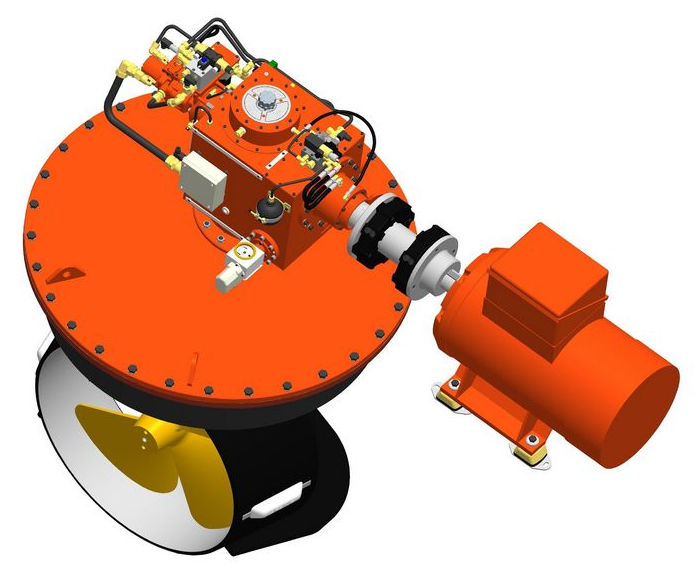
- Propeller or blade damage from debris can cause vibration and reduced thrust, noticed during maneuvering
- Gear or bearing wear can produce abnormal noise, heat or metallic debris in lubricant
- Seal leakage can allow water ingress or oil loss, seen through header-tank level changes or leakage alarms
- Motor, converter or hydraulic-drive faults can prevent commanded thrust, seen as trips, low power or unavailable thruster status
- Control or feedback-sensor faults can cause incorrect direction or pitch/azimuth indication, seen as command mismatch alarms
- Propeller or blade damage from debris can cause vibration and reduced thrust, noticed during maneuvering
- Gear or bearing wear can produce abnormal noise, heat or metallic debris in lubricant
- Seal leakage can allow water ingress or oil loss, seen through header-tank level changes or leakage alarms
- Motor, converter or hydraulic-drive faults can prevent commanded thrust, seen as trips, low power or unavailable thruster status
- Control or feedback-sensor faults can cause incorrect direction or pitch/azimuth indication, seen as command mismatch alarms
- Propeller or blade damage from debris can cause vibration and reduced thrust, noticed during maneuvering
- Gear or bearing wear can produce abnormal noise, heat or metallic debris in lubricant
- Seal leakage can allow water ingress or oil loss, seen through header-tank level changes or leakage alarms
- Motor, converter or hydraulic-drive faults can prevent commanded thrust, seen as trips, low power or unavailable thruster status
- Control or feedback-sensor faults can cause incorrect direction or pitch/azimuth indication, seen as command mismatch alarms
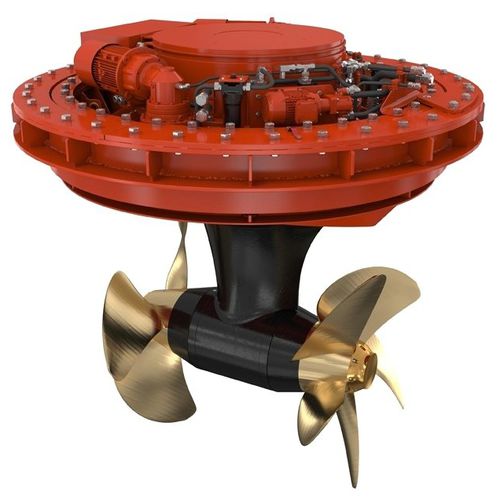
- Propeller or blade damage from debris can cause vibration and reduced thrust, noticed during maneuvering
- Gear or bearing wear can produce abnormal noise, heat or metallic debris in lubricant
- Seal leakage can allow water ingress or oil loss, seen through header-tank level changes or leakage alarms
- Motor, converter or hydraulic-drive faults can prevent commanded thrust, seen as trips, low power or unavailable thruster status
- Control or feedback-sensor faults can cause incorrect direction or pitch/azimuth indication, seen as command mismatch alarms
- Propeller or blade damage from debris can cause vibration and reduced thrust, noticed during maneuvering
- Gear or bearing wear can produce abnormal noise, heat or metallic debris in lubricant
- Seal leakage can allow water ingress or oil loss, seen through header-tank level changes or leakage alarms
- Motor, converter or hydraulic-drive faults can prevent commanded thrust, seen as trips, low power or unavailable thruster status
- Control or feedback-sensor faults can cause incorrect direction or pitch/azimuth indication, seen as command mismatch alarms
- Propeller or blade damage from debris can cause vibration and reduced thrust, noticed during maneuvering
- Gear or bearing wear can produce abnormal noise, heat or metallic debris in lubricant
- Seal leakage can allow water ingress or oil loss, seen through header-tank level changes or leakage alarms
- Motor, converter or hydraulic-drive faults can prevent commanded thrust, seen as trips, low power or unavailable thruster status
- Control or feedback-sensor faults can cause incorrect direction or pitch/azimuth indication, seen as command mismatch alarms
- Propeller or blade damage from debris can cause vibration and reduced thrust, noticed during maneuvering
- Gear or bearing wear can produce abnormal noise, heat or metallic debris in lubricant
- Seal leakage can allow water ingress or oil loss, seen through header-tank level changes or leakage alarms
- Motor, converter or hydraulic-drive faults can prevent commanded thrust, seen as trips, low power or unavailable thruster status
- Control or feedback-sensor faults can cause incorrect direction or pitch/azimuth indication, seen as command mismatch alarms
- Propeller or tunnel damage caused by debris, impact or cavitation, resulting in vibration, reduced thrust or abnormal noise
- Gearbox, bearing or seal deterioration caused by lubrication problems, water ingress or wear, resulting in oil leakage, temperature rise or vibration
- Motor or hydraulic-drive fault caused by electrical, cooling or pressure problems, resulting in reduced output or inability to run the thruster
- Control or feedback failure caused by joystick, sensor, communication or wiring faults, resulting in unavailable or incorrect thrust command
- Cooling or ventilation restriction caused by fouling, blocked filters or fan failure, resulting in motor or drive overheating and protective trips
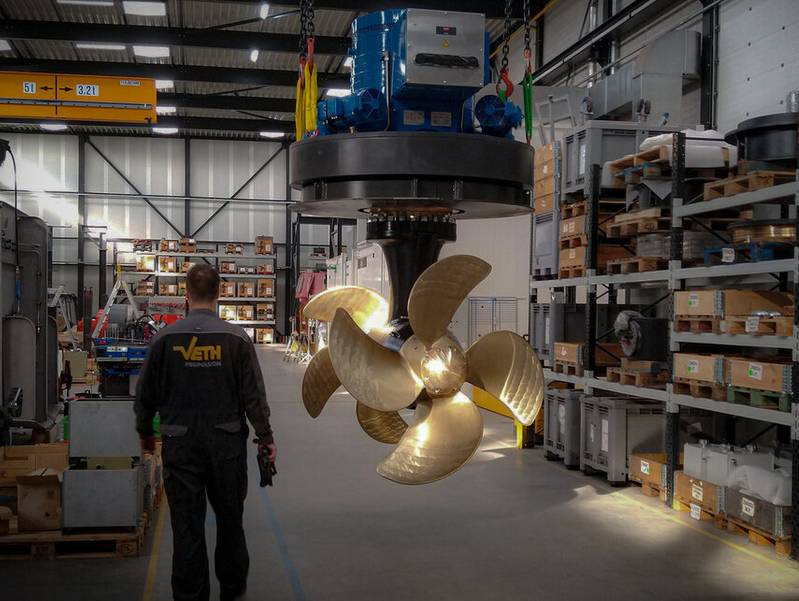
- Propeller or tunnel damage caused by debris, impact or cavitation, resulting in vibration, reduced thrust or abnormal noise
- Gearbox, bearing or seal deterioration caused by lubrication problems, water ingress or wear, resulting in oil leakage, temperature rise or vibration
- Motor or hydraulic-drive fault caused by electrical, cooling or pressure problems, resulting in reduced output or inability to run the thruster
- Control or feedback failure caused by joystick, sensor, communication or wiring faults, resulting in unavailable or incorrect thrust command
- Cooling or ventilation restriction caused by fouling, blocked filters or fan failure, resulting in motor or drive overheating and protective trips
- Propeller or tunnel damage caused by debris, impact or cavitation, resulting in vibration, reduced thrust or abnormal noise
- Gearbox, bearing or seal deterioration caused by lubrication problems, water ingress or wear, resulting in oil leakage, temperature rise or vibration
- Motor or hydraulic-drive fault caused by electrical, cooling or pressure problems, resulting in reduced output or inability to run the thruster
- Control or feedback failure caused by joystick, sensor, communication or wiring faults, resulting in unavailable or incorrect thrust command
- Cooling or ventilation restriction caused by fouling, blocked filters or fan failure, resulting in motor or drive overheating and protective trips
- Propeller or tunnel damage caused by debris, impact or cavitation, resulting in vibration, reduced thrust or abnormal noise
- Gearbox, bearing or seal deterioration caused by lubrication problems, water ingress or wear, resulting in oil leakage, temperature rise or vibration
- Motor or hydraulic-drive fault caused by electrical, cooling or pressure problems, resulting in reduced output or inability to run the thruster
- Control or feedback failure caused by joystick, sensor, communication or wiring faults, resulting in unavailable or incorrect thrust command
- Cooling or ventilation restriction caused by fouling, blocked filters or fan failure, resulting in motor or drive overheating and protective trips
- Propeller or tunnel damage caused by debris, impact or cavitation, resulting in vibration, reduced thrust or abnormal noise
- Gearbox, bearing or seal deterioration caused by lubrication problems, water ingress or wear, resulting in oil leakage, temperature rise or vibration
- Motor or hydraulic-drive fault caused by electrical, cooling or pressure problems, resulting in reduced output or inability to run the thruster
- Control or feedback failure caused by joystick, sensor, communication or wiring faults, resulting in unavailable or incorrect thrust command
- Cooling or ventilation restriction caused by fouling, blocked filters or fan failure, resulting in motor or drive overheating and protective trips
- Propeller or tunnel damage caused by debris, impact or cavitation, resulting in vibration, reduced thrust or abnormal noise
- Gearbox, bearing or seal deterioration caused by lubrication problems, water ingress or wear, resulting in oil leakage, temperature rise or vibration
- Motor or hydraulic-drive fault caused by electrical, cooling or pressure problems, resulting in reduced output or inability to run the thruster
- Control or feedback failure caused by joystick, sensor, communication or wiring faults, resulting in unavailable or incorrect thrust command
- Cooling or ventilation restriction caused by fouling, blocked filters or fan failure, resulting in motor or drive overheating and protective trips
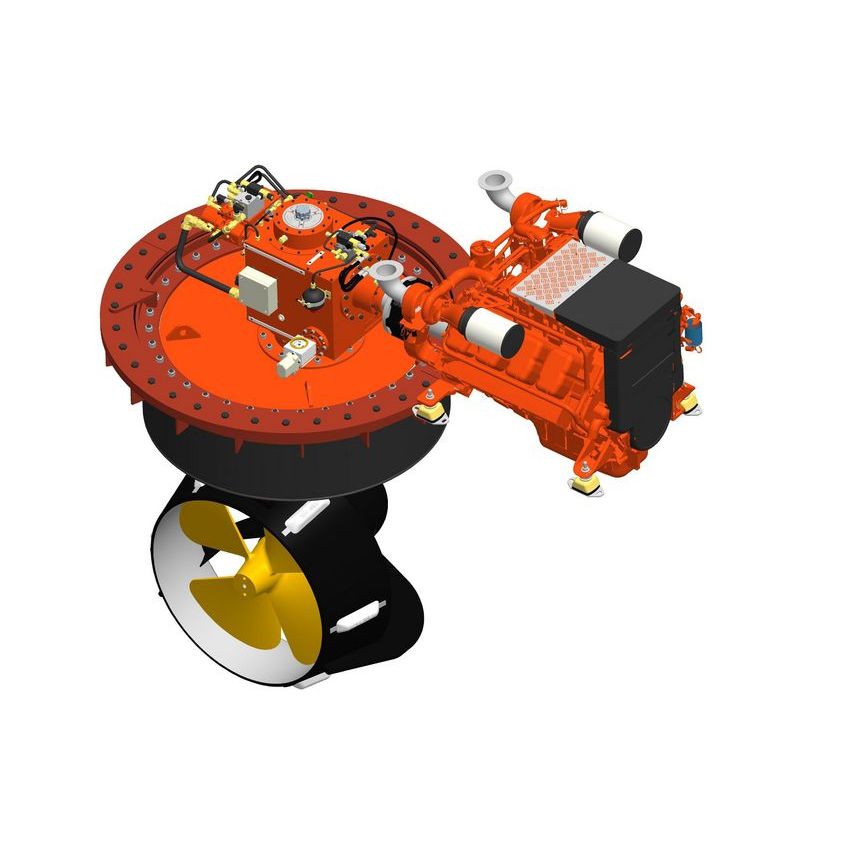
- Propeller or tunnel damage caused by debris, impact or cavitation, resulting in vibration, reduced thrust or abnormal noise
- Gearbox, bearing or seal deterioration caused by lubrication problems, water ingress or wear, resulting in oil leakage, temperature rise or vibration
- Motor or hydraulic-drive fault caused by electrical, cooling or pressure problems, resulting in reduced output or inability to run the thruster
- Control or feedback failure caused by joystick, sensor, communication or wiring faults, resulting in unavailable or incorrect thrust command
- Cooling or ventilation restriction caused by fouling, blocked filters or fan failure, resulting in motor or drive overheating and protective trips
- Propeller or tunnel damage caused by debris, impact or cavitation, resulting in vibration, reduced thrust or abnormal noise
- Gearbox, bearing or seal deterioration caused by lubrication problems, water ingress or wear, resulting in oil leakage, temperature rise or vibration
- Motor or hydraulic-drive fault caused by electrical, cooling or pressure problems, resulting in reduced output or inability to run the thruster
- Control or feedback failure caused by joystick, sensor, communication or wiring faults, resulting in unavailable or incorrect thrust command
- Cooling or ventilation restriction caused by fouling, blocked filters or fan failure, resulting in motor or drive overheating and protective trips
- Propeller or tunnel damage caused by debris, impact or cavitation, resulting in vibration, reduced thrust or abnormal noise
- Gearbox, bearing or seal deterioration caused by lubrication problems, water ingress or wear, resulting in oil leakage, temperature rise or vibration
- Motor or hydraulic-drive fault caused by electrical, cooling or pressure problems, resulting in reduced output or inability to run the thruster
- Control or feedback failure caused by joystick, sensor, communication or wiring faults, resulting in unavailable or incorrect thrust command
- Cooling or ventilation restriction caused by fouling, blocked filters or fan failure, resulting in motor or drive overheating and protective trips
- Propeller or tunnel damage caused by debris, impact or cavitation, resulting in vibration, reduced thrust or abnormal noise
- Gearbox, bearing or seal deterioration caused by lubrication problems, water ingress or wear, resulting in oil leakage, temperature rise or vibration
- Motor or hydraulic-drive fault caused by electrical, cooling or pressure problems, resulting in reduced output or inability to run the thruster
- Control or feedback failure caused by joystick, sensor, communication or wiring faults, resulting in unavailable or incorrect thrust command
- Cooling or ventilation restriction caused by fouling, blocked filters or fan failure, resulting in motor or drive overheating and protective trips
- Propeller or tunnel damage caused by debris, impact or cavitation, resulting in vibration, reduced thrust or abnormal noise
- Gearbox, bearing or seal deterioration caused by lubrication problems, water ingress or wear, resulting in oil leakage, temperature rise or vibration
- Motor or hydraulic-drive fault caused by electrical, cooling or pressure problems, resulting in reduced output or inability to run the thruster
- Control or feedback failure caused by joystick, sensor, communication or wiring faults, resulting in unavailable or incorrect thrust command
- Cooling or ventilation restriction caused by fouling, blocked filters or fan failure, resulting in motor or drive overheating and protective trips
- Propeller or tunnel damage caused by debris, impact or cavitation, resulting in vibration, reduced thrust or abnormal noise
- Gearbox, bearing or seal deterioration caused by lubrication problems, water ingress or wear, resulting in oil leakage, temperature rise or vibration
- Motor or hydraulic-drive fault caused by electrical, cooling or pressure problems, resulting in reduced output or inability to run the thruster
- Control or feedback failure caused by joystick, sensor, communication or wiring faults, resulting in unavailable or incorrect thrust command
- Cooling or ventilation restriction caused by fouling, blocked filters or fan failure, resulting in motor or drive overheating and protective trips
- Propeller or tunnel damage caused by debris, impact or cavitation, resulting in vibration, reduced thrust or abnormal noise
- Gearbox, bearing or seal deterioration caused by lubrication problems, water ingress or wear, resulting in oil leakage, temperature rise or vibration
- Motor or hydraulic-drive fault caused by electrical, cooling or pressure problems, resulting in reduced output or inability to run the thruster
- Control or feedback failure caused by joystick, sensor, communication or wiring faults, resulting in unavailable or incorrect thrust command
- Cooling or ventilation restriction caused by fouling, blocked filters or fan failure, resulting in motor or drive overheating and protective trips
- Propeller or tunnel damage caused by debris, impact or cavitation, resulting in vibration, reduced thrust or abnormal noise
- Gearbox, bearing or seal deterioration caused by lubrication problems, water ingress or wear, resulting in oil leakage, temperature rise or vibration
- Motor or hydraulic-drive fault caused by electrical, cooling or pressure problems, resulting in reduced output or inability to run the thruster
- Control or feedback failure caused by joystick, sensor, communication or wiring faults, resulting in unavailable or incorrect thrust command
- Cooling or ventilation restriction caused by fouling, blocked filters or fan failure, resulting in motor or drive overheating and protective trips
- Propeller or tunnel damage caused by debris, impact or cavitation, resulting in vibration, reduced thrust or abnormal noise
- Gearbox, bearing or seal deterioration caused by lubrication problems, water ingress or wear, resulting in oil leakage, temperature rise or vibration
- Motor or hydraulic-drive fault caused by electrical, cooling or pressure problems, resulting in reduced output or inability to run the thruster
- Control or feedback failure caused by joystick, sensor, communication or wiring faults, resulting in unavailable or incorrect thrust command
- Cooling or ventilation restriction caused by fouling, blocked filters or fan failure, resulting in motor or drive overheating and protective trips
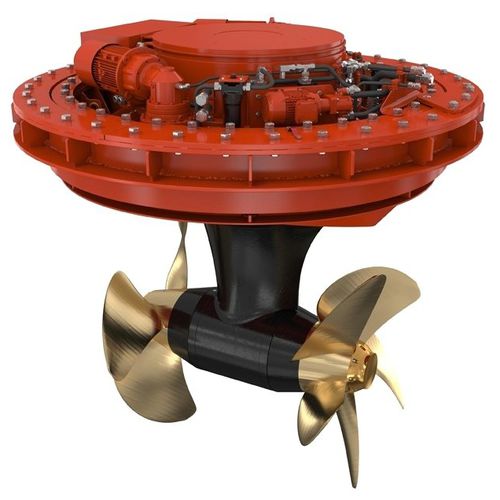
- Mechanical wear caused by inadequate lubrication, contamination or long service, resulting in rising vibration, noise or temperature
- Seal or gasket deterioration caused by wear, corrosion or misalignment, resulting in visible leakage or loss of process containment
- Flow restriction, cavitation or fouling caused by blocked passages or unsuitable operating conditions, resulting in reduced capacity and unstable performance
- Motor, coupling or drive failure caused by electrical faults, misalignment or overload, resulting in trips, abnormal current or inability to reach normal speed
- Sensor, control or protection failure caused by wiring, calibration or electronics faults, resulting in alarms, incorrect control response or shutdown
- Mechanical wear caused by inadequate lubrication, contamination or long service, resulting in rising vibration, noise or temperature
- Seal or gasket deterioration caused by wear, corrosion or misalignment, resulting in visible leakage or loss of process containment
- Flow restriction, cavitation or fouling caused by blocked passages or unsuitable operating conditions, resulting in reduced capacity and unstable performance
- Motor, coupling or drive failure caused by electrical faults, misalignment or overload, resulting in trips, abnormal current or inability to reach normal speed
- Sensor, control or protection failure caused by wiring, calibration or electronics faults, resulting in alarms, incorrect control response or shutdown

- Mechanical wear caused by inadequate lubrication, contamination or long service, resulting in rising vibration, noise or temperature
- Seal or gasket deterioration caused by wear, corrosion or misalignment, resulting in visible leakage or loss of process containment
- Flow restriction, cavitation or fouling caused by blocked passages or unsuitable operating conditions, resulting in reduced capacity and unstable performance
- Motor, coupling or drive failure caused by electrical faults, misalignment or overload, resulting in trips, abnormal current or inability to reach normal speed
- Sensor, control or protection failure caused by wiring, calibration or electronics faults, resulting in alarms, incorrect control response or shutdown

- Mechanical wear caused by inadequate lubrication, contamination or long service, resulting in rising vibration, noise or temperature
- Seal or gasket deterioration caused by wear, corrosion or misalignment, resulting in visible leakage or loss of process containment
- Flow restriction, cavitation or fouling caused by blocked passages or unsuitable operating conditions, resulting in reduced capacity and unstable performance
- Motor, coupling or drive failure caused by electrical faults, misalignment or overload, resulting in trips, abnormal current or inability to reach normal speed
- Sensor, control or protection failure caused by wiring, calibration or electronics faults, resulting in alarms, incorrect control response or shutdown
- Mechanical wear caused by inadequate lubrication, contamination or long service, resulting in rising vibration, noise or temperature
- Seal or gasket deterioration caused by wear, corrosion or misalignment, resulting in visible leakage or loss of process containment
- Flow restriction, cavitation or fouling caused by blocked passages or unsuitable operating conditions, resulting in reduced capacity and unstable performance
- Motor, coupling or drive failure caused by electrical faults, misalignment or overload, resulting in trips, abnormal current or inability to reach normal speed
- Sensor, control or protection failure caused by wiring, calibration or electronics faults, resulting in alarms, incorrect control response or shutdown
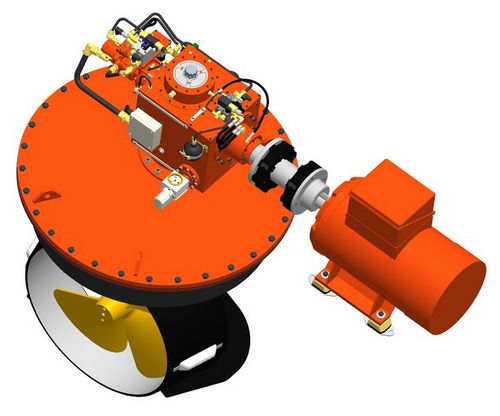
- Mechanical wear caused by inadequate lubrication, contamination or long service, resulting in rising vibration, noise or temperature
- Seal or gasket deterioration caused by wear, corrosion or misalignment, resulting in visible leakage or loss of process containment
- Flow restriction, cavitation or fouling caused by blocked passages or unsuitable operating conditions, resulting in reduced capacity and unstable performance
- Motor, coupling or drive failure caused by electrical faults, misalignment or overload, resulting in trips, abnormal current or inability to reach normal speed
- Sensor, control or protection failure caused by wiring, calibration or electronics faults, resulting in alarms, incorrect control response or shutdown
- Mechanical wear caused by inadequate lubrication, contamination or long service, resulting in rising vibration, noise or temperature
- Seal or gasket deterioration caused by wear, corrosion or misalignment, resulting in visible leakage or loss of process containment
- Flow restriction, cavitation or fouling caused by blocked passages or unsuitable operating conditions, resulting in reduced capacity and unstable performance
- Motor, coupling or drive failure caused by electrical faults, misalignment or overload, resulting in trips, abnormal current or inability to reach normal speed
- Sensor, control or protection failure caused by wiring, calibration or electronics faults, resulting in alarms, incorrect control response or shutdown
Wärtsilä
29- Leistungsbereich WST
- 700 kW bis 4900 kW
- Leistungsbereich WTT
- 400 kW bis 5500 kW
- Leistungsbereich WST-R
- 750 kW bis 6500 kW
- Neigungswinkel (WST-R)
- 8-Grad Propeller-Getriebe-Neigung für 15-20% höheren Schub
- Drehbereich
- 360° kontinuierliche Lenkung in horizontaler Ebene
- Wartungsintervalle
- 5-year inspections, 10-year overhauls or after 40,000–56,000 operating hours
- Dichtungstechnologie
- Sternguard In-Water Serviceable Seal (IWSS) - vollständig unter Wasser wartbar
- Ölsystem
- Integrierte Hydraulik mit Feinfiltration zur Lagerverlängerung
- WST - Steerable Thrusters (700-4900 kW)
- WTT - Transverse/Tunnel Thrusters (400-5500 kW)
- WST-R - Retractable Steerable Thrusters (750-6500 kW)
- WST-E - Electric Steerable Thrusters (WST-18E embedded electric)
- Underwater-Mountable Steerable Thrusters
- Area: Propeller-Blätter: Erosion, Korrosion, Kantenschäden, VerschleißmusterCheck: Perform visual inspection and NDT (non-destructive testing) according to OEM and classification society standards. Polishing in combination with edge damage repair increases operating efficiency by 2-5%. Check for pitting, erosion patterns and corrosion spots; document severe pitting areas.
- Area: Propeller blade foot seals: wear, leakage, water ingressCheck: 5-year overhaul: Disassemble and inspect all seals. 10-year overhaul: Complete replacement of blade foot O-rings. Check for water penetration in jet thruster assembly. Seals are critical for system protection.
- Area: Wellendichtungen (Shaft Seals): Abnutzung, Leckage, AustauschbedarfCheck: Measure propeller shaft wear with poker gauge (between last two stern tube seals). Perform complete inspection of tooth clearance, tooth pattern and shaft seals. 5-year overhaul: seal replacement. 10-year overhaul: comprehensive replacement.
- Area: Bearings (Roller Bearings): wear, bearing clearance, preload, failure symptomsCheck: 5-year overhaul: Check bearing clearance and wear. 10-year overhaul: Complete bearing replacement, reset preload, perform NDT inspection. Check main bearing axial clearance wear with feeler gauge (0.1 mm); maximum wear limit 2 mm. Use Wärtsilä bearing wear measurement system for remote monitoring of propeller shaft shoulder.
- Area: Hydrauliksystem: Öl-Verschmutzung (Wasser, Partikel), Filtration, ÖlqualitätCheck: Check gear oil regularly. At critical wear limits: partial change (bleed-and-feed) or complete oil change. Monitor water content in oil (critical >1000 ppm). Check fine filtration system and redundant filter options. Continuously filter out water ingress. Use all Wärtsilä-approved spare parts. 5-10-year overhaul: Perform oil change and filter maintenance.
- Area: Sternguard In-Water Serviceable Seal (IWSS): seal integrity, maintenance possible underwaterCheck: Check for oil leakage at outer seal. Inspect inflatable emergency seal and inner rope guard. Fully serviceable underwater without habitat or discharge. Measure seal gap and wear. Check retrofit compatibility with other seal types. Confirm compatibility with EAL and mineral oils.
Type-universal inspection/service points for Bow/Stern Thrusters (Wärtsilä, Mega-Schwarm 2026-06). Per-model specs not auto-filled.
- Leistungsbereich WST
- 700 kW bis 4900 kW
- Leistungsbereich WTT
- 400 kW bis 5500 kW
- Leistungsbereich WST-R
- 750 kW bis 6500 kW
- Neigungswinkel (WST-R)
- 8-Grad Propeller-Getriebe-Neigung für 15-20% höheren Schub
- Drehbereich
- 360° kontinuierliche Lenkung in horizontaler Ebene
- Wartungsintervalle
- 5-year inspections, 10-year overhauls or after 40,000–56,000 operating hours
- Dichtungstechnologie
- Sternguard In-Water Serviceable Seal (IWSS) - vollständig unter Wasser wartbar
- Ölsystem
- Integrierte Hydraulik mit Feinfiltration zur Lagerverlängerung
- WST - Steerable Thrusters (700-4900 kW)
- WTT - Transverse/Tunnel Thrusters (400-5500 kW)
- WST-R - Retractable Steerable Thrusters (750-6500 kW)
- WST-E - Electric Steerable Thrusters (WST-18E embedded electric)
- Underwater-Mountable Steerable Thrusters
- Area: Propeller-Blätter: Erosion, Korrosion, Kantenschäden, VerschleißmusterCheck: Perform visual inspection and NDT (non-destructive testing) according to OEM and classification society standards. Polishing in combination with edge damage repair increases operating efficiency by 2-5%. Check for pitting, erosion patterns and corrosion spots; document severe pitting areas.
- Area: Propeller blade foot seals: wear, leakage, water ingressCheck: 5-year overhaul: Disassemble and inspect all seals. 10-year overhaul: Complete replacement of blade foot O-rings. Check for water penetration in jet thruster assembly. Seals are critical for system protection.
- Area: Wellendichtungen (Shaft Seals): Abnutzung, Leckage, AustauschbedarfCheck: Measure propeller shaft wear with poker gauge (between last two stern tube seals). Perform complete inspection of tooth clearance, tooth pattern and shaft seals. 5-year overhaul: seal replacement. 10-year overhaul: comprehensive replacement.
- Area: Bearings (Roller Bearings): wear, bearing clearance, preload, failure symptomsCheck: 5-year overhaul: Check bearing clearance and wear. 10-year overhaul: Complete bearing replacement, reset preload, perform NDT inspection. Check main bearing axial clearance wear with feeler gauge (0.1 mm); maximum wear limit 2 mm. Use Wärtsilä bearing wear measurement system for remote monitoring of propeller shaft shoulder.
- Area: Hydrauliksystem: Öl-Verschmutzung (Wasser, Partikel), Filtration, ÖlqualitätCheck: Check gear oil regularly. At critical wear limits: partial change (bleed-and-feed) or complete oil change. Monitor water content in oil (critical >1000 ppm). Check fine filtration system and redundant filter options. Continuously filter out water ingress. Use all Wärtsilä-approved spare parts. 5-10-year overhaul: Perform oil change and filter maintenance.
- Area: Sternguard In-Water Serviceable Seal (IWSS): seal integrity, maintenance possible underwaterCheck: Check for oil leakage at outer seal. Inspect inflatable emergency seal and inner rope guard. Fully serviceable underwater without habitat or discharge. Measure seal gap and wear. Check retrofit compatibility with other seal types. Confirm compatibility with EAL and mineral oils.
Type-universal inspection/service points for Bow/Stern Thrusters (Wärtsilä, Mega-Schwarm 2026-06). Per-model specs not auto-filled.
- Leistungsbereich WST
- 700 kW bis 4900 kW
- Leistungsbereich WTT
- 400 kW bis 5500 kW
- Leistungsbereich WST-R
- 750 kW bis 6500 kW
- Neigungswinkel (WST-R)
- 8-Grad Propeller-Getriebe-Neigung für 15-20% höheren Schub
- Drehbereich
- 360° kontinuierliche Lenkung in horizontaler Ebene
- Wartungsintervalle
- 5-year inspections, 10-year overhauls or after 40,000–56,000 operating hours
- Dichtungstechnologie
- Sternguard In-Water Serviceable Seal (IWSS) - vollständig unter Wasser wartbar
- Ölsystem
- Integrierte Hydraulik mit Feinfiltration zur Lagerverlängerung
- WST - Steerable Thrusters (700-4900 kW)
- WTT - Transverse/Tunnel Thrusters (400-5500 kW)
- WST-R - Retractable Steerable Thrusters (750-6500 kW)
- WST-E - Electric Steerable Thrusters (WST-18E embedded electric)
- Underwater-Mountable Steerable Thrusters
- Area: Propeller-Blätter: Erosion, Korrosion, Kantenschäden, VerschleißmusterCheck: Perform visual inspection and NDT (non-destructive testing) according to OEM and classification society standards. Polishing in combination with edge damage repair increases operating efficiency by 2-5%. Check for pitting, erosion patterns and corrosion spots; document severe pitting areas.
- Area: Propeller blade foot seals: wear, leakage, water ingressCheck: 5-year overhaul: Disassemble and inspect all seals. 10-year overhaul: Complete replacement of blade foot O-rings. Check for water penetration in jet thruster assembly. Seals are critical for system protection.
- Area: Wellendichtungen (Shaft Seals): Abnutzung, Leckage, AustauschbedarfCheck: Measure propeller shaft wear with poker gauge (between last two stern tube seals). Perform complete inspection of tooth clearance, tooth pattern and shaft seals. 5-year overhaul: seal replacement. 10-year overhaul: comprehensive replacement.
- Area: Bearings (Roller Bearings): wear, bearing clearance, preload, failure symptomsCheck: 5-year overhaul: Check bearing clearance and wear. 10-year overhaul: Complete bearing replacement, reset preload, perform NDT inspection. Check main bearing axial clearance wear with feeler gauge (0.1 mm); maximum wear limit 2 mm. Use Wärtsilä bearing wear measurement system for remote monitoring of propeller shaft shoulder.
- Area: Hydrauliksystem: Öl-Verschmutzung (Wasser, Partikel), Filtration, ÖlqualitätCheck: Check gear oil regularly. At critical wear limits: partial change (bleed-and-feed) or complete oil change. Monitor water content in oil (critical >1000 ppm). Check fine filtration system and redundant filter options. Continuously filter out water ingress. Use all Wärtsilä-approved spare parts. 5-10-year overhaul: Perform oil change and filter maintenance.
- Area: Sternguard In-Water Serviceable Seal (IWSS): seal integrity, maintenance possible underwaterCheck: Check for oil leakage at outer seal. Inspect inflatable emergency seal and inner rope guard. Fully serviceable underwater without habitat or discharge. Measure seal gap and wear. Check retrofit compatibility with other seal types. Confirm compatibility with EAL and mineral oils.
Type-universal inspection/service points for Bow/Stern Thrusters (Wärtsilä, Mega-Schwarm 2026-06). Per-model specs not auto-filled.
- Leistungsbereich WST
- 700 kW bis 4900 kW
- Leistungsbereich WTT
- 400 kW bis 5500 kW
- Leistungsbereich WST-R
- 750 kW bis 6500 kW
- Neigungswinkel (WST-R)
- 8-Grad Propeller-Getriebe-Neigung für 15-20% höheren Schub
- Drehbereich
- 360° kontinuierliche Lenkung in horizontaler Ebene
- Wartungsintervalle
- 5-year inspections, 10-year overhauls or after 40,000–56,000 operating hours
- Dichtungstechnologie
- Sternguard In-Water Serviceable Seal (IWSS) - vollständig unter Wasser wartbar
- Ölsystem
- Integrierte Hydraulik mit Feinfiltration zur Lagerverlängerung
- WST - Steerable Thrusters (700-4900 kW)
- WTT - Transverse/Tunnel Thrusters (400-5500 kW)
- WST-R - Retractable Steerable Thrusters (750-6500 kW)
- WST-E - Electric Steerable Thrusters (WST-18E embedded electric)
- Underwater-Mountable Steerable Thrusters
- Area: Propeller-Blätter: Erosion, Korrosion, Kantenschäden, VerschleißmusterCheck: Perform visual inspection and NDT (non-destructive testing) according to OEM and classification society standards. Polishing in combination with edge damage repair increases operating efficiency by 2-5%. Check for pitting, erosion patterns and corrosion spots; document severe pitting areas.
- Area: Propeller blade foot seals: wear, leakage, water ingressCheck: 5-year overhaul: Disassemble and inspect all seals. 10-year overhaul: Complete replacement of blade foot O-rings. Check for water penetration in jet thruster assembly. Seals are critical for system protection.
- Area: Wellendichtungen (Shaft Seals): Abnutzung, Leckage, AustauschbedarfCheck: Measure propeller shaft wear with poker gauge (between last two stern tube seals). Perform complete inspection of tooth clearance, tooth pattern and shaft seals. 5-year overhaul: seal replacement. 10-year overhaul: comprehensive replacement.
- Area: Bearings (Roller Bearings): wear, bearing clearance, preload, failure symptomsCheck: 5-year overhaul: Check bearing clearance and wear. 10-year overhaul: Complete bearing replacement, reset preload, perform NDT inspection. Check main bearing axial clearance wear with feeler gauge (0.1 mm); maximum wear limit 2 mm. Use Wärtsilä bearing wear measurement system for remote monitoring of propeller shaft shoulder.
- Area: Hydrauliksystem: Öl-Verschmutzung (Wasser, Partikel), Filtration, ÖlqualitätCheck: Check gear oil regularly. At critical wear limits: partial change (bleed-and-feed) or complete oil change. Monitor water content in oil (critical >1000 ppm). Check fine filtration system and redundant filter options. Continuously filter out water ingress. Use all Wärtsilä-approved spare parts. 5-10-year overhaul: Perform oil change and filter maintenance.
- Area: Sternguard In-Water Serviceable Seal (IWSS): seal integrity, maintenance possible underwaterCheck: Check for oil leakage at outer seal. Inspect inflatable emergency seal and inner rope guard. Fully serviceable underwater without habitat or discharge. Measure seal gap and wear. Check retrofit compatibility with other seal types. Confirm compatibility with EAL and mineral oils.
Type-universal inspection/service points for Bow/Stern Thrusters (Wärtsilä, Mega-Schwarm 2026-06). Per-model specs not auto-filled.
- Leistungsbereich WST
- 700 kW bis 4900 kW
- Leistungsbereich WTT
- 400 kW bis 5500 kW
- Leistungsbereich WST-R
- 750 kW bis 6500 kW
- Neigungswinkel (WST-R)
- 8-Grad Propeller-Getriebe-Neigung für 15-20% höheren Schub
- Drehbereich
- 360° kontinuierliche Lenkung in horizontaler Ebene
- Wartungsintervalle
- 5-year inspections, 10-year overhauls or after 40,000–56,000 operating hours
- Dichtungstechnologie
- Sternguard In-Water Serviceable Seal (IWSS) - vollständig unter Wasser wartbar
- Ölsystem
- Integrierte Hydraulik mit Feinfiltration zur Lagerverlängerung
- WST - Steerable Thrusters (700-4900 kW)
- WTT - Transverse/Tunnel Thrusters (400-5500 kW)
- WST-R - Retractable Steerable Thrusters (750-6500 kW)
- WST-E - Electric Steerable Thrusters (WST-18E embedded electric)
- Underwater-Mountable Steerable Thrusters
- Area: Propeller-Blätter: Erosion, Korrosion, Kantenschäden, VerschleißmusterCheck: Perform visual inspection and NDT (non-destructive testing) according to OEM and classification society standards. Polishing in combination with edge damage repair increases operating efficiency by 2-5%. Check for pitting, erosion patterns and corrosion spots; document severe pitting areas.
- Area: Propeller blade foot seals: wear, leakage, water ingressCheck: 5-year overhaul: Disassemble and inspect all seals. 10-year overhaul: Complete replacement of blade foot O-rings. Check for water penetration in jet thruster assembly. Seals are critical for system protection.
- Area: Wellendichtungen (Shaft Seals): Abnutzung, Leckage, AustauschbedarfCheck: Measure propeller shaft wear with poker gauge (between last two stern tube seals). Perform complete inspection of tooth clearance, tooth pattern and shaft seals. 5-year overhaul: seal replacement. 10-year overhaul: comprehensive replacement.
- Area: Bearings (Roller Bearings): wear, bearing clearance, preload, failure symptomsCheck: 5-year overhaul: Check bearing clearance and wear. 10-year overhaul: Complete bearing replacement, reset preload, perform NDT inspection. Check main bearing axial clearance wear with feeler gauge (0.1 mm); maximum wear limit 2 mm. Use Wärtsilä bearing wear measurement system for remote monitoring of propeller shaft shoulder.
- Area: Hydrauliksystem: Öl-Verschmutzung (Wasser, Partikel), Filtration, ÖlqualitätCheck: Check gear oil regularly. At critical wear limits: partial change (bleed-and-feed) or complete oil change. Monitor water content in oil (critical >1000 ppm). Check fine filtration system and redundant filter options. Continuously filter out water ingress. Use all Wärtsilä-approved spare parts. 5-10-year overhaul: Perform oil change and filter maintenance.
- Area: Sternguard In-Water Serviceable Seal (IWSS): seal integrity, maintenance possible underwaterCheck: Check for oil leakage at outer seal. Inspect inflatable emergency seal and inner rope guard. Fully serviceable underwater without habitat or discharge. Measure seal gap and wear. Check retrofit compatibility with other seal types. Confirm compatibility with EAL and mineral oils.
Type-universal inspection/service points for Bow/Stern Thrusters (Wärtsilä, Mega-Schwarm 2026-06). Per-model specs not auto-filled.
- Leistungsbereich WST
- 700 kW bis 4900 kW
- Leistungsbereich WTT
- 400 kW bis 5500 kW
- Leistungsbereich WST-R
- 750 kW bis 6500 kW
- Neigungswinkel (WST-R)
- 8-Grad Propeller-Getriebe-Neigung für 15-20% höheren Schub
- Drehbereich
- 360° kontinuierliche Lenkung in horizontaler Ebene
- Wartungsintervalle
- 5-year inspections, 10-year overhauls or after 40,000–56,000 operating hours
- Dichtungstechnologie
- Sternguard In-Water Serviceable Seal (IWSS) - vollständig unter Wasser wartbar
- Ölsystem
- Integrierte Hydraulik mit Feinfiltration zur Lagerverlängerung
- WST - Steerable Thrusters (700-4900 kW)
- WTT - Transverse/Tunnel Thrusters (400-5500 kW)
- WST-R - Retractable Steerable Thrusters (750-6500 kW)
- WST-E - Electric Steerable Thrusters (WST-18E embedded electric)
- Underwater-Mountable Steerable Thrusters
- Area: Propeller-Blätter: Erosion, Korrosion, Kantenschäden, VerschleißmusterCheck: Perform visual inspection and NDT (non-destructive testing) according to OEM and classification society standards. Polishing in combination with edge damage repair increases operating efficiency by 2-5%. Check for pitting, erosion patterns and corrosion spots; document severe pitting areas.
- Area: Propeller blade foot seals: wear, leakage, water ingressCheck: 5-year overhaul: Disassemble and inspect all seals. 10-year overhaul: Complete replacement of blade foot O-rings. Check for water penetration in jet thruster assembly. Seals are critical for system protection.
- Area: Wellendichtungen (Shaft Seals): Abnutzung, Leckage, AustauschbedarfCheck: Measure propeller shaft wear with poker gauge (between last two stern tube seals). Perform complete inspection of tooth clearance, tooth pattern and shaft seals. 5-year overhaul: seal replacement. 10-year overhaul: comprehensive replacement.
- Area: Bearings (Roller Bearings): wear, bearing clearance, preload, failure symptomsCheck: 5-year overhaul: Check bearing clearance and wear. 10-year overhaul: Complete bearing replacement, reset preload, perform NDT inspection. Check main bearing axial clearance wear with feeler gauge (0.1 mm); maximum wear limit 2 mm. Use Wärtsilä bearing wear measurement system for remote monitoring of propeller shaft shoulder.
- Area: Hydrauliksystem: Öl-Verschmutzung (Wasser, Partikel), Filtration, ÖlqualitätCheck: Check gear oil regularly. At critical wear limits: partial change (bleed-and-feed) or complete oil change. Monitor water content in oil (critical >1000 ppm). Check fine filtration system and redundant filter options. Continuously filter out water ingress. Use all Wärtsilä-approved spare parts. 5-10-year overhaul: Perform oil change and filter maintenance.
- Area: Sternguard In-Water Serviceable Seal (IWSS): seal integrity, maintenance possible underwaterCheck: Check for oil leakage at outer seal. Inspect inflatable emergency seal and inner rope guard. Fully serviceable underwater without habitat or discharge. Measure seal gap and wear. Check retrofit compatibility with other seal types. Confirm compatibility with EAL and mineral oils.
Type-universal inspection/service points for Bow/Stern Thrusters (Wärtsilä, Mega-Schwarm 2026-06). Per-model specs not auto-filled.
- Leistungsbereich WST
- 700 kW bis 4900 kW
- Leistungsbereich WTT
- 400 kW bis 5500 kW
- Leistungsbereich WST-R
- 750 kW bis 6500 kW
- Neigungswinkel (WST-R)
- 8-Grad Propeller-Getriebe-Neigung für 15-20% höheren Schub
- Drehbereich
- 360° kontinuierliche Lenkung in horizontaler Ebene
- Wartungsintervalle
- 5-year inspections, 10-year overhauls or after 40,000–56,000 operating hours
- Dichtungstechnologie
- Sternguard In-Water Serviceable Seal (IWSS) - vollständig unter Wasser wartbar
- Ölsystem
- Integrierte Hydraulik mit Feinfiltration zur Lagerverlängerung
- WST - Steerable Thrusters (700-4900 kW)
- WTT - Transverse/Tunnel Thrusters (400-5500 kW)
- WST-R - Retractable Steerable Thrusters (750-6500 kW)
- WST-E - Electric Steerable Thrusters (WST-18E embedded electric)
- Underwater-Mountable Steerable Thrusters
- Area: Propeller-Blätter: Erosion, Korrosion, Kantenschäden, VerschleißmusterCheck: Perform visual inspection and NDT (non-destructive testing) according to OEM and classification society standards. Polishing in combination with edge damage repair increases operating efficiency by 2-5%. Check for pitting, erosion patterns and corrosion spots; document severe pitting areas.
- Area: Propeller blade foot seals: wear, leakage, water ingressCheck: 5-year overhaul: Disassemble and inspect all seals. 10-year overhaul: Complete replacement of blade foot O-rings. Check for water penetration in jet thruster assembly. Seals are critical for system protection.
- Area: Wellendichtungen (Shaft Seals): Abnutzung, Leckage, AustauschbedarfCheck: Measure propeller shaft wear with poker gauge (between last two stern tube seals). Perform complete inspection of tooth clearance, tooth pattern and shaft seals. 5-year overhaul: seal replacement. 10-year overhaul: comprehensive replacement.
- Area: Bearings (Roller Bearings): wear, bearing clearance, preload, failure symptomsCheck: 5-year overhaul: Check bearing clearance and wear. 10-year overhaul: Complete bearing replacement, reset preload, perform NDT inspection. Check main bearing axial clearance wear with feeler gauge (0.1 mm); maximum wear limit 2 mm. Use Wärtsilä bearing wear measurement system for remote monitoring of propeller shaft shoulder.
- Area: Hydrauliksystem: Öl-Verschmutzung (Wasser, Partikel), Filtration, ÖlqualitätCheck: Check gear oil regularly. At critical wear limits: partial change (bleed-and-feed) or complete oil change. Monitor water content in oil (critical >1000 ppm). Check fine filtration system and redundant filter options. Continuously filter out water ingress. Use all Wärtsilä-approved spare parts. 5-10-year overhaul: Perform oil change and filter maintenance.
- Area: Sternguard In-Water Serviceable Seal (IWSS): seal integrity, maintenance possible underwaterCheck: Check for oil leakage at outer seal. Inspect inflatable emergency seal and inner rope guard. Fully serviceable underwater without habitat or discharge. Measure seal gap and wear. Check retrofit compatibility with other seal types. Confirm compatibility with EAL and mineral oils.
Type-universal inspection/service points for Bow/Stern Thrusters (Wärtsilä, Mega-Schwarm 2026-06). Per-model specs not auto-filled.
- Leistungsbereich WST
- 700 kW bis 4900 kW
- Leistungsbereich WTT
- 400 kW bis 5500 kW
- Leistungsbereich WST-R
- 750 kW bis 6500 kW
- Neigungswinkel (WST-R)
- 8-Grad Propeller-Getriebe-Neigung für 15-20% höheren Schub
- Drehbereich
- 360° kontinuierliche Lenkung in horizontaler Ebene
- Wartungsintervalle
- 5-year inspections, 10-year overhauls or after 40,000–56,000 operating hours
- Dichtungstechnologie
- Sternguard In-Water Serviceable Seal (IWSS) - vollständig unter Wasser wartbar
- Ölsystem
- Integrierte Hydraulik mit Feinfiltration zur Lagerverlängerung
- WST - Steerable Thrusters (700-4900 kW)
- WTT - Transverse/Tunnel Thrusters (400-5500 kW)
- WST-R - Retractable Steerable Thrusters (750-6500 kW)
- WST-E - Electric Steerable Thrusters (WST-18E embedded electric)
- Underwater-Mountable Steerable Thrusters
- Area: Propeller-Blätter: Erosion, Korrosion, Kantenschäden, VerschleißmusterCheck: Perform visual inspection and NDT (non-destructive testing) according to OEM and classification society standards. Polishing in combination with edge damage repair increases operating efficiency by 2-5%. Check for pitting, erosion patterns and corrosion spots; document severe pitting areas.
- Area: Propeller blade foot seals: wear, leakage, water ingressCheck: 5-year overhaul: Disassemble and inspect all seals. 10-year overhaul: Complete replacement of blade foot O-rings. Check for water penetration in jet thruster assembly. Seals are critical for system protection.
- Area: Wellendichtungen (Shaft Seals): Abnutzung, Leckage, AustauschbedarfCheck: Measure propeller shaft wear with poker gauge (between last two stern tube seals). Perform complete inspection of tooth clearance, tooth pattern and shaft seals. 5-year overhaul: seal replacement. 10-year overhaul: comprehensive replacement.
- Area: Bearings (Roller Bearings): wear, bearing clearance, preload, failure symptomsCheck: 5-year overhaul: Check bearing clearance and wear. 10-year overhaul: Complete bearing replacement, reset preload, perform NDT inspection. Check main bearing axial clearance wear with feeler gauge (0.1 mm); maximum wear limit 2 mm. Use Wärtsilä bearing wear measurement system for remote monitoring of propeller shaft shoulder.
- Area: Hydrauliksystem: Öl-Verschmutzung (Wasser, Partikel), Filtration, ÖlqualitätCheck: Check gear oil regularly. At critical wear limits: partial change (bleed-and-feed) or complete oil change. Monitor water content in oil (critical >1000 ppm). Check fine filtration system and redundant filter options. Continuously filter out water ingress. Use all Wärtsilä-approved spare parts. 5-10-year overhaul: Perform oil change and filter maintenance.
- Area: Sternguard In-Water Serviceable Seal (IWSS): seal integrity, maintenance possible underwaterCheck: Check for oil leakage at outer seal. Inspect inflatable emergency seal and inner rope guard. Fully serviceable underwater without habitat or discharge. Measure seal gap and wear. Check retrofit compatibility with other seal types. Confirm compatibility with EAL and mineral oils.
Type-universal inspection/service points for Bow/Stern Thrusters (Wärtsilä, Mega-Schwarm 2026-06). Per-model specs not auto-filled.
- Leistungsbereich WST
- 700 kW bis 4900 kW
- Leistungsbereich WTT
- 400 kW bis 5500 kW
- Leistungsbereich WST-R
- 750 kW bis 6500 kW
- Neigungswinkel (WST-R)
- 8-Grad Propeller-Getriebe-Neigung für 15-20% höheren Schub
- Drehbereich
- 360° kontinuierliche Lenkung in horizontaler Ebene
- Wartungsintervalle
- 5-year inspections, 10-year overhauls or after 40,000–56,000 operating hours
- Dichtungstechnologie
- Sternguard In-Water Serviceable Seal (IWSS) - vollständig unter Wasser wartbar
- Ölsystem
- Integrierte Hydraulik mit Feinfiltration zur Lagerverlängerung
- WST - Steerable Thrusters (700-4900 kW)
- WTT - Transverse/Tunnel Thrusters (400-5500 kW)
- WST-R - Retractable Steerable Thrusters (750-6500 kW)
- WST-E - Electric Steerable Thrusters (WST-18E embedded electric)
- Underwater-Mountable Steerable Thrusters
- Area: Propeller-Blätter: Erosion, Korrosion, Kantenschäden, VerschleißmusterCheck: Perform visual inspection and NDT (non-destructive testing) according to OEM and classification society standards. Polishing in combination with edge damage repair increases operating efficiency by 2-5%. Check for pitting, erosion patterns and corrosion spots; document severe pitting areas.
- Area: Propeller blade foot seals: wear, leakage, water ingressCheck: 5-year overhaul: Disassemble and inspect all seals. 10-year overhaul: Complete replacement of blade foot O-rings. Check for water penetration in jet thruster assembly. Seals are critical for system protection.
- Area: Wellendichtungen (Shaft Seals): Abnutzung, Leckage, AustauschbedarfCheck: Measure propeller shaft wear with poker gauge (between last two stern tube seals). Perform complete inspection of tooth clearance, tooth pattern and shaft seals. 5-year overhaul: seal replacement. 10-year overhaul: comprehensive replacement.
- Area: Bearings (Roller Bearings): wear, bearing clearance, preload, failure symptomsCheck: 5-year overhaul: Check bearing clearance and wear. 10-year overhaul: Complete bearing replacement, reset preload, perform NDT inspection. Check main bearing axial clearance wear with feeler gauge (0.1 mm); maximum wear limit 2 mm. Use Wärtsilä bearing wear measurement system for remote monitoring of propeller shaft shoulder.
- Area: Hydrauliksystem: Öl-Verschmutzung (Wasser, Partikel), Filtration, ÖlqualitätCheck: Check gear oil regularly. At critical wear limits: partial change (bleed-and-feed) or complete oil change. Monitor water content in oil (critical >1000 ppm). Check fine filtration system and redundant filter options. Continuously filter out water ingress. Use all Wärtsilä-approved spare parts. 5-10-year overhaul: Perform oil change and filter maintenance.
- Area: Sternguard In-Water Serviceable Seal (IWSS): seal integrity, maintenance possible underwaterCheck: Check for oil leakage at outer seal. Inspect inflatable emergency seal and inner rope guard. Fully serviceable underwater without habitat or discharge. Measure seal gap and wear. Check retrofit compatibility with other seal types. Confirm compatibility with EAL and mineral oils.
Type-universal inspection/service points for Bow/Stern Thrusters (Wärtsilä, Mega-Schwarm 2026-06). Per-model specs not auto-filled.
- Leistungsbereich WST
- 700 kW bis 4900 kW
- Leistungsbereich WTT
- 400 kW bis 5500 kW
- Leistungsbereich WST-R
- 750 kW bis 6500 kW
- Neigungswinkel (WST-R)
- 8-Grad Propeller-Getriebe-Neigung für 15-20% höheren Schub
- Drehbereich
- 360° kontinuierliche Lenkung in horizontaler Ebene
- Wartungsintervalle
- 5-year inspections, 10-year overhauls or after 40,000–56,000 operating hours
- Dichtungstechnologie
- Sternguard In-Water Serviceable Seal (IWSS) - vollständig unter Wasser wartbar
- Ölsystem
- Integrierte Hydraulik mit Feinfiltration zur Lagerverlängerung
- WST - Steerable Thrusters (700-4900 kW)
- WTT - Transverse/Tunnel Thrusters (400-5500 kW)
- WST-R - Retractable Steerable Thrusters (750-6500 kW)
- WST-E - Electric Steerable Thrusters (WST-18E embedded electric)
- Underwater-Mountable Steerable Thrusters
- Area: Propeller-Blätter: Erosion, Korrosion, Kantenschäden, VerschleißmusterCheck: Perform visual inspection and NDT (non-destructive testing) according to OEM and classification society standards. Polishing in combination with edge damage repair increases operating efficiency by 2-5%. Check for pitting, erosion patterns and corrosion spots; document severe pitting areas.
- Area: Propeller blade foot seals: wear, leakage, water ingressCheck: 5-year overhaul: Disassemble and inspect all seals. 10-year overhaul: Complete replacement of blade foot O-rings. Check for water penetration in jet thruster assembly. Seals are critical for system protection.
- Area: Wellendichtungen (Shaft Seals): Abnutzung, Leckage, AustauschbedarfCheck: Measure propeller shaft wear with poker gauge (between last two stern tube seals). Perform complete inspection of tooth clearance, tooth pattern and shaft seals. 5-year overhaul: seal replacement. 10-year overhaul: comprehensive replacement.
- Area: Bearings (Roller Bearings): wear, bearing clearance, preload, failure symptomsCheck: 5-year overhaul: Check bearing clearance and wear. 10-year overhaul: Complete bearing replacement, reset preload, perform NDT inspection. Check main bearing axial clearance wear with feeler gauge (0.1 mm); maximum wear limit 2 mm. Use Wärtsilä bearing wear measurement system for remote monitoring of propeller shaft shoulder.
- Area: Hydrauliksystem: Öl-Verschmutzung (Wasser, Partikel), Filtration, ÖlqualitätCheck: Check gear oil regularly. At critical wear limits: partial change (bleed-and-feed) or complete oil change. Monitor water content in oil (critical >1000 ppm). Check fine filtration system and redundant filter options. Continuously filter out water ingress. Use all Wärtsilä-approved spare parts. 5-10-year overhaul: Perform oil change and filter maintenance.
- Area: Sternguard In-Water Serviceable Seal (IWSS): seal integrity, maintenance possible underwaterCheck: Check for oil leakage at outer seal. Inspect inflatable emergency seal and inner rope guard. Fully serviceable underwater without habitat or discharge. Measure seal gap and wear. Check retrofit compatibility with other seal types. Confirm compatibility with EAL and mineral oils.
Type-universal inspection/service points for Bow/Stern Thrusters (Wärtsilä, Mega-Schwarm 2026-06). Per-model specs not auto-filled.
- Leistungsbereich WST
- 700 kW bis 4900 kW
- Leistungsbereich WTT
- 400 kW bis 5500 kW
- Leistungsbereich WST-R
- 750 kW bis 6500 kW
- Neigungswinkel (WST-R)
- 8-Grad Propeller-Getriebe-Neigung für 15-20% höheren Schub
- Drehbereich
- 360° kontinuierliche Lenkung in horizontaler Ebene
- Wartungsintervalle
- 5-year inspections, 10-year overhauls or after 40,000–56,000 operating hours
- Dichtungstechnologie
- Sternguard In-Water Serviceable Seal (IWSS) - vollständig unter Wasser wartbar
- Ölsystem
- Integrierte Hydraulik mit Feinfiltration zur Lagerverlängerung
- WST - Steerable Thrusters (700-4900 kW)
- WTT - Transverse/Tunnel Thrusters (400-5500 kW)
- WST-R - Retractable Steerable Thrusters (750-6500 kW)
- WST-E - Electric Steerable Thrusters (WST-18E embedded electric)
- Underwater-Mountable Steerable Thrusters
- Area: Propeller-Blätter: Erosion, Korrosion, Kantenschäden, VerschleißmusterCheck: Perform visual inspection and NDT (non-destructive testing) according to OEM and classification society standards. Polishing in combination with edge damage repair increases operating efficiency by 2-5%. Check for pitting, erosion patterns and corrosion spots; document severe pitting areas.
- Area: Propeller blade foot seals: wear, leakage, water ingressCheck: 5-year overhaul: Disassemble and inspect all seals. 10-year overhaul: Complete replacement of blade foot O-rings. Check for water penetration in jet thruster assembly. Seals are critical for system protection.
- Area: Wellendichtungen (Shaft Seals): Abnutzung, Leckage, AustauschbedarfCheck: Measure propeller shaft wear with poker gauge (between last two stern tube seals). Perform complete inspection of tooth clearance, tooth pattern and shaft seals. 5-year overhaul: seal replacement. 10-year overhaul: comprehensive replacement.
- Area: Bearings (Roller Bearings): wear, bearing clearance, preload, failure symptomsCheck: 5-year overhaul: Check bearing clearance and wear. 10-year overhaul: Complete bearing replacement, reset preload, perform NDT inspection. Check main bearing axial clearance wear with feeler gauge (0.1 mm); maximum wear limit 2 mm. Use Wärtsilä bearing wear measurement system for remote monitoring of propeller shaft shoulder.
- Area: Hydrauliksystem: Öl-Verschmutzung (Wasser, Partikel), Filtration, ÖlqualitätCheck: Check gear oil regularly. At critical wear limits: partial change (bleed-and-feed) or complete oil change. Monitor water content in oil (critical >1000 ppm). Check fine filtration system and redundant filter options. Continuously filter out water ingress. Use all Wärtsilä-approved spare parts. 5-10-year overhaul: Perform oil change and filter maintenance.
- Area: Sternguard In-Water Serviceable Seal (IWSS): seal integrity, maintenance possible underwaterCheck: Check for oil leakage at outer seal. Inspect inflatable emergency seal and inner rope guard. Fully serviceable underwater without habitat or discharge. Measure seal gap and wear. Check retrofit compatibility with other seal types. Confirm compatibility with EAL and mineral oils.
Type-universal inspection/service points for Bow/Stern Thrusters (Wärtsilä, Mega-Schwarm 2026-06). Per-model specs not auto-filled.
- Leistungsbereich WST
- 700 kW bis 4900 kW
- Leistungsbereich WTT
- 400 kW bis 5500 kW
- Leistungsbereich WST-R
- 750 kW bis 6500 kW
- Neigungswinkel (WST-R)
- 8-Grad Propeller-Getriebe-Neigung für 15-20% höheren Schub
- Drehbereich
- 360° kontinuierliche Lenkung in horizontaler Ebene
- Wartungsintervalle
- 5-year inspections, 10-year overhauls or after 40,000–56,000 operating hours
- Dichtungstechnologie
- Sternguard In-Water Serviceable Seal (IWSS) - vollständig unter Wasser wartbar
- Ölsystem
- Integrierte Hydraulik mit Feinfiltration zur Lagerverlängerung
- WST - Steerable Thrusters (700-4900 kW)
- WTT - Transverse/Tunnel Thrusters (400-5500 kW)
- WST-R - Retractable Steerable Thrusters (750-6500 kW)
- WST-E - Electric Steerable Thrusters (WST-18E embedded electric)
- Underwater-Mountable Steerable Thrusters
- Area: Propeller-Blätter: Erosion, Korrosion, Kantenschäden, VerschleißmusterCheck: Perform visual inspection and NDT (non-destructive testing) according to OEM and classification society standards. Polishing in combination with edge damage repair increases operating efficiency by 2-5%. Check for pitting, erosion patterns and corrosion spots; document severe pitting areas.
- Area: Propeller blade foot seals: wear, leakage, water ingressCheck: 5-year overhaul: Disassemble and inspect all seals. 10-year overhaul: Complete replacement of blade foot O-rings. Check for water penetration in jet thruster assembly. Seals are critical for system protection.
- Area: Wellendichtungen (Shaft Seals): Abnutzung, Leckage, AustauschbedarfCheck: Measure propeller shaft wear with poker gauge (between last two stern tube seals). Perform complete inspection of tooth clearance, tooth pattern and shaft seals. 5-year overhaul: seal replacement. 10-year overhaul: comprehensive replacement.
- Area: Bearings (Roller Bearings): wear, bearing clearance, preload, failure symptomsCheck: 5-year overhaul: Check bearing clearance and wear. 10-year overhaul: Complete bearing replacement, reset preload, perform NDT inspection. Check main bearing axial clearance wear with feeler gauge (0.1 mm); maximum wear limit 2 mm. Use Wärtsilä bearing wear measurement system for remote monitoring of propeller shaft shoulder.
- Area: Hydrauliksystem: Öl-Verschmutzung (Wasser, Partikel), Filtration, ÖlqualitätCheck: Check gear oil regularly. At critical wear limits: partial change (bleed-and-feed) or complete oil change. Monitor water content in oil (critical >1000 ppm). Check fine filtration system and redundant filter options. Continuously filter out water ingress. Use all Wärtsilä-approved spare parts. 5-10-year overhaul: Perform oil change and filter maintenance.
- Area: Sternguard In-Water Serviceable Seal (IWSS): seal integrity, maintenance possible underwaterCheck: Check for oil leakage at outer seal. Inspect inflatable emergency seal and inner rope guard. Fully serviceable underwater without habitat or discharge. Measure seal gap and wear. Check retrofit compatibility with other seal types. Confirm compatibility with EAL and mineral oils.
Type-universal inspection/service points for Bow/Stern Thrusters (Wärtsilä, Mega-Schwarm 2026-06). Per-model specs not auto-filled.
- Leistungsbereich WST
- 700 kW bis 4900 kW
- Leistungsbereich WTT
- 400 kW bis 5500 kW
- Leistungsbereich WST-R
- 750 kW bis 6500 kW
- Neigungswinkel (WST-R)
- 8-Grad Propeller-Getriebe-Neigung für 15-20% höheren Schub
- Drehbereich
- 360° kontinuierliche Lenkung in horizontaler Ebene
- Wartungsintervalle
- 5-year inspections, 10-year overhauls or after 40,000–56,000 operating hours
- Dichtungstechnologie
- Sternguard In-Water Serviceable Seal (IWSS) - vollständig unter Wasser wartbar
- Ölsystem
- Integrierte Hydraulik mit Feinfiltration zur Lagerverlängerung
- WST - Steerable Thrusters (700-4900 kW)
- WTT - Transverse/Tunnel Thrusters (400-5500 kW)
- WST-R - Retractable Steerable Thrusters (750-6500 kW)
- WST-E - Electric Steerable Thrusters (WST-18E embedded electric)
- Underwater-Mountable Steerable Thrusters
- Area: Propeller-Blätter: Erosion, Korrosion, Kantenschäden, VerschleißmusterCheck: Perform visual inspection and NDT (non-destructive testing) according to OEM and classification society standards. Polishing in combination with edge damage repair increases operating efficiency by 2-5%. Check for pitting, erosion patterns and corrosion spots; document severe pitting areas.
- Area: Propeller blade foot seals: wear, leakage, water ingressCheck: 5-year overhaul: Disassemble and inspect all seals. 10-year overhaul: Complete replacement of blade foot O-rings. Check for water penetration in jet thruster assembly. Seals are critical for system protection.
- Area: Wellendichtungen (Shaft Seals): Abnutzung, Leckage, AustauschbedarfCheck: Measure propeller shaft wear with poker gauge (between last two stern tube seals). Perform complete inspection of tooth clearance, tooth pattern and shaft seals. 5-year overhaul: seal replacement. 10-year overhaul: comprehensive replacement.
- Area: Bearings (Roller Bearings): wear, bearing clearance, preload, failure symptomsCheck: 5-year overhaul: Check bearing clearance and wear. 10-year overhaul: Complete bearing replacement, reset preload, perform NDT inspection. Check main bearing axial clearance wear with feeler gauge (0.1 mm); maximum wear limit 2 mm. Use Wärtsilä bearing wear measurement system for remote monitoring of propeller shaft shoulder.
- Area: Hydrauliksystem: Öl-Verschmutzung (Wasser, Partikel), Filtration, ÖlqualitätCheck: Check gear oil regularly. At critical wear limits: partial change (bleed-and-feed) or complete oil change. Monitor water content in oil (critical >1000 ppm). Check fine filtration system and redundant filter options. Continuously filter out water ingress. Use all Wärtsilä-approved spare parts. 5-10-year overhaul: Perform oil change and filter maintenance.
- Area: Sternguard In-Water Serviceable Seal (IWSS): seal integrity, maintenance possible underwaterCheck: Check for oil leakage at outer seal. Inspect inflatable emergency seal and inner rope guard. Fully serviceable underwater without habitat or discharge. Measure seal gap and wear. Check retrofit compatibility with other seal types. Confirm compatibility with EAL and mineral oils.
Type-universal inspection/service points for Bow/Stern Thrusters (Wärtsilä, Mega-Schwarm 2026-06). Per-model specs not auto-filled.
- Leistungsbereich WST
- 700 kW bis 4900 kW
- Leistungsbereich WTT
- 400 kW bis 5500 kW
- Leistungsbereich WST-R
- 750 kW bis 6500 kW
- Neigungswinkel (WST-R)
- 8-Grad Propeller-Getriebe-Neigung für 15-20% höheren Schub
- Drehbereich
- 360° kontinuierliche Lenkung in horizontaler Ebene
- Wartungsintervalle
- 5-year inspections, 10-year overhauls or after 40,000–56,000 operating hours
- Dichtungstechnologie
- Sternguard In-Water Serviceable Seal (IWSS) - vollständig unter Wasser wartbar
- Ölsystem
- Integrierte Hydraulik mit Feinfiltration zur Lagerverlängerung
- WST - Steerable Thrusters (700-4900 kW)
- WTT - Transverse/Tunnel Thrusters (400-5500 kW)
- WST-R - Retractable Steerable Thrusters (750-6500 kW)
- WST-E - Electric Steerable Thrusters (WST-18E embedded electric)
- Underwater-Mountable Steerable Thrusters
- Area: Propeller-Blätter: Erosion, Korrosion, Kantenschäden, VerschleißmusterCheck: Perform visual inspection and NDT (non-destructive testing) according to OEM and classification society standards. Polishing in combination with edge damage repair increases operating efficiency by 2-5%. Check for pitting, erosion patterns and corrosion spots; document severe pitting areas.
- Area: Propeller blade foot seals: wear, leakage, water ingressCheck: 5-year overhaul: Disassemble and inspect all seals. 10-year overhaul: Complete replacement of blade foot O-rings. Check for water penetration in jet thruster assembly. Seals are critical for system protection.
- Area: Wellendichtungen (Shaft Seals): Abnutzung, Leckage, AustauschbedarfCheck: Measure propeller shaft wear with poker gauge (between last two stern tube seals). Perform complete inspection of tooth clearance, tooth pattern and shaft seals. 5-year overhaul: seal replacement. 10-year overhaul: comprehensive replacement.
- Area: Bearings (Roller Bearings): wear, bearing clearance, preload, failure symptomsCheck: 5-year overhaul: Check bearing clearance and wear. 10-year overhaul: Complete bearing replacement, reset preload, perform NDT inspection. Check main bearing axial clearance wear with feeler gauge (0.1 mm); maximum wear limit 2 mm. Use Wärtsilä bearing wear measurement system for remote monitoring of propeller shaft shoulder.
- Area: Hydrauliksystem: Öl-Verschmutzung (Wasser, Partikel), Filtration, ÖlqualitätCheck: Check gear oil regularly. At critical wear limits: partial change (bleed-and-feed) or complete oil change. Monitor water content in oil (critical >1000 ppm). Check fine filtration system and redundant filter options. Continuously filter out water ingress. Use all Wärtsilä-approved spare parts. 5-10-year overhaul: Perform oil change and filter maintenance.
- Area: Sternguard In-Water Serviceable Seal (IWSS): seal integrity, maintenance possible underwaterCheck: Check for oil leakage at outer seal. Inspect inflatable emergency seal and inner rope guard. Fully serviceable underwater without habitat or discharge. Measure seal gap and wear. Check retrofit compatibility with other seal types. Confirm compatibility with EAL and mineral oils.
Type-universal inspection/service points for Bow/Stern Thrusters (Wärtsilä, Mega-Schwarm 2026-06). Per-model specs not auto-filled.
- Leistungsbereich WST
- 700 kW bis 4900 kW
- Leistungsbereich WTT
- 400 kW bis 5500 kW
- Leistungsbereich WST-R
- 750 kW bis 6500 kW
- Neigungswinkel (WST-R)
- 8-Grad Propeller-Getriebe-Neigung für 15-20% höheren Schub
- Drehbereich
- 360° kontinuierliche Lenkung in horizontaler Ebene
- Wartungsintervalle
- 5-year inspections, 10-year overhauls or after 40,000–56,000 operating hours
- Dichtungstechnologie
- Sternguard In-Water Serviceable Seal (IWSS) - vollständig unter Wasser wartbar
- Ölsystem
- Integrierte Hydraulik mit Feinfiltration zur Lagerverlängerung
- WST - Steerable Thrusters (700-4900 kW)
- WTT - Transverse/Tunnel Thrusters (400-5500 kW)
- WST-R - Retractable Steerable Thrusters (750-6500 kW)
- WST-E - Electric Steerable Thrusters (WST-18E embedded electric)
- Underwater-Mountable Steerable Thrusters
- Area: Propeller-Blätter: Erosion, Korrosion, Kantenschäden, VerschleißmusterCheck: Perform visual inspection and NDT (non-destructive testing) according to OEM and classification society standards. Polishing in combination with edge damage repair increases operating efficiency by 2-5%. Check for pitting, erosion patterns and corrosion spots; document severe pitting areas.
- Area: Propeller blade foot seals: wear, leakage, water ingressCheck: 5-year overhaul: Disassemble and inspect all seals. 10-year overhaul: Complete replacement of blade foot O-rings. Check for water penetration in jet thruster assembly. Seals are critical for system protection.
- Area: Wellendichtungen (Shaft Seals): Abnutzung, Leckage, AustauschbedarfCheck: Measure propeller shaft wear with poker gauge (between last two stern tube seals). Perform complete inspection of tooth clearance, tooth pattern and shaft seals. 5-year overhaul: seal replacement. 10-year overhaul: comprehensive replacement.
- Area: Bearings (Roller Bearings): wear, bearing clearance, preload, failure symptomsCheck: 5-year overhaul: Check bearing clearance and wear. 10-year overhaul: Complete bearing replacement, reset preload, perform NDT inspection. Check main bearing axial clearance wear with feeler gauge (0.1 mm); maximum wear limit 2 mm. Use Wärtsilä bearing wear measurement system for remote monitoring of propeller shaft shoulder.
- Area: Hydrauliksystem: Öl-Verschmutzung (Wasser, Partikel), Filtration, ÖlqualitätCheck: Check gear oil regularly. At critical wear limits: partial change (bleed-and-feed) or complete oil change. Monitor water content in oil (critical >1000 ppm). Check fine filtration system and redundant filter options. Continuously filter out water ingress. Use all Wärtsilä-approved spare parts. 5-10-year overhaul: Perform oil change and filter maintenance.
- Area: Sternguard In-Water Serviceable Seal (IWSS): seal integrity, maintenance possible underwaterCheck: Check for oil leakage at outer seal. Inspect inflatable emergency seal and inner rope guard. Fully serviceable underwater without habitat or discharge. Measure seal gap and wear. Check retrofit compatibility with other seal types. Confirm compatibility with EAL and mineral oils.
Type-universal inspection/service points for Bow/Stern Thrusters (Wärtsilä, Mega-Schwarm 2026-06). Per-model specs not auto-filled.
- Leistungsbereich WST
- 700 kW bis 4900 kW
- Leistungsbereich WTT
- 400 kW bis 5500 kW
- Leistungsbereich WST-R
- 750 kW bis 6500 kW
- Neigungswinkel (WST-R)
- 8-Grad Propeller-Getriebe-Neigung für 15-20% höheren Schub
- Drehbereich
- 360° kontinuierliche Lenkung in horizontaler Ebene
- Wartungsintervalle
- 5-year inspections, 10-year overhauls or after 40,000–56,000 operating hours
- Dichtungstechnologie
- Sternguard In-Water Serviceable Seal (IWSS) - vollständig unter Wasser wartbar
- Ölsystem
- Integrierte Hydraulik mit Feinfiltration zur Lagerverlängerung
- WST - Steerable Thrusters (700-4900 kW)
- WTT - Transverse/Tunnel Thrusters (400-5500 kW)
- WST-R - Retractable Steerable Thrusters (750-6500 kW)
- WST-E - Electric Steerable Thrusters (WST-18E embedded electric)
- Underwater-Mountable Steerable Thrusters
- Area: Propeller-Blätter: Erosion, Korrosion, Kantenschäden, VerschleißmusterCheck: Perform visual inspection and NDT (non-destructive testing) according to OEM and classification society standards. Polishing in combination with edge damage repair increases operating efficiency by 2-5%. Check for pitting, erosion patterns and corrosion spots; document severe pitting areas.
- Area: Propeller blade foot seals: wear, leakage, water ingressCheck: 5-year overhaul: Disassemble and inspect all seals. 10-year overhaul: Complete replacement of blade foot O-rings. Check for water penetration in jet thruster assembly. Seals are critical for system protection.
- Area: Wellendichtungen (Shaft Seals): Abnutzung, Leckage, AustauschbedarfCheck: Measure propeller shaft wear with poker gauge (between last two stern tube seals). Perform complete inspection of tooth clearance, tooth pattern and shaft seals. 5-year overhaul: seal replacement. 10-year overhaul: comprehensive replacement.
- Area: Bearings (Roller Bearings): wear, bearing clearance, preload, failure symptomsCheck: 5-year overhaul: Check bearing clearance and wear. 10-year overhaul: Complete bearing replacement, reset preload, perform NDT inspection. Check main bearing axial clearance wear with feeler gauge (0.1 mm); maximum wear limit 2 mm. Use Wärtsilä bearing wear measurement system for remote monitoring of propeller shaft shoulder.
- Area: Hydrauliksystem: Öl-Verschmutzung (Wasser, Partikel), Filtration, ÖlqualitätCheck: Check gear oil regularly. At critical wear limits: partial change (bleed-and-feed) or complete oil change. Monitor water content in oil (critical >1000 ppm). Check fine filtration system and redundant filter options. Continuously filter out water ingress. Use all Wärtsilä-approved spare parts. 5-10-year overhaul: Perform oil change and filter maintenance.
- Area: Sternguard In-Water Serviceable Seal (IWSS): seal integrity, maintenance possible underwaterCheck: Check for oil leakage at outer seal. Inspect inflatable emergency seal and inner rope guard. Fully serviceable underwater without habitat or discharge. Measure seal gap and wear. Check retrofit compatibility with other seal types. Confirm compatibility with EAL and mineral oils.
Type-universal inspection/service points for Bow/Stern Thrusters (Wärtsilä, Mega-Schwarm 2026-06). Per-model specs not auto-filled.
- Leistungsbereich WST
- 700 kW bis 4900 kW
- Leistungsbereich WTT
- 400 kW bis 5500 kW
- Leistungsbereich WST-R
- 750 kW bis 6500 kW
- Neigungswinkel (WST-R)
- 8-Grad Propeller-Getriebe-Neigung für 15-20% höheren Schub
- Drehbereich
- 360° kontinuierliche Lenkung in horizontaler Ebene
- Wartungsintervalle
- 5-year inspections, 10-year overhauls or after 40,000–56,000 operating hours
- Dichtungstechnologie
- Sternguard In-Water Serviceable Seal (IWSS) - vollständig unter Wasser wartbar
- Ölsystem
- Integrierte Hydraulik mit Feinfiltration zur Lagerverlängerung
- WST - Steerable Thrusters (700-4900 kW)
- WTT - Transverse/Tunnel Thrusters (400-5500 kW)
- WST-R - Retractable Steerable Thrusters (750-6500 kW)
- WST-E - Electric Steerable Thrusters (WST-18E embedded electric)
- Underwater-Mountable Steerable Thrusters
- Area: Propeller-Blätter: Erosion, Korrosion, Kantenschäden, VerschleißmusterCheck: Perform visual inspection and NDT (non-destructive testing) according to OEM and classification society standards. Polishing in combination with edge damage repair increases operating efficiency by 2-5%. Check for pitting, erosion patterns and corrosion spots; document severe pitting areas.
- Area: Propeller blade foot seals: wear, leakage, water ingressCheck: 5-year overhaul: Disassemble and inspect all seals. 10-year overhaul: Complete replacement of blade foot O-rings. Check for water penetration in jet thruster assembly. Seals are critical for system protection.
- Area: Wellendichtungen (Shaft Seals): Abnutzung, Leckage, AustauschbedarfCheck: Measure propeller shaft wear with poker gauge (between last two stern tube seals). Perform complete inspection of tooth clearance, tooth pattern and shaft seals. 5-year overhaul: seal replacement. 10-year overhaul: comprehensive replacement.
- Area: Bearings (Roller Bearings): wear, bearing clearance, preload, failure symptomsCheck: 5-year overhaul: Check bearing clearance and wear. 10-year overhaul: Complete bearing replacement, reset preload, perform NDT inspection. Check main bearing axial clearance wear with feeler gauge (0.1 mm); maximum wear limit 2 mm. Use Wärtsilä bearing wear measurement system for remote monitoring of propeller shaft shoulder.
- Area: Hydrauliksystem: Öl-Verschmutzung (Wasser, Partikel), Filtration, ÖlqualitätCheck: Check gear oil regularly. At critical wear limits: partial change (bleed-and-feed) or complete oil change. Monitor water content in oil (critical >1000 ppm). Check fine filtration system and redundant filter options. Continuously filter out water ingress. Use all Wärtsilä-approved spare parts. 5-10-year overhaul: Perform oil change and filter maintenance.
- Area: Sternguard In-Water Serviceable Seal (IWSS): seal integrity, maintenance possible underwaterCheck: Check for oil leakage at outer seal. Inspect inflatable emergency seal and inner rope guard. Fully serviceable underwater without habitat or discharge. Measure seal gap and wear. Check retrofit compatibility with other seal types. Confirm compatibility with EAL and mineral oils.
Type-universal inspection/service points for Bow/Stern Thrusters (Wärtsilä, Mega-Schwarm 2026-06). Per-model specs not auto-filled.
- Leistungsbereich WST
- 700 kW bis 4900 kW
- Leistungsbereich WTT
- 400 kW bis 5500 kW
- Leistungsbereich WST-R
- 750 kW bis 6500 kW
- Neigungswinkel (WST-R)
- 8-Grad Propeller-Getriebe-Neigung für 15-20% höheren Schub
- Drehbereich
- 360° kontinuierliche Lenkung in horizontaler Ebene
- Wartungsintervalle
- 5-year inspections, 10-year overhauls or after 40,000–56,000 operating hours
- Dichtungstechnologie
- Sternguard In-Water Serviceable Seal (IWSS) - vollständig unter Wasser wartbar
- Ölsystem
- Integrierte Hydraulik mit Feinfiltration zur Lagerverlängerung
- WST - Steerable Thrusters (700-4900 kW)
- WTT - Transverse/Tunnel Thrusters (400-5500 kW)
- WST-R - Retractable Steerable Thrusters (750-6500 kW)
- WST-E - Electric Steerable Thrusters (WST-18E embedded electric)
- Underwater-Mountable Steerable Thrusters
- Area: Propeller-Blätter: Erosion, Korrosion, Kantenschäden, VerschleißmusterCheck: Perform visual inspection and NDT (non-destructive testing) according to OEM and classification society standards. Polishing in combination with edge damage repair increases operating efficiency by 2-5%. Check for pitting, erosion patterns and corrosion spots; document severe pitting areas.
- Area: Propeller blade foot seals: wear, leakage, water ingressCheck: 5-year overhaul: Disassemble and inspect all seals. 10-year overhaul: Complete replacement of blade foot O-rings. Check for water penetration in jet thruster assembly. Seals are critical for system protection.
- Area: Wellendichtungen (Shaft Seals): Abnutzung, Leckage, AustauschbedarfCheck: Measure propeller shaft wear with poker gauge (between last two stern tube seals). Perform complete inspection of tooth clearance, tooth pattern and shaft seals. 5-year overhaul: seal replacement. 10-year overhaul: comprehensive replacement.
- Area: Bearings (Roller Bearings): wear, bearing clearance, preload, failure symptomsCheck: 5-year overhaul: Check bearing clearance and wear. 10-year overhaul: Complete bearing replacement, reset preload, perform NDT inspection. Check main bearing axial clearance wear with feeler gauge (0.1 mm); maximum wear limit 2 mm. Use Wärtsilä bearing wear measurement system for remote monitoring of propeller shaft shoulder.
- Area: Hydrauliksystem: Öl-Verschmutzung (Wasser, Partikel), Filtration, ÖlqualitätCheck: Check gear oil regularly. At critical wear limits: partial change (bleed-and-feed) or complete oil change. Monitor water content in oil (critical >1000 ppm). Check fine filtration system and redundant filter options. Continuously filter out water ingress. Use all Wärtsilä-approved spare parts. 5-10-year overhaul: Perform oil change and filter maintenance.
- Area: Sternguard In-Water Serviceable Seal (IWSS): seal integrity, maintenance possible underwaterCheck: Check for oil leakage at outer seal. Inspect inflatable emergency seal and inner rope guard. Fully serviceable underwater without habitat or discharge. Measure seal gap and wear. Check retrofit compatibility with other seal types. Confirm compatibility with EAL and mineral oils.
Type-universal inspection/service points for Bow/Stern Thrusters (Wärtsilä, Mega-Schwarm 2026-06). Per-model specs not auto-filled.
- Leistungsbereich WST
- 700 kW bis 4900 kW
- Leistungsbereich WTT
- 400 kW bis 5500 kW
- Leistungsbereich WST-R
- 750 kW bis 6500 kW
- Neigungswinkel (WST-R)
- 8-Grad Propeller-Getriebe-Neigung für 15-20% höheren Schub
- Drehbereich
- 360° kontinuierliche Lenkung in horizontaler Ebene
- Wartungsintervalle
- 5-year inspections, 10-year overhauls or after 40,000–56,000 operating hours
- Dichtungstechnologie
- Sternguard In-Water Serviceable Seal (IWSS) - vollständig unter Wasser wartbar
- Ölsystem
- Integrierte Hydraulik mit Feinfiltration zur Lagerverlängerung
- WST - Steerable Thrusters (700-4900 kW)
- WTT - Transverse/Tunnel Thrusters (400-5500 kW)
- WST-R - Retractable Steerable Thrusters (750-6500 kW)
- WST-E - Electric Steerable Thrusters (WST-18E embedded electric)
- Underwater-Mountable Steerable Thrusters
- Area: Propeller-Blätter: Erosion, Korrosion, Kantenschäden, VerschleißmusterCheck: Perform visual inspection and NDT (non-destructive testing) according to OEM and classification society standards. Polishing in combination with edge damage repair increases operating efficiency by 2-5%. Check for pitting, erosion patterns and corrosion spots; document severe pitting areas.
- Area: Propeller blade foot seals: wear, leakage, water ingressCheck: 5-year overhaul: Disassemble and inspect all seals. 10-year overhaul: Complete replacement of blade foot O-rings. Check for water penetration in jet thruster assembly. Seals are critical for system protection.
- Area: Wellendichtungen (Shaft Seals): Abnutzung, Leckage, AustauschbedarfCheck: Measure propeller shaft wear with poker gauge (between last two stern tube seals). Perform complete inspection of tooth clearance, tooth pattern and shaft seals. 5-year overhaul: seal replacement. 10-year overhaul: comprehensive replacement.
- Area: Bearings (Roller Bearings): wear, bearing clearance, preload, failure symptomsCheck: 5-year overhaul: Check bearing clearance and wear. 10-year overhaul: Complete bearing replacement, reset preload, perform NDT inspection. Check main bearing axial clearance wear with feeler gauge (0.1 mm); maximum wear limit 2 mm. Use Wärtsilä bearing wear measurement system for remote monitoring of propeller shaft shoulder.
- Area: Hydrauliksystem: Öl-Verschmutzung (Wasser, Partikel), Filtration, ÖlqualitätCheck: Check gear oil regularly. At critical wear limits: partial change (bleed-and-feed) or complete oil change. Monitor water content in oil (critical >1000 ppm). Check fine filtration system and redundant filter options. Continuously filter out water ingress. Use all Wärtsilä-approved spare parts. 5-10-year overhaul: Perform oil change and filter maintenance.
- Area: Sternguard In-Water Serviceable Seal (IWSS): seal integrity, maintenance possible underwaterCheck: Check for oil leakage at outer seal. Inspect inflatable emergency seal and inner rope guard. Fully serviceable underwater without habitat or discharge. Measure seal gap and wear. Check retrofit compatibility with other seal types. Confirm compatibility with EAL and mineral oils.
Type-universal inspection/service points for Bow/Stern Thrusters (Wärtsilä, Mega-Schwarm 2026-06). Per-model specs not auto-filled.
- Leistungsbereich WST
- 700 kW bis 4900 kW
- Leistungsbereich WTT
- 400 kW bis 5500 kW
- Leistungsbereich WST-R
- 750 kW bis 6500 kW
- Neigungswinkel (WST-R)
- 8-Grad Propeller-Getriebe-Neigung für 15-20% höheren Schub
- Drehbereich
- 360° kontinuierliche Lenkung in horizontaler Ebene
- Wartungsintervalle
- 5-year inspections, 10-year overhauls or after 40,000–56,000 operating hours
- Dichtungstechnologie
- Sternguard In-Water Serviceable Seal (IWSS) - vollständig unter Wasser wartbar
- Ölsystem
- Integrierte Hydraulik mit Feinfiltration zur Lagerverlängerung
- WST - Steerable Thrusters (700-4900 kW)
- WTT - Transverse/Tunnel Thrusters (400-5500 kW)
- WST-R - Retractable Steerable Thrusters (750-6500 kW)
- WST-E - Electric Steerable Thrusters (WST-18E embedded electric)
- Underwater-Mountable Steerable Thrusters
- Area: Propeller-Blätter: Erosion, Korrosion, Kantenschäden, VerschleißmusterCheck: Perform visual inspection and NDT (non-destructive testing) according to OEM and classification society standards. Polishing in combination with edge damage repair increases operating efficiency by 2-5%. Check for pitting, erosion patterns and corrosion spots; document severe pitting areas.
- Area: Propeller blade foot seals: wear, leakage, water ingressCheck: 5-year overhaul: Disassemble and inspect all seals. 10-year overhaul: Complete replacement of blade foot O-rings. Check for water penetration in jet thruster assembly. Seals are critical for system protection.
- Area: Wellendichtungen (Shaft Seals): Abnutzung, Leckage, AustauschbedarfCheck: Measure propeller shaft wear with poker gauge (between last two stern tube seals). Perform complete inspection of tooth clearance, tooth pattern and shaft seals. 5-year overhaul: seal replacement. 10-year overhaul: comprehensive replacement.
- Area: Bearings (Roller Bearings): wear, bearing clearance, preload, failure symptomsCheck: 5-year overhaul: Check bearing clearance and wear. 10-year overhaul: Complete bearing replacement, reset preload, perform NDT inspection. Check main bearing axial clearance wear with feeler gauge (0.1 mm); maximum wear limit 2 mm. Use Wärtsilä bearing wear measurement system for remote monitoring of propeller shaft shoulder.
- Area: Hydrauliksystem: Öl-Verschmutzung (Wasser, Partikel), Filtration, ÖlqualitätCheck: Check gear oil regularly. At critical wear limits: partial change (bleed-and-feed) or complete oil change. Monitor water content in oil (critical >1000 ppm). Check fine filtration system and redundant filter options. Continuously filter out water ingress. Use all Wärtsilä-approved spare parts. 5-10-year overhaul: Perform oil change and filter maintenance.
- Area: Sternguard In-Water Serviceable Seal (IWSS): seal integrity, maintenance possible underwaterCheck: Check for oil leakage at outer seal. Inspect inflatable emergency seal and inner rope guard. Fully serviceable underwater without habitat or discharge. Measure seal gap and wear. Check retrofit compatibility with other seal types. Confirm compatibility with EAL and mineral oils.
Type-universal inspection/service points for Bow/Stern Thrusters (Wärtsilä, Mega-Schwarm 2026-06). Per-model specs not auto-filled.
- Leistungsbereich WST
- 700 kW bis 4900 kW
- Leistungsbereich WTT
- 400 kW bis 5500 kW
- Leistungsbereich WST-R
- 750 kW bis 6500 kW
- Neigungswinkel (WST-R)
- 8-Grad Propeller-Getriebe-Neigung für 15-20% höheren Schub
- Drehbereich
- 360° kontinuierliche Lenkung in horizontaler Ebene
- Wartungsintervalle
- 5-year inspections, 10-year overhauls or after 40,000–56,000 operating hours
- Dichtungstechnologie
- Sternguard In-Water Serviceable Seal (IWSS) - vollständig unter Wasser wartbar
- Ölsystem
- Integrierte Hydraulik mit Feinfiltration zur Lagerverlängerung
- WST - Steerable Thrusters (700-4900 kW)
- WTT - Transverse/Tunnel Thrusters (400-5500 kW)
- WST-R - Retractable Steerable Thrusters (750-6500 kW)
- WST-E - Electric Steerable Thrusters (WST-18E embedded electric)
- Underwater-Mountable Steerable Thrusters
- Area: Propeller-Blätter: Erosion, Korrosion, Kantenschäden, VerschleißmusterCheck: Perform visual inspection and NDT (non-destructive testing) according to OEM and classification society standards. Polishing in combination with edge damage repair increases operating efficiency by 2-5%. Check for pitting, erosion patterns and corrosion spots; document severe pitting areas.
- Area: Propeller blade foot seals: wear, leakage, water ingressCheck: 5-year overhaul: Disassemble and inspect all seals. 10-year overhaul: Complete replacement of blade foot O-rings. Check for water penetration in jet thruster assembly. Seals are critical for system protection.
- Area: Wellendichtungen (Shaft Seals): Abnutzung, Leckage, AustauschbedarfCheck: Measure propeller shaft wear with poker gauge (between last two stern tube seals). Perform complete inspection of tooth clearance, tooth pattern and shaft seals. 5-year overhaul: seal replacement. 10-year overhaul: comprehensive replacement.
- Area: Bearings (Roller Bearings): wear, bearing clearance, preload, failure symptomsCheck: 5-year overhaul: Check bearing clearance and wear. 10-year overhaul: Complete bearing replacement, reset preload, perform NDT inspection. Check main bearing axial clearance wear with feeler gauge (0.1 mm); maximum wear limit 2 mm. Use Wärtsilä bearing wear measurement system for remote monitoring of propeller shaft shoulder.
- Area: Hydrauliksystem: Öl-Verschmutzung (Wasser, Partikel), Filtration, ÖlqualitätCheck: Check gear oil regularly. At critical wear limits: partial change (bleed-and-feed) or complete oil change. Monitor water content in oil (critical >1000 ppm). Check fine filtration system and redundant filter options. Continuously filter out water ingress. Use all Wärtsilä-approved spare parts. 5-10-year overhaul: Perform oil change and filter maintenance.
- Area: Sternguard In-Water Serviceable Seal (IWSS): seal integrity, maintenance possible underwaterCheck: Check for oil leakage at outer seal. Inspect inflatable emergency seal and inner rope guard. Fully serviceable underwater without habitat or discharge. Measure seal gap and wear. Check retrofit compatibility with other seal types. Confirm compatibility with EAL and mineral oils.
Type-universal inspection/service points for Bow/Stern Thrusters (Wärtsilä, Mega-Schwarm 2026-06). Per-model specs not auto-filled.
- Leistungsbereich WST
- 700 kW bis 4900 kW
- Leistungsbereich WTT
- 400 kW bis 5500 kW
- Leistungsbereich WST-R
- 750 kW bis 6500 kW
- Neigungswinkel (WST-R)
- 8-Grad Propeller-Getriebe-Neigung für 15-20% höheren Schub
- Drehbereich
- 360° kontinuierliche Lenkung in horizontaler Ebene
- Wartungsintervalle
- 5-year inspections, 10-year overhauls or after 40,000–56,000 operating hours
- Dichtungstechnologie
- Sternguard In-Water Serviceable Seal (IWSS) - vollständig unter Wasser wartbar
- Ölsystem
- Integrierte Hydraulik mit Feinfiltration zur Lagerverlängerung
- WST - Steerable Thrusters (700-4900 kW)
- WTT - Transverse/Tunnel Thrusters (400-5500 kW)
- WST-R - Retractable Steerable Thrusters (750-6500 kW)
- WST-E - Electric Steerable Thrusters (WST-18E embedded electric)
- Underwater-Mountable Steerable Thrusters
- Area: Propeller-Blätter: Erosion, Korrosion, Kantenschäden, VerschleißmusterCheck: Perform visual inspection and NDT (non-destructive testing) according to OEM and classification society standards. Polishing in combination with edge damage repair increases operating efficiency by 2-5%. Check for pitting, erosion patterns and corrosion spots; document severe pitting areas.
- Area: Propeller blade foot seals: wear, leakage, water ingressCheck: 5-year overhaul: Disassemble and inspect all seals. 10-year overhaul: Complete replacement of blade foot O-rings. Check for water penetration in jet thruster assembly. Seals are critical for system protection.
- Area: Wellendichtungen (Shaft Seals): Abnutzung, Leckage, AustauschbedarfCheck: Measure propeller shaft wear with poker gauge (between last two stern tube seals). Perform complete inspection of tooth clearance, tooth pattern and shaft seals. 5-year overhaul: seal replacement. 10-year overhaul: comprehensive replacement.
- Area: Bearings (Roller Bearings): wear, bearing clearance, preload, failure symptomsCheck: 5-year overhaul: Check bearing clearance and wear. 10-year overhaul: Complete bearing replacement, reset preload, perform NDT inspection. Check main bearing axial clearance wear with feeler gauge (0.1 mm); maximum wear limit 2 mm. Use Wärtsilä bearing wear measurement system for remote monitoring of propeller shaft shoulder.
- Area: Hydrauliksystem: Öl-Verschmutzung (Wasser, Partikel), Filtration, ÖlqualitätCheck: Check gear oil regularly. At critical wear limits: partial change (bleed-and-feed) or complete oil change. Monitor water content in oil (critical >1000 ppm). Check fine filtration system and redundant filter options. Continuously filter out water ingress. Use all Wärtsilä-approved spare parts. 5-10-year overhaul: Perform oil change and filter maintenance.
- Area: Sternguard In-Water Serviceable Seal (IWSS): seal integrity, maintenance possible underwaterCheck: Check for oil leakage at outer seal. Inspect inflatable emergency seal and inner rope guard. Fully serviceable underwater without habitat or discharge. Measure seal gap and wear. Check retrofit compatibility with other seal types. Confirm compatibility with EAL and mineral oils.
Type-universal inspection/service points for Bow/Stern Thrusters (Wärtsilä, Mega-Schwarm 2026-06). Per-model specs not auto-filled.
- Leistungsbereich WST
- 700 kW bis 4900 kW
- Leistungsbereich WTT
- 400 kW bis 5500 kW
- Leistungsbereich WST-R
- 750 kW bis 6500 kW
- Neigungswinkel (WST-R)
- 8-Grad Propeller-Getriebe-Neigung für 15-20% höheren Schub
- Drehbereich
- 360° kontinuierliche Lenkung in horizontaler Ebene
- Wartungsintervalle
- 5-year inspections, 10-year overhauls or after 40,000–56,000 operating hours
- Dichtungstechnologie
- Sternguard In-Water Serviceable Seal (IWSS) - vollständig unter Wasser wartbar
- Ölsystem
- Integrierte Hydraulik mit Feinfiltration zur Lagerverlängerung
- WST - Steerable Thrusters (700-4900 kW)
- WTT - Transverse/Tunnel Thrusters (400-5500 kW)
- WST-R - Retractable Steerable Thrusters (750-6500 kW)
- WST-E - Electric Steerable Thrusters (WST-18E embedded electric)
- Underwater-Mountable Steerable Thrusters
- Area: Propeller-Blätter: Erosion, Korrosion, Kantenschäden, VerschleißmusterCheck: Perform visual inspection and NDT (non-destructive testing) according to OEM and classification society standards. Polishing in combination with edge damage repair increases operating efficiency by 2-5%. Check for pitting, erosion patterns and corrosion spots; document severe pitting areas.
- Area: Propeller blade foot seals: wear, leakage, water ingressCheck: 5-year overhaul: Disassemble and inspect all seals. 10-year overhaul: Complete replacement of blade foot O-rings. Check for water penetration in jet thruster assembly. Seals are critical for system protection.
- Area: Wellendichtungen (Shaft Seals): Abnutzung, Leckage, AustauschbedarfCheck: Measure propeller shaft wear with poker gauge (between last two stern tube seals). Perform complete inspection of tooth clearance, tooth pattern and shaft seals. 5-year overhaul: seal replacement. 10-year overhaul: comprehensive replacement.
- Area: Bearings (Roller Bearings): wear, bearing clearance, preload, failure symptomsCheck: 5-year overhaul: Check bearing clearance and wear. 10-year overhaul: Complete bearing replacement, reset preload, perform NDT inspection. Check main bearing axial clearance wear with feeler gauge (0.1 mm); maximum wear limit 2 mm. Use Wärtsilä bearing wear measurement system for remote monitoring of propeller shaft shoulder.
- Area: Hydrauliksystem: Öl-Verschmutzung (Wasser, Partikel), Filtration, ÖlqualitätCheck: Check gear oil regularly. At critical wear limits: partial change (bleed-and-feed) or complete oil change. Monitor water content in oil (critical >1000 ppm). Check fine filtration system and redundant filter options. Continuously filter out water ingress. Use all Wärtsilä-approved spare parts. 5-10-year overhaul: Perform oil change and filter maintenance.
- Area: Sternguard In-Water Serviceable Seal (IWSS): seal integrity, maintenance possible underwaterCheck: Check for oil leakage at outer seal. Inspect inflatable emergency seal and inner rope guard. Fully serviceable underwater without habitat or discharge. Measure seal gap and wear. Check retrofit compatibility with other seal types. Confirm compatibility with EAL and mineral oils.
Type-universal inspection/service points for Bow/Stern Thrusters (Wärtsilä, Mega-Schwarm 2026-06). Per-model specs not auto-filled.
- Leistungsbereich WST
- 700 kW bis 4900 kW
- Leistungsbereich WTT
- 400 kW bis 5500 kW
- Leistungsbereich WST-R
- 750 kW bis 6500 kW
- Neigungswinkel (WST-R)
- 8-Grad Propeller-Getriebe-Neigung für 15-20% höheren Schub
- Drehbereich
- 360° kontinuierliche Lenkung in horizontaler Ebene
- Wartungsintervalle
- 5-year inspections, 10-year overhauls or after 40,000–56,000 operating hours
- Dichtungstechnologie
- Sternguard In-Water Serviceable Seal (IWSS) - vollständig unter Wasser wartbar
- Ölsystem
- Integrierte Hydraulik mit Feinfiltration zur Lagerverlängerung
- WST - Steerable Thrusters (700-4900 kW)
- WTT - Transverse/Tunnel Thrusters (400-5500 kW)
- WST-R - Retractable Steerable Thrusters (750-6500 kW)
- WST-E - Electric Steerable Thrusters (WST-18E embedded electric)
- Underwater-Mountable Steerable Thrusters
- Area: Propeller-Blätter: Erosion, Korrosion, Kantenschäden, VerschleißmusterCheck: Perform visual inspection and NDT (non-destructive testing) according to OEM and classification society standards. Polishing in combination with edge damage repair increases operating efficiency by 2-5%. Check for pitting, erosion patterns and corrosion spots; document severe pitting areas.
- Area: Propeller blade foot seals: wear, leakage, water ingressCheck: 5-year overhaul: Disassemble and inspect all seals. 10-year overhaul: Complete replacement of blade foot O-rings. Check for water penetration in jet thruster assembly. Seals are critical for system protection.
- Area: Wellendichtungen (Shaft Seals): Abnutzung, Leckage, AustauschbedarfCheck: Measure propeller shaft wear with poker gauge (between last two stern tube seals). Perform complete inspection of tooth clearance, tooth pattern and shaft seals. 5-year overhaul: seal replacement. 10-year overhaul: comprehensive replacement.
- Area: Bearings (Roller Bearings): wear, bearing clearance, preload, failure symptomsCheck: 5-year overhaul: Check bearing clearance and wear. 10-year overhaul: Complete bearing replacement, reset preload, perform NDT inspection. Check main bearing axial clearance wear with feeler gauge (0.1 mm); maximum wear limit 2 mm. Use Wärtsilä bearing wear measurement system for remote monitoring of propeller shaft shoulder.
- Area: Hydrauliksystem: Öl-Verschmutzung (Wasser, Partikel), Filtration, ÖlqualitätCheck: Check gear oil regularly. At critical wear limits: partial change (bleed-and-feed) or complete oil change. Monitor water content in oil (critical >1000 ppm). Check fine filtration system and redundant filter options. Continuously filter out water ingress. Use all Wärtsilä-approved spare parts. 5-10-year overhaul: Perform oil change and filter maintenance.
- Area: Sternguard In-Water Serviceable Seal (IWSS): seal integrity, maintenance possible underwaterCheck: Check for oil leakage at outer seal. Inspect inflatable emergency seal and inner rope guard. Fully serviceable underwater without habitat or discharge. Measure seal gap and wear. Check retrofit compatibility with other seal types. Confirm compatibility with EAL and mineral oils.
Type-universal inspection/service points for Bow/Stern Thrusters (Wärtsilä, Mega-Schwarm 2026-06). Per-model specs not auto-filled.
- Leistungsbereich WST
- 700 kW bis 4900 kW
- Leistungsbereich WTT
- 400 kW bis 5500 kW
- Leistungsbereich WST-R
- 750 kW bis 6500 kW
- Neigungswinkel (WST-R)
- 8-Grad Propeller-Getriebe-Neigung für 15-20% höheren Schub
- Drehbereich
- 360° kontinuierliche Lenkung in horizontaler Ebene
- Wartungsintervalle
- 5-year inspections, 10-year overhauls or after 40,000–56,000 operating hours
- Dichtungstechnologie
- Sternguard In-Water Serviceable Seal (IWSS) - vollständig unter Wasser wartbar
- Ölsystem
- Integrierte Hydraulik mit Feinfiltration zur Lagerverlängerung
- WST - Steerable Thrusters (700-4900 kW)
- WTT - Transverse/Tunnel Thrusters (400-5500 kW)
- WST-R - Retractable Steerable Thrusters (750-6500 kW)
- WST-E - Electric Steerable Thrusters (WST-18E embedded electric)
- Underwater-Mountable Steerable Thrusters
- Area: Propeller-Blätter: Erosion, Korrosion, Kantenschäden, VerschleißmusterCheck: Perform visual inspection and NDT (non-destructive testing) according to OEM and classification society standards. Polishing in combination with edge damage repair increases operating efficiency by 2-5%. Check for pitting, erosion patterns and corrosion spots; document severe pitting areas.
- Area: Propeller blade foot seals: wear, leakage, water ingressCheck: 5-year overhaul: Disassemble and inspect all seals. 10-year overhaul: Complete replacement of blade foot O-rings. Check for water penetration in jet thruster assembly. Seals are critical for system protection.
- Area: Wellendichtungen (Shaft Seals): Abnutzung, Leckage, AustauschbedarfCheck: Measure propeller shaft wear with poker gauge (between last two stern tube seals). Perform complete inspection of tooth clearance, tooth pattern and shaft seals. 5-year overhaul: seal replacement. 10-year overhaul: comprehensive replacement.
- Area: Bearings (Roller Bearings): wear, bearing clearance, preload, failure symptomsCheck: 5-year overhaul: Check bearing clearance and wear. 10-year overhaul: Complete bearing replacement, reset preload, perform NDT inspection. Check main bearing axial clearance wear with feeler gauge (0.1 mm); maximum wear limit 2 mm. Use Wärtsilä bearing wear measurement system for remote monitoring of propeller shaft shoulder.
- Area: Hydrauliksystem: Öl-Verschmutzung (Wasser, Partikel), Filtration, ÖlqualitätCheck: Check gear oil regularly. At critical wear limits: partial change (bleed-and-feed) or complete oil change. Monitor water content in oil (critical >1000 ppm). Check fine filtration system and redundant filter options. Continuously filter out water ingress. Use all Wärtsilä-approved spare parts. 5-10-year overhaul: Perform oil change and filter maintenance.
- Area: Sternguard In-Water Serviceable Seal (IWSS): seal integrity, maintenance possible underwaterCheck: Check for oil leakage at outer seal. Inspect inflatable emergency seal and inner rope guard. Fully serviceable underwater without habitat or discharge. Measure seal gap and wear. Check retrofit compatibility with other seal types. Confirm compatibility with EAL and mineral oils.
Type-universal inspection/service points for Bow/Stern Thrusters (Wärtsilä, Mega-Schwarm 2026-06). Per-model specs not auto-filled.
- Leistungsbereich WST
- 700 kW bis 4900 kW
- Leistungsbereich WTT
- 400 kW bis 5500 kW
- Leistungsbereich WST-R
- 750 kW bis 6500 kW
- Neigungswinkel (WST-R)
- 8-Grad Propeller-Getriebe-Neigung für 15-20% höheren Schub
- Drehbereich
- 360° kontinuierliche Lenkung in horizontaler Ebene
- Wartungsintervalle
- 5-year inspections, 10-year overhauls or after 40,000–56,000 operating hours
- Dichtungstechnologie
- Sternguard In-Water Serviceable Seal (IWSS) - vollständig unter Wasser wartbar
- Ölsystem
- Integrierte Hydraulik mit Feinfiltration zur Lagerverlängerung
- WST - Steerable Thrusters (700-4900 kW)
- WTT - Transverse/Tunnel Thrusters (400-5500 kW)
- WST-R - Retractable Steerable Thrusters (750-6500 kW)
- WST-E - Electric Steerable Thrusters (WST-18E embedded electric)
- Underwater-Mountable Steerable Thrusters
- Area: Propeller-Blätter: Erosion, Korrosion, Kantenschäden, VerschleißmusterCheck: Perform visual inspection and NDT (non-destructive testing) according to OEM and classification society standards. Polishing in combination with edge damage repair increases operating efficiency by 2-5%. Check for pitting, erosion patterns and corrosion spots; document severe pitting areas.
- Area: Propeller blade foot seals: wear, leakage, water ingressCheck: 5-year overhaul: Disassemble and inspect all seals. 10-year overhaul: Complete replacement of blade foot O-rings. Check for water penetration in jet thruster assembly. Seals are critical for system protection.
- Area: Wellendichtungen (Shaft Seals): Abnutzung, Leckage, AustauschbedarfCheck: Measure propeller shaft wear with poker gauge (between last two stern tube seals). Perform complete inspection of tooth clearance, tooth pattern and shaft seals. 5-year overhaul: seal replacement. 10-year overhaul: comprehensive replacement.
- Area: Bearings (Roller Bearings): wear, bearing clearance, preload, failure symptomsCheck: 5-year overhaul: Check bearing clearance and wear. 10-year overhaul: Complete bearing replacement, reset preload, perform NDT inspection. Check main bearing axial clearance wear with feeler gauge (0.1 mm); maximum wear limit 2 mm. Use Wärtsilä bearing wear measurement system for remote monitoring of propeller shaft shoulder.
- Area: Hydrauliksystem: Öl-Verschmutzung (Wasser, Partikel), Filtration, ÖlqualitätCheck: Check gear oil regularly. At critical wear limits: partial change (bleed-and-feed) or complete oil change. Monitor water content in oil (critical >1000 ppm). Check fine filtration system and redundant filter options. Continuously filter out water ingress. Use all Wärtsilä-approved spare parts. 5-10-year overhaul: Perform oil change and filter maintenance.
- Area: Sternguard In-Water Serviceable Seal (IWSS): seal integrity, maintenance possible underwaterCheck: Check for oil leakage at outer seal. Inspect inflatable emergency seal and inner rope guard. Fully serviceable underwater without habitat or discharge. Measure seal gap and wear. Check retrofit compatibility with other seal types. Confirm compatibility with EAL and mineral oils.
Type-universal inspection/service points for Bow/Stern Thrusters (Wärtsilä, Mega-Schwarm 2026-06). Per-model specs not auto-filled.
- Leistungsbereich WST
- 700 kW bis 4900 kW
- Leistungsbereich WTT
- 400 kW bis 5500 kW
- Leistungsbereich WST-R
- 750 kW bis 6500 kW
- Neigungswinkel (WST-R)
- 8-Grad Propeller-Getriebe-Neigung für 15-20% höheren Schub
- Drehbereich
- 360° kontinuierliche Lenkung in horizontaler Ebene
- Wartungsintervalle
- 5-year inspections, 10-year overhauls or after 40,000–56,000 operating hours
- Dichtungstechnologie
- Sternguard In-Water Serviceable Seal (IWSS) - vollständig unter Wasser wartbar
- Ölsystem
- Integrierte Hydraulik mit Feinfiltration zur Lagerverlängerung
- WST - Steerable Thrusters (700-4900 kW)
- WTT - Transverse/Tunnel Thrusters (400-5500 kW)
- WST-R - Retractable Steerable Thrusters (750-6500 kW)
- WST-E - Electric Steerable Thrusters (WST-18E embedded electric)
- Underwater-Mountable Steerable Thrusters
- Area: Propeller-Blätter: Erosion, Korrosion, Kantenschäden, VerschleißmusterCheck: Perform visual inspection and NDT (non-destructive testing) according to OEM and classification society standards. Polishing in combination with edge damage repair increases operating efficiency by 2-5%. Check for pitting, erosion patterns and corrosion spots; document severe pitting areas.
- Area: Propeller blade foot seals: wear, leakage, water ingressCheck: 5-year overhaul: Disassemble and inspect all seals. 10-year overhaul: Complete replacement of blade foot O-rings. Check for water penetration in jet thruster assembly. Seals are critical for system protection.
- Area: Wellendichtungen (Shaft Seals): Abnutzung, Leckage, AustauschbedarfCheck: Measure propeller shaft wear with poker gauge (between last two stern tube seals). Perform complete inspection of tooth clearance, tooth pattern and shaft seals. 5-year overhaul: seal replacement. 10-year overhaul: comprehensive replacement.
- Area: Bearings (Roller Bearings): wear, bearing clearance, preload, failure symptomsCheck: 5-year overhaul: Check bearing clearance and wear. 10-year overhaul: Complete bearing replacement, reset preload, perform NDT inspection. Check main bearing axial clearance wear with feeler gauge (0.1 mm); maximum wear limit 2 mm. Use Wärtsilä bearing wear measurement system for remote monitoring of propeller shaft shoulder.
- Area: Hydrauliksystem: Öl-Verschmutzung (Wasser, Partikel), Filtration, ÖlqualitätCheck: Check gear oil regularly. At critical wear limits: partial change (bleed-and-feed) or complete oil change. Monitor water content in oil (critical >1000 ppm). Check fine filtration system and redundant filter options. Continuously filter out water ingress. Use all Wärtsilä-approved spare parts. 5-10-year overhaul: Perform oil change and filter maintenance.
- Area: Sternguard In-Water Serviceable Seal (IWSS): seal integrity, maintenance possible underwaterCheck: Check for oil leakage at outer seal. Inspect inflatable emergency seal and inner rope guard. Fully serviceable underwater without habitat or discharge. Measure seal gap and wear. Check retrofit compatibility with other seal types. Confirm compatibility with EAL and mineral oils.
Type-universal inspection/service points for Bow/Stern Thrusters (Wärtsilä, Mega-Schwarm 2026-06). Per-model specs not auto-filled.
- Leistungsbereich WST
- 700 kW bis 4900 kW
- Leistungsbereich WTT
- 400 kW bis 5500 kW
- Leistungsbereich WST-R
- 750 kW bis 6500 kW
- Neigungswinkel (WST-R)
- 8-Grad Propeller-Getriebe-Neigung für 15-20% höheren Schub
- Drehbereich
- 360° kontinuierliche Lenkung in horizontaler Ebene
- Wartungsintervalle
- 5-year inspections, 10-year overhauls or after 40,000–56,000 operating hours
- Dichtungstechnologie
- Sternguard In-Water Serviceable Seal (IWSS) - vollständig unter Wasser wartbar
- Ölsystem
- Integrierte Hydraulik mit Feinfiltration zur Lagerverlängerung
- WST - Steerable Thrusters (700-4900 kW)
- WTT - Transverse/Tunnel Thrusters (400-5500 kW)
- WST-R - Retractable Steerable Thrusters (750-6500 kW)
- WST-E - Electric Steerable Thrusters (WST-18E embedded electric)
- Underwater-Mountable Steerable Thrusters
- Area: Propeller-Blätter: Erosion, Korrosion, Kantenschäden, VerschleißmusterCheck: Perform visual inspection and NDT (non-destructive testing) according to OEM and classification society standards. Polishing in combination with edge damage repair increases operating efficiency by 2-5%. Check for pitting, erosion patterns and corrosion spots; document severe pitting areas.
- Area: Propeller blade foot seals: wear, leakage, water ingressCheck: 5-year overhaul: Disassemble and inspect all seals. 10-year overhaul: Complete replacement of blade foot O-rings. Check for water penetration in jet thruster assembly. Seals are critical for system protection.
- Area: Wellendichtungen (Shaft Seals): Abnutzung, Leckage, AustauschbedarfCheck: Measure propeller shaft wear with poker gauge (between last two stern tube seals). Perform complete inspection of tooth clearance, tooth pattern and shaft seals. 5-year overhaul: seal replacement. 10-year overhaul: comprehensive replacement.
- Area: Bearings (Roller Bearings): wear, bearing clearance, preload, failure symptomsCheck: 5-year overhaul: Check bearing clearance and wear. 10-year overhaul: Complete bearing replacement, reset preload, perform NDT inspection. Check main bearing axial clearance wear with feeler gauge (0.1 mm); maximum wear limit 2 mm. Use Wärtsilä bearing wear measurement system for remote monitoring of propeller shaft shoulder.
- Area: Hydrauliksystem: Öl-Verschmutzung (Wasser, Partikel), Filtration, ÖlqualitätCheck: Check gear oil regularly. At critical wear limits: partial change (bleed-and-feed) or complete oil change. Monitor water content in oil (critical >1000 ppm). Check fine filtration system and redundant filter options. Continuously filter out water ingress. Use all Wärtsilä-approved spare parts. 5-10-year overhaul: Perform oil change and filter maintenance.
- Area: Sternguard In-Water Serviceable Seal (IWSS): seal integrity, maintenance possible underwaterCheck: Check for oil leakage at outer seal. Inspect inflatable emergency seal and inner rope guard. Fully serviceable underwater without habitat or discharge. Measure seal gap and wear. Check retrofit compatibility with other seal types. Confirm compatibility with EAL and mineral oils.
Type-universal inspection/service points for Bow/Stern Thrusters (Wärtsilä, Mega-Schwarm 2026-06). Per-model specs not auto-filled.
- Leistungsbereich WST
- 700 kW bis 4900 kW
- Leistungsbereich WTT
- 400 kW bis 5500 kW
- Leistungsbereich WST-R
- 750 kW bis 6500 kW
- Neigungswinkel (WST-R)
- 8-Grad Propeller-Getriebe-Neigung für 15-20% höheren Schub
- Drehbereich
- 360° kontinuierliche Lenkung in horizontaler Ebene
- Wartungsintervalle
- 5-year inspections, 10-year overhauls or after 40,000–56,000 operating hours
- Dichtungstechnologie
- Sternguard In-Water Serviceable Seal (IWSS) - vollständig unter Wasser wartbar
- Ölsystem
- Integrierte Hydraulik mit Feinfiltration zur Lagerverlängerung
- WST - Steerable Thrusters (700-4900 kW)
- WTT - Transverse/Tunnel Thrusters (400-5500 kW)
- WST-R - Retractable Steerable Thrusters (750-6500 kW)
- WST-E - Electric Steerable Thrusters (WST-18E embedded electric)
- Underwater-Mountable Steerable Thrusters
- Area: Propeller-Blätter: Erosion, Korrosion, Kantenschäden, VerschleißmusterCheck: Perform visual inspection and NDT (non-destructive testing) according to OEM and classification society standards. Polishing in combination with edge damage repair increases operating efficiency by 2-5%. Check for pitting, erosion patterns and corrosion spots; document severe pitting areas.
- Area: Propeller blade foot seals: wear, leakage, water ingressCheck: 5-year overhaul: Disassemble and inspect all seals. 10-year overhaul: Complete replacement of blade foot O-rings. Check for water penetration in jet thruster assembly. Seals are critical for system protection.
- Area: Wellendichtungen (Shaft Seals): Abnutzung, Leckage, AustauschbedarfCheck: Measure propeller shaft wear with poker gauge (between last two stern tube seals). Perform complete inspection of tooth clearance, tooth pattern and shaft seals. 5-year overhaul: seal replacement. 10-year overhaul: comprehensive replacement.
- Area: Bearings (Roller Bearings): wear, bearing clearance, preload, failure symptomsCheck: 5-year overhaul: Check bearing clearance and wear. 10-year overhaul: Complete bearing replacement, reset preload, perform NDT inspection. Check main bearing axial clearance wear with feeler gauge (0.1 mm); maximum wear limit 2 mm. Use Wärtsilä bearing wear measurement system for remote monitoring of propeller shaft shoulder.
- Area: Hydrauliksystem: Öl-Verschmutzung (Wasser, Partikel), Filtration, ÖlqualitätCheck: Check gear oil regularly. At critical wear limits: partial change (bleed-and-feed) or complete oil change. Monitor water content in oil (critical >1000 ppm). Check fine filtration system and redundant filter options. Continuously filter out water ingress. Use all Wärtsilä-approved spare parts. 5-10-year overhaul: Perform oil change and filter maintenance.
- Area: Sternguard In-Water Serviceable Seal (IWSS): seal integrity, maintenance possible underwaterCheck: Check for oil leakage at outer seal. Inspect inflatable emergency seal and inner rope guard. Fully serviceable underwater without habitat or discharge. Measure seal gap and wear. Check retrofit compatibility with other seal types. Confirm compatibility with EAL and mineral oils.
Type-universal inspection/service points for Bow/Stern Thrusters (Wärtsilä, Mega-Schwarm 2026-06). Per-model specs not auto-filled.
Thrustmaster of Texas, Inc.
17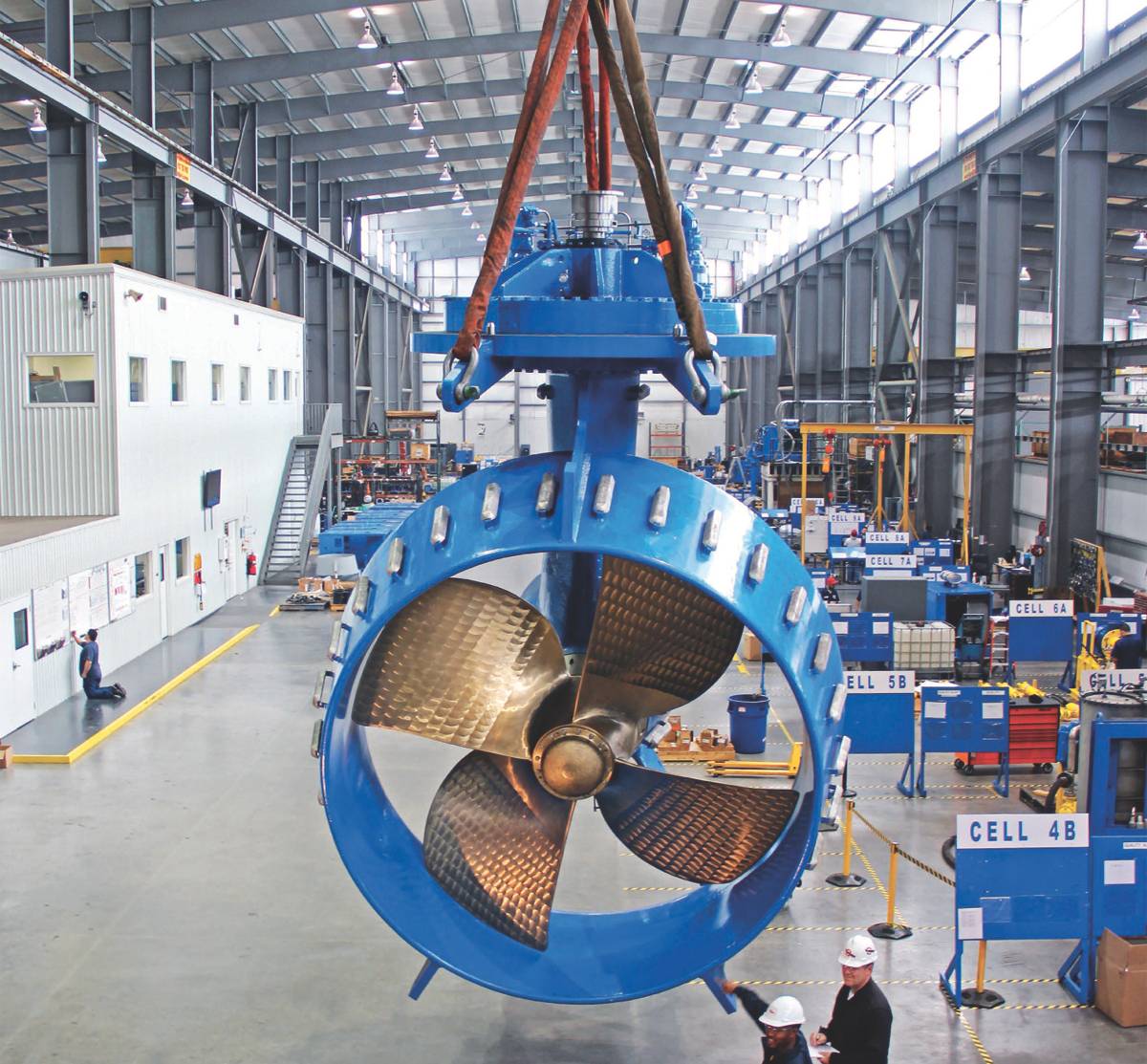
- Mechanical wear caused by inadequate lubrication, contamination or long service, resulting in rising vibration, noise or temperature
- Seal or gasket deterioration caused by wear, corrosion or misalignment, resulting in visible leakage or loss of process containment
- Flow restriction, cavitation or fouling caused by blocked passages or unsuitable operating conditions, resulting in reduced capacity and unstable performance
- Motor, coupling or drive failure caused by electrical faults, misalignment or overload, resulting in trips, abnormal current or inability to reach normal speed
- Sensor, control or protection failure caused by wiring, calibration or electronics faults, resulting in alarms, incorrect control response or shutdown
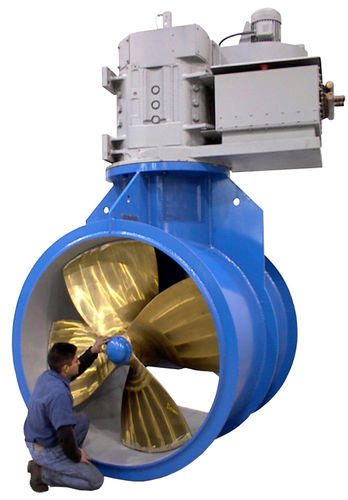
- Mechanical wear caused by inadequate lubrication, contamination or long service, resulting in rising vibration, noise or temperature
- Seal or gasket deterioration caused by wear, corrosion or misalignment, resulting in visible leakage or loss of process containment
- Flow restriction, cavitation or fouling caused by blocked passages or unsuitable operating conditions, resulting in reduced capacity and unstable performance
- Motor, coupling or drive failure caused by electrical faults, misalignment or overload, resulting in trips, abnormal current or inability to reach normal speed
- Sensor, control or protection failure caused by wiring, calibration or electronics faults, resulting in alarms, incorrect control response or shutdown
- Mechanical wear caused by inadequate lubrication, contamination or long service, resulting in rising vibration, noise or temperature
- Seal or gasket deterioration caused by wear, corrosion or misalignment, resulting in visible leakage or loss of process containment
- Flow restriction, cavitation or fouling caused by blocked passages or unsuitable operating conditions, resulting in reduced capacity and unstable performance
- Motor, coupling or drive failure caused by electrical faults, misalignment or overload, resulting in trips, abnormal current or inability to reach normal speed
- Sensor, control or protection failure caused by wiring, calibration or electronics faults, resulting in alarms, incorrect control response or shutdown
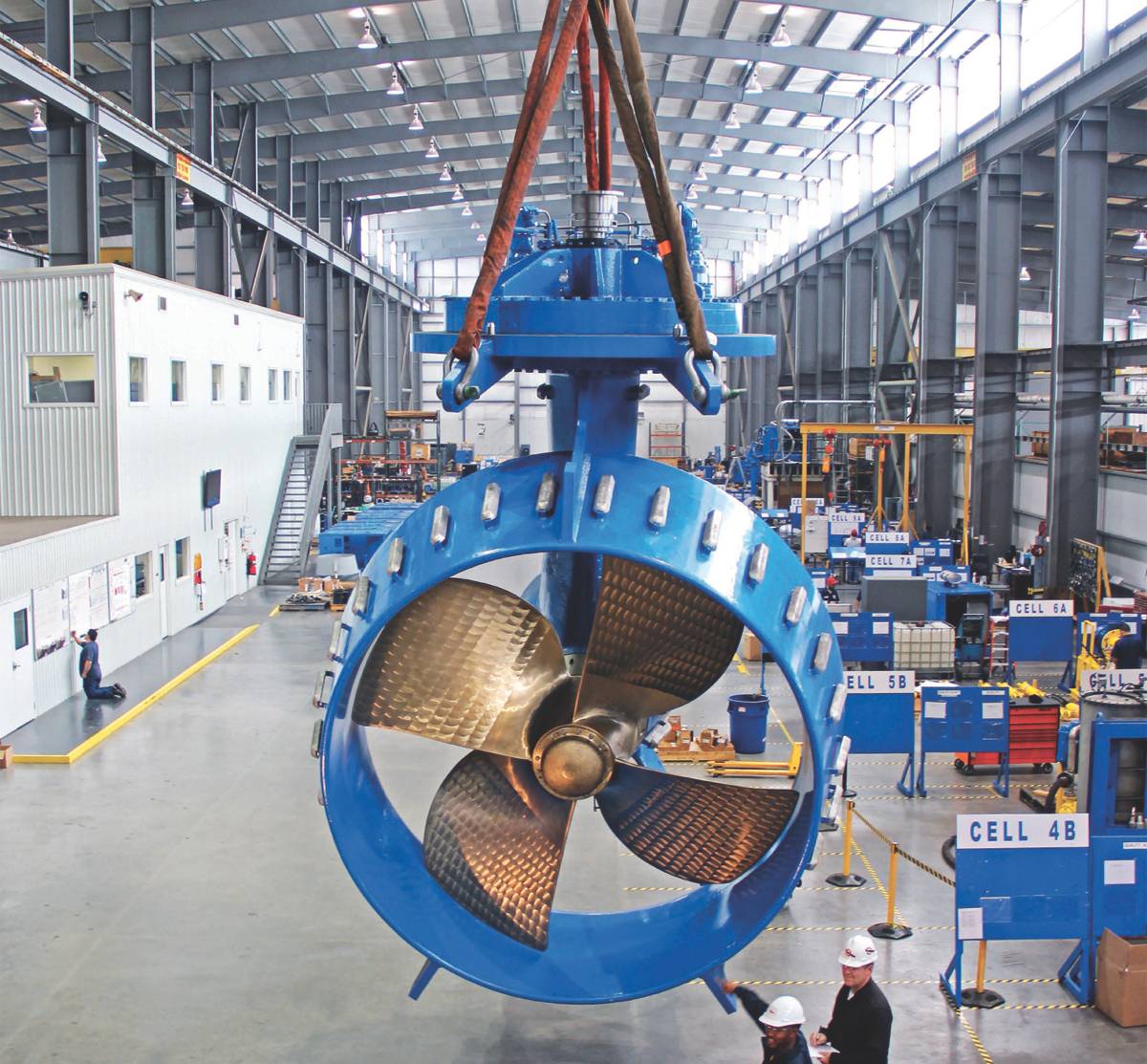
- Propeller or blade damage from debris can cause vibration and reduced thrust, noticed during maneuvering
- Gear or bearing wear can produce abnormal noise, heat or metallic debris in lubricant
- Seal leakage can allow water ingress or oil loss, seen through header-tank level changes or leakage alarms
- Motor, converter or hydraulic-drive faults can prevent commanded thrust, seen as trips, low power or unavailable thruster status
- Control or feedback-sensor faults can cause incorrect direction or pitch/azimuth indication, seen as command mismatch alarms
- Propeller or blade damage from debris can cause vibration and reduced thrust, noticed during maneuvering
- Gear or bearing wear can produce abnormal noise, heat or metallic debris in lubricant
- Seal leakage can allow water ingress or oil loss, seen through header-tank level changes or leakage alarms
- Motor, converter or hydraulic-drive faults can prevent commanded thrust, seen as trips, low power or unavailable thruster status
- Control or feedback-sensor faults can cause incorrect direction or pitch/azimuth indication, seen as command mismatch alarms
- Propeller or blade damage from debris can cause vibration and reduced thrust, noticed during maneuvering
- Gear or bearing wear can produce abnormal noise, heat or metallic debris in lubricant
- Seal leakage can allow water ingress or oil loss, seen through header-tank level changes or leakage alarms
- Motor, converter or hydraulic-drive faults can prevent commanded thrust, seen as trips, low power or unavailable thruster status
- Control or feedback-sensor faults can cause incorrect direction or pitch/azimuth indication, seen as command mismatch alarms
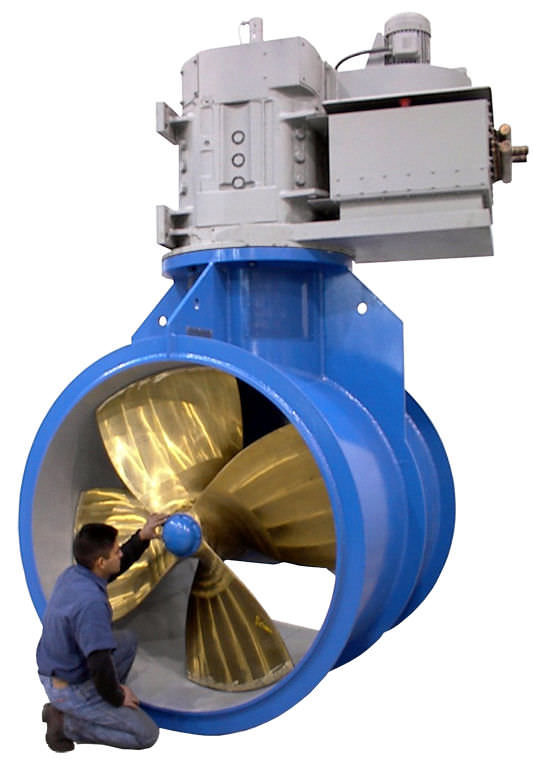
- Propeller or blade damage from debris can cause vibration and reduced thrust, noticed during maneuvering
- Gear or bearing wear can produce abnormal noise, heat or metallic debris in lubricant
- Seal leakage can allow water ingress or oil loss, seen through header-tank level changes or leakage alarms
- Motor, converter or hydraulic-drive faults can prevent commanded thrust, seen as trips, low power or unavailable thruster status
- Control or feedback-sensor faults can cause incorrect direction or pitch/azimuth indication, seen as command mismatch alarms
- Propeller or blade damage from debris can cause vibration and reduced thrust, noticed during maneuvering
- Gear or bearing wear can produce abnormal noise, heat or metallic debris in lubricant
- Seal leakage can allow water ingress or oil loss, seen through header-tank level changes or leakage alarms
- Motor, converter or hydraulic-drive faults can prevent commanded thrust, seen as trips, low power or unavailable thruster status
- Control or feedback-sensor faults can cause incorrect direction or pitch/azimuth indication, seen as command mismatch alarms
- Propeller or blade damage from debris can cause vibration and reduced thrust, noticed during maneuvering
- Gear or bearing wear can produce abnormal noise, heat or metallic debris in lubricant
- Seal leakage can allow water ingress or oil loss, seen through header-tank level changes or leakage alarms
- Motor, converter or hydraulic-drive faults can prevent commanded thrust, seen as trips, low power or unavailable thruster status
- Control or feedback-sensor faults can cause incorrect direction or pitch/azimuth indication, seen as command mismatch alarms
- Propeller or blade damage from debris can cause vibration and reduced thrust, noticed during maneuvering
- Gear or bearing wear can produce abnormal noise, heat or metallic debris in lubricant
- Seal leakage can allow water ingress or oil loss, seen through header-tank level changes or leakage alarms
- Motor, converter or hydraulic-drive faults can prevent commanded thrust, seen as trips, low power or unavailable thruster status
- Control or feedback-sensor faults can cause incorrect direction or pitch/azimuth indication, seen as command mismatch alarms
- Propeller or blade damage from debris can cause vibration and reduced thrust, noticed during maneuvering
- Gear or bearing wear can produce abnormal noise, heat or metallic debris in lubricant
- Seal leakage can allow water ingress or oil loss, seen through header-tank level changes or leakage alarms
- Motor, converter or hydraulic-drive faults can prevent commanded thrust, seen as trips, low power or unavailable thruster status
- Control or feedback-sensor faults can cause incorrect direction or pitch/azimuth indication, seen as command mismatch alarms
- Propeller or blade damage from debris can cause vibration and reduced thrust, noticed during maneuvering
- Gear or bearing wear can produce abnormal noise, heat or metallic debris in lubricant
- Seal leakage can allow water ingress or oil loss, seen through header-tank level changes or leakage alarms
- Motor, converter or hydraulic-drive faults can prevent commanded thrust, seen as trips, low power or unavailable thruster status
- Control or feedback-sensor faults can cause incorrect direction or pitch/azimuth indication, seen as command mismatch alarms
- Propeller or blade damage from debris can cause vibration and reduced thrust, noticed during maneuvering
- Gear or bearing wear can produce abnormal noise, heat or metallic debris in lubricant
- Seal leakage can allow water ingress or oil loss, seen through header-tank level changes or leakage alarms
- Motor, converter or hydraulic-drive faults can prevent commanded thrust, seen as trips, low power or unavailable thruster status
- Control or feedback-sensor faults can cause incorrect direction or pitch/azimuth indication, seen as command mismatch alarms
- Propeller or blade damage from debris can cause vibration and reduced thrust, noticed during maneuvering
- Gear or bearing wear can produce abnormal noise, heat or metallic debris in lubricant
- Seal leakage can allow water ingress or oil loss, seen through header-tank level changes or leakage alarms
- Motor, converter or hydraulic-drive faults can prevent commanded thrust, seen as trips, low power or unavailable thruster status
- Control or feedback-sensor faults can cause incorrect direction or pitch/azimuth indication, seen as command mismatch alarms
- Propeller or blade damage from debris can cause vibration and reduced thrust, noticed during maneuvering
- Gear or bearing wear can produce abnormal noise, heat or metallic debris in lubricant
- Seal leakage can allow water ingress or oil loss, seen through header-tank level changes or leakage alarms
- Motor, converter or hydraulic-drive faults can prevent commanded thrust, seen as trips, low power or unavailable thruster status
- Control or feedback-sensor faults can cause incorrect direction or pitch/azimuth indication, seen as command mismatch alarms
- Propeller or blade damage from debris can cause vibration and reduced thrust, noticed during maneuvering
- Gear or bearing wear can produce abnormal noise, heat or metallic debris in lubricant
- Seal leakage can allow water ingress or oil loss, seen through header-tank level changes or leakage alarms
- Motor, converter or hydraulic-drive faults can prevent commanded thrust, seen as trips, low power or unavailable thruster status
- Control or feedback-sensor faults can cause incorrect direction or pitch/azimuth indication, seen as command mismatch alarms
- Propeller or blade damage from debris can cause vibration and reduced thrust, noticed during maneuvering
- Gear or bearing wear can produce abnormal noise, heat or metallic debris in lubricant
- Seal leakage can allow water ingress or oil loss, seen through header-tank level changes or leakage alarms
- Motor, converter or hydraulic-drive faults can prevent commanded thrust, seen as trips, low power or unavailable thruster status
- Control or feedback-sensor faults can cause incorrect direction or pitch/azimuth indication, seen as command mismatch alarms
Steerprop
15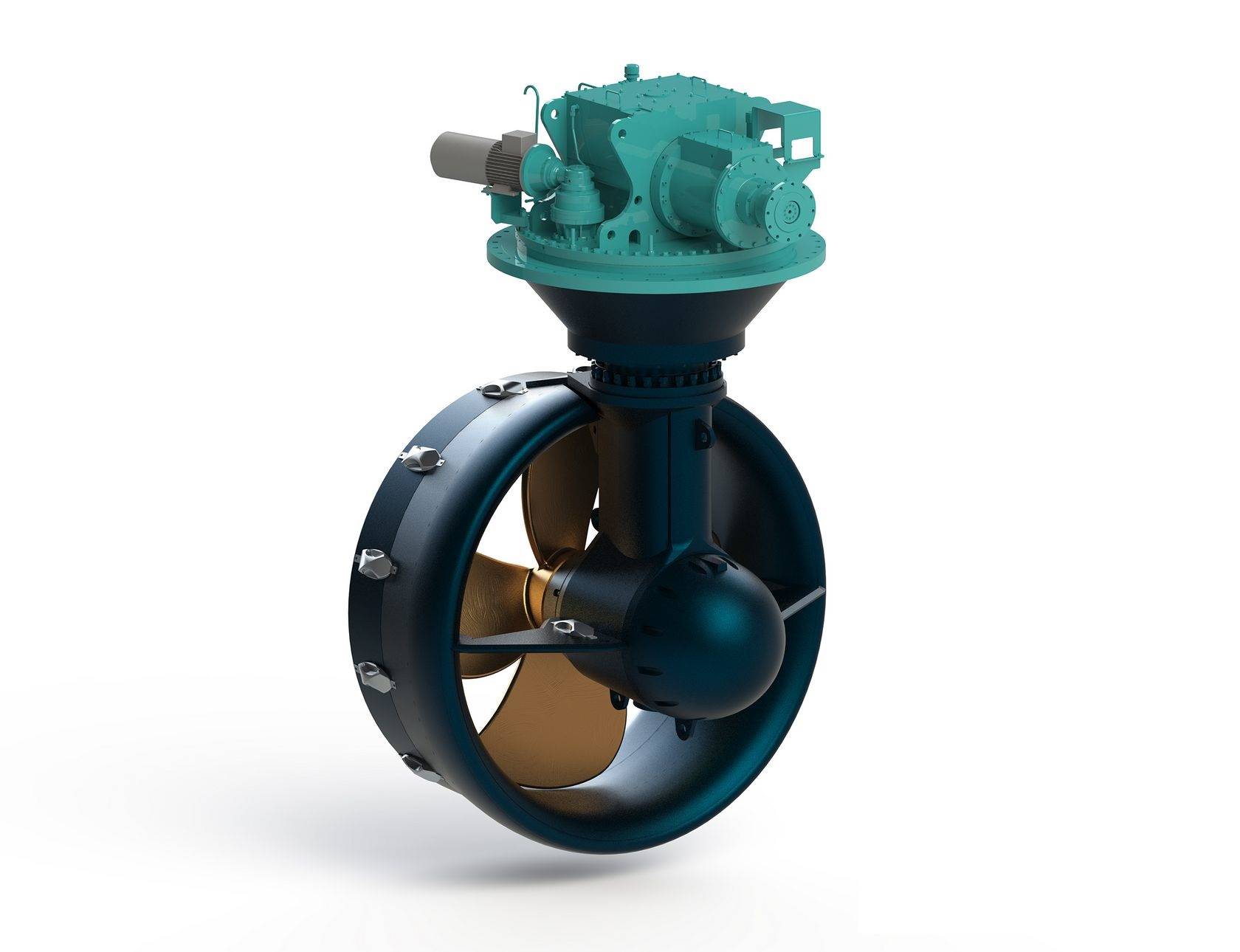
- Lubrication loss or contamination damages gears and bearings, noticed as temperature rise, noise or vibration
- Seal wear permits oil or seawater leakage and can contaminate adjacent spaces or systems
- Bearing or alignment defects cause vibration and abnormal noise under load
- Control or feedback faults prevent correct pitch, direction or speed response
- Cooling or electrical-drive faults cause overheating, current alarms or protective trips
- Lubrication loss or contamination damages gears and bearings, noticed as temperature rise, noise or vibration
- Seal wear permits oil or seawater leakage and can contaminate adjacent spaces or systems
- Bearing or alignment defects cause vibration and abnormal noise under load
- Control or feedback faults prevent correct pitch, direction or speed response
- Cooling or electrical-drive faults cause overheating, current alarms or protective trips
- Lubrication loss or contamination damages gears and bearings, noticed as temperature rise, noise or vibration
- Seal wear permits oil or seawater leakage and can contaminate adjacent spaces or systems
- Bearing or alignment defects cause vibration and abnormal noise under load
- Control or feedback faults prevent correct pitch, direction or speed response
- Cooling or electrical-drive faults cause overheating, current alarms or protective trips
- Propeller or tunnel damage caused by debris, impact or cavitation, resulting in vibration, reduced thrust or abnormal noise
- Gearbox, bearing or seal deterioration caused by lubrication problems, water ingress or wear, resulting in oil leakage, temperature rise or vibration
- Motor or hydraulic-drive fault caused by electrical, cooling or pressure problems, resulting in reduced output or inability to run the thruster
- Control or feedback failure caused by joystick, sensor, communication or wiring faults, resulting in unavailable or incorrect thrust command
- Cooling or ventilation restriction caused by fouling, blocked filters or fan failure, resulting in motor or drive overheating and protective trips
- Propeller or tunnel damage caused by debris, impact or cavitation, resulting in vibration, reduced thrust or abnormal noise
- Gearbox, bearing or seal deterioration caused by lubrication problems, water ingress or wear, resulting in oil leakage, temperature rise or vibration
- Motor or hydraulic-drive fault caused by electrical, cooling or pressure problems, resulting in reduced output or inability to run the thruster
- Control or feedback failure caused by joystick, sensor, communication or wiring faults, resulting in unavailable or incorrect thrust command
- Cooling or ventilation restriction caused by fouling, blocked filters or fan failure, resulting in motor or drive overheating and protective trips
- Propeller or tunnel damage caused by debris, impact or cavitation, resulting in vibration, reduced thrust or abnormal noise
- Gearbox, bearing or seal deterioration caused by lubrication problems, water ingress or wear, resulting in oil leakage, temperature rise or vibration
- Motor or hydraulic-drive fault caused by electrical, cooling or pressure problems, resulting in reduced output or inability to run the thruster
- Control or feedback failure caused by joystick, sensor, communication or wiring faults, resulting in unavailable or incorrect thrust command
- Cooling or ventilation restriction caused by fouling, blocked filters or fan failure, resulting in motor or drive overheating and protective trips
- Propeller or tunnel damage caused by debris, impact or cavitation, resulting in vibration, reduced thrust or abnormal noise
- Gearbox, bearing or seal deterioration caused by lubrication problems, water ingress or wear, resulting in oil leakage, temperature rise or vibration
- Motor or hydraulic-drive fault caused by electrical, cooling or pressure problems, resulting in reduced output or inability to run the thruster
- Control or feedback failure caused by joystick, sensor, communication or wiring faults, resulting in unavailable or incorrect thrust command
- Cooling or ventilation restriction caused by fouling, blocked filters or fan failure, resulting in motor or drive overheating and protective trips

- Propeller or tunnel damage caused by debris, impact or cavitation, resulting in vibration, reduced thrust or abnormal noise
- Gearbox, bearing or seal deterioration caused by lubrication problems, water ingress or wear, resulting in oil leakage, temperature rise or vibration
- Motor or hydraulic-drive fault caused by electrical, cooling or pressure problems, resulting in reduced output or inability to run the thruster
- Control or feedback failure caused by joystick, sensor, communication or wiring faults, resulting in unavailable or incorrect thrust command
- Cooling or ventilation restriction caused by fouling, blocked filters or fan failure, resulting in motor or drive overheating and protective trips
- Bearing, seal, gear, coupling, or shaft wear from misalignment, contamination, or poor lubrication causes vibration, noise, temperature rise, or leakage
- Lubricating-oil loss, contamination, or cooling failure causes high bearing or gear temperature and possible protective alarms
- Propeller, blade, hub, or underwater damage from impact, cavitation, or fouling causes vibration, reduced thrust, or abnormal load
- Hydraulic, electric, pitch-control, or actuator faults prevent correct thrust or blade-angle response
- Foundation, alignment, or structural movement causes repeated coupling, bearing, or seal problems and abnormal vibration
- Bearing, seal, gear, coupling, or shaft wear from misalignment, contamination, or poor lubrication causes vibration, noise, temperature rise, or leakage
- Lubricating-oil loss, contamination, or cooling failure causes high bearing or gear temperature and possible protective alarms
- Propeller, blade, hub, or underwater damage from impact, cavitation, or fouling causes vibration, reduced thrust, or abnormal load
- Hydraulic, electric, pitch-control, or actuator faults prevent correct thrust or blade-angle response
- Foundation, alignment, or structural movement causes repeated coupling, bearing, or seal problems and abnormal vibration
- Shaft seal leakage or fishing-line damage, typically indicated by water/oil leakage or seal alarm
- Gearbox/bearing wear from poor lubrication, typically indicated by noise, vibration or high oil temperature
- Propeller damage or fouling, typically indicated by reduced thrust, vibration or imbalance
- Motor/drive overload or cooling fault, typically indicated by high current, temperature alarm or trip
- Control or feedback fault, typically indicated by no thrust command response or incorrect pitch/speed indication
- Shaft seal leakage or fishing-line damage, typically indicated by water/oil leakage or seal alarm
- Gearbox/bearing wear from poor lubrication, typically indicated by noise, vibration or high oil temperature
- Propeller damage or fouling, typically indicated by reduced thrust, vibration or imbalance
- Motor/drive overload or cooling fault, typically indicated by high current, temperature alarm or trip
- Control or feedback fault, typically indicated by no thrust command response or incorrect pitch/speed indication
- Shaft seal leakage or fishing-line damage, typically indicated by water/oil leakage or seal alarm
- Gearbox/bearing wear from poor lubrication, typically indicated by noise, vibration or high oil temperature
- Propeller damage or fouling, typically indicated by reduced thrust, vibration or imbalance
- Motor/drive overload or cooling fault, typically indicated by high current, temperature alarm or trip
- Control or feedback fault, typically indicated by no thrust command response or incorrect pitch/speed indication
- Shaft seal leakage or fishing-line damage, typically indicated by water/oil leakage or seal alarm
- Gearbox/bearing wear from poor lubrication, typically indicated by noise, vibration or high oil temperature
- Propeller damage or fouling, typically indicated by reduced thrust, vibration or imbalance
- Motor/drive overload or cooling fault, typically indicated by high current, temperature alarm or trip
- Control or feedback fault, typically indicated by no thrust command response or incorrect pitch/speed indication
- Shaft seal leakage or fishing-line damage, typically indicated by water/oil leakage or seal alarm
- Gearbox/bearing wear from poor lubrication, typically indicated by noise, vibration or high oil temperature
- Propeller damage or fouling, typically indicated by reduced thrust, vibration or imbalance
- Motor/drive overload or cooling fault, typically indicated by high current, temperature alarm or trip
- Control or feedback fault, typically indicated by no thrust command response or incorrect pitch/speed indication
Voith
14- Propeller or blade damage from debris can cause vibration and reduced thrust, noticed during maneuvering
- Gear or bearing wear can produce abnormal noise, heat or metallic debris in lubricant
- Seal leakage can allow water ingress or oil loss, seen through header-tank level changes or leakage alarms
- Motor, converter or hydraulic-drive faults can prevent commanded thrust, seen as trips, low power or unavailable thruster status
- Control or feedback-sensor faults can cause incorrect direction or pitch/azimuth indication, seen as command mismatch alarms
- Propeller or blade damage from debris can cause vibration and reduced thrust, noticed during maneuvering
- Gear or bearing wear can produce abnormal noise, heat or metallic debris in lubricant
- Seal leakage can allow water ingress or oil loss, seen through header-tank level changes or leakage alarms
- Motor, converter or hydraulic-drive faults can prevent commanded thrust, seen as trips, low power or unavailable thruster status
- Control or feedback-sensor faults can cause incorrect direction or pitch/azimuth indication, seen as command mismatch alarms
- Propeller or blade damage from debris can cause vibration and reduced thrust, noticed during maneuvering
- Gear or bearing wear can produce abnormal noise, heat or metallic debris in lubricant
- Seal leakage can allow water ingress or oil loss, seen through header-tank level changes or leakage alarms
- Motor, converter or hydraulic-drive faults can prevent commanded thrust, seen as trips, low power or unavailable thruster status
- Control or feedback-sensor faults can cause incorrect direction or pitch/azimuth indication, seen as command mismatch alarms
- Propeller or blade damage from debris can cause vibration and reduced thrust, noticed during maneuvering
- Gear or bearing wear can produce abnormal noise, heat or metallic debris in lubricant
- Seal leakage can allow water ingress or oil loss, seen through header-tank level changes or leakage alarms
- Motor, converter or hydraulic-drive faults can prevent commanded thrust, seen as trips, low power or unavailable thruster status
- Control or feedback-sensor faults can cause incorrect direction or pitch/azimuth indication, seen as command mismatch alarms
- Propeller or blade damage from debris can cause vibration and reduced thrust, noticed during maneuvering
- Gear or bearing wear can produce abnormal noise, heat or metallic debris in lubricant
- Seal leakage can allow water ingress or oil loss, seen through header-tank level changes or leakage alarms
- Motor, converter or hydraulic-drive faults can prevent commanded thrust, seen as trips, low power or unavailable thruster status
- Control or feedback-sensor faults can cause incorrect direction or pitch/azimuth indication, seen as command mismatch alarms
- Propeller or blade damage from debris can cause vibration and reduced thrust, noticed during maneuvering
- Gear or bearing wear can produce abnormal noise, heat or metallic debris in lubricant
- Seal leakage can allow water ingress or oil loss, seen through header-tank level changes or leakage alarms
- Motor, converter or hydraulic-drive faults can prevent commanded thrust, seen as trips, low power or unavailable thruster status
- Control or feedback-sensor faults can cause incorrect direction or pitch/azimuth indication, seen as command mismatch alarms
- Propeller or blade damage from debris can cause vibration and reduced thrust, noticed during maneuvering
- Gear or bearing wear can produce abnormal noise, heat or metallic debris in lubricant
- Seal leakage can allow water ingress or oil loss, seen through header-tank level changes or leakage alarms
- Motor, converter or hydraulic-drive faults can prevent commanded thrust, seen as trips, low power or unavailable thruster status
- Control or feedback-sensor faults can cause incorrect direction or pitch/azimuth indication, seen as command mismatch alarms
- Propeller or blade damage from debris can cause vibration and reduced thrust, noticed during maneuvering
- Gear or bearing wear can produce abnormal noise, heat or metallic debris in lubricant
- Seal leakage can allow water ingress or oil loss, seen through header-tank level changes or leakage alarms
- Motor, converter or hydraulic-drive faults can prevent commanded thrust, seen as trips, low power or unavailable thruster status
- Control or feedback-sensor faults can cause incorrect direction or pitch/azimuth indication, seen as command mismatch alarms
- Propeller or blade damage from debris can cause vibration and reduced thrust, noticed during maneuvering
- Gear or bearing wear can produce abnormal noise, heat or metallic debris in lubricant
- Seal leakage can allow water ingress or oil loss, seen through header-tank level changes or leakage alarms
- Motor, converter or hydraulic-drive faults can prevent commanded thrust, seen as trips, low power or unavailable thruster status
- Control or feedback-sensor faults can cause incorrect direction or pitch/azimuth indication, seen as command mismatch alarms
- Propeller or blade damage from debris can cause vibration and reduced thrust, noticed during maneuvering
- Gear or bearing wear can produce abnormal noise, heat or metallic debris in lubricant
- Seal leakage can allow water ingress or oil loss, seen through header-tank level changes or leakage alarms
- Motor, converter or hydraulic-drive faults can prevent commanded thrust, seen as trips, low power or unavailable thruster status
- Control or feedback-sensor faults can cause incorrect direction or pitch/azimuth indication, seen as command mismatch alarms
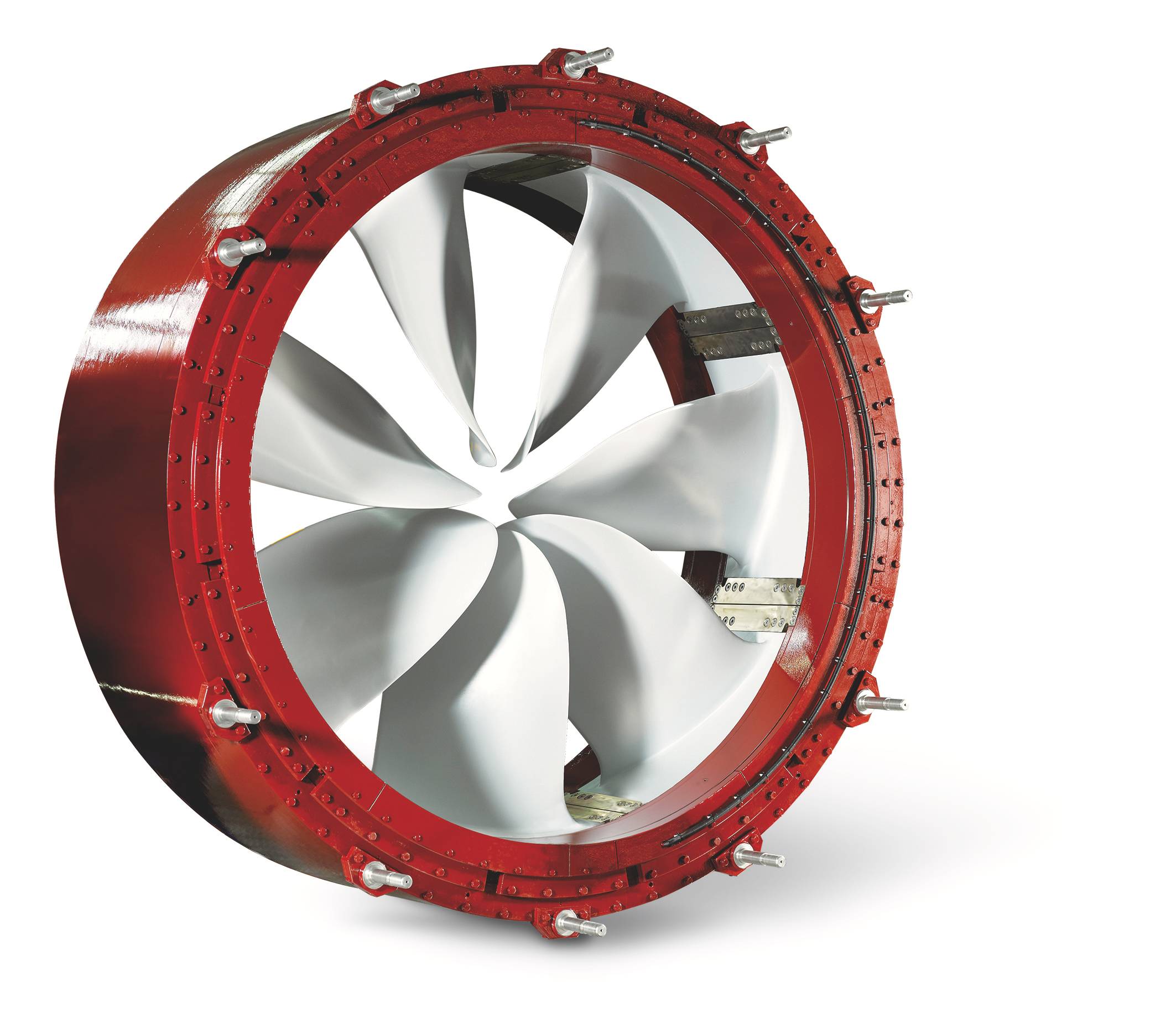
- Mechanical wear caused by inadequate lubrication, contamination or long service, resulting in rising vibration, noise or temperature
- Seal or gasket deterioration caused by wear, corrosion or misalignment, resulting in visible leakage or loss of process containment
- Flow restriction, cavitation or fouling caused by blocked passages or unsuitable operating conditions, resulting in reduced capacity and unstable performance
- Motor, coupling or drive failure caused by electrical faults, misalignment or overload, resulting in trips, abnormal current or inability to reach normal speed
- Sensor, control or protection failure caused by wiring, calibration or electronics faults, resulting in alarms, incorrect control response or shutdown
- Mechanical wear caused by inadequate lubrication, contamination or long service, resulting in rising vibration, noise or temperature
- Seal or gasket deterioration caused by wear, corrosion or misalignment, resulting in visible leakage or loss of process containment
- Flow restriction, cavitation or fouling caused by blocked passages or unsuitable operating conditions, resulting in reduced capacity and unstable performance
- Motor, coupling or drive failure caused by electrical faults, misalignment or overload, resulting in trips, abnormal current or inability to reach normal speed
- Sensor, control or protection failure caused by wiring, calibration or electronics faults, resulting in alarms, incorrect control response or shutdown
- Mechanical wear caused by inadequate lubrication, contamination or long service, resulting in rising vibration, noise or temperature
- Seal or gasket deterioration caused by wear, corrosion or misalignment, resulting in visible leakage or loss of process containment
- Flow restriction, cavitation or fouling caused by blocked passages or unsuitable operating conditions, resulting in reduced capacity and unstable performance
- Motor, coupling or drive failure caused by electrical faults, misalignment or overload, resulting in trips, abnormal current or inability to reach normal speed
- Sensor, control or protection failure caused by wiring, calibration or electronics faults, resulting in alarms, incorrect control response or shutdown
- Mechanical wear caused by inadequate lubrication, contamination or long service, resulting in rising vibration, noise or temperature
- Seal or gasket deterioration caused by wear, corrosion or misalignment, resulting in visible leakage or loss of process containment
- Flow restriction, cavitation or fouling caused by blocked passages or unsuitable operating conditions, resulting in reduced capacity and unstable performance
- Motor, coupling or drive failure caused by electrical faults, misalignment or overload, resulting in trips, abnormal current or inability to reach normal speed
- Sensor, control or protection failure caused by wiring, calibration or electronics faults, resulting in alarms, incorrect control response or shutdown
Berg Propulsion
13- Propeller or blade damage from debris can cause vibration and reduced thrust, noticed during maneuvering
- Gear or bearing wear can produce abnormal noise, heat or metallic debris in lubricant
- Seal leakage can allow water ingress or oil loss, seen through header-tank level changes or leakage alarms
- Motor, converter or hydraulic-drive faults can prevent commanded thrust, seen as trips, low power or unavailable thruster status
- Control or feedback-sensor faults can cause incorrect direction or pitch/azimuth indication, seen as command mismatch alarms
- Propeller or blade damage from debris can cause vibration and reduced thrust, noticed during maneuvering
- Gear or bearing wear can produce abnormal noise, heat or metallic debris in lubricant
- Seal leakage can allow water ingress or oil loss, seen through header-tank level changes or leakage alarms
- Motor, converter or hydraulic-drive faults can prevent commanded thrust, seen as trips, low power or unavailable thruster status
- Control or feedback-sensor faults can cause incorrect direction or pitch/azimuth indication, seen as command mismatch alarms
- Propeller or blade damage from debris can cause vibration and reduced thrust, noticed during maneuvering
- Gear or bearing wear can produce abnormal noise, heat or metallic debris in lubricant
- Seal leakage can allow water ingress or oil loss, seen through header-tank level changes or leakage alarms
- Motor, converter or hydraulic-drive faults can prevent commanded thrust, seen as trips, low power or unavailable thruster status
- Control or feedback-sensor faults can cause incorrect direction or pitch/azimuth indication, seen as command mismatch alarms
- Propeller or blade damage from debris can cause vibration and reduced thrust, noticed during maneuvering
- Gear or bearing wear can produce abnormal noise, heat or metallic debris in lubricant
- Seal leakage can allow water ingress or oil loss, seen through header-tank level changes or leakage alarms
- Motor, converter or hydraulic-drive faults can prevent commanded thrust, seen as trips, low power or unavailable thruster status
- Control or feedback-sensor faults can cause incorrect direction or pitch/azimuth indication, seen as command mismatch alarms
- Propeller or blade damage from debris can cause vibration and reduced thrust, noticed during maneuvering
- Gear or bearing wear can produce abnormal noise, heat or metallic debris in lubricant
- Seal leakage can allow water ingress or oil loss, seen through header-tank level changes or leakage alarms
- Motor, converter or hydraulic-drive faults can prevent commanded thrust, seen as trips, low power or unavailable thruster status
- Control or feedback-sensor faults can cause incorrect direction or pitch/azimuth indication, seen as command mismatch alarms
- Propeller or blade damage from debris can cause vibration and reduced thrust, noticed during maneuvering
- Gear or bearing wear can produce abnormal noise, heat or metallic debris in lubricant
- Seal leakage can allow water ingress or oil loss, seen through header-tank level changes or leakage alarms
- Motor, converter or hydraulic-drive faults can prevent commanded thrust, seen as trips, low power or unavailable thruster status
- Control or feedback-sensor faults can cause incorrect direction or pitch/azimuth indication, seen as command mismatch alarms
- Propeller or blade damage from debris can cause vibration and reduced thrust, noticed during maneuvering
- Gear or bearing wear can produce abnormal noise, heat or metallic debris in lubricant
- Seal leakage can allow water ingress or oil loss, seen through header-tank level changes or leakage alarms
- Motor, converter or hydraulic-drive faults can prevent commanded thrust, seen as trips, low power or unavailable thruster status
- Control or feedback-sensor faults can cause incorrect direction or pitch/azimuth indication, seen as command mismatch alarms
- Mechanical wear caused by inadequate lubrication, contamination or long service, resulting in rising vibration, noise or temperature
- Seal or gasket deterioration caused by wear, corrosion or misalignment, resulting in visible leakage or loss of process containment
- Flow restriction, cavitation or fouling caused by blocked passages or unsuitable operating conditions, resulting in reduced capacity and unstable performance
- Motor, coupling or drive failure caused by electrical faults, misalignment or overload, resulting in trips, abnormal current or inability to reach normal speed
- Sensor, control or protection failure caused by wiring, calibration or electronics faults, resulting in alarms, incorrect control response or shutdown
- Mechanical wear caused by inadequate lubrication, contamination or long service, resulting in rising vibration, noise or temperature
- Seal or gasket deterioration caused by wear, corrosion or misalignment, resulting in visible leakage or loss of process containment
- Flow restriction, cavitation or fouling caused by blocked passages or unsuitable operating conditions, resulting in reduced capacity and unstable performance
- Motor, coupling or drive failure caused by electrical faults, misalignment or overload, resulting in trips, abnormal current or inability to reach normal speed
- Sensor, control or protection failure caused by wiring, calibration or electronics faults, resulting in alarms, incorrect control response or shutdown
- Mechanical wear caused by inadequate lubrication, contamination or long service, resulting in rising vibration, noise or temperature
- Seal or gasket deterioration caused by wear, corrosion or misalignment, resulting in visible leakage or loss of process containment
- Flow restriction, cavitation or fouling caused by blocked passages or unsuitable operating conditions, resulting in reduced capacity and unstable performance
- Motor, coupling or drive failure caused by electrical faults, misalignment or overload, resulting in trips, abnormal current or inability to reach normal speed
- Sensor, control or protection failure caused by wiring, calibration or electronics faults, resulting in alarms, incorrect control response or shutdown
- Mechanical wear caused by inadequate lubrication, contamination or long service, resulting in rising vibration, noise or temperature
- Seal or gasket deterioration caused by wear, corrosion or misalignment, resulting in visible leakage or loss of process containment
- Flow restriction, cavitation or fouling caused by blocked passages or unsuitable operating conditions, resulting in reduced capacity and unstable performance
- Motor, coupling or drive failure caused by electrical faults, misalignment or overload, resulting in trips, abnormal current or inability to reach normal speed
- Sensor, control or protection failure caused by wiring, calibration or electronics faults, resulting in alarms, incorrect control response or shutdown
- Mechanical wear caused by inadequate lubrication, contamination or long service, resulting in rising vibration, noise or temperature
- Seal or gasket deterioration caused by wear, corrosion or misalignment, resulting in visible leakage or loss of process containment
- Flow restriction, cavitation or fouling caused by blocked passages or unsuitable operating conditions, resulting in reduced capacity and unstable performance
- Motor, coupling or drive failure caused by electrical faults, misalignment or overload, resulting in trips, abnormal current or inability to reach normal speed
- Sensor, control or protection failure caused by wiring, calibration or electronics faults, resulting in alarms, incorrect control response or shutdown
- Mechanical wear caused by inadequate lubrication, contamination or long service, resulting in rising vibration, noise or temperature
- Seal or gasket deterioration caused by wear, corrosion or misalignment, resulting in visible leakage or loss of process containment
- Flow restriction, cavitation or fouling caused by blocked passages or unsuitable operating conditions, resulting in reduced capacity and unstable performance
- Motor, coupling or drive failure caused by electrical faults, misalignment or overload, resulting in trips, abnormal current or inability to reach normal speed
- Sensor, control or protection failure caused by wiring, calibration or electronics faults, resulting in alarms, incorrect control response or shutdown
IHC Marine
9
- Propeller or blade damage from debris can cause vibration and reduced thrust, noticed during maneuvering
- Gear or bearing wear can produce abnormal noise, heat or metallic debris in lubricant
- Seal leakage can allow water ingress or oil loss, seen through header-tank level changes or leakage alarms
- Motor, converter or hydraulic-drive faults can prevent commanded thrust, seen as trips, low power or unavailable thruster status
- Control or feedback-sensor faults can cause incorrect direction or pitch/azimuth indication, seen as command mismatch alarms
- Propeller or blade damage from debris can cause vibration and reduced thrust, noticed during maneuvering
- Gear or bearing wear can produce abnormal noise, heat or metallic debris in lubricant
- Seal leakage can allow water ingress or oil loss, seen through header-tank level changes or leakage alarms
- Motor, converter or hydraulic-drive faults can prevent commanded thrust, seen as trips, low power or unavailable thruster status
- Control or feedback-sensor faults can cause incorrect direction or pitch/azimuth indication, seen as command mismatch alarms
- Propeller or blade damage from debris can cause vibration and reduced thrust, noticed during maneuvering
- Gear or bearing wear can produce abnormal noise, heat or metallic debris in lubricant
- Seal leakage can allow water ingress or oil loss, seen through header-tank level changes or leakage alarms
- Motor, converter or hydraulic-drive faults can prevent commanded thrust, seen as trips, low power or unavailable thruster status
- Control or feedback-sensor faults can cause incorrect direction or pitch/azimuth indication, seen as command mismatch alarms
- Propeller or blade damage from debris can cause vibration and reduced thrust, noticed during maneuvering
- Gear or bearing wear can produce abnormal noise, heat or metallic debris in lubricant
- Seal leakage can allow water ingress or oil loss, seen through header-tank level changes or leakage alarms
- Motor, converter or hydraulic-drive faults can prevent commanded thrust, seen as trips, low power or unavailable thruster status
- Control or feedback-sensor faults can cause incorrect direction or pitch/azimuth indication, seen as command mismatch alarms
- Propeller or blade damage from debris can cause vibration and reduced thrust, noticed during maneuvering
- Gear or bearing wear can produce abnormal noise, heat or metallic debris in lubricant
- Seal leakage can allow water ingress or oil loss, seen through header-tank level changes or leakage alarms
- Motor, converter or hydraulic-drive faults can prevent commanded thrust, seen as trips, low power or unavailable thruster status
- Control or feedback-sensor faults can cause incorrect direction or pitch/azimuth indication, seen as command mismatch alarms
- Propeller or tunnel damage caused by debris, impact or cavitation, resulting in vibration, reduced thrust or abnormal noise
- Gearbox, bearing or seal deterioration caused by lubrication problems, water ingress or wear, resulting in oil leakage, temperature rise or vibration
- Motor or hydraulic-drive fault caused by electrical, cooling or pressure problems, resulting in reduced output or inability to run the thruster
- Control or feedback failure caused by joystick, sensor, communication or wiring faults, resulting in unavailable or incorrect thrust command
- Cooling or ventilation restriction caused by fouling, blocked filters or fan failure, resulting in motor or drive overheating and protective trips
- Propeller or tunnel damage caused by debris, impact or cavitation, resulting in vibration, reduced thrust or abnormal noise
- Gearbox, bearing or seal deterioration caused by lubrication problems, water ingress or wear, resulting in oil leakage, temperature rise or vibration
- Motor or hydraulic-drive fault caused by electrical, cooling or pressure problems, resulting in reduced output or inability to run the thruster
- Control or feedback failure caused by joystick, sensor, communication or wiring faults, resulting in unavailable or incorrect thrust command
- Cooling or ventilation restriction caused by fouling, blocked filters or fan failure, resulting in motor or drive overheating and protective trips
- Mechanical wear caused by inadequate lubrication, contamination or long service, resulting in rising vibration, noise or temperature
- Seal or gasket deterioration caused by wear, corrosion or misalignment, resulting in visible leakage or loss of process containment
- Flow restriction, cavitation or fouling caused by blocked passages or unsuitable operating conditions, resulting in reduced capacity and unstable performance
- Motor, coupling or drive failure caused by electrical faults, misalignment or overload, resulting in trips, abnormal current or inability to reach normal speed
- Sensor, control or protection failure caused by wiring, calibration or electronics faults, resulting in alarms, incorrect control response or shutdown
- Mechanical wear caused by inadequate lubrication, contamination or long service, resulting in rising vibration, noise or temperature
- Seal or gasket deterioration caused by wear, corrosion or misalignment, resulting in visible leakage or loss of process containment
- Flow restriction, cavitation or fouling caused by blocked passages or unsuitable operating conditions, resulting in reduced capacity and unstable performance
- Motor, coupling or drive failure caused by electrical faults, misalignment or overload, resulting in trips, abnormal current or inability to reach normal speed
- Sensor, control or protection failure caused by wiring, calibration or electronics faults, resulting in alarms, incorrect control response or shutdown
Marquip
6- Shaft seal leakage or fishing-line damage, typically indicated by water/oil leakage or seal alarm
- Gearbox/bearing wear from poor lubrication, typically indicated by noise, vibration or high oil temperature
- Propeller damage or fouling, typically indicated by reduced thrust, vibration or imbalance
- Motor/drive overload or cooling fault, typically indicated by high current, temperature alarm or trip
- Control or feedback fault, typically indicated by no thrust command response or incorrect pitch/speed indication
- Shaft seal leakage or fishing-line damage, typically indicated by water/oil leakage or seal alarm
- Gearbox/bearing wear from poor lubrication, typically indicated by noise, vibration or high oil temperature
- Propeller damage or fouling, typically indicated by reduced thrust, vibration or imbalance
- Motor/drive overload or cooling fault, typically indicated by high current, temperature alarm or trip
- Control or feedback fault, typically indicated by no thrust command response or incorrect pitch/speed indication
- Shaft seal leakage or fishing-line damage, typically indicated by water/oil leakage or seal alarm
- Gearbox/bearing wear from poor lubrication, typically indicated by noise, vibration or high oil temperature
- Propeller damage or fouling, typically indicated by reduced thrust, vibration or imbalance
- Motor/drive overload or cooling fault, typically indicated by high current, temperature alarm or trip
- Control or feedback fault, typically indicated by no thrust command response or incorrect pitch/speed indication
- Propeller fouling, rope entanglement or blade damage causes vibration, reduced thrust or high drive load
- Shaft-seal or gearbox leakage causes oil loss, water ingress or low-level alarms
- Bearing or gear wear causes abnormal noise, vibration or rising temperature
- Electric motor, converter or hydraulic-drive faults cause reduced thrust, failed starts or protective trips
- Pitch, contactor or control-feedback faults as applicable cause incorrect thrust response or loss of remote control
- Propeller fouling, rope entanglement or blade damage causes vibration, reduced thrust or high drive load
- Shaft-seal or gearbox leakage causes oil loss, water ingress or low-level alarms
- Bearing or gear wear causes abnormal noise, vibration or rising temperature
- Electric motor, converter or hydraulic-drive faults cause reduced thrust, failed starts or protective trips
- Pitch, contactor or control-feedback faults as applicable cause incorrect thrust response or loss of remote control
- Propeller fouling, rope entanglement or blade damage causes vibration, reduced thrust or high drive load
- Shaft-seal or gearbox leakage causes oil loss, water ingress or low-level alarms
- Bearing or gear wear causes abnormal noise, vibration or rising temperature
- Electric motor, converter or hydraulic-drive faults cause reduced thrust, failed starts or protective trips
- Pitch, contactor or control-feedback faults as applicable cause incorrect thrust response or loss of remote control