"> Airline Breathing Apparatus - Equipment Database

Airline Breathing Apparatus

medium 59 models total

Airline breathing apparatus feeds the wearer continuously through a hose from a compressor or manifold instead of a cylinder on the back, trading the self-contained set's mobility for a supply that does not run out after thirty minutes.

Read more — Airline Breathing Apparatus explained

What sets airline apparatus apart

Airline breathing apparatus supplies air continuously through an umbilical hose connected to a fixed compressor, an air manifold, or a bank of cascade cylinders, rather than from a cylinder carried on the wearer's back as with self-contained breathing apparatus. The trade-off is direct: airline sets are not limited by the roughly thirty minutes of a standard self-contained cylinder, but the wearer is tethered to the hose and depends entirely on that one line staying intact and the supply staying clean, so every airline set carries a small emergency escape cylinder for the case the primary supply fails or the hose is cut or trapped.

Airline breathing apparatus set
Airline breathing apparatus fed continuously by hose from an air supply through a demand valve to the face mask, worn with a waist harness carrying a small emergency escape cylinder.

Main components

Face mask and regulator

A full-face mask fitted with either a demand valve, delivering air only when the wearer inhales, or a continuous-flow regulator, which uses more air but responds instantly with no valve to fail on demand.

Air hose

A single length of reinforced hose, commonly supplied on a reel between roughly ten and fifty metres, connecting the mask to the fixed air source; hose length sets the practical working radius of the set.

Air source

A breathing-air compressor built and filtered to breathing air quality, or a manifold fed from cascade cylinders, supplying one or several sets at once depending on capacity.

Escape set

A small bail-out cylinder, worn alongside the harness, giving the wearer enough air to withdraw from the space if the hose is severed, kinked, or the compressor fails.

Selection and sizing

  • Hose length against the actual distance and layout to the work location, since a hose that is too short forces a compromise on positioning.
  • Demand-valve sets for economy and longer jobs, continuous-flow for tasks where instant response matters more than air consumption.
  • Compressor or manifold capacity against the number of sets expected to run simultaneously.
  • Air quality: the source must be a certified breathing-air compressor, never a general service or instrument air line.

Typical faults

FaultCauseConsequence
Air contaminationOil carryover from a poorly maintained compressorToxic or oil-tainted air delivered to the wearer, the most dangerous failure mode
Hose kink or crushHose trapped under a door, ladder, or equipment while paying outReduced or blocked airflow to the wearer
Demand valve icingRapid expansion of air in cold conditionsIntermittent or reduced flow at the mask
Escape cylinder not checkedSkipped pre-use inspectionNo usable backup supply if the hose is cut or the compressor stops

Regulations

Breathing air supplied to any set, airline or self-contained, has to meet a recognised breathing air quality standard, and fire party sets required for immediate response remain self-contained rather than airline for exactly the reason that a hose can be cut or trapped in a fire. Hoses and cylinders are pressure tested and inspected on a schedule, with records kept as part of the safety management system.

What to look for in a supplier

  • Certified breathing air output from the compressor, with documentation, not just a general compressed air unit.
  • Hose burst pressure rating well above working pressure.
  • Spare masks, demand valves and escape cylinders sized for the fitted system.

The real danger with an airline set is a contaminated or severed supply while the wearer is deep inside a space, not simply running low the way a cylinder does — check the escape cylinder every time, not only when it is due.

5 manufacturers · 59 models

Dräger

18
Drager Cascade System 4-Cyl unverified
Type
Supplied Air System
Common Failures & Inspection Points
  • Cylinder pressure loss from leakage or inadequate charging reduces available breathing-air reserve
  • Face-mask, hose, regulator, demand valve, or seal damage causes leakage, poor fit, or difficulty maintaining positive pressure
  • Harness, buckle, backplate, or carrying-frame damage impairs secure use and mobility
  • Gauge, alarm whistle, electronic monitor, or reducer faults cause incorrect pressure indication or missing low-pressure warning
  • Contamination, moisture, or poor storage degrades hygienic condition and can make valves or connectors stiff
Service: Check cylinder charge and test status, mask and seals, regulator and demand valve, hoses, warning device, gauge, harness, connections, cleanliness, and stowage accessibility. Functional testing, cylinder filling, and pressure limits must follow approved breathing-air and manufacturer procedures.
Spare Parts: Keep approved mask seals, hoses, demand-valve service items, batteries where fitted, O-rings, straps, and replacement cylinders or cylinder valves through authorized servicing.
Use Cases: Used on merchant, passenger, offshore, tanker, fishing, naval, and workboat vessels for firefighting, rescue, and enclosed-space operations.
Drager Cascade System 6-Cyl unverified
Type
Supplied Air System
Common Failures & Inspection Points
  • Cylinder pressure loss from leakage or inadequate charging reduces available breathing-air reserve
  • Face-mask, hose, regulator, demand valve, or seal damage causes leakage, poor fit, or difficulty maintaining positive pressure
  • Harness, buckle, backplate, or carrying-frame damage impairs secure use and mobility
  • Gauge, alarm whistle, electronic monitor, or reducer faults cause incorrect pressure indication or missing low-pressure warning
  • Contamination, moisture, or poor storage degrades hygienic condition and can make valves or connectors stiff
Service: Check cylinder charge and test status, mask and seals, regulator and demand valve, hoses, warning device, gauge, harness, connections, cleanliness, and stowage accessibility. Functional testing, cylinder filling, and pressure limits must follow approved breathing-air and manufacturer procedures.
Spare Parts: Keep approved mask seals, hoses, demand-valve service items, batteries where fitted, O-rings, straps, and replacement cylinders or cylinder valves through authorized servicing.
Use Cases: Used on merchant, passenger, offshore, tanker, fishing, naval, and workboat vessels for firefighting, rescue, and enclosed-space operations.
Drager Airline System 50m unverified
Type
Supplied Air System
Common Failures & Inspection Points
  • Cylinder pressure loss from leakage or inadequate charging reduces available breathing-air reserve
  • Face-mask, hose, regulator, demand valve, or seal damage causes leakage, poor fit, or difficulty maintaining positive pressure
  • Harness, buckle, backplate, or carrying-frame damage impairs secure use and mobility
  • Gauge, alarm whistle, electronic monitor, or reducer faults cause incorrect pressure indication or missing low-pressure warning
  • Contamination, moisture, or poor storage degrades hygienic condition and can make valves or connectors stiff
Service: Check cylinder charge and test status, mask and seals, regulator and demand valve, hoses, warning device, gauge, harness, connections, cleanliness, and stowage accessibility. Functional testing, cylinder filling, and pressure limits must follow approved breathing-air and manufacturer procedures.
Spare Parts: Keep approved mask seals, hoses, demand-valve service items, batteries where fitted, O-rings, straps, and replacement cylinders or cylinder valves through authorized servicing.
Use Cases: Used on merchant, passenger, offshore, tanker, fishing, naval, and workboat vessels for firefighting, rescue, and enclosed-space operations.
Drager Airline System 100m unverified
Type
Supplied Air System
Common Failures & Inspection Points
  • Cylinder pressure loss from leakage or inadequate charging reduces available breathing-air reserve
  • Face-mask, hose, regulator, demand valve, or seal damage causes leakage, poor fit, or difficulty maintaining positive pressure
  • Harness, buckle, backplate, or carrying-frame damage impairs secure use and mobility
  • Gauge, alarm whistle, electronic monitor, or reducer faults cause incorrect pressure indication or missing low-pressure warning
  • Contamination, moisture, or poor storage degrades hygienic condition and can make valves or connectors stiff
Service: Check cylinder charge and test status, mask and seals, regulator and demand valve, hoses, warning device, gauge, harness, connections, cleanliness, and stowage accessibility. Functional testing, cylinder filling, and pressure limits must follow approved breathing-air and manufacturer procedures.
Spare Parts: Keep approved mask seals, hoses, demand-valve service items, batteries where fitted, O-rings, straps, and replacement cylinders or cylinder valves through authorized servicing.
Use Cases: Used on merchant, passenger, offshore, tanker, fishing, naval, and workboat vessels for firefighting, rescue, and enclosed-space operations.
Drager Airline System 50m Mk2 unverified
Type
Supplied Air System
Common Failures & Inspection Points
  • Cylinder pressure loss or valve leakage, typically indicated by reduced indicated pressure or failed leak check
  • Facepiece/hood seal deterioration, typically indicated by poor face seal, leakage or failed fit/function check
  • Demand valve or regulator contamination/wear, typically indicated by hard breathing, free flow or unstable pressure
  • Hose or connector damage, typically indicated by air leakage or restricted supply
  • Warning device or gauge fault, typically indicated by incorrect pressure indication or absent low-pressure alarm
Service: Inspect cylinder condition and pressure, valves, regulators, hoses, facepiece/hood, harness and warning devices; perform leak and functional checks and observe approved cylinder/service intervals.
Spare Parts: Keep masks/hoods as approved, seals, hoses, demand-valve/regulator service kits, batteries where fitted and replacement cylinders or charged units according to the vessel's safety plan.
Use Cases: Used for firefighting, rescue, tank/confined-space entry and emergency escape on ships and offshore units. This entry applies specifically to the Airline Breathing Apparatus variant identified as Dräger Drager Airline System 50m Mk2.
Drager Airline System 100m Mk2 unverified
Type
Supplied Air System
Common Failures & Inspection Points
  • Cylinder pressure loss or valve leakage, typically indicated by reduced indicated pressure or failed leak check
  • Facepiece/hood seal deterioration, typically indicated by poor face seal, leakage or failed fit/function check
  • Demand valve or regulator contamination/wear, typically indicated by hard breathing, free flow or unstable pressure
  • Hose or connector damage, typically indicated by air leakage or restricted supply
  • Warning device or gauge fault, typically indicated by incorrect pressure indication or absent low-pressure alarm
Service: Inspect cylinder condition and pressure, valves, regulators, hoses, facepiece/hood, harness and warning devices; perform leak and functional checks and observe approved cylinder/service intervals.
Spare Parts: Keep masks/hoods as approved, seals, hoses, demand-valve/regulator service kits, batteries where fitted and replacement cylinders or charged units according to the vessel's safety plan.
Use Cases: Used for firefighting, rescue, tank/confined-space entry and emergency escape on ships and offshore units. This entry applies specifically to the Airline Breathing Apparatus variant identified as Dräger Drager Airline System 100m Mk2.
Drager Cascade 4-Cyl Mk2 unverified
Type
Supplied Air System
Common Failures & Inspection Points
  • Cylinder, air-line or connection leakage reduces available air and is identified during pre-use checks
  • Regulator or demand-valve malfunction causes difficult breathing, free flow or unstable mask pressure
  • Face-mask seal damage causes inward leakage during the user seal check
  • Harness, buckle, hose or hood damage makes the unit difficult or unsafe to use
  • Pressure indication, low-air alarm or supply-control faults prevent reliable awareness of remaining air
Service: Inspect cylinder or air supply, valves, reducers, hoses, demand valve, mask or hood, harness, gauges and alarms as applicable. Confirm cleanliness and readiness after use and maintain charging and inspection controls under the vessel safety program. Functional testing must follow manufacturer and statutory procedures. Refer to the manufacturer documentation for the exact figure for pressure and service intervals.
Spare Parts: Carry approved mask or hood seals, straps, hoses, regulator service items where onboard repair is permitted and compatible cylinders or air-line components according to the vessel safety plan.
Use Cases: Firefighting, enclosed-space rescue, emergency escape and supplied-air maintenance work.
Drager Cascade 6-Cyl Mk2 unverified
Type
Supplied Air System
Common Failures & Inspection Points
  • Cylinder, air-line or connection leakage reduces available air and is identified during pre-use checks
  • Regulator or demand-valve malfunction causes difficult breathing, free flow or unstable mask pressure
  • Face-mask seal damage causes inward leakage during the user seal check
  • Harness, buckle, hose or hood damage makes the unit difficult or unsafe to use
  • Pressure indication, low-air alarm or supply-control faults prevent reliable awareness of remaining air
Service: Inspect cylinder or air supply, valves, reducers, hoses, demand valve, mask or hood, harness, gauges and alarms as applicable. Confirm cleanliness and readiness after use and maintain charging and inspection controls under the vessel safety program. Functional testing must follow manufacturer and statutory procedures. Refer to the manufacturer documentation for the exact figure for pressure and service intervals.
Spare Parts: Carry approved mask or hood seals, straps, hoses, regulator service items where onboard repair is permitted and compatible cylinders or air-line components according to the vessel safety plan.
Use Cases: Firefighting, enclosed-space rescue, emergency escape and supplied-air maintenance work.
Drager Cascade 2×200bar-C unverified
Cylinders
2
Pressure (bar)
200
Type
Cascade System
Common Failures & Inspection Points
  • Cylinder pressure loss from leakage or inadequate charging reduces available breathing-air reserve
  • Face-mask, hose, regulator, demand valve, or seal damage causes leakage, poor fit, or difficulty maintaining positive pressure
  • Harness, buckle, backplate, or carrying-frame damage impairs secure use and mobility
  • Gauge, alarm whistle, electronic monitor, or reducer faults cause incorrect pressure indication or missing low-pressure warning
  • Contamination, moisture, or poor storage degrades hygienic condition and can make valves or connectors stiff
Service: Check cylinder charge and test status, mask and seals, regulator and demand valve, hoses, warning device, gauge, harness, connections, cleanliness, and stowage accessibility. Functional testing, cylinder filling, and pressure limits must follow approved breathing-air and manufacturer procedures.
Spare Parts: Keep approved mask seals, hoses, demand-valve service items, batteries where fitted, O-rings, straps, and replacement cylinders or cylinder valves through authorized servicing.
Use Cases: Used on merchant, passenger, offshore, tanker, fishing, naval, and workboat vessels for firefighting, rescue, and enclosed-space operations.
Drager Cascade 4×200bar-C unverified
Cylinders
4
Pressure (bar)
200
Type
Cascade System
Common Failures & Inspection Points
  • Cylinder pressure loss from leakage or inadequate charging reduces available breathing-air reserve
  • Face-mask, hose, regulator, demand valve, or seal damage causes leakage, poor fit, or difficulty maintaining positive pressure
  • Harness, buckle, backplate, or carrying-frame damage impairs secure use and mobility
  • Gauge, alarm whistle, electronic monitor, or reducer faults cause incorrect pressure indication or missing low-pressure warning
  • Contamination, moisture, or poor storage degrades hygienic condition and can make valves or connectors stiff
Service: Check cylinder charge and test status, mask and seals, regulator and demand valve, hoses, warning device, gauge, harness, connections, cleanliness, and stowage accessibility. Functional testing, cylinder filling, and pressure limits must follow approved breathing-air and manufacturer procedures.
Spare Parts: Keep approved mask seals, hoses, demand-valve service items, batteries where fitted, O-rings, straps, and replacement cylinders or cylinder valves through authorized servicing.
Use Cases: Used on merchant, passenger, offshore, tanker, fishing, naval, and workboat vessels for firefighting, rescue, and enclosed-space operations.
Drager Cascade 6×200bar-C unverified
Cylinders
6
Pressure (bar)
200
Type
Cascade System
Common Failures & Inspection Points
  • Cylinder pressure loss from leakage or inadequate charging reduces available breathing-air reserve
  • Face-mask, hose, regulator, demand valve, or seal damage causes leakage, poor fit, or difficulty maintaining positive pressure
  • Harness, buckle, backplate, or carrying-frame damage impairs secure use and mobility
  • Gauge, alarm whistle, electronic monitor, or reducer faults cause incorrect pressure indication or missing low-pressure warning
  • Contamination, moisture, or poor storage degrades hygienic condition and can make valves or connectors stiff
Service: Check cylinder charge and test status, mask and seals, regulator and demand valve, hoses, warning device, gauge, harness, connections, cleanliness, and stowage accessibility. Functional testing, cylinder filling, and pressure limits must follow approved breathing-air and manufacturer procedures.
Spare Parts: Keep approved mask seals, hoses, demand-valve service items, batteries where fitted, O-rings, straps, and replacement cylinders or cylinder valves through authorized servicing.
Use Cases: Used on merchant, passenger, offshore, tanker, fishing, naval, and workboat vessels for firefighting, rescue, and enclosed-space operations.
Drager Cascade 8×200bar-C unverified
Cylinders
8
Pressure (bar)
200
Type
Cascade System
Common Failures & Inspection Points
  • Cylinder pressure loss from leakage or inadequate charging reduces available breathing-air reserve
  • Face-mask, hose, regulator, demand valve, or seal damage causes leakage, poor fit, or difficulty maintaining positive pressure
  • Harness, buckle, backplate, or carrying-frame damage impairs secure use and mobility
  • Gauge, alarm whistle, electronic monitor, or reducer faults cause incorrect pressure indication or missing low-pressure warning
  • Contamination, moisture, or poor storage degrades hygienic condition and can make valves or connectors stiff
Service: Check cylinder charge and test status, mask and seals, regulator and demand valve, hoses, warning device, gauge, harness, connections, cleanliness, and stowage accessibility. Functional testing, cylinder filling, and pressure limits must follow approved breathing-air and manufacturer procedures.
Spare Parts: Keep approved mask seals, hoses, demand-valve service items, batteries where fitted, O-rings, straps, and replacement cylinders or cylinder valves through authorized servicing.
Use Cases: Used on merchant, passenger, offshore, tanker, fishing, naval, and workboat vessels for firefighting, rescue, and enclosed-space operations.
Drager Cascade 12×200bar-C unverified
Cylinders
12
Pressure (bar)
200
Type
Cascade System
Common Failures & Inspection Points
  • Cylinder pressure loss or valve leakage, typically indicated by reduced indicated pressure or failed leak check
  • Facepiece/hood seal deterioration, typically indicated by poor face seal, leakage or failed fit/function check
  • Demand valve or regulator contamination/wear, typically indicated by hard breathing, free flow or unstable pressure
  • Hose or connector damage, typically indicated by air leakage or restricted supply
  • Warning device or gauge fault, typically indicated by incorrect pressure indication or absent low-pressure alarm
Service: Inspect cylinder condition and pressure, valves, regulators, hoses, facepiece/hood, harness and warning devices; perform leak and functional checks and observe approved cylinder/service intervals.
Spare Parts: Keep masks/hoods as approved, seals, hoses, demand-valve/regulator service kits, batteries where fitted and replacement cylinders or charged units according to the vessel's safety plan.
Use Cases: Used for firefighting, rescue, tank/confined-space entry and emergency escape on ships and offshore units. This entry applies specifically to the Airline Breathing Apparatus variant identified as Dräger Drager Cascade 12×200bar-C.
Drager Cascade 2×300bar-C unverified
Cylinders
2
Pressure (bar)
300
Type
Cascade System
Common Failures & Inspection Points
  • Cylinder pressure loss from leakage or inadequate charging reduces available breathing-air reserve
  • Face-mask, hose, regulator, demand valve, or seal damage causes leakage, poor fit, or difficulty maintaining positive pressure
  • Harness, buckle, backplate, or carrying-frame damage impairs secure use and mobility
  • Gauge, alarm whistle, electronic monitor, or reducer faults cause incorrect pressure indication or missing low-pressure warning
  • Contamination, moisture, or poor storage degrades hygienic condition and can make valves or connectors stiff
Service: Check cylinder charge and test status, mask and seals, regulator and demand valve, hoses, warning device, gauge, harness, connections, cleanliness, and stowage accessibility. Functional testing, cylinder filling, and pressure limits must follow approved breathing-air and manufacturer procedures.
Spare Parts: Keep approved mask seals, hoses, demand-valve service items, batteries where fitted, O-rings, straps, and replacement cylinders or cylinder valves through authorized servicing.
Use Cases: Used on merchant, passenger, offshore, tanker, fishing, naval, and workboat vessels for firefighting, rescue, and enclosed-space operations.
Drager Cascade 4×300bar-C unverified
Cylinders
4
Pressure (bar)
300
Type
Cascade System
Common Failures & Inspection Points
  • Cylinder pressure loss from leakage or inadequate charging reduces available breathing-air reserve
  • Face-mask, hose, regulator, demand valve, or seal damage causes leakage, poor fit, or difficulty maintaining positive pressure
  • Harness, buckle, backplate, or carrying-frame damage impairs secure use and mobility
  • Gauge, alarm whistle, electronic monitor, or reducer faults cause incorrect pressure indication or missing low-pressure warning
  • Contamination, moisture, or poor storage degrades hygienic condition and can make valves or connectors stiff
Service: Check cylinder charge and test status, mask and seals, regulator and demand valve, hoses, warning device, gauge, harness, connections, cleanliness, and stowage accessibility. Functional testing, cylinder filling, and pressure limits must follow approved breathing-air and manufacturer procedures.
Spare Parts: Keep approved mask seals, hoses, demand-valve service items, batteries where fitted, O-rings, straps, and replacement cylinders or cylinder valves through authorized servicing.
Use Cases: Used on merchant, passenger, offshore, tanker, fishing, naval, and workboat vessels for firefighting, rescue, and enclosed-space operations.
Drager Cascade 6×300bar-C unverified
Cylinders
6
Pressure (bar)
300
Type
Cascade System
Common Failures & Inspection Points
  • Cylinder pressure loss from leakage or inadequate charging reduces available breathing-air reserve
  • Face-mask, hose, regulator, demand valve, or seal damage causes leakage, poor fit, or difficulty maintaining positive pressure
  • Harness, buckle, backplate, or carrying-frame damage impairs secure use and mobility
  • Gauge, alarm whistle, electronic monitor, or reducer faults cause incorrect pressure indication or missing low-pressure warning
  • Contamination, moisture, or poor storage degrades hygienic condition and can make valves or connectors stiff
Service: Check cylinder charge and test status, mask and seals, regulator and demand valve, hoses, warning device, gauge, harness, connections, cleanliness, and stowage accessibility. Functional testing, cylinder filling, and pressure limits must follow approved breathing-air and manufacturer procedures.
Spare Parts: Keep approved mask seals, hoses, demand-valve service items, batteries where fitted, O-rings, straps, and replacement cylinders or cylinder valves through authorized servicing.
Use Cases: Used on merchant, passenger, offshore, tanker, fishing, naval, and workboat vessels for firefighting, rescue, and enclosed-space operations.
Drager Cascade 8×300bar-C unverified
Cylinders
8
Pressure (bar)
300
Type
Cascade System
Common Failures & Inspection Points
  • Cylinder pressure loss from leakage or inadequate charging reduces available breathing-air reserve
  • Face-mask, hose, regulator, demand valve, or seal damage causes leakage, poor fit, or difficulty maintaining positive pressure
  • Harness, buckle, backplate, or carrying-frame damage impairs secure use and mobility
  • Gauge, alarm whistle, electronic monitor, or reducer faults cause incorrect pressure indication or missing low-pressure warning
  • Contamination, moisture, or poor storage degrades hygienic condition and can make valves or connectors stiff
Service: Check cylinder charge and test status, mask and seals, regulator and demand valve, hoses, warning device, gauge, harness, connections, cleanliness, and stowage accessibility. Functional testing, cylinder filling, and pressure limits must follow approved breathing-air and manufacturer procedures.
Spare Parts: Keep approved mask seals, hoses, demand-valve service items, batteries where fitted, O-rings, straps, and replacement cylinders or cylinder valves through authorized servicing.
Use Cases: Used on merchant, passenger, offshore, tanker, fishing, naval, and workboat vessels for firefighting, rescue, and enclosed-space operations.
Drager Cascade 12×300bar-C unverified
Cylinders
12
Pressure (bar)
300
Type
Cascade System
Common Failures & Inspection Points
  • Cylinder pressure loss or valve leakage, typically indicated by reduced indicated pressure or failed leak check
  • Facepiece/hood seal deterioration, typically indicated by poor face seal, leakage or failed fit/function check
  • Demand valve or regulator contamination/wear, typically indicated by hard breathing, free flow or unstable pressure
  • Hose or connector damage, typically indicated by air leakage or restricted supply
  • Warning device or gauge fault, typically indicated by incorrect pressure indication or absent low-pressure alarm
Service: Inspect cylinder condition and pressure, valves, regulators, hoses, facepiece/hood, harness and warning devices; perform leak and functional checks and observe approved cylinder/service intervals.
Spare Parts: Keep masks/hoods as approved, seals, hoses, demand-valve/regulator service kits, batteries where fitted and replacement cylinders or charged units according to the vessel's safety plan.
Use Cases: Used for firefighting, rescue, tank/confined-space entry and emergency escape on ships and offshore units. This entry applies specifically to the Airline Breathing Apparatus variant identified as Dräger Drager Cascade 12×300bar-C.

Interspiro

12
Interspiro Airline BA-100 unverified
Type
Supplied Air System
Common Failures & Inspection Points
  • Cylinder pressure loss or valve leakage, typically indicated by reduced indicated pressure or failed leak check
  • Facepiece/hood seal deterioration, typically indicated by poor face seal, leakage or failed fit/function check
  • Demand valve or regulator contamination/wear, typically indicated by hard breathing, free flow or unstable pressure
  • Hose or connector damage, typically indicated by air leakage or restricted supply
  • Warning device or gauge fault, typically indicated by incorrect pressure indication or absent low-pressure alarm
Service: Inspect cylinder condition and pressure, valves, regulators, hoses, facepiece/hood, harness and warning devices; perform leak and functional checks and observe approved cylinder/service intervals.
Spare Parts: Keep masks/hoods as approved, seals, hoses, demand-valve/regulator service kits, batteries where fitted and replacement cylinders or charged units according to the vessel's safety plan.
Use Cases: Used for firefighting, rescue, tank/confined-space entry and emergency escape on ships and offshore units. This entry applies specifically to the Airline Breathing Apparatus variant identified as Interspiro Interspiro Airline BA-100.
Interspiro Airline BA-200 unverified
Type
Supplied Air System
Common Failures & Inspection Points
  • Cylinder pressure loss or valve leakage, typically indicated by reduced indicated pressure or failed leak check
  • Facepiece/hood seal deterioration, typically indicated by poor face seal, leakage or failed fit/function check
  • Demand valve or regulator contamination/wear, typically indicated by hard breathing, free flow or unstable pressure
  • Hose or connector damage, typically indicated by air leakage or restricted supply
  • Warning device or gauge fault, typically indicated by incorrect pressure indication or absent low-pressure alarm
Service: Inspect cylinder condition and pressure, valves, regulators, hoses, facepiece/hood, harness and warning devices; perform leak and functional checks and observe approved cylinder/service intervals.
Spare Parts: Keep masks/hoods as approved, seals, hoses, demand-valve/regulator service kits, batteries where fitted and replacement cylinders or charged units according to the vessel's safety plan.
Use Cases: Used for firefighting, rescue, tank/confined-space entry and emergency escape on ships and offshore units. This entry applies specifically to the Airline Breathing Apparatus variant identified as Interspiro Interspiro Airline BA-200.
Interspiro Cascade 2×200bar-C unverified
Cylinders
2
Pressure (bar)
200
Type
Cascade System
Common Failures & Inspection Points
  • Loss of air supply caused by leakage, incomplete charging or damaged hose connection, resulting in insufficient pressure or airflow
  • Face seal, hood or demand-valve leakage caused by damaged seals, contamination or wear, resulting in poor fit or abnormal air consumption
  • Pressure reducer, gauge or warning-device fault caused by mechanical or electrical damage, resulting in unstable indication or missing low-air warning
  • Hose, harness or connector deterioration caused by age, heat or mechanical damage, resulting in leakage, poor fit or unreliable operation
  • Storage or charging deficiency caused by poor maintenance or inaccessible stowage, resulting in a unit that is not ready when required
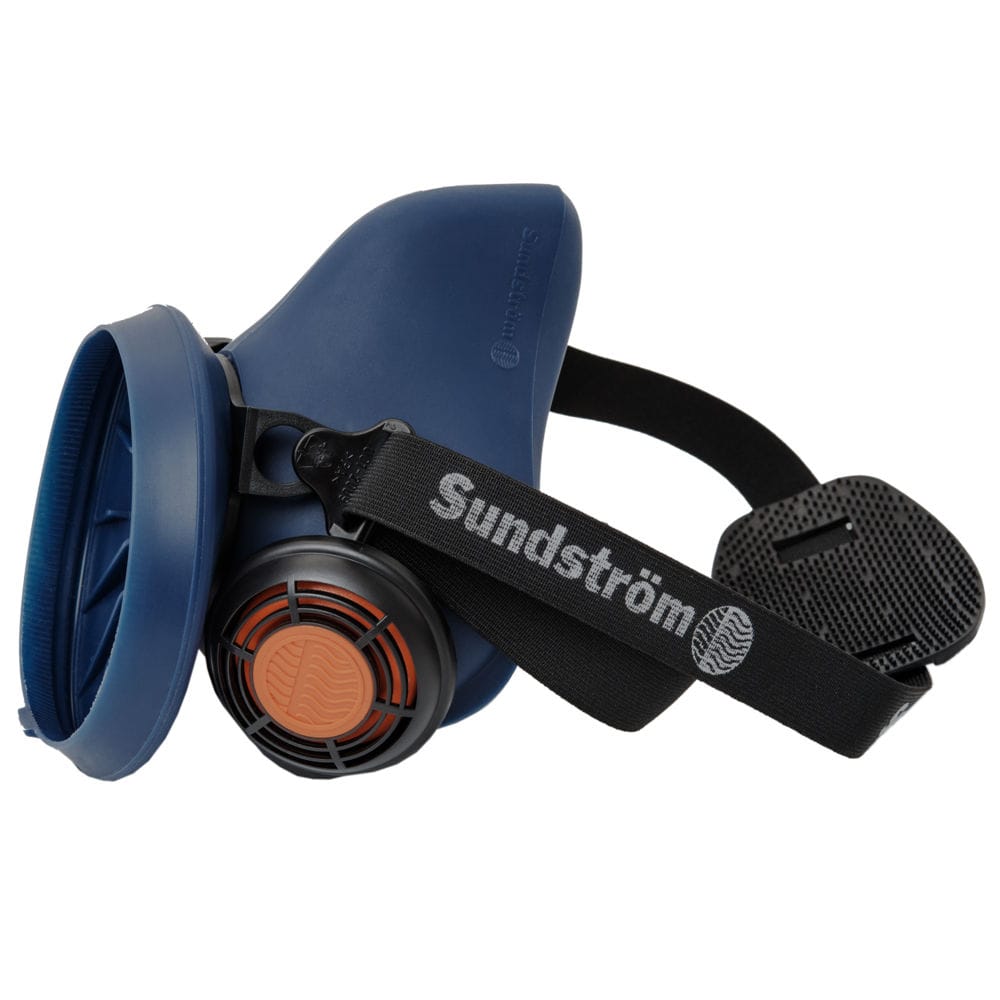
Service: Check pressure or readiness indication, cylinder or air supply, hoses, harness, mask or hood, regulator and warning devices as applicable. Keep masks and hoods clean, dry and protected from distortion and inspect sealing surfaces for damage. Function-test airflow and warning features according to the approved manufacturer procedure. Maintain cylinder inspection, charging and appliance service records as required by the vessel's safety-management system. Remove damaged or suspect units from service until properly repaired and tested. Refer to the manufacturer documentation for the exact figure for cylinder, hose, endurance and test limits.
Spare Parts: Keep approved face-mask or hood service parts, demand-valve or regulator consumables, hoses, batteries where applicable and manufacturer-recommended maintenance kits. Spare charged cylinders or emergency units should follow the vessel's statutory inventory. Use only certified compatible components.
Use Cases: Firefighting, rescue, escape and hazardous-atmosphere work on ships and offshore installations according to the breathing-apparatus type.
Interspiro Cascade 4×200bar-C unverified
Cylinders
4
Pressure (bar)
200
Type
Cascade System
Common Failures & Inspection Points
  • Loss of air supply caused by leakage, incomplete charging or damaged hose connection, resulting in insufficient pressure or airflow
  • Face seal, hood or demand-valve leakage caused by damaged seals, contamination or wear, resulting in poor fit or abnormal air consumption
  • Pressure reducer, gauge or warning-device fault caused by mechanical or electrical damage, resulting in unstable indication or missing low-air warning
  • Hose, harness or connector deterioration caused by age, heat or mechanical damage, resulting in leakage, poor fit or unreliable operation
  • Storage or charging deficiency caused by poor maintenance or inaccessible stowage, resulting in a unit that is not ready when required
Service: Check pressure or readiness indication, cylinder or air supply, hoses, harness, mask or hood, regulator and warning devices as applicable. Keep masks and hoods clean, dry and protected from distortion and inspect sealing surfaces for damage. Function-test airflow and warning features according to the approved manufacturer procedure. Maintain cylinder inspection, charging and appliance service records as required by the vessel's safety-management system. Remove damaged or suspect units from service until properly repaired and tested. Refer to the manufacturer documentation for the exact figure for cylinder, hose, endurance and test limits.
Spare Parts: Keep approved face-mask or hood service parts, demand-valve or regulator consumables, hoses, batteries where applicable and manufacturer-recommended maintenance kits. Spare charged cylinders or emergency units should follow the vessel's statutory inventory. Use only certified compatible components.
Use Cases: Firefighting, rescue, escape and hazardous-atmosphere work on ships and offshore installations according to the breathing-apparatus type.
Interspiro Cascade 6×200bar-C unverified
Cylinders
6
Pressure (bar)
200
Type
Cascade System
Common Failures & Inspection Points
  • Loss of air supply caused by leakage, incomplete charging or damaged hose connection, resulting in insufficient pressure or airflow
  • Face seal, hood or demand-valve leakage caused by damaged seals, contamination or wear, resulting in poor fit or abnormal air consumption
  • Pressure reducer, gauge or warning-device fault caused by mechanical or electrical damage, resulting in unstable indication or missing low-air warning
  • Hose, harness or connector deterioration caused by age, heat or mechanical damage, resulting in leakage, poor fit or unreliable operation
  • Storage or charging deficiency caused by poor maintenance or inaccessible stowage, resulting in a unit that is not ready when required
Service: Check pressure or readiness indication, cylinder or air supply, hoses, harness, mask or hood, regulator and warning devices as applicable. Keep masks and hoods clean, dry and protected from distortion and inspect sealing surfaces for damage. Function-test airflow and warning features according to the approved manufacturer procedure. Maintain cylinder inspection, charging and appliance service records as required by the vessel's safety-management system. Remove damaged or suspect units from service until properly repaired and tested. Refer to the manufacturer documentation for the exact figure for cylinder, hose, endurance and test limits.
Spare Parts: Keep approved face-mask or hood service parts, demand-valve or regulator consumables, hoses, batteries where applicable and manufacturer-recommended maintenance kits. Spare charged cylinders or emergency units should follow the vessel's statutory inventory. Use only certified compatible components.
Use Cases: Firefighting, rescue, escape and hazardous-atmosphere work on ships and offshore installations according to the breathing-apparatus type.
Interspiro Cascade 8×200bar-C unverified
Cylinders
8
Pressure (bar)
200
Type
Cascade System
Common Failures & Inspection Points
  • Loss of air supply caused by leakage, incomplete charging or damaged hose connection, resulting in insufficient pressure or airflow
  • Face seal, hood or demand-valve leakage caused by damaged seals, contamination or wear, resulting in poor fit or abnormal air consumption
  • Pressure reducer, gauge or warning-device fault caused by mechanical or electrical damage, resulting in unstable indication or missing low-air warning
  • Hose, harness or connector deterioration caused by age, heat or mechanical damage, resulting in leakage, poor fit or unreliable operation
  • Storage or charging deficiency caused by poor maintenance or inaccessible stowage, resulting in a unit that is not ready when required
Service: Check pressure or readiness indication, cylinder or air supply, hoses, harness, mask or hood, regulator and warning devices as applicable. Keep masks and hoods clean, dry and protected from distortion and inspect sealing surfaces for damage. Function-test airflow and warning features according to the approved manufacturer procedure. Maintain cylinder inspection, charging and appliance service records as required by the vessel's safety-management system. Remove damaged or suspect units from service until properly repaired and tested. Refer to the manufacturer documentation for the exact figure for cylinder, hose, endurance and test limits.
Spare Parts: Keep approved face-mask or hood service parts, demand-valve or regulator consumables, hoses, batteries where applicable and manufacturer-recommended maintenance kits. Spare charged cylinders or emergency units should follow the vessel's statutory inventory. Use only certified compatible components.
Use Cases: Firefighting, rescue, escape and hazardous-atmosphere work on ships and offshore installations according to the breathing-apparatus type.
Interspiro Cascade 12×200bar-C unverified
Cylinders
12
Pressure (bar)
200
Type
Cascade System
Common Failures & Inspection Points
  • Loss of air supply caused by leakage, incomplete charging or damaged hose connection, resulting in insufficient pressure or airflow
  • Face seal, hood or demand-valve leakage caused by damaged seals, contamination or wear, resulting in poor fit or abnormal air consumption
  • Pressure reducer, gauge or warning-device fault caused by mechanical or electrical damage, resulting in unstable indication or missing low-air warning
  • Hose, harness or connector deterioration caused by age, heat or mechanical damage, resulting in leakage, poor fit or unreliable operation
  • Storage or charging deficiency caused by poor maintenance or inaccessible stowage, resulting in a unit that is not ready when required
Service: Check pressure or readiness indication, cylinder or air supply, hoses, harness, mask or hood, regulator and warning devices as applicable. Keep masks and hoods clean, dry and protected from distortion and inspect sealing surfaces for damage. Function-test airflow and warning features according to the approved manufacturer procedure. Maintain cylinder inspection, charging and appliance service records as required by the vessel's safety-management system. Remove damaged or suspect units from service until properly repaired and tested. Refer to the manufacturer documentation for the exact figure for cylinder, hose, endurance and test limits.
Spare Parts: Keep approved face-mask or hood service parts, demand-valve or regulator consumables, hoses, batteries where applicable and manufacturer-recommended maintenance kits. Spare charged cylinders or emergency units should follow the vessel's statutory inventory. Use only certified compatible components.
Use Cases: Firefighting, rescue, escape and hazardous-atmosphere work on ships and offshore installations according to the breathing-apparatus type.
Interspiro Cascade 2×300bar-C unverified
Cylinders
2
Pressure (bar)
300
Type
Cascade System
Common Failures & Inspection Points
  • Loss of air supply caused by leakage, incomplete charging or damaged hose connection, resulting in insufficient pressure or airflow
  • Face seal, hood or demand-valve leakage caused by damaged seals, contamination or wear, resulting in poor fit or abnormal air consumption
  • Pressure reducer, gauge or warning-device fault caused by mechanical or electrical damage, resulting in unstable indication or missing low-air warning
  • Hose, harness or connector deterioration caused by age, heat or mechanical damage, resulting in leakage, poor fit or unreliable operation
  • Storage or charging deficiency caused by poor maintenance or inaccessible stowage, resulting in a unit that is not ready when required
Service: Check pressure or readiness indication, cylinder or air supply, hoses, harness, mask or hood, regulator and warning devices as applicable. Keep masks and hoods clean, dry and protected from distortion and inspect sealing surfaces for damage. Function-test airflow and warning features according to the approved manufacturer procedure. Maintain cylinder inspection, charging and appliance service records as required by the vessel's safety-management system. Remove damaged or suspect units from service until properly repaired and tested. Refer to the manufacturer documentation for the exact figure for cylinder, hose, endurance and test limits.
Spare Parts: Keep approved face-mask or hood service parts, demand-valve or regulator consumables, hoses, batteries where applicable and manufacturer-recommended maintenance kits. Spare charged cylinders or emergency units should follow the vessel's statutory inventory. Use only certified compatible components.
Use Cases: Firefighting, rescue, escape and hazardous-atmosphere work on ships and offshore installations according to the breathing-apparatus type.
Interspiro Cascade 4×300bar-C unverified
Cylinders
4
Pressure (bar)
300
Type
Cascade System
Common Failures & Inspection Points
  • Loss of air supply caused by leakage, incomplete charging or damaged hose connection, resulting in insufficient pressure or airflow
  • Face seal, hood or demand-valve leakage caused by damaged seals, contamination or wear, resulting in poor fit or abnormal air consumption
  • Pressure reducer, gauge or warning-device fault caused by mechanical or electrical damage, resulting in unstable indication or missing low-air warning
  • Hose, harness or connector deterioration caused by age, heat or mechanical damage, resulting in leakage, poor fit or unreliable operation
  • Storage or charging deficiency caused by poor maintenance or inaccessible stowage, resulting in a unit that is not ready when required
Service: Check pressure or readiness indication, cylinder or air supply, hoses, harness, mask or hood, regulator and warning devices as applicable. Keep masks and hoods clean, dry and protected from distortion and inspect sealing surfaces for damage. Function-test airflow and warning features according to the approved manufacturer procedure. Maintain cylinder inspection, charging and appliance service records as required by the vessel's safety-management system. Remove damaged or suspect units from service until properly repaired and tested. Refer to the manufacturer documentation for the exact figure for cylinder, hose, endurance and test limits.
Spare Parts: Keep approved face-mask or hood service parts, demand-valve or regulator consumables, hoses, batteries where applicable and manufacturer-recommended maintenance kits. Spare charged cylinders or emergency units should follow the vessel's statutory inventory. Use only certified compatible components.
Use Cases: Firefighting, rescue, escape and hazardous-atmosphere work on ships and offshore installations according to the breathing-apparatus type.
Interspiro Cascade 6×300bar-C unverified
Cylinders
6
Pressure (bar)
300
Type
Cascade System
Common Failures & Inspection Points
  • Loss of air supply caused by leakage, incomplete charging or damaged hose connection, resulting in insufficient pressure or airflow
  • Face seal, hood or demand-valve leakage caused by damaged seals, contamination or wear, resulting in poor fit or abnormal air consumption
  • Pressure reducer, gauge or warning-device fault caused by mechanical or electrical damage, resulting in unstable indication or missing low-air warning
  • Hose, harness or connector deterioration caused by age, heat or mechanical damage, resulting in leakage, poor fit or unreliable operation
  • Storage or charging deficiency caused by poor maintenance or inaccessible stowage, resulting in a unit that is not ready when required
Service: Check pressure or readiness indication, cylinder or air supply, hoses, harness, mask or hood, regulator and warning devices as applicable. Keep masks and hoods clean, dry and protected from distortion and inspect sealing surfaces for damage. Function-test airflow and warning features according to the approved manufacturer procedure. Maintain cylinder inspection, charging and appliance service records as required by the vessel's safety-management system. Remove damaged or suspect units from service until properly repaired and tested. Refer to the manufacturer documentation for the exact figure for cylinder, hose, endurance and test limits.
Spare Parts: Keep approved face-mask or hood service parts, demand-valve or regulator consumables, hoses, batteries where applicable and manufacturer-recommended maintenance kits. Spare charged cylinders or emergency units should follow the vessel's statutory inventory. Use only certified compatible components.
Use Cases: Firefighting, rescue, escape and hazardous-atmosphere work on ships and offshore installations according to the breathing-apparatus type.
Interspiro Cascade 8×300bar-C unverified
Cylinders
8
Pressure (bar)
300
Type
Cascade System
Common Failures & Inspection Points
  • Loss of air supply caused by leakage, incomplete charging or damaged hose connection, resulting in insufficient pressure or airflow
  • Face seal, hood or demand-valve leakage caused by damaged seals, contamination or wear, resulting in poor fit or abnormal air consumption
  • Pressure reducer, gauge or warning-device fault caused by mechanical or electrical damage, resulting in unstable indication or missing low-air warning
  • Hose, harness or connector deterioration caused by age, heat or mechanical damage, resulting in leakage, poor fit or unreliable operation
  • Storage or charging deficiency caused by poor maintenance or inaccessible stowage, resulting in a unit that is not ready when required
Service: Check pressure or readiness indication, cylinder or air supply, hoses, harness, mask or hood, regulator and warning devices as applicable. Keep masks and hoods clean, dry and protected from distortion and inspect sealing surfaces for damage. Function-test airflow and warning features according to the approved manufacturer procedure. Maintain cylinder inspection, charging and appliance service records as required by the vessel's safety-management system. Remove damaged or suspect units from service until properly repaired and tested. Refer to the manufacturer documentation for the exact figure for cylinder, hose, endurance and test limits.
Spare Parts: Keep approved face-mask or hood service parts, demand-valve or regulator consumables, hoses, batteries where applicable and manufacturer-recommended maintenance kits. Spare charged cylinders or emergency units should follow the vessel's statutory inventory. Use only certified compatible components.
Use Cases: Firefighting, rescue, escape and hazardous-atmosphere work on ships and offshore installations according to the breathing-apparatus type.
Interspiro Cascade 12×300bar-C unverified
Cylinders
12
Pressure (bar)
300
Type
Cascade System
Common Failures & Inspection Points
  • Loss of air supply caused by leakage, incomplete charging or damaged hose connection, resulting in insufficient pressure or airflow
  • Face seal, hood or demand-valve leakage caused by damaged seals, contamination or wear, resulting in poor fit or abnormal air consumption
  • Pressure reducer, gauge or warning-device fault caused by mechanical or electrical damage, resulting in unstable indication or missing low-air warning
  • Hose, harness or connector deterioration caused by age, heat or mechanical damage, resulting in leakage, poor fit or unreliable operation
  • Storage or charging deficiency caused by poor maintenance or inaccessible stowage, resulting in a unit that is not ready when required
Service: Check pressure or readiness indication, cylinder or air supply, hoses, harness, mask or hood, regulator and warning devices as applicable. Keep masks and hoods clean, dry and protected from distortion and inspect sealing surfaces for damage. Function-test airflow and warning features according to the approved manufacturer procedure. Maintain cylinder inspection, charging and appliance service records as required by the vessel's safety-management system. Remove damaged or suspect units from service until properly repaired and tested. Refer to the manufacturer documentation for the exact figure for cylinder, hose, endurance and test limits.
Spare Parts: Keep approved face-mask or hood service parts, demand-valve or regulator consumables, hoses, batteries where applicable and manufacturer-recommended maintenance kits. Spare charged cylinders or emergency units should follow the vessel's statutory inventory. Use only certified compatible components.
Use Cases: Firefighting, rescue, escape and hazardous-atmosphere work on ships and offshore installations according to the breathing-apparatus type.

MSA Safety

12
MSA Safety PremAire Airline unverified
Type
Supplied Air System
Common Failures & Inspection Points
  • Cylinder, air-line or connection leakage reduces available air and is identified during pre-use checks
  • Regulator or demand-valve malfunction causes difficult breathing, free flow or unstable mask pressure
  • Face-mask seal damage causes inward leakage during the user seal check
  • Harness, buckle, hose or hood damage makes the unit difficult or unsafe to use
  • Pressure indication, low-air alarm or supply-control faults prevent reliable awareness of remaining air
Service: Inspect cylinder or air supply, valves, reducers, hoses, demand valve, mask or hood, harness, gauges and alarms as applicable. Confirm cleanliness and readiness after use and maintain charging and inspection controls under the vessel safety program. Functional testing must follow manufacturer and statutory procedures. Refer to the manufacturer documentation for the exact figure for pressure and service intervals.
Spare Parts: Carry approved mask or hood seals, straps, hoses, regulator service items where onboard repair is permitted and compatible cylinders or airline components according to the vessel safety plan.
Use Cases: Firefighting, enclosed-space rescue, emergency escape and supplied-air maintenance work.
MSA Safety PremAire Airline HD unverified
Type
Supplied Air System
Common Failures & Inspection Points
  • Loss of air supply caused by leakage, incomplete charging or damaged hose connection, resulting in insufficient pressure or airflow
  • Face seal, hood or demand-valve leakage caused by damaged seals, contamination or wear, resulting in poor fit or abnormal air consumption
  • Pressure reducer, gauge or warning-device fault caused by mechanical or electrical damage, resulting in unstable indication or missing low-air warning
  • Hose, harness or connector deterioration caused by age, heat or mechanical damage, resulting in leakage, poor fit or unreliable operation
  • Storage or charging deficiency caused by poor maintenance or inaccessible stowage, resulting in a unit that is not ready when required
Service: Check pressure or readiness indication, cylinder or air supply, hoses, harness, mask or hood, regulator and warning devices as applicable. Keep masks and hoods clean, dry and protected from distortion and inspect sealing surfaces for damage. Function-test airflow and warning features according to the approved manufacturer procedure. Maintain cylinder inspection, charging and appliance service records as required by the vessel's safety-management system. Remove damaged or suspect units from service until properly repaired and tested. Refer to the manufacturer documentation for the exact figure for cylinder, hose, endurance and test limits.
Spare Parts: Keep approved face-mask or hood service parts, demand-valve or regulator consumables, hoses, batteries where applicable and manufacturer-recommended maintenance kits. Spare charged cylinders or emergency units should follow the vessel's statutory inventory. Use only certified compatible components.
Use Cases: Firefighting, rescue, escape and hazardous-atmosphere work on ships and offshore installations according to the breathing-apparatus type.
MSA Safety Cascade 2×200bar-C unverified
Cylinders
2
Pressure (bar)
200
Type
Cascade System
Common Failures & Inspection Points
  • Loss of air supply caused by leakage, incomplete charging or damaged hose connection, resulting in insufficient pressure or airflow
  • Face seal, hood or demand-valve leakage caused by damaged seals, contamination or wear, resulting in poor fit or abnormal air consumption
  • Pressure reducer, gauge or warning-device fault caused by mechanical or electrical damage, resulting in unstable indication or missing low-air warning
  • Hose, harness or connector deterioration caused by age, heat or mechanical damage, resulting in leakage, poor fit or unreliable operation
  • Storage or charging deficiency caused by poor maintenance or inaccessible stowage, resulting in a unit that is not ready when required
Service: Check pressure or readiness indication, cylinder or air supply, hoses, harness, mask or hood, regulator and warning devices as applicable. Keep masks and hoods clean, dry and protected from distortion and inspect sealing surfaces for damage. Function-test airflow and warning features according to the approved manufacturer procedure. Maintain cylinder inspection, charging and appliance service records as required by the vessel's safety-management system. Remove damaged or suspect units from service until properly repaired and tested. Refer to the manufacturer documentation for the exact figure for cylinder, hose, endurance and test limits.
Spare Parts: Keep approved face-mask or hood service parts, demand-valve or regulator consumables, hoses, batteries where applicable and manufacturer-recommended maintenance kits. Spare charged cylinders or emergency units should follow the vessel's statutory inventory. Use only certified compatible components.
Use Cases: Firefighting, rescue, escape and hazardous-atmosphere work on ships and offshore installations according to the breathing-apparatus type.
MSA Safety Cascade 4×200bar-C unverified
Cylinders
4
Pressure (bar)
200
Type
Cascade System
Common Failures & Inspection Points
  • Loss of air supply caused by leakage, incomplete charging or damaged hose connection, resulting in insufficient pressure or airflow
  • Face seal, hood or demand-valve leakage caused by damaged seals, contamination or wear, resulting in poor fit or abnormal air consumption
  • Pressure reducer, gauge or warning-device fault caused by mechanical or electrical damage, resulting in unstable indication or missing low-air warning
  • Hose, harness or connector deterioration caused by age, heat or mechanical damage, resulting in leakage, poor fit or unreliable operation
  • Storage or charging deficiency caused by poor maintenance or inaccessible stowage, resulting in a unit that is not ready when required
Service: Check pressure or readiness indication, cylinder or air supply, hoses, harness, mask or hood, regulator and warning devices as applicable. Keep masks and hoods clean, dry and protected from distortion and inspect sealing surfaces for damage. Function-test airflow and warning features according to the approved manufacturer procedure. Maintain cylinder inspection, charging and appliance service records as required by the vessel's safety-management system. Remove damaged or suspect units from service until properly repaired and tested. Refer to the manufacturer documentation for the exact figure for cylinder, hose, endurance and test limits.
Spare Parts: Keep approved face-mask or hood service parts, demand-valve or regulator consumables, hoses, batteries where applicable and manufacturer-recommended maintenance kits. Spare charged cylinders or emergency units should follow the vessel's statutory inventory. Use only certified compatible components.
Use Cases: Firefighting, rescue, escape and hazardous-atmosphere work on ships and offshore installations according to the breathing-apparatus type.
MSA Safety Cascade 6×200bar-C unverified
Cylinders
6
Pressure (bar)
200
Type
Cascade System
Common Failures & Inspection Points
  • Loss of air supply caused by leakage, incomplete charging or damaged hose connection, resulting in insufficient pressure or airflow
  • Face seal, hood or demand-valve leakage caused by damaged seals, contamination or wear, resulting in poor fit or abnormal air consumption
  • Pressure reducer, gauge or warning-device fault caused by mechanical or electrical damage, resulting in unstable indication or missing low-air warning
  • Hose, harness or connector deterioration caused by age, heat or mechanical damage, resulting in leakage, poor fit or unreliable operation
  • Storage or charging deficiency caused by poor maintenance or inaccessible stowage, resulting in a unit that is not ready when required
Service: Check pressure or readiness indication, cylinder or air supply, hoses, harness, mask or hood, regulator and warning devices as applicable. Keep masks and hoods clean, dry and protected from distortion and inspect sealing surfaces for damage. Function-test airflow and warning features according to the approved manufacturer procedure. Maintain cylinder inspection, charging and appliance service records as required by the vessel's safety-management system. Remove damaged or suspect units from service until properly repaired and tested. Refer to the manufacturer documentation for the exact figure for cylinder, hose, endurance and test limits.
Spare Parts: Keep approved face-mask or hood service parts, demand-valve or regulator consumables, hoses, batteries where applicable and manufacturer-recommended maintenance kits. Spare charged cylinders or emergency units should follow the vessel's statutory inventory. Use only certified compatible components.
Use Cases: Firefighting, rescue, escape and hazardous-atmosphere work on ships and offshore installations according to the breathing-apparatus type.
MSA Safety Cascade 8×200bar-C unverified
Cylinders
8
Pressure (bar)
200
Type
Cascade System
Common Failures & Inspection Points
  • Loss of air supply caused by leakage, incomplete charging or damaged hose connection, resulting in insufficient pressure or airflow
  • Face seal, hood or demand-valve leakage caused by damaged seals, contamination or wear, resulting in poor fit or abnormal air consumption
  • Pressure reducer, gauge or warning-device fault caused by mechanical or electrical damage, resulting in unstable indication or missing low-air warning
  • Hose, harness or connector deterioration caused by age, heat or mechanical damage, resulting in leakage, poor fit or unreliable operation
  • Storage or charging deficiency caused by poor maintenance or inaccessible stowage, resulting in a unit that is not ready when required
Service: Check pressure or readiness indication, cylinder or air supply, hoses, harness, mask or hood, regulator and warning devices as applicable. Keep masks and hoods clean, dry and protected from distortion and inspect sealing surfaces for damage. Function-test airflow and warning features according to the approved manufacturer procedure. Maintain cylinder inspection, charging and appliance service records as required by the vessel's safety-management system. Remove damaged or suspect units from service until properly repaired and tested. Refer to the manufacturer documentation for the exact figure for cylinder, hose, endurance and test limits.
Spare Parts: Keep approved face-mask or hood service parts, demand-valve or regulator consumables, hoses, batteries where applicable and manufacturer-recommended maintenance kits. Spare charged cylinders or emergency units should follow the vessel's statutory inventory. Use only certified compatible components.
Use Cases: Firefighting, rescue, escape and hazardous-atmosphere work on ships and offshore installations according to the breathing-apparatus type.
MSA Safety Cascade 12×200bar-C unverified
Cylinders
12
Pressure (bar)
200
Type
Cascade System
Common Failures & Inspection Points
  • Loss of air supply caused by leakage, incomplete charging or damaged hose connection, resulting in insufficient pressure or airflow
  • Face seal, hood or demand-valve leakage caused by damaged seals, contamination or wear, resulting in poor fit or abnormal air consumption
  • Pressure reducer, gauge or warning-device fault caused by mechanical or electrical damage, resulting in unstable indication or missing low-air warning
  • Hose, harness or connector deterioration caused by age, heat or mechanical damage, resulting in leakage, poor fit or unreliable operation
  • Storage or charging deficiency caused by poor maintenance or inaccessible stowage, resulting in a unit that is not ready when required
Service: Check pressure or readiness indication, cylinder or air supply, hoses, harness, mask or hood, regulator and warning devices as applicable. Keep masks and hoods clean, dry and protected from distortion and inspect sealing surfaces for damage. Function-test airflow and warning features according to the approved manufacturer procedure. Maintain cylinder inspection, charging and appliance service records as required by the vessel's safety-management system. Remove damaged or suspect units from service until properly repaired and tested. Refer to the manufacturer documentation for the exact figure for cylinder, hose, endurance and test limits.
Spare Parts: Keep approved face-mask or hood service parts, demand-valve or regulator consumables, hoses, batteries where applicable and manufacturer-recommended maintenance kits. Spare charged cylinders or emergency units should follow the vessel's statutory inventory. Use only certified compatible components.
Use Cases: Firefighting, rescue, escape and hazardous-atmosphere work on ships and offshore installations according to the breathing-apparatus type.
MSA Safety Cascade 2×300bar-C unverified
Cylinders
2
Pressure (bar)
300
Type
Cascade System
Common Failures & Inspection Points
  • Loss of air supply caused by leakage, incomplete charging or damaged hose connection, resulting in insufficient pressure or airflow
  • Face seal, hood or demand-valve leakage caused by damaged seals, contamination or wear, resulting in poor fit or abnormal air consumption
  • Pressure reducer, gauge or warning-device fault caused by mechanical or electrical damage, resulting in unstable indication or missing low-air warning
  • Hose, harness or connector deterioration caused by age, heat or mechanical damage, resulting in leakage, poor fit or unreliable operation
  • Storage or charging deficiency caused by poor maintenance or inaccessible stowage, resulting in a unit that is not ready when required
Service: Check pressure or readiness indication, cylinder or air supply, hoses, harness, mask or hood, regulator and warning devices as applicable. Keep masks and hoods clean, dry and protected from distortion and inspect sealing surfaces for damage. Function-test airflow and warning features according to the approved manufacturer procedure. Maintain cylinder inspection, charging and appliance service records as required by the vessel's safety-management system. Remove damaged or suspect units from service until properly repaired and tested. Refer to the manufacturer documentation for the exact figure for cylinder, hose, endurance and test limits.
Spare Parts: Keep approved face-mask or hood service parts, demand-valve or regulator consumables, hoses, batteries where applicable and manufacturer-recommended maintenance kits. Spare charged cylinders or emergency units should follow the vessel's statutory inventory. Use only certified compatible components.
Use Cases: Firefighting, rescue, escape and hazardous-atmosphere work on ships and offshore installations according to the breathing-apparatus type.
MSA Safety Cascade 4×300bar-C unverified
Cylinders
4
Pressure (bar)
300
Type
Cascade System
Common Failures & Inspection Points
  • Loss of air supply caused by leakage, incomplete charging or damaged hose connection, resulting in insufficient pressure or airflow
  • Face seal, hood or demand-valve leakage caused by damaged seals, contamination or wear, resulting in poor fit or abnormal air consumption
  • Pressure reducer, gauge or warning-device fault caused by mechanical or electrical damage, resulting in unstable indication or missing low-air warning
  • Hose, harness or connector deterioration caused by age, heat or mechanical damage, resulting in leakage, poor fit or unreliable operation
  • Storage or charging deficiency caused by poor maintenance or inaccessible stowage, resulting in a unit that is not ready when required
Service: Check pressure or readiness indication, cylinder or air supply, hoses, harness, mask or hood, regulator and warning devices as applicable. Keep masks and hoods clean, dry and protected from distortion and inspect sealing surfaces for damage. Function-test airflow and warning features according to the approved manufacturer procedure. Maintain cylinder inspection, charging and appliance service records as required by the vessel's safety-management system. Remove damaged or suspect units from service until properly repaired and tested. Refer to the manufacturer documentation for the exact figure for cylinder, hose, endurance and test limits.
Spare Parts: Keep approved face-mask or hood service parts, demand-valve or regulator consumables, hoses, batteries where applicable and manufacturer-recommended maintenance kits. Spare charged cylinders or emergency units should follow the vessel's statutory inventory. Use only certified compatible components.
Use Cases: Firefighting, rescue, escape and hazardous-atmosphere work on ships and offshore installations according to the breathing-apparatus type.
MSA Safety Cascade 6×300bar-C unverified
Cylinders
6
Pressure (bar)
300
Type
Cascade System
Common Failures & Inspection Points
  • Loss of air supply caused by leakage, incomplete charging or damaged hose connection, resulting in insufficient pressure or airflow
  • Face seal, hood or demand-valve leakage caused by damaged seals, contamination or wear, resulting in poor fit or abnormal air consumption
  • Pressure reducer, gauge or warning-device fault caused by mechanical or electrical damage, resulting in unstable indication or missing low-air warning
  • Hose, harness or connector deterioration caused by age, heat or mechanical damage, resulting in leakage, poor fit or unreliable operation
  • Storage or charging deficiency caused by poor maintenance or inaccessible stowage, resulting in a unit that is not ready when required
Service: Check pressure or readiness indication, cylinder or air supply, hoses, harness, mask or hood, regulator and warning devices as applicable. Keep masks and hoods clean, dry and protected from distortion and inspect sealing surfaces for damage. Function-test airflow and warning features according to the approved manufacturer procedure. Maintain cylinder inspection, charging and appliance service records as required by the vessel's safety-management system. Remove damaged or suspect units from service until properly repaired and tested. Refer to the manufacturer documentation for the exact figure for cylinder, hose, endurance and test limits.
Spare Parts: Keep approved face-mask or hood service parts, demand-valve or regulator consumables, hoses, batteries where applicable and manufacturer-recommended maintenance kits. Spare charged cylinders or emergency units should follow the vessel's statutory inventory. Use only certified compatible components.
Use Cases: Firefighting, rescue, escape and hazardous-atmosphere work on ships and offshore installations according to the breathing-apparatus type.
MSA Safety Cascade 8×300bar-C unverified
Cylinders
8
Pressure (bar)
300
Type
Cascade System
Common Failures & Inspection Points
  • Loss of air supply caused by leakage, incomplete charging or damaged hose connection, resulting in insufficient pressure or airflow
  • Face seal, hood or demand-valve leakage caused by damaged seals, contamination or wear, resulting in poor fit or abnormal air consumption
  • Pressure reducer, gauge or warning-device fault caused by mechanical or electrical damage, resulting in unstable indication or missing low-air warning
  • Hose, harness or connector deterioration caused by age, heat or mechanical damage, resulting in leakage, poor fit or unreliable operation
  • Storage or charging deficiency caused by poor maintenance or inaccessible stowage, resulting in a unit that is not ready when required
Service: Check pressure or readiness indication, cylinder or air supply, hoses, harness, mask or hood, regulator and warning devices as applicable. Keep masks and hoods clean, dry and protected from distortion and inspect sealing surfaces for damage. Function-test airflow and warning features according to the approved manufacturer procedure. Maintain cylinder inspection, charging and appliance service records as required by the vessel's safety-management system. Remove damaged or suspect units from service until properly repaired and tested. Refer to the manufacturer documentation for the exact figure for cylinder, hose, endurance and test limits.
Spare Parts: Keep approved face-mask or hood service parts, demand-valve or regulator consumables, hoses, batteries where applicable and manufacturer-recommended maintenance kits. Spare charged cylinders or emergency units should follow the vessel's statutory inventory. Use only certified compatible components.
Use Cases: Firefighting, rescue, escape and hazardous-atmosphere work on ships and offshore installations according to the breathing-apparatus type.
MSA Safety Cascade 12×300bar-C unverified
Cylinders
12
Pressure (bar)
300
Type
Cascade System
Common Failures & Inspection Points
  • Loss of air supply caused by leakage, incomplete charging or damaged hose connection, resulting in insufficient pressure or airflow
  • Face seal, hood or demand-valve leakage caused by damaged seals, contamination or wear, resulting in poor fit or abnormal air consumption
  • Pressure reducer, gauge or warning-device fault caused by mechanical or electrical damage, resulting in unstable indication or missing low-air warning
  • Hose, harness or connector deterioration caused by age, heat or mechanical damage, resulting in leakage, poor fit or unreliable operation
  • Storage or charging deficiency caused by poor maintenance or inaccessible stowage, resulting in a unit that is not ready when required
Service: Check pressure or readiness indication, cylinder or air supply, hoses, harness, mask or hood, regulator and warning devices as applicable. Keep masks and hoods clean, dry and protected from distortion and inspect sealing surfaces for damage. Function-test airflow and warning features according to the approved manufacturer procedure. Maintain cylinder inspection, charging and appliance service records as required by the vessel's safety-management system. Remove damaged or suspect units from service until properly repaired and tested. Refer to the manufacturer documentation for the exact figure for cylinder, hose, endurance and test limits.
Spare Parts: Keep approved face-mask or hood service parts, demand-valve or regulator consumables, hoses, batteries where applicable and manufacturer-recommended maintenance kits. Spare charged cylinders or emergency units should follow the vessel's statutory inventory. Use only certified compatible components.
Use Cases: Firefighting, rescue, escape and hazardous-atmosphere work on ships and offshore installations according to the breathing-apparatus type.

Bauer Compressors

10
Bauer Compressors Cascade 2×200bar-C unverified
Cylinders
2
Pressure (bar)
200
Type
Cascade System
Common Failures & Inspection Points
  • Sensor or cell ageing can cause drift or failed calibration, seen as unstable or inaccurate readings
  • Blocked sampling paths, filters or sensor inlets can slow response, noticed during bump or functional testing
  • Battery or power-supply failure can make portable or electronic equipment unavailable
  • Regulator, hose, mask or seal leakage on breathing equipment can reduce delivered air, noticed as pressure loss or poor face seal
  • Moisture, contamination or corrosion can damage connectors and alarms, causing intermittent faults or failed self-tests
Service: Perform the maker-specified functional, leak, alarm and calibration checks appropriate to the equipment. Inspect sensors, hoses, masks, cylinders, regulators, batteries and charging arrangements as applicable. Calibration gas values, cylinder test requirements and sensor-life limits must be taken from approved manufacturer and statutory documentation.
Spare Parts: Carry approved sensors or cells, filters, batteries, seals, mask or hose consumables and calibration/test accessories appropriate to the installed equipment.
Use Cases: Used across merchant, tanker, gas-carrier, offshore and passenger vessels for atmosphere monitoring, confined-space safety and firefighting support.
Bauer Compressors Cascade 4×200bar-C unverified
Cylinders
4
Pressure (bar)
200
Type
Cascade System
Common Failures & Inspection Points
  • Sensor or cell ageing can cause drift or failed calibration, seen as unstable or inaccurate readings
  • Blocked sampling paths, filters or sensor inlets can slow response, noticed during bump or functional testing
  • Battery or power-supply failure can make portable or electronic equipment unavailable
  • Regulator, hose, mask or seal leakage on breathing equipment can reduce delivered air, noticed as pressure loss or poor face seal
  • Moisture, contamination or corrosion can damage connectors and alarms, causing intermittent faults or failed self-tests
Service: Perform the maker-specified functional, leak, alarm and calibration checks appropriate to the equipment. Inspect sensors, hoses, masks, cylinders, regulators, batteries and charging arrangements as applicable. Calibration gas values, cylinder test requirements and sensor-life limits must be taken from approved manufacturer and statutory documentation.
Spare Parts: Carry approved sensors or cells, filters, batteries, seals, mask or hose consumables and calibration/test accessories appropriate to the installed equipment.
Use Cases: Used across merchant, tanker, gas-carrier, offshore and passenger vessels for atmosphere monitoring, confined-space safety and firefighting support.
Bauer Compressors Cascade 6×200bar-C unverified
Cylinders
6
Pressure (bar)
200
Type
Cascade System
Common Failures & Inspection Points
  • Sensor or cell ageing can cause drift or failed calibration, seen as unstable or inaccurate readings
  • Blocked sampling paths, filters or sensor inlets can slow response, noticed during bump or functional testing
  • Battery or power-supply failure can make portable or electronic equipment unavailable
  • Regulator, hose, mask or seal leakage on breathing equipment can reduce delivered air, noticed as pressure loss or poor face seal
  • Moisture, contamination or corrosion can damage connectors and alarms, causing intermittent faults or failed self-tests
Service: Perform the maker-specified functional, leak, alarm and calibration checks appropriate to the equipment. Inspect sensors, hoses, masks, cylinders, regulators, batteries and charging arrangements as applicable. Calibration gas values, cylinder test requirements and sensor-life limits must be taken from approved manufacturer and statutory documentation.
Spare Parts: Carry approved sensors or cells, filters, batteries, seals, mask or hose consumables and calibration/test accessories appropriate to the installed equipment.
Use Cases: Used across merchant, tanker, gas-carrier, offshore and passenger vessels for atmosphere monitoring, confined-space safety and firefighting support.
Bauer Compressors Cascade 8×200bar-C unverified
Cylinders
8
Pressure (bar)
200
Type
Cascade System
Common Failures & Inspection Points
  • Sensor or cell ageing can cause drift or failed calibration, seen as unstable or inaccurate readings
  • Blocked sampling paths, filters or sensor inlets can slow response, noticed during bump or functional testing
  • Battery or power-supply failure can make portable or electronic equipment unavailable
  • Regulator, hose, mask or seal leakage on breathing equipment can reduce delivered air, noticed as pressure loss or poor face seal
  • Moisture, contamination or corrosion can damage connectors and alarms, causing intermittent faults or failed self-tests
Service: Perform the maker-specified functional, leak, alarm and calibration checks appropriate to the equipment. Inspect sensors, hoses, masks, cylinders, regulators, batteries and charging arrangements as applicable. Calibration gas values, cylinder test requirements and sensor-life limits must be taken from approved manufacturer and statutory documentation.
Spare Parts: Carry approved sensors or cells, filters, batteries, seals, mask or hose consumables and calibration/test accessories appropriate to the installed equipment.
Use Cases: Used across merchant, tanker, gas-carrier, offshore and passenger vessels for atmosphere monitoring, confined-space safety and firefighting support.
Bauer Compressors Cascade 12×200bar-C unverified
Cylinders
12
Pressure (bar)
200
Type
Cascade System
Common Failures & Inspection Points
  • Sensor or cell ageing can cause drift or failed calibration, seen as unstable or inaccurate readings
  • Blocked sampling paths, filters or sensor inlets can slow response, noticed during bump or functional testing
  • Battery or power-supply failure can make portable or electronic equipment unavailable
  • Regulator, hose, mask or seal leakage on breathing equipment can reduce delivered air, noticed as pressure loss or poor face seal
  • Moisture, contamination or corrosion can damage connectors and alarms, causing intermittent faults or failed self-tests
Service: Perform the maker-specified functional, leak, alarm and calibration checks appropriate to the equipment. Inspect sensors, hoses, masks, cylinders, regulators, batteries and charging arrangements as applicable. Calibration gas values, cylinder test requirements and sensor-life limits must be taken from approved manufacturer and statutory documentation.
Spare Parts: Carry approved sensors or cells, filters, batteries, seals, mask or hose consumables and calibration/test accessories appropriate to the installed equipment.
Use Cases: Used across merchant, tanker, gas-carrier, offshore and passenger vessels for atmosphere monitoring, confined-space safety and firefighting support.
Bauer Compressors Cascade 2×300bar-C unverified
Cylinders
2
Pressure (bar)
300
Type
Cascade System
Common Failures & Inspection Points
  • Sensor or cell ageing can cause drift or failed calibration, seen as unstable or inaccurate readings
  • Blocked sampling paths, filters or sensor inlets can slow response, noticed during bump or functional testing
  • Battery or power-supply failure can make portable or electronic equipment unavailable
  • Regulator, hose, mask or seal leakage on breathing equipment can reduce delivered air, noticed as pressure loss or poor face seal
  • Moisture, contamination or corrosion can damage connectors and alarms, causing intermittent faults or failed self-tests
Service: Perform the maker-specified functional, leak, alarm and calibration checks appropriate to the equipment. Inspect sensors, hoses, masks, cylinders, regulators, batteries and charging arrangements as applicable. Calibration gas values, cylinder test requirements and sensor-life limits must be taken from approved manufacturer and statutory documentation.
Spare Parts: Carry approved sensors or cells, filters, batteries, seals, mask or hose consumables and calibration/test accessories appropriate to the installed equipment.
Use Cases: Used across merchant, tanker, gas-carrier, offshore and passenger vessels for atmosphere monitoring, confined-space safety and firefighting support.
Bauer Compressors Cascade 4×300bar-C unverified
Cylinders
4
Pressure (bar)
300
Type
Cascade System
Common Failures & Inspection Points
  • Sensor or cell ageing can cause drift or failed calibration, seen as unstable or inaccurate readings
  • Blocked sampling paths, filters or sensor inlets can slow response, noticed during bump or functional testing
  • Battery or power-supply failure can make portable or electronic equipment unavailable
  • Regulator, hose, mask or seal leakage on breathing equipment can reduce delivered air, noticed as pressure loss or poor face seal
  • Moisture, contamination or corrosion can damage connectors and alarms, causing intermittent faults or failed self-tests
Service: Perform the maker-specified functional, leak, alarm and calibration checks appropriate to the equipment. Inspect sensors, hoses, masks, cylinders, regulators, batteries and charging arrangements as applicable. Calibration gas values, cylinder test requirements and sensor-life limits must be taken from approved manufacturer and statutory documentation.
Spare Parts: Carry approved sensors or cells, filters, batteries, seals, mask or hose consumables and calibration/test accessories appropriate to the installed equipment.
Use Cases: Used across merchant, tanker, gas-carrier, offshore and passenger vessels for atmosphere monitoring, confined-space safety and firefighting support.
Bauer Compressors Cascade 6×300bar-C unverified
Cylinders
6
Pressure (bar)
300
Type
Cascade System
Common Failures & Inspection Points
  • Sensor or cell ageing can cause drift or failed calibration, seen as unstable or inaccurate readings
  • Blocked sampling paths, filters or sensor inlets can slow response, noticed during bump or functional testing
  • Battery or power-supply failure can make portable or electronic equipment unavailable
  • Regulator, hose, mask or seal leakage on breathing equipment can reduce delivered air, noticed as pressure loss or poor face seal
  • Moisture, contamination or corrosion can damage connectors and alarms, causing intermittent faults or failed self-tests
Service: Perform the maker-specified functional, leak, alarm and calibration checks appropriate to the equipment. Inspect sensors, hoses, masks, cylinders, regulators, batteries and charging arrangements as applicable. Calibration gas values, cylinder test requirements and sensor-life limits must be taken from approved manufacturer and statutory documentation.
Spare Parts: Carry approved sensors or cells, filters, batteries, seals, mask or hose consumables and calibration/test accessories appropriate to the installed equipment.
Use Cases: Used across merchant, tanker, gas-carrier, offshore and passenger vessels for atmosphere monitoring, confined-space safety and firefighting support.
Bauer Compressors Cascade 8×300bar-C unverified
Cylinders
8
Pressure (bar)
300
Type
Cascade System
Common Failures & Inspection Points
  • Sensor or cell ageing can cause drift or failed calibration, seen as unstable or inaccurate readings
  • Blocked sampling paths, filters or sensor inlets can slow response, noticed during bump or functional testing
  • Battery or power-supply failure can make portable or electronic equipment unavailable
  • Regulator, hose, mask or seal leakage on breathing equipment can reduce delivered air, noticed as pressure loss or poor face seal
  • Moisture, contamination or corrosion can damage connectors and alarms, causing intermittent faults or failed self-tests
Service: Perform the maker-specified functional, leak, alarm and calibration checks appropriate to the equipment. Inspect sensors, hoses, masks, cylinders, regulators, batteries and charging arrangements as applicable. Calibration gas values, cylinder test requirements and sensor-life limits must be taken from approved manufacturer and statutory documentation.
Spare Parts: Carry approved sensors or cells, filters, batteries, seals, mask or hose consumables and calibration/test accessories appropriate to the installed equipment.
Use Cases: Used across merchant, tanker, gas-carrier, offshore and passenger vessels for atmosphere monitoring, confined-space safety and firefighting support.
Bauer Compressors Cascade 12×300bar-C unverified
Cylinders
12
Pressure (bar)
300
Type
Cascade System
Common Failures & Inspection Points
  • Sensor or cell ageing can cause drift or failed calibration, seen as unstable or inaccurate readings
  • Blocked sampling paths, filters or sensor inlets can slow response, noticed during bump or functional testing
  • Battery or power-supply failure can make portable or electronic equipment unavailable
  • Regulator, hose, mask or seal leakage on breathing equipment can reduce delivered air, noticed as pressure loss or poor face seal
  • Moisture, contamination or corrosion can damage connectors and alarms, causing intermittent faults or failed self-tests
Service: Perform the maker-specified functional, leak, alarm and calibration checks appropriate to the equipment. Inspect sensors, hoses, masks, cylinders, regulators, batteries and charging arrangements as applicable. Calibration gas values, cylinder test requirements and sensor-life limits must be taken from approved manufacturer and statutory documentation.
Spare Parts: Carry approved sensors or cells, filters, batteries, seals, mask or hose consumables and calibration/test accessories appropriate to the installed equipment.
Use Cases: Used across merchant, tanker, gas-carrier, offshore and passenger vessels for atmosphere monitoring, confined-space safety and firefighting support.

Sundström Safety

7
Sundström SR200 Full Face unverified
Type
Airline/Filter Mask
Common Failures & Inspection Points
  • Loss of air supply caused by leakage, incomplete charging or damaged hose connection, resulting in insufficient pressure or airflow
  • Face seal, hood or demand-valve leakage caused by damaged seals, contamination or wear, resulting in poor fit or abnormal air consumption
  • Pressure reducer, gauge or warning-device fault caused by mechanical or electrical damage, resulting in unstable indication or missing low-air warning
  • Hose, harness or connector deterioration caused by age, heat or mechanical damage, resulting in leakage, poor fit or unreliable operation
  • Storage or charging deficiency caused by poor maintenance or inaccessible stowage, resulting in a unit that is not ready when required
Service: Check pressure or readiness indication, cylinder or air supply, hoses, harness, mask or hood, regulator and warning devices as applicable. Keep masks and hoods clean, dry and protected from distortion and inspect sealing surfaces for damage. Function-test airflow and warning features according to the approved manufacturer procedure. Maintain cylinder inspection, charging and appliance service records as required by the vessel's safety-management system. Remove damaged or suspect units from service until properly repaired and tested. Refer to the manufacturer documentation for the exact figure for cylinder, hose, endurance and test limits.
Spare Parts: Keep approved face-mask or hood service parts, demand-valve or regulator consumables, hoses, batteries where applicable and manufacturer-recommended maintenance kits. Spare charged cylinders or emergency units should follow the vessel's statutory inventory. Use only certified compatible components.
Use Cases: Firefighting, rescue, escape and hazardous-atmosphere work on ships and offshore installations according to the breathing-apparatus type.
Sundström SR900 Half Mask unverified
Type
Airline/Filter Mask
Common Failures & Inspection Points
  • Loss of air supply caused by leakage, incomplete charging or damaged hose connection, resulting in insufficient pressure or airflow
  • Face seal, hood or demand-valve leakage caused by damaged seals, contamination or wear, resulting in poor fit or abnormal air consumption
  • Pressure reducer, gauge or warning-device fault caused by mechanical or electrical damage, resulting in unstable indication or missing low-air warning
  • Hose, harness or connector deterioration caused by age, heat or mechanical damage, resulting in leakage, poor fit or unreliable operation
  • Storage or charging deficiency caused by poor maintenance or inaccessible stowage, resulting in a unit that is not ready when required
Service: Check pressure or readiness indication, cylinder or air supply, hoses, harness, mask or hood, regulator and warning devices as applicable. Keep masks and hoods clean, dry and protected from distortion and inspect sealing surfaces for damage. Function-test airflow and warning features according to the approved manufacturer procedure. Maintain cylinder inspection, charging and appliance service records as required by the vessel's safety-management system. Remove damaged or suspect units from service until properly repaired and tested. Refer to the manufacturer documentation for the exact figure for cylinder, hose, endurance and test limits.
Spare Parts: Keep approved face-mask or hood service parts, demand-valve or regulator consumables, hoses, batteries where applicable and manufacturer-recommended maintenance kits. Spare charged cylinders or emergency units should follow the vessel's statutory inventory. Use only certified compatible components.
Use Cases: Firefighting, rescue, escape and hazardous-atmosphere work on ships and offshore installations according to the breathing-apparatus type.
Sundström Safety Sundström SR100 Half Mask
Sundström SR100 Half Mask unverified
Type
Airline/Filter Mask
Common Failures & Inspection Points
  • Loss of air supply caused by leakage, incomplete charging or damaged hose connection, resulting in insufficient pressure or airflow
  • Face seal, hood or demand-valve leakage caused by damaged seals, contamination or wear, resulting in poor fit or abnormal air consumption
  • Pressure reducer, gauge or warning-device fault caused by mechanical or electrical damage, resulting in unstable indication or missing low-air warning
  • Hose, harness or connector deterioration caused by age, heat or mechanical damage, resulting in leakage, poor fit or unreliable operation
  • Storage or charging deficiency caused by poor maintenance or inaccessible stowage, resulting in a unit that is not ready when required
Service: Check pressure or readiness indication, cylinder or air supply, hoses, harness, mask or hood, regulator and warning devices as applicable. Keep masks and hoods clean, dry and protected from distortion and inspect sealing surfaces for damage. Function-test airflow and warning features according to the approved manufacturer procedure. Maintain cylinder inspection, charging and appliance service records as required by the vessel's safety-management system. Remove damaged or suspect units from service until properly repaired and tested. Refer to the manufacturer documentation for the exact figure for cylinder, hose, endurance and test limits.
Spare Parts: Keep approved face-mask or hood service parts, demand-valve or regulator consumables, hoses, batteries where applicable and manufacturer-recommended maintenance kits. Spare charged cylinders or emergency units should follow the vessel's statutory inventory. Use only certified compatible components.
Use Cases: Firefighting, rescue, escape and hazardous-atmosphere work on ships and offshore installations according to the breathing-apparatus type.
Sundström SR507 Airline Unit unverified
Type
Supplied Air System
Common Failures & Inspection Points
  • Material, hull or container deterioration caused by weather, ultraviolet exposure, impact or aging, resulting in cracks, tears, corrosion or visible deformation
  • Release, securing or launching-component wear caused by drills, corrosion or misalignment, resulting in stiff operation, abnormal play or failed readiness checks
  • Battery, light or communication-equipment failure caused by aging, charging faults or water ingress, resulting in failed self-test or missing emergency indication
  • Engine, steering or inflation-system failure where applicable caused by fuel, mechanical, pneumatic or seal problems, resulting in inability to maneuver or deploy the appliance
  • Incorrect stowage, identification or service status caused by inventory or maintenance errors, resulting in delayed use or an appliance that is not ready
Service: Inspect condition, securing, markings, release or launching interfaces and all accessible emergency equipment appropriate to the appliance. Function-test only those features permitted by the approved onboard procedure and avoid unintended distress transmissions or unsafe release. Check service dates, batteries, hydrostatic releases, engines, lights and inventories where applicable. Keep embarkation, launch and access areas unobstructed. Replace expired, damaged or suspect certified components through the approved service route. Refer to the manufacturer documentation for the exact figure for inspection, servicing, load-test and replacement criteria.
Spare Parts: Keep only approved replacement batteries, lights, seals, securing parts, engine consumables, release components or complete replacement appliances appropriate to the certified equipment. Critical launching and survival components must remain within the approved configuration.
Use Cases: It is used for firefighting, rescue and escape on merchant ships, passenger vessels, offshore units or other vessel types where this equipment category is fitted.
Sundström Safety SR507 Mk2 unverified
Type
Supplied Air System
Common Failures & Inspection Points
  • Loss of air supply caused by leakage, incomplete charging or damaged hose connection, resulting in insufficient pressure or airflow
  • Face seal, hood or demand-valve leakage caused by damaged seals, contamination or wear, resulting in poor fit or abnormal air consumption
  • Pressure reducer, gauge or warning-device fault caused by mechanical or electrical damage, resulting in unstable indication or missing low-air warning
  • Hose, harness or connector deterioration caused by age, heat or mechanical damage, resulting in leakage, poor fit or unreliable operation
  • Storage or charging deficiency caused by poor maintenance or inaccessible stowage, resulting in a unit that is not ready when required
Service: Check pressure or readiness indication, cylinder or air supply, hoses, harness, mask or hood, regulator and warning devices as applicable. Keep masks and hoods clean, dry and protected from distortion and inspect sealing surfaces for damage. Function-test airflow and warning features according to the approved manufacturer procedure. Maintain cylinder inspection, charging and appliance service records as required by the vessel's safety-management system. Remove damaged or suspect units from service until properly repaired and tested. Refer to the manufacturer documentation for the exact figure for cylinder, hose, endurance and test limits.
Spare Parts: Keep approved face-mask or hood service parts, demand-valve or regulator consumables, hoses, batteries where applicable and manufacturer-recommended maintenance kits. Spare charged cylinders or emergency units should follow the vessel's statutory inventory. Use only certified compatible components.
Use Cases: Firefighting, rescue, escape and hazardous-atmosphere work on ships and offshore installations according to the breathing-apparatus type.
Sundström Safety SR900 Airline unverified
Type
Supplied Air System
Common Failures & Inspection Points
  • Material, hull or container deterioration caused by weather, ultraviolet exposure, impact or aging, resulting in cracks, tears, corrosion or visible deformation
  • Release, securing or launching-component wear caused by drills, corrosion or misalignment, resulting in stiff operation, abnormal play or failed readiness checks
  • Battery, light or communication-equipment failure caused by aging, charging faults or water ingress, resulting in failed self-test or missing emergency indication
  • Engine, steering or inflation-system failure where applicable caused by fuel, mechanical, pneumatic or seal problems, resulting in inability to maneuver or deploy the appliance
  • Incorrect stowage, identification or service status caused by inventory or maintenance errors, resulting in delayed use or an appliance that is not ready
Service: Inspect condition, securing, markings, release or launching interfaces and all accessible emergency equipment appropriate to the appliance. Function-test only those features permitted by the approved onboard procedure and avoid unintended distress transmissions or unsafe release. Check service dates, batteries, hydrostatic releases, engines, lights and inventories where applicable. Keep embarkation, launch and access areas unobstructed. Replace expired, damaged or suspect certified components through the approved service route. Refer to the manufacturer documentation for the exact figure for inspection, servicing, load-test and replacement criteria.
Spare Parts: Keep only approved replacement batteries, lights, seals, securing parts, engine consumables, release components or complete replacement appliances appropriate to the certified equipment. Critical launching and survival components must remain within the approved configuration.
Use Cases: It is used for firefighting, rescue and escape on merchant ships, passenger vessels, offshore units or other vessel types where this equipment category is fitted.
Sundström Safety SR200 Airline unverified
Type
Supplied Air System
Common Failures & Inspection Points
  • Material, hull or container deterioration caused by weather, ultraviolet exposure, impact or aging, resulting in cracks, tears, corrosion or visible deformation
  • Release, securing or launching-component wear caused by drills, corrosion or misalignment, resulting in stiff operation, abnormal play or failed readiness checks
  • Battery, light or communication-equipment failure caused by aging, charging faults or water ingress, resulting in failed self-test or missing emergency indication
  • Engine, steering or inflation-system failure where applicable caused by fuel, mechanical, pneumatic or seal problems, resulting in inability to maneuver or deploy the appliance
  • Incorrect stowage, identification or service status caused by inventory or maintenance errors, resulting in delayed use or an appliance that is not ready
Service: Inspect condition, securing, markings, release or launching interfaces and all accessible emergency equipment appropriate to the appliance. Function-test only those features permitted by the approved onboard procedure and avoid unintended distress transmissions or unsafe release. Check service dates, batteries, hydrostatic releases, engines, lights and inventories where applicable. Keep embarkation, launch and access areas unobstructed. Replace expired, damaged or suspect certified components through the approved service route. Refer to the manufacturer documentation for the exact figure for inspection, servicing, load-test and replacement criteria.
Spare Parts: Keep only approved replacement batteries, lights, seals, securing parts, engine consumables, release components or complete replacement appliances appropriate to the certified equipment. Critical launching and survival components must remain within the approved configuration.
Use Cases: It is used for firefighting, rescue and escape on merchant ships, passenger vessels, offshore units or other vessel types where this equipment category is fitted.