Search & Rescue Transponder (SART)
A SART does not alert anyone that a distress is happening; it sits dormant until triggered, then answers a searching vessel's radar with arcs on its display, guiding the search to survivors once a rescue is already under way.
Read more — Search & Rescue Transponder (SART) explained ▾
What sets a SART apart from an EPIRB
A SART does not alert anyone that a distress is happening; it only becomes useful once a search is already under way. It sits dormant until triggered, then responds to a searching vessel's or aircraft's radar with a distinctive series of arcs on the searcher's display, letting them home in on survivors' exact position, which an EPIRB's satellite position fix cannot do at the short range and poor visibility typical of an actual rescue.
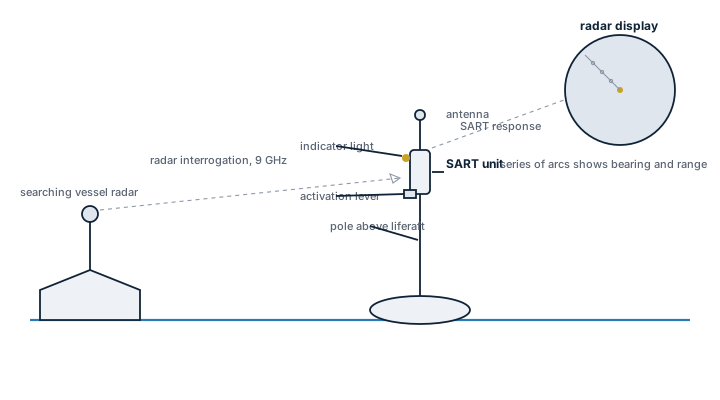
Main components
Transponder unit
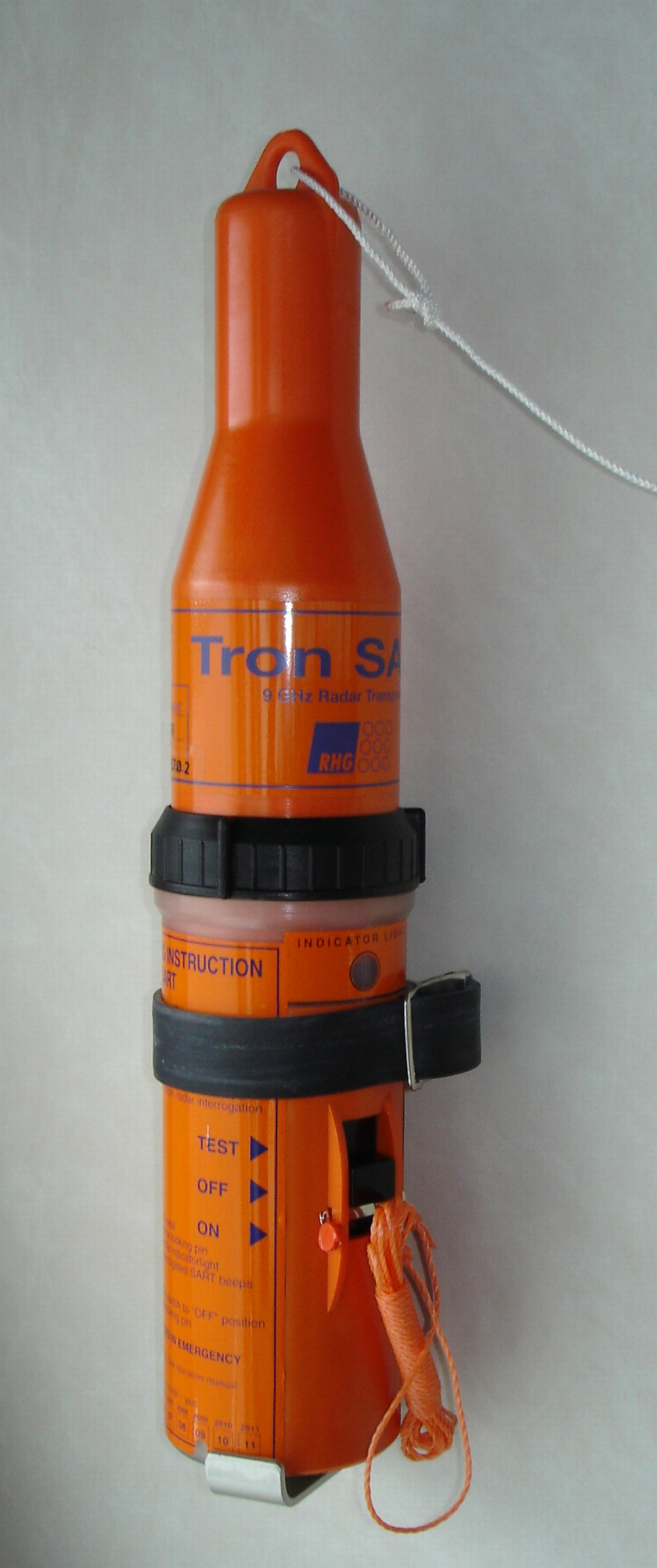
A compact, waterproof, floating unit, carried in the survival craft or a grab bag, designed to be operated by an untrained survivor under stress; increasingly available alongside an AIS-based alternative.
Radar transponder function
On activation, the X-band unit listens for a searching vessel's or aircraft's 9 GHz radar pulses and responds with a swept-frequency reply that appears as a line of dots or arcs on the searcher's radar display, extending outward from the survivors' position, visible at a useful range well before visual or voice contact is possible.
AIS-SART alternative
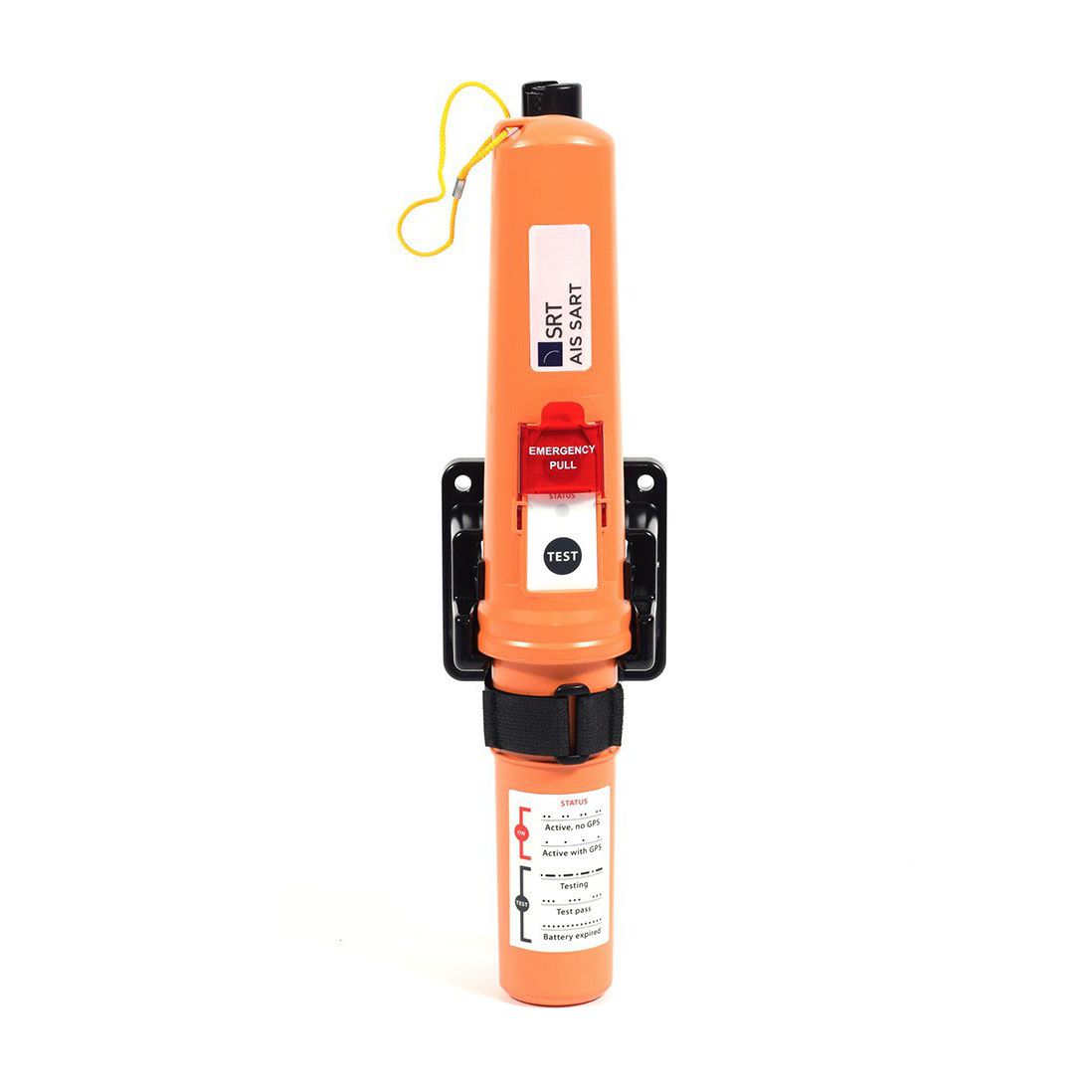
An AIS-SART transmits a distress position and identity directly on AIS frequencies, showing on any AIS-equipped vessel's chart display as a distinct distress symbol rather than a radar arc pattern; it is carried as an alternative to the radar SART where the vessel's equipment fit specifically allows the substitution.
Battery and mounting bracket
A sealed battery gives a minimum stated operating life once activated, commonly stated around 96 hours standby and 8 hours active transmission for radar SARTs; the unit is stowed in a bracket in the survival craft, with a lanyard so it can be mounted upright once deployed.
Regulations and class
SOLAS Ch. III/IV sets carriage requirements for SARTs by vessel category, typically requiring at least one unit per side or per rescue boat and liferaft complement, depending on ship type. GMDSS radio survey checks battery expiry and self-test function; a SART with an expired battery or failed self-test is a deficiency at annual survey even though it is only used in an actual emergency.
Typical faults
- Battery expired: unit may respond to self-test but cannot be relied on for full duration in a real search.
- Bracket corrosion or mounting damage: unit cannot be secured upright for effective radar response once deployed.
- Antenna damage from rough handling in the liferaft locker: reduced response range exactly when range matters most.
- Self-test not performed at the required interval: failure only discovered during an actual search.
- Confusion between radar SART and AIS-SART carriage requirements: vessel non-compliant if the wrong type is fitted for its SOLAS category.
What to look for in a supplier
- Correct type, radar SART or AIS-SART, matched to the vessel's SOLAS carriage requirement, confirmed against the ship's actual equipment list, not assumed.
- Stated battery standby and active transmission duration meeting or exceeding the regulatory minimum.
- Self-test function that does not require an actual radar or AIS transmission to verify, avoiding unnecessary alerts to nearby traffic.
- Robust bracket and lanyard arrangement suited to liferaft or rescue boat stowage conditions.
Practice mounting and activating the SART in a drill, not just checking the self-test light: in an actual search, an inverted or badly mounted unit gives a weak, intermittent return exactly when a strong one is needed.
7 manufacturers · 33 models
Jotron
7- Expired or deteriorated battery condition prevents full-duration operation and is identified during inspection or self-test
- Antenna damage or corrosion reduces transmission reliability and may produce failed self-test indications
- Water ingress or damaged seals causes corrosion, intermittent operation or self-test failure
- Hydrostatic-release or mounting defects prevent correct float-free deployment or make the beacon difficult to release manually
- Programming or registration mismatch causes incorrect identification data and is detected during documentation or service checks
- Expired or deteriorated battery condition prevents full-duration operation and is identified during inspection or self-test
- Antenna damage or corrosion reduces transmission reliability and may produce failed self-test indications
- Water ingress or damaged seals causes corrosion, intermittent operation or self-test failure
- Hydrostatic-release or mounting defects prevent correct float-free deployment or make the beacon difficult to release manually
- Programming or registration mismatch causes incorrect identification data and is detected during documentation or service checks
- Expired or degraded battery capacity caused by age or poor storage can produce failed self-tests or reduced emergency operating capability
- Antenna damage, corrosion, or poor deployment condition can reduce transmission or homing performance
- Water ingress or damaged housing seals can cause corrosion, intermittent operation, or failed self-test
- Incorrect registration, programming, or position-data interface can result in missing or incorrect identification or location information
- Release bracket, hydrostatic release, activation switch, or lanyard defects can prevent proper deployment or activation when required
- Expired or degraded battery capacity caused by age or poor storage can produce failed self-tests or reduced emergency operating capability
- Antenna damage, corrosion, or poor deployment condition can reduce transmission or homing performance
- Water ingress or damaged housing seals can cause corrosion, intermittent operation, or failed self-test
- Incorrect registration, programming, or position-data interface can result in missing or incorrect identification or location information
- Release bracket, hydrostatic release, activation switch, or lanyard defects can prevent proper deployment or activation when required
- Battery depletion or expiry caused by age, self-discharge or poor storage, resulting in failed self-test or reduced emergency endurance
- Antenna or housing damage caused by impact, corrosion or water ingress, resulting in poor transmission or failed self-test
- Activation-switch, release or mounting failure caused by corrosion, contamination or mechanical damage, resulting in inability to activate or release the unit as intended
- Programming or identity error caused by incorrect replacement or configuration, resulting in incorrect identification being transmitted or recorded
- Internal electronic or self-test failure caused by component faults, resulting in warning indications or inability to complete the approved test
- Antenna, feeder or casing damage reduces communication or locating performance and can cause self-test faults
- Battery, emergency-power or power-supply deterioration causes resets, low-voltage alarms or failure to operate
- Water ingress or corrosion causes intermittent operation, damaged connectors or internal faults
- Configuration, registration or identity errors cause incorrect vessel or beacon information
- Internal transceiver, display or control faults cause failed self-tests, missing communications or unavailable emergency functions
- Battery depletion or expiry caused by age, self-discharge or poor storage, resulting in failed self-test or reduced emergency endurance
- Antenna or housing damage caused by impact, corrosion or water ingress, resulting in poor transmission or failed self-test
- Activation-switch, release or mounting failure caused by corrosion, contamination or mechanical damage, resulting in inability to activate or release the unit as intended
- Programming or identity error caused by incorrect replacement or configuration, resulting in incorrect identification being transmitted or recorded
- Internal electronic or self-test failure caused by component faults, resulting in warning indications or inability to complete the approved test
JRC (Japan Radio Co)
7- Battery expiry or degradation reduces endurance and may cause failed self-test or low-battery indication
- Antenna damage or poor deployment reduces transmitted signal effectiveness and may be visible during inspection
- Water ingress or corrosion damages electronics and can cause failed self-test or unreliable activation
- Manual or automatic release mechanisms can seize or be incorrectly fitted, preventing proper deployment
- Incorrect programming, identification data or registration can complicate distress identification even when the beacon transmits
- Battery expiry or degradation reduces endurance and may cause failed self-test or low-battery indication
- Antenna damage or poor deployment reduces transmitted signal effectiveness and may be visible during inspection
- Water ingress or corrosion damages electronics and can cause failed self-test or unreliable activation
- Manual or automatic release mechanisms can seize or be incorrectly fitted, preventing proper deployment
- Incorrect programming, identification data or registration can complicate distress identification even when the beacon transmits
- Battery depletion or expiry caused by age, self-discharge or poor storage, resulting in failed self-test or reduced emergency endurance
- Antenna or housing damage caused by impact, corrosion or water ingress, resulting in poor transmission or failed self-test
- Activation-switch, release or mounting failure caused by corrosion, contamination or mechanical damage, resulting in inability to activate or release the unit as intended
- Programming or identity error caused by incorrect replacement or configuration, resulting in incorrect identification being transmitted or recorded
- Internal electronic or self-test failure caused by component faults, resulting in warning indications or inability to complete the approved test
- Battery depletion or expiry caused by age, self-discharge or poor storage, resulting in failed self-test or reduced emergency endurance
- Antenna or housing damage caused by impact, corrosion or water ingress, resulting in poor transmission or failed self-test
- Activation-switch, release or mounting failure caused by corrosion, contamination or mechanical damage, resulting in inability to activate or release the unit as intended
- Programming or identity error caused by incorrect replacement or configuration, resulting in incorrect identification being transmitted or recorded
- Internal electronic or self-test failure caused by component faults, resulting in warning indications or inability to complete the approved test
- Expired or degraded battery capacity from age or poor storage causes failed self-tests or reduced emergency operating capability
- Antenna damage, corrosion, or poor deployment condition reduces transmission or homing performance
- Water ingress or damaged housing seals causes corrosion, intermittent operation, or failed self-test
- Incorrect registration, programming, or position-data interface can result in missing or incorrect identification or location information
- Release bracket, hydrostatic release, activation switch, or lanyard defects can prevent proper deployment or activation
- Expired or degraded battery capacity from age or poor storage causes failed self-tests or reduced emergency operating capability
- Antenna damage, corrosion, or poor deployment condition reduces transmission or homing performance
- Water ingress or damaged housing seals causes corrosion, intermittent operation, or failed self-test
- Incorrect registration, programming, or position-data interface can result in missing or incorrect identification or location information
- Release bracket, hydrostatic release, activation switch, or lanyard defects can prevent proper deployment or activation
- Expired or degraded battery capacity from age or poor storage causes failed self-tests or reduced emergency operating capability
- Antenna damage, corrosion, or poor deployment condition reduces transmission or homing performance
- Water ingress or damaged housing seals causes corrosion, intermittent operation, or failed self-test
- Incorrect registration, programming, or position-data interface can result in missing or incorrect identification or location information
- Release bracket, hydrostatic release, activation switch, or lanyard defects can prevent proper deployment or activation
McMurdo
6- Expired or degraded battery capacity caused by age or poor storage can produce failed self-tests or reduced emergency operating capability
- Antenna damage, corrosion, or poor deployment condition can reduce transmission or homing performance
- Water ingress or damaged housing seals can cause corrosion, intermittent operation, or failed self-test
- Incorrect registration, programming, or position-data interface can result in missing or incorrect identification or location information
- Release bracket, hydrostatic release, activation switch, or lanyard defects can prevent proper deployment or activation when required
- Expired or degraded battery capacity caused by age or poor storage can produce failed self-tests or reduced emergency operating capability
- Antenna damage, corrosion, or poor deployment condition can reduce transmission or homing performance
- Water ingress or damaged housing seals can cause corrosion, intermittent operation, or failed self-test
- Incorrect registration, programming, or position-data interface can result in missing or incorrect identification or location information
- Release bracket, hydrostatic release, activation switch, or lanyard defects can prevent proper deployment or activation when required
- Battery depletion or expiry caused by age, self-discharge or poor storage, resulting in failed self-test or reduced emergency endurance
- Antenna or housing damage caused by impact, corrosion or water ingress, resulting in poor transmission or failed self-test
- Activation-switch or release-mechanism failure caused by corrosion, contamination or mechanical damage, resulting in inability to activate or release as intended
- Programming or identity error caused by incorrect replacement or configuration, resulting in wrong identification being transmitted or recorded
- Self-test or internal electronic failure caused by component faults, resulting in warning indication or inability to complete the approved test
- Expired or degraded battery capacity caused by age or poor storage can produce failed self-tests or reduced emergency operating capability
- Antenna damage, corrosion, or poor deployment condition can reduce transmission or homing performance
- Water ingress or damaged housing seals can cause corrosion, intermittent operation, or failed self-test
- Incorrect registration, programming, or position-data interface can result in missing or incorrect identification or location information
- Release bracket, hydrostatic release, activation switch, or lanyard defects can prevent proper deployment or activation when required
- Expired or degraded battery capacity caused by age or poor storage can produce failed self-tests or reduced emergency operating capability
- Antenna damage, corrosion, or poor deployment condition can reduce transmission or homing performance
- Water ingress or damaged housing seals can cause corrosion, intermittent operation, or failed self-test
- Incorrect registration, programming, or position-data interface can result in missing or incorrect identification or location information
- Release bracket, hydrostatic release, activation switch, or lanyard defects can prevent proper deployment or activation when required
- Expired or degraded battery capacity caused by age or poor storage can produce failed self-tests or reduced emergency operating capability
- Antenna damage, corrosion, or poor deployment condition can reduce transmission or homing performance
- Water ingress or damaged housing seals can cause corrosion, intermittent operation, or failed self-test
- Incorrect registration, programming, or position-data interface can result in missing or incorrect identification or location information
- Release bracket, hydrostatic release, activation switch, or lanyard defects can prevent proper deployment or activation when required
Furuno
5- Battery depletion or expiry caused by age or storage conditions, noticed from the service marking or failed self-test
- Antenna or casing damage caused by impact, weather or poor stowage, noticed visually or through failed self-test
- Activation mechanism failure caused by corrosion or mechanical damage, noticed during approved testing
- Incorrect registration, identity or pairing caused by administrative/configuration error, noticed when equipment data do not match vessel records
- Water ingress caused by damaged seals, noticed as corrosion, fogging or failed test
- Battery depletion or expiry caused by age, self-discharge or poor storage, resulting in failed self-test or reduced emergency endurance
- Antenna or housing damage caused by impact, corrosion or water ingress, resulting in poor transmission or failed self-test
- Activation-switch or release-mechanism failure caused by corrosion, contamination or mechanical damage, resulting in inability to activate or release as intended
- Programming or identity error caused by incorrect replacement or configuration, resulting in wrong identification being transmitted or recorded
- Self-test or internal electronic failure caused by component faults, resulting in warning indication or inability to complete the approved test
- Battery depletion or expiry caused by age, self-discharge or poor storage, resulting in failed self-test or reduced emergency endurance
- Antenna or housing damage caused by impact, corrosion or water ingress, resulting in poor transmission or failed self-test
- Activation-switch, release or mounting failure caused by corrosion, contamination or mechanical damage, resulting in inability to activate or release the unit as intended
- Programming or identity error caused by incorrect replacement or configuration, resulting in incorrect identification being transmitted or recorded
- Internal electronic or self-test failure caused by component faults, resulting in warning indications or inability to complete the approved test
- Antenna, feeder or casing damage reduces communication or locating performance and can cause self-test faults
- Battery, emergency-power or power-supply deterioration causes resets, low-voltage alarms or failure to operate
- Water ingress or corrosion causes intermittent operation, damaged connectors or internal faults
- Configuration, registration or identity errors cause incorrect vessel or beacon information
- Internal transceiver, display or control faults cause failed self-tests, missing communications or unavailable emergency functions
- Battery depletion or expiry caused by age, self-discharge or poor storage, resulting in failed self-test or reduced emergency endurance
- Antenna or housing damage caused by impact, corrosion or water ingress, resulting in poor transmission or failed self-test
- Activation-switch, release or mounting failure caused by corrosion, contamination or mechanical damage, resulting in inability to activate or release the unit as intended
- Programming or identity error caused by incorrect replacement or configuration, resulting in incorrect identification being transmitted or recorded
- Internal electronic or self-test failure caused by component faults, resulting in warning indications or inability to complete the approved test
Sailor / Cobham
5- Expired or degraded battery capacity caused by age or poor storage can produce failed self-tests or reduced emergency operating capability
- Antenna damage, corrosion, or poor deployment condition can reduce transmission or homing performance
- Water ingress or damaged housing seals can cause corrosion, intermittent operation, or failed self-test
- Incorrect registration, programming, or position-data interface can result in missing or incorrect identification or location information
- Release bracket, hydrostatic release, activation switch, or lanyard defects can prevent proper deployment or activation when required
- Expired or degraded battery capacity caused by age or poor storage can produce failed self-tests or reduced emergency operating capability
- Antenna damage, corrosion, or poor deployment condition can reduce transmission or homing performance
- Water ingress or damaged housing seals can cause corrosion, intermittent operation, or failed self-test
- Incorrect registration, programming, or position-data interface can result in missing or incorrect identification or location information
- Release bracket, hydrostatic release, activation switch, or lanyard defects can prevent proper deployment or activation when required
- Antenna, feeder or casing damage reduces communication or locating performance and may cause self-test faults
- Battery, emergency-power or power-supply deterioration causes resets, low-voltage alarms or failure to operate
- Water ingress or corrosion causes intermittent operation, damaged connectors or internal faults
- Configuration, registration or identity errors cause incorrect vessel or beacon information
- Internal transceiver, display or control faults cause failed self-tests, missing communications or unavailable emergency functions
- Expired or degraded battery capacity from age or poor storage causes failed self-tests or reduced emergency operating capability
- Antenna damage, corrosion, or poor deployment condition reduces transmission or homing performance
- Water ingress or damaged housing seals causes corrosion, intermittent operation, or failed self-test
- Incorrect registration, programming, or position-data interface can result in missing or incorrect identification or location information
- Release bracket, hydrostatic release, activation switch, or lanyard defects can prevent proper deployment or activation
- Antenna, feeder or casing damage reduces communication or locating performance and may cause self-test faults
- Battery, emergency-power or power-supply deterioration causes resets, low-voltage alarms or failure to operate
- Water ingress or corrosion causes intermittent operation, damaged connectors or internal faults
- Configuration, registration or identity errors cause incorrect vessel or beacon information
- Internal transceiver, display or control faults cause failed self-tests, missing communications or unavailable emergency functions
SRT Marine Technology
2
- Expired or degraded battery capacity caused by age or poor storage can produce failed self-tests or reduced emergency operating capability
- Antenna damage, corrosion, or poor deployment condition can reduce transmission or homing performance
- Water ingress or damaged housing seals can cause corrosion, intermittent operation, or failed self-test
- Incorrect registration, programming, or position-data interface can result in missing or incorrect identification or location information
- Release bracket, hydrostatic release, activation switch, or lanyard defects can prevent proper deployment or activation when required
- Expired or degraded battery capacity caused by age or poor storage can produce failed self-tests or reduced emergency operating capability
- Antenna damage, corrosion, or poor deployment condition can reduce transmission or homing performance
- Water ingress or damaged housing seals can cause corrosion, intermittent operation, or failed self-test
- Incorrect registration, programming, or position-data interface can result in missing or incorrect identification or location information
- Release bracket, hydrostatic release, activation switch, or lanyard defects can prevent proper deployment or activation when required
Ocean Signal
1- Battery deterioration prevents reliable emergency operation and is identified during inspection or self-test
- Antenna or casing damage reduces transmitted signal quality and can cause self-test failure
- Water ingress or corroded contacts cause intermittent or failed operation
- Damaged mounting or lanyard arrangements delay deployment or make the unit difficult to secure
- Incorrect test procedure or configuration causes false confidence or unnecessary radio transmission