EPIRB (406 MHz)
A 406 MHz EPIRB alerts satellites and reports a ship's identity and position without anyone needing to act, unlike a SART, which makes survivors visible on radar only once a search is already under way and stays silent otherwise.
Read more — EPIRB (406 MHz) explained ▾
What sets a 406 MHz EPIRB apart from other distress equipment
A 406 MHz EPIRB transmits a distress signal to satellites, giving rescue authorities a ship's identity and position with no action needed from anyone still able to reach the equipment — that is the entire point of the device, and it is what separates it from a SART, which does not alert anyone by itself but instead makes survivors visible to a searching vessel's radar once a search is already under way. An EPIRB works globally through the COSPAS-SARSAT satellite system; a SART works locally, within radar range of a searching ship or aircraft, and the two are carried together precisely because they cover different phases of a rescue.

Main components
Transmitter
Sends a coded 406 MHz burst to satellites, containing a unique identification number registered to the ship, and increasingly also transmits on 121.5 MHz as a homing signal for the final approach by rescue craft.
GPS receiver
Modern EPIRBs include an internal GPS module that encodes position into the distress message, cutting the time to an accurate fix compared with the older Doppler-only satellite method, which could take much longer and was far less precise.
Float-free bracket (hydrostatic release)
Releases the EPIRB automatically if the ship sinks before anyone can activate it manually, using a hydrostatic release unit that dissolves or releases under water pressure at a shallow depth.
Battery pack
Sealed primary battery with a fixed expiry date, sized to guarantee at least 48 hours of continuous transmission, and it is a one-time-use component — it cannot be topped up or reconditioned.
Selection and sizing
- Category I (automatic float-free release) versus Category II (manual release only), decided by SOLAS ship type and area of operation requirements rather than owner preference.
- GPS-integrated versus non-GPS models — GPS integration is now close to universal on new units and significantly reduces search time.
- AIS-equipped EPIRBs, which additionally transmit an AIS distress signal received by any AIS-fitted vessel within radio range, giving a much faster local response than waiting for satellite relay alone.
- Mounting location — clear of obstructions overhead so the hydrostatic release can actually let the unit float clear of a sinking hull.
Regulations and class
SOLAS Chapter IV (GMDSS) requires EPIRB carriage on all SOLAS cargo ships and passenger ships, with the specific category determined by ship type and trading area. The unit must carry COSPAS-SARSAT type approval, and the ship's identification data must be registered with the relevant national beacon registry — an unregistered or incorrectly registered EPIRB delays rescue coordination even if the transmission itself works perfectly. Battery and hydrostatic release unit expiry dates are checked at every annual GMDSS survey, and both are hard expiry items that class will not extend.
Typical faults
| Fault | Cause | Consequence |
|---|---|---|
| False activation | Rough handling, heavy weather green water over the bracket, or a worn manual release mechanism | Unnecessary SAR resources dispatched, and repeated false alerts can affect the vessel's standing with the coordinating authority |
| No GPS fix in the transmitted message | GPS antenna obstruction or an internal GPS module fault | Rescue services fall back on the slower satellite Doppler position, adding hours to localisation |
| Hydrostatic release fails to activate | Expired hydrostatic release unit left in service past its date, or corrosion of the release mechanism | EPIRB does not float free if the ship sinks quickly, defeating the entire automatic-alert purpose |
| Registration mismatch | Beacon re-registered to a new ship name or owner without updating the national registry | Rescue coordination centre cannot identify the vessel quickly from the beacon ID, slowing the response |
What to look for in a supplier
- Current COSPAS-SARSAT type approval and confirmation of which registry, flag state or a recognised alternative, the beacon ID will be registered under.
- Battery and hydrostatic release unit expiry dates clearly marked and matched to the ship's upcoming survey cycle.
- GPS and, where required by the operator, AIS integration confirmed rather than assumed.
- Bracket and mounting hardware suited to the specific deck location, since a poor mounting is a common cause of both false activation and release failure.
Confirm the beacon registration details every time the ship changes name, owner, or flag — a perfectly functioning EPIRB is only as useful as the registry record a rescue coordination centre pulls up when it activates.
11 manufacturers · 280 models
McMurdo
59
- Antenna, feeder or casing damage reduces communication or locating performance and may cause self-test faults
- Battery, emergency-power or power-supply deterioration causes resets, low-voltage alarms or failure to operate
- Water ingress or corrosion causes intermittent operation, damaged connectors or internal faults
- Configuration, registration or identity errors cause incorrect vessel or beacon information
- Internal transceiver, display or control faults cause failed self-tests, missing communications or unavailable emergency functions
- Built‑in GPS provides accurate position without external antenna
- Fast automatic activation (<10 s) when released by HRU
- IMO and USCG type‑approved, meeting SOLAS requirements
- Robust IP68 housing suitable for harsh marine environments
- Battery life rated up to 5 years with clear replacement schedule
- Battery must be replaced every 5 years, adding maintenance cost
- Hydrostatic release unit (HRU) expires after 2 years and needs periodic testing/replacement
- No integrated AIS transmission – separate AIS beacon required for vessel tracking
- Higher upfront cost compared with basic non‑GPS EPIRBs
- Limited to 406 MHz; does not support legacy 121.5 MHz only operation
- Battery depletion or expiry caused by age, self-discharge or poor storage, resulting in failed self-test or reduced emergency endurance
- Antenna or housing damage caused by impact, corrosion or water ingress, resulting in poor transmission or failed self-test
- Activation-switch, release or mounting failure caused by corrosion, contamination or mechanical damage, resulting in inability to activate or release the unit as intended
- Programming or identity error caused by incorrect replacement or configuration, resulting in incorrect identification being transmitted or recorded
- Internal electronic or self-test failure caused by component faults, resulting in warning indications or inability to complete the approved test
- Battery depletion or expiry caused by age, self-discharge or poor storage, resulting in failed self-test or reduced emergency endurance
- Antenna or housing damage caused by impact, corrosion or water ingress, resulting in poor transmission or failed self-test
- Activation-switch, release or mounting failure caused by corrosion, contamination or mechanical damage, resulting in inability to activate or release the unit as intended
- Programming or identity error caused by incorrect replacement or configuration, resulting in incorrect identification being transmitted or recorded
- Internal electronic or self-test failure caused by component faults, resulting in warning indications or inability to complete the approved test
- Battery depletion or expiry caused by age, self-discharge or poor storage, resulting in failed self-test or reduced emergency endurance
- Antenna or housing damage caused by impact, corrosion or water ingress, resulting in poor transmission or failed self-test
- Activation-switch or release-mechanism failure caused by corrosion, contamination or mechanical damage, resulting in inability to activate or release as intended
- Programming or identity error caused by incorrect replacement or configuration, resulting in wrong identification being transmitted or recorded
- Self-test or internal electronic failure caused by component faults, resulting in warning indication or inability to complete the approved test
- Expired or deteriorated battery condition prevents full-duration operation and is identified during inspection or self-test
- Antenna damage or corrosion reduces transmission reliability and may produce failed self-test indications
- Water ingress or damaged seals causes corrosion, intermittent operation or self-test failure
- Hydrostatic-release or mounting defects prevent correct float-free deployment or make the beacon difficult to release manually
- Programming or registration mismatch causes incorrect identification data and is detected during documentation or service checks
- Battery depletion or expiry caused by age or storage conditions, noticed from the service marking or failed self-test
- Antenna or casing damage caused by impact, weather or poor stowage, noticed visually or through failed self-test
- Activation mechanism failure caused by corrosion or mechanical damage, noticed during approved testing
- Incorrect registration, identity or pairing caused by administrative/configuration error, noticed when equipment data do not match vessel records
- Water ingress caused by damaged seals, noticed as corrosion, fogging or failed test
- Battery depletion or expiry caused by age or storage conditions, noticed from the service marking or failed self-test
- Antenna or casing damage caused by impact, weather or poor stowage, noticed visually or through failed self-test
- Activation mechanism failure caused by corrosion or mechanical damage, noticed during approved testing
- Incorrect registration, identity or pairing caused by administrative/configuration error, noticed when equipment data do not match vessel records
- Water ingress caused by damaged seals, noticed as corrosion, fogging or failed test
- Expired or degraded battery capacity caused by age or poor storage can produce failed self-tests or reduced emergency operating capability
- Antenna damage, corrosion, or poor deployment condition can reduce transmission or homing performance
- Water ingress or damaged housing seals can cause corrosion, intermittent operation, or failed self-test
- Incorrect registration, programming, or position-data interface can result in missing or incorrect identification or location information
- Release bracket, hydrostatic release, activation switch, or lanyard defects can prevent proper deployment or activation when required
- Battery expiry or degradation reduces endurance and may cause failed self-test or low-battery indication
- Antenna damage or poor deployment reduces transmitted signal effectiveness and may be visible during inspection
- Water ingress or corrosion damages electronics and can cause failed self-test or unreliable activation
- Manual or automatic release mechanisms can seize or be incorrectly fitted, preventing proper deployment
- Incorrect programming, identification data or registration can complicate distress identification even when the beacon transmits
- Expired or degraded battery capacity from age or poor storage causes failed self-tests or reduced emergency operating capability
- Antenna damage, corrosion, or poor deployment condition reduces transmission or homing performance
- Water ingress or damaged housing seals causes corrosion, intermittent operation, or failed self-test
- Incorrect registration, programming, or position-data interface can result in missing or incorrect identification or location information
- Release bracket, hydrostatic release, activation switch, or lanyard defects can prevent proper deployment or activation
- Material, hull or container deterioration caused by weather, ultraviolet exposure, impact or aging, resulting in cracks, tears, corrosion or visible deformation
- Release, securing or launching-component wear caused by drills, corrosion or misalignment, resulting in stiff operation, abnormal play or failed readiness checks
- Battery, light or communication-equipment failure caused by aging, charging faults or water ingress, resulting in failed self-test or missing emergency indication
- Engine, steering or inflation-system failure where applicable caused by fuel, mechanical, pneumatic or seal problems, resulting in inability to maneuver or deploy the appliance
- Incorrect stowage, identification or service status caused by inventory or maintenance errors, resulting in delayed use or an appliance that is not ready
- Material, hull or container deterioration caused by weather, ultraviolet exposure, impact or aging, resulting in cracks, tears, corrosion or visible deformation
- Release, securing or launching-component wear caused by drills, corrosion or misalignment, resulting in stiff operation, abnormal play or failed readiness checks
- Battery, light or communication-equipment failure caused by aging, charging faults or water ingress, resulting in failed self-test or missing emergency indication
- Engine, steering or inflation-system failure where applicable caused by fuel, mechanical, pneumatic or seal problems, resulting in inability to maneuver or deploy the appliance
- Incorrect stowage, identification or service status caused by inventory or maintenance errors, resulting in delayed use or an appliance that is not ready
- Material, hull or container deterioration caused by weather, ultraviolet exposure, impact or aging, resulting in cracks, tears, corrosion or visible deformation
- Release, securing or launching-component wear caused by drills, corrosion or misalignment, resulting in stiff operation, abnormal play or failed readiness checks
- Battery, light or communication-equipment failure caused by aging, charging faults or water ingress, resulting in failed self-test or missing emergency indication
- Engine, steering or inflation-system failure where applicable caused by fuel, mechanical, pneumatic or seal problems, resulting in inability to maneuver or deploy the appliance
- Incorrect stowage, identification or service status caused by inventory or maintenance errors, resulting in delayed use or an appliance that is not ready
- Battery depletion or expiry caused by age, self-discharge or poor storage, resulting in failed self-test or reduced emergency endurance
- Antenna or housing damage caused by impact, corrosion or water ingress, resulting in poor transmission or failed self-test
- Activation-switch, release or mounting failure caused by corrosion, contamination or mechanical damage, resulting in inability to activate or release the unit as intended
- Programming or identity error caused by incorrect replacement or configuration, resulting in incorrect identification being transmitted or recorded
- Internal electronic or self-test failure caused by component faults, resulting in warning indications or inability to complete the approved test
- Material, hull or container deterioration caused by weather, ultraviolet exposure, impact or aging, resulting in cracks, tears, corrosion or visible deformation
- Release, securing or launching-component wear caused by drills, corrosion or misalignment, resulting in stiff operation, abnormal play or failed readiness checks
- Battery, light or communication-equipment failure caused by aging, charging faults or water ingress, resulting in failed self-test or missing emergency indication
- Engine, steering or inflation-system failure where applicable caused by fuel, mechanical, pneumatic or seal problems, resulting in inability to maneuver or deploy the appliance
- Incorrect stowage, identification or service status caused by inventory or maintenance errors, resulting in delayed use or an appliance that is not ready
- Battery depletion or expiry caused by age, self-discharge or poor storage, resulting in failed self-test or reduced emergency endurance
- Antenna or housing damage caused by impact, corrosion or water ingress, resulting in poor transmission or failed self-test
- Activation-switch, release or mounting failure caused by corrosion, contamination or mechanical damage, resulting in inability to activate or release the unit as intended
- Programming or identity error caused by incorrect replacement or configuration, resulting in incorrect identification being transmitted or recorded
- Internal electronic or self-test failure caused by component faults, resulting in warning indications or inability to complete the approved test
- Material, hull or container deterioration caused by weather, ultraviolet exposure, impact or aging, resulting in cracks, tears, corrosion or visible deformation
- Release, securing or launching-component wear caused by drills, corrosion or misalignment, resulting in stiff operation, abnormal play or failed readiness checks
- Battery, light or communication-equipment failure caused by aging, charging faults or water ingress, resulting in failed self-test or missing emergency indication
- Engine, steering or inflation-system failure where applicable caused by fuel, mechanical, pneumatic or seal problems, resulting in inability to maneuver or deploy the appliance
- Incorrect stowage, identification or service status caused by inventory or maintenance errors, resulting in delayed use or an appliance that is not ready
- Material, hull or container deterioration caused by weather, ultraviolet exposure, impact or aging, resulting in cracks, tears, corrosion or visible deformation
- Release, securing or launching-component wear caused by drills, corrosion or misalignment, resulting in stiff operation, abnormal play or failed readiness checks
- Battery, light or communication-equipment failure caused by aging, charging faults or water ingress, resulting in failed self-test or missing emergency indication
- Engine, steering or inflation-system failure where applicable caused by fuel, mechanical, pneumatic or seal problems, resulting in inability to maneuver or deploy the appliance
- Incorrect stowage, identification or service status caused by inventory or maintenance errors, resulting in delayed use or an appliance that is not ready
- Material, hull or container deterioration caused by weather, ultraviolet exposure, impact or aging, resulting in cracks, tears, corrosion or visible deformation
- Release, securing or launching-component wear caused by drills, corrosion or misalignment, resulting in stiff operation, abnormal play or failed readiness checks
- Battery, light or communication-equipment failure caused by aging, charging faults or water ingress, resulting in failed self-test or missing emergency indication
- Engine, steering or inflation-system failure where applicable caused by fuel, mechanical, pneumatic or seal problems, resulting in inability to maneuver or deploy the appliance
- Incorrect stowage, identification or service status caused by inventory or maintenance errors, resulting in delayed use or an appliance that is not ready
- Material, hull or container deterioration caused by weather, ultraviolet exposure, impact or aging, resulting in cracks, tears, corrosion or visible deformation
- Release, securing or launching-component wear caused by drills, corrosion or misalignment, resulting in stiff operation, abnormal play or failed readiness checks
- Battery, light or communication-equipment failure caused by aging, charging faults or water ingress, resulting in failed self-test or missing emergency indication
- Engine, steering or inflation-system failure where applicable caused by fuel, mechanical, pneumatic or seal problems, resulting in inability to maneuver or deploy the appliance
- Incorrect stowage, identification or service status caused by inventory or maintenance errors, resulting in delayed use or an appliance that is not ready
- Material, hull or container deterioration caused by weather, ultraviolet exposure, impact or aging, resulting in cracks, tears, corrosion or visible deformation
- Release, securing or launching-component wear caused by drills, corrosion or misalignment, resulting in stiff operation, abnormal play or failed readiness checks
- Battery, light or communication-equipment failure caused by aging, charging faults or water ingress, resulting in failed self-test or missing emergency indication
- Engine, steering or inflation-system failure where applicable caused by fuel, mechanical, pneumatic or seal problems, resulting in inability to maneuver or deploy the appliance
- Incorrect stowage, identification or service status caused by inventory or maintenance errors, resulting in delayed use or an appliance that is not ready
- Material, hull or container deterioration caused by weather, ultraviolet exposure, impact or aging, resulting in cracks, tears, corrosion or visible deformation
- Release, securing or launching-component wear caused by drills, corrosion or misalignment, resulting in stiff operation, abnormal play or failed readiness checks
- Battery, light or communication-equipment failure caused by aging, charging faults or water ingress, resulting in failed self-test or missing emergency indication
- Engine, steering or inflation-system failure where applicable caused by fuel, mechanical, pneumatic or seal problems, resulting in inability to maneuver or deploy the appliance
- Incorrect stowage, identification or service status caused by inventory or maintenance errors, resulting in delayed use or an appliance that is not ready
- Material, hull or container deterioration caused by weather, ultraviolet exposure, impact or aging, resulting in cracks, tears, corrosion or visible deformation
- Release, securing or launching-component wear caused by drills, corrosion or misalignment, resulting in stiff operation, abnormal play or failed readiness checks
- Battery, light or communication-equipment failure caused by aging, charging faults or water ingress, resulting in failed self-test or missing emergency indication
- Engine, steering or inflation-system failure where applicable caused by fuel, mechanical, pneumatic or seal problems, resulting in inability to maneuver or deploy the appliance
- Incorrect stowage, identification or service status caused by inventory or maintenance errors, resulting in delayed use or an appliance that is not ready
- Material, hull or container deterioration caused by weather, ultraviolet exposure, impact or aging, resulting in cracks, tears, corrosion or visible deformation
- Release, securing or launching-component wear caused by drills, corrosion or misalignment, resulting in stiff operation, abnormal play or failed readiness checks
- Battery, light or communication-equipment failure caused by aging, charging faults or water ingress, resulting in failed self-test or missing emergency indication
- Engine, steering or inflation-system failure where applicable caused by fuel, mechanical, pneumatic or seal problems, resulting in inability to maneuver or deploy the appliance
- Incorrect stowage, identification or service status caused by inventory or maintenance errors, resulting in delayed use or an appliance that is not ready
- Material, hull or container deterioration caused by weather, ultraviolet exposure, impact or aging, resulting in cracks, tears, corrosion or visible deformation
- Release, securing or launching-component wear caused by drills, corrosion or misalignment, resulting in stiff operation, abnormal play or failed readiness checks
- Battery, light or communication-equipment failure caused by aging, charging faults or water ingress, resulting in failed self-test or missing emergency indication
- Engine, steering or inflation-system failure where applicable caused by fuel, mechanical, pneumatic or seal problems, resulting in inability to maneuver or deploy the appliance
- Incorrect stowage, identification or service status caused by inventory or maintenance errors, resulting in delayed use or an appliance that is not ready
- Material, hull or container deterioration caused by weather, ultraviolet exposure, impact or aging, resulting in cracks, tears, corrosion or visible deformation
- Release, securing or launching-component wear caused by drills, corrosion or misalignment, resulting in stiff operation, abnormal play or failed readiness checks
- Battery, light or communication-equipment failure caused by aging, charging faults or water ingress, resulting in failed self-test or missing emergency indication
- Engine, steering or inflation-system failure where applicable caused by fuel, mechanical, pneumatic or seal problems, resulting in inability to maneuver or deploy the appliance
- Incorrect stowage, identification or service status caused by inventory or maintenance errors, resulting in delayed use or an appliance that is not ready
- Material, hull or container deterioration caused by weather, ultraviolet exposure, impact or aging, resulting in cracks, tears, corrosion or visible deformation
- Release, securing or launching-component wear caused by drills, corrosion or misalignment, resulting in stiff operation, abnormal play or failed readiness checks
- Battery, light or communication-equipment failure caused by aging, charging faults or water ingress, resulting in failed self-test or missing emergency indication
- Engine, steering or inflation-system failure where applicable caused by fuel, mechanical, pneumatic or seal problems, resulting in inability to maneuver or deploy the appliance
- Incorrect stowage, identification or service status caused by inventory or maintenance errors, resulting in delayed use or an appliance that is not ready
- Material, hull or container deterioration caused by weather, ultraviolet exposure, impact or aging, resulting in cracks, tears, corrosion or visible deformation
- Release, securing or launching-component wear caused by drills, corrosion or misalignment, resulting in stiff operation, abnormal play or failed readiness checks
- Battery, light or communication-equipment failure caused by aging, charging faults or water ingress, resulting in failed self-test or missing emergency indication
- Engine, steering or inflation-system failure where applicable caused by fuel, mechanical, pneumatic or seal problems, resulting in inability to maneuver or deploy the appliance
- Incorrect stowage, identification or service status caused by inventory or maintenance errors, resulting in delayed use or an appliance that is not ready
- Material, hull or container deterioration caused by weather, ultraviolet exposure, impact or aging, resulting in cracks, tears, corrosion or visible deformation
- Release, securing or launching-component wear caused by drills, corrosion or misalignment, resulting in stiff operation, abnormal play or failed readiness checks
- Battery, light or communication-equipment failure caused by aging, charging faults or water ingress, resulting in failed self-test or missing emergency indication
- Engine, steering or inflation-system failure where applicable caused by fuel, mechanical, pneumatic or seal problems, resulting in inability to maneuver or deploy the appliance
- Incorrect stowage, identification or service status caused by inventory or maintenance errors, resulting in delayed use or an appliance that is not ready
- Material, hull or container deterioration caused by weather, ultraviolet exposure, impact or aging, resulting in cracks, tears, corrosion or visible deformation
- Release, securing or launching-component wear caused by drills, corrosion or misalignment, resulting in stiff operation, abnormal play or failed readiness checks
- Battery, light or communication-equipment failure caused by aging, charging faults or water ingress, resulting in failed self-test or missing emergency indication
- Engine, steering or inflation-system failure where applicable caused by fuel, mechanical, pneumatic or seal problems, resulting in inability to maneuver or deploy the appliance
- Incorrect stowage, identification or service status caused by inventory or maintenance errors, resulting in delayed use or an appliance that is not ready
- Material, hull or container deterioration caused by weather, ultraviolet exposure, impact or aging, resulting in cracks, tears, corrosion or visible deformation
- Release, securing or launching-component wear caused by drills, corrosion or misalignment, resulting in stiff operation, abnormal play or failed readiness checks
- Battery, light or communication-equipment failure caused by aging, charging faults or water ingress, resulting in failed self-test or missing emergency indication
- Engine, steering or inflation-system failure where applicable caused by fuel, mechanical, pneumatic or seal problems, resulting in inability to maneuver or deploy the appliance
- Incorrect stowage, identification or service status caused by inventory or maintenance errors, resulting in delayed use or an appliance that is not ready
- Battery depletion or expiry caused by age, self-discharge or poor storage, resulting in failed self-test or reduced emergency endurance
- Antenna or housing damage caused by impact, corrosion or water ingress, resulting in poor transmission or failed self-test
- Activation-switch, release or mounting failure caused by corrosion, contamination or mechanical damage, resulting in inability to activate or release the unit as intended
- Programming or identity error caused by incorrect replacement or configuration, resulting in incorrect identification being transmitted or recorded
- Internal electronic or self-test failure caused by component faults, resulting in warning indications or inability to complete the approved test
- Battery depletion or expiry caused by age, self-discharge or poor storage, resulting in failed self-test or reduced emergency endurance
- Antenna or housing damage caused by impact, corrosion or water ingress, resulting in poor transmission or failed self-test
- Activation-switch, release or mounting failure caused by corrosion, contamination or mechanical damage, resulting in inability to activate or release the unit as intended
- Programming or identity error caused by incorrect replacement or configuration, resulting in incorrect identification being transmitted or recorded
- Internal electronic or self-test failure caused by component faults, resulting in warning indications or inability to complete the approved test
- Battery depletion or expiry caused by age, self-discharge or poor storage, resulting in failed self-test or reduced emergency endurance
- Antenna or housing damage caused by impact, corrosion or water ingress, resulting in poor transmission or failed self-test
- Activation-switch, release or mounting failure caused by corrosion, contamination or mechanical damage, resulting in inability to activate or release the unit as intended
- Programming or identity error caused by incorrect replacement or configuration, resulting in incorrect identification being transmitted or recorded
- Internal electronic or self-test failure caused by component faults, resulting in warning indications or inability to complete the approved test
- Battery depletion or expiry caused by age, self-discharge or poor storage, resulting in failed self-test or reduced emergency endurance
- Antenna or housing damage caused by impact, corrosion or water ingress, resulting in poor transmission or failed self-test
- Activation-switch, release or mounting failure caused by corrosion, contamination or mechanical damage, resulting in inability to activate or release the unit as intended
- Programming or identity error caused by incorrect replacement or configuration, resulting in incorrect identification being transmitted or recorded
- Internal electronic or self-test failure caused by component faults, resulting in warning indications or inability to complete the approved test
- Material, hull or container deterioration caused by weather, ultraviolet exposure, impact or aging, resulting in cracks, tears, corrosion or visible deformation
- Release, securing or launching-component wear caused by drills, corrosion or misalignment, resulting in stiff operation, abnormal play or failed readiness checks
- Battery, light or communication-equipment failure caused by aging, charging faults or water ingress, resulting in failed self-test or missing emergency indication
- Engine, steering or inflation-system failure where applicable caused by fuel, mechanical, pneumatic or seal problems, resulting in inability to maneuver or deploy the appliance
- Incorrect stowage, identification or service status caused by inventory or maintenance errors, resulting in delayed use or an appliance that is not ready
- Battery depletion or expiry caused by age, self-discharge or poor storage, resulting in failed self-test or reduced emergency endurance
- Antenna or housing damage caused by impact, corrosion or water ingress, resulting in poor transmission or failed self-test
- Activation-switch, release or mounting failure caused by corrosion, contamination or mechanical damage, resulting in inability to activate or release the unit as intended
- Programming or identity error caused by incorrect replacement or configuration, resulting in incorrect identification being transmitted or recorded
- Internal electronic or self-test failure caused by component faults, resulting in warning indications or inability to complete the approved test
- Antenna, feeder or casing damage reduces communication or locating performance and can cause self-test faults
- Battery, emergency-power or power-supply deterioration causes resets, low-voltage alarms or failure to operate
- Water ingress or corrosion causes intermittent operation, damaged connectors or internal faults
- Configuration, registration or identity errors cause incorrect vessel or beacon information
- Internal transceiver, display or control faults cause failed self-tests, missing communications or unavailable emergency functions
- Antenna, feeder or casing damage reduces communication or locating performance and can cause self-test faults
- Battery, emergency-power or power-supply deterioration causes resets, low-voltage alarms or failure to operate
- Water ingress or corrosion causes intermittent operation, damaged connectors or internal faults
- Configuration, registration or identity errors cause incorrect vessel or beacon information
- Internal transceiver, display or control faults cause failed self-tests, missing communications or unavailable emergency functions
- Expired or degraded battery capacity caused by age or poor storage can produce failed self-tests or reduced emergency operating capability
- Antenna damage, corrosion, or poor deployment condition can reduce transmission or homing performance
- Water ingress or damaged housing seals can cause corrosion, intermittent operation, or failed self-test
- Incorrect registration, programming, or position-data interface can result in missing or incorrect identification or location information
- Release bracket, hydrostatic release, activation switch, or lanyard defects can prevent proper deployment or activation when required
- Expired or degraded battery capacity caused by age or poor storage can produce failed self-tests or reduced emergency operating capability
- Antenna damage, corrosion, or poor deployment condition can reduce transmission or homing performance
- Water ingress or damaged housing seals can cause corrosion, intermittent operation, or failed self-test
- Incorrect registration, programming, or position-data interface can result in missing or incorrect identification or location information
- Release bracket, hydrostatic release, activation switch, or lanyard defects can prevent proper deployment or activation when required
- Battery depletion or expiry caused by age, self-discharge or poor storage, resulting in failed self-test or reduced emergency endurance
- Antenna or housing damage caused by impact, corrosion or water ingress, resulting in poor transmission or failed self-test
- Activation-switch, release or mounting failure caused by corrosion, contamination or mechanical damage, resulting in inability to activate or release the unit as intended
- Programming or identity error caused by incorrect replacement or configuration, resulting in incorrect identification being transmitted or recorded
- Internal electronic or self-test failure caused by component faults, resulting in warning indications or inability to complete the approved test
- Battery depletion or expiry caused by age, self-discharge or poor storage, resulting in failed self-test or reduced emergency endurance
- Antenna or housing damage caused by impact, corrosion or water ingress, resulting in poor transmission or failed self-test
- Activation-switch, release or mounting failure caused by corrosion, contamination or mechanical damage, resulting in inability to activate or release the unit as intended
- Programming or identity error caused by incorrect replacement or configuration, resulting in incorrect identification being transmitted or recorded
- Internal electronic or self-test failure caused by component faults, resulting in warning indications or inability to complete the approved test
- Antenna, feeder or casing damage reduces communication or locating performance and can cause self-test faults
- Battery, emergency-power or power-supply deterioration causes resets, low-voltage alarms or failure to operate
- Water ingress or corrosion causes intermittent operation, damaged connectors or internal faults
- Configuration, registration or identity errors cause incorrect vessel or beacon information
- Internal transceiver, display or control faults cause failed self-tests, missing communications or unavailable emergency functions
- Antenna, feeder or casing damage reduces communication or locating performance and can cause self-test faults
- Battery, emergency-power or power-supply deterioration causes resets, low-voltage alarms or failure to operate
- Water ingress or corrosion causes intermittent operation, damaged connectors or internal faults
- Configuration, registration or identity errors cause incorrect vessel or beacon information
- Internal transceiver, display or control faults cause failed self-tests, missing communications or unavailable emergency functions
- Battery depletion or expiry caused by age, self-discharge or poor storage, resulting in failed self-test or reduced emergency endurance
- Antenna or housing damage caused by impact, corrosion or water ingress, resulting in poor transmission or failed self-test
- Activation-switch, release or mounting failure caused by corrosion, contamination or mechanical damage, resulting in inability to activate or release the unit as intended
- Programming or identity error caused by incorrect replacement or configuration, resulting in incorrect identification being transmitted or recorded
- Internal electronic or self-test failure caused by component faults, resulting in warning indications or inability to complete the approved test
- Battery depletion or expiry caused by age, self-discharge or poor storage, resulting in failed self-test or reduced emergency endurance
- Antenna or housing damage caused by impact, corrosion or water ingress, resulting in poor transmission or failed self-test
- Activation-switch, release or mounting failure caused by corrosion, contamination or mechanical damage, resulting in inability to activate or release the unit as intended
- Programming or identity error caused by incorrect replacement or configuration, resulting in incorrect identification being transmitted or recorded
- Internal electronic or self-test failure caused by component faults, resulting in warning indications or inability to complete the approved test
- Antenna, feeder or casing damage reduces communication or locating performance and can cause self-test faults
- Battery, emergency-power or power-supply deterioration causes resets, low-voltage alarms or failure to operate
- Water ingress or corrosion causes intermittent operation, damaged connectors or internal faults
- Configuration, registration or identity errors cause incorrect vessel or beacon information
- Internal transceiver, display or control faults cause failed self-tests, missing communications or unavailable emergency functions
- Antenna, feeder or casing damage reduces communication or locating performance and can cause self-test faults
- Battery, emergency-power or power-supply deterioration causes resets, low-voltage alarms or failure to operate
- Water ingress or corrosion causes intermittent operation, damaged connectors or internal faults
- Configuration, registration or identity errors cause incorrect vessel or beacon information
- Internal transceiver, display or control faults cause failed self-tests, missing communications or unavailable emergency functions
- Battery depletion or expiry caused by age, self-discharge or poor storage, resulting in failed self-test or reduced emergency endurance
- Antenna or housing damage caused by impact, corrosion or water ingress, resulting in poor transmission or failed self-test
- Activation-switch, release or mounting failure caused by corrosion, contamination or mechanical damage, resulting in inability to activate or release the unit as intended
- Programming or identity error caused by incorrect replacement or configuration, resulting in incorrect identification being transmitted or recorded
- Internal electronic or self-test failure caused by component faults, resulting in warning indications or inability to complete the approved test
- Battery depletion or expiry caused by age, self-discharge or poor storage, resulting in failed self-test or reduced emergency endurance
- Antenna or housing damage caused by impact, corrosion or water ingress, resulting in poor transmission or failed self-test
- Activation-switch, release or mounting failure caused by corrosion, contamination or mechanical damage, resulting in inability to activate or release the unit as intended
- Programming or identity error caused by incorrect replacement or configuration, resulting in incorrect identification being transmitted or recorded
- Internal electronic or self-test failure caused by component faults, resulting in warning indications or inability to complete the approved test
- Antenna, feeder or casing damage reduces communication or locating performance and can cause self-test faults
- Battery, emergency-power or power-supply deterioration causes resets, low-voltage alarms or failure to operate
- Water ingress or corrosion causes intermittent operation, damaged connectors or internal faults
- Configuration, registration or identity errors cause incorrect vessel or beacon information
- Internal transceiver, display or control faults cause failed self-tests, missing communications or unavailable emergency functions
- Antenna, feeder or casing damage reduces communication or locating performance and can cause self-test faults
- Battery, emergency-power or power-supply deterioration causes resets, low-voltage alarms or failure to operate
- Water ingress or corrosion causes intermittent operation, damaged connectors or internal faults
- Configuration, registration or identity errors cause incorrect vessel or beacon information
- Internal transceiver, display or control faults cause failed self-tests, missing communications or unavailable emergency functions
- Battery depletion or expiry caused by age, self-discharge or poor storage, resulting in failed self-test or reduced emergency endurance
- Antenna or housing damage caused by impact, corrosion or water ingress, resulting in poor transmission or failed self-test
- Activation-switch, release or mounting failure caused by corrosion, contamination or mechanical damage, resulting in inability to activate or release the unit as intended
- Programming or identity error caused by incorrect replacement or configuration, resulting in incorrect identification being transmitted or recorded
- Internal electronic or self-test failure caused by component faults, resulting in warning indications or inability to complete the approved test
- Battery depletion or expiry caused by age, self-discharge or poor storage, resulting in failed self-test or reduced emergency endurance
- Antenna or housing damage caused by impact, corrosion or water ingress, resulting in poor transmission or failed self-test
- Activation-switch, release or mounting failure caused by corrosion, contamination or mechanical damage, resulting in inability to activate or release the unit as intended
- Programming or identity error caused by incorrect replacement or configuration, resulting in incorrect identification being transmitted or recorded
- Internal electronic or self-test failure caused by component faults, resulting in warning indications or inability to complete the approved test
- Battery depletion or expiry caused by age, self-discharge or poor storage, resulting in failed self-test or reduced emergency endurance
- Antenna or housing damage caused by impact, corrosion or water ingress, resulting in poor transmission or failed self-test
- Activation-switch, release or mounting failure caused by corrosion, contamination or mechanical damage, resulting in inability to activate or release the unit as intended
- Programming or identity error caused by incorrect replacement or configuration, resulting in incorrect identification being transmitted or recorded
- Internal electronic or self-test failure caused by component faults, resulting in warning indications or inability to complete the approved test
- Battery depletion or expiry caused by age, self-discharge or poor storage, resulting in failed self-test or reduced emergency endurance
- Antenna or housing damage caused by impact, corrosion or water ingress, resulting in poor transmission or failed self-test
- Activation-switch, release or mounting failure caused by corrosion, contamination or mechanical damage, resulting in inability to activate or release the unit as intended
- Programming or identity error caused by incorrect replacement or configuration, resulting in incorrect identification being transmitted or recorded
- Internal electronic or self-test failure caused by component faults, resulting in warning indications or inability to complete the approved test
- Expired or degraded battery capacity caused by age or poor storage can produce failed self-tests or reduced emergency operating capability
- Antenna damage, corrosion, or poor deployment condition can reduce transmission or homing performance
- Water ingress or damaged housing seals can cause corrosion, intermittent operation, or failed self-test
- Incorrect registration, programming, or position-data interface can result in missing or incorrect identification or location information
- Release bracket, hydrostatic release, activation switch, or lanyard defects can prevent proper deployment or activation when required
- Expired or degraded battery capacity caused by age or poor storage can produce failed self-tests or reduced emergency operating capability
- Antenna damage, corrosion, or poor deployment condition can reduce transmission or homing performance
- Water ingress or damaged housing seals can cause corrosion, intermittent operation, or failed self-test
- Incorrect registration, programming, or position-data interface can result in missing or incorrect identification or location information
- Release bracket, hydrostatic release, activation switch, or lanyard defects can prevent proper deployment or activation when required
Jotron
58- Physical damage or weather deterioration, typically indicated by visible defects or failed inspection
- Battery, inflation or propulsion readiness loss depending on appliance, typically indicated by failed self-test, low pressure or inability to operate
- Securing/release mechanism defect, typically indicated by cannot deploy or release correctly
- Expired service components or survival inventory, typically indicated by out-of-date markings or noncompliant inventory
- Corrosion or water ingress, typically indicated by stiff mechanisms, electrical faults or degraded material
- Expired or deteriorated battery condition prevents full-duration operation and is identified during inspection or self-test
- Antenna damage or corrosion reduces transmission reliability and may produce failed self-test indications
- Water ingress or damaged seals causes corrosion, intermittent operation or self-test failure
- Hydrostatic-release or mounting defects prevent correct float-free deployment or make the beacon difficult to release manually
- Programming or registration mismatch causes incorrect identification data and is detected during documentation or service checks
- Expired or deteriorated battery condition prevents full-duration operation and is identified during inspection or self-test
- Antenna damage or corrosion reduces transmission reliability and may produce failed self-test indications
- Water ingress or damaged seals causes corrosion, intermittent operation or self-test failure
- Hydrostatic-release or mounting defects prevent correct float-free deployment or make the beacon difficult to release manually
- Programming or registration mismatch causes incorrect identification data and is detected during documentation or service checks
- Battery depletion or expiry caused by age or storage conditions, noticed from the service marking or failed self-test
- Antenna or casing damage caused by impact, weather or poor stowage, noticed visually or through failed self-test
- Activation mechanism failure caused by corrosion or mechanical damage, noticed during approved testing
- Incorrect registration, identity or pairing caused by administrative/configuration error, noticed when equipment data do not match vessel records
- Water ingress caused by damaged seals, noticed as corrosion, fogging or failed test
- Battery depletion or expiry caused by age or storage conditions, noticed from the service marking or failed self-test
- Antenna or casing damage caused by impact, weather or poor stowage, noticed visually or through failed self-test
- Activation mechanism failure caused by corrosion or mechanical damage, noticed during approved testing
- Incorrect registration, identity or pairing caused by administrative/configuration error, noticed when equipment data do not match vessel records
- Water ingress caused by damaged seals, noticed as corrosion, fogging or failed test
- Expired or deteriorated battery condition prevents full-duration operation and is identified during inspection or self-test
- Antenna damage or corrosion reduces transmission reliability and may produce failed self-test indications
- Water ingress or damaged seals causes corrosion, intermittent operation or self-test failure
- Hydrostatic-release or mounting defects prevent correct float-free deployment or make the beacon difficult to release manually
- Programming or registration mismatch causes incorrect identification data and is detected during documentation or service checks
- Battery expiry or degradation reduces endurance and may cause failed self-test or low-battery indication
- Antenna damage or poor deployment reduces transmitted signal effectiveness and may be visible during inspection
- Water ingress or corrosion damages electronics and can cause failed self-test or unreliable activation
- Manual or automatic release mechanisms can seize or be incorrectly fitted, preventing proper deployment
- Incorrect programming, identification data or registration can complicate distress identification even when the beacon transmits
- Battery depletion or expiry caused by age, self-discharge or poor storage, resulting in failed self-test or reduced emergency endurance
- Antenna or housing damage caused by impact, corrosion or water ingress, resulting in poor transmission or failed self-test
- Activation-switch or release-mechanism failure caused by corrosion, contamination or mechanical damage, resulting in inability to activate or release as intended
- Programming or identity error caused by incorrect replacement or configuration, resulting in wrong identification being transmitted or recorded
- Self-test or internal electronic failure caused by component faults, resulting in warning indication or inability to complete the approved test
- Battery or power-supply deterioration caused by age, poor charging or connection faults can produce low-voltage alarms, failed self-tests or inability to transmit
- Antenna, feeder or connector damage caused by corrosion, water ingress or mechanical stress can reduce range or prevent transmission and reception
- Programming or configuration errors after replacement can produce identity, channel or communication faults even when the hardware powers up
- Control, display or internal electronics faults caused by ageing or moisture can result in failed tests, unreadable indications or intermittent operation
- Release, mounting or protective enclosure problems on emergency equipment caused by corrosion or damage can prevent correct deployment or leave the unit physically insecure
- Battery expiry or deterioration can reduce emergency transmission capability, found during service-date inspection or self-test
- Damaged antenna or enclosure can impair transmission and watertight integrity
- Hydrostatic release or bracket deterioration can prevent float-free deployment where fitted
- Programming or registration mismatch can create incorrect identification data, found during authorized testing
- Corroded contacts or water ingress can cause failed self-test or unreliable activation
- Material, hull or container deterioration caused by weather, ultraviolet exposure, impact or aging, resulting in cracks, tears, corrosion or visible deformation
- Release, securing or launching-component wear caused by drills, corrosion or misalignment, resulting in stiff operation, abnormal play or failed readiness checks
- Battery, light or communication-equipment failure caused by aging, charging faults or water ingress, resulting in failed self-test or missing emergency indication
- Engine, steering or inflation-system failure where applicable caused by fuel, mechanical, pneumatic or seal problems, resulting in inability to maneuver or deploy the appliance
- Incorrect stowage, identification or service status caused by inventory or maintenance errors, resulting in delayed use or an appliance that is not ready
- Battery expiry or deterioration can reduce emergency transmission capability, found during service-date inspection or self-test
- Damaged antenna or enclosure can impair transmission and watertight integrity
- Hydrostatic release or bracket deterioration can prevent float-free deployment where fitted
- Programming or registration mismatch can create incorrect identification data, found during authorized testing
- Corroded contacts or water ingress can cause failed self-test or unreliable activation
- Material, hull or container deterioration caused by weather, ultraviolet exposure, impact or aging, resulting in cracks, tears, corrosion or visible deformation
- Release, securing or launching-component wear caused by drills, corrosion or misalignment, resulting in stiff operation, abnormal play or failed readiness checks
- Battery, light or communication-equipment failure caused by aging, charging faults or water ingress, resulting in failed self-test or missing emergency indication
- Engine, steering or inflation-system failure where applicable caused by fuel, mechanical, pneumatic or seal problems, resulting in inability to maneuver or deploy the appliance
- Incorrect stowage, identification or service status caused by inventory or maintenance errors, resulting in delayed use or an appliance that is not ready
- Material, hull or container deterioration caused by weather, ultraviolet exposure, impact or aging, resulting in cracks, tears, corrosion or visible deformation
- Release, securing or launching-component wear caused by drills, corrosion or misalignment, resulting in stiff operation, abnormal play or failed readiness checks
- Battery, light or communication-equipment failure caused by aging, charging faults or water ingress, resulting in failed self-test or missing emergency indication
- Engine, steering or inflation-system failure where applicable caused by fuel, mechanical, pneumatic or seal problems, resulting in inability to maneuver or deploy the appliance
- Incorrect stowage, identification or service status caused by inventory or maintenance errors, resulting in delayed use or an appliance that is not ready
- Material, hull or container deterioration caused by weather, ultraviolet exposure, impact or aging, resulting in cracks, tears, corrosion or visible deformation
- Release, securing or launching-component wear caused by drills, corrosion or misalignment, resulting in stiff operation, abnormal play or failed readiness checks
- Battery, light or communication-equipment failure caused by aging, charging faults or water ingress, resulting in failed self-test or missing emergency indication
- Engine, steering or inflation-system failure where applicable caused by fuel, mechanical, pneumatic or seal problems, resulting in inability to maneuver or deploy the appliance
- Incorrect stowage, identification or service status caused by inventory or maintenance errors, resulting in delayed use or an appliance that is not ready
- Material, hull or container deterioration caused by weather, ultraviolet exposure, impact or aging, resulting in cracks, tears, corrosion or visible deformation
- Release, securing or launching-component wear caused by drills, corrosion or misalignment, resulting in stiff operation, abnormal play or failed readiness checks
- Battery, light or communication-equipment failure caused by aging, charging faults or water ingress, resulting in failed self-test or missing emergency indication
- Engine, steering or inflation-system failure where applicable caused by fuel, mechanical, pneumatic or seal problems, resulting in inability to maneuver or deploy the appliance
- Incorrect stowage, identification or service status caused by inventory or maintenance errors, resulting in delayed use or an appliance that is not ready
- Material, hull or container deterioration caused by weather, ultraviolet exposure, impact or aging, resulting in cracks, tears, corrosion or visible deformation
- Release, securing or launching-component wear caused by drills, corrosion or misalignment, resulting in stiff operation, abnormal play or failed readiness checks
- Battery, light or communication-equipment failure caused by aging, charging faults or water ingress, resulting in failed self-test or missing emergency indication
- Engine, steering or inflation-system failure where applicable caused by fuel, mechanical, pneumatic or seal problems, resulting in inability to maneuver or deploy the appliance
- Incorrect stowage, identification or service status caused by inventory or maintenance errors, resulting in delayed use or an appliance that is not ready
- Material, hull or container deterioration caused by weather, ultraviolet exposure, impact or aging, resulting in cracks, tears, corrosion or visible deformation
- Release, securing or launching-component wear caused by drills, corrosion or misalignment, resulting in stiff operation, abnormal play or failed readiness checks
- Battery, light or communication-equipment failure caused by aging, charging faults or water ingress, resulting in failed self-test or missing emergency indication
- Engine, steering or inflation-system failure where applicable caused by fuel, mechanical, pneumatic or seal problems, resulting in inability to maneuver or deploy the appliance
- Incorrect stowage, identification or service status caused by inventory or maintenance errors, resulting in delayed use or an appliance that is not ready
- Battery expiry or deterioration can reduce emergency transmission capability, found during service-date inspection or self-test
- Damaged antenna or enclosure can impair transmission and watertight integrity
- Hydrostatic release or bracket deterioration can prevent float-free deployment where fitted
- Programming or registration mismatch can create incorrect identification data, found during authorized testing
- Corroded contacts or water ingress can cause failed self-test or unreliable activation
- Battery expiry or deterioration can reduce emergency transmission capability, found during service-date inspection or self-test
- Damaged antenna or enclosure can impair transmission and watertight integrity
- Hydrostatic release or bracket deterioration can prevent float-free deployment where fitted
- Programming or registration mismatch can create incorrect identification data, found during authorized testing
- Corroded contacts or water ingress can cause failed self-test or unreliable activation
- Battery expiry or deterioration can reduce emergency transmission capability, found during service-date inspection or self-test
- Damaged antenna or enclosure can impair transmission and watertight integrity
- Hydrostatic release or bracket deterioration can prevent float-free deployment where fitted
- Programming or registration mismatch can create incorrect identification data, found during authorized testing
- Corroded contacts or water ingress can cause failed self-test or unreliable activation
- Material, hull or container deterioration caused by weather, ultraviolet exposure, impact or aging, resulting in cracks, tears, corrosion or visible deformation
- Release, securing or launching-component wear caused by drills, corrosion or misalignment, resulting in stiff operation, abnormal play or failed readiness checks
- Battery, light or communication-equipment failure caused by aging, charging faults or water ingress, resulting in failed self-test or missing emergency indication
- Engine, steering or inflation-system failure where applicable caused by fuel, mechanical, pneumatic or seal problems, resulting in inability to maneuver or deploy the appliance
- Incorrect stowage, identification or service status caused by inventory or maintenance errors, resulting in delayed use or an appliance that is not ready
- Material, hull or container deterioration caused by weather, ultraviolet exposure, impact or aging, resulting in cracks, tears, corrosion or visible deformation
- Release, securing or launching-component wear caused by drills, corrosion or misalignment, resulting in stiff operation, abnormal play or failed readiness checks
- Battery, light or communication-equipment failure caused by aging, charging faults or water ingress, resulting in failed self-test or missing emergency indication
- Engine, steering or inflation-system failure where applicable caused by fuel, mechanical, pneumatic or seal problems, resulting in inability to maneuver or deploy the appliance
- Incorrect stowage, identification or service status caused by inventory or maintenance errors, resulting in delayed use or an appliance that is not ready
- Material, hull or container deterioration caused by weather, ultraviolet exposure, impact or aging, resulting in cracks, tears, corrosion or visible deformation
- Release, securing or launching-component wear caused by drills, corrosion or misalignment, resulting in stiff operation, abnormal play or failed readiness checks
- Battery, light or communication-equipment failure caused by aging, charging faults or water ingress, resulting in failed self-test or missing emergency indication
- Engine, steering or inflation-system failure where applicable caused by fuel, mechanical, pneumatic or seal problems, resulting in inability to maneuver or deploy the appliance
- Incorrect stowage, identification or service status caused by inventory or maintenance errors, resulting in delayed use or an appliance that is not ready
- Material, hull or container deterioration caused by weather, ultraviolet exposure, impact or aging, resulting in cracks, tears, corrosion or visible deformation
- Release, securing or launching-component wear caused by drills, corrosion or misalignment, resulting in stiff operation, abnormal play or failed readiness checks
- Battery, light or communication-equipment failure caused by aging, charging faults or water ingress, resulting in failed self-test or missing emergency indication
- Engine, steering or inflation-system failure where applicable caused by fuel, mechanical, pneumatic or seal problems, resulting in inability to maneuver or deploy the appliance
- Incorrect stowage, identification or service status caused by inventory or maintenance errors, resulting in delayed use or an appliance that is not ready
- Material, hull or container deterioration caused by weather, ultraviolet exposure, impact or aging, resulting in cracks, tears, corrosion or visible deformation
- Release, securing or launching-component wear caused by drills, corrosion or misalignment, resulting in stiff operation, abnormal play or failed readiness checks
- Battery, light or communication-equipment failure caused by aging, charging faults or water ingress, resulting in failed self-test or missing emergency indication
- Engine, steering or inflation-system failure where applicable caused by fuel, mechanical, pneumatic or seal problems, resulting in inability to maneuver or deploy the appliance
- Incorrect stowage, identification or service status caused by inventory or maintenance errors, resulting in delayed use or an appliance that is not ready
- Material, hull or container deterioration caused by weather, ultraviolet exposure, impact or aging, resulting in cracks, tears, corrosion or visible deformation
- Release, securing or launching-component wear caused by drills, corrosion or misalignment, resulting in stiff operation, abnormal play or failed readiness checks
- Battery, light or communication-equipment failure caused by aging, charging faults or water ingress, resulting in failed self-test or missing emergency indication
- Engine, steering or inflation-system failure where applicable caused by fuel, mechanical, pneumatic or seal problems, resulting in inability to maneuver or deploy the appliance
- Incorrect stowage, identification or service status caused by inventory or maintenance errors, resulting in delayed use or an appliance that is not ready
- Battery expiry or deterioration can reduce emergency transmission capability, found during service-date inspection or self-test
- Damaged antenna or enclosure can impair transmission and watertight integrity
- Hydrostatic release or bracket deterioration can prevent float-free deployment where fitted
- Programming or registration mismatch can create incorrect identification data, found during authorized testing
- Corroded contacts or water ingress can cause failed self-test or unreliable activation
- Material, hull or container deterioration caused by weather, ultraviolet exposure, impact or aging, resulting in cracks, tears, corrosion or visible deformation
- Release, securing or launching-component wear caused by drills, corrosion or misalignment, resulting in stiff operation, abnormal play or failed readiness checks
- Battery, light or communication-equipment failure caused by aging, charging faults or water ingress, resulting in failed self-test or missing emergency indication
- Engine, steering or inflation-system failure where applicable caused by fuel, mechanical, pneumatic or seal problems, resulting in inability to maneuver or deploy the appliance
- Incorrect stowage, identification or service status caused by inventory or maintenance errors, resulting in delayed use or an appliance that is not ready
- Battery expiry or deterioration can reduce emergency transmission capability, found during service-date inspection or self-test
- Damaged antenna or enclosure can impair transmission and watertight integrity
- Hydrostatic release or bracket deterioration can prevent float-free deployment where fitted
- Programming or registration mismatch can create incorrect identification data, found during authorized testing
- Corroded contacts or water ingress can cause failed self-test or unreliable activation
- Material, hull or container deterioration caused by weather, ultraviolet exposure, impact or aging, resulting in cracks, tears, corrosion or visible deformation
- Release, securing or launching-component wear caused by drills, corrosion or misalignment, resulting in stiff operation, abnormal play or failed readiness checks
- Battery, light or communication-equipment failure caused by aging, charging faults or water ingress, resulting in failed self-test or missing emergency indication
- Engine, steering or inflation-system failure where applicable caused by fuel, mechanical, pneumatic or seal problems, resulting in inability to maneuver or deploy the appliance
- Incorrect stowage, identification or service status caused by inventory or maintenance errors, resulting in delayed use or an appliance that is not ready
- Material, hull or container deterioration caused by weather, ultraviolet exposure, impact or aging, resulting in cracks, tears, corrosion or visible deformation
- Release, securing or launching-component wear caused by drills, corrosion or misalignment, resulting in stiff operation, abnormal play or failed readiness checks
- Battery, light or communication-equipment failure caused by aging, charging faults or water ingress, resulting in failed self-test or missing emergency indication
- Engine, steering or inflation-system failure where applicable caused by fuel, mechanical, pneumatic or seal problems, resulting in inability to maneuver or deploy the appliance
- Incorrect stowage, identification or service status caused by inventory or maintenance errors, resulting in delayed use or an appliance that is not ready
- Material, hull or container deterioration caused by weather, ultraviolet exposure, impact or aging, resulting in cracks, tears, corrosion or visible deformation
- Release, securing or launching-component wear caused by drills, corrosion or misalignment, resulting in stiff operation, abnormal play or failed readiness checks
- Battery, light or communication-equipment failure caused by aging, charging faults or water ingress, resulting in failed self-test or missing emergency indication
- Engine, steering or inflation-system failure where applicable caused by fuel, mechanical, pneumatic or seal problems, resulting in inability to maneuver or deploy the appliance
- Incorrect stowage, identification or service status caused by inventory or maintenance errors, resulting in delayed use or an appliance that is not ready
- Material, hull or container deterioration caused by weather, ultraviolet exposure, impact or aging, resulting in cracks, tears, corrosion or visible deformation
- Release, securing or launching-component wear caused by drills, corrosion or misalignment, resulting in stiff operation, abnormal play or failed readiness checks
- Battery, light or communication-equipment failure caused by aging, charging faults or water ingress, resulting in failed self-test or missing emergency indication
- Engine, steering or inflation-system failure where applicable caused by fuel, mechanical, pneumatic or seal problems, resulting in inability to maneuver or deploy the appliance
- Incorrect stowage, identification or service status caused by inventory or maintenance errors, resulting in delayed use or an appliance that is not ready
- Material, hull or container deterioration caused by weather, ultraviolet exposure, impact or aging, resulting in cracks, tears, corrosion or visible deformation
- Release, securing or launching-component wear caused by drills, corrosion or misalignment, resulting in stiff operation, abnormal play or failed readiness checks
- Battery, light or communication-equipment failure caused by aging, charging faults or water ingress, resulting in failed self-test or missing emergency indication
- Engine, steering or inflation-system failure where applicable caused by fuel, mechanical, pneumatic or seal problems, resulting in inability to maneuver or deploy the appliance
- Incorrect stowage, identification or service status caused by inventory or maintenance errors, resulting in delayed use or an appliance that is not ready
- Material, hull or container deterioration caused by weather, ultraviolet exposure, impact or aging, resulting in cracks, tears, corrosion or visible deformation
- Release, securing or launching-component wear caused by drills, corrosion or misalignment, resulting in stiff operation, abnormal play or failed readiness checks
- Battery, light or communication-equipment failure caused by aging, charging faults or water ingress, resulting in failed self-test or missing emergency indication
- Engine, steering or inflation-system failure where applicable caused by fuel, mechanical, pneumatic or seal problems, resulting in inability to maneuver or deploy the appliance
- Incorrect stowage, identification or service status caused by inventory or maintenance errors, resulting in delayed use or an appliance that is not ready
- Battery or power-supply deterioration caused by age, poor charging or connection faults can produce low-voltage alarms, failed self-tests or inability to transmit
- Antenna, feeder or connector damage caused by corrosion, water ingress or mechanical stress can reduce range or prevent transmission and reception
- Programming or configuration errors after replacement can produce identity, channel or communication faults even when the hardware powers up
- Control, display or internal electronics faults caused by ageing or moisture can result in failed tests, unreadable indications or intermittent operation
- Release, mounting or protective enclosure problems on emergency equipment caused by corrosion or damage can prevent correct deployment or leave the unit physically insecure
- Battery or power-supply deterioration caused by age, poor charging or connection faults can produce low-voltage alarms, failed self-tests or inability to transmit
- Antenna, feeder or connector damage caused by corrosion, water ingress or mechanical stress can reduce range or prevent transmission and reception
- Programming or configuration errors after replacement can produce identity, channel or communication faults even when the hardware powers up
- Control, display or internal electronics faults caused by ageing or moisture can result in failed tests, unreadable indications or intermittent operation
- Release, mounting or protective enclosure problems on emergency equipment caused by corrosion or damage can prevent correct deployment or leave the unit physically insecure
- Battery or power-supply deterioration caused by age, poor charging or connection faults can produce low-voltage alarms, failed self-tests or inability to transmit
- Antenna, feeder or connector damage caused by corrosion, water ingress or mechanical stress can reduce range or prevent transmission and reception
- Programming or configuration errors after replacement can produce identity, channel or communication faults even when the hardware powers up
- Control, display or internal electronics faults caused by ageing or moisture can result in failed tests, unreadable indications or intermittent operation
- Release, mounting or protective enclosure problems on emergency equipment caused by corrosion or damage can prevent correct deployment or leave the unit physically insecure
- Battery or power-supply deterioration caused by age, poor charging or connection faults can produce low-voltage alarms, failed self-tests or inability to transmit
- Antenna, feeder or connector damage caused by corrosion, water ingress or mechanical stress can reduce range or prevent transmission and reception
- Programming or configuration errors after replacement can produce identity, channel or communication faults even when the hardware powers up
- Control, display or internal electronics faults caused by ageing or moisture can result in failed tests, unreadable indications or intermittent operation
- Release, mounting or protective enclosure problems on emergency equipment caused by corrosion or damage can prevent correct deployment or leave the unit physically insecure
- Battery or power-supply deterioration caused by age, poor charging or connection faults can produce low-voltage alarms, failed self-tests or inability to transmit
- Antenna, feeder or connector damage caused by corrosion, water ingress or mechanical stress can reduce range or prevent transmission and reception
- Programming or configuration errors after replacement can produce identity, channel or communication faults even when the hardware powers up
- Control, display or internal electronics faults caused by ageing or moisture can result in failed tests, unreadable indications or intermittent operation
- Release, mounting or protective enclosure problems on emergency equipment caused by corrosion or damage can prevent correct deployment or leave the unit physically insecure
- Battery or power-supply deterioration caused by age, poor charging or connection faults can produce low-voltage alarms, failed self-tests or inability to transmit
- Antenna, feeder or connector damage caused by corrosion, water ingress or mechanical stress can reduce range or prevent transmission and reception
- Programming or configuration errors after replacement can produce identity, channel or communication faults even when the hardware powers up
- Control, display or internal electronics faults caused by ageing or moisture can result in failed tests, unreadable indications or intermittent operation
- Release, mounting or protective enclosure problems on emergency equipment caused by corrosion or damage can prevent correct deployment or leave the unit physically insecure
- Battery or power-supply deterioration caused by age, poor charging or connection faults can produce low-voltage alarms, failed self-tests or inability to transmit
- Antenna, feeder or connector damage caused by corrosion, water ingress or mechanical stress can reduce range or prevent transmission and reception
- Programming or configuration errors after replacement can produce identity, channel or communication faults even when the hardware powers up
- Control, display or internal electronics faults caused by ageing or moisture can result in failed tests, unreadable indications or intermittent operation
- Release, mounting or protective enclosure problems on emergency equipment caused by corrosion or damage can prevent correct deployment or leave the unit physically insecure
- Battery or power-supply deterioration caused by age, poor charging or connection faults can produce low-voltage alarms, failed self-tests or inability to transmit
- Antenna, feeder or connector damage caused by corrosion, water ingress or mechanical stress can reduce range or prevent transmission and reception
- Programming or configuration errors after replacement can produce identity, channel or communication faults even when the hardware powers up
- Control, display or internal electronics faults caused by ageing or moisture can result in failed tests, unreadable indications or intermittent operation
- Release, mounting or protective enclosure problems on emergency equipment caused by corrosion or damage can prevent correct deployment or leave the unit physically insecure
- Battery or power-supply deterioration caused by age, poor charging or connection faults can produce low-voltage alarms, failed self-tests or inability to transmit
- Antenna, feeder or connector damage caused by corrosion, water ingress or mechanical stress can reduce range or prevent transmission and reception
- Programming or configuration errors after replacement can produce identity, channel or communication faults even when the hardware powers up
- Control, display or internal electronics faults caused by ageing or moisture can result in failed tests, unreadable indications or intermittent operation
- Release, mounting or protective enclosure problems on emergency equipment caused by corrosion or damage can prevent correct deployment or leave the unit physically insecure
- Battery or power-supply deterioration caused by age, poor charging or connection faults can produce low-voltage alarms, failed self-tests or inability to transmit
- Antenna, feeder or connector damage caused by corrosion, water ingress or mechanical stress can reduce range or prevent transmission and reception
- Programming or configuration errors after replacement can produce identity, channel or communication faults even when the hardware powers up
- Control, display or internal electronics faults caused by ageing or moisture can result in failed tests, unreadable indications or intermittent operation
- Release, mounting or protective enclosure problems on emergency equipment caused by corrosion or damage can prevent correct deployment or leave the unit physically insecure
- Battery or power-supply deterioration caused by age, poor charging or connection faults can produce low-voltage alarms, failed self-tests or inability to transmit
- Antenna, feeder or connector damage caused by corrosion, water ingress or mechanical stress can reduce range or prevent transmission and reception
- Programming or configuration errors after replacement can produce identity, channel or communication faults even when the hardware powers up
- Control, display or internal electronics faults caused by ageing or moisture can result in failed tests, unreadable indications or intermittent operation
- Release, mounting or protective enclosure problems on emergency equipment caused by corrosion or damage can prevent correct deployment or leave the unit physically insecure
- Battery or power-supply deterioration caused by age, poor charging or connection faults can produce low-voltage alarms, failed self-tests or inability to transmit
- Antenna, feeder or connector damage caused by corrosion, water ingress or mechanical stress can reduce range or prevent transmission and reception
- Programming or configuration errors after replacement can produce identity, channel or communication faults even when the hardware powers up
- Control, display or internal electronics faults caused by ageing or moisture can result in failed tests, unreadable indications or intermittent operation
- Release, mounting or protective enclosure problems on emergency equipment caused by corrosion or damage can prevent correct deployment or leave the unit physically insecure
- Battery or power-supply deterioration caused by age, poor charging or connection faults can produce low-voltage alarms, failed self-tests or inability to transmit
- Antenna, feeder or connector damage caused by corrosion, water ingress or mechanical stress can reduce range or prevent transmission and reception
- Programming or configuration errors after replacement can produce identity, channel or communication faults even when the hardware powers up
- Control, display or internal electronics faults caused by ageing or moisture can result in failed tests, unreadable indications or intermittent operation
- Release, mounting or protective enclosure problems on emergency equipment caused by corrosion or damage can prevent correct deployment or leave the unit physically insecure
- Battery or power-supply deterioration caused by age, poor charging or connection faults can produce low-voltage alarms, failed self-tests or inability to transmit
- Antenna, feeder or connector damage caused by corrosion, water ingress or mechanical stress can reduce range or prevent transmission and reception
- Programming or configuration errors after replacement can produce identity, channel or communication faults even when the hardware powers up
- Control, display or internal electronics faults caused by ageing or moisture can result in failed tests, unreadable indications or intermittent operation
- Release, mounting or protective enclosure problems on emergency equipment caused by corrosion or damage can prevent correct deployment or leave the unit physically insecure
- Battery or power-supply deterioration caused by age, poor charging or connection faults can produce low-voltage alarms, failed self-tests or inability to transmit
- Antenna, feeder or connector damage caused by corrosion, water ingress or mechanical stress can reduce range or prevent transmission and reception
- Programming or configuration errors after replacement can produce identity, channel or communication faults even when the hardware powers up
- Control, display or internal electronics faults caused by ageing or moisture can result in failed tests, unreadable indications or intermittent operation
- Release, mounting or protective enclosure problems on emergency equipment caused by corrosion or damage can prevent correct deployment or leave the unit physically insecure
- Battery or power-supply deterioration caused by age, poor charging or connection faults can produce low-voltage alarms, failed self-tests or inability to transmit
- Antenna, feeder or connector damage caused by corrosion, water ingress or mechanical stress can reduce range or prevent transmission and reception
- Programming or configuration errors after replacement can produce identity, channel or communication faults even when the hardware powers up
- Control, display or internal electronics faults caused by ageing or moisture can result in failed tests, unreadable indications or intermittent operation
- Release, mounting or protective enclosure problems on emergency equipment caused by corrosion or damage can prevent correct deployment or leave the unit physically insecure
- Battery or power-supply deterioration caused by age, poor charging or connection faults can produce low-voltage alarms, failed self-tests or inability to transmit
- Antenna, feeder or connector damage caused by corrosion, water ingress or mechanical stress can reduce range or prevent transmission and reception
- Programming or configuration errors after replacement can produce identity, channel or communication faults even when the hardware powers up
- Control, display or internal electronics faults caused by ageing or moisture can result in failed tests, unreadable indications or intermittent operation
- Release, mounting or protective enclosure problems on emergency equipment caused by corrosion or damage can prevent correct deployment or leave the unit physically insecure
- Battery or power-supply deterioration caused by age, poor charging or connection faults can produce low-voltage alarms, failed self-tests or inability to transmit
- Antenna, feeder or connector damage caused by corrosion, water ingress or mechanical stress can reduce range or prevent transmission and reception
- Programming or configuration errors after replacement can produce identity, channel or communication faults even when the hardware powers up
- Control, display or internal electronics faults caused by ageing or moisture can result in failed tests, unreadable indications or intermittent operation
- Release, mounting or protective enclosure problems on emergency equipment caused by corrosion or damage can prevent correct deployment or leave the unit physically insecure
- Battery or power-supply deterioration caused by age, poor charging or connection faults can produce low-voltage alarms, failed self-tests or inability to transmit
- Antenna, feeder or connector damage caused by corrosion, water ingress or mechanical stress can reduce range or prevent transmission and reception
- Programming or configuration errors after replacement can produce identity, channel or communication faults even when the hardware powers up
- Control, display or internal electronics faults caused by ageing or moisture can result in failed tests, unreadable indications or intermittent operation
- Release, mounting or protective enclosure problems on emergency equipment caused by corrosion or damage can prevent correct deployment or leave the unit physically insecure
- Battery or power-supply deterioration caused by age, poor charging or connection faults can produce low-voltage alarms, failed self-tests or inability to transmit
- Antenna, feeder or connector damage caused by corrosion, water ingress or mechanical stress can reduce range or prevent transmission and reception
- Programming or configuration errors after replacement can produce identity, channel or communication faults even when the hardware powers up
- Control, display or internal electronics faults caused by ageing or moisture can result in failed tests, unreadable indications or intermittent operation
- Release, mounting or protective enclosure problems on emergency equipment caused by corrosion or damage can prevent correct deployment or leave the unit physically insecure
- Battery or power-supply deterioration caused by age, poor charging or connection faults can produce low-voltage alarms, failed self-tests or inability to transmit
- Antenna, feeder or connector damage caused by corrosion, water ingress or mechanical stress can reduce range or prevent transmission and reception
- Programming or configuration errors after replacement can produce identity, channel or communication faults even when the hardware powers up
- Control, display or internal electronics faults caused by ageing or moisture can result in failed tests, unreadable indications or intermittent operation
- Release, mounting or protective enclosure problems on emergency equipment caused by corrosion or damage can prevent correct deployment or leave the unit physically insecure
- Battery or power-supply deterioration caused by age, poor charging or connection faults can produce low-voltage alarms, failed self-tests or inability to transmit
- Antenna, feeder or connector damage caused by corrosion, water ingress or mechanical stress can reduce range or prevent transmission and reception
- Programming or configuration errors after replacement can produce identity, channel or communication faults even when the hardware powers up
- Control, display or internal electronics faults caused by ageing or moisture can result in failed tests, unreadable indications or intermittent operation
- Release, mounting or protective enclosure problems on emergency equipment caused by corrosion or damage can prevent correct deployment or leave the unit physically insecure
Ocean Signal
58- Battery depletion or expiry caused by age or storage conditions, noticed from the service marking or failed self-test
- Antenna or casing damage caused by impact, weather or poor stowage, noticed visually or through failed self-test
- Activation mechanism failure caused by corrosion or mechanical damage, noticed during approved testing
- Incorrect registration, identity or pairing caused by administrative/configuration error, noticed when equipment data do not match vessel records
- Water ingress caused by damaged seals, noticed as corrosion, fogging or failed test
- Battery depletion or expiry caused by age or storage conditions, noticed from the service marking or failed self-test
- Antenna or casing damage caused by impact, weather or poor stowage, noticed visually or through failed self-test
- Activation mechanism failure caused by corrosion or mechanical damage, noticed during approved testing
- Incorrect registration, identity or pairing caused by administrative/configuration error, noticed when equipment data do not match vessel records
- Water ingress caused by damaged seals, noticed as corrosion, fogging or failed test
- Battery depletion or expiry caused by age or storage conditions, noticed from the service marking or failed self-test
- Antenna or casing damage caused by impact, weather or poor stowage, noticed visually or through failed self-test
- Activation mechanism failure caused by corrosion or mechanical damage, noticed during approved testing
- Incorrect registration, identity or pairing caused by administrative/configuration error, noticed when equipment data do not match vessel records
- Water ingress caused by damaged seals, noticed as corrosion, fogging or failed test
- Battery depletion or expiry caused by age or storage conditions, noticed from the service marking or failed self-test
- Antenna or casing damage caused by impact, weather or poor stowage, noticed visually or through failed self-test
- Activation mechanism failure caused by corrosion or mechanical damage, noticed during approved testing
- Incorrect registration, identity or pairing caused by administrative/configuration error, noticed when equipment data do not match vessel records
- Water ingress caused by damaged seals, noticed as corrosion, fogging or failed test
- Battery expiry or degradation reduces endurance and may cause failed self-test or low-battery indication
- Antenna damage or poor deployment reduces transmitted signal effectiveness and may be visible during inspection
- Water ingress or corrosion damages electronics and can cause failed self-test or unreliable activation
- Manual or automatic release mechanisms can seize or be incorrectly fitted, preventing proper deployment
- Incorrect programming, identification data or registration can complicate distress identification even when the beacon transmits
- Expired or degraded battery capacity caused by age or poor storage can produce failed self-tests or reduced emergency operating capability
- Antenna damage, corrosion, or poor deployment condition can reduce transmission or homing performance
- Water ingress or damaged housing seals can cause corrosion, intermittent operation, or failed self-test
- Incorrect registration, programming, or position-data interface can result in missing or incorrect identification or location information
- Release bracket, hydrostatic release, activation switch, or lanyard defects can prevent proper deployment or activation when required
- Battery expiry or degradation reduces endurance and may cause failed self-test or low-battery indication
- Antenna damage or poor deployment reduces transmitted signal effectiveness and may be visible during inspection
- Water ingress or corrosion damages electronics and can cause failed self-test or unreliable activation
- Manual or automatic release mechanisms can seize or be incorrectly fitted, preventing proper deployment
- Incorrect programming, identification data or registration can complicate distress identification even when the beacon transmits
- Battery depletion or expiry caused by age, self-discharge or poor storage, resulting in failed self-test or reduced emergency endurance
- Antenna or housing damage caused by impact, corrosion or water ingress, resulting in poor transmission or failed self-test
- Activation-switch or release-mechanism failure caused by corrosion, contamination or mechanical damage, resulting in inability to activate or release as intended
- Programming or identity error caused by incorrect replacement or configuration, resulting in wrong identification being transmitted or recorded
- Self-test or internal electronic failure caused by component faults, resulting in warning indication or inability to complete the approved test
- Battery or power-supply deterioration caused by age, poor charging or connection faults can produce low-voltage alarms, failed self-tests or inability to transmit
- Antenna, feeder or connector damage caused by corrosion, water ingress or mechanical stress can reduce range or prevent transmission and reception
- Programming or configuration errors after replacement can produce identity, channel or communication faults even when the hardware powers up
- Control, display or internal electronics faults caused by ageing or moisture can result in failed tests, unreadable indications or intermittent operation
- Release, mounting or protective enclosure problems on emergency equipment caused by corrosion or damage can prevent correct deployment or leave the unit physically insecure
- Battery expiry or deterioration can reduce emergency transmission capability, found during service-date inspection or self-test
- Damaged antenna or enclosure can impair transmission and watertight integrity
- Hydrostatic release or bracket deterioration can prevent float-free deployment where fitted
- Programming or registration mismatch can create incorrect identification data, found during authorized testing
- Corroded contacts or water ingress can cause failed self-test or unreliable activation
- Battery expiry or deterioration can reduce emergency transmission capability, found during service-date inspection or self-test
- Damaged antenna or enclosure can impair transmission and watertight integrity
- Hydrostatic release or bracket deterioration can prevent float-free deployment where fitted
- Programming or registration mismatch can create incorrect identification data, found during authorized testing
- Corroded contacts or water ingress can cause failed self-test or unreliable activation
- Battery expiry or deterioration can reduce emergency transmission capability, found during service-date inspection or self-test
- Damaged antenna or enclosure can impair transmission and watertight integrity
- Hydrostatic release or bracket deterioration can prevent float-free deployment where fitted
- Programming or registration mismatch can create incorrect identification data, found during authorized testing
- Corroded contacts or water ingress can cause failed self-test or unreliable activation
- Battery expiry or deterioration can reduce emergency transmission capability, found during service-date inspection or self-test
- Damaged antenna or enclosure can impair transmission and watertight integrity
- Hydrostatic release or bracket deterioration can prevent float-free deployment where fitted
- Programming or registration mismatch can create incorrect identification data, found during authorized testing
- Corroded contacts or water ingress can cause failed self-test or unreliable activation
- Battery expiry or deterioration can reduce emergency transmission capability, found during service-date inspection or self-test
- Damaged antenna or enclosure can impair transmission and watertight integrity
- Hydrostatic release or bracket deterioration can prevent float-free deployment where fitted
- Programming or registration mismatch can create incorrect identification data, found during authorized testing
- Corroded contacts or water ingress can cause failed self-test or unreliable activation
- Battery expiry or deterioration can reduce emergency transmission capability, found during service-date inspection or self-test
- Damaged antenna or enclosure can impair transmission and watertight integrity
- Hydrostatic release or bracket deterioration can prevent float-free deployment where fitted
- Programming or registration mismatch can create incorrect identification data, found during authorized testing
- Corroded contacts or water ingress can cause failed self-test or unreliable activation
- Battery expiry or deterioration can reduce emergency transmission capability, found during service-date inspection or self-test
- Damaged antenna or enclosure can impair transmission and watertight integrity
- Hydrostatic release or bracket deterioration can prevent float-free deployment where fitted
- Programming or registration mismatch can create incorrect identification data, found during authorized testing
- Corroded contacts or water ingress can cause failed self-test or unreliable activation
- Battery expiry or deterioration can reduce emergency transmission capability, found during service-date inspection or self-test
- Damaged antenna or enclosure can impair transmission and watertight integrity
- Hydrostatic release or bracket deterioration can prevent float-free deployment where fitted
- Programming or registration mismatch can create incorrect identification data, found during authorized testing
- Corroded contacts or water ingress can cause failed self-test or unreliable activation
- Battery expiry or deterioration can reduce emergency transmission capability, found during service-date inspection or self-test
- Damaged antenna or enclosure can impair transmission and watertight integrity
- Hydrostatic release or bracket deterioration can prevent float-free deployment where fitted
- Programming or registration mismatch can create incorrect identification data, found during authorized testing
- Corroded contacts or water ingress can cause failed self-test or unreliable activation
- Battery expiry or deterioration can reduce emergency transmission capability, found during service-date inspection or self-test
- Damaged antenna or enclosure can impair transmission and watertight integrity
- Hydrostatic release or bracket deterioration can prevent float-free deployment where fitted
- Programming or registration mismatch can create incorrect identification data, found during authorized testing
- Corroded contacts or water ingress can cause failed self-test or unreliable activation
- Battery expiry or deterioration can reduce emergency transmission capability, found during service-date inspection or self-test
- Damaged antenna or enclosure can impair transmission and watertight integrity
- Hydrostatic release or bracket deterioration can prevent float-free deployment where fitted
- Programming or registration mismatch can create incorrect identification data, found during authorized testing
- Corroded contacts or water ingress can cause failed self-test or unreliable activation
- Battery expiry or deterioration can reduce emergency transmission capability, found during service-date inspection or self-test
- Damaged antenna or enclosure can impair transmission and watertight integrity
- Hydrostatic release or bracket deterioration can prevent float-free deployment where fitted
- Programming or registration mismatch can create incorrect identification data, found during authorized testing
- Corroded contacts or water ingress can cause failed self-test or unreliable activation
- Battery expiry or deterioration can reduce emergency transmission capability, found during service-date inspection or self-test
- Damaged antenna or enclosure can impair transmission and watertight integrity
- Hydrostatic release or bracket deterioration can prevent float-free deployment where fitted
- Programming or registration mismatch can create incorrect identification data, found during authorized testing
- Corroded contacts or water ingress can cause failed self-test or unreliable activation
- Battery expiry or deterioration can reduce emergency transmission capability, found during service-date inspection or self-test
- Damaged antenna or enclosure can impair transmission and watertight integrity
- Hydrostatic release or bracket deterioration can prevent float-free deployment where fitted
- Programming or registration mismatch can create incorrect identification data, found during authorized testing
- Corroded contacts or water ingress can cause failed self-test or unreliable activation
- Battery expiry or deterioration can reduce emergency transmission capability, found during service-date inspection or self-test
- Damaged antenna or enclosure can impair transmission and watertight integrity
- Hydrostatic release or bracket deterioration can prevent float-free deployment where fitted
- Programming or registration mismatch can create incorrect identification data, found during authorized testing
- Corroded contacts or water ingress can cause failed self-test or unreliable activation
- Battery expiry or deterioration can reduce emergency transmission capability, found during service-date inspection or self-test
- Damaged antenna or enclosure can impair transmission and watertight integrity
- Hydrostatic release or bracket deterioration can prevent float-free deployment where fitted
- Programming or registration mismatch can create incorrect identification data, found during authorized testing
- Corroded contacts or water ingress can cause failed self-test or unreliable activation
- Battery expiry or deterioration can reduce emergency transmission capability, found during service-date inspection or self-test
- Damaged antenna or enclosure can impair transmission and watertight integrity
- Hydrostatic release or bracket deterioration can prevent float-free deployment where fitted
- Programming or registration mismatch can create incorrect identification data, found during authorized testing
- Corroded contacts or water ingress can cause failed self-test or unreliable activation
- Battery expiry or deterioration can reduce emergency transmission capability, found during service-date inspection or self-test
- Damaged antenna or enclosure can impair transmission and watertight integrity
- Hydrostatic release or bracket deterioration can prevent float-free deployment where fitted
- Programming or registration mismatch can create incorrect identification data, found during authorized testing
- Corroded contacts or water ingress can cause failed self-test or unreliable activation
- Battery expiry or deterioration can reduce emergency transmission capability, found during service-date inspection or self-test
- Damaged antenna or enclosure can impair transmission and watertight integrity
- Hydrostatic release or bracket deterioration can prevent float-free deployment where fitted
- Programming or registration mismatch can create incorrect identification data, found during authorized testing
- Corroded contacts or water ingress can cause failed self-test or unreliable activation
- Battery expiry or deterioration can reduce emergency transmission capability, found during service-date inspection or self-test
- Damaged antenna or enclosure can impair transmission and watertight integrity
- Hydrostatic release or bracket deterioration can prevent float-free deployment where fitted
- Programming or registration mismatch can create incorrect identification data, found during authorized testing
- Corroded contacts or water ingress can cause failed self-test or unreliable activation
- Battery expiry or deterioration can reduce emergency transmission capability, found during service-date inspection or self-test
- Damaged antenna or enclosure can impair transmission and watertight integrity
- Hydrostatic release or bracket deterioration can prevent float-free deployment where fitted
- Programming or registration mismatch can create incorrect identification data, found during authorized testing
- Corroded contacts or water ingress can cause failed self-test or unreliable activation
- Battery expiry or deterioration can reduce emergency transmission capability, found during service-date inspection or self-test
- Damaged antenna or enclosure can impair transmission and watertight integrity
- Hydrostatic release or bracket deterioration can prevent float-free deployment where fitted
- Programming or registration mismatch can create incorrect identification data, found during authorized testing
- Corroded contacts or water ingress can cause failed self-test or unreliable activation
- Battery expiry or deterioration can reduce emergency transmission capability, found during service-date inspection or self-test
- Damaged antenna or enclosure can impair transmission and watertight integrity
- Hydrostatic release or bracket deterioration can prevent float-free deployment where fitted
- Programming or registration mismatch can create incorrect identification data, found during authorized testing
- Corroded contacts or water ingress can cause failed self-test or unreliable activation
- Battery expiry or deterioration can reduce emergency transmission capability, found during service-date inspection or self-test
- Damaged antenna or enclosure can impair transmission and watertight integrity
- Hydrostatic release or bracket deterioration can prevent float-free deployment where fitted
- Programming or registration mismatch can create incorrect identification data, found during authorized testing
- Corroded contacts or water ingress can cause failed self-test or unreliable activation
- Battery expiry or deterioration can reduce emergency transmission capability, found during service-date inspection or self-test
- Damaged antenna or enclosure can impair transmission and watertight integrity
- Hydrostatic release or bracket deterioration can prevent float-free deployment where fitted
- Programming or registration mismatch can create incorrect identification data, found during authorized testing
- Corroded contacts or water ingress can cause failed self-test or unreliable activation
- Battery expiry or deterioration can reduce emergency transmission capability, found during service-date inspection or self-test
- Damaged antenna or enclosure can impair transmission and watertight integrity
- Hydrostatic release or bracket deterioration can prevent float-free deployment where fitted
- Programming or registration mismatch can create incorrect identification data, found during authorized testing
- Corroded contacts or water ingress can cause failed self-test or unreliable activation
- Battery expiry or deterioration can reduce emergency transmission capability, found during service-date inspection or self-test
- Damaged antenna or enclosure can impair transmission and watertight integrity
- Hydrostatic release or bracket deterioration can prevent float-free deployment where fitted
- Programming or registration mismatch can create incorrect identification data, found during authorized testing
- Corroded contacts or water ingress can cause failed self-test or unreliable activation
- Battery expiry or deterioration, typically indicated by failed self-test, low-battery indication or expired service marking
- Antenna or housing damage, typically indicated by failed self-test, poor transmission or visible damage
- Water ingress/corrosion, typically indicated by intermittent operation or self-test failure
- Hydrostatic release or bracket fault on float-free units, typically indicated by expired/damaged release or inability to deploy automatically
- Registration/programming or GNSS acquisition issue, typically indicated by incorrect identity data, position not acquired or test discrepancy
- Material, hull or container deterioration caused by weather, ultraviolet exposure, impact or aging, resulting in cracks, tears, corrosion or visible deformation
- Release, securing or launching-component wear caused by drills, corrosion or misalignment, resulting in stiff operation, abnormal play or failed readiness checks
- Battery, light or communication-equipment failure caused by aging, charging faults or water ingress, resulting in failed self-test or missing emergency indication
- Engine, steering or inflation-system failure where applicable caused by fuel, mechanical, pneumatic or seal problems, resulting in inability to maneuver or deploy the appliance
- Incorrect stowage, identification or service status caused by inventory or maintenance errors, resulting in delayed use or an appliance that is not ready
- Battery expiry or deterioration, typically indicated by failed self-test, low-battery indication or expired service marking
- Antenna or housing damage, typically indicated by failed self-test, poor transmission or visible damage
- Water ingress/corrosion, typically indicated by intermittent operation or self-test failure
- Hydrostatic release or bracket fault on float-free units, typically indicated by expired/damaged release or inability to deploy automatically
- Registration/programming or GNSS acquisition issue, typically indicated by incorrect identity data, position not acquired or test discrepancy
- Material, hull or container deterioration caused by weather, ultraviolet exposure, impact or aging, resulting in cracks, tears, corrosion or visible deformation
- Release, securing or launching-component wear caused by drills, corrosion or misalignment, resulting in stiff operation, abnormal play or failed readiness checks
- Battery, light or communication-equipment failure caused by aging, charging faults or water ingress, resulting in failed self-test or missing emergency indication
- Engine, steering or inflation-system failure where applicable caused by fuel, mechanical, pneumatic or seal problems, resulting in inability to maneuver or deploy the appliance
- Incorrect stowage, identification or service status caused by inventory or maintenance errors, resulting in delayed use or an appliance that is not ready
- Expired or degraded battery capacity from age or poor storage causes failed self-tests or reduced emergency operating capability
- Antenna damage, corrosion, or poor deployment condition reduces transmission or homing performance
- Water ingress or damaged housing seals causes corrosion, intermittent operation, or failed self-test
- Incorrect registration, programming, or position-data interface can result in missing or incorrect identification or location information
- Release bracket, hydrostatic release, activation switch, or lanyard defects can prevent proper deployment or activation
- Material, hull or container deterioration caused by weather, ultraviolet exposure, impact or aging, resulting in cracks, tears, corrosion or visible deformation
- Release, securing or launching-component wear caused by drills, corrosion or misalignment, resulting in stiff operation, abnormal play or failed readiness checks
- Battery, light or communication-equipment failure caused by aging, charging faults or water ingress, resulting in failed self-test or missing emergency indication
- Engine, steering or inflation-system failure where applicable caused by fuel, mechanical, pneumatic or seal problems, resulting in inability to maneuver or deploy the appliance
- Incorrect stowage, identification or service status caused by inventory or maintenance errors, resulting in delayed use or an appliance that is not ready
- Battery expiry or deterioration, typically indicated by failed self-test, low-battery indication or expired service marking
- Antenna or housing damage, typically indicated by failed self-test, poor transmission or visible damage
- Water ingress/corrosion, typically indicated by intermittent operation or self-test failure
- Hydrostatic release or bracket fault on float-free units, typically indicated by expired/damaged release or inability to deploy automatically
- Registration/programming or GNSS acquisition issue, typically indicated by incorrect identity data, position not acquired or test discrepancy
- Material, hull or container deterioration caused by weather, ultraviolet exposure, impact or aging, resulting in cracks, tears, corrosion or visible deformation
- Release, securing or launching-component wear caused by drills, corrosion or misalignment, resulting in stiff operation, abnormal play or failed readiness checks
- Battery, light or communication-equipment failure caused by aging, charging faults or water ingress, resulting in failed self-test or missing emergency indication
- Engine, steering or inflation-system failure where applicable caused by fuel, mechanical, pneumatic or seal problems, resulting in inability to maneuver or deploy the appliance
- Incorrect stowage, identification or service status caused by inventory or maintenance errors, resulting in delayed use or an appliance that is not ready
- Expired or degraded battery capacity from age or poor storage causes failed self-tests or reduced emergency operating capability
- Antenna damage, corrosion, or poor deployment condition reduces transmission or homing performance
- Water ingress or damaged housing seals causes corrosion, intermittent operation, or failed self-test
- Incorrect registration, programming, or position-data interface can result in missing or incorrect identification or location information
- Release bracket, hydrostatic release, activation switch, or lanyard defects can prevent proper deployment or activation
- Material, hull or container deterioration caused by weather, ultraviolet exposure, impact or aging, resulting in cracks, tears, corrosion or visible deformation
- Release, securing or launching-component wear caused by drills, corrosion or misalignment, resulting in stiff operation, abnormal play or failed readiness checks
- Battery, light or communication-equipment failure caused by aging, charging faults or water ingress, resulting in failed self-test or missing emergency indication
- Engine, steering or inflation-system failure where applicable caused by fuel, mechanical, pneumatic or seal problems, resulting in inability to maneuver or deploy the appliance
- Incorrect stowage, identification or service status caused by inventory or maintenance errors, resulting in delayed use or an appliance that is not ready
- Battery expiry or deterioration, typically indicated by failed self-test, low-battery indication or expired service marking
- Antenna or housing damage, typically indicated by failed self-test, poor transmission or visible damage
- Water ingress/corrosion, typically indicated by intermittent operation or self-test failure
- Hydrostatic release or bracket fault on float-free units, typically indicated by expired/damaged release or inability to deploy automatically
- Registration/programming or GNSS acquisition issue, typically indicated by incorrect identity data, position not acquired or test discrepancy
- Material, hull or container deterioration caused by weather, ultraviolet exposure, impact or aging, resulting in cracks, tears, corrosion or visible deformation
- Release, securing or launching-component wear caused by drills, corrosion or misalignment, resulting in stiff operation, abnormal play or failed readiness checks
- Battery, light or communication-equipment failure caused by aging, charging faults or water ingress, resulting in failed self-test or missing emergency indication
- Engine, steering or inflation-system failure where applicable caused by fuel, mechanical, pneumatic or seal problems, resulting in inability to maneuver or deploy the appliance
- Incorrect stowage, identification or service status caused by inventory or maintenance errors, resulting in delayed use or an appliance that is not ready
- Expired or degraded battery capacity from age or poor storage causes failed self-tests or reduced emergency operating capability
- Antenna damage, corrosion, or poor deployment condition reduces transmission or homing performance
- Water ingress or damaged housing seals causes corrosion, intermittent operation, or failed self-test
- Incorrect registration, programming, or position-data interface can result in missing or incorrect identification or location information
- Release bracket, hydrostatic release, activation switch, or lanyard defects can prevent proper deployment or activation
- Material, hull or container deterioration caused by weather, ultraviolet exposure, impact or aging, resulting in cracks, tears, corrosion or visible deformation
- Release, securing or launching-component wear caused by drills, corrosion or misalignment, resulting in stiff operation, abnormal play or failed readiness checks
- Battery, light or communication-equipment failure caused by aging, charging faults or water ingress, resulting in failed self-test or missing emergency indication
- Engine, steering or inflation-system failure where applicable caused by fuel, mechanical, pneumatic or seal problems, resulting in inability to maneuver or deploy the appliance
- Incorrect stowage, identification or service status caused by inventory or maintenance errors, resulting in delayed use or an appliance that is not ready
- Battery expiry or deterioration, typically indicated by failed self-test, low-battery indication or expired service marking
- Antenna or housing damage, typically indicated by failed self-test, poor transmission or visible damage
- Water ingress/corrosion, typically indicated by intermittent operation or self-test failure
- Hydrostatic release or bracket fault on float-free units, typically indicated by expired/damaged release or inability to deploy automatically
- Registration/programming or GNSS acquisition issue, typically indicated by incorrect identity data, position not acquired or test discrepancy
- Material, hull or container deterioration caused by weather, ultraviolet exposure, impact or aging, resulting in cracks, tears, corrosion or visible deformation
- Release, securing or launching-component wear caused by drills, corrosion or misalignment, resulting in stiff operation, abnormal play or failed readiness checks
- Battery, light or communication-equipment failure caused by aging, charging faults or water ingress, resulting in failed self-test or missing emergency indication
- Engine, steering or inflation-system failure where applicable caused by fuel, mechanical, pneumatic or seal problems, resulting in inability to maneuver or deploy the appliance
- Incorrect stowage, identification or service status caused by inventory or maintenance errors, resulting in delayed use or an appliance that is not ready
- Expired or degraded battery capacity from age or poor storage causes failed self-tests or reduced emergency operating capability
- Antenna damage, corrosion, or poor deployment condition reduces transmission or homing performance
- Water ingress or damaged housing seals causes corrosion, intermittent operation, or failed self-test
- Incorrect registration, programming, or position-data interface can result in missing or incorrect identification or location information
- Release bracket, hydrostatic release, activation switch, or lanyard defects can prevent proper deployment or activation
- Material, hull or container deterioration caused by weather, ultraviolet exposure, impact or aging, resulting in cracks, tears, corrosion or visible deformation
- Release, securing or launching-component wear caused by drills, corrosion or misalignment, resulting in stiff operation, abnormal play or failed readiness checks
- Battery, light or communication-equipment failure caused by aging, charging faults or water ingress, resulting in failed self-test or missing emergency indication
- Engine, steering or inflation-system failure where applicable caused by fuel, mechanical, pneumatic or seal problems, resulting in inability to maneuver or deploy the appliance
- Incorrect stowage, identification or service status caused by inventory or maintenance errors, resulting in delayed use or an appliance that is not ready
- Expired or degraded battery capacity from age or poor storage causes failed self-tests or reduced emergency operating capability
- Antenna damage, corrosion, or poor deployment condition reduces transmission or homing performance
- Water ingress or damaged housing seals causes corrosion, intermittent operation, or failed self-test
- Incorrect registration, programming, or position-data interface can result in missing or incorrect identification or location information
- Release bracket, hydrostatic release, activation switch, or lanyard defects can prevent proper deployment or activation
- Material, hull or container deterioration caused by weather, ultraviolet exposure, impact or aging, resulting in cracks, tears, corrosion or visible deformation
- Release, securing or launching-component wear caused by drills, corrosion or misalignment, resulting in stiff operation, abnormal play or failed readiness checks
- Battery, light or communication-equipment failure caused by aging, charging faults or water ingress, resulting in failed self-test or missing emergency indication
- Engine, steering or inflation-system failure where applicable caused by fuel, mechanical, pneumatic or seal problems, resulting in inability to maneuver or deploy the appliance
- Incorrect stowage, identification or service status caused by inventory or maintenance errors, resulting in delayed use or an appliance that is not ready
- Battery expiry or deterioration, typically indicated by failed self-test, low-battery indication or expired service marking
- Antenna or housing damage, typically indicated by failed self-test, poor transmission or visible damage
- Water ingress/corrosion, typically indicated by intermittent operation or self-test failure
- Hydrostatic release or bracket fault on float-free units, typically indicated by expired/damaged release or inability to deploy automatically
- Registration/programming or GNSS acquisition issue, typically indicated by incorrect identity data, position not acquired or test discrepancy
- Material, hull or container deterioration caused by weather, ultraviolet exposure, impact or aging, resulting in cracks, tears, corrosion or visible deformation
- Release, securing or launching-component wear caused by drills, corrosion or misalignment, resulting in stiff operation, abnormal play or failed readiness checks
- Battery, light or communication-equipment failure caused by aging, charging faults or water ingress, resulting in failed self-test or missing emergency indication
- Engine, steering or inflation-system failure where applicable caused by fuel, mechanical, pneumatic or seal problems, resulting in inability to maneuver or deploy the appliance
- Incorrect stowage, identification or service status caused by inventory or maintenance errors, resulting in delayed use or an appliance that is not ready
ACR Electronics
55- Battery expiry or degradation reduces endurance and may cause failed self-test or low-battery indication
- Antenna damage or poor deployment reduces transmitted signal effectiveness and may be visible during inspection
- Water ingress or corrosion damages electronics and can cause failed self-test or unreliable activation
- Manual or automatic release mechanisms can seize or be incorrectly fitted, preventing proper deployment
- Incorrect programming, identification data or registration can complicate distress identification even when the beacon transmits
- Battery expiry or degradation reduces endurance and may cause failed self-test or low-battery indication
- Antenna damage or poor deployment reduces transmitted signal effectiveness and may be visible during inspection
- Water ingress or corrosion damages electronics and can cause failed self-test or unreliable activation
- Manual or automatic release mechanisms can seize or be incorrectly fitted, preventing proper deployment
- Incorrect programming, identification data or registration can complicate distress identification even when the beacon transmits
- Battery expiry or degradation reduces endurance and may cause failed self-test or low-battery indication
- Antenna damage or poor deployment reduces transmitted signal effectiveness and may be visible during inspection
- Water ingress or corrosion damages electronics and can cause failed self-test or unreliable activation
- Manual or automatic release mechanisms can seize or be incorrectly fitted, preventing proper deployment
- Incorrect programming, identification data or registration can complicate distress identification even when the beacon transmits
- Expired or degraded battery capacity from age or poor storage causes failed self-tests or reduced emergency operating capability
- Antenna damage, corrosion, or poor deployment condition reduces transmission or homing performance
- Water ingress or damaged housing seals causes corrosion, intermittent operation, or failed self-test
- Incorrect registration, programming, or position-data interface can result in missing or incorrect identification or location information
- Release bracket, hydrostatic release, activation switch, or lanyard defects can prevent proper deployment or activation
- Expired or degraded battery capacity caused by age or poor storage can produce failed self-tests or reduced emergency operating capability
- Antenna damage, corrosion, or poor deployment condition can reduce transmission or homing performance
- Water ingress or damaged housing seals can cause corrosion, intermittent operation, or failed self-test
- Incorrect registration, programming, or position-data interface can result in missing or incorrect identification or location information
- Release bracket, hydrostatic release, activation switch, or lanyard defects can prevent proper deployment or activation when required
- Battery depletion or expiry caused by age, self-discharge or poor storage, resulting in failed self-test or reduced emergency endurance
- Antenna or housing damage caused by impact, corrosion or water ingress, resulting in poor transmission or failed self-test
- Activation-switch, release or mounting failure caused by corrosion, contamination or mechanical damage, resulting in inability to activate or release the unit as intended
- Programming or identity error caused by incorrect replacement or configuration, resulting in incorrect identification being transmitted or recorded
- Internal electronic or self-test failure caused by component faults, resulting in warning indications or inability to complete the approved test
- Battery expiry or deterioration can reduce emergency transmission capability, found during service-date inspection or self-test
- Damaged antenna or enclosure can impair transmission and watertight integrity
- Hydrostatic release or bracket deterioration can prevent float-free deployment where fitted
- Programming or registration mismatch can create incorrect identification data, found during authorized testing
- Corroded contacts or water ingress can cause failed self-test or unreliable activation
- Battery expiry or deterioration can reduce emergency transmission capability, found during service-date inspection or self-test
- Damaged antenna or enclosure can impair transmission and watertight integrity
- Hydrostatic release or bracket deterioration can prevent float-free deployment where fitted
- Programming or registration mismatch can create incorrect identification data, found during authorized testing
- Corroded contacts or water ingress can cause failed self-test or unreliable activation
- Battery expiry or deterioration can reduce emergency transmission capability, found during service-date inspection or self-test
- Damaged antenna or enclosure can impair transmission and watertight integrity
- Hydrostatic release or bracket deterioration can prevent float-free deployment where fitted
- Programming or registration mismatch can create incorrect identification data, found during authorized testing
- Corroded contacts or water ingress can cause failed self-test or unreliable activation
- Battery expiry or deterioration can reduce emergency transmission capability, found during service-date inspection or self-test
- Damaged antenna or enclosure can impair transmission and watertight integrity
- Hydrostatic release or bracket deterioration can prevent float-free deployment where fitted
- Programming or registration mismatch can create incorrect identification data, found during authorized testing
- Corroded contacts or water ingress can cause failed self-test or unreliable activation
- Battery expiry or deterioration can reduce emergency transmission capability, found during service-date inspection or self-test
- Damaged antenna or enclosure can impair transmission and watertight integrity
- Hydrostatic release or bracket deterioration can prevent float-free deployment where fitted
- Programming or registration mismatch can create incorrect identification data, found during authorized testing
- Corroded contacts or water ingress can cause failed self-test or unreliable activation
- Battery expiry or deterioration can reduce emergency transmission capability, found during service-date inspection or self-test
- Damaged antenna or enclosure can impair transmission and watertight integrity
- Hydrostatic release or bracket deterioration can prevent float-free deployment where fitted
- Programming or registration mismatch can create incorrect identification data, found during authorized testing
- Corroded contacts or water ingress can cause failed self-test or unreliable activation
- Battery expiry or deterioration can reduce emergency transmission capability, found during service-date inspection or self-test
- Damaged antenna or enclosure can impair transmission and watertight integrity
- Hydrostatic release or bracket deterioration can prevent float-free deployment where fitted
- Programming or registration mismatch can create incorrect identification data, found during authorized testing
- Corroded contacts or water ingress can cause failed self-test or unreliable activation
- Battery expiry or deterioration can reduce emergency transmission capability, found during service-date inspection or self-test
- Damaged antenna or enclosure can impair transmission and watertight integrity
- Hydrostatic release or bracket deterioration can prevent float-free deployment where fitted
- Programming or registration mismatch can create incorrect identification data, found during authorized testing
- Corroded contacts or water ingress can cause failed self-test or unreliable activation
- Battery expiry or deterioration can reduce emergency transmission capability, found during service-date inspection or self-test
- Damaged antenna or enclosure can impair transmission and watertight integrity
- Hydrostatic release or bracket deterioration can prevent float-free deployment where fitted
- Programming or registration mismatch can create incorrect identification data, found during authorized testing
- Corroded contacts or water ingress can cause failed self-test or unreliable activation
- Battery expiry or deterioration can reduce emergency transmission capability, found during service-date inspection or self-test
- Damaged antenna or enclosure can impair transmission and watertight integrity
- Hydrostatic release or bracket deterioration can prevent float-free deployment where fitted
- Programming or registration mismatch can create incorrect identification data, found during authorized testing
- Corroded contacts or water ingress can cause failed self-test or unreliable activation
- Battery expiry or deterioration can reduce emergency transmission capability, found during service-date inspection or self-test
- Damaged antenna or enclosure can impair transmission and watertight integrity
- Hydrostatic release or bracket deterioration can prevent float-free deployment where fitted
- Programming or registration mismatch can create incorrect identification data, found during authorized testing
- Corroded contacts or water ingress can cause failed self-test or unreliable activation
- Battery expiry or deterioration can reduce emergency transmission capability, found during service-date inspection or self-test
- Damaged antenna or enclosure can impair transmission and watertight integrity
- Hydrostatic release or bracket deterioration can prevent float-free deployment where fitted
- Programming or registration mismatch can create incorrect identification data, found during authorized testing
- Corroded contacts or water ingress can cause failed self-test or unreliable activation
- Battery expiry or deterioration can reduce emergency transmission capability, found during service-date inspection or self-test
- Damaged antenna or enclosure can impair transmission and watertight integrity
- Hydrostatic release or bracket deterioration can prevent float-free deployment where fitted
- Programming or registration mismatch can create incorrect identification data, found during authorized testing
- Corroded contacts or water ingress can cause failed self-test or unreliable activation
- Battery expiry or deterioration can reduce emergency transmission capability, found during service-date inspection or self-test
- Damaged antenna or enclosure can impair transmission and watertight integrity
- Hydrostatic release or bracket deterioration can prevent float-free deployment where fitted
- Programming or registration mismatch can create incorrect identification data, found during authorized testing
- Corroded contacts or water ingress can cause failed self-test or unreliable activation
- Battery expiry or deterioration can reduce emergency transmission capability, found during service-date inspection or self-test
- Damaged antenna or enclosure can impair transmission and watertight integrity
- Hydrostatic release or bracket deterioration can prevent float-free deployment where fitted
- Programming or registration mismatch can create incorrect identification data, found during authorized testing
- Corroded contacts or water ingress can cause failed self-test or unreliable activation
- Battery expiry or deterioration can reduce emergency transmission capability, found during service-date inspection or self-test
- Damaged antenna or enclosure can impair transmission and watertight integrity
- Hydrostatic release or bracket deterioration can prevent float-free deployment where fitted
- Programming or registration mismatch can create incorrect identification data, found during authorized testing
- Corroded contacts or water ingress can cause failed self-test or unreliable activation
- Battery expiry or deterioration can reduce emergency transmission capability, found during service-date inspection or self-test
- Damaged antenna or enclosure can impair transmission and watertight integrity
- Hydrostatic release or bracket deterioration can prevent float-free deployment where fitted
- Programming or registration mismatch can create incorrect identification data, found during authorized testing
- Corroded contacts or water ingress can cause failed self-test or unreliable activation
- Battery expiry or deterioration can reduce emergency transmission capability, found during service-date inspection or self-test
- Damaged antenna or enclosure can impair transmission and watertight integrity
- Hydrostatic release or bracket deterioration can prevent float-free deployment where fitted
- Programming or registration mismatch can create incorrect identification data, found during authorized testing
- Corroded contacts or water ingress can cause failed self-test or unreliable activation
- Battery expiry or deterioration can reduce emergency transmission capability, found during service-date inspection or self-test
- Damaged antenna or enclosure can impair transmission and watertight integrity
- Hydrostatic release or bracket deterioration can prevent float-free deployment where fitted
- Programming or registration mismatch can create incorrect identification data, found during authorized testing
- Corroded contacts or water ingress can cause failed self-test or unreliable activation
- Battery expiry or deterioration can reduce emergency transmission capability, found during service-date inspection or self-test
- Damaged antenna or enclosure can impair transmission and watertight integrity
- Hydrostatic release or bracket deterioration can prevent float-free deployment where fitted
- Programming or registration mismatch can create incorrect identification data, found during authorized testing
- Corroded contacts or water ingress can cause failed self-test or unreliable activation
- Battery expiry or deterioration can reduce emergency transmission capability, found during service-date inspection or self-test
- Damaged antenna or enclosure can impair transmission and watertight integrity
- Hydrostatic release or bracket deterioration can prevent float-free deployment where fitted
- Programming or registration mismatch can create incorrect identification data, found during authorized testing
- Corroded contacts or water ingress can cause failed self-test or unreliable activation
- Battery expiry or deterioration can reduce emergency transmission capability, found during service-date inspection or self-test
- Damaged antenna or enclosure can impair transmission and watertight integrity
- Hydrostatic release or bracket deterioration can prevent float-free deployment where fitted
- Programming or registration mismatch can create incorrect identification data, found during authorized testing
- Corroded contacts or water ingress can cause failed self-test or unreliable activation
- Battery expiry or deterioration can reduce emergency transmission capability, found during service-date inspection or self-test
- Damaged antenna or enclosure can impair transmission and watertight integrity
- Hydrostatic release or bracket deterioration can prevent float-free deployment where fitted
- Programming or registration mismatch can create incorrect identification data, found during authorized testing
- Corroded contacts or water ingress can cause failed self-test or unreliable activation
- Battery expiry or deterioration can reduce emergency transmission capability, found during service-date inspection or self-test
- Damaged antenna or enclosure can impair transmission and watertight integrity
- Hydrostatic release or bracket deterioration can prevent float-free deployment where fitted
- Programming or registration mismatch can create incorrect identification data, found during authorized testing
- Corroded contacts or water ingress can cause failed self-test or unreliable activation
- Battery expiry or deterioration can reduce emergency transmission capability, found during service-date inspection or self-test
- Damaged antenna or enclosure can impair transmission and watertight integrity
- Hydrostatic release or bracket deterioration can prevent float-free deployment where fitted
- Programming or registration mismatch can create incorrect identification data, found during authorized testing
- Corroded contacts or water ingress can cause failed self-test or unreliable activation
- Battery expiry or deterioration can reduce emergency transmission capability, found during service-date inspection or self-test
- Damaged antenna or enclosure can impair transmission and watertight integrity
- Hydrostatic release or bracket deterioration can prevent float-free deployment where fitted
- Programming or registration mismatch can create incorrect identification data, found during authorized testing
- Corroded contacts or water ingress can cause failed self-test or unreliable activation
- Battery expiry or deterioration can reduce emergency transmission capability, found during service-date inspection or self-test
- Damaged antenna or enclosure can impair transmission and watertight integrity
- Hydrostatic release or bracket deterioration can prevent float-free deployment where fitted
- Programming or registration mismatch can create incorrect identification data, found during authorized testing
- Corroded contacts or water ingress can cause failed self-test or unreliable activation
- Battery deterioration prevents reliable emergency endurance and is identified during inspection or self-test
- Antenna damage or corrosion reduces transmission reliability and can cause failed self-test indication
- Water ingress or damaged seals causes corrosion, intermittent operation or failure
- Mounting, release or lanyard defects delay correct deployment or make the unit difficult to secure
- Programming or registration mismatch results in incorrect vessel or beacon identity data
- Battery deterioration prevents reliable emergency endurance and is identified during inspection or self-test
- Antenna damage or corrosion reduces transmission reliability and can cause failed self-test indication
- Water ingress or damaged seals causes corrosion, intermittent operation or failure
- Mounting, release or lanyard defects delay correct deployment or make the unit difficult to secure
- Programming or registration mismatch results in incorrect vessel or beacon identity data
- Battery deterioration prevents reliable emergency endurance and is identified during inspection or self-test
- Antenna damage or corrosion reduces transmission reliability and can cause failed self-test indication
- Water ingress or damaged seals causes corrosion, intermittent operation or failure
- Mounting, release or lanyard defects delay correct deployment or make the unit difficult to secure
- Programming or registration mismatch results in incorrect vessel or beacon identity data
- Battery deterioration prevents reliable emergency endurance and is identified during inspection or self-test
- Antenna damage or corrosion reduces transmission reliability and can cause failed self-test indication
- Water ingress or damaged seals causes corrosion, intermittent operation or failure
- Mounting, release or lanyard defects delay correct deployment or make the unit difficult to secure
- Programming or registration mismatch results in incorrect vessel or beacon identity data
- Battery deterioration prevents reliable emergency endurance and is identified during inspection or self-test
- Antenna damage or corrosion reduces transmission reliability and can cause failed self-test indication
- Water ingress or damaged seals causes corrosion, intermittent operation or failure
- Mounting, release or lanyard defects delay correct deployment or make the unit difficult to secure
- Programming or registration mismatch results in incorrect vessel or beacon identity data
- Battery deterioration prevents reliable emergency endurance and is identified during inspection or self-test
- Antenna damage or corrosion reduces transmission reliability and can cause failed self-test indication
- Water ingress or damaged seals causes corrosion, intermittent operation or failure
- Mounting, release or lanyard defects delay correct deployment or make the unit difficult to secure
- Programming or registration mismatch results in incorrect vessel or beacon identity data
- Battery deterioration prevents reliable emergency endurance and is identified during inspection or self-test
- Antenna damage or corrosion reduces transmission reliability and can cause failed self-test indication
- Water ingress or damaged seals causes corrosion, intermittent operation or failure
- Mounting, release or lanyard defects delay correct deployment or make the unit difficult to secure
- Programming or registration mismatch results in incorrect vessel or beacon identity data
- Battery deterioration prevents reliable emergency endurance and is identified during inspection or self-test
- Antenna damage or corrosion reduces transmission reliability and can cause failed self-test indication
- Water ingress or damaged seals causes corrosion, intermittent operation or failure
- Mounting, release or lanyard defects delay correct deployment or make the unit difficult to secure
- Programming or registration mismatch results in incorrect vessel or beacon identity data
- Battery deterioration prevents reliable emergency endurance and is identified during inspection or self-test
- Antenna damage or corrosion reduces transmission reliability and can cause failed self-test indication
- Water ingress or damaged seals causes corrosion, intermittent operation or failure
- Mounting, release or lanyard defects delay correct deployment or make the unit difficult to secure
- Programming or registration mismatch results in incorrect vessel or beacon identity data
- Battery deterioration prevents reliable emergency endurance and is identified during inspection or self-test
- Antenna damage or corrosion reduces transmission reliability and can cause failed self-test indication
- Water ingress or damaged seals causes corrosion, intermittent operation or failure
- Mounting, release or lanyard defects delay correct deployment or make the unit difficult to secure
- Programming or registration mismatch results in incorrect vessel or beacon identity data
- Battery deterioration prevents reliable emergency endurance and is identified during inspection or self-test
- Antenna damage or corrosion reduces transmission reliability and can cause failed self-test indication
- Water ingress or damaged seals causes corrosion, intermittent operation or failure
- Mounting, release or lanyard defects delay correct deployment or make the unit difficult to secure
- Programming or registration mismatch results in incorrect vessel or beacon identity data
- Battery deterioration prevents reliable emergency endurance and is identified during inspection or self-test
- Antenna damage or corrosion reduces transmission reliability and can cause failed self-test indication
- Water ingress or damaged seals causes corrosion, intermittent operation or failure
- Mounting, release or lanyard defects delay correct deployment or make the unit difficult to secure
- Programming or registration mismatch results in incorrect vessel or beacon identity data
- Battery deterioration prevents reliable emergency endurance and is identified during inspection or self-test
- Antenna damage or corrosion reduces transmission reliability and can cause failed self-test indication
- Water ingress or damaged seals causes corrosion, intermittent operation or failure
- Mounting, release or lanyard defects delay correct deployment or make the unit difficult to secure
- Programming or registration mismatch results in incorrect vessel or beacon identity data
- Battery deterioration prevents reliable emergency endurance and is identified during inspection or self-test
- Antenna damage or corrosion reduces transmission reliability and can cause failed self-test indication
- Water ingress or damaged seals causes corrosion, intermittent operation or failure
- Mounting, release or lanyard defects delay correct deployment or make the unit difficult to secure
- Programming or registration mismatch results in incorrect vessel or beacon identity data
- Battery deterioration prevents reliable emergency endurance and is identified during inspection or self-test
- Antenna damage or corrosion reduces transmission reliability and can cause failed self-test indication
- Water ingress or damaged seals causes corrosion, intermittent operation or failure
- Mounting, release or lanyard defects delay correct deployment or make the unit difficult to secure
- Programming or registration mismatch results in incorrect vessel or beacon identity data
- Battery deterioration prevents reliable emergency endurance and is identified during inspection or self-test
- Antenna damage or corrosion reduces transmission reliability and can cause failed self-test indication
- Water ingress or damaged seals causes corrosion, intermittent operation or failure
- Mounting, release or lanyard defects delay correct deployment or make the unit difficult to secure
- Programming or registration mismatch results in incorrect vessel or beacon identity data
- Battery deterioration prevents reliable emergency endurance and is identified during inspection or self-test
- Antenna damage or corrosion reduces transmission reliability and can cause failed self-test indication
- Water ingress or damaged seals causes corrosion, intermittent operation or failure
- Mounting, release or lanyard defects delay correct deployment or make the unit difficult to secure
- Programming or registration mismatch results in incorrect vessel or beacon identity data
- Battery deterioration prevents reliable emergency endurance and is identified during inspection or self-test
- Antenna damage or corrosion reduces transmission reliability and can cause failed self-test indication
- Water ingress or damaged seals causes corrosion, intermittent operation or failure
- Mounting, release or lanyard defects delay correct deployment or make the unit difficult to secure
- Programming or registration mismatch results in incorrect vessel or beacon identity data
- Battery deterioration prevents reliable emergency endurance and is identified during inspection or self-test
- Antenna damage or corrosion reduces transmission reliability and can cause failed self-test indication
- Water ingress or damaged seals causes corrosion, intermittent operation or failure
- Mounting, release or lanyard defects delay correct deployment or make the unit difficult to secure
- Programming or registration mismatch results in incorrect vessel or beacon identity data
- Battery deterioration prevents reliable emergency endurance and is identified during inspection or self-test
- Antenna damage or corrosion reduces transmission reliability and can cause failed self-test indication
- Water ingress or damaged seals causes corrosion, intermittent operation or failure
- Mounting, release or lanyard defects delay correct deployment or make the unit difficult to secure
- Programming or registration mismatch results in incorrect vessel or beacon identity data
- Battery deterioration prevents reliable emergency endurance and is identified during inspection or self-test
- Antenna damage or corrosion reduces transmission reliability and can cause failed self-test indication
- Water ingress or damaged seals causes corrosion, intermittent operation or failure
- Mounting, release or lanyard defects delay correct deployment or make the unit difficult to secure
- Programming or registration mismatch results in incorrect vessel or beacon identity data
- Battery deterioration prevents reliable emergency endurance and is identified during inspection or self-test
- Antenna damage or corrosion reduces transmission reliability and can cause failed self-test indication
- Water ingress or damaged seals causes corrosion, intermittent operation or failure
- Mounting, release or lanyard defects delay correct deployment or make the unit difficult to secure
- Programming or registration mismatch results in incorrect vessel or beacon identity data
Orolia
18- Material, hull or container deterioration caused by weather, ultraviolet exposure, impact or aging, resulting in cracks, tears, corrosion or visible deformation
- Release, securing or launching-component wear caused by drills, corrosion or misalignment, resulting in stiff operation, abnormal play or failed readiness checks
- Battery, light or communication-equipment failure caused by aging, charging faults or water ingress, resulting in failed self-test or missing emergency indication
- Engine, steering or inflation-system failure where applicable caused by fuel, mechanical, pneumatic or seal problems, resulting in inability to maneuver or deploy the appliance
- Incorrect stowage, identification or service status caused by inventory or maintenance errors, resulting in delayed use or an appliance that is not ready
- Material, hull or container deterioration caused by weather, ultraviolet exposure, impact or aging, resulting in cracks, tears, corrosion or visible deformation
- Release, securing or launching-component wear caused by drills, corrosion or misalignment, resulting in stiff operation, abnormal play or failed readiness checks
- Battery, light or communication-equipment failure caused by aging, charging faults or water ingress, resulting in failed self-test or missing emergency indication
- Engine, steering or inflation-system failure where applicable caused by fuel, mechanical, pneumatic or seal problems, resulting in inability to maneuver or deploy the appliance
- Incorrect stowage, identification or service status caused by inventory or maintenance errors, resulting in delayed use or an appliance that is not ready
- Material, hull or container deterioration caused by weather, ultraviolet exposure, impact or aging, resulting in cracks, tears, corrosion or visible deformation
- Release, securing or launching-component wear caused by drills, corrosion or misalignment, resulting in stiff operation, abnormal play or failed readiness checks
- Battery, light or communication-equipment failure caused by aging, charging faults or water ingress, resulting in failed self-test or missing emergency indication
- Engine, steering or inflation-system failure where applicable caused by fuel, mechanical, pneumatic or seal problems, resulting in inability to maneuver or deploy the appliance
- Incorrect stowage, identification or service status caused by inventory or maintenance errors, resulting in delayed use or an appliance that is not ready
- Material, hull or container deterioration caused by weather, ultraviolet exposure, impact or aging, resulting in cracks, tears, corrosion or visible deformation
- Release, securing or launching-component wear caused by drills, corrosion or misalignment, resulting in stiff operation, abnormal play or failed readiness checks
- Battery, light or communication-equipment failure caused by aging, charging faults or water ingress, resulting in failed self-test or missing emergency indication
- Engine, steering or inflation-system failure where applicable caused by fuel, mechanical, pneumatic or seal problems, resulting in inability to maneuver or deploy the appliance
- Incorrect stowage, identification or service status caused by inventory or maintenance errors, resulting in delayed use or an appliance that is not ready
- Material, hull or container deterioration caused by weather, ultraviolet exposure, impact or aging, resulting in cracks, tears, corrosion or visible deformation
- Release, securing or launching-component wear caused by drills, corrosion or misalignment, resulting in stiff operation, abnormal play or failed readiness checks
- Battery, light or communication-equipment failure caused by aging, charging faults or water ingress, resulting in failed self-test or missing emergency indication
- Engine, steering or inflation-system failure where applicable caused by fuel, mechanical, pneumatic or seal problems, resulting in inability to maneuver or deploy the appliance
- Incorrect stowage, identification or service status caused by inventory or maintenance errors, resulting in delayed use or an appliance that is not ready
- Material, hull or container deterioration caused by weather, ultraviolet exposure, impact or aging, resulting in cracks, tears, corrosion or visible deformation
- Release, securing or launching-component wear caused by drills, corrosion or misalignment, resulting in stiff operation, abnormal play or failed readiness checks
- Battery, light or communication-equipment failure caused by aging, charging faults or water ingress, resulting in failed self-test or missing emergency indication
- Engine, steering or inflation-system failure where applicable caused by fuel, mechanical, pneumatic or seal problems, resulting in inability to maneuver or deploy the appliance
- Incorrect stowage, identification or service status caused by inventory or maintenance errors, resulting in delayed use or an appliance that is not ready
- Material, hull or container deterioration caused by weather, ultraviolet exposure, impact or aging, resulting in cracks, tears, corrosion or visible deformation
- Release, securing or launching-component wear caused by drills, corrosion or misalignment, resulting in stiff operation, abnormal play or failed readiness checks
- Battery, light or communication-equipment failure caused by aging, charging faults or water ingress, resulting in failed self-test or missing emergency indication
- Engine, steering or inflation-system failure where applicable caused by fuel, mechanical, pneumatic or seal problems, resulting in inability to maneuver or deploy the appliance
- Incorrect stowage, identification or service status caused by inventory or maintenance errors, resulting in delayed use or an appliance that is not ready
- Battery expiry or deterioration can reduce emergency transmission capability, found during service-date inspection or self-test
- Damaged antenna or enclosure can impair transmission and watertight integrity
- Hydrostatic release or bracket deterioration can prevent float-free deployment where fitted
- Programming or registration mismatch can create incorrect identification data, found during authorized testing
- Corroded contacts or water ingress can cause failed self-test or unreliable activation
- Material, hull or container deterioration caused by weather, ultraviolet exposure, impact or aging, resulting in cracks, tears, corrosion or visible deformation
- Release, securing or launching-component wear caused by drills, corrosion or misalignment, resulting in stiff operation, abnormal play or failed readiness checks
- Battery, light or communication-equipment failure caused by aging, charging faults or water ingress, resulting in failed self-test or missing emergency indication
- Engine, steering or inflation-system failure where applicable caused by fuel, mechanical, pneumatic or seal problems, resulting in inability to maneuver or deploy the appliance
- Incorrect stowage, identification or service status caused by inventory or maintenance errors, resulting in delayed use or an appliance that is not ready
- Material, hull or container deterioration caused by weather, ultraviolet exposure, impact or aging, resulting in cracks, tears, corrosion or visible deformation
- Release, securing or launching-component wear caused by drills, corrosion or misalignment, resulting in stiff operation, abnormal play or failed readiness checks
- Battery, light or communication-equipment failure caused by aging, charging faults or water ingress, resulting in failed self-test or missing emergency indication
- Engine, steering or inflation-system failure where applicable caused by fuel, mechanical, pneumatic or seal problems, resulting in inability to maneuver or deploy the appliance
- Incorrect stowage, identification or service status caused by inventory or maintenance errors, resulting in delayed use or an appliance that is not ready
- Material, hull or container deterioration caused by weather, ultraviolet exposure, impact or aging, resulting in cracks, tears, corrosion or visible deformation
- Release, securing or launching-component wear caused by drills, corrosion or misalignment, resulting in stiff operation, abnormal play or failed readiness checks
- Battery, light or communication-equipment failure caused by aging, charging faults or water ingress, resulting in failed self-test or missing emergency indication
- Engine, steering or inflation-system failure where applicable caused by fuel, mechanical, pneumatic or seal problems, resulting in inability to maneuver or deploy the appliance
- Incorrect stowage, identification or service status caused by inventory or maintenance errors, resulting in delayed use or an appliance that is not ready
- Material, hull or container deterioration caused by weather, ultraviolet exposure, impact or aging, resulting in cracks, tears, corrosion or visible deformation
- Release, securing or launching-component wear caused by drills, corrosion or misalignment, resulting in stiff operation, abnormal play or failed readiness checks
- Battery, light or communication-equipment failure caused by aging, charging faults or water ingress, resulting in failed self-test or missing emergency indication
- Engine, steering or inflation-system failure where applicable caused by fuel, mechanical, pneumatic or seal problems, resulting in inability to maneuver or deploy the appliance
- Incorrect stowage, identification or service status caused by inventory or maintenance errors, resulting in delayed use or an appliance that is not ready
- Material, hull or container deterioration caused by weather, ultraviolet exposure, impact or aging, resulting in cracks, tears, corrosion or visible deformation
- Release, securing or launching-component wear caused by drills, corrosion or misalignment, resulting in stiff operation, abnormal play or failed readiness checks
- Battery, light or communication-equipment failure caused by aging, charging faults or water ingress, resulting in failed self-test or missing emergency indication
- Engine, steering or inflation-system failure where applicable caused by fuel, mechanical, pneumatic or seal problems, resulting in inability to maneuver or deploy the appliance
- Incorrect stowage, identification or service status caused by inventory or maintenance errors, resulting in delayed use or an appliance that is not ready
- Material, hull or container deterioration caused by weather, ultraviolet exposure, impact or aging, resulting in cracks, tears, corrosion or visible deformation
- Release, securing or launching-component wear caused by drills, corrosion or misalignment, resulting in stiff operation, abnormal play or failed readiness checks
- Battery, light or communication-equipment failure caused by aging, charging faults or water ingress, resulting in failed self-test or missing emergency indication
- Engine, steering or inflation-system failure where applicable caused by fuel, mechanical, pneumatic or seal problems, resulting in inability to maneuver or deploy the appliance
- Incorrect stowage, identification or service status caused by inventory or maintenance errors, resulting in delayed use or an appliance that is not ready
- Material, hull or container deterioration caused by weather, ultraviolet exposure, impact or aging, resulting in cracks, tears, corrosion or visible deformation
- Release, securing or launching-component wear caused by drills, corrosion or misalignment, resulting in stiff operation, abnormal play or failed readiness checks
- Battery, light or communication-equipment failure caused by aging, charging faults or water ingress, resulting in failed self-test or missing emergency indication
- Engine, steering or inflation-system failure where applicable caused by fuel, mechanical, pneumatic or seal problems, resulting in inability to maneuver or deploy the appliance
- Incorrect stowage, identification or service status caused by inventory or maintenance errors, resulting in delayed use or an appliance that is not ready
- Material, hull or container deterioration caused by weather, ultraviolet exposure, impact or aging, resulting in cracks, tears, corrosion or visible deformation
- Release, securing or launching-component wear caused by drills, corrosion or misalignment, resulting in stiff operation, abnormal play or failed readiness checks
- Battery, light or communication-equipment failure caused by aging, charging faults or water ingress, resulting in failed self-test or missing emergency indication
- Engine, steering or inflation-system failure where applicable caused by fuel, mechanical, pneumatic or seal problems, resulting in inability to maneuver or deploy the appliance
- Incorrect stowage, identification or service status caused by inventory or maintenance errors, resulting in delayed use or an appliance that is not ready
- Material, hull or container deterioration caused by weather, ultraviolet exposure, impact or aging, resulting in cracks, tears, corrosion or visible deformation
- Release, securing or launching-component wear caused by drills, corrosion or misalignment, resulting in stiff operation, abnormal play or failed readiness checks
- Battery, light or communication-equipment failure caused by aging, charging faults or water ingress, resulting in failed self-test or missing emergency indication
- Engine, steering or inflation-system failure where applicable caused by fuel, mechanical, pneumatic or seal problems, resulting in inability to maneuver or deploy the appliance
- Incorrect stowage, identification or service status caused by inventory or maintenance errors, resulting in delayed use or an appliance that is not ready
- Material, hull or container deterioration caused by weather, ultraviolet exposure, impact or aging, resulting in cracks, tears, corrosion or visible deformation
- Release, securing or launching-component wear caused by drills, corrosion or misalignment, resulting in stiff operation, abnormal play or failed readiness checks
- Battery, light or communication-equipment failure caused by aging, charging faults or water ingress, resulting in failed self-test or missing emergency indication
- Engine, steering or inflation-system failure where applicable caused by fuel, mechanical, pneumatic or seal problems, resulting in inability to maneuver or deploy the appliance
- Incorrect stowage, identification or service status caused by inventory or maintenance errors, resulting in delayed use or an appliance that is not ready
Furuno
11- Battery depletion or expiry caused by age or storage conditions, noticed from the service marking or failed self-test
- Antenna or casing damage caused by impact, weather or poor stowage, noticed visually or through failed self-test
- Activation mechanism failure caused by corrosion or mechanical damage, noticed during approved testing
- Incorrect registration, identity or pairing caused by administrative/configuration error, noticed when equipment data do not match vessel records
- Water ingress caused by damaged seals, noticed as corrosion, fogging or failed test
- Expired or degraded battery capacity caused by age or poor storage can produce failed self-tests or reduced emergency operating capability
- Antenna damage, corrosion, or poor deployment condition can reduce transmission or homing performance
- Water ingress or damaged housing seals can cause corrosion, intermittent operation, or failed self-test
- Incorrect registration, programming, or position-data interface can result in missing or incorrect identification or location information
- Release bracket, hydrostatic release, activation switch, or lanyard defects can prevent proper deployment or activation when required
- Material, hull or container deterioration caused by weather, ultraviolet exposure, impact or aging, resulting in cracks, tears, corrosion or visible deformation
- Release, securing or launching-component wear caused by drills, corrosion or misalignment, resulting in stiff operation, abnormal play or failed readiness checks
- Battery, light or communication-equipment failure caused by aging, charging faults or water ingress, resulting in failed self-test or missing emergency indication
- Engine, steering or inflation-system failure where applicable caused by fuel, mechanical, pneumatic or seal problems, resulting in inability to maneuver or deploy the appliance
- Incorrect stowage, identification or service status caused by inventory or maintenance errors, resulting in delayed use or an appliance that is not ready
- Material, hull or container deterioration caused by weather, ultraviolet exposure, impact or aging, resulting in cracks, tears, corrosion or visible deformation
- Release, securing or launching-component wear caused by drills, corrosion or misalignment, resulting in stiff operation, abnormal play or failed readiness checks
- Battery, light or communication-equipment failure caused by aging, charging faults or water ingress, resulting in failed self-test or missing emergency indication
- Engine, steering or inflation-system failure where applicable caused by fuel, mechanical, pneumatic or seal problems, resulting in inability to maneuver or deploy the appliance
- Incorrect stowage, identification or service status caused by inventory or maintenance errors, resulting in delayed use or an appliance that is not ready
- Material, hull or container deterioration caused by weather, ultraviolet exposure, impact or aging, resulting in cracks, tears, corrosion or visible deformation
- Release, securing or launching-component wear caused by drills, corrosion or misalignment, resulting in stiff operation, abnormal play or failed readiness checks
- Battery, light or communication-equipment failure caused by aging, charging faults or water ingress, resulting in failed self-test or missing emergency indication
- Engine, steering or inflation-system failure where applicable caused by fuel, mechanical, pneumatic or seal problems, resulting in inability to maneuver or deploy the appliance
- Incorrect stowage, identification or service status caused by inventory or maintenance errors, resulting in delayed use or an appliance that is not ready
- Battery expiry or deterioration can reduce emergency transmission capability, found during service-date inspection or self-test
- Damaged antenna or enclosure can impair transmission and watertight integrity
- Hydrostatic release or bracket deterioration can prevent float-free deployment where fitted
- Programming or registration mismatch can create incorrect identification data, found during authorized testing
- Corroded contacts or water ingress can cause failed self-test or unreliable activation
- Material, hull or container deterioration caused by weather, ultraviolet exposure, impact or aging, resulting in cracks, tears, corrosion or visible deformation
- Release, securing or launching-component wear caused by drills, corrosion or misalignment, resulting in stiff operation, abnormal play or failed readiness checks
- Battery, light or communication-equipment failure caused by aging, charging faults or water ingress, resulting in failed self-test or missing emergency indication
- Engine, steering or inflation-system failure where applicable caused by fuel, mechanical, pneumatic or seal problems, resulting in inability to maneuver or deploy the appliance
- Incorrect stowage, identification or service status caused by inventory or maintenance errors, resulting in delayed use or an appliance that is not ready
- Material, hull or container deterioration caused by weather, ultraviolet exposure, impact or aging, resulting in cracks, tears, corrosion or visible deformation
- Release, securing or launching-component wear caused by drills, corrosion or misalignment, resulting in stiff operation, abnormal play or failed readiness checks
- Battery, light or communication-equipment failure caused by aging, charging faults or water ingress, resulting in failed self-test or missing emergency indication
- Engine, steering or inflation-system failure where applicable caused by fuel, mechanical, pneumatic or seal problems, resulting in inability to maneuver or deploy the appliance
- Incorrect stowage, identification or service status caused by inventory or maintenance errors, resulting in delayed use or an appliance that is not ready
- Material, hull or container deterioration caused by weather, ultraviolet exposure, impact or aging, resulting in cracks, tears, corrosion or visible deformation
- Release, securing or launching-component wear caused by drills, corrosion or misalignment, resulting in stiff operation, abnormal play or failed readiness checks
- Battery, light or communication-equipment failure caused by aging, charging faults or water ingress, resulting in failed self-test or missing emergency indication
- Engine, steering or inflation-system failure where applicable caused by fuel, mechanical, pneumatic or seal problems, resulting in inability to maneuver or deploy the appliance
- Incorrect stowage, identification or service status caused by inventory or maintenance errors, resulting in delayed use or an appliance that is not ready
- Material, hull or container deterioration caused by weather, ultraviolet exposure, impact or aging, resulting in cracks, tears, corrosion or visible deformation
- Release, securing or launching-component wear caused by drills, corrosion or misalignment, resulting in stiff operation, abnormal play or failed readiness checks
- Battery, light or communication-equipment failure caused by aging, charging faults or water ingress, resulting in failed self-test or missing emergency indication
- Engine, steering or inflation-system failure where applicable caused by fuel, mechanical, pneumatic or seal problems, resulting in inability to maneuver or deploy the appliance
- Incorrect stowage, identification or service status caused by inventory or maintenance errors, resulting in delayed use or an appliance that is not ready
- Material, hull or container deterioration caused by weather, ultraviolet exposure, impact or aging, resulting in cracks, tears, corrosion or visible deformation
- Release, securing or launching-component wear caused by drills, corrosion or misalignment, resulting in stiff operation, abnormal play or failed readiness checks
- Battery, light or communication-equipment failure caused by aging, charging faults or water ingress, resulting in failed self-test or missing emergency indication
- Engine, steering or inflation-system failure where applicable caused by fuel, mechanical, pneumatic or seal problems, resulting in inability to maneuver or deploy the appliance
- Incorrect stowage, identification or service status caused by inventory or maintenance errors, resulting in delayed use or an appliance that is not ready
Sailor / Cobham
11- Expired or degraded battery capacity caused by age or poor storage can produce failed self-tests or reduced emergency operating capability
- Antenna damage, corrosion, or poor deployment condition can reduce transmission or homing performance
- Water ingress or damaged housing seals can cause corrosion, intermittent operation, or failed self-test
- Incorrect registration, programming, or position-data interface can result in missing or incorrect identification or location information
- Release bracket, hydrostatic release, activation switch, or lanyard defects can prevent proper deployment or activation when required
- Battery deterioration prevents reliable emergency endurance and is identified during inspection or self-test
- Antenna damage or corrosion reduces transmission reliability and can cause failed self-test indication
- Water ingress or damaged seals causes corrosion, intermittent operation or failure
- Mounting, release or lanyard defects delay correct deployment or make the unit difficult to secure
- Programming or registration mismatch results in incorrect vessel or beacon identity data
- Battery expiry or deterioration can reduce emergency transmission capability, found during service-date inspection or self-test
- Damaged antenna or enclosure can impair transmission and watertight integrity
- Hydrostatic release or bracket deterioration can prevent float-free deployment where fitted
- Programming or registration mismatch can create incorrect identification data, found during authorized testing
- Corroded contacts or water ingress can cause failed self-test or unreliable activation
- Battery expiry or deterioration can reduce emergency transmission capability, found during service-date inspection or self-test
- Damaged antenna or enclosure can impair transmission and watertight integrity
- Hydrostatic release or bracket deterioration can prevent float-free deployment where fitted
- Programming or registration mismatch can create incorrect identification data, found during authorized testing
- Corroded contacts or water ingress can cause failed self-test or unreliable activation
- Battery expiry or deterioration can reduce emergency transmission capability, found during service-date inspection or self-test
- Damaged antenna or enclosure can impair transmission and watertight integrity
- Hydrostatic release or bracket deterioration can prevent float-free deployment where fitted
- Programming or registration mismatch can create incorrect identification data, found during authorized testing
- Corroded contacts or water ingress can cause failed self-test or unreliable activation
- Battery expiry or deterioration can reduce emergency transmission capability, found during service-date inspection or self-test
- Damaged antenna or enclosure can impair transmission and watertight integrity
- Hydrostatic release or bracket deterioration can prevent float-free deployment where fitted
- Programming or registration mismatch can create incorrect identification data, found during authorized testing
- Corroded contacts or water ingress can cause failed self-test or unreliable activation
- Battery expiry or deterioration can reduce emergency transmission capability, found during service-date inspection or self-test
- Damaged antenna or enclosure can impair transmission and watertight integrity
- Hydrostatic release or bracket deterioration can prevent float-free deployment where fitted
- Programming or registration mismatch can create incorrect identification data, found during authorized testing
- Corroded contacts or water ingress can cause failed self-test or unreliable activation
- Battery expiry or deterioration can reduce emergency transmission capability, found during service-date inspection or self-test
- Damaged antenna or enclosure can impair transmission and watertight integrity
- Hydrostatic release or bracket deterioration can prevent float-free deployment where fitted
- Programming or registration mismatch can create incorrect identification data, found during authorized testing
- Corroded contacts or water ingress can cause failed self-test or unreliable activation
- Battery expiry or deterioration can reduce emergency transmission capability, found during service-date inspection or self-test
- Damaged antenna or enclosure can impair transmission and watertight integrity
- Hydrostatic release or bracket deterioration can prevent float-free deployment where fitted
- Programming or registration mismatch can create incorrect identification data, found during authorized testing
- Corroded contacts or water ingress can cause failed self-test or unreliable activation
- Material, hull or container deterioration caused by weather, ultraviolet exposure, impact or aging, resulting in cracks, tears, corrosion or visible deformation
- Release, securing or launching-component wear caused by drills, corrosion or misalignment, resulting in stiff operation, abnormal play or failed readiness checks
- Battery, light or communication-equipment failure caused by aging, charging faults or water ingress, resulting in failed self-test or missing emergency indication
- Engine, steering or inflation-system failure where applicable caused by fuel, mechanical, pneumatic or seal problems, resulting in inability to maneuver or deploy the appliance
- Incorrect stowage, identification or service status caused by inventory or maintenance errors, resulting in delayed use or an appliance that is not ready
- Battery expiry or deterioration can reduce emergency transmission capability, found during service-date inspection or self-test
- Damaged antenna or enclosure can impair transmission and watertight integrity
- Hydrostatic release or bracket deterioration can prevent float-free deployment where fitted
- Programming or registration mismatch can create incorrect identification data, found during authorized testing
- Corroded contacts or water ingress can cause failed self-test or unreliable activation
Pains Wessex / McMurdo
4- Expired or degraded battery capacity from age or poor storage causes failed self-tests or reduced emergency operating capability
- Antenna damage, corrosion, or poor deployment condition reduces transmission or homing performance
- Water ingress or damaged housing seals causes corrosion, intermittent operation, or failed self-test
- Incorrect registration, programming, or position-data interface can result in missing or incorrect identification or location information
- Release bracket, hydrostatic release, activation switch, or lanyard defects can prevent proper deployment or activation
- Expired or degraded battery capacity from age or poor storage causes failed self-tests or reduced emergency operating capability
- Antenna damage, corrosion, or poor deployment condition reduces transmission or homing performance
- Water ingress or damaged housing seals causes corrosion, intermittent operation, or failed self-test
- Incorrect registration, programming, or position-data interface can result in missing or incorrect identification or location information
- Release bracket, hydrostatic release, activation switch, or lanyard defects can prevent proper deployment or activation
- Battery deterioration prevents reliable emergency endurance and is identified during inspection or self-test
- Antenna damage or corrosion reduces transmission reliability and can cause failed self-test indication
- Water ingress or damaged seals causes corrosion, intermittent operation or failure
- Mounting, release or lanyard defects delay correct deployment or make the unit difficult to secure
- Programming or registration mismatch results in incorrect vessel or beacon identity data
- Battery expiry or deterioration, typically indicated by failed self-test, low-battery indication or expired service marking
- Antenna or housing damage, typically indicated by failed self-test, poor transmission or visible damage
- Water ingress/corrosion, typically indicated by intermittent operation or self-test failure
- Hydrostatic release or bracket fault on float-free units, typically indicated by expired/damaged release or inability to deploy automatically
- Registration/programming or GNSS acquisition issue, typically indicated by incorrect identity data, position not acquired or test discrepancy
Orolia (McMurdo/Kannad)
3- Battery or power-supply deterioration caused by age, poor charging or connection faults can produce low-voltage alarms, failed self-tests or inability to transmit
- Antenna, feeder or connector damage caused by corrosion, water ingress or mechanical stress can reduce range or prevent transmission and reception
- Programming or configuration errors after replacement can produce identity, channel or communication faults even when the hardware powers up
- Control, display or internal electronics faults caused by ageing or moisture can result in failed tests, unreadable indications or intermittent operation
- Release, mounting or protective enclosure problems on emergency equipment caused by corrosion or damage can prevent correct deployment or leave the unit physically insecure
- Battery or power-supply deterioration caused by age, poor charging or connection faults can produce low-voltage alarms, failed self-tests or inability to transmit
- Antenna, feeder or connector damage caused by corrosion, water ingress or mechanical stress can reduce range or prevent transmission and reception
- Programming or configuration errors after replacement can produce identity, channel or communication faults even when the hardware powers up
- Control, display or internal electronics faults caused by ageing or moisture can result in failed tests, unreadable indications or intermittent operation
- Release, mounting or protective enclosure problems on emergency equipment caused by corrosion or damage can prevent correct deployment or leave the unit physically insecure
- Battery or power-supply deterioration caused by age, poor charging or connection faults can produce low-voltage alarms, failed self-tests or inability to transmit
- Antenna, feeder or connector damage caused by corrosion, water ingress or mechanical stress can reduce range or prevent transmission and reception
- Programming or configuration errors after replacement can produce identity, channel or communication faults even when the hardware powers up
- Control, display or internal electronics faults caused by ageing or moisture can result in failed tests, unreadable indications or intermittent operation
- Release, mounting or protective enclosure problems on emergency equipment caused by corrosion or damage can prevent correct deployment or leave the unit physically insecure
Beijing HiWave
2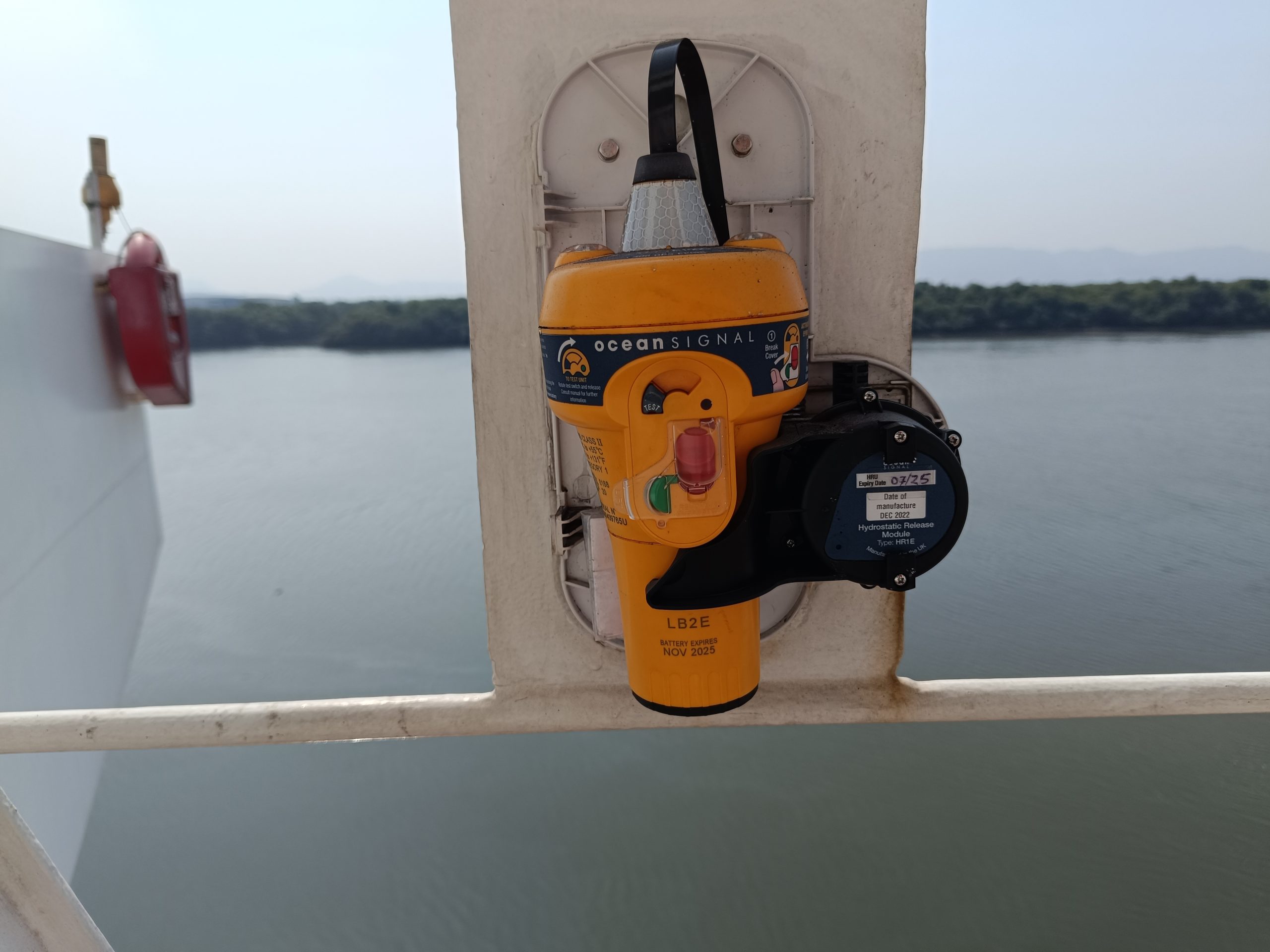
- Battery expiry or degradation reduces endurance and may cause failed self-test or low-battery indication
- Antenna damage or poor deployment reduces transmitted signal effectiveness and may be visible during inspection
- Water ingress or corrosion damages electronics and can cause failed self-test or unreliable activation
- Manual or automatic release mechanisms can seize or be incorrectly fitted, preventing proper deployment
- Incorrect programming, identification data or registration can complicate distress identification even when the beacon transmits
- Expired or degraded battery capacity from age or poor storage causes failed self-tests or reduced emergency operating capability
- Antenna damage, corrosion, or poor deployment condition reduces transmission or homing performance
- Water ingress or damaged housing seals causes corrosion, intermittent operation, or failed self-test
- Incorrect registration, programming, or position-data interface can result in missing or incorrect identification or location information
- Release bracket, hydrostatic release, activation switch, or lanyard defects can prevent proper deployment or activation
ACR
1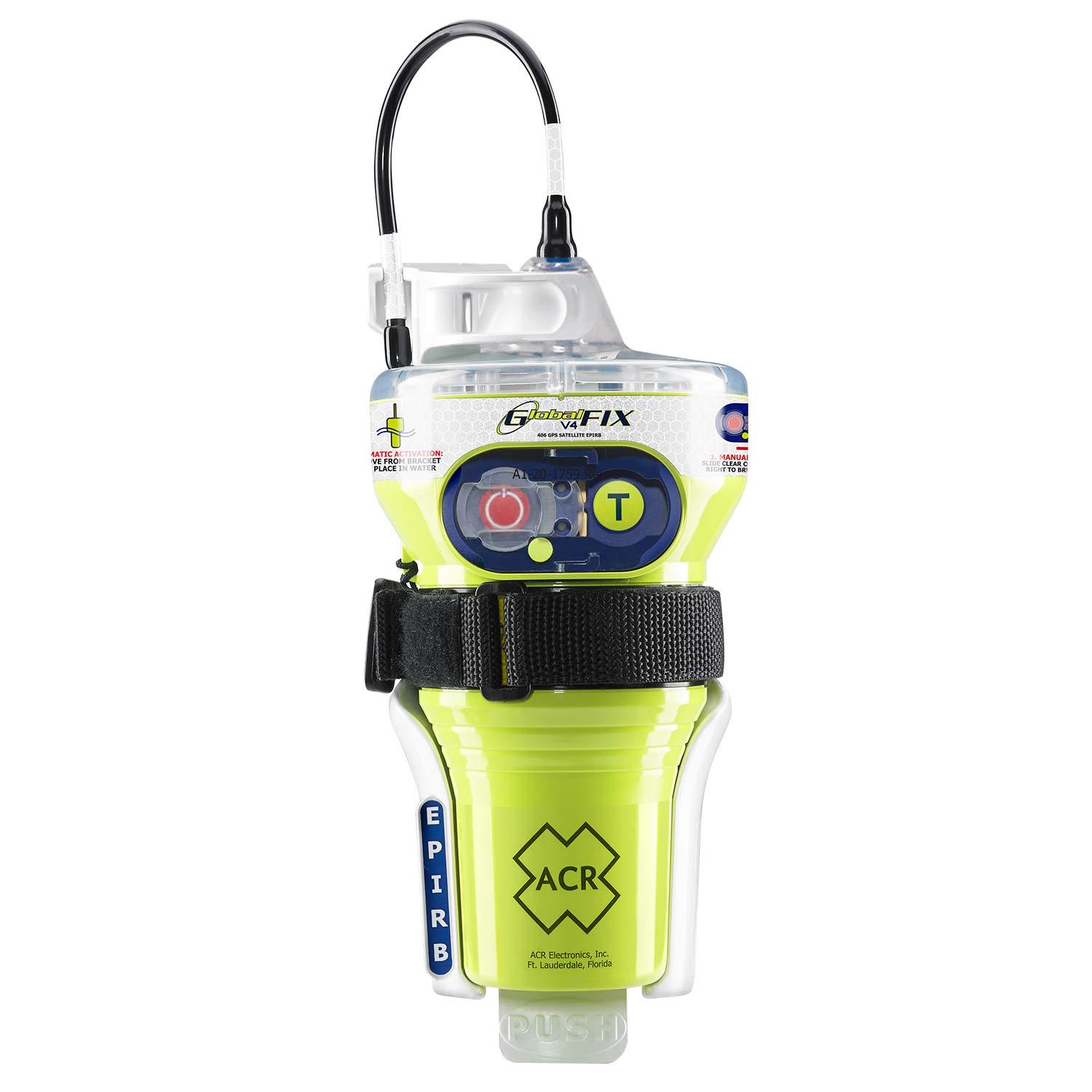
- Antenna, feeder or casing damage reduces communication or locating performance and may cause self-test faults
- Battery, emergency-power or power-supply deterioration causes resets, low-voltage alarms or failure to operate
- Water ingress or corrosion causes intermittent operation, damaged connectors or internal faults
- Configuration, registration or identity errors cause incorrect vessel or beacon information
- Internal transceiver, display or control faults cause failed self-tests, missing communications or unavailable emergency functions
- Meets IMO Performance Standard and USCG Type Approval for SOLAS compliance
- Built‑in self‑test and automatic water‑activation reduce reliance on crew action
- Float‑free bracket helps retain the unit after deployment
- Sealed lithium battery with ~3 year service life and clear replacement schedule
- Robust, corrosion‑resistant housing designed for harsh marine environments
- Antenna and float‑bracket can corrode in aggressive saltwater conditions, requiring regular inspection
- Battery must be replaced after its service life; no hot‑swap capability
- No integrated GPS (requires external unit) limits accuracy of transmitted position
- Monthly self‑test is mandatory; missed tests may go unnoticed