The Maritime Equipment Library. 187,244 Models. Global.
Technical data, spare parts, service notes and fault diagnostics for 187,244 models of maritime equipment — free, no account needed.
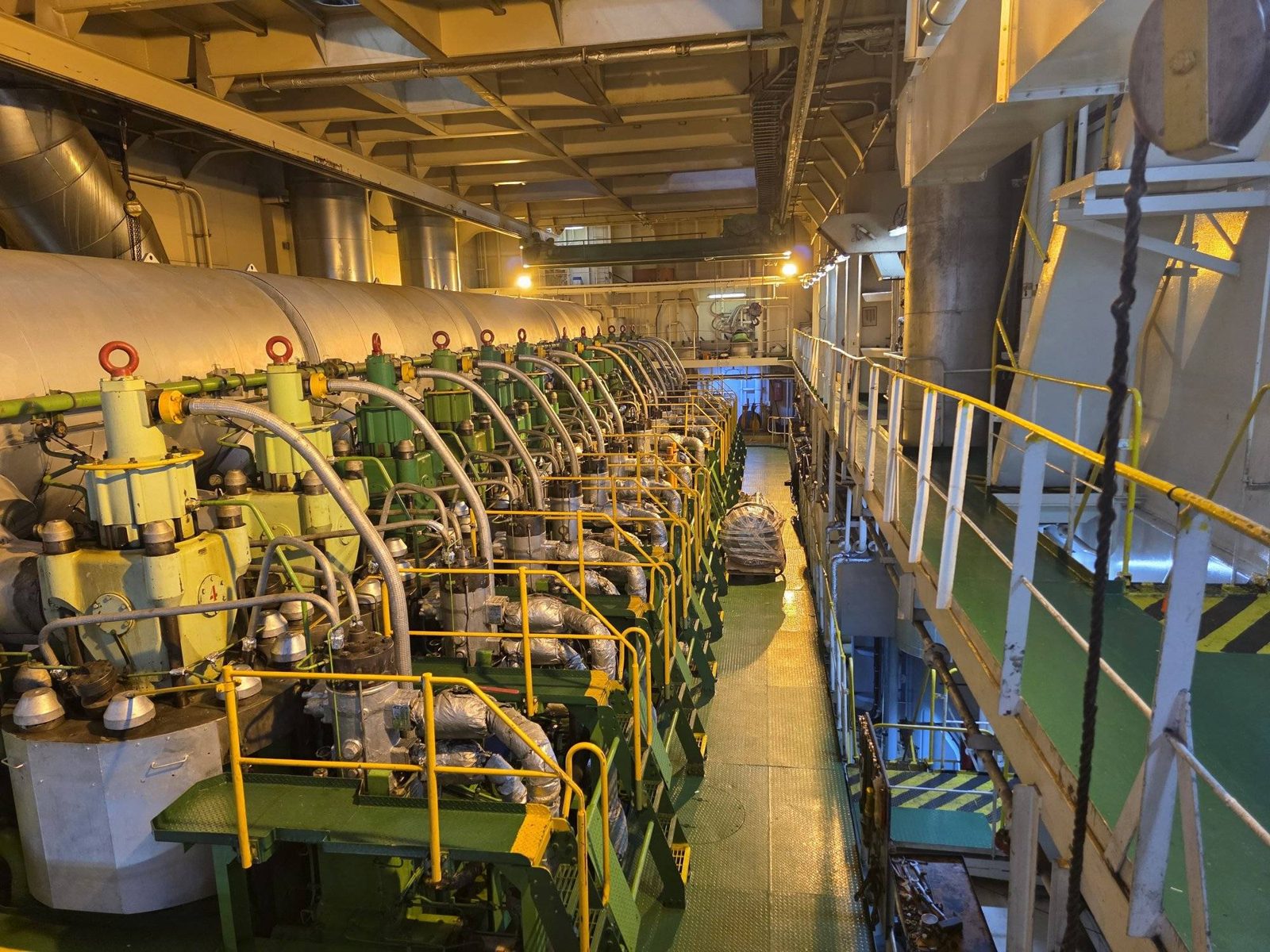
Where the ship makes its power.
Pumps, shaft lines, main engines, switchgear, power generation, air conditioning and ventilation — everything that keeps the machinery running, filed by category.
Everything that lifts, holds and ties.
Anchor and mooring gear, deck cranes, thrusters, lashing and the cargo systems — equipment that has to stand up to wind, salt water and load.
What the watch relies on — and what must work once, perfectly.
Radar and ECDIS, position and heading, GMDSS, autopilot — and lifesaving appliances, fire protection, davits and distress beacons.
Start where the machine is.
Seven areas, the way an engineer walks the ship. Pick an area to see what it holds; open it to get the filtered library — every type, every manufacturer, every model we know in that space.
Engine Room
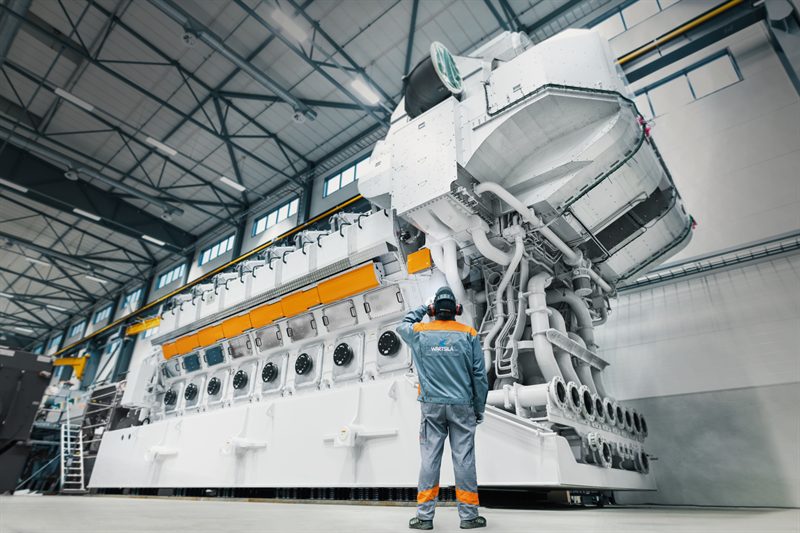
Pipe connections, shaft line and propulsion, pumps, four-stroke main engines, steering gear, auxiliary engines, separators — the machinery that keeps the ship moving and alive.

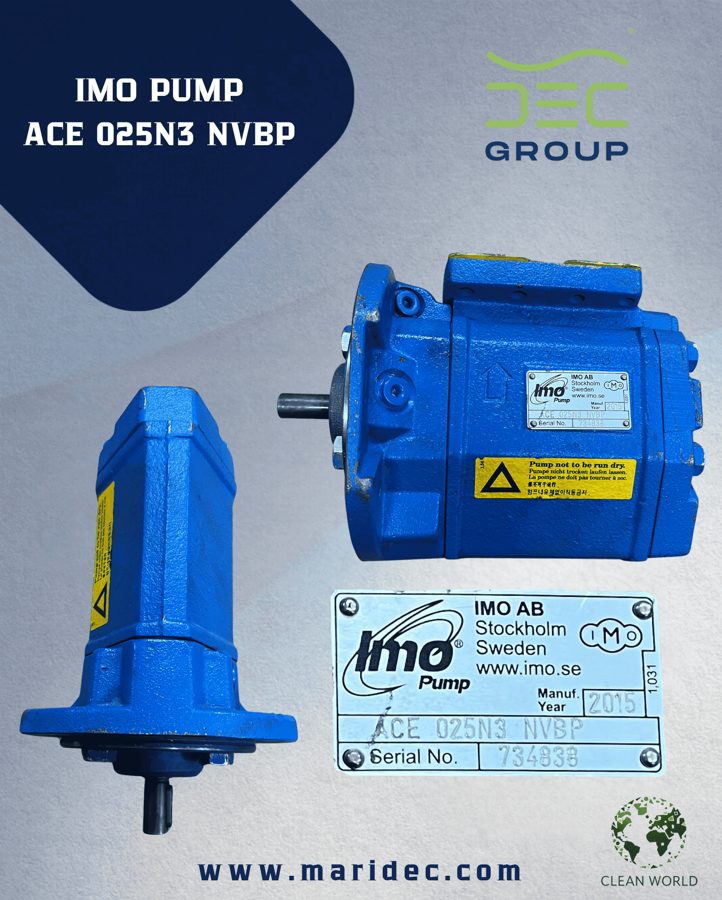 Pumps
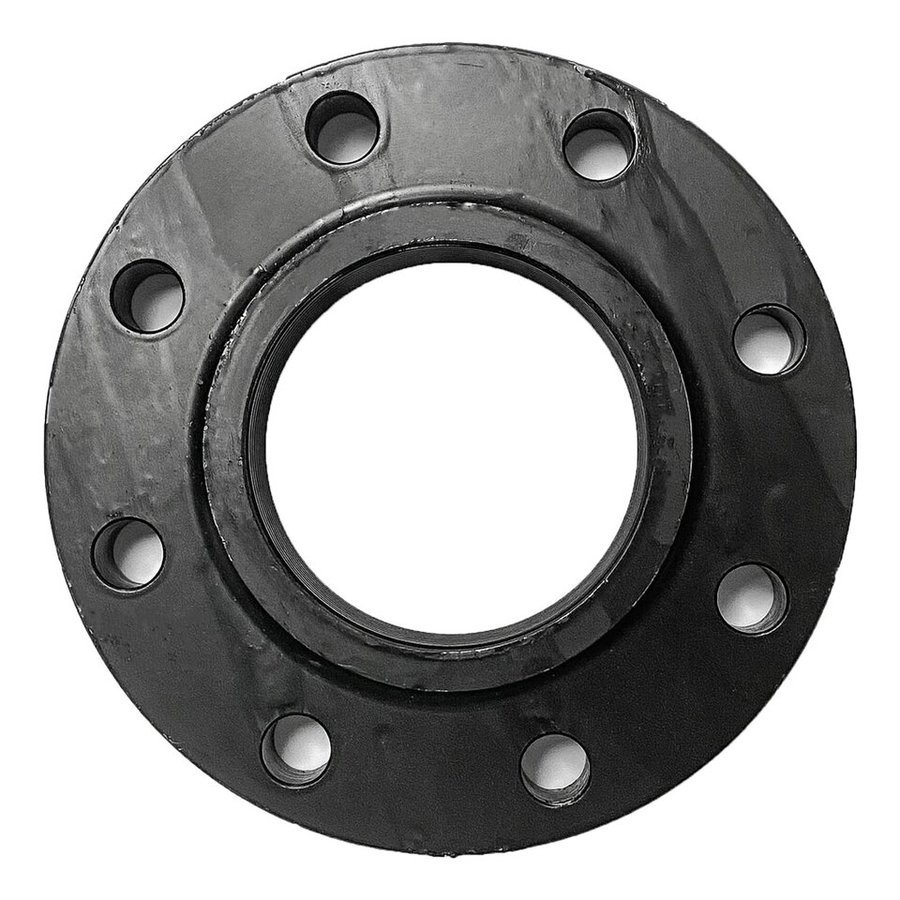 Pipe Connections & Fittings
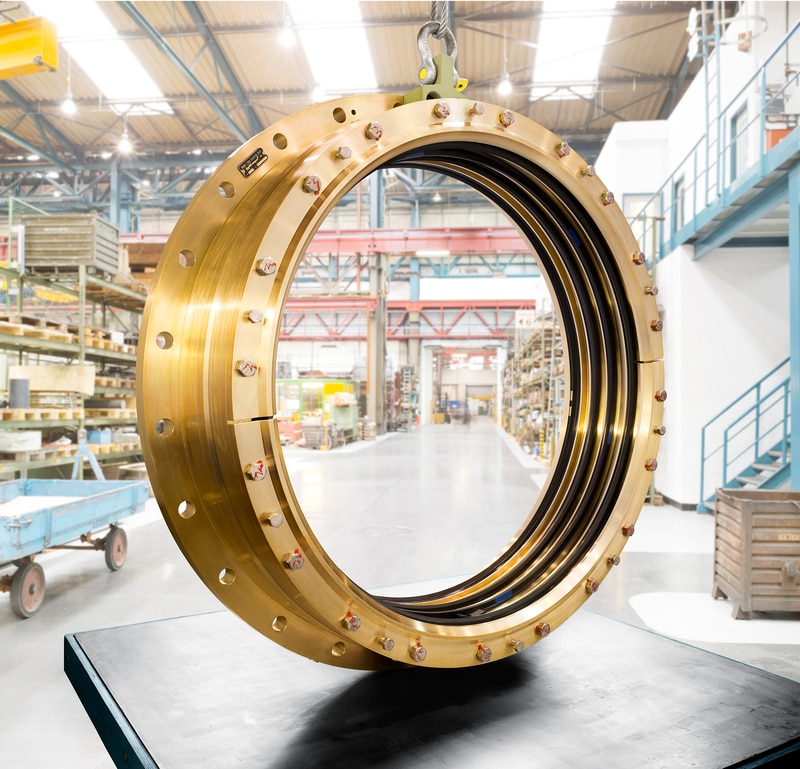 Shaft Line & Propulsion
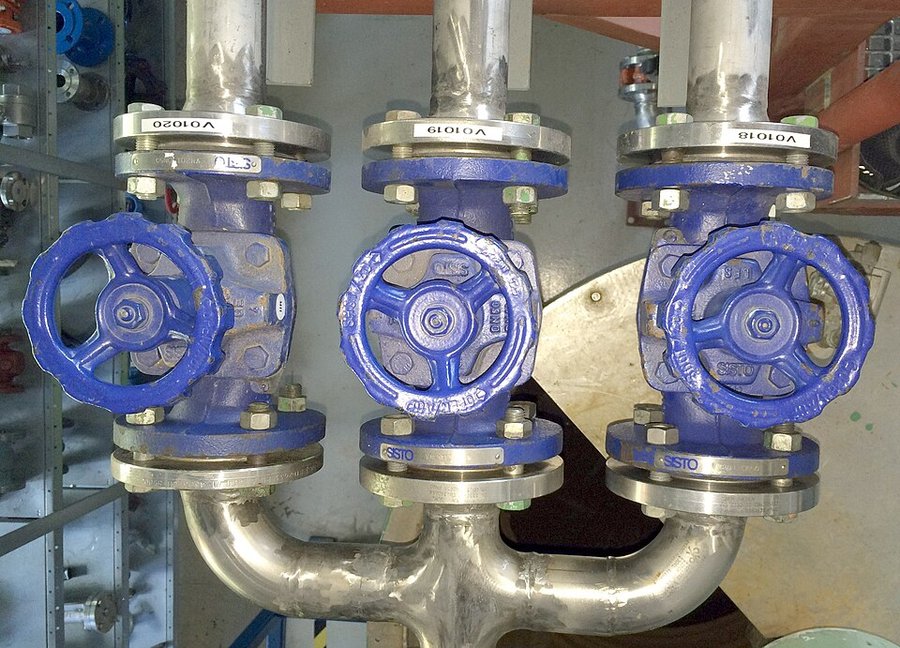 Industrial Valves
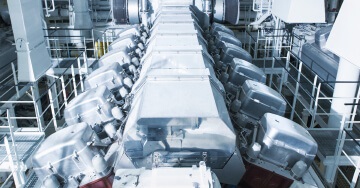 Main Engines (4-Stroke)
 Welding Consumables
Open the full Engine Room library
Deck
Anchor and mooring equipment, deck cranes, coatings, thrusters, lashing, hatch covers and RoRo gear — everything that lifts, holds and ties the ship to the world.
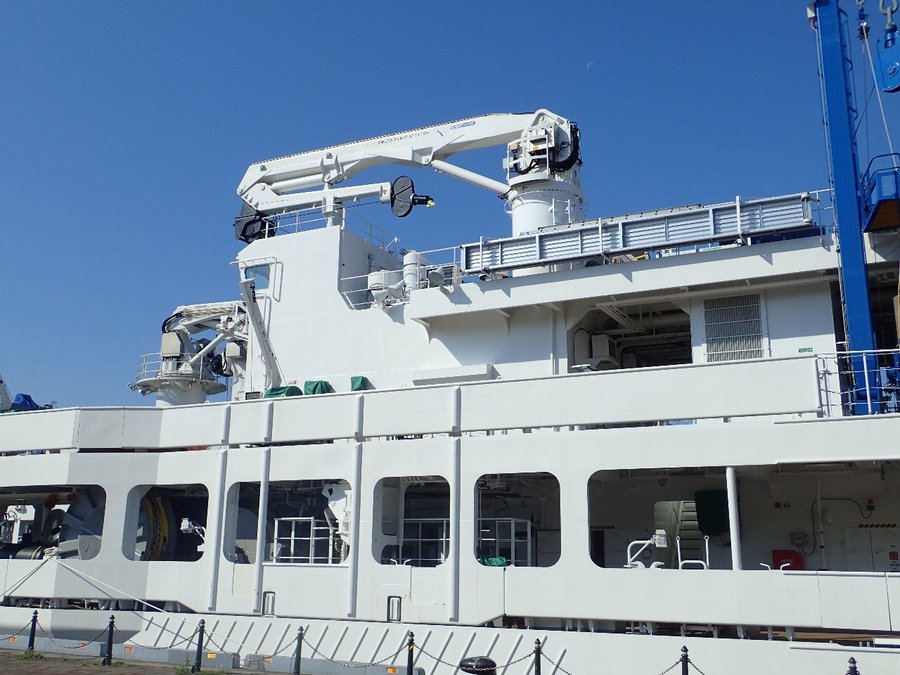
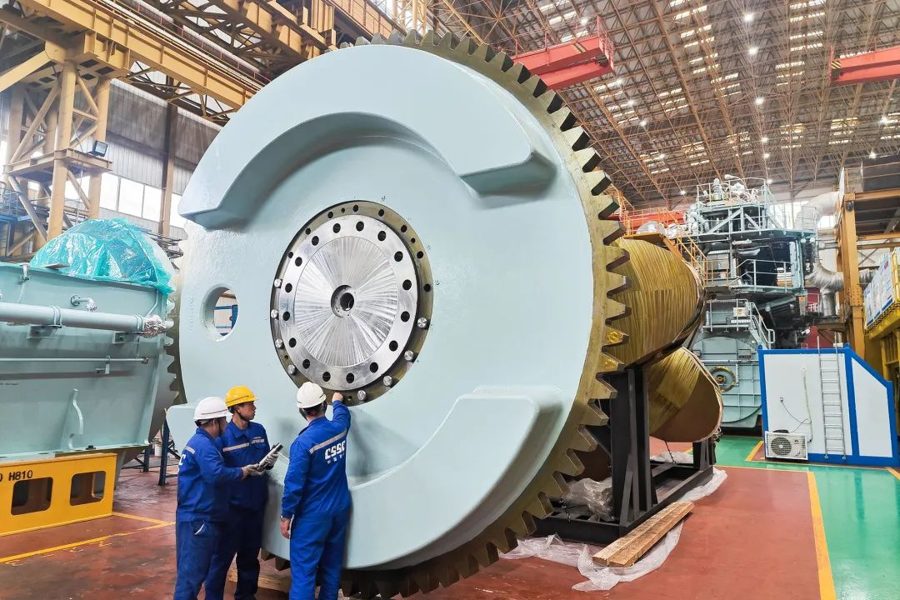 Anchor & Mooring Equipment
 Paint & Coating SystemsDeck Cranes
 Yacht & Boat Equipment
 Cargo Lashing & Container Equipment
 Bow/Stern Thrusters
Open the full Deck library
Electrical
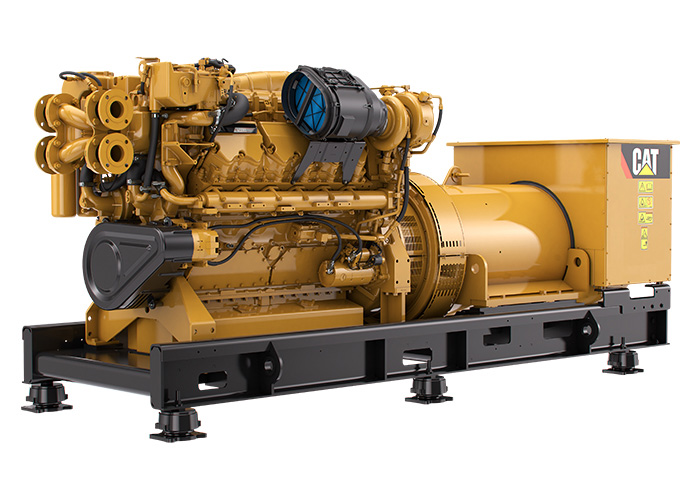
Instrumentation, switchgear, cables, power generation, emergency power, batteries and UPS — the nervous system of the vessel.
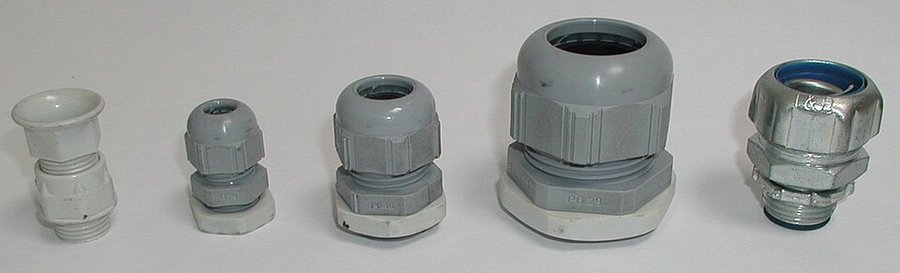 Electrical Components & Switchgear
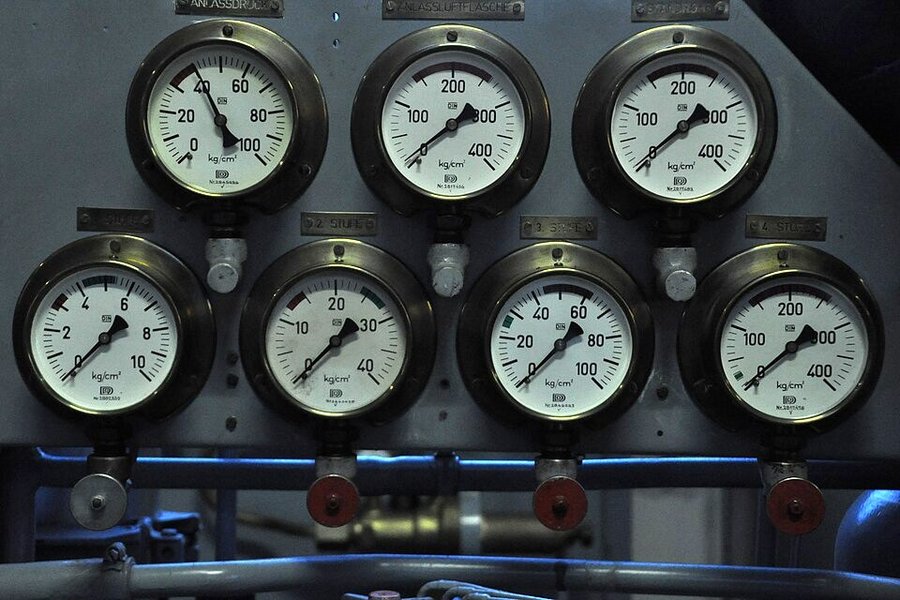 Instrumentation & Gauges
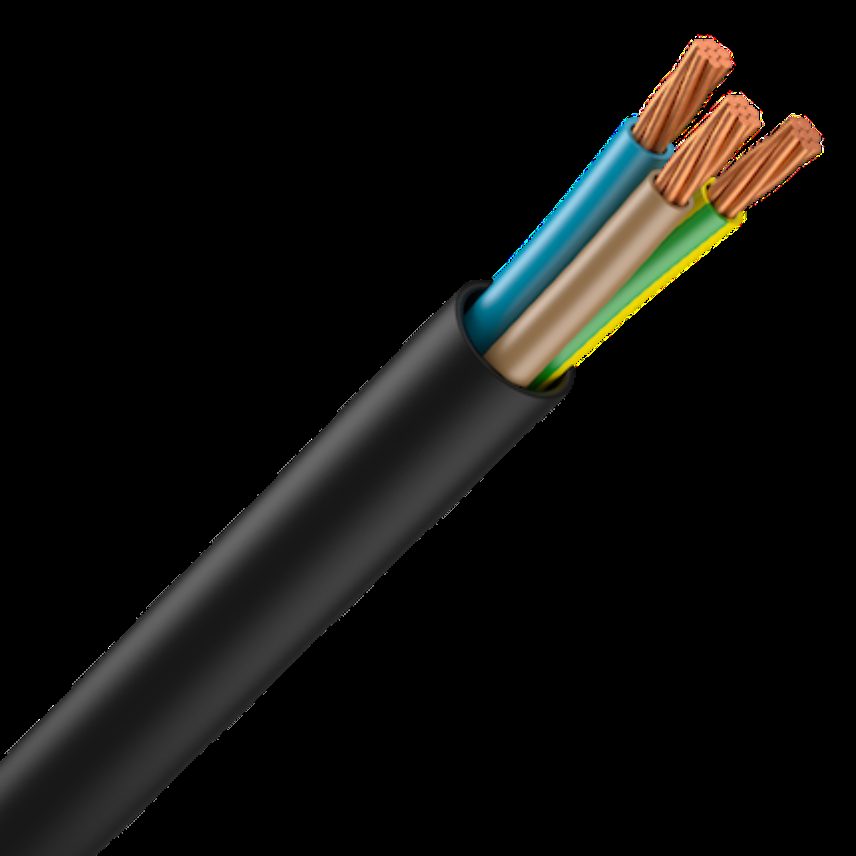 Cable & WiringPower Generation
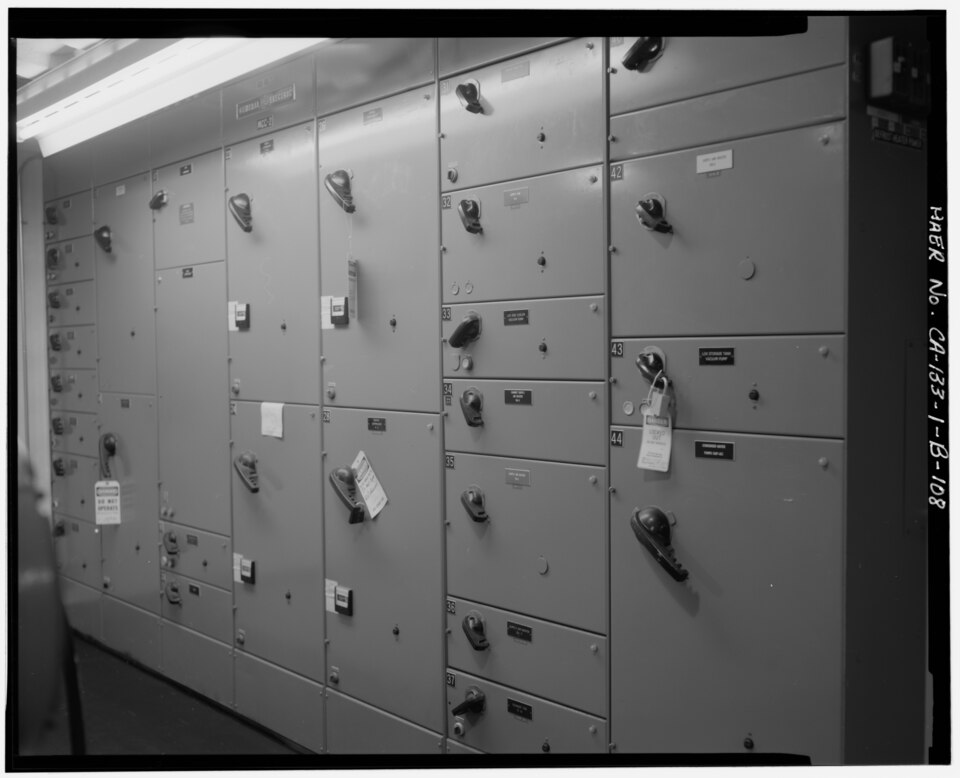 Motor Control
 Lighting
Open the full Electrical library
Navigation
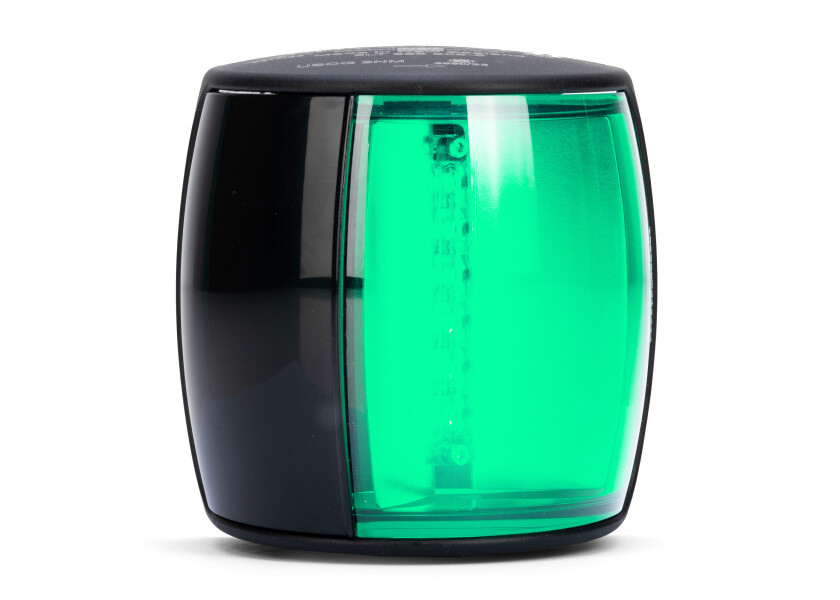
Bridge equipment, radar and ECDIS, signalling, autopilot, position and heading, GMDSS — what the officer of the watch relies on.
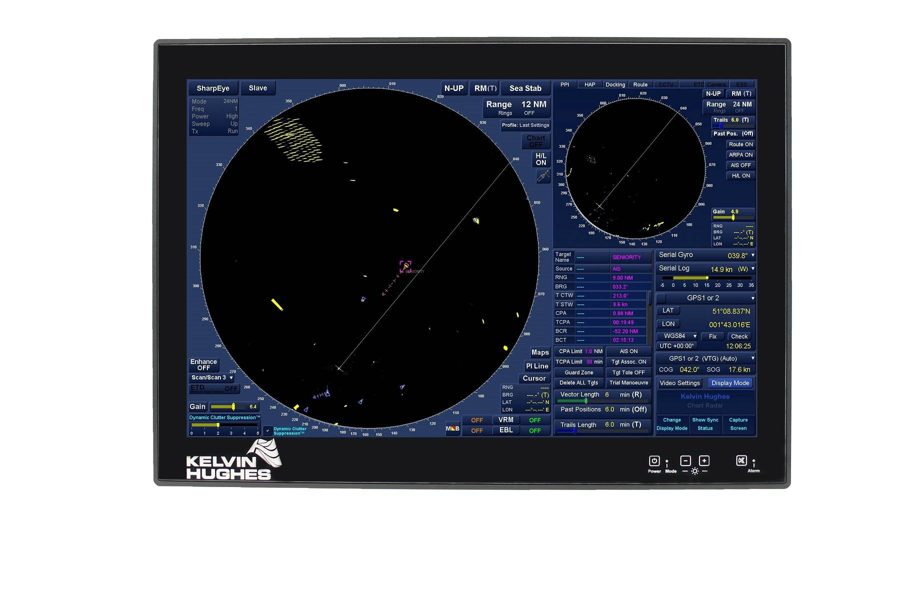
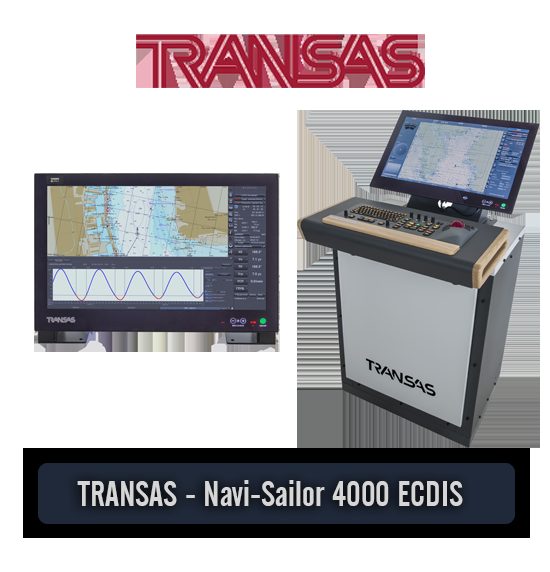 Navigation & Bridge EquipmentRadar & ECDIS
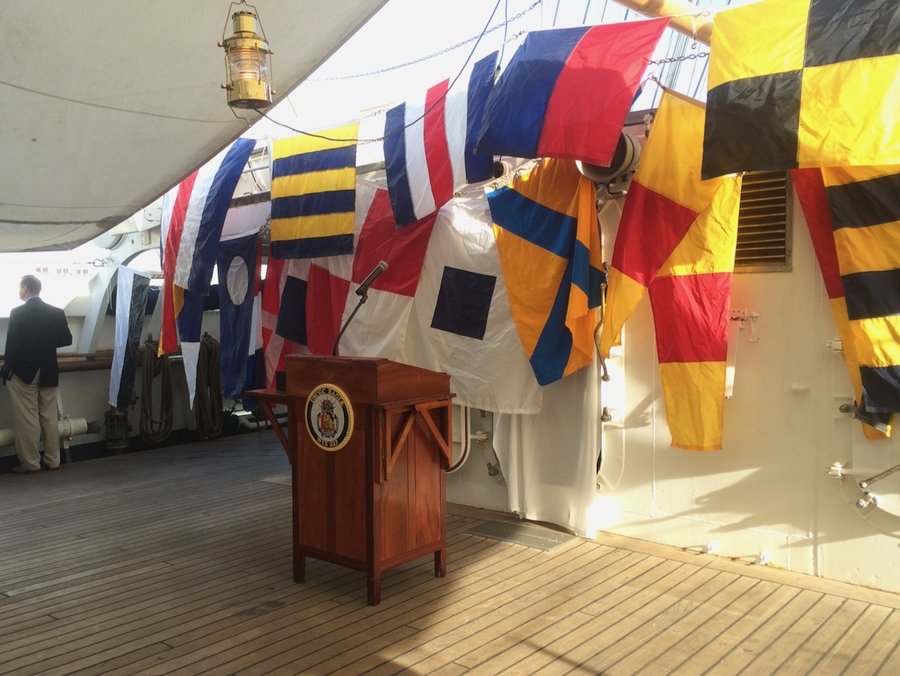 Signaling & Visual
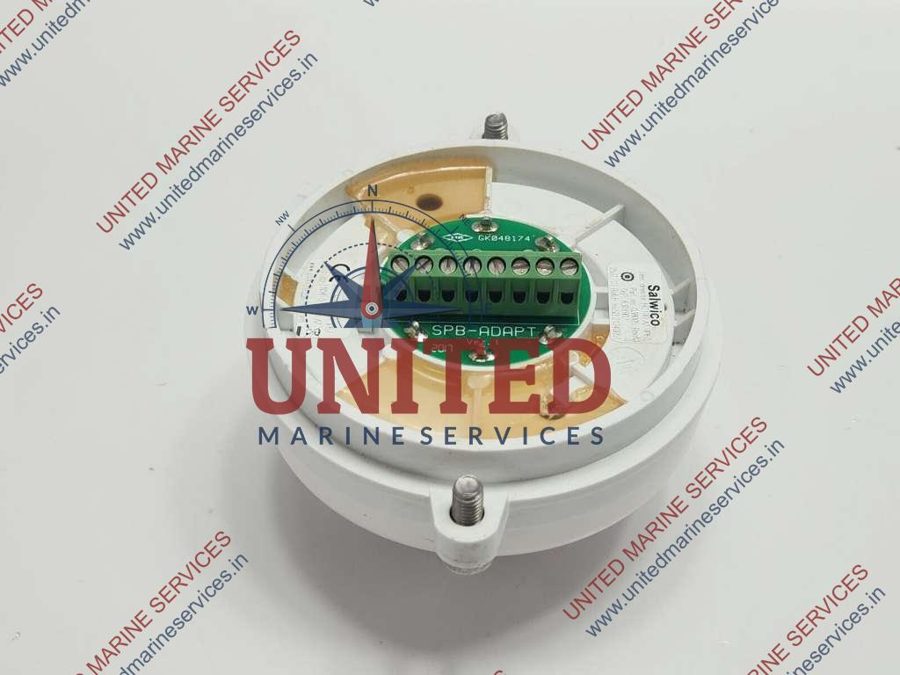 Position & Heading
 GMDSS
 Autopilot & Bridge Systems
Open the full Navigation library
Safety & LSA
Lifesaving appliances, life rafts, fire hoses and detection, davits, fixed suppression, lifeboats, EPIRB and SART — the equipment that must work once, perfectly.
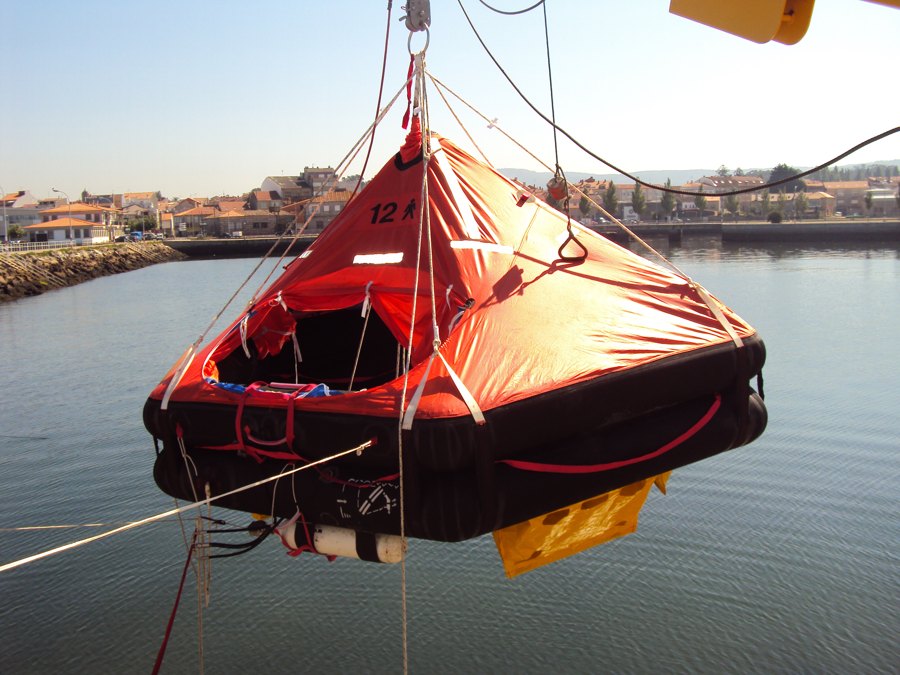
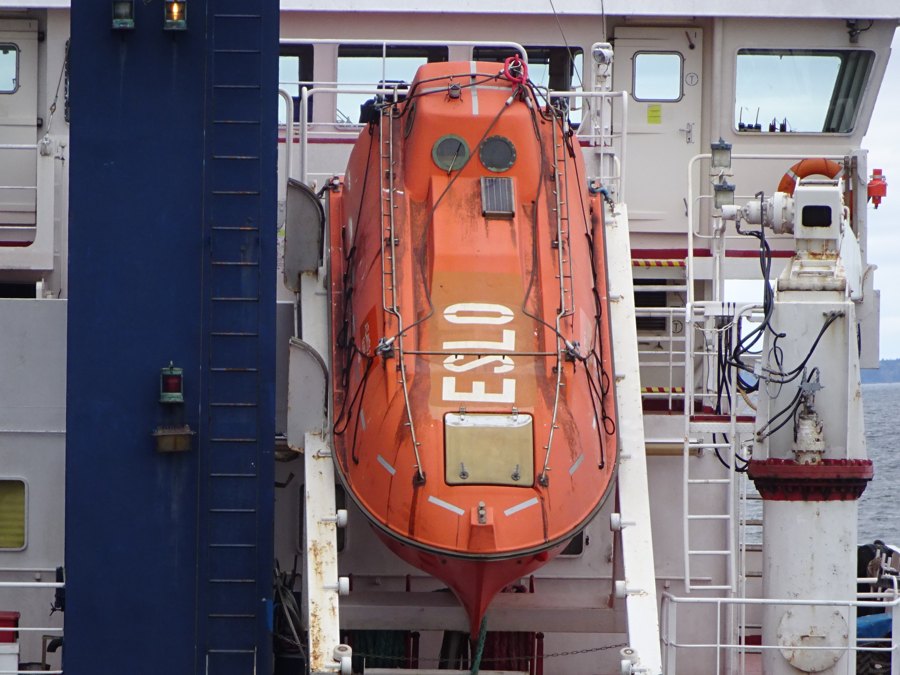 Lifesaving Appliances (LSA)
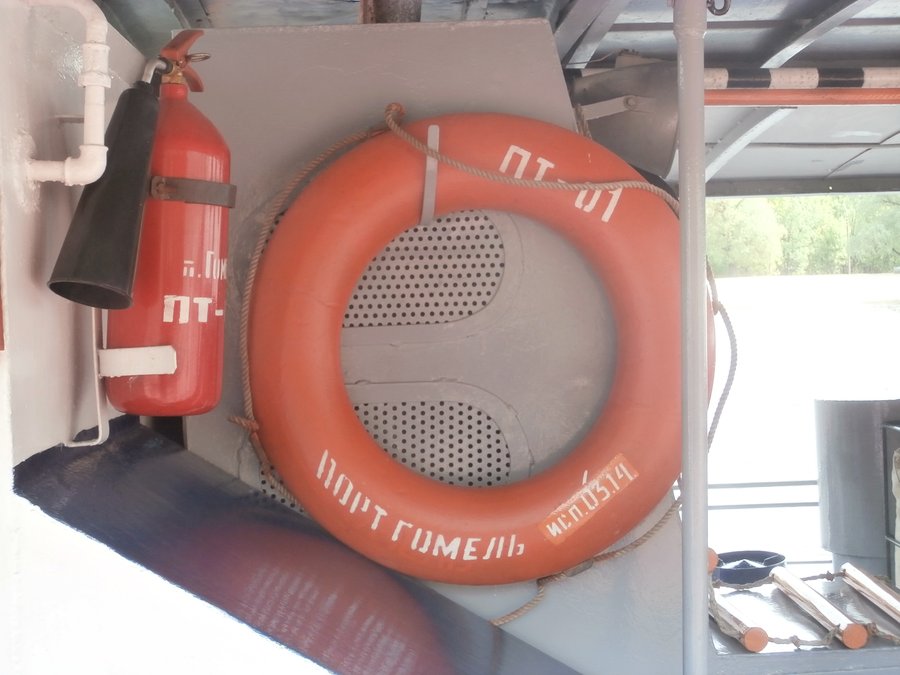 Fire Fighting
 Fire Detection SystemsLife Rafts
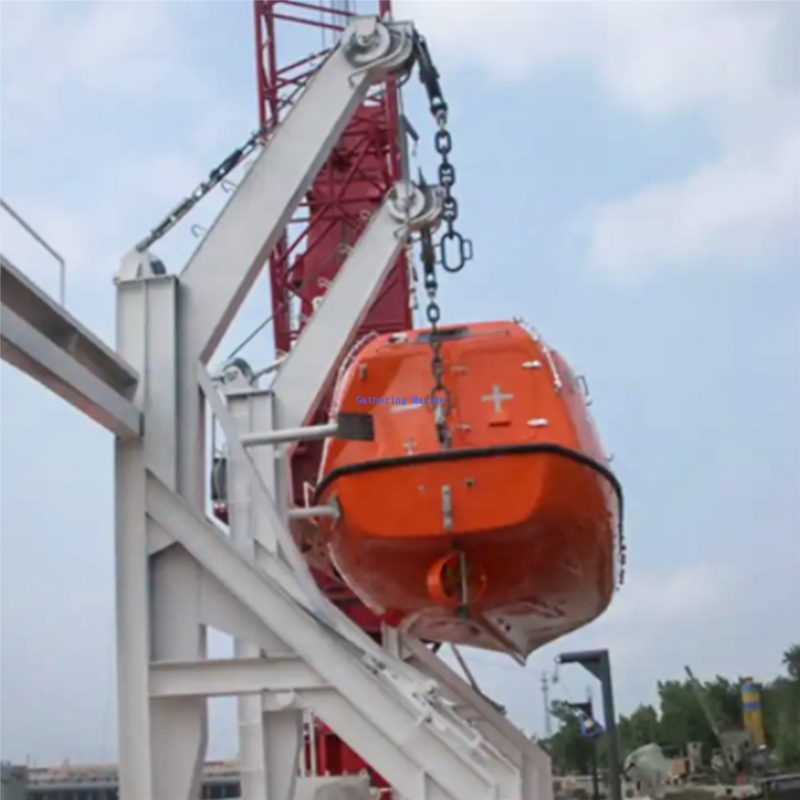 Davits
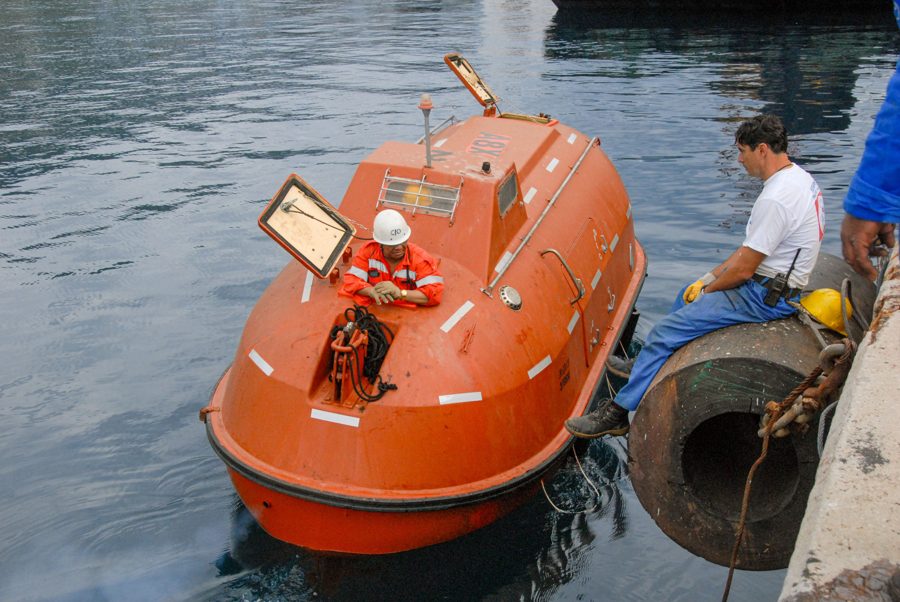 Lifeboats
Open the full Safety & LSA library
Cargo
Level and temperature gauging, tanker cargo systems, PV valves, hoses and manifolds, tank cleaning, inert gas, ballast water treatment — the systems that carry what the ship is paid for.
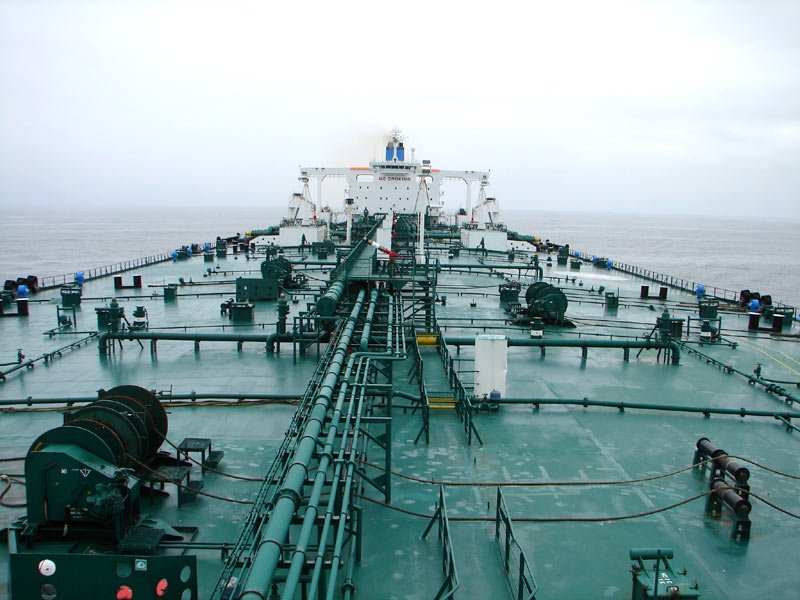
 Cargo Level & Temperature GaugingTanker Cargo Systems
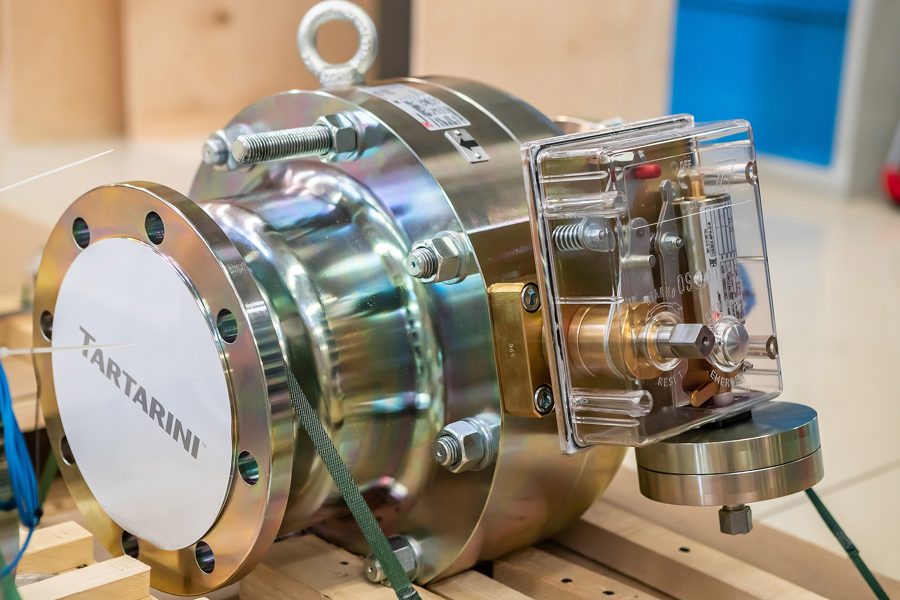 Cargo Hoses & Manifolds
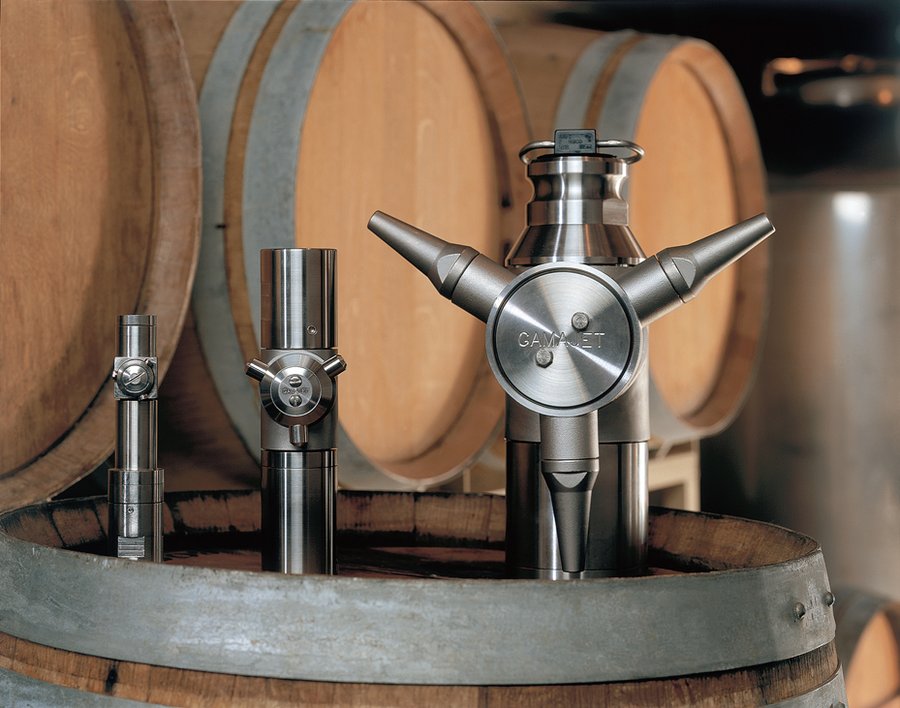 Tank Cleaning Equipment
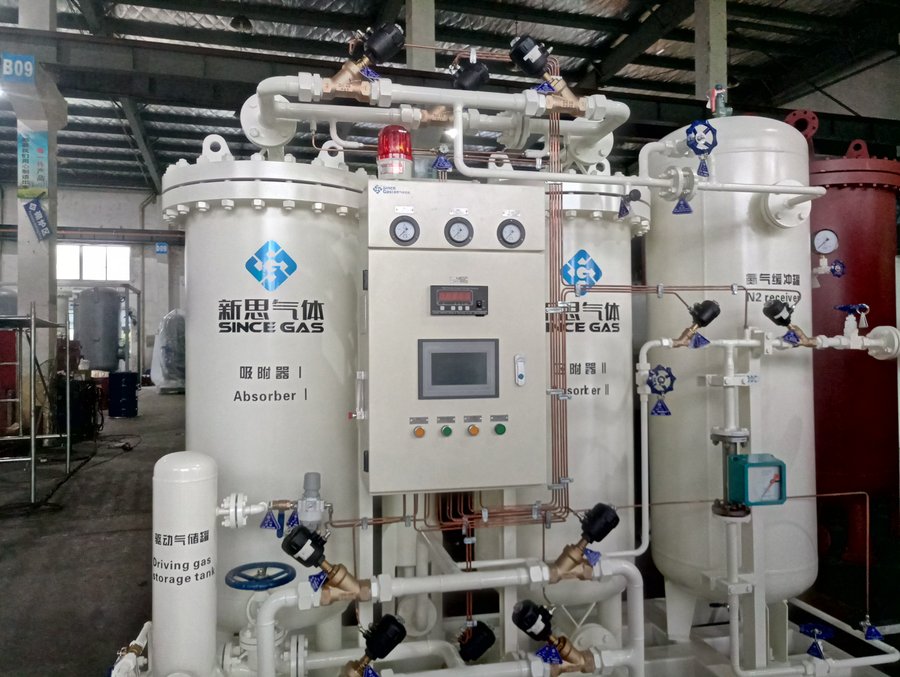 Inert Gas Systems
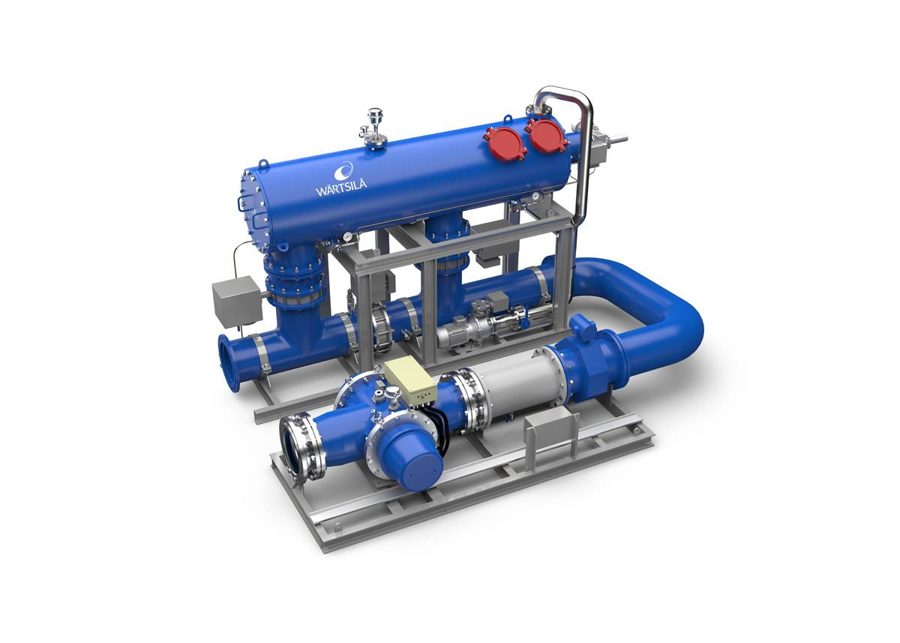 Ballast Water Treatment Systems
Open the full Cargo library
HVAC
Air conditioning, ventilation, refrigeration, galley and domestic, water treatment — the machinery the crew notices only when it stops.
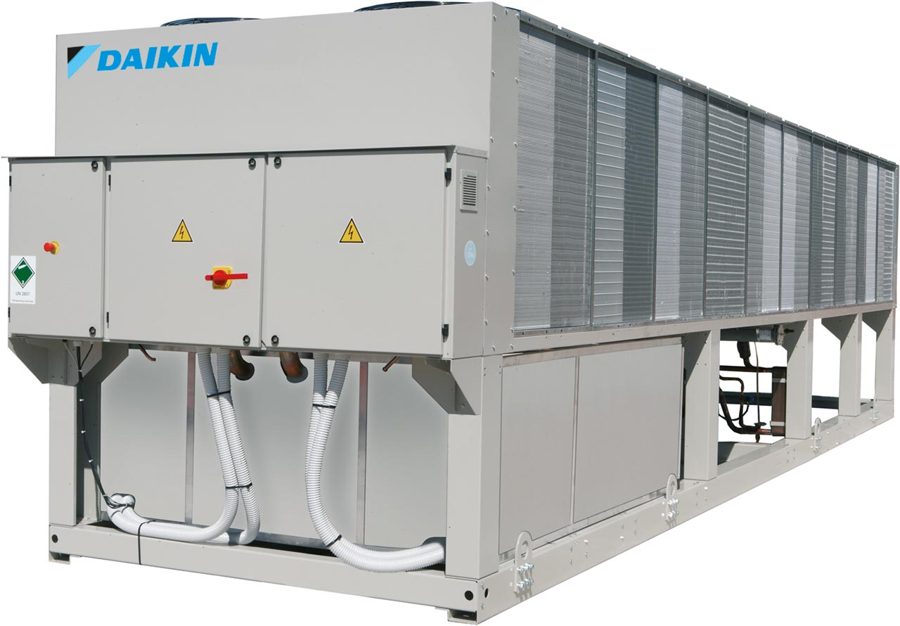 Air Conditioning
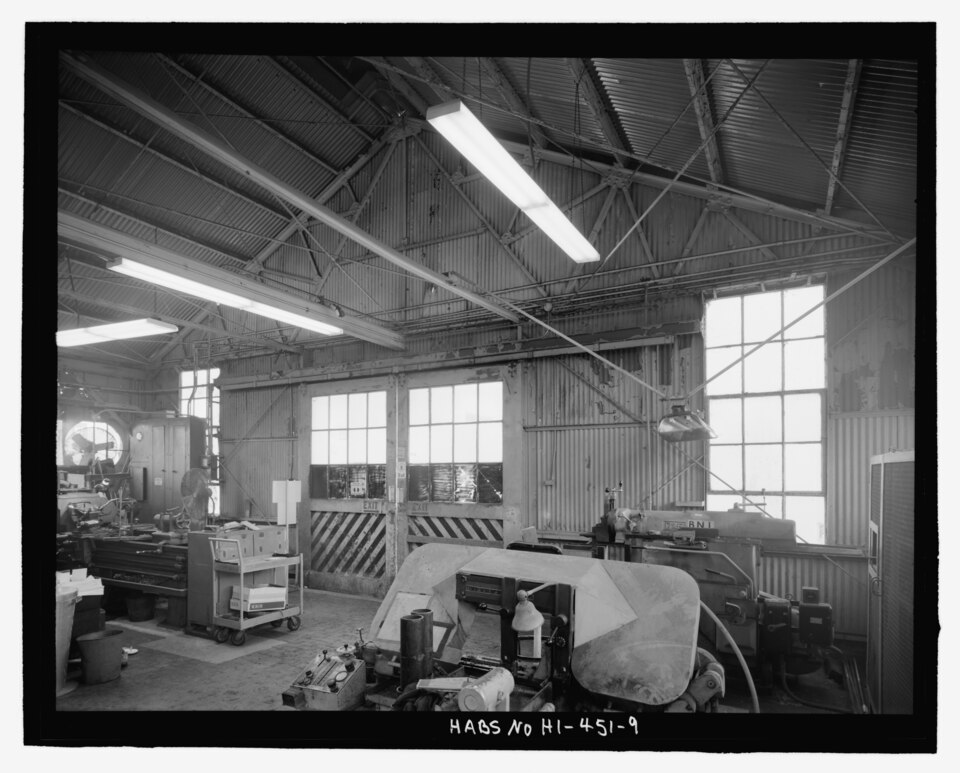 Marine Interior & Construction Materials
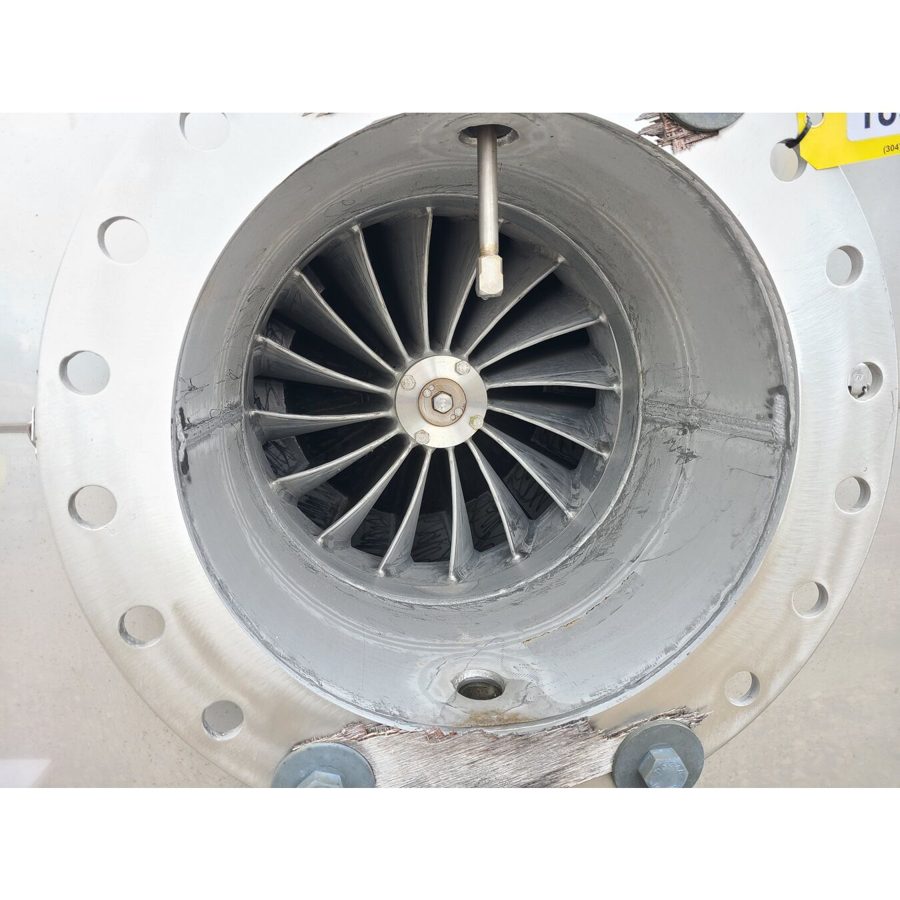 Ventilation
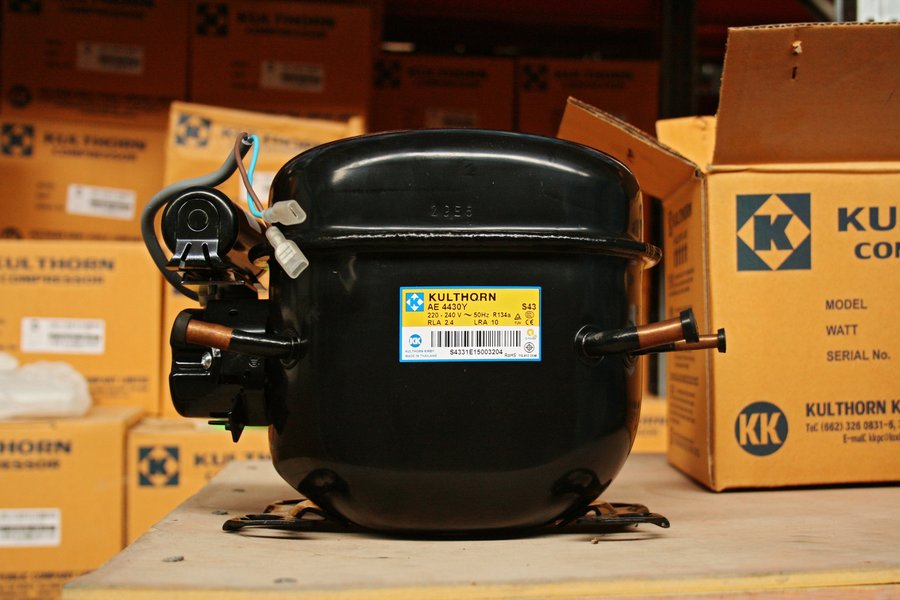 Refrigeration
 Galley & Domestic
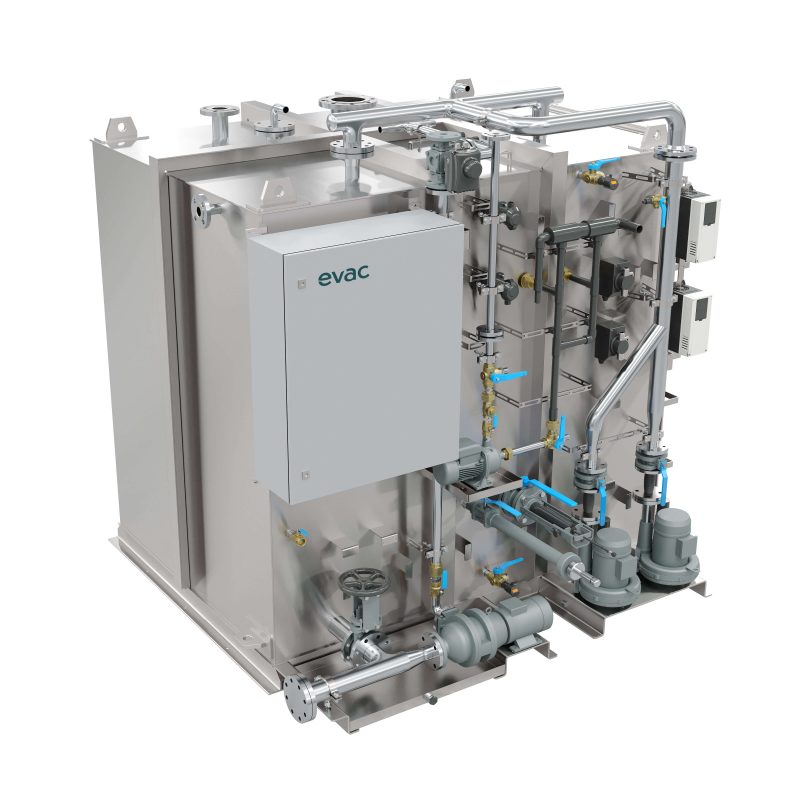 Water Treatment
Open the full HVAC library
Every category, by ship area.
123 equipment categories across seven ship areas — the complete list behind the browser above.
Guides for 523 equipment types.
What the machine does, how it is built, how it is selected and sized, which rules apply, what typically fails, and what to check before you accept a repair.
Written for the people who work with the machinery — superintendents, service engineers, surveyors, and students learning what a ship actually contains. 523 guides in 114 of 123 equipment categories, all free.
Read the guidesMost guides
- Navigation & Bridge Equipment 29 guides
- Pumps 24
- Deck Fittings & Hardware 14
- Anchor & Mooring Equipment 13
- Shaft Line & Propulsion 13
- Galley & Domestic 10
Before an inspection
- Failure patterns by type
- Readings to take first
- Class rules that apply
- Wear limits & tolerances
- Documentation to request
- What a survey looks for
Before you buy
- Selection & sizing parameters
- Original vs. reseller
- Service partners by brand
- Spare-part availability
- Manufacturer model codes
- Request a quote
Photograph it. We identify make and model.
Hold the camera straight at the nameplate. We read manufacturer, type and serial, match them against the library, and — if you want — turn it into a parts request. We deliberately never guess: an honest blank beats an invented type designation.
Try the nameplate scannerWrite to us about this model — the answer comes by e-mail.
Name the make and the model and what the job is: a spare, a service call, a second opinion on a data sheet. We answer by e-mail.
Questions that come up with this equipment.
Is the library really free?
Yes. Every model page, every guide and every datasheet is readable without an account. An account adds saved searches and requests, nothing is taken away.
Where does the data come from?
From manufacturer catalogues, class-society type-approval registers and our own service work. Every value carries its source; when we could not verify a value, the field stays empty rather than guessed.
My model is not listed — what now?
Send us the nameplate. We identify it by hand, add it to the library, and if you need a part or a service, the request is already on our desk.