5S40ME-LGIP9.6
The MAN 5S40ME-LGIP9.6 is a compact 5‑cylinder, low‑speed 2‑stroke main engine delivering 7.85 MW at 146 rpm, notable for its high‑pressure LPG dual‑fuel injection and Tier III emission compliance.
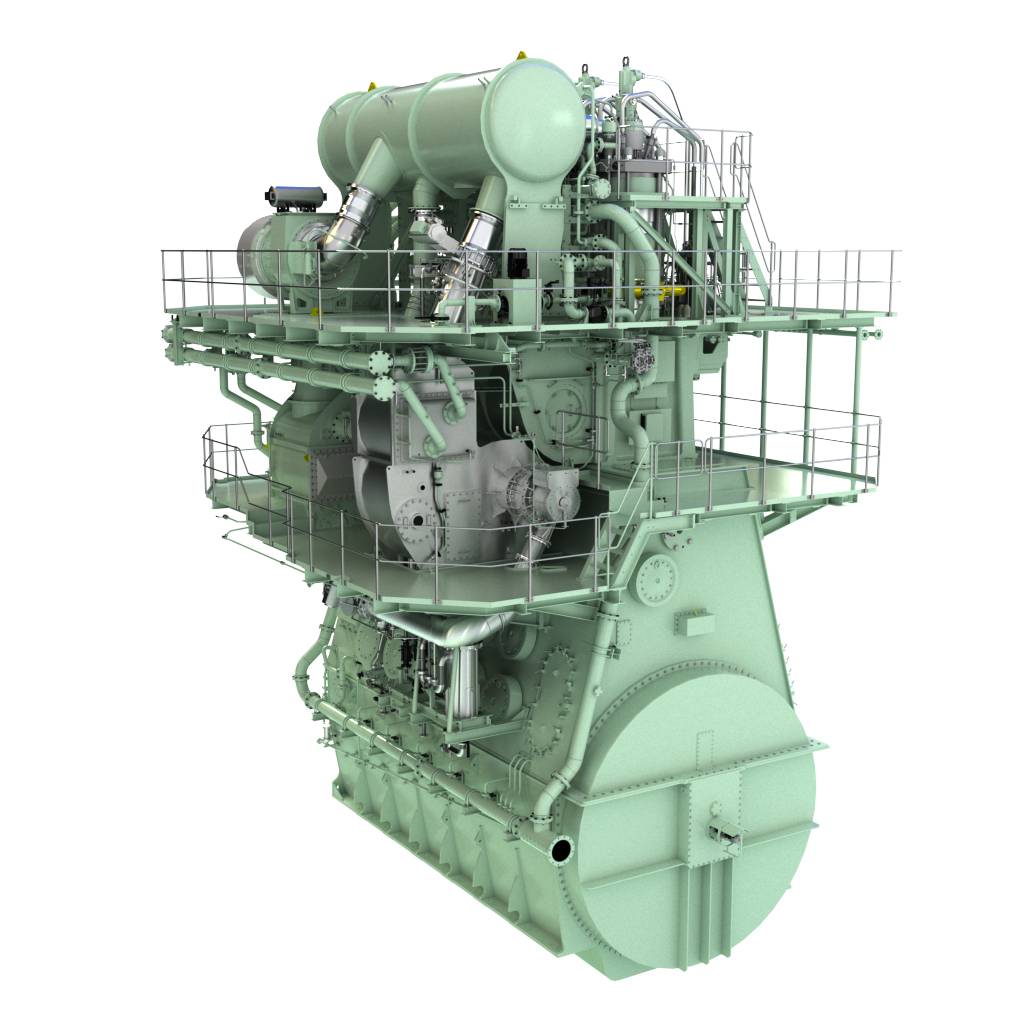
Engine Specifications
Inspector Detail
✓ verified
▸
Designation decoded
5-cylinder Super-Long-Stroke 400 mm bore ME-LGIP Mark 9.6 — two-stroke main engine, electronically controlled, dual-fuel LPG liquid injection (propane/butane), for VLGC newbuilds
Background
The ME-LGIP is the LPG (Liquefied Petroleum Gas) variant of MAN Energy Solutions' ME platform. LGIP stands for Liquid Gas Injection Propane — LPG is injected as a liquid at high pressure (500-600 bar) via dedicated injection valves. Dual-fuel operation with pilot diesel. Designed especially for VLGCs (Very Large Gas Carriers), which can use their own cargo as fuel. LPG is heavier than air (propane ~1.88 kg/m³) — gas detectors must always be installed close to the FLOOR (the opposite of methane/LNG!). Flash point of propane ~-104°C, LEL 2.1% — extremely flammable. Significant SOx reduction, CO2 approx. 15-20% less than HFO. BN25-40 cylinder oil due to the very low sulfur content of LPG. The 5-cylinder configuration requires particular attention to torsional vibration.
Calculated metrics
Inspector checklist
Logbook reference values
| Parameter | Expected | Deviation means |
|---|---|---|
Common Failure Modes
Expert tips
- 💡 LPG is heavier than air — a fundamental difference from LNG/methane! All gas detectors MUST be installed close to the floor, bilge ventilation is vital. If a leak is suspected, check the lowest points first.
- 💡 VLGC operation uses cargo as fuel (boil-off gas and liquid LPG). The boundary between the cargo system and the fuel system must be clearly defined and monitored — observe the IGC Code.
- 💡 LPG is less corrosive than methanol but significantly more flammable. LEL only 2.1% — even small leaks can form an ignitable mixture. Never enter enclosed LPG spaces alone.
Related components
Classification & regulatory
IMO Tier II/III emission requirements. IGC Code (International Code for the Construction and Equipment of Ships Carrying Liquefied Gases in Bulk). IGF Code (International Code of Safety for Ships Using Gases or Other Low-Flashpoint Fuels). SOLAS Chapter II-2 (fire protection). MARPOL Annex VI (SOx/NOx emissions). Observe classification society additional requirements for dual-fuel LPG operation.
Reference content for inspector orientation. Always verify against manufacturer's manual, latest service letters and class society requirements.
Other Cylinder Configurations 27
Components & Design
Component data being added…
Technical Data
🤖 Ask about this model
One free question — answered like a marine engineer. No account needed.
Suppliers & Spare Parts
Direct links to manufacturer, datasheet, spare-parts portal and dealers — request access below.
📄 Request sourcing links & documentsCases, daily reports, timesheets and AI troubleshooting in the OceanSphere Marine app — free for 14 days.
Start free trial →Find manufacturers, repair shops and spare-part dealers in the Maritime Network — our global company directory.
Maritime Network →