What to check on a Autopilot/BNWAS.
Autopilot and BNWAS are two separate functions that get grouped together commercially because they interface with the same steering control system and bridge alarm wiring, and are frequently supplied as one integrated package. The autopilot drives the steering gear to hold a heading, or on track control systems to follow a planned route, using input from the gyrocompass or satellite compass and, for track control, the ECDIS route. The Bridge Navigational Watch Alarm System has nothing to do with steering - it monitors whether the officer of the watch is…
What this entry actually covers
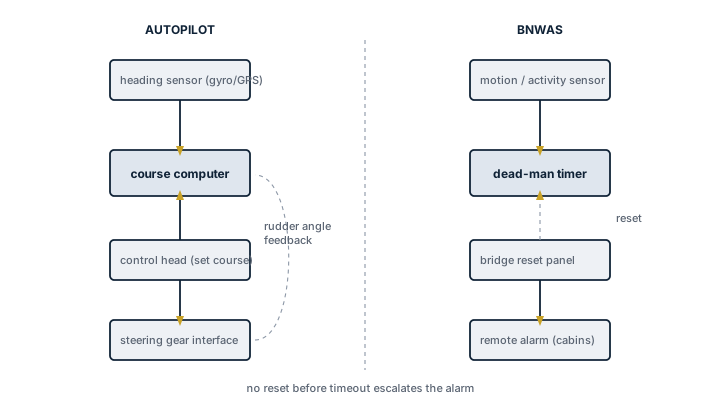
Autopilot and BNWAS are two separate functions that get grouped together commercially because they interface with the same steering control system and bridge alarm wiring, and are frequently supplied as one integrated package. The autopilot drives the steering gear to hold a heading, or on track control systems to follow a planned route, using input from the gyrocompass or satellite compass and, for track control, the ECDIS route. The Bridge Navigational Watch Alarm System has nothing to do with steering - it monitors whether the officer of the watch is actively present and alert, escalating an alarm through the bridge, then the officer's cabin, then other officers' cabins if no one resets it in time. Confusing the two matters in practice: a vessel can have a perfectly functioning autopilot and still be dangerously unmanned if the BNWAS reset habit has become automatic rather than a genuine alertness check.
Main components
Autopilot control unit
Takes heading or track error input, applies the set control law, proportional or adaptive on more capable units, and outputs a steering command to the steering gear's follow-up system; a course-changeover switch lets the helmsman take back manual control instantly.
Track control interface
On vessels fitted with track control, the autopilot accepts the active route from the ECDIS and steers to it directly, subject to the officer of the watch monitoring cross-track error and confirming waypoint changes.
BNWAS sensors and reset points
Motion or presence sensors, or simple reset buttons distributed around the bridge, that the officer of the watch must actuate at intervals; if no reset occurs, the system escalates through pre-set stages and locations.
Alarm escalation panel
Configurable timer stages and cabin call-out sequence, normally set up during commissioning to match the vessel's manning and bridge layout.
Selection and sizing
- Autopilot torque and response characteristics matched to the vessel's steering gear and typical sea states on its trade route
- Track control capability, needed only if the vessel intends to run ECDIS-driven track steering rather than heading-only autopilot
- BNWAS reset point count and placement suited to the actual bridge layout and watchkeeping arrangement
- Interface compatibility with the gyrocompass, GPS and ECDIS models already fitted, since retrofit mismatches are a common integration problem
Regulations and class
SOLAS Chapter V requires BNWAS fitting on a phased basis by ship type and tonnage, with defined timer stages for the first and subsequent alarm escalation. Autopilot carriage and performance requirements sit under SOLAS navigational equipment carriage rules and IMO performance standards for heading and track control systems; class societies test both during commissioning and periodic survey, including confirming the BNWAS escalation sequence actually reaches the intended cabins.
Typical faults
| Fault | Cause | Consequence |
|---|---|---|
| Autopilot hunting (oscillating heading) | Control gain set too high for the current sea state or loading condition | Excessive rudder movement, wasted fuel, difficult manual takeover if needed suddenly |
| Loss of heading reference | Gyrocompass fault or signal interface failure feeding the autopilot | Autopilot drifts off course or drops out, requiring immediate manual steering |
| BNWAS reset becoming automatic habit | Reset point too convenient to the officer's normal position, pressed without a real alertness check | System no longer functions as an alertness check, defeating its purpose |
| Escalation sequence not reaching cabins | Wiring fault or misconfiguration from commissioning | No effective back-up if the watch officer becomes incapacitated |
What to look for in a supplier
- Confirmed interface compatibility with the vessel's existing gyrocompass, GPS and ECDIS before ordering
- Documented BNWAS escalation timer stages matching SOLAS requirements for the vessel's ship type
- Commissioning support to actually test the full alarm escalation path, not just the local reset button
- Track record on similar steering gear types, since autopilot tuning is steering-gear specific
Test the full BNWAS escalation chain to the cabins during commissioning and periodically after, not just the bridge reset button - a system that only ever gets reset locally has never actually proven it can wake anyone up.