Flag Signal Equipment
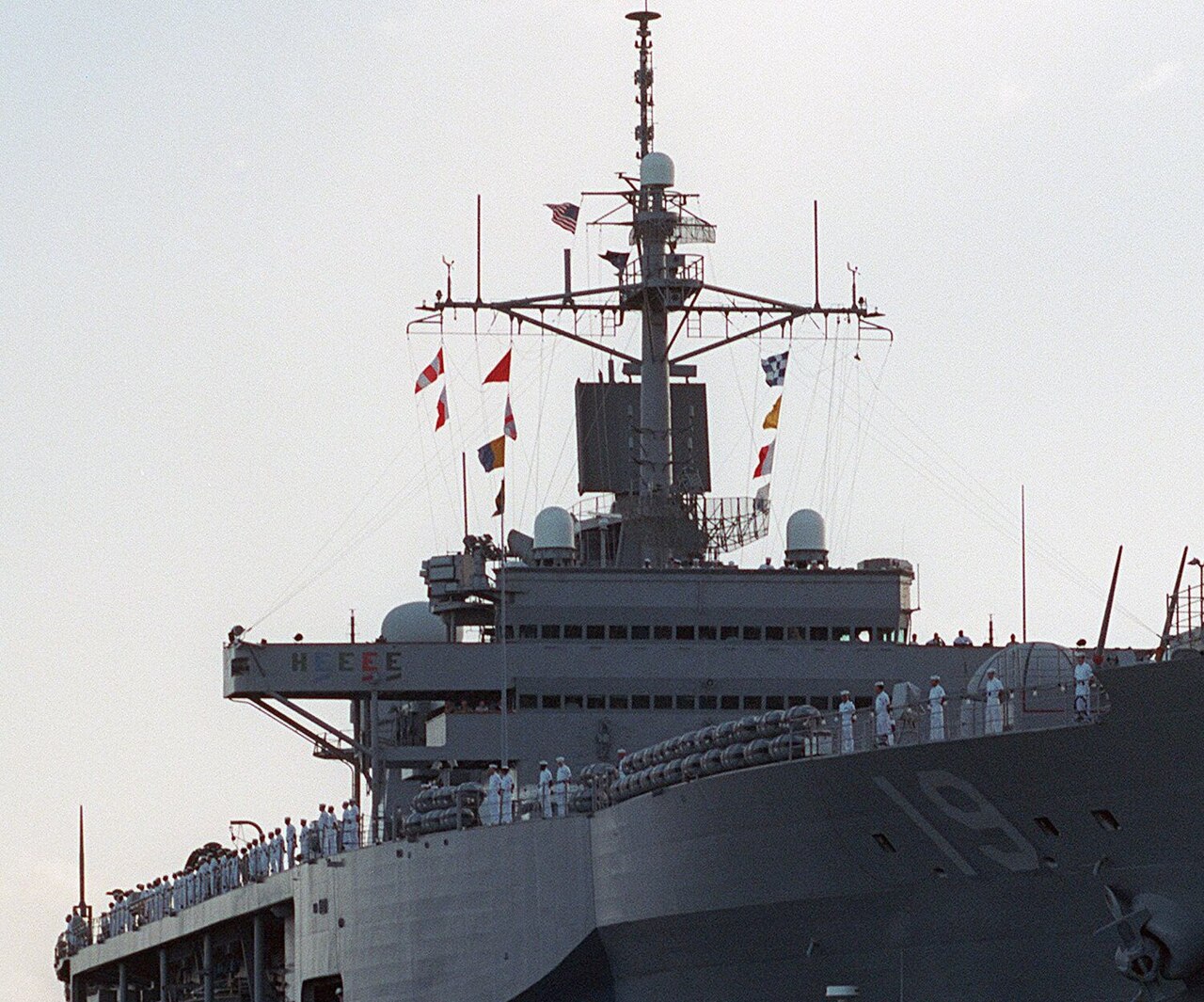
The International Code of Signals flag set lets a ship communicate fixed messages, from single-letter warnings to full hoists, to any vessel regardless of language, and it still has legal standing alongside VHF and AIS rather than being a ceremonial leftover.
Read more — Flag Signal Equipment explained ▾
What sets flag signal equipment apart
Flag signalling predates radio and remains in the toolkit because it needs no power, no shared electronic system and no common language: a hoist of the International Code of Signals means the same thing whether read from a Panamanian bulk carrier or a Norwegian coastguard vessel. It is slower and shorter-range than VHF, useless in poor visibility, and limited to a fixed vocabulary, so it complements rather than replaces electronic communication. Single-letter flags such as Alfa, Oscar or Whiskey are still hoisted in situations where instant, unambiguous visual recognition matters, for example a diving operation or a vessel not under command.

Main components
Flag set
A complete set covers the 26 alphabet flags, 10 numeral pennants, 3 substitute or repeater flags, and the answering pennant, made from synthetic bunting that holds its shape and colour in wind and UV exposure.
Halyards and hoist points
Flags are bent onto signal halyards run through blocks on the signal yard or mast, allowing several flags to be hoisted together as one string to build a multi-flag signal.
Code book / ICS reference
The International Code of Signals publication itself, kept on the bridge, gives the meaning of single-flag, two-flag and three-flag hoists and the procedure words used with them.
Storage
Flags are kept in a signal locker or dedicated flag bag with separate compartments per flag so a full hoist can be built quickly without sorting through a jumbled bag.
Selection and sizing
- Flag size: chosen by mast height and expected viewing distance, larger vessels carry larger sets so a hoist is legible from further off.
- Bunting quality: colourfast, low-stretch synthetic material holds up to UV and salt far better than cotton or low-grade polyester.
- Completeness: a set missing even one alphabet flag or numeral pennant cannot build every required signal, which matters for statutory carriage requirements.
Regulations and class
Carriage of an International Code of Signals flag set is a SOLAS Chapter V requirement for ships on international voyages, checked at survey alongside other navigational equipment. There is no periodic testing regime comparable to lifesaving gear, but flags are inspected for completeness, condition and legibility of colour, since a faded or torn flag can be misread as a different letter.
Typical faults
| Fault | Consequence |
|---|---|
| Incomplete set after loss or damage not replaced | Vessel cannot build every possible required hoist |
| Faded bunting, especially blue and red | Flag misread at distance, especially against a grey sky |
| Halyards seized or blocks corroded | Delay hoisting a signal when timing matters, e.g. distress or pilot flags |
| Flags stored wet and left to mildew | Bunting rots and colours bleed, shortening service life |
What to look for in a supplier
- Bunting fabric rated for marine UV and salt exposure, not a generic promotional flag material.
- Correct dimensions and proportions per the International Code of Signals specification.
- Complete sets sold with a proper storage bag, not loose flags.
Keep the code flags in numbered locker slots that mirror the flag bag layout, so a hoist can be built under pressure without reading every flag to identify it.
1 manufacturers · 1 models
Consilium Marine & Safety
1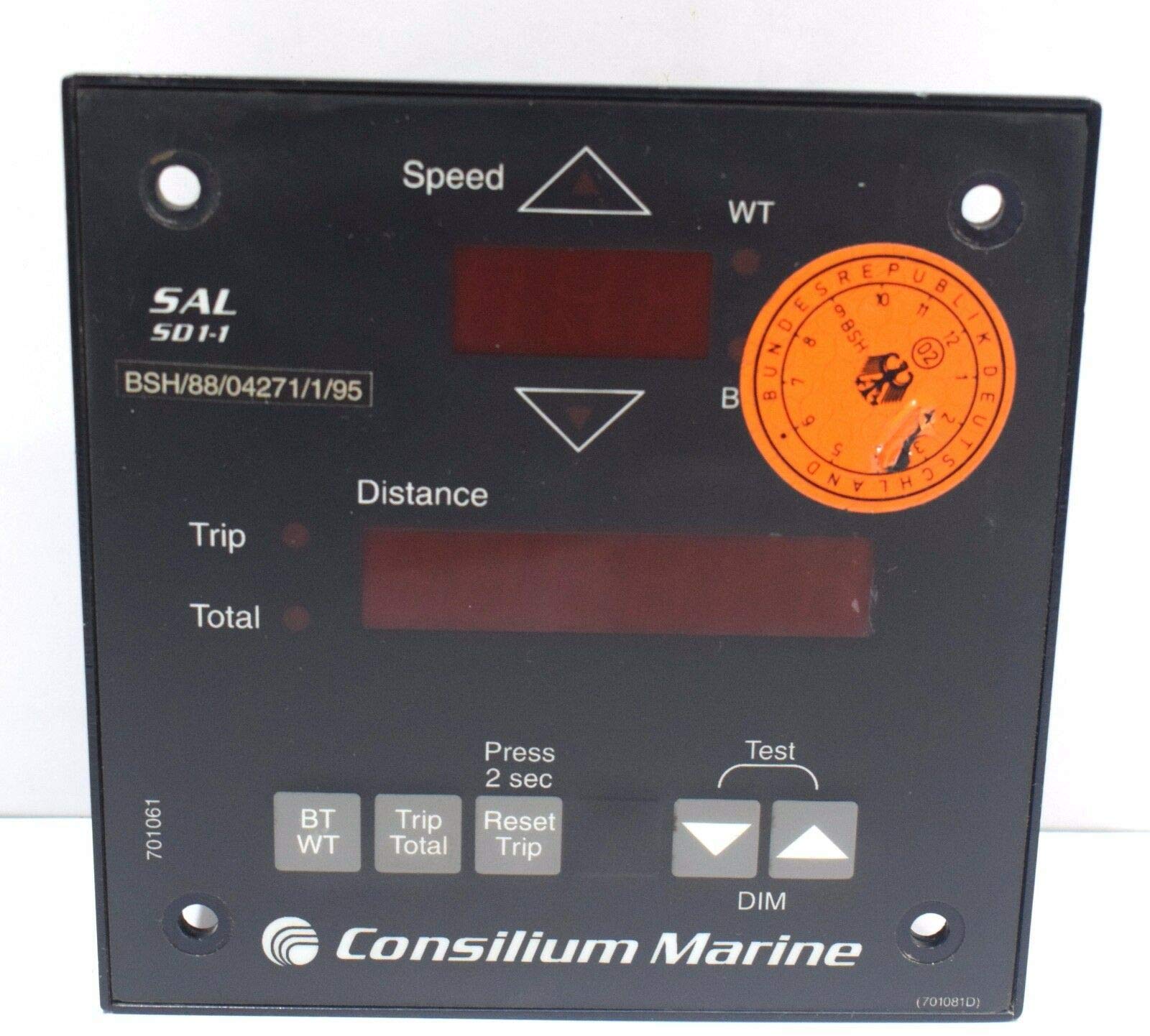
- Signal lamp bulb failure
- Flaggenmast-Blockierung
- Horn/typhon diaphragm wear
- Automatic daylight sensor failure
- Combines lamp, horn/typhon and flag mast control in one panel, reducing deck clutter
- Automatic daylight sensor switches lamps on/off, improving energy efficiency
- Standardised SOLAS compliance for flag signalling and sound signals
- Simple weekly and daily test procedures outlined in service notes
- Known susceptibility to lamp failure and daylight‑sensor malfunction requiring daily checks
- Flag mast can become blocked if not lubricated semi‑annually
- Typhon horn membrane wear demands regular inspection, increasing maintenance workload
- Limited documented certifications; may need additional type approval for some flag states