Self-Contained Breathing Apparatus (SCBA)
Self-contained breathing apparatus supplies its own compressed air rather than air fed from an external line, which is what lets the wearer enter a smoke-filled engine room without depending on a hose that can kink, burn through or be dragged out from behind.
Read more — Self-Contained Breathing Apparatus (SCBA) explained ▾
What defines SCBA against other breathing protection
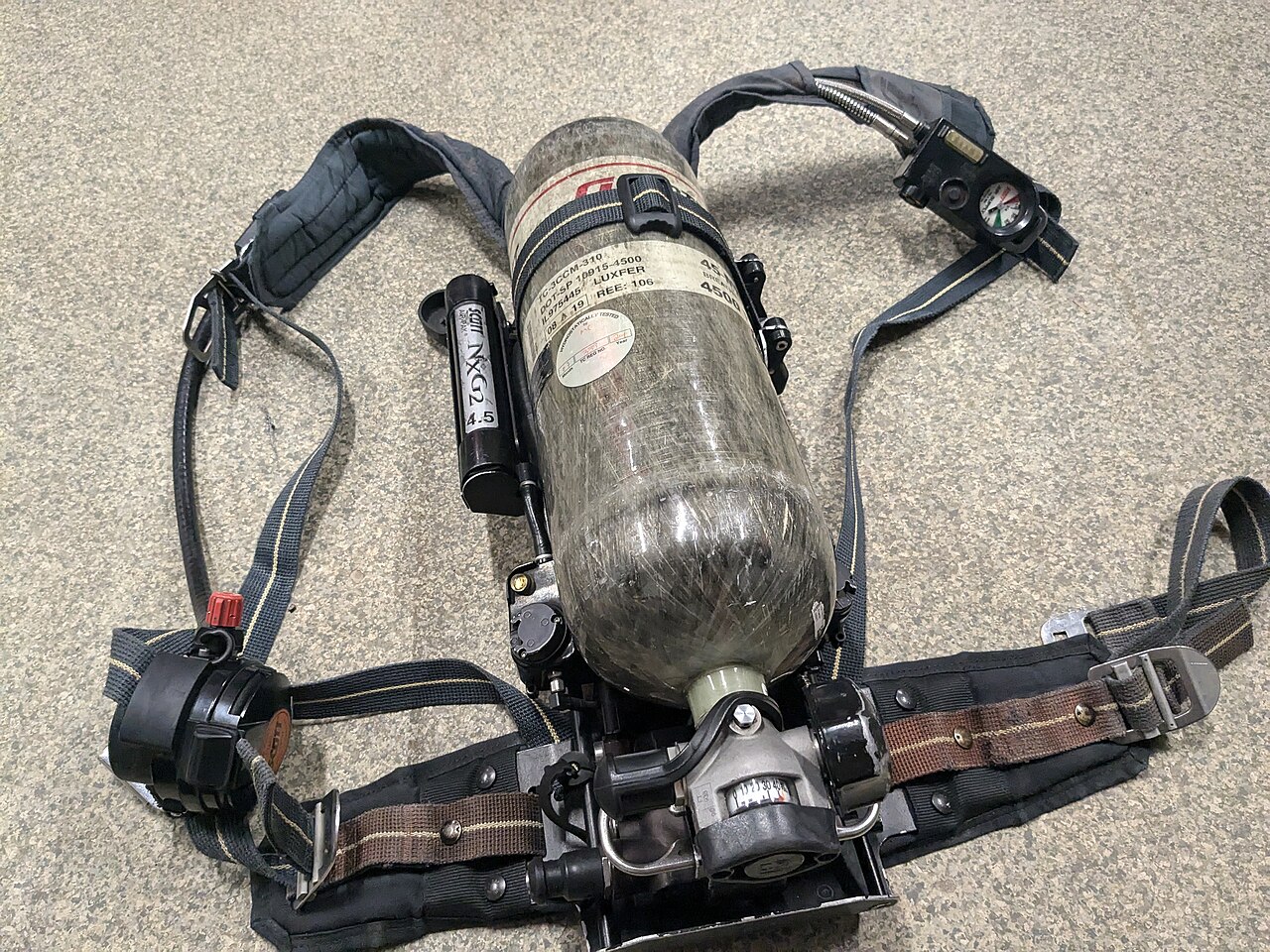
SCBA carries the wearer's entire air supply on their back in a compressed-air cylinder, feeding a demand valve through a hose to a full-face mask. That is the difference from a fireman's outfit fed by a hose from a compressor or manifold outside the space, and from an escape set, which is a smaller cylinder rated for exit only, not for working inside a hazard. SCBA is the equipment a fire party takes into a smoke-logged or oxygen-deficient compartment because it carries no dependency on anything outside the door.

Main components
Cylinder
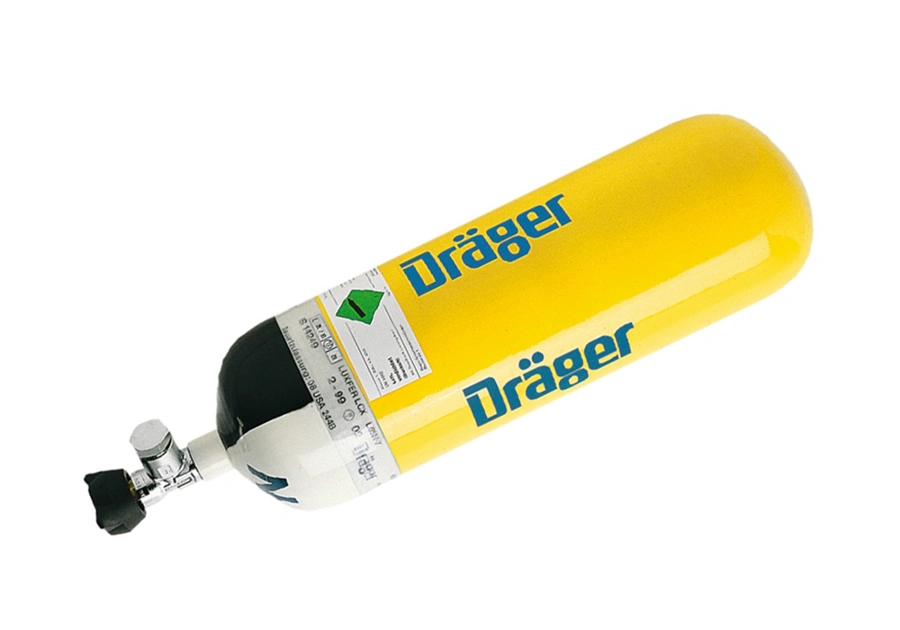
Steel or composite cylinder, typically 6 to 9 litres water capacity charged to 200 or 300 bar, giving a nominal duration of around 30 to 60 minutes depending on the wearer's work rate. Composite cylinders are lighter but have a hydrostatic test and service-life expiry stamped on the shoulder that crews routinely miss.
Reducer and demand valve
The reducer steps cylinder pressure down to a working pressure of a few bar; the demand valve at the mask delivers air only on inhalation, which is what makes the cylinder last as long as it does compared with a constant-flow system.
Face mask
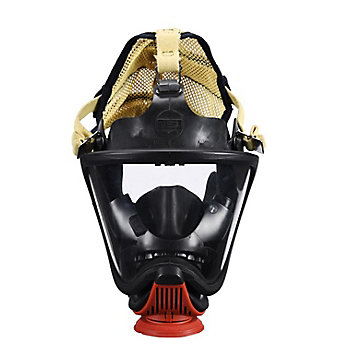
Full-face mask sealing against the skin, with a speech diaphragm and often a fitting compatible with a radio microphone. A poor seal against facial hair, or a mask sized wrong for the wearer, is the single most common reason SCBA fails in a drill.
Harness and warning whistle
Backplate and harness carry the cylinder; a low-pressure whistle or electronic alarm sounds at roughly 50 bar remaining, the cue to leave the space, not to keep working.
Selection and sizing
- Cylinder capacity and charge pressure against the expected duration of entry, with a safety margin for the return route
- Positive-pressure demand valve so a mask leak pushes air out rather than drawing smoke in
- Mask size range carried on board, since one size does not fit every crew member and a bad seal defeats the set
- Compatibility with the ship's existing charging compressor or cascade system pressure
Regulations and class
SOLAS Ch. II-2 sets the minimum number of SCBA sets carried according to ship type, with spare cylinders and a means of recharging them onboard specified separately. Sets are subject to periodic servicing and hydrostatic testing of cylinders on a class-approved interval, and fire drills exercising SCBA use are a standing SOLAS training requirement, checked at survey through drill records rather than the hardware alone.
Typical faults
| Fault | Consequence |
|---|---|
| Cylinder not recharged after a drill | Set found empty in an actual emergency |
| Mask seal perished or facial hair against the seal | Smoke ingress, wearer unaware until symptoms appear |
| Low-pressure warning whistle not tested | No warning before air runs out, no margin for the return route |
| Cylinder past hydrostatic test date still in service | Set condemned or unsafe under pressure, discovered only at inspection |
What to look for in a supplier
- Approval certificate valid for the flag and class the ship sails under, not just a generic CE mark
- Spare cylinders and seals stocked in the sizes actually fitted, not a nearest match
- Service network able to reach the ship's trading pattern for hydrostatic testing on schedule
Check the low-pressure whistle on every set at the start of a watch, not just at the annual service — a whistle that does not sound is discovered by the wearer at the worst possible moment.
8 manufacturers · 277 models
Dräger
96- Cylinder pressure loss from leakage or inadequate charging reduces available breathing-air reserve
- Face-mask, hose, regulator, demand valve, or seal damage causes leakage, poor fit, or difficulty maintaining positive pressure
- Harness, buckle, backplate, or carrying-frame damage impairs secure use and mobility
- Gauge, alarm whistle, electronic monitor, or reducer faults cause incorrect pressure indication or missing low-pressure warning
- Contamination, moisture, or poor storage degrades hygienic condition and can make valves or connectors stiff
- Cylinder pressure loss from leakage or inadequate charging reduces available breathing-air reserve
- Face-mask, hose, regulator, demand valve, or seal damage causes leakage, poor fit, or difficulty maintaining positive pressure
- Harness, buckle, backplate, or carrying-frame damage impairs secure use and mobility
- Gauge, alarm whistle, electronic monitor, or reducer faults cause incorrect pressure indication or missing low-pressure warning
- Contamination, moisture, or poor storage degrades hygienic condition and can make valves or connectors stiff
- Cylinder pressure loss from leakage or inadequate charging reduces available breathing-air reserve
- Face-mask, hose, regulator, demand valve, or seal damage causes leakage, poor fit, or difficulty maintaining positive pressure
- Harness, buckle, backplate, or carrying-frame damage impairs secure use and mobility
- Gauge, alarm whistle, electronic monitor, or reducer faults cause incorrect pressure indication or missing low-pressure warning
- Contamination, moisture, or poor storage degrades hygienic condition and can make valves or connectors stiff
- Cylinder pressure loss from leakage or inadequate charging reduces available breathing-air reserve
- Face-mask, hose, regulator, demand valve, or seal damage causes leakage, poor fit, or difficulty maintaining positive pressure
- Harness, buckle, backplate, or carrying-frame damage impairs secure use and mobility
- Gauge, alarm whistle, electronic monitor, or reducer faults cause incorrect pressure indication or missing low-pressure warning
- Contamination, moisture, or poor storage degrades hygienic condition and can make valves or connectors stiff
- Cylinder pressure loss from leakage or inadequate charging reduces available breathing-air reserve
- Face-mask, hose, regulator, demand valve, or seal damage causes leakage, poor fit, or difficulty maintaining positive pressure
- Harness, buckle, backplate, or carrying-frame damage impairs secure use and mobility
- Gauge, alarm whistle, electronic monitor, or reducer faults cause incorrect pressure indication or missing low-pressure warning
- Contamination, moisture, or poor storage degrades hygienic condition and can make valves or connectors stiff
- Cylinder pressure loss from leakage or inadequate charging reduces available breathing-air reserve
- Face-mask, hose, regulator, demand valve, or seal damage causes leakage, poor fit, or difficulty maintaining positive pressure
- Harness, buckle, backplate, or carrying-frame damage impairs secure use and mobility
- Gauge, alarm whistle, electronic monitor, or reducer faults cause incorrect pressure indication or missing low-pressure warning
- Contamination, moisture, or poor storage degrades hygienic condition and can make valves or connectors stiff
- Cylinder pressure loss from leakage or inadequate charging reduces available breathing-air reserve
- Face-mask, hose, regulator, demand valve, or seal damage causes leakage, poor fit, or difficulty maintaining positive pressure
- Harness, buckle, backplate, or carrying-frame damage impairs secure use and mobility
- Gauge, alarm whistle, electronic monitor, or reducer faults cause incorrect pressure indication or missing low-pressure warning
- Contamination, moisture, or poor storage degrades hygienic condition and can make valves or connectors stiff
- Cylinder pressure loss from leakage or inadequate charging reduces available breathing-air reserve
- Face-mask, hose, regulator, demand valve, or seal damage causes leakage, poor fit, or difficulty maintaining positive pressure
- Harness, buckle, backplate, or carrying-frame damage impairs secure use and mobility
- Gauge, alarm whistle, electronic monitor, or reducer faults cause incorrect pressure indication or missing low-pressure warning
- Contamination, moisture, or poor storage degrades hygienic condition and can make valves or connectors stiff
- Cylinder pressure loss from leakage or inadequate charging reduces available breathing-air reserve
- Face-mask, hose, regulator, demand valve, or seal damage causes leakage, poor fit, or difficulty maintaining positive pressure
- Harness, buckle, backplate, or carrying-frame damage impairs secure use and mobility
- Gauge, alarm whistle, electronic monitor, or reducer faults cause incorrect pressure indication or missing low-pressure warning
- Contamination, moisture, or poor storage degrades hygienic condition and can make valves or connectors stiff
- Cylinder pressure loss from leakage or inadequate charging reduces available breathing-air reserve
- Face-mask, hose, regulator, demand valve, or seal damage causes leakage, poor fit, or difficulty maintaining positive pressure
- Harness, buckle, backplate, or carrying-frame damage impairs secure use and mobility
- Gauge, alarm whistle, electronic monitor, or reducer faults cause incorrect pressure indication or missing low-pressure warning
- Contamination, moisture, or poor storage degrades hygienic condition and can make valves or connectors stiff
- Cylinder pressure loss from leakage or inadequate charging reduces available breathing-air reserve
- Face-mask, hose, regulator, demand valve, or seal damage causes leakage, poor fit, or difficulty maintaining positive pressure
- Harness, buckle, backplate, or carrying-frame damage impairs secure use and mobility
- Gauge, alarm whistle, electronic monitor, or reducer faults cause incorrect pressure indication or missing low-pressure warning
- Contamination, moisture, or poor storage degrades hygienic condition and can make valves or connectors stiff
- Cylinder pressure loss from leakage or inadequate charging reduces available breathing-air reserve
- Face-mask, hose, regulator, demand valve, or seal damage causes leakage, poor fit, or difficulty maintaining positive pressure
- Harness, buckle, backplate, or carrying-frame damage impairs secure use and mobility
- Gauge, alarm whistle, electronic monitor, or reducer faults cause incorrect pressure indication or missing low-pressure warning
- Contamination, moisture, or poor storage degrades hygienic condition and can make valves or connectors stiff
- Cylinder pressure loss from leakage or inadequate charging reduces available breathing-air reserve
- Face-mask, hose, regulator, demand valve, or seal damage causes leakage, poor fit, or difficulty maintaining positive pressure
- Harness, buckle, backplate, or carrying-frame damage impairs secure use and mobility
- Gauge, alarm whistle, electronic monitor, or reducer faults cause incorrect pressure indication or missing low-pressure warning
- Contamination, moisture, or poor storage degrades hygienic condition and can make valves or connectors stiff
- Cylinder pressure loss from leakage or inadequate charging reduces available breathing-air reserve
- Face-mask, hose, regulator, demand valve, or seal damage causes leakage, poor fit, or difficulty maintaining positive pressure
- Harness, buckle, backplate, or carrying-frame damage impairs secure use and mobility
- Gauge, alarm whistle, electronic monitor, or reducer faults cause incorrect pressure indication or missing low-pressure warning
- Contamination, moisture, or poor storage degrades hygienic condition and can make valves or connectors stiff
- Cylinder pressure loss from leakage or inadequate charging reduces available breathing-air reserve
- Face-mask, hose, regulator, demand valve, or seal damage causes leakage, poor fit, or difficulty maintaining positive pressure
- Harness, buckle, backplate, or carrying-frame damage impairs secure use and mobility
- Gauge, alarm whistle, electronic monitor, or reducer faults cause incorrect pressure indication or missing low-pressure warning
- Contamination, moisture, or poor storage degrades hygienic condition and can make valves or connectors stiff
- Cylinder pressure loss or valve leakage, typically indicated by reduced indicated pressure or failed leak check
- Facepiece/hood seal deterioration, typically indicated by poor face seal, leakage or failed fit/function check
- Demand valve or regulator contamination/wear, typically indicated by hard breathing, free flow or unstable pressure
- Hose or connector damage, typically indicated by air leakage or restricted supply
- Warning device or gauge fault, typically indicated by incorrect pressure indication or absent low-pressure alarm
- Cylinder pressure loss or valve leakage, typically indicated by reduced indicated pressure or failed leak check
- Facepiece/hood seal deterioration, typically indicated by poor face seal, leakage or failed fit/function check
- Demand valve or regulator contamination/wear, typically indicated by hard breathing, free flow or unstable pressure
- Hose or connector damage, typically indicated by air leakage or restricted supply
- Warning device or gauge fault, typically indicated by incorrect pressure indication or absent low-pressure alarm
- Cylinder pressure loss or valve leakage, typically indicated by reduced indicated pressure or failed leak check
- Facepiece/hood seal deterioration, typically indicated by poor face seal, leakage or failed fit/function check
- Demand valve or regulator contamination/wear, typically indicated by hard breathing, free flow or unstable pressure
- Hose or connector damage, typically indicated by air leakage or restricted supply
- Warning device or gauge fault, typically indicated by incorrect pressure indication or absent low-pressure alarm
- Cylinder pressure loss or valve leakage, typically indicated by reduced indicated pressure or failed leak check
- Facepiece/hood seal deterioration, typically indicated by poor face seal, leakage or failed fit/function check
- Demand valve or regulator contamination/wear, typically indicated by hard breathing, free flow or unstable pressure
- Hose or connector damage, typically indicated by air leakage or restricted supply
- Warning device or gauge fault, typically indicated by incorrect pressure indication or absent low-pressure alarm
- Cylinder pressure loss or valve leakage, typically indicated by reduced indicated pressure or failed leak check
- Facepiece/hood seal deterioration, typically indicated by poor face seal, leakage or failed fit/function check
- Demand valve or regulator contamination/wear, typically indicated by hard breathing, free flow or unstable pressure
- Hose or connector damage, typically indicated by air leakage or restricted supply
- Warning device or gauge fault, typically indicated by incorrect pressure indication or absent low-pressure alarm
- Cylinder pressure loss or valve leakage, typically indicated by reduced indicated pressure or failed leak check
- Facepiece/hood seal deterioration, typically indicated by poor face seal, leakage or failed fit/function check
- Demand valve or regulator contamination/wear, typically indicated by hard breathing, free flow or unstable pressure
- Hose or connector damage, typically indicated by air leakage or restricted supply
- Warning device or gauge fault, typically indicated by incorrect pressure indication or absent low-pressure alarm
- Cylinder pressure loss or valve leakage, typically indicated by reduced indicated pressure or failed leak check
- Facepiece/hood seal deterioration, typically indicated by poor face seal, leakage or failed fit/function check
- Demand valve or regulator contamination/wear, typically indicated by hard breathing, free flow or unstable pressure
- Hose or connector damage, typically indicated by air leakage or restricted supply
- Warning device or gauge fault, typically indicated by incorrect pressure indication or absent low-pressure alarm
- Cylinder, air-line or connection leakage reduces available air and is identified during pre-use checks
- Regulator or demand-valve malfunction causes difficult breathing, free flow or unstable mask pressure
- Face-mask seal damage causes inward leakage during the user seal check
- Harness, buckle, hose or hood damage makes the unit difficult or unsafe to use
- Pressure indication, low-air alarm or supply-control faults prevent reliable awareness of remaining air
- Cylinder pressure loss or valve leakage, typically indicated by reduced indicated pressure or failed leak check
- Facepiece/hood seal deterioration, typically indicated by poor face seal, leakage or failed fit/function check
- Demand valve or regulator contamination/wear, typically indicated by hard breathing, free flow or unstable pressure
- Hose or connector damage, typically indicated by air leakage or restricted supply
- Warning device or gauge fault, typically indicated by incorrect pressure indication or absent low-pressure alarm
- Cylinder pressure loss or valve leakage, typically indicated by reduced indicated pressure or failed leak check
- Facepiece/hood seal deterioration, typically indicated by poor face seal, leakage or failed fit/function check
- Demand valve or regulator contamination/wear, typically indicated by hard breathing, free flow or unstable pressure
- Hose or connector damage, typically indicated by air leakage or restricted supply
- Warning device or gauge fault, typically indicated by incorrect pressure indication or absent low-pressure alarm
- Cylinder pressure loss from leakage or inadequate charging reduces available breathing-air reserve
- Face-mask, hose, regulator, demand valve, or seal damage causes leakage, poor fit, or difficulty maintaining positive pressure
- Harness, buckle, backplate, or carrying-frame damage impairs secure use and mobility
- Gauge, alarm whistle, electronic monitor, or reducer faults cause incorrect pressure indication or missing low-pressure warning
- Contamination, moisture, or poor storage degrades hygienic condition and can make valves or connectors stiff
- Cylinder pressure loss from leakage or inadequate charging reduces available breathing-air reserve
- Face-mask, hose, regulator, demand valve, or seal damage causes leakage, poor fit, or difficulty maintaining positive pressure
- Harness, buckle, backplate, or carrying-frame damage impairs secure use and mobility
- Gauge, alarm whistle, electronic monitor, or reducer faults cause incorrect pressure indication or missing low-pressure warning
- Contamination, moisture, or poor storage degrades hygienic condition and can make valves or connectors stiff
- Cylinder pressure loss or valve leakage, typically indicated by reduced indicated pressure or failed leak check
- Facepiece/hood seal deterioration, typically indicated by poor face seal, leakage or failed fit/function check
- Demand valve or regulator contamination/wear, typically indicated by hard breathing, free flow or unstable pressure
- Hose or connector damage, typically indicated by air leakage or restricted supply
- Warning device or gauge fault, typically indicated by incorrect pressure indication or absent low-pressure alarm
- Cylinder pressure loss from leakage or inadequate charging reduces available breathing-air reserve
- Face-mask, hose, regulator, demand valve, or seal damage causes leakage, poor fit, or difficulty maintaining positive pressure
- Harness, buckle, backplate, or carrying-frame damage impairs secure use and mobility
- Gauge, alarm whistle, electronic monitor, or reducer faults cause incorrect pressure indication or missing low-pressure warning
- Contamination, moisture, or poor storage degrades hygienic condition and can make valves or connectors stiff
- Cylinder pressure loss from leakage or inadequate charging reduces available breathing-air reserve
- Face-mask, hose, regulator, demand valve, or seal damage causes leakage, poor fit, or difficulty maintaining positive pressure
- Harness, buckle, backplate, or carrying-frame damage impairs secure use and mobility
- Gauge, alarm whistle, electronic monitor, or reducer faults cause incorrect pressure indication or missing low-pressure warning
- Contamination, moisture, or poor storage degrades hygienic condition and can make valves or connectors stiff
- Cylinder pressure loss or valve leakage, typically indicated by reduced indicated pressure or failed leak check
- Facepiece/hood seal deterioration, typically indicated by poor face seal, leakage or failed fit/function check
- Demand valve or regulator contamination/wear, typically indicated by hard breathing, free flow or unstable pressure
- Hose or connector damage, typically indicated by air leakage or restricted supply
- Warning device or gauge fault, typically indicated by incorrect pressure indication or absent low-pressure alarm
- Cylinder pressure loss from leakage or inadequate charging reduces available breathing-air reserve
- Face-mask, hose, regulator, demand valve, or seal damage causes leakage, poor fit, or difficulty maintaining positive pressure
- Harness, buckle, backplate, or carrying-frame damage impairs secure use and mobility
- Gauge, alarm whistle, electronic monitor, or reducer faults cause incorrect pressure indication or missing low-pressure warning
- Contamination, moisture, or poor storage degrades hygienic condition and can make valves or connectors stiff
- Cylinder pressure loss or valve leakage, typically indicated by reduced indicated pressure or failed leak check
- Facepiece/hood seal deterioration, typically indicated by poor face seal, leakage or failed fit/function check
- Demand valve or regulator contamination/wear, typically indicated by hard breathing, free flow or unstable pressure
- Hose or connector damage, typically indicated by air leakage or restricted supply
- Warning device or gauge fault, typically indicated by incorrect pressure indication or absent low-pressure alarm
- Cylinder pressure loss or valve leakage, typically indicated by reduced indicated pressure or failed leak check
- Facepiece/hood seal deterioration, typically indicated by poor face seal, leakage or failed fit/function check
- Demand valve or regulator contamination/wear, typically indicated by hard breathing, free flow or unstable pressure
- Hose or connector damage, typically indicated by air leakage or restricted supply
- Warning device or gauge fault, typically indicated by incorrect pressure indication or absent low-pressure alarm
- Cylinder pressure loss or valve leakage, typically indicated by reduced indicated pressure or failed leak check
- Facepiece/hood seal deterioration, typically indicated by poor face seal, leakage or failed fit/function check
- Demand valve or regulator contamination/wear, typically indicated by hard breathing, free flow or unstable pressure
- Hose or connector damage, typically indicated by air leakage or restricted supply
- Warning device or gauge fault, typically indicated by incorrect pressure indication or absent low-pressure alarm
- Cylinder, air-line or connection leakage reduces available air and is identified during pre-use checks
- Regulator or demand-valve malfunction causes difficult breathing, free flow or unstable mask pressure
- Face-mask seal damage causes inward leakage during the user seal check
- Harness, buckle, hose or hood damage makes the unit difficult or unsafe to use
- Pressure indication, low-air alarm or supply-control faults prevent reliable awareness of remaining air
- Cylinder, air-line or connection leakage reduces available air and is identified during pre-use checks
- Regulator or demand-valve malfunction causes difficult breathing, free flow or unstable mask pressure
- Face-mask seal damage causes inward leakage during the user seal check
- Harness, buckle, hose or hood damage makes the unit difficult or unsafe to use
- Pressure indication, low-air alarm or supply-control faults prevent reliable awareness of remaining air
- Cylinder, air-line or connection leakage reduces available air and is identified during pre-use checks
- Regulator or demand-valve malfunction causes difficult breathing, free flow or unstable mask pressure
- Face-mask seal damage causes inward leakage during the user seal check
- Harness, buckle, hose or hood damage makes the unit difficult or unsafe to use
- Pressure indication, low-air alarm or supply-control faults prevent reliable awareness of remaining air
- Cylinder pressure loss or valve leakage, typically indicated by reduced indicated pressure or failed leak check
- Facepiece/hood seal deterioration, typically indicated by poor face seal, leakage or failed fit/function check
- Demand valve or regulator contamination/wear, typically indicated by hard breathing, free flow or unstable pressure
- Hose or connector damage, typically indicated by air leakage or restricted supply
- Warning device or gauge fault, typically indicated by incorrect pressure indication or absent low-pressure alarm
- Cylinder pressure loss or valve leakage, typically indicated by reduced indicated pressure or failed leak check
- Facepiece/hood seal deterioration, typically indicated by poor face seal, leakage or failed fit/function check
- Demand valve or regulator contamination/wear, typically indicated by hard breathing, free flow or unstable pressure
- Hose or connector damage, typically indicated by air leakage or restricted supply
- Warning device or gauge fault, typically indicated by incorrect pressure indication or absent low-pressure alarm
- Cylinder pressure loss or valve leakage, typically indicated by reduced indicated pressure or failed leak check
- Facepiece/hood seal deterioration, typically indicated by poor face seal, leakage or failed fit/function check
- Demand valve or regulator contamination/wear, typically indicated by hard breathing, free flow or unstable pressure
- Hose or connector damage, typically indicated by air leakage or restricted supply
- Warning device or gauge fault, typically indicated by incorrect pressure indication or absent low-pressure alarm
- Cylinder, air-line or connection leakage reduces available air and is identified during pre-use checks
- Regulator or demand-valve malfunction causes difficult breathing, free flow or unstable mask pressure
- Face-mask seal damage causes inward leakage during the user seal check
- Harness, buckle, hose or hood damage makes the unit difficult or unsafe to use
- Pressure indication, low-air alarm or supply-control faults prevent reliable awareness of remaining air
- Cylinder, air-line or connection leakage reduces available air and is identified during pre-use checks
- Regulator or demand-valve malfunction causes difficult breathing, free flow or unstable mask pressure
- Face-mask seal damage causes inward leakage during the user seal check
- Harness, buckle, hose or hood damage makes the unit difficult or unsafe to use
- Pressure indication, low-air alarm or supply-control faults prevent reliable awareness of remaining air
- Cylinder, air-line or connection leakage reduces available air and is identified during pre-use checks
- Regulator or demand-valve malfunction causes difficult breathing, free flow or unstable mask pressure
- Face-mask seal damage causes inward leakage during the user seal check
- Harness, buckle, hose or hood damage makes the unit difficult or unsafe to use
- Pressure indication, low-air alarm or supply-control faults prevent reliable awareness of remaining air
- Cylinder pressure loss from leakage or inadequate charging reduces available breathing-air reserve
- Face-mask, hose, regulator, demand valve, or seal damage causes leakage, poor fit, or difficulty maintaining positive pressure
- Harness, buckle, backplate, or carrying-frame damage impairs secure use and mobility
- Gauge, alarm whistle, electronic monitor, or reducer faults cause incorrect pressure indication or missing low-pressure warning
- Contamination, moisture, or poor storage degrades hygienic condition and can make valves or connectors stiff
- Cylinder pressure loss from leakage or inadequate charging reduces available breathing-air reserve
- Face-mask, hose, regulator, demand valve, or seal damage causes leakage, poor fit, or difficulty maintaining positive pressure
- Harness, buckle, backplate, or carrying-frame damage impairs secure use and mobility
- Gauge, alarm whistle, electronic monitor, or reducer faults cause incorrect pressure indication or missing low-pressure warning
- Contamination, moisture, or poor storage degrades hygienic condition and can make valves or connectors stiff
- Cylinder pressure loss from leakage or inadequate charging reduces available breathing-air reserve
- Face-mask, hose, regulator, demand valve, or seal damage causes leakage, poor fit, or difficulty maintaining positive pressure
- Harness, buckle, backplate, or carrying-frame damage impairs secure use and mobility
- Gauge, alarm whistle, electronic monitor, or reducer faults cause incorrect pressure indication or missing low-pressure warning
- Contamination, moisture, or poor storage degrades hygienic condition and can make valves or connectors stiff
- Cylinder, air-line or connection leakage reduces available air and is identified during pre-use checks
- Regulator or demand-valve malfunction causes difficult breathing, free flow or unstable mask pressure
- Face-mask seal damage causes inward leakage during the user seal check
- Harness, buckle, hose or hood damage makes the unit difficult or unsafe to use
- Pressure indication, low-air alarm or supply-control faults prevent reliable awareness of remaining air
- Cylinder pressure loss or valve leakage, typically indicated by reduced indicated pressure or failed leak check
- Facepiece/hood seal deterioration, typically indicated by poor face seal, leakage or failed fit/function check
- Demand valve or regulator contamination/wear, typically indicated by hard breathing, free flow or unstable pressure
- Hose or connector damage, typically indicated by air leakage or restricted supply
- Warning device or gauge fault, typically indicated by incorrect pressure indication or absent low-pressure alarm
- Cylinder pressure loss or valve leakage, typically indicated by reduced indicated pressure or failed leak check
- Facepiece/hood seal deterioration, typically indicated by poor face seal, leakage or failed fit/function check
- Demand valve or regulator contamination/wear, typically indicated by hard breathing, free flow or unstable pressure
- Hose or connector damage, typically indicated by air leakage or restricted supply
- Warning device or gauge fault, typically indicated by incorrect pressure indication or absent low-pressure alarm
- Cylinder pressure loss from leakage or inadequate charging reduces available breathing-air reserve
- Face-mask, hose, regulator, demand valve, or seal damage causes leakage, poor fit, or difficulty maintaining positive pressure
- Harness, buckle, backplate, or carrying-frame damage impairs secure use and mobility
- Gauge, alarm whistle, electronic monitor, or reducer faults cause incorrect pressure indication or missing low-pressure warning
- Contamination, moisture, or poor storage degrades hygienic condition and can make valves or connectors stiff
- Cylinder pressure loss from leakage or inadequate charging reduces available breathing-air reserve
- Face-mask, hose, regulator, demand valve, or seal damage causes leakage, poor fit, or difficulty maintaining positive pressure
- Harness, buckle, backplate, or carrying-frame damage impairs secure use and mobility
- Gauge, alarm whistle, electronic monitor, or reducer faults cause incorrect pressure indication or missing low-pressure warning
- Contamination, moisture, or poor storage degrades hygienic condition and can make valves or connectors stiff
- Cylinder pressure loss from leakage or inadequate charging reduces available breathing-air reserve
- Face-mask, hose, regulator, demand valve, or seal damage causes leakage, poor fit, or difficulty maintaining positive pressure
- Harness, buckle, backplate, or carrying-frame damage impairs secure use and mobility
- Gauge, alarm whistle, electronic monitor, or reducer faults cause incorrect pressure indication or missing low-pressure warning
- Contamination, moisture, or poor storage degrades hygienic condition and can make valves or connectors stiff
- Cylinder, air-line or connection leakage reduces available air and is identified during pre-use checks
- Regulator or demand-valve malfunction causes difficult breathing, free flow or unstable mask pressure
- Face-mask seal damage causes inward leakage during the user seal check
- Harness, buckle, hose or hood damage makes the unit difficult or unsafe to use
- Pressure indication, low-air alarm or supply-control faults prevent reliable awareness of remaining air
- Cylinder pressure loss or valve leakage, typically indicated by reduced indicated pressure or failed leak check
- Facepiece/hood seal deterioration, typically indicated by poor face seal, leakage or failed fit/function check
- Demand valve or regulator contamination/wear, typically indicated by hard breathing, free flow or unstable pressure
- Hose or connector damage, typically indicated by air leakage or restricted supply
- Warning device or gauge fault, typically indicated by incorrect pressure indication or absent low-pressure alarm
- Cylinder pressure loss or valve leakage, typically indicated by reduced indicated pressure or failed leak check
- Facepiece/hood seal deterioration, typically indicated by poor face seal, leakage or failed fit/function check
- Demand valve or regulator contamination/wear, typically indicated by hard breathing, free flow or unstable pressure
- Hose or connector damage, typically indicated by air leakage or restricted supply
- Warning device or gauge fault, typically indicated by incorrect pressure indication or absent low-pressure alarm
- Cylinder pressure loss or valve leakage, typically indicated by reduced indicated pressure or failed leak check
- Facepiece/hood seal deterioration, typically indicated by poor face seal, leakage or failed fit/function check
- Demand valve or regulator contamination/wear, typically indicated by hard breathing, free flow or unstable pressure
- Hose or connector damage, typically indicated by air leakage or restricted supply
- Warning device or gauge fault, typically indicated by incorrect pressure indication or absent low-pressure alarm
- Cylinder pressure loss or valve leakage, typically indicated by reduced indicated pressure or failed leak check
- Facepiece/hood seal deterioration, typically indicated by poor face seal, leakage or failed fit/function check
- Demand valve or regulator contamination/wear, typically indicated by hard breathing, free flow or unstable pressure
- Hose or connector damage, typically indicated by air leakage or restricted supply
- Warning device or gauge fault, typically indicated by incorrect pressure indication or absent low-pressure alarm
- Cylinder pressure loss or valve leakage, typically indicated by reduced indicated pressure or failed leak check
- Facepiece/hood seal deterioration, typically indicated by poor face seal, leakage or failed fit/function check
- Demand valve or regulator contamination/wear, typically indicated by hard breathing, free flow or unstable pressure
- Hose or connector damage, typically indicated by air leakage or restricted supply
- Warning device or gauge fault, typically indicated by incorrect pressure indication or absent low-pressure alarm
- Cylinder, air-line or connection leakage reduces available air and is identified during pre-use checks
- Regulator or demand-valve malfunction causes difficult breathing, free flow or unstable mask pressure
- Face-mask seal damage causes inward leakage during the user seal check
- Harness, buckle, hose or hood damage makes the unit difficult or unsafe to use
- Pressure indication, low-air alarm or supply-control faults prevent reliable awareness of remaining air
- Cylinder, air-line or connection leakage reduces available air and is identified during pre-use checks
- Regulator or demand-valve malfunction causes difficult breathing, free flow or unstable mask pressure
- Face-mask seal damage causes inward leakage during the user seal check
- Harness, buckle, hose or hood damage makes the unit difficult or unsafe to use
- Pressure indication, low-air alarm or supply-control faults prevent reliable awareness of remaining air
- Cylinder, air-line or connection leakage reduces available air and is identified during pre-use checks
- Regulator or demand-valve malfunction causes difficult breathing, free flow or unstable mask pressure
- Face-mask seal damage causes inward leakage during the user seal check
- Harness, buckle, hose or hood damage makes the unit difficult or unsafe to use
- Pressure indication, low-air alarm or supply-control faults prevent reliable awareness of remaining air
- Cylinder pressure loss or valve leakage, typically indicated by reduced indicated pressure or failed leak check
- Facepiece/hood seal deterioration, typically indicated by poor face seal, leakage or failed fit/function check
- Demand valve or regulator contamination/wear, typically indicated by hard breathing, free flow or unstable pressure
- Hose or connector damage, typically indicated by air leakage or restricted supply
- Warning device or gauge fault, typically indicated by incorrect pressure indication or absent low-pressure alarm
- Cylinder pressure loss or valve leakage, typically indicated by reduced indicated pressure or failed leak check
- Facepiece/hood seal deterioration, typically indicated by poor face seal, leakage or failed fit/function check
- Demand valve or regulator contamination/wear, typically indicated by hard breathing, free flow or unstable pressure
- Hose or connector damage, typically indicated by air leakage or restricted supply
- Warning device or gauge fault, typically indicated by incorrect pressure indication or absent low-pressure alarm
- Cylinder pressure loss or valve leakage, typically indicated by reduced indicated pressure or failed leak check
- Facepiece/hood seal deterioration, typically indicated by poor face seal, leakage or failed fit/function check
- Demand valve or regulator contamination/wear, typically indicated by hard breathing, free flow or unstable pressure
- Hose or connector damage, typically indicated by air leakage or restricted supply
- Warning device or gauge fault, typically indicated by incorrect pressure indication or absent low-pressure alarm
- Cylinder, air-line or connection leakage reduces available air and is identified during pre-use checks
- Regulator or demand-valve malfunction causes difficult breathing, free flow or unstable mask pressure
- Face-mask seal damage causes inward leakage during the user seal check
- Harness, buckle, hose or hood damage makes the unit difficult or unsafe to use
- Pressure indication, low-air alarm or supply-control faults prevent reliable awareness of remaining air
- Cylinder, air-line or connection leakage reduces available air and is identified during pre-use checks
- Regulator or demand-valve malfunction causes difficult breathing, free flow or unstable mask pressure
- Face-mask seal damage causes inward leakage during the user seal check
- Harness, buckle, hose or hood damage makes the unit difficult or unsafe to use
- Pressure indication, low-air alarm or supply-control faults prevent reliable awareness of remaining air
- Cylinder, air-line or connection leakage reduces available air and is identified during pre-use checks
- Regulator or demand-valve malfunction causes difficult breathing, free flow or unstable mask pressure
- Face-mask seal damage causes inward leakage during the user seal check
- Harness, buckle, hose or hood damage makes the unit difficult or unsafe to use
- Pressure indication, low-air alarm or supply-control faults prevent reliable awareness of remaining air
- Cylinder pressure loss from leakage or inadequate charging reduces available breathing-air reserve
- Face-mask, hose, regulator, demand valve, or seal damage causes leakage, poor fit, or difficulty maintaining positive pressure
- Harness, buckle, backplate, or carrying-frame damage impairs secure use and mobility
- Gauge, alarm whistle, electronic monitor, or reducer faults cause incorrect pressure indication or missing low-pressure warning
- Contamination, moisture, or poor storage degrades hygienic condition and can make valves or connectors stiff
- Cylinder pressure loss from leakage or inadequate charging reduces available breathing-air reserve
- Face-mask, hose, regulator, demand valve, or seal damage causes leakage, poor fit, or difficulty maintaining positive pressure
- Harness, buckle, backplate, or carrying-frame damage impairs secure use and mobility
- Gauge, alarm whistle, electronic monitor, or reducer faults cause incorrect pressure indication or missing low-pressure warning
- Contamination, moisture, or poor storage degrades hygienic condition and can make valves or connectors stiff
- Cylinder pressure loss from leakage or inadequate charging reduces available breathing-air reserve
- Face-mask, hose, regulator, demand valve, or seal damage causes leakage, poor fit, or difficulty maintaining positive pressure
- Harness, buckle, backplate, or carrying-frame damage impairs secure use and mobility
- Gauge, alarm whistle, electronic monitor, or reducer faults cause incorrect pressure indication or missing low-pressure warning
- Contamination, moisture, or poor storage degrades hygienic condition and can make valves or connectors stiff
- Cylinder, air-line or connection leakage reduces available air and is identified during pre-use checks
- Regulator or demand-valve malfunction causes difficult breathing, free flow or unstable mask pressure
- Face-mask seal damage causes inward leakage during the user seal check
- Harness, buckle, hose or hood damage makes the unit difficult or unsafe to use
- Pressure indication, low-air alarm or supply-control faults prevent reliable awareness of remaining air
- Cylinder pressure loss or valve leakage, typically indicated by reduced indicated pressure or failed leak check
- Facepiece/hood seal deterioration, typically indicated by poor face seal, leakage or failed fit/function check
- Demand valve or regulator contamination/wear, typically indicated by hard breathing, free flow or unstable pressure
- Hose or connector damage, typically indicated by air leakage or restricted supply
- Warning device or gauge fault, typically indicated by incorrect pressure indication or absent low-pressure alarm
- Cylinder pressure loss or valve leakage, typically indicated by reduced indicated pressure or failed leak check
- Facepiece/hood seal deterioration, typically indicated by poor face seal, leakage or failed fit/function check
- Demand valve or regulator contamination/wear, typically indicated by hard breathing, free flow or unstable pressure
- Hose or connector damage, typically indicated by air leakage or restricted supply
- Warning device or gauge fault, typically indicated by incorrect pressure indication or absent low-pressure alarm
- Cylinder pressure loss from leakage or inadequate charging reduces available breathing-air reserve
- Face-mask, hose, regulator, demand valve, or seal damage causes leakage, poor fit, or difficulty maintaining positive pressure
- Harness, buckle, backplate, or carrying-frame damage impairs secure use and mobility
- Gauge, alarm whistle, electronic monitor, or reducer faults cause incorrect pressure indication or missing low-pressure warning
- Contamination, moisture, or poor storage degrades hygienic condition and can make valves or connectors stiff
- Cylinder pressure loss from leakage or inadequate charging reduces available breathing-air reserve
- Face-mask, hose, regulator, demand valve, or seal damage causes leakage, poor fit, or difficulty maintaining positive pressure
- Harness, buckle, backplate, or carrying-frame damage impairs secure use and mobility
- Gauge, alarm whistle, electronic monitor, or reducer faults cause incorrect pressure indication or missing low-pressure warning
- Contamination, moisture, or poor storage degrades hygienic condition and can make valves or connectors stiff
- Cylinder pressure loss from leakage or inadequate charging reduces available breathing-air reserve
- Face-mask, hose, regulator, demand valve, or seal damage causes leakage, poor fit, or difficulty maintaining positive pressure
- Harness, buckle, backplate, or carrying-frame damage impairs secure use and mobility
- Gauge, alarm whistle, electronic monitor, or reducer faults cause incorrect pressure indication or missing low-pressure warning
- Contamination, moisture, or poor storage degrades hygienic condition and can make valves or connectors stiff
- Cylinder, air-line or connection leakage reduces available air and is identified during pre-use checks
- Regulator or demand-valve malfunction causes difficult breathing, free flow or unstable mask pressure
- Face-mask seal damage causes inward leakage during the user seal check
- Harness, buckle, hose or hood damage makes the unit difficult or unsafe to use
- Pressure indication, low-air alarm or supply-control faults prevent reliable awareness of remaining air
- Cylinder pressure loss or valve leakage, typically indicated by reduced indicated pressure or failed leak check
- Facepiece/hood seal deterioration, typically indicated by poor face seal, leakage or failed fit/function check
- Demand valve or regulator contamination/wear, typically indicated by hard breathing, free flow or unstable pressure
- Hose or connector damage, typically indicated by air leakage or restricted supply
- Warning device or gauge fault, typically indicated by incorrect pressure indication or absent low-pressure alarm
- Cylinder pressure loss or valve leakage, typically indicated by reduced indicated pressure or failed leak check
- Facepiece/hood seal deterioration, typically indicated by poor face seal, leakage or failed fit/function check
- Demand valve or regulator contamination/wear, typically indicated by hard breathing, free flow or unstable pressure
- Hose or connector damage, typically indicated by air leakage or restricted supply
- Warning device or gauge fault, typically indicated by incorrect pressure indication or absent low-pressure alarm
- Material, hull or container deterioration caused by weather, ultraviolet exposure, impact or aging, resulting in cracks, tears, corrosion or visible deformation
- Release, securing or launching-component wear caused by drills, corrosion or misalignment, resulting in stiff operation, abnormal play or failed readiness checks
- Battery, light or communication-equipment failure caused by aging, charging faults or water ingress, resulting in failed self-test or missing emergency indication
- Engine, steering or inflation-system failure where applicable caused by fuel, mechanical, pneumatic or seal problems, resulting in inability to maneuver or deploy the appliance
- Incorrect stowage, identification or service status caused by inventory or maintenance errors, resulting in delayed use or an appliance that is not ready
- Material, hull or container deterioration caused by weather, ultraviolet exposure, impact or aging, resulting in cracks, tears, corrosion or visible deformation
- Release, securing or launching-component wear caused by drills, corrosion or misalignment, resulting in stiff operation, abnormal play or failed readiness checks
- Battery, light or communication-equipment failure caused by aging, charging faults or water ingress, resulting in failed self-test or missing emergency indication
- Engine, steering or inflation-system failure where applicable caused by fuel, mechanical, pneumatic or seal problems, resulting in inability to maneuver or deploy the appliance
- Incorrect stowage, identification or service status caused by inventory or maintenance errors, resulting in delayed use or an appliance that is not ready
- Material, hull or container deterioration caused by weather, ultraviolet exposure, impact or aging, resulting in cracks, tears, corrosion or visible deformation
- Release, securing or launching-component wear caused by drills, corrosion or misalignment, resulting in stiff operation, abnormal play or failed readiness checks
- Battery, light or communication-equipment failure caused by aging, charging faults or water ingress, resulting in failed self-test or missing emergency indication
- Engine, steering or inflation-system failure where applicable caused by fuel, mechanical, pneumatic or seal problems, resulting in inability to maneuver or deploy the appliance
- Incorrect stowage, identification or service status caused by inventory or maintenance errors, resulting in delayed use or an appliance that is not ready
- Material, hull or container deterioration caused by weather, ultraviolet exposure, impact or aging, resulting in cracks, tears, corrosion or visible deformation
- Release, securing or launching-component wear caused by drills, corrosion or misalignment, resulting in stiff operation, abnormal play or failed readiness checks
- Battery, light or communication-equipment failure caused by aging, charging faults or water ingress, resulting in failed self-test or missing emergency indication
- Engine, steering or inflation-system failure where applicable caused by fuel, mechanical, pneumatic or seal problems, resulting in inability to maneuver or deploy the appliance
- Incorrect stowage, identification or service status caused by inventory or maintenance errors, resulting in delayed use or an appliance that is not ready
- Material, hull or container deterioration caused by weather, ultraviolet exposure, impact or aging, resulting in cracks, tears, corrosion or visible deformation
- Release, securing or launching-component wear caused by drills, corrosion or misalignment, resulting in stiff operation, abnormal play or failed readiness checks
- Battery, light or communication-equipment failure caused by aging, charging faults or water ingress, resulting in failed self-test or missing emergency indication
- Engine, steering or inflation-system failure where applicable caused by fuel, mechanical, pneumatic or seal problems, resulting in inability to maneuver or deploy the appliance
- Incorrect stowage, identification or service status caused by inventory or maintenance errors, resulting in delayed use or an appliance that is not ready
- Material, hull or container deterioration caused by weather, ultraviolet exposure, impact or aging, resulting in cracks, tears, corrosion or visible deformation
- Release, securing or launching-component wear caused by drills, corrosion or misalignment, resulting in stiff operation, abnormal play or failed readiness checks
- Battery, light or communication-equipment failure caused by aging, charging faults or water ingress, resulting in failed self-test or missing emergency indication
- Engine, steering or inflation-system failure where applicable caused by fuel, mechanical, pneumatic or seal problems, resulting in inability to maneuver or deploy the appliance
- Incorrect stowage, identification or service status caused by inventory or maintenance errors, resulting in delayed use or an appliance that is not ready
- Material, hull or container deterioration caused by weather, ultraviolet exposure, impact or aging, resulting in cracks, tears, corrosion or visible deformation
- Release, securing or launching-component wear caused by drills, corrosion or misalignment, resulting in stiff operation, abnormal play or failed readiness checks
- Battery, light or communication-equipment failure caused by aging, charging faults or water ingress, resulting in failed self-test or missing emergency indication
- Engine, steering or inflation-system failure where applicable caused by fuel, mechanical, pneumatic or seal problems, resulting in inability to maneuver or deploy the appliance
- Incorrect stowage, identification or service status caused by inventory or maintenance errors, resulting in delayed use or an appliance that is not ready
- Material, hull or container deterioration caused by weather, ultraviolet exposure, impact or aging, resulting in cracks, tears, corrosion or visible deformation
- Release, securing or launching-component wear caused by drills, corrosion or misalignment, resulting in stiff operation, abnormal play or failed readiness checks
- Battery, light or communication-equipment failure caused by aging, charging faults or water ingress, resulting in failed self-test or missing emergency indication
- Engine, steering or inflation-system failure where applicable caused by fuel, mechanical, pneumatic or seal problems, resulting in inability to maneuver or deploy the appliance
- Incorrect stowage, identification or service status caused by inventory or maintenance errors, resulting in delayed use or an appliance that is not ready
- Material, hull or container deterioration caused by weather, ultraviolet exposure, impact or aging, resulting in cracks, tears, corrosion or visible deformation
- Release, securing or launching-component wear caused by drills, corrosion or misalignment, resulting in stiff operation, abnormal play or failed readiness checks
- Battery, light or communication-equipment failure caused by aging, charging faults or water ingress, resulting in failed self-test or missing emergency indication
- Engine, steering or inflation-system failure where applicable caused by fuel, mechanical, pneumatic or seal problems, resulting in inability to maneuver or deploy the appliance
- Incorrect stowage, identification or service status caused by inventory or maintenance errors, resulting in delayed use or an appliance that is not ready
- Material, hull or container deterioration caused by weather, ultraviolet exposure, impact or aging, resulting in cracks, tears, corrosion or visible deformation
- Release, securing or launching-component wear caused by drills, corrosion or misalignment, resulting in stiff operation, abnormal play or failed readiness checks
- Battery, light or communication-equipment failure caused by aging, charging faults or water ingress, resulting in failed self-test or missing emergency indication
- Engine, steering or inflation-system failure where applicable caused by fuel, mechanical, pneumatic or seal problems, resulting in inability to maneuver or deploy the appliance
- Incorrect stowage, identification or service status caused by inventory or maintenance errors, resulting in delayed use or an appliance that is not ready
- Material, hull or container deterioration caused by weather, ultraviolet exposure, impact or aging, resulting in cracks, tears, corrosion or visible deformation
- Release, securing or launching-component wear caused by drills, corrosion or misalignment, resulting in stiff operation, abnormal play or failed readiness checks
- Battery, light or communication-equipment failure caused by aging, charging faults or water ingress, resulting in failed self-test or missing emergency indication
- Engine, steering or inflation-system failure where applicable caused by fuel, mechanical, pneumatic or seal problems, resulting in inability to maneuver or deploy the appliance
- Incorrect stowage, identification or service status caused by inventory or maintenance errors, resulting in delayed use or an appliance that is not ready
- Material, hull or container deterioration caused by weather, ultraviolet exposure, impact or aging, resulting in cracks, tears, corrosion or visible deformation
- Release, securing or launching-component wear caused by drills, corrosion or misalignment, resulting in stiff operation, abnormal play or failed readiness checks
- Battery, light or communication-equipment failure caused by aging, charging faults or water ingress, resulting in failed self-test or missing emergency indication
- Engine, steering or inflation-system failure where applicable caused by fuel, mechanical, pneumatic or seal problems, resulting in inability to maneuver or deploy the appliance
- Incorrect stowage, identification or service status caused by inventory or maintenance errors, resulting in delayed use or an appliance that is not ready
- Cylinder pressure loss or valve leakage, typically indicated by reduced indicated pressure or failed leak check
- Facepiece/hood seal deterioration, typically indicated by poor face seal, leakage or failed fit/function check
- Demand valve or regulator contamination/wear, typically indicated by hard breathing, free flow or unstable pressure
- Hose or connector damage, typically indicated by air leakage or restricted supply
- Warning device or gauge fault, typically indicated by incorrect pressure indication or absent low-pressure alarm
- Cylinder pressure loss or valve leakage, typically indicated by reduced indicated pressure or failed leak check
- Facepiece/hood seal deterioration, typically indicated by poor face seal, leakage or failed fit/function check
- Demand valve or regulator contamination/wear, typically indicated by hard breathing, free flow or unstable pressure
- Hose or connector damage, typically indicated by air leakage or restricted supply
- Warning device or gauge fault, typically indicated by incorrect pressure indication or absent low-pressure alarm
- Detector or sensing-element contamination, poisoning or ageing can cause false alarms, slow response or failed functional tests
- Battery, power-supply or control-circuit faults caused by ageing, loose wiring or blown protection can lead to trouble alarms or unavailable safety functions
- Cylinder pressure loss, leakage or damaged valves where stored media is used can leave the equipment outside ready condition and may be found during inspection or weighing checks
- Blocked, corroded or mechanically damaged nozzles, piping, hoses or masks can restrict discharge or breathing flow and show as poor functional test results
- Incorrect isolation, expired service status or disturbed release interlocks after maintenance can prevent normal arming and create panel faults or failed readiness checks
- Cylinder pressure loss from leakage or inadequate charging reduces available breathing-air reserve
- Face-mask, hose, regulator, demand valve, or seal damage causes leakage, poor fit, or difficulty maintaining positive pressure
- Harness, buckle, backplate, or carrying-frame damage impairs secure use and mobility
- Gauge, alarm whistle, electronic monitor, or reducer faults cause incorrect pressure indication or missing low-pressure warning
- Contamination, moisture, or poor storage degrades hygienic condition and can make valves or connectors stiff
MSA Safety
47- Cylinder pressure loss from leakage or inadequate charging reduces available breathing-air reserve
- Face-mask, hose, regulator, demand valve, or seal damage causes leakage, poor fit, or difficulty maintaining positive pressure
- Harness, buckle, backplate, or carrying-frame damage impairs secure use and mobility
- Gauge, alarm whistle, electronic monitor, or reducer faults cause incorrect pressure indication or missing low-pressure warning
- Contamination, moisture, or poor storage degrades hygienic condition and can make valves or connectors stiff
- Cylinder pressure loss from leakage or inadequate charging reduces available breathing-air reserve
- Face-mask, hose, regulator, demand valve, or seal damage causes leakage, poor fit, or difficulty maintaining positive pressure
- Harness, buckle, backplate, or carrying-frame damage impairs secure use and mobility
- Gauge, alarm whistle, electronic monitor, or reducer faults cause incorrect pressure indication or missing low-pressure warning
- Contamination, moisture, or poor storage degrades hygienic condition and can make valves or connectors stiff
- Cylinder pressure loss or valve leakage, typically indicated by reduced indicated pressure or failed leak check
- Facepiece/hood seal deterioration, typically indicated by poor face seal, leakage or failed fit/function check
- Demand valve or regulator contamination/wear, typically indicated by hard breathing, free flow or unstable pressure
- Hose or connector damage, typically indicated by air leakage or restricted supply
- Warning device or gauge fault, typically indicated by incorrect pressure indication or absent low-pressure alarm
- Cylinder pressure loss from leakage or inadequate charging reduces available breathing-air reserve
- Face-mask, hose, regulator, demand valve, or seal damage causes leakage, poor fit, or difficulty maintaining positive pressure
- Harness, buckle, backplate, or carrying-frame damage impairs secure use and mobility
- Gauge, alarm whistle, electronic monitor, or reducer faults cause incorrect pressure indication or missing low-pressure warning
- Contamination, moisture, or poor storage degrades hygienic condition and can make valves or connectors stiff
- Cylinder pressure loss from leakage or inadequate charging reduces available breathing-air reserve
- Face-mask, hose, regulator, demand valve, or seal damage causes leakage, poor fit, or difficulty maintaining positive pressure
- Harness, buckle, backplate, or carrying-frame damage impairs secure use and mobility
- Gauge, alarm whistle, electronic monitor, or reducer faults cause incorrect pressure indication or missing low-pressure warning
- Contamination, moisture, or poor storage degrades hygienic condition and can make valves or connectors stiff
- Cylinder pressure loss from leakage or inadequate charging reduces available breathing-air reserve
- Face-mask, hose, regulator, demand valve, or seal damage causes leakage, poor fit, or difficulty maintaining positive pressure
- Harness, buckle, backplate, or carrying-frame damage impairs secure use and mobility
- Gauge, alarm whistle, electronic monitor, or reducer faults cause incorrect pressure indication or missing low-pressure warning
- Contamination, moisture, or poor storage degrades hygienic condition and can make valves or connectors stiff
- Cylinder pressure loss from leakage or inadequate charging reduces available breathing-air reserve
- Face-mask, hose, regulator, demand valve, or seal damage causes leakage, poor fit, or difficulty maintaining positive pressure
- Harness, buckle, backplate, or carrying-frame damage impairs secure use and mobility
- Gauge, alarm whistle, electronic monitor, or reducer faults cause incorrect pressure indication or missing low-pressure warning
- Contamination, moisture, or poor storage degrades hygienic condition and can make valves or connectors stiff
- Cylinder pressure loss from leakage or inadequate charging reduces available breathing-air reserve
- Face-mask, hose, regulator, demand valve, or seal damage causes leakage, poor fit, or difficulty maintaining positive pressure
- Harness, buckle, backplate, or carrying-frame damage impairs secure use and mobility
- Gauge, alarm whistle, electronic monitor, or reducer faults cause incorrect pressure indication or missing low-pressure warning
- Contamination, moisture, or poor storage degrades hygienic condition and can make valves or connectors stiff

- Cylinder, air-line or connection leakage reduces available air and is identified during pre-use checks
- Regulator or demand-valve malfunction causes difficult breathing, free flow or unstable mask pressure
- Face-mask seal damage causes inward leakage during the user seal check
- Harness, buckle, hose or hood damage makes the unit difficult or unsafe to use
- Pressure indication, low-air alarm or supply-control faults prevent reliable awareness of remaining air
- Cylinder pressure loss or valve leakage, typically indicated by reduced indicated pressure or failed leak check
- Facepiece/hood seal deterioration, typically indicated by poor face seal, leakage or failed fit/function check
- Demand valve or regulator contamination/wear, typically indicated by hard breathing, free flow or unstable pressure
- Hose or connector damage, typically indicated by air leakage or restricted supply
- Warning device or gauge fault, typically indicated by incorrect pressure indication or absent low-pressure alarm
- Cylinder, air-line or connection leakage reduces available air and is identified during pre-use checks
- Regulator or demand-valve malfunction causes difficult breathing, free flow or unstable mask pressure
- Face-mask seal damage causes inward leakage during the user seal check
- Harness, buckle, hose or hood damage makes the unit difficult or unsafe to use
- Pressure indication, low-air alarm or supply-control faults prevent reliable awareness of remaining air
- Cylinder, air-line or connection leakage reduces available air and is identified during pre-use checks
- Regulator or demand-valve malfunction causes difficult breathing, free flow or unstable mask pressure
- Face-mask seal damage causes inward leakage during the user seal check
- Harness, buckle, hose or hood damage makes the unit difficult or unsafe to use
- Pressure indication, low-air alarm or supply-control faults prevent reliable awareness of remaining air
- Loss of air supply caused by leakage, incomplete charging or damaged hose connection, resulting in insufficient pressure or airflow
- Face seal, hood or demand-valve leakage caused by damaged seals, contamination or wear, resulting in poor fit or abnormal air consumption
- Pressure reducer, gauge or warning-device fault caused by mechanical or electrical damage, resulting in unstable indication or missing low-air warning
- Hose, harness or connector deterioration caused by age, heat or mechanical damage, resulting in leakage, poor fit or unreliable operation
- Storage or charging deficiency caused by poor maintenance or inaccessible stowage, resulting in a unit that is not ready when required
- Material, hull or container deterioration caused by weather, ultraviolet exposure, impact or aging, resulting in cracks, tears, corrosion or visible deformation
- Release, securing or launching-component wear caused by drills, corrosion or misalignment, resulting in stiff operation, abnormal play or failed readiness checks
- Battery, light or communication-equipment failure caused by aging, charging faults or water ingress, resulting in failed self-test or missing emergency indication
- Engine, steering or inflation-system failure where applicable caused by fuel, mechanical, pneumatic or seal problems, resulting in inability to maneuver or deploy the appliance
- Incorrect stowage, identification or service status caused by inventory or maintenance errors, resulting in delayed use or an appliance that is not ready
- Loss of air supply caused by leakage, incomplete charging or damaged hose connection, resulting in insufficient pressure or airflow
- Face seal, hood or demand-valve leakage caused by damaged seals, contamination or wear, resulting in poor fit or abnormal air consumption
- Pressure reducer, gauge or warning-device fault caused by mechanical or electrical damage, resulting in unstable indication or missing low-air warning
- Hose, harness or connector deterioration caused by age, heat or mechanical damage, resulting in leakage, poor fit or unreliable operation
- Storage or charging deficiency caused by poor maintenance or inaccessible stowage, resulting in a unit that is not ready when required
- Material, hull or container deterioration caused by weather, ultraviolet exposure, impact or aging, resulting in cracks, tears, corrosion or visible deformation
- Release, securing or launching-component wear caused by drills, corrosion or misalignment, resulting in stiff operation, abnormal play or failed readiness checks
- Battery, light or communication-equipment failure caused by aging, charging faults or water ingress, resulting in failed self-test or missing emergency indication
- Engine, steering or inflation-system failure where applicable caused by fuel, mechanical, pneumatic or seal problems, resulting in inability to maneuver or deploy the appliance
- Incorrect stowage, identification or service status caused by inventory or maintenance errors, resulting in delayed use or an appliance that is not ready
- Material, hull or container deterioration caused by weather, ultraviolet exposure, impact or aging, resulting in cracks, tears, corrosion or visible deformation
- Release, securing or launching-component wear caused by drills, corrosion or misalignment, resulting in stiff operation, abnormal play or failed readiness checks
- Battery, light or communication-equipment failure caused by aging, charging faults or water ingress, resulting in failed self-test or missing emergency indication
- Engine, steering or inflation-system failure where applicable caused by fuel, mechanical, pneumatic or seal problems, resulting in inability to maneuver or deploy the appliance
- Incorrect stowage, identification or service status caused by inventory or maintenance errors, resulting in delayed use or an appliance that is not ready
- Loss of air supply caused by leakage, incomplete charging or damaged hose connection, resulting in insufficient pressure or airflow
- Face seal, hood or demand-valve leakage caused by damaged seals, contamination or wear, resulting in poor fit or abnormal air consumption
- Pressure reducer, gauge or warning-device fault caused by mechanical or electrical damage, resulting in unstable indication or missing low-air warning
- Hose, harness or connector deterioration caused by age, heat or mechanical damage, resulting in leakage, poor fit or unreliable operation
- Storage or charging deficiency caused by poor maintenance or inaccessible stowage, resulting in a unit that is not ready when required
- Material, hull or container deterioration caused by weather, ultraviolet exposure, impact or aging, resulting in cracks, tears, corrosion or visible deformation
- Release, securing or launching-component wear caused by drills, corrosion or misalignment, resulting in stiff operation, abnormal play or failed readiness checks
- Battery, light or communication-equipment failure caused by aging, charging faults or water ingress, resulting in failed self-test or missing emergency indication
- Engine, steering or inflation-system failure where applicable caused by fuel, mechanical, pneumatic or seal problems, resulting in inability to maneuver or deploy the appliance
- Incorrect stowage, identification or service status caused by inventory or maintenance errors, resulting in delayed use or an appliance that is not ready
- Loss of air supply caused by leakage, incomplete charging or damaged hose connection, resulting in insufficient pressure or airflow
- Face seal, hood or demand-valve leakage caused by damaged seals, contamination or wear, resulting in poor fit or abnormal air consumption
- Pressure reducer, gauge or warning-device fault caused by mechanical or electrical damage, resulting in unstable indication or missing low-air warning
- Hose, harness or connector deterioration caused by age, heat or mechanical damage, resulting in leakage, poor fit or unreliable operation
- Storage or charging deficiency caused by poor maintenance or inaccessible stowage, resulting in a unit that is not ready when required
- Loss of air supply caused by leakage, incomplete charging or damaged hose connection, resulting in insufficient pressure or airflow
- Face seal, hood or demand-valve leakage caused by damaged seals, contamination or wear, resulting in poor fit or abnormal air consumption
- Pressure reducer, gauge or warning-device fault caused by mechanical or electrical damage, resulting in unstable indication or missing low-air warning
- Hose, harness or connector deterioration caused by age, heat or mechanical damage, resulting in leakage, poor fit or unreliable operation
- Storage or charging deficiency caused by poor maintenance or inaccessible stowage, resulting in a unit that is not ready when required
- Material, hull or container deterioration caused by weather, ultraviolet exposure, impact or aging, resulting in cracks, tears, corrosion or visible deformation
- Release, securing or launching-component wear caused by drills, corrosion or misalignment, resulting in stiff operation, abnormal play or failed readiness checks
- Battery, light or communication-equipment failure caused by aging, charging faults or water ingress, resulting in failed self-test or missing emergency indication
- Engine, steering or inflation-system failure where applicable caused by fuel, mechanical, pneumatic or seal problems, resulting in inability to maneuver or deploy the appliance
- Incorrect stowage, identification or service status caused by inventory or maintenance errors, resulting in delayed use or an appliance that is not ready
- Loss of air supply caused by leakage, incomplete charging or damaged hose connection, resulting in insufficient pressure or airflow
- Face seal, hood or demand-valve leakage caused by damaged seals, contamination or wear, resulting in poor fit or abnormal air consumption
- Pressure reducer, gauge or warning-device fault caused by mechanical or electrical damage, resulting in unstable indication or missing low-air warning
- Hose, harness or connector deterioration caused by age, heat or mechanical damage, resulting in leakage, poor fit or unreliable operation
- Storage or charging deficiency caused by poor maintenance or inaccessible stowage, resulting in a unit that is not ready when required
- Loss of air supply caused by leakage, incomplete charging or damaged hose connection, resulting in insufficient pressure or airflow
- Face seal, hood or demand-valve leakage caused by damaged seals, contamination or wear, resulting in poor fit or abnormal air consumption
- Pressure reducer, gauge or warning-device fault caused by mechanical or electrical damage, resulting in unstable indication or missing low-air warning
- Hose, harness or connector deterioration caused by age, heat or mechanical damage, resulting in leakage, poor fit or unreliable operation
- Storage or charging deficiency caused by poor maintenance or inaccessible stowage, resulting in a unit that is not ready when required
- Material, hull or container deterioration caused by weather, ultraviolet exposure, impact or aging, resulting in cracks, tears, corrosion or visible deformation
- Release, securing or launching-component wear caused by drills, corrosion or misalignment, resulting in stiff operation, abnormal play or failed readiness checks
- Battery, light or communication-equipment failure caused by aging, charging faults or water ingress, resulting in failed self-test or missing emergency indication
- Engine, steering or inflation-system failure where applicable caused by fuel, mechanical, pneumatic or seal problems, resulting in inability to maneuver or deploy the appliance
- Incorrect stowage, identification or service status caused by inventory or maintenance errors, resulting in delayed use or an appliance that is not ready
- Material, hull or container deterioration caused by weather, ultraviolet exposure, impact or aging, resulting in cracks, tears, corrosion or visible deformation
- Release, securing or launching-component wear caused by drills, corrosion or misalignment, resulting in stiff operation, abnormal play or failed readiness checks
- Battery, light or communication-equipment failure caused by aging, charging faults or water ingress, resulting in failed self-test or missing emergency indication
- Engine, steering or inflation-system failure where applicable caused by fuel, mechanical, pneumatic or seal problems, resulting in inability to maneuver or deploy the appliance
- Incorrect stowage, identification or service status caused by inventory or maintenance errors, resulting in delayed use or an appliance that is not ready
- Loss of air supply caused by leakage, incomplete charging or damaged hose connection, resulting in insufficient pressure or airflow
- Face seal, hood or demand-valve leakage caused by damaged seals, contamination or wear, resulting in poor fit or abnormal air consumption
- Pressure reducer, gauge or warning-device fault caused by mechanical or electrical damage, resulting in unstable indication or missing low-air warning
- Hose, harness or connector deterioration caused by age, heat or mechanical damage, resulting in leakage, poor fit or unreliable operation
- Storage or charging deficiency caused by poor maintenance or inaccessible stowage, resulting in a unit that is not ready when required
- Material, hull or container deterioration caused by weather, ultraviolet exposure, impact or aging, resulting in cracks, tears, corrosion or visible deformation
- Release, securing or launching-component wear caused by drills, corrosion or misalignment, resulting in stiff operation, abnormal play or failed readiness checks
- Battery, light or communication-equipment failure caused by aging, charging faults or water ingress, resulting in failed self-test or missing emergency indication
- Engine, steering or inflation-system failure where applicable caused by fuel, mechanical, pneumatic or seal problems, resulting in inability to maneuver or deploy the appliance
- Incorrect stowage, identification or service status caused by inventory or maintenance errors, resulting in delayed use or an appliance that is not ready
- Material, hull or container deterioration caused by weather, ultraviolet exposure, impact or aging, resulting in cracks, tears, corrosion or visible deformation
- Release, securing or launching-component wear caused by drills, corrosion or misalignment, resulting in stiff operation, abnormal play or failed readiness checks
- Battery, light or communication-equipment failure caused by aging, charging faults or water ingress, resulting in failed self-test or missing emergency indication
- Engine, steering or inflation-system failure where applicable caused by fuel, mechanical, pneumatic or seal problems, resulting in inability to maneuver or deploy the appliance
- Incorrect stowage, identification or service status caused by inventory or maintenance errors, resulting in delayed use or an appliance that is not ready
- Loss of air supply caused by leakage, incomplete charging or damaged hose connection, resulting in insufficient pressure or airflow
- Face seal, hood or demand-valve leakage caused by damaged seals, contamination or wear, resulting in poor fit or abnormal air consumption
- Pressure reducer, gauge or warning-device fault caused by mechanical or electrical damage, resulting in unstable indication or missing low-air warning
- Hose, harness or connector deterioration caused by age, heat or mechanical damage, resulting in leakage, poor fit or unreliable operation
- Storage or charging deficiency caused by poor maintenance or inaccessible stowage, resulting in a unit that is not ready when required
- Material, hull or container deterioration caused by weather, ultraviolet exposure, impact or aging, resulting in cracks, tears, corrosion or visible deformation
- Release, securing or launching-component wear caused by drills, corrosion or misalignment, resulting in stiff operation, abnormal play or failed readiness checks
- Battery, light or communication-equipment failure caused by aging, charging faults or water ingress, resulting in failed self-test or missing emergency indication
- Engine, steering or inflation-system failure where applicable caused by fuel, mechanical, pneumatic or seal problems, resulting in inability to maneuver or deploy the appliance
- Incorrect stowage, identification or service status caused by inventory or maintenance errors, resulting in delayed use or an appliance that is not ready
- Loss of air supply caused by leakage, incomplete charging or damaged hose connection, resulting in insufficient pressure or airflow
- Face seal, hood or demand-valve leakage caused by damaged seals, contamination or wear, resulting in poor fit or abnormal air consumption
- Pressure reducer, gauge or warning-device fault caused by mechanical or electrical damage, resulting in unstable indication or missing low-air warning
- Hose, harness or connector deterioration caused by age, heat or mechanical damage, resulting in leakage, poor fit or unreliable operation
- Storage or charging deficiency caused by poor maintenance or inaccessible stowage, resulting in a unit that is not ready when required
- Loss of air supply caused by leakage, incomplete charging or damaged hose connection, resulting in insufficient pressure or airflow
- Face seal, hood or demand-valve leakage caused by damaged seals, contamination or wear, resulting in poor fit or abnormal air consumption
- Pressure reducer, gauge or warning-device fault caused by mechanical or electrical damage, resulting in unstable indication or missing low-air warning
- Hose, harness or connector deterioration caused by age, heat or mechanical damage, resulting in leakage, poor fit or unreliable operation
- Storage or charging deficiency caused by poor maintenance or inaccessible stowage, resulting in a unit that is not ready when required
- Material, hull or container deterioration caused by weather, ultraviolet exposure, impact or aging, resulting in cracks, tears, corrosion or visible deformation
- Release, securing or launching-component wear caused by drills, corrosion or misalignment, resulting in stiff operation, abnormal play or failed readiness checks
- Battery, light or communication-equipment failure caused by aging, charging faults or water ingress, resulting in failed self-test or missing emergency indication
- Engine, steering or inflation-system failure where applicable caused by fuel, mechanical, pneumatic or seal problems, resulting in inability to maneuver or deploy the appliance
- Incorrect stowage, identification or service status caused by inventory or maintenance errors, resulting in delayed use or an appliance that is not ready
- Loss of air supply caused by leakage, incomplete charging or damaged hose connection, resulting in insufficient pressure or airflow
- Face seal, hood or demand-valve leakage caused by damaged seals, contamination or wear, resulting in poor fit or abnormal air consumption
- Pressure reducer, gauge or warning-device fault caused by mechanical or electrical damage, resulting in unstable indication or missing low-air warning
- Hose, harness or connector deterioration caused by age, heat or mechanical damage, resulting in leakage, poor fit or unreliable operation
- Storage or charging deficiency caused by poor maintenance or inaccessible stowage, resulting in a unit that is not ready when required
- Loss of air supply caused by leakage, incomplete charging or damaged hose connection, resulting in insufficient pressure or airflow
- Face seal, hood or demand-valve leakage caused by damaged seals, contamination or wear, resulting in poor fit or abnormal air consumption
- Pressure reducer, gauge or warning-device fault caused by mechanical or electrical damage, resulting in unstable indication or missing low-air warning
- Hose, harness or connector deterioration caused by age, heat or mechanical damage, resulting in leakage, poor fit or unreliable operation
- Storage or charging deficiency caused by poor maintenance or inaccessible stowage, resulting in a unit that is not ready when required
- Material, hull or container deterioration caused by weather, ultraviolet exposure, impact or aging, resulting in cracks, tears, corrosion or visible deformation
- Release, securing or launching-component wear caused by drills, corrosion or misalignment, resulting in stiff operation, abnormal play or failed readiness checks
- Battery, light or communication-equipment failure caused by aging, charging faults or water ingress, resulting in failed self-test or missing emergency indication
- Engine, steering or inflation-system failure where applicable caused by fuel, mechanical, pneumatic or seal problems, resulting in inability to maneuver or deploy the appliance
- Incorrect stowage, identification or service status caused by inventory or maintenance errors, resulting in delayed use or an appliance that is not ready
- Sensor or cell ageing can cause drift or failed calibration, seen as unstable or inaccurate readings
- Blocked sampling paths, filters or sensor inlets can slow response, noticed during bump or functional testing
- Battery or power-supply failure can make portable or electronic equipment unavailable
- Regulator, hose, mask or seal leakage on breathing equipment can reduce delivered air, noticed as pressure loss or poor face seal
- Moisture, contamination or corrosion can damage connectors and alarms, causing intermittent faults or failed self-tests
- Sensor or cell ageing can cause drift or failed calibration, seen as unstable or inaccurate readings
- Blocked sampling paths, filters or sensor inlets can slow response, noticed during bump or functional testing
- Battery or power-supply failure can make portable or electronic equipment unavailable
- Regulator, hose, mask or seal leakage on breathing equipment can reduce delivered air, noticed as pressure loss or poor face seal
- Moisture, contamination or corrosion can damage connectors and alarms, causing intermittent faults or failed self-tests
- Sensor or cell ageing can cause drift or failed calibration, seen as unstable or inaccurate readings
- Blocked sampling paths, filters or sensor inlets can slow response, noticed during bump or functional testing
- Battery or power-supply failure can make portable or electronic equipment unavailable
- Regulator, hose, mask or seal leakage on breathing equipment can reduce delivered air, noticed as pressure loss or poor face seal
- Moisture, contamination or corrosion can damage connectors and alarms, causing intermittent faults or failed self-tests
- Sensor or cell ageing can cause drift or failed calibration, seen as unstable or inaccurate readings
- Blocked sampling paths, filters or sensor inlets can slow response, noticed during bump or functional testing
- Battery or power-supply failure can make portable or electronic equipment unavailable
- Regulator, hose, mask or seal leakage on breathing equipment can reduce delivered air, noticed as pressure loss or poor face seal
- Moisture, contamination or corrosion can damage connectors and alarms, causing intermittent faults or failed self-tests
- Material, hull or container deterioration caused by weather, ultraviolet exposure, impact or aging, resulting in cracks, tears, corrosion or visible deformation
- Release, securing or launching-component wear caused by drills, corrosion or misalignment, resulting in stiff operation, abnormal play or failed readiness checks
- Battery, light or communication-equipment failure caused by aging, charging faults or water ingress, resulting in failed self-test or missing emergency indication
- Engine, steering or inflation-system failure where applicable caused by fuel, mechanical, pneumatic or seal problems, resulting in inability to maneuver or deploy the appliance
- Incorrect stowage, identification or service status caused by inventory or maintenance errors, resulting in delayed use or an appliance that is not ready
- Sensor or cell ageing can cause drift or failed calibration, seen as unstable or inaccurate readings
- Blocked sampling paths, filters or sensor inlets can slow response, noticed during bump or functional testing
- Battery or power-supply failure can make portable or electronic equipment unavailable
- Regulator, hose, mask or seal leakage on breathing equipment can reduce delivered air, noticed as pressure loss or poor face seal
- Moisture, contamination or corrosion can damage connectors and alarms, causing intermittent faults or failed self-tests
- Cylinder, air-line or connection leakage reduces available air and is identified during pre-use checks
- Regulator or demand-valve malfunction causes difficult breathing, free flow or unstable mask pressure
- Face-mask seal damage causes inward leakage during the user seal check
- Harness, buckle, hose or hood damage makes the unit difficult or unsafe to use
- Pressure indication, low-air alarm or supply-control faults prevent reliable awareness of remaining air
- Loss of air supply caused by leakage, incomplete charging or damaged hose connection, resulting in insufficient pressure or airflow
- Face seal, hood or demand-valve leakage caused by damaged seals, contamination or wear, resulting in poor fit or abnormal air consumption
- Pressure reducer, gauge or warning-device fault caused by mechanical or electrical damage, resulting in unstable indication or missing low-air warning
- Hose, harness or connector deterioration caused by age, heat or mechanical damage, resulting in leakage, poor fit or unreliable operation
- Storage or charging deficiency caused by poor maintenance or inaccessible stowage, resulting in a unit that is not ready when required
- Loss of air supply caused by leakage, incomplete charging or damaged hose connection, resulting in insufficient pressure or airflow
- Face seal, hood or demand-valve leakage caused by damaged seals, contamination or wear, resulting in poor fit or abnormal air consumption
- Pressure reducer, gauge or warning-device fault caused by mechanical or electrical damage, resulting in unstable indication or missing low-air warning
- Hose, harness or connector deterioration caused by age, heat or mechanical damage, resulting in leakage, poor fit or unreliable operation
- Storage or charging deficiency caused by poor maintenance or inaccessible stowage, resulting in a unit that is not ready when required
- Loss of air supply caused by leakage, incomplete charging or damaged hose connection, resulting in insufficient pressure or airflow
- Face seal, hood or demand-valve leakage caused by damaged seals, contamination or wear, resulting in poor fit or abnormal air consumption
- Pressure reducer, gauge or warning-device fault caused by mechanical or electrical damage, resulting in unstable indication or missing low-air warning
- Hose, harness or connector deterioration caused by age, heat or mechanical damage, resulting in leakage, poor fit or unreliable operation
- Storage or charging deficiency caused by poor maintenance or inaccessible stowage, resulting in a unit that is not ready when required
Interspiro
44- Material, hull or container deterioration caused by weather, ultraviolet exposure, impact or aging, resulting in cracks, tears, corrosion or visible deformation
- Release, securing or launching-component wear caused by drills, corrosion or misalignment, resulting in stiff operation, abnormal play or failed readiness checks
- Battery, light or communication-equipment failure caused by aging, charging faults or water ingress, resulting in failed self-test or missing emergency indication
- Engine, steering or inflation-system failure where applicable caused by fuel, mechanical, pneumatic or seal problems, resulting in inability to maneuver or deploy the appliance
- Incorrect stowage, identification or service status caused by inventory or maintenance errors, resulting in delayed use or an appliance that is not ready
- Material, hull or container deterioration caused by weather, ultraviolet exposure, impact or aging, resulting in cracks, tears, corrosion or visible deformation
- Release, securing or launching-component wear caused by drills, corrosion or misalignment, resulting in stiff operation, abnormal play or failed readiness checks
- Battery, light or communication-equipment failure caused by aging, charging faults or water ingress, resulting in failed self-test or missing emergency indication
- Engine, steering or inflation-system failure where applicable caused by fuel, mechanical, pneumatic or seal problems, resulting in inability to maneuver or deploy the appliance
- Incorrect stowage, identification or service status caused by inventory or maintenance errors, resulting in delayed use or an appliance that is not ready
- Material, hull or container deterioration caused by weather, ultraviolet exposure, impact or aging, resulting in cracks, tears, corrosion or visible deformation
- Release, securing or launching-component wear caused by drills, corrosion or misalignment, resulting in stiff operation, abnormal play or failed readiness checks
- Battery, light or communication-equipment failure caused by aging, charging faults or water ingress, resulting in failed self-test or missing emergency indication
- Engine, steering or inflation-system failure where applicable caused by fuel, mechanical, pneumatic or seal problems, resulting in inability to maneuver or deploy the appliance
- Incorrect stowage, identification or service status caused by inventory or maintenance errors, resulting in delayed use or an appliance that is not ready
- Material, hull or container deterioration caused by weather, ultraviolet exposure, impact or aging, resulting in cracks, tears, corrosion or visible deformation
- Release, securing or launching-component wear caused by drills, corrosion or misalignment, resulting in stiff operation, abnormal play or failed readiness checks
- Battery, light or communication-equipment failure caused by aging, charging faults or water ingress, resulting in failed self-test or missing emergency indication
- Engine, steering or inflation-system failure where applicable caused by fuel, mechanical, pneumatic or seal problems, resulting in inability to maneuver or deploy the appliance
- Incorrect stowage, identification or service status caused by inventory or maintenance errors, resulting in delayed use or an appliance that is not ready
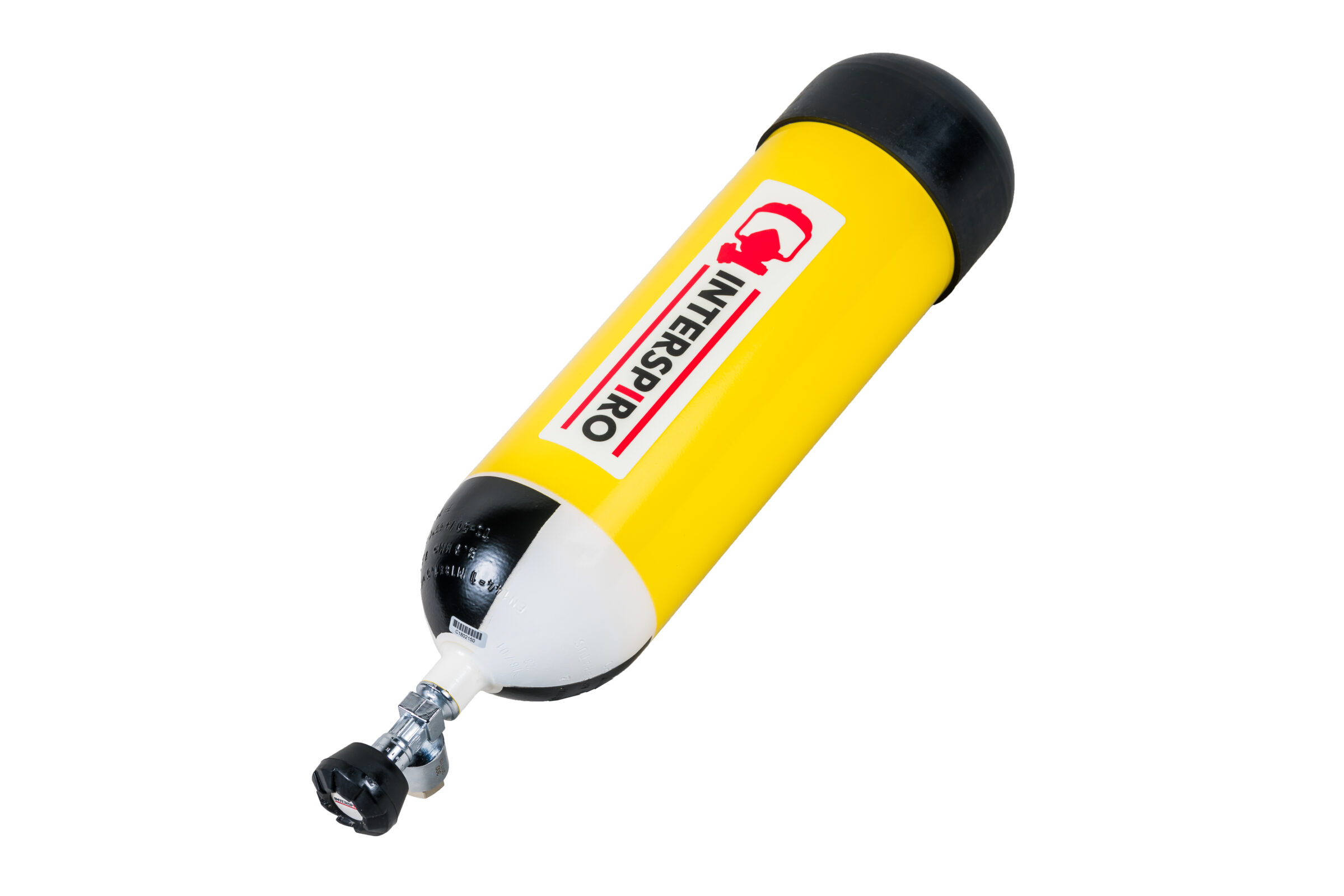
- Material, hull or container deterioration caused by weather, ultraviolet exposure, impact or aging, resulting in cracks, tears, corrosion or visible deformation
- Release, securing or launching-component wear caused by drills, corrosion or misalignment, resulting in stiff operation, abnormal play or failed readiness checks
- Battery, light or communication-equipment failure caused by aging, charging faults or water ingress, resulting in failed self-test or missing emergency indication
- Engine, steering or inflation-system failure where applicable caused by fuel, mechanical, pneumatic or seal problems, resulting in inability to maneuver or deploy the appliance
- Incorrect stowage, identification or service status caused by inventory or maintenance errors, resulting in delayed use or an appliance that is not ready
- Material, hull or container deterioration caused by weather, ultraviolet exposure, impact or aging, resulting in cracks, tears, corrosion or visible deformation
- Release, securing or launching-component wear caused by drills, corrosion or misalignment, resulting in stiff operation, abnormal play or failed readiness checks
- Battery, light or communication-equipment failure caused by aging, charging faults or water ingress, resulting in failed self-test or missing emergency indication
- Engine, steering or inflation-system failure where applicable caused by fuel, mechanical, pneumatic or seal problems, resulting in inability to maneuver or deploy the appliance
- Incorrect stowage, identification or service status caused by inventory or maintenance errors, resulting in delayed use or an appliance that is not ready
- Loss of air supply caused by leakage, incomplete charging or damaged hose connection, resulting in insufficient pressure or airflow
- Face seal, hood or demand-valve leakage caused by damaged seals, contamination or wear, resulting in poor fit or abnormal air consumption
- Pressure reducer, gauge or warning-device fault caused by mechanical or electrical damage, resulting in unstable indication or missing low-air warning
- Hose, harness or connector deterioration caused by age, heat or mechanical damage, resulting in leakage, poor fit or unreliable operation
- Storage or charging deficiency caused by poor maintenance or inaccessible stowage, resulting in a unit that is not ready when required
- Material, hull or container deterioration caused by weather, ultraviolet exposure, impact or aging, resulting in cracks, tears, corrosion or visible deformation
- Release, securing or launching-component wear caused by drills, corrosion or misalignment, resulting in stiff operation, abnormal play or failed readiness checks
- Battery, light or communication-equipment failure caused by aging, charging faults or water ingress, resulting in failed self-test or missing emergency indication
- Engine, steering or inflation-system failure where applicable caused by fuel, mechanical, pneumatic or seal problems, resulting in inability to maneuver or deploy the appliance
- Incorrect stowage, identification or service status caused by inventory or maintenance errors, resulting in delayed use or an appliance that is not ready
- Loss of air supply caused by leakage, incomplete charging or damaged hose connection, resulting in insufficient pressure or airflow
- Face seal, hood or demand-valve leakage caused by damaged seals, contamination or wear, resulting in poor fit or abnormal air consumption
- Pressure reducer, gauge or warning-device fault caused by mechanical or electrical damage, resulting in unstable indication or missing low-air warning
- Hose, harness or connector deterioration caused by age, heat or mechanical damage, resulting in leakage, poor fit or unreliable operation
- Storage or charging deficiency caused by poor maintenance or inaccessible stowage, resulting in a unit that is not ready when required
- Material, hull or container deterioration caused by weather, ultraviolet exposure, impact or aging, resulting in cracks, tears, corrosion or visible deformation
- Release, securing or launching-component wear caused by drills, corrosion or misalignment, resulting in stiff operation, abnormal play or failed readiness checks
- Battery, light or communication-equipment failure caused by aging, charging faults or water ingress, resulting in failed self-test or missing emergency indication
- Engine, steering or inflation-system failure where applicable caused by fuel, mechanical, pneumatic or seal problems, resulting in inability to maneuver or deploy the appliance
- Incorrect stowage, identification or service status caused by inventory or maintenance errors, resulting in delayed use or an appliance that is not ready
- Material, hull or container deterioration caused by weather, ultraviolet exposure, impact or aging, resulting in cracks, tears, corrosion or visible deformation
- Release, securing or launching-component wear caused by drills, corrosion or misalignment, resulting in stiff operation, abnormal play or failed readiness checks
- Battery, light or communication-equipment failure caused by aging, charging faults or water ingress, resulting in failed self-test or missing emergency indication
- Engine, steering or inflation-system failure where applicable caused by fuel, mechanical, pneumatic or seal problems, resulting in inability to maneuver or deploy the appliance
- Incorrect stowage, identification or service status caused by inventory or maintenance errors, resulting in delayed use or an appliance that is not ready
- Material, hull or container deterioration caused by weather, ultraviolet exposure, impact or aging, resulting in cracks, tears, corrosion or visible deformation
- Release, securing or launching-component wear caused by drills, corrosion or misalignment, resulting in stiff operation, abnormal play or failed readiness checks
- Battery, light or communication-equipment failure caused by aging, charging faults or water ingress, resulting in failed self-test or missing emergency indication
- Engine, steering or inflation-system failure where applicable caused by fuel, mechanical, pneumatic or seal problems, resulting in inability to maneuver or deploy the appliance
- Incorrect stowage, identification or service status caused by inventory or maintenance errors, resulting in delayed use or an appliance that is not ready
- Material, hull or container deterioration caused by weather, ultraviolet exposure, impact or aging, resulting in cracks, tears, corrosion or visible deformation
- Release, securing or launching-component wear caused by drills, corrosion or misalignment, resulting in stiff operation, abnormal play or failed readiness checks
- Battery, light or communication-equipment failure caused by aging, charging faults or water ingress, resulting in failed self-test or missing emergency indication
- Engine, steering or inflation-system failure where applicable caused by fuel, mechanical, pneumatic or seal problems, resulting in inability to maneuver or deploy the appliance
- Incorrect stowage, identification or service status caused by inventory or maintenance errors, resulting in delayed use or an appliance that is not ready
- Material, hull or container deterioration caused by weather, ultraviolet exposure, impact or aging, resulting in cracks, tears, corrosion or visible deformation
- Release, securing or launching-component wear caused by drills, corrosion or misalignment, resulting in stiff operation, abnormal play or failed readiness checks
- Battery, light or communication-equipment failure caused by aging, charging faults or water ingress, resulting in failed self-test or missing emergency indication
- Engine, steering or inflation-system failure where applicable caused by fuel, mechanical, pneumatic or seal problems, resulting in inability to maneuver or deploy the appliance
- Incorrect stowage, identification or service status caused by inventory or maintenance errors, resulting in delayed use or an appliance that is not ready
- Material, hull or container deterioration caused by weather, ultraviolet exposure, impact or aging, resulting in cracks, tears, corrosion or visible deformation
- Release, securing or launching-component wear caused by drills, corrosion or misalignment, resulting in stiff operation, abnormal play or failed readiness checks
- Battery, light or communication-equipment failure caused by aging, charging faults or water ingress, resulting in failed self-test or missing emergency indication
- Engine, steering or inflation-system failure where applicable caused by fuel, mechanical, pneumatic or seal problems, resulting in inability to maneuver or deploy the appliance
- Incorrect stowage, identification or service status caused by inventory or maintenance errors, resulting in delayed use or an appliance that is not ready
- Material, hull or container deterioration caused by weather, ultraviolet exposure, impact or aging, resulting in cracks, tears, corrosion or visible deformation
- Release, securing or launching-component wear caused by drills, corrosion or misalignment, resulting in stiff operation, abnormal play or failed readiness checks
- Battery, light or communication-equipment failure caused by aging, charging faults or water ingress, resulting in failed self-test or missing emergency indication
- Engine, steering or inflation-system failure where applicable caused by fuel, mechanical, pneumatic or seal problems, resulting in inability to maneuver or deploy the appliance
- Incorrect stowage, identification or service status caused by inventory or maintenance errors, resulting in delayed use or an appliance that is not ready
- Material, hull or container deterioration caused by weather, ultraviolet exposure, impact or aging, resulting in cracks, tears, corrosion or visible deformation
- Release, securing or launching-component wear caused by drills, corrosion or misalignment, resulting in stiff operation, abnormal play or failed readiness checks
- Battery, light or communication-equipment failure caused by aging, charging faults or water ingress, resulting in failed self-test or missing emergency indication
- Engine, steering or inflation-system failure where applicable caused by fuel, mechanical, pneumatic or seal problems, resulting in inability to maneuver or deploy the appliance
- Incorrect stowage, identification or service status caused by inventory or maintenance errors, resulting in delayed use or an appliance that is not ready
- Material, hull or container deterioration caused by weather, ultraviolet exposure, impact or aging, resulting in cracks, tears, corrosion or visible deformation
- Release, securing or launching-component wear caused by drills, corrosion or misalignment, resulting in stiff operation, abnormal play or failed readiness checks
- Battery, light or communication-equipment failure caused by aging, charging faults or water ingress, resulting in failed self-test or missing emergency indication
- Engine, steering or inflation-system failure where applicable caused by fuel, mechanical, pneumatic or seal problems, resulting in inability to maneuver or deploy the appliance
- Incorrect stowage, identification or service status caused by inventory or maintenance errors, resulting in delayed use or an appliance that is not ready
- Material, hull or container deterioration caused by weather, ultraviolet exposure, impact or aging, resulting in cracks, tears, corrosion or visible deformation
- Release, securing or launching-component wear caused by drills, corrosion or misalignment, resulting in stiff operation, abnormal play or failed readiness checks
- Battery, light or communication-equipment failure caused by aging, charging faults or water ingress, resulting in failed self-test or missing emergency indication
- Engine, steering or inflation-system failure where applicable caused by fuel, mechanical, pneumatic or seal problems, resulting in inability to maneuver or deploy the appliance
- Incorrect stowage, identification or service status caused by inventory or maintenance errors, resulting in delayed use or an appliance that is not ready
- Material, hull or container deterioration caused by weather, ultraviolet exposure, impact or aging, resulting in cracks, tears, corrosion or visible deformation
- Release, securing or launching-component wear caused by drills, corrosion or misalignment, resulting in stiff operation, abnormal play or failed readiness checks
- Battery, light or communication-equipment failure caused by aging, charging faults or water ingress, resulting in failed self-test or missing emergency indication
- Engine, steering or inflation-system failure where applicable caused by fuel, mechanical, pneumatic or seal problems, resulting in inability to maneuver or deploy the appliance
- Incorrect stowage, identification or service status caused by inventory or maintenance errors, resulting in delayed use or an appliance that is not ready
- Material, hull or container deterioration caused by weather, ultraviolet exposure, impact or aging, resulting in cracks, tears, corrosion or visible deformation
- Release, securing or launching-component wear caused by drills, corrosion or misalignment, resulting in stiff operation, abnormal play or failed readiness checks
- Battery, light or communication-equipment failure caused by aging, charging faults or water ingress, resulting in failed self-test or missing emergency indication
- Engine, steering or inflation-system failure where applicable caused by fuel, mechanical, pneumatic or seal problems, resulting in inability to maneuver or deploy the appliance
- Incorrect stowage, identification or service status caused by inventory or maintenance errors, resulting in delayed use or an appliance that is not ready
- Material, hull or container deterioration caused by weather, ultraviolet exposure, impact or aging, resulting in cracks, tears, corrosion or visible deformation
- Release, securing or launching-component wear caused by drills, corrosion or misalignment, resulting in stiff operation, abnormal play or failed readiness checks
- Battery, light or communication-equipment failure caused by aging, charging faults or water ingress, resulting in failed self-test or missing emergency indication
- Engine, steering or inflation-system failure where applicable caused by fuel, mechanical, pneumatic or seal problems, resulting in inability to maneuver or deploy the appliance
- Incorrect stowage, identification or service status caused by inventory or maintenance errors, resulting in delayed use or an appliance that is not ready
- Material, hull or container deterioration caused by weather, ultraviolet exposure, impact or aging, resulting in cracks, tears, corrosion or visible deformation
- Release, securing or launching-component wear caused by drills, corrosion or misalignment, resulting in stiff operation, abnormal play or failed readiness checks
- Battery, light or communication-equipment failure caused by aging, charging faults or water ingress, resulting in failed self-test or missing emergency indication
- Engine, steering or inflation-system failure where applicable caused by fuel, mechanical, pneumatic or seal problems, resulting in inability to maneuver or deploy the appliance
- Incorrect stowage, identification or service status caused by inventory or maintenance errors, resulting in delayed use or an appliance that is not ready
- Material, hull or container deterioration caused by weather, ultraviolet exposure, impact or aging, resulting in cracks, tears, corrosion or visible deformation
- Release, securing or launching-component wear caused by drills, corrosion or misalignment, resulting in stiff operation, abnormal play or failed readiness checks
- Battery, light or communication-equipment failure caused by aging, charging faults or water ingress, resulting in failed self-test or missing emergency indication
- Engine, steering or inflation-system failure where applicable caused by fuel, mechanical, pneumatic or seal problems, resulting in inability to maneuver or deploy the appliance
- Incorrect stowage, identification or service status caused by inventory or maintenance errors, resulting in delayed use or an appliance that is not ready
- Material, hull or container deterioration caused by weather, ultraviolet exposure, impact or aging, resulting in cracks, tears, corrosion or visible deformation
- Release, securing or launching-component wear caused by drills, corrosion or misalignment, resulting in stiff operation, abnormal play or failed readiness checks
- Battery, light or communication-equipment failure caused by aging, charging faults or water ingress, resulting in failed self-test or missing emergency indication
- Engine, steering or inflation-system failure where applicable caused by fuel, mechanical, pneumatic or seal problems, resulting in inability to maneuver or deploy the appliance
- Incorrect stowage, identification or service status caused by inventory or maintenance errors, resulting in delayed use or an appliance that is not ready
- Material, hull or container deterioration caused by weather, ultraviolet exposure, impact or aging, resulting in cracks, tears, corrosion or visible deformation
- Release, securing or launching-component wear caused by drills, corrosion or misalignment, resulting in stiff operation, abnormal play or failed readiness checks
- Battery, light or communication-equipment failure caused by aging, charging faults or water ingress, resulting in failed self-test or missing emergency indication
- Engine, steering or inflation-system failure where applicable caused by fuel, mechanical, pneumatic or seal problems, resulting in inability to maneuver or deploy the appliance
- Incorrect stowage, identification or service status caused by inventory or maintenance errors, resulting in delayed use or an appliance that is not ready
- Material, hull or container deterioration caused by weather, ultraviolet exposure, impact or aging, resulting in cracks, tears, corrosion or visible deformation
- Release, securing or launching-component wear caused by drills, corrosion or misalignment, resulting in stiff operation, abnormal play or failed readiness checks
- Battery, light or communication-equipment failure caused by aging, charging faults or water ingress, resulting in failed self-test or missing emergency indication
- Engine, steering or inflation-system failure where applicable caused by fuel, mechanical, pneumatic or seal problems, resulting in inability to maneuver or deploy the appliance
- Incorrect stowage, identification or service status caused by inventory or maintenance errors, resulting in delayed use or an appliance that is not ready
- Material, hull or container deterioration caused by weather, ultraviolet exposure, impact or aging, resulting in cracks, tears, corrosion or visible deformation
- Release, securing or launching-component wear caused by drills, corrosion or misalignment, resulting in stiff operation, abnormal play or failed readiness checks
- Battery, light or communication-equipment failure caused by aging, charging faults or water ingress, resulting in failed self-test or missing emergency indication
- Engine, steering or inflation-system failure where applicable caused by fuel, mechanical, pneumatic or seal problems, resulting in inability to maneuver or deploy the appliance
- Incorrect stowage, identification or service status caused by inventory or maintenance errors, resulting in delayed use or an appliance that is not ready
- Material, hull or container deterioration caused by weather, ultraviolet exposure, impact or aging, resulting in cracks, tears, corrosion or visible deformation
- Release, securing or launching-component wear caused by drills, corrosion or misalignment, resulting in stiff operation, abnormal play or failed readiness checks
- Battery, light or communication-equipment failure caused by aging, charging faults or water ingress, resulting in failed self-test or missing emergency indication
- Engine, steering or inflation-system failure where applicable caused by fuel, mechanical, pneumatic or seal problems, resulting in inability to maneuver or deploy the appliance
- Incorrect stowage, identification or service status caused by inventory or maintenance errors, resulting in delayed use or an appliance that is not ready
- Material, hull or container deterioration caused by weather, ultraviolet exposure, impact or aging, resulting in cracks, tears, corrosion or visible deformation
- Release, securing or launching-component wear caused by drills, corrosion or misalignment, resulting in stiff operation, abnormal play or failed readiness checks
- Battery, light or communication-equipment failure caused by aging, charging faults or water ingress, resulting in failed self-test or missing emergency indication
- Engine, steering or inflation-system failure where applicable caused by fuel, mechanical, pneumatic or seal problems, resulting in inability to maneuver or deploy the appliance
- Incorrect stowage, identification or service status caused by inventory or maintenance errors, resulting in delayed use or an appliance that is not ready
- Material, hull or container deterioration caused by weather, ultraviolet exposure, impact or aging, resulting in cracks, tears, corrosion or visible deformation
- Release, securing or launching-component wear caused by drills, corrosion or misalignment, resulting in stiff operation, abnormal play or failed readiness checks
- Battery, light or communication-equipment failure caused by aging, charging faults or water ingress, resulting in failed self-test or missing emergency indication
- Engine, steering or inflation-system failure where applicable caused by fuel, mechanical, pneumatic or seal problems, resulting in inability to maneuver or deploy the appliance
- Incorrect stowage, identification or service status caused by inventory or maintenance errors, resulting in delayed use or an appliance that is not ready
- Material, hull or container deterioration caused by weather, ultraviolet exposure, impact or aging, resulting in cracks, tears, corrosion or visible deformation
- Release, securing or launching-component wear caused by drills, corrosion or misalignment, resulting in stiff operation, abnormal play or failed readiness checks
- Battery, light or communication-equipment failure caused by aging, charging faults or water ingress, resulting in failed self-test or missing emergency indication
- Engine, steering or inflation-system failure where applicable caused by fuel, mechanical, pneumatic or seal problems, resulting in inability to maneuver or deploy the appliance
- Incorrect stowage, identification or service status caused by inventory or maintenance errors, resulting in delayed use or an appliance that is not ready
- Material, hull or container deterioration caused by weather, ultraviolet exposure, impact or aging, resulting in cracks, tears, corrosion or visible deformation
- Release, securing or launching-component wear caused by drills, corrosion or misalignment, resulting in stiff operation, abnormal play or failed readiness checks
- Battery, light or communication-equipment failure caused by aging, charging faults or water ingress, resulting in failed self-test or missing emergency indication
- Engine, steering or inflation-system failure where applicable caused by fuel, mechanical, pneumatic or seal problems, resulting in inability to maneuver or deploy the appliance
- Incorrect stowage, identification or service status caused by inventory or maintenance errors, resulting in delayed use or an appliance that is not ready
- Material, hull or container deterioration caused by weather, ultraviolet exposure, impact or aging, resulting in cracks, tears, corrosion or visible deformation
- Release, securing or launching-component wear caused by drills, corrosion or misalignment, resulting in stiff operation, abnormal play or failed readiness checks
- Battery, light or communication-equipment failure caused by aging, charging faults or water ingress, resulting in failed self-test or missing emergency indication
- Engine, steering or inflation-system failure where applicable caused by fuel, mechanical, pneumatic or seal problems, resulting in inability to maneuver or deploy the appliance
- Incorrect stowage, identification or service status caused by inventory or maintenance errors, resulting in delayed use or an appliance that is not ready
- Material, hull or container deterioration caused by weather, ultraviolet exposure, impact or aging, resulting in cracks, tears, corrosion or visible deformation
- Release, securing or launching-component wear caused by drills, corrosion or misalignment, resulting in stiff operation, abnormal play or failed readiness checks
- Battery, light or communication-equipment failure caused by aging, charging faults or water ingress, resulting in failed self-test or missing emergency indication
- Engine, steering or inflation-system failure where applicable caused by fuel, mechanical, pneumatic or seal problems, resulting in inability to maneuver or deploy the appliance
- Incorrect stowage, identification or service status caused by inventory or maintenance errors, resulting in delayed use or an appliance that is not ready
- Material, hull or container deterioration caused by weather, ultraviolet exposure, impact or aging, resulting in cracks, tears, corrosion or visible deformation
- Release, securing or launching-component wear caused by drills, corrosion or misalignment, resulting in stiff operation, abnormal play or failed readiness checks
- Battery, light or communication-equipment failure caused by aging, charging faults or water ingress, resulting in failed self-test or missing emergency indication
- Engine, steering or inflation-system failure where applicable caused by fuel, mechanical, pneumatic or seal problems, resulting in inability to maneuver or deploy the appliance
- Incorrect stowage, identification or service status caused by inventory or maintenance errors, resulting in delayed use or an appliance that is not ready
- Sensor or cell ageing can cause drift or failed calibration, seen as unstable or inaccurate readings
- Blocked sampling paths, filters or sensor inlets can slow response, noticed during bump or functional testing
- Battery or power-supply failure can make portable or electronic equipment unavailable
- Regulator, hose, mask or seal leakage on breathing equipment can reduce delivered air, noticed as pressure loss or poor face seal
- Moisture, contamination or corrosion can damage connectors and alarms, causing intermittent faults or failed self-tests
- Sensor or cell ageing can cause drift or failed calibration, seen as unstable or inaccurate readings
- Blocked sampling paths, filters or sensor inlets can slow response, noticed during bump or functional testing
- Battery or power-supply failure can make portable or electronic equipment unavailable
- Regulator, hose, mask or seal leakage on breathing equipment can reduce delivered air, noticed as pressure loss or poor face seal
- Moisture, contamination or corrosion can damage connectors and alarms, causing intermittent faults or failed self-tests
- Sensor or cell ageing can cause drift or failed calibration, seen as unstable or inaccurate readings
- Blocked sampling paths, filters or sensor inlets can slow response, noticed during bump or functional testing
- Battery or power-supply failure can make portable or electronic equipment unavailable
- Regulator, hose, mask or seal leakage on breathing equipment can reduce delivered air, noticed as pressure loss or poor face seal
- Moisture, contamination or corrosion can damage connectors and alarms, causing intermittent faults or failed self-tests
- Sensor or cell ageing can cause drift or failed calibration, seen as unstable or inaccurate readings
- Blocked sampling paths, filters or sensor inlets can slow response, noticed during bump or functional testing
- Battery or power-supply failure can make portable or electronic equipment unavailable
- Regulator, hose, mask or seal leakage on breathing equipment can reduce delivered air, noticed as pressure loss or poor face seal
- Moisture, contamination or corrosion can damage connectors and alarms, causing intermittent faults or failed self-tests
- Sensor or cell ageing can cause drift or failed calibration, seen as unstable or inaccurate readings
- Blocked sampling paths, filters or sensor inlets can slow response, noticed during bump or functional testing
- Battery or power-supply failure can make portable or electronic equipment unavailable
- Regulator, hose, mask or seal leakage on breathing equipment can reduce delivered air, noticed as pressure loss or poor face seal
- Moisture, contamination or corrosion can damage connectors and alarms, causing intermittent faults or failed self-tests
- Sensor or cell ageing can cause drift or failed calibration, seen as unstable or inaccurate readings
- Blocked sampling paths, filters or sensor inlets can slow response, noticed during bump or functional testing
- Battery or power-supply failure can make portable or electronic equipment unavailable
- Regulator, hose, mask or seal leakage on breathing equipment can reduce delivered air, noticed as pressure loss or poor face seal
- Moisture, contamination or corrosion can damage connectors and alarms, causing intermittent faults or failed self-tests
- Material, hull or container deterioration caused by weather, ultraviolet exposure, impact or aging, resulting in cracks, tears, corrosion or visible deformation
- Release, securing or launching-component wear caused by drills, corrosion or misalignment, resulting in stiff operation, abnormal play or failed readiness checks
- Battery, light or communication-equipment failure caused by aging, charging faults or water ingress, resulting in failed self-test or missing emergency indication
- Engine, steering or inflation-system failure where applicable caused by fuel, mechanical, pneumatic or seal problems, resulting in inability to maneuver or deploy the appliance
- Incorrect stowage, identification or service status caused by inventory or maintenance errors, resulting in delayed use or an appliance that is not ready
- Material, hull or container deterioration caused by weather, ultraviolet exposure, impact or aging, resulting in cracks, tears, corrosion or visible deformation
- Release, securing or launching-component wear caused by drills, corrosion or misalignment, resulting in stiff operation, abnormal play or failed readiness checks
- Battery, light or communication-equipment failure caused by aging, charging faults or water ingress, resulting in failed self-test or missing emergency indication
- Engine, steering or inflation-system failure where applicable caused by fuel, mechanical, pneumatic or seal problems, resulting in inability to maneuver or deploy the appliance
- Incorrect stowage, identification or service status caused by inventory or maintenance errors, resulting in delayed use or an appliance that is not ready
Scott Safety / 3M
42- Material, hull or container deterioration caused by weather, ultraviolet exposure, impact or aging, resulting in cracks, tears, corrosion or visible deformation
- Release, securing or launching-component wear caused by drills, corrosion or misalignment, resulting in stiff operation, abnormal play or failed readiness checks
- Battery, light or communication-equipment failure caused by aging, charging faults or water ingress, resulting in failed self-test or missing emergency indication
- Engine, steering or inflation-system failure where applicable caused by fuel, mechanical, pneumatic or seal problems, resulting in inability to maneuver or deploy the appliance
- Incorrect stowage, identification or service status caused by inventory or maintenance errors, resulting in delayed use or an appliance that is not ready
- Material, hull or container deterioration caused by weather, ultraviolet exposure, impact or aging, resulting in cracks, tears, corrosion or visible deformation
- Release, securing or launching-component wear caused by drills, corrosion or misalignment, resulting in stiff operation, abnormal play or failed readiness checks
- Battery, light or communication-equipment failure caused by aging, charging faults or water ingress, resulting in failed self-test or missing emergency indication
- Engine, steering or inflation-system failure where applicable caused by fuel, mechanical, pneumatic or seal problems, resulting in inability to maneuver or deploy the appliance
- Incorrect stowage, identification or service status caused by inventory or maintenance errors, resulting in delayed use or an appliance that is not ready
- Material, hull or container deterioration caused by weather, ultraviolet exposure, impact or aging, resulting in cracks, tears, corrosion or visible deformation
- Release, securing or launching-component wear caused by drills, corrosion or misalignment, resulting in stiff operation, abnormal play or failed readiness checks
- Battery, light or communication-equipment failure caused by aging, charging faults or water ingress, resulting in failed self-test or missing emergency indication
- Engine, steering or inflation-system failure where applicable caused by fuel, mechanical, pneumatic or seal problems, resulting in inability to maneuver or deploy the appliance
- Incorrect stowage, identification or service status caused by inventory or maintenance errors, resulting in delayed use or an appliance that is not ready
- Material, hull or container deterioration caused by weather, ultraviolet exposure, impact or aging, resulting in cracks, tears, corrosion or visible deformation
- Release, securing or launching-component wear caused by drills, corrosion or misalignment, resulting in stiff operation, abnormal play or failed readiness checks
- Battery, light or communication-equipment failure caused by aging, charging faults or water ingress, resulting in failed self-test or missing emergency indication
- Engine, steering or inflation-system failure where applicable caused by fuel, mechanical, pneumatic or seal problems, resulting in inability to maneuver or deploy the appliance
- Incorrect stowage, identification or service status caused by inventory or maintenance errors, resulting in delayed use or an appliance that is not ready
- Material, hull or container deterioration caused by weather, ultraviolet exposure, impact or aging, resulting in cracks, tears, corrosion or visible deformation
- Release, securing or launching-component wear caused by drills, corrosion or misalignment, resulting in stiff operation, abnormal play or failed readiness checks
- Battery, light or communication-equipment failure caused by aging, charging faults or water ingress, resulting in failed self-test or missing emergency indication
- Engine, steering or inflation-system failure where applicable caused by fuel, mechanical, pneumatic or seal problems, resulting in inability to maneuver or deploy the appliance
- Incorrect stowage, identification or service status caused by inventory or maintenance errors, resulting in delayed use or an appliance that is not ready
- Material, hull or container deterioration caused by weather, ultraviolet exposure, impact or aging, resulting in cracks, tears, corrosion or visible deformation
- Release, securing or launching-component wear caused by drills, corrosion or misalignment, resulting in stiff operation, abnormal play or failed readiness checks
- Battery, light or communication-equipment failure caused by aging, charging faults or water ingress, resulting in failed self-test or missing emergency indication
- Engine, steering or inflation-system failure where applicable caused by fuel, mechanical, pneumatic or seal problems, resulting in inability to maneuver or deploy the appliance
- Incorrect stowage, identification or service status caused by inventory or maintenance errors, resulting in delayed use or an appliance that is not ready
- Material, hull or container deterioration caused by weather, ultraviolet exposure, impact or aging, resulting in cracks, tears, corrosion or visible deformation
- Release, securing or launching-component wear caused by drills, corrosion or misalignment, resulting in stiff operation, abnormal play or failed readiness checks
- Battery, light or communication-equipment failure caused by aging, charging faults or water ingress, resulting in failed self-test or missing emergency indication
- Engine, steering or inflation-system failure where applicable caused by fuel, mechanical, pneumatic or seal problems, resulting in inability to maneuver or deploy the appliance
- Incorrect stowage, identification or service status caused by inventory or maintenance errors, resulting in delayed use or an appliance that is not ready
- Material, hull or container deterioration caused by weather, ultraviolet exposure, impact or aging, resulting in cracks, tears, corrosion or visible deformation
- Release, securing or launching-component wear caused by drills, corrosion or misalignment, resulting in stiff operation, abnormal play or failed readiness checks
- Battery, light or communication-equipment failure caused by aging, charging faults or water ingress, resulting in failed self-test or missing emergency indication
- Engine, steering or inflation-system failure where applicable caused by fuel, mechanical, pneumatic or seal problems, resulting in inability to maneuver or deploy the appliance
- Incorrect stowage, identification or service status caused by inventory or maintenance errors, resulting in delayed use or an appliance that is not ready
- Material, hull or container deterioration caused by weather, ultraviolet exposure, impact or aging, resulting in cracks, tears, corrosion or visible deformation
- Release, securing or launching-component wear caused by drills, corrosion or misalignment, resulting in stiff operation, abnormal play or failed readiness checks
- Battery, light or communication-equipment failure caused by aging, charging faults or water ingress, resulting in failed self-test or missing emergency indication
- Engine, steering or inflation-system failure where applicable caused by fuel, mechanical, pneumatic or seal problems, resulting in inability to maneuver or deploy the appliance
- Incorrect stowage, identification or service status caused by inventory or maintenance errors, resulting in delayed use or an appliance that is not ready
- Sensor or cell ageing can cause drift or failed calibration, seen as unstable or inaccurate readings
- Blocked sampling paths, filters or sensor inlets can slow response, noticed during bump or functional testing
- Battery or power-supply failure can make portable or electronic equipment unavailable
- Regulator, hose, mask or seal leakage on breathing equipment can reduce delivered air, noticed as pressure loss or poor face seal
- Moisture, contamination or corrosion can damage connectors and alarms, causing intermittent faults or failed self-tests
- Sensor or cell ageing can cause drift or failed calibration, seen as unstable or inaccurate readings
- Blocked sampling paths, filters or sensor inlets can slow response, noticed during bump or functional testing
- Battery or power-supply failure can make portable or electronic equipment unavailable
- Regulator, hose, mask or seal leakage on breathing equipment can reduce delivered air, noticed as pressure loss or poor face seal
- Moisture, contamination or corrosion can damage connectors and alarms, causing intermittent faults or failed self-tests
- Sensor or cell ageing can cause drift or failed calibration, seen as unstable or inaccurate readings
- Blocked sampling paths, filters or sensor inlets can slow response, noticed during bump or functional testing
- Battery or power-supply failure can make portable or electronic equipment unavailable
- Regulator, hose, mask or seal leakage on breathing equipment can reduce delivered air, noticed as pressure loss or poor face seal
- Moisture, contamination or corrosion can damage connectors and alarms, causing intermittent faults or failed self-tests
- Sensor or cell ageing can cause drift or failed calibration, seen as unstable or inaccurate readings
- Blocked sampling paths, filters or sensor inlets can slow response, noticed during bump or functional testing
- Battery or power-supply failure can make portable or electronic equipment unavailable
- Regulator, hose, mask or seal leakage on breathing equipment can reduce delivered air, noticed as pressure loss or poor face seal
- Moisture, contamination or corrosion can damage connectors and alarms, causing intermittent faults or failed self-tests
- Sensor or cell ageing can cause drift or failed calibration, seen as unstable or inaccurate readings
- Blocked sampling paths, filters or sensor inlets can slow response, noticed during bump or functional testing
- Battery or power-supply failure can make portable or electronic equipment unavailable
- Regulator, hose, mask or seal leakage on breathing equipment can reduce delivered air, noticed as pressure loss or poor face seal
- Moisture, contamination or corrosion can damage connectors and alarms, causing intermittent faults or failed self-tests
- Sensor or cell ageing can cause drift or failed calibration, seen as unstable or inaccurate readings
- Blocked sampling paths, filters or sensor inlets can slow response, noticed during bump or functional testing
- Battery or power-supply failure can make portable or electronic equipment unavailable
- Regulator, hose, mask or seal leakage on breathing equipment can reduce delivered air, noticed as pressure loss or poor face seal
- Moisture, contamination or corrosion can damage connectors and alarms, causing intermittent faults or failed self-tests
- Sensor or cell ageing can cause drift or failed calibration, seen as unstable or inaccurate readings
- Blocked sampling paths, filters or sensor inlets can slow response, noticed during bump or functional testing
- Battery or power-supply failure can make portable or electronic equipment unavailable
- Regulator, hose, mask or seal leakage on breathing equipment can reduce delivered air, noticed as pressure loss or poor face seal
- Moisture, contamination or corrosion can damage connectors and alarms, causing intermittent faults or failed self-tests
- Sensor or cell ageing can cause drift or failed calibration, seen as unstable or inaccurate readings
- Blocked sampling paths, filters or sensor inlets can slow response, noticed during bump or functional testing
- Battery or power-supply failure can make portable or electronic equipment unavailable
- Regulator, hose, mask or seal leakage on breathing equipment can reduce delivered air, noticed as pressure loss or poor face seal
- Moisture, contamination or corrosion can damage connectors and alarms, causing intermittent faults or failed self-tests
- Sensor or cell ageing can cause drift or failed calibration, seen as unstable or inaccurate readings
- Blocked sampling paths, filters or sensor inlets can slow response, noticed during bump or functional testing
- Battery or power-supply failure can make portable or electronic equipment unavailable
- Regulator, hose, mask or seal leakage on breathing equipment can reduce delivered air, noticed as pressure loss or poor face seal
- Moisture, contamination or corrosion can damage connectors and alarms, causing intermittent faults or failed self-tests
- Sensor or cell ageing can cause drift or failed calibration, seen as unstable or inaccurate readings
- Blocked sampling paths, filters or sensor inlets can slow response, noticed during bump or functional testing
- Battery or power-supply failure can make portable or electronic equipment unavailable
- Regulator, hose, mask or seal leakage on breathing equipment can reduce delivered air, noticed as pressure loss or poor face seal
- Moisture, contamination or corrosion can damage connectors and alarms, causing intermittent faults or failed self-tests
- Sensor or cell ageing can cause drift or failed calibration, seen as unstable or inaccurate readings
- Blocked sampling paths, filters or sensor inlets can slow response, noticed during bump or functional testing
- Battery or power-supply failure can make portable or electronic equipment unavailable
- Regulator, hose, mask or seal leakage on breathing equipment can reduce delivered air, noticed as pressure loss or poor face seal
- Moisture, contamination or corrosion can damage connectors and alarms, causing intermittent faults or failed self-tests
- Sensor or cell ageing can cause drift or failed calibration, seen as unstable or inaccurate readings
- Blocked sampling paths, filters or sensor inlets can slow response, noticed during bump or functional testing
- Battery or power-supply failure can make portable or electronic equipment unavailable
- Regulator, hose, mask or seal leakage on breathing equipment can reduce delivered air, noticed as pressure loss or poor face seal
- Moisture, contamination or corrosion can damage connectors and alarms, causing intermittent faults or failed self-tests
- Sensor or cell ageing can cause drift or failed calibration, seen as unstable or inaccurate readings
- Blocked sampling paths, filters or sensor inlets can slow response, noticed during bump or functional testing
- Battery or power-supply failure can make portable or electronic equipment unavailable
- Regulator, hose, mask or seal leakage on breathing equipment can reduce delivered air, noticed as pressure loss or poor face seal
- Moisture, contamination or corrosion can damage connectors and alarms, causing intermittent faults or failed self-tests
- Sensor or cell ageing can cause drift or failed calibration, seen as unstable or inaccurate readings
- Blocked sampling paths, filters or sensor inlets can slow response, noticed during bump or functional testing
- Battery or power-supply failure can make portable or electronic equipment unavailable
- Regulator, hose, mask or seal leakage on breathing equipment can reduce delivered air, noticed as pressure loss or poor face seal
- Moisture, contamination or corrosion can damage connectors and alarms, causing intermittent faults or failed self-tests
- Sensor or cell ageing can cause drift or failed calibration, seen as unstable or inaccurate readings
- Blocked sampling paths, filters or sensor inlets can slow response, noticed during bump or functional testing
- Battery or power-supply failure can make portable or electronic equipment unavailable
- Regulator, hose, mask or seal leakage on breathing equipment can reduce delivered air, noticed as pressure loss or poor face seal
- Moisture, contamination or corrosion can damage connectors and alarms, causing intermittent faults or failed self-tests
- Sensor or cell ageing can cause drift or failed calibration, seen as unstable or inaccurate readings
- Blocked sampling paths, filters or sensor inlets can slow response, noticed during bump or functional testing
- Battery or power-supply failure can make portable or electronic equipment unavailable
- Regulator, hose, mask or seal leakage on breathing equipment can reduce delivered air, noticed as pressure loss or poor face seal
- Moisture, contamination or corrosion can damage connectors and alarms, causing intermittent faults or failed self-tests
- Sensor or cell ageing can cause drift or failed calibration, seen as unstable or inaccurate readings
- Blocked sampling paths, filters or sensor inlets can slow response, noticed during bump or functional testing
- Battery or power-supply failure can make portable or electronic equipment unavailable
- Regulator, hose, mask or seal leakage on breathing equipment can reduce delivered air, noticed as pressure loss or poor face seal
- Moisture, contamination or corrosion can damage connectors and alarms, causing intermittent faults or failed self-tests
- Sensor or cell ageing can cause drift or failed calibration, seen as unstable or inaccurate readings
- Blocked sampling paths, filters or sensor inlets can slow response, noticed during bump or functional testing
- Battery or power-supply failure can make portable or electronic equipment unavailable
- Regulator, hose, mask or seal leakage on breathing equipment can reduce delivered air, noticed as pressure loss or poor face seal
- Moisture, contamination or corrosion can damage connectors and alarms, causing intermittent faults or failed self-tests
- Sensor or cell ageing can cause drift or failed calibration, seen as unstable or inaccurate readings
- Blocked sampling paths, filters or sensor inlets can slow response, noticed during bump or functional testing
- Battery or power-supply failure can make portable or electronic equipment unavailable
- Regulator, hose, mask or seal leakage on breathing equipment can reduce delivered air, noticed as pressure loss or poor face seal
- Moisture, contamination or corrosion can damage connectors and alarms, causing intermittent faults or failed self-tests
- Sensor or cell ageing can cause drift or failed calibration, seen as unstable or inaccurate readings
- Blocked sampling paths, filters or sensor inlets can slow response, noticed during bump or functional testing
- Battery or power-supply failure can make portable or electronic equipment unavailable
- Regulator, hose, mask or seal leakage on breathing equipment can reduce delivered air, noticed as pressure loss or poor face seal
- Moisture, contamination or corrosion can damage connectors and alarms, causing intermittent faults or failed self-tests
- Sensor or cell ageing can cause drift or failed calibration, seen as unstable or inaccurate readings
- Blocked sampling paths, filters or sensor inlets can slow response, noticed during bump or functional testing
- Battery or power-supply failure can make portable or electronic equipment unavailable
- Regulator, hose, mask or seal leakage on breathing equipment can reduce delivered air, noticed as pressure loss or poor face seal
- Moisture, contamination or corrosion can damage connectors and alarms, causing intermittent faults or failed self-tests
- Sensor or cell ageing can cause drift or failed calibration, seen as unstable or inaccurate readings
- Blocked sampling paths, filters or sensor inlets can slow response, noticed during bump or functional testing
- Battery or power-supply failure can make portable or electronic equipment unavailable
- Regulator, hose, mask or seal leakage on breathing equipment can reduce delivered air, noticed as pressure loss or poor face seal
- Moisture, contamination or corrosion can damage connectors and alarms, causing intermittent faults or failed self-tests
- Sensor or cell ageing can cause drift or failed calibration, seen as unstable or inaccurate readings
- Blocked sampling paths, filters or sensor inlets can slow response, noticed during bump or functional testing
- Battery or power-supply failure can make portable or electronic equipment unavailable
- Regulator, hose, mask or seal leakage on breathing equipment can reduce delivered air, noticed as pressure loss or poor face seal
- Moisture, contamination or corrosion can damage connectors and alarms, causing intermittent faults or failed self-tests
- Sensor or cell ageing can cause drift or failed calibration, seen as unstable or inaccurate readings
- Blocked sampling paths, filters or sensor inlets can slow response, noticed during bump or functional testing
- Battery or power-supply failure can make portable or electronic equipment unavailable
- Regulator, hose, mask or seal leakage on breathing equipment can reduce delivered air, noticed as pressure loss or poor face seal
- Moisture, contamination or corrosion can damage connectors and alarms, causing intermittent faults or failed self-tests
- Sensor or cell ageing can cause drift or failed calibration, seen as unstable or inaccurate readings
- Blocked sampling paths, filters or sensor inlets can slow response, noticed during bump or functional testing
- Battery or power-supply failure can make portable or electronic equipment unavailable
- Regulator, hose, mask or seal leakage on breathing equipment can reduce delivered air, noticed as pressure loss or poor face seal
- Moisture, contamination or corrosion can damage connectors and alarms, causing intermittent faults or failed self-tests
- Sensor or cell ageing can cause drift or failed calibration, seen as unstable or inaccurate readings
- Blocked sampling paths, filters or sensor inlets can slow response, noticed during bump or functional testing
- Battery or power-supply failure can make portable or electronic equipment unavailable
- Regulator, hose, mask or seal leakage on breathing equipment can reduce delivered air, noticed as pressure loss or poor face seal
- Moisture, contamination or corrosion can damage connectors and alarms, causing intermittent faults or failed self-tests
- Sensor or cell ageing can cause drift or failed calibration, seen as unstable or inaccurate readings
- Blocked sampling paths, filters or sensor inlets can slow response, noticed during bump or functional testing
- Battery or power-supply failure can make portable or electronic equipment unavailable
- Regulator, hose, mask or seal leakage on breathing equipment can reduce delivered air, noticed as pressure loss or poor face seal
- Moisture, contamination or corrosion can damage connectors and alarms, causing intermittent faults or failed self-tests
- Sensor or cell ageing can cause drift or failed calibration, seen as unstable or inaccurate readings
- Blocked sampling paths, filters or sensor inlets can slow response, noticed during bump or functional testing
- Battery or power-supply failure can make portable or electronic equipment unavailable
- Regulator, hose, mask or seal leakage on breathing equipment can reduce delivered air, noticed as pressure loss or poor face seal
- Moisture, contamination or corrosion can damage connectors and alarms, causing intermittent faults or failed self-tests
- Sensor or cell ageing can cause drift or failed calibration, seen as unstable or inaccurate readings
- Blocked sampling paths, filters or sensor inlets can slow response, noticed during bump or functional testing
- Battery or power-supply failure can make portable or electronic equipment unavailable
- Regulator, hose, mask or seal leakage on breathing equipment can reduce delivered air, noticed as pressure loss or poor face seal
- Moisture, contamination or corrosion can damage connectors and alarms, causing intermittent faults or failed self-tests
- Sensor or cell ageing can cause drift or failed calibration, seen as unstable or inaccurate readings
- Blocked sampling paths, filters or sensor inlets can slow response, noticed during bump or functional testing
- Battery or power-supply failure can make portable or electronic equipment unavailable
- Regulator, hose, mask or seal leakage on breathing equipment can reduce delivered air, noticed as pressure loss or poor face seal
- Moisture, contamination or corrosion can damage connectors and alarms, causing intermittent faults or failed self-tests
- Material, hull or container deterioration caused by weather, ultraviolet exposure, impact or aging, resulting in cracks, tears, corrosion or visible deformation
- Release, securing or launching-component wear caused by drills, corrosion or misalignment, resulting in stiff operation, abnormal play or failed readiness checks
- Battery, light or communication-equipment failure caused by aging, charging faults or water ingress, resulting in failed self-test or missing emergency indication
- Engine, steering or inflation-system failure where applicable caused by fuel, mechanical, pneumatic or seal problems, resulting in inability to maneuver or deploy the appliance
- Incorrect stowage, identification or service status caused by inventory or maintenance errors, resulting in delayed use or an appliance that is not ready
- Material, hull or container deterioration caused by weather, ultraviolet exposure, impact or aging, resulting in cracks, tears, corrosion or visible deformation
- Release, securing or launching-component wear caused by drills, corrosion or misalignment, resulting in stiff operation, abnormal play or failed readiness checks
- Battery, light or communication-equipment failure caused by aging, charging faults or water ingress, resulting in failed self-test or missing emergency indication
- Engine, steering or inflation-system failure where applicable caused by fuel, mechanical, pneumatic or seal problems, resulting in inability to maneuver or deploy the appliance
- Incorrect stowage, identification or service status caused by inventory or maintenance errors, resulting in delayed use or an appliance that is not ready
- Loss of air supply caused by leakage, incomplete charging or damaged hose connection, resulting in insufficient pressure or airflow
- Face seal, hood or demand-valve leakage caused by damaged seals, contamination or wear, resulting in poor fit or abnormal air consumption
- Pressure reducer, gauge or warning-device fault caused by mechanical or electrical damage, resulting in unstable indication or missing low-air warning
- Hose, harness or connector deterioration caused by age, heat or mechanical damage, resulting in leakage, poor fit or unreliable operation
- Storage or charging deficiency caused by poor maintenance or inaccessible stowage, resulting in a unit that is not ready when required
Honeywell Safety
38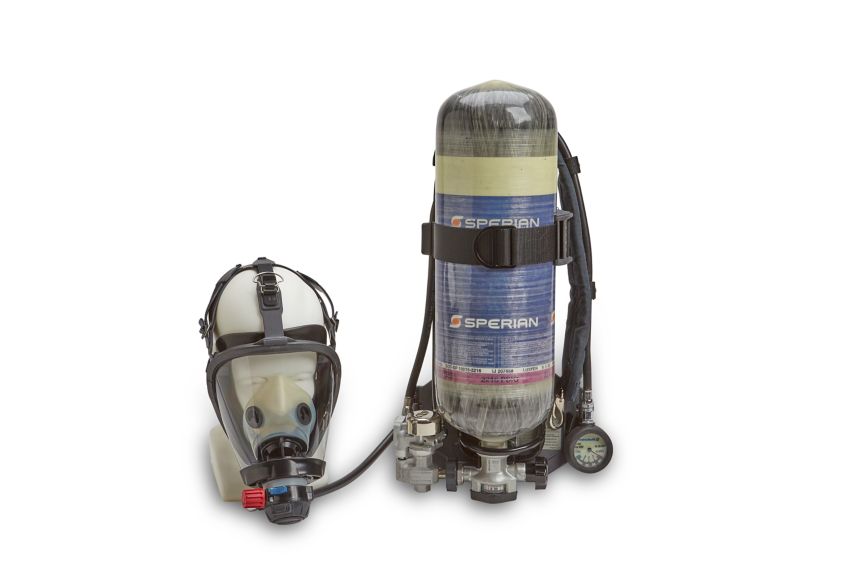
- Material, hull or container deterioration caused by weather, ultraviolet exposure, impact or aging, resulting in cracks, tears, corrosion or visible deformation
- Release, securing or launching-component wear caused by drills, corrosion or misalignment, resulting in stiff operation, abnormal play or failed readiness checks
- Battery, light or communication-equipment failure caused by aging, charging faults or water ingress, resulting in failed self-test or missing emergency indication
- Engine, steering or inflation-system failure where applicable caused by fuel, mechanical, pneumatic or seal problems, resulting in inability to maneuver or deploy the appliance
- Incorrect stowage, identification or service status caused by inventory or maintenance errors, resulting in delayed use or an appliance that is not ready
- Material, hull or container deterioration caused by weather, ultraviolet exposure, impact or aging, resulting in cracks, tears, corrosion or visible deformation
- Release, securing or launching-component wear caused by drills, corrosion or misalignment, resulting in stiff operation, abnormal play or failed readiness checks
- Battery, light or communication-equipment failure caused by aging, charging faults or water ingress, resulting in failed self-test or missing emergency indication
- Engine, steering or inflation-system failure where applicable caused by fuel, mechanical, pneumatic or seal problems, resulting in inability to maneuver or deploy the appliance
- Incorrect stowage, identification or service status caused by inventory or maintenance errors, resulting in delayed use or an appliance that is not ready
- Material, hull or container deterioration caused by weather, ultraviolet exposure, impact or aging, resulting in cracks, tears, corrosion or visible deformation
- Release, securing or launching-component wear caused by drills, corrosion or misalignment, resulting in stiff operation, abnormal play or failed readiness checks
- Battery, light or communication-equipment failure caused by aging, charging faults or water ingress, resulting in failed self-test or missing emergency indication
- Engine, steering or inflation-system failure where applicable caused by fuel, mechanical, pneumatic or seal problems, resulting in inability to maneuver or deploy the appliance
- Incorrect stowage, identification or service status caused by inventory or maintenance errors, resulting in delayed use or an appliance that is not ready
- Material, hull or container deterioration caused by weather, ultraviolet exposure, impact or aging, resulting in cracks, tears, corrosion or visible deformation
- Release, securing or launching-component wear caused by drills, corrosion or misalignment, resulting in stiff operation, abnormal play or failed readiness checks
- Battery, light or communication-equipment failure caused by aging, charging faults or water ingress, resulting in failed self-test or missing emergency indication
- Engine, steering or inflation-system failure where applicable caused by fuel, mechanical, pneumatic or seal problems, resulting in inability to maneuver or deploy the appliance
- Incorrect stowage, identification or service status caused by inventory or maintenance errors, resulting in delayed use or an appliance that is not ready
- Material, hull or container deterioration caused by weather, ultraviolet exposure, impact or aging, resulting in cracks, tears, corrosion or visible deformation
- Release, securing or launching-component wear caused by drills, corrosion or misalignment, resulting in stiff operation, abnormal play or failed readiness checks
- Battery, light or communication-equipment failure caused by aging, charging faults or water ingress, resulting in failed self-test or missing emergency indication
- Engine, steering or inflation-system failure where applicable caused by fuel, mechanical, pneumatic or seal problems, resulting in inability to maneuver or deploy the appliance
- Incorrect stowage, identification or service status caused by inventory or maintenance errors, resulting in delayed use or an appliance that is not ready
- Material, hull or container deterioration caused by weather, ultraviolet exposure, impact or aging, resulting in cracks, tears, corrosion or visible deformation
- Release, securing or launching-component wear caused by drills, corrosion or misalignment, resulting in stiff operation, abnormal play or failed readiness checks
- Battery, light or communication-equipment failure caused by aging, charging faults or water ingress, resulting in failed self-test or missing emergency indication
- Engine, steering or inflation-system failure where applicable caused by fuel, mechanical, pneumatic or seal problems, resulting in inability to maneuver or deploy the appliance
- Incorrect stowage, identification or service status caused by inventory or maintenance errors, resulting in delayed use or an appliance that is not ready
- Sensor or cell ageing can cause drift or failed calibration, seen as unstable or inaccurate readings
- Blocked sampling paths, filters or sensor inlets can slow response, noticed during bump or functional testing
- Battery or power-supply failure can make portable or electronic equipment unavailable
- Regulator, hose, mask or seal leakage on breathing equipment can reduce delivered air, noticed as pressure loss or poor face seal
- Moisture, contamination or corrosion can damage connectors and alarms, causing intermittent faults or failed self-tests
- Sensor or cell ageing can cause drift or failed calibration, seen as unstable or inaccurate readings
- Blocked sampling paths, filters or sensor inlets can slow response, noticed during bump or functional testing
- Battery or power-supply failure can make portable or electronic equipment unavailable
- Regulator, hose, mask or seal leakage on breathing equipment can reduce delivered air, noticed as pressure loss or poor face seal
- Moisture, contamination or corrosion can damage connectors and alarms, causing intermittent faults or failed self-tests
- Sensor or cell ageing can cause drift or failed calibration, seen as unstable or inaccurate readings
- Blocked sampling paths, filters or sensor inlets can slow response, noticed during bump or functional testing
- Battery or power-supply failure can make portable or electronic equipment unavailable
- Regulator, hose, mask or seal leakage on breathing equipment can reduce delivered air, noticed as pressure loss or poor face seal
- Moisture, contamination or corrosion can damage connectors and alarms, causing intermittent faults or failed self-tests
- Sensor or cell ageing can cause drift or failed calibration, seen as unstable or inaccurate readings
- Blocked sampling paths, filters or sensor inlets can slow response, noticed during bump or functional testing
- Battery or power-supply failure can make portable or electronic equipment unavailable
- Regulator, hose, mask or seal leakage on breathing equipment can reduce delivered air, noticed as pressure loss or poor face seal
- Moisture, contamination or corrosion can damage connectors and alarms, causing intermittent faults or failed self-tests
- Sensor or cell ageing can cause drift or failed calibration, seen as unstable or inaccurate readings
- Blocked sampling paths, filters or sensor inlets can slow response, noticed during bump or functional testing
- Battery or power-supply failure can make portable or electronic equipment unavailable
- Regulator, hose, mask or seal leakage on breathing equipment can reduce delivered air, noticed as pressure loss or poor face seal
- Moisture, contamination or corrosion can damage connectors and alarms, causing intermittent faults or failed self-tests
- Sensor or cell ageing can cause drift or failed calibration, seen as unstable or inaccurate readings
- Blocked sampling paths, filters or sensor inlets can slow response, noticed during bump or functional testing
- Battery or power-supply failure can make portable or electronic equipment unavailable
- Regulator, hose, mask or seal leakage on breathing equipment can reduce delivered air, noticed as pressure loss or poor face seal
- Moisture, contamination or corrosion can damage connectors and alarms, causing intermittent faults or failed self-tests
- Sensor or cell ageing can cause drift or failed calibration, seen as unstable or inaccurate readings
- Blocked sampling paths, filters or sensor inlets can slow response, noticed during bump or functional testing
- Battery or power-supply failure can make portable or electronic equipment unavailable
- Regulator, hose, mask or seal leakage on breathing equipment can reduce delivered air, noticed as pressure loss or poor face seal
- Moisture, contamination or corrosion can damage connectors and alarms, causing intermittent faults or failed self-tests
- Sensor or cell ageing can cause drift or failed calibration, seen as unstable or inaccurate readings
- Blocked sampling paths, filters or sensor inlets can slow response, noticed during bump or functional testing
- Battery or power-supply failure can make portable or electronic equipment unavailable
- Regulator, hose, mask or seal leakage on breathing equipment can reduce delivered air, noticed as pressure loss or poor face seal
- Moisture, contamination or corrosion can damage connectors and alarms, causing intermittent faults or failed self-tests
- Material, hull or container deterioration caused by weather, ultraviolet exposure, impact or aging, resulting in cracks, tears, corrosion or visible deformation
- Release, securing or launching-component wear caused by drills, corrosion or misalignment, resulting in stiff operation, abnormal play or failed readiness checks
- Battery, light or communication-equipment failure caused by aging, charging faults or water ingress, resulting in failed self-test or missing emergency indication
- Engine, steering or inflation-system failure where applicable caused by fuel, mechanical, pneumatic or seal problems, resulting in inability to maneuver or deploy the appliance
- Incorrect stowage, identification or service status caused by inventory or maintenance errors, resulting in delayed use or an appliance that is not ready
- Sensor or cell ageing can cause drift or failed calibration, seen as unstable or inaccurate readings
- Blocked sampling paths, filters or sensor inlets can slow response, noticed during bump or functional testing
- Battery or power-supply failure can make portable or electronic equipment unavailable
- Regulator, hose, mask or seal leakage on breathing equipment can reduce delivered air, noticed as pressure loss or poor face seal
- Moisture, contamination or corrosion can damage connectors and alarms, causing intermittent faults or failed self-tests
- Sensor or cell ageing can cause drift or failed calibration, seen as unstable or inaccurate readings
- Blocked sampling paths, filters or sensor inlets can slow response, noticed during bump or functional testing
- Battery or power-supply failure can make portable or electronic equipment unavailable
- Regulator, hose, mask or seal leakage on breathing equipment can reduce delivered air, noticed as pressure loss or poor face seal
- Moisture, contamination or corrosion can damage connectors and alarms, causing intermittent faults or failed self-tests
- Material, hull or container deterioration caused by weather, ultraviolet exposure, impact or aging, resulting in cracks, tears, corrosion or visible deformation
- Release, securing or launching-component wear caused by drills, corrosion or misalignment, resulting in stiff operation, abnormal play or failed readiness checks
- Battery, light or communication-equipment failure caused by aging, charging faults or water ingress, resulting in failed self-test or missing emergency indication
- Engine, steering or inflation-system failure where applicable caused by fuel, mechanical, pneumatic or seal problems, resulting in inability to maneuver or deploy the appliance
- Incorrect stowage, identification or service status caused by inventory or maintenance errors, resulting in delayed use or an appliance that is not ready
- Sensor or cell ageing can cause drift or failed calibration, seen as unstable or inaccurate readings
- Blocked sampling paths, filters or sensor inlets can slow response, noticed during bump or functional testing
- Battery or power-supply failure can make portable or electronic equipment unavailable
- Regulator, hose, mask or seal leakage on breathing equipment can reduce delivered air, noticed as pressure loss or poor face seal
- Moisture, contamination or corrosion can damage connectors and alarms, causing intermittent faults or failed self-tests
- Sensor or cell ageing can cause drift or failed calibration, seen as unstable or inaccurate readings
- Blocked sampling paths, filters or sensor inlets can slow response, noticed during bump or functional testing
- Battery or power-supply failure can make portable or electronic equipment unavailable
- Regulator, hose, mask or seal leakage on breathing equipment can reduce delivered air, noticed as pressure loss or poor face seal
- Moisture, contamination or corrosion can damage connectors and alarms, causing intermittent faults or failed self-tests
- Sensor or cell ageing can cause drift or failed calibration, seen as unstable or inaccurate readings
- Blocked sampling paths, filters or sensor inlets can slow response, noticed during bump or functional testing
- Battery or power-supply failure can make portable or electronic equipment unavailable
- Regulator, hose, mask or seal leakage on breathing equipment can reduce delivered air, noticed as pressure loss or poor face seal
- Moisture, contamination or corrosion can damage connectors and alarms, causing intermittent faults or failed self-tests
- Sensor or cell ageing can cause drift or failed calibration, seen as unstable or inaccurate readings
- Blocked sampling paths, filters or sensor inlets can slow response, noticed during bump or functional testing
- Battery or power-supply failure can make portable or electronic equipment unavailable
- Regulator, hose, mask or seal leakage on breathing equipment can reduce delivered air, noticed as pressure loss or poor face seal
- Moisture, contamination or corrosion can damage connectors and alarms, causing intermittent faults or failed self-tests
- Sensor or cell ageing can cause drift or failed calibration, seen as unstable or inaccurate readings
- Blocked sampling paths, filters or sensor inlets can slow response, noticed during bump or functional testing
- Battery or power-supply failure can make portable or electronic equipment unavailable
- Regulator, hose, mask or seal leakage on breathing equipment can reduce delivered air, noticed as pressure loss or poor face seal
- Moisture, contamination or corrosion can damage connectors and alarms, causing intermittent faults or failed self-tests
- Sensor or cell ageing can cause drift or failed calibration, seen as unstable or inaccurate readings
- Blocked sampling paths, filters or sensor inlets can slow response, noticed during bump or functional testing
- Battery or power-supply failure can make portable or electronic equipment unavailable
- Regulator, hose, mask or seal leakage on breathing equipment can reduce delivered air, noticed as pressure loss or poor face seal
- Moisture, contamination or corrosion can damage connectors and alarms, causing intermittent faults or failed self-tests
- Sensor or cell ageing can cause drift or failed calibration, seen as unstable or inaccurate readings
- Blocked sampling paths, filters or sensor inlets can slow response, noticed during bump or functional testing
- Battery or power-supply failure can make portable or electronic equipment unavailable
- Regulator, hose, mask or seal leakage on breathing equipment can reduce delivered air, noticed as pressure loss or poor face seal
- Moisture, contamination or corrosion can damage connectors and alarms, causing intermittent faults or failed self-tests
- Sensor or cell ageing can cause drift or failed calibration, seen as unstable or inaccurate readings
- Blocked sampling paths, filters or sensor inlets can slow response, noticed during bump or functional testing
- Battery or power-supply failure can make portable or electronic equipment unavailable
- Regulator, hose, mask or seal leakage on breathing equipment can reduce delivered air, noticed as pressure loss or poor face seal
- Moisture, contamination or corrosion can damage connectors and alarms, causing intermittent faults or failed self-tests
- Material, hull or container deterioration caused by weather, ultraviolet exposure, impact or aging, resulting in cracks, tears, corrosion or visible deformation
- Release, securing or launching-component wear caused by drills, corrosion or misalignment, resulting in stiff operation, abnormal play or failed readiness checks
- Battery, light or communication-equipment failure caused by aging, charging faults or water ingress, resulting in failed self-test or missing emergency indication
- Engine, steering or inflation-system failure where applicable caused by fuel, mechanical, pneumatic or seal problems, resulting in inability to maneuver or deploy the appliance
- Incorrect stowage, identification or service status caused by inventory or maintenance errors, resulting in delayed use or an appliance that is not ready
- Sensor or cell ageing can cause drift or failed calibration, seen as unstable or inaccurate readings
- Blocked sampling paths, filters or sensor inlets can slow response, noticed during bump or functional testing
- Battery or power-supply failure can make portable or electronic equipment unavailable
- Regulator, hose, mask or seal leakage on breathing equipment can reduce delivered air, noticed as pressure loss or poor face seal
- Moisture, contamination or corrosion can damage connectors and alarms, causing intermittent faults or failed self-tests
- Sensor or cell ageing can cause drift or failed calibration, seen as unstable or inaccurate readings
- Blocked sampling paths, filters or sensor inlets can slow response, noticed during bump or functional testing
- Battery or power-supply failure can make portable or electronic equipment unavailable
- Regulator, hose, mask or seal leakage on breathing equipment can reduce delivered air, noticed as pressure loss or poor face seal
- Moisture, contamination or corrosion can damage connectors and alarms, causing intermittent faults or failed self-tests
- Material, hull or container deterioration caused by weather, ultraviolet exposure, impact or aging, resulting in cracks, tears, corrosion or visible deformation
- Release, securing or launching-component wear caused by drills, corrosion or misalignment, resulting in stiff operation, abnormal play or failed readiness checks
- Battery, light or communication-equipment failure caused by aging, charging faults or water ingress, resulting in failed self-test or missing emergency indication
- Engine, steering or inflation-system failure where applicable caused by fuel, mechanical, pneumatic or seal problems, resulting in inability to maneuver or deploy the appliance
- Incorrect stowage, identification or service status caused by inventory or maintenance errors, resulting in delayed use or an appliance that is not ready
- Sensor or cell ageing can cause drift or failed calibration, seen as unstable or inaccurate readings
- Blocked sampling paths, filters or sensor inlets can slow response, noticed during bump or functional testing
- Battery or power-supply failure can make portable or electronic equipment unavailable
- Regulator, hose, mask or seal leakage on breathing equipment can reduce delivered air, noticed as pressure loss or poor face seal
- Moisture, contamination or corrosion can damage connectors and alarms, causing intermittent faults or failed self-tests
- Sensor or cell ageing can cause drift or failed calibration, seen as unstable or inaccurate readings
- Blocked sampling paths, filters or sensor inlets can slow response, noticed during bump or functional testing
- Battery or power-supply failure can make portable or electronic equipment unavailable
- Regulator, hose, mask or seal leakage on breathing equipment can reduce delivered air, noticed as pressure loss or poor face seal
- Moisture, contamination or corrosion can damage connectors and alarms, causing intermittent faults or failed self-tests
- Sensor or cell ageing can cause drift or failed calibration, seen as unstable or inaccurate readings
- Blocked sampling paths, filters or sensor inlets can slow response, noticed during bump or functional testing
- Battery or power-supply failure can make portable or electronic equipment unavailable
- Regulator, hose, mask or seal leakage on breathing equipment can reduce delivered air, noticed as pressure loss or poor face seal
- Moisture, contamination or corrosion can damage connectors and alarms, causing intermittent faults or failed self-tests
- Sensor or cell ageing can cause drift or failed calibration, seen as unstable or inaccurate readings
- Blocked sampling paths, filters or sensor inlets can slow response, noticed during bump or functional testing
- Battery or power-supply failure can make portable or electronic equipment unavailable
- Regulator, hose, mask or seal leakage on breathing equipment can reduce delivered air, noticed as pressure loss or poor face seal
- Moisture, contamination or corrosion can damage connectors and alarms, causing intermittent faults or failed self-tests
- Sensor or cell ageing can cause drift or failed calibration, seen as unstable or inaccurate readings
- Blocked sampling paths, filters or sensor inlets can slow response, noticed during bump or functional testing
- Battery or power-supply failure can make portable or electronic equipment unavailable
- Regulator, hose, mask or seal leakage on breathing equipment can reduce delivered air, noticed as pressure loss or poor face seal
- Moisture, contamination or corrosion can damage connectors and alarms, causing intermittent faults or failed self-tests
- Sensor or cell ageing can cause drift or failed calibration, seen as unstable or inaccurate readings
- Blocked sampling paths, filters or sensor inlets can slow response, noticed during bump or functional testing
- Battery or power-supply failure can make portable or electronic equipment unavailable
- Regulator, hose, mask or seal leakage on breathing equipment can reduce delivered air, noticed as pressure loss or poor face seal
- Moisture, contamination or corrosion can damage connectors and alarms, causing intermittent faults or failed self-tests
- Sensor or cell ageing can cause drift or failed calibration, seen as unstable or inaccurate readings
- Blocked sampling paths, filters or sensor inlets can slow response, noticed during bump or functional testing
- Battery or power-supply failure can make portable or electronic equipment unavailable
- Regulator, hose, mask or seal leakage on breathing equipment can reduce delivered air, noticed as pressure loss or poor face seal
- Moisture, contamination or corrosion can damage connectors and alarms, causing intermittent faults or failed self-tests
- Sensor or cell ageing can cause drift or failed calibration, seen as unstable or inaccurate readings
- Blocked sampling paths, filters or sensor inlets can slow response, noticed during bump or functional testing
- Battery or power-supply failure can make portable or electronic equipment unavailable
- Regulator, hose, mask or seal leakage on breathing equipment can reduce delivered air, noticed as pressure loss or poor face seal
- Moisture, contamination or corrosion can damage connectors and alarms, causing intermittent faults or failed self-tests
Avon Protection
4- Detector or sensing-element contamination, poisoning or ageing can cause false alarms, slow response or failed functional tests
- Battery, power-supply or control-circuit faults caused by ageing, loose wiring or blown protection can lead to trouble alarms or unavailable safety functions
- Cylinder pressure loss, leakage or damaged valves where stored media is used can leave the equipment outside ready condition and may be found during inspection or weighing checks
- Blocked, corroded or mechanically damaged nozzles, piping, hoses or masks can restrict discharge or breathing flow and show as poor functional test results
- Incorrect isolation, expired service status or disturbed release interlocks after maintenance can prevent normal arming and create panel faults or failed readiness checks
- Detector or sensing-element contamination, poisoning or ageing can cause false alarms, slow response or failed functional tests
- Battery, power-supply or control-circuit faults caused by ageing, loose wiring or blown protection can lead to trouble alarms or unavailable safety functions
- Cylinder pressure loss, leakage or damaged valves where stored media is used can leave the equipment outside ready condition and may be found during inspection or weighing checks
- Blocked, corroded or mechanically damaged nozzles, piping, hoses or masks can restrict discharge or breathing flow and show as poor functional test results
- Incorrect isolation, expired service status or disturbed release interlocks after maintenance can prevent normal arming and create panel faults or failed readiness checks
- Detector or sensing-element contamination, poisoning or ageing can cause false alarms, slow response or failed functional tests
- Battery, power-supply or control-circuit faults caused by ageing, loose wiring or blown protection can lead to trouble alarms or unavailable safety functions
- Cylinder pressure loss, leakage or damaged valves where stored media is used can leave the equipment outside ready condition and may be found during inspection or weighing checks
- Blocked, corroded or mechanically damaged nozzles, piping, hoses or masks can restrict discharge or breathing flow and show as poor functional test results
- Incorrect isolation, expired service status or disturbed release interlocks after maintenance can prevent normal arming and create panel faults or failed readiness checks
- Detector or sensing-element contamination, poisoning or ageing can cause false alarms, slow response or failed functional tests
- Battery, power-supply or control-circuit faults caused by ageing, loose wiring or blown protection can lead to trouble alarms or unavailable safety functions
- Cylinder pressure loss, leakage or damaged valves where stored media is used can leave the equipment outside ready condition and may be found during inspection or weighing checks
- Blocked, corroded or mechanically damaged nozzles, piping, hoses or masks can restrict discharge or breathing flow and show as poor functional test results
- Incorrect isolation, expired service status or disturbed release interlocks after maintenance can prevent normal arming and create panel faults or failed readiness checks
Draeger Safety UK
4Biomarine / Cobham
2- Cylinder, air-line or connection leakage reduces available air and is identified during pre-use checks
- Regulator or demand-valve malfunction causes difficult breathing, free flow or unstable mask pressure
- Face-mask seal damage causes inward leakage during the user seal check
- Harness, buckle, hose or hood damage makes the unit difficult or unsafe to use
- Pressure indication, low-air alarm or supply-control faults prevent reliable awareness of remaining air
- Cylinder, air-line or connection leakage reduces available air and is identified during pre-use checks
- Regulator or demand-valve malfunction causes difficult breathing, free flow or unstable mask pressure
- Face-mask seal damage causes inward leakage during the user seal check
- Harness, buckle, hose or hood damage makes the unit difficult or unsafe to use
- Pressure indication, low-air alarm or supply-control faults prevent reliable awareness of remaining air