Shell-and-Tube Heat Exchanger
A shell-and-tube exchanger passes one fluid through a bundle of tubes and a second fluid around them inside a cylindrical shell. Compared with a plate exchanger it tolerates dirty water, high pressure and wide temperature swings, at the cost of size and weight.
Read more — Shell-and-Tube Heat Exchanger explained ▾
What Sets a Shell-and-Tube Exchanger Apart
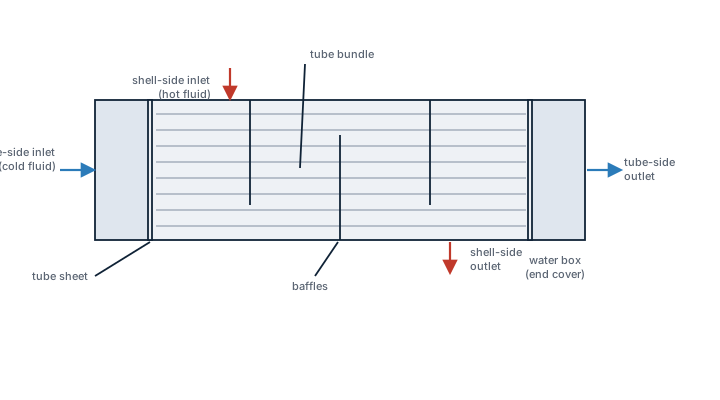
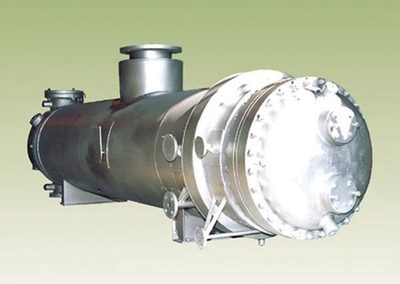
A shell-and-tube unit moves heat between two fluids that never mix: one flows inside a bundle of tubes, the other flows around the tubes inside the shell, usually directed back and forth by baffles. The design is mechanically simple and can be built to withstand raw seawater, sludge, and pressures a plate exchanger would not survive. Where a plate exchanger wins on footprint and thermal efficiency per kilogram, the shell-and-tube wins on ruggedness: it keeps working with poor water quality, tolerates a blocked tube or two without failing, and can be repaired with hand tools instead of a full plate set replacement. On most ships it is the choice for jacket water coolers, lube oil coolers, and any duty where the cooling medium is raw seawater rather than a treated closed loop.
Main Components
Shell
The outer cylindrical pressure vessel. Carbon steel is common on the seawater side circuits where a sacrificial coating or cathodic protection is fitted; cupronickel or titanium shells appear on higher-duty coolers.
Tube Bundle
A set of straight or U-shaped tubes, typically cupronickel 90/10 or titanium for seawater service, rolled or welded into the tube sheet. The bundle is usually removable as one unit for cleaning.
Tube Sheets
Thick plates at each end that hold the tube ends and separate the shell side from the tube side. Leakage at a tube-to-tube-sheet joint is the most common source of cross-contamination between circuits.
Baffles
Plates inside the shell that force the shell-side fluid into a zig-zag path across the tube bundle, increasing turbulence and heat transfer. Poorly maintained baffles lead to flow-induced tube vibration and fretting wear.
Water Boxes / End Covers
Removable covers at each end of the tube bundle that allow access for cleaning and tube plugging without opening the shell itself.
Selection and Sizing
Sizing depends on the heat duty in kW, the flow rates and inlet/outlet temperatures on both sides, and the allowable pressure drop. Key selection points:
- Fouling factor assumed for the seawater side, which drives how much surface area margin is built in above the clean-condition calculation.
- Tube material and wall thickness, chosen against the seawater velocity and chloride content expected on the trading route.
- Shell-side and tube-side design pressure, since the two circuits rarely share the same rating.
- Number of tube passes, which trades pressure drop against compactness.
Regulations and Class
Shell-and-tube exchangers in the main cooling and lube oil circuits fall under class rules for pressure-containing heat exchangers and are subject to periodic survey as part of the machinery survey scheme. Where the unit sits in a fuel or thermal oil system, class rules on double-wall separation or leak detection between circuits may apply. There is no exchanger-specific IMO instrument; requirements come through the classification society's machinery rules and, for fuel-related duties, through the applicable fire safety provisions of SOLAS Chapter II-2.
Typical Faults
| Fault | Cause | Consequence |
|---|---|---|
| Tube fouling | Marine growth, silt or scale on the seawater side | Reduced heat transfer, rising jacket water or lube oil temperature |
| Tube leak | Erosion-corrosion, pitting or fretting against a baffle | Seawater ingress into the closed cooling or oil circuit |
| End cover gasket failure | Ageing gasket material, uneven bolt torque on reassembly | External leak at the water box, loss of cooling flow |
| Tube vibration damage | Missing or worn baffle support, high shell-side velocity | Progressive wall thinning and eventual tube rupture |
| Galvanic corrosion | Damaged or depleted anode, dissimilar metals in contact | Accelerated pitting of tube sheet or water box |
What to Look for in a Supplier
- Confirmation of tube material and wall thickness against the actual seawater chemistry of the intended trading area, not a generic default.
- Availability of a removable bundle design if the duty involves frequent mechanical cleaning.
- Documented hydrostatic test certificates for both shell and tube side at the design pressures.
- Spare tube plugs and gasket sets included or readily sourced, since plugging a leaking tube is a routine repair, not an exception.
A shell-and-tube cooler that suddenly needs more tubes plugged than usual is not ageing gracefully, it is telling you the anode or coating protecting it has already failed.
7 manufacturers · 113 models
Funke
20 ✓ 20 verified
- Area: Tube bundle scaling/fouling (mineral deposits, organic impurities)Check: Measure pressure drop across tube bundle; compare to baseline. Conduct optical inspection/borescope examination for visible deposits. Check heat transfer efficiency degradation.
- Area: Corrosion and pitting of tubes and tubesheet (internal/external surfaces)Check: Perform ultrasonic thickness testing (UT) or eddy current testing (ECT) on tube surfaces and tubesheet. Visual inspection for rust staining, discoloration. Inspect weld seams on shell and tubesheet.
- Area: Vibration, noise, and mechanical wear (tube wall thinning, erosion)Check: Monitor noise/vibration levels during operation. Check tube baffle spacing for deformation. Verify internal fluid velocity within design range. Look for signs of tube/baffle contact.
- Area: Gasket, seal, and flange leakage (connection points)Check: Inspect all gasket/seal surfaces for cracks, brittleness, compression set. Perform pressure test on tube side (no leakage under design pressure). Check bolt torque values.
- Area: Pressure drop increase indicating blockage or fouling (shell or tube side)Check: Measure differential pressure across shell and tube sides separately. Compare to original design specifications. Excessive drop indicates cleaning/overhaul required.
Typ-universelle Inspektionspunkte fuer Heat Exchangers (verifiziert, 2026-06).
- Area: Tube bundle scaling/fouling (mineral deposits, organic impurities)Check: Measure pressure drop across tube bundle; compare to baseline. Conduct optical inspection/borescope examination for visible deposits. Check heat transfer efficiency degradation.
- Area: Corrosion and pitting of tubes and tubesheet (internal/external surfaces)Check: Perform ultrasonic thickness testing (UT) or eddy current testing (ECT) on tube surfaces and tubesheet. Visual inspection for rust staining, discoloration. Inspect weld seams on shell and tubesheet.
- Area: Vibration, noise, and mechanical wear (tube wall thinning, erosion)Check: Monitor noise/vibration levels during operation. Check tube baffle spacing for deformation. Verify internal fluid velocity within design range. Look for signs of tube/baffle contact.
- Area: Gasket, seal, and flange leakage (connection points)Check: Inspect all gasket/seal surfaces for cracks, brittleness, compression set. Perform pressure test on tube side (no leakage under design pressure). Check bolt torque values.
- Area: Pressure drop increase indicating blockage or fouling (shell or tube side)Check: Measure differential pressure across shell and tube sides separately. Compare to original design specifications. Excessive drop indicates cleaning/overhaul required.
Typ-universelle Inspektionspunkte fuer Heat Exchangers (verifiziert, 2026-06).
- Area: Tube bundle scaling/fouling (mineral deposits, organic impurities)Check: Measure pressure drop across tube bundle; compare to baseline. Conduct optical inspection/borescope examination for visible deposits. Check heat transfer efficiency degradation.
- Area: Corrosion and pitting of tubes and tubesheet (internal/external surfaces)Check: Perform ultrasonic thickness testing (UT) or eddy current testing (ECT) on tube surfaces and tubesheet. Visual inspection for rust staining, discoloration. Inspect weld seams on shell and tubesheet.
- Area: Vibration, noise, and mechanical wear (tube wall thinning, erosion)Check: Monitor noise/vibration levels during operation. Check tube baffle spacing for deformation. Verify internal fluid velocity within design range. Look for signs of tube/baffle contact.
- Area: Gasket, seal, and flange leakage (connection points)Check: Inspect all gasket/seal surfaces for cracks, brittleness, compression set. Perform pressure test on tube side (no leakage under design pressure). Check bolt torque values.
- Area: Pressure drop increase indicating blockage or fouling (shell or tube side)Check: Measure differential pressure across shell and tube sides separately. Compare to original design specifications. Excessive drop indicates cleaning/overhaul required.
Typ-universelle Inspektionspunkte fuer Heat Exchangers (verifiziert, 2026-06).
- Area: Tube bundle scaling/fouling (mineral deposits, organic impurities)Check: Measure pressure drop across tube bundle; compare to baseline. Conduct optical inspection/borescope examination for visible deposits. Check heat transfer efficiency degradation.
- Area: Corrosion and pitting of tubes and tubesheet (internal/external surfaces)Check: Perform ultrasonic thickness testing (UT) or eddy current testing (ECT) on tube surfaces and tubesheet. Visual inspection for rust staining, discoloration. Inspect weld seams on shell and tubesheet.
- Area: Vibration, noise, and mechanical wear (tube wall thinning, erosion)Check: Monitor noise/vibration levels during operation. Check tube baffle spacing for deformation. Verify internal fluid velocity within design range. Look for signs of tube/baffle contact.
- Area: Gasket, seal, and flange leakage (connection points)Check: Inspect all gasket/seal surfaces for cracks, brittleness, compression set. Perform pressure test on tube side (no leakage under design pressure). Check bolt torque values.
- Area: Pressure drop increase indicating blockage or fouling (shell or tube side)Check: Measure differential pressure across shell and tube sides separately. Compare to original design specifications. Excessive drop indicates cleaning/overhaul required.
Typ-universelle Inspektionspunkte fuer Heat Exchangers (verifiziert, 2026-06).

- Area: Tube bundle scaling/fouling (mineral deposits, organic impurities)Check: Measure pressure drop across tube bundle; compare to baseline. Conduct optical inspection/borescope examination for visible deposits. Check heat transfer efficiency degradation.
- Area: Corrosion and pitting of tubes and tubesheet (internal/external surfaces)Check: Perform ultrasonic thickness testing (UT) or eddy current testing (ECT) on tube surfaces and tubesheet. Visual inspection for rust staining, discoloration. Inspect weld seams on shell and tubesheet.
- Area: Vibration, noise, and mechanical wear (tube wall thinning, erosion)Check: Monitor noise/vibration levels during operation. Check tube baffle spacing for deformation. Verify internal fluid velocity within design range. Look for signs of tube/baffle contact.
- Area: Gasket, seal, and flange leakage (connection points)Check: Inspect all gasket/seal surfaces for cracks, brittleness, compression set. Perform pressure test on tube side (no leakage under design pressure). Check bolt torque values.
- Area: Pressure drop increase indicating blockage or fouling (shell or tube side)Check: Measure differential pressure across shell and tube sides separately. Compare to original design specifications. Excessive drop indicates cleaning/overhaul required.
Typ-universelle Inspektionspunkte fuer Heat Exchangers (verifiziert, 2026-06).
- Area: Tube bundle scaling/fouling (mineral deposits, organic impurities)Check: Measure pressure drop across tube bundle; compare to baseline. Conduct optical inspection/borescope examination for visible deposits. Check heat transfer efficiency degradation.
- Area: Corrosion and pitting of tubes and tubesheet (internal/external surfaces)Check: Perform ultrasonic thickness testing (UT) or eddy current testing (ECT) on tube surfaces and tubesheet. Visual inspection for rust staining, discoloration. Inspect weld seams on shell and tubesheet.
- Area: Vibration, noise, and mechanical wear (tube wall thinning, erosion)Check: Monitor noise/vibration levels during operation. Check tube baffle spacing for deformation. Verify internal fluid velocity within design range. Look for signs of tube/baffle contact.
- Area: Gasket, seal, and flange leakage (connection points)Check: Inspect all gasket/seal surfaces for cracks, brittleness, compression set. Perform pressure test on tube side (no leakage under design pressure). Check bolt torque values.
- Area: Pressure drop increase indicating blockage or fouling (shell or tube side)Check: Measure differential pressure across shell and tube sides separately. Compare to original design specifications. Excessive drop indicates cleaning/overhaul required.
Typ-universelle Inspektionspunkte fuer Heat Exchangers (verifiziert, 2026-06).
- Area: Tube bundle scaling/fouling (mineral deposits, organic impurities)Check: Measure pressure drop across tube bundle; compare to baseline. Conduct optical inspection/borescope examination for visible deposits. Check heat transfer efficiency degradation.
- Area: Corrosion and pitting of tubes and tubesheet (internal/external surfaces)Check: Perform ultrasonic thickness testing (UT) or eddy current testing (ECT) on tube surfaces and tubesheet. Visual inspection for rust staining, discoloration. Inspect weld seams on shell and tubesheet.
- Area: Vibration, noise, and mechanical wear (tube wall thinning, erosion)Check: Monitor noise/vibration levels during operation. Check tube baffle spacing for deformation. Verify internal fluid velocity within design range. Look for signs of tube/baffle contact.
- Area: Gasket, seal, and flange leakage (connection points)Check: Inspect all gasket/seal surfaces for cracks, brittleness, compression set. Perform pressure test on tube side (no leakage under design pressure). Check bolt torque values.
- Area: Pressure drop increase indicating blockage or fouling (shell or tube side)Check: Measure differential pressure across shell and tube sides separately. Compare to original design specifications. Excessive drop indicates cleaning/overhaul required.
Typ-universelle Inspektionspunkte fuer Heat Exchangers (verifiziert, 2026-06).
- Area: Tube bundle scaling/fouling (mineral deposits, organic impurities)Check: Measure pressure drop across tube bundle; compare to baseline. Conduct optical inspection/borescope examination for visible deposits. Check heat transfer efficiency degradation.
- Area: Corrosion and pitting of tubes and tubesheet (internal/external surfaces)Check: Perform ultrasonic thickness testing (UT) or eddy current testing (ECT) on tube surfaces and tubesheet. Visual inspection for rust staining, discoloration. Inspect weld seams on shell and tubesheet.
- Area: Vibration, noise, and mechanical wear (tube wall thinning, erosion)Check: Monitor noise/vibration levels during operation. Check tube baffle spacing for deformation. Verify internal fluid velocity within design range. Look for signs of tube/baffle contact.
- Area: Gasket, seal, and flange leakage (connection points)Check: Inspect all gasket/seal surfaces for cracks, brittleness, compression set. Perform pressure test on tube side (no leakage under design pressure). Check bolt torque values.
- Area: Pressure drop increase indicating blockage or fouling (shell or tube side)Check: Measure differential pressure across shell and tube sides separately. Compare to original design specifications. Excessive drop indicates cleaning/overhaul required.
Typ-universelle Inspektionspunkte fuer Heat Exchangers (verifiziert, 2026-06).
- Area: Tube bundle scaling/fouling (mineral deposits, organic impurities)Check: Measure pressure drop across tube bundle; compare to baseline. Conduct optical inspection/borescope examination for visible deposits. Check heat transfer efficiency degradation.
- Area: Corrosion and pitting of tubes and tubesheet (internal/external surfaces)Check: Perform ultrasonic thickness testing (UT) or eddy current testing (ECT) on tube surfaces and tubesheet. Visual inspection for rust staining, discoloration. Inspect weld seams on shell and tubesheet.
- Area: Vibration, noise, and mechanical wear (tube wall thinning, erosion)Check: Monitor noise/vibration levels during operation. Check tube baffle spacing for deformation. Verify internal fluid velocity within design range. Look for signs of tube/baffle contact.
- Area: Gasket, seal, and flange leakage (connection points)Check: Inspect all gasket/seal surfaces for cracks, brittleness, compression set. Perform pressure test on tube side (no leakage under design pressure). Check bolt torque values.
- Area: Pressure drop increase indicating blockage or fouling (shell or tube side)Check: Measure differential pressure across shell and tube sides separately. Compare to original design specifications. Excessive drop indicates cleaning/overhaul required.
Typ-universelle Inspektionspunkte fuer Heat Exchangers (verifiziert, 2026-06).
- Area: Tube bundle scaling/fouling (mineral deposits, organic impurities)Check: Measure pressure drop across tube bundle; compare to baseline. Conduct optical inspection/borescope examination for visible deposits. Check heat transfer efficiency degradation.
- Area: Corrosion and pitting of tubes and tubesheet (internal/external surfaces)Check: Perform ultrasonic thickness testing (UT) or eddy current testing (ECT) on tube surfaces and tubesheet. Visual inspection for rust staining, discoloration. Inspect weld seams on shell and tubesheet.
- Area: Vibration, noise, and mechanical wear (tube wall thinning, erosion)Check: Monitor noise/vibration levels during operation. Check tube baffle spacing for deformation. Verify internal fluid velocity within design range. Look for signs of tube/baffle contact.
- Area: Gasket, seal, and flange leakage (connection points)Check: Inspect all gasket/seal surfaces for cracks, brittleness, compression set. Perform pressure test on tube side (no leakage under design pressure). Check bolt torque values.
- Area: Pressure drop increase indicating blockage or fouling (shell or tube side)Check: Measure differential pressure across shell and tube sides separately. Compare to original design specifications. Excessive drop indicates cleaning/overhaul required.
Typ-universelle Inspektionspunkte fuer Heat Exchangers (verifiziert, 2026-06).
- Area: Tube bundle scaling/fouling (mineral deposits, organic impurities)Check: Measure pressure drop across tube bundle; compare to baseline. Conduct optical inspection/borescope examination for visible deposits. Check heat transfer efficiency degradation.
- Area: Corrosion and pitting of tubes and tubesheet (internal/external surfaces)Check: Perform ultrasonic thickness testing (UT) or eddy current testing (ECT) on tube surfaces and tubesheet. Visual inspection for rust staining, discoloration. Inspect weld seams on shell and tubesheet.
- Area: Vibration, noise, and mechanical wear (tube wall thinning, erosion)Check: Monitor noise/vibration levels during operation. Check tube baffle spacing for deformation. Verify internal fluid velocity within design range. Look for signs of tube/baffle contact.
- Area: Gasket, seal, and flange leakage (connection points)Check: Inspect all gasket/seal surfaces for cracks, brittleness, compression set. Perform pressure test on tube side (no leakage under design pressure). Check bolt torque values.
- Area: Pressure drop increase indicating blockage or fouling (shell or tube side)Check: Measure differential pressure across shell and tube sides separately. Compare to original design specifications. Excessive drop indicates cleaning/overhaul required.
Typ-universelle Inspektionspunkte fuer Heat Exchangers (verifiziert, 2026-06).
- Area: Tube bundle scaling/fouling (mineral deposits, organic impurities)Check: Measure pressure drop across tube bundle; compare to baseline. Conduct optical inspection/borescope examination for visible deposits. Check heat transfer efficiency degradation.
- Area: Corrosion and pitting of tubes and tubesheet (internal/external surfaces)Check: Perform ultrasonic thickness testing (UT) or eddy current testing (ECT) on tube surfaces and tubesheet. Visual inspection for rust staining, discoloration. Inspect weld seams on shell and tubesheet.
- Area: Vibration, noise, and mechanical wear (tube wall thinning, erosion)Check: Monitor noise/vibration levels during operation. Check tube baffle spacing for deformation. Verify internal fluid velocity within design range. Look for signs of tube/baffle contact.
- Area: Gasket, seal, and flange leakage (connection points)Check: Inspect all gasket/seal surfaces for cracks, brittleness, compression set. Perform pressure test on tube side (no leakage under design pressure). Check bolt torque values.
- Area: Pressure drop increase indicating blockage or fouling (shell or tube side)Check: Measure differential pressure across shell and tube sides separately. Compare to original design specifications. Excessive drop indicates cleaning/overhaul required.
Typ-universelle Inspektionspunkte fuer Heat Exchangers (verifiziert, 2026-06).
- Area: Tube bundle scaling/fouling (mineral deposits, organic impurities)Check: Measure pressure drop across tube bundle; compare to baseline. Conduct optical inspection/borescope examination for visible deposits. Check heat transfer efficiency degradation.
- Area: Corrosion and pitting of tubes and tubesheet (internal/external surfaces)Check: Perform ultrasonic thickness testing (UT) or eddy current testing (ECT) on tube surfaces and tubesheet. Visual inspection for rust staining, discoloration. Inspect weld seams on shell and tubesheet.
- Area: Vibration, noise, and mechanical wear (tube wall thinning, erosion)Check: Monitor noise/vibration levels during operation. Check tube baffle spacing for deformation. Verify internal fluid velocity within design range. Look for signs of tube/baffle contact.
- Area: Gasket, seal, and flange leakage (connection points)Check: Inspect all gasket/seal surfaces for cracks, brittleness, compression set. Perform pressure test on tube side (no leakage under design pressure). Check bolt torque values.
- Area: Pressure drop increase indicating blockage or fouling (shell or tube side)Check: Measure differential pressure across shell and tube sides separately. Compare to original design specifications. Excessive drop indicates cleaning/overhaul required.
Typ-universelle Inspektionspunkte fuer Heat Exchangers (verifiziert, 2026-06).
- Area: Tube bundle scaling/fouling (mineral deposits, organic impurities)Check: Measure pressure drop across tube bundle; compare to baseline. Conduct optical inspection/borescope examination for visible deposits. Check heat transfer efficiency degradation.
- Area: Corrosion and pitting of tubes and tubesheet (internal/external surfaces)Check: Perform ultrasonic thickness testing (UT) or eddy current testing (ECT) on tube surfaces and tubesheet. Visual inspection for rust staining, discoloration. Inspect weld seams on shell and tubesheet.
- Area: Vibration, noise, and mechanical wear (tube wall thinning, erosion)Check: Monitor noise/vibration levels during operation. Check tube baffle spacing for deformation. Verify internal fluid velocity within design range. Look for signs of tube/baffle contact.
- Area: Gasket, seal, and flange leakage (connection points)Check: Inspect all gasket/seal surfaces for cracks, brittleness, compression set. Perform pressure test on tube side (no leakage under design pressure). Check bolt torque values.
- Area: Pressure drop increase indicating blockage or fouling (shell or tube side)Check: Measure differential pressure across shell and tube sides separately. Compare to original design specifications. Excessive drop indicates cleaning/overhaul required.
Typ-universelle Inspektionspunkte fuer Heat Exchangers (verifiziert, 2026-06).
- Area: Tube bundle scaling/fouling (mineral deposits, organic impurities)Check: Measure pressure drop across tube bundle; compare to baseline. Conduct optical inspection/borescope examination for visible deposits. Check heat transfer efficiency degradation.
- Area: Corrosion and pitting of tubes and tubesheet (internal/external surfaces)Check: Perform ultrasonic thickness testing (UT) or eddy current testing (ECT) on tube surfaces and tubesheet. Visual inspection for rust staining, discoloration. Inspect weld seams on shell and tubesheet.
- Area: Vibration, noise, and mechanical wear (tube wall thinning, erosion)Check: Monitor noise/vibration levels during operation. Check tube baffle spacing for deformation. Verify internal fluid velocity within design range. Look for signs of tube/baffle contact.
- Area: Gasket, seal, and flange leakage (connection points)Check: Inspect all gasket/seal surfaces for cracks, brittleness, compression set. Perform pressure test on tube side (no leakage under design pressure). Check bolt torque values.
- Area: Pressure drop increase indicating blockage or fouling (shell or tube side)Check: Measure differential pressure across shell and tube sides separately. Compare to original design specifications. Excessive drop indicates cleaning/overhaul required.
Typ-universelle Inspektionspunkte fuer Heat Exchangers (verifiziert, 2026-06).

- Area: Tube bundle scaling/fouling (mineral deposits, organic impurities)Check: Measure pressure drop across tube bundle; compare to baseline. Conduct optical inspection/borescope examination for visible deposits. Check heat transfer efficiency degradation.
- Area: Corrosion and pitting of tubes and tubesheet (internal/external surfaces)Check: Perform ultrasonic thickness testing (UT) or eddy current testing (ECT) on tube surfaces and tubesheet. Visual inspection for rust staining, discoloration. Inspect weld seams on shell and tubesheet.
- Area: Vibration, noise, and mechanical wear (tube wall thinning, erosion)Check: Monitor noise/vibration levels during operation. Check tube baffle spacing for deformation. Verify internal fluid velocity within design range. Look for signs of tube/baffle contact.
- Area: Gasket, seal, and flange leakage (connection points)Check: Inspect all gasket/seal surfaces for cracks, brittleness, compression set. Perform pressure test on tube side (no leakage under design pressure). Check bolt torque values.
- Area: Pressure drop increase indicating blockage or fouling (shell or tube side)Check: Measure differential pressure across shell and tube sides separately. Compare to original design specifications. Excessive drop indicates cleaning/overhaul required.
Typ-universelle Inspektionspunkte fuer Heat Exchangers (verifiziert, 2026-06).
- Area: Tube bundle scaling/fouling (mineral deposits, organic impurities)Check: Measure pressure drop across tube bundle; compare to baseline. Conduct optical inspection/borescope examination for visible deposits. Check heat transfer efficiency degradation.
- Area: Corrosion and pitting of tubes and tubesheet (internal/external surfaces)Check: Perform ultrasonic thickness testing (UT) or eddy current testing (ECT) on tube surfaces and tubesheet. Visual inspection for rust staining, discoloration. Inspect weld seams on shell and tubesheet.
- Area: Vibration, noise, and mechanical wear (tube wall thinning, erosion)Check: Monitor noise/vibration levels during operation. Check tube baffle spacing for deformation. Verify internal fluid velocity within design range. Look for signs of tube/baffle contact.
- Area: Gasket, seal, and flange leakage (connection points)Check: Inspect all gasket/seal surfaces for cracks, brittleness, compression set. Perform pressure test on tube side (no leakage under design pressure). Check bolt torque values.
- Area: Pressure drop increase indicating blockage or fouling (shell or tube side)Check: Measure differential pressure across shell and tube sides separately. Compare to original design specifications. Excessive drop indicates cleaning/overhaul required.
Typ-universelle Inspektionspunkte fuer Heat Exchangers (verifiziert, 2026-06).
- Area: Tube bundle scaling/fouling (mineral deposits, organic impurities)Check: Measure pressure drop across tube bundle; compare to baseline. Conduct optical inspection/borescope examination for visible deposits. Check heat transfer efficiency degradation.
- Area: Corrosion and pitting of tubes and tubesheet (internal/external surfaces)Check: Perform ultrasonic thickness testing (UT) or eddy current testing (ECT) on tube surfaces and tubesheet. Visual inspection for rust staining, discoloration. Inspect weld seams on shell and tubesheet.
- Area: Vibration, noise, and mechanical wear (tube wall thinning, erosion)Check: Monitor noise/vibration levels during operation. Check tube baffle spacing for deformation. Verify internal fluid velocity within design range. Look for signs of tube/baffle contact.
- Area: Gasket, seal, and flange leakage (connection points)Check: Inspect all gasket/seal surfaces for cracks, brittleness, compression set. Perform pressure test on tube side (no leakage under design pressure). Check bolt torque values.
- Area: Pressure drop increase indicating blockage or fouling (shell or tube side)Check: Measure differential pressure across shell and tube sides separately. Compare to original design specifications. Excessive drop indicates cleaning/overhaul required.
Typ-universelle Inspektionspunkte fuer Heat Exchangers (verifiziert, 2026-06).
- Area: Tube bundle scaling/fouling (mineral deposits, organic impurities)Check: Measure pressure drop across tube bundle; compare to baseline. Conduct optical inspection/borescope examination for visible deposits. Check heat transfer efficiency degradation.
- Area: Corrosion and pitting of tubes and tubesheet (internal/external surfaces)Check: Perform ultrasonic thickness testing (UT) or eddy current testing (ECT) on tube surfaces and tubesheet. Visual inspection for rust staining, discoloration. Inspect weld seams on shell and tubesheet.
- Area: Vibration, noise, and mechanical wear (tube wall thinning, erosion)Check: Monitor noise/vibration levels during operation. Check tube baffle spacing for deformation. Verify internal fluid velocity within design range. Look for signs of tube/baffle contact.
- Area: Gasket, seal, and flange leakage (connection points)Check: Inspect all gasket/seal surfaces for cracks, brittleness, compression set. Perform pressure test on tube side (no leakage under design pressure). Check bolt torque values.
- Area: Pressure drop increase indicating blockage or fouling (shell or tube side)Check: Measure differential pressure across shell and tube sides separately. Compare to original design specifications. Excessive drop indicates cleaning/overhaul required.
Typ-universelle Inspektionspunkte fuer Heat Exchangers (verifiziert, 2026-06).
- Area: Tube bundle scaling/fouling (mineral deposits, organic impurities)Check: Measure pressure drop across tube bundle; compare to baseline. Conduct optical inspection/borescope examination for visible deposits. Check heat transfer efficiency degradation.
- Area: Corrosion and pitting of tubes and tubesheet (internal/external surfaces)Check: Perform ultrasonic thickness testing (UT) or eddy current testing (ECT) on tube surfaces and tubesheet. Visual inspection for rust staining, discoloration. Inspect weld seams on shell and tubesheet.
- Area: Vibration, noise, and mechanical wear (tube wall thinning, erosion)Check: Monitor noise/vibration levels during operation. Check tube baffle spacing for deformation. Verify internal fluid velocity within design range. Look for signs of tube/baffle contact.
- Area: Gasket, seal, and flange leakage (connection points)Check: Inspect all gasket/seal surfaces for cracks, brittleness, compression set. Perform pressure test on tube side (no leakage under design pressure). Check bolt torque values.
- Area: Pressure drop increase indicating blockage or fouling (shell or tube side)Check: Measure differential pressure across shell and tube sides separately. Compare to original design specifications. Excessive drop indicates cleaning/overhaul required.
Typ-universelle Inspektionspunkte fuer Heat Exchangers (verifiziert, 2026-06).
Donghwa Entec
19 ✓ 19 verified
Typ-universelle Inspektionspunkte fuer Heat Exchangers (verifiziert, 2026-06).

Typ-universelle Inspektionspunkte fuer Heat Exchangers (verifiziert, 2026-06).
Typ-universelle Inspektionspunkte fuer Heat Exchangers (verifiziert, 2026-06).

Typ-universelle Inspektionspunkte fuer Heat Exchangers (verifiziert, 2026-06).
Typ-universelle Inspektionspunkte fuer Heat Exchangers (verifiziert, 2026-06).
Typ-universelle Inspektionspunkte fuer Heat Exchangers (verifiziert, 2026-06).
Typ-universelle Inspektionspunkte fuer Heat Exchangers (verifiziert, 2026-06).
Typ-universelle Inspektionspunkte fuer Heat Exchangers (verifiziert, 2026-06).
Typ-universelle Inspektionspunkte fuer Heat Exchangers (verifiziert, 2026-06).
Typ-universelle Inspektionspunkte fuer Heat Exchangers (verifiziert, 2026-06).
Typ-universelle Inspektionspunkte fuer Heat Exchangers (verifiziert, 2026-06).
Typ-universelle Inspektionspunkte fuer Heat Exchangers (verifiziert, 2026-06).

Typ-universelle Inspektionspunkte fuer Heat Exchangers (verifiziert, 2026-06).
Typ-universelle Inspektionspunkte fuer Heat Exchangers (verifiziert, 2026-06).
Typ-universelle Inspektionspunkte fuer Heat Exchangers (verifiziert, 2026-06).
Typ-universelle Inspektionspunkte fuer Heat Exchangers (verifiziert, 2026-06).

Typ-universelle Inspektionspunkte fuer Heat Exchangers (verifiziert, 2026-06).
Typ-universelle Inspektionspunkte fuer Heat Exchangers (verifiziert, 2026-06).
Typ-universelle Inspektionspunkte fuer Heat Exchangers (verifiziert, 2026-06).
API Heat Transfer
15 ✓ 15 verified
- Area: Zinc pencil erosion or oxide depositsCheck: Remove bonnets/heads, inspect zinc pencils for erosion >50% corrosion away, clean to bright surface, replace if necessary
- Area: Tube scale, fouling, and depositsCheck: Examine tubes for scale buildup and deposits, clean if necessary using high-velocity water jetting or wire brushes (avoid tube perforation or tube-sheet damage)
- Area: Tube wall erosion and corrosionCheck: Carefully examine tubes for signs of erosion or corrosion damage, monitor tube wall thickness to calculate corrosion rate
- Area: Tube bundle vibration and separationCheck: Inspect for tube bundle ablation/separation from baffles, check baffle conditions and spacers, verify baffle control integrity
- Area: Tubesheet and gasket surface degradationCheck: Inspect tubesheet face, baffle surfaces, gasket sealing surfaces, and floating head (if applicable) for corrosion, erosion, or deformation
Typ-universelle Inspektionspunkte fuer Heat Exchangers (verifiziert, 2026-06).
- Area: Zinc pencil erosion or oxide depositsCheck: Remove bonnets/heads, inspect zinc pencils for erosion >50% corrosion away, clean to bright surface, replace if necessary
- Area: Tube scale, fouling, and depositsCheck: Examine tubes for scale buildup and deposits, clean if necessary using high-velocity water jetting or wire brushes (avoid tube perforation or tube-sheet damage)
- Area: Tube wall erosion and corrosionCheck: Carefully examine tubes for signs of erosion or corrosion damage, monitor tube wall thickness to calculate corrosion rate
- Area: Tube bundle vibration and separationCheck: Inspect for tube bundle ablation/separation from baffles, check baffle conditions and spacers, verify baffle control integrity
- Area: Tubesheet and gasket surface degradationCheck: Inspect tubesheet face, baffle surfaces, gasket sealing surfaces, and floating head (if applicable) for corrosion, erosion, or deformation
Typ-universelle Inspektionspunkte fuer Heat Exchangers (verifiziert, 2026-06).
- Area: Zinc pencil erosion or oxide depositsCheck: Remove bonnets/heads, inspect zinc pencils for erosion >50% corrosion away, clean to bright surface, replace if necessary
- Area: Tube scale, fouling, and depositsCheck: Examine tubes for scale buildup and deposits, clean if necessary using high-velocity water jetting or wire brushes (avoid tube perforation or tube-sheet damage)
- Area: Tube wall erosion and corrosionCheck: Carefully examine tubes for signs of erosion or corrosion damage, monitor tube wall thickness to calculate corrosion rate
- Area: Tube bundle vibration and separationCheck: Inspect for tube bundle ablation/separation from baffles, check baffle conditions and spacers, verify baffle control integrity
- Area: Tubesheet and gasket surface degradationCheck: Inspect tubesheet face, baffle surfaces, gasket sealing surfaces, and floating head (if applicable) for corrosion, erosion, or deformation
Typ-universelle Inspektionspunkte fuer Heat Exchangers (verifiziert, 2026-06).
- Area: Zinc pencil erosion or oxide depositsCheck: Remove bonnets/heads, inspect zinc pencils for erosion >50% corrosion away, clean to bright surface, replace if necessary
- Area: Tube scale, fouling, and depositsCheck: Examine tubes for scale buildup and deposits, clean if necessary using high-velocity water jetting or wire brushes (avoid tube perforation or tube-sheet damage)
- Area: Tube wall erosion and corrosionCheck: Carefully examine tubes for signs of erosion or corrosion damage, monitor tube wall thickness to calculate corrosion rate
- Area: Tube bundle vibration and separationCheck: Inspect for tube bundle ablation/separation from baffles, check baffle conditions and spacers, verify baffle control integrity
- Area: Tubesheet and gasket surface degradationCheck: Inspect tubesheet face, baffle surfaces, gasket sealing surfaces, and floating head (if applicable) for corrosion, erosion, or deformation
Typ-universelle Inspektionspunkte fuer Heat Exchangers (verifiziert, 2026-06).
- Area: Zinc pencil erosion or oxide depositsCheck: Remove bonnets/heads, inspect zinc pencils for erosion >50% corrosion away, clean to bright surface, replace if necessary
- Area: Tube scale, fouling, and depositsCheck: Examine tubes for scale buildup and deposits, clean if necessary using high-velocity water jetting or wire brushes (avoid tube perforation or tube-sheet damage)
- Area: Tube wall erosion and corrosionCheck: Carefully examine tubes for signs of erosion or corrosion damage, monitor tube wall thickness to calculate corrosion rate
- Area: Tube bundle vibration and separationCheck: Inspect for tube bundle ablation/separation from baffles, check baffle conditions and spacers, verify baffle control integrity
- Area: Tubesheet and gasket surface degradationCheck: Inspect tubesheet face, baffle surfaces, gasket sealing surfaces, and floating head (if applicable) for corrosion, erosion, or deformation
Typ-universelle Inspektionspunkte fuer Heat Exchangers (verifiziert, 2026-06).
- Area: Zinc pencil erosion or oxide depositsCheck: Remove bonnets/heads, inspect zinc pencils for erosion >50% corrosion away, clean to bright surface, replace if necessary
- Area: Tube scale, fouling, and depositsCheck: Examine tubes for scale buildup and deposits, clean if necessary using high-velocity water jetting or wire brushes (avoid tube perforation or tube-sheet damage)
- Area: Tube wall erosion and corrosionCheck: Carefully examine tubes for signs of erosion or corrosion damage, monitor tube wall thickness to calculate corrosion rate
- Area: Tube bundle vibration and separationCheck: Inspect for tube bundle ablation/separation from baffles, check baffle conditions and spacers, verify baffle control integrity
- Area: Tubesheet and gasket surface degradationCheck: Inspect tubesheet face, baffle surfaces, gasket sealing surfaces, and floating head (if applicable) for corrosion, erosion, or deformation
Typ-universelle Inspektionspunkte fuer Heat Exchangers (verifiziert, 2026-06).
- Area: Zinc pencil erosion or oxide depositsCheck: Remove bonnets/heads, inspect zinc pencils for erosion >50% corrosion away, clean to bright surface, replace if necessary
- Area: Tube scale, fouling, and depositsCheck: Examine tubes for scale buildup and deposits, clean if necessary using high-velocity water jetting or wire brushes (avoid tube perforation or tube-sheet damage)
- Area: Tube wall erosion and corrosionCheck: Carefully examine tubes for signs of erosion or corrosion damage, monitor tube wall thickness to calculate corrosion rate
- Area: Tube bundle vibration and separationCheck: Inspect for tube bundle ablation/separation from baffles, check baffle conditions and spacers, verify baffle control integrity
- Area: Tubesheet and gasket surface degradationCheck: Inspect tubesheet face, baffle surfaces, gasket sealing surfaces, and floating head (if applicable) for corrosion, erosion, or deformation
Typ-universelle Inspektionspunkte fuer Heat Exchangers (verifiziert, 2026-06).
- Area: Zinc pencil erosion or oxide depositsCheck: Remove bonnets/heads, inspect zinc pencils for erosion >50% corrosion away, clean to bright surface, replace if necessary
- Area: Tube scale, fouling, and depositsCheck: Examine tubes for scale buildup and deposits, clean if necessary using high-velocity water jetting or wire brushes (avoid tube perforation or tube-sheet damage)
- Area: Tube wall erosion and corrosionCheck: Carefully examine tubes for signs of erosion or corrosion damage, monitor tube wall thickness to calculate corrosion rate
- Area: Tube bundle vibration and separationCheck: Inspect for tube bundle ablation/separation from baffles, check baffle conditions and spacers, verify baffle control integrity
- Area: Tubesheet and gasket surface degradationCheck: Inspect tubesheet face, baffle surfaces, gasket sealing surfaces, and floating head (if applicable) for corrosion, erosion, or deformation
Typ-universelle Inspektionspunkte fuer Heat Exchangers (verifiziert, 2026-06).
- Area: Zinc pencil erosion or oxide depositsCheck: Remove bonnets/heads, inspect zinc pencils for erosion >50% corrosion away, clean to bright surface, replace if necessary
- Area: Tube scale, fouling, and depositsCheck: Examine tubes for scale buildup and deposits, clean if necessary using high-velocity water jetting or wire brushes (avoid tube perforation or tube-sheet damage)
- Area: Tube wall erosion and corrosionCheck: Carefully examine tubes for signs of erosion or corrosion damage, monitor tube wall thickness to calculate corrosion rate
- Area: Tube bundle vibration and separationCheck: Inspect for tube bundle ablation/separation from baffles, check baffle conditions and spacers, verify baffle control integrity
- Area: Tubesheet and gasket surface degradationCheck: Inspect tubesheet face, baffle surfaces, gasket sealing surfaces, and floating head (if applicable) for corrosion, erosion, or deformation
Typ-universelle Inspektionspunkte fuer Heat Exchangers (verifiziert, 2026-06).
- Area: Zinc pencil erosion or oxide depositsCheck: Remove bonnets/heads, inspect zinc pencils for erosion >50% corrosion away, clean to bright surface, replace if necessary
- Area: Tube scale, fouling, and depositsCheck: Examine tubes for scale buildup and deposits, clean if necessary using high-velocity water jetting or wire brushes (avoid tube perforation or tube-sheet damage)
- Area: Tube wall erosion and corrosionCheck: Carefully examine tubes for signs of erosion or corrosion damage, monitor tube wall thickness to calculate corrosion rate
- Area: Tube bundle vibration and separationCheck: Inspect for tube bundle ablation/separation from baffles, check baffle conditions and spacers, verify baffle control integrity
- Area: Tubesheet and gasket surface degradationCheck: Inspect tubesheet face, baffle surfaces, gasket sealing surfaces, and floating head (if applicable) for corrosion, erosion, or deformation
Typ-universelle Inspektionspunkte fuer Heat Exchangers (verifiziert, 2026-06).
- Area: Zinc pencil erosion or oxide depositsCheck: Remove bonnets/heads, inspect zinc pencils for erosion >50% corrosion away, clean to bright surface, replace if necessary
- Area: Tube scale, fouling, and depositsCheck: Examine tubes for scale buildup and deposits, clean if necessary using high-velocity water jetting or wire brushes (avoid tube perforation or tube-sheet damage)
- Area: Tube wall erosion and corrosionCheck: Carefully examine tubes for signs of erosion or corrosion damage, monitor tube wall thickness to calculate corrosion rate
- Area: Tube bundle vibration and separationCheck: Inspect for tube bundle ablation/separation from baffles, check baffle conditions and spacers, verify baffle control integrity
- Area: Tubesheet and gasket surface degradationCheck: Inspect tubesheet face, baffle surfaces, gasket sealing surfaces, and floating head (if applicable) for corrosion, erosion, or deformation
Typ-universelle Inspektionspunkte fuer Heat Exchangers (verifiziert, 2026-06).
- Area: Zinc pencil erosion or oxide depositsCheck: Remove bonnets/heads, inspect zinc pencils for erosion >50% corrosion away, clean to bright surface, replace if necessary
- Area: Tube scale, fouling, and depositsCheck: Examine tubes for scale buildup and deposits, clean if necessary using high-velocity water jetting or wire brushes (avoid tube perforation or tube-sheet damage)
- Area: Tube wall erosion and corrosionCheck: Carefully examine tubes for signs of erosion or corrosion damage, monitor tube wall thickness to calculate corrosion rate
- Area: Tube bundle vibration and separationCheck: Inspect for tube bundle ablation/separation from baffles, check baffle conditions and spacers, verify baffle control integrity
- Area: Tubesheet and gasket surface degradationCheck: Inspect tubesheet face, baffle surfaces, gasket sealing surfaces, and floating head (if applicable) for corrosion, erosion, or deformation
Typ-universelle Inspektionspunkte fuer Heat Exchangers (verifiziert, 2026-06).
- Area: Zinc pencil erosion or oxide depositsCheck: Remove bonnets/heads, inspect zinc pencils for erosion >50% corrosion away, clean to bright surface, replace if necessary
- Area: Tube scale, fouling, and depositsCheck: Examine tubes for scale buildup and deposits, clean if necessary using high-velocity water jetting or wire brushes (avoid tube perforation or tube-sheet damage)
- Area: Tube wall erosion and corrosionCheck: Carefully examine tubes for signs of erosion or corrosion damage, monitor tube wall thickness to calculate corrosion rate
- Area: Tube bundle vibration and separationCheck: Inspect for tube bundle ablation/separation from baffles, check baffle conditions and spacers, verify baffle control integrity
- Area: Tubesheet and gasket surface degradationCheck: Inspect tubesheet face, baffle surfaces, gasket sealing surfaces, and floating head (if applicable) for corrosion, erosion, or deformation
Typ-universelle Inspektionspunkte fuer Heat Exchangers (verifiziert, 2026-06).
- Area: Zinc pencil erosion or oxide depositsCheck: Remove bonnets/heads, inspect zinc pencils for erosion >50% corrosion away, clean to bright surface, replace if necessary
- Area: Tube scale, fouling, and depositsCheck: Examine tubes for scale buildup and deposits, clean if necessary using high-velocity water jetting or wire brushes (avoid tube perforation or tube-sheet damage)
- Area: Tube wall erosion and corrosionCheck: Carefully examine tubes for signs of erosion or corrosion damage, monitor tube wall thickness to calculate corrosion rate
- Area: Tube bundle vibration and separationCheck: Inspect for tube bundle ablation/separation from baffles, check baffle conditions and spacers, verify baffle control integrity
- Area: Tubesheet and gasket surface degradationCheck: Inspect tubesheet face, baffle surfaces, gasket sealing surfaces, and floating head (if applicable) for corrosion, erosion, or deformation
Typ-universelle Inspektionspunkte fuer Heat Exchangers (verifiziert, 2026-06).
- Area: Zinc pencil erosion or oxide depositsCheck: Remove bonnets/heads, inspect zinc pencils for erosion >50% corrosion away, clean to bright surface, replace if necessary
- Area: Tube scale, fouling, and depositsCheck: Examine tubes for scale buildup and deposits, clean if necessary using high-velocity water jetting or wire brushes (avoid tube perforation or tube-sheet damage)
- Area: Tube wall erosion and corrosionCheck: Carefully examine tubes for signs of erosion or corrosion damage, monitor tube wall thickness to calculate corrosion rate
- Area: Tube bundle vibration and separationCheck: Inspect for tube bundle ablation/separation from baffles, check baffle conditions and spacers, verify baffle control integrity
- Area: Tubesheet and gasket surface degradationCheck: Inspect tubesheet face, baffle surfaces, gasket sealing surfaces, and floating head (if applicable) for corrosion, erosion, or deformation
Typ-universelle Inspektionspunkte fuer Heat Exchangers (verifiziert, 2026-06).
Bloksma (Kelvion Machine Cooling)
10 ✓ 10 verified
- Area: Corrosion of tube bundle and seawater-wetted componentsCheck: Visual inspection of sacrificial anodes for depletion; check for galvanic corrosion on phenolic coating on tubes; verify cathodic protection system effectiveness (ICAF system status if equipped)
- Area: Biofouling and seawater blockage reducing heat transfer performanceCheck: Remove header/water box for visual inspection of tube bundle exterior; check for biological growth and sediment accumulation; measure pressure drop across cooler as fouling indicator; plan chemical or mechanical cleaning as needed
- Area: O-ring seal degradation and circuit intermixing riskCheck: Inspect double O-rings on both sides for cracks, compression set, or extrusion; verify water box gasket condition; test for leakage between circuits (shell-side and tube-side isolation); check for discoloration or weeping at seal points
- Area: Tube side and shell side deposits limiting flow and heat transferCheck: Inspect tube interior for scale, rust, or oil sludge buildup; verify shell-side for sediment and scale accumulation; clean tubes chemically or mechanically per maintenance schedule; verify no internal blockages in water passages
- Area: Tube bundle structural integrity and mechanical vibration damageCheck: Check for dents, cracks, or corrosion perforation in tube walls using visual inspection and leak testing; verify baffle spacing and tube support condition; confirm U-bend tube integrity in V-type heaters; inspect for loose or missing components
Typ-universelle Inspektionspunkte fuer Heat Exchangers (verifiziert, 2026-06).
- Area: Corrosion of tube bundle and seawater-wetted componentsCheck: Visual inspection of sacrificial anodes for depletion; check for galvanic corrosion on phenolic coating on tubes; verify cathodic protection system effectiveness (ICAF system status if equipped)
- Area: Biofouling and seawater blockage reducing heat transfer performanceCheck: Remove header/water box for visual inspection of tube bundle exterior; check for biological growth and sediment accumulation; measure pressure drop across cooler as fouling indicator; plan chemical or mechanical cleaning as needed
- Area: O-ring seal degradation and circuit intermixing riskCheck: Inspect double O-rings on both sides for cracks, compression set, or extrusion; verify water box gasket condition; test for leakage between circuits (shell-side and tube-side isolation); check for discoloration or weeping at seal points
- Area: Tube side and shell side deposits limiting flow and heat transferCheck: Inspect tube interior for scale, rust, or oil sludge buildup; verify shell-side for sediment and scale accumulation; clean tubes chemically or mechanically per maintenance schedule; verify no internal blockages in water passages
- Area: Tube bundle structural integrity and mechanical vibration damageCheck: Check for dents, cracks, or corrosion perforation in tube walls using visual inspection and leak testing; verify baffle spacing and tube support condition; confirm U-bend tube integrity in V-type heaters; inspect for loose or missing components
Typ-universelle Inspektionspunkte fuer Heat Exchangers (verifiziert, 2026-06).
- Area: Corrosion of tube bundle and seawater-wetted componentsCheck: Visual inspection of sacrificial anodes for depletion; check for galvanic corrosion on phenolic coating on tubes; verify cathodic protection system effectiveness (ICAF system status if equipped)
- Area: Biofouling and seawater blockage reducing heat transfer performanceCheck: Remove header/water box for visual inspection of tube bundle exterior; check for biological growth and sediment accumulation; measure pressure drop across cooler as fouling indicator; plan chemical or mechanical cleaning as needed
- Area: O-ring seal degradation and circuit intermixing riskCheck: Inspect double O-rings on both sides for cracks, compression set, or extrusion; verify water box gasket condition; test for leakage between circuits (shell-side and tube-side isolation); check for discoloration or weeping at seal points
- Area: Tube side and shell side deposits limiting flow and heat transferCheck: Inspect tube interior for scale, rust, or oil sludge buildup; verify shell-side for sediment and scale accumulation; clean tubes chemically or mechanically per maintenance schedule; verify no internal blockages in water passages
- Area: Tube bundle structural integrity and mechanical vibration damageCheck: Check for dents, cracks, or corrosion perforation in tube walls using visual inspection and leak testing; verify baffle spacing and tube support condition; confirm U-bend tube integrity in V-type heaters; inspect for loose or missing components
Typ-universelle Inspektionspunkte fuer Heat Exchangers (verifiziert, 2026-06).
- Area: Corrosion of tube bundle and seawater-wetted componentsCheck: Visual inspection of sacrificial anodes for depletion; check for galvanic corrosion on phenolic coating on tubes; verify cathodic protection system effectiveness (ICAF system status if equipped)
- Area: Biofouling and seawater blockage reducing heat transfer performanceCheck: Remove header/water box for visual inspection of tube bundle exterior; check for biological growth and sediment accumulation; measure pressure drop across cooler as fouling indicator; plan chemical or mechanical cleaning as needed
- Area: O-ring seal degradation and circuit intermixing riskCheck: Inspect double O-rings on both sides for cracks, compression set, or extrusion; verify water box gasket condition; test for leakage between circuits (shell-side and tube-side isolation); check for discoloration or weeping at seal points
- Area: Tube side and shell side deposits limiting flow and heat transferCheck: Inspect tube interior for scale, rust, or oil sludge buildup; verify shell-side for sediment and scale accumulation; clean tubes chemically or mechanically per maintenance schedule; verify no internal blockages in water passages
- Area: Tube bundle structural integrity and mechanical vibration damageCheck: Check for dents, cracks, or corrosion perforation in tube walls using visual inspection and leak testing; verify baffle spacing and tube support condition; confirm U-bend tube integrity in V-type heaters; inspect for loose or missing components
Typ-universelle Inspektionspunkte fuer Heat Exchangers (verifiziert, 2026-06).
- Area: Corrosion of tube bundle and seawater-wetted componentsCheck: Visual inspection of sacrificial anodes for depletion; check for galvanic corrosion on phenolic coating on tubes; verify cathodic protection system effectiveness (ICAF system status if equipped)
- Area: Biofouling and seawater blockage reducing heat transfer performanceCheck: Remove header/water box for visual inspection of tube bundle exterior; check for biological growth and sediment accumulation; measure pressure drop across cooler as fouling indicator; plan chemical or mechanical cleaning as needed
- Area: O-ring seal degradation and circuit intermixing riskCheck: Inspect double O-rings on both sides for cracks, compression set, or extrusion; verify water box gasket condition; test for leakage between circuits (shell-side and tube-side isolation); check for discoloration or weeping at seal points
- Area: Tube side and shell side deposits limiting flow and heat transferCheck: Inspect tube interior for scale, rust, or oil sludge buildup; verify shell-side for sediment and scale accumulation; clean tubes chemically or mechanically per maintenance schedule; verify no internal blockages in water passages
- Area: Tube bundle structural integrity and mechanical vibration damageCheck: Check for dents, cracks, or corrosion perforation in tube walls using visual inspection and leak testing; verify baffle spacing and tube support condition; confirm U-bend tube integrity in V-type heaters; inspect for loose or missing components
Typ-universelle Inspektionspunkte fuer Heat Exchangers (verifiziert, 2026-06).
- Area: Corrosion of tube bundle and seawater-wetted componentsCheck: Visual inspection of sacrificial anodes for depletion; check for galvanic corrosion on phenolic coating on tubes; verify cathodic protection system effectiveness (ICAF system status if equipped)
- Area: Biofouling and seawater blockage reducing heat transfer performanceCheck: Remove header/water box for visual inspection of tube bundle exterior; check for biological growth and sediment accumulation; measure pressure drop across cooler as fouling indicator; plan chemical or mechanical cleaning as needed
- Area: O-ring seal degradation and circuit intermixing riskCheck: Inspect double O-rings on both sides for cracks, compression set, or extrusion; verify water box gasket condition; test for leakage between circuits (shell-side and tube-side isolation); check for discoloration or weeping at seal points
- Area: Tube side and shell side deposits limiting flow and heat transferCheck: Inspect tube interior for scale, rust, or oil sludge buildup; verify shell-side for sediment and scale accumulation; clean tubes chemically or mechanically per maintenance schedule; verify no internal blockages in water passages
- Area: Tube bundle structural integrity and mechanical vibration damageCheck: Check for dents, cracks, or corrosion perforation in tube walls using visual inspection and leak testing; verify baffle spacing and tube support condition; confirm U-bend tube integrity in V-type heaters; inspect for loose or missing components
Typ-universelle Inspektionspunkte fuer Heat Exchangers (verifiziert, 2026-06).
- Area: Corrosion of tube bundle and seawater-wetted componentsCheck: Visual inspection of sacrificial anodes for depletion; check for galvanic corrosion on phenolic coating on tubes; verify cathodic protection system effectiveness (ICAF system status if equipped)
- Area: Biofouling and seawater blockage reducing heat transfer performanceCheck: Remove header/water box for visual inspection of tube bundle exterior; check for biological growth and sediment accumulation; measure pressure drop across cooler as fouling indicator; plan chemical or mechanical cleaning as needed
- Area: O-ring seal degradation and circuit intermixing riskCheck: Inspect double O-rings on both sides for cracks, compression set, or extrusion; verify water box gasket condition; test for leakage between circuits (shell-side and tube-side isolation); check for discoloration or weeping at seal points
- Area: Tube side and shell side deposits limiting flow and heat transferCheck: Inspect tube interior for scale, rust, or oil sludge buildup; verify shell-side for sediment and scale accumulation; clean tubes chemically or mechanically per maintenance schedule; verify no internal blockages in water passages
- Area: Tube bundle structural integrity and mechanical vibration damageCheck: Check for dents, cracks, or corrosion perforation in tube walls using visual inspection and leak testing; verify baffle spacing and tube support condition; confirm U-bend tube integrity in V-type heaters; inspect for loose or missing components
Typ-universelle Inspektionspunkte fuer Heat Exchangers (verifiziert, 2026-06).
- Area: Corrosion of tube bundle and seawater-wetted componentsCheck: Visual inspection of sacrificial anodes for depletion; check for galvanic corrosion on phenolic coating on tubes; verify cathodic protection system effectiveness (ICAF system status if equipped)
- Area: Biofouling and seawater blockage reducing heat transfer performanceCheck: Remove header/water box for visual inspection of tube bundle exterior; check for biological growth and sediment accumulation; measure pressure drop across cooler as fouling indicator; plan chemical or mechanical cleaning as needed
- Area: O-ring seal degradation and circuit intermixing riskCheck: Inspect double O-rings on both sides for cracks, compression set, or extrusion; verify water box gasket condition; test for leakage between circuits (shell-side and tube-side isolation); check for discoloration or weeping at seal points
- Area: Tube side and shell side deposits limiting flow and heat transferCheck: Inspect tube interior for scale, rust, or oil sludge buildup; verify shell-side for sediment and scale accumulation; clean tubes chemically or mechanically per maintenance schedule; verify no internal blockages in water passages
- Area: Tube bundle structural integrity and mechanical vibration damageCheck: Check for dents, cracks, or corrosion perforation in tube walls using visual inspection and leak testing; verify baffle spacing and tube support condition; confirm U-bend tube integrity in V-type heaters; inspect for loose or missing components
Typ-universelle Inspektionspunkte fuer Heat Exchangers (verifiziert, 2026-06).
- Area: Corrosion of tube bundle and seawater-wetted componentsCheck: Visual inspection of sacrificial anodes for depletion; check for galvanic corrosion on phenolic coating on tubes; verify cathodic protection system effectiveness (ICAF system status if equipped)
- Area: Biofouling and seawater blockage reducing heat transfer performanceCheck: Remove header/water box for visual inspection of tube bundle exterior; check for biological growth and sediment accumulation; measure pressure drop across cooler as fouling indicator; plan chemical or mechanical cleaning as needed
- Area: O-ring seal degradation and circuit intermixing riskCheck: Inspect double O-rings on both sides for cracks, compression set, or extrusion; verify water box gasket condition; test for leakage between circuits (shell-side and tube-side isolation); check for discoloration or weeping at seal points
- Area: Tube side and shell side deposits limiting flow and heat transferCheck: Inspect tube interior for scale, rust, or oil sludge buildup; verify shell-side for sediment and scale accumulation; clean tubes chemically or mechanically per maintenance schedule; verify no internal blockages in water passages
- Area: Tube bundle structural integrity and mechanical vibration damageCheck: Check for dents, cracks, or corrosion perforation in tube walls using visual inspection and leak testing; verify baffle spacing and tube support condition; confirm U-bend tube integrity in V-type heaters; inspect for loose or missing components
Typ-universelle Inspektionspunkte fuer Heat Exchangers (verifiziert, 2026-06).
- Area: Corrosion of tube bundle and seawater-wetted componentsCheck: Visual inspection of sacrificial anodes for depletion; check for galvanic corrosion on phenolic coating on tubes; verify cathodic protection system effectiveness (ICAF system status if equipped)
- Area: Biofouling and seawater blockage reducing heat transfer performanceCheck: Remove header/water box for visual inspection of tube bundle exterior; check for biological growth and sediment accumulation; measure pressure drop across cooler as fouling indicator; plan chemical or mechanical cleaning as needed
- Area: O-ring seal degradation and circuit intermixing riskCheck: Inspect double O-rings on both sides for cracks, compression set, or extrusion; verify water box gasket condition; test for leakage between circuits (shell-side and tube-side isolation); check for discoloration or weeping at seal points
- Area: Tube side and shell side deposits limiting flow and heat transferCheck: Inspect tube interior for scale, rust, or oil sludge buildup; verify shell-side for sediment and scale accumulation; clean tubes chemically or mechanically per maintenance schedule; verify no internal blockages in water passages
- Area: Tube bundle structural integrity and mechanical vibration damageCheck: Check for dents, cracks, or corrosion perforation in tube walls using visual inspection and leak testing; verify baffle spacing and tube support condition; confirm U-bend tube integrity in V-type heaters; inspect for loose or missing components
Typ-universelle Inspektionspunkte fuer Heat Exchangers (verifiziert, 2026-06).
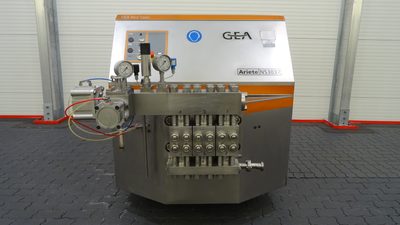
GEA
18
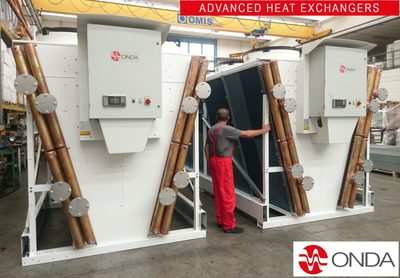
Onda
16
Kelvion
15