OceanSphere
Engines

Cargo Pump (Centrifugal, Pumproom)

critical IMO Required 25 / 25 models (Inspector)

A pumproom-mounted centrifugal cargo pump keeps its driver -- steam turbine or electric motor -- outside the hazardous space, coupled to the impeller through a long vertical line shaft that crosses the pumproom bulkhead through a sealed gland.

Read more — Cargo Pump (Centrifugal, Pumproom) explained

What sets this pump apart

A pumproom centrifugal cargo pump is driven from outside the hazardous space: the impeller sits low in the pumproom, but the steam turbine or electric motor that turns it sits in the engine room, connected through a long vertical shaft that passes through a gas-tight bulkhead gland. That single arrangement separates it from a deepwell pump, where the motor rides on top of the column inside the tank, and from a submersible pump, where the whole unit is immersed in the cargo. The bulkhead penetration gives easier maintenance access to the driver but adds one more sealing point that can pass vapour into the engine room if it is neglected.
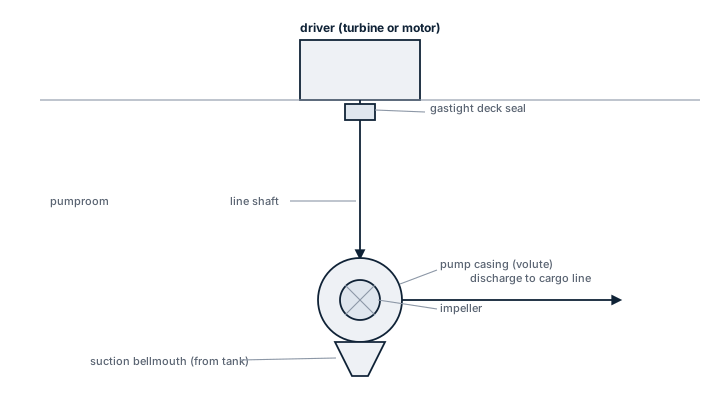
Pumproom centrifugal cargo pump
Vertical section of a pumproom-mounted centrifugal cargo pump showing the deck-mounted driver, the long line shaft crossing a gastight deck seal, the pump casing with impeller, the suction bellmouth from the tank and the discharge to the cargo line.

Main components

Casing and impeller

Single or multi-stage centrifugal casing, usually duplex or austenitic stainless steel for corrosive or aggressive cargoes, carbon steel with a protective coating for cleaner products. Impeller trim (diameter and vane profile) sets the duty point on the pump curve.

Vertical line shaft and bearings

A long shaft, supported by intermediate line shaft bearings, connects the driver to the pump. Bearings are usually product- or water-lubricated and are the first place misalignment shows up as vibration.

Bulkhead gland

The seal where the shaft crosses from pumproom to engine room, either a mechanical seal or a packed gland. This is a designated gas-hazard boundary and is monitored accordingly.

Driver

Steam turbine, common on older and larger tankers because it needs no electrical certification in the pumproom, or a variable-speed electric motor located in a non-hazardous area, coupled through the same vertical shaft.

Suction bell and strum box

Strainer at the tank suction that keeps debris and scale out of the impeller. Stripping arrangements, eductors or a dedicated stripping pump, handle the last cargo the main pump cannot lift once suction breaks.

Selection and sizing

Sizing runs off capacity, typically several hundred to well over a thousand cubic metres per hour per pump on a product or crude tanker, total developed head against manifold back-pressure and shore line resistance, and NPSH available at minimum tank level versus NPSH required by the pump. That last figure usually limits how far a tank can be stripped by the main pump before switching to eductors. Cargo viscosity and vapour pressure at loading temperature also set limits: a viscous or high-vapour-pressure cargo needs a flatter curve and more NPSH margin than the pump's water-test curve suggests. Most tankers fit one pump per cargo tank group so segregated grades can be discharged in parallel.

Regulations and class

The pumproom is a hazardous space under SOLAS Ch. II-2 and, where applicable, the IBC Code, with mechanical ventilation running continuously in port and gas detection at the entrance and at the bulkhead gland. Class rules require periodic survey of the shaft seal and bearings, and the bulkhead penetration is a specific item on annual and special survey checklists. Electric motor drivers in the engine room must still satisfy the certification appropriate to their proximity to the hazardous boundary.

Typical faults

  • Bulkhead gland wear -- loses its seal over time; the consequence is vapour migration into the engine room, which is why gas detection sits right at that point.
  • Cavitation from insufficient NPSH -- usually from stripping too low a tank level or a blocked strum box; the consequence is impeller and casing erosion and a sharp drop in delivered capacity.
  • Line shaft misalignment -- from bearing wear or a shifted foundation; the consequence is vibration that accelerates bearing failure and can eventually crack the shaft.
  • Impeller wear from abrasive or corrosive cargo -- the consequence is falling head and capacity even though the pump still runs smoothly.

What to look for in a supplier

  • Casing and impeller material actually matched to the cargo slate the vessel trades, not a generic stainless specification.
  • A bulkhead seal design with a proven service record and accessible spares.
  • Documented pump curves at the viscosities and temperatures the vessel actually loads, not only water curves.
  • Line shaft bearing spares available without a long lead time, since a bearing failure can take a pump out of service mid-voyage.

Treat the bulkhead gland like a class item every voyage, not only at survey -- a slow vapour leak there is one of the few cargo pump faults that turns into a safety case rather than a maintenance job.

4000h
Service Interval

Typical Manufacturers

IMO Shinko
Inspector Mode Show All 25 / 25 with inspector value

3 manufacturers · 25 models

Shinko Industries

15
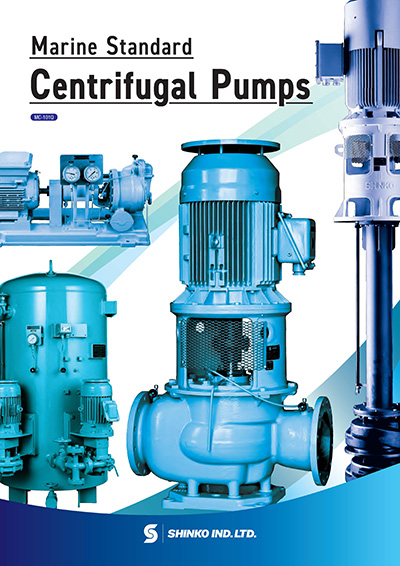
Shinko Shinko GVD Centrifugal Cargo Pump
Shinko GVD Centrifugal Cargo Pump
400 m³/h at 120 mLC · Marine Equipment · double-suction centrifugal cargo pump
Common Failures & Inspection Points
  • Bearing, shaft or guide wear causes vibration, abnormal noise, reduced efficiency or mechanical contact
  • Tank-top, shaft or mechanical seal leakage causes visible cargo leakage, vapour release or contamination of adjacent systems
  • Hydraulic, electric or mechanical drive faults cause reduced speed, inability to start or protective trips
  • Impeller or pump-stage fouling, erosion or damage causes low discharge pressure and reduced cargo rate
  • Dry running, poor suction or inadequate tank level causes overheating, vibration or accelerated wear
Service: Inspect seals, drive system, bearings, shaft condition where accessible, vibration, discharge behaviour and leakage. Confirm stripping and minimum-liquid operating practices follow the approved cargo procedure. Review hydraulic oil, motor or gearbox condition as applicable. Refer to the manufacturer documentation for the exact figure for clearances, minimum levels and wear limits.
Spare Parts: Carry seal kits, bearings or bushings where approved for onboard work, hydraulic or electrical drive spares, gaskets and critical pump-stage components identified by the manufacturer.
Strengths
  • High hydraulic efficiency across a wide range of viscosities
  • Modular design allows quick coupling replacement during dry‑dock
  • Integrated bearing lubrication reduces routine maintenance
  • Proven track record on VLCCs and product carriers
  • Straightforward wear‑ring clearance inspection at scheduled dry‑docks
Weaknesses
  • Wear ring clearance can increase if not inspected regularly
  • Shaft sleeve erosion reported with abrasive cargoes
  • Rubber coupling elements require replacement roughly every four years
  • Relatively heavy unit may affect pump‑room layout
  • Spare parts availability can be limited in remote ports
Typical Vessels: VLCCLR2Product TankerChemical Tanker
Decision Guide: Choose if you need a high‑capacity, efficient pump for crude or refined oil with easy coupling maintenance and proven service on large tankers. Avoid if your operation involves highly abrasive cargoes that accelerate sleeve wear, or if you require a pump with minimal dry‑dock interventions.
Use Cases: Oil, chemical and product tankers and other ships with dedicated cargo-pumping systems.
SPC-200
200 m3/h · Seawater / Freshwater / Oil · electric driven centrifugal cargo pump
Type
centrifugal
Capacity (m³/h)
200
Drive
electric
Installation
pumproom
Common Failures & Inspection Points
  • Bearing, shaft or guide wear causes vibration, abnormal noise, reduced efficiency or mechanical contact
  • Tank-top, shaft or mechanical seal leakage causes visible cargo leakage, vapour release or contamination of adjacent systems
  • Hydraulic, electric or mechanical drive faults cause reduced speed, inability to start or protective trips
  • Impeller or pump-stage fouling, erosion or damage causes low discharge pressure and reduced cargo rate
  • Dry running, poor suction or inadequate tank level causes overheating, vibration or accelerated wear
Service: Inspect seals, drive system, bearings, shaft condition where accessible, vibration, discharge behaviour and leakage. Confirm stripping and minimum-liquid operating practices follow the approved cargo procedure. Review hydraulic oil, motor or gearbox condition as applicable. Refer to the manufacturer documentation for the exact figure for clearances, minimum levels and wear limits.
Spare Parts: Carry seal kits, bearings or bushings where approved for onboard work, hydraulic or electrical drive spares, gaskets and critical pump-stage components identified by the manufacturer.
Strengths
  • Compact footprint suitable for standard pumproom layouts
  • Fixed‑speed electric drive reduces emissions and fuel consumption compared with diesel‑driven pumps
  • 200 m³/h capacity matches the flow requirements of many product and chemical tankers
  • Shinko’s reputation for robust mechanical seal design simplifies routine inspections
Weaknesses
  • Mechanical seals can fail if bilge water monitoring is neglected
  • Impeller material may corrode or erode with highly aggressive chemicals
  • Bearings are prone to overheating without proper lubrication regimes
  • Coupling misalignment is a common source of vibration and premature wear
Typical Vessels: Product TankerChemical TankerOil Tanker
Decision Guide: Choose if: you need a reliable, medium‑capacity (≈200 m³/h) pump with an electric drive for standard pumproom installations on product or chemical tankers. Avoid if: the cargo is highly corrosive requiring specialised alloy impellers, or if variable speed operation and high pressure are essential.
Use Cases: Oil, chemical and product tankers and other ships with dedicated cargo-pumping systems.
Shinko SPC-300
SPC-300
300 m3/h · Seawater / Freshwater / Oil · centrifugal cargo pump
Type
centrifugal
Capacity (m³/h)
300
Drive
electric
Installation
pumproom
Common Failures & Inspection Points
  • Bearing, shaft or guide wear causes vibration, abnormal noise, reduced efficiency or mechanical contact
  • Tank-top, shaft or mechanical seal leakage causes visible cargo leakage, vapour release or contamination of adjacent systems
  • Hydraulic, electric or mechanical drive faults cause reduced speed, inability to start or protective trips
  • Impeller or pump-stage fouling, erosion or damage causes low discharge pressure and reduced cargo rate
  • Dry running, poor suction or inadequate tank level causes overheating, vibration or accelerated wear
Service: Inspect seals, drive system, bearings, shaft condition where accessible, vibration, discharge behaviour and leakage. Confirm stripping and minimum-liquid operating practices follow the approved cargo procedure. Review hydraulic oil, motor or gearbox condition as applicable. Refer to the manufacturer documentation for the exact figure for clearances, minimum levels and wear limits.
Spare Parts: Carry seal kits, bearings or bushings where approved for onboard work, hydraulic or electrical drive spares, gaskets and critical pump-stage components identified by the manufacturer.
Strengths
  • High flow capacity (≈300 m³/h) suitable for VLCC/Suezmax crude transfers
  • Electric drive reduces emissions and eliminates diesel fuel handling on board
  • Compact pumproom layout allows easier access for routine inspection
  • Proven design for heavy‑oil service with robust impeller geometry
Weaknesses
  • Historical seal failures can lead to cargo leakage if not monitored closely
  • Impeller wear is reported when handling abrasive crude blends
  • Motor overload trips may occur under sudden load spikes
  • Coupling alignment drift requires periodic realignment checks
  • Annual full‑survey downtime adds to maintenance planning
Typical Vessels: Crude Oil Tanker (VLCC, Suezmax)Product Tanker
Decision Guide: Choose if you need a high‑capacity electric centrifugal pump for crude oil on large tankers and can accommodate regular seal and alignment inspections. Avoid if your operation demands ultra‑reliable sealing, low maintenance intervals, or handling highly abrasive cargoes that exceed the impeller wear limits of this model.
Use Cases: Oil, chemical and product tankers and other ships with dedicated cargo-pumping systems.
Shinko VCC-200 Centrifugal Cargo Pump unverified
200 m³/h · Crude oil / petroleum products
Pump Type
centrifugal_pumproom
Flow (m³/h)
200
Series
VCC
Medium
crude_oil/products
Common Failures & Inspection Points
  • Mechanical or process fouling caused by cargo residue, corrosion or long service, resulting in reduced transfer, heating, cleaning or vapor-control performance
  • Seal, gasket or connection leakage caused by wear, thermal cycling or cargo incompatibility, resulting in cargo or vapor leakage
  • Pump, fan, motor or hydraulic drive failure where fitted caused by electrical, lubrication or control faults, resulting in inability to operate or reduced capacity
  • Valve, actuator or remote-control failure caused by corrosion, sticking or wiring faults, resulting in incorrect routing or unavailable operation
  • Sensor, temperature, pressure or monitoring fault caused by fouling or calibration drift, resulting in implausible readings, alarms or protective shutdown
Service: Inspect pumps, heaters, cleaning machines, vapor equipment, valves, seals, piping and monitoring devices applicable to the listed tanker system. Trend pressure, temperature, flow or operating performance against established normal conditions. Maintain cargo compatibility and clean deposits before they restrict equipment movement or heat transfer. Function-test remote controls, alarms, shutdowns and emergency stops before cargo operations. Inspect high-risk leakage points and hazardous-area electrical equipment for integrity. Refer to the manufacturer documentation for the exact figure for cargo compatibility, operating limits, calibration and wear criteria.
Spare Parts: Keep cargo-compatible seals and gaskets, pump or drive service parts, valve kits, sensors, cleaning-machine parts or vapor-system consumables appropriate to the installed system. Replacement materials must match the cargo service. Strategic spares should reflect cargo-operation criticality.
Use Cases: Cargo transfer, heating, tank cleaning, loading calculation or vapor management on oil, product and chemical tankers according to the listed system.
VCC vertical centrifugal cargo pump
Shinko VCC-300 Centrifugal Cargo Pump unverified
300 m³/h · Crude oil / petroleum products
Pump Type
centrifugal_pumproom
Flow (m³/h)
300
Series
VCC
Medium
crude_oil/products
Common Failures & Inspection Points
  • Mechanical or process fouling caused by cargo residue, corrosion or long service, resulting in reduced transfer, heating, cleaning or vapor-control performance
  • Seal, gasket or connection leakage caused by wear, thermal cycling or cargo incompatibility, resulting in cargo or vapor leakage
  • Pump, fan, motor or hydraulic drive failure where fitted caused by electrical, lubrication or control faults, resulting in inability to operate or reduced capacity
  • Valve, actuator or remote-control failure caused by corrosion, sticking or wiring faults, resulting in incorrect routing or unavailable operation
  • Sensor, temperature, pressure or monitoring fault caused by fouling or calibration drift, resulting in implausible readings, alarms or protective shutdown
Service: Inspect pumps, heaters, cleaning machines, vapor equipment, valves, seals, piping and monitoring devices applicable to the listed tanker system. Trend pressure, temperature, flow or operating performance against established normal conditions. Maintain cargo compatibility and clean deposits before they restrict equipment movement or heat transfer. Function-test remote controls, alarms, shutdowns and emergency stops before cargo operations. Inspect high-risk leakage points and hazardous-area electrical equipment for integrity. Refer to the manufacturer documentation for the exact figure for cargo compatibility, operating limits, calibration and wear criteria.
Spare Parts: Keep cargo-compatible seals and gaskets, pump or drive service parts, valve kits, sensors, cleaning-machine parts or vapor-system consumables appropriate to the installed system. Replacement materials must match the cargo service. Strategic spares should reflect cargo-operation criticality.
Use Cases: Cargo transfer, heating, tank cleaning, loading calculation or vapor management on oil, product and chemical tankers according to the listed system.
VCC vertical centrifugal cargo pump
Shinko VCC-400 Centrifugal Cargo Pump unverified
400 m³/h · Crude oil / petroleum products
Pump Type
centrifugal_pumproom
Flow (m³/h)
400
Series
VCC
Medium
crude_oil/products
Common Failures & Inspection Points
  • Mechanical or process fouling caused by cargo residue, corrosion or long service, resulting in reduced transfer, heating, cleaning or vapor-control performance
  • Seal, gasket or connection leakage caused by wear, thermal cycling or cargo incompatibility, resulting in cargo or vapor leakage
  • Pump, fan, motor or hydraulic drive failure where fitted caused by electrical, lubrication or control faults, resulting in inability to operate or reduced capacity
  • Valve, actuator or remote-control failure caused by corrosion, sticking or wiring faults, resulting in incorrect routing or unavailable operation
  • Sensor, temperature, pressure or monitoring fault caused by fouling or calibration drift, resulting in implausible readings, alarms or protective shutdown
Service: Inspect pumps, heaters, cleaning machines, vapor equipment, valves, seals, piping and monitoring devices applicable to the listed tanker system. Trend pressure, temperature, flow or operating performance against established normal conditions. Maintain cargo compatibility and clean deposits before they restrict equipment movement or heat transfer. Function-test remote controls, alarms, shutdowns and emergency stops before cargo operations. Inspect high-risk leakage points and hazardous-area electrical equipment for integrity. Refer to the manufacturer documentation for the exact figure for cargo compatibility, operating limits, calibration and wear criteria.
Spare Parts: Keep cargo-compatible seals and gaskets, pump or drive service parts, valve kits, sensors, cleaning-machine parts or vapor-system consumables appropriate to the installed system. Replacement materials must match the cargo service. Strategic spares should reflect cargo-operation criticality.
Use Cases: Cargo transfer, heating, tank cleaning, loading calculation or vapor management on oil, product and chemical tankers according to the listed system.
VCC vertical centrifugal cargo pump
Shinko VCC-500 Centrifugal Cargo Pump unverified
500 m³/h · Crude oil / petroleum products
Pump Type
centrifugal_pumproom
Flow (m³/h)
500
Series
VCC
Medium
crude_oil/products
Common Failures & Inspection Points
  • Mechanical or process fouling caused by cargo residue, corrosion or long service, resulting in reduced transfer, heating, cleaning or vapor-control performance
  • Seal, gasket or connection leakage caused by wear, thermal cycling or cargo incompatibility, resulting in cargo or vapor leakage
  • Pump, fan, motor or hydraulic drive failure where fitted caused by electrical, lubrication or control faults, resulting in inability to operate or reduced capacity
  • Valve, actuator or remote-control failure caused by corrosion, sticking or wiring faults, resulting in incorrect routing or unavailable operation
  • Sensor, temperature, pressure or monitoring fault caused by fouling or calibration drift, resulting in implausible readings, alarms or protective shutdown
Service: Inspect pumps, heaters, cleaning machines, vapor equipment, valves, seals, piping and monitoring devices applicable to the listed tanker system. Trend pressure, temperature, flow or operating performance against established normal conditions. Maintain cargo compatibility and clean deposits before they restrict equipment movement or heat transfer. Function-test remote controls, alarms, shutdowns and emergency stops before cargo operations. Inspect high-risk leakage points and hazardous-area electrical equipment for integrity. Refer to the manufacturer documentation for the exact figure for cargo compatibility, operating limits, calibration and wear criteria.
Spare Parts: Keep cargo-compatible seals and gaskets, pump or drive service parts, valve kits, sensors, cleaning-machine parts or vapor-system consumables appropriate to the installed system. Replacement materials must match the cargo service. Strategic spares should reflect cargo-operation criticality.
Use Cases: Cargo transfer, heating, tank cleaning, loading calculation or vapor management on oil, product and chemical tankers according to the listed system.
VCC vertical centrifugal cargo pump
Shinko VSS-150 Centrifugal Cargo Pump unverified
150 m³/h · Crude oil / petroleum products
Pump Type
centrifugal_pumproom
Flow (m³/h)
150
Series
VSS
Medium
crude_oil/products
Common Failures & Inspection Points
  • Mechanical or process fouling caused by cargo residue, corrosion or long service, resulting in reduced transfer, heating, cleaning or vapor-control performance
  • Seal, gasket or connection leakage caused by wear, thermal cycling or cargo incompatibility, resulting in cargo or vapor leakage
  • Pump, fan, motor or hydraulic drive failure where fitted caused by electrical, lubrication or control faults, resulting in inability to operate or reduced capacity
  • Valve, actuator or remote-control failure caused by corrosion, sticking or wiring faults, resulting in incorrect routing or unavailable operation
  • Sensor, temperature, pressure or monitoring fault caused by fouling or calibration drift, resulting in implausible readings, alarms or protective shutdown
Service: Inspect pumps, heaters, cleaning machines, vapor equipment, valves, seals, piping and monitoring devices applicable to the listed tanker system. Trend pressure, temperature, flow or operating performance against established normal conditions. Maintain cargo compatibility and clean deposits before they restrict equipment movement or heat transfer. Function-test remote controls, alarms, shutdowns and emergency stops before cargo operations. Inspect high-risk leakage points and hazardous-area electrical equipment for integrity. Refer to the manufacturer documentation for the exact figure for cargo compatibility, operating limits, calibration and wear criteria.
Spare Parts: Keep cargo-compatible seals and gaskets, pump or drive service parts, valve kits, sensors, cleaning-machine parts or vapor-system consumables appropriate to the installed system. Replacement materials must match the cargo service. Strategic spares should reflect cargo-operation criticality.
Use Cases: Cargo transfer, heating, tank cleaning, loading calculation or vapor management on oil, product and chemical tankers according to the listed system.
VSS vertical centrifugal cargo pump
Shinko VSS-250 Centrifugal Cargo Pump unverified
250 m³/h · Crude oil / petroleum products
Pump Type
centrifugal_pumproom
Flow (m³/h)
250
Series
VSS
Medium
crude_oil/products
Common Failures & Inspection Points
  • Mechanical or process fouling caused by cargo residue, corrosion or long service, resulting in reduced transfer, heating, cleaning or vapor-control performance
  • Seal, gasket or connection leakage caused by wear, thermal cycling or cargo incompatibility, resulting in cargo or vapor leakage
  • Pump, fan, motor or hydraulic drive failure where fitted caused by electrical, lubrication or control faults, resulting in inability to operate or reduced capacity
  • Valve, actuator or remote-control failure caused by corrosion, sticking or wiring faults, resulting in incorrect routing or unavailable operation
  • Sensor, temperature, pressure or monitoring fault caused by fouling or calibration drift, resulting in implausible readings, alarms or protective shutdown
Service: Inspect pumps, heaters, cleaning machines, vapor equipment, valves, seals, piping and monitoring devices applicable to the listed tanker system. Trend pressure, temperature, flow or operating performance against established normal conditions. Maintain cargo compatibility and clean deposits before they restrict equipment movement or heat transfer. Function-test remote controls, alarms, shutdowns and emergency stops before cargo operations. Inspect high-risk leakage points and hazardous-area electrical equipment for integrity. Refer to the manufacturer documentation for the exact figure for cargo compatibility, operating limits, calibration and wear criteria.
Spare Parts: Keep cargo-compatible seals and gaskets, pump or drive service parts, valve kits, sensors, cleaning-machine parts or vapor-system consumables appropriate to the installed system. Replacement materials must match the cargo service. Strategic spares should reflect cargo-operation criticality.
Use Cases: Cargo transfer, heating, tank cleaning, loading calculation or vapor management on oil, product and chemical tankers according to the listed system.
VSS vertical centrifugal cargo pump
Shinko VSS-350 Centrifugal Cargo Pump unverified
350 m³/h · Crude oil / petroleum products
Pump Type
centrifugal_pumproom
Flow (m³/h)
350
Series
VSS
Medium
crude_oil/products
Common Failures & Inspection Points
  • Mechanical or process fouling caused by cargo residue, corrosion or long service, resulting in reduced transfer, heating, cleaning or vapor-control performance
  • Seal, gasket or connection leakage caused by wear, thermal cycling or cargo incompatibility, resulting in cargo or vapor leakage
  • Pump, fan, motor or hydraulic drive failure where fitted caused by electrical, lubrication or control faults, resulting in inability to operate or reduced capacity
  • Valve, actuator or remote-control failure caused by corrosion, sticking or wiring faults, resulting in incorrect routing or unavailable operation
  • Sensor, temperature, pressure or monitoring fault caused by fouling or calibration drift, resulting in implausible readings, alarms or protective shutdown
Service: Inspect pumps, heaters, cleaning machines, vapor equipment, valves, seals, piping and monitoring devices applicable to the listed tanker system. Trend pressure, temperature, flow or operating performance against established normal conditions. Maintain cargo compatibility and clean deposits before they restrict equipment movement or heat transfer. Function-test remote controls, alarms, shutdowns and emergency stops before cargo operations. Inspect high-risk leakage points and hazardous-area electrical equipment for integrity. Refer to the manufacturer documentation for the exact figure for cargo compatibility, operating limits, calibration and wear criteria.
Spare Parts: Keep cargo-compatible seals and gaskets, pump or drive service parts, valve kits, sensors, cleaning-machine parts or vapor-system consumables appropriate to the installed system. Replacement materials must match the cargo service. Strategic spares should reflect cargo-operation criticality.
Use Cases: Cargo transfer, heating, tank cleaning, loading calculation or vapor management on oil, product and chemical tankers according to the listed system.
VSS vertical centrifugal cargo pump
Shinko VCC-250 Pumproom Cargo Pump unverified
250 m³/h · Crude oil / products
Pump Type
centrifugal_pumproom
Flow (m³/h)
250
Series
VCC
Head (m)
120
Common Failures & Inspection Points
  • Cavitation from poor suction, low tank level or restricted valves causes vibration, noise and reduced cargo rate
  • Mechanical-seal or shaft-seal wear causes cargo leakage into the pump room
  • Bearing, shaft or coupling wear causes abnormal vibration, noise or rising temperature
  • Impeller erosion, corrosion or fouling reduces discharge pressure and capacity
  • Drive, governor, steam, electric or control faults as applicable cause reduced speed, inability to start or protective shutdown
Service: Inspect seals, bearings, coupling or drive, vibration, suction and discharge condition and pump-room leakage. Confirm valve line-up and stripping practice follow the approved cargo procedure. Monitor pump-room atmosphere and investigate cargo leakage promptly. Refer to the manufacturer documentation for the exact figure for clearances, pressure and wear limits.
Spare Parts: Carry seal kits, bearings where approved for onboard service, coupling parts, gaskets, critical impeller or wear parts and drive-control spares.
Use Cases: Oil, product and chemical tanker cargo discharge and circulation.
VCC vertical centrifugal pumproom cargo pump
Shinko VCC-400 Pumproom Cargo Pump unverified
400 m³/h · Crude oil / products
Pump Type
centrifugal_pumproom
Flow (m³/h)
400
Series
VCC
Head (m)
120
Common Failures & Inspection Points
  • Cavitation from poor suction, low tank level or restricted valves causes vibration, noise and reduced cargo rate
  • Mechanical-seal or shaft-seal wear causes cargo leakage into the pump room
  • Bearing, shaft or coupling wear causes abnormal vibration, noise or rising temperature
  • Impeller erosion, corrosion or fouling reduces discharge pressure and capacity
  • Drive, governor, steam, electric or control faults as applicable cause reduced speed, inability to start or protective shutdown
Service: Inspect seals, bearings, coupling or drive, vibration, suction and discharge condition and pump-room leakage. Confirm valve line-up and stripping practice follow the approved cargo procedure. Monitor pump-room atmosphere and investigate cargo leakage promptly. Refer to the manufacturer documentation for the exact figure for clearances, pressure and wear limits.
Spare Parts: Carry seal kits, bearings where approved for onboard service, coupling parts, gaskets, critical impeller or wear parts and drive-control spares.
Use Cases: Oil, product and chemical tanker cargo discharge and circulation.
VCC vertical centrifugal pumproom cargo pump
Shinko VCC-600 Pumproom Cargo Pump unverified
600 m³/h · Crude oil / products
Pump Type
centrifugal_pumproom
Flow (m³/h)
600
Series
VCC
Head (m)
120
Common Failures & Inspection Points
  • Cavitation from poor suction, low tank level or restricted valves causes vibration, noise and reduced cargo rate
  • Mechanical-seal or shaft-seal wear causes cargo leakage into the pump room
  • Bearing, shaft or coupling wear causes abnormal vibration, noise or rising temperature
  • Impeller erosion, corrosion or fouling reduces discharge pressure and capacity
  • Drive, governor, steam, electric or control faults as applicable cause reduced speed, inability to start or protective shutdown
Service: Inspect seals, bearings, coupling or drive, vibration, suction and discharge condition and pump-room leakage. Confirm valve line-up and stripping practice follow the approved cargo procedure. Monitor pump-room atmosphere and investigate cargo leakage promptly. Refer to the manufacturer documentation for the exact figure for clearances, pressure and wear limits.
Spare Parts: Carry seal kits, bearings where approved for onboard service, coupling parts, gaskets, critical impeller or wear parts and drive-control spares.
Use Cases: Oil, product and chemical tanker cargo discharge and circulation.
VCC vertical centrifugal pumproom cargo pump
Shinko VSS-200 Pumproom Cargo Pump unverified
200 m³/h · Crude oil / products
Pump Type
centrifugal_pumproom
Flow (m³/h)
200
Series
VSS
Head (m)
120
Common Failures & Inspection Points
  • Cavitation from poor suction, low tank level or restricted valves causes vibration, noise and reduced cargo rate
  • Mechanical-seal or shaft-seal wear causes cargo leakage into the pump room
  • Bearing, shaft or coupling wear causes abnormal vibration, noise or rising temperature
  • Impeller erosion, corrosion or fouling reduces discharge pressure and capacity
  • Drive, governor, steam, electric or control faults as applicable cause reduced speed, inability to start or protective shutdown
Service: Inspect seals, bearings, coupling or drive, vibration, suction and discharge condition and pump-room leakage. Confirm valve line-up and stripping practice follow the approved cargo procedure. Monitor pump-room atmosphere and investigate cargo leakage promptly. Refer to the manufacturer documentation for the exact figure for clearances, pressure and wear limits.
Spare Parts: Carry seal kits, bearings where approved for onboard service, coupling parts, gaskets, critical impeller or wear parts and drive-control spares.
Use Cases: Oil, product and chemical tanker cargo discharge and circulation.
VSS vertical centrifugal pumproom cargo pump
Shinko VSS-300 Pumproom Cargo Pump unverified
300 m³/h · Crude oil / products
Pump Type
centrifugal_pumproom
Flow (m³/h)
300
Series
VSS
Head (m)
120
Common Failures & Inspection Points
  • Cavitation from poor suction, low tank level or restricted valves causes vibration, noise and reduced cargo rate
  • Mechanical-seal or shaft-seal wear causes cargo leakage into the pump room
  • Bearing, shaft or coupling wear causes abnormal vibration, noise or rising temperature
  • Impeller erosion, corrosion or fouling reduces discharge pressure and capacity
  • Drive, governor, steam, electric or control faults as applicable cause reduced speed, inability to start or protective shutdown
Service: Inspect seals, bearings, coupling or drive, vibration, suction and discharge condition and pump-room leakage. Confirm valve line-up and stripping practice follow the approved cargo procedure. Monitor pump-room atmosphere and investigate cargo leakage promptly. Refer to the manufacturer documentation for the exact figure for clearances, pressure and wear limits.
Spare Parts: Carry seal kits, bearings where approved for onboard service, coupling parts, gaskets, critical impeller or wear parts and drive-control spares.
Use Cases: Oil, product and chemical tanker cargo discharge and circulation.
VSS vertical centrifugal pumproom cargo pump

DESMI

9
DESMI DSL-80 Cargo Pump unverified
80 m³/h · Crude oil / petroleum products
Pump Type
centrifugal_pumproom
Flow (m³/h)
80
Series
DSL
Medium
crude_oil/products
Common Failures & Inspection Points
  • Loss of suction or cavitation caused by low inlet head, blocked strainers, closed valves or air ingress can produce noise, vibration and reduced delivery
  • Seal or gasket deterioration caused by wear, temperature or chemical attack can produce visible leakage or loss of prime
  • Bearing, shaft or coupling wear caused by misalignment, poor lubrication or prolonged vibration can show as rising noise, temperature or vibration
  • Impeller, screw, rotor or internal pumping-element wear caused by solids, corrosion or abrasive service can result in reduced capacity and longer transfer times
  • Driver or control faults caused by motor, hydraulic, protection or instrumentation problems can cause failure to start, trips or unstable speed
Service: Inspect for leakage, vibration, abnormal noise, bearing condition, coupling alignment, seal condition and secure foundations. Check suction strainers, valves and piping for restrictions or air ingress and confirm that instruments and protection devices respond correctly. Compare operating condition with the maker's documentation and vessel records; refer to manufacturer documentation for exact clearances and wear limits.
Spare Parts: Hold the maker-recommended seal kit, gaskets, bearings, coupling elements, strainers or filter parts and selected internal wear components appropriate to the specific pump and liquid service.
Use Cases: Engine-room, ballast, bilge, cooling, cargo-transfer and other marine liquid-handling duties on commercial and specialist vessels.
DSL series self-priming centrifugal cargo pump
DESMI DSL-125 Cargo Pump unverified
125 m³/h · Crude oil / petroleum products
Pump Type
centrifugal_pumproom
Flow (m³/h)
125
Series
DSL
Medium
crude_oil/products
Common Failures & Inspection Points
  • Loss of suction or cavitation caused by low inlet head, blocked strainers, closed valves or air ingress can produce noise, vibration and reduced delivery
  • Seal or gasket deterioration caused by wear, temperature or chemical attack can produce visible leakage or loss of prime
  • Bearing, shaft or coupling wear caused by misalignment, poor lubrication or prolonged vibration can show as rising noise, temperature or vibration
  • Impeller, screw, rotor or internal pumping-element wear caused by solids, corrosion or abrasive service can result in reduced capacity and longer transfer times
  • Driver or control faults caused by motor, hydraulic, protection or instrumentation problems can cause failure to start, trips or unstable speed
Service: Inspect for leakage, vibration, abnormal noise, bearing condition, coupling alignment, seal condition and secure foundations. Check suction strainers, valves and piping for restrictions or air ingress and confirm that instruments and protection devices respond correctly. Compare operating condition with the maker's documentation and vessel records; refer to manufacturer documentation for exact clearances and wear limits.
Spare Parts: Hold the maker-recommended seal kit, gaskets, bearings, coupling elements, strainers or filter parts and selected internal wear components appropriate to the specific pump and liquid service.
Use Cases: Engine-room, ballast, bilge, cooling, cargo-transfer and other marine liquid-handling duties on commercial and specialist vessels.
DSL series self-priming centrifugal cargo pump
DESMI DSL-150 Cargo Pump unverified
150 m³/h · Crude oil / petroleum products
Pump Type
centrifugal_pumproom
Flow (m³/h)
150
Series
DSL
Medium
crude_oil/products
Common Failures & Inspection Points
  • Loss of suction or cavitation caused by low inlet head, blocked strainers, closed valves or air ingress can produce noise, vibration and reduced delivery
  • Seal or gasket deterioration caused by wear, temperature or chemical attack can produce visible leakage or loss of prime
  • Bearing, shaft or coupling wear caused by misalignment, poor lubrication or prolonged vibration can show as rising noise, temperature or vibration
  • Impeller, screw, rotor or internal pumping-element wear caused by solids, corrosion or abrasive service can result in reduced capacity and longer transfer times
  • Driver or control faults caused by motor, hydraulic, protection or instrumentation problems can cause failure to start, trips or unstable speed
Service: Inspect for leakage, vibration, abnormal noise, bearing condition, coupling alignment, seal condition and secure foundations. Check suction strainers, valves and piping for restrictions or air ingress and confirm that instruments and protection devices respond correctly. Compare operating condition with the maker's documentation and vessel records; refer to manufacturer documentation for exact clearances and wear limits.
Spare Parts: Hold the maker-recommended seal kit, gaskets, bearings, coupling elements, strainers or filter parts and selected internal wear components appropriate to the specific pump and liquid service.
Use Cases: Engine-room, ballast, bilge, cooling, cargo-transfer and other marine liquid-handling duties on commercial and specialist vessels.
DSL series self-priming centrifugal cargo pump
DESMI DSL-200 Cargo Pump unverified
200 m³/h · Crude oil / petroleum products
Pump Type
centrifugal_pumproom
Flow (m³/h)
200
Series
DSL
Medium
crude_oil/products
Common Failures & Inspection Points
  • Loss of suction or cavitation caused by low inlet head, blocked strainers, closed valves or air ingress can produce noise, vibration and reduced delivery
  • Seal or gasket deterioration caused by wear, temperature or chemical attack can produce visible leakage or loss of prime
  • Bearing, shaft or coupling wear caused by misalignment, poor lubrication or prolonged vibration can show as rising noise, temperature or vibration
  • Impeller, screw, rotor or internal pumping-element wear caused by solids, corrosion or abrasive service can result in reduced capacity and longer transfer times
  • Driver or control faults caused by motor, hydraulic, protection or instrumentation problems can cause failure to start, trips or unstable speed
Service: Inspect for leakage, vibration, abnormal noise, bearing condition, coupling alignment, seal condition and secure foundations. Check suction strainers, valves and piping for restrictions or air ingress and confirm that instruments and protection devices respond correctly. Compare operating condition with the maker's documentation and vessel records; refer to manufacturer documentation for exact clearances and wear limits.
Spare Parts: Hold the maker-recommended seal kit, gaskets, bearings, coupling elements, strainers or filter parts and selected internal wear components appropriate to the specific pump and liquid service.
Use Cases: Engine-room, ballast, bilge, cooling, cargo-transfer and other marine liquid-handling duties on commercial and specialist vessels.
DSL series self-priming centrifugal cargo pump
DESMI DSL-250 Cargo Pump unverified
250 m³/h · Crude oil / petroleum products
Pump Type
centrifugal_pumproom
Flow (m³/h)
250
Series
DSL
Medium
crude_oil/products
Common Failures & Inspection Points
  • Loss of suction or cavitation caused by low inlet head, blocked strainers, closed valves or air ingress can produce noise, vibration and reduced delivery
  • Seal or gasket deterioration caused by wear, temperature or chemical attack can produce visible leakage or loss of prime
  • Bearing, shaft or coupling wear caused by misalignment, poor lubrication or prolonged vibration can show as rising noise, temperature or vibration
  • Impeller, screw, rotor or internal pumping-element wear caused by solids, corrosion or abrasive service can result in reduced capacity and longer transfer times
  • Driver or control faults caused by motor, hydraulic, protection or instrumentation problems can cause failure to start, trips or unstable speed
Service: Inspect for leakage, vibration, abnormal noise, bearing condition, coupling alignment, seal condition and secure foundations. Check suction strainers, valves and piping for restrictions or air ingress and confirm that instruments and protection devices respond correctly. Compare operating condition with the maker's documentation and vessel records; refer to manufacturer documentation for exact clearances and wear limits.
Spare Parts: Hold the maker-recommended seal kit, gaskets, bearings, coupling elements, strainers or filter parts and selected internal wear components appropriate to the specific pump and liquid service.
Use Cases: Engine-room, ballast, bilge, cooling, cargo-transfer and other marine liquid-handling duties on commercial and specialist vessels.
DSL series self-priming centrifugal cargo pump
DESMI DSL-300 Cargo Pump unverified
300 m³/h · Crude oil / petroleum products
Pump Type
centrifugal_pumproom
Flow (m³/h)
300
Series
DSL
Medium
crude_oil/products
Common Failures & Inspection Points
  • Loss of suction or cavitation caused by low inlet head, blocked strainers, closed valves or air ingress can produce noise, vibration and reduced delivery
  • Seal or gasket deterioration caused by wear, temperature or chemical attack can produce visible leakage or loss of prime
  • Bearing, shaft or coupling wear caused by misalignment, poor lubrication or prolonged vibration can show as rising noise, temperature or vibration
  • Impeller, screw, rotor or internal pumping-element wear caused by solids, corrosion or abrasive service can result in reduced capacity and longer transfer times
  • Driver or control faults caused by motor, hydraulic, protection or instrumentation problems can cause failure to start, trips or unstable speed
Service: Inspect for leakage, vibration, abnormal noise, bearing condition, coupling alignment, seal condition and secure foundations. Check suction strainers, valves and piping for restrictions or air ingress and confirm that instruments and protection devices respond correctly. Compare operating condition with the maker's documentation and vessel records; refer to manufacturer documentation for exact clearances and wear limits.
Spare Parts: Hold the maker-recommended seal kit, gaskets, bearings, coupling elements, strainers or filter parts and selected internal wear components appropriate to the specific pump and liquid service.
Use Cases: Engine-room, ballast, bilge, cooling, cargo-transfer and other marine liquid-handling duties on commercial and specialist vessels.
DSL series self-priming centrifugal cargo pump
DESMI DSL-100 Pumproom Cargo Pump unverified
100 m³/h · Crude oil / products
Pump Type
centrifugal_pumproom
Flow (m³/h)
100
Series
DSL
Head (m)
100
Common Failures & Inspection Points
  • Mechanical seal/packing leakage, typically indicated by cargo leakage, odor or pump-room alarm
  • Cavitation or suction restriction, typically indicated by noise, vibration and reduced cargo rate
  • Impeller/wear-ring erosion or corrosion, typically indicated by reduced head/capacity
  • Bearing or drive wear, typically indicated by vibration, overheating or abnormal noise
  • Control/ESD or remote valve fault, typically indicated by pump trip, inability to start or unsafe shutdown response
Service: Inspect seals, bearings, suction conditions, impeller/wear parts where accessible, drive system, vibration, remote controls and ESD functions; performance and wear limits require approved manufacturer data.
Spare Parts: Keep seal/packing kits, bearings, gaskets, wear rings or impeller service parts, coupling items and critical control/ESD components.
Use Cases: Used mainly on oil and product tankers with pumproom-based centrifugal cargo transfer systems. This entry applies specifically to the Centrifugal Cargo Pump (Pumproom) variant identified as DESMI DESMI DSL-100 Pumproom Cargo Pump.
DSL self-priming centrifugal pumproom pump
DESMI DSL-200 Pumproom Cargo Pump unverified
200 m³/h · Crude oil / products
Pump Type
centrifugal_pumproom
Flow (m³/h)
200
Series
DSL
Head (m)
100
Common Failures & Inspection Points
  • Mechanical seal/packing leakage, typically indicated by cargo leakage, odor or pump-room alarm
  • Cavitation or suction restriction, typically indicated by noise, vibration and reduced cargo rate
  • Impeller/wear-ring erosion or corrosion, typically indicated by reduced head/capacity
  • Bearing or drive wear, typically indicated by vibration, overheating or abnormal noise
  • Control/ESD or remote valve fault, typically indicated by pump trip, inability to start or unsafe shutdown response
Service: Inspect seals, bearings, suction conditions, impeller/wear parts where accessible, drive system, vibration, remote controls and ESD functions; performance and wear limits require approved manufacturer data.
Spare Parts: Keep seal/packing kits, bearings, gaskets, wear rings or impeller service parts, coupling items and critical control/ESD components.
Use Cases: Used mainly on oil and product tankers with pumproom-based centrifugal cargo transfer systems. This entry applies specifically to the Centrifugal Cargo Pump (Pumproom) variant identified as DESMI DESMI DSL-200 Pumproom Cargo Pump.
DSL self-priming centrifugal pumproom pump
DESMI DSL-350 Pumproom Cargo Pump unverified
350 m³/h · Crude oil / products
Pump Type
centrifugal_pumproom
Flow (m³/h)
350
Series
DSL
Head (m)
100
Common Failures & Inspection Points
  • Mechanical seal/packing leakage, typically indicated by cargo leakage, odor or pump-room alarm
  • Cavitation or suction restriction, typically indicated by noise, vibration and reduced cargo rate
  • Impeller/wear-ring erosion or corrosion, typically indicated by reduced head/capacity
  • Bearing or drive wear, typically indicated by vibration, overheating or abnormal noise
  • Control/ESD or remote valve fault, typically indicated by pump trip, inability to start or unsafe shutdown response
Service: Inspect seals, bearings, suction conditions, impeller/wear parts where accessible, drive system, vibration, remote controls and ESD functions; performance and wear limits require approved manufacturer data.
Spare Parts: Keep seal/packing kits, bearings, gaskets, wear rings or impeller service parts, coupling items and critical control/ESD components.
Use Cases: Used mainly on oil and product tankers with pumproom-based centrifugal cargo transfer systems. This entry applies specifically to the Centrifugal Cargo Pump (Pumproom) variant identified as DESMI DESMI DSL-350 Pumproom Cargo Pump.
DSL self-priming centrifugal pumproom pump

IMO

1
IMO IMO ACG 090 Cargo Pump
IMO ACG 090 Cargo Pump
600 m³/h at 140 mLC · Marine Equipment · Centrifugal Pump
Common Failures & Inspection Points
  • Bearing, shaft or guide wear causes vibration, abnormal noise, reduced efficiency or mechanical contact
  • Tank-top, shaft or mechanical seal leakage causes visible cargo leakage, vapour release or contamination of adjacent systems
  • Hydraulic, electric or mechanical drive faults cause reduced speed, inability to start or protective trips
  • Impeller or pump-stage fouling, erosion or damage causes low discharge pressure and reduced cargo rate
  • Dry running, poor suction or inadequate tank level causes overheating, vibration or accelerated wear
Service: Inspect seals, drive system, bearings, shaft condition where accessible, vibration, discharge behaviour and leakage. Confirm stripping and minimum-liquid operating practices follow the approved cargo procedure. Review hydraulic oil, motor or gearbox condition as applicable. Refer to the manufacturer documentation for the exact figure for clearances, minimum levels and wear limits.
Spare Parts: Carry seal kits, bearings or bushings where approved for onboard work, hydraulic or electrical drive spares, gaskets and critical pump-stage components identified by the manufacturer.
Strengths
  • High flow rate and pressure capabilities
  • Robust mechanical design for harsh marine environments
  • Easy maintenance with accessible components
Weaknesses
  • Potential for mechanical seal failure if not properly maintained
  • Bearing temperature rise can indicate potential issues
  • Impeller cavitation erosion may require frequent replacement
Typical Vessels: TankerBulk Carrier
Certifications: IMO Type ApprovalDNV Certification
Decision Guide: Choose if: You need a reliable and efficient cargo pump for tanker vessels. Avoid if: You prioritize low maintenance costs over performance.
Use Cases: Oil, chemical and product tankers and other ships with dedicated cargo-pumping systems.