Capstan
Typical Manufacturers
196 manufacturers · 528 models
Maxwell Marine
14 ✓ 14 verified- Area: Bandbremse (drum brake) - Verschleiss, Belagzustand, FunktionsprüfungCheck: Bandbremse (drum brake) - Verschleiss, Belagzustand, Funktionsprüfung
- Area: Zahnradgetriebeöl und Schmierung - Ölstand prüfen, Verschleisspartikel überprüfen, Dichtungen kontrollierenCheck: Zahnradgetriebeöl und Schmierung - Ölstand prüfen, Verschleisspartikel überprüfen, Dichtungen kontrollieren
- Area: Kettennuss (chain wheel/sprocket) - Zahnenverschleiss, Verschleissketten-Indikatoren überprüfen, Ausrichtung prüfenCheck: Kettennuss (chain wheel/sprocket) - Zahnenverschleiss, Verschleissketten-Indikatoren überprüfen, Ausrichtung prüfen
- Area: Kopplung und Freilauf-Mechanismus - Verbindungszustand, Slip-Verhalten, FreigabefunktionCheck: Kopplung und Freilauf-Mechanismus - Verbindungszustand, Slip-Verhalten, Freigabefunktion
- Area: Hydraulische Systeme (wenn vorhanden) - Druckprüfung, Ölqualität, Schlauch- und VerbindungszustandCheck: Hydraulische Systeme (wenn vorhanden) - Druckprüfung, Ölqualität, Schlauch- und Verbindungszustand
- Area: Lagerverschleiss und -spiel - Höhenunterschiede, axiales Spiel, RotationsgeräuscheCheck: Lagerverschleiss und -spiel - Höhenunterschiede, axiales Spiel, Rotationsgeräusche
- Area: Stromversorgung und elektrische Anschlüsse (wenn motorisiert) - Spannungsprüfung, Kontaktqualität, IsolationCheck: Stromversorgung und elektrische Anschlüsse (wenn motorisiert) - Spannungsprüfung, Kontaktqualität, Isolation
- Area: Oberflächenkorrosion und Materialprüfung - Besonders marine-grade Stainless (AISI 316) und Bronze auf Oberflächenoxidation überprüfenCheck: Oberflächenkorrosion und Materialprüfung - Besonders marine-grade Stainless (AISI 316) und Bronze auf Oberflächenoxidation überprüfen
Typ-universelle Inspektionspunkte fuer Anchor & Mooring Equipment (verifiziert, 2026-06).
- Area: Bandbremse (drum brake) - Verschleiss, Belagzustand, FunktionsprüfungCheck: Bandbremse (drum brake) - Verschleiss, Belagzustand, Funktionsprüfung
- Area: Zahnradgetriebeöl und Schmierung - Ölstand prüfen, Verschleisspartikel überprüfen, Dichtungen kontrollierenCheck: Zahnradgetriebeöl und Schmierung - Ölstand prüfen, Verschleisspartikel überprüfen, Dichtungen kontrollieren
- Area: Kettennuss (chain wheel/sprocket) - Zahnenverschleiss, Verschleissketten-Indikatoren überprüfen, Ausrichtung prüfenCheck: Kettennuss (chain wheel/sprocket) - Zahnenverschleiss, Verschleissketten-Indikatoren überprüfen, Ausrichtung prüfen
- Area: Kopplung und Freilauf-Mechanismus - Verbindungszustand, Slip-Verhalten, FreigabefunktionCheck: Kopplung und Freilauf-Mechanismus - Verbindungszustand, Slip-Verhalten, Freigabefunktion
- Area: Hydraulische Systeme (wenn vorhanden) - Druckprüfung, Ölqualität, Schlauch- und VerbindungszustandCheck: Hydraulische Systeme (wenn vorhanden) - Druckprüfung, Ölqualität, Schlauch- und Verbindungszustand
- Area: Lagerverschleiss und -spiel - Höhenunterschiede, axiales Spiel, RotationsgeräuscheCheck: Lagerverschleiss und -spiel - Höhenunterschiede, axiales Spiel, Rotationsgeräusche
- Area: Stromversorgung und elektrische Anschlüsse (wenn motorisiert) - Spannungsprüfung, Kontaktqualität, IsolationCheck: Stromversorgung und elektrische Anschlüsse (wenn motorisiert) - Spannungsprüfung, Kontaktqualität, Isolation
- Area: Oberflächenkorrosion und Materialprüfung - Besonders marine-grade Stainless (AISI 316) und Bronze auf Oberflächenoxidation überprüfenCheck: Oberflächenkorrosion und Materialprüfung - Besonders marine-grade Stainless (AISI 316) und Bronze auf Oberflächenoxidation überprüfen
Typ-universelle Inspektionspunkte fuer Anchor & Mooring Equipment (verifiziert, 2026-06).
- Area: Bandbremse (drum brake) - Verschleiss, Belagzustand, FunktionsprüfungCheck: Bandbremse (drum brake) - Verschleiss, Belagzustand, Funktionsprüfung
- Area: Zahnradgetriebeöl und Schmierung - Ölstand prüfen, Verschleisspartikel überprüfen, Dichtungen kontrollierenCheck: Zahnradgetriebeöl und Schmierung - Ölstand prüfen, Verschleisspartikel überprüfen, Dichtungen kontrollieren
- Area: Kettennuss (chain wheel/sprocket) - Zahnenverschleiss, Verschleissketten-Indikatoren überprüfen, Ausrichtung prüfenCheck: Kettennuss (chain wheel/sprocket) - Zahnenverschleiss, Verschleissketten-Indikatoren überprüfen, Ausrichtung prüfen
- Area: Kopplung und Freilauf-Mechanismus - Verbindungszustand, Slip-Verhalten, FreigabefunktionCheck: Kopplung und Freilauf-Mechanismus - Verbindungszustand, Slip-Verhalten, Freigabefunktion
- Area: Hydraulische Systeme (wenn vorhanden) - Druckprüfung, Ölqualität, Schlauch- und VerbindungszustandCheck: Hydraulische Systeme (wenn vorhanden) - Druckprüfung, Ölqualität, Schlauch- und Verbindungszustand
- Area: Lagerverschleiss und -spiel - Höhenunterschiede, axiales Spiel, RotationsgeräuscheCheck: Lagerverschleiss und -spiel - Höhenunterschiede, axiales Spiel, Rotationsgeräusche
- Area: Stromversorgung und elektrische Anschlüsse (wenn motorisiert) - Spannungsprüfung, Kontaktqualität, IsolationCheck: Stromversorgung und elektrische Anschlüsse (wenn motorisiert) - Spannungsprüfung, Kontaktqualität, Isolation
- Area: Oberflächenkorrosion und Materialprüfung - Besonders marine-grade Stainless (AISI 316) und Bronze auf Oberflächenoxidation überprüfenCheck: Oberflächenkorrosion und Materialprüfung - Besonders marine-grade Stainless (AISI 316) und Bronze auf Oberflächenoxidation überprüfen
Typ-universelle Inspektionspunkte fuer Anchor & Mooring Equipment (verifiziert, 2026-06).
- Area: Bandbremse (drum brake) - Verschleiss, Belagzustand, FunktionsprüfungCheck: Bandbremse (drum brake) - Verschleiss, Belagzustand, Funktionsprüfung
- Area: Zahnradgetriebeöl und Schmierung - Ölstand prüfen, Verschleisspartikel überprüfen, Dichtungen kontrollierenCheck: Zahnradgetriebeöl und Schmierung - Ölstand prüfen, Verschleisspartikel überprüfen, Dichtungen kontrollieren
- Area: Kettennuss (chain wheel/sprocket) - Zahnenverschleiss, Verschleissketten-Indikatoren überprüfen, Ausrichtung prüfenCheck: Kettennuss (chain wheel/sprocket) - Zahnenverschleiss, Verschleissketten-Indikatoren überprüfen, Ausrichtung prüfen
- Area: Kopplung und Freilauf-Mechanismus - Verbindungszustand, Slip-Verhalten, FreigabefunktionCheck: Kopplung und Freilauf-Mechanismus - Verbindungszustand, Slip-Verhalten, Freigabefunktion
- Area: Hydraulische Systeme (wenn vorhanden) - Druckprüfung, Ölqualität, Schlauch- und VerbindungszustandCheck: Hydraulische Systeme (wenn vorhanden) - Druckprüfung, Ölqualität, Schlauch- und Verbindungszustand
- Area: Lagerverschleiss und -spiel - Höhenunterschiede, axiales Spiel, RotationsgeräuscheCheck: Lagerverschleiss und -spiel - Höhenunterschiede, axiales Spiel, Rotationsgeräusche
- Area: Stromversorgung und elektrische Anschlüsse (wenn motorisiert) - Spannungsprüfung, Kontaktqualität, IsolationCheck: Stromversorgung und elektrische Anschlüsse (wenn motorisiert) - Spannungsprüfung, Kontaktqualität, Isolation
- Area: Oberflächenkorrosion und Materialprüfung - Besonders marine-grade Stainless (AISI 316) und Bronze auf Oberflächenoxidation überprüfenCheck: Oberflächenkorrosion und Materialprüfung - Besonders marine-grade Stainless (AISI 316) und Bronze auf Oberflächenoxidation überprüfen
Typ-universelle Inspektionspunkte fuer Anchor & Mooring Equipment (verifiziert, 2026-06).
- Area: Bandbremse (drum brake) - Verschleiss, Belagzustand, FunktionsprüfungCheck: Bandbremse (drum brake) - Verschleiss, Belagzustand, Funktionsprüfung
- Area: Zahnradgetriebeöl und Schmierung - Ölstand prüfen, Verschleisspartikel überprüfen, Dichtungen kontrollierenCheck: Zahnradgetriebeöl und Schmierung - Ölstand prüfen, Verschleisspartikel überprüfen, Dichtungen kontrollieren
- Area: Kettennuss (chain wheel/sprocket) - Zahnenverschleiss, Verschleissketten-Indikatoren überprüfen, Ausrichtung prüfenCheck: Kettennuss (chain wheel/sprocket) - Zahnenverschleiss, Verschleissketten-Indikatoren überprüfen, Ausrichtung prüfen
- Area: Kopplung und Freilauf-Mechanismus - Verbindungszustand, Slip-Verhalten, FreigabefunktionCheck: Kopplung und Freilauf-Mechanismus - Verbindungszustand, Slip-Verhalten, Freigabefunktion
- Area: Hydraulische Systeme (wenn vorhanden) - Druckprüfung, Ölqualität, Schlauch- und VerbindungszustandCheck: Hydraulische Systeme (wenn vorhanden) - Druckprüfung, Ölqualität, Schlauch- und Verbindungszustand
- Area: Lagerverschleiss und -spiel - Höhenunterschiede, axiales Spiel, RotationsgeräuscheCheck: Lagerverschleiss und -spiel - Höhenunterschiede, axiales Spiel, Rotationsgeräusche
- Area: Stromversorgung und elektrische Anschlüsse (wenn motorisiert) - Spannungsprüfung, Kontaktqualität, IsolationCheck: Stromversorgung und elektrische Anschlüsse (wenn motorisiert) - Spannungsprüfung, Kontaktqualität, Isolation
- Area: Oberflächenkorrosion und Materialprüfung - Besonders marine-grade Stainless (AISI 316) und Bronze auf Oberflächenoxidation überprüfenCheck: Oberflächenkorrosion und Materialprüfung - Besonders marine-grade Stainless (AISI 316) und Bronze auf Oberflächenoxidation überprüfen
Typ-universelle Inspektionspunkte fuer Anchor & Mooring Equipment (verifiziert, 2026-06).
- Area: Bandbremse (drum brake) - Verschleiss, Belagzustand, FunktionsprüfungCheck: Bandbremse (drum brake) - Verschleiss, Belagzustand, Funktionsprüfung
- Area: Zahnradgetriebeöl und Schmierung - Ölstand prüfen, Verschleisspartikel überprüfen, Dichtungen kontrollierenCheck: Zahnradgetriebeöl und Schmierung - Ölstand prüfen, Verschleisspartikel überprüfen, Dichtungen kontrollieren
- Area: Kettennuss (chain wheel/sprocket) - Zahnenverschleiss, Verschleissketten-Indikatoren überprüfen, Ausrichtung prüfenCheck: Kettennuss (chain wheel/sprocket) - Zahnenverschleiss, Verschleissketten-Indikatoren überprüfen, Ausrichtung prüfen
- Area: Kopplung und Freilauf-Mechanismus - Verbindungszustand, Slip-Verhalten, FreigabefunktionCheck: Kopplung und Freilauf-Mechanismus - Verbindungszustand, Slip-Verhalten, Freigabefunktion
- Area: Hydraulische Systeme (wenn vorhanden) - Druckprüfung, Ölqualität, Schlauch- und VerbindungszustandCheck: Hydraulische Systeme (wenn vorhanden) - Druckprüfung, Ölqualität, Schlauch- und Verbindungszustand
- Area: Lagerverschleiss und -spiel - Höhenunterschiede, axiales Spiel, RotationsgeräuscheCheck: Lagerverschleiss und -spiel - Höhenunterschiede, axiales Spiel, Rotationsgeräusche
- Area: Stromversorgung und elektrische Anschlüsse (wenn motorisiert) - Spannungsprüfung, Kontaktqualität, IsolationCheck: Stromversorgung und elektrische Anschlüsse (wenn motorisiert) - Spannungsprüfung, Kontaktqualität, Isolation
- Area: Oberflächenkorrosion und Materialprüfung - Besonders marine-grade Stainless (AISI 316) und Bronze auf Oberflächenoxidation überprüfenCheck: Oberflächenkorrosion und Materialprüfung - Besonders marine-grade Stainless (AISI 316) und Bronze auf Oberflächenoxidation überprüfen
Typ-universelle Inspektionspunkte fuer Anchor & Mooring Equipment (verifiziert, 2026-06).
- Area: Bandbremse (drum brake) - Verschleiss, Belagzustand, FunktionsprüfungCheck: Bandbremse (drum brake) - Verschleiss, Belagzustand, Funktionsprüfung
- Area: Zahnradgetriebeöl und Schmierung - Ölstand prüfen, Verschleisspartikel überprüfen, Dichtungen kontrollierenCheck: Zahnradgetriebeöl und Schmierung - Ölstand prüfen, Verschleisspartikel überprüfen, Dichtungen kontrollieren
- Area: Kettennuss (chain wheel/sprocket) - Zahnenverschleiss, Verschleissketten-Indikatoren überprüfen, Ausrichtung prüfenCheck: Kettennuss (chain wheel/sprocket) - Zahnenverschleiss, Verschleissketten-Indikatoren überprüfen, Ausrichtung prüfen
- Area: Kopplung und Freilauf-Mechanismus - Verbindungszustand, Slip-Verhalten, FreigabefunktionCheck: Kopplung und Freilauf-Mechanismus - Verbindungszustand, Slip-Verhalten, Freigabefunktion
- Area: Hydraulische Systeme (wenn vorhanden) - Druckprüfung, Ölqualität, Schlauch- und VerbindungszustandCheck: Hydraulische Systeme (wenn vorhanden) - Druckprüfung, Ölqualität, Schlauch- und Verbindungszustand
- Area: Lagerverschleiss und -spiel - Höhenunterschiede, axiales Spiel, RotationsgeräuscheCheck: Lagerverschleiss und -spiel - Höhenunterschiede, axiales Spiel, Rotationsgeräusche
- Area: Stromversorgung und elektrische Anschlüsse (wenn motorisiert) - Spannungsprüfung, Kontaktqualität, IsolationCheck: Stromversorgung und elektrische Anschlüsse (wenn motorisiert) - Spannungsprüfung, Kontaktqualität, Isolation
- Area: Oberflächenkorrosion und Materialprüfung - Besonders marine-grade Stainless (AISI 316) und Bronze auf Oberflächenoxidation überprüfenCheck: Oberflächenkorrosion und Materialprüfung - Besonders marine-grade Stainless (AISI 316) und Bronze auf Oberflächenoxidation überprüfen
Typ-universelle Inspektionspunkte fuer Anchor & Mooring Equipment (verifiziert, 2026-06).
- Area: Bandbremse (drum brake) - Verschleiss, Belagzustand, FunktionsprüfungCheck: Bandbremse (drum brake) - Verschleiss, Belagzustand, Funktionsprüfung
- Area: Zahnradgetriebeöl und Schmierung - Ölstand prüfen, Verschleisspartikel überprüfen, Dichtungen kontrollierenCheck: Zahnradgetriebeöl und Schmierung - Ölstand prüfen, Verschleisspartikel überprüfen, Dichtungen kontrollieren
- Area: Kettennuss (chain wheel/sprocket) - Zahnenverschleiss, Verschleissketten-Indikatoren überprüfen, Ausrichtung prüfenCheck: Kettennuss (chain wheel/sprocket) - Zahnenverschleiss, Verschleissketten-Indikatoren überprüfen, Ausrichtung prüfen
- Area: Kopplung und Freilauf-Mechanismus - Verbindungszustand, Slip-Verhalten, FreigabefunktionCheck: Kopplung und Freilauf-Mechanismus - Verbindungszustand, Slip-Verhalten, Freigabefunktion
- Area: Hydraulische Systeme (wenn vorhanden) - Druckprüfung, Ölqualität, Schlauch- und VerbindungszustandCheck: Hydraulische Systeme (wenn vorhanden) - Druckprüfung, Ölqualität, Schlauch- und Verbindungszustand
- Area: Lagerverschleiss und -spiel - Höhenunterschiede, axiales Spiel, RotationsgeräuscheCheck: Lagerverschleiss und -spiel - Höhenunterschiede, axiales Spiel, Rotationsgeräusche
- Area: Stromversorgung und elektrische Anschlüsse (wenn motorisiert) - Spannungsprüfung, Kontaktqualität, IsolationCheck: Stromversorgung und elektrische Anschlüsse (wenn motorisiert) - Spannungsprüfung, Kontaktqualität, Isolation
- Area: Oberflächenkorrosion und Materialprüfung - Besonders marine-grade Stainless (AISI 316) und Bronze auf Oberflächenoxidation überprüfenCheck: Oberflächenkorrosion und Materialprüfung - Besonders marine-grade Stainless (AISI 316) und Bronze auf Oberflächenoxidation überprüfen
Typ-universelle Inspektionspunkte fuer Anchor & Mooring Equipment (verifiziert, 2026-06).
- Area: Bandbremse (drum brake) - Verschleiss, Belagzustand, FunktionsprüfungCheck: Bandbremse (drum brake) - Verschleiss, Belagzustand, Funktionsprüfung
- Area: Zahnradgetriebeöl und Schmierung - Ölstand prüfen, Verschleisspartikel überprüfen, Dichtungen kontrollierenCheck: Zahnradgetriebeöl und Schmierung - Ölstand prüfen, Verschleisspartikel überprüfen, Dichtungen kontrollieren
- Area: Kettennuss (chain wheel/sprocket) - Zahnenverschleiss, Verschleissketten-Indikatoren überprüfen, Ausrichtung prüfenCheck: Kettennuss (chain wheel/sprocket) - Zahnenverschleiss, Verschleissketten-Indikatoren überprüfen, Ausrichtung prüfen
- Area: Kopplung und Freilauf-Mechanismus - Verbindungszustand, Slip-Verhalten, FreigabefunktionCheck: Kopplung und Freilauf-Mechanismus - Verbindungszustand, Slip-Verhalten, Freigabefunktion
- Area: Hydraulische Systeme (wenn vorhanden) - Druckprüfung, Ölqualität, Schlauch- und VerbindungszustandCheck: Hydraulische Systeme (wenn vorhanden) - Druckprüfung, Ölqualität, Schlauch- und Verbindungszustand
- Area: Lagerverschleiss und -spiel - Höhenunterschiede, axiales Spiel, RotationsgeräuscheCheck: Lagerverschleiss und -spiel - Höhenunterschiede, axiales Spiel, Rotationsgeräusche
- Area: Stromversorgung und elektrische Anschlüsse (wenn motorisiert) - Spannungsprüfung, Kontaktqualität, IsolationCheck: Stromversorgung und elektrische Anschlüsse (wenn motorisiert) - Spannungsprüfung, Kontaktqualität, Isolation
- Area: Oberflächenkorrosion und Materialprüfung - Besonders marine-grade Stainless (AISI 316) und Bronze auf Oberflächenoxidation überprüfenCheck: Oberflächenkorrosion und Materialprüfung - Besonders marine-grade Stainless (AISI 316) und Bronze auf Oberflächenoxidation überprüfen
Typ-universelle Inspektionspunkte fuer Anchor & Mooring Equipment (verifiziert, 2026-06).
- Area: Bandbremse (drum brake) - Verschleiss, Belagzustand, FunktionsprüfungCheck: Bandbremse (drum brake) - Verschleiss, Belagzustand, Funktionsprüfung
- Area: Zahnradgetriebeöl und Schmierung - Ölstand prüfen, Verschleisspartikel überprüfen, Dichtungen kontrollierenCheck: Zahnradgetriebeöl und Schmierung - Ölstand prüfen, Verschleisspartikel überprüfen, Dichtungen kontrollieren
- Area: Kettennuss (chain wheel/sprocket) - Zahnenverschleiss, Verschleissketten-Indikatoren überprüfen, Ausrichtung prüfenCheck: Kettennuss (chain wheel/sprocket) - Zahnenverschleiss, Verschleissketten-Indikatoren überprüfen, Ausrichtung prüfen
- Area: Kopplung und Freilauf-Mechanismus - Verbindungszustand, Slip-Verhalten, FreigabefunktionCheck: Kopplung und Freilauf-Mechanismus - Verbindungszustand, Slip-Verhalten, Freigabefunktion
- Area: Hydraulische Systeme (wenn vorhanden) - Druckprüfung, Ölqualität, Schlauch- und VerbindungszustandCheck: Hydraulische Systeme (wenn vorhanden) - Druckprüfung, Ölqualität, Schlauch- und Verbindungszustand
- Area: Lagerverschleiss und -spiel - Höhenunterschiede, axiales Spiel, RotationsgeräuscheCheck: Lagerverschleiss und -spiel - Höhenunterschiede, axiales Spiel, Rotationsgeräusche
- Area: Stromversorgung und elektrische Anschlüsse (wenn motorisiert) - Spannungsprüfung, Kontaktqualität, IsolationCheck: Stromversorgung und elektrische Anschlüsse (wenn motorisiert) - Spannungsprüfung, Kontaktqualität, Isolation
- Area: Oberflächenkorrosion und Materialprüfung - Besonders marine-grade Stainless (AISI 316) und Bronze auf Oberflächenoxidation überprüfenCheck: Oberflächenkorrosion und Materialprüfung - Besonders marine-grade Stainless (AISI 316) und Bronze auf Oberflächenoxidation überprüfen
Typ-universelle Inspektionspunkte fuer Anchor & Mooring Equipment (verifiziert, 2026-06).
- Area: Bandbremse (drum brake) - Verschleiss, Belagzustand, FunktionsprüfungCheck: Bandbremse (drum brake) - Verschleiss, Belagzustand, Funktionsprüfung
- Area: Zahnradgetriebeöl und Schmierung - Ölstand prüfen, Verschleisspartikel überprüfen, Dichtungen kontrollierenCheck: Zahnradgetriebeöl und Schmierung - Ölstand prüfen, Verschleisspartikel überprüfen, Dichtungen kontrollieren
- Area: Kettennuss (chain wheel/sprocket) - Zahnenverschleiss, Verschleissketten-Indikatoren überprüfen, Ausrichtung prüfenCheck: Kettennuss (chain wheel/sprocket) - Zahnenverschleiss, Verschleissketten-Indikatoren überprüfen, Ausrichtung prüfen
- Area: Kopplung und Freilauf-Mechanismus - Verbindungszustand, Slip-Verhalten, FreigabefunktionCheck: Kopplung und Freilauf-Mechanismus - Verbindungszustand, Slip-Verhalten, Freigabefunktion
- Area: Hydraulische Systeme (wenn vorhanden) - Druckprüfung, Ölqualität, Schlauch- und VerbindungszustandCheck: Hydraulische Systeme (wenn vorhanden) - Druckprüfung, Ölqualität, Schlauch- und Verbindungszustand
- Area: Lagerverschleiss und -spiel - Höhenunterschiede, axiales Spiel, RotationsgeräuscheCheck: Lagerverschleiss und -spiel - Höhenunterschiede, axiales Spiel, Rotationsgeräusche
- Area: Stromversorgung und elektrische Anschlüsse (wenn motorisiert) - Spannungsprüfung, Kontaktqualität, IsolationCheck: Stromversorgung und elektrische Anschlüsse (wenn motorisiert) - Spannungsprüfung, Kontaktqualität, Isolation
- Area: Oberflächenkorrosion und Materialprüfung - Besonders marine-grade Stainless (AISI 316) und Bronze auf Oberflächenoxidation überprüfenCheck: Oberflächenkorrosion und Materialprüfung - Besonders marine-grade Stainless (AISI 316) und Bronze auf Oberflächenoxidation überprüfen
Typ-universelle Inspektionspunkte fuer Anchor & Mooring Equipment (verifiziert, 2026-06).
- Area: Bandbremse (drum brake) - Verschleiss, Belagzustand, FunktionsprüfungCheck: Bandbremse (drum brake) - Verschleiss, Belagzustand, Funktionsprüfung
- Area: Zahnradgetriebeöl und Schmierung - Ölstand prüfen, Verschleisspartikel überprüfen, Dichtungen kontrollierenCheck: Zahnradgetriebeöl und Schmierung - Ölstand prüfen, Verschleisspartikel überprüfen, Dichtungen kontrollieren
- Area: Kettennuss (chain wheel/sprocket) - Zahnenverschleiss, Verschleissketten-Indikatoren überprüfen, Ausrichtung prüfenCheck: Kettennuss (chain wheel/sprocket) - Zahnenverschleiss, Verschleissketten-Indikatoren überprüfen, Ausrichtung prüfen
- Area: Kopplung und Freilauf-Mechanismus - Verbindungszustand, Slip-Verhalten, FreigabefunktionCheck: Kopplung und Freilauf-Mechanismus - Verbindungszustand, Slip-Verhalten, Freigabefunktion
- Area: Hydraulische Systeme (wenn vorhanden) - Druckprüfung, Ölqualität, Schlauch- und VerbindungszustandCheck: Hydraulische Systeme (wenn vorhanden) - Druckprüfung, Ölqualität, Schlauch- und Verbindungszustand
- Area: Lagerverschleiss und -spiel - Höhenunterschiede, axiales Spiel, RotationsgeräuscheCheck: Lagerverschleiss und -spiel - Höhenunterschiede, axiales Spiel, Rotationsgeräusche
- Area: Stromversorgung und elektrische Anschlüsse (wenn motorisiert) - Spannungsprüfung, Kontaktqualität, IsolationCheck: Stromversorgung und elektrische Anschlüsse (wenn motorisiert) - Spannungsprüfung, Kontaktqualität, Isolation
- Area: Oberflächenkorrosion und Materialprüfung - Besonders marine-grade Stainless (AISI 316) und Bronze auf Oberflächenoxidation überprüfenCheck: Oberflächenkorrosion und Materialprüfung - Besonders marine-grade Stainless (AISI 316) und Bronze auf Oberflächenoxidation überprüfen
Typ-universelle Inspektionspunkte fuer Anchor & Mooring Equipment (verifiziert, 2026-06).
- Area: Bandbremse (drum brake) - Verschleiss, Belagzustand, FunktionsprüfungCheck: Bandbremse (drum brake) - Verschleiss, Belagzustand, Funktionsprüfung
- Area: Zahnradgetriebeöl und Schmierung - Ölstand prüfen, Verschleisspartikel überprüfen, Dichtungen kontrollierenCheck: Zahnradgetriebeöl und Schmierung - Ölstand prüfen, Verschleisspartikel überprüfen, Dichtungen kontrollieren
- Area: Kettennuss (chain wheel/sprocket) - Zahnenverschleiss, Verschleissketten-Indikatoren überprüfen, Ausrichtung prüfenCheck: Kettennuss (chain wheel/sprocket) - Zahnenverschleiss, Verschleissketten-Indikatoren überprüfen, Ausrichtung prüfen
- Area: Kopplung und Freilauf-Mechanismus - Verbindungszustand, Slip-Verhalten, FreigabefunktionCheck: Kopplung und Freilauf-Mechanismus - Verbindungszustand, Slip-Verhalten, Freigabefunktion
- Area: Hydraulische Systeme (wenn vorhanden) - Druckprüfung, Ölqualität, Schlauch- und VerbindungszustandCheck: Hydraulische Systeme (wenn vorhanden) - Druckprüfung, Ölqualität, Schlauch- und Verbindungszustand
- Area: Lagerverschleiss und -spiel - Höhenunterschiede, axiales Spiel, RotationsgeräuscheCheck: Lagerverschleiss und -spiel - Höhenunterschiede, axiales Spiel, Rotationsgeräusche
- Area: Stromversorgung und elektrische Anschlüsse (wenn motorisiert) - Spannungsprüfung, Kontaktqualität, IsolationCheck: Stromversorgung und elektrische Anschlüsse (wenn motorisiert) - Spannungsprüfung, Kontaktqualität, Isolation
- Area: Oberflächenkorrosion und Materialprüfung - Besonders marine-grade Stainless (AISI 316) und Bronze auf Oberflächenoxidation überprüfenCheck: Oberflächenkorrosion und Materialprüfung - Besonders marine-grade Stainless (AISI 316) und Bronze auf Oberflächenoxidation überprüfen
Typ-universelle Inspektionspunkte fuer Anchor & Mooring Equipment (verifiziert, 2026-06).
- Area: Bandbremse (drum brake) - Verschleiss, Belagzustand, FunktionsprüfungCheck: Bandbremse (drum brake) - Verschleiss, Belagzustand, Funktionsprüfung
- Area: Zahnradgetriebeöl und Schmierung - Ölstand prüfen, Verschleisspartikel überprüfen, Dichtungen kontrollierenCheck: Zahnradgetriebeöl und Schmierung - Ölstand prüfen, Verschleisspartikel überprüfen, Dichtungen kontrollieren
- Area: Kettennuss (chain wheel/sprocket) - Zahnenverschleiss, Verschleissketten-Indikatoren überprüfen, Ausrichtung prüfenCheck: Kettennuss (chain wheel/sprocket) - Zahnenverschleiss, Verschleissketten-Indikatoren überprüfen, Ausrichtung prüfen
- Area: Kopplung und Freilauf-Mechanismus - Verbindungszustand, Slip-Verhalten, FreigabefunktionCheck: Kopplung und Freilauf-Mechanismus - Verbindungszustand, Slip-Verhalten, Freigabefunktion
- Area: Hydraulische Systeme (wenn vorhanden) - Druckprüfung, Ölqualität, Schlauch- und VerbindungszustandCheck: Hydraulische Systeme (wenn vorhanden) - Druckprüfung, Ölqualität, Schlauch- und Verbindungszustand
- Area: Lagerverschleiss und -spiel - Höhenunterschiede, axiales Spiel, RotationsgeräuscheCheck: Lagerverschleiss und -spiel - Höhenunterschiede, axiales Spiel, Rotationsgeräusche
- Area: Stromversorgung und elektrische Anschlüsse (wenn motorisiert) - Spannungsprüfung, Kontaktqualität, IsolationCheck: Stromversorgung und elektrische Anschlüsse (wenn motorisiert) - Spannungsprüfung, Kontaktqualität, Isolation
- Area: Oberflächenkorrosion und Materialprüfung - Besonders marine-grade Stainless (AISI 316) und Bronze auf Oberflächenoxidation überprüfenCheck: Oberflächenkorrosion und Materialprüfung - Besonders marine-grade Stainless (AISI 316) und Bronze auf Oberflächenoxidation überprüfen
Typ-universelle Inspektionspunkte fuer Anchor & Mooring Equipment (verifiziert, 2026-06).
Jeamar Winches
9 ✓ 9 verified- Area: Band brake and friction material inspection for wear and proper engagementCheck: Band brake and friction material inspection for wear and proper engagement
- Area: Coupling condition and alignment checkCheck: Coupling condition and alignment check
- Area: Hydraulic fluid level and pressure verification (for hydraulic models)Check: Hydraulic fluid level and pressure verification (for hydraulic models)
- Area: Chain or rope drum surface wear and groving inspectionCheck: Chain or rope drum surface wear and groving inspection
- Area: Worm gear and reducer bearing condition and lubricationCheck: Worm gear and reducer bearing condition and lubrication
- Area: Motor mounting fasteners and electrical connectionsCheck: Motor mounting fasteners and electrical connections
- Area: Direct-drive capstan drum surface for cracks or deformationCheck: Direct-drive capstan drum surface for cracks or deformation
- Area: Anti-friction bearing play and smooth rotationCheck: Anti-friction bearing play and smooth rotation
Typ-universelle Inspektionspunkte fuer Anchor & Mooring Equipment (verifiziert, 2026-06).
- Area: Band brake and friction material inspection for wear and proper engagementCheck: Band brake and friction material inspection for wear and proper engagement
- Area: Coupling condition and alignment checkCheck: Coupling condition and alignment check
- Area: Hydraulic fluid level and pressure verification (for hydraulic models)Check: Hydraulic fluid level and pressure verification (for hydraulic models)
- Area: Chain or rope drum surface wear and groving inspectionCheck: Chain or rope drum surface wear and groving inspection
- Area: Worm gear and reducer bearing condition and lubricationCheck: Worm gear and reducer bearing condition and lubrication
- Area: Motor mounting fasteners and electrical connectionsCheck: Motor mounting fasteners and electrical connections
- Area: Direct-drive capstan drum surface for cracks or deformationCheck: Direct-drive capstan drum surface for cracks or deformation
- Area: Anti-friction bearing play and smooth rotationCheck: Anti-friction bearing play and smooth rotation
Typ-universelle Inspektionspunkte fuer Anchor & Mooring Equipment (verifiziert, 2026-06).
- Area: Band brake and friction material inspection for wear and proper engagementCheck: Band brake and friction material inspection for wear and proper engagement
- Area: Coupling condition and alignment checkCheck: Coupling condition and alignment check
- Area: Hydraulic fluid level and pressure verification (for hydraulic models)Check: Hydraulic fluid level and pressure verification (for hydraulic models)
- Area: Chain or rope drum surface wear and groving inspectionCheck: Chain or rope drum surface wear and groving inspection
- Area: Worm gear and reducer bearing condition and lubricationCheck: Worm gear and reducer bearing condition and lubrication
- Area: Motor mounting fasteners and electrical connectionsCheck: Motor mounting fasteners and electrical connections
- Area: Direct-drive capstan drum surface for cracks or deformationCheck: Direct-drive capstan drum surface for cracks or deformation
- Area: Anti-friction bearing play and smooth rotationCheck: Anti-friction bearing play and smooth rotation
Typ-universelle Inspektionspunkte fuer Anchor & Mooring Equipment (verifiziert, 2026-06).
- Area: Band brake and friction material inspection for wear and proper engagementCheck: Band brake and friction material inspection for wear and proper engagement
- Area: Coupling condition and alignment checkCheck: Coupling condition and alignment check
- Area: Hydraulic fluid level and pressure verification (for hydraulic models)Check: Hydraulic fluid level and pressure verification (for hydraulic models)
- Area: Chain or rope drum surface wear and groving inspectionCheck: Chain or rope drum surface wear and groving inspection
- Area: Worm gear and reducer bearing condition and lubricationCheck: Worm gear and reducer bearing condition and lubrication
- Area: Motor mounting fasteners and electrical connectionsCheck: Motor mounting fasteners and electrical connections
- Area: Direct-drive capstan drum surface for cracks or deformationCheck: Direct-drive capstan drum surface for cracks or deformation
- Area: Anti-friction bearing play and smooth rotationCheck: Anti-friction bearing play and smooth rotation
Typ-universelle Inspektionspunkte fuer Anchor & Mooring Equipment (verifiziert, 2026-06).
- Area: Band brake and friction material inspection for wear and proper engagementCheck: Band brake and friction material inspection for wear and proper engagement
- Area: Coupling condition and alignment checkCheck: Coupling condition and alignment check
- Area: Hydraulic fluid level and pressure verification (for hydraulic models)Check: Hydraulic fluid level and pressure verification (for hydraulic models)
- Area: Chain or rope drum surface wear and groving inspectionCheck: Chain or rope drum surface wear and groving inspection
- Area: Worm gear and reducer bearing condition and lubricationCheck: Worm gear and reducer bearing condition and lubrication
- Area: Motor mounting fasteners and electrical connectionsCheck: Motor mounting fasteners and electrical connections
- Area: Direct-drive capstan drum surface for cracks or deformationCheck: Direct-drive capstan drum surface for cracks or deformation
- Area: Anti-friction bearing play and smooth rotationCheck: Anti-friction bearing play and smooth rotation
Typ-universelle Inspektionspunkte fuer Anchor & Mooring Equipment (verifiziert, 2026-06).
- Area: Band brake and friction material inspection for wear and proper engagementCheck: Band brake and friction material inspection for wear and proper engagement
- Area: Coupling condition and alignment checkCheck: Coupling condition and alignment check
- Area: Hydraulic fluid level and pressure verification (for hydraulic models)Check: Hydraulic fluid level and pressure verification (for hydraulic models)
- Area: Chain or rope drum surface wear and groving inspectionCheck: Chain or rope drum surface wear and groving inspection
- Area: Worm gear and reducer bearing condition and lubricationCheck: Worm gear and reducer bearing condition and lubrication
- Area: Motor mounting fasteners and electrical connectionsCheck: Motor mounting fasteners and electrical connections
- Area: Direct-drive capstan drum surface for cracks or deformationCheck: Direct-drive capstan drum surface for cracks or deformation
- Area: Anti-friction bearing play and smooth rotationCheck: Anti-friction bearing play and smooth rotation
Typ-universelle Inspektionspunkte fuer Anchor & Mooring Equipment (verifiziert, 2026-06).
- Area: Band brake and friction material inspection for wear and proper engagementCheck: Band brake and friction material inspection for wear and proper engagement
- Area: Coupling condition and alignment checkCheck: Coupling condition and alignment check
- Area: Hydraulic fluid level and pressure verification (for hydraulic models)Check: Hydraulic fluid level and pressure verification (for hydraulic models)
- Area: Chain or rope drum surface wear and groving inspectionCheck: Chain or rope drum surface wear and groving inspection
- Area: Worm gear and reducer bearing condition and lubricationCheck: Worm gear and reducer bearing condition and lubrication
- Area: Motor mounting fasteners and electrical connectionsCheck: Motor mounting fasteners and electrical connections
- Area: Direct-drive capstan drum surface for cracks or deformationCheck: Direct-drive capstan drum surface for cracks or deformation
- Area: Anti-friction bearing play and smooth rotationCheck: Anti-friction bearing play and smooth rotation
Typ-universelle Inspektionspunkte fuer Anchor & Mooring Equipment (verifiziert, 2026-06).
- Area: Band brake and friction material inspection for wear and proper engagementCheck: Band brake and friction material inspection for wear and proper engagement
- Area: Coupling condition and alignment checkCheck: Coupling condition and alignment check
- Area: Hydraulic fluid level and pressure verification (for hydraulic models)Check: Hydraulic fluid level and pressure verification (for hydraulic models)
- Area: Chain or rope drum surface wear and groving inspectionCheck: Chain or rope drum surface wear and groving inspection
- Area: Worm gear and reducer bearing condition and lubricationCheck: Worm gear and reducer bearing condition and lubrication
- Area: Motor mounting fasteners and electrical connectionsCheck: Motor mounting fasteners and electrical connections
- Area: Direct-drive capstan drum surface for cracks or deformationCheck: Direct-drive capstan drum surface for cracks or deformation
- Area: Anti-friction bearing play and smooth rotationCheck: Anti-friction bearing play and smooth rotation
Typ-universelle Inspektionspunkte fuer Anchor & Mooring Equipment (verifiziert, 2026-06).
- Area: Band brake and friction material inspection for wear and proper engagementCheck: Band brake and friction material inspection for wear and proper engagement
- Area: Coupling condition and alignment checkCheck: Coupling condition and alignment check
- Area: Hydraulic fluid level and pressure verification (for hydraulic models)Check: Hydraulic fluid level and pressure verification (for hydraulic models)
- Area: Chain or rope drum surface wear and groving inspectionCheck: Chain or rope drum surface wear and groving inspection
- Area: Worm gear and reducer bearing condition and lubricationCheck: Worm gear and reducer bearing condition and lubrication
- Area: Motor mounting fasteners and electrical connectionsCheck: Motor mounting fasteners and electrical connections
- Area: Direct-drive capstan drum surface for cracks or deformationCheck: Direct-drive capstan drum surface for cracks or deformation
- Area: Anti-friction bearing play and smooth rotationCheck: Anti-friction bearing play and smooth rotation
Typ-universelle Inspektionspunkte fuer Anchor & Mooring Equipment (verifiziert, 2026-06).
Bloom Manufacturing
7 ✓ 7 verified- Area: Hydraulische Bremse - Verschleiß, Leckagen und FunktionsprüfungCheck: Hydraulische Bremse - Verschleiß, Leckagen und Funktionsprüfung
- Area: Hydraulische Kupplungen und Schläuche - auf Undichtigkeiten und Beschädigungen prüfenCheck: Hydraulische Kupplungen und Schläuche - auf Undichtigkeiten und Beschädigungen prüfen
- Area: Hydraulikflüssigkeit - Ölstand, Verschmutzung, Viskosität und WassergehaltCheck: Hydraulikflüssigkeit - Ölstand, Verschmutzung, Viskosität und Wassergehalt
- Area: Capstan-Trommel und Kettennuss - Verschleiß, Verformung und OberflächenbeschädigungenCheck: Capstan-Trommel und Kettennuss - Verschleiß, Verformung und Oberflächenbeschädigungen
- Area: Wälzlager des Getriebemechanismus - Spielprüfung, Lasten und VerschleißCheck: Wälzlager des Getriebemechanismus - Spielprüfung, Lasten und Verschleiß
- Area: Welle und Lager - auf Verschleißspiel und Beschädigungen prüfenCheck: Welle und Lager - auf Verschleißspiel und Beschädigungen prüfen
- Area: Getriebezahnräder (Worm Gear/Planetary) - Zahnverschleiß und FlankenpittingCheck: Getriebezahnräder (Worm Gear/Planetary) - Zahnverschleiß und Flankenpitting
- Area: Gehäuseabdichtung und Dichtungsflächen - Integrität des Öleinschlusses und AustrittsstellenprüfungCheck: Gehäuseabdichtung und Dichtungsflächen - Integrität des Öleinschlusses und Austrittsstellenprüfung
Typ-universelle Inspektionspunkte fuer Anchor & Mooring Equipment (verifiziert, 2026-06).
- Area: Hydraulische Bremse - Verschleiß, Leckagen und FunktionsprüfungCheck: Hydraulische Bremse - Verschleiß, Leckagen und Funktionsprüfung
- Area: Hydraulische Kupplungen und Schläuche - auf Undichtigkeiten und Beschädigungen prüfenCheck: Hydraulische Kupplungen und Schläuche - auf Undichtigkeiten und Beschädigungen prüfen
- Area: Hydraulikflüssigkeit - Ölstand, Verschmutzung, Viskosität und WassergehaltCheck: Hydraulikflüssigkeit - Ölstand, Verschmutzung, Viskosität und Wassergehalt
- Area: Capstan-Trommel und Kettennuss - Verschleiß, Verformung und OberflächenbeschädigungenCheck: Capstan-Trommel und Kettennuss - Verschleiß, Verformung und Oberflächenbeschädigungen
- Area: Wälzlager des Getriebemechanismus - Spielprüfung, Lasten und VerschleißCheck: Wälzlager des Getriebemechanismus - Spielprüfung, Lasten und Verschleiß
- Area: Welle und Lager - auf Verschleißspiel und Beschädigungen prüfenCheck: Welle und Lager - auf Verschleißspiel und Beschädigungen prüfen
- Area: Getriebezahnräder (Worm Gear/Planetary) - Zahnverschleiß und FlankenpittingCheck: Getriebezahnräder (Worm Gear/Planetary) - Zahnverschleiß und Flankenpitting
- Area: Gehäuseabdichtung und Dichtungsflächen - Integrität des Öleinschlusses und AustrittsstellenprüfungCheck: Gehäuseabdichtung und Dichtungsflächen - Integrität des Öleinschlusses und Austrittsstellenprüfung
Typ-universelle Inspektionspunkte fuer Anchor & Mooring Equipment (verifiziert, 2026-06).
- Area: Hydraulische Bremse - Verschleiß, Leckagen und FunktionsprüfungCheck: Hydraulische Bremse - Verschleiß, Leckagen und Funktionsprüfung
- Area: Hydraulische Kupplungen und Schläuche - auf Undichtigkeiten und Beschädigungen prüfenCheck: Hydraulische Kupplungen und Schläuche - auf Undichtigkeiten und Beschädigungen prüfen
- Area: Hydraulikflüssigkeit - Ölstand, Verschmutzung, Viskosität und WassergehaltCheck: Hydraulikflüssigkeit - Ölstand, Verschmutzung, Viskosität und Wassergehalt
- Area: Capstan-Trommel und Kettennuss - Verschleiß, Verformung und OberflächenbeschädigungenCheck: Capstan-Trommel und Kettennuss - Verschleiß, Verformung und Oberflächenbeschädigungen
- Area: Wälzlager des Getriebemechanismus - Spielprüfung, Lasten und VerschleißCheck: Wälzlager des Getriebemechanismus - Spielprüfung, Lasten und Verschleiß
- Area: Welle und Lager - auf Verschleißspiel und Beschädigungen prüfenCheck: Welle und Lager - auf Verschleißspiel und Beschädigungen prüfen
- Area: Getriebezahnräder (Worm Gear/Planetary) - Zahnverschleiß und FlankenpittingCheck: Getriebezahnräder (Worm Gear/Planetary) - Zahnverschleiß und Flankenpitting
- Area: Gehäuseabdichtung und Dichtungsflächen - Integrität des Öleinschlusses und AustrittsstellenprüfungCheck: Gehäuseabdichtung und Dichtungsflächen - Integrität des Öleinschlusses und Austrittsstellenprüfung
Typ-universelle Inspektionspunkte fuer Anchor & Mooring Equipment (verifiziert, 2026-06).
- Area: Hydraulische Bremse - Verschleiß, Leckagen und FunktionsprüfungCheck: Hydraulische Bremse - Verschleiß, Leckagen und Funktionsprüfung
- Area: Hydraulische Kupplungen und Schläuche - auf Undichtigkeiten und Beschädigungen prüfenCheck: Hydraulische Kupplungen und Schläuche - auf Undichtigkeiten und Beschädigungen prüfen
- Area: Hydraulikflüssigkeit - Ölstand, Verschmutzung, Viskosität und WassergehaltCheck: Hydraulikflüssigkeit - Ölstand, Verschmutzung, Viskosität und Wassergehalt
- Area: Capstan-Trommel und Kettennuss - Verschleiß, Verformung und OberflächenbeschädigungenCheck: Capstan-Trommel und Kettennuss - Verschleiß, Verformung und Oberflächenbeschädigungen
- Area: Wälzlager des Getriebemechanismus - Spielprüfung, Lasten und VerschleißCheck: Wälzlager des Getriebemechanismus - Spielprüfung, Lasten und Verschleiß
- Area: Welle und Lager - auf Verschleißspiel und Beschädigungen prüfenCheck: Welle und Lager - auf Verschleißspiel und Beschädigungen prüfen
- Area: Getriebezahnräder (Worm Gear/Planetary) - Zahnverschleiß und FlankenpittingCheck: Getriebezahnräder (Worm Gear/Planetary) - Zahnverschleiß und Flankenpitting
- Area: Gehäuseabdichtung und Dichtungsflächen - Integrität des Öleinschlusses und AustrittsstellenprüfungCheck: Gehäuseabdichtung und Dichtungsflächen - Integrität des Öleinschlusses und Austrittsstellenprüfung
Typ-universelle Inspektionspunkte fuer Anchor & Mooring Equipment (verifiziert, 2026-06).
- Area: Hydraulische Bremse - Verschleiß, Leckagen und FunktionsprüfungCheck: Hydraulische Bremse - Verschleiß, Leckagen und Funktionsprüfung
- Area: Hydraulische Kupplungen und Schläuche - auf Undichtigkeiten und Beschädigungen prüfenCheck: Hydraulische Kupplungen und Schläuche - auf Undichtigkeiten und Beschädigungen prüfen
- Area: Hydraulikflüssigkeit - Ölstand, Verschmutzung, Viskosität und WassergehaltCheck: Hydraulikflüssigkeit - Ölstand, Verschmutzung, Viskosität und Wassergehalt
- Area: Capstan-Trommel und Kettennuss - Verschleiß, Verformung und OberflächenbeschädigungenCheck: Capstan-Trommel und Kettennuss - Verschleiß, Verformung und Oberflächenbeschädigungen
- Area: Wälzlager des Getriebemechanismus - Spielprüfung, Lasten und VerschleißCheck: Wälzlager des Getriebemechanismus - Spielprüfung, Lasten und Verschleiß
- Area: Welle und Lager - auf Verschleißspiel und Beschädigungen prüfenCheck: Welle und Lager - auf Verschleißspiel und Beschädigungen prüfen
- Area: Getriebezahnräder (Worm Gear/Planetary) - Zahnverschleiß und FlankenpittingCheck: Getriebezahnräder (Worm Gear/Planetary) - Zahnverschleiß und Flankenpitting
- Area: Gehäuseabdichtung und Dichtungsflächen - Integrität des Öleinschlusses und AustrittsstellenprüfungCheck: Gehäuseabdichtung und Dichtungsflächen - Integrität des Öleinschlusses und Austrittsstellenprüfung
Typ-universelle Inspektionspunkte fuer Anchor & Mooring Equipment (verifiziert, 2026-06).
- Area: Hydraulische Bremse - Verschleiß, Leckagen und FunktionsprüfungCheck: Hydraulische Bremse - Verschleiß, Leckagen und Funktionsprüfung
- Area: Hydraulische Kupplungen und Schläuche - auf Undichtigkeiten und Beschädigungen prüfenCheck: Hydraulische Kupplungen und Schläuche - auf Undichtigkeiten und Beschädigungen prüfen
- Area: Hydraulikflüssigkeit - Ölstand, Verschmutzung, Viskosität und WassergehaltCheck: Hydraulikflüssigkeit - Ölstand, Verschmutzung, Viskosität und Wassergehalt
- Area: Capstan-Trommel und Kettennuss - Verschleiß, Verformung und OberflächenbeschädigungenCheck: Capstan-Trommel und Kettennuss - Verschleiß, Verformung und Oberflächenbeschädigungen
- Area: Wälzlager des Getriebemechanismus - Spielprüfung, Lasten und VerschleißCheck: Wälzlager des Getriebemechanismus - Spielprüfung, Lasten und Verschleiß
- Area: Welle und Lager - auf Verschleißspiel und Beschädigungen prüfenCheck: Welle und Lager - auf Verschleißspiel und Beschädigungen prüfen
- Area: Getriebezahnräder (Worm Gear/Planetary) - Zahnverschleiß und FlankenpittingCheck: Getriebezahnräder (Worm Gear/Planetary) - Zahnverschleiß und Flankenpitting
- Area: Gehäuseabdichtung und Dichtungsflächen - Integrität des Öleinschlusses und AustrittsstellenprüfungCheck: Gehäuseabdichtung und Dichtungsflächen - Integrität des Öleinschlusses und Austrittsstellenprüfung
Typ-universelle Inspektionspunkte fuer Anchor & Mooring Equipment (verifiziert, 2026-06).
- Area: Hydraulische Bremse - Verschleiß, Leckagen und FunktionsprüfungCheck: Hydraulische Bremse - Verschleiß, Leckagen und Funktionsprüfung
- Area: Hydraulische Kupplungen und Schläuche - auf Undichtigkeiten und Beschädigungen prüfenCheck: Hydraulische Kupplungen und Schläuche - auf Undichtigkeiten und Beschädigungen prüfen
- Area: Hydraulikflüssigkeit - Ölstand, Verschmutzung, Viskosität und WassergehaltCheck: Hydraulikflüssigkeit - Ölstand, Verschmutzung, Viskosität und Wassergehalt
- Area: Capstan-Trommel und Kettennuss - Verschleiß, Verformung und OberflächenbeschädigungenCheck: Capstan-Trommel und Kettennuss - Verschleiß, Verformung und Oberflächenbeschädigungen
- Area: Wälzlager des Getriebemechanismus - Spielprüfung, Lasten und VerschleißCheck: Wälzlager des Getriebemechanismus - Spielprüfung, Lasten und Verschleiß
- Area: Welle und Lager - auf Verschleißspiel und Beschädigungen prüfenCheck: Welle und Lager - auf Verschleißspiel und Beschädigungen prüfen
- Area: Getriebezahnräder (Worm Gear/Planetary) - Zahnverschleiß und FlankenpittingCheck: Getriebezahnräder (Worm Gear/Planetary) - Zahnverschleiß und Flankenpitting
- Area: Gehäuseabdichtung und Dichtungsflächen - Integrität des Öleinschlusses und AustrittsstellenprüfungCheck: Gehäuseabdichtung und Dichtungsflächen - Integrität des Öleinschlusses und Austrittsstellenprüfung
Typ-universelle Inspektionspunkte fuer Anchor & Mooring Equipment (verifiziert, 2026-06).
Coastal Marine Equipment Inc
7 ✓ 7 verified- Area: Failsafe brake condition and wear testing under dynamic loadCheck: Failsafe brake condition and wear testing under dynamic load
- Area: Stainless steel capstan head inspection for corrosion and surface cracksCheck: Stainless steel capstan head inspection for corrosion and surface cracks
- Area: Motor coupling alignment and vibration analysis (electric and hydraulic drives)Check: Motor coupling alignment and vibration analysis (electric and hydraulic drives)
- Area: Nylon/synthetic rope condition on capstan head for fraying or uneven wearCheck: Nylon/synthetic rope condition on capstan head for fraying or uneven wear
- Area: Gearbox oil level, condition and seal integrity (hydraulic series)Check: Gearbox oil level, condition and seal integrity (hydraulic series)
- Area: Control circuit continuity and safety interlock functionality (electric models)Check: Control circuit continuity and safety interlock functionality (electric models)
- Area: Explosion-proof motor sealing integrity (if applicable)Check: Explosion-proof motor sealing integrity (if applicable)
- Area: Bearing condition and lubrication status via ultrasonic analysisCheck: Bearing condition and lubrication status via ultrasonic analysis
Typ-universelle Inspektionspunkte fuer Anchor & Mooring Equipment (verifiziert, 2026-06).
- Area: Failsafe brake condition and wear testing under dynamic loadCheck: Failsafe brake condition and wear testing under dynamic load
- Area: Stainless steel capstan head inspection for corrosion and surface cracksCheck: Stainless steel capstan head inspection for corrosion and surface cracks
- Area: Motor coupling alignment and vibration analysis (electric and hydraulic drives)Check: Motor coupling alignment and vibration analysis (electric and hydraulic drives)
- Area: Nylon/synthetic rope condition on capstan head for fraying or uneven wearCheck: Nylon/synthetic rope condition on capstan head for fraying or uneven wear
- Area: Gearbox oil level, condition and seal integrity (hydraulic series)Check: Gearbox oil level, condition and seal integrity (hydraulic series)
- Area: Control circuit continuity and safety interlock functionality (electric models)Check: Control circuit continuity and safety interlock functionality (electric models)
- Area: Explosion-proof motor sealing integrity (if applicable)Check: Explosion-proof motor sealing integrity (if applicable)
- Area: Bearing condition and lubrication status via ultrasonic analysisCheck: Bearing condition and lubrication status via ultrasonic analysis
Typ-universelle Inspektionspunkte fuer Anchor & Mooring Equipment (verifiziert, 2026-06).
- Area: Failsafe brake condition and wear testing under dynamic loadCheck: Failsafe brake condition and wear testing under dynamic load
- Area: Stainless steel capstan head inspection for corrosion and surface cracksCheck: Stainless steel capstan head inspection for corrosion and surface cracks
- Area: Motor coupling alignment and vibration analysis (electric and hydraulic drives)Check: Motor coupling alignment and vibration analysis (electric and hydraulic drives)
- Area: Nylon/synthetic rope condition on capstan head for fraying or uneven wearCheck: Nylon/synthetic rope condition on capstan head for fraying or uneven wear
- Area: Gearbox oil level, condition and seal integrity (hydraulic series)Check: Gearbox oil level, condition and seal integrity (hydraulic series)
- Area: Control circuit continuity and safety interlock functionality (electric models)Check: Control circuit continuity and safety interlock functionality (electric models)
- Area: Explosion-proof motor sealing integrity (if applicable)Check: Explosion-proof motor sealing integrity (if applicable)
- Area: Bearing condition and lubrication status via ultrasonic analysisCheck: Bearing condition and lubrication status via ultrasonic analysis
Typ-universelle Inspektionspunkte fuer Anchor & Mooring Equipment (verifiziert, 2026-06).
- Area: Failsafe brake condition and wear testing under dynamic loadCheck: Failsafe brake condition and wear testing under dynamic load
- Area: Stainless steel capstan head inspection for corrosion and surface cracksCheck: Stainless steel capstan head inspection for corrosion and surface cracks
- Area: Motor coupling alignment and vibration analysis (electric and hydraulic drives)Check: Motor coupling alignment and vibration analysis (electric and hydraulic drives)
- Area: Nylon/synthetic rope condition on capstan head for fraying or uneven wearCheck: Nylon/synthetic rope condition on capstan head for fraying or uneven wear
- Area: Gearbox oil level, condition and seal integrity (hydraulic series)Check: Gearbox oil level, condition and seal integrity (hydraulic series)
- Area: Control circuit continuity and safety interlock functionality (electric models)Check: Control circuit continuity and safety interlock functionality (electric models)
- Area: Explosion-proof motor sealing integrity (if applicable)Check: Explosion-proof motor sealing integrity (if applicable)
- Area: Bearing condition and lubrication status via ultrasonic analysisCheck: Bearing condition and lubrication status via ultrasonic analysis
Typ-universelle Inspektionspunkte fuer Anchor & Mooring Equipment (verifiziert, 2026-06).
- Area: Failsafe brake condition and wear testing under dynamic loadCheck: Failsafe brake condition and wear testing under dynamic load
- Area: Stainless steel capstan head inspection for corrosion and surface cracksCheck: Stainless steel capstan head inspection for corrosion and surface cracks
- Area: Motor coupling alignment and vibration analysis (electric and hydraulic drives)Check: Motor coupling alignment and vibration analysis (electric and hydraulic drives)
- Area: Nylon/synthetic rope condition on capstan head for fraying or uneven wearCheck: Nylon/synthetic rope condition on capstan head for fraying or uneven wear
- Area: Gearbox oil level, condition and seal integrity (hydraulic series)Check: Gearbox oil level, condition and seal integrity (hydraulic series)
- Area: Control circuit continuity and safety interlock functionality (electric models)Check: Control circuit continuity and safety interlock functionality (electric models)
- Area: Explosion-proof motor sealing integrity (if applicable)Check: Explosion-proof motor sealing integrity (if applicable)
- Area: Bearing condition and lubrication status via ultrasonic analysisCheck: Bearing condition and lubrication status via ultrasonic analysis
Typ-universelle Inspektionspunkte fuer Anchor & Mooring Equipment (verifiziert, 2026-06).
- Area: Failsafe brake condition and wear testing under dynamic loadCheck: Failsafe brake condition and wear testing under dynamic load
- Area: Stainless steel capstan head inspection for corrosion and surface cracksCheck: Stainless steel capstan head inspection for corrosion and surface cracks
- Area: Motor coupling alignment and vibration analysis (electric and hydraulic drives)Check: Motor coupling alignment and vibration analysis (electric and hydraulic drives)
- Area: Nylon/synthetic rope condition on capstan head for fraying or uneven wearCheck: Nylon/synthetic rope condition on capstan head for fraying or uneven wear
- Area: Gearbox oil level, condition and seal integrity (hydraulic series)Check: Gearbox oil level, condition and seal integrity (hydraulic series)
- Area: Control circuit continuity and safety interlock functionality (electric models)Check: Control circuit continuity and safety interlock functionality (electric models)
- Area: Explosion-proof motor sealing integrity (if applicable)Check: Explosion-proof motor sealing integrity (if applicable)
- Area: Bearing condition and lubrication status via ultrasonic analysisCheck: Bearing condition and lubrication status via ultrasonic analysis
Typ-universelle Inspektionspunkte fuer Anchor & Mooring Equipment (verifiziert, 2026-06).
- Area: Failsafe brake condition and wear testing under dynamic loadCheck: Failsafe brake condition and wear testing under dynamic load
- Area: Stainless steel capstan head inspection for corrosion and surface cracksCheck: Stainless steel capstan head inspection for corrosion and surface cracks
- Area: Motor coupling alignment and vibration analysis (electric and hydraulic drives)Check: Motor coupling alignment and vibration analysis (electric and hydraulic drives)
- Area: Nylon/synthetic rope condition on capstan head for fraying or uneven wearCheck: Nylon/synthetic rope condition on capstan head for fraying or uneven wear
- Area: Gearbox oil level, condition and seal integrity (hydraulic series)Check: Gearbox oil level, condition and seal integrity (hydraulic series)
- Area: Control circuit continuity and safety interlock functionality (electric models)Check: Control circuit continuity and safety interlock functionality (electric models)
- Area: Explosion-proof motor sealing integrity (if applicable)Check: Explosion-proof motor sealing integrity (if applicable)
- Area: Bearing condition and lubrication status via ultrasonic analysisCheck: Bearing condition and lubrication status via ultrasonic analysis
Typ-universelle Inspektionspunkte fuer Anchor & Mooring Equipment (verifiziert, 2026-06).
Markey Machine LLC
7 ✓ 7 verified- Area: Brake system condition and spring-set tension (rated at 150% of motor torque for marine-duty models)Check: Brake system condition and spring-set tension (rated at 150% of motor torque for marine-duty models)
- Area: Barrel surface wear and grooves for proper rope/cable contactCheck: Barrel surface wear and grooves for proper rope/cable contact
- Area: Motor bearings and shaft alignment for smooth rotationCheck: Motor bearings and shaft alignment for smooth rotation
- Area: Electrical components compliance with ABS, USCG, and IEEE-45 Marine RulesCheck: Electrical components compliance with ABS, USCG, and IEEE-45 Marine Rules
- Area: Wildcat (sprocket) wear for chain-equipped models (VEP series)Check: Wildcat (sprocket) wear for chain-equipped models (VEP series)
- Area: Clutch and band-brake operation on vertical windlass modelsCheck: Clutch and band-brake operation on vertical windlass models
- Area: NEMA-4X control station weatherproofing and button responsivenessCheck: NEMA-4X control station weatherproofing and button responsiveness
- Area: Anti-condensation heater operation in underdeck motor installationsCheck: Anti-condensation heater operation in underdeck motor installations
Typ-universelle Inspektionspunkte fuer Anchor & Mooring Equipment (verifiziert, 2026-06).
- Area: Brake system condition and spring-set tension (rated at 150% of motor torque for marine-duty models)Check: Brake system condition and spring-set tension (rated at 150% of motor torque for marine-duty models)
- Area: Barrel surface wear and grooves for proper rope/cable contactCheck: Barrel surface wear and grooves for proper rope/cable contact
- Area: Motor bearings and shaft alignment for smooth rotationCheck: Motor bearings and shaft alignment for smooth rotation
- Area: Electrical components compliance with ABS, USCG, and IEEE-45 Marine RulesCheck: Electrical components compliance with ABS, USCG, and IEEE-45 Marine Rules
- Area: Wildcat (sprocket) wear for chain-equipped models (VEP series)Check: Wildcat (sprocket) wear for chain-equipped models (VEP series)
- Area: Clutch and band-brake operation on vertical windlass modelsCheck: Clutch and band-brake operation on vertical windlass models
- Area: NEMA-4X control station weatherproofing and button responsivenessCheck: NEMA-4X control station weatherproofing and button responsiveness
- Area: Anti-condensation heater operation in underdeck motor installationsCheck: Anti-condensation heater operation in underdeck motor installations
Typ-universelle Inspektionspunkte fuer Anchor & Mooring Equipment (verifiziert, 2026-06).
- Area: Brake system condition and spring-set tension (rated at 150% of motor torque for marine-duty models)Check: Brake system condition and spring-set tension (rated at 150% of motor torque for marine-duty models)
- Area: Barrel surface wear and grooves for proper rope/cable contactCheck: Barrel surface wear and grooves for proper rope/cable contact
- Area: Motor bearings and shaft alignment for smooth rotationCheck: Motor bearings and shaft alignment for smooth rotation
- Area: Electrical components compliance with ABS, USCG, and IEEE-45 Marine RulesCheck: Electrical components compliance with ABS, USCG, and IEEE-45 Marine Rules
- Area: Wildcat (sprocket) wear for chain-equipped models (VEP series)Check: Wildcat (sprocket) wear for chain-equipped models (VEP series)
- Area: Clutch and band-brake operation on vertical windlass modelsCheck: Clutch and band-brake operation on vertical windlass models
- Area: NEMA-4X control station weatherproofing and button responsivenessCheck: NEMA-4X control station weatherproofing and button responsiveness
- Area: Anti-condensation heater operation in underdeck motor installationsCheck: Anti-condensation heater operation in underdeck motor installations
Typ-universelle Inspektionspunkte fuer Anchor & Mooring Equipment (verifiziert, 2026-06).
- Area: Brake system condition and spring-set tension (rated at 150% of motor torque for marine-duty models)Check: Brake system condition and spring-set tension (rated at 150% of motor torque for marine-duty models)
- Area: Barrel surface wear and grooves for proper rope/cable contactCheck: Barrel surface wear and grooves for proper rope/cable contact
- Area: Motor bearings and shaft alignment for smooth rotationCheck: Motor bearings and shaft alignment for smooth rotation
- Area: Electrical components compliance with ABS, USCG, and IEEE-45 Marine RulesCheck: Electrical components compliance with ABS, USCG, and IEEE-45 Marine Rules
- Area: Wildcat (sprocket) wear for chain-equipped models (VEP series)Check: Wildcat (sprocket) wear for chain-equipped models (VEP series)
- Area: Clutch and band-brake operation on vertical windlass modelsCheck: Clutch and band-brake operation on vertical windlass models
- Area: NEMA-4X control station weatherproofing and button responsivenessCheck: NEMA-4X control station weatherproofing and button responsiveness
- Area: Anti-condensation heater operation in underdeck motor installationsCheck: Anti-condensation heater operation in underdeck motor installations
Typ-universelle Inspektionspunkte fuer Anchor & Mooring Equipment (verifiziert, 2026-06).
- Area: Brake system condition and spring-set tension (rated at 150% of motor torque for marine-duty models)Check: Brake system condition and spring-set tension (rated at 150% of motor torque for marine-duty models)
- Area: Barrel surface wear and grooves for proper rope/cable contactCheck: Barrel surface wear and grooves for proper rope/cable contact
- Area: Motor bearings and shaft alignment for smooth rotationCheck: Motor bearings and shaft alignment for smooth rotation
- Area: Electrical components compliance with ABS, USCG, and IEEE-45 Marine RulesCheck: Electrical components compliance with ABS, USCG, and IEEE-45 Marine Rules
- Area: Wildcat (sprocket) wear for chain-equipped models (VEP series)Check: Wildcat (sprocket) wear for chain-equipped models (VEP series)
- Area: Clutch and band-brake operation on vertical windlass modelsCheck: Clutch and band-brake operation on vertical windlass models
- Area: NEMA-4X control station weatherproofing and button responsivenessCheck: NEMA-4X control station weatherproofing and button responsiveness
- Area: Anti-condensation heater operation in underdeck motor installationsCheck: Anti-condensation heater operation in underdeck motor installations
Typ-universelle Inspektionspunkte fuer Anchor & Mooring Equipment (verifiziert, 2026-06).
- Area: Brake system condition and spring-set tension (rated at 150% of motor torque for marine-duty models)Check: Brake system condition and spring-set tension (rated at 150% of motor torque for marine-duty models)
- Area: Barrel surface wear and grooves for proper rope/cable contactCheck: Barrel surface wear and grooves for proper rope/cable contact
- Area: Motor bearings and shaft alignment for smooth rotationCheck: Motor bearings and shaft alignment for smooth rotation
- Area: Electrical components compliance with ABS, USCG, and IEEE-45 Marine RulesCheck: Electrical components compliance with ABS, USCG, and IEEE-45 Marine Rules
- Area: Wildcat (sprocket) wear for chain-equipped models (VEP series)Check: Wildcat (sprocket) wear for chain-equipped models (VEP series)
- Area: Clutch and band-brake operation on vertical windlass modelsCheck: Clutch and band-brake operation on vertical windlass models
- Area: NEMA-4X control station weatherproofing and button responsivenessCheck: NEMA-4X control station weatherproofing and button responsiveness
- Area: Anti-condensation heater operation in underdeck motor installationsCheck: Anti-condensation heater operation in underdeck motor installations
Typ-universelle Inspektionspunkte fuer Anchor & Mooring Equipment (verifiziert, 2026-06).
- Area: Brake system condition and spring-set tension (rated at 150% of motor torque for marine-duty models)Check: Brake system condition and spring-set tension (rated at 150% of motor torque for marine-duty models)
- Area: Barrel surface wear and grooves for proper rope/cable contactCheck: Barrel surface wear and grooves for proper rope/cable contact
- Area: Motor bearings and shaft alignment for smooth rotationCheck: Motor bearings and shaft alignment for smooth rotation
- Area: Electrical components compliance with ABS, USCG, and IEEE-45 Marine RulesCheck: Electrical components compliance with ABS, USCG, and IEEE-45 Marine Rules
- Area: Wildcat (sprocket) wear for chain-equipped models (VEP series)Check: Wildcat (sprocket) wear for chain-equipped models (VEP series)
- Area: Clutch and band-brake operation on vertical windlass modelsCheck: Clutch and band-brake operation on vertical windlass models
- Area: NEMA-4X control station weatherproofing and button responsivenessCheck: NEMA-4X control station weatherproofing and button responsiveness
- Area: Anti-condensation heater operation in underdeck motor installationsCheck: Anti-condensation heater operation in underdeck motor installations
Typ-universelle Inspektionspunkte fuer Anchor & Mooring Equipment (verifiziert, 2026-06).
NABRICO (Arcosa Marine Products)
6 ✓ 6 verifiedTyp-universelle Inspektionspunkte fuer Anchor & Mooring Equipment (verifiziert, 2026-06).
Typ-universelle Inspektionspunkte fuer Anchor & Mooring Equipment (verifiziert, 2026-06).
Typ-universelle Inspektionspunkte fuer Anchor & Mooring Equipment (verifiziert, 2026-06).
Typ-universelle Inspektionspunkte fuer Anchor & Mooring Equipment (verifiziert, 2026-06).
Typ-universelle Inspektionspunkte fuer Anchor & Mooring Equipment (verifiziert, 2026-06).
Typ-universelle Inspektionspunkte fuer Anchor & Mooring Equipment (verifiziert, 2026-06).
YMV Crane and Winch Systems
2 ✓ 2 verifiedTyp-universelle Inspektionspunkte fuer Anchor & Mooring Equipment (verifiziert, 2026-06).
Typ-universelle Inspektionspunkte fuer Anchor & Mooring Equipment (verifiziert, 2026-06).
Ibercisa Deck Machinery
1 ✓ 1 verified- Area: Bandbremse oder Scheibenbremse auf Verschleiß und Funktionsfähigkeit prüfenCheck: Bandbremse oder Scheibenbremse auf Verschleiß und Funktionsfähigkeit prüfen
- Area: Wellendurchführung/Abdichtung halbjährlich auf Dichtheit kontrollieren (Wassereinbruch)Check: Wellendurchführung/Abdichtung halbjährlich auf Dichtheit kontrollieren (Wassereinbruch)
- Area: Getriebe-/Planetengetriebe-Ölstand und -zustand überprüfen (Wechsel alle 2 Jahre empfohlen)Check: Getriebe-/Planetengetriebe-Ölstand und -zustand überprüfen (Wechsel alle 2 Jahre empfohlen)
- Area: Welle und Lager auf Verschleiß, Korrosion und ungewöhnliche Geräusche prüfenCheck: Welle und Lager auf Verschleiß, Korrosion und ungewöhnliche Geräusche prüfen
- Area: Trommel-/Spillkopf-Oberfläche auf Rillenbildung und Verschleiß überprüfenCheck: Trommel-/Spillkopf-Oberfläche auf Rillenbildung und Verschleiß überprüfen
- Area: Hydraulikanlage (falls hydraulischer Antrieb): Dichtungen, Schläuche und Ventile auf Lecks kontrollierenCheck: Hydraulikanlage (falls hydraulischer Antrieb): Dichtungen, Schläuche und Ventile auf Lecks kontrollieren
- Area: Drehzahl-Begrenzer und Kraftregler auf korrekte Einstellung prüfenCheck: Drehzahl-Begrenzer und Kraftregler auf korrekte Einstellung prüfen
- Area: Korrosionsschutzanstrich und Fundamentbefestigung überprüfenCheck: Korrosionsschutzanstrich und Fundamentbefestigung überprüfen
Typ-universelle Inspektionspunkte fuer Anchor & Mooring Equipment (verifiziert, 2026-06).
Kongsberg
28- RR-CAP-20
- RR-CAP-50
- RR-CAP-100
- 5
- 50
- Worm gear wear
- Motor overheating
- Drum surface wear
MacGregor
23- Brake Holding Capacity (first layer)
- Up to 500 tonnes, or ISO/classification society compliant
- Load Capacity
- 5 to 300 tonnes on first layer (configurable)
- Windlass with Chain Stopper
- Brake must withstand min. 45% of chain cable breaking strength
- Windlass without Chain Stopper
- Brake must withstand min. 80% of chain cable breaking strength
- Drum Configuration
- Single to triple drums, modular HPU or full electrical drive
- Hatlapa (merchant ship segment, anchor handling)
- Pusnes (offshore mooring systems, eccentric fairlead chain stopper EFCS)
- Triplex (chain stopper systems)
- MacGregor MEW (electrical drive)
- MacGregor MHW (modular hydraulic power unit)
- Area: Brake Holding Capacity insufficiency or deteriorationCheck: Conduct brake rendering test using Brake Testing Kit or torque spanner method. Accept only if PRIMARY brake holds min. 60% of ship design MBL. Test after every brake lining renewal, before delivery, within 30 days takeover, and annually. Adjust lining if wear exceeds 40% residual thickness.
- Area: Chain/Gypsy Wear, Corrosion, Pitting (gypsy teeth, chain links)Check: Measure link diameter at wear points - maximum 12% reduction allowed by class rules. Inspect for cracks, distortion, corrosion pitting, especially under gypsy where crevice corrosion occurs. Monitor for abrasion from rocks/sand. In saltwater, check galvanized steel for oxidation; in stainless, examine for crevice attack in oxygen-starved spots.
- Area: Hydraulic System Contamination (brake efficiency loss)Check: Check hydraulic lines and piping monthly for leaks, tightness, proper valve function. Inspect hydraulic fluid condition (contamination, moisture, oil breakdown). Oil, moisture, or heavy rust on brake lining/drum can reduce holding capacity up to 75%. Temperature monitoring on hydraulic pipelines indicates lubrication issues.
- Area: Brake Lining Wear (linings must maintain adequate thickness)Check: Inspect brake lining thickness regularly - renewal required when residual thickness drops below 50-60% of original (e.g., 8mm original -> replace at 4-5mm). Check for discoloration, scorching, unevenness, rough spots. Replace upper AND lower linings simultaneously. On non-tank vessels, renew at every drydock regardless of condition.
- Area: Chain Stopper Hydraulic Function & Mechanical Lock (Pusnes EFCS, Hatlapa roller stopper)Check: Test hydraulic-operated chain stopper self-locking release capability under FULL DESIGN LOAD. Verify proper engagement/disengagement cycles. For Pusnes EFCS: check eccentric mechanism for wear, hydraulic pressure (motor protection integration). For Hatlapa roller stopper: inspect roller wear, high-pressure hydraulic motor function. Examine for leaks, cracks, corrosion on stopper pins/bushings.
- Area: Foundation Integrity & Corrosion (windlass mounting, fairlead supports)Check: Examine foundation bolts, welds, support frame before and after heavy anchoring/mooring operations for stress cracks, corrosion pitting, galvanic corrosion at dissimilar metal joints (fairlead/deck interface). Verify no settlement or deformation. In rough weather operations, monitor for fatigue cracking under excessive loads. Apply protective coatings where needed (zinc-rich primer + topcoat).
Typ-universelle Inspektions-/Wartungspunkte fuer Anchor & Mooring Equipment (MacGregor + DNV/OSHA, 2026-06). Per-Modell-Specs NICHT auto-gefuellt.
- Brake Holding Capacity (first layer)
- Up to 500 tonnes, or ISO/classification society compliant
- Load Capacity
- 5 to 300 tonnes on first layer (configurable)
- Windlass with Chain Stopper
- Brake must withstand min. 45% of chain cable breaking strength
- Windlass without Chain Stopper
- Brake must withstand min. 80% of chain cable breaking strength
- Drum Configuration
- Single to triple drums, modular HPU or full electrical drive
- Hatlapa (merchant ship segment, anchor handling)
- Pusnes (offshore mooring systems, eccentric fairlead chain stopper EFCS)
- Triplex (chain stopper systems)
- MacGregor MEW (electrical drive)
- MacGregor MHW (modular hydraulic power unit)
- Area: Brake Holding Capacity insufficiency or deteriorationCheck: Conduct brake rendering test using Brake Testing Kit or torque spanner method. Accept only if PRIMARY brake holds min. 60% of ship design MBL. Test after every brake lining renewal, before delivery, within 30 days takeover, and annually. Adjust lining if wear exceeds 40% residual thickness.
- Area: Chain/Gypsy Wear, Corrosion, Pitting (gypsy teeth, chain links)Check: Measure link diameter at wear points - maximum 12% reduction allowed by class rules. Inspect for cracks, distortion, corrosion pitting, especially under gypsy where crevice corrosion occurs. Monitor for abrasion from rocks/sand. In saltwater, check galvanized steel for oxidation; in stainless, examine for crevice attack in oxygen-starved spots.
- Area: Hydraulic System Contamination (brake efficiency loss)Check: Check hydraulic lines and piping monthly for leaks, tightness, proper valve function. Inspect hydraulic fluid condition (contamination, moisture, oil breakdown). Oil, moisture, or heavy rust on brake lining/drum can reduce holding capacity up to 75%. Temperature monitoring on hydraulic pipelines indicates lubrication issues.
- Area: Brake Lining Wear (linings must maintain adequate thickness)Check: Inspect brake lining thickness regularly - renewal required when residual thickness drops below 50-60% of original (e.g., 8mm original -> replace at 4-5mm). Check for discoloration, scorching, unevenness, rough spots. Replace upper AND lower linings simultaneously. On non-tank vessels, renew at every drydock regardless of condition.
- Area: Chain Stopper Hydraulic Function & Mechanical Lock (Pusnes EFCS, Hatlapa roller stopper)Check: Test hydraulic-operated chain stopper self-locking release capability under FULL DESIGN LOAD. Verify proper engagement/disengagement cycles. For Pusnes EFCS: check eccentric mechanism for wear, hydraulic pressure (motor protection integration). For Hatlapa roller stopper: inspect roller wear, high-pressure hydraulic motor function. Examine for leaks, cracks, corrosion on stopper pins/bushings.
- Area: Foundation Integrity & Corrosion (windlass mounting, fairlead supports)Check: Examine foundation bolts, welds, support frame before and after heavy anchoring/mooring operations for stress cracks, corrosion pitting, galvanic corrosion at dissimilar metal joints (fairlead/deck interface). Verify no settlement or deformation. In rough weather operations, monitor for fatigue cracking under excessive loads. Apply protective coatings where needed (zinc-rich primer + topcoat).
Typ-universelle Inspektions-/Wartungspunkte fuer Anchor & Mooring Equipment (MacGregor + DNV/OSHA, 2026-06). Per-Modell-Specs NICHT auto-gefuellt.
- Brake Holding Capacity (first layer)
- Up to 500 tonnes, or ISO/classification society compliant
- Load Capacity
- 5 to 300 tonnes on first layer (configurable)
- Windlass with Chain Stopper
- Brake must withstand min. 45% of chain cable breaking strength
- Windlass without Chain Stopper
- Brake must withstand min. 80% of chain cable breaking strength
- Drum Configuration
- Single to triple drums, modular HPU or full electrical drive
- Hatlapa (merchant ship segment, anchor handling)
- Pusnes (offshore mooring systems, eccentric fairlead chain stopper EFCS)
- Triplex (chain stopper systems)
- MacGregor MEW (electrical drive)
- MacGregor MHW (modular hydraulic power unit)
- Area: Brake Holding Capacity insufficiency or deteriorationCheck: Conduct brake rendering test using Brake Testing Kit or torque spanner method. Accept only if PRIMARY brake holds min. 60% of ship design MBL. Test after every brake lining renewal, before delivery, within 30 days takeover, and annually. Adjust lining if wear exceeds 40% residual thickness.
- Area: Chain/Gypsy Wear, Corrosion, Pitting (gypsy teeth, chain links)Check: Measure link diameter at wear points - maximum 12% reduction allowed by class rules. Inspect for cracks, distortion, corrosion pitting, especially under gypsy where crevice corrosion occurs. Monitor for abrasion from rocks/sand. In saltwater, check galvanized steel for oxidation; in stainless, examine for crevice attack in oxygen-starved spots.
- Area: Hydraulic System Contamination (brake efficiency loss)Check: Check hydraulic lines and piping monthly for leaks, tightness, proper valve function. Inspect hydraulic fluid condition (contamination, moisture, oil breakdown). Oil, moisture, or heavy rust on brake lining/drum can reduce holding capacity up to 75%. Temperature monitoring on hydraulic pipelines indicates lubrication issues.
- Area: Brake Lining Wear (linings must maintain adequate thickness)Check: Inspect brake lining thickness regularly - renewal required when residual thickness drops below 50-60% of original (e.g., 8mm original -> replace at 4-5mm). Check for discoloration, scorching, unevenness, rough spots. Replace upper AND lower linings simultaneously. On non-tank vessels, renew at every drydock regardless of condition.
- Area: Chain Stopper Hydraulic Function & Mechanical Lock (Pusnes EFCS, Hatlapa roller stopper)Check: Test hydraulic-operated chain stopper self-locking release capability under FULL DESIGN LOAD. Verify proper engagement/disengagement cycles. For Pusnes EFCS: check eccentric mechanism for wear, hydraulic pressure (motor protection integration). For Hatlapa roller stopper: inspect roller wear, high-pressure hydraulic motor function. Examine for leaks, cracks, corrosion on stopper pins/bushings.
- Area: Foundation Integrity & Corrosion (windlass mounting, fairlead supports)Check: Examine foundation bolts, welds, support frame before and after heavy anchoring/mooring operations for stress cracks, corrosion pitting, galvanic corrosion at dissimilar metal joints (fairlead/deck interface). Verify no settlement or deformation. In rough weather operations, monitor for fatigue cracking under excessive loads. Apply protective coatings where needed (zinc-rich primer + topcoat).
Typ-universelle Inspektions-/Wartungspunkte fuer Anchor & Mooring Equipment (MacGregor + DNV/OSHA, 2026-06). Per-Modell-Specs NICHT auto-gefuellt.
- Brake Holding Capacity (first layer)
- Up to 500 tonnes, or ISO/classification society compliant
- Load Capacity
- 5 to 300 tonnes on first layer (configurable)
- Windlass with Chain Stopper
- Brake must withstand min. 45% of chain cable breaking strength
- Windlass without Chain Stopper
- Brake must withstand min. 80% of chain cable breaking strength
- Drum Configuration
- Single to triple drums, modular HPU or full electrical drive
- Hatlapa (merchant ship segment, anchor handling)
- Pusnes (offshore mooring systems, eccentric fairlead chain stopper EFCS)
- Triplex (chain stopper systems)
- MacGregor MEW (electrical drive)
- MacGregor MHW (modular hydraulic power unit)
- Area: Brake Holding Capacity insufficiency or deteriorationCheck: Conduct brake rendering test using Brake Testing Kit or torque spanner method. Accept only if PRIMARY brake holds min. 60% of ship design MBL. Test after every brake lining renewal, before delivery, within 30 days takeover, and annually. Adjust lining if wear exceeds 40% residual thickness.
- Area: Chain/Gypsy Wear, Corrosion, Pitting (gypsy teeth, chain links)Check: Measure link diameter at wear points - maximum 12% reduction allowed by class rules. Inspect for cracks, distortion, corrosion pitting, especially under gypsy where crevice corrosion occurs. Monitor for abrasion from rocks/sand. In saltwater, check galvanized steel for oxidation; in stainless, examine for crevice attack in oxygen-starved spots.
- Area: Hydraulic System Contamination (brake efficiency loss)Check: Check hydraulic lines and piping monthly for leaks, tightness, proper valve function. Inspect hydraulic fluid condition (contamination, moisture, oil breakdown). Oil, moisture, or heavy rust on brake lining/drum can reduce holding capacity up to 75%. Temperature monitoring on hydraulic pipelines indicates lubrication issues.
- Area: Brake Lining Wear (linings must maintain adequate thickness)Check: Inspect brake lining thickness regularly - renewal required when residual thickness drops below 50-60% of original (e.g., 8mm original -> replace at 4-5mm). Check for discoloration, scorching, unevenness, rough spots. Replace upper AND lower linings simultaneously. On non-tank vessels, renew at every drydock regardless of condition.
- Area: Chain Stopper Hydraulic Function & Mechanical Lock (Pusnes EFCS, Hatlapa roller stopper)Check: Test hydraulic-operated chain stopper self-locking release capability under FULL DESIGN LOAD. Verify proper engagement/disengagement cycles. For Pusnes EFCS: check eccentric mechanism for wear, hydraulic pressure (motor protection integration). For Hatlapa roller stopper: inspect roller wear, high-pressure hydraulic motor function. Examine for leaks, cracks, corrosion on stopper pins/bushings.
- Area: Foundation Integrity & Corrosion (windlass mounting, fairlead supports)Check: Examine foundation bolts, welds, support frame before and after heavy anchoring/mooring operations for stress cracks, corrosion pitting, galvanic corrosion at dissimilar metal joints (fairlead/deck interface). Verify no settlement or deformation. In rough weather operations, monitor for fatigue cracking under excessive loads. Apply protective coatings where needed (zinc-rich primer + topcoat).
Typ-universelle Inspektions-/Wartungspunkte fuer Anchor & Mooring Equipment (MacGregor + DNV/OSHA, 2026-06). Per-Modell-Specs NICHT auto-gefuellt.
- Brake Holding Capacity (first layer)
- Up to 500 tonnes, or ISO/classification society compliant
- Load Capacity
- 5 to 300 tonnes on first layer (configurable)
- Windlass with Chain Stopper
- Brake must withstand min. 45% of chain cable breaking strength
- Windlass without Chain Stopper
- Brake must withstand min. 80% of chain cable breaking strength
- Drum Configuration
- Single to triple drums, modular HPU or full electrical drive
- Hatlapa (merchant ship segment, anchor handling)
- Pusnes (offshore mooring systems, eccentric fairlead chain stopper EFCS)
- Triplex (chain stopper systems)
- MacGregor MEW (electrical drive)
- MacGregor MHW (modular hydraulic power unit)
- Area: Brake Holding Capacity insufficiency or deteriorationCheck: Conduct brake rendering test using Brake Testing Kit or torque spanner method. Accept only if PRIMARY brake holds min. 60% of ship design MBL. Test after every brake lining renewal, before delivery, within 30 days takeover, and annually. Adjust lining if wear exceeds 40% residual thickness.
- Area: Chain/Gypsy Wear, Corrosion, Pitting (gypsy teeth, chain links)Check: Measure link diameter at wear points - maximum 12% reduction allowed by class rules. Inspect for cracks, distortion, corrosion pitting, especially under gypsy where crevice corrosion occurs. Monitor for abrasion from rocks/sand. In saltwater, check galvanized steel for oxidation; in stainless, examine for crevice attack in oxygen-starved spots.
- Area: Hydraulic System Contamination (brake efficiency loss)Check: Check hydraulic lines and piping monthly for leaks, tightness, proper valve function. Inspect hydraulic fluid condition (contamination, moisture, oil breakdown). Oil, moisture, or heavy rust on brake lining/drum can reduce holding capacity up to 75%. Temperature monitoring on hydraulic pipelines indicates lubrication issues.
- Area: Brake Lining Wear (linings must maintain adequate thickness)Check: Inspect brake lining thickness regularly - renewal required when residual thickness drops below 50-60% of original (e.g., 8mm original -> replace at 4-5mm). Check for discoloration, scorching, unevenness, rough spots. Replace upper AND lower linings simultaneously. On non-tank vessels, renew at every drydock regardless of condition.
- Area: Chain Stopper Hydraulic Function & Mechanical Lock (Pusnes EFCS, Hatlapa roller stopper)Check: Test hydraulic-operated chain stopper self-locking release capability under FULL DESIGN LOAD. Verify proper engagement/disengagement cycles. For Pusnes EFCS: check eccentric mechanism for wear, hydraulic pressure (motor protection integration). For Hatlapa roller stopper: inspect roller wear, high-pressure hydraulic motor function. Examine for leaks, cracks, corrosion on stopper pins/bushings.
- Area: Foundation Integrity & Corrosion (windlass mounting, fairlead supports)Check: Examine foundation bolts, welds, support frame before and after heavy anchoring/mooring operations for stress cracks, corrosion pitting, galvanic corrosion at dissimilar metal joints (fairlead/deck interface). Verify no settlement or deformation. In rough weather operations, monitor for fatigue cracking under excessive loads. Apply protective coatings where needed (zinc-rich primer + topcoat).
Typ-universelle Inspektions-/Wartungspunkte fuer Anchor & Mooring Equipment (MacGregor + DNV/OSHA, 2026-06). Per-Modell-Specs NICHT auto-gefuellt.
- Brake Holding Capacity (first layer)
- Up to 500 tonnes, or ISO/classification society compliant
- Load Capacity
- 5 to 300 tonnes on first layer (configurable)
- Windlass with Chain Stopper
- Brake must withstand min. 45% of chain cable breaking strength
- Windlass without Chain Stopper
- Brake must withstand min. 80% of chain cable breaking strength
- Drum Configuration
- Single to triple drums, modular HPU or full electrical drive
- Hatlapa (merchant ship segment, anchor handling)
- Pusnes (offshore mooring systems, eccentric fairlead chain stopper EFCS)
- Triplex (chain stopper systems)
- MacGregor MEW (electrical drive)
- MacGregor MHW (modular hydraulic power unit)
- Area: Brake Holding Capacity insufficiency or deteriorationCheck: Conduct brake rendering test using Brake Testing Kit or torque spanner method. Accept only if PRIMARY brake holds min. 60% of ship design MBL. Test after every brake lining renewal, before delivery, within 30 days takeover, and annually. Adjust lining if wear exceeds 40% residual thickness.
- Area: Chain/Gypsy Wear, Corrosion, Pitting (gypsy teeth, chain links)Check: Measure link diameter at wear points - maximum 12% reduction allowed by class rules. Inspect for cracks, distortion, corrosion pitting, especially under gypsy where crevice corrosion occurs. Monitor for abrasion from rocks/sand. In saltwater, check galvanized steel for oxidation; in stainless, examine for crevice attack in oxygen-starved spots.
- Area: Hydraulic System Contamination (brake efficiency loss)Check: Check hydraulic lines and piping monthly for leaks, tightness, proper valve function. Inspect hydraulic fluid condition (contamination, moisture, oil breakdown). Oil, moisture, or heavy rust on brake lining/drum can reduce holding capacity up to 75%. Temperature monitoring on hydraulic pipelines indicates lubrication issues.
- Area: Brake Lining Wear (linings must maintain adequate thickness)Check: Inspect brake lining thickness regularly - renewal required when residual thickness drops below 50-60% of original (e.g., 8mm original -> replace at 4-5mm). Check for discoloration, scorching, unevenness, rough spots. Replace upper AND lower linings simultaneously. On non-tank vessels, renew at every drydock regardless of condition.
- Area: Chain Stopper Hydraulic Function & Mechanical Lock (Pusnes EFCS, Hatlapa roller stopper)Check: Test hydraulic-operated chain stopper self-locking release capability under FULL DESIGN LOAD. Verify proper engagement/disengagement cycles. For Pusnes EFCS: check eccentric mechanism for wear, hydraulic pressure (motor protection integration). For Hatlapa roller stopper: inspect roller wear, high-pressure hydraulic motor function. Examine for leaks, cracks, corrosion on stopper pins/bushings.
- Area: Foundation Integrity & Corrosion (windlass mounting, fairlead supports)Check: Examine foundation bolts, welds, support frame before and after heavy anchoring/mooring operations for stress cracks, corrosion pitting, galvanic corrosion at dissimilar metal joints (fairlead/deck interface). Verify no settlement or deformation. In rough weather operations, monitor for fatigue cracking under excessive loads. Apply protective coatings where needed (zinc-rich primer + topcoat).
Typ-universelle Inspektions-/Wartungspunkte fuer Anchor & Mooring Equipment (MacGregor + DNV/OSHA, 2026-06). Per-Modell-Specs NICHT auto-gefuellt.
- Brake Holding Capacity (first layer)
- Up to 500 tonnes, or ISO/classification society compliant
- Load Capacity
- 5 to 300 tonnes on first layer (configurable)
- Windlass with Chain Stopper
- Brake must withstand min. 45% of chain cable breaking strength
- Windlass without Chain Stopper
- Brake must withstand min. 80% of chain cable breaking strength
- Drum Configuration
- Single to triple drums, modular HPU or full electrical drive
- Hatlapa (merchant ship segment, anchor handling)
- Pusnes (offshore mooring systems, eccentric fairlead chain stopper EFCS)
- Triplex (chain stopper systems)
- MacGregor MEW (electrical drive)
- MacGregor MHW (modular hydraulic power unit)
- Area: Brake Holding Capacity insufficiency or deteriorationCheck: Conduct brake rendering test using Brake Testing Kit or torque spanner method. Accept only if PRIMARY brake holds min. 60% of ship design MBL. Test after every brake lining renewal, before delivery, within 30 days takeover, and annually. Adjust lining if wear exceeds 40% residual thickness.
- Area: Chain/Gypsy Wear, Corrosion, Pitting (gypsy teeth, chain links)Check: Measure link diameter at wear points - maximum 12% reduction allowed by class rules. Inspect for cracks, distortion, corrosion pitting, especially under gypsy where crevice corrosion occurs. Monitor for abrasion from rocks/sand. In saltwater, check galvanized steel for oxidation; in stainless, examine for crevice attack in oxygen-starved spots.
- Area: Hydraulic System Contamination (brake efficiency loss)Check: Check hydraulic lines and piping monthly for leaks, tightness, proper valve function. Inspect hydraulic fluid condition (contamination, moisture, oil breakdown). Oil, moisture, or heavy rust on brake lining/drum can reduce holding capacity up to 75%. Temperature monitoring on hydraulic pipelines indicates lubrication issues.
- Area: Brake Lining Wear (linings must maintain adequate thickness)Check: Inspect brake lining thickness regularly - renewal required when residual thickness drops below 50-60% of original (e.g., 8mm original -> replace at 4-5mm). Check for discoloration, scorching, unevenness, rough spots. Replace upper AND lower linings simultaneously. On non-tank vessels, renew at every drydock regardless of condition.
- Area: Chain Stopper Hydraulic Function & Mechanical Lock (Pusnes EFCS, Hatlapa roller stopper)Check: Test hydraulic-operated chain stopper self-locking release capability under FULL DESIGN LOAD. Verify proper engagement/disengagement cycles. For Pusnes EFCS: check eccentric mechanism for wear, hydraulic pressure (motor protection integration). For Hatlapa roller stopper: inspect roller wear, high-pressure hydraulic motor function. Examine for leaks, cracks, corrosion on stopper pins/bushings.
- Area: Foundation Integrity & Corrosion (windlass mounting, fairlead supports)Check: Examine foundation bolts, welds, support frame before and after heavy anchoring/mooring operations for stress cracks, corrosion pitting, galvanic corrosion at dissimilar metal joints (fairlead/deck interface). Verify no settlement or deformation. In rough weather operations, monitor for fatigue cracking under excessive loads. Apply protective coatings where needed (zinc-rich primer + topcoat).
Typ-universelle Inspektions-/Wartungspunkte fuer Anchor & Mooring Equipment (MacGregor + DNV/OSHA, 2026-06). Per-Modell-Specs NICHT auto-gefuellt.
- Brake Holding Capacity (first layer)
- Up to 500 tonnes, or ISO/classification society compliant
- Load Capacity
- 5 to 300 tonnes on first layer (configurable)
- Windlass with Chain Stopper
- Brake must withstand min. 45% of chain cable breaking strength
- Windlass without Chain Stopper
- Brake must withstand min. 80% of chain cable breaking strength
- Drum Configuration
- Single to triple drums, modular HPU or full electrical drive
- Hatlapa (merchant ship segment, anchor handling)
- Pusnes (offshore mooring systems, eccentric fairlead chain stopper EFCS)
- Triplex (chain stopper systems)
- MacGregor MEW (electrical drive)
- MacGregor MHW (modular hydraulic power unit)
- Area: Brake Holding Capacity insufficiency or deteriorationCheck: Conduct brake rendering test using Brake Testing Kit or torque spanner method. Accept only if PRIMARY brake holds min. 60% of ship design MBL. Test after every brake lining renewal, before delivery, within 30 days takeover, and annually. Adjust lining if wear exceeds 40% residual thickness.
- Area: Chain/Gypsy Wear, Corrosion, Pitting (gypsy teeth, chain links)Check: Measure link diameter at wear points - maximum 12% reduction allowed by class rules. Inspect for cracks, distortion, corrosion pitting, especially under gypsy where crevice corrosion occurs. Monitor for abrasion from rocks/sand. In saltwater, check galvanized steel for oxidation; in stainless, examine for crevice attack in oxygen-starved spots.
- Area: Hydraulic System Contamination (brake efficiency loss)Check: Check hydraulic lines and piping monthly for leaks, tightness, proper valve function. Inspect hydraulic fluid condition (contamination, moisture, oil breakdown). Oil, moisture, or heavy rust on brake lining/drum can reduce holding capacity up to 75%. Temperature monitoring on hydraulic pipelines indicates lubrication issues.
- Area: Brake Lining Wear (linings must maintain adequate thickness)Check: Inspect brake lining thickness regularly - renewal required when residual thickness drops below 50-60% of original (e.g., 8mm original -> replace at 4-5mm). Check for discoloration, scorching, unevenness, rough spots. Replace upper AND lower linings simultaneously. On non-tank vessels, renew at every drydock regardless of condition.
- Area: Chain Stopper Hydraulic Function & Mechanical Lock (Pusnes EFCS, Hatlapa roller stopper)Check: Test hydraulic-operated chain stopper self-locking release capability under FULL DESIGN LOAD. Verify proper engagement/disengagement cycles. For Pusnes EFCS: check eccentric mechanism for wear, hydraulic pressure (motor protection integration). For Hatlapa roller stopper: inspect roller wear, high-pressure hydraulic motor function. Examine for leaks, cracks, corrosion on stopper pins/bushings.
- Area: Foundation Integrity & Corrosion (windlass mounting, fairlead supports)Check: Examine foundation bolts, welds, support frame before and after heavy anchoring/mooring operations for stress cracks, corrosion pitting, galvanic corrosion at dissimilar metal joints (fairlead/deck interface). Verify no settlement or deformation. In rough weather operations, monitor for fatigue cracking under excessive loads. Apply protective coatings where needed (zinc-rich primer + topcoat).
Typ-universelle Inspektions-/Wartungspunkte fuer Anchor & Mooring Equipment (MacGregor + DNV/OSHA, 2026-06). Per-Modell-Specs NICHT auto-gefuellt.
- Brake Holding Capacity (first layer)
- Up to 500 tonnes, or ISO/classification society compliant
- Load Capacity
- 5 to 300 tonnes on first layer (configurable)
- Windlass with Chain Stopper
- Brake must withstand min. 45% of chain cable breaking strength
- Windlass without Chain Stopper
- Brake must withstand min. 80% of chain cable breaking strength
- Drum Configuration
- Single to triple drums, modular HPU or full electrical drive
- Hatlapa (merchant ship segment, anchor handling)
- Pusnes (offshore mooring systems, eccentric fairlead chain stopper EFCS)
- Triplex (chain stopper systems)
- MacGregor MEW (electrical drive)
- MacGregor MHW (modular hydraulic power unit)
- Area: Brake Holding Capacity insufficiency or deteriorationCheck: Conduct brake rendering test using Brake Testing Kit or torque spanner method. Accept only if PRIMARY brake holds min. 60% of ship design MBL. Test after every brake lining renewal, before delivery, within 30 days takeover, and annually. Adjust lining if wear exceeds 40% residual thickness.
- Area: Chain/Gypsy Wear, Corrosion, Pitting (gypsy teeth, chain links)Check: Measure link diameter at wear points - maximum 12% reduction allowed by class rules. Inspect for cracks, distortion, corrosion pitting, especially under gypsy where crevice corrosion occurs. Monitor for abrasion from rocks/sand. In saltwater, check galvanized steel for oxidation; in stainless, examine for crevice attack in oxygen-starved spots.
- Area: Hydraulic System Contamination (brake efficiency loss)Check: Check hydraulic lines and piping monthly for leaks, tightness, proper valve function. Inspect hydraulic fluid condition (contamination, moisture, oil breakdown). Oil, moisture, or heavy rust on brake lining/drum can reduce holding capacity up to 75%. Temperature monitoring on hydraulic pipelines indicates lubrication issues.
- Area: Brake Lining Wear (linings must maintain adequate thickness)Check: Inspect brake lining thickness regularly - renewal required when residual thickness drops below 50-60% of original (e.g., 8mm original -> replace at 4-5mm). Check for discoloration, scorching, unevenness, rough spots. Replace upper AND lower linings simultaneously. On non-tank vessels, renew at every drydock regardless of condition.
- Area: Chain Stopper Hydraulic Function & Mechanical Lock (Pusnes EFCS, Hatlapa roller stopper)Check: Test hydraulic-operated chain stopper self-locking release capability under FULL DESIGN LOAD. Verify proper engagement/disengagement cycles. For Pusnes EFCS: check eccentric mechanism for wear, hydraulic pressure (motor protection integration). For Hatlapa roller stopper: inspect roller wear, high-pressure hydraulic motor function. Examine for leaks, cracks, corrosion on stopper pins/bushings.
- Area: Foundation Integrity & Corrosion (windlass mounting, fairlead supports)Check: Examine foundation bolts, welds, support frame before and after heavy anchoring/mooring operations for stress cracks, corrosion pitting, galvanic corrosion at dissimilar metal joints (fairlead/deck interface). Verify no settlement or deformation. In rough weather operations, monitor for fatigue cracking under excessive loads. Apply protective coatings where needed (zinc-rich primer + topcoat).
Typ-universelle Inspektions-/Wartungspunkte fuer Anchor & Mooring Equipment (MacGregor + DNV/OSHA, 2026-06). Per-Modell-Specs NICHT auto-gefuellt.
- Brake Holding Capacity (first layer)
- Up to 500 tonnes, or ISO/classification society compliant
- Load Capacity
- 5 to 300 tonnes on first layer (configurable)
- Windlass with Chain Stopper
- Brake must withstand min. 45% of chain cable breaking strength
- Windlass without Chain Stopper
- Brake must withstand min. 80% of chain cable breaking strength
- Drum Configuration
- Single to triple drums, modular HPU or full electrical drive
- Hatlapa (merchant ship segment, anchor handling)
- Pusnes (offshore mooring systems, eccentric fairlead chain stopper EFCS)
- Triplex (chain stopper systems)
- MacGregor MEW (electrical drive)
- MacGregor MHW (modular hydraulic power unit)
- Area: Brake Holding Capacity insufficiency or deteriorationCheck: Conduct brake rendering test using Brake Testing Kit or torque spanner method. Accept only if PRIMARY brake holds min. 60% of ship design MBL. Test after every brake lining renewal, before delivery, within 30 days takeover, and annually. Adjust lining if wear exceeds 40% residual thickness.
- Area: Chain/Gypsy Wear, Corrosion, Pitting (gypsy teeth, chain links)Check: Measure link diameter at wear points - maximum 12% reduction allowed by class rules. Inspect for cracks, distortion, corrosion pitting, especially under gypsy where crevice corrosion occurs. Monitor for abrasion from rocks/sand. In saltwater, check galvanized steel for oxidation; in stainless, examine for crevice attack in oxygen-starved spots.
- Area: Hydraulic System Contamination (brake efficiency loss)Check: Check hydraulic lines and piping monthly for leaks, tightness, proper valve function. Inspect hydraulic fluid condition (contamination, moisture, oil breakdown). Oil, moisture, or heavy rust on brake lining/drum can reduce holding capacity up to 75%. Temperature monitoring on hydraulic pipelines indicates lubrication issues.
- Area: Brake Lining Wear (linings must maintain adequate thickness)Check: Inspect brake lining thickness regularly - renewal required when residual thickness drops below 50-60% of original (e.g., 8mm original -> replace at 4-5mm). Check for discoloration, scorching, unevenness, rough spots. Replace upper AND lower linings simultaneously. On non-tank vessels, renew at every drydock regardless of condition.
- Area: Chain Stopper Hydraulic Function & Mechanical Lock (Pusnes EFCS, Hatlapa roller stopper)Check: Test hydraulic-operated chain stopper self-locking release capability under FULL DESIGN LOAD. Verify proper engagement/disengagement cycles. For Pusnes EFCS: check eccentric mechanism for wear, hydraulic pressure (motor protection integration). For Hatlapa roller stopper: inspect roller wear, high-pressure hydraulic motor function. Examine for leaks, cracks, corrosion on stopper pins/bushings.
- Area: Foundation Integrity & Corrosion (windlass mounting, fairlead supports)Check: Examine foundation bolts, welds, support frame before and after heavy anchoring/mooring operations for stress cracks, corrosion pitting, galvanic corrosion at dissimilar metal joints (fairlead/deck interface). Verify no settlement or deformation. In rough weather operations, monitor for fatigue cracking under excessive loads. Apply protective coatings where needed (zinc-rich primer + topcoat).
Typ-universelle Inspektions-/Wartungspunkte fuer Anchor & Mooring Equipment (MacGregor + DNV/OSHA, 2026-06). Per-Modell-Specs NICHT auto-gefuellt.
- Brake Holding Capacity (first layer)
- Up to 500 tonnes, or ISO/classification society compliant
- Load Capacity
- 5 to 300 tonnes on first layer (configurable)
- Windlass with Chain Stopper
- Brake must withstand min. 45% of chain cable breaking strength
- Windlass without Chain Stopper
- Brake must withstand min. 80% of chain cable breaking strength
- Drum Configuration
- Single to triple drums, modular HPU or full electrical drive
- Hatlapa (merchant ship segment, anchor handling)
- Pusnes (offshore mooring systems, eccentric fairlead chain stopper EFCS)
- Triplex (chain stopper systems)
- MacGregor MEW (electrical drive)
- MacGregor MHW (modular hydraulic power unit)
- Area: Brake Holding Capacity insufficiency or deteriorationCheck: Conduct brake rendering test using Brake Testing Kit or torque spanner method. Accept only if PRIMARY brake holds min. 60% of ship design MBL. Test after every brake lining renewal, before delivery, within 30 days takeover, and annually. Adjust lining if wear exceeds 40% residual thickness.
- Area: Chain/Gypsy Wear, Corrosion, Pitting (gypsy teeth, chain links)Check: Measure link diameter at wear points - maximum 12% reduction allowed by class rules. Inspect for cracks, distortion, corrosion pitting, especially under gypsy where crevice corrosion occurs. Monitor for abrasion from rocks/sand. In saltwater, check galvanized steel for oxidation; in stainless, examine for crevice attack in oxygen-starved spots.
- Area: Hydraulic System Contamination (brake efficiency loss)Check: Check hydraulic lines and piping monthly for leaks, tightness, proper valve function. Inspect hydraulic fluid condition (contamination, moisture, oil breakdown). Oil, moisture, or heavy rust on brake lining/drum can reduce holding capacity up to 75%. Temperature monitoring on hydraulic pipelines indicates lubrication issues.
- Area: Brake Lining Wear (linings must maintain adequate thickness)Check: Inspect brake lining thickness regularly - renewal required when residual thickness drops below 50-60% of original (e.g., 8mm original -> replace at 4-5mm). Check for discoloration, scorching, unevenness, rough spots. Replace upper AND lower linings simultaneously. On non-tank vessels, renew at every drydock regardless of condition.
- Area: Chain Stopper Hydraulic Function & Mechanical Lock (Pusnes EFCS, Hatlapa roller stopper)Check: Test hydraulic-operated chain stopper self-locking release capability under FULL DESIGN LOAD. Verify proper engagement/disengagement cycles. For Pusnes EFCS: check eccentric mechanism for wear, hydraulic pressure (motor protection integration). For Hatlapa roller stopper: inspect roller wear, high-pressure hydraulic motor function. Examine for leaks, cracks, corrosion on stopper pins/bushings.
- Area: Foundation Integrity & Corrosion (windlass mounting, fairlead supports)Check: Examine foundation bolts, welds, support frame before and after heavy anchoring/mooring operations for stress cracks, corrosion pitting, galvanic corrosion at dissimilar metal joints (fairlead/deck interface). Verify no settlement or deformation. In rough weather operations, monitor for fatigue cracking under excessive loads. Apply protective coatings where needed (zinc-rich primer + topcoat).
Typ-universelle Inspektions-/Wartungspunkte fuer Anchor & Mooring Equipment (MacGregor + DNV/OSHA, 2026-06). Per-Modell-Specs NICHT auto-gefuellt.
- Brake Holding Capacity (first layer)
- Up to 500 tonnes, or ISO/classification society compliant
- Load Capacity
- 5 to 300 tonnes on first layer (configurable)
- Windlass with Chain Stopper
- Brake must withstand min. 45% of chain cable breaking strength
- Windlass without Chain Stopper
- Brake must withstand min. 80% of chain cable breaking strength
- Drum Configuration
- Single to triple drums, modular HPU or full electrical drive
- Hatlapa (merchant ship segment, anchor handling)
- Pusnes (offshore mooring systems, eccentric fairlead chain stopper EFCS)
- Triplex (chain stopper systems)
- MacGregor MEW (electrical drive)
- MacGregor MHW (modular hydraulic power unit)
- Area: Brake Holding Capacity insufficiency or deteriorationCheck: Conduct brake rendering test using Brake Testing Kit or torque spanner method. Accept only if PRIMARY brake holds min. 60% of ship design MBL. Test after every brake lining renewal, before delivery, within 30 days takeover, and annually. Adjust lining if wear exceeds 40% residual thickness.
- Area: Chain/Gypsy Wear, Corrosion, Pitting (gypsy teeth, chain links)Check: Measure link diameter at wear points - maximum 12% reduction allowed by class rules. Inspect for cracks, distortion, corrosion pitting, especially under gypsy where crevice corrosion occurs. Monitor for abrasion from rocks/sand. In saltwater, check galvanized steel for oxidation; in stainless, examine for crevice attack in oxygen-starved spots.
- Area: Hydraulic System Contamination (brake efficiency loss)Check: Check hydraulic lines and piping monthly for leaks, tightness, proper valve function. Inspect hydraulic fluid condition (contamination, moisture, oil breakdown). Oil, moisture, or heavy rust on brake lining/drum can reduce holding capacity up to 75%. Temperature monitoring on hydraulic pipelines indicates lubrication issues.
- Area: Brake Lining Wear (linings must maintain adequate thickness)Check: Inspect brake lining thickness regularly - renewal required when residual thickness drops below 50-60% of original (e.g., 8mm original -> replace at 4-5mm). Check for discoloration, scorching, unevenness, rough spots. Replace upper AND lower linings simultaneously. On non-tank vessels, renew at every drydock regardless of condition.
- Area: Chain Stopper Hydraulic Function & Mechanical Lock (Pusnes EFCS, Hatlapa roller stopper)Check: Test hydraulic-operated chain stopper self-locking release capability under FULL DESIGN LOAD. Verify proper engagement/disengagement cycles. For Pusnes EFCS: check eccentric mechanism for wear, hydraulic pressure (motor protection integration). For Hatlapa roller stopper: inspect roller wear, high-pressure hydraulic motor function. Examine for leaks, cracks, corrosion on stopper pins/bushings.
- Area: Foundation Integrity & Corrosion (windlass mounting, fairlead supports)Check: Examine foundation bolts, welds, support frame before and after heavy anchoring/mooring operations for stress cracks, corrosion pitting, galvanic corrosion at dissimilar metal joints (fairlead/deck interface). Verify no settlement or deformation. In rough weather operations, monitor for fatigue cracking under excessive loads. Apply protective coatings where needed (zinc-rich primer + topcoat).
Typ-universelle Inspektions-/Wartungspunkte fuer Anchor & Mooring Equipment (MacGregor + DNV/OSHA, 2026-06). Per-Modell-Specs NICHT auto-gefuellt.
- Brake Holding Capacity (first layer)
- Up to 500 tonnes, or ISO/classification society compliant
- Load Capacity
- 5 to 300 tonnes on first layer (configurable)
- Windlass with Chain Stopper
- Brake must withstand min. 45% of chain cable breaking strength
- Windlass without Chain Stopper
- Brake must withstand min. 80% of chain cable breaking strength
- Drum Configuration
- Single to triple drums, modular HPU or full electrical drive
- Hatlapa (merchant ship segment, anchor handling)
- Pusnes (offshore mooring systems, eccentric fairlead chain stopper EFCS)
- Triplex (chain stopper systems)
- MacGregor MEW (electrical drive)
- MacGregor MHW (modular hydraulic power unit)
- Area: Brake Holding Capacity insufficiency or deteriorationCheck: Conduct brake rendering test using Brake Testing Kit or torque spanner method. Accept only if PRIMARY brake holds min. 60% of ship design MBL. Test after every brake lining renewal, before delivery, within 30 days takeover, and annually. Adjust lining if wear exceeds 40% residual thickness.
- Area: Chain/Gypsy Wear, Corrosion, Pitting (gypsy teeth, chain links)Check: Measure link diameter at wear points - maximum 12% reduction allowed by class rules. Inspect for cracks, distortion, corrosion pitting, especially under gypsy where crevice corrosion occurs. Monitor for abrasion from rocks/sand. In saltwater, check galvanized steel for oxidation; in stainless, examine for crevice attack in oxygen-starved spots.
- Area: Hydraulic System Contamination (brake efficiency loss)Check: Check hydraulic lines and piping monthly for leaks, tightness, proper valve function. Inspect hydraulic fluid condition (contamination, moisture, oil breakdown). Oil, moisture, or heavy rust on brake lining/drum can reduce holding capacity up to 75%. Temperature monitoring on hydraulic pipelines indicates lubrication issues.
- Area: Brake Lining Wear (linings must maintain adequate thickness)Check: Inspect brake lining thickness regularly - renewal required when residual thickness drops below 50-60% of original (e.g., 8mm original -> replace at 4-5mm). Check for discoloration, scorching, unevenness, rough spots. Replace upper AND lower linings simultaneously. On non-tank vessels, renew at every drydock regardless of condition.
- Area: Chain Stopper Hydraulic Function & Mechanical Lock (Pusnes EFCS, Hatlapa roller stopper)Check: Test hydraulic-operated chain stopper self-locking release capability under FULL DESIGN LOAD. Verify proper engagement/disengagement cycles. For Pusnes EFCS: check eccentric mechanism for wear, hydraulic pressure (motor protection integration). For Hatlapa roller stopper: inspect roller wear, high-pressure hydraulic motor function. Examine for leaks, cracks, corrosion on stopper pins/bushings.
- Area: Foundation Integrity & Corrosion (windlass mounting, fairlead supports)Check: Examine foundation bolts, welds, support frame before and after heavy anchoring/mooring operations for stress cracks, corrosion pitting, galvanic corrosion at dissimilar metal joints (fairlead/deck interface). Verify no settlement or deformation. In rough weather operations, monitor for fatigue cracking under excessive loads. Apply protective coatings where needed (zinc-rich primer + topcoat).
Typ-universelle Inspektions-/Wartungspunkte fuer Anchor & Mooring Equipment (MacGregor + DNV/OSHA, 2026-06). Per-Modell-Specs NICHT auto-gefuellt.
- Brake Holding Capacity (first layer)
- Up to 500 tonnes, or ISO/classification society compliant
- Load Capacity
- 5 to 300 tonnes on first layer (configurable)
- Windlass with Chain Stopper
- Brake must withstand min. 45% of chain cable breaking strength
- Windlass without Chain Stopper
- Brake must withstand min. 80% of chain cable breaking strength
- Drum Configuration
- Single to triple drums, modular HPU or full electrical drive
- Hatlapa (merchant ship segment, anchor handling)
- Pusnes (offshore mooring systems, eccentric fairlead chain stopper EFCS)
- Triplex (chain stopper systems)
- MacGregor MEW (electrical drive)
- MacGregor MHW (modular hydraulic power unit)
- Area: Brake Holding Capacity insufficiency or deteriorationCheck: Conduct brake rendering test using Brake Testing Kit or torque spanner method. Accept only if PRIMARY brake holds min. 60% of ship design MBL. Test after every brake lining renewal, before delivery, within 30 days takeover, and annually. Adjust lining if wear exceeds 40% residual thickness.
- Area: Chain/Gypsy Wear, Corrosion, Pitting (gypsy teeth, chain links)Check: Measure link diameter at wear points - maximum 12% reduction allowed by class rules. Inspect for cracks, distortion, corrosion pitting, especially under gypsy where crevice corrosion occurs. Monitor for abrasion from rocks/sand. In saltwater, check galvanized steel for oxidation; in stainless, examine for crevice attack in oxygen-starved spots.
- Area: Hydraulic System Contamination (brake efficiency loss)Check: Check hydraulic lines and piping monthly for leaks, tightness, proper valve function. Inspect hydraulic fluid condition (contamination, moisture, oil breakdown). Oil, moisture, or heavy rust on brake lining/drum can reduce holding capacity up to 75%. Temperature monitoring on hydraulic pipelines indicates lubrication issues.
- Area: Brake Lining Wear (linings must maintain adequate thickness)Check: Inspect brake lining thickness regularly - renewal required when residual thickness drops below 50-60% of original (e.g., 8mm original -> replace at 4-5mm). Check for discoloration, scorching, unevenness, rough spots. Replace upper AND lower linings simultaneously. On non-tank vessels, renew at every drydock regardless of condition.
- Area: Chain Stopper Hydraulic Function & Mechanical Lock (Pusnes EFCS, Hatlapa roller stopper)Check: Test hydraulic-operated chain stopper self-locking release capability under FULL DESIGN LOAD. Verify proper engagement/disengagement cycles. For Pusnes EFCS: check eccentric mechanism for wear, hydraulic pressure (motor protection integration). For Hatlapa roller stopper: inspect roller wear, high-pressure hydraulic motor function. Examine for leaks, cracks, corrosion on stopper pins/bushings.
- Area: Foundation Integrity & Corrosion (windlass mounting, fairlead supports)Check: Examine foundation bolts, welds, support frame before and after heavy anchoring/mooring operations for stress cracks, corrosion pitting, galvanic corrosion at dissimilar metal joints (fairlead/deck interface). Verify no settlement or deformation. In rough weather operations, monitor for fatigue cracking under excessive loads. Apply protective coatings where needed (zinc-rich primer + topcoat).
Typ-universelle Inspektions-/Wartungspunkte fuer Anchor & Mooring Equipment (MacGregor + DNV/OSHA, 2026-06). Per-Modell-Specs NICHT auto-gefuellt.
- Brake Holding Capacity (first layer)
- Up to 500 tonnes, or ISO/classification society compliant
- Load Capacity
- 5 to 300 tonnes on first layer (configurable)
- Windlass with Chain Stopper
- Brake must withstand min. 45% of chain cable breaking strength
- Windlass without Chain Stopper
- Brake must withstand min. 80% of chain cable breaking strength
- Drum Configuration
- Single to triple drums, modular HPU or full electrical drive
- Hatlapa (merchant ship segment, anchor handling)
- Pusnes (offshore mooring systems, eccentric fairlead chain stopper EFCS)
- Triplex (chain stopper systems)
- MacGregor MEW (electrical drive)
- MacGregor MHW (modular hydraulic power unit)
- Area: Brake Holding Capacity insufficiency or deteriorationCheck: Conduct brake rendering test using Brake Testing Kit or torque spanner method. Accept only if PRIMARY brake holds min. 60% of ship design MBL. Test after every brake lining renewal, before delivery, within 30 days takeover, and annually. Adjust lining if wear exceeds 40% residual thickness.
- Area: Chain/Gypsy Wear, Corrosion, Pitting (gypsy teeth, chain links)Check: Measure link diameter at wear points - maximum 12% reduction allowed by class rules. Inspect for cracks, distortion, corrosion pitting, especially under gypsy where crevice corrosion occurs. Monitor for abrasion from rocks/sand. In saltwater, check galvanized steel for oxidation; in stainless, examine for crevice attack in oxygen-starved spots.
- Area: Hydraulic System Contamination (brake efficiency loss)Check: Check hydraulic lines and piping monthly for leaks, tightness, proper valve function. Inspect hydraulic fluid condition (contamination, moisture, oil breakdown). Oil, moisture, or heavy rust on brake lining/drum can reduce holding capacity up to 75%. Temperature monitoring on hydraulic pipelines indicates lubrication issues.
- Area: Brake Lining Wear (linings must maintain adequate thickness)Check: Inspect brake lining thickness regularly - renewal required when residual thickness drops below 50-60% of original (e.g., 8mm original -> replace at 4-5mm). Check for discoloration, scorching, unevenness, rough spots. Replace upper AND lower linings simultaneously. On non-tank vessels, renew at every drydock regardless of condition.
- Area: Chain Stopper Hydraulic Function & Mechanical Lock (Pusnes EFCS, Hatlapa roller stopper)Check: Test hydraulic-operated chain stopper self-locking release capability under FULL DESIGN LOAD. Verify proper engagement/disengagement cycles. For Pusnes EFCS: check eccentric mechanism for wear, hydraulic pressure (motor protection integration). For Hatlapa roller stopper: inspect roller wear, high-pressure hydraulic motor function. Examine for leaks, cracks, corrosion on stopper pins/bushings.
- Area: Foundation Integrity & Corrosion (windlass mounting, fairlead supports)Check: Examine foundation bolts, welds, support frame before and after heavy anchoring/mooring operations for stress cracks, corrosion pitting, galvanic corrosion at dissimilar metal joints (fairlead/deck interface). Verify no settlement or deformation. In rough weather operations, monitor for fatigue cracking under excessive loads. Apply protective coatings where needed (zinc-rich primer + topcoat).
Typ-universelle Inspektions-/Wartungspunkte fuer Anchor & Mooring Equipment (MacGregor + DNV/OSHA, 2026-06). Per-Modell-Specs NICHT auto-gefuellt.
- Brake Holding Capacity (first layer)
- Up to 500 tonnes, or ISO/classification society compliant
- Load Capacity
- 5 to 300 tonnes on first layer (configurable)
- Windlass with Chain Stopper
- Brake must withstand min. 45% of chain cable breaking strength
- Windlass without Chain Stopper
- Brake must withstand min. 80% of chain cable breaking strength
- Drum Configuration
- Single to triple drums, modular HPU or full electrical drive
- Hatlapa (merchant ship segment, anchor handling)
- Pusnes (offshore mooring systems, eccentric fairlead chain stopper EFCS)
- Triplex (chain stopper systems)
- MacGregor MEW (electrical drive)
- MacGregor MHW (modular hydraulic power unit)
- Area: Brake Holding Capacity insufficiency or deteriorationCheck: Conduct brake rendering test using Brake Testing Kit or torque spanner method. Accept only if PRIMARY brake holds min. 60% of ship design MBL. Test after every brake lining renewal, before delivery, within 30 days takeover, and annually. Adjust lining if wear exceeds 40% residual thickness.
- Area: Chain/Gypsy Wear, Corrosion, Pitting (gypsy teeth, chain links)Check: Measure link diameter at wear points - maximum 12% reduction allowed by class rules. Inspect for cracks, distortion, corrosion pitting, especially under gypsy where crevice corrosion occurs. Monitor for abrasion from rocks/sand. In saltwater, check galvanized steel for oxidation; in stainless, examine for crevice attack in oxygen-starved spots.
- Area: Hydraulic System Contamination (brake efficiency loss)Check: Check hydraulic lines and piping monthly for leaks, tightness, proper valve function. Inspect hydraulic fluid condition (contamination, moisture, oil breakdown). Oil, moisture, or heavy rust on brake lining/drum can reduce holding capacity up to 75%. Temperature monitoring on hydraulic pipelines indicates lubrication issues.
- Area: Brake Lining Wear (linings must maintain adequate thickness)Check: Inspect brake lining thickness regularly - renewal required when residual thickness drops below 50-60% of original (e.g., 8mm original -> replace at 4-5mm). Check for discoloration, scorching, unevenness, rough spots. Replace upper AND lower linings simultaneously. On non-tank vessels, renew at every drydock regardless of condition.
- Area: Chain Stopper Hydraulic Function & Mechanical Lock (Pusnes EFCS, Hatlapa roller stopper)Check: Test hydraulic-operated chain stopper self-locking release capability under FULL DESIGN LOAD. Verify proper engagement/disengagement cycles. For Pusnes EFCS: check eccentric mechanism for wear, hydraulic pressure (motor protection integration). For Hatlapa roller stopper: inspect roller wear, high-pressure hydraulic motor function. Examine for leaks, cracks, corrosion on stopper pins/bushings.
- Area: Foundation Integrity & Corrosion (windlass mounting, fairlead supports)Check: Examine foundation bolts, welds, support frame before and after heavy anchoring/mooring operations for stress cracks, corrosion pitting, galvanic corrosion at dissimilar metal joints (fairlead/deck interface). Verify no settlement or deformation. In rough weather operations, monitor for fatigue cracking under excessive loads. Apply protective coatings where needed (zinc-rich primer + topcoat).
Typ-universelle Inspektions-/Wartungspunkte fuer Anchor & Mooring Equipment (MacGregor + DNV/OSHA, 2026-06). Per-Modell-Specs NICHT auto-gefuellt.
- Brake Holding Capacity (first layer)
- Up to 500 tonnes, or ISO/classification society compliant
- Load Capacity
- 5 to 300 tonnes on first layer (configurable)
- Windlass with Chain Stopper
- Brake must withstand min. 45% of chain cable breaking strength
- Windlass without Chain Stopper
- Brake must withstand min. 80% of chain cable breaking strength
- Drum Configuration
- Single to triple drums, modular HPU or full electrical drive
- Hatlapa (merchant ship segment, anchor handling)
- Pusnes (offshore mooring systems, eccentric fairlead chain stopper EFCS)
- Triplex (chain stopper systems)
- MacGregor MEW (electrical drive)
- MacGregor MHW (modular hydraulic power unit)
- Area: Brake Holding Capacity insufficiency or deteriorationCheck: Conduct brake rendering test using Brake Testing Kit or torque spanner method. Accept only if PRIMARY brake holds min. 60% of ship design MBL. Test after every brake lining renewal, before delivery, within 30 days takeover, and annually. Adjust lining if wear exceeds 40% residual thickness.
- Area: Chain/Gypsy Wear, Corrosion, Pitting (gypsy teeth, chain links)Check: Measure link diameter at wear points - maximum 12% reduction allowed by class rules. Inspect for cracks, distortion, corrosion pitting, especially under gypsy where crevice corrosion occurs. Monitor for abrasion from rocks/sand. In saltwater, check galvanized steel for oxidation; in stainless, examine for crevice attack in oxygen-starved spots.
- Area: Hydraulic System Contamination (brake efficiency loss)Check: Check hydraulic lines and piping monthly for leaks, tightness, proper valve function. Inspect hydraulic fluid condition (contamination, moisture, oil breakdown). Oil, moisture, or heavy rust on brake lining/drum can reduce holding capacity up to 75%. Temperature monitoring on hydraulic pipelines indicates lubrication issues.
- Area: Brake Lining Wear (linings must maintain adequate thickness)Check: Inspect brake lining thickness regularly - renewal required when residual thickness drops below 50-60% of original (e.g., 8mm original -> replace at 4-5mm). Check for discoloration, scorching, unevenness, rough spots. Replace upper AND lower linings simultaneously. On non-tank vessels, renew at every drydock regardless of condition.
- Area: Chain Stopper Hydraulic Function & Mechanical Lock (Pusnes EFCS, Hatlapa roller stopper)Check: Test hydraulic-operated chain stopper self-locking release capability under FULL DESIGN LOAD. Verify proper engagement/disengagement cycles. For Pusnes EFCS: check eccentric mechanism for wear, hydraulic pressure (motor protection integration). For Hatlapa roller stopper: inspect roller wear, high-pressure hydraulic motor function. Examine for leaks, cracks, corrosion on stopper pins/bushings.
- Area: Foundation Integrity & Corrosion (windlass mounting, fairlead supports)Check: Examine foundation bolts, welds, support frame before and after heavy anchoring/mooring operations for stress cracks, corrosion pitting, galvanic corrosion at dissimilar metal joints (fairlead/deck interface). Verify no settlement or deformation. In rough weather operations, monitor for fatigue cracking under excessive loads. Apply protective coatings where needed (zinc-rich primer + topcoat).
Typ-universelle Inspektions-/Wartungspunkte fuer Anchor & Mooring Equipment (MacGregor + DNV/OSHA, 2026-06). Per-Modell-Specs NICHT auto-gefuellt.
- Brake Holding Capacity (first layer)
- Up to 500 tonnes, or ISO/classification society compliant
- Load Capacity
- 5 to 300 tonnes on first layer (configurable)
- Windlass with Chain Stopper
- Brake must withstand min. 45% of chain cable breaking strength
- Windlass without Chain Stopper
- Brake must withstand min. 80% of chain cable breaking strength
- Drum Configuration
- Single to triple drums, modular HPU or full electrical drive
- Hatlapa (merchant ship segment, anchor handling)
- Pusnes (offshore mooring systems, eccentric fairlead chain stopper EFCS)
- Triplex (chain stopper systems)
- MacGregor MEW (electrical drive)
- MacGregor MHW (modular hydraulic power unit)
- Area: Brake Holding Capacity insufficiency or deteriorationCheck: Conduct brake rendering test using Brake Testing Kit or torque spanner method. Accept only if PRIMARY brake holds min. 60% of ship design MBL. Test after every brake lining renewal, before delivery, within 30 days takeover, and annually. Adjust lining if wear exceeds 40% residual thickness.
- Area: Chain/Gypsy Wear, Corrosion, Pitting (gypsy teeth, chain links)Check: Measure link diameter at wear points - maximum 12% reduction allowed by class rules. Inspect for cracks, distortion, corrosion pitting, especially under gypsy where crevice corrosion occurs. Monitor for abrasion from rocks/sand. In saltwater, check galvanized steel for oxidation; in stainless, examine for crevice attack in oxygen-starved spots.
- Area: Hydraulic System Contamination (brake efficiency loss)Check: Check hydraulic lines and piping monthly for leaks, tightness, proper valve function. Inspect hydraulic fluid condition (contamination, moisture, oil breakdown). Oil, moisture, or heavy rust on brake lining/drum can reduce holding capacity up to 75%. Temperature monitoring on hydraulic pipelines indicates lubrication issues.
- Area: Brake Lining Wear (linings must maintain adequate thickness)Check: Inspect brake lining thickness regularly - renewal required when residual thickness drops below 50-60% of original (e.g., 8mm original -> replace at 4-5mm). Check for discoloration, scorching, unevenness, rough spots. Replace upper AND lower linings simultaneously. On non-tank vessels, renew at every drydock regardless of condition.
- Area: Chain Stopper Hydraulic Function & Mechanical Lock (Pusnes EFCS, Hatlapa roller stopper)Check: Test hydraulic-operated chain stopper self-locking release capability under FULL DESIGN LOAD. Verify proper engagement/disengagement cycles. For Pusnes EFCS: check eccentric mechanism for wear, hydraulic pressure (motor protection integration). For Hatlapa roller stopper: inspect roller wear, high-pressure hydraulic motor function. Examine for leaks, cracks, corrosion on stopper pins/bushings.
- Area: Foundation Integrity & Corrosion (windlass mounting, fairlead supports)Check: Examine foundation bolts, welds, support frame before and after heavy anchoring/mooring operations for stress cracks, corrosion pitting, galvanic corrosion at dissimilar metal joints (fairlead/deck interface). Verify no settlement or deformation. In rough weather operations, monitor for fatigue cracking under excessive loads. Apply protective coatings where needed (zinc-rich primer + topcoat).
Typ-universelle Inspektions-/Wartungspunkte fuer Anchor & Mooring Equipment (MacGregor + DNV/OSHA, 2026-06). Per-Modell-Specs NICHT auto-gefuellt.
- Brake Holding Capacity (first layer)
- Up to 500 tonnes, or ISO/classification society compliant
- Load Capacity
- 5 to 300 tonnes on first layer (configurable)
- Windlass with Chain Stopper
- Brake must withstand min. 45% of chain cable breaking strength
- Windlass without Chain Stopper
- Brake must withstand min. 80% of chain cable breaking strength
- Drum Configuration
- Single to triple drums, modular HPU or full electrical drive
- Hatlapa (merchant ship segment, anchor handling)
- Pusnes (offshore mooring systems, eccentric fairlead chain stopper EFCS)
- Triplex (chain stopper systems)
- MacGregor MEW (electrical drive)
- MacGregor MHW (modular hydraulic power unit)
- Area: Brake Holding Capacity insufficiency or deteriorationCheck: Conduct brake rendering test using Brake Testing Kit or torque spanner method. Accept only if PRIMARY brake holds min. 60% of ship design MBL. Test after every brake lining renewal, before delivery, within 30 days takeover, and annually. Adjust lining if wear exceeds 40% residual thickness.
- Area: Chain/Gypsy Wear, Corrosion, Pitting (gypsy teeth, chain links)Check: Measure link diameter at wear points - maximum 12% reduction allowed by class rules. Inspect for cracks, distortion, corrosion pitting, especially under gypsy where crevice corrosion occurs. Monitor for abrasion from rocks/sand. In saltwater, check galvanized steel for oxidation; in stainless, examine for crevice attack in oxygen-starved spots.
- Area: Hydraulic System Contamination (brake efficiency loss)Check: Check hydraulic lines and piping monthly for leaks, tightness, proper valve function. Inspect hydraulic fluid condition (contamination, moisture, oil breakdown). Oil, moisture, or heavy rust on brake lining/drum can reduce holding capacity up to 75%. Temperature monitoring on hydraulic pipelines indicates lubrication issues.
- Area: Brake Lining Wear (linings must maintain adequate thickness)Check: Inspect brake lining thickness regularly - renewal required when residual thickness drops below 50-60% of original (e.g., 8mm original -> replace at 4-5mm). Check for discoloration, scorching, unevenness, rough spots. Replace upper AND lower linings simultaneously. On non-tank vessels, renew at every drydock regardless of condition.
- Area: Chain Stopper Hydraulic Function & Mechanical Lock (Pusnes EFCS, Hatlapa roller stopper)Check: Test hydraulic-operated chain stopper self-locking release capability under FULL DESIGN LOAD. Verify proper engagement/disengagement cycles. For Pusnes EFCS: check eccentric mechanism for wear, hydraulic pressure (motor protection integration). For Hatlapa roller stopper: inspect roller wear, high-pressure hydraulic motor function. Examine for leaks, cracks, corrosion on stopper pins/bushings.
- Area: Foundation Integrity & Corrosion (windlass mounting, fairlead supports)Check: Examine foundation bolts, welds, support frame before and after heavy anchoring/mooring operations for stress cracks, corrosion pitting, galvanic corrosion at dissimilar metal joints (fairlead/deck interface). Verify no settlement or deformation. In rough weather operations, monitor for fatigue cracking under excessive loads. Apply protective coatings where needed (zinc-rich primer + topcoat).
Typ-universelle Inspektions-/Wartungspunkte fuer Anchor & Mooring Equipment (MacGregor + DNV/OSHA, 2026-06). Per-Modell-Specs NICHT auto-gefuellt.
- Brake Holding Capacity (first layer)
- Up to 500 tonnes, or ISO/classification society compliant
- Load Capacity
- 5 to 300 tonnes on first layer (configurable)
- Windlass with Chain Stopper
- Brake must withstand min. 45% of chain cable breaking strength
- Windlass without Chain Stopper
- Brake must withstand min. 80% of chain cable breaking strength
- Drum Configuration
- Single to triple drums, modular HPU or full electrical drive
- Hatlapa (merchant ship segment, anchor handling)
- Pusnes (offshore mooring systems, eccentric fairlead chain stopper EFCS)
- Triplex (chain stopper systems)
- MacGregor MEW (electrical drive)
- MacGregor MHW (modular hydraulic power unit)
- Area: Brake Holding Capacity insufficiency or deteriorationCheck: Conduct brake rendering test using Brake Testing Kit or torque spanner method. Accept only if PRIMARY brake holds min. 60% of ship design MBL. Test after every brake lining renewal, before delivery, within 30 days takeover, and annually. Adjust lining if wear exceeds 40% residual thickness.
- Area: Chain/Gypsy Wear, Corrosion, Pitting (gypsy teeth, chain links)Check: Measure link diameter at wear points - maximum 12% reduction allowed by class rules. Inspect for cracks, distortion, corrosion pitting, especially under gypsy where crevice corrosion occurs. Monitor for abrasion from rocks/sand. In saltwater, check galvanized steel for oxidation; in stainless, examine for crevice attack in oxygen-starved spots.
- Area: Hydraulic System Contamination (brake efficiency loss)Check: Check hydraulic lines and piping monthly for leaks, tightness, proper valve function. Inspect hydraulic fluid condition (contamination, moisture, oil breakdown). Oil, moisture, or heavy rust on brake lining/drum can reduce holding capacity up to 75%. Temperature monitoring on hydraulic pipelines indicates lubrication issues.
- Area: Brake Lining Wear (linings must maintain adequate thickness)Check: Inspect brake lining thickness regularly - renewal required when residual thickness drops below 50-60% of original (e.g., 8mm original -> replace at 4-5mm). Check for discoloration, scorching, unevenness, rough spots. Replace upper AND lower linings simultaneously. On non-tank vessels, renew at every drydock regardless of condition.
- Area: Chain Stopper Hydraulic Function & Mechanical Lock (Pusnes EFCS, Hatlapa roller stopper)Check: Test hydraulic-operated chain stopper self-locking release capability under FULL DESIGN LOAD. Verify proper engagement/disengagement cycles. For Pusnes EFCS: check eccentric mechanism for wear, hydraulic pressure (motor protection integration). For Hatlapa roller stopper: inspect roller wear, high-pressure hydraulic motor function. Examine for leaks, cracks, corrosion on stopper pins/bushings.
- Area: Foundation Integrity & Corrosion (windlass mounting, fairlead supports)Check: Examine foundation bolts, welds, support frame before and after heavy anchoring/mooring operations for stress cracks, corrosion pitting, galvanic corrosion at dissimilar metal joints (fairlead/deck interface). Verify no settlement or deformation. In rough weather operations, monitor for fatigue cracking under excessive loads. Apply protective coatings where needed (zinc-rich primer + topcoat).
Typ-universelle Inspektions-/Wartungspunkte fuer Anchor & Mooring Equipment (MacGregor + DNV/OSHA, 2026-06). Per-Modell-Specs NICHT auto-gefuellt.
- CAP-20
- CAP-40
- CAP-60
- CAP-100
- 5
- 50
- Brake Holding Capacity (first layer)
- Up to 500 tonnes, or ISO/classification society compliant
- Load Capacity
- 5 to 300 tonnes on first layer (configurable)
- Windlass with Chain Stopper
- Brake must withstand min. 45% of chain cable breaking strength
- Windlass without Chain Stopper
- Brake must withstand min. 80% of chain cable breaking strength
- Drum Configuration
- Single to triple drums, modular HPU or full electrical drive
- Hatlapa (merchant ship segment, anchor handling)
- Pusnes (offshore mooring systems, eccentric fairlead chain stopper EFCS)
- Triplex (chain stopper systems)
- MacGregor MEW (electrical drive)
- MacGregor MHW (modular hydraulic power unit)
- Area: Brake Holding Capacity insufficiency or deteriorationCheck: Conduct brake rendering test using Brake Testing Kit or torque spanner method. Accept only if PRIMARY brake holds min. 60% of ship design MBL. Test after every brake lining renewal, before delivery, within 30 days takeover, and annually. Adjust lining if wear exceeds 40% residual thickness.
- Area: Chain/Gypsy Wear, Corrosion, Pitting (gypsy teeth, chain links)Check: Measure link diameter at wear points - maximum 12% reduction allowed by class rules. Inspect for cracks, distortion, corrosion pitting, especially under gypsy where crevice corrosion occurs. Monitor for abrasion from rocks/sand. In saltwater, check galvanized steel for oxidation; in stainless, examine for crevice attack in oxygen-starved spots.
- Area: Hydraulic System Contamination (brake efficiency loss)Check: Check hydraulic lines and piping monthly for leaks, tightness, proper valve function. Inspect hydraulic fluid condition (contamination, moisture, oil breakdown). Oil, moisture, or heavy rust on brake lining/drum can reduce holding capacity up to 75%. Temperature monitoring on hydraulic pipelines indicates lubrication issues.
- Area: Brake Lining Wear (linings must maintain adequate thickness)Check: Inspect brake lining thickness regularly - renewal required when residual thickness drops below 50-60% of original (e.g., 8mm original -> replace at 4-5mm). Check for discoloration, scorching, unevenness, rough spots. Replace upper AND lower linings simultaneously. On non-tank vessels, renew at every drydock regardless of condition.
- Area: Chain Stopper Hydraulic Function & Mechanical Lock (Pusnes EFCS, Hatlapa roller stopper)Check: Test hydraulic-operated chain stopper self-locking release capability under FULL DESIGN LOAD. Verify proper engagement/disengagement cycles. For Pusnes EFCS: check eccentric mechanism for wear, hydraulic pressure (motor protection integration). For Hatlapa roller stopper: inspect roller wear, high-pressure hydraulic motor function. Examine for leaks, cracks, corrosion on stopper pins/bushings.
- Area: Foundation Integrity & Corrosion (windlass mounting, fairlead supports)Check: Examine foundation bolts, welds, support frame before and after heavy anchoring/mooring operations for stress cracks, corrosion pitting, galvanic corrosion at dissimilar metal joints (fairlead/deck interface). Verify no settlement or deformation. In rough weather operations, monitor for fatigue cracking under excessive loads. Apply protective coatings where needed (zinc-rich primer + topcoat).
Typ-universelle Inspektions-/Wartungspunkte fuer Anchor & Mooring Equipment (MacGregor + DNV/OSHA, 2026-06). Per-Modell-Specs NICHT auto-gefuellt.
- Brake Holding Capacity (first layer)
- Up to 500 tonnes, or ISO/classification society compliant
- Load Capacity
- 5 to 300 tonnes on first layer (configurable)
- Windlass with Chain Stopper
- Brake must withstand min. 45% of chain cable breaking strength
- Windlass without Chain Stopper
- Brake must withstand min. 80% of chain cable breaking strength
- Drum Configuration
- Single to triple drums, modular HPU or full electrical drive
- Hatlapa (merchant ship segment, anchor handling)
- Pusnes (offshore mooring systems, eccentric fairlead chain stopper EFCS)
- Triplex (chain stopper systems)
- MacGregor MEW (electrical drive)
- MacGregor MHW (modular hydraulic power unit)
- Area: Brake Holding Capacity insufficiency or deteriorationCheck: Conduct brake rendering test using Brake Testing Kit or torque spanner method. Accept only if PRIMARY brake holds min. 60% of ship design MBL. Test after every brake lining renewal, before delivery, within 30 days takeover, and annually. Adjust lining if wear exceeds 40% residual thickness.
- Area: Chain/Gypsy Wear, Corrosion, Pitting (gypsy teeth, chain links)Check: Measure link diameter at wear points - maximum 12% reduction allowed by class rules. Inspect for cracks, distortion, corrosion pitting, especially under gypsy where crevice corrosion occurs. Monitor for abrasion from rocks/sand. In saltwater, check galvanized steel for oxidation; in stainless, examine for crevice attack in oxygen-starved spots.
- Area: Hydraulic System Contamination (brake efficiency loss)Check: Check hydraulic lines and piping monthly for leaks, tightness, proper valve function. Inspect hydraulic fluid condition (contamination, moisture, oil breakdown). Oil, moisture, or heavy rust on brake lining/drum can reduce holding capacity up to 75%. Temperature monitoring on hydraulic pipelines indicates lubrication issues.
- Area: Brake Lining Wear (linings must maintain adequate thickness)Check: Inspect brake lining thickness regularly - renewal required when residual thickness drops below 50-60% of original (e.g., 8mm original -> replace at 4-5mm). Check for discoloration, scorching, unevenness, rough spots. Replace upper AND lower linings simultaneously. On non-tank vessels, renew at every drydock regardless of condition.
- Area: Chain Stopper Hydraulic Function & Mechanical Lock (Pusnes EFCS, Hatlapa roller stopper)Check: Test hydraulic-operated chain stopper self-locking release capability under FULL DESIGN LOAD. Verify proper engagement/disengagement cycles. For Pusnes EFCS: check eccentric mechanism for wear, hydraulic pressure (motor protection integration). For Hatlapa roller stopper: inspect roller wear, high-pressure hydraulic motor function. Examine for leaks, cracks, corrosion on stopper pins/bushings.
- Area: Foundation Integrity & Corrosion (windlass mounting, fairlead supports)Check: Examine foundation bolts, welds, support frame before and after heavy anchoring/mooring operations for stress cracks, corrosion pitting, galvanic corrosion at dissimilar metal joints (fairlead/deck interface). Verify no settlement or deformation. In rough weather operations, monitor for fatigue cracking under excessive loads. Apply protective coatings where needed (zinc-rich primer + topcoat).
Typ-universelle Inspektions-/Wartungspunkte fuer Anchor & Mooring Equipment (MacGregor + DNV/OSHA, 2026-06). Per-Modell-Specs NICHT auto-gefuellt.
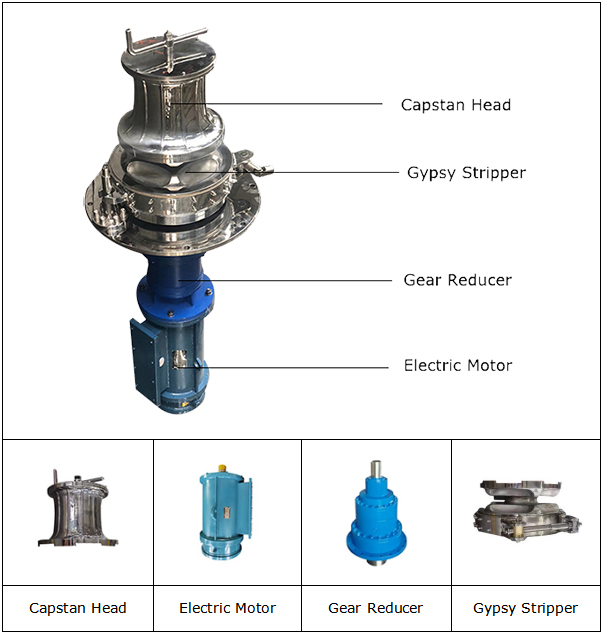
- Brake Holding Capacity (first layer)
- Up to 500 tonnes, or ISO/classification society compliant
- Load Capacity
- 5 to 300 tonnes on first layer (configurable)
- Windlass with Chain Stopper
- Brake must withstand min. 45% of chain cable breaking strength
- Windlass without Chain Stopper
- Brake must withstand min. 80% of chain cable breaking strength
- Drum Configuration
- Single to triple drums, modular HPU or full electrical drive
- Hatlapa (merchant ship segment, anchor handling)
- Pusnes (offshore mooring systems, eccentric fairlead chain stopper EFCS)
- Triplex (chain stopper systems)
- MacGregor MEW (electrical drive)
- MacGregor MHW (modular hydraulic power unit)
- Area: Brake Holding Capacity insufficiency or deteriorationCheck: Conduct brake rendering test using Brake Testing Kit or torque spanner method. Accept only if PRIMARY brake holds min. 60% of ship design MBL. Test after every brake lining renewal, before delivery, within 30 days takeover, and annually. Adjust lining if wear exceeds 40% residual thickness.
- Area: Chain/Gypsy Wear, Corrosion, Pitting (gypsy teeth, chain links)Check: Measure link diameter at wear points - maximum 12% reduction allowed by class rules. Inspect for cracks, distortion, corrosion pitting, especially under gypsy where crevice corrosion occurs. Monitor for abrasion from rocks/sand. In saltwater, check galvanized steel for oxidation; in stainless, examine for crevice attack in oxygen-starved spots.
- Area: Hydraulic System Contamination (brake efficiency loss)Check: Check hydraulic lines and piping monthly for leaks, tightness, proper valve function. Inspect hydraulic fluid condition (contamination, moisture, oil breakdown). Oil, moisture, or heavy rust on brake lining/drum can reduce holding capacity up to 75%. Temperature monitoring on hydraulic pipelines indicates lubrication issues.
- Area: Brake Lining Wear (linings must maintain adequate thickness)Check: Inspect brake lining thickness regularly - renewal required when residual thickness drops below 50-60% of original (e.g., 8mm original -> replace at 4-5mm). Check for discoloration, scorching, unevenness, rough spots. Replace upper AND lower linings simultaneously. On non-tank vessels, renew at every drydock regardless of condition.
- Area: Chain Stopper Hydraulic Function & Mechanical Lock (Pusnes EFCS, Hatlapa roller stopper)Check: Test hydraulic-operated chain stopper self-locking release capability under FULL DESIGN LOAD. Verify proper engagement/disengagement cycles. For Pusnes EFCS: check eccentric mechanism for wear, hydraulic pressure (motor protection integration). For Hatlapa roller stopper: inspect roller wear, high-pressure hydraulic motor function. Examine for leaks, cracks, corrosion on stopper pins/bushings.
- Area: Foundation Integrity & Corrosion (windlass mounting, fairlead supports)Check: Examine foundation bolts, welds, support frame before and after heavy anchoring/mooring operations for stress cracks, corrosion pitting, galvanic corrosion at dissimilar metal joints (fairlead/deck interface). Verify no settlement or deformation. In rough weather operations, monitor for fatigue cracking under excessive loads. Apply protective coatings where needed (zinc-rich primer + topcoat).
Typ-universelle Inspektions-/Wartungspunkte fuer Anchor & Mooring Equipment (MacGregor + DNV/OSHA, 2026-06). Per-Modell-Specs NICHT auto-gefuellt.
Hatlapa
18Towimor
17KIG d.o.o
14Elan Marine d.o.o
12HANSVIK
11HERA Warenhandels
11Karmøy Winch
10Rapp Marine
10Trend Marine Products
10Astilleros Astondoa
9Skibsplast
9MASTPOL Osprzet Jachtowy S.C
8Oy Marino
8PPH DEMEX
7TERITA ET - Varna
7Zaklad Naprawczy Mechanizacji Rolnictwa w Ostrodzie Sp. z.o.o
7Jens Leffler
6Marine Sachverständigen Centrum
6PAKLENI OTOCI d.o.o
6F. Kersting &
5Alpha Boat Manufacturing (Zhoushan)
4Chongqing Jingsui Cruiser Manufacturing
4METAB
4Premier Composite Technogies
4Storebro Bruks
4AQWIA Kft
3Finn-Marin
3HYUNDAI SEASALL
3LEIDI
3MAREX
3marinecare
3Pusnes
3VICENTE BELLIURE C.N
3Zaklad Slusarski Piotr Rolewicz
3ZR Djena Ship Branko Nikolic
3Al Marakeb Boat Manufacturing
2Bacher Edelstahlverarbeitung
2Borneo Apparel Kft
2Construcciones Navales Astondoa
2Dalian Songliao F.R.P. Boat
2DSB Deutsche Schlauchboot
2FIT'N SAFE Racing Technology
2GOLDFLAME INVESTMENTS Pty Ltd T/as IMAX MARINE
2HABE Produktion
2Ivanics Kft
2JODA INDUSTRIER
2Kindlimann Naval Architecture
2Mahindra Ocean Blue Marine
2Manikela d.o.o
2Marine Safety Supplies
2MD Prestige Spolka z o.o. Spolka Komandytowa
2Metal Service s.c
2NOR STAR BOAT
2North Wind Yard
2Ocean tec d.o.o
2ORKA, Janez Drinovec s.p
2Oy Nautor
2RIS MARINE
2S.Z.R. Elko Vladimir Prisic PR Futog
2SAMOSTALNA RADNJA NARVAL
2Seaway Design d.o.o
2Stainless & Titanium Mfg
2Talleres Davilp
2Technology Square Fiberglass Factory
2Willisits Mernökiroda Kft
2Wiwa Robert Gzara
2Aabenraa Motorfabrik, Heinrich Callesen
1ABC Plovila d.o.o
1AD NAUTIC D.O.O
1AM Jacht Service
1Andrej Zajc
1Arba Nautika d.o.o
1Arna Kft
1Arronet Teknik
1Astilleros Sinergia
1Astondoa Sport System
1Azimut Benetti S.p.A. - Divisione Atlantis
1B2 MARINE d.o.o
1BIMEX PROM d.o.o
1BNC d.o.o
1Boote Kamper
1Breitengrad 54
1Brioni d.o.o
1Cantiere Se.Ri.Gi. Di Aquileia
1Carbon Innovation Kft
1Chia Her Ship Machine
1Christian Spengler
1Classic Hajógyár Kft
1Claudio Zappa
1Coastal Marine Equipment (China)
1- CME-CAP-10
- CME-CAP-20
- CME-CAP-40
- CME-CAP-60
- 3
- 30
- Worm gear quality varies
- Motor insulation issues in humid climates
- Drum casting quality inconsistent
Construcciones Navales de Mallorca
1Dalian Changmei Pleasure-Boat Manuf acture
1DK Composites
1DL Kunststofftechnik
1DLRG Ortsgruppe Stade e.V
1DNV GL Koper
1Drassanes i Disseny
1Elas-Pol s.c. Danuta i Jerzy Elas
1ERTEC
1Fjord d.o.o
1FlairEinrichtungsstudios
1Flueraru Adrian-Mihail
1Frei Benedikt
1Gerhard Damböck
1Global Big Fishing
1GS d.o.o
1Gulyasne Barcsi Beatrix
1Hatina Branislav
1Herbert Schulz
1Huseklepp Modellverksted
1ISSA d.o.o
1Istvan Kepes
1Istvan Pölyhe
1István Tóth
1Iwona Marczak
1Karvel d.o.o
1Kawasaki Heavy Industries
1- Motor brush wear
- Gearbox noise
- Barrel surface pitting
Kawasaki Heavy Industries (Japan)
1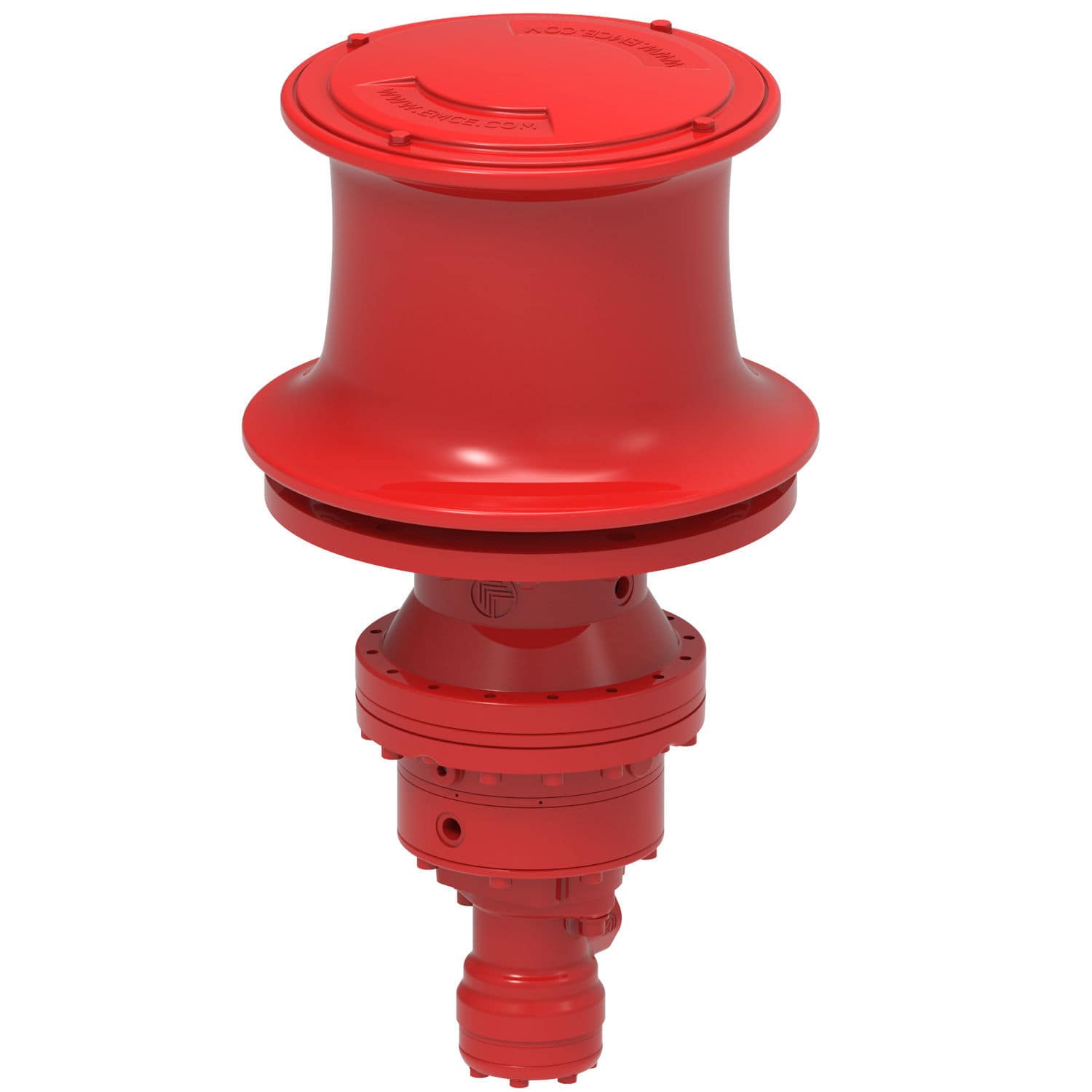
- KCP-20
- KCP-40
- KCP-60
- 5
- 35
- Worm gear wear
- Motor insulation degradation
- Drum surface wear
Kora Robert
1Kordett KFT
1Krake Catamarane
1Lamiplast S.C
1Laszlo Lauko
1Leskau-Boote
1LIBURNA JAHTE d.o.o
1M Lana d.o.o
1MAN Energy Solutions
1- CV-20
- CV-40
- CV-60
- CV-80
- 5
- 40
- Worm gear wear
- Motor bearing failure from deck exposure
- Drum surface wear
MARANA d.o.o. Pula
1Marc-Oliver Stobbe
1Mariterm d.o.o
1Marius Sorin Dimachi
1Mayland Boote
1MPM Engineering d.o.o
1Music Expo Festival Kft
1Nagy Richárd
1Nauti Maciej Rzasa
1NAUTIKCENTAR
1NAUTINOX di Bruno Spangaro
1Nave - obrt za servis brodova
1Nimbus Produktion i Mariestad
1OKUS SOLI d.o.o
1P.P.H. MAST S.J. Witold Wasilewski
1Papp Levente
1PAROBROD d.o.o
1PENSITO R d.o.o
1Peter Sorl s.p
1Polytech Rotoform
1PUH POSEJDON JACEK SUDNIK
1PUS PEGAZUS
1Péter Herman
1Qingdao Lian Ya Boat
1Qingdao OSIC International
1Qingdao WaterWish Boat Manufacturing
1Rolls-Royce Solutions
1Sachverständigen Büro Rainer Klotz
1Sailart
1Salthouse Boatbuilders
1Sea Contractor (S)
1Seamax d.o.o
1Seaway Group d.o.o
1Sebastian Krzeski
1Skipavik ehf
1SolarWaterWorld
1Somaker Altalanos Kereskedelmi es Szolgaltato Kft
1Stainless DownUnder
1Stal-Jacht s.c
1Stand
1Stanko Jurkovic
1Steyr Motors
1SZR Blue
1Tamsen Maritim
1Tavros d.o.o
1Techno-Chemie Kessler &
1Towimor (Poland)
1
- TW-CAP-10
- TW-CAP-20
- TW-CAP-40
- TW-CAP-60
- 3
- 30
- Worm gear wear
- Motor moisture ingress
- Drum surface deterioration