Bow Thruster
A bow thruster is a transverse propeller in a tunnel through the hull, driven by an electric or hydraulic motor, giving the master sideways thrust for berthing without tug assistance on vessels where the tunnel's drag penalty at sea speed is an acceptable trade.
Read more — Bow Thruster explained ▾
What defines a bow thruster
A bow thruster is a propeller -- usually controllable or fixed pitch -- mounted transversely inside a tunnel that runs through the hull near the bow, producing sideways thrust for low-speed manoeuvring rather than forward propulsion. It differs from azimuth thrusters or waterjets used for dynamic positioning in that it only produces thrust across the ship's centreline, is normally used below a few knots of forward speed, and is not intended for continuous running -- most are rated for intermittent duty measured in minutes per manoeuvre rather than hours. The tunnel itself is a permanent drag penalty built into the hull, accepted for the manoeuvring benefit and, on many vessels, for reduced tug dependency in port.

Main components
Tunnel
A steel tube through the hull, with a grid or bar screen at each end to keep debris out of the propeller, sized in diameter and length to keep flow losses acceptable at the design thrust.
Propeller
Fixed-pitch propellers are simpler and cheaper but only produce thrust in one rotational direction, requiring a reversible motor; controllable-pitch propellers reverse thrust by changing blade angle while the motor and propeller keep turning in one direction, giving faster response.
Drive motor
Electric motors, often with a soft starter or variable frequency drive given the high starting current, are common on smaller and mid-size vessels; hydraulic motors, fed from a central hydraulic power pack, are common where thrust demand is higher or where hydraulic power is already installed for other deck machinery.
Pitch control and clutch
On controllable-pitch units, a hydraulic pitch actuator inside the hub, controlled from the bridge, along with a clutch or coupling arrangement on hydraulically driven units.
Selection and sizing
- Required thrust against the vessel's windage area and the manoeuvring conditions expected, such as the wind speed the vessel needs to hold position against without tugs.
- Fixed versus controllable pitch, trading simplicity and cost against response speed and control smoothness.
- Electric versus hydraulic drive, based on what power source is already available and the duty cycle expected.
- Tunnel diameter and depth below the waterline, which affects both thrust efficiency and the risk of aeration -- air drawn into the tunnel in light ballast condition, which sharply cuts thrust.
- Duty rating, meaning minutes of continuous run before a cool-down period is required, against the vessel's typical manoeuvring time in port.
Regulations and class
Class rules require bow thrusters that count toward a vessel's positioning or manoeuvring notation to meet specific reliability and redundancy standards, but a thruster fitted purely for berthing convenience typically carries lighter requirements than one relied on for dynamic positioning. Where the thruster motor draws heavily on the ship's electrical system, class checks that starting it does not disturb other essential loads on the same switchboard section. Periodic survey includes the tunnel grids, propeller condition, and seal integrity where the shaft passes through the hull, since a seal failure there is a direct path for flooding.
Typical faults
| Fault | Cause | Consequence |
|---|---|---|
| Thrust noticeably weaker than rated | Aeration from running with insufficient depth below the tunnel in light ballast condition | Reduced manoeuvring authority exactly when the ship is lightest and most affected by wind |
| Propeller or grid damage | Debris or ice ingested through the tunnel grid, or grounding contact | Vibration, reduced thrust, and in severe cases shaft or bearing damage |
| Seal leak at the shaft penetration | Seal wear over years of service, or damage during propeller or bearing maintenance | Water ingress into the thruster compartment, requiring urgent repair given the direct connection to the sea |
| Overheating on extended use | Running beyond the intermittent duty rating during a long or difficult berthing operation | Automatic thermal trip cutting thrust at an inconvenient moment, or motor winding damage if the trip is bypassed |
What to look for in a supplier
- Thrust curve at bollard condition and at the vessel's typical operating draft, not only a single rated figure.
- Duty cycle rating stated clearly, matched against realistic port manoeuvring times for the vessel's trade.
- Spares availability for the propeller, seals and, on hydraulic units, the pitch actuator, given that a thruster failure often strands the vessel without tug-free berthing capability.
- Reference installations of a similar tunnel size and drive type, since thruster hydrodynamics are sensitive to tunnel proportions that do not always scale linearly.
Aeration in light ballast condition is a hull design and loading issue, not a thruster fault -- before condemning the unit, check the draft and trim against the maker's minimum submersion depth for full-rated thrust.
15 manufacturers · 94 models
Kongsberg Maritime
30- Tunnelthrusters
- Output 200–3,700 kW, propeller diameter 1,600–2,000 mm, thrust up to 229 kN, available in CP (Constant Pitch) and FP (Fixed Pitch)
- Azimuth-thrusters
- Leistung 330-6.500 kW (mechanical/hybrid), neun Baumgroessen, Zugkraft optimiert fuer Bollard-Pull, 360°-Schwenkung
- Arctic Thruster (ARC)
- Power from 3 MW to >10 MW, no oil-sea interfaces, adaptive seals, Polar-Class-2 and Icebreaker-7 to 9 MW
- Permanent Magnet (PM) Thrusters
- TT-PM 1000 kW (146 kN), TT-PM 1600 kW (229 kN), Effizienzsteigerung 7-13% gegenueber Diesel-Elektrik
- Hydraulik-standard
- Double gear hydraulics for control/ventilation/lubricant, double cylinder with pressure pipe safety, seal tank with refueling capacity
- Lagerung
- Rollenlager fuer Schubwelle, Schmierung mit Fett, Dichtung an Lagergehausen, Toleranz-Freispiele typisch 0,5-2,0 mm
- US Azimuth Thruster
- Arctic Thruster (ARC)
- TCNS/C Azimuth Thruster (Swing-up/Retractable)
- Rim Drive Azimuth Thruster (RD-AZ)
- Tunnel Thruster Type TT/TTH
- Permanent Magnet Tunnel Thruster (TT-PM)
- Rim Drive Tunnel Thruster (RD-TT)
- Underwater Mountable Azimuth Thruster (UUC/UUC-PM)
- Retractable Azimuth Thruster (UL/ULE)
- Azipull Thruster (Integrated PM Motor)
- Area: Propellerblaetter: Verschleiss, Risse, Verformung, SeewuchsbewuchsCheck: Sichtpruefung auf Schaedigungen, Freispiel, Blattoberflaeche glatt ohne Kratzer/Dellen. Blattwurzel-O-Ringe auf Verschleiss checken, Spitzzenspiel messen. Bei Zweifeln: 1,5 bar Luftdruck auf VT-Nippel, Seifenblasen-Test auf Oellecks.
- Area: Propellerwellen-Dichtung: Durchfeuchtuung, Oelaustrittsverlust, VerschleissCheck: Visual inspection for leaks around shaft seal, check sealing cavity (monitored automatically via ARC). Observe seal clip pressure (e.g. via sensor output). At 5-year overhaul: renew seal. Check adaptive pressure regulation.
- Area: Lagerfreispiel/Lagerverschleiss: Axiales/Radiales Play ueber Norm, BohrlochabtragCheck: Calipers/counter gauges: measure shaft diameter and bores (target value via manufacturer data sheet). Document caliper readings. If exceeded: replace bearing journal/bearing shells. Observe vibration/noise during operation.
- Area: Hydraulikfluid: Verschmutzung, Feuchtigkeit, Alterung, Farb-/GeruechsveraenderungCheck: Check fluid level in tank (target level). Color test: light/yellowish OK, cloudy/dark = change required. Particle count (if available). Change filter per manufacturer interval. Perform pressure test on hydraulic line.
- Area: Hydraulik-Leitungen/Verbindungen: Risse, Lecks, Verformung, korrosive BelaegeCheck: Visual inspection of all hoses, pipes, connections for defects. Check for dryness, corrosion (rust spots), kink marks. High-frequency leak test if necessary. Observe operating pressure during voyage.
- Area: Elastomer-Bauteile (O-Ringe, Dichtlippen, Gummistuecke): Hartung, Risse, QuellungserscheinungenCheck: Visual inspection of all O-rings/seals for wear, hardening, deformation. Test with finger pressure (elasticity). Clean O-ring grooves/lubricate with gearbox oil (at 5-year overhaul). Replace damaged parts.
Type-universal inspection/service points for bow/stern thrusters (Kongsberg, Mega-Swarm 2026-06). Per-model specs not auto-populated.
- Compact 1.2 m tunnel fits medium‑size hulls without major structural modifications
- Proven Kongsberg hydraulic drive offers high reliability and straightforward field maintenance
- Good thrust‑to‑power ratio for vessels up to ~30 000 dwt, aiding port entry and tight berthing
- Standardised inspection points (propeller blades, shaft seal, bearings, hydraulics) simplify scheduled overhauls
- Maximum power of 250 kW may be insufficient for large DP‑required vessels or high‑draft ships
- Fixed‑direction tunnel design limits manoeuvring flexibility compared with azimuth thrusters
- Tunnel geometry can increase hull vibration and noise at higher RPMs
- Requires dedicated hydraulic plant and regular fluid maintenance
- Tunnelthrusters
- Output 200–3,700 kW, propeller diameter 1,600–2,000 mm, thrust up to 229 kN, available in CP (Constant Pitch) and FP (Fixed Pitch)
- Azimuth-thrusters
- Leistung 330-6.500 kW (mechanical/hybrid), neun Baumgroessen, Zugkraft optimiert fuer Bollard-Pull, 360°-Schwenkung
- Arctic Thruster (ARC)
- Power from 3 MW to >10 MW, no oil-sea interfaces, adaptive seals, Polar-Class-2 and Icebreaker-7 to 9 MW
- Permanent Magnet (PM) Thrusters
- TT-PM 1000 kW (146 kN), TT-PM 1600 kW (229 kN), Effizienzsteigerung 7-13% gegenueber Diesel-Elektrik
- Hydraulik-standard
- Double gear hydraulics for control/ventilation/lubricant, double cylinder with pressure pipe safety, seal tank with refueling capacity
- Lagerung
- Rollenlager fuer Schubwelle, Schmierung mit Fett, Dichtung an Lagergehausen, Toleranz-Freispiele typisch 0,5-2,0 mm
- US Azimuth Thruster
- Arctic Thruster (ARC)
- TCNS/C Azimuth Thruster (Swing-up/Retractable)
- Rim Drive Azimuth Thruster (RD-AZ)
- Tunnel Thruster Type TT/TTH
- Permanent Magnet Tunnel Thruster (TT-PM)
- Rim Drive Tunnel Thruster (RD-TT)
- Underwater Mountable Azimuth Thruster (UUC/UUC-PM)
- Retractable Azimuth Thruster (UL/ULE)
- Azipull Thruster (Integrated PM Motor)
- Area: Propellerblaetter: Verschleiss, Risse, Verformung, SeewuchsbewuchsCheck: Sichtpruefung auf Schaedigungen, Freispiel, Blattoberflaeche glatt ohne Kratzer/Dellen. Blattwurzel-O-Ringe auf Verschleiss checken, Spitzzenspiel messen. Bei Zweifeln: 1,5 bar Luftdruck auf VT-Nippel, Seifenblasen-Test auf Oellecks.
- Area: Propellerwellen-Dichtung: Durchfeuchtuung, Oelaustrittsverlust, VerschleissCheck: Visual inspection for leaks around shaft seal, check sealing cavity (monitored automatically via ARC). Observe seal clip pressure (e.g. via sensor output). At 5-year overhaul: renew seal. Check adaptive pressure regulation.
- Area: Lagerfreispiel/Lagerverschleiss: Axiales/Radiales Play ueber Norm, BohrlochabtragCheck: Calipers/counter gauges: measure shaft diameter and bores (target value via manufacturer data sheet). Document caliper readings. If exceeded: replace bearing journal/bearing shells. Observe vibration/noise during operation.
- Area: Hydraulikfluid: Verschmutzung, Feuchtigkeit, Alterung, Farb-/GeruechsveraenderungCheck: Check fluid level in tank (target level). Color test: light/yellowish OK, cloudy/dark = change required. Particle count (if available). Change filter per manufacturer interval. Perform pressure test on hydraulic line.
- Area: Hydraulik-Leitungen/Verbindungen: Risse, Lecks, Verformung, korrosive BelaegeCheck: Visual inspection of all hoses, pipes, connections for defects. Check for dryness, corrosion (rust spots), kink marks. High-frequency leak test if necessary. Observe operating pressure during voyage.
- Area: Elastomer-Bauteile (O-Ringe, Dichtlippen, Gummistuecke): Hartung, Risse, QuellungserscheinungenCheck: Visual inspection of all O-rings/seals for wear, hardening, deformation. Test with finger pressure (elasticity). Clean O-ring grooves/lubricate with gearbox oil (at 5-year overhaul). Replace damaged parts.
Type-universal inspection/service points for bow/stern thrusters (Kongsberg, Mega-Swarm 2026-06). Per-model specs not auto-populated.
- High power density (500 kW) in a compact tunnel form factor
- Proven Kongsberg reliability and global service network
- Robust double‑gear hydraulic drive with built‑in redundancy
- Standardised 1.6 m tunnel fits common hull designs without major structural modifications
- Compatible with existing ship automation systems via Kongsberg’s control suite
- Fixed‑direction thrust; no 360° azimuth capability
- Hydraulic system requires regular oil maintenance and leak monitoring
- Large tunnel opening may reduce hull strength if not properly reinforced
- Installation weight can be significant for smaller vessels
- Lower overall efficiency compared with newer permanent‑magnet electric thrusters
- Tunnelthrusters
- Output 200–3,700 kW, propeller diameter 1,600–2,000 mm, thrust up to 229 kN, available in CP (Constant Pitch) and FP (Fixed Pitch)
- Azimuth-thrusters
- Leistung 330-6.500 kW (mechanical/hybrid), neun Baumgroessen, Zugkraft optimiert fuer Bollard-Pull, 360°-Schwenkung
- Arctic Thruster (ARC)
- Power from 3 MW to >10 MW, no oil-sea interfaces, adaptive seals, Polar-Class-2 and Icebreaker-7 to 9 MW
- Permanent Magnet (PM) Thrusters
- TT-PM 1000 kW (146 kN), TT-PM 1600 kW (229 kN), Effizienzsteigerung 7-13% gegenueber Diesel-Elektrik
- Hydraulik-standard
- Double gear hydraulics for control/ventilation/lubricant, double cylinder with pressure pipe safety, seal tank with refueling capacity
- Lagerung
- Rollenlager fuer Schubwelle, Schmierung mit Fett, Dichtung an Lagergehausen, Toleranz-Freispiele typisch 0,5-2,0 mm
- US Azimuth Thruster
- Arctic Thruster (ARC)
- TCNS/C Azimuth Thruster (Swing-up/Retractable)
- Rim Drive Azimuth Thruster (RD-AZ)
- Tunnel Thruster Type TT/TTH
- Permanent Magnet Tunnel Thruster (TT-PM)
- Rim Drive Tunnel Thruster (RD-TT)
- Underwater Mountable Azimuth Thruster (UUC/UUC-PM)
- Retractable Azimuth Thruster (UL/ULE)
- Azipull Thruster (Integrated PM Motor)
- Area: Propellerblaetter: Verschleiss, Risse, Verformung, SeewuchsbewuchsCheck: Sichtpruefung auf Schaedigungen, Freispiel, Blattoberflaeche glatt ohne Kratzer/Dellen. Blattwurzel-O-Ringe auf Verschleiss checken, Spitzzenspiel messen. Bei Zweifeln: 1,5 bar Luftdruck auf VT-Nippel, Seifenblasen-Test auf Oellecks.
- Area: Propellerwellen-Dichtung: Durchfeuchtuung, Oelaustrittsverlust, VerschleissCheck: Visual inspection for leaks around shaft seal, check sealing cavity (monitored automatically via ARC). Observe seal clip pressure (e.g. via sensor output). At 5-year overhaul: renew seal. Check adaptive pressure regulation.
- Area: Lagerfreispiel/Lagerverschleiss: Axiales/Radiales Play ueber Norm, BohrlochabtragCheck: Calipers/counter gauges: measure shaft diameter and bores (target value via manufacturer data sheet). Document caliper readings. If exceeded: replace bearing journal/bearing shells. Observe vibration/noise during operation.
- Area: Hydraulikfluid: Verschmutzung, Feuchtigkeit, Alterung, Farb-/GeruechsveraenderungCheck: Check fluid level in tank (target level). Color test: light/yellowish OK, cloudy/dark = change required. Particle count (if available). Change filter per manufacturer interval. Perform pressure test on hydraulic line.
- Area: Hydraulik-Leitungen/Verbindungen: Risse, Lecks, Verformung, korrosive BelaegeCheck: Visual inspection of all hoses, pipes, connections for defects. Check for dryness, corrosion (rust spots), kink marks. High-frequency leak test if necessary. Observe operating pressure during voyage.
- Area: Elastomer-Bauteile (O-Ringe, Dichtlippen, Gummistuecke): Hartung, Risse, QuellungserscheinungenCheck: Visual inspection of all O-rings/seals for wear, hardening, deformation. Test with finger pressure (elasticity). Clean O-ring grooves/lubricate with gearbox oil (at 5-year overhaul). Replace damaged parts.
Type-universal inspection/service points for bow/stern thrusters (Kongsberg, Mega-Swarm 2026-06). Per-model specs not auto-populated.
- 750 kW rating delivers high bollard‑pull capability for vessels up to ~300 m LOA
- Large 1.85 m tunnel provides efficient water flow and higher thrust per kW
- Proven Kongsberg design with extensive field service history
- Hydraulic drive offers rapid response and fine speed control
- Relatively large tunnel cross‑section limits installation to ships with sufficient hull volume
- Hydraulic system adds complexity, requiring regular oil monitoring and filter changes
- Higher power consumption compared with newer electric‑drive thrusters of similar size
- Maintenance access can be challenging on deep‑installed units
- Tunnelthrusters
- Output 200–3,700 kW, propeller diameter 1,600–2,000 mm, thrust up to 229 kN, available in CP (Constant Pitch) and FP (Fixed Pitch)
- Azimuth-thrusters
- Leistung 330-6.500 kW (mechanical/hybrid), neun Baumgroessen, Zugkraft optimiert fuer Bollard-Pull, 360°-Schwenkung
- Arctic Thruster (ARC)
- Power from 3 MW to >10 MW, no oil-sea interfaces, adaptive seals, Polar-Class-2 and Icebreaker-7 to 9 MW
- Permanent Magnet (PM) Thrusters
- TT-PM 1000 kW (146 kN), TT-PM 1600 kW (229 kN), Effizienzsteigerung 7-13% gegenueber Diesel-Elektrik
- Hydraulik-standard
- Double gear hydraulics for control/ventilation/lubricant, double cylinder with pressure pipe safety, seal tank with refueling capacity
- Lagerung
- Rollenlager fuer Schubwelle, Schmierung mit Fett, Dichtung an Lagergehausen, Toleranz-Freispiele typisch 0,5-2,0 mm
- US Azimuth Thruster
- Arctic Thruster (ARC)
- TCNS/C Azimuth Thruster (Swing-up/Retractable)
- Rim Drive Azimuth Thruster (RD-AZ)
- Tunnel Thruster Type TT/TTH
- Permanent Magnet Tunnel Thruster (TT-PM)
- Rim Drive Tunnel Thruster (RD-TT)
- Underwater Mountable Azimuth Thruster (UUC/UUC-PM)
- Retractable Azimuth Thruster (UL/ULE)
- Azipull Thruster (Integrated PM Motor)
- Area: Propellerblaetter: Verschleiss, Risse, Verformung, SeewuchsbewuchsCheck: Sichtpruefung auf Schaedigungen, Freispiel, Blattoberflaeche glatt ohne Kratzer/Dellen. Blattwurzel-O-Ringe auf Verschleiss checken, Spitzzenspiel messen. Bei Zweifeln: 1,5 bar Luftdruck auf VT-Nippel, Seifenblasen-Test auf Oellecks.
- Area: Propellerwellen-Dichtung: Durchfeuchtuung, Oelaustrittsverlust, VerschleissCheck: Visual inspection for leaks around shaft seal, check sealing cavity (monitored automatically via ARC). Observe seal clip pressure (e.g. via sensor output). At 5-year overhaul: renew seal. Check adaptive pressure regulation.
- Area: Lagerfreispiel/Lagerverschleiss: Axiales/Radiales Play ueber Norm, BohrlochabtragCheck: Calipers/counter gauges: measure shaft diameter and bores (target value via manufacturer data sheet). Document caliper readings. If exceeded: replace bearing journal/bearing shells. Observe vibration/noise during operation.
- Area: Hydraulikfluid: Verschmutzung, Feuchtigkeit, Alterung, Farb-/GeruechsveraenderungCheck: Check fluid level in tank (target level). Color test: light/yellowish OK, cloudy/dark = change required. Particle count (if available). Change filter per manufacturer interval. Perform pressure test on hydraulic line.
- Area: Hydraulik-Leitungen/Verbindungen: Risse, Lecks, Verformung, korrosive BelaegeCheck: Visual inspection of all hoses, pipes, connections for defects. Check for dryness, corrosion (rust spots), kink marks. High-frequency leak test if necessary. Observe operating pressure during voyage.
- Area: Elastomer-Bauteile (O-Ringe, Dichtlippen, Gummistuecke): Hartung, Risse, QuellungserscheinungenCheck: Visual inspection of all O-rings/seals for wear, hardening, deformation. Test with finger pressure (elasticity). Clean O-ring grooves/lubricate with gearbox oil (at 5-year overhaul). Replace damaged parts.
Type-universal inspection/service points for bow/stern thrusters (Kongsberg, Mega-Swarm 2026-06). Per-model specs not auto-populated.
- Very high static thrust (≈200 kN) for a single unit, enabling rapid docking and undocking of large ships.
- Large 2 m tunnel diameter reduces cavitation and improves propulsive efficiency at low speeds.
- Proven Kongsberg hydraulic drive system with built‑in monitoring and fault diagnostics.
- Robust construction suitable for harsh offshore or ice‑class environments when equipped with Arctic‑thruster options.
- Large physical envelope requires significant hull penetration and internal space.
- Heavier than comparable azimuth thrusters, affecting overall vessel weight distribution.
- Hydraulic drive adds maintenance complexity (oil handling, seal wear) compared with electric drives.
- Limited steering angle (fixed tunnel orientation) – cannot provide 360° thrust like an azimuth unit.
- Tunnelthrusters
- Output 200–3,700 kW, propeller diameter 1,600–2,000 mm, thrust up to 229 kN, available in CP (Constant Pitch) and FP (Fixed Pitch)
- Azimuth-thrusters
- Leistung 330-6.500 kW (mechanical/hybrid), neun Baumgroessen, Zugkraft optimiert fuer Bollard-Pull, 360°-Schwenkung
- Arctic Thruster (ARC)
- Power from 3 MW to >10 MW, no oil-sea interfaces, adaptive seals, Polar-Class-2 and Icebreaker-7 to 9 MW
- Permanent Magnet (PM) Thrusters
- TT-PM 1000 kW (146 kN), TT-PM 1600 kW (229 kN), Effizienzsteigerung 7-13% gegenueber Diesel-Elektrik
- Hydraulik-standard
- Double gear hydraulics for control/ventilation/lubricant, double cylinder with pressure pipe safety, seal tank with refueling capacity
- Lagerung
- Rollenlager fuer Schubwelle, Schmierung mit Fett, Dichtung an Lagergehausen, Toleranz-Freispiele typisch 0,5-2,0 mm
- US Azimuth Thruster
- Arctic Thruster (ARC)
- TCNS/C Azimuth Thruster (Swing-up/Retractable)
- Rim Drive Azimuth Thruster (RD-AZ)
- Tunnel Thruster Type TT/TTH
- Permanent Magnet Tunnel Thruster (TT-PM)
- Rim Drive Tunnel Thruster (RD-TT)
- Underwater Mountable Azimuth Thruster (UUC/UUC-PM)
- Retractable Azimuth Thruster (UL/ULE)
- Azipull Thruster (Integrated PM Motor)
- Area: Propellerblaetter: Verschleiss, Risse, Verformung, SeewuchsbewuchsCheck: Sichtpruefung auf Schaedigungen, Freispiel, Blattoberflaeche glatt ohne Kratzer/Dellen. Blattwurzel-O-Ringe auf Verschleiss checken, Spitzzenspiel messen. Bei Zweifeln: 1,5 bar Luftdruck auf VT-Nippel, Seifenblasen-Test auf Oellecks.
- Area: Propellerwellen-Dichtung: Durchfeuchtuung, Oelaustrittsverlust, VerschleissCheck: Visual inspection for leaks around shaft seal, check sealing cavity (monitored automatically via ARC). Observe seal clip pressure (e.g. via sensor output). At 5-year overhaul: renew seal. Check adaptive pressure regulation.
- Area: Lagerfreispiel/Lagerverschleiss: Axiales/Radiales Play ueber Norm, BohrlochabtragCheck: Calipers/counter gauges: measure shaft diameter and bores (target value via manufacturer data sheet). Document caliper readings. If exceeded: replace bearing journal/bearing shells. Observe vibration/noise during operation.
- Area: Hydraulikfluid: Verschmutzung, Feuchtigkeit, Alterung, Farb-/GeruechsveraenderungCheck: Check fluid level in tank (target level). Color test: light/yellowish OK, cloudy/dark = change required. Particle count (if available). Change filter per manufacturer interval. Perform pressure test on hydraulic line.
- Area: Hydraulik-Leitungen/Verbindungen: Risse, Lecks, Verformung, korrosive BelaegeCheck: Visual inspection of all hoses, pipes, connections for defects. Check for dryness, corrosion (rust spots), kink marks. High-frequency leak test if necessary. Observe operating pressure during voyage.
- Area: Elastomer-Bauteile (O-Ringe, Dichtlippen, Gummistuecke): Hartung, Risse, QuellungserscheinungenCheck: Visual inspection of all O-rings/seals for wear, hardening, deformation. Test with finger pressure (elasticity). Clean O-ring grooves/lubricate with gearbox oil (at 5-year overhaul). Replace damaged parts.
Type-universal inspection/service points for bow/stern thrusters (Kongsberg, Mega-Swarm 2026-06). Per-model specs not auto-populated.
- Very high installed power (≈1.5 MW) enables thrust up to ~200 kN, improving low‑speed maneuverability of large ships.
- Large tunnel diameter (2.5 m) provides efficient water flow and reduced cavitation compared with smaller units.
- Proven Kongsberg design with integrated hydraulic control system and standardised bearing/seal packages for reliability.
- Compatible with major classification societies’ approval programmes, facilitating class documentation.
- Modular installation – can be fitted as a retractable or fixed unit depending on hull layout.
- Large physical envelope requires significant hull space; not suitable for vessels with limited bow volume.
- High hydraulic power demand increases auxiliary plant load and may require dedicated pumps and cooling.
- Maintenance intensive: regular inspection of propeller blades, shaft seals and bearing play is mandatory.
- Weight and structural reinforcement needs are higher than for smaller thrusters, impacting design cost.
- Less flexible than azimuth‑type units for 360° thrust vectoring.
- Tunnelthrusters
- Output 200–3,700 kW, propeller diameter 1,600–2,000 mm, thrust up to 229 kN, available in CP (Constant Pitch) and FP (Fixed Pitch)
- Azimuth-thrusters
- Leistung 330-6.500 kW (mechanical/hybrid), neun Baumgroessen, Zugkraft optimiert fuer Bollard-Pull, 360°-Schwenkung
- Arctic Thruster (ARC)
- Power from 3 MW to >10 MW, no oil-sea interfaces, adaptive seals, Polar-Class-2 and Icebreaker-7 to 9 MW
- Permanent Magnet (PM) Thrusters
- TT-PM 1000 kW (146 kN), TT-PM 1600 kW (229 kN), Effizienzsteigerung 7-13% gegenueber Diesel-Elektrik
- Hydraulik-standard
- Double gear hydraulics for control/ventilation/lubricant, double cylinder with pressure pipe safety, seal tank with refueling capacity
- Lagerung
- Rollenlager fuer Schubwelle, Schmierung mit Fett, Dichtung an Lagergehausen, Toleranz-Freispiele typisch 0,5-2,0 mm
- US Azimuth Thruster
- Arctic Thruster (ARC)
- TCNS/C Azimuth Thruster (Swing-up/Retractable)
- Rim Drive Azimuth Thruster (RD-AZ)
- Tunnel Thruster Type TT/TTH
- Permanent Magnet Tunnel Thruster (TT-PM)
- Rim Drive Tunnel Thruster (RD-TT)
- Underwater Mountable Azimuth Thruster (UUC/UUC-PM)
- Retractable Azimuth Thruster (UL/ULE)
- Azipull Thruster (Integrated PM Motor)
- Area: Propellerblaetter: Verschleiss, Risse, Verformung, SeewuchsbewuchsCheck: Sichtpruefung auf Schaedigungen, Freispiel, Blattoberflaeche glatt ohne Kratzer/Dellen. Blattwurzel-O-Ringe auf Verschleiss checken, Spitzzenspiel messen. Bei Zweifeln: 1,5 bar Luftdruck auf VT-Nippel, Seifenblasen-Test auf Oellecks.
- Area: Propellerwellen-Dichtung: Durchfeuchtuung, Oelaustrittsverlust, VerschleissCheck: Visual inspection for leaks around shaft seal, check sealing cavity (monitored automatically via ARC). Observe seal clip pressure (e.g. via sensor output). At 5-year overhaul: renew seal. Check adaptive pressure regulation.
- Area: Lagerfreispiel/Lagerverschleiss: Axiales/Radiales Play ueber Norm, BohrlochabtragCheck: Calipers/counter gauges: measure shaft diameter and bores (target value via manufacturer data sheet). Document caliper readings. If exceeded: replace bearing journal/bearing shells. Observe vibration/noise during operation.
- Area: Hydraulikfluid: Verschmutzung, Feuchtigkeit, Alterung, Farb-/GeruechsveraenderungCheck: Check fluid level in tank (target level). Color test: light/yellowish OK, cloudy/dark = change required. Particle count (if available). Change filter per manufacturer interval. Perform pressure test on hydraulic line.
- Area: Hydraulik-Leitungen/Verbindungen: Risse, Lecks, Verformung, korrosive BelaegeCheck: Visual inspection of all hoses, pipes, connections for defects. Check for dryness, corrosion (rust spots), kink marks. High-frequency leak test if necessary. Observe operating pressure during voyage.
- Area: Elastomer-Bauteile (O-Ringe, Dichtlippen, Gummistuecke): Hartung, Risse, QuellungserscheinungenCheck: Visual inspection of all O-rings/seals for wear, hardening, deformation. Test with finger pressure (elasticity). Clean O-ring grooves/lubricate with gearbox oil (at 5-year overhaul). Replace damaged parts.
Type-universal inspection/service points for bow/stern thrusters (Kongsberg, Mega-Swarm 2026-06). Per-model specs not auto-populated.
- High power (2000 kW) in a relatively compact tunnel package
- Proven Kongsberg reliability and extensive service network
- Integrated double‑gear hydraulic drive for smooth thrust control
- High thrust‑to‑power ratio (~230 kN) suitable for DP‑assisted vessels
- Available with constant‑pitch or fixed‑pitch propellers to match operational needs
- Large duct size limits installation on smaller hulls or retrofit projects
- Heavy overall weight and high power demand on ship's electrical/hydraulic plant
- Hydraulic system adds maintenance complexity compared to electric PM thrusters
- Initial capital cost is higher than lower‑power tunnel models
- Spare‑part logistics can be challenging for vessels operating in remote regions
- Tunnelthrusters
- Output 200–3,700 kW, propeller diameter 1,600–2,000 mm, thrust up to 229 kN, available in CP (Constant Pitch) and FP (Fixed Pitch)
- Azimuth-thrusters
- Leistung 330-6.500 kW (mechanical/hybrid), neun Baumgroessen, Zugkraft optimiert fuer Bollard-Pull, 360°-Schwenkung
- Arctic Thruster (ARC)
- Power from 3 MW to >10 MW, no oil-sea interfaces, adaptive seals, Polar-Class-2 and Icebreaker-7 to 9 MW
- Permanent Magnet (PM) Thrusters
- TT-PM 1000 kW (146 kN), TT-PM 1600 kW (229 kN), Effizienzsteigerung 7-13% gegenueber Diesel-Elektrik
- Hydraulik-standard
- Double gear hydraulics for control/ventilation/lubricant, double cylinder with pressure pipe safety, seal tank with refueling capacity
- Lagerung
- Rollenlager fuer Schubwelle, Schmierung mit Fett, Dichtung an Lagergehausen, Toleranz-Freispiele typisch 0,5-2,0 mm
- US Azimuth Thruster
- Arctic Thruster (ARC)
- TCNS/C Azimuth Thruster (Swing-up/Retractable)
- Rim Drive Azimuth Thruster (RD-AZ)
- Tunnel Thruster Type TT/TTH
- Permanent Magnet Tunnel Thruster (TT-PM)
- Rim Drive Tunnel Thruster (RD-TT)
- Underwater Mountable Azimuth Thruster (UUC/UUC-PM)
- Retractable Azimuth Thruster (UL/ULE)
- Azipull Thruster (Integrated PM Motor)
- Area: Propellerblaetter: Verschleiss, Risse, Verformung, SeewuchsbewuchsCheck: Sichtpruefung auf Schaedigungen, Freispiel, Blattoberflaeche glatt ohne Kratzer/Dellen. Blattwurzel-O-Ringe auf Verschleiss checken, Spitzzenspiel messen. Bei Zweifeln: 1,5 bar Luftdruck auf VT-Nippel, Seifenblasen-Test auf Oellecks.
- Area: Propellerwellen-Dichtung: Durchfeuchtuung, Oelaustrittsverlust, VerschleissCheck: Visual inspection for leaks around shaft seal, check sealing cavity (monitored automatically via ARC). Observe seal clip pressure (e.g. via sensor output). At 5-year overhaul: renew seal. Check adaptive pressure regulation.
- Area: Lagerfreispiel/Lagerverschleiss: Axiales/Radiales Play ueber Norm, BohrlochabtragCheck: Calipers/counter gauges: measure shaft diameter and bores (target value via manufacturer data sheet). Document caliper readings. If exceeded: replace bearing journal/bearing shells. Observe vibration/noise during operation.
- Area: Hydraulikfluid: Verschmutzung, Feuchtigkeit, Alterung, Farb-/GeruechsveraenderungCheck: Check fluid level in tank (target level). Color test: light/yellowish OK, cloudy/dark = change required. Particle count (if available). Change filter per manufacturer interval. Perform pressure test on hydraulic line.
- Area: Hydraulik-Leitungen/Verbindungen: Risse, Lecks, Verformung, korrosive BelaegeCheck: Visual inspection of all hoses, pipes, connections for defects. Check for dryness, corrosion (rust spots), kink marks. High-frequency leak test if necessary. Observe operating pressure during voyage.
- Area: Elastomer-Bauteile (O-Ringe, Dichtlippen, Gummistuecke): Hartung, Risse, QuellungserscheinungenCheck: Visual inspection of all O-rings/seals for wear, hardening, deformation. Test with finger pressure (elasticity). Clean O-ring grooves/lubricate with gearbox oil (at 5-year overhaul). Replace damaged parts.
Type-universal inspection/service points for bow/stern thrusters (Kongsberg, Mega-Swarm 2026-06). Per-model specs not auto-populated.
- Retractable design reduces hull resistance when the thruster is not in use, improving fuel efficiency.
- Full 360° rotation gives superior low‑speed maneuverability and DP performance compared with fixed‑pitch tunnel thrusters of similar power.
- Compact 1.6 m tunnel diameter fits into vessels with limited bow space while still delivering high thrust for a 500 kW unit.
- Kongsberg’s proven hydraulic control system offers reliable response and easy integration with existing ship automation.
- Standardised mounting (UL/ULE) simplifies installation on new builds and retrofits.
- Retractable mechanism adds mechanical complexity, leading to higher maintenance intervals and potential for wear in the lift gear.
- Requires a dedicated hydraulic power unit, increasing system weight and initial cost compared with electric‑drive thrusters.
- Spare‑part availability can be longer for the retractable components than for conventional fixed tunnel units.
- Installation tolerances are tight; improper alignment may cause premature bearing wear or vibration.
- Not optimised for extreme ice conditions – a dedicated Arctic (ARC) version would be required for heavy ice navigation.
- Tunnelthrusters
- Output 200–3,700 kW, propeller diameter 1,600–2,000 mm, thrust up to 229 kN, available in CP (Constant Pitch) and FP (Fixed Pitch)
- Azimuth-thrusters
- Leistung 330-6.500 kW (mechanical/hybrid), neun Baumgroessen, Zugkraft optimiert fuer Bollard-Pull, 360°-Schwenkung
- Arctic Thruster (ARC)
- Power from 3 MW to >10 MW, no oil-sea interfaces, adaptive seals, Polar-Class-2 and Icebreaker-7 to 9 MW
- Permanent Magnet (PM) Thrusters
- TT-PM 1000 kW (146 kN), TT-PM 1600 kW (229 kN), Effizienzsteigerung 7-13% gegenueber Diesel-Elektrik
- Hydraulik-standard
- Double gear hydraulics for control/ventilation/lubricant, double cylinder with pressure pipe safety, seal tank with refueling capacity
- Lagerung
- Rollenlager fuer Schubwelle, Schmierung mit Fett, Dichtung an Lagergehausen, Toleranz-Freispiele typisch 0,5-2,0 mm
- US Azimuth Thruster
- Arctic Thruster (ARC)
- TCNS/C Azimuth Thruster (Swing-up/Retractable)
- Rim Drive Azimuth Thruster (RD-AZ)
- Tunnel Thruster Type TT/TTH
- Permanent Magnet Tunnel Thruster (TT-PM)
- Rim Drive Tunnel Thruster (RD-TT)
- Underwater Mountable Azimuth Thruster (UUC/UUC-PM)
- Retractable Azimuth Thruster (UL/ULE)
- Azipull Thruster (Integrated PM Motor)
- Area: Propellerblaetter: Verschleiss, Risse, Verformung, SeewuchsbewuchsCheck: Sichtpruefung auf Schaedigungen, Freispiel, Blattoberflaeche glatt ohne Kratzer/Dellen. Blattwurzel-O-Ringe auf Verschleiss checken, Spitzzenspiel messen. Bei Zweifeln: 1,5 bar Luftdruck auf VT-Nippel, Seifenblasen-Test auf Oellecks.
- Area: Propellerwellen-Dichtung: Durchfeuchtuung, Oelaustrittsverlust, VerschleissCheck: Visual inspection for leaks around shaft seal, check sealing cavity (monitored automatically via ARC). Observe seal clip pressure (e.g. via sensor output). At 5-year overhaul: renew seal. Check adaptive pressure regulation.
- Area: Lagerfreispiel/Lagerverschleiss: Axiales/Radiales Play ueber Norm, BohrlochabtragCheck: Calipers/counter gauges: measure shaft diameter and bores (target value via manufacturer data sheet). Document caliper readings. If exceeded: replace bearing journal/bearing shells. Observe vibration/noise during operation.
- Area: Hydraulikfluid: Verschmutzung, Feuchtigkeit, Alterung, Farb-/GeruechsveraenderungCheck: Check fluid level in tank (target level). Color test: light/yellowish OK, cloudy/dark = change required. Particle count (if available). Change filter per manufacturer interval. Perform pressure test on hydraulic line.
- Area: Hydraulik-Leitungen/Verbindungen: Risse, Lecks, Verformung, korrosive BelaegeCheck: Visual inspection of all hoses, pipes, connections for defects. Check for dryness, corrosion (rust spots), kink marks. High-frequency leak test if necessary. Observe operating pressure during voyage.
- Area: Elastomer-Bauteile (O-Ringe, Dichtlippen, Gummistuecke): Hartung, Risse, QuellungserscheinungenCheck: Visual inspection of all O-rings/seals for wear, hardening, deformation. Test with finger pressure (elasticity). Clean O-ring grooves/lubricate with gearbox oil (at 5-year overhaul). Replace damaged parts.
Type-universal inspection/service points for bow/stern thrusters (Kongsberg, Mega-Swarm 2026-06). Per-model specs not auto-populated.
- High installed power (≈1 MW) enables strong bollard pull and rapid positioning.
- Retractable design reduces hull resistance when the thruster is not in use, improving fuel efficiency.
- Full 360° rotation gives excellent manoeuvrability for dynamic positioning and docking.
- Large tunnel diameter (2000 mm) allows a big propeller for high thrust with lower blade loading.
- Kongsberg’s integrated control system simplifies DP integration and operator training.
- Significant space requirement in the hull structure to accommodate the 2 m tunnel and retraction mechanism.
- Higher initial capital cost compared with fixed tunnel thrusters of similar power.
- Complex hydraulic/electrical interfaces increase installation and maintenance effort.
- Maintenance critical points (propeller blades, shaft seals, hydraulic fluid) demand strict inspection regimes.
- Weight and structural reinforcement may affect payload capacity on smaller vessels.
- Tunnelthrusters
- Output 200–3,700 kW, propeller diameter 1,600–2,000 mm, thrust up to 229 kN, available in CP (Constant Pitch) and FP (Fixed Pitch)
- Azimuth-thrusters
- Leistung 330-6.500 kW (mechanical/hybrid), neun Baumgroessen, Zugkraft optimiert fuer Bollard-Pull, 360°-Schwenkung
- Arctic Thruster (ARC)
- Power from 3 MW to >10 MW, no oil-sea interfaces, adaptive seals, Polar-Class-2 and Icebreaker-7 to 9 MW
- Permanent Magnet (PM) Thrusters
- TT-PM 1000 kW (146 kN), TT-PM 1600 kW (229 kN), Effizienzsteigerung 7-13% gegenueber Diesel-Elektrik
- Hydraulik-standard
- Double gear hydraulics for control/ventilation/lubricant, double cylinder with pressure pipe safety, seal tank with refueling capacity
- Lagerung
- Rollenlager fuer Schubwelle, Schmierung mit Fett, Dichtung an Lagergehausen, Toleranz-Freispiele typisch 0,5-2,0 mm
- US Azimuth Thruster
- Arctic Thruster (ARC)
- TCNS/C Azimuth Thruster (Swing-up/Retractable)
- Rim Drive Azimuth Thruster (RD-AZ)
- Tunnel Thruster Type TT/TTH
- Permanent Magnet Tunnel Thruster (TT-PM)
- Rim Drive Tunnel Thruster (RD-TT)
- Underwater Mountable Azimuth Thruster (UUC/UUC-PM)
- Retractable Azimuth Thruster (UL/ULE)
- Azipull Thruster (Integrated PM Motor)
- Area: Propellerblaetter: Verschleiss, Risse, Verformung, SeewuchsbewuchsCheck: Sichtpruefung auf Schaedigungen, Freispiel, Blattoberflaeche glatt ohne Kratzer/Dellen. Blattwurzel-O-Ringe auf Verschleiss checken, Spitzzenspiel messen. Bei Zweifeln: 1,5 bar Luftdruck auf VT-Nippel, Seifenblasen-Test auf Oellecks.
- Area: Propellerwellen-Dichtung: Durchfeuchtuung, Oelaustrittsverlust, VerschleissCheck: Visual inspection for leaks around shaft seal, check sealing cavity (monitored automatically via ARC). Observe seal clip pressure (e.g. via sensor output). At 5-year overhaul: renew seal. Check adaptive pressure regulation.
- Area: Lagerfreispiel/Lagerverschleiss: Axiales/Radiales Play ueber Norm, BohrlochabtragCheck: Calipers/counter gauges: measure shaft diameter and bores (target value via manufacturer data sheet). Document caliper readings. If exceeded: replace bearing journal/bearing shells. Observe vibration/noise during operation.
- Area: Hydraulikfluid: Verschmutzung, Feuchtigkeit, Alterung, Farb-/GeruechsveraenderungCheck: Check fluid level in tank (target level). Color test: light/yellowish OK, cloudy/dark = change required. Particle count (if available). Change filter per manufacturer interval. Perform pressure test on hydraulic line.
- Area: Hydraulik-Leitungen/Verbindungen: Risse, Lecks, Verformung, korrosive BelaegeCheck: Visual inspection of all hoses, pipes, connections for defects. Check for dryness, corrosion (rust spots), kink marks. High-frequency leak test if necessary. Observe operating pressure during voyage.
- Area: Elastomer-Bauteile (O-Ringe, Dichtlippen, Gummistuecke): Hartung, Risse, QuellungserscheinungenCheck: Visual inspection of all O-rings/seals for wear, hardening, deformation. Test with finger pressure (elasticity). Clean O-ring grooves/lubricate with gearbox oil (at 5-year overhaul). Replace damaged parts.
Type-universal inspection/service points for bow/stern thrusters (Kongsberg, Mega-Swarm 2026-06). Per-model specs not auto-populated.
- Wide power range (≈330 kW‑6.5 MW) covering small to ultra‑large vessels
- Full 360° rotation enables superior maneuverability and DP performance
- Hybrid mechanical/electric drive options improve fuel efficiency
- Retractable or swing‑up mounting preserves hull integrity when not in use
- Ice‑class ARC variants allow operation in polar waters
- Higher initial capital cost compared with conventional tunnel thrusters
- More complex hydraulic/electrical systems increase maintenance workload
- Installation requires structural modifications and precise alignment
- Spare‑part logistics can be challenging for remote or smaller shipyards
- Noise and vibration levels are higher than fixed‑pitch tunnel units
- Tunnelthrusters
- Output 200–3,700 kW, propeller diameter 1,600–2,000 mm, thrust up to 229 kN, available in CP (Constant Pitch) and FP (Fixed Pitch)
- Azimuth-thrusters
- Leistung 330-6.500 kW (mechanical/hybrid), neun Baumgroessen, Zugkraft optimiert fuer Bollard-Pull, 360°-Schwenkung
- Arctic Thruster (ARC)
- Power from 3 MW to >10 MW, no oil-sea interfaces, adaptive seals, Polar-Class-2 and Icebreaker-7 to 9 MW
- Permanent Magnet (PM) Thrusters
- TT-PM 1000 kW (146 kN), TT-PM 1600 kW (229 kN), Effizienzsteigerung 7-13% gegenueber Diesel-Elektrik
- Hydraulik-standard
- Double gear hydraulics for control/ventilation/lubricant, double cylinder with pressure pipe safety, seal tank with refueling capacity
- Lagerung
- Rollenlager fuer Schubwelle, Schmierung mit Fett, Dichtung an Lagergehausen, Toleranz-Freispiele typisch 0,5-2,0 mm
- US Azimuth Thruster
- Arctic Thruster (ARC)
- TCNS/C Azimuth Thruster (Swing-up/Retractable)
- Rim Drive Azimuth Thruster (RD-AZ)
- Tunnel Thruster Type TT/TTH
- Permanent Magnet Tunnel Thruster (TT-PM)
- Rim Drive Tunnel Thruster (RD-TT)
- Underwater Mountable Azimuth Thruster (UUC/UUC-PM)
- Retractable Azimuth Thruster (UL/ULE)
- Azipull Thruster (Integrated PM Motor)
- Area: Propellerblaetter: Verschleiss, Risse, Verformung, SeewuchsbewuchsCheck: Sichtpruefung auf Schaedigungen, Freispiel, Blattoberflaeche glatt ohne Kratzer/Dellen. Blattwurzel-O-Ringe auf Verschleiss checken, Spitzzenspiel messen. Bei Zweifeln: 1,5 bar Luftdruck auf VT-Nippel, Seifenblasen-Test auf Oellecks.
- Area: Propellerwellen-Dichtung: Durchfeuchtuung, Oelaustrittsverlust, VerschleissCheck: Visual inspection for leaks around shaft seal, check sealing cavity (monitored automatically via ARC). Observe seal clip pressure (e.g. via sensor output). At 5-year overhaul: renew seal. Check adaptive pressure regulation.
- Area: Lagerfreispiel/Lagerverschleiss: Axiales/Radiales Play ueber Norm, BohrlochabtragCheck: Calipers/counter gauges: measure shaft diameter and bores (target value via manufacturer data sheet). Document caliper readings. If exceeded: replace bearing journal/bearing shells. Observe vibration/noise during operation.
- Area: Hydraulikfluid: Verschmutzung, Feuchtigkeit, Alterung, Farb-/GeruechsveraenderungCheck: Check fluid level in tank (target level). Color test: light/yellowish OK, cloudy/dark = change required. Particle count (if available). Change filter per manufacturer interval. Perform pressure test on hydraulic line.
- Area: Hydraulik-Leitungen/Verbindungen: Risse, Lecks, Verformung, korrosive BelaegeCheck: Visual inspection of all hoses, pipes, connections for defects. Check for dryness, corrosion (rust spots), kink marks. High-frequency leak test if necessary. Observe operating pressure during voyage.
- Area: Elastomer-Bauteile (O-Ringe, Dichtlippen, Gummistuecke): Hartung, Risse, QuellungserscheinungenCheck: Visual inspection of all O-rings/seals for wear, hardening, deformation. Test with finger pressure (elasticity). Clean O-ring grooves/lubricate with gearbox oil (at 5-year overhaul). Replace damaged parts.
Type-universal inspection/service points for bow/stern thrusters (Kongsberg, Mega-Swarm 2026-06). Per-model specs not auto-populated.
- Gear‑less drive eliminates mechanical losses, giving 7‑13% higher efficiency versus conventional diesel‑electric tunnel thrusters.
- Full 360° rotation enables precise maneuvering and dynamic positioning without additional steering gear.
- Low vibration and noise make it suitable for passenger vessels and offshore platforms where acoustic emissions are critical.
- Compact installation footprint frees hull space for other systems or cargo.
- Available in a wide power range (≈330 kW‑6.5 MW) and can be supplied with hybrid electric drives.
- Higher upfront capital cost compared with traditional tunnel thrusters of similar rating.
- More complex integration of hydraulic/electrical control systems, requiring specialised commissioning expertise.
- Spare‑part logistics are less common; lead times for rim‑drive bearings and motor modules can be longer.
- Maintenance access to the rim‑mounted motor and bearing assembly is more involved than for a conventional tunnel unit.
- Performance can be sensitive to debris or marine growth on the outer rim, demanding stricter cleaning regimes.
- Tunnelthrusters
- Output 200–3,700 kW, propeller diameter 1,600–2,000 mm, thrust up to 229 kN, available in CP (Constant Pitch) and FP (Fixed Pitch)
- Azimuth-thrusters
- Leistung 330-6.500 kW (mechanical/hybrid), neun Baumgroessen, Zugkraft optimiert fuer Bollard-Pull, 360°-Schwenkung
- Arctic Thruster (ARC)
- Power from 3 MW to >10 MW, no oil-sea interfaces, adaptive seals, Polar-Class-2 and Icebreaker-7 to 9 MW
- Permanent Magnet (PM) Thrusters
- TT-PM 1000 kW (146 kN), TT-PM 1600 kW (229 kN), Effizienzsteigerung 7-13% gegenueber Diesel-Elektrik
- Hydraulik-standard
- Double gear hydraulics for control/ventilation/lubricant, double cylinder with pressure pipe safety, seal tank with refueling capacity
- Lagerung
- Rollenlager fuer Schubwelle, Schmierung mit Fett, Dichtung an Lagergehausen, Toleranz-Freispiele typisch 0,5-2,0 mm
- US Azimuth Thruster
- Arctic Thruster (ARC)
- TCNS/C Azimuth Thruster (Swing-up/Retractable)
- Rim Drive Azimuth Thruster (RD-AZ)
- Tunnel Thruster Type TT/TTH
- Permanent Magnet Tunnel Thruster (TT-PM)
- Rim Drive Tunnel Thruster (RD-TT)
- Underwater Mountable Azimuth Thruster (UUC/UUC-PM)
- Retractable Azimuth Thruster (UL/ULE)
- Azipull Thruster (Integrated PM Motor)
- Area: Propellerblaetter: Verschleiss, Risse, Verformung, SeewuchsbewuchsCheck: Sichtpruefung auf Schaedigungen, Freispiel, Blattoberflaeche glatt ohne Kratzer/Dellen. Blattwurzel-O-Ringe auf Verschleiss checken, Spitzzenspiel messen. Bei Zweifeln: 1,5 bar Luftdruck auf VT-Nippel, Seifenblasen-Test auf Oellecks.
- Area: Propellerwellen-Dichtung: Durchfeuchtuung, Oelaustrittsverlust, VerschleissCheck: Visual inspection for leaks around shaft seal, check sealing cavity (monitored automatically via ARC). Observe seal clip pressure (e.g. via sensor output). At 5-year overhaul: renew seal. Check adaptive pressure regulation.
- Area: Lagerfreispiel/Lagerverschleiss: Axiales/Radiales Play ueber Norm, BohrlochabtragCheck: Calipers/counter gauges: measure shaft diameter and bores (target value via manufacturer data sheet). Document caliper readings. If exceeded: replace bearing journal/bearing shells. Observe vibration/noise during operation.
- Area: Hydraulikfluid: Verschmutzung, Feuchtigkeit, Alterung, Farb-/GeruechsveraenderungCheck: Check fluid level in tank (target level). Color test: light/yellowish OK, cloudy/dark = change required. Particle count (if available). Change filter per manufacturer interval. Perform pressure test on hydraulic line.
- Area: Hydraulik-Leitungen/Verbindungen: Risse, Lecks, Verformung, korrosive BelaegeCheck: Visual inspection of all hoses, pipes, connections for defects. Check for dryness, corrosion (rust spots), kink marks. High-frequency leak test if necessary. Observe operating pressure during voyage.
- Area: Elastomer-Bauteile (O-Ringe, Dichtlippen, Gummistuecke): Hartung, Risse, QuellungserscheinungenCheck: Visual inspection of all O-rings/seals for wear, hardening, deformation. Test with finger pressure (elasticity). Clean O-ring grooves/lubricate with gearbox oil (at 5-year overhaul). Replace damaged parts.
Type-universal inspection/service points for bow/stern thrusters (Kongsberg, Mega-Swarm 2026-06). Per-model specs not auto-populated.
- High thrust‑to‑power ratio (200–3 700 kW for up to 229 kN thrust)
- No external gearbox or shaft – lower mechanical losses, higher efficiency
- Reduced vibration and acoustic signature, beneficial for DP and passenger comfort
- Compact tunnel design allows installation in vessels with limited hull space
- Simplified maintenance – fewer moving parts and sealed motor housing
- Higher upfront capital cost compared with conventional shaft‑driven thrusters
- Limited to hull thicknesses that can accommodate the larger tunnel diameter (1.6–2.0 m)
- Cooling of the rim‑drive motor can be challenging in warm water regions
- Spare‑part availability may be less widespread than for legacy thruster families
- Tunnelthrusters
- Output 200–3,700 kW, propeller diameter 1,600–2,000 mm, thrust up to 229 kN, available in CP (Constant Pitch) and FP (Fixed Pitch)
- Azimuth-thrusters
- Leistung 330-6.500 kW (mechanical/hybrid), neun Baumgroessen, Zugkraft optimiert fuer Bollard-Pull, 360°-Schwenkung
- Arctic Thruster (ARC)
- Power from 3 MW to >10 MW, no oil-sea interfaces, adaptive seals, Polar-Class-2 and Icebreaker-7 to 9 MW
- Permanent Magnet (PM) Thrusters
- TT-PM 1000 kW (146 kN), TT-PM 1600 kW (229 kN), Effizienzsteigerung 7-13% gegenueber Diesel-Elektrik
- Hydraulik-standard
- Double gear hydraulics for control/ventilation/lubricant, double cylinder with pressure pipe safety, seal tank with refueling capacity
- Lagerung
- Rollenlager fuer Schubwelle, Schmierung mit Fett, Dichtung an Lagergehausen, Toleranz-Freispiele typisch 0,5-2,0 mm
- US Azimuth Thruster
- Arctic Thruster (ARC)
- TCNS/C Azimuth Thruster (Swing-up/Retractable)
- Rim Drive Azimuth Thruster (RD-AZ)
- Tunnel Thruster Type TT/TTH
- Permanent Magnet Tunnel Thruster (TT-PM)
- Rim Drive Tunnel Thruster (RD-TT)
- Underwater Mountable Azimuth Thruster (UUC/UUC-PM)
- Retractable Azimuth Thruster (UL/ULE)
- Azipull Thruster (Integrated PM Motor)
- Area: Propellerblaetter: Verschleiss, Risse, Verformung, SeewuchsbewuchsCheck: Sichtpruefung auf Schaedigungen, Freispiel, Blattoberflaeche glatt ohne Kratzer/Dellen. Blattwurzel-O-Ringe auf Verschleiss checken, Spitzzenspiel messen. Bei Zweifeln: 1,5 bar Luftdruck auf VT-Nippel, Seifenblasen-Test auf Oellecks.
- Area: Propellerwellen-Dichtung: Durchfeuchtuung, Oelaustrittsverlust, VerschleissCheck: Visual inspection for leaks around shaft seal, check sealing cavity (monitored automatically via ARC). Observe seal clip pressure (e.g. via sensor output). At 5-year overhaul: renew seal. Check adaptive pressure regulation.
- Area: Lagerfreispiel/Lagerverschleiss: Axiales/Radiales Play ueber Norm, BohrlochabtragCheck: Calipers/counter gauges: measure shaft diameter and bores (target value via manufacturer data sheet). Document caliper readings. If exceeded: replace bearing journal/bearing shells. Observe vibration/noise during operation.
- Area: Hydraulikfluid: Verschmutzung, Feuchtigkeit, Alterung, Farb-/GeruechsveraenderungCheck: Check fluid level in tank (target level). Color test: light/yellowish OK, cloudy/dark = change required. Particle count (if available). Change filter per manufacturer interval. Perform pressure test on hydraulic line.
- Area: Hydraulik-Leitungen/Verbindungen: Risse, Lecks, Verformung, korrosive BelaegeCheck: Visual inspection of all hoses, pipes, connections for defects. Check for dryness, corrosion (rust spots), kink marks. High-frequency leak test if necessary. Observe operating pressure during voyage.
- Area: Elastomer-Bauteile (O-Ringe, Dichtlippen, Gummistuecke): Hartung, Risse, QuellungserscheinungenCheck: Visual inspection of all O-rings/seals for wear, hardening, deformation. Test with finger pressure (elasticity). Clean O-ring grooves/lubricate with gearbox oil (at 5-year overhaul). Replace damaged parts.
Type-universal inspection/service points for bow/stern thrusters (Kongsberg, Mega-Swarm 2026-06). Per-model specs not auto-populated.
- Wide power range (200–3 700 kW) covering most merchant vessel sizes
- High thrust output (up to 229 kN) for rapid side‑way manoeuvring
- Modular hydraulic drive with double‑gear system simplifies installation and maintenance
- Options for constant‑pitch or fixed‑pitch propellers allow optimisation for specific duty cycles
- Proven Kongsberg reliability and extensive global support network
- Limited to 0° azimuth; cannot provide 360° thrust like azimuth or rim‑drive thrusters
- Propeller blades are exposed to fouling, wear and impact damage requiring regular inspection
- Higher vibration and noise compared with newer rim‑drive designs
- Not optimised for extreme ice conditions – Arctic Thruster line is required for Polar Class vessels
- Hydraulic system adds complexity and potential leak points versus fully electric drives
- Tunnelthrusters
- Output 200–3,700 kW, propeller diameter 1,600–2,000 mm, thrust up to 229 kN, available in CP (Constant Pitch) and FP (Fixed Pitch)
- Azimuth-thrusters
- Leistung 330-6.500 kW (mechanical/hybrid), neun Baumgroessen, Zugkraft optimiert fuer Bollard-Pull, 360°-Schwenkung
- Arctic Thruster (ARC)
- Power from 3 MW to >10 MW, no oil-sea interfaces, adaptive seals, Polar-Class-2 and Icebreaker-7 to 9 MW
- Permanent Magnet (PM) Thrusters
- TT-PM 1000 kW (146 kN), TT-PM 1600 kW (229 kN), Effizienzsteigerung 7-13% gegenueber Diesel-Elektrik
- Hydraulik-standard
- Double gear hydraulics for control/ventilation/lubricant, double cylinder with pressure pipe safety, seal tank with refueling capacity
- Lagerung
- Rollenlager fuer Schubwelle, Schmierung mit Fett, Dichtung an Lagergehausen, Toleranz-Freispiele typisch 0,5-2,0 mm
- US Azimuth Thruster
- Arctic Thruster (ARC)
- TCNS/C Azimuth Thruster (Swing-up/Retractable)
- Rim Drive Azimuth Thruster (RD-AZ)
- Tunnel Thruster Type TT/TTH
- Permanent Magnet Tunnel Thruster (TT-PM)
- Rim Drive Tunnel Thruster (RD-TT)
- Underwater Mountable Azimuth Thruster (UUC/UUC-PM)
- Retractable Azimuth Thruster (UL/ULE)
- Azipull Thruster (Integrated PM Motor)
- Area: Propellerblaetter: Verschleiss, Risse, Verformung, SeewuchsbewuchsCheck: Sichtpruefung auf Schaedigungen, Freispiel, Blattoberflaeche glatt ohne Kratzer/Dellen. Blattwurzel-O-Ringe auf Verschleiss checken, Spitzzenspiel messen. Bei Zweifeln: 1,5 bar Luftdruck auf VT-Nippel, Seifenblasen-Test auf Oellecks.
- Area: Propellerwellen-Dichtung: Durchfeuchtuung, Oelaustrittsverlust, VerschleissCheck: Visual inspection for leaks around shaft seal, check sealing cavity (monitored automatically via ARC). Observe seal clip pressure (e.g. via sensor output). At 5-year overhaul: renew seal. Check adaptive pressure regulation.
- Area: Lagerfreispiel/Lagerverschleiss: Axiales/Radiales Play ueber Norm, BohrlochabtragCheck: Calipers/counter gauges: measure shaft diameter and bores (target value via manufacturer data sheet). Document caliper readings. If exceeded: replace bearing journal/bearing shells. Observe vibration/noise during operation.
- Area: Hydraulikfluid: Verschmutzung, Feuchtigkeit, Alterung, Farb-/GeruechsveraenderungCheck: Check fluid level in tank (target level). Color test: light/yellowish OK, cloudy/dark = change required. Particle count (if available). Change filter per manufacturer interval. Perform pressure test on hydraulic line.
- Area: Hydraulik-Leitungen/Verbindungen: Risse, Lecks, Verformung, korrosive BelaegeCheck: Visual inspection of all hoses, pipes, connections for defects. Check for dryness, corrosion (rust spots), kink marks. High-frequency leak test if necessary. Observe operating pressure during voyage.
- Area: Elastomer-Bauteile (O-Ringe, Dichtlippen, Gummistuecke): Hartung, Risse, QuellungserscheinungenCheck: Visual inspection of all O-rings/seals for wear, hardening, deformation. Test with finger pressure (elasticity). Clean O-ring grooves/lubricate with gearbox oil (at 5-year overhaul). Replace damaged parts.
Type-universal inspection/service points for bow/stern thrusters (Kongsberg, Mega-Swarm 2026-06). Per-model specs not auto-populated.
- High thrust output (up to 229 kN) across a wide power range (200–3 700 kW)
- Modular design with CP and FP propeller options for tailored performance
- Robust double‑gear hydraulic control system for reliable steering response
- Available in permanent‑magnet version offering 7‑13% efficiency improvement over diesel‑electric units
- Proven Kongsberg reliability and extensive global service network
- Requires significant hull penetration and structural reinforcement during installation
- Fixed thrust direction; azimuth steering must be provided by separate gear, limiting flexibility compared with full azimuth thrusters
- Higher capital cost than conventional diesel‑driven tunnel thrusters
- Hydraulic system adds complexity and periodic fluid maintenance
- Propeller blades can accumulate marine growth, requiring regular cleaning to maintain performance
- Tunnelthrusters
- Output 200–3,700 kW, propeller diameter 1,600–2,000 mm, thrust up to 229 kN, available in CP (Constant Pitch) and FP (Fixed Pitch)
- Azimuth-thrusters
- Leistung 330-6.500 kW (mechanical/hybrid), neun Baumgroessen, Zugkraft optimiert fuer Bollard-Pull, 360°-Schwenkung
- Arctic Thruster (ARC)
- Power from 3 MW to >10 MW, no oil-sea interfaces, adaptive seals, Polar-Class-2 and Icebreaker-7 to 9 MW
- Permanent Magnet (PM) Thrusters
- TT-PM 1000 kW (146 kN), TT-PM 1600 kW (229 kN), Effizienzsteigerung 7-13% gegenueber Diesel-Elektrik
- Hydraulik-standard
- Double gear hydraulics for control/ventilation/lubricant, double cylinder with pressure pipe safety, seal tank with refueling capacity
- Lagerung
- Rollenlager fuer Schubwelle, Schmierung mit Fett, Dichtung an Lagergehausen, Toleranz-Freispiele typisch 0,5-2,0 mm
- US Azimuth Thruster
- Arctic Thruster (ARC)
- TCNS/C Azimuth Thruster (Swing-up/Retractable)
- Rim Drive Azimuth Thruster (RD-AZ)
- Tunnel Thruster Type TT/TTH
- Permanent Magnet Tunnel Thruster (TT-PM)
- Rim Drive Tunnel Thruster (RD-TT)
- Underwater Mountable Azimuth Thruster (UUC/UUC-PM)
- Retractable Azimuth Thruster (UL/ULE)
- Azipull Thruster (Integrated PM Motor)
- Area: Propellerblaetter: Verschleiss, Risse, Verformung, SeewuchsbewuchsCheck: Sichtpruefung auf Schaedigungen, Freispiel, Blattoberflaeche glatt ohne Kratzer/Dellen. Blattwurzel-O-Ringe auf Verschleiss checken, Spitzzenspiel messen. Bei Zweifeln: 1,5 bar Luftdruck auf VT-Nippel, Seifenblasen-Test auf Oellecks.
- Area: Propellerwellen-Dichtung: Durchfeuchtuung, Oelaustrittsverlust, VerschleissCheck: Visual inspection for leaks around shaft seal, check sealing cavity (monitored automatically via ARC). Observe seal clip pressure (e.g. via sensor output). At 5-year overhaul: renew seal. Check adaptive pressure regulation.
- Area: Lagerfreispiel/Lagerverschleiss: Axiales/Radiales Play ueber Norm, BohrlochabtragCheck: Calipers/counter gauges: measure shaft diameter and bores (target value via manufacturer data sheet). Document caliper readings. If exceeded: replace bearing journal/bearing shells. Observe vibration/noise during operation.
- Area: Hydraulikfluid: Verschmutzung, Feuchtigkeit, Alterung, Farb-/GeruechsveraenderungCheck: Check fluid level in tank (target level). Color test: light/yellowish OK, cloudy/dark = change required. Particle count (if available). Change filter per manufacturer interval. Perform pressure test on hydraulic line.
- Area: Hydraulik-Leitungen/Verbindungen: Risse, Lecks, Verformung, korrosive BelaegeCheck: Visual inspection of all hoses, pipes, connections for defects. Check for dryness, corrosion (rust spots), kink marks. High-frequency leak test if necessary. Observe operating pressure during voyage.
- Area: Elastomer-Bauteile (O-Ringe, Dichtlippen, Gummistuecke): Hartung, Risse, QuellungserscheinungenCheck: Visual inspection of all O-rings/seals for wear, hardening, deformation. Test with finger pressure (elasticity). Clean O-ring grooves/lubricate with gearbox oil (at 5-year overhaul). Replace damaged parts.
Type-universal inspection/service points for bow/stern thrusters (Kongsberg, Mega-Swarm 2026-06). Per-model specs not auto-populated.
- Very high static thrust (up to 229 kN) suitable for large ice‑class ships
- Wide power range (200–3 700 kW) and interchangeable CP or FP propellers
- Specialised seals and adaptive damping for operation in sub‑zero temperatures and ice water
- Double‑gear hydraulic drive provides redundancy and precise control
- Proven Kongsberg brand with extensive field service network
- Large tunnel diameter (1.6–2.0 m) requires significant hull space and structural reinforcement
- Hydraulic system adds complexity, maintenance workload and potential leak points
- Higher initial cost compared with electric permanent‑magnet or rim‑drive thrusters
- Limited azimuth capability – thrust is fixed in one direction only
- Cavitation risk at very high thrust settings if not properly matched to hull form
- Tunnelthrusters
- Output 200–3,700 kW, propeller diameter 1,600–2,000 mm, thrust up to 229 kN, available in CP (Constant Pitch) and FP (Fixed Pitch)
- Azimuth-thrusters
- Leistung 330-6.500 kW (mechanical/hybrid), neun Baumgroessen, Zugkraft optimiert fuer Bollard-Pull, 360°-Schwenkung
- Arctic Thruster (ARC)
- Power from 3 MW to >10 MW, no oil-sea interfaces, adaptive seals, Polar-Class-2 and Icebreaker-7 to 9 MW
- Permanent Magnet (PM) Thrusters
- TT-PM 1000 kW (146 kN), TT-PM 1600 kW (229 kN), Effizienzsteigerung 7-13% gegenueber Diesel-Elektrik
- Hydraulik-standard
- Double gear hydraulics for control/ventilation/lubricant, double cylinder with pressure pipe safety, seal tank with refueling capacity
- Lagerung
- Rollenlager fuer Schubwelle, Schmierung mit Fett, Dichtung an Lagergehausen, Toleranz-Freispiele typisch 0,5-2,0 mm
- US Azimuth Thruster
- Arctic Thruster (ARC)
- TCNS/C Azimuth Thruster (Swing-up/Retractable)
- Rim Drive Azimuth Thruster (RD-AZ)
- Tunnel Thruster Type TT/TTH
- Permanent Magnet Tunnel Thruster (TT-PM)
- Rim Drive Tunnel Thruster (RD-TT)
- Underwater Mountable Azimuth Thruster (UUC/UUC-PM)
- Retractable Azimuth Thruster (UL/ULE)
- Azipull Thruster (Integrated PM Motor)
- Area: Propellerblaetter: Verschleiss, Risse, Verformung, SeewuchsbewuchsCheck: Sichtpruefung auf Schaedigungen, Freispiel, Blattoberflaeche glatt ohne Kratzer/Dellen. Blattwurzel-O-Ringe auf Verschleiss checken, Spitzzenspiel messen. Bei Zweifeln: 1,5 bar Luftdruck auf VT-Nippel, Seifenblasen-Test auf Oellecks.
- Area: Propellerwellen-Dichtung: Durchfeuchtuung, Oelaustrittsverlust, VerschleissCheck: Visual inspection for leaks around shaft seal, check sealing cavity (monitored automatically via ARC). Observe seal clip pressure (e.g. via sensor output). At 5-year overhaul: renew seal. Check adaptive pressure regulation.
- Area: Lagerfreispiel/Lagerverschleiss: Axiales/Radiales Play ueber Norm, BohrlochabtragCheck: Calipers/counter gauges: measure shaft diameter and bores (target value via manufacturer data sheet). Document caliper readings. If exceeded: replace bearing journal/bearing shells. Observe vibration/noise during operation.
- Area: Hydraulikfluid: Verschmutzung, Feuchtigkeit, Alterung, Farb-/GeruechsveraenderungCheck: Check fluid level in tank (target level). Color test: light/yellowish OK, cloudy/dark = change required. Particle count (if available). Change filter per manufacturer interval. Perform pressure test on hydraulic line.
- Area: Hydraulik-Leitungen/Verbindungen: Risse, Lecks, Verformung, korrosive BelaegeCheck: Visual inspection of all hoses, pipes, connections for defects. Check for dryness, corrosion (rust spots), kink marks. High-frequency leak test if necessary. Observe operating pressure during voyage.
- Area: Elastomer-Bauteile (O-Ringe, Dichtlippen, Gummistuecke): Hartung, Risse, QuellungserscheinungenCheck: Visual inspection of all O-rings/seals for wear, hardening, deformation. Test with finger pressure (elasticity). Clean O-ring grooves/lubricate with gearbox oil (at 5-year overhaul). Replace damaged parts.
Type-universal inspection/service points for bow/stern thrusters (Kongsberg, Mega-Swarm 2026-06). Per-model specs not auto-populated.
- Wide power range (200 kW – 3 700 kW) covering many vessel sizes
- High thrust output up to 229 kN for rapid lateral movement
- Modular blade options (CP and FP) allow optimisation of efficiency and wear resistance
- Robust double‑gear hydraulic drive with built‑in redundancy
- Proven Kongsberg reliability and global service network
- Requires a hull penetration, reducing structural integrity compared with retractable or azimuth units
- Fixed thrust direction; no 360° steering capability
- Maintenance intensive – propeller blades, shaft seals and hydraulic system need regular inspection
- Higher acoustic signature than some low‑noise azimuth designs
- Installation cost can be significant for large‑diameter units
- Tunnelthrusters
- Output 200–3,700 kW, propeller diameter 1,600–2,000 mm, thrust up to 229 kN, available in CP (Constant Pitch) and FP (Fixed Pitch)
- Azimuth-thrusters
- Leistung 330-6.500 kW (mechanical/hybrid), neun Baumgroessen, Zugkraft optimiert fuer Bollard-Pull, 360°-Schwenkung
- Arctic Thruster (ARC)
- Power from 3 MW to >10 MW, no oil-sea interfaces, adaptive seals, Polar-Class-2 and Icebreaker-7 to 9 MW
- Permanent Magnet (PM) Thrusters
- TT-PM 1000 kW (146 kN), TT-PM 1600 kW (229 kN), Effizienzsteigerung 7-13% gegenueber Diesel-Elektrik
- Hydraulik-standard
- Double gear hydraulics for control/ventilation/lubricant, double cylinder with pressure pipe safety, seal tank with refueling capacity
- Lagerung
- Rollenlager fuer Schubwelle, Schmierung mit Fett, Dichtung an Lagergehausen, Toleranz-Freispiele typisch 0,5-2,0 mm
- US Azimuth Thruster
- Arctic Thruster (ARC)
- TCNS/C Azimuth Thruster (Swing-up/Retractable)
- Rim Drive Azimuth Thruster (RD-AZ)
- Tunnel Thruster Type TT/TTH
- Permanent Magnet Tunnel Thruster (TT-PM)
- Rim Drive Tunnel Thruster (RD-TT)
- Underwater Mountable Azimuth Thruster (UUC/UUC-PM)
- Retractable Azimuth Thruster (UL/ULE)
- Azipull Thruster (Integrated PM Motor)
- Area: Propellerblaetter: Verschleiss, Risse, Verformung, SeewuchsbewuchsCheck: Sichtpruefung auf Schaedigungen, Freispiel, Blattoberflaeche glatt ohne Kratzer/Dellen. Blattwurzel-O-Ringe auf Verschleiss checken, Spitzzenspiel messen. Bei Zweifeln: 1,5 bar Luftdruck auf VT-Nippel, Seifenblasen-Test auf Oellecks.
- Area: Propellerwellen-Dichtung: Durchfeuchtuung, Oelaustrittsverlust, VerschleissCheck: Visual inspection for leaks around shaft seal, check sealing cavity (monitored automatically via ARC). Observe seal clip pressure (e.g. via sensor output). At 5-year overhaul: renew seal. Check adaptive pressure regulation.
- Area: Lagerfreispiel/Lagerverschleiss: Axiales/Radiales Play ueber Norm, BohrlochabtragCheck: Calipers/counter gauges: measure shaft diameter and bores (target value via manufacturer data sheet). Document caliper readings. If exceeded: replace bearing journal/bearing shells. Observe vibration/noise during operation.
- Area: Hydraulikfluid: Verschmutzung, Feuchtigkeit, Alterung, Farb-/GeruechsveraenderungCheck: Check fluid level in tank (target level). Color test: light/yellowish OK, cloudy/dark = change required. Particle count (if available). Change filter per manufacturer interval. Perform pressure test on hydraulic line.
- Area: Hydraulik-Leitungen/Verbindungen: Risse, Lecks, Verformung, korrosive BelaegeCheck: Visual inspection of all hoses, pipes, connections for defects. Check for dryness, corrosion (rust spots), kink marks. High-frequency leak test if necessary. Observe operating pressure during voyage.
- Area: Elastomer-Bauteile (O-Ringe, Dichtlippen, Gummistuecke): Hartung, Risse, QuellungserscheinungenCheck: Visual inspection of all O-rings/seals for wear, hardening, deformation. Test with finger pressure (elasticity). Clean O-ring grooves/lubricate with gearbox oil (at 5-year overhaul). Replace damaged parts.
Type-universal inspection/service points for bow/stern thrusters (Kongsberg, Mega-Swarm 2026-06). Per-model specs not auto-populated.
- High thrust range (200–3 700 kW) covering most medium‑size vessel requirements
- Super‑silent design reduces underwater radiated noise, beneficial for marine life and port regulations
- Available in constant‑pitch (CP) and fixed‑pitch (FP) blades for tailored performance curves
- Robust double‑gear hydraulic drive with built‑in redundancy enhances reliability
- Compact tunnel layout frees deck space compared to azimuth units
- Limited 360° steering – only provides lateral thrust, not full vectoring like azimuth thrusters
- Installation requires a hull tunnel; retrofits on existing ships can be costly and time‑consuming
- Higher hydraulic power demand may increase auxiliary load compared with electric PM versions
- Maintenance access to propeller blades and shaft seals is confined to the tunnel opening
- Tunnelthrusters
- Output 200–3,700 kW, propeller diameter 1,600–2,000 mm, thrust up to 229 kN, available in CP (Constant Pitch) and FP (Fixed Pitch)
- Azimuth-thrusters
- Leistung 330-6.500 kW (mechanical/hybrid), neun Baumgroessen, Zugkraft optimiert fuer Bollard-Pull, 360°-Schwenkung
- Arctic Thruster (ARC)
- Power from 3 MW to >10 MW, no oil-sea interfaces, adaptive seals, Polar-Class-2 and Icebreaker-7 to 9 MW
- Permanent Magnet (PM) Thrusters
- TT-PM 1000 kW (146 kN), TT-PM 1600 kW (229 kN), Effizienzsteigerung 7-13% gegenueber Diesel-Elektrik
- Hydraulik-standard
- Double gear hydraulics for control/ventilation/lubricant, double cylinder with pressure pipe safety, seal tank with refueling capacity
- Lagerung
- Rollenlager fuer Schubwelle, Schmierung mit Fett, Dichtung an Lagergehausen, Toleranz-Freispiele typisch 0,5-2,0 mm
- US Azimuth Thruster
- Arctic Thruster (ARC)
- TCNS/C Azimuth Thruster (Swing-up/Retractable)
- Rim Drive Azimuth Thruster (RD-AZ)
- Tunnel Thruster Type TT/TTH
- Permanent Magnet Tunnel Thruster (TT-PM)
- Rim Drive Tunnel Thruster (RD-TT)
- Underwater Mountable Azimuth Thruster (UUC/UUC-PM)
- Retractable Azimuth Thruster (UL/ULE)
- Azipull Thruster (Integrated PM Motor)
- Area: Propellerblaetter: Verschleiss, Risse, Verformung, SeewuchsbewuchsCheck: Sichtpruefung auf Schaedigungen, Freispiel, Blattoberflaeche glatt ohne Kratzer/Dellen. Blattwurzel-O-Ringe auf Verschleiss checken, Spitzzenspiel messen. Bei Zweifeln: 1,5 bar Luftdruck auf VT-Nippel, Seifenblasen-Test auf Oellecks.
- Area: Propellerwellen-Dichtung: Durchfeuchtuung, Oelaustrittsverlust, VerschleissCheck: Visual inspection for leaks around shaft seal, check sealing cavity (monitored automatically via ARC). Observe seal clip pressure (e.g. via sensor output). At 5-year overhaul: renew seal. Check adaptive pressure regulation.
- Area: Lagerfreispiel/Lagerverschleiss: Axiales/Radiales Play ueber Norm, BohrlochabtragCheck: Calipers/counter gauges: measure shaft diameter and bores (target value via manufacturer data sheet). Document caliper readings. If exceeded: replace bearing journal/bearing shells. Observe vibration/noise during operation.
- Area: Hydraulikfluid: Verschmutzung, Feuchtigkeit, Alterung, Farb-/GeruechsveraenderungCheck: Check fluid level in tank (target level). Color test: light/yellowish OK, cloudy/dark = change required. Particle count (if available). Change filter per manufacturer interval. Perform pressure test on hydraulic line.
- Area: Hydraulik-Leitungen/Verbindungen: Risse, Lecks, Verformung, korrosive BelaegeCheck: Visual inspection of all hoses, pipes, connections for defects. Check for dryness, corrosion (rust spots), kink marks. High-frequency leak test if necessary. Observe operating pressure during voyage.
- Area: Elastomer-Bauteile (O-Ringe, Dichtlippen, Gummistuecke): Hartung, Risse, QuellungserscheinungenCheck: Visual inspection of all O-rings/seals for wear, hardening, deformation. Test with finger pressure (elasticity). Clean O-ring grooves/lubricate with gearbox oil (at 5-year overhaul). Replace damaged parts.
Type-universal inspection/service points for bow/stern thrusters (Kongsberg, Mega-Swarm 2026-06). Per-model specs not auto-populated.
- 7–13% higher overall efficiency compared with conventional diesel‑electric thrusters
- High thrust‑to‑power ratio (229 kN at 1.6 MW) in a compact tunnel envelope
- Reduced fuel consumption and CO₂ emissions, supporting IMO energy‑efficiency goals
- Fewer moving parts (no brushes), resulting in lower routine maintenance intervals
- Integrated motor design allows fast response for dynamic positioning
- Higher capital cost than traditional diesel‑electric tunnel thrusters
- Specialised repair and spare‑part supply chain; fewer third‑party service providers
- Permanent‑magnet motors are sensitive to seawater ingress, requiring strict sealing
- Thermal management can be critical at continuous high‑power operation
- Limited proven long‑term field data compared with legacy thruster families
- Tunnelthrusters
- Output 200–3,700 kW, propeller diameter 1,600–2,000 mm, thrust up to 229 kN, available in CP (Constant Pitch) and FP (Fixed Pitch)
- Azimuth-thrusters
- Leistung 330-6.500 kW (mechanical/hybrid), neun Baumgroessen, Zugkraft optimiert fuer Bollard-Pull, 360°-Schwenkung
- Arctic Thruster (ARC)
- Power from 3 MW to >10 MW, no oil-sea interfaces, adaptive seals, Polar-Class-2 and Icebreaker-7 to 9 MW
- Permanent Magnet (PM) Thrusters
- TT-PM 1000 kW (146 kN), TT-PM 1600 kW (229 kN), Effizienzsteigerung 7-13% gegenueber Diesel-Elektrik
- Hydraulik-standard
- Double gear hydraulics for control/ventilation/lubricant, double cylinder with pressure pipe safety, seal tank with refueling capacity
- Lagerung
- Rollenlager fuer Schubwelle, Schmierung mit Fett, Dichtung an Lagergehausen, Toleranz-Freispiele typisch 0,5-2,0 mm
- US Azimuth Thruster
- Arctic Thruster (ARC)
- TCNS/C Azimuth Thruster (Swing-up/Retractable)
- Rim Drive Azimuth Thruster (RD-AZ)
- Tunnel Thruster Type TT/TTH
- Permanent Magnet Tunnel Thruster (TT-PM)
- Rim Drive Tunnel Thruster (RD-TT)
- Underwater Mountable Azimuth Thruster (UUC/UUC-PM)
- Retractable Azimuth Thruster (UL/ULE)
- Azipull Thruster (Integrated PM Motor)
- Area: Propellerblaetter: Verschleiss, Risse, Verformung, SeewuchsbewuchsCheck: Sichtpruefung auf Schaedigungen, Freispiel, Blattoberflaeche glatt ohne Kratzer/Dellen. Blattwurzel-O-Ringe auf Verschleiss checken, Spitzzenspiel messen. Bei Zweifeln: 1,5 bar Luftdruck auf VT-Nippel, Seifenblasen-Test auf Oellecks.
- Area: Propellerwellen-Dichtung: Durchfeuchtuung, Oelaustrittsverlust, VerschleissCheck: Visual inspection for leaks around shaft seal, check sealing cavity (monitored automatically via ARC). Observe seal clip pressure (e.g. via sensor output). At 5-year overhaul: renew seal. Check adaptive pressure regulation.
- Area: Lagerfreispiel/Lagerverschleiss: Axiales/Radiales Play ueber Norm, BohrlochabtragCheck: Calipers/counter gauges: measure shaft diameter and bores (target value via manufacturer data sheet). Document caliper readings. If exceeded: replace bearing journal/bearing shells. Observe vibration/noise during operation.
- Area: Hydraulikfluid: Verschmutzung, Feuchtigkeit, Alterung, Farb-/GeruechsveraenderungCheck: Check fluid level in tank (target level). Color test: light/yellowish OK, cloudy/dark = change required. Particle count (if available). Change filter per manufacturer interval. Perform pressure test on hydraulic line.
- Area: Hydraulik-Leitungen/Verbindungen: Risse, Lecks, Verformung, korrosive BelaegeCheck: Visual inspection of all hoses, pipes, connections for defects. Check for dryness, corrosion (rust spots), kink marks. High-frequency leak test if necessary. Observe operating pressure during voyage.
- Area: Elastomer-Bauteile (O-Ringe, Dichtlippen, Gummistuecke): Hartung, Risse, QuellungserscheinungenCheck: Visual inspection of all O-rings/seals for wear, hardening, deformation. Test with finger pressure (elasticity). Clean O-ring grooves/lubricate with gearbox oil (at 5-year overhaul). Replace damaged parts.
Type-universal inspection/service points for bow/stern thrusters (Kongsberg, Mega-Swarm 2026-06). Per-model specs not auto-populated.
- Retractable design eliminates drag during transit, improving fuel efficiency.
- Full 360° rotation gives excellent maneuverability for DP or close‑quarter operations.
- Available in mechanical, hybrid and fully electric drive variants for flexible integration.
- Robust sealing and adaptive gaskets make it suitable for Arctic/ice class service.
- Modular hydraulic double‑gear system simplifies maintenance and allows condition monitoring.
- Higher initial capital cost compared with fixed tunnel thrusters.
- Complex installation requiring hull cut‑outs and internal housing space.
- Moving retractable mechanism adds additional wear points that must be inspected regularly.
- Maximum thrust is lower than a similarly sized fixed azimuth unit because of size constraints in the retracted position.
- Requires dedicated hydraulic power pack and control system, increasing overall system footprint.
- Tunnelthrusters
- Output 200–3,700 kW, propeller diameter 1,600–2,000 mm, thrust up to 229 kN, available in CP (Constant Pitch) and FP (Fixed Pitch)
- Azimuth-thrusters
- Leistung 330-6.500 kW (mechanical/hybrid), neun Baumgroessen, Zugkraft optimiert fuer Bollard-Pull, 360°-Schwenkung
- Arctic Thruster (ARC)
- Power from 3 MW to >10 MW, no oil-sea interfaces, adaptive seals, Polar-Class-2 and Icebreaker-7 to 9 MW
- Permanent Magnet (PM) Thrusters
- TT-PM 1000 kW (146 kN), TT-PM 1600 kW (229 kN), Effizienzsteigerung 7-13% gegenueber Diesel-Elektrik
- Hydraulik-standard
- Double gear hydraulics for control/ventilation/lubricant, double cylinder with pressure pipe safety, seal tank with refueling capacity
- Lagerung
- Rollenlager fuer Schubwelle, Schmierung mit Fett, Dichtung an Lagergehausen, Toleranz-Freispiele typisch 0,5-2,0 mm
- US Azimuth Thruster
- Arctic Thruster (ARC)
- TCNS/C Azimuth Thruster (Swing-up/Retractable)
- Rim Drive Azimuth Thruster (RD-AZ)
- Tunnel Thruster Type TT/TTH
- Permanent Magnet Tunnel Thruster (TT-PM)
- Rim Drive Tunnel Thruster (RD-TT)
- Underwater Mountable Azimuth Thruster (UUC/UUC-PM)
- Retractable Azimuth Thruster (UL/ULE)
- Azipull Thruster (Integrated PM Motor)
- Area: Propellerblaetter: Verschleiss, Risse, Verformung, SeewuchsbewuchsCheck: Sichtpruefung auf Schaedigungen, Freispiel, Blattoberflaeche glatt ohne Kratzer/Dellen. Blattwurzel-O-Ringe auf Verschleiss checken, Spitzzenspiel messen. Bei Zweifeln: 1,5 bar Luftdruck auf VT-Nippel, Seifenblasen-Test auf Oellecks.
- Area: Propellerwellen-Dichtung: Durchfeuchtuung, Oelaustrittsverlust, VerschleissCheck: Visual inspection for leaks around shaft seal, check sealing cavity (monitored automatically via ARC). Observe seal clip pressure (e.g. via sensor output). At 5-year overhaul: renew seal. Check adaptive pressure regulation.
- Area: Lagerfreispiel/Lagerverschleiss: Axiales/Radiales Play ueber Norm, BohrlochabtragCheck: Calipers/counter gauges: measure shaft diameter and bores (target value via manufacturer data sheet). Document caliper readings. If exceeded: replace bearing journal/bearing shells. Observe vibration/noise during operation.
- Area: Hydraulikfluid: Verschmutzung, Feuchtigkeit, Alterung, Farb-/GeruechsveraenderungCheck: Check fluid level in tank (target level). Color test: light/yellowish OK, cloudy/dark = change required. Particle count (if available). Change filter per manufacturer interval. Perform pressure test on hydraulic line.
- Area: Hydraulik-Leitungen/Verbindungen: Risse, Lecks, Verformung, korrosive BelaegeCheck: Visual inspection of all hoses, pipes, connections for defects. Check for dryness, corrosion (rust spots), kink marks. High-frequency leak test if necessary. Observe operating pressure during voyage.
- Area: Elastomer-Bauteile (O-Ringe, Dichtlippen, Gummistuecke): Hartung, Risse, QuellungserscheinungenCheck: Visual inspection of all O-rings/seals for wear, hardening, deformation. Test with finger pressure (elasticity). Clean O-ring grooves/lubricate with gearbox oil (at 5-year overhaul). Replace damaged parts.
Type-universal inspection/service points for bow/stern thrusters (Kongsberg, Mega-Swarm 2026-06). Per-model specs not auto-populated.
- 7–13% higher overall efficiency compared with conventional diesel‑electric thrusters
- Compact design without a gearbox reduces weight and space requirements in the hull
- Low acoustic signature and vibration, beneficial for passenger comfort and noise‑sensitive operations
- High thrust output (up to 229 kN) from relatively low power ratings (1.0–1.6 MW)
- Simplified maintenance – fewer moving parts and no oil‑filled gear train
- Higher upfront capital cost than traditional diesel‑electric tunnel thrusters
- Limited maximum power rating (≈1.6 MW) may not suit very large vessels requiring >2 MW per thruster
- Requires a robust shipboard electrical supply and cooling system for the permanent‑magnet motor
- Specialised spare parts (PM motor modules) can increase lead times for repairs
- Retrofitting on existing hulls may be constrained by shaft alignment and tunnel geometry
- Tunnelthrusters
- Output 200–3,700 kW, propeller diameter 1,600–2,000 mm, thrust up to 229 kN, available in CP (Constant Pitch) and FP (Fixed Pitch)
- Azimuth-thrusters
- Leistung 330-6.500 kW (mechanical/hybrid), neun Baumgroessen, Zugkraft optimiert fuer Bollard-Pull, 360°-Schwenkung
- Arctic Thruster (ARC)
- Power from 3 MW to >10 MW, no oil-sea interfaces, adaptive seals, Polar-Class-2 and Icebreaker-7 to 9 MW
- Permanent Magnet (PM) Thrusters
- TT-PM 1000 kW (146 kN), TT-PM 1600 kW (229 kN), Effizienzsteigerung 7-13% gegenueber Diesel-Elektrik
- Hydraulik-standard
- Double gear hydraulics for control/ventilation/lubricant, double cylinder with pressure pipe safety, seal tank with refueling capacity
- Lagerung
- Rollenlager fuer Schubwelle, Schmierung mit Fett, Dichtung an Lagergehausen, Toleranz-Freispiele typisch 0,5-2,0 mm
- US Azimuth Thruster
- Arctic Thruster (ARC)
- TCNS/C Azimuth Thruster (Swing-up/Retractable)
- Rim Drive Azimuth Thruster (RD-AZ)
- Tunnel Thruster Type TT/TTH
- Permanent Magnet Tunnel Thruster (TT-PM)
- Rim Drive Tunnel Thruster (RD-TT)
- Underwater Mountable Azimuth Thruster (UUC/UUC-PM)
- Retractable Azimuth Thruster (UL/ULE)
- Azipull Thruster (Integrated PM Motor)
- Area: Propellerblaetter: Verschleiss, Risse, Verformung, SeewuchsbewuchsCheck: Sichtpruefung auf Schaedigungen, Freispiel, Blattoberflaeche glatt ohne Kratzer/Dellen. Blattwurzel-O-Ringe auf Verschleiss checken, Spitzzenspiel messen. Bei Zweifeln: 1,5 bar Luftdruck auf VT-Nippel, Seifenblasen-Test auf Oellecks.
- Area: Propellerwellen-Dichtung: Durchfeuchtuung, Oelaustrittsverlust, VerschleissCheck: Visual inspection for leaks around shaft seal, check sealing cavity (monitored automatically via ARC). Observe seal clip pressure (e.g. via sensor output). At 5-year overhaul: renew seal. Check adaptive pressure regulation.
- Area: Lagerfreispiel/Lagerverschleiss: Axiales/Radiales Play ueber Norm, BohrlochabtragCheck: Calipers/counter gauges: measure shaft diameter and bores (target value via manufacturer data sheet). Document caliper readings. If exceeded: replace bearing journal/bearing shells. Observe vibration/noise during operation.
- Area: Hydraulikfluid: Verschmutzung, Feuchtigkeit, Alterung, Farb-/GeruechsveraenderungCheck: Check fluid level in tank (target level). Color test: light/yellowish OK, cloudy/dark = change required. Particle count (if available). Change filter per manufacturer interval. Perform pressure test on hydraulic line.
- Area: Hydraulik-Leitungen/Verbindungen: Risse, Lecks, Verformung, korrosive BelaegeCheck: Visual inspection of all hoses, pipes, connections for defects. Check for dryness, corrosion (rust spots), kink marks. High-frequency leak test if necessary. Observe operating pressure during voyage.
- Area: Elastomer-Bauteile (O-Ringe, Dichtlippen, Gummistuecke): Hartung, Risse, QuellungserscheinungenCheck: Visual inspection of all O-rings/seals for wear, hardening, deformation. Test with finger pressure (elasticity). Clean O-ring grooves/lubricate with gearbox oil (at 5-year overhaul). Replace damaged parts.
Type-universal inspection/service points for bow/stern thrusters (Kongsberg, Mega-Swarm 2026-06). Per-model specs not auto-populated.
- Power range from 3 MW to >10 MW enables very high bollard pull for heavy vessels
- Oil‑free design eliminates oil‑water interfaces, meeting strict environmental regulations in polar regions
- Adaptive sealing system tolerates temperature swings and ice ingress, reducing downtime
- Polar‑Class‑2 / Icebreaker‑7 rating allows operation in thick first‑year ice without loss of performance
- 360° swivel provides excellent maneuverability for dynamic positioning and tight docking
- Large physical envelope and high weight require substantial hull integration space
- Higher capital cost compared with conventional tunnel thrusters of similar thrust
- Complex hydraulic and control systems increase maintenance skill requirements
- Spare‑part lead times can be long for the highest‑power variants
- Noise and vibration levels are higher than low‑speed permanent‑magnet alternatives
- Tunnelthrusters
- Output 200–3,700 kW, propeller diameter 1,600–2,000 mm, thrust up to 229 kN, available in CP (Constant Pitch) and FP (Fixed Pitch)
- Azimuth-thrusters
- Leistung 330-6.500 kW (mechanical/hybrid), neun Baumgroessen, Zugkraft optimiert fuer Bollard-Pull, 360°-Schwenkung
- Arctic Thruster (ARC)
- Power from 3 MW to >10 MW, no oil-sea interfaces, adaptive seals, Polar-Class-2 and Icebreaker-7 to 9 MW
- Permanent Magnet (PM) Thrusters
- TT-PM 1000 kW (146 kN), TT-PM 1600 kW (229 kN), Effizienzsteigerung 7-13% gegenueber Diesel-Elektrik
- Hydraulik-standard
- Double gear hydraulics for control/ventilation/lubricant, double cylinder with pressure pipe safety, seal tank with refueling capacity
- Lagerung
- Rollenlager fuer Schubwelle, Schmierung mit Fett, Dichtung an Lagergehausen, Toleranz-Freispiele typisch 0,5-2,0 mm
- US Azimuth Thruster
- Arctic Thruster (ARC)
- TCNS/C Azimuth Thruster (Swing-up/Retractable)
- Rim Drive Azimuth Thruster (RD-AZ)
- Tunnel Thruster Type TT/TTH
- Permanent Magnet Tunnel Thruster (TT-PM)
- Rim Drive Tunnel Thruster (RD-TT)
- Underwater Mountable Azimuth Thruster (UUC/UUC-PM)
- Retractable Azimuth Thruster (UL/ULE)
- Azipull Thruster (Integrated PM Motor)
- Area: Propellerblaetter: Verschleiss, Risse, Verformung, SeewuchsbewuchsCheck: Sichtpruefung auf Schaedigungen, Freispiel, Blattoberflaeche glatt ohne Kratzer/Dellen. Blattwurzel-O-Ringe auf Verschleiss checken, Spitzzenspiel messen. Bei Zweifeln: 1,5 bar Luftdruck auf VT-Nippel, Seifenblasen-Test auf Oellecks.
- Area: Propellerwellen-Dichtung: Durchfeuchtuung, Oelaustrittsverlust, VerschleissCheck: Visual inspection for leaks around shaft seal, check sealing cavity (monitored automatically via ARC). Observe seal clip pressure (e.g. via sensor output). At 5-year overhaul: renew seal. Check adaptive pressure regulation.
- Area: Lagerfreispiel/Lagerverschleiss: Axiales/Radiales Play ueber Norm, BohrlochabtragCheck: Calipers/counter gauges: measure shaft diameter and bores (target value via manufacturer data sheet). Document caliper readings. If exceeded: replace bearing journal/bearing shells. Observe vibration/noise during operation.
- Area: Hydraulikfluid: Verschmutzung, Feuchtigkeit, Alterung, Farb-/GeruechsveraenderungCheck: Check fluid level in tank (target level). Color test: light/yellowish OK, cloudy/dark = change required. Particle count (if available). Change filter per manufacturer interval. Perform pressure test on hydraulic line.
- Area: Hydraulik-Leitungen/Verbindungen: Risse, Lecks, Verformung, korrosive BelaegeCheck: Visual inspection of all hoses, pipes, connections for defects. Check for dryness, corrosion (rust spots), kink marks. High-frequency leak test if necessary. Observe operating pressure during voyage.
- Area: Elastomer-Bauteile (O-Ringe, Dichtlippen, Gummistuecke): Hartung, Risse, QuellungserscheinungenCheck: Visual inspection of all O-rings/seals for wear, hardening, deformation. Test with finger pressure (elasticity). Clean O-ring grooves/lubricate with gearbox oil (at 5-year overhaul). Replace damaged parts.
Type-universal inspection/service points for bow/stern thrusters (Kongsberg, Mega-Swarm 2026-06). Per-model specs not auto-populated.
- Wide power range (330‑6 500 kW) covering small vessels to large offshore ships
- High thrust density – up to 229 kN from a compact pod
- Full 360° swivel enables excellent low‑speed maneuverability and DP capability
- Modular design with options for permanent‑magnet motors (7‑13% efficiency gain) and Arctic‑class variants
- Integrated hydraulic control system with double‑gear set for redundancy
- Complex hydraulic/electrical integration increases installation time and cost
- Maintenance requires specialised inspection of propeller blades, shaft seals and bearings
- Higher capital expense compared with conventional tunnel thrusters of similar power
- Space requirements in the hull may limit retro‑fit on older vessels
- Noise and vibration can be higher than fixed‑pitch tunnel units if not properly tuned
- Tunnelthrusters
- Output 200–3,700 kW, propeller diameter 1,600–2,000 mm, thrust up to 229 kN, available in CP (Constant Pitch) and FP (Fixed Pitch)
- Azimuth-thrusters
- Leistung 330-6.500 kW (mechanical/hybrid), neun Baumgroessen, Zugkraft optimiert fuer Bollard-Pull, 360°-Schwenkung
- Arctic Thruster (ARC)
- Power from 3 MW to >10 MW, no oil-sea interfaces, adaptive seals, Polar-Class-2 and Icebreaker-7 to 9 MW
- Permanent Magnet (PM) Thrusters
- TT-PM 1000 kW (146 kN), TT-PM 1600 kW (229 kN), Effizienzsteigerung 7-13% gegenueber Diesel-Elektrik
- Hydraulik-standard
- Double gear hydraulics for control/ventilation/lubricant, double cylinder with pressure pipe safety, seal tank with refueling capacity
- Lagerung
- Rollenlager fuer Schubwelle, Schmierung mit Fett, Dichtung an Lagergehausen, Toleranz-Freispiele typisch 0,5-2,0 mm
- US Azimuth Thruster
- Arctic Thruster (ARC)
- TCNS/C Azimuth Thruster (Swing-up/Retractable)
- Rim Drive Azimuth Thruster (RD-AZ)
- Tunnel Thruster Type TT/TTH
- Permanent Magnet Tunnel Thruster (TT-PM)
- Rim Drive Tunnel Thruster (RD-TT)
- Underwater Mountable Azimuth Thruster (UUC/UUC-PM)
- Retractable Azimuth Thruster (UL/ULE)
- Azipull Thruster (Integrated PM Motor)
- Area: Propellerblaetter: Verschleiss, Risse, Verformung, SeewuchsbewuchsCheck: Sichtpruefung auf Schaedigungen, Freispiel, Blattoberflaeche glatt ohne Kratzer/Dellen. Blattwurzel-O-Ringe auf Verschleiss checken, Spitzzenspiel messen. Bei Zweifeln: 1,5 bar Luftdruck auf VT-Nippel, Seifenblasen-Test auf Oellecks.
- Area: Propellerwellen-Dichtung: Durchfeuchtuung, Oelaustrittsverlust, VerschleissCheck: Visual inspection for leaks around shaft seal, check sealing cavity (monitored automatically via ARC). Observe seal clip pressure (e.g. via sensor output). At 5-year overhaul: renew seal. Check adaptive pressure regulation.
- Area: Lagerfreispiel/Lagerverschleiss: Axiales/Radiales Play ueber Norm, BohrlochabtragCheck: Calipers/counter gauges: measure shaft diameter and bores (target value via manufacturer data sheet). Document caliper readings. If exceeded: replace bearing journal/bearing shells. Observe vibration/noise during operation.
- Area: Hydraulikfluid: Verschmutzung, Feuchtigkeit, Alterung, Farb-/GeruechsveraenderungCheck: Check fluid level in tank (target level). Color test: light/yellowish OK, cloudy/dark = change required. Particle count (if available). Change filter per manufacturer interval. Perform pressure test on hydraulic line.
- Area: Hydraulik-Leitungen/Verbindungen: Risse, Lecks, Verformung, korrosive BelaegeCheck: Visual inspection of all hoses, pipes, connections for defects. Check for dryness, corrosion (rust spots), kink marks. High-frequency leak test if necessary. Observe operating pressure during voyage.
- Area: Elastomer-Bauteile (O-Ringe, Dichtlippen, Gummistuecke): Hartung, Risse, QuellungserscheinungenCheck: Visual inspection of all O-rings/seals for wear, hardening, deformation. Test with finger pressure (elasticity). Clean O-ring grooves/lubricate with gearbox oil (at 5-year overhaul). Replace damaged parts.
Type-universal inspection/service points for bow/stern thrusters (Kongsberg, Mega-Swarm 2026-06). Per-model specs not auto-populated.
- Can be fitted underwater without needing a pre‑drilled tunnel, enabling retrofit projects.
- Full 360° swivel gives superior manoeuvrability and DP performance.
- Broad power range (≈330 kW to 6.5 MW) covers many vessel sizes.
- Permanent‑magnet version (UUC‑PM) offers up to 13% efficiency gain over conventional diesel‑electric drives.
- Arctic variant provides sealed, oil‑free operation for ice‑class vessels.
- Complex hydraulic/electrical integration compared with simple tunnel thrusters.
- Higher installation and life‑cycle cost due to specialised mounting hardware and control systems.
- Maintenance access is more demanding because the unit is located beneath the hull.
- Spare‑part logistics can be challenging for remote or low‑volume operators.
- Requires detailed engineering verification for structural loads on the hull.
- Tunnelthrusters
- Output 200–3,700 kW, propeller diameter 1,600–2,000 mm, thrust up to 229 kN, available in CP (Constant Pitch) and FP (Fixed Pitch)
- Azimuth-thrusters
- Leistung 330-6.500 kW (mechanical/hybrid), neun Baumgroessen, Zugkraft optimiert fuer Bollard-Pull, 360°-Schwenkung
- Arctic Thruster (ARC)
- Power from 3 MW to >10 MW, no oil-sea interfaces, adaptive seals, Polar-Class-2 and Icebreaker-7 to 9 MW
- Permanent Magnet (PM) Thrusters
- TT-PM 1000 kW (146 kN), TT-PM 1600 kW (229 kN), Effizienzsteigerung 7-13% gegenueber Diesel-Elektrik
- Hydraulik-standard
- Double gear hydraulics for control/ventilation/lubricant, double cylinder with pressure pipe safety, seal tank with refueling capacity
- Lagerung
- Rollenlager fuer Schubwelle, Schmierung mit Fett, Dichtung an Lagergehausen, Toleranz-Freispiele typisch 0,5-2,0 mm
- US Azimuth Thruster
- Arctic Thruster (ARC)
- TCNS/C Azimuth Thruster (Swing-up/Retractable)
- Rim Drive Azimuth Thruster (RD-AZ)
- Tunnel Thruster Type TT/TTH
- Permanent Magnet Tunnel Thruster (TT-PM)
- Rim Drive Tunnel Thruster (RD-TT)
- Underwater Mountable Azimuth Thruster (UUC/UUC-PM)
- Retractable Azimuth Thruster (UL/ULE)
- Azipull Thruster (Integrated PM Motor)
- Area: Propellerblaetter: Verschleiss, Risse, Verformung, SeewuchsbewuchsCheck: Sichtpruefung auf Schaedigungen, Freispiel, Blattoberflaeche glatt ohne Kratzer/Dellen. Blattwurzel-O-Ringe auf Verschleiss checken, Spitzzenspiel messen. Bei Zweifeln: 1,5 bar Luftdruck auf VT-Nippel, Seifenblasen-Test auf Oellecks.
- Area: Propellerwellen-Dichtung: Durchfeuchtuung, Oelaustrittsverlust, VerschleissCheck: Visual inspection for leaks around shaft seal, check sealing cavity (monitored automatically via ARC). Observe seal clip pressure (e.g. via sensor output). At 5-year overhaul: renew seal. Check adaptive pressure regulation.
- Area: Lagerfreispiel/Lagerverschleiss: Axiales/Radiales Play ueber Norm, BohrlochabtragCheck: Calipers/counter gauges: measure shaft diameter and bores (target value via manufacturer data sheet). Document caliper readings. If exceeded: replace bearing journal/bearing shells. Observe vibration/noise during operation.
- Area: Hydraulikfluid: Verschmutzung, Feuchtigkeit, Alterung, Farb-/GeruechsveraenderungCheck: Check fluid level in tank (target level). Color test: light/yellowish OK, cloudy/dark = change required. Particle count (if available). Change filter per manufacturer interval. Perform pressure test on hydraulic line.
- Area: Hydraulik-Leitungen/Verbindungen: Risse, Lecks, Verformung, korrosive BelaegeCheck: Visual inspection of all hoses, pipes, connections for defects. Check for dryness, corrosion (rust spots), kink marks. High-frequency leak test if necessary. Observe operating pressure during voyage.
- Area: Elastomer-Bauteile (O-Ringe, Dichtlippen, Gummistuecke): Hartung, Risse, QuellungserscheinungenCheck: Visual inspection of all O-rings/seals for wear, hardening, deformation. Test with finger pressure (elasticity). Clean O-ring grooves/lubricate with gearbox oil (at 5-year overhaul). Replace damaged parts.
Type-universal inspection/service points for bow/stern thrusters (Kongsberg, Mega-Swarm 2026-06). Per-model specs not auto-populated.
- High thrust capability up to 229 kN in a compact tunnel layout.
- Modular double‑gear hydraulic system offers redundancy and straightforward maintenance.
- Permanent‑magnet variants (TT-PM) deliver 7–13 % higher efficiency versus diesel‑electric drives.
- Integrated condition‑monitoring (vibration, pressure, seal status) compatible with ship automation systems.
- Proven performance in harsh environments, including Arctic‑class (ARC) versions.
- Requires significant hull penetration and internal volume, limiting fit on smaller vessels.
- Hydraulic system adds complexity and demands regular oil quality and filter changes.
- Higher capital cost compared with basic diesel‑driven thrusters.
- Seal and propeller‑shaft maintenance can be labour‑intensive, especially in ice conditions.
- Potential noise and vibration that may need mitigation on passenger vessels.
- Tunnelthrusters
- Output 200–3,700 kW, propeller diameter 1,600–2,000 mm, thrust up to 229 kN, available in CP (Constant Pitch) and FP (Fixed Pitch)
- Azimuth-thrusters
- Leistung 330-6.500 kW (mechanical/hybrid), neun Baumgroessen, Zugkraft optimiert fuer Bollard-Pull, 360°-Schwenkung
- Arctic Thruster (ARC)
- Power from 3 MW to >10 MW, no oil-sea interfaces, adaptive seals, Polar-Class-2 and Icebreaker-7 to 9 MW
- Permanent Magnet (PM) Thrusters
- TT-PM 1000 kW (146 kN), TT-PM 1600 kW (229 kN), Effizienzsteigerung 7-13% gegenueber Diesel-Elektrik
- Hydraulik-standard
- Double gear hydraulics for control/ventilation/lubricant, double cylinder with pressure pipe safety, seal tank with refueling capacity
- Lagerung
- Rollenlager fuer Schubwelle, Schmierung mit Fett, Dichtung an Lagergehausen, Toleranz-Freispiele typisch 0,5-2,0 mm
- US Azimuth Thruster
- Arctic Thruster (ARC)
- TCNS/C Azimuth Thruster (Swing-up/Retractable)
- Rim Drive Azimuth Thruster (RD-AZ)
- Tunnel Thruster Type TT/TTH
- Permanent Magnet Tunnel Thruster (TT-PM)
- Rim Drive Tunnel Thruster (RD-TT)
- Underwater Mountable Azimuth Thruster (UUC/UUC-PM)
- Retractable Azimuth Thruster (UL/ULE)
- Azipull Thruster (Integrated PM Motor)
- Area: Propellerblaetter: Verschleiss, Risse, Verformung, SeewuchsbewuchsCheck: Sichtpruefung auf Schaedigungen, Freispiel, Blattoberflaeche glatt ohne Kratzer/Dellen. Blattwurzel-O-Ringe auf Verschleiss checken, Spitzzenspiel messen. Bei Zweifeln: 1,5 bar Luftdruck auf VT-Nippel, Seifenblasen-Test auf Oellecks.
- Area: Propellerwellen-Dichtung: Durchfeuchtuung, Oelaustrittsverlust, VerschleissCheck: Visual inspection for leaks around shaft seal, check sealing cavity (monitored automatically via ARC). Observe seal clip pressure (e.g. via sensor output). At 5-year overhaul: renew seal. Check adaptive pressure regulation.
- Area: Lagerfreispiel/Lagerverschleiss: Axiales/Radiales Play ueber Norm, BohrlochabtragCheck: Calipers/counter gauges: measure shaft diameter and bores (target value via manufacturer data sheet). Document caliper readings. If exceeded: replace bearing journal/bearing shells. Observe vibration/noise during operation.
- Area: Hydraulikfluid: Verschmutzung, Feuchtigkeit, Alterung, Farb-/GeruechsveraenderungCheck: Check fluid level in tank (target level). Color test: light/yellowish OK, cloudy/dark = change required. Particle count (if available). Change filter per manufacturer interval. Perform pressure test on hydraulic line.
- Area: Hydraulik-Leitungen/Verbindungen: Risse, Lecks, Verformung, korrosive BelaegeCheck: Visual inspection of all hoses, pipes, connections for defects. Check for dryness, corrosion (rust spots), kink marks. High-frequency leak test if necessary. Observe operating pressure during voyage.
- Area: Elastomer-Bauteile (O-Ringe, Dichtlippen, Gummistuecke): Hartung, Risse, QuellungserscheinungenCheck: Visual inspection of all O-rings/seals for wear, hardening, deformation. Test with finger pressure (elasticity). Clean O-ring grooves/lubricate with gearbox oil (at 5-year overhaul). Replace damaged parts.
Type-universal inspection/service points for bow/stern thrusters (Kongsberg, Mega-Swarm 2026-06). Per-model specs not auto-populated.
- Full 360° rotation gives superior low‑speed handling and DP capability.
- Swing‑up mechanism allows the unit to be retracted, reducing hydrodynamic resistance and protecting it in ice or during high‑speed transit.
- High thrust‑to‑power ratio (up to ~229 kN at 1.6–2.0 m propeller diameter).
- Modular design supports diesel‑electric, hybrid or permanent‑magnet motor options.
- Available in Arctic‑class variants with ice‑compatible seals and no oil‑water interfaces.
- Complex hydraulic control system increases installation and maintenance effort.
- Higher capital cost compared with conventional fixed tunnel thrusters.
- Requires dedicated hull space for the swing‑up housing and sealing arrangements.
- Seal and bearing wear are critical items; periodic overhauls are mandatory (typically every 5 years).
- Potential for hydraulic leaks if inspection intervals are missed.
- Tunnelthrusters
- Output 200–3,700 kW, propeller diameter 1,600–2,000 mm, thrust up to 229 kN, available in CP (Constant Pitch) and FP (Fixed Pitch)
- Azimuth-thrusters
- Leistung 330-6.500 kW (mechanical/hybrid), neun Baumgroessen, Zugkraft optimiert fuer Bollard-Pull, 360°-Schwenkung
- Arctic Thruster (ARC)
- Power from 3 MW to >10 MW, no oil-sea interfaces, adaptive seals, Polar-Class-2 and Icebreaker-7 to 9 MW
- Permanent Magnet (PM) Thrusters
- TT-PM 1000 kW (146 kN), TT-PM 1600 kW (229 kN), Effizienzsteigerung 7-13% gegenueber Diesel-Elektrik
- Hydraulik-standard
- Double gear hydraulics for control/ventilation/lubricant, double cylinder with pressure pipe safety, seal tank with refueling capacity
- Lagerung
- Rollenlager fuer Schubwelle, Schmierung mit Fett, Dichtung an Lagergehausen, Toleranz-Freispiele typisch 0,5-2,0 mm
- US Azimuth Thruster
- Arctic Thruster (ARC)
- TCNS/C Azimuth Thruster (Swing-up/Retractable)
- Rim Drive Azimuth Thruster (RD-AZ)
- Tunnel Thruster Type TT/TTH
- Permanent Magnet Tunnel Thruster (TT-PM)
- Rim Drive Tunnel Thruster (RD-TT)
- Underwater Mountable Azimuth Thruster (UUC/UUC-PM)
- Retractable Azimuth Thruster (UL/ULE)
- Azipull Thruster (Integrated PM Motor)
- Area: Propellerblaetter: Verschleiss, Risse, Verformung, SeewuchsbewuchsCheck: Sichtpruefung auf Schaedigungen, Freispiel, Blattoberflaeche glatt ohne Kratzer/Dellen. Blattwurzel-O-Ringe auf Verschleiss checken, Spitzzenspiel messen. Bei Zweifeln: 1,5 bar Luftdruck auf VT-Nippel, Seifenblasen-Test auf Oellecks.
- Area: Propellerwellen-Dichtung: Durchfeuchtuung, Oelaustrittsverlust, VerschleissCheck: Visual inspection for leaks around shaft seal, check sealing cavity (monitored automatically via ARC). Observe seal clip pressure (e.g. via sensor output). At 5-year overhaul: renew seal. Check adaptive pressure regulation.
- Area: Lagerfreispiel/Lagerverschleiss: Axiales/Radiales Play ueber Norm, BohrlochabtragCheck: Calipers/counter gauges: measure shaft diameter and bores (target value via manufacturer data sheet). Document caliper readings. If exceeded: replace bearing journal/bearing shells. Observe vibration/noise during operation.
- Area: Hydraulikfluid: Verschmutzung, Feuchtigkeit, Alterung, Farb-/GeruechsveraenderungCheck: Check fluid level in tank (target level). Color test: light/yellowish OK, cloudy/dark = change required. Particle count (if available). Change filter per manufacturer interval. Perform pressure test on hydraulic line.
- Area: Hydraulik-Leitungen/Verbindungen: Risse, Lecks, Verformung, korrosive BelaegeCheck: Visual inspection of all hoses, pipes, connections for defects. Check for dryness, corrosion (rust spots), kink marks. High-frequency leak test if necessary. Observe operating pressure during voyage.
- Area: Elastomer-Bauteile (O-Ringe, Dichtlippen, Gummistuecke): Hartung, Risse, QuellungserscheinungenCheck: Visual inspection of all O-rings/seals for wear, hardening, deformation. Test with finger pressure (elasticity). Clean O-ring grooves/lubricate with gearbox oil (at 5-year overhaul). Replace damaged parts.
Type-universal inspection/service points for bow/stern thrusters (Kongsberg, Mega-Swarm 2026-06). Per-model specs not auto-populated.
- Unified interface on the bridge reduces crew workload and improves manoeuvring precision.
- Supports both constant‑pitch (CP) and fixed‑pitch (FP) tunnel thrusters up to 229 kN thrust, covering a wide power range (200–3 700 kW).
- Built‑in diagnostics for propeller shaft seals, hydraulic pressure and bearing play simplify condition‑based maintenance.
- Modular design allows retrofit of Arctic Thruster (ARC) or Permanent Magnet (PM) variants without changing the control hardware.
- Class‑approved (DNVGL, ABS, LR) for DP‑2 applications on offshore support vessels.
- Hydraulic system adds weight and requires regular oil sampling, filtration and leak monitoring.
- Higher initial capital cost compared with simple electric bow‑thruster drives.
- Spare‑part logistics can be lengthy for specific seal kits and double‑gear hydraulic modules.
- Complexity of the control software may need vendor‑specific training for bridge officers.
- Performance degrades if hydraulic fluid contamination is not tightly controlled.
- Tunnelthrusters
- Output 200–3,700 kW, propeller diameter 1,600–2,000 mm, thrust up to 229 kN, available in CP (Constant Pitch) and FP (Fixed Pitch)
- Azimuth-thrusters
- Leistung 330-6.500 kW (mechanical/hybrid), neun Baumgroessen, Zugkraft optimiert fuer Bollard-Pull, 360°-Schwenkung
- Arctic Thruster (ARC)
- Power from 3 MW to >10 MW, no oil-sea interfaces, adaptive seals, Polar-Class-2 and Icebreaker-7 to 9 MW
- Permanent Magnet (PM) Thrusters
- TT-PM 1000 kW (146 kN), TT-PM 1600 kW (229 kN), Effizienzsteigerung 7-13% gegenueber Diesel-Elektrik
- Hydraulik-standard
- Double gear hydraulics for control/ventilation/lubricant, double cylinder with pressure pipe safety, seal tank with refueling capacity
- Lagerung
- Rollenlager fuer Schubwelle, Schmierung mit Fett, Dichtung an Lagergehausen, Toleranz-Freispiele typisch 0,5-2,0 mm
- US Azimuth Thruster
- Arctic Thruster (ARC)
- TCNS/C Azimuth Thruster (Swing-up/Retractable)
- Rim Drive Azimuth Thruster (RD-AZ)
- Tunnel Thruster Type TT/TTH
- Permanent Magnet Tunnel Thruster (TT-PM)
- Rim Drive Tunnel Thruster (RD-TT)
- Underwater Mountable Azimuth Thruster (UUC/UUC-PM)
- Retractable Azimuth Thruster (UL/ULE)
- Azipull Thruster (Integrated PM Motor)
- Area: Propellerblaetter: Verschleiss, Risse, Verformung, SeewuchsbewuchsCheck: Sichtpruefung auf Schaedigungen, Freispiel, Blattoberflaeche glatt ohne Kratzer/Dellen. Blattwurzel-O-Ringe auf Verschleiss checken, Spitzzenspiel messen. Bei Zweifeln: 1,5 bar Luftdruck auf VT-Nippel, Seifenblasen-Test auf Oellecks.
- Area: Propellerwellen-Dichtung: Durchfeuchtuung, Oelaustrittsverlust, VerschleissCheck: Visual inspection for leaks around shaft seal, check sealing cavity (monitored automatically via ARC). Observe seal clip pressure (e.g. via sensor output). At 5-year overhaul: renew seal. Check adaptive pressure regulation.
- Area: Lagerfreispiel/Lagerverschleiss: Axiales/Radiales Play ueber Norm, BohrlochabtragCheck: Calipers/counter gauges: measure shaft diameter and bores (target value via manufacturer data sheet). Document caliper readings. If exceeded: replace bearing journal/bearing shells. Observe vibration/noise during operation.
- Area: Hydraulikfluid: Verschmutzung, Feuchtigkeit, Alterung, Farb-/GeruechsveraenderungCheck: Check fluid level in tank (target level). Color test: light/yellowish OK, cloudy/dark = change required. Particle count (if available). Change filter per manufacturer interval. Perform pressure test on hydraulic line.
- Area: Hydraulik-Leitungen/Verbindungen: Risse, Lecks, Verformung, korrosive BelaegeCheck: Visual inspection of all hoses, pipes, connections for defects. Check for dryness, corrosion (rust spots), kink marks. High-frequency leak test if necessary. Observe operating pressure during voyage.
- Area: Elastomer-Bauteile (O-Ringe, Dichtlippen, Gummistuecke): Hartung, Risse, QuellungserscheinungenCheck: Visual inspection of all O-rings/seals for wear, hardening, deformation. Test with finger pressure (elasticity). Clean O-ring grooves/lubricate with gearbox oil (at 5-year overhaul). Replace damaged parts.
Type-universal inspection/service points for bow/stern thrusters (Kongsberg, Mega-Swarm 2026-06). Per-model specs not auto-populated.
- High thrust‑to‑power ratio thanks to permanent‑magnet motor integration
- 7‑13% fuel‑efficiency improvement over traditional diesel‑electric thrusters
- Compact, low‑profile design reduces hull penetration and frees internal space
- Reduced mechanical complexity (no gearbox) lowers maintenance intervals
- Full 360° azimuth swing enables precise maneuvering and DP performance
- Higher upfront capital cost compared with conventional tunnel thrusters
- Limited to the power envelope of the PM motor family (≈1 000–1 600 kW per unit)
- Requires specialized control electronics and trained personnel for commissioning
- Thermal management can be critical in extreme cold or hot environments
- Spare parts inventory is less common than for legacy diesel‑driven units
- Tunnelthrusters
- Output 200–3,700 kW, propeller diameter 1,600–2,000 mm, thrust up to 229 kN, available in CP (Constant Pitch) and FP (Fixed Pitch)
- Azimuth-thrusters
- Leistung 330-6.500 kW (mechanical/hybrid), neun Baumgroessen, Zugkraft optimiert fuer Bollard-Pull, 360°-Schwenkung
- Arctic Thruster (ARC)
- Power from 3 MW to >10 MW, no oil-sea interfaces, adaptive seals, Polar-Class-2 and Icebreaker-7 to 9 MW
- Permanent Magnet (PM) Thrusters
- TT-PM 1000 kW (146 kN), TT-PM 1600 kW (229 kN), Effizienzsteigerung 7-13% gegenueber Diesel-Elektrik
- Hydraulik-standard
- Double gear hydraulics for control/ventilation/lubricant, double cylinder with pressure pipe safety, seal tank with refueling capacity
- Lagerung
- Rollenlager fuer Schubwelle, Schmierung mit Fett, Dichtung an Lagergehausen, Toleranz-Freispiele typisch 0,5-2,0 mm
- US Azimuth Thruster
- Arctic Thruster (ARC)
- TCNS/C Azimuth Thruster (Swing-up/Retractable)
- Rim Drive Azimuth Thruster (RD-AZ)
- Tunnel Thruster Type TT/TTH
- Permanent Magnet Tunnel Thruster (TT-PM)
- Rim Drive Tunnel Thruster (RD-TT)
- Underwater Mountable Azimuth Thruster (UUC/UUC-PM)
- Retractable Azimuth Thruster (UL/ULE)
- Azipull Thruster (Integrated PM Motor)
- Area: Propellerblaetter: Verschleiss, Risse, Verformung, SeewuchsbewuchsCheck: Sichtpruefung auf Schaedigungen, Freispiel, Blattoberflaeche glatt ohne Kratzer/Dellen. Blattwurzel-O-Ringe auf Verschleiss checken, Spitzzenspiel messen. Bei Zweifeln: 1,5 bar Luftdruck auf VT-Nippel, Seifenblasen-Test auf Oellecks.
- Area: Propellerwellen-Dichtung: Durchfeuchtuung, Oelaustrittsverlust, VerschleissCheck: Visual inspection for leaks around shaft seal, check sealing cavity (monitored automatically via ARC). Observe seal clip pressure (e.g. via sensor output). At 5-year overhaul: renew seal. Check adaptive pressure regulation.
- Area: Lagerfreispiel/Lagerverschleiss: Axiales/Radiales Play ueber Norm, BohrlochabtragCheck: Calipers/counter gauges: measure shaft diameter and bores (target value via manufacturer data sheet). Document caliper readings. If exceeded: replace bearing journal/bearing shells. Observe vibration/noise during operation.
- Area: Hydraulikfluid: Verschmutzung, Feuchtigkeit, Alterung, Farb-/GeruechsveraenderungCheck: Check fluid level in tank (target level). Color test: light/yellowish OK, cloudy/dark = change required. Particle count (if available). Change filter per manufacturer interval. Perform pressure test on hydraulic line.
- Area: Hydraulik-Leitungen/Verbindungen: Risse, Lecks, Verformung, korrosive BelaegeCheck: Visual inspection of all hoses, pipes, connections for defects. Check for dryness, corrosion (rust spots), kink marks. High-frequency leak test if necessary. Observe operating pressure during voyage.
- Area: Elastomer-Bauteile (O-Ringe, Dichtlippen, Gummistuecke): Hartung, Risse, QuellungserscheinungenCheck: Visual inspection of all O-rings/seals for wear, hardening, deformation. Test with finger pressure (elasticity). Clean O-ring grooves/lubricate with gearbox oil (at 5-year overhaul). Replace damaged parts.
Type-universal inspection/service points for bow/stern thrusters (Kongsberg, Mega-Swarm 2026-06). Per-model specs not auto-populated.
- No hull-penetrating shaft tunnel – reduces resistance, noise and risk of water ingress
- High thrust‑to‑power ratio (up to ~229 kN at 1.6 MW) with up to 13% efficiency gain over conventional diesel‑electric units
- Full 360° swivel provides excellent maneuverability for dynamic positioning and tight berthing
- Compact installation footprint, ideal for vessels with limited hull space or low draft bow thruster rooms
- Modular design allows easier replacement of motor or propeller without major hull work
- Higher upfront capital cost compared with conventional tunnel‑type thrusters
- Specialised sealing and water‑lubricated bearing systems require vendor‑specific maintenance expertise
- Limited long‑term field data for the largest power ratings (above 3 MW) on commercial fleets
- Integration of high‑power electric drives may demand upgraded shipboard power distribution and cooling
- Spare parts inventory is less common than for standard shaft‑driven azimuth units
- Tunnelthrusters
- Output 200–3,700 kW, propeller diameter 1,600–2,000 mm, thrust up to 229 kN, available in CP (Constant Pitch) and FP (Fixed Pitch)
- Azimuth-thrusters
- Leistung 330-6.500 kW (mechanical/hybrid), neun Baumgroessen, Zugkraft optimiert fuer Bollard-Pull, 360°-Schwenkung
- Arctic Thruster (ARC)
- Power from 3 MW to >10 MW, no oil-sea interfaces, adaptive seals, Polar-Class-2 and Icebreaker-7 to 9 MW
- Permanent Magnet (PM) Thrusters
- TT-PM 1000 kW (146 kN), TT-PM 1600 kW (229 kN), Effizienzsteigerung 7-13% gegenueber Diesel-Elektrik
- Hydraulik-standard
- Double gear hydraulics for control/ventilation/lubricant, double cylinder with pressure pipe safety, seal tank with refueling capacity
- Lagerung
- Rollenlager fuer Schubwelle, Schmierung mit Fett, Dichtung an Lagergehausen, Toleranz-Freispiele typisch 0,5-2,0 mm
- US Azimuth Thruster
- Arctic Thruster (ARC)
- TCNS/C Azimuth Thruster (Swing-up/Retractable)
- Rim Drive Azimuth Thruster (RD-AZ)
- Tunnel Thruster Type TT/TTH
- Permanent Magnet Tunnel Thruster (TT-PM)
- Rim Drive Tunnel Thruster (RD-TT)
- Underwater Mountable Azimuth Thruster (UUC/UUC-PM)
- Retractable Azimuth Thruster (UL/ULE)
- Azipull Thruster (Integrated PM Motor)
- Area: Propellerblaetter: Verschleiss, Risse, Verformung, SeewuchsbewuchsCheck: Sichtpruefung auf Schaedigungen, Freispiel, Blattoberflaeche glatt ohne Kratzer/Dellen. Blattwurzel-O-Ringe auf Verschleiss checken, Spitzzenspiel messen. Bei Zweifeln: 1,5 bar Luftdruck auf VT-Nippel, Seifenblasen-Test auf Oellecks.
- Area: Propellerwellen-Dichtung: Durchfeuchtuung, Oelaustrittsverlust, VerschleissCheck: Visual inspection for leaks around shaft seal, check sealing cavity (monitored automatically via ARC). Observe seal clip pressure (e.g. via sensor output). At 5-year overhaul: renew seal. Check adaptive pressure regulation.
- Area: Lagerfreispiel/Lagerverschleiss: Axiales/Radiales Play ueber Norm, BohrlochabtragCheck: Calipers/counter gauges: measure shaft diameter and bores (target value via manufacturer data sheet). Document caliper readings. If exceeded: replace bearing journal/bearing shells. Observe vibration/noise during operation.
- Area: Hydraulikfluid: Verschmutzung, Feuchtigkeit, Alterung, Farb-/GeruechsveraenderungCheck: Check fluid level in tank (target level). Color test: light/yellowish OK, cloudy/dark = change required. Particle count (if available). Change filter per manufacturer interval. Perform pressure test on hydraulic line.
- Area: Hydraulik-Leitungen/Verbindungen: Risse, Lecks, Verformung, korrosive BelaegeCheck: Visual inspection of all hoses, pipes, connections for defects. Check for dryness, corrosion (rust spots), kink marks. High-frequency leak test if necessary. Observe operating pressure during voyage.
- Area: Elastomer-Bauteile (O-Ringe, Dichtlippen, Gummistuecke): Hartung, Risse, QuellungserscheinungenCheck: Visual inspection of all O-rings/seals for wear, hardening, deformation. Test with finger pressure (elasticity). Clean O-ring grooves/lubricate with gearbox oil (at 5-year overhaul). Replace damaged parts.
Type-universal inspection/service points for bow/stern thrusters (Kongsberg, Mega-Swarm 2026-06). Per-model specs not auto-populated.
- Full 360° thrust for superior maneuverability and DP capability
- Swing‑up design eliminates tunnel resistance, improving fuel efficiency during transit
- High power range (330 kW – 6.5 MW) accommodates a wide variety of vessel sizes
- Modular options including mechanical, hybrid and permanent‑magnet drives for efficiency gains
- Arctic‑ready variants with adaptive seals for ice class vessels
- Complex swing‑up mechanism increases installation and maintenance effort
- Higher initial capital cost compared with conventional fixed tunnel thrusters
- Requires dedicated hydraulic power unit and associated leak‑monitoring systems
- Limited propeller diameter relative to fixed tunnel thrusters can reduce maximum thrust at low speeds
- Space inside hull must accommodate the retracted housing, affecting internal layout

- TT-1100
- TT-1400
- TT-1650
- TT-1800
- TT-2000
- TT-2500
- TT-3000
- 250
- 3500
- Tunnelthrusters
- Output 200–3,700 kW, propeller diameter 1,600–2,000 mm, thrust up to 229 kN, available in CP (Constant Pitch) and FP (Fixed Pitch)
- Azimuth-thrusters
- Leistung 330-6.500 kW (mechanical/hybrid), neun Baumgroessen, Zugkraft optimiert fuer Bollard-Pull, 360°-Schwenkung
- Arctic Thruster (ARC)
- Power from 3 MW to >10 MW, no oil-sea interfaces, adaptive seals, Polar-Class-2 and Icebreaker-7 to 9 MW
- Permanent Magnet (PM) Thrusters
- TT-PM 1000 kW (146 kN), TT-PM 1600 kW (229 kN), Effizienzsteigerung 7-13% gegenueber Diesel-Elektrik
- Hydraulik-standard
- Double gear hydraulics for control/ventilation/lubricant, double cylinder with pressure pipe safety, seal tank with refueling capacity
- Lagerung
- Rollenlager fuer Schubwelle, Schmierung mit Fett, Dichtung an Lagergehausen, Toleranz-Freispiele typisch 0,5-2,0 mm
- US Azimuth Thruster
- Arctic Thruster (ARC)
- TCNS/C Azimuth Thruster (Swing-up/Retractable)
- Rim Drive Azimuth Thruster (RD-AZ)
- Tunnel Thruster Type TT/TTH
- Permanent Magnet Tunnel Thruster (TT-PM)
- Rim Drive Tunnel Thruster (RD-TT)
- Underwater Mountable Azimuth Thruster (UUC/UUC-PM)
- Retractable Azimuth Thruster (UL/ULE)
- Azipull Thruster (Integrated PM Motor)
- Area: Propellerblaetter: Verschleiss, Risse, Verformung, SeewuchsbewuchsCheck: Sichtpruefung auf Schaedigungen, Freispiel, Blattoberflaeche glatt ohne Kratzer/Dellen. Blattwurzel-O-Ringe auf Verschleiss checken, Spitzzenspiel messen. Bei Zweifeln: 1,5 bar Luftdruck auf VT-Nippel, Seifenblasen-Test auf Oellecks.
- Area: Propellerwellen-Dichtung: Durchfeuchtuung, Oelaustrittsverlust, VerschleissCheck: Visual inspection for leaks around shaft seal, check sealing cavity (monitored automatically via ARC). Observe seal clip pressure (e.g. via sensor output). At 5-year overhaul: renew seal. Check adaptive pressure regulation.
- Area: Lagerfreispiel/Lagerverschleiss: Axiales/Radiales Play ueber Norm, BohrlochabtragCheck: Calipers/counter gauges: measure shaft diameter and bores (target value via manufacturer data sheet). Document caliper readings. If exceeded: replace bearing journal/bearing shells. Observe vibration/noise during operation.
- Area: Hydraulikfluid: Verschmutzung, Feuchtigkeit, Alterung, Farb-/GeruechsveraenderungCheck: Check fluid level in tank (target level). Color test: light/yellowish OK, cloudy/dark = change required. Particle count (if available). Change filter per manufacturer interval. Perform pressure test on hydraulic line.
- Area: Hydraulik-Leitungen/Verbindungen: Risse, Lecks, Verformung, korrosive BelaegeCheck: Visual inspection of all hoses, pipes, connections for defects. Check for dryness, corrosion (rust spots), kink marks. High-frequency leak test if necessary. Observe operating pressure during voyage.
- Area: Elastomer-Bauteile (O-Ringe, Dichtlippen, Gummistuecke): Hartung, Risse, QuellungserscheinungenCheck: Visual inspection of all O-rings/seals for wear, hardening, deformation. Test with finger pressure (elasticity). Clean O-ring grooves/lubricate with gearbox oil (at 5-year overhaul). Replace damaged parts.
Type-universal inspection/service points for bow/stern thrusters (Kongsberg, Mega-Swarm 2026-06). Per-model specs not auto-populated.
- Wide power range (250 kW – 3.5 MW) covering most merchant vessel sizes
- High thrust output up to ~229 kN for rapid berthing and un‑berthing
- Both Fixed Pitch (FP) and Constant Pitch (CP) propeller options allow optimisation for efficiency or thrust control
- Robust steel tunnel construction gives long service life and good resistance to hull impacts
- Electric drive eliminates diesel‑engine emissions in the thruster room and simplifies integration with ship‑board power management
- Provides only transverse thrust – no 360° azimuth capability, limiting manoeuvre flexibility compared with azimuth or rim‑drive units
- Installation requires a hull cut‑through and tunnel reinforcement, increasing initial fit‑out cost and dry‑dock time
- Propeller blades are exposed to fouling, wear and potential damage; regular inspection and occasional blade replacement are required
- Shaft seal and bearing wear can become critical after 5–10 years of service if not monitored closely
- Noise and vibration levels are higher than rim‑drive or podded thrusters, which may be a concern for passenger vessels
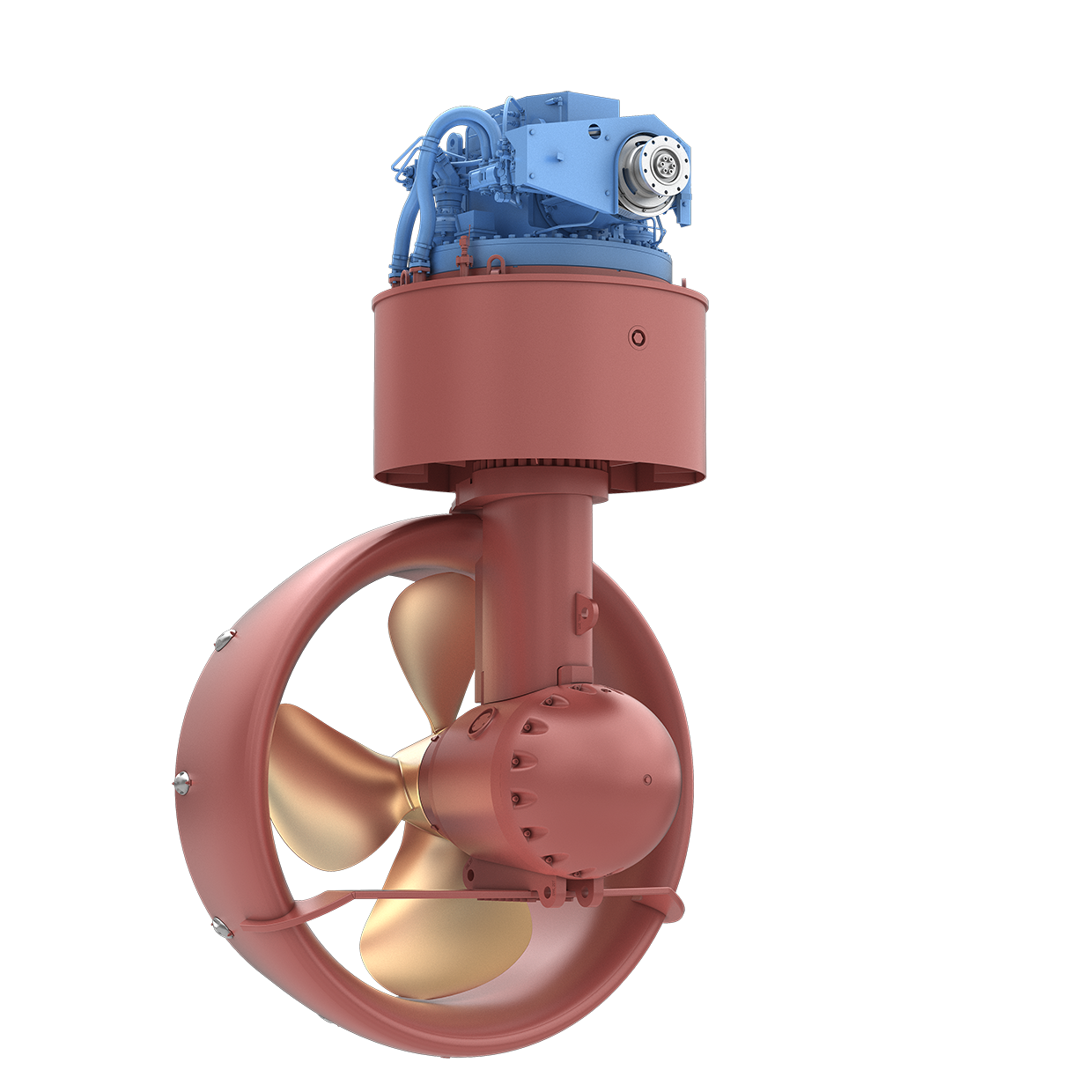
- UL-305
- US-155
- US-205
- US-255
- US-305
- 500
- 5500
- Tunnelthrusters
- Output 200–3,700 kW, propeller diameter 1,600–2,000 mm, thrust up to 229 kN, available in CP (Constant Pitch) and FP (Fixed Pitch)
- Azimuth-thrusters
- Leistung 330-6.500 kW (mechanical/hybrid), neun Baumgroessen, Zugkraft optimiert fuer Bollard-Pull, 360°-Schwenkung
- Arctic Thruster (ARC)
- Power from 3 MW to >10 MW, no oil-sea interfaces, adaptive seals, Polar-Class-2 and Icebreaker-7 to 9 MW
- Permanent Magnet (PM) Thrusters
- TT-PM 1000 kW (146 kN), TT-PM 1600 kW (229 kN), Effizienzsteigerung 7-13% gegenueber Diesel-Elektrik
- Hydraulik-standard
- Double gear hydraulics for control/ventilation/lubricant, double cylinder with pressure pipe safety, seal tank with refueling capacity
- Lagerung
- Rollenlager fuer Schubwelle, Schmierung mit Fett, Dichtung an Lagergehausen, Toleranz-Freispiele typisch 0,5-2,0 mm
- US Azimuth Thruster
- Arctic Thruster (ARC)
- TCNS/C Azimuth Thruster (Swing-up/Retractable)
- Rim Drive Azimuth Thruster (RD-AZ)
- Tunnel Thruster Type TT/TTH
- Permanent Magnet Tunnel Thruster (TT-PM)
- Rim Drive Tunnel Thruster (RD-TT)
- Underwater Mountable Azimuth Thruster (UUC/UUC-PM)
- Retractable Azimuth Thruster (UL/ULE)
- Azipull Thruster (Integrated PM Motor)
- Area: Propellerblaetter: Verschleiss, Risse, Verformung, SeewuchsbewuchsCheck: Sichtpruefung auf Schaedigungen, Freispiel, Blattoberflaeche glatt ohne Kratzer/Dellen. Blattwurzel-O-Ringe auf Verschleiss checken, Spitzzenspiel messen. Bei Zweifeln: 1,5 bar Luftdruck auf VT-Nippel, Seifenblasen-Test auf Oellecks.
- Area: Propellerwellen-Dichtung: Durchfeuchtuung, Oelaustrittsverlust, VerschleissCheck: Visual inspection for leaks around shaft seal, check sealing cavity (monitored automatically via ARC). Observe seal clip pressure (e.g. via sensor output). At 5-year overhaul: renew seal. Check adaptive pressure regulation.
- Area: Lagerfreispiel/Lagerverschleiss: Axiales/Radiales Play ueber Norm, BohrlochabtragCheck: Calipers/counter gauges: measure shaft diameter and bores (target value via manufacturer data sheet). Document caliper readings. If exceeded: replace bearing journal/bearing shells. Observe vibration/noise during operation.
- Area: Hydraulikfluid: Verschmutzung, Feuchtigkeit, Alterung, Farb-/GeruechsveraenderungCheck: Check fluid level in tank (target level). Color test: light/yellowish OK, cloudy/dark = change required. Particle count (if available). Change filter per manufacturer interval. Perform pressure test on hydraulic line.
- Area: Hydraulik-Leitungen/Verbindungen: Risse, Lecks, Verformung, korrosive BelaegeCheck: Visual inspection of all hoses, pipes, connections for defects. Check for dryness, corrosion (rust spots), kink marks. High-frequency leak test if necessary. Observe operating pressure during voyage.
- Area: Elastomer-Bauteile (O-Ringe, Dichtlippen, Gummistuecke): Hartung, Risse, QuellungserscheinungenCheck: Visual inspection of all O-rings/seals for wear, hardening, deformation. Test with finger pressure (elasticity). Clean O-ring grooves/lubricate with gearbox oil (at 5-year overhaul). Replace damaged parts.
Type-universal inspection/service points for bow/stern thrusters (Kongsberg, Mega-Swarm 2026-06). Per-model specs not auto-populated.
- Full 360° rotation gives superior low‑speed manoeuvrability and dynamic positioning capability
- Modular power range (0.5–5.5 MW) fits a wide variety of vessel sizes from offshore support to ice‑class carriers
- Optional nozzle or CP propeller increases thrust efficiency for high‑bollard‑pull applications
- Hybrid electric or diesel‑mechanical drive options allow integration with ship‑wide power management strategies
- Retractable (UL/ULE) and Arctic (ARC) variants provide flexibility for shallow drafts and ice operations
- High capital cost compared with conventional tunnel thrusters of similar power
- Complex maintenance – shaft seals, hydraulic circuits and bearing inspections required at regular intervals
- Space‑intensive installation; requires a dedicated tunnel or hull opening in the bow section
- Propeller fouling and blade wear are critical in warm waters, demanding frequent inspection
- Electrical‑drive versions need robust cooling and power electronics that add weight and volume
Wärtsilä
20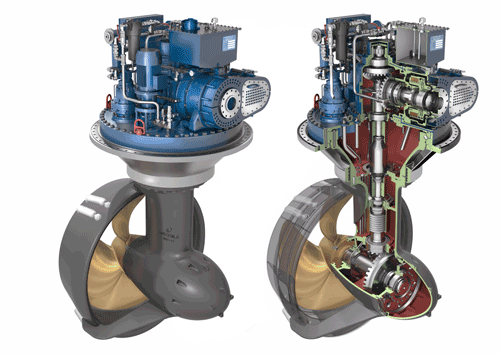
- WST-14
- WST-18
- WST-24
- WST-32
- 500
- 6000
- Leistungsbereich WST
- 700 kW bis 4900 kW
- Leistungsbereich WTT
- 400 kW bis 5500 kW
- Leistungsbereich WST-R
- 750 kW bis 6500 kW
- Neigungswinkel (WST-R)
- 8-Grad Propeller-Getriebe-Neigung für 15-20% höheren Schub
- Drehbereich
- 360° kontinuierliche Lenkung in horizontaler Ebene
- Wartungsintervalle
- 5-year inspections, 10-year overhauls or after 40,000–56,000 operating hours
- Dichtungstechnologie
- Sternguard In-Water Serviceable Seal (IWSS) - vollständig unter Wasser wartbar
- Ölsystem
- Integrierte Hydraulik mit Feinfiltration zur Lagerverlängerung
- WST - Steerable Thrusters (700-4900 kW)
- WTT - Transverse/Tunnel Thrusters (400-5500 kW)
- WST-R - Retractable Steerable Thrusters (750-6500 kW)
- WST-E - Electric Steerable Thrusters (WST-18E embedded electric)
- Underwater-Mountable Steerable Thrusters
- Area: Propeller-Blätter: Erosion, Korrosion, Kantenschäden, VerschleißmusterCheck: Perform visual inspection and NDT (non-destructive testing) according to OEM and classification society standards. Polishing in combination with edge damage repair increases operating efficiency by 2-5%. Check for pitting, erosion patterns and corrosion spots; document severe pitting areas.
- Area: Propeller blade foot seals: wear, leakage, water ingressCheck: 5-year overhaul: Disassemble and inspect all seals. 10-year overhaul: Complete replacement of blade foot O-rings. Check for water penetration in jet thruster assembly. Seals are critical for system protection.
- Area: Wellendichtungen (Shaft Seals): Abnutzung, Leckage, AustauschbedarfCheck: Measure propeller shaft wear with poker gauge (between last two stern tube seals). Perform complete inspection of tooth clearance, tooth pattern and shaft seals. 5-year overhaul: seal replacement. 10-year overhaul: comprehensive replacement.
- Area: Bearings (Roller Bearings): wear, bearing clearance, preload, failure symptomsCheck: 5-year overhaul: Check bearing clearance and wear. 10-year overhaul: Complete bearing replacement, reset preload, perform NDT inspection. Check main bearing axial clearance wear with feeler gauge (0.1 mm); maximum wear limit 2 mm. Use Wärtsilä bearing wear measurement system for remote monitoring of propeller shaft shoulder.
- Area: Hydrauliksystem: Öl-Verschmutzung (Wasser, Partikel), Filtration, ÖlqualitätCheck: Check gear oil regularly. At critical wear limits: partial change (bleed-and-feed) or complete oil change. Monitor water content in oil (critical >1000 ppm). Check fine filtration system and redundant filter options. Continuously filter out water ingress. Use all Wärtsilä-approved spare parts. 5-10-year overhaul: Perform oil change and filter maintenance.
- Area: Sternguard In-Water Serviceable Seal (IWSS): seal integrity, maintenance possible underwaterCheck: Check for oil leakage at outer seal. Inspect inflatable emergency seal and inner rope guard. Fully serviceable underwater without habitat or discharge. Measure seal gap and wear. Check retrofit compatibility with other seal types. Confirm compatibility with EAL and mineral oils.
Type-universal inspection/service points for Bow/Stern Thrusters (Wärtsilä, Mega-Schwarm 2026-06). Per-model specs not auto-filled.
- Full 360° continuous steering gives superior maneuverability in confined ports.
- Sternguard In‑Water Serviceable Seal (IWSS) allows seal replacement without dry‑docking, reducing maintenance downtime.
- Modular power range (700 kW – 4 900 kW) fits a wide variety of vessel sizes and DP requirements.
- Electric, diesel‑electric or diesel‑mechanical drive options enable integration with different propulsion architectures.
- Integrated hydraulic oil filtration extends bearing life and lowers oil‑change intervals.
- Higher initial capital cost compared with conventional tunnel thrusters of similar power.
- Complex mechanical arrangement (gearbox, bearings, seals) requires specialised spares and trained personnel.
- Large physical envelope may limit installation on vessels with restricted hull space.
- Noise and vibration levels can be higher than low‑speed tunnel units, requiring additional acoustic mitigation.
- Long lead times for spare parts on older model variants (e.g., WST‑14, WST‑18).
- Leistungsbereich WST
- 700 kW bis 4900 kW
- Leistungsbereich WTT
- 400 kW bis 5500 kW
- Leistungsbereich WST-R
- 750 kW bis 6500 kW
- Neigungswinkel (WST-R)
- 8-Grad Propeller-Getriebe-Neigung für 15-20% höheren Schub
- Drehbereich
- 360° kontinuierliche Lenkung in horizontaler Ebene
- Wartungsintervalle
- 5-year inspections, 10-year overhauls or after 40,000–56,000 operating hours
- Dichtungstechnologie
- Sternguard In-Water Serviceable Seal (IWSS) - vollständig unter Wasser wartbar
- Ölsystem
- Integrierte Hydraulik mit Feinfiltration zur Lagerverlängerung
- WST - Steerable Thrusters (700-4900 kW)
- WTT - Transverse/Tunnel Thrusters (400-5500 kW)
- WST-R - Retractable Steerable Thrusters (750-6500 kW)
- WST-E - Electric Steerable Thrusters (WST-18E embedded electric)
- Underwater-Mountable Steerable Thrusters
- Area: Propeller-Blätter: Erosion, Korrosion, Kantenschäden, VerschleißmusterCheck: Perform visual inspection and NDT (non-destructive testing) according to OEM and classification society standards. Polishing in combination with edge damage repair increases operating efficiency by 2-5%. Check for pitting, erosion patterns and corrosion spots; document severe pitting areas.
- Area: Propeller blade foot seals: wear, leakage, water ingressCheck: 5-year overhaul: Disassemble and inspect all seals. 10-year overhaul: Complete replacement of blade foot O-rings. Check for water penetration in jet thruster assembly. Seals are critical for system protection.
- Area: Wellendichtungen (Shaft Seals): Abnutzung, Leckage, AustauschbedarfCheck: Measure propeller shaft wear with poker gauge (between last two stern tube seals). Perform complete inspection of tooth clearance, tooth pattern and shaft seals. 5-year overhaul: seal replacement. 10-year overhaul: comprehensive replacement.
- Area: Bearings (Roller Bearings): wear, bearing clearance, preload, failure symptomsCheck: 5-year overhaul: Check bearing clearance and wear. 10-year overhaul: Complete bearing replacement, reset preload, perform NDT inspection. Check main bearing axial clearance wear with feeler gauge (0.1 mm); maximum wear limit 2 mm. Use Wärtsilä bearing wear measurement system for remote monitoring of propeller shaft shoulder.
- Area: Hydrauliksystem: Öl-Verschmutzung (Wasser, Partikel), Filtration, ÖlqualitätCheck: Check gear oil regularly. At critical wear limits: partial change (bleed-and-feed) or complete oil change. Monitor water content in oil (critical >1000 ppm). Check fine filtration system and redundant filter options. Continuously filter out water ingress. Use all Wärtsilä-approved spare parts. 5-10-year overhaul: Perform oil change and filter maintenance.
- Area: Sternguard In-Water Serviceable Seal (IWSS): seal integrity, maintenance possible underwaterCheck: Check for oil leakage at outer seal. Inspect inflatable emergency seal and inner rope guard. Fully serviceable underwater without habitat or discharge. Measure seal gap and wear. Check retrofit compatibility with other seal types. Confirm compatibility with EAL and mineral oils.
Type-universal inspection/service points for Bow/Stern Thrusters (Wärtsilä, Mega-Schwarm 2026-06). Per-model specs not auto-filled.
- Wide power range (700–4900 kW) covers many vessel sizes
- 360° continuous steering for precise low‑speed maneuvering
- Sternguard In‑Water Serviceable Seal (IWSS) enables underwater maintenance, reducing dry‑dock time
- Integrated fine‑filtration hydraulic system extends bearing and gear life
- Optional retractable version (WST‑R) reduces drag when not in use
- High initial capital cost compared with simpler fixed thrusters
- Requires dedicated tunnel space in hull, limiting installation on smaller vessels
- Complex overhaul procedures (5‑year inspection, 10‑year major rebuild) need specialised tools and trained personnel
- Noise and vibration at the upper end of the power band may require additional mitigation measures
- Weight and size can affect vessel stability if not properly accounted for
- Leistungsbereich WST
- 700 kW bis 4900 kW
- Leistungsbereich WTT
- 400 kW bis 5500 kW
- Leistungsbereich WST-R
- 750 kW bis 6500 kW
- Neigungswinkel (WST-R)
- 8-Grad Propeller-Getriebe-Neigung für 15-20% höheren Schub
- Drehbereich
- 360° kontinuierliche Lenkung in horizontaler Ebene
- Wartungsintervalle
- 5-year inspections, 10-year overhauls or after 40,000–56,000 operating hours
- Dichtungstechnologie
- Sternguard In-Water Serviceable Seal (IWSS) - vollständig unter Wasser wartbar
- Ölsystem
- Integrierte Hydraulik mit Feinfiltration zur Lagerverlängerung
- WST - Steerable Thrusters (700-4900 kW)
- WTT - Transverse/Tunnel Thrusters (400-5500 kW)
- WST-R - Retractable Steerable Thrusters (750-6500 kW)
- WST-E - Electric Steerable Thrusters (WST-18E embedded electric)
- Underwater-Mountable Steerable Thrusters
- Area: Propeller-Blätter: Erosion, Korrosion, Kantenschäden, VerschleißmusterCheck: Perform visual inspection and NDT (non-destructive testing) according to OEM and classification society standards. Polishing in combination with edge damage repair increases operating efficiency by 2-5%. Check for pitting, erosion patterns and corrosion spots; document severe pitting areas.
- Area: Propeller blade foot seals: wear, leakage, water ingressCheck: 5-year overhaul: Disassemble and inspect all seals. 10-year overhaul: Complete replacement of blade foot O-rings. Check for water penetration in jet thruster assembly. Seals are critical for system protection.
- Area: Wellendichtungen (Shaft Seals): Abnutzung, Leckage, AustauschbedarfCheck: Measure propeller shaft wear with poker gauge (between last two stern tube seals). Perform complete inspection of tooth clearance, tooth pattern and shaft seals. 5-year overhaul: seal replacement. 10-year overhaul: comprehensive replacement.
- Area: Bearings (Roller Bearings): wear, bearing clearance, preload, failure symptomsCheck: 5-year overhaul: Check bearing clearance and wear. 10-year overhaul: Complete bearing replacement, reset preload, perform NDT inspection. Check main bearing axial clearance wear with feeler gauge (0.1 mm); maximum wear limit 2 mm. Use Wärtsilä bearing wear measurement system for remote monitoring of propeller shaft shoulder.
- Area: Hydrauliksystem: Öl-Verschmutzung (Wasser, Partikel), Filtration, ÖlqualitätCheck: Check gear oil regularly. At critical wear limits: partial change (bleed-and-feed) or complete oil change. Monitor water content in oil (critical >1000 ppm). Check fine filtration system and redundant filter options. Continuously filter out water ingress. Use all Wärtsilä-approved spare parts. 5-10-year overhaul: Perform oil change and filter maintenance.
- Area: Sternguard In-Water Serviceable Seal (IWSS): seal integrity, maintenance possible underwaterCheck: Check for oil leakage at outer seal. Inspect inflatable emergency seal and inner rope guard. Fully serviceable underwater without habitat or discharge. Measure seal gap and wear. Check retrofit compatibility with other seal types. Confirm compatibility with EAL and mineral oils.
Type-universal inspection/service points for Bow/Stern Thrusters (Wärtsilä, Mega-Schwarm 2026-06). Per-model specs not auto-filled.
- Integrated electric motor eliminates hydraulic lines, reducing hull penetrations and potential leak points
- Sternguard In‑Water Serviceable Seal (IWSS) allows maintenance without dry‑docking
- 360° continuous steering provides superior maneuverability for dynamic positioning
- High efficiency across the 700 kW–4.9 MW power band, lowering fuel consumption of auxiliary generators
- Reduced vibration and noise compared with hydraulic thrusters
- Higher capital cost than comparable hydraulic thrusters
- Requires substantial shipboard electrical generation capacity and cooling infrastructure
- Thermal management of the electric motor can be critical in hot climates
- Limited thrust‑to‑weight ratio for very high‑power applications (>4 MW) compared with some large hydraulic units
- Spare parts inventory must include specialised electric motor components
- Leistungsbereich WST
- 700 kW bis 4900 kW
- Leistungsbereich WTT
- 400 kW bis 5500 kW
- Leistungsbereich WST-R
- 750 kW bis 6500 kW
- Neigungswinkel (WST-R)
- 8-Grad Propeller-Getriebe-Neigung für 15-20% höheren Schub
- Drehbereich
- 360° kontinuierliche Lenkung in horizontaler Ebene
- Wartungsintervalle
- 5-year inspections, 10-year overhauls or after 40,000–56,000 operating hours
- Dichtungstechnologie
- Sternguard In-Water Serviceable Seal (IWSS) - vollständig unter Wasser wartbar
- Ölsystem
- Integrierte Hydraulik mit Feinfiltration zur Lagerverlängerung
- WST - Steerable Thrusters (700-4900 kW)
- WTT - Transverse/Tunnel Thrusters (400-5500 kW)
- WST-R - Retractable Steerable Thrusters (750-6500 kW)
- WST-E - Electric Steerable Thrusters (WST-18E embedded electric)
- Underwater-Mountable Steerable Thrusters
- Area: Propeller-Blätter: Erosion, Korrosion, Kantenschäden, VerschleißmusterCheck: Perform visual inspection and NDT (non-destructive testing) according to OEM and classification society standards. Polishing in combination with edge damage repair increases operating efficiency by 2-5%. Check for pitting, erosion patterns and corrosion spots; document severe pitting areas.
- Area: Propeller blade foot seals: wear, leakage, water ingressCheck: 5-year overhaul: Disassemble and inspect all seals. 10-year overhaul: Complete replacement of blade foot O-rings. Check for water penetration in jet thruster assembly. Seals are critical for system protection.
- Area: Wellendichtungen (Shaft Seals): Abnutzung, Leckage, AustauschbedarfCheck: Measure propeller shaft wear with poker gauge (between last two stern tube seals). Perform complete inspection of tooth clearance, tooth pattern and shaft seals. 5-year overhaul: seal replacement. 10-year overhaul: comprehensive replacement.
- Area: Bearings (Roller Bearings): wear, bearing clearance, preload, failure symptomsCheck: 5-year overhaul: Check bearing clearance and wear. 10-year overhaul: Complete bearing replacement, reset preload, perform NDT inspection. Check main bearing axial clearance wear with feeler gauge (0.1 mm); maximum wear limit 2 mm. Use Wärtsilä bearing wear measurement system for remote monitoring of propeller shaft shoulder.
- Area: Hydrauliksystem: Öl-Verschmutzung (Wasser, Partikel), Filtration, ÖlqualitätCheck: Check gear oil regularly. At critical wear limits: partial change (bleed-and-feed) or complete oil change. Monitor water content in oil (critical >1000 ppm). Check fine filtration system and redundant filter options. Continuously filter out water ingress. Use all Wärtsilä-approved spare parts. 5-10-year overhaul: Perform oil change and filter maintenance.
- Area: Sternguard In-Water Serviceable Seal (IWSS): seal integrity, maintenance possible underwaterCheck: Check for oil leakage at outer seal. Inspect inflatable emergency seal and inner rope guard. Fully serviceable underwater without habitat or discharge. Measure seal gap and wear. Check retrofit compatibility with other seal types. Confirm compatibility with EAL and mineral oils.
Type-universal inspection/service points for Bow/Stern Thrusters (Wärtsilä, Mega-Schwarm 2026-06). Per-model specs not auto-filled.
- Very wide power range (750‑6500 kW) covering most large commercial vessels
- Retractable design reduces hull resistance when the thruster is not needed
- 8° propeller‑gear tilt provides 15‑20% higher thrust compared with standard units
- Sternguard In‑Water Serviceable Seal (IWSS) allows underwater maintenance without dry‑docking
- Integrated hydraulic system with fine oil filtration extends bearing life and reduces downtime
- Higher capital cost than fixed thrusters of similar power
- Complex retractable mechanism requires more space in the hull and specialised installation
- Maintenance intervals (5‑year inspection, 10‑year overhaul) are stricter due to moving parts
- Requires vessel design accommodation for retraction housing and sealing penetrations
- Leistungsbereich WST
- 700 kW bis 4900 kW
- Leistungsbereich WTT
- 400 kW bis 5500 kW
- Leistungsbereich WST-R
- 750 kW bis 6500 kW
- Neigungswinkel (WST-R)
- 8-Grad Propeller-Getriebe-Neigung für 15-20% höheren Schub
- Drehbereich
- 360° kontinuierliche Lenkung in horizontaler Ebene
- Wartungsintervalle
- 5-year inspections, 10-year overhauls or after 40,000–56,000 operating hours
- Dichtungstechnologie
- Sternguard In-Water Serviceable Seal (IWSS) - vollständig unter Wasser wartbar
- Ölsystem
- Integrierte Hydraulik mit Feinfiltration zur Lagerverlängerung
- WST - Steerable Thrusters (700-4900 kW)
- WTT - Transverse/Tunnel Thrusters (400-5500 kW)
- WST-R - Retractable Steerable Thrusters (750-6500 kW)
- WST-E - Electric Steerable Thrusters (WST-18E embedded electric)
- Underwater-Mountable Steerable Thrusters
- Area: Propeller-Blätter: Erosion, Korrosion, Kantenschäden, VerschleißmusterCheck: Perform visual inspection and NDT (non-destructive testing) according to OEM and classification society standards. Polishing in combination with edge damage repair increases operating efficiency by 2-5%. Check for pitting, erosion patterns and corrosion spots; document severe pitting areas.
- Area: Propeller blade foot seals: wear, leakage, water ingressCheck: 5-year overhaul: Disassemble and inspect all seals. 10-year overhaul: Complete replacement of blade foot O-rings. Check for water penetration in jet thruster assembly. Seals are critical for system protection.
- Area: Wellendichtungen (Shaft Seals): Abnutzung, Leckage, AustauschbedarfCheck: Measure propeller shaft wear with poker gauge (between last two stern tube seals). Perform complete inspection of tooth clearance, tooth pattern and shaft seals. 5-year overhaul: seal replacement. 10-year overhaul: comprehensive replacement.
- Area: Bearings (Roller Bearings): wear, bearing clearance, preload, failure symptomsCheck: 5-year overhaul: Check bearing clearance and wear. 10-year overhaul: Complete bearing replacement, reset preload, perform NDT inspection. Check main bearing axial clearance wear with feeler gauge (0.1 mm); maximum wear limit 2 mm. Use Wärtsilä bearing wear measurement system for remote monitoring of propeller shaft shoulder.
- Area: Hydrauliksystem: Öl-Verschmutzung (Wasser, Partikel), Filtration, ÖlqualitätCheck: Check gear oil regularly. At critical wear limits: partial change (bleed-and-feed) or complete oil change. Monitor water content in oil (critical >1000 ppm). Check fine filtration system and redundant filter options. Continuously filter out water ingress. Use all Wärtsilä-approved spare parts. 5-10-year overhaul: Perform oil change and filter maintenance.
- Area: Sternguard In-Water Serviceable Seal (IWSS): seal integrity, maintenance possible underwaterCheck: Check for oil leakage at outer seal. Inspect inflatable emergency seal and inner rope guard. Fully serviceable underwater without habitat or discharge. Measure seal gap and wear. Check retrofit compatibility with other seal types. Confirm compatibility with EAL and mineral oils.
Type-universal inspection/service points for Bow/Stern Thrusters (Wärtsilä, Mega-Schwarm 2026-06). Per-model specs not auto-filled.
- Underwater serviceable Sternguard IWSS seal eliminates need for dry‑dock during overhauls
- Full 360° azimuth gives superior maneuverability and DP capability
- Wide power range (700 kW–6.5 MW) covers many vessel sizes and propulsion requirements
- Integrated hydraulic system with fine filtration extends bearing life
- Retractable version (WST‑R) reduces hull resistance when thruster is not in use
- Higher capital cost compared with conventional tunnel or fixed‑pitch thrusters
- Complex installation and maintenance require specialised tools and trained personnel
- Spare‑part logistics can be challenging for vessels operating far from major ports
- Large hull opening needed; may limit applicability on smaller ships
- Seal performance is critical – improper underwater servicing can lead to leaks
- Leistungsbereich WST
- 700 kW bis 4900 kW
- Leistungsbereich WTT
- 400 kW bis 5500 kW
- Leistungsbereich WST-R
- 750 kW bis 6500 kW
- Neigungswinkel (WST-R)
- 8-Grad Propeller-Getriebe-Neigung für 15-20% höheren Schub
- Drehbereich
- 360° kontinuierliche Lenkung in horizontaler Ebene
- Wartungsintervalle
- 5-year inspections, 10-year overhauls or after 40,000–56,000 operating hours
- Dichtungstechnologie
- Sternguard In-Water Serviceable Seal (IWSS) - vollständig unter Wasser wartbar
- Ölsystem
- Integrierte Hydraulik mit Feinfiltration zur Lagerverlängerung
- WST - Steerable Thrusters (700-4900 kW)
- WTT - Transverse/Tunnel Thrusters (400-5500 kW)
- WST-R - Retractable Steerable Thrusters (750-6500 kW)
- WST-E - Electric Steerable Thrusters (WST-18E embedded electric)
- Underwater-Mountable Steerable Thrusters
- Area: Propeller-Blätter: Erosion, Korrosion, Kantenschäden, VerschleißmusterCheck: Perform visual inspection and NDT (non-destructive testing) according to OEM and classification society standards. Polishing in combination with edge damage repair increases operating efficiency by 2-5%. Check for pitting, erosion patterns and corrosion spots; document severe pitting areas.
- Area: Propeller blade foot seals: wear, leakage, water ingressCheck: 5-year overhaul: Disassemble and inspect all seals. 10-year overhaul: Complete replacement of blade foot O-rings. Check for water penetration in jet thruster assembly. Seals are critical for system protection.
- Area: Wellendichtungen (Shaft Seals): Abnutzung, Leckage, AustauschbedarfCheck: Measure propeller shaft wear with poker gauge (between last two stern tube seals). Perform complete inspection of tooth clearance, tooth pattern and shaft seals. 5-year overhaul: seal replacement. 10-year overhaul: comprehensive replacement.
- Area: Bearings (Roller Bearings): wear, bearing clearance, preload, failure symptomsCheck: 5-year overhaul: Check bearing clearance and wear. 10-year overhaul: Complete bearing replacement, reset preload, perform NDT inspection. Check main bearing axial clearance wear with feeler gauge (0.1 mm); maximum wear limit 2 mm. Use Wärtsilä bearing wear measurement system for remote monitoring of propeller shaft shoulder.
- Area: Hydrauliksystem: Öl-Verschmutzung (Wasser, Partikel), Filtration, ÖlqualitätCheck: Check gear oil regularly. At critical wear limits: partial change (bleed-and-feed) or complete oil change. Monitor water content in oil (critical >1000 ppm). Check fine filtration system and redundant filter options. Continuously filter out water ingress. Use all Wärtsilä-approved spare parts. 5-10-year overhaul: Perform oil change and filter maintenance.
- Area: Sternguard In-Water Serviceable Seal (IWSS): seal integrity, maintenance possible underwaterCheck: Check for oil leakage at outer seal. Inspect inflatable emergency seal and inner rope guard. Fully serviceable underwater without habitat or discharge. Measure seal gap and wear. Check retrofit compatibility with other seal types. Confirm compatibility with EAL and mineral oils.
Type-universal inspection/service points for Bow/Stern Thrusters (Wärtsilä, Mega-Schwarm 2026-06). Per-model specs not auto-filled.
- Underwater‑serviceable seal eliminates the need for dry‑docking to replace worn seals, reducing downtime.
- Broad power envelope (700 kW‑4.9 MW for WST, up to 6.5 MW for retractable models) fits many high‑power vessels.
- Continuous 360° steering offers superior maneuverability and DP performance.
- Integrated hydraulic oil system with fine filtration extends bearing life and lowers maintenance frequency.
- Standardised product families (WST, WTT, WST‑R, etc.) simplify spares logistics.
- Higher capital cost compared with conventional lip seals or non‑serviceable designs.
- Requires specialised Wärtsilä support and tooling for seal inspection/replacement under water.
- Major overhauls (10‑year) still demand dry‑docking and shaft removal, incurring significant shipyard time.
- Installation space constraints – pod/shaft geometry may not suit all hull forms.
- Sensitivity to water ingress; seal performance degrades if oil‑water separation exceeds 1 000 ppm.
- Leistungsbereich WST
- 700 kW bis 4900 kW
- Leistungsbereich WTT
- 400 kW bis 5500 kW
- Leistungsbereich WST-R
- 750 kW bis 6500 kW
- Neigungswinkel (WST-R)
- 8-Grad Propeller-Getriebe-Neigung für 15-20% höheren Schub
- Drehbereich
- 360° kontinuierliche Lenkung in horizontaler Ebene
- Wartungsintervalle
- 5-year inspections, 10-year overhauls or after 40,000–56,000 operating hours
- Dichtungstechnologie
- Sternguard In-Water Serviceable Seal (IWSS) - vollständig unter Wasser wartbar
- Ölsystem
- Integrierte Hydraulik mit Feinfiltration zur Lagerverlängerung
- WST - Steerable Thrusters (700-4900 kW)
- WTT - Transverse/Tunnel Thrusters (400-5500 kW)
- WST-R - Retractable Steerable Thrusters (750-6500 kW)
- WST-E - Electric Steerable Thrusters (WST-18E embedded electric)
- Underwater-Mountable Steerable Thrusters
- Area: Propeller-Blätter: Erosion, Korrosion, Kantenschäden, VerschleißmusterCheck: Perform visual inspection and NDT (non-destructive testing) according to OEM and classification society standards. Polishing in combination with edge damage repair increases operating efficiency by 2-5%. Check for pitting, erosion patterns and corrosion spots; document severe pitting areas.
- Area: Propeller blade foot seals: wear, leakage, water ingressCheck: 5-year overhaul: Disassemble and inspect all seals. 10-year overhaul: Complete replacement of blade foot O-rings. Check for water penetration in jet thruster assembly. Seals are critical for system protection.
- Area: Wellendichtungen (Shaft Seals): Abnutzung, Leckage, AustauschbedarfCheck: Measure propeller shaft wear with poker gauge (between last two stern tube seals). Perform complete inspection of tooth clearance, tooth pattern and shaft seals. 5-year overhaul: seal replacement. 10-year overhaul: comprehensive replacement.
- Area: Bearings (Roller Bearings): wear, bearing clearance, preload, failure symptomsCheck: 5-year overhaul: Check bearing clearance and wear. 10-year overhaul: Complete bearing replacement, reset preload, perform NDT inspection. Check main bearing axial clearance wear with feeler gauge (0.1 mm); maximum wear limit 2 mm. Use Wärtsilä bearing wear measurement system for remote monitoring of propeller shaft shoulder.
- Area: Hydrauliksystem: Öl-Verschmutzung (Wasser, Partikel), Filtration, ÖlqualitätCheck: Check gear oil regularly. At critical wear limits: partial change (bleed-and-feed) or complete oil change. Monitor water content in oil (critical >1000 ppm). Check fine filtration system and redundant filter options. Continuously filter out water ingress. Use all Wärtsilä-approved spare parts. 5-10-year overhaul: Perform oil change and filter maintenance.
- Area: Sternguard In-Water Serviceable Seal (IWSS): seal integrity, maintenance possible underwaterCheck: Check for oil leakage at outer seal. Inspect inflatable emergency seal and inner rope guard. Fully serviceable underwater without habitat or discharge. Measure seal gap and wear. Check retrofit compatibility with other seal types. Confirm compatibility with EAL and mineral oils.
Type-universal inspection/service points for Bow/Stern Thrusters (Wärtsilä, Mega-Schwarm 2026-06). Per-model specs not auto-filled.
- Wide power range (700 kW – 4.9 MW) covering many vessel sizes
- Continuous 360° steering for superior maneuverability and DP capability
- Sternguard In‑Water Serviceable Seal allows underwater maintenance, reducing dry‑dock time
- Modular product family (steerable, retractable, electric) to match specific installation constraints
- Optimised blade geometry and low shaft speed give high thrust efficiency
- Higher capital cost compared with fixed tunnel thrusters of similar power
- Complex hydraulic system requires regular oil quality monitoring and filtration
- Larger hull penetration can affect structural integrity and may need reinforcement
- Maintenance intervals (5‑year inspection, 10‑year overhaul) are still significant for operators
- Spare‑part availability can be limited in remote ports without Wärtsilä service network
- Leistungsbereich WST
- 700 kW bis 4900 kW
- Leistungsbereich WTT
- 400 kW bis 5500 kW
- Leistungsbereich WST-R
- 750 kW bis 6500 kW
- Neigungswinkel (WST-R)
- 8-Grad Propeller-Getriebe-Neigung für 15-20% höheren Schub
- Drehbereich
- 360° kontinuierliche Lenkung in horizontaler Ebene
- Wartungsintervalle
- 5-year inspections, 10-year overhauls or after 40,000–56,000 operating hours
- Dichtungstechnologie
- Sternguard In-Water Serviceable Seal (IWSS) - vollständig unter Wasser wartbar
- Ölsystem
- Integrierte Hydraulik mit Feinfiltration zur Lagerverlängerung
- WST - Steerable Thrusters (700-4900 kW)
- WTT - Transverse/Tunnel Thrusters (400-5500 kW)
- WST-R - Retractable Steerable Thrusters (750-6500 kW)
- WST-E - Electric Steerable Thrusters (WST-18E embedded electric)
- Underwater-Mountable Steerable Thrusters
- Area: Propeller-Blätter: Erosion, Korrosion, Kantenschäden, VerschleißmusterCheck: Perform visual inspection and NDT (non-destructive testing) according to OEM and classification society standards. Polishing in combination with edge damage repair increases operating efficiency by 2-5%. Check for pitting, erosion patterns and corrosion spots; document severe pitting areas.
- Area: Propeller blade foot seals: wear, leakage, water ingressCheck: 5-year overhaul: Disassemble and inspect all seals. 10-year overhaul: Complete replacement of blade foot O-rings. Check for water penetration in jet thruster assembly. Seals are critical for system protection.
- Area: Wellendichtungen (Shaft Seals): Abnutzung, Leckage, AustauschbedarfCheck: Measure propeller shaft wear with poker gauge (between last two stern tube seals). Perform complete inspection of tooth clearance, tooth pattern and shaft seals. 5-year overhaul: seal replacement. 10-year overhaul: comprehensive replacement.
- Area: Bearings (Roller Bearings): wear, bearing clearance, preload, failure symptomsCheck: 5-year overhaul: Check bearing clearance and wear. 10-year overhaul: Complete bearing replacement, reset preload, perform NDT inspection. Check main bearing axial clearance wear with feeler gauge (0.1 mm); maximum wear limit 2 mm. Use Wärtsilä bearing wear measurement system for remote monitoring of propeller shaft shoulder.
- Area: Hydrauliksystem: Öl-Verschmutzung (Wasser, Partikel), Filtration, ÖlqualitätCheck: Check gear oil regularly. At critical wear limits: partial change (bleed-and-feed) or complete oil change. Monitor water content in oil (critical >1000 ppm). Check fine filtration system and redundant filter options. Continuously filter out water ingress. Use all Wärtsilä-approved spare parts. 5-10-year overhaul: Perform oil change and filter maintenance.
- Area: Sternguard In-Water Serviceable Seal (IWSS): seal integrity, maintenance possible underwaterCheck: Check for oil leakage at outer seal. Inspect inflatable emergency seal and inner rope guard. Fully serviceable underwater without habitat or discharge. Measure seal gap and wear. Check retrofit compatibility with other seal types. Confirm compatibility with EAL and mineral oils.
Type-universal inspection/service points for Bow/Stern Thrusters (Wärtsilä, Mega-Schwarm 2026-06). Per-model specs not auto-filled.
- Direct integration with Wärtsilä WST, WTT and WST‑R thruster data libraries ensures accurate performance predictions.
- Provides lifecycle cost analysis including maintenance intervals (5‑year inspections, 10‑year overhauls) and oil‑filtering strategies.
- Enables 360° thrust vector simulation for both static and DP operating modes, helping to meet class DP requirements early in design.
- Supports what‑if scenarios for different power ratings (700 kW–6.5 MW) and propeller pitch angles, facilitating optimal thruster selection.
- Includes built‑in alerts for known failure points such as blade‑foot seal wear or shaft bearing degradation.
- Applicable only to Wärtsilä thruster families; mixed‑manufacturer installations require separate analysis tools.
- Requires a licensed installation and periodic software updates, adding to total ownership cost.
- Advanced DP scenario modelling may need high‑performance computing resources not available on all shipyards.
- No formal regulatory certification (e.g., IMO D‑2) for the software itself; compliance still depends on downstream system approval.
- User training is necessary to interpret maintenance‑interval recommendations correctly.
- Leistungsbereich WST
- 700 kW bis 4900 kW
- Leistungsbereich WTT
- 400 kW bis 5500 kW
- Leistungsbereich WST-R
- 750 kW bis 6500 kW
- Neigungswinkel (WST-R)
- 8-Grad Propeller-Getriebe-Neigung für 15-20% höheren Schub
- Drehbereich
- 360° kontinuierliche Lenkung in horizontaler Ebene
- Wartungsintervalle
- 5-year inspections, 10-year overhauls or after 40,000–56,000 operating hours
- Dichtungstechnologie
- Sternguard In-Water Serviceable Seal (IWSS) - vollständig unter Wasser wartbar
- Ölsystem
- Integrierte Hydraulik mit Feinfiltration zur Lagerverlängerung
- WST - Steerable Thrusters (700-4900 kW)
- WTT - Transverse/Tunnel Thrusters (400-5500 kW)
- WST-R - Retractable Steerable Thrusters (750-6500 kW)
- WST-E - Electric Steerable Thrusters (WST-18E embedded electric)
- Underwater-Mountable Steerable Thrusters
- Area: Propeller-Blätter: Erosion, Korrosion, Kantenschäden, VerschleißmusterCheck: Perform visual inspection and NDT (non-destructive testing) according to OEM and classification society standards. Polishing in combination with edge damage repair increases operating efficiency by 2-5%. Check for pitting, erosion patterns and corrosion spots; document severe pitting areas.
- Area: Propeller blade foot seals: wear, leakage, water ingressCheck: 5-year overhaul: Disassemble and inspect all seals. 10-year overhaul: Complete replacement of blade foot O-rings. Check for water penetration in jet thruster assembly. Seals are critical for system protection.
- Area: Wellendichtungen (Shaft Seals): Abnutzung, Leckage, AustauschbedarfCheck: Measure propeller shaft wear with poker gauge (between last two stern tube seals). Perform complete inspection of tooth clearance, tooth pattern and shaft seals. 5-year overhaul: seal replacement. 10-year overhaul: comprehensive replacement.
- Area: Bearings (Roller Bearings): wear, bearing clearance, preload, failure symptomsCheck: 5-year overhaul: Check bearing clearance and wear. 10-year overhaul: Complete bearing replacement, reset preload, perform NDT inspection. Check main bearing axial clearance wear with feeler gauge (0.1 mm); maximum wear limit 2 mm. Use Wärtsilä bearing wear measurement system for remote monitoring of propeller shaft shoulder.
- Area: Hydrauliksystem: Öl-Verschmutzung (Wasser, Partikel), Filtration, ÖlqualitätCheck: Check gear oil regularly. At critical wear limits: partial change (bleed-and-feed) or complete oil change. Monitor water content in oil (critical >1000 ppm). Check fine filtration system and redundant filter options. Continuously filter out water ingress. Use all Wärtsilä-approved spare parts. 5-10-year overhaul: Perform oil change and filter maintenance.
- Area: Sternguard In-Water Serviceable Seal (IWSS): seal integrity, maintenance possible underwaterCheck: Check for oil leakage at outer seal. Inspect inflatable emergency seal and inner rope guard. Fully serviceable underwater without habitat or discharge. Measure seal gap and wear. Check retrofit compatibility with other seal types. Confirm compatibility with EAL and mineral oils.
Type-universal inspection/service points for Bow/Stern Thrusters (Wärtsilä, Mega-Schwarm 2026-06). Per-model specs not auto-filled.
- Wide power range (700 kW – 4.9 MW) covering medium to ultra‑large vessels
- Continuous 360° steering without mechanical stop‑cage, enabling precise manoeuvring
- Sternguard In‑Water Serviceable Seal allows underwater maintenance, reducing dry‑dock intervals
- Integrated fine‑filtration hydraulic system extends bearing life and improves fuel efficiency
- Retractable version (WST‑R) offers 15‑20 % higher thrust via propeller tilt
- Higher upfront capital cost compared with conventional fixed bow thrusters
- Complex maintenance requiring specialised tools, training and OEM support
- Hydraulic oil quality must be tightly controlled; contamination can lead to premature wear
- Retractable installations need hull penetrations and careful structural design
- Spare‑part logistics may be longer for remote ports
- Leistungsbereich WST
- 700 kW bis 4900 kW
- Leistungsbereich WTT
- 400 kW bis 5500 kW
- Leistungsbereich WST-R
- 750 kW bis 6500 kW
- Neigungswinkel (WST-R)
- 8-Grad Propeller-Getriebe-Neigung für 15-20% höheren Schub
- Drehbereich
- 360° kontinuierliche Lenkung in horizontaler Ebene
- Wartungsintervalle
- 5-year inspections, 10-year overhauls or after 40,000–56,000 operating hours
- Dichtungstechnologie
- Sternguard In-Water Serviceable Seal (IWSS) - vollständig unter Wasser wartbar
- Ölsystem
- Integrierte Hydraulik mit Feinfiltration zur Lagerverlängerung
- WST - Steerable Thrusters (700-4900 kW)
- WTT - Transverse/Tunnel Thrusters (400-5500 kW)
- WST-R - Retractable Steerable Thrusters (750-6500 kW)
- WST-E - Electric Steerable Thrusters (WST-18E embedded electric)
- Underwater-Mountable Steerable Thrusters
- Area: Propeller-Blätter: Erosion, Korrosion, Kantenschäden, VerschleißmusterCheck: Perform visual inspection and NDT (non-destructive testing) according to OEM and classification society standards. Polishing in combination with edge damage repair increases operating efficiency by 2-5%. Check for pitting, erosion patterns and corrosion spots; document severe pitting areas.
- Area: Propeller blade foot seals: wear, leakage, water ingressCheck: 5-year overhaul: Disassemble and inspect all seals. 10-year overhaul: Complete replacement of blade foot O-rings. Check for water penetration in jet thruster assembly. Seals are critical for system protection.
- Area: Wellendichtungen (Shaft Seals): Abnutzung, Leckage, AustauschbedarfCheck: Measure propeller shaft wear with poker gauge (between last two stern tube seals). Perform complete inspection of tooth clearance, tooth pattern and shaft seals. 5-year overhaul: seal replacement. 10-year overhaul: comprehensive replacement.
- Area: Bearings (Roller Bearings): wear, bearing clearance, preload, failure symptomsCheck: 5-year overhaul: Check bearing clearance and wear. 10-year overhaul: Complete bearing replacement, reset preload, perform NDT inspection. Check main bearing axial clearance wear with feeler gauge (0.1 mm); maximum wear limit 2 mm. Use Wärtsilä bearing wear measurement system for remote monitoring of propeller shaft shoulder.
- Area: Hydrauliksystem: Öl-Verschmutzung (Wasser, Partikel), Filtration, ÖlqualitätCheck: Check gear oil regularly. At critical wear limits: partial change (bleed-and-feed) or complete oil change. Monitor water content in oil (critical >1000 ppm). Check fine filtration system and redundant filter options. Continuously filter out water ingress. Use all Wärtsilä-approved spare parts. 5-10-year overhaul: Perform oil change and filter maintenance.
- Area: Sternguard In-Water Serviceable Seal (IWSS): seal integrity, maintenance possible underwaterCheck: Check for oil leakage at outer seal. Inspect inflatable emergency seal and inner rope guard. Fully serviceable underwater without habitat or discharge. Measure seal gap and wear. Check retrofit compatibility with other seal types. Confirm compatibility with EAL and mineral oils.
Type-universal inspection/service points for Bow/Stern Thrusters (Wärtsilä, Mega-Schwarm 2026-06). Per-model specs not auto-filled.
- Low power (50 kW) and small footprint – easy integration on vessels with limited hull space
- Sternguard In‑Water Serviceable Seal (IWSS) allows underwater inspection and minor repairs without dry‑docking
- Integrated hydraulic drive with fine filtration extends bearing life and reduces oil contamination risk
- 360° continuous steering provides precise maneuverability in tight ports
- Quiet operation suitable for passenger ferries and workboats
- Limited thrust compared with larger thrusters – not suited for high‑displacement ships requiring >150 kN of bollard pull
- Tunnel diameter (600 mm) restricts propeller size, reducing efficiency at higher vessel speeds
- Maintenance intervals (5‑year inspection, 10‑year overhaul) still required to avoid bearing and seal wear
- Single unit – no built‑in redundancy for critical DP applications
- Potential cavitation in very shallow water or when operating near the propeller’s design limit
- Leistungsbereich WST
- 700 kW bis 4900 kW
- Leistungsbereich WTT
- 400 kW bis 5500 kW
- Leistungsbereich WST-R
- 750 kW bis 6500 kW
- Neigungswinkel (WST-R)
- 8-Grad Propeller-Getriebe-Neigung für 15-20% höheren Schub
- Drehbereich
- 360° kontinuierliche Lenkung in horizontaler Ebene
- Wartungsintervalle
- 5-year inspections, 10-year overhauls or after 40,000–56,000 operating hours
- Dichtungstechnologie
- Sternguard In-Water Serviceable Seal (IWSS) - vollständig unter Wasser wartbar
- Ölsystem
- Integrierte Hydraulik mit Feinfiltration zur Lagerverlängerung
- WST - Steerable Thrusters (700-4900 kW)
- WTT - Transverse/Tunnel Thrusters (400-5500 kW)
- WST-R - Retractable Steerable Thrusters (750-6500 kW)
- WST-E - Electric Steerable Thrusters (WST-18E embedded electric)
- Underwater-Mountable Steerable Thrusters
- Area: Propeller-Blätter: Erosion, Korrosion, Kantenschäden, VerschleißmusterCheck: Perform visual inspection and NDT (non-destructive testing) according to OEM and classification society standards. Polishing in combination with edge damage repair increases operating efficiency by 2-5%. Check for pitting, erosion patterns and corrosion spots; document severe pitting areas.
- Area: Propeller blade foot seals: wear, leakage, water ingressCheck: 5-year overhaul: Disassemble and inspect all seals. 10-year overhaul: Complete replacement of blade foot O-rings. Check for water penetration in jet thruster assembly. Seals are critical for system protection.
- Area: Wellendichtungen (Shaft Seals): Abnutzung, Leckage, AustauschbedarfCheck: Measure propeller shaft wear with poker gauge (between last two stern tube seals). Perform complete inspection of tooth clearance, tooth pattern and shaft seals. 5-year overhaul: seal replacement. 10-year overhaul: comprehensive replacement.
- Area: Bearings (Roller Bearings): wear, bearing clearance, preload, failure symptomsCheck: 5-year overhaul: Check bearing clearance and wear. 10-year overhaul: Complete bearing replacement, reset preload, perform NDT inspection. Check main bearing axial clearance wear with feeler gauge (0.1 mm); maximum wear limit 2 mm. Use Wärtsilä bearing wear measurement system for remote monitoring of propeller shaft shoulder.
- Area: Hydrauliksystem: Öl-Verschmutzung (Wasser, Partikel), Filtration, ÖlqualitätCheck: Check gear oil regularly. At critical wear limits: partial change (bleed-and-feed) or complete oil change. Monitor water content in oil (critical >1000 ppm). Check fine filtration system and redundant filter options. Continuously filter out water ingress. Use all Wärtsilä-approved spare parts. 5-10-year overhaul: Perform oil change and filter maintenance.
- Area: Sternguard In-Water Serviceable Seal (IWSS): seal integrity, maintenance possible underwaterCheck: Check for oil leakage at outer seal. Inspect inflatable emergency seal and inner rope guard. Fully serviceable underwater without habitat or discharge. Measure seal gap and wear. Check retrofit compatibility with other seal types. Confirm compatibility with EAL and mineral oils.
Type-universal inspection/service points for Bow/Stern Thrusters (Wärtsilä, Mega-Schwarm 2026-06). Per-model specs not auto-filled.
- Underwater‑serviceable IWSS seal eliminates the need for dry‑dock removal during maintenance
- 360° continuous steering provides superior maneuverability in confined ports
- Integrated hydraulic drive with fine filtration extends bearing life and reduces oil contamination risk
- Compact tunnel design fits vessels with limited hull space while delivering high thrust‑to‑power ratio
- Proven Wärtsilä brand reputation and global support network
- Limited power (100 kW) may be insufficient for large vessels or high‑wind DP operations
- Tunnel installation requires hull penetration and careful alignment, increasing initial fit‑out time
- Maintenance intervals (5‑year inspection, 10‑year overhaul) still impose scheduled dry‑dock periods
- Potential cavitation noise at higher propeller speeds compared with larger diameter thrusters
- Higher upfront cost relative to simple fixed bow thrusters of similar power
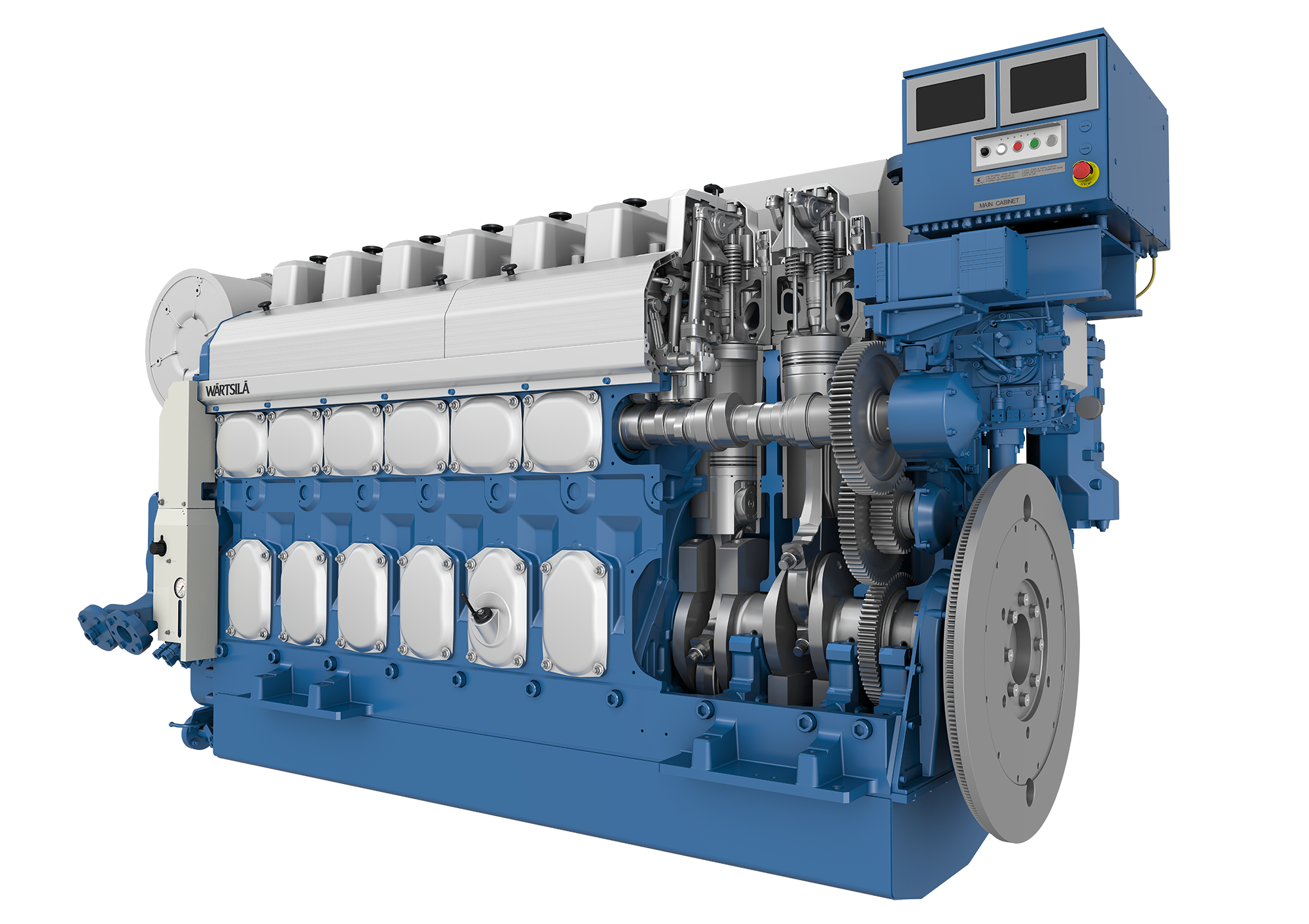
- Leistungsbereich WST
- 700 kW bis 4900 kW
- Leistungsbereich WTT
- 400 kW bis 5500 kW
- Leistungsbereich WST-R
- 750 kW bis 6500 kW
- Neigungswinkel (WST-R)
- 8-Grad Propeller-Getriebe-Neigung für 15-20% höheren Schub
- Drehbereich
- 360° kontinuierliche Lenkung in horizontaler Ebene
- Wartungsintervalle
- 5-year inspections, 10-year overhauls or after 40,000–56,000 operating hours
- Dichtungstechnologie
- Sternguard In-Water Serviceable Seal (IWSS) - vollständig unter Wasser wartbar
- Ölsystem
- Integrierte Hydraulik mit Feinfiltration zur Lagerverlängerung
- WST - Steerable Thrusters (700-4900 kW)
- WTT - Transverse/Tunnel Thrusters (400-5500 kW)
- WST-R - Retractable Steerable Thrusters (750-6500 kW)
- WST-E - Electric Steerable Thrusters (WST-18E embedded electric)
- Underwater-Mountable Steerable Thrusters
- Area: Propeller-Blätter: Erosion, Korrosion, Kantenschäden, VerschleißmusterCheck: Perform visual inspection and NDT (non-destructive testing) according to OEM and classification society standards. Polishing in combination with edge damage repair increases operating efficiency by 2-5%. Check for pitting, erosion patterns and corrosion spots; document severe pitting areas.
- Area: Propeller blade foot seals: wear, leakage, water ingressCheck: 5-year overhaul: Disassemble and inspect all seals. 10-year overhaul: Complete replacement of blade foot O-rings. Check for water penetration in jet thruster assembly. Seals are critical for system protection.
- Area: Wellendichtungen (Shaft Seals): Abnutzung, Leckage, AustauschbedarfCheck: Measure propeller shaft wear with poker gauge (between last two stern tube seals). Perform complete inspection of tooth clearance, tooth pattern and shaft seals. 5-year overhaul: seal replacement. 10-year overhaul: comprehensive replacement.
- Area: Bearings (Roller Bearings): wear, bearing clearance, preload, failure symptomsCheck: 5-year overhaul: Check bearing clearance and wear. 10-year overhaul: Complete bearing replacement, reset preload, perform NDT inspection. Check main bearing axial clearance wear with feeler gauge (0.1 mm); maximum wear limit 2 mm. Use Wärtsilä bearing wear measurement system for remote monitoring of propeller shaft shoulder.
- Area: Hydrauliksystem: Öl-Verschmutzung (Wasser, Partikel), Filtration, ÖlqualitätCheck: Check gear oil regularly. At critical wear limits: partial change (bleed-and-feed) or complete oil change. Monitor water content in oil (critical >1000 ppm). Check fine filtration system and redundant filter options. Continuously filter out water ingress. Use all Wärtsilä-approved spare parts. 5-10-year overhaul: Perform oil change and filter maintenance.
- Area: Sternguard In-Water Serviceable Seal (IWSS): seal integrity, maintenance possible underwaterCheck: Check for oil leakage at outer seal. Inspect inflatable emergency seal and inner rope guard. Fully serviceable underwater without habitat or discharge. Measure seal gap and wear. Check retrofit compatibility with other seal types. Confirm compatibility with EAL and mineral oils.
Type-universal inspection/service points for Bow/Stern Thrusters (Wärtsilä, Mega-Schwarm 2026-06). Per-model specs not auto-filled.
- Compact 150 kW power suitable for feeder vessels and offshore supply ships
- Full 360° continuous steering provides excellent low‑speed manoeuvrability
- Sternguard IWSS allows underwater maintenance, reducing dry‑dock time
- Integrated hydraulic system with fine filtration extends bearing life
- Standard 1000 mm tunnel diameter fits a wide range of hull designs
- Limited thrust compared with larger‑capacity thrusters; not ideal for very large vessels
- Tunnel installation requires hull penetration and may reduce internal volume
- Hydraulic oil system introduces contamination risk if filtration is neglected
- Maintenance intervals (5‑year inspection, 10‑year overhaul) add lifecycle cost
- No electric variant – unsuitable where zero‑emission propulsion is required
- Leistungsbereich WST
- 700 kW bis 4900 kW
- Leistungsbereich WTT
- 400 kW bis 5500 kW
- Leistungsbereich WST-R
- 750 kW bis 6500 kW
- Neigungswinkel (WST-R)
- 8-Grad Propeller-Getriebe-Neigung für 15-20% höheren Schub
- Drehbereich
- 360° kontinuierliche Lenkung in horizontaler Ebene
- Wartungsintervalle
- 5-year inspections, 10-year overhauls or after 40,000–56,000 operating hours
- Dichtungstechnologie
- Sternguard In-Water Serviceable Seal (IWSS) - vollständig unter Wasser wartbar
- Ölsystem
- Integrierte Hydraulik mit Feinfiltration zur Lagerverlängerung
- WST - Steerable Thrusters (700-4900 kW)
- WTT - Transverse/Tunnel Thrusters (400-5500 kW)
- WST-R - Retractable Steerable Thrusters (750-6500 kW)
- WST-E - Electric Steerable Thrusters (WST-18E embedded electric)
- Underwater-Mountable Steerable Thrusters
- Area: Propeller-Blätter: Erosion, Korrosion, Kantenschäden, VerschleißmusterCheck: Perform visual inspection and NDT (non-destructive testing) according to OEM and classification society standards. Polishing in combination with edge damage repair increases operating efficiency by 2-5%. Check for pitting, erosion patterns and corrosion spots; document severe pitting areas.
- Area: Propeller blade foot seals: wear, leakage, water ingressCheck: 5-year overhaul: Disassemble and inspect all seals. 10-year overhaul: Complete replacement of blade foot O-rings. Check for water penetration in jet thruster assembly. Seals are critical for system protection.
- Area: Wellendichtungen (Shaft Seals): Abnutzung, Leckage, AustauschbedarfCheck: Measure propeller shaft wear with poker gauge (between last two stern tube seals). Perform complete inspection of tooth clearance, tooth pattern and shaft seals. 5-year overhaul: seal replacement. 10-year overhaul: comprehensive replacement.
- Area: Bearings (Roller Bearings): wear, bearing clearance, preload, failure symptomsCheck: 5-year overhaul: Check bearing clearance and wear. 10-year overhaul: Complete bearing replacement, reset preload, perform NDT inspection. Check main bearing axial clearance wear with feeler gauge (0.1 mm); maximum wear limit 2 mm. Use Wärtsilä bearing wear measurement system for remote monitoring of propeller shaft shoulder.
- Area: Hydrauliksystem: Öl-Verschmutzung (Wasser, Partikel), Filtration, ÖlqualitätCheck: Check gear oil regularly. At critical wear limits: partial change (bleed-and-feed) or complete oil change. Monitor water content in oil (critical >1000 ppm). Check fine filtration system and redundant filter options. Continuously filter out water ingress. Use all Wärtsilä-approved spare parts. 5-10-year overhaul: Perform oil change and filter maintenance.
- Area: Sternguard In-Water Serviceable Seal (IWSS): seal integrity, maintenance possible underwaterCheck: Check for oil leakage at outer seal. Inspect inflatable emergency seal and inner rope guard. Fully serviceable underwater without habitat or discharge. Measure seal gap and wear. Check retrofit compatibility with other seal types. Confirm compatibility with EAL and mineral oils.
Type-universal inspection/service points for Bow/Stern Thrusters (Wärtsilä, Mega-Schwarm 2026-06). Per-model specs not auto-filled.
- Compact 1100 mm tunnel fits medium‑size vessels while delivering high thrust per kW
- 360° hydraulic steering provides excellent low‑speed maneuverability
- Sternguard IWSS allows seal inspection/replacement underwater, reducing dry‑dock time
- Integrated fine filtration prolongs bearing and gear life
- Standard 5‑year inspection interval aligns with typical class survey cycles
- 200 kW power may be insufficient for large tankers or high‑speed vessels requiring higher bollard pull
- Fixed tunnel diameter limits propeller size, capping maximum thrust
- Hydraulic system adds complexity and risk of oil contamination if seals fail
- Initial cost is higher than basic fixed thrusters due to IWSS and steering gear
- Not certified for ice‑class or extreme low‑temperature operations
- Leistungsbereich WST
- 700 kW bis 4900 kW
- Leistungsbereich WTT
- 400 kW bis 5500 kW
- Leistungsbereich WST-R
- 750 kW bis 6500 kW
- Neigungswinkel (WST-R)
- 8-Grad Propeller-Getriebe-Neigung für 15-20% höheren Schub
- Drehbereich
- 360° kontinuierliche Lenkung in horizontaler Ebene
- Wartungsintervalle
- 5-year inspections, 10-year overhauls or after 40,000–56,000 operating hours
- Dichtungstechnologie
- Sternguard In-Water Serviceable Seal (IWSS) - vollständig unter Wasser wartbar
- Ölsystem
- Integrierte Hydraulik mit Feinfiltration zur Lagerverlängerung
- WST - Steerable Thrusters (700-4900 kW)
- WTT - Transverse/Tunnel Thrusters (400-5500 kW)
- WST-R - Retractable Steerable Thrusters (750-6500 kW)
- WST-E - Electric Steerable Thrusters (WST-18E embedded electric)
- Underwater-Mountable Steerable Thrusters
- Area: Propeller-Blätter: Erosion, Korrosion, Kantenschäden, VerschleißmusterCheck: Perform visual inspection and NDT (non-destructive testing) according to OEM and classification society standards. Polishing in combination with edge damage repair increases operating efficiency by 2-5%. Check for pitting, erosion patterns and corrosion spots; document severe pitting areas.
- Area: Propeller blade foot seals: wear, leakage, water ingressCheck: 5-year overhaul: Disassemble and inspect all seals. 10-year overhaul: Complete replacement of blade foot O-rings. Check for water penetration in jet thruster assembly. Seals are critical for system protection.
- Area: Wellendichtungen (Shaft Seals): Abnutzung, Leckage, AustauschbedarfCheck: Measure propeller shaft wear with poker gauge (between last two stern tube seals). Perform complete inspection of tooth clearance, tooth pattern and shaft seals. 5-year overhaul: seal replacement. 10-year overhaul: comprehensive replacement.
- Area: Bearings (Roller Bearings): wear, bearing clearance, preload, failure symptomsCheck: 5-year overhaul: Check bearing clearance and wear. 10-year overhaul: Complete bearing replacement, reset preload, perform NDT inspection. Check main bearing axial clearance wear with feeler gauge (0.1 mm); maximum wear limit 2 mm. Use Wärtsilä bearing wear measurement system for remote monitoring of propeller shaft shoulder.
- Area: Hydrauliksystem: Öl-Verschmutzung (Wasser, Partikel), Filtration, ÖlqualitätCheck: Check gear oil regularly. At critical wear limits: partial change (bleed-and-feed) or complete oil change. Monitor water content in oil (critical >1000 ppm). Check fine filtration system and redundant filter options. Continuously filter out water ingress. Use all Wärtsilä-approved spare parts. 5-10-year overhaul: Perform oil change and filter maintenance.
- Area: Sternguard In-Water Serviceable Seal (IWSS): seal integrity, maintenance possible underwaterCheck: Check for oil leakage at outer seal. Inspect inflatable emergency seal and inner rope guard. Fully serviceable underwater without habitat or discharge. Measure seal gap and wear. Check retrofit compatibility with other seal types. Confirm compatibility with EAL and mineral oils.
Type-universal inspection/service points for Bow/Stern Thrusters (Wärtsilä, Mega-Schwarm 2026-06). Per-model specs not auto-filled.
- Compact 1200 mm tunnel fits vessels with limited hull space
- High thrust efficiency and 360° continuous steering for precise maneuvering
- Sternguard In‑Water Serviceable Seal enables underwater maintenance without dry‑docking
- Integrated hydraulic system with fine filtration extends bearing life
- DNV‑approved design with a proven service record
- Maximum power of 250 kW may be insufficient for large ships or strong cross‑currents
- Tunnel diameter limits maximum thrust compared to larger WTT models
- Scheduled 5‑year inspections and 10‑year overhauls increase lifecycle cost
- Potential cavitation at high RPMs in shallow water conditions
- Higher upfront cost than simple fixed rudder‑type thrusters
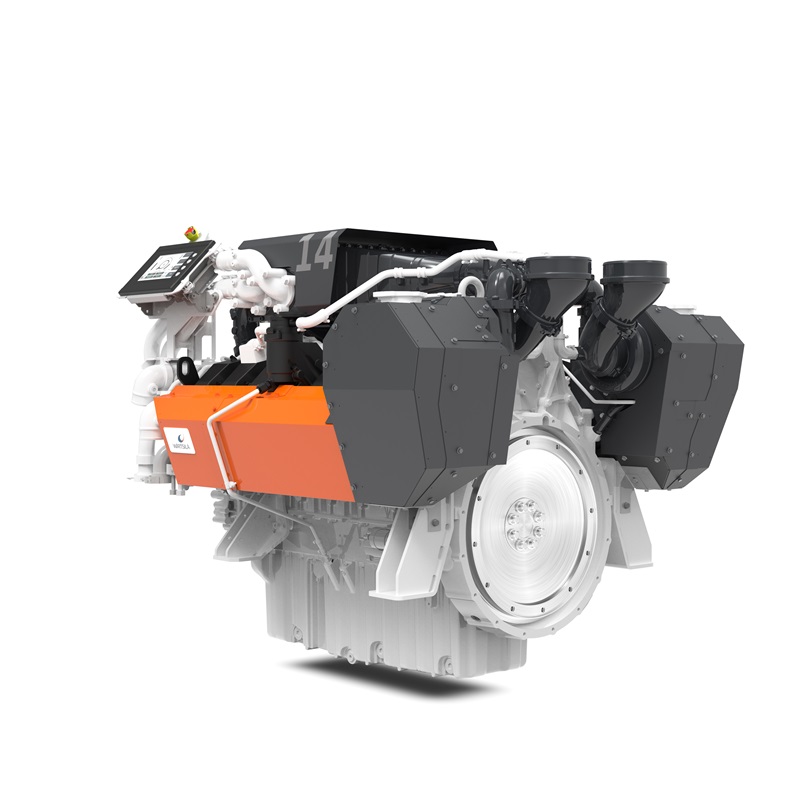
- Leistungsbereich WST
- 700 kW bis 4900 kW
- Leistungsbereich WTT
- 400 kW bis 5500 kW
- Leistungsbereich WST-R
- 750 kW bis 6500 kW
- Neigungswinkel (WST-R)
- 8-Grad Propeller-Getriebe-Neigung für 15-20% höheren Schub
- Drehbereich
- 360° kontinuierliche Lenkung in horizontaler Ebene
- Wartungsintervalle
- 5-year inspections, 10-year overhauls or after 40,000–56,000 operating hours
- Dichtungstechnologie
- Sternguard In-Water Serviceable Seal (IWSS) - vollständig unter Wasser wartbar
- Ölsystem
- Integrierte Hydraulik mit Feinfiltration zur Lagerverlängerung
- WST - Steerable Thrusters (700-4900 kW)
- WTT - Transverse/Tunnel Thrusters (400-5500 kW)
- WST-R - Retractable Steerable Thrusters (750-6500 kW)
- WST-E - Electric Steerable Thrusters (WST-18E embedded electric)
- Underwater-Mountable Steerable Thrusters
- Area: Propeller-Blätter: Erosion, Korrosion, Kantenschäden, VerschleißmusterCheck: Perform visual inspection and NDT (non-destructive testing) according to OEM and classification society standards. Polishing in combination with edge damage repair increases operating efficiency by 2-5%. Check for pitting, erosion patterns and corrosion spots; document severe pitting areas.
- Area: Propeller blade foot seals: wear, leakage, water ingressCheck: 5-year overhaul: Disassemble and inspect all seals. 10-year overhaul: Complete replacement of blade foot O-rings. Check for water penetration in jet thruster assembly. Seals are critical for system protection.
- Area: Wellendichtungen (Shaft Seals): Abnutzung, Leckage, AustauschbedarfCheck: Measure propeller shaft wear with poker gauge (between last two stern tube seals). Perform complete inspection of tooth clearance, tooth pattern and shaft seals. 5-year overhaul: seal replacement. 10-year overhaul: comprehensive replacement.
- Area: Bearings (Roller Bearings): wear, bearing clearance, preload, failure symptomsCheck: 5-year overhaul: Check bearing clearance and wear. 10-year overhaul: Complete bearing replacement, reset preload, perform NDT inspection. Check main bearing axial clearance wear with feeler gauge (0.1 mm); maximum wear limit 2 mm. Use Wärtsilä bearing wear measurement system for remote monitoring of propeller shaft shoulder.
- Area: Hydrauliksystem: Öl-Verschmutzung (Wasser, Partikel), Filtration, ÖlqualitätCheck: Check gear oil regularly. At critical wear limits: partial change (bleed-and-feed) or complete oil change. Monitor water content in oil (critical >1000 ppm). Check fine filtration system and redundant filter options. Continuously filter out water ingress. Use all Wärtsilä-approved spare parts. 5-10-year overhaul: Perform oil change and filter maintenance.
- Area: Sternguard In-Water Serviceable Seal (IWSS): seal integrity, maintenance possible underwaterCheck: Check for oil leakage at outer seal. Inspect inflatable emergency seal and inner rope guard. Fully serviceable underwater without habitat or discharge. Measure seal gap and wear. Check retrofit compatibility with other seal types. Confirm compatibility with EAL and mineral oils.
Type-universal inspection/service points for Bow/Stern Thrusters (Wärtsilä, Mega-Schwarm 2026-06). Per-model specs not auto-filled.
- Under‑water serviceable Sternguard IWSS seal eliminates the need to dry‑dock for seal replacement
- Integrated fine‑filtration hydraulic system extends gear life and reduces oil contamination risk
- Compact 1.4 m tunnel fits in vessels with limited hull space while still providing adequate low‑speed thrust
- 360° continuous steering gives precise maneuverability during docking and DP operations
- Defined maintenance intervals (5‑year inspection, 10‑year overhaul) simplify planning
- Maximum power of 300 kW may be insufficient for larger vessels requiring higher bollard pull
- Tunnel geometry adds hull resistance compared with retractable thrusters, slightly increasing fuel consumption at cruise speed
- Propeller blades are exposed to erosion and cavitation; regular NDT inspections are required
- Installation requires a relatively large tunnel opening in the hull structure, limiting retrofit options on some ships
- Oil quality must be closely monitored (water content > 1000 ppm triggers oil change) adding operational vigilance
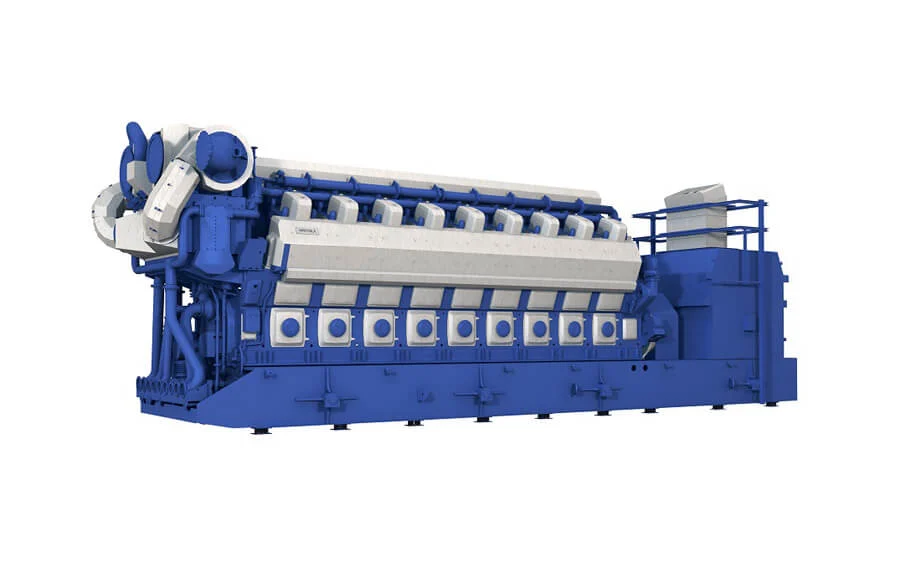
- Leistungsbereich WST
- 700 kW bis 4900 kW
- Leistungsbereich WTT
- 400 kW bis 5500 kW
- Leistungsbereich WST-R
- 750 kW bis 6500 kW
- Neigungswinkel (WST-R)
- 8-Grad Propeller-Getriebe-Neigung für 15-20% höheren Schub
- Drehbereich
- 360° kontinuierliche Lenkung in horizontaler Ebene
- Wartungsintervalle
- 5-year inspections, 10-year overhauls or after 40,000–56,000 operating hours
- Dichtungstechnologie
- Sternguard In-Water Serviceable Seal (IWSS) - vollständig unter Wasser wartbar
- Ölsystem
- Integrierte Hydraulik mit Feinfiltration zur Lagerverlängerung
- WST - Steerable Thrusters (700-4900 kW)
- WTT - Transverse/Tunnel Thrusters (400-5500 kW)
- WST-R - Retractable Steerable Thrusters (750-6500 kW)
- WST-E - Electric Steerable Thrusters (WST-18E embedded electric)
- Underwater-Mountable Steerable Thrusters
- Area: Propeller-Blätter: Erosion, Korrosion, Kantenschäden, VerschleißmusterCheck: Perform visual inspection and NDT (non-destructive testing) according to OEM and classification society standards. Polishing in combination with edge damage repair increases operating efficiency by 2-5%. Check for pitting, erosion patterns and corrosion spots; document severe pitting areas.
- Area: Propeller blade foot seals: wear, leakage, water ingressCheck: 5-year overhaul: Disassemble and inspect all seals. 10-year overhaul: Complete replacement of blade foot O-rings. Check for water penetration in jet thruster assembly. Seals are critical for system protection.
- Area: Wellendichtungen (Shaft Seals): Abnutzung, Leckage, AustauschbedarfCheck: Measure propeller shaft wear with poker gauge (between last two stern tube seals). Perform complete inspection of tooth clearance, tooth pattern and shaft seals. 5-year overhaul: seal replacement. 10-year overhaul: comprehensive replacement.
- Area: Bearings (Roller Bearings): wear, bearing clearance, preload, failure symptomsCheck: 5-year overhaul: Check bearing clearance and wear. 10-year overhaul: Complete bearing replacement, reset preload, perform NDT inspection. Check main bearing axial clearance wear with feeler gauge (0.1 mm); maximum wear limit 2 mm. Use Wärtsilä bearing wear measurement system for remote monitoring of propeller shaft shoulder.
- Area: Hydrauliksystem: Öl-Verschmutzung (Wasser, Partikel), Filtration, ÖlqualitätCheck: Check gear oil regularly. At critical wear limits: partial change (bleed-and-feed) or complete oil change. Monitor water content in oil (critical >1000 ppm). Check fine filtration system and redundant filter options. Continuously filter out water ingress. Use all Wärtsilä-approved spare parts. 5-10-year overhaul: Perform oil change and filter maintenance.
- Area: Sternguard In-Water Serviceable Seal (IWSS): seal integrity, maintenance possible underwaterCheck: Check for oil leakage at outer seal. Inspect inflatable emergency seal and inner rope guard. Fully serviceable underwater without habitat or discharge. Measure seal gap and wear. Check retrofit compatibility with other seal types. Confirm compatibility with EAL and mineral oils.
Type-universal inspection/service points for Bow/Stern Thrusters (Wärtsilä, Mega-Schwarm 2026-06). Per-model specs not auto-filled.
- High power density – 500 kW delivered through a relatively compact 1.8 m tunnel.
- Continuous 360° steering without the need for additional gearboxes.
- Sternguard In‑Water Serviceable Seal (IWSS) enables underwater maintenance, reducing dry‑dock time.
- Integrated hydraulic system with fine filtration extends bearing and seal life.
- Broad series power range (400–5500 kW) allows future upgrades or common spares across the fleet.
- Fixed tunnel geometry limits installation on vessels with restricted hull space.
- Hydraulic oil system adds complexity and contamination risk compared with fully electric thrusters.
- Maintenance intervals (5‑year inspection, 10‑year overhaul) can be longer than for some modern electric models.
- Tunnel resistance may slightly reduce overall fuel efficiency at low thrust settings.
- Not retractable – unsuitable where a retractable thruster is required for speed or hull form considerations.
- Leistungsbereich WST
- 700 kW bis 4900 kW
- Leistungsbereich WTT
- 400 kW bis 5500 kW
- Leistungsbereich WST-R
- 750 kW bis 6500 kW
- Neigungswinkel (WST-R)
- 8-Grad Propeller-Getriebe-Neigung für 15-20% höheren Schub
- Drehbereich
- 360° kontinuierliche Lenkung in horizontaler Ebene
- Wartungsintervalle
- 5-year inspections, 10-year overhauls or after 40,000–56,000 operating hours
- Dichtungstechnologie
- Sternguard In-Water Serviceable Seal (IWSS) - vollständig unter Wasser wartbar
- Ölsystem
- Integrierte Hydraulik mit Feinfiltration zur Lagerverlängerung
- WST - Steerable Thrusters (700-4900 kW)
- WTT - Transverse/Tunnel Thrusters (400-5500 kW)
- WST-R - Retractable Steerable Thrusters (750-6500 kW)
- WST-E - Electric Steerable Thrusters (WST-18E embedded electric)
- Underwater-Mountable Steerable Thrusters
- Area: Propeller-Blätter: Erosion, Korrosion, Kantenschäden, VerschleißmusterCheck: Perform visual inspection and NDT (non-destructive testing) according to OEM and classification society standards. Polishing in combination with edge damage repair increases operating efficiency by 2-5%. Check for pitting, erosion patterns and corrosion spots; document severe pitting areas.
- Area: Propeller blade foot seals: wear, leakage, water ingressCheck: 5-year overhaul: Disassemble and inspect all seals. 10-year overhaul: Complete replacement of blade foot O-rings. Check for water penetration in jet thruster assembly. Seals are critical for system protection.
- Area: Wellendichtungen (Shaft Seals): Abnutzung, Leckage, AustauschbedarfCheck: Measure propeller shaft wear with poker gauge (between last two stern tube seals). Perform complete inspection of tooth clearance, tooth pattern and shaft seals. 5-year overhaul: seal replacement. 10-year overhaul: comprehensive replacement.
- Area: Bearings (Roller Bearings): wear, bearing clearance, preload, failure symptomsCheck: 5-year overhaul: Check bearing clearance and wear. 10-year overhaul: Complete bearing replacement, reset preload, perform NDT inspection. Check main bearing axial clearance wear with feeler gauge (0.1 mm); maximum wear limit 2 mm. Use Wärtsilä bearing wear measurement system for remote monitoring of propeller shaft shoulder.
- Area: Hydrauliksystem: Öl-Verschmutzung (Wasser, Partikel), Filtration, ÖlqualitätCheck: Check gear oil regularly. At critical wear limits: partial change (bleed-and-feed) or complete oil change. Monitor water content in oil (critical >1000 ppm). Check fine filtration system and redundant filter options. Continuously filter out water ingress. Use all Wärtsilä-approved spare parts. 5-10-year overhaul: Perform oil change and filter maintenance.
- Area: Sternguard In-Water Serviceable Seal (IWSS): seal integrity, maintenance possible underwaterCheck: Check for oil leakage at outer seal. Inspect inflatable emergency seal and inner rope guard. Fully serviceable underwater without habitat or discharge. Measure seal gap and wear. Check retrofit compatibility with other seal types. Confirm compatibility with EAL and mineral oils.
Type-universal inspection/service points for Bow/Stern Thrusters (Wärtsilä, Mega-Schwarm 2026-06). Per-model specs not auto-filled.
- High thrust output in a compact tunnel design (1000 kW in a 2.4 m diameter tunnel)
- 360° continuous steering enables precise maneuvering and DP capability
- Sternguard In‑Water Serviceable Seal allows inspection/repair without dry‑docking, reducing downtime
- Integrated hydraulic system with fine filtration extends bearing and gear life
- Modular installation – can be fitted as bow or stern thruster on new builds or retrofits
- Large tunnel diameter consumes significant hull space, limiting applicability to vessels with sufficient beam
- Higher initial capital cost compared with simpler fixed‑pitch thrusters
- Requires regular oil quality monitoring and periodic overhauls (5‑year/10‑year) to avoid seal or bearing wear
- Weight of the unit adds to overall vessel weight and may affect stability calculations
- Noise and vibration levels are higher than low‑speed electric azimuth thrusters
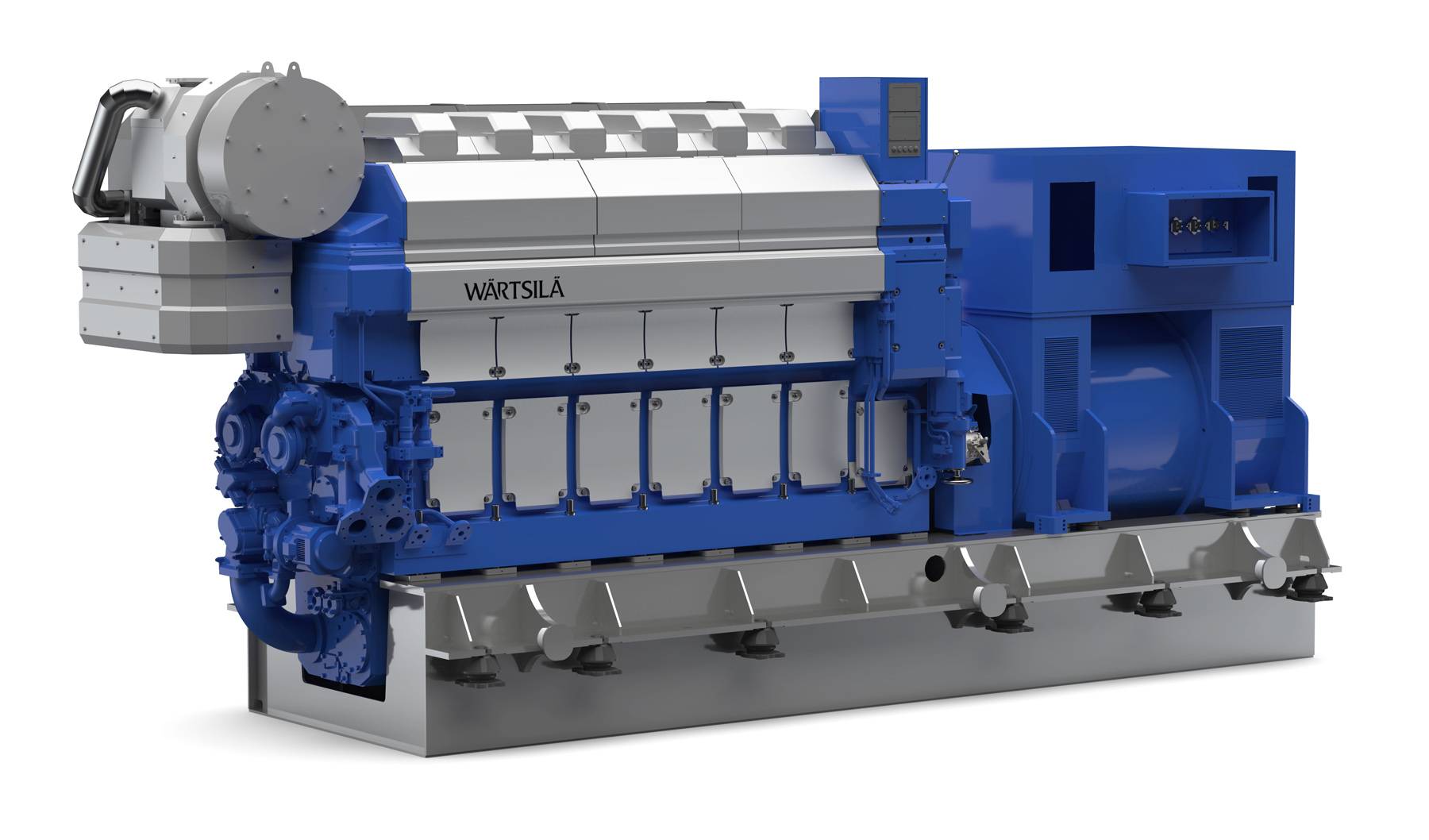
- Leistungsbereich WST
- 700 kW bis 4900 kW
- Leistungsbereich WTT
- 400 kW bis 5500 kW
- Leistungsbereich WST-R
- 750 kW bis 6500 kW
- Neigungswinkel (WST-R)
- 8-Grad Propeller-Getriebe-Neigung für 15-20% höheren Schub
- Drehbereich
- 360° kontinuierliche Lenkung in horizontaler Ebene
- Wartungsintervalle
- 5-year inspections, 10-year overhauls or after 40,000–56,000 operating hours
- Dichtungstechnologie
- Sternguard In-Water Serviceable Seal (IWSS) - vollständig unter Wasser wartbar
- Ölsystem
- Integrierte Hydraulik mit Feinfiltration zur Lagerverlängerung
- WST - Steerable Thrusters (700-4900 kW)
- WTT - Transverse/Tunnel Thrusters (400-5500 kW)
- WST-R - Retractable Steerable Thrusters (750-6500 kW)
- WST-E - Electric Steerable Thrusters (WST-18E embedded electric)
- Underwater-Mountable Steerable Thrusters
- Area: Propeller-Blätter: Erosion, Korrosion, Kantenschäden, VerschleißmusterCheck: Perform visual inspection and NDT (non-destructive testing) according to OEM and classification society standards. Polishing in combination with edge damage repair increases operating efficiency by 2-5%. Check for pitting, erosion patterns and corrosion spots; document severe pitting areas.
- Area: Propeller blade foot seals: wear, leakage, water ingressCheck: 5-year overhaul: Disassemble and inspect all seals. 10-year overhaul: Complete replacement of blade foot O-rings. Check for water penetration in jet thruster assembly. Seals are critical for system protection.
- Area: Wellendichtungen (Shaft Seals): Abnutzung, Leckage, AustauschbedarfCheck: Measure propeller shaft wear with poker gauge (between last two stern tube seals). Perform complete inspection of tooth clearance, tooth pattern and shaft seals. 5-year overhaul: seal replacement. 10-year overhaul: comprehensive replacement.
- Area: Bearings (Roller Bearings): wear, bearing clearance, preload, failure symptomsCheck: 5-year overhaul: Check bearing clearance and wear. 10-year overhaul: Complete bearing replacement, reset preload, perform NDT inspection. Check main bearing axial clearance wear with feeler gauge (0.1 mm); maximum wear limit 2 mm. Use Wärtsilä bearing wear measurement system for remote monitoring of propeller shaft shoulder.
- Area: Hydrauliksystem: Öl-Verschmutzung (Wasser, Partikel), Filtration, ÖlqualitätCheck: Check gear oil regularly. At critical wear limits: partial change (bleed-and-feed) or complete oil change. Monitor water content in oil (critical >1000 ppm). Check fine filtration system and redundant filter options. Continuously filter out water ingress. Use all Wärtsilä-approved spare parts. 5-10-year overhaul: Perform oil change and filter maintenance.
- Area: Sternguard In-Water Serviceable Seal (IWSS): seal integrity, maintenance possible underwaterCheck: Check for oil leakage at outer seal. Inspect inflatable emergency seal and inner rope guard. Fully serviceable underwater without habitat or discharge. Measure seal gap and wear. Check retrofit compatibility with other seal types. Confirm compatibility with EAL and mineral oils.
Type-universal inspection/service points for Bow/Stern Thrusters (Wärtsilä, Mega-Schwarm 2026-06). Per-model specs not auto-filled.
- 1500 kW thrust suitable for large vessels and DP operations
- Large 3000 mm tunnel reduces cavitation and improves hydraulic efficiency
- Sternguard IWSS allows full underwater servicing without dry‑dock
- 360° continuous steering provides precise maneuverability
- Integrated hydraulic system with fine filtration extends bearing life
- Requires a 3 m diameter hull opening, limiting installation on smaller ships
- Higher capital cost compared with conventional propeller‑type thrusters
- Complex seal system demands specialized maintenance expertise
- Increased weight and tunnel volume can affect cargo space or hull strength
- Oil contamination monitoring is critical; water ingress >1000 ppm mandates immediate action
- Leistungsbereich WST
- 700 kW bis 4900 kW
- Leistungsbereich WTT
- 400 kW bis 5500 kW
- Leistungsbereich WST-R
- 750 kW bis 6500 kW
- Neigungswinkel (WST-R)
- 8-Grad Propeller-Getriebe-Neigung für 15-20% höheren Schub
- Drehbereich
- 360° kontinuierliche Lenkung in horizontaler Ebene
- Wartungsintervalle
- 5-year inspections, 10-year overhauls or after 40,000–56,000 operating hours
- Dichtungstechnologie
- Sternguard In-Water Serviceable Seal (IWSS) - vollständig unter Wasser wartbar
- Ölsystem
- Integrierte Hydraulik mit Feinfiltration zur Lagerverlängerung
- WST - Steerable Thrusters (700-4900 kW)
- WTT - Transverse/Tunnel Thrusters (400-5500 kW)
- WST-R - Retractable Steerable Thrusters (750-6500 kW)
- WST-E - Electric Steerable Thrusters (WST-18E embedded electric)
- Underwater-Mountable Steerable Thrusters
- Area: Propeller-Blätter: Erosion, Korrosion, Kantenschäden, VerschleißmusterCheck: Perform visual inspection and NDT (non-destructive testing) according to OEM and classification society standards. Polishing in combination with edge damage repair increases operating efficiency by 2-5%. Check for pitting, erosion patterns and corrosion spots; document severe pitting areas.
- Area: Propeller blade foot seals: wear, leakage, water ingressCheck: 5-year overhaul: Disassemble and inspect all seals. 10-year overhaul: Complete replacement of blade foot O-rings. Check for water penetration in jet thruster assembly. Seals are critical for system protection.
- Area: Wellendichtungen (Shaft Seals): Abnutzung, Leckage, AustauschbedarfCheck: Measure propeller shaft wear with poker gauge (between last two stern tube seals). Perform complete inspection of tooth clearance, tooth pattern and shaft seals. 5-year overhaul: seal replacement. 10-year overhaul: comprehensive replacement.
- Area: Bearings (Roller Bearings): wear, bearing clearance, preload, failure symptomsCheck: 5-year overhaul: Check bearing clearance and wear. 10-year overhaul: Complete bearing replacement, reset preload, perform NDT inspection. Check main bearing axial clearance wear with feeler gauge (0.1 mm); maximum wear limit 2 mm. Use Wärtsilä bearing wear measurement system for remote monitoring of propeller shaft shoulder.
- Area: Hydrauliksystem: Öl-Verschmutzung (Wasser, Partikel), Filtration, ÖlqualitätCheck: Check gear oil regularly. At critical wear limits: partial change (bleed-and-feed) or complete oil change. Monitor water content in oil (critical >1000 ppm). Check fine filtration system and redundant filter options. Continuously filter out water ingress. Use all Wärtsilä-approved spare parts. 5-10-year overhaul: Perform oil change and filter maintenance.
- Area: Sternguard In-Water Serviceable Seal (IWSS): seal integrity, maintenance possible underwaterCheck: Check for oil leakage at outer seal. Inspect inflatable emergency seal and inner rope guard. Fully serviceable underwater without habitat or discharge. Measure seal gap and wear. Check retrofit compatibility with other seal types. Confirm compatibility with EAL and mineral oils.
Type-universal inspection/service points for Bow/Stern Thrusters (Wärtsilä, Mega-Schwarm 2026-06). Per-model specs not auto-filled.
- High continuous thrust (up to 2500 kW) suitable for large vessels and DP‑assisted operations
- Sternguard In‑Water Serviceable Seal (IWSS) allows underwater maintenance without dry‑docking
- Integrated fine‑filtration hydraulic system extends gear life and reduces oil contamination risk
- Full 360° azimuth steering provides excellent maneuverability in confined ports
- Broad power range of the WTT series (400–5500 kW) gives flexibility for future upgrades
- Large tunnel diameter requires significant hull penetration, affecting structural design and weight distribution
- Installation cost is high; requires extensive reinforcement and alignment work
- Regular 5‑year inspections and 10‑year overhauls add to life‑cycle maintenance expenses
- Propeller blades are prone to erosion/corrosion in abrasive or sand‑laden waters, demanding frequent NDT checks
- Space consumption may limit suitability for vessels with narrow beam or limited hull volume
- WTT-11
- WTT-14
- WTT-17
- WTT-20
- WTT-25
- WTT-30
- 200
- 4000
- Leistungsbereich WST
- 700 kW bis 4900 kW
- Leistungsbereich WTT
- 400 kW bis 5500 kW
- Leistungsbereich WST-R
- 750 kW bis 6500 kW
- Neigungswinkel (WST-R)
- 8-Grad Propeller-Getriebe-Neigung für 15-20% höheren Schub
- Drehbereich
- 360° kontinuierliche Lenkung in horizontaler Ebene
- Wartungsintervalle
- 5-year inspections, 10-year overhauls or after 40,000–56,000 operating hours
- Dichtungstechnologie
- Sternguard In-Water Serviceable Seal (IWSS) - vollständig unter Wasser wartbar
- Ölsystem
- Integrierte Hydraulik mit Feinfiltration zur Lagerverlängerung
- WST - Steerable Thrusters (700-4900 kW)
- WTT - Transverse/Tunnel Thrusters (400-5500 kW)
- WST-R - Retractable Steerable Thrusters (750-6500 kW)
- WST-E - Electric Steerable Thrusters (WST-18E embedded electric)
- Underwater-Mountable Steerable Thrusters
- Area: Propeller-Blätter: Erosion, Korrosion, Kantenschäden, VerschleißmusterCheck: Perform visual inspection and NDT (non-destructive testing) according to OEM and classification society standards. Polishing in combination with edge damage repair increases operating efficiency by 2-5%. Check for pitting, erosion patterns and corrosion spots; document severe pitting areas.
- Area: Propeller blade foot seals: wear, leakage, water ingressCheck: 5-year overhaul: Disassemble and inspect all seals. 10-year overhaul: Complete replacement of blade foot O-rings. Check for water penetration in jet thruster assembly. Seals are critical for system protection.
- Area: Wellendichtungen (Shaft Seals): Abnutzung, Leckage, AustauschbedarfCheck: Measure propeller shaft wear with poker gauge (between last two stern tube seals). Perform complete inspection of tooth clearance, tooth pattern and shaft seals. 5-year overhaul: seal replacement. 10-year overhaul: comprehensive replacement.
- Area: Bearings (Roller Bearings): wear, bearing clearance, preload, failure symptomsCheck: 5-year overhaul: Check bearing clearance and wear. 10-year overhaul: Complete bearing replacement, reset preload, perform NDT inspection. Check main bearing axial clearance wear with feeler gauge (0.1 mm); maximum wear limit 2 mm. Use Wärtsilä bearing wear measurement system for remote monitoring of propeller shaft shoulder.
- Area: Hydrauliksystem: Öl-Verschmutzung (Wasser, Partikel), Filtration, ÖlqualitätCheck: Check gear oil regularly. At critical wear limits: partial change (bleed-and-feed) or complete oil change. Monitor water content in oil (critical >1000 ppm). Check fine filtration system and redundant filter options. Continuously filter out water ingress. Use all Wärtsilä-approved spare parts. 5-10-year overhaul: Perform oil change and filter maintenance.
- Area: Sternguard In-Water Serviceable Seal (IWSS): seal integrity, maintenance possible underwaterCheck: Check for oil leakage at outer seal. Inspect inflatable emergency seal and inner rope guard. Fully serviceable underwater without habitat or discharge. Measure seal gap and wear. Check retrofit compatibility with other seal types. Confirm compatibility with EAL and mineral oils.
Type-universal inspection/service points for Bow/Stern Thrusters (Wärtsilä, Mega-Schwarm 2026-06). Per-model specs not auto-filled.
- High thrust-to-power ratio across a wide power range (400 kW – 5.5 MW)
- Sternguard In‑Water Serviceable Seal allows underwater maintenance, reducing dry‑dock time
- 360° continuous steering provides precise low‑speed maneuvering and DP capability
- Modular size family (WTT‑11 to WTT‑30) fits a broad spectrum of vessel dimensions
- Integrated fine‑filtration hydraulic system extends bearing life and reduces oil contamination
- Large tunnel diameter consumes significant hull space, limiting use on narrow‑beam ships
- Higher capital cost compared with fixed bow thrusters or simpler azimuth pods
- Epicyclic gear requires major overhaul roughly every 20 000 operating hours
- Requires sophisticated control and monitoring electronics for full 360° operation
- Installation complexity can increase construction schedule
Schottel
13- Propeller or blade damage from debris can cause vibration and reduced thrust, noticed during maneuvering
- Gear or bearing wear can produce abnormal noise, heat or metallic debris in lubricant
- Seal leakage can allow water ingress or oil loss, seen through header-tank level changes or leakage alarms
- Motor, converter or hydraulic-drive faults can prevent commanded thrust, seen as trips, low power or unavailable thruster status
- Control or feedback-sensor faults can cause incorrect direction or pitch/azimuth indication, seen as command mismatch alarms
- Compact installation footprint suitable for vessels with limited hull space
- High thrust‑to‑power ratio typical of Schottel STT series (≈100 kW rating)
- Robust, low‑maintenance design with proven service record
- Low vibration and noise levels compared with some propeller‑type thrusters
- Straightforward integration with existing ship control systems
- Fixed thrust direction; cannot rotate like an azimuth unit
- May generate higher hull penetration loads, requiring reinforced tunnel structure
- Limited maximum thrust for very large vessels or high DP requirements
- Potentially louder than ducted‑propeller solutions at full power
- Installation cost can be higher than simple transverse thrusters
- Propeller fouling, rope entanglement or blade damage causes vibration, reduced thrust or high drive load
- Shaft-seal or gearbox leakage causes oil loss, water ingress or low-level alarms
- Bearing or gear wear causes abnormal noise, vibration or rising temperature
- Electric motor, converter or hydraulic-drive faults cause reduced thrust, failed starts or protective trips
- Pitch, steering or control-feedback faults as applicable cause incorrect thrust response, loss of direction control or remote-control alarms
- High thrust‑to‑power ratio for its 300 kW rating
- Compact installation footprint suitable for vessels with limited hull space
- Robust stainless‑steel housing and proven Schottel flow design minimise vibration and wear
- Modular construction allows relatively quick installation and replacement of the propeller unit
- Widely accepted by classification societies, facilitating class approval processes
- Thrust output lower than comparable azimuth or pod thrusters of similar power, limiting effectiveness for high‑DP requirements
- Requires a hull tunnel cut‑out, which can be complex on existing ships and may affect structural integrity if not properly reinforced
- Maintenance of the tunnel liner and seals can be more frequent than for exposed propeller units
- Noise and cavitation risk increase if the tunnel geometry is not optimally matched to the vessel’s speed profile
- Power consumption relatively high for small vessels that could use smaller conventional bow thrusters
- Propeller fouling, rope entanglement or blade damage causes vibration, reduced thrust or high drive load
- Shaft-seal or gearbox leakage causes oil loss, water ingress or low-level alarms
- Bearing or gear wear causes abnormal noise, vibration or rising temperature
- Electric motor, converter or hydraulic-drive faults cause reduced thrust, failed starts or protective trips
- Pitch, steering or control-feedback faults as applicable cause incorrect thrust response, loss of direction control or remote-control alarms
- High thrust‑to‑power ratio thanks to optimized duct geometry
- Compact tunnel design fits into limited hull spaces
- Integrated Schottel control system allows seamless helm coordination
- Proven reliability on a wide range of commercial vessels
- Low acoustic signature compared with propeller‑type thrusters
- Installation requires significant hull penetration and duct reinforcement
- Water‑lubricated bearings need regular inspection for wear and corrosion
- Potential cavitation at high RPMs in shallow water conditions
- Limited thrust directionality – only transverse force is available
- Higher upfront cost than basic propeller‑type thrusters
- Propeller or blade damage from debris can cause vibration and reduced thrust, noticed during maneuvering
- Gear or bearing wear can produce abnormal noise, heat or metallic debris in lubricant
- Seal leakage can allow water ingress or oil loss, seen through header-tank level changes or leakage alarms
- Motor, converter or hydraulic-drive faults can prevent commanded thrust, seen as trips, low power or unavailable thruster status
- Control or feedback-sensor faults can cause incorrect direction or pitch/azimuth indication, seen as command mismatch alarms
- High thrust‑to‑power ratio (≈1.2–1.4 kN/kW) enabling strong low‑speed maneuvering
- Compact tunnel design fits within limited hull space while delivering up to ~1300 kN thrust
- Integrated Schottel control system with DP‑ready interface for precise vectoring
- Proven reliability on cruise ships, LNG carriers and large container vessels
- Water‑lubricated bearings reduce oil contamination risk and simplify maintenance
- Initial purchase and installation cost higher than basic propeller‑type thrusters
- Requires careful hull reinforcement and duct integration to avoid vibration and cavitation
- Maintenance of water‑lubrication system demands regular filtration and monitoring
- Size and power rating make it unsuitable for small (<5,000 GT) vessels
- Propeller fouling, rope entanglement or blade damage causes vibration, reduced thrust or high drive load
- Shaft-seal or gearbox leakage causes oil loss, water ingress or low-level alarms
- Bearing or gear wear causes abnormal noise, vibration or rising temperature
- Electric motor, converter or hydraulic-drive faults cause reduced thrust, failed starts or protective trips
- Pitch, steering or control-feedback faults as applicable cause incorrect thrust response, loss of direction control or remote-control alarms
- Very high thrust‑to‑power ratio (≈1 710 kW) suitable for DP and tight‑berth maneuvers
- Compact tunnel housing minimises hull penetration and frees deck space
- Low cavitation and vibration thanks to optimized duct geometry
- Integrated control system with optional variable‑pitch propeller for fine thrust control
- Proven reliability on cruise ships, LNG carriers and offshore support vessels
- High power rating leads to increased fuel consumption when operated continuously
- Installation requires precise hull cut‑outs and structural reinforcement
- Maintenance of the tunnel duct can be labour‑intensive compared with external azimuth thrusters
- Higher upfront cost than smaller conventional bow thrusters
- Best suited for large vessels; over‑sized for small to medium ships
- Propeller fouling, rope entanglement or blade damage causes vibration, reduced thrust or high drive load
- Shaft-seal or gearbox leakage causes oil loss, water ingress or low-level alarms
- Bearing or gear wear causes abnormal noise, vibration or rising temperature
- Electric motor, converter or hydraulic-drive faults cause reduced thrust, failed starts or protective trips
- Pitch, steering or control-feedback faults as applicable cause incorrect thrust response, loss of direction control or remote-control alarms
- Very high power rating (≈2500 kW) suitable for large ships requiring strong maneuverability
- Water‑lubricated bearing system reduces wear and maintenance intervals
- Compact tunnel design fits into limited bow space while providing high thrust efficiency
- Low acoustic signature compared with conventional propeller‑type thrusters
- Proven reliability on DP‑class vessels and cruise liners
- Significant hull penetration and structural reinforcement required during installation
- High electrical power demand may increase ship’s overall energy consumption
- Initial capital cost is higher than smaller tunnel or azimuth thrusters
- Cavitation risk at very high propeller speeds, requiring careful operation in shallow water
- Size and weight limit suitability to larger vessels; not ideal for small coasters
- Propeller fouling, rope entanglement or blade damage causes vibration, reduced thrust or high drive load
- Shaft-seal or gearbox leakage causes oil loss, water ingress or low-level alarms
- Bearing or gear wear causes abnormal noise, vibration or rising temperature
- Electric motor, converter or hydraulic-drive faults cause reduced thrust, failed starts or protective trips
- Pitch, steering or control-feedback faults as applicable cause incorrect thrust response, loss of direction control or remote-control alarms
- High thrust‑to‑power ratio suitable for large vessels
- Compact tunnel layout fits within limited hull space
- Variable frequency drive provides fine speed control and fuel savings
- Water‑lubricated bearings reduce wear and extend maintenance intervals
- Integrated Schottel Control System simplifies operator handling
- Requires significant hull penetration; installation is complex
- High electrical power demand (3 500 kW) necessitates robust supply and cooling systems
- Tunnel geometry may be limited by draft constraints on shallow‑draft vessels
- Higher initial capital cost compared with simpler azimuth thrusters of similar power
- Potential for increased noise/vibration that must be mitigated in passenger ships
- Propeller or blade damage from debris can cause vibration and reduced thrust, noticed during maneuvering
- Gear or bearing wear can produce abnormal noise, heat or metallic debris in lubricant
- Seal leakage can allow water ingress or oil loss, seen through header-tank level changes or leakage alarms
- Motor, converter or hydraulic-drive faults can prevent commanded thrust, seen as trips, low power or unavailable thruster status
- Control or feedback-sensor faults can cause incorrect direction or pitch/azimuth indication, seen as command mismatch alarms
- High thrust‑to‑power ratio thanks to the ducted (nozzle) design
- Full 360° rotation enables excellent low‑speed manoeuvrability and dynamic positioning
- Compact installation footprint fits vessels with limited hull space
- Integrated control system simplifies operation and reduces crew workload
- Low vibration and noise compared with open propeller thrusters
- Higher upfront cost than conventional fixed‑pitch bow thrusters of similar power
- Gearbox and bearing maintenance are more complex and require specialised support
- Limited absolute thrust for very large vessels; may need multiple units on high‑displacement ships
- Requires dedicated electrical/hydraulic supply and control infrastructure
- Noise from gearbox can be noticeable in quiet‑zone operations
- Propeller or blade damage from debris can cause vibration and reduced thrust, noticed during maneuvering
- Gear or bearing wear can produce abnormal noise, heat or metallic debris in lubricant
- Seal leakage can allow water ingress or oil loss, seen through header-tank level changes or leakage alarms
- Motor, converter or hydraulic-drive faults can prevent commanded thrust, seen as trips, low power or unavailable thruster status
- Control or feedback-sensor faults can cause incorrect direction or pitch/azimuth indication, seen as command mismatch alarms
- High thrust‑to‑power ratio thanks to ducted propeller design
- Full 360° rotation gives excellent low‑speed manoeuvrability and dynamic positioning capability
- Compact installation footprint fits vessels with limited hull space
- Integrated control system allows rapid response and fine thrust modulation
- Low vibration levels compared with conventional tunnel thrusters of similar power
- Maximum output limited to ~200 kW, unsuitable for large ships requiring higher bollard pull
- Higher initial cost than fixed tunnel thrusters of comparable rating
- Maintenance involves rotating gear and bearing assemblies that require regular inspection
- Noise can be noticeable at full power if not fitted with acoustic insulation
- Requires dedicated hydraulic/electrical supply and control cabling
- Propeller fouling, rope entanglement or blade damage causes vibration, reduced thrust or high drive load
- Shaft-seal or gearbox leakage causes oil loss, water ingress or low-level alarms
- Bearing or gear wear causes abnormal noise, vibration or rising temperature
- Electric motor, converter or hydraulic-drive faults cause reduced thrust, failed starts or protective trips
- Pitch, steering or control-feedback faults as applicable cause incorrect thrust response, loss of direction control or remote-control alarms
- High thrust-to-power ratio thanks to the ducted design
- Full 360° rotation enables excellent station-keeping and tight‑turning capability
- Compact installation footprint suitable for space‑constrained hulls
- Integrated control system compatible with most ship automation platforms
- Low vibration and noise levels compared with conventional tunnel thrusters
- Higher initial cost than fixed tunnel or transverse thrusters
- Rotating gear and bearing assemblies require regular inspection and specialised maintenance
- Power rating (340 kW) may be insufficient for large vessels needing higher bollard pull
- Installation demands dedicated hydraulic/electrical supply and space for the rotating pod
- Propeller or blade damage from debris can cause vibration and reduced thrust, noticed during maneuvering
- Gear or bearing wear can produce abnormal noise, heat or metallic debris in lubricant
- Seal leakage can allow water ingress or oil loss, seen through header-tank level changes or leakage alarms
- Motor, converter or hydraulic-drive faults can prevent commanded thrust, seen as trips, low power or unavailable thruster status
- Control or feedback-sensor faults can cause incorrect direction or pitch/azimuth indication, seen as command mismatch alarms
- High thrust‑to‑power ratio enables rapid lateral manoeuvring of large vessels
- Azimuth capability gives 360° thrust direction for superior docking control
- Compact, low‑profile design fits tight hull spaces and reduces hydrodynamic drag when not in use
- Direct‑drive motor reduces vibration and maintenance compared with gear‑driven units
- Integrated control system compatible with most DP and ship handling consoles
- Requires a robust high‑power electrical supply (typically 6.5 kV) and associated cabling
- Higher upfront cost than fixed‑pitch bow thrusters of similar power
- Installation is more complex due to the rotating tunnel and sealing requirements
- Duct and propeller wear demand regular inspection and occasional refurbishment
- Noise and cavitation can be higher at full power, requiring mitigation on noise‑sensitive vessels
- Propeller fouling, rope entanglement or blade damage causes vibration, reduced thrust or high drive load
- Shaft-seal or gearbox leakage causes oil loss, water ingress or low-level alarms
- Bearing or gear wear causes abnormal noise, vibration or rising temperature
- Electric motor, converter or hydraulic-drive faults cause reduced thrust, failed starts or protective trips
- Pitch, steering or control-feedback faults as applicable cause incorrect thrust response, loss of direction control or remote-control alarms
- Very high thrust‑to‑power ratio (≈1 MW) suitable for large vessels requiring strong low‑speed manoeuvring
- Compact tunnel footprint compared with conventional tunnel thrusters of similar power
- Proven Schottel reliability and easy access for routine maintenance on the pod exterior
- Full 360° azimuth steering enables precise DP control and rapid heading changes
- Integrated hydraulic steering system reduces installation complexity
- Higher initial capital cost than standard fixed‑pitch tunnel thrusters of similar rating
- Requires a relatively deep hull tunnel; retrofits on shallow‑draft ships can be challenging
- Hydraulic steering line routing adds to installation time and potential leak points
- Spare parts inventory is specific to Schottel SRP series, limiting interchangeability with other manufacturers
- Noise and vibration levels are higher than some low‑speed propeller designs, requiring additional mitigation
- Propeller or blade damage from debris can cause vibration and reduced thrust, noticed during maneuvering
- Gear or bearing wear can produce abnormal noise, heat or metallic debris in lubricant
- Seal leakage can allow water ingress or oil loss, seen through header-tank level changes or leakage alarms
- Motor, converter or hydraulic-drive faults can prevent commanded thrust, seen as trips, low power or unavailable thruster status
- Control or feedback-sensor faults can cause incorrect direction or pitch/azimuth indication, seen as command mismatch alarms
- Very high power rating (≈2 MW) suitable for large ships and DP‑controlled vessels
- Full 360° thrust vectoring gives excellent low‑speed manoeuvrability and station‑keeping
- Integrated electronic control system with fast response and fault diagnostics
- Robust ducted‑propeller design reduces cavitation and improves efficiency at high loads
- Proven Schottel design with long service history in demanding offshore and cruise applications
- Large physical size and hull penetration requirements limit use on smaller vessels
- Higher capital cost and installation complexity compared with conventional fixed thrusters
- Maintenance intervals are longer due to gear‑box, bearing and seal wear at high power
- Requires substantial hydraulic/electrical supply infrastructure on board
- Noise and vibration levels can be higher than low‑power alternatives if not properly isolated
Veth Propulsion
12- Propeller fouling, rope entanglement or blade damage causes vibration, reduced thrust or high drive load
- Shaft-seal or gearbox leakage causes oil loss, water ingress or low-level alarms
- Bearing or gear wear causes abnormal noise, vibration or rising temperature
- Electric motor, converter or hydraulic-drive faults cause reduced thrust, failed starts or protective trips
- Pitch, steering or control-feedback faults as applicable cause incorrect thrust response, loss of direction control or remote-control alarms
- Compact tunnel installation fits standard bow sections without major hull modifications
- Proven Veth design with high hydraulic efficiency for its power class
- Relatively low acoustic signature compared with propeller‑type thrusters
- Straightforward maintenance access via the tunnel opening
- Limited thrust vectoring – only fixed direction, less effective than azimuth units for dynamic positioning
- Potential cavitation at high RPMs in shallow water conditions
- Requires hull penetration and internal duct space, adding to construction complexity
- Higher fuel consumption per unit of thrust compared with newer pod‑type systems
- Propeller or blade damage from debris can cause vibration and reduced thrust, noticed during maneuvering
- Gear or bearing wear can produce abnormal noise, heat or metallic debris in lubricant
- Seal leakage can allow water ingress or oil loss, seen through header-tank level changes or leakage alarms
- Motor, converter or hydraulic-drive faults can prevent commanded thrust, seen as trips, low power or unavailable thruster status
- Control or feedback-sensor faults can cause incorrect direction or pitch/azimuth indication, seen as command mismatch alarms
- 200 kW power rating matches the thrust needs of vessels up to roughly 30,000 dwt
- Compact tunnel housing fits standard hull openings without major structural modifications
- Veth’s duct geometry is optimised for high thrust efficiency and reduced cavitation
- Requires a through‑hull tunnel, which involves hull penetration and associated sealing work
- Maintenance access can be limited because the propeller operates inside the tunnel
- Less directional flexibility than azimuth or pod thrusters for vessels needing dynamic positioning
- Propeller or blade damage from debris can cause vibration and reduced thrust, noticed during maneuvering
- Gear or bearing wear can produce abnormal noise, heat or metallic debris in lubricant
- Seal leakage can allow water ingress or oil loss, seen through header-tank level changes or leakage alarms
- Motor, converter or hydraulic-drive faults can prevent commanded thrust, seen as trips, low power or unavailable thruster status
- Control or feedback-sensor faults can cause incorrect direction or pitch/azimuth indication, seen as command mismatch alarms
- High thrust output (≈400 kW) suitable for medium‑size vessels requiring strong side force
- Compact tunnel installation saves deck space compared with azimuth units
- Proven Veth design with robust steel housing and corrosion‑resistant lining
- Relatively low acoustic signature, beneficial for passenger or environmentally sensitive ships
- Requires sufficient hull volume at the bow to accommodate the tunnel duct
- Higher power consumption than smaller thrusters; may increase fuel use during frequent manoeuvres
- Potential cavitation if operated near design limits, especially in shallow water
- Maintenance access can be limited once installed, requiring dry‑dock periods for major work
- Propeller fouling, rope entanglement or blade damage causes vibration, reduced thrust or high drive load
- Shaft-seal or gearbox leakage causes oil loss, water ingress or low-level alarms
- Bearing or gear wear causes abnormal noise, vibration or rising temperature
- Electric motor, converter or hydraulic-drive faults cause reduced thrust, failed starts or protective trips
- Pitch, steering or control-feedback faults as applicable cause incorrect thrust response, loss of direction control or remote-control alarms
- High power output (700 kW) delivering strong maneuvering force
- Compact tunnel footprint allows installation in relatively narrow hull sections
- Water‑lubricated bearings reduce friction and improve efficiency
- Proven design for DP‑enabled vessels with reliable performance
- Low acoustic signature compared with some propeller‑type thrusters
- Large tunnel diameter may still be restrictive on smaller ships or retrofits
- Requires dedicated hydraulic power unit and associated control systems
- Higher initial capital cost than lower‑power alternatives
- Maintenance of water‑lubricated bearings demands regular monitoring of inlet water quality
- Power consumption is significant, impacting overall fuel efficiency
- Propeller fouling, rope entanglement or blade damage causes vibration, reduced thrust or high drive load
- Shaft-seal or gearbox leakage causes oil loss, water ingress or low-level alarms
- Bearing or gear wear causes abnormal noise, vibration or rising temperature
- Electric motor, converter or hydraulic-drive faults cause reduced thrust, failed starts or protective trips
- Pitch, steering or control-feedback faults as applicable cause incorrect thrust response, loss of direction control or remote-control alarms
- Very high power output (~1200 kW) suitable for large ships requiring strong static thrust
- Efficient water flow through the tunnel design gives good thrust-to-power ratio
- Proven class approvals (DNV, ABS) ensure compliance with major classification societies
- Robust stainless‑steel construction provides long service life in harsh marine environments
- Integrated control system allows precise maneuvering and easy integration with ship automation
- Large tunnel footprint requires significant hull space, limiting installation on smaller vessels
- Higher weight can affect vessel stability and may require additional ballast considerations
- Maintenance of the tunnel lining and bearings can be labour‑intensive compared to azimuth units
- Fuel consumption rises sharply when used continuously for dynamic positioning
- Propeller fouling, rope entanglement or blade damage causes vibration, reduced thrust or high drive load
- Shaft-seal or gearbox leakage causes oil loss, water ingress or low-level alarms
- Bearing or gear wear causes abnormal noise, vibration or rising temperature
- Electric motor, converter or hydraulic-drive faults cause reduced thrust, failed starts or protective trips
- Pitch, steering or control-feedback faults as applicable cause incorrect thrust response, loss of direction control or remote-control alarms
- Very high power output (~2000 kW) delivering strong thrust for vessels >80 000 dwt
- Compact tunnel layout minimises hull penetration and preserves deck space
- Integrated variable‑frequency drive allows precise thrust control and energy efficiency
- Robust marine‑grade bearings and sealed motor housing reduce maintenance intervals
- Compatible with most major classification societies' installation guidelines
- Large power rating leads to high electrical demand and may require dedicated generator capacity
- Tunnel geometry occupies significant hull volume; retrofits can be costly
- Cavitation risk at very high RPMs if not matched to propeller design
- Installation requires structural reinforcement of the bow section
- Noise and vibration levels higher than low‑speed ducted designs, requiring acoustic mitigation
- Propeller fouling, rope entanglement or blade damage causes vibration, reduced thrust or high drive load
- Shaft-seal or gearbox leakage causes oil loss, water ingress or low-level alarms
- Bearing or gear wear causes abnormal noise, vibration or rising temperature
- Electric motor, converter or hydraulic-drive faults cause reduced thrust, failed starts or protective trips
- Pitch, steering or control-feedback faults as applicable cause incorrect thrust response, loss of direction control or remote-control alarms
- Very high thrust output (~4 MW) suitable for large ships and DP applications
- Integrated variable‑frequency drive enables fine thrust control
- Robust, water‑tight tunnel housing tolerates harsh marine environments
- Low acoustic signature compared with external propeller thrusters
- Large hull penetration required; complex installation and alignment
- High electrical power demand may exceed the capacity of older shipboard generators
- Significant cooling requirements for continuous high‑power operation
- Higher procurement and installation cost than lower‑rated thrusters
- Propeller fouling, rope entanglement or blade damage causes vibration, reduced thrust or high drive load
- Shaft-seal or gearbox leakage causes oil loss, water ingress or low-level alarms
- Bearing or gear wear causes abnormal noise, vibration or rising temperature
- Electric motor, converter or hydraulic-drive faults cause reduced thrust, failed starts or protective trips
- Pitch, steering or control-feedback faults as applicable cause incorrect thrust response, loss of direction control or remote-control alarms
- High continuous power (400 kW) delivering strong lateral thrust for large ships
- Full 360‑degree rotation enables optimal heading control and reduced turning radius
- Compact tunnel layout compared with conventional fixed‑pitch thrusters, saving hull space
- Typically integrated with advanced electronic control systems for seamless DP or manual operation
- Higher power rating leads to increased fuel consumption and operational cost
- Installation requires a relatively large tunnel aperture and structural reinforcement
- Maintenance complexity can be greater than that of simpler fixed‑pitch thrusters
- Initial procurement price is usually higher than lower‑power alternatives
- Propeller or blade damage from debris can cause vibration and reduced thrust, noticed during maneuvering
- Gear or bearing wear can produce abnormal noise, heat or metallic debris in lubricant
- Seal leakage can allow water ingress or oil loss, seen through header-tank level changes or leakage alarms
- Motor, converter or hydraulic-drive faults can prevent commanded thrust, seen as trips, low power or unavailable thruster status
- Control or feedback-sensor faults can cause incorrect direction or pitch/azimuth indication, seen as command mismatch alarms
- High thrust output suitable for vessels >50,000 dwt
- Full 360° rotation gives superior manoeuvrability and DP capability
- Compact tunnel design minimises hull penetration and internal space usage
- Integrated control electronics compatible with most ship‑bridge systems
- Proven reliability from Veth’s long‑standing marine thruster heritage
- High power rating leads to increased fuel consumption when used continuously
- Installation may require reinforcement of the bow structure and larger tunnel opening
- Higher upfront cost compared with conventional fixed‑pitch bow thrusters
- Maintenance intervals are shorter than low‑power units due to greater mechanical stress
- Spare parts logistics can be limited in remote ports
- Propeller or blade damage from debris can cause vibration and reduced thrust, noticed during maneuvering
- Gear or bearing wear can produce abnormal noise, heat or metallic debris in lubricant
- Seal leakage can allow water ingress or oil loss, seen through header-tank level changes or leakage alarms
- Motor, converter or hydraulic-drive faults can prevent commanded thrust, seen as trips, low power or unavailable thruster status
- Control or feedback-sensor faults can cause incorrect direction or pitch/azimuth indication, seen as command mismatch alarms
- High thrust output (≈1,200 kW) suitable for large vessels requiring strong lateral force
- Full 360° rotation enables fine‑scale manoeuvring in confined ports
- Integrated control system compatible with most DP and bridge consoles
- Robust hydraulic drive designed for continuous high‑load operation
- Significant power demand increases fuel consumption when used extensively
- Large physical envelope requires substantial hull penetration and space
- Higher capital cost compared with lower‑power or fixed‑pitch thrusters
- Maintenance complexity due to hydraulic components and rotating seals
- Propeller or blade damage from debris can cause vibration and reduced thrust, noticed during maneuvering
- Gear or bearing wear can produce abnormal noise, heat or metallic debris in lubricant
- Seal leakage can allow water ingress or oil loss, seen through header-tank level changes or leakage alarms
- Motor, converter or hydraulic-drive faults can prevent commanded thrust, seen as trips, low power or unavailable thruster status
- Control or feedback-sensor faults can cause incorrect direction or pitch/azimuth indication, seen as command mismatch alarms
- Very high thrust output (≈2 MW) suitable for large vessels
- Full 360° thrust direction gives superior maneuverability in tight ports
- Integrated electronic control system enables seamless DP integration
- Water‑lubricated bearings reduce vibration and maintenance intervals
- Designed for continuous operation under heavy load conditions
- High electrical power demand requires robust shipboard power supply
- Large hull penetration and structural reinforcement increase installation cost
- Requires dedicated cooling system to manage thermal loads
- Higher upfront capital expense compared with lower‑power thrusters
- Spare‑part availability may be limited if Veth has a narrow dealer network
- Propeller or blade damage from debris can cause vibration and reduced thrust, noticed during maneuvering
- Gear or bearing wear can produce abnormal noise, heat or metallic debris in lubricant
- Seal leakage can allow water ingress or oil loss, seen through header-tank level changes or leakage alarms
- Motor, converter or hydraulic-drive faults can prevent commanded thrust, seen as trips, low power or unavailable thruster status
- Control or feedback-sensor faults can cause incorrect direction or pitch/azimuth indication, seen as command mismatch alarms
- Very high power output (3.5 MW) delivering strong thrust for large ships
- Full 360° azimuth rotation enables excellent manoeuvrability and DP capability
- Compact, sealed unit designed for harsh marine environments reduces corrosion risk
- Integrated control electronics allow fast response and fine thrust modulation
- High power rating leads to greater fuel consumption and operating cost
- Large hydraulic/electrical package requires significant hull space and structural reinforcement
- Initial purchase price is higher than lower‑power conventional tunnel thrusters
- Spare‑parts logistics may be limited outside Veth’s primary service regions
Rolls-Royce Marine
6- Propeller fouling, rope entanglement or blade damage causes vibration, reduced thrust or high drive load
- Shaft-seal or gearbox leakage causes oil loss, water ingress or low-level alarms
- Bearing or gear wear causes abnormal noise, vibration or rising temperature
- Electric motor, converter or hydraulic-drive faults cause reduced thrust, failed starts or protective trips
- Pitch, steering or control-feedback faults as applicable cause incorrect thrust response, loss of direction control or remote-control alarms
- High thrust per kilowatt thanks to optimized tunnel geometry
- Integrated variable‑frequency drive for smooth speed control
- Low acoustic signature and reduced cavitation, beneficial for DP operations
- Modular construction simplifies installation and maintenance
- Rolls‑Royce brand reputation for reliability and after‑sales support
- Maximum power of 100 kW may be insufficient for large vessels requiring higher bollard pull
- Tunnel diameter (1.1 m) limits fit in very narrow hull sections
- Higher upfront cost compared with generic low‑cost thrusters
- Requires dedicated cooling water system and electrical supply infrastructure
- Spare‑part lead times can be longer for remote ports
- Propeller fouling, rope entanglement or blade damage causes vibration, reduced thrust or high drive load
- Shaft-seal or gearbox leakage causes oil loss, water ingress or low-level alarms
- Bearing or gear wear causes abnormal noise, vibration or rising temperature
- Electric motor, converter or hydraulic-drive faults cause reduced thrust, failed starts or protective trips
- Pitch, steering or control-feedback faults as applicable cause incorrect thrust response, loss of direction control or remote-control alarms
- High thrust output (~300 kW) suitable for large vessels and tight berths
- Large 1800 mm tunnel reduces cavitation and improves efficiency
- Integrated control system compatible with most bridge consoles
- Proven reliability from Rolls‑Royce Marine’s long‑standing thruster line
- Relatively low acoustic signature compared with azimuth units
- Large tunnel diameter requires significant hull opening and reinforcement
- Higher power demand increases fuel consumption of auxiliary generators
- Installation space may be limited on vessels with narrow beam or shallow draft
- Initial capital cost is higher than smaller‑diameter thrusters
- Maintenance access can be more complex due to size
- Propeller fouling, rope entanglement or blade damage causes vibration, reduced thrust or high drive load
- Shaft-seal or gearbox leakage causes oil loss, water ingress or low-level alarms
- Bearing or gear wear causes abnormal noise, vibration or rising temperature
- Electric motor, converter or hydraulic-drive faults cause reduced thrust, failed starts or protective trips
- Pitch, steering or control-feedback faults as applicable cause incorrect thrust response, loss of direction control or remote-control alarms
- High thrust per kilowatt thanks to the large 2.2 m tunnel diameter
- Integrated Rolls‑Royce Thruster Control System with real‑time monitoring and DP compatibility
- Proven reliability on a wide range of commercial vessels, low maintenance intervals
- Compact installation footprint relative to delivered thrust, suitable for retrofits
- Low acoustic signature and vibration compared with conventional propeller thrusters
- Large tunnel diameter may limit fit in hulls with restricted bow space
- Higher upfront capital cost than smaller‑diameter competitors
- Requires a dedicated high‑capacity power supply and cooling system
- Bearing and seal maintenance can be more involved due to the size of rotating components
- Propeller fouling, rope entanglement or blade damage causes vibration, reduced thrust or high drive load
- Shaft-seal or gearbox leakage causes oil loss, water ingress or low-level alarms
- Bearing or gear wear causes abnormal noise, vibration or rising temperature
- Electric motor, converter or hydraulic-drive faults cause reduced thrust, failed starts or protective trips
- Pitch, steering or control-feedback faults as applicable cause incorrect thrust response, loss of direction control or remote-control alarms
- Very high thrust output (≈1 MW) suitable for mega‑size ships and DP operations
- Large 2400 mm tunnel diameter gives excellent hydraulic efficiency and reduced cavitation risk
- Integrated control package with feedback sensors for precise manoeuvring
- Proven Rolls‑Royce reliability record and global service network
- Low acoustic signature compared with open‑propeller designs
- Large physical envelope limits installation to vessels with sufficient hull space
- High power rating leads to greater electricity consumption and higher initial cost
- Maintenance of large bearings and seals can be more demanding
- Potential for increased vibration if not correctly aligned during installation
- Requires robust ship‑board power supply (high voltage) and dedicated control system
- Propeller or blade damage from debris can cause vibration and reduced thrust, noticed during maneuvering
- Gear or bearing wear can produce abnormal noise, heat or metallic debris in lubricant
- Seal leakage can allow water ingress or oil loss, seen through header-tank level changes or leakage alarms
- Motor, converter or hydraulic-drive faults can prevent commanded thrust, seen as trips, low power or unavailable thruster status
- Control or feedback-sensor faults can cause incorrect direction or pitch/azimuth indication, seen as command mismatch alarms
- 2000 kW power rating provides very high thrust for maneuvering and DP support on large ships
- Large 3000 mm tunnel reduces cavitation and improves efficiency at low speeds
- Integrated Rolls‑Royce control system with fault diagnostics simplifies operation and maintenance
- Modular design allows installation in a range of hull forms, including narrow bow sections
- Proven reliability record on cruise ships, tankers and offshore vessels
- Large tunnel diameter limits applicability to vessels with sufficient bow space
- Higher capital cost compared with smaller or azimuth thrusters of similar power
- Installation requires significant hull penetration and structural reinforcement
- Power consumption at full rating can be substantial, impacting fuel efficiency when used frequently
- Propeller fouling, rope entanglement or blade damage causes vibration, reduced thrust or high drive load
- Shaft-seal or gearbox leakage causes oil loss, water ingress or low-level alarms
- Bearing or gear wear causes abnormal noise, vibration or rising temperature
- Electric motor, converter or hydraulic-drive faults cause reduced thrust, failed starts or protective trips
- Pitch, steering or control-feedback faults as applicable cause incorrect thrust response, loss of direction control or remote-control alarms
- High thrust‑to‑power ratio (≈3000 kW) suitable for DP2/DP3 vessels
- Full 360° azimuth gives excellent manoeuvrability and station‑keeping
- Pull‑type propeller reduces cavitation and improves efficiency compared with push designs
- Integrated control package compatible with most ship automation systems
- Compact hull penetration footprint, freeing internal space
- Large power rating demands substantial electrical supply and cooling infrastructure
- Installation requires precise alignment of the ducted tunnel and bearings
- Higher initial capital cost than conventional fixed thrusters of similar power
- Maintenance of high‑speed bearings and seals can be intensive
- Noise and vibration levels are higher than low‑speed, low‑rpm alternatives
ABB
2
- Azipod C
- Azipod CO
- Azipod VI
- Azipod XO
- Azipod XL
- 1000
- 22000
- Pod bearing (slewing ring) wear from heavy ice/maneuvering loads
- Motor stator winding insulation failure from moisture/vibration
- Propeller shaft seal seawater ingress
- Steering hydraulic system failure
- Full 360° steering eliminates the need for separate rudders or multiple conventional thrusters.
- Integrated permanent‑magnet or induction motor in the pod reduces mechanical losses and vibration.
- Compact layout frees up hull space; no shaft line, gearbox or stern tunnel required.
- High thrust‑to‑power ratio enables rapid berthing and DP operations on large vessels.
- Seamless integration with diesel‑electric, LNG‑electric or hybrid power plants.
- Higher upfront capital cost compared with conventional fixed‑pitch bow thrusters.
- Maintenance is specialised; pod bearing (slewing ring) wear and seal inspections require drydock periods.
- Sensitivity to heavy ice loads; bearing wear can accelerate in icy conditions.
- Complex steering hydraulic/electrical system adds potential failure points.
- Overhaul of the entire pod is a major operation, often limited by dry‑dock availability.
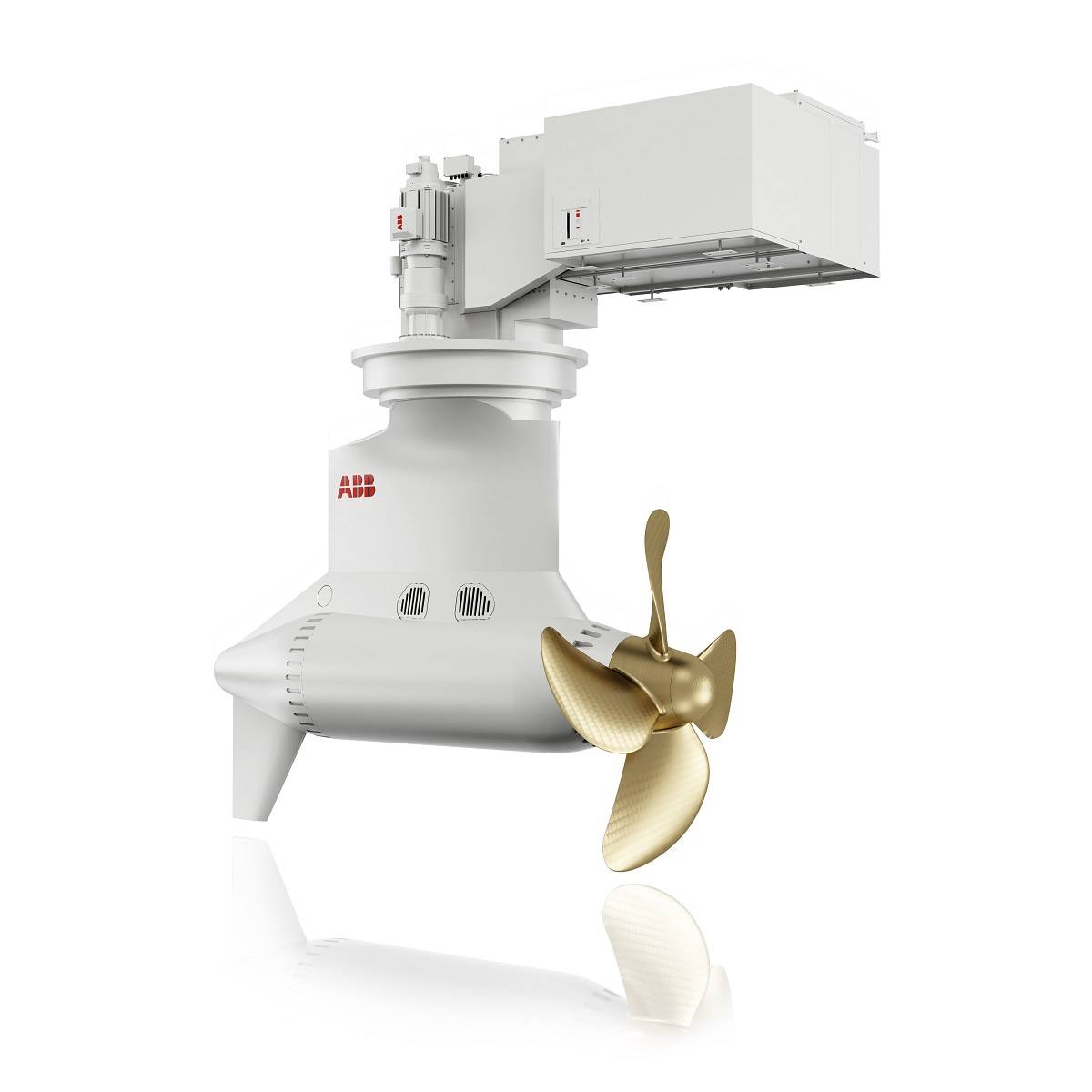
- Thrust can be deployed when needed and fully retracted, reducing hydrodynamic resistance and fuel consumption
- Compact installation – fits in limited hull space while preserving deck area
- High thrust‑to‑power ratio with optional electric or hydraulic drive options
- Suitable for dynamic positioning (DP) systems and tight‑berth manoeuvring
- Sealed, low‑maintenance design compared with exposed fixed thrusters
- Higher upfront cost than a conventional fixed bow thruster
- Maximum thrust is lower than that of large fixed units of the same diameter
- Mechanical retraction system adds complexity and requires periodic inspection
- Requires internal hull volume for the housing, which may be limited on smaller vessels
- Potential downtime if the retract/extend mechanism fails
Brunvoll (Norway)
2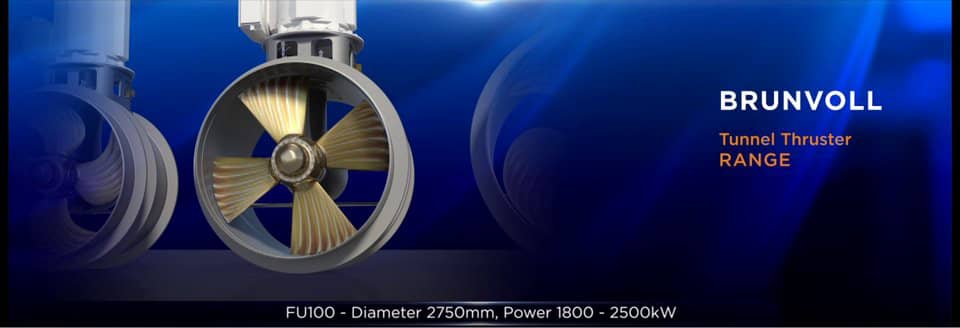
- FU-45
- FU-55
- FU-63
- FU-74
- FU-80
- FU-100
- FU-115
- 250
- 3500
- Gear box oil leakage from shaft seal wear after 15,000-20,000 hrs
- Propeller blade edge erosion from cavitation
- Hydraulic motor leak on hydraulic-drive variants
- Electric motor insulation degradation from moisture ingress
- Wide power range from 250 kW to 3500 kW covering many vessel sizes
- Both electric and hydraulic drive variants provide installation flexibility
- Bronze propeller gives excellent corrosion resistance and wear life
- Modular size series (FU‑45 … FU‑115) fits a variety of hull designs
- Proven reliability with service history dating back to the 1970s
- Gearbox shaft seal wear can cause oil leakage after 15,000–20,000 hrs
- Propeller blade edges are prone to cavitation erosion in high‑thrust use
- Hydraulic drive versions may develop motor leaks over time
- Electric motors require strict moisture control to prevent insulation degradation
- Steel tunnel adds weight and may limit installation on vessels with thin hull sections
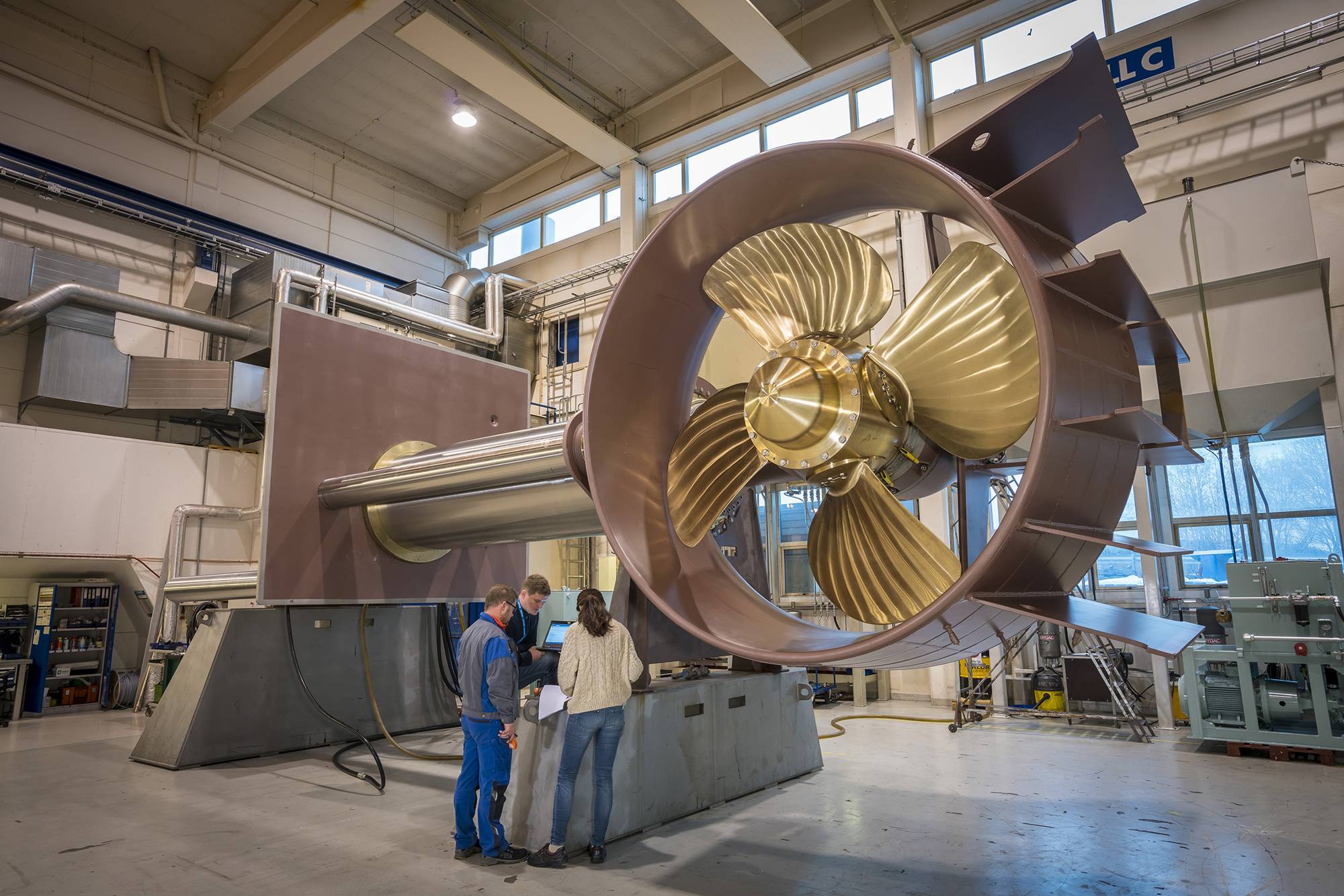
- AR-63
- AR-80
- AX-80
- AX-100
- AX-115
- 500
- 5000
- Azimuth bearing wear from heavy maneuvering
- Steering hydraulic cylinder seal failure
- Lower gear unit oil contamination from seawater ingress
- Propeller shaft seal wear
- Retractable version (AR) reduces hull resistance when not in use, improving fuel efficiency.
- Wide power range (≈500 kW to 5 000 kW) covers many vessel sizes from offshore support boats to large cruise ships.
- Electric and diesel‑electric drive options enable integration with hybrid or all‑electric propulsion systems.
- Compact L/Z‑drive gearbox and controllable‑pitch propeller give high thrust‑to‑power ratios.
- Proven design lineage since the early 1990s, with extensive field experience in DP applications.
- Azimuth bearing wear accelerates under heavy or frequent maneuvering, requiring five‑year inspections.
- Hydraulic steering cylinders are a known source of seal failures, leading to downtime if not monitored.
- Lower gear unit oil can become contaminated by seawater ingress if seals deteriorate.
- Higher upfront cost and more complex maintenance compared with conventional fixed bow thrusters.
- Spare‑part availability for older model numbers (e.g., AR‑63) may be limited in some regions.
Schottel (Germany)
2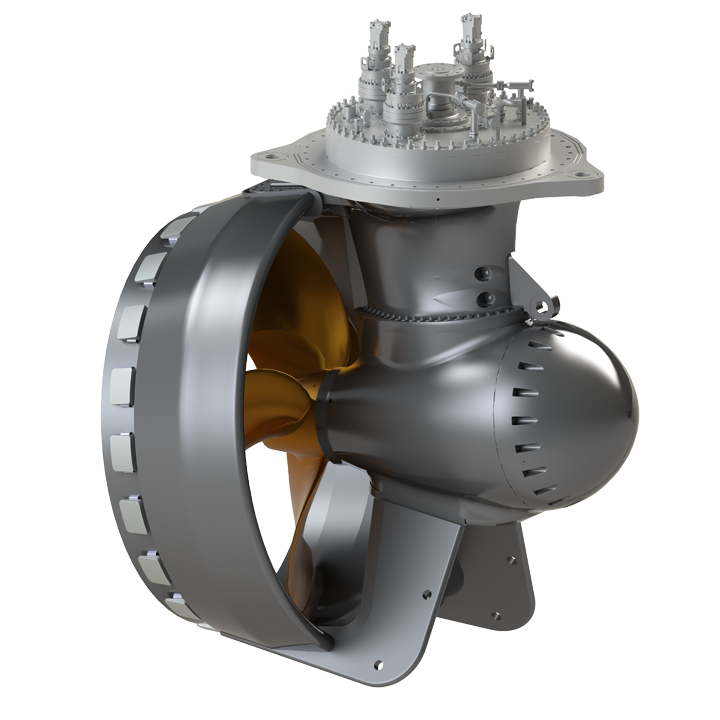
- SRP 100
- SRP 150
- SRP 200
- SRP 330
- SRP 460
- SRP 550
- SRP 710
- 100
- 5000
- Z-drive lower bevel gear wear from high-torque maneuvers
- Propeller shaft seal seawater ingress
- Steering motor/cylinder failure
- Upper bevel gear bearing fatigue after 30,000+ hrs
- Full 360° steering eliminates need for separate rudders and improves maneuverability.
- High thrust efficiency; optional nozzle increases bollard pull for low‑speed operations.
- Multiple drive options (diesel‑mechanical, electric, diesel‑electric) allow integration with various power systems.
- Compact installation compared with traditional tunnel thrusters, freeing hull space.
- Proven track record since the 1960s; widely supported by Schottel service network.
- Complex Z‑drive gearbox leads to higher maintenance demands (gear wear, bearing fatigue).
- Initial capital cost is greater than conventional tunnel thrusters of similar rating.
- Requires precise alignment and regular oil analysis; dry‑dock inspections are mandatory.
- Sensitive to debris ingestion; propeller seal failures can cause seawater ingress.
- Space below the waterline must accommodate the vertical shaft, limiting use on very shallow drafts.
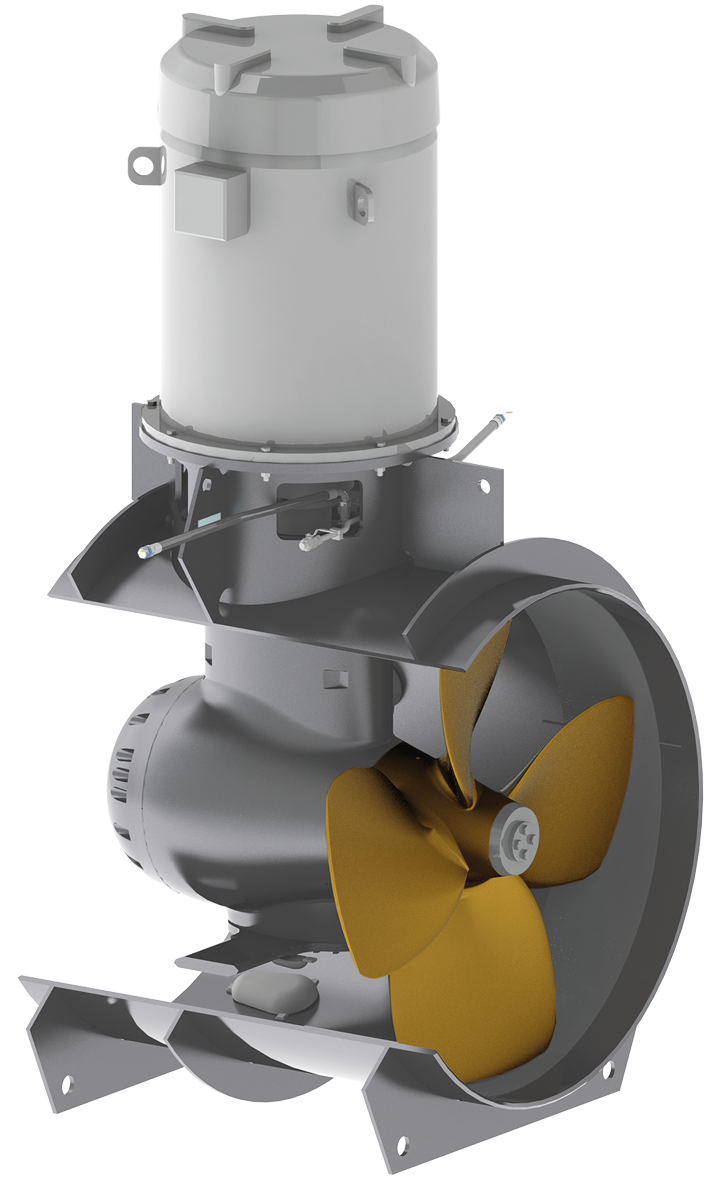
- STT 70
- STT 110
- STT 170
- STT 330
- STT 550
- 50
- 2000
- Gear box oil leak from shaft seal wear
- Electric motor moisture ingress
- Propeller blade erosion
- Tunnel grid corrosion/damage from debris
- Wide size range (STT 70 to STT 550) covering 50–2000 kW, allowing fit on many vessel classes
- High thrust‑to‑power ratio with low cavitation thanks to the fixed‑pitch propeller design
- Modular construction – steel tunnel and gear box can be inspected/maintained separately
- Dual drive options (electric or hydraulic) give flexibility for existing ship power systems
- Class‑approved and in service since the 1980s, providing a proven reliability record
- Gear‑box oil leaks are common if shaft seals wear; requires regular oil analysis every 1 000 h
- Electric motor moisture ingress can cause insulation failures if not inspected annually
- Propeller blades are prone to erosion in abrasive or sand‑laden waters, requiring dry‑dock checks
- Tunnel grid can corrode or be damaged by debris, demanding periodic inspection and cleaning
- Relatively large tunnel footprint compared with azimuth thrusters, limiting installation on very narrow hulls
CSSC / Wuxi Marine Equipment (China)
1- BT-100
- BT-200
- BT-300
- RT-150
- RT-250
- 200
- 3000
- Gear quality inconsistency on early production
- Motor insulation issues from production tolerances
- Propeller blade quality varies between foundry batches
- Competitive unit price compared with European OEMs
- Wide power range from 200 kW up to 3 MW covering many vessel sizes
- Available in both fixed‑pitch (FP) and controllable‑pitch (CP) propeller options
- Local manufacturing in China gives short lead times for Asian shipyards
- CCS approval and DNV/BV class certification on later models, with quality improvements after 2015
- Early production units reported gear‑box material inconsistencies
- Motor insulation tolerances have caused premature winding failures in some batches
- Propeller blade dimensions can vary between foundry lots, affecting performance
- Overall reliability and after‑sales support generally rated lower than European brands
- Limited documentation on advanced diagnostics; spare parts may have longer delivery outside China
Kawasaki
1- KBT-100
- KBT-150
- KBT-200
- KBT-250
- KBT-300
- 250
- 3000
- Planetary gear bearing failure
- CP hub mechanism hydraulic leak
- Motor insulation degradation
- Propeller blade cavitation erosion
- High thrust‑to‑power ratio across the 250 kW–3 000 kW range
- Controllable‑pitch propeller provides fine thrust control and reduced vibration
- Robust steel tunnel construction resists corrosion in harsh marine environments
- Modular design allows relatively quick replacement of motor, gear or CP hub
- Long production history (since 1975) gives proven reliability and wide spare‑parts support
- Planetary‑gear bearings are a known wear point requiring oil analysis every ~1 000 h
- CP hub hydraulic system can develop leaks if not inspected regularly
- Tunnel geometry limits installation to vessels with sufficient hull depth; retrofits can be costly
- Higher initial capital cost compared with simple fixed‑pitch tunnel thrusters
- Maintenance is more intensive than azimuth thrusters that have fewer moving parts
Nakashima Propeller (Japan)
1
- NTT-50
- NTT-100
- NTT-150
- NTT-200
- 150
- 2000
- Gear bearing wear after 20,000+ hrs
- Motor moisture ingress
- Propeller blade erosion
- High thrust density across the 150 kW–2 000 kW range, suitable for medium to large vessels
- Robust steel tunnel construction provides good resistance to impact and corrosion
- Standardized FP propeller simplifies spare‑part logistics and allows quick blade replacement
- Electric drive enables integration with vessel power management systems and reduces emissions compared with hydraulic thrusters
- Gear bearings have a documented wear limit of ~20,000 hrs, requiring periodic oil analysis and possible overhauls
- Motor housing is prone to moisture ingress in high‑humidity or salt‑spray environments if seals are not regularly inspected
- Fixed‑pitch blades can suffer erosion in abrasive water conditions, reducing efficiency over time
Side-Power / Sleipner Motor (Norway)
1
- SE30
- SE60
- SE80
- SE100
- SE130
- SE170
- SP200
- 3
- 200
- DC motor brush wear (DC variants)
- Gear oil overheating from extended continuous use (duty cycle limited)
- Propeller hub corrosion from dissimilar metals
- Control relay failure
- Modular size range from SE30 to SP200 covering 3–200 kW, allowing fit on many vessel sizes
- Dual drive options – electric for low emissions and hydraulic for higher torque applications
- Compact tunnel construction (steel or composite) reduces hull penetration depth
- Proven design lineage since the mid‑1980s with a simple FP propeller for reliable thrust generation
- Straightforward maintenance schedule (brush inspection, gear oil change) documented by manufacturer
- DC motor brush wear requires regular inspection every 500 h; AC versions avoid this but may need inverter upkeep
- Limited duty cycle – not intended for continuous operation; overheating of gear oil can occur if exceeded
- Propeller hub corrosion risk when dissimilar metals are used in the tunnel lining
- Control relay failures have been reported, necessitating spare parts on board
- No built‑in redundancy; a single thruster failure reduces manoeuvring capability
Thrustmaster of Texas (USA)
1
- TH-500
- TH-750
- TH-1000
- TH-1500
- TH-2000
- 200
- 2000
- Hydraulic power pack motor bearing failure
- Hydraulic hose degradation from heat/age
- Gear box seal leakage
- Propeller blade edge erosion
- Wide power envelope (200–2000 kW) covering small to very large vessels
- Modular size family (TH‑500 to TH‑2000) simplifies selection for different hull forms
- Dual drive options (hydraulic or electric) allow flexibility based on shipboard power architecture
- Robust steel tunnel and gear‑drive construction provides high durability in harsh marine environments
- FP propeller design delivers good thrust efficiency and low cavitation
- Hydraulic versions prone to bearing wear in the power‑pack motor and hose degradation from heat/age
- Gearbox seals can leak, requiring regular oil analysis and potential downtime
- Propeller blade edge erosion demands periodic dry‑dock inspection and possible refurbishment
- Installation requires significant tunnel cut‑out and structural reinforcement, increasing build cost
- Spare‑part availability may be limited compared with more widely used OEM thruster families
Veth Propulsion (Netherlands)
1- VZ-400
- VZ-600
- VZ-900
- VL-400
- VL-600
- 200
- 3000
- Lower gear bearing seawater contamination
- Steering motor wear from frequent maneuvering
- Shaft seal degradation
- Full 360° thrust vectoring gives superior manoeuvrability compared with conventional tunnel thrusters
- Compact installation footprint, useful where hull space is limited
- Modular design allows both diesel‑mechanical and electric drive options to match vessel power architecture
- High thrust‑to‑power ratio across the VZ‑400 to VZ‑900 size range
- Standardised gear‑oil monitoring intervals (every 1,000 hrs) simplify condition‑based maintenance
- Higher initial capital cost and more complex drive train than simple tunnel thrusters
- Gear bearings are sensitive to seawater contamination; requires strict oil cleanliness control
- Shaft seal wear is a known failure mode, demanding regular dry‑dock inspection
- Spare‑part logistics can be challenging for vessels operating in remote regions
- Steering motor life may be reduced under very frequent maneuvering cycles
ZF Marine (Germany)
1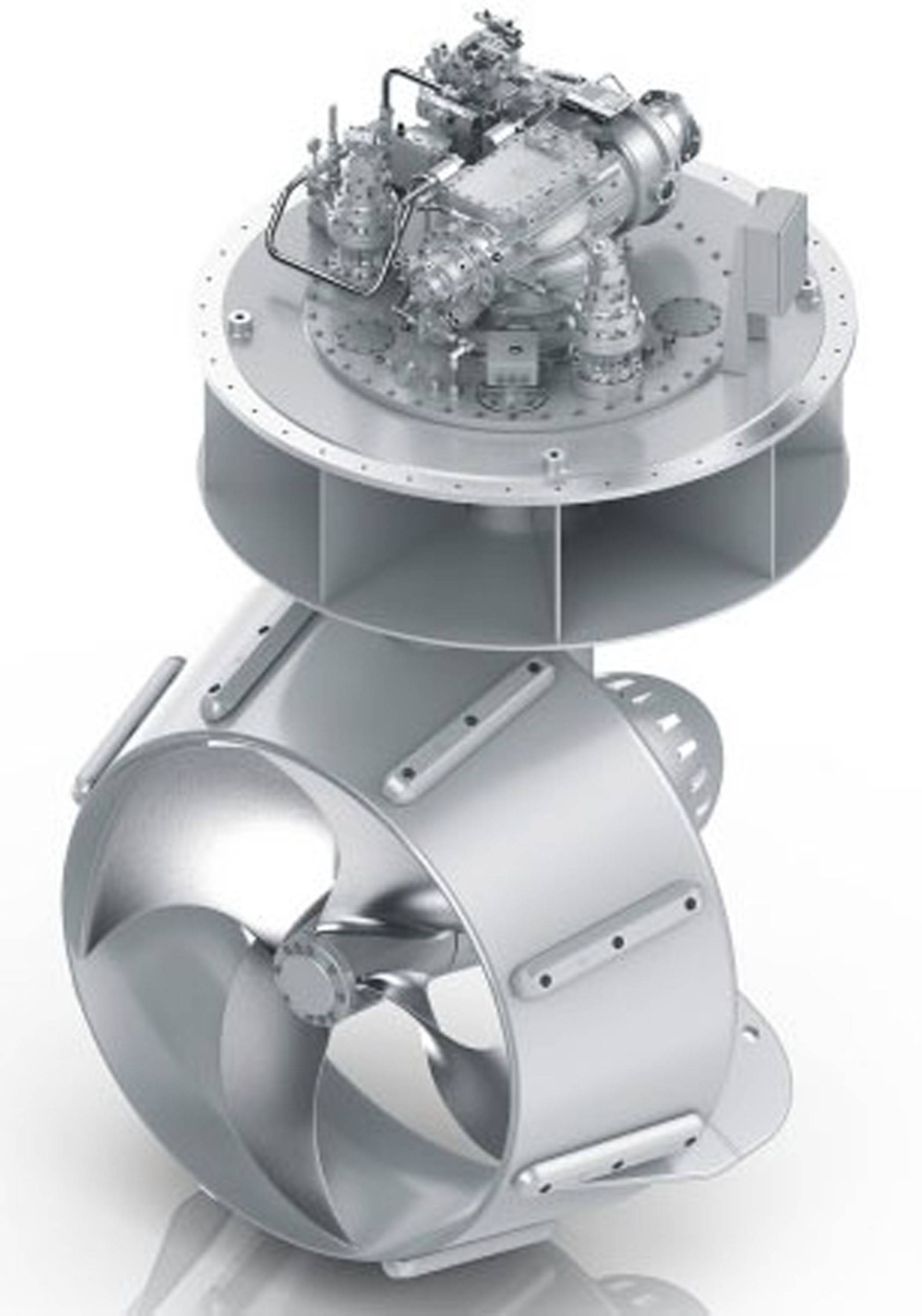
- AT 3011
- AT 4111
- AT 5111
- 200
- 2000
- L-drive lower gear bearing wear
- Propeller shaft seal seawater ingress
- Steering hydraulic cylinder seal failure
- Compact footprint – combines gearbox and FP propeller in one unit, saving hull space.
- Wide power range (200 kW–2 000 kW) covering many vessel sizes.
- High thrust‑to‑power ratio thanks to the L‑drive geometry.
- Proven reliability with a global ZF service network for over‑haul and spare parts.
- Modular design allows relatively quick installation and replacement.
- L‑drive lower gear bearing wear reported in long‑term service.
- Propeller shaft seal prone to seawater ingress, requiring regular dry‑dock inspection.
- Steering hydraulic cylinder seals can fail, leading to loss of azimuth control.
- Only diesel‑mechanical drive – no electric or hybrid variant available in the AT series.
- Maintenance intervals (gear oil analysis every 1 000 h) are stricter than some competing electric thrusters.