Sewage Treatment Plant
A sewage treatment plant breaks down and disinfects blackwater from toilets and greywater from galleys before discharge, using biological digestion or electrochemical treatment, and is inspected under MARPOL Annex IV rather than the oil record book regime that governs bilge water.
Read more — Sewage Treatment Plant explained ▾
What defines a sewage treatment plant
A marine sewage treatment plant (STP) treats blackwater from toilets, and often greywater from galleys and laundries, to a standard that permits discharge closer to shore than untreated sewage would allow. It sits under a different regulatory regime from the oily water separator: MARPOL Annex IV governs sewage, with its own discharge distances, effluent standards and survey cycle, separate from the Annex I rules that cover oil in bilge water. Two treatment principles dominate the market -- biological plants that use aerobic bacteria to digest waste over a multi-stage retention period, and electrochemical plants that break down and disinfect waste using an electrolytic cell, typically generating disinfectant in situ from seawater. Biological plants need a stable feed and enough retention time to keep the bacterial culture alive; electrochemical plants respond faster to intermittent loads but consume more power and electrode life.
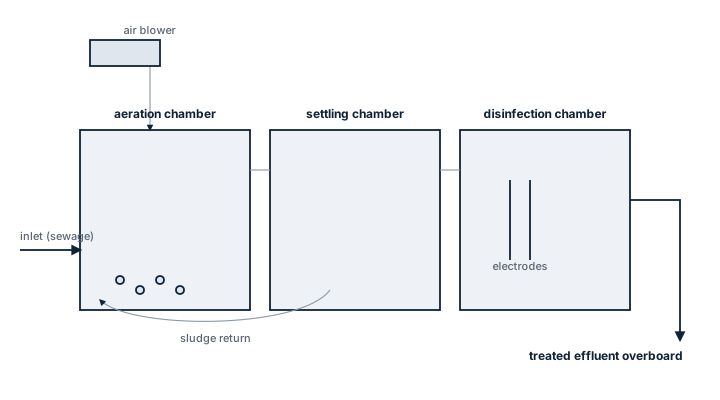
Main components
Aeration or treatment chamber
On biological plants, a series of chambers -- aeration, settling, and often a final disinfection stage -- where an air blower keeps the bacterial culture aerobic and mixed with incoming waste.
Electrolytic cell
On electrochemical plants, a cell with plate or tube electrodes through which seawater or the effluent itself passes, generating disinfectant in situ rather than dosing a stored chemical.
Comminutor / macerator
A grinding stage ahead of treatment that reduces solids to a size the biological or electrochemical process can handle, and prevents rag and debris from blocking downstream pumps.
Effluent monitoring
A sample point, and on many installations a continuous monitor, for the parameters the discharge standard sets -- typically suspended solids, faecal coliform count and residual chlorine -- checked before the effluent is allowed overboard rather than to a holding tank.
Selection and sizing
- Design population -- crew complement plus passengers where applicable -- against the plant's rated daily flow.
- Peak load pattern: passenger vessels see sharp morning and evening peaks that a plant sized only on average daily flow cannot absorb.
- Trading pattern: a ship spending long periods in port or in special areas needs enough holding capacity or treated-discharge capability to cover restricted zones.
- Power consumption, particularly for electrochemical plants, against the electrical load budget of the vessel.
- Space for retention time in biological designs -- undersizing the tankage is the most common design shortfall.
Regulations and class
MARPOL Annex IV requires an International Sewage Pollution Prevention (ISPP) certificate for ships above the size threshold it sets, backed by an initial and periodic survey of the plant and its discharge arrangements. The effluent standard the plant must meet, and the distance from land at which even treated sewage may be discharged, both come from Annex IV; special areas and some port state requirements are stricter than the baseline. Class surveys check the plant's operating log, the treatment performance against its type approval, and that the discharge piping correctly separates treated discharge from any direct overboard bypass -- a bypass valve left open or unsealed is one of the most common port state control deficiencies found on this equipment.
Typical faults
| Fault | Cause | Consequence |
|---|---|---|
| Biological process fails | Bacterial culture killed by disinfectant or strong cleaning chemicals, or an extended low-load period with no feed | Effluent quality out of spec, weeks needed to re-establish a healthy culture |
| Electrode wear on electrochemical cells | Normal consumption over operating hours, accelerated by low-salinity feed water | Falling disinfection performance, eventually failing effluent monitoring |
| Macerator blockage | Foreign objects such as wet wipes or rags entering the system despite do-not-flush notices | Loss of flow through the plant, backup into the sanitary system |
| Odour and foaming | Overloading beyond design population, or aeration blower undersized or fouled | Crew complaints, and often a sign the treatment is also failing to meet discharge standard |
What to look for in a supplier
- Type approval certificate under MARPOL Annex IV covering the effluent standard actually required for the vessel's trading area.
- Rated capacity matched with margin to the vessel's actual population and peak load pattern, not just average daily flow.
- Spare parts availability for electrodes, blower diaphragms or membranes specific to the model.
- Clear operating and troubleshooting documentation the crew can follow, since this equipment is usually maintained by ship's staff rather than a specialist.
A biological plant that has sat unused during a long yard period needs to be reseeded and given time to re-establish its bacterial culture before sailing -- opening the discharge valve on day one, before the culture has recovered, is how an otherwise sound plant fails its first effluent check after a refit.
Typical Manufacturers
16 manufacturers · 96 models
Evac
24 ✓ 20 verified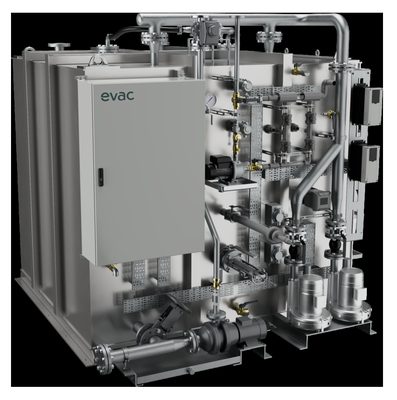
- Area: International Sewage Pollution Prevention Certificate (ISPPC) validity and authenticityCheck: Verify ISPPC is valid, properly issued for vessel size (≥400GT or ≥15 persons), signed and endorsed by flag state authority, not expired
- Area: Sewage treatment plant IMO type approval certificate missing or invalidCheck: Confirm STP holds valid IMO MEPC 227(64) certificate (or MEPC 159(55) for older units), check certification class (STP type approval letter), verify not lapsed
- Area: Direct sewage discharge valve not sealed or incorrectly securedCheck: Inspect discharge valve seals, verify valve is sealed shut when in port or within 3 nautical miles from shore, confirm mechanical lock/weld, check pump discharge isolation
- Area: Sewage treatment plant not operational or inadequate capacity for crewCheck: Test plant start-up sequence, verify blower/pump operation, check aeration and treatment tank water levels, confirm adequate treatment time (typically 8-15 hours retention), measure actual vs. design capacity, review operational log
- Area: Monthly effluent quality testing records missing or deficient (BOD, COD, TSS, E.coli)Check: Request last 12 months of effluent test reports, verify parameter compliance with MEPC 227(64) limits (BOD ≤25mg/L, COD ≤125mg/L, TSS ≤35mg/L, fecal coliform <250 CFU/100mL), check testing lab certification, confirm disposal location recorded
Typ-universelle Inspektionspunkte fuer Sewage Treatment Plant (verifiziert, 2026-06).
- Area: International Sewage Pollution Prevention Certificate (ISPPC) validity and authenticityCheck: Verify ISPPC is valid, properly issued for vessel size (≥400GT or ≥15 persons), signed and endorsed by flag state authority, not expired
- Area: Sewage treatment plant IMO type approval certificate missing or invalidCheck: Confirm STP holds valid IMO MEPC 227(64) certificate (or MEPC 159(55) for older units), check certification class (STP type approval letter), verify not lapsed
- Area: Direct sewage discharge valve not sealed or incorrectly securedCheck: Inspect discharge valve seals, verify valve is sealed shut when in port or within 3 nautical miles from shore, confirm mechanical lock/weld, check pump discharge isolation
- Area: Sewage treatment plant not operational or inadequate capacity for crewCheck: Test plant start-up sequence, verify blower/pump operation, check aeration and treatment tank water levels, confirm adequate treatment time (typically 8-15 hours retention), measure actual vs. design capacity, review operational log
- Area: Monthly effluent quality testing records missing or deficient (BOD, COD, TSS, E.coli)Check: Request last 12 months of effluent test reports, verify parameter compliance with MEPC 227(64) limits (BOD ≤25mg/L, COD ≤125mg/L, TSS ≤35mg/L, fecal coliform <250 CFU/100mL), check testing lab certification, confirm disposal location recorded
Typ-universelle Inspektionspunkte fuer Sewage Treatment Plant (verifiziert, 2026-06).
- Area: International Sewage Pollution Prevention Certificate (ISPPC) validity and authenticityCheck: Verify ISPPC is valid, properly issued for vessel size (≥400GT or ≥15 persons), signed and endorsed by flag state authority, not expired
- Area: Sewage treatment plant IMO type approval certificate missing or invalidCheck: Confirm STP holds valid IMO MEPC 227(64) certificate (or MEPC 159(55) for older units), check certification class (STP type approval letter), verify not lapsed
- Area: Direct sewage discharge valve not sealed or incorrectly securedCheck: Inspect discharge valve seals, verify valve is sealed shut when in port or within 3 nautical miles from shore, confirm mechanical lock/weld, check pump discharge isolation
- Area: Sewage treatment plant not operational or inadequate capacity for crewCheck: Test plant start-up sequence, verify blower/pump operation, check aeration and treatment tank water levels, confirm adequate treatment time (typically 8-15 hours retention), measure actual vs. design capacity, review operational log
- Area: Monthly effluent quality testing records missing or deficient (BOD, COD, TSS, E.coli)Check: Request last 12 months of effluent test reports, verify parameter compliance with MEPC 227(64) limits (BOD ≤25mg/L, COD ≤125mg/L, TSS ≤35mg/L, fecal coliform <250 CFU/100mL), check testing lab certification, confirm disposal location recorded
Typ-universelle Inspektionspunkte fuer Sewage Treatment Plant (verifiziert, 2026-06).
- Area: International Sewage Pollution Prevention Certificate (ISPPC) validity and authenticityCheck: Verify ISPPC is valid, properly issued for vessel size (≥400GT or ≥15 persons), signed and endorsed by flag state authority, not expired
- Area: Sewage treatment plant IMO type approval certificate missing or invalidCheck: Confirm STP holds valid IMO MEPC 227(64) certificate (or MEPC 159(55) for older units), check certification class (STP type approval letter), verify not lapsed
- Area: Direct sewage discharge valve not sealed or incorrectly securedCheck: Inspect discharge valve seals, verify valve is sealed shut when in port or within 3 nautical miles from shore, confirm mechanical lock/weld, check pump discharge isolation
- Area: Sewage treatment plant not operational or inadequate capacity for crewCheck: Test plant start-up sequence, verify blower/pump operation, check aeration and treatment tank water levels, confirm adequate treatment time (typically 8-15 hours retention), measure actual vs. design capacity, review operational log
- Area: Monthly effluent quality testing records missing or deficient (BOD, COD, TSS, E.coli)Check: Request last 12 months of effluent test reports, verify parameter compliance with MEPC 227(64) limits (BOD ≤25mg/L, COD ≤125mg/L, TSS ≤35mg/L, fecal coliform <250 CFU/100mL), check testing lab certification, confirm disposal location recorded
Typ-universelle Inspektionspunkte fuer Sewage Treatment Plant (verifiziert, 2026-06).
- Area: Membrane fouling and filter clogging in MBR/MBBR systemsCheck: Visual inspection of membrane status and pressure differential readings; verify EcoScreen pre-treatment is properly operated for BOD load reduction; inspect transmembrane pressure (TMP) recordings - should remain stable within design specifications
- Area: Biological process upset and sludge accumulation in treatment reactorsCheck: Monthly biosolids level monitoring and sludge discharge procedures; verify mixed liquor suspended solids (MLSS) concentration matches design specifications; inspect sludge handling system for proper collection tank operation and maintenance
- Area: Chemical depletion and overdosing in ORCA electrolytic systemsCheck: Verify 5% chlorine solution levels (ORCA II A) or electrolyte levels are within specifications; confirm automated dosing systems are functioning correctly; test effluent disinfection efficacy according to IMO MEPC 227(64) requirements
- Area: Effluent quality non-compliance and nutrient overflow in restricted areas (Baltic Sea, River Rhine)Check: Quarterly sampling and testing of treated effluent for BOD, TSS, nitrogen and phosphorus levels; verify compliance with IMO MEPC 227(64) Chapter 4.2 requirements for passenger ships in special areas; maintain International Sewage Pollution Prevention Certificate documentation
- Area: System operational failure and control panel malfunctionsCheck: Verify touchscreen control panel responsiveness; test automated shutdown procedures; confirm integration with ship's main automation system; check alarm and monitoring functions are properly logged and reviewed; ORCA IV B systems require 3-month maintenance interval verification
Typ-universelle Inspektionspunkte fuer Oily Water & Waste Systems (verifiziert, 2026-06).
- Area: Membrane fouling and filter clogging in MBR/MBBR systemsCheck: Visual inspection of membrane status and pressure differential readings; verify EcoScreen pre-treatment is properly operated for BOD load reduction; inspect transmembrane pressure (TMP) recordings - should remain stable within design specifications
- Area: Biological process upset and sludge accumulation in treatment reactorsCheck: Monthly biosolids level monitoring and sludge discharge procedures; verify mixed liquor suspended solids (MLSS) concentration matches design specifications; inspect sludge handling system for proper collection tank operation and maintenance
- Area: Chemical depletion and overdosing in ORCA electrolytic systemsCheck: Verify 5% chlorine solution levels (ORCA II A) or electrolyte levels are within specifications; confirm automated dosing systems are functioning correctly; test effluent disinfection efficacy according to IMO MEPC 227(64) requirements
- Area: Effluent quality non-compliance and nutrient overflow in restricted areas (Baltic Sea, River Rhine)Check: Quarterly sampling and testing of treated effluent for BOD, TSS, nitrogen and phosphorus levels; verify compliance with IMO MEPC 227(64) Chapter 4.2 requirements for passenger ships in special areas; maintain International Sewage Pollution Prevention Certificate documentation
- Area: System operational failure and control panel malfunctionsCheck: Verify touchscreen control panel responsiveness; test automated shutdown procedures; confirm integration with ship's main automation system; check alarm and monitoring functions are properly logged and reviewed; ORCA IV B systems require 3-month maintenance interval verification
Typ-universelle Inspektionspunkte fuer Oily Water & Waste Systems (verifiziert, 2026-06).
- Area: Membrane fouling and filter clogging in MBR/MBBR systemsCheck: Visual inspection of membrane status and pressure differential readings; verify EcoScreen pre-treatment is properly operated for BOD load reduction; inspect transmembrane pressure (TMP) recordings - should remain stable within design specifications
- Area: Biological process upset and sludge accumulation in treatment reactorsCheck: Monthly biosolids level monitoring and sludge discharge procedures; verify mixed liquor suspended solids (MLSS) concentration matches design specifications; inspect sludge handling system for proper collection tank operation and maintenance
- Area: Chemical depletion and overdosing in ORCA electrolytic systemsCheck: Verify 5% chlorine solution levels (ORCA II A) or electrolyte levels are within specifications; confirm automated dosing systems are functioning correctly; test effluent disinfection efficacy according to IMO MEPC 227(64) requirements
- Area: Effluent quality non-compliance and nutrient overflow in restricted areas (Baltic Sea, River Rhine)Check: Quarterly sampling and testing of treated effluent for BOD, TSS, nitrogen and phosphorus levels; verify compliance with IMO MEPC 227(64) Chapter 4.2 requirements for passenger ships in special areas; maintain International Sewage Pollution Prevention Certificate documentation
- Area: System operational failure and control panel malfunctionsCheck: Verify touchscreen control panel responsiveness; test automated shutdown procedures; confirm integration with ship's main automation system; check alarm and monitoring functions are properly logged and reviewed; ORCA IV B systems require 3-month maintenance interval verification
Typ-universelle Inspektionspunkte fuer Oily Water & Waste Systems (verifiziert, 2026-06).
- Area: Membrane fouling and filter clogging in MBR/MBBR systemsCheck: Visual inspection of membrane status and pressure differential readings; verify EcoScreen pre-treatment is properly operated for BOD load reduction; inspect transmembrane pressure (TMP) recordings - should remain stable within design specifications
- Area: Biological process upset and sludge accumulation in treatment reactorsCheck: Monthly biosolids level monitoring and sludge discharge procedures; verify mixed liquor suspended solids (MLSS) concentration matches design specifications; inspect sludge handling system for proper collection tank operation and maintenance
- Area: Chemical depletion and overdosing in ORCA electrolytic systemsCheck: Verify 5% chlorine solution levels (ORCA II A) or electrolyte levels are within specifications; confirm automated dosing systems are functioning correctly; test effluent disinfection efficacy according to IMO MEPC 227(64) requirements
- Area: Effluent quality non-compliance and nutrient overflow in restricted areas (Baltic Sea, River Rhine)Check: Quarterly sampling and testing of treated effluent for BOD, TSS, nitrogen and phosphorus levels; verify compliance with IMO MEPC 227(64) Chapter 4.2 requirements for passenger ships in special areas; maintain International Sewage Pollution Prevention Certificate documentation
- Area: System operational failure and control panel malfunctionsCheck: Verify touchscreen control panel responsiveness; test automated shutdown procedures; confirm integration with ship's main automation system; check alarm and monitoring functions are properly logged and reviewed; ORCA IV B systems require 3-month maintenance interval verification
Typ-universelle Inspektionspunkte fuer Oily Water & Waste Systems (verifiziert, 2026-06).
- Area: Membrane fouling and filter clogging in MBR/MBBR systemsCheck: Visual inspection of membrane status and pressure differential readings; verify EcoScreen pre-treatment is properly operated for BOD load reduction; inspect transmembrane pressure (TMP) recordings - should remain stable within design specifications
- Area: Biological process upset and sludge accumulation in treatment reactorsCheck: Monthly biosolids level monitoring and sludge discharge procedures; verify mixed liquor suspended solids (MLSS) concentration matches design specifications; inspect sludge handling system for proper collection tank operation and maintenance
- Area: Chemical depletion and overdosing in ORCA electrolytic systemsCheck: Verify 5% chlorine solution levels (ORCA II A) or electrolyte levels are within specifications; confirm automated dosing systems are functioning correctly; test effluent disinfection efficacy according to IMO MEPC 227(64) requirements
- Area: Effluent quality non-compliance and nutrient overflow in restricted areas (Baltic Sea, River Rhine)Check: Quarterly sampling and testing of treated effluent for BOD, TSS, nitrogen and phosphorus levels; verify compliance with IMO MEPC 227(64) Chapter 4.2 requirements for passenger ships in special areas; maintain International Sewage Pollution Prevention Certificate documentation
- Area: System operational failure and control panel malfunctionsCheck: Verify touchscreen control panel responsiveness; test automated shutdown procedures; confirm integration with ship's main automation system; check alarm and monitoring functions are properly logged and reviewed; ORCA IV B systems require 3-month maintenance interval verification
Typ-universelle Inspektionspunkte fuer Oily Water & Waste Systems (verifiziert, 2026-06).
- Area: Membrane fouling and filter clogging in MBR/MBBR systemsCheck: Visual inspection of membrane status and pressure differential readings; verify EcoScreen pre-treatment is properly operated for BOD load reduction; inspect transmembrane pressure (TMP) recordings - should remain stable within design specifications
- Area: Biological process upset and sludge accumulation in treatment reactorsCheck: Monthly biosolids level monitoring and sludge discharge procedures; verify mixed liquor suspended solids (MLSS) concentration matches design specifications; inspect sludge handling system for proper collection tank operation and maintenance
- Area: Chemical depletion and overdosing in ORCA electrolytic systemsCheck: Verify 5% chlorine solution levels (ORCA II A) or electrolyte levels are within specifications; confirm automated dosing systems are functioning correctly; test effluent disinfection efficacy according to IMO MEPC 227(64) requirements
- Area: Effluent quality non-compliance and nutrient overflow in restricted areas (Baltic Sea, River Rhine)Check: Quarterly sampling and testing of treated effluent for BOD, TSS, nitrogen and phosphorus levels; verify compliance with IMO MEPC 227(64) Chapter 4.2 requirements for passenger ships in special areas; maintain International Sewage Pollution Prevention Certificate documentation
- Area: System operational failure and control panel malfunctionsCheck: Verify touchscreen control panel responsiveness; test automated shutdown procedures; confirm integration with ship's main automation system; check alarm and monitoring functions are properly logged and reviewed; ORCA IV B systems require 3-month maintenance interval verification
Typ-universelle Inspektionspunkte fuer Oily Water & Waste Systems (verifiziert, 2026-06).
- Area: Membrane fouling and filter clogging in MBR/MBBR systemsCheck: Visual inspection of membrane status and pressure differential readings; verify EcoScreen pre-treatment is properly operated for BOD load reduction; inspect transmembrane pressure (TMP) recordings - should remain stable within design specifications
- Area: Biological process upset and sludge accumulation in treatment reactorsCheck: Monthly biosolids level monitoring and sludge discharge procedures; verify mixed liquor suspended solids (MLSS) concentration matches design specifications; inspect sludge handling system for proper collection tank operation and maintenance
- Area: Chemical depletion and overdosing in ORCA electrolytic systemsCheck: Verify 5% chlorine solution levels (ORCA II A) or electrolyte levels are within specifications; confirm automated dosing systems are functioning correctly; test effluent disinfection efficacy according to IMO MEPC 227(64) requirements
- Area: Effluent quality non-compliance and nutrient overflow in restricted areas (Baltic Sea, River Rhine)Check: Quarterly sampling and testing of treated effluent for BOD, TSS, nitrogen and phosphorus levels; verify compliance with IMO MEPC 227(64) Chapter 4.2 requirements for passenger ships in special areas; maintain International Sewage Pollution Prevention Certificate documentation
- Area: System operational failure and control panel malfunctionsCheck: Verify touchscreen control panel responsiveness; test automated shutdown procedures; confirm integration with ship's main automation system; check alarm and monitoring functions are properly logged and reviewed; ORCA IV B systems require 3-month maintenance interval verification
Typ-universelle Inspektionspunkte fuer Oily Water & Waste Systems (verifiziert, 2026-06).
- Area: Membrane fouling and filter clogging in MBR/MBBR systemsCheck: Visual inspection of membrane status and pressure differential readings; verify EcoScreen pre-treatment is properly operated for BOD load reduction; inspect transmembrane pressure (TMP) recordings - should remain stable within design specifications
- Area: Biological process upset and sludge accumulation in treatment reactorsCheck: Monthly biosolids level monitoring and sludge discharge procedures; verify mixed liquor suspended solids (MLSS) concentration matches design specifications; inspect sludge handling system for proper collection tank operation and maintenance
- Area: Chemical depletion and overdosing in ORCA electrolytic systemsCheck: Verify 5% chlorine solution levels (ORCA II A) or electrolyte levels are within specifications; confirm automated dosing systems are functioning correctly; test effluent disinfection efficacy according to IMO MEPC 227(64) requirements
- Area: Effluent quality non-compliance and nutrient overflow in restricted areas (Baltic Sea, River Rhine)Check: Quarterly sampling and testing of treated effluent for BOD, TSS, nitrogen and phosphorus levels; verify compliance with IMO MEPC 227(64) Chapter 4.2 requirements for passenger ships in special areas; maintain International Sewage Pollution Prevention Certificate documentation
- Area: System operational failure and control panel malfunctionsCheck: Verify touchscreen control panel responsiveness; test automated shutdown procedures; confirm integration with ship's main automation system; check alarm and monitoring functions are properly logged and reviewed; ORCA IV B systems require 3-month maintenance interval verification
Typ-universelle Inspektionspunkte fuer Oily Water & Waste Systems (verifiziert, 2026-06).
- Area: Membrane fouling and filter clogging in MBR/MBBR systemsCheck: Visual inspection of membrane status and pressure differential readings; verify EcoScreen pre-treatment is properly operated for BOD load reduction; inspect transmembrane pressure (TMP) recordings - should remain stable within design specifications
- Area: Biological process upset and sludge accumulation in treatment reactorsCheck: Monthly biosolids level monitoring and sludge discharge procedures; verify mixed liquor suspended solids (MLSS) concentration matches design specifications; inspect sludge handling system for proper collection tank operation and maintenance
- Area: Chemical depletion and overdosing in ORCA electrolytic systemsCheck: Verify 5% chlorine solution levels (ORCA II A) or electrolyte levels are within specifications; confirm automated dosing systems are functioning correctly; test effluent disinfection efficacy according to IMO MEPC 227(64) requirements
- Area: Effluent quality non-compliance and nutrient overflow in restricted areas (Baltic Sea, River Rhine)Check: Quarterly sampling and testing of treated effluent for BOD, TSS, nitrogen and phosphorus levels; verify compliance with IMO MEPC 227(64) Chapter 4.2 requirements for passenger ships in special areas; maintain International Sewage Pollution Prevention Certificate documentation
- Area: System operational failure and control panel malfunctionsCheck: Verify touchscreen control panel responsiveness; test automated shutdown procedures; confirm integration with ship's main automation system; check alarm and monitoring functions are properly logged and reviewed; ORCA IV B systems require 3-month maintenance interval verification
Typ-universelle Inspektionspunkte fuer Oily Water & Waste Systems (verifiziert, 2026-06).
- Area: Membrane fouling and filter clogging in MBR/MBBR systemsCheck: Visual inspection of membrane status and pressure differential readings; verify EcoScreen pre-treatment is properly operated for BOD load reduction; inspect transmembrane pressure (TMP) recordings - should remain stable within design specifications
- Area: Biological process upset and sludge accumulation in treatment reactorsCheck: Monthly biosolids level monitoring and sludge discharge procedures; verify mixed liquor suspended solids (MLSS) concentration matches design specifications; inspect sludge handling system for proper collection tank operation and maintenance
- Area: Chemical depletion and overdosing in ORCA electrolytic systemsCheck: Verify 5% chlorine solution levels (ORCA II A) or electrolyte levels are within specifications; confirm automated dosing systems are functioning correctly; test effluent disinfection efficacy according to IMO MEPC 227(64) requirements
- Area: Effluent quality non-compliance and nutrient overflow in restricted areas (Baltic Sea, River Rhine)Check: Quarterly sampling and testing of treated effluent for BOD, TSS, nitrogen and phosphorus levels; verify compliance with IMO MEPC 227(64) Chapter 4.2 requirements for passenger ships in special areas; maintain International Sewage Pollution Prevention Certificate documentation
- Area: System operational failure and control panel malfunctionsCheck: Verify touchscreen control panel responsiveness; test automated shutdown procedures; confirm integration with ship's main automation system; check alarm and monitoring functions are properly logged and reviewed; ORCA IV B systems require 3-month maintenance interval verification
Typ-universelle Inspektionspunkte fuer Oily Water & Waste Systems (verifiziert, 2026-06).
- Area: Membrane fouling and filter clogging in MBR/MBBR systemsCheck: Visual inspection of membrane status and pressure differential readings; verify EcoScreen pre-treatment is properly operated for BOD load reduction; inspect transmembrane pressure (TMP) recordings - should remain stable within design specifications
- Area: Biological process upset and sludge accumulation in treatment reactorsCheck: Monthly biosolids level monitoring and sludge discharge procedures; verify mixed liquor suspended solids (MLSS) concentration matches design specifications; inspect sludge handling system for proper collection tank operation and maintenance
- Area: Chemical depletion and overdosing in ORCA electrolytic systemsCheck: Verify 5% chlorine solution levels (ORCA II A) or electrolyte levels are within specifications; confirm automated dosing systems are functioning correctly; test effluent disinfection efficacy according to IMO MEPC 227(64) requirements
- Area: Effluent quality non-compliance and nutrient overflow in restricted areas (Baltic Sea, River Rhine)Check: Quarterly sampling and testing of treated effluent for BOD, TSS, nitrogen and phosphorus levels; verify compliance with IMO MEPC 227(64) Chapter 4.2 requirements for passenger ships in special areas; maintain International Sewage Pollution Prevention Certificate documentation
- Area: System operational failure and control panel malfunctionsCheck: Verify touchscreen control panel responsiveness; test automated shutdown procedures; confirm integration with ship's main automation system; check alarm and monitoring functions are properly logged and reviewed; ORCA IV B systems require 3-month maintenance interval verification
Typ-universelle Inspektionspunkte fuer Oily Water & Waste Systems (verifiziert, 2026-06).
- Area: Membrane fouling and filter clogging in MBR/MBBR systemsCheck: Visual inspection of membrane status and pressure differential readings; verify EcoScreen pre-treatment is properly operated for BOD load reduction; inspect transmembrane pressure (TMP) recordings - should remain stable within design specifications
- Area: Biological process upset and sludge accumulation in treatment reactorsCheck: Monthly biosolids level monitoring and sludge discharge procedures; verify mixed liquor suspended solids (MLSS) concentration matches design specifications; inspect sludge handling system for proper collection tank operation and maintenance
- Area: Chemical depletion and overdosing in ORCA electrolytic systemsCheck: Verify 5% chlorine solution levels (ORCA II A) or electrolyte levels are within specifications; confirm automated dosing systems are functioning correctly; test effluent disinfection efficacy according to IMO MEPC 227(64) requirements
- Area: Effluent quality non-compliance and nutrient overflow in restricted areas (Baltic Sea, River Rhine)Check: Quarterly sampling and testing of treated effluent for BOD, TSS, nitrogen and phosphorus levels; verify compliance with IMO MEPC 227(64) Chapter 4.2 requirements for passenger ships in special areas; maintain International Sewage Pollution Prevention Certificate documentation
- Area: System operational failure and control panel malfunctionsCheck: Verify touchscreen control panel responsiveness; test automated shutdown procedures; confirm integration with ship's main automation system; check alarm and monitoring functions are properly logged and reviewed; ORCA IV B systems require 3-month maintenance interval verification
Typ-universelle Inspektionspunkte fuer Oily Water & Waste Systems (verifiziert, 2026-06).
- Area: Membrane fouling and filter clogging in MBR/MBBR systemsCheck: Visual inspection of membrane status and pressure differential readings; verify EcoScreen pre-treatment is properly operated for BOD load reduction; inspect transmembrane pressure (TMP) recordings - should remain stable within design specifications
- Area: Biological process upset and sludge accumulation in treatment reactorsCheck: Monthly biosolids level monitoring and sludge discharge procedures; verify mixed liquor suspended solids (MLSS) concentration matches design specifications; inspect sludge handling system for proper collection tank operation and maintenance
- Area: Chemical depletion and overdosing in ORCA electrolytic systemsCheck: Verify 5% chlorine solution levels (ORCA II A) or electrolyte levels are within specifications; confirm automated dosing systems are functioning correctly; test effluent disinfection efficacy according to IMO MEPC 227(64) requirements
- Area: Effluent quality non-compliance and nutrient overflow in restricted areas (Baltic Sea, River Rhine)Check: Quarterly sampling and testing of treated effluent for BOD, TSS, nitrogen and phosphorus levels; verify compliance with IMO MEPC 227(64) Chapter 4.2 requirements for passenger ships in special areas; maintain International Sewage Pollution Prevention Certificate documentation
- Area: System operational failure and control panel malfunctionsCheck: Verify touchscreen control panel responsiveness; test automated shutdown procedures; confirm integration with ship's main automation system; check alarm and monitoring functions are properly logged and reviewed; ORCA IV B systems require 3-month maintenance interval verification
Typ-universelle Inspektionspunkte fuer Oily Water & Waste Systems (verifiziert, 2026-06).
- Area: Membrane fouling and filter clogging in MBR/MBBR systemsCheck: Visual inspection of membrane status and pressure differential readings; verify EcoScreen pre-treatment is properly operated for BOD load reduction; inspect transmembrane pressure (TMP) recordings - should remain stable within design specifications
- Area: Biological process upset and sludge accumulation in treatment reactorsCheck: Monthly biosolids level monitoring and sludge discharge procedures; verify mixed liquor suspended solids (MLSS) concentration matches design specifications; inspect sludge handling system for proper collection tank operation and maintenance
- Area: Chemical depletion and overdosing in ORCA electrolytic systemsCheck: Verify 5% chlorine solution levels (ORCA II A) or electrolyte levels are within specifications; confirm automated dosing systems are functioning correctly; test effluent disinfection efficacy according to IMO MEPC 227(64) requirements
- Area: Effluent quality non-compliance and nutrient overflow in restricted areas (Baltic Sea, River Rhine)Check: Quarterly sampling and testing of treated effluent for BOD, TSS, nitrogen and phosphorus levels; verify compliance with IMO MEPC 227(64) Chapter 4.2 requirements for passenger ships in special areas; maintain International Sewage Pollution Prevention Certificate documentation
- Area: System operational failure and control panel malfunctionsCheck: Verify touchscreen control panel responsiveness; test automated shutdown procedures; confirm integration with ship's main automation system; check alarm and monitoring functions are properly logged and reviewed; ORCA IV B systems require 3-month maintenance interval verification
Typ-universelle Inspektionspunkte fuer Oily Water & Waste Systems (verifiziert, 2026-06).
- Area: Membrane fouling and filter clogging in MBR/MBBR systemsCheck: Visual inspection of membrane status and pressure differential readings; verify EcoScreen pre-treatment is properly operated for BOD load reduction; inspect transmembrane pressure (TMP) recordings - should remain stable within design specifications
- Area: Biological process upset and sludge accumulation in treatment reactorsCheck: Monthly biosolids level monitoring and sludge discharge procedures; verify mixed liquor suspended solids (MLSS) concentration matches design specifications; inspect sludge handling system for proper collection tank operation and maintenance
- Area: Chemical depletion and overdosing in ORCA electrolytic systemsCheck: Verify 5% chlorine solution levels (ORCA II A) or electrolyte levels are within specifications; confirm automated dosing systems are functioning correctly; test effluent disinfection efficacy according to IMO MEPC 227(64) requirements
- Area: Effluent quality non-compliance and nutrient overflow in restricted areas (Baltic Sea, River Rhine)Check: Quarterly sampling and testing of treated effluent for BOD, TSS, nitrogen and phosphorus levels; verify compliance with IMO MEPC 227(64) Chapter 4.2 requirements for passenger ships in special areas; maintain International Sewage Pollution Prevention Certificate documentation
- Area: System operational failure and control panel malfunctionsCheck: Verify touchscreen control panel responsiveness; test automated shutdown procedures; confirm integration with ship's main automation system; check alarm and monitoring functions are properly logged and reviewed; ORCA IV B systems require 3-month maintenance interval verification
Typ-universelle Inspektionspunkte fuer Oily Water & Waste Systems (verifiziert, 2026-06).
- Area: Membrane fouling and filter clogging in MBR/MBBR systemsCheck: Visual inspection of membrane status and pressure differential readings; verify EcoScreen pre-treatment is properly operated for BOD load reduction; inspect transmembrane pressure (TMP) recordings - should remain stable within design specifications
- Area: Biological process upset and sludge accumulation in treatment reactorsCheck: Monthly biosolids level monitoring and sludge discharge procedures; verify mixed liquor suspended solids (MLSS) concentration matches design specifications; inspect sludge handling system for proper collection tank operation and maintenance
- Area: Chemical depletion and overdosing in ORCA electrolytic systemsCheck: Verify 5% chlorine solution levels (ORCA II A) or electrolyte levels are within specifications; confirm automated dosing systems are functioning correctly; test effluent disinfection efficacy according to IMO MEPC 227(64) requirements
- Area: Effluent quality non-compliance and nutrient overflow in restricted areas (Baltic Sea, River Rhine)Check: Quarterly sampling and testing of treated effluent for BOD, TSS, nitrogen and phosphorus levels; verify compliance with IMO MEPC 227(64) Chapter 4.2 requirements for passenger ships in special areas; maintain International Sewage Pollution Prevention Certificate documentation
- Area: System operational failure and control panel malfunctionsCheck: Verify touchscreen control panel responsiveness; test automated shutdown procedures; confirm integration with ship's main automation system; check alarm and monitoring functions are properly logged and reviewed; ORCA IV B systems require 3-month maintenance interval verification
Typ-universelle Inspektionspunkte fuer Oily Water & Waste Systems (verifiziert, 2026-06).
- Area: Membrane fouling and filter clogging in MBR/MBBR systemsCheck: Visual inspection of membrane status and pressure differential readings; verify EcoScreen pre-treatment is properly operated for BOD load reduction; inspect transmembrane pressure (TMP) recordings - should remain stable within design specifications
- Area: Biological process upset and sludge accumulation in treatment reactorsCheck: Monthly biosolids level monitoring and sludge discharge procedures; verify mixed liquor suspended solids (MLSS) concentration matches design specifications; inspect sludge handling system for proper collection tank operation and maintenance
- Area: Chemical depletion and overdosing in ORCA electrolytic systemsCheck: Verify 5% chlorine solution levels (ORCA II A) or electrolyte levels are within specifications; confirm automated dosing systems are functioning correctly; test effluent disinfection efficacy according to IMO MEPC 227(64) requirements
- Area: Effluent quality non-compliance and nutrient overflow in restricted areas (Baltic Sea, River Rhine)Check: Quarterly sampling and testing of treated effluent for BOD, TSS, nitrogen and phosphorus levels; verify compliance with IMO MEPC 227(64) Chapter 4.2 requirements for passenger ships in special areas; maintain International Sewage Pollution Prevention Certificate documentation
- Area: System operational failure and control panel malfunctionsCheck: Verify touchscreen control panel responsiveness; test automated shutdown procedures; confirm integration with ship's main automation system; check alarm and monitoring functions are properly logged and reviewed; ORCA IV B systems require 3-month maintenance interval verification
Typ-universelle Inspektionspunkte fuer Oily Water & Waste Systems (verifiziert, 2026-06).
- Area: Membrane fouling and filter clogging in MBR/MBBR systemsCheck: Visual inspection of membrane status and pressure differential readings; verify EcoScreen pre-treatment is properly operated for BOD load reduction; inspect transmembrane pressure (TMP) recordings - should remain stable within design specifications
- Area: Biological process upset and sludge accumulation in treatment reactorsCheck: Monthly biosolids level monitoring and sludge discharge procedures; verify mixed liquor suspended solids (MLSS) concentration matches design specifications; inspect sludge handling system for proper collection tank operation and maintenance
- Area: Chemical depletion and overdosing in ORCA electrolytic systemsCheck: Verify 5% chlorine solution levels (ORCA II A) or electrolyte levels are within specifications; confirm automated dosing systems are functioning correctly; test effluent disinfection efficacy according to IMO MEPC 227(64) requirements
- Area: Effluent quality non-compliance and nutrient overflow in restricted areas (Baltic Sea, River Rhine)Check: Quarterly sampling and testing of treated effluent for BOD, TSS, nitrogen and phosphorus levels; verify compliance with IMO MEPC 227(64) Chapter 4.2 requirements for passenger ships in special areas; maintain International Sewage Pollution Prevention Certificate documentation
- Area: System operational failure and control panel malfunctionsCheck: Verify touchscreen control panel responsiveness; test automated shutdown procedures; confirm integration with ship's main automation system; check alarm and monitoring functions are properly logged and reviewed; ORCA IV B systems require 3-month maintenance interval verification
Typ-universelle Inspektionspunkte fuer Oily Water & Waste Systems (verifiziert, 2026-06).
- Area: Membrane fouling and filter clogging in MBR/MBBR systemsCheck: Visual inspection of membrane status and pressure differential readings; verify EcoScreen pre-treatment is properly operated for BOD load reduction; inspect transmembrane pressure (TMP) recordings - should remain stable within design specifications
- Area: Biological process upset and sludge accumulation in treatment reactorsCheck: Monthly biosolids level monitoring and sludge discharge procedures; verify mixed liquor suspended solids (MLSS) concentration matches design specifications; inspect sludge handling system for proper collection tank operation and maintenance
- Area: Chemical depletion and overdosing in ORCA electrolytic systemsCheck: Verify 5% chlorine solution levels (ORCA II A) or electrolyte levels are within specifications; confirm automated dosing systems are functioning correctly; test effluent disinfection efficacy according to IMO MEPC 227(64) requirements
- Area: Effluent quality non-compliance and nutrient overflow in restricted areas (Baltic Sea, River Rhine)Check: Quarterly sampling and testing of treated effluent for BOD, TSS, nitrogen and phosphorus levels; verify compliance with IMO MEPC 227(64) Chapter 4.2 requirements for passenger ships in special areas; maintain International Sewage Pollution Prevention Certificate documentation
- Area: System operational failure and control panel malfunctionsCheck: Verify touchscreen control panel responsiveness; test automated shutdown procedures; confirm integration with ship's main automation system; check alarm and monitoring functions are properly logged and reviewed; ORCA IV B systems require 3-month maintenance interval verification
Typ-universelle Inspektionspunkte fuer Oily Water & Waste Systems (verifiziert, 2026-06).

- Area: Membrane fouling and filter clogging in MBR/MBBR systemsCheck: Visual inspection of membrane status and pressure differential readings; verify EcoScreen pre-treatment is properly operated for BOD load reduction; inspect transmembrane pressure (TMP) recordings - should remain stable within design specifications
- Area: Biological process upset and sludge accumulation in treatment reactorsCheck: Monthly biosolids level monitoring and sludge discharge procedures; verify mixed liquor suspended solids (MLSS) concentration matches design specifications; inspect sludge handling system for proper collection tank operation and maintenance
- Area: Chemical depletion and overdosing in ORCA electrolytic systemsCheck: Verify 5% chlorine solution levels (ORCA II A) or electrolyte levels are within specifications; confirm automated dosing systems are functioning correctly; test effluent disinfection efficacy according to IMO MEPC 227(64) requirements
- Area: Effluent quality non-compliance and nutrient overflow in restricted areas (Baltic Sea, River Rhine)Check: Quarterly sampling and testing of treated effluent for BOD, TSS, nitrogen and phosphorus levels; verify compliance with IMO MEPC 227(64) Chapter 4.2 requirements for passenger ships in special areas; maintain International Sewage Pollution Prevention Certificate documentation
- Area: System operational failure and control panel malfunctionsCheck: Verify touchscreen control panel responsiveness; test automated shutdown procedures; confirm integration with ship's main automation system; check alarm and monitoring functions are properly logged and reviewed; ORCA IV B systems require 3-month maintenance interval verification
Typ-universelle Inspektionspunkte fuer Oily Water & Waste Systems (verifiziert, 2026-06).
Hamworthy/Wartsila
19 ✓ 19 verified
- Area: Blower and compressor motor operation and performance efficiency lossCheck: Verify rotary blower functionality, measure air output pressure, inspect motor insulation and bearing condition, test for unusual vibration or noise indicating wear
- Area: Aeration compartment fouling and biological sludge accumulation reducing treatment efficiencyCheck: Inspect aeration compartment for excessive sludge buildup, check fine-bubble diffuser clogging, verify settling rate and sludge removal procedures compliance
- Area: Chemical disinfection and dechlorination system effectiveness (chlorine residual levels)Check: Test chlorine residual concentration in contact compartment, verify dechlorination chemical levels, check discharge effluent quality parameters per IMO MEPC 227(64)
- Area: Discharge pump and motor degradation affecting overboard discharge capabilityCheck: Inspect discharge pump casings for corrosion, verify motor seal integrity against saltwater ingress, test pump pressure and flow rate against design specifications
- Area: Electrical system corrosion and control circuit failure in saltwater marine environmentCheck: Inspect 380-440V electrical connections and control panels for corrosion/moisture, verify 110V control voltage and safety interlocks functional, test emergency stop functionality
Typ-universelle Inspektionspunkte fuer Oily Water & Waste Systems (verifiziert, 2026-06).
- Area: Blower and compressor motor operation and performance efficiency lossCheck: Verify rotary blower functionality, measure air output pressure, inspect motor insulation and bearing condition, test for unusual vibration or noise indicating wear
- Area: Aeration compartment fouling and biological sludge accumulation reducing treatment efficiencyCheck: Inspect aeration compartment for excessive sludge buildup, check fine-bubble diffuser clogging, verify settling rate and sludge removal procedures compliance
- Area: Chemical disinfection and dechlorination system effectiveness (chlorine residual levels)Check: Test chlorine residual concentration in contact compartment, verify dechlorination chemical levels, check discharge effluent quality parameters per IMO MEPC 227(64)
- Area: Discharge pump and motor degradation affecting overboard discharge capabilityCheck: Inspect discharge pump casings for corrosion, verify motor seal integrity against saltwater ingress, test pump pressure and flow rate against design specifications
- Area: Electrical system corrosion and control circuit failure in saltwater marine environmentCheck: Inspect 380-440V electrical connections and control panels for corrosion/moisture, verify 110V control voltage and safety interlocks functional, test emergency stop functionality
Typ-universelle Inspektionspunkte fuer Oily Water & Waste Systems (verifiziert, 2026-06).
- Area: Blower and compressor motor operation and performance efficiency lossCheck: Verify rotary blower functionality, measure air output pressure, inspect motor insulation and bearing condition, test for unusual vibration or noise indicating wear
- Area: Aeration compartment fouling and biological sludge accumulation reducing treatment efficiencyCheck: Inspect aeration compartment for excessive sludge buildup, check fine-bubble diffuser clogging, verify settling rate and sludge removal procedures compliance
- Area: Chemical disinfection and dechlorination system effectiveness (chlorine residual levels)Check: Test chlorine residual concentration in contact compartment, verify dechlorination chemical levels, check discharge effluent quality parameters per IMO MEPC 227(64)
- Area: Discharge pump and motor degradation affecting overboard discharge capabilityCheck: Inspect discharge pump casings for corrosion, verify motor seal integrity against saltwater ingress, test pump pressure and flow rate against design specifications
- Area: Electrical system corrosion and control circuit failure in saltwater marine environmentCheck: Inspect 380-440V electrical connections and control panels for corrosion/moisture, verify 110V control voltage and safety interlocks functional, test emergency stop functionality
Typ-universelle Inspektionspunkte fuer Oily Water & Waste Systems (verifiziert, 2026-06).
- Area: Blower and compressor motor operation and performance efficiency lossCheck: Verify rotary blower functionality, measure air output pressure, inspect motor insulation and bearing condition, test for unusual vibration or noise indicating wear
- Area: Aeration compartment fouling and biological sludge accumulation reducing treatment efficiencyCheck: Inspect aeration compartment for excessive sludge buildup, check fine-bubble diffuser clogging, verify settling rate and sludge removal procedures compliance
- Area: Chemical disinfection and dechlorination system effectiveness (chlorine residual levels)Check: Test chlorine residual concentration in contact compartment, verify dechlorination chemical levels, check discharge effluent quality parameters per IMO MEPC 227(64)
- Area: Discharge pump and motor degradation affecting overboard discharge capabilityCheck: Inspect discharge pump casings for corrosion, verify motor seal integrity against saltwater ingress, test pump pressure and flow rate against design specifications
- Area: Electrical system corrosion and control circuit failure in saltwater marine environmentCheck: Inspect 380-440V electrical connections and control panels for corrosion/moisture, verify 110V control voltage and safety interlocks functional, test emergency stop functionality
Typ-universelle Inspektionspunkte fuer Oily Water & Waste Systems (verifiziert, 2026-06).
- Area: Blower and compressor motor operation and performance efficiency lossCheck: Verify rotary blower functionality, measure air output pressure, inspect motor insulation and bearing condition, test for unusual vibration or noise indicating wear
- Area: Aeration compartment fouling and biological sludge accumulation reducing treatment efficiencyCheck: Inspect aeration compartment for excessive sludge buildup, check fine-bubble diffuser clogging, verify settling rate and sludge removal procedures compliance
- Area: Chemical disinfection and dechlorination system effectiveness (chlorine residual levels)Check: Test chlorine residual concentration in contact compartment, verify dechlorination chemical levels, check discharge effluent quality parameters per IMO MEPC 227(64)
- Area: Discharge pump and motor degradation affecting overboard discharge capabilityCheck: Inspect discharge pump casings for corrosion, verify motor seal integrity against saltwater ingress, test pump pressure and flow rate against design specifications
- Area: Electrical system corrosion and control circuit failure in saltwater marine environmentCheck: Inspect 380-440V electrical connections and control panels for corrosion/moisture, verify 110V control voltage and safety interlocks functional, test emergency stop functionality
Typ-universelle Inspektionspunkte fuer Oily Water & Waste Systems (verifiziert, 2026-06).
- Area: Blower and compressor motor operation and performance efficiency lossCheck: Verify rotary blower functionality, measure air output pressure, inspect motor insulation and bearing condition, test for unusual vibration or noise indicating wear
- Area: Aeration compartment fouling and biological sludge accumulation reducing treatment efficiencyCheck: Inspect aeration compartment for excessive sludge buildup, check fine-bubble diffuser clogging, verify settling rate and sludge removal procedures compliance
- Area: Chemical disinfection and dechlorination system effectiveness (chlorine residual levels)Check: Test chlorine residual concentration in contact compartment, verify dechlorination chemical levels, check discharge effluent quality parameters per IMO MEPC 227(64)
- Area: Discharge pump and motor degradation affecting overboard discharge capabilityCheck: Inspect discharge pump casings for corrosion, verify motor seal integrity against saltwater ingress, test pump pressure and flow rate against design specifications
- Area: Electrical system corrosion and control circuit failure in saltwater marine environmentCheck: Inspect 380-440V electrical connections and control panels for corrosion/moisture, verify 110V control voltage and safety interlocks functional, test emergency stop functionality
Typ-universelle Inspektionspunkte fuer Oily Water & Waste Systems (verifiziert, 2026-06).
- Area: Blower and compressor motor operation and performance efficiency lossCheck: Verify rotary blower functionality, measure air output pressure, inspect motor insulation and bearing condition, test for unusual vibration or noise indicating wear
- Area: Aeration compartment fouling and biological sludge accumulation reducing treatment efficiencyCheck: Inspect aeration compartment for excessive sludge buildup, check fine-bubble diffuser clogging, verify settling rate and sludge removal procedures compliance
- Area: Chemical disinfection and dechlorination system effectiveness (chlorine residual levels)Check: Test chlorine residual concentration in contact compartment, verify dechlorination chemical levels, check discharge effluent quality parameters per IMO MEPC 227(64)
- Area: Discharge pump and motor degradation affecting overboard discharge capabilityCheck: Inspect discharge pump casings for corrosion, verify motor seal integrity against saltwater ingress, test pump pressure and flow rate against design specifications
- Area: Electrical system corrosion and control circuit failure in saltwater marine environmentCheck: Inspect 380-440V electrical connections and control panels for corrosion/moisture, verify 110V control voltage and safety interlocks functional, test emergency stop functionality
Typ-universelle Inspektionspunkte fuer Oily Water & Waste Systems (verifiziert, 2026-06).
- Area: Blower and compressor motor operation and performance efficiency lossCheck: Verify rotary blower functionality, measure air output pressure, inspect motor insulation and bearing condition, test for unusual vibration or noise indicating wear
- Area: Aeration compartment fouling and biological sludge accumulation reducing treatment efficiencyCheck: Inspect aeration compartment for excessive sludge buildup, check fine-bubble diffuser clogging, verify settling rate and sludge removal procedures compliance
- Area: Chemical disinfection and dechlorination system effectiveness (chlorine residual levels)Check: Test chlorine residual concentration in contact compartment, verify dechlorination chemical levels, check discharge effluent quality parameters per IMO MEPC 227(64)
- Area: Discharge pump and motor degradation affecting overboard discharge capabilityCheck: Inspect discharge pump casings for corrosion, verify motor seal integrity against saltwater ingress, test pump pressure and flow rate against design specifications
- Area: Electrical system corrosion and control circuit failure in saltwater marine environmentCheck: Inspect 380-440V electrical connections and control panels for corrosion/moisture, verify 110V control voltage and safety interlocks functional, test emergency stop functionality
Typ-universelle Inspektionspunkte fuer Oily Water & Waste Systems (verifiziert, 2026-06).
- Area: Blower and compressor motor operation and performance efficiency lossCheck: Verify rotary blower functionality, measure air output pressure, inspect motor insulation and bearing condition, test for unusual vibration or noise indicating wear
- Area: Aeration compartment fouling and biological sludge accumulation reducing treatment efficiencyCheck: Inspect aeration compartment for excessive sludge buildup, check fine-bubble diffuser clogging, verify settling rate and sludge removal procedures compliance
- Area: Chemical disinfection and dechlorination system effectiveness (chlorine residual levels)Check: Test chlorine residual concentration in contact compartment, verify dechlorination chemical levels, check discharge effluent quality parameters per IMO MEPC 227(64)
- Area: Discharge pump and motor degradation affecting overboard discharge capabilityCheck: Inspect discharge pump casings for corrosion, verify motor seal integrity against saltwater ingress, test pump pressure and flow rate against design specifications
- Area: Electrical system corrosion and control circuit failure in saltwater marine environmentCheck: Inspect 380-440V electrical connections and control panels for corrosion/moisture, verify 110V control voltage and safety interlocks functional, test emergency stop functionality
Typ-universelle Inspektionspunkte fuer Oily Water & Waste Systems (verifiziert, 2026-06).
- Area: Blower and compressor motor operation and performance efficiency lossCheck: Verify rotary blower functionality, measure air output pressure, inspect motor insulation and bearing condition, test for unusual vibration or noise indicating wear
- Area: Aeration compartment fouling and biological sludge accumulation reducing treatment efficiencyCheck: Inspect aeration compartment for excessive sludge buildup, check fine-bubble diffuser clogging, verify settling rate and sludge removal procedures compliance
- Area: Chemical disinfection and dechlorination system effectiveness (chlorine residual levels)Check: Test chlorine residual concentration in contact compartment, verify dechlorination chemical levels, check discharge effluent quality parameters per IMO MEPC 227(64)
- Area: Discharge pump and motor degradation affecting overboard discharge capabilityCheck: Inspect discharge pump casings for corrosion, verify motor seal integrity against saltwater ingress, test pump pressure and flow rate against design specifications
- Area: Electrical system corrosion and control circuit failure in saltwater marine environmentCheck: Inspect 380-440V electrical connections and control panels for corrosion/moisture, verify 110V control voltage and safety interlocks functional, test emergency stop functionality
Typ-universelle Inspektionspunkte fuer Oily Water & Waste Systems (verifiziert, 2026-06).
- Area: Blower and compressor motor operation and performance efficiency lossCheck: Verify rotary blower functionality, measure air output pressure, inspect motor insulation and bearing condition, test for unusual vibration or noise indicating wear
- Area: Aeration compartment fouling and biological sludge accumulation reducing treatment efficiencyCheck: Inspect aeration compartment for excessive sludge buildup, check fine-bubble diffuser clogging, verify settling rate and sludge removal procedures compliance
- Area: Chemical disinfection and dechlorination system effectiveness (chlorine residual levels)Check: Test chlorine residual concentration in contact compartment, verify dechlorination chemical levels, check discharge effluent quality parameters per IMO MEPC 227(64)
- Area: Discharge pump and motor degradation affecting overboard discharge capabilityCheck: Inspect discharge pump casings for corrosion, verify motor seal integrity against saltwater ingress, test pump pressure and flow rate against design specifications
- Area: Electrical system corrosion and control circuit failure in saltwater marine environmentCheck: Inspect 380-440V electrical connections and control panels for corrosion/moisture, verify 110V control voltage and safety interlocks functional, test emergency stop functionality
Typ-universelle Inspektionspunkte fuer Oily Water & Waste Systems (verifiziert, 2026-06).
- Area: Blower and compressor motor operation and performance efficiency lossCheck: Verify rotary blower functionality, measure air output pressure, inspect motor insulation and bearing condition, test for unusual vibration or noise indicating wear
- Area: Aeration compartment fouling and biological sludge accumulation reducing treatment efficiencyCheck: Inspect aeration compartment for excessive sludge buildup, check fine-bubble diffuser clogging, verify settling rate and sludge removal procedures compliance
- Area: Chemical disinfection and dechlorination system effectiveness (chlorine residual levels)Check: Test chlorine residual concentration in contact compartment, verify dechlorination chemical levels, check discharge effluent quality parameters per IMO MEPC 227(64)
- Area: Discharge pump and motor degradation affecting overboard discharge capabilityCheck: Inspect discharge pump casings for corrosion, verify motor seal integrity against saltwater ingress, test pump pressure and flow rate against design specifications
- Area: Electrical system corrosion and control circuit failure in saltwater marine environmentCheck: Inspect 380-440V electrical connections and control panels for corrosion/moisture, verify 110V control voltage and safety interlocks functional, test emergency stop functionality
Typ-universelle Inspektionspunkte fuer Oily Water & Waste Systems (verifiziert, 2026-06).
- Area: Blower and compressor motor operation and performance efficiency lossCheck: Verify rotary blower functionality, measure air output pressure, inspect motor insulation and bearing condition, test for unusual vibration or noise indicating wear
- Area: Aeration compartment fouling and biological sludge accumulation reducing treatment efficiencyCheck: Inspect aeration compartment for excessive sludge buildup, check fine-bubble diffuser clogging, verify settling rate and sludge removal procedures compliance
- Area: Chemical disinfection and dechlorination system effectiveness (chlorine residual levels)Check: Test chlorine residual concentration in contact compartment, verify dechlorination chemical levels, check discharge effluent quality parameters per IMO MEPC 227(64)
- Area: Discharge pump and motor degradation affecting overboard discharge capabilityCheck: Inspect discharge pump casings for corrosion, verify motor seal integrity against saltwater ingress, test pump pressure and flow rate against design specifications
- Area: Electrical system corrosion and control circuit failure in saltwater marine environmentCheck: Inspect 380-440V electrical connections and control panels for corrosion/moisture, verify 110V control voltage and safety interlocks functional, test emergency stop functionality
Typ-universelle Inspektionspunkte fuer Oily Water & Waste Systems (verifiziert, 2026-06).
- Area: Blower and compressor motor operation and performance efficiency lossCheck: Verify rotary blower functionality, measure air output pressure, inspect motor insulation and bearing condition, test for unusual vibration or noise indicating wear
- Area: Aeration compartment fouling and biological sludge accumulation reducing treatment efficiencyCheck: Inspect aeration compartment for excessive sludge buildup, check fine-bubble diffuser clogging, verify settling rate and sludge removal procedures compliance
- Area: Chemical disinfection and dechlorination system effectiveness (chlorine residual levels)Check: Test chlorine residual concentration in contact compartment, verify dechlorination chemical levels, check discharge effluent quality parameters per IMO MEPC 227(64)
- Area: Discharge pump and motor degradation affecting overboard discharge capabilityCheck: Inspect discharge pump casings for corrosion, verify motor seal integrity against saltwater ingress, test pump pressure and flow rate against design specifications
- Area: Electrical system corrosion and control circuit failure in saltwater marine environmentCheck: Inspect 380-440V electrical connections and control panels for corrosion/moisture, verify 110V control voltage and safety interlocks functional, test emergency stop functionality
Typ-universelle Inspektionspunkte fuer Oily Water & Waste Systems (verifiziert, 2026-06).
- Area: Blower and compressor motor operation and performance efficiency lossCheck: Verify rotary blower functionality, measure air output pressure, inspect motor insulation and bearing condition, test for unusual vibration or noise indicating wear
- Area: Aeration compartment fouling and biological sludge accumulation reducing treatment efficiencyCheck: Inspect aeration compartment for excessive sludge buildup, check fine-bubble diffuser clogging, verify settling rate and sludge removal procedures compliance
- Area: Chemical disinfection and dechlorination system effectiveness (chlorine residual levels)Check: Test chlorine residual concentration in contact compartment, verify dechlorination chemical levels, check discharge effluent quality parameters per IMO MEPC 227(64)
- Area: Discharge pump and motor degradation affecting overboard discharge capabilityCheck: Inspect discharge pump casings for corrosion, verify motor seal integrity against saltwater ingress, test pump pressure and flow rate against design specifications
- Area: Electrical system corrosion and control circuit failure in saltwater marine environmentCheck: Inspect 380-440V electrical connections and control panels for corrosion/moisture, verify 110V control voltage and safety interlocks functional, test emergency stop functionality
Typ-universelle Inspektionspunkte fuer Oily Water & Waste Systems (verifiziert, 2026-06).
- Area: Blower and compressor motor operation and performance efficiency lossCheck: Verify rotary blower functionality, measure air output pressure, inspect motor insulation and bearing condition, test for unusual vibration or noise indicating wear
- Area: Aeration compartment fouling and biological sludge accumulation reducing treatment efficiencyCheck: Inspect aeration compartment for excessive sludge buildup, check fine-bubble diffuser clogging, verify settling rate and sludge removal procedures compliance
- Area: Chemical disinfection and dechlorination system effectiveness (chlorine residual levels)Check: Test chlorine residual concentration in contact compartment, verify dechlorination chemical levels, check discharge effluent quality parameters per IMO MEPC 227(64)
- Area: Discharge pump and motor degradation affecting overboard discharge capabilityCheck: Inspect discharge pump casings for corrosion, verify motor seal integrity against saltwater ingress, test pump pressure and flow rate against design specifications
- Area: Electrical system corrosion and control circuit failure in saltwater marine environmentCheck: Inspect 380-440V electrical connections and control panels for corrosion/moisture, verify 110V control voltage and safety interlocks functional, test emergency stop functionality
Typ-universelle Inspektionspunkte fuer Oily Water & Waste Systems (verifiziert, 2026-06).
- Area: Blower and compressor motor operation and performance efficiency lossCheck: Verify rotary blower functionality, measure air output pressure, inspect motor insulation and bearing condition, test for unusual vibration or noise indicating wear
- Area: Aeration compartment fouling and biological sludge accumulation reducing treatment efficiencyCheck: Inspect aeration compartment for excessive sludge buildup, check fine-bubble diffuser clogging, verify settling rate and sludge removal procedures compliance
- Area: Chemical disinfection and dechlorination system effectiveness (chlorine residual levels)Check: Test chlorine residual concentration in contact compartment, verify dechlorination chemical levels, check discharge effluent quality parameters per IMO MEPC 227(64)
- Area: Discharge pump and motor degradation affecting overboard discharge capabilityCheck: Inspect discharge pump casings for corrosion, verify motor seal integrity against saltwater ingress, test pump pressure and flow rate against design specifications
- Area: Electrical system corrosion and control circuit failure in saltwater marine environmentCheck: Inspect 380-440V electrical connections and control panels for corrosion/moisture, verify 110V control voltage and safety interlocks functional, test emergency stop functionality
Typ-universelle Inspektionspunkte fuer Oily Water & Waste Systems (verifiziert, 2026-06).
- Area: Blower and compressor motor operation and performance efficiency lossCheck: Verify rotary blower functionality, measure air output pressure, inspect motor insulation and bearing condition, test for unusual vibration or noise indicating wear
- Area: Aeration compartment fouling and biological sludge accumulation reducing treatment efficiencyCheck: Inspect aeration compartment for excessive sludge buildup, check fine-bubble diffuser clogging, verify settling rate and sludge removal procedures compliance
- Area: Chemical disinfection and dechlorination system effectiveness (chlorine residual levels)Check: Test chlorine residual concentration in contact compartment, verify dechlorination chemical levels, check discharge effluent quality parameters per IMO MEPC 227(64)
- Area: Discharge pump and motor degradation affecting overboard discharge capabilityCheck: Inspect discharge pump casings for corrosion, verify motor seal integrity against saltwater ingress, test pump pressure and flow rate against design specifications
- Area: Electrical system corrosion and control circuit failure in saltwater marine environmentCheck: Inspect 380-440V electrical connections and control panels for corrosion/moisture, verify 110V control voltage and safety interlocks functional, test emergency stop functionality
Typ-universelle Inspektionspunkte fuer Oily Water & Waste Systems (verifiziert, 2026-06).
- Area: Blower and compressor motor operation and performance efficiency lossCheck: Verify rotary blower functionality, measure air output pressure, inspect motor insulation and bearing condition, test for unusual vibration or noise indicating wear
- Area: Aeration compartment fouling and biological sludge accumulation reducing treatment efficiencyCheck: Inspect aeration compartment for excessive sludge buildup, check fine-bubble diffuser clogging, verify settling rate and sludge removal procedures compliance
- Area: Chemical disinfection and dechlorination system effectiveness (chlorine residual levels)Check: Test chlorine residual concentration in contact compartment, verify dechlorination chemical levels, check discharge effluent quality parameters per IMO MEPC 227(64)
- Area: Discharge pump and motor degradation affecting overboard discharge capabilityCheck: Inspect discharge pump casings for corrosion, verify motor seal integrity against saltwater ingress, test pump pressure and flow rate against design specifications
- Area: Electrical system corrosion and control circuit failure in saltwater marine environmentCheck: Inspect 380-440V electrical connections and control panels for corrosion/moisture, verify 110V control voltage and safety interlocks functional, test emergency stop functionality
Typ-universelle Inspektionspunkte fuer Oily Water & Waste Systems (verifiziert, 2026-06).
ACO Marine
14 ✓ 12 verified
- Area: International Sewage Pollution Prevention Certificate (ISPPC) validity and authenticityCheck: Verify ISPPC is valid, properly issued for vessel size (≥400GT or ≥15 persons), signed and endorsed by flag state authority, not expired
- Area: Sewage treatment plant IMO type approval certificate missing or invalidCheck: Confirm STP holds valid IMO MEPC 227(64) certificate (or MEPC 159(55) for older units), check certification class (STP type approval letter), verify not lapsed
- Area: Direct sewage discharge valve not sealed or incorrectly securedCheck: Inspect discharge valve seals, verify valve is sealed shut when in port or within 3 nautical miles from shore, confirm mechanical lock/weld, check pump discharge isolation
- Area: Sewage treatment plant not operational or inadequate capacity for crewCheck: Test plant start-up sequence, verify blower/pump operation, check aeration and treatment tank water levels, confirm adequate treatment time (typically 8-15 hours retention), measure actual vs. design capacity, review operational log
- Area: Monthly effluent quality testing records missing or deficient (BOD, COD, TSS, E.coli)Check: Request last 12 months of effluent test reports, verify parameter compliance with MEPC 227(64) limits (BOD ≤25mg/L, COD ≤125mg/L, TSS ≤35mg/L, fecal coliform <250 CFU/100mL), check testing lab certification, confirm disposal location recorded
Typ-universelle Inspektionspunkte fuer Sewage Treatment Plant (verifiziert, 2026-06).
- Area: International Sewage Pollution Prevention Certificate (ISPPC) validity and authenticityCheck: Verify ISPPC is valid, properly issued for vessel size (≥400GT or ≥15 persons), signed and endorsed by flag state authority, not expired
- Area: Sewage treatment plant IMO type approval certificate missing or invalidCheck: Confirm STP holds valid IMO MEPC 227(64) certificate (or MEPC 159(55) for older units), check certification class (STP type approval letter), verify not lapsed
- Area: Direct sewage discharge valve not sealed or incorrectly securedCheck: Inspect discharge valve seals, verify valve is sealed shut when in port or within 3 nautical miles from shore, confirm mechanical lock/weld, check pump discharge isolation
- Area: Sewage treatment plant not operational or inadequate capacity for crewCheck: Test plant start-up sequence, verify blower/pump operation, check aeration and treatment tank water levels, confirm adequate treatment time (typically 8-15 hours retention), measure actual vs. design capacity, review operational log
- Area: Monthly effluent quality testing records missing or deficient (BOD, COD, TSS, E.coli)Check: Request last 12 months of effluent test reports, verify parameter compliance with MEPC 227(64) limits (BOD ≤25mg/L, COD ≤125mg/L, TSS ≤35mg/L, fecal coliform <250 CFU/100mL), check testing lab certification, confirm disposal location recorded
Typ-universelle Inspektionspunkte fuer Sewage Treatment Plant (verifiziert, 2026-06).
- Area: UV lamp degradation/loss of disinfection effectivenessCheck: Measure UV lamp intensity using radiometer; verify it exceeds validated minimum threshold for current flow rate. Monitor lamp operating hours; schedule replacement at 65% output threshold (not at failure). Confirm all lamp positions are illuminated.
- Area: Filter/membrane blockage and fouling reducing treatment capacityCheck: For Clarimar MF: visually inspect 'Bio-Sword' filtration element for biological accumulation; verify pressure differential across filter within normal range. For Maripur NF: check membrane permeability via trans-membrane pressure (TMP); confirm clean-in-place (CIP) system functionality; inspect for organic/inorganic fouling deposits.
- Area: Effluent discharge water quality non-compliance with IMO standardsCheck: Conduct monthly water quality testing: coliform bacteria count (limit ≤100/100ml), total suspended solids TSS (≤35 mg/l), biochemical oxygen demand BOD (≤25 mg/l), chemical oxygen demand COD (≤125 mg/l). Document results and compare against baseline performance test values.
- Area: Electrical system vulnerability to ship vibration, humidity, and voltage fluctuationsCheck: Verify nominal voltage stability at 380-440V AC; confirm frequency stability (50 or 60 Hz). Test electrical systems under simulated ship motion conditions (vibration per MEPC.107(49)). Inspect enclosure sealing for humidity/moisture ingress; verify electrical continuity and grounding integrity.
- Area: Structural degradation of tank materials leading to corrosion or leakageCheck: For Clarimar MF composite tanks: inspect for surface cracks, discoloration, or delamination in ACO Composite PPFR GREY material. For Maripur NF stainless steel tanks: check for pitting, stress corrosion cracking, or scale accumulation. Inspect all weld seams (or bolted connections for modular units) for integrity; verify gaskets and dynamic seals for degradation.
Typ-universelle Inspektionspunkte fuer Oily Water & Waste Systems (verifiziert, 2026-06).
- Area: UV lamp degradation/loss of disinfection effectivenessCheck: Measure UV lamp intensity using radiometer; verify it exceeds validated minimum threshold for current flow rate. Monitor lamp operating hours; schedule replacement at 65% output threshold (not at failure). Confirm all lamp positions are illuminated.
- Area: Filter/membrane blockage and fouling reducing treatment capacityCheck: For Clarimar MF: visually inspect 'Bio-Sword' filtration element for biological accumulation; verify pressure differential across filter within normal range. For Maripur NF: check membrane permeability via trans-membrane pressure (TMP); confirm clean-in-place (CIP) system functionality; inspect for organic/inorganic fouling deposits.
- Area: Effluent discharge water quality non-compliance with IMO standardsCheck: Conduct monthly water quality testing: coliform bacteria count (limit ≤100/100ml), total suspended solids TSS (≤35 mg/l), biochemical oxygen demand BOD (≤25 mg/l), chemical oxygen demand COD (≤125 mg/l). Document results and compare against baseline performance test values.
- Area: Electrical system vulnerability to ship vibration, humidity, and voltage fluctuationsCheck: Verify nominal voltage stability at 380-440V AC; confirm frequency stability (50 or 60 Hz). Test electrical systems under simulated ship motion conditions (vibration per MEPC.107(49)). Inspect enclosure sealing for humidity/moisture ingress; verify electrical continuity and grounding integrity.
- Area: Structural degradation of tank materials leading to corrosion or leakageCheck: For Clarimar MF composite tanks: inspect for surface cracks, discoloration, or delamination in ACO Composite PPFR GREY material. For Maripur NF stainless steel tanks: check for pitting, stress corrosion cracking, or scale accumulation. Inspect all weld seams (or bolted connections for modular units) for integrity; verify gaskets and dynamic seals for degradation.
Typ-universelle Inspektionspunkte fuer Oily Water & Waste Systems (verifiziert, 2026-06).
- Area: UV lamp degradation/loss of disinfection effectivenessCheck: Measure UV lamp intensity using radiometer; verify it exceeds validated minimum threshold for current flow rate. Monitor lamp operating hours; schedule replacement at 65% output threshold (not at failure). Confirm all lamp positions are illuminated.
- Area: Filter/membrane blockage and fouling reducing treatment capacityCheck: For Clarimar MF: visually inspect 'Bio-Sword' filtration element for biological accumulation; verify pressure differential across filter within normal range. For Maripur NF: check membrane permeability via trans-membrane pressure (TMP); confirm clean-in-place (CIP) system functionality; inspect for organic/inorganic fouling deposits.
- Area: Effluent discharge water quality non-compliance with IMO standardsCheck: Conduct monthly water quality testing: coliform bacteria count (limit ≤100/100ml), total suspended solids TSS (≤35 mg/l), biochemical oxygen demand BOD (≤25 mg/l), chemical oxygen demand COD (≤125 mg/l). Document results and compare against baseline performance test values.
- Area: Electrical system vulnerability to ship vibration, humidity, and voltage fluctuationsCheck: Verify nominal voltage stability at 380-440V AC; confirm frequency stability (50 or 60 Hz). Test electrical systems under simulated ship motion conditions (vibration per MEPC.107(49)). Inspect enclosure sealing for humidity/moisture ingress; verify electrical continuity and grounding integrity.
- Area: Structural degradation of tank materials leading to corrosion or leakageCheck: For Clarimar MF composite tanks: inspect for surface cracks, discoloration, or delamination in ACO Composite PPFR GREY material. For Maripur NF stainless steel tanks: check for pitting, stress corrosion cracking, or scale accumulation. Inspect all weld seams (or bolted connections for modular units) for integrity; verify gaskets and dynamic seals for degradation.
Typ-universelle Inspektionspunkte fuer Oily Water & Waste Systems (verifiziert, 2026-06).
- Area: UV lamp degradation/loss of disinfection effectivenessCheck: Measure UV lamp intensity using radiometer; verify it exceeds validated minimum threshold for current flow rate. Monitor lamp operating hours; schedule replacement at 65% output threshold (not at failure). Confirm all lamp positions are illuminated.
- Area: Filter/membrane blockage and fouling reducing treatment capacityCheck: For Clarimar MF: visually inspect 'Bio-Sword' filtration element for biological accumulation; verify pressure differential across filter within normal range. For Maripur NF: check membrane permeability via trans-membrane pressure (TMP); confirm clean-in-place (CIP) system functionality; inspect for organic/inorganic fouling deposits.
- Area: Effluent discharge water quality non-compliance with IMO standardsCheck: Conduct monthly water quality testing: coliform bacteria count (limit ≤100/100ml), total suspended solids TSS (≤35 mg/l), biochemical oxygen demand BOD (≤25 mg/l), chemical oxygen demand COD (≤125 mg/l). Document results and compare against baseline performance test values.
- Area: Electrical system vulnerability to ship vibration, humidity, and voltage fluctuationsCheck: Verify nominal voltage stability at 380-440V AC; confirm frequency stability (50 or 60 Hz). Test electrical systems under simulated ship motion conditions (vibration per MEPC.107(49)). Inspect enclosure sealing for humidity/moisture ingress; verify electrical continuity and grounding integrity.
- Area: Structural degradation of tank materials leading to corrosion or leakageCheck: For Clarimar MF composite tanks: inspect for surface cracks, discoloration, or delamination in ACO Composite PPFR GREY material. For Maripur NF stainless steel tanks: check for pitting, stress corrosion cracking, or scale accumulation. Inspect all weld seams (or bolted connections for modular units) for integrity; verify gaskets and dynamic seals for degradation.
Typ-universelle Inspektionspunkte fuer Oily Water & Waste Systems (verifiziert, 2026-06).
- Area: UV lamp degradation/loss of disinfection effectivenessCheck: Measure UV lamp intensity using radiometer; verify it exceeds validated minimum threshold for current flow rate. Monitor lamp operating hours; schedule replacement at 65% output threshold (not at failure). Confirm all lamp positions are illuminated.
- Area: Filter/membrane blockage and fouling reducing treatment capacityCheck: For Clarimar MF: visually inspect 'Bio-Sword' filtration element for biological accumulation; verify pressure differential across filter within normal range. For Maripur NF: check membrane permeability via trans-membrane pressure (TMP); confirm clean-in-place (CIP) system functionality; inspect for organic/inorganic fouling deposits.
- Area: Effluent discharge water quality non-compliance with IMO standardsCheck: Conduct monthly water quality testing: coliform bacteria count (limit ≤100/100ml), total suspended solids TSS (≤35 mg/l), biochemical oxygen demand BOD (≤25 mg/l), chemical oxygen demand COD (≤125 mg/l). Document results and compare against baseline performance test values.
- Area: Electrical system vulnerability to ship vibration, humidity, and voltage fluctuationsCheck: Verify nominal voltage stability at 380-440V AC; confirm frequency stability (50 or 60 Hz). Test electrical systems under simulated ship motion conditions (vibration per MEPC.107(49)). Inspect enclosure sealing for humidity/moisture ingress; verify electrical continuity and grounding integrity.
- Area: Structural degradation of tank materials leading to corrosion or leakageCheck: For Clarimar MF composite tanks: inspect for surface cracks, discoloration, or delamination in ACO Composite PPFR GREY material. For Maripur NF stainless steel tanks: check for pitting, stress corrosion cracking, or scale accumulation. Inspect all weld seams (or bolted connections for modular units) for integrity; verify gaskets and dynamic seals for degradation.
Typ-universelle Inspektionspunkte fuer Oily Water & Waste Systems (verifiziert, 2026-06).
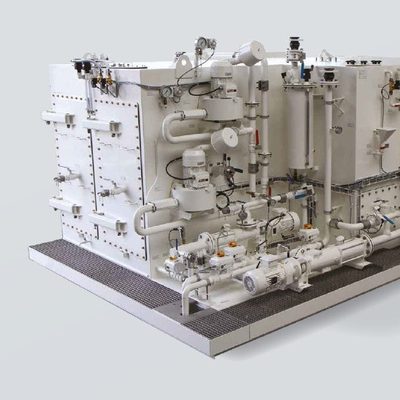
- Area: UV lamp degradation/loss of disinfection effectivenessCheck: Measure UV lamp intensity using radiometer; verify it exceeds validated minimum threshold for current flow rate. Monitor lamp operating hours; schedule replacement at 65% output threshold (not at failure). Confirm all lamp positions are illuminated.
- Area: Filter/membrane blockage and fouling reducing treatment capacityCheck: For Clarimar MF: visually inspect 'Bio-Sword' filtration element for biological accumulation; verify pressure differential across filter within normal range. For Maripur NF: check membrane permeability via trans-membrane pressure (TMP); confirm clean-in-place (CIP) system functionality; inspect for organic/inorganic fouling deposits.
- Area: Effluent discharge water quality non-compliance with IMO standardsCheck: Conduct monthly water quality testing: coliform bacteria count (limit ≤100/100ml), total suspended solids TSS (≤35 mg/l), biochemical oxygen demand BOD (≤25 mg/l), chemical oxygen demand COD (≤125 mg/l). Document results and compare against baseline performance test values.
- Area: Electrical system vulnerability to ship vibration, humidity, and voltage fluctuationsCheck: Verify nominal voltage stability at 380-440V AC; confirm frequency stability (50 or 60 Hz). Test electrical systems under simulated ship motion conditions (vibration per MEPC.107(49)). Inspect enclosure sealing for humidity/moisture ingress; verify electrical continuity and grounding integrity.
- Area: Structural degradation of tank materials leading to corrosion or leakageCheck: For Clarimar MF composite tanks: inspect for surface cracks, discoloration, or delamination in ACO Composite PPFR GREY material. For Maripur NF stainless steel tanks: check for pitting, stress corrosion cracking, or scale accumulation. Inspect all weld seams (or bolted connections for modular units) for integrity; verify gaskets and dynamic seals for degradation.
Typ-universelle Inspektionspunkte fuer Oily Water & Waste Systems (verifiziert, 2026-06).
- Area: UV lamp degradation/loss of disinfection effectivenessCheck: Measure UV lamp intensity using radiometer; verify it exceeds validated minimum threshold for current flow rate. Monitor lamp operating hours; schedule replacement at 65% output threshold (not at failure). Confirm all lamp positions are illuminated.
- Area: Filter/membrane blockage and fouling reducing treatment capacityCheck: For Clarimar MF: visually inspect 'Bio-Sword' filtration element for biological accumulation; verify pressure differential across filter within normal range. For Maripur NF: check membrane permeability via trans-membrane pressure (TMP); confirm clean-in-place (CIP) system functionality; inspect for organic/inorganic fouling deposits.
- Area: Effluent discharge water quality non-compliance with IMO standardsCheck: Conduct monthly water quality testing: coliform bacteria count (limit ≤100/100ml), total suspended solids TSS (≤35 mg/l), biochemical oxygen demand BOD (≤25 mg/l), chemical oxygen demand COD (≤125 mg/l). Document results and compare against baseline performance test values.
- Area: Electrical system vulnerability to ship vibration, humidity, and voltage fluctuationsCheck: Verify nominal voltage stability at 380-440V AC; confirm frequency stability (50 or 60 Hz). Test electrical systems under simulated ship motion conditions (vibration per MEPC.107(49)). Inspect enclosure sealing for humidity/moisture ingress; verify electrical continuity and grounding integrity.
- Area: Structural degradation of tank materials leading to corrosion or leakageCheck: For Clarimar MF composite tanks: inspect for surface cracks, discoloration, or delamination in ACO Composite PPFR GREY material. For Maripur NF stainless steel tanks: check for pitting, stress corrosion cracking, or scale accumulation. Inspect all weld seams (or bolted connections for modular units) for integrity; verify gaskets and dynamic seals for degradation.
Typ-universelle Inspektionspunkte fuer Oily Water & Waste Systems (verifiziert, 2026-06).
- Area: UV lamp degradation/loss of disinfection effectivenessCheck: Measure UV lamp intensity using radiometer; verify it exceeds validated minimum threshold for current flow rate. Monitor lamp operating hours; schedule replacement at 65% output threshold (not at failure). Confirm all lamp positions are illuminated.
- Area: Filter/membrane blockage and fouling reducing treatment capacityCheck: For Clarimar MF: visually inspect 'Bio-Sword' filtration element for biological accumulation; verify pressure differential across filter within normal range. For Maripur NF: check membrane permeability via trans-membrane pressure (TMP); confirm clean-in-place (CIP) system functionality; inspect for organic/inorganic fouling deposits.
- Area: Effluent discharge water quality non-compliance with IMO standardsCheck: Conduct monthly water quality testing: coliform bacteria count (limit ≤100/100ml), total suspended solids TSS (≤35 mg/l), biochemical oxygen demand BOD (≤25 mg/l), chemical oxygen demand COD (≤125 mg/l). Document results and compare against baseline performance test values.
- Area: Electrical system vulnerability to ship vibration, humidity, and voltage fluctuationsCheck: Verify nominal voltage stability at 380-440V AC; confirm frequency stability (50 or 60 Hz). Test electrical systems under simulated ship motion conditions (vibration per MEPC.107(49)). Inspect enclosure sealing for humidity/moisture ingress; verify electrical continuity and grounding integrity.
- Area: Structural degradation of tank materials leading to corrosion or leakageCheck: For Clarimar MF composite tanks: inspect for surface cracks, discoloration, or delamination in ACO Composite PPFR GREY material. For Maripur NF stainless steel tanks: check for pitting, stress corrosion cracking, or scale accumulation. Inspect all weld seams (or bolted connections for modular units) for integrity; verify gaskets and dynamic seals for degradation.
Typ-universelle Inspektionspunkte fuer Oily Water & Waste Systems (verifiziert, 2026-06).
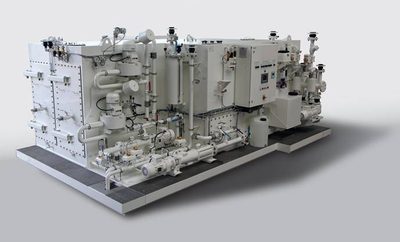
- Area: UV lamp degradation/loss of disinfection effectivenessCheck: Measure UV lamp intensity using radiometer; verify it exceeds validated minimum threshold for current flow rate. Monitor lamp operating hours; schedule replacement at 65% output threshold (not at failure). Confirm all lamp positions are illuminated.
- Area: Filter/membrane blockage and fouling reducing treatment capacityCheck: For Clarimar MF: visually inspect 'Bio-Sword' filtration element for biological accumulation; verify pressure differential across filter within normal range. For Maripur NF: check membrane permeability via trans-membrane pressure (TMP); confirm clean-in-place (CIP) system functionality; inspect for organic/inorganic fouling deposits.
- Area: Effluent discharge water quality non-compliance with IMO standardsCheck: Conduct monthly water quality testing: coliform bacteria count (limit ≤100/100ml), total suspended solids TSS (≤35 mg/l), biochemical oxygen demand BOD (≤25 mg/l), chemical oxygen demand COD (≤125 mg/l). Document results and compare against baseline performance test values.
- Area: Electrical system vulnerability to ship vibration, humidity, and voltage fluctuationsCheck: Verify nominal voltage stability at 380-440V AC; confirm frequency stability (50 or 60 Hz). Test electrical systems under simulated ship motion conditions (vibration per MEPC.107(49)). Inspect enclosure sealing for humidity/moisture ingress; verify electrical continuity and grounding integrity.
- Area: Structural degradation of tank materials leading to corrosion or leakageCheck: For Clarimar MF composite tanks: inspect for surface cracks, discoloration, or delamination in ACO Composite PPFR GREY material. For Maripur NF stainless steel tanks: check for pitting, stress corrosion cracking, or scale accumulation. Inspect all weld seams (or bolted connections for modular units) for integrity; verify gaskets and dynamic seals for degradation.
Typ-universelle Inspektionspunkte fuer Oily Water & Waste Systems (verifiziert, 2026-06).
- Area: UV lamp degradation/loss of disinfection effectivenessCheck: Measure UV lamp intensity using radiometer; verify it exceeds validated minimum threshold for current flow rate. Monitor lamp operating hours; schedule replacement at 65% output threshold (not at failure). Confirm all lamp positions are illuminated.
- Area: Filter/membrane blockage and fouling reducing treatment capacityCheck: For Clarimar MF: visually inspect 'Bio-Sword' filtration element for biological accumulation; verify pressure differential across filter within normal range. For Maripur NF: check membrane permeability via trans-membrane pressure (TMP); confirm clean-in-place (CIP) system functionality; inspect for organic/inorganic fouling deposits.
- Area: Effluent discharge water quality non-compliance with IMO standardsCheck: Conduct monthly water quality testing: coliform bacteria count (limit ≤100/100ml), total suspended solids TSS (≤35 mg/l), biochemical oxygen demand BOD (≤25 mg/l), chemical oxygen demand COD (≤125 mg/l). Document results and compare against baseline performance test values.
- Area: Electrical system vulnerability to ship vibration, humidity, and voltage fluctuationsCheck: Verify nominal voltage stability at 380-440V AC; confirm frequency stability (50 or 60 Hz). Test electrical systems under simulated ship motion conditions (vibration per MEPC.107(49)). Inspect enclosure sealing for humidity/moisture ingress; verify electrical continuity and grounding integrity.
- Area: Structural degradation of tank materials leading to corrosion or leakageCheck: For Clarimar MF composite tanks: inspect for surface cracks, discoloration, or delamination in ACO Composite PPFR GREY material. For Maripur NF stainless steel tanks: check for pitting, stress corrosion cracking, or scale accumulation. Inspect all weld seams (or bolted connections for modular units) for integrity; verify gaskets and dynamic seals for degradation.
Typ-universelle Inspektionspunkte fuer Oily Water & Waste Systems (verifiziert, 2026-06).
- Area: UV lamp degradation/loss of disinfection effectivenessCheck: Measure UV lamp intensity using radiometer; verify it exceeds validated minimum threshold for current flow rate. Monitor lamp operating hours; schedule replacement at 65% output threshold (not at failure). Confirm all lamp positions are illuminated.
- Area: Filter/membrane blockage and fouling reducing treatment capacityCheck: For Clarimar MF: visually inspect 'Bio-Sword' filtration element for biological accumulation; verify pressure differential across filter within normal range. For Maripur NF: check membrane permeability via trans-membrane pressure (TMP); confirm clean-in-place (CIP) system functionality; inspect for organic/inorganic fouling deposits.
- Area: Effluent discharge water quality non-compliance with IMO standardsCheck: Conduct monthly water quality testing: coliform bacteria count (limit ≤100/100ml), total suspended solids TSS (≤35 mg/l), biochemical oxygen demand BOD (≤25 mg/l), chemical oxygen demand COD (≤125 mg/l). Document results and compare against baseline performance test values.
- Area: Electrical system vulnerability to ship vibration, humidity, and voltage fluctuationsCheck: Verify nominal voltage stability at 380-440V AC; confirm frequency stability (50 or 60 Hz). Test electrical systems under simulated ship motion conditions (vibration per MEPC.107(49)). Inspect enclosure sealing for humidity/moisture ingress; verify electrical continuity and grounding integrity.
- Area: Structural degradation of tank materials leading to corrosion or leakageCheck: For Clarimar MF composite tanks: inspect for surface cracks, discoloration, or delamination in ACO Composite PPFR GREY material. For Maripur NF stainless steel tanks: check for pitting, stress corrosion cracking, or scale accumulation. Inspect all weld seams (or bolted connections for modular units) for integrity; verify gaskets and dynamic seals for degradation.
Typ-universelle Inspektionspunkte fuer Oily Water & Waste Systems (verifiziert, 2026-06).
- Area: UV lamp degradation/loss of disinfection effectivenessCheck: Measure UV lamp intensity using radiometer; verify it exceeds validated minimum threshold for current flow rate. Monitor lamp operating hours; schedule replacement at 65% output threshold (not at failure). Confirm all lamp positions are illuminated.
- Area: Filter/membrane blockage and fouling reducing treatment capacityCheck: For Clarimar MF: visually inspect 'Bio-Sword' filtration element for biological accumulation; verify pressure differential across filter within normal range. For Maripur NF: check membrane permeability via trans-membrane pressure (TMP); confirm clean-in-place (CIP) system functionality; inspect for organic/inorganic fouling deposits.
- Area: Effluent discharge water quality non-compliance with IMO standardsCheck: Conduct monthly water quality testing: coliform bacteria count (limit ≤100/100ml), total suspended solids TSS (≤35 mg/l), biochemical oxygen demand BOD (≤25 mg/l), chemical oxygen demand COD (≤125 mg/l). Document results and compare against baseline performance test values.
- Area: Electrical system vulnerability to ship vibration, humidity, and voltage fluctuationsCheck: Verify nominal voltage stability at 380-440V AC; confirm frequency stability (50 or 60 Hz). Test electrical systems under simulated ship motion conditions (vibration per MEPC.107(49)). Inspect enclosure sealing for humidity/moisture ingress; verify electrical continuity and grounding integrity.
- Area: Structural degradation of tank materials leading to corrosion or leakageCheck: For Clarimar MF composite tanks: inspect for surface cracks, discoloration, or delamination in ACO Composite PPFR GREY material. For Maripur NF stainless steel tanks: check for pitting, stress corrosion cracking, or scale accumulation. Inspect all weld seams (or bolted connections for modular units) for integrity; verify gaskets and dynamic seals for degradation.
Typ-universelle Inspektionspunkte fuer Oily Water & Waste Systems (verifiziert, 2026-06).
Jowa
13 ✓ 10 verified
- Area: International Sewage Pollution Prevention Certificate (ISPPC) validity and authenticityCheck: Verify ISPPC is valid, properly issued for vessel size (≥400GT or ≥15 persons), signed and endorsed by flag state authority, not expired
- Area: Sewage treatment plant IMO type approval certificate missing or invalidCheck: Confirm STP holds valid IMO MEPC 227(64) certificate (or MEPC 159(55) for older units), check certification class (STP type approval letter), verify not lapsed
- Area: Direct sewage discharge valve not sealed or incorrectly securedCheck: Inspect discharge valve seals, verify valve is sealed shut when in port or within 3 nautical miles from shore, confirm mechanical lock/weld, check pump discharge isolation
- Area: Sewage treatment plant not operational or inadequate capacity for crewCheck: Test plant start-up sequence, verify blower/pump operation, check aeration and treatment tank water levels, confirm adequate treatment time (typically 8-15 hours retention), measure actual vs. design capacity, review operational log
- Area: Monthly effluent quality testing records missing or deficient (BOD, COD, TSS, E.coli)Check: Request last 12 months of effluent test reports, verify parameter compliance with MEPC 227(64) limits (BOD ≤25mg/L, COD ≤125mg/L, TSS ≤35mg/L, fecal coliform <250 CFU/100mL), check testing lab certification, confirm disposal location recorded
Typ-universelle Inspektionspunkte fuer Sewage Treatment Plant (verifiziert, 2026-06).
- Area: International Sewage Pollution Prevention Certificate (ISPPC) validity and authenticityCheck: Verify ISPPC is valid, properly issued for vessel size (≥400GT or ≥15 persons), signed and endorsed by flag state authority, not expired
- Area: Sewage treatment plant IMO type approval certificate missing or invalidCheck: Confirm STP holds valid IMO MEPC 227(64) certificate (or MEPC 159(55) for older units), check certification class (STP type approval letter), verify not lapsed
- Area: Direct sewage discharge valve not sealed or incorrectly securedCheck: Inspect discharge valve seals, verify valve is sealed shut when in port or within 3 nautical miles from shore, confirm mechanical lock/weld, check pump discharge isolation
- Area: Sewage treatment plant not operational or inadequate capacity for crewCheck: Test plant start-up sequence, verify blower/pump operation, check aeration and treatment tank water levels, confirm adequate treatment time (typically 8-15 hours retention), measure actual vs. design capacity, review operational log
- Area: Monthly effluent quality testing records missing or deficient (BOD, COD, TSS, E.coli)Check: Request last 12 months of effluent test reports, verify parameter compliance with MEPC 227(64) limits (BOD ≤25mg/L, COD ≤125mg/L, TSS ≤35mg/L, fecal coliform <250 CFU/100mL), check testing lab certification, confirm disposal location recorded
Typ-universelle Inspektionspunkte fuer Sewage Treatment Plant (verifiziert, 2026-06).
- Area: International Sewage Pollution Prevention Certificate (ISPPC) validity and authenticityCheck: Verify ISPPC is valid, properly issued for vessel size (≥400GT or ≥15 persons), signed and endorsed by flag state authority, not expired
- Area: Sewage treatment plant IMO type approval certificate missing or invalidCheck: Confirm STP holds valid IMO MEPC 227(64) certificate (or MEPC 159(55) for older units), check certification class (STP type approval letter), verify not lapsed
- Area: Direct sewage discharge valve not sealed or incorrectly securedCheck: Inspect discharge valve seals, verify valve is sealed shut when in port or within 3 nautical miles from shore, confirm mechanical lock/weld, check pump discharge isolation
- Area: Sewage treatment plant not operational or inadequate capacity for crewCheck: Test plant start-up sequence, verify blower/pump operation, check aeration and treatment tank water levels, confirm adequate treatment time (typically 8-15 hours retention), measure actual vs. design capacity, review operational log
- Area: Monthly effluent quality testing records missing or deficient (BOD, COD, TSS, E.coli)Check: Request last 12 months of effluent test reports, verify parameter compliance with MEPC 227(64) limits (BOD ≤25mg/L, COD ≤125mg/L, TSS ≤35mg/L, fecal coliform <250 CFU/100mL), check testing lab certification, confirm disposal location recorded
Typ-universelle Inspektionspunkte fuer Sewage Treatment Plant (verifiziert, 2026-06).
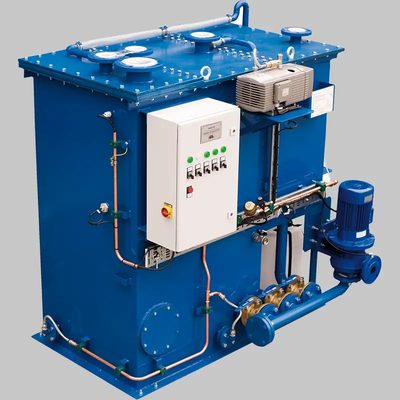
- Area: Aeration System Functionality - Verify that the air blower operates normally, produces adequate air flow (measured in m³/h), and shows no unusual vibrations orCheck: Operational test of blower unit; visual inspection of diffuser elements; measurement of air delivery pressure and flow rate; check for unusual noise or vibration
- Area: Chlorine Disinfection and De-chlorination Chemical System - Verify chlorine dosing pump operational status and output rate (target 5%), monitor de-chlorinationCheck: Test chlorine dosing pump capacity and pressure; verify de-chlorination system activation; sampling of effluent for residual chlorine content; inspection of chemical storage and delivery lines
- Area: Biofilm Reactor Integrity and Biological Process - Verify that the fixed-film structured matrix is intact, not collapsed or excessively fouled. Monitor tank forCheck: Visual internal inspection of reactor matrix and tank walls; odor assessment; sludge level measurement; microbial activity verification; sediment sampling for COD/BOD parameters
- Area: Vacuum/Gravity Feed System and Sewage Inlet Lines - Ensure vacuum unit (if installed) operates at correct pressure range, check all sewage inlet lines for leaksCheck: Pressure gauge reading for vacuum system; visual inspection of all feed lines and connections; pressure/flow testing; valve function verification; check for odor leaks indicating line failures
- Area: System Capacity and Load Compliance - Verify that actual crew/passenger count and wastewater generation rates do not exceed the rated P.E. capacity of the instaCheck: Review vessel crew manifest and capacity records; sampling of influent sewage flow rate and BOD5 concentration; comparison with unit design specifications (1.05-4.20 m³/day for STP 2010; 15-100 P.E. for STP 2016)
Typ-universelle Inspektionspunkte fuer Oily Water & Waste Systems (verifiziert, 2026-06).
- Area: Aeration System Functionality - Verify that the air blower operates normally, produces adequate air flow (measured in m³/h), and shows no unusual vibrations orCheck: Operational test of blower unit; visual inspection of diffuser elements; measurement of air delivery pressure and flow rate; check for unusual noise or vibration
- Area: Chlorine Disinfection and De-chlorination Chemical System - Verify chlorine dosing pump operational status and output rate (target 5%), monitor de-chlorinationCheck: Test chlorine dosing pump capacity and pressure; verify de-chlorination system activation; sampling of effluent for residual chlorine content; inspection of chemical storage and delivery lines
- Area: Biofilm Reactor Integrity and Biological Process - Verify that the fixed-film structured matrix is intact, not collapsed or excessively fouled. Monitor tank forCheck: Visual internal inspection of reactor matrix and tank walls; odor assessment; sludge level measurement; microbial activity verification; sediment sampling for COD/BOD parameters
- Area: Vacuum/Gravity Feed System and Sewage Inlet Lines - Ensure vacuum unit (if installed) operates at correct pressure range, check all sewage inlet lines for leaksCheck: Pressure gauge reading for vacuum system; visual inspection of all feed lines and connections; pressure/flow testing; valve function verification; check for odor leaks indicating line failures
- Area: System Capacity and Load Compliance - Verify that actual crew/passenger count and wastewater generation rates do not exceed the rated P.E. capacity of the instaCheck: Review vessel crew manifest and capacity records; sampling of influent sewage flow rate and BOD5 concentration; comparison with unit design specifications (1.05-4.20 m³/day for STP 2010; 15-100 P.E. for STP 2016)
Typ-universelle Inspektionspunkte fuer Oily Water & Waste Systems (verifiziert, 2026-06).
- Area: Aeration System Functionality - Verify that the air blower operates normally, produces adequate air flow (measured in m³/h), and shows no unusual vibrations orCheck: Operational test of blower unit; visual inspection of diffuser elements; measurement of air delivery pressure and flow rate; check for unusual noise or vibration
- Area: Chlorine Disinfection and De-chlorination Chemical System - Verify chlorine dosing pump operational status and output rate (target 5%), monitor de-chlorinationCheck: Test chlorine dosing pump capacity and pressure; verify de-chlorination system activation; sampling of effluent for residual chlorine content; inspection of chemical storage and delivery lines
- Area: Biofilm Reactor Integrity and Biological Process - Verify that the fixed-film structured matrix is intact, not collapsed or excessively fouled. Monitor tank forCheck: Visual internal inspection of reactor matrix and tank walls; odor assessment; sludge level measurement; microbial activity verification; sediment sampling for COD/BOD parameters
- Area: Vacuum/Gravity Feed System and Sewage Inlet Lines - Ensure vacuum unit (if installed) operates at correct pressure range, check all sewage inlet lines for leaksCheck: Pressure gauge reading for vacuum system; visual inspection of all feed lines and connections; pressure/flow testing; valve function verification; check for odor leaks indicating line failures
- Area: System Capacity and Load Compliance - Verify that actual crew/passenger count and wastewater generation rates do not exceed the rated P.E. capacity of the instaCheck: Review vessel crew manifest and capacity records; sampling of influent sewage flow rate and BOD5 concentration; comparison with unit design specifications (1.05-4.20 m³/day for STP 2010; 15-100 P.E. for STP 2016)
Typ-universelle Inspektionspunkte fuer Oily Water & Waste Systems (verifiziert, 2026-06).
- Area: Aeration System Functionality - Verify that the air blower operates normally, produces adequate air flow (measured in m³/h), and shows no unusual vibrations orCheck: Operational test of blower unit; visual inspection of diffuser elements; measurement of air delivery pressure and flow rate; check for unusual noise or vibration
- Area: Chlorine Disinfection and De-chlorination Chemical System - Verify chlorine dosing pump operational status and output rate (target 5%), monitor de-chlorinationCheck: Test chlorine dosing pump capacity and pressure; verify de-chlorination system activation; sampling of effluent for residual chlorine content; inspection of chemical storage and delivery lines
- Area: Biofilm Reactor Integrity and Biological Process - Verify that the fixed-film structured matrix is intact, not collapsed or excessively fouled. Monitor tank forCheck: Visual internal inspection of reactor matrix and tank walls; odor assessment; sludge level measurement; microbial activity verification; sediment sampling for COD/BOD parameters
- Area: Vacuum/Gravity Feed System and Sewage Inlet Lines - Ensure vacuum unit (if installed) operates at correct pressure range, check all sewage inlet lines for leaksCheck: Pressure gauge reading for vacuum system; visual inspection of all feed lines and connections; pressure/flow testing; valve function verification; check for odor leaks indicating line failures
- Area: System Capacity and Load Compliance - Verify that actual crew/passenger count and wastewater generation rates do not exceed the rated P.E. capacity of the instaCheck: Review vessel crew manifest and capacity records; sampling of influent sewage flow rate and BOD5 concentration; comparison with unit design specifications (1.05-4.20 m³/day for STP 2010; 15-100 P.E. for STP 2016)
Typ-universelle Inspektionspunkte fuer Oily Water & Waste Systems (verifiziert, 2026-06).
- Area: Aeration System Functionality - Verify that the air blower operates normally, produces adequate air flow (measured in m³/h), and shows no unusual vibrations orCheck: Operational test of blower unit; visual inspection of diffuser elements; measurement of air delivery pressure and flow rate; check for unusual noise or vibration
- Area: Chlorine Disinfection and De-chlorination Chemical System - Verify chlorine dosing pump operational status and output rate (target 5%), monitor de-chlorinationCheck: Test chlorine dosing pump capacity and pressure; verify de-chlorination system activation; sampling of effluent for residual chlorine content; inspection of chemical storage and delivery lines
- Area: Biofilm Reactor Integrity and Biological Process - Verify that the fixed-film structured matrix is intact, not collapsed or excessively fouled. Monitor tank forCheck: Visual internal inspection of reactor matrix and tank walls; odor assessment; sludge level measurement; microbial activity verification; sediment sampling for COD/BOD parameters
- Area: Vacuum/Gravity Feed System and Sewage Inlet Lines - Ensure vacuum unit (if installed) operates at correct pressure range, check all sewage inlet lines for leaksCheck: Pressure gauge reading for vacuum system; visual inspection of all feed lines and connections; pressure/flow testing; valve function verification; check for odor leaks indicating line failures
- Area: System Capacity and Load Compliance - Verify that actual crew/passenger count and wastewater generation rates do not exceed the rated P.E. capacity of the instaCheck: Review vessel crew manifest and capacity records; sampling of influent sewage flow rate and BOD5 concentration; comparison with unit design specifications (1.05-4.20 m³/day for STP 2010; 15-100 P.E. for STP 2016)
Typ-universelle Inspektionspunkte fuer Oily Water & Waste Systems (verifiziert, 2026-06).
- Area: Aeration System Functionality - Verify that the air blower operates normally, produces adequate air flow (measured in m³/h), and shows no unusual vibrations orCheck: Operational test of blower unit; visual inspection of diffuser elements; measurement of air delivery pressure and flow rate; check for unusual noise or vibration
- Area: Chlorine Disinfection and De-chlorination Chemical System - Verify chlorine dosing pump operational status and output rate (target 5%), monitor de-chlorinationCheck: Test chlorine dosing pump capacity and pressure; verify de-chlorination system activation; sampling of effluent for residual chlorine content; inspection of chemical storage and delivery lines
- Area: Biofilm Reactor Integrity and Biological Process - Verify that the fixed-film structured matrix is intact, not collapsed or excessively fouled. Monitor tank forCheck: Visual internal inspection of reactor matrix and tank walls; odor assessment; sludge level measurement; microbial activity verification; sediment sampling for COD/BOD parameters
- Area: Vacuum/Gravity Feed System and Sewage Inlet Lines - Ensure vacuum unit (if installed) operates at correct pressure range, check all sewage inlet lines for leaksCheck: Pressure gauge reading for vacuum system; visual inspection of all feed lines and connections; pressure/flow testing; valve function verification; check for odor leaks indicating line failures
- Area: System Capacity and Load Compliance - Verify that actual crew/passenger count and wastewater generation rates do not exceed the rated P.E. capacity of the instaCheck: Review vessel crew manifest and capacity records; sampling of influent sewage flow rate and BOD5 concentration; comparison with unit design specifications (1.05-4.20 m³/day for STP 2010; 15-100 P.E. for STP 2016)
Typ-universelle Inspektionspunkte fuer Oily Water & Waste Systems (verifiziert, 2026-06).
- Area: Aeration System Functionality - Verify that the air blower operates normally, produces adequate air flow (measured in m³/h), and shows no unusual vibrations orCheck: Operational test of blower unit; visual inspection of diffuser elements; measurement of air delivery pressure and flow rate; check for unusual noise or vibration
- Area: Chlorine Disinfection and De-chlorination Chemical System - Verify chlorine dosing pump operational status and output rate (target 5%), monitor de-chlorinationCheck: Test chlorine dosing pump capacity and pressure; verify de-chlorination system activation; sampling of effluent for residual chlorine content; inspection of chemical storage and delivery lines
- Area: Biofilm Reactor Integrity and Biological Process - Verify that the fixed-film structured matrix is intact, not collapsed or excessively fouled. Monitor tank forCheck: Visual internal inspection of reactor matrix and tank walls; odor assessment; sludge level measurement; microbial activity verification; sediment sampling for COD/BOD parameters
- Area: Vacuum/Gravity Feed System and Sewage Inlet Lines - Ensure vacuum unit (if installed) operates at correct pressure range, check all sewage inlet lines for leaksCheck: Pressure gauge reading for vacuum system; visual inspection of all feed lines and connections; pressure/flow testing; valve function verification; check for odor leaks indicating line failures
- Area: System Capacity and Load Compliance - Verify that actual crew/passenger count and wastewater generation rates do not exceed the rated P.E. capacity of the instaCheck: Review vessel crew manifest and capacity records; sampling of influent sewage flow rate and BOD5 concentration; comparison with unit design specifications (1.05-4.20 m³/day for STP 2010; 15-100 P.E. for STP 2016)
Typ-universelle Inspektionspunkte fuer Oily Water & Waste Systems (verifiziert, 2026-06).
- Area: Aeration System Functionality - Verify that the air blower operates normally, produces adequate air flow (measured in m³/h), and shows no unusual vibrations orCheck: Operational test of blower unit; visual inspection of diffuser elements; measurement of air delivery pressure and flow rate; check for unusual noise or vibration
- Area: Chlorine Disinfection and De-chlorination Chemical System - Verify chlorine dosing pump operational status and output rate (target 5%), monitor de-chlorinationCheck: Test chlorine dosing pump capacity and pressure; verify de-chlorination system activation; sampling of effluent for residual chlorine content; inspection of chemical storage and delivery lines
- Area: Biofilm Reactor Integrity and Biological Process - Verify that the fixed-film structured matrix is intact, not collapsed or excessively fouled. Monitor tank forCheck: Visual internal inspection of reactor matrix and tank walls; odor assessment; sludge level measurement; microbial activity verification; sediment sampling for COD/BOD parameters
- Area: Vacuum/Gravity Feed System and Sewage Inlet Lines - Ensure vacuum unit (if installed) operates at correct pressure range, check all sewage inlet lines for leaksCheck: Pressure gauge reading for vacuum system; visual inspection of all feed lines and connections; pressure/flow testing; valve function verification; check for odor leaks indicating line failures
- Area: System Capacity and Load Compliance - Verify that actual crew/passenger count and wastewater generation rates do not exceed the rated P.E. capacity of the instaCheck: Review vessel crew manifest and capacity records; sampling of influent sewage flow rate and BOD5 concentration; comparison with unit design specifications (1.05-4.20 m³/day for STP 2010; 15-100 P.E. for STP 2016)
Typ-universelle Inspektionspunkte fuer Oily Water & Waste Systems (verifiziert, 2026-06).
- Area: Aeration System Functionality - Verify that the air blower operates normally, produces adequate air flow (measured in m³/h), and shows no unusual vibrations orCheck: Operational test of blower unit; visual inspection of diffuser elements; measurement of air delivery pressure and flow rate; check for unusual noise or vibration
- Area: Chlorine Disinfection and De-chlorination Chemical System - Verify chlorine dosing pump operational status and output rate (target 5%), monitor de-chlorinationCheck: Test chlorine dosing pump capacity and pressure; verify de-chlorination system activation; sampling of effluent for residual chlorine content; inspection of chemical storage and delivery lines
- Area: Biofilm Reactor Integrity and Biological Process - Verify that the fixed-film structured matrix is intact, not collapsed or excessively fouled. Monitor tank forCheck: Visual internal inspection of reactor matrix and tank walls; odor assessment; sludge level measurement; microbial activity verification; sediment sampling for COD/BOD parameters
- Area: Vacuum/Gravity Feed System and Sewage Inlet Lines - Ensure vacuum unit (if installed) operates at correct pressure range, check all sewage inlet lines for leaksCheck: Pressure gauge reading for vacuum system; visual inspection of all feed lines and connections; pressure/flow testing; valve function verification; check for odor leaks indicating line failures
- Area: System Capacity and Load Compliance - Verify that actual crew/passenger count and wastewater generation rates do not exceed the rated P.E. capacity of the instaCheck: Review vessel crew manifest and capacity records; sampling of influent sewage flow rate and BOD5 concentration; comparison with unit design specifications (1.05-4.20 m³/day for STP 2010; 15-100 P.E. for STP 2016)
Typ-universelle Inspektionspunkte fuer Oily Water & Waste Systems (verifiziert, 2026-06).
- Area: Aeration System Functionality - Verify that the air blower operates normally, produces adequate air flow (measured in m³/h), and shows no unusual vibrations orCheck: Operational test of blower unit; visual inspection of diffuser elements; measurement of air delivery pressure and flow rate; check for unusual noise or vibration
- Area: Chlorine Disinfection and De-chlorination Chemical System - Verify chlorine dosing pump operational status and output rate (target 5%), monitor de-chlorinationCheck: Test chlorine dosing pump capacity and pressure; verify de-chlorination system activation; sampling of effluent for residual chlorine content; inspection of chemical storage and delivery lines
- Area: Biofilm Reactor Integrity and Biological Process - Verify that the fixed-film structured matrix is intact, not collapsed or excessively fouled. Monitor tank forCheck: Visual internal inspection of reactor matrix and tank walls; odor assessment; sludge level measurement; microbial activity verification; sediment sampling for COD/BOD parameters
- Area: Vacuum/Gravity Feed System and Sewage Inlet Lines - Ensure vacuum unit (if installed) operates at correct pressure range, check all sewage inlet lines for leaksCheck: Pressure gauge reading for vacuum system; visual inspection of all feed lines and connections; pressure/flow testing; valve function verification; check for odor leaks indicating line failures
- Area: System Capacity and Load Compliance - Verify that actual crew/passenger count and wastewater generation rates do not exceed the rated P.E. capacity of the instaCheck: Review vessel crew manifest and capacity records; sampling of influent sewage flow rate and BOD5 concentration; comparison with unit design specifications (1.05-4.20 m³/day for STP 2010; 15-100 P.E. for STP 2016)
Typ-universelle Inspektionspunkte fuer Oily Water & Waste Systems (verifiziert, 2026-06).
Detegasa
7 ✓ 6 verified
- Area: International Sewage Pollution Prevention Certificate (ISPPC) validity and authenticityCheck: Verify ISPPC is valid, properly issued for vessel size (≥400GT or ≥15 persons), signed and endorsed by flag state authority, not expired
- Area: Sewage treatment plant IMO type approval certificate missing or invalidCheck: Confirm STP holds valid IMO MEPC 227(64) certificate (or MEPC 159(55) for older units), check certification class (STP type approval letter), verify not lapsed
- Area: Direct sewage discharge valve not sealed or incorrectly securedCheck: Inspect discharge valve seals, verify valve is sealed shut when in port or within 3 nautical miles from shore, confirm mechanical lock/weld, check pump discharge isolation
- Area: Sewage treatment plant not operational or inadequate capacity for crewCheck: Test plant start-up sequence, verify blower/pump operation, check aeration and treatment tank water levels, confirm adequate treatment time (typically 8-15 hours retention), measure actual vs. design capacity, review operational log
- Area: Monthly effluent quality testing records missing or deficient (BOD, COD, TSS, E.coli)Check: Request last 12 months of effluent test reports, verify parameter compliance with MEPC 227(64) limits (BOD ≤25mg/L, COD ≤125mg/L, TSS ≤35mg/L, fecal coliform <250 CFU/100mL), check testing lab certification, confirm disposal location recorded
Typ-universelle Inspektionspunkte fuer Sewage Treatment Plant (verifiziert, 2026-06).
- Area: Aeration System Performance and Pump OperationCheck: Verify air blower functionality, check for abnormal noise or vibration, measure dissolved oxygen levels in aeration tanks (should maintain 2-4 mg/L), inspect air hoses for blockages or leaks
- Area: Membrane Condition and Filtration Integrity (for MBR/FQM/PRM models)Check: Visual inspection of membrane module for fouling or damage, measure membrane pressure drop, verify permeate quality (suspended solids < 50 mg/L, BOD5 < 50 mg/L), test system backflushing effectiveness
- Area: Disinfection System Chemical Dosing AccuracyCheck: Verify chlorine/bisulphite dosing system calibration, check chemical storage levels and expiry dates, measure residual disinfectant in effluent, ensure coliform bacteria count < 200/100 ml per IMO standards
- Area: Biological Process Stability and Odor/Gas ControlCheck: Monitor aerobic process conditions to prevent anaerobic degradation, check for methane or hydrogen sulfide odor, verify settling tank sludge level and solids accumulation, test for absence of anaerobic gas production
- Area: Effluent Discharge Quality and Regulatory ComplianceCheck: Verify discharge pump operation and pressure, test effluent quality parameters (suspended solids, BOD5, coliform bacteria), confirm compliance with MARPOL 73/78 Annex IV discharge standards, check overboard discharge valve positioning
Typ-universelle Inspektionspunkte fuer Oily Water & Waste Systems (verifiziert, 2026-06).
- Area: Aeration System Performance and Pump OperationCheck: Verify air blower functionality, check for abnormal noise or vibration, measure dissolved oxygen levels in aeration tanks (should maintain 2-4 mg/L), inspect air hoses for blockages or leaks
- Area: Membrane Condition and Filtration Integrity (for MBR/FQM/PRM models)Check: Visual inspection of membrane module for fouling or damage, measure membrane pressure drop, verify permeate quality (suspended solids < 50 mg/L, BOD5 < 50 mg/L), test system backflushing effectiveness
- Area: Disinfection System Chemical Dosing AccuracyCheck: Verify chlorine/bisulphite dosing system calibration, check chemical storage levels and expiry dates, measure residual disinfectant in effluent, ensure coliform bacteria count < 200/100 ml per IMO standards
- Area: Biological Process Stability and Odor/Gas ControlCheck: Monitor aerobic process conditions to prevent anaerobic degradation, check for methane or hydrogen sulfide odor, verify settling tank sludge level and solids accumulation, test for absence of anaerobic gas production
- Area: Effluent Discharge Quality and Regulatory ComplianceCheck: Verify discharge pump operation and pressure, test effluent quality parameters (suspended solids, BOD5, coliform bacteria), confirm compliance with MARPOL 73/78 Annex IV discharge standards, check overboard discharge valve positioning
Typ-universelle Inspektionspunkte fuer Oily Water & Waste Systems (verifiziert, 2026-06).
- Area: Aeration System Performance and Pump OperationCheck: Verify air blower functionality, check for abnormal noise or vibration, measure dissolved oxygen levels in aeration tanks (should maintain 2-4 mg/L), inspect air hoses for blockages or leaks
- Area: Membrane Condition and Filtration Integrity (for MBR/FQM/PRM models)Check: Visual inspection of membrane module for fouling or damage, measure membrane pressure drop, verify permeate quality (suspended solids < 50 mg/L, BOD5 < 50 mg/L), test system backflushing effectiveness
- Area: Disinfection System Chemical Dosing AccuracyCheck: Verify chlorine/bisulphite dosing system calibration, check chemical storage levels and expiry dates, measure residual disinfectant in effluent, ensure coliform bacteria count < 200/100 ml per IMO standards
- Area: Biological Process Stability and Odor/Gas ControlCheck: Monitor aerobic process conditions to prevent anaerobic degradation, check for methane or hydrogen sulfide odor, verify settling tank sludge level and solids accumulation, test for absence of anaerobic gas production
- Area: Effluent Discharge Quality and Regulatory ComplianceCheck: Verify discharge pump operation and pressure, test effluent quality parameters (suspended solids, BOD5, coliform bacteria), confirm compliance with MARPOL 73/78 Annex IV discharge standards, check overboard discharge valve positioning
Typ-universelle Inspektionspunkte fuer Oily Water & Waste Systems (verifiziert, 2026-06).
- Area: Aeration System Performance and Pump OperationCheck: Verify air blower functionality, check for abnormal noise or vibration, measure dissolved oxygen levels in aeration tanks (should maintain 2-4 mg/L), inspect air hoses for blockages or leaks
- Area: Membrane Condition and Filtration Integrity (for MBR/FQM/PRM models)Check: Visual inspection of membrane module for fouling or damage, measure membrane pressure drop, verify permeate quality (suspended solids < 50 mg/L, BOD5 < 50 mg/L), test system backflushing effectiveness
- Area: Disinfection System Chemical Dosing AccuracyCheck: Verify chlorine/bisulphite dosing system calibration, check chemical storage levels and expiry dates, measure residual disinfectant in effluent, ensure coliform bacteria count < 200/100 ml per IMO standards
- Area: Biological Process Stability and Odor/Gas ControlCheck: Monitor aerobic process conditions to prevent anaerobic degradation, check for methane or hydrogen sulfide odor, verify settling tank sludge level and solids accumulation, test for absence of anaerobic gas production
- Area: Effluent Discharge Quality and Regulatory ComplianceCheck: Verify discharge pump operation and pressure, test effluent quality parameters (suspended solids, BOD5, coliform bacteria), confirm compliance with MARPOL 73/78 Annex IV discharge standards, check overboard discharge valve positioning
Typ-universelle Inspektionspunkte fuer Oily Water & Waste Systems (verifiziert, 2026-06).
- Area: Aeration System Performance and Pump OperationCheck: Verify air blower functionality, check for abnormal noise or vibration, measure dissolved oxygen levels in aeration tanks (should maintain 2-4 mg/L), inspect air hoses for blockages or leaks
- Area: Membrane Condition and Filtration Integrity (for MBR/FQM/PRM models)Check: Visual inspection of membrane module for fouling or damage, measure membrane pressure drop, verify permeate quality (suspended solids < 50 mg/L, BOD5 < 50 mg/L), test system backflushing effectiveness
- Area: Disinfection System Chemical Dosing AccuracyCheck: Verify chlorine/bisulphite dosing system calibration, check chemical storage levels and expiry dates, measure residual disinfectant in effluent, ensure coliform bacteria count < 200/100 ml per IMO standards
- Area: Biological Process Stability and Odor/Gas ControlCheck: Monitor aerobic process conditions to prevent anaerobic degradation, check for methane or hydrogen sulfide odor, verify settling tank sludge level and solids accumulation, test for absence of anaerobic gas production
- Area: Effluent Discharge Quality and Regulatory ComplianceCheck: Verify discharge pump operation and pressure, test effluent quality parameters (suspended solids, BOD5, coliform bacteria), confirm compliance with MARPOL 73/78 Annex IV discharge standards, check overboard discharge valve positioning
Typ-universelle Inspektionspunkte fuer Oily Water & Waste Systems (verifiziert, 2026-06).
- Area: Aeration System Performance and Pump OperationCheck: Verify air blower functionality, check for abnormal noise or vibration, measure dissolved oxygen levels in aeration tanks (should maintain 2-4 mg/L), inspect air hoses for blockages or leaks
- Area: Membrane Condition and Filtration Integrity (for MBR/FQM/PRM models)Check: Visual inspection of membrane module for fouling or damage, measure membrane pressure drop, verify permeate quality (suspended solids < 50 mg/L, BOD5 < 50 mg/L), test system backflushing effectiveness
- Area: Disinfection System Chemical Dosing AccuracyCheck: Verify chlorine/bisulphite dosing system calibration, check chemical storage levels and expiry dates, measure residual disinfectant in effluent, ensure coliform bacteria count < 200/100 ml per IMO standards
- Area: Biological Process Stability and Odor/Gas ControlCheck: Monitor aerobic process conditions to prevent anaerobic degradation, check for methane or hydrogen sulfide odor, verify settling tank sludge level and solids accumulation, test for absence of anaerobic gas production
- Area: Effluent Discharge Quality and Regulatory ComplianceCheck: Verify discharge pump operation and pressure, test effluent quality parameters (suspended solids, BOD5, coliform bacteria), confirm compliance with MARPOL 73/78 Annex IV discharge standards, check overboard discharge valve positioning
Typ-universelle Inspektionspunkte fuer Oily Water & Waste Systems (verifiziert, 2026-06).
RWO Water Technologies
3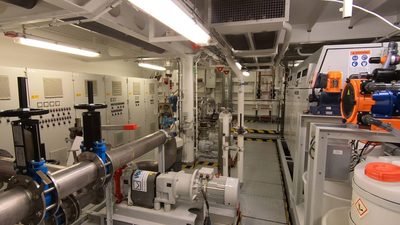
- Area: International Sewage Pollution Prevention Certificate (ISPPC) validity and authenticityCheck: Verify ISPPC is valid, properly issued for vessel size (≥400GT or ≥15 persons), signed and endorsed by flag state authority, not expired
- Area: Sewage treatment plant IMO type approval certificate missing or invalidCheck: Confirm STP holds valid IMO MEPC 227(64) certificate (or MEPC 159(55) for older units), check certification class (STP type approval letter), verify not lapsed
- Area: Direct sewage discharge valve not sealed or incorrectly securedCheck: Inspect discharge valve seals, verify valve is sealed shut when in port or within 3 nautical miles from shore, confirm mechanical lock/weld, check pump discharge isolation
- Area: Sewage treatment plant not operational or inadequate capacity for crewCheck: Test plant start-up sequence, verify blower/pump operation, check aeration and treatment tank water levels, confirm adequate treatment time (typically 8-15 hours retention), measure actual vs. design capacity, review operational log
- Area: Monthly effluent quality testing records missing or deficient (BOD, COD, TSS, E.coli)Check: Request last 12 months of effluent test reports, verify parameter compliance with MEPC 227(64) limits (BOD ≤25mg/L, COD ≤125mg/L, TSS ≤35mg/L, fecal coliform <250 CFU/100mL), check testing lab certification, confirm disposal location recorded
Typ-universelle Inspektionspunkte fuer Sewage Treatment Plant (verifiziert, 2026-06).
- Area: International Sewage Pollution Prevention Certificate (ISPPC) validity and authenticityCheck: Verify ISPPC is valid, properly issued for vessel size (≥400GT or ≥15 persons), signed and endorsed by flag state authority, not expired
- Area: Sewage treatment plant IMO type approval certificate missing or invalidCheck: Confirm STP holds valid IMO MEPC 227(64) certificate (or MEPC 159(55) for older units), check certification class (STP type approval letter), verify not lapsed
- Area: Direct sewage discharge valve not sealed or incorrectly securedCheck: Inspect discharge valve seals, verify valve is sealed shut when in port or within 3 nautical miles from shore, confirm mechanical lock/weld, check pump discharge isolation
- Area: Sewage treatment plant not operational or inadequate capacity for crewCheck: Test plant start-up sequence, verify blower/pump operation, check aeration and treatment tank water levels, confirm adequate treatment time (typically 8-15 hours retention), measure actual vs. design capacity, review operational log
- Area: Monthly effluent quality testing records missing or deficient (BOD, COD, TSS, E.coli)Check: Request last 12 months of effluent test reports, verify parameter compliance with MEPC 227(64) limits (BOD ≤25mg/L, COD ≤125mg/L, TSS ≤35mg/L, fecal coliform <250 CFU/100mL), check testing lab certification, confirm disposal location recorded
Typ-universelle Inspektionspunkte fuer Sewage Treatment Plant (verifiziert, 2026-06).
- Area: International Sewage Pollution Prevention Certificate (ISPPC) validity and authenticityCheck: Verify ISPPC is valid, properly issued for vessel size (≥400GT or ≥15 persons), signed and endorsed by flag state authority, not expired
- Area: Sewage treatment plant IMO type approval certificate missing or invalidCheck: Confirm STP holds valid IMO MEPC 227(64) certificate (or MEPC 159(55) for older units), check certification class (STP type approval letter), verify not lapsed
- Area: Direct sewage discharge valve not sealed or incorrectly securedCheck: Inspect discharge valve seals, verify valve is sealed shut when in port or within 3 nautical miles from shore, confirm mechanical lock/weld, check pump discharge isolation
- Area: Sewage treatment plant not operational or inadequate capacity for crewCheck: Test plant start-up sequence, verify blower/pump operation, check aeration and treatment tank water levels, confirm adequate treatment time (typically 8-15 hours retention), measure actual vs. design capacity, review operational log
- Area: Monthly effluent quality testing records missing or deficient (BOD, COD, TSS, E.coli)Check: Request last 12 months of effluent test reports, verify parameter compliance with MEPC 227(64) limits (BOD ≤25mg/L, COD ≤125mg/L, TSS ≤35mg/L, fecal coliform <250 CFU/100mL), check testing lab certification, confirm disposal location recorded
Typ-universelle Inspektionspunkte fuer Sewage Treatment Plant (verifiziert, 2026-06).
Victor Marine
3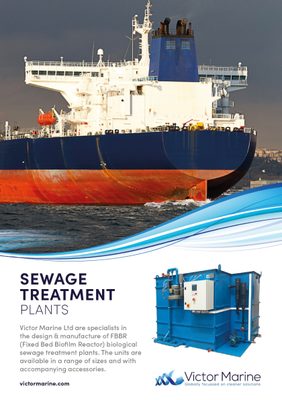
- Area: International Sewage Pollution Prevention Certificate (ISPPC) validity and authenticityCheck: Verify ISPPC is valid, properly issued for vessel size (≥400GT or ≥15 persons), signed and endorsed by flag state authority, not expired
- Area: Sewage treatment plant IMO type approval certificate missing or invalidCheck: Confirm STP holds valid IMO MEPC 227(64) certificate (or MEPC 159(55) for older units), check certification class (STP type approval letter), verify not lapsed
- Area: Direct sewage discharge valve not sealed or incorrectly securedCheck: Inspect discharge valve seals, verify valve is sealed shut when in port or within 3 nautical miles from shore, confirm mechanical lock/weld, check pump discharge isolation
- Area: Sewage treatment plant not operational or inadequate capacity for crewCheck: Test plant start-up sequence, verify blower/pump operation, check aeration and treatment tank water levels, confirm adequate treatment time (typically 8-15 hours retention), measure actual vs. design capacity, review operational log
- Area: Monthly effluent quality testing records missing or deficient (BOD, COD, TSS, E.coli)Check: Request last 12 months of effluent test reports, verify parameter compliance with MEPC 227(64) limits (BOD ≤25mg/L, COD ≤125mg/L, TSS ≤35mg/L, fecal coliform <250 CFU/100mL), check testing lab certification, confirm disposal location recorded
Typ-universelle Inspektionspunkte fuer Sewage Treatment Plant (verifiziert, 2026-06).
- Area: International Sewage Pollution Prevention Certificate (ISPPC) validity and authenticityCheck: Verify ISPPC is valid, properly issued for vessel size (≥400GT or ≥15 persons), signed and endorsed by flag state authority, not expired
- Area: Sewage treatment plant IMO type approval certificate missing or invalidCheck: Confirm STP holds valid IMO MEPC 227(64) certificate (or MEPC 159(55) for older units), check certification class (STP type approval letter), verify not lapsed
- Area: Direct sewage discharge valve not sealed or incorrectly securedCheck: Inspect discharge valve seals, verify valve is sealed shut when in port or within 3 nautical miles from shore, confirm mechanical lock/weld, check pump discharge isolation
- Area: Sewage treatment plant not operational or inadequate capacity for crewCheck: Test plant start-up sequence, verify blower/pump operation, check aeration and treatment tank water levels, confirm adequate treatment time (typically 8-15 hours retention), measure actual vs. design capacity, review operational log
- Area: Monthly effluent quality testing records missing or deficient (BOD, COD, TSS, E.coli)Check: Request last 12 months of effluent test reports, verify parameter compliance with MEPC 227(64) limits (BOD ≤25mg/L, COD ≤125mg/L, TSS ≤35mg/L, fecal coliform <250 CFU/100mL), check testing lab certification, confirm disposal location recorded
Typ-universelle Inspektionspunkte fuer Sewage Treatment Plant (verifiziert, 2026-06).
- Area: International Sewage Pollution Prevention Certificate (ISPPC) validity and authenticityCheck: Verify ISPPC is valid, properly issued for vessel size (≥400GT or ≥15 persons), signed and endorsed by flag state authority, not expired
- Area: Sewage treatment plant IMO type approval certificate missing or invalidCheck: Confirm STP holds valid IMO MEPC 227(64) certificate (or MEPC 159(55) for older units), check certification class (STP type approval letter), verify not lapsed
- Area: Direct sewage discharge valve not sealed or incorrectly securedCheck: Inspect discharge valve seals, verify valve is sealed shut when in port or within 3 nautical miles from shore, confirm mechanical lock/weld, check pump discharge isolation
- Area: Sewage treatment plant not operational or inadequate capacity for crewCheck: Test plant start-up sequence, verify blower/pump operation, check aeration and treatment tank water levels, confirm adequate treatment time (typically 8-15 hours retention), measure actual vs. design capacity, review operational log
- Area: Monthly effluent quality testing records missing or deficient (BOD, COD, TSS, E.coli)Check: Request last 12 months of effluent test reports, verify parameter compliance with MEPC 227(64) limits (BOD ≤25mg/L, COD ≤125mg/L, TSS ≤35mg/L, fecal coliform <250 CFU/100mL), check testing lab certification, confirm disposal location recorded
Typ-universelle Inspektionspunkte fuer Sewage Treatment Plant (verifiziert, 2026-06).
Wärtsilä Hamworthy
3
- Area: International Sewage Pollution Prevention Certificate (ISPPC) validity and authenticityCheck: Verify ISPPC is valid, properly issued for vessel size (≥400GT or ≥15 persons), signed and endorsed by flag state authority, not expired
- Area: Sewage treatment plant IMO type approval certificate missing or invalidCheck: Confirm STP holds valid IMO MEPC 227(64) certificate (or MEPC 159(55) for older units), check certification class (STP type approval letter), verify not lapsed
- Area: Direct sewage discharge valve not sealed or incorrectly securedCheck: Inspect discharge valve seals, verify valve is sealed shut when in port or within 3 nautical miles from shore, confirm mechanical lock/weld, check pump discharge isolation
- Area: Sewage treatment plant not operational or inadequate capacity for crewCheck: Test plant start-up sequence, verify blower/pump operation, check aeration and treatment tank water levels, confirm adequate treatment time (typically 8-15 hours retention), measure actual vs. design capacity, review operational log
- Area: Monthly effluent quality testing records missing or deficient (BOD, COD, TSS, E.coli)Check: Request last 12 months of effluent test reports, verify parameter compliance with MEPC 227(64) limits (BOD ≤25mg/L, COD ≤125mg/L, TSS ≤35mg/L, fecal coliform <250 CFU/100mL), check testing lab certification, confirm disposal location recorded
Typ-universelle Inspektionspunkte fuer Sewage Treatment Plant (verifiziert, 2026-06).
- Area: International Sewage Pollution Prevention Certificate (ISPPC) validity and authenticityCheck: Verify ISPPC is valid, properly issued for vessel size (≥400GT or ≥15 persons), signed and endorsed by flag state authority, not expired
- Area: Sewage treatment plant IMO type approval certificate missing or invalidCheck: Confirm STP holds valid IMO MEPC 227(64) certificate (or MEPC 159(55) for older units), check certification class (STP type approval letter), verify not lapsed
- Area: Direct sewage discharge valve not sealed or incorrectly securedCheck: Inspect discharge valve seals, verify valve is sealed shut when in port or within 3 nautical miles from shore, confirm mechanical lock/weld, check pump discharge isolation
- Area: Sewage treatment plant not operational or inadequate capacity for crewCheck: Test plant start-up sequence, verify blower/pump operation, check aeration and treatment tank water levels, confirm adequate treatment time (typically 8-15 hours retention), measure actual vs. design capacity, review operational log
- Area: Monthly effluent quality testing records missing or deficient (BOD, COD, TSS, E.coli)Check: Request last 12 months of effluent test reports, verify parameter compliance with MEPC 227(64) limits (BOD ≤25mg/L, COD ≤125mg/L, TSS ≤35mg/L, fecal coliform <250 CFU/100mL), check testing lab certification, confirm disposal location recorded
Typ-universelle Inspektionspunkte fuer Sewage Treatment Plant (verifiziert, 2026-06).
- Area: International Sewage Pollution Prevention Certificate (ISPPC) validity and authenticityCheck: Verify ISPPC is valid, properly issued for vessel size (≥400GT or ≥15 persons), signed and endorsed by flag state authority, not expired
- Area: Sewage treatment plant IMO type approval certificate missing or invalidCheck: Confirm STP holds valid IMO MEPC 227(64) certificate (or MEPC 159(55) for older units), check certification class (STP type approval letter), verify not lapsed
- Area: Direct sewage discharge valve not sealed or incorrectly securedCheck: Inspect discharge valve seals, verify valve is sealed shut when in port or within 3 nautical miles from shore, confirm mechanical lock/weld, check pump discharge isolation
- Area: Sewage treatment plant not operational or inadequate capacity for crewCheck: Test plant start-up sequence, verify blower/pump operation, check aeration and treatment tank water levels, confirm adequate treatment time (typically 8-15 hours retention), measure actual vs. design capacity, review operational log
- Area: Monthly effluent quality testing records missing or deficient (BOD, COD, TSS, E.coli)Check: Request last 12 months of effluent test reports, verify parameter compliance with MEPC 227(64) limits (BOD ≤25mg/L, COD ≤125mg/L, TSS ≤35mg/L, fecal coliform <250 CFU/100mL), check testing lab certification, confirm disposal location recorded
Typ-universelle Inspektionspunkte fuer Sewage Treatment Plant (verifiziert, 2026-06).
Hamann
2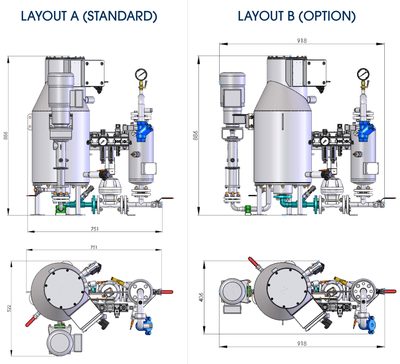
- Area: International Sewage Pollution Prevention Certificate (ISPPC) validity and authenticityCheck: Verify ISPPC is valid, properly issued for vessel size (≥400GT or ≥15 persons), signed and endorsed by flag state authority, not expired
- Area: Sewage treatment plant IMO type approval certificate missing or invalidCheck: Confirm STP holds valid IMO MEPC 227(64) certificate (or MEPC 159(55) for older units), check certification class (STP type approval letter), verify not lapsed
- Area: Direct sewage discharge valve not sealed or incorrectly securedCheck: Inspect discharge valve seals, verify valve is sealed shut when in port or within 3 nautical miles from shore, confirm mechanical lock/weld, check pump discharge isolation
- Area: Sewage treatment plant not operational or inadequate capacity for crewCheck: Test plant start-up sequence, verify blower/pump operation, check aeration and treatment tank water levels, confirm adequate treatment time (typically 8-15 hours retention), measure actual vs. design capacity, review operational log
- Area: Monthly effluent quality testing records missing or deficient (BOD, COD, TSS, E.coli)Check: Request last 12 months of effluent test reports, verify parameter compliance with MEPC 227(64) limits (BOD ≤25mg/L, COD ≤125mg/L, TSS ≤35mg/L, fecal coliform <250 CFU/100mL), check testing lab certification, confirm disposal location recorded
Typ-universelle Inspektionspunkte fuer Sewage Treatment Plant (verifiziert, 2026-06).
- Area: International Sewage Pollution Prevention Certificate (ISPPC) validity and authenticityCheck: Verify ISPPC is valid, properly issued for vessel size (≥400GT or ≥15 persons), signed and endorsed by flag state authority, not expired
- Area: Sewage treatment plant IMO type approval certificate missing or invalidCheck: Confirm STP holds valid IMO MEPC 227(64) certificate (or MEPC 159(55) for older units), check certification class (STP type approval letter), verify not lapsed
- Area: Direct sewage discharge valve not sealed or incorrectly securedCheck: Inspect discharge valve seals, verify valve is sealed shut when in port or within 3 nautical miles from shore, confirm mechanical lock/weld, check pump discharge isolation
- Area: Sewage treatment plant not operational or inadequate capacity for crewCheck: Test plant start-up sequence, verify blower/pump operation, check aeration and treatment tank water levels, confirm adequate treatment time (typically 8-15 hours retention), measure actual vs. design capacity, review operational log
- Area: Monthly effluent quality testing records missing or deficient (BOD, COD, TSS, E.coli)Check: Request last 12 months of effluent test reports, verify parameter compliance with MEPC 227(64) limits (BOD ≤25mg/L, COD ≤125mg/L, TSS ≤35mg/L, fecal coliform <250 CFU/100mL), check testing lab certification, confirm disposal location recorded
Typ-universelle Inspektionspunkte fuer Sewage Treatment Plant (verifiziert, 2026-06).
Selmar
2
- Area: International Sewage Pollution Prevention Certificate (ISPPC) validity and authenticityCheck: Verify ISPPC is valid, properly issued for vessel size (≥400GT or ≥15 persons), signed and endorsed by flag state authority, not expired
- Area: Sewage treatment plant IMO type approval certificate missing or invalidCheck: Confirm STP holds valid IMO MEPC 227(64) certificate (or MEPC 159(55) for older units), check certification class (STP type approval letter), verify not lapsed
- Area: Direct sewage discharge valve not sealed or incorrectly securedCheck: Inspect discharge valve seals, verify valve is sealed shut when in port or within 3 nautical miles from shore, confirm mechanical lock/weld, check pump discharge isolation
- Area: Sewage treatment plant not operational or inadequate capacity for crewCheck: Test plant start-up sequence, verify blower/pump operation, check aeration and treatment tank water levels, confirm adequate treatment time (typically 8-15 hours retention), measure actual vs. design capacity, review operational log
- Area: Monthly effluent quality testing records missing or deficient (BOD, COD, TSS, E.coli)Check: Request last 12 months of effluent test reports, verify parameter compliance with MEPC 227(64) limits (BOD ≤25mg/L, COD ≤125mg/L, TSS ≤35mg/L, fecal coliform <250 CFU/100mL), check testing lab certification, confirm disposal location recorded
Typ-universelle Inspektionspunkte fuer Sewage Treatment Plant (verifiziert, 2026-06).
- Area: International Sewage Pollution Prevention Certificate (ISPPC) validity and authenticityCheck: Verify ISPPC is valid, properly issued for vessel size (≥400GT or ≥15 persons), signed and endorsed by flag state authority, not expired
- Area: Sewage treatment plant IMO type approval certificate missing or invalidCheck: Confirm STP holds valid IMO MEPC 227(64) certificate (or MEPC 159(55) for older units), check certification class (STP type approval letter), verify not lapsed
- Area: Direct sewage discharge valve not sealed or incorrectly securedCheck: Inspect discharge valve seals, verify valve is sealed shut when in port or within 3 nautical miles from shore, confirm mechanical lock/weld, check pump discharge isolation
- Area: Sewage treatment plant not operational or inadequate capacity for crewCheck: Test plant start-up sequence, verify blower/pump operation, check aeration and treatment tank water levels, confirm adequate treatment time (typically 8-15 hours retention), measure actual vs. design capacity, review operational log
- Area: Monthly effluent quality testing records missing or deficient (BOD, COD, TSS, E.coli)Check: Request last 12 months of effluent test reports, verify parameter compliance with MEPC 227(64) limits (BOD ≤25mg/L, COD ≤125mg/L, TSS ≤35mg/L, fecal coliform <250 CFU/100mL), check testing lab certification, confirm disposal location recorded
Typ-universelle Inspektionspunkte fuer Sewage Treatment Plant (verifiziert, 2026-06).
Deyuan Marine
1
- Area: International Sewage Pollution Prevention Certificate (ISPPC) validity and authenticityCheck: Verify ISPPC is valid, properly issued for vessel size (≥400GT or ≥15 persons), signed and endorsed by flag state authority, not expired
- Area: Sewage treatment plant IMO type approval certificate missing or invalidCheck: Confirm STP holds valid IMO MEPC 227(64) certificate (or MEPC 159(55) for older units), check certification class (STP type approval letter), verify not lapsed
- Area: Direct sewage discharge valve not sealed or incorrectly securedCheck: Inspect discharge valve seals, verify valve is sealed shut when in port or within 3 nautical miles from shore, confirm mechanical lock/weld, check pump discharge isolation
- Area: Sewage treatment plant not operational or inadequate capacity for crewCheck: Test plant start-up sequence, verify blower/pump operation, check aeration and treatment tank water levels, confirm adequate treatment time (typically 8-15 hours retention), measure actual vs. design capacity, review operational log
- Area: Monthly effluent quality testing records missing or deficient (BOD, COD, TSS, E.coli)Check: Request last 12 months of effluent test reports, verify parameter compliance with MEPC 227(64) limits (BOD ≤25mg/L, COD ≤125mg/L, TSS ≤35mg/L, fecal coliform <250 CFU/100mL), check testing lab certification, confirm disposal location recorded
Typ-universelle Inspektionspunkte fuer Sewage Treatment Plant (verifiziert, 2026-06).
DVZ
1
- Chlorination tablet exhaustion
- Aeration insufficient
- Effluent quality deterioration
- Integrated biological and disinfection stages in one unit
- Compact footprint suitable for medium‑size vessels
- Automated control of aeration and chlorine dosing
- Designed for continuous operation with low crew workload
- Chlorination tablet supply must be monitored to avoid exhaustion
- Aeration capacity may be marginal on high‑load voyages
- Effluent quality can deteriorate if bacterial colony health is not maintained
- Limited redundancy; failure of the single aeration blower impacts performance
Headhunter Inc.
1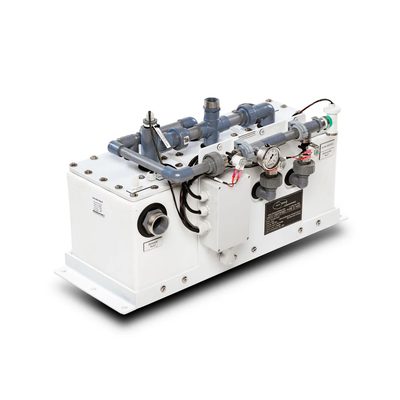
- Area: International Sewage Pollution Prevention Certificate (ISPPC) validity and authenticityCheck: Verify ISPPC is valid, properly issued for vessel size (≥400GT or ≥15 persons), signed and endorsed by flag state authority, not expired
- Area: Sewage treatment plant IMO type approval certificate missing or invalidCheck: Confirm STP holds valid IMO MEPC 227(64) certificate (or MEPC 159(55) for older units), check certification class (STP type approval letter), verify not lapsed
- Area: Direct sewage discharge valve not sealed or incorrectly securedCheck: Inspect discharge valve seals, verify valve is sealed shut when in port or within 3 nautical miles from shore, confirm mechanical lock/weld, check pump discharge isolation
- Area: Sewage treatment plant not operational or inadequate capacity for crewCheck: Test plant start-up sequence, verify blower/pump operation, check aeration and treatment tank water levels, confirm adequate treatment time (typically 8-15 hours retention), measure actual vs. design capacity, review operational log
- Area: Monthly effluent quality testing records missing or deficient (BOD, COD, TSS, E.coli)Check: Request last 12 months of effluent test reports, verify parameter compliance with MEPC 227(64) limits (BOD ≤25mg/L, COD ≤125mg/L, TSS ≤35mg/L, fecal coliform <250 CFU/100mL), check testing lab certification, confirm disposal location recorded
Typ-universelle Inspektionspunkte fuer Sewage Treatment Plant (verifiziert, 2026-06).
Jets
1
- Vacuum generator failure
- Discharge pump blockage
- Effluent test failure
- Highly effective in removing pollutants and contaminants from wastewater
- Compact design suitable for smaller vessel spaces
- Low energy consumption compared to other treatment methods
- Requires regular maintenance of vacuum generator and brushes
- May not be as effective in high-flow or variable-load situations
- Potential for clogging if not properly maintained
Scanship
1
- Membrane fouling
- Aeration blower failure
- UV lamp burnout
- Sludge pump blockage
- Compact modular footprint suitable for limited engine‑room space
- Consistently high effluent quality meeting MARPOL Annex IV limits
- Low chemical dosing thanks to membrane filtration and biological treatment
- Automated monthly chemical cleaning of membranes reduces manual intervention
- Integrated UV disinfection provides final pathogen kill without additional chemicals
- Membrane fouling can increase maintenance frequency and spare‑part inventory
- Higher electrical demand for aeration blower and membrane pumps compared with conventional biological plants
- Initial capital cost is higher than simple septic‑tank style systems
- Requires trained personnel to monitor cleaning cycles and UV lamp life
- Replacement of membranes adds long‑term operating expense
Wärtsilä
1
- Membrane permeability loss
- Blower motor overheating
- Control panel fault
- Compact footprint compared with conventional activated‑sludge plants
- Produces effluent of very low BOD/COD, easily compliant with strict discharge limits
- Low sludge production reduces handling and disposal requirements
- Automated control system maintains MLSS concentration for stable operation
- Proven marine heritage from Hamworthy, offering robust construction
- Membrane fouling can lead to permeability loss; requires regular cleaning cycles
- Higher blower power consumption than simple oxidation units
- Requires careful monitoring of mixed liquor suspended solids (MLSS)
- Capacity limited to the design rating (≈50 m³/day), unsuitable for very large vessels with high sewage loads
- Initial capital cost higher than basic septic‑tank solutions