Inert Gas Generator (Tanker)
An inert gas generator burns fuel oil in a dedicated combustion chamber to produce flue gas with under 5% oxygen, which is scrubbed, cooled and blown into cargo tanks to hold the atmosphere below the level that supports combustion.
Read more — Inert Gas Generator (Tanker) explained ▾
What an inert gas generator does and why tankers carry one
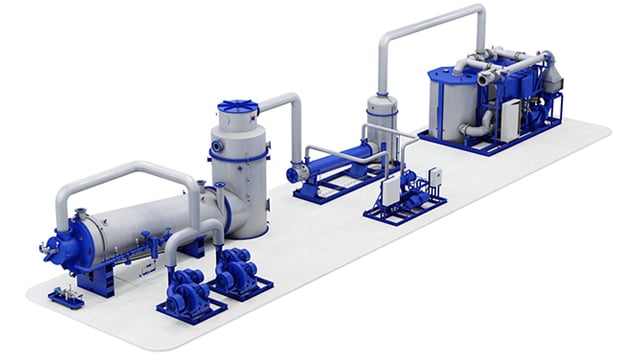
Cargo tanks on a tanker sit above a flammable liquid and, at some point in every loading and discharging cycle, pass through a vapour concentration that can ignite. Rather than manage that risk by ventilation timing alone, the ship fills the tank space above the cargo with gas that cannot support combustion because it is starved of oxygen. A dedicated inert gas generator burns marine fuel oil in a small combustion chamber under controlled, oxygen-lean conditions and produces flue gas with an oxygen content low enough to inert the tank atmosphere, independent of the main boiler or engine exhaust that some other vessel types rely on for the same purpose.

Main components
Combustion chamber and burner
A refractory-lined chamber burns fuel oil with a deliberately restricted air supply so the flue gas leaves with oxygen content typically well under 5% by volume, well below the roughly 11% threshold most cargoes need to sustain combustion.
Scrubber
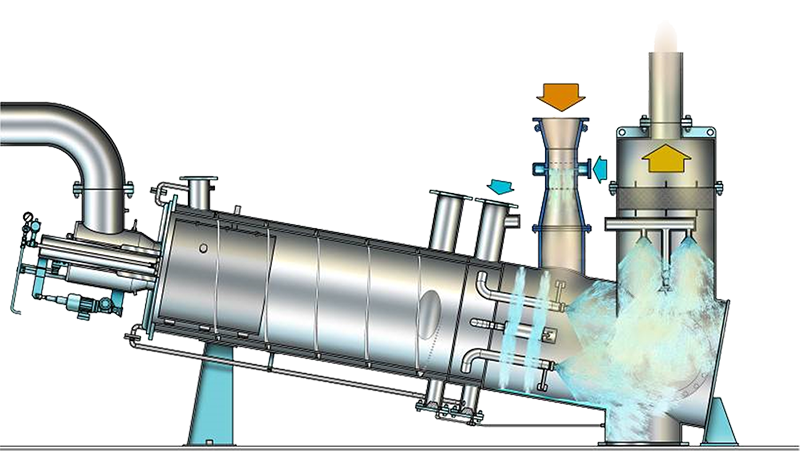
Seawater sprays wash the hot flue gas to strip sulphur compounds, soot and particulates, and cool the gas from combustion temperature down to close to seawater temperature before it goes anywhere near the cargo tanks.
Deck water seal
A water-filled seal sits in the inert gas main on deck and acts as a one-way, fail-safe barrier: it lets inert gas flow to the tanks but stops any hydrocarbon vapour or flame from travelling back from the tanks toward the generator.
Blowers and gas main
Blowers push the scrubbed, cooled gas through the deck main and into the distribution piping serving each cargo tank, with non-return valves and pressure-vacuum breakers protecting the tanks from over- or under-pressure.
Oxygen analysers and control system
Continuous oxygen monitoring at the generator outlet and at the tanks lets the system trip the burner or alarm before oxygen content rises to a level that would compromise the inert atmosphere.
Sizing
Generator capacity is sized to the vessel's maximum cargo discharge rate, since inert gas has to replace cargo volume in the tanks at least as fast as liquid leaves them, plus margin for topping-up losses and tank purging operations. Undersized capacity shows up first during fast discharge, when tank pressure drops faster than the generator can make up gas.
Regulations and class
SOLAS Chapter II-2 requires inert gas systems on tankers above defined tonnage and cargo thresholds, and the system is subject to survey requirements covering the deck water seal, non-return devices, oxygen analysers and alarms as safety-critical items. IACS Unified Requirements and the applicable tanker codes set out testing intervals for the oxygen analysers and the deck water seal, and class surveyors treat a defective deck seal as a serious deficiency rather than a minor finding, because it is the last physical barrier against flashback.
Typical faults
- Fouled scrubber packing — reduces cooling and gas cleaning efficiency, letting hot, corrosive gas reach the deck main.
- Low deck seal water level — from a blocked make-up line, removing the flashback barrier without an obvious external sign.
- Drifting oxygen analyser calibration — gives a false low reading, masking an atmosphere that is no longer properly inert.
- Corroded gas main piping — from years of wet, acidic flue gas, eventually leaking inert gas or, worse, letting air back into the system.
What to look for in a supplier
- Capacity rating matched against the vessel's actual maximum discharge rate, not a round-number default.
- Materials specification for scrubber and gas main piping suited to wet, acidic flue gas service.
- Documented oxygen analyser response time and calibration procedure.
- Spare parts support for the deck water seal internals, which see continuous wear in service.
Treat the deck water seal level as a safety instrument, not a housekeeping item — check it against the logged figure every watch, because a slowly dropping level gives no other warning before it fails.
Typical Manufacturers
12 manufacturers · 55 models
SAACKE
18 ✓ 18 verified- Area: Combustion Chamber Condition & Refractory LiningCheck: Visual inspection for cracks, erosion, or excessive deposits in refractory lining; verify proper alignment of burner; check for hot spots or temperature anomalies; ensure no loose refractory material
- Area: Burner & Ignition System FunctionalityCheck: Test pilot flame and main burner ignition; verify fuel atomization quality; check electrode condition and gap; confirm gas/oil solenoid valve operation; test flame failure protection; inspect fuel nozzle for carbon deposits; verify fuel pressure and flow rates
- Area: Exhaust Gas Cleanliness & Oxygen ContentCheck: Monitor oxygen content <5% (IGG requirement) using continuous O2 analyzer; check for soot/particulate deposits on boiler tubes and economizer; verify scrubber blowdown frequency; inspect for unburned fuel residue; test flue gas temperature
- Area: Boiler Water Side Integrity & CorrosionCheck: Internal boiler inspection for hard deposits, scale, and corrosion on tubes; check water treatment system effectiveness (pH, alkalinity); inspect for pitting or stress corrosion; verify water flow distribution; confirm proper boiler blowdown; test sacrificial zinc anode condition (if present)
- Area: System Pressure, Temperature & Control ParametersCheck: Verify steam pressure gauges calibration; check superheater outlet temperature (if equipped); confirm safety valve operation at set pressure; test pressure relief valve seating; inspect temperature sensors and transmitters; verify automatic pressure control system response; check for leaks in high-pressure areas
Typ-universelle Inspektionspunkte fuer Boilers (verifiziert, 2026-06).
- Area: Combustion Chamber Condition & Refractory LiningCheck: Visual inspection for cracks, erosion, or excessive deposits in refractory lining; verify proper alignment of burner; check for hot spots or temperature anomalies; ensure no loose refractory material
- Area: Burner & Ignition System FunctionalityCheck: Test pilot flame and main burner ignition; verify fuel atomization quality; check electrode condition and gap; confirm gas/oil solenoid valve operation; test flame failure protection; inspect fuel nozzle for carbon deposits; verify fuel pressure and flow rates
- Area: Exhaust Gas Cleanliness & Oxygen ContentCheck: Monitor oxygen content <5% (IGG requirement) using continuous O2 analyzer; check for soot/particulate deposits on boiler tubes and economizer; verify scrubber blowdown frequency; inspect for unburned fuel residue; test flue gas temperature
- Area: Boiler Water Side Integrity & CorrosionCheck: Internal boiler inspection for hard deposits, scale, and corrosion on tubes; check water treatment system effectiveness (pH, alkalinity); inspect for pitting or stress corrosion; verify water flow distribution; confirm proper boiler blowdown; test sacrificial zinc anode condition (if present)
- Area: System Pressure, Temperature & Control ParametersCheck: Verify steam pressure gauges calibration; check superheater outlet temperature (if equipped); confirm safety valve operation at set pressure; test pressure relief valve seating; inspect temperature sensors and transmitters; verify automatic pressure control system response; check for leaks in high-pressure areas
Typ-universelle Inspektionspunkte fuer Boilers (verifiziert, 2026-06).
- Area: Combustion Chamber Condition & Refractory LiningCheck: Visual inspection for cracks, erosion, or excessive deposits in refractory lining; verify proper alignment of burner; check for hot spots or temperature anomalies; ensure no loose refractory material
- Area: Burner & Ignition System FunctionalityCheck: Test pilot flame and main burner ignition; verify fuel atomization quality; check electrode condition and gap; confirm gas/oil solenoid valve operation; test flame failure protection; inspect fuel nozzle for carbon deposits; verify fuel pressure and flow rates
- Area: Exhaust Gas Cleanliness & Oxygen ContentCheck: Monitor oxygen content <5% (IGG requirement) using continuous O2 analyzer; check for soot/particulate deposits on boiler tubes and economizer; verify scrubber blowdown frequency; inspect for unburned fuel residue; test flue gas temperature
- Area: Boiler Water Side Integrity & CorrosionCheck: Internal boiler inspection for hard deposits, scale, and corrosion on tubes; check water treatment system effectiveness (pH, alkalinity); inspect for pitting or stress corrosion; verify water flow distribution; confirm proper boiler blowdown; test sacrificial zinc anode condition (if present)
- Area: System Pressure, Temperature & Control ParametersCheck: Verify steam pressure gauges calibration; check superheater outlet temperature (if equipped); confirm safety valve operation at set pressure; test pressure relief valve seating; inspect temperature sensors and transmitters; verify automatic pressure control system response; check for leaks in high-pressure areas
Typ-universelle Inspektionspunkte fuer Boilers (verifiziert, 2026-06).
- Area: Combustion Chamber Condition & Refractory LiningCheck: Visual inspection for cracks, erosion, or excessive deposits in refractory lining; verify proper alignment of burner; check for hot spots or temperature anomalies; ensure no loose refractory material
- Area: Burner & Ignition System FunctionalityCheck: Test pilot flame and main burner ignition; verify fuel atomization quality; check electrode condition and gap; confirm gas/oil solenoid valve operation; test flame failure protection; inspect fuel nozzle for carbon deposits; verify fuel pressure and flow rates
- Area: Exhaust Gas Cleanliness & Oxygen ContentCheck: Monitor oxygen content <5% (IGG requirement) using continuous O2 analyzer; check for soot/particulate deposits on boiler tubes and economizer; verify scrubber blowdown frequency; inspect for unburned fuel residue; test flue gas temperature
- Area: Boiler Water Side Integrity & CorrosionCheck: Internal boiler inspection for hard deposits, scale, and corrosion on tubes; check water treatment system effectiveness (pH, alkalinity); inspect for pitting or stress corrosion; verify water flow distribution; confirm proper boiler blowdown; test sacrificial zinc anode condition (if present)
- Area: System Pressure, Temperature & Control ParametersCheck: Verify steam pressure gauges calibration; check superheater outlet temperature (if equipped); confirm safety valve operation at set pressure; test pressure relief valve seating; inspect temperature sensors and transmitters; verify automatic pressure control system response; check for leaks in high-pressure areas
Typ-universelle Inspektionspunkte fuer Boilers (verifiziert, 2026-06).
- Area: Combustion Chamber Condition & Refractory LiningCheck: Visual inspection for cracks, erosion, or excessive deposits in refractory lining; verify proper alignment of burner; check for hot spots or temperature anomalies; ensure no loose refractory material
- Area: Burner & Ignition System FunctionalityCheck: Test pilot flame and main burner ignition; verify fuel atomization quality; check electrode condition and gap; confirm gas/oil solenoid valve operation; test flame failure protection; inspect fuel nozzle for carbon deposits; verify fuel pressure and flow rates
- Area: Exhaust Gas Cleanliness & Oxygen ContentCheck: Monitor oxygen content <5% (IGG requirement) using continuous O2 analyzer; check for soot/particulate deposits on boiler tubes and economizer; verify scrubber blowdown frequency; inspect for unburned fuel residue; test flue gas temperature
- Area: Boiler Water Side Integrity & CorrosionCheck: Internal boiler inspection for hard deposits, scale, and corrosion on tubes; check water treatment system effectiveness (pH, alkalinity); inspect for pitting or stress corrosion; verify water flow distribution; confirm proper boiler blowdown; test sacrificial zinc anode condition (if present)
- Area: System Pressure, Temperature & Control ParametersCheck: Verify steam pressure gauges calibration; check superheater outlet temperature (if equipped); confirm safety valve operation at set pressure; test pressure relief valve seating; inspect temperature sensors and transmitters; verify automatic pressure control system response; check for leaks in high-pressure areas
Typ-universelle Inspektionspunkte fuer Boilers (verifiziert, 2026-06).
- Area: Combustion Chamber Condition & Refractory LiningCheck: Visual inspection for cracks, erosion, or excessive deposits in refractory lining; verify proper alignment of burner; check for hot spots or temperature anomalies; ensure no loose refractory material
- Area: Burner & Ignition System FunctionalityCheck: Test pilot flame and main burner ignition; verify fuel atomization quality; check electrode condition and gap; confirm gas/oil solenoid valve operation; test flame failure protection; inspect fuel nozzle for carbon deposits; verify fuel pressure and flow rates
- Area: Exhaust Gas Cleanliness & Oxygen ContentCheck: Monitor oxygen content <5% (IGG requirement) using continuous O2 analyzer; check for soot/particulate deposits on boiler tubes and economizer; verify scrubber blowdown frequency; inspect for unburned fuel residue; test flue gas temperature
- Area: Boiler Water Side Integrity & CorrosionCheck: Internal boiler inspection for hard deposits, scale, and corrosion on tubes; check water treatment system effectiveness (pH, alkalinity); inspect for pitting or stress corrosion; verify water flow distribution; confirm proper boiler blowdown; test sacrificial zinc anode condition (if present)
- Area: System Pressure, Temperature & Control ParametersCheck: Verify steam pressure gauges calibration; check superheater outlet temperature (if equipped); confirm safety valve operation at set pressure; test pressure relief valve seating; inspect temperature sensors and transmitters; verify automatic pressure control system response; check for leaks in high-pressure areas
Typ-universelle Inspektionspunkte fuer Boilers (verifiziert, 2026-06).
- Area: Combustion Chamber Condition & Refractory LiningCheck: Visual inspection for cracks, erosion, or excessive deposits in refractory lining; verify proper alignment of burner; check for hot spots or temperature anomalies; ensure no loose refractory material
- Area: Burner & Ignition System FunctionalityCheck: Test pilot flame and main burner ignition; verify fuel atomization quality; check electrode condition and gap; confirm gas/oil solenoid valve operation; test flame failure protection; inspect fuel nozzle for carbon deposits; verify fuel pressure and flow rates
- Area: Exhaust Gas Cleanliness & Oxygen ContentCheck: Monitor oxygen content <5% (IGG requirement) using continuous O2 analyzer; check for soot/particulate deposits on boiler tubes and economizer; verify scrubber blowdown frequency; inspect for unburned fuel residue; test flue gas temperature
- Area: Boiler Water Side Integrity & CorrosionCheck: Internal boiler inspection for hard deposits, scale, and corrosion on tubes; check water treatment system effectiveness (pH, alkalinity); inspect for pitting or stress corrosion; verify water flow distribution; confirm proper boiler blowdown; test sacrificial zinc anode condition (if present)
- Area: System Pressure, Temperature & Control ParametersCheck: Verify steam pressure gauges calibration; check superheater outlet temperature (if equipped); confirm safety valve operation at set pressure; test pressure relief valve seating; inspect temperature sensors and transmitters; verify automatic pressure control system response; check for leaks in high-pressure areas
Typ-universelle Inspektionspunkte fuer Boilers (verifiziert, 2026-06).
- Area: Combustion Chamber Condition & Refractory LiningCheck: Visual inspection for cracks, erosion, or excessive deposits in refractory lining; verify proper alignment of burner; check for hot spots or temperature anomalies; ensure no loose refractory material
- Area: Burner & Ignition System FunctionalityCheck: Test pilot flame and main burner ignition; verify fuel atomization quality; check electrode condition and gap; confirm gas/oil solenoid valve operation; test flame failure protection; inspect fuel nozzle for carbon deposits; verify fuel pressure and flow rates
- Area: Exhaust Gas Cleanliness & Oxygen ContentCheck: Monitor oxygen content <5% (IGG requirement) using continuous O2 analyzer; check for soot/particulate deposits on boiler tubes and economizer; verify scrubber blowdown frequency; inspect for unburned fuel residue; test flue gas temperature
- Area: Boiler Water Side Integrity & CorrosionCheck: Internal boiler inspection for hard deposits, scale, and corrosion on tubes; check water treatment system effectiveness (pH, alkalinity); inspect for pitting or stress corrosion; verify water flow distribution; confirm proper boiler blowdown; test sacrificial zinc anode condition (if present)
- Area: System Pressure, Temperature & Control ParametersCheck: Verify steam pressure gauges calibration; check superheater outlet temperature (if equipped); confirm safety valve operation at set pressure; test pressure relief valve seating; inspect temperature sensors and transmitters; verify automatic pressure control system response; check for leaks in high-pressure areas
Typ-universelle Inspektionspunkte fuer Boilers (verifiziert, 2026-06).
- Area: Combustion Chamber Condition & Refractory LiningCheck: Visual inspection for cracks, erosion, or excessive deposits in refractory lining; verify proper alignment of burner; check for hot spots or temperature anomalies; ensure no loose refractory material
- Area: Burner & Ignition System FunctionalityCheck: Test pilot flame and main burner ignition; verify fuel atomization quality; check electrode condition and gap; confirm gas/oil solenoid valve operation; test flame failure protection; inspect fuel nozzle for carbon deposits; verify fuel pressure and flow rates
- Area: Exhaust Gas Cleanliness & Oxygen ContentCheck: Monitor oxygen content <5% (IGG requirement) using continuous O2 analyzer; check for soot/particulate deposits on boiler tubes and economizer; verify scrubber blowdown frequency; inspect for unburned fuel residue; test flue gas temperature
- Area: Boiler Water Side Integrity & CorrosionCheck: Internal boiler inspection for hard deposits, scale, and corrosion on tubes; check water treatment system effectiveness (pH, alkalinity); inspect for pitting or stress corrosion; verify water flow distribution; confirm proper boiler blowdown; test sacrificial zinc anode condition (if present)
- Area: System Pressure, Temperature & Control ParametersCheck: Verify steam pressure gauges calibration; check superheater outlet temperature (if equipped); confirm safety valve operation at set pressure; test pressure relief valve seating; inspect temperature sensors and transmitters; verify automatic pressure control system response; check for leaks in high-pressure areas
Typ-universelle Inspektionspunkte fuer Boilers (verifiziert, 2026-06).
- Area: Combustion Chamber Condition & Refractory LiningCheck: Visual inspection for cracks, erosion, or excessive deposits in refractory lining; verify proper alignment of burner; check for hot spots or temperature anomalies; ensure no loose refractory material
- Area: Burner & Ignition System FunctionalityCheck: Test pilot flame and main burner ignition; verify fuel atomization quality; check electrode condition and gap; confirm gas/oil solenoid valve operation; test flame failure protection; inspect fuel nozzle for carbon deposits; verify fuel pressure and flow rates
- Area: Exhaust Gas Cleanliness & Oxygen ContentCheck: Monitor oxygen content <5% (IGG requirement) using continuous O2 analyzer; check for soot/particulate deposits on boiler tubes and economizer; verify scrubber blowdown frequency; inspect for unburned fuel residue; test flue gas temperature
- Area: Boiler Water Side Integrity & CorrosionCheck: Internal boiler inspection for hard deposits, scale, and corrosion on tubes; check water treatment system effectiveness (pH, alkalinity); inspect for pitting or stress corrosion; verify water flow distribution; confirm proper boiler blowdown; test sacrificial zinc anode condition (if present)
- Area: System Pressure, Temperature & Control ParametersCheck: Verify steam pressure gauges calibration; check superheater outlet temperature (if equipped); confirm safety valve operation at set pressure; test pressure relief valve seating; inspect temperature sensors and transmitters; verify automatic pressure control system response; check for leaks in high-pressure areas
Typ-universelle Inspektionspunkte fuer Boilers (verifiziert, 2026-06).
- Area: Combustion Chamber Condition & Refractory LiningCheck: Visual inspection for cracks, erosion, or excessive deposits in refractory lining; verify proper alignment of burner; check for hot spots or temperature anomalies; ensure no loose refractory material
- Area: Burner & Ignition System FunctionalityCheck: Test pilot flame and main burner ignition; verify fuel atomization quality; check electrode condition and gap; confirm gas/oil solenoid valve operation; test flame failure protection; inspect fuel nozzle for carbon deposits; verify fuel pressure and flow rates
- Area: Exhaust Gas Cleanliness & Oxygen ContentCheck: Monitor oxygen content <5% (IGG requirement) using continuous O2 analyzer; check for soot/particulate deposits on boiler tubes and economizer; verify scrubber blowdown frequency; inspect for unburned fuel residue; test flue gas temperature
- Area: Boiler Water Side Integrity & CorrosionCheck: Internal boiler inspection for hard deposits, scale, and corrosion on tubes; check water treatment system effectiveness (pH, alkalinity); inspect for pitting or stress corrosion; verify water flow distribution; confirm proper boiler blowdown; test sacrificial zinc anode condition (if present)
- Area: System Pressure, Temperature & Control ParametersCheck: Verify steam pressure gauges calibration; check superheater outlet temperature (if equipped); confirm safety valve operation at set pressure; test pressure relief valve seating; inspect temperature sensors and transmitters; verify automatic pressure control system response; check for leaks in high-pressure areas
Typ-universelle Inspektionspunkte fuer Boilers (verifiziert, 2026-06).
- Area: Combustion Chamber Condition & Refractory LiningCheck: Visual inspection for cracks, erosion, or excessive deposits in refractory lining; verify proper alignment of burner; check for hot spots or temperature anomalies; ensure no loose refractory material
- Area: Burner & Ignition System FunctionalityCheck: Test pilot flame and main burner ignition; verify fuel atomization quality; check electrode condition and gap; confirm gas/oil solenoid valve operation; test flame failure protection; inspect fuel nozzle for carbon deposits; verify fuel pressure and flow rates
- Area: Exhaust Gas Cleanliness & Oxygen ContentCheck: Monitor oxygen content <5% (IGG requirement) using continuous O2 analyzer; check for soot/particulate deposits on boiler tubes and economizer; verify scrubber blowdown frequency; inspect for unburned fuel residue; test flue gas temperature
- Area: Boiler Water Side Integrity & CorrosionCheck: Internal boiler inspection for hard deposits, scale, and corrosion on tubes; check water treatment system effectiveness (pH, alkalinity); inspect for pitting or stress corrosion; verify water flow distribution; confirm proper boiler blowdown; test sacrificial zinc anode condition (if present)
- Area: System Pressure, Temperature & Control ParametersCheck: Verify steam pressure gauges calibration; check superheater outlet temperature (if equipped); confirm safety valve operation at set pressure; test pressure relief valve seating; inspect temperature sensors and transmitters; verify automatic pressure control system response; check for leaks in high-pressure areas
Typ-universelle Inspektionspunkte fuer Boilers (verifiziert, 2026-06).
- Area: Combustion Chamber Condition & Refractory LiningCheck: Visual inspection for cracks, erosion, or excessive deposits in refractory lining; verify proper alignment of burner; check for hot spots or temperature anomalies; ensure no loose refractory material
- Area: Burner & Ignition System FunctionalityCheck: Test pilot flame and main burner ignition; verify fuel atomization quality; check electrode condition and gap; confirm gas/oil solenoid valve operation; test flame failure protection; inspect fuel nozzle for carbon deposits; verify fuel pressure and flow rates
- Area: Exhaust Gas Cleanliness & Oxygen ContentCheck: Monitor oxygen content <5% (IGG requirement) using continuous O2 analyzer; check for soot/particulate deposits on boiler tubes and economizer; verify scrubber blowdown frequency; inspect for unburned fuel residue; test flue gas temperature
- Area: Boiler Water Side Integrity & CorrosionCheck: Internal boiler inspection for hard deposits, scale, and corrosion on tubes; check water treatment system effectiveness (pH, alkalinity); inspect for pitting or stress corrosion; verify water flow distribution; confirm proper boiler blowdown; test sacrificial zinc anode condition (if present)
- Area: System Pressure, Temperature & Control ParametersCheck: Verify steam pressure gauges calibration; check superheater outlet temperature (if equipped); confirm safety valve operation at set pressure; test pressure relief valve seating; inspect temperature sensors and transmitters; verify automatic pressure control system response; check for leaks in high-pressure areas
Typ-universelle Inspektionspunkte fuer Boilers (verifiziert, 2026-06).
- Area: Combustion Chamber Condition & Refractory LiningCheck: Visual inspection for cracks, erosion, or excessive deposits in refractory lining; verify proper alignment of burner; check for hot spots or temperature anomalies; ensure no loose refractory material
- Area: Burner & Ignition System FunctionalityCheck: Test pilot flame and main burner ignition; verify fuel atomization quality; check electrode condition and gap; confirm gas/oil solenoid valve operation; test flame failure protection; inspect fuel nozzle for carbon deposits; verify fuel pressure and flow rates
- Area: Exhaust Gas Cleanliness & Oxygen ContentCheck: Monitor oxygen content <5% (IGG requirement) using continuous O2 analyzer; check for soot/particulate deposits on boiler tubes and economizer; verify scrubber blowdown frequency; inspect for unburned fuel residue; test flue gas temperature
- Area: Boiler Water Side Integrity & CorrosionCheck: Internal boiler inspection for hard deposits, scale, and corrosion on tubes; check water treatment system effectiveness (pH, alkalinity); inspect for pitting or stress corrosion; verify water flow distribution; confirm proper boiler blowdown; test sacrificial zinc anode condition (if present)
- Area: System Pressure, Temperature & Control ParametersCheck: Verify steam pressure gauges calibration; check superheater outlet temperature (if equipped); confirm safety valve operation at set pressure; test pressure relief valve seating; inspect temperature sensors and transmitters; verify automatic pressure control system response; check for leaks in high-pressure areas
Typ-universelle Inspektionspunkte fuer Boilers (verifiziert, 2026-06).
- Area: Combustion Chamber Condition & Refractory LiningCheck: Visual inspection for cracks, erosion, or excessive deposits in refractory lining; verify proper alignment of burner; check for hot spots or temperature anomalies; ensure no loose refractory material
- Area: Burner & Ignition System FunctionalityCheck: Test pilot flame and main burner ignition; verify fuel atomization quality; check electrode condition and gap; confirm gas/oil solenoid valve operation; test flame failure protection; inspect fuel nozzle for carbon deposits; verify fuel pressure and flow rates
- Area: Exhaust Gas Cleanliness & Oxygen ContentCheck: Monitor oxygen content <5% (IGG requirement) using continuous O2 analyzer; check for soot/particulate deposits on boiler tubes and economizer; verify scrubber blowdown frequency; inspect for unburned fuel residue; test flue gas temperature
- Area: Boiler Water Side Integrity & CorrosionCheck: Internal boiler inspection for hard deposits, scale, and corrosion on tubes; check water treatment system effectiveness (pH, alkalinity); inspect for pitting or stress corrosion; verify water flow distribution; confirm proper boiler blowdown; test sacrificial zinc anode condition (if present)
- Area: System Pressure, Temperature & Control ParametersCheck: Verify steam pressure gauges calibration; check superheater outlet temperature (if equipped); confirm safety valve operation at set pressure; test pressure relief valve seating; inspect temperature sensors and transmitters; verify automatic pressure control system response; check for leaks in high-pressure areas
Typ-universelle Inspektionspunkte fuer Boilers (verifiziert, 2026-06).
- Area: Combustion Chamber Condition & Refractory LiningCheck: Visual inspection for cracks, erosion, or excessive deposits in refractory lining; verify proper alignment of burner; check for hot spots or temperature anomalies; ensure no loose refractory material
- Area: Burner & Ignition System FunctionalityCheck: Test pilot flame and main burner ignition; verify fuel atomization quality; check electrode condition and gap; confirm gas/oil solenoid valve operation; test flame failure protection; inspect fuel nozzle for carbon deposits; verify fuel pressure and flow rates
- Area: Exhaust Gas Cleanliness & Oxygen ContentCheck: Monitor oxygen content <5% (IGG requirement) using continuous O2 analyzer; check for soot/particulate deposits on boiler tubes and economizer; verify scrubber blowdown frequency; inspect for unburned fuel residue; test flue gas temperature
- Area: Boiler Water Side Integrity & CorrosionCheck: Internal boiler inspection for hard deposits, scale, and corrosion on tubes; check water treatment system effectiveness (pH, alkalinity); inspect for pitting or stress corrosion; verify water flow distribution; confirm proper boiler blowdown; test sacrificial zinc anode condition (if present)
- Area: System Pressure, Temperature & Control ParametersCheck: Verify steam pressure gauges calibration; check superheater outlet temperature (if equipped); confirm safety valve operation at set pressure; test pressure relief valve seating; inspect temperature sensors and transmitters; verify automatic pressure control system response; check for leaks in high-pressure areas
Typ-universelle Inspektionspunkte fuer Boilers (verifiziert, 2026-06).
- Area: Combustion Chamber Condition & Refractory LiningCheck: Visual inspection for cracks, erosion, or excessive deposits in refractory lining; verify proper alignment of burner; check for hot spots or temperature anomalies; ensure no loose refractory material
- Area: Burner & Ignition System FunctionalityCheck: Test pilot flame and main burner ignition; verify fuel atomization quality; check electrode condition and gap; confirm gas/oil solenoid valve operation; test flame failure protection; inspect fuel nozzle for carbon deposits; verify fuel pressure and flow rates
- Area: Exhaust Gas Cleanliness & Oxygen ContentCheck: Monitor oxygen content <5% (IGG requirement) using continuous O2 analyzer; check for soot/particulate deposits on boiler tubes and economizer; verify scrubber blowdown frequency; inspect for unburned fuel residue; test flue gas temperature
- Area: Boiler Water Side Integrity & CorrosionCheck: Internal boiler inspection for hard deposits, scale, and corrosion on tubes; check water treatment system effectiveness (pH, alkalinity); inspect for pitting or stress corrosion; verify water flow distribution; confirm proper boiler blowdown; test sacrificial zinc anode condition (if present)
- Area: System Pressure, Temperature & Control ParametersCheck: Verify steam pressure gauges calibration; check superheater outlet temperature (if equipped); confirm safety valve operation at set pressure; test pressure relief valve seating; inspect temperature sensors and transmitters; verify automatic pressure control system response; check for leaks in high-pressure areas
Typ-universelle Inspektionspunkte fuer Boilers (verifiziert, 2026-06).

- Area: Combustion Chamber Condition & Refractory LiningCheck: Visual inspection for cracks, erosion, or excessive deposits in refractory lining; verify proper alignment of burner; check for hot spots or temperature anomalies; ensure no loose refractory material
- Area: Burner & Ignition System FunctionalityCheck: Test pilot flame and main burner ignition; verify fuel atomization quality; check electrode condition and gap; confirm gas/oil solenoid valve operation; test flame failure protection; inspect fuel nozzle for carbon deposits; verify fuel pressure and flow rates
- Area: Exhaust Gas Cleanliness & Oxygen ContentCheck: Monitor oxygen content <5% (IGG requirement) using continuous O2 analyzer; check for soot/particulate deposits on boiler tubes and economizer; verify scrubber blowdown frequency; inspect for unburned fuel residue; test flue gas temperature
- Area: Boiler Water Side Integrity & CorrosionCheck: Internal boiler inspection for hard deposits, scale, and corrosion on tubes; check water treatment system effectiveness (pH, alkalinity); inspect for pitting or stress corrosion; verify water flow distribution; confirm proper boiler blowdown; test sacrificial zinc anode condition (if present)
- Area: System Pressure, Temperature & Control ParametersCheck: Verify steam pressure gauges calibration; check superheater outlet temperature (if equipped); confirm safety valve operation at set pressure; test pressure relief valve seating; inspect temperature sensors and transmitters; verify automatic pressure control system response; check for leaks in high-pressure areas
Typ-universelle Inspektionspunkte fuer Boilers (verifiziert, 2026-06).
Maritime Protection (Survitec)
17 ✓ 17 verified- Area: Oxygen Content VerificationCheck: Verify oxygen content is maintained at 3% or lower for standard IGG models and 1% for dry IGG variants; monitor oxygen analyzer readings continuously during operation to ensure compliance with IMO SOLAS regulations (maximum allowable 8%)
- Area: Dew Point Monitoring and CalibrationCheck: For dry IGG models (DIGG variants), verify dew point reaches -45°C within 20-40 minutes after startup and improves to -60 to -65°C during extended operation; calibrate dew point meters per planned maintenance system (PMS) quarterly
- Area: Fuel System and Combustion InspectionCheck: Inspect burner and combustion chamber for corrosion and deposits; verify high-grade stainless steel (SST 904) condition in dry IGG models; test fuel supply system (HFO/MGO/MDO/Natural Gas) for contamination and proper pressure (400 mm WC nominal)
- Area: Dryer and Cooler Performance (DIGG Models)Check: For dry IGG variants, inspect cooler and two-stage dehumidification system; verify cooler outlet temperature not exceeding seawater temperature by more than 8°C; perform quarterly dryer regeneration efficiency checks and monitor for moisture breakthrough
- Area: System Pressure and Gas Flow VerificationCheck: Perform monthly blower capacity testing; verify positive pressure in cargo tanks is maintained; check for leaks in piping and connections; conduct annual system overhaul with comprehensive pressure testing per SOLAS requirements
Typ-universelle Inspektionspunkte fuer Boilers (verifiziert, 2026-06).
- Area: Oxygen Content VerificationCheck: Verify oxygen content is maintained at 3% or lower for standard IGG models and 1% for dry IGG variants; monitor oxygen analyzer readings continuously during operation to ensure compliance with IMO SOLAS regulations (maximum allowable 8%)
- Area: Dew Point Monitoring and CalibrationCheck: For dry IGG models (DIGG variants), verify dew point reaches -45°C within 20-40 minutes after startup and improves to -60 to -65°C during extended operation; calibrate dew point meters per planned maintenance system (PMS) quarterly
- Area: Fuel System and Combustion InspectionCheck: Inspect burner and combustion chamber for corrosion and deposits; verify high-grade stainless steel (SST 904) condition in dry IGG models; test fuel supply system (HFO/MGO/MDO/Natural Gas) for contamination and proper pressure (400 mm WC nominal)
- Area: Dryer and Cooler Performance (DIGG Models)Check: For dry IGG variants, inspect cooler and two-stage dehumidification system; verify cooler outlet temperature not exceeding seawater temperature by more than 8°C; perform quarterly dryer regeneration efficiency checks and monitor for moisture breakthrough
- Area: System Pressure and Gas Flow VerificationCheck: Perform monthly blower capacity testing; verify positive pressure in cargo tanks is maintained; check for leaks in piping and connections; conduct annual system overhaul with comprehensive pressure testing per SOLAS requirements
Typ-universelle Inspektionspunkte fuer Boilers (verifiziert, 2026-06).
- Area: Oxygen Content VerificationCheck: Verify oxygen content is maintained at 3% or lower for standard IGG models and 1% for dry IGG variants; monitor oxygen analyzer readings continuously during operation to ensure compliance with IMO SOLAS regulations (maximum allowable 8%)
- Area: Dew Point Monitoring and CalibrationCheck: For dry IGG models (DIGG variants), verify dew point reaches -45°C within 20-40 minutes after startup and improves to -60 to -65°C during extended operation; calibrate dew point meters per planned maintenance system (PMS) quarterly
- Area: Fuel System and Combustion InspectionCheck: Inspect burner and combustion chamber for corrosion and deposits; verify high-grade stainless steel (SST 904) condition in dry IGG models; test fuel supply system (HFO/MGO/MDO/Natural Gas) for contamination and proper pressure (400 mm WC nominal)
- Area: Dryer and Cooler Performance (DIGG Models)Check: For dry IGG variants, inspect cooler and two-stage dehumidification system; verify cooler outlet temperature not exceeding seawater temperature by more than 8°C; perform quarterly dryer regeneration efficiency checks and monitor for moisture breakthrough
- Area: System Pressure and Gas Flow VerificationCheck: Perform monthly blower capacity testing; verify positive pressure in cargo tanks is maintained; check for leaks in piping and connections; conduct annual system overhaul with comprehensive pressure testing per SOLAS requirements
Typ-universelle Inspektionspunkte fuer Boilers (verifiziert, 2026-06).
- Area: Oxygen Content VerificationCheck: Verify oxygen content is maintained at 3% or lower for standard IGG models and 1% for dry IGG variants; monitor oxygen analyzer readings continuously during operation to ensure compliance with IMO SOLAS regulations (maximum allowable 8%)
- Area: Dew Point Monitoring and CalibrationCheck: For dry IGG models (DIGG variants), verify dew point reaches -45°C within 20-40 minutes after startup and improves to -60 to -65°C during extended operation; calibrate dew point meters per planned maintenance system (PMS) quarterly
- Area: Fuel System and Combustion InspectionCheck: Inspect burner and combustion chamber for corrosion and deposits; verify high-grade stainless steel (SST 904) condition in dry IGG models; test fuel supply system (HFO/MGO/MDO/Natural Gas) for contamination and proper pressure (400 mm WC nominal)
- Area: Dryer and Cooler Performance (DIGG Models)Check: For dry IGG variants, inspect cooler and two-stage dehumidification system; verify cooler outlet temperature not exceeding seawater temperature by more than 8°C; perform quarterly dryer regeneration efficiency checks and monitor for moisture breakthrough
- Area: System Pressure and Gas Flow VerificationCheck: Perform monthly blower capacity testing; verify positive pressure in cargo tanks is maintained; check for leaks in piping and connections; conduct annual system overhaul with comprehensive pressure testing per SOLAS requirements
Typ-universelle Inspektionspunkte fuer Boilers (verifiziert, 2026-06).
- Area: Oxygen Content VerificationCheck: Verify oxygen content is maintained at 3% or lower for standard IGG models and 1% for dry IGG variants; monitor oxygen analyzer readings continuously during operation to ensure compliance with IMO SOLAS regulations (maximum allowable 8%)
- Area: Dew Point Monitoring and CalibrationCheck: For dry IGG models (DIGG variants), verify dew point reaches -45°C within 20-40 minutes after startup and improves to -60 to -65°C during extended operation; calibrate dew point meters per planned maintenance system (PMS) quarterly
- Area: Fuel System and Combustion InspectionCheck: Inspect burner and combustion chamber for corrosion and deposits; verify high-grade stainless steel (SST 904) condition in dry IGG models; test fuel supply system (HFO/MGO/MDO/Natural Gas) for contamination and proper pressure (400 mm WC nominal)
- Area: Dryer and Cooler Performance (DIGG Models)Check: For dry IGG variants, inspect cooler and two-stage dehumidification system; verify cooler outlet temperature not exceeding seawater temperature by more than 8°C; perform quarterly dryer regeneration efficiency checks and monitor for moisture breakthrough
- Area: System Pressure and Gas Flow VerificationCheck: Perform monthly blower capacity testing; verify positive pressure in cargo tanks is maintained; check for leaks in piping and connections; conduct annual system overhaul with comprehensive pressure testing per SOLAS requirements
Typ-universelle Inspektionspunkte fuer Boilers (verifiziert, 2026-06).
- Area: Oxygen Content VerificationCheck: Verify oxygen content is maintained at 3% or lower for standard IGG models and 1% for dry IGG variants; monitor oxygen analyzer readings continuously during operation to ensure compliance with IMO SOLAS regulations (maximum allowable 8%)
- Area: Dew Point Monitoring and CalibrationCheck: For dry IGG models (DIGG variants), verify dew point reaches -45°C within 20-40 minutes after startup and improves to -60 to -65°C during extended operation; calibrate dew point meters per planned maintenance system (PMS) quarterly
- Area: Fuel System and Combustion InspectionCheck: Inspect burner and combustion chamber for corrosion and deposits; verify high-grade stainless steel (SST 904) condition in dry IGG models; test fuel supply system (HFO/MGO/MDO/Natural Gas) for contamination and proper pressure (400 mm WC nominal)
- Area: Dryer and Cooler Performance (DIGG Models)Check: For dry IGG variants, inspect cooler and two-stage dehumidification system; verify cooler outlet temperature not exceeding seawater temperature by more than 8°C; perform quarterly dryer regeneration efficiency checks and monitor for moisture breakthrough
- Area: System Pressure and Gas Flow VerificationCheck: Perform monthly blower capacity testing; verify positive pressure in cargo tanks is maintained; check for leaks in piping and connections; conduct annual system overhaul with comprehensive pressure testing per SOLAS requirements
Typ-universelle Inspektionspunkte fuer Boilers (verifiziert, 2026-06).
- Area: Oxygen Content VerificationCheck: Verify oxygen content is maintained at 3% or lower for standard IGG models and 1% for dry IGG variants; monitor oxygen analyzer readings continuously during operation to ensure compliance with IMO SOLAS regulations (maximum allowable 8%)
- Area: Dew Point Monitoring and CalibrationCheck: For dry IGG models (DIGG variants), verify dew point reaches -45°C within 20-40 minutes after startup and improves to -60 to -65°C during extended operation; calibrate dew point meters per planned maintenance system (PMS) quarterly
- Area: Fuel System and Combustion InspectionCheck: Inspect burner and combustion chamber for corrosion and deposits; verify high-grade stainless steel (SST 904) condition in dry IGG models; test fuel supply system (HFO/MGO/MDO/Natural Gas) for contamination and proper pressure (400 mm WC nominal)
- Area: Dryer and Cooler Performance (DIGG Models)Check: For dry IGG variants, inspect cooler and two-stage dehumidification system; verify cooler outlet temperature not exceeding seawater temperature by more than 8°C; perform quarterly dryer regeneration efficiency checks and monitor for moisture breakthrough
- Area: System Pressure and Gas Flow VerificationCheck: Perform monthly blower capacity testing; verify positive pressure in cargo tanks is maintained; check for leaks in piping and connections; conduct annual system overhaul with comprehensive pressure testing per SOLAS requirements
Typ-universelle Inspektionspunkte fuer Boilers (verifiziert, 2026-06).
- Area: Oxygen Content VerificationCheck: Verify oxygen content is maintained at 3% or lower for standard IGG models and 1% for dry IGG variants; monitor oxygen analyzer readings continuously during operation to ensure compliance with IMO SOLAS regulations (maximum allowable 8%)
- Area: Dew Point Monitoring and CalibrationCheck: For dry IGG models (DIGG variants), verify dew point reaches -45°C within 20-40 minutes after startup and improves to -60 to -65°C during extended operation; calibrate dew point meters per planned maintenance system (PMS) quarterly
- Area: Fuel System and Combustion InspectionCheck: Inspect burner and combustion chamber for corrosion and deposits; verify high-grade stainless steel (SST 904) condition in dry IGG models; test fuel supply system (HFO/MGO/MDO/Natural Gas) for contamination and proper pressure (400 mm WC nominal)
- Area: Dryer and Cooler Performance (DIGG Models)Check: For dry IGG variants, inspect cooler and two-stage dehumidification system; verify cooler outlet temperature not exceeding seawater temperature by more than 8°C; perform quarterly dryer regeneration efficiency checks and monitor for moisture breakthrough
- Area: System Pressure and Gas Flow VerificationCheck: Perform monthly blower capacity testing; verify positive pressure in cargo tanks is maintained; check for leaks in piping and connections; conduct annual system overhaul with comprehensive pressure testing per SOLAS requirements
Typ-universelle Inspektionspunkte fuer Boilers (verifiziert, 2026-06).
- Area: Oxygen Content VerificationCheck: Verify oxygen content is maintained at 3% or lower for standard IGG models and 1% for dry IGG variants; monitor oxygen analyzer readings continuously during operation to ensure compliance with IMO SOLAS regulations (maximum allowable 8%)
- Area: Dew Point Monitoring and CalibrationCheck: For dry IGG models (DIGG variants), verify dew point reaches -45°C within 20-40 minutes after startup and improves to -60 to -65°C during extended operation; calibrate dew point meters per planned maintenance system (PMS) quarterly
- Area: Fuel System and Combustion InspectionCheck: Inspect burner and combustion chamber for corrosion and deposits; verify high-grade stainless steel (SST 904) condition in dry IGG models; test fuel supply system (HFO/MGO/MDO/Natural Gas) for contamination and proper pressure (400 mm WC nominal)
- Area: Dryer and Cooler Performance (DIGG Models)Check: For dry IGG variants, inspect cooler and two-stage dehumidification system; verify cooler outlet temperature not exceeding seawater temperature by more than 8°C; perform quarterly dryer regeneration efficiency checks and monitor for moisture breakthrough
- Area: System Pressure and Gas Flow VerificationCheck: Perform monthly blower capacity testing; verify positive pressure in cargo tanks is maintained; check for leaks in piping and connections; conduct annual system overhaul with comprehensive pressure testing per SOLAS requirements
Typ-universelle Inspektionspunkte fuer Boilers (verifiziert, 2026-06).
- Area: Oxygen Content VerificationCheck: Verify oxygen content is maintained at 3% or lower for standard IGG models and 1% for dry IGG variants; monitor oxygen analyzer readings continuously during operation to ensure compliance with IMO SOLAS regulations (maximum allowable 8%)
- Area: Dew Point Monitoring and CalibrationCheck: For dry IGG models (DIGG variants), verify dew point reaches -45°C within 20-40 minutes after startup and improves to -60 to -65°C during extended operation; calibrate dew point meters per planned maintenance system (PMS) quarterly
- Area: Fuel System and Combustion InspectionCheck: Inspect burner and combustion chamber for corrosion and deposits; verify high-grade stainless steel (SST 904) condition in dry IGG models; test fuel supply system (HFO/MGO/MDO/Natural Gas) for contamination and proper pressure (400 mm WC nominal)
- Area: Dryer and Cooler Performance (DIGG Models)Check: For dry IGG variants, inspect cooler and two-stage dehumidification system; verify cooler outlet temperature not exceeding seawater temperature by more than 8°C; perform quarterly dryer regeneration efficiency checks and monitor for moisture breakthrough
- Area: System Pressure and Gas Flow VerificationCheck: Perform monthly blower capacity testing; verify positive pressure in cargo tanks is maintained; check for leaks in piping and connections; conduct annual system overhaul with comprehensive pressure testing per SOLAS requirements
Typ-universelle Inspektionspunkte fuer Boilers (verifiziert, 2026-06).
- Area: Oxygen Content VerificationCheck: Verify oxygen content is maintained at 3% or lower for standard IGG models and 1% for dry IGG variants; monitor oxygen analyzer readings continuously during operation to ensure compliance with IMO SOLAS regulations (maximum allowable 8%)
- Area: Dew Point Monitoring and CalibrationCheck: For dry IGG models (DIGG variants), verify dew point reaches -45°C within 20-40 minutes after startup and improves to -60 to -65°C during extended operation; calibrate dew point meters per planned maintenance system (PMS) quarterly
- Area: Fuel System and Combustion InspectionCheck: Inspect burner and combustion chamber for corrosion and deposits; verify high-grade stainless steel (SST 904) condition in dry IGG models; test fuel supply system (HFO/MGO/MDO/Natural Gas) for contamination and proper pressure (400 mm WC nominal)
- Area: Dryer and Cooler Performance (DIGG Models)Check: For dry IGG variants, inspect cooler and two-stage dehumidification system; verify cooler outlet temperature not exceeding seawater temperature by more than 8°C; perform quarterly dryer regeneration efficiency checks and monitor for moisture breakthrough
- Area: System Pressure and Gas Flow VerificationCheck: Perform monthly blower capacity testing; verify positive pressure in cargo tanks is maintained; check for leaks in piping and connections; conduct annual system overhaul with comprehensive pressure testing per SOLAS requirements
Typ-universelle Inspektionspunkte fuer Boilers (verifiziert, 2026-06).
- Area: Oxygen Content VerificationCheck: Verify oxygen content is maintained at 3% or lower for standard IGG models and 1% for dry IGG variants; monitor oxygen analyzer readings continuously during operation to ensure compliance with IMO SOLAS regulations (maximum allowable 8%)
- Area: Dew Point Monitoring and CalibrationCheck: For dry IGG models (DIGG variants), verify dew point reaches -45°C within 20-40 minutes after startup and improves to -60 to -65°C during extended operation; calibrate dew point meters per planned maintenance system (PMS) quarterly
- Area: Fuel System and Combustion InspectionCheck: Inspect burner and combustion chamber for corrosion and deposits; verify high-grade stainless steel (SST 904) condition in dry IGG models; test fuel supply system (HFO/MGO/MDO/Natural Gas) for contamination and proper pressure (400 mm WC nominal)
- Area: Dryer and Cooler Performance (DIGG Models)Check: For dry IGG variants, inspect cooler and two-stage dehumidification system; verify cooler outlet temperature not exceeding seawater temperature by more than 8°C; perform quarterly dryer regeneration efficiency checks and monitor for moisture breakthrough
- Area: System Pressure and Gas Flow VerificationCheck: Perform monthly blower capacity testing; verify positive pressure in cargo tanks is maintained; check for leaks in piping and connections; conduct annual system overhaul with comprehensive pressure testing per SOLAS requirements
Typ-universelle Inspektionspunkte fuer Boilers (verifiziert, 2026-06).
- Area: Oxygen Content VerificationCheck: Verify oxygen content is maintained at 3% or lower for standard IGG models and 1% for dry IGG variants; monitor oxygen analyzer readings continuously during operation to ensure compliance with IMO SOLAS regulations (maximum allowable 8%)
- Area: Dew Point Monitoring and CalibrationCheck: For dry IGG models (DIGG variants), verify dew point reaches -45°C within 20-40 minutes after startup and improves to -60 to -65°C during extended operation; calibrate dew point meters per planned maintenance system (PMS) quarterly
- Area: Fuel System and Combustion InspectionCheck: Inspect burner and combustion chamber for corrosion and deposits; verify high-grade stainless steel (SST 904) condition in dry IGG models; test fuel supply system (HFO/MGO/MDO/Natural Gas) for contamination and proper pressure (400 mm WC nominal)
- Area: Dryer and Cooler Performance (DIGG Models)Check: For dry IGG variants, inspect cooler and two-stage dehumidification system; verify cooler outlet temperature not exceeding seawater temperature by more than 8°C; perform quarterly dryer regeneration efficiency checks and monitor for moisture breakthrough
- Area: System Pressure and Gas Flow VerificationCheck: Perform monthly blower capacity testing; verify positive pressure in cargo tanks is maintained; check for leaks in piping and connections; conduct annual system overhaul with comprehensive pressure testing per SOLAS requirements
Typ-universelle Inspektionspunkte fuer Boilers (verifiziert, 2026-06).
- Area: Oxygen Content VerificationCheck: Verify oxygen content is maintained at 3% or lower for standard IGG models and 1% for dry IGG variants; monitor oxygen analyzer readings continuously during operation to ensure compliance with IMO SOLAS regulations (maximum allowable 8%)
- Area: Dew Point Monitoring and CalibrationCheck: For dry IGG models (DIGG variants), verify dew point reaches -45°C within 20-40 minutes after startup and improves to -60 to -65°C during extended operation; calibrate dew point meters per planned maintenance system (PMS) quarterly
- Area: Fuel System and Combustion InspectionCheck: Inspect burner and combustion chamber for corrosion and deposits; verify high-grade stainless steel (SST 904) condition in dry IGG models; test fuel supply system (HFO/MGO/MDO/Natural Gas) for contamination and proper pressure (400 mm WC nominal)
- Area: Dryer and Cooler Performance (DIGG Models)Check: For dry IGG variants, inspect cooler and two-stage dehumidification system; verify cooler outlet temperature not exceeding seawater temperature by more than 8°C; perform quarterly dryer regeneration efficiency checks and monitor for moisture breakthrough
- Area: System Pressure and Gas Flow VerificationCheck: Perform monthly blower capacity testing; verify positive pressure in cargo tanks is maintained; check for leaks in piping and connections; conduct annual system overhaul with comprehensive pressure testing per SOLAS requirements
Typ-universelle Inspektionspunkte fuer Boilers (verifiziert, 2026-06).
- Area: Oxygen Content VerificationCheck: Verify oxygen content is maintained at 3% or lower for standard IGG models and 1% for dry IGG variants; monitor oxygen analyzer readings continuously during operation to ensure compliance with IMO SOLAS regulations (maximum allowable 8%)
- Area: Dew Point Monitoring and CalibrationCheck: For dry IGG models (DIGG variants), verify dew point reaches -45°C within 20-40 minutes after startup and improves to -60 to -65°C during extended operation; calibrate dew point meters per planned maintenance system (PMS) quarterly
- Area: Fuel System and Combustion InspectionCheck: Inspect burner and combustion chamber for corrosion and deposits; verify high-grade stainless steel (SST 904) condition in dry IGG models; test fuel supply system (HFO/MGO/MDO/Natural Gas) for contamination and proper pressure (400 mm WC nominal)
- Area: Dryer and Cooler Performance (DIGG Models)Check: For dry IGG variants, inspect cooler and two-stage dehumidification system; verify cooler outlet temperature not exceeding seawater temperature by more than 8°C; perform quarterly dryer regeneration efficiency checks and monitor for moisture breakthrough
- Area: System Pressure and Gas Flow VerificationCheck: Perform monthly blower capacity testing; verify positive pressure in cargo tanks is maintained; check for leaks in piping and connections; conduct annual system overhaul with comprehensive pressure testing per SOLAS requirements
Typ-universelle Inspektionspunkte fuer Boilers (verifiziert, 2026-06).
- Area: Oxygen Content VerificationCheck: Verify oxygen content is maintained at 3% or lower for standard IGG models and 1% for dry IGG variants; monitor oxygen analyzer readings continuously during operation to ensure compliance with IMO SOLAS regulations (maximum allowable 8%)
- Area: Dew Point Monitoring and CalibrationCheck: For dry IGG models (DIGG variants), verify dew point reaches -45°C within 20-40 minutes after startup and improves to -60 to -65°C during extended operation; calibrate dew point meters per planned maintenance system (PMS) quarterly
- Area: Fuel System and Combustion InspectionCheck: Inspect burner and combustion chamber for corrosion and deposits; verify high-grade stainless steel (SST 904) condition in dry IGG models; test fuel supply system (HFO/MGO/MDO/Natural Gas) for contamination and proper pressure (400 mm WC nominal)
- Area: Dryer and Cooler Performance (DIGG Models)Check: For dry IGG variants, inspect cooler and two-stage dehumidification system; verify cooler outlet temperature not exceeding seawater temperature by more than 8°C; perform quarterly dryer regeneration efficiency checks and monitor for moisture breakthrough
- Area: System Pressure and Gas Flow VerificationCheck: Perform monthly blower capacity testing; verify positive pressure in cargo tanks is maintained; check for leaks in piping and connections; conduct annual system overhaul with comprehensive pressure testing per SOLAS requirements
Typ-universelle Inspektionspunkte fuer Boilers (verifiziert, 2026-06).
- Area: Oxygen Content VerificationCheck: Verify oxygen content is maintained at 3% or lower for standard IGG models and 1% for dry IGG variants; monitor oxygen analyzer readings continuously during operation to ensure compliance with IMO SOLAS regulations (maximum allowable 8%)
- Area: Dew Point Monitoring and CalibrationCheck: For dry IGG models (DIGG variants), verify dew point reaches -45°C within 20-40 minutes after startup and improves to -60 to -65°C during extended operation; calibrate dew point meters per planned maintenance system (PMS) quarterly
- Area: Fuel System and Combustion InspectionCheck: Inspect burner and combustion chamber for corrosion and deposits; verify high-grade stainless steel (SST 904) condition in dry IGG models; test fuel supply system (HFO/MGO/MDO/Natural Gas) for contamination and proper pressure (400 mm WC nominal)
- Area: Dryer and Cooler Performance (DIGG Models)Check: For dry IGG variants, inspect cooler and two-stage dehumidification system; verify cooler outlet temperature not exceeding seawater temperature by more than 8°C; perform quarterly dryer regeneration efficiency checks and monitor for moisture breakthrough
- Area: System Pressure and Gas Flow VerificationCheck: Perform monthly blower capacity testing; verify positive pressure in cargo tanks is maintained; check for leaks in piping and connections; conduct annual system overhaul with comprehensive pressure testing per SOLAS requirements
Typ-universelle Inspektionspunkte fuer Boilers (verifiziert, 2026-06).
Alfa Laval Smit
6 ✓ 6 verified
- Area: Combustion Chamber Deterioration, Burner Erosion, Soot/Scale BuildupCheck: Visual inspection of combustion chamber for corrosion, erosion, scale deposits, or soot; verify Ultramizing® burner nozzles for proper spray pattern and flame stability; check fuel oil atomization quality; minimum annual inspection, more frequent if operating in harsh marine conditions
- Area: Oxygen Analyzer Calibration Drift, Sensor Malfunction, False ReadingsCheck: Calibrate oxygen analyzer per manufacturer schedule (typical: quarterly to semi-annually); verify actual oxygen levels match analyzer display; check for sensor contamination or fouling; ensure blow-back system (if equipped) functions properly; test analyzer accuracy across full range (0.5-4% O₂ depending on system type)
- Area: Scrubber Fouling, Demisters Blockage, Particulate Accumulation, CorrosionCheck: Inspect scrubber nozzles, cooling pipes, floats, sensors and demisters for fouling or scaling; verify cooling spray system operates uniformly; check for salt crystal formation (especially in water evaporation zones); inspect for corrosion on contact surfaces (SUS 316 material); clean demisters and verify gas-liquid separation; recommended twice yearly or per manufacturer schedule
- Area: Dew Point Control Failure, Moisture Ingress (Critical for LNG/LPG Systems)Check: Monitor dew point readings continuously (target: below -45°C for LNG/LPG, dry saturated for flue gas systems); test cooler and chiller effectiveness; inspect dryer unit redundancy (LNG/LPG systems); verify salt-crystal-free spray system functionality; check condensate drain lines for blockage; perform annual dew point trending analysis
- Area: Seawater Cooling System Corrosion, Leakage, Blockage (FU/FIN Systems)Check: Inspect seawater inlet/outlet for scale or debris; check for leaks in combustion chamber cooling jackets (particularly FU-type where seawater cooling is used); evaluate biofouling in cooling pipes; consider FU-type air-cooled burner alternative if corrosion issues persist; verify pump/fan operation; half-yearly inspection recommended, full dry dock overhaul per IMO intervals (typically 5-10 years)
Typ-universelle Inspektionspunkte fuer Boilers (verifiziert, 2026-06).
- Area: Combustion Chamber Deterioration, Burner Erosion, Soot/Scale BuildupCheck: Visual inspection of combustion chamber for corrosion, erosion, scale deposits, or soot; verify Ultramizing® burner nozzles for proper spray pattern and flame stability; check fuel oil atomization quality; minimum annual inspection, more frequent if operating in harsh marine conditions
- Area: Oxygen Analyzer Calibration Drift, Sensor Malfunction, False ReadingsCheck: Calibrate oxygen analyzer per manufacturer schedule (typical: quarterly to semi-annually); verify actual oxygen levels match analyzer display; check for sensor contamination or fouling; ensure blow-back system (if equipped) functions properly; test analyzer accuracy across full range (0.5-4% O₂ depending on system type)
- Area: Scrubber Fouling, Demisters Blockage, Particulate Accumulation, CorrosionCheck: Inspect scrubber nozzles, cooling pipes, floats, sensors and demisters for fouling or scaling; verify cooling spray system operates uniformly; check for salt crystal formation (especially in water evaporation zones); inspect for corrosion on contact surfaces (SUS 316 material); clean demisters and verify gas-liquid separation; recommended twice yearly or per manufacturer schedule
- Area: Dew Point Control Failure, Moisture Ingress (Critical for LNG/LPG Systems)Check: Monitor dew point readings continuously (target: below -45°C for LNG/LPG, dry saturated for flue gas systems); test cooler and chiller effectiveness; inspect dryer unit redundancy (LNG/LPG systems); verify salt-crystal-free spray system functionality; check condensate drain lines for blockage; perform annual dew point trending analysis
- Area: Seawater Cooling System Corrosion, Leakage, Blockage (FU/FIN Systems)Check: Inspect seawater inlet/outlet for scale or debris; check for leaks in combustion chamber cooling jackets (particularly FU-type where seawater cooling is used); evaluate biofouling in cooling pipes; consider FU-type air-cooled burner alternative if corrosion issues persist; verify pump/fan operation; half-yearly inspection recommended, full dry dock overhaul per IMO intervals (typically 5-10 years)
Typ-universelle Inspektionspunkte fuer Boilers (verifiziert, 2026-06).
- Area: Combustion Chamber Deterioration, Burner Erosion, Soot/Scale BuildupCheck: Visual inspection of combustion chamber for corrosion, erosion, scale deposits, or soot; verify Ultramizing® burner nozzles for proper spray pattern and flame stability; check fuel oil atomization quality; minimum annual inspection, more frequent if operating in harsh marine conditions
- Area: Oxygen Analyzer Calibration Drift, Sensor Malfunction, False ReadingsCheck: Calibrate oxygen analyzer per manufacturer schedule (typical: quarterly to semi-annually); verify actual oxygen levels match analyzer display; check for sensor contamination or fouling; ensure blow-back system (if equipped) functions properly; test analyzer accuracy across full range (0.5-4% O₂ depending on system type)
- Area: Scrubber Fouling, Demisters Blockage, Particulate Accumulation, CorrosionCheck: Inspect scrubber nozzles, cooling pipes, floats, sensors and demisters for fouling or scaling; verify cooling spray system operates uniformly; check for salt crystal formation (especially in water evaporation zones); inspect for corrosion on contact surfaces (SUS 316 material); clean demisters and verify gas-liquid separation; recommended twice yearly or per manufacturer schedule
- Area: Dew Point Control Failure, Moisture Ingress (Critical for LNG/LPG Systems)Check: Monitor dew point readings continuously (target: below -45°C for LNG/LPG, dry saturated for flue gas systems); test cooler and chiller effectiveness; inspect dryer unit redundancy (LNG/LPG systems); verify salt-crystal-free spray system functionality; check condensate drain lines for blockage; perform annual dew point trending analysis
- Area: Seawater Cooling System Corrosion, Leakage, Blockage (FU/FIN Systems)Check: Inspect seawater inlet/outlet for scale or debris; check for leaks in combustion chamber cooling jackets (particularly FU-type where seawater cooling is used); evaluate biofouling in cooling pipes; consider FU-type air-cooled burner alternative if corrosion issues persist; verify pump/fan operation; half-yearly inspection recommended, full dry dock overhaul per IMO intervals (typically 5-10 years)
Typ-universelle Inspektionspunkte fuer Boilers (verifiziert, 2026-06).
- Area: Combustion Chamber Deterioration, Burner Erosion, Soot/Scale BuildupCheck: Visual inspection of combustion chamber for corrosion, erosion, scale deposits, or soot; verify Ultramizing® burner nozzles for proper spray pattern and flame stability; check fuel oil atomization quality; minimum annual inspection, more frequent if operating in harsh marine conditions
- Area: Oxygen Analyzer Calibration Drift, Sensor Malfunction, False ReadingsCheck: Calibrate oxygen analyzer per manufacturer schedule (typical: quarterly to semi-annually); verify actual oxygen levels match analyzer display; check for sensor contamination or fouling; ensure blow-back system (if equipped) functions properly; test analyzer accuracy across full range (0.5-4% O₂ depending on system type)
- Area: Scrubber Fouling, Demisters Blockage, Particulate Accumulation, CorrosionCheck: Inspect scrubber nozzles, cooling pipes, floats, sensors and demisters for fouling or scaling; verify cooling spray system operates uniformly; check for salt crystal formation (especially in water evaporation zones); inspect for corrosion on contact surfaces (SUS 316 material); clean demisters and verify gas-liquid separation; recommended twice yearly or per manufacturer schedule
- Area: Dew Point Control Failure, Moisture Ingress (Critical for LNG/LPG Systems)Check: Monitor dew point readings continuously (target: below -45°C for LNG/LPG, dry saturated for flue gas systems); test cooler and chiller effectiveness; inspect dryer unit redundancy (LNG/LPG systems); verify salt-crystal-free spray system functionality; check condensate drain lines for blockage; perform annual dew point trending analysis
- Area: Seawater Cooling System Corrosion, Leakage, Blockage (FU/FIN Systems)Check: Inspect seawater inlet/outlet for scale or debris; check for leaks in combustion chamber cooling jackets (particularly FU-type where seawater cooling is used); evaluate biofouling in cooling pipes; consider FU-type air-cooled burner alternative if corrosion issues persist; verify pump/fan operation; half-yearly inspection recommended, full dry dock overhaul per IMO intervals (typically 5-10 years)
Typ-universelle Inspektionspunkte fuer Boilers (verifiziert, 2026-06).
- Area: Combustion Chamber Deterioration, Burner Erosion, Soot/Scale BuildupCheck: Visual inspection of combustion chamber for corrosion, erosion, scale deposits, or soot; verify Ultramizing® burner nozzles for proper spray pattern and flame stability; check fuel oil atomization quality; minimum annual inspection, more frequent if operating in harsh marine conditions
- Area: Oxygen Analyzer Calibration Drift, Sensor Malfunction, False ReadingsCheck: Calibrate oxygen analyzer per manufacturer schedule (typical: quarterly to semi-annually); verify actual oxygen levels match analyzer display; check for sensor contamination or fouling; ensure blow-back system (if equipped) functions properly; test analyzer accuracy across full range (0.5-4% O₂ depending on system type)
- Area: Scrubber Fouling, Demisters Blockage, Particulate Accumulation, CorrosionCheck: Inspect scrubber nozzles, cooling pipes, floats, sensors and demisters for fouling or scaling; verify cooling spray system operates uniformly; check for salt crystal formation (especially in water evaporation zones); inspect for corrosion on contact surfaces (SUS 316 material); clean demisters and verify gas-liquid separation; recommended twice yearly or per manufacturer schedule
- Area: Dew Point Control Failure, Moisture Ingress (Critical for LNG/LPG Systems)Check: Monitor dew point readings continuously (target: below -45°C for LNG/LPG, dry saturated for flue gas systems); test cooler and chiller effectiveness; inspect dryer unit redundancy (LNG/LPG systems); verify salt-crystal-free spray system functionality; check condensate drain lines for blockage; perform annual dew point trending analysis
- Area: Seawater Cooling System Corrosion, Leakage, Blockage (FU/FIN Systems)Check: Inspect seawater inlet/outlet for scale or debris; check for leaks in combustion chamber cooling jackets (particularly FU-type where seawater cooling is used); evaluate biofouling in cooling pipes; consider FU-type air-cooled burner alternative if corrosion issues persist; verify pump/fan operation; half-yearly inspection recommended, full dry dock overhaul per IMO intervals (typically 5-10 years)
Typ-universelle Inspektionspunkte fuer Boilers (verifiziert, 2026-06).
- Area: Combustion Chamber Deterioration, Burner Erosion, Soot/Scale BuildupCheck: Visual inspection of combustion chamber for corrosion, erosion, scale deposits, or soot; verify Ultramizing® burner nozzles for proper spray pattern and flame stability; check fuel oil atomization quality; minimum annual inspection, more frequent if operating in harsh marine conditions
- Area: Oxygen Analyzer Calibration Drift, Sensor Malfunction, False ReadingsCheck: Calibrate oxygen analyzer per manufacturer schedule (typical: quarterly to semi-annually); verify actual oxygen levels match analyzer display; check for sensor contamination or fouling; ensure blow-back system (if equipped) functions properly; test analyzer accuracy across full range (0.5-4% O₂ depending on system type)
- Area: Scrubber Fouling, Demisters Blockage, Particulate Accumulation, CorrosionCheck: Inspect scrubber nozzles, cooling pipes, floats, sensors and demisters for fouling or scaling; verify cooling spray system operates uniformly; check for salt crystal formation (especially in water evaporation zones); inspect for corrosion on contact surfaces (SUS 316 material); clean demisters and verify gas-liquid separation; recommended twice yearly or per manufacturer schedule
- Area: Dew Point Control Failure, Moisture Ingress (Critical for LNG/LPG Systems)Check: Monitor dew point readings continuously (target: below -45°C for LNG/LPG, dry saturated for flue gas systems); test cooler and chiller effectiveness; inspect dryer unit redundancy (LNG/LPG systems); verify salt-crystal-free spray system functionality; check condensate drain lines for blockage; perform annual dew point trending analysis
- Area: Seawater Cooling System Corrosion, Leakage, Blockage (FU/FIN Systems)Check: Inspect seawater inlet/outlet for scale or debris; check for leaks in combustion chamber cooling jackets (particularly FU-type where seawater cooling is used); evaluate biofouling in cooling pipes; consider FU-type air-cooled burner alternative if corrosion issues persist; verify pump/fan operation; half-yearly inspection recommended, full dry dock overhaul per IMO intervals (typically 5-10 years)
Typ-universelle Inspektionspunkte fuer Boilers (verifiziert, 2026-06).
Hamworthy Moss (historic predecessor)
3 ✓ 3 verified- Area: Oxygen analyzer sampling lines clogged with carbon depositsCheck: Perform periodic cleaning and inspection of all inert gas sampling pipes to oxygen analyzer; check for blockages, corrosion, cracks in inlet pipes. Add to planned maintenance schedule (minimum semi-annually)
- Area: Scrubber tower fouling, corrosion, internal damageCheck: Inspect scrubber shell and bottom through access covers/manholes; check for corrosion, fouling, and damage to cooling water pipes and spray nozzles. Increase frequency from annually to semi-annually if carbon deposits found
- Area: Deck seal venturi blockage and internal corrosionCheck: Open deck seal unit for internal inspection; check venturi blockages (semi-dry types), inspect for corrosion/cracks in inlet pipe/housing, examine heating coils, verify integrity of internal parts and casing
- Area: Pressure/Vacuum (P/V) breaker liquid level and seal integrityCheck: For liquid-type P/V breakers: verify gauge glass is intact/clean/level-visible, confirm correct fluid type and level maintenance, check level is marked in static condition, verify low-temperature capability if freezing conditions expected
- Area: Oxygen monitoring equipment calibration drift and alarm threshold failureCheck: Calibrate portable and fixed oxygen monitoring equipment; verify alarm setpoints (maximum 8% oxygen threshold); conduct functional test of automatic shutdown logic when oxygen exceeds safe limits
Typ-universelle Inspektionspunkte fuer Boilers (verifiziert, 2026-06).
- Area: Oxygen analyzer sampling lines clogged with carbon depositsCheck: Perform periodic cleaning and inspection of all inert gas sampling pipes to oxygen analyzer; check for blockages, corrosion, cracks in inlet pipes. Add to planned maintenance schedule (minimum semi-annually)
- Area: Scrubber tower fouling, corrosion, internal damageCheck: Inspect scrubber shell and bottom through access covers/manholes; check for corrosion, fouling, and damage to cooling water pipes and spray nozzles. Increase frequency from annually to semi-annually if carbon deposits found
- Area: Deck seal venturi blockage and internal corrosionCheck: Open deck seal unit for internal inspection; check venturi blockages (semi-dry types), inspect for corrosion/cracks in inlet pipe/housing, examine heating coils, verify integrity of internal parts and casing
- Area: Pressure/Vacuum (P/V) breaker liquid level and seal integrityCheck: For liquid-type P/V breakers: verify gauge glass is intact/clean/level-visible, confirm correct fluid type and level maintenance, check level is marked in static condition, verify low-temperature capability if freezing conditions expected
- Area: Oxygen monitoring equipment calibration drift and alarm threshold failureCheck: Calibrate portable and fixed oxygen monitoring equipment; verify alarm setpoints (maximum 8% oxygen threshold); conduct functional test of automatic shutdown logic when oxygen exceeds safe limits
Typ-universelle Inspektionspunkte fuer Boilers (verifiziert, 2026-06).
- Area: Oxygen analyzer sampling lines clogged with carbon depositsCheck: Perform periodic cleaning and inspection of all inert gas sampling pipes to oxygen analyzer; check for blockages, corrosion, cracks in inlet pipes. Add to planned maintenance schedule (minimum semi-annually)
- Area: Scrubber tower fouling, corrosion, internal damageCheck: Inspect scrubber shell and bottom through access covers/manholes; check for corrosion, fouling, and damage to cooling water pipes and spray nozzles. Increase frequency from annually to semi-annually if carbon deposits found
- Area: Deck seal venturi blockage and internal corrosionCheck: Open deck seal unit for internal inspection; check venturi blockages (semi-dry types), inspect for corrosion/cracks in inlet pipe/housing, examine heating coils, verify integrity of internal parts and casing
- Area: Pressure/Vacuum (P/V) breaker liquid level and seal integrityCheck: For liquid-type P/V breakers: verify gauge glass is intact/clean/level-visible, confirm correct fluid type and level maintenance, check level is marked in static condition, verify low-temperature capability if freezing conditions expected
- Area: Oxygen monitoring equipment calibration drift and alarm threshold failureCheck: Calibrate portable and fixed oxygen monitoring equipment; verify alarm setpoints (maximum 8% oxygen threshold); conduct functional test of automatic shutdown logic when oxygen exceeds safe limits
Typ-universelle Inspektionspunkte fuer Boilers (verifiziert, 2026-06).
Kvaerner / Hamworthy Moss (now Wärtsilä Moss)
2 ✓ 2 verified- Area: Non-Return Device Failure - Backflow PreventionCheck: Verify deck water seal and block/bleed valves operate correctly to prevent petroleum gas or liquid returning to machinery spaces; test one-way function weekly under operational conditions
- Area: Oxygen Analyzer Sampling Line BlockageCheck: Inspect IGG oxygen analyzer sampling lines for carbon deposits quarterly; clear any obstruction; ensure PMS includes periodic sampling pipe cleaning (critical missed maintenance item)
- Area: Deck Water Seal System DegradationCheck: Verify continuous water supply to deck water seal; check water level daily; test pressure alarms and trip settings monthly; inspect seal integrity for leaks or corrosion
- Area: IGG Burner and Scrubber Efficiency LossCheck: Inspect burner fuel nozzle for carbon buildup semi-annually; check scrubber demister element for scaling and corrosion; verify fan discharge pressure meets design specifications
- Area: Oxygen Content Specification ViolationCheck: Calibrate oxygen analyzer quarterly against reference gas (standard 3% O₂); confirm actual IGG output is ≤5% O₂ during cargo operations; document all measurements in engine log
Typ-universelle Inspektionspunkte fuer Boilers (verifiziert, 2026-06).
- Area: Non-Return Device Failure - Backflow PreventionCheck: Verify deck water seal and block/bleed valves operate correctly to prevent petroleum gas or liquid returning to machinery spaces; test one-way function weekly under operational conditions
- Area: Oxygen Analyzer Sampling Line BlockageCheck: Inspect IGG oxygen analyzer sampling lines for carbon deposits quarterly; clear any obstruction; ensure PMS includes periodic sampling pipe cleaning (critical missed maintenance item)
- Area: Deck Water Seal System DegradationCheck: Verify continuous water supply to deck water seal; check water level daily; test pressure alarms and trip settings monthly; inspect seal integrity for leaks or corrosion
- Area: IGG Burner and Scrubber Efficiency LossCheck: Inspect burner fuel nozzle for carbon buildup semi-annually; check scrubber demister element for scaling and corrosion; verify fan discharge pressure meets design specifications
- Area: Oxygen Content Specification ViolationCheck: Calibrate oxygen analyzer quarterly against reference gas (standard 3% O₂); confirm actual IGG output is ≤5% O₂ during cargo operations; document all measurements in engine log
Typ-universelle Inspektionspunkte fuer Boilers (verifiziert, 2026-06).
Wärtsilä Moss
2 ✓ 2 verified- Area: Oxygen analyzer sampling lines clogged with carbon depositsCheck: Perform periodic cleaning and inspection of all inert gas sampling pipes to oxygen analyzer; check for blockages, corrosion, cracks in inlet pipes. Add to planned maintenance schedule (minimum semi-annually)
- Area: Scrubber tower fouling, corrosion, internal damageCheck: Inspect scrubber shell and bottom through access covers/manholes; check for corrosion, fouling, and damage to cooling water pipes and spray nozzles. Increase frequency from annually to semi-annually if carbon deposits found
- Area: Deck seal venturi blockage and internal corrosionCheck: Open deck seal unit for internal inspection; check venturi blockages (semi-dry types), inspect for corrosion/cracks in inlet pipe/housing, examine heating coils, verify integrity of internal parts and casing
- Area: Pressure/Vacuum (P/V) breaker liquid level and seal integrityCheck: For liquid-type P/V breakers: verify gauge glass is intact/clean/level-visible, confirm correct fluid type and level maintenance, check level is marked in static condition, verify low-temperature capability if freezing conditions expected
- Area: Oxygen monitoring equipment calibration drift and alarm threshold failureCheck: Calibrate portable and fixed oxygen monitoring equipment; verify alarm setpoints (maximum 8% oxygen threshold); conduct functional test of automatic shutdown logic when oxygen exceeds safe limits
Typ-universelle Inspektionspunkte fuer Boilers (verifiziert, 2026-06).
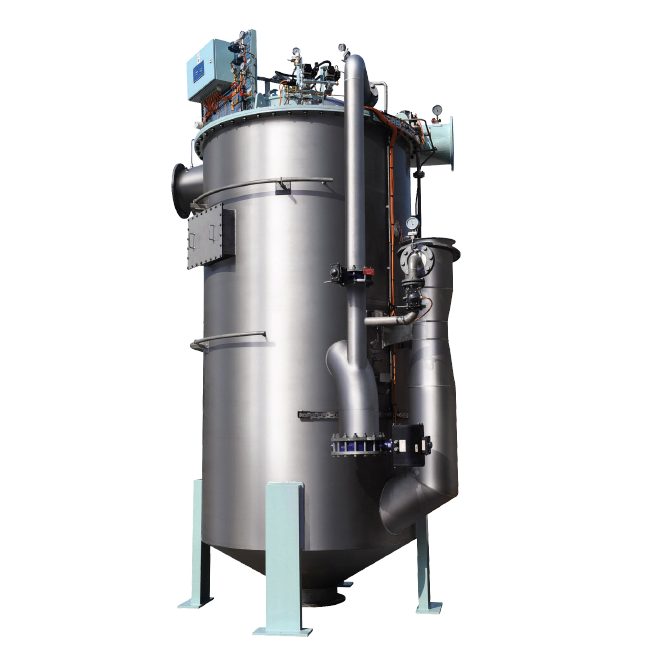
- Area: Oxygen analyzer sampling lines clogged with carbon depositsCheck: Perform periodic cleaning and inspection of all inert gas sampling pipes to oxygen analyzer; check for blockages, corrosion, cracks in inlet pipes. Add to planned maintenance schedule (minimum semi-annually)
- Area: Scrubber tower fouling, corrosion, internal damageCheck: Inspect scrubber shell and bottom through access covers/manholes; check for corrosion, fouling, and damage to cooling water pipes and spray nozzles. Increase frequency from annually to semi-annually if carbon deposits found
- Area: Deck seal venturi blockage and internal corrosionCheck: Open deck seal unit for internal inspection; check venturi blockages (semi-dry types), inspect for corrosion/cracks in inlet pipe/housing, examine heating coils, verify integrity of internal parts and casing
- Area: Pressure/Vacuum (P/V) breaker liquid level and seal integrityCheck: For liquid-type P/V breakers: verify gauge glass is intact/clean/level-visible, confirm correct fluid type and level maintenance, check level is marked in static condition, verify low-temperature capability if freezing conditions expected
- Area: Oxygen monitoring equipment calibration drift and alarm threshold failureCheck: Calibrate portable and fixed oxygen monitoring equipment; verify alarm setpoints (maximum 8% oxygen threshold); conduct functional test of automatic shutdown logic when oxygen exceeds safe limits
Typ-universelle Inspektionspunkte fuer Boilers (verifiziert, 2026-06).
Hamworthy Moss (Kvaerner-era product, now Wärtsilä)
1 ✓ 1 verified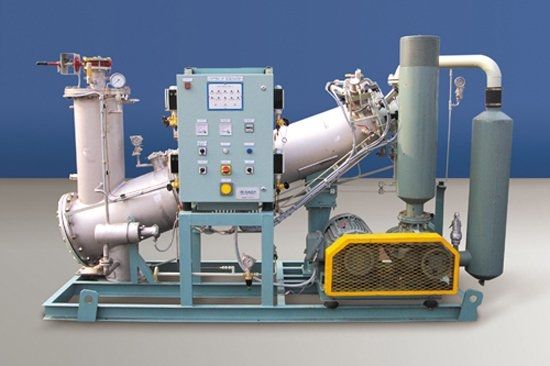
- Area: Non-Return Device Failure - Backflow PreventionCheck: Verify deck water seal and block/bleed valves operate correctly to prevent petroleum gas or liquid returning to machinery spaces; test one-way function weekly under operational conditions
- Area: Oxygen Analyzer Sampling Line BlockageCheck: Inspect IGG oxygen analyzer sampling lines for carbon deposits quarterly; clear any obstruction; ensure PMS includes periodic sampling pipe cleaning (critical missed maintenance item)
- Area: Deck Water Seal System DegradationCheck: Verify continuous water supply to deck water seal; check water level daily; test pressure alarms and trip settings monthly; inspect seal integrity for leaks or corrosion
- Area: IGG Burner and Scrubber Efficiency LossCheck: Inspect burner fuel nozzle for carbon buildup semi-annually; check scrubber demister element for scaling and corrosion; verify fan discharge pressure meets design specifications
- Area: Oxygen Content Specification ViolationCheck: Calibrate oxygen analyzer quarterly against reference gas (standard 3% O₂); confirm actual IGG output is ≤5% O₂ during cargo operations; document all measurements in engine log
Typ-universelle Inspektionspunkte fuer Boilers (verifiziert, 2026-06).
Kvaerner (E3 Tanker System Integration)
1 ✓ 1 verified
- Area: Non-Return Device Failure - Backflow PreventionCheck: Verify deck water seal and block/bleed valves operate correctly to prevent petroleum gas or liquid returning to machinery spaces; test one-way function weekly under operational conditions
- Area: Oxygen Analyzer Sampling Line BlockageCheck: Inspect IGG oxygen analyzer sampling lines for carbon deposits quarterly; clear any obstruction; ensure PMS includes periodic sampling pipe cleaning (critical missed maintenance item)
- Area: Deck Water Seal System DegradationCheck: Verify continuous water supply to deck water seal; check water level daily; test pressure alarms and trip settings monthly; inspect seal integrity for leaks or corrosion
- Area: IGG Burner and Scrubber Efficiency LossCheck: Inspect burner fuel nozzle for carbon buildup semi-annually; check scrubber demister element for scaling and corrosion; verify fan discharge pressure meets design specifications
- Area: Oxygen Content Specification ViolationCheck: Calibrate oxygen analyzer quarterly against reference gas (standard 3% O₂); confirm actual IGG output is ≤5% O₂ during cargo operations; document all measurements in engine log
Typ-universelle Inspektionspunkte fuer Boilers (verifiziert, 2026-06).
Kvaerner Ships Equipment (Moss product line)
1 ✓ 1 verified
- Area: Non-Return Device Failure - Backflow PreventionCheck: Verify deck water seal and block/bleed valves operate correctly to prevent petroleum gas or liquid returning to machinery spaces; test one-way function weekly under operational conditions
- Area: Oxygen Analyzer Sampling Line BlockageCheck: Inspect IGG oxygen analyzer sampling lines for carbon deposits quarterly; clear any obstruction; ensure PMS includes periodic sampling pipe cleaning (critical missed maintenance item)
- Area: Deck Water Seal System DegradationCheck: Verify continuous water supply to deck water seal; check water level daily; test pressure alarms and trip settings monthly; inspect seal integrity for leaks or corrosion
- Area: IGG Burner and Scrubber Efficiency LossCheck: Inspect burner fuel nozzle for carbon buildup semi-annually; check scrubber demister element for scaling and corrosion; verify fan discharge pressure meets design specifications
- Area: Oxygen Content Specification ViolationCheck: Calibrate oxygen analyzer quarterly against reference gas (standard 3% O₂); confirm actual IGG output is ≤5% O₂ during cargo operations; document all measurements in engine log
Typ-universelle Inspektionspunkte fuer Boilers (verifiziert, 2026-06).
Wärtsilä Moss (successor to Kvaerner/Hamworthy)
1 ✓ 1 verified
- Area: Non-Return Device Failure - Backflow PreventionCheck: Verify deck water seal and block/bleed valves operate correctly to prevent petroleum gas or liquid returning to machinery spaces; test one-way function weekly under operational conditions
- Area: Oxygen Analyzer Sampling Line BlockageCheck: Inspect IGG oxygen analyzer sampling lines for carbon deposits quarterly; clear any obstruction; ensure PMS includes periodic sampling pipe cleaning (critical missed maintenance item)
- Area: Deck Water Seal System DegradationCheck: Verify continuous water supply to deck water seal; check water level daily; test pressure alarms and trip settings monthly; inspect seal integrity for leaks or corrosion
- Area: IGG Burner and Scrubber Efficiency LossCheck: Inspect burner fuel nozzle for carbon buildup semi-annually; check scrubber demister element for scaling and corrosion; verify fan discharge pressure meets design specifications
- Area: Oxygen Content Specification ViolationCheck: Calibrate oxygen analyzer quarterly against reference gas (standard 3% O₂); confirm actual IGG output is ≤5% O₂ during cargo operations; document all measurements in engine log
Typ-universelle Inspektionspunkte fuer Boilers (verifiziert, 2026-06).
Smit
2- Fouling, scaling or blocked spray paths reduce treatment effectiveness and cause abnormal pressure drop or emissions readings
- Pump, blower or fan faults cause low circulation or gas flow and system shutdown
- Analyzer or sensor contamination causes incorrect gas-quality, emissions or oxygen readings
- Seal, valve or piping leakage causes liquid or gas leakage and unstable process pressure
- Control, dosing or interlock faults cause off-specification gas, alarm conditions or automatic shutdown
- High-quality inert gas production
- Reliable and safe operation
- Compliance with IMO regulations
- Low maintenance requirements
- Compact design for efficient installation
- Scrubber tower fouling can occur if not properly maintained
- Requires regular monitoring of deck seal water level
- O2 analyser drift can affect system accuracy
- SO2 breakthrough can be a concern if not properly addressed
- Higher initial investment compared to some other models
- Fouling, scaling or blocked spray paths reduce treatment effectiveness and cause abnormal pressure drop or emissions readings
- Pump, blower or fan faults cause low circulation or gas flow and system shutdown
- Analyzer or sensor contamination causes incorrect gas-quality, emissions or oxygen readings
- Seal, valve or piping leakage causes liquid or gas leakage and unstable process pressure
- Control, dosing or interlock faults cause off-specification gas, alarm conditions or automatic shutdown
- High gas production capacity suitable for VLCCs and LR2 tankers
- Robust refractory lining designed for long intervals between dry‑dock inspections
- Integrated scrubber system reduces NOx emissions and meets IMO D‑2 standards
- Proven track record on many large crude carriers, facilitating crew familiarity
- Modular layout allows relatively straightforward replacement of nozzle assemblies
- Refractory damage in the combustion chamber is a known recurring failure mode
- Scrubber nozzles can become blocked, requiring regular cleaning schedules
- Deck seal overflow incidents reported if water‑level monitoring is lax
- Fuel consumption higher than newer low‑NOx or dual‑fuel inert gas concepts
- Retrofit on smaller vessels may be limited by space and weight constraints
Aalborg
1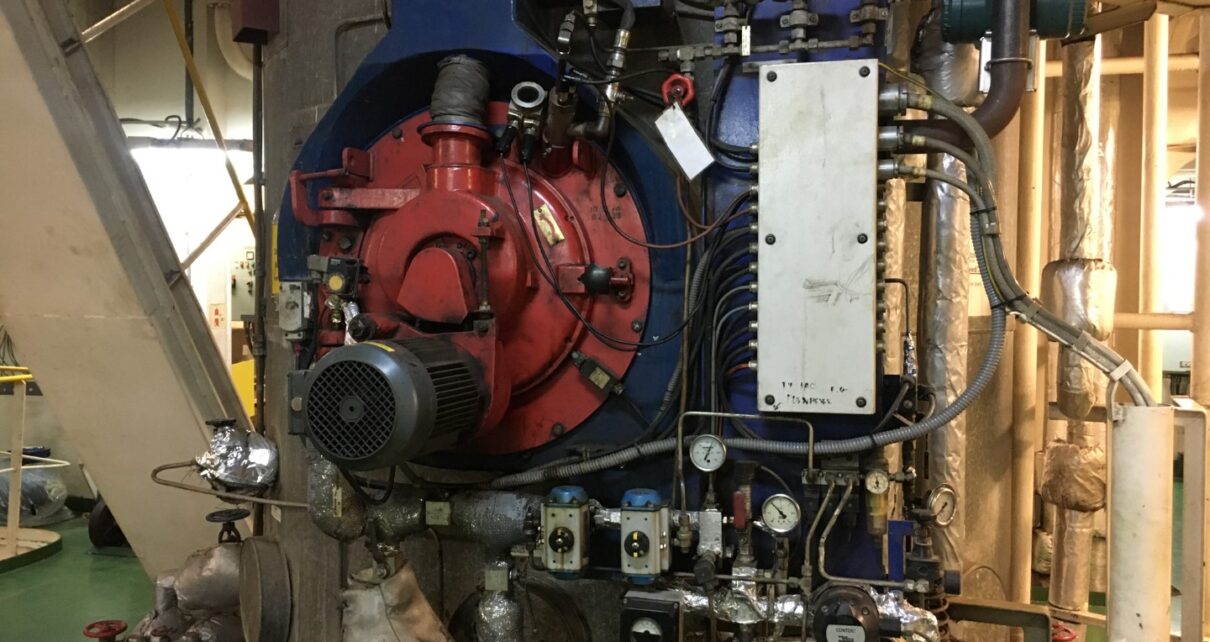
- Fouling, scaling or blocked spray paths reduce treatment effectiveness and cause abnormal pressure drop or emissions readings
- Pump, blower or fan faults cause low circulation or gas flow and system shutdown
- Analyzer or sensor contamination causes incorrect gas-quality, emissions or oxygen readings
- Seal, valve or piping leakage causes liquid or gas leakage and unstable process pressure
- Control, dosing or interlock faults cause off-specification gas, alarm conditions or automatic shutdown
- Proven, ship‑yard tested design with long service history
- Compact footprint suitable for medium‑size tankers
- Control system can maintain O₂ content below 5 % reliably
- Integrated with scrubber and non‑return valve for safety
- Requires continuous fuel oil consumption, adding to operating cost
- Mechanical wear points – blower bearings and scrubber packing need regular maintenance
- Non‑return valve failures have been reported on this model
- Less efficient than newer waste‑heat or electric IG systems for very low emissions