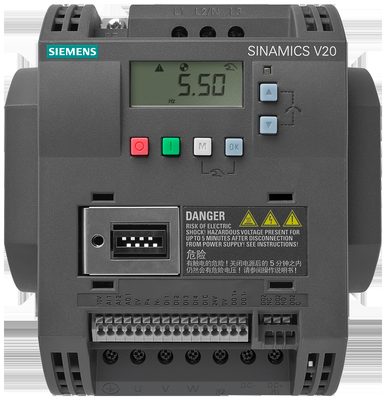
Direct Online Starter (DOL)
A direct online starter connects a motor straight to full supply voltage in one step, giving full starting torque immediately but drawing five to eight times full-load current, which is why it is only used where the supply and the driven load can absorb that inrush.
Read more — Direct Online Starter (DOL) explained ▾
What Sets Direct Online Starting Apart
A DOL starter is the simplest motor control arrangement on the ship: a contactor and overload relay, nothing more. Close the contactor and the motor sees full line voltage immediately, developing full starting torque from the first instant, which suits loads that need torque right away such as small pumps and fans. The cost of that simplicity is the inrush current, typically five to eight times the motor's rated current for a second or two, which stresses the supply switchboard and can cause a visible voltage dip that affects other equipment on the same bus. Star-delta and soft starters exist precisely to avoid that inrush; DOL is chosen instead when the motor is small enough, relative to the generator capacity, that the dip is acceptable, or when the driven load genuinely needs full torque at zero speed.
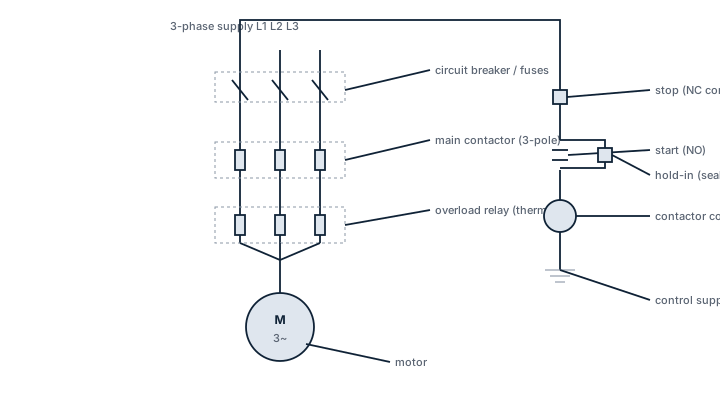
Main Components
Main Contactor
An electromagnetically operated switch that connects the three motor phases to the supply, sized by current rating and utilization category for motor duty.
Thermal Overload Relay
A protective device that trips the contactor if motor current stays above the set threshold for longer than its time-current curve allows, protecting the winding from a stalled rotor or prolonged overload.
Short-Circuit Protection
A fuse or motor circuit breaker upstream of the contactor that clears a fault current far faster than the overload relay is designed to.
Control Circuit
Start and stop pushbuttons, a holding contact that latches the contactor closed after the start button is released, and any interlocks from the process, such as a low-level cutout on a pump.
Selection and Sizing
- Motor full-load current and starting current, which set both the contactor rating and the overload relay range.
- Generator or switchboard capacity to absorb the starting inrush without an unacceptable voltage dip to other loads.
- Duty cycle of the driven equipment, since frequent starts shorten contactor contact life faster than continuous running would suggest.
- Coordination between the overload relay curve and the upstream short-circuit protection, so the two devices do not both try to clear the same fault.
Regulations and Class
Motor starters for essential services fall under class electrical installation rules covering protection coordination, short-circuit withstand and the requirement for independent overload and short-circuit protection on each motor circuit. Where the motor drives an essential auxiliary, class rules typically require the starter circuit to be arranged so a fault on one motor circuit does not disable protection on others sharing the same switchboard section. There is no IMO instrument specific to starter type; the governing requirements come through the classification society's electrical installation rules.
Typical Faults
| Fault | Cause | Consequence |
|---|---|---|
| Contactor contact welding | Repeated starts under high inrush, or attempting to interrupt a fault current | Motor cannot be stopped from the control circuit, contactor must be replaced |
| Nuisance overload tripping | Overload relay set below actual full-load current, or a genuinely tight bearing | Unplanned stoppage of the driven pump or fan |
| Failure to trip on locked rotor | Overload relay incorrectly sized or bypassed | Winding burnout on a stalled motor |
| Chattering contactor | Low control voltage or a loose control circuit connection | Contact erosion and eventual failure to hold the motor running |
What to Look for in a Supplier
- Contactor utilization category rated for motor starting duty, not a general-purpose switching category.
- Overload relay range that actually covers the motor's full-load current with margin, confirmed against the motor nameplate, not the starter's default range.
- Enclosure rating matched to the installation location, since engine room and deck locations have different ingress protection needs.
- Spare contactor and overload relay availability, since these are the components most likely to need replacement over the equipment's life.
Before blaming the motor for a trip, check whether the overload relay is actually set to the motor's nameplate current; a mismatched relay setting causes more nuisance trips than any winding fault.
4 manufacturers · 111 models
ABB
30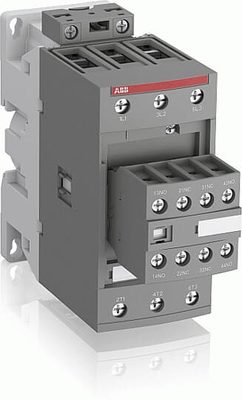
Mitsubishi
27
Rockwell/AB Marine
27
Siemens
27