Pneumatic Tool (Workshop)
Air-driven grinders, drills and chipping hammers run on the compressed-air ring main already installed for engine starting and control air, need no explosion-proof rating in a space that can carry oil vapour, and simply stall under overload instead of burning out a winding.
Read more — Pneumatic Tool (Workshop) explained ▾
What sets pneumatic tools apart from electric ones
An engine room workshop routinely deals with oil mist, damp bilges and tools dropped in standing water, all conditions that are hard on electric motors and their insulation. A pneumatic tool has no windings to short and no arcing contacts to ignite a flammable atmosphere; it runs on compressed air already available from the ship's service air system. Its other practical advantage is how it fails: overload it and the vane motor simply stalls and stops turning, rather than overheating a winding until it burns out. The trade-off is lower efficiency, since most of the compressor's work is lost as heat and noise by the time it reaches the tool, and constant noise exposure that electric tools do not carry to the same degree.
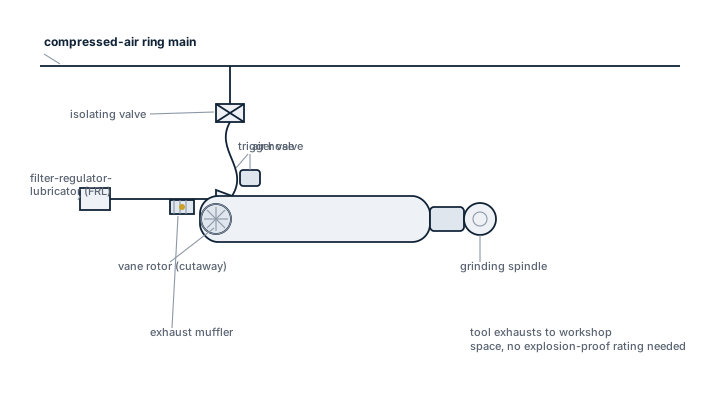
Main components
Vane motor
A rotor with sliding vanes turned by expanding compressed air; torque and speed are set by air pressure and the tool's internal gearing rather than by an electrical control, which is why pneumatic tools have a soft, stall-safe power delivery.
Governor and exhaust
Limits no-load speed so the tool does not overspeed when it comes off the work; exhaust air is typically vented through the handle, which doubles as a crude cooling path for the air motor.
Inline oiler
Most workshop air tools need a fine mist of oil in the supply air to lubricate the vane motor; without it the motor wears quickly and loses power. This is usually supplied from a lubricator fitted at the workshop drop, not built into the tool.
Chuck or attachment interface
Varies by tool type: keyless or keyed chuck on drills, threaded spindle on grinders, standard square drive on impact wrenches.
Selection and sizing
- Free air consumption of the tool against the workshop compressor's actual delivered capacity at the tool, not the compressor's nameplate output, since line losses and simultaneous demand both cut into it.
- Working pressure the tool is rated for, typically 6-7 bar; running below rated pressure quietly cuts torque long before the tool stalls, which shows up as poor cutting performance rather than an alarm.
- Hose bore and length: an undersized or long hose drops pressure at the tool under load even if the compressor is adequate.
- Task match: grinding and chipping hammers for structural work, drills and impact wrenches for machinery maintenance, die grinders for fine fabrication work.
Typical faults
| Fault | Cause | Consequence |
|---|---|---|
| Loss of power under load | Lubricator empty or set too lean, vane motor running dry | Accelerated wear, eventual seizure of the motor |
| Weak performance despite adequate compressor | Undersized hose or too many fittings between drop and tool | Pressure drop at the tool under real load, often misdiagnosed as a tool fault |
| Trigger sticks or tool runs on | Corrosion or gumming in the valve from unfiltered, wet supply air | Uncontrolled tool operation, a real safety hazard with grinders and drills |
| Rapid chuck or attachment wear | Wrong tool used for a task beyond its duty rating | Loose attachment, thrown accessory during use |
What to look for in a supplier
- Stated free air consumption and rated pressure that can be checked against the ship's actual workshop air supply.
- Housings and internals suited to a marine engine room environment, with corrosion-resistant plating on motor and gearing.
- Availability of spare vanes, seals and chucks as a stock item, since these tools see continuous wear-and-tear use.
- Documented hand-arm vibration and noise emission figures, which matter for crew exposure records.
If a pneumatic tool feels weak, check the lubricator and hose size before condemning the tool; a starved or throttled air supply is a far more common cause than a worn motor.
11 manufacturers · 196 models
Atlas Copco Tools
60- Air-motor vane or bearing wear causes reduced torque, slow speed or abnormal noise
- Contaminated or wet compressed air causes corrosion, sticking and loss of performance
- Trigger or control-valve wear causes air leakage or poor speed control
- Hose or coupling damage causes air leakage and unsafe hose movement
- Chuck, spindle, guard or tool-attachment wear causes vibration, poor retention or unsafe operation
- Air-motor vane or bearing wear causes reduced torque, slow speed or abnormal noise
- Contaminated or wet compressed air causes corrosion, sticking and loss of performance
- Trigger or control-valve wear causes air leakage or poor speed control
- Hose or coupling damage causes air leakage and unsafe hose movement
- Chuck, spindle, guard or tool-attachment wear causes vibration, poor retention or unsafe operation
- Air-motor vane or bearing wear causes reduced torque, slow speed or abnormal noise
- Contaminated or wet compressed air causes corrosion, sticking and loss of performance
- Trigger or control-valve wear causes air leakage or poor speed control
- Hose or coupling damage causes air leakage and unsafe hose movement
- Chuck, spindle, guard or tool-attachment wear causes vibration, poor retention or unsafe operation
- Air-motor vane or bearing wear causes reduced torque, slow speed or abnormal noise
- Contaminated or wet compressed air causes corrosion, sticking and loss of performance
- Trigger or control-valve wear causes air leakage or poor speed control
- Hose or coupling damage causes air leakage and unsafe hose movement
- Chuck, spindle, guard or tool-attachment wear causes vibration, poor retention or unsafe operation
- Air-motor vane or bearing wear causes reduced torque, slow speed or abnormal noise
- Contaminated or wet compressed air causes corrosion, sticking and loss of performance
- Trigger or control-valve wear causes air leakage or poor speed control
- Hose or coupling damage causes air leakage and unsafe hose movement
- Chuck, spindle, guard or tool-attachment wear causes vibration, poor retention or unsafe operation
- Air-motor vane or bearing wear causes reduced torque, slow speed or abnormal noise
- Contaminated or wet compressed air causes corrosion, sticking and loss of performance
- Trigger or control-valve wear causes air leakage or poor speed control
- Hose or coupling damage causes air leakage and unsafe hose movement
- Chuck, spindle, guard or tool-attachment wear causes vibration, poor retention or unsafe operation
- Air-motor vane or bearing wear causes reduced torque, slow speed or abnormal noise
- Contaminated or wet compressed air causes corrosion, sticking and loss of performance
- Trigger or control-valve wear causes air leakage or poor speed control
- Hose or coupling damage causes air leakage and unsafe hose movement
- Chuck, spindle, guard or tool-attachment wear causes vibration, poor retention or unsafe operation
- Air-motor vane or bearing wear causes reduced torque, slow speed or abnormal noise
- Contaminated or wet compressed air causes corrosion, sticking and loss of performance
- Trigger or control-valve wear causes air leakage or poor speed control
- Hose or coupling damage causes air leakage and unsafe hose movement
- Chuck, spindle, guard or tool-attachment wear causes vibration, poor retention or unsafe operation
- Air-motor vane or bearing wear causes reduced torque, slow speed or abnormal noise
- Contaminated or wet compressed air causes corrosion, sticking and loss of performance
- Trigger or control-valve wear causes air leakage or poor speed control
- Hose or coupling damage causes air leakage and unsafe hose movement
- Chuck, spindle, guard or tool-attachment wear causes vibration, poor retention or unsafe operation
- Air-motor vane or bearing wear causes reduced torque, slow speed or abnormal noise
- Contaminated or wet compressed air causes corrosion, sticking and loss of performance
- Trigger or control-valve wear causes air leakage or poor speed control
- Hose or coupling damage causes air leakage and unsafe hose movement
- Chuck, spindle, guard or tool-attachment wear causes vibration, poor retention or unsafe operation
- Air-motor vane or bearing wear causes reduced torque, slow speed or abnormal noise
- Contaminated or wet compressed air causes corrosion, sticking and loss of performance
- Trigger or control-valve wear causes air leakage or poor speed control
- Hose or coupling damage causes air leakage and unsafe hose movement
- Chuck, spindle, guard or tool-attachment wear causes vibration, poor retention or unsafe operation
- Air-motor vane or bearing wear causes reduced torque, slow speed or abnormal noise
- Contaminated or wet compressed air causes corrosion, sticking and loss of performance
- Trigger or control-valve wear causes air leakage or poor speed control
- Hose or coupling damage causes air leakage and unsafe hose movement
- Chuck, spindle, guard or tool-attachment wear causes vibration, poor retention or unsafe operation
- Air-motor vane or bearing wear causes reduced torque, slow speed or abnormal noise
- Contaminated or wet compressed air causes corrosion, sticking and loss of performance
- Trigger or control-valve wear causes air leakage or poor speed control
- Hose or coupling damage causes air leakage and unsafe hose movement
- Chuck, spindle, guard or tool-attachment wear causes vibration, poor retention or unsafe operation
- Air-motor vane or bearing wear causes reduced torque, slow speed or abnormal noise
- Contaminated or wet compressed air causes corrosion, sticking and loss of performance
- Trigger or control-valve wear causes air leakage or poor speed control
- Hose or coupling damage causes air leakage and unsafe hose movement
- Chuck, spindle, guard or tool-attachment wear causes vibration, poor retention or unsafe operation
- Air-motor vane or bearing wear causes reduced torque, slow speed or abnormal noise
- Contaminated or wet compressed air causes corrosion, sticking and loss of performance
- Trigger or control-valve wear causes air leakage or poor speed control
- Hose or coupling damage causes air leakage and unsafe hose movement
- Chuck, spindle, guard or tool-attachment wear causes vibration, poor retention or unsafe operation
- Air-motor vane or bearing wear causes reduced torque, slow speed or abnormal noise
- Contaminated or wet compressed air causes corrosion, sticking and loss of performance
- Trigger or control-valve wear causes air leakage or poor speed control
- Hose or coupling damage causes air leakage and unsafe hose movement
- Chuck, spindle, guard or tool-attachment wear causes vibration, poor retention or unsafe operation
- Air-motor vane or bearing wear causes reduced torque, slow speed or abnormal noise
- Contaminated or wet compressed air causes corrosion, sticking and loss of performance
- Trigger or control-valve wear causes air leakage or poor speed control
- Hose or coupling damage causes air leakage and unsafe hose movement
- Chuck, spindle, guard or tool-attachment wear causes vibration, poor retention or unsafe operation
- Air-motor vane or bearing wear causes reduced torque, slow speed or abnormal noise
- Contaminated or wet compressed air causes corrosion, sticking and loss of performance
- Trigger or control-valve wear causes air leakage or poor speed control
- Hose or coupling damage causes air leakage and unsafe hose movement
- Chuck, spindle, guard or tool-attachment wear causes vibration, poor retention or unsafe operation
- Air-motor vane or bearing wear causes reduced torque, slow speed or abnormal noise
- Contaminated or wet compressed air causes corrosion, sticking and loss of performance
- Trigger or control-valve wear causes air leakage or poor speed control
- Hose or coupling damage causes air leakage and unsafe hose movement
- Chuck, spindle, guard or tool-attachment wear causes vibration, poor retention or unsafe operation
- Air-motor vane or bearing wear causes reduced torque, slow speed or abnormal noise
- Contaminated or wet compressed air causes corrosion, sticking and loss of performance
- Trigger or control-valve wear causes air leakage or poor speed control
- Hose or coupling damage causes air leakage and unsafe hose movement
- Chuck, spindle, guard or tool-attachment wear causes vibration, poor retention or unsafe operation
- Air-motor vane or bearing wear causes reduced torque, slow speed or abnormal noise
- Contaminated or wet compressed air causes corrosion, sticking and loss of performance
- Trigger or control-valve wear causes air leakage or poor speed control
- Hose or coupling damage causes air leakage and unsafe hose movement
- Chuck, spindle, guard or tool-attachment wear causes vibration, poor retention or unsafe operation
- Air-motor vane or bearing wear causes reduced torque, slow speed or abnormal noise
- Contaminated or wet compressed air causes corrosion, sticking and loss of performance
- Trigger or control-valve wear causes air leakage or poor speed control
- Hose or coupling damage causes air leakage and unsafe hose movement
- Chuck, spindle, guard or tool-attachment wear causes vibration, poor retention or unsafe operation
- Air-motor vane or bearing wear causes reduced torque, slow speed or abnormal noise
- Contaminated or wet compressed air causes corrosion, sticking and loss of performance
- Trigger or control-valve wear causes air leakage or poor speed control
- Hose or coupling damage causes air leakage and unsafe hose movement
- Chuck, spindle, guard or tool-attachment wear causes vibration, poor retention or unsafe operation
- Air-motor vane or bearing wear causes reduced torque, slow speed or abnormal noise
- Contaminated or wet compressed air causes corrosion, sticking and loss of performance
- Trigger or control-valve wear causes air leakage or poor speed control
- Hose or coupling damage causes air leakage and unsafe hose movement
- Chuck, spindle, guard or tool-attachment wear causes vibration, poor retention or unsafe operation
- Air-motor vane or bearing wear causes reduced torque, slow speed or abnormal noise
- Contaminated or wet compressed air causes corrosion, sticking and loss of performance
- Trigger or control-valve wear causes air leakage or poor speed control
- Hose or coupling damage causes air leakage and unsafe hose movement
- Chuck, spindle, guard or tool-attachment wear causes vibration, poor retention or unsafe operation
- Air-motor vane or bearing wear causes reduced torque, slow speed or abnormal noise
- Contaminated or wet compressed air causes corrosion, sticking and loss of performance
- Trigger or control-valve wear causes air leakage or poor speed control
- Hose or coupling damage causes air leakage and unsafe hose movement
- Chuck, spindle, guard or tool-attachment wear causes vibration, poor retention or unsafe operation
- Air-motor vane or bearing wear causes reduced torque, slow speed or abnormal noise
- Contaminated or wet compressed air causes corrosion, sticking and loss of performance
- Trigger or control-valve wear causes air leakage or poor speed control
- Hose or coupling damage causes air leakage and unsafe hose movement
- Chuck, spindle, guard or tool-attachment wear causes vibration, poor retention or unsafe operation
- Air-motor vane or bearing wear causes reduced torque, slow speed or abnormal noise
- Contaminated or wet compressed air causes corrosion, sticking and loss of performance
- Trigger or control-valve wear causes air leakage or poor speed control
- Hose or coupling damage causes air leakage and unsafe hose movement
- Chuck, spindle, guard or tool-attachment wear causes vibration, poor retention or unsafe operation
- Air-motor vane or bearing wear causes reduced torque, slow speed or abnormal noise
- Contaminated or wet compressed air causes corrosion, sticking and loss of performance
- Trigger or control-valve wear causes air leakage or poor speed control
- Hose or coupling damage causes air leakage and unsafe hose movement
- Chuck, spindle, guard or tool-attachment wear causes vibration, poor retention or unsafe operation
- Air-motor vane or bearing wear causes reduced torque, slow speed or abnormal noise
- Contaminated or wet compressed air causes corrosion, sticking and loss of performance
- Trigger or control-valve wear causes air leakage or poor speed control
- Hose or coupling damage causes air leakage and unsafe hose movement
- Chuck, spindle, guard or tool-attachment wear causes vibration, poor retention or unsafe operation
- Air-motor vane or bearing wear causes reduced torque, slow speed or abnormal noise
- Contaminated or wet compressed air causes corrosion, sticking and loss of performance
- Trigger or control-valve wear causes air leakage or poor speed control
- Hose or coupling damage causes air leakage and unsafe hose movement
- Chuck, spindle, guard or tool-attachment wear causes vibration, poor retention or unsafe operation
- Air-motor vane or bearing wear causes reduced torque, slow speed or abnormal noise
- Contaminated or wet compressed air causes corrosion, sticking and loss of performance
- Trigger or control-valve wear causes air leakage or poor speed control
- Hose or coupling damage causes air leakage and unsafe hose movement
- Chuck, spindle, guard or tool-attachment wear causes vibration, poor retention or unsafe operation
- Air-motor vane or bearing wear causes reduced torque, slow speed or abnormal noise
- Contaminated or wet compressed air causes corrosion, sticking and loss of performance
- Trigger or control-valve wear causes air leakage or poor speed control
- Hose or coupling damage causes air leakage and unsafe hose movement
- Chuck, spindle, guard or tool-attachment wear causes vibration, poor retention or unsafe operation
- Air-motor vane or bearing wear causes reduced torque, slow speed or abnormal noise
- Contaminated or wet compressed air causes corrosion, sticking and loss of performance
- Trigger or control-valve wear causes air leakage or poor speed control
- Hose or coupling damage causes air leakage and unsafe hose movement
- Chuck, spindle, guard or tool-attachment wear causes vibration, poor retention or unsafe operation
- Air-motor vane or bearing wear causes reduced torque, slow speed or abnormal noise
- Contaminated or wet compressed air causes corrosion, sticking and loss of performance
- Trigger or control-valve wear causes air leakage or poor speed control
- Hose or coupling damage causes air leakage and unsafe hose movement
- Chuck, spindle, guard or tool-attachment wear causes vibration, poor retention or unsafe operation
- Air-motor vane or bearing wear causes reduced torque, slow speed or abnormal noise
- Contaminated or wet compressed air causes corrosion, sticking and loss of performance
- Trigger or control-valve wear causes air leakage or poor speed control
- Hose or coupling damage causes air leakage and unsafe hose movement
- Chuck, spindle, guard or tool-attachment wear causes vibration, poor retention or unsafe operation
- Air-motor vane or bearing wear causes reduced torque, slow speed or abnormal noise
- Contaminated or wet compressed air causes corrosion, sticking and loss of performance
- Trigger or control-valve wear causes air leakage or poor speed control
- Hose or coupling damage causes air leakage and unsafe hose movement
- Chuck, spindle, guard or tool-attachment wear causes vibration, poor retention or unsafe operation
- Air-motor vane or bearing wear causes reduced torque, slow speed or abnormal noise
- Contaminated or wet compressed air causes corrosion, sticking and loss of performance
- Trigger or control-valve wear causes air leakage or poor speed control
- Hose or coupling damage causes air leakage and unsafe hose movement
- Chuck, spindle, guard or tool-attachment wear causes vibration, poor retention or unsafe operation
- Air-motor vane or bearing wear causes reduced torque, slow speed or abnormal noise
- Contaminated or wet compressed air causes corrosion, sticking and loss of performance
- Trigger or control-valve wear causes air leakage or poor speed control
- Hose or coupling damage causes air leakage and unsafe hose movement
- Chuck, spindle, guard or tool-attachment wear causes vibration, poor retention or unsafe operation
- Air-motor vane or bearing wear causes reduced torque, slow speed or abnormal noise
- Contaminated or wet compressed air causes corrosion, sticking and loss of performance
- Trigger or control-valve wear causes air leakage or poor speed control
- Hose or coupling damage causes air leakage and unsafe hose movement
- Chuck, spindle, guard or tool-attachment wear causes vibration, poor retention or unsafe operation
- Air-motor vane or bearing wear causes reduced torque, slow speed or abnormal noise
- Contaminated or wet compressed air causes corrosion, sticking and loss of performance
- Trigger or control-valve wear causes air leakage or poor speed control
- Hose or coupling damage causes air leakage and unsafe hose movement
- Chuck, spindle, guard or tool-attachment wear causes vibration, poor retention or unsafe operation
- Air-motor vane or bearing wear causes reduced torque, slow speed or abnormal noise
- Contaminated or wet compressed air causes corrosion, sticking and loss of performance
- Trigger or control-valve wear causes air leakage or poor speed control
- Hose or coupling damage causes air leakage and unsafe hose movement
- Chuck, spindle, guard or tool-attachment wear causes vibration, poor retention or unsafe operation
- Air-motor vane or bearing wear causes reduced torque, slow speed or abnormal noise
- Contaminated or wet compressed air causes corrosion, sticking and loss of performance
- Trigger or control-valve wear causes air leakage or poor speed control
- Hose or coupling damage causes air leakage and unsafe hose movement
- Chuck, spindle, guard or tool-attachment wear causes vibration, poor retention or unsafe operation
- Air-motor vane or bearing wear causes reduced torque, slow speed or abnormal noise
- Contaminated or wet compressed air causes corrosion, sticking and loss of performance
- Trigger or control-valve wear causes air leakage or poor speed control
- Hose or coupling damage causes air leakage and unsafe hose movement
- Chuck, spindle, guard or tool-attachment wear causes vibration, poor retention or unsafe operation
- Air-motor vane or bearing wear causes reduced torque, slow speed or abnormal noise
- Contaminated or wet compressed air causes corrosion, sticking and loss of performance
- Trigger or control-valve wear causes air leakage or poor speed control
- Hose or coupling damage causes air leakage and unsafe hose movement
- Chuck, spindle, guard or tool-attachment wear causes vibration, poor retention or unsafe operation
- Air-motor vane or bearing wear causes reduced torque, slow speed or abnormal noise
- Contaminated or wet compressed air causes corrosion, sticking and loss of performance
- Trigger or control-valve wear causes air leakage or poor speed control
- Hose or coupling damage causes air leakage and unsafe hose movement
- Chuck, spindle, guard or tool-attachment wear causes vibration, poor retention or unsafe operation
- Air-motor vane or bearing wear causes reduced torque, slow speed or abnormal noise
- Contaminated or wet compressed air causes corrosion, sticking and loss of performance
- Trigger or control-valve wear causes air leakage or poor speed control
- Hose or coupling damage causes air leakage and unsafe hose movement
- Chuck, spindle, guard or tool-attachment wear causes vibration, poor retention or unsafe operation
- Air-motor vane or bearing wear causes reduced torque, slow speed or abnormal noise
- Contaminated or wet compressed air causes corrosion, sticking and loss of performance
- Trigger or control-valve wear causes air leakage or poor speed control
- Hose or coupling damage causes air leakage and unsafe hose movement
- Chuck, spindle, guard or tool-attachment wear causes vibration, poor retention or unsafe operation
- Air-motor vane or bearing wear causes reduced torque, slow speed or abnormal noise
- Contaminated or wet compressed air causes corrosion, sticking and loss of performance
- Trigger or control-valve wear causes air leakage or poor speed control
- Hose or coupling damage causes air leakage and unsafe hose movement
- Chuck, spindle, guard or tool-attachment wear causes vibration, poor retention or unsafe operation
- Air-motor vane or bearing wear causes reduced torque, slow speed or abnormal noise
- Contaminated or wet compressed air causes corrosion, sticking and loss of performance
- Trigger or control-valve wear causes air leakage or poor speed control
- Hose or coupling damage causes air leakage and unsafe hose movement
- Chuck, spindle, guard or tool-attachment wear causes vibration, poor retention or unsafe operation
- Air-motor vane or bearing wear causes reduced torque, slow speed or abnormal noise
- Contaminated or wet compressed air causes corrosion, sticking and loss of performance
- Trigger or control-valve wear causes air leakage or poor speed control
- Hose or coupling damage causes air leakage and unsafe hose movement
- Chuck, spindle, guard or tool-attachment wear causes vibration, poor retention or unsafe operation
- Air-motor vane or bearing wear causes reduced torque, slow speed or abnormal noise
- Contaminated or wet compressed air causes corrosion, sticking and loss of performance
- Trigger or control-valve wear causes air leakage or poor speed control
- Hose or coupling damage causes air leakage and unsafe hose movement
- Chuck, spindle, guard or tool-attachment wear causes vibration, poor retention or unsafe operation
- Air-motor vane or bearing wear causes reduced torque, slow speed or abnormal noise
- Contaminated or wet compressed air causes corrosion, sticking and loss of performance
- Trigger or control-valve wear causes air leakage or poor speed control
- Hose or coupling damage causes air leakage and unsafe hose movement
- Chuck, spindle, guard or tool-attachment wear causes vibration, poor retention or unsafe operation
- Air-motor vane or bearing wear causes reduced torque, slow speed or abnormal noise
- Contaminated or wet compressed air causes corrosion, sticking and loss of performance
- Trigger or control-valve wear causes air leakage or poor speed control
- Hose or coupling damage causes air leakage and unsafe hose movement
- Chuck, spindle, guard or tool-attachment wear causes vibration, poor retention or unsafe operation
- Air-motor vane or bearing wear causes reduced torque, slow speed or abnormal noise
- Contaminated or wet compressed air causes corrosion, sticking and loss of performance
- Trigger or control-valve wear causes air leakage or poor speed control
- Hose or coupling damage causes air leakage and unsafe hose movement
- Chuck, spindle, guard or tool-attachment wear causes vibration, poor retention or unsafe operation
- Air-motor vane or bearing wear causes reduced torque, slow speed or abnormal noise
- Contaminated or wet compressed air causes corrosion, sticking and loss of performance
- Trigger or control-valve wear causes air leakage or poor speed control
- Hose or coupling damage causes air leakage and unsafe hose movement
- Chuck, spindle, guard or tool-attachment wear causes vibration, poor retention or unsafe operation
- Air-motor vane or bearing wear causes reduced torque, slow speed or abnormal noise
- Contaminated or wet compressed air causes corrosion, sticking and loss of performance
- Trigger or control-valve wear causes air leakage or poor speed control
- Hose or coupling damage causes air leakage and unsafe hose movement
- Chuck, spindle, guard or tool-attachment wear causes vibration, poor retention or unsafe operation
- Air-motor vane or bearing wear causes reduced torque, slow speed or abnormal noise
- Contaminated or wet compressed air causes corrosion, sticking and loss of performance
- Trigger or control-valve wear causes air leakage or poor speed control
- Hose or coupling damage causes air leakage and unsafe hose movement
- Chuck, spindle, guard or tool-attachment wear causes vibration, poor retention or unsafe operation
- Air-motor vane or bearing wear causes reduced torque, slow speed or abnormal noise
- Contaminated or wet compressed air causes corrosion, sticking and loss of performance
- Trigger or control-valve wear causes air leakage or poor speed control
- Hose or coupling damage causes air leakage and unsafe hose movement
- Chuck, spindle, guard or tool-attachment wear causes vibration, poor retention or unsafe operation
- Air-motor vane or bearing wear causes reduced torque, slow speed or abnormal noise
- Contaminated or wet compressed air causes corrosion, sticking and loss of performance
- Trigger or control-valve wear causes air leakage or poor speed control
- Hose or coupling damage causes air leakage and unsafe hose movement
- Chuck, spindle, guard or tool-attachment wear causes vibration, poor retention or unsafe operation
Bosch Marine
30- Air-motor vane or bearing wear causes reduced torque, slow speed or abnormal noise
- Contaminated or wet air causes corrosion, sticking and loss of performance
- Trigger or control-valve wear causes air leakage or poor speed control
- Hose or coupling damage causes air leakage and unsafe whip risk
- Tool attachment, chuck or guard wear causes vibration, poor retention or unsafe operation
- Dirty or wet air causes sticking vanes or valves, noticed as weak or erratic operation
- Worn seals create air leakage and reduced torque or tool speed
- Damaged hoses or couplings leak or disconnect and create an obvious pressure loss
- Poor lubrication accelerates internal wear, noticed as noise, overheating or loss of performance
- Worn chucks, sockets or working attachments cause slipping, vibration or poor work quality
- Dirty or wet air causes sticking vanes or valves, noticed as weak or erratic operation
- Worn seals create air leakage and reduced torque or tool speed
- Damaged hoses or couplings leak or disconnect and create an obvious pressure loss
- Poor lubrication accelerates internal wear, noticed as noise, overheating or loss of performance
- Worn chucks, sockets or working attachments cause slipping, vibration or poor work quality
- Air-motor vane or bearing wear causes reduced torque, slow speed or abnormal noise
- Contaminated or wet air causes corrosion, sticking and loss of performance
- Trigger or control-valve wear causes air leakage or poor speed control
- Hose or coupling damage causes air leakage and unsafe whip risk
- Tool attachment, chuck or guard wear causes vibration, poor retention or unsafe operation
- Dirty or wet air causes sticking vanes or valves, noticed as weak or erratic operation
- Worn seals create air leakage and reduced torque or tool speed
- Damaged hoses or couplings leak or disconnect and create an obvious pressure loss
- Poor lubrication accelerates internal wear, noticed as noise, overheating or loss of performance
- Worn chucks, sockets or working attachments cause slipping, vibration or poor work quality
- Dirty or wet air causes sticking vanes or valves, noticed as weak or erratic operation
- Worn seals create air leakage and reduced torque or tool speed
- Damaged hoses or couplings leak or disconnect and create an obvious pressure loss
- Poor lubrication accelerates internal wear, noticed as noise, overheating or loss of performance
- Worn chucks, sockets or working attachments cause slipping, vibration or poor work quality
- Air-motor vane or bearing wear causes reduced torque, slow speed or abnormal noise
- Contaminated or wet air causes corrosion, sticking and loss of performance
- Trigger or control-valve wear causes air leakage or poor speed control
- Hose or coupling damage causes air leakage and unsafe whip risk
- Tool attachment, chuck or guard wear causes vibration, poor retention or unsafe operation
- Dirty or wet air causes sticking vanes or valves, noticed as weak or erratic operation
- Worn seals create air leakage and reduced torque or tool speed
- Damaged hoses or couplings leak or disconnect and create an obvious pressure loss
- Poor lubrication accelerates internal wear, noticed as noise, overheating or loss of performance
- Worn chucks, sockets or working attachments cause slipping, vibration or poor work quality
- Dirty or wet air causes sticking vanes or valves, noticed as weak or erratic operation
- Worn seals create air leakage and reduced torque or tool speed
- Damaged hoses or couplings leak or disconnect and create an obvious pressure loss
- Poor lubrication accelerates internal wear, noticed as noise, overheating or loss of performance
- Worn chucks, sockets or working attachments cause slipping, vibration or poor work quality
- Air-motor vane or bearing wear causes reduced torque, slow speed or abnormal noise
- Contaminated or wet air causes corrosion, sticking and loss of performance
- Trigger or control-valve wear causes air leakage or poor speed control
- Hose or coupling damage causes air leakage and unsafe whip risk
- Tool attachment, chuck or guard wear causes vibration, poor retention or unsafe operation
- Dirty or wet air causes sticking vanes or valves, noticed as weak or erratic operation
- Worn seals create air leakage and reduced torque or tool speed
- Damaged hoses or couplings leak or disconnect and create an obvious pressure loss
- Poor lubrication accelerates internal wear, noticed as noise, overheating or loss of performance
- Worn chucks, sockets or working attachments cause slipping, vibration or poor work quality
- Dirty or wet air causes sticking vanes or valves, noticed as weak or erratic operation
- Worn seals create air leakage and reduced torque or tool speed
- Damaged hoses or couplings leak or disconnect and create an obvious pressure loss
- Poor lubrication accelerates internal wear, noticed as noise, overheating or loss of performance
- Worn chucks, sockets or working attachments cause slipping, vibration or poor work quality
- Air-motor vane or bearing wear causes reduced torque, slow speed or abnormal noise
- Contaminated or wet air causes corrosion, sticking and loss of performance
- Trigger or control-valve wear causes air leakage or poor speed control
- Hose or coupling damage causes air leakage and unsafe whip risk
- Tool attachment, chuck or guard wear causes vibration, poor retention or unsafe operation
- Dirty or wet air causes sticking vanes or valves, noticed as weak or erratic operation
- Worn seals create air leakage and reduced torque or tool speed
- Damaged hoses or couplings leak or disconnect and create an obvious pressure loss
- Poor lubrication accelerates internal wear, noticed as noise, overheating or loss of performance
- Worn chucks, sockets or working attachments cause slipping, vibration or poor work quality
- Dirty or wet air causes sticking vanes or valves, noticed as weak or erratic operation
- Worn seals create air leakage and reduced torque or tool speed
- Damaged hoses or couplings leak or disconnect and create an obvious pressure loss
- Poor lubrication accelerates internal wear, noticed as noise, overheating or loss of performance
- Worn chucks, sockets or working attachments cause slipping, vibration or poor work quality
- Air-motor vane or bearing wear causes reduced torque, slow speed or abnormal noise
- Contaminated or wet air causes corrosion, sticking and loss of performance
- Trigger or control-valve wear causes air leakage or poor speed control
- Hose or coupling damage causes air leakage and unsafe whip risk
- Tool attachment, chuck or guard wear causes vibration, poor retention or unsafe operation
- Dirty or wet air causes sticking vanes or valves, noticed as weak or erratic operation
- Worn seals create air leakage and reduced torque or tool speed
- Damaged hoses or couplings leak or disconnect and create an obvious pressure loss
- Poor lubrication accelerates internal wear, noticed as noise, overheating or loss of performance
- Worn chucks, sockets or working attachments cause slipping, vibration or poor work quality
- Dirty or wet air causes sticking vanes or valves, noticed as weak or erratic operation
- Worn seals create air leakage and reduced torque or tool speed
- Damaged hoses or couplings leak or disconnect and create an obvious pressure loss
- Poor lubrication accelerates internal wear, noticed as noise, overheating or loss of performance
- Worn chucks, sockets or working attachments cause slipping, vibration or poor work quality
- Air-motor vane or bearing wear causes reduced torque, slow speed or abnormal noise
- Contaminated or wet air causes corrosion, sticking and loss of performance
- Trigger or control-valve wear causes air leakage or poor speed control
- Hose or coupling damage causes air leakage and unsafe whip risk
- Tool attachment, chuck or guard wear causes vibration, poor retention or unsafe operation
- Dirty or wet air causes sticking vanes or valves, noticed as weak or erratic operation
- Worn seals create air leakage and reduced torque or tool speed
- Damaged hoses or couplings leak or disconnect and create an obvious pressure loss
- Poor lubrication accelerates internal wear, noticed as noise, overheating or loss of performance
- Worn chucks, sockets or working attachments cause slipping, vibration or poor work quality
- Dirty or wet air causes sticking vanes or valves, noticed as weak or erratic operation
- Worn seals create air leakage and reduced torque or tool speed
- Damaged hoses or couplings leak or disconnect and create an obvious pressure loss
- Poor lubrication accelerates internal wear, noticed as noise, overheating or loss of performance
- Worn chucks, sockets or working attachments cause slipping, vibration or poor work quality
- Air-motor vane or bearing wear causes reduced torque, slow speed or abnormal noise
- Contaminated or wet air causes corrosion, sticking and loss of performance
- Trigger or control-valve wear causes air leakage or poor speed control
- Hose or coupling damage causes air leakage and unsafe whip risk
- Tool attachment, chuck or guard wear causes vibration, poor retention or unsafe operation
- Dirty or wet air causes sticking vanes or valves, noticed as weak or erratic operation
- Worn seals create air leakage and reduced torque or tool speed
- Damaged hoses or couplings leak or disconnect and create an obvious pressure loss
- Poor lubrication accelerates internal wear, noticed as noise, overheating or loss of performance
- Worn chucks, sockets or working attachments cause slipping, vibration or poor work quality
- Dirty or wet air causes sticking vanes or valves, noticed as weak or erratic operation
- Worn seals create air leakage and reduced torque or tool speed
- Damaged hoses or couplings leak or disconnect and create an obvious pressure loss
- Poor lubrication accelerates internal wear, noticed as noise, overheating or loss of performance
- Worn chucks, sockets or working attachments cause slipping, vibration or poor work quality
- Air-motor vane or bearing wear causes reduced torque, slow speed or abnormal noise
- Contaminated or wet air causes corrosion, sticking and loss of performance
- Trigger or control-valve wear causes air leakage or poor speed control
- Hose or coupling damage causes air leakage and unsafe whip risk
- Tool attachment, chuck or guard wear causes vibration, poor retention or unsafe operation
- Dirty or wet air causes sticking vanes or valves, noticed as weak or erratic operation
- Worn seals create air leakage and reduced torque or tool speed
- Damaged hoses or couplings leak or disconnect and create an obvious pressure loss
- Poor lubrication accelerates internal wear, noticed as noise, overheating or loss of performance
- Worn chucks, sockets or working attachments cause slipping, vibration or poor work quality
- Dirty or wet air causes sticking vanes or valves, noticed as weak or erratic operation
- Worn seals create air leakage and reduced torque or tool speed
- Damaged hoses or couplings leak or disconnect and create an obvious pressure loss
- Poor lubrication accelerates internal wear, noticed as noise, overheating or loss of performance
- Worn chucks, sockets or working attachments cause slipping, vibration or poor work quality
- Air-motor vane or bearing wear causes reduced torque, slow speed or abnormal noise
- Contaminated or wet air causes corrosion, sticking and loss of performance
- Trigger or control-valve wear causes air leakage or poor speed control
- Hose or coupling damage causes air leakage and unsafe whip risk
- Tool attachment, chuck or guard wear causes vibration, poor retention or unsafe operation
- Dirty or wet air causes sticking vanes or valves, noticed as weak or erratic operation
- Worn seals create air leakage and reduced torque or tool speed
- Damaged hoses or couplings leak or disconnect and create an obvious pressure loss
- Poor lubrication accelerates internal wear, noticed as noise, overheating or loss of performance
- Worn chucks, sockets or working attachments cause slipping, vibration or poor work quality
- Dirty or wet air causes sticking vanes or valves, noticed as weak or erratic operation
- Worn seals create air leakage and reduced torque or tool speed
- Damaged hoses or couplings leak or disconnect and create an obvious pressure loss
- Poor lubrication accelerates internal wear, noticed as noise, overheating or loss of performance
- Worn chucks, sockets or working attachments cause slipping, vibration or poor work quality
VESSEL
30- Loss of electrical, hydraulic, pneumatic, or other service supply caused by a tripped protection device, leakage, blockage, or upstream fault results in failed starting or loss of function
- Mechanical wear, corrosion, fouling, or contamination of moving and wetted parts causes increased noise, leakage, sticking, vibration, or reduced performance
- Seal, gasket, hose, cable, or connection deterioration from age, heat, vibration, or environmental exposure produces visible leakage, intermittent signals, or loss of pressure
- Sensor, switch, actuator, relay, or control-system faults can cause incorrect indication, nuisance alarms, failed automatic sequences, or loss of remote control
- Incorrect adjustment, assembly, or maintenance can lead to unstable operation, recurrent alarms, or performance that differs from the vessel's normal baseline
- Loss of electrical, hydraulic, pneumatic, or other service supply caused by a tripped protection device, leakage, blockage, or upstream fault results in failed starting or loss of function
- Mechanical wear, corrosion, fouling, or contamination of moving and wetted parts causes increased noise, leakage, sticking, vibration, or reduced performance
- Seal, gasket, hose, cable, or connection deterioration from age, heat, vibration, or environmental exposure produces visible leakage, intermittent signals, or loss of pressure
- Sensor, switch, actuator, relay, or control-system faults can cause incorrect indication, nuisance alarms, failed automatic sequences, or loss of remote control
- Incorrect adjustment, assembly, or maintenance can lead to unstable operation, recurrent alarms, or performance that differs from the vessel's normal baseline
- Loss of electrical, hydraulic, pneumatic, or other service supply caused by a tripped protection device, leakage, blockage, or upstream fault results in failed starting or loss of function
- Mechanical wear, corrosion, fouling, or contamination of moving and wetted parts causes increased noise, leakage, sticking, vibration, or reduced performance
- Seal, gasket, hose, cable, or connection deterioration from age, heat, vibration, or environmental exposure produces visible leakage, intermittent signals, or loss of pressure
- Sensor, switch, actuator, relay, or control-system faults can cause incorrect indication, nuisance alarms, failed automatic sequences, or loss of remote control
- Incorrect adjustment, assembly, or maintenance can lead to unstable operation, recurrent alarms, or performance that differs from the vessel's normal baseline
- Loss of electrical, hydraulic, pneumatic, or other service supply caused by a tripped protection device, leakage, blockage, or upstream fault results in failed starting or loss of function
- Mechanical wear, corrosion, fouling, or contamination of moving and wetted parts causes increased noise, leakage, sticking, vibration, or reduced performance
- Seal, gasket, hose, cable, or connection deterioration from age, heat, vibration, or environmental exposure produces visible leakage, intermittent signals, or loss of pressure
- Sensor, switch, actuator, relay, or control-system faults can cause incorrect indication, nuisance alarms, failed automatic sequences, or loss of remote control
- Incorrect adjustment, assembly, or maintenance can lead to unstable operation, recurrent alarms, or performance that differs from the vessel's normal baseline
- Loss of electrical, hydraulic, pneumatic, or other service supply caused by a tripped protection device, leakage, blockage, or upstream fault results in failed starting or loss of function
- Mechanical wear, corrosion, fouling, or contamination of moving and wetted parts causes increased noise, leakage, sticking, vibration, or reduced performance
- Seal, gasket, hose, cable, or connection deterioration from age, heat, vibration, or environmental exposure produces visible leakage, intermittent signals, or loss of pressure
- Sensor, switch, actuator, relay, or control-system faults can cause incorrect indication, nuisance alarms, failed automatic sequences, or loss of remote control
- Incorrect adjustment, assembly, or maintenance can lead to unstable operation, recurrent alarms, or performance that differs from the vessel's normal baseline
- Loss of electrical, hydraulic, pneumatic, or other service supply caused by a tripped protection device, leakage, blockage, or upstream fault results in failed starting or loss of function
- Mechanical wear, corrosion, fouling, or contamination of moving and wetted parts causes increased noise, leakage, sticking, vibration, or reduced performance
- Seal, gasket, hose, cable, or connection deterioration from age, heat, vibration, or environmental exposure produces visible leakage, intermittent signals, or loss of pressure
- Sensor, switch, actuator, relay, or control-system faults can cause incorrect indication, nuisance alarms, failed automatic sequences, or loss of remote control
- Incorrect adjustment, assembly, or maintenance can lead to unstable operation, recurrent alarms, or performance that differs from the vessel's normal baseline
- Loss of electrical, hydraulic, pneumatic, or other service supply caused by a tripped protection device, leakage, blockage, or upstream fault results in failed starting or loss of function
- Mechanical wear, corrosion, fouling, or contamination of moving and wetted parts causes increased noise, leakage, sticking, vibration, or reduced performance
- Seal, gasket, hose, cable, or connection deterioration from age, heat, vibration, or environmental exposure produces visible leakage, intermittent signals, or loss of pressure
- Sensor, switch, actuator, relay, or control-system faults can cause incorrect indication, nuisance alarms, failed automatic sequences, or loss of remote control
- Incorrect adjustment, assembly, or maintenance can lead to unstable operation, recurrent alarms, or performance that differs from the vessel's normal baseline
- Loss of electrical, hydraulic, pneumatic, or other service supply caused by a tripped protection device, leakage, blockage, or upstream fault results in failed starting or loss of function
- Mechanical wear, corrosion, fouling, or contamination of moving and wetted parts causes increased noise, leakage, sticking, vibration, or reduced performance
- Seal, gasket, hose, cable, or connection deterioration from age, heat, vibration, or environmental exposure produces visible leakage, intermittent signals, or loss of pressure
- Sensor, switch, actuator, relay, or control-system faults can cause incorrect indication, nuisance alarms, failed automatic sequences, or loss of remote control
- Incorrect adjustment, assembly, or maintenance can lead to unstable operation, recurrent alarms, or performance that differs from the vessel's normal baseline
- Loss of electrical, hydraulic, pneumatic, or other service supply caused by a tripped protection device, leakage, blockage, or upstream fault results in failed starting or loss of function
- Mechanical wear, corrosion, fouling, or contamination of moving and wetted parts causes increased noise, leakage, sticking, vibration, or reduced performance
- Seal, gasket, hose, cable, or connection deterioration from age, heat, vibration, or environmental exposure produces visible leakage, intermittent signals, or loss of pressure
- Sensor, switch, actuator, relay, or control-system faults can cause incorrect indication, nuisance alarms, failed automatic sequences, or loss of remote control
- Incorrect adjustment, assembly, or maintenance can lead to unstable operation, recurrent alarms, or performance that differs from the vessel's normal baseline
- Loss of electrical, hydraulic, pneumatic, or other service supply caused by a tripped protection device, leakage, blockage, or upstream fault results in failed starting or loss of function
- Mechanical wear, corrosion, fouling, or contamination of moving and wetted parts causes increased noise, leakage, sticking, vibration, or reduced performance
- Seal, gasket, hose, cable, or connection deterioration from age, heat, vibration, or environmental exposure produces visible leakage, intermittent signals, or loss of pressure
- Sensor, switch, actuator, relay, or control-system faults can cause incorrect indication, nuisance alarms, failed automatic sequences, or loss of remote control
- Incorrect adjustment, assembly, or maintenance can lead to unstable operation, recurrent alarms, or performance that differs from the vessel's normal baseline
- Loss of electrical, hydraulic, pneumatic, or other service supply caused by a tripped protection device, leakage, blockage, or upstream fault results in failed starting or loss of function
- Mechanical wear, corrosion, fouling, or contamination of moving and wetted parts causes increased noise, leakage, sticking, vibration, or reduced performance
- Seal, gasket, hose, cable, or connection deterioration from age, heat, vibration, or environmental exposure produces visible leakage, intermittent signals, or loss of pressure
- Sensor, switch, actuator, relay, or control-system faults can cause incorrect indication, nuisance alarms, failed automatic sequences, or loss of remote control
- Incorrect adjustment, assembly, or maintenance can lead to unstable operation, recurrent alarms, or performance that differs from the vessel's normal baseline
- Loss of electrical, hydraulic, pneumatic, or other service supply caused by a tripped protection device, leakage, blockage, or upstream fault results in failed starting or loss of function
- Mechanical wear, corrosion, fouling, or contamination of moving and wetted parts causes increased noise, leakage, sticking, vibration, or reduced performance
- Seal, gasket, hose, cable, or connection deterioration from age, heat, vibration, or environmental exposure produces visible leakage, intermittent signals, or loss of pressure
- Sensor, switch, actuator, relay, or control-system faults can cause incorrect indication, nuisance alarms, failed automatic sequences, or loss of remote control
- Incorrect adjustment, assembly, or maintenance can lead to unstable operation, recurrent alarms, or performance that differs from the vessel's normal baseline
- Loss of electrical, hydraulic, pneumatic, or other service supply caused by a tripped protection device, leakage, blockage, or upstream fault results in failed starting or loss of function
- Mechanical wear, corrosion, fouling, or contamination of moving and wetted parts causes increased noise, leakage, sticking, vibration, or reduced performance
- Seal, gasket, hose, cable, or connection deterioration from age, heat, vibration, or environmental exposure produces visible leakage, intermittent signals, or loss of pressure
- Sensor, switch, actuator, relay, or control-system faults can cause incorrect indication, nuisance alarms, failed automatic sequences, or loss of remote control
- Incorrect adjustment, assembly, or maintenance can lead to unstable operation, recurrent alarms, or performance that differs from the vessel's normal baseline
- Loss of electrical, hydraulic, pneumatic, or other service supply caused by a tripped protection device, leakage, blockage, or upstream fault results in failed starting or loss of function
- Mechanical wear, corrosion, fouling, or contamination of moving and wetted parts causes increased noise, leakage, sticking, vibration, or reduced performance
- Seal, gasket, hose, cable, or connection deterioration from age, heat, vibration, or environmental exposure produces visible leakage, intermittent signals, or loss of pressure
- Sensor, switch, actuator, relay, or control-system faults can cause incorrect indication, nuisance alarms, failed automatic sequences, or loss of remote control
- Incorrect adjustment, assembly, or maintenance can lead to unstable operation, recurrent alarms, or performance that differs from the vessel's normal baseline
- Loss of electrical, hydraulic, pneumatic, or other service supply caused by a tripped protection device, leakage, blockage, or upstream fault results in failed starting or loss of function
- Mechanical wear, corrosion, fouling, or contamination of moving and wetted parts causes increased noise, leakage, sticking, vibration, or reduced performance
- Seal, gasket, hose, cable, or connection deterioration from age, heat, vibration, or environmental exposure produces visible leakage, intermittent signals, or loss of pressure
- Sensor, switch, actuator, relay, or control-system faults can cause incorrect indication, nuisance alarms, failed automatic sequences, or loss of remote control
- Incorrect adjustment, assembly, or maintenance can lead to unstable operation, recurrent alarms, or performance that differs from the vessel's normal baseline
- Loss of electrical, hydraulic, pneumatic, or other service supply caused by a tripped protection device, leakage, blockage, or upstream fault results in failed starting or loss of function
- Mechanical wear, corrosion, fouling, or contamination of moving and wetted parts causes increased noise, leakage, sticking, vibration, or reduced performance
- Seal, gasket, hose, cable, or connection deterioration from age, heat, vibration, or environmental exposure produces visible leakage, intermittent signals, or loss of pressure
- Sensor, switch, actuator, relay, or control-system faults can cause incorrect indication, nuisance alarms, failed automatic sequences, or loss of remote control
- Incorrect adjustment, assembly, or maintenance can lead to unstable operation, recurrent alarms, or performance that differs from the vessel's normal baseline
- Loss of electrical, hydraulic, pneumatic, or other service supply caused by a tripped protection device, leakage, blockage, or upstream fault results in failed starting or loss of function
- Mechanical wear, corrosion, fouling, or contamination of moving and wetted parts causes increased noise, leakage, sticking, vibration, or reduced performance
- Seal, gasket, hose, cable, or connection deterioration from age, heat, vibration, or environmental exposure produces visible leakage, intermittent signals, or loss of pressure
- Sensor, switch, actuator, relay, or control-system faults can cause incorrect indication, nuisance alarms, failed automatic sequences, or loss of remote control
- Incorrect adjustment, assembly, or maintenance can lead to unstable operation, recurrent alarms, or performance that differs from the vessel's normal baseline
- Loss of electrical, hydraulic, pneumatic, or other service supply caused by a tripped protection device, leakage, blockage, or upstream fault results in failed starting or loss of function
- Mechanical wear, corrosion, fouling, or contamination of moving and wetted parts causes increased noise, leakage, sticking, vibration, or reduced performance
- Seal, gasket, hose, cable, or connection deterioration from age, heat, vibration, or environmental exposure produces visible leakage, intermittent signals, or loss of pressure
- Sensor, switch, actuator, relay, or control-system faults can cause incorrect indication, nuisance alarms, failed automatic sequences, or loss of remote control
- Incorrect adjustment, assembly, or maintenance can lead to unstable operation, recurrent alarms, or performance that differs from the vessel's normal baseline
- Loss of electrical, hydraulic, pneumatic, or other service supply caused by a tripped protection device, leakage, blockage, or upstream fault results in failed starting or loss of function
- Mechanical wear, corrosion, fouling, or contamination of moving and wetted parts causes increased noise, leakage, sticking, vibration, or reduced performance
- Seal, gasket, hose, cable, or connection deterioration from age, heat, vibration, or environmental exposure produces visible leakage, intermittent signals, or loss of pressure
- Sensor, switch, actuator, relay, or control-system faults can cause incorrect indication, nuisance alarms, failed automatic sequences, or loss of remote control
- Incorrect adjustment, assembly, or maintenance can lead to unstable operation, recurrent alarms, or performance that differs from the vessel's normal baseline
- Loss of electrical, hydraulic, pneumatic, or other service supply caused by a tripped protection device, leakage, blockage, or upstream fault results in failed starting or loss of function
- Mechanical wear, corrosion, fouling, or contamination of moving and wetted parts causes increased noise, leakage, sticking, vibration, or reduced performance
- Seal, gasket, hose, cable, or connection deterioration from age, heat, vibration, or environmental exposure produces visible leakage, intermittent signals, or loss of pressure
- Sensor, switch, actuator, relay, or control-system faults can cause incorrect indication, nuisance alarms, failed automatic sequences, or loss of remote control
- Incorrect adjustment, assembly, or maintenance can lead to unstable operation, recurrent alarms, or performance that differs from the vessel's normal baseline
- Loss of electrical, hydraulic, pneumatic, or other service supply caused by a tripped protection device, leakage, blockage, or upstream fault results in failed starting or loss of function
- Mechanical wear, corrosion, fouling, or contamination of moving and wetted parts causes increased noise, leakage, sticking, vibration, or reduced performance
- Seal, gasket, hose, cable, or connection deterioration from age, heat, vibration, or environmental exposure produces visible leakage, intermittent signals, or loss of pressure
- Sensor, switch, actuator, relay, or control-system faults can cause incorrect indication, nuisance alarms, failed automatic sequences, or loss of remote control
- Incorrect adjustment, assembly, or maintenance can lead to unstable operation, recurrent alarms, or performance that differs from the vessel's normal baseline
- Loss of electrical, hydraulic, pneumatic, or other service supply caused by a tripped protection device, leakage, blockage, or upstream fault results in failed starting or loss of function
- Mechanical wear, corrosion, fouling, or contamination of moving and wetted parts causes increased noise, leakage, sticking, vibration, or reduced performance
- Seal, gasket, hose, cable, or connection deterioration from age, heat, vibration, or environmental exposure produces visible leakage, intermittent signals, or loss of pressure
- Sensor, switch, actuator, relay, or control-system faults can cause incorrect indication, nuisance alarms, failed automatic sequences, or loss of remote control
- Incorrect adjustment, assembly, or maintenance can lead to unstable operation, recurrent alarms, or performance that differs from the vessel's normal baseline
- Loss of electrical, hydraulic, pneumatic, or other service supply caused by a tripped protection device, leakage, blockage, or upstream fault results in failed starting or loss of function
- Mechanical wear, corrosion, fouling, or contamination of moving and wetted parts causes increased noise, leakage, sticking, vibration, or reduced performance
- Seal, gasket, hose, cable, or connection deterioration from age, heat, vibration, or environmental exposure produces visible leakage, intermittent signals, or loss of pressure
- Sensor, switch, actuator, relay, or control-system faults can cause incorrect indication, nuisance alarms, failed automatic sequences, or loss of remote control
- Incorrect adjustment, assembly, or maintenance can lead to unstable operation, recurrent alarms, or performance that differs from the vessel's normal baseline
- Loss of electrical, hydraulic, pneumatic, or other service supply caused by a tripped protection device, leakage, blockage, or upstream fault results in failed starting or loss of function
- Mechanical wear, corrosion, fouling, or contamination of moving and wetted parts causes increased noise, leakage, sticking, vibration, or reduced performance
- Seal, gasket, hose, cable, or connection deterioration from age, heat, vibration, or environmental exposure produces visible leakage, intermittent signals, or loss of pressure
- Sensor, switch, actuator, relay, or control-system faults can cause incorrect indication, nuisance alarms, failed automatic sequences, or loss of remote control
- Incorrect adjustment, assembly, or maintenance can lead to unstable operation, recurrent alarms, or performance that differs from the vessel's normal baseline
- Loss of electrical, hydraulic, pneumatic, or other service supply caused by a tripped protection device, leakage, blockage, or upstream fault results in failed starting or loss of function
- Mechanical wear, corrosion, fouling, or contamination of moving and wetted parts causes increased noise, leakage, sticking, vibration, or reduced performance
- Seal, gasket, hose, cable, or connection deterioration from age, heat, vibration, or environmental exposure produces visible leakage, intermittent signals, or loss of pressure
- Sensor, switch, actuator, relay, or control-system faults can cause incorrect indication, nuisance alarms, failed automatic sequences, or loss of remote control
- Incorrect adjustment, assembly, or maintenance can lead to unstable operation, recurrent alarms, or performance that differs from the vessel's normal baseline
- Loss of electrical, hydraulic, pneumatic, or other service supply caused by a tripped protection device, leakage, blockage, or upstream fault results in failed starting or loss of function
- Mechanical wear, corrosion, fouling, or contamination of moving and wetted parts causes increased noise, leakage, sticking, vibration, or reduced performance
- Seal, gasket, hose, cable, or connection deterioration from age, heat, vibration, or environmental exposure produces visible leakage, intermittent signals, or loss of pressure
- Sensor, switch, actuator, relay, or control-system faults can cause incorrect indication, nuisance alarms, failed automatic sequences, or loss of remote control
- Incorrect adjustment, assembly, or maintenance can lead to unstable operation, recurrent alarms, or performance that differs from the vessel's normal baseline
- Loss of electrical, hydraulic, pneumatic, or other service supply caused by a tripped protection device, leakage, blockage, or upstream fault results in failed starting or loss of function
- Mechanical wear, corrosion, fouling, or contamination of moving and wetted parts causes increased noise, leakage, sticking, vibration, or reduced performance
- Seal, gasket, hose, cable, or connection deterioration from age, heat, vibration, or environmental exposure produces visible leakage, intermittent signals, or loss of pressure
- Sensor, switch, actuator, relay, or control-system faults can cause incorrect indication, nuisance alarms, failed automatic sequences, or loss of remote control
- Incorrect adjustment, assembly, or maintenance can lead to unstable operation, recurrent alarms, or performance that differs from the vessel's normal baseline
- Loss of electrical, hydraulic, pneumatic, or other service supply caused by a tripped protection device, leakage, blockage, or upstream fault results in failed starting or loss of function
- Mechanical wear, corrosion, fouling, or contamination of moving and wetted parts causes increased noise, leakage, sticking, vibration, or reduced performance
- Seal, gasket, hose, cable, or connection deterioration from age, heat, vibration, or environmental exposure produces visible leakage, intermittent signals, or loss of pressure
- Sensor, switch, actuator, relay, or control-system faults can cause incorrect indication, nuisance alarms, failed automatic sequences, or loss of remote control
- Incorrect adjustment, assembly, or maintenance can lead to unstable operation, recurrent alarms, or performance that differs from the vessel's normal baseline
- Loss of electrical, hydraulic, pneumatic, or other service supply caused by a tripped protection device, leakage, blockage, or upstream fault results in failed starting or loss of function
- Mechanical wear, corrosion, fouling, or contamination of moving and wetted parts causes increased noise, leakage, sticking, vibration, or reduced performance
- Seal, gasket, hose, cable, or connection deterioration from age, heat, vibration, or environmental exposure produces visible leakage, intermittent signals, or loss of pressure
- Sensor, switch, actuator, relay, or control-system faults can cause incorrect indication, nuisance alarms, failed automatic sequences, or loss of remote control
- Incorrect adjustment, assembly, or maintenance can lead to unstable operation, recurrent alarms, or performance that differs from the vessel's normal baseline
- Loss of electrical, hydraulic, pneumatic, or other service supply caused by a tripped protection device, leakage, blockage, or upstream fault results in failed starting or loss of function
- Mechanical wear, corrosion, fouling, or contamination of moving and wetted parts causes increased noise, leakage, sticking, vibration, or reduced performance
- Seal, gasket, hose, cable, or connection deterioration from age, heat, vibration, or environmental exposure produces visible leakage, intermittent signals, or loss of pressure
- Sensor, switch, actuator, relay, or control-system faults can cause incorrect indication, nuisance alarms, failed automatic sequences, or loss of remote control
- Incorrect adjustment, assembly, or maintenance can lead to unstable operation, recurrent alarms, or performance that differs from the vessel's normal baseline
Ingersoll Rand Tools
16- Air leakage caused by worn seals, hoses or couplings can reduce tool power and create audible leakage
- Internal wear or poor lubrication can cause slow running, reduced torque or abnormal noise
- Water or dirt contamination in the air supply can cause sticking valves, corrosion or intermittent operation
- Damaged trigger or safety mechanism caused by impact or wear can produce unsafe or unreliable control
- Worn sockets, discs or attachments caused by normal use can cause vibration, slipping or poor work quality
- Air-motor vane or bearing wear causes reduced torque, slow speed or abnormal noise
- Contaminated or wet compressed air causes corrosion, sticking and loss of performance
- Trigger or control-valve wear causes air leakage or poor speed control
- Hose or coupling damage causes air leakage and unsafe hose movement
- Chuck, spindle, guard or tool-attachment wear causes vibration, poor retention or unsafe operation
- Air leakage caused by worn seals, hoses or couplings can reduce tool power and create audible leakage
- Internal wear or poor lubrication can cause slow running, reduced torque or abnormal noise
- Water or dirt contamination in the air supply can cause sticking valves, corrosion or intermittent operation
- Damaged trigger or safety mechanism caused by impact or wear can produce unsafe or unreliable control
- Worn sockets, discs or attachments caused by normal use can cause vibration, slipping or poor work quality
- Air leakage caused by worn seals, hoses or couplings can reduce tool power and create audible leakage
- Internal wear or poor lubrication can cause slow running, reduced torque or abnormal noise
- Water or dirt contamination in the air supply can cause sticking valves, corrosion or intermittent operation
- Damaged trigger or safety mechanism caused by impact or wear can produce unsafe or unreliable control
- Worn sockets, discs or attachments caused by normal use can cause vibration, slipping or poor work quality
- Low power caused by inadequate air pressure, restricted hose or clogged inlet screen, resulting in slow or weak tool operation
- Internal vane or motor wear caused by poor lubrication or contamination, resulting in reduced speed and irregular running
- Air leakage caused by worn seals, couplings or hose damage, resulting in audible leakage and reduced performance
- Trigger or valve sticking caused by dirt or corrosion, resulting in difficult control or failure to stop correctly
- Accessory, chuck or spindle wear caused by overload or incorrect attachment, resulting in vibration, poor tool control or damaged workpieces
- Air leakage caused by worn seals, hoses or couplings can reduce tool power and create audible leakage
- Internal wear or poor lubrication can cause slow running, reduced torque or abnormal noise
- Water or dirt contamination in the air supply can cause sticking valves, corrosion or intermittent operation
- Damaged trigger or safety mechanism caused by impact or wear can produce unsafe or unreliable control
- Worn sockets, discs or attachments caused by normal use can cause vibration, slipping or poor work quality
- Air leakage caused by worn seals, hoses or couplings can reduce tool power and create audible leakage
- Internal wear or poor lubrication can cause slow running, reduced torque or abnormal noise
- Water or dirt contamination in the air supply can cause sticking valves, corrosion or intermittent operation
- Damaged trigger or safety mechanism caused by impact or wear can produce unsafe or unreliable control
- Worn sockets, discs or attachments caused by normal use can cause vibration, slipping or poor work quality
- Air-motor vane or bearing wear causes reduced torque, slow speed or abnormal noise
- Contaminated or wet compressed air causes corrosion, sticking and loss of performance
- Trigger or control-valve wear causes air leakage or poor speed control
- Hose or coupling damage causes air leakage and unsafe hose movement
- Chuck, spindle, guard or tool-attachment wear causes vibration, poor retention or unsafe operation
- Loss of electrical, hydraulic, pneumatic, or other service supply caused by a tripped protection device, leakage, blockage, or upstream fault results in failed starting or loss of function
- Mechanical wear, corrosion, fouling, or contamination of moving and wetted parts causes increased noise, leakage, sticking, vibration, or reduced performance
- Seal, gasket, hose, cable, or connection deterioration from age, heat, vibration, or environmental exposure produces visible leakage, intermittent signals, or loss of pressure
- Sensor, switch, actuator, relay, or control-system faults can cause incorrect indication, nuisance alarms, failed automatic sequences, or loss of remote control
- Incorrect adjustment, assembly, or maintenance can lead to unstable operation, recurrent alarms, or performance that differs from the vessel's normal baseline
- Air leakage caused by worn seals, hoses or couplings can reduce tool power and create audible leakage
- Internal wear or poor lubrication can cause slow running, reduced torque or abnormal noise
- Water or dirt contamination in the air supply can cause sticking valves, corrosion or intermittent operation
- Damaged trigger or safety mechanism caused by impact or wear can produce unsafe or unreliable control
- Worn sockets, discs or attachments caused by normal use can cause vibration, slipping or poor work quality
- Loss of electrical, hydraulic, pneumatic, or other service supply caused by a tripped protection device, leakage, blockage, or upstream fault results in failed starting or loss of function
- Mechanical wear, corrosion, fouling, or contamination of moving and wetted parts causes increased noise, leakage, sticking, vibration, or reduced performance
- Seal, gasket, hose, cable, or connection deterioration from age, heat, vibration, or environmental exposure produces visible leakage, intermittent signals, or loss of pressure
- Sensor, switch, actuator, relay, or control-system faults can cause incorrect indication, nuisance alarms, failed automatic sequences, or loss of remote control
- Incorrect adjustment, assembly, or maintenance can lead to unstable operation, recurrent alarms, or performance that differs from the vessel's normal baseline
- Air-motor vane or bearing wear causes reduced torque, slow speed or abnormal noise
- Contaminated or wet compressed air causes corrosion, sticking and loss of performance
- Trigger or control-valve wear causes air leakage or poor speed control
- Hose or coupling damage causes air leakage and unsafe hose movement
- Chuck, spindle, guard or tool-attachment wear causes vibration, poor retention or unsafe operation
- Air leakage caused by worn seals, hoses or couplings can reduce tool power and create audible leakage
- Internal wear or poor lubrication can cause slow running, reduced torque or abnormal noise
- Water or dirt contamination in the air supply can cause sticking valves, corrosion or intermittent operation
- Damaged trigger or safety mechanism caused by impact or wear can produce unsafe or unreliable control
- Worn sockets, discs or attachments caused by normal use can cause vibration, slipping or poor work quality
- Air leakage caused by worn seals, hoses or couplings can reduce tool power and create audible leakage
- Internal wear or poor lubrication can cause slow running, reduced torque or abnormal noise
- Water or dirt contamination in the air supply can cause sticking valves, corrosion or intermittent operation
- Damaged trigger or safety mechanism caused by impact or wear can produce unsafe or unreliable control
- Worn sockets, discs or attachments caused by normal use can cause vibration, slipping or poor work quality
- Loss of electrical, hydraulic, pneumatic, or other service supply caused by a tripped protection device, leakage, blockage, or upstream fault results in failed starting or loss of function
- Mechanical wear, corrosion, fouling, or contamination of moving and wetted parts causes increased noise, leakage, sticking, vibration, or reduced performance
- Seal, gasket, hose, cable, or connection deterioration from age, heat, vibration, or environmental exposure produces visible leakage, intermittent signals, or loss of pressure
- Sensor, switch, actuator, relay, or control-system faults can cause incorrect indication, nuisance alarms, failed automatic sequences, or loss of remote control
- Incorrect adjustment, assembly, or maintenance can lead to unstable operation, recurrent alarms, or performance that differs from the vessel's normal baseline
- Loss of electrical, hydraulic, pneumatic, or other service supply caused by a tripped protection device, leakage, blockage, or upstream fault results in failed starting or loss of function
- Mechanical wear, corrosion, fouling, or contamination of moving and wetted parts causes increased noise, leakage, sticking, vibration, or reduced performance
- Seal, gasket, hose, cable, or connection deterioration from age, heat, vibration, or environmental exposure produces visible leakage, intermittent signals, or loss of pressure
- Sensor, switch, actuator, relay, or control-system faults can cause incorrect indication, nuisance alarms, failed automatic sequences, or loss of remote control
- Incorrect adjustment, assembly, or maintenance can lead to unstable operation, recurrent alarms, or performance that differs from the vessel's normal baseline
Chicago Pneumatic Marine
14- Air leakage caused by worn seals, hoses or couplings can reduce tool power and create audible leakage
- Internal wear or poor lubrication can cause slow running, reduced torque or abnormal noise
- Water or dirt contamination in the air supply can cause sticking valves, corrosion or intermittent operation
- Damaged trigger or safety mechanism caused by impact or wear can produce unsafe or unreliable control
- Worn sockets, discs or attachments caused by normal use can cause vibration, slipping or poor work quality
- Air leakage caused by worn seals, hoses or couplings can reduce tool power and create audible leakage
- Internal wear or poor lubrication can cause slow running, reduced torque or abnormal noise
- Water or dirt contamination in the air supply can cause sticking valves, corrosion or intermittent operation
- Damaged trigger or safety mechanism caused by impact or wear can produce unsafe or unreliable control
- Worn sockets, discs or attachments caused by normal use can cause vibration, slipping or poor work quality
- Air leakage caused by worn seals, hoses or couplings can reduce tool power and create audible leakage
- Internal wear or poor lubrication can cause slow running, reduced torque or abnormal noise
- Water or dirt contamination in the air supply can cause sticking valves, corrosion or intermittent operation
- Damaged trigger or safety mechanism caused by impact or wear can produce unsafe or unreliable control
- Worn sockets, discs or attachments caused by normal use can cause vibration, slipping or poor work quality
- Air leakage caused by worn seals, hoses or couplings can reduce tool power and create audible leakage
- Internal wear or poor lubrication can cause slow running, reduced torque or abnormal noise
- Water or dirt contamination in the air supply can cause sticking valves, corrosion or intermittent operation
- Damaged trigger or safety mechanism caused by impact or wear can produce unsafe or unreliable control
- Worn sockets, discs or attachments caused by normal use can cause vibration, slipping or poor work quality
- Air leakage caused by worn seals, hoses or couplings can reduce tool power and create audible leakage
- Internal wear or poor lubrication can cause slow running, reduced torque or abnormal noise
- Water or dirt contamination in the air supply can cause sticking valves, corrosion or intermittent operation
- Damaged trigger or safety mechanism caused by impact or wear can produce unsafe or unreliable control
- Worn sockets, discs or attachments caused by normal use can cause vibration, slipping or poor work quality
- Air leakage caused by worn seals, hoses or couplings can reduce tool power and create audible leakage
- Internal wear or poor lubrication can cause slow running, reduced torque or abnormal noise
- Water or dirt contamination in the air supply can cause sticking valves, corrosion or intermittent operation
- Damaged trigger or safety mechanism caused by impact or wear can produce unsafe or unreliable control
- Worn sockets, discs or attachments caused by normal use can cause vibration, slipping or poor work quality
- Air leakage caused by worn seals, hoses or couplings can reduce tool power and create audible leakage
- Internal wear or poor lubrication can cause slow running, reduced torque or abnormal noise
- Water or dirt contamination in the air supply can cause sticking valves, corrosion or intermittent operation
- Damaged trigger or safety mechanism caused by impact or wear can produce unsafe or unreliable control
- Worn sockets, discs or attachments caused by normal use can cause vibration, slipping or poor work quality
- Air leakage caused by worn seals, hoses or couplings can reduce tool power and create audible leakage
- Internal wear or poor lubrication can cause slow running, reduced torque or abnormal noise
- Water or dirt contamination in the air supply can cause sticking valves, corrosion or intermittent operation
- Damaged trigger or safety mechanism caused by impact or wear can produce unsafe or unreliable control
- Worn sockets, discs or attachments caused by normal use can cause vibration, slipping or poor work quality
- Air leakage caused by worn seals, hoses or couplings can reduce tool power and create audible leakage
- Internal wear or poor lubrication can cause slow running, reduced torque or abnormal noise
- Water or dirt contamination in the air supply can cause sticking valves, corrosion or intermittent operation
- Damaged trigger or safety mechanism caused by impact or wear can produce unsafe or unreliable control
- Worn sockets, discs or attachments caused by normal use can cause vibration, slipping or poor work quality
- Air leakage caused by worn seals, hoses or couplings can reduce tool power and create audible leakage
- Internal wear or poor lubrication can cause slow running, reduced torque or abnormal noise
- Water or dirt contamination in the air supply can cause sticking valves, corrosion or intermittent operation
- Damaged trigger or safety mechanism caused by impact or wear can produce unsafe or unreliable control
- Worn sockets, discs or attachments caused by normal use can cause vibration, slipping or poor work quality
- Air leakage caused by worn seals, hoses or couplings can reduce tool power and create audible leakage
- Internal wear or poor lubrication can cause slow running, reduced torque or abnormal noise
- Water or dirt contamination in the air supply can cause sticking valves, corrosion or intermittent operation
- Damaged trigger or safety mechanism caused by impact or wear can produce unsafe or unreliable control
- Worn sockets, discs or attachments caused by normal use can cause vibration, slipping or poor work quality
- Air leakage caused by worn seals, hoses or couplings can reduce tool power and create audible leakage
- Internal wear or poor lubrication can cause slow running, reduced torque or abnormal noise
- Water or dirt contamination in the air supply can cause sticking valves, corrosion or intermittent operation
- Damaged trigger or safety mechanism caused by impact or wear can produce unsafe or unreliable control
- Worn sockets, discs or attachments caused by normal use can cause vibration, slipping or poor work quality
- Air leakage caused by worn seals, hoses or couplings can reduce tool power and create audible leakage
- Internal wear or poor lubrication can cause slow running, reduced torque or abnormal noise
- Water or dirt contamination in the air supply can cause sticking valves, corrosion or intermittent operation
- Damaged trigger or safety mechanism caused by impact or wear can produce unsafe or unreliable control
- Worn sockets, discs or attachments caused by normal use can cause vibration, slipping or poor work quality
- Air leakage caused by worn seals, hoses or couplings can reduce tool power and create audible leakage
- Internal wear or poor lubrication can cause slow running, reduced torque or abnormal noise
- Water or dirt contamination in the air supply can cause sticking valves, corrosion or intermittent operation
- Damaged trigger or safety mechanism caused by impact or wear can produce unsafe or unreliable control
- Worn sockets, discs or attachments caused by normal use can cause vibration, slipping or poor work quality
Kuken Marine
8- Dirty or wet air causes sticking vanes or valves, noticed as weak or erratic operation
- Worn seals create air leakage and reduced torque or tool speed
- Damaged hoses or couplings leak or disconnect and create an obvious pressure loss
- Poor lubrication accelerates internal wear, noticed as noise, overheating or loss of performance
- Worn chucks, sockets or working attachments cause slipping, vibration or poor work quality
- Dirty or wet air causes sticking vanes or valves, noticed as weak or erratic operation
- Worn seals create air leakage and reduced torque or tool speed
- Damaged hoses or couplings leak or disconnect and create an obvious pressure loss
- Poor lubrication accelerates internal wear, noticed as noise, overheating or loss of performance
- Worn chucks, sockets or working attachments cause slipping, vibration or poor work quality
- Dirty or wet air causes sticking vanes or valves, noticed as weak or erratic operation
- Worn seals create air leakage and reduced torque or tool speed
- Damaged hoses or couplings leak or disconnect and create an obvious pressure loss
- Poor lubrication accelerates internal wear, noticed as noise, overheating or loss of performance
- Worn chucks, sockets or working attachments cause slipping, vibration or poor work quality
- Dirty or wet air causes sticking vanes or valves, noticed as weak or erratic operation
- Worn seals create air leakage and reduced torque or tool speed
- Damaged hoses or couplings leak or disconnect and create an obvious pressure loss
- Poor lubrication accelerates internal wear, noticed as noise, overheating or loss of performance
- Worn chucks, sockets or working attachments cause slipping, vibration or poor work quality
- Dirty or wet air causes sticking vanes or valves, noticed as weak or erratic operation
- Worn seals create air leakage and reduced torque or tool speed
- Damaged hoses or couplings leak or disconnect and create an obvious pressure loss
- Poor lubrication accelerates internal wear, noticed as noise, overheating or loss of performance
- Worn chucks, sockets or working attachments cause slipping, vibration or poor work quality
- Dirty or wet air causes sticking vanes or valves, noticed as weak or erratic operation
- Worn seals create air leakage and reduced torque or tool speed
- Damaged hoses or couplings leak or disconnect and create an obvious pressure loss
- Poor lubrication accelerates internal wear, noticed as noise, overheating or loss of performance
- Worn chucks, sockets or working attachments cause slipping, vibration or poor work quality
- Air-motor vane or bearing wear causes reduced torque, slow speed or abnormal noise
- Contaminated or wet air causes corrosion, sticking and loss of performance
- Trigger or control-valve wear causes air leakage or poor speed control
- Hose or coupling damage causes air leakage and unsafe whip risk
- Tool attachment, chuck or guard wear causes vibration, poor retention or unsafe operation
- Air-motor vane or bearing wear causes reduced torque, slow speed or abnormal noise
- Contaminated or wet air causes corrosion, sticking and loss of performance
- Trigger or control-valve wear causes air leakage or poor speed control
- Hose or coupling damage causes air leakage and unsafe whip risk
- Tool attachment, chuck or guard wear causes vibration, poor retention or unsafe operation
Shinano Marine
8- Low power caused by inadequate air pressure, restricted hose or clogged inlet screen, resulting in slow or weak tool operation
- Internal vane or motor wear caused by poor lubrication or contamination, resulting in reduced speed and irregular running
- Air leakage caused by worn seals, couplings or hose damage, resulting in audible leakage and reduced performance
- Trigger or valve sticking caused by dirt or corrosion, resulting in difficult control or failure to stop correctly
- Accessory, chuck or spindle wear caused by overload or incorrect attachment, resulting in vibration, poor tool control or damaged workpieces
- Low power caused by inadequate air pressure, restricted hose or clogged inlet screen, resulting in slow or weak tool operation
- Internal vane or motor wear caused by poor lubrication or contamination, resulting in reduced speed and irregular running
- Air leakage caused by worn seals, couplings or hose damage, resulting in audible leakage and reduced performance
- Trigger or valve sticking caused by dirt or corrosion, resulting in difficult control or failure to stop correctly
- Accessory, chuck or spindle wear caused by overload or incorrect attachment, resulting in vibration, poor tool control or damaged workpieces
- Low power caused by inadequate air pressure, restricted hose or clogged inlet screen, resulting in slow or weak tool operation
- Internal vane or motor wear caused by poor lubrication or contamination, resulting in reduced speed and irregular running
- Air leakage caused by worn seals, couplings or hose damage, resulting in audible leakage and reduced performance
- Trigger or valve sticking caused by dirt or corrosion, resulting in difficult control or failure to stop correctly
- Accessory, chuck or spindle wear caused by overload or incorrect attachment, resulting in vibration, poor tool control or damaged workpieces
- Low power caused by inadequate air pressure, restricted hose or clogged inlet screen, resulting in slow or weak tool operation
- Internal vane or motor wear caused by poor lubrication or contamination, resulting in reduced speed and irregular running
- Air leakage caused by worn seals, couplings or hose damage, resulting in audible leakage and reduced performance
- Trigger or valve sticking caused by dirt or corrosion, resulting in difficult control or failure to stop correctly
- Accessory, chuck or spindle wear caused by overload or incorrect attachment, resulting in vibration, poor tool control or damaged workpieces
- Low power caused by inadequate air pressure, restricted hose or clogged inlet screen, resulting in slow or weak tool operation
- Internal vane or motor wear caused by poor lubrication or contamination, resulting in reduced speed and irregular running
- Air leakage caused by worn seals, couplings or hose damage, resulting in audible leakage and reduced performance
- Trigger or valve sticking caused by dirt or corrosion, resulting in difficult control or failure to stop correctly
- Accessory, chuck or spindle wear caused by overload or incorrect attachment, resulting in vibration, poor tool control or damaged workpieces
- Low power caused by inadequate air pressure, restricted hose or clogged inlet screen, resulting in slow or weak tool operation
- Internal vane or motor wear caused by poor lubrication or contamination, resulting in reduced speed and irregular running
- Air leakage caused by worn seals, couplings or hose damage, resulting in audible leakage and reduced performance
- Trigger or valve sticking caused by dirt or corrosion, resulting in difficult control or failure to stop correctly
- Accessory, chuck or spindle wear caused by overload or incorrect attachment, resulting in vibration, poor tool control or damaged workpieces
- Low power caused by inadequate air pressure, restricted hose or clogged inlet screen, resulting in slow or weak tool operation
- Internal vane or motor wear caused by poor lubrication or contamination, resulting in reduced speed and irregular running
- Air leakage caused by worn seals, couplings or hose damage, resulting in audible leakage and reduced performance
- Trigger or valve sticking caused by dirt or corrosion, resulting in difficult control or failure to stop correctly
- Accessory, chuck or spindle wear caused by overload or incorrect attachment, resulting in vibration, poor tool control or damaged workpieces
- Low power caused by inadequate air pressure, restricted hose or clogged inlet screen, resulting in slow or weak tool operation
- Internal vane or motor wear caused by poor lubrication or contamination, resulting in reduced speed and irregular running
- Air leakage caused by worn seals, couplings or hose damage, resulting in audible leakage and reduced performance
- Trigger or valve sticking caused by dirt or corrosion, resulting in difficult control or failure to stop correctly
- Accessory, chuck or spindle wear caused by overload or incorrect attachment, resulting in vibration, poor tool control or damaged workpieces
SP Air Marine
8- Air-motor vane or bearing wear causes reduced torque, slow speed or abnormal noise
- Contaminated or wet air causes corrosion, sticking and loss of performance
- Trigger or control-valve wear causes air leakage or poor speed control
- Hose or coupling damage causes air leakage and unsafe whip risk
- Tool attachment, chuck or guard wear causes vibration, poor retention or unsafe operation
- Air-motor vane or bearing wear causes reduced torque, slow speed or abnormal noise
- Contaminated or wet air causes corrosion, sticking and loss of performance
- Trigger or control-valve wear causes air leakage or poor speed control
- Hose or coupling damage causes air leakage and unsafe whip risk
- Tool attachment, chuck or guard wear causes vibration, poor retention or unsafe operation
- Air-motor vane or bearing wear causes reduced torque, slow speed or abnormal noise
- Contaminated or wet air causes corrosion, sticking and loss of performance
- Trigger or control-valve wear causes air leakage or poor speed control
- Hose or coupling damage causes air leakage and unsafe whip risk
- Tool attachment, chuck or guard wear causes vibration, poor retention or unsafe operation
- Dirty or wet air causes sticking vanes or valves, noticed as weak or erratic operation
- Worn seals create air leakage and reduced torque or tool speed
- Damaged hoses or couplings leak or disconnect and create an obvious pressure loss
- Poor lubrication accelerates internal wear, noticed as noise, overheating or loss of performance
- Worn chucks, sockets or working attachments cause slipping, vibration or poor work quality
- Air-motor vane or bearing wear causes reduced torque, slow speed or abnormal noise
- Contaminated or wet air causes corrosion, sticking and loss of performance
- Trigger or control-valve wear causes air leakage or poor speed control
- Hose or coupling damage causes air leakage and unsafe whip risk
- Tool attachment, chuck or guard wear causes vibration, poor retention or unsafe operation
- Air-motor vane or bearing wear causes reduced torque, slow speed or abnormal noise
- Contaminated or wet air causes corrosion, sticking and loss of performance
- Trigger or control-valve wear causes air leakage or poor speed control
- Hose or coupling damage causes air leakage and unsafe whip risk
- Tool attachment, chuck or guard wear causes vibration, poor retention or unsafe operation
- Air-motor vane or bearing wear causes reduced torque, slow speed or abnormal noise
- Contaminated or wet air causes corrosion, sticking and loss of performance
- Trigger or control-valve wear causes air leakage or poor speed control
- Hose or coupling damage causes air leakage and unsafe whip risk
- Tool attachment, chuck or guard wear causes vibration, poor retention or unsafe operation
- Air-motor vane or bearing wear causes reduced torque, slow speed or abnormal noise
- Contaminated or wet air causes corrosion, sticking and loss of performance
- Trigger or control-valve wear causes air leakage or poor speed control
- Hose or coupling damage causes air leakage and unsafe whip risk
- Tool attachment, chuck or guard wear causes vibration, poor retention or unsafe operation
TONE Marine
8- Air-motor vane or bearing wear causes reduced torque, slow speed or abnormal noise
- Contaminated or wet air causes corrosion, sticking and loss of performance
- Trigger or control-valve wear causes air leakage or poor speed control
- Hose or coupling damage causes air leakage and unsafe whip risk
- Tool attachment, chuck or guard wear causes vibration, poor retention or unsafe operation
- Air-motor vane or bearing wear causes reduced torque, slow speed or abnormal noise
- Contaminated or wet air causes corrosion, sticking and loss of performance
- Trigger or control-valve wear causes air leakage or poor speed control
- Hose or coupling damage causes air leakage and unsafe whip risk
- Tool attachment, chuck or guard wear causes vibration, poor retention or unsafe operation
- Air-motor vane or bearing wear causes reduced torque, slow speed or abnormal noise
- Contaminated or wet air causes corrosion, sticking and loss of performance
- Trigger or control-valve wear causes air leakage or poor speed control
- Hose or coupling damage causes air leakage and unsafe whip risk
- Tool attachment, chuck or guard wear causes vibration, poor retention or unsafe operation
- Air-motor vane or bearing wear causes reduced torque, slow speed or abnormal noise
- Contaminated or wet air causes corrosion, sticking and loss of performance
- Trigger or control-valve wear causes air leakage or poor speed control
- Hose or coupling damage causes air leakage and unsafe whip risk
- Tool attachment, chuck or guard wear causes vibration, poor retention or unsafe operation
- Air-motor vane or bearing wear causes reduced torque, slow speed or abnormal noise
- Contaminated or wet air causes corrosion, sticking and loss of performance
- Trigger or control-valve wear causes air leakage or poor speed control
- Hose or coupling damage causes air leakage and unsafe whip risk
- Tool attachment, chuck or guard wear causes vibration, poor retention or unsafe operation
- Air-motor vane or bearing wear causes reduced torque, slow speed or abnormal noise
- Contaminated or wet air causes corrosion, sticking and loss of performance
- Trigger or control-valve wear causes air leakage or poor speed control
- Hose or coupling damage causes air leakage and unsafe whip risk
- Tool attachment, chuck or guard wear causes vibration, poor retention or unsafe operation
- Air-motor vane or bearing wear causes reduced torque, slow speed or abnormal noise
- Contaminated or wet air causes corrosion, sticking and loss of performance
- Trigger or control-valve wear causes air leakage or poor speed control
- Hose or coupling damage causes air leakage and unsafe whip risk
- Tool attachment, chuck or guard wear causes vibration, poor retention or unsafe operation
- Air-motor vane or bearing wear causes reduced torque, slow speed or abnormal noise
- Contaminated or wet air causes corrosion, sticking and loss of performance
- Trigger or control-valve wear causes air leakage or poor speed control
- Hose or coupling damage causes air leakage and unsafe whip risk
- Tool attachment, chuck or guard wear causes vibration, poor retention or unsafe operation
Yokota Marine
8- Low power caused by inadequate air pressure, restricted hose or clogged inlet screen, resulting in slow or weak tool operation
- Internal vane or motor wear caused by poor lubrication or contamination, resulting in reduced speed and irregular running
- Air leakage caused by worn seals, couplings or hose damage, resulting in audible leakage and reduced performance
- Trigger or valve sticking caused by dirt or corrosion, resulting in difficult control or failure to stop correctly
- Accessory, chuck or spindle wear caused by overload or incorrect attachment, resulting in vibration, poor tool control or damaged workpieces
- Low power caused by inadequate air pressure, restricted hose or clogged inlet screen, resulting in slow or weak tool operation
- Internal vane or motor wear caused by poor lubrication or contamination, resulting in reduced speed and irregular running
- Air leakage caused by worn seals, couplings or hose damage, resulting in audible leakage and reduced performance
- Trigger or valve sticking caused by dirt or corrosion, resulting in difficult control or failure to stop correctly
- Accessory, chuck or spindle wear caused by overload or incorrect attachment, resulting in vibration, poor tool control or damaged workpieces
- Low power caused by inadequate air pressure, restricted hose or clogged inlet screen, resulting in slow or weak tool operation
- Internal vane or motor wear caused by poor lubrication or contamination, resulting in reduced speed and irregular running
- Air leakage caused by worn seals, couplings or hose damage, resulting in audible leakage and reduced performance
- Trigger or valve sticking caused by dirt or corrosion, resulting in difficult control or failure to stop correctly
- Accessory, chuck or spindle wear caused by overload or incorrect attachment, resulting in vibration, poor tool control or damaged workpieces
- Low power caused by inadequate air pressure, restricted hose or clogged inlet screen, resulting in slow or weak tool operation
- Internal vane or motor wear caused by poor lubrication or contamination, resulting in reduced speed and irregular running
- Air leakage caused by worn seals, couplings or hose damage, resulting in audible leakage and reduced performance
- Trigger or valve sticking caused by dirt or corrosion, resulting in difficult control or failure to stop correctly
- Accessory, chuck or spindle wear caused by overload or incorrect attachment, resulting in vibration, poor tool control or damaged workpieces
- Low power caused by inadequate air pressure, restricted hose or clogged inlet screen, resulting in slow or weak tool operation
- Internal vane or motor wear caused by poor lubrication or contamination, resulting in reduced speed and irregular running
- Air leakage caused by worn seals, couplings or hose damage, resulting in audible leakage and reduced performance
- Trigger or valve sticking caused by dirt or corrosion, resulting in difficult control or failure to stop correctly
- Accessory, chuck or spindle wear caused by overload or incorrect attachment, resulting in vibration, poor tool control or damaged workpieces
- Low power caused by inadequate air pressure, restricted hose or clogged inlet screen, resulting in slow or weak tool operation
- Internal vane or motor wear caused by poor lubrication or contamination, resulting in reduced speed and irregular running
- Air leakage caused by worn seals, couplings or hose damage, resulting in audible leakage and reduced performance
- Trigger or valve sticking caused by dirt or corrosion, resulting in difficult control or failure to stop correctly
- Accessory, chuck or spindle wear caused by overload or incorrect attachment, resulting in vibration, poor tool control or damaged workpieces
- Dirty or wet air causes sticking vanes or valves, noticed as weak or erratic operation
- Worn seals create air leakage and reduced torque or tool speed
- Damaged hoses or couplings leak or disconnect and create an obvious pressure loss
- Poor lubrication accelerates internal wear, noticed as noise, overheating or loss of performance
- Worn chucks, sockets or working attachments cause slipping, vibration or poor work quality
- Dirty or wet air causes sticking vanes or valves, noticed as weak or erratic operation
- Worn seals create air leakage and reduced torque or tool speed
- Damaged hoses or couplings leak or disconnect and create an obvious pressure loss
- Poor lubrication accelerates internal wear, noticed as noise, overheating or loss of performance
- Worn chucks, sockets or working attachments cause slipping, vibration or poor work quality
Makita Marine
6- Low power caused by inadequate air pressure, restricted hose or clogged inlet screen, resulting in slow or weak tool operation
- Internal vane or motor wear caused by poor lubrication or contamination, resulting in reduced speed and irregular running
- Air leakage caused by worn seals, couplings or hose damage, resulting in audible leakage and reduced performance
- Trigger or valve sticking caused by dirt or corrosion, resulting in difficult control or failure to stop correctly
- Accessory or spindle wear caused by overload or incorrect attachment, resulting in vibration, poor tool control or damaged workpieces
- Air-motor vane or bearing wear causes reduced torque, slow speed or abnormal noise
- Contaminated or wet air causes corrosion, sticking and loss of performance
- Trigger or control-valve wear causes air leakage or poor speed control
- Hose or coupling damage causes air leakage and unsafe whip risk
- Tool attachment, chuck or guard wear causes vibration, poor retention or unsafe operation
- Low power caused by inadequate air pressure, restricted hose or clogged inlet screen, resulting in slow or weak tool operation
- Internal vane or motor wear caused by poor lubrication or contamination, resulting in reduced speed and irregular running
- Air leakage caused by worn seals, couplings or hose damage, resulting in audible leakage and reduced performance
- Trigger or valve sticking caused by dirt or corrosion, resulting in difficult control or failure to stop correctly
- Accessory or spindle wear caused by overload or incorrect attachment, resulting in vibration, poor tool control or damaged workpieces
- Air-motor vane or bearing wear causes reduced torque, slow speed or abnormal noise
- Contaminated or wet air causes corrosion, sticking and loss of performance
- Trigger or control-valve wear causes air leakage or poor speed control
- Hose or coupling damage causes air leakage and unsafe whip risk
- Tool attachment, chuck or guard wear causes vibration, poor retention or unsafe operation
- Air-motor vane or bearing wear causes reduced torque, slow speed or abnormal noise
- Contaminated or wet air causes corrosion, sticking and loss of performance
- Trigger or control-valve wear causes air leakage or poor speed control
- Hose or coupling damage causes air leakage and unsafe whip risk
- Tool attachment, chuck or guard wear causes vibration, poor retention or unsafe operation
- Air-motor vane or bearing wear causes reduced torque, slow speed or abnormal noise
- Contaminated or wet air causes corrosion, sticking and loss of performance
- Trigger or control-valve wear causes air leakage or poor speed control
- Hose or coupling damage causes air leakage and unsafe whip risk
- Tool attachment, chuck or guard wear causes vibration, poor retention or unsafe operation