Integrated Automation System (IAS)
An Integrated Automation System replaces separate alarm, control and power-management panels with one network and shared database, so a single sensor reading feeds alarm, trending and remote-control logic at once — the reason a network fault, not a sensor fault, is now the most disruptive failure mode in the engine room.
Read more — Integrated Automation System (IAS) explained ▾
What sets an IAS apart
Older engine rooms ran alarm monitoring, engine remote control and power management as three separate systems, each with its own wiring, sensors and operator panel. An IAS puts them on one redundant network with a shared database: a single temperature sensor feeds the alarm system, the trending historian and the control logic simultaneously, and one HMI screen shows all three functions. The gain is fewer duplicated sensors, consistent data across functions, and centralised diagnostics. The cost is that a network or database fault can take down alarm, control and power management together, which is why redundancy architecture — not any single component — is what defines the quality of an IAS installation.
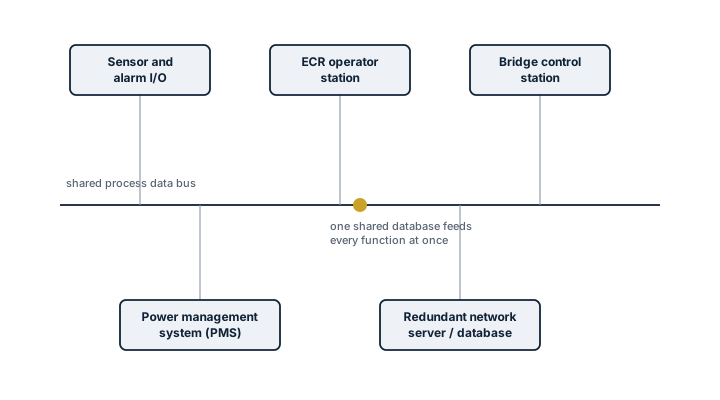
Main components
Process / controller stations
Distributed PLC or DCS-style controllers, usually installed in pairs with hot-standby or redundant CPUs, execute the control and alarm logic locally so a single controller failure does not blind the whole engine room.
Remote I/O cabinets
Field-mounted cabinets convert sensor and actuator signals to the network protocol close to the equipment, reducing long analogue cable runs and making it possible to isolate one section for maintenance without pulling wiring throughout the ship.
Network backbone
A dual, physically separated fibre or Ethernet ring connects controllers, I/O cabinets and workstations, so a single cable damage point does not isolate any station — this ring redundancy is the single most important design feature to verify at delivery.
HMI workstations and historian
Operator stations in the engine control room, bridge and cargo control room display live and trended data from the common database; a historian logs alarms and process values for troubleshooting and for evidence during incident investigation.
Selection and sizing
- I/O count and spare capacity for future retrofits, since adding points later usually means adding a whole remote I/O cabinet
- Redundancy level: single network with standalone backup panels, dual network, or fully redundant controllers matching the intended UMS/AUT notation
- Response time and alarm processing capacity under flood conditions (many simultaneous alarms, e.g. after blackout)
- Network segregation between the OT (operational technology) automation network and any IT network used for crew internet or office systems
Regulations and class
SOLAS Ch. II-1 sets requirements for periodically unattended machinery spaces, underpinning class notations such as AUT-UMS, which require specific alarm, safety and fire detection coverage before a vessel can run with an unattended engine room. IACS Unified Requirements cover the alarm and safety system functions expected for these notations. IMO's cyber risk management resolution (MSC.428(98)) pushes owners to document how the automation network is segregated and protected, which in practice shapes how IAS suppliers architect the OT/IT boundary on new installations.
Typical faults
| Cause | Consequence |
|---|---|
| Single network ring damaged at two points simultaneously | Segment isolated from the database, alarms and control lost for that section without a clear local indication |
| Software/firmware update applied without a documented rollback plan | Loss of control or nuisance alarms across multiple systems at once, since one database feeds everything |
| Remote I/O cabinet condensation or vibration-loosened terminals | Intermittent, hard-to-trace faults reported as random alarms rather than one cabinet issue |
| Undocumented IT network bridged onto the automation network | Cyber exposure and potential for a single malware event to affect propulsion or power management |
What to look for in a supplier
- Documented redundancy architecture matching the class notation being sought, not a generic industrial control platform relabelled for marine use
- Confirmed long-term software and spare-parts support, since IAS hardware generations become obsolete faster than the ship's service life
- Clear OT/IT network segregation in the delivered design, with evidence for the cyber risk management documentation
- Local training and documentation depth sufficient for the ship's own engineers to diagnose faults, not only the maker's service technicians
When an IAS starts producing a flood of unrelated alarms at once, suspect the network or database layer before chasing each sensor individually — the shared architecture that makes IAS efficient in normal operation is exactly what turns one fault into many symptoms.
19 manufacturers · 418 models
ABB
108- Controller, input-output or power-supply failure caused by electronics faults or overheating, resulting in lost signals, module alarms or partial system shutdown
- Network communication failure caused by damaged cabling, switch faults or configuration errors, resulting in stale data, disconnected stations or redundancy alarms
- Field-sensor or actuator fault caused by wiring, calibration or mechanical problems, resulting in implausible process values or failed commands
- Software or configuration error caused by unauthorized changes or corrupted files, resulting in incorrect logic, alarms or unavailable functions
- Redundancy or UPS failure caused by battery, power-supply or synchronization faults, resulting in loss of backup capability and increased single-failure exposure
- Loose or degraded electrical connection caused by thermal cycling, vibration or poor termination, resulting in local overheating, phase imbalance or intermittent faults
- Power-electronic, breaker or contactor failure caused by aging, overload or electrical stress, resulting in trips, inability to switch or loss of output
- Cooling or ventilation failure caused by blocked filters or fan wear, resulting in elevated internal temperature and protective alarms
- Insulation deterioration caused by moisture, salt, heat or contamination, resulting in earth faults, low insulation resistance or nuisance trips
- Control, protection or communication failure caused by sensor, relay, network or configuration faults, resulting in incorrect operation or unavailable functions
- Loose or degraded electrical connection caused by thermal cycling, vibration or poor termination, resulting in local overheating, phase imbalance or intermittent faults
- Power-electronic, breaker or contactor failure caused by aging, overload or electrical stress, resulting in trips, inability to switch or loss of output
- Cooling or ventilation failure caused by blocked filters or fan wear, resulting in elevated internal temperature and protective alarms
- Insulation deterioration caused by moisture, salt, heat or contamination, resulting in earth faults, low insulation resistance or nuisance trips
- Control, protection or communication failure caused by sensor, relay, network or configuration faults, resulting in incorrect operation or unavailable functions
- Loose or degraded electrical connection caused by thermal cycling, vibration or poor termination, resulting in local overheating, phase imbalance or intermittent faults
- Power-electronic, breaker or contactor failure caused by aging, overload or electrical stress, resulting in trips, inability to switch or loss of output
- Cooling or ventilation failure caused by blocked filters or fan wear, resulting in elevated internal temperature and protective alarms
- Insulation deterioration caused by moisture, salt, heat or contamination, resulting in earth faults, low insulation resistance or nuisance trips
- Control, protection or communication failure caused by sensor, relay, network or configuration faults, resulting in incorrect operation or unavailable functions
- Loose or degraded electrical connection caused by thermal cycling, vibration or poor termination, resulting in local overheating, phase imbalance or intermittent faults
- Power-electronic, breaker or contactor failure caused by aging, overload or electrical stress, resulting in trips, inability to switch or loss of output
- Cooling or ventilation failure caused by blocked filters or fan wear, resulting in elevated internal temperature and protective alarms
- Insulation deterioration caused by moisture, salt, heat or contamination, resulting in earth faults, low insulation resistance or nuisance trips
- Control, protection or communication failure caused by sensor, relay, network or configuration faults, resulting in incorrect operation or unavailable functions
- Loose or degraded electrical connection caused by thermal cycling, vibration or poor termination, resulting in local overheating, phase imbalance or intermittent faults
- Power-electronic, breaker or contactor failure caused by aging, overload or electrical stress, resulting in trips, inability to switch or loss of output
- Cooling or ventilation failure caused by blocked filters or fan wear, resulting in elevated internal temperature and protective alarms
- Insulation deterioration caused by moisture, salt, heat or contamination, resulting in earth faults, low insulation resistance or nuisance trips
- Control, protection or communication failure caused by sensor, relay, network or configuration faults, resulting in incorrect operation or unavailable functions
- Loose or degraded electrical connection caused by thermal cycling, vibration or poor termination, resulting in local overheating, phase imbalance or intermittent faults
- Power-electronic, breaker or contactor failure caused by aging, overload or electrical stress, resulting in trips, inability to switch or loss of output
- Cooling or ventilation failure caused by blocked filters or fan wear, resulting in elevated internal temperature and protective alarms
- Insulation deterioration caused by moisture, salt, heat or contamination, resulting in earth faults, low insulation resistance or nuisance trips
- Control, protection or communication failure caused by sensor, relay, network or configuration faults, resulting in incorrect operation or unavailable functions
- Loose or degraded electrical connection caused by thermal cycling, vibration or poor termination, resulting in local overheating, phase imbalance or intermittent faults
- Power-electronic, breaker or contactor failure caused by aging, overload or electrical stress, resulting in trips, inability to switch or loss of output
- Cooling or ventilation failure caused by blocked filters or fan wear, resulting in elevated internal temperature and protective alarms
- Insulation deterioration caused by moisture, salt, heat or contamination, resulting in earth faults, low insulation resistance or nuisance trips
- Control, protection or communication failure caused by sensor, relay, network or configuration faults, resulting in incorrect operation or unavailable functions
- Loose or degraded electrical connection caused by thermal cycling, vibration or poor termination, resulting in local overheating, phase imbalance or intermittent faults
- Power-electronic, breaker or contactor failure caused by aging, overload or electrical stress, resulting in trips, inability to switch or loss of output
- Cooling or ventilation failure caused by blocked filters or fan wear, resulting in elevated internal temperature and protective alarms
- Insulation deterioration caused by moisture, salt, heat or contamination, resulting in earth faults, low insulation resistance or nuisance trips
- Control, protection or communication failure caused by sensor, relay, network or configuration faults, resulting in incorrect operation or unavailable functions
- Loose or degraded electrical connection caused by thermal cycling, vibration or poor termination, resulting in local overheating, phase imbalance or intermittent faults
- Power-electronic, breaker or contactor failure caused by aging, overload or electrical stress, resulting in trips, inability to switch or loss of output
- Cooling or ventilation failure caused by blocked filters or fan wear, resulting in elevated internal temperature and protective alarms
- Insulation deterioration caused by moisture, salt, heat or contamination, resulting in earth faults, low insulation resistance or nuisance trips
- Control, protection or communication failure caused by sensor, relay, network or configuration faults, resulting in incorrect operation or unavailable functions
- Loose or degraded electrical connection caused by thermal cycling, vibration or poor termination, resulting in local overheating, phase imbalance or intermittent faults
- Power-electronic, breaker or contactor failure caused by aging, overload or electrical stress, resulting in trips, inability to switch or loss of output
- Cooling or ventilation failure caused by blocked filters or fan wear, resulting in elevated internal temperature and protective alarms
- Insulation deterioration caused by moisture, salt, heat or contamination, resulting in earth faults, low insulation resistance or nuisance trips
- Control, protection or communication failure caused by sensor, relay, network or configuration faults, resulting in incorrect operation or unavailable functions
- Loose or degraded electrical connection caused by thermal cycling, vibration or poor termination, resulting in local overheating, phase imbalance or intermittent faults
- Power-electronic, breaker or contactor failure caused by aging, overload or electrical stress, resulting in trips, inability to switch or loss of output
- Cooling or ventilation failure caused by blocked filters or fan wear, resulting in elevated internal temperature and protective alarms
- Insulation deterioration caused by moisture, salt, heat or contamination, resulting in earth faults, low insulation resistance or nuisance trips
- Control, protection or communication failure caused by sensor, relay, network or configuration faults, resulting in incorrect operation or unavailable functions
- Loose or degraded electrical connection caused by thermal cycling, vibration or poor termination, resulting in local overheating, phase imbalance or intermittent faults
- Power-electronic, breaker or contactor failure caused by aging, overload or electrical stress, resulting in trips, inability to switch or loss of output
- Cooling or ventilation failure caused by blocked filters or fan wear, resulting in elevated internal temperature and protective alarms
- Insulation deterioration caused by moisture, salt, heat or contamination, resulting in earth faults, low insulation resistance or nuisance trips
- Control, protection or communication failure caused by sensor, relay, network or configuration faults, resulting in incorrect operation or unavailable functions
- Loose or degraded electrical connection caused by thermal cycling, vibration or poor termination, resulting in local overheating, phase imbalance or intermittent faults
- Power-electronic, breaker or contactor failure caused by aging, overload or electrical stress, resulting in trips, inability to switch or loss of output
- Cooling or ventilation failure caused by blocked filters or fan wear, resulting in elevated internal temperature and protective alarms
- Insulation deterioration caused by moisture, salt, heat or contamination, resulting in earth faults, low insulation resistance or nuisance trips
- Control, protection or communication failure caused by sensor, relay, network or configuration faults, resulting in incorrect operation or unavailable functions
- Loose or degraded electrical connection caused by thermal cycling, vibration or poor termination, resulting in local overheating, phase imbalance or intermittent faults
- Power-electronic, breaker or contactor failure caused by aging, overload or electrical stress, resulting in trips, inability to switch or loss of output
- Cooling or ventilation failure caused by blocked filters or fan wear, resulting in elevated internal temperature and protective alarms
- Insulation deterioration caused by moisture, salt, heat or contamination, resulting in earth faults, low insulation resistance or nuisance trips
- Control, protection or communication failure caused by sensor, relay, network or configuration faults, resulting in incorrect operation or unavailable functions
- Loose or degraded electrical connection caused by thermal cycling, vibration or poor termination, resulting in local overheating, phase imbalance or intermittent faults
- Power-electronic, breaker or contactor failure caused by aging, overload or electrical stress, resulting in trips, inability to switch or loss of output
- Cooling or ventilation failure caused by blocked filters or fan wear, resulting in elevated internal temperature and protective alarms
- Insulation deterioration caused by moisture, salt, heat or contamination, resulting in earth faults, low insulation resistance or nuisance trips
- Control, protection or communication failure caused by sensor, relay, network or configuration faults, resulting in incorrect operation or unavailable functions
- Loose or degraded electrical connection caused by thermal cycling, vibration or poor termination, resulting in local overheating, phase imbalance or intermittent faults
- Power-electronic, breaker or contactor failure caused by aging, overload or electrical stress, resulting in trips, inability to switch or loss of output
- Cooling or ventilation failure caused by blocked filters or fan wear, resulting in elevated internal temperature and protective alarms
- Insulation deterioration caused by moisture, salt, heat or contamination, resulting in earth faults, low insulation resistance or nuisance trips
- Control, protection or communication failure caused by sensor, relay, network or configuration faults, resulting in incorrect operation or unavailable functions
- Loose or degraded electrical connection caused by thermal cycling, vibration or poor termination, resulting in local overheating, phase imbalance or intermittent faults
- Power-electronic, breaker or contactor failure caused by aging, overload or electrical stress, resulting in trips, inability to switch or loss of output
- Cooling or ventilation failure caused by blocked filters or fan wear, resulting in elevated internal temperature and protective alarms
- Insulation deterioration caused by moisture, salt, heat or contamination, resulting in earth faults, low insulation resistance or nuisance trips
- Control, protection or communication failure caused by sensor, relay, network or configuration faults, resulting in incorrect operation or unavailable functions
- Loose or degraded electrical connection caused by thermal cycling, vibration or poor termination, resulting in local overheating, phase imbalance or intermittent faults
- Power-electronic, breaker or contactor failure caused by aging, overload or electrical stress, resulting in trips, inability to switch or loss of output
- Cooling or ventilation failure caused by blocked filters or fan wear, resulting in elevated internal temperature and protective alarms
- Insulation deterioration caused by moisture, salt, heat or contamination, resulting in earth faults, low insulation resistance or nuisance trips
- Control, protection or communication failure caused by sensor, relay, network or configuration faults, resulting in incorrect operation or unavailable functions
- Loose or degraded electrical connection caused by thermal cycling, vibration or poor termination, resulting in local overheating, phase imbalance or intermittent faults
- Power-electronic, breaker or contactor failure caused by aging, overload or electrical stress, resulting in trips, inability to switch or loss of output
- Cooling or ventilation failure caused by blocked filters or fan wear, resulting in elevated internal temperature and protective alarms
- Insulation deterioration caused by moisture, salt, heat or contamination, resulting in earth faults, low insulation resistance or nuisance trips
- Control, protection or communication failure caused by sensor, relay, network or configuration faults, resulting in incorrect operation or unavailable functions
- Loose or degraded electrical connection caused by thermal cycling, vibration or poor termination, resulting in local overheating, phase imbalance or intermittent faults
- Power-electronic, breaker or contactor failure caused by aging, overload or electrical stress, resulting in trips, inability to switch or loss of output
- Cooling or ventilation failure caused by blocked filters or fan wear, resulting in elevated internal temperature and protective alarms
- Insulation deterioration caused by moisture, salt, heat or contamination, resulting in earth faults, low insulation resistance or nuisance trips
- Control, protection or communication failure caused by sensor, relay, network or configuration faults, resulting in incorrect operation or unavailable functions
- Loose or degraded electrical connection caused by thermal cycling, vibration or poor termination, resulting in local overheating, phase imbalance or intermittent faults
- Power-electronic, breaker or contactor failure caused by aging, overload or electrical stress, resulting in trips, inability to switch or loss of output
- Cooling or ventilation failure caused by blocked filters or fan wear, resulting in elevated internal temperature and protective alarms
- Insulation deterioration caused by moisture, salt, heat or contamination, resulting in earth faults, low insulation resistance or nuisance trips
- Control, protection or communication failure caused by sensor, relay, network or configuration faults, resulting in incorrect operation or unavailable functions
- Loose or degraded electrical connection caused by thermal cycling, vibration or poor termination, resulting in local overheating, phase imbalance or intermittent faults
- Power-electronic, breaker or contactor failure caused by aging, overload or electrical stress, resulting in trips, inability to switch or loss of output
- Cooling or ventilation failure caused by blocked filters or fan wear, resulting in elevated internal temperature and protective alarms
- Insulation deterioration caused by moisture, salt, heat or contamination, resulting in earth faults, low insulation resistance or nuisance trips
- Control, protection or communication failure caused by sensor, relay, network or configuration faults, resulting in incorrect operation or unavailable functions
- Loose or degraded electrical connection caused by thermal cycling, vibration or poor termination, resulting in local overheating, phase imbalance or intermittent faults
- Power-electronic, breaker or contactor failure caused by aging, overload or electrical stress, resulting in trips, inability to switch or loss of output
- Cooling or ventilation failure caused by blocked filters or fan wear, resulting in elevated internal temperature and protective alarms
- Insulation deterioration caused by moisture, salt, heat or contamination, resulting in earth faults, low insulation resistance or nuisance trips
- Control, protection or communication failure caused by sensor, relay, network or configuration faults, resulting in incorrect operation or unavailable functions
- Loose or degraded electrical connection caused by thermal cycling, vibration or poor termination, resulting in local overheating, phase imbalance or intermittent faults
- Power-electronic, breaker or contactor failure caused by aging, overload or electrical stress, resulting in trips, inability to switch or loss of output
- Cooling or ventilation failure caused by blocked filters or fan wear, resulting in elevated internal temperature and protective alarms
- Insulation deterioration caused by moisture, salt, heat or contamination, resulting in earth faults, low insulation resistance or nuisance trips
- Control, protection or communication failure caused by sensor, relay, network or configuration faults, resulting in incorrect operation or unavailable functions
- Loose or degraded electrical connection caused by thermal cycling, vibration or poor termination, resulting in local overheating, phase imbalance or intermittent faults
- Power-electronic, breaker or contactor failure caused by aging, overload or electrical stress, resulting in trips, inability to switch or loss of output
- Cooling or ventilation failure caused by blocked filters or fan wear, resulting in elevated internal temperature and protective alarms
- Insulation deterioration caused by moisture, salt, heat or contamination, resulting in earth faults, low insulation resistance or nuisance trips
- Control, protection or communication failure caused by sensor, relay, network or configuration faults, resulting in incorrect operation or unavailable functions
- Loose or degraded electrical connection caused by thermal cycling, vibration or poor termination, resulting in local overheating, phase imbalance or intermittent faults
- Power-electronic, breaker or contactor failure caused by aging, overload or electrical stress, resulting in trips, inability to switch or loss of output
- Cooling or ventilation failure caused by blocked filters or fan wear, resulting in elevated internal temperature and protective alarms
- Insulation deterioration caused by moisture, salt, heat or contamination, resulting in earth faults, low insulation resistance or nuisance trips
- Control, protection or communication failure caused by sensor, relay, network or configuration faults, resulting in incorrect operation or unavailable functions
- Field sensor failure or drift caused by ageing, contamination or wiring defects can create implausible values, nuisance alarms or loss of a measurement channel
- Network or communication faults caused by switch, cable or configuration problems can cause stale data, disconnected nodes or loss of remote control
- Controller, I/O or power-supply failure caused by component ageing or overheating can remove groups of signals or trigger system alarms
- Software or configuration mismatch after replacement or update can cause missing functions, incorrect scaling or communication errors
- Loose terminals or poor shielding caused by vibration or maintenance disturbance can produce intermittent signals, noise or unexplained trips
- Power-supply, UPS, fuse, or DC-distribution faults cause controller resets, dead I/O stations, or loss of displays
- Network, switch, fiber, cable, or connector faults cause communication alarms, stale data, or loss of remote control
- I/O module, sensor, transmitter, or actuator faults create bad values, nuisance alarms, or failed commands
- Controller, server, HMI, storage, or software faults cause freezes, rebooting, unavailable trends, or loss of redundancy
- Configuration, time synchronization, or database errors after maintenance cause incorrect alarms, tags, sequences, or control behavior
- Power-supply, UPS, fuse, or DC-distribution faults cause controller resets, dead I/O stations, or loss of displays
- Network, switch, fiber, cable, or connector faults cause communication alarms, stale data, or loss of remote control
- I/O module, sensor, transmitter, or actuator faults create bad values, nuisance alarms, or failed commands
- Controller, server, HMI, storage, or software faults cause freezes, rebooting, unavailable trends, or loss of redundancy
- Configuration, time synchronization, or database errors after maintenance cause incorrect alarms, tags, sequences, or control behavior
- Controller, I/O or communication faults cause lost signals, unavailable automatic functions or system alarms
- Failed sensors or incorrect scaling causes implausible values and unnecessary alarms or control action
- Power-supply or UPS faults cause controller restarts, blank operator stations or loss of redundancy
- Network or fieldbus faults cause intermittent remote I/O and communication alarms
- Software, configuration or interlock errors cause unexpected sequences, inhibited starts or incorrect shutdown behaviour
- Power-supply, UPS, fuse, or DC-distribution faults cause controller resets, dead I/O stations, or loss of displays
- Network, switch, fiber, cable, or connector faults cause communication alarms, stale data, or loss of remote control
- I/O module, sensor, transmitter, or actuator faults create bad values, nuisance alarms, or failed commands
- Controller, server, HMI, storage, or software faults cause freezes, rebooting, unavailable trends, or loss of redundancy
- Configuration, time synchronization, or database errors after maintenance cause incorrect alarms, tags, sequences, or control behavior
- Power-supply, UPS, fuse, or DC-distribution faults cause controller resets, dead I/O stations, or loss of displays
- Network, switch, fiber, cable, or connector faults cause communication alarms, stale data, or loss of remote control
- I/O module, sensor, transmitter, or actuator faults create bad values, nuisance alarms, or failed commands
- Controller, server, HMI, storage, or software faults cause freezes, rebooting, unavailable trends, or loss of redundancy
- Configuration, time synchronization, or database errors after maintenance cause incorrect alarms, tags, sequences, or control behavior
- Controller, I/O or communication faults cause lost signals, unavailable automatic functions or system alarms
- Failed sensors or incorrect scaling causes implausible values and unnecessary alarms or control action
- Power-supply or UPS faults cause controller restarts, blank operator stations or loss of redundancy
- Network or fieldbus faults cause intermittent remote I/O and communication alarms
- Software, configuration or interlock errors cause unexpected sequences, inhibited starts or incorrect shutdown behaviour
- Power-supply, UPS, fuse, or DC-distribution faults cause controller resets, dead I/O stations, or loss of displays
- Network, switch, fiber, cable, or connector faults cause communication alarms, stale data, or loss of remote control
- I/O module, sensor, transmitter, or actuator faults create bad values, nuisance alarms, or failed commands
- Controller, server, HMI, storage, or software faults cause freezes, rebooting, unavailable trends, or loss of redundancy
- Configuration, time synchronization, or database errors after maintenance cause incorrect alarms, tags, sequences, or control behavior
- Power-supply, UPS, fuse, or DC-distribution faults cause controller resets, dead I/O stations, or loss of displays
- Network, switch, fiber, cable, or connector faults cause communication alarms, stale data, or loss of remote control
- I/O module, sensor, transmitter, or actuator faults create bad values, nuisance alarms, or failed commands
- Controller, server, HMI, storage, or software faults cause freezes, rebooting, unavailable trends, or loss of redundancy
- Configuration, time synchronization, or database errors after maintenance cause incorrect alarms, tags, sequences, or control behavior
- Controller, I/O or communication faults cause lost signals, unavailable automatic functions or system alarms
- Failed sensors or incorrect scaling causes implausible values and unnecessary alarms or control action
- Power-supply or UPS faults cause controller restarts, blank operator stations or loss of redundancy
- Network or fieldbus faults cause intermittent remote I/O and communication alarms
- Software, configuration or interlock errors cause unexpected sequences, inhibited starts or incorrect shutdown behaviour
- Power-supply, UPS, fuse, or DC-distribution faults cause controller resets, dead I/O stations, or loss of displays
- Network, switch, fiber, cable, or connector faults cause communication alarms, stale data, or loss of remote control
- I/O module, sensor, transmitter, or actuator faults create bad values, nuisance alarms, or failed commands
- Controller, server, HMI, storage, or software faults cause freezes, rebooting, unavailable trends, or loss of redundancy
- Configuration, time synchronization, or database errors after maintenance cause incorrect alarms, tags, sequences, or control behavior
- Power-supply, UPS, fuse, or DC-distribution faults cause controller resets, dead I/O stations, or loss of displays
- Network, switch, fiber, cable, or connector faults cause communication alarms, stale data, or loss of remote control
- I/O module, sensor, transmitter, or actuator faults create bad values, nuisance alarms, or failed commands
- Controller, server, HMI, storage, or software faults cause freezes, rebooting, unavailable trends, or loss of redundancy
- Configuration, time synchronization, or database errors after maintenance cause incorrect alarms, tags, sequences, or control behavior
- Controller, I/O or communication faults cause lost signals, unavailable automatic functions or system alarms
- Failed sensors or incorrect scaling causes implausible values and unnecessary alarms or control action
- Power-supply or UPS faults cause controller restarts, blank operator stations or loss of redundancy
- Network or fieldbus faults cause intermittent remote I/O and communication alarms
- Software, configuration or interlock errors cause unexpected sequences, inhibited starts or incorrect shutdown behaviour
- Power-supply, UPS, fuse, or DC-distribution faults cause controller resets, dead I/O stations, or loss of displays
- Network, switch, fiber, cable, or connector faults cause communication alarms, stale data, or loss of remote control
- I/O module, sensor, transmitter, or actuator faults create bad values, nuisance alarms, or failed commands
- Controller, server, HMI, storage, or software faults cause freezes, rebooting, unavailable trends, or loss of redundancy
- Configuration, time synchronization, or database errors after maintenance cause incorrect alarms, tags, sequences, or control behavior
- Power-supply, UPS, fuse, or DC-distribution faults cause controller resets, dead I/O stations, or loss of displays
- Network, switch, fiber, cable, or connector faults cause communication alarms, stale data, or loss of remote control
- I/O module, sensor, transmitter, or actuator faults create bad values, nuisance alarms, or failed commands
- Controller, server, HMI, storage, or software faults cause freezes, rebooting, unavailable trends, or loss of redundancy
- Configuration, time synchronization, or database errors after maintenance cause incorrect alarms, tags, sequences, or control behavior
- Controller, I/O or communication faults cause lost signals, unavailable automatic functions or system alarms
- Failed sensors or incorrect scaling causes implausible values and unnecessary alarms or control action
- Power-supply or UPS faults cause controller restarts, blank operator stations or loss of redundancy
- Network or fieldbus faults cause intermittent remote I/O and communication alarms
- Software, configuration or interlock errors cause unexpected sequences, inhibited starts or incorrect shutdown behaviour
- Power-supply, UPS, fuse, or DC-distribution faults cause controller resets, dead I/O stations, or loss of displays
- Network, switch, fiber, cable, or connector faults cause communication alarms, stale data, or loss of remote control
- I/O module, sensor, transmitter, or actuator faults create bad values, nuisance alarms, or failed commands
- Controller, server, HMI, storage, or software faults cause freezes, rebooting, unavailable trends, or loss of redundancy
- Configuration, time synchronization, or database errors after maintenance cause incorrect alarms, tags, sequences, or control behavior
- Power-supply, UPS, fuse, or DC-distribution faults cause controller resets, dead I/O stations, or loss of displays
- Network, switch, fiber, cable, or connector faults cause communication alarms, stale data, or loss of remote control
- I/O module, sensor, transmitter, or actuator faults create bad values, nuisance alarms, or failed commands
- Controller, server, HMI, storage, or software faults cause freezes, rebooting, unavailable trends, or loss of redundancy
- Configuration, time synchronization, or database errors after maintenance cause incorrect alarms, tags, sequences, or control behavior
- Power-supply, UPS, fuse, or DC-distribution faults cause controller resets, dead I/O stations, or loss of displays
- Network, switch, fiber, cable, or connector faults cause communication alarms, stale data, or loss of remote control
- I/O module, sensor, transmitter, or actuator faults create bad values, nuisance alarms, or failed commands
- Controller, server, HMI, storage, or software faults cause freezes, rebooting, unavailable trends, or loss of redundancy
- Configuration, time synchronization, or database errors after maintenance cause incorrect alarms, tags, sequences, or control behavior
- Power-supply, UPS, fuse, or DC-distribution faults cause controller resets, dead I/O stations, or loss of displays
- Network, switch, fiber, cable, or connector faults cause communication alarms, stale data, or loss of remote control
- I/O module, sensor, transmitter, or actuator faults create bad values, nuisance alarms, or failed commands
- Controller, server, HMI, storage, or software faults cause freezes, rebooting, unavailable trends, or loss of redundancy
- Configuration, time synchronization, or database errors after maintenance cause incorrect alarms, tags, sequences, or control behavior
- Power-supply, UPS, fuse, or DC-distribution faults cause controller resets, dead I/O stations, or loss of displays
- Network, switch, fiber, cable, or connector faults cause communication alarms, stale data, or loss of remote control
- I/O module, sensor, transmitter, or actuator faults create bad values, nuisance alarms, or failed commands
- Controller, server, HMI, storage, or software faults cause freezes, rebooting, unavailable trends, or loss of redundancy
- Configuration, time synchronization, or database errors after maintenance cause incorrect alarms, tags, sequences, or control behavior
- Power-supply, UPS, fuse, or DC-distribution faults cause controller resets, dead I/O stations, or loss of displays
- Network, switch, fiber, cable, or connector faults cause communication alarms, stale data, or loss of remote control
- I/O module, sensor, transmitter, or actuator faults create bad values, nuisance alarms, or failed commands
- Controller, server, HMI, storage, or software faults cause freezes, rebooting, unavailable trends, or loss of redundancy
- Configuration, time synchronization, or database errors after maintenance cause incorrect alarms, tags, sequences, or control behavior
- Power-supply, UPS, fuse, or DC-distribution faults cause controller resets, dead I/O stations, or loss of displays
- Network, switch, fiber, cable, or connector faults cause communication alarms, stale data, or loss of remote control
- I/O module, sensor, transmitter, or actuator faults create bad values, nuisance alarms, or failed commands
- Controller, server, HMI, storage, or software faults cause freezes, rebooting, unavailable trends, or loss of redundancy
- Configuration, time synchronization, or database errors after maintenance cause incorrect alarms, tags, sequences, or control behavior
- Power-supply, UPS, fuse, or DC-distribution faults cause controller resets, dead I/O stations, or loss of displays
- Network, switch, fiber, cable, or connector faults cause communication alarms, stale data, or loss of remote control
- I/O module, sensor, transmitter, or actuator faults create bad values, nuisance alarms, or failed commands
- Controller, server, HMI, storage, or software faults cause freezes, rebooting, unavailable trends, or loss of redundancy
- Configuration, time synchronization, or database errors after maintenance cause incorrect alarms, tags, sequences, or control behavior
- Power-supply, UPS, fuse, or DC-distribution faults cause controller resets, dead I/O stations, or loss of displays
- Network, switch, fiber, cable, or connector faults cause communication alarms, stale data, or loss of remote control
- I/O module, sensor, transmitter, or actuator faults create bad values, nuisance alarms, or failed commands
- Controller, server, HMI, storage, or software faults cause freezes, rebooting, unavailable trends, or loss of redundancy
- Configuration, time synchronization, or database errors after maintenance cause incorrect alarms, tags, sequences, or control behavior
- Power-supply, UPS, fuse, or DC-distribution faults cause controller resets, dead I/O stations, or loss of displays
- Network, switch, fiber, cable, or connector faults cause communication alarms, stale data, or loss of remote control
- I/O module, sensor, transmitter, or actuator faults create bad values, nuisance alarms, or failed commands
- Controller, server, HMI, storage, or software faults cause freezes, rebooting, unavailable trends, or loss of redundancy
- Configuration, time synchronization, or database errors after maintenance cause incorrect alarms, tags, sequences, or control behavior
- Power-supply, UPS, fuse, or DC-distribution faults cause controller resets, dead I/O stations, or loss of displays
- Network, switch, fiber, cable, or connector faults cause communication alarms, stale data, or loss of remote control
- I/O module, sensor, transmitter, or actuator faults create bad values, nuisance alarms, or failed commands
- Controller, server, HMI, storage, or software faults cause freezes, rebooting, unavailable trends, or loss of redundancy
- Configuration, time synchronization, or database errors after maintenance cause incorrect alarms, tags, sequences, or control behavior
- Controller, I/O or communication faults cause lost signals, unavailable automatic functions or system alarms
- Failed sensors or incorrect scaling causes implausible values and unnecessary alarms or control action
- Power-supply or UPS faults cause controller restarts, blank operator stations or loss of redundancy
- Network or fieldbus faults cause intermittent remote I/O and communication alarms
- Software, configuration or interlock errors cause unexpected sequences, inhibited starts or incorrect shutdown behaviour
- Controller, I/O or communication faults cause lost signals, unavailable automatic functions or system alarms
- Failed sensors or incorrect scaling causes implausible values and unnecessary alarms or control action
- Power-supply or UPS faults cause controller restarts, blank operator stations or loss of redundancy
- Network or fieldbus faults cause intermittent remote I/O and communication alarms
- Software, configuration or interlock errors cause unexpected sequences, inhibited starts or incorrect shutdown behaviour
- Controller, input-output or power-supply failure caused by electronics faults or overheating, resulting in lost signals, module alarms or partial system shutdown
- Network communication failure caused by damaged cabling, switch faults or configuration errors, resulting in stale data, disconnected stations or redundancy alarms
- Field-sensor or actuator fault caused by wiring, calibration or mechanical problems, resulting in implausible process values or failed commands
- Software or configuration error caused by unauthorized changes or corrupted files, resulting in incorrect logic, alarms or unavailable functions
- Redundancy or UPS failure caused by battery, power-supply or synchronization faults, resulting in loss of backup capability and increased single-failure exposure
- Controller, I/O or communication faults cause lost signals, unavailable automatic functions or system alarms
- Failed sensors or incorrect scaling causes implausible values and unnecessary alarms or control action
- Power-supply or UPS faults cause controller restarts, blank operator stations or loss of redundancy
- Network or fieldbus faults cause intermittent remote I/O and communication alarms
- Software, configuration or interlock errors cause unexpected sequences, inhibited starts or incorrect shutdown behaviour
- Controller, I/O or communication faults cause lost signals, unavailable automatic functions or system alarms
- Failed sensors or incorrect scaling causes implausible values and unnecessary alarms or control action
- Power-supply or UPS faults cause controller restarts, blank operator stations or loss of redundancy
- Network or fieldbus faults cause intermittent remote I/O and communication alarms
- Software, configuration or interlock errors cause unexpected sequences, inhibited starts or incorrect shutdown behaviour
- Controller, input-output or power-supply failure caused by electronics faults or overheating, resulting in lost signals, module alarms or partial system shutdown
- Network communication failure caused by damaged cabling, switch faults or configuration errors, resulting in stale data, disconnected stations or redundancy alarms
- Field-sensor or actuator fault caused by wiring, calibration or mechanical problems, resulting in implausible process values or failed commands
- Software or configuration error caused by unauthorized changes or corrupted files, resulting in incorrect logic, alarms or unavailable functions
- Redundancy or UPS failure caused by battery, power-supply or synchronization faults, resulting in loss of backup capability and increased single-failure exposure
- Controller, I/O or communication faults cause lost signals, unavailable automatic functions or system alarms
- Failed sensors or incorrect scaling causes implausible values and unnecessary alarms or control action
- Power-supply or UPS faults cause controller restarts, blank operator stations or loss of redundancy
- Network or fieldbus faults cause intermittent remote I/O and communication alarms
- Software, configuration or interlock errors cause unexpected sequences, inhibited starts or incorrect shutdown behaviour
- Controller, input-output or power-supply failure caused by electronics faults or overheating, resulting in lost signals, module alarms or partial system shutdown
- Network communication failure caused by damaged cabling, switch faults or configuration errors, resulting in stale data, disconnected stations or redundancy alarms
- Field-sensor or actuator fault caused by wiring, calibration or mechanical problems, resulting in implausible process values or failed commands
- Software or configuration error caused by unauthorized changes or corrupted files, resulting in incorrect logic, alarms or unavailable functions
- Redundancy or UPS failure caused by battery, power-supply or synchronization faults, resulting in loss of backup capability and increased single-failure exposure
- Controller, input-output or power-supply failure caused by electronics faults or overheating, resulting in lost signals, module alarms or partial system shutdown
- Network communication failure caused by damaged cabling, switch faults or configuration errors, resulting in stale data, disconnected stations or redundancy alarms
- Field-sensor or actuator fault caused by wiring, calibration or mechanical problems, resulting in implausible process values or failed commands
- Software or configuration error caused by unauthorized changes or corrupted files, resulting in incorrect logic, alarms or unavailable functions
- Redundancy or UPS failure caused by battery, power-supply or synchronization faults, resulting in loss of backup capability and increased single-failure exposure
- Controller, I/O or communication faults cause lost signals, unavailable automatic functions or system alarms
- Failed sensors or incorrect scaling causes implausible values and unnecessary alarms or control action
- Power-supply or UPS faults cause controller restarts, blank operator stations or loss of redundancy
- Network or fieldbus faults cause intermittent remote I/O and communication alarms
- Software, configuration or interlock errors cause unexpected sequences, inhibited starts or incorrect shutdown behaviour
- Controller, input-output or power-supply failure caused by electronics faults or overheating, resulting in lost signals, module alarms or partial system shutdown
- Network communication failure caused by damaged cabling, switch faults or configuration errors, resulting in stale data, disconnected stations or redundancy alarms
- Field-sensor or actuator fault caused by wiring, calibration or mechanical problems, resulting in implausible process values or failed commands
- Software or configuration error caused by unauthorized changes or corrupted files, resulting in incorrect logic, alarms or unavailable functions
- Redundancy or UPS failure caused by battery, power-supply or synchronization faults, resulting in loss of backup capability and increased single-failure exposure
- Controller, input-output or power-supply failure caused by electronics faults or overheating, resulting in lost signals, module alarms or partial system shutdown
- Network communication failure caused by damaged cabling, switch faults or configuration errors, resulting in stale data, disconnected stations or redundancy alarms
- Field-sensor or actuator fault caused by wiring, calibration or mechanical problems, resulting in implausible process values or failed commands
- Software or configuration error caused by unauthorized changes or corrupted files, resulting in incorrect logic, alarms or unavailable functions
- Redundancy or UPS failure caused by battery, power-supply or synchronization faults, resulting in loss of backup capability and increased single-failure exposure
- Controller, I/O or communication faults cause lost signals, unavailable automatic functions or system alarms
- Failed sensors or incorrect scaling causes implausible values and unnecessary alarms or control action
- Power-supply or UPS faults cause controller restarts, blank operator stations or loss of redundancy
- Network or fieldbus faults cause intermittent remote I/O and communication alarms
- Software, configuration or interlock errors cause unexpected sequences, inhibited starts or incorrect shutdown behaviour
- Controller, input-output or power-supply failure caused by electronics faults or overheating, resulting in lost signals, module alarms or partial system shutdown
- Network communication failure caused by damaged cabling, switch faults or configuration errors, resulting in stale data, disconnected stations or redundancy alarms
- Field-sensor or actuator fault caused by wiring, calibration or mechanical problems, resulting in implausible process values or failed commands
- Software or configuration error caused by unauthorized changes or corrupted files, resulting in incorrect logic, alarms or unavailable functions
- Redundancy or UPS failure caused by battery, power-supply or synchronization faults, resulting in loss of backup capability and increased single-failure exposure
- Controller, input-output or power-supply failure caused by electronics faults or overheating, resulting in lost signals, module alarms or partial system shutdown
- Network communication failure caused by damaged cabling, switch faults or configuration errors, resulting in stale data, disconnected stations or redundancy alarms
- Field-sensor or actuator fault caused by wiring, calibration or mechanical problems, resulting in implausible process values or failed commands
- Software or configuration error caused by unauthorized changes or corrupted files, resulting in incorrect logic, alarms or unavailable functions
- Redundancy or UPS failure caused by battery, power-supply or synchronization faults, resulting in loss of backup capability and increased single-failure exposure
- Controller, I/O or communication faults cause lost signals, unavailable automatic functions or system alarms
- Failed sensors or incorrect scaling causes implausible values and unnecessary alarms or control action
- Power-supply or UPS faults cause controller restarts, blank operator stations or loss of redundancy
- Network or fieldbus faults cause intermittent remote I/O and communication alarms
- Software, configuration or interlock errors cause unexpected sequences, inhibited starts or incorrect shutdown behaviour
- Controller, input-output or power-supply failure caused by electronics faults or overheating, resulting in lost signals, module alarms or partial system shutdown
- Network communication failure caused by damaged cabling, switch faults or configuration errors, resulting in stale data, disconnected stations or redundancy alarms
- Field-sensor or actuator fault caused by wiring, calibration or mechanical problems, resulting in implausible process values or failed commands
- Software or configuration error caused by unauthorized changes or corrupted files, resulting in incorrect logic, alarms or unavailable functions
- Redundancy or UPS failure caused by battery, power-supply or synchronization faults, resulting in loss of backup capability and increased single-failure exposure
- Controller, input-output or power-supply failure caused by electronics faults or overheating, resulting in lost signals, module alarms or partial system shutdown
- Network communication failure caused by damaged cabling, switch faults or configuration errors, resulting in stale data, disconnected stations or redundancy alarms
- Field-sensor or actuator fault caused by wiring, calibration or mechanical problems, resulting in implausible process values or failed commands
- Software or configuration error caused by unauthorized changes or corrupted files, resulting in incorrect logic, alarms or unavailable functions
- Redundancy or UPS failure caused by battery, power-supply or synchronization faults, resulting in loss of backup capability and increased single-failure exposure
- Controller, I/O or communication faults cause lost signals, unavailable automatic functions or system alarms
- Failed sensors or incorrect scaling causes implausible values and unnecessary alarms or control action
- Power-supply or UPS faults cause controller restarts, blank operator stations or loss of redundancy
- Network or fieldbus faults cause intermittent remote I/O and communication alarms
- Software, configuration or interlock errors cause unexpected sequences, inhibited starts or incorrect shutdown behaviour
- Controller, input-output or power-supply failure caused by electronics faults or overheating, resulting in lost signals, module alarms or partial system shutdown
- Network communication failure caused by damaged cabling, switch faults or configuration errors, resulting in stale data, disconnected stations or redundancy alarms
- Field-sensor or actuator fault caused by wiring, calibration or mechanical problems, resulting in implausible process values or failed commands
- Software or configuration error caused by unauthorized changes or corrupted files, resulting in incorrect logic, alarms or unavailable functions
- Redundancy or UPS failure caused by battery, power-supply or synchronization faults, resulting in loss of backup capability and increased single-failure exposure
- Controller, input-output or power-supply failure caused by electronics faults or overheating, resulting in lost signals, module alarms or partial system shutdown
- Network communication failure caused by damaged cabling, switch faults or configuration errors, resulting in stale data, disconnected stations or redundancy alarms
- Field-sensor or actuator fault caused by wiring, calibration or mechanical problems, resulting in implausible process values or failed commands
- Software or configuration error caused by unauthorized changes or corrupted files, resulting in incorrect logic, alarms or unavailable functions
- Redundancy or UPS failure caused by battery, power-supply or synchronization faults, resulting in loss of backup capability and increased single-failure exposure
- Controller, I/O or communication faults cause lost signals, unavailable automatic functions or system alarms
- Failed sensors or incorrect scaling causes implausible values and unnecessary alarms or control action
- Power-supply or UPS faults cause controller restarts, blank operator stations or loss of redundancy
- Network or fieldbus faults cause intermittent remote I/O and communication alarms
- Software, configuration or interlock errors cause unexpected sequences, inhibited starts or incorrect shutdown behaviour
- Controller, input-output or power-supply failure caused by electronics faults or overheating, resulting in lost signals, module alarms or partial system shutdown
- Network communication failure caused by damaged cabling, switch faults or configuration errors, resulting in stale data, disconnected stations or redundancy alarms
- Field-sensor or actuator fault caused by wiring, calibration or mechanical problems, resulting in implausible process values or failed commands
- Software or configuration error caused by unauthorized changes or corrupted files, resulting in incorrect logic, alarms or unavailable functions
- Redundancy or UPS failure caused by battery, power-supply or synchronization faults, resulting in loss of backup capability and increased single-failure exposure
- Loose or degraded electrical connection caused by thermal cycling, vibration or poor termination, resulting in local overheating, phase imbalance or intermittent faults
- Power-electronic, breaker or contactor failure caused by aging, overload or electrical stress, resulting in trips, inability to switch or loss of output
- Cooling or ventilation failure caused by blocked filters or fan wear, resulting in elevated internal temperature and protective alarms
- Insulation deterioration caused by moisture, salt, heat or contamination, resulting in earth faults, low insulation resistance or nuisance trips
- Control, protection or communication failure caused by sensor, relay, network or configuration faults, resulting in incorrect operation or unavailable functions
- Controller, I/O or communication faults cause lost signals, unavailable automatic functions or system alarms
- Failed sensors or incorrect scaling causes implausible values and unnecessary alarms or control action
- Power-supply or UPS faults cause controller restarts, blank operator stations or loss of redundancy
- Network or fieldbus faults cause intermittent remote I/O and communication alarms
- Software, configuration or interlock errors cause unexpected sequences, inhibited starts or incorrect shutdown behaviour
- Controller, input-output or power-supply failure caused by electronics faults or overheating, resulting in lost signals, module alarms or partial system shutdown
- Network communication failure caused by damaged cabling, switch faults or configuration errors, resulting in stale data, disconnected stations or redundancy alarms
- Field-sensor or actuator fault caused by wiring, calibration or mechanical problems, resulting in implausible process values or failed commands
- Software or configuration error caused by unauthorized changes or corrupted files, resulting in incorrect logic, alarms or unavailable functions
- Redundancy or UPS failure caused by battery, power-supply or synchronization faults, resulting in loss of backup capability and increased single-failure exposure
- Loose or degraded electrical connection caused by thermal cycling, vibration or poor termination, resulting in local overheating, phase imbalance or intermittent faults
- Power-electronic, breaker or contactor failure caused by aging, overload or electrical stress, resulting in trips, inability to switch or loss of output
- Cooling or ventilation failure caused by blocked filters or fan wear, resulting in elevated internal temperature and protective alarms
- Insulation deterioration caused by moisture, salt, heat or contamination, resulting in earth faults, low insulation resistance or nuisance trips
- Control, protection or communication failure caused by sensor, relay, network or configuration faults, resulting in incorrect operation or unavailable functions
- Controller, I/O or communication faults cause lost signals, unavailable automatic functions or system alarms
- Failed sensors or incorrect scaling causes implausible values and unnecessary alarms or control action
- Power-supply or UPS faults cause controller restarts, blank operator stations or loss of redundancy
- Network or fieldbus faults cause intermittent remote I/O and communication alarms
- Software, configuration or interlock errors cause unexpected sequences, inhibited starts or incorrect shutdown behaviour
- Controller, I/O or communication faults cause lost signals, unavailable automatic functions or system alarms
- Failed sensors or incorrect scaling causes implausible values and unnecessary alarms or control action
- Power-supply or UPS faults cause controller restarts, blank operator stations or loss of redundancy
- Network or fieldbus faults cause intermittent remote I/O and communication alarms
- Software, configuration or interlock errors cause unexpected sequences, inhibited starts or incorrect shutdown behaviour
- Controller, input-output or power-supply failure caused by electronics faults or overheating, resulting in lost signals, module alarms or partial system shutdown
- Network communication failure caused by damaged cabling, switch faults or configuration errors, resulting in stale data, disconnected stations or redundancy alarms
- Field-sensor or actuator fault caused by wiring, calibration or mechanical problems, resulting in implausible process values or failed commands
- Software or configuration error caused by unauthorized changes or corrupted files, resulting in incorrect logic, alarms or unavailable functions
- Redundancy or UPS failure caused by battery, power-supply or synchronization faults, resulting in loss of backup capability and increased single-failure exposure
- Controller, I/O or communication faults cause lost signals, unavailable automatic functions or system alarms
- Failed sensors or incorrect scaling causes implausible values and unnecessary alarms or control action
- Power-supply or UPS faults cause controller restarts, blank operator stations or loss of redundancy
- Network or fieldbus faults cause intermittent remote I/O and communication alarms
- Software, configuration or interlock errors cause unexpected sequences, inhibited starts or incorrect shutdown behaviour
- Controller, I/O or communication faults cause lost signals, unavailable automatic functions or system alarms
- Failed sensors or incorrect scaling causes implausible values and unnecessary alarms or control action
- Power-supply or UPS faults cause controller restarts, blank operator stations or loss of redundancy
- Network or fieldbus faults cause intermittent remote I/O and communication alarms
- Software, configuration or interlock errors cause unexpected sequences, inhibited starts or incorrect shutdown behaviour
- Controller, input-output or power-supply failure caused by electronics faults or overheating, resulting in lost signals, module alarms or partial system shutdown
- Network communication failure caused by damaged cabling, switch faults or configuration errors, resulting in stale data, disconnected stations or redundancy alarms
- Field-sensor or actuator fault caused by wiring, calibration or mechanical problems, resulting in implausible process values or failed commands
- Software or configuration error caused by unauthorized changes or corrupted files, resulting in incorrect logic, alarms or unavailable functions
- Redundancy or UPS failure caused by battery, power-supply or synchronization faults, resulting in loss of backup capability and increased single-failure exposure
- Controller, I/O or communication faults cause lost signals, unavailable automatic functions or system alarms
- Failed sensors or incorrect scaling causes implausible values and unnecessary alarms or control action
- Power-supply or UPS faults cause controller restarts, blank operator stations or loss of redundancy
- Network or fieldbus faults cause intermittent remote I/O and communication alarms
- Software, configuration or interlock errors cause unexpected sequences, inhibited starts or incorrect shutdown behaviour
- Controller, input-output or power-supply failure caused by electronics faults or overheating, resulting in lost signals, module alarms or partial system shutdown
- Network communication failure caused by damaged cabling, switch faults or configuration errors, resulting in stale data, disconnected stations or redundancy alarms
- Field-sensor or actuator fault caused by wiring, calibration or mechanical problems, resulting in implausible process values or failed commands
- Software or configuration error caused by unauthorized changes or corrupted files, resulting in incorrect logic, alarms or unavailable functions
- Redundancy or UPS failure caused by battery, power-supply or synchronization faults, resulting in loss of backup capability and increased single-failure exposure
- Controller, input-output or power-supply failure caused by electronics faults or overheating, resulting in lost signals, module alarms or partial system shutdown
- Network communication failure caused by damaged cabling, switch faults or configuration errors, resulting in stale data, disconnected stations or redundancy alarms
- Field-sensor or actuator fault caused by wiring, calibration or mechanical problems, resulting in implausible process values or failed commands
- Software or configuration error caused by unauthorized changes or corrupted files, resulting in incorrect logic, alarms or unavailable functions
- Redundancy or UPS failure caused by battery, power-supply or synchronization faults, resulting in loss of backup capability and increased single-failure exposure
- Controller, I/O or communication faults cause lost signals, unavailable automatic functions or system alarms
- Failed sensors or incorrect scaling causes implausible values and unnecessary alarms or control action
- Power-supply or UPS faults cause controller restarts, blank operator stations or loss of redundancy
- Network or fieldbus faults cause intermittent remote I/O and communication alarms
- Software, configuration or interlock errors cause unexpected sequences, inhibited starts or incorrect shutdown behaviour
- Controller, input-output or power-supply failure caused by electronics faults or overheating, resulting in lost signals, module alarms or partial system shutdown
- Network communication failure caused by damaged cabling, switch faults or configuration errors, resulting in stale data, disconnected stations or redundancy alarms
- Field-sensor or actuator fault caused by wiring, calibration or mechanical problems, resulting in implausible process values or failed commands
- Software or configuration error caused by unauthorized changes or corrupted files, resulting in incorrect logic, alarms or unavailable functions
- Redundancy or UPS failure caused by battery, power-supply or synchronization faults, resulting in loss of backup capability and increased single-failure exposure
- Controller, input-output or power-supply failure caused by electronics faults or overheating, resulting in lost signals, module alarms or partial system shutdown
- Network communication failure caused by damaged cabling, switch faults or configuration errors, resulting in stale data, disconnected stations or redundancy alarms
- Field-sensor or actuator fault caused by wiring, calibration or mechanical problems, resulting in implausible process values or failed commands
- Software or configuration error caused by unauthorized changes or corrupted files, resulting in incorrect logic, alarms or unavailable functions
- Redundancy or UPS failure caused by battery, power-supply or synchronization faults, resulting in loss of backup capability and increased single-failure exposure
- Controller, I/O or communication faults cause lost signals, unavailable automatic functions or system alarms
- Failed sensors or incorrect scaling causes implausible values and unnecessary alarms or control action
- Power-supply or UPS faults cause controller restarts, blank operator stations or loss of redundancy
- Network or fieldbus faults cause intermittent remote I/O and communication alarms
- Software, configuration or interlock errors cause unexpected sequences, inhibited starts or incorrect shutdown behaviour
- Controller, input-output or power-supply failure caused by electronics faults or overheating, resulting in lost signals, module alarms or partial system shutdown
- Network communication failure caused by damaged cabling, switch faults or configuration errors, resulting in stale data, disconnected stations or redundancy alarms
- Field-sensor or actuator fault caused by wiring, calibration or mechanical problems, resulting in implausible process values or failed commands
- Software or configuration error caused by unauthorized changes or corrupted files, resulting in incorrect logic, alarms or unavailable functions
- Redundancy or UPS failure caused by battery, power-supply or synchronization faults, resulting in loss of backup capability and increased single-failure exposure
- Controller, input-output or power-supply failure caused by electronics faults or overheating, resulting in lost signals, module alarms or partial system shutdown
- Network communication failure caused by damaged cabling, switch faults or configuration errors, resulting in stale data, disconnected stations or redundancy alarms
- Field-sensor or actuator fault caused by wiring, calibration or mechanical problems, resulting in implausible process values or failed commands
- Software or configuration error caused by unauthorized changes or corrupted files, resulting in incorrect logic, alarms or unavailable functions
- Redundancy or UPS failure caused by battery, power-supply or synchronization faults, resulting in loss of backup capability and increased single-failure exposure
- Controller, I/O or communication faults cause lost signals, unavailable automatic functions or system alarms
- Failed sensors or incorrect scaling causes implausible values and unnecessary alarms or control action
- Power-supply or UPS faults cause controller restarts, blank operator stations or loss of redundancy
- Network or fieldbus faults cause intermittent remote I/O and communication alarms
- Software, configuration or interlock errors cause unexpected sequences, inhibited starts or incorrect shutdown behaviour
- Controller, input-output or power-supply failure caused by electronics faults or overheating, resulting in lost signals, module alarms or partial system shutdown
- Network communication failure caused by damaged cabling, switch faults or configuration errors, resulting in stale data, disconnected stations or redundancy alarms
- Field-sensor or actuator fault caused by wiring, calibration or mechanical problems, resulting in implausible process values or failed commands
- Software or configuration error caused by unauthorized changes or corrupted files, resulting in incorrect logic, alarms or unavailable functions
- Redundancy or UPS failure caused by battery, power-supply or synchronization faults, resulting in loss of backup capability and increased single-failure exposure
- Controller, input-output or power-supply failure caused by electronics faults or overheating, resulting in lost signals, module alarms or partial system shutdown
- Network communication failure caused by damaged cabling, switch faults or configuration errors, resulting in stale data, disconnected stations or redundancy alarms
- Field-sensor or actuator fault caused by wiring, calibration or mechanical problems, resulting in implausible process values or failed commands
- Software or configuration error caused by unauthorized changes or corrupted files, resulting in incorrect logic, alarms or unavailable functions
- Redundancy or UPS failure caused by battery, power-supply or synchronization faults, resulting in loss of backup capability and increased single-failure exposure
- Controller, I/O or communication faults cause lost signals, unavailable automatic functions or system alarms
- Failed sensors or incorrect scaling causes implausible values and unnecessary alarms or control action
- Power-supply or UPS faults cause controller restarts, blank operator stations or loss of redundancy
- Network or fieldbus faults cause intermittent remote I/O and communication alarms
- Software, configuration or interlock errors cause unexpected sequences, inhibited starts or incorrect shutdown behaviour
- Controller, input-output or power-supply failure caused by electronics faults or overheating, resulting in lost signals, module alarms or partial system shutdown
- Network communication failure caused by damaged cabling, switch faults or configuration errors, resulting in stale data, disconnected stations or redundancy alarms
- Field-sensor or actuator fault caused by wiring, calibration or mechanical problems, resulting in implausible process values or failed commands
- Software or configuration error caused by unauthorized changes or corrupted files, resulting in incorrect logic, alarms or unavailable functions
- Redundancy or UPS failure caused by battery, power-supply or synchronization faults, resulting in loss of backup capability and increased single-failure exposure
- Controller, input-output or power-supply failure caused by electronics faults or overheating, resulting in lost signals, module alarms or partial system shutdown
- Network communication failure caused by damaged cabling, switch faults or configuration errors, resulting in stale data, disconnected stations or redundancy alarms
- Field-sensor or actuator fault caused by wiring, calibration or mechanical problems, resulting in implausible process values or failed commands
- Software or configuration error caused by unauthorized changes or corrupted files, resulting in incorrect logic, alarms or unavailable functions
- Redundancy or UPS failure caused by battery, power-supply or synchronization faults, resulting in loss of backup capability and increased single-failure exposure
- Controller, I/O or communication faults cause lost signals, unavailable automatic functions or system alarms
- Failed sensors or incorrect scaling causes implausible values and unnecessary alarms or control action
- Power-supply or UPS faults cause controller restarts, blank operator stations or loss of redundancy
- Network or fieldbus faults cause intermittent remote I/O and communication alarms
- Software, configuration or interlock errors cause unexpected sequences, inhibited starts or incorrect shutdown behaviour
- Controller, input-output or power-supply failure caused by electronics faults or overheating, resulting in lost signals, module alarms or partial system shutdown
- Network communication failure caused by damaged cabling, switch faults or configuration errors, resulting in stale data, disconnected stations or redundancy alarms
- Field-sensor or actuator fault caused by wiring, calibration or mechanical problems, resulting in implausible process values or failed commands
- Software or configuration error caused by unauthorized changes or corrupted files, resulting in incorrect logic, alarms or unavailable functions
- Redundancy or UPS failure caused by battery, power-supply or synchronization faults, resulting in loss of backup capability and increased single-failure exposure
- Loose or degraded electrical connection caused by thermal cycling, vibration or poor termination, resulting in local overheating, phase imbalance or intermittent faults
- Power-electronic, breaker or contactor failure caused by aging, overload or electrical stress, resulting in trips, inability to switch or loss of output
- Cooling or ventilation failure caused by blocked filters or fan wear, resulting in elevated internal temperature and protective alarms
- Insulation deterioration caused by moisture, salt, heat or contamination, resulting in earth faults, low insulation resistance or nuisance trips
- Control, protection or communication failure caused by sensor, relay, network or configuration faults, resulting in incorrect operation or unavailable functions
- Controller, I/O or communication faults cause lost signals, unavailable automatic functions or system alarms
- Failed sensors or incorrect scaling causes implausible values and unnecessary alarms or control action
- Power-supply or UPS faults cause controller restarts, blank operator stations or loss of redundancy
- Network or fieldbus faults cause intermittent remote I/O and communication alarms
- Software, configuration or interlock errors cause unexpected sequences, inhibited starts or incorrect shutdown behaviour
- Controller, input-output or power-supply failure caused by electronics faults or overheating, resulting in lost signals, module alarms or partial system shutdown
- Network communication failure caused by damaged cabling, switch faults or configuration errors, resulting in stale data, disconnected stations or redundancy alarms
- Field-sensor or actuator fault caused by wiring, calibration or mechanical problems, resulting in implausible process values or failed commands
- Software or configuration error caused by unauthorized changes or corrupted files, resulting in incorrect logic, alarms or unavailable functions
- Redundancy or UPS failure caused by battery, power-supply or synchronization faults, resulting in loss of backup capability and increased single-failure exposure
- Loose or degraded electrical connection caused by thermal cycling, vibration or poor termination, resulting in local overheating, phase imbalance or intermittent faults
- Power-electronic, breaker or contactor failure caused by aging, overload or electrical stress, resulting in trips, inability to switch or loss of output
- Cooling or ventilation failure caused by blocked filters or fan wear, resulting in elevated internal temperature and protective alarms
- Insulation deterioration caused by moisture, salt, heat or contamination, resulting in earth faults, low insulation resistance or nuisance trips
- Control, protection or communication failure caused by sensor, relay, network or configuration faults, resulting in incorrect operation or unavailable functions
Kongsberg Maritime
62- Power-supply or UPS fault in control cabinets, typically indicated by loss of modules, blank operator stations or widespread communication alarms
- Network or communication failure from damaged cabling, switches or configuration issues, typically indicated by multiple device timeouts, stale values or loss of remote control
- I/O module or channel failure from electronics damage or field short circuits, typically indicated by single-point bad values, frozen signals or failed commands
- Sensor drift or actuator feedback failure, typically indicated by implausible process readings, control hunting or alarm mismatch
- Software/configuration corruption or controller fault, typically indicated by unexpected logic behavior, rebooting or loss of redundancy
- Power-supply or UPS fault in control cabinets, typically indicated by loss of modules, blank operator stations or widespread communication alarms
- Network or communication failure from damaged cabling, switches or configuration issues, typically indicated by multiple device timeouts, stale values or loss of remote control
- I/O module or channel failure from electronics damage or field short circuits, typically indicated by single-point bad values, frozen signals or failed commands
- Sensor drift or actuator feedback failure, typically indicated by implausible process readings, control hunting or alarm mismatch
- Software/configuration corruption or controller fault, typically indicated by unexpected logic behavior, rebooting or loss of redundancy
- Power-supply or UPS fault in control cabinets, typically indicated by loss of modules, blank operator stations or widespread communication alarms
- Network or communication failure from damaged cabling, switches or configuration issues, typically indicated by multiple device timeouts, stale values or loss of remote control
- I/O module or channel failure from electronics damage or field short circuits, typically indicated by single-point bad values, frozen signals or failed commands
- Sensor drift or actuator feedback failure, typically indicated by implausible process readings, control hunting or alarm mismatch
- Software/configuration corruption or controller fault, typically indicated by unexpected logic behavior, rebooting or loss of redundancy
- Power-supply or UPS fault in control cabinets, typically indicated by loss of modules, blank operator stations or widespread communication alarms
- Network or communication failure from damaged cabling, switches or configuration issues, typically indicated by multiple device timeouts, stale values or loss of remote control
- I/O module or channel failure from electronics damage or field short circuits, typically indicated by single-point bad values, frozen signals or failed commands
- Sensor drift or actuator feedback failure, typically indicated by implausible process readings, control hunting or alarm mismatch
- Software/configuration corruption or controller fault, typically indicated by unexpected logic behavior, rebooting or loss of redundancy
- Power-supply or UPS fault in control cabinets, typically indicated by loss of modules, blank operator stations or widespread communication alarms
- Network or communication failure from damaged cabling, switches or configuration issues, typically indicated by multiple device timeouts, stale values or loss of remote control
- I/O module or channel failure from electronics damage or field short circuits, typically indicated by single-point bad values, frozen signals or failed commands
- Sensor drift or actuator feedback failure, typically indicated by implausible process readings, control hunting or alarm mismatch
- Software/configuration corruption or controller fault, typically indicated by unexpected logic behavior, rebooting or loss of redundancy
- Power-supply or UPS fault in control cabinets, typically indicated by loss of modules, blank operator stations or widespread communication alarms
- Network or communication failure from damaged cabling, switches or configuration issues, typically indicated by multiple device timeouts, stale values or loss of remote control
- I/O module or channel failure from electronics damage or field short circuits, typically indicated by single-point bad values, frozen signals or failed commands
- Sensor drift or actuator feedback failure, typically indicated by implausible process readings, control hunting or alarm mismatch
- Software/configuration corruption or controller fault, typically indicated by unexpected logic behavior, rebooting or loss of redundancy
- Controller, I/O or communication faults cause lost signals, unavailable automatic functions or system alarms
- Failed sensors or incorrect scaling causes implausible values and unnecessary alarms or control action
- Power-supply or UPS faults cause controller restarts, blank operator stations or loss of redundancy
- Network or fieldbus faults cause intermittent remote I/O and communication alarms
- Software, configuration or interlock errors cause unexpected sequences, inhibited starts or incorrect shutdown behaviour
- Power-supply or UPS fault in control cabinets, typically indicated by loss of modules, blank operator stations or widespread communication alarms
- Network or communication failure from damaged cabling, switches or configuration issues, typically indicated by multiple device timeouts, stale values or loss of remote control
- I/O module or channel failure from electronics damage or field short circuits, typically indicated by single-point bad values, frozen signals or failed commands
- Sensor drift or actuator feedback failure, typically indicated by implausible process readings, control hunting or alarm mismatch
- Software/configuration corruption or controller fault, typically indicated by unexpected logic behavior, rebooting or loss of redundancy
- Power-supply or UPS fault in control cabinets, typically indicated by loss of modules, blank operator stations or widespread communication alarms
- Network or communication failure from damaged cabling, switches or configuration issues, typically indicated by multiple device timeouts, stale values or loss of remote control
- I/O module or channel failure from electronics damage or field short circuits, typically indicated by single-point bad values, frozen signals or failed commands
- Sensor drift or actuator feedback failure, typically indicated by implausible process readings, control hunting or alarm mismatch
- Software/configuration corruption or controller fault, typically indicated by unexpected logic behavior, rebooting or loss of redundancy
- Power-supply or UPS fault in control cabinets, typically indicated by loss of modules, blank operator stations or widespread communication alarms
- Network or communication failure from damaged cabling, switches or configuration issues, typically indicated by multiple device timeouts, stale values or loss of remote control
- I/O module or channel failure from electronics damage or field short circuits, typically indicated by single-point bad values, frozen signals or failed commands
- Sensor drift or actuator feedback failure, typically indicated by implausible process readings, control hunting or alarm mismatch
- Software/configuration corruption or controller fault, typically indicated by unexpected logic behavior, rebooting or loss of redundancy
- Power-supply or UPS fault in control cabinets, typically indicated by loss of modules, blank operator stations or widespread communication alarms
- Network or communication failure from damaged cabling, switches or configuration issues, typically indicated by multiple device timeouts, stale values or loss of remote control
- I/O module or channel failure from electronics damage or field short circuits, typically indicated by single-point bad values, frozen signals or failed commands
- Sensor drift or actuator feedback failure, typically indicated by implausible process readings, control hunting or alarm mismatch
- Software/configuration corruption or controller fault, typically indicated by unexpected logic behavior, rebooting or loss of redundancy
- Power-supply or UPS fault in control cabinets, typically indicated by loss of modules, blank operator stations or widespread communication alarms
- Network or communication failure from damaged cabling, switches or configuration issues, typically indicated by multiple device timeouts, stale values or loss of remote control
- I/O module or channel failure from electronics damage or field short circuits, typically indicated by single-point bad values, frozen signals or failed commands
- Sensor drift or actuator feedback failure, typically indicated by implausible process readings, control hunting or alarm mismatch
- Software/configuration corruption or controller fault, typically indicated by unexpected logic behavior, rebooting or loss of redundancy
- Power-supply or UPS fault in control cabinets, typically indicated by loss of modules, blank operator stations or widespread communication alarms
- Network or communication failure from damaged cabling, switches or configuration issues, typically indicated by multiple device timeouts, stale values or loss of remote control
- I/O module or channel failure from electronics damage or field short circuits, typically indicated by single-point bad values, frozen signals or failed commands
- Sensor drift or actuator feedback failure, typically indicated by implausible process readings, control hunting or alarm mismatch
- Software/configuration corruption or controller fault, typically indicated by unexpected logic behavior, rebooting or loss of redundancy
- Controller, I/O or communication faults cause lost signals, unavailable automatic functions or system alarms
- Failed sensors or incorrect scaling causes implausible values and unnecessary alarms or control action
- Power-supply or UPS faults cause controller restarts, blank operator stations or loss of redundancy
- Network or fieldbus faults cause intermittent remote I/O and communication alarms
- Software, configuration or interlock errors cause unexpected sequences, inhibited starts or incorrect shutdown behaviour
- Power-supply or UPS fault in control cabinets, typically indicated by loss of modules, blank operator stations or widespread communication alarms
- Network or communication failure from damaged cabling, switches or configuration issues, typically indicated by multiple device timeouts, stale values or loss of remote control
- I/O module or channel failure from electronics damage or field short circuits, typically indicated by single-point bad values, frozen signals or failed commands
- Sensor drift or actuator feedback failure, typically indicated by implausible process readings, control hunting or alarm mismatch
- Software/configuration corruption or controller fault, typically indicated by unexpected logic behavior, rebooting or loss of redundancy
- Power-supply or UPS fault in control cabinets, typically indicated by loss of modules, blank operator stations or widespread communication alarms
- Network or communication failure from damaged cabling, switches or configuration issues, typically indicated by multiple device timeouts, stale values or loss of remote control
- I/O module or channel failure from electronics damage or field short circuits, typically indicated by single-point bad values, frozen signals or failed commands
- Sensor drift or actuator feedback failure, typically indicated by implausible process readings, control hunting or alarm mismatch
- Software/configuration corruption or controller fault, typically indicated by unexpected logic behavior, rebooting or loss of redundancy
- Power-supply or UPS fault in control cabinets, typically indicated by loss of modules, blank operator stations or widespread communication alarms
- Network or communication failure from damaged cabling, switches or configuration issues, typically indicated by multiple device timeouts, stale values or loss of remote control
- I/O module or channel failure from electronics damage or field short circuits, typically indicated by single-point bad values, frozen signals or failed commands
- Sensor drift or actuator feedback failure, typically indicated by implausible process readings, control hunting or alarm mismatch
- Software/configuration corruption or controller fault, typically indicated by unexpected logic behavior, rebooting or loss of redundancy
- Power-supply or UPS fault in control cabinets, typically indicated by loss of modules, blank operator stations or widespread communication alarms
- Network or communication failure from damaged cabling, switches or configuration issues, typically indicated by multiple device timeouts, stale values or loss of remote control
- I/O module or channel failure from electronics damage or field short circuits, typically indicated by single-point bad values, frozen signals or failed commands
- Sensor drift or actuator feedback failure, typically indicated by implausible process readings, control hunting or alarm mismatch
- Software/configuration corruption or controller fault, typically indicated by unexpected logic behavior, rebooting or loss of redundancy
- Power-supply or UPS fault in control cabinets, typically indicated by loss of modules, blank operator stations or widespread communication alarms
- Network or communication failure from damaged cabling, switches or configuration issues, typically indicated by multiple device timeouts, stale values or loss of remote control
- I/O module or channel failure from electronics damage or field short circuits, typically indicated by single-point bad values, frozen signals or failed commands
- Sensor drift or actuator feedback failure, typically indicated by implausible process readings, control hunting or alarm mismatch
- Software/configuration corruption or controller fault, typically indicated by unexpected logic behavior, rebooting or loss of redundancy
- Power-supply or UPS fault in control cabinets, typically indicated by loss of modules, blank operator stations or widespread communication alarms
- Network or communication failure from damaged cabling, switches or configuration issues, typically indicated by multiple device timeouts, stale values or loss of remote control
- I/O module or channel failure from electronics damage or field short circuits, typically indicated by single-point bad values, frozen signals or failed commands
- Sensor drift or actuator feedback failure, typically indicated by implausible process readings, control hunting or alarm mismatch
- Software/configuration corruption or controller fault, typically indicated by unexpected logic behavior, rebooting or loss of redundancy
- Controller, I/O or communication faults cause lost signals, unavailable automatic functions or system alarms
- Failed sensors or incorrect scaling causes implausible values and unnecessary alarms or control action
- Power-supply or UPS faults cause controller restarts, blank operator stations or loss of redundancy
- Network or fieldbus faults cause intermittent remote I/O and communication alarms
- Software, configuration or interlock errors cause unexpected sequences, inhibited starts or incorrect shutdown behaviour
- Controller, I/O or communication faults cause lost signals, unavailable automatic functions or system alarms
- Failed sensors or incorrect scaling causes implausible values and unnecessary alarms or control action
- Power-supply or UPS faults cause controller restarts, blank operator stations or loss of redundancy
- Network or fieldbus faults cause intermittent remote I/O and communication alarms
- Software, configuration or interlock errors cause unexpected sequences, inhibited starts or incorrect shutdown behaviour
- Controller, I/O or communication faults cause lost signals, unavailable automatic functions or system alarms
- Failed sensors or incorrect scaling causes implausible values and unnecessary alarms or control action
- Power-supply or UPS faults cause controller restarts, blank operator stations or loss of redundancy
- Network or fieldbus faults cause intermittent remote I/O and communication alarms
- Software, configuration or interlock errors cause unexpected sequences, inhibited starts or incorrect shutdown behaviour
- Controller, I/O or communication faults cause lost signals, unavailable automatic functions or system alarms
- Failed sensors or incorrect scaling causes implausible values and unnecessary alarms or control action
- Power-supply or UPS faults cause controller restarts, blank operator stations or loss of redundancy
- Network or fieldbus faults cause intermittent remote I/O and communication alarms
- Software, configuration or interlock errors cause unexpected sequences, inhibited starts or incorrect shutdown behaviour
- Controller, I/O or communication faults cause lost signals, unavailable automatic functions or system alarms
- Failed sensors or incorrect scaling causes implausible values and unnecessary alarms or control action
- Power-supply or UPS faults cause controller restarts, blank operator stations or loss of redundancy
- Network or fieldbus faults cause intermittent remote I/O and communication alarms
- Software, configuration or interlock errors cause unexpected sequences, inhibited starts or incorrect shutdown behaviour
- Controller, I/O or communication faults cause lost signals, unavailable automatic functions or system alarms
- Failed sensors or incorrect scaling causes implausible values and unnecessary alarms or control action
- Power-supply or UPS faults cause controller restarts, blank operator stations or loss of redundancy
- Network or fieldbus faults cause intermittent remote I/O and communication alarms
- Software, configuration or interlock errors cause unexpected sequences, inhibited starts or incorrect shutdown behaviour
- Controller, I/O or communication faults cause lost signals, unavailable automatic functions or system alarms
- Failed sensors or incorrect scaling causes implausible values and unnecessary alarms or control action
- Power-supply or UPS faults cause controller restarts, blank operator stations or loss of redundancy
- Network or fieldbus faults cause intermittent remote I/O and communication alarms
- Software, configuration or interlock errors cause unexpected sequences, inhibited starts or incorrect shutdown behaviour
- Controller, I/O or communication faults cause lost signals, unavailable automatic functions or system alarms
- Failed sensors or incorrect scaling causes implausible values and unnecessary alarms or control action
- Power-supply or UPS faults cause controller restarts, blank operator stations or loss of redundancy
- Network or fieldbus faults cause intermittent remote I/O and communication alarms
- Software, configuration or interlock errors cause unexpected sequences, inhibited starts or incorrect shutdown behaviour
- Controller, I/O or communication faults cause lost signals, unavailable automatic functions or system alarms
- Failed sensors or incorrect scaling causes implausible values and unnecessary alarms or control action
- Power-supply or UPS faults cause controller restarts, blank operator stations or loss of redundancy
- Network or fieldbus faults cause intermittent remote I/O and communication alarms
- Software, configuration or interlock errors cause unexpected sequences, inhibited starts or incorrect shutdown behaviour
- Controller, I/O or communication faults cause lost signals, unavailable automatic functions or system alarms
- Failed sensors or incorrect scaling causes implausible values and unnecessary alarms or control action
- Power-supply or UPS faults cause controller restarts, blank operator stations or loss of redundancy
- Network or fieldbus faults cause intermittent remote I/O and communication alarms
- Software, configuration or interlock errors cause unexpected sequences, inhibited starts or incorrect shutdown behaviour
- Controller, I/O or communication faults cause lost signals, unavailable automatic functions or system alarms
- Failed sensors or incorrect scaling causes implausible values and unnecessary alarms or control action
- Power-supply or UPS faults cause controller restarts, blank operator stations or loss of redundancy
- Network or fieldbus faults cause intermittent remote I/O and communication alarms
- Software, configuration or interlock errors cause unexpected sequences, inhibited starts or incorrect shutdown behaviour
- Controller, I/O or communication faults cause lost signals, unavailable automatic functions or system alarms
- Failed sensors or incorrect scaling causes implausible values and unnecessary alarms or control action
- Power-supply or UPS faults cause controller restarts, blank operator stations or loss of redundancy
- Network or fieldbus faults cause intermittent remote I/O and communication alarms
- Software, configuration or interlock errors cause unexpected sequences, inhibited starts or incorrect shutdown behaviour
- Controller, I/O or communication faults cause lost signals, unavailable automatic functions or system alarms
- Failed sensors or incorrect scaling causes implausible values and unnecessary alarms or control action
- Power-supply or UPS faults cause controller restarts, blank operator stations or loss of redundancy
- Network or fieldbus faults cause intermittent remote I/O and communication alarms
- Software, configuration or interlock errors cause unexpected sequences, inhibited starts or incorrect shutdown behaviour
- Controller, I/O or communication faults cause lost signals, unavailable automatic functions or system alarms
- Failed sensors or incorrect scaling causes implausible values and unnecessary alarms or control action
- Power-supply or UPS faults cause controller restarts, blank operator stations or loss of redundancy
- Network or fieldbus faults cause intermittent remote I/O and communication alarms
- Software, configuration or interlock errors cause unexpected sequences, inhibited starts or incorrect shutdown behaviour
- Controller, I/O or communication faults cause lost signals, unavailable automatic functions or system alarms
- Failed sensors or incorrect scaling causes implausible values and unnecessary alarms or control action
- Power-supply or UPS faults cause controller restarts, blank operator stations or loss of redundancy
- Network or fieldbus faults cause intermittent remote I/O and communication alarms
- Software, configuration or interlock errors cause unexpected sequences, inhibited starts or incorrect shutdown behaviour
- Power-supply or UPS fault in control cabinets, typically indicated by loss of modules, blank operator stations or widespread communication alarms
- Network or communication failure from damaged cabling, switches or configuration issues, typically indicated by multiple device timeouts, stale values or loss of remote control
- I/O module or channel failure from electronics damage or field short circuits, typically indicated by single-point bad values, frozen signals or failed commands
- Sensor drift or actuator feedback failure, typically indicated by implausible process readings, control hunting or alarm mismatch
- Software/configuration corruption or controller fault, typically indicated by unexpected logic behavior, rebooting or loss of redundancy
- Power-supply or UPS fault in control cabinets, typically indicated by loss of modules, blank operator stations or widespread communication alarms
- Network or communication failure from damaged cabling, switches or configuration issues, typically indicated by multiple device timeouts, stale values or loss of remote control
- I/O module or channel failure from electronics damage or field short circuits, typically indicated by single-point bad values, frozen signals or failed commands
- Sensor drift or actuator feedback failure, typically indicated by implausible process readings, control hunting or alarm mismatch
- Software/configuration corruption or controller fault, typically indicated by unexpected logic behavior, rebooting or loss of redundancy
- Power-supply or UPS fault in control cabinets, typically indicated by loss of modules, blank operator stations or widespread communication alarms
- Network or communication failure from damaged cabling, switches or configuration issues, typically indicated by multiple device timeouts, stale values or loss of remote control
- I/O module or channel failure from electronics damage or field short circuits, typically indicated by single-point bad values, frozen signals or failed commands
- Sensor drift or actuator feedback failure, typically indicated by implausible process readings, control hunting or alarm mismatch
- Software/configuration corruption or controller fault, typically indicated by unexpected logic behavior, rebooting or loss of redundancy
- Power-supply or UPS fault in control cabinets, typically indicated by loss of modules, blank operator stations or widespread communication alarms
- Network or communication failure from damaged cabling, switches or configuration issues, typically indicated by multiple device timeouts, stale values or loss of remote control
- I/O module or channel failure from electronics damage or field short circuits, typically indicated by single-point bad values, frozen signals or failed commands
- Sensor drift or actuator feedback failure, typically indicated by implausible process readings, control hunting or alarm mismatch
- Software/configuration corruption or controller fault, typically indicated by unexpected logic behavior, rebooting or loss of redundancy
- Power-supply or UPS fault in control cabinets, typically indicated by loss of modules, blank operator stations or widespread communication alarms
- Network or communication failure from damaged cabling, switches or configuration issues, typically indicated by multiple device timeouts, stale values or loss of remote control
- I/O module or channel failure from electronics damage or field short circuits, typically indicated by single-point bad values, frozen signals or failed commands
- Sensor drift or actuator feedback failure, typically indicated by implausible process readings, control hunting or alarm mismatch
- Software/configuration corruption or controller fault, typically indicated by unexpected logic behavior, rebooting or loss of redundancy
- Power-supply or UPS fault in control cabinets, typically indicated by loss of modules, blank operator stations or widespread communication alarms
- Network or communication failure from damaged cabling, switches or configuration issues, typically indicated by multiple device timeouts, stale values or loss of remote control
- I/O module or channel failure from electronics damage or field short circuits, typically indicated by single-point bad values, frozen signals or failed commands
- Sensor drift or actuator feedback failure, typically indicated by implausible process readings, control hunting or alarm mismatch
- Software/configuration corruption or controller fault, typically indicated by unexpected logic behavior, rebooting or loss of redundancy
- Controller, I/O or communication faults cause lost signals, unavailable automatic functions or system alarms
- Failed sensors or incorrect scaling causes implausible values and unnecessary alarms or control action
- Power-supply or UPS faults cause controller restarts, blank operator stations or loss of redundancy
- Network or fieldbus faults cause intermittent remote I/O and communication alarms
- Software, configuration or interlock errors cause unexpected sequences, inhibited starts or incorrect shutdown behaviour
- Controller, I/O or communication faults cause lost signals, unavailable automatic functions or system alarms
- Failed sensors or incorrect scaling causes implausible values and unnecessary alarms or control action
- Power-supply or UPS faults cause controller restarts, blank operator stations or loss of redundancy
- Network or fieldbus faults cause intermittent remote I/O and communication alarms
- Software, configuration or interlock errors cause unexpected sequences, inhibited starts or incorrect shutdown behaviour
- Power-supply or UPS fault in control cabinets, typically indicated by loss of modules, blank operator stations or widespread communication alarms
- Network or communication failure from damaged cabling, switches or configuration issues, typically indicated by multiple device timeouts, stale values or loss of remote control
- I/O module or channel failure from electronics damage or field short circuits, typically indicated by single-point bad values, frozen signals or failed commands
- Sensor drift or actuator feedback failure, typically indicated by implausible process readings, control hunting or alarm mismatch
- Software/configuration corruption or controller fault, typically indicated by unexpected logic behavior, rebooting or loss of redundancy
- Power-supply or UPS fault in control cabinets, typically indicated by loss of modules, blank operator stations or widespread communication alarms
- Network or communication failure from damaged cabling, switches or configuration issues, typically indicated by multiple device timeouts, stale values or loss of remote control
- I/O module or channel failure from electronics damage or field short circuits, typically indicated by single-point bad values, frozen signals or failed commands
- Sensor drift or actuator feedback failure, typically indicated by implausible process readings, control hunting or alarm mismatch
- Software/configuration corruption or controller fault, typically indicated by unexpected logic behavior, rebooting or loss of redundancy
- Power-supply or UPS fault in control cabinets, typically indicated by loss of modules, blank operator stations or widespread communication alarms
- Network or communication failure from damaged cabling, switches or configuration issues, typically indicated by multiple device timeouts, stale values or loss of remote control
- I/O module or channel failure from electronics damage or field short circuits, typically indicated by single-point bad values, frozen signals or failed commands
- Sensor drift or actuator feedback failure, typically indicated by implausible process readings, control hunting or alarm mismatch
- Software/configuration corruption or controller fault, typically indicated by unexpected logic behavior, rebooting or loss of redundancy
- Power-supply or UPS fault in control cabinets, typically indicated by loss of modules, blank operator stations or widespread communication alarms
- Network or communication failure from damaged cabling, switches or configuration issues, typically indicated by multiple device timeouts, stale values or loss of remote control
- I/O module or channel failure from electronics damage or field short circuits, typically indicated by single-point bad values, frozen signals or failed commands
- Sensor drift or actuator feedback failure, typically indicated by implausible process readings, control hunting or alarm mismatch
- Software/configuration corruption or controller fault, typically indicated by unexpected logic behavior, rebooting or loss of redundancy
- Power-supply or UPS fault in control cabinets, typically indicated by loss of modules, blank operator stations or widespread communication alarms
- Network or communication failure from damaged cabling, switches or configuration issues, typically indicated by multiple device timeouts, stale values or loss of remote control
- I/O module or channel failure from electronics damage or field short circuits, typically indicated by single-point bad values, frozen signals or failed commands
- Sensor drift or actuator feedback failure, typically indicated by implausible process readings, control hunting or alarm mismatch
- Software/configuration corruption or controller fault, typically indicated by unexpected logic behavior, rebooting or loss of redundancy
- Power-supply or UPS fault in control cabinets, typically indicated by loss of modules, blank operator stations or widespread communication alarms
- Network or communication failure from damaged cabling, switches or configuration issues, typically indicated by multiple device timeouts, stale values or loss of remote control
- I/O module or channel failure from electronics damage or field short circuits, typically indicated by single-point bad values, frozen signals or failed commands
- Sensor drift or actuator feedback failure, typically indicated by implausible process readings, control hunting or alarm mismatch
- Software/configuration corruption or controller fault, typically indicated by unexpected logic behavior, rebooting or loss of redundancy
- Power-supply or UPS fault in control cabinets, typically indicated by loss of modules, blank operator stations or widespread communication alarms
- Network or communication failure from damaged cabling, switches or configuration issues, typically indicated by multiple device timeouts, stale values or loss of remote control
- I/O module or channel failure from electronics damage or field short circuits, typically indicated by single-point bad values, frozen signals or failed commands
- Sensor drift or actuator feedback failure, typically indicated by implausible process readings, control hunting or alarm mismatch
- Software/configuration corruption or controller fault, typically indicated by unexpected logic behavior, rebooting or loss of redundancy
- Controller, I/O or communication faults cause lost signals, unavailable automatic functions or system alarms
- Failed sensors or incorrect scaling causes implausible values and unnecessary alarms or control action
- Power-supply or UPS faults cause controller restarts, blank operator stations or loss of redundancy
- Network or fieldbus faults cause intermittent remote I/O and communication alarms
- Software, configuration or interlock errors cause unexpected sequences, inhibited starts or incorrect shutdown behaviour
- Controller, I/O or communication faults cause lost signals, unavailable automatic functions or system alarms
- Failed sensors or incorrect scaling causes implausible values and unnecessary alarms or control action
- Power-supply or UPS faults cause controller restarts, blank operator stations or loss of redundancy
- Network or fieldbus faults cause intermittent remote I/O and communication alarms
- Software, configuration or interlock errors cause unexpected sequences, inhibited starts or incorrect shutdown behaviour
- Power-supply, UPS, fuse, or DC-distribution faults cause controller resets, dead I/O stations, or loss of displays
- Network, switch, fiber, cable, or connector faults cause communication alarms, stale data, or loss of remote control
- I/O module, sensor, transmitter, or actuator faults create bad values, nuisance alarms, or failed commands
- Controller, server, HMI, storage, or software faults cause freezes, rebooting, unavailable trends, or loss of redundancy
- Configuration, time synchronization, or database errors after maintenance cause incorrect alarms, tags, sequences, or control behavior
- Power-supply, UPS, fuse, or DC-distribution faults cause controller resets, dead I/O stations, or loss of displays
- Network, switch, fiber, cable, or connector faults cause communication alarms, stale data, or loss of remote control
- I/O module, sensor, transmitter, or actuator faults create bad values, nuisance alarms, or failed commands
- Controller, server, HMI, storage, or software faults cause freezes, rebooting, unavailable trends, or loss of redundancy
- Configuration, time synchronization, or database errors after maintenance cause incorrect alarms, tags, sequences, or control behavior
- Power-supply, UPS, fuse, or DC-distribution faults cause controller resets, dead I/O stations, or loss of displays
- Network, switch, fiber, cable, or connector faults cause communication alarms, stale data, or loss of remote control
- I/O module, sensor, transmitter, or actuator faults create bad values, nuisance alarms, or failed commands
- Controller, server, HMI, storage, or software faults cause freezes, rebooting, unavailable trends, or loss of redundancy
- Configuration, time synchronization, or database errors after maintenance cause incorrect alarms, tags, sequences, or control behavior
- Power-supply, UPS, fuse, or DC-distribution faults cause controller resets, dead I/O stations, or loss of displays
- Network, switch, fiber, cable, or connector faults cause communication alarms, stale data, or loss of remote control
- I/O module, sensor, transmitter, or actuator faults create bad values, nuisance alarms, or failed commands
- Controller, server, HMI, storage, or software faults cause freezes, rebooting, unavailable trends, or loss of redundancy
- Configuration, time synchronization, or database errors after maintenance cause incorrect alarms, tags, sequences, or control behavior
- Power-supply, UPS, fuse, or DC-distribution faults cause controller resets, dead I/O stations, or loss of displays
- Network, switch, fiber, cable, or connector faults cause communication alarms, stale data, or loss of remote control
- I/O module, sensor, transmitter, or actuator faults create bad values, nuisance alarms, or failed commands
- Controller, server, HMI, storage, or software faults cause freezes, rebooting, unavailable trends, or loss of redundancy
- Configuration, time synchronization, or database errors after maintenance cause incorrect alarms, tags, sequences, or control behavior
- Power-supply, UPS, fuse, or DC-distribution faults cause controller resets, dead I/O stations, or loss of displays
- Network, switch, fiber, cable, or connector faults cause communication alarms, stale data, or loss of remote control
- I/O module, sensor, transmitter, or actuator faults create bad values, nuisance alarms, or failed commands
- Controller, server, HMI, storage, or software faults cause freezes, rebooting, unavailable trends, or loss of redundancy
- Configuration, time synchronization, or database errors after maintenance cause incorrect alarms, tags, sequences, or control behavior
- Power-supply, UPS, fuse, or DC-distribution faults cause controller resets, dead I/O stations, or loss of displays
- Network, switch, fiber, cable, or connector faults cause communication alarms, stale data, or loss of remote control
- I/O module, sensor, transmitter, or actuator faults create bad values, nuisance alarms, or failed commands
- Controller, server, HMI, storage, or software faults cause freezes, rebooting, unavailable trends, or loss of redundancy
- Configuration, time synchronization, or database errors after maintenance cause incorrect alarms, tags, sequences, or control behavior
- Power-supply or UPS fault in control cabinets, typically indicated by loss of modules, blank operator stations or widespread communication alarms
- Network or communication failure from damaged cabling, switches or configuration issues, typically indicated by multiple device timeouts, stale values or loss of remote control
- I/O module or channel failure from electronics damage or field short circuits, typically indicated by single-point bad values, frozen signals or failed commands
- Sensor drift or actuator feedback failure, typically indicated by implausible process readings, control hunting or alarm mismatch
- Software/configuration corruption or controller fault, typically indicated by unexpected logic behavior, rebooting or loss of redundancy
- Power-supply or UPS fault in control cabinets, typically indicated by loss of modules, blank operator stations or widespread communication alarms
- Network or communication failure from damaged cabling, switches or configuration issues, typically indicated by multiple device timeouts, stale values or loss of remote control
- I/O module or channel failure from electronics damage or field short circuits, typically indicated by single-point bad values, frozen signals or failed commands
- Sensor drift or actuator feedback failure, typically indicated by implausible process readings, control hunting or alarm mismatch
- Software/configuration corruption or controller fault, typically indicated by unexpected logic behavior, rebooting or loss of redundancy
Wärtsilä
36- Loose or degraded electrical connection caused by thermal cycling, vibration or poor termination, resulting in local overheating, phase imbalance or intermittent faults
- Power-electronic, breaker or contactor failure caused by aging, overload or electrical stress, resulting in trips, inability to switch or loss of output
- Cooling or ventilation failure caused by blocked filters or fan wear, resulting in elevated internal temperature and protective alarms
- Insulation deterioration caused by moisture, salt, heat or contamination, resulting in earth faults, low insulation resistance or nuisance trips
- Control, protection or communication failure caused by sensor, relay, network or configuration faults, resulting in incorrect operation or unavailable functions
- Loose or degraded electrical connection caused by thermal cycling, vibration or poor termination, resulting in local overheating, phase imbalance or intermittent faults
- Power-electronic, breaker or contactor failure caused by aging, overload or electrical stress, resulting in trips, inability to switch or loss of output
- Cooling or ventilation failure caused by blocked filters or fan wear, resulting in elevated internal temperature and protective alarms
- Insulation deterioration caused by moisture, salt, heat or contamination, resulting in earth faults, low insulation resistance or nuisance trips
- Control, protection or communication failure caused by sensor, relay, network or configuration faults, resulting in incorrect operation or unavailable functions
- Loose or degraded electrical connection caused by thermal cycling, vibration or poor termination, resulting in local overheating, phase imbalance or intermittent faults
- Power-electronic, breaker or contactor failure caused by aging, overload or electrical stress, resulting in trips, inability to switch or loss of output
- Cooling or ventilation failure caused by blocked filters or fan wear, resulting in elevated internal temperature and protective alarms
- Insulation deterioration caused by moisture, salt, heat or contamination, resulting in earth faults, low insulation resistance or nuisance trips
- Control, protection or communication failure caused by sensor, relay, network or configuration faults, resulting in incorrect operation or unavailable functions
- Loose or degraded electrical connection caused by thermal cycling, vibration or poor termination, resulting in local overheating, phase imbalance or intermittent faults
- Power-electronic, breaker or contactor failure caused by aging, overload or electrical stress, resulting in trips, inability to switch or loss of output
- Cooling or ventilation failure caused by blocked filters or fan wear, resulting in elevated internal temperature and protective alarms
- Insulation deterioration caused by moisture, salt, heat or contamination, resulting in earth faults, low insulation resistance or nuisance trips
- Control, protection or communication failure caused by sensor, relay, network or configuration faults, resulting in incorrect operation or unavailable functions
- Loose or degraded electrical connection caused by thermal cycling, vibration or poor termination, resulting in local overheating, phase imbalance or intermittent faults
- Power-electronic, breaker or contactor failure caused by aging, overload or electrical stress, resulting in trips, inability to switch or loss of output
- Cooling or ventilation failure caused by blocked filters or fan wear, resulting in elevated internal temperature and protective alarms
- Insulation deterioration caused by moisture, salt, heat or contamination, resulting in earth faults, low insulation resistance or nuisance trips
- Control, protection or communication failure caused by sensor, relay, network or configuration faults, resulting in incorrect operation or unavailable functions
- Loose or degraded electrical connection caused by thermal cycling, vibration or poor termination, resulting in local overheating, phase imbalance or intermittent faults
- Power-electronic, breaker or contactor failure caused by aging, overload or electrical stress, resulting in trips, inability to switch or loss of output
- Cooling or ventilation failure caused by blocked filters or fan wear, resulting in elevated internal temperature and protective alarms
- Insulation deterioration caused by moisture, salt, heat or contamination, resulting in earth faults, low insulation resistance or nuisance trips
- Control, protection or communication failure caused by sensor, relay, network or configuration faults, resulting in incorrect operation or unavailable functions
- Power-supply or UPS fault in control cabinets, typically indicated by loss of modules, blank operator stations or widespread communication alarms
- Network or communication failure from damaged cabling, switches or configuration issues, typically indicated by multiple device timeouts, stale values or loss of remote control
- I/O module or channel failure from electronics damage or field short circuits, typically indicated by single-point bad values, frozen signals or failed commands
- Sensor drift or actuator feedback failure, typically indicated by implausible process readings, control hunting or alarm mismatch
- Software/configuration corruption or controller fault, typically indicated by unexpected logic behavior, rebooting or loss of redundancy
- Controller, I/O or communication faults cause lost signals, unavailable automatic functions or system alarms
- Failed sensors or incorrect scaling causes implausible values and unnecessary alarms or control action
- Power-supply or UPS faults cause controller restarts, blank operator stations or loss of redundancy
- Network or fieldbus faults cause intermittent remote I/O and communication alarms
- Software, configuration or interlock errors cause unexpected sequences, inhibited starts or incorrect shutdown behaviour
- Controller, I/O or communication faults cause lost signals, unavailable automatic functions or system alarms
- Failed sensors or incorrect scaling causes implausible values and unnecessary alarms or control action
- Power-supply or UPS faults cause controller restarts, blank operator stations or loss of redundancy
- Network or fieldbus faults cause intermittent remote I/O and communication alarms
- Software, configuration or interlock errors cause unexpected sequences, inhibited starts or incorrect shutdown behaviour
- Controller, I/O or communication faults cause lost signals, unavailable automatic functions or system alarms
- Failed sensors or incorrect scaling causes implausible values and unnecessary alarms or control action
- Power-supply or UPS faults cause controller restarts, blank operator stations or loss of redundancy
- Network or fieldbus faults cause intermittent remote I/O and communication alarms
- Software, configuration or interlock errors cause unexpected sequences, inhibited starts or incorrect shutdown behaviour
- Controller, I/O or communication faults cause lost signals, unavailable automatic functions or system alarms
- Failed sensors or incorrect scaling causes implausible values and unnecessary alarms or control action
- Power-supply or UPS faults cause controller restarts, blank operator stations or loss of redundancy
- Network or fieldbus faults cause intermittent remote I/O and communication alarms
- Software, configuration or interlock errors cause unexpected sequences, inhibited starts or incorrect shutdown behaviour
- Controller, I/O or communication faults cause lost signals, unavailable automatic functions or system alarms
- Failed sensors or incorrect scaling causes implausible values and unnecessary alarms or control action
- Power-supply or UPS faults cause controller restarts, blank operator stations or loss of redundancy
- Network or fieldbus faults cause intermittent remote I/O and communication alarms
- Software, configuration or interlock errors cause unexpected sequences, inhibited starts or incorrect shutdown behaviour
- Power-supply or UPS fault in control cabinets, typically indicated by loss of modules, blank operator stations or widespread communication alarms
- Network or communication failure from damaged cabling, switches or configuration issues, typically indicated by multiple device timeouts, stale values or loss of remote control
- I/O module or channel failure from electronics damage or field short circuits, typically indicated by single-point bad values, frozen signals or failed commands
- Sensor drift or actuator feedback failure, typically indicated by implausible process readings, control hunting or alarm mismatch
- Software/configuration corruption or controller fault, typically indicated by unexpected logic behavior, rebooting or loss of redundancy
- Controller, I/O or communication faults cause lost signals, unavailable automatic functions or system alarms
- Failed sensors or incorrect scaling causes implausible values and unnecessary alarms or control action
- Power-supply or UPS faults cause controller restarts, blank operator stations or loss of redundancy
- Network or fieldbus faults cause intermittent remote I/O and communication alarms
- Software, configuration or interlock errors cause unexpected sequences, inhibited starts or incorrect shutdown behaviour
- Controller, I/O or communication faults cause lost signals, unavailable automatic functions or system alarms
- Failed sensors or incorrect scaling causes implausible values and unnecessary alarms or control action
- Power-supply or UPS faults cause controller restarts, blank operator stations or loss of redundancy
- Network or fieldbus faults cause intermittent remote I/O and communication alarms
- Software, configuration or interlock errors cause unexpected sequences, inhibited starts or incorrect shutdown behaviour
- Controller, I/O or communication faults cause lost signals, unavailable automatic functions or system alarms
- Failed sensors or incorrect scaling causes implausible values and unnecessary alarms or control action
- Power-supply or UPS faults cause controller restarts, blank operator stations or loss of redundancy
- Network or fieldbus faults cause intermittent remote I/O and communication alarms
- Software, configuration or interlock errors cause unexpected sequences, inhibited starts or incorrect shutdown behaviour
- Controller, I/O or communication faults cause lost signals, unavailable automatic functions or system alarms
- Failed sensors or incorrect scaling causes implausible values and unnecessary alarms or control action
- Power-supply or UPS faults cause controller restarts, blank operator stations or loss of redundancy
- Network or fieldbus faults cause intermittent remote I/O and communication alarms
- Software, configuration or interlock errors cause unexpected sequences, inhibited starts or incorrect shutdown behaviour
- Controller, I/O or communication faults cause lost signals, unavailable automatic functions or system alarms
- Failed sensors or incorrect scaling causes implausible values and unnecessary alarms or control action
- Power-supply or UPS faults cause controller restarts, blank operator stations or loss of redundancy
- Network or fieldbus faults cause intermittent remote I/O and communication alarms
- Software, configuration or interlock errors cause unexpected sequences, inhibited starts or incorrect shutdown behaviour
- Power-supply or UPS faults can remove controllers or I/O stations, seen as multiple communication or system alarms
- Network switch, cable or connector faults can isolate remote stations, noticed as lost nodes or frozen data
- I/O module or sensor faults can produce bad signals and false alarms
- Software, configuration or database errors can cause incorrect logic or unavailable functions
- Cooling, dust or moisture problems in cabinets can cause intermittent electronic failures and resets
- Power-supply or UPS faults can remove controllers or I/O stations, seen as multiple communication or system alarms
- Network switch, cable or connector faults can isolate remote stations, noticed as lost nodes or frozen data
- I/O module or sensor faults can produce bad signals and false alarms
- Software, configuration or database errors can cause incorrect logic or unavailable functions
- Cooling, dust or moisture problems in cabinets can cause intermittent electronic failures and resets
- Power-supply or UPS faults can remove controllers or I/O stations, seen as multiple communication or system alarms
- Network switch, cable or connector faults can isolate remote stations, noticed as lost nodes or frozen data
- I/O module or sensor faults can produce bad signals and false alarms
- Software, configuration or database errors can cause incorrect logic or unavailable functions
- Cooling, dust or moisture problems in cabinets can cause intermittent electronic failures and resets
- Power-supply or UPS faults can remove controllers or I/O stations, seen as multiple communication or system alarms
- Network switch, cable or connector faults can isolate remote stations, noticed as lost nodes or frozen data
- I/O module or sensor faults can produce bad signals and false alarms
- Software, configuration or database errors can cause incorrect logic or unavailable functions
- Cooling, dust or moisture problems in cabinets can cause intermittent electronic failures and resets
- Power-supply or UPS faults can remove controllers or I/O stations, seen as multiple communication or system alarms
- Network switch, cable or connector faults can isolate remote stations, noticed as lost nodes or frozen data
- I/O module or sensor faults can produce bad signals and false alarms
- Software, configuration or database errors can cause incorrect logic or unavailable functions
- Cooling, dust or moisture problems in cabinets can cause intermittent electronic failures and resets
- Power-supply or UPS faults can remove controllers or I/O stations, seen as multiple communication or system alarms
- Network switch, cable or connector faults can isolate remote stations, noticed as lost nodes or frozen data
- I/O module or sensor faults can produce bad signals and false alarms
- Software, configuration or database errors can cause incorrect logic or unavailable functions
- Cooling, dust or moisture problems in cabinets can cause intermittent electronic failures and resets
- Controller, input-output or power-supply failure caused by electronics faults or overheating, resulting in lost signals, module alarms or partial system shutdown
- Network communication failure caused by damaged cabling, switch faults or configuration errors, resulting in stale data, disconnected stations or redundancy alarms
- Field-sensor or actuator fault caused by wiring, calibration or mechanical problems, resulting in implausible process values or failed commands
- Software or configuration error caused by unauthorized changes or corrupted files, resulting in incorrect logic, alarms or unavailable functions
- Redundancy or UPS failure caused by battery, power-supply or synchronization faults, resulting in loss of backup capability and increased single-failure exposure
- Controller, input-output or power-supply failure caused by electronics faults or overheating, resulting in lost signals, module alarms or partial system shutdown
- Network communication failure caused by damaged cabling, switch faults or configuration errors, resulting in stale data, disconnected stations or redundancy alarms
- Field-sensor or actuator fault caused by wiring, calibration or mechanical problems, resulting in implausible process values or failed commands
- Software or configuration error caused by unauthorized changes or corrupted files, resulting in incorrect logic, alarms or unavailable functions
- Redundancy or UPS failure caused by battery, power-supply or synchronization faults, resulting in loss of backup capability and increased single-failure exposure
- Controller, input-output or power-supply failure caused by electronics faults or overheating, resulting in lost signals, module alarms or partial system shutdown
- Network communication failure caused by damaged cabling, switch faults or configuration errors, resulting in stale data, disconnected stations or redundancy alarms
- Field-sensor or actuator fault caused by wiring, calibration or mechanical problems, resulting in implausible process values or failed commands
- Software or configuration error caused by unauthorized changes or corrupted files, resulting in incorrect logic, alarms or unavailable functions
- Redundancy or UPS failure caused by battery, power-supply or synchronization faults, resulting in loss of backup capability and increased single-failure exposure
- Controller, input-output or power-supply failure caused by electronics faults or overheating, resulting in lost signals, module alarms or partial system shutdown
- Network communication failure caused by damaged cabling, switch faults or configuration errors, resulting in stale data, disconnected stations or redundancy alarms
- Field-sensor or actuator fault caused by wiring, calibration or mechanical problems, resulting in implausible process values or failed commands
- Software or configuration error caused by unauthorized changes or corrupted files, resulting in incorrect logic, alarms or unavailable functions
- Redundancy or UPS failure caused by battery, power-supply or synchronization faults, resulting in loss of backup capability and increased single-failure exposure
- Controller, input-output or power-supply failure caused by electronics faults or overheating, resulting in lost signals, module alarms or partial system shutdown
- Network communication failure caused by damaged cabling, switch faults or configuration errors, resulting in stale data, disconnected stations or redundancy alarms
- Field-sensor or actuator fault caused by wiring, calibration or mechanical problems, resulting in implausible process values or failed commands
- Software or configuration error caused by unauthorized changes or corrupted files, resulting in incorrect logic, alarms or unavailable functions
- Redundancy or UPS failure caused by battery, power-supply or synchronization faults, resulting in loss of backup capability and increased single-failure exposure
- Controller, input-output or power-supply failure caused by electronics faults or overheating, resulting in lost signals, module alarms or partial system shutdown
- Network communication failure caused by damaged cabling, switch faults or configuration errors, resulting in stale data, disconnected stations or redundancy alarms
- Field-sensor or actuator fault caused by wiring, calibration or mechanical problems, resulting in implausible process values or failed commands
- Software or configuration error caused by unauthorized changes or corrupted files, resulting in incorrect logic, alarms or unavailable functions
- Redundancy or UPS failure caused by battery, power-supply or synchronization faults, resulting in loss of backup capability and increased single-failure exposure
- Controller, input-output or power-supply failure caused by electronics faults or overheating, resulting in lost signals, module alarms or partial system shutdown
- Network communication failure caused by damaged cabling, switch faults or configuration errors, resulting in stale data, disconnected stations or redundancy alarms
- Field-sensor or actuator fault caused by wiring, calibration or mechanical problems, resulting in implausible process values or failed commands
- Software or configuration error caused by unauthorized changes or corrupted files, resulting in incorrect logic, alarms or unavailable functions
- Redundancy or UPS failure caused by battery, power-supply or synchronization faults, resulting in loss of backup capability and increased single-failure exposure
- Controller, input-output or power-supply failure caused by electronics faults or overheating, resulting in lost signals, module alarms or partial system shutdown
- Network communication failure caused by damaged cabling, switch faults or configuration errors, resulting in stale data, disconnected stations or redundancy alarms
- Field-sensor or actuator fault caused by wiring, calibration or mechanical problems, resulting in implausible process values or failed commands
- Software or configuration error caused by unauthorized changes or corrupted files, resulting in incorrect logic, alarms or unavailable functions
- Redundancy or UPS failure caused by battery, power-supply or synchronization faults, resulting in loss of backup capability and increased single-failure exposure
- Controller, input-output or power-supply failure caused by electronics faults or overheating, resulting in lost signals, module alarms or partial system shutdown
- Network communication failure caused by damaged cabling, switch faults or configuration errors, resulting in stale data, disconnected stations or redundancy alarms
- Field-sensor or actuator fault caused by wiring, calibration or mechanical problems, resulting in implausible process values or failed commands
- Software or configuration error caused by unauthorized changes or corrupted files, resulting in incorrect logic, alarms or unavailable functions
- Redundancy or UPS failure caused by battery, power-supply or synchronization faults, resulting in loss of backup capability and increased single-failure exposure
- Controller, input-output or power-supply failure caused by electronics faults or overheating, resulting in lost signals, module alarms or partial system shutdown
- Network communication failure caused by damaged cabling, switch faults or configuration errors, resulting in stale data, disconnected stations or redundancy alarms
- Field-sensor or actuator fault caused by wiring, calibration or mechanical problems, resulting in implausible process values or failed commands
- Software or configuration error caused by unauthorized changes or corrupted files, resulting in incorrect logic, alarms or unavailable functions
- Redundancy or UPS failure caused by battery, power-supply or synchronization faults, resulting in loss of backup capability and increased single-failure exposure
- Controller, input-output or power-supply failure caused by electronics faults or overheating, resulting in lost signals, module alarms or partial system shutdown
- Network communication failure caused by damaged cabling, switch faults or configuration errors, resulting in stale data, disconnected stations or redundancy alarms
- Field-sensor or actuator fault caused by wiring, calibration or mechanical problems, resulting in implausible process values or failed commands
- Software or configuration error caused by unauthorized changes or corrupted files, resulting in incorrect logic, alarms or unavailable functions
- Redundancy or UPS failure caused by battery, power-supply or synchronization faults, resulting in loss of backup capability and increased single-failure exposure
- Controller, input-output or power-supply failure caused by electronics faults or overheating, resulting in lost signals, module alarms or partial system shutdown
- Network communication failure caused by damaged cabling, switch faults or configuration errors, resulting in stale data, disconnected stations or redundancy alarms
- Field-sensor or actuator fault caused by wiring, calibration or mechanical problems, resulting in implausible process values or failed commands
- Software or configuration error caused by unauthorized changes or corrupted files, resulting in incorrect logic, alarms or unavailable functions
- Redundancy or UPS failure caused by battery, power-supply or synchronization faults, resulting in loss of backup capability and increased single-failure exposure
Schneider Electric
21- Controller, input-output or power-supply failure caused by electronics faults or overheating, resulting in lost signals, module alarms or partial system shutdown
- Network communication failure caused by damaged cabling, switch faults or configuration errors, resulting in stale data, disconnected stations or redundancy alarms
- Field-sensor or actuator fault caused by wiring, calibration or mechanical problems, resulting in implausible process values or failed commands
- Software or configuration error caused by unauthorized changes or corrupted files, resulting in incorrect logic, alarms or unavailable functions
- Redundancy or UPS failure caused by battery, power-supply or synchronization faults, resulting in loss of backup capability and increased single-failure exposure
- Controller, input-output or power-supply failure caused by electronics faults or overheating, resulting in lost signals, module alarms or partial system shutdown
- Network communication failure caused by damaged cabling, switch faults or configuration errors, resulting in stale data, disconnected stations or redundancy alarms
- Field-sensor or actuator fault caused by wiring, calibration or mechanical problems, resulting in implausible process values or failed commands
- Software or configuration error caused by unauthorized changes or corrupted files, resulting in incorrect logic, alarms or unavailable functions
- Redundancy or UPS failure caused by battery, power-supply or synchronization faults, resulting in loss of backup capability and increased single-failure exposure
- Controller, input-output or power-supply failure caused by electronics faults or overheating, resulting in lost signals, module alarms or partial system shutdown
- Network communication failure caused by damaged cabling, switch faults or configuration errors, resulting in stale data, disconnected stations or redundancy alarms
- Field-sensor or actuator fault caused by wiring, calibration or mechanical problems, resulting in implausible process values or failed commands
- Software or configuration error caused by unauthorized changes or corrupted files, resulting in incorrect logic, alarms or unavailable functions
- Redundancy or UPS failure caused by battery, power-supply or synchronization faults, resulting in loss of backup capability and increased single-failure exposure
- Controller, input-output or power-supply failure caused by electronics faults or overheating, resulting in lost signals, module alarms or partial system shutdown
- Network communication failure caused by damaged cabling, switch faults or configuration errors, resulting in stale data, disconnected stations or redundancy alarms
- Field-sensor or actuator fault caused by wiring, calibration or mechanical problems, resulting in implausible process values or failed commands
- Software or configuration error caused by unauthorized changes or corrupted files, resulting in incorrect logic, alarms or unavailable functions
- Redundancy or UPS failure caused by battery, power-supply or synchronization faults, resulting in loss of backup capability and increased single-failure exposure
- Controller, input-output or power-supply failure caused by electronics faults or overheating, resulting in lost signals, module alarms or partial system shutdown
- Network communication failure caused by damaged cabling, switch faults or configuration errors, resulting in stale data, disconnected stations or redundancy alarms
- Field-sensor or actuator fault caused by wiring, calibration or mechanical problems, resulting in implausible process values or failed commands
- Software or configuration error caused by unauthorized changes or corrupted files, resulting in incorrect logic, alarms or unavailable functions
- Redundancy or UPS failure caused by battery, power-supply or synchronization faults, resulting in loss of backup capability and increased single-failure exposure
- Controller, input-output or power-supply failure caused by electronics faults or overheating, resulting in lost signals, module alarms or partial system shutdown
- Network communication failure caused by damaged cabling, switch faults or configuration errors, resulting in stale data, disconnected stations or redundancy alarms
- Field-sensor or actuator fault caused by wiring, calibration or mechanical problems, resulting in implausible process values or failed commands
- Software or configuration error caused by unauthorized changes or corrupted files, resulting in incorrect logic, alarms or unavailable functions
- Redundancy or UPS failure caused by battery, power-supply or synchronization faults, resulting in loss of backup capability and increased single-failure exposure
- Controller, input-output or power-supply failure caused by electronics faults or overheating, resulting in lost signals, module alarms or partial system shutdown
- Network communication failure caused by damaged cabling, switch faults or configuration errors, resulting in stale data, disconnected stations or redundancy alarms
- Field-sensor or actuator fault caused by wiring, calibration or mechanical problems, resulting in implausible process values or failed commands
- Software or configuration error caused by unauthorized changes or corrupted files, resulting in incorrect logic, alarms or unavailable functions
- Redundancy or UPS failure caused by battery, power-supply or synchronization faults, resulting in loss of backup capability and increased single-failure exposure
- Controller, input-output or power-supply failure caused by electronics faults or overheating, resulting in lost signals, module alarms or partial system shutdown
- Network communication failure caused by damaged cabling, switch faults or configuration errors, resulting in stale data, disconnected stations or redundancy alarms
- Field-sensor or actuator fault caused by wiring, calibration or mechanical problems, resulting in implausible process values or failed commands
- Software or configuration error caused by unauthorized changes or corrupted files, resulting in incorrect logic, alarms or unavailable functions
- Redundancy or UPS failure caused by battery, power-supply or synchronization faults, resulting in loss of backup capability and increased single-failure exposure
- Controller, input-output or power-supply failure caused by electronics faults or overheating, resulting in lost signals, module alarms or partial system shutdown
- Network communication failure caused by damaged cabling, switch faults or configuration errors, resulting in stale data, disconnected stations or redundancy alarms
- Field-sensor or actuator fault caused by wiring, calibration or mechanical problems, resulting in implausible process values or failed commands
- Software or configuration error caused by unauthorized changes or corrupted files, resulting in incorrect logic, alarms or unavailable functions
- Redundancy or UPS failure caused by battery, power-supply or synchronization faults, resulting in loss of backup capability and increased single-failure exposure
- Controller, input-output or power-supply failure caused by electronics faults or overheating, resulting in lost signals, module alarms or partial system shutdown
- Network communication failure caused by damaged cabling, switch faults or configuration errors, resulting in stale data, disconnected stations or redundancy alarms
- Field-sensor or actuator fault caused by wiring, calibration or mechanical problems, resulting in implausible process values or failed commands
- Software or configuration error caused by unauthorized changes or corrupted files, resulting in incorrect logic, alarms or unavailable functions
- Redundancy or UPS failure caused by battery, power-supply or synchronization faults, resulting in loss of backup capability and increased single-failure exposure
- Controller, input-output or power-supply failure caused by electronics faults or overheating, resulting in lost signals, module alarms or partial system shutdown
- Network communication failure caused by damaged cabling, switch faults or configuration errors, resulting in stale data, disconnected stations or redundancy alarms
- Field-sensor or actuator fault caused by wiring, calibration or mechanical problems, resulting in implausible process values or failed commands
- Software or configuration error caused by unauthorized changes or corrupted files, resulting in incorrect logic, alarms or unavailable functions
- Redundancy or UPS failure caused by battery, power-supply or synchronization faults, resulting in loss of backup capability and increased single-failure exposure
- Controller, input-output or power-supply failure caused by electronics faults or overheating, resulting in lost signals, module alarms or partial system shutdown
- Network communication failure caused by damaged cabling, switch faults or configuration errors, resulting in stale data, disconnected stations or redundancy alarms
- Field-sensor or actuator fault caused by wiring, calibration or mechanical problems, resulting in implausible process values or failed commands
- Software or configuration error caused by unauthorized changes or corrupted files, resulting in incorrect logic, alarms or unavailable functions
- Redundancy or UPS failure caused by battery, power-supply or synchronization faults, resulting in loss of backup capability and increased single-failure exposure
- Controller, input-output or power-supply failure caused by electronics faults or overheating, resulting in lost signals, module alarms or partial system shutdown
- Network communication failure caused by damaged cabling, switch faults or configuration errors, resulting in stale data, disconnected stations or redundancy alarms
- Field-sensor or actuator fault caused by wiring, calibration or mechanical problems, resulting in implausible process values or failed commands
- Software or configuration error caused by unauthorized changes or corrupted files, resulting in incorrect logic, alarms or unavailable functions
- Redundancy or UPS failure caused by battery, power-supply or synchronization faults, resulting in loss of backup capability and increased single-failure exposure
- Controller, input-output or power-supply failure caused by electronics faults or overheating, resulting in lost signals, module alarms or partial system shutdown
- Network communication failure caused by damaged cabling, switch faults or configuration errors, resulting in stale data, disconnected stations or redundancy alarms
- Field-sensor or actuator fault caused by wiring, calibration or mechanical problems, resulting in implausible process values or failed commands
- Software or configuration error caused by unauthorized changes or corrupted files, resulting in incorrect logic, alarms or unavailable functions
- Redundancy or UPS failure caused by battery, power-supply or synchronization faults, resulting in loss of backup capability and increased single-failure exposure
- Power-supply or UPS faults can remove controllers or I/O stations, seen as multiple communication or system alarms
- Network switch, cable or connector faults can isolate remote stations, noticed as lost nodes or frozen data
- I/O module or sensor faults can produce bad signals and false alarms
- Software, configuration or database errors can cause incorrect logic or unavailable functions
- Cooling, dust or moisture problems in cabinets can cause intermittent electronic failures and resets
- Power-supply or UPS faults can remove controllers or I/O stations, seen as multiple communication or system alarms
- Network switch, cable or connector faults can isolate remote stations, noticed as lost nodes or frozen data
- I/O module or sensor faults can produce bad signals and false alarms
- Software, configuration or database errors can cause incorrect logic or unavailable functions
- Cooling, dust or moisture problems in cabinets can cause intermittent electronic failures and resets
- Power-supply or UPS faults can remove controllers or I/O stations, seen as multiple communication or system alarms
- Network switch, cable or connector faults can isolate remote stations, noticed as lost nodes or frozen data
- I/O module or sensor faults can produce bad signals and false alarms
- Software, configuration or database errors can cause incorrect logic or unavailable functions
- Cooling, dust or moisture problems in cabinets can cause intermittent electronic failures and resets
- Power-supply or UPS faults can remove controllers or I/O stations, seen as multiple communication or system alarms
- Network switch, cable or connector faults can isolate remote stations, noticed as lost nodes or frozen data
- I/O module or sensor faults can produce bad signals and false alarms
- Software, configuration or database errors can cause incorrect logic or unavailable functions
- Cooling, dust or moisture problems in cabinets can cause intermittent electronic failures and resets
- Power-supply or UPS faults can remove controllers or I/O stations, seen as multiple communication or system alarms
- Network switch, cable or connector faults can isolate remote stations, noticed as lost nodes or frozen data
- I/O module or sensor faults can produce bad signals and false alarms
- Software, configuration or database errors can cause incorrect logic or unavailable functions
- Cooling, dust or moisture problems in cabinets can cause intermittent electronic failures and resets
- Power-supply or UPS faults can remove controllers or I/O stations, seen as multiple communication or system alarms
- Network switch, cable or connector faults can isolate remote stations, noticed as lost nodes or frozen data
- I/O module or sensor faults can produce bad signals and false alarms
- Software, configuration or database errors can cause incorrect logic or unavailable functions
- Cooling, dust or moisture problems in cabinets can cause intermittent electronic failures and resets
- Power-supply or UPS faults can remove controllers or I/O stations, seen as multiple communication or system alarms
- Network switch, cable or connector faults can isolate remote stations, noticed as lost nodes or frozen data
- I/O module or sensor faults can produce bad signals and false alarms
- Software, configuration or database errors can cause incorrect logic or unavailable functions
- Cooling, dust or moisture problems in cabinets can cause intermittent electronic failures and resets
Beckhoff Marine
16- Loose or degraded electrical connection caused by thermal cycling, vibration or poor termination, resulting in local overheating, phase imbalance or intermittent faults
- Power-electronic, breaker or contactor failure caused by aging, overload or electrical stress, resulting in trips, inability to switch or loss of output
- Cooling or ventilation failure caused by blocked filters or fan wear, resulting in elevated internal temperature and protective alarms
- Insulation deterioration caused by moisture, salt, heat or contamination, resulting in earth faults, low insulation resistance or nuisance trips
- Control, protection or communication failure caused by sensor, relay, network or configuration faults, resulting in incorrect operation or unavailable functions
- Loose or degraded electrical connection caused by thermal cycling, vibration or poor termination, resulting in local overheating, phase imbalance or intermittent faults
- Power-electronic, breaker or contactor failure caused by aging, overload or electrical stress, resulting in trips, inability to switch or loss of output
- Cooling or ventilation failure caused by blocked filters or fan wear, resulting in elevated internal temperature and protective alarms
- Insulation deterioration caused by moisture, salt, heat or contamination, resulting in earth faults, low insulation resistance or nuisance trips
- Control, protection or communication failure caused by sensor, relay, network or configuration faults, resulting in incorrect operation or unavailable functions
- Loose or degraded electrical connection caused by thermal cycling, vibration or poor termination, resulting in local overheating, phase imbalance or intermittent faults
- Power-electronic, breaker or contactor failure caused by aging, overload or electrical stress, resulting in trips, inability to switch or loss of output
- Cooling or ventilation failure caused by blocked filters or fan wear, resulting in elevated internal temperature and protective alarms
- Insulation deterioration caused by moisture, salt, heat or contamination, resulting in earth faults, low insulation resistance or nuisance trips
- Control, protection or communication failure caused by sensor, relay, network or configuration faults, resulting in incorrect operation or unavailable functions
- Loose or degraded electrical connection caused by thermal cycling, vibration or poor termination, resulting in local overheating, phase imbalance or intermittent faults
- Power-electronic, breaker or contactor failure caused by aging, overload or electrical stress, resulting in trips, inability to switch or loss of output
- Cooling or ventilation failure caused by blocked filters or fan wear, resulting in elevated internal temperature and protective alarms
- Insulation deterioration caused by moisture, salt, heat or contamination, resulting in earth faults, low insulation resistance or nuisance trips
- Control, protection or communication failure caused by sensor, relay, network or configuration faults, resulting in incorrect operation or unavailable functions
- Loose or degraded electrical connection caused by thermal cycling, vibration or poor termination, resulting in local overheating, phase imbalance or intermittent faults
- Power-electronic, breaker or contactor failure caused by aging, overload or electrical stress, resulting in trips, inability to switch or loss of output
- Cooling or ventilation failure caused by blocked filters or fan wear, resulting in elevated internal temperature and protective alarms
- Insulation deterioration caused by moisture, salt, heat or contamination, resulting in earth faults, low insulation resistance or nuisance trips
- Control, protection or communication failure caused by sensor, relay, network or configuration faults, resulting in incorrect operation or unavailable functions
- Loose or degraded electrical connection caused by thermal cycling, vibration or poor termination, resulting in local overheating, phase imbalance or intermittent faults
- Power-electronic, breaker or contactor failure caused by aging, overload or electrical stress, resulting in trips, inability to switch or loss of output
- Cooling or ventilation failure caused by blocked filters or fan wear, resulting in elevated internal temperature and protective alarms
- Insulation deterioration caused by moisture, salt, heat or contamination, resulting in earth faults, low insulation resistance or nuisance trips
- Control, protection or communication failure caused by sensor, relay, network or configuration faults, resulting in incorrect operation or unavailable functions
- Loose or degraded electrical connection caused by thermal cycling, vibration or poor termination, resulting in local overheating, phase imbalance or intermittent faults
- Power-electronic, breaker or contactor failure caused by aging, overload or electrical stress, resulting in trips, inability to switch or loss of output
- Cooling or ventilation failure caused by blocked filters or fan wear, resulting in elevated internal temperature and protective alarms
- Insulation deterioration caused by moisture, salt, heat or contamination, resulting in earth faults, low insulation resistance or nuisance trips
- Control, protection or communication failure caused by sensor, relay, network or configuration faults, resulting in incorrect operation or unavailable functions
- Loose or degraded electrical connection caused by thermal cycling, vibration or poor termination, resulting in local overheating, phase imbalance or intermittent faults
- Power-electronic, breaker or contactor failure caused by aging, overload or electrical stress, resulting in trips, inability to switch or loss of output
- Cooling or ventilation failure caused by blocked filters or fan wear, resulting in elevated internal temperature and protective alarms
- Insulation deterioration caused by moisture, salt, heat or contamination, resulting in earth faults, low insulation resistance or nuisance trips
- Control, protection or communication failure caused by sensor, relay, network or configuration faults, resulting in incorrect operation or unavailable functions
- Loose or degraded electrical connection caused by thermal cycling, vibration or poor termination, resulting in local overheating, phase imbalance or intermittent faults
- Power-electronic, breaker or contactor failure caused by aging, overload or electrical stress, resulting in trips, inability to switch or loss of output
- Cooling or ventilation failure caused by blocked filters or fan wear, resulting in elevated internal temperature and protective alarms
- Insulation deterioration caused by moisture, salt, heat or contamination, resulting in earth faults, low insulation resistance or nuisance trips
- Control, protection or communication failure caused by sensor, relay, network or configuration faults, resulting in incorrect operation or unavailable functions
- Loose or degraded electrical connection caused by thermal cycling, vibration or poor termination, resulting in local overheating, phase imbalance or intermittent faults
- Power-electronic, breaker or contactor failure caused by aging, overload or electrical stress, resulting in trips, inability to switch or loss of output
- Cooling or ventilation failure caused by blocked filters or fan wear, resulting in elevated internal temperature and protective alarms
- Insulation deterioration caused by moisture, salt, heat or contamination, resulting in earth faults, low insulation resistance or nuisance trips
- Control, protection or communication failure caused by sensor, relay, network or configuration faults, resulting in incorrect operation or unavailable functions
- Loose or degraded electrical connection caused by thermal cycling, vibration or poor termination, resulting in local overheating, phase imbalance or intermittent faults
- Power-electronic, breaker or contactor failure caused by aging, overload or electrical stress, resulting in trips, inability to switch or loss of output
- Cooling or ventilation failure caused by blocked filters or fan wear, resulting in elevated internal temperature and protective alarms
- Insulation deterioration caused by moisture, salt, heat or contamination, resulting in earth faults, low insulation resistance or nuisance trips
- Control, protection or communication failure caused by sensor, relay, network or configuration faults, resulting in incorrect operation or unavailable functions
- Loose or degraded electrical connection caused by thermal cycling, vibration or poor termination, resulting in local overheating, phase imbalance or intermittent faults
- Power-electronic, breaker or contactor failure caused by aging, overload or electrical stress, resulting in trips, inability to switch or loss of output
- Cooling or ventilation failure caused by blocked filters or fan wear, resulting in elevated internal temperature and protective alarms
- Insulation deterioration caused by moisture, salt, heat or contamination, resulting in earth faults, low insulation resistance or nuisance trips
- Control, protection or communication failure caused by sensor, relay, network or configuration faults, resulting in incorrect operation or unavailable functions
- Loose or degraded electrical connection caused by thermal cycling, vibration or poor termination, resulting in local overheating, phase imbalance or intermittent faults
- Power-electronic, breaker or contactor failure caused by aging, overload or electrical stress, resulting in trips, inability to switch or loss of output
- Cooling or ventilation failure caused by blocked filters or fan wear, resulting in elevated internal temperature and protective alarms
- Insulation deterioration caused by moisture, salt, heat or contamination, resulting in earth faults, low insulation resistance or nuisance trips
- Control, protection or communication failure caused by sensor, relay, network or configuration faults, resulting in incorrect operation or unavailable functions
- Loose or degraded electrical connection caused by thermal cycling, vibration or poor termination, resulting in local overheating, phase imbalance or intermittent faults
- Power-electronic, breaker or contactor failure caused by aging, overload or electrical stress, resulting in trips, inability to switch or loss of output
- Cooling or ventilation failure caused by blocked filters or fan wear, resulting in elevated internal temperature and protective alarms
- Insulation deterioration caused by moisture, salt, heat or contamination, resulting in earth faults, low insulation resistance or nuisance trips
- Control, protection or communication failure caused by sensor, relay, network or configuration faults, resulting in incorrect operation or unavailable functions
- Loose or degraded electrical connection caused by thermal cycling, vibration or poor termination, resulting in local overheating, phase imbalance or intermittent faults
- Power-electronic, breaker or contactor failure caused by aging, overload or electrical stress, resulting in trips, inability to switch or loss of output
- Cooling or ventilation failure caused by blocked filters or fan wear, resulting in elevated internal temperature and protective alarms
- Insulation deterioration caused by moisture, salt, heat or contamination, resulting in earth faults, low insulation resistance or nuisance trips
- Control, protection or communication failure caused by sensor, relay, network or configuration faults, resulting in incorrect operation or unavailable functions
- Loose or degraded electrical connection caused by thermal cycling, vibration or poor termination, resulting in local overheating, phase imbalance or intermittent faults
- Power-electronic, breaker or contactor failure caused by aging, overload or electrical stress, resulting in trips, inability to switch or loss of output
- Cooling or ventilation failure caused by blocked filters or fan wear, resulting in elevated internal temperature and protective alarms
- Insulation deterioration caused by moisture, salt, heat or contamination, resulting in earth faults, low insulation resistance or nuisance trips
- Control, protection or communication failure caused by sensor, relay, network or configuration faults, resulting in incorrect operation or unavailable functions
Imtech Marine
15- Power-supply, UPS, fuse, or DC-distribution faults cause controller resets, dead I/O stations, or loss of displays
- Network, switch, fiber, cable, or connector faults cause communication alarms, stale data, or loss of remote control
- I/O module, sensor, transmitter, or actuator faults create bad values, nuisance alarms, or failed commands
- Controller, server, HMI, storage, or software faults cause freezes, rebooting, unavailable trends, or loss of redundancy
- Configuration, time synchronization, or database errors after maintenance cause incorrect alarms, tags, sequences, or control behavior
- Power-supply, UPS, fuse, or DC-distribution faults cause controller resets, dead I/O stations, or loss of displays
- Network, switch, fiber, cable, or connector faults cause communication alarms, stale data, or loss of remote control
- I/O module, sensor, transmitter, or actuator faults create bad values, nuisance alarms, or failed commands
- Controller, server, HMI, storage, or software faults cause freezes, rebooting, unavailable trends, or loss of redundancy
- Configuration, time synchronization, or database errors after maintenance cause incorrect alarms, tags, sequences, or control behavior
- Power-supply, UPS, fuse, or DC-distribution faults cause controller resets, dead I/O stations, or loss of displays
- Network, switch, fiber, cable, or connector faults cause communication alarms, stale data, or loss of remote control
- I/O module, sensor, transmitter, or actuator faults create bad values, nuisance alarms, or failed commands
- Controller, server, HMI, storage, or software faults cause freezes, rebooting, unavailable trends, or loss of redundancy
- Configuration, time synchronization, or database errors after maintenance cause incorrect alarms, tags, sequences, or control behavior
- Power-supply, UPS, fuse, or DC-distribution faults cause controller resets, dead I/O stations, or loss of displays
- Network, switch, fiber, cable, or connector faults cause communication alarms, stale data, or loss of remote control
- I/O module, sensor, transmitter, or actuator faults create bad values, nuisance alarms, or failed commands
- Controller, server, HMI, storage, or software faults cause freezes, rebooting, unavailable trends, or loss of redundancy
- Configuration, time synchronization, or database errors after maintenance cause incorrect alarms, tags, sequences, or control behavior
- Power-supply, UPS, fuse, or DC-distribution faults cause controller resets, dead I/O stations, or loss of displays
- Network, switch, fiber, cable, or connector faults cause communication alarms, stale data, or loss of remote control
- I/O module, sensor, transmitter, or actuator faults create bad values, nuisance alarms, or failed commands
- Controller, server, HMI, storage, or software faults cause freezes, rebooting, unavailable trends, or loss of redundancy
- Configuration, time synchronization, or database errors after maintenance cause incorrect alarms, tags, sequences, or control behavior
- Power-supply, UPS, fuse, or DC-distribution faults cause controller resets, dead I/O stations, or loss of displays
- Network, switch, fiber, cable, or connector faults cause communication alarms, stale data, or loss of remote control
- I/O module, sensor, transmitter, or actuator faults create bad values, nuisance alarms, or failed commands
- Controller, server, HMI, storage, or software faults cause freezes, rebooting, unavailable trends, or loss of redundancy
- Configuration, time synchronization, or database errors after maintenance cause incorrect alarms, tags, sequences, or control behavior
- Power-supply, UPS, fuse, or DC-distribution faults cause controller resets, dead I/O stations, or loss of displays
- Network, switch, fiber, cable, or connector faults cause communication alarms, stale data, or loss of remote control
- I/O module, sensor, transmitter, or actuator faults create bad values, nuisance alarms, or failed commands
- Controller, server, HMI, storage, or software faults cause freezes, rebooting, unavailable trends, or loss of redundancy
- Configuration, time synchronization, or database errors after maintenance cause incorrect alarms, tags, sequences, or control behavior
- Power-supply, UPS, fuse, or DC-distribution faults cause controller resets, dead I/O stations, or loss of displays
- Network, switch, fiber, cable, or connector faults cause communication alarms, stale data, or loss of remote control
- I/O module, sensor, transmitter, or actuator faults create bad values, nuisance alarms, or failed commands
- Controller, server, HMI, storage, or software faults cause freezes, rebooting, unavailable trends, or loss of redundancy
- Configuration, time synchronization, or database errors after maintenance cause incorrect alarms, tags, sequences, or control behavior
- Power-supply, UPS, fuse, or DC-distribution faults cause controller resets, dead I/O stations, or loss of displays
- Network, switch, fiber, cable, or connector faults cause communication alarms, stale data, or loss of remote control
- I/O module, sensor, transmitter, or actuator faults create bad values, nuisance alarms, or failed commands
- Controller, server, HMI, storage, or software faults cause freezes, rebooting, unavailable trends, or loss of redundancy
- Configuration, time synchronization, or database errors after maintenance cause incorrect alarms, tags, sequences, or control behavior
- Power-supply, UPS, fuse, or DC-distribution faults cause controller resets, dead I/O stations, or loss of displays
- Network, switch, fiber, cable, or connector faults cause communication alarms, stale data, or loss of remote control
- I/O module, sensor, transmitter, or actuator faults create bad values, nuisance alarms, or failed commands
- Controller, server, HMI, storage, or software faults cause freezes, rebooting, unavailable trends, or loss of redundancy
- Configuration, time synchronization, or database errors after maintenance cause incorrect alarms, tags, sequences, or control behavior
- Power-supply, UPS, fuse, or DC-distribution faults cause controller resets, dead I/O stations, or loss of displays
- Network, switch, fiber, cable, or connector faults cause communication alarms, stale data, or loss of remote control
- I/O module, sensor, transmitter, or actuator faults create bad values, nuisance alarms, or failed commands
- Controller, server, HMI, storage, or software faults cause freezes, rebooting, unavailable trends, or loss of redundancy
- Configuration, time synchronization, or database errors after maintenance cause incorrect alarms, tags, sequences, or control behavior
- Power-supply, UPS, fuse, or DC-distribution faults cause controller resets, dead I/O stations, or loss of displays
- Network, switch, fiber, cable, or connector faults cause communication alarms, stale data, or loss of remote control
- I/O module, sensor, transmitter, or actuator faults create bad values, nuisance alarms, or failed commands
- Controller, server, HMI, storage, or software faults cause freezes, rebooting, unavailable trends, or loss of redundancy
- Configuration, time synchronization, or database errors after maintenance cause incorrect alarms, tags, sequences, or control behavior
- Power-supply, UPS, fuse, or DC-distribution faults cause controller resets, dead I/O stations, or loss of displays
- Network, switch, fiber, cable, or connector faults cause communication alarms, stale data, or loss of remote control
- I/O module, sensor, transmitter, or actuator faults create bad values, nuisance alarms, or failed commands
- Controller, server, HMI, storage, or software faults cause freezes, rebooting, unavailable trends, or loss of redundancy
- Configuration, time synchronization, or database errors after maintenance cause incorrect alarms, tags, sequences, or control behavior
- Power-supply, UPS, fuse, or DC-distribution faults cause controller resets, dead I/O stations, or loss of displays
- Network, switch, fiber, cable, or connector faults cause communication alarms, stale data, or loss of remote control
- I/O module, sensor, transmitter, or actuator faults create bad values, nuisance alarms, or failed commands
- Controller, server, HMI, storage, or software faults cause freezes, rebooting, unavailable trends, or loss of redundancy
- Configuration, time synchronization, or database errors after maintenance cause incorrect alarms, tags, sequences, or control behavior
- Power-supply, UPS, fuse, or DC-distribution faults cause controller resets, dead I/O stations, or loss of displays
- Network, switch, fiber, cable, or connector faults cause communication alarms, stale data, or loss of remote control
- I/O module, sensor, transmitter, or actuator faults create bad values, nuisance alarms, or failed commands
- Controller, server, HMI, storage, or software faults cause freezes, rebooting, unavailable trends, or loss of redundancy
- Configuration, time synchronization, or database errors after maintenance cause incorrect alarms, tags, sequences, or control behavior
Rockwell Automation Marine
14- Loose or degraded electrical connection caused by thermal cycling, vibration or poor termination, resulting in local overheating, phase imbalance or intermittent faults
- Power-electronic, breaker or contactor failure caused by aging, overload or electrical stress, resulting in trips, inability to switch or loss of output
- Cooling or ventilation failure caused by blocked filters or fan wear, resulting in elevated internal temperature and protective alarms
- Insulation deterioration caused by moisture, salt, heat or contamination, resulting in earth faults, low insulation resistance or nuisance trips
- Control, protection or communication failure caused by sensor, relay, network or configuration faults, resulting in incorrect operation or unavailable functions
- Loose or degraded electrical connection caused by thermal cycling, vibration or poor termination, resulting in local overheating, phase imbalance or intermittent faults
- Power-electronic, breaker or contactor failure caused by aging, overload or electrical stress, resulting in trips, inability to switch or loss of output
- Cooling or ventilation failure caused by blocked filters or fan wear, resulting in elevated internal temperature and protective alarms
- Insulation deterioration caused by moisture, salt, heat or contamination, resulting in earth faults, low insulation resistance or nuisance trips
- Control, protection or communication failure caused by sensor, relay, network or configuration faults, resulting in incorrect operation or unavailable functions
- Power-supply or UPS faults can remove controllers or I/O stations, seen as multiple communication or system alarms
- Network switch, cable or connector faults can isolate remote stations, noticed as lost nodes or frozen data
- I/O module or sensor faults can produce bad signals and false alarms
- Software, configuration or database errors can cause incorrect logic or unavailable functions
- Cooling, dust or moisture problems in cabinets can cause intermittent electronic failures and resets
- Power-supply or UPS faults can remove controllers or I/O stations, seen as multiple communication or system alarms
- Network switch, cable or connector faults can isolate remote stations, noticed as lost nodes or frozen data
- I/O module or sensor faults can produce bad signals and false alarms
- Software, configuration or database errors can cause incorrect logic or unavailable functions
- Cooling, dust or moisture problems in cabinets can cause intermittent electronic failures and resets
- Power-supply or UPS faults can remove controllers or I/O stations, seen as multiple communication or system alarms
- Network switch, cable or connector faults can isolate remote stations, noticed as lost nodes or frozen data
- I/O module or sensor faults can produce bad signals and false alarms
- Software, configuration or database errors can cause incorrect logic or unavailable functions
- Cooling, dust or moisture problems in cabinets can cause intermittent electronic failures and resets
- Power-supply or UPS faults can remove controllers or I/O stations, seen as multiple communication or system alarms
- Network switch, cable or connector faults can isolate remote stations, noticed as lost nodes or frozen data
- I/O module or sensor faults can produce bad signals and false alarms
- Software, configuration or database errors can cause incorrect logic or unavailable functions
- Cooling, dust or moisture problems in cabinets can cause intermittent electronic failures and resets
- Power-supply or UPS faults can remove controllers or I/O stations, seen as multiple communication or system alarms
- Network switch, cable or connector faults can isolate remote stations, noticed as lost nodes or frozen data
- I/O module or sensor faults can produce bad signals and false alarms
- Software, configuration or database errors can cause incorrect logic or unavailable functions
- Cooling, dust or moisture problems in cabinets can cause intermittent electronic failures and resets
- Loose or degraded electrical connection caused by thermal cycling, vibration or poor termination, resulting in local overheating, phase imbalance or intermittent faults
- Power-electronic, breaker or contactor failure caused by aging, overload or electrical stress, resulting in trips, inability to switch or loss of output
- Cooling or ventilation failure caused by blocked filters or fan wear, resulting in elevated internal temperature and protective alarms
- Insulation deterioration caused by moisture, salt, heat or contamination, resulting in earth faults, low insulation resistance or nuisance trips
- Control, protection or communication failure caused by sensor, relay, network or configuration faults, resulting in incorrect operation or unavailable functions
- Loose or degraded electrical connection caused by thermal cycling, vibration or poor termination, resulting in local overheating, phase imbalance or intermittent faults
- Power-electronic, breaker or contactor failure caused by aging, overload or electrical stress, resulting in trips, inability to switch or loss of output
- Cooling or ventilation failure caused by blocked filters or fan wear, resulting in elevated internal temperature and protective alarms
- Insulation deterioration caused by moisture, salt, heat or contamination, resulting in earth faults, low insulation resistance or nuisance trips
- Control, protection or communication failure caused by sensor, relay, network or configuration faults, resulting in incorrect operation or unavailable functions
- Power-supply or UPS faults can remove controllers or I/O stations, seen as multiple communication or system alarms
- Network switch, cable or connector faults can isolate remote stations, noticed as lost nodes or frozen data
- I/O module or sensor faults can produce bad signals and false alarms
- Software, configuration or database errors can cause incorrect logic or unavailable functions
- Cooling, dust or moisture problems in cabinets can cause intermittent electronic failures and resets
- Power-supply or UPS faults can remove controllers or I/O stations, seen as multiple communication or system alarms
- Network switch, cable or connector faults can isolate remote stations, noticed as lost nodes or frozen data
- I/O module or sensor faults can produce bad signals and false alarms
- Software, configuration or database errors can cause incorrect logic or unavailable functions
- Cooling, dust or moisture problems in cabinets can cause intermittent electronic failures and resets
- Power-supply or UPS faults can remove controllers or I/O stations, seen as multiple communication or system alarms
- Network switch, cable or connector faults can isolate remote stations, noticed as lost nodes or frozen data
- I/O module or sensor faults can produce bad signals and false alarms
- Software, configuration or database errors can cause incorrect logic or unavailable functions
- Cooling, dust or moisture problems in cabinets can cause intermittent electronic failures and resets
- Power-supply or UPS faults can remove controllers or I/O stations, seen as multiple communication or system alarms
- Network switch, cable or connector faults can isolate remote stations, noticed as lost nodes or frozen data
- I/O module or sensor faults can produce bad signals and false alarms
- Software, configuration or database errors can cause incorrect logic or unavailable functions
- Cooling, dust or moisture problems in cabinets can cause intermittent electronic failures and resets
- Power-supply or UPS faults can remove controllers or I/O stations, seen as multiple communication or system alarms
- Network switch, cable or connector faults can isolate remote stations, noticed as lost nodes or frozen data
- I/O module or sensor faults can produce bad signals and false alarms
- Software, configuration or database errors can cause incorrect logic or unavailable functions
- Cooling, dust or moisture problems in cabinets can cause intermittent electronic failures and resets
Siemens
14- Power-supply, UPS, fuse, or DC-distribution faults cause controller resets, dead I/O stations, or loss of displays
- Network, switch, fiber, cable, or connector faults cause communication alarms, stale data, or loss of remote control
- I/O module, sensor, transmitter, or actuator faults create bad values, nuisance alarms, or failed commands
- Controller, server, HMI, storage, or software faults cause freezes, rebooting, unavailable trends, or loss of redundancy
- Configuration, time synchronization, or database errors after maintenance cause incorrect alarms, tags, sequences, or control behavior
- Power-supply, UPS, fuse, or DC-distribution faults cause controller resets, dead I/O stations, or loss of displays
- Network, switch, fiber, cable, or connector faults cause communication alarms, stale data, or loss of remote control
- I/O module, sensor, transmitter, or actuator faults create bad values, nuisance alarms, or failed commands
- Controller, server, HMI, storage, or software faults cause freezes, rebooting, unavailable trends, or loss of redundancy
- Configuration, time synchronization, or database errors after maintenance cause incorrect alarms, tags, sequences, or control behavior
- Power-supply, UPS, fuse, or DC-distribution faults cause controller resets, dead I/O stations, or loss of displays
- Network, switch, fiber, cable, or connector faults cause communication alarms, stale data, or loss of remote control
- I/O module, sensor, transmitter, or actuator faults create bad values, nuisance alarms, or failed commands
- Controller, server, HMI, storage, or software faults cause freezes, rebooting, unavailable trends, or loss of redundancy
- Configuration, time synchronization, or database errors after maintenance cause incorrect alarms, tags, sequences, or control behavior
- Power-supply, UPS, fuse, or DC-distribution faults cause controller resets, dead I/O stations, or loss of displays
- Network, switch, fiber, cable, or connector faults cause communication alarms, stale data, or loss of remote control
- I/O module, sensor, transmitter, or actuator faults create bad values, nuisance alarms, or failed commands
- Controller, server, HMI, storage, or software faults cause freezes, rebooting, unavailable trends, or loss of redundancy
- Configuration, time synchronization, or database errors after maintenance cause incorrect alarms, tags, sequences, or control behavior
- Power-supply, UPS, fuse, or DC-distribution faults cause controller resets, dead I/O stations, or loss of displays
- Network, switch, fiber, cable, or connector faults cause communication alarms, stale data, or loss of remote control
- I/O module, sensor, transmitter, or actuator faults create bad values, nuisance alarms, or failed commands
- Controller, server, HMI, storage, or software faults cause freezes, rebooting, unavailable trends, or loss of redundancy
- Configuration, time synchronization, or database errors after maintenance cause incorrect alarms, tags, sequences, or control behavior
- Power-supply, UPS, fuse, or DC-distribution faults cause controller resets, dead I/O stations, or loss of displays
- Network, switch, fiber, cable, or connector faults cause communication alarms, stale data, or loss of remote control
- I/O module, sensor, transmitter, or actuator faults create bad values, nuisance alarms, or failed commands
- Controller, server, HMI, storage, or software faults cause freezes, rebooting, unavailable trends, or loss of redundancy
- Configuration, time synchronization, or database errors after maintenance cause incorrect alarms, tags, sequences, or control behavior
- Power-supply, UPS, fuse, or DC-distribution faults cause controller resets, dead I/O stations, or loss of displays
- Network, switch, fiber, cable, or connector faults cause communication alarms, stale data, or loss of remote control
- I/O module, sensor, transmitter, or actuator faults create bad values, nuisance alarms, or failed commands
- Controller, server, HMI, storage, or software faults cause freezes, rebooting, unavailable trends, or loss of redundancy
- Configuration, time synchronization, or database errors after maintenance cause incorrect alarms, tags, sequences, or control behavior
- Power-supply or UPS fault in control cabinets, typically indicated by loss of modules, blank operator stations or widespread communication alarms
- Network or communication failure from damaged cabling, switches or configuration issues, typically indicated by multiple device timeouts, stale values or loss of remote control
- I/O module or channel failure from electronics damage or field short circuits, typically indicated by single-point bad values, frozen signals or failed commands
- Sensor drift or actuator feedback failure, typically indicated by implausible process readings, control hunting or alarm mismatch
- Software/configuration corruption or controller fault, typically indicated by unexpected logic behavior, rebooting or loss of redundancy
- Power-supply or UPS fault in control cabinets, typically indicated by loss of modules, blank operator stations or widespread communication alarms
- Network or communication failure from damaged cabling, switches or configuration issues, typically indicated by multiple device timeouts, stale values or loss of remote control
- I/O module or channel failure from electronics damage or field short circuits, typically indicated by single-point bad values, frozen signals or failed commands
- Sensor drift or actuator feedback failure, typically indicated by implausible process readings, control hunting or alarm mismatch
- Software/configuration corruption or controller fault, typically indicated by unexpected logic behavior, rebooting or loss of redundancy
- Power-supply or UPS fault in control cabinets, typically indicated by loss of modules, blank operator stations or widespread communication alarms
- Network or communication failure from damaged cabling, switches or configuration issues, typically indicated by multiple device timeouts, stale values or loss of remote control
- I/O module or channel failure from electronics damage or field short circuits, typically indicated by single-point bad values, frozen signals or failed commands
- Sensor drift or actuator feedback failure, typically indicated by implausible process readings, control hunting or alarm mismatch
- Software/configuration corruption or controller fault, typically indicated by unexpected logic behavior, rebooting or loss of redundancy
- Power-supply or UPS fault in control cabinets, typically indicated by loss of modules, blank operator stations or widespread communication alarms
- Network or communication failure from damaged cabling, switches or configuration issues, typically indicated by multiple device timeouts, stale values or loss of remote control
- I/O module or channel failure from electronics damage or field short circuits, typically indicated by single-point bad values, frozen signals or failed commands
- Sensor drift or actuator feedback failure, typically indicated by implausible process readings, control hunting or alarm mismatch
- Software/configuration corruption or controller fault, typically indicated by unexpected logic behavior, rebooting or loss of redundancy
- Power-supply or UPS fault in control cabinets, typically indicated by loss of modules, blank operator stations or widespread communication alarms
- Network or communication failure from damaged cabling, switches or configuration issues, typically indicated by multiple device timeouts, stale values or loss of remote control
- I/O module or channel failure from electronics damage or field short circuits, typically indicated by single-point bad values, frozen signals or failed commands
- Sensor drift or actuator feedback failure, typically indicated by implausible process readings, control hunting or alarm mismatch
- Software/configuration corruption or controller fault, typically indicated by unexpected logic behavior, rebooting or loss of redundancy
- Power-supply or UPS fault in control cabinets, typically indicated by loss of modules, blank operator stations or widespread communication alarms
- Network or communication failure from damaged cabling, switches or configuration issues, typically indicated by multiple device timeouts, stale values or loss of remote control
- I/O module or channel failure from electronics damage or field short circuits, typically indicated by single-point bad values, frozen signals or failed commands
- Sensor drift or actuator feedback failure, typically indicated by implausible process readings, control hunting or alarm mismatch
- Software/configuration corruption or controller fault, typically indicated by unexpected logic behavior, rebooting or loss of redundancy
- Controller, I/O or communication faults cause lost signals, unavailable automatic functions or system alarms
- Failed sensors or incorrect scaling causes implausible values and unnecessary alarms or control action
- Power-supply or UPS faults cause controller restarts, blank operator stations or loss of redundancy
- Network or fieldbus faults cause intermittent remote I/O and communication alarms
- Software, configuration or interlock errors cause unexpected sequences, inhibited starts or incorrect shutdown behaviour
Caterpillar / MaK
12- Controller, I/O or communication faults cause lost signals, unavailable automatic functions or system alarms
- Failed sensors or incorrect scaling causes implausible values and unnecessary alarms or control action
- Power-supply or UPS faults cause controller restarts, blank operator stations or loss of redundancy
- Network or fieldbus faults cause intermittent remote I/O and communication alarms
- Software, configuration or interlock errors cause unexpected sequences, inhibited starts or incorrect shutdown behaviour
- Controller, I/O or communication faults cause lost signals, unavailable automatic functions or system alarms
- Failed sensors or incorrect scaling causes implausible values and unnecessary alarms or control action
- Power-supply or UPS faults cause controller restarts, blank operator stations or loss of redundancy
- Network or fieldbus faults cause intermittent remote I/O and communication alarms
- Software, configuration or interlock errors cause unexpected sequences, inhibited starts or incorrect shutdown behaviour
- Controller, I/O or communication faults cause lost signals, unavailable automatic functions or system alarms
- Failed sensors or incorrect scaling causes implausible values and unnecessary alarms or control action
- Power-supply or UPS faults cause controller restarts, blank operator stations or loss of redundancy
- Network or fieldbus faults cause intermittent remote I/O and communication alarms
- Software, configuration or interlock errors cause unexpected sequences, inhibited starts or incorrect shutdown behaviour
- Controller, I/O or communication faults cause lost signals, unavailable automatic functions or system alarms
- Failed sensors or incorrect scaling causes implausible values and unnecessary alarms or control action
- Power-supply or UPS faults cause controller restarts, blank operator stations or loss of redundancy
- Network or fieldbus faults cause intermittent remote I/O and communication alarms
- Software, configuration or interlock errors cause unexpected sequences, inhibited starts or incorrect shutdown behaviour
- Controller, I/O or communication faults cause lost signals, unavailable automatic functions or system alarms
- Failed sensors or incorrect scaling causes implausible values and unnecessary alarms or control action
- Power-supply or UPS faults cause controller restarts, blank operator stations or loss of redundancy
- Network or fieldbus faults cause intermittent remote I/O and communication alarms
- Software, configuration or interlock errors cause unexpected sequences, inhibited starts or incorrect shutdown behaviour
- Controller, I/O or communication faults cause lost signals, unavailable automatic functions or system alarms
- Failed sensors or incorrect scaling causes implausible values and unnecessary alarms or control action
- Power-supply or UPS faults cause controller restarts, blank operator stations or loss of redundancy
- Network or fieldbus faults cause intermittent remote I/O and communication alarms
- Software, configuration or interlock errors cause unexpected sequences, inhibited starts or incorrect shutdown behaviour
- Controller, I/O or communication faults cause lost signals, unavailable automatic functions or system alarms
- Failed sensors or incorrect scaling causes implausible values and unnecessary alarms or control action
- Power-supply or UPS faults cause controller restarts, blank operator stations or loss of redundancy
- Network or fieldbus faults cause intermittent remote I/O and communication alarms
- Software, configuration or interlock errors cause unexpected sequences, inhibited starts or incorrect shutdown behaviour
- Controller, I/O or communication faults cause lost signals, unavailable automatic functions or system alarms
- Failed sensors or incorrect scaling causes implausible values and unnecessary alarms or control action
- Power-supply or UPS faults cause controller restarts, blank operator stations or loss of redundancy
- Network or fieldbus faults cause intermittent remote I/O and communication alarms
- Software, configuration or interlock errors cause unexpected sequences, inhibited starts or incorrect shutdown behaviour
- Controller, I/O or communication faults cause lost signals, unavailable automatic functions or system alarms
- Failed sensors or incorrect scaling causes implausible values and unnecessary alarms or control action
- Power-supply or UPS faults cause controller restarts, blank operator stations or loss of redundancy
- Network or fieldbus faults cause intermittent remote I/O and communication alarms
- Software, configuration or interlock errors cause unexpected sequences, inhibited starts or incorrect shutdown behaviour
- Controller, I/O or communication faults cause lost signals, unavailable automatic functions or system alarms
- Failed sensors or incorrect scaling causes implausible values and unnecessary alarms or control action
- Power-supply or UPS faults cause controller restarts, blank operator stations or loss of redundancy
- Network or fieldbus faults cause intermittent remote I/O and communication alarms
- Software, configuration or interlock errors cause unexpected sequences, inhibited starts or incorrect shutdown behaviour
- Controller, I/O or communication faults cause lost signals, unavailable automatic functions or system alarms
- Failed sensors or incorrect scaling causes implausible values and unnecessary alarms or control action
- Power-supply or UPS faults cause controller restarts, blank operator stations or loss of redundancy
- Network or fieldbus faults cause intermittent remote I/O and communication alarms
- Software, configuration or interlock errors cause unexpected sequences, inhibited starts or incorrect shutdown behaviour
- Controller, I/O or communication faults cause lost signals, unavailable automatic functions or system alarms
- Failed sensors or incorrect scaling causes implausible values and unnecessary alarms or control action
- Power-supply or UPS faults cause controller restarts, blank operator stations or loss of redundancy
- Network or fieldbus faults cause intermittent remote I/O and communication alarms
- Software, configuration or interlock errors cause unexpected sequences, inhibited starts or incorrect shutdown behaviour
Furuno Marine ECDIS
12- Power-supply, UPS, fuse, or DC-distribution faults cause controller resets, dead I/O stations, or loss of displays
- Network, switch, fiber, cable, or connector faults cause communication alarms, stale data, or loss of remote control
- I/O module, sensor, transmitter, or actuator faults create bad values, nuisance alarms, or failed commands
- Controller, server, HMI, storage, or software faults cause freezes, rebooting, unavailable trends, or loss of redundancy
- Configuration, time synchronization, or database errors after maintenance cause incorrect alarms, tags, sequences, or control behavior
- Power-supply, UPS, fuse, or DC-distribution faults cause controller resets, dead I/O stations, or loss of displays
- Network, switch, fiber, cable, or connector faults cause communication alarms, stale data, or loss of remote control
- I/O module, sensor, transmitter, or actuator faults create bad values, nuisance alarms, or failed commands
- Controller, server, HMI, storage, or software faults cause freezes, rebooting, unavailable trends, or loss of redundancy
- Configuration, time synchronization, or database errors after maintenance cause incorrect alarms, tags, sequences, or control behavior
- Power-supply, UPS, fuse, or DC-distribution faults cause controller resets, dead I/O stations, or loss of displays
- Network, switch, fiber, cable, or connector faults cause communication alarms, stale data, or loss of remote control
- I/O module, sensor, transmitter, or actuator faults create bad values, nuisance alarms, or failed commands
- Controller, server, HMI, storage, or software faults cause freezes, rebooting, unavailable trends, or loss of redundancy
- Configuration, time synchronization, or database errors after maintenance cause incorrect alarms, tags, sequences, or control behavior
- Power-supply, UPS, fuse, or DC-distribution faults cause controller resets, dead I/O stations, or loss of displays
- Network, switch, fiber, cable, or connector faults cause communication alarms, stale data, or loss of remote control
- I/O module, sensor, transmitter, or actuator faults create bad values, nuisance alarms, or failed commands
- Controller, server, HMI, storage, or software faults cause freezes, rebooting, unavailable trends, or loss of redundancy
- Configuration, time synchronization, or database errors after maintenance cause incorrect alarms, tags, sequences, or control behavior
- Power-supply, UPS, fuse, or DC-distribution faults cause controller resets, dead I/O stations, or loss of displays
- Network, switch, fiber, cable, or connector faults cause communication alarms, stale data, or loss of remote control
- I/O module, sensor, transmitter, or actuator faults create bad values, nuisance alarms, or failed commands
- Controller, server, HMI, storage, or software faults cause freezes, rebooting, unavailable trends, or loss of redundancy
- Configuration, time synchronization, or database errors after maintenance cause incorrect alarms, tags, sequences, or control behavior
- Power-supply, UPS, fuse, or DC-distribution faults cause controller resets, dead I/O stations, or loss of displays
- Network, switch, fiber, cable, or connector faults cause communication alarms, stale data, or loss of remote control
- I/O module, sensor, transmitter, or actuator faults create bad values, nuisance alarms, or failed commands
- Controller, server, HMI, storage, or software faults cause freezes, rebooting, unavailable trends, or loss of redundancy
- Configuration, time synchronization, or database errors after maintenance cause incorrect alarms, tags, sequences, or control behavior
- Power-supply, UPS, fuse, or DC-distribution faults cause controller resets, dead I/O stations, or loss of displays
- Network, switch, fiber, cable, or connector faults cause communication alarms, stale data, or loss of remote control
- I/O module, sensor, transmitter, or actuator faults create bad values, nuisance alarms, or failed commands
- Controller, server, HMI, storage, or software faults cause freezes, rebooting, unavailable trends, or loss of redundancy
- Configuration, time synchronization, or database errors after maintenance cause incorrect alarms, tags, sequences, or control behavior
- Power-supply, UPS, fuse, or DC-distribution faults cause controller resets, dead I/O stations, or loss of displays
- Network, switch, fiber, cable, or connector faults cause communication alarms, stale data, or loss of remote control
- I/O module, sensor, transmitter, or actuator faults create bad values, nuisance alarms, or failed commands
- Controller, server, HMI, storage, or software faults cause freezes, rebooting, unavailable trends, or loss of redundancy
- Configuration, time synchronization, or database errors after maintenance cause incorrect alarms, tags, sequences, or control behavior
- Power-supply or UPS fault in control cabinets, typically indicated by loss of modules, blank operator stations or widespread communication alarms
- Network or communication failure from damaged cabling, switches or configuration issues, typically indicated by multiple device timeouts, stale values or loss of remote control
- I/O module or channel failure from electronics damage or field short circuits, typically indicated by single-point bad values, frozen signals or failed commands
- Sensor drift or actuator feedback failure, typically indicated by implausible process readings, control hunting or alarm mismatch
- Software/configuration corruption or controller fault, typically indicated by unexpected logic behavior, rebooting or loss of redundancy
- Power-supply or UPS fault in control cabinets, typically indicated by loss of modules, blank operator stations or widespread communication alarms
- Network or communication failure from damaged cabling, switches or configuration issues, typically indicated by multiple device timeouts, stale values or loss of remote control
- I/O module or channel failure from electronics damage or field short circuits, typically indicated by single-point bad values, frozen signals or failed commands
- Sensor drift or actuator feedback failure, typically indicated by implausible process readings, control hunting or alarm mismatch
- Software/configuration corruption or controller fault, typically indicated by unexpected logic behavior, rebooting or loss of redundancy
- Power-supply or UPS fault in control cabinets, typically indicated by loss of modules, blank operator stations or widespread communication alarms
- Network or communication failure from damaged cabling, switches or configuration issues, typically indicated by multiple device timeouts, stale values or loss of remote control
- I/O module or channel failure from electronics damage or field short circuits, typically indicated by single-point bad values, frozen signals or failed commands
- Sensor drift or actuator feedback failure, typically indicated by implausible process readings, control hunting or alarm mismatch
- Software/configuration corruption or controller fault, typically indicated by unexpected logic behavior, rebooting or loss of redundancy
- Power-supply or UPS fault in control cabinets, typically indicated by loss of modules, blank operator stations or widespread communication alarms
- Network or communication failure from damaged cabling, switches or configuration issues, typically indicated by multiple device timeouts, stale values or loss of remote control
- I/O module or channel failure from electronics damage or field short circuits, typically indicated by single-point bad values, frozen signals or failed commands
- Sensor drift or actuator feedback failure, typically indicated by implausible process readings, control hunting or alarm mismatch
- Software/configuration corruption or controller fault, typically indicated by unexpected logic behavior, rebooting or loss of redundancy
GE Marine Automation
12- Power-supply or UPS fault in control cabinets, typically indicated by loss of modules, blank operator stations or widespread communication alarms
- Network or communication failure from damaged cabling, switches or configuration issues, typically indicated by multiple device timeouts, stale values or loss of remote control
- I/O module or channel failure from electronics damage or field short circuits, typically indicated by single-point bad values, frozen signals or failed commands
- Sensor drift or actuator feedback failure, typically indicated by implausible process readings, control hunting or alarm mismatch
- Software/configuration corruption or controller fault, typically indicated by unexpected logic behavior, rebooting or loss of redundancy
- Power-supply or UPS fault in control cabinets, typically indicated by loss of modules, blank operator stations or widespread communication alarms
- Network or communication failure from damaged cabling, switches or configuration issues, typically indicated by multiple device timeouts, stale values or loss of remote control
- I/O module or channel failure from electronics damage or field short circuits, typically indicated by single-point bad values, frozen signals or failed commands
- Sensor drift or actuator feedback failure, typically indicated by implausible process readings, control hunting or alarm mismatch
- Software/configuration corruption or controller fault, typically indicated by unexpected logic behavior, rebooting or loss of redundancy
- Power-supply or UPS fault in control cabinets, typically indicated by loss of modules, blank operator stations or widespread communication alarms
- Network or communication failure from damaged cabling, switches or configuration issues, typically indicated by multiple device timeouts, stale values or loss of remote control
- I/O module or channel failure from electronics damage or field short circuits, typically indicated by single-point bad values, frozen signals or failed commands
- Sensor drift or actuator feedback failure, typically indicated by implausible process readings, control hunting or alarm mismatch
- Software/configuration corruption or controller fault, typically indicated by unexpected logic behavior, rebooting or loss of redundancy
- Power-supply or UPS fault in control cabinets, typically indicated by loss of modules, blank operator stations or widespread communication alarms
- Network or communication failure from damaged cabling, switches or configuration issues, typically indicated by multiple device timeouts, stale values or loss of remote control
- I/O module or channel failure from electronics damage or field short circuits, typically indicated by single-point bad values, frozen signals or failed commands
- Sensor drift or actuator feedback failure, typically indicated by implausible process readings, control hunting or alarm mismatch
- Software/configuration corruption or controller fault, typically indicated by unexpected logic behavior, rebooting or loss of redundancy
- Power-supply or UPS fault in control cabinets, typically indicated by loss of modules, blank operator stations or widespread communication alarms
- Network or communication failure from damaged cabling, switches or configuration issues, typically indicated by multiple device timeouts, stale values or loss of remote control
- I/O module or channel failure from electronics damage or field short circuits, typically indicated by single-point bad values, frozen signals or failed commands
- Sensor drift or actuator feedback failure, typically indicated by implausible process readings, control hunting or alarm mismatch
- Software/configuration corruption or controller fault, typically indicated by unexpected logic behavior, rebooting or loss of redundancy
- Power-supply or UPS fault in control cabinets, typically indicated by loss of modules, blank operator stations or widespread communication alarms
- Network or communication failure from damaged cabling, switches or configuration issues, typically indicated by multiple device timeouts, stale values or loss of remote control
- I/O module or channel failure from electronics damage or field short circuits, typically indicated by single-point bad values, frozen signals or failed commands
- Sensor drift or actuator feedback failure, typically indicated by implausible process readings, control hunting or alarm mismatch
- Software/configuration corruption or controller fault, typically indicated by unexpected logic behavior, rebooting or loss of redundancy
- Power-supply or UPS fault in control cabinets, typically indicated by loss of modules, blank operator stations or widespread communication alarms
- Network or communication failure from damaged cabling, switches or configuration issues, typically indicated by multiple device timeouts, stale values or loss of remote control
- I/O module or channel failure from electronics damage or field short circuits, typically indicated by single-point bad values, frozen signals or failed commands
- Sensor drift or actuator feedback failure, typically indicated by implausible process readings, control hunting or alarm mismatch
- Software/configuration corruption or controller fault, typically indicated by unexpected logic behavior, rebooting or loss of redundancy
- Power-supply or UPS fault in control cabinets, typically indicated by loss of modules, blank operator stations or widespread communication alarms
- Network or communication failure from damaged cabling, switches or configuration issues, typically indicated by multiple device timeouts, stale values or loss of remote control
- I/O module or channel failure from electronics damage or field short circuits, typically indicated by single-point bad values, frozen signals or failed commands
- Sensor drift or actuator feedback failure, typically indicated by implausible process readings, control hunting or alarm mismatch
- Software/configuration corruption or controller fault, typically indicated by unexpected logic behavior, rebooting or loss of redundancy
- Power-supply or UPS fault in control cabinets, typically indicated by loss of modules, blank operator stations or widespread communication alarms
- Network or communication failure from damaged cabling, switches or configuration issues, typically indicated by multiple device timeouts, stale values or loss of remote control
- I/O module or channel failure from electronics damage or field short circuits, typically indicated by single-point bad values, frozen signals or failed commands
- Sensor drift or actuator feedback failure, typically indicated by implausible process readings, control hunting or alarm mismatch
- Software/configuration corruption or controller fault, typically indicated by unexpected logic behavior, rebooting or loss of redundancy
- Power-supply or UPS fault in control cabinets, typically indicated by loss of modules, blank operator stations or widespread communication alarms
- Network or communication failure from damaged cabling, switches or configuration issues, typically indicated by multiple device timeouts, stale values or loss of remote control
- I/O module or channel failure from electronics damage or field short circuits, typically indicated by single-point bad values, frozen signals or failed commands
- Sensor drift or actuator feedback failure, typically indicated by implausible process readings, control hunting or alarm mismatch
- Software/configuration corruption or controller fault, typically indicated by unexpected logic behavior, rebooting or loss of redundancy
- Power-supply or UPS fault in control cabinets, typically indicated by loss of modules, blank operator stations or widespread communication alarms
- Network or communication failure from damaged cabling, switches or configuration issues, typically indicated by multiple device timeouts, stale values or loss of remote control
- I/O module or channel failure from electronics damage or field short circuits, typically indicated by single-point bad values, frozen signals or failed commands
- Sensor drift or actuator feedback failure, typically indicated by implausible process readings, control hunting or alarm mismatch
- Software/configuration corruption or controller fault, typically indicated by unexpected logic behavior, rebooting or loss of redundancy
- Power-supply or UPS fault in control cabinets, typically indicated by loss of modules, blank operator stations or widespread communication alarms
- Network or communication failure from damaged cabling, switches or configuration issues, typically indicated by multiple device timeouts, stale values or loss of remote control
- I/O module or channel failure from electronics damage or field short circuits, typically indicated by single-point bad values, frozen signals or failed commands
- Sensor drift or actuator feedback failure, typically indicated by implausible process readings, control hunting or alarm mismatch
- Software/configuration corruption or controller fault, typically indicated by unexpected logic behavior, rebooting or loss of redundancy
JRC Marine Auto
12- Field sensor failure or drift caused by ageing, contamination or wiring defects can create implausible values, nuisance alarms or loss of a measurement channel
- Network or communication faults caused by switch, cable or configuration problems can cause stale data, disconnected nodes or loss of remote control
- Controller, I/O or power-supply failure caused by component ageing or overheating can remove groups of signals or trigger system alarms
- Software or configuration mismatch after replacement or update can cause missing functions, incorrect scaling or communication errors
- Loose terminals or poor shielding caused by vibration or maintenance disturbance can produce intermittent signals, noise or unexplained trips
- Field sensor failure or drift caused by ageing, contamination or wiring defects can create implausible values, nuisance alarms or loss of a measurement channel
- Network or communication faults caused by switch, cable or configuration problems can cause stale data, disconnected nodes or loss of remote control
- Controller, I/O or power-supply failure caused by component ageing or overheating can remove groups of signals or trigger system alarms
- Software or configuration mismatch after replacement or update can cause missing functions, incorrect scaling or communication errors
- Loose terminals or poor shielding caused by vibration or maintenance disturbance can produce intermittent signals, noise or unexplained trips
- Field sensor failure or drift caused by ageing, contamination or wiring defects can create implausible values, nuisance alarms or loss of a measurement channel
- Network or communication faults caused by switch, cable or configuration problems can cause stale data, disconnected nodes or loss of remote control
- Controller, I/O or power-supply failure caused by component ageing or overheating can remove groups of signals or trigger system alarms
- Software or configuration mismatch after replacement or update can cause missing functions, incorrect scaling or communication errors
- Loose terminals or poor shielding caused by vibration or maintenance disturbance can produce intermittent signals, noise or unexplained trips
- Controller, I/O or communication faults cause lost signals, unavailable automatic functions or system alarms
- Failed sensors or incorrect scaling causes implausible values and unnecessary alarms or control action
- Power-supply or UPS faults cause controller restarts, blank operator stations or loss of redundancy
- Network or fieldbus faults cause intermittent remote I/O and communication alarms
- Software, configuration or interlock errors cause unexpected sequences, inhibited starts or incorrect shutdown behaviour
- Controller, I/O or communication faults cause lost signals, unavailable automatic functions or system alarms
- Failed sensors or incorrect scaling causes implausible values and unnecessary alarms or control action
- Power-supply or UPS faults cause controller restarts, blank operator stations or loss of redundancy
- Network or fieldbus faults cause intermittent remote I/O and communication alarms
- Software, configuration or interlock errors cause unexpected sequences, inhibited starts or incorrect shutdown behaviour
- Controller, I/O or communication faults cause lost signals, unavailable automatic functions or system alarms
- Failed sensors or incorrect scaling causes implausible values and unnecessary alarms or control action
- Power-supply or UPS faults cause controller restarts, blank operator stations or loss of redundancy
- Network or fieldbus faults cause intermittent remote I/O and communication alarms
- Software, configuration or interlock errors cause unexpected sequences, inhibited starts or incorrect shutdown behaviour
- Controller, I/O or communication faults cause lost signals, unavailable automatic functions or system alarms
- Failed sensors or incorrect scaling causes implausible values and unnecessary alarms or control action
- Power-supply or UPS faults cause controller restarts, blank operator stations or loss of redundancy
- Network or fieldbus faults cause intermittent remote I/O and communication alarms
- Software, configuration or interlock errors cause unexpected sequences, inhibited starts or incorrect shutdown behaviour
- Controller, I/O or communication faults cause lost signals, unavailable automatic functions or system alarms
- Failed sensors or incorrect scaling causes implausible values and unnecessary alarms or control action
- Power-supply or UPS faults cause controller restarts, blank operator stations or loss of redundancy
- Network or fieldbus faults cause intermittent remote I/O and communication alarms
- Software, configuration or interlock errors cause unexpected sequences, inhibited starts or incorrect shutdown behaviour
- Power-supply, UPS, fuse, or DC-distribution faults cause controller resets, dead I/O stations, or loss of displays
- Network, switch, fiber, cable, or connector faults cause communication alarms, stale data, or loss of remote control
- I/O module, sensor, transmitter, or actuator faults create bad values, nuisance alarms, or failed commands
- Controller, server, HMI, storage, or software faults cause freezes, rebooting, unavailable trends, or loss of redundancy
- Configuration, time synchronization, or database errors after maintenance cause incorrect alarms, tags, sequences, or control behavior
- Power-supply, UPS, fuse, or DC-distribution faults cause controller resets, dead I/O stations, or loss of displays
- Network, switch, fiber, cable, or connector faults cause communication alarms, stale data, or loss of remote control
- I/O module, sensor, transmitter, or actuator faults create bad values, nuisance alarms, or failed commands
- Controller, server, HMI, storage, or software faults cause freezes, rebooting, unavailable trends, or loss of redundancy
- Configuration, time synchronization, or database errors after maintenance cause incorrect alarms, tags, sequences, or control behavior
- Power-supply, UPS, fuse, or DC-distribution faults cause controller resets, dead I/O stations, or loss of displays
- Network, switch, fiber, cable, or connector faults cause communication alarms, stale data, or loss of remote control
- I/O module, sensor, transmitter, or actuator faults create bad values, nuisance alarms, or failed commands
- Controller, server, HMI, storage, or software faults cause freezes, rebooting, unavailable trends, or loss of redundancy
- Configuration, time synchronization, or database errors after maintenance cause incorrect alarms, tags, sequences, or control behavior
- Power-supply, UPS, fuse, or DC-distribution faults cause controller resets, dead I/O stations, or loss of displays
- Network, switch, fiber, cable, or connector faults cause communication alarms, stale data, or loss of remote control
- I/O module, sensor, transmitter, or actuator faults create bad values, nuisance alarms, or failed commands
- Controller, server, HMI, storage, or software faults cause freezes, rebooting, unavailable trends, or loss of redundancy
- Configuration, time synchronization, or database errors after maintenance cause incorrect alarms, tags, sequences, or control behavior
Kelvin Hughes
12- Power-supply, UPS, fuse, or DC-distribution faults cause controller resets, dead I/O stations, or loss of displays
- Network, switch, fiber, cable, or connector faults cause communication alarms, stale data, or loss of remote control
- I/O module, sensor, transmitter, or actuator faults create bad values, nuisance alarms, or failed commands
- Controller, server, HMI, storage, or software faults cause freezes, rebooting, unavailable trends, or loss of redundancy
- Configuration, time synchronization, or database errors after maintenance cause incorrect alarms, tags, sequences, or control behavior
- Power-supply, UPS, fuse, or DC-distribution faults cause controller resets, dead I/O stations, or loss of displays
- Network, switch, fiber, cable, or connector faults cause communication alarms, stale data, or loss of remote control
- I/O module, sensor, transmitter, or actuator faults create bad values, nuisance alarms, or failed commands
- Controller, server, HMI, storage, or software faults cause freezes, rebooting, unavailable trends, or loss of redundancy
- Configuration, time synchronization, or database errors after maintenance cause incorrect alarms, tags, sequences, or control behavior
- Power-supply, UPS, fuse, or DC-distribution faults cause controller resets, dead I/O stations, or loss of displays
- Network, switch, fiber, cable, or connector faults cause communication alarms, stale data, or loss of remote control
- I/O module, sensor, transmitter, or actuator faults create bad values, nuisance alarms, or failed commands
- Controller, server, HMI, storage, or software faults cause freezes, rebooting, unavailable trends, or loss of redundancy
- Configuration, time synchronization, or database errors after maintenance cause incorrect alarms, tags, sequences, or control behavior
- Power-supply or UPS fault in control cabinets, typically indicated by loss of modules, blank operator stations or widespread communication alarms
- Network or communication failure from damaged cabling, switches or configuration issues, typically indicated by multiple device timeouts, stale values or loss of remote control
- I/O module or channel failure from electronics damage or field short circuits, typically indicated by single-point bad values, frozen signals or failed commands
- Sensor drift or actuator feedback failure, typically indicated by implausible process readings, control hunting or alarm mismatch
- Software/configuration corruption or controller fault, typically indicated by unexpected logic behavior, rebooting or loss of redundancy
- Power-supply or UPS fault in control cabinets, typically indicated by loss of modules, blank operator stations or widespread communication alarms
- Network or communication failure from damaged cabling, switches or configuration issues, typically indicated by multiple device timeouts, stale values or loss of remote control
- I/O module or channel failure from electronics damage or field short circuits, typically indicated by single-point bad values, frozen signals or failed commands
- Sensor drift or actuator feedback failure, typically indicated by implausible process readings, control hunting or alarm mismatch
- Software/configuration corruption or controller fault, typically indicated by unexpected logic behavior, rebooting or loss of redundancy
- Power-supply or UPS fault in control cabinets, typically indicated by loss of modules, blank operator stations or widespread communication alarms
- Network or communication failure from damaged cabling, switches or configuration issues, typically indicated by multiple device timeouts, stale values or loss of remote control
- I/O module or channel failure from electronics damage or field short circuits, typically indicated by single-point bad values, frozen signals or failed commands
- Sensor drift or actuator feedback failure, typically indicated by implausible process readings, control hunting or alarm mismatch
- Software/configuration corruption or controller fault, typically indicated by unexpected logic behavior, rebooting or loss of redundancy
- Power-supply or UPS fault in control cabinets, typically indicated by loss of modules, blank operator stations or widespread communication alarms
- Network or communication failure from damaged cabling, switches or configuration issues, typically indicated by multiple device timeouts, stale values or loss of remote control
- I/O module or channel failure from electronics damage or field short circuits, typically indicated by single-point bad values, frozen signals or failed commands
- Sensor drift or actuator feedback failure, typically indicated by implausible process readings, control hunting or alarm mismatch
- Software/configuration corruption or controller fault, typically indicated by unexpected logic behavior, rebooting or loss of redundancy
- Power-supply or UPS fault in control cabinets, typically indicated by loss of modules, blank operator stations or widespread communication alarms
- Network or communication failure from damaged cabling, switches or configuration issues, typically indicated by multiple device timeouts, stale values or loss of remote control
- I/O module or channel failure from electronics damage or field short circuits, typically indicated by single-point bad values, frozen signals or failed commands
- Sensor drift or actuator feedback failure, typically indicated by implausible process readings, control hunting or alarm mismatch
- Software/configuration corruption or controller fault, typically indicated by unexpected logic behavior, rebooting or loss of redundancy
- Power-supply or UPS fault in control cabinets, typically indicated by loss of modules, blank operator stations or widespread communication alarms
- Network or communication failure from damaged cabling, switches or configuration issues, typically indicated by multiple device timeouts, stale values or loss of remote control
- I/O module or channel failure from electronics damage or field short circuits, typically indicated by single-point bad values, frozen signals or failed commands
- Sensor drift or actuator feedback failure, typically indicated by implausible process readings, control hunting or alarm mismatch
- Software/configuration corruption or controller fault, typically indicated by unexpected logic behavior, rebooting or loss of redundancy
- Power-supply or UPS fault in control cabinets, typically indicated by loss of modules, blank operator stations or widespread communication alarms
- Network or communication failure from damaged cabling, switches or configuration issues, typically indicated by multiple device timeouts, stale values or loss of remote control
- I/O module or channel failure from electronics damage or field short circuits, typically indicated by single-point bad values, frozen signals or failed commands
- Sensor drift or actuator feedback failure, typically indicated by implausible process readings, control hunting or alarm mismatch
- Software/configuration corruption or controller fault, typically indicated by unexpected logic behavior, rebooting or loss of redundancy
- Power-supply or UPS fault in control cabinets, typically indicated by loss of modules, blank operator stations or widespread communication alarms
- Network or communication failure from damaged cabling, switches or configuration issues, typically indicated by multiple device timeouts, stale values or loss of remote control
- I/O module or channel failure from electronics damage or field short circuits, typically indicated by single-point bad values, frozen signals or failed commands
- Sensor drift or actuator feedback failure, typically indicated by implausible process readings, control hunting or alarm mismatch
- Software/configuration corruption or controller fault, typically indicated by unexpected logic behavior, rebooting or loss of redundancy
- Power-supply or UPS fault in control cabinets, typically indicated by loss of modules, blank operator stations or widespread communication alarms
- Network or communication failure from damaged cabling, switches or configuration issues, typically indicated by multiple device timeouts, stale values or loss of remote control
- I/O module or channel failure from electronics damage or field short circuits, typically indicated by single-point bad values, frozen signals or failed commands
- Sensor drift or actuator feedback failure, typically indicated by implausible process readings, control hunting or alarm mismatch
- Software/configuration corruption or controller fault, typically indicated by unexpected logic behavior, rebooting or loss of redundancy
L3Harris Marine
12- Field sensor failure or drift caused by ageing, contamination or wiring defects can create implausible values, nuisance alarms or loss of a measurement channel
- Network or communication faults caused by switch, cable or configuration problems can cause stale data, disconnected nodes or loss of remote control
- Controller, I/O or power-supply failure caused by component ageing or overheating can remove groups of signals or trigger system alarms
- Software or configuration mismatch after replacement or update can cause missing functions, incorrect scaling or communication errors
- Loose terminals or poor shielding caused by vibration or maintenance disturbance can produce intermittent signals, noise or unexplained trips
- Field sensor failure or drift caused by ageing, contamination or wiring defects can create implausible values, nuisance alarms or loss of a measurement channel
- Network or communication faults caused by switch, cable or configuration problems can cause stale data, disconnected nodes or loss of remote control
- Controller, I/O or power-supply failure caused by component ageing or overheating can remove groups of signals or trigger system alarms
- Software or configuration mismatch after replacement or update can cause missing functions, incorrect scaling or communication errors
- Loose terminals or poor shielding caused by vibration or maintenance disturbance can produce intermittent signals, noise or unexplained trips
- Field sensor failure or drift caused by ageing, contamination or wiring defects can create implausible values, nuisance alarms or loss of a measurement channel
- Network or communication faults caused by switch, cable or configuration problems can cause stale data, disconnected nodes or loss of remote control
- Controller, I/O or power-supply failure caused by component ageing or overheating can remove groups of signals or trigger system alarms
- Software or configuration mismatch after replacement or update can cause missing functions, incorrect scaling or communication errors
- Loose terminals or poor shielding caused by vibration or maintenance disturbance can produce intermittent signals, noise or unexplained trips
- Controller, I/O or communication faults cause lost signals, unavailable automatic functions or system alarms
- Failed sensors or incorrect scaling causes implausible values and unnecessary alarms or control action
- Power-supply or UPS faults cause controller restarts, blank operator stations or loss of redundancy
- Network or fieldbus faults cause intermittent remote I/O and communication alarms
- Software, configuration or interlock errors cause unexpected sequences, inhibited starts or incorrect shutdown behaviour
- Controller, I/O or communication faults cause lost signals, unavailable automatic functions or system alarms
- Failed sensors or incorrect scaling causes implausible values and unnecessary alarms or control action
- Power-supply or UPS faults cause controller restarts, blank operator stations or loss of redundancy
- Network or fieldbus faults cause intermittent remote I/O and communication alarms
- Software, configuration or interlock errors cause unexpected sequences, inhibited starts or incorrect shutdown behaviour
- Controller, I/O or communication faults cause lost signals, unavailable automatic functions or system alarms
- Failed sensors or incorrect scaling causes implausible values and unnecessary alarms or control action
- Power-supply or UPS faults cause controller restarts, blank operator stations or loss of redundancy
- Network or fieldbus faults cause intermittent remote I/O and communication alarms
- Software, configuration or interlock errors cause unexpected sequences, inhibited starts or incorrect shutdown behaviour
- Controller, I/O or communication faults cause lost signals, unavailable automatic functions or system alarms
- Failed sensors or incorrect scaling causes implausible values and unnecessary alarms or control action
- Power-supply or UPS faults cause controller restarts, blank operator stations or loss of redundancy
- Network or fieldbus faults cause intermittent remote I/O and communication alarms
- Software, configuration or interlock errors cause unexpected sequences, inhibited starts or incorrect shutdown behaviour
- Controller, I/O or communication faults cause lost signals, unavailable automatic functions or system alarms
- Failed sensors or incorrect scaling causes implausible values and unnecessary alarms or control action
- Power-supply or UPS faults cause controller restarts, blank operator stations or loss of redundancy
- Network or fieldbus faults cause intermittent remote I/O and communication alarms
- Software, configuration or interlock errors cause unexpected sequences, inhibited starts or incorrect shutdown behaviour
- Power-supply, UPS, fuse, or DC-distribution faults cause controller resets, dead I/O stations, or loss of displays
- Network, switch, fiber, cable, or connector faults cause communication alarms, stale data, or loss of remote control
- I/O module, sensor, transmitter, or actuator faults create bad values, nuisance alarms, or failed commands
- Controller, server, HMI, storage, or software faults cause freezes, rebooting, unavailable trends, or loss of redundancy
- Configuration, time synchronization, or database errors after maintenance cause incorrect alarms, tags, sequences, or control behavior
- Power-supply, UPS, fuse, or DC-distribution faults cause controller resets, dead I/O stations, or loss of displays
- Network, switch, fiber, cable, or connector faults cause communication alarms, stale data, or loss of remote control
- I/O module, sensor, transmitter, or actuator faults create bad values, nuisance alarms, or failed commands
- Controller, server, HMI, storage, or software faults cause freezes, rebooting, unavailable trends, or loss of redundancy
- Configuration, time synchronization, or database errors after maintenance cause incorrect alarms, tags, sequences, or control behavior
- Power-supply, UPS, fuse, or DC-distribution faults cause controller resets, dead I/O stations, or loss of displays
- Network, switch, fiber, cable, or connector faults cause communication alarms, stale data, or loss of remote control
- I/O module, sensor, transmitter, or actuator faults create bad values, nuisance alarms, or failed commands
- Controller, server, HMI, storage, or software faults cause freezes, rebooting, unavailable trends, or loss of redundancy
- Configuration, time synchronization, or database errors after maintenance cause incorrect alarms, tags, sequences, or control behavior
- Power-supply, UPS, fuse, or DC-distribution faults cause controller resets, dead I/O stations, or loss of displays
- Network, switch, fiber, cable, or connector faults cause communication alarms, stale data, or loss of remote control
- I/O module, sensor, transmitter, or actuator faults create bad values, nuisance alarms, or failed commands
- Controller, server, HMI, storage, or software faults cause freezes, rebooting, unavailable trends, or loss of redundancy
- Configuration, time synchronization, or database errors after maintenance cause incorrect alarms, tags, sequences, or control behavior
Mitsubishi Marine Auto
12- Power-supply or UPS fault in control cabinets, typically indicated by loss of modules, blank operator stations or widespread communication alarms
- Network or communication failure from damaged cabling, switches or configuration issues, typically indicated by multiple device timeouts, stale values or loss of remote control
- I/O module or channel failure from electronics damage or field short circuits, typically indicated by single-point bad values, frozen signals or failed commands
- Sensor drift or actuator feedback failure, typically indicated by implausible process readings, control hunting or alarm mismatch
- Software/configuration corruption or controller fault, typically indicated by unexpected logic behavior, rebooting or loss of redundancy
- Power-supply or UPS fault in control cabinets, typically indicated by loss of modules, blank operator stations or widespread communication alarms
- Network or communication failure from damaged cabling, switches or configuration issues, typically indicated by multiple device timeouts, stale values or loss of remote control
- I/O module or channel failure from electronics damage or field short circuits, typically indicated by single-point bad values, frozen signals or failed commands
- Sensor drift or actuator feedback failure, typically indicated by implausible process readings, control hunting or alarm mismatch
- Software/configuration corruption or controller fault, typically indicated by unexpected logic behavior, rebooting or loss of redundancy
- Power-supply or UPS fault in control cabinets, typically indicated by loss of modules, blank operator stations or widespread communication alarms
- Network or communication failure from damaged cabling, switches or configuration issues, typically indicated by multiple device timeouts, stale values or loss of remote control
- I/O module or channel failure from electronics damage or field short circuits, typically indicated by single-point bad values, frozen signals or failed commands
- Sensor drift or actuator feedback failure, typically indicated by implausible process readings, control hunting or alarm mismatch
- Software/configuration corruption or controller fault, typically indicated by unexpected logic behavior, rebooting or loss of redundancy
- Power-supply or UPS fault in control cabinets, typically indicated by loss of modules, blank operator stations or widespread communication alarms
- Network or communication failure from damaged cabling, switches or configuration issues, typically indicated by multiple device timeouts, stale values or loss of remote control
- I/O module or channel failure from electronics damage or field short circuits, typically indicated by single-point bad values, frozen signals or failed commands
- Sensor drift or actuator feedback failure, typically indicated by implausible process readings, control hunting or alarm mismatch
- Software/configuration corruption or controller fault, typically indicated by unexpected logic behavior, rebooting or loss of redundancy
- Power-supply or UPS fault in control cabinets, typically indicated by loss of modules, blank operator stations or widespread communication alarms
- Network or communication failure from damaged cabling, switches or configuration issues, typically indicated by multiple device timeouts, stale values or loss of remote control
- I/O module or channel failure from electronics damage or field short circuits, typically indicated by single-point bad values, frozen signals or failed commands
- Sensor drift or actuator feedback failure, typically indicated by implausible process readings, control hunting or alarm mismatch
- Software/configuration corruption or controller fault, typically indicated by unexpected logic behavior, rebooting or loss of redundancy
- Power-supply or UPS fault in control cabinets, typically indicated by loss of modules, blank operator stations or widespread communication alarms
- Network or communication failure from damaged cabling, switches or configuration issues, typically indicated by multiple device timeouts, stale values or loss of remote control
- I/O module or channel failure from electronics damage or field short circuits, typically indicated by single-point bad values, frozen signals or failed commands
- Sensor drift or actuator feedback failure, typically indicated by implausible process readings, control hunting or alarm mismatch
- Software/configuration corruption or controller fault, typically indicated by unexpected logic behavior, rebooting or loss of redundancy
- Power-supply or UPS fault in control cabinets, typically indicated by loss of modules, blank operator stations or widespread communication alarms
- Network or communication failure from damaged cabling, switches or configuration issues, typically indicated by multiple device timeouts, stale values or loss of remote control
- I/O module or channel failure from electronics damage or field short circuits, typically indicated by single-point bad values, frozen signals or failed commands
- Sensor drift or actuator feedback failure, typically indicated by implausible process readings, control hunting or alarm mismatch
- Software/configuration corruption or controller fault, typically indicated by unexpected logic behavior, rebooting or loss of redundancy
- Power-supply or UPS fault in control cabinets, typically indicated by loss of modules, blank operator stations or widespread communication alarms
- Network or communication failure from damaged cabling, switches or configuration issues, typically indicated by multiple device timeouts, stale values or loss of remote control
- I/O module or channel failure from electronics damage or field short circuits, typically indicated by single-point bad values, frozen signals or failed commands
- Sensor drift or actuator feedback failure, typically indicated by implausible process readings, control hunting or alarm mismatch
- Software/configuration corruption or controller fault, typically indicated by unexpected logic behavior, rebooting or loss of redundancy
- Controller, I/O or communication faults cause lost signals, unavailable automatic functions or system alarms
- Failed sensors or incorrect scaling causes implausible values and unnecessary alarms or control action
- Power-supply or UPS faults cause controller restarts, blank operator stations or loss of redundancy
- Network or fieldbus faults cause intermittent remote I/O and communication alarms
- Software, configuration or interlock errors cause unexpected sequences, inhibited starts or incorrect shutdown behaviour
- Controller, I/O or communication faults cause lost signals, unavailable automatic functions or system alarms
- Failed sensors or incorrect scaling causes implausible values and unnecessary alarms or control action
- Power-supply or UPS faults cause controller restarts, blank operator stations or loss of redundancy
- Network or fieldbus faults cause intermittent remote I/O and communication alarms
- Software, configuration or interlock errors cause unexpected sequences, inhibited starts or incorrect shutdown behaviour
- Controller, I/O or communication faults cause lost signals, unavailable automatic functions or system alarms
- Failed sensors or incorrect scaling causes implausible values and unnecessary alarms or control action
- Power-supply or UPS faults cause controller restarts, blank operator stations or loss of redundancy
- Network or fieldbus faults cause intermittent remote I/O and communication alarms
- Software, configuration or interlock errors cause unexpected sequences, inhibited starts or incorrect shutdown behaviour
- Controller, I/O or communication faults cause lost signals, unavailable automatic functions or system alarms
- Failed sensors or incorrect scaling causes implausible values and unnecessary alarms or control action
- Power-supply or UPS faults cause controller restarts, blank operator stations or loss of redundancy
- Network or fieldbus faults cause intermittent remote I/O and communication alarms
- Software, configuration or interlock errors cause unexpected sequences, inhibited starts or incorrect shutdown behaviour
MTU Marine Automation
12- Power-supply or UPS fault in control cabinets, typically indicated by loss of modules, blank operator stations or widespread communication alarms
- Network or communication failure from damaged cabling, switches or configuration issues, typically indicated by multiple device timeouts, stale values or loss of remote control
- I/O module or channel failure from electronics damage or field short circuits, typically indicated by single-point bad values, frozen signals or failed commands
- Sensor drift or actuator feedback failure, typically indicated by implausible process readings, control hunting or alarm mismatch
- Software/configuration corruption or controller fault, typically indicated by unexpected logic behavior, rebooting or loss of redundancy
- Power-supply or UPS fault in control cabinets, typically indicated by loss of modules, blank operator stations or widespread communication alarms
- Network or communication failure from damaged cabling, switches or configuration issues, typically indicated by multiple device timeouts, stale values or loss of remote control
- I/O module or channel failure from electronics damage or field short circuits, typically indicated by single-point bad values, frozen signals or failed commands
- Sensor drift or actuator feedback failure, typically indicated by implausible process readings, control hunting or alarm mismatch
- Software/configuration corruption or controller fault, typically indicated by unexpected logic behavior, rebooting or loss of redundancy
- Power-supply or UPS fault in control cabinets, typically indicated by loss of modules, blank operator stations or widespread communication alarms
- Network or communication failure from damaged cabling, switches or configuration issues, typically indicated by multiple device timeouts, stale values or loss of remote control
- I/O module or channel failure from electronics damage or field short circuits, typically indicated by single-point bad values, frozen signals or failed commands
- Sensor drift or actuator feedback failure, typically indicated by implausible process readings, control hunting or alarm mismatch
- Software/configuration corruption or controller fault, typically indicated by unexpected logic behavior, rebooting or loss of redundancy
- Power-supply or UPS fault in control cabinets, typically indicated by loss of modules, blank operator stations or widespread communication alarms
- Network or communication failure from damaged cabling, switches or configuration issues, typically indicated by multiple device timeouts, stale values or loss of remote control
- I/O module or channel failure from electronics damage or field short circuits, typically indicated by single-point bad values, frozen signals or failed commands
- Sensor drift or actuator feedback failure, typically indicated by implausible process readings, control hunting or alarm mismatch
- Software/configuration corruption or controller fault, typically indicated by unexpected logic behavior, rebooting or loss of redundancy
- Power-supply or UPS fault in control cabinets, typically indicated by loss of modules, blank operator stations or widespread communication alarms
- Network or communication failure from damaged cabling, switches or configuration issues, typically indicated by multiple device timeouts, stale values or loss of remote control
- I/O module or channel failure from electronics damage or field short circuits, typically indicated by single-point bad values, frozen signals or failed commands
- Sensor drift or actuator feedback failure, typically indicated by implausible process readings, control hunting or alarm mismatch
- Software/configuration corruption or controller fault, typically indicated by unexpected logic behavior, rebooting or loss of redundancy
- Power-supply or UPS fault in control cabinets, typically indicated by loss of modules, blank operator stations or widespread communication alarms
- Network or communication failure from damaged cabling, switches or configuration issues, typically indicated by multiple device timeouts, stale values or loss of remote control
- I/O module or channel failure from electronics damage or field short circuits, typically indicated by single-point bad values, frozen signals or failed commands
- Sensor drift or actuator feedback failure, typically indicated by implausible process readings, control hunting or alarm mismatch
- Software/configuration corruption or controller fault, typically indicated by unexpected logic behavior, rebooting or loss of redundancy
- Power-supply or UPS fault in control cabinets, typically indicated by loss of modules, blank operator stations or widespread communication alarms
- Network or communication failure from damaged cabling, switches or configuration issues, typically indicated by multiple device timeouts, stale values or loss of remote control
- I/O module or channel failure from electronics damage or field short circuits, typically indicated by single-point bad values, frozen signals or failed commands
- Sensor drift or actuator feedback failure, typically indicated by implausible process readings, control hunting or alarm mismatch
- Software/configuration corruption or controller fault, typically indicated by unexpected logic behavior, rebooting or loss of redundancy
- Power-supply or UPS fault in control cabinets, typically indicated by loss of modules, blank operator stations or widespread communication alarms
- Network or communication failure from damaged cabling, switches or configuration issues, typically indicated by multiple device timeouts, stale values or loss of remote control
- I/O module or channel failure from electronics damage or field short circuits, typically indicated by single-point bad values, frozen signals or failed commands
- Sensor drift or actuator feedback failure, typically indicated by implausible process readings, control hunting or alarm mismatch
- Software/configuration corruption or controller fault, typically indicated by unexpected logic behavior, rebooting or loss of redundancy
- Controller, I/O or communication faults cause lost signals, unavailable automatic functions or system alarms
- Failed sensors or incorrect scaling causes implausible values and unnecessary alarms or control action
- Power-supply or UPS faults cause controller restarts, blank operator stations or loss of redundancy
- Network or fieldbus faults cause intermittent remote I/O and communication alarms
- Software, configuration or interlock errors cause unexpected sequences, inhibited starts or incorrect shutdown behaviour
- Controller, I/O or communication faults cause lost signals, unavailable automatic functions or system alarms
- Failed sensors or incorrect scaling causes implausible values and unnecessary alarms or control action
- Power-supply or UPS faults cause controller restarts, blank operator stations or loss of redundancy
- Network or fieldbus faults cause intermittent remote I/O and communication alarms
- Software, configuration or interlock errors cause unexpected sequences, inhibited starts or incorrect shutdown behaviour
- Controller, I/O or communication faults cause lost signals, unavailable automatic functions or system alarms
- Failed sensors or incorrect scaling causes implausible values and unnecessary alarms or control action
- Power-supply or UPS faults cause controller restarts, blank operator stations or loss of redundancy
- Network or fieldbus faults cause intermittent remote I/O and communication alarms
- Software, configuration or interlock errors cause unexpected sequences, inhibited starts or incorrect shutdown behaviour
- Controller, I/O or communication faults cause lost signals, unavailable automatic functions or system alarms
- Failed sensors or incorrect scaling causes implausible values and unnecessary alarms or control action
- Power-supply or UPS faults cause controller restarts, blank operator stations or loss of redundancy
- Network or fieldbus faults cause intermittent remote I/O and communication alarms
- Software, configuration or interlock errors cause unexpected sequences, inhibited starts or incorrect shutdown behaviour
Raytheon Marine
12- Field sensor failure or drift caused by ageing, contamination or wiring defects can create implausible values, nuisance alarms or loss of a measurement channel
- Network or communication faults caused by switch, cable or configuration problems can cause stale data, disconnected nodes or loss of remote control
- Controller, I/O or power-supply failure caused by component ageing or overheating can remove groups of signals or trigger system alarms
- Software or configuration mismatch after replacement or update can cause missing functions, incorrect scaling or communication errors
- Loose terminals or poor shielding caused by vibration or maintenance disturbance can produce intermittent signals, noise or unexplained trips
- Field sensor failure or drift caused by ageing, contamination or wiring defects can create implausible values, nuisance alarms or loss of a measurement channel
- Network or communication faults caused by switch, cable or configuration problems can cause stale data, disconnected nodes or loss of remote control
- Controller, I/O or power-supply failure caused by component ageing or overheating can remove groups of signals or trigger system alarms
- Software or configuration mismatch after replacement or update can cause missing functions, incorrect scaling or communication errors
- Loose terminals or poor shielding caused by vibration or maintenance disturbance can produce intermittent signals, noise or unexplained trips
- Field sensor failure or drift caused by ageing, contamination or wiring defects can create implausible values, nuisance alarms or loss of a measurement channel
- Network or communication faults caused by switch, cable or configuration problems can cause stale data, disconnected nodes or loss of remote control
- Controller, I/O or power-supply failure caused by component ageing or overheating can remove groups of signals or trigger system alarms
- Software or configuration mismatch after replacement or update can cause missing functions, incorrect scaling or communication errors
- Loose terminals or poor shielding caused by vibration or maintenance disturbance can produce intermittent signals, noise or unexplained trips
- Field sensor failure or drift caused by ageing, contamination or wiring defects can create implausible values, nuisance alarms or loss of a measurement channel
- Network or communication faults caused by switch, cable or configuration problems can cause stale data, disconnected nodes or loss of remote control
- Controller, I/O or power-supply failure caused by component ageing or overheating can remove groups of signals or trigger system alarms
- Software or configuration mismatch after replacement or update can cause missing functions, incorrect scaling or communication errors
- Loose terminals or poor shielding caused by vibration or maintenance disturbance can produce intermittent signals, noise or unexplained trips
- Field sensor failure or drift caused by ageing, contamination or wiring defects can create implausible values, nuisance alarms or loss of a measurement channel
- Network or communication faults caused by switch, cable or configuration problems can cause stale data, disconnected nodes or loss of remote control
- Controller, I/O or power-supply failure caused by component ageing or overheating can remove groups of signals or trigger system alarms
- Software or configuration mismatch after replacement or update can cause missing functions, incorrect scaling or communication errors
- Loose terminals or poor shielding caused by vibration or maintenance disturbance can produce intermittent signals, noise or unexplained trips
- Field sensor failure or drift caused by ageing, contamination or wiring defects can create implausible values, nuisance alarms or loss of a measurement channel
- Network or communication faults caused by switch, cable or configuration problems can cause stale data, disconnected nodes or loss of remote control
- Controller, I/O or power-supply failure caused by component ageing or overheating can remove groups of signals or trigger system alarms
- Software or configuration mismatch after replacement or update can cause missing functions, incorrect scaling or communication errors
- Loose terminals or poor shielding caused by vibration or maintenance disturbance can produce intermittent signals, noise or unexplained trips
- Field sensor failure or drift caused by ageing, contamination or wiring defects can create implausible values, nuisance alarms or loss of a measurement channel
- Network or communication faults caused by switch, cable or configuration problems can cause stale data, disconnected nodes or loss of remote control
- Controller, I/O or power-supply failure caused by component ageing or overheating can remove groups of signals or trigger system alarms
- Software or configuration mismatch after replacement or update can cause missing functions, incorrect scaling or communication errors
- Loose terminals or poor shielding caused by vibration or maintenance disturbance can produce intermittent signals, noise or unexplained trips
- Field sensor failure or drift caused by ageing, contamination or wiring defects can create implausible values, nuisance alarms or loss of a measurement channel
- Network or communication faults caused by switch, cable or configuration problems can cause stale data, disconnected nodes or loss of remote control
- Controller, I/O or power-supply failure caused by component ageing or overheating can remove groups of signals or trigger system alarms
- Software or configuration mismatch after replacement or update can cause missing functions, incorrect scaling or communication errors
- Loose terminals or poor shielding caused by vibration or maintenance disturbance can produce intermittent signals, noise or unexplained trips
- Controller, I/O or communication faults cause lost signals, unavailable automatic functions or system alarms
- Failed sensors or incorrect scaling causes implausible values and unnecessary alarms or control action
- Power-supply or UPS faults cause controller restarts, blank operator stations or loss of redundancy
- Network or fieldbus faults cause intermittent remote I/O and communication alarms
- Software, configuration or interlock errors cause unexpected sequences, inhibited starts or incorrect shutdown behaviour
- Controller, I/O or communication faults cause lost signals, unavailable automatic functions or system alarms
- Failed sensors or incorrect scaling causes implausible values and unnecessary alarms or control action
- Power-supply or UPS faults cause controller restarts, blank operator stations or loss of redundancy
- Network or fieldbus faults cause intermittent remote I/O and communication alarms
- Software, configuration or interlock errors cause unexpected sequences, inhibited starts or incorrect shutdown behaviour
- Controller, I/O or communication faults cause lost signals, unavailable automatic functions or system alarms
- Failed sensors or incorrect scaling causes implausible values and unnecessary alarms or control action
- Power-supply or UPS faults cause controller restarts, blank operator stations or loss of redundancy
- Network or fieldbus faults cause intermittent remote I/O and communication alarms
- Software, configuration or interlock errors cause unexpected sequences, inhibited starts or incorrect shutdown behaviour
- Controller, I/O or communication faults cause lost signals, unavailable automatic functions or system alarms
- Failed sensors or incorrect scaling causes implausible values and unnecessary alarms or control action
- Power-supply or UPS faults cause controller restarts, blank operator stations or loss of redundancy
- Network or fieldbus faults cause intermittent remote I/O and communication alarms
- Software, configuration or interlock errors cause unexpected sequences, inhibited starts or incorrect shutdown behaviour
Transas Marine
12- Field sensor failure or drift caused by ageing, contamination or wiring defects can create implausible values, nuisance alarms or loss of a measurement channel
- Network or communication faults caused by switch, cable or configuration problems can cause stale data, disconnected nodes or loss of remote control
- Controller, I/O or power-supply failure caused by component ageing or overheating can remove groups of signals or trigger system alarms
- Software or configuration mismatch after replacement or update can cause missing functions, incorrect scaling or communication errors
- Loose terminals or poor shielding caused by vibration or maintenance disturbance can produce intermittent signals, noise or unexplained trips
- Field sensor failure or drift caused by ageing, contamination or wiring defects can create implausible values, nuisance alarms or loss of a measurement channel
- Network or communication faults caused by switch, cable or configuration problems can cause stale data, disconnected nodes or loss of remote control
- Controller, I/O or power-supply failure caused by component ageing or overheating can remove groups of signals or trigger system alarms
- Software or configuration mismatch after replacement or update can cause missing functions, incorrect scaling or communication errors
- Loose terminals or poor shielding caused by vibration or maintenance disturbance can produce intermittent signals, noise or unexplained trips
- Field sensor failure or drift caused by ageing, contamination or wiring defects can create implausible values, nuisance alarms or loss of a measurement channel
- Network or communication faults caused by switch, cable or configuration problems can cause stale data, disconnected nodes or loss of remote control
- Controller, I/O or power-supply failure caused by component ageing or overheating can remove groups of signals or trigger system alarms
- Software or configuration mismatch after replacement or update can cause missing functions, incorrect scaling or communication errors
- Loose terminals or poor shielding caused by vibration or maintenance disturbance can produce intermittent signals, noise or unexplained trips
- Field sensor failure or drift caused by ageing, contamination or wiring defects can create implausible values, nuisance alarms or loss of a measurement channel
- Network or communication faults caused by switch, cable or configuration problems can cause stale data, disconnected nodes or loss of remote control
- Controller, I/O or power-supply failure caused by component ageing or overheating can remove groups of signals or trigger system alarms
- Software or configuration mismatch after replacement or update can cause missing functions, incorrect scaling or communication errors
- Loose terminals or poor shielding caused by vibration or maintenance disturbance can produce intermittent signals, noise or unexplained trips
- Field sensor failure or drift caused by ageing, contamination or wiring defects can create implausible values, nuisance alarms or loss of a measurement channel
- Network or communication faults caused by switch, cable or configuration problems can cause stale data, disconnected nodes or loss of remote control
- Controller, I/O or power-supply failure caused by component ageing or overheating can remove groups of signals or trigger system alarms
- Software or configuration mismatch after replacement or update can cause missing functions, incorrect scaling or communication errors
- Loose terminals or poor shielding caused by vibration or maintenance disturbance can produce intermittent signals, noise or unexplained trips
- Field sensor failure or drift caused by ageing, contamination or wiring defects can create implausible values, nuisance alarms or loss of a measurement channel
- Network or communication faults caused by switch, cable or configuration problems can cause stale data, disconnected nodes or loss of remote control
- Controller, I/O or power-supply failure caused by component ageing or overheating can remove groups of signals or trigger system alarms
- Software or configuration mismatch after replacement or update can cause missing functions, incorrect scaling or communication errors
- Loose terminals or poor shielding caused by vibration or maintenance disturbance can produce intermittent signals, noise or unexplained trips
- Field sensor failure or drift caused by ageing, contamination or wiring defects can create implausible values, nuisance alarms or loss of a measurement channel
- Network or communication faults caused by switch, cable or configuration problems can cause stale data, disconnected nodes or loss of remote control
- Controller, I/O or power-supply failure caused by component ageing or overheating can remove groups of signals or trigger system alarms
- Software or configuration mismatch after replacement or update can cause missing functions, incorrect scaling or communication errors
- Loose terminals or poor shielding caused by vibration or maintenance disturbance can produce intermittent signals, noise or unexplained trips
- Field sensor failure or drift caused by ageing, contamination or wiring defects can create implausible values, nuisance alarms or loss of a measurement channel
- Network or communication faults caused by switch, cable or configuration problems can cause stale data, disconnected nodes or loss of remote control
- Controller, I/O or power-supply failure caused by component ageing or overheating can remove groups of signals or trigger system alarms
- Software or configuration mismatch after replacement or update can cause missing functions, incorrect scaling or communication errors
- Loose terminals or poor shielding caused by vibration or maintenance disturbance can produce intermittent signals, noise or unexplained trips
- Field sensor failure or drift caused by ageing, contamination or wiring defects can create implausible values, nuisance alarms or loss of a measurement channel
- Network or communication faults caused by switch, cable or configuration problems can cause stale data, disconnected nodes or loss of remote control
- Controller, I/O or power-supply failure caused by component ageing or overheating can remove groups of signals or trigger system alarms
- Software or configuration mismatch after replacement or update can cause missing functions, incorrect scaling or communication errors
- Loose terminals or poor shielding caused by vibration or maintenance disturbance can produce intermittent signals, noise or unexplained trips
- Field sensor failure or drift caused by ageing, contamination or wiring defects can create implausible values, nuisance alarms or loss of a measurement channel
- Network or communication faults caused by switch, cable or configuration problems can cause stale data, disconnected nodes or loss of remote control
- Controller, I/O or power-supply failure caused by component ageing or overheating can remove groups of signals or trigger system alarms
- Software or configuration mismatch after replacement or update can cause missing functions, incorrect scaling or communication errors
- Loose terminals or poor shielding caused by vibration or maintenance disturbance can produce intermittent signals, noise or unexplained trips
- Field sensor failure or drift caused by ageing, contamination or wiring defects can create implausible values, nuisance alarms or loss of a measurement channel
- Network or communication faults caused by switch, cable or configuration problems can cause stale data, disconnected nodes or loss of remote control
- Controller, I/O or power-supply failure caused by component ageing or overheating can remove groups of signals or trigger system alarms
- Software or configuration mismatch after replacement or update can cause missing functions, incorrect scaling or communication errors
- Loose terminals or poor shielding caused by vibration or maintenance disturbance can produce intermittent signals, noise or unexplained trips
- Field sensor failure or drift caused by ageing, contamination or wiring defects can create implausible values, nuisance alarms or loss of a measurement channel
- Network or communication faults caused by switch, cable or configuration problems can cause stale data, disconnected nodes or loss of remote control
- Controller, I/O or power-supply failure caused by component ageing or overheating can remove groups of signals or trigger system alarms
- Software or configuration mismatch after replacement or update can cause missing functions, incorrect scaling or communication errors
- Loose terminals or poor shielding caused by vibration or maintenance disturbance can produce intermittent signals, noise or unexplained trips
Yokogawa
12- Controller, I/O or communication faults cause lost signals, unavailable automatic functions or system alarms
- Failed sensors or incorrect scaling causes implausible values and unnecessary alarms or control action
- Power-supply or UPS faults cause controller restarts, blank operator stations or loss of redundancy
- Network or fieldbus faults cause intermittent remote I/O and communication alarms
- Software, configuration or interlock errors cause unexpected sequences, inhibited starts or incorrect shutdown behaviour
- Controller, I/O or communication faults cause lost signals, unavailable automatic functions or system alarms
- Failed sensors or incorrect scaling causes implausible values and unnecessary alarms or control action
- Power-supply or UPS faults cause controller restarts, blank operator stations or loss of redundancy
- Network or fieldbus faults cause intermittent remote I/O and communication alarms
- Software, configuration or interlock errors cause unexpected sequences, inhibited starts or incorrect shutdown behaviour
- Controller, I/O or communication faults cause lost signals, unavailable automatic functions or system alarms
- Failed sensors or incorrect scaling causes implausible values and unnecessary alarms or control action
- Power-supply or UPS faults cause controller restarts, blank operator stations or loss of redundancy
- Network or fieldbus faults cause intermittent remote I/O and communication alarms
- Software, configuration or interlock errors cause unexpected sequences, inhibited starts or incorrect shutdown behaviour
- Controller, I/O or communication faults cause lost signals, unavailable automatic functions or system alarms
- Failed sensors or incorrect scaling causes implausible values and unnecessary alarms or control action
- Power-supply or UPS faults cause controller restarts, blank operator stations or loss of redundancy
- Network or fieldbus faults cause intermittent remote I/O and communication alarms
- Software, configuration or interlock errors cause unexpected sequences, inhibited starts or incorrect shutdown behaviour
- Controller, I/O or communication faults cause lost signals, unavailable automatic functions or system alarms
- Failed sensors or incorrect scaling causes implausible values and unnecessary alarms or control action
- Power-supply or UPS faults cause controller restarts, blank operator stations or loss of redundancy
- Network or fieldbus faults cause intermittent remote I/O and communication alarms
- Software, configuration or interlock errors cause unexpected sequences, inhibited starts or incorrect shutdown behaviour
- Controller, I/O or communication faults cause lost signals, unavailable automatic functions or system alarms
- Failed sensors or incorrect scaling causes implausible values and unnecessary alarms or control action
- Power-supply or UPS faults cause controller restarts, blank operator stations or loss of redundancy
- Network or fieldbus faults cause intermittent remote I/O and communication alarms
- Software, configuration or interlock errors cause unexpected sequences, inhibited starts or incorrect shutdown behaviour
- Loss of electrical, hydraulic, pneumatic, or other service supply caused by a tripped protection device, leakage, blockage, or upstream fault results in failed starting or loss of function
- Mechanical wear, corrosion, fouling, or contamination of moving and wetted parts causes increased noise, leakage, sticking, vibration, or reduced performance
- Seal, gasket, hose, cable, or connection deterioration from age, heat, vibration, or environmental exposure produces visible leakage, intermittent signals, or loss of pressure
- Sensor, switch, actuator, relay, or control-system faults can cause incorrect indication, nuisance alarms, failed automatic sequences, or loss of remote control
- Incorrect adjustment, assembly, or maintenance can lead to unstable operation, recurrent alarms, or performance that differs from the vessel's normal baseline
- Field sensor failure or drift caused by ageing, contamination or wiring defects can create implausible values, nuisance alarms or loss of a measurement channel
- Network or communication faults caused by switch, cable or configuration problems can cause stale data, disconnected nodes or loss of remote control
- Controller, I/O or power-supply failure caused by component ageing or overheating can remove groups of signals or trigger system alarms
- Software or configuration mismatch after replacement or update can cause missing functions, incorrect scaling or communication errors
- Loose terminals or poor shielding caused by vibration or maintenance disturbance can produce intermittent signals, noise or unexplained trips
- Field sensor failure or drift caused by ageing, contamination or wiring defects can create implausible values, nuisance alarms or loss of a measurement channel
- Network or communication faults caused by switch, cable or configuration problems can cause stale data, disconnected nodes or loss of remote control
- Controller, I/O or power-supply failure caused by component ageing or overheating can remove groups of signals or trigger system alarms
- Software or configuration mismatch after replacement or update can cause missing functions, incorrect scaling or communication errors
- Loose terminals or poor shielding caused by vibration or maintenance disturbance can produce intermittent signals, noise or unexplained trips
- Field sensor failure or drift caused by ageing, contamination or wiring defects can create implausible values, nuisance alarms or loss of a measurement channel
- Network or communication faults caused by switch, cable or configuration problems can cause stale data, disconnected nodes or loss of remote control
- Controller, I/O or power-supply failure caused by component ageing or overheating can remove groups of signals or trigger system alarms
- Software or configuration mismatch after replacement or update can cause missing functions, incorrect scaling or communication errors
- Loose terminals or poor shielding caused by vibration or maintenance disturbance can produce intermittent signals, noise or unexplained trips
- Field sensor failure or drift caused by ageing, contamination or wiring defects can create implausible values, nuisance alarms or loss of a measurement channel
- Network or communication faults caused by switch, cable or configuration problems can cause stale data, disconnected nodes or loss of remote control
- Controller, I/O or power-supply failure caused by component ageing or overheating can remove groups of signals or trigger system alarms
- Software or configuration mismatch after replacement or update can cause missing functions, incorrect scaling or communication errors
- Loose terminals or poor shielding caused by vibration or maintenance disturbance can produce intermittent signals, noise or unexplained trips
- Field sensor failure or drift caused by ageing, contamination or wiring defects can create implausible values, nuisance alarms or loss of a measurement channel
- Network or communication faults caused by switch, cable or configuration problems can cause stale data, disconnected nodes or loss of remote control
- Controller, I/O or power-supply failure caused by component ageing or overheating can remove groups of signals or trigger system alarms
- Software or configuration mismatch after replacement or update can cause missing functions, incorrect scaling or communication errors
- Loose terminals or poor shielding caused by vibration or maintenance disturbance can produce intermittent signals, noise or unexplained trips