MOB Equipment
17 manufacturers · 25 models
Daniamant
4- Area: Lifebuoy light battery expiration and certification validityCheck: Verify battery replacement date, inspect expiration label per LSA Code para 1.2.3, confirm SOLAS/MED/USCG certification current. Lithium models should show 5-year maintenance-free certification.
- Area: MOB equipment inflation systems and CO2 cartridge integrityCheck: Check danbuoy/horseshoe for physical damage, corrosion on CO2 cylinders, activation pins secured. Verify cartridge weight (typically 33g) matches specification. Test inflation (per manufacturer service intervals, usually 3 years).
- Area: Recovery line degradation and attachment integrityCheck: Inspect floating lines for UV damage, abrasion, mildew. Verify line length matches specifications (test by measurement). Check all attachment points (carabiners, clips, D-rings) for corrosion, cracks. Ensure stainless steel (316) hardware used. Load test clips per ISO 15085 (minimum 375kg for boarding ladders).
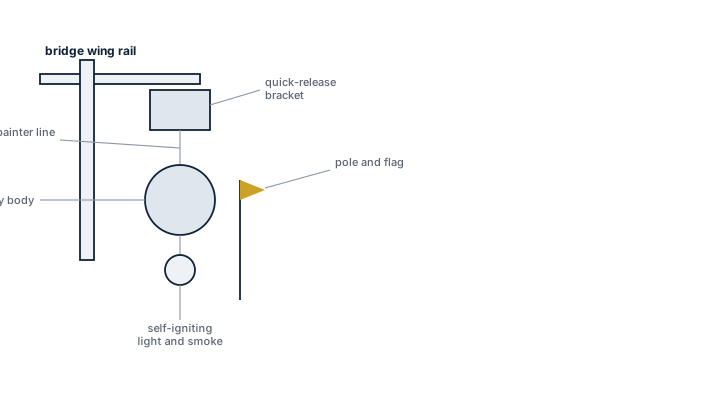
- Area: Danbuoy mounting bracket and quick-release mechanismCheck: Verify bracket securely fastened to pulpit/rail (rail distance 300-310mm typical). Test quick-release deployment manually (should separate without binding). Inspect bracket for corrosion, bent fasteners. Confirm safety pin or lanyard present and functional. After practice/test deployment, full re-certification required.
- Area: AIS/DSC MOB beacon battery age and transmit verificationCheck: Verify battery manufacture date (7-year max life for lithium models). Confirm activation method (water-activated vs manual). For active units: test transmission range (5nm typical) with portable AIS receiver if available. Check waterproof seal integrity and GPS module responsiveness. Certificate of type approval must be current.
Typ-universelle Inspektionspunkte fuer MOB Equipment (verifiziert, 2026-06).
- Area: Lifebuoy light battery expiration and certification validityCheck: Verify battery replacement date, inspect expiration label per LSA Code para 1.2.3, confirm SOLAS/MED/USCG certification current. Lithium models should show 5-year maintenance-free certification.
- Area: MOB equipment inflation systems and CO2 cartridge integrityCheck: Check danbuoy/horseshoe for physical damage, corrosion on CO2 cylinders, activation pins secured. Verify cartridge weight (typically 33g) matches specification. Test inflation (per manufacturer service intervals, usually 3 years).
- Area: Recovery line degradation and attachment integrityCheck: Inspect floating lines for UV damage, abrasion, mildew. Verify line length matches specifications (test by measurement). Check all attachment points (carabiners, clips, D-rings) for corrosion, cracks. Ensure stainless steel (316) hardware used. Load test clips per ISO 15085 (minimum 375kg for boarding ladders).
- Area: Danbuoy mounting bracket and quick-release mechanismCheck: Verify bracket securely fastened to pulpit/rail (rail distance 300-310mm typical). Test quick-release deployment manually (should separate without binding). Inspect bracket for corrosion, bent fasteners. Confirm safety pin or lanyard present and functional. After practice/test deployment, full re-certification required.
- Area: AIS/DSC MOB beacon battery age and transmit verificationCheck: Verify battery manufacture date (7-year max life for lithium models). Confirm activation method (water-activated vs manual). For active units: test transmission range (5nm typical) with portable AIS receiver if available. Check waterproof seal integrity and GPS module responsiveness. Certificate of type approval must be current.
Typ-universelle Inspektionspunkte fuer MOB Equipment (verifiziert, 2026-06).
- Area: Lifebuoy light battery expiration and certification validityCheck: Verify battery replacement date, inspect expiration label per LSA Code para 1.2.3, confirm SOLAS/MED/USCG certification current. Lithium models should show 5-year maintenance-free certification.
- Area: MOB equipment inflation systems and CO2 cartridge integrityCheck: Check danbuoy/horseshoe for physical damage, corrosion on CO2 cylinders, activation pins secured. Verify cartridge weight (typically 33g) matches specification. Test inflation (per manufacturer service intervals, usually 3 years).
- Area: Recovery line degradation and attachment integrityCheck: Inspect floating lines for UV damage, abrasion, mildew. Verify line length matches specifications (test by measurement). Check all attachment points (carabiners, clips, D-rings) for corrosion, cracks. Ensure stainless steel (316) hardware used. Load test clips per ISO 15085 (minimum 375kg for boarding ladders).
- Area: Danbuoy mounting bracket and quick-release mechanismCheck: Verify bracket securely fastened to pulpit/rail (rail distance 300-310mm typical). Test quick-release deployment manually (should separate without binding). Inspect bracket for corrosion, bent fasteners. Confirm safety pin or lanyard present and functional. After practice/test deployment, full re-certification required.
- Area: AIS/DSC MOB beacon battery age and transmit verificationCheck: Verify battery manufacture date (7-year max life for lithium models). Confirm activation method (water-activated vs manual). For active units: test transmission range (5nm typical) with portable AIS receiver if available. Check waterproof seal integrity and GPS module responsiveness. Certificate of type approval must be current.
Typ-universelle Inspektionspunkte fuer MOB Equipment (verifiziert, 2026-06).
- Area: Lifebuoy light battery expiration and certification validityCheck: Verify battery replacement date, inspect expiration label per LSA Code para 1.2.3, confirm SOLAS/MED/USCG certification current. Lithium models should show 5-year maintenance-free certification.
- Area: MOB equipment inflation systems and CO2 cartridge integrityCheck: Check danbuoy/horseshoe for physical damage, corrosion on CO2 cylinders, activation pins secured. Verify cartridge weight (typically 33g) matches specification. Test inflation (per manufacturer service intervals, usually 3 years).
- Area: Recovery line degradation and attachment integrityCheck: Inspect floating lines for UV damage, abrasion, mildew. Verify line length matches specifications (test by measurement). Check all attachment points (carabiners, clips, D-rings) for corrosion, cracks. Ensure stainless steel (316) hardware used. Load test clips per ISO 15085 (minimum 375kg for boarding ladders).
- Area: Danbuoy mounting bracket and quick-release mechanismCheck: Verify bracket securely fastened to pulpit/rail (rail distance 300-310mm typical). Test quick-release deployment manually (should separate without binding). Inspect bracket for corrosion, bent fasteners. Confirm safety pin or lanyard present and functional. After practice/test deployment, full re-certification required.
- Area: AIS/DSC MOB beacon battery age and transmit verificationCheck: Verify battery manufacture date (7-year max life for lithium models). Confirm activation method (water-activated vs manual). For active units: test transmission range (5nm typical) with portable AIS receiver if available. Check waterproof seal integrity and GPS module responsiveness. Certificate of type approval must be current.
Typ-universelle Inspektionspunkte fuer MOB Equipment (verifiziert, 2026-06).
C-Hero
2- Area: Lifebuoy light battery expiration and certification validityCheck: Verify battery replacement date, inspect expiration label per LSA Code para 1.2.3, confirm SOLAS/MED/USCG certification current. Lithium models should show 5-year maintenance-free certification.
- Area: MOB equipment inflation systems and CO2 cartridge integrityCheck: Check danbuoy/horseshoe for physical damage, corrosion on CO2 cylinders, activation pins secured. Verify cartridge weight (typically 33g) matches specification. Test inflation (per manufacturer service intervals, usually 3 years).
- Area: Recovery line degradation and attachment integrityCheck: Inspect floating lines for UV damage, abrasion, mildew. Verify line length matches specifications (test by measurement). Check all attachment points (carabiners, clips, D-rings) for corrosion, cracks. Ensure stainless steel (316) hardware used. Load test clips per ISO 15085 (minimum 375kg for boarding ladders).
- Area: Danbuoy mounting bracket and quick-release mechanismCheck: Verify bracket securely fastened to pulpit/rail (rail distance 300-310mm typical). Test quick-release deployment manually (should separate without binding). Inspect bracket for corrosion, bent fasteners. Confirm safety pin or lanyard present and functional. After practice/test deployment, full re-certification required.
- Area: AIS/DSC MOB beacon battery age and transmit verificationCheck: Verify battery manufacture date (7-year max life for lithium models). Confirm activation method (water-activated vs manual). For active units: test transmission range (5nm typical) with portable AIS receiver if available. Check waterproof seal integrity and GPS module responsiveness. Certificate of type approval must be current.
Typ-universelle Inspektionspunkte fuer MOB Equipment (verifiziert, 2026-06).
- Area: Lifebuoy light battery expiration and certification validityCheck: Verify battery replacement date, inspect expiration label per LSA Code para 1.2.3, confirm SOLAS/MED/USCG certification current. Lithium models should show 5-year maintenance-free certification.
- Area: MOB equipment inflation systems and CO2 cartridge integrityCheck: Check danbuoy/horseshoe for physical damage, corrosion on CO2 cylinders, activation pins secured. Verify cartridge weight (typically 33g) matches specification. Test inflation (per manufacturer service intervals, usually 3 years).
- Area: Recovery line degradation and attachment integrityCheck: Inspect floating lines for UV damage, abrasion, mildew. Verify line length matches specifications (test by measurement). Check all attachment points (carabiners, clips, D-rings) for corrosion, cracks. Ensure stainless steel (316) hardware used. Load test clips per ISO 15085 (minimum 375kg for boarding ladders).
- Area: Danbuoy mounting bracket and quick-release mechanismCheck: Verify bracket securely fastened to pulpit/rail (rail distance 300-310mm typical). Test quick-release deployment manually (should separate without binding). Inspect bracket for corrosion, bent fasteners. Confirm safety pin or lanyard present and functional. After practice/test deployment, full re-certification required.
- Area: AIS/DSC MOB beacon battery age and transmit verificationCheck: Verify battery manufacture date (7-year max life for lithium models). Confirm activation method (water-activated vs manual). For active units: test transmission range (5nm typical) with portable AIS receiver if available. Check waterproof seal integrity and GPS module responsiveness. Certificate of type approval must be current.
Typ-universelle Inspektionspunkte fuer MOB Equipment (verifiziert, 2026-06).
Lifesling
2- Area: Lifebuoy light battery expiration and certification validityCheck: Verify battery replacement date, inspect expiration label per LSA Code para 1.2.3, confirm SOLAS/MED/USCG certification current. Lithium models should show 5-year maintenance-free certification.
- Area: MOB equipment inflation systems and CO2 cartridge integrityCheck: Check danbuoy/horseshoe for physical damage, corrosion on CO2 cylinders, activation pins secured. Verify cartridge weight (typically 33g) matches specification. Test inflation (per manufacturer service intervals, usually 3 years).
- Area: Recovery line degradation and attachment integrityCheck: Inspect floating lines for UV damage, abrasion, mildew. Verify line length matches specifications (test by measurement). Check all attachment points (carabiners, clips, D-rings) for corrosion, cracks. Ensure stainless steel (316) hardware used. Load test clips per ISO 15085 (minimum 375kg for boarding ladders).
- Area: Danbuoy mounting bracket and quick-release mechanismCheck: Verify bracket securely fastened to pulpit/rail (rail distance 300-310mm typical). Test quick-release deployment manually (should separate without binding). Inspect bracket for corrosion, bent fasteners. Confirm safety pin or lanyard present and functional. After practice/test deployment, full re-certification required.
- Area: AIS/DSC MOB beacon battery age and transmit verificationCheck: Verify battery manufacture date (7-year max life for lithium models). Confirm activation method (water-activated vs manual). For active units: test transmission range (5nm typical) with portable AIS receiver if available. Check waterproof seal integrity and GPS module responsiveness. Certificate of type approval must be current.
Typ-universelle Inspektionspunkte fuer MOB Equipment (verifiziert, 2026-06).
- Area: Lifebuoy light battery expiration and certification validityCheck: Verify battery replacement date, inspect expiration label per LSA Code para 1.2.3, confirm SOLAS/MED/USCG certification current. Lithium models should show 5-year maintenance-free certification.
- Area: MOB equipment inflation systems and CO2 cartridge integrityCheck: Check danbuoy/horseshoe for physical damage, corrosion on CO2 cylinders, activation pins secured. Verify cartridge weight (typically 33g) matches specification. Test inflation (per manufacturer service intervals, usually 3 years).
- Area: Recovery line degradation and attachment integrityCheck: Inspect floating lines for UV damage, abrasion, mildew. Verify line length matches specifications (test by measurement). Check all attachment points (carabiners, clips, D-rings) for corrosion, cracks. Ensure stainless steel (316) hardware used. Load test clips per ISO 15085 (minimum 375kg for boarding ladders).
- Area: Danbuoy mounting bracket and quick-release mechanismCheck: Verify bracket securely fastened to pulpit/rail (rail distance 300-310mm typical). Test quick-release deployment manually (should separate without binding). Inspect bracket for corrosion, bent fasteners. Confirm safety pin or lanyard present and functional. After practice/test deployment, full re-certification required.
- Area: AIS/DSC MOB beacon battery age and transmit verificationCheck: Verify battery manufacture date (7-year max life for lithium models). Confirm activation method (water-activated vs manual). For active units: test transmission range (5nm typical) with portable AIS receiver if available. Check waterproof seal integrity and GPS module responsiveness. Certificate of type approval must be current.
Typ-universelle Inspektionspunkte fuer MOB Equipment (verifiziert, 2026-06).
Plastimo
2- Area: Lifebuoy light battery expiration and certification validityCheck: Verify battery replacement date, inspect expiration label per LSA Code para 1.2.3, confirm SOLAS/MED/USCG certification current. Lithium models should show 5-year maintenance-free certification.
- Area: MOB equipment inflation systems and CO2 cartridge integrityCheck: Check danbuoy/horseshoe for physical damage, corrosion on CO2 cylinders, activation pins secured. Verify cartridge weight (typically 33g) matches specification. Test inflation (per manufacturer service intervals, usually 3 years).
- Area: Recovery line degradation and attachment integrityCheck: Inspect floating lines for UV damage, abrasion, mildew. Verify line length matches specifications (test by measurement). Check all attachment points (carabiners, clips, D-rings) for corrosion, cracks. Ensure stainless steel (316) hardware used. Load test clips per ISO 15085 (minimum 375kg for boarding ladders).
- Area: Danbuoy mounting bracket and quick-release mechanismCheck: Verify bracket securely fastened to pulpit/rail (rail distance 300-310mm typical). Test quick-release deployment manually (should separate without binding). Inspect bracket for corrosion, bent fasteners. Confirm safety pin or lanyard present and functional. After practice/test deployment, full re-certification required.
- Area: AIS/DSC MOB beacon battery age and transmit verificationCheck: Verify battery manufacture date (7-year max life for lithium models). Confirm activation method (water-activated vs manual). For active units: test transmission range (5nm typical) with portable AIS receiver if available. Check waterproof seal integrity and GPS module responsiveness. Certificate of type approval must be current.
Typ-universelle Inspektionspunkte fuer MOB Equipment (verifiziert, 2026-06).
- Area: Lifebuoy light battery expiration and certification validityCheck: Verify battery replacement date, inspect expiration label per LSA Code para 1.2.3, confirm SOLAS/MED/USCG certification current. Lithium models should show 5-year maintenance-free certification.
- Area: MOB equipment inflation systems and CO2 cartridge integrityCheck: Check danbuoy/horseshoe for physical damage, corrosion on CO2 cylinders, activation pins secured. Verify cartridge weight (typically 33g) matches specification. Test inflation (per manufacturer service intervals, usually 3 years).
- Area: Recovery line degradation and attachment integrityCheck: Inspect floating lines for UV damage, abrasion, mildew. Verify line length matches specifications (test by measurement). Check all attachment points (carabiners, clips, D-rings) for corrosion, cracks. Ensure stainless steel (316) hardware used. Load test clips per ISO 15085 (minimum 375kg for boarding ladders).
- Area: Danbuoy mounting bracket and quick-release mechanismCheck: Verify bracket securely fastened to pulpit/rail (rail distance 300-310mm typical). Test quick-release deployment manually (should separate without binding). Inspect bracket for corrosion, bent fasteners. Confirm safety pin or lanyard present and functional. After practice/test deployment, full re-certification required.
- Area: AIS/DSC MOB beacon battery age and transmit verificationCheck: Verify battery manufacture date (7-year max life for lithium models). Confirm activation method (water-activated vs manual). For active units: test transmission range (5nm typical) with portable AIS receiver if available. Check waterproof seal integrity and GPS module responsiveness. Certificate of type approval must be current.
Typ-universelle Inspektionspunkte fuer MOB Equipment (verifiziert, 2026-06).
SOS Marine
2- CO2 cylinder corrosion
- Auto-inflate failure
- Flag fabric UV degradation
- Mounting bracket corrosion
- Area: Lifebuoy light battery expiration and certification validityCheck: Verify battery replacement date, inspect expiration label per LSA Code para 1.2.3, confirm SOLAS/MED/USCG certification current. Lithium models should show 5-year maintenance-free certification.
- Area: MOB equipment inflation systems and CO2 cartridge integrityCheck: Check danbuoy/horseshoe for physical damage, corrosion on CO2 cylinders, activation pins secured. Verify cartridge weight (typically 33g) matches specification. Test inflation (per manufacturer service intervals, usually 3 years).
- Area: Recovery line degradation and attachment integrityCheck: Inspect floating lines for UV damage, abrasion, mildew. Verify line length matches specifications (test by measurement). Check all attachment points (carabiners, clips, D-rings) for corrosion, cracks. Ensure stainless steel (316) hardware used. Load test clips per ISO 15085 (minimum 375kg for boarding ladders).
- Area: Danbuoy mounting bracket and quick-release mechanismCheck: Verify bracket securely fastened to pulpit/rail (rail distance 300-310mm typical). Test quick-release deployment manually (should separate without binding). Inspect bracket for corrosion, bent fasteners. Confirm safety pin or lanyard present and functional. After practice/test deployment, full re-certification required.
- Area: AIS/DSC MOB beacon battery age and transmit verificationCheck: Verify battery manufacture date (7-year max life for lithium models). Confirm activation method (water-activated vs manual). For active units: test transmission range (5nm typical) with portable AIS receiver if available. Check waterproof seal integrity and GPS module responsiveness. Certificate of type approval must be current.
Typ-universelle Inspektionspunkte fuer MOB Equipment (verifiziert, 2026-06).
Switlik
2- Area: Lifebuoy light battery expiration and certification validityCheck: Verify battery replacement date, inspect expiration label per LSA Code para 1.2.3, confirm SOLAS/MED/USCG certification current. Lithium models should show 5-year maintenance-free certification.
- Area: MOB equipment inflation systems and CO2 cartridge integrityCheck: Check danbuoy/horseshoe for physical damage, corrosion on CO2 cylinders, activation pins secured. Verify cartridge weight (typically 33g) matches specification. Test inflation (per manufacturer service intervals, usually 3 years).
- Area: Recovery line degradation and attachment integrityCheck: Inspect floating lines for UV damage, abrasion, mildew. Verify line length matches specifications (test by measurement). Check all attachment points (carabiners, clips, D-rings) for corrosion, cracks. Ensure stainless steel (316) hardware used. Load test clips per ISO 15085 (minimum 375kg for boarding ladders).
- Area: Danbuoy mounting bracket and quick-release mechanismCheck: Verify bracket securely fastened to pulpit/rail (rail distance 300-310mm typical). Test quick-release deployment manually (should separate without binding). Inspect bracket for corrosion, bent fasteners. Confirm safety pin or lanyard present and functional. After practice/test deployment, full re-certification required.
- Area: AIS/DSC MOB beacon battery age and transmit verificationCheck: Verify battery manufacture date (7-year max life for lithium models). Confirm activation method (water-activated vs manual). For active units: test transmission range (5nm typical) with portable AIS receiver if available. Check waterproof seal integrity and GPS module responsiveness. Certificate of type approval must be current.
Typ-universelle Inspektionspunkte fuer MOB Equipment (verifiziert, 2026-06).
- Area: Lifebuoy light battery expiration and certification validityCheck: Verify battery replacement date, inspect expiration label per LSA Code para 1.2.3, confirm SOLAS/MED/USCG certification current. Lithium models should show 5-year maintenance-free certification.
- Area: MOB equipment inflation systems and CO2 cartridge integrityCheck: Check danbuoy/horseshoe for physical damage, corrosion on CO2 cylinders, activation pins secured. Verify cartridge weight (typically 33g) matches specification. Test inflation (per manufacturer service intervals, usually 3 years).
- Area: Recovery line degradation and attachment integrityCheck: Inspect floating lines for UV damage, abrasion, mildew. Verify line length matches specifications (test by measurement). Check all attachment points (carabiners, clips, D-rings) for corrosion, cracks. Ensure stainless steel (316) hardware used. Load test clips per ISO 15085 (minimum 375kg for boarding ladders).
- Area: Danbuoy mounting bracket and quick-release mechanismCheck: Verify bracket securely fastened to pulpit/rail (rail distance 300-310mm typical). Test quick-release deployment manually (should separate without binding). Inspect bracket for corrosion, bent fasteners. Confirm safety pin or lanyard present and functional. After practice/test deployment, full re-certification required.
- Area: AIS/DSC MOB beacon battery age and transmit verificationCheck: Verify battery manufacture date (7-year max life for lithium models). Confirm activation method (water-activated vs manual). For active units: test transmission range (5nm typical) with portable AIS receiver if available. Check waterproof seal integrity and GPS module responsiveness. Certificate of type approval must be current.
Typ-universelle Inspektionspunkte fuer MOB Equipment (verifiziert, 2026-06).
C-Hero (Harken Industrial)
1- Area: Lifebuoy light battery expiration and certification validityCheck: Verify battery replacement date, inspect expiration label per LSA Code para 1.2.3, confirm SOLAS/MED/USCG certification current. Lithium models should show 5-year maintenance-free certification.
- Area: MOB equipment inflation systems and CO2 cartridge integrityCheck: Check danbuoy/horseshoe for physical damage, corrosion on CO2 cylinders, activation pins secured. Verify cartridge weight (typically 33g) matches specification. Test inflation (per manufacturer service intervals, usually 3 years).
- Area: Recovery line degradation and attachment integrityCheck: Inspect floating lines for UV damage, abrasion, mildew. Verify line length matches specifications (test by measurement). Check all attachment points (carabiners, clips, D-rings) for corrosion, cracks. Ensure stainless steel (316) hardware used. Load test clips per ISO 15085 (minimum 375kg for boarding ladders).
- Area: Danbuoy mounting bracket and quick-release mechanismCheck: Verify bracket securely fastened to pulpit/rail (rail distance 300-310mm typical). Test quick-release deployment manually (should separate without binding). Inspect bracket for corrosion, bent fasteners. Confirm safety pin or lanyard present and functional. After practice/test deployment, full re-certification required.
- Area: AIS/DSC MOB beacon battery age and transmit verificationCheck: Verify battery manufacture date (7-year max life for lithium models). Confirm activation method (water-activated vs manual). For active units: test transmission range (5nm typical) with portable AIS receiver if available. Check waterproof seal integrity and GPS module responsiveness. Certificate of type approval must be current.
Typ-universelle Inspektionspunkte fuer MOB Equipment (verifiziert, 2026-06).
Crewsaver
1- Area: Lifebuoy light battery expiration and certification validityCheck: Verify battery replacement date, inspect expiration label per LSA Code para 1.2.3, confirm SOLAS/MED/USCG certification current. Lithium models should show 5-year maintenance-free certification.
- Area: MOB equipment inflation systems and CO2 cartridge integrityCheck: Check danbuoy/horseshoe for physical damage, corrosion on CO2 cylinders, activation pins secured. Verify cartridge weight (typically 33g) matches specification. Test inflation (per manufacturer service intervals, usually 3 years).
- Area: Recovery line degradation and attachment integrityCheck: Inspect floating lines for UV damage, abrasion, mildew. Verify line length matches specifications (test by measurement). Check all attachment points (carabiners, clips, D-rings) for corrosion, cracks. Ensure stainless steel (316) hardware used. Load test clips per ISO 15085 (minimum 375kg for boarding ladders).
- Area: Danbuoy mounting bracket and quick-release mechanismCheck: Verify bracket securely fastened to pulpit/rail (rail distance 300-310mm typical). Test quick-release deployment manually (should separate without binding). Inspect bracket for corrosion, bent fasteners. Confirm safety pin or lanyard present and functional. After practice/test deployment, full re-certification required.
- Area: AIS/DSC MOB beacon battery age and transmit verificationCheck: Verify battery manufacture date (7-year max life for lithium models). Confirm activation method (water-activated vs manual). For active units: test transmission range (5nm typical) with portable AIS receiver if available. Check waterproof seal integrity and GPS module responsiveness. Certificate of type approval must be current.
Typ-universelle Inspektionspunkte fuer MOB Equipment (verifiziert, 2026-06).
IKAROS (Datrex)
1- Area: Lifebuoy light battery expiration and certification validityCheck: Verify battery replacement date, inspect expiration label per LSA Code para 1.2.3, confirm SOLAS/MED/USCG certification current. Lithium models should show 5-year maintenance-free certification.
- Area: MOB equipment inflation systems and CO2 cartridge integrityCheck: Check danbuoy/horseshoe for physical damage, corrosion on CO2 cylinders, activation pins secured. Verify cartridge weight (typically 33g) matches specification. Test inflation (per manufacturer service intervals, usually 3 years).
- Area: Recovery line degradation and attachment integrityCheck: Inspect floating lines for UV damage, abrasion, mildew. Verify line length matches specifications (test by measurement). Check all attachment points (carabiners, clips, D-rings) for corrosion, cracks. Ensure stainless steel (316) hardware used. Load test clips per ISO 15085 (minimum 375kg for boarding ladders).
- Area: Danbuoy mounting bracket and quick-release mechanismCheck: Verify bracket securely fastened to pulpit/rail (rail distance 300-310mm typical). Test quick-release deployment manually (should separate without binding). Inspect bracket for corrosion, bent fasteners. Confirm safety pin or lanyard present and functional. After practice/test deployment, full re-certification required.
- Area: AIS/DSC MOB beacon battery age and transmit verificationCheck: Verify battery manufacture date (7-year max life for lithium models). Confirm activation method (water-activated vs manual). For active units: test transmission range (5nm typical) with portable AIS receiver if available. Check waterproof seal integrity and GPS module responsiveness. Certificate of type approval must be current.
Typ-universelle Inspektionspunkte fuer MOB Equipment (verifiziert, 2026-06).
Jon Buoy
1- Battery expiry
- Water-activation switch failure
- Lens clouding
Jonbuoy
1- Area: Lifebuoy light battery expiration and certification validityCheck: Verify battery replacement date, inspect expiration label per LSA Code para 1.2.3, confirm SOLAS/MED/USCG certification current. Lithium models should show 5-year maintenance-free certification.
- Area: MOB equipment inflation systems and CO2 cartridge integrityCheck: Check danbuoy/horseshoe for physical damage, corrosion on CO2 cylinders, activation pins secured. Verify cartridge weight (typically 33g) matches specification. Test inflation (per manufacturer service intervals, usually 3 years).
- Area: Recovery line degradation and attachment integrityCheck: Inspect floating lines for UV damage, abrasion, mildew. Verify line length matches specifications (test by measurement). Check all attachment points (carabiners, clips, D-rings) for corrosion, cracks. Ensure stainless steel (316) hardware used. Load test clips per ISO 15085 (minimum 375kg for boarding ladders).
- Area: Danbuoy mounting bracket and quick-release mechanismCheck: Verify bracket securely fastened to pulpit/rail (rail distance 300-310mm typical). Test quick-release deployment manually (should separate without binding). Inspect bracket for corrosion, bent fasteners. Confirm safety pin or lanyard present and functional. After practice/test deployment, full re-certification required.
- Area: AIS/DSC MOB beacon battery age and transmit verificationCheck: Verify battery manufacture date (7-year max life for lithium models). Confirm activation method (water-activated vs manual). For active units: test transmission range (5nm typical) with portable AIS receiver if available. Check waterproof seal integrity and GPS module responsiveness. Certificate of type approval must be current.
Typ-universelle Inspektionspunkte fuer MOB Equipment (verifiziert, 2026-06).
Jonbuoy (Ocean Safety)
1- Area: Lifebuoy light battery expiration and certification validityCheck: Verify battery replacement date, inspect expiration label per LSA Code para 1.2.3, confirm SOLAS/MED/USCG certification current. Lithium models should show 5-year maintenance-free certification.
- Area: MOB equipment inflation systems and CO2 cartridge integrityCheck: Check danbuoy/horseshoe for physical damage, corrosion on CO2 cylinders, activation pins secured. Verify cartridge weight (typically 33g) matches specification. Test inflation (per manufacturer service intervals, usually 3 years).
- Area: Recovery line degradation and attachment integrityCheck: Inspect floating lines for UV damage, abrasion, mildew. Verify line length matches specifications (test by measurement). Check all attachment points (carabiners, clips, D-rings) for corrosion, cracks. Ensure stainless steel (316) hardware used. Load test clips per ISO 15085 (minimum 375kg for boarding ladders).
- Area: Danbuoy mounting bracket and quick-release mechanismCheck: Verify bracket securely fastened to pulpit/rail (rail distance 300-310mm typical). Test quick-release deployment manually (should separate without binding). Inspect bracket for corrosion, bent fasteners. Confirm safety pin or lanyard present and functional. After practice/test deployment, full re-certification required.
- Area: AIS/DSC MOB beacon battery age and transmit verificationCheck: Verify battery manufacture date (7-year max life for lithium models). Confirm activation method (water-activated vs manual). For active units: test transmission range (5nm typical) with portable AIS receiver if available. Check waterproof seal integrity and GPS module responsiveness. Certificate of type approval must be current.
Typ-universelle Inspektionspunkte fuer MOB Equipment (verifiziert, 2026-06).
Lalizas
1- Area: Lifebuoy light battery expiration and certification validityCheck: Verify battery replacement date, inspect expiration label per LSA Code para 1.2.3, confirm SOLAS/MED/USCG certification current. Lithium models should show 5-year maintenance-free certification.
- Area: MOB equipment inflation systems and CO2 cartridge integrityCheck: Check danbuoy/horseshoe for physical damage, corrosion on CO2 cylinders, activation pins secured. Verify cartridge weight (typically 33g) matches specification. Test inflation (per manufacturer service intervals, usually 3 years).
- Area: Recovery line degradation and attachment integrityCheck: Inspect floating lines for UV damage, abrasion, mildew. Verify line length matches specifications (test by measurement). Check all attachment points (carabiners, clips, D-rings) for corrosion, cracks. Ensure stainless steel (316) hardware used. Load test clips per ISO 15085 (minimum 375kg for boarding ladders).
- Area: Danbuoy mounting bracket and quick-release mechanismCheck: Verify bracket securely fastened to pulpit/rail (rail distance 300-310mm typical). Test quick-release deployment manually (should separate without binding). Inspect bracket for corrosion, bent fasteners. Confirm safety pin or lanyard present and functional. After practice/test deployment, full re-certification required.
- Area: AIS/DSC MOB beacon battery age and transmit verificationCheck: Verify battery manufacture date (7-year max life for lithium models). Confirm activation method (water-activated vs manual). For active units: test transmission range (5nm typical) with portable AIS receiver if available. Check waterproof seal integrity and GPS module responsiveness. Certificate of type approval must be current.
Typ-universelle Inspektionspunkte fuer MOB Equipment (verifiziert, 2026-06).
Mustang Survival
1- Area: Lifebuoy light battery expiration and certification validityCheck: Verify battery replacement date, inspect expiration label per LSA Code para 1.2.3, confirm SOLAS/MED/USCG certification current. Lithium models should show 5-year maintenance-free certification.
- Area: MOB equipment inflation systems and CO2 cartridge integrityCheck: Check danbuoy/horseshoe for physical damage, corrosion on CO2 cylinders, activation pins secured. Verify cartridge weight (typically 33g) matches specification. Test inflation (per manufacturer service intervals, usually 3 years).
- Area: Recovery line degradation and attachment integrityCheck: Inspect floating lines for UV damage, abrasion, mildew. Verify line length matches specifications (test by measurement). Check all attachment points (carabiners, clips, D-rings) for corrosion, cracks. Ensure stainless steel (316) hardware used. Load test clips per ISO 15085 (minimum 375kg for boarding ladders).
- Area: Danbuoy mounting bracket and quick-release mechanismCheck: Verify bracket securely fastened to pulpit/rail (rail distance 300-310mm typical). Test quick-release deployment manually (should separate without binding). Inspect bracket for corrosion, bent fasteners. Confirm safety pin or lanyard present and functional. After practice/test deployment, full re-certification required.
- Area: AIS/DSC MOB beacon battery age and transmit verificationCheck: Verify battery manufacture date (7-year max life for lithium models). Confirm activation method (water-activated vs manual). For active units: test transmission range (5nm typical) with portable AIS receiver if available. Check waterproof seal integrity and GPS module responsiveness. Certificate of type approval must be current.
Typ-universelle Inspektionspunkte fuer MOB Equipment (verifiziert, 2026-06).
Ocean Safety
1- Area: Lifebuoy light battery expiration and certification validityCheck: Verify battery replacement date, inspect expiration label per LSA Code para 1.2.3, confirm SOLAS/MED/USCG certification current. Lithium models should show 5-year maintenance-free certification.
- Area: MOB equipment inflation systems and CO2 cartridge integrityCheck: Check danbuoy/horseshoe for physical damage, corrosion on CO2 cylinders, activation pins secured. Verify cartridge weight (typically 33g) matches specification. Test inflation (per manufacturer service intervals, usually 3 years).
- Area: Recovery line degradation and attachment integrityCheck: Inspect floating lines for UV damage, abrasion, mildew. Verify line length matches specifications (test by measurement). Check all attachment points (carabiners, clips, D-rings) for corrosion, cracks. Ensure stainless steel (316) hardware used. Load test clips per ISO 15085 (minimum 375kg for boarding ladders).
- Area: Danbuoy mounting bracket and quick-release mechanismCheck: Verify bracket securely fastened to pulpit/rail (rail distance 300-310mm typical). Test quick-release deployment manually (should separate without binding). Inspect bracket for corrosion, bent fasteners. Confirm safety pin or lanyard present and functional. After practice/test deployment, full re-certification required.
- Area: AIS/DSC MOB beacon battery age and transmit verificationCheck: Verify battery manufacture date (7-year max life for lithium models). Confirm activation method (water-activated vs manual). For active units: test transmission range (5nm typical) with portable AIS receiver if available. Check waterproof seal integrity and GPS module responsiveness. Certificate of type approval must be current.
Typ-universelle Inspektionspunkte fuer MOB Equipment (verifiziert, 2026-06).
Ocean Signal
1- Area: Lifebuoy light battery expiration and certification validityCheck: Verify battery replacement date, inspect expiration label per LSA Code para 1.2.3, confirm SOLAS/MED/USCG certification current. Lithium models should show 5-year maintenance-free certification.
- Area: MOB equipment inflation systems and CO2 cartridge integrityCheck: Check danbuoy/horseshoe for physical damage, corrosion on CO2 cylinders, activation pins secured. Verify cartridge weight (typically 33g) matches specification. Test inflation (per manufacturer service intervals, usually 3 years).
- Area: Recovery line degradation and attachment integrityCheck: Inspect floating lines for UV damage, abrasion, mildew. Verify line length matches specifications (test by measurement). Check all attachment points (carabiners, clips, D-rings) for corrosion, cracks. Ensure stainless steel (316) hardware used. Load test clips per ISO 15085 (minimum 375kg for boarding ladders).
- Area: Danbuoy mounting bracket and quick-release mechanismCheck: Verify bracket securely fastened to pulpit/rail (rail distance 300-310mm typical). Test quick-release deployment manually (should separate without binding). Inspect bracket for corrosion, bent fasteners. Confirm safety pin or lanyard present and functional. After practice/test deployment, full re-certification required.
- Area: AIS/DSC MOB beacon battery age and transmit verificationCheck: Verify battery manufacture date (7-year max life for lithium models). Confirm activation method (water-activated vs manual). For active units: test transmission range (5nm typical) with portable AIS receiver if available. Check waterproof seal integrity and GPS module responsiveness. Certificate of type approval must be current.
Typ-universelle Inspektionspunkte fuer MOB Equipment (verifiziert, 2026-06).
Viking
1- Area: Lifebuoy light battery expiration and certification validityCheck: Verify battery replacement date, inspect expiration label per LSA Code para 1.2.3, confirm SOLAS/MED/USCG certification current. Lithium models should show 5-year maintenance-free certification.
- Area: MOB equipment inflation systems and CO2 cartridge integrityCheck: Check danbuoy/horseshoe for physical damage, corrosion on CO2 cylinders, activation pins secured. Verify cartridge weight (typically 33g) matches specification. Test inflation (per manufacturer service intervals, usually 3 years).
- Area: Recovery line degradation and attachment integrityCheck: Inspect floating lines for UV damage, abrasion, mildew. Verify line length matches specifications (test by measurement). Check all attachment points (carabiners, clips, D-rings) for corrosion, cracks. Ensure stainless steel (316) hardware used. Load test clips per ISO 15085 (minimum 375kg for boarding ladders).
- Area: Danbuoy mounting bracket and quick-release mechanismCheck: Verify bracket securely fastened to pulpit/rail (rail distance 300-310mm typical). Test quick-release deployment manually (should separate without binding). Inspect bracket for corrosion, bent fasteners. Confirm safety pin or lanyard present and functional. After practice/test deployment, full re-certification required.
- Area: AIS/DSC MOB beacon battery age and transmit verificationCheck: Verify battery manufacture date (7-year max life for lithium models). Confirm activation method (water-activated vs manual). For active units: test transmission range (5nm typical) with portable AIS receiver if available. Check waterproof seal integrity and GPS module responsiveness. Certificate of type approval must be current.
Typ-universelle Inspektionspunkte fuer MOB Equipment (verifiziert, 2026-06).