Windlass
103 manufacturers · 150 models
MacGregor
13- Brake Holding Capacity (first layer)
- Up to 500 tonnes, or ISO/classification society compliant
- Load Capacity
- 5 to 300 tonnes on first layer (configurable)
- Windlass with Chain Stopper
- Brake must withstand min. 45% of chain cable breaking strength
- Windlass without Chain Stopper
- Brake must withstand min. 80% of chain cable breaking strength
- Drum Configuration
- Single to triple drums, modular HPU or full electrical drive
- Hatlapa (merchant ship segment, anchor handling)
- Pusnes (offshore mooring systems, eccentric fairlead chain stopper EFCS)
- Triplex (chain stopper systems)
- MacGregor MEW (electrical drive)
- MacGregor MHW (modular hydraulic power unit)
- Area: Brake Holding Capacity insufficiency or deteriorationCheck: Conduct brake rendering test using Brake Testing Kit or torque spanner method. Accept only if PRIMARY brake holds min. 60% of ship design MBL. Test after every brake lining renewal, before delivery, within 30 days takeover, and annually. Adjust lining if wear exceeds 40% residual thickness.
- Area: Chain/Gypsy Wear, Corrosion, Pitting (gypsy teeth, chain links)Check: Measure link diameter at wear points - maximum 12% reduction allowed by class rules. Inspect for cracks, distortion, corrosion pitting, especially under gypsy where crevice corrosion occurs. Monitor for abrasion from rocks/sand. In saltwater, check galvanized steel for oxidation; in stainless, examine for crevice attack in oxygen-starved spots.
- Area: Hydraulic System Contamination (brake efficiency loss)Check: Check hydraulic lines and piping monthly for leaks, tightness, proper valve function. Inspect hydraulic fluid condition (contamination, moisture, oil breakdown). Oil, moisture, or heavy rust on brake lining/drum can reduce holding capacity up to 75%. Temperature monitoring on hydraulic pipelines indicates lubrication issues.
- Area: Brake Lining Wear (linings must maintain adequate thickness)Check: Inspect brake lining thickness regularly - renewal required when residual thickness drops below 50-60% of original (e.g., 8mm original -> replace at 4-5mm). Check for discoloration, scorching, unevenness, rough spots. Replace upper AND lower linings simultaneously. On non-tank vessels, renew at every drydock regardless of condition.
- Area: Chain Stopper Hydraulic Function & Mechanical Lock (Pusnes EFCS, Hatlapa roller stopper)Check: Test hydraulic-operated chain stopper self-locking release capability under FULL DESIGN LOAD. Verify proper engagement/disengagement cycles. For Pusnes EFCS: check eccentric mechanism for wear, hydraulic pressure (motor protection integration). For Hatlapa roller stopper: inspect roller wear, high-pressure hydraulic motor function. Examine for leaks, cracks, corrosion on stopper pins/bushings.
- Area: Foundation Integrity & Corrosion (windlass mounting, fairlead supports)Check: Examine foundation bolts, welds, support frame before and after heavy anchoring/mooring operations for stress cracks, corrosion pitting, galvanic corrosion at dissimilar metal joints (fairlead/deck interface). Verify no settlement or deformation. In rough weather operations, monitor for fatigue cracking under excessive loads. Apply protective coatings where needed (zinc-rich primer + topcoat).
Typ-universelle Inspektions-/Wartungspunkte fuer Anchor & Mooring Equipment (MacGregor + DNV/OSHA, 2026-06). Per-Modell-Specs NICHT auto-gefuellt.
- Brake Holding Capacity (first layer)
- Up to 500 tonnes, or ISO/classification society compliant
- Load Capacity
- 5 to 300 tonnes on first layer (configurable)
- Windlass with Chain Stopper
- Brake must withstand min. 45% of chain cable breaking strength
- Windlass without Chain Stopper
- Brake must withstand min. 80% of chain cable breaking strength
- Drum Configuration
- Single to triple drums, modular HPU or full electrical drive
- Hatlapa (merchant ship segment, anchor handling)
- Pusnes (offshore mooring systems, eccentric fairlead chain stopper EFCS)
- Triplex (chain stopper systems)
- MacGregor MEW (electrical drive)
- MacGregor MHW (modular hydraulic power unit)
- Area: Brake Holding Capacity insufficiency or deteriorationCheck: Conduct brake rendering test using Brake Testing Kit or torque spanner method. Accept only if PRIMARY brake holds min. 60% of ship design MBL. Test after every brake lining renewal, before delivery, within 30 days takeover, and annually. Adjust lining if wear exceeds 40% residual thickness.
- Area: Chain/Gypsy Wear, Corrosion, Pitting (gypsy teeth, chain links)Check: Measure link diameter at wear points - maximum 12% reduction allowed by class rules. Inspect for cracks, distortion, corrosion pitting, especially under gypsy where crevice corrosion occurs. Monitor for abrasion from rocks/sand. In saltwater, check galvanized steel for oxidation; in stainless, examine for crevice attack in oxygen-starved spots.
- Area: Hydraulic System Contamination (brake efficiency loss)Check: Check hydraulic lines and piping monthly for leaks, tightness, proper valve function. Inspect hydraulic fluid condition (contamination, moisture, oil breakdown). Oil, moisture, or heavy rust on brake lining/drum can reduce holding capacity up to 75%. Temperature monitoring on hydraulic pipelines indicates lubrication issues.
- Area: Brake Lining Wear (linings must maintain adequate thickness)Check: Inspect brake lining thickness regularly - renewal required when residual thickness drops below 50-60% of original (e.g., 8mm original -> replace at 4-5mm). Check for discoloration, scorching, unevenness, rough spots. Replace upper AND lower linings simultaneously. On non-tank vessels, renew at every drydock regardless of condition.
- Area: Chain Stopper Hydraulic Function & Mechanical Lock (Pusnes EFCS, Hatlapa roller stopper)Check: Test hydraulic-operated chain stopper self-locking release capability under FULL DESIGN LOAD. Verify proper engagement/disengagement cycles. For Pusnes EFCS: check eccentric mechanism for wear, hydraulic pressure (motor protection integration). For Hatlapa roller stopper: inspect roller wear, high-pressure hydraulic motor function. Examine for leaks, cracks, corrosion on stopper pins/bushings.
- Area: Foundation Integrity & Corrosion (windlass mounting, fairlead supports)Check: Examine foundation bolts, welds, support frame before and after heavy anchoring/mooring operations for stress cracks, corrosion pitting, galvanic corrosion at dissimilar metal joints (fairlead/deck interface). Verify no settlement or deformation. In rough weather operations, monitor for fatigue cracking under excessive loads. Apply protective coatings where needed (zinc-rich primer + topcoat).
Typ-universelle Inspektions-/Wartungspunkte fuer Anchor & Mooring Equipment (MacGregor + DNV/OSHA, 2026-06). Per-Modell-Specs NICHT auto-gefuellt.
- Brake Holding Capacity (first layer)
- Up to 500 tonnes, or ISO/classification society compliant
- Load Capacity
- 5 to 300 tonnes on first layer (configurable)
- Windlass with Chain Stopper
- Brake must withstand min. 45% of chain cable breaking strength
- Windlass without Chain Stopper
- Brake must withstand min. 80% of chain cable breaking strength
- Drum Configuration
- Single to triple drums, modular HPU or full electrical drive
- Hatlapa (merchant ship segment, anchor handling)
- Pusnes (offshore mooring systems, eccentric fairlead chain stopper EFCS)
- Triplex (chain stopper systems)
- MacGregor MEW (electrical drive)
- MacGregor MHW (modular hydraulic power unit)
- Area: Brake Holding Capacity insufficiency or deteriorationCheck: Conduct brake rendering test using Brake Testing Kit or torque spanner method. Accept only if PRIMARY brake holds min. 60% of ship design MBL. Test after every brake lining renewal, before delivery, within 30 days takeover, and annually. Adjust lining if wear exceeds 40% residual thickness.
- Area: Chain/Gypsy Wear, Corrosion, Pitting (gypsy teeth, chain links)Check: Measure link diameter at wear points - maximum 12% reduction allowed by class rules. Inspect for cracks, distortion, corrosion pitting, especially under gypsy where crevice corrosion occurs. Monitor for abrasion from rocks/sand. In saltwater, check galvanized steel for oxidation; in stainless, examine for crevice attack in oxygen-starved spots.
- Area: Hydraulic System Contamination (brake efficiency loss)Check: Check hydraulic lines and piping monthly for leaks, tightness, proper valve function. Inspect hydraulic fluid condition (contamination, moisture, oil breakdown). Oil, moisture, or heavy rust on brake lining/drum can reduce holding capacity up to 75%. Temperature monitoring on hydraulic pipelines indicates lubrication issues.
- Area: Brake Lining Wear (linings must maintain adequate thickness)Check: Inspect brake lining thickness regularly - renewal required when residual thickness drops below 50-60% of original (e.g., 8mm original -> replace at 4-5mm). Check for discoloration, scorching, unevenness, rough spots. Replace upper AND lower linings simultaneously. On non-tank vessels, renew at every drydock regardless of condition.
- Area: Chain Stopper Hydraulic Function & Mechanical Lock (Pusnes EFCS, Hatlapa roller stopper)Check: Test hydraulic-operated chain stopper self-locking release capability under FULL DESIGN LOAD. Verify proper engagement/disengagement cycles. For Pusnes EFCS: check eccentric mechanism for wear, hydraulic pressure (motor protection integration). For Hatlapa roller stopper: inspect roller wear, high-pressure hydraulic motor function. Examine for leaks, cracks, corrosion on stopper pins/bushings.
- Area: Foundation Integrity & Corrosion (windlass mounting, fairlead supports)Check: Examine foundation bolts, welds, support frame before and after heavy anchoring/mooring operations for stress cracks, corrosion pitting, galvanic corrosion at dissimilar metal joints (fairlead/deck interface). Verify no settlement or deformation. In rough weather operations, monitor for fatigue cracking under excessive loads. Apply protective coatings where needed (zinc-rich primer + topcoat).
Typ-universelle Inspektions-/Wartungspunkte fuer Anchor & Mooring Equipment (MacGregor + DNV/OSHA, 2026-06). Per-Modell-Specs NICHT auto-gefuellt.
- Brake Holding Capacity (first layer)
- Up to 500 tonnes, or ISO/classification society compliant
- Load Capacity
- 5 to 300 tonnes on first layer (configurable)
- Windlass with Chain Stopper
- Brake must withstand min. 45% of chain cable breaking strength
- Windlass without Chain Stopper
- Brake must withstand min. 80% of chain cable breaking strength
- Drum Configuration
- Single to triple drums, modular HPU or full electrical drive
- Hatlapa (merchant ship segment, anchor handling)
- Pusnes (offshore mooring systems, eccentric fairlead chain stopper EFCS)
- Triplex (chain stopper systems)
- MacGregor MEW (electrical drive)
- MacGregor MHW (modular hydraulic power unit)
- Area: Brake Holding Capacity insufficiency or deteriorationCheck: Conduct brake rendering test using Brake Testing Kit or torque spanner method. Accept only if PRIMARY brake holds min. 60% of ship design MBL. Test after every brake lining renewal, before delivery, within 30 days takeover, and annually. Adjust lining if wear exceeds 40% residual thickness.
- Area: Chain/Gypsy Wear, Corrosion, Pitting (gypsy teeth, chain links)Check: Measure link diameter at wear points - maximum 12% reduction allowed by class rules. Inspect for cracks, distortion, corrosion pitting, especially under gypsy where crevice corrosion occurs. Monitor for abrasion from rocks/sand. In saltwater, check galvanized steel for oxidation; in stainless, examine for crevice attack in oxygen-starved spots.
- Area: Hydraulic System Contamination (brake efficiency loss)Check: Check hydraulic lines and piping monthly for leaks, tightness, proper valve function. Inspect hydraulic fluid condition (contamination, moisture, oil breakdown). Oil, moisture, or heavy rust on brake lining/drum can reduce holding capacity up to 75%. Temperature monitoring on hydraulic pipelines indicates lubrication issues.
- Area: Brake Lining Wear (linings must maintain adequate thickness)Check: Inspect brake lining thickness regularly - renewal required when residual thickness drops below 50-60% of original (e.g., 8mm original -> replace at 4-5mm). Check for discoloration, scorching, unevenness, rough spots. Replace upper AND lower linings simultaneously. On non-tank vessels, renew at every drydock regardless of condition.
- Area: Chain Stopper Hydraulic Function & Mechanical Lock (Pusnes EFCS, Hatlapa roller stopper)Check: Test hydraulic-operated chain stopper self-locking release capability under FULL DESIGN LOAD. Verify proper engagement/disengagement cycles. For Pusnes EFCS: check eccentric mechanism for wear, hydraulic pressure (motor protection integration). For Hatlapa roller stopper: inspect roller wear, high-pressure hydraulic motor function. Examine for leaks, cracks, corrosion on stopper pins/bushings.
- Area: Foundation Integrity & Corrosion (windlass mounting, fairlead supports)Check: Examine foundation bolts, welds, support frame before and after heavy anchoring/mooring operations for stress cracks, corrosion pitting, galvanic corrosion at dissimilar metal joints (fairlead/deck interface). Verify no settlement or deformation. In rough weather operations, monitor for fatigue cracking under excessive loads. Apply protective coatings where needed (zinc-rich primer + topcoat).
Typ-universelle Inspektions-/Wartungspunkte fuer Anchor & Mooring Equipment (MacGregor + DNV/OSHA, 2026-06). Per-Modell-Specs NICHT auto-gefuellt.
- Brake Holding Capacity (first layer)
- Up to 500 tonnes, or ISO/classification society compliant
- Load Capacity
- 5 to 300 tonnes on first layer (configurable)
- Windlass with Chain Stopper
- Brake must withstand min. 45% of chain cable breaking strength
- Windlass without Chain Stopper
- Brake must withstand min. 80% of chain cable breaking strength
- Drum Configuration
- Single to triple drums, modular HPU or full electrical drive
- Hatlapa (merchant ship segment, anchor handling)
- Pusnes (offshore mooring systems, eccentric fairlead chain stopper EFCS)
- Triplex (chain stopper systems)
- MacGregor MEW (electrical drive)
- MacGregor MHW (modular hydraulic power unit)
- Area: Brake Holding Capacity insufficiency or deteriorationCheck: Conduct brake rendering test using Brake Testing Kit or torque spanner method. Accept only if PRIMARY brake holds min. 60% of ship design MBL. Test after every brake lining renewal, before delivery, within 30 days takeover, and annually. Adjust lining if wear exceeds 40% residual thickness.
- Area: Chain/Gypsy Wear, Corrosion, Pitting (gypsy teeth, chain links)Check: Measure link diameter at wear points - maximum 12% reduction allowed by class rules. Inspect for cracks, distortion, corrosion pitting, especially under gypsy where crevice corrosion occurs. Monitor for abrasion from rocks/sand. In saltwater, check galvanized steel for oxidation; in stainless, examine for crevice attack in oxygen-starved spots.
- Area: Hydraulic System Contamination (brake efficiency loss)Check: Check hydraulic lines and piping monthly for leaks, tightness, proper valve function. Inspect hydraulic fluid condition (contamination, moisture, oil breakdown). Oil, moisture, or heavy rust on brake lining/drum can reduce holding capacity up to 75%. Temperature monitoring on hydraulic pipelines indicates lubrication issues.
- Area: Brake Lining Wear (linings must maintain adequate thickness)Check: Inspect brake lining thickness regularly - renewal required when residual thickness drops below 50-60% of original (e.g., 8mm original -> replace at 4-5mm). Check for discoloration, scorching, unevenness, rough spots. Replace upper AND lower linings simultaneously. On non-tank vessels, renew at every drydock regardless of condition.
- Area: Chain Stopper Hydraulic Function & Mechanical Lock (Pusnes EFCS, Hatlapa roller stopper)Check: Test hydraulic-operated chain stopper self-locking release capability under FULL DESIGN LOAD. Verify proper engagement/disengagement cycles. For Pusnes EFCS: check eccentric mechanism for wear, hydraulic pressure (motor protection integration). For Hatlapa roller stopper: inspect roller wear, high-pressure hydraulic motor function. Examine for leaks, cracks, corrosion on stopper pins/bushings.
- Area: Foundation Integrity & Corrosion (windlass mounting, fairlead supports)Check: Examine foundation bolts, welds, support frame before and after heavy anchoring/mooring operations for stress cracks, corrosion pitting, galvanic corrosion at dissimilar metal joints (fairlead/deck interface). Verify no settlement or deformation. In rough weather operations, monitor for fatigue cracking under excessive loads. Apply protective coatings where needed (zinc-rich primer + topcoat).
Typ-universelle Inspektions-/Wartungspunkte fuer Anchor & Mooring Equipment (MacGregor + DNV/OSHA, 2026-06). Per-Modell-Specs NICHT auto-gefuellt.
- Brake Holding Capacity (first layer)
- Up to 500 tonnes, or ISO/classification society compliant
- Load Capacity
- 5 to 300 tonnes on first layer (configurable)
- Windlass with Chain Stopper
- Brake must withstand min. 45% of chain cable breaking strength
- Windlass without Chain Stopper
- Brake must withstand min. 80% of chain cable breaking strength
- Drum Configuration
- Single to triple drums, modular HPU or full electrical drive
- Hatlapa (merchant ship segment, anchor handling)
- Pusnes (offshore mooring systems, eccentric fairlead chain stopper EFCS)
- Triplex (chain stopper systems)
- MacGregor MEW (electrical drive)
- MacGregor MHW (modular hydraulic power unit)
- Area: Brake Holding Capacity insufficiency or deteriorationCheck: Conduct brake rendering test using Brake Testing Kit or torque spanner method. Accept only if PRIMARY brake holds min. 60% of ship design MBL. Test after every brake lining renewal, before delivery, within 30 days takeover, and annually. Adjust lining if wear exceeds 40% residual thickness.
- Area: Chain/Gypsy Wear, Corrosion, Pitting (gypsy teeth, chain links)Check: Measure link diameter at wear points - maximum 12% reduction allowed by class rules. Inspect for cracks, distortion, corrosion pitting, especially under gypsy where crevice corrosion occurs. Monitor for abrasion from rocks/sand. In saltwater, check galvanized steel for oxidation; in stainless, examine for crevice attack in oxygen-starved spots.
- Area: Hydraulic System Contamination (brake efficiency loss)Check: Check hydraulic lines and piping monthly for leaks, tightness, proper valve function. Inspect hydraulic fluid condition (contamination, moisture, oil breakdown). Oil, moisture, or heavy rust on brake lining/drum can reduce holding capacity up to 75%. Temperature monitoring on hydraulic pipelines indicates lubrication issues.
- Area: Brake Lining Wear (linings must maintain adequate thickness)Check: Inspect brake lining thickness regularly - renewal required when residual thickness drops below 50-60% of original (e.g., 8mm original -> replace at 4-5mm). Check for discoloration, scorching, unevenness, rough spots. Replace upper AND lower linings simultaneously. On non-tank vessels, renew at every drydock regardless of condition.
- Area: Chain Stopper Hydraulic Function & Mechanical Lock (Pusnes EFCS, Hatlapa roller stopper)Check: Test hydraulic-operated chain stopper self-locking release capability under FULL DESIGN LOAD. Verify proper engagement/disengagement cycles. For Pusnes EFCS: check eccentric mechanism for wear, hydraulic pressure (motor protection integration). For Hatlapa roller stopper: inspect roller wear, high-pressure hydraulic motor function. Examine for leaks, cracks, corrosion on stopper pins/bushings.
- Area: Foundation Integrity & Corrosion (windlass mounting, fairlead supports)Check: Examine foundation bolts, welds, support frame before and after heavy anchoring/mooring operations for stress cracks, corrosion pitting, galvanic corrosion at dissimilar metal joints (fairlead/deck interface). Verify no settlement or deformation. In rough weather operations, monitor for fatigue cracking under excessive loads. Apply protective coatings where needed (zinc-rich primer + topcoat).
Typ-universelle Inspektions-/Wartungspunkte fuer Anchor & Mooring Equipment (MacGregor + DNV/OSHA, 2026-06). Per-Modell-Specs NICHT auto-gefuellt.
- Brake Holding Capacity (first layer)
- Up to 500 tonnes, or ISO/classification society compliant
- Load Capacity
- 5 to 300 tonnes on first layer (configurable)
- Windlass with Chain Stopper
- Brake must withstand min. 45% of chain cable breaking strength
- Windlass without Chain Stopper
- Brake must withstand min. 80% of chain cable breaking strength
- Drum Configuration
- Single to triple drums, modular HPU or full electrical drive
- Hatlapa (merchant ship segment, anchor handling)
- Pusnes (offshore mooring systems, eccentric fairlead chain stopper EFCS)
- Triplex (chain stopper systems)
- MacGregor MEW (electrical drive)
- MacGregor MHW (modular hydraulic power unit)
- Area: Brake Holding Capacity insufficiency or deteriorationCheck: Conduct brake rendering test using Brake Testing Kit or torque spanner method. Accept only if PRIMARY brake holds min. 60% of ship design MBL. Test after every brake lining renewal, before delivery, within 30 days takeover, and annually. Adjust lining if wear exceeds 40% residual thickness.
- Area: Chain/Gypsy Wear, Corrosion, Pitting (gypsy teeth, chain links)Check: Measure link diameter at wear points - maximum 12% reduction allowed by class rules. Inspect for cracks, distortion, corrosion pitting, especially under gypsy where crevice corrosion occurs. Monitor for abrasion from rocks/sand. In saltwater, check galvanized steel for oxidation; in stainless, examine for crevice attack in oxygen-starved spots.
- Area: Hydraulic System Contamination (brake efficiency loss)Check: Check hydraulic lines and piping monthly for leaks, tightness, proper valve function. Inspect hydraulic fluid condition (contamination, moisture, oil breakdown). Oil, moisture, or heavy rust on brake lining/drum can reduce holding capacity up to 75%. Temperature monitoring on hydraulic pipelines indicates lubrication issues.
- Area: Brake Lining Wear (linings must maintain adequate thickness)Check: Inspect brake lining thickness regularly - renewal required when residual thickness drops below 50-60% of original (e.g., 8mm original -> replace at 4-5mm). Check for discoloration, scorching, unevenness, rough spots. Replace upper AND lower linings simultaneously. On non-tank vessels, renew at every drydock regardless of condition.
- Area: Chain Stopper Hydraulic Function & Mechanical Lock (Pusnes EFCS, Hatlapa roller stopper)Check: Test hydraulic-operated chain stopper self-locking release capability under FULL DESIGN LOAD. Verify proper engagement/disengagement cycles. For Pusnes EFCS: check eccentric mechanism for wear, hydraulic pressure (motor protection integration). For Hatlapa roller stopper: inspect roller wear, high-pressure hydraulic motor function. Examine for leaks, cracks, corrosion on stopper pins/bushings.
- Area: Foundation Integrity & Corrosion (windlass mounting, fairlead supports)Check: Examine foundation bolts, welds, support frame before and after heavy anchoring/mooring operations for stress cracks, corrosion pitting, galvanic corrosion at dissimilar metal joints (fairlead/deck interface). Verify no settlement or deformation. In rough weather operations, monitor for fatigue cracking under excessive loads. Apply protective coatings where needed (zinc-rich primer + topcoat).
Typ-universelle Inspektions-/Wartungspunkte fuer Anchor & Mooring Equipment (MacGregor + DNV/OSHA, 2026-06). Per-Modell-Specs NICHT auto-gefuellt.
- Brake Holding Capacity (first layer)
- Up to 500 tonnes, or ISO/classification society compliant
- Load Capacity
- 5 to 300 tonnes on first layer (configurable)
- Windlass with Chain Stopper
- Brake must withstand min. 45% of chain cable breaking strength
- Windlass without Chain Stopper
- Brake must withstand min. 80% of chain cable breaking strength
- Drum Configuration
- Single to triple drums, modular HPU or full electrical drive
- Hatlapa (merchant ship segment, anchor handling)
- Pusnes (offshore mooring systems, eccentric fairlead chain stopper EFCS)
- Triplex (chain stopper systems)
- MacGregor MEW (electrical drive)
- MacGregor MHW (modular hydraulic power unit)
- Area: Brake Holding Capacity insufficiency or deteriorationCheck: Conduct brake rendering test using Brake Testing Kit or torque spanner method. Accept only if PRIMARY brake holds min. 60% of ship design MBL. Test after every brake lining renewal, before delivery, within 30 days takeover, and annually. Adjust lining if wear exceeds 40% residual thickness.
- Area: Chain/Gypsy Wear, Corrosion, Pitting (gypsy teeth, chain links)Check: Measure link diameter at wear points - maximum 12% reduction allowed by class rules. Inspect for cracks, distortion, corrosion pitting, especially under gypsy where crevice corrosion occurs. Monitor for abrasion from rocks/sand. In saltwater, check galvanized steel for oxidation; in stainless, examine for crevice attack in oxygen-starved spots.
- Area: Hydraulic System Contamination (brake efficiency loss)Check: Check hydraulic lines and piping monthly for leaks, tightness, proper valve function. Inspect hydraulic fluid condition (contamination, moisture, oil breakdown). Oil, moisture, or heavy rust on brake lining/drum can reduce holding capacity up to 75%. Temperature monitoring on hydraulic pipelines indicates lubrication issues.
- Area: Brake Lining Wear (linings must maintain adequate thickness)Check: Inspect brake lining thickness regularly - renewal required when residual thickness drops below 50-60% of original (e.g., 8mm original -> replace at 4-5mm). Check for discoloration, scorching, unevenness, rough spots. Replace upper AND lower linings simultaneously. On non-tank vessels, renew at every drydock regardless of condition.
- Area: Chain Stopper Hydraulic Function & Mechanical Lock (Pusnes EFCS, Hatlapa roller stopper)Check: Test hydraulic-operated chain stopper self-locking release capability under FULL DESIGN LOAD. Verify proper engagement/disengagement cycles. For Pusnes EFCS: check eccentric mechanism for wear, hydraulic pressure (motor protection integration). For Hatlapa roller stopper: inspect roller wear, high-pressure hydraulic motor function. Examine for leaks, cracks, corrosion on stopper pins/bushings.
- Area: Foundation Integrity & Corrosion (windlass mounting, fairlead supports)Check: Examine foundation bolts, welds, support frame before and after heavy anchoring/mooring operations for stress cracks, corrosion pitting, galvanic corrosion at dissimilar metal joints (fairlead/deck interface). Verify no settlement or deformation. In rough weather operations, monitor for fatigue cracking under excessive loads. Apply protective coatings where needed (zinc-rich primer + topcoat).
Typ-universelle Inspektions-/Wartungspunkte fuer Anchor & Mooring Equipment (MacGregor + DNV/OSHA, 2026-06). Per-Modell-Specs NICHT auto-gefuellt.
- Brake Holding Capacity (first layer)
- Up to 500 tonnes, or ISO/classification society compliant
- Load Capacity
- 5 to 300 tonnes on first layer (configurable)
- Windlass with Chain Stopper
- Brake must withstand min. 45% of chain cable breaking strength
- Windlass without Chain Stopper
- Brake must withstand min. 80% of chain cable breaking strength
- Drum Configuration
- Single to triple drums, modular HPU or full electrical drive
- Hatlapa (merchant ship segment, anchor handling)
- Pusnes (offshore mooring systems, eccentric fairlead chain stopper EFCS)
- Triplex (chain stopper systems)
- MacGregor MEW (electrical drive)
- MacGregor MHW (modular hydraulic power unit)
- Area: Brake Holding Capacity insufficiency or deteriorationCheck: Conduct brake rendering test using Brake Testing Kit or torque spanner method. Accept only if PRIMARY brake holds min. 60% of ship design MBL. Test after every brake lining renewal, before delivery, within 30 days takeover, and annually. Adjust lining if wear exceeds 40% residual thickness.
- Area: Chain/Gypsy Wear, Corrosion, Pitting (gypsy teeth, chain links)Check: Measure link diameter at wear points - maximum 12% reduction allowed by class rules. Inspect for cracks, distortion, corrosion pitting, especially under gypsy where crevice corrosion occurs. Monitor for abrasion from rocks/sand. In saltwater, check galvanized steel for oxidation; in stainless, examine for crevice attack in oxygen-starved spots.
- Area: Hydraulic System Contamination (brake efficiency loss)Check: Check hydraulic lines and piping monthly for leaks, tightness, proper valve function. Inspect hydraulic fluid condition (contamination, moisture, oil breakdown). Oil, moisture, or heavy rust on brake lining/drum can reduce holding capacity up to 75%. Temperature monitoring on hydraulic pipelines indicates lubrication issues.
- Area: Brake Lining Wear (linings must maintain adequate thickness)Check: Inspect brake lining thickness regularly - renewal required when residual thickness drops below 50-60% of original (e.g., 8mm original -> replace at 4-5mm). Check for discoloration, scorching, unevenness, rough spots. Replace upper AND lower linings simultaneously. On non-tank vessels, renew at every drydock regardless of condition.
- Area: Chain Stopper Hydraulic Function & Mechanical Lock (Pusnes EFCS, Hatlapa roller stopper)Check: Test hydraulic-operated chain stopper self-locking release capability under FULL DESIGN LOAD. Verify proper engagement/disengagement cycles. For Pusnes EFCS: check eccentric mechanism for wear, hydraulic pressure (motor protection integration). For Hatlapa roller stopper: inspect roller wear, high-pressure hydraulic motor function. Examine for leaks, cracks, corrosion on stopper pins/bushings.
- Area: Foundation Integrity & Corrosion (windlass mounting, fairlead supports)Check: Examine foundation bolts, welds, support frame before and after heavy anchoring/mooring operations for stress cracks, corrosion pitting, galvanic corrosion at dissimilar metal joints (fairlead/deck interface). Verify no settlement or deformation. In rough weather operations, monitor for fatigue cracking under excessive loads. Apply protective coatings where needed (zinc-rich primer + topcoat).
Typ-universelle Inspektions-/Wartungspunkte fuer Anchor & Mooring Equipment (MacGregor + DNV/OSHA, 2026-06). Per-Modell-Specs NICHT auto-gefuellt.
- Brake Holding Capacity (first layer)
- Up to 500 tonnes, or ISO/classification society compliant
- Load Capacity
- 5 to 300 tonnes on first layer (configurable)
- Windlass with Chain Stopper
- Brake must withstand min. 45% of chain cable breaking strength
- Windlass without Chain Stopper
- Brake must withstand min. 80% of chain cable breaking strength
- Drum Configuration
- Single to triple drums, modular HPU or full electrical drive
- Hatlapa (merchant ship segment, anchor handling)
- Pusnes (offshore mooring systems, eccentric fairlead chain stopper EFCS)
- Triplex (chain stopper systems)
- MacGregor MEW (electrical drive)
- MacGregor MHW (modular hydraulic power unit)
- Area: Brake Holding Capacity insufficiency or deteriorationCheck: Conduct brake rendering test using Brake Testing Kit or torque spanner method. Accept only if PRIMARY brake holds min. 60% of ship design MBL. Test after every brake lining renewal, before delivery, within 30 days takeover, and annually. Adjust lining if wear exceeds 40% residual thickness.
- Area: Chain/Gypsy Wear, Corrosion, Pitting (gypsy teeth, chain links)Check: Measure link diameter at wear points - maximum 12% reduction allowed by class rules. Inspect for cracks, distortion, corrosion pitting, especially under gypsy where crevice corrosion occurs. Monitor for abrasion from rocks/sand. In saltwater, check galvanized steel for oxidation; in stainless, examine for crevice attack in oxygen-starved spots.
- Area: Hydraulic System Contamination (brake efficiency loss)Check: Check hydraulic lines and piping monthly for leaks, tightness, proper valve function. Inspect hydraulic fluid condition (contamination, moisture, oil breakdown). Oil, moisture, or heavy rust on brake lining/drum can reduce holding capacity up to 75%. Temperature monitoring on hydraulic pipelines indicates lubrication issues.
- Area: Brake Lining Wear (linings must maintain adequate thickness)Check: Inspect brake lining thickness regularly - renewal required when residual thickness drops below 50-60% of original (e.g., 8mm original -> replace at 4-5mm). Check for discoloration, scorching, unevenness, rough spots. Replace upper AND lower linings simultaneously. On non-tank vessels, renew at every drydock regardless of condition.
- Area: Chain Stopper Hydraulic Function & Mechanical Lock (Pusnes EFCS, Hatlapa roller stopper)Check: Test hydraulic-operated chain stopper self-locking release capability under FULL DESIGN LOAD. Verify proper engagement/disengagement cycles. For Pusnes EFCS: check eccentric mechanism for wear, hydraulic pressure (motor protection integration). For Hatlapa roller stopper: inspect roller wear, high-pressure hydraulic motor function. Examine for leaks, cracks, corrosion on stopper pins/bushings.
- Area: Foundation Integrity & Corrosion (windlass mounting, fairlead supports)Check: Examine foundation bolts, welds, support frame before and after heavy anchoring/mooring operations for stress cracks, corrosion pitting, galvanic corrosion at dissimilar metal joints (fairlead/deck interface). Verify no settlement or deformation. In rough weather operations, monitor for fatigue cracking under excessive loads. Apply protective coatings where needed (zinc-rich primer + topcoat).
Typ-universelle Inspektions-/Wartungspunkte fuer Anchor & Mooring Equipment (MacGregor + DNV/OSHA, 2026-06). Per-Modell-Specs NICHT auto-gefuellt.
- Brake Holding Capacity (first layer)
- Up to 500 tonnes, or ISO/classification society compliant
- Load Capacity
- 5 to 300 tonnes on first layer (configurable)
- Windlass with Chain Stopper
- Brake must withstand min. 45% of chain cable breaking strength
- Windlass without Chain Stopper
- Brake must withstand min. 80% of chain cable breaking strength
- Drum Configuration
- Single to triple drums, modular HPU or full electrical drive
- Hatlapa (merchant ship segment, anchor handling)
- Pusnes (offshore mooring systems, eccentric fairlead chain stopper EFCS)
- Triplex (chain stopper systems)
- MacGregor MEW (electrical drive)
- MacGregor MHW (modular hydraulic power unit)
- Area: Brake Holding Capacity insufficiency or deteriorationCheck: Conduct brake rendering test using Brake Testing Kit or torque spanner method. Accept only if PRIMARY brake holds min. 60% of ship design MBL. Test after every brake lining renewal, before delivery, within 30 days takeover, and annually. Adjust lining if wear exceeds 40% residual thickness.
- Area: Chain/Gypsy Wear, Corrosion, Pitting (gypsy teeth, chain links)Check: Measure link diameter at wear points - maximum 12% reduction allowed by class rules. Inspect for cracks, distortion, corrosion pitting, especially under gypsy where crevice corrosion occurs. Monitor for abrasion from rocks/sand. In saltwater, check galvanized steel for oxidation; in stainless, examine for crevice attack in oxygen-starved spots.
- Area: Hydraulic System Contamination (brake efficiency loss)Check: Check hydraulic lines and piping monthly for leaks, tightness, proper valve function. Inspect hydraulic fluid condition (contamination, moisture, oil breakdown). Oil, moisture, or heavy rust on brake lining/drum can reduce holding capacity up to 75%. Temperature monitoring on hydraulic pipelines indicates lubrication issues.
- Area: Brake Lining Wear (linings must maintain adequate thickness)Check: Inspect brake lining thickness regularly - renewal required when residual thickness drops below 50-60% of original (e.g., 8mm original -> replace at 4-5mm). Check for discoloration, scorching, unevenness, rough spots. Replace upper AND lower linings simultaneously. On non-tank vessels, renew at every drydock regardless of condition.
- Area: Chain Stopper Hydraulic Function & Mechanical Lock (Pusnes EFCS, Hatlapa roller stopper)Check: Test hydraulic-operated chain stopper self-locking release capability under FULL DESIGN LOAD. Verify proper engagement/disengagement cycles. For Pusnes EFCS: check eccentric mechanism for wear, hydraulic pressure (motor protection integration). For Hatlapa roller stopper: inspect roller wear, high-pressure hydraulic motor function. Examine for leaks, cracks, corrosion on stopper pins/bushings.
- Area: Foundation Integrity & Corrosion (windlass mounting, fairlead supports)Check: Examine foundation bolts, welds, support frame before and after heavy anchoring/mooring operations for stress cracks, corrosion pitting, galvanic corrosion at dissimilar metal joints (fairlead/deck interface). Verify no settlement or deformation. In rough weather operations, monitor for fatigue cracking under excessive loads. Apply protective coatings where needed (zinc-rich primer + topcoat).
Typ-universelle Inspektions-/Wartungspunkte fuer Anchor & Mooring Equipment (MacGregor + DNV/OSHA, 2026-06). Per-Modell-Specs NICHT auto-gefuellt.
- Brake Holding Capacity (first layer)
- Up to 500 tonnes, or ISO/classification society compliant
- Load Capacity
- 5 to 300 tonnes on first layer (configurable)
- Windlass with Chain Stopper
- Brake must withstand min. 45% of chain cable breaking strength
- Windlass without Chain Stopper
- Brake must withstand min. 80% of chain cable breaking strength
- Drum Configuration
- Single to triple drums, modular HPU or full electrical drive
- Hatlapa (merchant ship segment, anchor handling)
- Pusnes (offshore mooring systems, eccentric fairlead chain stopper EFCS)
- Triplex (chain stopper systems)
- MacGregor MEW (electrical drive)
- MacGregor MHW (modular hydraulic power unit)
- Area: Brake Holding Capacity insufficiency or deteriorationCheck: Conduct brake rendering test using Brake Testing Kit or torque spanner method. Accept only if PRIMARY brake holds min. 60% of ship design MBL. Test after every brake lining renewal, before delivery, within 30 days takeover, and annually. Adjust lining if wear exceeds 40% residual thickness.
- Area: Chain/Gypsy Wear, Corrosion, Pitting (gypsy teeth, chain links)Check: Measure link diameter at wear points - maximum 12% reduction allowed by class rules. Inspect for cracks, distortion, corrosion pitting, especially under gypsy where crevice corrosion occurs. Monitor for abrasion from rocks/sand. In saltwater, check galvanized steel for oxidation; in stainless, examine for crevice attack in oxygen-starved spots.
- Area: Hydraulic System Contamination (brake efficiency loss)Check: Check hydraulic lines and piping monthly for leaks, tightness, proper valve function. Inspect hydraulic fluid condition (contamination, moisture, oil breakdown). Oil, moisture, or heavy rust on brake lining/drum can reduce holding capacity up to 75%. Temperature monitoring on hydraulic pipelines indicates lubrication issues.
- Area: Brake Lining Wear (linings must maintain adequate thickness)Check: Inspect brake lining thickness regularly - renewal required when residual thickness drops below 50-60% of original (e.g., 8mm original -> replace at 4-5mm). Check for discoloration, scorching, unevenness, rough spots. Replace upper AND lower linings simultaneously. On non-tank vessels, renew at every drydock regardless of condition.
- Area: Chain Stopper Hydraulic Function & Mechanical Lock (Pusnes EFCS, Hatlapa roller stopper)Check: Test hydraulic-operated chain stopper self-locking release capability under FULL DESIGN LOAD. Verify proper engagement/disengagement cycles. For Pusnes EFCS: check eccentric mechanism for wear, hydraulic pressure (motor protection integration). For Hatlapa roller stopper: inspect roller wear, high-pressure hydraulic motor function. Examine for leaks, cracks, corrosion on stopper pins/bushings.
- Area: Foundation Integrity & Corrosion (windlass mounting, fairlead supports)Check: Examine foundation bolts, welds, support frame before and after heavy anchoring/mooring operations for stress cracks, corrosion pitting, galvanic corrosion at dissimilar metal joints (fairlead/deck interface). Verify no settlement or deformation. In rough weather operations, monitor for fatigue cracking under excessive loads. Apply protective coatings where needed (zinc-rich primer + topcoat).
Typ-universelle Inspektions-/Wartungspunkte fuer Anchor & Mooring Equipment (MacGregor + DNV/OSHA, 2026-06). Per-Modell-Specs NICHT auto-gefuellt.
- Brake Holding Capacity (first layer)
- Up to 500 tonnes, or ISO/classification society compliant
- Load Capacity
- 5 to 300 tonnes on first layer (configurable)
- Windlass with Chain Stopper
- Brake must withstand min. 45% of chain cable breaking strength
- Windlass without Chain Stopper
- Brake must withstand min. 80% of chain cable breaking strength
- Drum Configuration
- Single to triple drums, modular HPU or full electrical drive
- Hatlapa (merchant ship segment, anchor handling)
- Pusnes (offshore mooring systems, eccentric fairlead chain stopper EFCS)
- Triplex (chain stopper systems)
- MacGregor MEW (electrical drive)
- MacGregor MHW (modular hydraulic power unit)
- Area: Brake Holding Capacity insufficiency or deteriorationCheck: Conduct brake rendering test using Brake Testing Kit or torque spanner method. Accept only if PRIMARY brake holds min. 60% of ship design MBL. Test after every brake lining renewal, before delivery, within 30 days takeover, and annually. Adjust lining if wear exceeds 40% residual thickness.
- Area: Chain/Gypsy Wear, Corrosion, Pitting (gypsy teeth, chain links)Check: Measure link diameter at wear points - maximum 12% reduction allowed by class rules. Inspect for cracks, distortion, corrosion pitting, especially under gypsy where crevice corrosion occurs. Monitor for abrasion from rocks/sand. In saltwater, check galvanized steel for oxidation; in stainless, examine for crevice attack in oxygen-starved spots.
- Area: Hydraulic System Contamination (brake efficiency loss)Check: Check hydraulic lines and piping monthly for leaks, tightness, proper valve function. Inspect hydraulic fluid condition (contamination, moisture, oil breakdown). Oil, moisture, or heavy rust on brake lining/drum can reduce holding capacity up to 75%. Temperature monitoring on hydraulic pipelines indicates lubrication issues.
- Area: Brake Lining Wear (linings must maintain adequate thickness)Check: Inspect brake lining thickness regularly - renewal required when residual thickness drops below 50-60% of original (e.g., 8mm original -> replace at 4-5mm). Check for discoloration, scorching, unevenness, rough spots. Replace upper AND lower linings simultaneously. On non-tank vessels, renew at every drydock regardless of condition.
- Area: Chain Stopper Hydraulic Function & Mechanical Lock (Pusnes EFCS, Hatlapa roller stopper)Check: Test hydraulic-operated chain stopper self-locking release capability under FULL DESIGN LOAD. Verify proper engagement/disengagement cycles. For Pusnes EFCS: check eccentric mechanism for wear, hydraulic pressure (motor protection integration). For Hatlapa roller stopper: inspect roller wear, high-pressure hydraulic motor function. Examine for leaks, cracks, corrosion on stopper pins/bushings.
- Area: Foundation Integrity & Corrosion (windlass mounting, fairlead supports)Check: Examine foundation bolts, welds, support frame before and after heavy anchoring/mooring operations for stress cracks, corrosion pitting, galvanic corrosion at dissimilar metal joints (fairlead/deck interface). Verify no settlement or deformation. In rough weather operations, monitor for fatigue cracking under excessive loads. Apply protective coatings where needed (zinc-rich primer + topcoat).
Typ-universelle Inspektions-/Wartungspunkte fuer Anchor & Mooring Equipment (MacGregor + DNV/OSHA, 2026-06). Per-Modell-Specs NICHT auto-gefuellt.
Kongsberg
5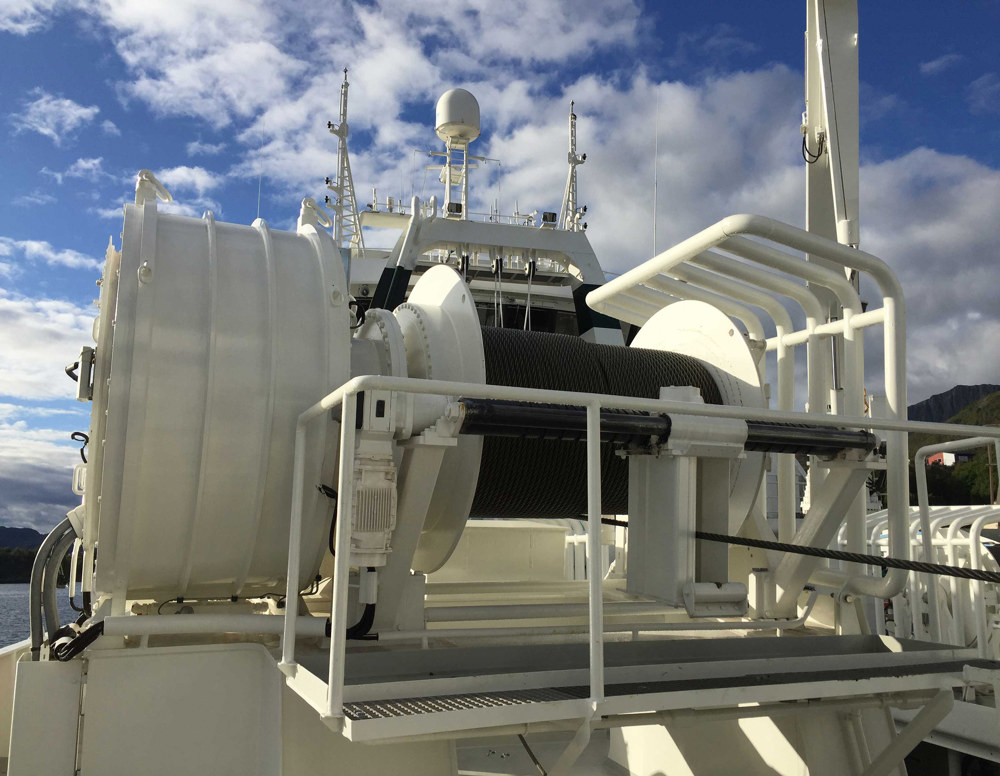
- Motor overheating
- Brake lining wear
- Chain gypsy wear
- Encoder failure

- VFD fault
- Chain stopper alignment
- Brake drum scoring
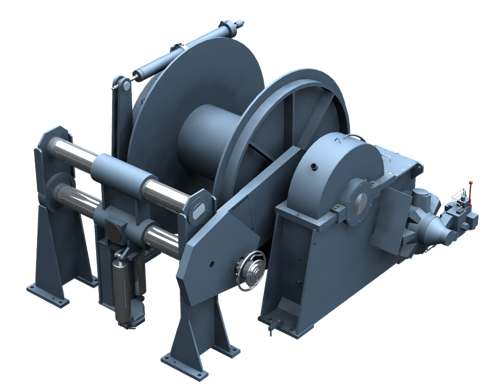
- Hydraulic seal leakage
- Pressure relief valve drift
- Gypsy insert wear
- Split drum seal failure
- Clutch engagement issues
- Warping drum wear
- Chain counter malfunction
- Motor brush wear
- Brake spring fatigue
Brattvaag
3- Swivel joint leakage
- Clutch band wear
- Foundation bolt corrosion
- High-pressure hose burst
- Gypsy tooth fracture
- Brake fade under load
- Accumulator bladder failure
- Pump cavitation
- Chain tensioner malfunction
BROBERG SWEDEN
3CSSC Marine Equipment
3- Contactor pitting
- Gearbox noise
- Chain pocket insert wear
- Motor bearing failure
- Control panel corrosion
- Brake spring fatigue
- HPU filter clogging
- Cylinder rod scoring
- Chain stopper pin wear
Jiangyin Neptune Marine Appliance
3Kawasaki Heavy Industries
3- Planetary gear wear
- Slip ring corrosion
- Foundation cracking
- Axial piston pump wear
- Manifold valve leakage
- Chain gypsy scoring
- Transformer overheating
- Brake actuator failure
- Chain counter sensor
- High pulling power with a safe working load of 400 kN
- Electric drive reduces maintenance and increases safety
- Suitable for large vessels requiring heavy-duty anchor handling
- Quarterly testing of the brake actuator ensures reliability
- Transformer overheating can be a significant issue if not monitored
- Brake actuator failure can lead to operational downtime
- Chain counter sensor failures may affect accuracy
PTR Holland Group
3AB OQS-Ocean Quality Systems
2Astilleros Astondoa
2Bryne Winch Solution
2Candela Technology
2EFINOR ALLAIS
2European Safety Systems
2Fjord d.o.o
2Jiangsu Huayan Marine Equipment
2Karmoy Winch
2
- Encoder failure in cold weather
- Brake pad glazing
- Cable gland water ingress
- Hydraulic motor seal leak
- Brake accumulator pre-charge loss
- Chain counter failure
Kökény Nóra
2Major Sandor
2Nelt d.o.o
2Nimbus Produktion i Mariestad
2Norway Marine Supply
2Oy Marino
2Salona Grupa d.o.o
2Seascape d.o.o
2Van Schie
2Yancheng Shenli Rope-Making
2A-SPE Europe Spolka Jawna
1A.W. Niemeyer
1AQWIA Kft
1Artemis Technologies
1Beta Marine
1Bourbon Mobility S.A.S.U
1BUKH
1BURA GUMENJACI d.o.o
1Chantier Naval Couach CNC S
1Csaba Mikesz
1DEMCON unmanned systems
1DREWIL ENTERSHIP
1Drágár Péter
1EJET d.o.o
1EKO PLOVILA
1FORMATEK d.o.o
1Fr. Fassmer
1Framecomp
1GROS INOX doo
1GROSINOX doo
1Hatecke
1Hendricks Shipping Group
1Hochiki Europe (UK)
1Hyun Chang Industries
1JEMAR NORPOWER
1Jiangsu Yiqi Ship Technology
1Jiangyan City Marine Outfitting
1Kace
1Kverneland Aqua
1Kóródi Imre
1Lovas János Attila
1Lucky Wood doo
1Mare Safety
1Marine Alutech
1Marine Diesel Engineering
1Maritime Robotics
1N. Sundin Dockstavarvet
1NAUTI
1NAVALPORT YARDS-CONSTRUCAO NAVAL UNIPESSOAL LDA
1NAVALTECNICA - COSTRUZIONI NAVALI
1Naya Design Kft
1New Madera RIBs
1NEX Marine doo
1Origo Klip d.o.o
1Oy Nautor
1Planet Marine d.o.o
1Pro Nautik
1Qingdao Good Brother Marine Lifesaving Appliances
1Rolls-Royce Solutions
1S.Z.R. Elko Vladimir Prisic PR Futog
1SAILART Segelboote
1Shanghai Martian Ship Equipment
1Shanghai Qiangang Industrial
1Shanghai Yibei Safety Equipment
1Shanghai Zhouqin Maritime Equipment
1Skibsplast
1SPASOJEVIC ZORAN PR BOAT TEAM NOVI SAD
1SSAB Europe
1Stevan Mihajlov Preduzetnik SZR ZA Izradu Proizvoda OD PL
1Storm Cranes
1Streit Marine FZ
1TARSIS ASTILLEROS
1TERITA EOOD
1Tibor Hornyak
1TO DELETE
1Trend Marine Products
1TTS Bohai Machinery (Dalian)
1UNIPLAST BK d.o.o. Struga
1Viktor Posa
1Viro d.o.o
1Yinson Electric
1Zhenjiang DH Marine Equipment
1Zhenjiang Marine Auxiliary Machinery Works
1- Band brake Belagverschleiß bei häufigen Hafenmanövern
- Wildcat-Taschenverschleiß nach 15.000+ Betriebsstunden
- Hydraulikmotor-Dichtungsleck bei hydraulischen Varianten
- Elektromotor-Isolationsfehler durch Deckbelastung und Feuchtigkeit