Weather Station / Anemometer
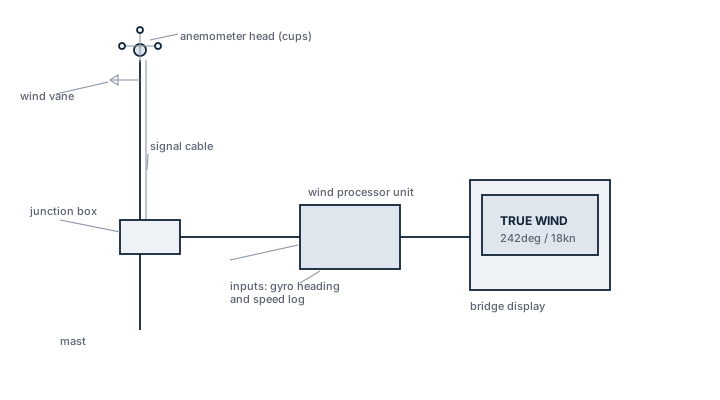
The ship's anemometer gives relative wind speed and direction as measured at the masthead, and the bridge system must convert that to true wind using the vessel's own speed and heading before it means anything for manoeuvring, cargo operations, or reporting.
Read more — Weather Station / Anemometer explained ▾
What sets the weather station apart
Within bridge instrumentation, most sensors such as the log, echo sounder and gyro report something the ship itself is doing. The anemometer reports the environment, and specifically it reports relative wind: what the sensor actually feels, which is the vector sum of the true wind and the wind created by the ship's own movement through the air. Converting relative wind to true wind and direction requires combining the anemometer reading with the vessel's speed and heading, a calculation the bridge system performs continuously and displays or feeds to other systems such as dynamic positioning or cargo operations software.
Main components
Sensor head
Two designs dominate: the traditional cup-and-vane mechanical anemometer with moving parts, and the ultrasonic anemometer, which measures wind by timing ultrasonic pulses between fixed transducers and has no moving parts to wear or ice up as readily.
Mast mounting and exposure
Mounted at the masthead or another position clear of superstructure turbulence; poor exposure, too close to the funnel or stack gas, introduces errors that no amount of sensor accuracy can correct.
Processing unit
Converts relative to true wind using heading and speed input from the gyro and log, and outputs the result to the bridge display and, via the ship's data bus, to other systems that consume wind data.
Heating element
Fitted to the sensor head on vessels operating in cold climates to prevent icing, which otherwise stops a mechanical anemometer dead and gives a false zero reading.
Selection and sizing
- Sensor type: ultrasonic units cost more but avoid the moving-part wear and icing sensitivity of cup-and-vane designs, which matters more on cold-climate or heavy-weather routes.
- Output interface compatible with the bridge system and any downstream consumer such as dynamic positioning or the loading computer.
- Wind speed measurement range appropriate to the vessel's operating envelope, since severe-weather readings are often the ones that matter most operationally.
- Mounting position surveyed for clean airflow before installation, not decided by convenience of cable routing.
Regulations and class
SOLAS Ch. V does not mandate an anemometer for every ship type, but it is required on certain vessel types and standard fit on most seagoing ships as part of the navigation equipment outfit; class societies specify it in their equipment lists for particular notations. Where fitted, it is subject to the general requirement that navigation equipment be maintained in proper working order, and interfacing to other mandatory systems such as a voyage data recorder can bring it under those systems' own performance standards.
Typical faults
| Fault | Cause | Consequence |
|---|---|---|
| Frozen or seized cups or vane | Icing without an active heater, or a heater failed unnoticed | False zero or fixed reading, silently wrong wind data feeding into other systems |
| Systematic direction offset | Sensor head mounted out of alignment with the ship's fore-and-aft line | Consistent directional error that looks plausible but is wrong |
| Turbulence-corrupted readings | Sensor sited too close to funnel or superstructure airflow disturbance | Erratic or biased readings, particularly at certain relative wind angles |
| Loss of true wind calculation | Loss of heading or speed input feeding the processing unit | Relative wind still shown but true wind conversion fails silently or defaults incorrectly |
What to look for in a supplier
- Documented accuracy figures for both speed and direction, and stated behaviour in icing conditions if a heated version is chosen.
- Interface standards confirmed compatible with the existing bridge integration before ordering.
- Manufacturer guidance on mounting position and minimum clearance from turbulence sources.
- Spare sensor head availability, since replacing the whole mast-mounted unit is a significant job better done with a spare in hand.
Always read wind data with the true/relative distinction in mind; a bridge team quoting relative wind speed as if it were true wind during a manoeuvring discussion is a recurring and avoidable source of confusion.
35 manufacturers · 191 models
Vaisala
25- Loss of electrical, hydraulic, pneumatic, or other service supply caused by a tripped protection device, leakage, blockage, or upstream fault results in failed starting or loss of function
- Mechanical wear, corrosion, fouling, or contamination of moving and wetted parts causes increased noise, leakage, sticking, vibration, or reduced performance
- Seal, gasket, hose, cable, or connection deterioration from age, heat, vibration, or environmental exposure produces visible leakage, intermittent signals, or loss of pressure
- Sensor, switch, actuator, relay, or control-system faults can cause incorrect indication, nuisance alarms, failed automatic sequences, or loss of remote control
- Incorrect adjustment, assembly, or maintenance can lead to unstable operation, recurrent alarms, or performance that differs from the vessel's normal baseline
- Loss of electrical, hydraulic, pneumatic, or other service supply caused by a tripped protection device, leakage, blockage, or upstream fault results in failed starting or loss of function
- Mechanical wear, corrosion, fouling, or contamination of moving and wetted parts causes increased noise, leakage, sticking, vibration, or reduced performance
- Seal, gasket, hose, cable, or connection deterioration from age, heat, vibration, or environmental exposure produces visible leakage, intermittent signals, or loss of pressure
- Sensor, switch, actuator, relay, or control-system faults can cause incorrect indication, nuisance alarms, failed automatic sequences, or loss of remote control
- Incorrect adjustment, assembly, or maintenance can lead to unstable operation, recurrent alarms, or performance that differs from the vessel's normal baseline
- Loss of electrical, hydraulic, pneumatic, or other service supply caused by a tripped protection device, leakage, blockage, or upstream fault results in failed starting or loss of function
- Mechanical wear, corrosion, fouling, or contamination of moving and wetted parts causes increased noise, leakage, sticking, vibration, or reduced performance
- Seal, gasket, hose, cable, or connection deterioration from age, heat, vibration, or environmental exposure produces visible leakage, intermittent signals, or loss of pressure
- Sensor, switch, actuator, relay, or control-system faults can cause incorrect indication, nuisance alarms, failed automatic sequences, or loss of remote control
- Incorrect adjustment, assembly, or maintenance can lead to unstable operation, recurrent alarms, or performance that differs from the vessel's normal baseline
- Sensor or antenna degradation caused by contamination, damage, ageing or poor exposure can produce missing, unstable or implausible data
- Connector, cable or network faults caused by vibration, corrosion or disturbed terminations can cause intermittent data loss or interface alarms
- Power-supply or internal electronics failure caused by ageing, heat or poor ventilation can result in resets, blank indications or complete loss of function
- Configuration or software errors after service or replacement can cause incorrect data, rejected inputs or loss of communication with other bridge equipment
- Mechanical damage or water ingress at exposed components can lead to erratic readings, repeated alarms or loss of the affected channel
- Sensor or antenna degradation caused by contamination, damage, ageing or poor exposure can produce missing, unstable or implausible data
- Connector, cable or network faults caused by vibration, corrosion or disturbed terminations can cause intermittent data loss or interface alarms
- Power-supply or internal electronics failure caused by ageing, heat or poor ventilation can result in resets, blank indications or complete loss of function
- Configuration or software errors after service or replacement can cause incorrect data, rejected inputs or loss of communication with other bridge equipment
- Mechanical damage or water ingress at exposed components can lead to erratic readings, repeated alarms or loss of the affected channel
- Sensor or antenna degradation caused by contamination, damage, ageing or poor exposure can produce missing, unstable or implausible data
- Connector, cable or network faults caused by vibration, corrosion or disturbed terminations can cause intermittent data loss or interface alarms
- Power-supply or internal electronics failure caused by ageing, heat or poor ventilation can result in resets, blank indications or complete loss of function
- Configuration or software errors after service or replacement can cause incorrect data, rejected inputs or loss of communication with other bridge equipment
- Mechanical damage or water ingress at exposed components can lead to erratic readings, repeated alarms or loss of the affected channel
- Sensor or antenna degradation caused by contamination, damage, ageing or poor exposure can produce missing, unstable or implausible data
- Connector, cable or network faults caused by vibration, corrosion or disturbed terminations can cause intermittent data loss or interface alarms
- Power-supply or internal electronics failure caused by ageing, heat or poor ventilation can result in resets, blank indications or complete loss of function
- Configuration or software errors after service or replacement can cause incorrect data, rejected inputs or loss of communication with other bridge equipment
- Mechanical damage or water ingress at exposed components can lead to erratic readings, repeated alarms or loss of the affected channel
- Sensor or antenna degradation caused by contamination, damage, ageing or poor exposure can produce missing, unstable or implausible data
- Connector, cable or network faults caused by vibration, corrosion or disturbed terminations can cause intermittent data loss or interface alarms
- Power-supply or internal electronics failure caused by ageing, heat or poor ventilation can result in resets, blank indications or complete loss of function
- Configuration or software errors after service or replacement can cause incorrect data, rejected inputs or loss of communication with other bridge equipment
- Mechanical damage or water ingress at exposed components can lead to erratic readings, repeated alarms or loss of the affected channel
- Sensor or antenna degradation caused by contamination, damage, ageing or poor exposure can produce missing, unstable or implausible data
- Connector, cable or network faults caused by vibration, corrosion or disturbed terminations can cause intermittent data loss or interface alarms
- Power-supply or internal electronics failure caused by ageing, heat or poor ventilation can result in resets, blank indications or complete loss of function
- Configuration or software errors after service or replacement can cause incorrect data, rejected inputs or loss of communication with other bridge equipment
- Mechanical damage or water ingress at exposed components can lead to erratic readings, repeated alarms or loss of the affected channel
- Sensor or antenna degradation caused by contamination, damage, ageing or poor exposure can produce missing, unstable or implausible data
- Connector, cable or network faults caused by vibration, corrosion or disturbed terminations can cause intermittent data loss or interface alarms
- Power-supply or internal electronics failure caused by ageing, heat or poor ventilation can result in resets, blank indications or complete loss of function
- Configuration or software errors after service or replacement can cause incorrect data, rejected inputs or loss of communication with other bridge equipment
- Mechanical damage or water ingress at exposed components can lead to erratic readings, repeated alarms or loss of the affected channel
- Loss of electrical, hydraulic, pneumatic, or other service supply caused by a tripped protection device, leakage, blockage, or upstream fault results in failed starting or loss of function
- Mechanical wear, corrosion, fouling, or contamination of moving and wetted parts causes increased noise, leakage, sticking, vibration, or reduced performance
- Seal, gasket, hose, cable, or connection deterioration from age, heat, vibration, or environmental exposure produces visible leakage, intermittent signals, or loss of pressure
- Sensor, switch, actuator, relay, or control-system faults can cause incorrect indication, nuisance alarms, failed automatic sequences, or loss of remote control
- Incorrect adjustment, assembly, or maintenance can lead to unstable operation, recurrent alarms, or performance that differs from the vessel's normal baseline
- Loss of electrical, hydraulic, pneumatic, or other service supply caused by a tripped protection device, leakage, blockage, or upstream fault results in failed starting or loss of function
- Mechanical wear, corrosion, fouling, or contamination of moving and wetted parts causes increased noise, leakage, sticking, vibration, or reduced performance
- Seal, gasket, hose, cable, or connection deterioration from age, heat, vibration, or environmental exposure produces visible leakage, intermittent signals, or loss of pressure
- Sensor, switch, actuator, relay, or control-system faults can cause incorrect indication, nuisance alarms, failed automatic sequences, or loss of remote control
- Incorrect adjustment, assembly, or maintenance can lead to unstable operation, recurrent alarms, or performance that differs from the vessel's normal baseline
- Sensor contamination, mechanical damage, ageing, or environmental exposure causes drifting, unstable, or missing measurements
- Power-supply, fuse, or internal electronic faults cause loss of indication, rebooting, or sensor-offline alarms
- Cable, connector, network, or interface faults produce intermittent data or loss of information at repeaters and connected systems
- Incorrect alignment, calibration, configuration, or reference input causes a consistent offset or implausible readings
- Display, repeater, processor, or software faults can cause frozen values, failed alarms, or disagreement between indications
- Loss of electrical, hydraulic, pneumatic, or other service supply caused by a tripped protection device, leakage, blockage, or upstream fault results in failed starting or loss of function
- Mechanical wear, corrosion, fouling, or contamination of moving and wetted parts causes increased noise, leakage, sticking, vibration, or reduced performance
- Seal, gasket, hose, cable, or connection deterioration from age, heat, vibration, or environmental exposure produces visible leakage, intermittent signals, or loss of pressure
- Sensor, switch, actuator, relay, or control-system faults can cause incorrect indication, nuisance alarms, failed automatic sequences, or loss of remote control
- Incorrect adjustment, assembly, or maintenance can lead to unstable operation, recurrent alarms, or performance that differs from the vessel's normal baseline
- Sensor or antenna degradation caused by contamination, damage, ageing or poor exposure can produce missing, unstable or implausible data
- Connector, cable or network faults caused by vibration, corrosion or disturbed terminations can cause intermittent data loss or interface alarms
- Power-supply or internal electronics failure caused by ageing, heat or poor ventilation can result in resets, blank indications or complete loss of function
- Configuration or software errors after service or replacement can cause incorrect data, rejected inputs or loss of communication with other bridge equipment
- Mechanical damage or water ingress at exposed components can lead to erratic readings, repeated alarms or loss of the affected channel
- Sensor or antenna degradation caused by contamination, damage, ageing or poor exposure can produce missing, unstable or implausible data
- Connector, cable or network faults caused by vibration, corrosion or disturbed terminations can cause intermittent data loss or interface alarms
- Power-supply or internal electronics failure caused by ageing, heat or poor ventilation can result in resets, blank indications or complete loss of function
- Configuration or software errors after service or replacement can cause incorrect data, rejected inputs or loss of communication with other bridge equipment
- Mechanical damage or water ingress at exposed components can lead to erratic readings, repeated alarms or loss of the affected channel
- Sensor, antenna or transducer fault caused by damage, fouling, water ingress or electronics failure, resulting in missing, unstable or implausible navigation data
- Power-supply failure caused by breaker, converter or wiring faults, resulting in loss of indication or repeated restarts
- Network or interface failure caused by damaged cabling, port faults or configuration changes, resulting in loss of data to connected bridge systems
- Display, processor or control failure caused by hardware or software faults, resulting in frozen, blank or unavailable functions
- Calibration, alignment or configuration error caused by incorrect setup or maintenance, resulting in persistent disagreement with independent references
- Sensor, antenna or transducer fault caused by damage, fouling, water ingress or electronics failure, resulting in missing, unstable or implausible navigation data
- Power-supply failure caused by breaker, converter or wiring faults, resulting in loss of indication or repeated restarts
- Network or interface failure caused by damaged cabling, port faults or configuration changes, resulting in loss of data to connected bridge systems
- Display, processor or control failure caused by hardware or software faults, resulting in frozen, blank or unavailable functions
- Calibration, alignment or configuration error caused by incorrect setup or maintenance, resulting in persistent disagreement with independent references
- Sensor, antenna or transducer fault caused by damage, fouling, water ingress or electronics failure, resulting in missing, unstable or implausible navigation data
- Power-supply failure caused by breaker, converter or wiring faults, resulting in loss of indication or repeated restarts
- Network or interface failure caused by damaged cabling, port faults or configuration changes, resulting in loss of data to connected bridge systems
- Display, processor or control failure caused by hardware or software faults, resulting in frozen, blank or unavailable functions
- Calibration, alignment or configuration error caused by incorrect setup or maintenance, resulting in persistent disagreement with independent references
- Sensor, antenna or transducer damage causes unstable, missing or inaccurate navigation data
- Power-supply failure causes receiver or display reset and complete loss of output
- Cable, connector or interface faults cause intermittent data or loss of signals to dependent systems
- Incorrect alignment, calibration or configuration causes persistent disagreement with independent references
- Processor or display faults cause frozen values, alarms or unavailable navigation information
- Sensor, antenna or transducer fault caused by damage, fouling, water ingress or electronics failure, resulting in missing, unstable or implausible navigation data
- Power-supply failure caused by breaker, converter or wiring faults, resulting in loss of indication or repeated restarts
- Network or interface failure caused by damaged cabling, port faults or configuration changes, resulting in loss of data to connected bridge systems
- Display, processor or control failure caused by hardware or software faults, resulting in frozen, blank or unavailable functions
- Calibration, alignment or configuration error caused by incorrect setup or maintenance, resulting in persistent disagreement with independent references
- Sensor, antenna or transducer fault caused by damage, fouling, water ingress or electronics failure, resulting in missing, unstable or implausible navigation data
- Power-supply failure caused by breaker, converter or wiring faults, resulting in loss of indication or repeated restarts
- Network or interface failure caused by damaged cabling, port faults or configuration changes, resulting in loss of data to connected bridge systems
- Display, processor or control failure caused by hardware or software faults, resulting in frozen, blank or unavailable functions
- Calibration, alignment or configuration error caused by incorrect setup or maintenance, resulting in persistent disagreement with independent references
- Sensor fouling, bearing wear, icing, salt contamination or electronics failure, resulting in missing, sluggish or implausible weather data
- Power-supply failure caused by breaker, converter or wiring faults, resulting in loss of the equipment or repeated restarts
- Network or interface failure caused by damaged cabling, port faults or configuration changes, resulting in loss of data to connected systems
- Display, processor or control failure caused by hardware or software faults, resulting in frozen indications, alarms or unavailable functions
- Incorrect configuration or time, position or sensor input caused by setup or upstream faults, resulting in misleading or incomplete information
- Sensor, antenna or transducer fault caused by damage, fouling, water ingress or electronics failure, resulting in missing, unstable or implausible navigation data
- Power-supply failure caused by breaker, converter or wiring faults, resulting in loss of indication or repeated restarts
- Network or interface failure caused by damaged cabling, port faults or configuration changes, resulting in loss of data to connected bridge systems
- Display, processor or control failure caused by hardware or software faults, resulting in frozen, blank or unavailable functions
- Calibration, alignment or configuration error caused by incorrect setup or maintenance, resulting in persistent disagreement with independent references
- Sensor, antenna or transducer damage causes unstable, missing or inaccurate navigation data
- Power-supply failure causes receiver or display reset and complete loss of output
- Cable, connector or interface faults cause intermittent data or loss of signals to dependent systems
- Incorrect alignment, calibration or configuration causes persistent disagreement with independent references
- Processor or display faults cause frozen values, alarms or unavailable navigation information
Observator Instruments
21- Sensor, antenna or transducer damage causes unstable, missing or inaccurate navigation data
- Power-supply failure causes receiver or display reset and complete loss of output
- Cable, connector or interface faults cause intermittent data or loss of signals to dependent systems
- Incorrect alignment, calibration or configuration causes persistent disagreement with independent references
- Processor or display faults cause frozen values, alarms or unavailable navigation information
- Sensor, antenna or transducer damage causes unstable, missing or inaccurate navigation data
- Power-supply failure causes receiver or display reset and complete loss of output
- Cable, connector or interface faults cause intermittent data or loss of signals to dependent systems
- Incorrect alignment, calibration or configuration causes persistent disagreement with independent references
- Processor or display faults cause frozen values, alarms or unavailable navigation information
- Sensor, antenna or transducer damage causes unstable, missing or inaccurate navigation data
- Power-supply failure causes receiver or display reset and complete loss of output
- Cable, connector or interface faults cause intermittent data or loss of signals to dependent systems
- Incorrect alignment, calibration or configuration causes persistent disagreement with independent references
- Processor or display faults cause frozen values, alarms or unavailable navigation information
- Sensor, antenna or transducer damage causes unstable, missing or inaccurate navigation data
- Power-supply failure causes receiver or display reset and complete loss of output
- Cable, connector or interface faults cause intermittent data or loss of signals to dependent systems
- Incorrect alignment, calibration or configuration causes persistent disagreement with independent references
- Processor or display faults cause frozen values, alarms or unavailable navigation information
- Sensor fouling, bearing wear, icing, salt contamination or electronics failure, resulting in missing, sluggish or implausible weather data
- Power-supply failure caused by breaker, converter or wiring faults, resulting in loss of the equipment or repeated restarts
- Network or interface failure caused by damaged cabling, port faults or configuration changes, resulting in loss of data to connected systems
- Display, processor or control failure caused by hardware or software faults, resulting in frozen indications, alarms or unavailable functions
- Incorrect configuration or time, position or sensor input caused by setup or upstream faults, resulting in misleading or incomplete information
- Sensor fouling, bearing wear, icing, salt contamination or electronics failure, resulting in missing, sluggish or implausible weather data
- Power-supply failure caused by breaker, converter or wiring faults, resulting in loss of the equipment or repeated restarts
- Network or interface failure caused by damaged cabling, port faults or configuration changes, resulting in loss of data to connected systems
- Display, processor or control failure caused by hardware or software faults, resulting in frozen indications, alarms or unavailable functions
- Incorrect configuration or time, position or sensor input caused by setup or upstream faults, resulting in misleading or incomplete information
- Sensor fouling, bearing wear, icing, salt contamination or electronics failure, resulting in missing, sluggish or implausible weather data
- Power-supply failure caused by breaker, converter or wiring faults, resulting in loss of the equipment or repeated restarts
- Network or interface failure caused by damaged cabling, port faults or configuration changes, resulting in loss of data to connected systems
- Display, processor or control failure caused by hardware or software faults, resulting in frozen indications, alarms or unavailable functions
- Incorrect configuration or time, position or sensor input caused by setup or upstream faults, resulting in misleading or incomplete information
- Sensor fouling, bearing wear, icing, salt contamination or electronics failure, resulting in missing, sluggish or implausible weather data
- Power-supply failure caused by breaker, converter or wiring faults, resulting in loss of the equipment or repeated restarts
- Network or interface failure caused by damaged cabling, port faults or configuration changes, resulting in loss of data to connected systems
- Display, processor or control failure caused by hardware or software faults, resulting in frozen indications, alarms or unavailable functions
- Incorrect configuration or time, position or sensor input caused by setup or upstream faults, resulting in misleading or incomplete information
- Sensor, antenna or transducer damage causes unstable, missing or inaccurate navigation data
- Power-supply failure causes receiver or display reset and complete loss of output
- Cable, connector or interface faults cause intermittent data or loss of signals to dependent systems
- Incorrect alignment, calibration or configuration causes persistent disagreement with independent references
- Processor or display faults cause frozen values, alarms or unavailable navigation information
- Sensor fouling, bearing wear, icing, salt contamination or electronics failure, resulting in missing, sluggish or implausible weather data
- Power-supply failure caused by breaker, converter or wiring faults, resulting in loss of the equipment or repeated restarts
- Network or interface failure caused by damaged cabling, port faults or configuration changes, resulting in loss of data to connected systems
- Display, processor or control failure caused by hardware or software faults, resulting in frozen indications, alarms or unavailable functions
- Incorrect configuration or time, position or sensor input caused by setup or upstream faults, resulting in misleading or incomplete information
- Sensor, antenna or transducer fault caused by damage, fouling, water ingress or electronics failure, resulting in missing, unstable or implausible navigation data
- Power-supply failure caused by breaker, converter or wiring faults, resulting in loss of indication or repeated restarts
- Network or interface failure caused by damaged cabling, port faults or configuration changes, resulting in loss of data to connected bridge systems
- Display, processor or control failure caused by hardware or software faults, resulting in frozen, blank or unavailable functions
- Calibration, alignment or configuration error caused by incorrect setup or maintenance, resulting in persistent disagreement with independent references
- Sensor, antenna or transducer fault caused by damage, fouling, water ingress or electronics failure, resulting in missing, unstable or implausible navigation data
- Power-supply failure caused by breaker, converter or wiring faults, resulting in loss of indication or repeated restarts
- Network or interface failure caused by damaged cabling, port faults or configuration changes, resulting in loss of data to connected bridge systems
- Display, processor or control failure caused by hardware or software faults, resulting in frozen, blank or unavailable functions
- Calibration, alignment or configuration error caused by incorrect setup or maintenance, resulting in persistent disagreement with independent references
- Sensor fouling, bearing wear, icing, salt contamination or electronics failure, resulting in missing, sluggish or implausible weather data
- Power-supply failure caused by breaker, converter or wiring faults, resulting in loss of the equipment or repeated restarts
- Network or interface failure caused by damaged cabling, port faults or configuration changes, resulting in loss of data to connected systems
- Display, processor or control failure caused by hardware or software faults, resulting in frozen indications, alarms or unavailable functions
- Incorrect configuration or time, position or sensor input caused by setup or upstream faults, resulting in misleading or incomplete information
- Loss of sensor input or network communication can remove or freeze displayed data, noticed as invalid-data flags, alarms or missing targets
- Antenna, transducer or external-sensor contamination or damage can degrade performance, seen as weak, erratic or implausible indications
- Power-supply or internal electronics faults can cause resets or loss of function, noticed as blank displays, rebooting or system alarms
- Configuration or calibration drift can produce inaccurate output, seen as disagreement with independent bridge instruments
- Connector corrosion or water ingress can create intermittent faults, noticed as performance changing with vibration, weather or vessel movement
- Loss of sensor input or network communication can remove or freeze displayed data, noticed as invalid-data flags, alarms or missing targets
- Antenna, transducer or external-sensor contamination or damage can degrade performance, seen as weak, erratic or implausible indications
- Power-supply or internal electronics faults can cause resets or loss of function, noticed as blank displays, rebooting or system alarms
- Configuration or calibration drift can produce inaccurate output, seen as disagreement with independent bridge instruments
- Connector corrosion or water ingress can create intermittent faults, noticed as performance changing with vibration, weather or vessel movement
- Loss of sensor input or network communication can remove or freeze displayed data, noticed as invalid-data flags, alarms or missing targets
- Antenna, transducer or external-sensor contamination or damage can degrade performance, seen as weak, erratic or implausible indications
- Power-supply or internal electronics faults can cause resets or loss of function, noticed as blank displays, rebooting or system alarms
- Configuration or calibration drift can produce inaccurate output, seen as disagreement with independent bridge instruments
- Connector corrosion or water ingress can create intermittent faults, noticed as performance changing with vibration, weather or vessel movement
- Loss of sensor input or network communication can remove or freeze displayed data, noticed as invalid-data flags, alarms or missing targets
- Antenna, transducer or external-sensor contamination or damage can degrade performance, seen as weak, erratic or implausible indications
- Power-supply or internal electronics faults can cause resets or loss of function, noticed as blank displays, rebooting or system alarms
- Configuration or calibration drift can produce inaccurate output, seen as disagreement with independent bridge instruments
- Connector corrosion or water ingress can create intermittent faults, noticed as performance changing with vibration, weather or vessel movement
- Loss of sensor input or network communication can remove or freeze displayed data, noticed as invalid-data flags, alarms or missing targets
- Antenna, transducer or external-sensor contamination or damage can degrade performance, seen as weak, erratic or implausible indications
- Power-supply or internal electronics faults can cause resets or loss of function, noticed as blank displays, rebooting or system alarms
- Configuration or calibration drift can produce inaccurate output, seen as disagreement with independent bridge instruments
- Connector corrosion or water ingress can create intermittent faults, noticed as performance changing with vibration, weather or vessel movement
- Loss of sensor input or network communication can remove or freeze displayed data, noticed as invalid-data flags, alarms or missing targets
- Antenna, transducer or external-sensor contamination or damage can degrade performance, seen as weak, erratic or implausible indications
- Power-supply or internal electronics faults can cause resets or loss of function, noticed as blank displays, rebooting or system alarms
- Configuration or calibration drift can produce inaccurate output, seen as disagreement with independent bridge instruments
- Connector corrosion or water ingress can create intermittent faults, noticed as performance changing with vibration, weather or vessel movement
- Loss of sensor input or network communication can remove or freeze displayed data, noticed as invalid-data flags, alarms or missing targets
- Antenna, transducer or external-sensor contamination or damage can degrade performance, seen as weak, erratic or implausible indications
- Power-supply or internal electronics faults can cause resets or loss of function, noticed as blank displays, rebooting or system alarms
- Configuration or calibration drift can produce inaccurate output, seen as disagreement with independent bridge instruments
- Connector corrosion or water ingress can create intermittent faults, noticed as performance changing with vibration, weather or vessel movement
- Loss of sensor input or network communication can remove or freeze displayed data, noticed as invalid-data flags, alarms or missing targets
- Antenna, transducer or external-sensor contamination or damage can degrade performance, seen as weak, erratic or implausible indications
- Power-supply or internal electronics faults can cause resets or loss of function, noticed as blank displays, rebooting or system alarms
- Configuration or calibration drift can produce inaccurate output, seen as disagreement with independent bridge instruments
- Connector corrosion or water ingress can create intermittent faults, noticed as performance changing with vibration, weather or vessel movement
Gill Instruments
19- Sensor fouling, bearing wear, icing, salt contamination or electronics failure, resulting in missing, sluggish or implausible weather data
- Power-supply failure caused by breaker, converter or wiring faults, resulting in loss of the equipment or repeated restarts
- Network or interface failure caused by damaged cabling, port faults or configuration changes, resulting in loss of data to connected systems
- Display, processor or control failure caused by hardware or software faults, resulting in frozen indications, alarms or unavailable functions
- Incorrect configuration or time, position or sensor input caused by setup or upstream faults, resulting in misleading or incomplete information
- Sensor fouling, bearing wear, icing, salt contamination or electronics failure, resulting in missing, sluggish or implausible weather data
- Power-supply failure caused by breaker, converter or wiring faults, resulting in loss of the equipment or repeated restarts
- Network or interface failure caused by damaged cabling, port faults or configuration changes, resulting in loss of data to connected systems
- Display, processor or control failure caused by hardware or software faults, resulting in frozen indications, alarms or unavailable functions
- Incorrect configuration or time, position or sensor input caused by setup or upstream faults, resulting in misleading or incomplete information
- Sensor, antenna or transducer damage causes unstable, missing or inaccurate navigation data
- Power-supply failure causes receiver or display reset and complete loss of output
- Cable, connector or interface faults cause intermittent data or loss of signals to dependent systems
- Incorrect alignment, calibration or configuration causes persistent disagreement with independent references
- Processor or display faults cause frozen values, alarms or unavailable navigation information

- Sensor, antenna or transducer fault, typically indicated by missing, unstable or implausible navigation data
- Power-supply or processor failure, typically indicated by blank display, rebooting or unavailable function
- Network/interface fault, typically indicated by missing data on connected bridge systems or communication alarms
- Cable/connector corrosion or water ingress, typically indicated by intermittent operation or signal loss
- Recording/storage or software fault on recorder-type equipment, typically indicated by data gaps, recording alarms or failed playback

- Sensor fouling, bearing wear, icing, salt contamination or electronics failure, resulting in missing, sluggish or implausible weather data
- Power-supply failure caused by breaker, converter or wiring faults, resulting in loss of the equipment or repeated restarts
- Network or interface failure caused by damaged cabling, port faults or configuration changes, resulting in loss of data to connected systems
- Display, processor or control failure caused by hardware or software faults, resulting in frozen indications, alarms or unavailable functions
- Incorrect configuration or time, position or sensor input caused by setup or upstream faults, resulting in misleading or incomplete information
- Sensor, antenna or transducer fault caused by damage, fouling, water ingress or electronics failure, resulting in missing, unstable or implausible navigation data
- Power-supply failure caused by breaker, converter or wiring faults, resulting in loss of indication or repeated restarts
- Network or interface failure caused by damaged cabling, port faults or configuration changes, resulting in loss of data to connected bridge systems
- Display, processor or control failure caused by hardware or software faults, resulting in frozen, blank or unavailable functions
- Calibration, alignment or configuration error caused by incorrect setup or maintenance, resulting in persistent disagreement with independent references
- Sensor, antenna or transducer fault, typically indicated by missing, unstable or implausible navigation data
- Power-supply or processor failure, typically indicated by blank display, rebooting or unavailable function
- Network/interface fault, typically indicated by missing data on connected bridge systems or communication alarms
- Cable/connector corrosion or water ingress, typically indicated by intermittent operation or signal loss
- Recording/storage or software fault on recorder-type equipment, typically indicated by data gaps, recording alarms or failed playback
- Sensor, antenna or transducer fault caused by damage, fouling, water ingress or electronics failure, resulting in missing, unstable or implausible navigation data
- Power-supply failure caused by breaker, converter or wiring faults, resulting in loss of indication or repeated restarts
- Network or interface failure caused by damaged cabling, port faults or configuration changes, resulting in loss of data to connected bridge systems
- Display, processor or control failure caused by hardware or software faults, resulting in frozen, blank or unavailable functions
- Calibration, alignment or configuration error caused by incorrect setup or maintenance, resulting in persistent disagreement with independent references
- Sensor, antenna or transducer damage causes unstable, missing or inaccurate navigation data
- Power-supply failure causes receiver or display reset and complete loss of output
- Cable, connector or interface faults cause intermittent data or loss of signals to dependent systems
- Incorrect alignment, calibration or configuration causes persistent disagreement with independent references
- Processor or display faults cause frozen values, alarms or unavailable navigation information
- Sensor, antenna or transducer fault, typically indicated by missing, unstable or implausible navigation data
- Power-supply or processor failure, typically indicated by blank display, rebooting or unavailable function
- Network/interface fault, typically indicated by missing data on connected bridge systems or communication alarms
- Cable/connector corrosion or water ingress, typically indicated by intermittent operation or signal loss
- Recording/storage or software fault on recorder-type equipment, typically indicated by data gaps, recording alarms or failed playback
- Sensor, antenna or transducer damage causes unstable, missing or inaccurate navigation data
- Power-supply failure causes receiver or display reset and complete loss of output
- Cable, connector or interface faults cause intermittent data or loss of signals to dependent systems
- Incorrect alignment, calibration or configuration causes persistent disagreement with independent references
- Processor or display faults cause frozen values, alarms or unavailable navigation information
- Loss of sensor input or network communication can remove or freeze displayed data, noticed as invalid-data flags, alarms or missing targets
- Antenna, transducer or external-sensor contamination or damage can degrade performance, seen as weak, erratic or implausible indications
- Power-supply or internal electronics faults can cause resets or loss of function, noticed as blank displays, rebooting or system alarms
- Configuration or calibration drift can produce inaccurate output, seen as disagreement with independent bridge instruments
- Connector corrosion or water ingress can create intermittent faults, noticed as performance changing with vibration, weather or vessel movement
- Loss of sensor input or network communication can remove or freeze displayed data, noticed as invalid-data flags, alarms or missing targets
- Antenna, transducer or external-sensor contamination or damage can degrade performance, seen as weak, erratic or implausible indications
- Power-supply or internal electronics faults can cause resets or loss of function, noticed as blank displays, rebooting or system alarms
- Configuration or calibration drift can produce inaccurate output, seen as disagreement with independent bridge instruments
- Connector corrosion or water ingress can create intermittent faults, noticed as performance changing with vibration, weather or vessel movement
- Loss of sensor input or network communication can remove or freeze displayed data, noticed as invalid-data flags, alarms or missing targets
- Antenna, transducer or external-sensor contamination or damage can degrade performance, seen as weak, erratic or implausible indications
- Power-supply or internal electronics faults can cause resets or loss of function, noticed as blank displays, rebooting or system alarms
- Configuration or calibration drift can produce inaccurate output, seen as disagreement with independent bridge instruments
- Connector corrosion or water ingress can create intermittent faults, noticed as performance changing with vibration, weather or vessel movement
- Loss of sensor input or network communication can remove or freeze displayed data, noticed as invalid-data flags, alarms or missing targets
- Antenna, transducer or external-sensor contamination or damage can degrade performance, seen as weak, erratic or implausible indications
- Power-supply or internal electronics faults can cause resets or loss of function, noticed as blank displays, rebooting or system alarms
- Configuration or calibration drift can produce inaccurate output, seen as disagreement with independent bridge instruments
- Connector corrosion or water ingress can create intermittent faults, noticed as performance changing with vibration, weather or vessel movement
- Loss of sensor input or network communication can remove or freeze displayed data, noticed as invalid-data flags, alarms or missing targets
- Antenna, transducer or external-sensor contamination or damage can degrade performance, seen as weak, erratic or implausible indications
- Power-supply or internal electronics faults can cause resets or loss of function, noticed as blank displays, rebooting or system alarms
- Configuration or calibration drift can produce inaccurate output, seen as disagreement with independent bridge instruments
- Connector corrosion or water ingress can create intermittent faults, noticed as performance changing with vibration, weather or vessel movement
- Loss of sensor input or network communication can remove or freeze displayed data, noticed as invalid-data flags, alarms or missing targets
- Antenna, transducer or external-sensor contamination or damage can degrade performance, seen as weak, erratic or implausible indications
- Power-supply or internal electronics faults can cause resets or loss of function, noticed as blank displays, rebooting or system alarms
- Configuration or calibration drift can produce inaccurate output, seen as disagreement with independent bridge instruments
- Connector corrosion or water ingress can create intermittent faults, noticed as performance changing with vibration, weather or vessel movement
- Loss of sensor input or network communication can remove or freeze displayed data, noticed as invalid-data flags, alarms or missing targets
- Antenna, transducer or external-sensor contamination or damage can degrade performance, seen as weak, erratic or implausible indications
- Power-supply or internal electronics faults can cause resets or loss of function, noticed as blank displays, rebooting or system alarms
- Configuration or calibration drift can produce inaccurate output, seen as disagreement with independent bridge instruments
- Connector corrosion or water ingress can create intermittent faults, noticed as performance changing with vibration, weather or vessel movement
- Loss of sensor input or network communication can remove or freeze displayed data, noticed as invalid-data flags, alarms or missing targets
- Antenna, transducer or external-sensor contamination or damage can degrade performance, seen as weak, erratic or implausible indications
- Power-supply or internal electronics faults can cause resets or loss of function, noticed as blank displays, rebooting or system alarms
- Configuration or calibration drift can produce inaccurate output, seen as disagreement with independent bridge instruments
- Connector corrosion or water ingress can create intermittent faults, noticed as performance changing with vibration, weather or vessel movement
Biral
18- Sensor, antenna or transducer fouling, damage or misalignment causes unstable, missing or inaccurate data
- Power-supply or processor faults cause resets, blank displays or complete loss of indication
- Cable, connector or network faults cause intermittent data or loss of outputs to other bridge systems
- Incorrect configuration or calibration causes persistent disagreement with independent references
- Display or software faults cause frozen values, alarms or unavailable functions
- Sensor, antenna or transducer fouling, damage or misalignment causes unstable, missing or inaccurate data
- Power-supply or processor faults cause resets, blank displays or complete loss of indication
- Cable, connector or network faults cause intermittent data or loss of outputs to other bridge systems
- Incorrect configuration or calibration causes persistent disagreement with independent references
- Display or software faults cause frozen values, alarms or unavailable functions
- Sensor, antenna or transducer fouling, damage or misalignment causes unstable, missing or inaccurate data
- Power-supply or processor faults cause resets, blank displays or complete loss of indication
- Cable, connector or network faults cause intermittent data or loss of outputs to other bridge systems
- Incorrect configuration or calibration causes persistent disagreement with independent references
- Display or software faults cause frozen values, alarms or unavailable functions
- Sensor or antenna degradation caused by contamination, damage, ageing or poor exposure can produce missing, unstable or implausible data
- Connector, cable or network faults caused by vibration, corrosion or disturbed terminations can cause intermittent data loss or interface alarms
- Power-supply or internal electronics failure caused by ageing, heat or poor ventilation can result in resets, blank indications or complete loss of function
- Configuration or software errors after service or replacement can cause incorrect data, rejected inputs or loss of communication with other bridge equipment
- Mechanical damage or water ingress at exposed components can lead to erratic readings, repeated alarms or loss of the affected channel
- Sensor or antenna degradation caused by contamination, damage, ageing or poor exposure can produce missing, unstable or implausible data
- Connector, cable or network faults caused by vibration, corrosion or disturbed terminations can cause intermittent data loss or interface alarms
- Power-supply or internal electronics failure caused by ageing, heat or poor ventilation can result in resets, blank indications or complete loss of function
- Configuration or software errors after service or replacement can cause incorrect data, rejected inputs or loss of communication with other bridge equipment
- Mechanical damage or water ingress at exposed components can lead to erratic readings, repeated alarms or loss of the affected channel
- Loss of electrical, hydraulic, pneumatic, or other service supply caused by a tripped protection device, leakage, blockage, or upstream fault results in failed starting or loss of function
- Mechanical wear, corrosion, fouling, or contamination of moving and wetted parts causes increased noise, leakage, sticking, vibration, or reduced performance
- Seal, gasket, hose, cable, or connection deterioration from age, heat, vibration, or environmental exposure produces visible leakage, intermittent signals, or loss of pressure
- Sensor, switch, actuator, relay, or control-system faults can cause incorrect indication, nuisance alarms, failed automatic sequences, or loss of remote control
- Incorrect adjustment, assembly, or maintenance can lead to unstable operation, recurrent alarms, or performance that differs from the vessel's normal baseline
- Loss of electrical, hydraulic, pneumatic, or other service supply caused by a tripped protection device, leakage, blockage, or upstream fault results in failed starting or loss of function
- Mechanical wear, corrosion, fouling, or contamination of moving and wetted parts causes increased noise, leakage, sticking, vibration, or reduced performance
- Seal, gasket, hose, cable, or connection deterioration from age, heat, vibration, or environmental exposure produces visible leakage, intermittent signals, or loss of pressure
- Sensor, switch, actuator, relay, or control-system faults can cause incorrect indication, nuisance alarms, failed automatic sequences, or loss of remote control
- Incorrect adjustment, assembly, or maintenance can lead to unstable operation, recurrent alarms, or performance that differs from the vessel's normal baseline
- Sensor, antenna or transducer fouling, damage or misalignment causes unstable, missing or inaccurate data
- Power-supply or processor faults cause resets, blank displays or complete loss of indication
- Cable, connector or network faults cause intermittent data or loss of outputs to other bridge systems
- Incorrect configuration or calibration causes persistent disagreement with independent references
- Display or software faults cause frozen values, alarms or unavailable functions
- Loss of electrical, hydraulic, pneumatic, or other service supply caused by a tripped protection device, leakage, blockage, or upstream fault results in failed starting or loss of function
- Mechanical wear, corrosion, fouling, or contamination of moving and wetted parts causes increased noise, leakage, sticking, vibration, or reduced performance
- Seal, gasket, hose, cable, or connection deterioration from age, heat, vibration, or environmental exposure produces visible leakage, intermittent signals, or loss of pressure
- Sensor, switch, actuator, relay, or control-system faults can cause incorrect indication, nuisance alarms, failed automatic sequences, or loss of remote control
- Incorrect adjustment, assembly, or maintenance can lead to unstable operation, recurrent alarms, or performance that differs from the vessel's normal baseline
- Sensor fouling, bearing wear, icing, salt contamination or electronics failure, resulting in missing, sluggish or implausible weather data
- Power-supply failure caused by breaker, converter or wiring faults, resulting in loss of the equipment or repeated restarts
- Network or interface failure caused by damaged cabling, port faults or configuration changes, resulting in loss of data to connected systems
- Display, processor or control failure caused by hardware or software faults, resulting in frozen indications, alarms or unavailable functions
- Incorrect configuration or time, position or sensor input caused by setup or upstream faults, resulting in misleading or incomplete information
- Sensor fouling, bearing wear, icing, salt contamination or electronics failure, resulting in missing, sluggish or implausible weather data
- Power-supply failure caused by breaker, converter or wiring faults, resulting in loss of the equipment or repeated restarts
- Network or interface failure caused by damaged cabling, port faults or configuration changes, resulting in loss of data to connected systems
- Display, processor or control failure caused by hardware or software faults, resulting in frozen indications, alarms or unavailable functions
- Incorrect configuration or time, position or sensor input caused by setup or upstream faults, resulting in misleading or incomplete information
- Sensor, antenna or transducer fault caused by damage, fouling, water ingress or electronics failure, resulting in missing, unstable or implausible navigation data
- Power-supply failure caused by breaker, converter or wiring faults, resulting in loss of indication or repeated restarts
- Network or interface failure caused by damaged cabling, port faults or configuration changes, resulting in loss of data to connected bridge systems
- Display, processor or control failure caused by hardware or software faults, resulting in frozen, blank or unavailable functions
- Calibration, alignment or configuration error caused by incorrect setup or maintenance, resulting in persistent disagreement with independent references
- Sensor contamination, mechanical damage, ageing, or environmental exposure causes drifting, unstable, or missing measurements
- Power-supply, fuse, or internal electronic faults cause loss of indication, rebooting, or sensor-offline alarms
- Cable, connector, network, or interface faults produce intermittent data or loss of information at repeaters and connected systems
- Incorrect alignment, calibration, configuration, or reference input causes a consistent offset or implausible readings
- Display, repeater, processor, or software faults can cause frozen values, failed alarms, or disagreement between indications
- Sensor fouling, bearing wear, icing, salt contamination or electronics failure, resulting in missing, sluggish or implausible weather data
- Power-supply failure caused by breaker, converter or wiring faults, resulting in loss of the equipment or repeated restarts
- Network or interface failure caused by damaged cabling, port faults or configuration changes, resulting in loss of data to connected systems
- Display, processor or control failure caused by hardware or software faults, resulting in frozen indications, alarms or unavailable functions
- Incorrect configuration or time, position or sensor input caused by setup or upstream faults, resulting in misleading or incomplete information
- Sensor fouling, bearing wear, icing, salt contamination or electronics failure, resulting in missing, sluggish or implausible weather data
- Power-supply failure caused by breaker, converter or wiring faults, resulting in loss of the equipment or repeated restarts
- Network or interface failure caused by damaged cabling, port faults or configuration changes, resulting in loss of data to connected systems
- Display, processor or control failure caused by hardware or software faults, resulting in frozen indications, alarms or unavailable functions
- Incorrect configuration or time, position or sensor input caused by setup or upstream faults, resulting in misleading or incomplete information
- Sensor, antenna or transducer damage causes unstable, missing or inaccurate navigation data
- Power-supply failure causes receiver or display reset and complete loss of output
- Cable, connector or interface faults cause intermittent data or loss of signals to dependent systems
- Incorrect alignment, calibration or configuration causes persistent disagreement with independent references
- Processor or display faults cause frozen values, alarms or unavailable navigation information
- Sensor fouling, bearing wear, icing, salt contamination or electronics failure, resulting in missing, sluggish or implausible weather data
- Power-supply failure caused by breaker, converter or wiring faults, resulting in loss of the equipment or repeated restarts
- Network or interface failure caused by damaged cabling, port faults or configuration changes, resulting in loss of data to connected systems
- Display, processor or control failure caused by hardware or software faults, resulting in frozen indications, alarms or unavailable functions
- Incorrect configuration or time, position or sensor input caused by setup or upstream faults, resulting in misleading or incomplete information
- Sensor fouling, bearing wear, icing, salt contamination or electronics failure, resulting in missing, sluggish or implausible weather data
- Power-supply failure caused by breaker, converter or wiring faults, resulting in loss of the equipment or repeated restarts
- Network or interface failure caused by damaged cabling, port faults or configuration changes, resulting in loss of data to connected systems
- Display, processor or control failure caused by hardware or software faults, resulting in frozen indications, alarms or unavailable functions
- Incorrect configuration or time, position or sensor input caused by setup or upstream faults, resulting in misleading or incomplete information
R.M. Young
18- Sensor, antenna or transducer fault caused by damage, fouling, water ingress or electronics failure, resulting in missing, unstable or implausible navigation data
- Power-supply failure caused by breaker, converter or wiring faults, resulting in loss of indication or repeated restarts
- Network or interface failure caused by damaged cabling, port faults or configuration changes, resulting in loss of data to connected bridge systems
- Display, processor or control failure caused by hardware or software faults, resulting in frozen, blank or unavailable functions
- Calibration, alignment or configuration error caused by incorrect setup or maintenance, resulting in persistent disagreement with independent references
- Sensor, antenna or transducer damage causes unstable, missing or inaccurate navigation data
- Power-supply failure causes receiver or display reset and complete loss of output
- Cable, connector or interface faults cause intermittent data or loss of signals to dependent systems
- Incorrect alignment, calibration or configuration causes persistent disagreement with independent references
- Processor or display faults cause frozen values, alarms or unavailable navigation information
- Sensor fouling, bearing wear, icing, salt contamination or electronics failure, resulting in missing, sluggish or implausible weather data
- Power-supply failure caused by breaker, converter or wiring faults, resulting in loss of the equipment or repeated restarts
- Network or interface failure caused by damaged cabling, port faults or configuration changes, resulting in loss of data to connected systems
- Display, processor or control failure caused by hardware or software faults, resulting in frozen indications, alarms or unavailable functions
- Incorrect configuration or time, position or sensor input caused by setup or upstream faults, resulting in misleading or incomplete information
- Sensor contamination, mechanical damage, ageing, or environmental exposure causes drifting, unstable, or missing measurements
- Power-supply, fuse, or internal electronic faults cause loss of indication, rebooting, or sensor-offline alarms
- Cable, connector, network, or interface faults produce intermittent data or loss of information at repeaters and connected systems
- Incorrect alignment, calibration, configuration, or reference input causes a consistent offset or implausible readings
- Display, repeater, processor, or software faults can cause frozen values, failed alarms, or disagreement between indications
- Sensor or antenna degradation caused by contamination, damage, ageing or poor exposure can produce missing, unstable or implausible data
- Connector, cable or network faults caused by vibration, corrosion or disturbed terminations can cause intermittent data loss or interface alarms
- Power-supply or internal electronics failure caused by ageing, heat or poor ventilation can result in resets, blank indications or complete loss of function
- Configuration or software errors after service or replacement can cause incorrect data, rejected inputs or loss of communication with other bridge equipment
- Mechanical damage or water ingress at exposed components can lead to erratic readings, repeated alarms or loss of the affected channel
- Sensor or antenna degradation caused by contamination, damage, ageing or poor exposure can produce missing, unstable or implausible data
- Connector, cable or network faults caused by vibration, corrosion or disturbed terminations can cause intermittent data loss or interface alarms
- Power-supply or internal electronics failure caused by ageing, heat or poor ventilation can result in resets, blank indications or complete loss of function
- Configuration or software errors after service or replacement can cause incorrect data, rejected inputs or loss of communication with other bridge equipment
- Mechanical damage or water ingress at exposed components can lead to erratic readings, repeated alarms or loss of the affected channel
- Sensor, antenna or transducer fault, typically indicated by missing, unstable or implausible navigation data
- Power-supply or processor failure, typically indicated by blank display, rebooting or unavailable function
- Network/interface fault, typically indicated by missing data on connected bridge systems or communication alarms
- Cable/connector corrosion or water ingress, typically indicated by intermittent operation or signal loss
- Recording/storage or software fault on recorder-type equipment, typically indicated by data gaps, recording alarms or failed playback
- Sensor contamination, mechanical damage, ageing, or environmental exposure causes drifting, unstable, or missing measurements
- Power-supply, fuse, or internal electronic faults cause loss of indication, rebooting, or sensor-offline alarms
- Cable, connector, network, or interface faults produce intermittent data or loss of information at repeaters and connected systems
- Incorrect alignment, calibration, configuration, or reference input causes a consistent offset or implausible readings
- Display, repeater, processor, or software faults can cause frozen values, failed alarms, or disagreement between indications
- Sensor, antenna or transducer fault caused by damage, fouling, water ingress or electronics failure, resulting in missing, unstable or implausible navigation data
- Power-supply failure caused by breaker, converter or wiring faults, resulting in loss of indication or repeated restarts
- Network or interface failure caused by damaged cabling, port faults or configuration changes, resulting in loss of data to connected bridge systems
- Display, processor or control failure caused by hardware or software faults, resulting in frozen, blank or unavailable functions
- Calibration, alignment or configuration error caused by incorrect setup or maintenance, resulting in persistent disagreement with independent references
- Sensor, antenna or transducer fault caused by damage, fouling, water ingress or electronics failure, resulting in missing, unstable or implausible navigation data
- Power-supply failure caused by breaker, converter or wiring faults, resulting in loss of indication or repeated restarts
- Network or interface failure caused by damaged cabling, port faults or configuration changes, resulting in loss of data to connected bridge systems
- Display, processor or control failure caused by hardware or software faults, resulting in frozen, blank or unavailable functions
- Calibration, alignment or configuration error caused by incorrect setup or maintenance, resulting in persistent disagreement with independent references
- Loss of sensor input or network communication can remove or freeze displayed data, noticed as invalid-data flags, alarms or missing targets
- Antenna, transducer or external-sensor contamination or damage can degrade performance, seen as weak, erratic or implausible indications
- Power-supply or internal electronics faults can cause resets or loss of function, noticed as blank displays, rebooting or system alarms
- Configuration or calibration drift can produce inaccurate output, seen as disagreement with independent bridge instruments
- Connector corrosion or water ingress can create intermittent faults, noticed as performance changing with vibration, weather or vessel movement
- Sensor fouling, bearing wear, icing, salt contamination or electronics failure, resulting in missing, sluggish or implausible weather data
- Power-supply failure caused by breaker, converter or wiring faults, resulting in loss of the equipment or repeated restarts
- Network or interface failure caused by damaged cabling, port faults or configuration changes, resulting in loss of data to connected systems
- Display, processor or control failure caused by hardware or software faults, resulting in frozen indications, alarms or unavailable functions
- Incorrect configuration or time, position or sensor input caused by setup or upstream faults, resulting in misleading or incomplete information
- Sensor, antenna or transducer fault caused by damage, fouling, water ingress or electronics failure, resulting in missing, unstable or implausible navigation data
- Power-supply failure caused by breaker, converter or wiring faults, resulting in loss of indication or repeated restarts
- Network or interface failure caused by damaged cabling, port faults or configuration changes, resulting in loss of data to connected bridge systems
- Display, processor or control failure caused by hardware or software faults, resulting in frozen, blank or unavailable functions
- Calibration, alignment or configuration error caused by incorrect setup or maintenance, resulting in persistent disagreement with independent references
- Sensor, antenna or transducer fault caused by damage, fouling, water ingress or electronics failure, resulting in missing, unstable or implausible navigation data
- Power-supply failure caused by breaker, converter or wiring faults, resulting in loss of indication or repeated restarts
- Network or interface failure caused by damaged cabling, port faults or configuration changes, resulting in loss of data to connected bridge systems
- Display, processor or control failure caused by hardware or software faults, resulting in frozen, blank or unavailable functions
- Calibration, alignment or configuration error caused by incorrect setup or maintenance, resulting in persistent disagreement with independent references
- Sensor, antenna or transducer fault caused by damage, fouling, water ingress or electronics failure, resulting in missing, unstable or implausible navigation data
- Power-supply failure caused by breaker, converter or wiring faults, resulting in loss of indication or repeated restarts
- Network or interface failure caused by damaged cabling, port faults or configuration changes, resulting in loss of data to connected bridge systems
- Display, processor or control failure caused by hardware or software faults, resulting in frozen, blank or unavailable functions
- Calibration, alignment or configuration error caused by incorrect setup or maintenance, resulting in persistent disagreement with independent references
- Sensor, antenna or transducer fault caused by damage, fouling, water ingress or electronics failure, resulting in missing, unstable or implausible navigation data
- Power-supply failure caused by breaker, converter or wiring faults, resulting in loss of indication or repeated restarts
- Network or interface failure caused by damaged cabling, port faults or configuration changes, resulting in loss of data to connected bridge systems
- Display, processor or control failure caused by hardware or software faults, resulting in frozen, blank or unavailable functions
- Calibration, alignment or configuration error caused by incorrect setup or maintenance, resulting in persistent disagreement with independent references
- Sensor, antenna or transducer fault caused by damage, fouling, water ingress or electronics failure, resulting in missing, unstable or implausible navigation data
- Power-supply failure caused by breaker, converter or wiring faults, resulting in loss of indication or repeated restarts
- Network or interface failure caused by damaged cabling, port faults or configuration changes, resulting in loss of data to connected bridge systems
- Display, processor or control failure caused by hardware or software faults, resulting in frozen, blank or unavailable functions
- Calibration, alignment or configuration error caused by incorrect setup or maintenance, resulting in persistent disagreement with independent references
- Sensor, antenna or transducer fault caused by damage, fouling, water ingress or electronics failure, resulting in missing, unstable or implausible navigation data
- Power-supply failure caused by breaker, converter or wiring faults, resulting in loss of indication or repeated restarts
- Network or interface failure caused by damaged cabling, port faults or configuration changes, resulting in loss of data to connected bridge systems
- Display, processor or control failure caused by hardware or software faults, resulting in frozen, blank or unavailable functions
- Calibration, alignment or configuration error caused by incorrect setup or maintenance, resulting in persistent disagreement with independent references
FT Technologies
12- Sensor or antenna degradation caused by contamination, damage, ageing or poor exposure can produce missing, unstable or implausible data
- Connector, cable or network faults caused by vibration, corrosion or disturbed terminations can cause intermittent data loss or interface alarms
- Power-supply or internal electronics failure caused by ageing, heat or poor ventilation can result in resets, blank indications or complete loss of function
- Configuration or software errors after service or replacement can cause incorrect data, rejected inputs or loss of communication with other bridge equipment
- Mechanical damage or water ingress at exposed components can lead to erratic readings, repeated alarms or loss of the affected channel
- Sensor or antenna degradation caused by contamination, damage, ageing or poor exposure can produce missing, unstable or implausible data
- Connector, cable or network faults caused by vibration, corrosion or disturbed terminations can cause intermittent data loss or interface alarms
- Power-supply or internal electronics failure caused by ageing, heat or poor ventilation can result in resets, blank indications or complete loss of function
- Configuration or software errors after service or replacement can cause incorrect data, rejected inputs or loss of communication with other bridge equipment
- Mechanical damage or water ingress at exposed components can lead to erratic readings, repeated alarms or loss of the affected channel
- Sensor or antenna degradation caused by contamination, damage, ageing or poor exposure can produce missing, unstable or implausible data
- Connector, cable or network faults caused by vibration, corrosion or disturbed terminations can cause intermittent data loss or interface alarms
- Power-supply or internal electronics failure caused by ageing, heat or poor ventilation can result in resets, blank indications or complete loss of function
- Configuration or software errors after service or replacement can cause incorrect data, rejected inputs or loss of communication with other bridge equipment
- Mechanical damage or water ingress at exposed components can lead to erratic readings, repeated alarms or loss of the affected channel
- Sensor or antenna degradation caused by contamination, damage, ageing or poor exposure can produce missing, unstable or implausible data
- Connector, cable or network faults caused by vibration, corrosion or disturbed terminations can cause intermittent data loss or interface alarms
- Power-supply or internal electronics failure caused by ageing, heat or poor ventilation can result in resets, blank indications or complete loss of function
- Configuration or software errors after service or replacement can cause incorrect data, rejected inputs or loss of communication with other bridge equipment
- Mechanical damage or water ingress at exposed components can lead to erratic readings, repeated alarms or loss of the affected channel
- Sensor, antenna or transducer fault, typically indicated by missing, unstable or implausible navigation data
- Power-supply or processor failure, typically indicated by blank display, rebooting or unavailable function
- Network/interface fault, typically indicated by missing data on connected bridge systems or communication alarms
- Cable/connector corrosion or water ingress, typically indicated by intermittent operation or signal loss
- Recording/storage or software fault on recorder-type equipment, typically indicated by data gaps, recording alarms or failed playback
- Sensor, antenna or transducer fault, typically indicated by missing, unstable or implausible navigation data
- Power-supply or processor failure, typically indicated by blank display, rebooting or unavailable function
- Network/interface fault, typically indicated by missing data on connected bridge systems or communication alarms
- Cable/connector corrosion or water ingress, typically indicated by intermittent operation or signal loss
- Recording/storage or software fault on recorder-type equipment, typically indicated by data gaps, recording alarms or failed playback
- Sensor contamination, mechanical damage, ageing, or environmental exposure causes drifting, unstable, or missing measurements
- Power-supply, fuse, or internal electronic faults cause loss of indication, rebooting, or sensor-offline alarms
- Cable, connector, network, or interface faults produce intermittent data or loss of information at repeaters and connected systems
- Incorrect alignment, calibration, configuration, or reference input causes a consistent offset or implausible readings
- Display, repeater, processor, or software faults can cause frozen values, failed alarms, or disagreement between indications
- Sensor, antenna or transducer fault, typically indicated by missing, unstable or implausible navigation data
- Power-supply or processor failure, typically indicated by blank display, rebooting or unavailable function
- Network/interface fault, typically indicated by missing data on connected bridge systems or communication alarms
- Cable/connector corrosion or water ingress, typically indicated by intermittent operation or signal loss
- Recording/storage or software fault on recorder-type equipment, typically indicated by data gaps, recording alarms or failed playback
- Sensor, antenna or transducer fault, typically indicated by missing, unstable or implausible navigation data
- Power-supply or processor failure, typically indicated by blank display, rebooting or unavailable function
- Network/interface fault, typically indicated by missing data on connected bridge systems or communication alarms
- Cable/connector corrosion or water ingress, typically indicated by intermittent operation or signal loss
- Recording/storage or software fault on recorder-type equipment, typically indicated by data gaps, recording alarms or failed playback
- Sensor or antenna degradation caused by contamination, damage, ageing or poor exposure can produce missing, unstable or implausible data
- Connector, cable or network faults caused by vibration, corrosion or disturbed terminations can cause intermittent data loss or interface alarms
- Power-supply or internal electronics failure caused by ageing, heat or poor ventilation can result in resets, blank indications or complete loss of function
- Configuration or software errors after service or replacement can cause incorrect data, rejected inputs or loss of communication with other bridge equipment
- Mechanical damage or water ingress at exposed components can lead to erratic readings, repeated alarms or loss of the affected channel
- Sensor, antenna or transducer fault caused by damage, fouling, water ingress or electronics failure, resulting in missing, unstable or implausible navigation data
- Power-supply failure caused by breaker, converter or wiring faults, resulting in loss of indication or repeated restarts
- Network or interface failure caused by damaged cabling, port faults or configuration changes, resulting in loss of data to connected bridge systems
- Display, processor or control failure caused by hardware or software faults, resulting in frozen, blank or unavailable functions
- Calibration, alignment or configuration error caused by incorrect setup or maintenance, resulting in persistent disagreement with independent references
- Sensor, antenna or transducer fault caused by damage, fouling, water ingress or electronics failure, resulting in missing, unstable or implausible navigation data
- Power-supply failure caused by breaker, converter or wiring faults, resulting in loss of indication or repeated restarts
- Network or interface failure caused by damaged cabling, port faults or configuration changes, resulting in loss of data to connected bridge systems
- Display, processor or control failure caused by hardware or software faults, resulting in frozen, blank or unavailable functions
- Calibration, alignment or configuration error caused by incorrect setup or maintenance, resulting in persistent disagreement with independent references
Thies Clima
11- Sensor, antenna or transducer damage causes unstable, missing or inaccurate navigation data
- Power-supply failure causes receiver or display reset and complete loss of output
- Cable, connector or interface faults cause intermittent data or loss of signals to dependent systems
- Incorrect alignment, calibration or configuration causes persistent disagreement with independent references
- Processor or display faults cause frozen values, alarms or unavailable navigation information
- Sensor, antenna or transducer damage causes unstable, missing or inaccurate navigation data
- Power-supply failure causes receiver or display reset and complete loss of output
- Cable, connector or interface faults cause intermittent data or loss of signals to dependent systems
- Incorrect alignment, calibration or configuration causes persistent disagreement with independent references
- Processor or display faults cause frozen values, alarms or unavailable navigation information
- Sensor, antenna or transducer fault, typically indicated by missing, unstable or implausible navigation data
- Power-supply or processor failure, typically indicated by blank display, rebooting or unavailable function
- Network/interface fault, typically indicated by missing data on connected bridge systems or communication alarms
- Cable/connector corrosion or water ingress, typically indicated by intermittent operation or signal loss
- Recording/storage or software fault on recorder-type equipment, typically indicated by data gaps, recording alarms or failed playback
- Loss of sensor input or network communication can remove or freeze displayed data, noticed as invalid-data flags, alarms or missing targets
- Antenna, transducer or external-sensor contamination or damage can degrade performance, seen as weak, erratic or implausible indications
- Power-supply or internal electronics faults can cause resets or loss of function, noticed as blank displays, rebooting or system alarms
- Configuration or calibration drift can produce inaccurate output, seen as disagreement with independent bridge instruments
- Connector corrosion or water ingress can create intermittent faults, noticed as performance changing with vibration, weather or vessel movement
- Loss of sensor input or network communication can remove or freeze displayed data, noticed as invalid-data flags, alarms or missing targets
- Antenna, transducer or external-sensor contamination or damage can degrade performance, seen as weak, erratic or implausible indications
- Power-supply or internal electronics faults can cause resets or loss of function, noticed as blank displays, rebooting or system alarms
- Configuration or calibration drift can produce inaccurate output, seen as disagreement with independent bridge instruments
- Connector corrosion or water ingress can create intermittent faults, noticed as performance changing with vibration, weather or vessel movement
- Loss of sensor input or network communication can remove or freeze displayed data, noticed as invalid-data flags, alarms or missing targets
- Antenna, transducer or external-sensor contamination or damage can degrade performance, seen as weak, erratic or implausible indications
- Power-supply or internal electronics faults can cause resets or loss of function, noticed as blank displays, rebooting or system alarms
- Configuration or calibration drift can produce inaccurate output, seen as disagreement with independent bridge instruments
- Connector corrosion or water ingress can create intermittent faults, noticed as performance changing with vibration, weather or vessel movement
- Sensor, antenna or transducer fault caused by damage, fouling, water ingress or electronics failure, resulting in missing, unstable or implausible navigation data
- Power-supply failure caused by breaker, converter or wiring faults, resulting in loss of indication or repeated restarts
- Network or interface failure caused by damaged cabling, port faults or configuration changes, resulting in loss of data to connected bridge systems
- Display, processor or control failure caused by hardware or software faults, resulting in frozen, blank or unavailable functions
- Calibration, alignment or configuration error caused by incorrect setup or maintenance, resulting in persistent disagreement with independent references
- Loss of sensor input or network communication can remove or freeze displayed data, noticed as invalid-data flags, alarms or missing targets
- Antenna, transducer or external-sensor contamination or damage can degrade performance, seen as weak, erratic or implausible indications
- Power-supply or internal electronics faults can cause resets or loss of function, noticed as blank displays, rebooting or system alarms
- Configuration or calibration drift can produce inaccurate output, seen as disagreement with independent bridge instruments
- Connector corrosion or water ingress can create intermittent faults, noticed as performance changing with vibration, weather or vessel movement
- Loss of sensor input or network communication can remove or freeze displayed data, noticed as invalid-data flags, alarms or missing targets
- Antenna, transducer or external-sensor contamination or damage can degrade performance, seen as weak, erratic or implausible indications
- Power-supply or internal electronics faults can cause resets or loss of function, noticed as blank displays, rebooting or system alarms
- Configuration or calibration drift can produce inaccurate output, seen as disagreement with independent bridge instruments
- Connector corrosion or water ingress can create intermittent faults, noticed as performance changing with vibration, weather or vessel movement
- Sensor, antenna or transducer fault caused by damage, fouling, water ingress or electronics failure, resulting in missing, unstable or implausible navigation data
- Power-supply failure caused by breaker, converter or wiring faults, resulting in loss of indication or repeated restarts
- Network or interface failure caused by damaged cabling, port faults or configuration changes, resulting in loss of data to connected bridge systems
- Display, processor or control failure caused by hardware or software faults, resulting in frozen, blank or unavailable functions
- Calibration, alignment or configuration error caused by incorrect setup or maintenance, resulting in persistent disagreement with independent references
- Loss of sensor input or network communication can remove or freeze displayed data, noticed as invalid-data flags, alarms or missing targets
- Antenna, transducer or external-sensor contamination or damage can degrade performance, seen as weak, erratic or implausible indications
- Power-supply or internal electronics faults can cause resets or loss of function, noticed as blank displays, rebooting or system alarms
- Configuration or calibration drift can produce inaccurate output, seen as disagreement with independent bridge instruments
- Connector corrosion or water ingress can create intermittent faults, noticed as performance changing with vibration, weather or vessel movement
Lufft / OTT
7- Sensor, antenna or transducer fault, typically indicated by missing, unstable or implausible navigation data
- Power-supply or processor failure, typically indicated by blank display, rebooting or unavailable function
- Network/interface fault, typically indicated by missing data on connected bridge systems or communication alarms
- Cable/connector corrosion or water ingress, typically indicated by intermittent operation or signal loss
- Recording/storage or software fault on recorder-type equipment, typically indicated by data gaps, recording alarms or failed playback
- Sensor, antenna or transducer damage causes unstable, missing or inaccurate navigation data
- Power-supply failure causes receiver or display reset and complete loss of output
- Cable, connector or interface faults cause intermittent data or loss of signals to dependent systems
- Incorrect alignment, calibration or configuration causes persistent disagreement with independent references
- Processor or display faults cause frozen values, alarms or unavailable navigation information
- Sensor or antenna degradation caused by contamination, damage, ageing or poor exposure can produce missing, unstable or implausible data
- Connector, cable or network faults caused by vibration, corrosion or disturbed terminations can cause intermittent data loss or interface alarms
- Power-supply or internal electronics failure caused by ageing, heat or poor ventilation can result in resets, blank indications or complete loss of function
- Configuration or software errors after service or replacement can cause incorrect data, rejected inputs or loss of communication with other bridge equipment
- Mechanical damage or water ingress at exposed components can lead to erratic readings, repeated alarms or loss of the affected channel
- Sensor contamination, mechanical damage, ageing, or environmental exposure causes drifting, unstable, or missing measurements
- Power-supply, fuse, or internal electronic faults cause loss of indication, rebooting, or sensor-offline alarms
- Cable, connector, network, or interface faults produce intermittent data or loss of information at repeaters and connected systems
- Incorrect alignment, calibration, configuration, or reference input causes a consistent offset or implausible readings
- Display, repeater, processor, or software faults can cause frozen values, failed alarms, or disagreement between indications
- Sensor contamination, mechanical damage, ageing, or environmental exposure causes drifting, unstable, or missing measurements
- Power-supply, fuse, or internal electronic faults cause loss of indication, rebooting, or sensor-offline alarms
- Cable, connector, network, or interface faults produce intermittent data or loss of information at repeaters and connected systems
- Incorrect alignment, calibration, configuration, or reference input causes a consistent offset or implausible readings
- Display, repeater, processor, or software faults can cause frozen values, failed alarms, or disagreement between indications
- Sensor contamination, mechanical damage, ageing, or environmental exposure causes drifting, unstable, or missing measurements
- Power-supply, fuse, or internal electronic faults cause loss of indication, rebooting, or sensor-offline alarms
- Cable, connector, network, or interface faults produce intermittent data or loss of information at repeaters and connected systems
- Incorrect alignment, calibration, configuration, or reference input causes a consistent offset or implausible readings
- Display, repeater, processor, or software faults can cause frozen values, failed alarms, or disagreement between indications
- Sensor contamination, mechanical damage, ageing, or environmental exposure causes drifting, unstable, or missing measurements
- Power-supply, fuse, or internal electronic faults cause loss of indication, rebooting, or sensor-offline alarms
- Cable, connector, network, or interface faults produce intermittent data or loss of information at repeaters and connected systems
- Incorrect alignment, calibration, configuration, or reference input causes a consistent offset or implausible readings
- Display, repeater, processor, or software faults can cause frozen values, failed alarms, or disagreement between indications
Tokyo Keiki
7- Sensor or antenna degradation caused by contamination, damage, ageing or poor exposure can produce missing, unstable or implausible data
- Connector, cable or network faults caused by vibration, corrosion or disturbed terminations can cause intermittent data loss or interface alarms
- Power-supply or internal electronics failure caused by ageing, heat or poor ventilation can result in resets, blank indications or complete loss of function
- Configuration or software errors after service or replacement can cause incorrect data, rejected inputs or loss of communication with other bridge equipment
- Mechanical damage or water ingress at exposed components can lead to erratic readings, repeated alarms or loss of the affected channel
- Sensor or antenna degradation caused by contamination, damage, ageing or poor exposure can produce missing, unstable or implausible data
- Connector, cable or network faults caused by vibration, corrosion or disturbed terminations can cause intermittent data loss or interface alarms
- Power-supply or internal electronics failure caused by ageing, heat or poor ventilation can result in resets, blank indications or complete loss of function
- Configuration or software errors after service or replacement can cause incorrect data, rejected inputs or loss of communication with other bridge equipment
- Mechanical damage or water ingress at exposed components can lead to erratic readings, repeated alarms or loss of the affected channel
- Sensor contamination, mechanical damage, ageing, or environmental exposure causes drifting, unstable, or missing measurements
- Power-supply, fuse, or internal electronic faults cause loss of indication, rebooting, or sensor-offline alarms
- Cable, connector, network, or interface faults produce intermittent data or loss of information at repeaters and connected systems
- Incorrect alignment, calibration, configuration, or reference input causes a consistent offset or implausible readings
- Display, repeater, processor, or software faults can cause frozen values, failed alarms, or disagreement between indications
- Sensor contamination, mechanical damage, ageing, or environmental exposure causes drifting, unstable, or missing measurements
- Power-supply, fuse, or internal electronic faults cause loss of indication, rebooting, or sensor-offline alarms
- Cable, connector, network, or interface faults produce intermittent data or loss of information at repeaters and connected systems
- Incorrect alignment, calibration, configuration, or reference input causes a consistent offset or implausible readings
- Display, repeater, processor, or software faults can cause frozen values, failed alarms, or disagreement between indications
- Sensor contamination, mechanical damage, ageing, or environmental exposure causes drifting, unstable, or missing measurements
- Power-supply, fuse, or internal electronic faults cause loss of indication, rebooting, or sensor-offline alarms
- Cable, connector, network, or interface faults produce intermittent data or loss of information at repeaters and connected systems
- Incorrect alignment, calibration, configuration, or reference input causes a consistent offset or implausible readings
- Display, repeater, processor, or software faults can cause frozen values, failed alarms, or disagreement between indications
- Sensor, antenna or transducer damage causes unstable, missing or inaccurate navigation data
- Power-supply failure causes receiver or display reset and complete loss of output
- Cable, connector or interface faults cause intermittent data or loss of signals to dependent systems
- Incorrect alignment, calibration or configuration causes persistent disagreement with independent references
- Processor or display faults cause frozen values, alarms or unavailable navigation information
- Sensor, antenna or transducer fault caused by damage, fouling, water ingress or electronics failure, resulting in missing, unstable or implausible navigation data
- Power-supply failure caused by breaker, converter or wiring faults, resulting in loss of indication or repeated restarts
- Network or interface failure caused by damaged cabling, port faults or configuration changes, resulting in loss of data to connected bridge systems
- Display, processor or control failure caused by hardware or software faults, resulting in frozen, blank or unavailable functions
- Calibration, alignment or configuration error caused by incorrect setup or maintenance, resulting in persistent disagreement with independent references
Deuta-Werke
6- Sensor contamination, mechanical damage, ageing, or environmental exposure causes drifting, unstable, or missing measurements
- Power-supply, fuse, or internal electronic faults cause loss of indication, rebooting, or sensor-offline alarms
- Cable, connector, network, or interface faults produce intermittent data or loss of information at repeaters and connected systems
- Incorrect alignment, calibration, configuration, or reference input causes a consistent offset or implausible readings
- Display, repeater, processor, or software faults can cause frozen values, failed alarms, or disagreement between indications
- Sensor contamination, mechanical damage, ageing, or environmental exposure causes drifting, unstable, or missing measurements
- Power-supply, fuse, or internal electronic faults cause loss of indication, rebooting, or sensor-offline alarms
- Cable, connector, network, or interface faults produce intermittent data or loss of information at repeaters and connected systems
- Incorrect alignment, calibration, configuration, or reference input causes a consistent offset or implausible readings
- Display, repeater, processor, or software faults can cause frozen values, failed alarms, or disagreement between indications
- Sensor, antenna or transducer fault, typically indicated by missing, unstable or implausible navigation data
- Power-supply or processor failure, typically indicated by blank display, rebooting or unavailable function
- Network/interface fault, typically indicated by missing data on connected bridge systems or communication alarms
- Cable/connector corrosion or water ingress, typically indicated by intermittent operation or signal loss
- Recording/storage or software fault on recorder-type equipment, typically indicated by data gaps, recording alarms or failed playback
- Sensor, antenna or transducer fault, typically indicated by missing, unstable or implausible navigation data
- Power-supply or processor failure, typically indicated by blank display, rebooting or unavailable function
- Network/interface fault, typically indicated by missing data on connected bridge systems or communication alarms
- Cable/connector corrosion or water ingress, typically indicated by intermittent operation or signal loss
- Recording/storage or software fault on recorder-type equipment, typically indicated by data gaps, recording alarms or failed playback
- Sensor contamination, mechanical damage, ageing, or environmental exposure causes drifting, unstable, or missing measurements
- Power-supply, fuse, or internal electronic faults cause loss of indication, rebooting, or sensor-offline alarms
- Cable, connector, network, or interface faults produce intermittent data or loss of information at repeaters and connected systems
- Incorrect alignment, calibration, configuration, or reference input causes a consistent offset or implausible readings
- Display, repeater, processor, or software faults can cause frozen values, failed alarms, or disagreement between indications
- Sensor fouling, bearing wear, icing, salt contamination or electronics failure, resulting in missing, sluggish or implausible weather data
- Power-supply failure caused by breaker, converter or wiring faults, resulting in loss of the equipment or repeated restarts
- Network or interface failure caused by damaged cabling, port faults or configuration changes, resulting in loss of data to connected systems
- Display, processor or control failure caused by hardware or software faults, resulting in frozen indications, alarms or unavailable functions
- Incorrect configuration or time, position or sensor input caused by setup or upstream faults, resulting in misleading or incomplete information
Furuno
5- Loss of electrical, hydraulic, pneumatic, or other service supply caused by a tripped protection device, leakage, blockage, or upstream fault results in failed starting or loss of function
- Mechanical wear, corrosion, fouling, or contamination of moving and wetted parts causes increased noise, leakage, sticking, vibration, or reduced performance
- Seal, gasket, hose, cable, or connection deterioration from age, heat, vibration, or environmental exposure produces visible leakage, intermittent signals, or loss of pressure
- Sensor, switch, actuator, relay, or control-system faults can cause incorrect indication, nuisance alarms, failed automatic sequences, or loss of remote control
- Incorrect adjustment, assembly, or maintenance can lead to unstable operation, recurrent alarms, or performance that differs from the vessel's normal baseline
- Loss of electrical, hydraulic, pneumatic, or other service supply caused by a tripped protection device, leakage, blockage, or upstream fault results in failed starting or loss of function
- Mechanical wear, corrosion, fouling, or contamination of moving and wetted parts causes increased noise, leakage, sticking, vibration, or reduced performance
- Seal, gasket, hose, cable, or connection deterioration from age, heat, vibration, or environmental exposure produces visible leakage, intermittent signals, or loss of pressure
- Sensor, switch, actuator, relay, or control-system faults can cause incorrect indication, nuisance alarms, failed automatic sequences, or loss of remote control
- Incorrect adjustment, assembly, or maintenance can lead to unstable operation, recurrent alarms, or performance that differs from the vessel's normal baseline
- Sensor, antenna or transducer fouling, damage or misalignment causes unstable, missing or inaccurate data
- Power-supply or processor faults cause resets, blank displays or complete loss of indication
- Cable, connector or network faults cause intermittent data or loss of outputs to other bridge systems
- Incorrect configuration or calibration causes persistent disagreement with independent references
- Display or software faults cause frozen values, alarms or unavailable functions
- Sensor, antenna or transducer fault caused by damage, fouling, water ingress or electronics failure, resulting in missing, unstable or implausible navigation data
- Power-supply failure caused by breaker, converter or wiring faults, resulting in loss of indication or repeated restarts
- Network or interface failure caused by damaged cabling, port faults or configuration changes, resulting in loss of data to connected bridge systems
- Display, processor or control failure caused by hardware or software faults, resulting in frozen, blank or unavailable functions
- Calibration, alignment or configuration error caused by incorrect setup or maintenance, resulting in persistent disagreement with independent references
- Sensor, antenna or transducer fault caused by damage, fouling, water ingress or electronics failure, resulting in missing, unstable or implausible navigation data
- Power-supply failure caused by breaker, converter or wiring faults, resulting in loss of indication or repeated restarts
- Network or interface failure caused by damaged cabling, port faults or configuration changes, resulting in loss of data to connected bridge systems
- Display, processor or control failure caused by hardware or software faults, resulting in frozen, blank or unavailable functions
- Calibration, alignment or configuration error caused by incorrect setup or maintenance, resulting in persistent disagreement with independent references
LCJ Capteurs
4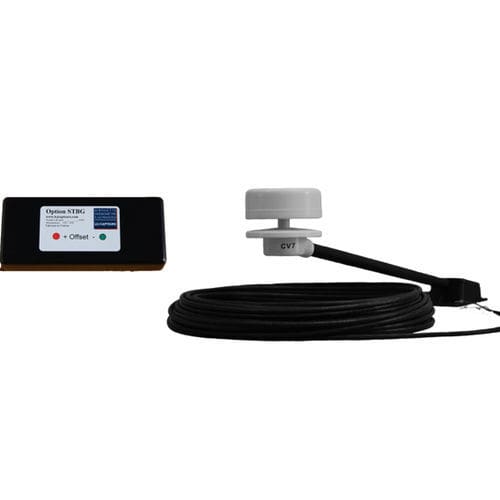
- Sensor contamination, mechanical damage, ageing, or environmental exposure causes drifting, unstable, or missing measurements
- Power-supply, fuse, or internal electronic faults cause loss of indication, rebooting, or sensor-offline alarms
- Cable, connector, network, or interface faults produce intermittent data or loss of information at repeaters and connected systems
- Incorrect alignment, calibration, configuration, or reference input causes a consistent offset or implausible readings
- Display, repeater, processor, or software faults can cause frozen values, failed alarms, or disagreement between indications
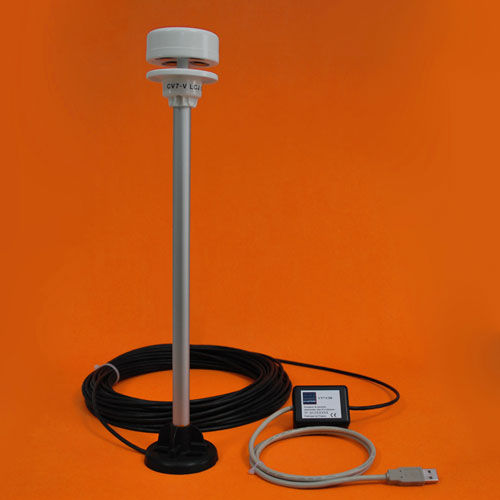
- Sensor, antenna or transducer fault, typically indicated by missing, unstable or implausible navigation data
- Power-supply or processor failure, typically indicated by blank display, rebooting or unavailable function
- Network/interface fault, typically indicated by missing data on connected bridge systems or communication alarms
- Cable/connector corrosion or water ingress, typically indicated by intermittent operation or signal loss
- Recording/storage or software fault on recorder-type equipment, typically indicated by data gaps, recording alarms or failed playback
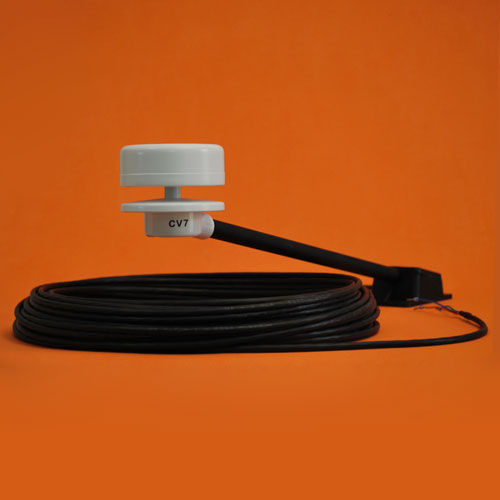
- Sensor, antenna or transducer fault, typically indicated by missing, unstable or implausible navigation data
- Power-supply or processor failure, typically indicated by blank display, rebooting or unavailable function
- Network/interface fault, typically indicated by missing data on connected bridge systems or communication alarms
- Cable/connector corrosion or water ingress, typically indicated by intermittent operation or signal loss
- Recording/storage or software fault on recorder-type equipment, typically indicated by data gaps, recording alarms or failed playback
- Sensor fouling, bearing wear, icing, salt contamination or electronics failure, resulting in missing, sluggish or implausible weather data
- Power-supply failure caused by breaker, converter or wiring faults, resulting in loss of the equipment or repeated restarts
- Network or interface failure caused by damaged cabling, port faults or configuration changes, resulting in loss of data to connected systems
- Display, processor or control failure caused by hardware or software faults, resulting in frozen indications, alarms or unavailable functions
- Incorrect configuration or time, position or sensor input caused by setup or upstream faults, resulting in misleading or incomplete information
Observator
4- Sensor, antenna or transducer fault caused by damage, fouling, water ingress or electronics failure, resulting in missing, unstable or implausible navigation data
- Power-supply failure caused by breaker, converter or wiring faults, resulting in loss of indication or repeated restarts
- Network or interface failure caused by damaged cabling, port faults or configuration changes, resulting in loss of data to connected bridge systems
- Display, processor or control failure caused by hardware or software faults, resulting in frozen, blank or unavailable functions
- Calibration, alignment or configuration error caused by incorrect setup or maintenance, resulting in persistent disagreement with independent references
- Sensor, antenna or transducer fault caused by damage, fouling, water ingress or electronics failure, resulting in missing, unstable or implausible navigation data
- Power-supply failure caused by breaker, converter or wiring faults, resulting in loss of indication or repeated restarts
- Network or interface failure caused by damaged cabling, port faults or configuration changes, resulting in loss of data to connected bridge systems
- Display, processor or control failure caused by hardware or software faults, resulting in frozen, blank or unavailable functions
- Calibration, alignment or configuration error caused by incorrect setup or maintenance, resulting in persistent disagreement with independent references
- Sensor fouling, bearing wear, icing, salt contamination or electronics failure, resulting in missing, sluggish or implausible weather data
- Power-supply failure caused by breaker, converter or wiring faults, resulting in loss of the equipment or repeated restarts
- Network or interface failure caused by damaged cabling, port faults or configuration changes, resulting in loss of data to connected systems
- Display, processor or control failure caused by hardware or software faults, resulting in frozen indications, alarms or unavailable functions
- Incorrect configuration or time, position or sensor input caused by setup or upstream faults, resulting in misleading or incomplete information
- Sensor fouling, bearing wear, icing, salt contamination or electronics failure, resulting in missing, sluggish or implausible weather data
- Power-supply failure caused by breaker, converter or wiring faults, resulting in loss of the equipment or repeated restarts
- Network or interface failure caused by damaged cabling, port faults or configuration changes, resulting in loss of data to connected systems
- Display, processor or control failure caused by hardware or software faults, resulting in frozen indications, alarms or unavailable functions
- Incorrect configuration or time, position or sensor input caused by setup or upstream faults, resulting in misleading or incomplete information
SAM Electronics
4- Sensor contamination, mechanical damage, ageing, or environmental exposure causes drifting, unstable, or missing measurements
- Power-supply, fuse, or internal electronic faults cause loss of indication, rebooting, or sensor-offline alarms
- Cable, connector, network, or interface faults produce intermittent data or loss of information at repeaters and connected systems
- Incorrect alignment, calibration, configuration, or reference input causes a consistent offset or implausible readings
- Display, repeater, processor, or software faults can cause frozen values, failed alarms, or disagreement between indications
- Sensor contamination, mechanical damage, ageing, or environmental exposure causes drifting, unstable, or missing measurements
- Power-supply, fuse, or internal electronic faults cause loss of indication, rebooting, or sensor-offline alarms
- Cable, connector, network, or interface faults produce intermittent data or loss of information at repeaters and connected systems
- Incorrect alignment, calibration, configuration, or reference input causes a consistent offset or implausible readings
- Display, repeater, processor, or software faults can cause frozen values, failed alarms, or disagreement between indications
- Sensor contamination, mechanical damage, ageing, or environmental exposure causes drifting, unstable, or missing measurements
- Power-supply, fuse, or internal electronic faults cause loss of indication, rebooting, or sensor-offline alarms
- Cable, connector, network, or interface faults produce intermittent data or loss of information at repeaters and connected systems
- Incorrect alignment, calibration, configuration, or reference input causes a consistent offset or implausible readings
- Display, repeater, processor, or software faults can cause frozen values, failed alarms, or disagreement between indications
- Sensor contamination, mechanical damage, ageing, or environmental exposure causes drifting, unstable, or missing measurements
- Power-supply, fuse, or internal electronic faults cause loss of indication, rebooting, or sensor-offline alarms
- Cable, connector, network, or interface faults produce intermittent data or loss of information at repeaters and connected systems
- Incorrect alignment, calibration, configuration, or reference input causes a consistent offset or implausible readings
- Display, repeater, processor, or software faults can cause frozen values, failed alarms, or disagreement between indications
Kockum Sonics
3- Sensor, antenna or transducer fault caused by damage, fouling, water ingress or electronics failure, resulting in missing, unstable or implausible navigation data
- Power-supply failure caused by breaker, converter or wiring faults, resulting in loss of indication or repeated restarts
- Network or interface failure caused by damaged cabling, port faults or configuration changes, resulting in loss of data to connected bridge systems
- Display, processor or control failure caused by hardware or software faults, resulting in frozen, blank or unavailable functions
- Calibration, alignment or configuration error caused by incorrect setup or maintenance, resulting in persistent disagreement with independent references
- Sensor, antenna or transducer damage causes unstable, missing or inaccurate navigation data
- Power-supply failure causes receiver or display reset and complete loss of output
- Cable, connector or interface faults cause intermittent data or loss of signals to dependent systems
- Incorrect alignment, calibration or configuration causes persistent disagreement with independent references
- Processor or display faults cause frozen values, alarms or unavailable navigation information
- Sensor, antenna or transducer fault caused by damage, fouling, water ingress or electronics failure, resulting in missing, unstable or implausible navigation data
- Power-supply failure caused by breaker, converter or wiring faults, resulting in loss of indication or repeated restarts
- Network or interface failure caused by damaged cabling, port faults or configuration changes, resulting in loss of data to connected bridge systems
- Display, processor or control failure caused by hardware or software faults, resulting in frozen, blank or unavailable functions
- Calibration, alignment or configuration error caused by incorrect setup or maintenance, resulting in persistent disagreement with independent references
Alphatron Marine
2- Sensor, antenna or transducer fault, typically indicated by missing, unstable or implausible navigation data
- Power-supply or processor failure, typically indicated by blank display, rebooting or unavailable function
- Network/interface fault, typically indicated by missing data on connected bridge systems or communication alarms
- Cable/connector corrosion or water ingress, typically indicated by intermittent operation or signal loss
- Recording/storage or software fault on recorder-type equipment, typically indicated by data gaps, recording alarms or failed playback
- Sensor, antenna or transducer damage causes unstable, missing or inaccurate navigation data
- Power-supply failure causes receiver or display reset and complete loss of output
- Cable, connector or interface faults cause intermittent data or loss of signals to dependent systems
- Incorrect alignment, calibration or configuration causes persistent disagreement with independent references
- Processor or display faults cause frozen values, alarms or unavailable navigation information
Cassens & Plath
2- Sensor fouling, bearing wear, icing, salt contamination or electronics failure, resulting in missing, sluggish or implausible weather data
- Power-supply failure caused by breaker, converter or wiring faults, resulting in loss of the equipment or repeated restarts
- Network or interface failure caused by damaged cabling, port faults or configuration changes, resulting in loss of data to connected systems
- Display, processor or control failure caused by hardware or software faults, resulting in frozen indications, alarms or unavailable functions
- Incorrect configuration or time, position or sensor input caused by setup or upstream faults, resulting in misleading or incomplete information
- Sensor fouling, bearing wear, icing, salt contamination or electronics failure, resulting in missing, sluggish or implausible weather data
- Power-supply failure caused by breaker, converter or wiring faults, resulting in loss of the equipment or repeated restarts
- Network or interface failure caused by damaged cabling, port faults or configuration changes, resulting in loss of data to connected systems
- Display, processor or control failure caused by hardware or software faults, resulting in frozen indications, alarms or unavailable functions
- Incorrect configuration or time, position or sensor input caused by setup or upstream faults, resulting in misleading or incomplete information
Kahlenberg Industries
2- Sensor, antenna or transducer fault, typically indicated by missing, unstable or implausible navigation data
- Power-supply or processor failure, typically indicated by blank display, rebooting or unavailable function
- Network/interface fault, typically indicated by missing data on connected bridge systems or communication alarms
- Cable/connector corrosion or water ingress, typically indicated by intermittent operation or signal loss
- Recording/storage or software fault on recorder-type equipment, typically indicated by data gaps, recording alarms or failed playback
- Sensor, antenna or transducer fault, typically indicated by missing, unstable or implausible navigation data
- Power-supply or processor failure, typically indicated by blank display, rebooting or unavailable function
- Network/interface fault, typically indicated by missing data on connected bridge systems or communication alarms
- Cable/connector corrosion or water ingress, typically indicated by intermittent operation or signal loss
- Recording/storage or software fault on recorder-type equipment, typically indicated by data gaps, recording alarms or failed playback
Raytheon Anschuetz
2- Sensor, antenna or transducer fault caused by damage, fouling, water ingress or electronics failure, resulting in missing, unstable or implausible navigation data
- Power-supply failure caused by breaker, converter or wiring faults, resulting in loss of indication or repeated restarts
- Network or interface failure caused by damaged cabling, port faults or configuration changes, resulting in loss of data to connected bridge systems
- Display, processor or control failure caused by hardware or software faults, resulting in frozen, blank or unavailable functions
- Calibration, alignment or configuration error caused by incorrect setup or maintenance, resulting in persistent disagreement with independent references
- Loss of sensor input or network communication can remove or freeze displayed data, noticed as invalid-data flags, alarms or missing targets
- Antenna, transducer or external-sensor contamination or damage can degrade performance, seen as weak, erratic or implausible indications
- Power-supply or internal electronics faults can cause resets or loss of function, noticed as blank displays, rebooting or system alarms
- Configuration or calibration drift can produce inaccurate output, seen as disagreement with independent bridge instruments
- Connector corrosion or water ingress can create intermittent faults, noticed as performance changing with vibration, weather or vessel movement
Raytheon Anschütz
2
- Sensor, antenna or transducer fault, typically indicated by missing, unstable or implausible navigation data
- Power-supply or processor failure, typically indicated by blank display, rebooting or unavailable function
- Network/interface fault, typically indicated by missing data on connected bridge systems or communication alarms
- Cable/connector corrosion or water ingress, typically indicated by intermittent operation or signal loss
- Recording/storage or software fault on recorder-type equipment, typically indicated by data gaps, recording alarms or failed playback

- Sensor fouling, bearing wear, icing, salt contamination or electronics failure, resulting in missing, sluggish or implausible weather data
- Power-supply failure caused by breaker, converter or wiring faults, resulting in loss of the equipment or repeated restarts
- Network or interface failure caused by damaged cabling, port faults or configuration changes, resulting in loss of data to connected systems
- Display, processor or control failure caused by hardware or software faults, resulting in frozen indications, alarms or unavailable functions
- Incorrect configuration or time, position or sensor input caused by setup or upstream faults, resulting in misleading or incomplete information
Ritchie Navigation
2- Sensor, antenna or transducer fault caused by damage, fouling, water ingress or electronics failure, resulting in missing, unstable or implausible navigation data
- Power-supply failure caused by breaker, converter or wiring faults, resulting in loss of indication or repeated restarts
- Network or interface failure caused by damaged cabling, port faults or configuration changes, resulting in loss of data to connected bridge systems
- Display, processor or control failure caused by hardware or software faults, resulting in frozen, blank or unavailable functions
- Calibration, alignment or configuration error caused by incorrect setup or maintenance, resulting in persistent disagreement with independent references
- Sensor, antenna or transducer fault caused by damage, fouling, water ingress or electronics failure, resulting in missing, unstable or implausible navigation data
- Power-supply failure caused by breaker, converter or wiring faults, resulting in loss of indication or repeated restarts
- Network or interface failure caused by damaged cabling, port faults or configuration changes, resulting in loss of data to connected bridge systems
- Display, processor or control failure caused by hardware or software faults, resulting in frozen, blank or unavailable functions
- Calibration, alignment or configuration error caused by incorrect setup or maintenance, resulting in persistent disagreement with independent references
Sperry Marine
2- Sensor contamination, mechanical damage, ageing, or environmental exposure causes drifting, unstable, or missing measurements
- Power-supply, fuse, or internal electronic faults cause loss of indication, rebooting, or sensor-offline alarms
- Cable, connector, network, or interface faults produce intermittent data or loss of information at repeaters and connected systems
- Incorrect alignment, calibration, configuration, or reference input causes a consistent offset or implausible readings
- Display, repeater, processor, or software faults can cause frozen values, failed alarms, or disagreement between indications
- Sensor, antenna or transducer damage causes unstable, missing or inaccurate navigation data
- Power-supply failure causes receiver or display reset and complete loss of output
- Cable, connector or interface faults cause intermittent data or loss of signals to dependent systems
- Incorrect alignment, calibration or configuration causes persistent disagreement with independent references
- Processor or display faults cause frozen values, alarms or unavailable navigation information
Aanderaa
1- Sensor, antenna or transducer damage causes unstable, missing or inaccurate navigation data
- Power-supply failure causes receiver or display reset and complete loss of output
- Cable, connector or interface faults cause intermittent data or loss of signals to dependent systems
- Incorrect alignment, calibration or configuration causes persistent disagreement with independent references
- Processor or display faults cause frozen values, alarms or unavailable navigation information
Campbell Scientific
1- Sensor, antenna or transducer fault caused by damage, fouling, water ingress or electronics failure, resulting in missing, unstable or implausible navigation data
- Power-supply failure caused by breaker, converter or wiring faults, resulting in loss of indication or repeated restarts
- Network or interface failure caused by damaged cabling, port faults or configuration changes, resulting in loss of data to connected bridge systems
- Display, processor or control failure caused by hardware or software faults, resulting in frozen, blank or unavailable functions
- Calibration, alignment or configuration error caused by incorrect setup or maintenance, resulting in persistent disagreement with independent references
Coastal Environmental
1- Sensor, antenna or transducer fault caused by damage, fouling, water ingress or electronics failure, resulting in missing, unstable or implausible navigation data
- Power-supply failure caused by breaker, converter or wiring faults, resulting in loss of indication or repeated restarts
- Network or interface failure caused by damaged cabling, port faults or configuration changes, resulting in loss of data to connected bridge systems
- Display, processor or control failure caused by hardware or software faults, resulting in frozen, blank or unavailable functions
- Calibration, alignment or configuration error caused by incorrect setup or maintenance, resulting in persistent disagreement with independent references
Columbia Weather
1- Sensor fouling, bearing wear, icing, salt contamination or electronics failure, resulting in missing, sluggish or implausible weather data
- Power-supply failure caused by breaker, converter or wiring faults, resulting in loss of the equipment or repeated restarts
- Network or interface failure caused by damaged cabling, port faults or configuration changes, resulting in loss of data to connected systems
- Display, processor or control failure caused by hardware or software faults, resulting in frozen indications, alarms or unavailable functions
- Incorrect configuration or time, position or sensor input caused by setup or upstream faults, resulting in misleading or incomplete information
JRC
1- Sensor, antenna or transducer damage causes unstable, missing or inaccurate navigation data
- Power-supply failure causes receiver or display reset and complete loss of output
- Cable, connector or interface faults cause intermittent data or loss of signals to dependent systems
- Incorrect alignment, calibration or configuration causes persistent disagreement with independent references
- Processor or display faults cause frozen values, alarms or unavailable navigation information
Kipp & Zonen
1- Sensor, antenna or transducer damage causes unstable, missing or inaccurate navigation data
- Power-supply failure causes receiver or display reset and complete loss of output
- Cable, connector or interface faults cause intermittent data or loss of signals to dependent systems
- Incorrect alignment, calibration or configuration causes persistent disagreement with independent references
- Processor or display faults cause frozen values, alarms or unavailable navigation information
Kongsberg Maritime
1- Sensor contamination, mechanical damage, ageing, or environmental exposure causes drifting, unstable, or missing measurements
- Power-supply, fuse, or internal electronic faults cause loss of indication, rebooting, or sensor-offline alarms
- Cable, connector, network, or interface faults produce intermittent data or loss of information at repeaters and connected systems
- Incorrect alignment, calibration, configuration, or reference input causes a consistent offset or implausible readings
- Display, repeater, processor, or software faults can cause frozen values, failed alarms, or disagreement between indications
Lilley & Gillie
1- Sensor fouling, bearing wear, icing, salt contamination or electronics failure, resulting in missing, sluggish or implausible weather data
- Power-supply failure caused by breaker, converter or wiring faults, resulting in loss of the equipment or repeated restarts
- Network or interface failure caused by damaged cabling, port faults or configuration changes, resulting in loss of data to connected systems
- Display, processor or control failure caused by hardware or software faults, resulting in frozen indications, alarms or unavailable functions
- Incorrect configuration or time, position or sensor input caused by setup or upstream faults, resulting in misleading or incomplete information
Lufft
1- Sensor contamination, mechanical damage, ageing, or environmental exposure causes drifting, unstable, or missing measurements
- Power-supply, fuse, or internal electronic faults cause loss of indication, rebooting, or sensor-offline alarms
- Cable, connector, network, or interface faults produce intermittent data or loss of information at repeaters and connected systems
- Incorrect alignment, calibration, configuration, or reference input causes a consistent offset or implausible readings
- Display, repeater, processor, or software faults can cause frozen values, failed alarms, or disagreement between indications
Marco
1- Sensor contamination, mechanical damage, ageing, or environmental exposure causes drifting, unstable, or missing measurements
- Power-supply, fuse, or internal electronic faults cause loss of indication, rebooting, or sensor-offline alarms
- Cable, connector, network, or interface faults produce intermittent data or loss of information at repeaters and connected systems
- Incorrect alignment, calibration, configuration, or reference input causes a consistent offset or implausible readings
- Display, repeater, processor, or software faults can cause frozen values, failed alarms, or disagreement between indications
Simrad
1- Sensor, antenna or transducer damage causes unstable, missing or inaccurate navigation data
- Power-supply failure causes receiver or display reset and complete loss of output
- Cable, connector or interface faults cause intermittent data or loss of signals to dependent systems
- Incorrect alignment, calibration or configuration causes persistent disagreement with independent references
- Processor or display faults cause frozen values, alarms or unavailable navigation information
Sutron
1- Sensor, antenna or transducer damage causes unstable, missing or inaccurate navigation data
- Power-supply failure causes receiver or display reset and complete loss of output
- Cable, connector or interface faults cause intermittent data or loss of signals to dependent systems
- Incorrect alignment, calibration or configuration causes persistent disagreement with independent references
- Processor or display faults cause frozen values, alarms or unavailable navigation information
Suunto
1- Sensor, antenna or transducer fault, typically indicated by missing, unstable or implausible navigation data
- Power-supply or processor failure, typically indicated by blank display, rebooting or unavailable function
- Network/interface fault, typically indicated by missing data on connected bridge systems or communication alarms
- Cable/connector corrosion or water ingress, typically indicated by intermittent operation or signal loss
- Recording/storage or software fault on recorder-type equipment, typically indicated by data gaps, recording alarms or failed playback