VHF Radio
VHF radio is the short-range, line-of-sight backbone of GMDSS, covering bridge-to-bridge, port and rescue coordination communication out to roughly 20-30 nautical miles, which is why it remains mandatory even on ships fitted with satellite systems that cover far greater distances.
Read more — VHF Radio explained ▾
What Sets VHF Apart Within GMDSS
GMDSS combines several communication layers covering different ranges, and VHF is the closest-range, most-used layer of all of them. Its range is limited by line of sight between antennas, typically 20 to 30 nautical miles ship to ship or ship to shore depending on antenna height, which is far short of MF, HF or satellite coverage. What VHF does better than any other GMDSS element is immediacy: Channel 16 remains the international distress, safety and calling frequency monitored continuously, and Digital Selective Calling on Channel 70 can trigger an automated distress alert to all VHF DSC-equipped vessels and coast stations within range far faster than raising anyone by voice. VHF is also the primary tool for routine bridge-to-bridge coordination and pilot and port communication, work that satellite systems are not built for and not intended to replace.
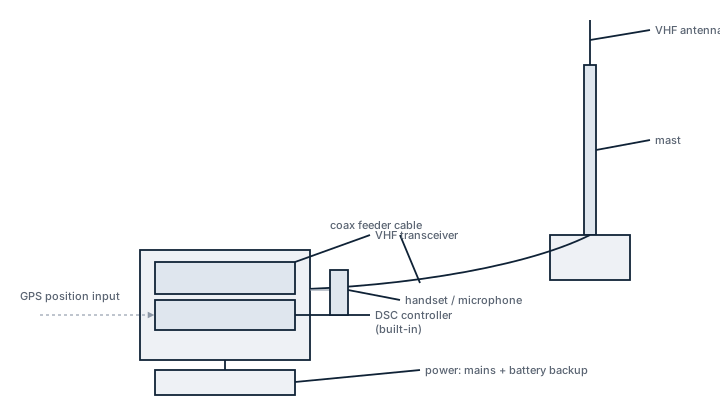
Main Components
Fixed VHF Transceiver
The bridge-mounted radio, required to include DSC capability under GMDSS carriage requirements, providing both voice and digital calling functions.
DSC Controller
The module handling Digital Selective Calling, which can send an automated distress alert including the ship's position, provided it is interfaced correctly to a GPS source.
Antenna and Coaxial Feed
Mounted as high as practicable to maximize line-of-sight range; feeder cable condition directly affects transmitted power and received sensitivity.
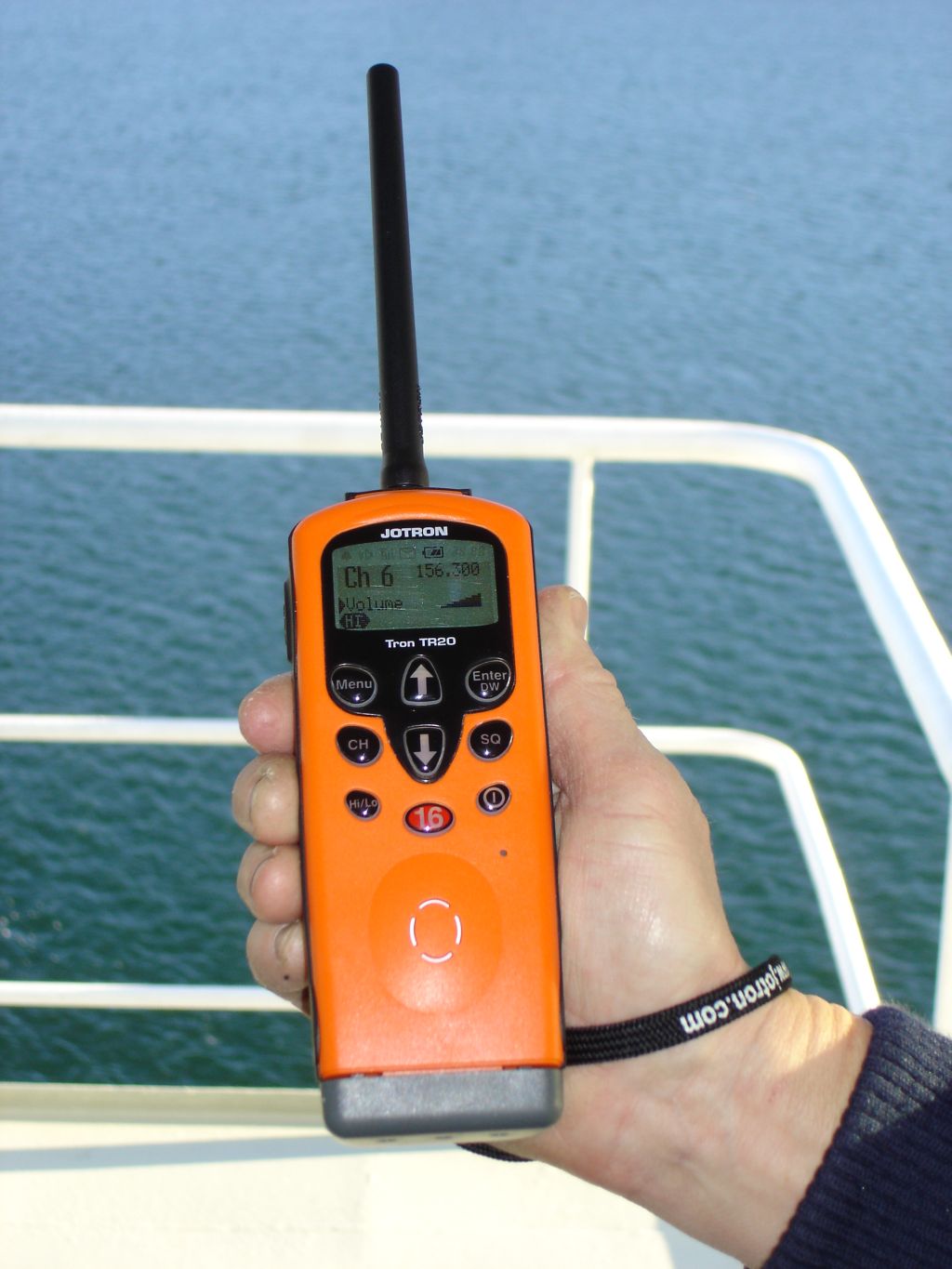
Portable Survival Craft VHF
Separate, waterproof, battery-powered handheld sets carried for use in lifeboats and liferafts, independent of the ship's main power and fixed installation.
Power Supply and Battery Backup
An emergency power source ensuring VHF distress and safety communication remains available if main ship power is lost.
Selection and Sizing
- Number and type of VHF sets required by GMDSS sea area and ship type, including fixed sets, portables and survival craft sets.
- Antenna height and cable run length, which set achievable range more than transmitter power does within the fixed 25-watt limit.
- Integration requirements with GPS for DSC position reporting and with the bridge alarm system for distress alert handling.
- Battery backup duration required to meet the applicable GMDSS power supply provisions for the ship's sea area.
Regulations and Class
VHF DSC carriage is mandated under SOLAS Chapter IV for GMDSS-equipped vessels according to sea area, with Channel 70 DSC and Channel 16 voice watch requirements set out in the ITU Radio Regulations. Survival craft portable VHF sets are required under SOLAS life-saving appliance provisions in numbers tied to the ship's lifeboat and liferaft complement. Annual radio survey confirms functional testing of DSC alerting, and equipment must carry type approval demonstrating compliance with the relevant GMDSS performance standards.
Typical Faults
| Fault | Cause | Consequence |
|---|---|---|
| DSC not triggering an alert | GPS interface not connected or MMSI not programmed correctly | Distress call transmitted without position data, delaying rescue response |
| Reduced transmit range | Corroded antenna connector or degraded coaxial cable | Loss of contact at ranges the set should reliably cover |
| Dead survival craft handheld batteries | Battery past expiry date or not checked at scheduled intervals | No communication capability from lifeboat or liferaft in an actual emergency |
| Channel 16 not monitored | Set left on a working channel instead of the required dual-watch or distress channel | Missed distress or safety calls directed at the vessel |
What to Look for in a Supplier
- Type approval certificate confirming compliance with GMDSS performance standards for the specific sea area classes the vessel operates in.
- Confirmed GPS interface compatibility for DSC position reporting, tested at commissioning rather than assumed.
- Survival craft handheld sets with battery expiry clearly marked and a replacement schedule the crew can follow without ambiguity.
- Local service and spare parts support able to meet annual radio survey deadlines.
Test DSC distress alerting through the proper test procedure at each survey interval, a set that transmits normal voice traffic fine can still have a DSC function that was never actually verified to send a position-tagged alert.
10 manufacturers · 110 models
Icom Marine
23- Antenna or feeder corrosion causes poor range, weak received signals or high transmitter reflected power
- Microphone, handset or speaker faults cause missing or distorted audio while the radio otherwise powers normally
- Power-supply, battery or charging faults cause resets, low-voltage alarms or inability to transmit at required power
- DSC or GPS-interface faults on equipped units cause distress-function alarms or missing position information
- Internal transceiver or control faults cause intermittent transmission, receiver deafness or unavailable channels
- Antenna or feeder corrosion causes poor range, weak received signals or high transmitter reflected power
- Microphone, handset or speaker faults cause missing or distorted audio while the radio otherwise powers normally
- Power-supply, battery or charging faults cause resets, low-voltage alarms or inability to transmit at required power
- DSC or GPS-interface faults on equipped units cause distress-function alarms or missing position information
- Internal transceiver or control faults cause intermittent transmission, receiver deafness or unavailable channels
- Antenna or feeder corrosion causes poor range, weak received signals or high transmitter reflected power
- Microphone, handset or speaker faults cause missing or distorted audio while the radio otherwise powers normally
- Power-supply, battery or charging faults cause resets, low-voltage alarms or inability to transmit at required power
- DSC or GPS-interface faults on equipped units cause distress-function alarms or missing position information
- Internal transceiver or control faults cause intermittent transmission, receiver deafness or unavailable channels
- Antenna or feeder corrosion causes poor range, weak received signals or high transmitter reflected power
- Microphone, handset or speaker faults cause missing or distorted audio while the radio otherwise powers normally
- Power-supply, battery or charging faults cause resets, low-voltage alarms or inability to transmit at required power
- DSC or GPS-interface faults on equipped units cause distress-function alarms or missing position information
- Internal transceiver or control faults cause intermittent transmission, receiver deafness or unavailable channels

- Antenna or feeder corrosion causes poor range, weak received signals or high transmitter reflected power
- Microphone, handset or speaker faults cause missing or distorted audio while the radio otherwise powers normally
- Power-supply, battery or charging faults cause resets, low-voltage alarms or inability to transmit at required power
- DSC or GPS-interface faults on equipped units cause distress-function alarms or missing position information
- Internal transceiver or control faults cause intermittent transmission, receiver deafness or unavailable channels
- Antenna or feeder corrosion causes poor range, weak received signals or high transmitter reflected power
- Microphone, handset or speaker faults cause missing or distorted audio while the radio otherwise powers normally
- Power-supply, battery or charging faults cause resets, low-voltage alarms or inability to transmit at required power
- DSC or GPS-interface faults on equipped units cause distress-function alarms or missing position information
- Internal transceiver or control faults cause intermittent transmission, receiver deafness or unavailable channels
- Antenna or feeder corrosion causes poor range, weak received signals or high transmitter reflected power
- Microphone, handset or speaker faults cause missing or distorted audio while the radio otherwise powers normally
- Power-supply, battery or charging faults cause resets, low-voltage alarms or inability to transmit at required power
- DSC or GPS-interface faults on equipped units cause distress-function alarms or missing position information
- Internal transceiver or control faults cause intermittent transmission, receiver deafness or unavailable channels
- Antenna or feeder corrosion causes poor range, weak received signals or high transmitter reflected power
- Microphone, handset or speaker faults cause missing or distorted audio while the radio otherwise powers normally
- Power-supply, battery or charging faults cause resets, low-voltage alarms or inability to transmit at required power
- DSC or GPS-interface faults on equipped units cause distress-function alarms or missing position information
- Internal transceiver or control faults cause intermittent transmission, receiver deafness or unavailable channels
- Antenna or feeder corrosion causes poor range, weak received signals or high transmitter reflected power
- Microphone, handset or speaker faults cause missing or distorted audio while the radio otherwise powers normally
- Power-supply, battery or charging faults cause resets, low-voltage alarms or inability to transmit at required power
- DSC or GPS-interface faults on equipped units cause distress-function alarms or missing position information
- Internal transceiver or control faults cause intermittent transmission, receiver deafness or unavailable channels
- Transmitter or receiver failure caused by RF, antenna, feeder or power faults, noticed as poor range, failed checks or loss of reception
- Antenna/feed-line deterioration caused by corrosion, water ingress or mechanical damage, noticed as intermittent operation or reduced range
- Control or audio failure caused by handset, microphone, display, keypad or controller faults, noticed as inability to operate normal functions
- Position/identity or data-interface failure caused by wiring or configuration faults, noticed as missing or incorrect safety data
- Power-source failure caused by breaker, fuse, converter or emergency-supply faults, noticed as dead equipment or loss of required GMDSS availability
- Antenna or feeder corrosion causes poor range, weak received signals or high transmitter reflected power
- Microphone, handset or speaker faults cause missing or distorted audio while the radio otherwise powers normally
- Power-supply, battery or charging faults cause resets, low-voltage alarms or inability to transmit at required power
- DSC or GPS-interface faults on equipped units cause distress-function alarms or missing position information
- Internal transceiver or control faults cause intermittent transmission, receiver deafness or unavailable channels
- Antenna or feeder corrosion causes poor range, weak received signals or high transmitter reflected power
- Microphone, handset or speaker faults cause missing or distorted audio while the radio otherwise powers normally
- Power-supply, battery or charging faults cause resets, low-voltage alarms or inability to transmit at required power
- DSC or GPS-interface faults on equipped units cause distress-function alarms or missing position information
- Internal transceiver or control faults cause intermittent transmission, receiver deafness or unavailable channels
- Antenna or feeder corrosion causes poor range, weak received signals or high transmitter reflected power
- Microphone, handset or speaker faults cause missing or distorted audio while the radio otherwise powers normally
- Power-supply, battery or charging faults cause resets, low-voltage alarms or inability to transmit at required power
- DSC or GPS-interface faults on equipped units cause distress-function alarms or missing position information
- Internal transceiver or control faults cause intermittent transmission, receiver deafness or unavailable channels
- Antenna or feeder corrosion causes poor range, weak received signals or high transmitter reflected power
- Microphone, handset or speaker faults cause missing or distorted audio while the radio otherwise powers normally
- Power-supply, battery or charging faults cause resets, low-voltage alarms or inability to transmit at required power
- DSC or GPS-interface faults on equipped units cause distress-function alarms or missing position information
- Internal transceiver or control faults cause intermittent transmission, receiver deafness or unavailable channels
- Antenna or feeder corrosion causes poor range, weak received signals or high transmitter reflected power
- Microphone, handset or speaker faults cause missing or distorted audio while the radio otherwise powers normally
- Power-supply, battery or charging faults cause resets, low-voltage alarms or inability to transmit at required power
- DSC or GPS-interface faults on equipped units cause distress-function alarms or missing position information
- Internal transceiver or control faults cause intermittent transmission, receiver deafness or unavailable channels
- Antenna or feeder corrosion causes poor range, weak received signals or high transmitter reflected power
- Microphone, handset or speaker faults cause missing or distorted audio while the radio otherwise powers normally
- Power-supply, battery or charging faults cause resets, low-voltage alarms or inability to transmit at required power
- DSC or GPS-interface faults on equipped units cause distress-function alarms or missing position information
- Internal transceiver or control faults cause intermittent transmission, receiver deafness or unavailable channels
- Antenna or feeder corrosion causes poor range, weak received signals or high transmitter reflected power
- Microphone, handset or speaker faults cause missing or distorted audio while the radio otherwise powers normally
- Power-supply, battery or charging faults cause resets, low-voltage alarms or inability to transmit at required power
- DSC or GPS-interface faults on equipped units cause distress-function alarms or missing position information
- Internal transceiver or control faults cause intermittent transmission, receiver deafness or unavailable channels
- Transmitter or receiver failure caused by RF, antenna, feeder or power faults, noticed as poor range, failed checks or loss of reception
- Antenna/feed-line deterioration caused by corrosion, water ingress or mechanical damage, noticed as intermittent operation or reduced range
- Control or audio failure caused by handset, microphone, display, keypad or controller faults, noticed as inability to operate normal functions
- Position/identity or data-interface failure caused by wiring or configuration faults, noticed as missing or incorrect safety data
- Power-source failure caused by breaker, fuse, converter or emergency-supply faults, noticed as dead equipment or loss of required GMDSS availability
- Transmitter or receiver failure caused by RF, antenna, feeder or power faults, noticed as poor range, failed checks or loss of reception
- Antenna/feed-line deterioration caused by corrosion, water ingress or mechanical damage, noticed as intermittent operation or reduced range
- Control or audio failure caused by handset, microphone, display, keypad or controller faults, noticed as inability to operate normal functions
- Position/identity or data-interface failure caused by wiring or configuration faults, noticed as missing or incorrect safety data
- Power-source failure caused by breaker, fuse, converter or emergency-supply faults, noticed as dead equipment or loss of required GMDSS availability
- Antenna or feeder corrosion causes poor range, weak reception or transmitter protection indications
- Microphone, handset or speaker faults cause missing or distorted audio
- Power-supply or battery faults cause resets, low-voltage alarms or inability to transmit reliably
- DSC or position-interface faults on equipped units cause distress-function alarms or missing position data
- Internal transceiver or control faults cause intermittent transmission, receiver deafness or unavailable channels
- Loss of supply power from a tripped breaker, failed power unit, loose connection, or depleted reserve battery causes a dead unit, rebooting, or failure to transmit
- Antenna, feeder, connector, or matching fault caused by corrosion, water ingress, or physical damage results in poor range, failed transmission, or weak received signals
- Control-panel, display, keypad, or software faults can prevent channel selection, message handling, or normal operator input
- Interface or position-data failure caused by wiring, configuration, or sensor faults can remove position information or connected-system data
- Internal transmitter, receiver, or modem faults caused by component ageing or overheating can produce intermittent communication, alarms, or inability to establish a link
- Antenna, feeder or tuning fault caused by corrosion, damaged cabling or poor connections, resulting in weak transmission, reception problems or equipment alarms
- Power-supply or backup-battery failure caused by charger defects, aged batteries or wiring faults, resulting in loss of availability when main power is removed
- Transmitter or receiver failure caused by RF-component or electronic faults, resulting in inability to establish communications or receive expected traffic
- Position or time-input failure caused by GNSS or network faults, resulting in missing or incorrect data in distress or DSC functions
- Control, display or software fault caused by hardware failure or configuration problems, resulting in frozen controls, error messages or unavailable functions
- Antenna or feeder corrosion causes poor range, weak reception or transmitter protection indications
- Microphone, handset or speaker faults cause missing or distorted audio
- Power-supply or battery faults cause resets, low-voltage alarms or inability to transmit reliably
- DSC or position-interface faults on equipped units cause distress-function alarms or missing position data
- Internal transceiver or control faults cause intermittent transmission, receiver deafness or unavailable channels
Sailor / Cobham
18- Loss of supply power from a tripped breaker, failed power unit, loose connection, or depleted reserve battery causes a dead unit, rebooting, or failure to transmit
- Antenna, feeder, connector, or matching fault caused by corrosion, water ingress, or physical damage results in poor range, failed transmission, or weak received signals
- Control-panel, display, keypad, or software faults can prevent channel selection, message handling, or normal operator input
- Interface or position-data failure caused by wiring, configuration, or sensor faults can remove position information or connected-system data
- Internal transmitter, receiver, or modem faults caused by component ageing or overheating can produce intermittent communication, alarms, or inability to establish a link
- Loss of supply power from a tripped breaker, failed power unit, loose connection, or depleted reserve battery causes a dead unit, rebooting, or failure to transmit
- Antenna, feeder, connector, or matching fault caused by corrosion, water ingress, or physical damage results in poor range, failed transmission, or weak received signals
- Control-panel, display, keypad, or software faults can prevent channel selection, message handling, or normal operator input
- Interface or position-data failure caused by wiring, configuration, or sensor faults can remove position information or connected-system data
- Internal transmitter, receiver, or modem faults caused by component ageing or overheating can produce intermittent communication, alarms, or inability to establish a link
- Antenna, feeder or tuning fault caused by corrosion, damaged cabling or poor connections, resulting in weak transmission, reception problems or equipment alarms
- Power-supply or backup-battery failure caused by charger defects, aged batteries or wiring faults, resulting in loss of availability when normal power is removed
- Transmitter or receiver failure caused by RF-component or electronic faults, resulting in inability to establish communications or receive expected traffic
- Position, time or identity-input problem caused by navigation-data or configuration faults, resulting in missing or incorrect information in distress or DSC functions
- Control, display or software fault caused by hardware failure or configuration problems, resulting in frozen controls, error messages or unavailable functions
- Antenna or feeder corrosion causes poor range, weak received signals or high transmitter reflected power
- Microphone, handset or speaker faults cause missing or distorted audio while the radio otherwise powers normally
- Power-supply, battery or charging faults cause resets, low-voltage alarms or inability to transmit at required power
- DSC or GPS-interface faults on equipped units cause distress-function alarms or missing position information
- Internal transceiver or control faults cause intermittent transmission, receiver deafness or unavailable channels
- Antenna or feeder corrosion causes poor range, weak received signals or high transmitter reflected power
- Microphone, handset or speaker faults cause missing or distorted audio while the radio otherwise powers normally
- Power-supply, battery or charging faults cause resets, low-voltage alarms or inability to transmit at required power
- DSC or GPS-interface faults on equipped units cause distress-function alarms or missing position information
- Internal transceiver or control faults cause intermittent transmission, receiver deafness or unavailable channels
- Antenna or feeder corrosion causes poor range, weak received signals or high transmitter reflected power
- Microphone, handset or speaker faults cause missing or distorted audio while the radio otherwise powers normally
- Power-supply, battery or charging faults cause resets, low-voltage alarms or inability to transmit at required power
- DSC or GPS-interface faults on equipped units cause distress-function alarms or missing position information
- Internal transceiver or control faults cause intermittent transmission, receiver deafness or unavailable channels
- Transmitter or receiver failure caused by RF, antenna, feeder or power faults, noticed as poor range, failed checks or loss of reception
- Antenna/feed-line deterioration caused by corrosion, water ingress or mechanical damage, noticed as intermittent operation or reduced range
- Control or audio failure caused by handset, microphone, display, keypad or controller faults, noticed as inability to operate normal functions
- Position/identity or data-interface failure caused by wiring or configuration faults, noticed as missing or incorrect safety data
- Power-source failure caused by breaker, fuse, converter or emergency-supply faults, noticed as dead equipment or loss of required GMDSS availability
- Transmitter or receiver failure caused by RF, antenna, feeder or power faults, noticed as poor range, failed checks or loss of reception
- Antenna/feed-line deterioration caused by corrosion, water ingress or mechanical damage, noticed as intermittent operation or reduced range
- Control or audio failure caused by handset, microphone, display, keypad or controller faults, noticed as inability to operate normal functions
- Position/identity or data-interface failure caused by wiring or configuration faults, noticed as missing or incorrect safety data
- Power-source failure caused by breaker, fuse, converter or emergency-supply faults, noticed as dead equipment or loss of required GMDSS availability
- Loss of supply power from a tripped breaker, failed power unit, loose connection, or depleted reserve battery causes a dead unit, rebooting, or failure to transmit
- Antenna, feeder, connector, or matching fault caused by corrosion, water ingress, or physical damage results in poor range, failed transmission, or weak received signals
- Control-panel, display, keypad, or software faults can prevent channel selection, message handling, or normal operator input
- Interface or position-data failure caused by wiring, configuration, or sensor faults can remove position information or connected-system data
- Internal transmitter, receiver, or modem faults caused by component ageing or overheating can produce intermittent communication, alarms, or inability to establish a link
- Loss of supply power from a tripped breaker, failed power unit, loose connection, or depleted reserve battery causes a dead unit, rebooting, or failure to transmit
- Antenna, feeder, connector, or matching fault caused by corrosion, water ingress, or physical damage results in poor range, failed transmission, or weak received signals
- Control-panel, display, keypad, or software faults can prevent channel selection, message handling, or normal operator input
- Interface or position-data failure caused by wiring, configuration, or sensor faults can remove position information or connected-system data
- Internal transmitter, receiver, or modem faults caused by component ageing or overheating can produce intermittent communication, alarms, or inability to establish a link
- Loss of supply power from a tripped breaker, failed power unit, loose connection, or depleted reserve battery causes a dead unit, rebooting, or failure to transmit
- Antenna, feeder, connector, or matching fault caused by corrosion, water ingress, or physical damage results in poor range, failed transmission, or weak received signals
- Control-panel, display, keypad, or software faults can prevent channel selection, message handling, or normal operator input
- Interface or position-data failure caused by wiring, configuration, or sensor faults can remove position information or connected-system data
- Internal transmitter, receiver, or modem faults caused by component ageing or overheating can produce intermittent communication, alarms, or inability to establish a link
- Antenna or feeder corrosion causes poor range, weak reception or transmitter protection indications
- Microphone, handset or speaker faults cause missing or distorted audio
- Power-supply or battery faults cause resets, low-voltage alarms or inability to transmit reliably
- DSC or position-interface faults on equipped units cause distress-function alarms or missing position data
- Internal transceiver or control faults cause intermittent transmission, receiver deafness or unavailable channels
- Antenna, feeder or tuning fault caused by corrosion, damaged cabling or poor connections, resulting in weak transmission, reception problems or equipment alarms
- Power-supply or backup-battery failure caused by charger defects, aged batteries or wiring faults, resulting in loss of availability when main power is removed
- Transmitter or receiver failure caused by RF-component or electronic faults, resulting in inability to establish communications or receive expected traffic
- Position or time-input failure caused by GNSS or network faults, resulting in missing or incorrect data in distress or DSC functions
- Control, display or software fault caused by hardware failure or configuration problems, resulting in frozen controls, error messages or unavailable functions
- Antenna, feeder or tuning fault caused by corrosion, damaged cabling or poor connections, resulting in weak transmission, reception problems or equipment alarms
- Power-supply or backup-battery failure caused by charger defects, aged batteries or wiring faults, resulting in loss of availability when main power is removed
- Transmitter or receiver failure caused by RF-component or electronic faults, resulting in inability to establish communications or receive expected traffic
- Position or time-input failure caused by GNSS or network faults, resulting in missing or incorrect data in distress or DSC functions
- Control, display or software fault caused by hardware failure or configuration problems, resulting in frozen controls, error messages or unavailable functions
- Antenna, feeder or casing damage reduces communication or locating performance and can cause self-test faults
- Battery, emergency-power or power-supply deterioration causes resets, low-voltage alarms or failure to operate
- Water ingress or corrosion causes intermittent operation, damaged connectors or internal faults
- Configuration, registration or identity errors cause incorrect vessel or beacon information
- Internal transceiver, display or control faults cause failed self-tests, missing communications or unavailable emergency functions
- Battery or power-supply deterioration caused by age, poor charging or connection faults can produce low-voltage alarms, failed self-tests or inability to transmit
- Antenna, feeder or connector damage caused by corrosion, water ingress or mechanical stress can reduce range or prevent transmission and reception
- Programming or configuration errors after replacement can produce identity, channel or communication faults even when the hardware powers up
- Control, display or internal electronics faults caused by ageing or moisture can result in failed tests, unreadable indications or intermittent operation
- Release, mounting or protective enclosure problems on emergency equipment caused by corrosion or damage can prevent correct deployment or leave the unit physically insecure
- Antenna, feeder or tuning fault caused by corrosion, damaged cabling or poor connections, resulting in weak transmission, reception problems or equipment alarms
- Power-supply or backup-battery failure caused by charger defects, aged batteries or wiring faults, resulting in loss of availability when normal power is removed
- Transmitter or receiver failure caused by RF-component or electronic faults, resulting in inability to establish communications or receive expected traffic
- Position, time or identity-input problem caused by navigation-data or configuration faults, resulting in missing or incorrect information in distress or DSC functions
- Control, display or software fault caused by hardware failure or configuration problems, resulting in frozen controls, error messages or unavailable functions
- Antenna, feeder or casing damage reduces communication or locating performance and can cause self-test faults
- Battery, emergency-power or power-supply deterioration causes resets, low-voltage alarms or failure to operate
- Water ingress or corrosion causes intermittent operation, damaged connectors or internal faults
- Configuration, registration or identity errors cause incorrect vessel or beacon information
- Internal transceiver, display or control faults cause failed self-tests, missing communications or unavailable emergency functions
Furuno
17- Antenna or feeder corrosion causes poor range, weak received signals or high transmitter reflected power
- Microphone, handset or speaker faults cause missing or distorted audio while the radio otherwise powers normally
- Power-supply, battery or charging faults cause resets, low-voltage alarms or inability to transmit at required power
- DSC or GPS-interface faults on equipped units cause distress-function alarms or missing position information
- Internal transceiver or control faults cause intermittent transmission, receiver deafness or unavailable channels
- Antenna or feeder corrosion causes poor range, weak received signals or high transmitter reflected power
- Microphone, handset or speaker faults cause missing or distorted audio while the radio otherwise powers normally
- Power-supply, battery or charging faults cause resets, low-voltage alarms or inability to transmit at required power
- DSC or GPS-interface faults on equipped units cause distress-function alarms or missing position information
- Internal transceiver or control faults cause intermittent transmission, receiver deafness or unavailable channels
- Antenna or feeder corrosion causes poor range, weak received signals or high transmitter reflected power
- Microphone, handset or speaker faults cause missing or distorted audio while the radio otherwise powers normally
- Power-supply, battery or charging faults cause resets, low-voltage alarms or inability to transmit at required power
- DSC or GPS-interface faults on equipped units cause distress-function alarms or missing position information
- Internal transceiver or control faults cause intermittent transmission, receiver deafness or unavailable channels
- Antenna or feeder corrosion causes poor range, weak received signals or high transmitter reflected power
- Microphone, handset or speaker faults cause missing or distorted audio while the radio otherwise powers normally
- Power-supply, battery or charging faults cause resets, low-voltage alarms or inability to transmit at required power
- DSC or GPS-interface faults on equipped units cause distress-function alarms or missing position information
- Internal transceiver or control faults cause intermittent transmission, receiver deafness or unavailable channels
- Antenna or feeder corrosion causes poor range, weak received signals or high transmitter reflected power
- Microphone, handset or speaker faults cause missing or distorted audio while the radio otherwise powers normally
- Power-supply, battery or charging faults cause resets, low-voltage alarms or inability to transmit at required power
- DSC or GPS-interface faults on equipped units cause distress-function alarms or missing position information
- Internal transceiver or control faults cause intermittent transmission, receiver deafness or unavailable channels
- Antenna or feeder corrosion causes poor range, weak received signals or high transmitter reflected power
- Microphone, handset or speaker faults cause missing or distorted audio while the radio otherwise powers normally
- Power-supply, battery or charging faults cause resets, low-voltage alarms or inability to transmit at required power
- DSC or GPS-interface faults on equipped units cause distress-function alarms or missing position information
- Internal transceiver or control faults cause intermittent transmission, receiver deafness or unavailable channels
- Antenna or feeder corrosion causes poor range, weak received signals or high transmitter reflected power
- Microphone, handset or speaker faults cause missing or distorted audio while the radio otherwise powers normally
- Power-supply, battery or charging faults cause resets, low-voltage alarms or inability to transmit at required power
- DSC or GPS-interface faults on equipped units cause distress-function alarms or missing position information
- Internal transceiver or control faults cause intermittent transmission, receiver deafness or unavailable channels
- Antenna or feeder corrosion causes poor range, weak received signals or high transmitter reflected power
- Microphone, handset or speaker faults cause missing or distorted audio while the radio otherwise powers normally
- Power-supply, battery or charging faults cause resets, low-voltage alarms or inability to transmit at required power
- DSC or GPS-interface faults on equipped units cause distress-function alarms or missing position information
- Internal transceiver or control faults cause intermittent transmission, receiver deafness or unavailable channels
- Antenna or feeder corrosion causes poor range, weak received signals or high transmitter reflected power
- Microphone, handset or speaker faults cause missing or distorted audio while the radio otherwise powers normally
- Power-supply, battery or charging faults cause resets, low-voltage alarms or inability to transmit at required power
- DSC or GPS-interface faults on equipped units cause distress-function alarms or missing position information
- Internal transceiver or control faults cause intermittent transmission, receiver deafness or unavailable channels
- Antenna or feeder corrosion causes poor range, weak received signals or high transmitter reflected power
- Microphone, handset or speaker faults cause missing or distorted audio while the radio otherwise powers normally
- Power-supply, battery or charging faults cause resets, low-voltage alarms or inability to transmit at required power
- DSC or GPS-interface faults on equipped units cause distress-function alarms or missing position information
- Internal transceiver or control faults cause intermittent transmission, receiver deafness or unavailable channels
- Antenna or feeder corrosion causes poor range, weak received signals or high transmitter reflected power
- Microphone, handset or speaker faults cause missing or distorted audio while the radio otherwise powers normally
- Power-supply, battery or charging faults cause resets, low-voltage alarms or inability to transmit at required power
- DSC or GPS-interface faults on equipped units cause distress-function alarms or missing position information
- Internal transceiver or control faults cause intermittent transmission, receiver deafness or unavailable channels
- Antenna or feeder corrosion causes poor range, weak received signals or high transmitter reflected power
- Microphone, handset or speaker faults cause missing or distorted audio while the radio otherwise powers normally
- Power-supply, battery or charging faults cause resets, low-voltage alarms or inability to transmit at required power
- DSC or GPS-interface faults on equipped units cause distress-function alarms or missing position information
- Internal transceiver or control faults cause intermittent transmission, receiver deafness or unavailable channels
- Antenna or feeder corrosion causes poor range, weak received signals or high transmitter reflected power
- Microphone, handset or speaker faults cause missing or distorted audio while the radio otherwise powers normally
- Power-supply, battery or charging faults cause resets, low-voltage alarms or inability to transmit at required power
- DSC or GPS-interface faults on equipped units cause distress-function alarms or missing position information
- Internal transceiver or control faults cause intermittent transmission, receiver deafness or unavailable channels
- Loss of supply power from a tripped breaker, failed power unit, loose connection, or depleted reserve battery causes a dead unit, rebooting, or failure to transmit
- Antenna, feeder, connector, or matching fault caused by corrosion, water ingress, or physical damage results in poor range, failed transmission, or weak received signals
- Control-panel, display, keypad, or software faults can prevent channel selection, message handling, or normal operator input
- Interface or position-data failure caused by wiring, configuration, or sensor faults can remove position information or connected-system data
- Internal transmitter, receiver, or modem faults caused by component ageing or overheating can produce intermittent communication, alarms, or inability to establish a link
- Antenna, feeder or connector corrosion causes weak reception, poor transmission or high reflected-power indications
- Power-supply or backup-battery faults cause resets or loss of availability during main-power failure
- GNSS or data-interface loss causes missing position or identity information in transmitted messages
- Microphone, handset, speaker or operator-control faults impair communication despite the main unit remaining powered
- Configuration or programming errors can cause incorrect identity, channel or service behaviour
- Transmitter or receiver failure caused by RF, antenna, feeder or power faults, noticed as poor range, failed checks or loss of reception
- Antenna/feed-line deterioration caused by corrosion, water ingress or mechanical damage, noticed as intermittent operation or reduced range
- Control or audio failure caused by handset, microphone, display, keypad or controller faults, noticed as inability to operate normal functions
- Position/identity or data-interface failure caused by wiring or configuration faults, noticed as missing or incorrect safety data
- Power-source failure caused by breaker, fuse, converter or emergency-supply faults, noticed as dead equipment or loss of required GMDSS availability
- Loss of supply power from a tripped breaker, failed power unit, loose connection, or depleted reserve battery causes a dead unit, rebooting, or failure to transmit
- Antenna, feeder, connector, or matching fault caused by corrosion, water ingress, or physical damage results in poor range, failed transmission, or weak received signals
- Control-panel, display, keypad, or software faults can prevent channel selection, message handling, or normal operator input
- Interface or position-data failure caused by wiring, configuration, or sensor faults can remove position information or connected-system data
- Internal transmitter, receiver, or modem faults caused by component ageing or overheating can produce intermittent communication, alarms, or inability to establish a link
Standard Horizon
17- Antenna or feeder corrosion causes poor range, weak received signals or high transmitter reflected power
- Microphone, handset or speaker faults cause missing or distorted audio while the radio otherwise powers normally
- Power-supply, battery or charging faults cause resets, low-voltage alarms or inability to transmit at required power
- DSC or GPS-interface faults on equipped units cause distress-function alarms or missing position information
- Internal transceiver or control faults cause intermittent transmission, receiver deafness or unavailable channels
- Antenna or feeder corrosion causes poor range, weak received signals or high transmitter reflected power
- Microphone, handset or speaker faults cause missing or distorted audio while the radio otherwise powers normally
- Power-supply, battery or charging faults cause resets, low-voltage alarms or inability to transmit at required power
- DSC or GPS-interface faults on equipped units cause distress-function alarms or missing position information
- Internal transceiver or control faults cause intermittent transmission, receiver deafness or unavailable channels
- Antenna or feeder corrosion causes poor range, weak received signals or high transmitter reflected power
- Microphone, handset or speaker faults cause missing or distorted audio while the radio otherwise powers normally
- Power-supply, battery or charging faults cause resets, low-voltage alarms or inability to transmit at required power
- DSC or GPS-interface faults on equipped units cause distress-function alarms or missing position information
- Internal transceiver or control faults cause intermittent transmission, receiver deafness or unavailable channels
- Antenna or feeder corrosion causes poor range, weak received signals or high transmitter reflected power
- Microphone, handset or speaker faults cause missing or distorted audio while the radio otherwise powers normally
- Power-supply, battery or charging faults cause resets, low-voltage alarms or inability to transmit at required power
- DSC or GPS-interface faults on equipped units cause distress-function alarms or missing position information
- Internal transceiver or control faults cause intermittent transmission, receiver deafness or unavailable channels
- Transmitter or receiver failure caused by RF, antenna, feeder or power faults, noticed as poor range, failed checks or loss of reception
- Antenna/feed-line deterioration caused by corrosion, water ingress or mechanical damage, noticed as intermittent operation or reduced range
- Control or audio failure caused by handset, microphone, display, keypad or controller faults, noticed as inability to operate normal functions
- Position/identity or data-interface failure caused by wiring or configuration faults, noticed as missing or incorrect safety data
- Power-source failure caused by breaker, fuse, converter or emergency-supply faults, noticed as dead equipment or loss of required GMDSS availability
- Antenna or feeder corrosion causes poor range, weak received signals or high transmitter reflected power
- Microphone, handset or speaker faults cause missing or distorted audio while the radio otherwise powers normally
- Power-supply, battery or charging faults cause resets, low-voltage alarms or inability to transmit at required power
- DSC or GPS-interface faults on equipped units cause distress-function alarms or missing position information
- Internal transceiver or control faults cause intermittent transmission, receiver deafness or unavailable channels
- Antenna or feeder corrosion causes poor range, weak received signals or high transmitter reflected power
- Microphone, handset or speaker faults cause missing or distorted audio while the radio otherwise powers normally
- Power-supply, battery or charging faults cause resets, low-voltage alarms or inability to transmit at required power
- DSC or GPS-interface faults on equipped units cause distress-function alarms or missing position information
- Internal transceiver or control faults cause intermittent transmission, receiver deafness or unavailable channels
- Transmitter or receiver failure caused by RF, antenna, feeder or power faults, noticed as poor range, failed checks or loss of reception
- Antenna/feed-line deterioration caused by corrosion, water ingress or mechanical damage, noticed as intermittent operation or reduced range
- Control or audio failure caused by handset, microphone, display, keypad or controller faults, noticed as inability to operate normal functions
- Position/identity or data-interface failure caused by wiring or configuration faults, noticed as missing or incorrect safety data
- Power-source failure caused by breaker, fuse, converter or emergency-supply faults, noticed as dead equipment or loss of required GMDSS availability
- Transmitter or receiver failure caused by RF, antenna, feeder or power faults, noticed as poor range, failed checks or loss of reception
- Antenna/feed-line deterioration caused by corrosion, water ingress or mechanical damage, noticed as intermittent operation or reduced range
- Control or audio failure caused by handset, microphone, display, keypad or controller faults, noticed as inability to operate normal functions
- Position/identity or data-interface failure caused by wiring or configuration faults, noticed as missing or incorrect safety data
- Power-source failure caused by breaker, fuse, converter or emergency-supply faults, noticed as dead equipment or loss of required GMDSS availability
- Transmitter or receiver failure caused by RF, antenna, feeder or power faults, noticed as poor range, failed checks or loss of reception
- Antenna/feed-line deterioration caused by corrosion, water ingress or mechanical damage, noticed as intermittent operation or reduced range
- Control or audio failure caused by handset, microphone, display, keypad or controller faults, noticed as inability to operate normal functions
- Position/identity or data-interface failure caused by wiring or configuration faults, noticed as missing or incorrect safety data
- Power-source failure caused by breaker, fuse, converter or emergency-supply faults, noticed as dead equipment or loss of required GMDSS availability
- Transmitter or receiver failure caused by RF, antenna, feeder or power faults, noticed as poor range, failed checks or loss of reception
- Antenna/feed-line deterioration caused by corrosion, water ingress or mechanical damage, noticed as intermittent operation or reduced range
- Control or audio failure caused by handset, microphone, display, keypad or controller faults, noticed as inability to operate normal functions
- Position/identity or data-interface failure caused by wiring or configuration faults, noticed as missing or incorrect safety data
- Power-source failure caused by breaker, fuse, converter or emergency-supply faults, noticed as dead equipment or loss of required GMDSS availability
- Antenna, feeder or tuning fault caused by corrosion, damaged cabling or poor connections, resulting in weak transmission, reception problems or equipment alarms
- Power-supply or backup-battery failure caused by charger defects, aged batteries or wiring faults, resulting in loss of availability when main power is removed
- Transmitter or receiver failure caused by RF-component or electronic faults, resulting in inability to establish communications or receive expected traffic
- Position or time-input failure caused by GNSS or network faults, resulting in missing or incorrect data in distress or DSC functions
- Control, display or software fault caused by hardware failure or configuration problems, resulting in frozen controls, error messages or unavailable functions
- Antenna, feeder or tuning fault caused by corrosion, damaged cabling or poor connections, resulting in weak transmission, reception problems or equipment alarms
- Power-supply or backup-battery failure caused by charger defects, aged batteries or wiring faults, resulting in loss of availability when main power is removed
- Transmitter or receiver failure caused by RF-component or electronic faults, resulting in inability to establish communications or receive expected traffic
- Position or time-input failure caused by GNSS or network faults, resulting in missing or incorrect data in distress or DSC functions
- Control, display or software fault caused by hardware failure or configuration problems, resulting in frozen controls, error messages or unavailable functions
- Antenna, feeder or tuning fault caused by corrosion, damaged cabling or poor connections, resulting in weak transmission, reception problems or equipment alarms
- Power-supply or backup-battery failure caused by charger defects, aged batteries or wiring faults, resulting in loss of availability when normal power is removed
- Transmitter or receiver failure caused by RF-component or electronic faults, resulting in inability to establish communications or receive expected traffic
- Position, time or identity-input problem caused by navigation-data or configuration faults, resulting in missing or incorrect information in distress or DSC functions
- Control, display or software fault caused by hardware failure or configuration problems, resulting in frozen controls, error messages or unavailable functions
- Battery or power-supply deterioration caused by age, poor charging or connection faults can produce low-voltage alarms, failed self-tests or inability to transmit
- Antenna, feeder or connector damage caused by corrosion, water ingress or mechanical stress can reduce range or prevent transmission and reception
- Programming or configuration errors after replacement can produce identity, channel or communication faults even when the hardware powers up
- Control, display or internal electronics faults caused by ageing or moisture can result in failed tests, unreadable indications or intermittent operation
- Release, mounting or protective enclosure problems on emergency equipment caused by corrosion or damage can prevent correct deployment or leave the unit physically insecure
- Antenna, feeder or connector corrosion causes weak reception, poor transmission or high reflected-power indications
- Power-supply or backup-battery faults cause resets or loss of availability during main-power failure
- GNSS or data-interface loss causes missing position or identity information in transmitted messages
- Microphone, handset, speaker or operator-control faults impair communication despite the main unit remaining powered
- Configuration or programming errors can cause incorrect identity, channel or service behaviour
- Antenna, feeder or tuning fault caused by corrosion, damaged cabling or poor connections, resulting in weak transmission, reception problems or equipment alarms
- Power-supply or backup-battery failure caused by charger defects, aged batteries or wiring faults, resulting in loss of availability when normal power is removed
- Transmitter or receiver failure caused by RF-component or electronic faults, resulting in inability to establish communications or receive expected traffic
- Position, time or identity-input problem caused by navigation-data or configuration faults, resulting in missing or incorrect information in distress or DSC functions
- Control, display or software fault caused by hardware failure or configuration problems, resulting in frozen controls, error messages or unavailable functions
JRC (Japan Radio Co)
14- Loss of supply power from a tripped breaker, failed power unit, loose connection, or depleted reserve battery causes a dead unit, rebooting, or failure to transmit
- Antenna, feeder, connector, or matching fault caused by corrosion, water ingress, or physical damage results in poor range, failed transmission, or weak received signals
- Control-panel, display, keypad, or software faults can prevent channel selection, message handling, or normal operator input
- Interface or position-data failure caused by wiring, configuration, or sensor faults can remove position information or connected-system data
- Internal transmitter, receiver, or modem faults caused by component ageing or overheating can produce intermittent communication, alarms, or inability to establish a link
- Loss of supply power from a tripped breaker, failed power unit, loose connection, or depleted reserve battery causes a dead unit, rebooting, or failure to transmit
- Antenna, feeder, connector, or matching fault caused by corrosion, water ingress, or physical damage results in poor range, failed transmission, or weak received signals
- Control-panel, display, keypad, or software faults can prevent channel selection, message handling, or normal operator input
- Interface or position-data failure caused by wiring, configuration, or sensor faults can remove position information or connected-system data
- Internal transmitter, receiver, or modem faults caused by component ageing or overheating can produce intermittent communication, alarms, or inability to establish a link
- Loss of supply power from a tripped breaker, failed power unit, loose connection, or depleted reserve battery causes a dead unit, rebooting, or failure to transmit
- Antenna, feeder, connector, or matching fault caused by corrosion, water ingress, or physical damage results in poor range, failed transmission, or weak received signals
- Control-panel, display, keypad, or software faults can prevent channel selection, message handling, or normal operator input
- Interface or position-data failure caused by wiring, configuration, or sensor faults can remove position information or connected-system data
- Internal transmitter, receiver, or modem faults caused by component ageing or overheating can produce intermittent communication, alarms, or inability to establish a link
- Antenna or feeder corrosion causes poor range, weak reception or transmitter protection indications
- Microphone, handset or speaker faults cause missing or distorted audio
- Power-supply or battery faults cause resets, low-voltage alarms or inability to transmit reliably
- DSC or position-interface faults on equipped units cause distress-function alarms or missing position data
- Internal transceiver or control faults cause intermittent transmission, receiver deafness or unavailable channels
- Antenna or feeder corrosion causes poor range, weak reception or transmitter protection indications
- Microphone, handset or speaker faults cause missing or distorted audio
- Power-supply or battery faults cause resets, low-voltage alarms or inability to transmit reliably
- DSC or position-interface faults on equipped units cause distress-function alarms or missing position data
- Internal transceiver or control faults cause intermittent transmission, receiver deafness or unavailable channels
- Loss of supply power from a tripped breaker, failed power unit, loose connection, or depleted reserve battery causes a dead unit, rebooting, or failure to transmit
- Antenna, feeder, connector, or matching fault caused by corrosion, water ingress, or physical damage results in poor range, failed transmission, or weak received signals
- Control-panel, display, keypad, or software faults can prevent channel selection, message handling, or normal operator input
- Interface or position-data failure caused by wiring, configuration, or sensor faults can remove position information or connected-system data
- Internal transmitter, receiver, or modem faults caused by component ageing or overheating can produce intermittent communication, alarms, or inability to establish a link
- Loss of supply power from a tripped breaker, failed power unit, loose connection, or depleted reserve battery causes a dead unit, rebooting, or failure to transmit
- Antenna, feeder, connector, or matching fault caused by corrosion, water ingress, or physical damage results in poor range, failed transmission, or weak received signals
- Control-panel, display, keypad, or software faults can prevent channel selection, message handling, or normal operator input
- Interface or position-data failure caused by wiring, configuration, or sensor faults can remove position information or connected-system data
- Internal transmitter, receiver, or modem faults caused by component ageing or overheating can produce intermittent communication, alarms, or inability to establish a link
- Loss of supply power from a tripped breaker, failed power unit, loose connection, or depleted reserve battery causes a dead unit, rebooting, or failure to transmit
- Antenna, feeder, connector, or matching fault caused by corrosion, water ingress, or physical damage results in poor range, failed transmission, or weak received signals
- Control-panel, display, keypad, or software faults can prevent channel selection, message handling, or normal operator input
- Interface or position-data failure caused by wiring, configuration, or sensor faults can remove position information or connected-system data
- Internal transmitter, receiver, or modem faults caused by component ageing or overheating can produce intermittent communication, alarms, or inability to establish a link
- Antenna, feeder or tuning fault caused by corrosion, damaged cabling or poor connections, resulting in weak transmission, reception problems or equipment alarms
- Power-supply or backup-battery failure caused by charger defects, aged batteries or wiring faults, resulting in loss of availability when normal power is removed
- Transmitter or receiver failure caused by RF-component or electronic faults, resulting in inability to establish communications or receive expected traffic
- Position, time or identity-input problem caused by navigation-data or configuration faults, resulting in missing or incorrect information in distress or DSC functions
- Control, display or software fault caused by hardware failure or configuration problems, resulting in frozen controls, error messages or unavailable functions
- Antenna, feeder or tuning fault caused by corrosion, damaged cabling or poor connections, resulting in weak transmission, reception problems or equipment alarms
- Power-supply or backup-battery failure caused by charger defects, aged batteries or wiring faults, resulting in loss of availability when normal power is removed
- Transmitter or receiver failure caused by RF-component or electronic faults, resulting in inability to establish communications or receive expected traffic
- Position, time or identity-input problem caused by navigation-data or configuration faults, resulting in missing or incorrect information in distress or DSC functions
- Control, display or software fault caused by hardware failure or configuration problems, resulting in frozen controls, error messages or unavailable functions
- Battery or power-supply deterioration caused by age, poor charging or connection faults can produce low-voltage alarms, failed self-tests or inability to transmit
- Antenna, feeder or connector damage caused by corrosion, water ingress or mechanical stress can reduce range or prevent transmission and reception
- Programming or configuration errors after replacement can produce identity, channel or communication faults even when the hardware powers up
- Control, display or internal electronics faults caused by ageing or moisture can result in failed tests, unreadable indications or intermittent operation
- Release, mounting or protective enclosure problems on emergency equipment caused by corrosion or damage can prevent correct deployment or leave the unit physically insecure
- Loss of primary or reserve power from a tripped breaker, failed power unit, loose connection, or depleted battery causes a dead unit, rebooting, or failed transmission
- Antenna, feeder, connector, or matching faults from corrosion, water ingress, or physical damage cause poor range or weak received signals
- Control-panel, display, keypad, or software faults prevent channel selection, message handling, or operator input
- Interface or position-data failure from wiring, configuration, or sensor faults removes position or connected-system data
- Internal transmitter, receiver, or modem faults from component ageing or overheating cause intermittent communication, alarms, or inability to establish a link
- Loss of supply power from a tripped breaker, failed power unit, loose connection, or depleted reserve battery causes a dead unit, rebooting, or failure to transmit
- Antenna, feeder, connector, or matching fault caused by corrosion, water ingress, or physical damage results in poor range, failed transmission, or weak received signals
- Control-panel, display, keypad, or software faults can prevent channel selection, message handling, or normal operator input
- Interface or position-data failure caused by wiring, configuration, or sensor faults can remove position information or connected-system data
- Internal transmitter, receiver, or modem faults caused by component ageing or overheating can produce intermittent communication, alarms, or inability to establish a link
- Battery or power-supply deterioration caused by age, poor charging or connection faults can produce low-voltage alarms, failed self-tests or inability to transmit
- Antenna, feeder or connector damage caused by corrosion, water ingress or mechanical stress can reduce range or prevent transmission and reception
- Programming or configuration errors after replacement can produce identity, channel or communication faults even when the hardware powers up
- Control, display or internal electronics faults caused by ageing or moisture can result in failed tests, unreadable indications or intermittent operation
- Release, mounting or protective enclosure problems on emergency equipment caused by corrosion or damage can prevent correct deployment or leave the unit physically insecure
Zenitel
8- Antenna or feeder corrosion causes poor range, weak received signals or high transmitter reflected power
- Microphone, handset or speaker faults cause missing or distorted audio while the radio otherwise powers normally
- Power-supply, battery or charging faults cause resets, low-voltage alarms or inability to transmit at required power
- DSC or GPS-interface faults on equipped units cause distress-function alarms or missing position information
- Internal transceiver or control faults cause intermittent transmission, receiver deafness or unavailable channels
- Antenna or feeder corrosion causes poor range, weak received signals or high transmitter reflected power
- Microphone, handset or speaker faults cause missing or distorted audio while the radio otherwise powers normally
- Power-supply, battery or charging faults cause resets, low-voltage alarms or inability to transmit at required power
- DSC or GPS-interface faults on equipped units cause distress-function alarms or missing position information
- Internal transceiver or control faults cause intermittent transmission, receiver deafness or unavailable channels
- Antenna, feeder or tuning fault caused by corrosion, damaged cabling or poor connections, resulting in weak transmission, reception problems or equipment alarms
- Power-supply or backup-battery failure caused by charger defects, aged batteries or wiring faults, resulting in loss of availability when main power is removed
- Transmitter or receiver failure caused by RF-component or electronic faults, resulting in inability to establish communications or receive expected traffic
- Position or time-input failure caused by GNSS or network faults, resulting in missing or incorrect data in distress or DSC functions
- Control, display or software fault caused by hardware failure or configuration problems, resulting in frozen controls, error messages or unavailable functions
- Antenna or feeder corrosion causes poor range, weak received signals or high transmitter reflected power
- Microphone, handset or speaker faults cause missing or distorted audio while the radio otherwise powers normally
- Power-supply, battery or charging faults cause resets, low-voltage alarms or inability to transmit at required power
- DSC or GPS-interface faults on equipped units cause distress-function alarms or missing position information
- Internal transceiver or control faults cause intermittent transmission, receiver deafness or unavailable channels
- Antenna or feeder corrosion causes poor range, weak received signals or high transmitter reflected power
- Microphone, handset or speaker faults cause missing or distorted audio while the radio otherwise powers normally
- Power-supply, battery or charging faults cause resets, low-voltage alarms or inability to transmit at required power
- DSC or GPS-interface faults on equipped units cause distress-function alarms or missing position information
- Internal transceiver or control faults cause intermittent transmission, receiver deafness or unavailable channels
- Transmitter or receiver failure caused by RF, antenna, feeder or power faults, noticed as poor range, failed checks or loss of reception
- Antenna/feed-line deterioration caused by corrosion, water ingress or mechanical damage, noticed as intermittent operation or reduced range
- Control or audio failure caused by handset, microphone, display, keypad or controller faults, noticed as inability to operate normal functions
- Position/identity or data-interface failure caused by wiring or configuration faults, noticed as missing or incorrect safety data
- Power-source failure caused by breaker, fuse, converter or emergency-supply faults, noticed as dead equipment or loss of required GMDSS availability
- Antenna or feeder corrosion causes poor range, weak received signals or high transmitter reflected power
- Microphone, handset or speaker faults cause missing or distorted audio while the radio otherwise powers normally
- Power-supply, battery or charging faults cause resets, low-voltage alarms or inability to transmit at required power
- DSC or GPS-interface faults on equipped units cause distress-function alarms or missing position information
- Internal transceiver or control faults cause intermittent transmission, receiver deafness or unavailable channels
- Transmitter or receiver failure caused by RF, antenna, feeder or power faults, noticed as poor range, failed checks or loss of reception
- Antenna/feed-line deterioration caused by corrosion, water ingress or mechanical damage, noticed as intermittent operation or reduced range
- Control or audio failure caused by handset, microphone, display, keypad or controller faults, noticed as inability to operate normal functions
- Position/identity or data-interface failure caused by wiring or configuration faults, noticed as missing or incorrect safety data
- Power-source failure caused by breaker, fuse, converter or emergency-supply faults, noticed as dead equipment or loss of required GMDSS availability
Entel
4- Antenna or feeder corrosion causes poor range, weak received signals or high transmitter reflected power
- Microphone, handset or speaker faults cause missing or distorted audio while the radio otherwise powers normally
- Power-supply, battery or charging faults cause resets, low-voltage alarms or inability to transmit at required power
- DSC or GPS-interface faults on equipped units cause distress-function alarms or missing position information
- Internal transceiver or control faults cause intermittent transmission, receiver deafness or unavailable channels
- Antenna or feeder corrosion causes poor range, weak received signals or high transmitter reflected power
- Microphone, handset or speaker faults cause missing or distorted audio while the radio otherwise powers normally
- Power-supply, battery or charging faults cause resets, low-voltage alarms or inability to transmit at required power
- DSC or GPS-interface faults on equipped units cause distress-function alarms or missing position information
- Internal transceiver or control faults cause intermittent transmission, receiver deafness or unavailable channels
- Antenna or feeder corrosion causes poor range, weak received signals or high transmitter reflected power
- Microphone, handset or speaker faults cause missing or distorted audio while the radio otherwise powers normally
- Power-supply, battery or charging faults cause resets, low-voltage alarms or inability to transmit at required power
- DSC or GPS-interface faults on equipped units cause distress-function alarms or missing position information
- Internal transceiver or control faults cause intermittent transmission, receiver deafness or unavailable channels
- Antenna or feeder corrosion causes poor range, weak received signals or high transmitter reflected power
- Microphone, handset or speaker faults cause missing or distorted audio while the radio otherwise powers normally
- Power-supply, battery or charging faults cause resets, low-voltage alarms or inability to transmit at required power
- DSC or GPS-interface faults on equipped units cause distress-function alarms or missing position information
- Internal transceiver or control faults cause intermittent transmission, receiver deafness or unavailable channels
Phontech
4- Antenna or feeder corrosion causes poor range, weak received signals or high transmitter reflected power
- Microphone, handset or speaker faults cause missing or distorted audio while the radio otherwise powers normally
- Power-supply, battery or charging faults cause resets, low-voltage alarms or inability to transmit at required power
- DSC or GPS-interface faults on equipped units cause distress-function alarms or missing position information
- Internal transceiver or control faults cause intermittent transmission, receiver deafness or unavailable channels
- Antenna or feeder corrosion causes poor range, weak received signals or high transmitter reflected power
- Microphone, handset or speaker faults cause missing or distorted audio while the radio otherwise powers normally
- Power-supply, battery or charging faults cause resets, low-voltage alarms or inability to transmit at required power
- DSC or GPS-interface faults on equipped units cause distress-function alarms or missing position information
- Internal transceiver or control faults cause intermittent transmission, receiver deafness or unavailable channels
- Antenna or feeder corrosion causes poor range, weak received signals or high transmitter reflected power
- Microphone, handset or speaker faults cause missing or distorted audio while the radio otherwise powers normally
- Power-supply, battery or charging faults cause resets, low-voltage alarms or inability to transmit at required power
- DSC or GPS-interface faults on equipped units cause distress-function alarms or missing position information
- Internal transceiver or control faults cause intermittent transmission, receiver deafness or unavailable channels
- Antenna or feeder corrosion causes poor range, weak received signals or high transmitter reflected power
- Microphone, handset or speaker faults cause missing or distorted audio while the radio otherwise powers normally
- Power-supply, battery or charging faults cause resets, low-voltage alarms or inability to transmit at required power
- DSC or GPS-interface faults on equipped units cause distress-function alarms or missing position information
- Internal transceiver or control faults cause intermittent transmission, receiver deafness or unavailable channels
Elcome International
3- Loss of supply power from a tripped breaker, failed power unit, loose connection, or depleted reserve battery causes a dead unit, rebooting, or failure to transmit
- Antenna, feeder, connector, or matching fault caused by corrosion, water ingress, or physical damage results in poor range, failed transmission, or weak received signals
- Control-panel, display, keypad, or software faults can prevent channel selection, message handling, or normal operator input
- Interface or position-data failure caused by wiring, configuration, or sensor faults can remove position information or connected-system data
- Internal transmitter, receiver, or modem faults caused by component ageing or overheating can produce intermittent communication, alarms, or inability to establish a link
- Loss of supply power from a tripped breaker, failed power unit, loose connection, or depleted reserve battery causes a dead unit, rebooting, or failure to transmit
- Antenna, feeder, connector, or matching fault caused by corrosion, water ingress, or physical damage results in poor range, failed transmission, or weak received signals
- Control-panel, display, keypad, or software faults can prevent channel selection, message handling, or normal operator input
- Interface or position-data failure caused by wiring, configuration, or sensor faults can remove position information or connected-system data
- Internal transmitter, receiver, or modem faults caused by component ageing or overheating can produce intermittent communication, alarms, or inability to establish a link
- Loss of supply power from a tripped breaker, failed power unit, loose connection, or depleted reserve battery causes a dead unit, rebooting, or failure to transmit
- Antenna, feeder, connector, or matching fault caused by corrosion, water ingress, or physical damage results in poor range, failed transmission, or weak received signals
- Control-panel, display, keypad, or software faults can prevent channel selection, message handling, or normal operator input
- Interface or position-data failure caused by wiring, configuration, or sensor faults can remove position information or connected-system data
- Internal transmitter, receiver, or modem faults caused by component ageing or overheating can produce intermittent communication, alarms, or inability to establish a link
Jotron
2- Transmitter or receiver failure caused by RF, antenna, feeder or power faults, noticed as poor range, failed checks or loss of reception
- Antenna/feed-line deterioration caused by corrosion, water ingress or mechanical damage, noticed as intermittent operation or reduced range
- Control or audio failure caused by handset, microphone, display, keypad or controller faults, noticed as inability to operate normal functions
- Position/identity or data-interface failure caused by wiring or configuration faults, noticed as missing or incorrect safety data
- Power-source failure caused by breaker, fuse, converter or emergency-supply faults, noticed as dead equipment or loss of required GMDSS availability
- Transmitter or receiver failure caused by RF, antenna, feeder or power faults, noticed as poor range, failed checks or loss of reception
- Antenna/feed-line deterioration caused by corrosion, water ingress or mechanical damage, noticed as intermittent operation or reduced range
- Control or audio failure caused by handset, microphone, display, keypad or controller faults, noticed as inability to operate normal functions
- Position/identity or data-interface failure caused by wiring or configuration faults, noticed as missing or incorrect safety data
- Power-source failure caused by breaker, fuse, converter or emergency-supply faults, noticed as dead equipment or loss of required GMDSS availability