Refrigerator / Freezer
A provision refrigerator or freezer runs a sealed vapour-compression circuit against an insulated store room, holding chill and freeze bands separately for months at sea under tropical ambient and constant vibration, a duty far heavier than any domestic fridge is built for.
Read more — Refrigerator / Freezer explained ▾
What defines this type
A provision refrigerator or freezer is a self-contained vapour-compression cooling box built into the ship's provision store, distinct from a reefer container or an air-conditioning plant in that it runs a sealed refrigerant circuit against a fixed insulated room rather than a cargo box or an air duct system. It holds two temperature bands separately: chill rooms around +2 to +8 degrees C for fresh produce, dairy and meat awaiting use, and freeze rooms at -18 to -20 degrees C for long-term stores. The compressor runs near-continuously in tropical trades, cycling on thermostat or pressure control rather than the short intermittent runs typical of a domestic fridge.
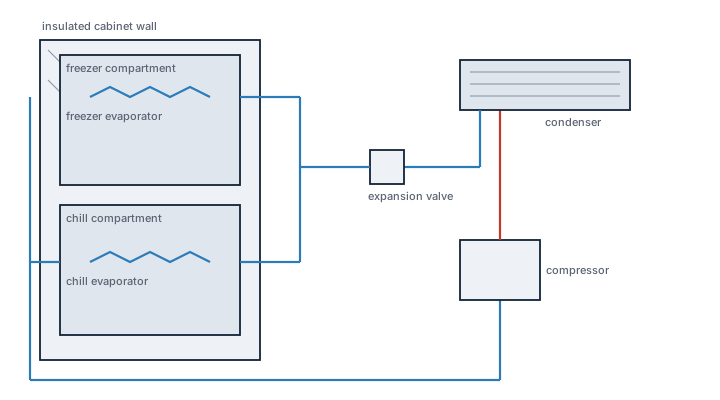
Main components
Compressor
Usually a semi-hermetic reciprocating or scroll compressor mounted in the compressor room, sized for the worst-case ambient the vessel will trade in, not the average. Semi-hermetic units allow valve plate and piston service without removing the whole machine.
Condenser
Air-cooled or seawater-cooled shell-and-tube condenser that rejects heat picked up in the evaporator plus the compressor's work of compression. Air-cooled units are simpler but foul quickly with salt air; seawater-cooled units need a dedicated cooling water pump and strainer.
Evaporator and expansion device
Finned-coil evaporators inside the chill and freeze rooms, fed by a thermostatic expansion valve or, on smaller plants, a fixed capillary tube. A defrost heater or hot-gas defrost line clears ice buildup on a timer or demand cycle.
Room structure
Insulated sandwich panels, typically polyurethane core, with a vapour barrier to stop moisture migration into the insulation, plus heated door frames on freezer doors to stop gasket icing.
Selection and sizing
Sizing is driven by store room volume, design ambient temperature, door opening frequency and crew number, not by a generic capacity chart. Key figures a buyer checks:
- Room volume in cubic metres against expected provisioning interval between ports
- Refrigerant type, now typically R404A being phased down, R452A or R290 on newer installations
- Compressor duty cycle rating for continuous tropical ambient, not intermittent domestic duty
- Number and size of doors, since each opening is a heat load event
- Insulation panel thickness against the target temperature band
Regulations and class
The Maritime Labour Convention 2006 requires separate, adequately sized chill and freeze provision stores for the crew complement, which sets the baseline the plant is sized against. Refrigerant choice is constrained by the Montreal Protocol and its Kigali Amendment phasing down high-GWP HFCs, so replacement refrigerant availability is a real operating concern over a ship's life. Class societies survey the provision refrigeration plant on the same periodic survey cycle as other auxiliary machinery, checking pressure vessel condition, safety valve function and refrigerant containment; there is no cargo-refrigeration-style continuous survey requirement for provision plants.
Typical faults
| Fault | Cause | Consequence |
|---|---|---|
| Slow loss of cooling capacity | Refrigerant leak at a flare joint or shaft seal | Room temperature creeps up unnoticed until stores spoil |
| High head pressure trip | Condenser fouled with salt deposit or airflow blocked | Compressor cuts out repeatedly, room warms during each stop |
| Iced-over evaporator coil | Failed defrost heater or timer | Airflow blocked, room temperature rises despite compressor running |
| Door gasket perished | Age, or freezer door heater failure | Frost buildup around the frame and higher energy use to hold temperature |
What to look for in a supplier
- Refrigerant compatible with current and near-future Montreal Protocol schedules
- Semi-hermetic or fully serviceable compressor rather than a sealed domestic-grade unit
- Panel and door hardware rated for marine salt exposure, not shore cold-store hardware
- Spare parts and refrigerant availability through a network the vessel's trading pattern actually reaches
- Documented capacity calculation for the specific room volume and ambient design condition
A provision plant that trips on high head pressure in port and runs fine at sea is telling you the condenser is fouled, not that the compressor is failing, so clean it before condemning parts.
9 manufacturers · 147 models
Electrolux Professional Marine
30 ✓ 10 verified- Area: Saltwater Corrosion & Material Degradation - AISI 304 stainless steel can corrode in marine salt spray environments if not properly passivated or if protectiveCheck: Visual inspection: check all external and internal surfaces (doors, handles, runners, feet) for pitting corrosion, white rust, or oxidation spots. Verify protective passivation layer intact. Inspect stainless steel panel welds for crevice corrosion. Check marine feet for deterioration.
- Area: R290 Refrigerant System Integrity & Environmental Safety - Hydrocarbon refrigerant R290 is flammable and requires sealed system integrity; leaks risk environmenCheck: Pressure test system for leaks using proper marine-grade equipment. Verify refrigerant charge weight against datasheet specifications (typically 75-145g depending on model). Check all connections, valve seats, and compressor seals for signs of leakage or oil residue. Test system pressure at operational temperature.
- Area: Digital Control & HACCP Compliance Failures - RS485 connectivity, temperature sensors, and HACCP logging may malfunction in marine vibration/humidity environmenCheck: Power on unit and verify digital display illumination and temperature readout accuracy with calibrated thermometer. Test RS485 data port connection to HACCP system. Verify alarm settings trigger correctly at temperature limits. Check Bluetooth connectivity (where applicable). Inspect circuit board for salt corrosion or moisture.
- Area: Cyclopentane Insulation Degradation - 75mm cyclopentane foam insulation can absorb moisture in humid marine environments, reducing thermal efficiency and promotCheck: Check exterior cabinet for dents/cracks that expose insulation. Listen for hissing sounds indicating foam degradation. Measure interior/exterior temperature differential under load to verify cooling power against specifications (e.g., 1045W for ecostore 2-door freezer). Inspect interior surfaces and underside of cabinet for mold, discoloration, or moisture stains.
- Area: Door Seal & Closure Mechanism Failure - Self-closing/reversible doors and triple-chamber magnetic gaskets degrade under marine vibration and salt spray, allowinCheck: Test door opening/closing cycle 5-10 times; verify self-closing mechanism engages smoothly. Inspect triple-chamber magnetic gasket for visible cracks, loss of magnetic force, or deterioration. Check gasket contact surface along entire door frame for warping or gaps. Verify door locks securely and latch holds under pressure. Look for salt residue around door seals.
Typ-universelle Inspektionspunkte fuer Galley & Domestic (verifiziert, 2026-06).
- Area: Saltwater Corrosion & Material Degradation - AISI 304 stainless steel can corrode in marine salt spray environments if not properly passivated or if protectiveCheck: Visual inspection: check all external and internal surfaces (doors, handles, runners, feet) for pitting corrosion, white rust, or oxidation spots. Verify protective passivation layer intact. Inspect stainless steel panel welds for crevice corrosion. Check marine feet for deterioration.
- Area: R290 Refrigerant System Integrity & Environmental Safety - Hydrocarbon refrigerant R290 is flammable and requires sealed system integrity; leaks risk environmenCheck: Pressure test system for leaks using proper marine-grade equipment. Verify refrigerant charge weight against datasheet specifications (typically 75-145g depending on model). Check all connections, valve seats, and compressor seals for signs of leakage or oil residue. Test system pressure at operational temperature.
- Area: Digital Control & HACCP Compliance Failures - RS485 connectivity, temperature sensors, and HACCP logging may malfunction in marine vibration/humidity environmenCheck: Power on unit and verify digital display illumination and temperature readout accuracy with calibrated thermometer. Test RS485 data port connection to HACCP system. Verify alarm settings trigger correctly at temperature limits. Check Bluetooth connectivity (where applicable). Inspect circuit board for salt corrosion or moisture.
- Area: Cyclopentane Insulation Degradation - 75mm cyclopentane foam insulation can absorb moisture in humid marine environments, reducing thermal efficiency and promotCheck: Check exterior cabinet for dents/cracks that expose insulation. Listen for hissing sounds indicating foam degradation. Measure interior/exterior temperature differential under load to verify cooling power against specifications (e.g., 1045W for ecostore 2-door freezer). Inspect interior surfaces and underside of cabinet for mold, discoloration, or moisture stains.
- Area: Door Seal & Closure Mechanism Failure - Self-closing/reversible doors and triple-chamber magnetic gaskets degrade under marine vibration and salt spray, allowinCheck: Test door opening/closing cycle 5-10 times; verify self-closing mechanism engages smoothly. Inspect triple-chamber magnetic gasket for visible cracks, loss of magnetic force, or deterioration. Check gasket contact surface along entire door frame for warping or gaps. Verify door locks securely and latch holds under pressure. Look for salt residue around door seals.
Typ-universelle Inspektionspunkte fuer Galley & Domestic (verifiziert, 2026-06).
- Area: Saltwater Corrosion & Material Degradation - AISI 304 stainless steel can corrode in marine salt spray environments if not properly passivated or if protectiveCheck: Visual inspection: check all external and internal surfaces (doors, handles, runners, feet) for pitting corrosion, white rust, or oxidation spots. Verify protective passivation layer intact. Inspect stainless steel panel welds for crevice corrosion. Check marine feet for deterioration.
- Area: R290 Refrigerant System Integrity & Environmental Safety - Hydrocarbon refrigerant R290 is flammable and requires sealed system integrity; leaks risk environmenCheck: Pressure test system for leaks using proper marine-grade equipment. Verify refrigerant charge weight against datasheet specifications (typically 75-145g depending on model). Check all connections, valve seats, and compressor seals for signs of leakage or oil residue. Test system pressure at operational temperature.
- Area: Digital Control & HACCP Compliance Failures - RS485 connectivity, temperature sensors, and HACCP logging may malfunction in marine vibration/humidity environmenCheck: Power on unit and verify digital display illumination and temperature readout accuracy with calibrated thermometer. Test RS485 data port connection to HACCP system. Verify alarm settings trigger correctly at temperature limits. Check Bluetooth connectivity (where applicable). Inspect circuit board for salt corrosion or moisture.
- Area: Cyclopentane Insulation Degradation - 75mm cyclopentane foam insulation can absorb moisture in humid marine environments, reducing thermal efficiency and promotCheck: Check exterior cabinet for dents/cracks that expose insulation. Listen for hissing sounds indicating foam degradation. Measure interior/exterior temperature differential under load to verify cooling power against specifications (e.g., 1045W for ecostore 2-door freezer). Inspect interior surfaces and underside of cabinet for mold, discoloration, or moisture stains.
- Area: Door Seal & Closure Mechanism Failure - Self-closing/reversible doors and triple-chamber magnetic gaskets degrade under marine vibration and salt spray, allowinCheck: Test door opening/closing cycle 5-10 times; verify self-closing mechanism engages smoothly. Inspect triple-chamber magnetic gasket for visible cracks, loss of magnetic force, or deterioration. Check gasket contact surface along entire door frame for warping or gaps. Verify door locks securely and latch holds under pressure. Look for salt residue around door seals.
Typ-universelle Inspektionspunkte fuer Galley & Domestic (verifiziert, 2026-06).
- Area: Saltwater Corrosion & Material Degradation - AISI 304 stainless steel can corrode in marine salt spray environments if not properly passivated or if protectiveCheck: Visual inspection: check all external and internal surfaces (doors, handles, runners, feet) for pitting corrosion, white rust, or oxidation spots. Verify protective passivation layer intact. Inspect stainless steel panel welds for crevice corrosion. Check marine feet for deterioration.
- Area: R290 Refrigerant System Integrity & Environmental Safety - Hydrocarbon refrigerant R290 is flammable and requires sealed system integrity; leaks risk environmenCheck: Pressure test system for leaks using proper marine-grade equipment. Verify refrigerant charge weight against datasheet specifications (typically 75-145g depending on model). Check all connections, valve seats, and compressor seals for signs of leakage or oil residue. Test system pressure at operational temperature.
- Area: Digital Control & HACCP Compliance Failures - RS485 connectivity, temperature sensors, and HACCP logging may malfunction in marine vibration/humidity environmenCheck: Power on unit and verify digital display illumination and temperature readout accuracy with calibrated thermometer. Test RS485 data port connection to HACCP system. Verify alarm settings trigger correctly at temperature limits. Check Bluetooth connectivity (where applicable). Inspect circuit board for salt corrosion or moisture.
- Area: Cyclopentane Insulation Degradation - 75mm cyclopentane foam insulation can absorb moisture in humid marine environments, reducing thermal efficiency and promotCheck: Check exterior cabinet for dents/cracks that expose insulation. Listen for hissing sounds indicating foam degradation. Measure interior/exterior temperature differential under load to verify cooling power against specifications (e.g., 1045W for ecostore 2-door freezer). Inspect interior surfaces and underside of cabinet for mold, discoloration, or moisture stains.
- Area: Door Seal & Closure Mechanism Failure - Self-closing/reversible doors and triple-chamber magnetic gaskets degrade under marine vibration and salt spray, allowinCheck: Test door opening/closing cycle 5-10 times; verify self-closing mechanism engages smoothly. Inspect triple-chamber magnetic gasket for visible cracks, loss of magnetic force, or deterioration. Check gasket contact surface along entire door frame for warping or gaps. Verify door locks securely and latch holds under pressure. Look for salt residue around door seals.
Typ-universelle Inspektionspunkte fuer Galley & Domestic (verifiziert, 2026-06).
- Area: Saltwater Corrosion & Material Degradation - AISI 304 stainless steel can corrode in marine salt spray environments if not properly passivated or if protectiveCheck: Visual inspection: check all external and internal surfaces (doors, handles, runners, feet) for pitting corrosion, white rust, or oxidation spots. Verify protective passivation layer intact. Inspect stainless steel panel welds for crevice corrosion. Check marine feet for deterioration.
- Area: R290 Refrigerant System Integrity & Environmental Safety - Hydrocarbon refrigerant R290 is flammable and requires sealed system integrity; leaks risk environmenCheck: Pressure test system for leaks using proper marine-grade equipment. Verify refrigerant charge weight against datasheet specifications (typically 75-145g depending on model). Check all connections, valve seats, and compressor seals for signs of leakage or oil residue. Test system pressure at operational temperature.
- Area: Digital Control & HACCP Compliance Failures - RS485 connectivity, temperature sensors, and HACCP logging may malfunction in marine vibration/humidity environmenCheck: Power on unit and verify digital display illumination and temperature readout accuracy with calibrated thermometer. Test RS485 data port connection to HACCP system. Verify alarm settings trigger correctly at temperature limits. Check Bluetooth connectivity (where applicable). Inspect circuit board for salt corrosion or moisture.
- Area: Cyclopentane Insulation Degradation - 75mm cyclopentane foam insulation can absorb moisture in humid marine environments, reducing thermal efficiency and promotCheck: Check exterior cabinet for dents/cracks that expose insulation. Listen for hissing sounds indicating foam degradation. Measure interior/exterior temperature differential under load to verify cooling power against specifications (e.g., 1045W for ecostore 2-door freezer). Inspect interior surfaces and underside of cabinet for mold, discoloration, or moisture stains.
- Area: Door Seal & Closure Mechanism Failure - Self-closing/reversible doors and triple-chamber magnetic gaskets degrade under marine vibration and salt spray, allowinCheck: Test door opening/closing cycle 5-10 times; verify self-closing mechanism engages smoothly. Inspect triple-chamber magnetic gasket for visible cracks, loss of magnetic force, or deterioration. Check gasket contact surface along entire door frame for warping or gaps. Verify door locks securely and latch holds under pressure. Look for salt residue around door seals.
Typ-universelle Inspektionspunkte fuer Galley & Domestic (verifiziert, 2026-06).
- Area: Saltwater Corrosion & Material Degradation - AISI 304 stainless steel can corrode in marine salt spray environments if not properly passivated or if protectiveCheck: Visual inspection: check all external and internal surfaces (doors, handles, runners, feet) for pitting corrosion, white rust, or oxidation spots. Verify protective passivation layer intact. Inspect stainless steel panel welds for crevice corrosion. Check marine feet for deterioration.
- Area: R290 Refrigerant System Integrity & Environmental Safety - Hydrocarbon refrigerant R290 is flammable and requires sealed system integrity; leaks risk environmenCheck: Pressure test system for leaks using proper marine-grade equipment. Verify refrigerant charge weight against datasheet specifications (typically 75-145g depending on model). Check all connections, valve seats, and compressor seals for signs of leakage or oil residue. Test system pressure at operational temperature.
- Area: Digital Control & HACCP Compliance Failures - RS485 connectivity, temperature sensors, and HACCP logging may malfunction in marine vibration/humidity environmenCheck: Power on unit and verify digital display illumination and temperature readout accuracy with calibrated thermometer. Test RS485 data port connection to HACCP system. Verify alarm settings trigger correctly at temperature limits. Check Bluetooth connectivity (where applicable). Inspect circuit board for salt corrosion or moisture.
- Area: Cyclopentane Insulation Degradation - 75mm cyclopentane foam insulation can absorb moisture in humid marine environments, reducing thermal efficiency and promotCheck: Check exterior cabinet for dents/cracks that expose insulation. Listen for hissing sounds indicating foam degradation. Measure interior/exterior temperature differential under load to verify cooling power against specifications (e.g., 1045W for ecostore 2-door freezer). Inspect interior surfaces and underside of cabinet for mold, discoloration, or moisture stains.
- Area: Door Seal & Closure Mechanism Failure - Self-closing/reversible doors and triple-chamber magnetic gaskets degrade under marine vibration and salt spray, allowinCheck: Test door opening/closing cycle 5-10 times; verify self-closing mechanism engages smoothly. Inspect triple-chamber magnetic gasket for visible cracks, loss of magnetic force, or deterioration. Check gasket contact surface along entire door frame for warping or gaps. Verify door locks securely and latch holds under pressure. Look for salt residue around door seals.
Typ-universelle Inspektionspunkte fuer Galley & Domestic (verifiziert, 2026-06).
- Area: Saltwater Corrosion & Material Degradation - AISI 304 stainless steel can corrode in marine salt spray environments if not properly passivated or if protectiveCheck: Visual inspection: check all external and internal surfaces (doors, handles, runners, feet) for pitting corrosion, white rust, or oxidation spots. Verify protective passivation layer intact. Inspect stainless steel panel welds for crevice corrosion. Check marine feet for deterioration.
- Area: R290 Refrigerant System Integrity & Environmental Safety - Hydrocarbon refrigerant R290 is flammable and requires sealed system integrity; leaks risk environmenCheck: Pressure test system for leaks using proper marine-grade equipment. Verify refrigerant charge weight against datasheet specifications (typically 75-145g depending on model). Check all connections, valve seats, and compressor seals for signs of leakage or oil residue. Test system pressure at operational temperature.
- Area: Digital Control & HACCP Compliance Failures - RS485 connectivity, temperature sensors, and HACCP logging may malfunction in marine vibration/humidity environmenCheck: Power on unit and verify digital display illumination and temperature readout accuracy with calibrated thermometer. Test RS485 data port connection to HACCP system. Verify alarm settings trigger correctly at temperature limits. Check Bluetooth connectivity (where applicable). Inspect circuit board for salt corrosion or moisture.
- Area: Cyclopentane Insulation Degradation - 75mm cyclopentane foam insulation can absorb moisture in humid marine environments, reducing thermal efficiency and promotCheck: Check exterior cabinet for dents/cracks that expose insulation. Listen for hissing sounds indicating foam degradation. Measure interior/exterior temperature differential under load to verify cooling power against specifications (e.g., 1045W for ecostore 2-door freezer). Inspect interior surfaces and underside of cabinet for mold, discoloration, or moisture stains.
- Area: Door Seal & Closure Mechanism Failure - Self-closing/reversible doors and triple-chamber magnetic gaskets degrade under marine vibration and salt spray, allowinCheck: Test door opening/closing cycle 5-10 times; verify self-closing mechanism engages smoothly. Inspect triple-chamber magnetic gasket for visible cracks, loss of magnetic force, or deterioration. Check gasket contact surface along entire door frame for warping or gaps. Verify door locks securely and latch holds under pressure. Look for salt residue around door seals.
Typ-universelle Inspektionspunkte fuer Galley & Domestic (verifiziert, 2026-06).
- Area: Saltwater Corrosion & Material Degradation - AISI 304 stainless steel can corrode in marine salt spray environments if not properly passivated or if protectiveCheck: Visual inspection: check all external and internal surfaces (doors, handles, runners, feet) for pitting corrosion, white rust, or oxidation spots. Verify protective passivation layer intact. Inspect stainless steel panel welds for crevice corrosion. Check marine feet for deterioration.
- Area: R290 Refrigerant System Integrity & Environmental Safety - Hydrocarbon refrigerant R290 is flammable and requires sealed system integrity; leaks risk environmenCheck: Pressure test system for leaks using proper marine-grade equipment. Verify refrigerant charge weight against datasheet specifications (typically 75-145g depending on model). Check all connections, valve seats, and compressor seals for signs of leakage or oil residue. Test system pressure at operational temperature.
- Area: Digital Control & HACCP Compliance Failures - RS485 connectivity, temperature sensors, and HACCP logging may malfunction in marine vibration/humidity environmenCheck: Power on unit and verify digital display illumination and temperature readout accuracy with calibrated thermometer. Test RS485 data port connection to HACCP system. Verify alarm settings trigger correctly at temperature limits. Check Bluetooth connectivity (where applicable). Inspect circuit board for salt corrosion or moisture.
- Area: Cyclopentane Insulation Degradation - 75mm cyclopentane foam insulation can absorb moisture in humid marine environments, reducing thermal efficiency and promotCheck: Check exterior cabinet for dents/cracks that expose insulation. Listen for hissing sounds indicating foam degradation. Measure interior/exterior temperature differential under load to verify cooling power against specifications (e.g., 1045W for ecostore 2-door freezer). Inspect interior surfaces and underside of cabinet for mold, discoloration, or moisture stains.
- Area: Door Seal & Closure Mechanism Failure - Self-closing/reversible doors and triple-chamber magnetic gaskets degrade under marine vibration and salt spray, allowinCheck: Test door opening/closing cycle 5-10 times; verify self-closing mechanism engages smoothly. Inspect triple-chamber magnetic gasket for visible cracks, loss of magnetic force, or deterioration. Check gasket contact surface along entire door frame for warping or gaps. Verify door locks securely and latch holds under pressure. Look for salt residue around door seals.
Typ-universelle Inspektionspunkte fuer Galley & Domestic (verifiziert, 2026-06).
- Area: Saltwater Corrosion & Material Degradation - AISI 304 stainless steel can corrode in marine salt spray environments if not properly passivated or if protectiveCheck: Visual inspection: check all external and internal surfaces (doors, handles, runners, feet) for pitting corrosion, white rust, or oxidation spots. Verify protective passivation layer intact. Inspect stainless steel panel welds for crevice corrosion. Check marine feet for deterioration.
- Area: R290 Refrigerant System Integrity & Environmental Safety - Hydrocarbon refrigerant R290 is flammable and requires sealed system integrity; leaks risk environmenCheck: Pressure test system for leaks using proper marine-grade equipment. Verify refrigerant charge weight against datasheet specifications (typically 75-145g depending on model). Check all connections, valve seats, and compressor seals for signs of leakage or oil residue. Test system pressure at operational temperature.
- Area: Digital Control & HACCP Compliance Failures - RS485 connectivity, temperature sensors, and HACCP logging may malfunction in marine vibration/humidity environmenCheck: Power on unit and verify digital display illumination and temperature readout accuracy with calibrated thermometer. Test RS485 data port connection to HACCP system. Verify alarm settings trigger correctly at temperature limits. Check Bluetooth connectivity (where applicable). Inspect circuit board for salt corrosion or moisture.
- Area: Cyclopentane Insulation Degradation - 75mm cyclopentane foam insulation can absorb moisture in humid marine environments, reducing thermal efficiency and promotCheck: Check exterior cabinet for dents/cracks that expose insulation. Listen for hissing sounds indicating foam degradation. Measure interior/exterior temperature differential under load to verify cooling power against specifications (e.g., 1045W for ecostore 2-door freezer). Inspect interior surfaces and underside of cabinet for mold, discoloration, or moisture stains.
- Area: Door Seal & Closure Mechanism Failure - Self-closing/reversible doors and triple-chamber magnetic gaskets degrade under marine vibration and salt spray, allowinCheck: Test door opening/closing cycle 5-10 times; verify self-closing mechanism engages smoothly. Inspect triple-chamber magnetic gasket for visible cracks, loss of magnetic force, or deterioration. Check gasket contact surface along entire door frame for warping or gaps. Verify door locks securely and latch holds under pressure. Look for salt residue around door seals.
Typ-universelle Inspektionspunkte fuer Galley & Domestic (verifiziert, 2026-06).
- Area: Saltwater Corrosion & Material Degradation - AISI 304 stainless steel can corrode in marine salt spray environments if not properly passivated or if protectiveCheck: Visual inspection: check all external and internal surfaces (doors, handles, runners, feet) for pitting corrosion, white rust, or oxidation spots. Verify protective passivation layer intact. Inspect stainless steel panel welds for crevice corrosion. Check marine feet for deterioration.
- Area: R290 Refrigerant System Integrity & Environmental Safety - Hydrocarbon refrigerant R290 is flammable and requires sealed system integrity; leaks risk environmenCheck: Pressure test system for leaks using proper marine-grade equipment. Verify refrigerant charge weight against datasheet specifications (typically 75-145g depending on model). Check all connections, valve seats, and compressor seals for signs of leakage or oil residue. Test system pressure at operational temperature.
- Area: Digital Control & HACCP Compliance Failures - RS485 connectivity, temperature sensors, and HACCP logging may malfunction in marine vibration/humidity environmenCheck: Power on unit and verify digital display illumination and temperature readout accuracy with calibrated thermometer. Test RS485 data port connection to HACCP system. Verify alarm settings trigger correctly at temperature limits. Check Bluetooth connectivity (where applicable). Inspect circuit board for salt corrosion or moisture.
- Area: Cyclopentane Insulation Degradation - 75mm cyclopentane foam insulation can absorb moisture in humid marine environments, reducing thermal efficiency and promotCheck: Check exterior cabinet for dents/cracks that expose insulation. Listen for hissing sounds indicating foam degradation. Measure interior/exterior temperature differential under load to verify cooling power against specifications (e.g., 1045W for ecostore 2-door freezer). Inspect interior surfaces and underside of cabinet for mold, discoloration, or moisture stains.
- Area: Door Seal & Closure Mechanism Failure - Self-closing/reversible doors and triple-chamber magnetic gaskets degrade under marine vibration and salt spray, allowinCheck: Test door opening/closing cycle 5-10 times; verify self-closing mechanism engages smoothly. Inspect triple-chamber magnetic gasket for visible cracks, loss of magnetic force, or deterioration. Check gasket contact surface along entire door frame for warping or gaps. Verify door locks securely and latch holds under pressure. Look for salt residue around door seals.
Typ-universelle Inspektionspunkte fuer Galley & Domestic (verifiziert, 2026-06).
- Heating, refrigeration or extraction-component failure causes poor performance, slow operation or inability to reach the required condition
- Temperature sensor, thermostat or control faults cause unstable operation or protective shutdown
- Door seal, hose, drain or valve deterioration causes leakage, heat loss, icing or water accumulation
- Fan, pump, motor or bearing wear causes abnormal noise, reduced circulation or vibration
- Electrical, ignition or safety-interlock faults cause failed starts, nuisance trips or error indications
- Loss of electrical, hydraulic, pneumatic, fluid, or other service supply from a protection trip, leakage, blockage, or upstream fault results in failed starting or loss of function
- Mechanical wear, corrosion, fouling, or contamination of moving and wetted parts causes increased noise, leakage, sticking, vibration, or reduced performance
- Seal, gasket, hose, cable, or connection deterioration from age, heat, vibration, or environmental exposure produces visible leakage, intermittent signals, or loss of pressure
- Sensor, switch, actuator, relay, or control-system faults cause incorrect indication, nuisance alarms, failed automatic sequences, or loss of remote control
- Incorrect adjustment, assembly, or maintenance leads to unstable operation, recurrent alarms, or performance that differs from the vessel's normal baseline
- Heating, refrigeration or extraction-component failure causes poor performance, slow operation or inability to reach the required condition
- Temperature sensor, thermostat or control faults cause unstable operation or protective shutdown
- Door seal, hose, drain or valve deterioration causes leakage, heat loss, icing or water accumulation
- Fan, pump, motor or bearing wear causes abnormal noise, reduced circulation or vibration
- Electrical, ignition or safety-interlock faults cause failed starts, nuisance trips or error indications
- Loss of electrical, hydraulic, pneumatic, fluid, or other service supply from a protection trip, leakage, blockage, or upstream fault results in failed starting or loss of function
- Mechanical wear, corrosion, fouling, or contamination of moving and wetted parts causes increased noise, leakage, sticking, vibration, or reduced performance
- Seal, gasket, hose, cable, or connection deterioration from age, heat, vibration, or environmental exposure produces visible leakage, intermittent signals, or loss of pressure
- Sensor, switch, actuator, relay, or control-system faults cause incorrect indication, nuisance alarms, failed automatic sequences, or loss of remote control
- Incorrect adjustment, assembly, or maintenance leads to unstable operation, recurrent alarms, or performance that differs from the vessel's normal baseline
- Heating, refrigeration or extraction-component failure causes poor performance, slow operation or inability to reach the required condition
- Temperature sensor, thermostat or control faults cause unstable operation or protective shutdown
- Door seal, hose, drain or valve deterioration causes leakage, heat loss, icing or water accumulation
- Fan, pump, motor or bearing wear causes abnormal noise, reduced circulation or vibration
- Electrical, ignition or safety-interlock faults cause failed starts, nuisance trips or error indications
- Loss of electrical, hydraulic, pneumatic, fluid, or other service supply from a protection trip, leakage, blockage, or upstream fault results in failed starting or loss of function
- Mechanical wear, corrosion, fouling, or contamination of moving and wetted parts causes increased noise, leakage, sticking, vibration, or reduced performance
- Seal, gasket, hose, cable, or connection deterioration from age, heat, vibration, or environmental exposure produces visible leakage, intermittent signals, or loss of pressure
- Sensor, switch, actuator, relay, or control-system faults cause incorrect indication, nuisance alarms, failed automatic sequences, or loss of remote control
- Incorrect adjustment, assembly, or maintenance leads to unstable operation, recurrent alarms, or performance that differs from the vessel's normal baseline
- Heating, refrigeration or extraction-component failure causes poor performance, slow operation or inability to reach the required condition
- Temperature sensor, thermostat or control faults cause unstable operation or protective shutdown
- Door seal, hose, drain or valve deterioration causes leakage, heat loss, icing or water accumulation
- Fan, pump, motor or bearing wear causes abnormal noise, reduced circulation or vibration
- Electrical, ignition or safety-interlock faults cause failed starts, nuisance trips or error indications
- Loss of electrical, hydraulic, pneumatic, fluid, or other service supply from a protection trip, leakage, blockage, or upstream fault results in failed starting or loss of function
- Mechanical wear, corrosion, fouling, or contamination of moving and wetted parts causes increased noise, leakage, sticking, vibration, or reduced performance
- Seal, gasket, hose, cable, or connection deterioration from age, heat, vibration, or environmental exposure produces visible leakage, intermittent signals, or loss of pressure
- Sensor, switch, actuator, relay, or control-system faults cause incorrect indication, nuisance alarms, failed automatic sequences, or loss of remote control
- Incorrect adjustment, assembly, or maintenance leads to unstable operation, recurrent alarms, or performance that differs from the vessel's normal baseline
- Heating, refrigeration or motor components can fail from wear or overheating, seen as loss of temperature control or unavailable operation
- Door seals, gaskets or water connections can leak, noticed as moisture, heat loss or poor cooling
- Grease, scale or debris buildup can restrict airflow or drainage, causing overheating, odors or poor performance
- Thermostat, sensor or control faults can produce unstable operation or alarms
- Electrical connection deterioration in humid service can cause nuisance trips or intermittent failure
- Heating, refrigeration or motor components can fail from wear or overheating, seen as loss of temperature control or unavailable operation
- Door seals, gaskets or water connections can leak, noticed as moisture, heat loss or poor cooling
- Grease, scale or debris buildup can restrict airflow or drainage, causing overheating, odors or poor performance
- Thermostat, sensor or control faults can produce unstable operation or alarms
- Electrical connection deterioration in humid service can cause nuisance trips or intermittent failure
- Heating, refrigeration or motor components can fail from wear or overheating, seen as loss of temperature control or unavailable operation
- Door seals, gaskets or water connections can leak, noticed as moisture, heat loss or poor cooling
- Grease, scale or debris buildup can restrict airflow or drainage, causing overheating, odors or poor performance
- Thermostat, sensor or control faults can produce unstable operation or alarms
- Electrical connection deterioration in humid service can cause nuisance trips or intermittent failure
- Heating, refrigeration or motor components can fail from wear or overheating, seen as loss of temperature control or unavailable operation
- Door seals, gaskets or water connections can leak, noticed as moisture, heat loss or poor cooling
- Grease, scale or debris buildup can restrict airflow or drainage, causing overheating, odors or poor performance
- Thermostat, sensor or control faults can produce unstable operation or alarms
- Electrical connection deterioration in humid service can cause nuisance trips or intermittent failure
- Heating, refrigeration or motor components can fail from wear or overheating, seen as loss of temperature control or unavailable operation
- Door seals, gaskets or water connections can leak, noticed as moisture, heat loss or poor cooling
- Grease, scale or debris buildup can restrict airflow or drainage, causing overheating, odors or poor performance
- Thermostat, sensor or control faults can produce unstable operation or alarms
- Electrical connection deterioration in humid service can cause nuisance trips or intermittent failure
- Heating, refrigeration or motor components can fail from wear or overheating, seen as loss of temperature control or unavailable operation
- Door seals, gaskets or water connections can leak, noticed as moisture, heat loss or poor cooling
- Grease, scale or debris buildup can restrict airflow or drainage, causing overheating, odors or poor performance
- Thermostat, sensor or control faults can produce unstable operation or alarms
- Electrical connection deterioration in humid service can cause nuisance trips or intermittent failure
- Heating, refrigeration or motor components can fail from wear or overheating, seen as loss of temperature control or unavailable operation
- Door seals, gaskets or water connections can leak, noticed as moisture, heat loss or poor cooling
- Grease, scale or debris buildup can restrict airflow or drainage, causing overheating, odors or poor performance
- Thermostat, sensor or control faults can produce unstable operation or alarms
- Electrical connection deterioration in humid service can cause nuisance trips or intermittent failure
- Heating, refrigeration or motor components can fail from wear or overheating, seen as loss of temperature control or unavailable operation
- Door seals, gaskets or water connections can leak, noticed as moisture, heat loss or poor cooling
- Grease, scale or debris buildup can restrict airflow or drainage, causing overheating, odors or poor performance
- Thermostat, sensor or control faults can produce unstable operation or alarms
- Electrical connection deterioration in humid service can cause nuisance trips or intermittent failure
- Heating, refrigeration or motor components can fail from wear or overheating, seen as loss of temperature control or unavailable operation
- Door seals, gaskets or water connections can leak, noticed as moisture, heat loss or poor cooling
- Grease, scale or debris buildup can restrict airflow or drainage, causing overheating, odors or poor performance
- Thermostat, sensor or control faults can produce unstable operation or alarms
- Electrical connection deterioration in humid service can cause nuisance trips or intermittent failure
- Heating, refrigeration or motor components can fail from wear or overheating, seen as loss of temperature control or unavailable operation
- Door seals, gaskets or water connections can leak, noticed as moisture, heat loss or poor cooling
- Grease, scale or debris buildup can restrict airflow or drainage, causing overheating, odors or poor performance
- Thermostat, sensor or control faults can produce unstable operation or alarms
- Electrical connection deterioration in humid service can cause nuisance trips or intermittent failure
- Heating, refrigeration or motor components can fail from wear or overheating, seen as loss of temperature control or unavailable operation
- Door seals, gaskets or water connections can leak, noticed as moisture, heat loss or poor cooling
- Grease, scale or debris buildup can restrict airflow or drainage, causing overheating, odors or poor performance
- Thermostat, sensor or control faults can produce unstable operation or alarms
- Electrical connection deterioration in humid service can cause nuisance trips or intermittent failure
- Heating, refrigeration or motor components can fail from wear or overheating, seen as loss of temperature control or unavailable operation
- Door seals, gaskets or water connections can leak, noticed as moisture, heat loss or poor cooling
- Grease, scale or debris buildup can restrict airflow or drainage, causing overheating, odors or poor performance
- Thermostat, sensor or control faults can produce unstable operation or alarms
- Electrical connection deterioration in humid service can cause nuisance trips or intermittent failure
Hoshizaki (Gram)
15 ✓ 15 verified- Area: Door Gasket/Seal DegradationCheck: Dollar bill test - close door on currency and attempt to pull it out around entire perimeter. Check for cracks, tears, brittleness, excessive stickiness. Verify seal remains soft and pliable; inspect corners and hinge side under stress.
- Area: Temperature Stability & PerformanceCheck: Monitor internal temperature with separate thermometer daily. Verify refrigerator maintains 37-40°F (2-4°C), freezer maintains -4°F (-20°C). Check for temperature fluctuations, frost buildup, or uneven cooling across all shelves.
- Area: Compressor Vibration & NoiseCheck: Listen for unusual rattling, grinding, or squealing. Inspect for excessive vibration in mounting brackets and refrigerant lines. Check for signs of metal fatigue, loose fasteners, or thermal expansion damage. Verify no salt/corrosion buildup.
- Area: Marine Shelf Fixation & Sea StabilityCheck: Verify all shelves are properly fixed to guide pins and supports with no play or movement when vessel rocks. Inspect guide pins for wear, bent clips, or misalignment. Confirm shelves remain secure under simulated heavy sea conditions.
- Area: Refrigerant & Pressure System IntegrityCheck: Check for oil leaks around compressor connections, condenser coils, and refrigerant lines. Verify refrigerant levels per nameplate specs. Inspect for frost accumulation on suction line indicating low charge. Test pressure readings with gauges; document baseline values.
Typ-universelle Inspektionspunkte fuer Galley & Domestic (verifiziert, 2026-06).
- Area: Door Gasket/Seal DegradationCheck: Dollar bill test - close door on currency and attempt to pull it out around entire perimeter. Check for cracks, tears, brittleness, excessive stickiness. Verify seal remains soft and pliable; inspect corners and hinge side under stress.
- Area: Temperature Stability & PerformanceCheck: Monitor internal temperature with separate thermometer daily. Verify refrigerator maintains 37-40°F (2-4°C), freezer maintains -4°F (-20°C). Check for temperature fluctuations, frost buildup, or uneven cooling across all shelves.
- Area: Compressor Vibration & NoiseCheck: Listen for unusual rattling, grinding, or squealing. Inspect for excessive vibration in mounting brackets and refrigerant lines. Check for signs of metal fatigue, loose fasteners, or thermal expansion damage. Verify no salt/corrosion buildup.
- Area: Marine Shelf Fixation & Sea StabilityCheck: Verify all shelves are properly fixed to guide pins and supports with no play or movement when vessel rocks. Inspect guide pins for wear, bent clips, or misalignment. Confirm shelves remain secure under simulated heavy sea conditions.
- Area: Refrigerant & Pressure System IntegrityCheck: Check for oil leaks around compressor connections, condenser coils, and refrigerant lines. Verify refrigerant levels per nameplate specs. Inspect for frost accumulation on suction line indicating low charge. Test pressure readings with gauges; document baseline values.
Typ-universelle Inspektionspunkte fuer Galley & Domestic (verifiziert, 2026-06).
- Area: Door Gasket/Seal DegradationCheck: Dollar bill test - close door on currency and attempt to pull it out around entire perimeter. Check for cracks, tears, brittleness, excessive stickiness. Verify seal remains soft and pliable; inspect corners and hinge side under stress.
- Area: Temperature Stability & PerformanceCheck: Monitor internal temperature with separate thermometer daily. Verify refrigerator maintains 37-40°F (2-4°C), freezer maintains -4°F (-20°C). Check for temperature fluctuations, frost buildup, or uneven cooling across all shelves.
- Area: Compressor Vibration & NoiseCheck: Listen for unusual rattling, grinding, or squealing. Inspect for excessive vibration in mounting brackets and refrigerant lines. Check for signs of metal fatigue, loose fasteners, or thermal expansion damage. Verify no salt/corrosion buildup.
- Area: Marine Shelf Fixation & Sea StabilityCheck: Verify all shelves are properly fixed to guide pins and supports with no play or movement when vessel rocks. Inspect guide pins for wear, bent clips, or misalignment. Confirm shelves remain secure under simulated heavy sea conditions.
- Area: Refrigerant & Pressure System IntegrityCheck: Check for oil leaks around compressor connections, condenser coils, and refrigerant lines. Verify refrigerant levels per nameplate specs. Inspect for frost accumulation on suction line indicating low charge. Test pressure readings with gauges; document baseline values.
Typ-universelle Inspektionspunkte fuer Galley & Domestic (verifiziert, 2026-06).
- Area: Door Gasket/Seal DegradationCheck: Dollar bill test - close door on currency and attempt to pull it out around entire perimeter. Check for cracks, tears, brittleness, excessive stickiness. Verify seal remains soft and pliable; inspect corners and hinge side under stress.
- Area: Temperature Stability & PerformanceCheck: Monitor internal temperature with separate thermometer daily. Verify refrigerator maintains 37-40°F (2-4°C), freezer maintains -4°F (-20°C). Check for temperature fluctuations, frost buildup, or uneven cooling across all shelves.
- Area: Compressor Vibration & NoiseCheck: Listen for unusual rattling, grinding, or squealing. Inspect for excessive vibration in mounting brackets and refrigerant lines. Check for signs of metal fatigue, loose fasteners, or thermal expansion damage. Verify no salt/corrosion buildup.
- Area: Marine Shelf Fixation & Sea StabilityCheck: Verify all shelves are properly fixed to guide pins and supports with no play or movement when vessel rocks. Inspect guide pins for wear, bent clips, or misalignment. Confirm shelves remain secure under simulated heavy sea conditions.
- Area: Refrigerant & Pressure System IntegrityCheck: Check for oil leaks around compressor connections, condenser coils, and refrigerant lines. Verify refrigerant levels per nameplate specs. Inspect for frost accumulation on suction line indicating low charge. Test pressure readings with gauges; document baseline values.
Typ-universelle Inspektionspunkte fuer Galley & Domestic (verifiziert, 2026-06).
- Area: Door Gasket/Seal DegradationCheck: Dollar bill test - close door on currency and attempt to pull it out around entire perimeter. Check for cracks, tears, brittleness, excessive stickiness. Verify seal remains soft and pliable; inspect corners and hinge side under stress.
- Area: Temperature Stability & PerformanceCheck: Monitor internal temperature with separate thermometer daily. Verify refrigerator maintains 37-40°F (2-4°C), freezer maintains -4°F (-20°C). Check for temperature fluctuations, frost buildup, or uneven cooling across all shelves.
- Area: Compressor Vibration & NoiseCheck: Listen for unusual rattling, grinding, or squealing. Inspect for excessive vibration in mounting brackets and refrigerant lines. Check for signs of metal fatigue, loose fasteners, or thermal expansion damage. Verify no salt/corrosion buildup.
- Area: Marine Shelf Fixation & Sea StabilityCheck: Verify all shelves are properly fixed to guide pins and supports with no play or movement when vessel rocks. Inspect guide pins for wear, bent clips, or misalignment. Confirm shelves remain secure under simulated heavy sea conditions.
- Area: Refrigerant & Pressure System IntegrityCheck: Check for oil leaks around compressor connections, condenser coils, and refrigerant lines. Verify refrigerant levels per nameplate specs. Inspect for frost accumulation on suction line indicating low charge. Test pressure readings with gauges; document baseline values.
Typ-universelle Inspektionspunkte fuer Galley & Domestic (verifiziert, 2026-06).
- Area: Door Gasket/Seal DegradationCheck: Dollar bill test - close door on currency and attempt to pull it out around entire perimeter. Check for cracks, tears, brittleness, excessive stickiness. Verify seal remains soft and pliable; inspect corners and hinge side under stress.
- Area: Temperature Stability & PerformanceCheck: Monitor internal temperature with separate thermometer daily. Verify refrigerator maintains 37-40°F (2-4°C), freezer maintains -4°F (-20°C). Check for temperature fluctuations, frost buildup, or uneven cooling across all shelves.
- Area: Compressor Vibration & NoiseCheck: Listen for unusual rattling, grinding, or squealing. Inspect for excessive vibration in mounting brackets and refrigerant lines. Check for signs of metal fatigue, loose fasteners, or thermal expansion damage. Verify no salt/corrosion buildup.
- Area: Marine Shelf Fixation & Sea StabilityCheck: Verify all shelves are properly fixed to guide pins and supports with no play or movement when vessel rocks. Inspect guide pins for wear, bent clips, or misalignment. Confirm shelves remain secure under simulated heavy sea conditions.
- Area: Refrigerant & Pressure System IntegrityCheck: Check for oil leaks around compressor connections, condenser coils, and refrigerant lines. Verify refrigerant levels per nameplate specs. Inspect for frost accumulation on suction line indicating low charge. Test pressure readings with gauges; document baseline values.
Typ-universelle Inspektionspunkte fuer Galley & Domestic (verifiziert, 2026-06).
- Area: Door Gasket/Seal DegradationCheck: Dollar bill test - close door on currency and attempt to pull it out around entire perimeter. Check for cracks, tears, brittleness, excessive stickiness. Verify seal remains soft and pliable; inspect corners and hinge side under stress.
- Area: Temperature Stability & PerformanceCheck: Monitor internal temperature with separate thermometer daily. Verify refrigerator maintains 37-40°F (2-4°C), freezer maintains -4°F (-20°C). Check for temperature fluctuations, frost buildup, or uneven cooling across all shelves.
- Area: Compressor Vibration & NoiseCheck: Listen for unusual rattling, grinding, or squealing. Inspect for excessive vibration in mounting brackets and refrigerant lines. Check for signs of metal fatigue, loose fasteners, or thermal expansion damage. Verify no salt/corrosion buildup.
- Area: Marine Shelf Fixation & Sea StabilityCheck: Verify all shelves are properly fixed to guide pins and supports with no play or movement when vessel rocks. Inspect guide pins for wear, bent clips, or misalignment. Confirm shelves remain secure under simulated heavy sea conditions.
- Area: Refrigerant & Pressure System IntegrityCheck: Check for oil leaks around compressor connections, condenser coils, and refrigerant lines. Verify refrigerant levels per nameplate specs. Inspect for frost accumulation on suction line indicating low charge. Test pressure readings with gauges; document baseline values.
Typ-universelle Inspektionspunkte fuer Galley & Domestic (verifiziert, 2026-06).
- Area: Door Gasket/Seal DegradationCheck: Dollar bill test - close door on currency and attempt to pull it out around entire perimeter. Check for cracks, tears, brittleness, excessive stickiness. Verify seal remains soft and pliable; inspect corners and hinge side under stress.
- Area: Temperature Stability & PerformanceCheck: Monitor internal temperature with separate thermometer daily. Verify refrigerator maintains 37-40°F (2-4°C), freezer maintains -4°F (-20°C). Check for temperature fluctuations, frost buildup, or uneven cooling across all shelves.
- Area: Compressor Vibration & NoiseCheck: Listen for unusual rattling, grinding, or squealing. Inspect for excessive vibration in mounting brackets and refrigerant lines. Check for signs of metal fatigue, loose fasteners, or thermal expansion damage. Verify no salt/corrosion buildup.
- Area: Marine Shelf Fixation & Sea StabilityCheck: Verify all shelves are properly fixed to guide pins and supports with no play or movement when vessel rocks. Inspect guide pins for wear, bent clips, or misalignment. Confirm shelves remain secure under simulated heavy sea conditions.
- Area: Refrigerant & Pressure System IntegrityCheck: Check for oil leaks around compressor connections, condenser coils, and refrigerant lines. Verify refrigerant levels per nameplate specs. Inspect for frost accumulation on suction line indicating low charge. Test pressure readings with gauges; document baseline values.
Typ-universelle Inspektionspunkte fuer Galley & Domestic (verifiziert, 2026-06).
- Area: Door Gasket/Seal DegradationCheck: Dollar bill test - close door on currency and attempt to pull it out around entire perimeter. Check for cracks, tears, brittleness, excessive stickiness. Verify seal remains soft and pliable; inspect corners and hinge side under stress.
- Area: Temperature Stability & PerformanceCheck: Monitor internal temperature with separate thermometer daily. Verify refrigerator maintains 37-40°F (2-4°C), freezer maintains -4°F (-20°C). Check for temperature fluctuations, frost buildup, or uneven cooling across all shelves.
- Area: Compressor Vibration & NoiseCheck: Listen for unusual rattling, grinding, or squealing. Inspect for excessive vibration in mounting brackets and refrigerant lines. Check for signs of metal fatigue, loose fasteners, or thermal expansion damage. Verify no salt/corrosion buildup.
- Area: Marine Shelf Fixation & Sea StabilityCheck: Verify all shelves are properly fixed to guide pins and supports with no play or movement when vessel rocks. Inspect guide pins for wear, bent clips, or misalignment. Confirm shelves remain secure under simulated heavy sea conditions.
- Area: Refrigerant & Pressure System IntegrityCheck: Check for oil leaks around compressor connections, condenser coils, and refrigerant lines. Verify refrigerant levels per nameplate specs. Inspect for frost accumulation on suction line indicating low charge. Test pressure readings with gauges; document baseline values.
Typ-universelle Inspektionspunkte fuer Galley & Domestic (verifiziert, 2026-06).
- Area: Door Gasket/Seal DegradationCheck: Dollar bill test - close door on currency and attempt to pull it out around entire perimeter. Check for cracks, tears, brittleness, excessive stickiness. Verify seal remains soft and pliable; inspect corners and hinge side under stress.
- Area: Temperature Stability & PerformanceCheck: Monitor internal temperature with separate thermometer daily. Verify refrigerator maintains 37-40°F (2-4°C), freezer maintains -4°F (-20°C). Check for temperature fluctuations, frost buildup, or uneven cooling across all shelves.
- Area: Compressor Vibration & NoiseCheck: Listen for unusual rattling, grinding, or squealing. Inspect for excessive vibration in mounting brackets and refrigerant lines. Check for signs of metal fatigue, loose fasteners, or thermal expansion damage. Verify no salt/corrosion buildup.
- Area: Marine Shelf Fixation & Sea StabilityCheck: Verify all shelves are properly fixed to guide pins and supports with no play or movement when vessel rocks. Inspect guide pins for wear, bent clips, or misalignment. Confirm shelves remain secure under simulated heavy sea conditions.
- Area: Refrigerant & Pressure System IntegrityCheck: Check for oil leaks around compressor connections, condenser coils, and refrigerant lines. Verify refrigerant levels per nameplate specs. Inspect for frost accumulation on suction line indicating low charge. Test pressure readings with gauges; document baseline values.
Typ-universelle Inspektionspunkte fuer Galley & Domestic (verifiziert, 2026-06).
- Area: Door Gasket/Seal DegradationCheck: Dollar bill test - close door on currency and attempt to pull it out around entire perimeter. Check for cracks, tears, brittleness, excessive stickiness. Verify seal remains soft and pliable; inspect corners and hinge side under stress.
- Area: Temperature Stability & PerformanceCheck: Monitor internal temperature with separate thermometer daily. Verify refrigerator maintains 37-40°F (2-4°C), freezer maintains -4°F (-20°C). Check for temperature fluctuations, frost buildup, or uneven cooling across all shelves.
- Area: Compressor Vibration & NoiseCheck: Listen for unusual rattling, grinding, or squealing. Inspect for excessive vibration in mounting brackets and refrigerant lines. Check for signs of metal fatigue, loose fasteners, or thermal expansion damage. Verify no salt/corrosion buildup.
- Area: Marine Shelf Fixation & Sea StabilityCheck: Verify all shelves are properly fixed to guide pins and supports with no play or movement when vessel rocks. Inspect guide pins for wear, bent clips, or misalignment. Confirm shelves remain secure under simulated heavy sea conditions.
- Area: Refrigerant & Pressure System IntegrityCheck: Check for oil leaks around compressor connections, condenser coils, and refrigerant lines. Verify refrigerant levels per nameplate specs. Inspect for frost accumulation on suction line indicating low charge. Test pressure readings with gauges; document baseline values.
Typ-universelle Inspektionspunkte fuer Galley & Domestic (verifiziert, 2026-06).
- Area: Door Gasket/Seal DegradationCheck: Dollar bill test - close door on currency and attempt to pull it out around entire perimeter. Check for cracks, tears, brittleness, excessive stickiness. Verify seal remains soft and pliable; inspect corners and hinge side under stress.
- Area: Temperature Stability & PerformanceCheck: Monitor internal temperature with separate thermometer daily. Verify refrigerator maintains 37-40°F (2-4°C), freezer maintains -4°F (-20°C). Check for temperature fluctuations, frost buildup, or uneven cooling across all shelves.
- Area: Compressor Vibration & NoiseCheck: Listen for unusual rattling, grinding, or squealing. Inspect for excessive vibration in mounting brackets and refrigerant lines. Check for signs of metal fatigue, loose fasteners, or thermal expansion damage. Verify no salt/corrosion buildup.
- Area: Marine Shelf Fixation & Sea StabilityCheck: Verify all shelves are properly fixed to guide pins and supports with no play or movement when vessel rocks. Inspect guide pins for wear, bent clips, or misalignment. Confirm shelves remain secure under simulated heavy sea conditions.
- Area: Refrigerant & Pressure System IntegrityCheck: Check for oil leaks around compressor connections, condenser coils, and refrigerant lines. Verify refrigerant levels per nameplate specs. Inspect for frost accumulation on suction line indicating low charge. Test pressure readings with gauges; document baseline values.
Typ-universelle Inspektionspunkte fuer Galley & Domestic (verifiziert, 2026-06).
- Area: Door Gasket/Seal DegradationCheck: Dollar bill test - close door on currency and attempt to pull it out around entire perimeter. Check for cracks, tears, brittleness, excessive stickiness. Verify seal remains soft and pliable; inspect corners and hinge side under stress.
- Area: Temperature Stability & PerformanceCheck: Monitor internal temperature with separate thermometer daily. Verify refrigerator maintains 37-40°F (2-4°C), freezer maintains -4°F (-20°C). Check for temperature fluctuations, frost buildup, or uneven cooling across all shelves.
- Area: Compressor Vibration & NoiseCheck: Listen for unusual rattling, grinding, or squealing. Inspect for excessive vibration in mounting brackets and refrigerant lines. Check for signs of metal fatigue, loose fasteners, or thermal expansion damage. Verify no salt/corrosion buildup.
- Area: Marine Shelf Fixation & Sea StabilityCheck: Verify all shelves are properly fixed to guide pins and supports with no play or movement when vessel rocks. Inspect guide pins for wear, bent clips, or misalignment. Confirm shelves remain secure under simulated heavy sea conditions.
- Area: Refrigerant & Pressure System IntegrityCheck: Check for oil leaks around compressor connections, condenser coils, and refrigerant lines. Verify refrigerant levels per nameplate specs. Inspect for frost accumulation on suction line indicating low charge. Test pressure readings with gauges; document baseline values.
Typ-universelle Inspektionspunkte fuer Galley & Domestic (verifiziert, 2026-06).
- Area: Door Gasket/Seal DegradationCheck: Dollar bill test - close door on currency and attempt to pull it out around entire perimeter. Check for cracks, tears, brittleness, excessive stickiness. Verify seal remains soft and pliable; inspect corners and hinge side under stress.
- Area: Temperature Stability & PerformanceCheck: Monitor internal temperature with separate thermometer daily. Verify refrigerator maintains 37-40°F (2-4°C), freezer maintains -4°F (-20°C). Check for temperature fluctuations, frost buildup, or uneven cooling across all shelves.
- Area: Compressor Vibration & NoiseCheck: Listen for unusual rattling, grinding, or squealing. Inspect for excessive vibration in mounting brackets and refrigerant lines. Check for signs of metal fatigue, loose fasteners, or thermal expansion damage. Verify no salt/corrosion buildup.
- Area: Marine Shelf Fixation & Sea StabilityCheck: Verify all shelves are properly fixed to guide pins and supports with no play or movement when vessel rocks. Inspect guide pins for wear, bent clips, or misalignment. Confirm shelves remain secure under simulated heavy sea conditions.
- Area: Refrigerant & Pressure System IntegrityCheck: Check for oil leaks around compressor connections, condenser coils, and refrigerant lines. Verify refrigerant levels per nameplate specs. Inspect for frost accumulation on suction line indicating low charge. Test pressure readings with gauges; document baseline values.
Typ-universelle Inspektionspunkte fuer Galley & Domestic (verifiziert, 2026-06).
- Area: Door Gasket/Seal DegradationCheck: Dollar bill test - close door on currency and attempt to pull it out around entire perimeter. Check for cracks, tears, brittleness, excessive stickiness. Verify seal remains soft and pliable; inspect corners and hinge side under stress.
- Area: Temperature Stability & PerformanceCheck: Monitor internal temperature with separate thermometer daily. Verify refrigerator maintains 37-40°F (2-4°C), freezer maintains -4°F (-20°C). Check for temperature fluctuations, frost buildup, or uneven cooling across all shelves.
- Area: Compressor Vibration & NoiseCheck: Listen for unusual rattling, grinding, or squealing. Inspect for excessive vibration in mounting brackets and refrigerant lines. Check for signs of metal fatigue, loose fasteners, or thermal expansion damage. Verify no salt/corrosion buildup.
- Area: Marine Shelf Fixation & Sea StabilityCheck: Verify all shelves are properly fixed to guide pins and supports with no play or movement when vessel rocks. Inspect guide pins for wear, bent clips, or misalignment. Confirm shelves remain secure under simulated heavy sea conditions.
- Area: Refrigerant & Pressure System IntegrityCheck: Check for oil leaks around compressor connections, condenser coils, and refrigerant lines. Verify refrigerant levels per nameplate specs. Inspect for frost accumulation on suction line indicating low charge. Test pressure readings with gauges; document baseline values.
Typ-universelle Inspektionspunkte fuer Galley & Domestic (verifiziert, 2026-06).
Hupfer Marine
22- Heating-element, burner, thermostat, or temperature-control failure causes slow heating, overheating, or inability to reach the selected condition
- Pump, fan, motor, or drive faults cause poor circulation, washing, extraction, or cooling depending on the appliance
- Scale, grease, food debris, or blocked filters and drains reduce performance and can cause leakage, odors, or trips
- Door seal, hose, valve, or connection deterioration causes water, steam, gas, or condensate leakage
- Electrical supply, switch, sensor, or control-board faults cause intermittent operation, failed cycles, or protective trips
- Refrigerant leakage or compressor deterioration causes rising cabinet temperature and long compressor running periods
- Condenser fouling or poor ventilation causes high condensing temperature and repeated compressor trips
- Door-gasket damage causes warm-air ingress, icing and excessive running
- Thermostat or temperature-sensor failure causes unstable temperature or failure to cycle correctly
- Defrost or drain faults cause ice accumulation, water leakage or blocked airflow
- Heating-element, burner, thermostat, or temperature-control failure causes slow heating, overheating, or inability to reach the selected condition
- Pump, fan, motor, or drive faults cause poor circulation, washing, extraction, or cooling depending on the appliance
- Scale, grease, food debris, or blocked filters and drains reduce performance and can cause leakage, odors, or trips
- Door seal, hose, valve, or connection deterioration causes water, steam, gas, or condensate leakage
- Electrical supply, switch, sensor, or control-board faults cause intermittent operation, failed cycles, or protective trips
- Refrigerant leakage or compressor deterioration causes rising cabinet temperature and long compressor running periods
- Condenser fouling or poor ventilation causes high condensing temperature and repeated compressor trips
- Door-gasket damage causes warm-air ingress, icing and excessive running
- Thermostat or temperature-sensor failure causes unstable temperature or failure to cycle correctly
- Defrost or drain faults cause ice accumulation, water leakage or blocked airflow
- Heating-element, burner, thermostat, or temperature-control failure causes slow heating, overheating, or inability to reach the selected condition
- Pump, fan, motor, or drive faults cause poor circulation, washing, extraction, or cooling depending on the appliance
- Scale, grease, food debris, or blocked filters and drains reduce performance and can cause leakage, odors, or trips
- Door seal, hose, valve, or connection deterioration causes water, steam, gas, or condensate leakage
- Electrical supply, switch, sensor, or control-board faults cause intermittent operation, failed cycles, or protective trips
- Scale, grease or food residue restricts water, air or heat transfer and causes poor performance
- Door seals, valves or hose connections can leak, noticed as water, air or temperature loss
- Heating, refrigeration or motor components can fail, noticed as inability to reach operating condition
- Temperature, level or door sensors can drift or fail and cause alarms or interrupted cycles
- Corroded electrical connections or moisture ingress can cause intermittent operation or protective trips
- Heating-element, burner, thermostat, or temperature-control failure causes slow heating, overheating, or inability to reach the selected condition
- Pump, fan, motor, or drive faults cause poor circulation, washing, extraction, or cooling depending on the appliance
- Scale, grease, food debris, or blocked filters and drains reduce performance and can cause leakage, odors, or trips
- Door seal, hose, valve, or connection deterioration causes water, steam, gas, or condensate leakage
- Electrical supply, switch, sensor, or control-board faults cause intermittent operation, failed cycles, or protective trips
- Heating, cooling or drive-component failure causes poor performance, slow cycles or inability to operate
- Temperature sensor, thermostat or control faults cause unstable operation or protective shutdown
- Door seal, hose, drain or valve deterioration causes leakage, heat loss or water accumulation
- Fan, pump, motor or bearing wear causes abnormal noise, reduced circulation or vibration
- Electrical, ignition or safety-interlock faults cause failed starts, nuisance trips or error indications
- Heating-element, burner, thermostat, or temperature-control failure causes slow heating, overheating, or inability to reach the selected condition
- Pump, fan, motor, or drive faults cause poor circulation, washing, extraction, or cooling depending on the appliance
- Scale, grease, food debris, or blocked filters and drains reduce performance and can cause leakage, odors, or trips
- Door seal, hose, valve, or connection deterioration causes water, steam, gas, or condensate leakage
- Electrical supply, switch, sensor, or control-board faults cause intermittent operation, failed cycles, or protective trips
- Heating, cooling or drive-component failure causes poor performance, slow cycles or inability to operate
- Temperature sensor, thermostat or control faults cause unstable operation or protective shutdown
- Door seal, hose, drain or valve deterioration causes leakage, heat loss or water accumulation
- Fan, pump, motor or bearing wear causes abnormal noise, reduced circulation or vibration
- Electrical, ignition or safety-interlock faults cause failed starts, nuisance trips or error indications
- Heating, refrigeration or extraction-component failure causes poor performance, slow operation or inability to reach the required condition
- Temperature sensor, thermostat or control faults cause unstable operation or protective shutdown
- Door seal, hose, drain or valve deterioration causes leakage, heat loss, icing or water accumulation
- Fan, pump, motor or bearing wear causes abnormal noise, reduced circulation or vibration
- Electrical, ignition or safety-interlock faults cause failed starts, nuisance trips or error indications

- Heating, refrigeration or extraction-component failure causes poor performance, slow operation or inability to reach the required condition
- Temperature sensor, thermostat or control faults cause unstable operation or protective shutdown
- Door seal, hose, drain or valve deterioration causes leakage, heat loss, icing or water accumulation
- Fan, pump, motor or bearing wear causes abnormal noise, reduced circulation or vibration
- Electrical, ignition or safety-interlock faults cause failed starts, nuisance trips or error indications
- Heating, refrigeration or extraction-component failure causes poor performance, slow operation or inability to reach the required condition
- Temperature sensor, thermostat or control faults cause unstable operation or protective shutdown
- Door seal, hose, drain or valve deterioration causes leakage, heat loss, icing or water accumulation
- Fan, pump, motor or bearing wear causes abnormal noise, reduced circulation or vibration
- Electrical, ignition or safety-interlock faults cause failed starts, nuisance trips or error indications
- Heating, refrigeration or extraction-component failure causes poor performance, slow operation or inability to reach the required condition
- Temperature sensor, thermostat or control faults cause unstable operation or protective shutdown
- Door seal, hose, drain or valve deterioration causes leakage, heat loss, icing or water accumulation
- Fan, pump, motor or bearing wear causes abnormal noise, reduced circulation or vibration
- Electrical, ignition or safety-interlock faults cause failed starts, nuisance trips or error indications
- Heating, refrigeration or extraction-component failure causes poor performance, slow operation or inability to reach the required condition
- Temperature sensor, thermostat or control faults cause unstable operation or protective shutdown
- Door seal, hose, drain or valve deterioration causes leakage, heat loss, icing or water accumulation
- Fan, pump, motor or bearing wear causes abnormal noise, reduced circulation or vibration
- Electrical, ignition or safety-interlock faults cause failed starts, nuisance trips or error indications
- Heating, refrigeration or extraction-component failure causes poor performance, slow operation or inability to reach the required condition
- Temperature sensor, thermostat or control faults cause unstable operation or protective shutdown
- Door seal, hose, drain or valve deterioration causes leakage, heat loss, icing or water accumulation
- Fan, pump, motor or bearing wear causes abnormal noise, reduced circulation or vibration
- Electrical, ignition or safety-interlock faults cause failed starts, nuisance trips or error indications
- Heating, refrigeration or extraction-component failure causes poor performance, slow operation or inability to reach the required condition
- Temperature sensor, thermostat or control faults cause unstable operation or protective shutdown
- Door seal, hose, drain or valve deterioration causes leakage, heat loss, icing or water accumulation
- Fan, pump, motor or bearing wear causes abnormal noise, reduced circulation or vibration
- Electrical, ignition or safety-interlock faults cause failed starts, nuisance trips or error indications
- Heating, refrigeration or extraction-component failure causes poor performance, slow operation or inability to reach the required condition
- Temperature sensor, thermostat or control faults cause unstable operation or protective shutdown
- Door seal, hose, drain or valve deterioration causes leakage, heat loss, icing or water accumulation
- Fan, pump, motor or bearing wear causes abnormal noise, reduced circulation or vibration
- Electrical, ignition or safety-interlock faults cause failed starts, nuisance trips or error indications
- Heating, refrigeration or extraction-component failure causes poor performance, slow operation or inability to reach the required condition
- Temperature sensor, thermostat or control faults cause unstable operation or protective shutdown
- Door seal, hose, drain or valve deterioration causes leakage, heat loss, icing or water accumulation
- Fan, pump, motor or bearing wear causes abnormal noise, reduced circulation or vibration
- Electrical, ignition or safety-interlock faults cause failed starts, nuisance trips or error indications
- Heating, refrigeration or motor element failure, typically indicated by loss of temperature control, inability to operate or protective trip
- Thermostat/sensor/control fault, typically indicated by incorrect temperature, nuisance alarms or unstable cycling
- Water, drain or door-seal leakage where applicable, typically indicated by leaks, poor cleaning performance or condensation
- Fan, pump or compressor wear where fitted, typically indicated by noise, reduced performance or trip alarms
- Grease/dirt accumulation or blocked filters, typically indicated by reduced airflow, overheating, odor or hygiene issues
- Heating, refrigeration or motor element failure, typically indicated by loss of temperature control, inability to operate or protective trip
- Thermostat/sensor/control fault, typically indicated by incorrect temperature, nuisance alarms or unstable cycling
- Water, drain or door-seal leakage where applicable, typically indicated by leaks, poor cleaning performance or condensation
- Fan, pump or compressor wear where fitted, typically indicated by noise, reduced performance or trip alarms
- Grease/dirt accumulation or blocked filters, typically indicated by reduced airflow, overheating, odor or hygiene issues
- Heating, refrigeration or motor element failure, typically indicated by loss of temperature control, inability to operate or protective trip
- Thermostat/sensor/control fault, typically indicated by incorrect temperature, nuisance alarms or unstable cycling
- Water, drain or door-seal leakage where applicable, typically indicated by leaks, poor cleaning performance or condensation
- Fan, pump or compressor wear where fitted, typically indicated by noise, reduced performance or trip alarms
- Grease/dirt accumulation or blocked filters, typically indicated by reduced airflow, overheating, odor or hygiene issues
Metos Marine
20- Heating, cooling or drive-component failure causes poor performance, slow cycles or inability to operate
- Temperature sensor, thermostat or control faults cause unstable operation or protective shutdown
- Door seal, hose, drain or valve deterioration causes leakage, heat loss or water accumulation
- Fan, pump, motor or bearing wear causes abnormal noise, reduced circulation or vibration
- Electrical, ignition or safety-interlock faults cause failed starts, nuisance trips or error indications
- Refrigerant leakage or compressor deterioration causes rising cabinet temperature and long compressor running periods
- Condenser fouling or poor ventilation causes high condensing temperature and repeated compressor trips
- Door-gasket damage causes warm-air ingress, icing and excessive running
- Thermostat or temperature-sensor failure causes unstable temperature or failure to cycle correctly
- Defrost or drain faults cause ice accumulation, water leakage or blocked airflow
- Heating, cooling or drive-component failure causes poor performance, slow cycles or inability to operate
- Temperature sensor, thermostat or control faults cause unstable operation or protective shutdown
- Door seal, hose, drain or valve deterioration causes leakage, heat loss or water accumulation
- Fan, pump, motor or bearing wear causes abnormal noise, reduced circulation or vibration
- Electrical, ignition or safety-interlock faults cause failed starts, nuisance trips or error indications
- Refrigerant leakage or compressor deterioration causes rising cabinet temperature and long compressor running periods
- Condenser fouling or poor ventilation causes high condensing temperature and repeated compressor trips
- Door-gasket damage causes warm-air ingress, icing and excessive running
- Thermostat or temperature-sensor failure causes unstable temperature or failure to cycle correctly
- Defrost or drain faults cause ice accumulation, water leakage or blocked airflow
- Heating-element, burner, thermostat, or temperature-control failure causes slow heating, overheating, or inability to reach the selected condition
- Pump, fan, motor, or drive faults cause poor circulation, washing, extraction, or cooling depending on the appliance
- Scale, grease, food debris, or blocked filters and drains reduce performance and can cause leakage, odors, or trips
- Door seal, hose, valve, or connection deterioration causes water, steam, gas, or condensate leakage
- Electrical supply, switch, sensor, or control-board faults cause intermittent operation, failed cycles, or protective trips
- Scale, grease or food residue restricts water, air or heat transfer and causes poor performance
- Door seals, valves or hose connections can leak, noticed as water, air or temperature loss
- Heating, refrigeration or motor components can fail, noticed as inability to reach operating condition
- Temperature, level or door sensors can drift or fail and cause alarms or interrupted cycles
- Corroded electrical connections or moisture ingress can cause intermittent operation or protective trips
- Heating-element, burner, thermostat, or temperature-control failure causes slow heating, overheating, or inability to reach the selected condition
- Pump, fan, motor, or drive faults cause poor circulation, washing, extraction, or cooling depending on the appliance
- Scale, grease, food debris, or blocked filters and drains reduce performance and can cause leakage, odors, or trips
- Door seal, hose, valve, or connection deterioration causes water, steam, gas, or condensate leakage
- Electrical supply, switch, sensor, or control-board faults cause intermittent operation, failed cycles, or protective trips
- Scale, grease or food residue restricts water, air or heat transfer and causes poor performance
- Door seals, valves or hose connections can leak, noticed as water, air or temperature loss
- Heating, refrigeration or motor components can fail, noticed as inability to reach operating condition
- Temperature, level or door sensors can drift or fail and cause alarms or interrupted cycles
- Corroded electrical connections or moisture ingress can cause intermittent operation or protective trips
- Heating, refrigeration or extraction-component failure causes poor performance, slow operation or inability to reach the required condition
- Temperature sensor, thermostat or control faults cause unstable operation or protective shutdown
- Door seal, hose, drain or valve deterioration causes leakage, heat loss, icing or water accumulation
- Fan, pump, motor or bearing wear causes abnormal noise, reduced circulation or vibration
- Electrical, ignition or safety-interlock faults cause failed starts, nuisance trips or error indications
- Heating, refrigeration or extraction-component failure causes poor performance, slow operation or inability to reach the required condition
- Temperature sensor, thermostat or control faults cause unstable operation or protective shutdown
- Door seal, hose, drain or valve deterioration causes leakage, heat loss, icing or water accumulation
- Fan, pump, motor or bearing wear causes abnormal noise, reduced circulation or vibration
- Electrical, ignition or safety-interlock faults cause failed starts, nuisance trips or error indications
- Heating, refrigeration or extraction-component failure causes poor performance, slow operation or inability to reach the required condition
- Temperature sensor, thermostat or control faults cause unstable operation or protective shutdown
- Door seal, hose, drain or valve deterioration causes leakage, heat loss, icing or water accumulation
- Fan, pump, motor or bearing wear causes abnormal noise, reduced circulation or vibration
- Electrical, ignition or safety-interlock faults cause failed starts, nuisance trips or error indications
- Heating, refrigeration or extraction-component failure causes poor performance, slow operation or inability to reach the required condition
- Temperature sensor, thermostat or control faults cause unstable operation or protective shutdown
- Door seal, hose, drain or valve deterioration causes leakage, heat loss, icing or water accumulation
- Fan, pump, motor or bearing wear causes abnormal noise, reduced circulation or vibration
- Electrical, ignition or safety-interlock faults cause failed starts, nuisance trips or error indications
- Heating, refrigeration or extraction-component failure causes poor performance, slow operation or inability to reach the required condition
- Temperature sensor, thermostat or control faults cause unstable operation or protective shutdown
- Door seal, hose, drain or valve deterioration causes leakage, heat loss, icing or water accumulation
- Fan, pump, motor or bearing wear causes abnormal noise, reduced circulation or vibration
- Electrical, ignition or safety-interlock faults cause failed starts, nuisance trips or error indications
- Heating, refrigeration or extraction-component failure causes poor performance, slow operation or inability to reach the required condition
- Temperature sensor, thermostat or control faults cause unstable operation or protective shutdown
- Door seal, hose, drain or valve deterioration causes leakage, heat loss, icing or water accumulation
- Fan, pump, motor or bearing wear causes abnormal noise, reduced circulation or vibration
- Electrical, ignition or safety-interlock faults cause failed starts, nuisance trips or error indications
- Heating, refrigeration or extraction-component failure causes poor performance, slow operation or inability to reach the required condition
- Temperature sensor, thermostat or control faults cause unstable operation or protective shutdown
- Door seal, hose, drain or valve deterioration causes leakage, heat loss, icing or water accumulation
- Fan, pump, motor or bearing wear causes abnormal noise, reduced circulation or vibration
- Electrical, ignition or safety-interlock faults cause failed starts, nuisance trips or error indications
- Heating, refrigeration or extraction-component failure causes poor performance, slow operation or inability to reach the required condition
- Temperature sensor, thermostat or control faults cause unstable operation or protective shutdown
- Door seal, hose, drain or valve deterioration causes leakage, heat loss, icing or water accumulation
- Fan, pump, motor or bearing wear causes abnormal noise, reduced circulation or vibration
- Electrical, ignition or safety-interlock faults cause failed starts, nuisance trips or error indications
- Heating, refrigeration or extraction-component failure causes poor performance, slow operation or inability to reach the required condition
- Temperature sensor, thermostat or control faults cause unstable operation or protective shutdown
- Door seal, hose, drain or valve deterioration causes leakage, heat loss, icing or water accumulation
- Fan, pump, motor or bearing wear causes abnormal noise, reduced circulation or vibration
- Electrical, ignition or safety-interlock faults cause failed starts, nuisance trips or error indications
- Heating, refrigeration or motor element failure, typically indicated by loss of temperature control, inability to operate or protective trip
- Thermostat/sensor/control fault, typically indicated by incorrect temperature, nuisance alarms or unstable cycling
- Water, drain or door-seal leakage where applicable, typically indicated by leaks, poor cleaning performance or condensation
- Fan, pump or compressor wear where fitted, typically indicated by noise, reduced performance or trip alarms
- Grease/dirt accumulation or blocked filters, typically indicated by reduced airflow, overheating, odor or hygiene issues
- Heating, refrigeration or motor element failure, typically indicated by loss of temperature control, inability to operate or protective trip
- Thermostat/sensor/control fault, typically indicated by incorrect temperature, nuisance alarms or unstable cycling
- Water, drain or door-seal leakage where applicable, typically indicated by leaks, poor cleaning performance or condensation
- Fan, pump or compressor wear where fitted, typically indicated by noise, reduced performance or trip alarms
- Grease/dirt accumulation or blocked filters, typically indicated by reduced airflow, overheating, odor or hygiene issues
- Heating, refrigeration or motor element failure, typically indicated by loss of temperature control, inability to operate or protective trip
- Thermostat/sensor/control fault, typically indicated by incorrect temperature, nuisance alarms or unstable cycling
- Water, drain or door-seal leakage where applicable, typically indicated by leaks, poor cleaning performance or condensation
- Fan, pump or compressor wear where fitted, typically indicated by noise, reduced performance or trip alarms
- Grease/dirt accumulation or blocked filters, typically indicated by reduced airflow, overheating, odor or hygiene issues
Franke Marine
12
- Heating, refrigeration or extraction-component failure causes poor performance, slow operation or inability to reach the required condition
- Temperature sensor, thermostat or control faults cause unstable operation or protective shutdown
- Door seal, hose, drain or valve deterioration causes leakage, heat loss, icing or water accumulation
- Fan, pump, motor or bearing wear causes abnormal noise, reduced circulation or vibration
- Electrical, ignition or safety-interlock faults cause failed starts, nuisance trips or error indications
- Heating, refrigeration or extraction-component failure causes poor performance, slow operation or inability to reach the required condition
- Temperature sensor, thermostat or control faults cause unstable operation or protective shutdown
- Door seal, hose, drain or valve deterioration causes leakage, heat loss, icing or water accumulation
- Fan, pump, motor or bearing wear causes abnormal noise, reduced circulation or vibration
- Electrical, ignition or safety-interlock faults cause failed starts, nuisance trips or error indications
- Heating, refrigeration or extraction-component failure causes poor performance, slow operation or inability to reach the required condition
- Temperature sensor, thermostat or control faults cause unstable operation or protective shutdown
- Door seal, hose, drain or valve deterioration causes leakage, heat loss, icing or water accumulation
- Fan, pump, motor or bearing wear causes abnormal noise, reduced circulation or vibration
- Electrical, ignition or safety-interlock faults cause failed starts, nuisance trips or error indications
- Heating, refrigeration or extraction-component failure causes poor performance, slow operation or inability to reach the required condition
- Temperature sensor, thermostat or control faults cause unstable operation or protective shutdown
- Door seal, hose, drain or valve deterioration causes leakage, heat loss, icing or water accumulation
- Fan, pump, motor or bearing wear causes abnormal noise, reduced circulation or vibration
- Electrical, ignition or safety-interlock faults cause failed starts, nuisance trips or error indications
- Heating, refrigeration or extraction-component failure causes poor performance, slow operation or inability to reach the required condition
- Temperature sensor, thermostat or control faults cause unstable operation or protective shutdown
- Door seal, hose, drain or valve deterioration causes leakage, heat loss, icing or water accumulation
- Fan, pump, motor or bearing wear causes abnormal noise, reduced circulation or vibration
- Electrical, ignition or safety-interlock faults cause failed starts, nuisance trips or error indications
- Heating, refrigeration or extraction-component failure causes poor performance, slow operation or inability to reach the required condition
- Temperature sensor, thermostat or control faults cause unstable operation or protective shutdown
- Door seal, hose, drain or valve deterioration causes leakage, heat loss, icing or water accumulation
- Fan, pump, motor or bearing wear causes abnormal noise, reduced circulation or vibration
- Electrical, ignition or safety-interlock faults cause failed starts, nuisance trips or error indications
- Heating, refrigeration or extraction-component failure causes poor performance, slow operation or inability to reach the required condition
- Temperature sensor, thermostat or control faults cause unstable operation or protective shutdown
- Door seal, hose, drain or valve deterioration causes leakage, heat loss, icing or water accumulation
- Fan, pump, motor or bearing wear causes abnormal noise, reduced circulation or vibration
- Electrical, ignition or safety-interlock faults cause failed starts, nuisance trips or error indications

- Heating, refrigeration or extraction-component failure causes poor performance, slow operation or inability to reach the required condition
- Temperature sensor, thermostat or control faults cause unstable operation or protective shutdown
- Door seal, hose, drain or valve deterioration causes leakage, heat loss, icing or water accumulation
- Fan, pump, motor or bearing wear causes abnormal noise, reduced circulation or vibration
- Electrical, ignition or safety-interlock faults cause failed starts, nuisance trips or error indications
- Heating, refrigeration or extraction-component failure causes poor performance, slow operation or inability to reach the required condition
- Temperature sensor, thermostat or control faults cause unstable operation or protective shutdown
- Door seal, hose, drain or valve deterioration causes leakage, heat loss, icing or water accumulation
- Fan, pump, motor or bearing wear causes abnormal noise, reduced circulation or vibration
- Electrical, ignition or safety-interlock faults cause failed starts, nuisance trips or error indications
- Heating, refrigeration or motor element failure, typically indicated by loss of temperature control, inability to operate or protective trip
- Thermostat/sensor/control fault, typically indicated by incorrect temperature, nuisance alarms or unstable cycling
- Water, drain or door-seal leakage where applicable, typically indicated by leaks, poor cleaning performance or condensation
- Fan, pump or compressor wear where fitted, typically indicated by noise, reduced performance or trip alarms
- Grease/dirt accumulation or blocked filters, typically indicated by reduced airflow, overheating, odor or hygiene issues
- Heating, refrigeration or motor element failure, typically indicated by loss of temperature control, inability to operate or protective trip
- Thermostat/sensor/control fault, typically indicated by incorrect temperature, nuisance alarms or unstable cycling
- Water, drain or door-seal leakage where applicable, typically indicated by leaks, poor cleaning performance or condensation
- Fan, pump or compressor wear where fitted, typically indicated by noise, reduced performance or trip alarms
- Grease/dirt accumulation or blocked filters, typically indicated by reduced airflow, overheating, odor or hygiene issues
- Heating, refrigeration or motor element failure, typically indicated by loss of temperature control, inability to operate or protective trip
- Thermostat/sensor/control fault, typically indicated by incorrect temperature, nuisance alarms or unstable cycling
- Water, drain or door-seal leakage where applicable, typically indicated by leaks, poor cleaning performance or condensation
- Fan, pump or compressor wear where fitted, typically indicated by noise, reduced performance or trip alarms
- Grease/dirt accumulation or blocked filters, typically indicated by reduced airflow, overheating, odor or hygiene issues
MKN Marine
12
- Heating, refrigeration or motor element failure, typically indicated by loss of temperature control, inability to operate or protective trip
- Thermostat/sensor/control fault, typically indicated by incorrect temperature, nuisance alarms or unstable cycling
- Water, drain or door-seal leakage where applicable, typically indicated by leaks, poor cleaning performance or condensation
- Fan, pump or compressor wear where fitted, typically indicated by noise, reduced performance or trip alarms
- Grease/dirt accumulation or blocked filters, typically indicated by reduced airflow, overheating, odor or hygiene issues
- Heating, refrigeration or motor element failure, typically indicated by loss of temperature control, inability to operate or protective trip
- Thermostat/sensor/control fault, typically indicated by incorrect temperature, nuisance alarms or unstable cycling
- Water, drain or door-seal leakage where applicable, typically indicated by leaks, poor cleaning performance or condensation
- Fan, pump or compressor wear where fitted, typically indicated by noise, reduced performance or trip alarms
- Grease/dirt accumulation or blocked filters, typically indicated by reduced airflow, overheating, odor or hygiene issues
- Heating, refrigeration or motor element failure, typically indicated by loss of temperature control, inability to operate or protective trip
- Thermostat/sensor/control fault, typically indicated by incorrect temperature, nuisance alarms or unstable cycling
- Water, drain or door-seal leakage where applicable, typically indicated by leaks, poor cleaning performance or condensation
- Fan, pump or compressor wear where fitted, typically indicated by noise, reduced performance or trip alarms
- Grease/dirt accumulation or blocked filters, typically indicated by reduced airflow, overheating, odor or hygiene issues
- Heating, refrigeration or extraction-component failure causes poor performance, slow operation or inability to reach the required condition
- Temperature sensor, thermostat or control faults cause unstable operation or protective shutdown
- Door seal, hose, drain or valve deterioration causes leakage, heat loss, icing or water accumulation
- Fan, pump, motor or bearing wear causes abnormal noise, reduced circulation or vibration
- Electrical, ignition or safety-interlock faults cause failed starts, nuisance trips or error indications
- Heating, refrigeration or extraction-component failure causes poor performance, slow operation or inability to reach the required condition
- Temperature sensor, thermostat or control faults cause unstable operation or protective shutdown
- Door seal, hose, drain or valve deterioration causes leakage, heat loss, icing or water accumulation
- Fan, pump, motor or bearing wear causes abnormal noise, reduced circulation or vibration
- Electrical, ignition or safety-interlock faults cause failed starts, nuisance trips or error indications
- Heating, refrigeration or extraction-component failure causes poor performance, slow operation or inability to reach the required condition
- Temperature sensor, thermostat or control faults cause unstable operation or protective shutdown
- Door seal, hose, drain or valve deterioration causes leakage, heat loss, icing or water accumulation
- Fan, pump, motor or bearing wear causes abnormal noise, reduced circulation or vibration
- Electrical, ignition or safety-interlock faults cause failed starts, nuisance trips or error indications
- Heating, refrigeration or motor element failure, typically indicated by loss of temperature control, inability to operate or protective trip
- Thermostat/sensor/control fault, typically indicated by incorrect temperature, nuisance alarms or unstable cycling
- Water, drain or door-seal leakage where applicable, typically indicated by leaks, poor cleaning performance or condensation
- Fan, pump or compressor wear where fitted, typically indicated by noise, reduced performance or trip alarms
- Grease/dirt accumulation or blocked filters, typically indicated by reduced airflow, overheating, odor or hygiene issues
- Heating, refrigeration or motor element failure, typically indicated by loss of temperature control, inability to operate or protective trip
- Thermostat/sensor/control fault, typically indicated by incorrect temperature, nuisance alarms or unstable cycling
- Water, drain or door-seal leakage where applicable, typically indicated by leaks, poor cleaning performance or condensation
- Fan, pump or compressor wear where fitted, typically indicated by noise, reduced performance or trip alarms
- Grease/dirt accumulation or blocked filters, typically indicated by reduced airflow, overheating, odor or hygiene issues
- Heating, refrigeration or motor element failure, typically indicated by loss of temperature control, inability to operate or protective trip
- Thermostat/sensor/control fault, typically indicated by incorrect temperature, nuisance alarms or unstable cycling
- Water, drain or door-seal leakage where applicable, typically indicated by leaks, poor cleaning performance or condensation
- Fan, pump or compressor wear where fitted, typically indicated by noise, reduced performance or trip alarms
- Grease/dirt accumulation or blocked filters, typically indicated by reduced airflow, overheating, odor or hygiene issues
- Loss of electrical, hydraulic, pneumatic, fluid, or other service supply from a protection trip, leakage, blockage, or upstream fault results in failed starting or loss of function
- Mechanical wear, corrosion, fouling, or contamination of moving and wetted parts causes increased noise, leakage, sticking, vibration, or reduced performance
- Seal, gasket, hose, cable, or connection deterioration from age, heat, vibration, or environmental exposure produces visible leakage, intermittent signals, or loss of pressure
- Sensor, switch, actuator, relay, or control-system faults cause incorrect indication, nuisance alarms, failed automatic sequences, or loss of remote control
- Incorrect adjustment, assembly, or maintenance leads to unstable operation, recurrent alarms, or performance that differs from the vessel's normal baseline
- Loss of electrical, hydraulic, pneumatic, fluid, or other service supply from a protection trip, leakage, blockage, or upstream fault results in failed starting or loss of function
- Mechanical wear, corrosion, fouling, or contamination of moving and wetted parts causes increased noise, leakage, sticking, vibration, or reduced performance
- Seal, gasket, hose, cable, or connection deterioration from age, heat, vibration, or environmental exposure produces visible leakage, intermittent signals, or loss of pressure
- Sensor, switch, actuator, relay, or control-system faults cause incorrect indication, nuisance alarms, failed automatic sequences, or loss of remote control
- Incorrect adjustment, assembly, or maintenance leads to unstable operation, recurrent alarms, or performance that differs from the vessel's normal baseline
- Loss of electrical, hydraulic, pneumatic, fluid, or other service supply from a protection trip, leakage, blockage, or upstream fault results in failed starting or loss of function
- Mechanical wear, corrosion, fouling, or contamination of moving and wetted parts causes increased noise, leakage, sticking, vibration, or reduced performance
- Seal, gasket, hose, cable, or connection deterioration from age, heat, vibration, or environmental exposure produces visible leakage, intermittent signals, or loss of pressure
- Sensor, switch, actuator, relay, or control-system faults cause incorrect indication, nuisance alarms, failed automatic sequences, or loss of remote control
- Incorrect adjustment, assembly, or maintenance leads to unstable operation, recurrent alarms, or performance that differs from the vessel's normal baseline
RATIONAL Marine
12
- Heating, refrigeration, fan, pump or drive component failure caused by wear, blockage or electrical faults, resulting in poor appliance performance or an incomplete cycle
- Temperature or control-sensor malfunction caused by drift, contamination or electrical failure, resulting in unstable operation or incorrect temperature
- Electrical terminal or contact deterioration caused by heat, moisture or loose connections, resulting in intermittent operation, overheating or breaker trips
- Door, lid, seal or guard deterioration caused by repeated use, resulting in leakage, heat loss, cold loss or unsafe access
- Drain, filter or ventilation restriction caused by food residue or grease, resulting in poor performance, odor, water leakage or overheating
- Heating, refrigeration, fan, pump or drive component failure caused by wear, blockage or electrical faults, resulting in poor appliance performance or an incomplete cycle
- Temperature or control-sensor malfunction caused by drift, contamination or electrical failure, resulting in unstable operation or incorrect temperature
- Electrical terminal or contact deterioration caused by heat, moisture or loose connections, resulting in intermittent operation, overheating or breaker trips
- Door, lid, seal or guard deterioration caused by repeated use, resulting in leakage, heat loss, cold loss or unsafe access
- Drain, filter or ventilation restriction caused by food residue or grease, resulting in poor performance, odor, water leakage or overheating
- Heating, refrigeration, fan, pump or drive component failure caused by wear, blockage or electrical faults, resulting in poor appliance performance or an incomplete cycle
- Temperature or control-sensor malfunction caused by drift, contamination or electrical failure, resulting in unstable operation or incorrect temperature
- Electrical terminal or contact deterioration caused by heat, moisture or loose connections, resulting in intermittent operation, overheating or breaker trips
- Door, lid, seal or guard deterioration caused by repeated use, resulting in leakage, heat loss, cold loss or unsafe access
- Drain, filter or ventilation restriction caused by food residue or grease, resulting in poor performance, odor, water leakage or overheating
- Heating, refrigeration, fan, pump or drive component failure caused by wear, blockage or electrical faults, resulting in poor appliance performance or an incomplete cycle
- Temperature or control-sensor malfunction caused by drift, contamination or electrical failure, resulting in unstable operation or incorrect temperature
- Electrical terminal or contact deterioration caused by heat, moisture or loose connections, resulting in intermittent operation, overheating or breaker trips
- Door, lid, seal or guard deterioration caused by repeated use, resulting in leakage, heat loss, cold loss or unsafe access
- Drain, filter or ventilation restriction caused by food residue or grease, resulting in poor performance, odor, water leakage or overheating
- Heating, refrigeration, fan, pump or drive component failure caused by wear, blockage or electrical faults, resulting in poor appliance performance or an incomplete cycle
- Temperature or control-sensor malfunction caused by drift, contamination or electrical failure, resulting in unstable operation or incorrect temperature
- Electrical terminal or contact deterioration caused by heat, moisture or loose connections, resulting in intermittent operation, overheating or breaker trips
- Door, lid, seal or guard deterioration caused by repeated use, resulting in leakage, heat loss, cold loss or unsafe access
- Drain, filter or ventilation restriction caused by food residue or grease, resulting in poor performance, odor, water leakage or overheating
- Heating, refrigeration, fan, pump or drive component failure caused by wear, blockage or electrical faults, resulting in poor appliance performance or an incomplete cycle
- Temperature or control-sensor malfunction caused by drift, contamination or electrical failure, resulting in unstable operation or incorrect temperature
- Electrical terminal or contact deterioration caused by heat, moisture or loose connections, resulting in intermittent operation, overheating or breaker trips
- Door, lid, seal or guard deterioration caused by repeated use, resulting in leakage, heat loss, cold loss or unsafe access
- Drain, filter or ventilation restriction caused by food residue or grease, resulting in poor performance, odor, water leakage or overheating
- Heating, refrigeration, fan, pump or drive component failure caused by wear, blockage or electrical faults, resulting in poor appliance performance or an incomplete cycle
- Temperature or control-sensor malfunction caused by drift, contamination or electrical failure, resulting in unstable operation or incorrect temperature
- Electrical terminal or contact deterioration caused by heat, moisture or loose connections, resulting in intermittent operation, overheating or breaker trips
- Door, lid, seal or guard deterioration caused by repeated use, resulting in leakage, heat loss, cold loss or unsafe access
- Drain, filter or ventilation restriction caused by food residue or grease, resulting in poor performance, odor, water leakage or overheating

- Heating, refrigeration, fan, pump or drive component failure caused by wear, blockage or electrical faults, resulting in poor appliance performance or an incomplete cycle
- Temperature or control-sensor malfunction caused by drift, contamination or electrical failure, resulting in unstable operation or incorrect temperature
- Electrical terminal or contact deterioration caused by heat, moisture or loose connections, resulting in intermittent operation, overheating or breaker trips
- Door, lid, seal or guard deterioration caused by repeated use, resulting in leakage, heat loss, cold loss or unsafe access
- Drain, filter or ventilation restriction caused by food residue or grease, resulting in poor performance, odor, water leakage or overheating
- Heating, refrigeration, fan, pump or drive component failure caused by wear, blockage or electrical faults, resulting in poor appliance performance or an incomplete cycle
- Temperature or control-sensor malfunction caused by drift, contamination or electrical failure, resulting in unstable operation or incorrect temperature
- Electrical terminal or contact deterioration caused by heat, moisture or loose connections, resulting in intermittent operation, overheating or breaker trips
- Door, lid, seal or guard deterioration caused by repeated use, resulting in leakage, heat loss, cold loss or unsafe access
- Drain, filter or ventilation restriction caused by food residue or grease, resulting in poor performance, odor, water leakage or overheating
- Heating, refrigeration or extraction-component failure causes poor performance, slow operation or inability to reach the required condition
- Temperature sensor, thermostat or control faults cause unstable operation or protective shutdown
- Door seal, hose, drain or valve deterioration causes leakage, heat loss, icing or water accumulation
- Fan, pump, motor or bearing wear causes abnormal noise, reduced circulation or vibration
- Electrical, ignition or safety-interlock faults cause failed starts, nuisance trips or error indications
- Heating, refrigeration or extraction-component failure causes poor performance, slow operation or inability to reach the required condition
- Temperature sensor, thermostat or control faults cause unstable operation or protective shutdown
- Door seal, hose, drain or valve deterioration causes leakage, heat loss, icing or water accumulation
- Fan, pump, motor or bearing wear causes abnormal noise, reduced circulation or vibration
- Electrical, ignition or safety-interlock faults cause failed starts, nuisance trips or error indications
- Heating, refrigeration or extraction-component failure causes poor performance, slow operation or inability to reach the required condition
- Temperature sensor, thermostat or control faults cause unstable operation or protective shutdown
- Door seal, hose, drain or valve deterioration causes leakage, heat loss, icing or water accumulation
- Fan, pump, motor or bearing wear causes abnormal noise, reduced circulation or vibration
- Electrical, ignition or safety-interlock faults cause failed starts, nuisance trips or error indications
Rieber Marine
12
- Heating, refrigeration or extraction-component failure causes poor performance, slow operation or inability to reach the required condition
- Temperature sensor, thermostat or control faults cause unstable operation or protective shutdown
- Door seal, hose, drain or valve deterioration causes leakage, heat loss, icing or water accumulation
- Fan, pump, motor or bearing wear causes abnormal noise, reduced circulation or vibration
- Electrical, ignition or safety-interlock faults cause failed starts, nuisance trips or error indications
- Heating, refrigeration or extraction-component failure causes poor performance, slow operation or inability to reach the required condition
- Temperature sensor, thermostat or control faults cause unstable operation or protective shutdown
- Door seal, hose, drain or valve deterioration causes leakage, heat loss, icing or water accumulation
- Fan, pump, motor or bearing wear causes abnormal noise, reduced circulation or vibration
- Electrical, ignition or safety-interlock faults cause failed starts, nuisance trips or error indications
- Heating, refrigeration or extraction-component failure causes poor performance, slow operation or inability to reach the required condition
- Temperature sensor, thermostat or control faults cause unstable operation or protective shutdown
- Door seal, hose, drain or valve deterioration causes leakage, heat loss, icing or water accumulation
- Fan, pump, motor or bearing wear causes abnormal noise, reduced circulation or vibration
- Electrical, ignition or safety-interlock faults cause failed starts, nuisance trips or error indications
- Heating, refrigeration or extraction-component failure causes poor performance, slow operation or inability to reach the required condition
- Temperature sensor, thermostat or control faults cause unstable operation or protective shutdown
- Door seal, hose, drain or valve deterioration causes leakage, heat loss, icing or water accumulation
- Fan, pump, motor or bearing wear causes abnormal noise, reduced circulation or vibration
- Electrical, ignition or safety-interlock faults cause failed starts, nuisance trips or error indications
- Heating, refrigeration or extraction-component failure causes poor performance, slow operation or inability to reach the required condition
- Temperature sensor, thermostat or control faults cause unstable operation or protective shutdown
- Door seal, hose, drain or valve deterioration causes leakage, heat loss, icing or water accumulation
- Fan, pump, motor or bearing wear causes abnormal noise, reduced circulation or vibration
- Electrical, ignition or safety-interlock faults cause failed starts, nuisance trips or error indications
- Heating, refrigeration or extraction-component failure causes poor performance, slow operation or inability to reach the required condition
- Temperature sensor, thermostat or control faults cause unstable operation or protective shutdown
- Door seal, hose, drain or valve deterioration causes leakage, heat loss, icing or water accumulation
- Fan, pump, motor or bearing wear causes abnormal noise, reduced circulation or vibration
- Electrical, ignition or safety-interlock faults cause failed starts, nuisance trips or error indications
- Heating, refrigeration or extraction-component failure causes poor performance, slow operation or inability to reach the required condition
- Temperature sensor, thermostat or control faults cause unstable operation or protective shutdown
- Door seal, hose, drain or valve deterioration causes leakage, heat loss, icing or water accumulation
- Fan, pump, motor or bearing wear causes abnormal noise, reduced circulation or vibration
- Electrical, ignition or safety-interlock faults cause failed starts, nuisance trips or error indications
- Heating, refrigeration or extraction-component failure causes poor performance, slow operation or inability to reach the required condition
- Temperature sensor, thermostat or control faults cause unstable operation or protective shutdown
- Door seal, hose, drain or valve deterioration causes leakage, heat loss, icing or water accumulation
- Fan, pump, motor or bearing wear causes abnormal noise, reduced circulation or vibration
- Electrical, ignition or safety-interlock faults cause failed starts, nuisance trips or error indications
- Heating, refrigeration or extraction-component failure causes poor performance, slow operation or inability to reach the required condition
- Temperature sensor, thermostat or control faults cause unstable operation or protective shutdown
- Door seal, hose, drain or valve deterioration causes leakage, heat loss, icing or water accumulation
- Fan, pump, motor or bearing wear causes abnormal noise, reduced circulation or vibration
- Electrical, ignition or safety-interlock faults cause failed starts, nuisance trips or error indications
- Heating, refrigeration or motor element failure, typically indicated by loss of temperature control, inability to operate or protective trip
- Thermostat/sensor/control fault, typically indicated by incorrect temperature, nuisance alarms or unstable cycling
- Water, drain or door-seal leakage where applicable, typically indicated by leaks, poor cleaning performance or condensation
- Fan, pump or compressor wear where fitted, typically indicated by noise, reduced performance or trip alarms
- Grease/dirt accumulation or blocked filters, typically indicated by reduced airflow, overheating, odor or hygiene issues
- Heating, refrigeration or motor element failure, typically indicated by loss of temperature control, inability to operate or protective trip
- Thermostat/sensor/control fault, typically indicated by incorrect temperature, nuisance alarms or unstable cycling
- Water, drain or door-seal leakage where applicable, typically indicated by leaks, poor cleaning performance or condensation
- Fan, pump or compressor wear where fitted, typically indicated by noise, reduced performance or trip alarms
- Grease/dirt accumulation or blocked filters, typically indicated by reduced airflow, overheating, odor or hygiene issues
- Heating, refrigeration or motor element failure, typically indicated by loss of temperature control, inability to operate or protective trip
- Thermostat/sensor/control fault, typically indicated by incorrect temperature, nuisance alarms or unstable cycling
- Water, drain or door-seal leakage where applicable, typically indicated by leaks, poor cleaning performance or condensation
- Fan, pump or compressor wear where fitted, typically indicated by noise, reduced performance or trip alarms
- Grease/dirt accumulation or blocked filters, typically indicated by reduced airflow, overheating, odor or hygiene issues
Winterhalter Marine
12
- Heating, refrigeration, wash-pump, fan or drive failure caused by component wear, blockage or electrical faults, resulting in poor performance or an incomplete cycle
- Temperature or control-sensor malfunction caused by drift, contamination or electrical failure, resulting in unstable operation or incorrect temperature
- Electrical terminal or contact deterioration caused by heat, moisture or loose connections, resulting in intermittent operation, overheating or breaker trips
- Door, lid, seal, roller or guard deterioration caused by repeated use, resulting in leakage, heat loss, poor finishing or unsafe access
- Drain, filter or ventilation restriction caused by food, lint or grease deposits, resulting in poor performance, odor, water leakage or overheating
- Heating, refrigeration, wash-pump, fan or drive failure caused by component wear, blockage or electrical faults, resulting in poor performance or an incomplete cycle
- Temperature or control-sensor malfunction caused by drift, contamination or electrical failure, resulting in unstable operation or incorrect temperature
- Electrical terminal or contact deterioration caused by heat, moisture or loose connections, resulting in intermittent operation, overheating or breaker trips
- Door, lid, seal, roller or guard deterioration caused by repeated use, resulting in leakage, heat loss, poor finishing or unsafe access
- Drain, filter or ventilation restriction caused by food, lint or grease deposits, resulting in poor performance, odor, water leakage or overheating
- Heating, refrigeration, wash-pump, fan or drive failure caused by component wear, blockage or electrical faults, resulting in poor performance or an incomplete cycle
- Temperature or control-sensor malfunction caused by drift, contamination or electrical failure, resulting in unstable operation or incorrect temperature
- Electrical terminal or contact deterioration caused by heat, moisture or loose connections, resulting in intermittent operation, overheating or breaker trips
- Door, lid, seal, roller or guard deterioration caused by repeated use, resulting in leakage, heat loss, poor finishing or unsafe access
- Drain, filter or ventilation restriction caused by food, lint or grease deposits, resulting in poor performance, odor, water leakage or overheating
- Heating, refrigeration, wash-pump, fan or drive failure caused by component wear, blockage or electrical faults, resulting in poor performance or an incomplete cycle
- Temperature or control-sensor malfunction caused by drift, contamination or electrical failure, resulting in unstable operation or incorrect temperature
- Electrical terminal or contact deterioration caused by heat, moisture or loose connections, resulting in intermittent operation, overheating or breaker trips
- Door, lid, seal, roller or guard deterioration caused by repeated use, resulting in leakage, heat loss, poor finishing or unsafe access
- Drain, filter or ventilation restriction caused by food, lint or grease deposits, resulting in poor performance, odor, water leakage or overheating
- Heating, refrigeration, wash-pump, fan or drive failure caused by component wear, blockage or electrical faults, resulting in poor performance or an incomplete cycle
- Temperature or control-sensor malfunction caused by drift, contamination or electrical failure, resulting in unstable operation or incorrect temperature
- Electrical terminal or contact deterioration caused by heat, moisture or loose connections, resulting in intermittent operation, overheating or breaker trips
- Door, lid, seal, roller or guard deterioration caused by repeated use, resulting in leakage, heat loss, poor finishing or unsafe access
- Drain, filter or ventilation restriction caused by food, lint or grease deposits, resulting in poor performance, odor, water leakage or overheating
- Heating, refrigeration, wash-pump, fan or drive failure caused by component wear, blockage or electrical faults, resulting in poor performance or an incomplete cycle
- Temperature or control-sensor malfunction caused by drift, contamination or electrical failure, resulting in unstable operation or incorrect temperature
- Electrical terminal or contact deterioration caused by heat, moisture or loose connections, resulting in intermittent operation, overheating or breaker trips
- Door, lid, seal, roller or guard deterioration caused by repeated use, resulting in leakage, heat loss, poor finishing or unsafe access
- Drain, filter or ventilation restriction caused by food, lint or grease deposits, resulting in poor performance, odor, water leakage or overheating
- Heating, refrigeration, wash-pump, fan or drive failure caused by component wear, blockage or electrical faults, resulting in poor performance or an incomplete cycle
- Temperature or control-sensor malfunction caused by drift, contamination or electrical failure, resulting in unstable operation or incorrect temperature
- Electrical terminal or contact deterioration caused by heat, moisture or loose connections, resulting in intermittent operation, overheating or breaker trips
- Door, lid, seal, roller or guard deterioration caused by repeated use, resulting in leakage, heat loss, poor finishing or unsafe access
- Drain, filter or ventilation restriction caused by food, lint or grease deposits, resulting in poor performance, odor, water leakage or overheating
- Heating, refrigeration, wash-pump, fan or drive failure caused by component wear, blockage or electrical faults, resulting in poor performance or an incomplete cycle
- Temperature or control-sensor malfunction caused by drift, contamination or electrical failure, resulting in unstable operation or incorrect temperature
- Electrical terminal or contact deterioration caused by heat, moisture or loose connections, resulting in intermittent operation, overheating or breaker trips
- Door, lid, seal, roller or guard deterioration caused by repeated use, resulting in leakage, heat loss, poor finishing or unsafe access
- Drain, filter or ventilation restriction caused by food, lint or grease deposits, resulting in poor performance, odor, water leakage or overheating
- Heating, refrigeration, wash-pump, fan or drive failure caused by component wear, blockage or electrical faults, resulting in poor performance or an incomplete cycle
- Temperature or control-sensor malfunction caused by drift, contamination or electrical failure, resulting in unstable operation or incorrect temperature
- Electrical terminal or contact deterioration caused by heat, moisture or loose connections, resulting in intermittent operation, overheating or breaker trips
- Door, lid, seal, roller or guard deterioration caused by repeated use, resulting in leakage, heat loss, poor finishing or unsafe access
- Drain, filter or ventilation restriction caused by food, lint or grease deposits, resulting in poor performance, odor, water leakage or overheating
- Heating, refrigeration, fan, pump or drive component failure caused by wear, blockage or electrical faults, resulting in poor appliance performance or an incomplete cycle
- Temperature or control-sensor malfunction caused by drift, contamination or electrical failure, resulting in unstable operation or incorrect temperature
- Electrical terminal or contact deterioration caused by heat, moisture or loose connections, resulting in intermittent operation, overheating or breaker trips
- Door, lid, seal or guard deterioration caused by repeated use, resulting in leakage, heat loss, cold loss or unsafe access
- Drain, filter or ventilation restriction caused by food residue or grease, resulting in poor performance, odor, water leakage or overheating
- Heating, refrigeration, fan, pump or drive component failure caused by wear, blockage or electrical faults, resulting in poor appliance performance or an incomplete cycle
- Temperature or control-sensor malfunction caused by drift, contamination or electrical failure, resulting in unstable operation or incorrect temperature
- Electrical terminal or contact deterioration caused by heat, moisture or loose connections, resulting in intermittent operation, overheating or breaker trips
- Door, lid, seal or guard deterioration caused by repeated use, resulting in leakage, heat loss, cold loss or unsafe access
- Drain, filter or ventilation restriction caused by food residue or grease, resulting in poor performance, odor, water leakage or overheating
- Heating, refrigeration, fan, pump or drive component failure caused by wear, blockage or electrical faults, resulting in poor appliance performance or an incomplete cycle
- Temperature or control-sensor malfunction caused by drift, contamination or electrical failure, resulting in unstable operation or incorrect temperature
- Electrical terminal or contact deterioration caused by heat, moisture or loose connections, resulting in intermittent operation, overheating or breaker trips
- Door, lid, seal or guard deterioration caused by repeated use, resulting in leakage, heat loss, cold loss or unsafe access
- Drain, filter or ventilation restriction caused by food residue or grease, resulting in poor performance, odor, water leakage or overheating