Emergency Switchboard (ESB)
The emergency switchboard is not a smaller main switchboard; it keeps a defined minimum set of services running for a set duration entirely without the main plant, fed from a dedicated diesel generator that must self-start and pick up load within seconds of a blackout.
Read more — Emergency Switchboard (ESB) explained ▾
What sets the emergency switchboard apart
The main switchboard distributes power from the ship's generators to everything running normally. The emergency switchboard (ESB) is a separate, physically isolated board that exists for one purpose: keep a legally defined list of safety-critical services alive if the main switchboard, main generators, or main source of power fail together. It is fed by a dedicated emergency generator located outside the main machinery space, and it normally also receives a feed from the main switchboard, so that under normal conditions the emergency loads simply run on main power while the emergency generator stays on standby.
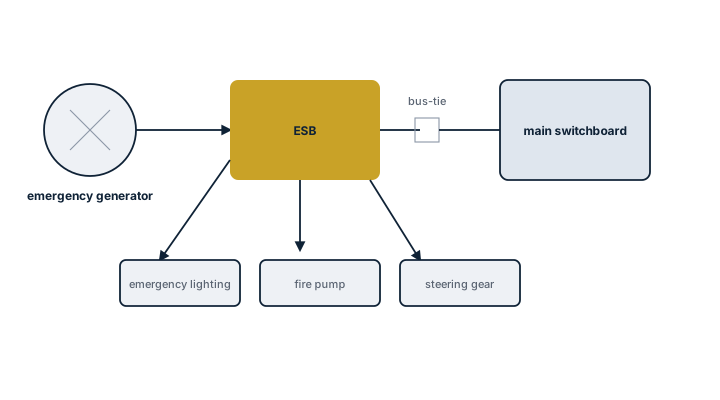
The distinguishing design requirement is autonomy: the ESB and its generator must function even if the main machinery space floods, burns, or loses power entirely, and that drives where it is located, how it is fed, and how fast it must respond.
Main components
Emergency generator and prime mover
Almost always a diesel generator sized to carry the emergency load list, fitted with an independent starting system (dedicated air bottles or batteries, not shared with the main engine start system) and located above the waterline outside the main machinery casing.
Automatic bus transfer
Detects loss of the main switchboard feed, initiates automatic start of the emergency generator, and transfers the ESB bus from the main feed to the emergency generator once it has reached rated voltage and frequency.
Busbars and feeder breakers
Feed the emergency loads directly: emergency lighting, steering gear control circuits, fire pumps, watertight door controls, navigation and communication equipment, and the emergency generator's own auxiliaries.
Transitional emergency source
A battery-fed transitional supply covers the gap, typically up to 45 seconds, between blackout and the emergency generator picking up load, keeping emergency lighting and critical alarms live without interruption.
Selection and sizing
- Load list: every consumer required on the emergency source must be identified and its running and starting current totalled, including inrush from the largest motor on the board.
- Autonomy time: fuel and starting air/battery capacity sized for the required running duration, commonly 18-36 hours depending on ship type.
- Start time: the generator must reach rated speed and be ready to take load within 45 seconds for most ship types, or a transitional source must cover the gap.
- Location and separation: outside the machinery space boundary and separated from it by fire-rated divisions, with cabling routed to avoid the main machinery space wherever practicable.
Regulations and class
SOLAS Ch. II-1, Part D sets the core requirements: what must sit on the emergency source, the maximum start time, autonomy duration by ship type, and physical separation from the main source of power. Class rules add detail on periodic testing, typically a monthly no-load start and a load test at survey, and on the automatic bus transfer logic. Passenger ships carry additional requirements in some cases, including a second emergency source.
Typical faults
| Fault | Cause | Consequence |
|---|---|---|
| Failure to auto-start | Discharged or poorly maintained dedicated starting batteries or air bottles | Blackout persists past the transitional supply duration, emergency loads lost |
| Nuisance transfer failures | Automatic bus transfer logic not tested under realistic voltage-dip conditions | False transfer, or failure to transfer during a genuine blackout |
| Overload trip on pickup | Load list grown over the years without re-checking generator sizing | Emergency generator trips just when it is needed most |
| Fuel contamination | Dedicated emergency generator day tank rarely turned over | Generator starts but stalls or will not sustain load |
What to look for in a supplier
- Type-tested automatic bus transfer equipment with documented transfer time and interlock logic.
- Generator set sized and load-tested against the actual emergency load list, not a generic package.
- Panel construction and cabling meeting the fire-rated segregation requirements for the space it will sit in.
- Clear documentation of the transitional battery source capacity against the vessel's actual start-up gap.
A monthly test that only runs the emergency generator on no load proves the engine starts, not that the switchboard will actually pick up and carry the emergency load; insist on a periodic load test, not just a start test.
8 manufacturers · 198 models
ABB
36
- Loose or overheated power connections caused by vibration or poor contact pressure can produce discoloration, hot spots, voltage drop or protective trips
- Cooling fan, filter or ventilation blockage caused by dust or ageing can raise internal temperature and cause derating, alarms or shutdown
- Power-electronic, contactor or control-board failure caused by ageing, transients or heat can lead to failure to start, phase faults or repeated trips
- Sensor, feedback or communication faults caused by damaged wiring or network problems can produce incorrect status, speed-control problems or loss of remote operation
- Battery-cell or module imbalance where energy storage is fitted, or insulation deterioration in power equipment, can trigger protective alarms and reduce available capacity or reliability
- Loose or overheated power connections caused by vibration or poor contact pressure can produce discoloration, hot spots, voltage drop or protective trips
- Cooling fan, filter or ventilation blockage caused by dust or ageing can raise internal temperature and cause derating, alarms or shutdown
- Power-electronic, contactor or control-board failure caused by ageing, transients or heat can lead to failure to start, phase faults or repeated trips
- Sensor, feedback or communication faults caused by damaged wiring or network problems can produce incorrect status, speed-control problems or loss of remote operation
- Battery-cell or module imbalance where energy storage is fitted, or insulation deterioration in power equipment, can trigger protective alarms and reduce available capacity or reliability
- Loose or overheated power connections caused by vibration or poor contact pressure can produce discoloration, hot spots, voltage drop or protective trips
- Cooling fan, filter or ventilation blockage caused by dust or ageing can raise internal temperature and cause derating, alarms or shutdown
- Power-electronic, contactor or control-board failure caused by ageing, transients or heat can lead to failure to start, phase faults or repeated trips
- Sensor, feedback or communication faults caused by damaged wiring or network problems can produce incorrect status, speed-control problems or loss of remote operation
- Battery-cell or module imbalance where energy storage is fitted, or insulation deterioration in power equipment, can trigger protective alarms and reduce available capacity or reliability
- Loose or overheated power connections caused by vibration or poor contact pressure can produce discoloration, hot spots, voltage drop or protective trips
- Cooling fan, filter or ventilation blockage caused by dust or ageing can raise internal temperature and cause derating, alarms or shutdown
- Power-electronic, contactor or control-board failure caused by ageing, transients or heat can lead to failure to start, phase faults or repeated trips
- Sensor, feedback or communication faults caused by damaged wiring or network problems can produce incorrect status, speed-control problems or loss of remote operation
- Battery-cell or module imbalance where energy storage is fitted, or insulation deterioration in power equipment, can trigger protective alarms and reduce available capacity or reliability
- Loose or overheated power connections caused by vibration or poor contact pressure can produce discoloration, hot spots, voltage drop or protective trips
- Cooling fan, filter or ventilation blockage caused by dust or ageing can raise internal temperature and cause derating, alarms or shutdown
- Power-electronic, contactor or control-board failure caused by ageing, transients or heat can lead to failure to start, phase faults or repeated trips
- Sensor, feedback or communication faults caused by damaged wiring or network problems can produce incorrect status, speed-control problems or loss of remote operation
- Battery-cell or module imbalance where energy storage is fitted, or insulation deterioration in power equipment, can trigger protective alarms and reduce available capacity or reliability
- Loose or overheated power connections caused by vibration or poor contact pressure can produce discoloration, hot spots, voltage drop or protective trips
- Cooling fan, filter or ventilation blockage caused by dust or ageing can raise internal temperature and cause derating, alarms or shutdown
- Power-electronic, contactor or control-board failure caused by ageing, transients or heat can lead to failure to start, phase faults or repeated trips
- Sensor, feedback or communication faults caused by damaged wiring or network problems can produce incorrect status, speed-control problems or loss of remote operation
- Battery-cell or module imbalance where energy storage is fitted, or insulation deterioration in power equipment, can trigger protective alarms and reduce available capacity or reliability
- Loose or overheated power connections caused by vibration or poor contact pressure can produce discoloration, hot spots, voltage drop or protective trips
- Cooling fan, filter or ventilation blockage caused by dust or ageing can raise internal temperature and cause derating, alarms or shutdown
- Power-electronic, contactor or control-board failure caused by ageing, transients or heat can lead to failure to start, phase faults or repeated trips
- Sensor, feedback or communication faults caused by damaged wiring or network problems can produce incorrect status, speed-control problems or loss of remote operation
- Battery-cell or module imbalance where energy storage is fitted, or insulation deterioration in power equipment, can trigger protective alarms and reduce available capacity or reliability
- Loose or overheated power connections caused by vibration or poor contact pressure can produce discoloration, hot spots, voltage drop or protective trips
- Cooling fan, filter or ventilation blockage caused by dust or ageing can raise internal temperature and cause derating, alarms or shutdown
- Power-electronic, contactor or control-board failure caused by ageing, transients or heat can lead to failure to start, phase faults or repeated trips
- Sensor, feedback or communication faults caused by damaged wiring or network problems can produce incorrect status, speed-control problems or loss of remote operation
- Battery-cell or module imbalance where energy storage is fitted, or insulation deterioration in power equipment, can trigger protective alarms and reduce available capacity or reliability

- Loose or overheated busbar and cable connections cause discoloration, hot spots, voltage drop, or insulation damage
- Circuit-breaker, contactor, or protection-device wear causes nuisance trips, failure to close, or failure to interrupt correctly
- Insulation contamination, moisture, or ageing lowers insulation resistance and can cause earth-fault alarms or flashover risk
- Metering, synchronizing, control, or communication faults produce incorrect indications or prevent automatic power-management functions
- Cooling, ventilation, or space-heater failure allows excessive cabinet temperature or condensation and accelerates component deterioration

- Loose or overheated busbar and cable connections cause discoloration, hot spots, voltage drop, or insulation damage
- Circuit-breaker, contactor, or protection-device wear causes nuisance trips, failure to close, or failure to interrupt correctly
- Insulation contamination, moisture, or ageing lowers insulation resistance and can cause earth-fault alarms or flashover risk
- Metering, synchronizing, control, or communication faults produce incorrect indications or prevent automatic power-management functions
- Cooling, ventilation, or space-heater failure allows excessive cabinet temperature or condensation and accelerates component deterioration
- Loose or overheated busbar and cable connections cause discoloration, hot spots, voltage drop, or insulation damage
- Circuit-breaker, contactor, or protection-device wear causes nuisance trips, failure to close, or failure to interrupt correctly
- Insulation contamination, moisture, or ageing lowers insulation resistance and can cause earth-fault alarms or flashover risk
- Metering, synchronizing, control, or communication faults produce incorrect indications or prevent automatic power-management functions
- Cooling, ventilation, or space-heater failure allows excessive cabinet temperature or condensation and accelerates component deterioration
- Loose or overheated busbar and cable connections cause discoloration, hot spots, voltage drop, or insulation damage
- Circuit-breaker, contactor, or protection-device wear causes nuisance trips, failure to close, or failure to interrupt correctly
- Insulation contamination, moisture, or ageing lowers insulation resistance and can cause earth-fault alarms or flashover risk
- Metering, synchronizing, control, or communication faults produce incorrect indications or prevent automatic power-management functions
- Cooling, ventilation, or space-heater failure allows excessive cabinet temperature or condensation and accelerates component deterioration

- Loose or overheated busbar and cable connections cause discoloration, hot spots, voltage drop, or insulation damage
- Circuit-breaker, contactor, or protection-device wear causes nuisance trips, failure to close, or failure to interrupt correctly
- Insulation contamination, moisture, or ageing lowers insulation resistance and can cause earth-fault alarms or flashover risk
- Metering, synchronizing, control, or communication faults produce incorrect indications or prevent automatic power-management functions
- Cooling, ventilation, or space-heater failure allows excessive cabinet temperature or condensation and accelerates component deterioration
- Loose or overheated busbar and cable connections cause discoloration, hot spots, voltage drop, or insulation damage
- Circuit-breaker, contactor, or protection-device wear causes nuisance trips, failure to close, or failure to interrupt correctly
- Insulation contamination, moisture, or ageing lowers insulation resistance and can cause earth-fault alarms or flashover risk
- Metering, synchronizing, control, or communication faults produce incorrect indications or prevent automatic power-management functions
- Cooling, ventilation, or space-heater failure allows excessive cabinet temperature or condensation and accelerates component deterioration
- Loose or overheated busbar and cable connections cause discoloration, hot spots, voltage drop, or insulation damage
- Circuit-breaker, contactor, or protection-device wear causes nuisance trips, failure to close, or failure to interrupt correctly
- Insulation contamination, moisture, or ageing lowers insulation resistance and can cause earth-fault alarms or flashover risk
- Metering, synchronizing, control, or communication faults produce incorrect indications or prevent automatic power-management functions
- Cooling, ventilation, or space-heater failure allows excessive cabinet temperature or condensation and accelerates component deterioration
- Loose or overheated busbar and cable connections cause discoloration, hot spots, voltage drop, or insulation damage
- Circuit-breaker, contactor, or protection-device wear causes nuisance trips, failure to close, or failure to interrupt correctly
- Insulation contamination, moisture, or ageing lowers insulation resistance and can cause earth-fault alarms or flashover risk
- Metering, synchronizing, control, or communication faults produce incorrect indications or prevent automatic power-management functions
- Cooling, ventilation, or space-heater failure allows excessive cabinet temperature or condensation and accelerates component deterioration
- Loose or overheated busbar and cable connections cause discoloration, hot spots, voltage drop, or insulation damage
- Circuit-breaker, contactor, or protection-device wear causes nuisance trips, failure to close, or failure to interrupt correctly
- Insulation contamination, moisture, or ageing lowers insulation resistance and can cause earth-fault alarms or flashover risk
- Metering, synchronizing, control, or communication faults produce incorrect indications or prevent automatic power-management functions
- Cooling, ventilation, or space-heater failure allows excessive cabinet temperature or condensation and accelerates component deterioration
- Loose or overheated power connections caused by vibration or poor contact pressure can produce discoloration, hot spots, voltage drop or protective trips
- Cooling fan, filter or ventilation blockage caused by dust or ageing can raise internal temperature and cause derating, alarms or shutdown
- Power-electronic, contactor or control-board failure caused by ageing, transients or heat can lead to failure to start, phase faults or repeated trips
- Sensor, feedback or communication faults caused by damaged wiring or network problems can produce incorrect status, speed-control problems or loss of remote operation
- Battery-cell or module imbalance where energy storage is fitted, or insulation deterioration in power equipment, can trigger protective alarms and reduce available capacity or reliability

- Loose or overheated power connections caused by vibration or poor contact pressure can produce discoloration, hot spots, voltage drop or protective trips
- Cooling fan, filter or ventilation blockage caused by dust or ageing can raise internal temperature and cause derating, alarms or shutdown
- Power-electronic, contactor or control-board failure caused by ageing, transients or heat can lead to failure to start, phase faults or repeated trips
- Sensor, feedback or communication faults caused by damaged wiring or network problems can produce incorrect status, speed-control problems or loss of remote operation
- Battery-cell or module imbalance where energy storage is fitted, or insulation deterioration in power equipment, can trigger protective alarms and reduce available capacity or reliability
- Loose or overheated power connections caused by vibration or poor contact pressure can produce discoloration, hot spots, voltage drop or protective trips
- Cooling fan, filter or ventilation blockage caused by dust or ageing can raise internal temperature and cause derating, alarms or shutdown
- Power-electronic, contactor or control-board failure caused by ageing, transients or heat can lead to failure to start, phase faults or repeated trips
- Sensor, feedback or communication faults caused by damaged wiring or network problems can produce incorrect status, speed-control problems or loss of remote operation
- Battery-cell or module imbalance where energy storage is fitted, or insulation deterioration in power equipment, can trigger protective alarms and reduce available capacity or reliability
- Loose or overheated power connections caused by vibration or poor contact pressure can produce discoloration, hot spots, voltage drop or protective trips
- Cooling fan, filter or ventilation blockage caused by dust or ageing can raise internal temperature and cause derating, alarms or shutdown
- Power-electronic, contactor or control-board failure caused by ageing, transients or heat can lead to failure to start, phase faults or repeated trips
- Sensor, feedback or communication faults caused by damaged wiring or network problems can produce incorrect status, speed-control problems or loss of remote operation
- Battery-cell or module imbalance where energy storage is fitted, or insulation deterioration in power equipment, can trigger protective alarms and reduce available capacity or reliability
- Loose or overheated power connections caused by vibration or poor contact pressure can produce discoloration, hot spots, voltage drop or protective trips
- Cooling fan, filter or ventilation blockage caused by dust or ageing can raise internal temperature and cause derating, alarms or shutdown
- Power-electronic, contactor or control-board failure caused by ageing, transients or heat can lead to failure to start, phase faults or repeated trips
- Sensor, feedback or communication faults caused by damaged wiring or network problems can produce incorrect status, speed-control problems or loss of remote operation
- Battery-cell or module imbalance where energy storage is fitted, or insulation deterioration in power equipment, can trigger protective alarms and reduce available capacity or reliability
- Loose or overheated power connections caused by vibration or poor contact pressure can produce discoloration, hot spots, voltage drop or protective trips
- Cooling fan, filter or ventilation blockage caused by dust or ageing can raise internal temperature and cause derating, alarms or shutdown
- Power-electronic, contactor or control-board failure caused by ageing, transients or heat can lead to failure to start, phase faults or repeated trips
- Sensor, feedback or communication faults caused by damaged wiring or network problems can produce incorrect status, speed-control problems or loss of remote operation
- Battery-cell or module imbalance where energy storage is fitted, or insulation deterioration in power equipment, can trigger protective alarms and reduce available capacity or reliability
- Loose or overheated power connections caused by vibration or poor contact pressure can produce discoloration, hot spots, voltage drop or protective trips
- Cooling fan, filter or ventilation blockage caused by dust or ageing can raise internal temperature and cause derating, alarms or shutdown
- Power-electronic, contactor or control-board failure caused by ageing, transients or heat can lead to failure to start, phase faults or repeated trips
- Sensor, feedback or communication faults caused by damaged wiring or network problems can produce incorrect status, speed-control problems or loss of remote operation
- Battery-cell or module imbalance where energy storage is fitted, or insulation deterioration in power equipment, can trigger protective alarms and reduce available capacity or reliability
- Loose or overheated power connections caused by vibration or poor contact pressure can produce discoloration, hot spots, voltage drop or protective trips
- Cooling fan, filter or ventilation blockage caused by dust or ageing can raise internal temperature and cause derating, alarms or shutdown
- Power-electronic, contactor or control-board failure caused by ageing, transients or heat can lead to failure to start, phase faults or repeated trips
- Sensor, feedback or communication faults caused by damaged wiring or network problems can produce incorrect status, speed-control problems or loss of remote operation
- Battery-cell or module imbalance where energy storage is fitted, or insulation deterioration in power equipment, can trigger protective alarms and reduce available capacity or reliability
- Loose or overheated power connections caused by vibration or poor contact pressure can produce discoloration, hot spots, voltage drop or protective trips
- Cooling fan, filter or ventilation blockage caused by dust or ageing can raise internal temperature and cause derating, alarms or shutdown
- Power-electronic, contactor or control-board failure caused by ageing, transients or heat can lead to failure to start, phase faults or repeated trips
- Sensor, feedback or communication faults caused by damaged wiring or network problems can produce incorrect status, speed-control problems or loss of remote operation
- Battery-cell or module imbalance where energy storage is fitted, or insulation deterioration in power equipment, can trigger protective alarms and reduce available capacity or reliability
- Loose or contaminated busbar/terminal connections, typically indicated by local heating, discoloration, voltage instability or protective trips
- Circuit-breaker mechanism wear or control-circuit fault, typically indicated by failure to close/open, nuisance tripping or incomplete indication
- Protection relay or sensing fault from failed inputs, wiring or calibration drift, typically indicated by incorrect alarms, unexplained trips or failure of expected protection
- Cooling or ventilation failure inside the board, typically indicated by high cabinet temperature, derating or thermal alarms
- Insulation deterioration from moisture, dirt or ageing, typically indicated by earth-fault indications, low insulation resistance or flashover risk

- Loose or contaminated busbar/terminal connections, typically indicated by local heating, discoloration, voltage instability or protective trips
- Circuit-breaker mechanism wear or control-circuit fault, typically indicated by failure to close/open, nuisance tripping or incomplete indication
- Protection relay or sensing fault from failed inputs, wiring or calibration drift, typically indicated by incorrect alarms, unexplained trips or failure of expected protection
- Cooling or ventilation failure inside the board, typically indicated by high cabinet temperature, derating or thermal alarms
- Insulation deterioration from moisture, dirt or ageing, typically indicated by earth-fault indications, low insulation resistance or flashover risk
- Loose or contaminated busbar/terminal connections, typically indicated by local heating, discoloration, voltage instability or protective trips
- Circuit-breaker mechanism wear or control-circuit fault, typically indicated by failure to close/open, nuisance tripping or incomplete indication
- Protection relay or sensing fault from failed inputs, wiring or calibration drift, typically indicated by incorrect alarms, unexplained trips or failure of expected protection
- Cooling or ventilation failure inside the board, typically indicated by high cabinet temperature, derating or thermal alarms
- Insulation deterioration from moisture, dirt or ageing, typically indicated by earth-fault indications, low insulation resistance or flashover risk

- Loose or contaminated busbar/terminal connections, typically indicated by local heating, discoloration, voltage instability or protective trips
- Circuit-breaker mechanism wear or control-circuit fault, typically indicated by failure to close/open, nuisance tripping or incomplete indication
- Protection relay or sensing fault from failed inputs, wiring or calibration drift, typically indicated by incorrect alarms, unexplained trips or failure of expected protection
- Cooling or ventilation failure inside the board, typically indicated by high cabinet temperature, derating or thermal alarms
- Insulation deterioration from moisture, dirt or ageing, typically indicated by earth-fault indications, low insulation resistance or flashover risk
- Loose or contaminated busbar/terminal connections, typically indicated by local heating, discoloration, voltage instability or protective trips
- Circuit-breaker mechanism wear or control-circuit fault, typically indicated by failure to close/open, nuisance tripping or incomplete indication
- Protection relay or sensing fault from failed inputs, wiring or calibration drift, typically indicated by incorrect alarms, unexplained trips or failure of expected protection
- Cooling or ventilation failure inside the board, typically indicated by high cabinet temperature, derating or thermal alarms
- Insulation deterioration from moisture, dirt or ageing, typically indicated by earth-fault indications, low insulation resistance or flashover risk
- Loose or contaminated busbar/terminal connections, typically indicated by local heating, discoloration, voltage instability or protective trips
- Circuit-breaker mechanism wear or control-circuit fault, typically indicated by failure to close/open, nuisance tripping or incomplete indication
- Protection relay or sensing fault from failed inputs, wiring or calibration drift, typically indicated by incorrect alarms, unexplained trips or failure of expected protection
- Cooling or ventilation failure inside the board, typically indicated by high cabinet temperature, derating or thermal alarms
- Insulation deterioration from moisture, dirt or ageing, typically indicated by earth-fault indications, low insulation resistance or flashover risk
- Loose or contaminated busbar/terminal connections, typically indicated by local heating, discoloration, voltage instability or protective trips
- Circuit-breaker mechanism wear or control-circuit fault, typically indicated by failure to close/open, nuisance tripping or incomplete indication
- Protection relay or sensing fault from failed inputs, wiring or calibration drift, typically indicated by incorrect alarms, unexplained trips or failure of expected protection
- Cooling or ventilation failure inside the board, typically indicated by high cabinet temperature, derating or thermal alarms
- Insulation deterioration from moisture, dirt or ageing, typically indicated by earth-fault indications, low insulation resistance or flashover risk
- Loose or contaminated busbar/terminal connections, typically indicated by local heating, discoloration, voltage instability or protective trips
- Circuit-breaker mechanism wear or control-circuit fault, typically indicated by failure to close/open, nuisance tripping or incomplete indication
- Protection relay or sensing fault from failed inputs, wiring or calibration drift, typically indicated by incorrect alarms, unexplained trips or failure of expected protection
- Cooling or ventilation failure inside the board, typically indicated by high cabinet temperature, derating or thermal alarms
- Insulation deterioration from moisture, dirt or ageing, typically indicated by earth-fault indications, low insulation resistance or flashover risk
- Loose or contaminated busbar/terminal connections, typically indicated by local heating, discoloration, voltage instability or protective trips
- Circuit-breaker mechanism wear or control-circuit fault, typically indicated by failure to close/open, nuisance tripping or incomplete indication
- Protection relay or sensing fault from failed inputs, wiring or calibration drift, typically indicated by incorrect alarms, unexplained trips or failure of expected protection
- Cooling or ventilation failure inside the board, typically indicated by high cabinet temperature, derating or thermal alarms
- Insulation deterioration from moisture, dirt or ageing, typically indicated by earth-fault indications, low insulation resistance or flashover risk
Siemens
36- Loose or overheated power connections caused by vibration or poor contact pressure can produce discoloration, hot spots, voltage drop or protective trips
- Cooling fan, filter or ventilation blockage caused by dust or ageing can raise internal temperature and cause derating, alarms or shutdown
- Power-electronic, contactor or control-board failure caused by ageing, transients or heat can lead to failure to start, phase faults or repeated trips
- Sensor, feedback or communication faults caused by damaged wiring or network problems can produce incorrect status, speed-control problems or loss of remote operation
- Battery-cell or module imbalance where energy storage is fitted, or insulation deterioration in power equipment, can trigger protective alarms and reduce available capacity or reliability
- Loose or overheated power connections caused by vibration or poor contact pressure can produce discoloration, hot spots, voltage drop or protective trips
- Cooling fan, filter or ventilation blockage caused by dust or ageing can raise internal temperature and cause derating, alarms or shutdown
- Power-electronic, contactor or control-board failure caused by ageing, transients or heat can lead to failure to start, phase faults or repeated trips
- Sensor, feedback or communication faults caused by damaged wiring or network problems can produce incorrect status, speed-control problems or loss of remote operation
- Battery-cell or module imbalance where energy storage is fitted, or insulation deterioration in power equipment, can trigger protective alarms and reduce available capacity or reliability
- Loose or overheated power connections caused by vibration or poor contact pressure can produce discoloration, hot spots, voltage drop or protective trips
- Cooling fan, filter or ventilation blockage caused by dust or ageing can raise internal temperature and cause derating, alarms or shutdown
- Power-electronic, contactor or control-board failure caused by ageing, transients or heat can lead to failure to start, phase faults or repeated trips
- Sensor, feedback or communication faults caused by damaged wiring or network problems can produce incorrect status, speed-control problems or loss of remote operation
- Battery-cell or module imbalance where energy storage is fitted, or insulation deterioration in power equipment, can trigger protective alarms and reduce available capacity or reliability
- Loose or overheated power connections caused by vibration or poor contact pressure can produce discoloration, hot spots, voltage drop or protective trips
- Cooling fan, filter or ventilation blockage caused by dust or ageing can raise internal temperature and cause derating, alarms or shutdown
- Power-electronic, contactor or control-board failure caused by ageing, transients or heat can lead to failure to start, phase faults or repeated trips
- Sensor, feedback or communication faults caused by damaged wiring or network problems can produce incorrect status, speed-control problems or loss of remote operation
- Battery-cell or module imbalance where energy storage is fitted, or insulation deterioration in power equipment, can trigger protective alarms and reduce available capacity or reliability
- Loose or overheated power connections caused by vibration or poor contact pressure can produce discoloration, hot spots, voltage drop or protective trips
- Cooling fan, filter or ventilation blockage caused by dust or ageing can raise internal temperature and cause derating, alarms or shutdown
- Power-electronic, contactor or control-board failure caused by ageing, transients or heat can lead to failure to start, phase faults or repeated trips
- Sensor, feedback or communication faults caused by damaged wiring or network problems can produce incorrect status, speed-control problems or loss of remote operation
- Battery-cell or module imbalance where energy storage is fitted, or insulation deterioration in power equipment, can trigger protective alarms and reduce available capacity or reliability
- Loose or overheated power connections caused by vibration or poor contact pressure can produce discoloration, hot spots, voltage drop or protective trips
- Cooling fan, filter or ventilation blockage caused by dust or ageing can raise internal temperature and cause derating, alarms or shutdown
- Power-electronic, contactor or control-board failure caused by ageing, transients or heat can lead to failure to start, phase faults or repeated trips
- Sensor, feedback or communication faults caused by damaged wiring or network problems can produce incorrect status, speed-control problems or loss of remote operation
- Battery-cell or module imbalance where energy storage is fitted, or insulation deterioration in power equipment, can trigger protective alarms and reduce available capacity or reliability
- Loose or overheated power connections caused by vibration or poor contact pressure can produce discoloration, hot spots, voltage drop or protective trips
- Cooling fan, filter or ventilation blockage caused by dust or ageing can raise internal temperature and cause derating, alarms or shutdown
- Power-electronic, contactor or control-board failure caused by ageing, transients or heat can lead to failure to start, phase faults or repeated trips
- Sensor, feedback or communication faults caused by damaged wiring or network problems can produce incorrect status, speed-control problems or loss of remote operation
- Battery-cell or module imbalance where energy storage is fitted, or insulation deterioration in power equipment, can trigger protective alarms and reduce available capacity or reliability
- Loose or overheated power connections caused by vibration or poor contact pressure can produce discoloration, hot spots, voltage drop or protective trips
- Cooling fan, filter or ventilation blockage caused by dust or ageing can raise internal temperature and cause derating, alarms or shutdown
- Power-electronic, contactor or control-board failure caused by ageing, transients or heat can lead to failure to start, phase faults or repeated trips
- Sensor, feedback or communication faults caused by damaged wiring or network problems can produce incorrect status, speed-control problems or loss of remote operation
- Battery-cell or module imbalance where energy storage is fitted, or insulation deterioration in power equipment, can trigger protective alarms and reduce available capacity or reliability
- Loose or overheated power connections caused by vibration or poor contact pressure can produce discoloration, hot spots, voltage drop or protective trips
- Cooling fan, filter or ventilation blockage caused by dust or ageing can raise internal temperature and cause derating, alarms or shutdown
- Power-electronic, contactor or control-board failure caused by ageing, transients or heat can lead to failure to start, phase faults or repeated trips
- Sensor, feedback or communication faults caused by damaged wiring or network problems can produce incorrect status, speed-control problems or loss of remote operation
- Battery-cell or module imbalance where energy storage is fitted, or insulation deterioration in power equipment, can trigger protective alarms and reduce available capacity or reliability
- Loose or overheated busbar and cable connections cause discoloration, hot spots, voltage drop, or insulation damage
- Circuit-breaker, contactor, or protection-device wear causes nuisance trips, failure to close, or failure to interrupt correctly
- Insulation contamination, moisture, or ageing lowers insulation resistance and can cause earth-fault alarms or flashover risk
- Metering, synchronizing, control, or communication faults produce incorrect indications or prevent automatic power-management functions
- Cooling, ventilation, or space-heater failure allows excessive cabinet temperature or condensation and accelerates component deterioration
- Loose or overheated busbar and cable connections cause discoloration, hot spots, voltage drop, or insulation damage
- Circuit-breaker, contactor, or protection-device wear causes nuisance trips, failure to close, or failure to interrupt correctly
- Insulation contamination, moisture, or ageing lowers insulation resistance and can cause earth-fault alarms or flashover risk
- Metering, synchronizing, control, or communication faults produce incorrect indications or prevent automatic power-management functions
- Cooling, ventilation, or space-heater failure allows excessive cabinet temperature or condensation and accelerates component deterioration
- Loose or overheated busbar and cable connections cause discoloration, hot spots, voltage drop, or insulation damage
- Circuit-breaker, contactor, or protection-device wear causes nuisance trips, failure to close, or failure to interrupt correctly
- Insulation contamination, moisture, or ageing lowers insulation resistance and can cause earth-fault alarms or flashover risk
- Metering, synchronizing, control, or communication faults produce incorrect indications or prevent automatic power-management functions
- Cooling, ventilation, or space-heater failure allows excessive cabinet temperature or condensation and accelerates component deterioration
- Loose or overheated busbar and cable connections cause discoloration, hot spots, voltage drop, or insulation damage
- Circuit-breaker, contactor, or protection-device wear causes nuisance trips, failure to close, or failure to interrupt correctly
- Insulation contamination, moisture, or ageing lowers insulation resistance and can cause earth-fault alarms or flashover risk
- Metering, synchronizing, control, or communication faults produce incorrect indications or prevent automatic power-management functions
- Cooling, ventilation, or space-heater failure allows excessive cabinet temperature or condensation and accelerates component deterioration
- Loose or overheated busbar and cable connections cause discoloration, hot spots, voltage drop, or insulation damage
- Circuit-breaker, contactor, or protection-device wear causes nuisance trips, failure to close, or failure to interrupt correctly
- Insulation contamination, moisture, or ageing lowers insulation resistance and can cause earth-fault alarms or flashover risk
- Metering, synchronizing, control, or communication faults produce incorrect indications or prevent automatic power-management functions
- Cooling, ventilation, or space-heater failure allows excessive cabinet temperature or condensation and accelerates component deterioration
- Loose or overheated busbar and cable connections cause discoloration, hot spots, voltage drop, or insulation damage
- Circuit-breaker, contactor, or protection-device wear causes nuisance trips, failure to close, or failure to interrupt correctly
- Insulation contamination, moisture, or ageing lowers insulation resistance and can cause earth-fault alarms or flashover risk
- Metering, synchronizing, control, or communication faults produce incorrect indications or prevent automatic power-management functions
- Cooling, ventilation, or space-heater failure allows excessive cabinet temperature or condensation and accelerates component deterioration
- Loose or overheated busbar and cable connections cause discoloration, hot spots, voltage drop, or insulation damage
- Circuit-breaker, contactor, or protection-device wear causes nuisance trips, failure to close, or failure to interrupt correctly
- Insulation contamination, moisture, or ageing lowers insulation resistance and can cause earth-fault alarms or flashover risk
- Metering, synchronizing, control, or communication faults produce incorrect indications or prevent automatic power-management functions
- Cooling, ventilation, or space-heater failure allows excessive cabinet temperature or condensation and accelerates component deterioration
- Loose or overheated busbar and cable connections cause discoloration, hot spots, voltage drop, or insulation damage
- Circuit-breaker, contactor, or protection-device wear causes nuisance trips, failure to close, or failure to interrupt correctly
- Insulation contamination, moisture, or ageing lowers insulation resistance and can cause earth-fault alarms or flashover risk
- Metering, synchronizing, control, or communication faults produce incorrect indications or prevent automatic power-management functions
- Cooling, ventilation, or space-heater failure allows excessive cabinet temperature or condensation and accelerates component deterioration
- Loose or overheated busbar and cable connections cause discoloration, hot spots, voltage drop, or insulation damage
- Circuit-breaker, contactor, or protection-device wear causes nuisance trips, failure to close, or failure to interrupt correctly
- Insulation contamination, moisture, or ageing lowers insulation resistance and can cause earth-fault alarms or flashover risk
- Metering, synchronizing, control, or communication faults produce incorrect indications or prevent automatic power-management functions
- Cooling, ventilation, or space-heater failure allows excessive cabinet temperature or condensation and accelerates component deterioration
- Loose or overheated power connections caused by vibration or poor contact pressure can produce discoloration, hot spots, voltage drop or protective trips
- Cooling fan, filter or ventilation blockage caused by dust or ageing can raise internal temperature and cause derating, alarms or shutdown
- Power-electronic, contactor or control-board failure caused by ageing, transients or heat can lead to failure to start, phase faults or repeated trips
- Sensor, feedback or communication faults caused by damaged wiring or network problems can produce incorrect status, speed-control problems or loss of remote operation
- Battery-cell or module imbalance where energy storage is fitted, or insulation deterioration in power equipment, can trigger protective alarms and reduce available capacity or reliability
- Loose or overheated power connections caused by vibration or poor contact pressure can produce discoloration, hot spots, voltage drop or protective trips
- Cooling fan, filter or ventilation blockage caused by dust or ageing can raise internal temperature and cause derating, alarms or shutdown
- Power-electronic, contactor or control-board failure caused by ageing, transients or heat can lead to failure to start, phase faults or repeated trips
- Sensor, feedback or communication faults caused by damaged wiring or network problems can produce incorrect status, speed-control problems or loss of remote operation
- Battery-cell or module imbalance where energy storage is fitted, or insulation deterioration in power equipment, can trigger protective alarms and reduce available capacity or reliability
- Loose or overheated power connections caused by vibration or poor contact pressure can produce discoloration, hot spots, voltage drop or protective trips
- Cooling fan, filter or ventilation blockage caused by dust or ageing can raise internal temperature and cause derating, alarms or shutdown
- Power-electronic, contactor or control-board failure caused by ageing, transients or heat can lead to failure to start, phase faults or repeated trips
- Sensor, feedback or communication faults caused by damaged wiring or network problems can produce incorrect status, speed-control problems or loss of remote operation
- Battery-cell or module imbalance where energy storage is fitted, or insulation deterioration in power equipment, can trigger protective alarms and reduce available capacity or reliability
- Loose or overheated power connections caused by vibration or poor contact pressure can produce discoloration, hot spots, voltage drop or protective trips
- Cooling fan, filter or ventilation blockage caused by dust or ageing can raise internal temperature and cause derating, alarms or shutdown
- Power-electronic, contactor or control-board failure caused by ageing, transients or heat can lead to failure to start, phase faults or repeated trips
- Sensor, feedback or communication faults caused by damaged wiring or network problems can produce incorrect status, speed-control problems or loss of remote operation
- Battery-cell or module imbalance where energy storage is fitted, or insulation deterioration in power equipment, can trigger protective alarms and reduce available capacity or reliability
- Loose or overheated power connections caused by vibration or poor contact pressure can produce discoloration, hot spots, voltage drop or protective trips
- Cooling fan, filter or ventilation blockage caused by dust or ageing can raise internal temperature and cause derating, alarms or shutdown
- Power-electronic, contactor or control-board failure caused by ageing, transients or heat can lead to failure to start, phase faults or repeated trips
- Sensor, feedback or communication faults caused by damaged wiring or network problems can produce incorrect status, speed-control problems or loss of remote operation
- Battery-cell or module imbalance where energy storage is fitted, or insulation deterioration in power equipment, can trigger protective alarms and reduce available capacity or reliability
- Loose or overheated power connections caused by vibration or poor contact pressure can produce discoloration, hot spots, voltage drop or protective trips
- Cooling fan, filter or ventilation blockage caused by dust or ageing can raise internal temperature and cause derating, alarms or shutdown
- Power-electronic, contactor or control-board failure caused by ageing, transients or heat can lead to failure to start, phase faults or repeated trips
- Sensor, feedback or communication faults caused by damaged wiring or network problems can produce incorrect status, speed-control problems or loss of remote operation
- Battery-cell or module imbalance where energy storage is fitted, or insulation deterioration in power equipment, can trigger protective alarms and reduce available capacity or reliability
- Loose or overheated power connections caused by vibration or poor contact pressure can produce discoloration, hot spots, voltage drop or protective trips
- Cooling fan, filter or ventilation blockage caused by dust or ageing can raise internal temperature and cause derating, alarms or shutdown
- Power-electronic, contactor or control-board failure caused by ageing, transients or heat can lead to failure to start, phase faults or repeated trips
- Sensor, feedback or communication faults caused by damaged wiring or network problems can produce incorrect status, speed-control problems or loss of remote operation
- Battery-cell or module imbalance where energy storage is fitted, or insulation deterioration in power equipment, can trigger protective alarms and reduce available capacity or reliability
- Loose or overheated power connections caused by vibration or poor contact pressure can produce discoloration, hot spots, voltage drop or protective trips
- Cooling fan, filter or ventilation blockage caused by dust or ageing can raise internal temperature and cause derating, alarms or shutdown
- Power-electronic, contactor or control-board failure caused by ageing, transients or heat can lead to failure to start, phase faults or repeated trips
- Sensor, feedback or communication faults caused by damaged wiring or network problems can produce incorrect status, speed-control problems or loss of remote operation
- Battery-cell or module imbalance where energy storage is fitted, or insulation deterioration in power equipment, can trigger protective alarms and reduce available capacity or reliability
- Loose or contaminated busbar/terminal connections, typically indicated by local heating, discoloration, voltage instability or protective trips
- Circuit-breaker mechanism wear or control-circuit fault, typically indicated by failure to close/open, nuisance tripping or incomplete indication
- Protection relay or sensing fault from failed inputs, wiring or calibration drift, typically indicated by incorrect alarms, unexplained trips or failure of expected protection
- Cooling or ventilation failure inside the board, typically indicated by high cabinet temperature, derating or thermal alarms
- Insulation deterioration from moisture, dirt or ageing, typically indicated by earth-fault indications, low insulation resistance or flashover risk
- Loose or contaminated busbar/terminal connections, typically indicated by local heating, discoloration, voltage instability or protective trips
- Circuit-breaker mechanism wear or control-circuit fault, typically indicated by failure to close/open, nuisance tripping or incomplete indication
- Protection relay or sensing fault from failed inputs, wiring or calibration drift, typically indicated by incorrect alarms, unexplained trips or failure of expected protection
- Cooling or ventilation failure inside the board, typically indicated by high cabinet temperature, derating or thermal alarms
- Insulation deterioration from moisture, dirt or ageing, typically indicated by earth-fault indications, low insulation resistance or flashover risk
- Loose or contaminated busbar/terminal connections, typically indicated by local heating, discoloration, voltage instability or protective trips
- Circuit-breaker mechanism wear or control-circuit fault, typically indicated by failure to close/open, nuisance tripping or incomplete indication
- Protection relay or sensing fault from failed inputs, wiring or calibration drift, typically indicated by incorrect alarms, unexplained trips or failure of expected protection
- Cooling or ventilation failure inside the board, typically indicated by high cabinet temperature, derating or thermal alarms
- Insulation deterioration from moisture, dirt or ageing, typically indicated by earth-fault indications, low insulation resistance or flashover risk
- Loose or contaminated busbar/terminal connections, typically indicated by local heating, discoloration, voltage instability or protective trips
- Circuit-breaker mechanism wear or control-circuit fault, typically indicated by failure to close/open, nuisance tripping or incomplete indication
- Protection relay or sensing fault from failed inputs, wiring or calibration drift, typically indicated by incorrect alarms, unexplained trips or failure of expected protection
- Cooling or ventilation failure inside the board, typically indicated by high cabinet temperature, derating or thermal alarms
- Insulation deterioration from moisture, dirt or ageing, typically indicated by earth-fault indications, low insulation resistance or flashover risk
- Loose or contaminated busbar/terminal connections, typically indicated by local heating, discoloration, voltage instability or protective trips
- Circuit-breaker mechanism wear or control-circuit fault, typically indicated by failure to close/open, nuisance tripping or incomplete indication
- Protection relay or sensing fault from failed inputs, wiring or calibration drift, typically indicated by incorrect alarms, unexplained trips or failure of expected protection
- Cooling or ventilation failure inside the board, typically indicated by high cabinet temperature, derating or thermal alarms
- Insulation deterioration from moisture, dirt or ageing, typically indicated by earth-fault indications, low insulation resistance or flashover risk
- Loose or contaminated busbar/terminal connections, typically indicated by local heating, discoloration, voltage instability or protective trips
- Circuit-breaker mechanism wear or control-circuit fault, typically indicated by failure to close/open, nuisance tripping or incomplete indication
- Protection relay or sensing fault from failed inputs, wiring or calibration drift, typically indicated by incorrect alarms, unexplained trips or failure of expected protection
- Cooling or ventilation failure inside the board, typically indicated by high cabinet temperature, derating or thermal alarms
- Insulation deterioration from moisture, dirt or ageing, typically indicated by earth-fault indications, low insulation resistance or flashover risk
- Loose or contaminated busbar/terminal connections, typically indicated by local heating, discoloration, voltage instability or protective trips
- Circuit-breaker mechanism wear or control-circuit fault, typically indicated by failure to close/open, nuisance tripping or incomplete indication
- Protection relay or sensing fault from failed inputs, wiring or calibration drift, typically indicated by incorrect alarms, unexplained trips or failure of expected protection
- Cooling or ventilation failure inside the board, typically indicated by high cabinet temperature, derating or thermal alarms
- Insulation deterioration from moisture, dirt or ageing, typically indicated by earth-fault indications, low insulation resistance or flashover risk
- Loose or contaminated busbar/terminal connections, typically indicated by local heating, discoloration, voltage instability or protective trips
- Circuit-breaker mechanism wear or control-circuit fault, typically indicated by failure to close/open, nuisance tripping or incomplete indication
- Protection relay or sensing fault from failed inputs, wiring or calibration drift, typically indicated by incorrect alarms, unexplained trips or failure of expected protection
- Cooling or ventilation failure inside the board, typically indicated by high cabinet temperature, derating or thermal alarms
- Insulation deterioration from moisture, dirt or ageing, typically indicated by earth-fault indications, low insulation resistance or flashover risk
- Loose or contaminated busbar/terminal connections, typically indicated by local heating, discoloration, voltage instability or protective trips
- Circuit-breaker mechanism wear or control-circuit fault, typically indicated by failure to close/open, nuisance tripping or incomplete indication
- Protection relay or sensing fault from failed inputs, wiring or calibration drift, typically indicated by incorrect alarms, unexplained trips or failure of expected protection
- Cooling or ventilation failure inside the board, typically indicated by high cabinet temperature, derating or thermal alarms
- Insulation deterioration from moisture, dirt or ageing, typically indicated by earth-fault indications, low insulation resistance or flashover risk
Eaton Marine
27- Loose or contaminated busbar/terminal connections, typically indicated by local heating, discoloration, voltage instability or protective trips
- Circuit-breaker mechanism wear or control-circuit fault, typically indicated by failure to close/open, nuisance tripping or incomplete indication
- Protection relay or sensing fault from failed inputs, wiring or calibration drift, typically indicated by incorrect alarms, unexplained trips or failure of expected protection
- Cooling or ventilation failure inside the board, typically indicated by high cabinet temperature, derating or thermal alarms
- Insulation deterioration from moisture, dirt or ageing, typically indicated by earth-fault indications, low insulation resistance or flashover risk
- Loose or contaminated busbar/terminal connections, typically indicated by local heating, discoloration, voltage instability or protective trips
- Circuit-breaker mechanism wear or control-circuit fault, typically indicated by failure to close/open, nuisance tripping or incomplete indication
- Protection relay or sensing fault from failed inputs, wiring or calibration drift, typically indicated by incorrect alarms, unexplained trips or failure of expected protection
- Cooling or ventilation failure inside the board, typically indicated by high cabinet temperature, derating or thermal alarms
- Insulation deterioration from moisture, dirt or ageing, typically indicated by earth-fault indications, low insulation resistance or flashover risk
- Loose or contaminated busbar/terminal connections, typically indicated by local heating, discoloration, voltage instability or protective trips
- Circuit-breaker mechanism wear or control-circuit fault, typically indicated by failure to close/open, nuisance tripping or incomplete indication
- Protection relay or sensing fault from failed inputs, wiring or calibration drift, typically indicated by incorrect alarms, unexplained trips or failure of expected protection
- Cooling or ventilation failure inside the board, typically indicated by high cabinet temperature, derating or thermal alarms
- Insulation deterioration from moisture, dirt or ageing, typically indicated by earth-fault indications, low insulation resistance or flashover risk
- Loose or contaminated busbar/terminal connections, typically indicated by local heating, discoloration, voltage instability or protective trips
- Circuit-breaker mechanism wear or control-circuit fault, typically indicated by failure to close/open, nuisance tripping or incomplete indication
- Protection relay or sensing fault from failed inputs, wiring or calibration drift, typically indicated by incorrect alarms, unexplained trips or failure of expected protection
- Cooling or ventilation failure inside the board, typically indicated by high cabinet temperature, derating or thermal alarms
- Insulation deterioration from moisture, dirt or ageing, typically indicated by earth-fault indications, low insulation resistance or flashover risk
- Loose or contaminated busbar/terminal connections, typically indicated by local heating, discoloration, voltage instability or protective trips
- Circuit-breaker mechanism wear or control-circuit fault, typically indicated by failure to close/open, nuisance tripping or incomplete indication
- Protection relay or sensing fault from failed inputs, wiring or calibration drift, typically indicated by incorrect alarms, unexplained trips or failure of expected protection
- Cooling or ventilation failure inside the board, typically indicated by high cabinet temperature, derating or thermal alarms
- Insulation deterioration from moisture, dirt or ageing, typically indicated by earth-fault indications, low insulation resistance or flashover risk
- Loose or contaminated busbar/terminal connections, typically indicated by local heating, discoloration, voltage instability or protective trips
- Circuit-breaker mechanism wear or control-circuit fault, typically indicated by failure to close/open, nuisance tripping or incomplete indication
- Protection relay or sensing fault from failed inputs, wiring or calibration drift, typically indicated by incorrect alarms, unexplained trips or failure of expected protection
- Cooling or ventilation failure inside the board, typically indicated by high cabinet temperature, derating or thermal alarms
- Insulation deterioration from moisture, dirt or ageing, typically indicated by earth-fault indications, low insulation resistance or flashover risk
- Loose or contaminated busbar/terminal connections, typically indicated by local heating, discoloration, voltage instability or protective trips
- Circuit-breaker mechanism wear or control-circuit fault, typically indicated by failure to close/open, nuisance tripping or incomplete indication
- Protection relay or sensing fault from failed inputs, wiring or calibration drift, typically indicated by incorrect alarms, unexplained trips or failure of expected protection
- Cooling or ventilation failure inside the board, typically indicated by high cabinet temperature, derating or thermal alarms
- Insulation deterioration from moisture, dirt or ageing, typically indicated by earth-fault indications, low insulation resistance or flashover risk
- Loose or contaminated busbar/terminal connections, typically indicated by local heating, discoloration, voltage instability or protective trips
- Circuit-breaker mechanism wear or control-circuit fault, typically indicated by failure to close/open, nuisance tripping or incomplete indication
- Protection relay or sensing fault from failed inputs, wiring or calibration drift, typically indicated by incorrect alarms, unexplained trips or failure of expected protection
- Cooling or ventilation failure inside the board, typically indicated by high cabinet temperature, derating or thermal alarms
- Insulation deterioration from moisture, dirt or ageing, typically indicated by earth-fault indications, low insulation resistance or flashover risk
- Loose or contaminated busbar/terminal connections, typically indicated by local heating, discoloration, voltage instability or protective trips
- Circuit-breaker mechanism wear or control-circuit fault, typically indicated by failure to close/open, nuisance tripping or incomplete indication
- Protection relay or sensing fault from failed inputs, wiring or calibration drift, typically indicated by incorrect alarms, unexplained trips or failure of expected protection
- Cooling or ventilation failure inside the board, typically indicated by high cabinet temperature, derating or thermal alarms
- Insulation deterioration from moisture, dirt or ageing, typically indicated by earth-fault indications, low insulation resistance or flashover risk
- Loose or overheated busbar and cable connections cause discoloration, hot spots, voltage drop, or insulation damage
- Circuit-breaker, contactor, or protection-device wear causes nuisance trips, failure to close, or failure to interrupt correctly
- Insulation contamination, moisture, or ageing lowers insulation resistance and can cause earth-fault alarms or flashover risk
- Metering, synchronizing, control, or communication faults produce incorrect indications or prevent automatic power-management functions
- Cooling, ventilation, or space-heater failure allows excessive cabinet temperature or condensation and accelerates component deterioration
- Loose or overheated busbar and cable connections cause discoloration, hot spots, voltage drop, or insulation damage
- Circuit-breaker, contactor, or protection-device wear causes nuisance trips, failure to close, or failure to interrupt correctly
- Insulation contamination, moisture, or ageing lowers insulation resistance and can cause earth-fault alarms or flashover risk
- Metering, synchronizing, control, or communication faults produce incorrect indications or prevent automatic power-management functions
- Cooling, ventilation, or space-heater failure allows excessive cabinet temperature or condensation and accelerates component deterioration
- Loose or overheated busbar and cable connections cause discoloration, hot spots, voltage drop, or insulation damage
- Circuit-breaker, contactor, or protection-device wear causes nuisance trips, failure to close, or failure to interrupt correctly
- Insulation contamination, moisture, or ageing lowers insulation resistance and can cause earth-fault alarms or flashover risk
- Metering, synchronizing, control, or communication faults produce incorrect indications or prevent automatic power-management functions
- Cooling, ventilation, or space-heater failure allows excessive cabinet temperature or condensation and accelerates component deterioration
- Loose or overheated busbar and cable connections cause discoloration, hot spots, voltage drop, or insulation damage
- Circuit-breaker, contactor, or protection-device wear causes nuisance trips, failure to close, or failure to interrupt correctly
- Insulation contamination, moisture, or ageing lowers insulation resistance and can cause earth-fault alarms or flashover risk
- Metering, synchronizing, control, or communication faults produce incorrect indications or prevent automatic power-management functions
- Cooling, ventilation, or space-heater failure allows excessive cabinet temperature or condensation and accelerates component deterioration
- Loose or overheated busbar and cable connections cause discoloration, hot spots, voltage drop, or insulation damage
- Circuit-breaker, contactor, or protection-device wear causes nuisance trips, failure to close, or failure to interrupt correctly
- Insulation contamination, moisture, or ageing lowers insulation resistance and can cause earth-fault alarms or flashover risk
- Metering, synchronizing, control, or communication faults produce incorrect indications or prevent automatic power-management functions
- Cooling, ventilation, or space-heater failure allows excessive cabinet temperature or condensation and accelerates component deterioration
- Loose or overheated busbar and cable connections cause discoloration, hot spots, voltage drop, or insulation damage
- Circuit-breaker, contactor, or protection-device wear causes nuisance trips, failure to close, or failure to interrupt correctly
- Insulation contamination, moisture, or ageing lowers insulation resistance and can cause earth-fault alarms or flashover risk
- Metering, synchronizing, control, or communication faults produce incorrect indications or prevent automatic power-management functions
- Cooling, ventilation, or space-heater failure allows excessive cabinet temperature or condensation and accelerates component deterioration
- Loose or overheated busbar and cable connections cause discoloration, hot spots, voltage drop, or insulation damage
- Circuit-breaker, contactor, or protection-device wear causes nuisance trips, failure to close, or failure to interrupt correctly
- Insulation contamination, moisture, or ageing lowers insulation resistance and can cause earth-fault alarms or flashover risk
- Metering, synchronizing, control, or communication faults produce incorrect indications or prevent automatic power-management functions
- Cooling, ventilation, or space-heater failure allows excessive cabinet temperature or condensation and accelerates component deterioration
- Loose or overheated busbar and cable connections cause discoloration, hot spots, voltage drop, or insulation damage
- Circuit-breaker, contactor, or protection-device wear causes nuisance trips, failure to close, or failure to interrupt correctly
- Insulation contamination, moisture, or ageing lowers insulation resistance and can cause earth-fault alarms or flashover risk
- Metering, synchronizing, control, or communication faults produce incorrect indications or prevent automatic power-management functions
- Cooling, ventilation, or space-heater failure allows excessive cabinet temperature or condensation and accelerates component deterioration
- Loose or overheated busbar and cable connections cause discoloration, hot spots, voltage drop, or insulation damage
- Circuit-breaker, contactor, or protection-device wear causes nuisance trips, failure to close, or failure to interrupt correctly
- Insulation contamination, moisture, or ageing lowers insulation resistance and can cause earth-fault alarms or flashover risk
- Metering, synchronizing, control, or communication faults produce incorrect indications or prevent automatic power-management functions
- Cooling, ventilation, or space-heater failure allows excessive cabinet temperature or condensation and accelerates component deterioration
- Loose busbar or cable connections cause local overheating, discoloration and protective trips
- Breaker, contactor or interlock faults cause failure to close or open and can block power transfer
- Insulation deterioration, moisture or contamination causes earth-fault alarms or reduced insulation resistance
- Control-power, charger or auxiliary-supply failure causes loss of indications, breaker control or protection
- Protection, metering or communication faults cause nuisance trips, incorrect readings or unavailable remote status
- Loose busbar or cable connections cause local overheating, discoloration and protective trips
- Breaker, contactor or interlock faults cause failure to close or open and can block power transfer
- Insulation deterioration, moisture or contamination causes earth-fault alarms or reduced insulation resistance
- Control-power, charger or auxiliary-supply failure causes loss of indications, breaker control or protection
- Protection, metering or communication faults cause nuisance trips, incorrect readings or unavailable remote status
- Loose busbar or cable connections cause local overheating, discoloration and protective trips
- Breaker, contactor or interlock faults cause failure to close or open and can block power transfer
- Insulation deterioration, moisture or contamination causes earth-fault alarms or reduced insulation resistance
- Control-power, charger or auxiliary-supply failure causes loss of indications, breaker control or protection
- Protection, metering or communication faults cause nuisance trips, incorrect readings or unavailable remote status
- Loose busbar or cable connections cause local overheating, discoloration and protective trips
- Breaker, contactor or interlock faults cause failure to close or open and can block power transfer
- Insulation deterioration, moisture or contamination causes earth-fault alarms or reduced insulation resistance
- Control-power, charger or auxiliary-supply failure causes loss of indications, breaker control or protection
- Protection, metering or communication faults cause nuisance trips, incorrect readings or unavailable remote status
- Loose busbar or cable connections cause local overheating, discoloration and protective trips
- Breaker, contactor or interlock faults cause failure to close or open and can block power transfer
- Insulation deterioration, moisture or contamination causes earth-fault alarms or reduced insulation resistance
- Control-power, charger or auxiliary-supply failure causes loss of indications, breaker control or protection
- Protection, metering or communication faults cause nuisance trips, incorrect readings or unavailable remote status
- Loose busbar or cable connections cause local overheating, discoloration and protective trips
- Breaker, contactor or interlock faults cause failure to close or open and can block power transfer
- Insulation deterioration, moisture or contamination causes earth-fault alarms or reduced insulation resistance
- Control-power, charger or auxiliary-supply failure causes loss of indications, breaker control or protection
- Protection, metering or communication faults cause nuisance trips, incorrect readings or unavailable remote status
- Loose busbar or cable connections cause local overheating, discoloration and protective trips
- Breaker, contactor or interlock faults cause failure to close or open and can block power transfer
- Insulation deterioration, moisture or contamination causes earth-fault alarms or reduced insulation resistance
- Control-power, charger or auxiliary-supply failure causes loss of indications, breaker control or protection
- Protection, metering or communication faults cause nuisance trips, incorrect readings or unavailable remote status
- Loose busbar or cable connections cause local overheating, discoloration and protective trips
- Breaker, contactor or interlock faults cause failure to close or open and can block power transfer
- Insulation deterioration, moisture or contamination causes earth-fault alarms or reduced insulation resistance
- Control-power, charger or auxiliary-supply failure causes loss of indications, breaker control or protection
- Protection, metering or communication faults cause nuisance trips, incorrect readings or unavailable remote status
- Loose busbar or cable connections cause local overheating, discoloration and protective trips
- Breaker, contactor or interlock faults cause failure to close or open and can block power transfer
- Insulation deterioration, moisture or contamination causes earth-fault alarms or reduced insulation resistance
- Control-power, charger or auxiliary-supply failure causes loss of indications, breaker control or protection
- Protection, metering or communication faults cause nuisance trips, incorrect readings or unavailable remote status
Schneider Electric
27- Loose or degraded electrical connection caused by thermal cycling, vibration or poor termination, resulting in local overheating, phase imbalance or intermittent faults
- Power-electronic, breaker or contactor failure caused by aging, overload or electrical stress, resulting in trips, inability to switch or loss of output
- Cooling or ventilation failure caused by blocked filters or fan wear, resulting in elevated internal temperature and protective alarms
- Insulation deterioration caused by moisture, salt, heat or contamination, resulting in earth faults, low insulation resistance or nuisance trips
- Control, protection or communication failure caused by sensor, relay, network or configuration faults, resulting in incorrect operation or unavailable functions
- Loose or degraded electrical connection caused by thermal cycling, vibration or poor termination, resulting in local overheating, phase imbalance or intermittent faults
- Power-electronic, breaker or contactor failure caused by aging, overload or electrical stress, resulting in trips, inability to switch or loss of output
- Cooling or ventilation failure caused by blocked filters or fan wear, resulting in elevated internal temperature and protective alarms
- Insulation deterioration caused by moisture, salt, heat or contamination, resulting in earth faults, low insulation resistance or nuisance trips
- Control, protection or communication failure caused by sensor, relay, network or configuration faults, resulting in incorrect operation or unavailable functions
- Loose or degraded electrical connection caused by thermal cycling, vibration or poor termination, resulting in local overheating, phase imbalance or intermittent faults
- Power-electronic, breaker or contactor failure caused by aging, overload or electrical stress, resulting in trips, inability to switch or loss of output
- Cooling or ventilation failure caused by blocked filters or fan wear, resulting in elevated internal temperature and protective alarms
- Insulation deterioration caused by moisture, salt, heat or contamination, resulting in earth faults, low insulation resistance or nuisance trips
- Control, protection or communication failure caused by sensor, relay, network or configuration faults, resulting in incorrect operation or unavailable functions
- Loose or degraded electrical connection caused by thermal cycling, vibration or poor termination, resulting in local overheating, phase imbalance or intermittent faults
- Power-electronic, breaker or contactor failure caused by aging, overload or electrical stress, resulting in trips, inability to switch or loss of output
- Cooling or ventilation failure caused by blocked filters or fan wear, resulting in elevated internal temperature and protective alarms
- Insulation deterioration caused by moisture, salt, heat or contamination, resulting in earth faults, low insulation resistance or nuisance trips
- Control, protection or communication failure caused by sensor, relay, network or configuration faults, resulting in incorrect operation or unavailable functions
- Loose or degraded electrical connection caused by thermal cycling, vibration or poor termination, resulting in local overheating, phase imbalance or intermittent faults
- Power-electronic, breaker or contactor failure caused by aging, overload or electrical stress, resulting in trips, inability to switch or loss of output
- Cooling or ventilation failure caused by blocked filters or fan wear, resulting in elevated internal temperature and protective alarms
- Insulation deterioration caused by moisture, salt, heat or contamination, resulting in earth faults, low insulation resistance or nuisance trips
- Control, protection or communication failure caused by sensor, relay, network or configuration faults, resulting in incorrect operation or unavailable functions
- Loose or degraded electrical connection caused by thermal cycling, vibration or poor termination, resulting in local overheating, phase imbalance or intermittent faults
- Power-electronic, breaker or contactor failure caused by aging, overload or electrical stress, resulting in trips, inability to switch or loss of output
- Cooling or ventilation failure caused by blocked filters or fan wear, resulting in elevated internal temperature and protective alarms
- Insulation deterioration caused by moisture, salt, heat or contamination, resulting in earth faults, low insulation resistance or nuisance trips
- Control, protection or communication failure caused by sensor, relay, network or configuration faults, resulting in incorrect operation or unavailable functions
- Loose or degraded electrical connection caused by thermal cycling, vibration or poor termination, resulting in local overheating, phase imbalance or intermittent faults
- Power-electronic, breaker or contactor failure caused by aging, overload or electrical stress, resulting in trips, inability to switch or loss of output
- Cooling or ventilation failure caused by blocked filters or fan wear, resulting in elevated internal temperature and protective alarms
- Insulation deterioration caused by moisture, salt, heat or contamination, resulting in earth faults, low insulation resistance or nuisance trips
- Control, protection or communication failure caused by sensor, relay, network or configuration faults, resulting in incorrect operation or unavailable functions
- Loose or degraded electrical connection caused by thermal cycling, vibration or poor termination, resulting in local overheating, phase imbalance or intermittent faults
- Power-electronic, breaker or contactor failure caused by aging, overload or electrical stress, resulting in trips, inability to switch or loss of output
- Cooling or ventilation failure caused by blocked filters or fan wear, resulting in elevated internal temperature and protective alarms
- Insulation deterioration caused by moisture, salt, heat or contamination, resulting in earth faults, low insulation resistance or nuisance trips
- Control, protection or communication failure caused by sensor, relay, network or configuration faults, resulting in incorrect operation or unavailable functions
- Loose or degraded electrical connection caused by thermal cycling, vibration or poor termination, resulting in local overheating, phase imbalance or intermittent faults
- Power-electronic, breaker or contactor failure caused by aging, overload or electrical stress, resulting in trips, inability to switch or loss of output
- Cooling or ventilation failure caused by blocked filters or fan wear, resulting in elevated internal temperature and protective alarms
- Insulation deterioration caused by moisture, salt, heat or contamination, resulting in earth faults, low insulation resistance or nuisance trips
- Control, protection or communication failure caused by sensor, relay, network or configuration faults, resulting in incorrect operation or unavailable functions
- Loose or degraded electrical connection caused by thermal cycling, vibration or poor termination, resulting in local overheating, phase imbalance or intermittent faults
- Power-electronic, breaker or contactor failure caused by aging, overload or electrical stress, resulting in trips, inability to switch or loss of output
- Cooling or ventilation failure caused by blocked filters or fan wear, resulting in elevated internal temperature and protective alarms
- Insulation deterioration caused by moisture, salt, heat or contamination, resulting in earth faults, low insulation resistance or nuisance trips
- Control, protection or communication failure caused by sensor, relay, network or configuration faults, resulting in incorrect operation or unavailable functions
- Loose or degraded electrical connection caused by thermal cycling, vibration or poor termination, resulting in local overheating, phase imbalance or intermittent faults
- Power-electronic, breaker or contactor failure caused by aging, overload or electrical stress, resulting in trips, inability to switch or loss of output
- Cooling or ventilation failure caused by blocked filters or fan wear, resulting in elevated internal temperature and protective alarms
- Insulation deterioration caused by moisture, salt, heat or contamination, resulting in earth faults, low insulation resistance or nuisance trips
- Control, protection or communication failure caused by sensor, relay, network or configuration faults, resulting in incorrect operation or unavailable functions
- Loose or degraded electrical connection caused by thermal cycling, vibration or poor termination, resulting in local overheating, phase imbalance or intermittent faults
- Power-electronic, breaker or contactor failure caused by aging, overload or electrical stress, resulting in trips, inability to switch or loss of output
- Cooling or ventilation failure caused by blocked filters or fan wear, resulting in elevated internal temperature and protective alarms
- Insulation deterioration caused by moisture, salt, heat or contamination, resulting in earth faults, low insulation resistance or nuisance trips
- Control, protection or communication failure caused by sensor, relay, network or configuration faults, resulting in incorrect operation or unavailable functions
- Loose or degraded electrical connection caused by thermal cycling, vibration or poor termination, resulting in local overheating, phase imbalance or intermittent faults
- Power-electronic, breaker or contactor failure caused by aging, overload or electrical stress, resulting in trips, inability to switch or loss of output
- Cooling or ventilation failure caused by blocked filters or fan wear, resulting in elevated internal temperature and protective alarms
- Insulation deterioration caused by moisture, salt, heat or contamination, resulting in earth faults, low insulation resistance or nuisance trips
- Control, protection or communication failure caused by sensor, relay, network or configuration faults, resulting in incorrect operation or unavailable functions
- Loose or degraded electrical connection caused by thermal cycling, vibration or poor termination, resulting in local overheating, phase imbalance or intermittent faults
- Power-electronic, breaker or contactor failure caused by aging, overload or electrical stress, resulting in trips, inability to switch or loss of output
- Cooling or ventilation failure caused by blocked filters or fan wear, resulting in elevated internal temperature and protective alarms
- Insulation deterioration caused by moisture, salt, heat or contamination, resulting in earth faults, low insulation resistance or nuisance trips
- Control, protection or communication failure caused by sensor, relay, network or configuration faults, resulting in incorrect operation or unavailable functions
- Loose or degraded electrical connection caused by thermal cycling, vibration or poor termination, resulting in local overheating, phase imbalance or intermittent faults
- Power-electronic, breaker or contactor failure caused by aging, overload or electrical stress, resulting in trips, inability to switch or loss of output
- Cooling or ventilation failure caused by blocked filters or fan wear, resulting in elevated internal temperature and protective alarms
- Insulation deterioration caused by moisture, salt, heat or contamination, resulting in earth faults, low insulation resistance or nuisance trips
- Control, protection or communication failure caused by sensor, relay, network or configuration faults, resulting in incorrect operation or unavailable functions
- Loose or degraded electrical connection caused by thermal cycling, vibration or poor termination, resulting in local overheating, phase imbalance or intermittent faults
- Power-electronic, breaker or contactor failure caused by aging, overload or electrical stress, resulting in trips, inability to switch or loss of output
- Cooling or ventilation failure caused by blocked filters or fan wear, resulting in elevated internal temperature and protective alarms
- Insulation deterioration caused by moisture, salt, heat or contamination, resulting in earth faults, low insulation resistance or nuisance trips
- Control, protection or communication failure caused by sensor, relay, network or configuration faults, resulting in incorrect operation or unavailable functions
- Loose or degraded electrical connection caused by thermal cycling, vibration or poor termination, resulting in local overheating, phase imbalance or intermittent faults
- Power-electronic, breaker or contactor failure caused by aging, overload or electrical stress, resulting in trips, inability to switch or loss of output
- Cooling or ventilation failure caused by blocked filters or fan wear, resulting in elevated internal temperature and protective alarms
- Insulation deterioration caused by moisture, salt, heat or contamination, resulting in earth faults, low insulation resistance or nuisance trips
- Control, protection or communication failure caused by sensor, relay, network or configuration faults, resulting in incorrect operation or unavailable functions
- Loose or degraded electrical connection caused by thermal cycling, vibration or poor termination, resulting in local overheating, phase imbalance or intermittent faults
- Power-electronic, breaker or contactor failure caused by aging, overload or electrical stress, resulting in trips, inability to switch or loss of output
- Cooling or ventilation failure caused by blocked filters or fan wear, resulting in elevated internal temperature and protective alarms
- Insulation deterioration caused by moisture, salt, heat or contamination, resulting in earth faults, low insulation resistance or nuisance trips
- Control, protection or communication failure caused by sensor, relay, network or configuration faults, resulting in incorrect operation or unavailable functions
- Loose or degraded electrical connection caused by thermal cycling, vibration or poor termination, resulting in local overheating, phase imbalance or intermittent faults
- Power-electronic, breaker or contactor failure caused by aging, overload or electrical stress, resulting in trips, inability to switch or loss of output
- Cooling or ventilation failure caused by blocked filters or fan wear, resulting in elevated internal temperature and protective alarms
- Insulation deterioration caused by moisture, salt, heat or contamination, resulting in earth faults, low insulation resistance or nuisance trips
- Control, protection or communication failure caused by sensor, relay, network or configuration faults, resulting in incorrect operation or unavailable functions
- Loose or degraded electrical connection caused by thermal cycling, vibration or poor termination, resulting in local overheating, phase imbalance or intermittent faults
- Power-electronic, breaker or contactor failure caused by aging, overload or electrical stress, resulting in trips, inability to switch or loss of output
- Cooling or ventilation failure caused by blocked filters or fan wear, resulting in elevated internal temperature and protective alarms
- Insulation deterioration caused by moisture, salt, heat or contamination, resulting in earth faults, low insulation resistance or nuisance trips
- Control, protection or communication failure caused by sensor, relay, network or configuration faults, resulting in incorrect operation or unavailable functions
- Loose or degraded electrical connection caused by thermal cycling, vibration or poor termination, resulting in local overheating, phase imbalance or intermittent faults
- Power-electronic, breaker or contactor failure caused by aging, overload or electrical stress, resulting in trips, inability to switch or loss of output
- Cooling or ventilation failure caused by blocked filters or fan wear, resulting in elevated internal temperature and protective alarms
- Insulation deterioration caused by moisture, salt, heat or contamination, resulting in earth faults, low insulation resistance or nuisance trips
- Control, protection or communication failure caused by sensor, relay, network or configuration faults, resulting in incorrect operation or unavailable functions
- Loose or degraded electrical connection caused by thermal cycling, vibration or poor termination, resulting in local overheating, phase imbalance or intermittent faults
- Power-electronic, breaker or contactor failure caused by aging, overload or electrical stress, resulting in trips, inability to switch or loss of output
- Cooling or ventilation failure caused by blocked filters or fan wear, resulting in elevated internal temperature and protective alarms
- Insulation deterioration caused by moisture, salt, heat or contamination, resulting in earth faults, low insulation resistance or nuisance trips
- Control, protection or communication failure caused by sensor, relay, network or configuration faults, resulting in incorrect operation or unavailable functions
- Loose or degraded electrical connection caused by thermal cycling, vibration or poor termination, resulting in local overheating, phase imbalance or intermittent faults
- Power-electronic, breaker or contactor failure caused by aging, overload or electrical stress, resulting in trips, inability to switch or loss of output
- Cooling or ventilation failure caused by blocked filters or fan wear, resulting in elevated internal temperature and protective alarms
- Insulation deterioration caused by moisture, salt, heat or contamination, resulting in earth faults, low insulation resistance or nuisance trips
- Control, protection or communication failure caused by sensor, relay, network or configuration faults, resulting in incorrect operation or unavailable functions
- Loose or degraded electrical connection caused by thermal cycling, vibration or poor termination, resulting in local overheating, phase imbalance or intermittent faults
- Power-electronic, breaker or contactor failure caused by aging, overload or electrical stress, resulting in trips, inability to switch or loss of output
- Cooling or ventilation failure caused by blocked filters or fan wear, resulting in elevated internal temperature and protective alarms
- Insulation deterioration caused by moisture, salt, heat or contamination, resulting in earth faults, low insulation resistance or nuisance trips
- Control, protection or communication failure caused by sensor, relay, network or configuration faults, resulting in incorrect operation or unavailable functions
- Loose or degraded electrical connection caused by thermal cycling, vibration or poor termination, resulting in local overheating, phase imbalance or intermittent faults
- Power-electronic, breaker or contactor failure caused by aging, overload or electrical stress, resulting in trips, inability to switch or loss of output
- Cooling or ventilation failure caused by blocked filters or fan wear, resulting in elevated internal temperature and protective alarms
- Insulation deterioration caused by moisture, salt, heat or contamination, resulting in earth faults, low insulation resistance or nuisance trips
- Control, protection or communication failure caused by sensor, relay, network or configuration faults, resulting in incorrect operation or unavailable functions
- Loose or degraded electrical connection caused by thermal cycling, vibration or poor termination, resulting in local overheating, phase imbalance or intermittent faults
- Power-electronic, breaker or contactor failure caused by aging, overload or electrical stress, resulting in trips, inability to switch or loss of output
- Cooling or ventilation failure caused by blocked filters or fan wear, resulting in elevated internal temperature and protective alarms
- Insulation deterioration caused by moisture, salt, heat or contamination, resulting in earth faults, low insulation resistance or nuisance trips
- Control, protection or communication failure caused by sensor, relay, network or configuration faults, resulting in incorrect operation or unavailable functions
- Loose or degraded electrical connection caused by thermal cycling, vibration or poor termination, resulting in local overheating, phase imbalance or intermittent faults
- Power-electronic, breaker or contactor failure caused by aging, overload or electrical stress, resulting in trips, inability to switch or loss of output
- Cooling or ventilation failure caused by blocked filters or fan wear, resulting in elevated internal temperature and protective alarms
- Insulation deterioration caused by moisture, salt, heat or contamination, resulting in earth faults, low insulation resistance or nuisance trips
- Control, protection or communication failure caused by sensor, relay, network or configuration faults, resulting in incorrect operation or unavailable functions
Hyundai Electric
18- Loose or overheated power connections caused by vibration or poor contact pressure can produce discoloration, hot spots, voltage drop or protective trips
- Cooling fan, filter or ventilation blockage caused by dust or ageing can raise internal temperature and cause derating, alarms or shutdown
- Power-electronic, contactor or control-board failure caused by ageing, transients or heat can lead to failure to start, phase faults or repeated trips
- Sensor, feedback or communication faults caused by damaged wiring or network problems can produce incorrect status, speed-control problems or loss of remote operation
- Battery-cell or module imbalance where energy storage is fitted, or insulation deterioration in power equipment, can trigger protective alarms and reduce available capacity or reliability
- Loose or overheated power connections caused by vibration or poor contact pressure can produce discoloration, hot spots, voltage drop or protective trips
- Cooling fan, filter or ventilation blockage caused by dust or ageing can raise internal temperature and cause derating, alarms or shutdown
- Power-electronic, contactor or control-board failure caused by ageing, transients or heat can lead to failure to start, phase faults or repeated trips
- Sensor, feedback or communication faults caused by damaged wiring or network problems can produce incorrect status, speed-control problems or loss of remote operation
- Battery-cell or module imbalance where energy storage is fitted, or insulation deterioration in power equipment, can trigger protective alarms and reduce available capacity or reliability
- Loose or overheated power connections caused by vibration or poor contact pressure can produce discoloration, hot spots, voltage drop or protective trips
- Cooling fan, filter or ventilation blockage caused by dust or ageing can raise internal temperature and cause derating, alarms or shutdown
- Power-electronic, contactor or control-board failure caused by ageing, transients or heat can lead to failure to start, phase faults or repeated trips
- Sensor, feedback or communication faults caused by damaged wiring or network problems can produce incorrect status, speed-control problems or loss of remote operation
- Battery-cell or module imbalance where energy storage is fitted, or insulation deterioration in power equipment, can trigger protective alarms and reduce available capacity or reliability
- Loose or overheated power connections caused by vibration or poor contact pressure can produce discoloration, hot spots, voltage drop or protective trips
- Cooling fan, filter or ventilation blockage caused by dust or ageing can raise internal temperature and cause derating, alarms or shutdown
- Power-electronic, contactor or control-board failure caused by ageing, transients or heat can lead to failure to start, phase faults or repeated trips
- Sensor, feedback or communication faults caused by damaged wiring or network problems can produce incorrect status, speed-control problems or loss of remote operation
- Battery-cell or module imbalance where energy storage is fitted, or insulation deterioration in power equipment, can trigger protective alarms and reduce available capacity or reliability
- Loose or overheated power connections caused by vibration or poor contact pressure can produce discoloration, hot spots, voltage drop or protective trips
- Cooling fan, filter or ventilation blockage caused by dust or ageing can raise internal temperature and cause derating, alarms or shutdown
- Power-electronic, contactor or control-board failure caused by ageing, transients or heat can lead to failure to start, phase faults or repeated trips
- Sensor, feedback or communication faults caused by damaged wiring or network problems can produce incorrect status, speed-control problems or loss of remote operation
- Battery-cell or module imbalance where energy storage is fitted, or insulation deterioration in power equipment, can trigger protective alarms and reduce available capacity or reliability
- Loose or overheated power connections caused by vibration or poor contact pressure can produce discoloration, hot spots, voltage drop or protective trips
- Cooling fan, filter or ventilation blockage caused by dust or ageing can raise internal temperature and cause derating, alarms or shutdown
- Power-electronic, contactor or control-board failure caused by ageing, transients or heat can lead to failure to start, phase faults or repeated trips
- Sensor, feedback or communication faults caused by damaged wiring or network problems can produce incorrect status, speed-control problems or loss of remote operation
- Battery-cell or module imbalance where energy storage is fitted, or insulation deterioration in power equipment, can trigger protective alarms and reduce available capacity or reliability
- Loose or overheated power connections caused by vibration or poor contact pressure can produce discoloration, hot spots, voltage drop or protective trips
- Cooling fan, filter or ventilation blockage caused by dust or ageing can raise internal temperature and cause derating, alarms or shutdown
- Power-electronic, contactor or control-board failure caused by ageing, transients or heat can lead to failure to start, phase faults or repeated trips
- Sensor, feedback or communication faults caused by damaged wiring or network problems can produce incorrect status, speed-control problems or loss of remote operation
- Battery-cell or module imbalance where energy storage is fitted, or insulation deterioration in power equipment, can trigger protective alarms and reduce available capacity or reliability
- Loose or overheated power connections caused by vibration or poor contact pressure can produce discoloration, hot spots, voltage drop or protective trips
- Cooling fan, filter or ventilation blockage caused by dust or ageing can raise internal temperature and cause derating, alarms or shutdown
- Power-electronic, contactor or control-board failure caused by ageing, transients or heat can lead to failure to start, phase faults or repeated trips
- Sensor, feedback or communication faults caused by damaged wiring or network problems can produce incorrect status, speed-control problems or loss of remote operation
- Battery-cell or module imbalance where energy storage is fitted, or insulation deterioration in power equipment, can trigger protective alarms and reduce available capacity or reliability
- Loose or overheated power connections caused by vibration or poor contact pressure can produce discoloration, hot spots, voltage drop or protective trips
- Cooling fan, filter or ventilation blockage caused by dust or ageing can raise internal temperature and cause derating, alarms or shutdown
- Power-electronic, contactor or control-board failure caused by ageing, transients or heat can lead to failure to start, phase faults or repeated trips
- Sensor, feedback or communication faults caused by damaged wiring or network problems can produce incorrect status, speed-control problems or loss of remote operation
- Battery-cell or module imbalance where energy storage is fitted, or insulation deterioration in power equipment, can trigger protective alarms and reduce available capacity or reliability
- Loose or degraded electrical connection caused by thermal cycling, vibration or poor termination, resulting in local overheating, phase imbalance or intermittent faults
- Power-electronic, breaker or contactor failure caused by aging, overload or electrical stress, resulting in trips, inability to switch or loss of output
- Cooling or ventilation failure caused by blocked filters or fan wear, resulting in elevated internal temperature and protective alarms
- Insulation deterioration caused by moisture, salt, heat or contamination, resulting in earth faults, low insulation resistance or nuisance trips
- Control, protection or communication failure caused by sensor, relay, network or configuration faults, resulting in incorrect operation or unavailable functions
- Loose or degraded electrical connection caused by thermal cycling, vibration or poor termination, resulting in local overheating, phase imbalance or intermittent faults
- Power-electronic, breaker or contactor failure caused by aging, overload or electrical stress, resulting in trips, inability to switch or loss of output
- Cooling or ventilation failure caused by blocked filters or fan wear, resulting in elevated internal temperature and protective alarms
- Insulation deterioration caused by moisture, salt, heat or contamination, resulting in earth faults, low insulation resistance or nuisance trips
- Control, protection or communication failure caused by sensor, relay, network or configuration faults, resulting in incorrect operation or unavailable functions
- Loose or degraded electrical connection caused by thermal cycling, vibration or poor termination, resulting in local overheating, phase imbalance or intermittent faults
- Power-electronic, breaker or contactor failure caused by aging, overload or electrical stress, resulting in trips, inability to switch or loss of output
- Cooling or ventilation failure caused by blocked filters or fan wear, resulting in elevated internal temperature and protective alarms
- Insulation deterioration caused by moisture, salt, heat or contamination, resulting in earth faults, low insulation resistance or nuisance trips
- Control, protection or communication failure caused by sensor, relay, network or configuration faults, resulting in incorrect operation or unavailable functions
- Loose or degraded electrical connection caused by thermal cycling, vibration or poor termination, resulting in local overheating, phase imbalance or intermittent faults
- Power-electronic, breaker or contactor failure caused by aging, overload or electrical stress, resulting in trips, inability to switch or loss of output
- Cooling or ventilation failure caused by blocked filters or fan wear, resulting in elevated internal temperature and protective alarms
- Insulation deterioration caused by moisture, salt, heat or contamination, resulting in earth faults, low insulation resistance or nuisance trips
- Control, protection or communication failure caused by sensor, relay, network or configuration faults, resulting in incorrect operation or unavailable functions
- Loose or degraded electrical connection caused by thermal cycling, vibration or poor termination, resulting in local overheating, phase imbalance or intermittent faults
- Power-electronic, breaker or contactor failure caused by aging, overload or electrical stress, resulting in trips, inability to switch or loss of output
- Cooling or ventilation failure caused by blocked filters or fan wear, resulting in elevated internal temperature and protective alarms
- Insulation deterioration caused by moisture, salt, heat or contamination, resulting in earth faults, low insulation resistance or nuisance trips
- Control, protection or communication failure caused by sensor, relay, network or configuration faults, resulting in incorrect operation or unavailable functions
- Loose or degraded electrical connection caused by thermal cycling, vibration or poor termination, resulting in local overheating, phase imbalance or intermittent faults
- Power-electronic, breaker or contactor failure caused by aging, overload or electrical stress, resulting in trips, inability to switch or loss of output
- Cooling or ventilation failure caused by blocked filters or fan wear, resulting in elevated internal temperature and protective alarms
- Insulation deterioration caused by moisture, salt, heat or contamination, resulting in earth faults, low insulation resistance or nuisance trips
- Control, protection or communication failure caused by sensor, relay, network or configuration faults, resulting in incorrect operation or unavailable functions
- Loose or degraded electrical connection caused by thermal cycling, vibration or poor termination, resulting in local overheating, phase imbalance or intermittent faults
- Power-electronic, breaker or contactor failure caused by aging, overload or electrical stress, resulting in trips, inability to switch or loss of output
- Cooling or ventilation failure caused by blocked filters or fan wear, resulting in elevated internal temperature and protective alarms
- Insulation deterioration caused by moisture, salt, heat or contamination, resulting in earth faults, low insulation resistance or nuisance trips
- Control, protection or communication failure caused by sensor, relay, network or configuration faults, resulting in incorrect operation or unavailable functions
- Loose or degraded electrical connection caused by thermal cycling, vibration or poor termination, resulting in local overheating, phase imbalance or intermittent faults
- Power-electronic, breaker or contactor failure caused by aging, overload or electrical stress, resulting in trips, inability to switch or loss of output
- Cooling or ventilation failure caused by blocked filters or fan wear, resulting in elevated internal temperature and protective alarms
- Insulation deterioration caused by moisture, salt, heat or contamination, resulting in earth faults, low insulation resistance or nuisance trips
- Control, protection or communication failure caused by sensor, relay, network or configuration faults, resulting in incorrect operation or unavailable functions
- Loose or degraded electrical connection caused by thermal cycling, vibration or poor termination, resulting in local overheating, phase imbalance or intermittent faults
- Power-electronic, breaker or contactor failure caused by aging, overload or electrical stress, resulting in trips, inability to switch or loss of output
- Cooling or ventilation failure caused by blocked filters or fan wear, resulting in elevated internal temperature and protective alarms
- Insulation deterioration caused by moisture, salt, heat or contamination, resulting in earth faults, low insulation resistance or nuisance trips
- Control, protection or communication failure caused by sensor, relay, network or configuration faults, resulting in incorrect operation or unavailable functions
NHP Marine
18- Loose or overheated power connections caused by vibration or poor contact pressure can produce discoloration, hot spots, voltage drop or protective trips
- Cooling fan, filter or ventilation blockage caused by dust or ageing can raise internal temperature and cause derating, alarms or shutdown
- Power-electronic, contactor or control-board failure caused by ageing, transients or heat can lead to failure to start, phase faults or repeated trips
- Sensor, feedback or communication faults caused by damaged wiring or network problems can produce incorrect status, speed-control problems or loss of remote operation
- Battery-cell or module imbalance where energy storage is fitted, or insulation deterioration in power equipment, can trigger protective alarms and reduce available capacity or reliability
- Loose or overheated power connections caused by vibration or poor contact pressure can produce discoloration, hot spots, voltage drop or protective trips
- Cooling fan, filter or ventilation blockage caused by dust or ageing can raise internal temperature and cause derating, alarms or shutdown
- Power-electronic, contactor or control-board failure caused by ageing, transients or heat can lead to failure to start, phase faults or repeated trips
- Sensor, feedback or communication faults caused by damaged wiring or network problems can produce incorrect status, speed-control problems or loss of remote operation
- Battery-cell or module imbalance where energy storage is fitted, or insulation deterioration in power equipment, can trigger protective alarms and reduce available capacity or reliability
- Loose or overheated power connections caused by vibration or poor contact pressure can produce discoloration, hot spots, voltage drop or protective trips
- Cooling fan, filter or ventilation blockage caused by dust or ageing can raise internal temperature and cause derating, alarms or shutdown
- Power-electronic, contactor or control-board failure caused by ageing, transients or heat can lead to failure to start, phase faults or repeated trips
- Sensor, feedback or communication faults caused by damaged wiring or network problems can produce incorrect status, speed-control problems or loss of remote operation
- Battery-cell or module imbalance where energy storage is fitted, or insulation deterioration in power equipment, can trigger protective alarms and reduce available capacity or reliability
- Loose or overheated power connections caused by vibration or poor contact pressure can produce discoloration, hot spots, voltage drop or protective trips
- Cooling fan, filter or ventilation blockage caused by dust or ageing can raise internal temperature and cause derating, alarms or shutdown
- Power-electronic, contactor or control-board failure caused by ageing, transients or heat can lead to failure to start, phase faults or repeated trips
- Sensor, feedback or communication faults caused by damaged wiring or network problems can produce incorrect status, speed-control problems or loss of remote operation
- Battery-cell or module imbalance where energy storage is fitted, or insulation deterioration in power equipment, can trigger protective alarms and reduce available capacity or reliability
- Loose or overheated power connections caused by vibration or poor contact pressure can produce discoloration, hot spots, voltage drop or protective trips
- Cooling fan, filter or ventilation blockage caused by dust or ageing can raise internal temperature and cause derating, alarms or shutdown
- Power-electronic, contactor or control-board failure caused by ageing, transients or heat can lead to failure to start, phase faults or repeated trips
- Sensor, feedback or communication faults caused by damaged wiring or network problems can produce incorrect status, speed-control problems or loss of remote operation
- Battery-cell or module imbalance where energy storage is fitted, or insulation deterioration in power equipment, can trigger protective alarms and reduce available capacity or reliability
- Loose or overheated power connections caused by vibration or poor contact pressure can produce discoloration, hot spots, voltage drop or protective trips
- Cooling fan, filter or ventilation blockage caused by dust or ageing can raise internal temperature and cause derating, alarms or shutdown
- Power-electronic, contactor or control-board failure caused by ageing, transients or heat can lead to failure to start, phase faults or repeated trips
- Sensor, feedback or communication faults caused by damaged wiring or network problems can produce incorrect status, speed-control problems or loss of remote operation
- Battery-cell or module imbalance where energy storage is fitted, or insulation deterioration in power equipment, can trigger protective alarms and reduce available capacity or reliability
- Loose or overheated power connections caused by vibration or poor contact pressure can produce discoloration, hot spots, voltage drop or protective trips
- Cooling fan, filter or ventilation blockage caused by dust or ageing can raise internal temperature and cause derating, alarms or shutdown
- Power-electronic, contactor or control-board failure caused by ageing, transients or heat can lead to failure to start, phase faults or repeated trips
- Sensor, feedback or communication faults caused by damaged wiring or network problems can produce incorrect status, speed-control problems or loss of remote operation
- Battery-cell or module imbalance where energy storage is fitted, or insulation deterioration in power equipment, can trigger protective alarms and reduce available capacity or reliability
- Loose or overheated power connections caused by vibration or poor contact pressure can produce discoloration, hot spots, voltage drop or protective trips
- Cooling fan, filter or ventilation blockage caused by dust or ageing can raise internal temperature and cause derating, alarms or shutdown
- Power-electronic, contactor or control-board failure caused by ageing, transients or heat can lead to failure to start, phase faults or repeated trips
- Sensor, feedback or communication faults caused by damaged wiring or network problems can produce incorrect status, speed-control problems or loss of remote operation
- Battery-cell or module imbalance where energy storage is fitted, or insulation deterioration in power equipment, can trigger protective alarms and reduce available capacity or reliability
- Loose or overheated power connections caused by vibration or poor contact pressure can produce discoloration, hot spots, voltage drop or protective trips
- Cooling fan, filter or ventilation blockage caused by dust or ageing can raise internal temperature and cause derating, alarms or shutdown
- Power-electronic, contactor or control-board failure caused by ageing, transients or heat can lead to failure to start, phase faults or repeated trips
- Sensor, feedback or communication faults caused by damaged wiring or network problems can produce incorrect status, speed-control problems or loss of remote operation
- Battery-cell or module imbalance where energy storage is fitted, or insulation deterioration in power equipment, can trigger protective alarms and reduce available capacity or reliability
- Loose or overheated power connections caused by vibration or poor contact pressure can produce discoloration, hot spots, voltage drop or protective trips
- Cooling fan, filter or ventilation blockage caused by dust or ageing can raise internal temperature and cause derating, alarms or shutdown
- Power-electronic, contactor or control-board failure caused by ageing, transients or heat can lead to failure to start, phase faults or repeated trips
- Sensor, feedback or communication faults caused by damaged wiring or network problems can produce incorrect status, speed-control problems or loss of remote operation
- Battery-cell or module imbalance where energy storage is fitted, or insulation deterioration in power equipment, can trigger protective alarms and reduce available capacity or reliability
- Loose or overheated power connections caused by vibration or poor contact pressure can produce discoloration, hot spots, voltage drop or protective trips
- Cooling fan, filter or ventilation blockage caused by dust or ageing can raise internal temperature and cause derating, alarms or shutdown
- Power-electronic, contactor or control-board failure caused by ageing, transients or heat can lead to failure to start, phase faults or repeated trips
- Sensor, feedback or communication faults caused by damaged wiring or network problems can produce incorrect status, speed-control problems or loss of remote operation
- Battery-cell or module imbalance where energy storage is fitted, or insulation deterioration in power equipment, can trigger protective alarms and reduce available capacity or reliability
- Loose or overheated power connections caused by vibration or poor contact pressure can produce discoloration, hot spots, voltage drop or protective trips
- Cooling fan, filter or ventilation blockage caused by dust or ageing can raise internal temperature and cause derating, alarms or shutdown
- Power-electronic, contactor or control-board failure caused by ageing, transients or heat can lead to failure to start, phase faults or repeated trips
- Sensor, feedback or communication faults caused by damaged wiring or network problems can produce incorrect status, speed-control problems or loss of remote operation
- Battery-cell or module imbalance where energy storage is fitted, or insulation deterioration in power equipment, can trigger protective alarms and reduce available capacity or reliability
- Loose or overheated power connections caused by vibration or poor contact pressure can produce discoloration, hot spots, voltage drop or protective trips
- Cooling fan, filter or ventilation blockage caused by dust or ageing can raise internal temperature and cause derating, alarms or shutdown
- Power-electronic, contactor or control-board failure caused by ageing, transients or heat can lead to failure to start, phase faults or repeated trips
- Sensor, feedback or communication faults caused by damaged wiring or network problems can produce incorrect status, speed-control problems or loss of remote operation
- Battery-cell or module imbalance where energy storage is fitted, or insulation deterioration in power equipment, can trigger protective alarms and reduce available capacity or reliability
- Loose or overheated power connections caused by vibration or poor contact pressure can produce discoloration, hot spots, voltage drop or protective trips
- Cooling fan, filter or ventilation blockage caused by dust or ageing can raise internal temperature and cause derating, alarms or shutdown
- Power-electronic, contactor or control-board failure caused by ageing, transients or heat can lead to failure to start, phase faults or repeated trips
- Sensor, feedback or communication faults caused by damaged wiring or network problems can produce incorrect status, speed-control problems or loss of remote operation
- Battery-cell or module imbalance where energy storage is fitted, or insulation deterioration in power equipment, can trigger protective alarms and reduce available capacity or reliability
- Loose or overheated power connections caused by vibration or poor contact pressure can produce discoloration, hot spots, voltage drop or protective trips
- Cooling fan, filter or ventilation blockage caused by dust or ageing can raise internal temperature and cause derating, alarms or shutdown
- Power-electronic, contactor or control-board failure caused by ageing, transients or heat can lead to failure to start, phase faults or repeated trips
- Sensor, feedback or communication faults caused by damaged wiring or network problems can produce incorrect status, speed-control problems or loss of remote operation
- Battery-cell or module imbalance where energy storage is fitted, or insulation deterioration in power equipment, can trigger protective alarms and reduce available capacity or reliability
- Loose or overheated power connections caused by vibration or poor contact pressure can produce discoloration, hot spots, voltage drop or protective trips
- Cooling fan, filter or ventilation blockage caused by dust or ageing can raise internal temperature and cause derating, alarms or shutdown
- Power-electronic, contactor or control-board failure caused by ageing, transients or heat can lead to failure to start, phase faults or repeated trips
- Sensor, feedback or communication faults caused by damaged wiring or network problems can produce incorrect status, speed-control problems or loss of remote operation
- Battery-cell or module imbalance where energy storage is fitted, or insulation deterioration in power equipment, can trigger protective alarms and reduce available capacity or reliability
- Loose or overheated power connections caused by vibration or poor contact pressure can produce discoloration, hot spots, voltage drop or protective trips
- Cooling fan, filter or ventilation blockage caused by dust or ageing can raise internal temperature and cause derating, alarms or shutdown
- Power-electronic, contactor or control-board failure caused by ageing, transients or heat can lead to failure to start, phase faults or repeated trips
- Sensor, feedback or communication faults caused by damaged wiring or network problems can produce incorrect status, speed-control problems or loss of remote operation
- Battery-cell or module imbalance where energy storage is fitted, or insulation deterioration in power equipment, can trigger protective alarms and reduce available capacity or reliability
- Loose or overheated power connections caused by vibration or poor contact pressure can produce discoloration, hot spots, voltage drop or protective trips
- Cooling fan, filter or ventilation blockage caused by dust or ageing can raise internal temperature and cause derating, alarms or shutdown
- Power-electronic, contactor or control-board failure caused by ageing, transients or heat can lead to failure to start, phase faults or repeated trips
- Sensor, feedback or communication faults caused by damaged wiring or network problems can produce incorrect status, speed-control problems or loss of remote operation
- Battery-cell or module imbalance where energy storage is fitted, or insulation deterioration in power equipment, can trigger protective alarms and reduce available capacity or reliability
Schaltbau Marine
18- Loose or contaminated busbar/terminal connections, typically indicated by local heating, discoloration, voltage instability or protective trips
- Circuit-breaker mechanism wear or control-circuit fault, typically indicated by failure to close/open, nuisance tripping or incomplete indication
- Protection relay or sensing fault from failed inputs, wiring or calibration drift, typically indicated by incorrect alarms, unexplained trips or failure of expected protection
- Cooling or ventilation failure inside the board, typically indicated by high cabinet temperature, derating or thermal alarms
- Insulation deterioration from moisture, dirt or ageing, typically indicated by earth-fault indications, low insulation resistance or flashover risk
- Loose or contaminated busbar/terminal connections, typically indicated by local heating, discoloration, voltage instability or protective trips
- Circuit-breaker mechanism wear or control-circuit fault, typically indicated by failure to close/open, nuisance tripping or incomplete indication
- Protection relay or sensing fault from failed inputs, wiring or calibration drift, typically indicated by incorrect alarms, unexplained trips or failure of expected protection
- Cooling or ventilation failure inside the board, typically indicated by high cabinet temperature, derating or thermal alarms
- Insulation deterioration from moisture, dirt or ageing, typically indicated by earth-fault indications, low insulation resistance or flashover risk
- Loose or contaminated busbar/terminal connections, typically indicated by local heating, discoloration, voltage instability or protective trips
- Circuit-breaker mechanism wear or control-circuit fault, typically indicated by failure to close/open, nuisance tripping or incomplete indication
- Protection relay or sensing fault from failed inputs, wiring or calibration drift, typically indicated by incorrect alarms, unexplained trips or failure of expected protection
- Cooling or ventilation failure inside the board, typically indicated by high cabinet temperature, derating or thermal alarms
- Insulation deterioration from moisture, dirt or ageing, typically indicated by earth-fault indications, low insulation resistance or flashover risk
- Loose or contaminated busbar/terminal connections, typically indicated by local heating, discoloration, voltage instability or protective trips
- Circuit-breaker mechanism wear or control-circuit fault, typically indicated by failure to close/open, nuisance tripping or incomplete indication
- Protection relay or sensing fault from failed inputs, wiring or calibration drift, typically indicated by incorrect alarms, unexplained trips or failure of expected protection
- Cooling or ventilation failure inside the board, typically indicated by high cabinet temperature, derating or thermal alarms
- Insulation deterioration from moisture, dirt or ageing, typically indicated by earth-fault indications, low insulation resistance or flashover risk
- Loose or contaminated busbar/terminal connections, typically indicated by local heating, discoloration, voltage instability or protective trips
- Circuit-breaker mechanism wear or control-circuit fault, typically indicated by failure to close/open, nuisance tripping or incomplete indication
- Protection relay or sensing fault from failed inputs, wiring or calibration drift, typically indicated by incorrect alarms, unexplained trips or failure of expected protection
- Cooling or ventilation failure inside the board, typically indicated by high cabinet temperature, derating or thermal alarms
- Insulation deterioration from moisture, dirt or ageing, typically indicated by earth-fault indications, low insulation resistance or flashover risk
- Loose or contaminated busbar/terminal connections, typically indicated by local heating, discoloration, voltage instability or protective trips
- Circuit-breaker mechanism wear or control-circuit fault, typically indicated by failure to close/open, nuisance tripping or incomplete indication
- Protection relay or sensing fault from failed inputs, wiring or calibration drift, typically indicated by incorrect alarms, unexplained trips or failure of expected protection
- Cooling or ventilation failure inside the board, typically indicated by high cabinet temperature, derating or thermal alarms
- Insulation deterioration from moisture, dirt or ageing, typically indicated by earth-fault indications, low insulation resistance or flashover risk

- Loose or contaminated busbar/terminal connections, typically indicated by local heating, discoloration, voltage instability or protective trips
- Circuit-breaker mechanism wear or control-circuit fault, typically indicated by failure to close/open, nuisance tripping or incomplete indication
- Protection relay or sensing fault from failed inputs, wiring or calibration drift, typically indicated by incorrect alarms, unexplained trips or failure of expected protection
- Cooling or ventilation failure inside the board, typically indicated by high cabinet temperature, derating or thermal alarms
- Insulation deterioration from moisture, dirt or ageing, typically indicated by earth-fault indications, low insulation resistance or flashover risk
- Loose or contaminated busbar/terminal connections, typically indicated by local heating, discoloration, voltage instability or protective trips
- Circuit-breaker mechanism wear or control-circuit fault, typically indicated by failure to close/open, nuisance tripping or incomplete indication
- Protection relay or sensing fault from failed inputs, wiring or calibration drift, typically indicated by incorrect alarms, unexplained trips or failure of expected protection
- Cooling or ventilation failure inside the board, typically indicated by high cabinet temperature, derating or thermal alarms
- Insulation deterioration from moisture, dirt or ageing, typically indicated by earth-fault indications, low insulation resistance or flashover risk
- Loose or contaminated busbar/terminal connections, typically indicated by local heating, discoloration, voltage instability or protective trips
- Circuit-breaker mechanism wear or control-circuit fault, typically indicated by failure to close/open, nuisance tripping or incomplete indication
- Protection relay or sensing fault from failed inputs, wiring or calibration drift, typically indicated by incorrect alarms, unexplained trips or failure of expected protection
- Cooling or ventilation failure inside the board, typically indicated by high cabinet temperature, derating or thermal alarms
- Insulation deterioration from moisture, dirt or ageing, typically indicated by earth-fault indications, low insulation resistance or flashover risk
- Loose or contaminated busbar/terminal connections, typically indicated by local heating, discoloration, voltage instability or protective trips
- Circuit-breaker mechanism wear or control-circuit fault, typically indicated by failure to close/open, nuisance tripping or incomplete indication
- Protection relay or sensing fault from failed inputs, wiring or calibration drift, typically indicated by incorrect alarms, unexplained trips or failure of expected protection
- Cooling or ventilation failure inside the board, typically indicated by high cabinet temperature, derating or thermal alarms
- Insulation deterioration from moisture, dirt or ageing, typically indicated by earth-fault indications, low insulation resistance or flashover risk
- Loose or contaminated busbar/terminal connections, typically indicated by local heating, discoloration, voltage instability or protective trips
- Circuit-breaker mechanism wear or control-circuit fault, typically indicated by failure to close/open, nuisance tripping or incomplete indication
- Protection relay or sensing fault from failed inputs, wiring or calibration drift, typically indicated by incorrect alarms, unexplained trips or failure of expected protection
- Cooling or ventilation failure inside the board, typically indicated by high cabinet temperature, derating or thermal alarms
- Insulation deterioration from moisture, dirt or ageing, typically indicated by earth-fault indications, low insulation resistance or flashover risk
- Loose or contaminated busbar/terminal connections, typically indicated by local heating, discoloration, voltage instability or protective trips
- Circuit-breaker mechanism wear or control-circuit fault, typically indicated by failure to close/open, nuisance tripping or incomplete indication
- Protection relay or sensing fault from failed inputs, wiring or calibration drift, typically indicated by incorrect alarms, unexplained trips or failure of expected protection
- Cooling or ventilation failure inside the board, typically indicated by high cabinet temperature, derating or thermal alarms
- Insulation deterioration from moisture, dirt or ageing, typically indicated by earth-fault indications, low insulation resistance or flashover risk
- Loose or contaminated busbar/terminal connections, typically indicated by local heating, discoloration, voltage instability or protective trips
- Circuit-breaker mechanism wear or control-circuit fault, typically indicated by failure to close/open, nuisance tripping or incomplete indication
- Protection relay or sensing fault from failed inputs, wiring or calibration drift, typically indicated by incorrect alarms, unexplained trips or failure of expected protection
- Cooling or ventilation failure inside the board, typically indicated by high cabinet temperature, derating or thermal alarms
- Insulation deterioration from moisture, dirt or ageing, typically indicated by earth-fault indications, low insulation resistance or flashover risk
- Loose or contaminated busbar/terminal connections, typically indicated by local heating, discoloration, voltage instability or protective trips
- Circuit-breaker mechanism wear or control-circuit fault, typically indicated by failure to close/open, nuisance tripping or incomplete indication
- Protection relay or sensing fault from failed inputs, wiring or calibration drift, typically indicated by incorrect alarms, unexplained trips or failure of expected protection
- Cooling or ventilation failure inside the board, typically indicated by high cabinet temperature, derating or thermal alarms
- Insulation deterioration from moisture, dirt or ageing, typically indicated by earth-fault indications, low insulation resistance or flashover risk
- Loose or contaminated busbar/terminal connections, typically indicated by local heating, discoloration, voltage instability or protective trips
- Circuit-breaker mechanism wear or control-circuit fault, typically indicated by failure to close/open, nuisance tripping or incomplete indication
- Protection relay or sensing fault from failed inputs, wiring or calibration drift, typically indicated by incorrect alarms, unexplained trips or failure of expected protection
- Cooling or ventilation failure inside the board, typically indicated by high cabinet temperature, derating or thermal alarms
- Insulation deterioration from moisture, dirt or ageing, typically indicated by earth-fault indications, low insulation resistance or flashover risk
- Loose or contaminated busbar/terminal connections, typically indicated by local heating, discoloration, voltage instability or protective trips
- Circuit-breaker mechanism wear or control-circuit fault, typically indicated by failure to close/open, nuisance tripping or incomplete indication
- Protection relay or sensing fault from failed inputs, wiring or calibration drift, typically indicated by incorrect alarms, unexplained trips or failure of expected protection
- Cooling or ventilation failure inside the board, typically indicated by high cabinet temperature, derating or thermal alarms
- Insulation deterioration from moisture, dirt or ageing, typically indicated by earth-fault indications, low insulation resistance or flashover risk
- Loose or contaminated busbar/terminal connections, typically indicated by local heating, discoloration, voltage instability or protective trips
- Circuit-breaker mechanism wear or control-circuit fault, typically indicated by failure to close/open, nuisance tripping or incomplete indication
- Protection relay or sensing fault from failed inputs, wiring or calibration drift, typically indicated by incorrect alarms, unexplained trips or failure of expected protection
- Cooling or ventilation failure inside the board, typically indicated by high cabinet temperature, derating or thermal alarms
- Insulation deterioration from moisture, dirt or ageing, typically indicated by earth-fault indications, low insulation resistance or flashover risk
- Loose or contaminated busbar/terminal connections, typically indicated by local heating, discoloration, voltage instability or protective trips
- Circuit-breaker mechanism wear or control-circuit fault, typically indicated by failure to close/open, nuisance tripping or incomplete indication
- Protection relay or sensing fault from failed inputs, wiring or calibration drift, typically indicated by incorrect alarms, unexplained trips or failure of expected protection
- Cooling or ventilation failure inside the board, typically indicated by high cabinet temperature, derating or thermal alarms
- Insulation deterioration from moisture, dirt or ageing, typically indicated by earth-fault indications, low insulation resistance or flashover risk
Terasaki Electric
18- Loose or contaminated busbar/terminal connections, typically indicated by local heating, discoloration, voltage instability or protective trips
- Circuit-breaker mechanism wear or control-circuit fault, typically indicated by failure to close/open, nuisance tripping or incomplete indication
- Protection relay or sensing fault from failed inputs, wiring or calibration drift, typically indicated by incorrect alarms, unexplained trips or failure of expected protection
- Cooling or ventilation failure inside the board, typically indicated by high cabinet temperature, derating or thermal alarms
- Insulation deterioration from moisture, dirt or ageing, typically indicated by earth-fault indications, low insulation resistance or flashover risk
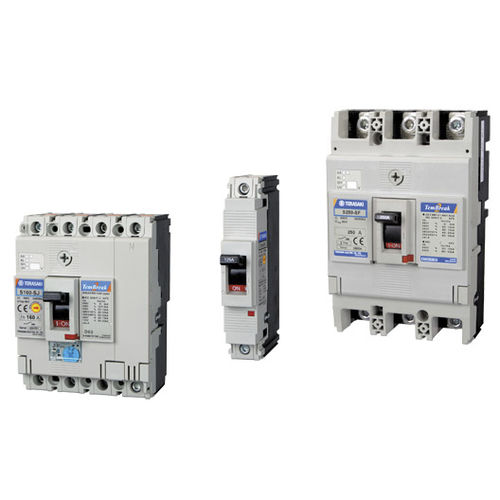
- Loose or contaminated busbar/terminal connections, typically indicated by local heating, discoloration, voltage instability or protective trips
- Circuit-breaker mechanism wear or control-circuit fault, typically indicated by failure to close/open, nuisance tripping or incomplete indication
- Protection relay or sensing fault from failed inputs, wiring or calibration drift, typically indicated by incorrect alarms, unexplained trips or failure of expected protection
- Cooling or ventilation failure inside the board, typically indicated by high cabinet temperature, derating or thermal alarms
- Insulation deterioration from moisture, dirt or ageing, typically indicated by earth-fault indications, low insulation resistance or flashover risk
- Loose or contaminated busbar/terminal connections, typically indicated by local heating, discoloration, voltage instability or protective trips
- Circuit-breaker mechanism wear or control-circuit fault, typically indicated by failure to close/open, nuisance tripping or incomplete indication
- Protection relay or sensing fault from failed inputs, wiring or calibration drift, typically indicated by incorrect alarms, unexplained trips or failure of expected protection
- Cooling or ventilation failure inside the board, typically indicated by high cabinet temperature, derating or thermal alarms
- Insulation deterioration from moisture, dirt or ageing, typically indicated by earth-fault indications, low insulation resistance or flashover risk
- Loose or contaminated busbar/terminal connections, typically indicated by local heating, discoloration, voltage instability or protective trips
- Circuit-breaker mechanism wear or control-circuit fault, typically indicated by failure to close/open, nuisance tripping or incomplete indication
- Protection relay or sensing fault from failed inputs, wiring or calibration drift, typically indicated by incorrect alarms, unexplained trips or failure of expected protection
- Cooling or ventilation failure inside the board, typically indicated by high cabinet temperature, derating or thermal alarms
- Insulation deterioration from moisture, dirt or ageing, typically indicated by earth-fault indications, low insulation resistance or flashover risk
- Loose or contaminated busbar/terminal connections, typically indicated by local heating, discoloration, voltage instability or protective trips
- Circuit-breaker mechanism wear or control-circuit fault, typically indicated by failure to close/open, nuisance tripping or incomplete indication
- Protection relay or sensing fault from failed inputs, wiring or calibration drift, typically indicated by incorrect alarms, unexplained trips or failure of expected protection
- Cooling or ventilation failure inside the board, typically indicated by high cabinet temperature, derating or thermal alarms
- Insulation deterioration from moisture, dirt or ageing, typically indicated by earth-fault indications, low insulation resistance or flashover risk
- Loose or contaminated busbar/terminal connections, typically indicated by local heating, discoloration, voltage instability or protective trips
- Circuit-breaker mechanism wear or control-circuit fault, typically indicated by failure to close/open, nuisance tripping or incomplete indication
- Protection relay or sensing fault from failed inputs, wiring or calibration drift, typically indicated by incorrect alarms, unexplained trips or failure of expected protection
- Cooling or ventilation failure inside the board, typically indicated by high cabinet temperature, derating or thermal alarms
- Insulation deterioration from moisture, dirt or ageing, typically indicated by earth-fault indications, low insulation resistance or flashover risk

- Loose or contaminated busbar/terminal connections, typically indicated by local heating, discoloration, voltage instability or protective trips
- Circuit-breaker mechanism wear or control-circuit fault, typically indicated by failure to close/open, nuisance tripping or incomplete indication
- Protection relay or sensing fault from failed inputs, wiring or calibration drift, typically indicated by incorrect alarms, unexplained trips or failure of expected protection
- Cooling or ventilation failure inside the board, typically indicated by high cabinet temperature, derating or thermal alarms
- Insulation deterioration from moisture, dirt or ageing, typically indicated by earth-fault indications, low insulation resistance or flashover risk
- Loose or contaminated busbar/terminal connections, typically indicated by local heating, discoloration, voltage instability or protective trips
- Circuit-breaker mechanism wear or control-circuit fault, typically indicated by failure to close/open, nuisance tripping or incomplete indication
- Protection relay or sensing fault from failed inputs, wiring or calibration drift, typically indicated by incorrect alarms, unexplained trips or failure of expected protection
- Cooling or ventilation failure inside the board, typically indicated by high cabinet temperature, derating or thermal alarms
- Insulation deterioration from moisture, dirt or ageing, typically indicated by earth-fault indications, low insulation resistance or flashover risk
- Loose or contaminated busbar/terminal connections, typically indicated by local heating, discoloration, voltage instability or protective trips
- Circuit-breaker mechanism wear or control-circuit fault, typically indicated by failure to close/open, nuisance tripping or incomplete indication
- Protection relay or sensing fault from failed inputs, wiring or calibration drift, typically indicated by incorrect alarms, unexplained trips or failure of expected protection
- Cooling or ventilation failure inside the board, typically indicated by high cabinet temperature, derating or thermal alarms
- Insulation deterioration from moisture, dirt or ageing, typically indicated by earth-fault indications, low insulation resistance or flashover risk
- Loose or contaminated busbar/terminal connections, typically indicated by local heating, discoloration, voltage instability or protective trips
- Circuit-breaker mechanism wear or control-circuit fault, typically indicated by failure to close/open, nuisance tripping or incomplete indication
- Protection relay or sensing fault from failed inputs, wiring or calibration drift, typically indicated by incorrect alarms, unexplained trips or failure of expected protection
- Cooling or ventilation failure inside the board, typically indicated by high cabinet temperature, derating or thermal alarms
- Insulation deterioration from moisture, dirt or ageing, typically indicated by earth-fault indications, low insulation resistance or flashover risk
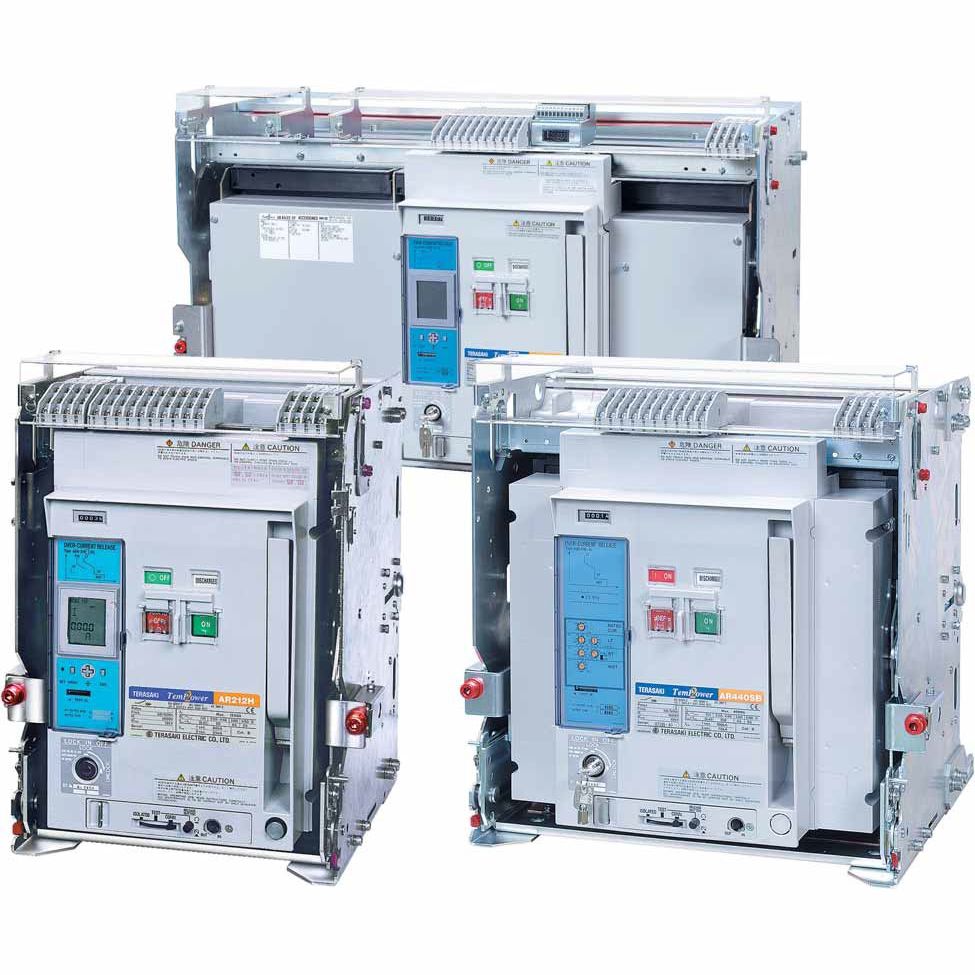
- Loose or contaminated busbar/terminal connections, typically indicated by local heating, discoloration, voltage instability or protective trips
- Circuit-breaker mechanism wear or control-circuit fault, typically indicated by failure to close/open, nuisance tripping or incomplete indication
- Protection relay or sensing fault from failed inputs, wiring or calibration drift, typically indicated by incorrect alarms, unexplained trips or failure of expected protection
- Cooling or ventilation failure inside the board, typically indicated by high cabinet temperature, derating or thermal alarms
- Insulation deterioration from moisture, dirt or ageing, typically indicated by earth-fault indications, low insulation resistance or flashover risk
- Loose or contaminated busbar/terminal connections, typically indicated by local heating, discoloration, voltage instability or protective trips
- Circuit-breaker mechanism wear or control-circuit fault, typically indicated by failure to close/open, nuisance tripping or incomplete indication
- Protection relay or sensing fault from failed inputs, wiring or calibration drift, typically indicated by incorrect alarms, unexplained trips or failure of expected protection
- Cooling or ventilation failure inside the board, typically indicated by high cabinet temperature, derating or thermal alarms
- Insulation deterioration from moisture, dirt or ageing, typically indicated by earth-fault indications, low insulation resistance or flashover risk
- Loose or contaminated busbar/terminal connections, typically indicated by local heating, discoloration, voltage instability or protective trips
- Circuit-breaker mechanism wear or control-circuit fault, typically indicated by failure to close/open, nuisance tripping or incomplete indication
- Protection relay or sensing fault from failed inputs, wiring or calibration drift, typically indicated by incorrect alarms, unexplained trips or failure of expected protection
- Cooling or ventilation failure inside the board, typically indicated by high cabinet temperature, derating or thermal alarms
- Insulation deterioration from moisture, dirt or ageing, typically indicated by earth-fault indications, low insulation resistance or flashover risk
- Loose or contaminated busbar/terminal connections, typically indicated by local heating, discoloration, voltage instability or protective trips
- Circuit-breaker mechanism wear or control-circuit fault, typically indicated by failure to close/open, nuisance tripping or incomplete indication
- Protection relay or sensing fault from failed inputs, wiring or calibration drift, typically indicated by incorrect alarms, unexplained trips or failure of expected protection
- Cooling or ventilation failure inside the board, typically indicated by high cabinet temperature, derating or thermal alarms
- Insulation deterioration from moisture, dirt or ageing, typically indicated by earth-fault indications, low insulation resistance or flashover risk
- Loose or contaminated busbar/terminal connections, typically indicated by local heating, discoloration, voltage instability or protective trips
- Circuit-breaker mechanism wear or control-circuit fault, typically indicated by failure to close/open, nuisance tripping or incomplete indication
- Protection relay or sensing fault from failed inputs, wiring or calibration drift, typically indicated by incorrect alarms, unexplained trips or failure of expected protection
- Cooling or ventilation failure inside the board, typically indicated by high cabinet temperature, derating or thermal alarms
- Insulation deterioration from moisture, dirt or ageing, typically indicated by earth-fault indications, low insulation resistance or flashover risk
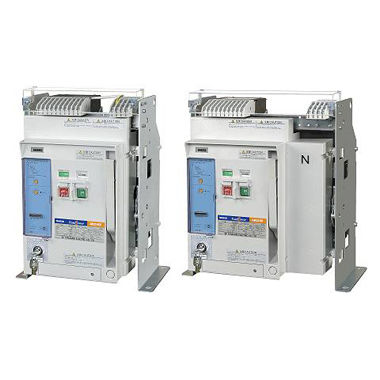
- Loose or contaminated busbar/terminal connections, typically indicated by local heating, discoloration, voltage instability or protective trips
- Circuit-breaker mechanism wear or control-circuit fault, typically indicated by failure to close/open, nuisance tripping or incomplete indication
- Protection relay or sensing fault from failed inputs, wiring or calibration drift, typically indicated by incorrect alarms, unexplained trips or failure of expected protection
- Cooling or ventilation failure inside the board, typically indicated by high cabinet temperature, derating or thermal alarms
- Insulation deterioration from moisture, dirt or ageing, typically indicated by earth-fault indications, low insulation resistance or flashover risk
- Loose or contaminated busbar/terminal connections, typically indicated by local heating, discoloration, voltage instability or protective trips
- Circuit-breaker mechanism wear or control-circuit fault, typically indicated by failure to close/open, nuisance tripping or incomplete indication
- Protection relay or sensing fault from failed inputs, wiring or calibration drift, typically indicated by incorrect alarms, unexplained trips or failure of expected protection
- Cooling or ventilation failure inside the board, typically indicated by high cabinet temperature, derating or thermal alarms
- Insulation deterioration from moisture, dirt or ageing, typically indicated by earth-fault indications, low insulation resistance or flashover risk
- Loose or contaminated busbar/terminal connections, typically indicated by local heating, discoloration, voltage instability or protective trips
- Circuit-breaker mechanism wear or control-circuit fault, typically indicated by failure to close/open, nuisance tripping or incomplete indication
- Protection relay or sensing fault from failed inputs, wiring or calibration drift, typically indicated by incorrect alarms, unexplained trips or failure of expected protection
- Cooling or ventilation failure inside the board, typically indicated by high cabinet temperature, derating or thermal alarms
- Insulation deterioration from moisture, dirt or ageing, typically indicated by earth-fault indications, low insulation resistance or flashover risk