OceanSphere
Engines

Personal Locator Beacon (PLB)

medium 51 models total

A PLB is registered to a person, not a vessel, transmits on the same 406 MHz distress frequency as an EPIRB, and is meant to be carried on the body so a single crew member in the water can be found even if the ship itself is not in distress.

Read more — Personal Locator Beacon (PLB) explained

What sets a PLB apart from an EPIRB

An EPIRB is registered to a specific vessel, sized to float free or be manually launched, and built around the assumption that the ship itself is the casualty. A PLB is registered to an individual, small enough to clip onto a lifejacket or work harness, and built around the assumption that one person, not the ship, is the emergency — someone gone overboard, separated from a lifeboat, or stranded ashore during a shore excursion. Both transmit on the 406 MHz distress frequency picked up by the Cospas-Sarsat satellite system and both usually carry an integrated GPS receiver for position accuracy, but a PLB's smaller battery gives it a shorter guaranteed transmission time than a vessel EPIRB.

Personal locator beacon, internal layout
Cutaway of a personal locator beacon showing the 406 MHz antenna, strobe light, GPS module and 406 MHz transmitter with battery, the manual activation switch and the lanyard attachment point.

Main components

406 MHz transmitter

Sends a digitally coded distress burst containing the beacon's unique identity and, once GPS has a fix, an encoded position, picked up by satellites and relayed to a rescue coordination centre.

Integrated GPS receiver

Acquires position independently of any ship system, which matters because a PLB is meant to work when its owner is no longer near the vessel's own navigation equipment.

121.5 MHz homing signal

A secondary low-power beacon that search aircraft and vessels can direction-find once they are in the general area, used for final close-range homing rather than initial alerting.

Battery and activation switch

A sealed, non-rechargeable battery with a shelf life set by the manufacturer, activated manually rather than by float-free mechanism the way many EPIRBs are, since a PLB is meant to be triggered deliberately by the person wearing it.

Selection and use

Because a PLB is a personal, not statutory ship's safety equipment item on most vessels, selection usually comes down to who carries one and where: crew regularly working on deck or over the side, personnel on small work boats, and anyone doing shore-based work away from the vessel are the typical candidates. Battery replacement interval and waterproof rating deserve more attention than transmission range, since the device spends most of its life clipped to a jacket in salt spray rather than in a locker.

Regulations

PLBs operate on the same Cospas-Sarsat 406 MHz system as vessel EPIRBs and are subject to national registration requirements in the country of issue, but they are not covered by SOLAS Chapter IV distress equipment carriage requirements the way a vessel EPIRB is; a PLB is typically a company or vessel policy addition rather than a statutory fit. Registration details need updating whenever the device changes hands or the vessel or crew list changes, since an outdated registration slows down rescue coordination rather than speeding it up.

Typical faults

  • Expired or dead battery — the most common failure, since PLB batteries have a fixed shelf life regardless of how often the unit is actually activated.
  • Outdated registration — gives rescue coordination centres wrong vessel, contact or medical information at the moment it matters most.
  • Damaged antenna or housing seal — from being clipped and unclipped repeatedly on deck, degrading transmission or letting in water.
  • Accidental activation — from a worn or damaged activation switch, generating false distress alerts that erode confidence in the system.

What to look for in a supplier

  • Confirmed Cospas-Sarsat type approval and current-generation coding, not an older format being phased out.
  • Stated battery life and replacement interval, with the replacement battery genuinely available when needed.
  • Waterproof and impact rating suited to being worn on deck, not just carried in a locker.
  • Clear registration instructions and support for keeping the registration current as crew or vessel details change.

Register the PLB the day it comes aboard, not the day before an audit — an unregistered beacon still calls for help, it just tells the rescue centre nothing about who needs it.

17 manufacturers · 51 models

ACR Electronics

11
RapidFix 406 PLB unverified
Gps integrated
ja
Common Failures & Inspection Points
  • Expired or degraded battery capacity caused by age or poor storage can produce failed self-tests or reduced emergency operating capability
  • Antenna damage, corrosion, or poor deployment condition can reduce transmission or homing performance
  • Water ingress or damaged housing seals can cause corrosion, intermittent operation, or failed self-test
  • Incorrect registration, programming, or position-data interface can result in missing or incorrect identification or location information
  • Release bracket, hydrostatic release, activation switch, or lanyard defects can prevent proper deployment or activation when required
Service: Check mounting, accessibility, identification and registration data, battery and release-device expiry status where applicable, housing and antenna condition, seals, lanyard, and the manufacturer's permitted self-test. Do not make live distress transmissions during routine checks.
Spare Parts: Keep approved mounting or release hardware, seals and lanyard items where replaceable, and the manufacturer-specified battery or service kit through an authorized service arrangement. Exact parts and replacement intervals must follow the manufacturer documentation.
Use Cases: Used on merchant ships, passenger ships, offshore vessels, fishing vessels, workboats, survival craft, and personnel where the applicable distress or man-overboard function is required.
ResQFix PLB unverified
Gps integrated
ja
Common Failures & Inspection Points
  • Battery expiry or degradation reduces endurance and may cause failed self-test or low-battery indication
  • Antenna damage or poor deployment reduces transmitted signal effectiveness and may be visible during inspection
  • Water ingress or corrosion damages electronics and can cause failed self-test or unreliable activation
  • Manual or automatic release mechanisms can seize or be incorrectly fitted, preventing proper deployment
  • Incorrect programming, identification data or registration can complicate distress identification even when the beacon transmits
Service: Inspect casing, antenna, mounting, seals, labels and release arrangement and perform only the approved self-test procedure. Verify battery and hydrostatic-release dates where applicable, beacon identification and required registration records. Do not perform unauthorized live distress transmissions; exact test procedures and replacement intervals must follow manufacturer and statutory documentation.
Spare Parts: Carry only maker-approved replaceable items such as mounting clips, lanyards or straps and batteries where onboard replacement is permitted; hydrostatic-release units and sealed battery packs are normally replaced as complete approved items.
Use Cases: Used for GMDSS distress alerting, survivor location, search-and-rescue and man-overboard response depending on the specific beacon category.
ResQLink 400 unverified
Gps integrated
ja
Common Failures & Inspection Points
  • Battery expiry or degradation reduces endurance and may cause failed self-test or low-battery indication
  • Antenna damage or poor deployment reduces transmitted signal effectiveness and may be visible during inspection
  • Water ingress or corrosion damages electronics and can cause failed self-test or unreliable activation
  • Manual or automatic release mechanisms can seize or be incorrectly fitted, preventing proper deployment
  • Incorrect programming, identification data or registration can complicate distress identification even when the beacon transmits
Service: Inspect casing, antenna, mounting, seals, labels and release arrangement and perform only the approved self-test procedure. Verify battery and hydrostatic-release dates where applicable, beacon identification and required registration records. Do not perform unauthorized live distress transmissions; exact test procedures and replacement intervals must follow manufacturer and statutory documentation.
Spare Parts: Carry only maker-approved replaceable items such as mounting clips, lanyards or straps and batteries where onboard replacement is permitted; hydrostatic-release units and sealed battery packs are normally replaced as complete approved items.
Use Cases: Used for GMDSS distress alerting, survivor location, search-and-rescue and man-overboard response depending on the specific beacon category.
ResQLink View unverified
Gps integrated
ja
Common Failures & Inspection Points
  • Battery depletion or expiry caused by age, self-discharge or poor storage, resulting in failed self-test or reduced emergency endurance
  • Antenna or housing damage caused by impact, corrosion or water ingress, resulting in poor transmission or failed self-test
  • Activation-switch, release or mounting failure caused by corrosion, contamination or mechanical damage, resulting in inability to activate or release the unit as intended
  • Programming or identity error caused by incorrect replacement or configuration, resulting in incorrect identification being transmitted or recorded
  • Internal electronic or self-test failure caused by component faults, resulting in warning indications or inability to complete the approved test
Service: Inspect the housing, antenna, mounting, release mechanism and markings for damage or deterioration. Check battery and hydrostatic-release dates where those items form part of the approved unit and replace them only with approved components. Perform self-tests strictly according to the manufacturer instructions and avoid unintended distress transmissions. Verify programmed identity and registration information after replacement or servicing. Keep the unit accessible and correctly secured in its approved location. Refer to manufacturer and regulatory documentation for exact servicing, shore-maintenance and test requirements.
Spare Parts: Emergency beacons and transponders normally rely on approved replacement batteries, release units, brackets, straps or complete replacement units rather than informal onboard electronic repair. Carry only manufacturer-approved accessories and replacement components permitted by the certification. Maintain any statutory spare units according to the vessel's safety-equipment inventory.
Use Cases: Distress alerting, survivor location and search-and-rescue support on SOLAS vessels, offshore units and other craft carrying the relevant approved emergency beacon or transponder.
ACR Electronics ResQLink View Mk2 unverified
Common Failures & Inspection Points
  • Battery depletion or expiry caused by age, self-discharge or poor storage, resulting in failed self-test or reduced emergency endurance
  • Antenna or housing damage caused by impact, corrosion or water ingress, resulting in poor transmission or failed self-test
  • Activation-switch, release or mounting failure caused by corrosion, contamination or mechanical damage, resulting in inability to activate or release the unit as intended
  • Programming or identity error caused by incorrect replacement or configuration, resulting in incorrect identification being transmitted or recorded
  • Internal electronic or self-test failure caused by component faults, resulting in warning indications or inability to complete the approved test
Service: Inspect the housing, antenna, mounting, release mechanism and markings for damage or deterioration. Check battery and hydrostatic-release dates where those items form part of the approved unit. Perform self-tests strictly according to manufacturer instructions and avoid unintended distress transmissions. Verify programmed identity and registration information after replacement or servicing. Keep the unit accessible and correctly secured in its approved location. Refer to the manufacturer documentation for the exact figure for servicing, shore-maintenance and test requirements.
Spare Parts: Use approved replacement batteries, release units, brackets, straps or complete replacement units as allowed by certification. Maintain statutory spare units according to the vessel's safety-equipment inventory. Do not substitute uncertified internal components.
Use Cases: Distress alerting, survivor location and search-and-rescue support on SOLAS vessels, offshore units and other craft carrying the relevant approved beacon or transponder.
ACR Electronics ResQLink 400 Mk2 unverified
Common Failures & Inspection Points
  • Battery depletion or expiry caused by age, self-discharge or poor storage, resulting in failed self-test or reduced emergency endurance
  • Antenna or housing damage caused by impact, corrosion or water ingress, resulting in poor transmission or failed self-test
  • Activation-switch, release or mounting failure caused by corrosion, contamination or mechanical damage, resulting in inability to activate or release the unit as intended
  • Programming or identity error caused by incorrect replacement or configuration, resulting in incorrect identification being transmitted or recorded
  • Internal electronic or self-test failure caused by component faults, resulting in warning indications or inability to complete the approved test
Service: Inspect the housing, antenna, mounting, release mechanism and markings for damage or deterioration. Check battery and hydrostatic-release dates where those items form part of the approved unit. Perform self-tests strictly according to manufacturer instructions and avoid unintended distress transmissions. Verify programmed identity and registration information after replacement or servicing. Keep the unit accessible and correctly secured in its approved location. Refer to the manufacturer documentation for the exact figure for servicing, shore-maintenance and test requirements.
Spare Parts: Use approved replacement batteries, release units, brackets, straps or complete replacement units as allowed by certification. Maintain statutory spare units according to the vessel's safety-equipment inventory. Do not substitute uncertified internal components.
Use Cases: Distress alerting, survivor location and search-and-rescue support on SOLAS vessels, offshore units and other craft carrying the relevant approved beacon or transponder.
ACR Electronics ResQLink AIS unverified
Common Failures & Inspection Points
  • Battery expiry or deterioration, typically indicated by failed self-test, low-battery indication or expired service marking
  • Antenna or housing damage, typically indicated by failed self-test, poor transmission or visible damage
  • Water ingress/corrosion, typically indicated by intermittent operation or self-test failure
  • Hydrostatic release or bracket fault on float-free units, typically indicated by expired/damaged release or inability to deploy automatically
  • Registration/programming or GNSS acquisition issue, typically indicated by incorrect identity data, position not acquired or test discrepancy
Service: Check mounting, beacon housing, antenna, self-test, battery and hydrostatic-release dates, registration data and seals; live transmissions should only be performed under approved test procedures.
Spare Parts: Keep approved mounting/release hardware and, where permitted, replacement batteries from authorized service arrangements; complete spare beacons may be carried according to vessel requirements.
Use Cases: Used on SOLAS and other vessels, survival craft and personal rescue equipment to initiate or support maritime distress alerting. This entry applies specifically to the SART / Personal Locator Beacon (PLB) variant identified as ACR Electronics ACR Electronics ResQLink AIS.
ACR Electronics PLB-400 Mk2 unverified
Common Failures & Inspection Points
  • Battery expiry or deterioration, typically indicated by failed self-test, low-battery indication or expired service marking
  • Antenna or housing damage, typically indicated by failed self-test, poor transmission or visible damage
  • Water ingress/corrosion, typically indicated by intermittent operation or self-test failure
  • Hydrostatic release or bracket fault on float-free units, typically indicated by expired/damaged release or inability to deploy automatically
  • Registration/programming or GNSS acquisition issue, typically indicated by incorrect identity data, position not acquired or test discrepancy
Service: Check mounting, beacon housing, antenna, self-test, battery and hydrostatic-release dates, registration data and seals; live transmissions should only be performed under approved test procedures.
Spare Parts: Keep approved mounting/release hardware and, where permitted, replacement batteries from authorized service arrangements; complete spare beacons may be carried according to vessel requirements.
Use Cases: Used on SOLAS and other vessels, survival craft and personal rescue equipment to initiate or support maritime distress alerting. This entry applies specifically to the SART / Personal Locator Beacon (PLB) variant identified as ACR Electronics ACR Electronics PLB-400 Mk2.
ResQLink AIS unverified
Frequency mhz
406
Gps equipped
ja
Battery life (h)
24
Weight g
152
Ais equipped
ja
Common Failures & Inspection Points
  • Battery depletion or expiry caused by age, self-discharge or poor storage, resulting in failed self-test or reduced emergency endurance
  • Antenna or housing damage caused by impact, corrosion or water ingress, resulting in poor transmission or failed self-test
  • Activation-switch, release or mounting failure caused by corrosion, contamination or mechanical damage, resulting in inability to activate or release the unit as intended
  • Programming or identity error caused by incorrect replacement or configuration, resulting in incorrect identification being transmitted or recorded
  • Internal electronic or self-test failure caused by component faults, resulting in warning indications or inability to complete the approved test
Service: Inspect the housing, antenna, mounting, release mechanism and markings for damage or deterioration. Check battery and hydrostatic-release dates where those items form part of the approved unit and replace them only with approved components. Perform self-tests strictly according to the manufacturer instructions and avoid unintended distress transmissions. Verify programmed identity and registration information after replacement or servicing. Keep the unit accessible and correctly secured in its approved location. Refer to manufacturer and regulatory documentation for exact servicing, shore-maintenance and test requirements.
Spare Parts: Emergency beacons and transponders normally rely on approved replacement batteries, release units, brackets, straps or complete replacement units rather than informal onboard electronic repair. Carry only manufacturer-approved accessories and replacement components permitted by the certification. Maintain any statutory spare units according to the vessel's safety-equipment inventory.
Use Cases: Distress alerting, survivor location and search-and-rescue support on SOLAS vessels, offshore units and other craft carrying the relevant approved emergency beacon or transponder.
ResQLink 400 AIS PLB unverified
Frequency mhz
406
Gps equipped
ja
Battery life (h)
24
Weight g
155
Ais equipped
ja
Common Failures & Inspection Points
  • Battery or power-supply deterioration caused by age, poor charging or connection faults can produce low-voltage alarms, failed self-tests or inability to transmit
  • Antenna, feeder or connector damage caused by corrosion, water ingress or mechanical stress can reduce range or prevent transmission and reception
  • Programming or configuration errors after replacement can produce identity, channel or communication faults even when the hardware powers up
  • Control, display or internal electronics faults caused by ageing or moisture can result in failed tests, unreadable indications or intermittent operation
  • Release, mounting or protective enclosure problems on emergency equipment caused by corrosion or damage can prevent correct deployment or leave the unit physically insecure
Service: Check identification and programming against vessel records, inspect antennas, feeders, mounts and power sources, and perform only the approved self-tests or functional checks. Verify battery and release dates from the actual unit and service documentation rather than assuming intervals. Refer to manufacturer and statutory documentation for exact test procedures.
Spare Parts: Carry approved batteries only where shipboard replacement is permitted, together with fuses, handset or microphone accessories, connectors, protective covers and other maker-approved service items appropriate to the installed unit.
Use Cases: SOLAS ships and other vessels requiring distress alerting, search-and-rescue location, maritime safety information or routine marine radio communications.
ResQLink 410 PLB unverified
Frequency mhz
406
Gps equipped
ja
Battery life (h)
24
Weight g
120
Common Failures & Inspection Points
  • Expired or degraded battery capacity caused by age or poor storage can produce failed self-tests or reduced emergency operating capability
  • Antenna damage, corrosion, or poor deployment condition can reduce transmission or homing performance
  • Water ingress or damaged housing seals can cause corrosion, intermittent operation, or failed self-test
  • Incorrect registration, programming, or position-data interface can result in missing or incorrect identification or location information
  • Release bracket, hydrostatic release, activation switch, or lanyard defects can prevent proper deployment or activation when required
Service: Check mounting, accessibility, identification and registration data, battery and release-device expiry status where applicable, housing and antenna condition, seals, lanyard, and the manufacturer's permitted self-test. Do not make live distress transmissions during routine checks.
Spare Parts: Keep approved mounting or release hardware, seals and lanyard items where replaceable, and the manufacturer-specified battery or service kit through an authorized service arrangement. Exact parts and replacement intervals must follow the manufacturer documentation.
Use Cases: Used on merchant ships, passenger ships, offshore vessels, fishing vessels, workboats, survival craft, and personnel where the applicable distress or man-overboard function is required.

McMurdo

8
PLB1 Fast Find 220 unverified
Gps integrated
ja
Common Failures & Inspection Points
  • Battery deterioration prevents reliable emergency endurance and is identified during inspection or self-test
  • Antenna damage or corrosion reduces transmission reliability and can cause failed self-test indication
  • Water ingress or damaged seals causes corrosion, intermittent operation or failure
  • Hydrostatic-release or mounting defects on float-free units prevent correct deployment
  • Programming or registration mismatch results in incorrect vessel identity data
Service: Check mounting, accessibility, release arrangement, casing, antenna, labels and approved self-test indication. Verify battery and release-device validity against equipment records and confirm beacon identity and registration. Do not perform unauthorized live transmissions. Exact test and replacement requirements follow manufacturer and regulatory documentation.
Spare Parts: Maintain approved mounting and release hardware and arrange certified replacement batteries or hydrostatic-release units as required; minor spares may include seals, lanyards and fasteners where supported.
Use Cases: GMDSS-equipped merchant, passenger and offshore vessels requiring emergency satellite distress alerting.
PLB1 Fast Find 220 AIS unverified
Gps integrated
ja
Common Failures & Inspection Points
  • Antenna, feeder or casing damage reduces communication or locating performance and can cause self-test faults
  • Battery, emergency-power or power-supply deterioration causes resets, low-voltage alarms or failure to operate
  • Water ingress or corrosion causes intermittent operation, damaged connectors or internal faults
  • Configuration, registration or identity errors cause incorrect vessel or beacon information
  • Internal transceiver, display or control faults cause failed self-tests, missing communications or unavailable emergency functions
Service: Inspect antennas, casing, mounting, power supplies, emergency batteries, controls and programmed identity data as applicable. Perform only approved self-tests and permitted radio tests. Verify accessibility, release arrangements and emergency-power availability where required. Refer to manufacturer and regulatory documentation for the exact figure for test and replacement criteria.
Spare Parts: Carry fuses, handsets or microphones where applicable, approved batteries or chargers, antenna connectors, mounting or release parts and supported control modules.
Use Cases: Distress, safety, ship-to-ship, ship-to-shore and search-and-rescue service.
McMurdo PLB1 Max G
PLB1 Max G unverified
Gps integrated
ja
Common Failures & Inspection Points
  • Battery depletion or expiry caused by age or storage conditions, noticed from the service marking or failed self-test
  • Antenna or casing damage caused by impact, weather or poor stowage, noticed visually or through failed self-test
  • Activation mechanism failure caused by corrosion or mechanical damage, noticed during approved testing
  • Incorrect registration, identity or pairing caused by administrative/configuration error, noticed when equipment data do not match vessel records
  • Water ingress caused by damaged seals, noticed as corrosion, fogging or failed test
Service: Check battery/service expiry, approved self-test, casing, antenna, activation arrangement and identification/registration. Verify mounting, lanyard, pole or hydrostatic-release arrangement where applicable and ensure deployment is unobstructed. Do not generate a live distress transmission during routine inspection unless an authorized test procedure specifically requires it.
Spare Parts: Internal repair is normally an authorized-service task. Carry only manufacturer-approved external mounting, lanyard, bracket, pole or hydrostatic-release parts where shipboard replacement is permitted, and schedule battery/service replacement before expiry.
Use Cases: Used as emergency locating equipment on seagoing vessels and survival craft to alert or guide rescuers after abandonment, man overboard or personal distress.
McMurdo FastFind 220 Mk3 unverified
Common Failures & Inspection Points
  • Expired or degraded battery capacity caused by age or poor storage can produce failed self-tests or reduced emergency operating capability
  • Antenna damage, corrosion, or poor deployment condition can reduce transmission or homing performance
  • Water ingress or damaged housing seals can cause corrosion, intermittent operation, or failed self-test
  • Incorrect registration, programming, or position-data interface can result in missing or incorrect identification or location information
  • Release bracket, hydrostatic release, activation switch, or lanyard defects can prevent proper deployment or activation when required
Service: Check mounting, accessibility, identification and registration data, battery and release-device expiry status where applicable, housing and antenna condition, seals, lanyard, and the manufacturer's permitted self-test. Do not make live distress transmissions during routine checks.
Spare Parts: Keep approved mounting or release hardware, seals and lanyard items where replaceable, and the manufacturer-specified battery or service kit through an authorized service arrangement. Exact parts and replacement intervals must follow the manufacturer documentation.
Use Cases: Used on merchant ships, passenger ships, offshore vessels, fishing vessels, workboats, survival craft, and personnel where the applicable distress or man-overboard function is required.
McMurdo FastFind 220 AIS unverified
Common Failures & Inspection Points
  • Expired or degraded battery capacity caused by age or poor storage can produce failed self-tests or reduced emergency operating capability
  • Antenna damage, corrosion, or poor deployment condition can reduce transmission or homing performance
  • Water ingress or damaged housing seals can cause corrosion, intermittent operation, or failed self-test
  • Incorrect registration, programming, or position-data interface can result in missing or incorrect identification or location information
  • Release bracket, hydrostatic release, activation switch, or lanyard defects can prevent proper deployment or activation when required
Service: Check mounting, accessibility, identification and registration data, battery and release-device expiry status where applicable, housing and antenna condition, seals, lanyard, and the manufacturer's permitted self-test. Do not make live distress transmissions during routine checks.
Spare Parts: Keep approved mounting or release hardware, seals and lanyard items where replaceable, and the manufacturer-specified battery or service kit through an authorized service arrangement. Exact parts and replacement intervals must follow the manufacturer documentation.
Use Cases: Used on merchant ships, passenger ships, offshore vessels, fishing vessels, workboats, survival craft, and personnel where the applicable distress or man-overboard function is required.
McMurdo FastFind Max-G Mk2 unverified
Common Failures & Inspection Points
  • Expired or degraded battery capacity caused by age or poor storage can produce failed self-tests or reduced emergency operating capability
  • Antenna damage, corrosion, or poor deployment condition can reduce transmission or homing performance
  • Water ingress or damaged housing seals can cause corrosion, intermittent operation, or failed self-test
  • Incorrect registration, programming, or position-data interface can result in missing or incorrect identification or location information
  • Release bracket, hydrostatic release, activation switch, or lanyard defects can prevent proper deployment or activation when required
Service: Check mounting, accessibility, identification and registration data, battery and release-device expiry status where applicable, housing and antenna condition, seals, lanyard, and the manufacturer's permitted self-test. Do not make live distress transmissions during routine checks.
Spare Parts: Keep approved mounting or release hardware, seals and lanyard items where replaceable, and the manufacturer-specified battery or service kit through an authorized service arrangement. Exact parts and replacement intervals must follow the manufacturer documentation.
Use Cases: Used on merchant ships, passenger ships, offshore vessels, fishing vessels, workboats, survival craft, and personnel where the applicable distress or man-overboard function is required.
Kannad SafeLink Solo2 unverified
Frequency mhz
406
Gps equipped
ja
Battery life (h)
24
Weight g
110
Return link service
ja
Common Failures & Inspection Points
  • Battery depletion or expiry caused by age, self-discharge or poor storage, resulting in failed self-test or reduced emergency endurance
  • Antenna or housing damage caused by impact, corrosion or water ingress, resulting in poor transmission or failed self-test
  • Activation-switch, release or mounting failure caused by corrosion, contamination or mechanical damage, resulting in inability to activate or release the unit as intended
  • Programming or identity error caused by incorrect replacement or configuration, resulting in incorrect identification being transmitted or recorded
  • Internal electronic or self-test failure caused by component faults, resulting in warning indications or inability to complete the approved test
Service: Inspect the housing, antenna, mounting, release mechanism and markings for damage or deterioration. Check battery and hydrostatic-release dates where those items form part of the approved unit and replace them only with approved components. Perform self-tests strictly according to the manufacturer instructions and avoid unintended distress transmissions. Verify programmed identity and registration information after replacement or servicing. Keep the unit accessible and correctly secured in its approved location. Refer to manufacturer and regulatory documentation for exact servicing, shore-maintenance and test requirements.
Spare Parts: Emergency beacons and transponders normally rely on approved replacement batteries, release units, brackets, straps or complete replacement units rather than informal onboard electronic repair. Carry only manufacturer-approved accessories and replacement components permitted by the certification. Maintain any statutory spare units according to the vessel's safety-equipment inventory.
Use Cases: Distress alerting, survivor location and search-and-rescue support on SOLAS vessels, offshore units and other craft carrying the relevant approved emergency beacon or transponder.
FastFind 220 PLB unverified
Frequency mhz
406
Gps equipped
ja
Battery life (h)
24
Weight g
120
Common Failures & Inspection Points
  • Battery depletion or expiry caused by age, self-discharge or poor storage, resulting in failed self-test or reduced emergency endurance
  • Antenna or housing damage caused by impact, corrosion or water ingress, resulting in poor transmission or failed self-test
  • Activation-switch or release-mechanism failure caused by corrosion, contamination or mechanical damage, resulting in inability to activate or release as intended
  • Programming or identity error caused by incorrect replacement or configuration, resulting in wrong identification being transmitted or recorded
  • Self-test or internal electronic failure caused by component faults, resulting in warning indication or inability to complete the approved test
Service: Inspect the housing, antenna, mounting bracket, release mechanism and markings for damage or deterioration. Check battery and hydrostatic-release dates where those items are part of the approved unit and replace them only with approved components. Perform self-tests strictly according to the manufacturer instructions and avoid unnecessary live distress transmissions. Verify programmed identity and registration information after replacement or servicing. Keep the unit accessible and correctly secured in its approved location. Refer to manufacturer and regulatory documentation for exact servicing, shore-maintenance and test requirements.
Spare Parts: Emergency beacons and transponders generally rely on approved replacement batteries, release units, brackets or straps rather than informal onboard electronic repair. Carry only manufacturer-approved accessories and replacement components allowed by the certification. Maintain any required spare units according to the vessel's statutory safety-equipment inventory.
Use Cases: Distress alerting, survivor location and search-and-rescue support on SOLAS vessels and other craft carrying the relevant approved emergency beacon or transponder.

Garmin Marine

6
inReach Mini 2 unverified
Satellite messenger
ja
Two way
ja
Common Failures & Inspection Points
  • Expired or degraded battery capacity caused by age or poor storage can produce failed self-tests or reduced emergency operating capability
  • Antenna damage, corrosion, or poor deployment condition can reduce transmission or homing performance
  • Water ingress or damaged housing seals can cause corrosion, intermittent operation, or failed self-test
  • Incorrect registration, programming, or position-data interface can result in missing or incorrect identification or location information
  • Release bracket, hydrostatic release, activation switch, or lanyard defects can prevent proper deployment or activation when required
Service: Check mounting, accessibility, identification and registration data, battery and release-device expiry status where applicable, housing and antenna condition, seals, lanyard, and the manufacturer's permitted self-test. Do not make live distress transmissions during routine checks.
Spare Parts: Keep approved mounting or release hardware, seals and lanyard items where replaceable, and the manufacturer-specified battery or service kit through an authorized service arrangement. Exact parts and replacement intervals must follow the manufacturer documentation.
Use Cases: Used on merchant ships, passenger ships, offshore vessels, fishing vessels, workboats, survival craft, and personnel where the applicable distress or man-overboard function is required.
inReach Explorer+ unverified
Satellite messenger
ja
Two way
ja
Common Failures & Inspection Points
  • Battery depletion or expiry caused by age, self-discharge or poor storage, resulting in failed self-test or reduced emergency endurance
  • Antenna or housing damage caused by impact, corrosion or water ingress, resulting in poor transmission or failed self-test
  • Activation-switch or release-mechanism failure caused by corrosion, contamination or mechanical damage, resulting in inability to activate or release as intended
  • Programming or identity error caused by incorrect replacement or configuration, resulting in wrong identification being transmitted or recorded
  • Self-test or internal electronic failure caused by component faults, resulting in warning indication or inability to complete the approved test
Service: Inspect the housing, antenna, mounting bracket, release mechanism and markings for damage or deterioration. Check battery and hydrostatic-release dates where those items are part of the approved unit and replace them only with approved components. Perform self-tests strictly according to the manufacturer instructions and avoid unnecessary live distress transmissions. Verify programmed identity and registration information after replacement or servicing. Keep the unit accessible and correctly secured in its approved location. Refer to manufacturer and regulatory documentation for exact servicing, shore-maintenance and test requirements.
Spare Parts: Emergency beacons and transponders generally rely on approved replacement batteries, release units, brackets or straps rather than informal onboard electronic repair. Carry only manufacturer-approved accessories and replacement components allowed by the certification. Maintain any required spare units according to the vessel's statutory safety-equipment inventory.
Use Cases: Distress alerting, survivor location and search-and-rescue support on SOLAS vessels and other craft carrying the relevant approved emergency beacon or transponder.
Garmin inReach Mini 2 Marine unverified
Common Failures & Inspection Points
  • Battery or power-supply deterioration caused by age, poor charging or connection faults can produce low-voltage alarms, failed self-tests or inability to transmit
  • Antenna, feeder or connector damage caused by corrosion, water ingress or mechanical stress can reduce range or prevent transmission and reception
  • Programming or configuration errors after replacement can produce identity, channel or communication faults even when the hardware powers up
  • Control, display or internal electronics faults caused by ageing or moisture can result in failed tests, unreadable indications or intermittent operation
  • Release, mounting or protective enclosure problems on emergency equipment caused by corrosion or damage can prevent correct deployment or leave the unit physically insecure
Service: Check identification and programming against vessel records, inspect antennas, feeders, mounts and power sources, and perform only the approved self-tests or functional checks. Verify battery and release dates from the actual unit and service documentation rather than assuming intervals. Refer to manufacturer and statutory documentation for exact test procedures.
Spare Parts: Carry approved batteries only where shipboard replacement is permitted, together with fuses, handset or microphone accessories, connectors, protective covers and other maker-approved service items appropriate to the installed unit.
Use Cases: SOLAS ships and other vessels requiring distress alerting, search-and-rescue location, maritime safety information or routine marine radio communications.
Garmin inReach Explorer+ Marine unverified
Common Failures & Inspection Points
  • Antenna, feeder or casing damage reduces communication or locating performance and may cause self-test faults
  • Battery, emergency-power or power-supply deterioration causes resets, low-voltage alarms or failure to operate
  • Water ingress or corrosion causes intermittent operation, damaged connectors or internal faults
  • Configuration, registration or identity errors cause incorrect vessel or beacon information
  • Internal transceiver, display or control faults cause failed self-tests, missing communications or unavailable emergency functions
Service: Inspect antennas, casing, mounting, power supplies, emergency batteries, controls and programmed identity data as applicable. Perform only approved self-tests and permitted radio tests. Verify accessibility, release arrangements and emergency-power availability where required. Refer to manufacturer and regulatory documentation for the exact figure for test and replacement criteria.
Spare Parts: Carry fuses, handsets or microphones where applicable, approved batteries or chargers, antenna connectors, mounting or release parts and supported control modules.
Use Cases: Distress, safety, ship-to-ship, ship-to-shore and search-and-rescue service.
Garmin inReach Messenger Marine unverified
Common Failures & Inspection Points
  • Antenna, feeder or casing damage reduces communication or locating performance and may cause self-test faults
  • Battery, emergency-power or power-supply deterioration causes resets, low-voltage alarms or failure to operate
  • Water ingress or corrosion causes intermittent operation, damaged connectors or internal faults
  • Configuration, registration or identity errors cause incorrect vessel or beacon information
  • Internal transceiver, display or control faults cause failed self-tests, missing communications or unavailable emergency functions
Service: Inspect antennas, casing, mounting, power supplies, emergency batteries, controls and programmed identity data as applicable. Perform only approved self-tests and permitted radio tests. Verify accessibility, release arrangements and emergency-power availability where required. Refer to manufacturer and regulatory documentation for the exact figure for test and replacement criteria.
Spare Parts: Carry fuses, handsets or microphones where applicable, approved batteries or chargers, antenna connectors, mounting or release parts and supported control modules.
Use Cases: Distress, safety, ship-to-ship, ship-to-shore and search-and-rescue service.
inReach Mini 2 Marine PLB unverified
Frequency mhz
406
Gps equipped
ja
Battery life (h)
24
Weight g
130
Common Failures & Inspection Points
  • Expired or degraded battery capacity from age or poor storage causes failed self-tests or reduced emergency operating capability
  • Antenna damage, corrosion, or poor deployment condition reduces transmission or homing performance
  • Water ingress or damaged housing seals causes corrosion, intermittent operation, or failed self-test
  • Incorrect registration, programming, or position-data interface can result in missing or incorrect identification or location information
  • Release bracket, hydrostatic release, activation switch, or lanyard defects can prevent proper deployment or activation
Service: Check mounting, accessibility, identification and registration data, battery and release-device expiry status where applicable, housing and antenna condition, seals, lanyard, and the manufacturer-permitted self-test. Do not make live distress transmissions during routine checks.
Spare Parts: Keep approved mounting or release hardware, seals and lanyard items where replaceable, and arrange manufacturer-specified battery or service kits through an authorized service provider.
Use Cases: Used on merchant ships, passenger ships, offshore vessels, fishing vessels, workboats, survival craft, and personnel where the applicable distress-locating function is required.

Ocean Signal

5
rescueME PLB3 unverified
Gps integrated
ja
Common Failures & Inspection Points
  • Battery deterioration prevents reliable emergency endurance and is identified during inspection or self-test
  • Antenna damage or corrosion reduces transmission reliability and can cause failed self-test indication
  • Water ingress or damaged seals causes corrosion, intermittent operation or failure
  • Hydrostatic-release or mounting defects on float-free units prevent correct deployment
  • Programming or registration mismatch results in incorrect vessel identity data
Service: Check mounting, accessibility, release arrangement, casing, antenna, labels and approved self-test indication. Verify battery and release-device validity against equipment records and confirm beacon identity and registration. Do not perform unauthorized live transmissions. Exact test and replacement requirements follow manufacturer and regulatory documentation.
Spare Parts: Maintain approved mounting and release hardware and arrange certified replacement batteries or hydrostatic-release units as required; minor spares may include seals, lanyards and fasteners where supported.
Use Cases: GMDSS-equipped merchant, passenger and offshore vessels requiring emergency satellite distress alerting.
Ocean Signal rescueME PLB3 Mk2 unverified
Common Failures & Inspection Points
  • Battery expiry or deterioration, typically indicated by failed self-test, low-battery indication or expired service marking
  • Antenna or housing damage, typically indicated by failed self-test, poor transmission or visible damage
  • Water ingress/corrosion, typically indicated by intermittent operation or self-test failure
  • Hydrostatic release or bracket fault on float-free units, typically indicated by expired/damaged release or inability to deploy automatically
  • Registration/programming or GNSS acquisition issue, typically indicated by incorrect identity data, position not acquired or test discrepancy
Service: Check mounting, beacon housing, antenna, self-test, battery and hydrostatic-release dates, registration data and seals; live transmissions should only be performed under approved test procedures.
Spare Parts: Keep approved mounting/release hardware and, where permitted, replacement batteries from authorized service arrangements; complete spare beacons may be carried according to vessel requirements.
Use Cases: Used on SOLAS and other vessels, survival craft and personal rescue equipment to initiate or support maritime distress alerting. This entry applies specifically to the SART / Personal Locator Beacon (PLB) variant identified as Ocean Signal Ocean Signal rescueME PLB3 Mk2.
Ocean Signal rescueME PLB1 unverified
Common Failures & Inspection Points
  • Expired or degraded battery capacity from age or poor storage causes failed self-tests or reduced emergency operating capability
  • Antenna damage, corrosion, or poor deployment condition reduces transmission or homing performance
  • Water ingress or damaged housing seals causes corrosion, intermittent operation, or failed self-test
  • Incorrect registration, programming, or position-data interface can result in missing or incorrect identification or location information
  • Release bracket, hydrostatic release, activation switch, or lanyard defects can prevent proper deployment or activation
Service: Check mounting, accessibility, identification and registration data, battery and release-device expiry status where applicable, housing and antenna condition, seals, lanyard, and the manufacturer-permitted self-test. Do not make live distress transmissions during routine checks.
Spare Parts: Keep approved mounting or release hardware, seals and lanyard items where replaceable, and arrange manufacturer-specified battery or service kits through an authorized service provider.
Use Cases: Used on merchant ships, passenger ships, offshore vessels, fishing vessels, workboats, survival craft, and personnel where the applicable distress-locating function is required.
rescueME PLB1 unverified
Frequency mhz
406
Gps equipped
ja
Battery life (h)
24
Weight g
116
Common Failures & Inspection Points
  • Battery deterioration prevents reliable emergency endurance and is identified during inspection or self-test
  • Antenna damage or corrosion reduces transmission reliability and can cause failed self-test indication
  • Water ingress or damaged seals causes corrosion, intermittent operation or failure
  • Hydrostatic-release or mounting defects on float-free units prevent correct deployment
  • Programming or registration mismatch results in incorrect vessel identity data
Service: Check mounting, accessibility, release arrangement, casing, antenna, labels and approved self-test indication. Verify battery and release-device validity against equipment records and confirm beacon identity and registration. Do not perform unauthorized live transmissions. Exact test and replacement requirements follow manufacturer and regulatory documentation.
Spare Parts: Maintain approved mounting and release hardware and arrange certified replacement batteries or hydrostatic-release units as required; minor spares may include seals, lanyards and fasteners where supported.
Use Cases: GMDSS-equipped merchant, passenger and offshore vessels requiring emergency satellite distress alerting.
rescueME PLB4 unverified
Frequency mhz
406
Gps equipped
ja
Battery life (h)
24
Weight g
120
Common Failures & Inspection Points
  • Battery deterioration prevents reliable emergency endurance and is identified during inspection or self-test
  • Antenna damage or corrosion reduces transmission reliability and can cause failed self-test indication
  • Water ingress or damaged seals causes corrosion, intermittent operation or failure
  • Hydrostatic-release or mounting defects on float-free units prevent correct deployment
  • Programming or registration mismatch results in incorrect vessel identity data
Service: Check mounting, accessibility, release arrangement, casing, antenna, labels and approved self-test indication. Verify battery and release-device validity against equipment records and confirm beacon identity and registration. Do not perform unauthorized live transmissions. Exact test and replacement requirements follow manufacturer and regulatory documentation.
Spare Parts: Maintain approved mounting and release hardware and arrange certified replacement batteries or hydrostatic-release units as required; minor spares may include seals, lanyards and fasteners where supported.
Use Cases: GMDSS-equipped merchant, passenger and offshore vessels requiring emergency satellite distress alerting.

Globalstar / SPOT

4
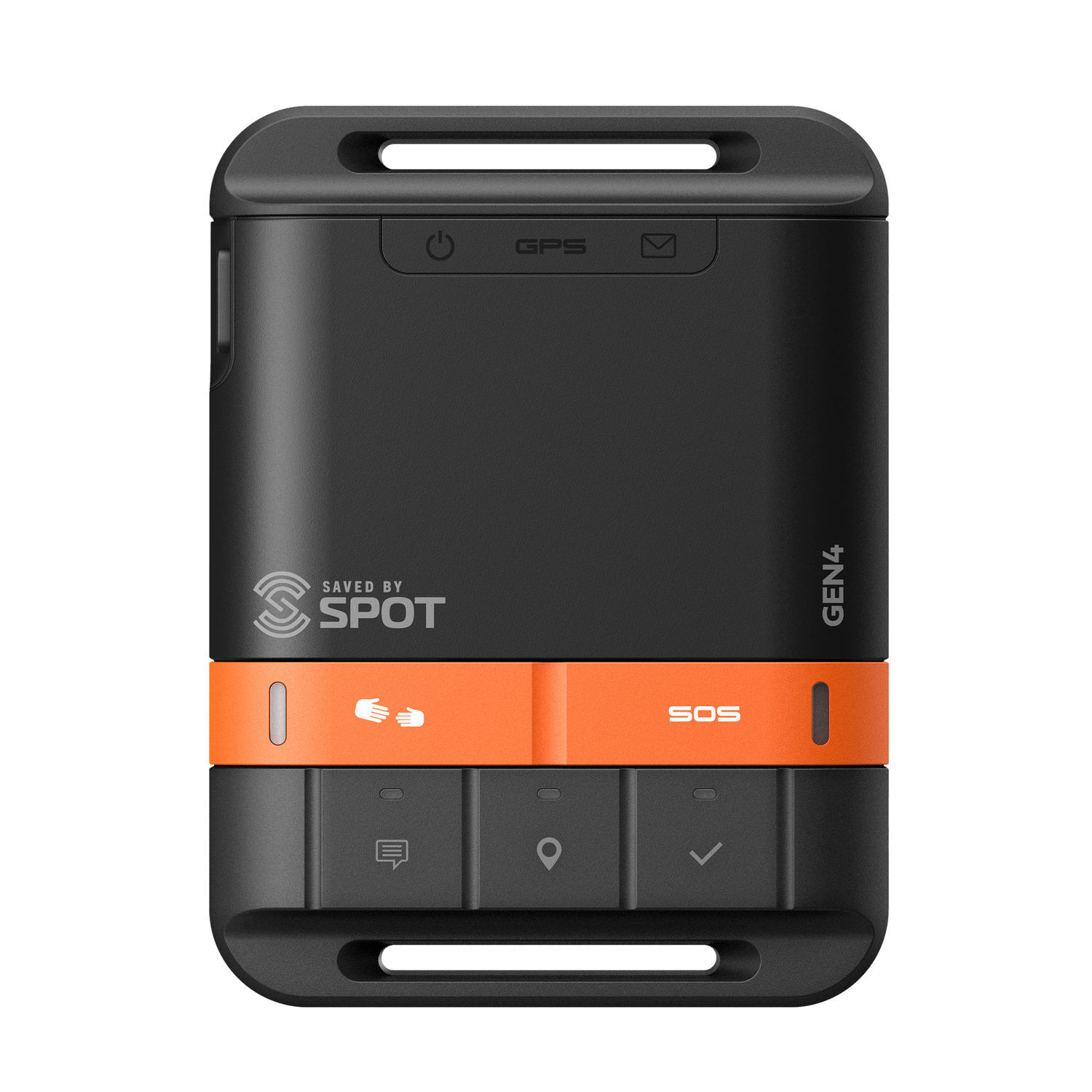
Globalstar / SPOT SPOT Gen4
SPOT Gen4 unverified
Satellite messenger
ja
Common Failures & Inspection Points
  • Battery expiry or degradation reduces endurance and may cause failed self-test or low-battery indication
  • Antenna damage or poor deployment reduces transmitted signal effectiveness and may be visible during inspection
  • Water ingress or corrosion damages electronics and can cause failed self-test or unreliable activation
  • Manual or automatic release mechanisms can seize or be incorrectly fitted, preventing proper deployment
  • Incorrect programming, identification data or registration can complicate distress identification even when the beacon transmits
Service: Inspect casing, antenna, mounting, seals, labels and release arrangement and perform only the approved self-test procedure. Verify battery and hydrostatic-release dates where applicable, beacon identification and required registration records. Do not perform unauthorized live distress transmissions; exact test procedures and replacement intervals must follow manufacturer and statutory documentation.
Spare Parts: Carry only maker-approved replaceable items such as mounting clips, lanyards or straps and batteries where onboard replacement is permitted; hydrostatic-release units and sealed battery packs are normally replaced as complete approved items.
Use Cases: Used for GMDSS distress alerting, survivor location, search-and-rescue and man-overboard response depending on the specific beacon category.
SPOT X 2-Way unverified
Satellite messenger
ja
Common Failures & Inspection Points
  • Antenna, feeder or casing damage reduces communication or locating performance and can cause self-test faults
  • Battery, emergency-power or power-supply deterioration causes resets, low-voltage alarms or failure to operate
  • Water ingress or corrosion causes intermittent operation, damaged connectors or internal faults
  • Configuration, registration or identity errors cause incorrect vessel or beacon information
  • Internal transceiver, display or control faults cause failed self-tests, missing communications or unavailable emergency functions
Service: Inspect antennas, casing, mounting, power supplies, emergency batteries, controls and programmed identity data as applicable. Perform only approved self-tests and permitted radio tests. Verify accessibility, release arrangements and emergency-power availability where required. Refer to manufacturer and regulatory documentation for the exact figure for test and replacement criteria.
Spare Parts: Carry fuses, handsets or microphones where applicable, approved batteries or chargers, antenna connectors, mounting or release parts and supported control modules.
Use Cases: Distress, safety, ship-to-ship, ship-to-shore and search-and-rescue service.
Globalstar SPOT Gen4 Marine unverified
Common Failures & Inspection Points
  • Battery deterioration prevents reliable emergency endurance and is identified during inspection or self-test
  • Antenna damage or corrosion reduces transmission reliability and can cause failed self-test indication
  • Water ingress or damaged seals causes corrosion, intermittent operation or failure
  • Mounting, release or lanyard defects delay correct deployment or make the unit difficult to secure
  • Programming or registration mismatch results in incorrect vessel or beacon identity data
Service: Check mounting, accessibility, casing, antenna, labels and approved self-test indication. Verify battery and release-device validity against equipment records where applicable and confirm beacon identity and registration. Do not perform unauthorized live transmissions. Refer to manufacturer and regulatory documentation for the exact figure for test and replacement criteria.
Spare Parts: Maintain approved mounting and release hardware and arrange certified replacement batteries as required; minor spares may include seals, lanyards, brackets and fasteners where supported.
Use Cases: GMDSS distress alerting, survival-craft locating and personal search-and-rescue support.
Globalstar SPOT X Marine unverified
Common Failures & Inspection Points
  • Battery expiry or deterioration, typically indicated by failed self-test, low-battery indication or expired service marking
  • Antenna or housing damage, typically indicated by failed self-test, poor transmission or visible damage
  • Water ingress/corrosion, typically indicated by intermittent operation or self-test failure
  • Hydrostatic release or bracket fault on float-free units, typically indicated by expired/damaged release or inability to deploy automatically
  • Registration/programming or GNSS acquisition issue, typically indicated by incorrect identity data, position not acquired or test discrepancy
Service: Check mounting, beacon housing, antenna, self-test, battery and hydrostatic-release dates, registration data and seals; live transmissions should only be performed under approved test procedures.
Spare Parts: Keep approved mounting/release hardware and, where permitted, replacement batteries from authorized service arrangements; complete spare beacons may be carried according to vessel requirements.
Use Cases: Used on SOLAS and other vessels, survival craft and personal rescue equipment to initiate or support maritime distress alerting. This entry applies specifically to the SART / Personal Locator Beacon (PLB) variant identified as Globalstar / SPOT Globalstar SPOT X Marine.

GME

4
GME MT610G Marine unverified
Common Failures & Inspection Points
  • Expired or degraded battery capacity caused by age or poor storage can produce failed self-tests or reduced emergency operating capability
  • Antenna damage, corrosion, or poor deployment condition can reduce transmission or homing performance
  • Water ingress or damaged housing seals can cause corrosion, intermittent operation, or failed self-test
  • Incorrect registration, programming, or position-data interface can result in missing or incorrect identification or location information
  • Release bracket, hydrostatic release, activation switch, or lanyard defects can prevent proper deployment or activation when required
Service: Check mounting, accessibility, identification and registration data, battery and release-device expiry status where applicable, housing and antenna condition, seals, lanyard, and the manufacturer's permitted self-test. Do not make live distress transmissions during routine checks.
Spare Parts: Keep approved mounting or release hardware, seals and lanyard items where replaceable, and the manufacturer-specified battery or service kit through an authorized service arrangement. Exact parts and replacement intervals must follow the manufacturer documentation.
Use Cases: Used on merchant ships, passenger ships, offshore vessels, fishing vessels, workboats, survival craft, and personnel where the applicable distress or man-overboard function is required.
GME AccuSat 406 unverified
Common Failures & Inspection Points
  • Battery depletion or expiry caused by age or storage conditions, noticed from the service marking or failed self-test
  • Antenna or casing damage caused by impact, weather or poor stowage, noticed visually or through failed self-test
  • Activation mechanism failure caused by corrosion or mechanical damage, noticed during approved testing
  • Incorrect registration, identity or pairing caused by administrative/configuration error, noticed when equipment data do not match vessel records
  • Water ingress caused by damaged seals, noticed as corrosion, fogging or failed test
Service: Check battery/service expiry, approved self-test, casing, antenna, activation arrangement and identification/registration. Verify mounting, lanyard, pole or hydrostatic-release arrangement where applicable and ensure deployment is unobstructed. Do not generate a live distress transmission during routine inspection unless an authorized test procedure specifically requires it.
Spare Parts: Internal repair is normally an authorized-service task. Carry only manufacturer-approved external mounting, lanyard, bracket, pole or hydrostatic-release parts where shipboard replacement is permitted, and schedule battery/service replacement before expiry.
Use Cases: Used as emergency locating equipment on seagoing vessels and survival craft to alert or guide rescuers after abandonment, man overboard or personal distress.
MT610G PLB unverified
Frequency mhz
406
Gps equipped
ja
Battery life (h)
24
Weight g
120
Common Failures & Inspection Points
  • Expired or deteriorated battery condition prevents full-duration operation and is identified during inspection or self-test
  • Antenna damage or corrosion reduces transmission reliability and may produce failed self-test indications
  • Water ingress or damaged seals causes corrosion, intermittent operation or self-test failure
  • Hydrostatic-release or mounting defects prevent correct float-free deployment or make the beacon difficult to release manually
  • Programming or registration mismatch causes incorrect identification data and is detected during documentation or service checks
Service: Check mounting, accessibility, release arrangement, casing, antenna, labels and self-test indication. Confirm battery and release-device validity dates against the approved equipment records without inventing replacement intervals. Verify beacon identity and registration data. Functional testing beyond the permitted self-test must follow manufacturer and regulatory procedures.
Spare Parts: Normally keep the approved mounting and release hardware in serviceable condition and arrange certified replacement batteries or hydrostatic-release units as required; minor spares may include seals, lanyards and mounting fasteners where manufacturer-approved.
Use Cases: GMDSS-equipped merchant vessels, passenger ships, offshore units and other craft carrying approved emergency distress beacons.
MT612G PLB unverified
Frequency mhz
406
Gps equipped
ja
Battery life (h)
24
Weight g
120
Common Failures & Inspection Points
  • Expired or deteriorated battery condition prevents full-duration operation and is identified during inspection or self-test
  • Antenna damage or corrosion reduces transmission reliability and may produce failed self-test indications
  • Water ingress or damaged seals causes corrosion, intermittent operation or self-test failure
  • Hydrostatic-release or mounting defects prevent correct float-free deployment or make the beacon difficult to release manually
  • Programming or registration mismatch causes incorrect identification data and is detected during documentation or service checks
Service: Check mounting, accessibility, release arrangement, casing, antenna, labels and self-test indication. Confirm battery and release-device validity dates against the approved equipment records without inventing replacement intervals. Verify beacon identity and registration data. Functional testing beyond the permitted self-test must follow manufacturer and regulatory procedures.
Spare Parts: Normally keep the approved mounting and release hardware in serviceable condition and arrange certified replacement batteries or hydrostatic-release units as required; minor spares may include seals, lanyards and mounting fasteners where manufacturer-approved.
Use Cases: GMDSS-equipped merchant vessels, passenger ships, offshore units and other craft carrying approved emergency distress beacons.

Microwave Monolithics (MI)

2
MT-610G unverified
Common Failures & Inspection Points
  • Expired or degraded battery capacity caused by age or poor storage can produce failed self-tests or reduced emergency operating capability
  • Antenna damage, corrosion, or poor deployment condition can reduce transmission or homing performance
  • Water ingress or damaged housing seals can cause corrosion, intermittent operation, or failed self-test
  • Incorrect registration, programming, or position-data interface can result in missing or incorrect identification or location information
  • Release bracket, hydrostatic release, activation switch, or lanyard defects can prevent proper deployment or activation when required
Service: Check mounting, accessibility, identification and registration data, battery and release-device expiry status where applicable, housing and antenna condition, seals, lanyard, and the manufacturer's permitted self-test. Do not make live distress transmissions during routine checks.
Spare Parts: Keep approved mounting or release hardware, seals and lanyard items where replaceable, and the manufacturer-specified battery or service kit through an authorized service arrangement. Exact parts and replacement intervals must follow the manufacturer documentation.
Use Cases: Used on merchant ships, passenger ships, offshore vessels, fishing vessels, workboats, survival craft, and personnel where the applicable distress or man-overboard function is required.
MT-612G PLB unverified
Common Failures & Inspection Points
  • Battery or power-supply deterioration caused by age, poor charging or connection faults can produce low-voltage alarms, failed self-tests or inability to transmit
  • Antenna, feeder or connector damage caused by corrosion, water ingress or mechanical stress can reduce range or prevent transmission and reception
  • Programming or configuration errors after replacement can produce identity, channel or communication faults even when the hardware powers up
  • Control, display or internal electronics faults caused by ageing or moisture can result in failed tests, unreadable indications or intermittent operation
  • Release, mounting or protective enclosure problems on emergency equipment caused by corrosion or damage can prevent correct deployment or leave the unit physically insecure
Service: Check identification and programming against vessel records, inspect antennas, feeders, mounts and power sources, and perform only the approved self-tests or functional checks. Verify battery and release dates from the actual unit and service documentation rather than assuming intervals. Refer to manufacturer and statutory documentation for exact test procedures.
Spare Parts: Carry approved batteries only where shipboard replacement is permitted, together with fuses, handset or microphone accessories, connectors, protective covers and other maker-approved service items appropriate to the installed unit.
Use Cases: SOLAS ships and other vessels requiring distress alerting, search-and-rescue location, maritime safety information or routine marine radio communications.

Orolia / Kannad

2
Kannad SafeLink R10+ PLB unverified
Frequency mhz
406
Gps equipped
ja
Battery life (h)
24
Weight g
120
Common Failures & Inspection Points
  • Expired or degraded battery capacity from age or poor storage causes failed self-tests or reduced emergency operating capability
  • Antenna damage, corrosion, or poor deployment condition reduces transmission or homing performance
  • Water ingress or damaged housing seals causes corrosion, intermittent operation, or failed self-test
  • Incorrect registration, programming, or position-data interface can result in missing or incorrect identification or location information
  • Release bracket, hydrostatic release, activation switch, or lanyard defects can prevent proper deployment or activation
Service: Check mounting, accessibility, identification and registration data, battery and release-device expiry status where applicable, housing and antenna condition, seals, lanyard, and the manufacturer-permitted self-test. Do not make live distress transmissions during routine checks.
Spare Parts: Keep approved mounting or release hardware, seals and lanyard items where replaceable, and arrange manufacturer-specified battery or service kits through an authorized service provider.
Use Cases: Used on merchant ships, passenger ships, offshore vessels, fishing vessels, workboats, survival craft, and personnel where the applicable distress-locating function is required.
Kannad SafeLink Solo3 unverified
Frequency mhz
406
Gps equipped
ja
Battery life (h)
24
Weight g
120
Common Failures & Inspection Points
  • Battery or power-supply deterioration caused by age, poor charging or connection faults can produce low-voltage alarms, failed self-tests or inability to transmit
  • Antenna, feeder or connector damage caused by corrosion, water ingress or mechanical stress can reduce range or prevent transmission and reception
  • Programming or configuration errors after replacement can produce identity, channel or communication faults even when the hardware powers up
  • Control, display or internal electronics faults caused by ageing or moisture can result in failed tests, unreadable indications or intermittent operation
  • Release, mounting or protective enclosure problems on emergency equipment caused by corrosion or damage can prevent correct deployment or leave the unit physically insecure
Service: Check identification and programming against vessel records, inspect antennas, feeders, mounts and power sources, and perform only the approved self-tests or functional checks. Verify battery and release dates from the actual unit and service documentation rather than assuming intervals. Refer to manufacturer and statutory documentation for exact test procedures.
Spare Parts: Carry approved batteries only where shipboard replacement is permitted, together with fuses, handset or microphone accessories, connectors, protective covers and other maker-approved service items appropriate to the installed unit.
Use Cases: SOLAS ships and other vessels requiring distress alerting, search-and-rescue location, maritime safety information or routine marine radio communications.

Becker Marine

1
BMS PLB-100 unverified
Frequency mhz
406
Gps equipped
ja
Battery life (h)
24
Weight g
130
Common Failures & Inspection Points
  • Battery deterioration prevents reliable emergency endurance and is identified during inspection or self-test
  • Antenna damage or corrosion reduces transmission reliability and can cause failed self-test indication
  • Water ingress or damaged seals causes corrosion, intermittent operation or failure
  • Hydrostatic-release or mounting defects on float-free units prevent correct deployment
  • Programming or registration mismatch results in incorrect vessel identity data
Service: Check mounting, accessibility, release arrangement, casing, antenna, labels and approved self-test indication. Verify battery and release-device validity against equipment records and confirm beacon identity and registration. Do not perform unauthorized live transmissions. Exact test and replacement requirements follow manufacturer and regulatory documentation.
Spare Parts: Maintain approved mounting and release hardware and arrange certified replacement batteries or hydrostatic-release units as required; minor spares may include seals, lanyards and fasteners where supported.
Use Cases: GMDSS-equipped merchant, passenger and offshore vessels requiring emergency satellite distress alerting.

HR Smith

1
Marine PLB-200 unverified
Frequency mhz
406
Gps equipped
ja
Battery life (h)
24
Weight g
130
Common Failures & Inspection Points
  • Battery depletion or expiry caused by age, self-discharge or poor storage, resulting in failed self-test or reduced emergency endurance
  • Antenna or housing damage caused by impact, corrosion or water ingress, resulting in poor transmission or failed self-test
  • Activation-switch or release-mechanism failure caused by corrosion, contamination or mechanical damage, resulting in inability to activate or release as intended
  • Programming or identity error caused by incorrect replacement or configuration, resulting in wrong identification being transmitted or recorded
  • Self-test or internal electronic failure caused by component faults, resulting in warning indication or inability to complete the approved test
Service: Inspect the housing, antenna, mounting bracket, release mechanism and markings for damage or deterioration. Check battery and hydrostatic-release dates where those items are part of the approved unit and replace them only with approved components. Perform self-tests strictly according to the manufacturer instructions and avoid unnecessary live distress transmissions. Verify programmed identity and registration information after replacement or servicing. Keep the unit accessible and correctly secured in its approved location. Refer to manufacturer and regulatory documentation for exact servicing, shore-maintenance and test requirements.
Spare Parts: Emergency beacons and transponders generally rely on approved replacement batteries, release units, brackets or straps rather than informal onboard electronic repair. Carry only manufacturer-approved accessories and replacement components allowed by the certification. Maintain any required spare units according to the vessel's statutory safety-equipment inventory.
Use Cases: Distress alerting, survivor location and search-and-rescue support on SOLAS vessels and other craft carrying the relevant approved emergency beacon or transponder.

Icom Marine

1
IC-PLB10 Marine PLB unverified
Frequency mhz
406
Gps equipped
ja
Battery life (h)
24
Weight g
115
Common Failures & Inspection Points
  • Battery depletion or expiry caused by age, self-discharge or poor storage, resulting in failed self-test or reduced emergency endurance
  • Antenna or housing damage caused by impact, corrosion or water ingress, resulting in poor transmission or failed self-test
  • Activation-switch or release-mechanism failure caused by corrosion, contamination or mechanical damage, resulting in inability to activate or release as intended
  • Programming or identity error caused by incorrect replacement or configuration, resulting in wrong identification being transmitted or recorded
  • Self-test or internal electronic failure caused by component faults, resulting in warning indication or inability to complete the approved test
Service: Inspect the housing, antenna, mounting bracket, release mechanism and markings for damage or deterioration. Check battery and hydrostatic-release dates where those items are part of the approved unit and replace them only with approved components. Perform self-tests strictly according to the manufacturer instructions and avoid unnecessary live distress transmissions. Verify programmed identity and registration information after replacement or servicing. Keep the unit accessible and correctly secured in its approved location. Refer to manufacturer and regulatory documentation for exact servicing, shore-maintenance and test requirements.
Spare Parts: Emergency beacons and transponders generally rely on approved replacement batteries, release units, brackets or straps rather than informal onboard electronic repair. Carry only manufacturer-approved accessories and replacement components allowed by the certification. Maintain any required spare units according to the vessel's statutory safety-equipment inventory.
Use Cases: Distress alerting, survivor location and search-and-rescue support on SOLAS vessels and other craft carrying the relevant approved emergency beacon or transponder.

Jotron

1
Tron PLB-10 unverified
Frequency mhz
406
Gps equipped
ja
Battery life (h)
24
Weight g
120
Common Failures & Inspection Points
  • Battery depletion or expiry caused by age or storage conditions, noticed from the service marking or failed self-test
  • Antenna or casing damage caused by impact, weather or poor stowage, noticed visually or through failed self-test
  • Activation mechanism failure caused by corrosion or mechanical damage, noticed during approved testing
  • Incorrect registration, identity or pairing caused by administrative/configuration error, noticed when equipment data do not match vessel records
  • Water ingress caused by damaged seals, noticed as corrosion, fogging or failed test
Service: Check battery/service expiry, approved self-test, casing, antenna, activation arrangement and identification/registration. Verify mounting, lanyard, pole or hydrostatic-release arrangement where applicable and ensure deployment is unobstructed. Do not generate a live distress transmission during routine inspection unless an authorized test procedure specifically requires it.
Spare Parts: Internal repair is normally an authorized-service task. Carry only manufacturer-approved external mounting, lanyard, bracket, pole or hydrostatic-release parts where shipboard replacement is permitted, and schedule battery/service replacement before expiry.
Use Cases: Used as emergency locating equipment on seagoing vessels and survival craft to alert or guide rescuers after abandonment, man overboard or personal distress.

SOS Marine

1
Compact PLB unverified
Frequency mhz
406
Gps equipped
ja
Battery life (h)
24
Weight g
130
Common Failures & Inspection Points
  • Expired or degraded battery capacity caused by age or poor storage can produce failed self-tests or reduced emergency operating capability
  • Antenna damage, corrosion, or poor deployment condition can reduce transmission or homing performance
  • Water ingress or damaged housing seals can cause corrosion, intermittent operation, or failed self-test
  • Incorrect registration, programming, or position-data interface can result in missing or incorrect identification or location information
  • Release bracket, hydrostatic release, activation switch, or lanyard defects can prevent proper deployment or activation when required
Service: Check mounting, accessibility, identification and registration data, battery and release-device expiry status where applicable, housing and antenna condition, seals, lanyard, and the manufacturer's permitted self-test. Do not make live distress transmissions during routine checks.
Spare Parts: Keep approved mounting or release hardware, seals and lanyard items where replaceable, and the manufacturer-specified battery or service kit through an authorized service arrangement. Exact parts and replacement intervals must follow the manufacturer documentation.
Use Cases: Used on merchant ships, passenger ships, offshore vessels, fishing vessels, workboats, survival craft, and personnel where the applicable distress or man-overboard function is required.

Spot

1
Spot Gen4 Marine PLB unverified
Frequency mhz
406
Gps equipped
ja
Battery life (h)
24
Weight g
130
Common Failures & Inspection Points
  • Battery deterioration prevents reliable emergency endurance and is identified during inspection or self-test
  • Antenna damage or corrosion reduces transmission reliability and can cause failed self-test indication
  • Water ingress or damaged seals causes corrosion, intermittent operation or failure
  • Hydrostatic-release or mounting defects on float-free units prevent correct deployment
  • Programming or registration mismatch results in incorrect vessel identity data
Service: Check mounting, accessibility, release arrangement, casing, antenna, labels and approved self-test indication. Verify battery and release-device validity against equipment records and confirm beacon identity and registration. Do not perform unauthorized live transmissions. Exact test and replacement requirements follow manufacturer and regulatory documentation.
Spare Parts: Maintain approved mounting and release hardware and arrange certified replacement batteries or hydrostatic-release units as required; minor spares may include seals, lanyards and fasteners where supported.
Use Cases: GMDSS-equipped merchant, passenger and offshore vessels requiring emergency satellite distress alerting.

Standard Horizon

1
SH PLB-100 unverified
Frequency mhz
406
Gps equipped
ja
Battery life (h)
24
Weight g
125
Common Failures & Inspection Points
  • Battery expiry or degradation reduces endurance and may cause failed self-test or low-battery indication
  • Antenna damage or poor deployment reduces transmitted signal effectiveness and may be visible during inspection
  • Water ingress or corrosion damages electronics and can cause failed self-test or unreliable activation
  • Manual or automatic release mechanisms can seize or be incorrectly fitted, preventing proper deployment
  • Incorrect programming, identification data or registration can complicate distress identification even when the beacon transmits
Service: Inspect casing, antenna, mounting, seals, labels and release arrangement and perform only the approved self-test procedure. Verify battery and hydrostatic-release dates where applicable, beacon identification and required registration records. Do not perform unauthorized live distress transmissions; exact test procedures and replacement intervals must follow manufacturer and statutory documentation.
Spare Parts: Carry only maker-approved replaceable items such as mounting clips, lanyards or straps and batteries where onboard replacement is permitted; hydrostatic-release units and sealed battery packs are normally replaced as complete approved items.
Use Cases: Used for GMDSS distress alerting, survivor location, search-and-rescue and man-overboard response depending on the specific beacon category.

Taiyo

1
TD-PLB 100 unverified
Frequency mhz
406
Gps equipped
ja
Battery life (h)
24
Weight g
130
Common Failures & Inspection Points
  • Battery depletion or expiry caused by age or storage conditions, noticed from the service marking or failed self-test
  • Antenna or casing damage caused by impact, weather or poor stowage, noticed visually or through failed self-test
  • Activation mechanism failure caused by corrosion or mechanical damage, noticed during approved testing
  • Incorrect registration, identity or pairing caused by administrative/configuration error, noticed when equipment data do not match vessel records
  • Water ingress caused by damaged seals, noticed as corrosion, fogging or failed test
Service: Check battery/service expiry, approved self-test, casing, antenna, activation arrangement and identification/registration. Verify mounting, lanyard, pole or hydrostatic-release arrangement where applicable and ensure deployment is unobstructed. Do not generate a live distress transmission during routine inspection unless an authorized test procedure specifically requires it.
Spare Parts: Internal repair is normally an authorized-service task. Carry only manufacturer-approved external mounting, lanyard, bracket, pole or hydrostatic-release parts where shipboard replacement is permitted, and schedule battery/service replacement before expiry.
Use Cases: Used as emergency locating equipment on seagoing vessels and survival craft to alert or guide rescuers after abandonment, man overboard or personal distress.

WMB Marine

1
PLB-50 unverified
Frequency mhz
406
Gps equipped
ja
Battery life (h)
24
Weight g
130
Common Failures & Inspection Points
  • Battery depletion or expiry caused by age or storage conditions, noticed from the service marking or failed self-test
  • Antenna or casing damage caused by impact, weather or poor stowage, noticed visually or through failed self-test
  • Activation mechanism failure caused by corrosion or mechanical damage, noticed during approved testing
  • Incorrect registration, identity or pairing caused by administrative/configuration error, noticed when equipment data do not match vessel records
  • Water ingress caused by damaged seals, noticed as corrosion, fogging or failed test
Service: Check battery/service expiry, approved self-test, casing, antenna, activation arrangement and identification/registration. Verify mounting, lanyard, pole or hydrostatic-release arrangement where applicable and ensure deployment is unobstructed. Do not generate a live distress transmission during routine inspection unless an authorized test procedure specifically requires it.
Spare Parts: Internal repair is normally an authorized-service task. Carry only manufacturer-approved external mounting, lanyard, bracket, pole or hydrostatic-release parts where shipboard replacement is permitted, and schedule battery/service replacement before expiry.
Use Cases: Used as emergency locating equipment on seagoing vessels and survival craft to alert or guide rescuers after abandonment, man overboard or personal distress.