OceanSphere
Engines

Cargo Tank Heating System

medium 36 / 36 models (Inspector)

Cargo tank heating exists to keep viscous or wax-bearing cargo pumpable, not to raise the whole tank to one temperature - most systems heat the coils and let convection do the rest, so a badly loaded tank can show good coil temperatures and still discharge slowly.

Read more — Cargo Tank Heating System explained

What a cargo tank heating system does

Some cargoes - heavy fuel oil, bitumen, certain vegetable oils, and waxy crude fractions - become too viscous to pump at ambient sea temperature. A cargo tank heating system keeps the cargo warm enough to discharge within the time and pump-pressure limits of the vessel, without overheating it to the point of degrading quality or, on some cargoes, creating a fire or reaction risk. This is a separate function from tank cleaning heating and from cargo temperature control on gas carriers, though the coil hardware can look similar.
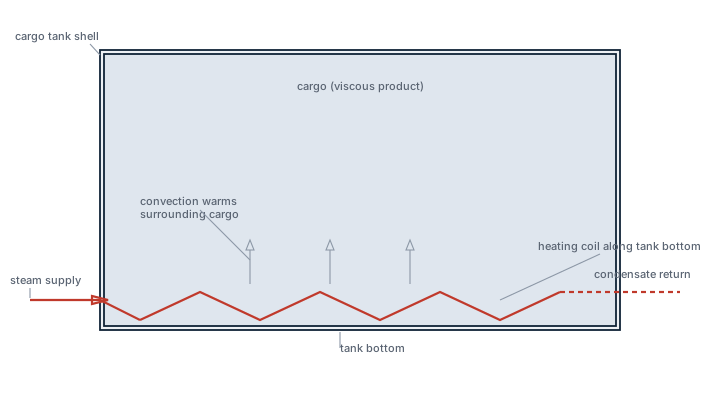
Cargo tank heating coil arrangement
Section through a cargo tank bottom showing the serpentine steam heating coil, the steam supply and condensate return lines, and convection carrying heat from the coil up into the surrounding cargo.

Main components

  • Heating coils - steel or, on cargoes sensitive to contamination, stainless coils laid across the tank bottom, connected to the thermal fluid supply and return.
  • Thermal fluid boiler or heater - typically a thermal oil heater rather than direct steam, giving higher temperatures at lower system pressure than a steam plant of comparable size.
  • Circulation pumps - move the heating medium through the coil network; often duplicated so one tank's demand does not starve another.
  • Temperature sensors and control valves - modulate flow to individual tank coils to hold a setpoint rather than run every coil at maximum continuously.

Selection and sizing

Coil area and thermal fluid flow are sized against the cargo's viscosity curve, the discharge temperature the cargo needs to reach, the ambient sea and air temperature on the trade route, and the discharge time window the charter requires. A system undersized for its trade will still show a rising tank temperature on the gauge while the cargo near the tank top, away from the coils, stays cold and slow to pump.

Regulations and class

MARPOL Annex I and Annex II set discharge and cargo handling requirements relevant to residues and slops that heating affects, and class rules cover the thermal fluid system's pressure vessel and piping certification the same as any other pressurised system on board. For cargoes with a flash point close to the required heating temperature, the tanker's cargo system operating manual sets a maximum heating temperature with a safety margin below flash point, and this figure is checked at survey against the actual coil setpoints in use.

Typical faults

  • Coil leaks contaminating cargo - a cracked coil lets thermal fluid into the cargo or, worse, cargo into the thermal fluid system, showing up as an unexplained system pressure or level change.
  • Localised overheating near coils - cargo directly against the coil surface can exceed the bulk setpoint significantly, degrading heat-sensitive cargoes even while the bulk reading looks correct.
  • Fouled coils losing heat transfer efficiency - wax or sediment buildup on the coil surface over successive voyages, requiring longer heating times for the same result.
  • Thermal fluid degradation - oxidation of the heating medium over years of service raises its viscosity and lowers heat transfer, often missed until a scheduled fluid analysis flags it.

What to look for in a supplier

  • Coil design and material matched to the cargo range the vessel actually trades, not a generic heavy-fuel default.
  • Thermal fluid heater capacity documented against the vessel's full tank heating load, not a single-tank test case.
  • Support for thermal fluid condition monitoring and replacement scheduling.
  • Clear coil leak-detection method built into the system design, since a slow coil leak is otherwise hard to catch early.

Read tank temperature from more than one point before trusting a coil-side sensor - the cargo furthest from the coils is the cargo that decides whether discharge finishes on time.

Inspector Mode Show All 36 / 36 with inspector value

3 manufacturers · 36 models

Alfa Laval

12
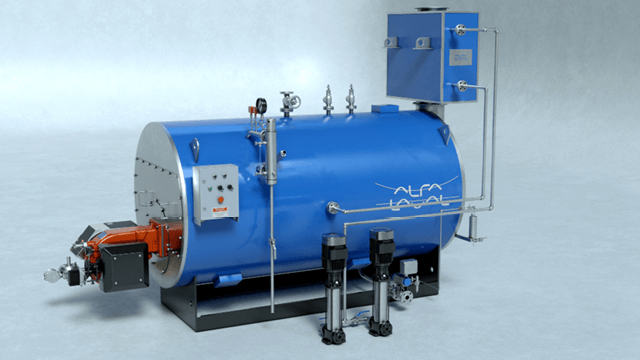
Alfa Laval Tank Heating 50kW crude
Tank Heating 50kW crude unverified
Flow Rate (m³/h)
0
Head (m)
0
Cargo Type
crude
Material
SS316
Common Failures & Inspection Points
  • Loss of electrical, hydraulic, pneumatic, fluid, or other service supply from a protection trip, leakage, blockage, or upstream fault results in failed starting or loss of function
  • Mechanical wear, corrosion, fouling, or contamination of moving and wetted parts causes increased noise, leakage, sticking, vibration, or reduced performance
  • Seal, gasket, hose, cable, or connection deterioration from age, heat, vibration, or environmental exposure produces visible leakage, intermittent signals, or loss of pressure
  • Sensor, switch, actuator, relay, or control-system faults cause incorrect indication, nuisance alarms, failed automatic sequences, or loss of remote control
  • Incorrect adjustment, assembly, or maintenance leads to unstable operation, recurrent alarms, or performance that differs from the vessel's normal baseline
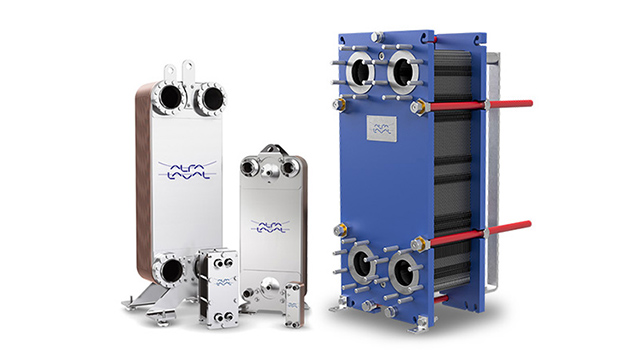
Service: Inspect the unit for leakage, corrosion, contamination, loose connections, abnormal noise or vibration, condition of guards and mountings, service supplies, controls, alarms, and functional performance. Use maintenance history to identify deterioration trends and refer to manufacturer documentation for exact settings, tolerances, test values, and overhaul criteria.
Spare Parts: Keep the manufacturer-recommended seals and gaskets, filters where fitted, fuses or protection items, common sensors and switches, and critical actuator, control, or wear components appropriate to the installed configuration. Exact part numbers and quantities must come from the manufacturer spare-parts documentation.
Use Cases: Used on vessel types fitted with tanker cargo systems equipment, including merchant, offshore, passenger, fishing, or workboat installations where this specific cargo tank heating system duty is required.
Alfa Laval Tank Heating 50kW product
Tank Heating 50kW product unverified
Flow Rate (m³/h)
0
Head (m)
0
Cargo Type
product
Material
SS316
Common Failures & Inspection Points
  • Seal or packing leakage from wear, chemical attack or misalignment, typically indicated by visible cargo leakage, odor or pressure loss
  • Valve or pump internal wear from solids, cavitation or corrosive cargo, typically indicated by reduced transfer rate, abnormal noise or poor shutoff
  • Drive, hydraulic or electrical fault from contamination, overheating or control failure, typically indicated by slow response, inability to operate or trip alarms
  • Blocked suction, stripping or vent path from sediment, icing or debris, typically indicated by poor cargo flow, abnormal tank pressure or incomplete stripping
  • Instrumentation or remote-control failure from sensor, cabling or actuator faults, typically indicated by incorrect indication, failed remote operation or alarm discrepancies
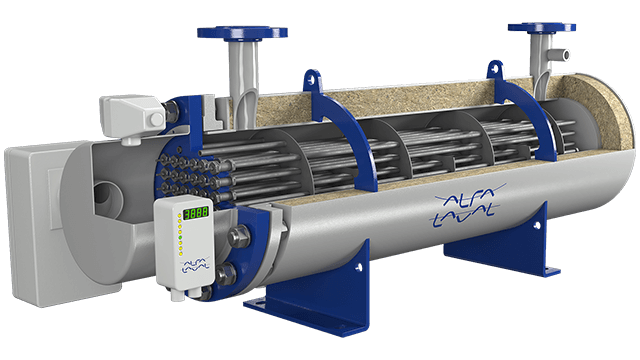
Service: Inspect containment, seals, valves, pumps or vent components as applicable, verify remote controls and ESD interfaces, review leakage and alarm history, and confirm cargo compatibility; exact pressure, temperature and test criteria must come from approved manufacturer and vessel documentation.
Spare Parts: Carry seals, gaskets, packing, actuator seal kits, critical sensors/switches and approved valve or pump wear parts matched to the installed cargo service.
Use Cases: Used on oil, product, chemical and gas tankers and on offshore cargo-transfer installations according to the specific cargo-system duty. This entry applies specifically to the Cargo Tank Heating System variant identified as Alfa Laval Tank Heating 50kW product.
Alfa Laval Tank Heating 100kW crude
Tank Heating 100kW crude unverified
Flow Rate (m³/h)
0
Head (m)
0
Cargo Type
crude
Material
SS316
Common Failures & Inspection Points
  • Seal or packing leakage from wear, chemical attack or misalignment, typically indicated by visible cargo leakage, odor or pressure loss
  • Valve or pump internal wear from solids, cavitation or corrosive cargo, typically indicated by reduced transfer rate, abnormal noise or poor shutoff
  • Drive, hydraulic or electrical fault from contamination, overheating or control failure, typically indicated by slow response, inability to operate or trip alarms
  • Blocked suction, stripping or vent path from sediment, icing or debris, typically indicated by poor cargo flow, abnormal tank pressure or incomplete stripping
  • Instrumentation or remote-control failure from sensor, cabling or actuator faults, typically indicated by incorrect indication, failed remote operation or alarm discrepancies
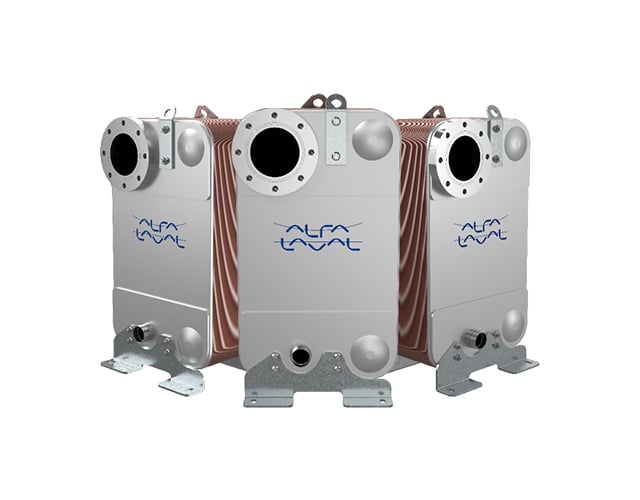
Service: Inspect containment, seals, valves, pumps or vent components as applicable, verify remote controls and ESD interfaces, review leakage and alarm history, and confirm cargo compatibility; exact pressure, temperature and test criteria must come from approved manufacturer and vessel documentation.
Spare Parts: Carry seals, gaskets, packing, actuator seal kits, critical sensors/switches and approved valve or pump wear parts matched to the installed cargo service.
Use Cases: Used on oil, product, chemical and gas tankers and on offshore cargo-transfer installations according to the specific cargo-system duty. This entry applies specifically to the Cargo Tank Heating System variant identified as Alfa Laval Tank Heating 100kW crude.
Alfa Laval Tank Heating 100kW product
Tank Heating 100kW product unverified
Flow Rate (m³/h)
0
Head (m)
0
Cargo Type
product
Material
SS316
Common Failures & Inspection Points
  • Seal or packing leakage from wear, chemical attack or misalignment, typically indicated by visible cargo leakage, odor or pressure loss
  • Valve or pump internal wear from solids, cavitation or corrosive cargo, typically indicated by reduced transfer rate, abnormal noise or poor shutoff
  • Drive, hydraulic or electrical fault from contamination, overheating or control failure, typically indicated by slow response, inability to operate or trip alarms
  • Blocked suction, stripping or vent path from sediment, icing or debris, typically indicated by poor cargo flow, abnormal tank pressure or incomplete stripping
  • Instrumentation or remote-control failure from sensor, cabling or actuator faults, typically indicated by incorrect indication, failed remote operation or alarm discrepancies
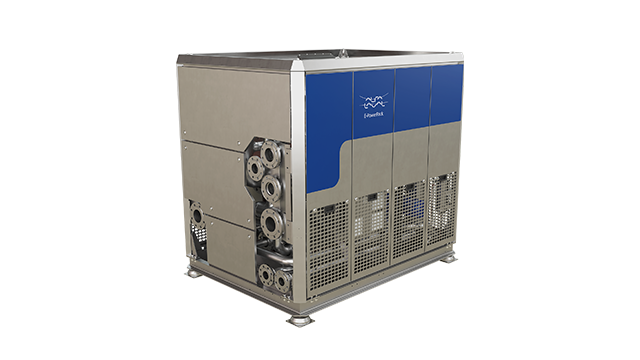
Service: Inspect containment, seals, valves, pumps or vent components as applicable, verify remote controls and ESD interfaces, review leakage and alarm history, and confirm cargo compatibility; exact pressure, temperature and test criteria must come from approved manufacturer and vessel documentation.
Spare Parts: Carry seals, gaskets, packing, actuator seal kits, critical sensors/switches and approved valve or pump wear parts matched to the installed cargo service.
Use Cases: Used on oil, product, chemical and gas tankers and on offshore cargo-transfer installations according to the specific cargo-system duty. This entry applies specifically to the Cargo Tank Heating System variant identified as Alfa Laval Tank Heating 100kW product.
Alfa Laval Tank Heating 200kW crude
Tank Heating 200kW crude unverified
Flow Rate (m³/h)
0
Head (m)
0
Cargo Type
crude
Material
SS316
Common Failures & Inspection Points
  • Seal or packing leakage from wear, chemical attack or misalignment, typically indicated by visible cargo leakage, odor or pressure loss
  • Valve or pump internal wear from solids, cavitation or corrosive cargo, typically indicated by reduced transfer rate, abnormal noise or poor shutoff
  • Drive, hydraulic or electrical fault from contamination, overheating or control failure, typically indicated by slow response, inability to operate or trip alarms
  • Blocked suction, stripping or vent path from sediment, icing or debris, typically indicated by poor cargo flow, abnormal tank pressure or incomplete stripping
  • Instrumentation or remote-control failure from sensor, cabling or actuator faults, typically indicated by incorrect indication, failed remote operation or alarm discrepancies
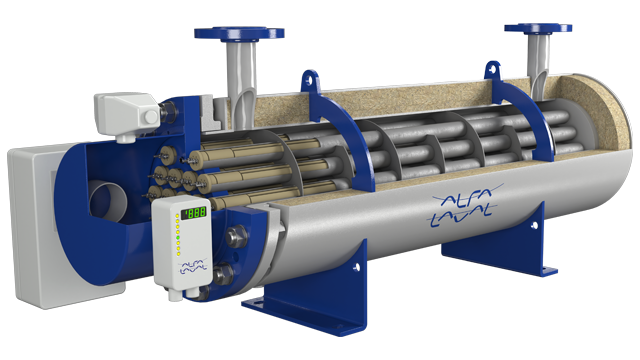
Service: Inspect containment, seals, valves, pumps or vent components as applicable, verify remote controls and ESD interfaces, review leakage and alarm history, and confirm cargo compatibility; exact pressure, temperature and test criteria must come from approved manufacturer and vessel documentation.
Spare Parts: Carry seals, gaskets, packing, actuator seal kits, critical sensors/switches and approved valve or pump wear parts matched to the installed cargo service.
Use Cases: Used on oil, product, chemical and gas tankers and on offshore cargo-transfer installations according to the specific cargo-system duty. This entry applies specifically to the Cargo Tank Heating System variant identified as Alfa Laval Tank Heating 200kW crude.
Alfa Laval Tank Heating 200kW product
Tank Heating 200kW product unverified
Flow Rate (m³/h)
0
Head (m)
0
Cargo Type
product
Material
SS316
Common Failures & Inspection Points
  • Seal or packing leakage from wear, chemical attack or misalignment, typically indicated by visible cargo leakage, odor or pressure loss
  • Valve or pump internal wear from solids, cavitation or corrosive cargo, typically indicated by reduced transfer rate, abnormal noise or poor shutoff
  • Drive, hydraulic or electrical fault from contamination, overheating or control failure, typically indicated by slow response, inability to operate or trip alarms
  • Blocked suction, stripping or vent path from sediment, icing or debris, typically indicated by poor cargo flow, abnormal tank pressure or incomplete stripping
  • Instrumentation or remote-control failure from sensor, cabling or actuator faults, typically indicated by incorrect indication, failed remote operation or alarm discrepancies
Service: Inspect containment, seals, valves, pumps or vent components as applicable, verify remote controls and ESD interfaces, review leakage and alarm history, and confirm cargo compatibility; exact pressure, temperature and test criteria must come from approved manufacturer and vessel documentation.
Spare Parts: Carry seals, gaskets, packing, actuator seal kits, critical sensors/switches and approved valve or pump wear parts matched to the installed cargo service.
Use Cases: Used on oil, product, chemical and gas tankers and on offshore cargo-transfer installations according to the specific cargo-system duty. This entry applies specifically to the Cargo Tank Heating System variant identified as Alfa Laval Tank Heating 200kW product.
Alfa Laval Tank Heating 500kW crude
Tank Heating 500kW crude unverified
Flow Rate (m³/h)
0
Head (m)
0
Cargo Type
crude
Material
SS316
Common Failures & Inspection Points
  • Seal or packing leakage from wear, chemical attack or misalignment, typically indicated by visible cargo leakage, odor or pressure loss
  • Valve or pump internal wear from solids, cavitation or corrosive cargo, typically indicated by reduced transfer rate, abnormal noise or poor shutoff
  • Drive, hydraulic or electrical fault from contamination, overheating or control failure, typically indicated by slow response, inability to operate or trip alarms
  • Blocked suction, stripping or vent path from sediment, icing or debris, typically indicated by poor cargo flow, abnormal tank pressure or incomplete stripping
  • Instrumentation or remote-control failure from sensor, cabling or actuator faults, typically indicated by incorrect indication, failed remote operation or alarm discrepancies
Service: Inspect containment, seals, valves, pumps or vent components as applicable, verify remote controls and ESD interfaces, review leakage and alarm history, and confirm cargo compatibility; exact pressure, temperature and test criteria must come from approved manufacturer and vessel documentation.
Spare Parts: Carry seals, gaskets, packing, actuator seal kits, critical sensors/switches and approved valve or pump wear parts matched to the installed cargo service.
Use Cases: Used on oil, product, chemical and gas tankers and on offshore cargo-transfer installations according to the specific cargo-system duty. This entry applies specifically to the Cargo Tank Heating System variant identified as Alfa Laval Tank Heating 500kW crude.
Alfa Laval Tank Heating 500kW product
Tank Heating 500kW product unverified
Flow Rate (m³/h)
0
Head (m)
0
Cargo Type
product
Material
SS316
Common Failures & Inspection Points
  • Seal or packing leakage from wear, chemical attack or misalignment, typically indicated by visible cargo leakage, odor or pressure loss
  • Valve or pump internal wear from solids, cavitation or corrosive cargo, typically indicated by reduced transfer rate, abnormal noise or poor shutoff
  • Drive, hydraulic or electrical fault from contamination, overheating or control failure, typically indicated by slow response, inability to operate or trip alarms
  • Blocked suction, stripping or vent path from sediment, icing or debris, typically indicated by poor cargo flow, abnormal tank pressure or incomplete stripping
  • Instrumentation or remote-control failure from sensor, cabling or actuator faults, typically indicated by incorrect indication, failed remote operation or alarm discrepancies
Service: Inspect containment, seals, valves, pumps or vent components as applicable, verify remote controls and ESD interfaces, review leakage and alarm history, and confirm cargo compatibility; exact pressure, temperature and test criteria must come from approved manufacturer and vessel documentation.
Spare Parts: Carry seals, gaskets, packing, actuator seal kits, critical sensors/switches and approved valve or pump wear parts matched to the installed cargo service.
Use Cases: Used on oil, product, chemical and gas tankers and on offshore cargo-transfer installations according to the specific cargo-system duty. This entry applies specifically to the Cargo Tank Heating System variant identified as Alfa Laval Tank Heating 500kW product.
Alfa Laval Tank Heating 1000kW crude
Tank Heating 1000kW crude unverified
Flow Rate (m³/h)
0
Head (m)
0
Cargo Type
crude
Material
SS316
Common Failures & Inspection Points
  • Seal or packing leakage from wear, chemical attack or misalignment, typically indicated by visible cargo leakage, odor or pressure loss
  • Valve or pump internal wear from solids, cavitation or corrosive cargo, typically indicated by reduced transfer rate, abnormal noise or poor shutoff
  • Drive, hydraulic or electrical fault from contamination, overheating or control failure, typically indicated by slow response, inability to operate or trip alarms
  • Blocked suction, stripping or vent path from sediment, icing or debris, typically indicated by poor cargo flow, abnormal tank pressure or incomplete stripping
  • Instrumentation or remote-control failure from sensor, cabling or actuator faults, typically indicated by incorrect indication, failed remote operation or alarm discrepancies
Service: Inspect containment, seals, valves, pumps or vent components as applicable, verify remote controls and ESD interfaces, review leakage and alarm history, and confirm cargo compatibility; exact pressure, temperature and test criteria must come from approved manufacturer and vessel documentation.
Spare Parts: Carry seals, gaskets, packing, actuator seal kits, critical sensors/switches and approved valve or pump wear parts matched to the installed cargo service.
Use Cases: Used on oil, product, chemical and gas tankers and on offshore cargo-transfer installations according to the specific cargo-system duty. This entry applies specifically to the Cargo Tank Heating System variant identified as Alfa Laval Tank Heating 1000kW crude.
Alfa Laval Tank Heating 1000kW product
Tank Heating 1000kW product unverified
Flow Rate (m³/h)
0
Head (m)
0
Cargo Type
product
Material
SS316
Common Failures & Inspection Points
  • Heating-coil leakage causes contamination between cargo and heating medium or unexplained consumption of the heating medium
  • Scale, deposits or blocked coils reduce heat transfer and cause slow cargo-temperature rise
  • Control-valve or actuator faults cause unstable temperature or inability to isolate a heating section
  • Steam-trap or condensate faults cause poor heating, water hammer or abnormal condensate return
  • Corrosion or mechanical damage to tank coils causes leakage or localized loss of heating capacity
Service: Inspect heating-medium valves, drains, traps, coil integrity, temperature indication and accessible piping. Trend cargo temperature response and investigate unexplained heating-medium losses. Confirm isolation and leak-testing arrangements follow the vessel cargo procedure. Refer to the manufacturer and vessel documentation for the exact figure for pressure, temperature and test criteria.
Spare Parts: Carry valve and trap service kits, gaskets, temperature sensors, actuator parts and approved tube or coil repair provisions where permitted.
Use Cases: Heated crude-oil, product, chemical and other cargoes requiring temperature control.
Alfa Laval Tank Heating 2000kW crude
Tank Heating 2000kW crude unverified
Flow Rate (m³/h)
0
Head (m)
0
Cargo Type
crude
Material
SS316
Common Failures & Inspection Points
  • Seal or packing leakage from wear, chemical attack or misalignment, typically indicated by visible cargo leakage, odor or pressure loss
  • Valve or pump internal wear from solids, cavitation or corrosive cargo, typically indicated by reduced transfer rate, abnormal noise or poor shutoff
  • Drive, hydraulic or electrical fault from contamination, overheating or control failure, typically indicated by slow response, inability to operate or trip alarms
  • Blocked suction, stripping or vent path from sediment, icing or debris, typically indicated by poor cargo flow, abnormal tank pressure or incomplete stripping
  • Instrumentation or remote-control failure from sensor, cabling or actuator faults, typically indicated by incorrect indication, failed remote operation or alarm discrepancies
Service: Inspect containment, seals, valves, pumps or vent components as applicable, verify remote controls and ESD interfaces, review leakage and alarm history, and confirm cargo compatibility; exact pressure, temperature and test criteria must come from approved manufacturer and vessel documentation.
Spare Parts: Carry seals, gaskets, packing, actuator seal kits, critical sensors/switches and approved valve or pump wear parts matched to the installed cargo service.
Use Cases: Used on oil, product, chemical and gas tankers and on offshore cargo-transfer installations according to the specific cargo-system duty. This entry applies specifically to the Cargo Tank Heating System variant identified as Alfa Laval Tank Heating 2000kW crude.
Alfa Laval Tank Heating 2000kW product
Tank Heating 2000kW product unverified
Flow Rate (m³/h)
0
Head (m)
0
Cargo Type
product
Material
SS316
Common Failures & Inspection Points
  • Heating-coil leakage causes contamination between cargo and heating medium or unexplained consumption of the heating medium
  • Scale, deposits or blocked coils reduce heat transfer and cause slow cargo-temperature rise
  • Control-valve or actuator faults cause unstable temperature or inability to isolate a heating section
  • Steam-trap or condensate faults cause poor heating, water hammer or abnormal condensate return
  • Corrosion or mechanical damage to tank coils causes leakage or localized loss of heating capacity
Service: Inspect heating-medium valves, drains, traps, coil integrity, temperature indication and accessible piping. Trend cargo temperature response and investigate unexplained heating-medium losses. Confirm isolation and leak-testing arrangements follow the vessel cargo procedure. Refer to the manufacturer and vessel documentation for the exact figure for pressure, temperature and test criteria.
Spare Parts: Carry valve and trap service kits, gaskets, temperature sensors, actuator parts and approved tube or coil repair provisions where permitted.
Use Cases: Heated crude-oil, product, chemical and other cargoes requiring temperature control.

SVANEHØJ

12
Tank Heating 50kW crude unverified
Flow Rate (m³/h)
0
Head (m)
0
Cargo Type
crude
Material
SS316
Common Failures & Inspection Points
  • Loss of electrical, hydraulic, pneumatic, fluid, or other service supply from a protection trip, leakage, blockage, or upstream fault results in failed starting or loss of function
  • Mechanical wear, corrosion, fouling, or contamination of moving and wetted parts causes increased noise, leakage, sticking, vibration, or reduced performance
  • Seal, gasket, hose, cable, or connection deterioration from age, heat, vibration, or environmental exposure produces visible leakage, intermittent signals, or loss of pressure
  • Sensor, switch, actuator, relay, or control-system faults cause incorrect indication, nuisance alarms, failed automatic sequences, or loss of remote control
  • Incorrect adjustment, assembly, or maintenance leads to unstable operation, recurrent alarms, or performance that differs from the vessel's normal baseline
Service: Inspect the unit for leakage, corrosion, contamination, loose connections, abnormal noise or vibration, condition of guards and mountings, service supplies, controls, alarms, and functional performance. Use maintenance history to identify deterioration trends and refer to manufacturer documentation for exact settings, tolerances, test values, and overhaul criteria.
Spare Parts: Keep the manufacturer-recommended seals and gaskets, filters where fitted, fuses or protection items, common sensors and switches, and critical actuator, control, or wear components appropriate to the installed configuration. Exact part numbers and quantities must come from the manufacturer spare-parts documentation.
Use Cases: Used on vessel types fitted with tanker cargo systems equipment, including merchant, offshore, passenger, fishing, or workboat installations where this specific cargo tank heating system duty is required.
Tank Heating 50kW product unverified
Flow Rate (m³/h)
0
Head (m)
0
Cargo Type
product
Material
SS316
Common Failures & Inspection Points
  • Loss of electrical, hydraulic, pneumatic, fluid, or other service supply from a protection trip, leakage, blockage, or upstream fault results in failed starting or loss of function
  • Mechanical wear, corrosion, fouling, or contamination of moving and wetted parts causes increased noise, leakage, sticking, vibration, or reduced performance
  • Seal, gasket, hose, cable, or connection deterioration from age, heat, vibration, or environmental exposure produces visible leakage, intermittent signals, or loss of pressure
  • Sensor, switch, actuator, relay, or control-system faults cause incorrect indication, nuisance alarms, failed automatic sequences, or loss of remote control
  • Incorrect adjustment, assembly, or maintenance leads to unstable operation, recurrent alarms, or performance that differs from the vessel's normal baseline
Service: Inspect the unit for leakage, corrosion, contamination, loose connections, abnormal noise or vibration, condition of guards and mountings, service supplies, controls, alarms, and functional performance. Use maintenance history to identify deterioration trends and refer to manufacturer documentation for exact settings, tolerances, test values, and overhaul criteria.
Spare Parts: Keep the manufacturer-recommended seals and gaskets, filters where fitted, fuses or protection items, common sensors and switches, and critical actuator, control, or wear components appropriate to the installed configuration. Exact part numbers and quantities must come from the manufacturer spare-parts documentation.
Use Cases: Used on vessel types fitted with tanker cargo systems equipment, including merchant, offshore, passenger, fishing, or workboat installations where this specific cargo tank heating system duty is required.
Tank Heating 100kW crude unverified
Flow Rate (m³/h)
0
Head (m)
0
Cargo Type
crude
Material
SS316
Common Failures & Inspection Points
  • Loss of electrical, hydraulic, pneumatic, fluid, or other service supply from a protection trip, leakage, blockage, or upstream fault results in failed starting or loss of function
  • Mechanical wear, corrosion, fouling, or contamination of moving and wetted parts causes increased noise, leakage, sticking, vibration, or reduced performance
  • Seal, gasket, hose, cable, or connection deterioration from age, heat, vibration, or environmental exposure produces visible leakage, intermittent signals, or loss of pressure
  • Sensor, switch, actuator, relay, or control-system faults cause incorrect indication, nuisance alarms, failed automatic sequences, or loss of remote control
  • Incorrect adjustment, assembly, or maintenance leads to unstable operation, recurrent alarms, or performance that differs from the vessel's normal baseline
Service: Inspect the unit for leakage, corrosion, contamination, loose connections, abnormal noise or vibration, condition of guards and mountings, service supplies, controls, alarms, and functional performance. Use maintenance history to identify deterioration trends and refer to manufacturer documentation for exact settings, tolerances, test values, and overhaul criteria.
Spare Parts: Keep the manufacturer-recommended seals and gaskets, filters where fitted, fuses or protection items, common sensors and switches, and critical actuator, control, or wear components appropriate to the installed configuration. Exact part numbers and quantities must come from the manufacturer spare-parts documentation.
Use Cases: Used on vessel types fitted with tanker cargo systems equipment, including merchant, offshore, passenger, fishing, or workboat installations where this specific cargo tank heating system duty is required.
Tank Heating 100kW product unverified
Flow Rate (m³/h)
0
Head (m)
0
Cargo Type
product
Material
SS316
Common Failures & Inspection Points
  • Seal or packing leakage from wear, chemical attack or misalignment, typically indicated by visible cargo leakage, odor or pressure loss
  • Valve or pump internal wear from solids, cavitation or corrosive cargo, typically indicated by reduced transfer rate, abnormal noise or poor shutoff
  • Drive, hydraulic or electrical fault from contamination, overheating or control failure, typically indicated by slow response, inability to operate or trip alarms
  • Blocked suction, stripping or vent path from sediment, icing or debris, typically indicated by poor cargo flow, abnormal tank pressure or incomplete stripping
  • Instrumentation or remote-control failure from sensor, cabling or actuator faults, typically indicated by incorrect indication, failed remote operation or alarm discrepancies
Service: Inspect containment, seals, valves, pumps or vent components as applicable, verify remote controls and ESD interfaces, review leakage and alarm history, and confirm cargo compatibility; exact pressure, temperature and test criteria must come from approved manufacturer and vessel documentation.
Spare Parts: Carry seals, gaskets, packing, actuator seal kits, critical sensors/switches and approved valve or pump wear parts matched to the installed cargo service.
Use Cases: Used on oil, product, chemical and gas tankers and on offshore cargo-transfer installations according to the specific cargo-system duty. This entry applies specifically to the Cargo Tank Heating System variant identified as SVANEHØJ Tank Heating 100kW product.
Tank Heating 200kW crude unverified
Flow Rate (m³/h)
0
Head (m)
0
Cargo Type
crude
Material
SS316
Common Failures & Inspection Points
  • Loss of electrical, hydraulic, pneumatic, fluid, or other service supply from a protection trip, leakage, blockage, or upstream fault results in failed starting or loss of function
  • Mechanical wear, corrosion, fouling, or contamination of moving and wetted parts causes increased noise, leakage, sticking, vibration, or reduced performance
  • Seal, gasket, hose, cable, or connection deterioration from age, heat, vibration, or environmental exposure produces visible leakage, intermittent signals, or loss of pressure
  • Sensor, switch, actuator, relay, or control-system faults cause incorrect indication, nuisance alarms, failed automatic sequences, or loss of remote control
  • Incorrect adjustment, assembly, or maintenance leads to unstable operation, recurrent alarms, or performance that differs from the vessel's normal baseline
Service: Inspect the unit for leakage, corrosion, contamination, loose connections, abnormal noise or vibration, condition of guards and mountings, service supplies, controls, alarms, and functional performance. Use maintenance history to identify deterioration trends and refer to manufacturer documentation for exact settings, tolerances, test values, and overhaul criteria.
Spare Parts: Keep the manufacturer-recommended seals and gaskets, filters where fitted, fuses or protection items, common sensors and switches, and critical actuator, control, or wear components appropriate to the installed configuration. Exact part numbers and quantities must come from the manufacturer spare-parts documentation.
Use Cases: Used on vessel types fitted with tanker cargo systems equipment, including merchant, offshore, passenger, fishing, or workboat installations where this specific cargo tank heating system duty is required.
Tank Heating 200kW product unverified
Flow Rate (m³/h)
0
Head (m)
0
Cargo Type
product
Material
SS316
Common Failures & Inspection Points
  • Seal or packing leakage from wear, chemical attack or misalignment, typically indicated by visible cargo leakage, odor or pressure loss
  • Valve or pump internal wear from solids, cavitation or corrosive cargo, typically indicated by reduced transfer rate, abnormal noise or poor shutoff
  • Drive, hydraulic or electrical fault from contamination, overheating or control failure, typically indicated by slow response, inability to operate or trip alarms
  • Blocked suction, stripping or vent path from sediment, icing or debris, typically indicated by poor cargo flow, abnormal tank pressure or incomplete stripping
  • Instrumentation or remote-control failure from sensor, cabling or actuator faults, typically indicated by incorrect indication, failed remote operation or alarm discrepancies
Service: Inspect containment, seals, valves, pumps or vent components as applicable, verify remote controls and ESD interfaces, review leakage and alarm history, and confirm cargo compatibility; exact pressure, temperature and test criteria must come from approved manufacturer and vessel documentation.
Spare Parts: Carry seals, gaskets, packing, actuator seal kits, critical sensors/switches and approved valve or pump wear parts matched to the installed cargo service.
Use Cases: Used on oil, product, chemical and gas tankers and on offshore cargo-transfer installations according to the specific cargo-system duty. This entry applies specifically to the Cargo Tank Heating System variant identified as SVANEHØJ Tank Heating 200kW product.
Tank Heating 500kW crude unverified
Flow Rate (m³/h)
0
Head (m)
0
Cargo Type
crude
Material
SS316
Common Failures & Inspection Points
  • Loss of electrical, hydraulic, pneumatic, fluid, or other service supply from a protection trip, leakage, blockage, or upstream fault results in failed starting or loss of function
  • Mechanical wear, corrosion, fouling, or contamination of moving and wetted parts causes increased noise, leakage, sticking, vibration, or reduced performance
  • Seal, gasket, hose, cable, or connection deterioration from age, heat, vibration, or environmental exposure produces visible leakage, intermittent signals, or loss of pressure
  • Sensor, switch, actuator, relay, or control-system faults cause incorrect indication, nuisance alarms, failed automatic sequences, or loss of remote control
  • Incorrect adjustment, assembly, or maintenance leads to unstable operation, recurrent alarms, or performance that differs from the vessel's normal baseline
Service: Inspect the unit for leakage, corrosion, contamination, loose connections, abnormal noise or vibration, condition of guards and mountings, service supplies, controls, alarms, and functional performance. Use maintenance history to identify deterioration trends and refer to manufacturer documentation for exact settings, tolerances, test values, and overhaul criteria.
Spare Parts: Keep the manufacturer-recommended seals and gaskets, filters where fitted, fuses or protection items, common sensors and switches, and critical actuator, control, or wear components appropriate to the installed configuration. Exact part numbers and quantities must come from the manufacturer spare-parts documentation.
Use Cases: Used on vessel types fitted with tanker cargo systems equipment, including merchant, offshore, passenger, fishing, or workboat installations where this specific cargo tank heating system duty is required.
Tank Heating 500kW product unverified
Flow Rate (m³/h)
0
Head (m)
0
Cargo Type
product
Material
SS316
Common Failures & Inspection Points
  • Seal or packing leakage from wear, chemical attack or misalignment, typically indicated by visible cargo leakage, odor or pressure loss
  • Valve or pump internal wear from solids, cavitation or corrosive cargo, typically indicated by reduced transfer rate, abnormal noise or poor shutoff
  • Drive, hydraulic or electrical fault from contamination, overheating or control failure, typically indicated by slow response, inability to operate or trip alarms
  • Blocked suction, stripping or vent path from sediment, icing or debris, typically indicated by poor cargo flow, abnormal tank pressure or incomplete stripping
  • Instrumentation or remote-control failure from sensor, cabling or actuator faults, typically indicated by incorrect indication, failed remote operation or alarm discrepancies
Service: Inspect containment, seals, valves, pumps or vent components as applicable, verify remote controls and ESD interfaces, review leakage and alarm history, and confirm cargo compatibility; exact pressure, temperature and test criteria must come from approved manufacturer and vessel documentation.
Spare Parts: Carry seals, gaskets, packing, actuator seal kits, critical sensors/switches and approved valve or pump wear parts matched to the installed cargo service.
Use Cases: Used on oil, product, chemical and gas tankers and on offshore cargo-transfer installations according to the specific cargo-system duty. This entry applies specifically to the Cargo Tank Heating System variant identified as SVANEHØJ Tank Heating 500kW product.
Tank Heating 1000kW crude unverified
Flow Rate (m³/h)
0
Head (m)
0
Cargo Type
crude
Material
SS316
Common Failures & Inspection Points
  • Loss of electrical, hydraulic, pneumatic, fluid, or other service supply from a protection trip, leakage, blockage, or upstream fault results in failed starting or loss of function
  • Mechanical wear, corrosion, fouling, or contamination of moving and wetted parts causes increased noise, leakage, sticking, vibration, or reduced performance
  • Seal, gasket, hose, cable, or connection deterioration from age, heat, vibration, or environmental exposure produces visible leakage, intermittent signals, or loss of pressure
  • Sensor, switch, actuator, relay, or control-system faults cause incorrect indication, nuisance alarms, failed automatic sequences, or loss of remote control
  • Incorrect adjustment, assembly, or maintenance leads to unstable operation, recurrent alarms, or performance that differs from the vessel's normal baseline
Service: Inspect the unit for leakage, corrosion, contamination, loose connections, abnormal noise or vibration, condition of guards and mountings, service supplies, controls, alarms, and functional performance. Use maintenance history to identify deterioration trends and refer to manufacturer documentation for exact settings, tolerances, test values, and overhaul criteria.
Spare Parts: Keep the manufacturer-recommended seals and gaskets, filters where fitted, fuses or protection items, common sensors and switches, and critical actuator, control, or wear components appropriate to the installed configuration. Exact part numbers and quantities must come from the manufacturer spare-parts documentation.
Use Cases: Used on vessel types fitted with tanker cargo systems equipment, including merchant, offshore, passenger, fishing, or workboat installations where this specific cargo tank heating system duty is required.
Tank Heating 1000kW product unverified
Flow Rate (m³/h)
0
Head (m)
0
Cargo Type
product
Material
SS316
Common Failures & Inspection Points
  • Seal or packing leakage from wear, chemical attack or misalignment, typically indicated by visible cargo leakage, odor or pressure loss
  • Valve or pump internal wear from solids, cavitation or corrosive cargo, typically indicated by reduced transfer rate, abnormal noise or poor shutoff
  • Drive, hydraulic or electrical fault from contamination, overheating or control failure, typically indicated by slow response, inability to operate or trip alarms
  • Blocked suction, stripping or vent path from sediment, icing or debris, typically indicated by poor cargo flow, abnormal tank pressure or incomplete stripping
  • Instrumentation or remote-control failure from sensor, cabling or actuator faults, typically indicated by incorrect indication, failed remote operation or alarm discrepancies
Service: Inspect containment, seals, valves, pumps or vent components as applicable, verify remote controls and ESD interfaces, review leakage and alarm history, and confirm cargo compatibility; exact pressure, temperature and test criteria must come from approved manufacturer and vessel documentation.
Spare Parts: Carry seals, gaskets, packing, actuator seal kits, critical sensors/switches and approved valve or pump wear parts matched to the installed cargo service.
Use Cases: Used on oil, product, chemical and gas tankers and on offshore cargo-transfer installations according to the specific cargo-system duty. This entry applies specifically to the Cargo Tank Heating System variant identified as SVANEHØJ Tank Heating 1000kW product.
Tank Heating 2000kW crude unverified
Flow Rate (m³/h)
0
Head (m)
0
Cargo Type
crude
Material
SS316
Common Failures & Inspection Points
  • Loss of electrical, hydraulic, pneumatic, fluid, or other service supply from a protection trip, leakage, blockage, or upstream fault results in failed starting or loss of function
  • Mechanical wear, corrosion, fouling, or contamination of moving and wetted parts causes increased noise, leakage, sticking, vibration, or reduced performance
  • Seal, gasket, hose, cable, or connection deterioration from age, heat, vibration, or environmental exposure produces visible leakage, intermittent signals, or loss of pressure
  • Sensor, switch, actuator, relay, or control-system faults cause incorrect indication, nuisance alarms, failed automatic sequences, or loss of remote control
  • Incorrect adjustment, assembly, or maintenance leads to unstable operation, recurrent alarms, or performance that differs from the vessel's normal baseline
Service: Inspect the unit for leakage, corrosion, contamination, loose connections, abnormal noise or vibration, condition of guards and mountings, service supplies, controls, alarms, and functional performance. Use maintenance history to identify deterioration trends and refer to manufacturer documentation for exact settings, tolerances, test values, and overhaul criteria.
Spare Parts: Keep the manufacturer-recommended seals and gaskets, filters where fitted, fuses or protection items, common sensors and switches, and critical actuator, control, or wear components appropriate to the installed configuration. Exact part numbers and quantities must come from the manufacturer spare-parts documentation.
Use Cases: Used on vessel types fitted with tanker cargo systems equipment, including merchant, offshore, passenger, fishing, or workboat installations where this specific cargo tank heating system duty is required.
Tank Heating 2000kW product unverified
Flow Rate (m³/h)
0
Head (m)
0
Cargo Type
product
Material
SS316
Common Failures & Inspection Points
  • Seal or packing leakage from wear, chemical attack or misalignment, typically indicated by visible cargo leakage, odor or pressure loss
  • Valve or pump internal wear from solids, cavitation or corrosive cargo, typically indicated by reduced transfer rate, abnormal noise or poor shutoff
  • Drive, hydraulic or electrical fault from contamination, overheating or control failure, typically indicated by slow response, inability to operate or trip alarms
  • Blocked suction, stripping or vent path from sediment, icing or debris, typically indicated by poor cargo flow, abnormal tank pressure or incomplete stripping
  • Instrumentation or remote-control failure from sensor, cabling or actuator faults, typically indicated by incorrect indication, failed remote operation or alarm discrepancies
Service: Inspect containment, seals, valves, pumps or vent components as applicable, verify remote controls and ESD interfaces, review leakage and alarm history, and confirm cargo compatibility; exact pressure, temperature and test criteria must come from approved manufacturer and vessel documentation.
Spare Parts: Carry seals, gaskets, packing, actuator seal kits, critical sensors/switches and approved valve or pump wear parts matched to the installed cargo service.
Use Cases: Used on oil, product, chemical and gas tankers and on offshore cargo-transfer installations according to the specific cargo-system duty. This entry applies specifically to the Cargo Tank Heating System variant identified as SVANEHØJ Tank Heating 2000kW product.

Wärtsilä

12
Tank Heating 50kW crude unverified
Flow Rate (m³/h)
0
Head (m)
0
Cargo Type
crude
Material
SS316
Common Failures & Inspection Points
  • Mechanical or process fouling caused by cargo residue, corrosion or long service, resulting in reduced transfer, heating, cleaning or vapor-control performance
  • Seal, gasket or connection leakage caused by wear, thermal cycling or cargo incompatibility, resulting in cargo or vapor leakage
  • Pump, fan, motor or hydraulic drive failure where fitted caused by electrical, lubrication or control faults, resulting in inability to operate or reduced capacity
  • Valve, actuator or remote-control failure caused by corrosion, sticking or wiring faults, resulting in incorrect routing or unavailable operation
  • Sensor, temperature, pressure or monitoring fault caused by fouling or calibration drift, resulting in implausible readings, alarms or protective shutdown
Service: Inspect pumps, heaters, cleaning machines, vapor equipment, valves, seals, piping and monitoring devices applicable to the listed tanker system. Trend pressure, temperature, flow or operating performance against established normal conditions. Maintain cargo compatibility and clean deposits before they restrict equipment movement or heat transfer. Function-test remote controls, alarms, shutdowns and emergency stops before cargo operations. Inspect high-risk leakage points and hazardous-area electrical equipment for integrity. Refer to the manufacturer documentation for the exact figure for cargo compatibility, operating limits, calibration and wear criteria.
Spare Parts: Keep cargo-compatible seals and gaskets, pump or drive service parts, valve kits, sensors, cleaning-machine parts or vapor-system consumables appropriate to the installed system. Replacement materials must match the cargo service. Strategic spares should reflect cargo-operation criticality.
Use Cases: Cargo transfer, heating, tank cleaning, loading calculation or vapor management on oil, product and chemical tankers according to the listed system.
Tank Heating 50kW product unverified
Flow Rate (m³/h)
0
Head (m)
0
Cargo Type
product
Material
SS316
Common Failures & Inspection Points
  • Mechanical or process fouling caused by cargo residue, corrosion or long service, resulting in reduced transfer, heating, cleaning or vapor-control performance
  • Seal, gasket or connection leakage caused by wear, thermal cycling or cargo incompatibility, resulting in cargo or vapor leakage
  • Pump, fan, motor or hydraulic drive failure where fitted caused by electrical, lubrication or control faults, resulting in inability to operate or reduced capacity
  • Valve, actuator or remote-control failure caused by corrosion, sticking or wiring faults, resulting in incorrect routing or unavailable operation
  • Sensor, temperature, pressure or monitoring fault caused by fouling or calibration drift, resulting in implausible readings, alarms or protective shutdown
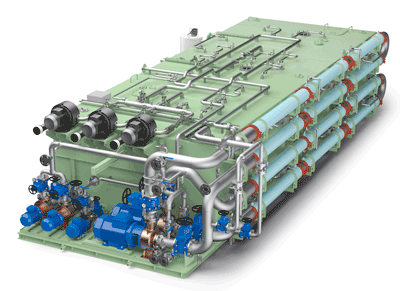
Service: Inspect pumps, heaters, cleaning machines, vapor equipment, valves, seals, piping and monitoring devices applicable to the listed tanker system. Trend pressure, temperature, flow or operating performance against established normal conditions. Maintain cargo compatibility and clean deposits before they restrict equipment movement or heat transfer. Function-test remote controls, alarms, shutdowns and emergency stops before cargo operations. Inspect high-risk leakage points and hazardous-area electrical equipment for integrity. Refer to the manufacturer documentation for the exact figure for cargo compatibility, operating limits, calibration and wear criteria.
Spare Parts: Keep cargo-compatible seals and gaskets, pump or drive service parts, valve kits, sensors, cleaning-machine parts or vapor-system consumables appropriate to the installed system. Replacement materials must match the cargo service. Strategic spares should reflect cargo-operation criticality.
Use Cases: Cargo transfer, heating, tank cleaning, loading calculation or vapor management on oil, product and chemical tankers according to the listed system.
Hamworthy/Wärtsilä Tank Heating 100kW crude
Tank Heating 100kW crude unverified
Flow Rate (m³/h)
0
Head (m)
0
Cargo Type
crude
Material
SS316
Common Failures & Inspection Points
  • Mechanical or process fouling caused by cargo residue, corrosion or long service, resulting in reduced transfer, heating, cleaning or vapor-control performance
  • Seal, gasket or connection leakage caused by wear, thermal cycling or cargo incompatibility, resulting in cargo or vapor leakage
  • Pump, fan, motor or hydraulic drive failure where fitted caused by electrical, lubrication or control faults, resulting in inability to operate or reduced capacity
  • Valve, actuator or remote-control failure caused by corrosion, sticking or wiring faults, resulting in incorrect routing or unavailable operation
  • Sensor, temperature, pressure or monitoring fault caused by fouling or calibration drift, resulting in implausible readings, alarms or protective shutdown
Service: Inspect pumps, heaters, cleaning machines, vapor equipment, valves, seals, piping and monitoring devices applicable to the listed tanker system. Trend pressure, temperature, flow or operating performance against established normal conditions. Maintain cargo compatibility and clean deposits before they restrict equipment movement or heat transfer. Function-test remote controls, alarms, shutdowns and emergency stops before cargo operations. Inspect high-risk leakage points and hazardous-area electrical equipment for integrity. Refer to the manufacturer documentation for the exact figure for cargo compatibility, operating limits, calibration and wear criteria.
Spare Parts: Keep cargo-compatible seals and gaskets, pump or drive service parts, valve kits, sensors, cleaning-machine parts or vapor-system consumables appropriate to the installed system. Replacement materials must match the cargo service. Strategic spares should reflect cargo-operation criticality.
Use Cases: Cargo transfer, heating, tank cleaning, loading calculation or vapor management on oil, product and chemical tankers according to the listed system.
Hamworthy/Wärtsilä Tank Heating 100kW product
Tank Heating 100kW product unverified
Flow Rate (m³/h)
0
Head (m)
0
Cargo Type
product
Material
SS316
Common Failures & Inspection Points
  • Seal, gasket or process-connection leakage caused by wear, thermal cycling, corrosion or cargo incompatibility, resulting in cargo or vapor leakage
  • Valve, actuator, pump or drive failure caused by sticking, wear, electrical or hydraulic faults, resulting in incorrect routing or reduced cargo-handling capacity
  • Sensor or measuring-element fouling or drift caused by cargo deposits, contamination or calibration error, resulting in implausible readings or alarms
  • Process fouling, icing or blockage caused by cargo residue, temperature conditions or debris, resulting in restricted flow or unstable operation
  • Control, shutdown or hazardous-area electrical fault caused by wiring, electronics or configuration problems, resulting in unavailable remote operation or protective trips
Service: Inspect process connections, seals, valves, actuators, pumps, sensors, piping and supports applicable to the listed cargo equipment. Maintain material compatibility with the actual cargo and clean deposits before they restrict movement or measurement. Trend pressure, temperature, level, flow or operating response against established normal conditions. Function-test remote controls, alarms, shutdowns and emergency stops before cargo operations. Inspect hazardous-area electrical and bonding arrangements for integrity. Refer to the manufacturer documentation for the exact figure for cargo compatibility, calibration, operating limits and wear criteria.
Spare Parts: Keep cargo-compatible seals and gaskets, valve service kits, sensors, cable glands, pump or actuator parts and manufacturer-recommended process components. Replacement materials must match the certified cargo service and hazardous-area approval.
Use Cases: It is used for oil, product and chemical tanker cargo operations on merchant ships, passenger vessels, offshore units or other vessel types where this equipment category is fitted.
Hamworthy/Wärtsilä Tank Heating 200kW crude
Tank Heating 200kW crude unverified
Flow Rate (m³/h)
0
Head (m)
0
Cargo Type
crude
Material
SS316
Common Failures & Inspection Points
  • Mechanical or process fouling caused by cargo residue, corrosion or long service, resulting in reduced transfer, heating, cleaning or vapor-control performance
  • Seal, gasket or connection leakage caused by wear, thermal cycling or cargo incompatibility, resulting in cargo or vapor leakage
  • Pump, fan, motor or hydraulic drive failure where fitted caused by electrical, lubrication or control faults, resulting in inability to operate or reduced capacity
  • Valve, actuator or remote-control failure caused by corrosion, sticking or wiring faults, resulting in incorrect routing or unavailable operation
  • Sensor, temperature, pressure or monitoring fault caused by fouling or calibration drift, resulting in implausible readings, alarms or protective shutdown
Service: Inspect pumps, heaters, cleaning machines, vapor equipment, valves, seals, piping and monitoring devices applicable to the listed tanker system. Trend pressure, temperature, flow or operating performance against established normal conditions. Maintain cargo compatibility and clean deposits before they restrict equipment movement or heat transfer. Function-test remote controls, alarms, shutdowns and emergency stops before cargo operations. Inspect high-risk leakage points and hazardous-area electrical equipment for integrity. Refer to the manufacturer documentation for the exact figure for cargo compatibility, operating limits, calibration and wear criteria.
Spare Parts: Keep cargo-compatible seals and gaskets, pump or drive service parts, valve kits, sensors, cleaning-machine parts or vapor-system consumables appropriate to the installed system. Replacement materials must match the cargo service. Strategic spares should reflect cargo-operation criticality.
Use Cases: Cargo transfer, heating, tank cleaning, loading calculation or vapor management on oil, product and chemical tankers according to the listed system.
Tank Heating 200kW product unverified
Flow Rate (m³/h)
0
Head (m)
0
Cargo Type
product
Material
SS316
Common Failures & Inspection Points
  • Seal, gasket or process-connection leakage caused by wear, thermal cycling, corrosion or cargo incompatibility, resulting in cargo or vapor leakage
  • Valve, actuator, pump or drive failure caused by sticking, wear, electrical or hydraulic faults, resulting in incorrect routing or reduced cargo-handling capacity
  • Sensor or measuring-element fouling or drift caused by cargo deposits, contamination or calibration error, resulting in implausible readings or alarms
  • Process fouling, icing or blockage caused by cargo residue, temperature conditions or debris, resulting in restricted flow or unstable operation
  • Control, shutdown or hazardous-area electrical fault caused by wiring, electronics or configuration problems, resulting in unavailable remote operation or protective trips
Service: Inspect process connections, seals, valves, actuators, pumps, sensors, piping and supports applicable to the listed cargo equipment. Maintain material compatibility with the actual cargo and clean deposits before they restrict movement or measurement. Trend pressure, temperature, level, flow or operating response against established normal conditions. Function-test remote controls, alarms, shutdowns and emergency stops before cargo operations. Inspect hazardous-area electrical and bonding arrangements for integrity. Refer to the manufacturer documentation for the exact figure for cargo compatibility, calibration, operating limits and wear criteria.
Spare Parts: Keep cargo-compatible seals and gaskets, valve service kits, sensors, cable glands, pump or actuator parts and manufacturer-recommended process components. Replacement materials must match the certified cargo service and hazardous-area approval.
Use Cases: It is used for oil, product and chemical tanker cargo operations on merchant ships, passenger vessels, offshore units or other vessel types where this equipment category is fitted.
Hamworthy/Wärtsilä Tank Heating 500kW crude
Tank Heating 500kW crude unverified
Flow Rate (m³/h)
0
Head (m)
0
Cargo Type
crude
Material
SS316
Common Failures & Inspection Points
  • Mechanical or process fouling caused by cargo residue, corrosion or long service, resulting in reduced transfer, heating, cleaning or vapor-control performance
  • Seal, gasket or connection leakage caused by wear, thermal cycling or cargo incompatibility, resulting in cargo or vapor leakage
  • Pump, fan, motor or hydraulic drive failure where fitted caused by electrical, lubrication or control faults, resulting in inability to operate or reduced capacity
  • Valve, actuator or remote-control failure caused by corrosion, sticking or wiring faults, resulting in incorrect routing or unavailable operation
  • Sensor, temperature, pressure or monitoring fault caused by fouling or calibration drift, resulting in implausible readings, alarms or protective shutdown
Service: Inspect pumps, heaters, cleaning machines, vapor equipment, valves, seals, piping and monitoring devices applicable to the listed tanker system. Trend pressure, temperature, flow or operating performance against established normal conditions. Maintain cargo compatibility and clean deposits before they restrict equipment movement or heat transfer. Function-test remote controls, alarms, shutdowns and emergency stops before cargo operations. Inspect high-risk leakage points and hazardous-area electrical equipment for integrity. Refer to the manufacturer documentation for the exact figure for cargo compatibility, operating limits, calibration and wear criteria.
Spare Parts: Keep cargo-compatible seals and gaskets, pump or drive service parts, valve kits, sensors, cleaning-machine parts or vapor-system consumables appropriate to the installed system. Replacement materials must match the cargo service. Strategic spares should reflect cargo-operation criticality.
Use Cases: Cargo transfer, heating, tank cleaning, loading calculation or vapor management on oil, product and chemical tankers according to the listed system.
Tank Heating 500kW product unverified
Flow Rate (m³/h)
0
Head (m)
0
Cargo Type
product
Material
SS316
Common Failures & Inspection Points
  • Seal, gasket or process-connection leakage caused by wear, thermal cycling, corrosion or cargo incompatibility, resulting in cargo or vapor leakage
  • Valve, actuator, pump or drive failure caused by sticking, wear, electrical or hydraulic faults, resulting in incorrect routing or reduced cargo-handling capacity
  • Sensor or measuring-element fouling or drift caused by cargo deposits, contamination or calibration error, resulting in implausible readings or alarms
  • Process fouling, icing or blockage caused by cargo residue, temperature conditions or debris, resulting in restricted flow or unstable operation
  • Control, shutdown or hazardous-area electrical fault caused by wiring, electronics or configuration problems, resulting in unavailable remote operation or protective trips
Service: Inspect process connections, seals, valves, actuators, pumps, sensors, piping and supports applicable to the listed cargo equipment. Maintain material compatibility with the actual cargo and clean deposits before they restrict movement or measurement. Trend pressure, temperature, level, flow or operating response against established normal conditions. Function-test remote controls, alarms, shutdowns and emergency stops before cargo operations. Inspect hazardous-area electrical and bonding arrangements for integrity. Refer to the manufacturer documentation for the exact figure for cargo compatibility, calibration, operating limits and wear criteria.
Spare Parts: Keep cargo-compatible seals and gaskets, valve service kits, sensors, cable glands, pump or actuator parts and manufacturer-recommended process components. Replacement materials must match the certified cargo service and hazardous-area approval.
Use Cases: It is used for oil, product and chemical tanker cargo operations on merchant ships, passenger vessels, offshore units or other vessel types where this equipment category is fitted.
Tank Heating 1000kW crude unverified
Flow Rate (m³/h)
0
Head (m)
0
Cargo Type
crude
Material
SS316
Common Failures & Inspection Points
  • Mechanical or process fouling caused by cargo residue, corrosion or long service, resulting in reduced transfer, heating, cleaning or vapor-control performance
  • Seal, gasket or connection leakage caused by wear, thermal cycling or cargo incompatibility, resulting in cargo or vapor leakage
  • Pump, fan, motor or hydraulic drive failure where fitted caused by electrical, lubrication or control faults, resulting in inability to operate or reduced capacity
  • Valve, actuator or remote-control failure caused by corrosion, sticking or wiring faults, resulting in incorrect routing or unavailable operation
  • Sensor, temperature, pressure or monitoring fault caused by fouling or calibration drift, resulting in implausible readings, alarms or protective shutdown
Service: Inspect pumps, heaters, cleaning machines, vapor equipment, valves, seals, piping and monitoring devices applicable to the listed tanker system. Trend pressure, temperature, flow or operating performance against established normal conditions. Maintain cargo compatibility and clean deposits before they restrict equipment movement or heat transfer. Function-test remote controls, alarms, shutdowns and emergency stops before cargo operations. Inspect high-risk leakage points and hazardous-area electrical equipment for integrity. Refer to the manufacturer documentation for the exact figure for cargo compatibility, operating limits, calibration and wear criteria.
Spare Parts: Keep cargo-compatible seals and gaskets, pump or drive service parts, valve kits, sensors, cleaning-machine parts or vapor-system consumables appropriate to the installed system. Replacement materials must match the cargo service. Strategic spares should reflect cargo-operation criticality.
Use Cases: Cargo transfer, heating, tank cleaning, loading calculation or vapor management on oil, product and chemical tankers according to the listed system.
Tank Heating 1000kW product unverified
Flow Rate (m³/h)
0
Head (m)
0
Cargo Type
product
Material
SS316
Common Failures & Inspection Points
  • Seal, gasket or process-connection leakage caused by wear, thermal cycling, corrosion or cargo incompatibility, resulting in cargo or vapor leakage
  • Valve, actuator, pump or drive failure caused by sticking, wear, electrical or hydraulic faults, resulting in incorrect routing or reduced cargo-handling capacity
  • Sensor or measuring-element fouling or drift caused by cargo deposits, contamination or calibration error, resulting in implausible readings or alarms
  • Process fouling, icing or blockage caused by cargo residue, temperature conditions or debris, resulting in restricted flow or unstable operation
  • Control, shutdown or hazardous-area electrical fault caused by wiring, electronics or configuration problems, resulting in unavailable remote operation or protective trips
Service: Inspect process connections, seals, valves, actuators, pumps, sensors, piping and supports applicable to the listed cargo equipment. Maintain material compatibility with the actual cargo and clean deposits before they restrict movement or measurement. Trend pressure, temperature, level, flow or operating response against established normal conditions. Function-test remote controls, alarms, shutdowns and emergency stops before cargo operations. Inspect hazardous-area electrical and bonding arrangements for integrity. Refer to the manufacturer documentation for the exact figure for cargo compatibility, calibration, operating limits and wear criteria.
Spare Parts: Keep cargo-compatible seals and gaskets, valve service kits, sensors, cable glands, pump or actuator parts and manufacturer-recommended process components. Replacement materials must match the certified cargo service and hazardous-area approval.
Use Cases: It is used for oil, product and chemical tanker cargo operations on merchant ships, passenger vessels, offshore units or other vessel types where this equipment category is fitted.
Tank Heating 2000kW crude unverified
Flow Rate (m³/h)
0
Head (m)
0
Cargo Type
crude
Material
SS316
Common Failures & Inspection Points
  • Mechanical or process fouling caused by cargo residue, corrosion or long service, resulting in reduced transfer, heating, cleaning or vapor-control performance
  • Seal, gasket or connection leakage caused by wear, thermal cycling or cargo incompatibility, resulting in cargo or vapor leakage
  • Pump, fan, motor or hydraulic drive failure where fitted caused by electrical, lubrication or control faults, resulting in inability to operate or reduced capacity
  • Valve, actuator or remote-control failure caused by corrosion, sticking or wiring faults, resulting in incorrect routing or unavailable operation
  • Sensor, temperature, pressure or monitoring fault caused by fouling or calibration drift, resulting in implausible readings, alarms or protective shutdown
Service: Inspect pumps, heaters, cleaning machines, vapor equipment, valves, seals, piping and monitoring devices applicable to the listed tanker system. Trend pressure, temperature, flow or operating performance against established normal conditions. Maintain cargo compatibility and clean deposits before they restrict equipment movement or heat transfer. Function-test remote controls, alarms, shutdowns and emergency stops before cargo operations. Inspect high-risk leakage points and hazardous-area electrical equipment for integrity. Refer to the manufacturer documentation for the exact figure for cargo compatibility, operating limits, calibration and wear criteria.
Spare Parts: Keep cargo-compatible seals and gaskets, pump or drive service parts, valve kits, sensors, cleaning-machine parts or vapor-system consumables appropriate to the installed system. Replacement materials must match the cargo service. Strategic spares should reflect cargo-operation criticality.
Use Cases: Cargo transfer, heating, tank cleaning, loading calculation or vapor management on oil, product and chemical tankers according to the listed system.
Tank Heating 2000kW product unverified
Flow Rate (m³/h)
0
Head (m)
0
Cargo Type
product
Material
SS316
Common Failures & Inspection Points
  • Seal, gasket or process-connection leakage caused by wear, thermal cycling, corrosion or cargo incompatibility, resulting in cargo or vapor leakage
  • Valve, actuator, pump or drive failure caused by sticking, wear, electrical or hydraulic faults, resulting in incorrect routing or reduced cargo-handling capacity
  • Sensor or measuring-element fouling or drift caused by cargo deposits, contamination or calibration error, resulting in implausible readings or alarms
  • Process fouling, icing or blockage caused by cargo residue, temperature conditions or debris, resulting in restricted flow or unstable operation
  • Control, shutdown or hazardous-area electrical fault caused by wiring, electronics or configuration problems, resulting in unavailable remote operation or protective trips
Service: Inspect process connections, seals, valves, actuators, pumps, sensors, piping and supports applicable to the listed cargo equipment. Maintain material compatibility with the actual cargo and clean deposits before they restrict movement or measurement. Trend pressure, temperature, level, flow or operating response against established normal conditions. Function-test remote controls, alarms, shutdowns and emergency stops before cargo operations. Inspect hazardous-area electrical and bonding arrangements for integrity. Refer to the manufacturer documentation for the exact figure for cargo compatibility, calibration, operating limits and wear criteria.
Spare Parts: Keep cargo-compatible seals and gaskets, valve service kits, sensors, cable glands, pump or actuator parts and manufacturer-recommended process components. Replacement materials must match the certified cargo service and hazardous-area approval.
Use Cases: It is used for oil, product and chemical tanker cargo operations on merchant ships, passenger vessels, offshore units or other vessel types where this equipment category is fitted.