MET-SB
The Mitsubishi MET‑SB is an axial‑flow turbocharger built for marine diesel engines (both 2‑stroke and 4‑stroke), delivering boost pressure to improve engine power density and fuel efficiency.
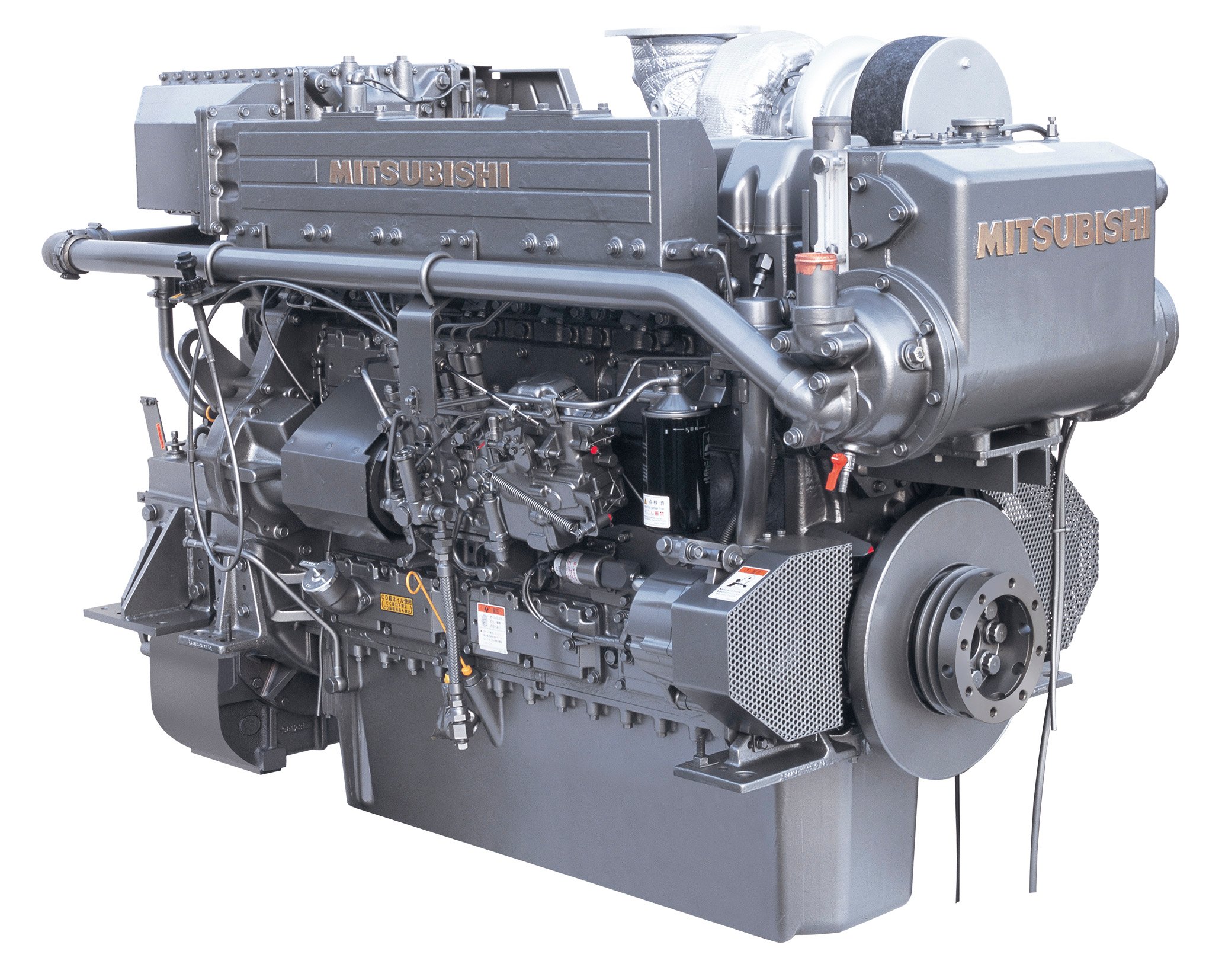
Inspector Detail
✓ verified
▸
Common issues
- Compressor fouling (reduces efficiency, can lead to surging, increased exhaust temperature)
- Turbine blade fouling (reduces efficiency, increases exhaust back pressure, higher turbine inlet temperature)
- Bearing wear (increased axial/radial play, excessive vibration, unusual noise, potential for catastrophic failure)
- Oil leakage at seals (indicates worn bearings/seals, oil contamination in charge air cooler or exhaust system)
- Surging (unstable operation, often due to severe fouling, air filter blockage, or engine issues)
- Exhaust gas leaks from casing joints or expansion bellows (safety hazard, loss of boost pressure, increased engine room temperature)
- Vibration (imbalance due to fouling, bearing wear, or rotor damage)
Inspection checklist
- Check for oil leaks around bearing casings, drain lines, and oil supply connections.
- Visually inspect compressor and turbine sides for fouling (if inspection covers are accessible or during scheduled opening).
- Check rotor axial and radial play (float) using a dial gauge if covers are open, or by careful hand manipulation if not possible to open.
- Listen for unusual noises (whining, grinding, rubbing) during engine operation.
- Monitor bearing temperatures (if sensors are fitted) and exhaust gas temperatures before/after turbine for deviations from normal.
- Inspect air filter condition and ensure proper sealing and cleanliness.
- Check security of all mounting bolts, pipe connections (air, exhaust, oil, cooling water if applicable).
- Verify proper functioning and cleanliness of turbocharger drain lines.
- Inspect exhaust gas expansion bellows for cracks, leaks, or signs of fatigue.
- Review engine logbook for consistent turbocharger RPM, boost pressure, and temperature readings.
Service intervals
| Minor Inspection/Cleaning (compressor/turbine wash) | 2,000 - 4,000 running hours or as required by performance drop |
| Bearing Inspection/Replacement | 8,000 - 16,000 running hours (depending on engine type, load profile, and specific MET-SB model) |
| Major Overhaul (full disassembly, cleaning, inspection, balancing, component replacement) | 16,000 - 24,000 running hours for 4-stroke engines; 24,000 - 48,000 running hours for 2-stroke engines |
| Air Filter Replacement | 500 - 1,000 running hours or as indicated by pressure drop across filter |
Typical wear limits
| Rotor Axial Play | New: 0.15 - 0.30 mm; Wear Limit: Max 0.40 - 0.45 mm (check manufacturer's manual for specific model) |
| Rotor Radial Play | New: 0.08 - 0.15 mm; Wear Limit: Max 0.20 - 0.25 mm (check manufacturer's manual for specific model) |
| Bearing Clearances | As per manufacturer's specific manual for the MET-SB sub-model; excessive rotor play indicates worn bearings. |
| Blade Tip Clearance | Not typically measured by inspector without full disassembly; critical for efficiency and prevention of rubbing. |
Ranges are typical for this design class. Always confirm against the manufacturer documentation for your serial number.
Critical spares
- Complete bearing set (thrust and journal bearings)
- O-ring and gasket set for bearing casing and oil seals
- Oil seals (labyrinth or mechanical, depending on MET-SB variant)
- Air filter elements (if applicable to the specific intake design)
- High-temperature bolts and nuts for casing joints (especially for turbine side)
- Special tools for rotor removal/installation (if not already part of ship's inventory)
Safety
- High surface temperatures (exhaust casing, turbine side) - severe burn risk.
- High-speed rotating machinery - risk of severe injury during inspection or maintenance if engine is not secured.
- Potential for exhaust gas leakage (CO poisoning, fire hazard in engine room).
- Hot oil under pressure - risk of spray and fire if lines or seals fail.
- Risk of overspeed if control systems or bearing integrity fail, leading to catastrophic disintegration.
Class survey
Class surveyors typically review maintenance records, running hours, and performance logs (boost pressure, RPM, temperatures). They conduct an external visual inspection for oil/exhaust gas leaks, casing integrity, and security of fastenings. Verification of turbocharger overspeed trip device functionality (if testable without full engine run) and confirmation of adherence to manufacturer's recommended maintenance schedule are key. Inspection of air intake filter condition and exhaust gas expansion bellows is also common. Any signs of excessive vibration or unusual noise during engine operation will be noted.
Components & Design
Component data being added…
Technical Data
🤖 Ask about this model
One free question — answered like a marine engineer. No account needed.
Common failures & inspection points
Service & Maintenance
Maintenance per manufacturer manual and classification society requirements. Annual inspection at class survey. Stock spare parts per manufacturer specification.
Suppliers & Spare Parts
Direct links to manufacturer, datasheet, spare-parts portal and dealers — request access below.
📄 Request sourcing links & documentsCases, daily reports, timesheets and AI troubleshooting in the OceanSphere Marine app — free for 14 days.
Start free trial →Find manufacturers, repair shops and spare-part dealers in the Maritime Network — our global company directory.
Maritime Network →