D4/D6 SOLAS
The Volvo Penta D4/D6 SOLAS series are four- and six‑cylinder marine diesel engines designed for yachts and passenger craft, featuring integrated electronic control and full compliance with SOLAS safety standards.
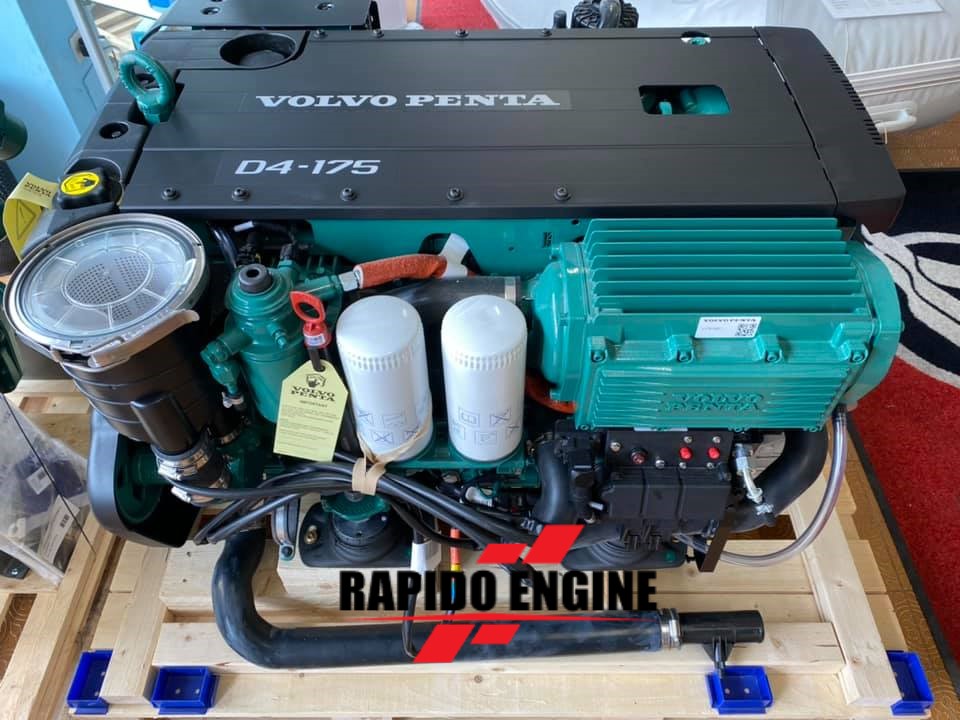
Inspector Detail
▸
Common issues
- Fuel system contamination or blockages (filters, injectors) due to poor fuel quality or water ingress.
- Cooling system inefficiencies: seawater pump impeller wear, heat exchanger fouling, or blockages in cooling passages.
- Electrical system failures: sensor malfunctions (temp, pressure, RPM), wiring corrosion, or ECU issues due to vibration/moisture.
- Excessive vibration leading to loose mountings, pipework fatigue, or component detachment.
- Corrosion of external components (exhaust manifold, piping, electrical connections) due to saltwater exposure.
- Belt wear/slippage on alternator or seawater pump, leading to charging or cooling issues.
- Turbocharger bearing wear or compressor/turbine damage, indicated by smoke or reduced power.
- Oil leaks from seals (crankshaft, oil pan) or pipe connections due to age or vibration.
Inspection checklist
- Visual inspection for oil, fuel, and coolant leaks around engine, piping, and connections.
- Check engine mounts for signs of deterioration, looseness, or excessive vibration dampener compression.
- Inspect all belts (alternator, seawater pump) for tension, cracks, fraying, and proper alignment.
- Examine cooling system hoses, clamps, and heat exchanger for leaks, corrosion, or blockages.
- Verify exhaust system integrity: check for leaks, cracks, proper insulation, and secure mounting.
- Inspect electrical wiring, connectors, and sensors for corrosion, chafing, or loose connections.
- Check fluid levels (engine oil, coolant, gearbox oil if applicable) and condition (color, contamination).
- Operate engine: observe starting, idle stability, exhaust color, unusual noises, and proper shutdown.
- Verify functionality of emergency stop buttons and overspeed protection devices.
- Check fuel system components for leaks, especially high-pressure lines and filter housings.
Service intervals
| Engine Oil & Filter Change | 200-250 hours or annually, whichever comes first |
| Fuel Filter (Primary & Secondary) Replacement | 200-250 hours or annually, whichever comes first |
| Seawater Pump Impeller Replacement | 200-250 hours or annually, or every 2 years regardless of hours |
| Air Filter Element Replacement | 200-250 hours or annually, more frequently in dusty environments |
| Valve Clearance Adjustment | 800-1000 hours |
| Coolant Replacement | Every 2 years or 1000 hours |
| Heat Exchanger Cleaning | Every 2-3 years or 1000-1500 hours, depending on water quality |
| Turbocharger Inspection | 500 hours (visual check for play), 1000 hours (detailed inspection) |
Typical wear limits
| Crankshaft Deflection | Within manufacturer's specified limits, typically <0.05mm for small engines, checked at main bearings. |
| Piston Ring End Gap | Max. 1.0-1.5mm (check service manual for exact values, typically 0.3-0.5mm new). |
| Main/Con-rod Bearing Clearance | Max. 0.10-0.15mm (check service manual for exact values, typically 0.05-0.08mm new). |
| Turbocharger Shaft Play (Axial) | Max. 0.10-0.15mm (check service manual for exact values, radial play also critical). |
| Fuel Injector Spray Pattern | Visual inspection for consistent, finely atomized cone; no dribbling or streaking. |
| Seawater Pump Impeller Vane Length | No significant tears, cracks, or missing vanes; flexibility maintained. |
Ranges are typical for this design class. Always confirm against the manufacturer documentation for your serial number.
Critical spares
- Complete set of engine filters (oil, fuel primary, fuel secondary, air)
- Seawater pump impeller kit (impeller, gasket, O-rings)
- Drive belts (alternator, seawater pump)
- Assorted fuses and electrical relays relevant to engine control
- Common O-rings and gaskets (e.g., fuel filter housing, oil drain plug)
- Fuel injector (at least one, for emergency replacement)
- Engine oil pressure sensor and coolant temperature sensor
- Hose clamps and a selection of common hose sizes
Safety
- Fire hazard: Fuel leaks, hot exhaust components, or electrical shorts can ignite engine room fires. Ensure proper insulation and leak detection.
- Rotating machinery: Belts, pulleys, and flywheels pose entanglement risks. Ensure guards are in place and maintained.
- Hot surfaces: Exhaust manifold, turbocharger, and cooling system components can cause severe burns. Proper insulation and warning signs are crucial.
- Exhaust gas leaks: Carbon monoxide poisoning risk in enclosed spaces. Ensure exhaust system integrity and adequate ventilation.
- Electrical shock: High voltage components (starter, alternator) and battery systems. Always follow lockout/tagout procedures during maintenance.
Class survey
Class surveyors will typically focus on the operational readiness and safety aspects of the auxiliary engine. This includes witnessing a satisfactory start and load test, verifying the functionality of all safety devices (overspeed, low oil pressure, high temperature shutdowns), checking the integrity of fuel lines (especially high-pressure lines) and shut-off valves, inspecting the exhaust system for leaks and proper insulation, and confirming the security of engine mountings. They will also review maintenance records, logbook entries, and ensure critical spares are onboard as per SOLAS requirements. Special attention is paid to emergency stop functionality and the overall cleanliness and fire safety of the engine space.
Components & Design
Component data being added…
Technical Data
🤖 Ask about this model
One free question — answered like a marine engineer. No account needed.
Common failures & inspection points
Service & Maintenance
Maintenance per manufacturer manual and classification society requirements. Annual inspection at class survey. Stock spare parts per manufacturer specification.
Suppliers & Spare Parts
Direct links to manufacturer, datasheet, spare-parts portal and dealers — request access below.
📄 Request sourcing links & documentsCases, daily reports, timesheets and AI troubleshooting in the OceanSphere Marine app — free for 14 days.
Start free trial →Find manufacturers, repair shops and spare-part dealers in the Maritime Network — our global company directory.
Maritime Network →