Cargo Stripping Pump
On a dry bulk carrier this pump drains the bilge wells at the bottom of each cargo hold, clearing rainwater, wash water and condensation so cargo never stands in it, a different job entirely from a tanker's liquid-cargo stripping pump.
Read more — Cargo Stripping Pump explained ▾
What makes this type different from a tanker stripping pump
Despite sharing a name with the tanker cargo stripping pump, this unit does a different job: on a dry bulk carrier it drains the bilge wells at the bottom of each cargo hold, removing rainwater, hold-washing water, condensation and any minor leakage that collects there so cargo is never left standing in it. It handles dirty water with cargo residue, rust scale and grain dust in suspension, not a valuable liquid product, and it is not subject to the MARPOL Annex II retention rules a tanker stripping pump has to meet.
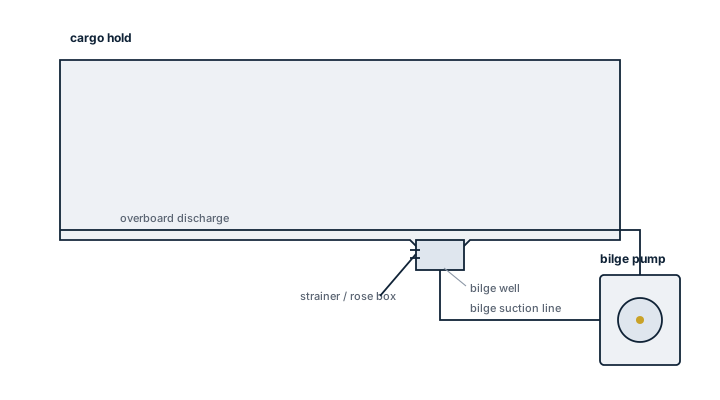
Main components
Bilge well and strum box
Each hold has one or more recessed bilge wells with a strum box, a strainer, fitted over the suction to keep cargo fines, dunnage and packaging out of the pump.
Pump unit
Usually a self-priming centrifugal or a small screw pump located in the pump room or engine room, drawing through a dedicated bilge line separate from the engine room bilge system, often via an oily-water separator interlock before overboard discharge.
Non-return and isolating valves
Screw-down non-return valves at each hold branch prevent water finding its way back into a hold, and stop cross-flooding between holds, when only one hold is being stripped.
Selection and sizing
Sizing follows the expected inflow - mainly rainfall during hold ventilation and hatch operations, plus wash water volumes if the hold is fitted for cargo hold washing - rather than any cargo throughput figure. Strainer mesh size is chosen against the dustiest cargo the ship regularly carries, since a mesh too fine simply blocks and a mesh too coarse lets fines through to foul the pump.
Typical faults
- Blocked strum box - grain dust, coal fines or ore residue cakes the strainer, and the bilge alarm in the hold triggers before anyone realises the pump has been running dry against a blocked suction.
- Non-return valve failure - a stuck-open valve lets water migrate between holds during stripping, which on a ship carrying different cargo grades in adjacent holds becomes a contamination claim.
- Oily-water separator interlock trip - if the hold bilge line runs through an OWS interlock and the separator alarms, the stripping pump is locked out even though the hold water itself may be clean.
- High-level bilge alarm not cleared by pumping - often a sensor fouled by cargo dust rather than an actual pump fault, easily misdiagnosed as a pump failure during a survey.
What to look for in a supplier
- Strainer and strum box design suited to the vessel's typical cargo mix, not a generic bilge strainer.
- Pump materials resistant to the abrasive fines common in bulk cargo bilge water.
- Confirmed compatibility with the vessel's existing OWS interlock and hold bilge alarm wiring.
Before condemning a hold stripping pump as faulty, pull and clean the strum box first - a blocked strainer looks exactly like pump failure on the bilge alarm panel.
2 manufacturers · 2 models
Framo
1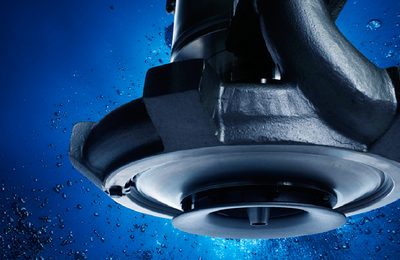
- Hydraulic motor seal leak
- Impeller wear
- Suction line blockage
- Compact design fits tight tank spaces
- Hydraulic drive eliminates need for separate electric motor
- High suction capability ensures efficient final cargo removal
- Robust Framo construction with proven service life in tanker operations
- Easy integration into existing hydraulic systems on board
- Limited flow rate (25 m³/h) may be insufficient for large tankers
- Requires a dedicated hydraulic power source and maintenance of seals
- Impeller wear can increase after prolonged use with abrasive cargoes
- Suction line blockage risk if not regularly inspected
Marflex
1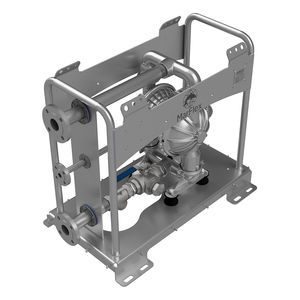
- Nozzle erosion
- Diffuser wear
- Cargo contamination of motive fluid
- No moving parts – virtually zero mechanical wear and low maintenance
- Self‑priming when sufficient motive flow is available
- Compact installation; can be mounted directly on cargo piping
- Reduced power demand compared with motor‑driven stripping pumps
- Performance highly dependent on adequate motive‑flow pressure
- Nozzle and diffuser are subject to erosion, especially with abrasive cargos
- Potential for cross‑contamination of motive fluid if seals wear
- Limited suction capacity versus high‑capacity centrifugal stripping pumps