Air Compressor
Ships typically carry two distinct compressed air systems: high-pressure starting air, around 25-30 bar, for main engine starting, and low-pressure service air for control and workshop use - specifying one where the other is needed is a common buyer error.
Read more — Air Compressor explained ▾
What Defines a Marine Air Compressor
A marine air compressor generates the compressed air that starts diesel engines, actuates pneumatic control valves, and supplies general service and workshop use. Ships almost always carry two separate air systems built around different compressors: high-pressure starting air compressors, typically reciprocating multi-stage units producing 25-30 bar, and lower-pressure service air compressors around 7-10 bar for control air, tools and general service, often screw type. Confusing the two in specification is a real risk, since a screw compressor cannot deliver engine starting pressure, and a high-pressure reciprocating unit is oversized and inefficient for simple service air duty.
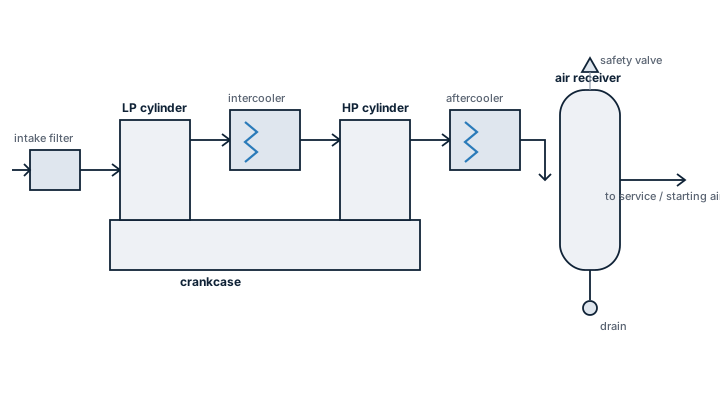
Main components
Compression stage
Reciprocating compressors use two or three stages with intercooling to reach starting-air pressures efficiently and to limit discharge temperature; screw compressors compress in a single stage using meshing rotors and suit continuous lower-pressure service duty.
Intercoolers and aftercooler
Heat exchangers between stages, and after the final stage, cool the air to reduce its volume before storage and to condense out moisture before it reaches the receiver.
Air receiver
A pressure vessel storing compressed air to smooth demand peaks and, on starting air systems, to hold enough capacity for the required number of consecutive engine start attempts without the compressor running.
Safety and control devices
Safety relief valves, automatic drain traps for condensate, pressure switches for automatic start/stop, and on reciprocating machines, unloader valves that let the compressor start against no load.
Selection and sizing
- Delivery pressure and capacity in free air delivery, matched to whether the duty is starting air, control air or general service
- Air receiver volume, sized on starting air systems to guarantee class-required consecutive start attempts for the main engine without recharging
- Number of compressors and redundancy, since class rules require at least two independent means of producing starting air
- Duty cycle - continuous running service compressors favour screw types; intermittent high-pressure charging favours reciprocating units
- Cooling method, air-cooled for smaller units, water-cooled for larger reciprocating compressors
Class and regulatory requirements
Classification society rules require at least two starting air compressors and two starting air receivers on vessels with reversible main engines, sized so the receivers together hold enough air for a specified minimum number of consecutive starts without recharging, split so the failure of one compressor or receiver does not remove the ability to start the engine. Air receivers, as pressure vessels, are subject to periodic internal and hydraulic pressure testing at class survey intervals, and safety relief valves are tested and set at each renewal. Automatic drain traps and low-point drains must be maintained, since accumulated condensate in a receiver both reduces effective volume and promotes internal corrosion.
Typical faults
| Fault | Cause | Consequence |
|---|---|---|
| Excessive discharge temperature | Fouled intercooler or worn piston rings raising compression heat | Risk of lubricating oil vapour ignition inside the air system |
| Valve plate failure | Carbon buildup or fatigue on reciprocating compressor suction/discharge valves | Loss of capacity, in severe cases compressor damage from liquid slugging |
| Receiver corrosion | Condensate not drained regularly | Internal wall thinning, potential failure of a pressure vessel |
| Automatic drain trap blockage | Debris or scale jamming the trap mechanism | Water accumulates in the system, causing icing or corrosion downstream |
What to look for in a supplier
- Free air delivery figures verified at the actual discharge pressure specified, not at a lower reference pressure
- Discharge temperature margins built in for tropical engine room ambient conditions
- Availability of valve plate and piston ring spares, the most frequently replaced items on reciprocating units
- Receiver design pressure and volume matched exactly to class starting-attempt requirements before ordering
Log discharge temperature on every starting air compressor at every watch, not just when an alarm sounds; a slow creep upward over weeks is almost always fouled intercoolers or worn rings developing long before the high-temperature trip ever activates.
40 manufacturers · 654 models
Quincy
106 ✓ 106 verified- Area: Pressure Seal IntegrityCheck: Inspect compressor head gaskets, piston rod seals and pressure port connections for visible oil leakage, weeping or corrosion; check pressure gauges for stability at rated PSI and measure actual discharge pressure vs. nameplate specification
- Area: Lubrication System PerformanceCheck: Verify crankcase oil level (oil-type compressors only), check oil color/clarity for contamination, measure oil pressure relief valve function; inspect oil filter differential pressure indicator and verify proper oil type per nameplate
- Area: Vibration and Structural IntegrityCheck: Check all mounting bolts for tightness using torque wrench (per manual specifications); measure vibration levels on frame using vibration meter at specified measurement points; inspect frame welds and base for cracks or deformation
- Area: Inlet and Discharge FiltrationCheck: Verify intake filter element condition and differential pressure indicator (replace if colored/clogged); inspect discharge valve seats for fouling; measure intake air temperature and verify inter-cooler (two-stage models) operation at temperature setpoint
- Area: Safety Device FunctionCheck: Test pressure relief valve by slowly increasing system pressure and verifying relief discharge at nameplate setpoint; verify unloader valve operation on multi-stage units; check emergency stop controls and verify alarm/shutdown circuits (marine duty models with IEEE-45 certification)
Typ-universelle Inspektionspunkte fuer Air Compressors (verifiziert, 2026-06).
- Area: Pressure Seal IntegrityCheck: Inspect compressor head gaskets, piston rod seals and pressure port connections for visible oil leakage, weeping or corrosion; check pressure gauges for stability at rated PSI and measure actual discharge pressure vs. nameplate specification
- Area: Lubrication System PerformanceCheck: Verify crankcase oil level (oil-type compressors only), check oil color/clarity for contamination, measure oil pressure relief valve function; inspect oil filter differential pressure indicator and verify proper oil type per nameplate
- Area: Vibration and Structural IntegrityCheck: Check all mounting bolts for tightness using torque wrench (per manual specifications); measure vibration levels on frame using vibration meter at specified measurement points; inspect frame welds and base for cracks or deformation
- Area: Inlet and Discharge FiltrationCheck: Verify intake filter element condition and differential pressure indicator (replace if colored/clogged); inspect discharge valve seats for fouling; measure intake air temperature and verify inter-cooler (two-stage models) operation at temperature setpoint
- Area: Safety Device FunctionCheck: Test pressure relief valve by slowly increasing system pressure and verifying relief discharge at nameplate setpoint; verify unloader valve operation on multi-stage units; check emergency stop controls and verify alarm/shutdown circuits (marine duty models with IEEE-45 certification)
Typ-universelle Inspektionspunkte fuer Air Compressors (verifiziert, 2026-06).
- Area: Pressure Seal IntegrityCheck: Inspect compressor head gaskets, piston rod seals and pressure port connections for visible oil leakage, weeping or corrosion; check pressure gauges for stability at rated PSI and measure actual discharge pressure vs. nameplate specification
- Area: Lubrication System PerformanceCheck: Verify crankcase oil level (oil-type compressors only), check oil color/clarity for contamination, measure oil pressure relief valve function; inspect oil filter differential pressure indicator and verify proper oil type per nameplate
- Area: Vibration and Structural IntegrityCheck: Check all mounting bolts for tightness using torque wrench (per manual specifications); measure vibration levels on frame using vibration meter at specified measurement points; inspect frame welds and base for cracks or deformation
- Area: Inlet and Discharge FiltrationCheck: Verify intake filter element condition and differential pressure indicator (replace if colored/clogged); inspect discharge valve seats for fouling; measure intake air temperature and verify inter-cooler (two-stage models) operation at temperature setpoint
- Area: Safety Device FunctionCheck: Test pressure relief valve by slowly increasing system pressure and verifying relief discharge at nameplate setpoint; verify unloader valve operation on multi-stage units; check emergency stop controls and verify alarm/shutdown circuits (marine duty models with IEEE-45 certification)
Typ-universelle Inspektionspunkte fuer Air Compressors (verifiziert, 2026-06).
- Area: Pressure Seal IntegrityCheck: Inspect compressor head gaskets, piston rod seals and pressure port connections for visible oil leakage, weeping or corrosion; check pressure gauges for stability at rated PSI and measure actual discharge pressure vs. nameplate specification
- Area: Lubrication System PerformanceCheck: Verify crankcase oil level (oil-type compressors only), check oil color/clarity for contamination, measure oil pressure relief valve function; inspect oil filter differential pressure indicator and verify proper oil type per nameplate
- Area: Vibration and Structural IntegrityCheck: Check all mounting bolts for tightness using torque wrench (per manual specifications); measure vibration levels on frame using vibration meter at specified measurement points; inspect frame welds and base for cracks or deformation
- Area: Inlet and Discharge FiltrationCheck: Verify intake filter element condition and differential pressure indicator (replace if colored/clogged); inspect discharge valve seats for fouling; measure intake air temperature and verify inter-cooler (two-stage models) operation at temperature setpoint
- Area: Safety Device FunctionCheck: Test pressure relief valve by slowly increasing system pressure and verifying relief discharge at nameplate setpoint; verify unloader valve operation on multi-stage units; check emergency stop controls and verify alarm/shutdown circuits (marine duty models with IEEE-45 certification)
Typ-universelle Inspektionspunkte fuer Air Compressors (verifiziert, 2026-06).
- Area: Pressure Seal IntegrityCheck: Inspect compressor head gaskets, piston rod seals and pressure port connections for visible oil leakage, weeping or corrosion; check pressure gauges for stability at rated PSI and measure actual discharge pressure vs. nameplate specification
- Area: Lubrication System PerformanceCheck: Verify crankcase oil level (oil-type compressors only), check oil color/clarity for contamination, measure oil pressure relief valve function; inspect oil filter differential pressure indicator and verify proper oil type per nameplate
- Area: Vibration and Structural IntegrityCheck: Check all mounting bolts for tightness using torque wrench (per manual specifications); measure vibration levels on frame using vibration meter at specified measurement points; inspect frame welds and base for cracks or deformation
- Area: Inlet and Discharge FiltrationCheck: Verify intake filter element condition and differential pressure indicator (replace if colored/clogged); inspect discharge valve seats for fouling; measure intake air temperature and verify inter-cooler (two-stage models) operation at temperature setpoint
- Area: Safety Device FunctionCheck: Test pressure relief valve by slowly increasing system pressure and verifying relief discharge at nameplate setpoint; verify unloader valve operation on multi-stage units; check emergency stop controls and verify alarm/shutdown circuits (marine duty models with IEEE-45 certification)
Typ-universelle Inspektionspunkte fuer Air Compressors (verifiziert, 2026-06).
- Area: Pressure Seal IntegrityCheck: Inspect compressor head gaskets, piston rod seals and pressure port connections for visible oil leakage, weeping or corrosion; check pressure gauges for stability at rated PSI and measure actual discharge pressure vs. nameplate specification
- Area: Lubrication System PerformanceCheck: Verify crankcase oil level (oil-type compressors only), check oil color/clarity for contamination, measure oil pressure relief valve function; inspect oil filter differential pressure indicator and verify proper oil type per nameplate
- Area: Vibration and Structural IntegrityCheck: Check all mounting bolts for tightness using torque wrench (per manual specifications); measure vibration levels on frame using vibration meter at specified measurement points; inspect frame welds and base for cracks or deformation
- Area: Inlet and Discharge FiltrationCheck: Verify intake filter element condition and differential pressure indicator (replace if colored/clogged); inspect discharge valve seats for fouling; measure intake air temperature and verify inter-cooler (two-stage models) operation at temperature setpoint
- Area: Safety Device FunctionCheck: Test pressure relief valve by slowly increasing system pressure and verifying relief discharge at nameplate setpoint; verify unloader valve operation on multi-stage units; check emergency stop controls and verify alarm/shutdown circuits (marine duty models with IEEE-45 certification)
Typ-universelle Inspektionspunkte fuer Air Compressors (verifiziert, 2026-06).
- Area: Pressure Seal IntegrityCheck: Inspect compressor head gaskets, piston rod seals and pressure port connections for visible oil leakage, weeping or corrosion; check pressure gauges for stability at rated PSI and measure actual discharge pressure vs. nameplate specification
- Area: Lubrication System PerformanceCheck: Verify crankcase oil level (oil-type compressors only), check oil color/clarity for contamination, measure oil pressure relief valve function; inspect oil filter differential pressure indicator and verify proper oil type per nameplate
- Area: Vibration and Structural IntegrityCheck: Check all mounting bolts for tightness using torque wrench (per manual specifications); measure vibration levels on frame using vibration meter at specified measurement points; inspect frame welds and base for cracks or deformation
- Area: Inlet and Discharge FiltrationCheck: Verify intake filter element condition and differential pressure indicator (replace if colored/clogged); inspect discharge valve seats for fouling; measure intake air temperature and verify inter-cooler (two-stage models) operation at temperature setpoint
- Area: Safety Device FunctionCheck: Test pressure relief valve by slowly increasing system pressure and verifying relief discharge at nameplate setpoint; verify unloader valve operation on multi-stage units; check emergency stop controls and verify alarm/shutdown circuits (marine duty models with IEEE-45 certification)
Typ-universelle Inspektionspunkte fuer Air Compressors (verifiziert, 2026-06).
- Area: Pressure Seal IntegrityCheck: Inspect compressor head gaskets, piston rod seals and pressure port connections for visible oil leakage, weeping or corrosion; check pressure gauges for stability at rated PSI and measure actual discharge pressure vs. nameplate specification
- Area: Lubrication System PerformanceCheck: Verify crankcase oil level (oil-type compressors only), check oil color/clarity for contamination, measure oil pressure relief valve function; inspect oil filter differential pressure indicator and verify proper oil type per nameplate
- Area: Vibration and Structural IntegrityCheck: Check all mounting bolts for tightness using torque wrench (per manual specifications); measure vibration levels on frame using vibration meter at specified measurement points; inspect frame welds and base for cracks or deformation
- Area: Inlet and Discharge FiltrationCheck: Verify intake filter element condition and differential pressure indicator (replace if colored/clogged); inspect discharge valve seats for fouling; measure intake air temperature and verify inter-cooler (two-stage models) operation at temperature setpoint
- Area: Safety Device FunctionCheck: Test pressure relief valve by slowly increasing system pressure and verifying relief discharge at nameplate setpoint; verify unloader valve operation on multi-stage units; check emergency stop controls and verify alarm/shutdown circuits (marine duty models with IEEE-45 certification)
Typ-universelle Inspektionspunkte fuer Air Compressors (verifiziert, 2026-06).
- Area: Pressure Seal IntegrityCheck: Inspect compressor head gaskets, piston rod seals and pressure port connections for visible oil leakage, weeping or corrosion; check pressure gauges for stability at rated PSI and measure actual discharge pressure vs. nameplate specification
- Area: Lubrication System PerformanceCheck: Verify crankcase oil level (oil-type compressors only), check oil color/clarity for contamination, measure oil pressure relief valve function; inspect oil filter differential pressure indicator and verify proper oil type per nameplate
- Area: Vibration and Structural IntegrityCheck: Check all mounting bolts for tightness using torque wrench (per manual specifications); measure vibration levels on frame using vibration meter at specified measurement points; inspect frame welds and base for cracks or deformation
- Area: Inlet and Discharge FiltrationCheck: Verify intake filter element condition and differential pressure indicator (replace if colored/clogged); inspect discharge valve seats for fouling; measure intake air temperature and verify inter-cooler (two-stage models) operation at temperature setpoint
- Area: Safety Device FunctionCheck: Test pressure relief valve by slowly increasing system pressure and verifying relief discharge at nameplate setpoint; verify unloader valve operation on multi-stage units; check emergency stop controls and verify alarm/shutdown circuits (marine duty models with IEEE-45 certification)
Typ-universelle Inspektionspunkte fuer Air Compressors (verifiziert, 2026-06).
- Area: Pressure Seal IntegrityCheck: Inspect compressor head gaskets, piston rod seals and pressure port connections for visible oil leakage, weeping or corrosion; check pressure gauges for stability at rated PSI and measure actual discharge pressure vs. nameplate specification
- Area: Lubrication System PerformanceCheck: Verify crankcase oil level (oil-type compressors only), check oil color/clarity for contamination, measure oil pressure relief valve function; inspect oil filter differential pressure indicator and verify proper oil type per nameplate
- Area: Vibration and Structural IntegrityCheck: Check all mounting bolts for tightness using torque wrench (per manual specifications); measure vibration levels on frame using vibration meter at specified measurement points; inspect frame welds and base for cracks or deformation
- Area: Inlet and Discharge FiltrationCheck: Verify intake filter element condition and differential pressure indicator (replace if colored/clogged); inspect discharge valve seats for fouling; measure intake air temperature and verify inter-cooler (two-stage models) operation at temperature setpoint
- Area: Safety Device FunctionCheck: Test pressure relief valve by slowly increasing system pressure and verifying relief discharge at nameplate setpoint; verify unloader valve operation on multi-stage units; check emergency stop controls and verify alarm/shutdown circuits (marine duty models with IEEE-45 certification)
Typ-universelle Inspektionspunkte fuer Air Compressors (verifiziert, 2026-06).
- Area: Pressure Seal IntegrityCheck: Inspect compressor head gaskets, piston rod seals and pressure port connections for visible oil leakage, weeping or corrosion; check pressure gauges for stability at rated PSI and measure actual discharge pressure vs. nameplate specification
- Area: Lubrication System PerformanceCheck: Verify crankcase oil level (oil-type compressors only), check oil color/clarity for contamination, measure oil pressure relief valve function; inspect oil filter differential pressure indicator and verify proper oil type per nameplate
- Area: Vibration and Structural IntegrityCheck: Check all mounting bolts for tightness using torque wrench (per manual specifications); measure vibration levels on frame using vibration meter at specified measurement points; inspect frame welds and base for cracks or deformation
- Area: Inlet and Discharge FiltrationCheck: Verify intake filter element condition and differential pressure indicator (replace if colored/clogged); inspect discharge valve seats for fouling; measure intake air temperature and verify inter-cooler (two-stage models) operation at temperature setpoint
- Area: Safety Device FunctionCheck: Test pressure relief valve by slowly increasing system pressure and verifying relief discharge at nameplate setpoint; verify unloader valve operation on multi-stage units; check emergency stop controls and verify alarm/shutdown circuits (marine duty models with IEEE-45 certification)
Typ-universelle Inspektionspunkte fuer Air Compressors (verifiziert, 2026-06).
- Area: Pressure Seal IntegrityCheck: Inspect compressor head gaskets, piston rod seals and pressure port connections for visible oil leakage, weeping or corrosion; check pressure gauges for stability at rated PSI and measure actual discharge pressure vs. nameplate specification
- Area: Lubrication System PerformanceCheck: Verify crankcase oil level (oil-type compressors only), check oil color/clarity for contamination, measure oil pressure relief valve function; inspect oil filter differential pressure indicator and verify proper oil type per nameplate
- Area: Vibration and Structural IntegrityCheck: Check all mounting bolts for tightness using torque wrench (per manual specifications); measure vibration levels on frame using vibration meter at specified measurement points; inspect frame welds and base for cracks or deformation
- Area: Inlet and Discharge FiltrationCheck: Verify intake filter element condition and differential pressure indicator (replace if colored/clogged); inspect discharge valve seats for fouling; measure intake air temperature and verify inter-cooler (two-stage models) operation at temperature setpoint
- Area: Safety Device FunctionCheck: Test pressure relief valve by slowly increasing system pressure and verifying relief discharge at nameplate setpoint; verify unloader valve operation on multi-stage units; check emergency stop controls and verify alarm/shutdown circuits (marine duty models with IEEE-45 certification)
Typ-universelle Inspektionspunkte fuer Air Compressors (verifiziert, 2026-06).
- Area: Pressure Seal IntegrityCheck: Inspect compressor head gaskets, piston rod seals and pressure port connections for visible oil leakage, weeping or corrosion; check pressure gauges for stability at rated PSI and measure actual discharge pressure vs. nameplate specification
- Area: Lubrication System PerformanceCheck: Verify crankcase oil level (oil-type compressors only), check oil color/clarity for contamination, measure oil pressure relief valve function; inspect oil filter differential pressure indicator and verify proper oil type per nameplate
- Area: Vibration and Structural IntegrityCheck: Check all mounting bolts for tightness using torque wrench (per manual specifications); measure vibration levels on frame using vibration meter at specified measurement points; inspect frame welds and base for cracks or deformation
- Area: Inlet and Discharge FiltrationCheck: Verify intake filter element condition and differential pressure indicator (replace if colored/clogged); inspect discharge valve seats for fouling; measure intake air temperature and verify inter-cooler (two-stage models) operation at temperature setpoint
- Area: Safety Device FunctionCheck: Test pressure relief valve by slowly increasing system pressure and verifying relief discharge at nameplate setpoint; verify unloader valve operation on multi-stage units; check emergency stop controls and verify alarm/shutdown circuits (marine duty models with IEEE-45 certification)
Typ-universelle Inspektionspunkte fuer Air Compressors (verifiziert, 2026-06).
- Area: Pressure Seal IntegrityCheck: Inspect compressor head gaskets, piston rod seals and pressure port connections for visible oil leakage, weeping or corrosion; check pressure gauges for stability at rated PSI and measure actual discharge pressure vs. nameplate specification
- Area: Lubrication System PerformanceCheck: Verify crankcase oil level (oil-type compressors only), check oil color/clarity for contamination, measure oil pressure relief valve function; inspect oil filter differential pressure indicator and verify proper oil type per nameplate
- Area: Vibration and Structural IntegrityCheck: Check all mounting bolts for tightness using torque wrench (per manual specifications); measure vibration levels on frame using vibration meter at specified measurement points; inspect frame welds and base for cracks or deformation
- Area: Inlet and Discharge FiltrationCheck: Verify intake filter element condition and differential pressure indicator (replace if colored/clogged); inspect discharge valve seats for fouling; measure intake air temperature and verify inter-cooler (two-stage models) operation at temperature setpoint
- Area: Safety Device FunctionCheck: Test pressure relief valve by slowly increasing system pressure and verifying relief discharge at nameplate setpoint; verify unloader valve operation on multi-stage units; check emergency stop controls and verify alarm/shutdown circuits (marine duty models with IEEE-45 certification)
Typ-universelle Inspektionspunkte fuer Air Compressors (verifiziert, 2026-06).
- Area: Pressure Seal IntegrityCheck: Inspect compressor head gaskets, piston rod seals and pressure port connections for visible oil leakage, weeping or corrosion; check pressure gauges for stability at rated PSI and measure actual discharge pressure vs. nameplate specification
- Area: Lubrication System PerformanceCheck: Verify crankcase oil level (oil-type compressors only), check oil color/clarity for contamination, measure oil pressure relief valve function; inspect oil filter differential pressure indicator and verify proper oil type per nameplate
- Area: Vibration and Structural IntegrityCheck: Check all mounting bolts for tightness using torque wrench (per manual specifications); measure vibration levels on frame using vibration meter at specified measurement points; inspect frame welds and base for cracks or deformation
- Area: Inlet and Discharge FiltrationCheck: Verify intake filter element condition and differential pressure indicator (replace if colored/clogged); inspect discharge valve seats for fouling; measure intake air temperature and verify inter-cooler (two-stage models) operation at temperature setpoint
- Area: Safety Device FunctionCheck: Test pressure relief valve by slowly increasing system pressure and verifying relief discharge at nameplate setpoint; verify unloader valve operation on multi-stage units; check emergency stop controls and verify alarm/shutdown circuits (marine duty models with IEEE-45 certification)
Typ-universelle Inspektionspunkte fuer Air Compressors (verifiziert, 2026-06).
- Area: Pressure Seal IntegrityCheck: Inspect compressor head gaskets, piston rod seals and pressure port connections for visible oil leakage, weeping or corrosion; check pressure gauges for stability at rated PSI and measure actual discharge pressure vs. nameplate specification
- Area: Lubrication System PerformanceCheck: Verify crankcase oil level (oil-type compressors only), check oil color/clarity for contamination, measure oil pressure relief valve function; inspect oil filter differential pressure indicator and verify proper oil type per nameplate
- Area: Vibration and Structural IntegrityCheck: Check all mounting bolts for tightness using torque wrench (per manual specifications); measure vibration levels on frame using vibration meter at specified measurement points; inspect frame welds and base for cracks or deformation
- Area: Inlet and Discharge FiltrationCheck: Verify intake filter element condition and differential pressure indicator (replace if colored/clogged); inspect discharge valve seats for fouling; measure intake air temperature and verify inter-cooler (two-stage models) operation at temperature setpoint
- Area: Safety Device FunctionCheck: Test pressure relief valve by slowly increasing system pressure and verifying relief discharge at nameplate setpoint; verify unloader valve operation on multi-stage units; check emergency stop controls and verify alarm/shutdown circuits (marine duty models with IEEE-45 certification)
Typ-universelle Inspektionspunkte fuer Air Compressors (verifiziert, 2026-06).
- Area: Pressure Seal IntegrityCheck: Inspect compressor head gaskets, piston rod seals and pressure port connections for visible oil leakage, weeping or corrosion; check pressure gauges for stability at rated PSI and measure actual discharge pressure vs. nameplate specification
- Area: Lubrication System PerformanceCheck: Verify crankcase oil level (oil-type compressors only), check oil color/clarity for contamination, measure oil pressure relief valve function; inspect oil filter differential pressure indicator and verify proper oil type per nameplate
- Area: Vibration and Structural IntegrityCheck: Check all mounting bolts for tightness using torque wrench (per manual specifications); measure vibration levels on frame using vibration meter at specified measurement points; inspect frame welds and base for cracks or deformation
- Area: Inlet and Discharge FiltrationCheck: Verify intake filter element condition and differential pressure indicator (replace if colored/clogged); inspect discharge valve seats for fouling; measure intake air temperature and verify inter-cooler (two-stage models) operation at temperature setpoint
- Area: Safety Device FunctionCheck: Test pressure relief valve by slowly increasing system pressure and verifying relief discharge at nameplate setpoint; verify unloader valve operation on multi-stage units; check emergency stop controls and verify alarm/shutdown circuits (marine duty models with IEEE-45 certification)
Typ-universelle Inspektionspunkte fuer Air Compressors (verifiziert, 2026-06).
- Area: Pressure Seal IntegrityCheck: Inspect compressor head gaskets, piston rod seals and pressure port connections for visible oil leakage, weeping or corrosion; check pressure gauges for stability at rated PSI and measure actual discharge pressure vs. nameplate specification
- Area: Lubrication System PerformanceCheck: Verify crankcase oil level (oil-type compressors only), check oil color/clarity for contamination, measure oil pressure relief valve function; inspect oil filter differential pressure indicator and verify proper oil type per nameplate
- Area: Vibration and Structural IntegrityCheck: Check all mounting bolts for tightness using torque wrench (per manual specifications); measure vibration levels on frame using vibration meter at specified measurement points; inspect frame welds and base for cracks or deformation
- Area: Inlet and Discharge FiltrationCheck: Verify intake filter element condition and differential pressure indicator (replace if colored/clogged); inspect discharge valve seats for fouling; measure intake air temperature and verify inter-cooler (two-stage models) operation at temperature setpoint
- Area: Safety Device FunctionCheck: Test pressure relief valve by slowly increasing system pressure and verifying relief discharge at nameplate setpoint; verify unloader valve operation on multi-stage units; check emergency stop controls and verify alarm/shutdown circuits (marine duty models with IEEE-45 certification)
Typ-universelle Inspektionspunkte fuer Air Compressors (verifiziert, 2026-06).
- Area: Pressure Seal IntegrityCheck: Inspect compressor head gaskets, piston rod seals and pressure port connections for visible oil leakage, weeping or corrosion; check pressure gauges for stability at rated PSI and measure actual discharge pressure vs. nameplate specification
- Area: Lubrication System PerformanceCheck: Verify crankcase oil level (oil-type compressors only), check oil color/clarity for contamination, measure oil pressure relief valve function; inspect oil filter differential pressure indicator and verify proper oil type per nameplate
- Area: Vibration and Structural IntegrityCheck: Check all mounting bolts for tightness using torque wrench (per manual specifications); measure vibration levels on frame using vibration meter at specified measurement points; inspect frame welds and base for cracks or deformation
- Area: Inlet and Discharge FiltrationCheck: Verify intake filter element condition and differential pressure indicator (replace if colored/clogged); inspect discharge valve seats for fouling; measure intake air temperature and verify inter-cooler (two-stage models) operation at temperature setpoint
- Area: Safety Device FunctionCheck: Test pressure relief valve by slowly increasing system pressure and verifying relief discharge at nameplate setpoint; verify unloader valve operation on multi-stage units; check emergency stop controls and verify alarm/shutdown circuits (marine duty models with IEEE-45 certification)
Typ-universelle Inspektionspunkte fuer Air Compressors (verifiziert, 2026-06).
- Area: Pressure Seal IntegrityCheck: Inspect compressor head gaskets, piston rod seals and pressure port connections for visible oil leakage, weeping or corrosion; check pressure gauges for stability at rated PSI and measure actual discharge pressure vs. nameplate specification
- Area: Lubrication System PerformanceCheck: Verify crankcase oil level (oil-type compressors only), check oil color/clarity for contamination, measure oil pressure relief valve function; inspect oil filter differential pressure indicator and verify proper oil type per nameplate
- Area: Vibration and Structural IntegrityCheck: Check all mounting bolts for tightness using torque wrench (per manual specifications); measure vibration levels on frame using vibration meter at specified measurement points; inspect frame welds and base for cracks or deformation
- Area: Inlet and Discharge FiltrationCheck: Verify intake filter element condition and differential pressure indicator (replace if colored/clogged); inspect discharge valve seats for fouling; measure intake air temperature and verify inter-cooler (two-stage models) operation at temperature setpoint
- Area: Safety Device FunctionCheck: Test pressure relief valve by slowly increasing system pressure and verifying relief discharge at nameplate setpoint; verify unloader valve operation on multi-stage units; check emergency stop controls and verify alarm/shutdown circuits (marine duty models with IEEE-45 certification)
Typ-universelle Inspektionspunkte fuer Air Compressors (verifiziert, 2026-06).
- Area: Pressure Seal IntegrityCheck: Inspect compressor head gaskets, piston rod seals and pressure port connections for visible oil leakage, weeping or corrosion; check pressure gauges for stability at rated PSI and measure actual discharge pressure vs. nameplate specification
- Area: Lubrication System PerformanceCheck: Verify crankcase oil level (oil-type compressors only), check oil color/clarity for contamination, measure oil pressure relief valve function; inspect oil filter differential pressure indicator and verify proper oil type per nameplate
- Area: Vibration and Structural IntegrityCheck: Check all mounting bolts for tightness using torque wrench (per manual specifications); measure vibration levels on frame using vibration meter at specified measurement points; inspect frame welds and base for cracks or deformation
- Area: Inlet and Discharge FiltrationCheck: Verify intake filter element condition and differential pressure indicator (replace if colored/clogged); inspect discharge valve seats for fouling; measure intake air temperature and verify inter-cooler (two-stage models) operation at temperature setpoint
- Area: Safety Device FunctionCheck: Test pressure relief valve by slowly increasing system pressure and verifying relief discharge at nameplate setpoint; verify unloader valve operation on multi-stage units; check emergency stop controls and verify alarm/shutdown circuits (marine duty models with IEEE-45 certification)
Typ-universelle Inspektionspunkte fuer Air Compressors (verifiziert, 2026-06).
- Area: Pressure Seal IntegrityCheck: Inspect compressor head gaskets, piston rod seals and pressure port connections for visible oil leakage, weeping or corrosion; check pressure gauges for stability at rated PSI and measure actual discharge pressure vs. nameplate specification
- Area: Lubrication System PerformanceCheck: Verify crankcase oil level (oil-type compressors only), check oil color/clarity for contamination, measure oil pressure relief valve function; inspect oil filter differential pressure indicator and verify proper oil type per nameplate
- Area: Vibration and Structural IntegrityCheck: Check all mounting bolts for tightness using torque wrench (per manual specifications); measure vibration levels on frame using vibration meter at specified measurement points; inspect frame welds and base for cracks or deformation
- Area: Inlet and Discharge FiltrationCheck: Verify intake filter element condition and differential pressure indicator (replace if colored/clogged); inspect discharge valve seats for fouling; measure intake air temperature and verify inter-cooler (two-stage models) operation at temperature setpoint
- Area: Safety Device FunctionCheck: Test pressure relief valve by slowly increasing system pressure and verifying relief discharge at nameplate setpoint; verify unloader valve operation on multi-stage units; check emergency stop controls and verify alarm/shutdown circuits (marine duty models with IEEE-45 certification)
Typ-universelle Inspektionspunkte fuer Air Compressors (verifiziert, 2026-06).
- Area: Pressure Seal IntegrityCheck: Inspect compressor head gaskets, piston rod seals and pressure port connections for visible oil leakage, weeping or corrosion; check pressure gauges for stability at rated PSI and measure actual discharge pressure vs. nameplate specification
- Area: Lubrication System PerformanceCheck: Verify crankcase oil level (oil-type compressors only), check oil color/clarity for contamination, measure oil pressure relief valve function; inspect oil filter differential pressure indicator and verify proper oil type per nameplate
- Area: Vibration and Structural IntegrityCheck: Check all mounting bolts for tightness using torque wrench (per manual specifications); measure vibration levels on frame using vibration meter at specified measurement points; inspect frame welds and base for cracks or deformation
- Area: Inlet and Discharge FiltrationCheck: Verify intake filter element condition and differential pressure indicator (replace if colored/clogged); inspect discharge valve seats for fouling; measure intake air temperature and verify inter-cooler (two-stage models) operation at temperature setpoint
- Area: Safety Device FunctionCheck: Test pressure relief valve by slowly increasing system pressure and verifying relief discharge at nameplate setpoint; verify unloader valve operation on multi-stage units; check emergency stop controls and verify alarm/shutdown circuits (marine duty models with IEEE-45 certification)
Typ-universelle Inspektionspunkte fuer Air Compressors (verifiziert, 2026-06).
- Area: Pressure Seal IntegrityCheck: Inspect compressor head gaskets, piston rod seals and pressure port connections for visible oil leakage, weeping or corrosion; check pressure gauges for stability at rated PSI and measure actual discharge pressure vs. nameplate specification
- Area: Lubrication System PerformanceCheck: Verify crankcase oil level (oil-type compressors only), check oil color/clarity for contamination, measure oil pressure relief valve function; inspect oil filter differential pressure indicator and verify proper oil type per nameplate
- Area: Vibration and Structural IntegrityCheck: Check all mounting bolts for tightness using torque wrench (per manual specifications); measure vibration levels on frame using vibration meter at specified measurement points; inspect frame welds and base for cracks or deformation
- Area: Inlet and Discharge FiltrationCheck: Verify intake filter element condition and differential pressure indicator (replace if colored/clogged); inspect discharge valve seats for fouling; measure intake air temperature and verify inter-cooler (two-stage models) operation at temperature setpoint
- Area: Safety Device FunctionCheck: Test pressure relief valve by slowly increasing system pressure and verifying relief discharge at nameplate setpoint; verify unloader valve operation on multi-stage units; check emergency stop controls and verify alarm/shutdown circuits (marine duty models with IEEE-45 certification)
Typ-universelle Inspektionspunkte fuer Air Compressors (verifiziert, 2026-06).
- Area: Pressure Seal IntegrityCheck: Inspect compressor head gaskets, piston rod seals and pressure port connections for visible oil leakage, weeping or corrosion; check pressure gauges for stability at rated PSI and measure actual discharge pressure vs. nameplate specification
- Area: Lubrication System PerformanceCheck: Verify crankcase oil level (oil-type compressors only), check oil color/clarity for contamination, measure oil pressure relief valve function; inspect oil filter differential pressure indicator and verify proper oil type per nameplate
- Area: Vibration and Structural IntegrityCheck: Check all mounting bolts for tightness using torque wrench (per manual specifications); measure vibration levels on frame using vibration meter at specified measurement points; inspect frame welds and base for cracks or deformation
- Area: Inlet and Discharge FiltrationCheck: Verify intake filter element condition and differential pressure indicator (replace if colored/clogged); inspect discharge valve seats for fouling; measure intake air temperature and verify inter-cooler (two-stage models) operation at temperature setpoint
- Area: Safety Device FunctionCheck: Test pressure relief valve by slowly increasing system pressure and verifying relief discharge at nameplate setpoint; verify unloader valve operation on multi-stage units; check emergency stop controls and verify alarm/shutdown circuits (marine duty models with IEEE-45 certification)
Typ-universelle Inspektionspunkte fuer Air Compressors (verifiziert, 2026-06).
- Area: Pressure Seal IntegrityCheck: Inspect compressor head gaskets, piston rod seals and pressure port connections for visible oil leakage, weeping or corrosion; check pressure gauges for stability at rated PSI and measure actual discharge pressure vs. nameplate specification
- Area: Lubrication System PerformanceCheck: Verify crankcase oil level (oil-type compressors only), check oil color/clarity for contamination, measure oil pressure relief valve function; inspect oil filter differential pressure indicator and verify proper oil type per nameplate
- Area: Vibration and Structural IntegrityCheck: Check all mounting bolts for tightness using torque wrench (per manual specifications); measure vibration levels on frame using vibration meter at specified measurement points; inspect frame welds and base for cracks or deformation
- Area: Inlet and Discharge FiltrationCheck: Verify intake filter element condition and differential pressure indicator (replace if colored/clogged); inspect discharge valve seats for fouling; measure intake air temperature and verify inter-cooler (two-stage models) operation at temperature setpoint
- Area: Safety Device FunctionCheck: Test pressure relief valve by slowly increasing system pressure and verifying relief discharge at nameplate setpoint; verify unloader valve operation on multi-stage units; check emergency stop controls and verify alarm/shutdown circuits (marine duty models with IEEE-45 certification)
Typ-universelle Inspektionspunkte fuer Air Compressors (verifiziert, 2026-06).
- Area: Pressure Seal IntegrityCheck: Inspect compressor head gaskets, piston rod seals and pressure port connections for visible oil leakage, weeping or corrosion; check pressure gauges for stability at rated PSI and measure actual discharge pressure vs. nameplate specification
- Area: Lubrication System PerformanceCheck: Verify crankcase oil level (oil-type compressors only), check oil color/clarity for contamination, measure oil pressure relief valve function; inspect oil filter differential pressure indicator and verify proper oil type per nameplate
- Area: Vibration and Structural IntegrityCheck: Check all mounting bolts for tightness using torque wrench (per manual specifications); measure vibration levels on frame using vibration meter at specified measurement points; inspect frame welds and base for cracks or deformation
- Area: Inlet and Discharge FiltrationCheck: Verify intake filter element condition and differential pressure indicator (replace if colored/clogged); inspect discharge valve seats for fouling; measure intake air temperature and verify inter-cooler (two-stage models) operation at temperature setpoint
- Area: Safety Device FunctionCheck: Test pressure relief valve by slowly increasing system pressure and verifying relief discharge at nameplate setpoint; verify unloader valve operation on multi-stage units; check emergency stop controls and verify alarm/shutdown circuits (marine duty models with IEEE-45 certification)
Typ-universelle Inspektionspunkte fuer Air Compressors (verifiziert, 2026-06).
- Area: Pressure Seal IntegrityCheck: Inspect compressor head gaskets, piston rod seals and pressure port connections for visible oil leakage, weeping or corrosion; check pressure gauges for stability at rated PSI and measure actual discharge pressure vs. nameplate specification
- Area: Lubrication System PerformanceCheck: Verify crankcase oil level (oil-type compressors only), check oil color/clarity for contamination, measure oil pressure relief valve function; inspect oil filter differential pressure indicator and verify proper oil type per nameplate
- Area: Vibration and Structural IntegrityCheck: Check all mounting bolts for tightness using torque wrench (per manual specifications); measure vibration levels on frame using vibration meter at specified measurement points; inspect frame welds and base for cracks or deformation
- Area: Inlet and Discharge FiltrationCheck: Verify intake filter element condition and differential pressure indicator (replace if colored/clogged); inspect discharge valve seats for fouling; measure intake air temperature and verify inter-cooler (two-stage models) operation at temperature setpoint
- Area: Safety Device FunctionCheck: Test pressure relief valve by slowly increasing system pressure and verifying relief discharge at nameplate setpoint; verify unloader valve operation on multi-stage units; check emergency stop controls and verify alarm/shutdown circuits (marine duty models with IEEE-45 certification)
Typ-universelle Inspektionspunkte fuer Air Compressors (verifiziert, 2026-06).
- Area: Pressure Seal IntegrityCheck: Inspect compressor head gaskets, piston rod seals and pressure port connections for visible oil leakage, weeping or corrosion; check pressure gauges for stability at rated PSI and measure actual discharge pressure vs. nameplate specification
- Area: Lubrication System PerformanceCheck: Verify crankcase oil level (oil-type compressors only), check oil color/clarity for contamination, measure oil pressure relief valve function; inspect oil filter differential pressure indicator and verify proper oil type per nameplate
- Area: Vibration and Structural IntegrityCheck: Check all mounting bolts for tightness using torque wrench (per manual specifications); measure vibration levels on frame using vibration meter at specified measurement points; inspect frame welds and base for cracks or deformation
- Area: Inlet and Discharge FiltrationCheck: Verify intake filter element condition and differential pressure indicator (replace if colored/clogged); inspect discharge valve seats for fouling; measure intake air temperature and verify inter-cooler (two-stage models) operation at temperature setpoint
- Area: Safety Device FunctionCheck: Test pressure relief valve by slowly increasing system pressure and verifying relief discharge at nameplate setpoint; verify unloader valve operation on multi-stage units; check emergency stop controls and verify alarm/shutdown circuits (marine duty models with IEEE-45 certification)
Typ-universelle Inspektionspunkte fuer Air Compressors (verifiziert, 2026-06).
- Area: Pressure Seal IntegrityCheck: Inspect compressor head gaskets, piston rod seals and pressure port connections for visible oil leakage, weeping or corrosion; check pressure gauges for stability at rated PSI and measure actual discharge pressure vs. nameplate specification
- Area: Lubrication System PerformanceCheck: Verify crankcase oil level (oil-type compressors only), check oil color/clarity for contamination, measure oil pressure relief valve function; inspect oil filter differential pressure indicator and verify proper oil type per nameplate
- Area: Vibration and Structural IntegrityCheck: Check all mounting bolts for tightness using torque wrench (per manual specifications); measure vibration levels on frame using vibration meter at specified measurement points; inspect frame welds and base for cracks or deformation
- Area: Inlet and Discharge FiltrationCheck: Verify intake filter element condition and differential pressure indicator (replace if colored/clogged); inspect discharge valve seats for fouling; measure intake air temperature and verify inter-cooler (two-stage models) operation at temperature setpoint
- Area: Safety Device FunctionCheck: Test pressure relief valve by slowly increasing system pressure and verifying relief discharge at nameplate setpoint; verify unloader valve operation on multi-stage units; check emergency stop controls and verify alarm/shutdown circuits (marine duty models with IEEE-45 certification)
Typ-universelle Inspektionspunkte fuer Air Compressors (verifiziert, 2026-06).
- Area: Pressure Seal IntegrityCheck: Inspect compressor head gaskets, piston rod seals and pressure port connections for visible oil leakage, weeping or corrosion; check pressure gauges for stability at rated PSI and measure actual discharge pressure vs. nameplate specification
- Area: Lubrication System PerformanceCheck: Verify crankcase oil level (oil-type compressors only), check oil color/clarity for contamination, measure oil pressure relief valve function; inspect oil filter differential pressure indicator and verify proper oil type per nameplate
- Area: Vibration and Structural IntegrityCheck: Check all mounting bolts for tightness using torque wrench (per manual specifications); measure vibration levels on frame using vibration meter at specified measurement points; inspect frame welds and base for cracks or deformation
- Area: Inlet and Discharge FiltrationCheck: Verify intake filter element condition and differential pressure indicator (replace if colored/clogged); inspect discharge valve seats for fouling; measure intake air temperature and verify inter-cooler (two-stage models) operation at temperature setpoint
- Area: Safety Device FunctionCheck: Test pressure relief valve by slowly increasing system pressure and verifying relief discharge at nameplate setpoint; verify unloader valve operation on multi-stage units; check emergency stop controls and verify alarm/shutdown circuits (marine duty models with IEEE-45 certification)
Typ-universelle Inspektionspunkte fuer Air Compressors (verifiziert, 2026-06).
- Area: Pressure Seal IntegrityCheck: Inspect compressor head gaskets, piston rod seals and pressure port connections for visible oil leakage, weeping or corrosion; check pressure gauges for stability at rated PSI and measure actual discharge pressure vs. nameplate specification
- Area: Lubrication System PerformanceCheck: Verify crankcase oil level (oil-type compressors only), check oil color/clarity for contamination, measure oil pressure relief valve function; inspect oil filter differential pressure indicator and verify proper oil type per nameplate
- Area: Vibration and Structural IntegrityCheck: Check all mounting bolts for tightness using torque wrench (per manual specifications); measure vibration levels on frame using vibration meter at specified measurement points; inspect frame welds and base for cracks or deformation
- Area: Inlet and Discharge FiltrationCheck: Verify intake filter element condition and differential pressure indicator (replace if colored/clogged); inspect discharge valve seats for fouling; measure intake air temperature and verify inter-cooler (two-stage models) operation at temperature setpoint
- Area: Safety Device FunctionCheck: Test pressure relief valve by slowly increasing system pressure and verifying relief discharge at nameplate setpoint; verify unloader valve operation on multi-stage units; check emergency stop controls and verify alarm/shutdown circuits (marine duty models with IEEE-45 certification)
Typ-universelle Inspektionspunkte fuer Air Compressors (verifiziert, 2026-06).
- Area: Pressure Seal IntegrityCheck: Inspect compressor head gaskets, piston rod seals and pressure port connections for visible oil leakage, weeping or corrosion; check pressure gauges for stability at rated PSI and measure actual discharge pressure vs. nameplate specification
- Area: Lubrication System PerformanceCheck: Verify crankcase oil level (oil-type compressors only), check oil color/clarity for contamination, measure oil pressure relief valve function; inspect oil filter differential pressure indicator and verify proper oil type per nameplate
- Area: Vibration and Structural IntegrityCheck: Check all mounting bolts for tightness using torque wrench (per manual specifications); measure vibration levels on frame using vibration meter at specified measurement points; inspect frame welds and base for cracks or deformation
- Area: Inlet and Discharge FiltrationCheck: Verify intake filter element condition and differential pressure indicator (replace if colored/clogged); inspect discharge valve seats for fouling; measure intake air temperature and verify inter-cooler (two-stage models) operation at temperature setpoint
- Area: Safety Device FunctionCheck: Test pressure relief valve by slowly increasing system pressure and verifying relief discharge at nameplate setpoint; verify unloader valve operation on multi-stage units; check emergency stop controls and verify alarm/shutdown circuits (marine duty models with IEEE-45 certification)
Typ-universelle Inspektionspunkte fuer Air Compressors (verifiziert, 2026-06).
- Area: Pressure Seal IntegrityCheck: Inspect compressor head gaskets, piston rod seals and pressure port connections for visible oil leakage, weeping or corrosion; check pressure gauges for stability at rated PSI and measure actual discharge pressure vs. nameplate specification
- Area: Lubrication System PerformanceCheck: Verify crankcase oil level (oil-type compressors only), check oil color/clarity for contamination, measure oil pressure relief valve function; inspect oil filter differential pressure indicator and verify proper oil type per nameplate
- Area: Vibration and Structural IntegrityCheck: Check all mounting bolts for tightness using torque wrench (per manual specifications); measure vibration levels on frame using vibration meter at specified measurement points; inspect frame welds and base for cracks or deformation
- Area: Inlet and Discharge FiltrationCheck: Verify intake filter element condition and differential pressure indicator (replace if colored/clogged); inspect discharge valve seats for fouling; measure intake air temperature and verify inter-cooler (two-stage models) operation at temperature setpoint
- Area: Safety Device FunctionCheck: Test pressure relief valve by slowly increasing system pressure and verifying relief discharge at nameplate setpoint; verify unloader valve operation on multi-stage units; check emergency stop controls and verify alarm/shutdown circuits (marine duty models with IEEE-45 certification)
Typ-universelle Inspektionspunkte fuer Air Compressors (verifiziert, 2026-06).
- Area: Pressure Seal IntegrityCheck: Inspect compressor head gaskets, piston rod seals and pressure port connections for visible oil leakage, weeping or corrosion; check pressure gauges for stability at rated PSI and measure actual discharge pressure vs. nameplate specification
- Area: Lubrication System PerformanceCheck: Verify crankcase oil level (oil-type compressors only), check oil color/clarity for contamination, measure oil pressure relief valve function; inspect oil filter differential pressure indicator and verify proper oil type per nameplate
- Area: Vibration and Structural IntegrityCheck: Check all mounting bolts for tightness using torque wrench (per manual specifications); measure vibration levels on frame using vibration meter at specified measurement points; inspect frame welds and base for cracks or deformation
- Area: Inlet and Discharge FiltrationCheck: Verify intake filter element condition and differential pressure indicator (replace if colored/clogged); inspect discharge valve seats for fouling; measure intake air temperature and verify inter-cooler (two-stage models) operation at temperature setpoint
- Area: Safety Device FunctionCheck: Test pressure relief valve by slowly increasing system pressure and verifying relief discharge at nameplate setpoint; verify unloader valve operation on multi-stage units; check emergency stop controls and verify alarm/shutdown circuits (marine duty models with IEEE-45 certification)
Typ-universelle Inspektionspunkte fuer Air Compressors (verifiziert, 2026-06).
- Area: Pressure Seal IntegrityCheck: Inspect compressor head gaskets, piston rod seals and pressure port connections for visible oil leakage, weeping or corrosion; check pressure gauges for stability at rated PSI and measure actual discharge pressure vs. nameplate specification
- Area: Lubrication System PerformanceCheck: Verify crankcase oil level (oil-type compressors only), check oil color/clarity for contamination, measure oil pressure relief valve function; inspect oil filter differential pressure indicator and verify proper oil type per nameplate
- Area: Vibration and Structural IntegrityCheck: Check all mounting bolts for tightness using torque wrench (per manual specifications); measure vibration levels on frame using vibration meter at specified measurement points; inspect frame welds and base for cracks or deformation
- Area: Inlet and Discharge FiltrationCheck: Verify intake filter element condition and differential pressure indicator (replace if colored/clogged); inspect discharge valve seats for fouling; measure intake air temperature and verify inter-cooler (two-stage models) operation at temperature setpoint
- Area: Safety Device FunctionCheck: Test pressure relief valve by slowly increasing system pressure and verifying relief discharge at nameplate setpoint; verify unloader valve operation on multi-stage units; check emergency stop controls and verify alarm/shutdown circuits (marine duty models with IEEE-45 certification)
Typ-universelle Inspektionspunkte fuer Air Compressors (verifiziert, 2026-06).
- Area: Pressure Seal IntegrityCheck: Inspect compressor head gaskets, piston rod seals and pressure port connections for visible oil leakage, weeping or corrosion; check pressure gauges for stability at rated PSI and measure actual discharge pressure vs. nameplate specification
- Area: Lubrication System PerformanceCheck: Verify crankcase oil level (oil-type compressors only), check oil color/clarity for contamination, measure oil pressure relief valve function; inspect oil filter differential pressure indicator and verify proper oil type per nameplate
- Area: Vibration and Structural IntegrityCheck: Check all mounting bolts for tightness using torque wrench (per manual specifications); measure vibration levels on frame using vibration meter at specified measurement points; inspect frame welds and base for cracks or deformation
- Area: Inlet and Discharge FiltrationCheck: Verify intake filter element condition and differential pressure indicator (replace if colored/clogged); inspect discharge valve seats for fouling; measure intake air temperature and verify inter-cooler (two-stage models) operation at temperature setpoint
- Area: Safety Device FunctionCheck: Test pressure relief valve by slowly increasing system pressure and verifying relief discharge at nameplate setpoint; verify unloader valve operation on multi-stage units; check emergency stop controls and verify alarm/shutdown circuits (marine duty models with IEEE-45 certification)
Typ-universelle Inspektionspunkte fuer Air Compressors (verifiziert, 2026-06).
- Area: Pressure Seal IntegrityCheck: Inspect compressor head gaskets, piston rod seals and pressure port connections for visible oil leakage, weeping or corrosion; check pressure gauges for stability at rated PSI and measure actual discharge pressure vs. nameplate specification
- Area: Lubrication System PerformanceCheck: Verify crankcase oil level (oil-type compressors only), check oil color/clarity for contamination, measure oil pressure relief valve function; inspect oil filter differential pressure indicator and verify proper oil type per nameplate
- Area: Vibration and Structural IntegrityCheck: Check all mounting bolts for tightness using torque wrench (per manual specifications); measure vibration levels on frame using vibration meter at specified measurement points; inspect frame welds and base for cracks or deformation
- Area: Inlet and Discharge FiltrationCheck: Verify intake filter element condition and differential pressure indicator (replace if colored/clogged); inspect discharge valve seats for fouling; measure intake air temperature and verify inter-cooler (two-stage models) operation at temperature setpoint
- Area: Safety Device FunctionCheck: Test pressure relief valve by slowly increasing system pressure and verifying relief discharge at nameplate setpoint; verify unloader valve operation on multi-stage units; check emergency stop controls and verify alarm/shutdown circuits (marine duty models with IEEE-45 certification)
Typ-universelle Inspektionspunkte fuer Air Compressors (verifiziert, 2026-06).
- Area: Pressure Seal IntegrityCheck: Inspect compressor head gaskets, piston rod seals and pressure port connections for visible oil leakage, weeping or corrosion; check pressure gauges for stability at rated PSI and measure actual discharge pressure vs. nameplate specification
- Area: Lubrication System PerformanceCheck: Verify crankcase oil level (oil-type compressors only), check oil color/clarity for contamination, measure oil pressure relief valve function; inspect oil filter differential pressure indicator and verify proper oil type per nameplate
- Area: Vibration and Structural IntegrityCheck: Check all mounting bolts for tightness using torque wrench (per manual specifications); measure vibration levels on frame using vibration meter at specified measurement points; inspect frame welds and base for cracks or deformation
- Area: Inlet and Discharge FiltrationCheck: Verify intake filter element condition and differential pressure indicator (replace if colored/clogged); inspect discharge valve seats for fouling; measure intake air temperature and verify inter-cooler (two-stage models) operation at temperature setpoint
- Area: Safety Device FunctionCheck: Test pressure relief valve by slowly increasing system pressure and verifying relief discharge at nameplate setpoint; verify unloader valve operation on multi-stage units; check emergency stop controls and verify alarm/shutdown circuits (marine duty models with IEEE-45 certification)
Typ-universelle Inspektionspunkte fuer Air Compressors (verifiziert, 2026-06).
- Area: Pressure Seal IntegrityCheck: Inspect compressor head gaskets, piston rod seals and pressure port connections for visible oil leakage, weeping or corrosion; check pressure gauges for stability at rated PSI and measure actual discharge pressure vs. nameplate specification
- Area: Lubrication System PerformanceCheck: Verify crankcase oil level (oil-type compressors only), check oil color/clarity for contamination, measure oil pressure relief valve function; inspect oil filter differential pressure indicator and verify proper oil type per nameplate
- Area: Vibration and Structural IntegrityCheck: Check all mounting bolts for tightness using torque wrench (per manual specifications); measure vibration levels on frame using vibration meter at specified measurement points; inspect frame welds and base for cracks or deformation
- Area: Inlet and Discharge FiltrationCheck: Verify intake filter element condition and differential pressure indicator (replace if colored/clogged); inspect discharge valve seats for fouling; measure intake air temperature and verify inter-cooler (two-stage models) operation at temperature setpoint
- Area: Safety Device FunctionCheck: Test pressure relief valve by slowly increasing system pressure and verifying relief discharge at nameplate setpoint; verify unloader valve operation on multi-stage units; check emergency stop controls and verify alarm/shutdown circuits (marine duty models with IEEE-45 certification)
Typ-universelle Inspektionspunkte fuer Air Compressors (verifiziert, 2026-06).
- Area: Pressure Seal IntegrityCheck: Inspect compressor head gaskets, piston rod seals and pressure port connections for visible oil leakage, weeping or corrosion; check pressure gauges for stability at rated PSI and measure actual discharge pressure vs. nameplate specification
- Area: Lubrication System PerformanceCheck: Verify crankcase oil level (oil-type compressors only), check oil color/clarity for contamination, measure oil pressure relief valve function; inspect oil filter differential pressure indicator and verify proper oil type per nameplate
- Area: Vibration and Structural IntegrityCheck: Check all mounting bolts for tightness using torque wrench (per manual specifications); measure vibration levels on frame using vibration meter at specified measurement points; inspect frame welds and base for cracks or deformation
- Area: Inlet and Discharge FiltrationCheck: Verify intake filter element condition and differential pressure indicator (replace if colored/clogged); inspect discharge valve seats for fouling; measure intake air temperature and verify inter-cooler (two-stage models) operation at temperature setpoint
- Area: Safety Device FunctionCheck: Test pressure relief valve by slowly increasing system pressure and verifying relief discharge at nameplate setpoint; verify unloader valve operation on multi-stage units; check emergency stop controls and verify alarm/shutdown circuits (marine duty models with IEEE-45 certification)
Typ-universelle Inspektionspunkte fuer Air Compressors (verifiziert, 2026-06).
- Area: Pressure Seal IntegrityCheck: Inspect compressor head gaskets, piston rod seals and pressure port connections for visible oil leakage, weeping or corrosion; check pressure gauges for stability at rated PSI and measure actual discharge pressure vs. nameplate specification
- Area: Lubrication System PerformanceCheck: Verify crankcase oil level (oil-type compressors only), check oil color/clarity for contamination, measure oil pressure relief valve function; inspect oil filter differential pressure indicator and verify proper oil type per nameplate
- Area: Vibration and Structural IntegrityCheck: Check all mounting bolts for tightness using torque wrench (per manual specifications); measure vibration levels on frame using vibration meter at specified measurement points; inspect frame welds and base for cracks or deformation
- Area: Inlet and Discharge FiltrationCheck: Verify intake filter element condition and differential pressure indicator (replace if colored/clogged); inspect discharge valve seats for fouling; measure intake air temperature and verify inter-cooler (two-stage models) operation at temperature setpoint
- Area: Safety Device FunctionCheck: Test pressure relief valve by slowly increasing system pressure and verifying relief discharge at nameplate setpoint; verify unloader valve operation on multi-stage units; check emergency stop controls and verify alarm/shutdown circuits (marine duty models with IEEE-45 certification)
Typ-universelle Inspektionspunkte fuer Air Compressors (verifiziert, 2026-06).
- Area: Pressure Seal IntegrityCheck: Inspect compressor head gaskets, piston rod seals and pressure port connections for visible oil leakage, weeping or corrosion; check pressure gauges for stability at rated PSI and measure actual discharge pressure vs. nameplate specification
- Area: Lubrication System PerformanceCheck: Verify crankcase oil level (oil-type compressors only), check oil color/clarity for contamination, measure oil pressure relief valve function; inspect oil filter differential pressure indicator and verify proper oil type per nameplate
- Area: Vibration and Structural IntegrityCheck: Check all mounting bolts for tightness using torque wrench (per manual specifications); measure vibration levels on frame using vibration meter at specified measurement points; inspect frame welds and base for cracks or deformation
- Area: Inlet and Discharge FiltrationCheck: Verify intake filter element condition and differential pressure indicator (replace if colored/clogged); inspect discharge valve seats for fouling; measure intake air temperature and verify inter-cooler (two-stage models) operation at temperature setpoint
- Area: Safety Device FunctionCheck: Test pressure relief valve by slowly increasing system pressure and verifying relief discharge at nameplate setpoint; verify unloader valve operation on multi-stage units; check emergency stop controls and verify alarm/shutdown circuits (marine duty models with IEEE-45 certification)
Typ-universelle Inspektionspunkte fuer Air Compressors (verifiziert, 2026-06).
- Area: Pressure Seal IntegrityCheck: Inspect compressor head gaskets, piston rod seals and pressure port connections for visible oil leakage, weeping or corrosion; check pressure gauges for stability at rated PSI and measure actual discharge pressure vs. nameplate specification
- Area: Lubrication System PerformanceCheck: Verify crankcase oil level (oil-type compressors only), check oil color/clarity for contamination, measure oil pressure relief valve function; inspect oil filter differential pressure indicator and verify proper oil type per nameplate
- Area: Vibration and Structural IntegrityCheck: Check all mounting bolts for tightness using torque wrench (per manual specifications); measure vibration levels on frame using vibration meter at specified measurement points; inspect frame welds and base for cracks or deformation
- Area: Inlet and Discharge FiltrationCheck: Verify intake filter element condition and differential pressure indicator (replace if colored/clogged); inspect discharge valve seats for fouling; measure intake air temperature and verify inter-cooler (two-stage models) operation at temperature setpoint
- Area: Safety Device FunctionCheck: Test pressure relief valve by slowly increasing system pressure and verifying relief discharge at nameplate setpoint; verify unloader valve operation on multi-stage units; check emergency stop controls and verify alarm/shutdown circuits (marine duty models with IEEE-45 certification)
Typ-universelle Inspektionspunkte fuer Air Compressors (verifiziert, 2026-06).
- Area: Pressure Seal IntegrityCheck: Inspect compressor head gaskets, piston rod seals and pressure port connections for visible oil leakage, weeping or corrosion; check pressure gauges for stability at rated PSI and measure actual discharge pressure vs. nameplate specification
- Area: Lubrication System PerformanceCheck: Verify crankcase oil level (oil-type compressors only), check oil color/clarity for contamination, measure oil pressure relief valve function; inspect oil filter differential pressure indicator and verify proper oil type per nameplate
- Area: Vibration and Structural IntegrityCheck: Check all mounting bolts for tightness using torque wrench (per manual specifications); measure vibration levels on frame using vibration meter at specified measurement points; inspect frame welds and base for cracks or deformation
- Area: Inlet and Discharge FiltrationCheck: Verify intake filter element condition and differential pressure indicator (replace if colored/clogged); inspect discharge valve seats for fouling; measure intake air temperature and verify inter-cooler (two-stage models) operation at temperature setpoint
- Area: Safety Device FunctionCheck: Test pressure relief valve by slowly increasing system pressure and verifying relief discharge at nameplate setpoint; verify unloader valve operation on multi-stage units; check emergency stop controls and verify alarm/shutdown circuits (marine duty models with IEEE-45 certification)
Typ-universelle Inspektionspunkte fuer Air Compressors (verifiziert, 2026-06).
- Area: Pressure Seal IntegrityCheck: Inspect compressor head gaskets, piston rod seals and pressure port connections for visible oil leakage, weeping or corrosion; check pressure gauges for stability at rated PSI and measure actual discharge pressure vs. nameplate specification
- Area: Lubrication System PerformanceCheck: Verify crankcase oil level (oil-type compressors only), check oil color/clarity for contamination, measure oil pressure relief valve function; inspect oil filter differential pressure indicator and verify proper oil type per nameplate
- Area: Vibration and Structural IntegrityCheck: Check all mounting bolts for tightness using torque wrench (per manual specifications); measure vibration levels on frame using vibration meter at specified measurement points; inspect frame welds and base for cracks or deformation
- Area: Inlet and Discharge FiltrationCheck: Verify intake filter element condition and differential pressure indicator (replace if colored/clogged); inspect discharge valve seats for fouling; measure intake air temperature and verify inter-cooler (two-stage models) operation at temperature setpoint
- Area: Safety Device FunctionCheck: Test pressure relief valve by slowly increasing system pressure and verifying relief discharge at nameplate setpoint; verify unloader valve operation on multi-stage units; check emergency stop controls and verify alarm/shutdown circuits (marine duty models with IEEE-45 certification)
Typ-universelle Inspektionspunkte fuer Air Compressors (verifiziert, 2026-06).
- Area: Pressure Seal IntegrityCheck: Inspect compressor head gaskets, piston rod seals and pressure port connections for visible oil leakage, weeping or corrosion; check pressure gauges for stability at rated PSI and measure actual discharge pressure vs. nameplate specification
- Area: Lubrication System PerformanceCheck: Verify crankcase oil level (oil-type compressors only), check oil color/clarity for contamination, measure oil pressure relief valve function; inspect oil filter differential pressure indicator and verify proper oil type per nameplate
- Area: Vibration and Structural IntegrityCheck: Check all mounting bolts for tightness using torque wrench (per manual specifications); measure vibration levels on frame using vibration meter at specified measurement points; inspect frame welds and base for cracks or deformation
- Area: Inlet and Discharge FiltrationCheck: Verify intake filter element condition and differential pressure indicator (replace if colored/clogged); inspect discharge valve seats for fouling; measure intake air temperature and verify inter-cooler (two-stage models) operation at temperature setpoint
- Area: Safety Device FunctionCheck: Test pressure relief valve by slowly increasing system pressure and verifying relief discharge at nameplate setpoint; verify unloader valve operation on multi-stage units; check emergency stop controls and verify alarm/shutdown circuits (marine duty models with IEEE-45 certification)
Typ-universelle Inspektionspunkte fuer Air Compressors (verifiziert, 2026-06).
- Area: Pressure Seal IntegrityCheck: Inspect compressor head gaskets, piston rod seals and pressure port connections for visible oil leakage, weeping or corrosion; check pressure gauges for stability at rated PSI and measure actual discharge pressure vs. nameplate specification
- Area: Lubrication System PerformanceCheck: Verify crankcase oil level (oil-type compressors only), check oil color/clarity for contamination, measure oil pressure relief valve function; inspect oil filter differential pressure indicator and verify proper oil type per nameplate
- Area: Vibration and Structural IntegrityCheck: Check all mounting bolts for tightness using torque wrench (per manual specifications); measure vibration levels on frame using vibration meter at specified measurement points; inspect frame welds and base for cracks or deformation
- Area: Inlet and Discharge FiltrationCheck: Verify intake filter element condition and differential pressure indicator (replace if colored/clogged); inspect discharge valve seats for fouling; measure intake air temperature and verify inter-cooler (two-stage models) operation at temperature setpoint
- Area: Safety Device FunctionCheck: Test pressure relief valve by slowly increasing system pressure and verifying relief discharge at nameplate setpoint; verify unloader valve operation on multi-stage units; check emergency stop controls and verify alarm/shutdown circuits (marine duty models with IEEE-45 certification)
Typ-universelle Inspektionspunkte fuer Air Compressors (verifiziert, 2026-06).
- Area: Pressure Seal IntegrityCheck: Inspect compressor head gaskets, piston rod seals and pressure port connections for visible oil leakage, weeping or corrosion; check pressure gauges for stability at rated PSI and measure actual discharge pressure vs. nameplate specification
- Area: Lubrication System PerformanceCheck: Verify crankcase oil level (oil-type compressors only), check oil color/clarity for contamination, measure oil pressure relief valve function; inspect oil filter differential pressure indicator and verify proper oil type per nameplate
- Area: Vibration and Structural IntegrityCheck: Check all mounting bolts for tightness using torque wrench (per manual specifications); measure vibration levels on frame using vibration meter at specified measurement points; inspect frame welds and base for cracks or deformation
- Area: Inlet and Discharge FiltrationCheck: Verify intake filter element condition and differential pressure indicator (replace if colored/clogged); inspect discharge valve seats for fouling; measure intake air temperature and verify inter-cooler (two-stage models) operation at temperature setpoint
- Area: Safety Device FunctionCheck: Test pressure relief valve by slowly increasing system pressure and verifying relief discharge at nameplate setpoint; verify unloader valve operation on multi-stage units; check emergency stop controls and verify alarm/shutdown circuits (marine duty models with IEEE-45 certification)
Typ-universelle Inspektionspunkte fuer Air Compressors (verifiziert, 2026-06).
- Area: Pressure Seal IntegrityCheck: Inspect compressor head gaskets, piston rod seals and pressure port connections for visible oil leakage, weeping or corrosion; check pressure gauges for stability at rated PSI and measure actual discharge pressure vs. nameplate specification
- Area: Lubrication System PerformanceCheck: Verify crankcase oil level (oil-type compressors only), check oil color/clarity for contamination, measure oil pressure relief valve function; inspect oil filter differential pressure indicator and verify proper oil type per nameplate
- Area: Vibration and Structural IntegrityCheck: Check all mounting bolts for tightness using torque wrench (per manual specifications); measure vibration levels on frame using vibration meter at specified measurement points; inspect frame welds and base for cracks or deformation
- Area: Inlet and Discharge FiltrationCheck: Verify intake filter element condition and differential pressure indicator (replace if colored/clogged); inspect discharge valve seats for fouling; measure intake air temperature and verify inter-cooler (two-stage models) operation at temperature setpoint
- Area: Safety Device FunctionCheck: Test pressure relief valve by slowly increasing system pressure and verifying relief discharge at nameplate setpoint; verify unloader valve operation on multi-stage units; check emergency stop controls and verify alarm/shutdown circuits (marine duty models with IEEE-45 certification)
Typ-universelle Inspektionspunkte fuer Air Compressors (verifiziert, 2026-06).
- Area: Pressure Seal IntegrityCheck: Inspect compressor head gaskets, piston rod seals and pressure port connections for visible oil leakage, weeping or corrosion; check pressure gauges for stability at rated PSI and measure actual discharge pressure vs. nameplate specification
- Area: Lubrication System PerformanceCheck: Verify crankcase oil level (oil-type compressors only), check oil color/clarity for contamination, measure oil pressure relief valve function; inspect oil filter differential pressure indicator and verify proper oil type per nameplate
- Area: Vibration and Structural IntegrityCheck: Check all mounting bolts for tightness using torque wrench (per manual specifications); measure vibration levels on frame using vibration meter at specified measurement points; inspect frame welds and base for cracks or deformation
- Area: Inlet and Discharge FiltrationCheck: Verify intake filter element condition and differential pressure indicator (replace if colored/clogged); inspect discharge valve seats for fouling; measure intake air temperature and verify inter-cooler (two-stage models) operation at temperature setpoint
- Area: Safety Device FunctionCheck: Test pressure relief valve by slowly increasing system pressure and verifying relief discharge at nameplate setpoint; verify unloader valve operation on multi-stage units; check emergency stop controls and verify alarm/shutdown circuits (marine duty models with IEEE-45 certification)
Typ-universelle Inspektionspunkte fuer Air Compressors (verifiziert, 2026-06).
- Area: Pressure Seal IntegrityCheck: Inspect compressor head gaskets, piston rod seals and pressure port connections for visible oil leakage, weeping or corrosion; check pressure gauges for stability at rated PSI and measure actual discharge pressure vs. nameplate specification
- Area: Lubrication System PerformanceCheck: Verify crankcase oil level (oil-type compressors only), check oil color/clarity for contamination, measure oil pressure relief valve function; inspect oil filter differential pressure indicator and verify proper oil type per nameplate
- Area: Vibration and Structural IntegrityCheck: Check all mounting bolts for tightness using torque wrench (per manual specifications); measure vibration levels on frame using vibration meter at specified measurement points; inspect frame welds and base for cracks or deformation
- Area: Inlet and Discharge FiltrationCheck: Verify intake filter element condition and differential pressure indicator (replace if colored/clogged); inspect discharge valve seats for fouling; measure intake air temperature and verify inter-cooler (two-stage models) operation at temperature setpoint
- Area: Safety Device FunctionCheck: Test pressure relief valve by slowly increasing system pressure and verifying relief discharge at nameplate setpoint; verify unloader valve operation on multi-stage units; check emergency stop controls and verify alarm/shutdown circuits (marine duty models with IEEE-45 certification)
Typ-universelle Inspektionspunkte fuer Air Compressors (verifiziert, 2026-06).
- Area: Pressure Seal IntegrityCheck: Inspect compressor head gaskets, piston rod seals and pressure port connections for visible oil leakage, weeping or corrosion; check pressure gauges for stability at rated PSI and measure actual discharge pressure vs. nameplate specification
- Area: Lubrication System PerformanceCheck: Verify crankcase oil level (oil-type compressors only), check oil color/clarity for contamination, measure oil pressure relief valve function; inspect oil filter differential pressure indicator and verify proper oil type per nameplate
- Area: Vibration and Structural IntegrityCheck: Check all mounting bolts for tightness using torque wrench (per manual specifications); measure vibration levels on frame using vibration meter at specified measurement points; inspect frame welds and base for cracks or deformation
- Area: Inlet and Discharge FiltrationCheck: Verify intake filter element condition and differential pressure indicator (replace if colored/clogged); inspect discharge valve seats for fouling; measure intake air temperature and verify inter-cooler (two-stage models) operation at temperature setpoint
- Area: Safety Device FunctionCheck: Test pressure relief valve by slowly increasing system pressure and verifying relief discharge at nameplate setpoint; verify unloader valve operation on multi-stage units; check emergency stop controls and verify alarm/shutdown circuits (marine duty models with IEEE-45 certification)
Typ-universelle Inspektionspunkte fuer Air Compressors (verifiziert, 2026-06).
- Area: Pressure Seal IntegrityCheck: Inspect compressor head gaskets, piston rod seals and pressure port connections for visible oil leakage, weeping or corrosion; check pressure gauges for stability at rated PSI and measure actual discharge pressure vs. nameplate specification
- Area: Lubrication System PerformanceCheck: Verify crankcase oil level (oil-type compressors only), check oil color/clarity for contamination, measure oil pressure relief valve function; inspect oil filter differential pressure indicator and verify proper oil type per nameplate
- Area: Vibration and Structural IntegrityCheck: Check all mounting bolts for tightness using torque wrench (per manual specifications); measure vibration levels on frame using vibration meter at specified measurement points; inspect frame welds and base for cracks or deformation
- Area: Inlet and Discharge FiltrationCheck: Verify intake filter element condition and differential pressure indicator (replace if colored/clogged); inspect discharge valve seats for fouling; measure intake air temperature and verify inter-cooler (two-stage models) operation at temperature setpoint
- Area: Safety Device FunctionCheck: Test pressure relief valve by slowly increasing system pressure and verifying relief discharge at nameplate setpoint; verify unloader valve operation on multi-stage units; check emergency stop controls and verify alarm/shutdown circuits (marine duty models with IEEE-45 certification)
Typ-universelle Inspektionspunkte fuer Air Compressors (verifiziert, 2026-06).
- Area: Pressure Seal IntegrityCheck: Inspect compressor head gaskets, piston rod seals and pressure port connections for visible oil leakage, weeping or corrosion; check pressure gauges for stability at rated PSI and measure actual discharge pressure vs. nameplate specification
- Area: Lubrication System PerformanceCheck: Verify crankcase oil level (oil-type compressors only), check oil color/clarity for contamination, measure oil pressure relief valve function; inspect oil filter differential pressure indicator and verify proper oil type per nameplate
- Area: Vibration and Structural IntegrityCheck: Check all mounting bolts for tightness using torque wrench (per manual specifications); measure vibration levels on frame using vibration meter at specified measurement points; inspect frame welds and base for cracks or deformation
- Area: Inlet and Discharge FiltrationCheck: Verify intake filter element condition and differential pressure indicator (replace if colored/clogged); inspect discharge valve seats for fouling; measure intake air temperature and verify inter-cooler (two-stage models) operation at temperature setpoint
- Area: Safety Device FunctionCheck: Test pressure relief valve by slowly increasing system pressure and verifying relief discharge at nameplate setpoint; verify unloader valve operation on multi-stage units; check emergency stop controls and verify alarm/shutdown circuits (marine duty models with IEEE-45 certification)
Typ-universelle Inspektionspunkte fuer Air Compressors (verifiziert, 2026-06).
- Area: Pressure Seal IntegrityCheck: Inspect compressor head gaskets, piston rod seals and pressure port connections for visible oil leakage, weeping or corrosion; check pressure gauges for stability at rated PSI and measure actual discharge pressure vs. nameplate specification
- Area: Lubrication System PerformanceCheck: Verify crankcase oil level (oil-type compressors only), check oil color/clarity for contamination, measure oil pressure relief valve function; inspect oil filter differential pressure indicator and verify proper oil type per nameplate
- Area: Vibration and Structural IntegrityCheck: Check all mounting bolts for tightness using torque wrench (per manual specifications); measure vibration levels on frame using vibration meter at specified measurement points; inspect frame welds and base for cracks or deformation
- Area: Inlet and Discharge FiltrationCheck: Verify intake filter element condition and differential pressure indicator (replace if colored/clogged); inspect discharge valve seats for fouling; measure intake air temperature and verify inter-cooler (two-stage models) operation at temperature setpoint
- Area: Safety Device FunctionCheck: Test pressure relief valve by slowly increasing system pressure and verifying relief discharge at nameplate setpoint; verify unloader valve operation on multi-stage units; check emergency stop controls and verify alarm/shutdown circuits (marine duty models with IEEE-45 certification)
Typ-universelle Inspektionspunkte fuer Air Compressors (verifiziert, 2026-06).
- Area: Pressure Seal IntegrityCheck: Inspect compressor head gaskets, piston rod seals and pressure port connections for visible oil leakage, weeping or corrosion; check pressure gauges for stability at rated PSI and measure actual discharge pressure vs. nameplate specification
- Area: Lubrication System PerformanceCheck: Verify crankcase oil level (oil-type compressors only), check oil color/clarity for contamination, measure oil pressure relief valve function; inspect oil filter differential pressure indicator and verify proper oil type per nameplate
- Area: Vibration and Structural IntegrityCheck: Check all mounting bolts for tightness using torque wrench (per manual specifications); measure vibration levels on frame using vibration meter at specified measurement points; inspect frame welds and base for cracks or deformation
- Area: Inlet and Discharge FiltrationCheck: Verify intake filter element condition and differential pressure indicator (replace if colored/clogged); inspect discharge valve seats for fouling; measure intake air temperature and verify inter-cooler (two-stage models) operation at temperature setpoint
- Area: Safety Device FunctionCheck: Test pressure relief valve by slowly increasing system pressure and verifying relief discharge at nameplate setpoint; verify unloader valve operation on multi-stage units; check emergency stop controls and verify alarm/shutdown circuits (marine duty models with IEEE-45 certification)
Typ-universelle Inspektionspunkte fuer Air Compressors (verifiziert, 2026-06).
- Area: Pressure Seal IntegrityCheck: Inspect compressor head gaskets, piston rod seals and pressure port connections for visible oil leakage, weeping or corrosion; check pressure gauges for stability at rated PSI and measure actual discharge pressure vs. nameplate specification
- Area: Lubrication System PerformanceCheck: Verify crankcase oil level (oil-type compressors only), check oil color/clarity for contamination, measure oil pressure relief valve function; inspect oil filter differential pressure indicator and verify proper oil type per nameplate
- Area: Vibration and Structural IntegrityCheck: Check all mounting bolts for tightness using torque wrench (per manual specifications); measure vibration levels on frame using vibration meter at specified measurement points; inspect frame welds and base for cracks or deformation
- Area: Inlet and Discharge FiltrationCheck: Verify intake filter element condition and differential pressure indicator (replace if colored/clogged); inspect discharge valve seats for fouling; measure intake air temperature and verify inter-cooler (two-stage models) operation at temperature setpoint
- Area: Safety Device FunctionCheck: Test pressure relief valve by slowly increasing system pressure and verifying relief discharge at nameplate setpoint; verify unloader valve operation on multi-stage units; check emergency stop controls and verify alarm/shutdown circuits (marine duty models with IEEE-45 certification)
Typ-universelle Inspektionspunkte fuer Air Compressors (verifiziert, 2026-06).
- Area: Pressure Seal IntegrityCheck: Inspect compressor head gaskets, piston rod seals and pressure port connections for visible oil leakage, weeping or corrosion; check pressure gauges for stability at rated PSI and measure actual discharge pressure vs. nameplate specification
- Area: Lubrication System PerformanceCheck: Verify crankcase oil level (oil-type compressors only), check oil color/clarity for contamination, measure oil pressure relief valve function; inspect oil filter differential pressure indicator and verify proper oil type per nameplate
- Area: Vibration and Structural IntegrityCheck: Check all mounting bolts for tightness using torque wrench (per manual specifications); measure vibration levels on frame using vibration meter at specified measurement points; inspect frame welds and base for cracks or deformation
- Area: Inlet and Discharge FiltrationCheck: Verify intake filter element condition and differential pressure indicator (replace if colored/clogged); inspect discharge valve seats for fouling; measure intake air temperature and verify inter-cooler (two-stage models) operation at temperature setpoint
- Area: Safety Device FunctionCheck: Test pressure relief valve by slowly increasing system pressure and verifying relief discharge at nameplate setpoint; verify unloader valve operation on multi-stage units; check emergency stop controls and verify alarm/shutdown circuits (marine duty models with IEEE-45 certification)
Typ-universelle Inspektionspunkte fuer Air Compressors (verifiziert, 2026-06).
- Area: Pressure Seal IntegrityCheck: Inspect compressor head gaskets, piston rod seals and pressure port connections for visible oil leakage, weeping or corrosion; check pressure gauges for stability at rated PSI and measure actual discharge pressure vs. nameplate specification
- Area: Lubrication System PerformanceCheck: Verify crankcase oil level (oil-type compressors only), check oil color/clarity for contamination, measure oil pressure relief valve function; inspect oil filter differential pressure indicator and verify proper oil type per nameplate
- Area: Vibration and Structural IntegrityCheck: Check all mounting bolts for tightness using torque wrench (per manual specifications); measure vibration levels on frame using vibration meter at specified measurement points; inspect frame welds and base for cracks or deformation
- Area: Inlet and Discharge FiltrationCheck: Verify intake filter element condition and differential pressure indicator (replace if colored/clogged); inspect discharge valve seats for fouling; measure intake air temperature and verify inter-cooler (two-stage models) operation at temperature setpoint
- Area: Safety Device FunctionCheck: Test pressure relief valve by slowly increasing system pressure and verifying relief discharge at nameplate setpoint; verify unloader valve operation on multi-stage units; check emergency stop controls and verify alarm/shutdown circuits (marine duty models with IEEE-45 certification)
Typ-universelle Inspektionspunkte fuer Air Compressors (verifiziert, 2026-06).
- Area: Pressure Seal IntegrityCheck: Inspect compressor head gaskets, piston rod seals and pressure port connections for visible oil leakage, weeping or corrosion; check pressure gauges for stability at rated PSI and measure actual discharge pressure vs. nameplate specification
- Area: Lubrication System PerformanceCheck: Verify crankcase oil level (oil-type compressors only), check oil color/clarity for contamination, measure oil pressure relief valve function; inspect oil filter differential pressure indicator and verify proper oil type per nameplate
- Area: Vibration and Structural IntegrityCheck: Check all mounting bolts for tightness using torque wrench (per manual specifications); measure vibration levels on frame using vibration meter at specified measurement points; inspect frame welds and base for cracks or deformation
- Area: Inlet and Discharge FiltrationCheck: Verify intake filter element condition and differential pressure indicator (replace if colored/clogged); inspect discharge valve seats for fouling; measure intake air temperature and verify inter-cooler (two-stage models) operation at temperature setpoint
- Area: Safety Device FunctionCheck: Test pressure relief valve by slowly increasing system pressure and verifying relief discharge at nameplate setpoint; verify unloader valve operation on multi-stage units; check emergency stop controls and verify alarm/shutdown circuits (marine duty models with IEEE-45 certification)
Typ-universelle Inspektionspunkte fuer Air Compressors (verifiziert, 2026-06).
- Area: Pressure Seal IntegrityCheck: Inspect compressor head gaskets, piston rod seals and pressure port connections for visible oil leakage, weeping or corrosion; check pressure gauges for stability at rated PSI and measure actual discharge pressure vs. nameplate specification
- Area: Lubrication System PerformanceCheck: Verify crankcase oil level (oil-type compressors only), check oil color/clarity for contamination, measure oil pressure relief valve function; inspect oil filter differential pressure indicator and verify proper oil type per nameplate
- Area: Vibration and Structural IntegrityCheck: Check all mounting bolts for tightness using torque wrench (per manual specifications); measure vibration levels on frame using vibration meter at specified measurement points; inspect frame welds and base for cracks or deformation
- Area: Inlet and Discharge FiltrationCheck: Verify intake filter element condition and differential pressure indicator (replace if colored/clogged); inspect discharge valve seats for fouling; measure intake air temperature and verify inter-cooler (two-stage models) operation at temperature setpoint
- Area: Safety Device FunctionCheck: Test pressure relief valve by slowly increasing system pressure and verifying relief discharge at nameplate setpoint; verify unloader valve operation on multi-stage units; check emergency stop controls and verify alarm/shutdown circuits (marine duty models with IEEE-45 certification)
Typ-universelle Inspektionspunkte fuer Air Compressors (verifiziert, 2026-06).
- Area: Pressure Seal IntegrityCheck: Inspect compressor head gaskets, piston rod seals and pressure port connections for visible oil leakage, weeping or corrosion; check pressure gauges for stability at rated PSI and measure actual discharge pressure vs. nameplate specification
- Area: Lubrication System PerformanceCheck: Verify crankcase oil level (oil-type compressors only), check oil color/clarity for contamination, measure oil pressure relief valve function; inspect oil filter differential pressure indicator and verify proper oil type per nameplate
- Area: Vibration and Structural IntegrityCheck: Check all mounting bolts for tightness using torque wrench (per manual specifications); measure vibration levels on frame using vibration meter at specified measurement points; inspect frame welds and base for cracks or deformation
- Area: Inlet and Discharge FiltrationCheck: Verify intake filter element condition and differential pressure indicator (replace if colored/clogged); inspect discharge valve seats for fouling; measure intake air temperature and verify inter-cooler (two-stage models) operation at temperature setpoint
- Area: Safety Device FunctionCheck: Test pressure relief valve by slowly increasing system pressure and verifying relief discharge at nameplate setpoint; verify unloader valve operation on multi-stage units; check emergency stop controls and verify alarm/shutdown circuits (marine duty models with IEEE-45 certification)
Typ-universelle Inspektionspunkte fuer Air Compressors (verifiziert, 2026-06).
- Area: Pressure Seal IntegrityCheck: Inspect compressor head gaskets, piston rod seals and pressure port connections for visible oil leakage, weeping or corrosion; check pressure gauges for stability at rated PSI and measure actual discharge pressure vs. nameplate specification
- Area: Lubrication System PerformanceCheck: Verify crankcase oil level (oil-type compressors only), check oil color/clarity for contamination, measure oil pressure relief valve function; inspect oil filter differential pressure indicator and verify proper oil type per nameplate
- Area: Vibration and Structural IntegrityCheck: Check all mounting bolts for tightness using torque wrench (per manual specifications); measure vibration levels on frame using vibration meter at specified measurement points; inspect frame welds and base for cracks or deformation
- Area: Inlet and Discharge FiltrationCheck: Verify intake filter element condition and differential pressure indicator (replace if colored/clogged); inspect discharge valve seats for fouling; measure intake air temperature and verify inter-cooler (two-stage models) operation at temperature setpoint
- Area: Safety Device FunctionCheck: Test pressure relief valve by slowly increasing system pressure and verifying relief discharge at nameplate setpoint; verify unloader valve operation on multi-stage units; check emergency stop controls and verify alarm/shutdown circuits (marine duty models with IEEE-45 certification)
Typ-universelle Inspektionspunkte fuer Air Compressors (verifiziert, 2026-06).
- Area: Pressure Seal IntegrityCheck: Inspect compressor head gaskets, piston rod seals and pressure port connections for visible oil leakage, weeping or corrosion; check pressure gauges for stability at rated PSI and measure actual discharge pressure vs. nameplate specification
- Area: Lubrication System PerformanceCheck: Verify crankcase oil level (oil-type compressors only), check oil color/clarity for contamination, measure oil pressure relief valve function; inspect oil filter differential pressure indicator and verify proper oil type per nameplate
- Area: Vibration and Structural IntegrityCheck: Check all mounting bolts for tightness using torque wrench (per manual specifications); measure vibration levels on frame using vibration meter at specified measurement points; inspect frame welds and base for cracks or deformation
- Area: Inlet and Discharge FiltrationCheck: Verify intake filter element condition and differential pressure indicator (replace if colored/clogged); inspect discharge valve seats for fouling; measure intake air temperature and verify inter-cooler (two-stage models) operation at temperature setpoint
- Area: Safety Device FunctionCheck: Test pressure relief valve by slowly increasing system pressure and verifying relief discharge at nameplate setpoint; verify unloader valve operation on multi-stage units; check emergency stop controls and verify alarm/shutdown circuits (marine duty models with IEEE-45 certification)
Typ-universelle Inspektionspunkte fuer Air Compressors (verifiziert, 2026-06).
- Area: Pressure Seal IntegrityCheck: Inspect compressor head gaskets, piston rod seals and pressure port connections for visible oil leakage, weeping or corrosion; check pressure gauges for stability at rated PSI and measure actual discharge pressure vs. nameplate specification
- Area: Lubrication System PerformanceCheck: Verify crankcase oil level (oil-type compressors only), check oil color/clarity for contamination, measure oil pressure relief valve function; inspect oil filter differential pressure indicator and verify proper oil type per nameplate
- Area: Vibration and Structural IntegrityCheck: Check all mounting bolts for tightness using torque wrench (per manual specifications); measure vibration levels on frame using vibration meter at specified measurement points; inspect frame welds and base for cracks or deformation
- Area: Inlet and Discharge FiltrationCheck: Verify intake filter element condition and differential pressure indicator (replace if colored/clogged); inspect discharge valve seats for fouling; measure intake air temperature and verify inter-cooler (two-stage models) operation at temperature setpoint
- Area: Safety Device FunctionCheck: Test pressure relief valve by slowly increasing system pressure and verifying relief discharge at nameplate setpoint; verify unloader valve operation on multi-stage units; check emergency stop controls and verify alarm/shutdown circuits (marine duty models with IEEE-45 certification)
Typ-universelle Inspektionspunkte fuer Air Compressors (verifiziert, 2026-06).
- Area: Pressure Seal IntegrityCheck: Inspect compressor head gaskets, piston rod seals and pressure port connections for visible oil leakage, weeping or corrosion; check pressure gauges for stability at rated PSI and measure actual discharge pressure vs. nameplate specification
- Area: Lubrication System PerformanceCheck: Verify crankcase oil level (oil-type compressors only), check oil color/clarity for contamination, measure oil pressure relief valve function; inspect oil filter differential pressure indicator and verify proper oil type per nameplate
- Area: Vibration and Structural IntegrityCheck: Check all mounting bolts for tightness using torque wrench (per manual specifications); measure vibration levels on frame using vibration meter at specified measurement points; inspect frame welds and base for cracks or deformation
- Area: Inlet and Discharge FiltrationCheck: Verify intake filter element condition and differential pressure indicator (replace if colored/clogged); inspect discharge valve seats for fouling; measure intake air temperature and verify inter-cooler (two-stage models) operation at temperature setpoint
- Area: Safety Device FunctionCheck: Test pressure relief valve by slowly increasing system pressure and verifying relief discharge at nameplate setpoint; verify unloader valve operation on multi-stage units; check emergency stop controls and verify alarm/shutdown circuits (marine duty models with IEEE-45 certification)
Typ-universelle Inspektionspunkte fuer Air Compressors (verifiziert, 2026-06).
- Area: Pressure Seal IntegrityCheck: Inspect compressor head gaskets, piston rod seals and pressure port connections for visible oil leakage, weeping or corrosion; check pressure gauges for stability at rated PSI and measure actual discharge pressure vs. nameplate specification
- Area: Lubrication System PerformanceCheck: Verify crankcase oil level (oil-type compressors only), check oil color/clarity for contamination, measure oil pressure relief valve function; inspect oil filter differential pressure indicator and verify proper oil type per nameplate
- Area: Vibration and Structural IntegrityCheck: Check all mounting bolts for tightness using torque wrench (per manual specifications); measure vibration levels on frame using vibration meter at specified measurement points; inspect frame welds and base for cracks or deformation
- Area: Inlet and Discharge FiltrationCheck: Verify intake filter element condition and differential pressure indicator (replace if colored/clogged); inspect discharge valve seats for fouling; measure intake air temperature and verify inter-cooler (two-stage models) operation at temperature setpoint
- Area: Safety Device FunctionCheck: Test pressure relief valve by slowly increasing system pressure and verifying relief discharge at nameplate setpoint; verify unloader valve operation on multi-stage units; check emergency stop controls and verify alarm/shutdown circuits (marine duty models with IEEE-45 certification)
Typ-universelle Inspektionspunkte fuer Air Compressors (verifiziert, 2026-06).
- Area: Pressure Seal IntegrityCheck: Inspect compressor head gaskets, piston rod seals and pressure port connections for visible oil leakage, weeping or corrosion; check pressure gauges for stability at rated PSI and measure actual discharge pressure vs. nameplate specification
- Area: Lubrication System PerformanceCheck: Verify crankcase oil level (oil-type compressors only), check oil color/clarity for contamination, measure oil pressure relief valve function; inspect oil filter differential pressure indicator and verify proper oil type per nameplate
- Area: Vibration and Structural IntegrityCheck: Check all mounting bolts for tightness using torque wrench (per manual specifications); measure vibration levels on frame using vibration meter at specified measurement points; inspect frame welds and base for cracks or deformation
- Area: Inlet and Discharge FiltrationCheck: Verify intake filter element condition and differential pressure indicator (replace if colored/clogged); inspect discharge valve seats for fouling; measure intake air temperature and verify inter-cooler (two-stage models) operation at temperature setpoint
- Area: Safety Device FunctionCheck: Test pressure relief valve by slowly increasing system pressure and verifying relief discharge at nameplate setpoint; verify unloader valve operation on multi-stage units; check emergency stop controls and verify alarm/shutdown circuits (marine duty models with IEEE-45 certification)
Typ-universelle Inspektionspunkte fuer Air Compressors (verifiziert, 2026-06).
- Area: Pressure Seal IntegrityCheck: Inspect compressor head gaskets, piston rod seals and pressure port connections for visible oil leakage, weeping or corrosion; check pressure gauges for stability at rated PSI and measure actual discharge pressure vs. nameplate specification
- Area: Lubrication System PerformanceCheck: Verify crankcase oil level (oil-type compressors only), check oil color/clarity for contamination, measure oil pressure relief valve function; inspect oil filter differential pressure indicator and verify proper oil type per nameplate
- Area: Vibration and Structural IntegrityCheck: Check all mounting bolts for tightness using torque wrench (per manual specifications); measure vibration levels on frame using vibration meter at specified measurement points; inspect frame welds and base for cracks or deformation
- Area: Inlet and Discharge FiltrationCheck: Verify intake filter element condition and differential pressure indicator (replace if colored/clogged); inspect discharge valve seats for fouling; measure intake air temperature and verify inter-cooler (two-stage models) operation at temperature setpoint
- Area: Safety Device FunctionCheck: Test pressure relief valve by slowly increasing system pressure and verifying relief discharge at nameplate setpoint; verify unloader valve operation on multi-stage units; check emergency stop controls and verify alarm/shutdown circuits (marine duty models with IEEE-45 certification)
Typ-universelle Inspektionspunkte fuer Air Compressors (verifiziert, 2026-06).
- Area: Pressure Seal IntegrityCheck: Inspect compressor head gaskets, piston rod seals and pressure port connections for visible oil leakage, weeping or corrosion; check pressure gauges for stability at rated PSI and measure actual discharge pressure vs. nameplate specification
- Area: Lubrication System PerformanceCheck: Verify crankcase oil level (oil-type compressors only), check oil color/clarity for contamination, measure oil pressure relief valve function; inspect oil filter differential pressure indicator and verify proper oil type per nameplate
- Area: Vibration and Structural IntegrityCheck: Check all mounting bolts for tightness using torque wrench (per manual specifications); measure vibration levels on frame using vibration meter at specified measurement points; inspect frame welds and base for cracks or deformation
- Area: Inlet and Discharge FiltrationCheck: Verify intake filter element condition and differential pressure indicator (replace if colored/clogged); inspect discharge valve seats for fouling; measure intake air temperature and verify inter-cooler (two-stage models) operation at temperature setpoint
- Area: Safety Device FunctionCheck: Test pressure relief valve by slowly increasing system pressure and verifying relief discharge at nameplate setpoint; verify unloader valve operation on multi-stage units; check emergency stop controls and verify alarm/shutdown circuits (marine duty models with IEEE-45 certification)
Typ-universelle Inspektionspunkte fuer Air Compressors (verifiziert, 2026-06).
- Area: Pressure Seal IntegrityCheck: Inspect compressor head gaskets, piston rod seals and pressure port connections for visible oil leakage, weeping or corrosion; check pressure gauges for stability at rated PSI and measure actual discharge pressure vs. nameplate specification
- Area: Lubrication System PerformanceCheck: Verify crankcase oil level (oil-type compressors only), check oil color/clarity for contamination, measure oil pressure relief valve function; inspect oil filter differential pressure indicator and verify proper oil type per nameplate
- Area: Vibration and Structural IntegrityCheck: Check all mounting bolts for tightness using torque wrench (per manual specifications); measure vibration levels on frame using vibration meter at specified measurement points; inspect frame welds and base for cracks or deformation
- Area: Inlet and Discharge FiltrationCheck: Verify intake filter element condition and differential pressure indicator (replace if colored/clogged); inspect discharge valve seats for fouling; measure intake air temperature and verify inter-cooler (two-stage models) operation at temperature setpoint
- Area: Safety Device FunctionCheck: Test pressure relief valve by slowly increasing system pressure and verifying relief discharge at nameplate setpoint; verify unloader valve operation on multi-stage units; check emergency stop controls and verify alarm/shutdown circuits (marine duty models with IEEE-45 certification)
Typ-universelle Inspektionspunkte fuer Air Compressors (verifiziert, 2026-06).
- Area: Pressure Seal IntegrityCheck: Inspect compressor head gaskets, piston rod seals and pressure port connections for visible oil leakage, weeping or corrosion; check pressure gauges for stability at rated PSI and measure actual discharge pressure vs. nameplate specification
- Area: Lubrication System PerformanceCheck: Verify crankcase oil level (oil-type compressors only), check oil color/clarity for contamination, measure oil pressure relief valve function; inspect oil filter differential pressure indicator and verify proper oil type per nameplate
- Area: Vibration and Structural IntegrityCheck: Check all mounting bolts for tightness using torque wrench (per manual specifications); measure vibration levels on frame using vibration meter at specified measurement points; inspect frame welds and base for cracks or deformation
- Area: Inlet and Discharge FiltrationCheck: Verify intake filter element condition and differential pressure indicator (replace if colored/clogged); inspect discharge valve seats for fouling; measure intake air temperature and verify inter-cooler (two-stage models) operation at temperature setpoint
- Area: Safety Device FunctionCheck: Test pressure relief valve by slowly increasing system pressure and verifying relief discharge at nameplate setpoint; verify unloader valve operation on multi-stage units; check emergency stop controls and verify alarm/shutdown circuits (marine duty models with IEEE-45 certification)
Typ-universelle Inspektionspunkte fuer Air Compressors (verifiziert, 2026-06).
- Area: Pressure Seal IntegrityCheck: Inspect compressor head gaskets, piston rod seals and pressure port connections for visible oil leakage, weeping or corrosion; check pressure gauges for stability at rated PSI and measure actual discharge pressure vs. nameplate specification
- Area: Lubrication System PerformanceCheck: Verify crankcase oil level (oil-type compressors only), check oil color/clarity for contamination, measure oil pressure relief valve function; inspect oil filter differential pressure indicator and verify proper oil type per nameplate
- Area: Vibration and Structural IntegrityCheck: Check all mounting bolts for tightness using torque wrench (per manual specifications); measure vibration levels on frame using vibration meter at specified measurement points; inspect frame welds and base for cracks or deformation
- Area: Inlet and Discharge FiltrationCheck: Verify intake filter element condition and differential pressure indicator (replace if colored/clogged); inspect discharge valve seats for fouling; measure intake air temperature and verify inter-cooler (two-stage models) operation at temperature setpoint
- Area: Safety Device FunctionCheck: Test pressure relief valve by slowly increasing system pressure and verifying relief discharge at nameplate setpoint; verify unloader valve operation on multi-stage units; check emergency stop controls and verify alarm/shutdown circuits (marine duty models with IEEE-45 certification)
Typ-universelle Inspektionspunkte fuer Air Compressors (verifiziert, 2026-06).
- Area: Pressure Seal IntegrityCheck: Inspect compressor head gaskets, piston rod seals and pressure port connections for visible oil leakage, weeping or corrosion; check pressure gauges for stability at rated PSI and measure actual discharge pressure vs. nameplate specification
- Area: Lubrication System PerformanceCheck: Verify crankcase oil level (oil-type compressors only), check oil color/clarity for contamination, measure oil pressure relief valve function; inspect oil filter differential pressure indicator and verify proper oil type per nameplate
- Area: Vibration and Structural IntegrityCheck: Check all mounting bolts for tightness using torque wrench (per manual specifications); measure vibration levels on frame using vibration meter at specified measurement points; inspect frame welds and base for cracks or deformation
- Area: Inlet and Discharge FiltrationCheck: Verify intake filter element condition and differential pressure indicator (replace if colored/clogged); inspect discharge valve seats for fouling; measure intake air temperature and verify inter-cooler (two-stage models) operation at temperature setpoint
- Area: Safety Device FunctionCheck: Test pressure relief valve by slowly increasing system pressure and verifying relief discharge at nameplate setpoint; verify unloader valve operation on multi-stage units; check emergency stop controls and verify alarm/shutdown circuits (marine duty models with IEEE-45 certification)
Typ-universelle Inspektionspunkte fuer Air Compressors (verifiziert, 2026-06).
- Area: Pressure Seal IntegrityCheck: Inspect compressor head gaskets, piston rod seals and pressure port connections for visible oil leakage, weeping or corrosion; check pressure gauges for stability at rated PSI and measure actual discharge pressure vs. nameplate specification
- Area: Lubrication System PerformanceCheck: Verify crankcase oil level (oil-type compressors only), check oil color/clarity for contamination, measure oil pressure relief valve function; inspect oil filter differential pressure indicator and verify proper oil type per nameplate
- Area: Vibration and Structural IntegrityCheck: Check all mounting bolts for tightness using torque wrench (per manual specifications); measure vibration levels on frame using vibration meter at specified measurement points; inspect frame welds and base for cracks or deformation
- Area: Inlet and Discharge FiltrationCheck: Verify intake filter element condition and differential pressure indicator (replace if colored/clogged); inspect discharge valve seats for fouling; measure intake air temperature and verify inter-cooler (two-stage models) operation at temperature setpoint
- Area: Safety Device FunctionCheck: Test pressure relief valve by slowly increasing system pressure and verifying relief discharge at nameplate setpoint; verify unloader valve operation on multi-stage units; check emergency stop controls and verify alarm/shutdown circuits (marine duty models with IEEE-45 certification)
Typ-universelle Inspektionspunkte fuer Air Compressors (verifiziert, 2026-06).
- Area: Pressure Seal IntegrityCheck: Inspect compressor head gaskets, piston rod seals and pressure port connections for visible oil leakage, weeping or corrosion; check pressure gauges for stability at rated PSI and measure actual discharge pressure vs. nameplate specification
- Area: Lubrication System PerformanceCheck: Verify crankcase oil level (oil-type compressors only), check oil color/clarity for contamination, measure oil pressure relief valve function; inspect oil filter differential pressure indicator and verify proper oil type per nameplate
- Area: Vibration and Structural IntegrityCheck: Check all mounting bolts for tightness using torque wrench (per manual specifications); measure vibration levels on frame using vibration meter at specified measurement points; inspect frame welds and base for cracks or deformation
- Area: Inlet and Discharge FiltrationCheck: Verify intake filter element condition and differential pressure indicator (replace if colored/clogged); inspect discharge valve seats for fouling; measure intake air temperature and verify inter-cooler (two-stage models) operation at temperature setpoint
- Area: Safety Device FunctionCheck: Test pressure relief valve by slowly increasing system pressure and verifying relief discharge at nameplate setpoint; verify unloader valve operation on multi-stage units; check emergency stop controls and verify alarm/shutdown circuits (marine duty models with IEEE-45 certification)
Typ-universelle Inspektionspunkte fuer Air Compressors (verifiziert, 2026-06).
- Area: Pressure Seal IntegrityCheck: Inspect compressor head gaskets, piston rod seals and pressure port connections for visible oil leakage, weeping or corrosion; check pressure gauges for stability at rated PSI and measure actual discharge pressure vs. nameplate specification
- Area: Lubrication System PerformanceCheck: Verify crankcase oil level (oil-type compressors only), check oil color/clarity for contamination, measure oil pressure relief valve function; inspect oil filter differential pressure indicator and verify proper oil type per nameplate
- Area: Vibration and Structural IntegrityCheck: Check all mounting bolts for tightness using torque wrench (per manual specifications); measure vibration levels on frame using vibration meter at specified measurement points; inspect frame welds and base for cracks or deformation
- Area: Inlet and Discharge FiltrationCheck: Verify intake filter element condition and differential pressure indicator (replace if colored/clogged); inspect discharge valve seats for fouling; measure intake air temperature and verify inter-cooler (two-stage models) operation at temperature setpoint
- Area: Safety Device FunctionCheck: Test pressure relief valve by slowly increasing system pressure and verifying relief discharge at nameplate setpoint; verify unloader valve operation on multi-stage units; check emergency stop controls and verify alarm/shutdown circuits (marine duty models with IEEE-45 certification)
Typ-universelle Inspektionspunkte fuer Air Compressors (verifiziert, 2026-06).
- Area: Pressure Seal IntegrityCheck: Inspect compressor head gaskets, piston rod seals and pressure port connections for visible oil leakage, weeping or corrosion; check pressure gauges for stability at rated PSI and measure actual discharge pressure vs. nameplate specification
- Area: Lubrication System PerformanceCheck: Verify crankcase oil level (oil-type compressors only), check oil color/clarity for contamination, measure oil pressure relief valve function; inspect oil filter differential pressure indicator and verify proper oil type per nameplate
- Area: Vibration and Structural IntegrityCheck: Check all mounting bolts for tightness using torque wrench (per manual specifications); measure vibration levels on frame using vibration meter at specified measurement points; inspect frame welds and base for cracks or deformation
- Area: Inlet and Discharge FiltrationCheck: Verify intake filter element condition and differential pressure indicator (replace if colored/clogged); inspect discharge valve seats for fouling; measure intake air temperature and verify inter-cooler (two-stage models) operation at temperature setpoint
- Area: Safety Device FunctionCheck: Test pressure relief valve by slowly increasing system pressure and verifying relief discharge at nameplate setpoint; verify unloader valve operation on multi-stage units; check emergency stop controls and verify alarm/shutdown circuits (marine duty models with IEEE-45 certification)
Typ-universelle Inspektionspunkte fuer Air Compressors (verifiziert, 2026-06).
- Area: Pressure Seal IntegrityCheck: Inspect compressor head gaskets, piston rod seals and pressure port connections for visible oil leakage, weeping or corrosion; check pressure gauges for stability at rated PSI and measure actual discharge pressure vs. nameplate specification
- Area: Lubrication System PerformanceCheck: Verify crankcase oil level (oil-type compressors only), check oil color/clarity for contamination, measure oil pressure relief valve function; inspect oil filter differential pressure indicator and verify proper oil type per nameplate
- Area: Vibration and Structural IntegrityCheck: Check all mounting bolts for tightness using torque wrench (per manual specifications); measure vibration levels on frame using vibration meter at specified measurement points; inspect frame welds and base for cracks or deformation
- Area: Inlet and Discharge FiltrationCheck: Verify intake filter element condition and differential pressure indicator (replace if colored/clogged); inspect discharge valve seats for fouling; measure intake air temperature and verify inter-cooler (two-stage models) operation at temperature setpoint
- Area: Safety Device FunctionCheck: Test pressure relief valve by slowly increasing system pressure and verifying relief discharge at nameplate setpoint; verify unloader valve operation on multi-stage units; check emergency stop controls and verify alarm/shutdown circuits (marine duty models with IEEE-45 certification)
Typ-universelle Inspektionspunkte fuer Air Compressors (verifiziert, 2026-06).
- Area: Pressure Seal IntegrityCheck: Inspect compressor head gaskets, piston rod seals and pressure port connections for visible oil leakage, weeping or corrosion; check pressure gauges for stability at rated PSI and measure actual discharge pressure vs. nameplate specification
- Area: Lubrication System PerformanceCheck: Verify crankcase oil level (oil-type compressors only), check oil color/clarity for contamination, measure oil pressure relief valve function; inspect oil filter differential pressure indicator and verify proper oil type per nameplate
- Area: Vibration and Structural IntegrityCheck: Check all mounting bolts for tightness using torque wrench (per manual specifications); measure vibration levels on frame using vibration meter at specified measurement points; inspect frame welds and base for cracks or deformation
- Area: Inlet and Discharge FiltrationCheck: Verify intake filter element condition and differential pressure indicator (replace if colored/clogged); inspect discharge valve seats for fouling; measure intake air temperature and verify inter-cooler (two-stage models) operation at temperature setpoint
- Area: Safety Device FunctionCheck: Test pressure relief valve by slowly increasing system pressure and verifying relief discharge at nameplate setpoint; verify unloader valve operation on multi-stage units; check emergency stop controls and verify alarm/shutdown circuits (marine duty models with IEEE-45 certification)
Typ-universelle Inspektionspunkte fuer Air Compressors (verifiziert, 2026-06).
- Area: Pressure Seal IntegrityCheck: Inspect compressor head gaskets, piston rod seals and pressure port connections for visible oil leakage, weeping or corrosion; check pressure gauges for stability at rated PSI and measure actual discharge pressure vs. nameplate specification
- Area: Lubrication System PerformanceCheck: Verify crankcase oil level (oil-type compressors only), check oil color/clarity for contamination, measure oil pressure relief valve function; inspect oil filter differential pressure indicator and verify proper oil type per nameplate
- Area: Vibration and Structural IntegrityCheck: Check all mounting bolts for tightness using torque wrench (per manual specifications); measure vibration levels on frame using vibration meter at specified measurement points; inspect frame welds and base for cracks or deformation
- Area: Inlet and Discharge FiltrationCheck: Verify intake filter element condition and differential pressure indicator (replace if colored/clogged); inspect discharge valve seats for fouling; measure intake air temperature and verify inter-cooler (two-stage models) operation at temperature setpoint
- Area: Safety Device FunctionCheck: Test pressure relief valve by slowly increasing system pressure and verifying relief discharge at nameplate setpoint; verify unloader valve operation on multi-stage units; check emergency stop controls and verify alarm/shutdown circuits (marine duty models with IEEE-45 certification)
Typ-universelle Inspektionspunkte fuer Air Compressors (verifiziert, 2026-06).
- Area: Pressure Seal IntegrityCheck: Inspect compressor head gaskets, piston rod seals and pressure port connections for visible oil leakage, weeping or corrosion; check pressure gauges for stability at rated PSI and measure actual discharge pressure vs. nameplate specification
- Area: Lubrication System PerformanceCheck: Verify crankcase oil level (oil-type compressors only), check oil color/clarity for contamination, measure oil pressure relief valve function; inspect oil filter differential pressure indicator and verify proper oil type per nameplate
- Area: Vibration and Structural IntegrityCheck: Check all mounting bolts for tightness using torque wrench (per manual specifications); measure vibration levels on frame using vibration meter at specified measurement points; inspect frame welds and base for cracks or deformation
- Area: Inlet and Discharge FiltrationCheck: Verify intake filter element condition and differential pressure indicator (replace if colored/clogged); inspect discharge valve seats for fouling; measure intake air temperature and verify inter-cooler (two-stage models) operation at temperature setpoint
- Area: Safety Device FunctionCheck: Test pressure relief valve by slowly increasing system pressure and verifying relief discharge at nameplate setpoint; verify unloader valve operation on multi-stage units; check emergency stop controls and verify alarm/shutdown circuits (marine duty models with IEEE-45 certification)
Typ-universelle Inspektionspunkte fuer Air Compressors (verifiziert, 2026-06).
- Area: Pressure Seal IntegrityCheck: Inspect compressor head gaskets, piston rod seals and pressure port connections for visible oil leakage, weeping or corrosion; check pressure gauges for stability at rated PSI and measure actual discharge pressure vs. nameplate specification
- Area: Lubrication System PerformanceCheck: Verify crankcase oil level (oil-type compressors only), check oil color/clarity for contamination, measure oil pressure relief valve function; inspect oil filter differential pressure indicator and verify proper oil type per nameplate
- Area: Vibration and Structural IntegrityCheck: Check all mounting bolts for tightness using torque wrench (per manual specifications); measure vibration levels on frame using vibration meter at specified measurement points; inspect frame welds and base for cracks or deformation
- Area: Inlet and Discharge FiltrationCheck: Verify intake filter element condition and differential pressure indicator (replace if colored/clogged); inspect discharge valve seats for fouling; measure intake air temperature and verify inter-cooler (two-stage models) operation at temperature setpoint
- Area: Safety Device FunctionCheck: Test pressure relief valve by slowly increasing system pressure and verifying relief discharge at nameplate setpoint; verify unloader valve operation on multi-stage units; check emergency stop controls and verify alarm/shutdown circuits (marine duty models with IEEE-45 certification)
Typ-universelle Inspektionspunkte fuer Air Compressors (verifiziert, 2026-06).
- Area: Pressure Seal IntegrityCheck: Inspect compressor head gaskets, piston rod seals and pressure port connections for visible oil leakage, weeping or corrosion; check pressure gauges for stability at rated PSI and measure actual discharge pressure vs. nameplate specification
- Area: Lubrication System PerformanceCheck: Verify crankcase oil level (oil-type compressors only), check oil color/clarity for contamination, measure oil pressure relief valve function; inspect oil filter differential pressure indicator and verify proper oil type per nameplate
- Area: Vibration and Structural IntegrityCheck: Check all mounting bolts for tightness using torque wrench (per manual specifications); measure vibration levels on frame using vibration meter at specified measurement points; inspect frame welds and base for cracks or deformation
- Area: Inlet and Discharge FiltrationCheck: Verify intake filter element condition and differential pressure indicator (replace if colored/clogged); inspect discharge valve seats for fouling; measure intake air temperature and verify inter-cooler (two-stage models) operation at temperature setpoint
- Area: Safety Device FunctionCheck: Test pressure relief valve by slowly increasing system pressure and verifying relief discharge at nameplate setpoint; verify unloader valve operation on multi-stage units; check emergency stop controls and verify alarm/shutdown circuits (marine duty models with IEEE-45 certification)
Typ-universelle Inspektionspunkte fuer Air Compressors (verifiziert, 2026-06).
- Area: Pressure Seal IntegrityCheck: Inspect compressor head gaskets, piston rod seals and pressure port connections for visible oil leakage, weeping or corrosion; check pressure gauges for stability at rated PSI and measure actual discharge pressure vs. nameplate specification
- Area: Lubrication System PerformanceCheck: Verify crankcase oil level (oil-type compressors only), check oil color/clarity for contamination, measure oil pressure relief valve function; inspect oil filter differential pressure indicator and verify proper oil type per nameplate
- Area: Vibration and Structural IntegrityCheck: Check all mounting bolts for tightness using torque wrench (per manual specifications); measure vibration levels on frame using vibration meter at specified measurement points; inspect frame welds and base for cracks or deformation
- Area: Inlet and Discharge FiltrationCheck: Verify intake filter element condition and differential pressure indicator (replace if colored/clogged); inspect discharge valve seats for fouling; measure intake air temperature and verify inter-cooler (two-stage models) operation at temperature setpoint
- Area: Safety Device FunctionCheck: Test pressure relief valve by slowly increasing system pressure and verifying relief discharge at nameplate setpoint; verify unloader valve operation on multi-stage units; check emergency stop controls and verify alarm/shutdown circuits (marine duty models with IEEE-45 certification)
Typ-universelle Inspektionspunkte fuer Air Compressors (verifiziert, 2026-06).
- Area: Pressure Seal IntegrityCheck: Inspect compressor head gaskets, piston rod seals and pressure port connections for visible oil leakage, weeping or corrosion; check pressure gauges for stability at rated PSI and measure actual discharge pressure vs. nameplate specification
- Area: Lubrication System PerformanceCheck: Verify crankcase oil level (oil-type compressors only), check oil color/clarity for contamination, measure oil pressure relief valve function; inspect oil filter differential pressure indicator and verify proper oil type per nameplate
- Area: Vibration and Structural IntegrityCheck: Check all mounting bolts for tightness using torque wrench (per manual specifications); measure vibration levels on frame using vibration meter at specified measurement points; inspect frame welds and base for cracks or deformation
- Area: Inlet and Discharge FiltrationCheck: Verify intake filter element condition and differential pressure indicator (replace if colored/clogged); inspect discharge valve seats for fouling; measure intake air temperature and verify inter-cooler (two-stage models) operation at temperature setpoint
- Area: Safety Device FunctionCheck: Test pressure relief valve by slowly increasing system pressure and verifying relief discharge at nameplate setpoint; verify unloader valve operation on multi-stage units; check emergency stop controls and verify alarm/shutdown circuits (marine duty models with IEEE-45 certification)
Typ-universelle Inspektionspunkte fuer Air Compressors (verifiziert, 2026-06).
- Area: Pressure Seal IntegrityCheck: Inspect compressor head gaskets, piston rod seals and pressure port connections for visible oil leakage, weeping or corrosion; check pressure gauges for stability at rated PSI and measure actual discharge pressure vs. nameplate specification
- Area: Lubrication System PerformanceCheck: Verify crankcase oil level (oil-type compressors only), check oil color/clarity for contamination, measure oil pressure relief valve function; inspect oil filter differential pressure indicator and verify proper oil type per nameplate
- Area: Vibration and Structural IntegrityCheck: Check all mounting bolts for tightness using torque wrench (per manual specifications); measure vibration levels on frame using vibration meter at specified measurement points; inspect frame welds and base for cracks or deformation
- Area: Inlet and Discharge FiltrationCheck: Verify intake filter element condition and differential pressure indicator (replace if colored/clogged); inspect discharge valve seats for fouling; measure intake air temperature and verify inter-cooler (two-stage models) operation at temperature setpoint
- Area: Safety Device FunctionCheck: Test pressure relief valve by slowly increasing system pressure and verifying relief discharge at nameplate setpoint; verify unloader valve operation on multi-stage units; check emergency stop controls and verify alarm/shutdown circuits (marine duty models with IEEE-45 certification)
Typ-universelle Inspektionspunkte fuer Air Compressors (verifiziert, 2026-06).
- Area: Pressure Seal IntegrityCheck: Inspect compressor head gaskets, piston rod seals and pressure port connections for visible oil leakage, weeping or corrosion; check pressure gauges for stability at rated PSI and measure actual discharge pressure vs. nameplate specification
- Area: Lubrication System PerformanceCheck: Verify crankcase oil level (oil-type compressors only), check oil color/clarity for contamination, measure oil pressure relief valve function; inspect oil filter differential pressure indicator and verify proper oil type per nameplate
- Area: Vibration and Structural IntegrityCheck: Check all mounting bolts for tightness using torque wrench (per manual specifications); measure vibration levels on frame using vibration meter at specified measurement points; inspect frame welds and base for cracks or deformation
- Area: Inlet and Discharge FiltrationCheck: Verify intake filter element condition and differential pressure indicator (replace if colored/clogged); inspect discharge valve seats for fouling; measure intake air temperature and verify inter-cooler (two-stage models) operation at temperature setpoint
- Area: Safety Device FunctionCheck: Test pressure relief valve by slowly increasing system pressure and verifying relief discharge at nameplate setpoint; verify unloader valve operation on multi-stage units; check emergency stop controls and verify alarm/shutdown circuits (marine duty models with IEEE-45 certification)
Typ-universelle Inspektionspunkte fuer Air Compressors (verifiziert, 2026-06).
- Area: Pressure Seal IntegrityCheck: Inspect compressor head gaskets, piston rod seals and pressure port connections for visible oil leakage, weeping or corrosion; check pressure gauges for stability at rated PSI and measure actual discharge pressure vs. nameplate specification
- Area: Lubrication System PerformanceCheck: Verify crankcase oil level (oil-type compressors only), check oil color/clarity for contamination, measure oil pressure relief valve function; inspect oil filter differential pressure indicator and verify proper oil type per nameplate
- Area: Vibration and Structural IntegrityCheck: Check all mounting bolts for tightness using torque wrench (per manual specifications); measure vibration levels on frame using vibration meter at specified measurement points; inspect frame welds and base for cracks or deformation
- Area: Inlet and Discharge FiltrationCheck: Verify intake filter element condition and differential pressure indicator (replace if colored/clogged); inspect discharge valve seats for fouling; measure intake air temperature and verify inter-cooler (two-stage models) operation at temperature setpoint
- Area: Safety Device FunctionCheck: Test pressure relief valve by slowly increasing system pressure and verifying relief discharge at nameplate setpoint; verify unloader valve operation on multi-stage units; check emergency stop controls and verify alarm/shutdown circuits (marine duty models with IEEE-45 certification)
Typ-universelle Inspektionspunkte fuer Air Compressors (verifiziert, 2026-06).
- Area: Pressure Seal IntegrityCheck: Inspect compressor head gaskets, piston rod seals and pressure port connections for visible oil leakage, weeping or corrosion; check pressure gauges for stability at rated PSI and measure actual discharge pressure vs. nameplate specification
- Area: Lubrication System PerformanceCheck: Verify crankcase oil level (oil-type compressors only), check oil color/clarity for contamination, measure oil pressure relief valve function; inspect oil filter differential pressure indicator and verify proper oil type per nameplate
- Area: Vibration and Structural IntegrityCheck: Check all mounting bolts for tightness using torque wrench (per manual specifications); measure vibration levels on frame using vibration meter at specified measurement points; inspect frame welds and base for cracks or deformation
- Area: Inlet and Discharge FiltrationCheck: Verify intake filter element condition and differential pressure indicator (replace if colored/clogged); inspect discharge valve seats for fouling; measure intake air temperature and verify inter-cooler (two-stage models) operation at temperature setpoint
- Area: Safety Device FunctionCheck: Test pressure relief valve by slowly increasing system pressure and verifying relief discharge at nameplate setpoint; verify unloader valve operation on multi-stage units; check emergency stop controls and verify alarm/shutdown circuits (marine duty models with IEEE-45 certification)
Typ-universelle Inspektionspunkte fuer Air Compressors (verifiziert, 2026-06).
- Area: Pressure Seal IntegrityCheck: Inspect compressor head gaskets, piston rod seals and pressure port connections for visible oil leakage, weeping or corrosion; check pressure gauges for stability at rated PSI and measure actual discharge pressure vs. nameplate specification
- Area: Lubrication System PerformanceCheck: Verify crankcase oil level (oil-type compressors only), check oil color/clarity for contamination, measure oil pressure relief valve function; inspect oil filter differential pressure indicator and verify proper oil type per nameplate
- Area: Vibration and Structural IntegrityCheck: Check all mounting bolts for tightness using torque wrench (per manual specifications); measure vibration levels on frame using vibration meter at specified measurement points; inspect frame welds and base for cracks or deformation
- Area: Inlet and Discharge FiltrationCheck: Verify intake filter element condition and differential pressure indicator (replace if colored/clogged); inspect discharge valve seats for fouling; measure intake air temperature and verify inter-cooler (two-stage models) operation at temperature setpoint
- Area: Safety Device FunctionCheck: Test pressure relief valve by slowly increasing system pressure and verifying relief discharge at nameplate setpoint; verify unloader valve operation on multi-stage units; check emergency stop controls and verify alarm/shutdown circuits (marine duty models with IEEE-45 certification)
Typ-universelle Inspektionspunkte fuer Air Compressors (verifiziert, 2026-06).
- Area: Pressure Seal IntegrityCheck: Inspect compressor head gaskets, piston rod seals and pressure port connections for visible oil leakage, weeping or corrosion; check pressure gauges for stability at rated PSI and measure actual discharge pressure vs. nameplate specification
- Area: Lubrication System PerformanceCheck: Verify crankcase oil level (oil-type compressors only), check oil color/clarity for contamination, measure oil pressure relief valve function; inspect oil filter differential pressure indicator and verify proper oil type per nameplate
- Area: Vibration and Structural IntegrityCheck: Check all mounting bolts for tightness using torque wrench (per manual specifications); measure vibration levels on frame using vibration meter at specified measurement points; inspect frame welds and base for cracks or deformation
- Area: Inlet and Discharge FiltrationCheck: Verify intake filter element condition and differential pressure indicator (replace if colored/clogged); inspect discharge valve seats for fouling; measure intake air temperature and verify inter-cooler (two-stage models) operation at temperature setpoint
- Area: Safety Device FunctionCheck: Test pressure relief valve by slowly increasing system pressure and verifying relief discharge at nameplate setpoint; verify unloader valve operation on multi-stage units; check emergency stop controls and verify alarm/shutdown circuits (marine duty models with IEEE-45 certification)
Typ-universelle Inspektionspunkte fuer Air Compressors (verifiziert, 2026-06).
- Area: Pressure Seal IntegrityCheck: Inspect compressor head gaskets, piston rod seals and pressure port connections for visible oil leakage, weeping or corrosion; check pressure gauges for stability at rated PSI and measure actual discharge pressure vs. nameplate specification
- Area: Lubrication System PerformanceCheck: Verify crankcase oil level (oil-type compressors only), check oil color/clarity for contamination, measure oil pressure relief valve function; inspect oil filter differential pressure indicator and verify proper oil type per nameplate
- Area: Vibration and Structural IntegrityCheck: Check all mounting bolts for tightness using torque wrench (per manual specifications); measure vibration levels on frame using vibration meter at specified measurement points; inspect frame welds and base for cracks or deformation
- Area: Inlet and Discharge FiltrationCheck: Verify intake filter element condition and differential pressure indicator (replace if colored/clogged); inspect discharge valve seats for fouling; measure intake air temperature and verify inter-cooler (two-stage models) operation at temperature setpoint
- Area: Safety Device FunctionCheck: Test pressure relief valve by slowly increasing system pressure and verifying relief discharge at nameplate setpoint; verify unloader valve operation on multi-stage units; check emergency stop controls and verify alarm/shutdown circuits (marine duty models with IEEE-45 certification)
Typ-universelle Inspektionspunkte fuer Air Compressors (verifiziert, 2026-06).
- Area: Pressure Seal IntegrityCheck: Inspect compressor head gaskets, piston rod seals and pressure port connections for visible oil leakage, weeping or corrosion; check pressure gauges for stability at rated PSI and measure actual discharge pressure vs. nameplate specification
- Area: Lubrication System PerformanceCheck: Verify crankcase oil level (oil-type compressors only), check oil color/clarity for contamination, measure oil pressure relief valve function; inspect oil filter differential pressure indicator and verify proper oil type per nameplate
- Area: Vibration and Structural IntegrityCheck: Check all mounting bolts for tightness using torque wrench (per manual specifications); measure vibration levels on frame using vibration meter at specified measurement points; inspect frame welds and base for cracks or deformation
- Area: Inlet and Discharge FiltrationCheck: Verify intake filter element condition and differential pressure indicator (replace if colored/clogged); inspect discharge valve seats for fouling; measure intake air temperature and verify inter-cooler (two-stage models) operation at temperature setpoint
- Area: Safety Device FunctionCheck: Test pressure relief valve by slowly increasing system pressure and verifying relief discharge at nameplate setpoint; verify unloader valve operation on multi-stage units; check emergency stop controls and verify alarm/shutdown circuits (marine duty models with IEEE-45 certification)
Typ-universelle Inspektionspunkte fuer Air Compressors (verifiziert, 2026-06).
- Area: Pressure Seal IntegrityCheck: Inspect compressor head gaskets, piston rod seals and pressure port connections for visible oil leakage, weeping or corrosion; check pressure gauges for stability at rated PSI and measure actual discharge pressure vs. nameplate specification
- Area: Lubrication System PerformanceCheck: Verify crankcase oil level (oil-type compressors only), check oil color/clarity for contamination, measure oil pressure relief valve function; inspect oil filter differential pressure indicator and verify proper oil type per nameplate
- Area: Vibration and Structural IntegrityCheck: Check all mounting bolts for tightness using torque wrench (per manual specifications); measure vibration levels on frame using vibration meter at specified measurement points; inspect frame welds and base for cracks or deformation
- Area: Inlet and Discharge FiltrationCheck: Verify intake filter element condition and differential pressure indicator (replace if colored/clogged); inspect discharge valve seats for fouling; measure intake air temperature and verify inter-cooler (two-stage models) operation at temperature setpoint
- Area: Safety Device FunctionCheck: Test pressure relief valve by slowly increasing system pressure and verifying relief discharge at nameplate setpoint; verify unloader valve operation on multi-stage units; check emergency stop controls and verify alarm/shutdown circuits (marine duty models with IEEE-45 certification)
Typ-universelle Inspektionspunkte fuer Air Compressors (verifiziert, 2026-06).
- Area: Pressure Seal IntegrityCheck: Inspect compressor head gaskets, piston rod seals and pressure port connections for visible oil leakage, weeping or corrosion; check pressure gauges for stability at rated PSI and measure actual discharge pressure vs. nameplate specification
- Area: Lubrication System PerformanceCheck: Verify crankcase oil level (oil-type compressors only), check oil color/clarity for contamination, measure oil pressure relief valve function; inspect oil filter differential pressure indicator and verify proper oil type per nameplate
- Area: Vibration and Structural IntegrityCheck: Check all mounting bolts for tightness using torque wrench (per manual specifications); measure vibration levels on frame using vibration meter at specified measurement points; inspect frame welds and base for cracks or deformation
- Area: Inlet and Discharge FiltrationCheck: Verify intake filter element condition and differential pressure indicator (replace if colored/clogged); inspect discharge valve seats for fouling; measure intake air temperature and verify inter-cooler (two-stage models) operation at temperature setpoint
- Area: Safety Device FunctionCheck: Test pressure relief valve by slowly increasing system pressure and verifying relief discharge at nameplate setpoint; verify unloader valve operation on multi-stage units; check emergency stop controls and verify alarm/shutdown circuits (marine duty models with IEEE-45 certification)
Typ-universelle Inspektionspunkte fuer Air Compressors (verifiziert, 2026-06).
- Area: Pressure Seal IntegrityCheck: Inspect compressor head gaskets, piston rod seals and pressure port connections for visible oil leakage, weeping or corrosion; check pressure gauges for stability at rated PSI and measure actual discharge pressure vs. nameplate specification
- Area: Lubrication System PerformanceCheck: Verify crankcase oil level (oil-type compressors only), check oil color/clarity for contamination, measure oil pressure relief valve function; inspect oil filter differential pressure indicator and verify proper oil type per nameplate
- Area: Vibration and Structural IntegrityCheck: Check all mounting bolts for tightness using torque wrench (per manual specifications); measure vibration levels on frame using vibration meter at specified measurement points; inspect frame welds and base for cracks or deformation
- Area: Inlet and Discharge FiltrationCheck: Verify intake filter element condition and differential pressure indicator (replace if colored/clogged); inspect discharge valve seats for fouling; measure intake air temperature and verify inter-cooler (two-stage models) operation at temperature setpoint
- Area: Safety Device FunctionCheck: Test pressure relief valve by slowly increasing system pressure and verifying relief discharge at nameplate setpoint; verify unloader valve operation on multi-stage units; check emergency stop controls and verify alarm/shutdown circuits (marine duty models with IEEE-45 certification)
Typ-universelle Inspektionspunkte fuer Air Compressors (verifiziert, 2026-06).
- Area: Pressure Seal IntegrityCheck: Inspect compressor head gaskets, piston rod seals and pressure port connections for visible oil leakage, weeping or corrosion; check pressure gauges for stability at rated PSI and measure actual discharge pressure vs. nameplate specification
- Area: Lubrication System PerformanceCheck: Verify crankcase oil level (oil-type compressors only), check oil color/clarity for contamination, measure oil pressure relief valve function; inspect oil filter differential pressure indicator and verify proper oil type per nameplate
- Area: Vibration and Structural IntegrityCheck: Check all mounting bolts for tightness using torque wrench (per manual specifications); measure vibration levels on frame using vibration meter at specified measurement points; inspect frame welds and base for cracks or deformation
- Area: Inlet and Discharge FiltrationCheck: Verify intake filter element condition and differential pressure indicator (replace if colored/clogged); inspect discharge valve seats for fouling; measure intake air temperature and verify inter-cooler (two-stage models) operation at temperature setpoint
- Area: Safety Device FunctionCheck: Test pressure relief valve by slowly increasing system pressure and verifying relief discharge at nameplate setpoint; verify unloader valve operation on multi-stage units; check emergency stop controls and verify alarm/shutdown circuits (marine duty models with IEEE-45 certification)
Typ-universelle Inspektionspunkte fuer Air Compressors (verifiziert, 2026-06).
- Area: Pressure Seal IntegrityCheck: Inspect compressor head gaskets, piston rod seals and pressure port connections for visible oil leakage, weeping or corrosion; check pressure gauges for stability at rated PSI and measure actual discharge pressure vs. nameplate specification
- Area: Lubrication System PerformanceCheck: Verify crankcase oil level (oil-type compressors only), check oil color/clarity for contamination, measure oil pressure relief valve function; inspect oil filter differential pressure indicator and verify proper oil type per nameplate
- Area: Vibration and Structural IntegrityCheck: Check all mounting bolts for tightness using torque wrench (per manual specifications); measure vibration levels on frame using vibration meter at specified measurement points; inspect frame welds and base for cracks or deformation
- Area: Inlet and Discharge FiltrationCheck: Verify intake filter element condition and differential pressure indicator (replace if colored/clogged); inspect discharge valve seats for fouling; measure intake air temperature and verify inter-cooler (two-stage models) operation at temperature setpoint
- Area: Safety Device FunctionCheck: Test pressure relief valve by slowly increasing system pressure and verifying relief discharge at nameplate setpoint; verify unloader valve operation on multi-stage units; check emergency stop controls and verify alarm/shutdown circuits (marine duty models with IEEE-45 certification)
Typ-universelle Inspektionspunkte fuer Air Compressors (verifiziert, 2026-06).
- Area: Pressure Seal IntegrityCheck: Inspect compressor head gaskets, piston rod seals and pressure port connections for visible oil leakage, weeping or corrosion; check pressure gauges for stability at rated PSI and measure actual discharge pressure vs. nameplate specification
- Area: Lubrication System PerformanceCheck: Verify crankcase oil level (oil-type compressors only), check oil color/clarity for contamination, measure oil pressure relief valve function; inspect oil filter differential pressure indicator and verify proper oil type per nameplate
- Area: Vibration and Structural IntegrityCheck: Check all mounting bolts for tightness using torque wrench (per manual specifications); measure vibration levels on frame using vibration meter at specified measurement points; inspect frame welds and base for cracks or deformation
- Area: Inlet and Discharge FiltrationCheck: Verify intake filter element condition and differential pressure indicator (replace if colored/clogged); inspect discharge valve seats for fouling; measure intake air temperature and verify inter-cooler (two-stage models) operation at temperature setpoint
- Area: Safety Device FunctionCheck: Test pressure relief valve by slowly increasing system pressure and verifying relief discharge at nameplate setpoint; verify unloader valve operation on multi-stage units; check emergency stop controls and verify alarm/shutdown circuits (marine duty models with IEEE-45 certification)
Typ-universelle Inspektionspunkte fuer Air Compressors (verifiziert, 2026-06).
- Area: Pressure Seal IntegrityCheck: Inspect compressor head gaskets, piston rod seals and pressure port connections for visible oil leakage, weeping or corrosion; check pressure gauges for stability at rated PSI and measure actual discharge pressure vs. nameplate specification
- Area: Lubrication System PerformanceCheck: Verify crankcase oil level (oil-type compressors only), check oil color/clarity for contamination, measure oil pressure relief valve function; inspect oil filter differential pressure indicator and verify proper oil type per nameplate
- Area: Vibration and Structural IntegrityCheck: Check all mounting bolts for tightness using torque wrench (per manual specifications); measure vibration levels on frame using vibration meter at specified measurement points; inspect frame welds and base for cracks or deformation
- Area: Inlet and Discharge FiltrationCheck: Verify intake filter element condition and differential pressure indicator (replace if colored/clogged); inspect discharge valve seats for fouling; measure intake air temperature and verify inter-cooler (two-stage models) operation at temperature setpoint
- Area: Safety Device FunctionCheck: Test pressure relief valve by slowly increasing system pressure and verifying relief discharge at nameplate setpoint; verify unloader valve operation on multi-stage units; check emergency stop controls and verify alarm/shutdown circuits (marine duty models with IEEE-45 certification)
Typ-universelle Inspektionspunkte fuer Air Compressors (verifiziert, 2026-06).
- Area: Pressure Seal IntegrityCheck: Inspect compressor head gaskets, piston rod seals and pressure port connections for visible oil leakage, weeping or corrosion; check pressure gauges for stability at rated PSI and measure actual discharge pressure vs. nameplate specification
- Area: Lubrication System PerformanceCheck: Verify crankcase oil level (oil-type compressors only), check oil color/clarity for contamination, measure oil pressure relief valve function; inspect oil filter differential pressure indicator and verify proper oil type per nameplate
- Area: Vibration and Structural IntegrityCheck: Check all mounting bolts for tightness using torque wrench (per manual specifications); measure vibration levels on frame using vibration meter at specified measurement points; inspect frame welds and base for cracks or deformation
- Area: Inlet and Discharge FiltrationCheck: Verify intake filter element condition and differential pressure indicator (replace if colored/clogged); inspect discharge valve seats for fouling; measure intake air temperature and verify inter-cooler (two-stage models) operation at temperature setpoint
- Area: Safety Device FunctionCheck: Test pressure relief valve by slowly increasing system pressure and verifying relief discharge at nameplate setpoint; verify unloader valve operation on multi-stage units; check emergency stop controls and verify alarm/shutdown circuits (marine duty models with IEEE-45 certification)
Typ-universelle Inspektionspunkte fuer Air Compressors (verifiziert, 2026-06).
- Area: Pressure Seal IntegrityCheck: Inspect compressor head gaskets, piston rod seals and pressure port connections for visible oil leakage, weeping or corrosion; check pressure gauges for stability at rated PSI and measure actual discharge pressure vs. nameplate specification
- Area: Lubrication System PerformanceCheck: Verify crankcase oil level (oil-type compressors only), check oil color/clarity for contamination, measure oil pressure relief valve function; inspect oil filter differential pressure indicator and verify proper oil type per nameplate
- Area: Vibration and Structural IntegrityCheck: Check all mounting bolts for tightness using torque wrench (per manual specifications); measure vibration levels on frame using vibration meter at specified measurement points; inspect frame welds and base for cracks or deformation
- Area: Inlet and Discharge FiltrationCheck: Verify intake filter element condition and differential pressure indicator (replace if colored/clogged); inspect discharge valve seats for fouling; measure intake air temperature and verify inter-cooler (two-stage models) operation at temperature setpoint
- Area: Safety Device FunctionCheck: Test pressure relief valve by slowly increasing system pressure and verifying relief discharge at nameplate setpoint; verify unloader valve operation on multi-stage units; check emergency stop controls and verify alarm/shutdown circuits (marine duty models with IEEE-45 certification)
Typ-universelle Inspektionspunkte fuer Air Compressors (verifiziert, 2026-06).
- Area: Pressure Seal IntegrityCheck: Inspect compressor head gaskets, piston rod seals and pressure port connections for visible oil leakage, weeping or corrosion; check pressure gauges for stability at rated PSI and measure actual discharge pressure vs. nameplate specification
- Area: Lubrication System PerformanceCheck: Verify crankcase oil level (oil-type compressors only), check oil color/clarity for contamination, measure oil pressure relief valve function; inspect oil filter differential pressure indicator and verify proper oil type per nameplate
- Area: Vibration and Structural IntegrityCheck: Check all mounting bolts for tightness using torque wrench (per manual specifications); measure vibration levels on frame using vibration meter at specified measurement points; inspect frame welds and base for cracks or deformation
- Area: Inlet and Discharge FiltrationCheck: Verify intake filter element condition and differential pressure indicator (replace if colored/clogged); inspect discharge valve seats for fouling; measure intake air temperature and verify inter-cooler (two-stage models) operation at temperature setpoint
- Area: Safety Device FunctionCheck: Test pressure relief valve by slowly increasing system pressure and verifying relief discharge at nameplate setpoint; verify unloader valve operation on multi-stage units; check emergency stop controls and verify alarm/shutdown circuits (marine duty models with IEEE-45 certification)
Typ-universelle Inspektionspunkte fuer Air Compressors (verifiziert, 2026-06).
- Area: Pressure Seal IntegrityCheck: Inspect compressor head gaskets, piston rod seals and pressure port connections for visible oil leakage, weeping or corrosion; check pressure gauges for stability at rated PSI and measure actual discharge pressure vs. nameplate specification
- Area: Lubrication System PerformanceCheck: Verify crankcase oil level (oil-type compressors only), check oil color/clarity for contamination, measure oil pressure relief valve function; inspect oil filter differential pressure indicator and verify proper oil type per nameplate
- Area: Vibration and Structural IntegrityCheck: Check all mounting bolts for tightness using torque wrench (per manual specifications); measure vibration levels on frame using vibration meter at specified measurement points; inspect frame welds and base for cracks or deformation
- Area: Inlet and Discharge FiltrationCheck: Verify intake filter element condition and differential pressure indicator (replace if colored/clogged); inspect discharge valve seats for fouling; measure intake air temperature and verify inter-cooler (two-stage models) operation at temperature setpoint
- Area: Safety Device FunctionCheck: Test pressure relief valve by slowly increasing system pressure and verifying relief discharge at nameplate setpoint; verify unloader valve operation on multi-stage units; check emergency stop controls and verify alarm/shutdown circuits (marine duty models with IEEE-45 certification)
Typ-universelle Inspektionspunkte fuer Air Compressors (verifiziert, 2026-06).
Tamrotor Marine Compressors (TMC)
77 ✓ 77 verified- Area: Oil temperature exceeding alarm threshold (105°C)Check: Monitor compressor oil temperature via temperature sensor gauge. Alarm should activate at 105°C with automatic shutdown at 115°C. Check oil cooler function and verify adequate cooling water flow (for water-cooled models) or air circulation (for air-cooled models).
- Area: Oil filter degradation and contaminationCheck: Inspect oil filter visual condition and pressure drop indicator. Replace oil filter when receiver is empty following compressor shutdown. Check for oil color/clarity indicating age or contamination.
- Area: Receiver pressure deviation and air separation efficiencyCheck: Verify receiver pressure gauge reading matches system design parameters. Inspect cyclone separator and multi-stage filter assembly for oil carryover or air leakage. Confirm oil-air separation efficiency via pressure differential readings.
- Area: Thermal Mixing Valve (TMV) malfunction affecting condensation preventionCheck: Check TMV outlet temperature (target ~110°C in steady state). Verify TMV responds to ambient temperature changes and maintains proper delta-T. Monitor for condensation formation in discharge lines or receiver.
- Area: Motor insulation degradation and IP55 certification compromiseCheck: Inspect motor exterior for salt spray corrosion, moisture ingress, or mechanical damage. Verify motor IP55 certification still valid. Test motor insulation resistance with megohm meter (Class F motors typically require >1 MΩ at 500V). Confirm halogen-free cable integrity.
Typ-universelle Inspektionspunkte fuer Air Compressors (verifiziert, 2026-06).
- Area: Oil temperature exceeding alarm threshold (105°C)Check: Monitor compressor oil temperature via temperature sensor gauge. Alarm should activate at 105°C with automatic shutdown at 115°C. Check oil cooler function and verify adequate cooling water flow (for water-cooled models) or air circulation (for air-cooled models).
- Area: Oil filter degradation and contaminationCheck: Inspect oil filter visual condition and pressure drop indicator. Replace oil filter when receiver is empty following compressor shutdown. Check for oil color/clarity indicating age or contamination.
- Area: Receiver pressure deviation and air separation efficiencyCheck: Verify receiver pressure gauge reading matches system design parameters. Inspect cyclone separator and multi-stage filter assembly for oil carryover or air leakage. Confirm oil-air separation efficiency via pressure differential readings.
- Area: Thermal Mixing Valve (TMV) malfunction affecting condensation preventionCheck: Check TMV outlet temperature (target ~110°C in steady state). Verify TMV responds to ambient temperature changes and maintains proper delta-T. Monitor for condensation formation in discharge lines or receiver.
- Area: Motor insulation degradation and IP55 certification compromiseCheck: Inspect motor exterior for salt spray corrosion, moisture ingress, or mechanical damage. Verify motor IP55 certification still valid. Test motor insulation resistance with megohm meter (Class F motors typically require >1 MΩ at 500V). Confirm halogen-free cable integrity.
Typ-universelle Inspektionspunkte fuer Air Compressors (verifiziert, 2026-06).
- Area: Oil temperature exceeding alarm threshold (105°C)Check: Monitor compressor oil temperature via temperature sensor gauge. Alarm should activate at 105°C with automatic shutdown at 115°C. Check oil cooler function and verify adequate cooling water flow (for water-cooled models) or air circulation (for air-cooled models).
- Area: Oil filter degradation and contaminationCheck: Inspect oil filter visual condition and pressure drop indicator. Replace oil filter when receiver is empty following compressor shutdown. Check for oil color/clarity indicating age or contamination.
- Area: Receiver pressure deviation and air separation efficiencyCheck: Verify receiver pressure gauge reading matches system design parameters. Inspect cyclone separator and multi-stage filter assembly for oil carryover or air leakage. Confirm oil-air separation efficiency via pressure differential readings.
- Area: Thermal Mixing Valve (TMV) malfunction affecting condensation preventionCheck: Check TMV outlet temperature (target ~110°C in steady state). Verify TMV responds to ambient temperature changes and maintains proper delta-T. Monitor for condensation formation in discharge lines or receiver.
- Area: Motor insulation degradation and IP55 certification compromiseCheck: Inspect motor exterior for salt spray corrosion, moisture ingress, or mechanical damage. Verify motor IP55 certification still valid. Test motor insulation resistance with megohm meter (Class F motors typically require >1 MΩ at 500V). Confirm halogen-free cable integrity.
Typ-universelle Inspektionspunkte fuer Air Compressors (verifiziert, 2026-06).
- Area: Oil temperature exceeding alarm threshold (105°C)Check: Monitor compressor oil temperature via temperature sensor gauge. Alarm should activate at 105°C with automatic shutdown at 115°C. Check oil cooler function and verify adequate cooling water flow (for water-cooled models) or air circulation (for air-cooled models).
- Area: Oil filter degradation and contaminationCheck: Inspect oil filter visual condition and pressure drop indicator. Replace oil filter when receiver is empty following compressor shutdown. Check for oil color/clarity indicating age or contamination.
- Area: Receiver pressure deviation and air separation efficiencyCheck: Verify receiver pressure gauge reading matches system design parameters. Inspect cyclone separator and multi-stage filter assembly for oil carryover or air leakage. Confirm oil-air separation efficiency via pressure differential readings.
- Area: Thermal Mixing Valve (TMV) malfunction affecting condensation preventionCheck: Check TMV outlet temperature (target ~110°C in steady state). Verify TMV responds to ambient temperature changes and maintains proper delta-T. Monitor for condensation formation in discharge lines or receiver.
- Area: Motor insulation degradation and IP55 certification compromiseCheck: Inspect motor exterior for salt spray corrosion, moisture ingress, or mechanical damage. Verify motor IP55 certification still valid. Test motor insulation resistance with megohm meter (Class F motors typically require >1 MΩ at 500V). Confirm halogen-free cable integrity.
Typ-universelle Inspektionspunkte fuer Air Compressors (verifiziert, 2026-06).
- Area: Oil temperature exceeding alarm threshold (105°C)Check: Monitor compressor oil temperature via temperature sensor gauge. Alarm should activate at 105°C with automatic shutdown at 115°C. Check oil cooler function and verify adequate cooling water flow (for water-cooled models) or air circulation (for air-cooled models).
- Area: Oil filter degradation and contaminationCheck: Inspect oil filter visual condition and pressure drop indicator. Replace oil filter when receiver is empty following compressor shutdown. Check for oil color/clarity indicating age or contamination.
- Area: Receiver pressure deviation and air separation efficiencyCheck: Verify receiver pressure gauge reading matches system design parameters. Inspect cyclone separator and multi-stage filter assembly for oil carryover or air leakage. Confirm oil-air separation efficiency via pressure differential readings.
- Area: Thermal Mixing Valve (TMV) malfunction affecting condensation preventionCheck: Check TMV outlet temperature (target ~110°C in steady state). Verify TMV responds to ambient temperature changes and maintains proper delta-T. Monitor for condensation formation in discharge lines or receiver.
- Area: Motor insulation degradation and IP55 certification compromiseCheck: Inspect motor exterior for salt spray corrosion, moisture ingress, or mechanical damage. Verify motor IP55 certification still valid. Test motor insulation resistance with megohm meter (Class F motors typically require >1 MΩ at 500V). Confirm halogen-free cable integrity.
Typ-universelle Inspektionspunkte fuer Air Compressors (verifiziert, 2026-06).
- Area: Oil temperature exceeding alarm threshold (105°C)Check: Monitor compressor oil temperature via temperature sensor gauge. Alarm should activate at 105°C with automatic shutdown at 115°C. Check oil cooler function and verify adequate cooling water flow (for water-cooled models) or air circulation (for air-cooled models).
- Area: Oil filter degradation and contaminationCheck: Inspect oil filter visual condition and pressure drop indicator. Replace oil filter when receiver is empty following compressor shutdown. Check for oil color/clarity indicating age or contamination.
- Area: Receiver pressure deviation and air separation efficiencyCheck: Verify receiver pressure gauge reading matches system design parameters. Inspect cyclone separator and multi-stage filter assembly for oil carryover or air leakage. Confirm oil-air separation efficiency via pressure differential readings.
- Area: Thermal Mixing Valve (TMV) malfunction affecting condensation preventionCheck: Check TMV outlet temperature (target ~110°C in steady state). Verify TMV responds to ambient temperature changes and maintains proper delta-T. Monitor for condensation formation in discharge lines or receiver.
- Area: Motor insulation degradation and IP55 certification compromiseCheck: Inspect motor exterior for salt spray corrosion, moisture ingress, or mechanical damage. Verify motor IP55 certification still valid. Test motor insulation resistance with megohm meter (Class F motors typically require >1 MΩ at 500V). Confirm halogen-free cable integrity.
Typ-universelle Inspektionspunkte fuer Air Compressors (verifiziert, 2026-06).
- Area: Oil temperature exceeding alarm threshold (105°C)Check: Monitor compressor oil temperature via temperature sensor gauge. Alarm should activate at 105°C with automatic shutdown at 115°C. Check oil cooler function and verify adequate cooling water flow (for water-cooled models) or air circulation (for air-cooled models).
- Area: Oil filter degradation and contaminationCheck: Inspect oil filter visual condition and pressure drop indicator. Replace oil filter when receiver is empty following compressor shutdown. Check for oil color/clarity indicating age or contamination.
- Area: Receiver pressure deviation and air separation efficiencyCheck: Verify receiver pressure gauge reading matches system design parameters. Inspect cyclone separator and multi-stage filter assembly for oil carryover or air leakage. Confirm oil-air separation efficiency via pressure differential readings.
- Area: Thermal Mixing Valve (TMV) malfunction affecting condensation preventionCheck: Check TMV outlet temperature (target ~110°C in steady state). Verify TMV responds to ambient temperature changes and maintains proper delta-T. Monitor for condensation formation in discharge lines or receiver.
- Area: Motor insulation degradation and IP55 certification compromiseCheck: Inspect motor exterior for salt spray corrosion, moisture ingress, or mechanical damage. Verify motor IP55 certification still valid. Test motor insulation resistance with megohm meter (Class F motors typically require >1 MΩ at 500V). Confirm halogen-free cable integrity.
Typ-universelle Inspektionspunkte fuer Air Compressors (verifiziert, 2026-06).
- Area: Oil temperature exceeding alarm threshold (105°C)Check: Monitor compressor oil temperature via temperature sensor gauge. Alarm should activate at 105°C with automatic shutdown at 115°C. Check oil cooler function and verify adequate cooling water flow (for water-cooled models) or air circulation (for air-cooled models).
- Area: Oil filter degradation and contaminationCheck: Inspect oil filter visual condition and pressure drop indicator. Replace oil filter when receiver is empty following compressor shutdown. Check for oil color/clarity indicating age or contamination.
- Area: Receiver pressure deviation and air separation efficiencyCheck: Verify receiver pressure gauge reading matches system design parameters. Inspect cyclone separator and multi-stage filter assembly for oil carryover or air leakage. Confirm oil-air separation efficiency via pressure differential readings.
- Area: Thermal Mixing Valve (TMV) malfunction affecting condensation preventionCheck: Check TMV outlet temperature (target ~110°C in steady state). Verify TMV responds to ambient temperature changes and maintains proper delta-T. Monitor for condensation formation in discharge lines or receiver.
- Area: Motor insulation degradation and IP55 certification compromiseCheck: Inspect motor exterior for salt spray corrosion, moisture ingress, or mechanical damage. Verify motor IP55 certification still valid. Test motor insulation resistance with megohm meter (Class F motors typically require >1 MΩ at 500V). Confirm halogen-free cable integrity.
Typ-universelle Inspektionspunkte fuer Air Compressors (verifiziert, 2026-06).
- Area: Oil temperature exceeding alarm threshold (105°C)Check: Monitor compressor oil temperature via temperature sensor gauge. Alarm should activate at 105°C with automatic shutdown at 115°C. Check oil cooler function and verify adequate cooling water flow (for water-cooled models) or air circulation (for air-cooled models).
- Area: Oil filter degradation and contaminationCheck: Inspect oil filter visual condition and pressure drop indicator. Replace oil filter when receiver is empty following compressor shutdown. Check for oil color/clarity indicating age or contamination.
- Area: Receiver pressure deviation and air separation efficiencyCheck: Verify receiver pressure gauge reading matches system design parameters. Inspect cyclone separator and multi-stage filter assembly for oil carryover or air leakage. Confirm oil-air separation efficiency via pressure differential readings.
- Area: Thermal Mixing Valve (TMV) malfunction affecting condensation preventionCheck: Check TMV outlet temperature (target ~110°C in steady state). Verify TMV responds to ambient temperature changes and maintains proper delta-T. Monitor for condensation formation in discharge lines or receiver.
- Area: Motor insulation degradation and IP55 certification compromiseCheck: Inspect motor exterior for salt spray corrosion, moisture ingress, or mechanical damage. Verify motor IP55 certification still valid. Test motor insulation resistance with megohm meter (Class F motors typically require >1 MΩ at 500V). Confirm halogen-free cable integrity.
Typ-universelle Inspektionspunkte fuer Air Compressors (verifiziert, 2026-06).
- Area: Oil temperature exceeding alarm threshold (105°C)Check: Monitor compressor oil temperature via temperature sensor gauge. Alarm should activate at 105°C with automatic shutdown at 115°C. Check oil cooler function and verify adequate cooling water flow (for water-cooled models) or air circulation (for air-cooled models).
- Area: Oil filter degradation and contaminationCheck: Inspect oil filter visual condition and pressure drop indicator. Replace oil filter when receiver is empty following compressor shutdown. Check for oil color/clarity indicating age or contamination.
- Area: Receiver pressure deviation and air separation efficiencyCheck: Verify receiver pressure gauge reading matches system design parameters. Inspect cyclone separator and multi-stage filter assembly for oil carryover or air leakage. Confirm oil-air separation efficiency via pressure differential readings.
- Area: Thermal Mixing Valve (TMV) malfunction affecting condensation preventionCheck: Check TMV outlet temperature (target ~110°C in steady state). Verify TMV responds to ambient temperature changes and maintains proper delta-T. Monitor for condensation formation in discharge lines or receiver.
- Area: Motor insulation degradation and IP55 certification compromiseCheck: Inspect motor exterior for salt spray corrosion, moisture ingress, or mechanical damage. Verify motor IP55 certification still valid. Test motor insulation resistance with megohm meter (Class F motors typically require >1 MΩ at 500V). Confirm halogen-free cable integrity.
Typ-universelle Inspektionspunkte fuer Air Compressors (verifiziert, 2026-06).
- Area: Oil temperature exceeding alarm threshold (105°C)Check: Monitor compressor oil temperature via temperature sensor gauge. Alarm should activate at 105°C with automatic shutdown at 115°C. Check oil cooler function and verify adequate cooling water flow (for water-cooled models) or air circulation (for air-cooled models).
- Area: Oil filter degradation and contaminationCheck: Inspect oil filter visual condition and pressure drop indicator. Replace oil filter when receiver is empty following compressor shutdown. Check for oil color/clarity indicating age or contamination.
- Area: Receiver pressure deviation and air separation efficiencyCheck: Verify receiver pressure gauge reading matches system design parameters. Inspect cyclone separator and multi-stage filter assembly for oil carryover or air leakage. Confirm oil-air separation efficiency via pressure differential readings.
- Area: Thermal Mixing Valve (TMV) malfunction affecting condensation preventionCheck: Check TMV outlet temperature (target ~110°C in steady state). Verify TMV responds to ambient temperature changes and maintains proper delta-T. Monitor for condensation formation in discharge lines or receiver.
- Area: Motor insulation degradation and IP55 certification compromiseCheck: Inspect motor exterior for salt spray corrosion, moisture ingress, or mechanical damage. Verify motor IP55 certification still valid. Test motor insulation resistance with megohm meter (Class F motors typically require >1 MΩ at 500V). Confirm halogen-free cable integrity.
Typ-universelle Inspektionspunkte fuer Air Compressors (verifiziert, 2026-06).
- Area: Oil temperature exceeding alarm threshold (105°C)Check: Monitor compressor oil temperature via temperature sensor gauge. Alarm should activate at 105°C with automatic shutdown at 115°C. Check oil cooler function and verify adequate cooling water flow (for water-cooled models) or air circulation (for air-cooled models).
- Area: Oil filter degradation and contaminationCheck: Inspect oil filter visual condition and pressure drop indicator. Replace oil filter when receiver is empty following compressor shutdown. Check for oil color/clarity indicating age or contamination.
- Area: Receiver pressure deviation and air separation efficiencyCheck: Verify receiver pressure gauge reading matches system design parameters. Inspect cyclone separator and multi-stage filter assembly for oil carryover or air leakage. Confirm oil-air separation efficiency via pressure differential readings.
- Area: Thermal Mixing Valve (TMV) malfunction affecting condensation preventionCheck: Check TMV outlet temperature (target ~110°C in steady state). Verify TMV responds to ambient temperature changes and maintains proper delta-T. Monitor for condensation formation in discharge lines or receiver.
- Area: Motor insulation degradation and IP55 certification compromiseCheck: Inspect motor exterior for salt spray corrosion, moisture ingress, or mechanical damage. Verify motor IP55 certification still valid. Test motor insulation resistance with megohm meter (Class F motors typically require >1 MΩ at 500V). Confirm halogen-free cable integrity.
Typ-universelle Inspektionspunkte fuer Air Compressors (verifiziert, 2026-06).
- Area: Oil temperature exceeding alarm threshold (105°C)Check: Monitor compressor oil temperature via temperature sensor gauge. Alarm should activate at 105°C with automatic shutdown at 115°C. Check oil cooler function and verify adequate cooling water flow (for water-cooled models) or air circulation (for air-cooled models).
- Area: Oil filter degradation and contaminationCheck: Inspect oil filter visual condition and pressure drop indicator. Replace oil filter when receiver is empty following compressor shutdown. Check for oil color/clarity indicating age or contamination.
- Area: Receiver pressure deviation and air separation efficiencyCheck: Verify receiver pressure gauge reading matches system design parameters. Inspect cyclone separator and multi-stage filter assembly for oil carryover or air leakage. Confirm oil-air separation efficiency via pressure differential readings.
- Area: Thermal Mixing Valve (TMV) malfunction affecting condensation preventionCheck: Check TMV outlet temperature (target ~110°C in steady state). Verify TMV responds to ambient temperature changes and maintains proper delta-T. Monitor for condensation formation in discharge lines or receiver.
- Area: Motor insulation degradation and IP55 certification compromiseCheck: Inspect motor exterior for salt spray corrosion, moisture ingress, or mechanical damage. Verify motor IP55 certification still valid. Test motor insulation resistance with megohm meter (Class F motors typically require >1 MΩ at 500V). Confirm halogen-free cable integrity.
Typ-universelle Inspektionspunkte fuer Air Compressors (verifiziert, 2026-06).
- Area: Oil temperature exceeding alarm threshold (105°C)Check: Monitor compressor oil temperature via temperature sensor gauge. Alarm should activate at 105°C with automatic shutdown at 115°C. Check oil cooler function and verify adequate cooling water flow (for water-cooled models) or air circulation (for air-cooled models).
- Area: Oil filter degradation and contaminationCheck: Inspect oil filter visual condition and pressure drop indicator. Replace oil filter when receiver is empty following compressor shutdown. Check for oil color/clarity indicating age or contamination.
- Area: Receiver pressure deviation and air separation efficiencyCheck: Verify receiver pressure gauge reading matches system design parameters. Inspect cyclone separator and multi-stage filter assembly for oil carryover or air leakage. Confirm oil-air separation efficiency via pressure differential readings.
- Area: Thermal Mixing Valve (TMV) malfunction affecting condensation preventionCheck: Check TMV outlet temperature (target ~110°C in steady state). Verify TMV responds to ambient temperature changes and maintains proper delta-T. Monitor for condensation formation in discharge lines or receiver.
- Area: Motor insulation degradation and IP55 certification compromiseCheck: Inspect motor exterior for salt spray corrosion, moisture ingress, or mechanical damage. Verify motor IP55 certification still valid. Test motor insulation resistance with megohm meter (Class F motors typically require >1 MΩ at 500V). Confirm halogen-free cable integrity.
Typ-universelle Inspektionspunkte fuer Air Compressors (verifiziert, 2026-06).
- Area: Oil temperature exceeding alarm threshold (105°C)Check: Monitor compressor oil temperature via temperature sensor gauge. Alarm should activate at 105°C with automatic shutdown at 115°C. Check oil cooler function and verify adequate cooling water flow (for water-cooled models) or air circulation (for air-cooled models).
- Area: Oil filter degradation and contaminationCheck: Inspect oil filter visual condition and pressure drop indicator. Replace oil filter when receiver is empty following compressor shutdown. Check for oil color/clarity indicating age or contamination.
- Area: Receiver pressure deviation and air separation efficiencyCheck: Verify receiver pressure gauge reading matches system design parameters. Inspect cyclone separator and multi-stage filter assembly for oil carryover or air leakage. Confirm oil-air separation efficiency via pressure differential readings.
- Area: Thermal Mixing Valve (TMV) malfunction affecting condensation preventionCheck: Check TMV outlet temperature (target ~110°C in steady state). Verify TMV responds to ambient temperature changes and maintains proper delta-T. Monitor for condensation formation in discharge lines or receiver.
- Area: Motor insulation degradation and IP55 certification compromiseCheck: Inspect motor exterior for salt spray corrosion, moisture ingress, or mechanical damage. Verify motor IP55 certification still valid. Test motor insulation resistance with megohm meter (Class F motors typically require >1 MΩ at 500V). Confirm halogen-free cable integrity.
Typ-universelle Inspektionspunkte fuer Air Compressors (verifiziert, 2026-06).
- Area: Oil temperature exceeding alarm threshold (105°C)Check: Monitor compressor oil temperature via temperature sensor gauge. Alarm should activate at 105°C with automatic shutdown at 115°C. Check oil cooler function and verify adequate cooling water flow (for water-cooled models) or air circulation (for air-cooled models).
- Area: Oil filter degradation and contaminationCheck: Inspect oil filter visual condition and pressure drop indicator. Replace oil filter when receiver is empty following compressor shutdown. Check for oil color/clarity indicating age or contamination.
- Area: Receiver pressure deviation and air separation efficiencyCheck: Verify receiver pressure gauge reading matches system design parameters. Inspect cyclone separator and multi-stage filter assembly for oil carryover or air leakage. Confirm oil-air separation efficiency via pressure differential readings.
- Area: Thermal Mixing Valve (TMV) malfunction affecting condensation preventionCheck: Check TMV outlet temperature (target ~110°C in steady state). Verify TMV responds to ambient temperature changes and maintains proper delta-T. Monitor for condensation formation in discharge lines or receiver.
- Area: Motor insulation degradation and IP55 certification compromiseCheck: Inspect motor exterior for salt spray corrosion, moisture ingress, or mechanical damage. Verify motor IP55 certification still valid. Test motor insulation resistance with megohm meter (Class F motors typically require >1 MΩ at 500V). Confirm halogen-free cable integrity.
Typ-universelle Inspektionspunkte fuer Air Compressors (verifiziert, 2026-06).
- Area: Oil temperature exceeding alarm threshold (105°C)Check: Monitor compressor oil temperature via temperature sensor gauge. Alarm should activate at 105°C with automatic shutdown at 115°C. Check oil cooler function and verify adequate cooling water flow (for water-cooled models) or air circulation (for air-cooled models).
- Area: Oil filter degradation and contaminationCheck: Inspect oil filter visual condition and pressure drop indicator. Replace oil filter when receiver is empty following compressor shutdown. Check for oil color/clarity indicating age or contamination.
- Area: Receiver pressure deviation and air separation efficiencyCheck: Verify receiver pressure gauge reading matches system design parameters. Inspect cyclone separator and multi-stage filter assembly for oil carryover or air leakage. Confirm oil-air separation efficiency via pressure differential readings.
- Area: Thermal Mixing Valve (TMV) malfunction affecting condensation preventionCheck: Check TMV outlet temperature (target ~110°C in steady state). Verify TMV responds to ambient temperature changes and maintains proper delta-T. Monitor for condensation formation in discharge lines or receiver.
- Area: Motor insulation degradation and IP55 certification compromiseCheck: Inspect motor exterior for salt spray corrosion, moisture ingress, or mechanical damage. Verify motor IP55 certification still valid. Test motor insulation resistance with megohm meter (Class F motors typically require >1 MΩ at 500V). Confirm halogen-free cable integrity.
Typ-universelle Inspektionspunkte fuer Air Compressors (verifiziert, 2026-06).
- Area: Oil temperature exceeding alarm threshold (105°C)Check: Monitor compressor oil temperature via temperature sensor gauge. Alarm should activate at 105°C with automatic shutdown at 115°C. Check oil cooler function and verify adequate cooling water flow (for water-cooled models) or air circulation (for air-cooled models).
- Area: Oil filter degradation and contaminationCheck: Inspect oil filter visual condition and pressure drop indicator. Replace oil filter when receiver is empty following compressor shutdown. Check for oil color/clarity indicating age or contamination.
- Area: Receiver pressure deviation and air separation efficiencyCheck: Verify receiver pressure gauge reading matches system design parameters. Inspect cyclone separator and multi-stage filter assembly for oil carryover or air leakage. Confirm oil-air separation efficiency via pressure differential readings.
- Area: Thermal Mixing Valve (TMV) malfunction affecting condensation preventionCheck: Check TMV outlet temperature (target ~110°C in steady state). Verify TMV responds to ambient temperature changes and maintains proper delta-T. Monitor for condensation formation in discharge lines or receiver.
- Area: Motor insulation degradation and IP55 certification compromiseCheck: Inspect motor exterior for salt spray corrosion, moisture ingress, or mechanical damage. Verify motor IP55 certification still valid. Test motor insulation resistance with megohm meter (Class F motors typically require >1 MΩ at 500V). Confirm halogen-free cable integrity.
Typ-universelle Inspektionspunkte fuer Air Compressors (verifiziert, 2026-06).
- Area: Oil temperature exceeding alarm threshold (105°C)Check: Monitor compressor oil temperature via temperature sensor gauge. Alarm should activate at 105°C with automatic shutdown at 115°C. Check oil cooler function and verify adequate cooling water flow (for water-cooled models) or air circulation (for air-cooled models).
- Area: Oil filter degradation and contaminationCheck: Inspect oil filter visual condition and pressure drop indicator. Replace oil filter when receiver is empty following compressor shutdown. Check for oil color/clarity indicating age or contamination.
- Area: Receiver pressure deviation and air separation efficiencyCheck: Verify receiver pressure gauge reading matches system design parameters. Inspect cyclone separator and multi-stage filter assembly for oil carryover or air leakage. Confirm oil-air separation efficiency via pressure differential readings.
- Area: Thermal Mixing Valve (TMV) malfunction affecting condensation preventionCheck: Check TMV outlet temperature (target ~110°C in steady state). Verify TMV responds to ambient temperature changes and maintains proper delta-T. Monitor for condensation formation in discharge lines or receiver.
- Area: Motor insulation degradation and IP55 certification compromiseCheck: Inspect motor exterior for salt spray corrosion, moisture ingress, or mechanical damage. Verify motor IP55 certification still valid. Test motor insulation resistance with megohm meter (Class F motors typically require >1 MΩ at 500V). Confirm halogen-free cable integrity.
Typ-universelle Inspektionspunkte fuer Air Compressors (verifiziert, 2026-06).
- Area: Oil temperature exceeding alarm threshold (105°C)Check: Monitor compressor oil temperature via temperature sensor gauge. Alarm should activate at 105°C with automatic shutdown at 115°C. Check oil cooler function and verify adequate cooling water flow (for water-cooled models) or air circulation (for air-cooled models).
- Area: Oil filter degradation and contaminationCheck: Inspect oil filter visual condition and pressure drop indicator. Replace oil filter when receiver is empty following compressor shutdown. Check for oil color/clarity indicating age or contamination.
- Area: Receiver pressure deviation and air separation efficiencyCheck: Verify receiver pressure gauge reading matches system design parameters. Inspect cyclone separator and multi-stage filter assembly for oil carryover or air leakage. Confirm oil-air separation efficiency via pressure differential readings.
- Area: Thermal Mixing Valve (TMV) malfunction affecting condensation preventionCheck: Check TMV outlet temperature (target ~110°C in steady state). Verify TMV responds to ambient temperature changes and maintains proper delta-T. Monitor for condensation formation in discharge lines or receiver.
- Area: Motor insulation degradation and IP55 certification compromiseCheck: Inspect motor exterior for salt spray corrosion, moisture ingress, or mechanical damage. Verify motor IP55 certification still valid. Test motor insulation resistance with megohm meter (Class F motors typically require >1 MΩ at 500V). Confirm halogen-free cable integrity.
Typ-universelle Inspektionspunkte fuer Air Compressors (verifiziert, 2026-06).
- Area: Oil temperature exceeding alarm threshold (105°C)Check: Monitor compressor oil temperature via temperature sensor gauge. Alarm should activate at 105°C with automatic shutdown at 115°C. Check oil cooler function and verify adequate cooling water flow (for water-cooled models) or air circulation (for air-cooled models).
- Area: Oil filter degradation and contaminationCheck: Inspect oil filter visual condition and pressure drop indicator. Replace oil filter when receiver is empty following compressor shutdown. Check for oil color/clarity indicating age or contamination.
- Area: Receiver pressure deviation and air separation efficiencyCheck: Verify receiver pressure gauge reading matches system design parameters. Inspect cyclone separator and multi-stage filter assembly for oil carryover or air leakage. Confirm oil-air separation efficiency via pressure differential readings.
- Area: Thermal Mixing Valve (TMV) malfunction affecting condensation preventionCheck: Check TMV outlet temperature (target ~110°C in steady state). Verify TMV responds to ambient temperature changes and maintains proper delta-T. Monitor for condensation formation in discharge lines or receiver.
- Area: Motor insulation degradation and IP55 certification compromiseCheck: Inspect motor exterior for salt spray corrosion, moisture ingress, or mechanical damage. Verify motor IP55 certification still valid. Test motor insulation resistance with megohm meter (Class F motors typically require >1 MΩ at 500V). Confirm halogen-free cable integrity.
Typ-universelle Inspektionspunkte fuer Air Compressors (verifiziert, 2026-06).
- Area: Oil temperature exceeding alarm threshold (105°C)Check: Monitor compressor oil temperature via temperature sensor gauge. Alarm should activate at 105°C with automatic shutdown at 115°C. Check oil cooler function and verify adequate cooling water flow (for water-cooled models) or air circulation (for air-cooled models).
- Area: Oil filter degradation and contaminationCheck: Inspect oil filter visual condition and pressure drop indicator. Replace oil filter when receiver is empty following compressor shutdown. Check for oil color/clarity indicating age or contamination.
- Area: Receiver pressure deviation and air separation efficiencyCheck: Verify receiver pressure gauge reading matches system design parameters. Inspect cyclone separator and multi-stage filter assembly for oil carryover or air leakage. Confirm oil-air separation efficiency via pressure differential readings.
- Area: Thermal Mixing Valve (TMV) malfunction affecting condensation preventionCheck: Check TMV outlet temperature (target ~110°C in steady state). Verify TMV responds to ambient temperature changes and maintains proper delta-T. Monitor for condensation formation in discharge lines or receiver.
- Area: Motor insulation degradation and IP55 certification compromiseCheck: Inspect motor exterior for salt spray corrosion, moisture ingress, or mechanical damage. Verify motor IP55 certification still valid. Test motor insulation resistance with megohm meter (Class F motors typically require >1 MΩ at 500V). Confirm halogen-free cable integrity.
Typ-universelle Inspektionspunkte fuer Air Compressors (verifiziert, 2026-06).
- Area: Oil temperature exceeding alarm threshold (105°C)Check: Monitor compressor oil temperature via temperature sensor gauge. Alarm should activate at 105°C with automatic shutdown at 115°C. Check oil cooler function and verify adequate cooling water flow (for water-cooled models) or air circulation (for air-cooled models).
- Area: Oil filter degradation and contaminationCheck: Inspect oil filter visual condition and pressure drop indicator. Replace oil filter when receiver is empty following compressor shutdown. Check for oil color/clarity indicating age or contamination.
- Area: Receiver pressure deviation and air separation efficiencyCheck: Verify receiver pressure gauge reading matches system design parameters. Inspect cyclone separator and multi-stage filter assembly for oil carryover or air leakage. Confirm oil-air separation efficiency via pressure differential readings.
- Area: Thermal Mixing Valve (TMV) malfunction affecting condensation preventionCheck: Check TMV outlet temperature (target ~110°C in steady state). Verify TMV responds to ambient temperature changes and maintains proper delta-T. Monitor for condensation formation in discharge lines or receiver.
- Area: Motor insulation degradation and IP55 certification compromiseCheck: Inspect motor exterior for salt spray corrosion, moisture ingress, or mechanical damage. Verify motor IP55 certification still valid. Test motor insulation resistance with megohm meter (Class F motors typically require >1 MΩ at 500V). Confirm halogen-free cable integrity.
Typ-universelle Inspektionspunkte fuer Air Compressors (verifiziert, 2026-06).
- Area: Oil temperature exceeding alarm threshold (105°C)Check: Monitor compressor oil temperature via temperature sensor gauge. Alarm should activate at 105°C with automatic shutdown at 115°C. Check oil cooler function and verify adequate cooling water flow (for water-cooled models) or air circulation (for air-cooled models).
- Area: Oil filter degradation and contaminationCheck: Inspect oil filter visual condition and pressure drop indicator. Replace oil filter when receiver is empty following compressor shutdown. Check for oil color/clarity indicating age or contamination.
- Area: Receiver pressure deviation and air separation efficiencyCheck: Verify receiver pressure gauge reading matches system design parameters. Inspect cyclone separator and multi-stage filter assembly for oil carryover or air leakage. Confirm oil-air separation efficiency via pressure differential readings.
- Area: Thermal Mixing Valve (TMV) malfunction affecting condensation preventionCheck: Check TMV outlet temperature (target ~110°C in steady state). Verify TMV responds to ambient temperature changes and maintains proper delta-T. Monitor for condensation formation in discharge lines or receiver.
- Area: Motor insulation degradation and IP55 certification compromiseCheck: Inspect motor exterior for salt spray corrosion, moisture ingress, or mechanical damage. Verify motor IP55 certification still valid. Test motor insulation resistance with megohm meter (Class F motors typically require >1 MΩ at 500V). Confirm halogen-free cable integrity.
Typ-universelle Inspektionspunkte fuer Air Compressors (verifiziert, 2026-06).
- Area: Oil temperature exceeding alarm threshold (105°C)Check: Monitor compressor oil temperature via temperature sensor gauge. Alarm should activate at 105°C with automatic shutdown at 115°C. Check oil cooler function and verify adequate cooling water flow (for water-cooled models) or air circulation (for air-cooled models).
- Area: Oil filter degradation and contaminationCheck: Inspect oil filter visual condition and pressure drop indicator. Replace oil filter when receiver is empty following compressor shutdown. Check for oil color/clarity indicating age or contamination.
- Area: Receiver pressure deviation and air separation efficiencyCheck: Verify receiver pressure gauge reading matches system design parameters. Inspect cyclone separator and multi-stage filter assembly for oil carryover or air leakage. Confirm oil-air separation efficiency via pressure differential readings.
- Area: Thermal Mixing Valve (TMV) malfunction affecting condensation preventionCheck: Check TMV outlet temperature (target ~110°C in steady state). Verify TMV responds to ambient temperature changes and maintains proper delta-T. Monitor for condensation formation in discharge lines or receiver.
- Area: Motor insulation degradation and IP55 certification compromiseCheck: Inspect motor exterior for salt spray corrosion, moisture ingress, or mechanical damage. Verify motor IP55 certification still valid. Test motor insulation resistance with megohm meter (Class F motors typically require >1 MΩ at 500V). Confirm halogen-free cable integrity.
Typ-universelle Inspektionspunkte fuer Air Compressors (verifiziert, 2026-06).
- Area: Oil temperature exceeding alarm threshold (105°C)Check: Monitor compressor oil temperature via temperature sensor gauge. Alarm should activate at 105°C with automatic shutdown at 115°C. Check oil cooler function and verify adequate cooling water flow (for water-cooled models) or air circulation (for air-cooled models).
- Area: Oil filter degradation and contaminationCheck: Inspect oil filter visual condition and pressure drop indicator. Replace oil filter when receiver is empty following compressor shutdown. Check for oil color/clarity indicating age or contamination.
- Area: Receiver pressure deviation and air separation efficiencyCheck: Verify receiver pressure gauge reading matches system design parameters. Inspect cyclone separator and multi-stage filter assembly for oil carryover or air leakage. Confirm oil-air separation efficiency via pressure differential readings.
- Area: Thermal Mixing Valve (TMV) malfunction affecting condensation preventionCheck: Check TMV outlet temperature (target ~110°C in steady state). Verify TMV responds to ambient temperature changes and maintains proper delta-T. Monitor for condensation formation in discharge lines or receiver.
- Area: Motor insulation degradation and IP55 certification compromiseCheck: Inspect motor exterior for salt spray corrosion, moisture ingress, or mechanical damage. Verify motor IP55 certification still valid. Test motor insulation resistance with megohm meter (Class F motors typically require >1 MΩ at 500V). Confirm halogen-free cable integrity.
Typ-universelle Inspektionspunkte fuer Air Compressors (verifiziert, 2026-06).
- Area: Oil temperature exceeding alarm threshold (105°C)Check: Monitor compressor oil temperature via temperature sensor gauge. Alarm should activate at 105°C with automatic shutdown at 115°C. Check oil cooler function and verify adequate cooling water flow (for water-cooled models) or air circulation (for air-cooled models).
- Area: Oil filter degradation and contaminationCheck: Inspect oil filter visual condition and pressure drop indicator. Replace oil filter when receiver is empty following compressor shutdown. Check for oil color/clarity indicating age or contamination.
- Area: Receiver pressure deviation and air separation efficiencyCheck: Verify receiver pressure gauge reading matches system design parameters. Inspect cyclone separator and multi-stage filter assembly for oil carryover or air leakage. Confirm oil-air separation efficiency via pressure differential readings.
- Area: Thermal Mixing Valve (TMV) malfunction affecting condensation preventionCheck: Check TMV outlet temperature (target ~110°C in steady state). Verify TMV responds to ambient temperature changes and maintains proper delta-T. Monitor for condensation formation in discharge lines or receiver.
- Area: Motor insulation degradation and IP55 certification compromiseCheck: Inspect motor exterior for salt spray corrosion, moisture ingress, or mechanical damage. Verify motor IP55 certification still valid. Test motor insulation resistance with megohm meter (Class F motors typically require >1 MΩ at 500V). Confirm halogen-free cable integrity.
Typ-universelle Inspektionspunkte fuer Air Compressors (verifiziert, 2026-06).
- Area: Oil temperature exceeding alarm threshold (105°C)Check: Monitor compressor oil temperature via temperature sensor gauge. Alarm should activate at 105°C with automatic shutdown at 115°C. Check oil cooler function and verify adequate cooling water flow (for water-cooled models) or air circulation (for air-cooled models).
- Area: Oil filter degradation and contaminationCheck: Inspect oil filter visual condition and pressure drop indicator. Replace oil filter when receiver is empty following compressor shutdown. Check for oil color/clarity indicating age or contamination.
- Area: Receiver pressure deviation and air separation efficiencyCheck: Verify receiver pressure gauge reading matches system design parameters. Inspect cyclone separator and multi-stage filter assembly for oil carryover or air leakage. Confirm oil-air separation efficiency via pressure differential readings.
- Area: Thermal Mixing Valve (TMV) malfunction affecting condensation preventionCheck: Check TMV outlet temperature (target ~110°C in steady state). Verify TMV responds to ambient temperature changes and maintains proper delta-T. Monitor for condensation formation in discharge lines or receiver.
- Area: Motor insulation degradation and IP55 certification compromiseCheck: Inspect motor exterior for salt spray corrosion, moisture ingress, or mechanical damage. Verify motor IP55 certification still valid. Test motor insulation resistance with megohm meter (Class F motors typically require >1 MΩ at 500V). Confirm halogen-free cable integrity.
Typ-universelle Inspektionspunkte fuer Air Compressors (verifiziert, 2026-06).
- Area: Oil temperature exceeding alarm threshold (105°C)Check: Monitor compressor oil temperature via temperature sensor gauge. Alarm should activate at 105°C with automatic shutdown at 115°C. Check oil cooler function and verify adequate cooling water flow (for water-cooled models) or air circulation (for air-cooled models).
- Area: Oil filter degradation and contaminationCheck: Inspect oil filter visual condition and pressure drop indicator. Replace oil filter when receiver is empty following compressor shutdown. Check for oil color/clarity indicating age or contamination.
- Area: Receiver pressure deviation and air separation efficiencyCheck: Verify receiver pressure gauge reading matches system design parameters. Inspect cyclone separator and multi-stage filter assembly for oil carryover or air leakage. Confirm oil-air separation efficiency via pressure differential readings.
- Area: Thermal Mixing Valve (TMV) malfunction affecting condensation preventionCheck: Check TMV outlet temperature (target ~110°C in steady state). Verify TMV responds to ambient temperature changes and maintains proper delta-T. Monitor for condensation formation in discharge lines or receiver.
- Area: Motor insulation degradation and IP55 certification compromiseCheck: Inspect motor exterior for salt spray corrosion, moisture ingress, or mechanical damage. Verify motor IP55 certification still valid. Test motor insulation resistance with megohm meter (Class F motors typically require >1 MΩ at 500V). Confirm halogen-free cable integrity.
Typ-universelle Inspektionspunkte fuer Air Compressors (verifiziert, 2026-06).
- Area: Oil temperature exceeding alarm threshold (105°C)Check: Monitor compressor oil temperature via temperature sensor gauge. Alarm should activate at 105°C with automatic shutdown at 115°C. Check oil cooler function and verify adequate cooling water flow (for water-cooled models) or air circulation (for air-cooled models).
- Area: Oil filter degradation and contaminationCheck: Inspect oil filter visual condition and pressure drop indicator. Replace oil filter when receiver is empty following compressor shutdown. Check for oil color/clarity indicating age or contamination.
- Area: Receiver pressure deviation and air separation efficiencyCheck: Verify receiver pressure gauge reading matches system design parameters. Inspect cyclone separator and multi-stage filter assembly for oil carryover or air leakage. Confirm oil-air separation efficiency via pressure differential readings.
- Area: Thermal Mixing Valve (TMV) malfunction affecting condensation preventionCheck: Check TMV outlet temperature (target ~110°C in steady state). Verify TMV responds to ambient temperature changes and maintains proper delta-T. Monitor for condensation formation in discharge lines or receiver.
- Area: Motor insulation degradation and IP55 certification compromiseCheck: Inspect motor exterior for salt spray corrosion, moisture ingress, or mechanical damage. Verify motor IP55 certification still valid. Test motor insulation resistance with megohm meter (Class F motors typically require >1 MΩ at 500V). Confirm halogen-free cable integrity.
Typ-universelle Inspektionspunkte fuer Air Compressors (verifiziert, 2026-06).
- Area: Oil temperature exceeding alarm threshold (105°C)Check: Monitor compressor oil temperature via temperature sensor gauge. Alarm should activate at 105°C with automatic shutdown at 115°C. Check oil cooler function and verify adequate cooling water flow (for water-cooled models) or air circulation (for air-cooled models).
- Area: Oil filter degradation and contaminationCheck: Inspect oil filter visual condition and pressure drop indicator. Replace oil filter when receiver is empty following compressor shutdown. Check for oil color/clarity indicating age or contamination.
- Area: Receiver pressure deviation and air separation efficiencyCheck: Verify receiver pressure gauge reading matches system design parameters. Inspect cyclone separator and multi-stage filter assembly for oil carryover or air leakage. Confirm oil-air separation efficiency via pressure differential readings.
- Area: Thermal Mixing Valve (TMV) malfunction affecting condensation preventionCheck: Check TMV outlet temperature (target ~110°C in steady state). Verify TMV responds to ambient temperature changes and maintains proper delta-T. Monitor for condensation formation in discharge lines or receiver.
- Area: Motor insulation degradation and IP55 certification compromiseCheck: Inspect motor exterior for salt spray corrosion, moisture ingress, or mechanical damage. Verify motor IP55 certification still valid. Test motor insulation resistance with megohm meter (Class F motors typically require >1 MΩ at 500V). Confirm halogen-free cable integrity.
Typ-universelle Inspektionspunkte fuer Air Compressors (verifiziert, 2026-06).
- Area: Oil temperature exceeding alarm threshold (105°C)Check: Monitor compressor oil temperature via temperature sensor gauge. Alarm should activate at 105°C with automatic shutdown at 115°C. Check oil cooler function and verify adequate cooling water flow (for water-cooled models) or air circulation (for air-cooled models).
- Area: Oil filter degradation and contaminationCheck: Inspect oil filter visual condition and pressure drop indicator. Replace oil filter when receiver is empty following compressor shutdown. Check for oil color/clarity indicating age or contamination.
- Area: Receiver pressure deviation and air separation efficiencyCheck: Verify receiver pressure gauge reading matches system design parameters. Inspect cyclone separator and multi-stage filter assembly for oil carryover or air leakage. Confirm oil-air separation efficiency via pressure differential readings.
- Area: Thermal Mixing Valve (TMV) malfunction affecting condensation preventionCheck: Check TMV outlet temperature (target ~110°C in steady state). Verify TMV responds to ambient temperature changes and maintains proper delta-T. Monitor for condensation formation in discharge lines or receiver.
- Area: Motor insulation degradation and IP55 certification compromiseCheck: Inspect motor exterior for salt spray corrosion, moisture ingress, or mechanical damage. Verify motor IP55 certification still valid. Test motor insulation resistance with megohm meter (Class F motors typically require >1 MΩ at 500V). Confirm halogen-free cable integrity.
Typ-universelle Inspektionspunkte fuer Air Compressors (verifiziert, 2026-06).
- Area: Oil temperature exceeding alarm threshold (105°C)Check: Monitor compressor oil temperature via temperature sensor gauge. Alarm should activate at 105°C with automatic shutdown at 115°C. Check oil cooler function and verify adequate cooling water flow (for water-cooled models) or air circulation (for air-cooled models).
- Area: Oil filter degradation and contaminationCheck: Inspect oil filter visual condition and pressure drop indicator. Replace oil filter when receiver is empty following compressor shutdown. Check for oil color/clarity indicating age or contamination.
- Area: Receiver pressure deviation and air separation efficiencyCheck: Verify receiver pressure gauge reading matches system design parameters. Inspect cyclone separator and multi-stage filter assembly for oil carryover or air leakage. Confirm oil-air separation efficiency via pressure differential readings.
- Area: Thermal Mixing Valve (TMV) malfunction affecting condensation preventionCheck: Check TMV outlet temperature (target ~110°C in steady state). Verify TMV responds to ambient temperature changes and maintains proper delta-T. Monitor for condensation formation in discharge lines or receiver.
- Area: Motor insulation degradation and IP55 certification compromiseCheck: Inspect motor exterior for salt spray corrosion, moisture ingress, or mechanical damage. Verify motor IP55 certification still valid. Test motor insulation resistance with megohm meter (Class F motors typically require >1 MΩ at 500V). Confirm halogen-free cable integrity.
Typ-universelle Inspektionspunkte fuer Air Compressors (verifiziert, 2026-06).
- Area: Oil temperature exceeding alarm threshold (105°C)Check: Monitor compressor oil temperature via temperature sensor gauge. Alarm should activate at 105°C with automatic shutdown at 115°C. Check oil cooler function and verify adequate cooling water flow (for water-cooled models) or air circulation (for air-cooled models).
- Area: Oil filter degradation and contaminationCheck: Inspect oil filter visual condition and pressure drop indicator. Replace oil filter when receiver is empty following compressor shutdown. Check for oil color/clarity indicating age or contamination.
- Area: Receiver pressure deviation and air separation efficiencyCheck: Verify receiver pressure gauge reading matches system design parameters. Inspect cyclone separator and multi-stage filter assembly for oil carryover or air leakage. Confirm oil-air separation efficiency via pressure differential readings.
- Area: Thermal Mixing Valve (TMV) malfunction affecting condensation preventionCheck: Check TMV outlet temperature (target ~110°C in steady state). Verify TMV responds to ambient temperature changes and maintains proper delta-T. Monitor for condensation formation in discharge lines or receiver.
- Area: Motor insulation degradation and IP55 certification compromiseCheck: Inspect motor exterior for salt spray corrosion, moisture ingress, or mechanical damage. Verify motor IP55 certification still valid. Test motor insulation resistance with megohm meter (Class F motors typically require >1 MΩ at 500V). Confirm halogen-free cable integrity.
Typ-universelle Inspektionspunkte fuer Air Compressors (verifiziert, 2026-06).
- Area: Oil temperature exceeding alarm threshold (105°C)Check: Monitor compressor oil temperature via temperature sensor gauge. Alarm should activate at 105°C with automatic shutdown at 115°C. Check oil cooler function and verify adequate cooling water flow (for water-cooled models) or air circulation (for air-cooled models).
- Area: Oil filter degradation and contaminationCheck: Inspect oil filter visual condition and pressure drop indicator. Replace oil filter when receiver is empty following compressor shutdown. Check for oil color/clarity indicating age or contamination.
- Area: Receiver pressure deviation and air separation efficiencyCheck: Verify receiver pressure gauge reading matches system design parameters. Inspect cyclone separator and multi-stage filter assembly for oil carryover or air leakage. Confirm oil-air separation efficiency via pressure differential readings.
- Area: Thermal Mixing Valve (TMV) malfunction affecting condensation preventionCheck: Check TMV outlet temperature (target ~110°C in steady state). Verify TMV responds to ambient temperature changes and maintains proper delta-T. Monitor for condensation formation in discharge lines or receiver.
- Area: Motor insulation degradation and IP55 certification compromiseCheck: Inspect motor exterior for salt spray corrosion, moisture ingress, or mechanical damage. Verify motor IP55 certification still valid. Test motor insulation resistance with megohm meter (Class F motors typically require >1 MΩ at 500V). Confirm halogen-free cable integrity.
Typ-universelle Inspektionspunkte fuer Air Compressors (verifiziert, 2026-06).
- Area: Oil temperature exceeding alarm threshold (105°C)Check: Monitor compressor oil temperature via temperature sensor gauge. Alarm should activate at 105°C with automatic shutdown at 115°C. Check oil cooler function and verify adequate cooling water flow (for water-cooled models) or air circulation (for air-cooled models).
- Area: Oil filter degradation and contaminationCheck: Inspect oil filter visual condition and pressure drop indicator. Replace oil filter when receiver is empty following compressor shutdown. Check for oil color/clarity indicating age or contamination.
- Area: Receiver pressure deviation and air separation efficiencyCheck: Verify receiver pressure gauge reading matches system design parameters. Inspect cyclone separator and multi-stage filter assembly for oil carryover or air leakage. Confirm oil-air separation efficiency via pressure differential readings.
- Area: Thermal Mixing Valve (TMV) malfunction affecting condensation preventionCheck: Check TMV outlet temperature (target ~110°C in steady state). Verify TMV responds to ambient temperature changes and maintains proper delta-T. Monitor for condensation formation in discharge lines or receiver.
- Area: Motor insulation degradation and IP55 certification compromiseCheck: Inspect motor exterior for salt spray corrosion, moisture ingress, or mechanical damage. Verify motor IP55 certification still valid. Test motor insulation resistance with megohm meter (Class F motors typically require >1 MΩ at 500V). Confirm halogen-free cable integrity.
Typ-universelle Inspektionspunkte fuer Air Compressors (verifiziert, 2026-06).
- Area: Oil temperature exceeding alarm threshold (105°C)Check: Monitor compressor oil temperature via temperature sensor gauge. Alarm should activate at 105°C with automatic shutdown at 115°C. Check oil cooler function and verify adequate cooling water flow (for water-cooled models) or air circulation (for air-cooled models).
- Area: Oil filter degradation and contaminationCheck: Inspect oil filter visual condition and pressure drop indicator. Replace oil filter when receiver is empty following compressor shutdown. Check for oil color/clarity indicating age or contamination.
- Area: Receiver pressure deviation and air separation efficiencyCheck: Verify receiver pressure gauge reading matches system design parameters. Inspect cyclone separator and multi-stage filter assembly for oil carryover or air leakage. Confirm oil-air separation efficiency via pressure differential readings.
- Area: Thermal Mixing Valve (TMV) malfunction affecting condensation preventionCheck: Check TMV outlet temperature (target ~110°C in steady state). Verify TMV responds to ambient temperature changes and maintains proper delta-T. Monitor for condensation formation in discharge lines or receiver.
- Area: Motor insulation degradation and IP55 certification compromiseCheck: Inspect motor exterior for salt spray corrosion, moisture ingress, or mechanical damage. Verify motor IP55 certification still valid. Test motor insulation resistance with megohm meter (Class F motors typically require >1 MΩ at 500V). Confirm halogen-free cable integrity.
Typ-universelle Inspektionspunkte fuer Air Compressors (verifiziert, 2026-06).
- Area: Oil temperature exceeding alarm threshold (105°C)Check: Monitor compressor oil temperature via temperature sensor gauge. Alarm should activate at 105°C with automatic shutdown at 115°C. Check oil cooler function and verify adequate cooling water flow (for water-cooled models) or air circulation (for air-cooled models).
- Area: Oil filter degradation and contaminationCheck: Inspect oil filter visual condition and pressure drop indicator. Replace oil filter when receiver is empty following compressor shutdown. Check for oil color/clarity indicating age or contamination.
- Area: Receiver pressure deviation and air separation efficiencyCheck: Verify receiver pressure gauge reading matches system design parameters. Inspect cyclone separator and multi-stage filter assembly for oil carryover or air leakage. Confirm oil-air separation efficiency via pressure differential readings.
- Area: Thermal Mixing Valve (TMV) malfunction affecting condensation preventionCheck: Check TMV outlet temperature (target ~110°C in steady state). Verify TMV responds to ambient temperature changes and maintains proper delta-T. Monitor for condensation formation in discharge lines or receiver.
- Area: Motor insulation degradation and IP55 certification compromiseCheck: Inspect motor exterior for salt spray corrosion, moisture ingress, or mechanical damage. Verify motor IP55 certification still valid. Test motor insulation resistance with megohm meter (Class F motors typically require >1 MΩ at 500V). Confirm halogen-free cable integrity.
Typ-universelle Inspektionspunkte fuer Air Compressors (verifiziert, 2026-06).
- Area: Oil temperature exceeding alarm threshold (105°C)Check: Monitor compressor oil temperature via temperature sensor gauge. Alarm should activate at 105°C with automatic shutdown at 115°C. Check oil cooler function and verify adequate cooling water flow (for water-cooled models) or air circulation (for air-cooled models).
- Area: Oil filter degradation and contaminationCheck: Inspect oil filter visual condition and pressure drop indicator. Replace oil filter when receiver is empty following compressor shutdown. Check for oil color/clarity indicating age or contamination.
- Area: Receiver pressure deviation and air separation efficiencyCheck: Verify receiver pressure gauge reading matches system design parameters. Inspect cyclone separator and multi-stage filter assembly for oil carryover or air leakage. Confirm oil-air separation efficiency via pressure differential readings.
- Area: Thermal Mixing Valve (TMV) malfunction affecting condensation preventionCheck: Check TMV outlet temperature (target ~110°C in steady state). Verify TMV responds to ambient temperature changes and maintains proper delta-T. Monitor for condensation formation in discharge lines or receiver.
- Area: Motor insulation degradation and IP55 certification compromiseCheck: Inspect motor exterior for salt spray corrosion, moisture ingress, or mechanical damage. Verify motor IP55 certification still valid. Test motor insulation resistance with megohm meter (Class F motors typically require >1 MΩ at 500V). Confirm halogen-free cable integrity.
Typ-universelle Inspektionspunkte fuer Air Compressors (verifiziert, 2026-06).
- Area: Oil temperature exceeding alarm threshold (105°C)Check: Monitor compressor oil temperature via temperature sensor gauge. Alarm should activate at 105°C with automatic shutdown at 115°C. Check oil cooler function and verify adequate cooling water flow (for water-cooled models) or air circulation (for air-cooled models).
- Area: Oil filter degradation and contaminationCheck: Inspect oil filter visual condition and pressure drop indicator. Replace oil filter when receiver is empty following compressor shutdown. Check for oil color/clarity indicating age or contamination.
- Area: Receiver pressure deviation and air separation efficiencyCheck: Verify receiver pressure gauge reading matches system design parameters. Inspect cyclone separator and multi-stage filter assembly for oil carryover or air leakage. Confirm oil-air separation efficiency via pressure differential readings.
- Area: Thermal Mixing Valve (TMV) malfunction affecting condensation preventionCheck: Check TMV outlet temperature (target ~110°C in steady state). Verify TMV responds to ambient temperature changes and maintains proper delta-T. Monitor for condensation formation in discharge lines or receiver.
- Area: Motor insulation degradation and IP55 certification compromiseCheck: Inspect motor exterior for salt spray corrosion, moisture ingress, or mechanical damage. Verify motor IP55 certification still valid. Test motor insulation resistance with megohm meter (Class F motors typically require >1 MΩ at 500V). Confirm halogen-free cable integrity.
Typ-universelle Inspektionspunkte fuer Air Compressors (verifiziert, 2026-06).
- Area: Oil temperature exceeding alarm threshold (105°C)Check: Monitor compressor oil temperature via temperature sensor gauge. Alarm should activate at 105°C with automatic shutdown at 115°C. Check oil cooler function and verify adequate cooling water flow (for water-cooled models) or air circulation (for air-cooled models).
- Area: Oil filter degradation and contaminationCheck: Inspect oil filter visual condition and pressure drop indicator. Replace oil filter when receiver is empty following compressor shutdown. Check for oil color/clarity indicating age or contamination.
- Area: Receiver pressure deviation and air separation efficiencyCheck: Verify receiver pressure gauge reading matches system design parameters. Inspect cyclone separator and multi-stage filter assembly for oil carryover or air leakage. Confirm oil-air separation efficiency via pressure differential readings.
- Area: Thermal Mixing Valve (TMV) malfunction affecting condensation preventionCheck: Check TMV outlet temperature (target ~110°C in steady state). Verify TMV responds to ambient temperature changes and maintains proper delta-T. Monitor for condensation formation in discharge lines or receiver.
- Area: Motor insulation degradation and IP55 certification compromiseCheck: Inspect motor exterior for salt spray corrosion, moisture ingress, or mechanical damage. Verify motor IP55 certification still valid. Test motor insulation resistance with megohm meter (Class F motors typically require >1 MΩ at 500V). Confirm halogen-free cable integrity.
Typ-universelle Inspektionspunkte fuer Air Compressors (verifiziert, 2026-06).
- Area: Oil temperature exceeding alarm threshold (105°C)Check: Monitor compressor oil temperature via temperature sensor gauge. Alarm should activate at 105°C with automatic shutdown at 115°C. Check oil cooler function and verify adequate cooling water flow (for water-cooled models) or air circulation (for air-cooled models).
- Area: Oil filter degradation and contaminationCheck: Inspect oil filter visual condition and pressure drop indicator. Replace oil filter when receiver is empty following compressor shutdown. Check for oil color/clarity indicating age or contamination.
- Area: Receiver pressure deviation and air separation efficiencyCheck: Verify receiver pressure gauge reading matches system design parameters. Inspect cyclone separator and multi-stage filter assembly for oil carryover or air leakage. Confirm oil-air separation efficiency via pressure differential readings.
- Area: Thermal Mixing Valve (TMV) malfunction affecting condensation preventionCheck: Check TMV outlet temperature (target ~110°C in steady state). Verify TMV responds to ambient temperature changes and maintains proper delta-T. Monitor for condensation formation in discharge lines or receiver.
- Area: Motor insulation degradation and IP55 certification compromiseCheck: Inspect motor exterior for salt spray corrosion, moisture ingress, or mechanical damage. Verify motor IP55 certification still valid. Test motor insulation resistance with megohm meter (Class F motors typically require >1 MΩ at 500V). Confirm halogen-free cable integrity.
Typ-universelle Inspektionspunkte fuer Air Compressors (verifiziert, 2026-06).
- Area: Oil temperature exceeding alarm threshold (105°C)Check: Monitor compressor oil temperature via temperature sensor gauge. Alarm should activate at 105°C with automatic shutdown at 115°C. Check oil cooler function and verify adequate cooling water flow (for water-cooled models) or air circulation (for air-cooled models).
- Area: Oil filter degradation and contaminationCheck: Inspect oil filter visual condition and pressure drop indicator. Replace oil filter when receiver is empty following compressor shutdown. Check for oil color/clarity indicating age or contamination.
- Area: Receiver pressure deviation and air separation efficiencyCheck: Verify receiver pressure gauge reading matches system design parameters. Inspect cyclone separator and multi-stage filter assembly for oil carryover or air leakage. Confirm oil-air separation efficiency via pressure differential readings.
- Area: Thermal Mixing Valve (TMV) malfunction affecting condensation preventionCheck: Check TMV outlet temperature (target ~110°C in steady state). Verify TMV responds to ambient temperature changes and maintains proper delta-T. Monitor for condensation formation in discharge lines or receiver.
- Area: Motor insulation degradation and IP55 certification compromiseCheck: Inspect motor exterior for salt spray corrosion, moisture ingress, or mechanical damage. Verify motor IP55 certification still valid. Test motor insulation resistance with megohm meter (Class F motors typically require >1 MΩ at 500V). Confirm halogen-free cable integrity.
Typ-universelle Inspektionspunkte fuer Air Compressors (verifiziert, 2026-06).
- Area: Oil temperature exceeding alarm threshold (105°C)Check: Monitor compressor oil temperature via temperature sensor gauge. Alarm should activate at 105°C with automatic shutdown at 115°C. Check oil cooler function and verify adequate cooling water flow (for water-cooled models) or air circulation (for air-cooled models).
- Area: Oil filter degradation and contaminationCheck: Inspect oil filter visual condition and pressure drop indicator. Replace oil filter when receiver is empty following compressor shutdown. Check for oil color/clarity indicating age or contamination.
- Area: Receiver pressure deviation and air separation efficiencyCheck: Verify receiver pressure gauge reading matches system design parameters. Inspect cyclone separator and multi-stage filter assembly for oil carryover or air leakage. Confirm oil-air separation efficiency via pressure differential readings.
- Area: Thermal Mixing Valve (TMV) malfunction affecting condensation preventionCheck: Check TMV outlet temperature (target ~110°C in steady state). Verify TMV responds to ambient temperature changes and maintains proper delta-T. Monitor for condensation formation in discharge lines or receiver.
- Area: Motor insulation degradation and IP55 certification compromiseCheck: Inspect motor exterior for salt spray corrosion, moisture ingress, or mechanical damage. Verify motor IP55 certification still valid. Test motor insulation resistance with megohm meter (Class F motors typically require >1 MΩ at 500V). Confirm halogen-free cable integrity.
Typ-universelle Inspektionspunkte fuer Air Compressors (verifiziert, 2026-06).
- Area: Oil temperature exceeding alarm threshold (105°C)Check: Monitor compressor oil temperature via temperature sensor gauge. Alarm should activate at 105°C with automatic shutdown at 115°C. Check oil cooler function and verify adequate cooling water flow (for water-cooled models) or air circulation (for air-cooled models).
- Area: Oil filter degradation and contaminationCheck: Inspect oil filter visual condition and pressure drop indicator. Replace oil filter when receiver is empty following compressor shutdown. Check for oil color/clarity indicating age or contamination.
- Area: Receiver pressure deviation and air separation efficiencyCheck: Verify receiver pressure gauge reading matches system design parameters. Inspect cyclone separator and multi-stage filter assembly for oil carryover or air leakage. Confirm oil-air separation efficiency via pressure differential readings.
- Area: Thermal Mixing Valve (TMV) malfunction affecting condensation preventionCheck: Check TMV outlet temperature (target ~110°C in steady state). Verify TMV responds to ambient temperature changes and maintains proper delta-T. Monitor for condensation formation in discharge lines or receiver.
- Area: Motor insulation degradation and IP55 certification compromiseCheck: Inspect motor exterior for salt spray corrosion, moisture ingress, or mechanical damage. Verify motor IP55 certification still valid. Test motor insulation resistance with megohm meter (Class F motors typically require >1 MΩ at 500V). Confirm halogen-free cable integrity.
Typ-universelle Inspektionspunkte fuer Air Compressors (verifiziert, 2026-06).
- Area: Oil temperature exceeding alarm threshold (105°C)Check: Monitor compressor oil temperature via temperature sensor gauge. Alarm should activate at 105°C with automatic shutdown at 115°C. Check oil cooler function and verify adequate cooling water flow (for water-cooled models) or air circulation (for air-cooled models).
- Area: Oil filter degradation and contaminationCheck: Inspect oil filter visual condition and pressure drop indicator. Replace oil filter when receiver is empty following compressor shutdown. Check for oil color/clarity indicating age or contamination.
- Area: Receiver pressure deviation and air separation efficiencyCheck: Verify receiver pressure gauge reading matches system design parameters. Inspect cyclone separator and multi-stage filter assembly for oil carryover or air leakage. Confirm oil-air separation efficiency via pressure differential readings.
- Area: Thermal Mixing Valve (TMV) malfunction affecting condensation preventionCheck: Check TMV outlet temperature (target ~110°C in steady state). Verify TMV responds to ambient temperature changes and maintains proper delta-T. Monitor for condensation formation in discharge lines or receiver.
- Area: Motor insulation degradation and IP55 certification compromiseCheck: Inspect motor exterior for salt spray corrosion, moisture ingress, or mechanical damage. Verify motor IP55 certification still valid. Test motor insulation resistance with megohm meter (Class F motors typically require >1 MΩ at 500V). Confirm halogen-free cable integrity.
Typ-universelle Inspektionspunkte fuer Air Compressors (verifiziert, 2026-06).
- Area: Oil temperature exceeding alarm threshold (105°C)Check: Monitor compressor oil temperature via temperature sensor gauge. Alarm should activate at 105°C with automatic shutdown at 115°C. Check oil cooler function and verify adequate cooling water flow (for water-cooled models) or air circulation (for air-cooled models).
- Area: Oil filter degradation and contaminationCheck: Inspect oil filter visual condition and pressure drop indicator. Replace oil filter when receiver is empty following compressor shutdown. Check for oil color/clarity indicating age or contamination.
- Area: Receiver pressure deviation and air separation efficiencyCheck: Verify receiver pressure gauge reading matches system design parameters. Inspect cyclone separator and multi-stage filter assembly for oil carryover or air leakage. Confirm oil-air separation efficiency via pressure differential readings.
- Area: Thermal Mixing Valve (TMV) malfunction affecting condensation preventionCheck: Check TMV outlet temperature (target ~110°C in steady state). Verify TMV responds to ambient temperature changes and maintains proper delta-T. Monitor for condensation formation in discharge lines or receiver.
- Area: Motor insulation degradation and IP55 certification compromiseCheck: Inspect motor exterior for salt spray corrosion, moisture ingress, or mechanical damage. Verify motor IP55 certification still valid. Test motor insulation resistance with megohm meter (Class F motors typically require >1 MΩ at 500V). Confirm halogen-free cable integrity.
Typ-universelle Inspektionspunkte fuer Air Compressors (verifiziert, 2026-06).
- Area: Oil temperature exceeding alarm threshold (105°C)Check: Monitor compressor oil temperature via temperature sensor gauge. Alarm should activate at 105°C with automatic shutdown at 115°C. Check oil cooler function and verify adequate cooling water flow (for water-cooled models) or air circulation (for air-cooled models).
- Area: Oil filter degradation and contaminationCheck: Inspect oil filter visual condition and pressure drop indicator. Replace oil filter when receiver is empty following compressor shutdown. Check for oil color/clarity indicating age or contamination.
- Area: Receiver pressure deviation and air separation efficiencyCheck: Verify receiver pressure gauge reading matches system design parameters. Inspect cyclone separator and multi-stage filter assembly for oil carryover or air leakage. Confirm oil-air separation efficiency via pressure differential readings.
- Area: Thermal Mixing Valve (TMV) malfunction affecting condensation preventionCheck: Check TMV outlet temperature (target ~110°C in steady state). Verify TMV responds to ambient temperature changes and maintains proper delta-T. Monitor for condensation formation in discharge lines or receiver.
- Area: Motor insulation degradation and IP55 certification compromiseCheck: Inspect motor exterior for salt spray corrosion, moisture ingress, or mechanical damage. Verify motor IP55 certification still valid. Test motor insulation resistance with megohm meter (Class F motors typically require >1 MΩ at 500V). Confirm halogen-free cable integrity.
Typ-universelle Inspektionspunkte fuer Air Compressors (verifiziert, 2026-06).
- Area: Oil temperature exceeding alarm threshold (105°C)Check: Monitor compressor oil temperature via temperature sensor gauge. Alarm should activate at 105°C with automatic shutdown at 115°C. Check oil cooler function and verify adequate cooling water flow (for water-cooled models) or air circulation (for air-cooled models).
- Area: Oil filter degradation and contaminationCheck: Inspect oil filter visual condition and pressure drop indicator. Replace oil filter when receiver is empty following compressor shutdown. Check for oil color/clarity indicating age or contamination.
- Area: Receiver pressure deviation and air separation efficiencyCheck: Verify receiver pressure gauge reading matches system design parameters. Inspect cyclone separator and multi-stage filter assembly for oil carryover or air leakage. Confirm oil-air separation efficiency via pressure differential readings.
- Area: Thermal Mixing Valve (TMV) malfunction affecting condensation preventionCheck: Check TMV outlet temperature (target ~110°C in steady state). Verify TMV responds to ambient temperature changes and maintains proper delta-T. Monitor for condensation formation in discharge lines or receiver.
- Area: Motor insulation degradation and IP55 certification compromiseCheck: Inspect motor exterior for salt spray corrosion, moisture ingress, or mechanical damage. Verify motor IP55 certification still valid. Test motor insulation resistance with megohm meter (Class F motors typically require >1 MΩ at 500V). Confirm halogen-free cable integrity.
Typ-universelle Inspektionspunkte fuer Air Compressors (verifiziert, 2026-06).
- Area: Oil temperature exceeding alarm threshold (105°C)Check: Monitor compressor oil temperature via temperature sensor gauge. Alarm should activate at 105°C with automatic shutdown at 115°C. Check oil cooler function and verify adequate cooling water flow (for water-cooled models) or air circulation (for air-cooled models).
- Area: Oil filter degradation and contaminationCheck: Inspect oil filter visual condition and pressure drop indicator. Replace oil filter when receiver is empty following compressor shutdown. Check for oil color/clarity indicating age or contamination.
- Area: Receiver pressure deviation and air separation efficiencyCheck: Verify receiver pressure gauge reading matches system design parameters. Inspect cyclone separator and multi-stage filter assembly for oil carryover or air leakage. Confirm oil-air separation efficiency via pressure differential readings.
- Area: Thermal Mixing Valve (TMV) malfunction affecting condensation preventionCheck: Check TMV outlet temperature (target ~110°C in steady state). Verify TMV responds to ambient temperature changes and maintains proper delta-T. Monitor for condensation formation in discharge lines or receiver.
- Area: Motor insulation degradation and IP55 certification compromiseCheck: Inspect motor exterior for salt spray corrosion, moisture ingress, or mechanical damage. Verify motor IP55 certification still valid. Test motor insulation resistance with megohm meter (Class F motors typically require >1 MΩ at 500V). Confirm halogen-free cable integrity.
Typ-universelle Inspektionspunkte fuer Air Compressors (verifiziert, 2026-06).
- Area: Oil temperature exceeding alarm threshold (105°C)Check: Monitor compressor oil temperature via temperature sensor gauge. Alarm should activate at 105°C with automatic shutdown at 115°C. Check oil cooler function and verify adequate cooling water flow (for water-cooled models) or air circulation (for air-cooled models).
- Area: Oil filter degradation and contaminationCheck: Inspect oil filter visual condition and pressure drop indicator. Replace oil filter when receiver is empty following compressor shutdown. Check for oil color/clarity indicating age or contamination.
- Area: Receiver pressure deviation and air separation efficiencyCheck: Verify receiver pressure gauge reading matches system design parameters. Inspect cyclone separator and multi-stage filter assembly for oil carryover or air leakage. Confirm oil-air separation efficiency via pressure differential readings.
- Area: Thermal Mixing Valve (TMV) malfunction affecting condensation preventionCheck: Check TMV outlet temperature (target ~110°C in steady state). Verify TMV responds to ambient temperature changes and maintains proper delta-T. Monitor for condensation formation in discharge lines or receiver.
- Area: Motor insulation degradation and IP55 certification compromiseCheck: Inspect motor exterior for salt spray corrosion, moisture ingress, or mechanical damage. Verify motor IP55 certification still valid. Test motor insulation resistance with megohm meter (Class F motors typically require >1 MΩ at 500V). Confirm halogen-free cable integrity.
Typ-universelle Inspektionspunkte fuer Air Compressors (verifiziert, 2026-06).
- Area: Oil temperature exceeding alarm threshold (105°C)Check: Monitor compressor oil temperature via temperature sensor gauge. Alarm should activate at 105°C with automatic shutdown at 115°C. Check oil cooler function and verify adequate cooling water flow (for water-cooled models) or air circulation (for air-cooled models).
- Area: Oil filter degradation and contaminationCheck: Inspect oil filter visual condition and pressure drop indicator. Replace oil filter when receiver is empty following compressor shutdown. Check for oil color/clarity indicating age or contamination.
- Area: Receiver pressure deviation and air separation efficiencyCheck: Verify receiver pressure gauge reading matches system design parameters. Inspect cyclone separator and multi-stage filter assembly for oil carryover or air leakage. Confirm oil-air separation efficiency via pressure differential readings.
- Area: Thermal Mixing Valve (TMV) malfunction affecting condensation preventionCheck: Check TMV outlet temperature (target ~110°C in steady state). Verify TMV responds to ambient temperature changes and maintains proper delta-T. Monitor for condensation formation in discharge lines or receiver.
- Area: Motor insulation degradation and IP55 certification compromiseCheck: Inspect motor exterior for salt spray corrosion, moisture ingress, or mechanical damage. Verify motor IP55 certification still valid. Test motor insulation resistance with megohm meter (Class F motors typically require >1 MΩ at 500V). Confirm halogen-free cable integrity.
Typ-universelle Inspektionspunkte fuer Air Compressors (verifiziert, 2026-06).
- Area: Oil temperature exceeding alarm threshold (105°C)Check: Monitor compressor oil temperature via temperature sensor gauge. Alarm should activate at 105°C with automatic shutdown at 115°C. Check oil cooler function and verify adequate cooling water flow (for water-cooled models) or air circulation (for air-cooled models).
- Area: Oil filter degradation and contaminationCheck: Inspect oil filter visual condition and pressure drop indicator. Replace oil filter when receiver is empty following compressor shutdown. Check for oil color/clarity indicating age or contamination.
- Area: Receiver pressure deviation and air separation efficiencyCheck: Verify receiver pressure gauge reading matches system design parameters. Inspect cyclone separator and multi-stage filter assembly for oil carryover or air leakage. Confirm oil-air separation efficiency via pressure differential readings.
- Area: Thermal Mixing Valve (TMV) malfunction affecting condensation preventionCheck: Check TMV outlet temperature (target ~110°C in steady state). Verify TMV responds to ambient temperature changes and maintains proper delta-T. Monitor for condensation formation in discharge lines or receiver.
- Area: Motor insulation degradation and IP55 certification compromiseCheck: Inspect motor exterior for salt spray corrosion, moisture ingress, or mechanical damage. Verify motor IP55 certification still valid. Test motor insulation resistance with megohm meter (Class F motors typically require >1 MΩ at 500V). Confirm halogen-free cable integrity.
Typ-universelle Inspektionspunkte fuer Air Compressors (verifiziert, 2026-06).
- Area: Oil temperature exceeding alarm threshold (105°C)Check: Monitor compressor oil temperature via temperature sensor gauge. Alarm should activate at 105°C with automatic shutdown at 115°C. Check oil cooler function and verify adequate cooling water flow (for water-cooled models) or air circulation (for air-cooled models).
- Area: Oil filter degradation and contaminationCheck: Inspect oil filter visual condition and pressure drop indicator. Replace oil filter when receiver is empty following compressor shutdown. Check for oil color/clarity indicating age or contamination.
- Area: Receiver pressure deviation and air separation efficiencyCheck: Verify receiver pressure gauge reading matches system design parameters. Inspect cyclone separator and multi-stage filter assembly for oil carryover or air leakage. Confirm oil-air separation efficiency via pressure differential readings.
- Area: Thermal Mixing Valve (TMV) malfunction affecting condensation preventionCheck: Check TMV outlet temperature (target ~110°C in steady state). Verify TMV responds to ambient temperature changes and maintains proper delta-T. Monitor for condensation formation in discharge lines or receiver.
- Area: Motor insulation degradation and IP55 certification compromiseCheck: Inspect motor exterior for salt spray corrosion, moisture ingress, or mechanical damage. Verify motor IP55 certification still valid. Test motor insulation resistance with megohm meter (Class F motors typically require >1 MΩ at 500V). Confirm halogen-free cable integrity.
Typ-universelle Inspektionspunkte fuer Air Compressors (verifiziert, 2026-06).
- Area: Oil temperature exceeding alarm threshold (105°C)Check: Monitor compressor oil temperature via temperature sensor gauge. Alarm should activate at 105°C with automatic shutdown at 115°C. Check oil cooler function and verify adequate cooling water flow (for water-cooled models) or air circulation (for air-cooled models).
- Area: Oil filter degradation and contaminationCheck: Inspect oil filter visual condition and pressure drop indicator. Replace oil filter when receiver is empty following compressor shutdown. Check for oil color/clarity indicating age or contamination.
- Area: Receiver pressure deviation and air separation efficiencyCheck: Verify receiver pressure gauge reading matches system design parameters. Inspect cyclone separator and multi-stage filter assembly for oil carryover or air leakage. Confirm oil-air separation efficiency via pressure differential readings.
- Area: Thermal Mixing Valve (TMV) malfunction affecting condensation preventionCheck: Check TMV outlet temperature (target ~110°C in steady state). Verify TMV responds to ambient temperature changes and maintains proper delta-T. Monitor for condensation formation in discharge lines or receiver.
- Area: Motor insulation degradation and IP55 certification compromiseCheck: Inspect motor exterior for salt spray corrosion, moisture ingress, or mechanical damage. Verify motor IP55 certification still valid. Test motor insulation resistance with megohm meter (Class F motors typically require >1 MΩ at 500V). Confirm halogen-free cable integrity.
Typ-universelle Inspektionspunkte fuer Air Compressors (verifiziert, 2026-06).
- Area: Oil temperature exceeding alarm threshold (105°C)Check: Monitor compressor oil temperature via temperature sensor gauge. Alarm should activate at 105°C with automatic shutdown at 115°C. Check oil cooler function and verify adequate cooling water flow (for water-cooled models) or air circulation (for air-cooled models).
- Area: Oil filter degradation and contaminationCheck: Inspect oil filter visual condition and pressure drop indicator. Replace oil filter when receiver is empty following compressor shutdown. Check for oil color/clarity indicating age or contamination.
- Area: Receiver pressure deviation and air separation efficiencyCheck: Verify receiver pressure gauge reading matches system design parameters. Inspect cyclone separator and multi-stage filter assembly for oil carryover or air leakage. Confirm oil-air separation efficiency via pressure differential readings.
- Area: Thermal Mixing Valve (TMV) malfunction affecting condensation preventionCheck: Check TMV outlet temperature (target ~110°C in steady state). Verify TMV responds to ambient temperature changes and maintains proper delta-T. Monitor for condensation formation in discharge lines or receiver.
- Area: Motor insulation degradation and IP55 certification compromiseCheck: Inspect motor exterior for salt spray corrosion, moisture ingress, or mechanical damage. Verify motor IP55 certification still valid. Test motor insulation resistance with megohm meter (Class F motors typically require >1 MΩ at 500V). Confirm halogen-free cable integrity.
Typ-universelle Inspektionspunkte fuer Air Compressors (verifiziert, 2026-06).
- Area: Oil temperature exceeding alarm threshold (105°C)Check: Monitor compressor oil temperature via temperature sensor gauge. Alarm should activate at 105°C with automatic shutdown at 115°C. Check oil cooler function and verify adequate cooling water flow (for water-cooled models) or air circulation (for air-cooled models).
- Area: Oil filter degradation and contaminationCheck: Inspect oil filter visual condition and pressure drop indicator. Replace oil filter when receiver is empty following compressor shutdown. Check for oil color/clarity indicating age or contamination.
- Area: Receiver pressure deviation and air separation efficiencyCheck: Verify receiver pressure gauge reading matches system design parameters. Inspect cyclone separator and multi-stage filter assembly for oil carryover or air leakage. Confirm oil-air separation efficiency via pressure differential readings.
- Area: Thermal Mixing Valve (TMV) malfunction affecting condensation preventionCheck: Check TMV outlet temperature (target ~110°C in steady state). Verify TMV responds to ambient temperature changes and maintains proper delta-T. Monitor for condensation formation in discharge lines or receiver.
- Area: Motor insulation degradation and IP55 certification compromiseCheck: Inspect motor exterior for salt spray corrosion, moisture ingress, or mechanical damage. Verify motor IP55 certification still valid. Test motor insulation resistance with megohm meter (Class F motors typically require >1 MΩ at 500V). Confirm halogen-free cable integrity.
Typ-universelle Inspektionspunkte fuer Air Compressors (verifiziert, 2026-06).
- Area: Oil temperature exceeding alarm threshold (105°C)Check: Monitor compressor oil temperature via temperature sensor gauge. Alarm should activate at 105°C with automatic shutdown at 115°C. Check oil cooler function and verify adequate cooling water flow (for water-cooled models) or air circulation (for air-cooled models).
- Area: Oil filter degradation and contaminationCheck: Inspect oil filter visual condition and pressure drop indicator. Replace oil filter when receiver is empty following compressor shutdown. Check for oil color/clarity indicating age or contamination.
- Area: Receiver pressure deviation and air separation efficiencyCheck: Verify receiver pressure gauge reading matches system design parameters. Inspect cyclone separator and multi-stage filter assembly for oil carryover or air leakage. Confirm oil-air separation efficiency via pressure differential readings.
- Area: Thermal Mixing Valve (TMV) malfunction affecting condensation preventionCheck: Check TMV outlet temperature (target ~110°C in steady state). Verify TMV responds to ambient temperature changes and maintains proper delta-T. Monitor for condensation formation in discharge lines or receiver.
- Area: Motor insulation degradation and IP55 certification compromiseCheck: Inspect motor exterior for salt spray corrosion, moisture ingress, or mechanical damage. Verify motor IP55 certification still valid. Test motor insulation resistance with megohm meter (Class F motors typically require >1 MΩ at 500V). Confirm halogen-free cable integrity.
Typ-universelle Inspektionspunkte fuer Air Compressors (verifiziert, 2026-06).
- Area: Oil temperature exceeding alarm threshold (105°C)Check: Monitor compressor oil temperature via temperature sensor gauge. Alarm should activate at 105°C with automatic shutdown at 115°C. Check oil cooler function and verify adequate cooling water flow (for water-cooled models) or air circulation (for air-cooled models).
- Area: Oil filter degradation and contaminationCheck: Inspect oil filter visual condition and pressure drop indicator. Replace oil filter when receiver is empty following compressor shutdown. Check for oil color/clarity indicating age or contamination.
- Area: Receiver pressure deviation and air separation efficiencyCheck: Verify receiver pressure gauge reading matches system design parameters. Inspect cyclone separator and multi-stage filter assembly for oil carryover or air leakage. Confirm oil-air separation efficiency via pressure differential readings.
- Area: Thermal Mixing Valve (TMV) malfunction affecting condensation preventionCheck: Check TMV outlet temperature (target ~110°C in steady state). Verify TMV responds to ambient temperature changes and maintains proper delta-T. Monitor for condensation formation in discharge lines or receiver.
- Area: Motor insulation degradation and IP55 certification compromiseCheck: Inspect motor exterior for salt spray corrosion, moisture ingress, or mechanical damage. Verify motor IP55 certification still valid. Test motor insulation resistance with megohm meter (Class F motors typically require >1 MΩ at 500V). Confirm halogen-free cable integrity.
Typ-universelle Inspektionspunkte fuer Air Compressors (verifiziert, 2026-06).
- Area: Oil temperature exceeding alarm threshold (105°C)Check: Monitor compressor oil temperature via temperature sensor gauge. Alarm should activate at 105°C with automatic shutdown at 115°C. Check oil cooler function and verify adequate cooling water flow (for water-cooled models) or air circulation (for air-cooled models).
- Area: Oil filter degradation and contaminationCheck: Inspect oil filter visual condition and pressure drop indicator. Replace oil filter when receiver is empty following compressor shutdown. Check for oil color/clarity indicating age or contamination.
- Area: Receiver pressure deviation and air separation efficiencyCheck: Verify receiver pressure gauge reading matches system design parameters. Inspect cyclone separator and multi-stage filter assembly for oil carryover or air leakage. Confirm oil-air separation efficiency via pressure differential readings.
- Area: Thermal Mixing Valve (TMV) malfunction affecting condensation preventionCheck: Check TMV outlet temperature (target ~110°C in steady state). Verify TMV responds to ambient temperature changes and maintains proper delta-T. Monitor for condensation formation in discharge lines or receiver.
- Area: Motor insulation degradation and IP55 certification compromiseCheck: Inspect motor exterior for salt spray corrosion, moisture ingress, or mechanical damage. Verify motor IP55 certification still valid. Test motor insulation resistance with megohm meter (Class F motors typically require >1 MΩ at 500V). Confirm halogen-free cable integrity.
Typ-universelle Inspektionspunkte fuer Air Compressors (verifiziert, 2026-06).
- Area: Oil temperature exceeding alarm threshold (105°C)Check: Monitor compressor oil temperature via temperature sensor gauge. Alarm should activate at 105°C with automatic shutdown at 115°C. Check oil cooler function and verify adequate cooling water flow (for water-cooled models) or air circulation (for air-cooled models).
- Area: Oil filter degradation and contaminationCheck: Inspect oil filter visual condition and pressure drop indicator. Replace oil filter when receiver is empty following compressor shutdown. Check for oil color/clarity indicating age or contamination.
- Area: Receiver pressure deviation and air separation efficiencyCheck: Verify receiver pressure gauge reading matches system design parameters. Inspect cyclone separator and multi-stage filter assembly for oil carryover or air leakage. Confirm oil-air separation efficiency via pressure differential readings.
- Area: Thermal Mixing Valve (TMV) malfunction affecting condensation preventionCheck: Check TMV outlet temperature (target ~110°C in steady state). Verify TMV responds to ambient temperature changes and maintains proper delta-T. Monitor for condensation formation in discharge lines or receiver.
- Area: Motor insulation degradation and IP55 certification compromiseCheck: Inspect motor exterior for salt spray corrosion, moisture ingress, or mechanical damage. Verify motor IP55 certification still valid. Test motor insulation resistance with megohm meter (Class F motors typically require >1 MΩ at 500V). Confirm halogen-free cable integrity.
Typ-universelle Inspektionspunkte fuer Air Compressors (verifiziert, 2026-06).
- Area: Oil temperature exceeding alarm threshold (105°C)Check: Monitor compressor oil temperature via temperature sensor gauge. Alarm should activate at 105°C with automatic shutdown at 115°C. Check oil cooler function and verify adequate cooling water flow (for water-cooled models) or air circulation (for air-cooled models).
- Area: Oil filter degradation and contaminationCheck: Inspect oil filter visual condition and pressure drop indicator. Replace oil filter when receiver is empty following compressor shutdown. Check for oil color/clarity indicating age or contamination.
- Area: Receiver pressure deviation and air separation efficiencyCheck: Verify receiver pressure gauge reading matches system design parameters. Inspect cyclone separator and multi-stage filter assembly for oil carryover or air leakage. Confirm oil-air separation efficiency via pressure differential readings.
- Area: Thermal Mixing Valve (TMV) malfunction affecting condensation preventionCheck: Check TMV outlet temperature (target ~110°C in steady state). Verify TMV responds to ambient temperature changes and maintains proper delta-T. Monitor for condensation formation in discharge lines or receiver.
- Area: Motor insulation degradation and IP55 certification compromiseCheck: Inspect motor exterior for salt spray corrosion, moisture ingress, or mechanical damage. Verify motor IP55 certification still valid. Test motor insulation resistance with megohm meter (Class F motors typically require >1 MΩ at 500V). Confirm halogen-free cable integrity.
Typ-universelle Inspektionspunkte fuer Air Compressors (verifiziert, 2026-06).
- Area: Oil temperature exceeding alarm threshold (105°C)Check: Monitor compressor oil temperature via temperature sensor gauge. Alarm should activate at 105°C with automatic shutdown at 115°C. Check oil cooler function and verify adequate cooling water flow (for water-cooled models) or air circulation (for air-cooled models).
- Area: Oil filter degradation and contaminationCheck: Inspect oil filter visual condition and pressure drop indicator. Replace oil filter when receiver is empty following compressor shutdown. Check for oil color/clarity indicating age or contamination.
- Area: Receiver pressure deviation and air separation efficiencyCheck: Verify receiver pressure gauge reading matches system design parameters. Inspect cyclone separator and multi-stage filter assembly for oil carryover or air leakage. Confirm oil-air separation efficiency via pressure differential readings.
- Area: Thermal Mixing Valve (TMV) malfunction affecting condensation preventionCheck: Check TMV outlet temperature (target ~110°C in steady state). Verify TMV responds to ambient temperature changes and maintains proper delta-T. Monitor for condensation formation in discharge lines or receiver.
- Area: Motor insulation degradation and IP55 certification compromiseCheck: Inspect motor exterior for salt spray corrosion, moisture ingress, or mechanical damage. Verify motor IP55 certification still valid. Test motor insulation resistance with megohm meter (Class F motors typically require >1 MΩ at 500V). Confirm halogen-free cable integrity.
Typ-universelle Inspektionspunkte fuer Air Compressors (verifiziert, 2026-06).
- Area: Oil temperature exceeding alarm threshold (105°C)Check: Monitor compressor oil temperature via temperature sensor gauge. Alarm should activate at 105°C with automatic shutdown at 115°C. Check oil cooler function and verify adequate cooling water flow (for water-cooled models) or air circulation (for air-cooled models).
- Area: Oil filter degradation and contaminationCheck: Inspect oil filter visual condition and pressure drop indicator. Replace oil filter when receiver is empty following compressor shutdown. Check for oil color/clarity indicating age or contamination.
- Area: Receiver pressure deviation and air separation efficiencyCheck: Verify receiver pressure gauge reading matches system design parameters. Inspect cyclone separator and multi-stage filter assembly for oil carryover or air leakage. Confirm oil-air separation efficiency via pressure differential readings.
- Area: Thermal Mixing Valve (TMV) malfunction affecting condensation preventionCheck: Check TMV outlet temperature (target ~110°C in steady state). Verify TMV responds to ambient temperature changes and maintains proper delta-T. Monitor for condensation formation in discharge lines or receiver.
- Area: Motor insulation degradation and IP55 certification compromiseCheck: Inspect motor exterior for salt spray corrosion, moisture ingress, or mechanical damage. Verify motor IP55 certification still valid. Test motor insulation resistance with megohm meter (Class F motors typically require >1 MΩ at 500V). Confirm halogen-free cable integrity.
Typ-universelle Inspektionspunkte fuer Air Compressors (verifiziert, 2026-06).
- Area: Oil temperature exceeding alarm threshold (105°C)Check: Monitor compressor oil temperature via temperature sensor gauge. Alarm should activate at 105°C with automatic shutdown at 115°C. Check oil cooler function and verify adequate cooling water flow (for water-cooled models) or air circulation (for air-cooled models).
- Area: Oil filter degradation and contaminationCheck: Inspect oil filter visual condition and pressure drop indicator. Replace oil filter when receiver is empty following compressor shutdown. Check for oil color/clarity indicating age or contamination.
- Area: Receiver pressure deviation and air separation efficiencyCheck: Verify receiver pressure gauge reading matches system design parameters. Inspect cyclone separator and multi-stage filter assembly for oil carryover or air leakage. Confirm oil-air separation efficiency via pressure differential readings.
- Area: Thermal Mixing Valve (TMV) malfunction affecting condensation preventionCheck: Check TMV outlet temperature (target ~110°C in steady state). Verify TMV responds to ambient temperature changes and maintains proper delta-T. Monitor for condensation formation in discharge lines or receiver.
- Area: Motor insulation degradation and IP55 certification compromiseCheck: Inspect motor exterior for salt spray corrosion, moisture ingress, or mechanical damage. Verify motor IP55 certification still valid. Test motor insulation resistance with megohm meter (Class F motors typically require >1 MΩ at 500V). Confirm halogen-free cable integrity.
Typ-universelle Inspektionspunkte fuer Air Compressors (verifiziert, 2026-06).
- Area: Oil temperature exceeding alarm threshold (105°C)Check: Monitor compressor oil temperature via temperature sensor gauge. Alarm should activate at 105°C with automatic shutdown at 115°C. Check oil cooler function and verify adequate cooling water flow (for water-cooled models) or air circulation (for air-cooled models).
- Area: Oil filter degradation and contaminationCheck: Inspect oil filter visual condition and pressure drop indicator. Replace oil filter when receiver is empty following compressor shutdown. Check for oil color/clarity indicating age or contamination.
- Area: Receiver pressure deviation and air separation efficiencyCheck: Verify receiver pressure gauge reading matches system design parameters. Inspect cyclone separator and multi-stage filter assembly for oil carryover or air leakage. Confirm oil-air separation efficiency via pressure differential readings.
- Area: Thermal Mixing Valve (TMV) malfunction affecting condensation preventionCheck: Check TMV outlet temperature (target ~110°C in steady state). Verify TMV responds to ambient temperature changes and maintains proper delta-T. Monitor for condensation formation in discharge lines or receiver.
- Area: Motor insulation degradation and IP55 certification compromiseCheck: Inspect motor exterior for salt spray corrosion, moisture ingress, or mechanical damage. Verify motor IP55 certification still valid. Test motor insulation resistance with megohm meter (Class F motors typically require >1 MΩ at 500V). Confirm halogen-free cable integrity.
Typ-universelle Inspektionspunkte fuer Air Compressors (verifiziert, 2026-06).
- Area: Oil temperature exceeding alarm threshold (105°C)Check: Monitor compressor oil temperature via temperature sensor gauge. Alarm should activate at 105°C with automatic shutdown at 115°C. Check oil cooler function and verify adequate cooling water flow (for water-cooled models) or air circulation (for air-cooled models).
- Area: Oil filter degradation and contaminationCheck: Inspect oil filter visual condition and pressure drop indicator. Replace oil filter when receiver is empty following compressor shutdown. Check for oil color/clarity indicating age or contamination.
- Area: Receiver pressure deviation and air separation efficiencyCheck: Verify receiver pressure gauge reading matches system design parameters. Inspect cyclone separator and multi-stage filter assembly for oil carryover or air leakage. Confirm oil-air separation efficiency via pressure differential readings.
- Area: Thermal Mixing Valve (TMV) malfunction affecting condensation preventionCheck: Check TMV outlet temperature (target ~110°C in steady state). Verify TMV responds to ambient temperature changes and maintains proper delta-T. Monitor for condensation formation in discharge lines or receiver.
- Area: Motor insulation degradation and IP55 certification compromiseCheck: Inspect motor exterior for salt spray corrosion, moisture ingress, or mechanical damage. Verify motor IP55 certification still valid. Test motor insulation resistance with megohm meter (Class F motors typically require >1 MΩ at 500V). Confirm halogen-free cable integrity.
Typ-universelle Inspektionspunkte fuer Air Compressors (verifiziert, 2026-06).
- Area: Oil temperature exceeding alarm threshold (105°C)Check: Monitor compressor oil temperature via temperature sensor gauge. Alarm should activate at 105°C with automatic shutdown at 115°C. Check oil cooler function and verify adequate cooling water flow (for water-cooled models) or air circulation (for air-cooled models).
- Area: Oil filter degradation and contaminationCheck: Inspect oil filter visual condition and pressure drop indicator. Replace oil filter when receiver is empty following compressor shutdown. Check for oil color/clarity indicating age or contamination.
- Area: Receiver pressure deviation and air separation efficiencyCheck: Verify receiver pressure gauge reading matches system design parameters. Inspect cyclone separator and multi-stage filter assembly for oil carryover or air leakage. Confirm oil-air separation efficiency via pressure differential readings.
- Area: Thermal Mixing Valve (TMV) malfunction affecting condensation preventionCheck: Check TMV outlet temperature (target ~110°C in steady state). Verify TMV responds to ambient temperature changes and maintains proper delta-T. Monitor for condensation formation in discharge lines or receiver.
- Area: Motor insulation degradation and IP55 certification compromiseCheck: Inspect motor exterior for salt spray corrosion, moisture ingress, or mechanical damage. Verify motor IP55 certification still valid. Test motor insulation resistance with megohm meter (Class F motors typically require >1 MΩ at 500V). Confirm halogen-free cable integrity.
Typ-universelle Inspektionspunkte fuer Air Compressors (verifiziert, 2026-06).
- Area: Oil temperature exceeding alarm threshold (105°C)Check: Monitor compressor oil temperature via temperature sensor gauge. Alarm should activate at 105°C with automatic shutdown at 115°C. Check oil cooler function and verify adequate cooling water flow (for water-cooled models) or air circulation (for air-cooled models).
- Area: Oil filter degradation and contaminationCheck: Inspect oil filter visual condition and pressure drop indicator. Replace oil filter when receiver is empty following compressor shutdown. Check for oil color/clarity indicating age or contamination.
- Area: Receiver pressure deviation and air separation efficiencyCheck: Verify receiver pressure gauge reading matches system design parameters. Inspect cyclone separator and multi-stage filter assembly for oil carryover or air leakage. Confirm oil-air separation efficiency via pressure differential readings.
- Area: Thermal Mixing Valve (TMV) malfunction affecting condensation preventionCheck: Check TMV outlet temperature (target ~110°C in steady state). Verify TMV responds to ambient temperature changes and maintains proper delta-T. Monitor for condensation formation in discharge lines or receiver.
- Area: Motor insulation degradation and IP55 certification compromiseCheck: Inspect motor exterior for salt spray corrosion, moisture ingress, or mechanical damage. Verify motor IP55 certification still valid. Test motor insulation resistance with megohm meter (Class F motors typically require >1 MΩ at 500V). Confirm halogen-free cable integrity.
Typ-universelle Inspektionspunkte fuer Air Compressors (verifiziert, 2026-06).
- Area: Oil temperature exceeding alarm threshold (105°C)Check: Monitor compressor oil temperature via temperature sensor gauge. Alarm should activate at 105°C with automatic shutdown at 115°C. Check oil cooler function and verify adequate cooling water flow (for water-cooled models) or air circulation (for air-cooled models).
- Area: Oil filter degradation and contaminationCheck: Inspect oil filter visual condition and pressure drop indicator. Replace oil filter when receiver is empty following compressor shutdown. Check for oil color/clarity indicating age or contamination.
- Area: Receiver pressure deviation and air separation efficiencyCheck: Verify receiver pressure gauge reading matches system design parameters. Inspect cyclone separator and multi-stage filter assembly for oil carryover or air leakage. Confirm oil-air separation efficiency via pressure differential readings.
- Area: Thermal Mixing Valve (TMV) malfunction affecting condensation preventionCheck: Check TMV outlet temperature (target ~110°C in steady state). Verify TMV responds to ambient temperature changes and maintains proper delta-T. Monitor for condensation formation in discharge lines or receiver.
- Area: Motor insulation degradation and IP55 certification compromiseCheck: Inspect motor exterior for salt spray corrosion, moisture ingress, or mechanical damage. Verify motor IP55 certification still valid. Test motor insulation resistance with megohm meter (Class F motors typically require >1 MΩ at 500V). Confirm halogen-free cable integrity.
Typ-universelle Inspektionspunkte fuer Air Compressors (verifiziert, 2026-06).
- Area: Oil temperature exceeding alarm threshold (105°C)Check: Monitor compressor oil temperature via temperature sensor gauge. Alarm should activate at 105°C with automatic shutdown at 115°C. Check oil cooler function and verify adequate cooling water flow (for water-cooled models) or air circulation (for air-cooled models).
- Area: Oil filter degradation and contaminationCheck: Inspect oil filter visual condition and pressure drop indicator. Replace oil filter when receiver is empty following compressor shutdown. Check for oil color/clarity indicating age or contamination.
- Area: Receiver pressure deviation and air separation efficiencyCheck: Verify receiver pressure gauge reading matches system design parameters. Inspect cyclone separator and multi-stage filter assembly for oil carryover or air leakage. Confirm oil-air separation efficiency via pressure differential readings.
- Area: Thermal Mixing Valve (TMV) malfunction affecting condensation preventionCheck: Check TMV outlet temperature (target ~110°C in steady state). Verify TMV responds to ambient temperature changes and maintains proper delta-T. Monitor for condensation formation in discharge lines or receiver.
- Area: Motor insulation degradation and IP55 certification compromiseCheck: Inspect motor exterior for salt spray corrosion, moisture ingress, or mechanical damage. Verify motor IP55 certification still valid. Test motor insulation resistance with megohm meter (Class F motors typically require >1 MΩ at 500V). Confirm halogen-free cable integrity.
Typ-universelle Inspektionspunkte fuer Air Compressors (verifiziert, 2026-06).
- Area: Oil temperature exceeding alarm threshold (105°C)Check: Monitor compressor oil temperature via temperature sensor gauge. Alarm should activate at 105°C with automatic shutdown at 115°C. Check oil cooler function and verify adequate cooling water flow (for water-cooled models) or air circulation (for air-cooled models).
- Area: Oil filter degradation and contaminationCheck: Inspect oil filter visual condition and pressure drop indicator. Replace oil filter when receiver is empty following compressor shutdown. Check for oil color/clarity indicating age or contamination.
- Area: Receiver pressure deviation and air separation efficiencyCheck: Verify receiver pressure gauge reading matches system design parameters. Inspect cyclone separator and multi-stage filter assembly for oil carryover or air leakage. Confirm oil-air separation efficiency via pressure differential readings.
- Area: Thermal Mixing Valve (TMV) malfunction affecting condensation preventionCheck: Check TMV outlet temperature (target ~110°C in steady state). Verify TMV responds to ambient temperature changes and maintains proper delta-T. Monitor for condensation formation in discharge lines or receiver.
- Area: Motor insulation degradation and IP55 certification compromiseCheck: Inspect motor exterior for salt spray corrosion, moisture ingress, or mechanical damage. Verify motor IP55 certification still valid. Test motor insulation resistance with megohm meter (Class F motors typically require >1 MΩ at 500V). Confirm halogen-free cable integrity.
Typ-universelle Inspektionspunkte fuer Air Compressors (verifiziert, 2026-06).
- Area: Oil temperature exceeding alarm threshold (105°C)Check: Monitor compressor oil temperature via temperature sensor gauge. Alarm should activate at 105°C with automatic shutdown at 115°C. Check oil cooler function and verify adequate cooling water flow (for water-cooled models) or air circulation (for air-cooled models).
- Area: Oil filter degradation and contaminationCheck: Inspect oil filter visual condition and pressure drop indicator. Replace oil filter when receiver is empty following compressor shutdown. Check for oil color/clarity indicating age or contamination.
- Area: Receiver pressure deviation and air separation efficiencyCheck: Verify receiver pressure gauge reading matches system design parameters. Inspect cyclone separator and multi-stage filter assembly for oil carryover or air leakage. Confirm oil-air separation efficiency via pressure differential readings.
- Area: Thermal Mixing Valve (TMV) malfunction affecting condensation preventionCheck: Check TMV outlet temperature (target ~110°C in steady state). Verify TMV responds to ambient temperature changes and maintains proper delta-T. Monitor for condensation formation in discharge lines or receiver.
- Area: Motor insulation degradation and IP55 certification compromiseCheck: Inspect motor exterior for salt spray corrosion, moisture ingress, or mechanical damage. Verify motor IP55 certification still valid. Test motor insulation resistance with megohm meter (Class F motors typically require >1 MΩ at 500V). Confirm halogen-free cable integrity.
Typ-universelle Inspektionspunkte fuer Air Compressors (verifiziert, 2026-06).
- Area: Oil temperature exceeding alarm threshold (105°C)Check: Monitor compressor oil temperature via temperature sensor gauge. Alarm should activate at 105°C with automatic shutdown at 115°C. Check oil cooler function and verify adequate cooling water flow (for water-cooled models) or air circulation (for air-cooled models).
- Area: Oil filter degradation and contaminationCheck: Inspect oil filter visual condition and pressure drop indicator. Replace oil filter when receiver is empty following compressor shutdown. Check for oil color/clarity indicating age or contamination.
- Area: Receiver pressure deviation and air separation efficiencyCheck: Verify receiver pressure gauge reading matches system design parameters. Inspect cyclone separator and multi-stage filter assembly for oil carryover or air leakage. Confirm oil-air separation efficiency via pressure differential readings.
- Area: Thermal Mixing Valve (TMV) malfunction affecting condensation preventionCheck: Check TMV outlet temperature (target ~110°C in steady state). Verify TMV responds to ambient temperature changes and maintains proper delta-T. Monitor for condensation formation in discharge lines or receiver.
- Area: Motor insulation degradation and IP55 certification compromiseCheck: Inspect motor exterior for salt spray corrosion, moisture ingress, or mechanical damage. Verify motor IP55 certification still valid. Test motor insulation resistance with megohm meter (Class F motors typically require >1 MΩ at 500V). Confirm halogen-free cable integrity.
Typ-universelle Inspektionspunkte fuer Air Compressors (verifiziert, 2026-06).
- Area: Oil temperature exceeding alarm threshold (105°C)Check: Monitor compressor oil temperature via temperature sensor gauge. Alarm should activate at 105°C with automatic shutdown at 115°C. Check oil cooler function and verify adequate cooling water flow (for water-cooled models) or air circulation (for air-cooled models).
- Area: Oil filter degradation and contaminationCheck: Inspect oil filter visual condition and pressure drop indicator. Replace oil filter when receiver is empty following compressor shutdown. Check for oil color/clarity indicating age or contamination.
- Area: Receiver pressure deviation and air separation efficiencyCheck: Verify receiver pressure gauge reading matches system design parameters. Inspect cyclone separator and multi-stage filter assembly for oil carryover or air leakage. Confirm oil-air separation efficiency via pressure differential readings.
- Area: Thermal Mixing Valve (TMV) malfunction affecting condensation preventionCheck: Check TMV outlet temperature (target ~110°C in steady state). Verify TMV responds to ambient temperature changes and maintains proper delta-T. Monitor for condensation formation in discharge lines or receiver.
- Area: Motor insulation degradation and IP55 certification compromiseCheck: Inspect motor exterior for salt spray corrosion, moisture ingress, or mechanical damage. Verify motor IP55 certification still valid. Test motor insulation resistance with megohm meter (Class F motors typically require >1 MΩ at 500V). Confirm halogen-free cable integrity.
Typ-universelle Inspektionspunkte fuer Air Compressors (verifiziert, 2026-06).
- Area: Oil temperature exceeding alarm threshold (105°C)Check: Monitor compressor oil temperature via temperature sensor gauge. Alarm should activate at 105°C with automatic shutdown at 115°C. Check oil cooler function and verify adequate cooling water flow (for water-cooled models) or air circulation (for air-cooled models).
- Area: Oil filter degradation and contaminationCheck: Inspect oil filter visual condition and pressure drop indicator. Replace oil filter when receiver is empty following compressor shutdown. Check for oil color/clarity indicating age or contamination.
- Area: Receiver pressure deviation and air separation efficiencyCheck: Verify receiver pressure gauge reading matches system design parameters. Inspect cyclone separator and multi-stage filter assembly for oil carryover or air leakage. Confirm oil-air separation efficiency via pressure differential readings.
- Area: Thermal Mixing Valve (TMV) malfunction affecting condensation preventionCheck: Check TMV outlet temperature (target ~110°C in steady state). Verify TMV responds to ambient temperature changes and maintains proper delta-T. Monitor for condensation formation in discharge lines or receiver.
- Area: Motor insulation degradation and IP55 certification compromiseCheck: Inspect motor exterior for salt spray corrosion, moisture ingress, or mechanical damage. Verify motor IP55 certification still valid. Test motor insulation resistance with megohm meter (Class F motors typically require >1 MΩ at 500V). Confirm halogen-free cable integrity.
Typ-universelle Inspektionspunkte fuer Air Compressors (verifiziert, 2026-06).
- Area: Oil temperature exceeding alarm threshold (105°C)Check: Monitor compressor oil temperature via temperature sensor gauge. Alarm should activate at 105°C with automatic shutdown at 115°C. Check oil cooler function and verify adequate cooling water flow (for water-cooled models) or air circulation (for air-cooled models).
- Area: Oil filter degradation and contaminationCheck: Inspect oil filter visual condition and pressure drop indicator. Replace oil filter when receiver is empty following compressor shutdown. Check for oil color/clarity indicating age or contamination.
- Area: Receiver pressure deviation and air separation efficiencyCheck: Verify receiver pressure gauge reading matches system design parameters. Inspect cyclone separator and multi-stage filter assembly for oil carryover or air leakage. Confirm oil-air separation efficiency via pressure differential readings.
- Area: Thermal Mixing Valve (TMV) malfunction affecting condensation preventionCheck: Check TMV outlet temperature (target ~110°C in steady state). Verify TMV responds to ambient temperature changes and maintains proper delta-T. Monitor for condensation formation in discharge lines or receiver.
- Area: Motor insulation degradation and IP55 certification compromiseCheck: Inspect motor exterior for salt spray corrosion, moisture ingress, or mechanical damage. Verify motor IP55 certification still valid. Test motor insulation resistance with megohm meter (Class F motors typically require >1 MΩ at 500V). Confirm halogen-free cable integrity.
Typ-universelle Inspektionspunkte fuer Air Compressors (verifiziert, 2026-06).
Hatlapa
52 ✓ 46 verified- Area: Safety valve set-point calibration and functionalityCheck: Verify safety valve opens at set pressure (typically 1.1-1.2 times max working pressure). Perform bench testing or in-situ pneumatic pressure test. Document set pressure annually. Check inter-stage valve set pressure does not exceed 1.2x stage working pressure; final stage not to exceed 1.1x rated discharge pressure.
- Area: Lube oil quality and contamination (moisture, particulates, viscosity)Check: Inspect oil level in crankcase sump before startup. Check oil color and clarity for water droplets or discoloration indicating contamination. Verify oil meets ISO VG specification for compressor type. Replace oil per maintenance schedule (typically 250-500 operating hours). Test oil for water content and acid number.
- Area: Discharge air quality: moisture and oil contaminationCheck: Verify air dryer and filters are functional and not blocked. Check intercooler and aftercooler operation. Inspect oil/water separator for debris or oil carryover. Sample discharged air for oil and water content per ISO 1217 and ISO 8573. Ensure moisture removal to prevent valve freezing and control system failures.
- Area: Structural integrity of pressure vessels and pipework (corrosion, leaks, cracks)Check: Visually inspect compressor body, air receiver tank, and all piping for rust, corrosion, stress cracks, or dents. Test for leaks at seams and connections using soap solution under pressure. Verify pressure vessel certification and hydrostatic test records. Check valve plate and cylinder head for erosion or damage from cavitation.
- Area: Compressor unloader line patency and automatic discharge valve operationCheck: Confirm unloader valve and discharge line are clear and functional at startup. Verify automatic discharge valves open to prevent excessive pressure buildup at startup. Inspect for blockages in suction line and unloader passages. Test pressure relief under no-load and full-load conditions.
Typ-universelle Inspektionspunkte fuer Air Compressors (verifiziert, 2026-06).
- Area: Safety valve set-point calibration and functionalityCheck: Verify safety valve opens at set pressure (typically 1.1-1.2 times max working pressure). Perform bench testing or in-situ pneumatic pressure test. Document set pressure annually. Check inter-stage valve set pressure does not exceed 1.2x stage working pressure; final stage not to exceed 1.1x rated discharge pressure.
- Area: Lube oil quality and contamination (moisture, particulates, viscosity)Check: Inspect oil level in crankcase sump before startup. Check oil color and clarity for water droplets or discoloration indicating contamination. Verify oil meets ISO VG specification for compressor type. Replace oil per maintenance schedule (typically 250-500 operating hours). Test oil for water content and acid number.
- Area: Discharge air quality: moisture and oil contaminationCheck: Verify air dryer and filters are functional and not blocked. Check intercooler and aftercooler operation. Inspect oil/water separator for debris or oil carryover. Sample discharged air for oil and water content per ISO 1217 and ISO 8573. Ensure moisture removal to prevent valve freezing and control system failures.
- Area: Structural integrity of pressure vessels and pipework (corrosion, leaks, cracks)Check: Visually inspect compressor body, air receiver tank, and all piping for rust, corrosion, stress cracks, or dents. Test for leaks at seams and connections using soap solution under pressure. Verify pressure vessel certification and hydrostatic test records. Check valve plate and cylinder head for erosion or damage from cavitation.
- Area: Compressor unloader line patency and automatic discharge valve operationCheck: Confirm unloader valve and discharge line are clear and functional at startup. Verify automatic discharge valves open to prevent excessive pressure buildup at startup. Inspect for blockages in suction line and unloader passages. Test pressure relief under no-load and full-load conditions.
Typ-universelle Inspektionspunkte fuer Air Compressors (verifiziert, 2026-06).
- Area: Safety valve set-point calibration and functionalityCheck: Verify safety valve opens at set pressure (typically 1.1-1.2 times max working pressure). Perform bench testing or in-situ pneumatic pressure test. Document set pressure annually. Check inter-stage valve set pressure does not exceed 1.2x stage working pressure; final stage not to exceed 1.1x rated discharge pressure.
- Area: Lube oil quality and contamination (moisture, particulates, viscosity)Check: Inspect oil level in crankcase sump before startup. Check oil color and clarity for water droplets or discoloration indicating contamination. Verify oil meets ISO VG specification for compressor type. Replace oil per maintenance schedule (typically 250-500 operating hours). Test oil for water content and acid number.
- Area: Discharge air quality: moisture and oil contaminationCheck: Verify air dryer and filters are functional and not blocked. Check intercooler and aftercooler operation. Inspect oil/water separator for debris or oil carryover. Sample discharged air for oil and water content per ISO 1217 and ISO 8573. Ensure moisture removal to prevent valve freezing and control system failures.
- Area: Structural integrity of pressure vessels and pipework (corrosion, leaks, cracks)Check: Visually inspect compressor body, air receiver tank, and all piping for rust, corrosion, stress cracks, or dents. Test for leaks at seams and connections using soap solution under pressure. Verify pressure vessel certification and hydrostatic test records. Check valve plate and cylinder head for erosion or damage from cavitation.
- Area: Compressor unloader line patency and automatic discharge valve operationCheck: Confirm unloader valve and discharge line are clear and functional at startup. Verify automatic discharge valves open to prevent excessive pressure buildup at startup. Inspect for blockages in suction line and unloader passages. Test pressure relief under no-load and full-load conditions.
Typ-universelle Inspektionspunkte fuer Air Compressors (verifiziert, 2026-06).
- Area: Safety valve set-point calibration and functionalityCheck: Verify safety valve opens at set pressure (typically 1.1-1.2 times max working pressure). Perform bench testing or in-situ pneumatic pressure test. Document set pressure annually. Check inter-stage valve set pressure does not exceed 1.2x stage working pressure; final stage not to exceed 1.1x rated discharge pressure.
- Area: Lube oil quality and contamination (moisture, particulates, viscosity)Check: Inspect oil level in crankcase sump before startup. Check oil color and clarity for water droplets or discoloration indicating contamination. Verify oil meets ISO VG specification for compressor type. Replace oil per maintenance schedule (typically 250-500 operating hours). Test oil for water content and acid number.
- Area: Discharge air quality: moisture and oil contaminationCheck: Verify air dryer and filters are functional and not blocked. Check intercooler and aftercooler operation. Inspect oil/water separator for debris or oil carryover. Sample discharged air for oil and water content per ISO 1217 and ISO 8573. Ensure moisture removal to prevent valve freezing and control system failures.
- Area: Structural integrity of pressure vessels and pipework (corrosion, leaks, cracks)Check: Visually inspect compressor body, air receiver tank, and all piping for rust, corrosion, stress cracks, or dents. Test for leaks at seams and connections using soap solution under pressure. Verify pressure vessel certification and hydrostatic test records. Check valve plate and cylinder head for erosion or damage from cavitation.
- Area: Compressor unloader line patency and automatic discharge valve operationCheck: Confirm unloader valve and discharge line are clear and functional at startup. Verify automatic discharge valves open to prevent excessive pressure buildup at startup. Inspect for blockages in suction line and unloader passages. Test pressure relief under no-load and full-load conditions.
Typ-universelle Inspektionspunkte fuer Air Compressors (verifiziert, 2026-06).
- Area: Safety valve set-point calibration and functionalityCheck: Verify safety valve opens at set pressure (typically 1.1-1.2 times max working pressure). Perform bench testing or in-situ pneumatic pressure test. Document set pressure annually. Check inter-stage valve set pressure does not exceed 1.2x stage working pressure; final stage not to exceed 1.1x rated discharge pressure.
- Area: Lube oil quality and contamination (moisture, particulates, viscosity)Check: Inspect oil level in crankcase sump before startup. Check oil color and clarity for water droplets or discoloration indicating contamination. Verify oil meets ISO VG specification for compressor type. Replace oil per maintenance schedule (typically 250-500 operating hours). Test oil for water content and acid number.
- Area: Discharge air quality: moisture and oil contaminationCheck: Verify air dryer and filters are functional and not blocked. Check intercooler and aftercooler operation. Inspect oil/water separator for debris or oil carryover. Sample discharged air for oil and water content per ISO 1217 and ISO 8573. Ensure moisture removal to prevent valve freezing and control system failures.
- Area: Structural integrity of pressure vessels and pipework (corrosion, leaks, cracks)Check: Visually inspect compressor body, air receiver tank, and all piping for rust, corrosion, stress cracks, or dents. Test for leaks at seams and connections using soap solution under pressure. Verify pressure vessel certification and hydrostatic test records. Check valve plate and cylinder head for erosion or damage from cavitation.
- Area: Compressor unloader line patency and automatic discharge valve operationCheck: Confirm unloader valve and discharge line are clear and functional at startup. Verify automatic discharge valves open to prevent excessive pressure buildup at startup. Inspect for blockages in suction line and unloader passages. Test pressure relief under no-load and full-load conditions.
Typ-universelle Inspektionspunkte fuer Air Compressors (verifiziert, 2026-06).
- Area: Safety valve set-point calibration and functionalityCheck: Verify safety valve opens at set pressure (typically 1.1-1.2 times max working pressure). Perform bench testing or in-situ pneumatic pressure test. Document set pressure annually. Check inter-stage valve set pressure does not exceed 1.2x stage working pressure; final stage not to exceed 1.1x rated discharge pressure.
- Area: Lube oil quality and contamination (moisture, particulates, viscosity)Check: Inspect oil level in crankcase sump before startup. Check oil color and clarity for water droplets or discoloration indicating contamination. Verify oil meets ISO VG specification for compressor type. Replace oil per maintenance schedule (typically 250-500 operating hours). Test oil for water content and acid number.
- Area: Discharge air quality: moisture and oil contaminationCheck: Verify air dryer and filters are functional and not blocked. Check intercooler and aftercooler operation. Inspect oil/water separator for debris or oil carryover. Sample discharged air for oil and water content per ISO 1217 and ISO 8573. Ensure moisture removal to prevent valve freezing and control system failures.
- Area: Structural integrity of pressure vessels and pipework (corrosion, leaks, cracks)Check: Visually inspect compressor body, air receiver tank, and all piping for rust, corrosion, stress cracks, or dents. Test for leaks at seams and connections using soap solution under pressure. Verify pressure vessel certification and hydrostatic test records. Check valve plate and cylinder head for erosion or damage from cavitation.
- Area: Compressor unloader line patency and automatic discharge valve operationCheck: Confirm unloader valve and discharge line are clear and functional at startup. Verify automatic discharge valves open to prevent excessive pressure buildup at startup. Inspect for blockages in suction line and unloader passages. Test pressure relief under no-load and full-load conditions.
Typ-universelle Inspektionspunkte fuer Air Compressors (verifiziert, 2026-06).
- Area: Oil and moisture contamination in starting air linesCheck: Verify effective oil/water separator operation; check for oil mist carryover via visual inspection of discharge line and moisture trap condensation; test separator drain functionality monthly
- Area: Lube oil depletion or degradation affecting piston rings and bearingsCheck: Check lube oil level daily via dipstick or sight glass; verify oil pressure alarm function; monitor oil condition and perform element renewal at 500 operating hours; drain and refill per maintenance schedule
- Area: Relief valve and safety device malfunction causing overpressurizationCheck: Test relief valve weekly at design pressure (typically 30 bar); verify discharge pressure gauge operation (cocks open); test low-pressure and high-temperature alarms monthly; inspect fusible plug integrity
- Area: Valve leakage and compressor performance degradationCheck: Inspect suction and delivery valves at 1,000 operating hours; verify intake air filter cleanliness and replace element at 500 hours; monitor discharge pressure vs. speed correlation; check for abnormal noise indicating valve sticking
- Area: Cooling system failure (water-cooled models) leading to overheatingCheck: Verify all cooling water line cocks are open before start; monitor water inlet and outlet temperatures; check water circulation pump operation; inspect for scale buildup in coolers and intercoolers; drain cooler sediment
Typ-universelle Inspektionspunkte fuer Air Compressors (verifiziert, 2026-06).
- Area: Oil and moisture contamination in starting air linesCheck: Verify effective oil/water separator operation; check for oil mist carryover via visual inspection of discharge line and moisture trap condensation; test separator drain functionality monthly
- Area: Lube oil depletion or degradation affecting piston rings and bearingsCheck: Check lube oil level daily via dipstick or sight glass; verify oil pressure alarm function; monitor oil condition and perform element renewal at 500 operating hours; drain and refill per maintenance schedule
- Area: Relief valve and safety device malfunction causing overpressurizationCheck: Test relief valve weekly at design pressure (typically 30 bar); verify discharge pressure gauge operation (cocks open); test low-pressure and high-temperature alarms monthly; inspect fusible plug integrity
- Area: Valve leakage and compressor performance degradationCheck: Inspect suction and delivery valves at 1,000 operating hours; verify intake air filter cleanliness and replace element at 500 hours; monitor discharge pressure vs. speed correlation; check for abnormal noise indicating valve sticking
- Area: Cooling system failure (water-cooled models) leading to overheatingCheck: Verify all cooling water line cocks are open before start; monitor water inlet and outlet temperatures; check water circulation pump operation; inspect for scale buildup in coolers and intercoolers; drain cooler sediment
Typ-universelle Inspektionspunkte fuer Air Compressors (verifiziert, 2026-06).
- Area: Oil and moisture contamination in starting air linesCheck: Verify effective oil/water separator operation; check for oil mist carryover via visual inspection of discharge line and moisture trap condensation; test separator drain functionality monthly
- Area: Lube oil depletion or degradation affecting piston rings and bearingsCheck: Check lube oil level daily via dipstick or sight glass; verify oil pressure alarm function; monitor oil condition and perform element renewal at 500 operating hours; drain and refill per maintenance schedule
- Area: Relief valve and safety device malfunction causing overpressurizationCheck: Test relief valve weekly at design pressure (typically 30 bar); verify discharge pressure gauge operation (cocks open); test low-pressure and high-temperature alarms monthly; inspect fusible plug integrity
- Area: Valve leakage and compressor performance degradationCheck: Inspect suction and delivery valves at 1,000 operating hours; verify intake air filter cleanliness and replace element at 500 hours; monitor discharge pressure vs. speed correlation; check for abnormal noise indicating valve sticking
- Area: Cooling system failure (water-cooled models) leading to overheatingCheck: Verify all cooling water line cocks are open before start; monitor water inlet and outlet temperatures; check water circulation pump operation; inspect for scale buildup in coolers and intercoolers; drain cooler sediment
Typ-universelle Inspektionspunkte fuer Air Compressors (verifiziert, 2026-06).
- Area: Oil and moisture contamination in starting air linesCheck: Verify effective oil/water separator operation; check for oil mist carryover via visual inspection of discharge line and moisture trap condensation; test separator drain functionality monthly
- Area: Lube oil depletion or degradation affecting piston rings and bearingsCheck: Check lube oil level daily via dipstick or sight glass; verify oil pressure alarm function; monitor oil condition and perform element renewal at 500 operating hours; drain and refill per maintenance schedule
- Area: Relief valve and safety device malfunction causing overpressurizationCheck: Test relief valve weekly at design pressure (typically 30 bar); verify discharge pressure gauge operation (cocks open); test low-pressure and high-temperature alarms monthly; inspect fusible plug integrity
- Area: Valve leakage and compressor performance degradationCheck: Inspect suction and delivery valves at 1,000 operating hours; verify intake air filter cleanliness and replace element at 500 hours; monitor discharge pressure vs. speed correlation; check for abnormal noise indicating valve sticking
- Area: Cooling system failure (water-cooled models) leading to overheatingCheck: Verify all cooling water line cocks are open before start; monitor water inlet and outlet temperatures; check water circulation pump operation; inspect for scale buildup in coolers and intercoolers; drain cooler sediment
Typ-universelle Inspektionspunkte fuer Air Compressors (verifiziert, 2026-06).
- Area: Oil and moisture contamination in starting air linesCheck: Verify effective oil/water separator operation; check for oil mist carryover via visual inspection of discharge line and moisture trap condensation; test separator drain functionality monthly
- Area: Lube oil depletion or degradation affecting piston rings and bearingsCheck: Check lube oil level daily via dipstick or sight glass; verify oil pressure alarm function; monitor oil condition and perform element renewal at 500 operating hours; drain and refill per maintenance schedule
- Area: Relief valve and safety device malfunction causing overpressurizationCheck: Test relief valve weekly at design pressure (typically 30 bar); verify discharge pressure gauge operation (cocks open); test low-pressure and high-temperature alarms monthly; inspect fusible plug integrity
- Area: Valve leakage and compressor performance degradationCheck: Inspect suction and delivery valves at 1,000 operating hours; verify intake air filter cleanliness and replace element at 500 hours; monitor discharge pressure vs. speed correlation; check for abnormal noise indicating valve sticking
- Area: Cooling system failure (water-cooled models) leading to overheatingCheck: Verify all cooling water line cocks are open before start; monitor water inlet and outlet temperatures; check water circulation pump operation; inspect for scale buildup in coolers and intercoolers; drain cooler sediment
Typ-universelle Inspektionspunkte fuer Air Compressors (verifiziert, 2026-06).
- Area: Oil and moisture contamination in starting air linesCheck: Verify effective oil/water separator operation; check for oil mist carryover via visual inspection of discharge line and moisture trap condensation; test separator drain functionality monthly
- Area: Lube oil depletion or degradation affecting piston rings and bearingsCheck: Check lube oil level daily via dipstick or sight glass; verify oil pressure alarm function; monitor oil condition and perform element renewal at 500 operating hours; drain and refill per maintenance schedule
- Area: Relief valve and safety device malfunction causing overpressurizationCheck: Test relief valve weekly at design pressure (typically 30 bar); verify discharge pressure gauge operation (cocks open); test low-pressure and high-temperature alarms monthly; inspect fusible plug integrity
- Area: Valve leakage and compressor performance degradationCheck: Inspect suction and delivery valves at 1,000 operating hours; verify intake air filter cleanliness and replace element at 500 hours; monitor discharge pressure vs. speed correlation; check for abnormal noise indicating valve sticking
- Area: Cooling system failure (water-cooled models) leading to overheatingCheck: Verify all cooling water line cocks are open before start; monitor water inlet and outlet temperatures; check water circulation pump operation; inspect for scale buildup in coolers and intercoolers; drain cooler sediment
Typ-universelle Inspektionspunkte fuer Air Compressors (verifiziert, 2026-06).
- Area: Oil and moisture contamination in starting air linesCheck: Verify effective oil/water separator operation; check for oil mist carryover via visual inspection of discharge line and moisture trap condensation; test separator drain functionality monthly
- Area: Lube oil depletion or degradation affecting piston rings and bearingsCheck: Check lube oil level daily via dipstick or sight glass; verify oil pressure alarm function; monitor oil condition and perform element renewal at 500 operating hours; drain and refill per maintenance schedule
- Area: Relief valve and safety device malfunction causing overpressurizationCheck: Test relief valve weekly at design pressure (typically 30 bar); verify discharge pressure gauge operation (cocks open); test low-pressure and high-temperature alarms monthly; inspect fusible plug integrity
- Area: Valve leakage and compressor performance degradationCheck: Inspect suction and delivery valves at 1,000 operating hours; verify intake air filter cleanliness and replace element at 500 hours; monitor discharge pressure vs. speed correlation; check for abnormal noise indicating valve sticking
- Area: Cooling system failure (water-cooled models) leading to overheatingCheck: Verify all cooling water line cocks are open before start; monitor water inlet and outlet temperatures; check water circulation pump operation; inspect for scale buildup in coolers and intercoolers; drain cooler sediment
Typ-universelle Inspektionspunkte fuer Air Compressors (verifiziert, 2026-06).
- Area: Oil and moisture contamination in starting air linesCheck: Verify effective oil/water separator operation; check for oil mist carryover via visual inspection of discharge line and moisture trap condensation; test separator drain functionality monthly
- Area: Lube oil depletion or degradation affecting piston rings and bearingsCheck: Check lube oil level daily via dipstick or sight glass; verify oil pressure alarm function; monitor oil condition and perform element renewal at 500 operating hours; drain and refill per maintenance schedule
- Area: Relief valve and safety device malfunction causing overpressurizationCheck: Test relief valve weekly at design pressure (typically 30 bar); verify discharge pressure gauge operation (cocks open); test low-pressure and high-temperature alarms monthly; inspect fusible plug integrity
- Area: Valve leakage and compressor performance degradationCheck: Inspect suction and delivery valves at 1,000 operating hours; verify intake air filter cleanliness and replace element at 500 hours; monitor discharge pressure vs. speed correlation; check for abnormal noise indicating valve sticking
- Area: Cooling system failure (water-cooled models) leading to overheatingCheck: Verify all cooling water line cocks are open before start; monitor water inlet and outlet temperatures; check water circulation pump operation; inspect for scale buildup in coolers and intercoolers; drain cooler sediment
Typ-universelle Inspektionspunkte fuer Air Compressors (verifiziert, 2026-06).
- Area: Oil and moisture contamination in starting air linesCheck: Verify effective oil/water separator operation; check for oil mist carryover via visual inspection of discharge line and moisture trap condensation; test separator drain functionality monthly
- Area: Lube oil depletion or degradation affecting piston rings and bearingsCheck: Check lube oil level daily via dipstick or sight glass; verify oil pressure alarm function; monitor oil condition and perform element renewal at 500 operating hours; drain and refill per maintenance schedule
- Area: Relief valve and safety device malfunction causing overpressurizationCheck: Test relief valve weekly at design pressure (typically 30 bar); verify discharge pressure gauge operation (cocks open); test low-pressure and high-temperature alarms monthly; inspect fusible plug integrity
- Area: Valve leakage and compressor performance degradationCheck: Inspect suction and delivery valves at 1,000 operating hours; verify intake air filter cleanliness and replace element at 500 hours; monitor discharge pressure vs. speed correlation; check for abnormal noise indicating valve sticking
- Area: Cooling system failure (water-cooled models) leading to overheatingCheck: Verify all cooling water line cocks are open before start; monitor water inlet and outlet temperatures; check water circulation pump operation; inspect for scale buildup in coolers and intercoolers; drain cooler sediment
Typ-universelle Inspektionspunkte fuer Air Compressors (verifiziert, 2026-06).
- Area: Oil and moisture contamination in starting air linesCheck: Verify effective oil/water separator operation; check for oil mist carryover via visual inspection of discharge line and moisture trap condensation; test separator drain functionality monthly
- Area: Lube oil depletion or degradation affecting piston rings and bearingsCheck: Check lube oil level daily via dipstick or sight glass; verify oil pressure alarm function; monitor oil condition and perform element renewal at 500 operating hours; drain and refill per maintenance schedule
- Area: Relief valve and safety device malfunction causing overpressurizationCheck: Test relief valve weekly at design pressure (typically 30 bar); verify discharge pressure gauge operation (cocks open); test low-pressure and high-temperature alarms monthly; inspect fusible plug integrity
- Area: Valve leakage and compressor performance degradationCheck: Inspect suction and delivery valves at 1,000 operating hours; verify intake air filter cleanliness and replace element at 500 hours; monitor discharge pressure vs. speed correlation; check for abnormal noise indicating valve sticking
- Area: Cooling system failure (water-cooled models) leading to overheatingCheck: Verify all cooling water line cocks are open before start; monitor water inlet and outlet temperatures; check water circulation pump operation; inspect for scale buildup in coolers and intercoolers; drain cooler sediment
Typ-universelle Inspektionspunkte fuer Air Compressors (verifiziert, 2026-06).
- Area: Oil and moisture contamination in starting air linesCheck: Verify effective oil/water separator operation; check for oil mist carryover via visual inspection of discharge line and moisture trap condensation; test separator drain functionality monthly
- Area: Lube oil depletion or degradation affecting piston rings and bearingsCheck: Check lube oil level daily via dipstick or sight glass; verify oil pressure alarm function; monitor oil condition and perform element renewal at 500 operating hours; drain and refill per maintenance schedule
- Area: Relief valve and safety device malfunction causing overpressurizationCheck: Test relief valve weekly at design pressure (typically 30 bar); verify discharge pressure gauge operation (cocks open); test low-pressure and high-temperature alarms monthly; inspect fusible plug integrity
- Area: Valve leakage and compressor performance degradationCheck: Inspect suction and delivery valves at 1,000 operating hours; verify intake air filter cleanliness and replace element at 500 hours; monitor discharge pressure vs. speed correlation; check for abnormal noise indicating valve sticking
- Area: Cooling system failure (water-cooled models) leading to overheatingCheck: Verify all cooling water line cocks are open before start; monitor water inlet and outlet temperatures; check water circulation pump operation; inspect for scale buildup in coolers and intercoolers; drain cooler sediment
Typ-universelle Inspektionspunkte fuer Air Compressors (verifiziert, 2026-06).
- Area: Oil and moisture contamination in starting air linesCheck: Verify effective oil/water separator operation; check for oil mist carryover via visual inspection of discharge line and moisture trap condensation; test separator drain functionality monthly
- Area: Lube oil depletion or degradation affecting piston rings and bearingsCheck: Check lube oil level daily via dipstick or sight glass; verify oil pressure alarm function; monitor oil condition and perform element renewal at 500 operating hours; drain and refill per maintenance schedule
- Area: Relief valve and safety device malfunction causing overpressurizationCheck: Test relief valve weekly at design pressure (typically 30 bar); verify discharge pressure gauge operation (cocks open); test low-pressure and high-temperature alarms monthly; inspect fusible plug integrity
- Area: Valve leakage and compressor performance degradationCheck: Inspect suction and delivery valves at 1,000 operating hours; verify intake air filter cleanliness and replace element at 500 hours; monitor discharge pressure vs. speed correlation; check for abnormal noise indicating valve sticking
- Area: Cooling system failure (water-cooled models) leading to overheatingCheck: Verify all cooling water line cocks are open before start; monitor water inlet and outlet temperatures; check water circulation pump operation; inspect for scale buildup in coolers and intercoolers; drain cooler sediment
Typ-universelle Inspektionspunkte fuer Air Compressors (verifiziert, 2026-06).
- Area: Oil and moisture contamination in starting air linesCheck: Verify effective oil/water separator operation; check for oil mist carryover via visual inspection of discharge line and moisture trap condensation; test separator drain functionality monthly
- Area: Lube oil depletion or degradation affecting piston rings and bearingsCheck: Check lube oil level daily via dipstick or sight glass; verify oil pressure alarm function; monitor oil condition and perform element renewal at 500 operating hours; drain and refill per maintenance schedule
- Area: Relief valve and safety device malfunction causing overpressurizationCheck: Test relief valve weekly at design pressure (typically 30 bar); verify discharge pressure gauge operation (cocks open); test low-pressure and high-temperature alarms monthly; inspect fusible plug integrity
- Area: Valve leakage and compressor performance degradationCheck: Inspect suction and delivery valves at 1,000 operating hours; verify intake air filter cleanliness and replace element at 500 hours; monitor discharge pressure vs. speed correlation; check for abnormal noise indicating valve sticking
- Area: Cooling system failure (water-cooled models) leading to overheatingCheck: Verify all cooling water line cocks are open before start; monitor water inlet and outlet temperatures; check water circulation pump operation; inspect for scale buildup in coolers and intercoolers; drain cooler sediment
Typ-universelle Inspektionspunkte fuer Air Compressors (verifiziert, 2026-06).
- Area: Oil and moisture contamination in starting air linesCheck: Verify effective oil/water separator operation; check for oil mist carryover via visual inspection of discharge line and moisture trap condensation; test separator drain functionality monthly
- Area: Lube oil depletion or degradation affecting piston rings and bearingsCheck: Check lube oil level daily via dipstick or sight glass; verify oil pressure alarm function; monitor oil condition and perform element renewal at 500 operating hours; drain and refill per maintenance schedule
- Area: Relief valve and safety device malfunction causing overpressurizationCheck: Test relief valve weekly at design pressure (typically 30 bar); verify discharge pressure gauge operation (cocks open); test low-pressure and high-temperature alarms monthly; inspect fusible plug integrity
- Area: Valve leakage and compressor performance degradationCheck: Inspect suction and delivery valves at 1,000 operating hours; verify intake air filter cleanliness and replace element at 500 hours; monitor discharge pressure vs. speed correlation; check for abnormal noise indicating valve sticking
- Area: Cooling system failure (water-cooled models) leading to overheatingCheck: Verify all cooling water line cocks are open before start; monitor water inlet and outlet temperatures; check water circulation pump operation; inspect for scale buildup in coolers and intercoolers; drain cooler sediment
Typ-universelle Inspektionspunkte fuer Air Compressors (verifiziert, 2026-06).
- Area: Oil and moisture contamination in starting air linesCheck: Verify effective oil/water separator operation; check for oil mist carryover via visual inspection of discharge line and moisture trap condensation; test separator drain functionality monthly
- Area: Lube oil depletion or degradation affecting piston rings and bearingsCheck: Check lube oil level daily via dipstick or sight glass; verify oil pressure alarm function; monitor oil condition and perform element renewal at 500 operating hours; drain and refill per maintenance schedule
- Area: Relief valve and safety device malfunction causing overpressurizationCheck: Test relief valve weekly at design pressure (typically 30 bar); verify discharge pressure gauge operation (cocks open); test low-pressure and high-temperature alarms monthly; inspect fusible plug integrity
- Area: Valve leakage and compressor performance degradationCheck: Inspect suction and delivery valves at 1,000 operating hours; verify intake air filter cleanliness and replace element at 500 hours; monitor discharge pressure vs. speed correlation; check for abnormal noise indicating valve sticking
- Area: Cooling system failure (water-cooled models) leading to overheatingCheck: Verify all cooling water line cocks are open before start; monitor water inlet and outlet temperatures; check water circulation pump operation; inspect for scale buildup in coolers and intercoolers; drain cooler sediment
Typ-universelle Inspektionspunkte fuer Air Compressors (verifiziert, 2026-06).
- Area: Oil and moisture contamination in starting air linesCheck: Verify effective oil/water separator operation; check for oil mist carryover via visual inspection of discharge line and moisture trap condensation; test separator drain functionality monthly
- Area: Lube oil depletion or degradation affecting piston rings and bearingsCheck: Check lube oil level daily via dipstick or sight glass; verify oil pressure alarm function; monitor oil condition and perform element renewal at 500 operating hours; drain and refill per maintenance schedule
- Area: Relief valve and safety device malfunction causing overpressurizationCheck: Test relief valve weekly at design pressure (typically 30 bar); verify discharge pressure gauge operation (cocks open); test low-pressure and high-temperature alarms monthly; inspect fusible plug integrity
- Area: Valve leakage and compressor performance degradationCheck: Inspect suction and delivery valves at 1,000 operating hours; verify intake air filter cleanliness and replace element at 500 hours; monitor discharge pressure vs. speed correlation; check for abnormal noise indicating valve sticking
- Area: Cooling system failure (water-cooled models) leading to overheatingCheck: Verify all cooling water line cocks are open before start; monitor water inlet and outlet temperatures; check water circulation pump operation; inspect for scale buildup in coolers and intercoolers; drain cooler sediment
Typ-universelle Inspektionspunkte fuer Air Compressors (verifiziert, 2026-06).
- Area: Oil and moisture contamination in starting air linesCheck: Verify effective oil/water separator operation; check for oil mist carryover via visual inspection of discharge line and moisture trap condensation; test separator drain functionality monthly
- Area: Lube oil depletion or degradation affecting piston rings and bearingsCheck: Check lube oil level daily via dipstick or sight glass; verify oil pressure alarm function; monitor oil condition and perform element renewal at 500 operating hours; drain and refill per maintenance schedule
- Area: Relief valve and safety device malfunction causing overpressurizationCheck: Test relief valve weekly at design pressure (typically 30 bar); verify discharge pressure gauge operation (cocks open); test low-pressure and high-temperature alarms monthly; inspect fusible plug integrity
- Area: Valve leakage and compressor performance degradationCheck: Inspect suction and delivery valves at 1,000 operating hours; verify intake air filter cleanliness and replace element at 500 hours; monitor discharge pressure vs. speed correlation; check for abnormal noise indicating valve sticking
- Area: Cooling system failure (water-cooled models) leading to overheatingCheck: Verify all cooling water line cocks are open before start; monitor water inlet and outlet temperatures; check water circulation pump operation; inspect for scale buildup in coolers and intercoolers; drain cooler sediment
Typ-universelle Inspektionspunkte fuer Air Compressors (verifiziert, 2026-06).
- Area: Oil and moisture contamination in starting air linesCheck: Verify effective oil/water separator operation; check for oil mist carryover via visual inspection of discharge line and moisture trap condensation; test separator drain functionality monthly
- Area: Lube oil depletion or degradation affecting piston rings and bearingsCheck: Check lube oil level daily via dipstick or sight glass; verify oil pressure alarm function; monitor oil condition and perform element renewal at 500 operating hours; drain and refill per maintenance schedule
- Area: Relief valve and safety device malfunction causing overpressurizationCheck: Test relief valve weekly at design pressure (typically 30 bar); verify discharge pressure gauge operation (cocks open); test low-pressure and high-temperature alarms monthly; inspect fusible plug integrity
- Area: Valve leakage and compressor performance degradationCheck: Inspect suction and delivery valves at 1,000 operating hours; verify intake air filter cleanliness and replace element at 500 hours; monitor discharge pressure vs. speed correlation; check for abnormal noise indicating valve sticking
- Area: Cooling system failure (water-cooled models) leading to overheatingCheck: Verify all cooling water line cocks are open before start; monitor water inlet and outlet temperatures; check water circulation pump operation; inspect for scale buildup in coolers and intercoolers; drain cooler sediment
Typ-universelle Inspektionspunkte fuer Air Compressors (verifiziert, 2026-06).
- Area: Oil and moisture contamination in starting air linesCheck: Verify effective oil/water separator operation; check for oil mist carryover via visual inspection of discharge line and moisture trap condensation; test separator drain functionality monthly
- Area: Lube oil depletion or degradation affecting piston rings and bearingsCheck: Check lube oil level daily via dipstick or sight glass; verify oil pressure alarm function; monitor oil condition and perform element renewal at 500 operating hours; drain and refill per maintenance schedule
- Area: Relief valve and safety device malfunction causing overpressurizationCheck: Test relief valve weekly at design pressure (typically 30 bar); verify discharge pressure gauge operation (cocks open); test low-pressure and high-temperature alarms monthly; inspect fusible plug integrity
- Area: Valve leakage and compressor performance degradationCheck: Inspect suction and delivery valves at 1,000 operating hours; verify intake air filter cleanliness and replace element at 500 hours; monitor discharge pressure vs. speed correlation; check for abnormal noise indicating valve sticking
- Area: Cooling system failure (water-cooled models) leading to overheatingCheck: Verify all cooling water line cocks are open before start; monitor water inlet and outlet temperatures; check water circulation pump operation; inspect for scale buildup in coolers and intercoolers; drain cooler sediment
Typ-universelle Inspektionspunkte fuer Air Compressors (verifiziert, 2026-06).
- Area: Oil and moisture contamination in starting air linesCheck: Verify effective oil/water separator operation; check for oil mist carryover via visual inspection of discharge line and moisture trap condensation; test separator drain functionality monthly
- Area: Lube oil depletion or degradation affecting piston rings and bearingsCheck: Check lube oil level daily via dipstick or sight glass; verify oil pressure alarm function; monitor oil condition and perform element renewal at 500 operating hours; drain and refill per maintenance schedule
- Area: Relief valve and safety device malfunction causing overpressurizationCheck: Test relief valve weekly at design pressure (typically 30 bar); verify discharge pressure gauge operation (cocks open); test low-pressure and high-temperature alarms monthly; inspect fusible plug integrity
- Area: Valve leakage and compressor performance degradationCheck: Inspect suction and delivery valves at 1,000 operating hours; verify intake air filter cleanliness and replace element at 500 hours; monitor discharge pressure vs. speed correlation; check for abnormal noise indicating valve sticking
- Area: Cooling system failure (water-cooled models) leading to overheatingCheck: Verify all cooling water line cocks are open before start; monitor water inlet and outlet temperatures; check water circulation pump operation; inspect for scale buildup in coolers and intercoolers; drain cooler sediment
Typ-universelle Inspektionspunkte fuer Air Compressors (verifiziert, 2026-06).
- Area: Oil and moisture contamination in starting air linesCheck: Verify effective oil/water separator operation; check for oil mist carryover via visual inspection of discharge line and moisture trap condensation; test separator drain functionality monthly
- Area: Lube oil depletion or degradation affecting piston rings and bearingsCheck: Check lube oil level daily via dipstick or sight glass; verify oil pressure alarm function; monitor oil condition and perform element renewal at 500 operating hours; drain and refill per maintenance schedule
- Area: Relief valve and safety device malfunction causing overpressurizationCheck: Test relief valve weekly at design pressure (typically 30 bar); verify discharge pressure gauge operation (cocks open); test low-pressure and high-temperature alarms monthly; inspect fusible plug integrity
- Area: Valve leakage and compressor performance degradationCheck: Inspect suction and delivery valves at 1,000 operating hours; verify intake air filter cleanliness and replace element at 500 hours; monitor discharge pressure vs. speed correlation; check for abnormal noise indicating valve sticking
- Area: Cooling system failure (water-cooled models) leading to overheatingCheck: Verify all cooling water line cocks are open before start; monitor water inlet and outlet temperatures; check water circulation pump operation; inspect for scale buildup in coolers and intercoolers; drain cooler sediment
Typ-universelle Inspektionspunkte fuer Air Compressors (verifiziert, 2026-06).
- Area: Oil and moisture contamination in starting air linesCheck: Verify effective oil/water separator operation; check for oil mist carryover via visual inspection of discharge line and moisture trap condensation; test separator drain functionality monthly
- Area: Lube oil depletion or degradation affecting piston rings and bearingsCheck: Check lube oil level daily via dipstick or sight glass; verify oil pressure alarm function; monitor oil condition and perform element renewal at 500 operating hours; drain and refill per maintenance schedule
- Area: Relief valve and safety device malfunction causing overpressurizationCheck: Test relief valve weekly at design pressure (typically 30 bar); verify discharge pressure gauge operation (cocks open); test low-pressure and high-temperature alarms monthly; inspect fusible plug integrity
- Area: Valve leakage and compressor performance degradationCheck: Inspect suction and delivery valves at 1,000 operating hours; verify intake air filter cleanliness and replace element at 500 hours; monitor discharge pressure vs. speed correlation; check for abnormal noise indicating valve sticking
- Area: Cooling system failure (water-cooled models) leading to overheatingCheck: Verify all cooling water line cocks are open before start; monitor water inlet and outlet temperatures; check water circulation pump operation; inspect for scale buildup in coolers and intercoolers; drain cooler sediment
Typ-universelle Inspektionspunkte fuer Air Compressors (verifiziert, 2026-06).
- Area: Oil and moisture contamination in starting air linesCheck: Verify effective oil/water separator operation; check for oil mist carryover via visual inspection of discharge line and moisture trap condensation; test separator drain functionality monthly
- Area: Lube oil depletion or degradation affecting piston rings and bearingsCheck: Check lube oil level daily via dipstick or sight glass; verify oil pressure alarm function; monitor oil condition and perform element renewal at 500 operating hours; drain and refill per maintenance schedule
- Area: Relief valve and safety device malfunction causing overpressurizationCheck: Test relief valve weekly at design pressure (typically 30 bar); verify discharge pressure gauge operation (cocks open); test low-pressure and high-temperature alarms monthly; inspect fusible plug integrity
- Area: Valve leakage and compressor performance degradationCheck: Inspect suction and delivery valves at 1,000 operating hours; verify intake air filter cleanliness and replace element at 500 hours; monitor discharge pressure vs. speed correlation; check for abnormal noise indicating valve sticking
- Area: Cooling system failure (water-cooled models) leading to overheatingCheck: Verify all cooling water line cocks are open before start; monitor water inlet and outlet temperatures; check water circulation pump operation; inspect for scale buildup in coolers and intercoolers; drain cooler sediment
Typ-universelle Inspektionspunkte fuer Air Compressors (verifiziert, 2026-06).
- Area: Oil and moisture contamination in starting air linesCheck: Verify effective oil/water separator operation; check for oil mist carryover via visual inspection of discharge line and moisture trap condensation; test separator drain functionality monthly
- Area: Lube oil depletion or degradation affecting piston rings and bearingsCheck: Check lube oil level daily via dipstick or sight glass; verify oil pressure alarm function; monitor oil condition and perform element renewal at 500 operating hours; drain and refill per maintenance schedule
- Area: Relief valve and safety device malfunction causing overpressurizationCheck: Test relief valve weekly at design pressure (typically 30 bar); verify discharge pressure gauge operation (cocks open); test low-pressure and high-temperature alarms monthly; inspect fusible plug integrity
- Area: Valve leakage and compressor performance degradationCheck: Inspect suction and delivery valves at 1,000 operating hours; verify intake air filter cleanliness and replace element at 500 hours; monitor discharge pressure vs. speed correlation; check for abnormal noise indicating valve sticking
- Area: Cooling system failure (water-cooled models) leading to overheatingCheck: Verify all cooling water line cocks are open before start; monitor water inlet and outlet temperatures; check water circulation pump operation; inspect for scale buildup in coolers and intercoolers; drain cooler sediment
Typ-universelle Inspektionspunkte fuer Air Compressors (verifiziert, 2026-06).
- Area: Oil and moisture contamination in starting air linesCheck: Verify effective oil/water separator operation; check for oil mist carryover via visual inspection of discharge line and moisture trap condensation; test separator drain functionality monthly
- Area: Lube oil depletion or degradation affecting piston rings and bearingsCheck: Check lube oil level daily via dipstick or sight glass; verify oil pressure alarm function; monitor oil condition and perform element renewal at 500 operating hours; drain and refill per maintenance schedule
- Area: Relief valve and safety device malfunction causing overpressurizationCheck: Test relief valve weekly at design pressure (typically 30 bar); verify discharge pressure gauge operation (cocks open); test low-pressure and high-temperature alarms monthly; inspect fusible plug integrity
- Area: Valve leakage and compressor performance degradationCheck: Inspect suction and delivery valves at 1,000 operating hours; verify intake air filter cleanliness and replace element at 500 hours; monitor discharge pressure vs. speed correlation; check for abnormal noise indicating valve sticking
- Area: Cooling system failure (water-cooled models) leading to overheatingCheck: Verify all cooling water line cocks are open before start; monitor water inlet and outlet temperatures; check water circulation pump operation; inspect for scale buildup in coolers and intercoolers; drain cooler sediment
Typ-universelle Inspektionspunkte fuer Air Compressors (verifiziert, 2026-06).
- Area: Oil and moisture contamination in starting air linesCheck: Verify effective oil/water separator operation; check for oil mist carryover via visual inspection of discharge line and moisture trap condensation; test separator drain functionality monthly
- Area: Lube oil depletion or degradation affecting piston rings and bearingsCheck: Check lube oil level daily via dipstick or sight glass; verify oil pressure alarm function; monitor oil condition and perform element renewal at 500 operating hours; drain and refill per maintenance schedule
- Area: Relief valve and safety device malfunction causing overpressurizationCheck: Test relief valve weekly at design pressure (typically 30 bar); verify discharge pressure gauge operation (cocks open); test low-pressure and high-temperature alarms monthly; inspect fusible plug integrity
- Area: Valve leakage and compressor performance degradationCheck: Inspect suction and delivery valves at 1,000 operating hours; verify intake air filter cleanliness and replace element at 500 hours; monitor discharge pressure vs. speed correlation; check for abnormal noise indicating valve sticking
- Area: Cooling system failure (water-cooled models) leading to overheatingCheck: Verify all cooling water line cocks are open before start; monitor water inlet and outlet temperatures; check water circulation pump operation; inspect for scale buildup in coolers and intercoolers; drain cooler sediment
Typ-universelle Inspektionspunkte fuer Air Compressors (verifiziert, 2026-06).
- Area: Oil and moisture contamination in starting air linesCheck: Verify effective oil/water separator operation; check for oil mist carryover via visual inspection of discharge line and moisture trap condensation; test separator drain functionality monthly
- Area: Lube oil depletion or degradation affecting piston rings and bearingsCheck: Check lube oil level daily via dipstick or sight glass; verify oil pressure alarm function; monitor oil condition and perform element renewal at 500 operating hours; drain and refill per maintenance schedule
- Area: Relief valve and safety device malfunction causing overpressurizationCheck: Test relief valve weekly at design pressure (typically 30 bar); verify discharge pressure gauge operation (cocks open); test low-pressure and high-temperature alarms monthly; inspect fusible plug integrity
- Area: Valve leakage and compressor performance degradationCheck: Inspect suction and delivery valves at 1,000 operating hours; verify intake air filter cleanliness and replace element at 500 hours; monitor discharge pressure vs. speed correlation; check for abnormal noise indicating valve sticking
- Area: Cooling system failure (water-cooled models) leading to overheatingCheck: Verify all cooling water line cocks are open before start; monitor water inlet and outlet temperatures; check water circulation pump operation; inspect for scale buildup in coolers and intercoolers; drain cooler sediment
Typ-universelle Inspektionspunkte fuer Air Compressors (verifiziert, 2026-06).
- Area: Oil and moisture contamination in starting air linesCheck: Verify effective oil/water separator operation; check for oil mist carryover via visual inspection of discharge line and moisture trap condensation; test separator drain functionality monthly
- Area: Lube oil depletion or degradation affecting piston rings and bearingsCheck: Check lube oil level daily via dipstick or sight glass; verify oil pressure alarm function; monitor oil condition and perform element renewal at 500 operating hours; drain and refill per maintenance schedule
- Area: Relief valve and safety device malfunction causing overpressurizationCheck: Test relief valve weekly at design pressure (typically 30 bar); verify discharge pressure gauge operation (cocks open); test low-pressure and high-temperature alarms monthly; inspect fusible plug integrity
- Area: Valve leakage and compressor performance degradationCheck: Inspect suction and delivery valves at 1,000 operating hours; verify intake air filter cleanliness and replace element at 500 hours; monitor discharge pressure vs. speed correlation; check for abnormal noise indicating valve sticking
- Area: Cooling system failure (water-cooled models) leading to overheatingCheck: Verify all cooling water line cocks are open before start; monitor water inlet and outlet temperatures; check water circulation pump operation; inspect for scale buildup in coolers and intercoolers; drain cooler sediment
Typ-universelle Inspektionspunkte fuer Air Compressors (verifiziert, 2026-06).
- Area: Oil and moisture contamination in starting air linesCheck: Verify effective oil/water separator operation; check for oil mist carryover via visual inspection of discharge line and moisture trap condensation; test separator drain functionality monthly
- Area: Lube oil depletion or degradation affecting piston rings and bearingsCheck: Check lube oil level daily via dipstick or sight glass; verify oil pressure alarm function; monitor oil condition and perform element renewal at 500 operating hours; drain and refill per maintenance schedule
- Area: Relief valve and safety device malfunction causing overpressurizationCheck: Test relief valve weekly at design pressure (typically 30 bar); verify discharge pressure gauge operation (cocks open); test low-pressure and high-temperature alarms monthly; inspect fusible plug integrity
- Area: Valve leakage and compressor performance degradationCheck: Inspect suction and delivery valves at 1,000 operating hours; verify intake air filter cleanliness and replace element at 500 hours; monitor discharge pressure vs. speed correlation; check for abnormal noise indicating valve sticking
- Area: Cooling system failure (water-cooled models) leading to overheatingCheck: Verify all cooling water line cocks are open before start; monitor water inlet and outlet temperatures; check water circulation pump operation; inspect for scale buildup in coolers and intercoolers; drain cooler sediment
Typ-universelle Inspektionspunkte fuer Air Compressors (verifiziert, 2026-06).
- Area: Oil and moisture contamination in starting air linesCheck: Verify effective oil/water separator operation; check for oil mist carryover via visual inspection of discharge line and moisture trap condensation; test separator drain functionality monthly
- Area: Lube oil depletion or degradation affecting piston rings and bearingsCheck: Check lube oil level daily via dipstick or sight glass; verify oil pressure alarm function; monitor oil condition and perform element renewal at 500 operating hours; drain and refill per maintenance schedule
- Area: Relief valve and safety device malfunction causing overpressurizationCheck: Test relief valve weekly at design pressure (typically 30 bar); verify discharge pressure gauge operation (cocks open); test low-pressure and high-temperature alarms monthly; inspect fusible plug integrity
- Area: Valve leakage and compressor performance degradationCheck: Inspect suction and delivery valves at 1,000 operating hours; verify intake air filter cleanliness and replace element at 500 hours; monitor discharge pressure vs. speed correlation; check for abnormal noise indicating valve sticking
- Area: Cooling system failure (water-cooled models) leading to overheatingCheck: Verify all cooling water line cocks are open before start; monitor water inlet and outlet temperatures; check water circulation pump operation; inspect for scale buildup in coolers and intercoolers; drain cooler sediment
Typ-universelle Inspektionspunkte fuer Air Compressors (verifiziert, 2026-06).
- Area: Oil and moisture contamination in starting air linesCheck: Verify effective oil/water separator operation; check for oil mist carryover via visual inspection of discharge line and moisture trap condensation; test separator drain functionality monthly
- Area: Lube oil depletion or degradation affecting piston rings and bearingsCheck: Check lube oil level daily via dipstick or sight glass; verify oil pressure alarm function; monitor oil condition and perform element renewal at 500 operating hours; drain and refill per maintenance schedule
- Area: Relief valve and safety device malfunction causing overpressurizationCheck: Test relief valve weekly at design pressure (typically 30 bar); verify discharge pressure gauge operation (cocks open); test low-pressure and high-temperature alarms monthly; inspect fusible plug integrity
- Area: Valve leakage and compressor performance degradationCheck: Inspect suction and delivery valves at 1,000 operating hours; verify intake air filter cleanliness and replace element at 500 hours; monitor discharge pressure vs. speed correlation; check for abnormal noise indicating valve sticking
- Area: Cooling system failure (water-cooled models) leading to overheatingCheck: Verify all cooling water line cocks are open before start; monitor water inlet and outlet temperatures; check water circulation pump operation; inspect for scale buildup in coolers and intercoolers; drain cooler sediment
Typ-universelle Inspektionspunkte fuer Air Compressors (verifiziert, 2026-06).
- Area: Oil and moisture contamination in starting air linesCheck: Verify effective oil/water separator operation; check for oil mist carryover via visual inspection of discharge line and moisture trap condensation; test separator drain functionality monthly
- Area: Lube oil depletion or degradation affecting piston rings and bearingsCheck: Check lube oil level daily via dipstick or sight glass; verify oil pressure alarm function; monitor oil condition and perform element renewal at 500 operating hours; drain and refill per maintenance schedule
- Area: Relief valve and safety device malfunction causing overpressurizationCheck: Test relief valve weekly at design pressure (typically 30 bar); verify discharge pressure gauge operation (cocks open); test low-pressure and high-temperature alarms monthly; inspect fusible plug integrity
- Area: Valve leakage and compressor performance degradationCheck: Inspect suction and delivery valves at 1,000 operating hours; verify intake air filter cleanliness and replace element at 500 hours; monitor discharge pressure vs. speed correlation; check for abnormal noise indicating valve sticking
- Area: Cooling system failure (water-cooled models) leading to overheatingCheck: Verify all cooling water line cocks are open before start; monitor water inlet and outlet temperatures; check water circulation pump operation; inspect for scale buildup in coolers and intercoolers; drain cooler sediment
Typ-universelle Inspektionspunkte fuer Air Compressors (verifiziert, 2026-06).
- Area: Oil and moisture contamination in starting air linesCheck: Verify effective oil/water separator operation; check for oil mist carryover via visual inspection of discharge line and moisture trap condensation; test separator drain functionality monthly
- Area: Lube oil depletion or degradation affecting piston rings and bearingsCheck: Check lube oil level daily via dipstick or sight glass; verify oil pressure alarm function; monitor oil condition and perform element renewal at 500 operating hours; drain and refill per maintenance schedule
- Area: Relief valve and safety device malfunction causing overpressurizationCheck: Test relief valve weekly at design pressure (typically 30 bar); verify discharge pressure gauge operation (cocks open); test low-pressure and high-temperature alarms monthly; inspect fusible plug integrity
- Area: Valve leakage and compressor performance degradationCheck: Inspect suction and delivery valves at 1,000 operating hours; verify intake air filter cleanliness and replace element at 500 hours; monitor discharge pressure vs. speed correlation; check for abnormal noise indicating valve sticking
- Area: Cooling system failure (water-cooled models) leading to overheatingCheck: Verify all cooling water line cocks are open before start; monitor water inlet and outlet temperatures; check water circulation pump operation; inspect for scale buildup in coolers and intercoolers; drain cooler sediment
Typ-universelle Inspektionspunkte fuer Air Compressors (verifiziert, 2026-06).
- Area: Oil and moisture contamination in starting air linesCheck: Verify effective oil/water separator operation; check for oil mist carryover via visual inspection of discharge line and moisture trap condensation; test separator drain functionality monthly
- Area: Lube oil depletion or degradation affecting piston rings and bearingsCheck: Check lube oil level daily via dipstick or sight glass; verify oil pressure alarm function; monitor oil condition and perform element renewal at 500 operating hours; drain and refill per maintenance schedule
- Area: Relief valve and safety device malfunction causing overpressurizationCheck: Test relief valve weekly at design pressure (typically 30 bar); verify discharge pressure gauge operation (cocks open); test low-pressure and high-temperature alarms monthly; inspect fusible plug integrity
- Area: Valve leakage and compressor performance degradationCheck: Inspect suction and delivery valves at 1,000 operating hours; verify intake air filter cleanliness and replace element at 500 hours; monitor discharge pressure vs. speed correlation; check for abnormal noise indicating valve sticking
- Area: Cooling system failure (water-cooled models) leading to overheatingCheck: Verify all cooling water line cocks are open before start; monitor water inlet and outlet temperatures; check water circulation pump operation; inspect for scale buildup in coolers and intercoolers; drain cooler sediment
Typ-universelle Inspektionspunkte fuer Air Compressors (verifiziert, 2026-06).
- Area: Oil and moisture contamination in starting air linesCheck: Verify effective oil/water separator operation; check for oil mist carryover via visual inspection of discharge line and moisture trap condensation; test separator drain functionality monthly
- Area: Lube oil depletion or degradation affecting piston rings and bearingsCheck: Check lube oil level daily via dipstick or sight glass; verify oil pressure alarm function; monitor oil condition and perform element renewal at 500 operating hours; drain and refill per maintenance schedule
- Area: Relief valve and safety device malfunction causing overpressurizationCheck: Test relief valve weekly at design pressure (typically 30 bar); verify discharge pressure gauge operation (cocks open); test low-pressure and high-temperature alarms monthly; inspect fusible plug integrity
- Area: Valve leakage and compressor performance degradationCheck: Inspect suction and delivery valves at 1,000 operating hours; verify intake air filter cleanliness and replace element at 500 hours; monitor discharge pressure vs. speed correlation; check for abnormal noise indicating valve sticking
- Area: Cooling system failure (water-cooled models) leading to overheatingCheck: Verify all cooling water line cocks are open before start; monitor water inlet and outlet temperatures; check water circulation pump operation; inspect for scale buildup in coolers and intercoolers; drain cooler sediment
Typ-universelle Inspektionspunkte fuer Air Compressors (verifiziert, 2026-06).
- Area: Oil and moisture contamination in starting air linesCheck: Verify effective oil/water separator operation; check for oil mist carryover via visual inspection of discharge line and moisture trap condensation; test separator drain functionality monthly
- Area: Lube oil depletion or degradation affecting piston rings and bearingsCheck: Check lube oil level daily via dipstick or sight glass; verify oil pressure alarm function; monitor oil condition and perform element renewal at 500 operating hours; drain and refill per maintenance schedule
- Area: Relief valve and safety device malfunction causing overpressurizationCheck: Test relief valve weekly at design pressure (typically 30 bar); verify discharge pressure gauge operation (cocks open); test low-pressure and high-temperature alarms monthly; inspect fusible plug integrity
- Area: Valve leakage and compressor performance degradationCheck: Inspect suction and delivery valves at 1,000 operating hours; verify intake air filter cleanliness and replace element at 500 hours; monitor discharge pressure vs. speed correlation; check for abnormal noise indicating valve sticking
- Area: Cooling system failure (water-cooled models) leading to overheatingCheck: Verify all cooling water line cocks are open before start; monitor water inlet and outlet temperatures; check water circulation pump operation; inspect for scale buildup in coolers and intercoolers; drain cooler sediment
Typ-universelle Inspektionspunkte fuer Air Compressors (verifiziert, 2026-06).
- Area: Oil and moisture contamination in starting air linesCheck: Verify effective oil/water separator operation; check for oil mist carryover via visual inspection of discharge line and moisture trap condensation; test separator drain functionality monthly
- Area: Lube oil depletion or degradation affecting piston rings and bearingsCheck: Check lube oil level daily via dipstick or sight glass; verify oil pressure alarm function; monitor oil condition and perform element renewal at 500 operating hours; drain and refill per maintenance schedule
- Area: Relief valve and safety device malfunction causing overpressurizationCheck: Test relief valve weekly at design pressure (typically 30 bar); verify discharge pressure gauge operation (cocks open); test low-pressure and high-temperature alarms monthly; inspect fusible plug integrity
- Area: Valve leakage and compressor performance degradationCheck: Inspect suction and delivery valves at 1,000 operating hours; verify intake air filter cleanliness and replace element at 500 hours; monitor discharge pressure vs. speed correlation; check for abnormal noise indicating valve sticking
- Area: Cooling system failure (water-cooled models) leading to overheatingCheck: Verify all cooling water line cocks are open before start; monitor water inlet and outlet temperatures; check water circulation pump operation; inspect for scale buildup in coolers and intercoolers; drain cooler sediment
Typ-universelle Inspektionspunkte fuer Air Compressors (verifiziert, 2026-06).
- Area: Oil and moisture contamination in starting air linesCheck: Verify effective oil/water separator operation; check for oil mist carryover via visual inspection of discharge line and moisture trap condensation; test separator drain functionality monthly
- Area: Lube oil depletion or degradation affecting piston rings and bearingsCheck: Check lube oil level daily via dipstick or sight glass; verify oil pressure alarm function; monitor oil condition and perform element renewal at 500 operating hours; drain and refill per maintenance schedule
- Area: Relief valve and safety device malfunction causing overpressurizationCheck: Test relief valve weekly at design pressure (typically 30 bar); verify discharge pressure gauge operation (cocks open); test low-pressure and high-temperature alarms monthly; inspect fusible plug integrity
- Area: Valve leakage and compressor performance degradationCheck: Inspect suction and delivery valves at 1,000 operating hours; verify intake air filter cleanliness and replace element at 500 hours; monitor discharge pressure vs. speed correlation; check for abnormal noise indicating valve sticking
- Area: Cooling system failure (water-cooled models) leading to overheatingCheck: Verify all cooling water line cocks are open before start; monitor water inlet and outlet temperatures; check water circulation pump operation; inspect for scale buildup in coolers and intercoolers; drain cooler sediment
Typ-universelle Inspektionspunkte fuer Air Compressors (verifiziert, 2026-06).
- Area: Oil and moisture contamination in starting air linesCheck: Verify effective oil/water separator operation; check for oil mist carryover via visual inspection of discharge line and moisture trap condensation; test separator drain functionality monthly
- Area: Lube oil depletion or degradation affecting piston rings and bearingsCheck: Check lube oil level daily via dipstick or sight glass; verify oil pressure alarm function; monitor oil condition and perform element renewal at 500 operating hours; drain and refill per maintenance schedule
- Area: Relief valve and safety device malfunction causing overpressurizationCheck: Test relief valve weekly at design pressure (typically 30 bar); verify discharge pressure gauge operation (cocks open); test low-pressure and high-temperature alarms monthly; inspect fusible plug integrity
- Area: Valve leakage and compressor performance degradationCheck: Inspect suction and delivery valves at 1,000 operating hours; verify intake air filter cleanliness and replace element at 500 hours; monitor discharge pressure vs. speed correlation; check for abnormal noise indicating valve sticking
- Area: Cooling system failure (water-cooled models) leading to overheatingCheck: Verify all cooling water line cocks are open before start; monitor water inlet and outlet temperatures; check water circulation pump operation; inspect for scale buildup in coolers and intercoolers; drain cooler sediment
Typ-universelle Inspektionspunkte fuer Air Compressors (verifiziert, 2026-06).
- Area: Oil and moisture contamination in starting air linesCheck: Verify effective oil/water separator operation; check for oil mist carryover via visual inspection of discharge line and moisture trap condensation; test separator drain functionality monthly
- Area: Lube oil depletion or degradation affecting piston rings and bearingsCheck: Check lube oil level daily via dipstick or sight glass; verify oil pressure alarm function; monitor oil condition and perform element renewal at 500 operating hours; drain and refill per maintenance schedule
- Area: Relief valve and safety device malfunction causing overpressurizationCheck: Test relief valve weekly at design pressure (typically 30 bar); verify discharge pressure gauge operation (cocks open); test low-pressure and high-temperature alarms monthly; inspect fusible plug integrity
- Area: Valve leakage and compressor performance degradationCheck: Inspect suction and delivery valves at 1,000 operating hours; verify intake air filter cleanliness and replace element at 500 hours; monitor discharge pressure vs. speed correlation; check for abnormal noise indicating valve sticking
- Area: Cooling system failure (water-cooled models) leading to overheatingCheck: Verify all cooling water line cocks are open before start; monitor water inlet and outlet temperatures; check water circulation pump operation; inspect for scale buildup in coolers and intercoolers; drain cooler sediment
Typ-universelle Inspektionspunkte fuer Air Compressors (verifiziert, 2026-06).
- Area: Oil and moisture contamination in starting air linesCheck: Verify effective oil/water separator operation; check for oil mist carryover via visual inspection of discharge line and moisture trap condensation; test separator drain functionality monthly
- Area: Lube oil depletion or degradation affecting piston rings and bearingsCheck: Check lube oil level daily via dipstick or sight glass; verify oil pressure alarm function; monitor oil condition and perform element renewal at 500 operating hours; drain and refill per maintenance schedule
- Area: Relief valve and safety device malfunction causing overpressurizationCheck: Test relief valve weekly at design pressure (typically 30 bar); verify discharge pressure gauge operation (cocks open); test low-pressure and high-temperature alarms monthly; inspect fusible plug integrity
- Area: Valve leakage and compressor performance degradationCheck: Inspect suction and delivery valves at 1,000 operating hours; verify intake air filter cleanliness and replace element at 500 hours; monitor discharge pressure vs. speed correlation; check for abnormal noise indicating valve sticking
- Area: Cooling system failure (water-cooled models) leading to overheatingCheck: Verify all cooling water line cocks are open before start; monitor water inlet and outlet temperatures; check water circulation pump operation; inspect for scale buildup in coolers and intercoolers; drain cooler sediment
Typ-universelle Inspektionspunkte fuer Air Compressors (verifiziert, 2026-06).
- Area: Oil and moisture contamination in starting air linesCheck: Verify effective oil/water separator operation; check for oil mist carryover via visual inspection of discharge line and moisture trap condensation; test separator drain functionality monthly
- Area: Lube oil depletion or degradation affecting piston rings and bearingsCheck: Check lube oil level daily via dipstick or sight glass; verify oil pressure alarm function; monitor oil condition and perform element renewal at 500 operating hours; drain and refill per maintenance schedule
- Area: Relief valve and safety device malfunction causing overpressurizationCheck: Test relief valve weekly at design pressure (typically 30 bar); verify discharge pressure gauge operation (cocks open); test low-pressure and high-temperature alarms monthly; inspect fusible plug integrity
- Area: Valve leakage and compressor performance degradationCheck: Inspect suction and delivery valves at 1,000 operating hours; verify intake air filter cleanliness and replace element at 500 hours; monitor discharge pressure vs. speed correlation; check for abnormal noise indicating valve sticking
- Area: Cooling system failure (water-cooled models) leading to overheatingCheck: Verify all cooling water line cocks are open before start; monitor water inlet and outlet temperatures; check water circulation pump operation; inspect for scale buildup in coolers and intercoolers; drain cooler sediment
Typ-universelle Inspektionspunkte fuer Air Compressors (verifiziert, 2026-06).
- Area: Oil and moisture contamination in starting air linesCheck: Verify effective oil/water separator operation; check for oil mist carryover via visual inspection of discharge line and moisture trap condensation; test separator drain functionality monthly
- Area: Lube oil depletion or degradation affecting piston rings and bearingsCheck: Check lube oil level daily via dipstick or sight glass; verify oil pressure alarm function; monitor oil condition and perform element renewal at 500 operating hours; drain and refill per maintenance schedule
- Area: Relief valve and safety device malfunction causing overpressurizationCheck: Test relief valve weekly at design pressure (typically 30 bar); verify discharge pressure gauge operation (cocks open); test low-pressure and high-temperature alarms monthly; inspect fusible plug integrity
- Area: Valve leakage and compressor performance degradationCheck: Inspect suction and delivery valves at 1,000 operating hours; verify intake air filter cleanliness and replace element at 500 hours; monitor discharge pressure vs. speed correlation; check for abnormal noise indicating valve sticking
- Area: Cooling system failure (water-cooled models) leading to overheatingCheck: Verify all cooling water line cocks are open before start; monitor water inlet and outlet temperatures; check water circulation pump operation; inspect for scale buildup in coolers and intercoolers; drain cooler sediment
Typ-universelle Inspektionspunkte fuer Air Compressors (verifiziert, 2026-06).
- Area: Oil and moisture contamination in starting air linesCheck: Verify effective oil/water separator operation; check for oil mist carryover via visual inspection of discharge line and moisture trap condensation; test separator drain functionality monthly
- Area: Lube oil depletion or degradation affecting piston rings and bearingsCheck: Check lube oil level daily via dipstick or sight glass; verify oil pressure alarm function; monitor oil condition and perform element renewal at 500 operating hours; drain and refill per maintenance schedule
- Area: Relief valve and safety device malfunction causing overpressurizationCheck: Test relief valve weekly at design pressure (typically 30 bar); verify discharge pressure gauge operation (cocks open); test low-pressure and high-temperature alarms monthly; inspect fusible plug integrity
- Area: Valve leakage and compressor performance degradationCheck: Inspect suction and delivery valves at 1,000 operating hours; verify intake air filter cleanliness and replace element at 500 hours; monitor discharge pressure vs. speed correlation; check for abnormal noise indicating valve sticking
- Area: Cooling system failure (water-cooled models) leading to overheatingCheck: Verify all cooling water line cocks are open before start; monitor water inlet and outlet temperatures; check water circulation pump operation; inspect for scale buildup in coolers and intercoolers; drain cooler sediment
Typ-universelle Inspektionspunkte fuer Air Compressors (verifiziert, 2026-06).
- Area: Oil and moisture contamination in starting air linesCheck: Verify effective oil/water separator operation; check for oil mist carryover via visual inspection of discharge line and moisture trap condensation; test separator drain functionality monthly
- Area: Lube oil depletion or degradation affecting piston rings and bearingsCheck: Check lube oil level daily via dipstick or sight glass; verify oil pressure alarm function; monitor oil condition and perform element renewal at 500 operating hours; drain and refill per maintenance schedule
- Area: Relief valve and safety device malfunction causing overpressurizationCheck: Test relief valve weekly at design pressure (typically 30 bar); verify discharge pressure gauge operation (cocks open); test low-pressure and high-temperature alarms monthly; inspect fusible plug integrity
- Area: Valve leakage and compressor performance degradationCheck: Inspect suction and delivery valves at 1,000 operating hours; verify intake air filter cleanliness and replace element at 500 hours; monitor discharge pressure vs. speed correlation; check for abnormal noise indicating valve sticking
- Area: Cooling system failure (water-cooled models) leading to overheatingCheck: Verify all cooling water line cocks are open before start; monitor water inlet and outlet temperatures; check water circulation pump operation; inspect for scale buildup in coolers and intercoolers; drain cooler sediment
Typ-universelle Inspektionspunkte fuer Air Compressors (verifiziert, 2026-06).
- Area: Oil and moisture contamination in starting air linesCheck: Verify effective oil/water separator operation; check for oil mist carryover via visual inspection of discharge line and moisture trap condensation; test separator drain functionality monthly
- Area: Lube oil depletion or degradation affecting piston rings and bearingsCheck: Check lube oil level daily via dipstick or sight glass; verify oil pressure alarm function; monitor oil condition and perform element renewal at 500 operating hours; drain and refill per maintenance schedule
- Area: Relief valve and safety device malfunction causing overpressurizationCheck: Test relief valve weekly at design pressure (typically 30 bar); verify discharge pressure gauge operation (cocks open); test low-pressure and high-temperature alarms monthly; inspect fusible plug integrity
- Area: Valve leakage and compressor performance degradationCheck: Inspect suction and delivery valves at 1,000 operating hours; verify intake air filter cleanliness and replace element at 500 hours; monitor discharge pressure vs. speed correlation; check for abnormal noise indicating valve sticking
- Area: Cooling system failure (water-cooled models) leading to overheatingCheck: Verify all cooling water line cocks are open before start; monitor water inlet and outlet temperatures; check water circulation pump operation; inspect for scale buildup in coolers and intercoolers; drain cooler sediment
Typ-universelle Inspektionspunkte fuer Air Compressors (verifiziert, 2026-06).
Sperre
52 ✓ 48 verified- Area: Safety valve set-point calibration and functionalityCheck: Verify safety valve opens at set pressure (typically 1.1-1.2 times max working pressure). Perform bench testing or in-situ pneumatic pressure test. Document set pressure annually. Check inter-stage valve set pressure does not exceed 1.2x stage working pressure; final stage not to exceed 1.1x rated discharge pressure.
- Area: Lube oil quality and contamination (moisture, particulates, viscosity)Check: Inspect oil level in crankcase sump before startup. Check oil color and clarity for water droplets or discoloration indicating contamination. Verify oil meets ISO VG specification for compressor type. Replace oil per maintenance schedule (typically 250-500 operating hours). Test oil for water content and acid number.
- Area: Discharge air quality: moisture and oil contaminationCheck: Verify air dryer and filters are functional and not blocked. Check intercooler and aftercooler operation. Inspect oil/water separator for debris or oil carryover. Sample discharged air for oil and water content per ISO 1217 and ISO 8573. Ensure moisture removal to prevent valve freezing and control system failures.
- Area: Structural integrity of pressure vessels and pipework (corrosion, leaks, cracks)Check: Visually inspect compressor body, air receiver tank, and all piping for rust, corrosion, stress cracks, or dents. Test for leaks at seams and connections using soap solution under pressure. Verify pressure vessel certification and hydrostatic test records. Check valve plate and cylinder head for erosion or damage from cavitation.
- Area: Compressor unloader line patency and automatic discharge valve operationCheck: Confirm unloader valve and discharge line are clear and functional at startup. Verify automatic discharge valves open to prevent excessive pressure buildup at startup. Inspect for blockages in suction line and unloader passages. Test pressure relief under no-load and full-load conditions.
Typ-universelle Inspektionspunkte fuer Air Compressors (verifiziert, 2026-06).
- Area: Safety valve set-point calibration and functionalityCheck: Verify safety valve opens at set pressure (typically 1.1-1.2 times max working pressure). Perform bench testing or in-situ pneumatic pressure test. Document set pressure annually. Check inter-stage valve set pressure does not exceed 1.2x stage working pressure; final stage not to exceed 1.1x rated discharge pressure.
- Area: Lube oil quality and contamination (moisture, particulates, viscosity)Check: Inspect oil level in crankcase sump before startup. Check oil color and clarity for water droplets or discoloration indicating contamination. Verify oil meets ISO VG specification for compressor type. Replace oil per maintenance schedule (typically 250-500 operating hours). Test oil for water content and acid number.
- Area: Discharge air quality: moisture and oil contaminationCheck: Verify air dryer and filters are functional and not blocked. Check intercooler and aftercooler operation. Inspect oil/water separator for debris or oil carryover. Sample discharged air for oil and water content per ISO 1217 and ISO 8573. Ensure moisture removal to prevent valve freezing and control system failures.
- Area: Structural integrity of pressure vessels and pipework (corrosion, leaks, cracks)Check: Visually inspect compressor body, air receiver tank, and all piping for rust, corrosion, stress cracks, or dents. Test for leaks at seams and connections using soap solution under pressure. Verify pressure vessel certification and hydrostatic test records. Check valve plate and cylinder head for erosion or damage from cavitation.
- Area: Compressor unloader line patency and automatic discharge valve operationCheck: Confirm unloader valve and discharge line are clear and functional at startup. Verify automatic discharge valves open to prevent excessive pressure buildup at startup. Inspect for blockages in suction line and unloader passages. Test pressure relief under no-load and full-load conditions.
Typ-universelle Inspektionspunkte fuer Air Compressors (verifiziert, 2026-06).
- Area: Safety valve set-point calibration and functionalityCheck: Verify safety valve opens at set pressure (typically 1.1-1.2 times max working pressure). Perform bench testing or in-situ pneumatic pressure test. Document set pressure annually. Check inter-stage valve set pressure does not exceed 1.2x stage working pressure; final stage not to exceed 1.1x rated discharge pressure.
- Area: Lube oil quality and contamination (moisture, particulates, viscosity)Check: Inspect oil level in crankcase sump before startup. Check oil color and clarity for water droplets or discoloration indicating contamination. Verify oil meets ISO VG specification for compressor type. Replace oil per maintenance schedule (typically 250-500 operating hours). Test oil for water content and acid number.
- Area: Discharge air quality: moisture and oil contaminationCheck: Verify air dryer and filters are functional and not blocked. Check intercooler and aftercooler operation. Inspect oil/water separator for debris or oil carryover. Sample discharged air for oil and water content per ISO 1217 and ISO 8573. Ensure moisture removal to prevent valve freezing and control system failures.
- Area: Structural integrity of pressure vessels and pipework (corrosion, leaks, cracks)Check: Visually inspect compressor body, air receiver tank, and all piping for rust, corrosion, stress cracks, or dents. Test for leaks at seams and connections using soap solution under pressure. Verify pressure vessel certification and hydrostatic test records. Check valve plate and cylinder head for erosion or damage from cavitation.
- Area: Compressor unloader line patency and automatic discharge valve operationCheck: Confirm unloader valve and discharge line are clear and functional at startup. Verify automatic discharge valves open to prevent excessive pressure buildup at startup. Inspect for blockages in suction line and unloader passages. Test pressure relief under no-load and full-load conditions.
Typ-universelle Inspektionspunkte fuer Air Compressors (verifiziert, 2026-06).
- Area: Safety valve set-point calibration and functionalityCheck: Verify safety valve opens at set pressure (typically 1.1-1.2 times max working pressure). Perform bench testing or in-situ pneumatic pressure test. Document set pressure annually. Check inter-stage valve set pressure does not exceed 1.2x stage working pressure; final stage not to exceed 1.1x rated discharge pressure.
- Area: Lube oil quality and contamination (moisture, particulates, viscosity)Check: Inspect oil level in crankcase sump before startup. Check oil color and clarity for water droplets or discoloration indicating contamination. Verify oil meets ISO VG specification for compressor type. Replace oil per maintenance schedule (typically 250-500 operating hours). Test oil for water content and acid number.
- Area: Discharge air quality: moisture and oil contaminationCheck: Verify air dryer and filters are functional and not blocked. Check intercooler and aftercooler operation. Inspect oil/water separator for debris or oil carryover. Sample discharged air for oil and water content per ISO 1217 and ISO 8573. Ensure moisture removal to prevent valve freezing and control system failures.
- Area: Structural integrity of pressure vessels and pipework (corrosion, leaks, cracks)Check: Visually inspect compressor body, air receiver tank, and all piping for rust, corrosion, stress cracks, or dents. Test for leaks at seams and connections using soap solution under pressure. Verify pressure vessel certification and hydrostatic test records. Check valve plate and cylinder head for erosion or damage from cavitation.
- Area: Compressor unloader line patency and automatic discharge valve operationCheck: Confirm unloader valve and discharge line are clear and functional at startup. Verify automatic discharge valves open to prevent excessive pressure buildup at startup. Inspect for blockages in suction line and unloader passages. Test pressure relief under no-load and full-load conditions.
Typ-universelle Inspektionspunkte fuer Air Compressors (verifiziert, 2026-06).
- Area: Oil level and quality degradationCheck: Visual inspection of oil through sight glass monthly; check for discoloration, sludge, water contamination; replace per manufacturer schedule (typically 500-1000 operating hours)
- Area: Delivery pressure and temperature deviationsCheck: Record operating pressures and discharge temperatures daily; verify safety valve opens at correct pressure setting (typically 35-40 bar for marine units); ensure outlet air temperature stays within 10-30°C above ambient
- Area: Air and water leaks in connectionsCheck: Visual inspection of all pneumatic hoses, fittings, and water cooling lines weekly for moisture, salt corrosion, or seepage; apply soapy water test to detect micro-leaks; inspect for salt crystallization typical of marine environment
- Area: Abnormal vibration and mechanical wearCheck: Listen for unusual bearing noise or grinding sounds during operation; measure vibration levels (marine units typically max 40 mm/s RMS); inspect valve plates, piston rings, and cylinder walls for wear; perform visual exterior corrosion assessment
- Area: Cooling system efficiency and saltwater corrosionCheck: For water-cooled units: verify cooling water pressure (0.5-3.0 bar typical); check for salt deposits or algae in cooling passages; ensure heat exchanger not fouled; inspect cooling water intake filters monthly; verify outlet temperature within specification
Typ-universelle Inspektionspunkte fuer Air Compressors (verifiziert, 2026-06).
- Area: Oil level and quality degradationCheck: Visual inspection of oil through sight glass monthly; check for discoloration, sludge, water contamination; replace per manufacturer schedule (typically 500-1000 operating hours)
- Area: Delivery pressure and temperature deviationsCheck: Record operating pressures and discharge temperatures daily; verify safety valve opens at correct pressure setting (typically 35-40 bar for marine units); ensure outlet air temperature stays within 10-30°C above ambient
- Area: Air and water leaks in connectionsCheck: Visual inspection of all pneumatic hoses, fittings, and water cooling lines weekly for moisture, salt corrosion, or seepage; apply soapy water test to detect micro-leaks; inspect for salt crystallization typical of marine environment
- Area: Abnormal vibration and mechanical wearCheck: Listen for unusual bearing noise or grinding sounds during operation; measure vibration levels (marine units typically max 40 mm/s RMS); inspect valve plates, piston rings, and cylinder walls for wear; perform visual exterior corrosion assessment
- Area: Cooling system efficiency and saltwater corrosionCheck: For water-cooled units: verify cooling water pressure (0.5-3.0 bar typical); check for salt deposits or algae in cooling passages; ensure heat exchanger not fouled; inspect cooling water intake filters monthly; verify outlet temperature within specification
Typ-universelle Inspektionspunkte fuer Air Compressors (verifiziert, 2026-06).
- Area: Oil level and quality degradationCheck: Visual inspection of oil through sight glass monthly; check for discoloration, sludge, water contamination; replace per manufacturer schedule (typically 500-1000 operating hours)
- Area: Delivery pressure and temperature deviationsCheck: Record operating pressures and discharge temperatures daily; verify safety valve opens at correct pressure setting (typically 35-40 bar for marine units); ensure outlet air temperature stays within 10-30°C above ambient
- Area: Air and water leaks in connectionsCheck: Visual inspection of all pneumatic hoses, fittings, and water cooling lines weekly for moisture, salt corrosion, or seepage; apply soapy water test to detect micro-leaks; inspect for salt crystallization typical of marine environment
- Area: Abnormal vibration and mechanical wearCheck: Listen for unusual bearing noise or grinding sounds during operation; measure vibration levels (marine units typically max 40 mm/s RMS); inspect valve plates, piston rings, and cylinder walls for wear; perform visual exterior corrosion assessment
- Area: Cooling system efficiency and saltwater corrosionCheck: For water-cooled units: verify cooling water pressure (0.5-3.0 bar typical); check for salt deposits or algae in cooling passages; ensure heat exchanger not fouled; inspect cooling water intake filters monthly; verify outlet temperature within specification
Typ-universelle Inspektionspunkte fuer Air Compressors (verifiziert, 2026-06).
- Area: Oil level and quality degradationCheck: Visual inspection of oil through sight glass monthly; check for discoloration, sludge, water contamination; replace per manufacturer schedule (typically 500-1000 operating hours)
- Area: Delivery pressure and temperature deviationsCheck: Record operating pressures and discharge temperatures daily; verify safety valve opens at correct pressure setting (typically 35-40 bar for marine units); ensure outlet air temperature stays within 10-30°C above ambient
- Area: Air and water leaks in connectionsCheck: Visual inspection of all pneumatic hoses, fittings, and water cooling lines weekly for moisture, salt corrosion, or seepage; apply soapy water test to detect micro-leaks; inspect for salt crystallization typical of marine environment
- Area: Abnormal vibration and mechanical wearCheck: Listen for unusual bearing noise or grinding sounds during operation; measure vibration levels (marine units typically max 40 mm/s RMS); inspect valve plates, piston rings, and cylinder walls for wear; perform visual exterior corrosion assessment
- Area: Cooling system efficiency and saltwater corrosionCheck: For water-cooled units: verify cooling water pressure (0.5-3.0 bar typical); check for salt deposits or algae in cooling passages; ensure heat exchanger not fouled; inspect cooling water intake filters monthly; verify outlet temperature within specification
Typ-universelle Inspektionspunkte fuer Air Compressors (verifiziert, 2026-06).
- Area: Oil level and quality degradationCheck: Visual inspection of oil through sight glass monthly; check for discoloration, sludge, water contamination; replace per manufacturer schedule (typically 500-1000 operating hours)
- Area: Delivery pressure and temperature deviationsCheck: Record operating pressures and discharge temperatures daily; verify safety valve opens at correct pressure setting (typically 35-40 bar for marine units); ensure outlet air temperature stays within 10-30°C above ambient
- Area: Air and water leaks in connectionsCheck: Visual inspection of all pneumatic hoses, fittings, and water cooling lines weekly for moisture, salt corrosion, or seepage; apply soapy water test to detect micro-leaks; inspect for salt crystallization typical of marine environment
- Area: Abnormal vibration and mechanical wearCheck: Listen for unusual bearing noise or grinding sounds during operation; measure vibration levels (marine units typically max 40 mm/s RMS); inspect valve plates, piston rings, and cylinder walls for wear; perform visual exterior corrosion assessment
- Area: Cooling system efficiency and saltwater corrosionCheck: For water-cooled units: verify cooling water pressure (0.5-3.0 bar typical); check for salt deposits or algae in cooling passages; ensure heat exchanger not fouled; inspect cooling water intake filters monthly; verify outlet temperature within specification
Typ-universelle Inspektionspunkte fuer Air Compressors (verifiziert, 2026-06).
- Area: Oil level and quality degradationCheck: Visual inspection of oil through sight glass monthly; check for discoloration, sludge, water contamination; replace per manufacturer schedule (typically 500-1000 operating hours)
- Area: Delivery pressure and temperature deviationsCheck: Record operating pressures and discharge temperatures daily; verify safety valve opens at correct pressure setting (typically 35-40 bar for marine units); ensure outlet air temperature stays within 10-30°C above ambient
- Area: Air and water leaks in connectionsCheck: Visual inspection of all pneumatic hoses, fittings, and water cooling lines weekly for moisture, salt corrosion, or seepage; apply soapy water test to detect micro-leaks; inspect for salt crystallization typical of marine environment
- Area: Abnormal vibration and mechanical wearCheck: Listen for unusual bearing noise or grinding sounds during operation; measure vibration levels (marine units typically max 40 mm/s RMS); inspect valve plates, piston rings, and cylinder walls for wear; perform visual exterior corrosion assessment
- Area: Cooling system efficiency and saltwater corrosionCheck: For water-cooled units: verify cooling water pressure (0.5-3.0 bar typical); check for salt deposits or algae in cooling passages; ensure heat exchanger not fouled; inspect cooling water intake filters monthly; verify outlet temperature within specification
Typ-universelle Inspektionspunkte fuer Air Compressors (verifiziert, 2026-06).
- Area: Oil level and quality degradationCheck: Visual inspection of oil through sight glass monthly; check for discoloration, sludge, water contamination; replace per manufacturer schedule (typically 500-1000 operating hours)
- Area: Delivery pressure and temperature deviationsCheck: Record operating pressures and discharge temperatures daily; verify safety valve opens at correct pressure setting (typically 35-40 bar for marine units); ensure outlet air temperature stays within 10-30°C above ambient
- Area: Air and water leaks in connectionsCheck: Visual inspection of all pneumatic hoses, fittings, and water cooling lines weekly for moisture, salt corrosion, or seepage; apply soapy water test to detect micro-leaks; inspect for salt crystallization typical of marine environment
- Area: Abnormal vibration and mechanical wearCheck: Listen for unusual bearing noise or grinding sounds during operation; measure vibration levels (marine units typically max 40 mm/s RMS); inspect valve plates, piston rings, and cylinder walls for wear; perform visual exterior corrosion assessment
- Area: Cooling system efficiency and saltwater corrosionCheck: For water-cooled units: verify cooling water pressure (0.5-3.0 bar typical); check for salt deposits or algae in cooling passages; ensure heat exchanger not fouled; inspect cooling water intake filters monthly; verify outlet temperature within specification
Typ-universelle Inspektionspunkte fuer Air Compressors (verifiziert, 2026-06).
- Area: Oil level and quality degradationCheck: Visual inspection of oil through sight glass monthly; check for discoloration, sludge, water contamination; replace per manufacturer schedule (typically 500-1000 operating hours)
- Area: Delivery pressure and temperature deviationsCheck: Record operating pressures and discharge temperatures daily; verify safety valve opens at correct pressure setting (typically 35-40 bar for marine units); ensure outlet air temperature stays within 10-30°C above ambient
- Area: Air and water leaks in connectionsCheck: Visual inspection of all pneumatic hoses, fittings, and water cooling lines weekly for moisture, salt corrosion, or seepage; apply soapy water test to detect micro-leaks; inspect for salt crystallization typical of marine environment
- Area: Abnormal vibration and mechanical wearCheck: Listen for unusual bearing noise or grinding sounds during operation; measure vibration levels (marine units typically max 40 mm/s RMS); inspect valve plates, piston rings, and cylinder walls for wear; perform visual exterior corrosion assessment
- Area: Cooling system efficiency and saltwater corrosionCheck: For water-cooled units: verify cooling water pressure (0.5-3.0 bar typical); check for salt deposits or algae in cooling passages; ensure heat exchanger not fouled; inspect cooling water intake filters monthly; verify outlet temperature within specification
Typ-universelle Inspektionspunkte fuer Air Compressors (verifiziert, 2026-06).
- Area: Oil level and quality degradationCheck: Visual inspection of oil through sight glass monthly; check for discoloration, sludge, water contamination; replace per manufacturer schedule (typically 500-1000 operating hours)
- Area: Delivery pressure and temperature deviationsCheck: Record operating pressures and discharge temperatures daily; verify safety valve opens at correct pressure setting (typically 35-40 bar for marine units); ensure outlet air temperature stays within 10-30°C above ambient
- Area: Air and water leaks in connectionsCheck: Visual inspection of all pneumatic hoses, fittings, and water cooling lines weekly for moisture, salt corrosion, or seepage; apply soapy water test to detect micro-leaks; inspect for salt crystallization typical of marine environment
- Area: Abnormal vibration and mechanical wearCheck: Listen for unusual bearing noise or grinding sounds during operation; measure vibration levels (marine units typically max 40 mm/s RMS); inspect valve plates, piston rings, and cylinder walls for wear; perform visual exterior corrosion assessment
- Area: Cooling system efficiency and saltwater corrosionCheck: For water-cooled units: verify cooling water pressure (0.5-3.0 bar typical); check for salt deposits or algae in cooling passages; ensure heat exchanger not fouled; inspect cooling water intake filters monthly; verify outlet temperature within specification
Typ-universelle Inspektionspunkte fuer Air Compressors (verifiziert, 2026-06).
- Area: Oil level and quality degradationCheck: Visual inspection of oil through sight glass monthly; check for discoloration, sludge, water contamination; replace per manufacturer schedule (typically 500-1000 operating hours)
- Area: Delivery pressure and temperature deviationsCheck: Record operating pressures and discharge temperatures daily; verify safety valve opens at correct pressure setting (typically 35-40 bar for marine units); ensure outlet air temperature stays within 10-30°C above ambient
- Area: Air and water leaks in connectionsCheck: Visual inspection of all pneumatic hoses, fittings, and water cooling lines weekly for moisture, salt corrosion, or seepage; apply soapy water test to detect micro-leaks; inspect for salt crystallization typical of marine environment
- Area: Abnormal vibration and mechanical wearCheck: Listen for unusual bearing noise or grinding sounds during operation; measure vibration levels (marine units typically max 40 mm/s RMS); inspect valve plates, piston rings, and cylinder walls for wear; perform visual exterior corrosion assessment
- Area: Cooling system efficiency and saltwater corrosionCheck: For water-cooled units: verify cooling water pressure (0.5-3.0 bar typical); check for salt deposits or algae in cooling passages; ensure heat exchanger not fouled; inspect cooling water intake filters monthly; verify outlet temperature within specification
Typ-universelle Inspektionspunkte fuer Air Compressors (verifiziert, 2026-06).
- Area: Oil level and quality degradationCheck: Visual inspection of oil through sight glass monthly; check for discoloration, sludge, water contamination; replace per manufacturer schedule (typically 500-1000 operating hours)
- Area: Delivery pressure and temperature deviationsCheck: Record operating pressures and discharge temperatures daily; verify safety valve opens at correct pressure setting (typically 35-40 bar for marine units); ensure outlet air temperature stays within 10-30°C above ambient
- Area: Air and water leaks in connectionsCheck: Visual inspection of all pneumatic hoses, fittings, and water cooling lines weekly for moisture, salt corrosion, or seepage; apply soapy water test to detect micro-leaks; inspect for salt crystallization typical of marine environment
- Area: Abnormal vibration and mechanical wearCheck: Listen for unusual bearing noise or grinding sounds during operation; measure vibration levels (marine units typically max 40 mm/s RMS); inspect valve plates, piston rings, and cylinder walls for wear; perform visual exterior corrosion assessment
- Area: Cooling system efficiency and saltwater corrosionCheck: For water-cooled units: verify cooling water pressure (0.5-3.0 bar typical); check for salt deposits or algae in cooling passages; ensure heat exchanger not fouled; inspect cooling water intake filters monthly; verify outlet temperature within specification
Typ-universelle Inspektionspunkte fuer Air Compressors (verifiziert, 2026-06).
- Area: Oil level and quality degradationCheck: Visual inspection of oil through sight glass monthly; check for discoloration, sludge, water contamination; replace per manufacturer schedule (typically 500-1000 operating hours)
- Area: Delivery pressure and temperature deviationsCheck: Record operating pressures and discharge temperatures daily; verify safety valve opens at correct pressure setting (typically 35-40 bar for marine units); ensure outlet air temperature stays within 10-30°C above ambient
- Area: Air and water leaks in connectionsCheck: Visual inspection of all pneumatic hoses, fittings, and water cooling lines weekly for moisture, salt corrosion, or seepage; apply soapy water test to detect micro-leaks; inspect for salt crystallization typical of marine environment
- Area: Abnormal vibration and mechanical wearCheck: Listen for unusual bearing noise or grinding sounds during operation; measure vibration levels (marine units typically max 40 mm/s RMS); inspect valve plates, piston rings, and cylinder walls for wear; perform visual exterior corrosion assessment
- Area: Cooling system efficiency and saltwater corrosionCheck: For water-cooled units: verify cooling water pressure (0.5-3.0 bar typical); check for salt deposits or algae in cooling passages; ensure heat exchanger not fouled; inspect cooling water intake filters monthly; verify outlet temperature within specification
Typ-universelle Inspektionspunkte fuer Air Compressors (verifiziert, 2026-06).
- Area: Oil level and quality degradationCheck: Visual inspection of oil through sight glass monthly; check for discoloration, sludge, water contamination; replace per manufacturer schedule (typically 500-1000 operating hours)
- Area: Delivery pressure and temperature deviationsCheck: Record operating pressures and discharge temperatures daily; verify safety valve opens at correct pressure setting (typically 35-40 bar for marine units); ensure outlet air temperature stays within 10-30°C above ambient
- Area: Air and water leaks in connectionsCheck: Visual inspection of all pneumatic hoses, fittings, and water cooling lines weekly for moisture, salt corrosion, or seepage; apply soapy water test to detect micro-leaks; inspect for salt crystallization typical of marine environment
- Area: Abnormal vibration and mechanical wearCheck: Listen for unusual bearing noise or grinding sounds during operation; measure vibration levels (marine units typically max 40 mm/s RMS); inspect valve plates, piston rings, and cylinder walls for wear; perform visual exterior corrosion assessment
- Area: Cooling system efficiency and saltwater corrosionCheck: For water-cooled units: verify cooling water pressure (0.5-3.0 bar typical); check for salt deposits or algae in cooling passages; ensure heat exchanger not fouled; inspect cooling water intake filters monthly; verify outlet temperature within specification
Typ-universelle Inspektionspunkte fuer Air Compressors (verifiziert, 2026-06).
- Area: Oil level and quality degradationCheck: Visual inspection of oil through sight glass monthly; check for discoloration, sludge, water contamination; replace per manufacturer schedule (typically 500-1000 operating hours)
- Area: Delivery pressure and temperature deviationsCheck: Record operating pressures and discharge temperatures daily; verify safety valve opens at correct pressure setting (typically 35-40 bar for marine units); ensure outlet air temperature stays within 10-30°C above ambient
- Area: Air and water leaks in connectionsCheck: Visual inspection of all pneumatic hoses, fittings, and water cooling lines weekly for moisture, salt corrosion, or seepage; apply soapy water test to detect micro-leaks; inspect for salt crystallization typical of marine environment
- Area: Abnormal vibration and mechanical wearCheck: Listen for unusual bearing noise or grinding sounds during operation; measure vibration levels (marine units typically max 40 mm/s RMS); inspect valve plates, piston rings, and cylinder walls for wear; perform visual exterior corrosion assessment
- Area: Cooling system efficiency and saltwater corrosionCheck: For water-cooled units: verify cooling water pressure (0.5-3.0 bar typical); check for salt deposits or algae in cooling passages; ensure heat exchanger not fouled; inspect cooling water intake filters monthly; verify outlet temperature within specification
Typ-universelle Inspektionspunkte fuer Air Compressors (verifiziert, 2026-06).
- Area: Oil level and quality degradationCheck: Visual inspection of oil through sight glass monthly; check for discoloration, sludge, water contamination; replace per manufacturer schedule (typically 500-1000 operating hours)
- Area: Delivery pressure and temperature deviationsCheck: Record operating pressures and discharge temperatures daily; verify safety valve opens at correct pressure setting (typically 35-40 bar for marine units); ensure outlet air temperature stays within 10-30°C above ambient
- Area: Air and water leaks in connectionsCheck: Visual inspection of all pneumatic hoses, fittings, and water cooling lines weekly for moisture, salt corrosion, or seepage; apply soapy water test to detect micro-leaks; inspect for salt crystallization typical of marine environment
- Area: Abnormal vibration and mechanical wearCheck: Listen for unusual bearing noise or grinding sounds during operation; measure vibration levels (marine units typically max 40 mm/s RMS); inspect valve plates, piston rings, and cylinder walls for wear; perform visual exterior corrosion assessment
- Area: Cooling system efficiency and saltwater corrosionCheck: For water-cooled units: verify cooling water pressure (0.5-3.0 bar typical); check for salt deposits or algae in cooling passages; ensure heat exchanger not fouled; inspect cooling water intake filters monthly; verify outlet temperature within specification
Typ-universelle Inspektionspunkte fuer Air Compressors (verifiziert, 2026-06).
- Area: Oil level and quality degradationCheck: Visual inspection of oil through sight glass monthly; check for discoloration, sludge, water contamination; replace per manufacturer schedule (typically 500-1000 operating hours)
- Area: Delivery pressure and temperature deviationsCheck: Record operating pressures and discharge temperatures daily; verify safety valve opens at correct pressure setting (typically 35-40 bar for marine units); ensure outlet air temperature stays within 10-30°C above ambient
- Area: Air and water leaks in connectionsCheck: Visual inspection of all pneumatic hoses, fittings, and water cooling lines weekly for moisture, salt corrosion, or seepage; apply soapy water test to detect micro-leaks; inspect for salt crystallization typical of marine environment
- Area: Abnormal vibration and mechanical wearCheck: Listen for unusual bearing noise or grinding sounds during operation; measure vibration levels (marine units typically max 40 mm/s RMS); inspect valve plates, piston rings, and cylinder walls for wear; perform visual exterior corrosion assessment
- Area: Cooling system efficiency and saltwater corrosionCheck: For water-cooled units: verify cooling water pressure (0.5-3.0 bar typical); check for salt deposits or algae in cooling passages; ensure heat exchanger not fouled; inspect cooling water intake filters monthly; verify outlet temperature within specification
Typ-universelle Inspektionspunkte fuer Air Compressors (verifiziert, 2026-06).
- Area: Oil level and quality degradationCheck: Visual inspection of oil through sight glass monthly; check for discoloration, sludge, water contamination; replace per manufacturer schedule (typically 500-1000 operating hours)
- Area: Delivery pressure and temperature deviationsCheck: Record operating pressures and discharge temperatures daily; verify safety valve opens at correct pressure setting (typically 35-40 bar for marine units); ensure outlet air temperature stays within 10-30°C above ambient
- Area: Air and water leaks in connectionsCheck: Visual inspection of all pneumatic hoses, fittings, and water cooling lines weekly for moisture, salt corrosion, or seepage; apply soapy water test to detect micro-leaks; inspect for salt crystallization typical of marine environment
- Area: Abnormal vibration and mechanical wearCheck: Listen for unusual bearing noise or grinding sounds during operation; measure vibration levels (marine units typically max 40 mm/s RMS); inspect valve plates, piston rings, and cylinder walls for wear; perform visual exterior corrosion assessment
- Area: Cooling system efficiency and saltwater corrosionCheck: For water-cooled units: verify cooling water pressure (0.5-3.0 bar typical); check for salt deposits or algae in cooling passages; ensure heat exchanger not fouled; inspect cooling water intake filters monthly; verify outlet temperature within specification
Typ-universelle Inspektionspunkte fuer Air Compressors (verifiziert, 2026-06).
- Area: Oil level and quality degradationCheck: Visual inspection of oil through sight glass monthly; check for discoloration, sludge, water contamination; replace per manufacturer schedule (typically 500-1000 operating hours)
- Area: Delivery pressure and temperature deviationsCheck: Record operating pressures and discharge temperatures daily; verify safety valve opens at correct pressure setting (typically 35-40 bar for marine units); ensure outlet air temperature stays within 10-30°C above ambient
- Area: Air and water leaks in connectionsCheck: Visual inspection of all pneumatic hoses, fittings, and water cooling lines weekly for moisture, salt corrosion, or seepage; apply soapy water test to detect micro-leaks; inspect for salt crystallization typical of marine environment
- Area: Abnormal vibration and mechanical wearCheck: Listen for unusual bearing noise or grinding sounds during operation; measure vibration levels (marine units typically max 40 mm/s RMS); inspect valve plates, piston rings, and cylinder walls for wear; perform visual exterior corrosion assessment
- Area: Cooling system efficiency and saltwater corrosionCheck: For water-cooled units: verify cooling water pressure (0.5-3.0 bar typical); check for salt deposits or algae in cooling passages; ensure heat exchanger not fouled; inspect cooling water intake filters monthly; verify outlet temperature within specification
Typ-universelle Inspektionspunkte fuer Air Compressors (verifiziert, 2026-06).
- Area: Oil level and quality degradationCheck: Visual inspection of oil through sight glass monthly; check for discoloration, sludge, water contamination; replace per manufacturer schedule (typically 500-1000 operating hours)
- Area: Delivery pressure and temperature deviationsCheck: Record operating pressures and discharge temperatures daily; verify safety valve opens at correct pressure setting (typically 35-40 bar for marine units); ensure outlet air temperature stays within 10-30°C above ambient
- Area: Air and water leaks in connectionsCheck: Visual inspection of all pneumatic hoses, fittings, and water cooling lines weekly for moisture, salt corrosion, or seepage; apply soapy water test to detect micro-leaks; inspect for salt crystallization typical of marine environment
- Area: Abnormal vibration and mechanical wearCheck: Listen for unusual bearing noise or grinding sounds during operation; measure vibration levels (marine units typically max 40 mm/s RMS); inspect valve plates, piston rings, and cylinder walls for wear; perform visual exterior corrosion assessment
- Area: Cooling system efficiency and saltwater corrosionCheck: For water-cooled units: verify cooling water pressure (0.5-3.0 bar typical); check for salt deposits or algae in cooling passages; ensure heat exchanger not fouled; inspect cooling water intake filters monthly; verify outlet temperature within specification
Typ-universelle Inspektionspunkte fuer Air Compressors (verifiziert, 2026-06).
- Area: Oil level and quality degradationCheck: Visual inspection of oil through sight glass monthly; check for discoloration, sludge, water contamination; replace per manufacturer schedule (typically 500-1000 operating hours)
- Area: Delivery pressure and temperature deviationsCheck: Record operating pressures and discharge temperatures daily; verify safety valve opens at correct pressure setting (typically 35-40 bar for marine units); ensure outlet air temperature stays within 10-30°C above ambient
- Area: Air and water leaks in connectionsCheck: Visual inspection of all pneumatic hoses, fittings, and water cooling lines weekly for moisture, salt corrosion, or seepage; apply soapy water test to detect micro-leaks; inspect for salt crystallization typical of marine environment
- Area: Abnormal vibration and mechanical wearCheck: Listen for unusual bearing noise or grinding sounds during operation; measure vibration levels (marine units typically max 40 mm/s RMS); inspect valve plates, piston rings, and cylinder walls for wear; perform visual exterior corrosion assessment
- Area: Cooling system efficiency and saltwater corrosionCheck: For water-cooled units: verify cooling water pressure (0.5-3.0 bar typical); check for salt deposits or algae in cooling passages; ensure heat exchanger not fouled; inspect cooling water intake filters monthly; verify outlet temperature within specification
Typ-universelle Inspektionspunkte fuer Air Compressors (verifiziert, 2026-06).
- Area: Oil level and quality degradationCheck: Visual inspection of oil through sight glass monthly; check for discoloration, sludge, water contamination; replace per manufacturer schedule (typically 500-1000 operating hours)
- Area: Delivery pressure and temperature deviationsCheck: Record operating pressures and discharge temperatures daily; verify safety valve opens at correct pressure setting (typically 35-40 bar for marine units); ensure outlet air temperature stays within 10-30°C above ambient
- Area: Air and water leaks in connectionsCheck: Visual inspection of all pneumatic hoses, fittings, and water cooling lines weekly for moisture, salt corrosion, or seepage; apply soapy water test to detect micro-leaks; inspect for salt crystallization typical of marine environment
- Area: Abnormal vibration and mechanical wearCheck: Listen for unusual bearing noise or grinding sounds during operation; measure vibration levels (marine units typically max 40 mm/s RMS); inspect valve plates, piston rings, and cylinder walls for wear; perform visual exterior corrosion assessment
- Area: Cooling system efficiency and saltwater corrosionCheck: For water-cooled units: verify cooling water pressure (0.5-3.0 bar typical); check for salt deposits or algae in cooling passages; ensure heat exchanger not fouled; inspect cooling water intake filters monthly; verify outlet temperature within specification
Typ-universelle Inspektionspunkte fuer Air Compressors (verifiziert, 2026-06).
- Area: Oil level and quality degradationCheck: Visual inspection of oil through sight glass monthly; check for discoloration, sludge, water contamination; replace per manufacturer schedule (typically 500-1000 operating hours)
- Area: Delivery pressure and temperature deviationsCheck: Record operating pressures and discharge temperatures daily; verify safety valve opens at correct pressure setting (typically 35-40 bar for marine units); ensure outlet air temperature stays within 10-30°C above ambient
- Area: Air and water leaks in connectionsCheck: Visual inspection of all pneumatic hoses, fittings, and water cooling lines weekly for moisture, salt corrosion, or seepage; apply soapy water test to detect micro-leaks; inspect for salt crystallization typical of marine environment
- Area: Abnormal vibration and mechanical wearCheck: Listen for unusual bearing noise or grinding sounds during operation; measure vibration levels (marine units typically max 40 mm/s RMS); inspect valve plates, piston rings, and cylinder walls for wear; perform visual exterior corrosion assessment
- Area: Cooling system efficiency and saltwater corrosionCheck: For water-cooled units: verify cooling water pressure (0.5-3.0 bar typical); check for salt deposits or algae in cooling passages; ensure heat exchanger not fouled; inspect cooling water intake filters monthly; verify outlet temperature within specification
Typ-universelle Inspektionspunkte fuer Air Compressors (verifiziert, 2026-06).
- Area: Oil level and quality degradationCheck: Visual inspection of oil through sight glass monthly; check for discoloration, sludge, water contamination; replace per manufacturer schedule (typically 500-1000 operating hours)
- Area: Delivery pressure and temperature deviationsCheck: Record operating pressures and discharge temperatures daily; verify safety valve opens at correct pressure setting (typically 35-40 bar for marine units); ensure outlet air temperature stays within 10-30°C above ambient
- Area: Air and water leaks in connectionsCheck: Visual inspection of all pneumatic hoses, fittings, and water cooling lines weekly for moisture, salt corrosion, or seepage; apply soapy water test to detect micro-leaks; inspect for salt crystallization typical of marine environment
- Area: Abnormal vibration and mechanical wearCheck: Listen for unusual bearing noise or grinding sounds during operation; measure vibration levels (marine units typically max 40 mm/s RMS); inspect valve plates, piston rings, and cylinder walls for wear; perform visual exterior corrosion assessment
- Area: Cooling system efficiency and saltwater corrosionCheck: For water-cooled units: verify cooling water pressure (0.5-3.0 bar typical); check for salt deposits or algae in cooling passages; ensure heat exchanger not fouled; inspect cooling water intake filters monthly; verify outlet temperature within specification
Typ-universelle Inspektionspunkte fuer Air Compressors (verifiziert, 2026-06).
- Area: Oil level and quality degradationCheck: Visual inspection of oil through sight glass monthly; check for discoloration, sludge, water contamination; replace per manufacturer schedule (typically 500-1000 operating hours)
- Area: Delivery pressure and temperature deviationsCheck: Record operating pressures and discharge temperatures daily; verify safety valve opens at correct pressure setting (typically 35-40 bar for marine units); ensure outlet air temperature stays within 10-30°C above ambient
- Area: Air and water leaks in connectionsCheck: Visual inspection of all pneumatic hoses, fittings, and water cooling lines weekly for moisture, salt corrosion, or seepage; apply soapy water test to detect micro-leaks; inspect for salt crystallization typical of marine environment
- Area: Abnormal vibration and mechanical wearCheck: Listen for unusual bearing noise or grinding sounds during operation; measure vibration levels (marine units typically max 40 mm/s RMS); inspect valve plates, piston rings, and cylinder walls for wear; perform visual exterior corrosion assessment
- Area: Cooling system efficiency and saltwater corrosionCheck: For water-cooled units: verify cooling water pressure (0.5-3.0 bar typical); check for salt deposits or algae in cooling passages; ensure heat exchanger not fouled; inspect cooling water intake filters monthly; verify outlet temperature within specification
Typ-universelle Inspektionspunkte fuer Air Compressors (verifiziert, 2026-06).
- Area: Oil level and quality degradationCheck: Visual inspection of oil through sight glass monthly; check for discoloration, sludge, water contamination; replace per manufacturer schedule (typically 500-1000 operating hours)
- Area: Delivery pressure and temperature deviationsCheck: Record operating pressures and discharge temperatures daily; verify safety valve opens at correct pressure setting (typically 35-40 bar for marine units); ensure outlet air temperature stays within 10-30°C above ambient
- Area: Air and water leaks in connectionsCheck: Visual inspection of all pneumatic hoses, fittings, and water cooling lines weekly for moisture, salt corrosion, or seepage; apply soapy water test to detect micro-leaks; inspect for salt crystallization typical of marine environment
- Area: Abnormal vibration and mechanical wearCheck: Listen for unusual bearing noise or grinding sounds during operation; measure vibration levels (marine units typically max 40 mm/s RMS); inspect valve plates, piston rings, and cylinder walls for wear; perform visual exterior corrosion assessment
- Area: Cooling system efficiency and saltwater corrosionCheck: For water-cooled units: verify cooling water pressure (0.5-3.0 bar typical); check for salt deposits or algae in cooling passages; ensure heat exchanger not fouled; inspect cooling water intake filters monthly; verify outlet temperature within specification
Typ-universelle Inspektionspunkte fuer Air Compressors (verifiziert, 2026-06).
- Area: Oil level and quality degradationCheck: Visual inspection of oil through sight glass monthly; check for discoloration, sludge, water contamination; replace per manufacturer schedule (typically 500-1000 operating hours)
- Area: Delivery pressure and temperature deviationsCheck: Record operating pressures and discharge temperatures daily; verify safety valve opens at correct pressure setting (typically 35-40 bar for marine units); ensure outlet air temperature stays within 10-30°C above ambient
- Area: Air and water leaks in connectionsCheck: Visual inspection of all pneumatic hoses, fittings, and water cooling lines weekly for moisture, salt corrosion, or seepage; apply soapy water test to detect micro-leaks; inspect for salt crystallization typical of marine environment
- Area: Abnormal vibration and mechanical wearCheck: Listen for unusual bearing noise or grinding sounds during operation; measure vibration levels (marine units typically max 40 mm/s RMS); inspect valve plates, piston rings, and cylinder walls for wear; perform visual exterior corrosion assessment
- Area: Cooling system efficiency and saltwater corrosionCheck: For water-cooled units: verify cooling water pressure (0.5-3.0 bar typical); check for salt deposits or algae in cooling passages; ensure heat exchanger not fouled; inspect cooling water intake filters monthly; verify outlet temperature within specification
Typ-universelle Inspektionspunkte fuer Air Compressors (verifiziert, 2026-06).
- Area: Oil level and quality degradationCheck: Visual inspection of oil through sight glass monthly; check for discoloration, sludge, water contamination; replace per manufacturer schedule (typically 500-1000 operating hours)
- Area: Delivery pressure and temperature deviationsCheck: Record operating pressures and discharge temperatures daily; verify safety valve opens at correct pressure setting (typically 35-40 bar for marine units); ensure outlet air temperature stays within 10-30°C above ambient
- Area: Air and water leaks in connectionsCheck: Visual inspection of all pneumatic hoses, fittings, and water cooling lines weekly for moisture, salt corrosion, or seepage; apply soapy water test to detect micro-leaks; inspect for salt crystallization typical of marine environment
- Area: Abnormal vibration and mechanical wearCheck: Listen for unusual bearing noise or grinding sounds during operation; measure vibration levels (marine units typically max 40 mm/s RMS); inspect valve plates, piston rings, and cylinder walls for wear; perform visual exterior corrosion assessment
- Area: Cooling system efficiency and saltwater corrosionCheck: For water-cooled units: verify cooling water pressure (0.5-3.0 bar typical); check for salt deposits or algae in cooling passages; ensure heat exchanger not fouled; inspect cooling water intake filters monthly; verify outlet temperature within specification
Typ-universelle Inspektionspunkte fuer Air Compressors (verifiziert, 2026-06).
- Area: Oil level and quality degradationCheck: Visual inspection of oil through sight glass monthly; check for discoloration, sludge, water contamination; replace per manufacturer schedule (typically 500-1000 operating hours)
- Area: Delivery pressure and temperature deviationsCheck: Record operating pressures and discharge temperatures daily; verify safety valve opens at correct pressure setting (typically 35-40 bar for marine units); ensure outlet air temperature stays within 10-30°C above ambient
- Area: Air and water leaks in connectionsCheck: Visual inspection of all pneumatic hoses, fittings, and water cooling lines weekly for moisture, salt corrosion, or seepage; apply soapy water test to detect micro-leaks; inspect for salt crystallization typical of marine environment
- Area: Abnormal vibration and mechanical wearCheck: Listen for unusual bearing noise or grinding sounds during operation; measure vibration levels (marine units typically max 40 mm/s RMS); inspect valve plates, piston rings, and cylinder walls for wear; perform visual exterior corrosion assessment
- Area: Cooling system efficiency and saltwater corrosionCheck: For water-cooled units: verify cooling water pressure (0.5-3.0 bar typical); check for salt deposits or algae in cooling passages; ensure heat exchanger not fouled; inspect cooling water intake filters monthly; verify outlet temperature within specification
Typ-universelle Inspektionspunkte fuer Air Compressors (verifiziert, 2026-06).
- Area: Oil level and quality degradationCheck: Visual inspection of oil through sight glass monthly; check for discoloration, sludge, water contamination; replace per manufacturer schedule (typically 500-1000 operating hours)
- Area: Delivery pressure and temperature deviationsCheck: Record operating pressures and discharge temperatures daily; verify safety valve opens at correct pressure setting (typically 35-40 bar for marine units); ensure outlet air temperature stays within 10-30°C above ambient
- Area: Air and water leaks in connectionsCheck: Visual inspection of all pneumatic hoses, fittings, and water cooling lines weekly for moisture, salt corrosion, or seepage; apply soapy water test to detect micro-leaks; inspect for salt crystallization typical of marine environment
- Area: Abnormal vibration and mechanical wearCheck: Listen for unusual bearing noise or grinding sounds during operation; measure vibration levels (marine units typically max 40 mm/s RMS); inspect valve plates, piston rings, and cylinder walls for wear; perform visual exterior corrosion assessment
- Area: Cooling system efficiency and saltwater corrosionCheck: For water-cooled units: verify cooling water pressure (0.5-3.0 bar typical); check for salt deposits or algae in cooling passages; ensure heat exchanger not fouled; inspect cooling water intake filters monthly; verify outlet temperature within specification
Typ-universelle Inspektionspunkte fuer Air Compressors (verifiziert, 2026-06).
- Area: Oil level and quality degradationCheck: Visual inspection of oil through sight glass monthly; check for discoloration, sludge, water contamination; replace per manufacturer schedule (typically 500-1000 operating hours)
- Area: Delivery pressure and temperature deviationsCheck: Record operating pressures and discharge temperatures daily; verify safety valve opens at correct pressure setting (typically 35-40 bar for marine units); ensure outlet air temperature stays within 10-30°C above ambient
- Area: Air and water leaks in connectionsCheck: Visual inspection of all pneumatic hoses, fittings, and water cooling lines weekly for moisture, salt corrosion, or seepage; apply soapy water test to detect micro-leaks; inspect for salt crystallization typical of marine environment
- Area: Abnormal vibration and mechanical wearCheck: Listen for unusual bearing noise or grinding sounds during operation; measure vibration levels (marine units typically max 40 mm/s RMS); inspect valve plates, piston rings, and cylinder walls for wear; perform visual exterior corrosion assessment
- Area: Cooling system efficiency and saltwater corrosionCheck: For water-cooled units: verify cooling water pressure (0.5-3.0 bar typical); check for salt deposits or algae in cooling passages; ensure heat exchanger not fouled; inspect cooling water intake filters monthly; verify outlet temperature within specification
Typ-universelle Inspektionspunkte fuer Air Compressors (verifiziert, 2026-06).
- Area: Oil level and quality degradationCheck: Visual inspection of oil through sight glass monthly; check for discoloration, sludge, water contamination; replace per manufacturer schedule (typically 500-1000 operating hours)
- Area: Delivery pressure and temperature deviationsCheck: Record operating pressures and discharge temperatures daily; verify safety valve opens at correct pressure setting (typically 35-40 bar for marine units); ensure outlet air temperature stays within 10-30°C above ambient
- Area: Air and water leaks in connectionsCheck: Visual inspection of all pneumatic hoses, fittings, and water cooling lines weekly for moisture, salt corrosion, or seepage; apply soapy water test to detect micro-leaks; inspect for salt crystallization typical of marine environment
- Area: Abnormal vibration and mechanical wearCheck: Listen for unusual bearing noise or grinding sounds during operation; measure vibration levels (marine units typically max 40 mm/s RMS); inspect valve plates, piston rings, and cylinder walls for wear; perform visual exterior corrosion assessment
- Area: Cooling system efficiency and saltwater corrosionCheck: For water-cooled units: verify cooling water pressure (0.5-3.0 bar typical); check for salt deposits or algae in cooling passages; ensure heat exchanger not fouled; inspect cooling water intake filters monthly; verify outlet temperature within specification
Typ-universelle Inspektionspunkte fuer Air Compressors (verifiziert, 2026-06).
- Area: Oil level and quality degradationCheck: Visual inspection of oil through sight glass monthly; check for discoloration, sludge, water contamination; replace per manufacturer schedule (typically 500-1000 operating hours)
- Area: Delivery pressure and temperature deviationsCheck: Record operating pressures and discharge temperatures daily; verify safety valve opens at correct pressure setting (typically 35-40 bar for marine units); ensure outlet air temperature stays within 10-30°C above ambient
- Area: Air and water leaks in connectionsCheck: Visual inspection of all pneumatic hoses, fittings, and water cooling lines weekly for moisture, salt corrosion, or seepage; apply soapy water test to detect micro-leaks; inspect for salt crystallization typical of marine environment
- Area: Abnormal vibration and mechanical wearCheck: Listen for unusual bearing noise or grinding sounds during operation; measure vibration levels (marine units typically max 40 mm/s RMS); inspect valve plates, piston rings, and cylinder walls for wear; perform visual exterior corrosion assessment
- Area: Cooling system efficiency and saltwater corrosionCheck: For water-cooled units: verify cooling water pressure (0.5-3.0 bar typical); check for salt deposits or algae in cooling passages; ensure heat exchanger not fouled; inspect cooling water intake filters monthly; verify outlet temperature within specification
Typ-universelle Inspektionspunkte fuer Air Compressors (verifiziert, 2026-06).
- Area: Oil level and quality degradationCheck: Visual inspection of oil through sight glass monthly; check for discoloration, sludge, water contamination; replace per manufacturer schedule (typically 500-1000 operating hours)
- Area: Delivery pressure and temperature deviationsCheck: Record operating pressures and discharge temperatures daily; verify safety valve opens at correct pressure setting (typically 35-40 bar for marine units); ensure outlet air temperature stays within 10-30°C above ambient
- Area: Air and water leaks in connectionsCheck: Visual inspection of all pneumatic hoses, fittings, and water cooling lines weekly for moisture, salt corrosion, or seepage; apply soapy water test to detect micro-leaks; inspect for salt crystallization typical of marine environment
- Area: Abnormal vibration and mechanical wearCheck: Listen for unusual bearing noise or grinding sounds during operation; measure vibration levels (marine units typically max 40 mm/s RMS); inspect valve plates, piston rings, and cylinder walls for wear; perform visual exterior corrosion assessment
- Area: Cooling system efficiency and saltwater corrosionCheck: For water-cooled units: verify cooling water pressure (0.5-3.0 bar typical); check for salt deposits or algae in cooling passages; ensure heat exchanger not fouled; inspect cooling water intake filters monthly; verify outlet temperature within specification
Typ-universelle Inspektionspunkte fuer Air Compressors (verifiziert, 2026-06).
- Area: Oil level and quality degradationCheck: Visual inspection of oil through sight glass monthly; check for discoloration, sludge, water contamination; replace per manufacturer schedule (typically 500-1000 operating hours)
- Area: Delivery pressure and temperature deviationsCheck: Record operating pressures and discharge temperatures daily; verify safety valve opens at correct pressure setting (typically 35-40 bar for marine units); ensure outlet air temperature stays within 10-30°C above ambient
- Area: Air and water leaks in connectionsCheck: Visual inspection of all pneumatic hoses, fittings, and water cooling lines weekly for moisture, salt corrosion, or seepage; apply soapy water test to detect micro-leaks; inspect for salt crystallization typical of marine environment
- Area: Abnormal vibration and mechanical wearCheck: Listen for unusual bearing noise or grinding sounds during operation; measure vibration levels (marine units typically max 40 mm/s RMS); inspect valve plates, piston rings, and cylinder walls for wear; perform visual exterior corrosion assessment
- Area: Cooling system efficiency and saltwater corrosionCheck: For water-cooled units: verify cooling water pressure (0.5-3.0 bar typical); check for salt deposits or algae in cooling passages; ensure heat exchanger not fouled; inspect cooling water intake filters monthly; verify outlet temperature within specification
Typ-universelle Inspektionspunkte fuer Air Compressors (verifiziert, 2026-06).
- Area: Oil level and quality degradationCheck: Visual inspection of oil through sight glass monthly; check for discoloration, sludge, water contamination; replace per manufacturer schedule (typically 500-1000 operating hours)
- Area: Delivery pressure and temperature deviationsCheck: Record operating pressures and discharge temperatures daily; verify safety valve opens at correct pressure setting (typically 35-40 bar for marine units); ensure outlet air temperature stays within 10-30°C above ambient
- Area: Air and water leaks in connectionsCheck: Visual inspection of all pneumatic hoses, fittings, and water cooling lines weekly for moisture, salt corrosion, or seepage; apply soapy water test to detect micro-leaks; inspect for salt crystallization typical of marine environment
- Area: Abnormal vibration and mechanical wearCheck: Listen for unusual bearing noise or grinding sounds during operation; measure vibration levels (marine units typically max 40 mm/s RMS); inspect valve plates, piston rings, and cylinder walls for wear; perform visual exterior corrosion assessment
- Area: Cooling system efficiency and saltwater corrosionCheck: For water-cooled units: verify cooling water pressure (0.5-3.0 bar typical); check for salt deposits or algae in cooling passages; ensure heat exchanger not fouled; inspect cooling water intake filters monthly; verify outlet temperature within specification
Typ-universelle Inspektionspunkte fuer Air Compressors (verifiziert, 2026-06).
- Area: Oil level and quality degradationCheck: Visual inspection of oil through sight glass monthly; check for discoloration, sludge, water contamination; replace per manufacturer schedule (typically 500-1000 operating hours)
- Area: Delivery pressure and temperature deviationsCheck: Record operating pressures and discharge temperatures daily; verify safety valve opens at correct pressure setting (typically 35-40 bar for marine units); ensure outlet air temperature stays within 10-30°C above ambient
- Area: Air and water leaks in connectionsCheck: Visual inspection of all pneumatic hoses, fittings, and water cooling lines weekly for moisture, salt corrosion, or seepage; apply soapy water test to detect micro-leaks; inspect for salt crystallization typical of marine environment
- Area: Abnormal vibration and mechanical wearCheck: Listen for unusual bearing noise or grinding sounds during operation; measure vibration levels (marine units typically max 40 mm/s RMS); inspect valve plates, piston rings, and cylinder walls for wear; perform visual exterior corrosion assessment
- Area: Cooling system efficiency and saltwater corrosionCheck: For water-cooled units: verify cooling water pressure (0.5-3.0 bar typical); check for salt deposits or algae in cooling passages; ensure heat exchanger not fouled; inspect cooling water intake filters monthly; verify outlet temperature within specification
Typ-universelle Inspektionspunkte fuer Air Compressors (verifiziert, 2026-06).
- Area: Oil level and quality degradationCheck: Visual inspection of oil through sight glass monthly; check for discoloration, sludge, water contamination; replace per manufacturer schedule (typically 500-1000 operating hours)
- Area: Delivery pressure and temperature deviationsCheck: Record operating pressures and discharge temperatures daily; verify safety valve opens at correct pressure setting (typically 35-40 bar for marine units); ensure outlet air temperature stays within 10-30°C above ambient
- Area: Air and water leaks in connectionsCheck: Visual inspection of all pneumatic hoses, fittings, and water cooling lines weekly for moisture, salt corrosion, or seepage; apply soapy water test to detect micro-leaks; inspect for salt crystallization typical of marine environment
- Area: Abnormal vibration and mechanical wearCheck: Listen for unusual bearing noise or grinding sounds during operation; measure vibration levels (marine units typically max 40 mm/s RMS); inspect valve plates, piston rings, and cylinder walls for wear; perform visual exterior corrosion assessment
- Area: Cooling system efficiency and saltwater corrosionCheck: For water-cooled units: verify cooling water pressure (0.5-3.0 bar typical); check for salt deposits or algae in cooling passages; ensure heat exchanger not fouled; inspect cooling water intake filters monthly; verify outlet temperature within specification
Typ-universelle Inspektionspunkte fuer Air Compressors (verifiziert, 2026-06).
- Area: Oil level and quality degradationCheck: Visual inspection of oil through sight glass monthly; check for discoloration, sludge, water contamination; replace per manufacturer schedule (typically 500-1000 operating hours)
- Area: Delivery pressure and temperature deviationsCheck: Record operating pressures and discharge temperatures daily; verify safety valve opens at correct pressure setting (typically 35-40 bar for marine units); ensure outlet air temperature stays within 10-30°C above ambient
- Area: Air and water leaks in connectionsCheck: Visual inspection of all pneumatic hoses, fittings, and water cooling lines weekly for moisture, salt corrosion, or seepage; apply soapy water test to detect micro-leaks; inspect for salt crystallization typical of marine environment
- Area: Abnormal vibration and mechanical wearCheck: Listen for unusual bearing noise or grinding sounds during operation; measure vibration levels (marine units typically max 40 mm/s RMS); inspect valve plates, piston rings, and cylinder walls for wear; perform visual exterior corrosion assessment
- Area: Cooling system efficiency and saltwater corrosionCheck: For water-cooled units: verify cooling water pressure (0.5-3.0 bar typical); check for salt deposits or algae in cooling passages; ensure heat exchanger not fouled; inspect cooling water intake filters monthly; verify outlet temperature within specification
Typ-universelle Inspektionspunkte fuer Air Compressors (verifiziert, 2026-06).
- Area: Oil level and quality degradationCheck: Visual inspection of oil through sight glass monthly; check for discoloration, sludge, water contamination; replace per manufacturer schedule (typically 500-1000 operating hours)
- Area: Delivery pressure and temperature deviationsCheck: Record operating pressures and discharge temperatures daily; verify safety valve opens at correct pressure setting (typically 35-40 bar for marine units); ensure outlet air temperature stays within 10-30°C above ambient
- Area: Air and water leaks in connectionsCheck: Visual inspection of all pneumatic hoses, fittings, and water cooling lines weekly for moisture, salt corrosion, or seepage; apply soapy water test to detect micro-leaks; inspect for salt crystallization typical of marine environment
- Area: Abnormal vibration and mechanical wearCheck: Listen for unusual bearing noise or grinding sounds during operation; measure vibration levels (marine units typically max 40 mm/s RMS); inspect valve plates, piston rings, and cylinder walls for wear; perform visual exterior corrosion assessment
- Area: Cooling system efficiency and saltwater corrosionCheck: For water-cooled units: verify cooling water pressure (0.5-3.0 bar typical); check for salt deposits or algae in cooling passages; ensure heat exchanger not fouled; inspect cooling water intake filters monthly; verify outlet temperature within specification
Typ-universelle Inspektionspunkte fuer Air Compressors (verifiziert, 2026-06).
- Area: Oil level and quality degradationCheck: Visual inspection of oil through sight glass monthly; check for discoloration, sludge, water contamination; replace per manufacturer schedule (typically 500-1000 operating hours)
- Area: Delivery pressure and temperature deviationsCheck: Record operating pressures and discharge temperatures daily; verify safety valve opens at correct pressure setting (typically 35-40 bar for marine units); ensure outlet air temperature stays within 10-30°C above ambient
- Area: Air and water leaks in connectionsCheck: Visual inspection of all pneumatic hoses, fittings, and water cooling lines weekly for moisture, salt corrosion, or seepage; apply soapy water test to detect micro-leaks; inspect for salt crystallization typical of marine environment
- Area: Abnormal vibration and mechanical wearCheck: Listen for unusual bearing noise or grinding sounds during operation; measure vibration levels (marine units typically max 40 mm/s RMS); inspect valve plates, piston rings, and cylinder walls for wear; perform visual exterior corrosion assessment
- Area: Cooling system efficiency and saltwater corrosionCheck: For water-cooled units: verify cooling water pressure (0.5-3.0 bar typical); check for salt deposits or algae in cooling passages; ensure heat exchanger not fouled; inspect cooling water intake filters monthly; verify outlet temperature within specification
Typ-universelle Inspektionspunkte fuer Air Compressors (verifiziert, 2026-06).
- Area: Oil level and quality degradationCheck: Visual inspection of oil through sight glass monthly; check for discoloration, sludge, water contamination; replace per manufacturer schedule (typically 500-1000 operating hours)
- Area: Delivery pressure and temperature deviationsCheck: Record operating pressures and discharge temperatures daily; verify safety valve opens at correct pressure setting (typically 35-40 bar for marine units); ensure outlet air temperature stays within 10-30°C above ambient
- Area: Air and water leaks in connectionsCheck: Visual inspection of all pneumatic hoses, fittings, and water cooling lines weekly for moisture, salt corrosion, or seepage; apply soapy water test to detect micro-leaks; inspect for salt crystallization typical of marine environment
- Area: Abnormal vibration and mechanical wearCheck: Listen for unusual bearing noise or grinding sounds during operation; measure vibration levels (marine units typically max 40 mm/s RMS); inspect valve plates, piston rings, and cylinder walls for wear; perform visual exterior corrosion assessment
- Area: Cooling system efficiency and saltwater corrosionCheck: For water-cooled units: verify cooling water pressure (0.5-3.0 bar typical); check for salt deposits or algae in cooling passages; ensure heat exchanger not fouled; inspect cooling water intake filters monthly; verify outlet temperature within specification
Typ-universelle Inspektionspunkte fuer Air Compressors (verifiziert, 2026-06).
- Area: Oil level and quality degradationCheck: Visual inspection of oil through sight glass monthly; check for discoloration, sludge, water contamination; replace per manufacturer schedule (typically 500-1000 operating hours)
- Area: Delivery pressure and temperature deviationsCheck: Record operating pressures and discharge temperatures daily; verify safety valve opens at correct pressure setting (typically 35-40 bar for marine units); ensure outlet air temperature stays within 10-30°C above ambient
- Area: Air and water leaks in connectionsCheck: Visual inspection of all pneumatic hoses, fittings, and water cooling lines weekly for moisture, salt corrosion, or seepage; apply soapy water test to detect micro-leaks; inspect for salt crystallization typical of marine environment
- Area: Abnormal vibration and mechanical wearCheck: Listen for unusual bearing noise or grinding sounds during operation; measure vibration levels (marine units typically max 40 mm/s RMS); inspect valve plates, piston rings, and cylinder walls for wear; perform visual exterior corrosion assessment
- Area: Cooling system efficiency and saltwater corrosionCheck: For water-cooled units: verify cooling water pressure (0.5-3.0 bar typical); check for salt deposits or algae in cooling passages; ensure heat exchanger not fouled; inspect cooling water intake filters monthly; verify outlet temperature within specification
Typ-universelle Inspektionspunkte fuer Air Compressors (verifiziert, 2026-06).
- Area: Oil level and quality degradationCheck: Visual inspection of oil through sight glass monthly; check for discoloration, sludge, water contamination; replace per manufacturer schedule (typically 500-1000 operating hours)
- Area: Delivery pressure and temperature deviationsCheck: Record operating pressures and discharge temperatures daily; verify safety valve opens at correct pressure setting (typically 35-40 bar for marine units); ensure outlet air temperature stays within 10-30°C above ambient
- Area: Air and water leaks in connectionsCheck: Visual inspection of all pneumatic hoses, fittings, and water cooling lines weekly for moisture, salt corrosion, or seepage; apply soapy water test to detect micro-leaks; inspect for salt crystallization typical of marine environment
- Area: Abnormal vibration and mechanical wearCheck: Listen for unusual bearing noise or grinding sounds during operation; measure vibration levels (marine units typically max 40 mm/s RMS); inspect valve plates, piston rings, and cylinder walls for wear; perform visual exterior corrosion assessment
- Area: Cooling system efficiency and saltwater corrosionCheck: For water-cooled units: verify cooling water pressure (0.5-3.0 bar typical); check for salt deposits or algae in cooling passages; ensure heat exchanger not fouled; inspect cooling water intake filters monthly; verify outlet temperature within specification
Typ-universelle Inspektionspunkte fuer Air Compressors (verifiziert, 2026-06).
- Area: Oil level and quality degradationCheck: Visual inspection of oil through sight glass monthly; check for discoloration, sludge, water contamination; replace per manufacturer schedule (typically 500-1000 operating hours)
- Area: Delivery pressure and temperature deviationsCheck: Record operating pressures and discharge temperatures daily; verify safety valve opens at correct pressure setting (typically 35-40 bar for marine units); ensure outlet air temperature stays within 10-30°C above ambient
- Area: Air and water leaks in connectionsCheck: Visual inspection of all pneumatic hoses, fittings, and water cooling lines weekly for moisture, salt corrosion, or seepage; apply soapy water test to detect micro-leaks; inspect for salt crystallization typical of marine environment
- Area: Abnormal vibration and mechanical wearCheck: Listen for unusual bearing noise or grinding sounds during operation; measure vibration levels (marine units typically max 40 mm/s RMS); inspect valve plates, piston rings, and cylinder walls for wear; perform visual exterior corrosion assessment
- Area: Cooling system efficiency and saltwater corrosionCheck: For water-cooled units: verify cooling water pressure (0.5-3.0 bar typical); check for salt deposits or algae in cooling passages; ensure heat exchanger not fouled; inspect cooling water intake filters monthly; verify outlet temperature within specification
Typ-universelle Inspektionspunkte fuer Air Compressors (verifiziert, 2026-06).
- Area: Oil level and quality degradationCheck: Visual inspection of oil through sight glass monthly; check for discoloration, sludge, water contamination; replace per manufacturer schedule (typically 500-1000 operating hours)
- Area: Delivery pressure and temperature deviationsCheck: Record operating pressures and discharge temperatures daily; verify safety valve opens at correct pressure setting (typically 35-40 bar for marine units); ensure outlet air temperature stays within 10-30°C above ambient
- Area: Air and water leaks in connectionsCheck: Visual inspection of all pneumatic hoses, fittings, and water cooling lines weekly for moisture, salt corrosion, or seepage; apply soapy water test to detect micro-leaks; inspect for salt crystallization typical of marine environment
- Area: Abnormal vibration and mechanical wearCheck: Listen for unusual bearing noise or grinding sounds during operation; measure vibration levels (marine units typically max 40 mm/s RMS); inspect valve plates, piston rings, and cylinder walls for wear; perform visual exterior corrosion assessment
- Area: Cooling system efficiency and saltwater corrosionCheck: For water-cooled units: verify cooling water pressure (0.5-3.0 bar typical); check for salt deposits or algae in cooling passages; ensure heat exchanger not fouled; inspect cooling water intake filters monthly; verify outlet temperature within specification
Typ-universelle Inspektionspunkte fuer Air Compressors (verifiziert, 2026-06).
- Area: Oil level and quality degradationCheck: Visual inspection of oil through sight glass monthly; check for discoloration, sludge, water contamination; replace per manufacturer schedule (typically 500-1000 operating hours)
- Area: Delivery pressure and temperature deviationsCheck: Record operating pressures and discharge temperatures daily; verify safety valve opens at correct pressure setting (typically 35-40 bar for marine units); ensure outlet air temperature stays within 10-30°C above ambient
- Area: Air and water leaks in connectionsCheck: Visual inspection of all pneumatic hoses, fittings, and water cooling lines weekly for moisture, salt corrosion, or seepage; apply soapy water test to detect micro-leaks; inspect for salt crystallization typical of marine environment
- Area: Abnormal vibration and mechanical wearCheck: Listen for unusual bearing noise or grinding sounds during operation; measure vibration levels (marine units typically max 40 mm/s RMS); inspect valve plates, piston rings, and cylinder walls for wear; perform visual exterior corrosion assessment
- Area: Cooling system efficiency and saltwater corrosionCheck: For water-cooled units: verify cooling water pressure (0.5-3.0 bar typical); check for salt deposits or algae in cooling passages; ensure heat exchanger not fouled; inspect cooling water intake filters monthly; verify outlet temperature within specification
Typ-universelle Inspektionspunkte fuer Air Compressors (verifiziert, 2026-06).
- Area: Oil level and quality degradationCheck: Visual inspection of oil through sight glass monthly; check for discoloration, sludge, water contamination; replace per manufacturer schedule (typically 500-1000 operating hours)
- Area: Delivery pressure and temperature deviationsCheck: Record operating pressures and discharge temperatures daily; verify safety valve opens at correct pressure setting (typically 35-40 bar for marine units); ensure outlet air temperature stays within 10-30°C above ambient
- Area: Air and water leaks in connectionsCheck: Visual inspection of all pneumatic hoses, fittings, and water cooling lines weekly for moisture, salt corrosion, or seepage; apply soapy water test to detect micro-leaks; inspect for salt crystallization typical of marine environment
- Area: Abnormal vibration and mechanical wearCheck: Listen for unusual bearing noise or grinding sounds during operation; measure vibration levels (marine units typically max 40 mm/s RMS); inspect valve plates, piston rings, and cylinder walls for wear; perform visual exterior corrosion assessment
- Area: Cooling system efficiency and saltwater corrosionCheck: For water-cooled units: verify cooling water pressure (0.5-3.0 bar typical); check for salt deposits or algae in cooling passages; ensure heat exchanger not fouled; inspect cooling water intake filters monthly; verify outlet temperature within specification
Typ-universelle Inspektionspunkte fuer Air Compressors (verifiziert, 2026-06).
- Area: Oil level and quality degradationCheck: Visual inspection of oil through sight glass monthly; check for discoloration, sludge, water contamination; replace per manufacturer schedule (typically 500-1000 operating hours)
- Area: Delivery pressure and temperature deviationsCheck: Record operating pressures and discharge temperatures daily; verify safety valve opens at correct pressure setting (typically 35-40 bar for marine units); ensure outlet air temperature stays within 10-30°C above ambient
- Area: Air and water leaks in connectionsCheck: Visual inspection of all pneumatic hoses, fittings, and water cooling lines weekly for moisture, salt corrosion, or seepage; apply soapy water test to detect micro-leaks; inspect for salt crystallization typical of marine environment
- Area: Abnormal vibration and mechanical wearCheck: Listen for unusual bearing noise or grinding sounds during operation; measure vibration levels (marine units typically max 40 mm/s RMS); inspect valve plates, piston rings, and cylinder walls for wear; perform visual exterior corrosion assessment
- Area: Cooling system efficiency and saltwater corrosionCheck: For water-cooled units: verify cooling water pressure (0.5-3.0 bar typical); check for salt deposits or algae in cooling passages; ensure heat exchanger not fouled; inspect cooling water intake filters monthly; verify outlet temperature within specification
Typ-universelle Inspektionspunkte fuer Air Compressors (verifiziert, 2026-06).
Hamworthy
38 ✓ 35 verified- Area: Safety valve set-point calibration and functionalityCheck: Verify safety valve opens at set pressure (typically 1.1-1.2 times max working pressure). Perform bench testing or in-situ pneumatic pressure test. Document set pressure annually. Check inter-stage valve set pressure does not exceed 1.2x stage working pressure; final stage not to exceed 1.1x rated discharge pressure.
- Area: Lube oil quality and contamination (moisture, particulates, viscosity)Check: Inspect oil level in crankcase sump before startup. Check oil color and clarity for water droplets or discoloration indicating contamination. Verify oil meets ISO VG specification for compressor type. Replace oil per maintenance schedule (typically 250-500 operating hours). Test oil for water content and acid number.
- Area: Discharge air quality: moisture and oil contaminationCheck: Verify air dryer and filters are functional and not blocked. Check intercooler and aftercooler operation. Inspect oil/water separator for debris or oil carryover. Sample discharged air for oil and water content per ISO 1217 and ISO 8573. Ensure moisture removal to prevent valve freezing and control system failures.
- Area: Structural integrity of pressure vessels and pipework (corrosion, leaks, cracks)Check: Visually inspect compressor body, air receiver tank, and all piping for rust, corrosion, stress cracks, or dents. Test for leaks at seams and connections using soap solution under pressure. Verify pressure vessel certification and hydrostatic test records. Check valve plate and cylinder head for erosion or damage from cavitation.
- Area: Compressor unloader line patency and automatic discharge valve operationCheck: Confirm unloader valve and discharge line are clear and functional at startup. Verify automatic discharge valves open to prevent excessive pressure buildup at startup. Inspect for blockages in suction line and unloader passages. Test pressure relief under no-load and full-load conditions.
Typ-universelle Inspektionspunkte fuer Air Compressors (verifiziert, 2026-06).
- Area: Safety valve set-point calibration and functionalityCheck: Verify safety valve opens at set pressure (typically 1.1-1.2 times max working pressure). Perform bench testing or in-situ pneumatic pressure test. Document set pressure annually. Check inter-stage valve set pressure does not exceed 1.2x stage working pressure; final stage not to exceed 1.1x rated discharge pressure.
- Area: Lube oil quality and contamination (moisture, particulates, viscosity)Check: Inspect oil level in crankcase sump before startup. Check oil color and clarity for water droplets or discoloration indicating contamination. Verify oil meets ISO VG specification for compressor type. Replace oil per maintenance schedule (typically 250-500 operating hours). Test oil for water content and acid number.
- Area: Discharge air quality: moisture and oil contaminationCheck: Verify air dryer and filters are functional and not blocked. Check intercooler and aftercooler operation. Inspect oil/water separator for debris or oil carryover. Sample discharged air for oil and water content per ISO 1217 and ISO 8573. Ensure moisture removal to prevent valve freezing and control system failures.
- Area: Structural integrity of pressure vessels and pipework (corrosion, leaks, cracks)Check: Visually inspect compressor body, air receiver tank, and all piping for rust, corrosion, stress cracks, or dents. Test for leaks at seams and connections using soap solution under pressure. Verify pressure vessel certification and hydrostatic test records. Check valve plate and cylinder head for erosion or damage from cavitation.
- Area: Compressor unloader line patency and automatic discharge valve operationCheck: Confirm unloader valve and discharge line are clear and functional at startup. Verify automatic discharge valves open to prevent excessive pressure buildup at startup. Inspect for blockages in suction line and unloader passages. Test pressure relief under no-load and full-load conditions.
Typ-universelle Inspektionspunkte fuer Air Compressors (verifiziert, 2026-06).
- Area: Safety valve set-point calibration and functionalityCheck: Verify safety valve opens at set pressure (typically 1.1-1.2 times max working pressure). Perform bench testing or in-situ pneumatic pressure test. Document set pressure annually. Check inter-stage valve set pressure does not exceed 1.2x stage working pressure; final stage not to exceed 1.1x rated discharge pressure.
- Area: Lube oil quality and contamination (moisture, particulates, viscosity)Check: Inspect oil level in crankcase sump before startup. Check oil color and clarity for water droplets or discoloration indicating contamination. Verify oil meets ISO VG specification for compressor type. Replace oil per maintenance schedule (typically 250-500 operating hours). Test oil for water content and acid number.
- Area: Discharge air quality: moisture and oil contaminationCheck: Verify air dryer and filters are functional and not blocked. Check intercooler and aftercooler operation. Inspect oil/water separator for debris or oil carryover. Sample discharged air for oil and water content per ISO 1217 and ISO 8573. Ensure moisture removal to prevent valve freezing and control system failures.
- Area: Structural integrity of pressure vessels and pipework (corrosion, leaks, cracks)Check: Visually inspect compressor body, air receiver tank, and all piping for rust, corrosion, stress cracks, or dents. Test for leaks at seams and connections using soap solution under pressure. Verify pressure vessel certification and hydrostatic test records. Check valve plate and cylinder head for erosion or damage from cavitation.
- Area: Compressor unloader line patency and automatic discharge valve operationCheck: Confirm unloader valve and discharge line are clear and functional at startup. Verify automatic discharge valves open to prevent excessive pressure buildup at startup. Inspect for blockages in suction line and unloader passages. Test pressure relief under no-load and full-load conditions.
Typ-universelle Inspektionspunkte fuer Air Compressors (verifiziert, 2026-06).
- Area: Piston Ring Wear and Sealing IntegrityCheck: Inspect piston rings for axial and butt clearances per specification; measure ring grooves for wear; verify oil scraper ring function. Critical for pressure maintenance and oil carryover control.
- Area: Suction/Delivery Valve Integrity and SealingCheck: Test suction and delivery valves under pressure; verify check valve (NRV) function on discharge line; inspect valve seats and reeds for erosion, pitting, or leakage patterns indicating extended running hours under load.
- Area: Pressure Relief Valve Set Pressure DriftCheck: Hydraulic test relief valves to verify opening pressure; set pressure function test at least annually; for interstage safety valves, verify set pressure does not exceed 1.2x maximum working pressure of the stage.
- Area: Interstage and Aftercooler Fouling/BlockageCheck: Visual inspection of cooler passages for scale, oil sludge, or corrosion; pressure drop test across cooler sections; verify fresh water cooling system flow and temperature control; check separator functionality.
- Area: Hydrostatic Integrity of Pressure Boundary ComponentsCheck: Subject cylinder, piston, cylinder liner, cooler, separator, air pipe, housing, and end covers to hydrostatic test at 1.5x maximum working pressure; inspect for cracks, leaks, or deformation indicating material fatigue or corrosion.
Typ-universelle Inspektionspunkte fuer Air Compressors (verifiziert, 2026-06).
- Area: Piston Ring Wear and Sealing IntegrityCheck: Inspect piston rings for axial and butt clearances per specification; measure ring grooves for wear; verify oil scraper ring function. Critical for pressure maintenance and oil carryover control.
- Area: Suction/Delivery Valve Integrity and SealingCheck: Test suction and delivery valves under pressure; verify check valve (NRV) function on discharge line; inspect valve seats and reeds for erosion, pitting, or leakage patterns indicating extended running hours under load.
- Area: Pressure Relief Valve Set Pressure DriftCheck: Hydraulic test relief valves to verify opening pressure; set pressure function test at least annually; for interstage safety valves, verify set pressure does not exceed 1.2x maximum working pressure of the stage.
- Area: Interstage and Aftercooler Fouling/BlockageCheck: Visual inspection of cooler passages for scale, oil sludge, or corrosion; pressure drop test across cooler sections; verify fresh water cooling system flow and temperature control; check separator functionality.
- Area: Hydrostatic Integrity of Pressure Boundary ComponentsCheck: Subject cylinder, piston, cylinder liner, cooler, separator, air pipe, housing, and end covers to hydrostatic test at 1.5x maximum working pressure; inspect for cracks, leaks, or deformation indicating material fatigue or corrosion.
Typ-universelle Inspektionspunkte fuer Air Compressors (verifiziert, 2026-06).
- Area: Piston Ring Wear and Sealing IntegrityCheck: Inspect piston rings for axial and butt clearances per specification; measure ring grooves for wear; verify oil scraper ring function. Critical for pressure maintenance and oil carryover control.
- Area: Suction/Delivery Valve Integrity and SealingCheck: Test suction and delivery valves under pressure; verify check valve (NRV) function on discharge line; inspect valve seats and reeds for erosion, pitting, or leakage patterns indicating extended running hours under load.
- Area: Pressure Relief Valve Set Pressure DriftCheck: Hydraulic test relief valves to verify opening pressure; set pressure function test at least annually; for interstage safety valves, verify set pressure does not exceed 1.2x maximum working pressure of the stage.
- Area: Interstage and Aftercooler Fouling/BlockageCheck: Visual inspection of cooler passages for scale, oil sludge, or corrosion; pressure drop test across cooler sections; verify fresh water cooling system flow and temperature control; check separator functionality.
- Area: Hydrostatic Integrity of Pressure Boundary ComponentsCheck: Subject cylinder, piston, cylinder liner, cooler, separator, air pipe, housing, and end covers to hydrostatic test at 1.5x maximum working pressure; inspect for cracks, leaks, or deformation indicating material fatigue or corrosion.
Typ-universelle Inspektionspunkte fuer Air Compressors (verifiziert, 2026-06).
- Area: Piston Ring Wear and Sealing IntegrityCheck: Inspect piston rings for axial and butt clearances per specification; measure ring grooves for wear; verify oil scraper ring function. Critical for pressure maintenance and oil carryover control.
- Area: Suction/Delivery Valve Integrity and SealingCheck: Test suction and delivery valves under pressure; verify check valve (NRV) function on discharge line; inspect valve seats and reeds for erosion, pitting, or leakage patterns indicating extended running hours under load.
- Area: Pressure Relief Valve Set Pressure DriftCheck: Hydraulic test relief valves to verify opening pressure; set pressure function test at least annually; for interstage safety valves, verify set pressure does not exceed 1.2x maximum working pressure of the stage.
- Area: Interstage and Aftercooler Fouling/BlockageCheck: Visual inspection of cooler passages for scale, oil sludge, or corrosion; pressure drop test across cooler sections; verify fresh water cooling system flow and temperature control; check separator functionality.
- Area: Hydrostatic Integrity of Pressure Boundary ComponentsCheck: Subject cylinder, piston, cylinder liner, cooler, separator, air pipe, housing, and end covers to hydrostatic test at 1.5x maximum working pressure; inspect for cracks, leaks, or deformation indicating material fatigue or corrosion.
Typ-universelle Inspektionspunkte fuer Air Compressors (verifiziert, 2026-06).
- Area: Piston Ring Wear and Sealing IntegrityCheck: Inspect piston rings for axial and butt clearances per specification; measure ring grooves for wear; verify oil scraper ring function. Critical for pressure maintenance and oil carryover control.
- Area: Suction/Delivery Valve Integrity and SealingCheck: Test suction and delivery valves under pressure; verify check valve (NRV) function on discharge line; inspect valve seats and reeds for erosion, pitting, or leakage patterns indicating extended running hours under load.
- Area: Pressure Relief Valve Set Pressure DriftCheck: Hydraulic test relief valves to verify opening pressure; set pressure function test at least annually; for interstage safety valves, verify set pressure does not exceed 1.2x maximum working pressure of the stage.
- Area: Interstage and Aftercooler Fouling/BlockageCheck: Visual inspection of cooler passages for scale, oil sludge, or corrosion; pressure drop test across cooler sections; verify fresh water cooling system flow and temperature control; check separator functionality.
- Area: Hydrostatic Integrity of Pressure Boundary ComponentsCheck: Subject cylinder, piston, cylinder liner, cooler, separator, air pipe, housing, and end covers to hydrostatic test at 1.5x maximum working pressure; inspect for cracks, leaks, or deformation indicating material fatigue or corrosion.
Typ-universelle Inspektionspunkte fuer Air Compressors (verifiziert, 2026-06).
- Area: Piston Ring Wear and Sealing IntegrityCheck: Inspect piston rings for axial and butt clearances per specification; measure ring grooves for wear; verify oil scraper ring function. Critical for pressure maintenance and oil carryover control.
- Area: Suction/Delivery Valve Integrity and SealingCheck: Test suction and delivery valves under pressure; verify check valve (NRV) function on discharge line; inspect valve seats and reeds for erosion, pitting, or leakage patterns indicating extended running hours under load.
- Area: Pressure Relief Valve Set Pressure DriftCheck: Hydraulic test relief valves to verify opening pressure; set pressure function test at least annually; for interstage safety valves, verify set pressure does not exceed 1.2x maximum working pressure of the stage.
- Area: Interstage and Aftercooler Fouling/BlockageCheck: Visual inspection of cooler passages for scale, oil sludge, or corrosion; pressure drop test across cooler sections; verify fresh water cooling system flow and temperature control; check separator functionality.
- Area: Hydrostatic Integrity of Pressure Boundary ComponentsCheck: Subject cylinder, piston, cylinder liner, cooler, separator, air pipe, housing, and end covers to hydrostatic test at 1.5x maximum working pressure; inspect for cracks, leaks, or deformation indicating material fatigue or corrosion.
Typ-universelle Inspektionspunkte fuer Air Compressors (verifiziert, 2026-06).
- Area: Piston Ring Wear and Sealing IntegrityCheck: Inspect piston rings for axial and butt clearances per specification; measure ring grooves for wear; verify oil scraper ring function. Critical for pressure maintenance and oil carryover control.
- Area: Suction/Delivery Valve Integrity and SealingCheck: Test suction and delivery valves under pressure; verify check valve (NRV) function on discharge line; inspect valve seats and reeds for erosion, pitting, or leakage patterns indicating extended running hours under load.
- Area: Pressure Relief Valve Set Pressure DriftCheck: Hydraulic test relief valves to verify opening pressure; set pressure function test at least annually; for interstage safety valves, verify set pressure does not exceed 1.2x maximum working pressure of the stage.
- Area: Interstage and Aftercooler Fouling/BlockageCheck: Visual inspection of cooler passages for scale, oil sludge, or corrosion; pressure drop test across cooler sections; verify fresh water cooling system flow and temperature control; check separator functionality.
- Area: Hydrostatic Integrity of Pressure Boundary ComponentsCheck: Subject cylinder, piston, cylinder liner, cooler, separator, air pipe, housing, and end covers to hydrostatic test at 1.5x maximum working pressure; inspect for cracks, leaks, or deformation indicating material fatigue or corrosion.
Typ-universelle Inspektionspunkte fuer Air Compressors (verifiziert, 2026-06).
- Area: Piston Ring Wear and Sealing IntegrityCheck: Inspect piston rings for axial and butt clearances per specification; measure ring grooves for wear; verify oil scraper ring function. Critical for pressure maintenance and oil carryover control.
- Area: Suction/Delivery Valve Integrity and SealingCheck: Test suction and delivery valves under pressure; verify check valve (NRV) function on discharge line; inspect valve seats and reeds for erosion, pitting, or leakage patterns indicating extended running hours under load.
- Area: Pressure Relief Valve Set Pressure DriftCheck: Hydraulic test relief valves to verify opening pressure; set pressure function test at least annually; for interstage safety valves, verify set pressure does not exceed 1.2x maximum working pressure of the stage.
- Area: Interstage and Aftercooler Fouling/BlockageCheck: Visual inspection of cooler passages for scale, oil sludge, or corrosion; pressure drop test across cooler sections; verify fresh water cooling system flow and temperature control; check separator functionality.
- Area: Hydrostatic Integrity of Pressure Boundary ComponentsCheck: Subject cylinder, piston, cylinder liner, cooler, separator, air pipe, housing, and end covers to hydrostatic test at 1.5x maximum working pressure; inspect for cracks, leaks, or deformation indicating material fatigue or corrosion.
Typ-universelle Inspektionspunkte fuer Air Compressors (verifiziert, 2026-06).
- Area: Piston Ring Wear and Sealing IntegrityCheck: Inspect piston rings for axial and butt clearances per specification; measure ring grooves for wear; verify oil scraper ring function. Critical for pressure maintenance and oil carryover control.
- Area: Suction/Delivery Valve Integrity and SealingCheck: Test suction and delivery valves under pressure; verify check valve (NRV) function on discharge line; inspect valve seats and reeds for erosion, pitting, or leakage patterns indicating extended running hours under load.
- Area: Pressure Relief Valve Set Pressure DriftCheck: Hydraulic test relief valves to verify opening pressure; set pressure function test at least annually; for interstage safety valves, verify set pressure does not exceed 1.2x maximum working pressure of the stage.
- Area: Interstage and Aftercooler Fouling/BlockageCheck: Visual inspection of cooler passages for scale, oil sludge, or corrosion; pressure drop test across cooler sections; verify fresh water cooling system flow and temperature control; check separator functionality.
- Area: Hydrostatic Integrity of Pressure Boundary ComponentsCheck: Subject cylinder, piston, cylinder liner, cooler, separator, air pipe, housing, and end covers to hydrostatic test at 1.5x maximum working pressure; inspect for cracks, leaks, or deformation indicating material fatigue or corrosion.
Typ-universelle Inspektionspunkte fuer Air Compressors (verifiziert, 2026-06).
- Area: Piston Ring Wear and Sealing IntegrityCheck: Inspect piston rings for axial and butt clearances per specification; measure ring grooves for wear; verify oil scraper ring function. Critical for pressure maintenance and oil carryover control.
- Area: Suction/Delivery Valve Integrity and SealingCheck: Test suction and delivery valves under pressure; verify check valve (NRV) function on discharge line; inspect valve seats and reeds for erosion, pitting, or leakage patterns indicating extended running hours under load.
- Area: Pressure Relief Valve Set Pressure DriftCheck: Hydraulic test relief valves to verify opening pressure; set pressure function test at least annually; for interstage safety valves, verify set pressure does not exceed 1.2x maximum working pressure of the stage.
- Area: Interstage and Aftercooler Fouling/BlockageCheck: Visual inspection of cooler passages for scale, oil sludge, or corrosion; pressure drop test across cooler sections; verify fresh water cooling system flow and temperature control; check separator functionality.
- Area: Hydrostatic Integrity of Pressure Boundary ComponentsCheck: Subject cylinder, piston, cylinder liner, cooler, separator, air pipe, housing, and end covers to hydrostatic test at 1.5x maximum working pressure; inspect for cracks, leaks, or deformation indicating material fatigue or corrosion.
Typ-universelle Inspektionspunkte fuer Air Compressors (verifiziert, 2026-06).
- Area: Piston Ring Wear and Sealing IntegrityCheck: Inspect piston rings for axial and butt clearances per specification; measure ring grooves for wear; verify oil scraper ring function. Critical for pressure maintenance and oil carryover control.
- Area: Suction/Delivery Valve Integrity and SealingCheck: Test suction and delivery valves under pressure; verify check valve (NRV) function on discharge line; inspect valve seats and reeds for erosion, pitting, or leakage patterns indicating extended running hours under load.
- Area: Pressure Relief Valve Set Pressure DriftCheck: Hydraulic test relief valves to verify opening pressure; set pressure function test at least annually; for interstage safety valves, verify set pressure does not exceed 1.2x maximum working pressure of the stage.
- Area: Interstage and Aftercooler Fouling/BlockageCheck: Visual inspection of cooler passages for scale, oil sludge, or corrosion; pressure drop test across cooler sections; verify fresh water cooling system flow and temperature control; check separator functionality.
- Area: Hydrostatic Integrity of Pressure Boundary ComponentsCheck: Subject cylinder, piston, cylinder liner, cooler, separator, air pipe, housing, and end covers to hydrostatic test at 1.5x maximum working pressure; inspect for cracks, leaks, or deformation indicating material fatigue or corrosion.
Typ-universelle Inspektionspunkte fuer Air Compressors (verifiziert, 2026-06).
- Area: Piston Ring Wear and Sealing IntegrityCheck: Inspect piston rings for axial and butt clearances per specification; measure ring grooves for wear; verify oil scraper ring function. Critical for pressure maintenance and oil carryover control.
- Area: Suction/Delivery Valve Integrity and SealingCheck: Test suction and delivery valves under pressure; verify check valve (NRV) function on discharge line; inspect valve seats and reeds for erosion, pitting, or leakage patterns indicating extended running hours under load.
- Area: Pressure Relief Valve Set Pressure DriftCheck: Hydraulic test relief valves to verify opening pressure; set pressure function test at least annually; for interstage safety valves, verify set pressure does not exceed 1.2x maximum working pressure of the stage.
- Area: Interstage and Aftercooler Fouling/BlockageCheck: Visual inspection of cooler passages for scale, oil sludge, or corrosion; pressure drop test across cooler sections; verify fresh water cooling system flow and temperature control; check separator functionality.
- Area: Hydrostatic Integrity of Pressure Boundary ComponentsCheck: Subject cylinder, piston, cylinder liner, cooler, separator, air pipe, housing, and end covers to hydrostatic test at 1.5x maximum working pressure; inspect for cracks, leaks, or deformation indicating material fatigue or corrosion.
Typ-universelle Inspektionspunkte fuer Air Compressors (verifiziert, 2026-06).
- Area: Piston Ring Wear and Sealing IntegrityCheck: Inspect piston rings for axial and butt clearances per specification; measure ring grooves for wear; verify oil scraper ring function. Critical for pressure maintenance and oil carryover control.
- Area: Suction/Delivery Valve Integrity and SealingCheck: Test suction and delivery valves under pressure; verify check valve (NRV) function on discharge line; inspect valve seats and reeds for erosion, pitting, or leakage patterns indicating extended running hours under load.
- Area: Pressure Relief Valve Set Pressure DriftCheck: Hydraulic test relief valves to verify opening pressure; set pressure function test at least annually; for interstage safety valves, verify set pressure does not exceed 1.2x maximum working pressure of the stage.
- Area: Interstage and Aftercooler Fouling/BlockageCheck: Visual inspection of cooler passages for scale, oil sludge, or corrosion; pressure drop test across cooler sections; verify fresh water cooling system flow and temperature control; check separator functionality.
- Area: Hydrostatic Integrity of Pressure Boundary ComponentsCheck: Subject cylinder, piston, cylinder liner, cooler, separator, air pipe, housing, and end covers to hydrostatic test at 1.5x maximum working pressure; inspect for cracks, leaks, or deformation indicating material fatigue or corrosion.
Typ-universelle Inspektionspunkte fuer Air Compressors (verifiziert, 2026-06).
- Area: Piston Ring Wear and Sealing IntegrityCheck: Inspect piston rings for axial and butt clearances per specification; measure ring grooves for wear; verify oil scraper ring function. Critical for pressure maintenance and oil carryover control.
- Area: Suction/Delivery Valve Integrity and SealingCheck: Test suction and delivery valves under pressure; verify check valve (NRV) function on discharge line; inspect valve seats and reeds for erosion, pitting, or leakage patterns indicating extended running hours under load.
- Area: Pressure Relief Valve Set Pressure DriftCheck: Hydraulic test relief valves to verify opening pressure; set pressure function test at least annually; for interstage safety valves, verify set pressure does not exceed 1.2x maximum working pressure of the stage.
- Area: Interstage and Aftercooler Fouling/BlockageCheck: Visual inspection of cooler passages for scale, oil sludge, or corrosion; pressure drop test across cooler sections; verify fresh water cooling system flow and temperature control; check separator functionality.
- Area: Hydrostatic Integrity of Pressure Boundary ComponentsCheck: Subject cylinder, piston, cylinder liner, cooler, separator, air pipe, housing, and end covers to hydrostatic test at 1.5x maximum working pressure; inspect for cracks, leaks, or deformation indicating material fatigue or corrosion.
Typ-universelle Inspektionspunkte fuer Air Compressors (verifiziert, 2026-06).
- Area: Piston Ring Wear and Sealing IntegrityCheck: Inspect piston rings for axial and butt clearances per specification; measure ring grooves for wear; verify oil scraper ring function. Critical for pressure maintenance and oil carryover control.
- Area: Suction/Delivery Valve Integrity and SealingCheck: Test suction and delivery valves under pressure; verify check valve (NRV) function on discharge line; inspect valve seats and reeds for erosion, pitting, or leakage patterns indicating extended running hours under load.
- Area: Pressure Relief Valve Set Pressure DriftCheck: Hydraulic test relief valves to verify opening pressure; set pressure function test at least annually; for interstage safety valves, verify set pressure does not exceed 1.2x maximum working pressure of the stage.
- Area: Interstage and Aftercooler Fouling/BlockageCheck: Visual inspection of cooler passages for scale, oil sludge, or corrosion; pressure drop test across cooler sections; verify fresh water cooling system flow and temperature control; check separator functionality.
- Area: Hydrostatic Integrity of Pressure Boundary ComponentsCheck: Subject cylinder, piston, cylinder liner, cooler, separator, air pipe, housing, and end covers to hydrostatic test at 1.5x maximum working pressure; inspect for cracks, leaks, or deformation indicating material fatigue or corrosion.
Typ-universelle Inspektionspunkte fuer Air Compressors (verifiziert, 2026-06).
- Area: Piston Ring Wear and Sealing IntegrityCheck: Inspect piston rings for axial and butt clearances per specification; measure ring grooves for wear; verify oil scraper ring function. Critical for pressure maintenance and oil carryover control.
- Area: Suction/Delivery Valve Integrity and SealingCheck: Test suction and delivery valves under pressure; verify check valve (NRV) function on discharge line; inspect valve seats and reeds for erosion, pitting, or leakage patterns indicating extended running hours under load.
- Area: Pressure Relief Valve Set Pressure DriftCheck: Hydraulic test relief valves to verify opening pressure; set pressure function test at least annually; for interstage safety valves, verify set pressure does not exceed 1.2x maximum working pressure of the stage.
- Area: Interstage and Aftercooler Fouling/BlockageCheck: Visual inspection of cooler passages for scale, oil sludge, or corrosion; pressure drop test across cooler sections; verify fresh water cooling system flow and temperature control; check separator functionality.
- Area: Hydrostatic Integrity of Pressure Boundary ComponentsCheck: Subject cylinder, piston, cylinder liner, cooler, separator, air pipe, housing, and end covers to hydrostatic test at 1.5x maximum working pressure; inspect for cracks, leaks, or deformation indicating material fatigue or corrosion.
Typ-universelle Inspektionspunkte fuer Air Compressors (verifiziert, 2026-06).
- Area: Piston Ring Wear and Sealing IntegrityCheck: Inspect piston rings for axial and butt clearances per specification; measure ring grooves for wear; verify oil scraper ring function. Critical for pressure maintenance and oil carryover control.
- Area: Suction/Delivery Valve Integrity and SealingCheck: Test suction and delivery valves under pressure; verify check valve (NRV) function on discharge line; inspect valve seats and reeds for erosion, pitting, or leakage patterns indicating extended running hours under load.
- Area: Pressure Relief Valve Set Pressure DriftCheck: Hydraulic test relief valves to verify opening pressure; set pressure function test at least annually; for interstage safety valves, verify set pressure does not exceed 1.2x maximum working pressure of the stage.
- Area: Interstage and Aftercooler Fouling/BlockageCheck: Visual inspection of cooler passages for scale, oil sludge, or corrosion; pressure drop test across cooler sections; verify fresh water cooling system flow and temperature control; check separator functionality.
- Area: Hydrostatic Integrity of Pressure Boundary ComponentsCheck: Subject cylinder, piston, cylinder liner, cooler, separator, air pipe, housing, and end covers to hydrostatic test at 1.5x maximum working pressure; inspect for cracks, leaks, or deformation indicating material fatigue or corrosion.
Typ-universelle Inspektionspunkte fuer Air Compressors (verifiziert, 2026-06).
- Area: Piston Ring Wear and Sealing IntegrityCheck: Inspect piston rings for axial and butt clearances per specification; measure ring grooves for wear; verify oil scraper ring function. Critical for pressure maintenance and oil carryover control.
- Area: Suction/Delivery Valve Integrity and SealingCheck: Test suction and delivery valves under pressure; verify check valve (NRV) function on discharge line; inspect valve seats and reeds for erosion, pitting, or leakage patterns indicating extended running hours under load.
- Area: Pressure Relief Valve Set Pressure DriftCheck: Hydraulic test relief valves to verify opening pressure; set pressure function test at least annually; for interstage safety valves, verify set pressure does not exceed 1.2x maximum working pressure of the stage.
- Area: Interstage and Aftercooler Fouling/BlockageCheck: Visual inspection of cooler passages for scale, oil sludge, or corrosion; pressure drop test across cooler sections; verify fresh water cooling system flow and temperature control; check separator functionality.
- Area: Hydrostatic Integrity of Pressure Boundary ComponentsCheck: Subject cylinder, piston, cylinder liner, cooler, separator, air pipe, housing, and end covers to hydrostatic test at 1.5x maximum working pressure; inspect for cracks, leaks, or deformation indicating material fatigue or corrosion.
Typ-universelle Inspektionspunkte fuer Air Compressors (verifiziert, 2026-06).
- Area: Piston Ring Wear and Sealing IntegrityCheck: Inspect piston rings for axial and butt clearances per specification; measure ring grooves for wear; verify oil scraper ring function. Critical for pressure maintenance and oil carryover control.
- Area: Suction/Delivery Valve Integrity and SealingCheck: Test suction and delivery valves under pressure; verify check valve (NRV) function on discharge line; inspect valve seats and reeds for erosion, pitting, or leakage patterns indicating extended running hours under load.
- Area: Pressure Relief Valve Set Pressure DriftCheck: Hydraulic test relief valves to verify opening pressure; set pressure function test at least annually; for interstage safety valves, verify set pressure does not exceed 1.2x maximum working pressure of the stage.
- Area: Interstage and Aftercooler Fouling/BlockageCheck: Visual inspection of cooler passages for scale, oil sludge, or corrosion; pressure drop test across cooler sections; verify fresh water cooling system flow and temperature control; check separator functionality.
- Area: Hydrostatic Integrity of Pressure Boundary ComponentsCheck: Subject cylinder, piston, cylinder liner, cooler, separator, air pipe, housing, and end covers to hydrostatic test at 1.5x maximum working pressure; inspect for cracks, leaks, or deformation indicating material fatigue or corrosion.
Typ-universelle Inspektionspunkte fuer Air Compressors (verifiziert, 2026-06).
- Area: Piston Ring Wear and Sealing IntegrityCheck: Inspect piston rings for axial and butt clearances per specification; measure ring grooves for wear; verify oil scraper ring function. Critical for pressure maintenance and oil carryover control.
- Area: Suction/Delivery Valve Integrity and SealingCheck: Test suction and delivery valves under pressure; verify check valve (NRV) function on discharge line; inspect valve seats and reeds for erosion, pitting, or leakage patterns indicating extended running hours under load.
- Area: Pressure Relief Valve Set Pressure DriftCheck: Hydraulic test relief valves to verify opening pressure; set pressure function test at least annually; for interstage safety valves, verify set pressure does not exceed 1.2x maximum working pressure of the stage.
- Area: Interstage and Aftercooler Fouling/BlockageCheck: Visual inspection of cooler passages for scale, oil sludge, or corrosion; pressure drop test across cooler sections; verify fresh water cooling system flow and temperature control; check separator functionality.
- Area: Hydrostatic Integrity of Pressure Boundary ComponentsCheck: Subject cylinder, piston, cylinder liner, cooler, separator, air pipe, housing, and end covers to hydrostatic test at 1.5x maximum working pressure; inspect for cracks, leaks, or deformation indicating material fatigue or corrosion.
Typ-universelle Inspektionspunkte fuer Air Compressors (verifiziert, 2026-06).
- Area: Piston Ring Wear and Sealing IntegrityCheck: Inspect piston rings for axial and butt clearances per specification; measure ring grooves for wear; verify oil scraper ring function. Critical for pressure maintenance and oil carryover control.
- Area: Suction/Delivery Valve Integrity and SealingCheck: Test suction and delivery valves under pressure; verify check valve (NRV) function on discharge line; inspect valve seats and reeds for erosion, pitting, or leakage patterns indicating extended running hours under load.
- Area: Pressure Relief Valve Set Pressure DriftCheck: Hydraulic test relief valves to verify opening pressure; set pressure function test at least annually; for interstage safety valves, verify set pressure does not exceed 1.2x maximum working pressure of the stage.
- Area: Interstage and Aftercooler Fouling/BlockageCheck: Visual inspection of cooler passages for scale, oil sludge, or corrosion; pressure drop test across cooler sections; verify fresh water cooling system flow and temperature control; check separator functionality.
- Area: Hydrostatic Integrity of Pressure Boundary ComponentsCheck: Subject cylinder, piston, cylinder liner, cooler, separator, air pipe, housing, and end covers to hydrostatic test at 1.5x maximum working pressure; inspect for cracks, leaks, or deformation indicating material fatigue or corrosion.
Typ-universelle Inspektionspunkte fuer Air Compressors (verifiziert, 2026-06).
- Area: Piston Ring Wear and Sealing IntegrityCheck: Inspect piston rings for axial and butt clearances per specification; measure ring grooves for wear; verify oil scraper ring function. Critical for pressure maintenance and oil carryover control.
- Area: Suction/Delivery Valve Integrity and SealingCheck: Test suction and delivery valves under pressure; verify check valve (NRV) function on discharge line; inspect valve seats and reeds for erosion, pitting, or leakage patterns indicating extended running hours under load.
- Area: Pressure Relief Valve Set Pressure DriftCheck: Hydraulic test relief valves to verify opening pressure; set pressure function test at least annually; for interstage safety valves, verify set pressure does not exceed 1.2x maximum working pressure of the stage.
- Area: Interstage and Aftercooler Fouling/BlockageCheck: Visual inspection of cooler passages for scale, oil sludge, or corrosion; pressure drop test across cooler sections; verify fresh water cooling system flow and temperature control; check separator functionality.
- Area: Hydrostatic Integrity of Pressure Boundary ComponentsCheck: Subject cylinder, piston, cylinder liner, cooler, separator, air pipe, housing, and end covers to hydrostatic test at 1.5x maximum working pressure; inspect for cracks, leaks, or deformation indicating material fatigue or corrosion.
Typ-universelle Inspektionspunkte fuer Air Compressors (verifiziert, 2026-06).
- Area: Piston Ring Wear and Sealing IntegrityCheck: Inspect piston rings for axial and butt clearances per specification; measure ring grooves for wear; verify oil scraper ring function. Critical for pressure maintenance and oil carryover control.
- Area: Suction/Delivery Valve Integrity and SealingCheck: Test suction and delivery valves under pressure; verify check valve (NRV) function on discharge line; inspect valve seats and reeds for erosion, pitting, or leakage patterns indicating extended running hours under load.
- Area: Pressure Relief Valve Set Pressure DriftCheck: Hydraulic test relief valves to verify opening pressure; set pressure function test at least annually; for interstage safety valves, verify set pressure does not exceed 1.2x maximum working pressure of the stage.
- Area: Interstage and Aftercooler Fouling/BlockageCheck: Visual inspection of cooler passages for scale, oil sludge, or corrosion; pressure drop test across cooler sections; verify fresh water cooling system flow and temperature control; check separator functionality.
- Area: Hydrostatic Integrity of Pressure Boundary ComponentsCheck: Subject cylinder, piston, cylinder liner, cooler, separator, air pipe, housing, and end covers to hydrostatic test at 1.5x maximum working pressure; inspect for cracks, leaks, or deformation indicating material fatigue or corrosion.
Typ-universelle Inspektionspunkte fuer Air Compressors (verifiziert, 2026-06).
- Area: Piston Ring Wear and Sealing IntegrityCheck: Inspect piston rings for axial and butt clearances per specification; measure ring grooves for wear; verify oil scraper ring function. Critical for pressure maintenance and oil carryover control.
- Area: Suction/Delivery Valve Integrity and SealingCheck: Test suction and delivery valves under pressure; verify check valve (NRV) function on discharge line; inspect valve seats and reeds for erosion, pitting, or leakage patterns indicating extended running hours under load.
- Area: Pressure Relief Valve Set Pressure DriftCheck: Hydraulic test relief valves to verify opening pressure; set pressure function test at least annually; for interstage safety valves, verify set pressure does not exceed 1.2x maximum working pressure of the stage.
- Area: Interstage and Aftercooler Fouling/BlockageCheck: Visual inspection of cooler passages for scale, oil sludge, or corrosion; pressure drop test across cooler sections; verify fresh water cooling system flow and temperature control; check separator functionality.
- Area: Hydrostatic Integrity of Pressure Boundary ComponentsCheck: Subject cylinder, piston, cylinder liner, cooler, separator, air pipe, housing, and end covers to hydrostatic test at 1.5x maximum working pressure; inspect for cracks, leaks, or deformation indicating material fatigue or corrosion.
Typ-universelle Inspektionspunkte fuer Air Compressors (verifiziert, 2026-06).
- Area: Piston Ring Wear and Sealing IntegrityCheck: Inspect piston rings for axial and butt clearances per specification; measure ring grooves for wear; verify oil scraper ring function. Critical for pressure maintenance and oil carryover control.
- Area: Suction/Delivery Valve Integrity and SealingCheck: Test suction and delivery valves under pressure; verify check valve (NRV) function on discharge line; inspect valve seats and reeds for erosion, pitting, or leakage patterns indicating extended running hours under load.
- Area: Pressure Relief Valve Set Pressure DriftCheck: Hydraulic test relief valves to verify opening pressure; set pressure function test at least annually; for interstage safety valves, verify set pressure does not exceed 1.2x maximum working pressure of the stage.
- Area: Interstage and Aftercooler Fouling/BlockageCheck: Visual inspection of cooler passages for scale, oil sludge, or corrosion; pressure drop test across cooler sections; verify fresh water cooling system flow and temperature control; check separator functionality.
- Area: Hydrostatic Integrity of Pressure Boundary ComponentsCheck: Subject cylinder, piston, cylinder liner, cooler, separator, air pipe, housing, and end covers to hydrostatic test at 1.5x maximum working pressure; inspect for cracks, leaks, or deformation indicating material fatigue or corrosion.
Typ-universelle Inspektionspunkte fuer Air Compressors (verifiziert, 2026-06).
- Area: Piston Ring Wear and Sealing IntegrityCheck: Inspect piston rings for axial and butt clearances per specification; measure ring grooves for wear; verify oil scraper ring function. Critical for pressure maintenance and oil carryover control.
- Area: Suction/Delivery Valve Integrity and SealingCheck: Test suction and delivery valves under pressure; verify check valve (NRV) function on discharge line; inspect valve seats and reeds for erosion, pitting, or leakage patterns indicating extended running hours under load.
- Area: Pressure Relief Valve Set Pressure DriftCheck: Hydraulic test relief valves to verify opening pressure; set pressure function test at least annually; for interstage safety valves, verify set pressure does not exceed 1.2x maximum working pressure of the stage.
- Area: Interstage and Aftercooler Fouling/BlockageCheck: Visual inspection of cooler passages for scale, oil sludge, or corrosion; pressure drop test across cooler sections; verify fresh water cooling system flow and temperature control; check separator functionality.
- Area: Hydrostatic Integrity of Pressure Boundary ComponentsCheck: Subject cylinder, piston, cylinder liner, cooler, separator, air pipe, housing, and end covers to hydrostatic test at 1.5x maximum working pressure; inspect for cracks, leaks, or deformation indicating material fatigue or corrosion.
Typ-universelle Inspektionspunkte fuer Air Compressors (verifiziert, 2026-06).
- Area: Piston Ring Wear and Sealing IntegrityCheck: Inspect piston rings for axial and butt clearances per specification; measure ring grooves for wear; verify oil scraper ring function. Critical for pressure maintenance and oil carryover control.
- Area: Suction/Delivery Valve Integrity and SealingCheck: Test suction and delivery valves under pressure; verify check valve (NRV) function on discharge line; inspect valve seats and reeds for erosion, pitting, or leakage patterns indicating extended running hours under load.
- Area: Pressure Relief Valve Set Pressure DriftCheck: Hydraulic test relief valves to verify opening pressure; set pressure function test at least annually; for interstage safety valves, verify set pressure does not exceed 1.2x maximum working pressure of the stage.
- Area: Interstage and Aftercooler Fouling/BlockageCheck: Visual inspection of cooler passages for scale, oil sludge, or corrosion; pressure drop test across cooler sections; verify fresh water cooling system flow and temperature control; check separator functionality.
- Area: Hydrostatic Integrity of Pressure Boundary ComponentsCheck: Subject cylinder, piston, cylinder liner, cooler, separator, air pipe, housing, and end covers to hydrostatic test at 1.5x maximum working pressure; inspect for cracks, leaks, or deformation indicating material fatigue or corrosion.
Typ-universelle Inspektionspunkte fuer Air Compressors (verifiziert, 2026-06).
- Area: Piston Ring Wear and Sealing IntegrityCheck: Inspect piston rings for axial and butt clearances per specification; measure ring grooves for wear; verify oil scraper ring function. Critical for pressure maintenance and oil carryover control.
- Area: Suction/Delivery Valve Integrity and SealingCheck: Test suction and delivery valves under pressure; verify check valve (NRV) function on discharge line; inspect valve seats and reeds for erosion, pitting, or leakage patterns indicating extended running hours under load.
- Area: Pressure Relief Valve Set Pressure DriftCheck: Hydraulic test relief valves to verify opening pressure; set pressure function test at least annually; for interstage safety valves, verify set pressure does not exceed 1.2x maximum working pressure of the stage.
- Area: Interstage and Aftercooler Fouling/BlockageCheck: Visual inspection of cooler passages for scale, oil sludge, or corrosion; pressure drop test across cooler sections; verify fresh water cooling system flow and temperature control; check separator functionality.
- Area: Hydrostatic Integrity of Pressure Boundary ComponentsCheck: Subject cylinder, piston, cylinder liner, cooler, separator, air pipe, housing, and end covers to hydrostatic test at 1.5x maximum working pressure; inspect for cracks, leaks, or deformation indicating material fatigue or corrosion.
Typ-universelle Inspektionspunkte fuer Air Compressors (verifiziert, 2026-06).
- Area: Piston Ring Wear and Sealing IntegrityCheck: Inspect piston rings for axial and butt clearances per specification; measure ring grooves for wear; verify oil scraper ring function. Critical for pressure maintenance and oil carryover control.
- Area: Suction/Delivery Valve Integrity and SealingCheck: Test suction and delivery valves under pressure; verify check valve (NRV) function on discharge line; inspect valve seats and reeds for erosion, pitting, or leakage patterns indicating extended running hours under load.
- Area: Pressure Relief Valve Set Pressure DriftCheck: Hydraulic test relief valves to verify opening pressure; set pressure function test at least annually; for interstage safety valves, verify set pressure does not exceed 1.2x maximum working pressure of the stage.
- Area: Interstage and Aftercooler Fouling/BlockageCheck: Visual inspection of cooler passages for scale, oil sludge, or corrosion; pressure drop test across cooler sections; verify fresh water cooling system flow and temperature control; check separator functionality.
- Area: Hydrostatic Integrity of Pressure Boundary ComponentsCheck: Subject cylinder, piston, cylinder liner, cooler, separator, air pipe, housing, and end covers to hydrostatic test at 1.5x maximum working pressure; inspect for cracks, leaks, or deformation indicating material fatigue or corrosion.
Typ-universelle Inspektionspunkte fuer Air Compressors (verifiziert, 2026-06).
- Area: Piston Ring Wear and Sealing IntegrityCheck: Inspect piston rings for axial and butt clearances per specification; measure ring grooves for wear; verify oil scraper ring function. Critical for pressure maintenance and oil carryover control.
- Area: Suction/Delivery Valve Integrity and SealingCheck: Test suction and delivery valves under pressure; verify check valve (NRV) function on discharge line; inspect valve seats and reeds for erosion, pitting, or leakage patterns indicating extended running hours under load.
- Area: Pressure Relief Valve Set Pressure DriftCheck: Hydraulic test relief valves to verify opening pressure; set pressure function test at least annually; for interstage safety valves, verify set pressure does not exceed 1.2x maximum working pressure of the stage.
- Area: Interstage and Aftercooler Fouling/BlockageCheck: Visual inspection of cooler passages for scale, oil sludge, or corrosion; pressure drop test across cooler sections; verify fresh water cooling system flow and temperature control; check separator functionality.
- Area: Hydrostatic Integrity of Pressure Boundary ComponentsCheck: Subject cylinder, piston, cylinder liner, cooler, separator, air pipe, housing, and end covers to hydrostatic test at 1.5x maximum working pressure; inspect for cracks, leaks, or deformation indicating material fatigue or corrosion.
Typ-universelle Inspektionspunkte fuer Air Compressors (verifiziert, 2026-06).
- Area: Piston Ring Wear and Sealing IntegrityCheck: Inspect piston rings for axial and butt clearances per specification; measure ring grooves for wear; verify oil scraper ring function. Critical for pressure maintenance and oil carryover control.
- Area: Suction/Delivery Valve Integrity and SealingCheck: Test suction and delivery valves under pressure; verify check valve (NRV) function on discharge line; inspect valve seats and reeds for erosion, pitting, or leakage patterns indicating extended running hours under load.
- Area: Pressure Relief Valve Set Pressure DriftCheck: Hydraulic test relief valves to verify opening pressure; set pressure function test at least annually; for interstage safety valves, verify set pressure does not exceed 1.2x maximum working pressure of the stage.
- Area: Interstage and Aftercooler Fouling/BlockageCheck: Visual inspection of cooler passages for scale, oil sludge, or corrosion; pressure drop test across cooler sections; verify fresh water cooling system flow and temperature control; check separator functionality.
- Area: Hydrostatic Integrity of Pressure Boundary ComponentsCheck: Subject cylinder, piston, cylinder liner, cooler, separator, air pipe, housing, and end covers to hydrostatic test at 1.5x maximum working pressure; inspect for cracks, leaks, or deformation indicating material fatigue or corrosion.
Typ-universelle Inspektionspunkte fuer Air Compressors (verifiziert, 2026-06).
- Area: Piston Ring Wear and Sealing IntegrityCheck: Inspect piston rings for axial and butt clearances per specification; measure ring grooves for wear; verify oil scraper ring function. Critical for pressure maintenance and oil carryover control.
- Area: Suction/Delivery Valve Integrity and SealingCheck: Test suction and delivery valves under pressure; verify check valve (NRV) function on discharge line; inspect valve seats and reeds for erosion, pitting, or leakage patterns indicating extended running hours under load.
- Area: Pressure Relief Valve Set Pressure DriftCheck: Hydraulic test relief valves to verify opening pressure; set pressure function test at least annually; for interstage safety valves, verify set pressure does not exceed 1.2x maximum working pressure of the stage.
- Area: Interstage and Aftercooler Fouling/BlockageCheck: Visual inspection of cooler passages for scale, oil sludge, or corrosion; pressure drop test across cooler sections; verify fresh water cooling system flow and temperature control; check separator functionality.
- Area: Hydrostatic Integrity of Pressure Boundary ComponentsCheck: Subject cylinder, piston, cylinder liner, cooler, separator, air pipe, housing, and end covers to hydrostatic test at 1.5x maximum working pressure; inspect for cracks, leaks, or deformation indicating material fatigue or corrosion.
Typ-universelle Inspektionspunkte fuer Air Compressors (verifiziert, 2026-06).
- Area: Piston Ring Wear and Sealing IntegrityCheck: Inspect piston rings for axial and butt clearances per specification; measure ring grooves for wear; verify oil scraper ring function. Critical for pressure maintenance and oil carryover control.
- Area: Suction/Delivery Valve Integrity and SealingCheck: Test suction and delivery valves under pressure; verify check valve (NRV) function on discharge line; inspect valve seats and reeds for erosion, pitting, or leakage patterns indicating extended running hours under load.
- Area: Pressure Relief Valve Set Pressure DriftCheck: Hydraulic test relief valves to verify opening pressure; set pressure function test at least annually; for interstage safety valves, verify set pressure does not exceed 1.2x maximum working pressure of the stage.
- Area: Interstage and Aftercooler Fouling/BlockageCheck: Visual inspection of cooler passages for scale, oil sludge, or corrosion; pressure drop test across cooler sections; verify fresh water cooling system flow and temperature control; check separator functionality.
- Area: Hydrostatic Integrity of Pressure Boundary ComponentsCheck: Subject cylinder, piston, cylinder liner, cooler, separator, air pipe, housing, and end covers to hydrostatic test at 1.5x maximum working pressure; inspect for cracks, leaks, or deformation indicating material fatigue or corrosion.
Typ-universelle Inspektionspunkte fuer Air Compressors (verifiziert, 2026-06).
- Area: Piston Ring Wear and Sealing IntegrityCheck: Inspect piston rings for axial and butt clearances per specification; measure ring grooves for wear; verify oil scraper ring function. Critical for pressure maintenance and oil carryover control.
- Area: Suction/Delivery Valve Integrity and SealingCheck: Test suction and delivery valves under pressure; verify check valve (NRV) function on discharge line; inspect valve seats and reeds for erosion, pitting, or leakage patterns indicating extended running hours under load.
- Area: Pressure Relief Valve Set Pressure DriftCheck: Hydraulic test relief valves to verify opening pressure; set pressure function test at least annually; for interstage safety valves, verify set pressure does not exceed 1.2x maximum working pressure of the stage.
- Area: Interstage and Aftercooler Fouling/BlockageCheck: Visual inspection of cooler passages for scale, oil sludge, or corrosion; pressure drop test across cooler sections; verify fresh water cooling system flow and temperature control; check separator functionality.
- Area: Hydrostatic Integrity of Pressure Boundary ComponentsCheck: Subject cylinder, piston, cylinder liner, cooler, separator, air pipe, housing, and end covers to hydrostatic test at 1.5x maximum working pressure; inspect for cracks, leaks, or deformation indicating material fatigue or corrosion.
Typ-universelle Inspektionspunkte fuer Air Compressors (verifiziert, 2026-06).
- Area: Piston Ring Wear and Sealing IntegrityCheck: Inspect piston rings for axial and butt clearances per specification; measure ring grooves for wear; verify oil scraper ring function. Critical for pressure maintenance and oil carryover control.
- Area: Suction/Delivery Valve Integrity and SealingCheck: Test suction and delivery valves under pressure; verify check valve (NRV) function on discharge line; inspect valve seats and reeds for erosion, pitting, or leakage patterns indicating extended running hours under load.
- Area: Pressure Relief Valve Set Pressure DriftCheck: Hydraulic test relief valves to verify opening pressure; set pressure function test at least annually; for interstage safety valves, verify set pressure does not exceed 1.2x maximum working pressure of the stage.
- Area: Interstage and Aftercooler Fouling/BlockageCheck: Visual inspection of cooler passages for scale, oil sludge, or corrosion; pressure drop test across cooler sections; verify fresh water cooling system flow and temperature control; check separator functionality.
- Area: Hydrostatic Integrity of Pressure Boundary ComponentsCheck: Subject cylinder, piston, cylinder liner, cooler, separator, air pipe, housing, and end covers to hydrostatic test at 1.5x maximum working pressure; inspect for cracks, leaks, or deformation indicating material fatigue or corrosion.
Typ-universelle Inspektionspunkte fuer Air Compressors (verifiziert, 2026-06).
Corken
36 ✓ 36 verified- Area: Crankcase oil pressure outside normal operating rangeCheck: Daily inspection of crankcase oil pressure gauge; verify against model specifications; address leaks or contamination immediately
- Area: Compressor discharge pressure exceeds maximum rated operating pressureCheck: Monitor discharge pressure gauge daily; verify pressure relief valve function; check for blocked discharge lines or valve leakage
- Area: Packing seal degradation and gas leakage from piston rodCheck: Weekly visual inspection of packing cartridge area; check for oil weeping or gas escape; verify adjustable packing screw tension; replace packing assemblies per IOM schedule
- Area: Crankcase oil level insufficient or contaminated with water/debrisCheck: Weekly oil level check on sight glass; drain water/condensation from accumulation points; change oil per maintenance schedule (typically annually); verify oil grade per manual
- Area: Valve assembly malfunction (leaking, sticking, or loss of compression)Check: Monthly inspection of valve assemblies; check for liquid carryover in discharge; test compression on both stages; inspect valve seats and bumpers for scoring; replace valve plates if damaged
Typ-universelle Inspektionspunkte fuer Air Compressors (verifiziert, 2026-06).
- Area: Crankcase oil pressure outside normal operating rangeCheck: Daily inspection of crankcase oil pressure gauge; verify against model specifications; address leaks or contamination immediately
- Area: Compressor discharge pressure exceeds maximum rated operating pressureCheck: Monitor discharge pressure gauge daily; verify pressure relief valve function; check for blocked discharge lines or valve leakage
- Area: Packing seal degradation and gas leakage from piston rodCheck: Weekly visual inspection of packing cartridge area; check for oil weeping or gas escape; verify adjustable packing screw tension; replace packing assemblies per IOM schedule
- Area: Crankcase oil level insufficient or contaminated with water/debrisCheck: Weekly oil level check on sight glass; drain water/condensation from accumulation points; change oil per maintenance schedule (typically annually); verify oil grade per manual
- Area: Valve assembly malfunction (leaking, sticking, or loss of compression)Check: Monthly inspection of valve assemblies; check for liquid carryover in discharge; test compression on both stages; inspect valve seats and bumpers for scoring; replace valve plates if damaged
Typ-universelle Inspektionspunkte fuer Air Compressors (verifiziert, 2026-06).
- Area: Crankcase oil pressure outside normal operating rangeCheck: Daily inspection of crankcase oil pressure gauge; verify against model specifications; address leaks or contamination immediately
- Area: Compressor discharge pressure exceeds maximum rated operating pressureCheck: Monitor discharge pressure gauge daily; verify pressure relief valve function; check for blocked discharge lines or valve leakage
- Area: Packing seal degradation and gas leakage from piston rodCheck: Weekly visual inspection of packing cartridge area; check for oil weeping or gas escape; verify adjustable packing screw tension; replace packing assemblies per IOM schedule
- Area: Crankcase oil level insufficient or contaminated with water/debrisCheck: Weekly oil level check on sight glass; drain water/condensation from accumulation points; change oil per maintenance schedule (typically annually); verify oil grade per manual
- Area: Valve assembly malfunction (leaking, sticking, or loss of compression)Check: Monthly inspection of valve assemblies; check for liquid carryover in discharge; test compression on both stages; inspect valve seats and bumpers for scoring; replace valve plates if damaged
Typ-universelle Inspektionspunkte fuer Air Compressors (verifiziert, 2026-06).
- Area: Crankcase oil pressure outside normal operating rangeCheck: Daily inspection of crankcase oil pressure gauge; verify against model specifications; address leaks or contamination immediately
- Area: Compressor discharge pressure exceeds maximum rated operating pressureCheck: Monitor discharge pressure gauge daily; verify pressure relief valve function; check for blocked discharge lines or valve leakage
- Area: Packing seal degradation and gas leakage from piston rodCheck: Weekly visual inspection of packing cartridge area; check for oil weeping or gas escape; verify adjustable packing screw tension; replace packing assemblies per IOM schedule
- Area: Crankcase oil level insufficient or contaminated with water/debrisCheck: Weekly oil level check on sight glass; drain water/condensation from accumulation points; change oil per maintenance schedule (typically annually); verify oil grade per manual
- Area: Valve assembly malfunction (leaking, sticking, or loss of compression)Check: Monthly inspection of valve assemblies; check for liquid carryover in discharge; test compression on both stages; inspect valve seats and bumpers for scoring; replace valve plates if damaged
Typ-universelle Inspektionspunkte fuer Air Compressors (verifiziert, 2026-06).
- Area: Crankcase oil pressure outside normal operating rangeCheck: Daily inspection of crankcase oil pressure gauge; verify against model specifications; address leaks or contamination immediately
- Area: Compressor discharge pressure exceeds maximum rated operating pressureCheck: Monitor discharge pressure gauge daily; verify pressure relief valve function; check for blocked discharge lines or valve leakage
- Area: Packing seal degradation and gas leakage from piston rodCheck: Weekly visual inspection of packing cartridge area; check for oil weeping or gas escape; verify adjustable packing screw tension; replace packing assemblies per IOM schedule
- Area: Crankcase oil level insufficient or contaminated with water/debrisCheck: Weekly oil level check on sight glass; drain water/condensation from accumulation points; change oil per maintenance schedule (typically annually); verify oil grade per manual
- Area: Valve assembly malfunction (leaking, sticking, or loss of compression)Check: Monthly inspection of valve assemblies; check for liquid carryover in discharge; test compression on both stages; inspect valve seats and bumpers for scoring; replace valve plates if damaged
Typ-universelle Inspektionspunkte fuer Air Compressors (verifiziert, 2026-06).
- Area: Crankcase oil pressure outside normal operating rangeCheck: Daily inspection of crankcase oil pressure gauge; verify against model specifications; address leaks or contamination immediately
- Area: Compressor discharge pressure exceeds maximum rated operating pressureCheck: Monitor discharge pressure gauge daily; verify pressure relief valve function; check for blocked discharge lines or valve leakage
- Area: Packing seal degradation and gas leakage from piston rodCheck: Weekly visual inspection of packing cartridge area; check for oil weeping or gas escape; verify adjustable packing screw tension; replace packing assemblies per IOM schedule
- Area: Crankcase oil level insufficient or contaminated with water/debrisCheck: Weekly oil level check on sight glass; drain water/condensation from accumulation points; change oil per maintenance schedule (typically annually); verify oil grade per manual
- Area: Valve assembly malfunction (leaking, sticking, or loss of compression)Check: Monthly inspection of valve assemblies; check for liquid carryover in discharge; test compression on both stages; inspect valve seats and bumpers for scoring; replace valve plates if damaged
Typ-universelle Inspektionspunkte fuer Air Compressors (verifiziert, 2026-06).
- Area: Crankcase oil pressure outside normal operating rangeCheck: Daily inspection of crankcase oil pressure gauge; verify against model specifications; address leaks or contamination immediately
- Area: Compressor discharge pressure exceeds maximum rated operating pressureCheck: Monitor discharge pressure gauge daily; verify pressure relief valve function; check for blocked discharge lines or valve leakage
- Area: Packing seal degradation and gas leakage from piston rodCheck: Weekly visual inspection of packing cartridge area; check for oil weeping or gas escape; verify adjustable packing screw tension; replace packing assemblies per IOM schedule
- Area: Crankcase oil level insufficient or contaminated with water/debrisCheck: Weekly oil level check on sight glass; drain water/condensation from accumulation points; change oil per maintenance schedule (typically annually); verify oil grade per manual
- Area: Valve assembly malfunction (leaking, sticking, or loss of compression)Check: Monthly inspection of valve assemblies; check for liquid carryover in discharge; test compression on both stages; inspect valve seats and bumpers for scoring; replace valve plates if damaged
Typ-universelle Inspektionspunkte fuer Air Compressors (verifiziert, 2026-06).
- Area: Crankcase oil pressure outside normal operating rangeCheck: Daily inspection of crankcase oil pressure gauge; verify against model specifications; address leaks or contamination immediately
- Area: Compressor discharge pressure exceeds maximum rated operating pressureCheck: Monitor discharge pressure gauge daily; verify pressure relief valve function; check for blocked discharge lines or valve leakage
- Area: Packing seal degradation and gas leakage from piston rodCheck: Weekly visual inspection of packing cartridge area; check for oil weeping or gas escape; verify adjustable packing screw tension; replace packing assemblies per IOM schedule
- Area: Crankcase oil level insufficient or contaminated with water/debrisCheck: Weekly oil level check on sight glass; drain water/condensation from accumulation points; change oil per maintenance schedule (typically annually); verify oil grade per manual
- Area: Valve assembly malfunction (leaking, sticking, or loss of compression)Check: Monthly inspection of valve assemblies; check for liquid carryover in discharge; test compression on both stages; inspect valve seats and bumpers for scoring; replace valve plates if damaged
Typ-universelle Inspektionspunkte fuer Air Compressors (verifiziert, 2026-06).
- Area: Crankcase oil pressure outside normal operating rangeCheck: Daily inspection of crankcase oil pressure gauge; verify against model specifications; address leaks or contamination immediately
- Area: Compressor discharge pressure exceeds maximum rated operating pressureCheck: Monitor discharge pressure gauge daily; verify pressure relief valve function; check for blocked discharge lines or valve leakage
- Area: Packing seal degradation and gas leakage from piston rodCheck: Weekly visual inspection of packing cartridge area; check for oil weeping or gas escape; verify adjustable packing screw tension; replace packing assemblies per IOM schedule
- Area: Crankcase oil level insufficient or contaminated with water/debrisCheck: Weekly oil level check on sight glass; drain water/condensation from accumulation points; change oil per maintenance schedule (typically annually); verify oil grade per manual
- Area: Valve assembly malfunction (leaking, sticking, or loss of compression)Check: Monthly inspection of valve assemblies; check for liquid carryover in discharge; test compression on both stages; inspect valve seats and bumpers for scoring; replace valve plates if damaged
Typ-universelle Inspektionspunkte fuer Air Compressors (verifiziert, 2026-06).
- Area: Crankcase oil pressure outside normal operating rangeCheck: Daily inspection of crankcase oil pressure gauge; verify against model specifications; address leaks or contamination immediately
- Area: Compressor discharge pressure exceeds maximum rated operating pressureCheck: Monitor discharge pressure gauge daily; verify pressure relief valve function; check for blocked discharge lines or valve leakage
- Area: Packing seal degradation and gas leakage from piston rodCheck: Weekly visual inspection of packing cartridge area; check for oil weeping or gas escape; verify adjustable packing screw tension; replace packing assemblies per IOM schedule
- Area: Crankcase oil level insufficient or contaminated with water/debrisCheck: Weekly oil level check on sight glass; drain water/condensation from accumulation points; change oil per maintenance schedule (typically annually); verify oil grade per manual
- Area: Valve assembly malfunction (leaking, sticking, or loss of compression)Check: Monthly inspection of valve assemblies; check for liquid carryover in discharge; test compression on both stages; inspect valve seats and bumpers for scoring; replace valve plates if damaged
Typ-universelle Inspektionspunkte fuer Air Compressors (verifiziert, 2026-06).
- Area: Crankcase oil pressure outside normal operating rangeCheck: Daily inspection of crankcase oil pressure gauge; verify against model specifications; address leaks or contamination immediately
- Area: Compressor discharge pressure exceeds maximum rated operating pressureCheck: Monitor discharge pressure gauge daily; verify pressure relief valve function; check for blocked discharge lines or valve leakage
- Area: Packing seal degradation and gas leakage from piston rodCheck: Weekly visual inspection of packing cartridge area; check for oil weeping or gas escape; verify adjustable packing screw tension; replace packing assemblies per IOM schedule
- Area: Crankcase oil level insufficient or contaminated with water/debrisCheck: Weekly oil level check on sight glass; drain water/condensation from accumulation points; change oil per maintenance schedule (typically annually); verify oil grade per manual
- Area: Valve assembly malfunction (leaking, sticking, or loss of compression)Check: Monthly inspection of valve assemblies; check for liquid carryover in discharge; test compression on both stages; inspect valve seats and bumpers for scoring; replace valve plates if damaged
Typ-universelle Inspektionspunkte fuer Air Compressors (verifiziert, 2026-06).
- Area: Crankcase oil pressure outside normal operating rangeCheck: Daily inspection of crankcase oil pressure gauge; verify against model specifications; address leaks or contamination immediately
- Area: Compressor discharge pressure exceeds maximum rated operating pressureCheck: Monitor discharge pressure gauge daily; verify pressure relief valve function; check for blocked discharge lines or valve leakage
- Area: Packing seal degradation and gas leakage from piston rodCheck: Weekly visual inspection of packing cartridge area; check for oil weeping or gas escape; verify adjustable packing screw tension; replace packing assemblies per IOM schedule
- Area: Crankcase oil level insufficient or contaminated with water/debrisCheck: Weekly oil level check on sight glass; drain water/condensation from accumulation points; change oil per maintenance schedule (typically annually); verify oil grade per manual
- Area: Valve assembly malfunction (leaking, sticking, or loss of compression)Check: Monthly inspection of valve assemblies; check for liquid carryover in discharge; test compression on both stages; inspect valve seats and bumpers for scoring; replace valve plates if damaged
Typ-universelle Inspektionspunkte fuer Air Compressors (verifiziert, 2026-06).
- Area: Crankcase oil pressure outside normal operating rangeCheck: Daily inspection of crankcase oil pressure gauge; verify against model specifications; address leaks or contamination immediately
- Area: Compressor discharge pressure exceeds maximum rated operating pressureCheck: Monitor discharge pressure gauge daily; verify pressure relief valve function; check for blocked discharge lines or valve leakage
- Area: Packing seal degradation and gas leakage from piston rodCheck: Weekly visual inspection of packing cartridge area; check for oil weeping or gas escape; verify adjustable packing screw tension; replace packing assemblies per IOM schedule
- Area: Crankcase oil level insufficient or contaminated with water/debrisCheck: Weekly oil level check on sight glass; drain water/condensation from accumulation points; change oil per maintenance schedule (typically annually); verify oil grade per manual
- Area: Valve assembly malfunction (leaking, sticking, or loss of compression)Check: Monthly inspection of valve assemblies; check for liquid carryover in discharge; test compression on both stages; inspect valve seats and bumpers for scoring; replace valve plates if damaged
Typ-universelle Inspektionspunkte fuer Air Compressors (verifiziert, 2026-06).
- Area: Crankcase oil pressure outside normal operating rangeCheck: Daily inspection of crankcase oil pressure gauge; verify against model specifications; address leaks or contamination immediately
- Area: Compressor discharge pressure exceeds maximum rated operating pressureCheck: Monitor discharge pressure gauge daily; verify pressure relief valve function; check for blocked discharge lines or valve leakage
- Area: Packing seal degradation and gas leakage from piston rodCheck: Weekly visual inspection of packing cartridge area; check for oil weeping or gas escape; verify adjustable packing screw tension; replace packing assemblies per IOM schedule
- Area: Crankcase oil level insufficient or contaminated with water/debrisCheck: Weekly oil level check on sight glass; drain water/condensation from accumulation points; change oil per maintenance schedule (typically annually); verify oil grade per manual
- Area: Valve assembly malfunction (leaking, sticking, or loss of compression)Check: Monthly inspection of valve assemblies; check for liquid carryover in discharge; test compression on both stages; inspect valve seats and bumpers for scoring; replace valve plates if damaged
Typ-universelle Inspektionspunkte fuer Air Compressors (verifiziert, 2026-06).
- Area: Crankcase oil pressure outside normal operating rangeCheck: Daily inspection of crankcase oil pressure gauge; verify against model specifications; address leaks or contamination immediately
- Area: Compressor discharge pressure exceeds maximum rated operating pressureCheck: Monitor discharge pressure gauge daily; verify pressure relief valve function; check for blocked discharge lines or valve leakage
- Area: Packing seal degradation and gas leakage from piston rodCheck: Weekly visual inspection of packing cartridge area; check for oil weeping or gas escape; verify adjustable packing screw tension; replace packing assemblies per IOM schedule
- Area: Crankcase oil level insufficient or contaminated with water/debrisCheck: Weekly oil level check on sight glass; drain water/condensation from accumulation points; change oil per maintenance schedule (typically annually); verify oil grade per manual
- Area: Valve assembly malfunction (leaking, sticking, or loss of compression)Check: Monthly inspection of valve assemblies; check for liquid carryover in discharge; test compression on both stages; inspect valve seats and bumpers for scoring; replace valve plates if damaged
Typ-universelle Inspektionspunkte fuer Air Compressors (verifiziert, 2026-06).
- Area: Crankcase oil pressure outside normal operating rangeCheck: Daily inspection of crankcase oil pressure gauge; verify against model specifications; address leaks or contamination immediately
- Area: Compressor discharge pressure exceeds maximum rated operating pressureCheck: Monitor discharge pressure gauge daily; verify pressure relief valve function; check for blocked discharge lines or valve leakage
- Area: Packing seal degradation and gas leakage from piston rodCheck: Weekly visual inspection of packing cartridge area; check for oil weeping or gas escape; verify adjustable packing screw tension; replace packing assemblies per IOM schedule
- Area: Crankcase oil level insufficient or contaminated with water/debrisCheck: Weekly oil level check on sight glass; drain water/condensation from accumulation points; change oil per maintenance schedule (typically annually); verify oil grade per manual
- Area: Valve assembly malfunction (leaking, sticking, or loss of compression)Check: Monthly inspection of valve assemblies; check for liquid carryover in discharge; test compression on both stages; inspect valve seats and bumpers for scoring; replace valve plates if damaged
Typ-universelle Inspektionspunkte fuer Air Compressors (verifiziert, 2026-06).
- Area: Crankcase oil pressure outside normal operating rangeCheck: Daily inspection of crankcase oil pressure gauge; verify against model specifications; address leaks or contamination immediately
- Area: Compressor discharge pressure exceeds maximum rated operating pressureCheck: Monitor discharge pressure gauge daily; verify pressure relief valve function; check for blocked discharge lines or valve leakage
- Area: Packing seal degradation and gas leakage from piston rodCheck: Weekly visual inspection of packing cartridge area; check for oil weeping or gas escape; verify adjustable packing screw tension; replace packing assemblies per IOM schedule
- Area: Crankcase oil level insufficient or contaminated with water/debrisCheck: Weekly oil level check on sight glass; drain water/condensation from accumulation points; change oil per maintenance schedule (typically annually); verify oil grade per manual
- Area: Valve assembly malfunction (leaking, sticking, or loss of compression)Check: Monthly inspection of valve assemblies; check for liquid carryover in discharge; test compression on both stages; inspect valve seats and bumpers for scoring; replace valve plates if damaged
Typ-universelle Inspektionspunkte fuer Air Compressors (verifiziert, 2026-06).
- Area: Crankcase oil pressure outside normal operating rangeCheck: Daily inspection of crankcase oil pressure gauge; verify against model specifications; address leaks or contamination immediately
- Area: Compressor discharge pressure exceeds maximum rated operating pressureCheck: Monitor discharge pressure gauge daily; verify pressure relief valve function; check for blocked discharge lines or valve leakage
- Area: Packing seal degradation and gas leakage from piston rodCheck: Weekly visual inspection of packing cartridge area; check for oil weeping or gas escape; verify adjustable packing screw tension; replace packing assemblies per IOM schedule
- Area: Crankcase oil level insufficient or contaminated with water/debrisCheck: Weekly oil level check on sight glass; drain water/condensation from accumulation points; change oil per maintenance schedule (typically annually); verify oil grade per manual
- Area: Valve assembly malfunction (leaking, sticking, or loss of compression)Check: Monthly inspection of valve assemblies; check for liquid carryover in discharge; test compression on both stages; inspect valve seats and bumpers for scoring; replace valve plates if damaged
Typ-universelle Inspektionspunkte fuer Air Compressors (verifiziert, 2026-06).
- Area: Crankcase oil pressure outside normal operating rangeCheck: Daily inspection of crankcase oil pressure gauge; verify against model specifications; address leaks or contamination immediately
- Area: Compressor discharge pressure exceeds maximum rated operating pressureCheck: Monitor discharge pressure gauge daily; verify pressure relief valve function; check for blocked discharge lines or valve leakage
- Area: Packing seal degradation and gas leakage from piston rodCheck: Weekly visual inspection of packing cartridge area; check for oil weeping or gas escape; verify adjustable packing screw tension; replace packing assemblies per IOM schedule
- Area: Crankcase oil level insufficient or contaminated with water/debrisCheck: Weekly oil level check on sight glass; drain water/condensation from accumulation points; change oil per maintenance schedule (typically annually); verify oil grade per manual
- Area: Valve assembly malfunction (leaking, sticking, or loss of compression)Check: Monthly inspection of valve assemblies; check for liquid carryover in discharge; test compression on both stages; inspect valve seats and bumpers for scoring; replace valve plates if damaged
Typ-universelle Inspektionspunkte fuer Air Compressors (verifiziert, 2026-06).
- Area: Crankcase oil pressure outside normal operating rangeCheck: Daily inspection of crankcase oil pressure gauge; verify against model specifications; address leaks or contamination immediately
- Area: Compressor discharge pressure exceeds maximum rated operating pressureCheck: Monitor discharge pressure gauge daily; verify pressure relief valve function; check for blocked discharge lines or valve leakage
- Area: Packing seal degradation and gas leakage from piston rodCheck: Weekly visual inspection of packing cartridge area; check for oil weeping or gas escape; verify adjustable packing screw tension; replace packing assemblies per IOM schedule
- Area: Crankcase oil level insufficient or contaminated with water/debrisCheck: Weekly oil level check on sight glass; drain water/condensation from accumulation points; change oil per maintenance schedule (typically annually); verify oil grade per manual
- Area: Valve assembly malfunction (leaking, sticking, or loss of compression)Check: Monthly inspection of valve assemblies; check for liquid carryover in discharge; test compression on both stages; inspect valve seats and bumpers for scoring; replace valve plates if damaged
Typ-universelle Inspektionspunkte fuer Air Compressors (verifiziert, 2026-06).
- Area: Crankcase oil pressure outside normal operating rangeCheck: Daily inspection of crankcase oil pressure gauge; verify against model specifications; address leaks or contamination immediately
- Area: Compressor discharge pressure exceeds maximum rated operating pressureCheck: Monitor discharge pressure gauge daily; verify pressure relief valve function; check for blocked discharge lines or valve leakage
- Area: Packing seal degradation and gas leakage from piston rodCheck: Weekly visual inspection of packing cartridge area; check for oil weeping or gas escape; verify adjustable packing screw tension; replace packing assemblies per IOM schedule
- Area: Crankcase oil level insufficient or contaminated with water/debrisCheck: Weekly oil level check on sight glass; drain water/condensation from accumulation points; change oil per maintenance schedule (typically annually); verify oil grade per manual
- Area: Valve assembly malfunction (leaking, sticking, or loss of compression)Check: Monthly inspection of valve assemblies; check for liquid carryover in discharge; test compression on both stages; inspect valve seats and bumpers for scoring; replace valve plates if damaged
Typ-universelle Inspektionspunkte fuer Air Compressors (verifiziert, 2026-06).
- Area: Crankcase oil pressure outside normal operating rangeCheck: Daily inspection of crankcase oil pressure gauge; verify against model specifications; address leaks or contamination immediately
- Area: Compressor discharge pressure exceeds maximum rated operating pressureCheck: Monitor discharge pressure gauge daily; verify pressure relief valve function; check for blocked discharge lines or valve leakage
- Area: Packing seal degradation and gas leakage from piston rodCheck: Weekly visual inspection of packing cartridge area; check for oil weeping or gas escape; verify adjustable packing screw tension; replace packing assemblies per IOM schedule
- Area: Crankcase oil level insufficient or contaminated with water/debrisCheck: Weekly oil level check on sight glass; drain water/condensation from accumulation points; change oil per maintenance schedule (typically annually); verify oil grade per manual
- Area: Valve assembly malfunction (leaking, sticking, or loss of compression)Check: Monthly inspection of valve assemblies; check for liquid carryover in discharge; test compression on both stages; inspect valve seats and bumpers for scoring; replace valve plates if damaged
Typ-universelle Inspektionspunkte fuer Air Compressors (verifiziert, 2026-06).
- Area: Crankcase oil pressure outside normal operating rangeCheck: Daily inspection of crankcase oil pressure gauge; verify against model specifications; address leaks or contamination immediately
- Area: Compressor discharge pressure exceeds maximum rated operating pressureCheck: Monitor discharge pressure gauge daily; verify pressure relief valve function; check for blocked discharge lines or valve leakage
- Area: Packing seal degradation and gas leakage from piston rodCheck: Weekly visual inspection of packing cartridge area; check for oil weeping or gas escape; verify adjustable packing screw tension; replace packing assemblies per IOM schedule
- Area: Crankcase oil level insufficient or contaminated with water/debrisCheck: Weekly oil level check on sight glass; drain water/condensation from accumulation points; change oil per maintenance schedule (typically annually); verify oil grade per manual
- Area: Valve assembly malfunction (leaking, sticking, or loss of compression)Check: Monthly inspection of valve assemblies; check for liquid carryover in discharge; test compression on both stages; inspect valve seats and bumpers for scoring; replace valve plates if damaged
Typ-universelle Inspektionspunkte fuer Air Compressors (verifiziert, 2026-06).
- Area: Crankcase oil pressure outside normal operating rangeCheck: Daily inspection of crankcase oil pressure gauge; verify against model specifications; address leaks or contamination immediately
- Area: Compressor discharge pressure exceeds maximum rated operating pressureCheck: Monitor discharge pressure gauge daily; verify pressure relief valve function; check for blocked discharge lines or valve leakage
- Area: Packing seal degradation and gas leakage from piston rodCheck: Weekly visual inspection of packing cartridge area; check for oil weeping or gas escape; verify adjustable packing screw tension; replace packing assemblies per IOM schedule
- Area: Crankcase oil level insufficient or contaminated with water/debrisCheck: Weekly oil level check on sight glass; drain water/condensation from accumulation points; change oil per maintenance schedule (typically annually); verify oil grade per manual
- Area: Valve assembly malfunction (leaking, sticking, or loss of compression)Check: Monthly inspection of valve assemblies; check for liquid carryover in discharge; test compression on both stages; inspect valve seats and bumpers for scoring; replace valve plates if damaged
Typ-universelle Inspektionspunkte fuer Air Compressors (verifiziert, 2026-06).
- Area: Crankcase oil pressure outside normal operating rangeCheck: Daily inspection of crankcase oil pressure gauge; verify against model specifications; address leaks or contamination immediately
- Area: Compressor discharge pressure exceeds maximum rated operating pressureCheck: Monitor discharge pressure gauge daily; verify pressure relief valve function; check for blocked discharge lines or valve leakage
- Area: Packing seal degradation and gas leakage from piston rodCheck: Weekly visual inspection of packing cartridge area; check for oil weeping or gas escape; verify adjustable packing screw tension; replace packing assemblies per IOM schedule
- Area: Crankcase oil level insufficient or contaminated with water/debrisCheck: Weekly oil level check on sight glass; drain water/condensation from accumulation points; change oil per maintenance schedule (typically annually); verify oil grade per manual
- Area: Valve assembly malfunction (leaking, sticking, or loss of compression)Check: Monthly inspection of valve assemblies; check for liquid carryover in discharge; test compression on both stages; inspect valve seats and bumpers for scoring; replace valve plates if damaged
Typ-universelle Inspektionspunkte fuer Air Compressors (verifiziert, 2026-06).
- Area: Crankcase oil pressure outside normal operating rangeCheck: Daily inspection of crankcase oil pressure gauge; verify against model specifications; address leaks or contamination immediately
- Area: Compressor discharge pressure exceeds maximum rated operating pressureCheck: Monitor discharge pressure gauge daily; verify pressure relief valve function; check for blocked discharge lines or valve leakage
- Area: Packing seal degradation and gas leakage from piston rodCheck: Weekly visual inspection of packing cartridge area; check for oil weeping or gas escape; verify adjustable packing screw tension; replace packing assemblies per IOM schedule
- Area: Crankcase oil level insufficient or contaminated with water/debrisCheck: Weekly oil level check on sight glass; drain water/condensation from accumulation points; change oil per maintenance schedule (typically annually); verify oil grade per manual
- Area: Valve assembly malfunction (leaking, sticking, or loss of compression)Check: Monthly inspection of valve assemblies; check for liquid carryover in discharge; test compression on both stages; inspect valve seats and bumpers for scoring; replace valve plates if damaged
Typ-universelle Inspektionspunkte fuer Air Compressors (verifiziert, 2026-06).
- Area: Crankcase oil pressure outside normal operating rangeCheck: Daily inspection of crankcase oil pressure gauge; verify against model specifications; address leaks or contamination immediately
- Area: Compressor discharge pressure exceeds maximum rated operating pressureCheck: Monitor discharge pressure gauge daily; verify pressure relief valve function; check for blocked discharge lines or valve leakage
- Area: Packing seal degradation and gas leakage from piston rodCheck: Weekly visual inspection of packing cartridge area; check for oil weeping or gas escape; verify adjustable packing screw tension; replace packing assemblies per IOM schedule
- Area: Crankcase oil level insufficient or contaminated with water/debrisCheck: Weekly oil level check on sight glass; drain water/condensation from accumulation points; change oil per maintenance schedule (typically annually); verify oil grade per manual
- Area: Valve assembly malfunction (leaking, sticking, or loss of compression)Check: Monthly inspection of valve assemblies; check for liquid carryover in discharge; test compression on both stages; inspect valve seats and bumpers for scoring; replace valve plates if damaged
Typ-universelle Inspektionspunkte fuer Air Compressors (verifiziert, 2026-06).
- Area: Crankcase oil pressure outside normal operating rangeCheck: Daily inspection of crankcase oil pressure gauge; verify against model specifications; address leaks or contamination immediately
- Area: Compressor discharge pressure exceeds maximum rated operating pressureCheck: Monitor discharge pressure gauge daily; verify pressure relief valve function; check for blocked discharge lines or valve leakage
- Area: Packing seal degradation and gas leakage from piston rodCheck: Weekly visual inspection of packing cartridge area; check for oil weeping or gas escape; verify adjustable packing screw tension; replace packing assemblies per IOM schedule
- Area: Crankcase oil level insufficient or contaminated with water/debrisCheck: Weekly oil level check on sight glass; drain water/condensation from accumulation points; change oil per maintenance schedule (typically annually); verify oil grade per manual
- Area: Valve assembly malfunction (leaking, sticking, or loss of compression)Check: Monthly inspection of valve assemblies; check for liquid carryover in discharge; test compression on both stages; inspect valve seats and bumpers for scoring; replace valve plates if damaged
Typ-universelle Inspektionspunkte fuer Air Compressors (verifiziert, 2026-06).
- Area: Crankcase oil pressure outside normal operating rangeCheck: Daily inspection of crankcase oil pressure gauge; verify against model specifications; address leaks or contamination immediately
- Area: Compressor discharge pressure exceeds maximum rated operating pressureCheck: Monitor discharge pressure gauge daily; verify pressure relief valve function; check for blocked discharge lines or valve leakage
- Area: Packing seal degradation and gas leakage from piston rodCheck: Weekly visual inspection of packing cartridge area; check for oil weeping or gas escape; verify adjustable packing screw tension; replace packing assemblies per IOM schedule
- Area: Crankcase oil level insufficient or contaminated with water/debrisCheck: Weekly oil level check on sight glass; drain water/condensation from accumulation points; change oil per maintenance schedule (typically annually); verify oil grade per manual
- Area: Valve assembly malfunction (leaking, sticking, or loss of compression)Check: Monthly inspection of valve assemblies; check for liquid carryover in discharge; test compression on both stages; inspect valve seats and bumpers for scoring; replace valve plates if damaged
Typ-universelle Inspektionspunkte fuer Air Compressors (verifiziert, 2026-06).
- Area: Crankcase oil pressure outside normal operating rangeCheck: Daily inspection of crankcase oil pressure gauge; verify against model specifications; address leaks or contamination immediately
- Area: Compressor discharge pressure exceeds maximum rated operating pressureCheck: Monitor discharge pressure gauge daily; verify pressure relief valve function; check for blocked discharge lines or valve leakage
- Area: Packing seal degradation and gas leakage from piston rodCheck: Weekly visual inspection of packing cartridge area; check for oil weeping or gas escape; verify adjustable packing screw tension; replace packing assemblies per IOM schedule
- Area: Crankcase oil level insufficient or contaminated with water/debrisCheck: Weekly oil level check on sight glass; drain water/condensation from accumulation points; change oil per maintenance schedule (typically annually); verify oil grade per manual
- Area: Valve assembly malfunction (leaking, sticking, or loss of compression)Check: Monthly inspection of valve assemblies; check for liquid carryover in discharge; test compression on both stages; inspect valve seats and bumpers for scoring; replace valve plates if damaged
Typ-universelle Inspektionspunkte fuer Air Compressors (verifiziert, 2026-06).
- Area: Crankcase oil pressure outside normal operating rangeCheck: Daily inspection of crankcase oil pressure gauge; verify against model specifications; address leaks or contamination immediately
- Area: Compressor discharge pressure exceeds maximum rated operating pressureCheck: Monitor discharge pressure gauge daily; verify pressure relief valve function; check for blocked discharge lines or valve leakage
- Area: Packing seal degradation and gas leakage from piston rodCheck: Weekly visual inspection of packing cartridge area; check for oil weeping or gas escape; verify adjustable packing screw tension; replace packing assemblies per IOM schedule
- Area: Crankcase oil level insufficient or contaminated with water/debrisCheck: Weekly oil level check on sight glass; drain water/condensation from accumulation points; change oil per maintenance schedule (typically annually); verify oil grade per manual
- Area: Valve assembly malfunction (leaking, sticking, or loss of compression)Check: Monthly inspection of valve assemblies; check for liquid carryover in discharge; test compression on both stages; inspect valve seats and bumpers for scoring; replace valve plates if damaged
Typ-universelle Inspektionspunkte fuer Air Compressors (verifiziert, 2026-06).
- Area: Crankcase oil pressure outside normal operating rangeCheck: Daily inspection of crankcase oil pressure gauge; verify against model specifications; address leaks or contamination immediately
- Area: Compressor discharge pressure exceeds maximum rated operating pressureCheck: Monitor discharge pressure gauge daily; verify pressure relief valve function; check for blocked discharge lines or valve leakage
- Area: Packing seal degradation and gas leakage from piston rodCheck: Weekly visual inspection of packing cartridge area; check for oil weeping or gas escape; verify adjustable packing screw tension; replace packing assemblies per IOM schedule
- Area: Crankcase oil level insufficient or contaminated with water/debrisCheck: Weekly oil level check on sight glass; drain water/condensation from accumulation points; change oil per maintenance schedule (typically annually); verify oil grade per manual
- Area: Valve assembly malfunction (leaking, sticking, or loss of compression)Check: Monthly inspection of valve assemblies; check for liquid carryover in discharge; test compression on both stages; inspect valve seats and bumpers for scoring; replace valve plates if damaged
Typ-universelle Inspektionspunkte fuer Air Compressors (verifiziert, 2026-06).
- Area: Crankcase oil pressure outside normal operating rangeCheck: Daily inspection of crankcase oil pressure gauge; verify against model specifications; address leaks or contamination immediately
- Area: Compressor discharge pressure exceeds maximum rated operating pressureCheck: Monitor discharge pressure gauge daily; verify pressure relief valve function; check for blocked discharge lines or valve leakage
- Area: Packing seal degradation and gas leakage from piston rodCheck: Weekly visual inspection of packing cartridge area; check for oil weeping or gas escape; verify adjustable packing screw tension; replace packing assemblies per IOM schedule
- Area: Crankcase oil level insufficient or contaminated with water/debrisCheck: Weekly oil level check on sight glass; drain water/condensation from accumulation points; change oil per maintenance schedule (typically annually); verify oil grade per manual
- Area: Valve assembly malfunction (leaking, sticking, or loss of compression)Check: Monthly inspection of valve assemblies; check for liquid carryover in discharge; test compression on both stages; inspect valve seats and bumpers for scoring; replace valve plates if damaged
Typ-universelle Inspektionspunkte fuer Air Compressors (verifiziert, 2026-06).
- Area: Crankcase oil pressure outside normal operating rangeCheck: Daily inspection of crankcase oil pressure gauge; verify against model specifications; address leaks or contamination immediately
- Area: Compressor discharge pressure exceeds maximum rated operating pressureCheck: Monitor discharge pressure gauge daily; verify pressure relief valve function; check for blocked discharge lines or valve leakage
- Area: Packing seal degradation and gas leakage from piston rodCheck: Weekly visual inspection of packing cartridge area; check for oil weeping or gas escape; verify adjustable packing screw tension; replace packing assemblies per IOM schedule
- Area: Crankcase oil level insufficient or contaminated with water/debrisCheck: Weekly oil level check on sight glass; drain water/condensation from accumulation points; change oil per maintenance schedule (typically annually); verify oil grade per manual
- Area: Valve assembly malfunction (leaking, sticking, or loss of compression)Check: Monthly inspection of valve assemblies; check for liquid carryover in discharge; test compression on both stages; inspect valve seats and bumpers for scoring; replace valve plates if damaged
Typ-universelle Inspektionspunkte fuer Air Compressors (verifiziert, 2026-06).
- Area: Crankcase oil pressure outside normal operating rangeCheck: Daily inspection of crankcase oil pressure gauge; verify against model specifications; address leaks or contamination immediately
- Area: Compressor discharge pressure exceeds maximum rated operating pressureCheck: Monitor discharge pressure gauge daily; verify pressure relief valve function; check for blocked discharge lines or valve leakage
- Area: Packing seal degradation and gas leakage from piston rodCheck: Weekly visual inspection of packing cartridge area; check for oil weeping or gas escape; verify adjustable packing screw tension; replace packing assemblies per IOM schedule
- Area: Crankcase oil level insufficient or contaminated with water/debrisCheck: Weekly oil level check on sight glass; drain water/condensation from accumulation points; change oil per maintenance schedule (typically annually); verify oil grade per manual
- Area: Valve assembly malfunction (leaking, sticking, or loss of compression)Check: Monthly inspection of valve assemblies; check for liquid carryover in discharge; test compression on both stages; inspect valve seats and bumpers for scoring; replace valve plates if damaged
Typ-universelle Inspektionspunkte fuer Air Compressors (verifiziert, 2026-06).
- Area: Crankcase oil pressure outside normal operating rangeCheck: Daily inspection of crankcase oil pressure gauge; verify against model specifications; address leaks or contamination immediately
- Area: Compressor discharge pressure exceeds maximum rated operating pressureCheck: Monitor discharge pressure gauge daily; verify pressure relief valve function; check for blocked discharge lines or valve leakage
- Area: Packing seal degradation and gas leakage from piston rodCheck: Weekly visual inspection of packing cartridge area; check for oil weeping or gas escape; verify adjustable packing screw tension; replace packing assemblies per IOM schedule
- Area: Crankcase oil level insufficient or contaminated with water/debrisCheck: Weekly oil level check on sight glass; drain water/condensation from accumulation points; change oil per maintenance schedule (typically annually); verify oil grade per manual
- Area: Valve assembly malfunction (leaking, sticking, or loss of compression)Check: Monthly inspection of valve assemblies; check for liquid carryover in discharge; test compression on both stages; inspect valve seats and bumpers for scoring; replace valve plates if damaged
Typ-universelle Inspektionspunkte fuer Air Compressors (verifiziert, 2026-06).
Burckhardt Compression
35 ✓ 35 verified- Area: Oil-free labyrinth sealing integrity verificationCheck: Inspect for labyrinth piston clearances, measure wear on throttling points, verify no metal-to-metal contact in sealing zones, check for gas leakage at rod gland, perform dye penetrant testing on piston rods for micro-cracks. Critical for cryogenic operation at -160°C.
- Area: Cryogenic component material compatibility and brittle fracture riskCheck: Verify material certifications for all cylinders and pistons (austenitic stainless steel or equivalent for -160°C service), test impact strength at cryogenic temperatures, inspect for frost cracking or thermal stress fractures, verify welding procedures per ASME BPV Code Section VIII for cryogenic service, check thermal cycling history for material degradation.
- Area: Water-cooling system and secondary side corrosion/foulingCheck: Check water inlet/outlet connections for scaling or blockage, verify cooling water chemistry (inhibitor concentration, pH, hardness), inspect internal cooling passages using boroscope if applicable, measure differential pressure across coolers, test for corrosion product accumulation, ensure cathodic protection if applicable for marine environment.
- Area: Compressor alignment, foundation anchorage, and vibration isolation in marine serviceCheck: Verify anti-vibration mount condition and load distribution using dial indicators, check bolt torque on skid feet to foundation (re-torque after 100 operating hours), measure vibration levels at crankshaft bearing housings and compressor frame (ISO 10816 compliance for marine), inspect for foundation cracking or erosion in marine environments, verify piping strain relief to prevent resonance.
- Area: Discharge valve and suction valve seating, deposit formation, and gas purityCheck: Perform gas sample analysis (GC-TCD) for hydrocarbon carryover from labyrinth oil-free design, measure valve pop pressures and re-seating reliability, inspect valve seats under magnification for erosion patterns or debris embedding, verify no lubrication cross-contamination in gas discharge lines, check for particulate generation in multi-stage systems, perform pressure drop testing across valve assemblies.
Typ-universelle Inspektionspunkte fuer Air Compressors (verifiziert, 2026-06).
- Area: Oil-free labyrinth sealing integrity verificationCheck: Inspect for labyrinth piston clearances, measure wear on throttling points, verify no metal-to-metal contact in sealing zones, check for gas leakage at rod gland, perform dye penetrant testing on piston rods for micro-cracks. Critical for cryogenic operation at -160°C.
- Area: Cryogenic component material compatibility and brittle fracture riskCheck: Verify material certifications for all cylinders and pistons (austenitic stainless steel or equivalent for -160°C service), test impact strength at cryogenic temperatures, inspect for frost cracking or thermal stress fractures, verify welding procedures per ASME BPV Code Section VIII for cryogenic service, check thermal cycling history for material degradation.
- Area: Water-cooling system and secondary side corrosion/foulingCheck: Check water inlet/outlet connections for scaling or blockage, verify cooling water chemistry (inhibitor concentration, pH, hardness), inspect internal cooling passages using boroscope if applicable, measure differential pressure across coolers, test for corrosion product accumulation, ensure cathodic protection if applicable for marine environment.
- Area: Compressor alignment, foundation anchorage, and vibration isolation in marine serviceCheck: Verify anti-vibration mount condition and load distribution using dial indicators, check bolt torque on skid feet to foundation (re-torque after 100 operating hours), measure vibration levels at crankshaft bearing housings and compressor frame (ISO 10816 compliance for marine), inspect for foundation cracking or erosion in marine environments, verify piping strain relief to prevent resonance.
- Area: Discharge valve and suction valve seating, deposit formation, and gas purityCheck: Perform gas sample analysis (GC-TCD) for hydrocarbon carryover from labyrinth oil-free design, measure valve pop pressures and re-seating reliability, inspect valve seats under magnification for erosion patterns or debris embedding, verify no lubrication cross-contamination in gas discharge lines, check for particulate generation in multi-stage systems, perform pressure drop testing across valve assemblies.
Typ-universelle Inspektionspunkte fuer Air Compressors (verifiziert, 2026-06).
- Area: Oil-free labyrinth sealing integrity verificationCheck: Inspect for labyrinth piston clearances, measure wear on throttling points, verify no metal-to-metal contact in sealing zones, check for gas leakage at rod gland, perform dye penetrant testing on piston rods for micro-cracks. Critical for cryogenic operation at -160°C.
- Area: Cryogenic component material compatibility and brittle fracture riskCheck: Verify material certifications for all cylinders and pistons (austenitic stainless steel or equivalent for -160°C service), test impact strength at cryogenic temperatures, inspect for frost cracking or thermal stress fractures, verify welding procedures per ASME BPV Code Section VIII for cryogenic service, check thermal cycling history for material degradation.
- Area: Water-cooling system and secondary side corrosion/foulingCheck: Check water inlet/outlet connections for scaling or blockage, verify cooling water chemistry (inhibitor concentration, pH, hardness), inspect internal cooling passages using boroscope if applicable, measure differential pressure across coolers, test for corrosion product accumulation, ensure cathodic protection if applicable for marine environment.
- Area: Compressor alignment, foundation anchorage, and vibration isolation in marine serviceCheck: Verify anti-vibration mount condition and load distribution using dial indicators, check bolt torque on skid feet to foundation (re-torque after 100 operating hours), measure vibration levels at crankshaft bearing housings and compressor frame (ISO 10816 compliance for marine), inspect for foundation cracking or erosion in marine environments, verify piping strain relief to prevent resonance.
- Area: Discharge valve and suction valve seating, deposit formation, and gas purityCheck: Perform gas sample analysis (GC-TCD) for hydrocarbon carryover from labyrinth oil-free design, measure valve pop pressures and re-seating reliability, inspect valve seats under magnification for erosion patterns or debris embedding, verify no lubrication cross-contamination in gas discharge lines, check for particulate generation in multi-stage systems, perform pressure drop testing across valve assemblies.
Typ-universelle Inspektionspunkte fuer Air Compressors (verifiziert, 2026-06).
- Area: Oil-free labyrinth sealing integrity verificationCheck: Inspect for labyrinth piston clearances, measure wear on throttling points, verify no metal-to-metal contact in sealing zones, check for gas leakage at rod gland, perform dye penetrant testing on piston rods for micro-cracks. Critical for cryogenic operation at -160°C.
- Area: Cryogenic component material compatibility and brittle fracture riskCheck: Verify material certifications for all cylinders and pistons (austenitic stainless steel or equivalent for -160°C service), test impact strength at cryogenic temperatures, inspect for frost cracking or thermal stress fractures, verify welding procedures per ASME BPV Code Section VIII for cryogenic service, check thermal cycling history for material degradation.
- Area: Water-cooling system and secondary side corrosion/foulingCheck: Check water inlet/outlet connections for scaling or blockage, verify cooling water chemistry (inhibitor concentration, pH, hardness), inspect internal cooling passages using boroscope if applicable, measure differential pressure across coolers, test for corrosion product accumulation, ensure cathodic protection if applicable for marine environment.
- Area: Compressor alignment, foundation anchorage, and vibration isolation in marine serviceCheck: Verify anti-vibration mount condition and load distribution using dial indicators, check bolt torque on skid feet to foundation (re-torque after 100 operating hours), measure vibration levels at crankshaft bearing housings and compressor frame (ISO 10816 compliance for marine), inspect for foundation cracking or erosion in marine environments, verify piping strain relief to prevent resonance.
- Area: Discharge valve and suction valve seating, deposit formation, and gas purityCheck: Perform gas sample analysis (GC-TCD) for hydrocarbon carryover from labyrinth oil-free design, measure valve pop pressures and re-seating reliability, inspect valve seats under magnification for erosion patterns or debris embedding, verify no lubrication cross-contamination in gas discharge lines, check for particulate generation in multi-stage systems, perform pressure drop testing across valve assemblies.
Typ-universelle Inspektionspunkte fuer Air Compressors (verifiziert, 2026-06).
- Area: Oil-free labyrinth sealing integrity verificationCheck: Inspect for labyrinth piston clearances, measure wear on throttling points, verify no metal-to-metal contact in sealing zones, check for gas leakage at rod gland, perform dye penetrant testing on piston rods for micro-cracks. Critical for cryogenic operation at -160°C.
- Area: Cryogenic component material compatibility and brittle fracture riskCheck: Verify material certifications for all cylinders and pistons (austenitic stainless steel or equivalent for -160°C service), test impact strength at cryogenic temperatures, inspect for frost cracking or thermal stress fractures, verify welding procedures per ASME BPV Code Section VIII for cryogenic service, check thermal cycling history for material degradation.
- Area: Water-cooling system and secondary side corrosion/foulingCheck: Check water inlet/outlet connections for scaling or blockage, verify cooling water chemistry (inhibitor concentration, pH, hardness), inspect internal cooling passages using boroscope if applicable, measure differential pressure across coolers, test for corrosion product accumulation, ensure cathodic protection if applicable for marine environment.
- Area: Compressor alignment, foundation anchorage, and vibration isolation in marine serviceCheck: Verify anti-vibration mount condition and load distribution using dial indicators, check bolt torque on skid feet to foundation (re-torque after 100 operating hours), measure vibration levels at crankshaft bearing housings and compressor frame (ISO 10816 compliance for marine), inspect for foundation cracking or erosion in marine environments, verify piping strain relief to prevent resonance.
- Area: Discharge valve and suction valve seating, deposit formation, and gas purityCheck: Perform gas sample analysis (GC-TCD) for hydrocarbon carryover from labyrinth oil-free design, measure valve pop pressures and re-seating reliability, inspect valve seats under magnification for erosion patterns or debris embedding, verify no lubrication cross-contamination in gas discharge lines, check for particulate generation in multi-stage systems, perform pressure drop testing across valve assemblies.
Typ-universelle Inspektionspunkte fuer Air Compressors (verifiziert, 2026-06).
- Area: Oil-free labyrinth sealing integrity verificationCheck: Inspect for labyrinth piston clearances, measure wear on throttling points, verify no metal-to-metal contact in sealing zones, check for gas leakage at rod gland, perform dye penetrant testing on piston rods for micro-cracks. Critical for cryogenic operation at -160°C.
- Area: Cryogenic component material compatibility and brittle fracture riskCheck: Verify material certifications for all cylinders and pistons (austenitic stainless steel or equivalent for -160°C service), test impact strength at cryogenic temperatures, inspect for frost cracking or thermal stress fractures, verify welding procedures per ASME BPV Code Section VIII for cryogenic service, check thermal cycling history for material degradation.
- Area: Water-cooling system and secondary side corrosion/foulingCheck: Check water inlet/outlet connections for scaling or blockage, verify cooling water chemistry (inhibitor concentration, pH, hardness), inspect internal cooling passages using boroscope if applicable, measure differential pressure across coolers, test for corrosion product accumulation, ensure cathodic protection if applicable for marine environment.
- Area: Compressor alignment, foundation anchorage, and vibration isolation in marine serviceCheck: Verify anti-vibration mount condition and load distribution using dial indicators, check bolt torque on skid feet to foundation (re-torque after 100 operating hours), measure vibration levels at crankshaft bearing housings and compressor frame (ISO 10816 compliance for marine), inspect for foundation cracking or erosion in marine environments, verify piping strain relief to prevent resonance.
- Area: Discharge valve and suction valve seating, deposit formation, and gas purityCheck: Perform gas sample analysis (GC-TCD) for hydrocarbon carryover from labyrinth oil-free design, measure valve pop pressures and re-seating reliability, inspect valve seats under magnification for erosion patterns or debris embedding, verify no lubrication cross-contamination in gas discharge lines, check for particulate generation in multi-stage systems, perform pressure drop testing across valve assemblies.
Typ-universelle Inspektionspunkte fuer Air Compressors (verifiziert, 2026-06).
- Area: Oil-free labyrinth sealing integrity verificationCheck: Inspect for labyrinth piston clearances, measure wear on throttling points, verify no metal-to-metal contact in sealing zones, check for gas leakage at rod gland, perform dye penetrant testing on piston rods for micro-cracks. Critical for cryogenic operation at -160°C.
- Area: Cryogenic component material compatibility and brittle fracture riskCheck: Verify material certifications for all cylinders and pistons (austenitic stainless steel or equivalent for -160°C service), test impact strength at cryogenic temperatures, inspect for frost cracking or thermal stress fractures, verify welding procedures per ASME BPV Code Section VIII for cryogenic service, check thermal cycling history for material degradation.
- Area: Water-cooling system and secondary side corrosion/foulingCheck: Check water inlet/outlet connections for scaling or blockage, verify cooling water chemistry (inhibitor concentration, pH, hardness), inspect internal cooling passages using boroscope if applicable, measure differential pressure across coolers, test for corrosion product accumulation, ensure cathodic protection if applicable for marine environment.
- Area: Compressor alignment, foundation anchorage, and vibration isolation in marine serviceCheck: Verify anti-vibration mount condition and load distribution using dial indicators, check bolt torque on skid feet to foundation (re-torque after 100 operating hours), measure vibration levels at crankshaft bearing housings and compressor frame (ISO 10816 compliance for marine), inspect for foundation cracking or erosion in marine environments, verify piping strain relief to prevent resonance.
- Area: Discharge valve and suction valve seating, deposit formation, and gas purityCheck: Perform gas sample analysis (GC-TCD) for hydrocarbon carryover from labyrinth oil-free design, measure valve pop pressures and re-seating reliability, inspect valve seats under magnification for erosion patterns or debris embedding, verify no lubrication cross-contamination in gas discharge lines, check for particulate generation in multi-stage systems, perform pressure drop testing across valve assemblies.
Typ-universelle Inspektionspunkte fuer Air Compressors (verifiziert, 2026-06).
- Area: Oil-free labyrinth sealing integrity verificationCheck: Inspect for labyrinth piston clearances, measure wear on throttling points, verify no metal-to-metal contact in sealing zones, check for gas leakage at rod gland, perform dye penetrant testing on piston rods for micro-cracks. Critical for cryogenic operation at -160°C.
- Area: Cryogenic component material compatibility and brittle fracture riskCheck: Verify material certifications for all cylinders and pistons (austenitic stainless steel or equivalent for -160°C service), test impact strength at cryogenic temperatures, inspect for frost cracking or thermal stress fractures, verify welding procedures per ASME BPV Code Section VIII for cryogenic service, check thermal cycling history for material degradation.
- Area: Water-cooling system and secondary side corrosion/foulingCheck: Check water inlet/outlet connections for scaling or blockage, verify cooling water chemistry (inhibitor concentration, pH, hardness), inspect internal cooling passages using boroscope if applicable, measure differential pressure across coolers, test for corrosion product accumulation, ensure cathodic protection if applicable for marine environment.
- Area: Compressor alignment, foundation anchorage, and vibration isolation in marine serviceCheck: Verify anti-vibration mount condition and load distribution using dial indicators, check bolt torque on skid feet to foundation (re-torque after 100 operating hours), measure vibration levels at crankshaft bearing housings and compressor frame (ISO 10816 compliance for marine), inspect for foundation cracking or erosion in marine environments, verify piping strain relief to prevent resonance.
- Area: Discharge valve and suction valve seating, deposit formation, and gas purityCheck: Perform gas sample analysis (GC-TCD) for hydrocarbon carryover from labyrinth oil-free design, measure valve pop pressures and re-seating reliability, inspect valve seats under magnification for erosion patterns or debris embedding, verify no lubrication cross-contamination in gas discharge lines, check for particulate generation in multi-stage systems, perform pressure drop testing across valve assemblies.
Typ-universelle Inspektionspunkte fuer Air Compressors (verifiziert, 2026-06).
- Area: Oil-free labyrinth sealing integrity verificationCheck: Inspect for labyrinth piston clearances, measure wear on throttling points, verify no metal-to-metal contact in sealing zones, check for gas leakage at rod gland, perform dye penetrant testing on piston rods for micro-cracks. Critical for cryogenic operation at -160°C.
- Area: Cryogenic component material compatibility and brittle fracture riskCheck: Verify material certifications for all cylinders and pistons (austenitic stainless steel or equivalent for -160°C service), test impact strength at cryogenic temperatures, inspect for frost cracking or thermal stress fractures, verify welding procedures per ASME BPV Code Section VIII for cryogenic service, check thermal cycling history for material degradation.
- Area: Water-cooling system and secondary side corrosion/foulingCheck: Check water inlet/outlet connections for scaling or blockage, verify cooling water chemistry (inhibitor concentration, pH, hardness), inspect internal cooling passages using boroscope if applicable, measure differential pressure across coolers, test for corrosion product accumulation, ensure cathodic protection if applicable for marine environment.
- Area: Compressor alignment, foundation anchorage, and vibration isolation in marine serviceCheck: Verify anti-vibration mount condition and load distribution using dial indicators, check bolt torque on skid feet to foundation (re-torque after 100 operating hours), measure vibration levels at crankshaft bearing housings and compressor frame (ISO 10816 compliance for marine), inspect for foundation cracking or erosion in marine environments, verify piping strain relief to prevent resonance.
- Area: Discharge valve and suction valve seating, deposit formation, and gas purityCheck: Perform gas sample analysis (GC-TCD) for hydrocarbon carryover from labyrinth oil-free design, measure valve pop pressures and re-seating reliability, inspect valve seats under magnification for erosion patterns or debris embedding, verify no lubrication cross-contamination in gas discharge lines, check for particulate generation in multi-stage systems, perform pressure drop testing across valve assemblies.
Typ-universelle Inspektionspunkte fuer Air Compressors (verifiziert, 2026-06).
- Area: Oil-free labyrinth sealing integrity verificationCheck: Inspect for labyrinth piston clearances, measure wear on throttling points, verify no metal-to-metal contact in sealing zones, check for gas leakage at rod gland, perform dye penetrant testing on piston rods for micro-cracks. Critical for cryogenic operation at -160°C.
- Area: Cryogenic component material compatibility and brittle fracture riskCheck: Verify material certifications for all cylinders and pistons (austenitic stainless steel or equivalent for -160°C service), test impact strength at cryogenic temperatures, inspect for frost cracking or thermal stress fractures, verify welding procedures per ASME BPV Code Section VIII for cryogenic service, check thermal cycling history for material degradation.
- Area: Water-cooling system and secondary side corrosion/foulingCheck: Check water inlet/outlet connections for scaling or blockage, verify cooling water chemistry (inhibitor concentration, pH, hardness), inspect internal cooling passages using boroscope if applicable, measure differential pressure across coolers, test for corrosion product accumulation, ensure cathodic protection if applicable for marine environment.
- Area: Compressor alignment, foundation anchorage, and vibration isolation in marine serviceCheck: Verify anti-vibration mount condition and load distribution using dial indicators, check bolt torque on skid feet to foundation (re-torque after 100 operating hours), measure vibration levels at crankshaft bearing housings and compressor frame (ISO 10816 compliance for marine), inspect for foundation cracking or erosion in marine environments, verify piping strain relief to prevent resonance.
- Area: Discharge valve and suction valve seating, deposit formation, and gas purityCheck: Perform gas sample analysis (GC-TCD) for hydrocarbon carryover from labyrinth oil-free design, measure valve pop pressures and re-seating reliability, inspect valve seats under magnification for erosion patterns or debris embedding, verify no lubrication cross-contamination in gas discharge lines, check for particulate generation in multi-stage systems, perform pressure drop testing across valve assemblies.
Typ-universelle Inspektionspunkte fuer Air Compressors (verifiziert, 2026-06).
- Area: Oil-free labyrinth sealing integrity verificationCheck: Inspect for labyrinth piston clearances, measure wear on throttling points, verify no metal-to-metal contact in sealing zones, check for gas leakage at rod gland, perform dye penetrant testing on piston rods for micro-cracks. Critical for cryogenic operation at -160°C.
- Area: Cryogenic component material compatibility and brittle fracture riskCheck: Verify material certifications for all cylinders and pistons (austenitic stainless steel or equivalent for -160°C service), test impact strength at cryogenic temperatures, inspect for frost cracking or thermal stress fractures, verify welding procedures per ASME BPV Code Section VIII for cryogenic service, check thermal cycling history for material degradation.
- Area: Water-cooling system and secondary side corrosion/foulingCheck: Check water inlet/outlet connections for scaling or blockage, verify cooling water chemistry (inhibitor concentration, pH, hardness), inspect internal cooling passages using boroscope if applicable, measure differential pressure across coolers, test for corrosion product accumulation, ensure cathodic protection if applicable for marine environment.
- Area: Compressor alignment, foundation anchorage, and vibration isolation in marine serviceCheck: Verify anti-vibration mount condition and load distribution using dial indicators, check bolt torque on skid feet to foundation (re-torque after 100 operating hours), measure vibration levels at crankshaft bearing housings and compressor frame (ISO 10816 compliance for marine), inspect for foundation cracking or erosion in marine environments, verify piping strain relief to prevent resonance.
- Area: Discharge valve and suction valve seating, deposit formation, and gas purityCheck: Perform gas sample analysis (GC-TCD) for hydrocarbon carryover from labyrinth oil-free design, measure valve pop pressures and re-seating reliability, inspect valve seats under magnification for erosion patterns or debris embedding, verify no lubrication cross-contamination in gas discharge lines, check for particulate generation in multi-stage systems, perform pressure drop testing across valve assemblies.
Typ-universelle Inspektionspunkte fuer Air Compressors (verifiziert, 2026-06).
- Area: Oil-free labyrinth sealing integrity verificationCheck: Inspect for labyrinth piston clearances, measure wear on throttling points, verify no metal-to-metal contact in sealing zones, check for gas leakage at rod gland, perform dye penetrant testing on piston rods for micro-cracks. Critical for cryogenic operation at -160°C.
- Area: Cryogenic component material compatibility and brittle fracture riskCheck: Verify material certifications for all cylinders and pistons (austenitic stainless steel or equivalent for -160°C service), test impact strength at cryogenic temperatures, inspect for frost cracking or thermal stress fractures, verify welding procedures per ASME BPV Code Section VIII for cryogenic service, check thermal cycling history for material degradation.
- Area: Water-cooling system and secondary side corrosion/foulingCheck: Check water inlet/outlet connections for scaling or blockage, verify cooling water chemistry (inhibitor concentration, pH, hardness), inspect internal cooling passages using boroscope if applicable, measure differential pressure across coolers, test for corrosion product accumulation, ensure cathodic protection if applicable for marine environment.
- Area: Compressor alignment, foundation anchorage, and vibration isolation in marine serviceCheck: Verify anti-vibration mount condition and load distribution using dial indicators, check bolt torque on skid feet to foundation (re-torque after 100 operating hours), measure vibration levels at crankshaft bearing housings and compressor frame (ISO 10816 compliance for marine), inspect for foundation cracking or erosion in marine environments, verify piping strain relief to prevent resonance.
- Area: Discharge valve and suction valve seating, deposit formation, and gas purityCheck: Perform gas sample analysis (GC-TCD) for hydrocarbon carryover from labyrinth oil-free design, measure valve pop pressures and re-seating reliability, inspect valve seats under magnification for erosion patterns or debris embedding, verify no lubrication cross-contamination in gas discharge lines, check for particulate generation in multi-stage systems, perform pressure drop testing across valve assemblies.
Typ-universelle Inspektionspunkte fuer Air Compressors (verifiziert, 2026-06).
- Area: Oil-free labyrinth sealing integrity verificationCheck: Inspect for labyrinth piston clearances, measure wear on throttling points, verify no metal-to-metal contact in sealing zones, check for gas leakage at rod gland, perform dye penetrant testing on piston rods for micro-cracks. Critical for cryogenic operation at -160°C.
- Area: Cryogenic component material compatibility and brittle fracture riskCheck: Verify material certifications for all cylinders and pistons (austenitic stainless steel or equivalent for -160°C service), test impact strength at cryogenic temperatures, inspect for frost cracking or thermal stress fractures, verify welding procedures per ASME BPV Code Section VIII for cryogenic service, check thermal cycling history for material degradation.
- Area: Water-cooling system and secondary side corrosion/foulingCheck: Check water inlet/outlet connections for scaling or blockage, verify cooling water chemistry (inhibitor concentration, pH, hardness), inspect internal cooling passages using boroscope if applicable, measure differential pressure across coolers, test for corrosion product accumulation, ensure cathodic protection if applicable for marine environment.
- Area: Compressor alignment, foundation anchorage, and vibration isolation in marine serviceCheck: Verify anti-vibration mount condition and load distribution using dial indicators, check bolt torque on skid feet to foundation (re-torque after 100 operating hours), measure vibration levels at crankshaft bearing housings and compressor frame (ISO 10816 compliance for marine), inspect for foundation cracking or erosion in marine environments, verify piping strain relief to prevent resonance.
- Area: Discharge valve and suction valve seating, deposit formation, and gas purityCheck: Perform gas sample analysis (GC-TCD) for hydrocarbon carryover from labyrinth oil-free design, measure valve pop pressures and re-seating reliability, inspect valve seats under magnification for erosion patterns or debris embedding, verify no lubrication cross-contamination in gas discharge lines, check for particulate generation in multi-stage systems, perform pressure drop testing across valve assemblies.
Typ-universelle Inspektionspunkte fuer Air Compressors (verifiziert, 2026-06).
- Area: Oil-free labyrinth sealing integrity verificationCheck: Inspect for labyrinth piston clearances, measure wear on throttling points, verify no metal-to-metal contact in sealing zones, check for gas leakage at rod gland, perform dye penetrant testing on piston rods for micro-cracks. Critical for cryogenic operation at -160°C.
- Area: Cryogenic component material compatibility and brittle fracture riskCheck: Verify material certifications for all cylinders and pistons (austenitic stainless steel or equivalent for -160°C service), test impact strength at cryogenic temperatures, inspect for frost cracking or thermal stress fractures, verify welding procedures per ASME BPV Code Section VIII for cryogenic service, check thermal cycling history for material degradation.
- Area: Water-cooling system and secondary side corrosion/foulingCheck: Check water inlet/outlet connections for scaling or blockage, verify cooling water chemistry (inhibitor concentration, pH, hardness), inspect internal cooling passages using boroscope if applicable, measure differential pressure across coolers, test for corrosion product accumulation, ensure cathodic protection if applicable for marine environment.
- Area: Compressor alignment, foundation anchorage, and vibration isolation in marine serviceCheck: Verify anti-vibration mount condition and load distribution using dial indicators, check bolt torque on skid feet to foundation (re-torque after 100 operating hours), measure vibration levels at crankshaft bearing housings and compressor frame (ISO 10816 compliance for marine), inspect for foundation cracking or erosion in marine environments, verify piping strain relief to prevent resonance.
- Area: Discharge valve and suction valve seating, deposit formation, and gas purityCheck: Perform gas sample analysis (GC-TCD) for hydrocarbon carryover from labyrinth oil-free design, measure valve pop pressures and re-seating reliability, inspect valve seats under magnification for erosion patterns or debris embedding, verify no lubrication cross-contamination in gas discharge lines, check for particulate generation in multi-stage systems, perform pressure drop testing across valve assemblies.
Typ-universelle Inspektionspunkte fuer Air Compressors (verifiziert, 2026-06).
- Area: Oil-free labyrinth sealing integrity verificationCheck: Inspect for labyrinth piston clearances, measure wear on throttling points, verify no metal-to-metal contact in sealing zones, check for gas leakage at rod gland, perform dye penetrant testing on piston rods for micro-cracks. Critical for cryogenic operation at -160°C.
- Area: Cryogenic component material compatibility and brittle fracture riskCheck: Verify material certifications for all cylinders and pistons (austenitic stainless steel or equivalent for -160°C service), test impact strength at cryogenic temperatures, inspect for frost cracking or thermal stress fractures, verify welding procedures per ASME BPV Code Section VIII for cryogenic service, check thermal cycling history for material degradation.
- Area: Water-cooling system and secondary side corrosion/foulingCheck: Check water inlet/outlet connections for scaling or blockage, verify cooling water chemistry (inhibitor concentration, pH, hardness), inspect internal cooling passages using boroscope if applicable, measure differential pressure across coolers, test for corrosion product accumulation, ensure cathodic protection if applicable for marine environment.
- Area: Compressor alignment, foundation anchorage, and vibration isolation in marine serviceCheck: Verify anti-vibration mount condition and load distribution using dial indicators, check bolt torque on skid feet to foundation (re-torque after 100 operating hours), measure vibration levels at crankshaft bearing housings and compressor frame (ISO 10816 compliance for marine), inspect for foundation cracking or erosion in marine environments, verify piping strain relief to prevent resonance.
- Area: Discharge valve and suction valve seating, deposit formation, and gas purityCheck: Perform gas sample analysis (GC-TCD) for hydrocarbon carryover from labyrinth oil-free design, measure valve pop pressures and re-seating reliability, inspect valve seats under magnification for erosion patterns or debris embedding, verify no lubrication cross-contamination in gas discharge lines, check for particulate generation in multi-stage systems, perform pressure drop testing across valve assemblies.
Typ-universelle Inspektionspunkte fuer Air Compressors (verifiziert, 2026-06).
- Area: Oil-free labyrinth sealing integrity verificationCheck: Inspect for labyrinth piston clearances, measure wear on throttling points, verify no metal-to-metal contact in sealing zones, check for gas leakage at rod gland, perform dye penetrant testing on piston rods for micro-cracks. Critical for cryogenic operation at -160°C.
- Area: Cryogenic component material compatibility and brittle fracture riskCheck: Verify material certifications for all cylinders and pistons (austenitic stainless steel or equivalent for -160°C service), test impact strength at cryogenic temperatures, inspect for frost cracking or thermal stress fractures, verify welding procedures per ASME BPV Code Section VIII for cryogenic service, check thermal cycling history for material degradation.
- Area: Water-cooling system and secondary side corrosion/foulingCheck: Check water inlet/outlet connections for scaling or blockage, verify cooling water chemistry (inhibitor concentration, pH, hardness), inspect internal cooling passages using boroscope if applicable, measure differential pressure across coolers, test for corrosion product accumulation, ensure cathodic protection if applicable for marine environment.
- Area: Compressor alignment, foundation anchorage, and vibration isolation in marine serviceCheck: Verify anti-vibration mount condition and load distribution using dial indicators, check bolt torque on skid feet to foundation (re-torque after 100 operating hours), measure vibration levels at crankshaft bearing housings and compressor frame (ISO 10816 compliance for marine), inspect for foundation cracking or erosion in marine environments, verify piping strain relief to prevent resonance.
- Area: Discharge valve and suction valve seating, deposit formation, and gas purityCheck: Perform gas sample analysis (GC-TCD) for hydrocarbon carryover from labyrinth oil-free design, measure valve pop pressures and re-seating reliability, inspect valve seats under magnification for erosion patterns or debris embedding, verify no lubrication cross-contamination in gas discharge lines, check for particulate generation in multi-stage systems, perform pressure drop testing across valve assemblies.
Typ-universelle Inspektionspunkte fuer Air Compressors (verifiziert, 2026-06).
- Area: Oil-free labyrinth sealing integrity verificationCheck: Inspect for labyrinth piston clearances, measure wear on throttling points, verify no metal-to-metal contact in sealing zones, check for gas leakage at rod gland, perform dye penetrant testing on piston rods for micro-cracks. Critical for cryogenic operation at -160°C.
- Area: Cryogenic component material compatibility and brittle fracture riskCheck: Verify material certifications for all cylinders and pistons (austenitic stainless steel or equivalent for -160°C service), test impact strength at cryogenic temperatures, inspect for frost cracking or thermal stress fractures, verify welding procedures per ASME BPV Code Section VIII for cryogenic service, check thermal cycling history for material degradation.
- Area: Water-cooling system and secondary side corrosion/foulingCheck: Check water inlet/outlet connections for scaling or blockage, verify cooling water chemistry (inhibitor concentration, pH, hardness), inspect internal cooling passages using boroscope if applicable, measure differential pressure across coolers, test for corrosion product accumulation, ensure cathodic protection if applicable for marine environment.
- Area: Compressor alignment, foundation anchorage, and vibration isolation in marine serviceCheck: Verify anti-vibration mount condition and load distribution using dial indicators, check bolt torque on skid feet to foundation (re-torque after 100 operating hours), measure vibration levels at crankshaft bearing housings and compressor frame (ISO 10816 compliance for marine), inspect for foundation cracking or erosion in marine environments, verify piping strain relief to prevent resonance.
- Area: Discharge valve and suction valve seating, deposit formation, and gas purityCheck: Perform gas sample analysis (GC-TCD) for hydrocarbon carryover from labyrinth oil-free design, measure valve pop pressures and re-seating reliability, inspect valve seats under magnification for erosion patterns or debris embedding, verify no lubrication cross-contamination in gas discharge lines, check for particulate generation in multi-stage systems, perform pressure drop testing across valve assemblies.
Typ-universelle Inspektionspunkte fuer Air Compressors (verifiziert, 2026-06).
- Area: Oil-free labyrinth sealing integrity verificationCheck: Inspect for labyrinth piston clearances, measure wear on throttling points, verify no metal-to-metal contact in sealing zones, check for gas leakage at rod gland, perform dye penetrant testing on piston rods for micro-cracks. Critical for cryogenic operation at -160°C.
- Area: Cryogenic component material compatibility and brittle fracture riskCheck: Verify material certifications for all cylinders and pistons (austenitic stainless steel or equivalent for -160°C service), test impact strength at cryogenic temperatures, inspect for frost cracking or thermal stress fractures, verify welding procedures per ASME BPV Code Section VIII for cryogenic service, check thermal cycling history for material degradation.
- Area: Water-cooling system and secondary side corrosion/foulingCheck: Check water inlet/outlet connections for scaling or blockage, verify cooling water chemistry (inhibitor concentration, pH, hardness), inspect internal cooling passages using boroscope if applicable, measure differential pressure across coolers, test for corrosion product accumulation, ensure cathodic protection if applicable for marine environment.
- Area: Compressor alignment, foundation anchorage, and vibration isolation in marine serviceCheck: Verify anti-vibration mount condition and load distribution using dial indicators, check bolt torque on skid feet to foundation (re-torque after 100 operating hours), measure vibration levels at crankshaft bearing housings and compressor frame (ISO 10816 compliance for marine), inspect for foundation cracking or erosion in marine environments, verify piping strain relief to prevent resonance.
- Area: Discharge valve and suction valve seating, deposit formation, and gas purityCheck: Perform gas sample analysis (GC-TCD) for hydrocarbon carryover from labyrinth oil-free design, measure valve pop pressures and re-seating reliability, inspect valve seats under magnification for erosion patterns or debris embedding, verify no lubrication cross-contamination in gas discharge lines, check for particulate generation in multi-stage systems, perform pressure drop testing across valve assemblies.
Typ-universelle Inspektionspunkte fuer Air Compressors (verifiziert, 2026-06).
- Area: Oil-free labyrinth sealing integrity verificationCheck: Inspect for labyrinth piston clearances, measure wear on throttling points, verify no metal-to-metal contact in sealing zones, check for gas leakage at rod gland, perform dye penetrant testing on piston rods for micro-cracks. Critical for cryogenic operation at -160°C.
- Area: Cryogenic component material compatibility and brittle fracture riskCheck: Verify material certifications for all cylinders and pistons (austenitic stainless steel or equivalent for -160°C service), test impact strength at cryogenic temperatures, inspect for frost cracking or thermal stress fractures, verify welding procedures per ASME BPV Code Section VIII for cryogenic service, check thermal cycling history for material degradation.
- Area: Water-cooling system and secondary side corrosion/foulingCheck: Check water inlet/outlet connections for scaling or blockage, verify cooling water chemistry (inhibitor concentration, pH, hardness), inspect internal cooling passages using boroscope if applicable, measure differential pressure across coolers, test for corrosion product accumulation, ensure cathodic protection if applicable for marine environment.
- Area: Compressor alignment, foundation anchorage, and vibration isolation in marine serviceCheck: Verify anti-vibration mount condition and load distribution using dial indicators, check bolt torque on skid feet to foundation (re-torque after 100 operating hours), measure vibration levels at crankshaft bearing housings and compressor frame (ISO 10816 compliance for marine), inspect for foundation cracking or erosion in marine environments, verify piping strain relief to prevent resonance.
- Area: Discharge valve and suction valve seating, deposit formation, and gas purityCheck: Perform gas sample analysis (GC-TCD) for hydrocarbon carryover from labyrinth oil-free design, measure valve pop pressures and re-seating reliability, inspect valve seats under magnification for erosion patterns or debris embedding, verify no lubrication cross-contamination in gas discharge lines, check for particulate generation in multi-stage systems, perform pressure drop testing across valve assemblies.
Typ-universelle Inspektionspunkte fuer Air Compressors (verifiziert, 2026-06).
- Area: Oil-free labyrinth sealing integrity verificationCheck: Inspect for labyrinth piston clearances, measure wear on throttling points, verify no metal-to-metal contact in sealing zones, check for gas leakage at rod gland, perform dye penetrant testing on piston rods for micro-cracks. Critical for cryogenic operation at -160°C.
- Area: Cryogenic component material compatibility and brittle fracture riskCheck: Verify material certifications for all cylinders and pistons (austenitic stainless steel or equivalent for -160°C service), test impact strength at cryogenic temperatures, inspect for frost cracking or thermal stress fractures, verify welding procedures per ASME BPV Code Section VIII for cryogenic service, check thermal cycling history for material degradation.
- Area: Water-cooling system and secondary side corrosion/foulingCheck: Check water inlet/outlet connections for scaling or blockage, verify cooling water chemistry (inhibitor concentration, pH, hardness), inspect internal cooling passages using boroscope if applicable, measure differential pressure across coolers, test for corrosion product accumulation, ensure cathodic protection if applicable for marine environment.
- Area: Compressor alignment, foundation anchorage, and vibration isolation in marine serviceCheck: Verify anti-vibration mount condition and load distribution using dial indicators, check bolt torque on skid feet to foundation (re-torque after 100 operating hours), measure vibration levels at crankshaft bearing housings and compressor frame (ISO 10816 compliance for marine), inspect for foundation cracking or erosion in marine environments, verify piping strain relief to prevent resonance.
- Area: Discharge valve and suction valve seating, deposit formation, and gas purityCheck: Perform gas sample analysis (GC-TCD) for hydrocarbon carryover from labyrinth oil-free design, measure valve pop pressures and re-seating reliability, inspect valve seats under magnification for erosion patterns or debris embedding, verify no lubrication cross-contamination in gas discharge lines, check for particulate generation in multi-stage systems, perform pressure drop testing across valve assemblies.
Typ-universelle Inspektionspunkte fuer Air Compressors (verifiziert, 2026-06).
- Area: Oil-free labyrinth sealing integrity verificationCheck: Inspect for labyrinth piston clearances, measure wear on throttling points, verify no metal-to-metal contact in sealing zones, check for gas leakage at rod gland, perform dye penetrant testing on piston rods for micro-cracks. Critical for cryogenic operation at -160°C.
- Area: Cryogenic component material compatibility and brittle fracture riskCheck: Verify material certifications for all cylinders and pistons (austenitic stainless steel or equivalent for -160°C service), test impact strength at cryogenic temperatures, inspect for frost cracking or thermal stress fractures, verify welding procedures per ASME BPV Code Section VIII for cryogenic service, check thermal cycling history for material degradation.
- Area: Water-cooling system and secondary side corrosion/foulingCheck: Check water inlet/outlet connections for scaling or blockage, verify cooling water chemistry (inhibitor concentration, pH, hardness), inspect internal cooling passages using boroscope if applicable, measure differential pressure across coolers, test for corrosion product accumulation, ensure cathodic protection if applicable for marine environment.
- Area: Compressor alignment, foundation anchorage, and vibration isolation in marine serviceCheck: Verify anti-vibration mount condition and load distribution using dial indicators, check bolt torque on skid feet to foundation (re-torque after 100 operating hours), measure vibration levels at crankshaft bearing housings and compressor frame (ISO 10816 compliance for marine), inspect for foundation cracking or erosion in marine environments, verify piping strain relief to prevent resonance.
- Area: Discharge valve and suction valve seating, deposit formation, and gas purityCheck: Perform gas sample analysis (GC-TCD) for hydrocarbon carryover from labyrinth oil-free design, measure valve pop pressures and re-seating reliability, inspect valve seats under magnification for erosion patterns or debris embedding, verify no lubrication cross-contamination in gas discharge lines, check for particulate generation in multi-stage systems, perform pressure drop testing across valve assemblies.
Typ-universelle Inspektionspunkte fuer Air Compressors (verifiziert, 2026-06).
- Area: Oil-free labyrinth sealing integrity verificationCheck: Inspect for labyrinth piston clearances, measure wear on throttling points, verify no metal-to-metal contact in sealing zones, check for gas leakage at rod gland, perform dye penetrant testing on piston rods for micro-cracks. Critical for cryogenic operation at -160°C.
- Area: Cryogenic component material compatibility and brittle fracture riskCheck: Verify material certifications for all cylinders and pistons (austenitic stainless steel or equivalent for -160°C service), test impact strength at cryogenic temperatures, inspect for frost cracking or thermal stress fractures, verify welding procedures per ASME BPV Code Section VIII for cryogenic service, check thermal cycling history for material degradation.
- Area: Water-cooling system and secondary side corrosion/foulingCheck: Check water inlet/outlet connections for scaling or blockage, verify cooling water chemistry (inhibitor concentration, pH, hardness), inspect internal cooling passages using boroscope if applicable, measure differential pressure across coolers, test for corrosion product accumulation, ensure cathodic protection if applicable for marine environment.
- Area: Compressor alignment, foundation anchorage, and vibration isolation in marine serviceCheck: Verify anti-vibration mount condition and load distribution using dial indicators, check bolt torque on skid feet to foundation (re-torque after 100 operating hours), measure vibration levels at crankshaft bearing housings and compressor frame (ISO 10816 compliance for marine), inspect for foundation cracking or erosion in marine environments, verify piping strain relief to prevent resonance.
- Area: Discharge valve and suction valve seating, deposit formation, and gas purityCheck: Perform gas sample analysis (GC-TCD) for hydrocarbon carryover from labyrinth oil-free design, measure valve pop pressures and re-seating reliability, inspect valve seats under magnification for erosion patterns or debris embedding, verify no lubrication cross-contamination in gas discharge lines, check for particulate generation in multi-stage systems, perform pressure drop testing across valve assemblies.
Typ-universelle Inspektionspunkte fuer Air Compressors (verifiziert, 2026-06).
- Area: Oil-free labyrinth sealing integrity verificationCheck: Inspect for labyrinth piston clearances, measure wear on throttling points, verify no metal-to-metal contact in sealing zones, check for gas leakage at rod gland, perform dye penetrant testing on piston rods for micro-cracks. Critical for cryogenic operation at -160°C.
- Area: Cryogenic component material compatibility and brittle fracture riskCheck: Verify material certifications for all cylinders and pistons (austenitic stainless steel or equivalent for -160°C service), test impact strength at cryogenic temperatures, inspect for frost cracking or thermal stress fractures, verify welding procedures per ASME BPV Code Section VIII for cryogenic service, check thermal cycling history for material degradation.
- Area: Water-cooling system and secondary side corrosion/foulingCheck: Check water inlet/outlet connections for scaling or blockage, verify cooling water chemistry (inhibitor concentration, pH, hardness), inspect internal cooling passages using boroscope if applicable, measure differential pressure across coolers, test for corrosion product accumulation, ensure cathodic protection if applicable for marine environment.
- Area: Compressor alignment, foundation anchorage, and vibration isolation in marine serviceCheck: Verify anti-vibration mount condition and load distribution using dial indicators, check bolt torque on skid feet to foundation (re-torque after 100 operating hours), measure vibration levels at crankshaft bearing housings and compressor frame (ISO 10816 compliance for marine), inspect for foundation cracking or erosion in marine environments, verify piping strain relief to prevent resonance.
- Area: Discharge valve and suction valve seating, deposit formation, and gas purityCheck: Perform gas sample analysis (GC-TCD) for hydrocarbon carryover from labyrinth oil-free design, measure valve pop pressures and re-seating reliability, inspect valve seats under magnification for erosion patterns or debris embedding, verify no lubrication cross-contamination in gas discharge lines, check for particulate generation in multi-stage systems, perform pressure drop testing across valve assemblies.
Typ-universelle Inspektionspunkte fuer Air Compressors (verifiziert, 2026-06).
- Area: Oil-free labyrinth sealing integrity verificationCheck: Inspect for labyrinth piston clearances, measure wear on throttling points, verify no metal-to-metal contact in sealing zones, check for gas leakage at rod gland, perform dye penetrant testing on piston rods for micro-cracks. Critical for cryogenic operation at -160°C.
- Area: Cryogenic component material compatibility and brittle fracture riskCheck: Verify material certifications for all cylinders and pistons (austenitic stainless steel or equivalent for -160°C service), test impact strength at cryogenic temperatures, inspect for frost cracking or thermal stress fractures, verify welding procedures per ASME BPV Code Section VIII for cryogenic service, check thermal cycling history for material degradation.
- Area: Water-cooling system and secondary side corrosion/foulingCheck: Check water inlet/outlet connections for scaling or blockage, verify cooling water chemistry (inhibitor concentration, pH, hardness), inspect internal cooling passages using boroscope if applicable, measure differential pressure across coolers, test for corrosion product accumulation, ensure cathodic protection if applicable for marine environment.
- Area: Compressor alignment, foundation anchorage, and vibration isolation in marine serviceCheck: Verify anti-vibration mount condition and load distribution using dial indicators, check bolt torque on skid feet to foundation (re-torque after 100 operating hours), measure vibration levels at crankshaft bearing housings and compressor frame (ISO 10816 compliance for marine), inspect for foundation cracking or erosion in marine environments, verify piping strain relief to prevent resonance.
- Area: Discharge valve and suction valve seating, deposit formation, and gas purityCheck: Perform gas sample analysis (GC-TCD) for hydrocarbon carryover from labyrinth oil-free design, measure valve pop pressures and re-seating reliability, inspect valve seats under magnification for erosion patterns or debris embedding, verify no lubrication cross-contamination in gas discharge lines, check for particulate generation in multi-stage systems, perform pressure drop testing across valve assemblies.
Typ-universelle Inspektionspunkte fuer Air Compressors (verifiziert, 2026-06).
- Area: Oil-free labyrinth sealing integrity verificationCheck: Inspect for labyrinth piston clearances, measure wear on throttling points, verify no metal-to-metal contact in sealing zones, check for gas leakage at rod gland, perform dye penetrant testing on piston rods for micro-cracks. Critical for cryogenic operation at -160°C.
- Area: Cryogenic component material compatibility and brittle fracture riskCheck: Verify material certifications for all cylinders and pistons (austenitic stainless steel or equivalent for -160°C service), test impact strength at cryogenic temperatures, inspect for frost cracking or thermal stress fractures, verify welding procedures per ASME BPV Code Section VIII for cryogenic service, check thermal cycling history for material degradation.
- Area: Water-cooling system and secondary side corrosion/foulingCheck: Check water inlet/outlet connections for scaling or blockage, verify cooling water chemistry (inhibitor concentration, pH, hardness), inspect internal cooling passages using boroscope if applicable, measure differential pressure across coolers, test for corrosion product accumulation, ensure cathodic protection if applicable for marine environment.
- Area: Compressor alignment, foundation anchorage, and vibration isolation in marine serviceCheck: Verify anti-vibration mount condition and load distribution using dial indicators, check bolt torque on skid feet to foundation (re-torque after 100 operating hours), measure vibration levels at crankshaft bearing housings and compressor frame (ISO 10816 compliance for marine), inspect for foundation cracking or erosion in marine environments, verify piping strain relief to prevent resonance.
- Area: Discharge valve and suction valve seating, deposit formation, and gas purityCheck: Perform gas sample analysis (GC-TCD) for hydrocarbon carryover from labyrinth oil-free design, measure valve pop pressures and re-seating reliability, inspect valve seats under magnification for erosion patterns or debris embedding, verify no lubrication cross-contamination in gas discharge lines, check for particulate generation in multi-stage systems, perform pressure drop testing across valve assemblies.
Typ-universelle Inspektionspunkte fuer Air Compressors (verifiziert, 2026-06).
- Area: Oil-free labyrinth sealing integrity verificationCheck: Inspect for labyrinth piston clearances, measure wear on throttling points, verify no metal-to-metal contact in sealing zones, check for gas leakage at rod gland, perform dye penetrant testing on piston rods for micro-cracks. Critical for cryogenic operation at -160°C.
- Area: Cryogenic component material compatibility and brittle fracture riskCheck: Verify material certifications for all cylinders and pistons (austenitic stainless steel or equivalent for -160°C service), test impact strength at cryogenic temperatures, inspect for frost cracking or thermal stress fractures, verify welding procedures per ASME BPV Code Section VIII for cryogenic service, check thermal cycling history for material degradation.
- Area: Water-cooling system and secondary side corrosion/foulingCheck: Check water inlet/outlet connections for scaling or blockage, verify cooling water chemistry (inhibitor concentration, pH, hardness), inspect internal cooling passages using boroscope if applicable, measure differential pressure across coolers, test for corrosion product accumulation, ensure cathodic protection if applicable for marine environment.
- Area: Compressor alignment, foundation anchorage, and vibration isolation in marine serviceCheck: Verify anti-vibration mount condition and load distribution using dial indicators, check bolt torque on skid feet to foundation (re-torque after 100 operating hours), measure vibration levels at crankshaft bearing housings and compressor frame (ISO 10816 compliance for marine), inspect for foundation cracking or erosion in marine environments, verify piping strain relief to prevent resonance.
- Area: Discharge valve and suction valve seating, deposit formation, and gas purityCheck: Perform gas sample analysis (GC-TCD) for hydrocarbon carryover from labyrinth oil-free design, measure valve pop pressures and re-seating reliability, inspect valve seats under magnification for erosion patterns or debris embedding, verify no lubrication cross-contamination in gas discharge lines, check for particulate generation in multi-stage systems, perform pressure drop testing across valve assemblies.
Typ-universelle Inspektionspunkte fuer Air Compressors (verifiziert, 2026-06).
- Area: Oil-free labyrinth sealing integrity verificationCheck: Inspect for labyrinth piston clearances, measure wear on throttling points, verify no metal-to-metal contact in sealing zones, check for gas leakage at rod gland, perform dye penetrant testing on piston rods for micro-cracks. Critical for cryogenic operation at -160°C.
- Area: Cryogenic component material compatibility and brittle fracture riskCheck: Verify material certifications for all cylinders and pistons (austenitic stainless steel or equivalent for -160°C service), test impact strength at cryogenic temperatures, inspect for frost cracking or thermal stress fractures, verify welding procedures per ASME BPV Code Section VIII for cryogenic service, check thermal cycling history for material degradation.
- Area: Water-cooling system and secondary side corrosion/foulingCheck: Check water inlet/outlet connections for scaling or blockage, verify cooling water chemistry (inhibitor concentration, pH, hardness), inspect internal cooling passages using boroscope if applicable, measure differential pressure across coolers, test for corrosion product accumulation, ensure cathodic protection if applicable for marine environment.
- Area: Compressor alignment, foundation anchorage, and vibration isolation in marine serviceCheck: Verify anti-vibration mount condition and load distribution using dial indicators, check bolt torque on skid feet to foundation (re-torque after 100 operating hours), measure vibration levels at crankshaft bearing housings and compressor frame (ISO 10816 compliance for marine), inspect for foundation cracking or erosion in marine environments, verify piping strain relief to prevent resonance.
- Area: Discharge valve and suction valve seating, deposit formation, and gas purityCheck: Perform gas sample analysis (GC-TCD) for hydrocarbon carryover from labyrinth oil-free design, measure valve pop pressures and re-seating reliability, inspect valve seats under magnification for erosion patterns or debris embedding, verify no lubrication cross-contamination in gas discharge lines, check for particulate generation in multi-stage systems, perform pressure drop testing across valve assemblies.
Typ-universelle Inspektionspunkte fuer Air Compressors (verifiziert, 2026-06).
- Area: Oil-free labyrinth sealing integrity verificationCheck: Inspect for labyrinth piston clearances, measure wear on throttling points, verify no metal-to-metal contact in sealing zones, check for gas leakage at rod gland, perform dye penetrant testing on piston rods for micro-cracks. Critical for cryogenic operation at -160°C.
- Area: Cryogenic component material compatibility and brittle fracture riskCheck: Verify material certifications for all cylinders and pistons (austenitic stainless steel or equivalent for -160°C service), test impact strength at cryogenic temperatures, inspect for frost cracking or thermal stress fractures, verify welding procedures per ASME BPV Code Section VIII for cryogenic service, check thermal cycling history for material degradation.
- Area: Water-cooling system and secondary side corrosion/foulingCheck: Check water inlet/outlet connections for scaling or blockage, verify cooling water chemistry (inhibitor concentration, pH, hardness), inspect internal cooling passages using boroscope if applicable, measure differential pressure across coolers, test for corrosion product accumulation, ensure cathodic protection if applicable for marine environment.
- Area: Compressor alignment, foundation anchorage, and vibration isolation in marine serviceCheck: Verify anti-vibration mount condition and load distribution using dial indicators, check bolt torque on skid feet to foundation (re-torque after 100 operating hours), measure vibration levels at crankshaft bearing housings and compressor frame (ISO 10816 compliance for marine), inspect for foundation cracking or erosion in marine environments, verify piping strain relief to prevent resonance.
- Area: Discharge valve and suction valve seating, deposit formation, and gas purityCheck: Perform gas sample analysis (GC-TCD) for hydrocarbon carryover from labyrinth oil-free design, measure valve pop pressures and re-seating reliability, inspect valve seats under magnification for erosion patterns or debris embedding, verify no lubrication cross-contamination in gas discharge lines, check for particulate generation in multi-stage systems, perform pressure drop testing across valve assemblies.
Typ-universelle Inspektionspunkte fuer Air Compressors (verifiziert, 2026-06).
- Area: Oil-free labyrinth sealing integrity verificationCheck: Inspect for labyrinth piston clearances, measure wear on throttling points, verify no metal-to-metal contact in sealing zones, check for gas leakage at rod gland, perform dye penetrant testing on piston rods for micro-cracks. Critical for cryogenic operation at -160°C.
- Area: Cryogenic component material compatibility and brittle fracture riskCheck: Verify material certifications for all cylinders and pistons (austenitic stainless steel or equivalent for -160°C service), test impact strength at cryogenic temperatures, inspect for frost cracking or thermal stress fractures, verify welding procedures per ASME BPV Code Section VIII for cryogenic service, check thermal cycling history for material degradation.
- Area: Water-cooling system and secondary side corrosion/foulingCheck: Check water inlet/outlet connections for scaling or blockage, verify cooling water chemistry (inhibitor concentration, pH, hardness), inspect internal cooling passages using boroscope if applicable, measure differential pressure across coolers, test for corrosion product accumulation, ensure cathodic protection if applicable for marine environment.
- Area: Compressor alignment, foundation anchorage, and vibration isolation in marine serviceCheck: Verify anti-vibration mount condition and load distribution using dial indicators, check bolt torque on skid feet to foundation (re-torque after 100 operating hours), measure vibration levels at crankshaft bearing housings and compressor frame (ISO 10816 compliance for marine), inspect for foundation cracking or erosion in marine environments, verify piping strain relief to prevent resonance.
- Area: Discharge valve and suction valve seating, deposit formation, and gas purityCheck: Perform gas sample analysis (GC-TCD) for hydrocarbon carryover from labyrinth oil-free design, measure valve pop pressures and re-seating reliability, inspect valve seats under magnification for erosion patterns or debris embedding, verify no lubrication cross-contamination in gas discharge lines, check for particulate generation in multi-stage systems, perform pressure drop testing across valve assemblies.
Typ-universelle Inspektionspunkte fuer Air Compressors (verifiziert, 2026-06).
- Area: Oil-free labyrinth sealing integrity verificationCheck: Inspect for labyrinth piston clearances, measure wear on throttling points, verify no metal-to-metal contact in sealing zones, check for gas leakage at rod gland, perform dye penetrant testing on piston rods for micro-cracks. Critical for cryogenic operation at -160°C.
- Area: Cryogenic component material compatibility and brittle fracture riskCheck: Verify material certifications for all cylinders and pistons (austenitic stainless steel or equivalent for -160°C service), test impact strength at cryogenic temperatures, inspect for frost cracking or thermal stress fractures, verify welding procedures per ASME BPV Code Section VIII for cryogenic service, check thermal cycling history for material degradation.
- Area: Water-cooling system and secondary side corrosion/foulingCheck: Check water inlet/outlet connections for scaling or blockage, verify cooling water chemistry (inhibitor concentration, pH, hardness), inspect internal cooling passages using boroscope if applicable, measure differential pressure across coolers, test for corrosion product accumulation, ensure cathodic protection if applicable for marine environment.
- Area: Compressor alignment, foundation anchorage, and vibration isolation in marine serviceCheck: Verify anti-vibration mount condition and load distribution using dial indicators, check bolt torque on skid feet to foundation (re-torque after 100 operating hours), measure vibration levels at crankshaft bearing housings and compressor frame (ISO 10816 compliance for marine), inspect for foundation cracking or erosion in marine environments, verify piping strain relief to prevent resonance.
- Area: Discharge valve and suction valve seating, deposit formation, and gas purityCheck: Perform gas sample analysis (GC-TCD) for hydrocarbon carryover from labyrinth oil-free design, measure valve pop pressures and re-seating reliability, inspect valve seats under magnification for erosion patterns or debris embedding, verify no lubrication cross-contamination in gas discharge lines, check for particulate generation in multi-stage systems, perform pressure drop testing across valve assemblies.
Typ-universelle Inspektionspunkte fuer Air Compressors (verifiziert, 2026-06).
- Area: Oil-free labyrinth sealing integrity verificationCheck: Inspect for labyrinth piston clearances, measure wear on throttling points, verify no metal-to-metal contact in sealing zones, check for gas leakage at rod gland, perform dye penetrant testing on piston rods for micro-cracks. Critical for cryogenic operation at -160°C.
- Area: Cryogenic component material compatibility and brittle fracture riskCheck: Verify material certifications for all cylinders and pistons (austenitic stainless steel or equivalent for -160°C service), test impact strength at cryogenic temperatures, inspect for frost cracking or thermal stress fractures, verify welding procedures per ASME BPV Code Section VIII for cryogenic service, check thermal cycling history for material degradation.
- Area: Water-cooling system and secondary side corrosion/foulingCheck: Check water inlet/outlet connections for scaling or blockage, verify cooling water chemistry (inhibitor concentration, pH, hardness), inspect internal cooling passages using boroscope if applicable, measure differential pressure across coolers, test for corrosion product accumulation, ensure cathodic protection if applicable for marine environment.
- Area: Compressor alignment, foundation anchorage, and vibration isolation in marine serviceCheck: Verify anti-vibration mount condition and load distribution using dial indicators, check bolt torque on skid feet to foundation (re-torque after 100 operating hours), measure vibration levels at crankshaft bearing housings and compressor frame (ISO 10816 compliance for marine), inspect for foundation cracking or erosion in marine environments, verify piping strain relief to prevent resonance.
- Area: Discharge valve and suction valve seating, deposit formation, and gas purityCheck: Perform gas sample analysis (GC-TCD) for hydrocarbon carryover from labyrinth oil-free design, measure valve pop pressures and re-seating reliability, inspect valve seats under magnification for erosion patterns or debris embedding, verify no lubrication cross-contamination in gas discharge lines, check for particulate generation in multi-stage systems, perform pressure drop testing across valve assemblies.
Typ-universelle Inspektionspunkte fuer Air Compressors (verifiziert, 2026-06).
- Area: Oil-free labyrinth sealing integrity verificationCheck: Inspect for labyrinth piston clearances, measure wear on throttling points, verify no metal-to-metal contact in sealing zones, check for gas leakage at rod gland, perform dye penetrant testing on piston rods for micro-cracks. Critical for cryogenic operation at -160°C.
- Area: Cryogenic component material compatibility and brittle fracture riskCheck: Verify material certifications for all cylinders and pistons (austenitic stainless steel or equivalent for -160°C service), test impact strength at cryogenic temperatures, inspect for frost cracking or thermal stress fractures, verify welding procedures per ASME BPV Code Section VIII for cryogenic service, check thermal cycling history for material degradation.
- Area: Water-cooling system and secondary side corrosion/foulingCheck: Check water inlet/outlet connections for scaling or blockage, verify cooling water chemistry (inhibitor concentration, pH, hardness), inspect internal cooling passages using boroscope if applicable, measure differential pressure across coolers, test for corrosion product accumulation, ensure cathodic protection if applicable for marine environment.
- Area: Compressor alignment, foundation anchorage, and vibration isolation in marine serviceCheck: Verify anti-vibration mount condition and load distribution using dial indicators, check bolt torque on skid feet to foundation (re-torque after 100 operating hours), measure vibration levels at crankshaft bearing housings and compressor frame (ISO 10816 compliance for marine), inspect for foundation cracking or erosion in marine environments, verify piping strain relief to prevent resonance.
- Area: Discharge valve and suction valve seating, deposit formation, and gas purityCheck: Perform gas sample analysis (GC-TCD) for hydrocarbon carryover from labyrinth oil-free design, measure valve pop pressures and re-seating reliability, inspect valve seats under magnification for erosion patterns or debris embedding, verify no lubrication cross-contamination in gas discharge lines, check for particulate generation in multi-stage systems, perform pressure drop testing across valve assemblies.
Typ-universelle Inspektionspunkte fuer Air Compressors (verifiziert, 2026-06).
- Area: Oil-free labyrinth sealing integrity verificationCheck: Inspect for labyrinth piston clearances, measure wear on throttling points, verify no metal-to-metal contact in sealing zones, check for gas leakage at rod gland, perform dye penetrant testing on piston rods for micro-cracks. Critical for cryogenic operation at -160°C.
- Area: Cryogenic component material compatibility and brittle fracture riskCheck: Verify material certifications for all cylinders and pistons (austenitic stainless steel or equivalent for -160°C service), test impact strength at cryogenic temperatures, inspect for frost cracking or thermal stress fractures, verify welding procedures per ASME BPV Code Section VIII for cryogenic service, check thermal cycling history for material degradation.
- Area: Water-cooling system and secondary side corrosion/foulingCheck: Check water inlet/outlet connections for scaling or blockage, verify cooling water chemistry (inhibitor concentration, pH, hardness), inspect internal cooling passages using boroscope if applicable, measure differential pressure across coolers, test for corrosion product accumulation, ensure cathodic protection if applicable for marine environment.
- Area: Compressor alignment, foundation anchorage, and vibration isolation in marine serviceCheck: Verify anti-vibration mount condition and load distribution using dial indicators, check bolt torque on skid feet to foundation (re-torque after 100 operating hours), measure vibration levels at crankshaft bearing housings and compressor frame (ISO 10816 compliance for marine), inspect for foundation cracking or erosion in marine environments, verify piping strain relief to prevent resonance.
- Area: Discharge valve and suction valve seating, deposit formation, and gas purityCheck: Perform gas sample analysis (GC-TCD) for hydrocarbon carryover from labyrinth oil-free design, measure valve pop pressures and re-seating reliability, inspect valve seats under magnification for erosion patterns or debris embedding, verify no lubrication cross-contamination in gas discharge lines, check for particulate generation in multi-stage systems, perform pressure drop testing across valve assemblies.
Typ-universelle Inspektionspunkte fuer Air Compressors (verifiziert, 2026-06).
- Area: Oil-free labyrinth sealing integrity verificationCheck: Inspect for labyrinth piston clearances, measure wear on throttling points, verify no metal-to-metal contact in sealing zones, check for gas leakage at rod gland, perform dye penetrant testing on piston rods for micro-cracks. Critical for cryogenic operation at -160°C.
- Area: Cryogenic component material compatibility and brittle fracture riskCheck: Verify material certifications for all cylinders and pistons (austenitic stainless steel or equivalent for -160°C service), test impact strength at cryogenic temperatures, inspect for frost cracking or thermal stress fractures, verify welding procedures per ASME BPV Code Section VIII for cryogenic service, check thermal cycling history for material degradation.
- Area: Water-cooling system and secondary side corrosion/foulingCheck: Check water inlet/outlet connections for scaling or blockage, verify cooling water chemistry (inhibitor concentration, pH, hardness), inspect internal cooling passages using boroscope if applicable, measure differential pressure across coolers, test for corrosion product accumulation, ensure cathodic protection if applicable for marine environment.
- Area: Compressor alignment, foundation anchorage, and vibration isolation in marine serviceCheck: Verify anti-vibration mount condition and load distribution using dial indicators, check bolt torque on skid feet to foundation (re-torque after 100 operating hours), measure vibration levels at crankshaft bearing housings and compressor frame (ISO 10816 compliance for marine), inspect for foundation cracking or erosion in marine environments, verify piping strain relief to prevent resonance.
- Area: Discharge valve and suction valve seating, deposit formation, and gas purityCheck: Perform gas sample analysis (GC-TCD) for hydrocarbon carryover from labyrinth oil-free design, measure valve pop pressures and re-seating reliability, inspect valve seats under magnification for erosion patterns or debris embedding, verify no lubrication cross-contamination in gas discharge lines, check for particulate generation in multi-stage systems, perform pressure drop testing across valve assemblies.
Typ-universelle Inspektionspunkte fuer Air Compressors (verifiziert, 2026-06).
- Area: Oil-free labyrinth sealing integrity verificationCheck: Inspect for labyrinth piston clearances, measure wear on throttling points, verify no metal-to-metal contact in sealing zones, check for gas leakage at rod gland, perform dye penetrant testing on piston rods for micro-cracks. Critical for cryogenic operation at -160°C.
- Area: Cryogenic component material compatibility and brittle fracture riskCheck: Verify material certifications for all cylinders and pistons (austenitic stainless steel or equivalent for -160°C service), test impact strength at cryogenic temperatures, inspect for frost cracking or thermal stress fractures, verify welding procedures per ASME BPV Code Section VIII for cryogenic service, check thermal cycling history for material degradation.
- Area: Water-cooling system and secondary side corrosion/foulingCheck: Check water inlet/outlet connections for scaling or blockage, verify cooling water chemistry (inhibitor concentration, pH, hardness), inspect internal cooling passages using boroscope if applicable, measure differential pressure across coolers, test for corrosion product accumulation, ensure cathodic protection if applicable for marine environment.
- Area: Compressor alignment, foundation anchorage, and vibration isolation in marine serviceCheck: Verify anti-vibration mount condition and load distribution using dial indicators, check bolt torque on skid feet to foundation (re-torque after 100 operating hours), measure vibration levels at crankshaft bearing housings and compressor frame (ISO 10816 compliance for marine), inspect for foundation cracking or erosion in marine environments, verify piping strain relief to prevent resonance.
- Area: Discharge valve and suction valve seating, deposit formation, and gas purityCheck: Perform gas sample analysis (GC-TCD) for hydrocarbon carryover from labyrinth oil-free design, measure valve pop pressures and re-seating reliability, inspect valve seats under magnification for erosion patterns or debris embedding, verify no lubrication cross-contamination in gas discharge lines, check for particulate generation in multi-stage systems, perform pressure drop testing across valve assemblies.
Typ-universelle Inspektionspunkte fuer Air Compressors (verifiziert, 2026-06).
Gardner Denver
35 ✓ 35 verified- Area: Druckeichung und Sicherheitsventile: Überprüfung des ASME-zertifizierten Druckentlastungsventils und der Druckeichung auf IMO-StandardsCheck: Visuelle Kontrolle des Druckmessers, Funktionsprüfung des Sicherheitsventils unter Last
- Area: Kühlsystem-Integrität: Wasser-/Luftkühleffizienz und Korrosionsschutz bei Salzwasser-UmgebungenCheck: Thermografie des Kühlers, Druckprüfung der Kühlmittelleitungen, Prüfung auf Algenbildung in Seewasser-Systemen
- Area: Schmierstoff-Kompatibilität: Überprüfung auf IMO-SOLAS-konforme Schmieröle (Feuer-/Explosionsschutz bei Anlass-Kompressoren)Check: Kontrolle des Öltyps (Datenblatt vs. Istzustand), Viskositätsprüfung (ASTM D445), Flammpunktprüfung
- Area: Vibration und Lärmemission: DNV/ABS-Compliance für SchiffsintegrationCheck: Messung des Vibrationspegels an Befestigungspunkten (ISO 10816), Geräuschpegelmessung (dBA)
- Area: Elektr. Anschluss und ATEX/IECEx-Zertifizierung: Überprüfung der Motorspannungen (230/460V 3-Phase) und Explosionsschutz bei Einsatz in GefahrenzonenCheck: Visuelle Prüfung des Typenschildes auf Spannungs-/Frequenzangaben, Zertifikatsprüfung für ATEX/IECEx bei explosiven Atmosphären
Typ-universelle Inspektionspunkte fuer Air Compressors (verifiziert, 2026-06).
- Area: Druckeichung und Sicherheitsventile: Überprüfung des ASME-zertifizierten Druckentlastungsventils und der Druckeichung auf IMO-StandardsCheck: Visuelle Kontrolle des Druckmessers, Funktionsprüfung des Sicherheitsventils unter Last
- Area: Kühlsystem-Integrität: Wasser-/Luftkühleffizienz und Korrosionsschutz bei Salzwasser-UmgebungenCheck: Thermografie des Kühlers, Druckprüfung der Kühlmittelleitungen, Prüfung auf Algenbildung in Seewasser-Systemen
- Area: Schmierstoff-Kompatibilität: Überprüfung auf IMO-SOLAS-konforme Schmieröle (Feuer-/Explosionsschutz bei Anlass-Kompressoren)Check: Kontrolle des Öltyps (Datenblatt vs. Istzustand), Viskositätsprüfung (ASTM D445), Flammpunktprüfung
- Area: Vibration und Lärmemission: DNV/ABS-Compliance für SchiffsintegrationCheck: Messung des Vibrationspegels an Befestigungspunkten (ISO 10816), Geräuschpegelmessung (dBA)
- Area: Elektr. Anschluss und ATEX/IECEx-Zertifizierung: Überprüfung der Motorspannungen (230/460V 3-Phase) und Explosionsschutz bei Einsatz in GefahrenzonenCheck: Visuelle Prüfung des Typenschildes auf Spannungs-/Frequenzangaben, Zertifikatsprüfung für ATEX/IECEx bei explosiven Atmosphären
Typ-universelle Inspektionspunkte fuer Air Compressors (verifiziert, 2026-06).
- Area: Druckeichung und Sicherheitsventile: Überprüfung des ASME-zertifizierten Druckentlastungsventils und der Druckeichung auf IMO-StandardsCheck: Visuelle Kontrolle des Druckmessers, Funktionsprüfung des Sicherheitsventils unter Last
- Area: Kühlsystem-Integrität: Wasser-/Luftkühleffizienz und Korrosionsschutz bei Salzwasser-UmgebungenCheck: Thermografie des Kühlers, Druckprüfung der Kühlmittelleitungen, Prüfung auf Algenbildung in Seewasser-Systemen
- Area: Schmierstoff-Kompatibilität: Überprüfung auf IMO-SOLAS-konforme Schmieröle (Feuer-/Explosionsschutz bei Anlass-Kompressoren)Check: Kontrolle des Öltyps (Datenblatt vs. Istzustand), Viskositätsprüfung (ASTM D445), Flammpunktprüfung
- Area: Vibration und Lärmemission: DNV/ABS-Compliance für SchiffsintegrationCheck: Messung des Vibrationspegels an Befestigungspunkten (ISO 10816), Geräuschpegelmessung (dBA)
- Area: Elektr. Anschluss und ATEX/IECEx-Zertifizierung: Überprüfung der Motorspannungen (230/460V 3-Phase) und Explosionsschutz bei Einsatz in GefahrenzonenCheck: Visuelle Prüfung des Typenschildes auf Spannungs-/Frequenzangaben, Zertifikatsprüfung für ATEX/IECEx bei explosiven Atmosphären
Typ-universelle Inspektionspunkte fuer Air Compressors (verifiziert, 2026-06).
- Area: Druckeichung und Sicherheitsventile: Überprüfung des ASME-zertifizierten Druckentlastungsventils und der Druckeichung auf IMO-StandardsCheck: Visuelle Kontrolle des Druckmessers, Funktionsprüfung des Sicherheitsventils unter Last
- Area: Kühlsystem-Integrität: Wasser-/Luftkühleffizienz und Korrosionsschutz bei Salzwasser-UmgebungenCheck: Thermografie des Kühlers, Druckprüfung der Kühlmittelleitungen, Prüfung auf Algenbildung in Seewasser-Systemen
- Area: Schmierstoff-Kompatibilität: Überprüfung auf IMO-SOLAS-konforme Schmieröle (Feuer-/Explosionsschutz bei Anlass-Kompressoren)Check: Kontrolle des Öltyps (Datenblatt vs. Istzustand), Viskositätsprüfung (ASTM D445), Flammpunktprüfung
- Area: Vibration und Lärmemission: DNV/ABS-Compliance für SchiffsintegrationCheck: Messung des Vibrationspegels an Befestigungspunkten (ISO 10816), Geräuschpegelmessung (dBA)
- Area: Elektr. Anschluss und ATEX/IECEx-Zertifizierung: Überprüfung der Motorspannungen (230/460V 3-Phase) und Explosionsschutz bei Einsatz in GefahrenzonenCheck: Visuelle Prüfung des Typenschildes auf Spannungs-/Frequenzangaben, Zertifikatsprüfung für ATEX/IECEx bei explosiven Atmosphären
Typ-universelle Inspektionspunkte fuer Air Compressors (verifiziert, 2026-06).
- Area: Druckeichung und Sicherheitsventile: Überprüfung des ASME-zertifizierten Druckentlastungsventils und der Druckeichung auf IMO-StandardsCheck: Visuelle Kontrolle des Druckmessers, Funktionsprüfung des Sicherheitsventils unter Last
- Area: Kühlsystem-Integrität: Wasser-/Luftkühleffizienz und Korrosionsschutz bei Salzwasser-UmgebungenCheck: Thermografie des Kühlers, Druckprüfung der Kühlmittelleitungen, Prüfung auf Algenbildung in Seewasser-Systemen
- Area: Schmierstoff-Kompatibilität: Überprüfung auf IMO-SOLAS-konforme Schmieröle (Feuer-/Explosionsschutz bei Anlass-Kompressoren)Check: Kontrolle des Öltyps (Datenblatt vs. Istzustand), Viskositätsprüfung (ASTM D445), Flammpunktprüfung
- Area: Vibration und Lärmemission: DNV/ABS-Compliance für SchiffsintegrationCheck: Messung des Vibrationspegels an Befestigungspunkten (ISO 10816), Geräuschpegelmessung (dBA)
- Area: Elektr. Anschluss und ATEX/IECEx-Zertifizierung: Überprüfung der Motorspannungen (230/460V 3-Phase) und Explosionsschutz bei Einsatz in GefahrenzonenCheck: Visuelle Prüfung des Typenschildes auf Spannungs-/Frequenzangaben, Zertifikatsprüfung für ATEX/IECEx bei explosiven Atmosphären
Typ-universelle Inspektionspunkte fuer Air Compressors (verifiziert, 2026-06).
- Area: Druckeichung und Sicherheitsventile: Überprüfung des ASME-zertifizierten Druckentlastungsventils und der Druckeichung auf IMO-StandardsCheck: Visuelle Kontrolle des Druckmessers, Funktionsprüfung des Sicherheitsventils unter Last
- Area: Kühlsystem-Integrität: Wasser-/Luftkühleffizienz und Korrosionsschutz bei Salzwasser-UmgebungenCheck: Thermografie des Kühlers, Druckprüfung der Kühlmittelleitungen, Prüfung auf Algenbildung in Seewasser-Systemen
- Area: Schmierstoff-Kompatibilität: Überprüfung auf IMO-SOLAS-konforme Schmieröle (Feuer-/Explosionsschutz bei Anlass-Kompressoren)Check: Kontrolle des Öltyps (Datenblatt vs. Istzustand), Viskositätsprüfung (ASTM D445), Flammpunktprüfung
- Area: Vibration und Lärmemission: DNV/ABS-Compliance für SchiffsintegrationCheck: Messung des Vibrationspegels an Befestigungspunkten (ISO 10816), Geräuschpegelmessung (dBA)
- Area: Elektr. Anschluss und ATEX/IECEx-Zertifizierung: Überprüfung der Motorspannungen (230/460V 3-Phase) und Explosionsschutz bei Einsatz in GefahrenzonenCheck: Visuelle Prüfung des Typenschildes auf Spannungs-/Frequenzangaben, Zertifikatsprüfung für ATEX/IECEx bei explosiven Atmosphären
Typ-universelle Inspektionspunkte fuer Air Compressors (verifiziert, 2026-06).
- Area: Druckeichung und Sicherheitsventile: Überprüfung des ASME-zertifizierten Druckentlastungsventils und der Druckeichung auf IMO-StandardsCheck: Visuelle Kontrolle des Druckmessers, Funktionsprüfung des Sicherheitsventils unter Last
- Area: Kühlsystem-Integrität: Wasser-/Luftkühleffizienz und Korrosionsschutz bei Salzwasser-UmgebungenCheck: Thermografie des Kühlers, Druckprüfung der Kühlmittelleitungen, Prüfung auf Algenbildung in Seewasser-Systemen
- Area: Schmierstoff-Kompatibilität: Überprüfung auf IMO-SOLAS-konforme Schmieröle (Feuer-/Explosionsschutz bei Anlass-Kompressoren)Check: Kontrolle des Öltyps (Datenblatt vs. Istzustand), Viskositätsprüfung (ASTM D445), Flammpunktprüfung
- Area: Vibration und Lärmemission: DNV/ABS-Compliance für SchiffsintegrationCheck: Messung des Vibrationspegels an Befestigungspunkten (ISO 10816), Geräuschpegelmessung (dBA)
- Area: Elektr. Anschluss und ATEX/IECEx-Zertifizierung: Überprüfung der Motorspannungen (230/460V 3-Phase) und Explosionsschutz bei Einsatz in GefahrenzonenCheck: Visuelle Prüfung des Typenschildes auf Spannungs-/Frequenzangaben, Zertifikatsprüfung für ATEX/IECEx bei explosiven Atmosphären
Typ-universelle Inspektionspunkte fuer Air Compressors (verifiziert, 2026-06).
- Area: Druckeichung und Sicherheitsventile: Überprüfung des ASME-zertifizierten Druckentlastungsventils und der Druckeichung auf IMO-StandardsCheck: Visuelle Kontrolle des Druckmessers, Funktionsprüfung des Sicherheitsventils unter Last
- Area: Kühlsystem-Integrität: Wasser-/Luftkühleffizienz und Korrosionsschutz bei Salzwasser-UmgebungenCheck: Thermografie des Kühlers, Druckprüfung der Kühlmittelleitungen, Prüfung auf Algenbildung in Seewasser-Systemen
- Area: Schmierstoff-Kompatibilität: Überprüfung auf IMO-SOLAS-konforme Schmieröle (Feuer-/Explosionsschutz bei Anlass-Kompressoren)Check: Kontrolle des Öltyps (Datenblatt vs. Istzustand), Viskositätsprüfung (ASTM D445), Flammpunktprüfung
- Area: Vibration und Lärmemission: DNV/ABS-Compliance für SchiffsintegrationCheck: Messung des Vibrationspegels an Befestigungspunkten (ISO 10816), Geräuschpegelmessung (dBA)
- Area: Elektr. Anschluss und ATEX/IECEx-Zertifizierung: Überprüfung der Motorspannungen (230/460V 3-Phase) und Explosionsschutz bei Einsatz in GefahrenzonenCheck: Visuelle Prüfung des Typenschildes auf Spannungs-/Frequenzangaben, Zertifikatsprüfung für ATEX/IECEx bei explosiven Atmosphären
Typ-universelle Inspektionspunkte fuer Air Compressors (verifiziert, 2026-06).
- Area: Druckeichung und Sicherheitsventile: Überprüfung des ASME-zertifizierten Druckentlastungsventils und der Druckeichung auf IMO-StandardsCheck: Visuelle Kontrolle des Druckmessers, Funktionsprüfung des Sicherheitsventils unter Last
- Area: Kühlsystem-Integrität: Wasser-/Luftkühleffizienz und Korrosionsschutz bei Salzwasser-UmgebungenCheck: Thermografie des Kühlers, Druckprüfung der Kühlmittelleitungen, Prüfung auf Algenbildung in Seewasser-Systemen
- Area: Schmierstoff-Kompatibilität: Überprüfung auf IMO-SOLAS-konforme Schmieröle (Feuer-/Explosionsschutz bei Anlass-Kompressoren)Check: Kontrolle des Öltyps (Datenblatt vs. Istzustand), Viskositätsprüfung (ASTM D445), Flammpunktprüfung
- Area: Vibration und Lärmemission: DNV/ABS-Compliance für SchiffsintegrationCheck: Messung des Vibrationspegels an Befestigungspunkten (ISO 10816), Geräuschpegelmessung (dBA)
- Area: Elektr. Anschluss und ATEX/IECEx-Zertifizierung: Überprüfung der Motorspannungen (230/460V 3-Phase) und Explosionsschutz bei Einsatz in GefahrenzonenCheck: Visuelle Prüfung des Typenschildes auf Spannungs-/Frequenzangaben, Zertifikatsprüfung für ATEX/IECEx bei explosiven Atmosphären
Typ-universelle Inspektionspunkte fuer Air Compressors (verifiziert, 2026-06).
- Area: Druckeichung und Sicherheitsventile: Überprüfung des ASME-zertifizierten Druckentlastungsventils und der Druckeichung auf IMO-StandardsCheck: Visuelle Kontrolle des Druckmessers, Funktionsprüfung des Sicherheitsventils unter Last
- Area: Kühlsystem-Integrität: Wasser-/Luftkühleffizienz und Korrosionsschutz bei Salzwasser-UmgebungenCheck: Thermografie des Kühlers, Druckprüfung der Kühlmittelleitungen, Prüfung auf Algenbildung in Seewasser-Systemen
- Area: Schmierstoff-Kompatibilität: Überprüfung auf IMO-SOLAS-konforme Schmieröle (Feuer-/Explosionsschutz bei Anlass-Kompressoren)Check: Kontrolle des Öltyps (Datenblatt vs. Istzustand), Viskositätsprüfung (ASTM D445), Flammpunktprüfung
- Area: Vibration und Lärmemission: DNV/ABS-Compliance für SchiffsintegrationCheck: Messung des Vibrationspegels an Befestigungspunkten (ISO 10816), Geräuschpegelmessung (dBA)
- Area: Elektr. Anschluss und ATEX/IECEx-Zertifizierung: Überprüfung der Motorspannungen (230/460V 3-Phase) und Explosionsschutz bei Einsatz in GefahrenzonenCheck: Visuelle Prüfung des Typenschildes auf Spannungs-/Frequenzangaben, Zertifikatsprüfung für ATEX/IECEx bei explosiven Atmosphären
Typ-universelle Inspektionspunkte fuer Air Compressors (verifiziert, 2026-06).
- Area: Druckeichung und Sicherheitsventile: Überprüfung des ASME-zertifizierten Druckentlastungsventils und der Druckeichung auf IMO-StandardsCheck: Visuelle Kontrolle des Druckmessers, Funktionsprüfung des Sicherheitsventils unter Last
- Area: Kühlsystem-Integrität: Wasser-/Luftkühleffizienz und Korrosionsschutz bei Salzwasser-UmgebungenCheck: Thermografie des Kühlers, Druckprüfung der Kühlmittelleitungen, Prüfung auf Algenbildung in Seewasser-Systemen
- Area: Schmierstoff-Kompatibilität: Überprüfung auf IMO-SOLAS-konforme Schmieröle (Feuer-/Explosionsschutz bei Anlass-Kompressoren)Check: Kontrolle des Öltyps (Datenblatt vs. Istzustand), Viskositätsprüfung (ASTM D445), Flammpunktprüfung
- Area: Vibration und Lärmemission: DNV/ABS-Compliance für SchiffsintegrationCheck: Messung des Vibrationspegels an Befestigungspunkten (ISO 10816), Geräuschpegelmessung (dBA)
- Area: Elektr. Anschluss und ATEX/IECEx-Zertifizierung: Überprüfung der Motorspannungen (230/460V 3-Phase) und Explosionsschutz bei Einsatz in GefahrenzonenCheck: Visuelle Prüfung des Typenschildes auf Spannungs-/Frequenzangaben, Zertifikatsprüfung für ATEX/IECEx bei explosiven Atmosphären
Typ-universelle Inspektionspunkte fuer Air Compressors (verifiziert, 2026-06).
- Area: Druckeichung und Sicherheitsventile: Überprüfung des ASME-zertifizierten Druckentlastungsventils und der Druckeichung auf IMO-StandardsCheck: Visuelle Kontrolle des Druckmessers, Funktionsprüfung des Sicherheitsventils unter Last
- Area: Kühlsystem-Integrität: Wasser-/Luftkühleffizienz und Korrosionsschutz bei Salzwasser-UmgebungenCheck: Thermografie des Kühlers, Druckprüfung der Kühlmittelleitungen, Prüfung auf Algenbildung in Seewasser-Systemen
- Area: Schmierstoff-Kompatibilität: Überprüfung auf IMO-SOLAS-konforme Schmieröle (Feuer-/Explosionsschutz bei Anlass-Kompressoren)Check: Kontrolle des Öltyps (Datenblatt vs. Istzustand), Viskositätsprüfung (ASTM D445), Flammpunktprüfung
- Area: Vibration und Lärmemission: DNV/ABS-Compliance für SchiffsintegrationCheck: Messung des Vibrationspegels an Befestigungspunkten (ISO 10816), Geräuschpegelmessung (dBA)
- Area: Elektr. Anschluss und ATEX/IECEx-Zertifizierung: Überprüfung der Motorspannungen (230/460V 3-Phase) und Explosionsschutz bei Einsatz in GefahrenzonenCheck: Visuelle Prüfung des Typenschildes auf Spannungs-/Frequenzangaben, Zertifikatsprüfung für ATEX/IECEx bei explosiven Atmosphären
Typ-universelle Inspektionspunkte fuer Air Compressors (verifiziert, 2026-06).
- Area: Druckeichung und Sicherheitsventile: Überprüfung des ASME-zertifizierten Druckentlastungsventils und der Druckeichung auf IMO-StandardsCheck: Visuelle Kontrolle des Druckmessers, Funktionsprüfung des Sicherheitsventils unter Last
- Area: Kühlsystem-Integrität: Wasser-/Luftkühleffizienz und Korrosionsschutz bei Salzwasser-UmgebungenCheck: Thermografie des Kühlers, Druckprüfung der Kühlmittelleitungen, Prüfung auf Algenbildung in Seewasser-Systemen
- Area: Schmierstoff-Kompatibilität: Überprüfung auf IMO-SOLAS-konforme Schmieröle (Feuer-/Explosionsschutz bei Anlass-Kompressoren)Check: Kontrolle des Öltyps (Datenblatt vs. Istzustand), Viskositätsprüfung (ASTM D445), Flammpunktprüfung
- Area: Vibration und Lärmemission: DNV/ABS-Compliance für SchiffsintegrationCheck: Messung des Vibrationspegels an Befestigungspunkten (ISO 10816), Geräuschpegelmessung (dBA)
- Area: Elektr. Anschluss und ATEX/IECEx-Zertifizierung: Überprüfung der Motorspannungen (230/460V 3-Phase) und Explosionsschutz bei Einsatz in GefahrenzonenCheck: Visuelle Prüfung des Typenschildes auf Spannungs-/Frequenzangaben, Zertifikatsprüfung für ATEX/IECEx bei explosiven Atmosphären
Typ-universelle Inspektionspunkte fuer Air Compressors (verifiziert, 2026-06).
- Area: Druckeichung und Sicherheitsventile: Überprüfung des ASME-zertifizierten Druckentlastungsventils und der Druckeichung auf IMO-StandardsCheck: Visuelle Kontrolle des Druckmessers, Funktionsprüfung des Sicherheitsventils unter Last
- Area: Kühlsystem-Integrität: Wasser-/Luftkühleffizienz und Korrosionsschutz bei Salzwasser-UmgebungenCheck: Thermografie des Kühlers, Druckprüfung der Kühlmittelleitungen, Prüfung auf Algenbildung in Seewasser-Systemen
- Area: Schmierstoff-Kompatibilität: Überprüfung auf IMO-SOLAS-konforme Schmieröle (Feuer-/Explosionsschutz bei Anlass-Kompressoren)Check: Kontrolle des Öltyps (Datenblatt vs. Istzustand), Viskositätsprüfung (ASTM D445), Flammpunktprüfung
- Area: Vibration und Lärmemission: DNV/ABS-Compliance für SchiffsintegrationCheck: Messung des Vibrationspegels an Befestigungspunkten (ISO 10816), Geräuschpegelmessung (dBA)
- Area: Elektr. Anschluss und ATEX/IECEx-Zertifizierung: Überprüfung der Motorspannungen (230/460V 3-Phase) und Explosionsschutz bei Einsatz in GefahrenzonenCheck: Visuelle Prüfung des Typenschildes auf Spannungs-/Frequenzangaben, Zertifikatsprüfung für ATEX/IECEx bei explosiven Atmosphären
Typ-universelle Inspektionspunkte fuer Air Compressors (verifiziert, 2026-06).
- Area: Druckeichung und Sicherheitsventile: Überprüfung des ASME-zertifizierten Druckentlastungsventils und der Druckeichung auf IMO-StandardsCheck: Visuelle Kontrolle des Druckmessers, Funktionsprüfung des Sicherheitsventils unter Last
- Area: Kühlsystem-Integrität: Wasser-/Luftkühleffizienz und Korrosionsschutz bei Salzwasser-UmgebungenCheck: Thermografie des Kühlers, Druckprüfung der Kühlmittelleitungen, Prüfung auf Algenbildung in Seewasser-Systemen
- Area: Schmierstoff-Kompatibilität: Überprüfung auf IMO-SOLAS-konforme Schmieröle (Feuer-/Explosionsschutz bei Anlass-Kompressoren)Check: Kontrolle des Öltyps (Datenblatt vs. Istzustand), Viskositätsprüfung (ASTM D445), Flammpunktprüfung
- Area: Vibration und Lärmemission: DNV/ABS-Compliance für SchiffsintegrationCheck: Messung des Vibrationspegels an Befestigungspunkten (ISO 10816), Geräuschpegelmessung (dBA)
- Area: Elektr. Anschluss und ATEX/IECEx-Zertifizierung: Überprüfung der Motorspannungen (230/460V 3-Phase) und Explosionsschutz bei Einsatz in GefahrenzonenCheck: Visuelle Prüfung des Typenschildes auf Spannungs-/Frequenzangaben, Zertifikatsprüfung für ATEX/IECEx bei explosiven Atmosphären
Typ-universelle Inspektionspunkte fuer Air Compressors (verifiziert, 2026-06).
- Area: Druckeichung und Sicherheitsventile: Überprüfung des ASME-zertifizierten Druckentlastungsventils und der Druckeichung auf IMO-StandardsCheck: Visuelle Kontrolle des Druckmessers, Funktionsprüfung des Sicherheitsventils unter Last
- Area: Kühlsystem-Integrität: Wasser-/Luftkühleffizienz und Korrosionsschutz bei Salzwasser-UmgebungenCheck: Thermografie des Kühlers, Druckprüfung der Kühlmittelleitungen, Prüfung auf Algenbildung in Seewasser-Systemen
- Area: Schmierstoff-Kompatibilität: Überprüfung auf IMO-SOLAS-konforme Schmieröle (Feuer-/Explosionsschutz bei Anlass-Kompressoren)Check: Kontrolle des Öltyps (Datenblatt vs. Istzustand), Viskositätsprüfung (ASTM D445), Flammpunktprüfung
- Area: Vibration und Lärmemission: DNV/ABS-Compliance für SchiffsintegrationCheck: Messung des Vibrationspegels an Befestigungspunkten (ISO 10816), Geräuschpegelmessung (dBA)
- Area: Elektr. Anschluss und ATEX/IECEx-Zertifizierung: Überprüfung der Motorspannungen (230/460V 3-Phase) und Explosionsschutz bei Einsatz in GefahrenzonenCheck: Visuelle Prüfung des Typenschildes auf Spannungs-/Frequenzangaben, Zertifikatsprüfung für ATEX/IECEx bei explosiven Atmosphären
Typ-universelle Inspektionspunkte fuer Air Compressors (verifiziert, 2026-06).
- Area: Druckeichung und Sicherheitsventile: Überprüfung des ASME-zertifizierten Druckentlastungsventils und der Druckeichung auf IMO-StandardsCheck: Visuelle Kontrolle des Druckmessers, Funktionsprüfung des Sicherheitsventils unter Last
- Area: Kühlsystem-Integrität: Wasser-/Luftkühleffizienz und Korrosionsschutz bei Salzwasser-UmgebungenCheck: Thermografie des Kühlers, Druckprüfung der Kühlmittelleitungen, Prüfung auf Algenbildung in Seewasser-Systemen
- Area: Schmierstoff-Kompatibilität: Überprüfung auf IMO-SOLAS-konforme Schmieröle (Feuer-/Explosionsschutz bei Anlass-Kompressoren)Check: Kontrolle des Öltyps (Datenblatt vs. Istzustand), Viskositätsprüfung (ASTM D445), Flammpunktprüfung
- Area: Vibration und Lärmemission: DNV/ABS-Compliance für SchiffsintegrationCheck: Messung des Vibrationspegels an Befestigungspunkten (ISO 10816), Geräuschpegelmessung (dBA)
- Area: Elektr. Anschluss und ATEX/IECEx-Zertifizierung: Überprüfung der Motorspannungen (230/460V 3-Phase) und Explosionsschutz bei Einsatz in GefahrenzonenCheck: Visuelle Prüfung des Typenschildes auf Spannungs-/Frequenzangaben, Zertifikatsprüfung für ATEX/IECEx bei explosiven Atmosphären
Typ-universelle Inspektionspunkte fuer Air Compressors (verifiziert, 2026-06).
- Area: Druckeichung und Sicherheitsventile: Überprüfung des ASME-zertifizierten Druckentlastungsventils und der Druckeichung auf IMO-StandardsCheck: Visuelle Kontrolle des Druckmessers, Funktionsprüfung des Sicherheitsventils unter Last
- Area: Kühlsystem-Integrität: Wasser-/Luftkühleffizienz und Korrosionsschutz bei Salzwasser-UmgebungenCheck: Thermografie des Kühlers, Druckprüfung der Kühlmittelleitungen, Prüfung auf Algenbildung in Seewasser-Systemen
- Area: Schmierstoff-Kompatibilität: Überprüfung auf IMO-SOLAS-konforme Schmieröle (Feuer-/Explosionsschutz bei Anlass-Kompressoren)Check: Kontrolle des Öltyps (Datenblatt vs. Istzustand), Viskositätsprüfung (ASTM D445), Flammpunktprüfung
- Area: Vibration und Lärmemission: DNV/ABS-Compliance für SchiffsintegrationCheck: Messung des Vibrationspegels an Befestigungspunkten (ISO 10816), Geräuschpegelmessung (dBA)
- Area: Elektr. Anschluss und ATEX/IECEx-Zertifizierung: Überprüfung der Motorspannungen (230/460V 3-Phase) und Explosionsschutz bei Einsatz in GefahrenzonenCheck: Visuelle Prüfung des Typenschildes auf Spannungs-/Frequenzangaben, Zertifikatsprüfung für ATEX/IECEx bei explosiven Atmosphären
Typ-universelle Inspektionspunkte fuer Air Compressors (verifiziert, 2026-06).
- Area: Druckeichung und Sicherheitsventile: Überprüfung des ASME-zertifizierten Druckentlastungsventils und der Druckeichung auf IMO-StandardsCheck: Visuelle Kontrolle des Druckmessers, Funktionsprüfung des Sicherheitsventils unter Last
- Area: Kühlsystem-Integrität: Wasser-/Luftkühleffizienz und Korrosionsschutz bei Salzwasser-UmgebungenCheck: Thermografie des Kühlers, Druckprüfung der Kühlmittelleitungen, Prüfung auf Algenbildung in Seewasser-Systemen
- Area: Schmierstoff-Kompatibilität: Überprüfung auf IMO-SOLAS-konforme Schmieröle (Feuer-/Explosionsschutz bei Anlass-Kompressoren)Check: Kontrolle des Öltyps (Datenblatt vs. Istzustand), Viskositätsprüfung (ASTM D445), Flammpunktprüfung
- Area: Vibration und Lärmemission: DNV/ABS-Compliance für SchiffsintegrationCheck: Messung des Vibrationspegels an Befestigungspunkten (ISO 10816), Geräuschpegelmessung (dBA)
- Area: Elektr. Anschluss und ATEX/IECEx-Zertifizierung: Überprüfung der Motorspannungen (230/460V 3-Phase) und Explosionsschutz bei Einsatz in GefahrenzonenCheck: Visuelle Prüfung des Typenschildes auf Spannungs-/Frequenzangaben, Zertifikatsprüfung für ATEX/IECEx bei explosiven Atmosphären
Typ-universelle Inspektionspunkte fuer Air Compressors (verifiziert, 2026-06).
- Area: Druckeichung und Sicherheitsventile: Überprüfung des ASME-zertifizierten Druckentlastungsventils und der Druckeichung auf IMO-StandardsCheck: Visuelle Kontrolle des Druckmessers, Funktionsprüfung des Sicherheitsventils unter Last
- Area: Kühlsystem-Integrität: Wasser-/Luftkühleffizienz und Korrosionsschutz bei Salzwasser-UmgebungenCheck: Thermografie des Kühlers, Druckprüfung der Kühlmittelleitungen, Prüfung auf Algenbildung in Seewasser-Systemen
- Area: Schmierstoff-Kompatibilität: Überprüfung auf IMO-SOLAS-konforme Schmieröle (Feuer-/Explosionsschutz bei Anlass-Kompressoren)Check: Kontrolle des Öltyps (Datenblatt vs. Istzustand), Viskositätsprüfung (ASTM D445), Flammpunktprüfung
- Area: Vibration und Lärmemission: DNV/ABS-Compliance für SchiffsintegrationCheck: Messung des Vibrationspegels an Befestigungspunkten (ISO 10816), Geräuschpegelmessung (dBA)
- Area: Elektr. Anschluss und ATEX/IECEx-Zertifizierung: Überprüfung der Motorspannungen (230/460V 3-Phase) und Explosionsschutz bei Einsatz in GefahrenzonenCheck: Visuelle Prüfung des Typenschildes auf Spannungs-/Frequenzangaben, Zertifikatsprüfung für ATEX/IECEx bei explosiven Atmosphären
Typ-universelle Inspektionspunkte fuer Air Compressors (verifiziert, 2026-06).
- Area: Druckeichung und Sicherheitsventile: Überprüfung des ASME-zertifizierten Druckentlastungsventils und der Druckeichung auf IMO-StandardsCheck: Visuelle Kontrolle des Druckmessers, Funktionsprüfung des Sicherheitsventils unter Last
- Area: Kühlsystem-Integrität: Wasser-/Luftkühleffizienz und Korrosionsschutz bei Salzwasser-UmgebungenCheck: Thermografie des Kühlers, Druckprüfung der Kühlmittelleitungen, Prüfung auf Algenbildung in Seewasser-Systemen
- Area: Schmierstoff-Kompatibilität: Überprüfung auf IMO-SOLAS-konforme Schmieröle (Feuer-/Explosionsschutz bei Anlass-Kompressoren)Check: Kontrolle des Öltyps (Datenblatt vs. Istzustand), Viskositätsprüfung (ASTM D445), Flammpunktprüfung
- Area: Vibration und Lärmemission: DNV/ABS-Compliance für SchiffsintegrationCheck: Messung des Vibrationspegels an Befestigungspunkten (ISO 10816), Geräuschpegelmessung (dBA)
- Area: Elektr. Anschluss und ATEX/IECEx-Zertifizierung: Überprüfung der Motorspannungen (230/460V 3-Phase) und Explosionsschutz bei Einsatz in GefahrenzonenCheck: Visuelle Prüfung des Typenschildes auf Spannungs-/Frequenzangaben, Zertifikatsprüfung für ATEX/IECEx bei explosiven Atmosphären
Typ-universelle Inspektionspunkte fuer Air Compressors (verifiziert, 2026-06).
- Area: Druckeichung und Sicherheitsventile: Überprüfung des ASME-zertifizierten Druckentlastungsventils und der Druckeichung auf IMO-StandardsCheck: Visuelle Kontrolle des Druckmessers, Funktionsprüfung des Sicherheitsventils unter Last
- Area: Kühlsystem-Integrität: Wasser-/Luftkühleffizienz und Korrosionsschutz bei Salzwasser-UmgebungenCheck: Thermografie des Kühlers, Druckprüfung der Kühlmittelleitungen, Prüfung auf Algenbildung in Seewasser-Systemen
- Area: Schmierstoff-Kompatibilität: Überprüfung auf IMO-SOLAS-konforme Schmieröle (Feuer-/Explosionsschutz bei Anlass-Kompressoren)Check: Kontrolle des Öltyps (Datenblatt vs. Istzustand), Viskositätsprüfung (ASTM D445), Flammpunktprüfung
- Area: Vibration und Lärmemission: DNV/ABS-Compliance für SchiffsintegrationCheck: Messung des Vibrationspegels an Befestigungspunkten (ISO 10816), Geräuschpegelmessung (dBA)
- Area: Elektr. Anschluss und ATEX/IECEx-Zertifizierung: Überprüfung der Motorspannungen (230/460V 3-Phase) und Explosionsschutz bei Einsatz in GefahrenzonenCheck: Visuelle Prüfung des Typenschildes auf Spannungs-/Frequenzangaben, Zertifikatsprüfung für ATEX/IECEx bei explosiven Atmosphären
Typ-universelle Inspektionspunkte fuer Air Compressors (verifiziert, 2026-06).
- Area: Druckeichung und Sicherheitsventile: Überprüfung des ASME-zertifizierten Druckentlastungsventils und der Druckeichung auf IMO-StandardsCheck: Visuelle Kontrolle des Druckmessers, Funktionsprüfung des Sicherheitsventils unter Last
- Area: Kühlsystem-Integrität: Wasser-/Luftkühleffizienz und Korrosionsschutz bei Salzwasser-UmgebungenCheck: Thermografie des Kühlers, Druckprüfung der Kühlmittelleitungen, Prüfung auf Algenbildung in Seewasser-Systemen
- Area: Schmierstoff-Kompatibilität: Überprüfung auf IMO-SOLAS-konforme Schmieröle (Feuer-/Explosionsschutz bei Anlass-Kompressoren)Check: Kontrolle des Öltyps (Datenblatt vs. Istzustand), Viskositätsprüfung (ASTM D445), Flammpunktprüfung
- Area: Vibration und Lärmemission: DNV/ABS-Compliance für SchiffsintegrationCheck: Messung des Vibrationspegels an Befestigungspunkten (ISO 10816), Geräuschpegelmessung (dBA)
- Area: Elektr. Anschluss und ATEX/IECEx-Zertifizierung: Überprüfung der Motorspannungen (230/460V 3-Phase) und Explosionsschutz bei Einsatz in GefahrenzonenCheck: Visuelle Prüfung des Typenschildes auf Spannungs-/Frequenzangaben, Zertifikatsprüfung für ATEX/IECEx bei explosiven Atmosphären
Typ-universelle Inspektionspunkte fuer Air Compressors (verifiziert, 2026-06).
- Area: Druckeichung und Sicherheitsventile: Überprüfung des ASME-zertifizierten Druckentlastungsventils und der Druckeichung auf IMO-StandardsCheck: Visuelle Kontrolle des Druckmessers, Funktionsprüfung des Sicherheitsventils unter Last
- Area: Kühlsystem-Integrität: Wasser-/Luftkühleffizienz und Korrosionsschutz bei Salzwasser-UmgebungenCheck: Thermografie des Kühlers, Druckprüfung der Kühlmittelleitungen, Prüfung auf Algenbildung in Seewasser-Systemen
- Area: Schmierstoff-Kompatibilität: Überprüfung auf IMO-SOLAS-konforme Schmieröle (Feuer-/Explosionsschutz bei Anlass-Kompressoren)Check: Kontrolle des Öltyps (Datenblatt vs. Istzustand), Viskositätsprüfung (ASTM D445), Flammpunktprüfung
- Area: Vibration und Lärmemission: DNV/ABS-Compliance für SchiffsintegrationCheck: Messung des Vibrationspegels an Befestigungspunkten (ISO 10816), Geräuschpegelmessung (dBA)
- Area: Elektr. Anschluss und ATEX/IECEx-Zertifizierung: Überprüfung der Motorspannungen (230/460V 3-Phase) und Explosionsschutz bei Einsatz in GefahrenzonenCheck: Visuelle Prüfung des Typenschildes auf Spannungs-/Frequenzangaben, Zertifikatsprüfung für ATEX/IECEx bei explosiven Atmosphären
Typ-universelle Inspektionspunkte fuer Air Compressors (verifiziert, 2026-06).
- Area: Druckeichung und Sicherheitsventile: Überprüfung des ASME-zertifizierten Druckentlastungsventils und der Druckeichung auf IMO-StandardsCheck: Visuelle Kontrolle des Druckmessers, Funktionsprüfung des Sicherheitsventils unter Last
- Area: Kühlsystem-Integrität: Wasser-/Luftkühleffizienz und Korrosionsschutz bei Salzwasser-UmgebungenCheck: Thermografie des Kühlers, Druckprüfung der Kühlmittelleitungen, Prüfung auf Algenbildung in Seewasser-Systemen
- Area: Schmierstoff-Kompatibilität: Überprüfung auf IMO-SOLAS-konforme Schmieröle (Feuer-/Explosionsschutz bei Anlass-Kompressoren)Check: Kontrolle des Öltyps (Datenblatt vs. Istzustand), Viskositätsprüfung (ASTM D445), Flammpunktprüfung
- Area: Vibration und Lärmemission: DNV/ABS-Compliance für SchiffsintegrationCheck: Messung des Vibrationspegels an Befestigungspunkten (ISO 10816), Geräuschpegelmessung (dBA)
- Area: Elektr. Anschluss und ATEX/IECEx-Zertifizierung: Überprüfung der Motorspannungen (230/460V 3-Phase) und Explosionsschutz bei Einsatz in GefahrenzonenCheck: Visuelle Prüfung des Typenschildes auf Spannungs-/Frequenzangaben, Zertifikatsprüfung für ATEX/IECEx bei explosiven Atmosphären
Typ-universelle Inspektionspunkte fuer Air Compressors (verifiziert, 2026-06).
- Area: Druckeichung und Sicherheitsventile: Überprüfung des ASME-zertifizierten Druckentlastungsventils und der Druckeichung auf IMO-StandardsCheck: Visuelle Kontrolle des Druckmessers, Funktionsprüfung des Sicherheitsventils unter Last
- Area: Kühlsystem-Integrität: Wasser-/Luftkühleffizienz und Korrosionsschutz bei Salzwasser-UmgebungenCheck: Thermografie des Kühlers, Druckprüfung der Kühlmittelleitungen, Prüfung auf Algenbildung in Seewasser-Systemen
- Area: Schmierstoff-Kompatibilität: Überprüfung auf IMO-SOLAS-konforme Schmieröle (Feuer-/Explosionsschutz bei Anlass-Kompressoren)Check: Kontrolle des Öltyps (Datenblatt vs. Istzustand), Viskositätsprüfung (ASTM D445), Flammpunktprüfung
- Area: Vibration und Lärmemission: DNV/ABS-Compliance für SchiffsintegrationCheck: Messung des Vibrationspegels an Befestigungspunkten (ISO 10816), Geräuschpegelmessung (dBA)
- Area: Elektr. Anschluss und ATEX/IECEx-Zertifizierung: Überprüfung der Motorspannungen (230/460V 3-Phase) und Explosionsschutz bei Einsatz in GefahrenzonenCheck: Visuelle Prüfung des Typenschildes auf Spannungs-/Frequenzangaben, Zertifikatsprüfung für ATEX/IECEx bei explosiven Atmosphären
Typ-universelle Inspektionspunkte fuer Air Compressors (verifiziert, 2026-06).
- Area: Druckeichung und Sicherheitsventile: Überprüfung des ASME-zertifizierten Druckentlastungsventils und der Druckeichung auf IMO-StandardsCheck: Visuelle Kontrolle des Druckmessers, Funktionsprüfung des Sicherheitsventils unter Last
- Area: Kühlsystem-Integrität: Wasser-/Luftkühleffizienz und Korrosionsschutz bei Salzwasser-UmgebungenCheck: Thermografie des Kühlers, Druckprüfung der Kühlmittelleitungen, Prüfung auf Algenbildung in Seewasser-Systemen
- Area: Schmierstoff-Kompatibilität: Überprüfung auf IMO-SOLAS-konforme Schmieröle (Feuer-/Explosionsschutz bei Anlass-Kompressoren)Check: Kontrolle des Öltyps (Datenblatt vs. Istzustand), Viskositätsprüfung (ASTM D445), Flammpunktprüfung
- Area: Vibration und Lärmemission: DNV/ABS-Compliance für SchiffsintegrationCheck: Messung des Vibrationspegels an Befestigungspunkten (ISO 10816), Geräuschpegelmessung (dBA)
- Area: Elektr. Anschluss und ATEX/IECEx-Zertifizierung: Überprüfung der Motorspannungen (230/460V 3-Phase) und Explosionsschutz bei Einsatz in GefahrenzonenCheck: Visuelle Prüfung des Typenschildes auf Spannungs-/Frequenzangaben, Zertifikatsprüfung für ATEX/IECEx bei explosiven Atmosphären
Typ-universelle Inspektionspunkte fuer Air Compressors (verifiziert, 2026-06).
- Area: Druckeichung und Sicherheitsventile: Überprüfung des ASME-zertifizierten Druckentlastungsventils und der Druckeichung auf IMO-StandardsCheck: Visuelle Kontrolle des Druckmessers, Funktionsprüfung des Sicherheitsventils unter Last
- Area: Kühlsystem-Integrität: Wasser-/Luftkühleffizienz und Korrosionsschutz bei Salzwasser-UmgebungenCheck: Thermografie des Kühlers, Druckprüfung der Kühlmittelleitungen, Prüfung auf Algenbildung in Seewasser-Systemen
- Area: Schmierstoff-Kompatibilität: Überprüfung auf IMO-SOLAS-konforme Schmieröle (Feuer-/Explosionsschutz bei Anlass-Kompressoren)Check: Kontrolle des Öltyps (Datenblatt vs. Istzustand), Viskositätsprüfung (ASTM D445), Flammpunktprüfung
- Area: Vibration und Lärmemission: DNV/ABS-Compliance für SchiffsintegrationCheck: Messung des Vibrationspegels an Befestigungspunkten (ISO 10816), Geräuschpegelmessung (dBA)
- Area: Elektr. Anschluss und ATEX/IECEx-Zertifizierung: Überprüfung der Motorspannungen (230/460V 3-Phase) und Explosionsschutz bei Einsatz in GefahrenzonenCheck: Visuelle Prüfung des Typenschildes auf Spannungs-/Frequenzangaben, Zertifikatsprüfung für ATEX/IECEx bei explosiven Atmosphären
Typ-universelle Inspektionspunkte fuer Air Compressors (verifiziert, 2026-06).
- Area: Druckeichung und Sicherheitsventile: Überprüfung des ASME-zertifizierten Druckentlastungsventils und der Druckeichung auf IMO-StandardsCheck: Visuelle Kontrolle des Druckmessers, Funktionsprüfung des Sicherheitsventils unter Last
- Area: Kühlsystem-Integrität: Wasser-/Luftkühleffizienz und Korrosionsschutz bei Salzwasser-UmgebungenCheck: Thermografie des Kühlers, Druckprüfung der Kühlmittelleitungen, Prüfung auf Algenbildung in Seewasser-Systemen
- Area: Schmierstoff-Kompatibilität: Überprüfung auf IMO-SOLAS-konforme Schmieröle (Feuer-/Explosionsschutz bei Anlass-Kompressoren)Check: Kontrolle des Öltyps (Datenblatt vs. Istzustand), Viskositätsprüfung (ASTM D445), Flammpunktprüfung
- Area: Vibration und Lärmemission: DNV/ABS-Compliance für SchiffsintegrationCheck: Messung des Vibrationspegels an Befestigungspunkten (ISO 10816), Geräuschpegelmessung (dBA)
- Area: Elektr. Anschluss und ATEX/IECEx-Zertifizierung: Überprüfung der Motorspannungen (230/460V 3-Phase) und Explosionsschutz bei Einsatz in GefahrenzonenCheck: Visuelle Prüfung des Typenschildes auf Spannungs-/Frequenzangaben, Zertifikatsprüfung für ATEX/IECEx bei explosiven Atmosphären
Typ-universelle Inspektionspunkte fuer Air Compressors (verifiziert, 2026-06).
- Area: Druckeichung und Sicherheitsventile: Überprüfung des ASME-zertifizierten Druckentlastungsventils und der Druckeichung auf IMO-StandardsCheck: Visuelle Kontrolle des Druckmessers, Funktionsprüfung des Sicherheitsventils unter Last
- Area: Kühlsystem-Integrität: Wasser-/Luftkühleffizienz und Korrosionsschutz bei Salzwasser-UmgebungenCheck: Thermografie des Kühlers, Druckprüfung der Kühlmittelleitungen, Prüfung auf Algenbildung in Seewasser-Systemen
- Area: Schmierstoff-Kompatibilität: Überprüfung auf IMO-SOLAS-konforme Schmieröle (Feuer-/Explosionsschutz bei Anlass-Kompressoren)Check: Kontrolle des Öltyps (Datenblatt vs. Istzustand), Viskositätsprüfung (ASTM D445), Flammpunktprüfung
- Area: Vibration und Lärmemission: DNV/ABS-Compliance für SchiffsintegrationCheck: Messung des Vibrationspegels an Befestigungspunkten (ISO 10816), Geräuschpegelmessung (dBA)
- Area: Elektr. Anschluss und ATEX/IECEx-Zertifizierung: Überprüfung der Motorspannungen (230/460V 3-Phase) und Explosionsschutz bei Einsatz in GefahrenzonenCheck: Visuelle Prüfung des Typenschildes auf Spannungs-/Frequenzangaben, Zertifikatsprüfung für ATEX/IECEx bei explosiven Atmosphären
Typ-universelle Inspektionspunkte fuer Air Compressors (verifiziert, 2026-06).
- Area: Druckeichung und Sicherheitsventile: Überprüfung des ASME-zertifizierten Druckentlastungsventils und der Druckeichung auf IMO-StandardsCheck: Visuelle Kontrolle des Druckmessers, Funktionsprüfung des Sicherheitsventils unter Last
- Area: Kühlsystem-Integrität: Wasser-/Luftkühleffizienz und Korrosionsschutz bei Salzwasser-UmgebungenCheck: Thermografie des Kühlers, Druckprüfung der Kühlmittelleitungen, Prüfung auf Algenbildung in Seewasser-Systemen
- Area: Schmierstoff-Kompatibilität: Überprüfung auf IMO-SOLAS-konforme Schmieröle (Feuer-/Explosionsschutz bei Anlass-Kompressoren)Check: Kontrolle des Öltyps (Datenblatt vs. Istzustand), Viskositätsprüfung (ASTM D445), Flammpunktprüfung
- Area: Vibration und Lärmemission: DNV/ABS-Compliance für SchiffsintegrationCheck: Messung des Vibrationspegels an Befestigungspunkten (ISO 10816), Geräuschpegelmessung (dBA)
- Area: Elektr. Anschluss und ATEX/IECEx-Zertifizierung: Überprüfung der Motorspannungen (230/460V 3-Phase) und Explosionsschutz bei Einsatz in GefahrenzonenCheck: Visuelle Prüfung des Typenschildes auf Spannungs-/Frequenzangaben, Zertifikatsprüfung für ATEX/IECEx bei explosiven Atmosphären
Typ-universelle Inspektionspunkte fuer Air Compressors (verifiziert, 2026-06).
- Area: Druckeichung und Sicherheitsventile: Überprüfung des ASME-zertifizierten Druckentlastungsventils und der Druckeichung auf IMO-StandardsCheck: Visuelle Kontrolle des Druckmessers, Funktionsprüfung des Sicherheitsventils unter Last
- Area: Kühlsystem-Integrität: Wasser-/Luftkühleffizienz und Korrosionsschutz bei Salzwasser-UmgebungenCheck: Thermografie des Kühlers, Druckprüfung der Kühlmittelleitungen, Prüfung auf Algenbildung in Seewasser-Systemen
- Area: Schmierstoff-Kompatibilität: Überprüfung auf IMO-SOLAS-konforme Schmieröle (Feuer-/Explosionsschutz bei Anlass-Kompressoren)Check: Kontrolle des Öltyps (Datenblatt vs. Istzustand), Viskositätsprüfung (ASTM D445), Flammpunktprüfung
- Area: Vibration und Lärmemission: DNV/ABS-Compliance für SchiffsintegrationCheck: Messung des Vibrationspegels an Befestigungspunkten (ISO 10816), Geräuschpegelmessung (dBA)
- Area: Elektr. Anschluss und ATEX/IECEx-Zertifizierung: Überprüfung der Motorspannungen (230/460V 3-Phase) und Explosionsschutz bei Einsatz in GefahrenzonenCheck: Visuelle Prüfung des Typenschildes auf Spannungs-/Frequenzangaben, Zertifikatsprüfung für ATEX/IECEx bei explosiven Atmosphären
Typ-universelle Inspektionspunkte fuer Air Compressors (verifiziert, 2026-06).
- Area: Druckeichung und Sicherheitsventile: Überprüfung des ASME-zertifizierten Druckentlastungsventils und der Druckeichung auf IMO-StandardsCheck: Visuelle Kontrolle des Druckmessers, Funktionsprüfung des Sicherheitsventils unter Last
- Area: Kühlsystem-Integrität: Wasser-/Luftkühleffizienz und Korrosionsschutz bei Salzwasser-UmgebungenCheck: Thermografie des Kühlers, Druckprüfung der Kühlmittelleitungen, Prüfung auf Algenbildung in Seewasser-Systemen
- Area: Schmierstoff-Kompatibilität: Überprüfung auf IMO-SOLAS-konforme Schmieröle (Feuer-/Explosionsschutz bei Anlass-Kompressoren)Check: Kontrolle des Öltyps (Datenblatt vs. Istzustand), Viskositätsprüfung (ASTM D445), Flammpunktprüfung
- Area: Vibration und Lärmemission: DNV/ABS-Compliance für SchiffsintegrationCheck: Messung des Vibrationspegels an Befestigungspunkten (ISO 10816), Geräuschpegelmessung (dBA)
- Area: Elektr. Anschluss und ATEX/IECEx-Zertifizierung: Überprüfung der Motorspannungen (230/460V 3-Phase) und Explosionsschutz bei Einsatz in GefahrenzonenCheck: Visuelle Prüfung des Typenschildes auf Spannungs-/Frequenzangaben, Zertifikatsprüfung für ATEX/IECEx bei explosiven Atmosphären
Typ-universelle Inspektionspunkte fuer Air Compressors (verifiziert, 2026-06).
- Area: Druckeichung und Sicherheitsventile: Überprüfung des ASME-zertifizierten Druckentlastungsventils und der Druckeichung auf IMO-StandardsCheck: Visuelle Kontrolle des Druckmessers, Funktionsprüfung des Sicherheitsventils unter Last
- Area: Kühlsystem-Integrität: Wasser-/Luftkühleffizienz und Korrosionsschutz bei Salzwasser-UmgebungenCheck: Thermografie des Kühlers, Druckprüfung der Kühlmittelleitungen, Prüfung auf Algenbildung in Seewasser-Systemen
- Area: Schmierstoff-Kompatibilität: Überprüfung auf IMO-SOLAS-konforme Schmieröle (Feuer-/Explosionsschutz bei Anlass-Kompressoren)Check: Kontrolle des Öltyps (Datenblatt vs. Istzustand), Viskositätsprüfung (ASTM D445), Flammpunktprüfung
- Area: Vibration und Lärmemission: DNV/ABS-Compliance für SchiffsintegrationCheck: Messung des Vibrationspegels an Befestigungspunkten (ISO 10816), Geräuschpegelmessung (dBA)
- Area: Elektr. Anschluss und ATEX/IECEx-Zertifizierung: Überprüfung der Motorspannungen (230/460V 3-Phase) und Explosionsschutz bei Einsatz in GefahrenzonenCheck: Visuelle Prüfung des Typenschildes auf Spannungs-/Frequenzangaben, Zertifikatsprüfung für ATEX/IECEx bei explosiven Atmosphären
Typ-universelle Inspektionspunkte fuer Air Compressors (verifiziert, 2026-06).
- Area: Druckeichung und Sicherheitsventile: Überprüfung des ASME-zertifizierten Druckentlastungsventils und der Druckeichung auf IMO-StandardsCheck: Visuelle Kontrolle des Druckmessers, Funktionsprüfung des Sicherheitsventils unter Last
- Area: Kühlsystem-Integrität: Wasser-/Luftkühleffizienz und Korrosionsschutz bei Salzwasser-UmgebungenCheck: Thermografie des Kühlers, Druckprüfung der Kühlmittelleitungen, Prüfung auf Algenbildung in Seewasser-Systemen
- Area: Schmierstoff-Kompatibilität: Überprüfung auf IMO-SOLAS-konforme Schmieröle (Feuer-/Explosionsschutz bei Anlass-Kompressoren)Check: Kontrolle des Öltyps (Datenblatt vs. Istzustand), Viskositätsprüfung (ASTM D445), Flammpunktprüfung
- Area: Vibration und Lärmemission: DNV/ABS-Compliance für SchiffsintegrationCheck: Messung des Vibrationspegels an Befestigungspunkten (ISO 10816), Geräuschpegelmessung (dBA)
- Area: Elektr. Anschluss und ATEX/IECEx-Zertifizierung: Überprüfung der Motorspannungen (230/460V 3-Phase) und Explosionsschutz bei Einsatz in GefahrenzonenCheck: Visuelle Prüfung des Typenschildes auf Spannungs-/Frequenzangaben, Zertifikatsprüfung für ATEX/IECEx bei explosiven Atmosphären
Typ-universelle Inspektionspunkte fuer Air Compressors (verifiziert, 2026-06).
Tanabe
35 ✓ 32 verified
- Area: Safety valve set-point calibration and functionalityCheck: Verify safety valve opens at set pressure (typically 1.1-1.2 times max working pressure). Perform bench testing or in-situ pneumatic pressure test. Document set pressure annually. Check inter-stage valve set pressure does not exceed 1.2x stage working pressure; final stage not to exceed 1.1x rated discharge pressure.
- Area: Lube oil quality and contamination (moisture, particulates, viscosity)Check: Inspect oil level in crankcase sump before startup. Check oil color and clarity for water droplets or discoloration indicating contamination. Verify oil meets ISO VG specification for compressor type. Replace oil per maintenance schedule (typically 250-500 operating hours). Test oil for water content and acid number.
- Area: Discharge air quality: moisture and oil contaminationCheck: Verify air dryer and filters are functional and not blocked. Check intercooler and aftercooler operation. Inspect oil/water separator for debris or oil carryover. Sample discharged air for oil and water content per ISO 1217 and ISO 8573. Ensure moisture removal to prevent valve freezing and control system failures.
- Area: Structural integrity of pressure vessels and pipework (corrosion, leaks, cracks)Check: Visually inspect compressor body, air receiver tank, and all piping for rust, corrosion, stress cracks, or dents. Test for leaks at seams and connections using soap solution under pressure. Verify pressure vessel certification and hydrostatic test records. Check valve plate and cylinder head for erosion or damage from cavitation.
- Area: Compressor unloader line patency and automatic discharge valve operationCheck: Confirm unloader valve and discharge line are clear and functional at startup. Verify automatic discharge valves open to prevent excessive pressure buildup at startup. Inspect for blockages in suction line and unloader passages. Test pressure relief under no-load and full-load conditions.
Typ-universelle Inspektionspunkte fuer Air Compressors (verifiziert, 2026-06).
- Area: Safety valve set-point calibration and functionalityCheck: Verify safety valve opens at set pressure (typically 1.1-1.2 times max working pressure). Perform bench testing or in-situ pneumatic pressure test. Document set pressure annually. Check inter-stage valve set pressure does not exceed 1.2x stage working pressure; final stage not to exceed 1.1x rated discharge pressure.
- Area: Lube oil quality and contamination (moisture, particulates, viscosity)Check: Inspect oil level in crankcase sump before startup. Check oil color and clarity for water droplets or discoloration indicating contamination. Verify oil meets ISO VG specification for compressor type. Replace oil per maintenance schedule (typically 250-500 operating hours). Test oil for water content and acid number.
- Area: Discharge air quality: moisture and oil contaminationCheck: Verify air dryer and filters are functional and not blocked. Check intercooler and aftercooler operation. Inspect oil/water separator for debris or oil carryover. Sample discharged air for oil and water content per ISO 1217 and ISO 8573. Ensure moisture removal to prevent valve freezing and control system failures.
- Area: Structural integrity of pressure vessels and pipework (corrosion, leaks, cracks)Check: Visually inspect compressor body, air receiver tank, and all piping for rust, corrosion, stress cracks, or dents. Test for leaks at seams and connections using soap solution under pressure. Verify pressure vessel certification and hydrostatic test records. Check valve plate and cylinder head for erosion or damage from cavitation.
- Area: Compressor unloader line patency and automatic discharge valve operationCheck: Confirm unloader valve and discharge line are clear and functional at startup. Verify automatic discharge valves open to prevent excessive pressure buildup at startup. Inspect for blockages in suction line and unloader passages. Test pressure relief under no-load and full-load conditions.
Typ-universelle Inspektionspunkte fuer Air Compressors (verifiziert, 2026-06).
- Area: Safety valve set-point calibration and functionalityCheck: Verify safety valve opens at set pressure (typically 1.1-1.2 times max working pressure). Perform bench testing or in-situ pneumatic pressure test. Document set pressure annually. Check inter-stage valve set pressure does not exceed 1.2x stage working pressure; final stage not to exceed 1.1x rated discharge pressure.
- Area: Lube oil quality and contamination (moisture, particulates, viscosity)Check: Inspect oil level in crankcase sump before startup. Check oil color and clarity for water droplets or discoloration indicating contamination. Verify oil meets ISO VG specification for compressor type. Replace oil per maintenance schedule (typically 250-500 operating hours). Test oil for water content and acid number.
- Area: Discharge air quality: moisture and oil contaminationCheck: Verify air dryer and filters are functional and not blocked. Check intercooler and aftercooler operation. Inspect oil/water separator for debris or oil carryover. Sample discharged air for oil and water content per ISO 1217 and ISO 8573. Ensure moisture removal to prevent valve freezing and control system failures.
- Area: Structural integrity of pressure vessels and pipework (corrosion, leaks, cracks)Check: Visually inspect compressor body, air receiver tank, and all piping for rust, corrosion, stress cracks, or dents. Test for leaks at seams and connections using soap solution under pressure. Verify pressure vessel certification and hydrostatic test records. Check valve plate and cylinder head for erosion or damage from cavitation.
- Area: Compressor unloader line patency and automatic discharge valve operationCheck: Confirm unloader valve and discharge line are clear and functional at startup. Verify automatic discharge valves open to prevent excessive pressure buildup at startup. Inspect for blockages in suction line and unloader passages. Test pressure relief under no-load and full-load conditions.
Typ-universelle Inspektionspunkte fuer Air Compressors (verifiziert, 2026-06).
- Area: Water Cooling System Blockage and ContaminationCheck: Inspect cooling water inlet/outlet for scale buildup, sediment, or blockage. Verify cooling water flow rate and temperature. Check for corrosion in cooling jacket and water lines. Verify cooling pump operation and water pressure.
- Area: Oil Contamination and Water Ingress in Sump OilCheck: Check sump oil level, color, and clarity. Perform oil analysis for water content, viscosity, and contamination. Verify oil separator function and effectiveness. Check drain plugs for water separation. Replace or recondition oil if water contamination detected.
- Area: Piston, Ring, and Cylinder Liner WearCheck: Inspect piston rings for wear and carbon buildup every 6000 running hours. Check piston rod for scoring or damage. Inspect cylinder liners for erosion or corrosion patterns. Clean cooling jackets every 3000 hours. Verify compression on both stages.
- Area: Valve and Pressure Switch FunctionalityCheck: Test 1st and 2nd stage safety valve operation and cracking pressures. Verify pressure switch function and calibration. Inspect valve plates for wear, erosion, or cracks. Check suction and discharge valve seats for deposits. Replace or recondition valves if pressure drops below specification.
- Area: Piping Connections and Air LeakageCheck: Inspect all unions, screwed connections, and hose lines for tightness every 250 running hours. Check cooler connections, cylinder heads, and motor mounts for cracks or movement. Verify air discharge piping for leaks using soapy water test. Retighten all connections as needed.
Typ-universelle Inspektionspunkte fuer Air Compressors (verifiziert, 2026-06).
- Area: Water Cooling System Blockage and ContaminationCheck: Inspect cooling water inlet/outlet for scale buildup, sediment, or blockage. Verify cooling water flow rate and temperature. Check for corrosion in cooling jacket and water lines. Verify cooling pump operation and water pressure.
- Area: Oil Contamination and Water Ingress in Sump OilCheck: Check sump oil level, color, and clarity. Perform oil analysis for water content, viscosity, and contamination. Verify oil separator function and effectiveness. Check drain plugs for water separation. Replace or recondition oil if water contamination detected.
- Area: Piston, Ring, and Cylinder Liner WearCheck: Inspect piston rings for wear and carbon buildup every 6000 running hours. Check piston rod for scoring or damage. Inspect cylinder liners for erosion or corrosion patterns. Clean cooling jackets every 3000 hours. Verify compression on both stages.
- Area: Valve and Pressure Switch FunctionalityCheck: Test 1st and 2nd stage safety valve operation and cracking pressures. Verify pressure switch function and calibration. Inspect valve plates for wear, erosion, or cracks. Check suction and discharge valve seats for deposits. Replace or recondition valves if pressure drops below specification.
- Area: Piping Connections and Air LeakageCheck: Inspect all unions, screwed connections, and hose lines for tightness every 250 running hours. Check cooler connections, cylinder heads, and motor mounts for cracks or movement. Verify air discharge piping for leaks using soapy water test. Retighten all connections as needed.
Typ-universelle Inspektionspunkte fuer Air Compressors (verifiziert, 2026-06).
- Area: Water Cooling System Blockage and ContaminationCheck: Inspect cooling water inlet/outlet for scale buildup, sediment, or blockage. Verify cooling water flow rate and temperature. Check for corrosion in cooling jacket and water lines. Verify cooling pump operation and water pressure.
- Area: Oil Contamination and Water Ingress in Sump OilCheck: Check sump oil level, color, and clarity. Perform oil analysis for water content, viscosity, and contamination. Verify oil separator function and effectiveness. Check drain plugs for water separation. Replace or recondition oil if water contamination detected.
- Area: Piston, Ring, and Cylinder Liner WearCheck: Inspect piston rings for wear and carbon buildup every 6000 running hours. Check piston rod for scoring or damage. Inspect cylinder liners for erosion or corrosion patterns. Clean cooling jackets every 3000 hours. Verify compression on both stages.
- Area: Valve and Pressure Switch FunctionalityCheck: Test 1st and 2nd stage safety valve operation and cracking pressures. Verify pressure switch function and calibration. Inspect valve plates for wear, erosion, or cracks. Check suction and discharge valve seats for deposits. Replace or recondition valves if pressure drops below specification.
- Area: Piping Connections and Air LeakageCheck: Inspect all unions, screwed connections, and hose lines for tightness every 250 running hours. Check cooler connections, cylinder heads, and motor mounts for cracks or movement. Verify air discharge piping for leaks using soapy water test. Retighten all connections as needed.
Typ-universelle Inspektionspunkte fuer Air Compressors (verifiziert, 2026-06).
- Area: Water Cooling System Blockage and ContaminationCheck: Inspect cooling water inlet/outlet for scale buildup, sediment, or blockage. Verify cooling water flow rate and temperature. Check for corrosion in cooling jacket and water lines. Verify cooling pump operation and water pressure.
- Area: Oil Contamination and Water Ingress in Sump OilCheck: Check sump oil level, color, and clarity. Perform oil analysis for water content, viscosity, and contamination. Verify oil separator function and effectiveness. Check drain plugs for water separation. Replace or recondition oil if water contamination detected.
- Area: Piston, Ring, and Cylinder Liner WearCheck: Inspect piston rings for wear and carbon buildup every 6000 running hours. Check piston rod for scoring or damage. Inspect cylinder liners for erosion or corrosion patterns. Clean cooling jackets every 3000 hours. Verify compression on both stages.
- Area: Valve and Pressure Switch FunctionalityCheck: Test 1st and 2nd stage safety valve operation and cracking pressures. Verify pressure switch function and calibration. Inspect valve plates for wear, erosion, or cracks. Check suction and discharge valve seats for deposits. Replace or recondition valves if pressure drops below specification.
- Area: Piping Connections and Air LeakageCheck: Inspect all unions, screwed connections, and hose lines for tightness every 250 running hours. Check cooler connections, cylinder heads, and motor mounts for cracks or movement. Verify air discharge piping for leaks using soapy water test. Retighten all connections as needed.
Typ-universelle Inspektionspunkte fuer Air Compressors (verifiziert, 2026-06).
- Area: Water Cooling System Blockage and ContaminationCheck: Inspect cooling water inlet/outlet for scale buildup, sediment, or blockage. Verify cooling water flow rate and temperature. Check for corrosion in cooling jacket and water lines. Verify cooling pump operation and water pressure.
- Area: Oil Contamination and Water Ingress in Sump OilCheck: Check sump oil level, color, and clarity. Perform oil analysis for water content, viscosity, and contamination. Verify oil separator function and effectiveness. Check drain plugs for water separation. Replace or recondition oil if water contamination detected.
- Area: Piston, Ring, and Cylinder Liner WearCheck: Inspect piston rings for wear and carbon buildup every 6000 running hours. Check piston rod for scoring or damage. Inspect cylinder liners for erosion or corrosion patterns. Clean cooling jackets every 3000 hours. Verify compression on both stages.
- Area: Valve and Pressure Switch FunctionalityCheck: Test 1st and 2nd stage safety valve operation and cracking pressures. Verify pressure switch function and calibration. Inspect valve plates for wear, erosion, or cracks. Check suction and discharge valve seats for deposits. Replace or recondition valves if pressure drops below specification.
- Area: Piping Connections and Air LeakageCheck: Inspect all unions, screwed connections, and hose lines for tightness every 250 running hours. Check cooler connections, cylinder heads, and motor mounts for cracks or movement. Verify air discharge piping for leaks using soapy water test. Retighten all connections as needed.
Typ-universelle Inspektionspunkte fuer Air Compressors (verifiziert, 2026-06).
- Area: Water Cooling System Blockage and ContaminationCheck: Inspect cooling water inlet/outlet for scale buildup, sediment, or blockage. Verify cooling water flow rate and temperature. Check for corrosion in cooling jacket and water lines. Verify cooling pump operation and water pressure.
- Area: Oil Contamination and Water Ingress in Sump OilCheck: Check sump oil level, color, and clarity. Perform oil analysis for water content, viscosity, and contamination. Verify oil separator function and effectiveness. Check drain plugs for water separation. Replace or recondition oil if water contamination detected.
- Area: Piston, Ring, and Cylinder Liner WearCheck: Inspect piston rings for wear and carbon buildup every 6000 running hours. Check piston rod for scoring or damage. Inspect cylinder liners for erosion or corrosion patterns. Clean cooling jackets every 3000 hours. Verify compression on both stages.
- Area: Valve and Pressure Switch FunctionalityCheck: Test 1st and 2nd stage safety valve operation and cracking pressures. Verify pressure switch function and calibration. Inspect valve plates for wear, erosion, or cracks. Check suction and discharge valve seats for deposits. Replace or recondition valves if pressure drops below specification.
- Area: Piping Connections and Air LeakageCheck: Inspect all unions, screwed connections, and hose lines for tightness every 250 running hours. Check cooler connections, cylinder heads, and motor mounts for cracks or movement. Verify air discharge piping for leaks using soapy water test. Retighten all connections as needed.
Typ-universelle Inspektionspunkte fuer Air Compressors (verifiziert, 2026-06).
- Area: Water Cooling System Blockage and ContaminationCheck: Inspect cooling water inlet/outlet for scale buildup, sediment, or blockage. Verify cooling water flow rate and temperature. Check for corrosion in cooling jacket and water lines. Verify cooling pump operation and water pressure.
- Area: Oil Contamination and Water Ingress in Sump OilCheck: Check sump oil level, color, and clarity. Perform oil analysis for water content, viscosity, and contamination. Verify oil separator function and effectiveness. Check drain plugs for water separation. Replace or recondition oil if water contamination detected.
- Area: Piston, Ring, and Cylinder Liner WearCheck: Inspect piston rings for wear and carbon buildup every 6000 running hours. Check piston rod for scoring or damage. Inspect cylinder liners for erosion or corrosion patterns. Clean cooling jackets every 3000 hours. Verify compression on both stages.
- Area: Valve and Pressure Switch FunctionalityCheck: Test 1st and 2nd stage safety valve operation and cracking pressures. Verify pressure switch function and calibration. Inspect valve plates for wear, erosion, or cracks. Check suction and discharge valve seats for deposits. Replace or recondition valves if pressure drops below specification.
- Area: Piping Connections and Air LeakageCheck: Inspect all unions, screwed connections, and hose lines for tightness every 250 running hours. Check cooler connections, cylinder heads, and motor mounts for cracks or movement. Verify air discharge piping for leaks using soapy water test. Retighten all connections as needed.
Typ-universelle Inspektionspunkte fuer Air Compressors (verifiziert, 2026-06).
- Area: Water Cooling System Blockage and ContaminationCheck: Inspect cooling water inlet/outlet for scale buildup, sediment, or blockage. Verify cooling water flow rate and temperature. Check for corrosion in cooling jacket and water lines. Verify cooling pump operation and water pressure.
- Area: Oil Contamination and Water Ingress in Sump OilCheck: Check sump oil level, color, and clarity. Perform oil analysis for water content, viscosity, and contamination. Verify oil separator function and effectiveness. Check drain plugs for water separation. Replace or recondition oil if water contamination detected.
- Area: Piston, Ring, and Cylinder Liner WearCheck: Inspect piston rings for wear and carbon buildup every 6000 running hours. Check piston rod for scoring or damage. Inspect cylinder liners for erosion or corrosion patterns. Clean cooling jackets every 3000 hours. Verify compression on both stages.
- Area: Valve and Pressure Switch FunctionalityCheck: Test 1st and 2nd stage safety valve operation and cracking pressures. Verify pressure switch function and calibration. Inspect valve plates for wear, erosion, or cracks. Check suction and discharge valve seats for deposits. Replace or recondition valves if pressure drops below specification.
- Area: Piping Connections and Air LeakageCheck: Inspect all unions, screwed connections, and hose lines for tightness every 250 running hours. Check cooler connections, cylinder heads, and motor mounts for cracks or movement. Verify air discharge piping for leaks using soapy water test. Retighten all connections as needed.
Typ-universelle Inspektionspunkte fuer Air Compressors (verifiziert, 2026-06).
- Area: Water Cooling System Blockage and ContaminationCheck: Inspect cooling water inlet/outlet for scale buildup, sediment, or blockage. Verify cooling water flow rate and temperature. Check for corrosion in cooling jacket and water lines. Verify cooling pump operation and water pressure.
- Area: Oil Contamination and Water Ingress in Sump OilCheck: Check sump oil level, color, and clarity. Perform oil analysis for water content, viscosity, and contamination. Verify oil separator function and effectiveness. Check drain plugs for water separation. Replace or recondition oil if water contamination detected.
- Area: Piston, Ring, and Cylinder Liner WearCheck: Inspect piston rings for wear and carbon buildup every 6000 running hours. Check piston rod for scoring or damage. Inspect cylinder liners for erosion or corrosion patterns. Clean cooling jackets every 3000 hours. Verify compression on both stages.
- Area: Valve and Pressure Switch FunctionalityCheck: Test 1st and 2nd stage safety valve operation and cracking pressures. Verify pressure switch function and calibration. Inspect valve plates for wear, erosion, or cracks. Check suction and discharge valve seats for deposits. Replace or recondition valves if pressure drops below specification.
- Area: Piping Connections and Air LeakageCheck: Inspect all unions, screwed connections, and hose lines for tightness every 250 running hours. Check cooler connections, cylinder heads, and motor mounts for cracks or movement. Verify air discharge piping for leaks using soapy water test. Retighten all connections as needed.
Typ-universelle Inspektionspunkte fuer Air Compressors (verifiziert, 2026-06).
- Area: Water Cooling System Blockage and ContaminationCheck: Inspect cooling water inlet/outlet for scale buildup, sediment, or blockage. Verify cooling water flow rate and temperature. Check for corrosion in cooling jacket and water lines. Verify cooling pump operation and water pressure.
- Area: Oil Contamination and Water Ingress in Sump OilCheck: Check sump oil level, color, and clarity. Perform oil analysis for water content, viscosity, and contamination. Verify oil separator function and effectiveness. Check drain plugs for water separation. Replace or recondition oil if water contamination detected.
- Area: Piston, Ring, and Cylinder Liner WearCheck: Inspect piston rings for wear and carbon buildup every 6000 running hours. Check piston rod for scoring or damage. Inspect cylinder liners for erosion or corrosion patterns. Clean cooling jackets every 3000 hours. Verify compression on both stages.
- Area: Valve and Pressure Switch FunctionalityCheck: Test 1st and 2nd stage safety valve operation and cracking pressures. Verify pressure switch function and calibration. Inspect valve plates for wear, erosion, or cracks. Check suction and discharge valve seats for deposits. Replace or recondition valves if pressure drops below specification.
- Area: Piping Connections and Air LeakageCheck: Inspect all unions, screwed connections, and hose lines for tightness every 250 running hours. Check cooler connections, cylinder heads, and motor mounts for cracks or movement. Verify air discharge piping for leaks using soapy water test. Retighten all connections as needed.
Typ-universelle Inspektionspunkte fuer Air Compressors (verifiziert, 2026-06).
- Area: Water Cooling System Blockage and ContaminationCheck: Inspect cooling water inlet/outlet for scale buildup, sediment, or blockage. Verify cooling water flow rate and temperature. Check for corrosion in cooling jacket and water lines. Verify cooling pump operation and water pressure.
- Area: Oil Contamination and Water Ingress in Sump OilCheck: Check sump oil level, color, and clarity. Perform oil analysis for water content, viscosity, and contamination. Verify oil separator function and effectiveness. Check drain plugs for water separation. Replace or recondition oil if water contamination detected.
- Area: Piston, Ring, and Cylinder Liner WearCheck: Inspect piston rings for wear and carbon buildup every 6000 running hours. Check piston rod for scoring or damage. Inspect cylinder liners for erosion or corrosion patterns. Clean cooling jackets every 3000 hours. Verify compression on both stages.
- Area: Valve and Pressure Switch FunctionalityCheck: Test 1st and 2nd stage safety valve operation and cracking pressures. Verify pressure switch function and calibration. Inspect valve plates for wear, erosion, or cracks. Check suction and discharge valve seats for deposits. Replace or recondition valves if pressure drops below specification.
- Area: Piping Connections and Air LeakageCheck: Inspect all unions, screwed connections, and hose lines for tightness every 250 running hours. Check cooler connections, cylinder heads, and motor mounts for cracks or movement. Verify air discharge piping for leaks using soapy water test. Retighten all connections as needed.
Typ-universelle Inspektionspunkte fuer Air Compressors (verifiziert, 2026-06).
- Area: Water Cooling System Blockage and ContaminationCheck: Inspect cooling water inlet/outlet for scale buildup, sediment, or blockage. Verify cooling water flow rate and temperature. Check for corrosion in cooling jacket and water lines. Verify cooling pump operation and water pressure.
- Area: Oil Contamination and Water Ingress in Sump OilCheck: Check sump oil level, color, and clarity. Perform oil analysis for water content, viscosity, and contamination. Verify oil separator function and effectiveness. Check drain plugs for water separation. Replace or recondition oil if water contamination detected.
- Area: Piston, Ring, and Cylinder Liner WearCheck: Inspect piston rings for wear and carbon buildup every 6000 running hours. Check piston rod for scoring or damage. Inspect cylinder liners for erosion or corrosion patterns. Clean cooling jackets every 3000 hours. Verify compression on both stages.
- Area: Valve and Pressure Switch FunctionalityCheck: Test 1st and 2nd stage safety valve operation and cracking pressures. Verify pressure switch function and calibration. Inspect valve plates for wear, erosion, or cracks. Check suction and discharge valve seats for deposits. Replace or recondition valves if pressure drops below specification.
- Area: Piping Connections and Air LeakageCheck: Inspect all unions, screwed connections, and hose lines for tightness every 250 running hours. Check cooler connections, cylinder heads, and motor mounts for cracks or movement. Verify air discharge piping for leaks using soapy water test. Retighten all connections as needed.
Typ-universelle Inspektionspunkte fuer Air Compressors (verifiziert, 2026-06).
- Area: Water Cooling System Blockage and ContaminationCheck: Inspect cooling water inlet/outlet for scale buildup, sediment, or blockage. Verify cooling water flow rate and temperature. Check for corrosion in cooling jacket and water lines. Verify cooling pump operation and water pressure.
- Area: Oil Contamination and Water Ingress in Sump OilCheck: Check sump oil level, color, and clarity. Perform oil analysis for water content, viscosity, and contamination. Verify oil separator function and effectiveness. Check drain plugs for water separation. Replace or recondition oil if water contamination detected.
- Area: Piston, Ring, and Cylinder Liner WearCheck: Inspect piston rings for wear and carbon buildup every 6000 running hours. Check piston rod for scoring or damage. Inspect cylinder liners for erosion or corrosion patterns. Clean cooling jackets every 3000 hours. Verify compression on both stages.
- Area: Valve and Pressure Switch FunctionalityCheck: Test 1st and 2nd stage safety valve operation and cracking pressures. Verify pressure switch function and calibration. Inspect valve plates for wear, erosion, or cracks. Check suction and discharge valve seats for deposits. Replace or recondition valves if pressure drops below specification.
- Area: Piping Connections and Air LeakageCheck: Inspect all unions, screwed connections, and hose lines for tightness every 250 running hours. Check cooler connections, cylinder heads, and motor mounts for cracks or movement. Verify air discharge piping for leaks using soapy water test. Retighten all connections as needed.
Typ-universelle Inspektionspunkte fuer Air Compressors (verifiziert, 2026-06).
- Area: Water Cooling System Blockage and ContaminationCheck: Inspect cooling water inlet/outlet for scale buildup, sediment, or blockage. Verify cooling water flow rate and temperature. Check for corrosion in cooling jacket and water lines. Verify cooling pump operation and water pressure.
- Area: Oil Contamination and Water Ingress in Sump OilCheck: Check sump oil level, color, and clarity. Perform oil analysis for water content, viscosity, and contamination. Verify oil separator function and effectiveness. Check drain plugs for water separation. Replace or recondition oil if water contamination detected.
- Area: Piston, Ring, and Cylinder Liner WearCheck: Inspect piston rings for wear and carbon buildup every 6000 running hours. Check piston rod for scoring or damage. Inspect cylinder liners for erosion or corrosion patterns. Clean cooling jackets every 3000 hours. Verify compression on both stages.
- Area: Valve and Pressure Switch FunctionalityCheck: Test 1st and 2nd stage safety valve operation and cracking pressures. Verify pressure switch function and calibration. Inspect valve plates for wear, erosion, or cracks. Check suction and discharge valve seats for deposits. Replace or recondition valves if pressure drops below specification.
- Area: Piping Connections and Air LeakageCheck: Inspect all unions, screwed connections, and hose lines for tightness every 250 running hours. Check cooler connections, cylinder heads, and motor mounts for cracks or movement. Verify air discharge piping for leaks using soapy water test. Retighten all connections as needed.
Typ-universelle Inspektionspunkte fuer Air Compressors (verifiziert, 2026-06).
- Area: Water Cooling System Blockage and ContaminationCheck: Inspect cooling water inlet/outlet for scale buildup, sediment, or blockage. Verify cooling water flow rate and temperature. Check for corrosion in cooling jacket and water lines. Verify cooling pump operation and water pressure.
- Area: Oil Contamination and Water Ingress in Sump OilCheck: Check sump oil level, color, and clarity. Perform oil analysis for water content, viscosity, and contamination. Verify oil separator function and effectiveness. Check drain plugs for water separation. Replace or recondition oil if water contamination detected.
- Area: Piston, Ring, and Cylinder Liner WearCheck: Inspect piston rings for wear and carbon buildup every 6000 running hours. Check piston rod for scoring or damage. Inspect cylinder liners for erosion or corrosion patterns. Clean cooling jackets every 3000 hours. Verify compression on both stages.
- Area: Valve and Pressure Switch FunctionalityCheck: Test 1st and 2nd stage safety valve operation and cracking pressures. Verify pressure switch function and calibration. Inspect valve plates for wear, erosion, or cracks. Check suction and discharge valve seats for deposits. Replace or recondition valves if pressure drops below specification.
- Area: Piping Connections and Air LeakageCheck: Inspect all unions, screwed connections, and hose lines for tightness every 250 running hours. Check cooler connections, cylinder heads, and motor mounts for cracks or movement. Verify air discharge piping for leaks using soapy water test. Retighten all connections as needed.
Typ-universelle Inspektionspunkte fuer Air Compressors (verifiziert, 2026-06).
- Area: Water Cooling System Blockage and ContaminationCheck: Inspect cooling water inlet/outlet for scale buildup, sediment, or blockage. Verify cooling water flow rate and temperature. Check for corrosion in cooling jacket and water lines. Verify cooling pump operation and water pressure.
- Area: Oil Contamination and Water Ingress in Sump OilCheck: Check sump oil level, color, and clarity. Perform oil analysis for water content, viscosity, and contamination. Verify oil separator function and effectiveness. Check drain plugs for water separation. Replace or recondition oil if water contamination detected.
- Area: Piston, Ring, and Cylinder Liner WearCheck: Inspect piston rings for wear and carbon buildup every 6000 running hours. Check piston rod for scoring or damage. Inspect cylinder liners for erosion or corrosion patterns. Clean cooling jackets every 3000 hours. Verify compression on both stages.
- Area: Valve and Pressure Switch FunctionalityCheck: Test 1st and 2nd stage safety valve operation and cracking pressures. Verify pressure switch function and calibration. Inspect valve plates for wear, erosion, or cracks. Check suction and discharge valve seats for deposits. Replace or recondition valves if pressure drops below specification.
- Area: Piping Connections and Air LeakageCheck: Inspect all unions, screwed connections, and hose lines for tightness every 250 running hours. Check cooler connections, cylinder heads, and motor mounts for cracks or movement. Verify air discharge piping for leaks using soapy water test. Retighten all connections as needed.
Typ-universelle Inspektionspunkte fuer Air Compressors (verifiziert, 2026-06).
- Area: Water Cooling System Blockage and ContaminationCheck: Inspect cooling water inlet/outlet for scale buildup, sediment, or blockage. Verify cooling water flow rate and temperature. Check for corrosion in cooling jacket and water lines. Verify cooling pump operation and water pressure.
- Area: Oil Contamination and Water Ingress in Sump OilCheck: Check sump oil level, color, and clarity. Perform oil analysis for water content, viscosity, and contamination. Verify oil separator function and effectiveness. Check drain plugs for water separation. Replace or recondition oil if water contamination detected.
- Area: Piston, Ring, and Cylinder Liner WearCheck: Inspect piston rings for wear and carbon buildup every 6000 running hours. Check piston rod for scoring or damage. Inspect cylinder liners for erosion or corrosion patterns. Clean cooling jackets every 3000 hours. Verify compression on both stages.
- Area: Valve and Pressure Switch FunctionalityCheck: Test 1st and 2nd stage safety valve operation and cracking pressures. Verify pressure switch function and calibration. Inspect valve plates for wear, erosion, or cracks. Check suction and discharge valve seats for deposits. Replace or recondition valves if pressure drops below specification.
- Area: Piping Connections and Air LeakageCheck: Inspect all unions, screwed connections, and hose lines for tightness every 250 running hours. Check cooler connections, cylinder heads, and motor mounts for cracks or movement. Verify air discharge piping for leaks using soapy water test. Retighten all connections as needed.
Typ-universelle Inspektionspunkte fuer Air Compressors (verifiziert, 2026-06).
- Area: Water Cooling System Blockage and ContaminationCheck: Inspect cooling water inlet/outlet for scale buildup, sediment, or blockage. Verify cooling water flow rate and temperature. Check for corrosion in cooling jacket and water lines. Verify cooling pump operation and water pressure.
- Area: Oil Contamination and Water Ingress in Sump OilCheck: Check sump oil level, color, and clarity. Perform oil analysis for water content, viscosity, and contamination. Verify oil separator function and effectiveness. Check drain plugs for water separation. Replace or recondition oil if water contamination detected.
- Area: Piston, Ring, and Cylinder Liner WearCheck: Inspect piston rings for wear and carbon buildup every 6000 running hours. Check piston rod for scoring or damage. Inspect cylinder liners for erosion or corrosion patterns. Clean cooling jackets every 3000 hours. Verify compression on both stages.
- Area: Valve and Pressure Switch FunctionalityCheck: Test 1st and 2nd stage safety valve operation and cracking pressures. Verify pressure switch function and calibration. Inspect valve plates for wear, erosion, or cracks. Check suction and discharge valve seats for deposits. Replace or recondition valves if pressure drops below specification.
- Area: Piping Connections and Air LeakageCheck: Inspect all unions, screwed connections, and hose lines for tightness every 250 running hours. Check cooler connections, cylinder heads, and motor mounts for cracks or movement. Verify air discharge piping for leaks using soapy water test. Retighten all connections as needed.
Typ-universelle Inspektionspunkte fuer Air Compressors (verifiziert, 2026-06).
- Area: Water Cooling System Blockage and ContaminationCheck: Inspect cooling water inlet/outlet for scale buildup, sediment, or blockage. Verify cooling water flow rate and temperature. Check for corrosion in cooling jacket and water lines. Verify cooling pump operation and water pressure.
- Area: Oil Contamination and Water Ingress in Sump OilCheck: Check sump oil level, color, and clarity. Perform oil analysis for water content, viscosity, and contamination. Verify oil separator function and effectiveness. Check drain plugs for water separation. Replace or recondition oil if water contamination detected.
- Area: Piston, Ring, and Cylinder Liner WearCheck: Inspect piston rings for wear and carbon buildup every 6000 running hours. Check piston rod for scoring or damage. Inspect cylinder liners for erosion or corrosion patterns. Clean cooling jackets every 3000 hours. Verify compression on both stages.
- Area: Valve and Pressure Switch FunctionalityCheck: Test 1st and 2nd stage safety valve operation and cracking pressures. Verify pressure switch function and calibration. Inspect valve plates for wear, erosion, or cracks. Check suction and discharge valve seats for deposits. Replace or recondition valves if pressure drops below specification.
- Area: Piping Connections and Air LeakageCheck: Inspect all unions, screwed connections, and hose lines for tightness every 250 running hours. Check cooler connections, cylinder heads, and motor mounts for cracks or movement. Verify air discharge piping for leaks using soapy water test. Retighten all connections as needed.
Typ-universelle Inspektionspunkte fuer Air Compressors (verifiziert, 2026-06).
- Area: Water Cooling System Blockage and ContaminationCheck: Inspect cooling water inlet/outlet for scale buildup, sediment, or blockage. Verify cooling water flow rate and temperature. Check for corrosion in cooling jacket and water lines. Verify cooling pump operation and water pressure.
- Area: Oil Contamination and Water Ingress in Sump OilCheck: Check sump oil level, color, and clarity. Perform oil analysis for water content, viscosity, and contamination. Verify oil separator function and effectiveness. Check drain plugs for water separation. Replace or recondition oil if water contamination detected.
- Area: Piston, Ring, and Cylinder Liner WearCheck: Inspect piston rings for wear and carbon buildup every 6000 running hours. Check piston rod for scoring or damage. Inspect cylinder liners for erosion or corrosion patterns. Clean cooling jackets every 3000 hours. Verify compression on both stages.
- Area: Valve and Pressure Switch FunctionalityCheck: Test 1st and 2nd stage safety valve operation and cracking pressures. Verify pressure switch function and calibration. Inspect valve plates for wear, erosion, or cracks. Check suction and discharge valve seats for deposits. Replace or recondition valves if pressure drops below specification.
- Area: Piping Connections and Air LeakageCheck: Inspect all unions, screwed connections, and hose lines for tightness every 250 running hours. Check cooler connections, cylinder heads, and motor mounts for cracks or movement. Verify air discharge piping for leaks using soapy water test. Retighten all connections as needed.
Typ-universelle Inspektionspunkte fuer Air Compressors (verifiziert, 2026-06).
- Area: Water Cooling System Blockage and ContaminationCheck: Inspect cooling water inlet/outlet for scale buildup, sediment, or blockage. Verify cooling water flow rate and temperature. Check for corrosion in cooling jacket and water lines. Verify cooling pump operation and water pressure.
- Area: Oil Contamination and Water Ingress in Sump OilCheck: Check sump oil level, color, and clarity. Perform oil analysis for water content, viscosity, and contamination. Verify oil separator function and effectiveness. Check drain plugs for water separation. Replace or recondition oil if water contamination detected.
- Area: Piston, Ring, and Cylinder Liner WearCheck: Inspect piston rings for wear and carbon buildup every 6000 running hours. Check piston rod for scoring or damage. Inspect cylinder liners for erosion or corrosion patterns. Clean cooling jackets every 3000 hours. Verify compression on both stages.
- Area: Valve and Pressure Switch FunctionalityCheck: Test 1st and 2nd stage safety valve operation and cracking pressures. Verify pressure switch function and calibration. Inspect valve plates for wear, erosion, or cracks. Check suction and discharge valve seats for deposits. Replace or recondition valves if pressure drops below specification.
- Area: Piping Connections and Air LeakageCheck: Inspect all unions, screwed connections, and hose lines for tightness every 250 running hours. Check cooler connections, cylinder heads, and motor mounts for cracks or movement. Verify air discharge piping for leaks using soapy water test. Retighten all connections as needed.
Typ-universelle Inspektionspunkte fuer Air Compressors (verifiziert, 2026-06).
- Area: Water Cooling System Blockage and ContaminationCheck: Inspect cooling water inlet/outlet for scale buildup, sediment, or blockage. Verify cooling water flow rate and temperature. Check for corrosion in cooling jacket and water lines. Verify cooling pump operation and water pressure.
- Area: Oil Contamination and Water Ingress in Sump OilCheck: Check sump oil level, color, and clarity. Perform oil analysis for water content, viscosity, and contamination. Verify oil separator function and effectiveness. Check drain plugs for water separation. Replace or recondition oil if water contamination detected.
- Area: Piston, Ring, and Cylinder Liner WearCheck: Inspect piston rings for wear and carbon buildup every 6000 running hours. Check piston rod for scoring or damage. Inspect cylinder liners for erosion or corrosion patterns. Clean cooling jackets every 3000 hours. Verify compression on both stages.
- Area: Valve and Pressure Switch FunctionalityCheck: Test 1st and 2nd stage safety valve operation and cracking pressures. Verify pressure switch function and calibration. Inspect valve plates for wear, erosion, or cracks. Check suction and discharge valve seats for deposits. Replace or recondition valves if pressure drops below specification.
- Area: Piping Connections and Air LeakageCheck: Inspect all unions, screwed connections, and hose lines for tightness every 250 running hours. Check cooler connections, cylinder heads, and motor mounts for cracks or movement. Verify air discharge piping for leaks using soapy water test. Retighten all connections as needed.
Typ-universelle Inspektionspunkte fuer Air Compressors (verifiziert, 2026-06).
- Area: Water Cooling System Blockage and ContaminationCheck: Inspect cooling water inlet/outlet for scale buildup, sediment, or blockage. Verify cooling water flow rate and temperature. Check for corrosion in cooling jacket and water lines. Verify cooling pump operation and water pressure.
- Area: Oil Contamination and Water Ingress in Sump OilCheck: Check sump oil level, color, and clarity. Perform oil analysis for water content, viscosity, and contamination. Verify oil separator function and effectiveness. Check drain plugs for water separation. Replace or recondition oil if water contamination detected.
- Area: Piston, Ring, and Cylinder Liner WearCheck: Inspect piston rings for wear and carbon buildup every 6000 running hours. Check piston rod for scoring or damage. Inspect cylinder liners for erosion or corrosion patterns. Clean cooling jackets every 3000 hours. Verify compression on both stages.
- Area: Valve and Pressure Switch FunctionalityCheck: Test 1st and 2nd stage safety valve operation and cracking pressures. Verify pressure switch function and calibration. Inspect valve plates for wear, erosion, or cracks. Check suction and discharge valve seats for deposits. Replace or recondition valves if pressure drops below specification.
- Area: Piping Connections and Air LeakageCheck: Inspect all unions, screwed connections, and hose lines for tightness every 250 running hours. Check cooler connections, cylinder heads, and motor mounts for cracks or movement. Verify air discharge piping for leaks using soapy water test. Retighten all connections as needed.
Typ-universelle Inspektionspunkte fuer Air Compressors (verifiziert, 2026-06).
- Area: Water Cooling System Blockage and ContaminationCheck: Inspect cooling water inlet/outlet for scale buildup, sediment, or blockage. Verify cooling water flow rate and temperature. Check for corrosion in cooling jacket and water lines. Verify cooling pump operation and water pressure.
- Area: Oil Contamination and Water Ingress in Sump OilCheck: Check sump oil level, color, and clarity. Perform oil analysis for water content, viscosity, and contamination. Verify oil separator function and effectiveness. Check drain plugs for water separation. Replace or recondition oil if water contamination detected.
- Area: Piston, Ring, and Cylinder Liner WearCheck: Inspect piston rings for wear and carbon buildup every 6000 running hours. Check piston rod for scoring or damage. Inspect cylinder liners for erosion or corrosion patterns. Clean cooling jackets every 3000 hours. Verify compression on both stages.
- Area: Valve and Pressure Switch FunctionalityCheck: Test 1st and 2nd stage safety valve operation and cracking pressures. Verify pressure switch function and calibration. Inspect valve plates for wear, erosion, or cracks. Check suction and discharge valve seats for deposits. Replace or recondition valves if pressure drops below specification.
- Area: Piping Connections and Air LeakageCheck: Inspect all unions, screwed connections, and hose lines for tightness every 250 running hours. Check cooler connections, cylinder heads, and motor mounts for cracks or movement. Verify air discharge piping for leaks using soapy water test. Retighten all connections as needed.
Typ-universelle Inspektionspunkte fuer Air Compressors (verifiziert, 2026-06).
- Area: Water Cooling System Blockage and ContaminationCheck: Inspect cooling water inlet/outlet for scale buildup, sediment, or blockage. Verify cooling water flow rate and temperature. Check for corrosion in cooling jacket and water lines. Verify cooling pump operation and water pressure.
- Area: Oil Contamination and Water Ingress in Sump OilCheck: Check sump oil level, color, and clarity. Perform oil analysis for water content, viscosity, and contamination. Verify oil separator function and effectiveness. Check drain plugs for water separation. Replace or recondition oil if water contamination detected.
- Area: Piston, Ring, and Cylinder Liner WearCheck: Inspect piston rings for wear and carbon buildup every 6000 running hours. Check piston rod for scoring or damage. Inspect cylinder liners for erosion or corrosion patterns. Clean cooling jackets every 3000 hours. Verify compression on both stages.
- Area: Valve and Pressure Switch FunctionalityCheck: Test 1st and 2nd stage safety valve operation and cracking pressures. Verify pressure switch function and calibration. Inspect valve plates for wear, erosion, or cracks. Check suction and discharge valve seats for deposits. Replace or recondition valves if pressure drops below specification.
- Area: Piping Connections and Air LeakageCheck: Inspect all unions, screwed connections, and hose lines for tightness every 250 running hours. Check cooler connections, cylinder heads, and motor mounts for cracks or movement. Verify air discharge piping for leaks using soapy water test. Retighten all connections as needed.
Typ-universelle Inspektionspunkte fuer Air Compressors (verifiziert, 2026-06).
- Area: Water Cooling System Blockage and ContaminationCheck: Inspect cooling water inlet/outlet for scale buildup, sediment, or blockage. Verify cooling water flow rate and temperature. Check for corrosion in cooling jacket and water lines. Verify cooling pump operation and water pressure.
- Area: Oil Contamination and Water Ingress in Sump OilCheck: Check sump oil level, color, and clarity. Perform oil analysis for water content, viscosity, and contamination. Verify oil separator function and effectiveness. Check drain plugs for water separation. Replace or recondition oil if water contamination detected.
- Area: Piston, Ring, and Cylinder Liner WearCheck: Inspect piston rings for wear and carbon buildup every 6000 running hours. Check piston rod for scoring or damage. Inspect cylinder liners for erosion or corrosion patterns. Clean cooling jackets every 3000 hours. Verify compression on both stages.
- Area: Valve and Pressure Switch FunctionalityCheck: Test 1st and 2nd stage safety valve operation and cracking pressures. Verify pressure switch function and calibration. Inspect valve plates for wear, erosion, or cracks. Check suction and discharge valve seats for deposits. Replace or recondition valves if pressure drops below specification.
- Area: Piping Connections and Air LeakageCheck: Inspect all unions, screwed connections, and hose lines for tightness every 250 running hours. Check cooler connections, cylinder heads, and motor mounts for cracks or movement. Verify air discharge piping for leaks using soapy water test. Retighten all connections as needed.
Typ-universelle Inspektionspunkte fuer Air Compressors (verifiziert, 2026-06).
- Area: Water Cooling System Blockage and ContaminationCheck: Inspect cooling water inlet/outlet for scale buildup, sediment, or blockage. Verify cooling water flow rate and temperature. Check for corrosion in cooling jacket and water lines. Verify cooling pump operation and water pressure.
- Area: Oil Contamination and Water Ingress in Sump OilCheck: Check sump oil level, color, and clarity. Perform oil analysis for water content, viscosity, and contamination. Verify oil separator function and effectiveness. Check drain plugs for water separation. Replace or recondition oil if water contamination detected.
- Area: Piston, Ring, and Cylinder Liner WearCheck: Inspect piston rings for wear and carbon buildup every 6000 running hours. Check piston rod for scoring or damage. Inspect cylinder liners for erosion or corrosion patterns. Clean cooling jackets every 3000 hours. Verify compression on both stages.
- Area: Valve and Pressure Switch FunctionalityCheck: Test 1st and 2nd stage safety valve operation and cracking pressures. Verify pressure switch function and calibration. Inspect valve plates for wear, erosion, or cracks. Check suction and discharge valve seats for deposits. Replace or recondition valves if pressure drops below specification.
- Area: Piping Connections and Air LeakageCheck: Inspect all unions, screwed connections, and hose lines for tightness every 250 running hours. Check cooler connections, cylinder heads, and motor mounts for cracks or movement. Verify air discharge piping for leaks using soapy water test. Retighten all connections as needed.
Typ-universelle Inspektionspunkte fuer Air Compressors (verifiziert, 2026-06).
- Area: Water Cooling System Blockage and ContaminationCheck: Inspect cooling water inlet/outlet for scale buildup, sediment, or blockage. Verify cooling water flow rate and temperature. Check for corrosion in cooling jacket and water lines. Verify cooling pump operation and water pressure.
- Area: Oil Contamination and Water Ingress in Sump OilCheck: Check sump oil level, color, and clarity. Perform oil analysis for water content, viscosity, and contamination. Verify oil separator function and effectiveness. Check drain plugs for water separation. Replace or recondition oil if water contamination detected.
- Area: Piston, Ring, and Cylinder Liner WearCheck: Inspect piston rings for wear and carbon buildup every 6000 running hours. Check piston rod for scoring or damage. Inspect cylinder liners for erosion or corrosion patterns. Clean cooling jackets every 3000 hours. Verify compression on both stages.
- Area: Valve and Pressure Switch FunctionalityCheck: Test 1st and 2nd stage safety valve operation and cracking pressures. Verify pressure switch function and calibration. Inspect valve plates for wear, erosion, or cracks. Check suction and discharge valve seats for deposits. Replace or recondition valves if pressure drops below specification.
- Area: Piping Connections and Air LeakageCheck: Inspect all unions, screwed connections, and hose lines for tightness every 250 running hours. Check cooler connections, cylinder heads, and motor mounts for cracks or movement. Verify air discharge piping for leaks using soapy water test. Retighten all connections as needed.
Typ-universelle Inspektionspunkte fuer Air Compressors (verifiziert, 2026-06).
- Area: Water Cooling System Blockage and ContaminationCheck: Inspect cooling water inlet/outlet for scale buildup, sediment, or blockage. Verify cooling water flow rate and temperature. Check for corrosion in cooling jacket and water lines. Verify cooling pump operation and water pressure.
- Area: Oil Contamination and Water Ingress in Sump OilCheck: Check sump oil level, color, and clarity. Perform oil analysis for water content, viscosity, and contamination. Verify oil separator function and effectiveness. Check drain plugs for water separation. Replace or recondition oil if water contamination detected.
- Area: Piston, Ring, and Cylinder Liner WearCheck: Inspect piston rings for wear and carbon buildup every 6000 running hours. Check piston rod for scoring or damage. Inspect cylinder liners for erosion or corrosion patterns. Clean cooling jackets every 3000 hours. Verify compression on both stages.
- Area: Valve and Pressure Switch FunctionalityCheck: Test 1st and 2nd stage safety valve operation and cracking pressures. Verify pressure switch function and calibration. Inspect valve plates for wear, erosion, or cracks. Check suction and discharge valve seats for deposits. Replace or recondition valves if pressure drops below specification.
- Area: Piping Connections and Air LeakageCheck: Inspect all unions, screwed connections, and hose lines for tightness every 250 running hours. Check cooler connections, cylinder heads, and motor mounts for cracks or movement. Verify air discharge piping for leaks using soapy water test. Retighten all connections as needed.
Typ-universelle Inspektionspunkte fuer Air Compressors (verifiziert, 2026-06).
- Area: Water Cooling System Blockage and ContaminationCheck: Inspect cooling water inlet/outlet for scale buildup, sediment, or blockage. Verify cooling water flow rate and temperature. Check for corrosion in cooling jacket and water lines. Verify cooling pump operation and water pressure.
- Area: Oil Contamination and Water Ingress in Sump OilCheck: Check sump oil level, color, and clarity. Perform oil analysis for water content, viscosity, and contamination. Verify oil separator function and effectiveness. Check drain plugs for water separation. Replace or recondition oil if water contamination detected.
- Area: Piston, Ring, and Cylinder Liner WearCheck: Inspect piston rings for wear and carbon buildup every 6000 running hours. Check piston rod for scoring or damage. Inspect cylinder liners for erosion or corrosion patterns. Clean cooling jackets every 3000 hours. Verify compression on both stages.
- Area: Valve and Pressure Switch FunctionalityCheck: Test 1st and 2nd stage safety valve operation and cracking pressures. Verify pressure switch function and calibration. Inspect valve plates for wear, erosion, or cracks. Check suction and discharge valve seats for deposits. Replace or recondition valves if pressure drops below specification.
- Area: Piping Connections and Air LeakageCheck: Inspect all unions, screwed connections, and hose lines for tightness every 250 running hours. Check cooler connections, cylinder heads, and motor mounts for cracks or movement. Verify air discharge piping for leaks using soapy water test. Retighten all connections as needed.
Typ-universelle Inspektionspunkte fuer Air Compressors (verifiziert, 2026-06).
- Area: Water Cooling System Blockage and ContaminationCheck: Inspect cooling water inlet/outlet for scale buildup, sediment, or blockage. Verify cooling water flow rate and temperature. Check for corrosion in cooling jacket and water lines. Verify cooling pump operation and water pressure.
- Area: Oil Contamination and Water Ingress in Sump OilCheck: Check sump oil level, color, and clarity. Perform oil analysis for water content, viscosity, and contamination. Verify oil separator function and effectiveness. Check drain plugs for water separation. Replace or recondition oil if water contamination detected.
- Area: Piston, Ring, and Cylinder Liner WearCheck: Inspect piston rings for wear and carbon buildup every 6000 running hours. Check piston rod for scoring or damage. Inspect cylinder liners for erosion or corrosion patterns. Clean cooling jackets every 3000 hours. Verify compression on both stages.
- Area: Valve and Pressure Switch FunctionalityCheck: Test 1st and 2nd stage safety valve operation and cracking pressures. Verify pressure switch function and calibration. Inspect valve plates for wear, erosion, or cracks. Check suction and discharge valve seats for deposits. Replace or recondition valves if pressure drops below specification.
- Area: Piping Connections and Air LeakageCheck: Inspect all unions, screwed connections, and hose lines for tightness every 250 running hours. Check cooler connections, cylinder heads, and motor mounts for cracks or movement. Verify air discharge piping for leaks using soapy water test. Retighten all connections as needed.
Typ-universelle Inspektionspunkte fuer Air Compressors (verifiziert, 2026-06).
- Area: Water Cooling System Blockage and ContaminationCheck: Inspect cooling water inlet/outlet for scale buildup, sediment, or blockage. Verify cooling water flow rate and temperature. Check for corrosion in cooling jacket and water lines. Verify cooling pump operation and water pressure.
- Area: Oil Contamination and Water Ingress in Sump OilCheck: Check sump oil level, color, and clarity. Perform oil analysis for water content, viscosity, and contamination. Verify oil separator function and effectiveness. Check drain plugs for water separation. Replace or recondition oil if water contamination detected.
- Area: Piston, Ring, and Cylinder Liner WearCheck: Inspect piston rings for wear and carbon buildup every 6000 running hours. Check piston rod for scoring or damage. Inspect cylinder liners for erosion or corrosion patterns. Clean cooling jackets every 3000 hours. Verify compression on both stages.
- Area: Valve and Pressure Switch FunctionalityCheck: Test 1st and 2nd stage safety valve operation and cracking pressures. Verify pressure switch function and calibration. Inspect valve plates for wear, erosion, or cracks. Check suction and discharge valve seats for deposits. Replace or recondition valves if pressure drops below specification.
- Area: Piping Connections and Air LeakageCheck: Inspect all unions, screwed connections, and hose lines for tightness every 250 running hours. Check cooler connections, cylinder heads, and motor mounts for cracks or movement. Verify air discharge piping for leaks using soapy water test. Retighten all connections as needed.
Typ-universelle Inspektionspunkte fuer Air Compressors (verifiziert, 2026-06).
Belliss & Morcom
26 ✓ 26 verified- Area: Piston Ring and Rod Packing WearCheck: Inspect piston rings and rod packings for wear or scoring during every 6,000 operating hours; replace if clearances exceed specifications or visible damage present
- Area: Cylinder Liner and Cooling Jacket FoulingCheck: Inspect and clean cylinder liners and cooling jackets every 3,000 operating hours to prevent heat exchanger fouling and maintain compression efficiency
- Area: Discharge Valve and Inlet Valve FunctionCheck: Test discharge relief valves weekly for proper operation and pressure setting; inspect inlet valves and discharge valves monthly for leakage or blockage
- Area: Compressed Air Quality ControlCheck: Monitor control air quality via filters, dryers, and pressure-reducing valves monthly to prevent automation failures and water contamination in air lines
- Area: Intercooler and Aftercooler BlockageCheck: Inspect intercoolers and aftercoolers for scale buildup and internal blockage every 2,000 operating hours, particularly in hard-water regions; clean or replace as necessary
Typ-universelle Inspektionspunkte fuer Air Compressors (verifiziert, 2026-06).
- Area: Piston Ring and Rod Packing WearCheck: Inspect piston rings and rod packings for wear or scoring during every 6,000 operating hours; replace if clearances exceed specifications or visible damage present
- Area: Cylinder Liner and Cooling Jacket FoulingCheck: Inspect and clean cylinder liners and cooling jackets every 3,000 operating hours to prevent heat exchanger fouling and maintain compression efficiency
- Area: Discharge Valve and Inlet Valve FunctionCheck: Test discharge relief valves weekly for proper operation and pressure setting; inspect inlet valves and discharge valves monthly for leakage or blockage
- Area: Compressed Air Quality ControlCheck: Monitor control air quality via filters, dryers, and pressure-reducing valves monthly to prevent automation failures and water contamination in air lines
- Area: Intercooler and Aftercooler BlockageCheck: Inspect intercoolers and aftercoolers for scale buildup and internal blockage every 2,000 operating hours, particularly in hard-water regions; clean or replace as necessary
Typ-universelle Inspektionspunkte fuer Air Compressors (verifiziert, 2026-06).
- Area: Piston Ring and Rod Packing WearCheck: Inspect piston rings and rod packings for wear or scoring during every 6,000 operating hours; replace if clearances exceed specifications or visible damage present
- Area: Cylinder Liner and Cooling Jacket FoulingCheck: Inspect and clean cylinder liners and cooling jackets every 3,000 operating hours to prevent heat exchanger fouling and maintain compression efficiency
- Area: Discharge Valve and Inlet Valve FunctionCheck: Test discharge relief valves weekly for proper operation and pressure setting; inspect inlet valves and discharge valves monthly for leakage or blockage
- Area: Compressed Air Quality ControlCheck: Monitor control air quality via filters, dryers, and pressure-reducing valves monthly to prevent automation failures and water contamination in air lines
- Area: Intercooler and Aftercooler BlockageCheck: Inspect intercoolers and aftercoolers for scale buildup and internal blockage every 2,000 operating hours, particularly in hard-water regions; clean or replace as necessary
Typ-universelle Inspektionspunkte fuer Air Compressors (verifiziert, 2026-06).
- Area: Piston Ring and Rod Packing WearCheck: Inspect piston rings and rod packings for wear or scoring during every 6,000 operating hours; replace if clearances exceed specifications or visible damage present
- Area: Cylinder Liner and Cooling Jacket FoulingCheck: Inspect and clean cylinder liners and cooling jackets every 3,000 operating hours to prevent heat exchanger fouling and maintain compression efficiency
- Area: Discharge Valve and Inlet Valve FunctionCheck: Test discharge relief valves weekly for proper operation and pressure setting; inspect inlet valves and discharge valves monthly for leakage or blockage
- Area: Compressed Air Quality ControlCheck: Monitor control air quality via filters, dryers, and pressure-reducing valves monthly to prevent automation failures and water contamination in air lines
- Area: Intercooler and Aftercooler BlockageCheck: Inspect intercoolers and aftercoolers for scale buildup and internal blockage every 2,000 operating hours, particularly in hard-water regions; clean or replace as necessary
Typ-universelle Inspektionspunkte fuer Air Compressors (verifiziert, 2026-06).
- Area: Piston Ring and Rod Packing WearCheck: Inspect piston rings and rod packings for wear or scoring during every 6,000 operating hours; replace if clearances exceed specifications or visible damage present
- Area: Cylinder Liner and Cooling Jacket FoulingCheck: Inspect and clean cylinder liners and cooling jackets every 3,000 operating hours to prevent heat exchanger fouling and maintain compression efficiency
- Area: Discharge Valve and Inlet Valve FunctionCheck: Test discharge relief valves weekly for proper operation and pressure setting; inspect inlet valves and discharge valves monthly for leakage or blockage
- Area: Compressed Air Quality ControlCheck: Monitor control air quality via filters, dryers, and pressure-reducing valves monthly to prevent automation failures and water contamination in air lines
- Area: Intercooler and Aftercooler BlockageCheck: Inspect intercoolers and aftercoolers for scale buildup and internal blockage every 2,000 operating hours, particularly in hard-water regions; clean or replace as necessary
Typ-universelle Inspektionspunkte fuer Air Compressors (verifiziert, 2026-06).
- Area: Piston Ring and Rod Packing WearCheck: Inspect piston rings and rod packings for wear or scoring during every 6,000 operating hours; replace if clearances exceed specifications or visible damage present
- Area: Cylinder Liner and Cooling Jacket FoulingCheck: Inspect and clean cylinder liners and cooling jackets every 3,000 operating hours to prevent heat exchanger fouling and maintain compression efficiency
- Area: Discharge Valve and Inlet Valve FunctionCheck: Test discharge relief valves weekly for proper operation and pressure setting; inspect inlet valves and discharge valves monthly for leakage or blockage
- Area: Compressed Air Quality ControlCheck: Monitor control air quality via filters, dryers, and pressure-reducing valves monthly to prevent automation failures and water contamination in air lines
- Area: Intercooler and Aftercooler BlockageCheck: Inspect intercoolers and aftercoolers for scale buildup and internal blockage every 2,000 operating hours, particularly in hard-water regions; clean or replace as necessary
Typ-universelle Inspektionspunkte fuer Air Compressors (verifiziert, 2026-06).
- Area: Piston Ring and Rod Packing WearCheck: Inspect piston rings and rod packings for wear or scoring during every 6,000 operating hours; replace if clearances exceed specifications or visible damage present
- Area: Cylinder Liner and Cooling Jacket FoulingCheck: Inspect and clean cylinder liners and cooling jackets every 3,000 operating hours to prevent heat exchanger fouling and maintain compression efficiency
- Area: Discharge Valve and Inlet Valve FunctionCheck: Test discharge relief valves weekly for proper operation and pressure setting; inspect inlet valves and discharge valves monthly for leakage or blockage
- Area: Compressed Air Quality ControlCheck: Monitor control air quality via filters, dryers, and pressure-reducing valves monthly to prevent automation failures and water contamination in air lines
- Area: Intercooler and Aftercooler BlockageCheck: Inspect intercoolers and aftercoolers for scale buildup and internal blockage every 2,000 operating hours, particularly in hard-water regions; clean or replace as necessary
Typ-universelle Inspektionspunkte fuer Air Compressors (verifiziert, 2026-06).
- Area: Piston Ring and Rod Packing WearCheck: Inspect piston rings and rod packings for wear or scoring during every 6,000 operating hours; replace if clearances exceed specifications or visible damage present
- Area: Cylinder Liner and Cooling Jacket FoulingCheck: Inspect and clean cylinder liners and cooling jackets every 3,000 operating hours to prevent heat exchanger fouling and maintain compression efficiency
- Area: Discharge Valve and Inlet Valve FunctionCheck: Test discharge relief valves weekly for proper operation and pressure setting; inspect inlet valves and discharge valves monthly for leakage or blockage
- Area: Compressed Air Quality ControlCheck: Monitor control air quality via filters, dryers, and pressure-reducing valves monthly to prevent automation failures and water contamination in air lines
- Area: Intercooler and Aftercooler BlockageCheck: Inspect intercoolers and aftercoolers for scale buildup and internal blockage every 2,000 operating hours, particularly in hard-water regions; clean or replace as necessary
Typ-universelle Inspektionspunkte fuer Air Compressors (verifiziert, 2026-06).
- Area: Piston Ring and Rod Packing WearCheck: Inspect piston rings and rod packings for wear or scoring during every 6,000 operating hours; replace if clearances exceed specifications or visible damage present
- Area: Cylinder Liner and Cooling Jacket FoulingCheck: Inspect and clean cylinder liners and cooling jackets every 3,000 operating hours to prevent heat exchanger fouling and maintain compression efficiency
- Area: Discharge Valve and Inlet Valve FunctionCheck: Test discharge relief valves weekly for proper operation and pressure setting; inspect inlet valves and discharge valves monthly for leakage or blockage
- Area: Compressed Air Quality ControlCheck: Monitor control air quality via filters, dryers, and pressure-reducing valves monthly to prevent automation failures and water contamination in air lines
- Area: Intercooler and Aftercooler BlockageCheck: Inspect intercoolers and aftercoolers for scale buildup and internal blockage every 2,000 operating hours, particularly in hard-water regions; clean or replace as necessary
Typ-universelle Inspektionspunkte fuer Air Compressors (verifiziert, 2026-06).
- Area: Piston Ring and Rod Packing WearCheck: Inspect piston rings and rod packings for wear or scoring during every 6,000 operating hours; replace if clearances exceed specifications or visible damage present
- Area: Cylinder Liner and Cooling Jacket FoulingCheck: Inspect and clean cylinder liners and cooling jackets every 3,000 operating hours to prevent heat exchanger fouling and maintain compression efficiency
- Area: Discharge Valve and Inlet Valve FunctionCheck: Test discharge relief valves weekly for proper operation and pressure setting; inspect inlet valves and discharge valves monthly for leakage or blockage
- Area: Compressed Air Quality ControlCheck: Monitor control air quality via filters, dryers, and pressure-reducing valves monthly to prevent automation failures and water contamination in air lines
- Area: Intercooler and Aftercooler BlockageCheck: Inspect intercoolers and aftercoolers for scale buildup and internal blockage every 2,000 operating hours, particularly in hard-water regions; clean or replace as necessary
Typ-universelle Inspektionspunkte fuer Air Compressors (verifiziert, 2026-06).
- Area: Piston Ring and Rod Packing WearCheck: Inspect piston rings and rod packings for wear or scoring during every 6,000 operating hours; replace if clearances exceed specifications or visible damage present
- Area: Cylinder Liner and Cooling Jacket FoulingCheck: Inspect and clean cylinder liners and cooling jackets every 3,000 operating hours to prevent heat exchanger fouling and maintain compression efficiency
- Area: Discharge Valve and Inlet Valve FunctionCheck: Test discharge relief valves weekly for proper operation and pressure setting; inspect inlet valves and discharge valves monthly for leakage or blockage
- Area: Compressed Air Quality ControlCheck: Monitor control air quality via filters, dryers, and pressure-reducing valves monthly to prevent automation failures and water contamination in air lines
- Area: Intercooler and Aftercooler BlockageCheck: Inspect intercoolers and aftercoolers for scale buildup and internal blockage every 2,000 operating hours, particularly in hard-water regions; clean or replace as necessary
Typ-universelle Inspektionspunkte fuer Air Compressors (verifiziert, 2026-06).
- Area: Piston Ring and Rod Packing WearCheck: Inspect piston rings and rod packings for wear or scoring during every 6,000 operating hours; replace if clearances exceed specifications or visible damage present
- Area: Cylinder Liner and Cooling Jacket FoulingCheck: Inspect and clean cylinder liners and cooling jackets every 3,000 operating hours to prevent heat exchanger fouling and maintain compression efficiency
- Area: Discharge Valve and Inlet Valve FunctionCheck: Test discharge relief valves weekly for proper operation and pressure setting; inspect inlet valves and discharge valves monthly for leakage or blockage
- Area: Compressed Air Quality ControlCheck: Monitor control air quality via filters, dryers, and pressure-reducing valves monthly to prevent automation failures and water contamination in air lines
- Area: Intercooler and Aftercooler BlockageCheck: Inspect intercoolers and aftercoolers for scale buildup and internal blockage every 2,000 operating hours, particularly in hard-water regions; clean or replace as necessary
Typ-universelle Inspektionspunkte fuer Air Compressors (verifiziert, 2026-06).
- Area: Piston Ring and Rod Packing WearCheck: Inspect piston rings and rod packings for wear or scoring during every 6,000 operating hours; replace if clearances exceed specifications or visible damage present
- Area: Cylinder Liner and Cooling Jacket FoulingCheck: Inspect and clean cylinder liners and cooling jackets every 3,000 operating hours to prevent heat exchanger fouling and maintain compression efficiency
- Area: Discharge Valve and Inlet Valve FunctionCheck: Test discharge relief valves weekly for proper operation and pressure setting; inspect inlet valves and discharge valves monthly for leakage or blockage
- Area: Compressed Air Quality ControlCheck: Monitor control air quality via filters, dryers, and pressure-reducing valves monthly to prevent automation failures and water contamination in air lines
- Area: Intercooler and Aftercooler BlockageCheck: Inspect intercoolers and aftercoolers for scale buildup and internal blockage every 2,000 operating hours, particularly in hard-water regions; clean or replace as necessary
Typ-universelle Inspektionspunkte fuer Air Compressors (verifiziert, 2026-06).
- Area: Piston Ring and Rod Packing WearCheck: Inspect piston rings and rod packings for wear or scoring during every 6,000 operating hours; replace if clearances exceed specifications or visible damage present
- Area: Cylinder Liner and Cooling Jacket FoulingCheck: Inspect and clean cylinder liners and cooling jackets every 3,000 operating hours to prevent heat exchanger fouling and maintain compression efficiency
- Area: Discharge Valve and Inlet Valve FunctionCheck: Test discharge relief valves weekly for proper operation and pressure setting; inspect inlet valves and discharge valves monthly for leakage or blockage
- Area: Compressed Air Quality ControlCheck: Monitor control air quality via filters, dryers, and pressure-reducing valves monthly to prevent automation failures and water contamination in air lines
- Area: Intercooler and Aftercooler BlockageCheck: Inspect intercoolers and aftercoolers for scale buildup and internal blockage every 2,000 operating hours, particularly in hard-water regions; clean or replace as necessary
Typ-universelle Inspektionspunkte fuer Air Compressors (verifiziert, 2026-06).
- Area: Piston Ring and Rod Packing WearCheck: Inspect piston rings and rod packings for wear or scoring during every 6,000 operating hours; replace if clearances exceed specifications or visible damage present
- Area: Cylinder Liner and Cooling Jacket FoulingCheck: Inspect and clean cylinder liners and cooling jackets every 3,000 operating hours to prevent heat exchanger fouling and maintain compression efficiency
- Area: Discharge Valve and Inlet Valve FunctionCheck: Test discharge relief valves weekly for proper operation and pressure setting; inspect inlet valves and discharge valves monthly for leakage or blockage
- Area: Compressed Air Quality ControlCheck: Monitor control air quality via filters, dryers, and pressure-reducing valves monthly to prevent automation failures and water contamination in air lines
- Area: Intercooler and Aftercooler BlockageCheck: Inspect intercoolers and aftercoolers for scale buildup and internal blockage every 2,000 operating hours, particularly in hard-water regions; clean or replace as necessary
Typ-universelle Inspektionspunkte fuer Air Compressors (verifiziert, 2026-06).
- Area: Piston Ring and Rod Packing WearCheck: Inspect piston rings and rod packings for wear or scoring during every 6,000 operating hours; replace if clearances exceed specifications or visible damage present
- Area: Cylinder Liner and Cooling Jacket FoulingCheck: Inspect and clean cylinder liners and cooling jackets every 3,000 operating hours to prevent heat exchanger fouling and maintain compression efficiency
- Area: Discharge Valve and Inlet Valve FunctionCheck: Test discharge relief valves weekly for proper operation and pressure setting; inspect inlet valves and discharge valves monthly for leakage or blockage
- Area: Compressed Air Quality ControlCheck: Monitor control air quality via filters, dryers, and pressure-reducing valves monthly to prevent automation failures and water contamination in air lines
- Area: Intercooler and Aftercooler BlockageCheck: Inspect intercoolers and aftercoolers for scale buildup and internal blockage every 2,000 operating hours, particularly in hard-water regions; clean or replace as necessary
Typ-universelle Inspektionspunkte fuer Air Compressors (verifiziert, 2026-06).
- Area: Piston Ring and Rod Packing WearCheck: Inspect piston rings and rod packings for wear or scoring during every 6,000 operating hours; replace if clearances exceed specifications or visible damage present
- Area: Cylinder Liner and Cooling Jacket FoulingCheck: Inspect and clean cylinder liners and cooling jackets every 3,000 operating hours to prevent heat exchanger fouling and maintain compression efficiency
- Area: Discharge Valve and Inlet Valve FunctionCheck: Test discharge relief valves weekly for proper operation and pressure setting; inspect inlet valves and discharge valves monthly for leakage or blockage
- Area: Compressed Air Quality ControlCheck: Monitor control air quality via filters, dryers, and pressure-reducing valves monthly to prevent automation failures and water contamination in air lines
- Area: Intercooler and Aftercooler BlockageCheck: Inspect intercoolers and aftercoolers for scale buildup and internal blockage every 2,000 operating hours, particularly in hard-water regions; clean or replace as necessary
Typ-universelle Inspektionspunkte fuer Air Compressors (verifiziert, 2026-06).
- Area: Piston Ring and Rod Packing WearCheck: Inspect piston rings and rod packings for wear or scoring during every 6,000 operating hours; replace if clearances exceed specifications or visible damage present
- Area: Cylinder Liner and Cooling Jacket FoulingCheck: Inspect and clean cylinder liners and cooling jackets every 3,000 operating hours to prevent heat exchanger fouling and maintain compression efficiency
- Area: Discharge Valve and Inlet Valve FunctionCheck: Test discharge relief valves weekly for proper operation and pressure setting; inspect inlet valves and discharge valves monthly for leakage or blockage
- Area: Compressed Air Quality ControlCheck: Monitor control air quality via filters, dryers, and pressure-reducing valves monthly to prevent automation failures and water contamination in air lines
- Area: Intercooler and Aftercooler BlockageCheck: Inspect intercoolers and aftercoolers for scale buildup and internal blockage every 2,000 operating hours, particularly in hard-water regions; clean or replace as necessary
Typ-universelle Inspektionspunkte fuer Air Compressors (verifiziert, 2026-06).
- Area: Piston Ring and Rod Packing WearCheck: Inspect piston rings and rod packings for wear or scoring during every 6,000 operating hours; replace if clearances exceed specifications or visible damage present
- Area: Cylinder Liner and Cooling Jacket FoulingCheck: Inspect and clean cylinder liners and cooling jackets every 3,000 operating hours to prevent heat exchanger fouling and maintain compression efficiency
- Area: Discharge Valve and Inlet Valve FunctionCheck: Test discharge relief valves weekly for proper operation and pressure setting; inspect inlet valves and discharge valves monthly for leakage or blockage
- Area: Compressed Air Quality ControlCheck: Monitor control air quality via filters, dryers, and pressure-reducing valves monthly to prevent automation failures and water contamination in air lines
- Area: Intercooler and Aftercooler BlockageCheck: Inspect intercoolers and aftercoolers for scale buildup and internal blockage every 2,000 operating hours, particularly in hard-water regions; clean or replace as necessary
Typ-universelle Inspektionspunkte fuer Air Compressors (verifiziert, 2026-06).
- Area: Piston Ring and Rod Packing WearCheck: Inspect piston rings and rod packings for wear or scoring during every 6,000 operating hours; replace if clearances exceed specifications or visible damage present
- Area: Cylinder Liner and Cooling Jacket FoulingCheck: Inspect and clean cylinder liners and cooling jackets every 3,000 operating hours to prevent heat exchanger fouling and maintain compression efficiency
- Area: Discharge Valve and Inlet Valve FunctionCheck: Test discharge relief valves weekly for proper operation and pressure setting; inspect inlet valves and discharge valves monthly for leakage or blockage
- Area: Compressed Air Quality ControlCheck: Monitor control air quality via filters, dryers, and pressure-reducing valves monthly to prevent automation failures and water contamination in air lines
- Area: Intercooler and Aftercooler BlockageCheck: Inspect intercoolers and aftercoolers for scale buildup and internal blockage every 2,000 operating hours, particularly in hard-water regions; clean or replace as necessary
Typ-universelle Inspektionspunkte fuer Air Compressors (verifiziert, 2026-06).
- Area: Piston Ring and Rod Packing WearCheck: Inspect piston rings and rod packings for wear or scoring during every 6,000 operating hours; replace if clearances exceed specifications or visible damage present
- Area: Cylinder Liner and Cooling Jacket FoulingCheck: Inspect and clean cylinder liners and cooling jackets every 3,000 operating hours to prevent heat exchanger fouling and maintain compression efficiency
- Area: Discharge Valve and Inlet Valve FunctionCheck: Test discharge relief valves weekly for proper operation and pressure setting; inspect inlet valves and discharge valves monthly for leakage or blockage
- Area: Compressed Air Quality ControlCheck: Monitor control air quality via filters, dryers, and pressure-reducing valves monthly to prevent automation failures and water contamination in air lines
- Area: Intercooler and Aftercooler BlockageCheck: Inspect intercoolers and aftercoolers for scale buildup and internal blockage every 2,000 operating hours, particularly in hard-water regions; clean or replace as necessary
Typ-universelle Inspektionspunkte fuer Air Compressors (verifiziert, 2026-06).
- Area: Piston Ring and Rod Packing WearCheck: Inspect piston rings and rod packings for wear or scoring during every 6,000 operating hours; replace if clearances exceed specifications or visible damage present
- Area: Cylinder Liner and Cooling Jacket FoulingCheck: Inspect and clean cylinder liners and cooling jackets every 3,000 operating hours to prevent heat exchanger fouling and maintain compression efficiency
- Area: Discharge Valve and Inlet Valve FunctionCheck: Test discharge relief valves weekly for proper operation and pressure setting; inspect inlet valves and discharge valves monthly for leakage or blockage
- Area: Compressed Air Quality ControlCheck: Monitor control air quality via filters, dryers, and pressure-reducing valves monthly to prevent automation failures and water contamination in air lines
- Area: Intercooler and Aftercooler BlockageCheck: Inspect intercoolers and aftercoolers for scale buildup and internal blockage every 2,000 operating hours, particularly in hard-water regions; clean or replace as necessary
Typ-universelle Inspektionspunkte fuer Air Compressors (verifiziert, 2026-06).
- Area: Piston Ring and Rod Packing WearCheck: Inspect piston rings and rod packings for wear or scoring during every 6,000 operating hours; replace if clearances exceed specifications or visible damage present
- Area: Cylinder Liner and Cooling Jacket FoulingCheck: Inspect and clean cylinder liners and cooling jackets every 3,000 operating hours to prevent heat exchanger fouling and maintain compression efficiency
- Area: Discharge Valve and Inlet Valve FunctionCheck: Test discharge relief valves weekly for proper operation and pressure setting; inspect inlet valves and discharge valves monthly for leakage or blockage
- Area: Compressed Air Quality ControlCheck: Monitor control air quality via filters, dryers, and pressure-reducing valves monthly to prevent automation failures and water contamination in air lines
- Area: Intercooler and Aftercooler BlockageCheck: Inspect intercoolers and aftercoolers for scale buildup and internal blockage every 2,000 operating hours, particularly in hard-water regions; clean or replace as necessary
Typ-universelle Inspektionspunkte fuer Air Compressors (verifiziert, 2026-06).
- Area: Piston Ring and Rod Packing WearCheck: Inspect piston rings and rod packings for wear or scoring during every 6,000 operating hours; replace if clearances exceed specifications or visible damage present
- Area: Cylinder Liner and Cooling Jacket FoulingCheck: Inspect and clean cylinder liners and cooling jackets every 3,000 operating hours to prevent heat exchanger fouling and maintain compression efficiency
- Area: Discharge Valve and Inlet Valve FunctionCheck: Test discharge relief valves weekly for proper operation and pressure setting; inspect inlet valves and discharge valves monthly for leakage or blockage
- Area: Compressed Air Quality ControlCheck: Monitor control air quality via filters, dryers, and pressure-reducing valves monthly to prevent automation failures and water contamination in air lines
- Area: Intercooler and Aftercooler BlockageCheck: Inspect intercoolers and aftercoolers for scale buildup and internal blockage every 2,000 operating hours, particularly in hard-water regions; clean or replace as necessary
Typ-universelle Inspektionspunkte fuer Air Compressors (verifiziert, 2026-06).
- Area: Piston Ring and Rod Packing WearCheck: Inspect piston rings and rod packings for wear or scoring during every 6,000 operating hours; replace if clearances exceed specifications or visible damage present
- Area: Cylinder Liner and Cooling Jacket FoulingCheck: Inspect and clean cylinder liners and cooling jackets every 3,000 operating hours to prevent heat exchanger fouling and maintain compression efficiency
- Area: Discharge Valve and Inlet Valve FunctionCheck: Test discharge relief valves weekly for proper operation and pressure setting; inspect inlet valves and discharge valves monthly for leakage or blockage
- Area: Compressed Air Quality ControlCheck: Monitor control air quality via filters, dryers, and pressure-reducing valves monthly to prevent automation failures and water contamination in air lines
- Area: Intercooler and Aftercooler BlockageCheck: Inspect intercoolers and aftercoolers for scale buildup and internal blockage every 2,000 operating hours, particularly in hard-water regions; clean or replace as necessary
Typ-universelle Inspektionspunkte fuer Air Compressors (verifiziert, 2026-06).
- Area: Piston Ring and Rod Packing WearCheck: Inspect piston rings and rod packings for wear or scoring during every 6,000 operating hours; replace if clearances exceed specifications or visible damage present
- Area: Cylinder Liner and Cooling Jacket FoulingCheck: Inspect and clean cylinder liners and cooling jackets every 3,000 operating hours to prevent heat exchanger fouling and maintain compression efficiency
- Area: Discharge Valve and Inlet Valve FunctionCheck: Test discharge relief valves weekly for proper operation and pressure setting; inspect inlet valves and discharge valves monthly for leakage or blockage
- Area: Compressed Air Quality ControlCheck: Monitor control air quality via filters, dryers, and pressure-reducing valves monthly to prevent automation failures and water contamination in air lines
- Area: Intercooler and Aftercooler BlockageCheck: Inspect intercoolers and aftercoolers for scale buildup and internal blockage every 2,000 operating hours, particularly in hard-water regions; clean or replace as necessary
Typ-universelle Inspektionspunkte fuer Air Compressors (verifiziert, 2026-06).
Atlas Copco Marine
25 ✓ 25 verified
- Area: Oil level and quality degradation in piston and screw compressor elements due to saltwater corrosion and high humidity in marine engine roomsCheck: Check oil levels weekly and change oil per manufacturer schedule; test for water contamination and sludge formation using ISO 4406 cleanliness codes
- Area: Air filter clogging from marine salt spray, sea mist, and particulate matter reducing compressor efficiency and increasing energy consumptionCheck: Inspect air intake filters monthly; replace or clean according to pressure differential gauges; verify no salt deposits blocking element
- Area: Safety valve malfunction or drift preventing proper overpressure protection (30 bar nominal for LT KE, 7.4-13.8 bar for MAS series)Check: Test safety valves annually per ASME Section VIII; verify opening pressure with calibrated gauge; document test certificates
- Area: Cooling water system failure (sea water or fresh water loops) causing thermal overload in water-cooled LT KE units leading to shutdownCheck: Monitor cooling water flow rate and temperature drop across heat exchanger; inspect water jackets quarterly for scale/blockage; flush with freshwater monthly
- Area: Vibration and noise exceeding 91 dB(A) baseline indicating bearing wear, foundation degradation, or element imbalance in piston compressorsCheck: Measure vibration monthly using ISO 10816 standards; compare to baseline; inspect bearing clearances and foundation bolts for corrosion
Typ-universelle Inspektionspunkte fuer Air Compressors (verifiziert, 2026-06).
- Area: Oil level and quality degradation in piston and screw compressor elements due to saltwater corrosion and high humidity in marine engine roomsCheck: Check oil levels weekly and change oil per manufacturer schedule; test for water contamination and sludge formation using ISO 4406 cleanliness codes
- Area: Air filter clogging from marine salt spray, sea mist, and particulate matter reducing compressor efficiency and increasing energy consumptionCheck: Inspect air intake filters monthly; replace or clean according to pressure differential gauges; verify no salt deposits blocking element
- Area: Safety valve malfunction or drift preventing proper overpressure protection (30 bar nominal for LT KE, 7.4-13.8 bar for MAS series)Check: Test safety valves annually per ASME Section VIII; verify opening pressure with calibrated gauge; document test certificates
- Area: Cooling water system failure (sea water or fresh water loops) causing thermal overload in water-cooled LT KE units leading to shutdownCheck: Monitor cooling water flow rate and temperature drop across heat exchanger; inspect water jackets quarterly for scale/blockage; flush with freshwater monthly
- Area: Vibration and noise exceeding 91 dB(A) baseline indicating bearing wear, foundation degradation, or element imbalance in piston compressorsCheck: Measure vibration monthly using ISO 10816 standards; compare to baseline; inspect bearing clearances and foundation bolts for corrosion
Typ-universelle Inspektionspunkte fuer Air Compressors (verifiziert, 2026-06).
- Area: Oil level and quality degradation in piston and screw compressor elements due to saltwater corrosion and high humidity in marine engine roomsCheck: Check oil levels weekly and change oil per manufacturer schedule; test for water contamination and sludge formation using ISO 4406 cleanliness codes
- Area: Air filter clogging from marine salt spray, sea mist, and particulate matter reducing compressor efficiency and increasing energy consumptionCheck: Inspect air intake filters monthly; replace or clean according to pressure differential gauges; verify no salt deposits blocking element
- Area: Safety valve malfunction or drift preventing proper overpressure protection (30 bar nominal for LT KE, 7.4-13.8 bar for MAS series)Check: Test safety valves annually per ASME Section VIII; verify opening pressure with calibrated gauge; document test certificates
- Area: Cooling water system failure (sea water or fresh water loops) causing thermal overload in water-cooled LT KE units leading to shutdownCheck: Monitor cooling water flow rate and temperature drop across heat exchanger; inspect water jackets quarterly for scale/blockage; flush with freshwater monthly
- Area: Vibration and noise exceeding 91 dB(A) baseline indicating bearing wear, foundation degradation, or element imbalance in piston compressorsCheck: Measure vibration monthly using ISO 10816 standards; compare to baseline; inspect bearing clearances and foundation bolts for corrosion
Typ-universelle Inspektionspunkte fuer Air Compressors (verifiziert, 2026-06).
- Area: Oil level and quality degradation in piston and screw compressor elements due to saltwater corrosion and high humidity in marine engine roomsCheck: Check oil levels weekly and change oil per manufacturer schedule; test for water contamination and sludge formation using ISO 4406 cleanliness codes
- Area: Air filter clogging from marine salt spray, sea mist, and particulate matter reducing compressor efficiency and increasing energy consumptionCheck: Inspect air intake filters monthly; replace or clean according to pressure differential gauges; verify no salt deposits blocking element
- Area: Safety valve malfunction or drift preventing proper overpressure protection (30 bar nominal for LT KE, 7.4-13.8 bar for MAS series)Check: Test safety valves annually per ASME Section VIII; verify opening pressure with calibrated gauge; document test certificates
- Area: Cooling water system failure (sea water or fresh water loops) causing thermal overload in water-cooled LT KE units leading to shutdownCheck: Monitor cooling water flow rate and temperature drop across heat exchanger; inspect water jackets quarterly for scale/blockage; flush with freshwater monthly
- Area: Vibration and noise exceeding 91 dB(A) baseline indicating bearing wear, foundation degradation, or element imbalance in piston compressorsCheck: Measure vibration monthly using ISO 10816 standards; compare to baseline; inspect bearing clearances and foundation bolts for corrosion
Typ-universelle Inspektionspunkte fuer Air Compressors (verifiziert, 2026-06).
- Area: Oil level and quality degradation in piston and screw compressor elements due to saltwater corrosion and high humidity in marine engine roomsCheck: Check oil levels weekly and change oil per manufacturer schedule; test for water contamination and sludge formation using ISO 4406 cleanliness codes
- Area: Air filter clogging from marine salt spray, sea mist, and particulate matter reducing compressor efficiency and increasing energy consumptionCheck: Inspect air intake filters monthly; replace or clean according to pressure differential gauges; verify no salt deposits blocking element
- Area: Safety valve malfunction or drift preventing proper overpressure protection (30 bar nominal for LT KE, 7.4-13.8 bar for MAS series)Check: Test safety valves annually per ASME Section VIII; verify opening pressure with calibrated gauge; document test certificates
- Area: Cooling water system failure (sea water or fresh water loops) causing thermal overload in water-cooled LT KE units leading to shutdownCheck: Monitor cooling water flow rate and temperature drop across heat exchanger; inspect water jackets quarterly for scale/blockage; flush with freshwater monthly
- Area: Vibration and noise exceeding 91 dB(A) baseline indicating bearing wear, foundation degradation, or element imbalance in piston compressorsCheck: Measure vibration monthly using ISO 10816 standards; compare to baseline; inspect bearing clearances and foundation bolts for corrosion
Typ-universelle Inspektionspunkte fuer Air Compressors (verifiziert, 2026-06).
- Area: Oil level and quality degradation in piston and screw compressor elements due to saltwater corrosion and high humidity in marine engine roomsCheck: Check oil levels weekly and change oil per manufacturer schedule; test for water contamination and sludge formation using ISO 4406 cleanliness codes
- Area: Air filter clogging from marine salt spray, sea mist, and particulate matter reducing compressor efficiency and increasing energy consumptionCheck: Inspect air intake filters monthly; replace or clean according to pressure differential gauges; verify no salt deposits blocking element
- Area: Safety valve malfunction or drift preventing proper overpressure protection (30 bar nominal for LT KE, 7.4-13.8 bar for MAS series)Check: Test safety valves annually per ASME Section VIII; verify opening pressure with calibrated gauge; document test certificates
- Area: Cooling water system failure (sea water or fresh water loops) causing thermal overload in water-cooled LT KE units leading to shutdownCheck: Monitor cooling water flow rate and temperature drop across heat exchanger; inspect water jackets quarterly for scale/blockage; flush with freshwater monthly
- Area: Vibration and noise exceeding 91 dB(A) baseline indicating bearing wear, foundation degradation, or element imbalance in piston compressorsCheck: Measure vibration monthly using ISO 10816 standards; compare to baseline; inspect bearing clearances and foundation bolts for corrosion
Typ-universelle Inspektionspunkte fuer Air Compressors (verifiziert, 2026-06).
- Area: Oil level and quality degradation in piston and screw compressor elements due to saltwater corrosion and high humidity in marine engine roomsCheck: Check oil levels weekly and change oil per manufacturer schedule; test for water contamination and sludge formation using ISO 4406 cleanliness codes
- Area: Air filter clogging from marine salt spray, sea mist, and particulate matter reducing compressor efficiency and increasing energy consumptionCheck: Inspect air intake filters monthly; replace or clean according to pressure differential gauges; verify no salt deposits blocking element
- Area: Safety valve malfunction or drift preventing proper overpressure protection (30 bar nominal for LT KE, 7.4-13.8 bar for MAS series)Check: Test safety valves annually per ASME Section VIII; verify opening pressure with calibrated gauge; document test certificates
- Area: Cooling water system failure (sea water or fresh water loops) causing thermal overload in water-cooled LT KE units leading to shutdownCheck: Monitor cooling water flow rate and temperature drop across heat exchanger; inspect water jackets quarterly for scale/blockage; flush with freshwater monthly
- Area: Vibration and noise exceeding 91 dB(A) baseline indicating bearing wear, foundation degradation, or element imbalance in piston compressorsCheck: Measure vibration monthly using ISO 10816 standards; compare to baseline; inspect bearing clearances and foundation bolts for corrosion
Typ-universelle Inspektionspunkte fuer Air Compressors (verifiziert, 2026-06).
- Area: Oil level and quality degradation in piston and screw compressor elements due to saltwater corrosion and high humidity in marine engine roomsCheck: Check oil levels weekly and change oil per manufacturer schedule; test for water contamination and sludge formation using ISO 4406 cleanliness codes
- Area: Air filter clogging from marine salt spray, sea mist, and particulate matter reducing compressor efficiency and increasing energy consumptionCheck: Inspect air intake filters monthly; replace or clean according to pressure differential gauges; verify no salt deposits blocking element
- Area: Safety valve malfunction or drift preventing proper overpressure protection (30 bar nominal for LT KE, 7.4-13.8 bar for MAS series)Check: Test safety valves annually per ASME Section VIII; verify opening pressure with calibrated gauge; document test certificates
- Area: Cooling water system failure (sea water or fresh water loops) causing thermal overload in water-cooled LT KE units leading to shutdownCheck: Monitor cooling water flow rate and temperature drop across heat exchanger; inspect water jackets quarterly for scale/blockage; flush with freshwater monthly
- Area: Vibration and noise exceeding 91 dB(A) baseline indicating bearing wear, foundation degradation, or element imbalance in piston compressorsCheck: Measure vibration monthly using ISO 10816 standards; compare to baseline; inspect bearing clearances and foundation bolts for corrosion
Typ-universelle Inspektionspunkte fuer Air Compressors (verifiziert, 2026-06).
- Area: Oil level and quality degradation in piston and screw compressor elements due to saltwater corrosion and high humidity in marine engine roomsCheck: Check oil levels weekly and change oil per manufacturer schedule; test for water contamination and sludge formation using ISO 4406 cleanliness codes
- Area: Air filter clogging from marine salt spray, sea mist, and particulate matter reducing compressor efficiency and increasing energy consumptionCheck: Inspect air intake filters monthly; replace or clean according to pressure differential gauges; verify no salt deposits blocking element
- Area: Safety valve malfunction or drift preventing proper overpressure protection (30 bar nominal for LT KE, 7.4-13.8 bar for MAS series)Check: Test safety valves annually per ASME Section VIII; verify opening pressure with calibrated gauge; document test certificates
- Area: Cooling water system failure (sea water or fresh water loops) causing thermal overload in water-cooled LT KE units leading to shutdownCheck: Monitor cooling water flow rate and temperature drop across heat exchanger; inspect water jackets quarterly for scale/blockage; flush with freshwater monthly
- Area: Vibration and noise exceeding 91 dB(A) baseline indicating bearing wear, foundation degradation, or element imbalance in piston compressorsCheck: Measure vibration monthly using ISO 10816 standards; compare to baseline; inspect bearing clearances and foundation bolts for corrosion
Typ-universelle Inspektionspunkte fuer Air Compressors (verifiziert, 2026-06).
- Area: Oil level and quality degradation in piston and screw compressor elements due to saltwater corrosion and high humidity in marine engine roomsCheck: Check oil levels weekly and change oil per manufacturer schedule; test for water contamination and sludge formation using ISO 4406 cleanliness codes
- Area: Air filter clogging from marine salt spray, sea mist, and particulate matter reducing compressor efficiency and increasing energy consumptionCheck: Inspect air intake filters monthly; replace or clean according to pressure differential gauges; verify no salt deposits blocking element
- Area: Safety valve malfunction or drift preventing proper overpressure protection (30 bar nominal for LT KE, 7.4-13.8 bar for MAS series)Check: Test safety valves annually per ASME Section VIII; verify opening pressure with calibrated gauge; document test certificates
- Area: Cooling water system failure (sea water or fresh water loops) causing thermal overload in water-cooled LT KE units leading to shutdownCheck: Monitor cooling water flow rate and temperature drop across heat exchanger; inspect water jackets quarterly for scale/blockage; flush with freshwater monthly
- Area: Vibration and noise exceeding 91 dB(A) baseline indicating bearing wear, foundation degradation, or element imbalance in piston compressorsCheck: Measure vibration monthly using ISO 10816 standards; compare to baseline; inspect bearing clearances and foundation bolts for corrosion
Typ-universelle Inspektionspunkte fuer Air Compressors (verifiziert, 2026-06).
- Area: Oil level and quality degradation in piston and screw compressor elements due to saltwater corrosion and high humidity in marine engine roomsCheck: Check oil levels weekly and change oil per manufacturer schedule; test for water contamination and sludge formation using ISO 4406 cleanliness codes
- Area: Air filter clogging from marine salt spray, sea mist, and particulate matter reducing compressor efficiency and increasing energy consumptionCheck: Inspect air intake filters monthly; replace or clean according to pressure differential gauges; verify no salt deposits blocking element
- Area: Safety valve malfunction or drift preventing proper overpressure protection (30 bar nominal for LT KE, 7.4-13.8 bar for MAS series)Check: Test safety valves annually per ASME Section VIII; verify opening pressure with calibrated gauge; document test certificates
- Area: Cooling water system failure (sea water or fresh water loops) causing thermal overload in water-cooled LT KE units leading to shutdownCheck: Monitor cooling water flow rate and temperature drop across heat exchanger; inspect water jackets quarterly for scale/blockage; flush with freshwater monthly
- Area: Vibration and noise exceeding 91 dB(A) baseline indicating bearing wear, foundation degradation, or element imbalance in piston compressorsCheck: Measure vibration monthly using ISO 10816 standards; compare to baseline; inspect bearing clearances and foundation bolts for corrosion
Typ-universelle Inspektionspunkte fuer Air Compressors (verifiziert, 2026-06).
- Area: Oil level and quality degradation in piston and screw compressor elements due to saltwater corrosion and high humidity in marine engine roomsCheck: Check oil levels weekly and change oil per manufacturer schedule; test for water contamination and sludge formation using ISO 4406 cleanliness codes
- Area: Air filter clogging from marine salt spray, sea mist, and particulate matter reducing compressor efficiency and increasing energy consumptionCheck: Inspect air intake filters monthly; replace or clean according to pressure differential gauges; verify no salt deposits blocking element
- Area: Safety valve malfunction or drift preventing proper overpressure protection (30 bar nominal for LT KE, 7.4-13.8 bar for MAS series)Check: Test safety valves annually per ASME Section VIII; verify opening pressure with calibrated gauge; document test certificates
- Area: Cooling water system failure (sea water or fresh water loops) causing thermal overload in water-cooled LT KE units leading to shutdownCheck: Monitor cooling water flow rate and temperature drop across heat exchanger; inspect water jackets quarterly for scale/blockage; flush with freshwater monthly
- Area: Vibration and noise exceeding 91 dB(A) baseline indicating bearing wear, foundation degradation, or element imbalance in piston compressorsCheck: Measure vibration monthly using ISO 10816 standards; compare to baseline; inspect bearing clearances and foundation bolts for corrosion
Typ-universelle Inspektionspunkte fuer Air Compressors (verifiziert, 2026-06).
- Area: Oil level and quality degradation in piston and screw compressor elements due to saltwater corrosion and high humidity in marine engine roomsCheck: Check oil levels weekly and change oil per manufacturer schedule; test for water contamination and sludge formation using ISO 4406 cleanliness codes
- Area: Air filter clogging from marine salt spray, sea mist, and particulate matter reducing compressor efficiency and increasing energy consumptionCheck: Inspect air intake filters monthly; replace or clean according to pressure differential gauges; verify no salt deposits blocking element
- Area: Safety valve malfunction or drift preventing proper overpressure protection (30 bar nominal for LT KE, 7.4-13.8 bar for MAS series)Check: Test safety valves annually per ASME Section VIII; verify opening pressure with calibrated gauge; document test certificates
- Area: Cooling water system failure (sea water or fresh water loops) causing thermal overload in water-cooled LT KE units leading to shutdownCheck: Monitor cooling water flow rate and temperature drop across heat exchanger; inspect water jackets quarterly for scale/blockage; flush with freshwater monthly
- Area: Vibration and noise exceeding 91 dB(A) baseline indicating bearing wear, foundation degradation, or element imbalance in piston compressorsCheck: Measure vibration monthly using ISO 10816 standards; compare to baseline; inspect bearing clearances and foundation bolts for corrosion
Typ-universelle Inspektionspunkte fuer Air Compressors (verifiziert, 2026-06).
- Area: Oil level and quality degradation in piston and screw compressor elements due to saltwater corrosion and high humidity in marine engine roomsCheck: Check oil levels weekly and change oil per manufacturer schedule; test for water contamination and sludge formation using ISO 4406 cleanliness codes
- Area: Air filter clogging from marine salt spray, sea mist, and particulate matter reducing compressor efficiency and increasing energy consumptionCheck: Inspect air intake filters monthly; replace or clean according to pressure differential gauges; verify no salt deposits blocking element
- Area: Safety valve malfunction or drift preventing proper overpressure protection (30 bar nominal for LT KE, 7.4-13.8 bar for MAS series)Check: Test safety valves annually per ASME Section VIII; verify opening pressure with calibrated gauge; document test certificates
- Area: Cooling water system failure (sea water or fresh water loops) causing thermal overload in water-cooled LT KE units leading to shutdownCheck: Monitor cooling water flow rate and temperature drop across heat exchanger; inspect water jackets quarterly for scale/blockage; flush with freshwater monthly
- Area: Vibration and noise exceeding 91 dB(A) baseline indicating bearing wear, foundation degradation, or element imbalance in piston compressorsCheck: Measure vibration monthly using ISO 10816 standards; compare to baseline; inspect bearing clearances and foundation bolts for corrosion
Typ-universelle Inspektionspunkte fuer Air Compressors (verifiziert, 2026-06).
- Area: Oil level and quality degradation in piston and screw compressor elements due to saltwater corrosion and high humidity in marine engine roomsCheck: Check oil levels weekly and change oil per manufacturer schedule; test for water contamination and sludge formation using ISO 4406 cleanliness codes
- Area: Air filter clogging from marine salt spray, sea mist, and particulate matter reducing compressor efficiency and increasing energy consumptionCheck: Inspect air intake filters monthly; replace or clean according to pressure differential gauges; verify no salt deposits blocking element
- Area: Safety valve malfunction or drift preventing proper overpressure protection (30 bar nominal for LT KE, 7.4-13.8 bar for MAS series)Check: Test safety valves annually per ASME Section VIII; verify opening pressure with calibrated gauge; document test certificates
- Area: Cooling water system failure (sea water or fresh water loops) causing thermal overload in water-cooled LT KE units leading to shutdownCheck: Monitor cooling water flow rate and temperature drop across heat exchanger; inspect water jackets quarterly for scale/blockage; flush with freshwater monthly
- Area: Vibration and noise exceeding 91 dB(A) baseline indicating bearing wear, foundation degradation, or element imbalance in piston compressorsCheck: Measure vibration monthly using ISO 10816 standards; compare to baseline; inspect bearing clearances and foundation bolts for corrosion
Typ-universelle Inspektionspunkte fuer Air Compressors (verifiziert, 2026-06).
- Area: Oil level and quality degradation in piston and screw compressor elements due to saltwater corrosion and high humidity in marine engine roomsCheck: Check oil levels weekly and change oil per manufacturer schedule; test for water contamination and sludge formation using ISO 4406 cleanliness codes
- Area: Air filter clogging from marine salt spray, sea mist, and particulate matter reducing compressor efficiency and increasing energy consumptionCheck: Inspect air intake filters monthly; replace or clean according to pressure differential gauges; verify no salt deposits blocking element
- Area: Safety valve malfunction or drift preventing proper overpressure protection (30 bar nominal for LT KE, 7.4-13.8 bar for MAS series)Check: Test safety valves annually per ASME Section VIII; verify opening pressure with calibrated gauge; document test certificates
- Area: Cooling water system failure (sea water or fresh water loops) causing thermal overload in water-cooled LT KE units leading to shutdownCheck: Monitor cooling water flow rate and temperature drop across heat exchanger; inspect water jackets quarterly for scale/blockage; flush with freshwater monthly
- Area: Vibration and noise exceeding 91 dB(A) baseline indicating bearing wear, foundation degradation, or element imbalance in piston compressorsCheck: Measure vibration monthly using ISO 10816 standards; compare to baseline; inspect bearing clearances and foundation bolts for corrosion
Typ-universelle Inspektionspunkte fuer Air Compressors (verifiziert, 2026-06).
- Area: Oil level and quality degradation in piston and screw compressor elements due to saltwater corrosion and high humidity in marine engine roomsCheck: Check oil levels weekly and change oil per manufacturer schedule; test for water contamination and sludge formation using ISO 4406 cleanliness codes
- Area: Air filter clogging from marine salt spray, sea mist, and particulate matter reducing compressor efficiency and increasing energy consumptionCheck: Inspect air intake filters monthly; replace or clean according to pressure differential gauges; verify no salt deposits blocking element
- Area: Safety valve malfunction or drift preventing proper overpressure protection (30 bar nominal for LT KE, 7.4-13.8 bar for MAS series)Check: Test safety valves annually per ASME Section VIII; verify opening pressure with calibrated gauge; document test certificates
- Area: Cooling water system failure (sea water or fresh water loops) causing thermal overload in water-cooled LT KE units leading to shutdownCheck: Monitor cooling water flow rate and temperature drop across heat exchanger; inspect water jackets quarterly for scale/blockage; flush with freshwater monthly
- Area: Vibration and noise exceeding 91 dB(A) baseline indicating bearing wear, foundation degradation, or element imbalance in piston compressorsCheck: Measure vibration monthly using ISO 10816 standards; compare to baseline; inspect bearing clearances and foundation bolts for corrosion
Typ-universelle Inspektionspunkte fuer Air Compressors (verifiziert, 2026-06).
- Area: Oil level and quality degradation in piston and screw compressor elements due to saltwater corrosion and high humidity in marine engine roomsCheck: Check oil levels weekly and change oil per manufacturer schedule; test for water contamination and sludge formation using ISO 4406 cleanliness codes
- Area: Air filter clogging from marine salt spray, sea mist, and particulate matter reducing compressor efficiency and increasing energy consumptionCheck: Inspect air intake filters monthly; replace or clean according to pressure differential gauges; verify no salt deposits blocking element
- Area: Safety valve malfunction or drift preventing proper overpressure protection (30 bar nominal for LT KE, 7.4-13.8 bar for MAS series)Check: Test safety valves annually per ASME Section VIII; verify opening pressure with calibrated gauge; document test certificates
- Area: Cooling water system failure (sea water or fresh water loops) causing thermal overload in water-cooled LT KE units leading to shutdownCheck: Monitor cooling water flow rate and temperature drop across heat exchanger; inspect water jackets quarterly for scale/blockage; flush with freshwater monthly
- Area: Vibration and noise exceeding 91 dB(A) baseline indicating bearing wear, foundation degradation, or element imbalance in piston compressorsCheck: Measure vibration monthly using ISO 10816 standards; compare to baseline; inspect bearing clearances and foundation bolts for corrosion
Typ-universelle Inspektionspunkte fuer Air Compressors (verifiziert, 2026-06).
- Area: Oil level and quality degradation in piston and screw compressor elements due to saltwater corrosion and high humidity in marine engine roomsCheck: Check oil levels weekly and change oil per manufacturer schedule; test for water contamination and sludge formation using ISO 4406 cleanliness codes
- Area: Air filter clogging from marine salt spray, sea mist, and particulate matter reducing compressor efficiency and increasing energy consumptionCheck: Inspect air intake filters monthly; replace or clean according to pressure differential gauges; verify no salt deposits blocking element
- Area: Safety valve malfunction or drift preventing proper overpressure protection (30 bar nominal for LT KE, 7.4-13.8 bar for MAS series)Check: Test safety valves annually per ASME Section VIII; verify opening pressure with calibrated gauge; document test certificates
- Area: Cooling water system failure (sea water or fresh water loops) causing thermal overload in water-cooled LT KE units leading to shutdownCheck: Monitor cooling water flow rate and temperature drop across heat exchanger; inspect water jackets quarterly for scale/blockage; flush with freshwater monthly
- Area: Vibration and noise exceeding 91 dB(A) baseline indicating bearing wear, foundation degradation, or element imbalance in piston compressorsCheck: Measure vibration monthly using ISO 10816 standards; compare to baseline; inspect bearing clearances and foundation bolts for corrosion
Typ-universelle Inspektionspunkte fuer Air Compressors (verifiziert, 2026-06).
- Area: Oil level and quality degradation in piston and screw compressor elements due to saltwater corrosion and high humidity in marine engine roomsCheck: Check oil levels weekly and change oil per manufacturer schedule; test for water contamination and sludge formation using ISO 4406 cleanliness codes
- Area: Air filter clogging from marine salt spray, sea mist, and particulate matter reducing compressor efficiency and increasing energy consumptionCheck: Inspect air intake filters monthly; replace or clean according to pressure differential gauges; verify no salt deposits blocking element
- Area: Safety valve malfunction or drift preventing proper overpressure protection (30 bar nominal for LT KE, 7.4-13.8 bar for MAS series)Check: Test safety valves annually per ASME Section VIII; verify opening pressure with calibrated gauge; document test certificates
- Area: Cooling water system failure (sea water or fresh water loops) causing thermal overload in water-cooled LT KE units leading to shutdownCheck: Monitor cooling water flow rate and temperature drop across heat exchanger; inspect water jackets quarterly for scale/blockage; flush with freshwater monthly
- Area: Vibration and noise exceeding 91 dB(A) baseline indicating bearing wear, foundation degradation, or element imbalance in piston compressorsCheck: Measure vibration monthly using ISO 10816 standards; compare to baseline; inspect bearing clearances and foundation bolts for corrosion
Typ-universelle Inspektionspunkte fuer Air Compressors (verifiziert, 2026-06).
- Area: Oil level and quality degradation in piston and screw compressor elements due to saltwater corrosion and high humidity in marine engine roomsCheck: Check oil levels weekly and change oil per manufacturer schedule; test for water contamination and sludge formation using ISO 4406 cleanliness codes
- Area: Air filter clogging from marine salt spray, sea mist, and particulate matter reducing compressor efficiency and increasing energy consumptionCheck: Inspect air intake filters monthly; replace or clean according to pressure differential gauges; verify no salt deposits blocking element
- Area: Safety valve malfunction or drift preventing proper overpressure protection (30 bar nominal for LT KE, 7.4-13.8 bar for MAS series)Check: Test safety valves annually per ASME Section VIII; verify opening pressure with calibrated gauge; document test certificates
- Area: Cooling water system failure (sea water or fresh water loops) causing thermal overload in water-cooled LT KE units leading to shutdownCheck: Monitor cooling water flow rate and temperature drop across heat exchanger; inspect water jackets quarterly for scale/blockage; flush with freshwater monthly
- Area: Vibration and noise exceeding 91 dB(A) baseline indicating bearing wear, foundation degradation, or element imbalance in piston compressorsCheck: Measure vibration monthly using ISO 10816 standards; compare to baseline; inspect bearing clearances and foundation bolts for corrosion
Typ-universelle Inspektionspunkte fuer Air Compressors (verifiziert, 2026-06).
- Area: Oil level and quality degradation in piston and screw compressor elements due to saltwater corrosion and high humidity in marine engine roomsCheck: Check oil levels weekly and change oil per manufacturer schedule; test for water contamination and sludge formation using ISO 4406 cleanliness codes
- Area: Air filter clogging from marine salt spray, sea mist, and particulate matter reducing compressor efficiency and increasing energy consumptionCheck: Inspect air intake filters monthly; replace or clean according to pressure differential gauges; verify no salt deposits blocking element
- Area: Safety valve malfunction or drift preventing proper overpressure protection (30 bar nominal for LT KE, 7.4-13.8 bar for MAS series)Check: Test safety valves annually per ASME Section VIII; verify opening pressure with calibrated gauge; document test certificates
- Area: Cooling water system failure (sea water or fresh water loops) causing thermal overload in water-cooled LT KE units leading to shutdownCheck: Monitor cooling water flow rate and temperature drop across heat exchanger; inspect water jackets quarterly for scale/blockage; flush with freshwater monthly
- Area: Vibration and noise exceeding 91 dB(A) baseline indicating bearing wear, foundation degradation, or element imbalance in piston compressorsCheck: Measure vibration monthly using ISO 10816 standards; compare to baseline; inspect bearing clearances and foundation bolts for corrosion
Typ-universelle Inspektionspunkte fuer Air Compressors (verifiziert, 2026-06).
- Area: Oil level and quality degradation in piston and screw compressor elements due to saltwater corrosion and high humidity in marine engine roomsCheck: Check oil levels weekly and change oil per manufacturer schedule; test for water contamination and sludge formation using ISO 4406 cleanliness codes
- Area: Air filter clogging from marine salt spray, sea mist, and particulate matter reducing compressor efficiency and increasing energy consumptionCheck: Inspect air intake filters monthly; replace or clean according to pressure differential gauges; verify no salt deposits blocking element
- Area: Safety valve malfunction or drift preventing proper overpressure protection (30 bar nominal for LT KE, 7.4-13.8 bar for MAS series)Check: Test safety valves annually per ASME Section VIII; verify opening pressure with calibrated gauge; document test certificates
- Area: Cooling water system failure (sea water or fresh water loops) causing thermal overload in water-cooled LT KE units leading to shutdownCheck: Monitor cooling water flow rate and temperature drop across heat exchanger; inspect water jackets quarterly for scale/blockage; flush with freshwater monthly
- Area: Vibration and noise exceeding 91 dB(A) baseline indicating bearing wear, foundation degradation, or element imbalance in piston compressorsCheck: Measure vibration monthly using ISO 10816 standards; compare to baseline; inspect bearing clearances and foundation bolts for corrosion
Typ-universelle Inspektionspunkte fuer Air Compressors (verifiziert, 2026-06).
- Area: Oil level and quality degradation in piston and screw compressor elements due to saltwater corrosion and high humidity in marine engine roomsCheck: Check oil levels weekly and change oil per manufacturer schedule; test for water contamination and sludge formation using ISO 4406 cleanliness codes
- Area: Air filter clogging from marine salt spray, sea mist, and particulate matter reducing compressor efficiency and increasing energy consumptionCheck: Inspect air intake filters monthly; replace or clean according to pressure differential gauges; verify no salt deposits blocking element
- Area: Safety valve malfunction or drift preventing proper overpressure protection (30 bar nominal for LT KE, 7.4-13.8 bar for MAS series)Check: Test safety valves annually per ASME Section VIII; verify opening pressure with calibrated gauge; document test certificates
- Area: Cooling water system failure (sea water or fresh water loops) causing thermal overload in water-cooled LT KE units leading to shutdownCheck: Monitor cooling water flow rate and temperature drop across heat exchanger; inspect water jackets quarterly for scale/blockage; flush with freshwater monthly
- Area: Vibration and noise exceeding 91 dB(A) baseline indicating bearing wear, foundation degradation, or element imbalance in piston compressorsCheck: Measure vibration monthly using ISO 10816 standards; compare to baseline; inspect bearing clearances and foundation bolts for corrosion
Typ-universelle Inspektionspunkte fuer Air Compressors (verifiziert, 2026-06).
- Area: Oil level and quality degradation in piston and screw compressor elements due to saltwater corrosion and high humidity in marine engine roomsCheck: Check oil levels weekly and change oil per manufacturer schedule; test for water contamination and sludge formation using ISO 4406 cleanliness codes
- Area: Air filter clogging from marine salt spray, sea mist, and particulate matter reducing compressor efficiency and increasing energy consumptionCheck: Inspect air intake filters monthly; replace or clean according to pressure differential gauges; verify no salt deposits blocking element
- Area: Safety valve malfunction or drift preventing proper overpressure protection (30 bar nominal for LT KE, 7.4-13.8 bar for MAS series)Check: Test safety valves annually per ASME Section VIII; verify opening pressure with calibrated gauge; document test certificates
- Area: Cooling water system failure (sea water or fresh water loops) causing thermal overload in water-cooled LT KE units leading to shutdownCheck: Monitor cooling water flow rate and temperature drop across heat exchanger; inspect water jackets quarterly for scale/blockage; flush with freshwater monthly
- Area: Vibration and noise exceeding 91 dB(A) baseline indicating bearing wear, foundation degradation, or element imbalance in piston compressorsCheck: Measure vibration monthly using ISO 10816 standards; compare to baseline; inspect bearing clearances and foundation bolts for corrosion
Typ-universelle Inspektionspunkte fuer Air Compressors (verifiziert, 2026-06).
Howden (Chart Industries)
25 ✓ 25 verified- Area: Bearing wear and degradation leading to increased friction, noise, and potential catastrophic failureCheck: Monthly vibration analysis at bearing housings using accelerometers; measure displacement, velocity, and acceleration per ISO 10816 standards. Record baseline and trend data. Listen for grinding or knocking sounds. Check bearing temperatures with infrared thermometer (should not exceed 70-80°C OEM limit).
- Area: Oil quality degradation affecting lubrication performance, seal integrity, and compressor efficiency in screw compressorsCheck: Quarterly oil sampling and analysis for acid number (TAN), viscosity, water content, and particulate contamination per ASTM D6304. Replace oil per OEM interval (typically 2,000-4,000 hours). Inspect cooler inlet/outlet temperatures; discharge max 60-65°C. Check oil level sight glass daily and maintain within marked range.
- Area: Valve and piston ring wear reducing compression efficiency, increasing discharge temperature, and causing capacity loss in reciprocating compressorsCheck: Quarterly pressure differential testing (suction vs. discharge) to detect valve leakage. Monitor discharge temperature trends; unusual rise (>5°C from baseline) indicates wear. Annual teardown inspection of valve assemblies and ring condition. Compare actual vs. theoretical displacement at constant rpm per API 618 Section 7.4.
- Area: Seal and packing degradation leading to internal/external gas leaks, contamination, and environmental hazardCheck: Daily visual inspection for external oil or gas weeping at shaft seals and packing glands. Quarterly pressure decay test on isolated sections (hold pressure >1 hour, measure drop). Annual thermal imaging of seal areas; hot spots indicate friction. For critical applications, quarterly helium leak test per API 618 Appendix G (threshold <1x10⁻⁶ mbar.l/s).
- Area: Cooler fouling and scale buildup reducing heat exchange efficiency, increasing discharge temperature beyond safe operating limitsCheck: Weekly visual inspection of cooler fins for fouling/corrosion. Monthly measurement of inlet/outlet temperatures and pressure drops; compare to baseline curves. Quarterly cleaning (water-side flush if applicable). Thermography: cooler surface temperature vs. expected values. Document cooler efficiency (approach temperature). Approach temps >10°C from design indicate cleaning/tube blockage needed.
Typ-universelle Inspektionspunkte fuer Air Compressors (verifiziert, 2026-06).
- Area: Bearing wear and degradation leading to increased friction, noise, and potential catastrophic failureCheck: Monthly vibration analysis at bearing housings using accelerometers; measure displacement, velocity, and acceleration per ISO 10816 standards. Record baseline and trend data. Listen for grinding or knocking sounds. Check bearing temperatures with infrared thermometer (should not exceed 70-80°C OEM limit).
- Area: Oil quality degradation affecting lubrication performance, seal integrity, and compressor efficiency in screw compressorsCheck: Quarterly oil sampling and analysis for acid number (TAN), viscosity, water content, and particulate contamination per ASTM D6304. Replace oil per OEM interval (typically 2,000-4,000 hours). Inspect cooler inlet/outlet temperatures; discharge max 60-65°C. Check oil level sight glass daily and maintain within marked range.
- Area: Valve and piston ring wear reducing compression efficiency, increasing discharge temperature, and causing capacity loss in reciprocating compressorsCheck: Quarterly pressure differential testing (suction vs. discharge) to detect valve leakage. Monitor discharge temperature trends; unusual rise (>5°C from baseline) indicates wear. Annual teardown inspection of valve assemblies and ring condition. Compare actual vs. theoretical displacement at constant rpm per API 618 Section 7.4.
- Area: Seal and packing degradation leading to internal/external gas leaks, contamination, and environmental hazardCheck: Daily visual inspection for external oil or gas weeping at shaft seals and packing glands. Quarterly pressure decay test on isolated sections (hold pressure >1 hour, measure drop). Annual thermal imaging of seal areas; hot spots indicate friction. For critical applications, quarterly helium leak test per API 618 Appendix G (threshold <1x10⁻⁶ mbar.l/s).
- Area: Cooler fouling and scale buildup reducing heat exchange efficiency, increasing discharge temperature beyond safe operating limitsCheck: Weekly visual inspection of cooler fins for fouling/corrosion. Monthly measurement of inlet/outlet temperatures and pressure drops; compare to baseline curves. Quarterly cleaning (water-side flush if applicable). Thermography: cooler surface temperature vs. expected values. Document cooler efficiency (approach temperature). Approach temps >10°C from design indicate cleaning/tube blockage needed.
Typ-universelle Inspektionspunkte fuer Air Compressors (verifiziert, 2026-06).
- Area: Bearing wear and degradation leading to increased friction, noise, and potential catastrophic failureCheck: Monthly vibration analysis at bearing housings using accelerometers; measure displacement, velocity, and acceleration per ISO 10816 standards. Record baseline and trend data. Listen for grinding or knocking sounds. Check bearing temperatures with infrared thermometer (should not exceed 70-80°C OEM limit).
- Area: Oil quality degradation affecting lubrication performance, seal integrity, and compressor efficiency in screw compressorsCheck: Quarterly oil sampling and analysis for acid number (TAN), viscosity, water content, and particulate contamination per ASTM D6304. Replace oil per OEM interval (typically 2,000-4,000 hours). Inspect cooler inlet/outlet temperatures; discharge max 60-65°C. Check oil level sight glass daily and maintain within marked range.
- Area: Valve and piston ring wear reducing compression efficiency, increasing discharge temperature, and causing capacity loss in reciprocating compressorsCheck: Quarterly pressure differential testing (suction vs. discharge) to detect valve leakage. Monitor discharge temperature trends; unusual rise (>5°C from baseline) indicates wear. Annual teardown inspection of valve assemblies and ring condition. Compare actual vs. theoretical displacement at constant rpm per API 618 Section 7.4.
- Area: Seal and packing degradation leading to internal/external gas leaks, contamination, and environmental hazardCheck: Daily visual inspection for external oil or gas weeping at shaft seals and packing glands. Quarterly pressure decay test on isolated sections (hold pressure >1 hour, measure drop). Annual thermal imaging of seal areas; hot spots indicate friction. For critical applications, quarterly helium leak test per API 618 Appendix G (threshold <1x10⁻⁶ mbar.l/s).
- Area: Cooler fouling and scale buildup reducing heat exchange efficiency, increasing discharge temperature beyond safe operating limitsCheck: Weekly visual inspection of cooler fins for fouling/corrosion. Monthly measurement of inlet/outlet temperatures and pressure drops; compare to baseline curves. Quarterly cleaning (water-side flush if applicable). Thermography: cooler surface temperature vs. expected values. Document cooler efficiency (approach temperature). Approach temps >10°C from design indicate cleaning/tube blockage needed.
Typ-universelle Inspektionspunkte fuer Air Compressors (verifiziert, 2026-06).
- Area: Bearing wear and degradation leading to increased friction, noise, and potential catastrophic failureCheck: Monthly vibration analysis at bearing housings using accelerometers; measure displacement, velocity, and acceleration per ISO 10816 standards. Record baseline and trend data. Listen for grinding or knocking sounds. Check bearing temperatures with infrared thermometer (should not exceed 70-80°C OEM limit).
- Area: Oil quality degradation affecting lubrication performance, seal integrity, and compressor efficiency in screw compressorsCheck: Quarterly oil sampling and analysis for acid number (TAN), viscosity, water content, and particulate contamination per ASTM D6304. Replace oil per OEM interval (typically 2,000-4,000 hours). Inspect cooler inlet/outlet temperatures; discharge max 60-65°C. Check oil level sight glass daily and maintain within marked range.
- Area: Valve and piston ring wear reducing compression efficiency, increasing discharge temperature, and causing capacity loss in reciprocating compressorsCheck: Quarterly pressure differential testing (suction vs. discharge) to detect valve leakage. Monitor discharge temperature trends; unusual rise (>5°C from baseline) indicates wear. Annual teardown inspection of valve assemblies and ring condition. Compare actual vs. theoretical displacement at constant rpm per API 618 Section 7.4.
- Area: Seal and packing degradation leading to internal/external gas leaks, contamination, and environmental hazardCheck: Daily visual inspection for external oil or gas weeping at shaft seals and packing glands. Quarterly pressure decay test on isolated sections (hold pressure >1 hour, measure drop). Annual thermal imaging of seal areas; hot spots indicate friction. For critical applications, quarterly helium leak test per API 618 Appendix G (threshold <1x10⁻⁶ mbar.l/s).
- Area: Cooler fouling and scale buildup reducing heat exchange efficiency, increasing discharge temperature beyond safe operating limitsCheck: Weekly visual inspection of cooler fins for fouling/corrosion. Monthly measurement of inlet/outlet temperatures and pressure drops; compare to baseline curves. Quarterly cleaning (water-side flush if applicable). Thermography: cooler surface temperature vs. expected values. Document cooler efficiency (approach temperature). Approach temps >10°C from design indicate cleaning/tube blockage needed.
Typ-universelle Inspektionspunkte fuer Air Compressors (verifiziert, 2026-06).
- Area: Bearing wear and degradation leading to increased friction, noise, and potential catastrophic failureCheck: Monthly vibration analysis at bearing housings using accelerometers; measure displacement, velocity, and acceleration per ISO 10816 standards. Record baseline and trend data. Listen for grinding or knocking sounds. Check bearing temperatures with infrared thermometer (should not exceed 70-80°C OEM limit).
- Area: Oil quality degradation affecting lubrication performance, seal integrity, and compressor efficiency in screw compressorsCheck: Quarterly oil sampling and analysis for acid number (TAN), viscosity, water content, and particulate contamination per ASTM D6304. Replace oil per OEM interval (typically 2,000-4,000 hours). Inspect cooler inlet/outlet temperatures; discharge max 60-65°C. Check oil level sight glass daily and maintain within marked range.
- Area: Valve and piston ring wear reducing compression efficiency, increasing discharge temperature, and causing capacity loss in reciprocating compressorsCheck: Quarterly pressure differential testing (suction vs. discharge) to detect valve leakage. Monitor discharge temperature trends; unusual rise (>5°C from baseline) indicates wear. Annual teardown inspection of valve assemblies and ring condition. Compare actual vs. theoretical displacement at constant rpm per API 618 Section 7.4.
- Area: Seal and packing degradation leading to internal/external gas leaks, contamination, and environmental hazardCheck: Daily visual inspection for external oil or gas weeping at shaft seals and packing glands. Quarterly pressure decay test on isolated sections (hold pressure >1 hour, measure drop). Annual thermal imaging of seal areas; hot spots indicate friction. For critical applications, quarterly helium leak test per API 618 Appendix G (threshold <1x10⁻⁶ mbar.l/s).
- Area: Cooler fouling and scale buildup reducing heat exchange efficiency, increasing discharge temperature beyond safe operating limitsCheck: Weekly visual inspection of cooler fins for fouling/corrosion. Monthly measurement of inlet/outlet temperatures and pressure drops; compare to baseline curves. Quarterly cleaning (water-side flush if applicable). Thermography: cooler surface temperature vs. expected values. Document cooler efficiency (approach temperature). Approach temps >10°C from design indicate cleaning/tube blockage needed.
Typ-universelle Inspektionspunkte fuer Air Compressors (verifiziert, 2026-06).
- Area: Bearing wear and degradation leading to increased friction, noise, and potential catastrophic failureCheck: Monthly vibration analysis at bearing housings using accelerometers; measure displacement, velocity, and acceleration per ISO 10816 standards. Record baseline and trend data. Listen for grinding or knocking sounds. Check bearing temperatures with infrared thermometer (should not exceed 70-80°C OEM limit).
- Area: Oil quality degradation affecting lubrication performance, seal integrity, and compressor efficiency in screw compressorsCheck: Quarterly oil sampling and analysis for acid number (TAN), viscosity, water content, and particulate contamination per ASTM D6304. Replace oil per OEM interval (typically 2,000-4,000 hours). Inspect cooler inlet/outlet temperatures; discharge max 60-65°C. Check oil level sight glass daily and maintain within marked range.
- Area: Valve and piston ring wear reducing compression efficiency, increasing discharge temperature, and causing capacity loss in reciprocating compressorsCheck: Quarterly pressure differential testing (suction vs. discharge) to detect valve leakage. Monitor discharge temperature trends; unusual rise (>5°C from baseline) indicates wear. Annual teardown inspection of valve assemblies and ring condition. Compare actual vs. theoretical displacement at constant rpm per API 618 Section 7.4.
- Area: Seal and packing degradation leading to internal/external gas leaks, contamination, and environmental hazardCheck: Daily visual inspection for external oil or gas weeping at shaft seals and packing glands. Quarterly pressure decay test on isolated sections (hold pressure >1 hour, measure drop). Annual thermal imaging of seal areas; hot spots indicate friction. For critical applications, quarterly helium leak test per API 618 Appendix G (threshold <1x10⁻⁶ mbar.l/s).
- Area: Cooler fouling and scale buildup reducing heat exchange efficiency, increasing discharge temperature beyond safe operating limitsCheck: Weekly visual inspection of cooler fins for fouling/corrosion. Monthly measurement of inlet/outlet temperatures and pressure drops; compare to baseline curves. Quarterly cleaning (water-side flush if applicable). Thermography: cooler surface temperature vs. expected values. Document cooler efficiency (approach temperature). Approach temps >10°C from design indicate cleaning/tube blockage needed.
Typ-universelle Inspektionspunkte fuer Air Compressors (verifiziert, 2026-06).
- Area: Bearing wear and degradation leading to increased friction, noise, and potential catastrophic failureCheck: Monthly vibration analysis at bearing housings using accelerometers; measure displacement, velocity, and acceleration per ISO 10816 standards. Record baseline and trend data. Listen for grinding or knocking sounds. Check bearing temperatures with infrared thermometer (should not exceed 70-80°C OEM limit).
- Area: Oil quality degradation affecting lubrication performance, seal integrity, and compressor efficiency in screw compressorsCheck: Quarterly oil sampling and analysis for acid number (TAN), viscosity, water content, and particulate contamination per ASTM D6304. Replace oil per OEM interval (typically 2,000-4,000 hours). Inspect cooler inlet/outlet temperatures; discharge max 60-65°C. Check oil level sight glass daily and maintain within marked range.
- Area: Valve and piston ring wear reducing compression efficiency, increasing discharge temperature, and causing capacity loss in reciprocating compressorsCheck: Quarterly pressure differential testing (suction vs. discharge) to detect valve leakage. Monitor discharge temperature trends; unusual rise (>5°C from baseline) indicates wear. Annual teardown inspection of valve assemblies and ring condition. Compare actual vs. theoretical displacement at constant rpm per API 618 Section 7.4.
- Area: Seal and packing degradation leading to internal/external gas leaks, contamination, and environmental hazardCheck: Daily visual inspection for external oil or gas weeping at shaft seals and packing glands. Quarterly pressure decay test on isolated sections (hold pressure >1 hour, measure drop). Annual thermal imaging of seal areas; hot spots indicate friction. For critical applications, quarterly helium leak test per API 618 Appendix G (threshold <1x10⁻⁶ mbar.l/s).
- Area: Cooler fouling and scale buildup reducing heat exchange efficiency, increasing discharge temperature beyond safe operating limitsCheck: Weekly visual inspection of cooler fins for fouling/corrosion. Monthly measurement of inlet/outlet temperatures and pressure drops; compare to baseline curves. Quarterly cleaning (water-side flush if applicable). Thermography: cooler surface temperature vs. expected values. Document cooler efficiency (approach temperature). Approach temps >10°C from design indicate cleaning/tube blockage needed.
Typ-universelle Inspektionspunkte fuer Air Compressors (verifiziert, 2026-06).
- Area: Bearing wear and degradation leading to increased friction, noise, and potential catastrophic failureCheck: Monthly vibration analysis at bearing housings using accelerometers; measure displacement, velocity, and acceleration per ISO 10816 standards. Record baseline and trend data. Listen for grinding or knocking sounds. Check bearing temperatures with infrared thermometer (should not exceed 70-80°C OEM limit).
- Area: Oil quality degradation affecting lubrication performance, seal integrity, and compressor efficiency in screw compressorsCheck: Quarterly oil sampling and analysis for acid number (TAN), viscosity, water content, and particulate contamination per ASTM D6304. Replace oil per OEM interval (typically 2,000-4,000 hours). Inspect cooler inlet/outlet temperatures; discharge max 60-65°C. Check oil level sight glass daily and maintain within marked range.
- Area: Valve and piston ring wear reducing compression efficiency, increasing discharge temperature, and causing capacity loss in reciprocating compressorsCheck: Quarterly pressure differential testing (suction vs. discharge) to detect valve leakage. Monitor discharge temperature trends; unusual rise (>5°C from baseline) indicates wear. Annual teardown inspection of valve assemblies and ring condition. Compare actual vs. theoretical displacement at constant rpm per API 618 Section 7.4.
- Area: Seal and packing degradation leading to internal/external gas leaks, contamination, and environmental hazardCheck: Daily visual inspection for external oil or gas weeping at shaft seals and packing glands. Quarterly pressure decay test on isolated sections (hold pressure >1 hour, measure drop). Annual thermal imaging of seal areas; hot spots indicate friction. For critical applications, quarterly helium leak test per API 618 Appendix G (threshold <1x10⁻⁶ mbar.l/s).
- Area: Cooler fouling and scale buildup reducing heat exchange efficiency, increasing discharge temperature beyond safe operating limitsCheck: Weekly visual inspection of cooler fins for fouling/corrosion. Monthly measurement of inlet/outlet temperatures and pressure drops; compare to baseline curves. Quarterly cleaning (water-side flush if applicable). Thermography: cooler surface temperature vs. expected values. Document cooler efficiency (approach temperature). Approach temps >10°C from design indicate cleaning/tube blockage needed.
Typ-universelle Inspektionspunkte fuer Air Compressors (verifiziert, 2026-06).
- Area: Bearing wear and degradation leading to increased friction, noise, and potential catastrophic failureCheck: Monthly vibration analysis at bearing housings using accelerometers; measure displacement, velocity, and acceleration per ISO 10816 standards. Record baseline and trend data. Listen for grinding or knocking sounds. Check bearing temperatures with infrared thermometer (should not exceed 70-80°C OEM limit).
- Area: Oil quality degradation affecting lubrication performance, seal integrity, and compressor efficiency in screw compressorsCheck: Quarterly oil sampling and analysis for acid number (TAN), viscosity, water content, and particulate contamination per ASTM D6304. Replace oil per OEM interval (typically 2,000-4,000 hours). Inspect cooler inlet/outlet temperatures; discharge max 60-65°C. Check oil level sight glass daily and maintain within marked range.
- Area: Valve and piston ring wear reducing compression efficiency, increasing discharge temperature, and causing capacity loss in reciprocating compressorsCheck: Quarterly pressure differential testing (suction vs. discharge) to detect valve leakage. Monitor discharge temperature trends; unusual rise (>5°C from baseline) indicates wear. Annual teardown inspection of valve assemblies and ring condition. Compare actual vs. theoretical displacement at constant rpm per API 618 Section 7.4.
- Area: Seal and packing degradation leading to internal/external gas leaks, contamination, and environmental hazardCheck: Daily visual inspection for external oil or gas weeping at shaft seals and packing glands. Quarterly pressure decay test on isolated sections (hold pressure >1 hour, measure drop). Annual thermal imaging of seal areas; hot spots indicate friction. For critical applications, quarterly helium leak test per API 618 Appendix G (threshold <1x10⁻⁶ mbar.l/s).
- Area: Cooler fouling and scale buildup reducing heat exchange efficiency, increasing discharge temperature beyond safe operating limitsCheck: Weekly visual inspection of cooler fins for fouling/corrosion. Monthly measurement of inlet/outlet temperatures and pressure drops; compare to baseline curves. Quarterly cleaning (water-side flush if applicable). Thermography: cooler surface temperature vs. expected values. Document cooler efficiency (approach temperature). Approach temps >10°C from design indicate cleaning/tube blockage needed.
Typ-universelle Inspektionspunkte fuer Air Compressors (verifiziert, 2026-06).
- Area: Bearing wear and degradation leading to increased friction, noise, and potential catastrophic failureCheck: Monthly vibration analysis at bearing housings using accelerometers; measure displacement, velocity, and acceleration per ISO 10816 standards. Record baseline and trend data. Listen for grinding or knocking sounds. Check bearing temperatures with infrared thermometer (should not exceed 70-80°C OEM limit).
- Area: Oil quality degradation affecting lubrication performance, seal integrity, and compressor efficiency in screw compressorsCheck: Quarterly oil sampling and analysis for acid number (TAN), viscosity, water content, and particulate contamination per ASTM D6304. Replace oil per OEM interval (typically 2,000-4,000 hours). Inspect cooler inlet/outlet temperatures; discharge max 60-65°C. Check oil level sight glass daily and maintain within marked range.
- Area: Valve and piston ring wear reducing compression efficiency, increasing discharge temperature, and causing capacity loss in reciprocating compressorsCheck: Quarterly pressure differential testing (suction vs. discharge) to detect valve leakage. Monitor discharge temperature trends; unusual rise (>5°C from baseline) indicates wear. Annual teardown inspection of valve assemblies and ring condition. Compare actual vs. theoretical displacement at constant rpm per API 618 Section 7.4.
- Area: Seal and packing degradation leading to internal/external gas leaks, contamination, and environmental hazardCheck: Daily visual inspection for external oil or gas weeping at shaft seals and packing glands. Quarterly pressure decay test on isolated sections (hold pressure >1 hour, measure drop). Annual thermal imaging of seal areas; hot spots indicate friction. For critical applications, quarterly helium leak test per API 618 Appendix G (threshold <1x10⁻⁶ mbar.l/s).
- Area: Cooler fouling and scale buildup reducing heat exchange efficiency, increasing discharge temperature beyond safe operating limitsCheck: Weekly visual inspection of cooler fins for fouling/corrosion. Monthly measurement of inlet/outlet temperatures and pressure drops; compare to baseline curves. Quarterly cleaning (water-side flush if applicable). Thermography: cooler surface temperature vs. expected values. Document cooler efficiency (approach temperature). Approach temps >10°C from design indicate cleaning/tube blockage needed.
Typ-universelle Inspektionspunkte fuer Air Compressors (verifiziert, 2026-06).
- Area: Bearing wear and degradation leading to increased friction, noise, and potential catastrophic failureCheck: Monthly vibration analysis at bearing housings using accelerometers; measure displacement, velocity, and acceleration per ISO 10816 standards. Record baseline and trend data. Listen for grinding or knocking sounds. Check bearing temperatures with infrared thermometer (should not exceed 70-80°C OEM limit).
- Area: Oil quality degradation affecting lubrication performance, seal integrity, and compressor efficiency in screw compressorsCheck: Quarterly oil sampling and analysis for acid number (TAN), viscosity, water content, and particulate contamination per ASTM D6304. Replace oil per OEM interval (typically 2,000-4,000 hours). Inspect cooler inlet/outlet temperatures; discharge max 60-65°C. Check oil level sight glass daily and maintain within marked range.
- Area: Valve and piston ring wear reducing compression efficiency, increasing discharge temperature, and causing capacity loss in reciprocating compressorsCheck: Quarterly pressure differential testing (suction vs. discharge) to detect valve leakage. Monitor discharge temperature trends; unusual rise (>5°C from baseline) indicates wear. Annual teardown inspection of valve assemblies and ring condition. Compare actual vs. theoretical displacement at constant rpm per API 618 Section 7.4.
- Area: Seal and packing degradation leading to internal/external gas leaks, contamination, and environmental hazardCheck: Daily visual inspection for external oil or gas weeping at shaft seals and packing glands. Quarterly pressure decay test on isolated sections (hold pressure >1 hour, measure drop). Annual thermal imaging of seal areas; hot spots indicate friction. For critical applications, quarterly helium leak test per API 618 Appendix G (threshold <1x10⁻⁶ mbar.l/s).
- Area: Cooler fouling and scale buildup reducing heat exchange efficiency, increasing discharge temperature beyond safe operating limitsCheck: Weekly visual inspection of cooler fins for fouling/corrosion. Monthly measurement of inlet/outlet temperatures and pressure drops; compare to baseline curves. Quarterly cleaning (water-side flush if applicable). Thermography: cooler surface temperature vs. expected values. Document cooler efficiency (approach temperature). Approach temps >10°C from design indicate cleaning/tube blockage needed.
Typ-universelle Inspektionspunkte fuer Air Compressors (verifiziert, 2026-06).
- Area: Bearing wear and degradation leading to increased friction, noise, and potential catastrophic failureCheck: Monthly vibration analysis at bearing housings using accelerometers; measure displacement, velocity, and acceleration per ISO 10816 standards. Record baseline and trend data. Listen for grinding or knocking sounds. Check bearing temperatures with infrared thermometer (should not exceed 70-80°C OEM limit).
- Area: Oil quality degradation affecting lubrication performance, seal integrity, and compressor efficiency in screw compressorsCheck: Quarterly oil sampling and analysis for acid number (TAN), viscosity, water content, and particulate contamination per ASTM D6304. Replace oil per OEM interval (typically 2,000-4,000 hours). Inspect cooler inlet/outlet temperatures; discharge max 60-65°C. Check oil level sight glass daily and maintain within marked range.
- Area: Valve and piston ring wear reducing compression efficiency, increasing discharge temperature, and causing capacity loss in reciprocating compressorsCheck: Quarterly pressure differential testing (suction vs. discharge) to detect valve leakage. Monitor discharge temperature trends; unusual rise (>5°C from baseline) indicates wear. Annual teardown inspection of valve assemblies and ring condition. Compare actual vs. theoretical displacement at constant rpm per API 618 Section 7.4.
- Area: Seal and packing degradation leading to internal/external gas leaks, contamination, and environmental hazardCheck: Daily visual inspection for external oil or gas weeping at shaft seals and packing glands. Quarterly pressure decay test on isolated sections (hold pressure >1 hour, measure drop). Annual thermal imaging of seal areas; hot spots indicate friction. For critical applications, quarterly helium leak test per API 618 Appendix G (threshold <1x10⁻⁶ mbar.l/s).
- Area: Cooler fouling and scale buildup reducing heat exchange efficiency, increasing discharge temperature beyond safe operating limitsCheck: Weekly visual inspection of cooler fins for fouling/corrosion. Monthly measurement of inlet/outlet temperatures and pressure drops; compare to baseline curves. Quarterly cleaning (water-side flush if applicable). Thermography: cooler surface temperature vs. expected values. Document cooler efficiency (approach temperature). Approach temps >10°C from design indicate cleaning/tube blockage needed.
Typ-universelle Inspektionspunkte fuer Air Compressors (verifiziert, 2026-06).
- Area: Bearing wear and degradation leading to increased friction, noise, and potential catastrophic failureCheck: Monthly vibration analysis at bearing housings using accelerometers; measure displacement, velocity, and acceleration per ISO 10816 standards. Record baseline and trend data. Listen for grinding or knocking sounds. Check bearing temperatures with infrared thermometer (should not exceed 70-80°C OEM limit).
- Area: Oil quality degradation affecting lubrication performance, seal integrity, and compressor efficiency in screw compressorsCheck: Quarterly oil sampling and analysis for acid number (TAN), viscosity, water content, and particulate contamination per ASTM D6304. Replace oil per OEM interval (typically 2,000-4,000 hours). Inspect cooler inlet/outlet temperatures; discharge max 60-65°C. Check oil level sight glass daily and maintain within marked range.
- Area: Valve and piston ring wear reducing compression efficiency, increasing discharge temperature, and causing capacity loss in reciprocating compressorsCheck: Quarterly pressure differential testing (suction vs. discharge) to detect valve leakage. Monitor discharge temperature trends; unusual rise (>5°C from baseline) indicates wear. Annual teardown inspection of valve assemblies and ring condition. Compare actual vs. theoretical displacement at constant rpm per API 618 Section 7.4.
- Area: Seal and packing degradation leading to internal/external gas leaks, contamination, and environmental hazardCheck: Daily visual inspection for external oil or gas weeping at shaft seals and packing glands. Quarterly pressure decay test on isolated sections (hold pressure >1 hour, measure drop). Annual thermal imaging of seal areas; hot spots indicate friction. For critical applications, quarterly helium leak test per API 618 Appendix G (threshold <1x10⁻⁶ mbar.l/s).
- Area: Cooler fouling and scale buildup reducing heat exchange efficiency, increasing discharge temperature beyond safe operating limitsCheck: Weekly visual inspection of cooler fins for fouling/corrosion. Monthly measurement of inlet/outlet temperatures and pressure drops; compare to baseline curves. Quarterly cleaning (water-side flush if applicable). Thermography: cooler surface temperature vs. expected values. Document cooler efficiency (approach temperature). Approach temps >10°C from design indicate cleaning/tube blockage needed.
Typ-universelle Inspektionspunkte fuer Air Compressors (verifiziert, 2026-06).
- Area: Bearing wear and degradation leading to increased friction, noise, and potential catastrophic failureCheck: Monthly vibration analysis at bearing housings using accelerometers; measure displacement, velocity, and acceleration per ISO 10816 standards. Record baseline and trend data. Listen for grinding or knocking sounds. Check bearing temperatures with infrared thermometer (should not exceed 70-80°C OEM limit).
- Area: Oil quality degradation affecting lubrication performance, seal integrity, and compressor efficiency in screw compressorsCheck: Quarterly oil sampling and analysis for acid number (TAN), viscosity, water content, and particulate contamination per ASTM D6304. Replace oil per OEM interval (typically 2,000-4,000 hours). Inspect cooler inlet/outlet temperatures; discharge max 60-65°C. Check oil level sight glass daily and maintain within marked range.
- Area: Valve and piston ring wear reducing compression efficiency, increasing discharge temperature, and causing capacity loss in reciprocating compressorsCheck: Quarterly pressure differential testing (suction vs. discharge) to detect valve leakage. Monitor discharge temperature trends; unusual rise (>5°C from baseline) indicates wear. Annual teardown inspection of valve assemblies and ring condition. Compare actual vs. theoretical displacement at constant rpm per API 618 Section 7.4.
- Area: Seal and packing degradation leading to internal/external gas leaks, contamination, and environmental hazardCheck: Daily visual inspection for external oil or gas weeping at shaft seals and packing glands. Quarterly pressure decay test on isolated sections (hold pressure >1 hour, measure drop). Annual thermal imaging of seal areas; hot spots indicate friction. For critical applications, quarterly helium leak test per API 618 Appendix G (threshold <1x10⁻⁶ mbar.l/s).
- Area: Cooler fouling and scale buildup reducing heat exchange efficiency, increasing discharge temperature beyond safe operating limitsCheck: Weekly visual inspection of cooler fins for fouling/corrosion. Monthly measurement of inlet/outlet temperatures and pressure drops; compare to baseline curves. Quarterly cleaning (water-side flush if applicable). Thermography: cooler surface temperature vs. expected values. Document cooler efficiency (approach temperature). Approach temps >10°C from design indicate cleaning/tube blockage needed.
Typ-universelle Inspektionspunkte fuer Air Compressors (verifiziert, 2026-06).
- Area: Bearing wear and degradation leading to increased friction, noise, and potential catastrophic failureCheck: Monthly vibration analysis at bearing housings using accelerometers; measure displacement, velocity, and acceleration per ISO 10816 standards. Record baseline and trend data. Listen for grinding or knocking sounds. Check bearing temperatures with infrared thermometer (should not exceed 70-80°C OEM limit).
- Area: Oil quality degradation affecting lubrication performance, seal integrity, and compressor efficiency in screw compressorsCheck: Quarterly oil sampling and analysis for acid number (TAN), viscosity, water content, and particulate contamination per ASTM D6304. Replace oil per OEM interval (typically 2,000-4,000 hours). Inspect cooler inlet/outlet temperatures; discharge max 60-65°C. Check oil level sight glass daily and maintain within marked range.
- Area: Valve and piston ring wear reducing compression efficiency, increasing discharge temperature, and causing capacity loss in reciprocating compressorsCheck: Quarterly pressure differential testing (suction vs. discharge) to detect valve leakage. Monitor discharge temperature trends; unusual rise (>5°C from baseline) indicates wear. Annual teardown inspection of valve assemblies and ring condition. Compare actual vs. theoretical displacement at constant rpm per API 618 Section 7.4.
- Area: Seal and packing degradation leading to internal/external gas leaks, contamination, and environmental hazardCheck: Daily visual inspection for external oil or gas weeping at shaft seals and packing glands. Quarterly pressure decay test on isolated sections (hold pressure >1 hour, measure drop). Annual thermal imaging of seal areas; hot spots indicate friction. For critical applications, quarterly helium leak test per API 618 Appendix G (threshold <1x10⁻⁶ mbar.l/s).
- Area: Cooler fouling and scale buildup reducing heat exchange efficiency, increasing discharge temperature beyond safe operating limitsCheck: Weekly visual inspection of cooler fins for fouling/corrosion. Monthly measurement of inlet/outlet temperatures and pressure drops; compare to baseline curves. Quarterly cleaning (water-side flush if applicable). Thermography: cooler surface temperature vs. expected values. Document cooler efficiency (approach temperature). Approach temps >10°C from design indicate cleaning/tube blockage needed.
Typ-universelle Inspektionspunkte fuer Air Compressors (verifiziert, 2026-06).
- Area: Bearing wear and degradation leading to increased friction, noise, and potential catastrophic failureCheck: Monthly vibration analysis at bearing housings using accelerometers; measure displacement, velocity, and acceleration per ISO 10816 standards. Record baseline and trend data. Listen for grinding or knocking sounds. Check bearing temperatures with infrared thermometer (should not exceed 70-80°C OEM limit).
- Area: Oil quality degradation affecting lubrication performance, seal integrity, and compressor efficiency in screw compressorsCheck: Quarterly oil sampling and analysis for acid number (TAN), viscosity, water content, and particulate contamination per ASTM D6304. Replace oil per OEM interval (typically 2,000-4,000 hours). Inspect cooler inlet/outlet temperatures; discharge max 60-65°C. Check oil level sight glass daily and maintain within marked range.
- Area: Valve and piston ring wear reducing compression efficiency, increasing discharge temperature, and causing capacity loss in reciprocating compressorsCheck: Quarterly pressure differential testing (suction vs. discharge) to detect valve leakage. Monitor discharge temperature trends; unusual rise (>5°C from baseline) indicates wear. Annual teardown inspection of valve assemblies and ring condition. Compare actual vs. theoretical displacement at constant rpm per API 618 Section 7.4.
- Area: Seal and packing degradation leading to internal/external gas leaks, contamination, and environmental hazardCheck: Daily visual inspection for external oil or gas weeping at shaft seals and packing glands. Quarterly pressure decay test on isolated sections (hold pressure >1 hour, measure drop). Annual thermal imaging of seal areas; hot spots indicate friction. For critical applications, quarterly helium leak test per API 618 Appendix G (threshold <1x10⁻⁶ mbar.l/s).
- Area: Cooler fouling and scale buildup reducing heat exchange efficiency, increasing discharge temperature beyond safe operating limitsCheck: Weekly visual inspection of cooler fins for fouling/corrosion. Monthly measurement of inlet/outlet temperatures and pressure drops; compare to baseline curves. Quarterly cleaning (water-side flush if applicable). Thermography: cooler surface temperature vs. expected values. Document cooler efficiency (approach temperature). Approach temps >10°C from design indicate cleaning/tube blockage needed.
Typ-universelle Inspektionspunkte fuer Air Compressors (verifiziert, 2026-06).
- Area: Bearing wear and degradation leading to increased friction, noise, and potential catastrophic failureCheck: Monthly vibration analysis at bearing housings using accelerometers; measure displacement, velocity, and acceleration per ISO 10816 standards. Record baseline and trend data. Listen for grinding or knocking sounds. Check bearing temperatures with infrared thermometer (should not exceed 70-80°C OEM limit).
- Area: Oil quality degradation affecting lubrication performance, seal integrity, and compressor efficiency in screw compressorsCheck: Quarterly oil sampling and analysis for acid number (TAN), viscosity, water content, and particulate contamination per ASTM D6304. Replace oil per OEM interval (typically 2,000-4,000 hours). Inspect cooler inlet/outlet temperatures; discharge max 60-65°C. Check oil level sight glass daily and maintain within marked range.
- Area: Valve and piston ring wear reducing compression efficiency, increasing discharge temperature, and causing capacity loss in reciprocating compressorsCheck: Quarterly pressure differential testing (suction vs. discharge) to detect valve leakage. Monitor discharge temperature trends; unusual rise (>5°C from baseline) indicates wear. Annual teardown inspection of valve assemblies and ring condition. Compare actual vs. theoretical displacement at constant rpm per API 618 Section 7.4.
- Area: Seal and packing degradation leading to internal/external gas leaks, contamination, and environmental hazardCheck: Daily visual inspection for external oil or gas weeping at shaft seals and packing glands. Quarterly pressure decay test on isolated sections (hold pressure >1 hour, measure drop). Annual thermal imaging of seal areas; hot spots indicate friction. For critical applications, quarterly helium leak test per API 618 Appendix G (threshold <1x10⁻⁶ mbar.l/s).
- Area: Cooler fouling and scale buildup reducing heat exchange efficiency, increasing discharge temperature beyond safe operating limitsCheck: Weekly visual inspection of cooler fins for fouling/corrosion. Monthly measurement of inlet/outlet temperatures and pressure drops; compare to baseline curves. Quarterly cleaning (water-side flush if applicable). Thermography: cooler surface temperature vs. expected values. Document cooler efficiency (approach temperature). Approach temps >10°C from design indicate cleaning/tube blockage needed.
Typ-universelle Inspektionspunkte fuer Air Compressors (verifiziert, 2026-06).
- Area: Bearing wear and degradation leading to increased friction, noise, and potential catastrophic failureCheck: Monthly vibration analysis at bearing housings using accelerometers; measure displacement, velocity, and acceleration per ISO 10816 standards. Record baseline and trend data. Listen for grinding or knocking sounds. Check bearing temperatures with infrared thermometer (should not exceed 70-80°C OEM limit).
- Area: Oil quality degradation affecting lubrication performance, seal integrity, and compressor efficiency in screw compressorsCheck: Quarterly oil sampling and analysis for acid number (TAN), viscosity, water content, and particulate contamination per ASTM D6304. Replace oil per OEM interval (typically 2,000-4,000 hours). Inspect cooler inlet/outlet temperatures; discharge max 60-65°C. Check oil level sight glass daily and maintain within marked range.
- Area: Valve and piston ring wear reducing compression efficiency, increasing discharge temperature, and causing capacity loss in reciprocating compressorsCheck: Quarterly pressure differential testing (suction vs. discharge) to detect valve leakage. Monitor discharge temperature trends; unusual rise (>5°C from baseline) indicates wear. Annual teardown inspection of valve assemblies and ring condition. Compare actual vs. theoretical displacement at constant rpm per API 618 Section 7.4.
- Area: Seal and packing degradation leading to internal/external gas leaks, contamination, and environmental hazardCheck: Daily visual inspection for external oil or gas weeping at shaft seals and packing glands. Quarterly pressure decay test on isolated sections (hold pressure >1 hour, measure drop). Annual thermal imaging of seal areas; hot spots indicate friction. For critical applications, quarterly helium leak test per API 618 Appendix G (threshold <1x10⁻⁶ mbar.l/s).
- Area: Cooler fouling and scale buildup reducing heat exchange efficiency, increasing discharge temperature beyond safe operating limitsCheck: Weekly visual inspection of cooler fins for fouling/corrosion. Monthly measurement of inlet/outlet temperatures and pressure drops; compare to baseline curves. Quarterly cleaning (water-side flush if applicable). Thermography: cooler surface temperature vs. expected values. Document cooler efficiency (approach temperature). Approach temps >10°C from design indicate cleaning/tube blockage needed.
Typ-universelle Inspektionspunkte fuer Air Compressors (verifiziert, 2026-06).
- Area: Bearing wear and degradation leading to increased friction, noise, and potential catastrophic failureCheck: Monthly vibration analysis at bearing housings using accelerometers; measure displacement, velocity, and acceleration per ISO 10816 standards. Record baseline and trend data. Listen for grinding or knocking sounds. Check bearing temperatures with infrared thermometer (should not exceed 70-80°C OEM limit).
- Area: Oil quality degradation affecting lubrication performance, seal integrity, and compressor efficiency in screw compressorsCheck: Quarterly oil sampling and analysis for acid number (TAN), viscosity, water content, and particulate contamination per ASTM D6304. Replace oil per OEM interval (typically 2,000-4,000 hours). Inspect cooler inlet/outlet temperatures; discharge max 60-65°C. Check oil level sight glass daily and maintain within marked range.
- Area: Valve and piston ring wear reducing compression efficiency, increasing discharge temperature, and causing capacity loss in reciprocating compressorsCheck: Quarterly pressure differential testing (suction vs. discharge) to detect valve leakage. Monitor discharge temperature trends; unusual rise (>5°C from baseline) indicates wear. Annual teardown inspection of valve assemblies and ring condition. Compare actual vs. theoretical displacement at constant rpm per API 618 Section 7.4.
- Area: Seal and packing degradation leading to internal/external gas leaks, contamination, and environmental hazardCheck: Daily visual inspection for external oil or gas weeping at shaft seals and packing glands. Quarterly pressure decay test on isolated sections (hold pressure >1 hour, measure drop). Annual thermal imaging of seal areas; hot spots indicate friction. For critical applications, quarterly helium leak test per API 618 Appendix G (threshold <1x10⁻⁶ mbar.l/s).
- Area: Cooler fouling and scale buildup reducing heat exchange efficiency, increasing discharge temperature beyond safe operating limitsCheck: Weekly visual inspection of cooler fins for fouling/corrosion. Monthly measurement of inlet/outlet temperatures and pressure drops; compare to baseline curves. Quarterly cleaning (water-side flush if applicable). Thermography: cooler surface temperature vs. expected values. Document cooler efficiency (approach temperature). Approach temps >10°C from design indicate cleaning/tube blockage needed.
Typ-universelle Inspektionspunkte fuer Air Compressors (verifiziert, 2026-06).
- Area: Bearing wear and degradation leading to increased friction, noise, and potential catastrophic failureCheck: Monthly vibration analysis at bearing housings using accelerometers; measure displacement, velocity, and acceleration per ISO 10816 standards. Record baseline and trend data. Listen for grinding or knocking sounds. Check bearing temperatures with infrared thermometer (should not exceed 70-80°C OEM limit).
- Area: Oil quality degradation affecting lubrication performance, seal integrity, and compressor efficiency in screw compressorsCheck: Quarterly oil sampling and analysis for acid number (TAN), viscosity, water content, and particulate contamination per ASTM D6304. Replace oil per OEM interval (typically 2,000-4,000 hours). Inspect cooler inlet/outlet temperatures; discharge max 60-65°C. Check oil level sight glass daily and maintain within marked range.
- Area: Valve and piston ring wear reducing compression efficiency, increasing discharge temperature, and causing capacity loss in reciprocating compressorsCheck: Quarterly pressure differential testing (suction vs. discharge) to detect valve leakage. Monitor discharge temperature trends; unusual rise (>5°C from baseline) indicates wear. Annual teardown inspection of valve assemblies and ring condition. Compare actual vs. theoretical displacement at constant rpm per API 618 Section 7.4.
- Area: Seal and packing degradation leading to internal/external gas leaks, contamination, and environmental hazardCheck: Daily visual inspection for external oil or gas weeping at shaft seals and packing glands. Quarterly pressure decay test on isolated sections (hold pressure >1 hour, measure drop). Annual thermal imaging of seal areas; hot spots indicate friction. For critical applications, quarterly helium leak test per API 618 Appendix G (threshold <1x10⁻⁶ mbar.l/s).
- Area: Cooler fouling and scale buildup reducing heat exchange efficiency, increasing discharge temperature beyond safe operating limitsCheck: Weekly visual inspection of cooler fins for fouling/corrosion. Monthly measurement of inlet/outlet temperatures and pressure drops; compare to baseline curves. Quarterly cleaning (water-side flush if applicable). Thermography: cooler surface temperature vs. expected values. Document cooler efficiency (approach temperature). Approach temps >10°C from design indicate cleaning/tube blockage needed.
Typ-universelle Inspektionspunkte fuer Air Compressors (verifiziert, 2026-06).
- Area: Bearing wear and degradation leading to increased friction, noise, and potential catastrophic failureCheck: Monthly vibration analysis at bearing housings using accelerometers; measure displacement, velocity, and acceleration per ISO 10816 standards. Record baseline and trend data. Listen for grinding or knocking sounds. Check bearing temperatures with infrared thermometer (should not exceed 70-80°C OEM limit).
- Area: Oil quality degradation affecting lubrication performance, seal integrity, and compressor efficiency in screw compressorsCheck: Quarterly oil sampling and analysis for acid number (TAN), viscosity, water content, and particulate contamination per ASTM D6304. Replace oil per OEM interval (typically 2,000-4,000 hours). Inspect cooler inlet/outlet temperatures; discharge max 60-65°C. Check oil level sight glass daily and maintain within marked range.
- Area: Valve and piston ring wear reducing compression efficiency, increasing discharge temperature, and causing capacity loss in reciprocating compressorsCheck: Quarterly pressure differential testing (suction vs. discharge) to detect valve leakage. Monitor discharge temperature trends; unusual rise (>5°C from baseline) indicates wear. Annual teardown inspection of valve assemblies and ring condition. Compare actual vs. theoretical displacement at constant rpm per API 618 Section 7.4.
- Area: Seal and packing degradation leading to internal/external gas leaks, contamination, and environmental hazardCheck: Daily visual inspection for external oil or gas weeping at shaft seals and packing glands. Quarterly pressure decay test on isolated sections (hold pressure >1 hour, measure drop). Annual thermal imaging of seal areas; hot spots indicate friction. For critical applications, quarterly helium leak test per API 618 Appendix G (threshold <1x10⁻⁶ mbar.l/s).
- Area: Cooler fouling and scale buildup reducing heat exchange efficiency, increasing discharge temperature beyond safe operating limitsCheck: Weekly visual inspection of cooler fins for fouling/corrosion. Monthly measurement of inlet/outlet temperatures and pressure drops; compare to baseline curves. Quarterly cleaning (water-side flush if applicable). Thermography: cooler surface temperature vs. expected values. Document cooler efficiency (approach temperature). Approach temps >10°C from design indicate cleaning/tube blockage needed.
Typ-universelle Inspektionspunkte fuer Air Compressors (verifiziert, 2026-06).
- Area: Bearing wear and degradation leading to increased friction, noise, and potential catastrophic failureCheck: Monthly vibration analysis at bearing housings using accelerometers; measure displacement, velocity, and acceleration per ISO 10816 standards. Record baseline and trend data. Listen for grinding or knocking sounds. Check bearing temperatures with infrared thermometer (should not exceed 70-80°C OEM limit).
- Area: Oil quality degradation affecting lubrication performance, seal integrity, and compressor efficiency in screw compressorsCheck: Quarterly oil sampling and analysis for acid number (TAN), viscosity, water content, and particulate contamination per ASTM D6304. Replace oil per OEM interval (typically 2,000-4,000 hours). Inspect cooler inlet/outlet temperatures; discharge max 60-65°C. Check oil level sight glass daily and maintain within marked range.
- Area: Valve and piston ring wear reducing compression efficiency, increasing discharge temperature, and causing capacity loss in reciprocating compressorsCheck: Quarterly pressure differential testing (suction vs. discharge) to detect valve leakage. Monitor discharge temperature trends; unusual rise (>5°C from baseline) indicates wear. Annual teardown inspection of valve assemblies and ring condition. Compare actual vs. theoretical displacement at constant rpm per API 618 Section 7.4.
- Area: Seal and packing degradation leading to internal/external gas leaks, contamination, and environmental hazardCheck: Daily visual inspection for external oil or gas weeping at shaft seals and packing glands. Quarterly pressure decay test on isolated sections (hold pressure >1 hour, measure drop). Annual thermal imaging of seal areas; hot spots indicate friction. For critical applications, quarterly helium leak test per API 618 Appendix G (threshold <1x10⁻⁶ mbar.l/s).
- Area: Cooler fouling and scale buildup reducing heat exchange efficiency, increasing discharge temperature beyond safe operating limitsCheck: Weekly visual inspection of cooler fins for fouling/corrosion. Monthly measurement of inlet/outlet temperatures and pressure drops; compare to baseline curves. Quarterly cleaning (water-side flush if applicable). Thermography: cooler surface temperature vs. expected values. Document cooler efficiency (approach temperature). Approach temps >10°C from design indicate cleaning/tube blockage needed.
Typ-universelle Inspektionspunkte fuer Air Compressors (verifiziert, 2026-06).
- Area: Bearing wear and degradation leading to increased friction, noise, and potential catastrophic failureCheck: Monthly vibration analysis at bearing housings using accelerometers; measure displacement, velocity, and acceleration per ISO 10816 standards. Record baseline and trend data. Listen for grinding or knocking sounds. Check bearing temperatures with infrared thermometer (should not exceed 70-80°C OEM limit).
- Area: Oil quality degradation affecting lubrication performance, seal integrity, and compressor efficiency in screw compressorsCheck: Quarterly oil sampling and analysis for acid number (TAN), viscosity, water content, and particulate contamination per ASTM D6304. Replace oil per OEM interval (typically 2,000-4,000 hours). Inspect cooler inlet/outlet temperatures; discharge max 60-65°C. Check oil level sight glass daily and maintain within marked range.
- Area: Valve and piston ring wear reducing compression efficiency, increasing discharge temperature, and causing capacity loss in reciprocating compressorsCheck: Quarterly pressure differential testing (suction vs. discharge) to detect valve leakage. Monitor discharge temperature trends; unusual rise (>5°C from baseline) indicates wear. Annual teardown inspection of valve assemblies and ring condition. Compare actual vs. theoretical displacement at constant rpm per API 618 Section 7.4.
- Area: Seal and packing degradation leading to internal/external gas leaks, contamination, and environmental hazardCheck: Daily visual inspection for external oil or gas weeping at shaft seals and packing glands. Quarterly pressure decay test on isolated sections (hold pressure >1 hour, measure drop). Annual thermal imaging of seal areas; hot spots indicate friction. For critical applications, quarterly helium leak test per API 618 Appendix G (threshold <1x10⁻⁶ mbar.l/s).
- Area: Cooler fouling and scale buildup reducing heat exchange efficiency, increasing discharge temperature beyond safe operating limitsCheck: Weekly visual inspection of cooler fins for fouling/corrosion. Monthly measurement of inlet/outlet temperatures and pressure drops; compare to baseline curves. Quarterly cleaning (water-side flush if applicable). Thermography: cooler surface temperature vs. expected values. Document cooler efficiency (approach temperature). Approach temps >10°C from design indicate cleaning/tube blockage needed.
Typ-universelle Inspektionspunkte fuer Air Compressors (verifiziert, 2026-06).
- Area: Bearing wear and degradation leading to increased friction, noise, and potential catastrophic failureCheck: Monthly vibration analysis at bearing housings using accelerometers; measure displacement, velocity, and acceleration per ISO 10816 standards. Record baseline and trend data. Listen for grinding or knocking sounds. Check bearing temperatures with infrared thermometer (should not exceed 70-80°C OEM limit).
- Area: Oil quality degradation affecting lubrication performance, seal integrity, and compressor efficiency in screw compressorsCheck: Quarterly oil sampling and analysis for acid number (TAN), viscosity, water content, and particulate contamination per ASTM D6304. Replace oil per OEM interval (typically 2,000-4,000 hours). Inspect cooler inlet/outlet temperatures; discharge max 60-65°C. Check oil level sight glass daily and maintain within marked range.
- Area: Valve and piston ring wear reducing compression efficiency, increasing discharge temperature, and causing capacity loss in reciprocating compressorsCheck: Quarterly pressure differential testing (suction vs. discharge) to detect valve leakage. Monitor discharge temperature trends; unusual rise (>5°C from baseline) indicates wear. Annual teardown inspection of valve assemblies and ring condition. Compare actual vs. theoretical displacement at constant rpm per API 618 Section 7.4.
- Area: Seal and packing degradation leading to internal/external gas leaks, contamination, and environmental hazardCheck: Daily visual inspection for external oil or gas weeping at shaft seals and packing glands. Quarterly pressure decay test on isolated sections (hold pressure >1 hour, measure drop). Annual thermal imaging of seal areas; hot spots indicate friction. For critical applications, quarterly helium leak test per API 618 Appendix G (threshold <1x10⁻⁶ mbar.l/s).
- Area: Cooler fouling and scale buildup reducing heat exchange efficiency, increasing discharge temperature beyond safe operating limitsCheck: Weekly visual inspection of cooler fins for fouling/corrosion. Monthly measurement of inlet/outlet temperatures and pressure drops; compare to baseline curves. Quarterly cleaning (water-side flush if applicable). Thermography: cooler surface temperature vs. expected values. Document cooler efficiency (approach temperature). Approach temps >10°C from design indicate cleaning/tube blockage needed.
Typ-universelle Inspektionspunkte fuer Air Compressors (verifiziert, 2026-06).
- Area: Bearing wear and degradation leading to increased friction, noise, and potential catastrophic failureCheck: Monthly vibration analysis at bearing housings using accelerometers; measure displacement, velocity, and acceleration per ISO 10816 standards. Record baseline and trend data. Listen for grinding or knocking sounds. Check bearing temperatures with infrared thermometer (should not exceed 70-80°C OEM limit).
- Area: Oil quality degradation affecting lubrication performance, seal integrity, and compressor efficiency in screw compressorsCheck: Quarterly oil sampling and analysis for acid number (TAN), viscosity, water content, and particulate contamination per ASTM D6304. Replace oil per OEM interval (typically 2,000-4,000 hours). Inspect cooler inlet/outlet temperatures; discharge max 60-65°C. Check oil level sight glass daily and maintain within marked range.
- Area: Valve and piston ring wear reducing compression efficiency, increasing discharge temperature, and causing capacity loss in reciprocating compressorsCheck: Quarterly pressure differential testing (suction vs. discharge) to detect valve leakage. Monitor discharge temperature trends; unusual rise (>5°C from baseline) indicates wear. Annual teardown inspection of valve assemblies and ring condition. Compare actual vs. theoretical displacement at constant rpm per API 618 Section 7.4.
- Area: Seal and packing degradation leading to internal/external gas leaks, contamination, and environmental hazardCheck: Daily visual inspection for external oil or gas weeping at shaft seals and packing glands. Quarterly pressure decay test on isolated sections (hold pressure >1 hour, measure drop). Annual thermal imaging of seal areas; hot spots indicate friction. For critical applications, quarterly helium leak test per API 618 Appendix G (threshold <1x10⁻⁶ mbar.l/s).
- Area: Cooler fouling and scale buildup reducing heat exchange efficiency, increasing discharge temperature beyond safe operating limitsCheck: Weekly visual inspection of cooler fins for fouling/corrosion. Monthly measurement of inlet/outlet temperatures and pressure drops; compare to baseline curves. Quarterly cleaning (water-side flush if applicable). Thermography: cooler surface temperature vs. expected values. Document cooler efficiency (approach temperature). Approach temps >10°C from design indicate cleaning/tube blockage needed.
Typ-universelle Inspektionspunkte fuer Air Compressors (verifiziert, 2026-06).
Bauer Kompressoren
24 ✓ 24 verified
- Area: Corrosion of frame, coolers, valves, and internal components from salt spray, humidity, and marine atmosphere exposureCheck: Visual inspection of aluminum/steel frame for oxidation, white crusting, pitting; check stainless steel components for discoloration; verify corrosion-inhibiting paint coating integrity; inspect cooler fins for salt deposits and blockage
- Area: Breathing air contamination (moisture, oil vapors, particulates, CO/CO2 levels) exceeding DIN EN 12021 standards due to filter saturation or system leaksCheck: Test filter cartridge saturation using B-TIMER counter; verify P 21/P 31/P 41/P 61 filter system integrity; measure air quality (max 5 ppm CO2, <3 ppm CO, <0.5 mg/m³ oil mist); check for moisture condensation in cooler system and separator drain lines
- Area: Cooling system fouling (salt deposits, algae, mineral buildup) causing overheating and inefficient heat transfer, especially in marine/tropical environmentsCheck: Inspect intercooler and aftercooler fins for blockage and deposits; verify cooling water quality (minimum drinking water standard); check automatic condensate drain functionality and discharge line patency; measure compressor block temperature during operation
- Area: Vibration damage, fatigue cracking, or bearing wear due to inclination angle exceeding 30 degrees, uneven deck mounting, or loose fastenersCheck: Verify mounting deck inclination <30 degrees; check all frame fasteners for tightness and corrosion; inspect piston rings and bearings for wear; listen for abnormal vibration/knocking; verify anti-vibration frame (MINI-VERTICUS/VERTICUS) condition
- Area: Oil consumption imbalance, leakage, or degradation from contamination, heat exposure, or extended maintenance intervals beyond recommended scheduleCheck: Check oil level and color; verify oil meets BAUER specifications; inspect gaskets and seals for weeping; review maintenance records for oil drain intervals; test oil quality (water content, viscosity, acid number); inspect drain valve and separator oil discharge
Typ-universelle Inspektionspunkte fuer Air Compressors (verifiziert, 2026-06).
- Area: Corrosion of frame, coolers, valves, and internal components from salt spray, humidity, and marine atmosphere exposureCheck: Visual inspection of aluminum/steel frame for oxidation, white crusting, pitting; check stainless steel components for discoloration; verify corrosion-inhibiting paint coating integrity; inspect cooler fins for salt deposits and blockage
- Area: Breathing air contamination (moisture, oil vapors, particulates, CO/CO2 levels) exceeding DIN EN 12021 standards due to filter saturation or system leaksCheck: Test filter cartridge saturation using B-TIMER counter; verify P 21/P 31/P 41/P 61 filter system integrity; measure air quality (max 5 ppm CO2, <3 ppm CO, <0.5 mg/m³ oil mist); check for moisture condensation in cooler system and separator drain lines
- Area: Cooling system fouling (salt deposits, algae, mineral buildup) causing overheating and inefficient heat transfer, especially in marine/tropical environmentsCheck: Inspect intercooler and aftercooler fins for blockage and deposits; verify cooling water quality (minimum drinking water standard); check automatic condensate drain functionality and discharge line patency; measure compressor block temperature during operation
- Area: Vibration damage, fatigue cracking, or bearing wear due to inclination angle exceeding 30 degrees, uneven deck mounting, or loose fastenersCheck: Verify mounting deck inclination <30 degrees; check all frame fasteners for tightness and corrosion; inspect piston rings and bearings for wear; listen for abnormal vibration/knocking; verify anti-vibration frame (MINI-VERTICUS/VERTICUS) condition
- Area: Oil consumption imbalance, leakage, or degradation from contamination, heat exposure, or extended maintenance intervals beyond recommended scheduleCheck: Check oil level and color; verify oil meets BAUER specifications; inspect gaskets and seals for weeping; review maintenance records for oil drain intervals; test oil quality (water content, viscosity, acid number); inspect drain valve and separator oil discharge
Typ-universelle Inspektionspunkte fuer Air Compressors (verifiziert, 2026-06).
- Area: Corrosion of frame, coolers, valves, and internal components from salt spray, humidity, and marine atmosphere exposureCheck: Visual inspection of aluminum/steel frame for oxidation, white crusting, pitting; check stainless steel components for discoloration; verify corrosion-inhibiting paint coating integrity; inspect cooler fins for salt deposits and blockage
- Area: Breathing air contamination (moisture, oil vapors, particulates, CO/CO2 levels) exceeding DIN EN 12021 standards due to filter saturation or system leaksCheck: Test filter cartridge saturation using B-TIMER counter; verify P 21/P 31/P 41/P 61 filter system integrity; measure air quality (max 5 ppm CO2, <3 ppm CO, <0.5 mg/m³ oil mist); check for moisture condensation in cooler system and separator drain lines
- Area: Cooling system fouling (salt deposits, algae, mineral buildup) causing overheating and inefficient heat transfer, especially in marine/tropical environmentsCheck: Inspect intercooler and aftercooler fins for blockage and deposits; verify cooling water quality (minimum drinking water standard); check automatic condensate drain functionality and discharge line patency; measure compressor block temperature during operation
- Area: Vibration damage, fatigue cracking, or bearing wear due to inclination angle exceeding 30 degrees, uneven deck mounting, or loose fastenersCheck: Verify mounting deck inclination <30 degrees; check all frame fasteners for tightness and corrosion; inspect piston rings and bearings for wear; listen for abnormal vibration/knocking; verify anti-vibration frame (MINI-VERTICUS/VERTICUS) condition
- Area: Oil consumption imbalance, leakage, or degradation from contamination, heat exposure, or extended maintenance intervals beyond recommended scheduleCheck: Check oil level and color; verify oil meets BAUER specifications; inspect gaskets and seals for weeping; review maintenance records for oil drain intervals; test oil quality (water content, viscosity, acid number); inspect drain valve and separator oil discharge
Typ-universelle Inspektionspunkte fuer Air Compressors (verifiziert, 2026-06).
- Area: Corrosion of frame, coolers, valves, and internal components from salt spray, humidity, and marine atmosphere exposureCheck: Visual inspection of aluminum/steel frame for oxidation, white crusting, pitting; check stainless steel components for discoloration; verify corrosion-inhibiting paint coating integrity; inspect cooler fins for salt deposits and blockage
- Area: Breathing air contamination (moisture, oil vapors, particulates, CO/CO2 levels) exceeding DIN EN 12021 standards due to filter saturation or system leaksCheck: Test filter cartridge saturation using B-TIMER counter; verify P 21/P 31/P 41/P 61 filter system integrity; measure air quality (max 5 ppm CO2, <3 ppm CO, <0.5 mg/m³ oil mist); check for moisture condensation in cooler system and separator drain lines
- Area: Cooling system fouling (salt deposits, algae, mineral buildup) causing overheating and inefficient heat transfer, especially in marine/tropical environmentsCheck: Inspect intercooler and aftercooler fins for blockage and deposits; verify cooling water quality (minimum drinking water standard); check automatic condensate drain functionality and discharge line patency; measure compressor block temperature during operation
- Area: Vibration damage, fatigue cracking, or bearing wear due to inclination angle exceeding 30 degrees, uneven deck mounting, or loose fastenersCheck: Verify mounting deck inclination <30 degrees; check all frame fasteners for tightness and corrosion; inspect piston rings and bearings for wear; listen for abnormal vibration/knocking; verify anti-vibration frame (MINI-VERTICUS/VERTICUS) condition
- Area: Oil consumption imbalance, leakage, or degradation from contamination, heat exposure, or extended maintenance intervals beyond recommended scheduleCheck: Check oil level and color; verify oil meets BAUER specifications; inspect gaskets and seals for weeping; review maintenance records for oil drain intervals; test oil quality (water content, viscosity, acid number); inspect drain valve and separator oil discharge
Typ-universelle Inspektionspunkte fuer Air Compressors (verifiziert, 2026-06).
- Area: Corrosion of frame, coolers, valves, and internal components from salt spray, humidity, and marine atmosphere exposureCheck: Visual inspection of aluminum/steel frame for oxidation, white crusting, pitting; check stainless steel components for discoloration; verify corrosion-inhibiting paint coating integrity; inspect cooler fins for salt deposits and blockage
- Area: Breathing air contamination (moisture, oil vapors, particulates, CO/CO2 levels) exceeding DIN EN 12021 standards due to filter saturation or system leaksCheck: Test filter cartridge saturation using B-TIMER counter; verify P 21/P 31/P 41/P 61 filter system integrity; measure air quality (max 5 ppm CO2, <3 ppm CO, <0.5 mg/m³ oil mist); check for moisture condensation in cooler system and separator drain lines
- Area: Cooling system fouling (salt deposits, algae, mineral buildup) causing overheating and inefficient heat transfer, especially in marine/tropical environmentsCheck: Inspect intercooler and aftercooler fins for blockage and deposits; verify cooling water quality (minimum drinking water standard); check automatic condensate drain functionality and discharge line patency; measure compressor block temperature during operation
- Area: Vibration damage, fatigue cracking, or bearing wear due to inclination angle exceeding 30 degrees, uneven deck mounting, or loose fastenersCheck: Verify mounting deck inclination <30 degrees; check all frame fasteners for tightness and corrosion; inspect piston rings and bearings for wear; listen for abnormal vibration/knocking; verify anti-vibration frame (MINI-VERTICUS/VERTICUS) condition
- Area: Oil consumption imbalance, leakage, or degradation from contamination, heat exposure, or extended maintenance intervals beyond recommended scheduleCheck: Check oil level and color; verify oil meets BAUER specifications; inspect gaskets and seals for weeping; review maintenance records for oil drain intervals; test oil quality (water content, viscosity, acid number); inspect drain valve and separator oil discharge
Typ-universelle Inspektionspunkte fuer Air Compressors (verifiziert, 2026-06).
- Area: Corrosion of frame, coolers, valves, and internal components from salt spray, humidity, and marine atmosphere exposureCheck: Visual inspection of aluminum/steel frame for oxidation, white crusting, pitting; check stainless steel components for discoloration; verify corrosion-inhibiting paint coating integrity; inspect cooler fins for salt deposits and blockage
- Area: Breathing air contamination (moisture, oil vapors, particulates, CO/CO2 levels) exceeding DIN EN 12021 standards due to filter saturation or system leaksCheck: Test filter cartridge saturation using B-TIMER counter; verify P 21/P 31/P 41/P 61 filter system integrity; measure air quality (max 5 ppm CO2, <3 ppm CO, <0.5 mg/m³ oil mist); check for moisture condensation in cooler system and separator drain lines
- Area: Cooling system fouling (salt deposits, algae, mineral buildup) causing overheating and inefficient heat transfer, especially in marine/tropical environmentsCheck: Inspect intercooler and aftercooler fins for blockage and deposits; verify cooling water quality (minimum drinking water standard); check automatic condensate drain functionality and discharge line patency; measure compressor block temperature during operation
- Area: Vibration damage, fatigue cracking, or bearing wear due to inclination angle exceeding 30 degrees, uneven deck mounting, or loose fastenersCheck: Verify mounting deck inclination <30 degrees; check all frame fasteners for tightness and corrosion; inspect piston rings and bearings for wear; listen for abnormal vibration/knocking; verify anti-vibration frame (MINI-VERTICUS/VERTICUS) condition
- Area: Oil consumption imbalance, leakage, or degradation from contamination, heat exposure, or extended maintenance intervals beyond recommended scheduleCheck: Check oil level and color; verify oil meets BAUER specifications; inspect gaskets and seals for weeping; review maintenance records for oil drain intervals; test oil quality (water content, viscosity, acid number); inspect drain valve and separator oil discharge
Typ-universelle Inspektionspunkte fuer Air Compressors (verifiziert, 2026-06).
- Area: Corrosion of frame, coolers, valves, and internal components from salt spray, humidity, and marine atmosphere exposureCheck: Visual inspection of aluminum/steel frame for oxidation, white crusting, pitting; check stainless steel components for discoloration; verify corrosion-inhibiting paint coating integrity; inspect cooler fins for salt deposits and blockage
- Area: Breathing air contamination (moisture, oil vapors, particulates, CO/CO2 levels) exceeding DIN EN 12021 standards due to filter saturation or system leaksCheck: Test filter cartridge saturation using B-TIMER counter; verify P 21/P 31/P 41/P 61 filter system integrity; measure air quality (max 5 ppm CO2, <3 ppm CO, <0.5 mg/m³ oil mist); check for moisture condensation in cooler system and separator drain lines
- Area: Cooling system fouling (salt deposits, algae, mineral buildup) causing overheating and inefficient heat transfer, especially in marine/tropical environmentsCheck: Inspect intercooler and aftercooler fins for blockage and deposits; verify cooling water quality (minimum drinking water standard); check automatic condensate drain functionality and discharge line patency; measure compressor block temperature during operation
- Area: Vibration damage, fatigue cracking, or bearing wear due to inclination angle exceeding 30 degrees, uneven deck mounting, or loose fastenersCheck: Verify mounting deck inclination <30 degrees; check all frame fasteners for tightness and corrosion; inspect piston rings and bearings for wear; listen for abnormal vibration/knocking; verify anti-vibration frame (MINI-VERTICUS/VERTICUS) condition
- Area: Oil consumption imbalance, leakage, or degradation from contamination, heat exposure, or extended maintenance intervals beyond recommended scheduleCheck: Check oil level and color; verify oil meets BAUER specifications; inspect gaskets and seals for weeping; review maintenance records for oil drain intervals; test oil quality (water content, viscosity, acid number); inspect drain valve and separator oil discharge
Typ-universelle Inspektionspunkte fuer Air Compressors (verifiziert, 2026-06).
- Area: Corrosion of frame, coolers, valves, and internal components from salt spray, humidity, and marine atmosphere exposureCheck: Visual inspection of aluminum/steel frame for oxidation, white crusting, pitting; check stainless steel components for discoloration; verify corrosion-inhibiting paint coating integrity; inspect cooler fins for salt deposits and blockage
- Area: Breathing air contamination (moisture, oil vapors, particulates, CO/CO2 levels) exceeding DIN EN 12021 standards due to filter saturation or system leaksCheck: Test filter cartridge saturation using B-TIMER counter; verify P 21/P 31/P 41/P 61 filter system integrity; measure air quality (max 5 ppm CO2, <3 ppm CO, <0.5 mg/m³ oil mist); check for moisture condensation in cooler system and separator drain lines
- Area: Cooling system fouling (salt deposits, algae, mineral buildup) causing overheating and inefficient heat transfer, especially in marine/tropical environmentsCheck: Inspect intercooler and aftercooler fins for blockage and deposits; verify cooling water quality (minimum drinking water standard); check automatic condensate drain functionality and discharge line patency; measure compressor block temperature during operation
- Area: Vibration damage, fatigue cracking, or bearing wear due to inclination angle exceeding 30 degrees, uneven deck mounting, or loose fastenersCheck: Verify mounting deck inclination <30 degrees; check all frame fasteners for tightness and corrosion; inspect piston rings and bearings for wear; listen for abnormal vibration/knocking; verify anti-vibration frame (MINI-VERTICUS/VERTICUS) condition
- Area: Oil consumption imbalance, leakage, or degradation from contamination, heat exposure, or extended maintenance intervals beyond recommended scheduleCheck: Check oil level and color; verify oil meets BAUER specifications; inspect gaskets and seals for weeping; review maintenance records for oil drain intervals; test oil quality (water content, viscosity, acid number); inspect drain valve and separator oil discharge
Typ-universelle Inspektionspunkte fuer Air Compressors (verifiziert, 2026-06).
- Area: Corrosion of frame, coolers, valves, and internal components from salt spray, humidity, and marine atmosphere exposureCheck: Visual inspection of aluminum/steel frame for oxidation, white crusting, pitting; check stainless steel components for discoloration; verify corrosion-inhibiting paint coating integrity; inspect cooler fins for salt deposits and blockage
- Area: Breathing air contamination (moisture, oil vapors, particulates, CO/CO2 levels) exceeding DIN EN 12021 standards due to filter saturation or system leaksCheck: Test filter cartridge saturation using B-TIMER counter; verify P 21/P 31/P 41/P 61 filter system integrity; measure air quality (max 5 ppm CO2, <3 ppm CO, <0.5 mg/m³ oil mist); check for moisture condensation in cooler system and separator drain lines
- Area: Cooling system fouling (salt deposits, algae, mineral buildup) causing overheating and inefficient heat transfer, especially in marine/tropical environmentsCheck: Inspect intercooler and aftercooler fins for blockage and deposits; verify cooling water quality (minimum drinking water standard); check automatic condensate drain functionality and discharge line patency; measure compressor block temperature during operation
- Area: Vibration damage, fatigue cracking, or bearing wear due to inclination angle exceeding 30 degrees, uneven deck mounting, or loose fastenersCheck: Verify mounting deck inclination <30 degrees; check all frame fasteners for tightness and corrosion; inspect piston rings and bearings for wear; listen for abnormal vibration/knocking; verify anti-vibration frame (MINI-VERTICUS/VERTICUS) condition
- Area: Oil consumption imbalance, leakage, or degradation from contamination, heat exposure, or extended maintenance intervals beyond recommended scheduleCheck: Check oil level and color; verify oil meets BAUER specifications; inspect gaskets and seals for weeping; review maintenance records for oil drain intervals; test oil quality (water content, viscosity, acid number); inspect drain valve and separator oil discharge
Typ-universelle Inspektionspunkte fuer Air Compressors (verifiziert, 2026-06).
- Area: Corrosion of frame, coolers, valves, and internal components from salt spray, humidity, and marine atmosphere exposureCheck: Visual inspection of aluminum/steel frame for oxidation, white crusting, pitting; check stainless steel components for discoloration; verify corrosion-inhibiting paint coating integrity; inspect cooler fins for salt deposits and blockage
- Area: Breathing air contamination (moisture, oil vapors, particulates, CO/CO2 levels) exceeding DIN EN 12021 standards due to filter saturation or system leaksCheck: Test filter cartridge saturation using B-TIMER counter; verify P 21/P 31/P 41/P 61 filter system integrity; measure air quality (max 5 ppm CO2, <3 ppm CO, <0.5 mg/m³ oil mist); check for moisture condensation in cooler system and separator drain lines
- Area: Cooling system fouling (salt deposits, algae, mineral buildup) causing overheating and inefficient heat transfer, especially in marine/tropical environmentsCheck: Inspect intercooler and aftercooler fins for blockage and deposits; verify cooling water quality (minimum drinking water standard); check automatic condensate drain functionality and discharge line patency; measure compressor block temperature during operation
- Area: Vibration damage, fatigue cracking, or bearing wear due to inclination angle exceeding 30 degrees, uneven deck mounting, or loose fastenersCheck: Verify mounting deck inclination <30 degrees; check all frame fasteners for tightness and corrosion; inspect piston rings and bearings for wear; listen for abnormal vibration/knocking; verify anti-vibration frame (MINI-VERTICUS/VERTICUS) condition
- Area: Oil consumption imbalance, leakage, or degradation from contamination, heat exposure, or extended maintenance intervals beyond recommended scheduleCheck: Check oil level and color; verify oil meets BAUER specifications; inspect gaskets and seals for weeping; review maintenance records for oil drain intervals; test oil quality (water content, viscosity, acid number); inspect drain valve and separator oil discharge
Typ-universelle Inspektionspunkte fuer Air Compressors (verifiziert, 2026-06).
- Area: Corrosion of frame, coolers, valves, and internal components from salt spray, humidity, and marine atmosphere exposureCheck: Visual inspection of aluminum/steel frame for oxidation, white crusting, pitting; check stainless steel components for discoloration; verify corrosion-inhibiting paint coating integrity; inspect cooler fins for salt deposits and blockage
- Area: Breathing air contamination (moisture, oil vapors, particulates, CO/CO2 levels) exceeding DIN EN 12021 standards due to filter saturation or system leaksCheck: Test filter cartridge saturation using B-TIMER counter; verify P 21/P 31/P 41/P 61 filter system integrity; measure air quality (max 5 ppm CO2, <3 ppm CO, <0.5 mg/m³ oil mist); check for moisture condensation in cooler system and separator drain lines
- Area: Cooling system fouling (salt deposits, algae, mineral buildup) causing overheating and inefficient heat transfer, especially in marine/tropical environmentsCheck: Inspect intercooler and aftercooler fins for blockage and deposits; verify cooling water quality (minimum drinking water standard); check automatic condensate drain functionality and discharge line patency; measure compressor block temperature during operation
- Area: Vibration damage, fatigue cracking, or bearing wear due to inclination angle exceeding 30 degrees, uneven deck mounting, or loose fastenersCheck: Verify mounting deck inclination <30 degrees; check all frame fasteners for tightness and corrosion; inspect piston rings and bearings for wear; listen for abnormal vibration/knocking; verify anti-vibration frame (MINI-VERTICUS/VERTICUS) condition
- Area: Oil consumption imbalance, leakage, or degradation from contamination, heat exposure, or extended maintenance intervals beyond recommended scheduleCheck: Check oil level and color; verify oil meets BAUER specifications; inspect gaskets and seals for weeping; review maintenance records for oil drain intervals; test oil quality (water content, viscosity, acid number); inspect drain valve and separator oil discharge
Typ-universelle Inspektionspunkte fuer Air Compressors (verifiziert, 2026-06).
- Area: Corrosion of frame, coolers, valves, and internal components from salt spray, humidity, and marine atmosphere exposureCheck: Visual inspection of aluminum/steel frame for oxidation, white crusting, pitting; check stainless steel components for discoloration; verify corrosion-inhibiting paint coating integrity; inspect cooler fins for salt deposits and blockage
- Area: Breathing air contamination (moisture, oil vapors, particulates, CO/CO2 levels) exceeding DIN EN 12021 standards due to filter saturation or system leaksCheck: Test filter cartridge saturation using B-TIMER counter; verify P 21/P 31/P 41/P 61 filter system integrity; measure air quality (max 5 ppm CO2, <3 ppm CO, <0.5 mg/m³ oil mist); check for moisture condensation in cooler system and separator drain lines
- Area: Cooling system fouling (salt deposits, algae, mineral buildup) causing overheating and inefficient heat transfer, especially in marine/tropical environmentsCheck: Inspect intercooler and aftercooler fins for blockage and deposits; verify cooling water quality (minimum drinking water standard); check automatic condensate drain functionality and discharge line patency; measure compressor block temperature during operation
- Area: Vibration damage, fatigue cracking, or bearing wear due to inclination angle exceeding 30 degrees, uneven deck mounting, or loose fastenersCheck: Verify mounting deck inclination <30 degrees; check all frame fasteners for tightness and corrosion; inspect piston rings and bearings for wear; listen for abnormal vibration/knocking; verify anti-vibration frame (MINI-VERTICUS/VERTICUS) condition
- Area: Oil consumption imbalance, leakage, or degradation from contamination, heat exposure, or extended maintenance intervals beyond recommended scheduleCheck: Check oil level and color; verify oil meets BAUER specifications; inspect gaskets and seals for weeping; review maintenance records for oil drain intervals; test oil quality (water content, viscosity, acid number); inspect drain valve and separator oil discharge
Typ-universelle Inspektionspunkte fuer Air Compressors (verifiziert, 2026-06).
- Area: Corrosion of frame, coolers, valves, and internal components from salt spray, humidity, and marine atmosphere exposureCheck: Visual inspection of aluminum/steel frame for oxidation, white crusting, pitting; check stainless steel components for discoloration; verify corrosion-inhibiting paint coating integrity; inspect cooler fins for salt deposits and blockage
- Area: Breathing air contamination (moisture, oil vapors, particulates, CO/CO2 levels) exceeding DIN EN 12021 standards due to filter saturation or system leaksCheck: Test filter cartridge saturation using B-TIMER counter; verify P 21/P 31/P 41/P 61 filter system integrity; measure air quality (max 5 ppm CO2, <3 ppm CO, <0.5 mg/m³ oil mist); check for moisture condensation in cooler system and separator drain lines
- Area: Cooling system fouling (salt deposits, algae, mineral buildup) causing overheating and inefficient heat transfer, especially in marine/tropical environmentsCheck: Inspect intercooler and aftercooler fins for blockage and deposits; verify cooling water quality (minimum drinking water standard); check automatic condensate drain functionality and discharge line patency; measure compressor block temperature during operation
- Area: Vibration damage, fatigue cracking, or bearing wear due to inclination angle exceeding 30 degrees, uneven deck mounting, or loose fastenersCheck: Verify mounting deck inclination <30 degrees; check all frame fasteners for tightness and corrosion; inspect piston rings and bearings for wear; listen for abnormal vibration/knocking; verify anti-vibration frame (MINI-VERTICUS/VERTICUS) condition
- Area: Oil consumption imbalance, leakage, or degradation from contamination, heat exposure, or extended maintenance intervals beyond recommended scheduleCheck: Check oil level and color; verify oil meets BAUER specifications; inspect gaskets and seals for weeping; review maintenance records for oil drain intervals; test oil quality (water content, viscosity, acid number); inspect drain valve and separator oil discharge
Typ-universelle Inspektionspunkte fuer Air Compressors (verifiziert, 2026-06).
- Area: Corrosion of frame, coolers, valves, and internal components from salt spray, humidity, and marine atmosphere exposureCheck: Visual inspection of aluminum/steel frame for oxidation, white crusting, pitting; check stainless steel components for discoloration; verify corrosion-inhibiting paint coating integrity; inspect cooler fins for salt deposits and blockage
- Area: Breathing air contamination (moisture, oil vapors, particulates, CO/CO2 levels) exceeding DIN EN 12021 standards due to filter saturation or system leaksCheck: Test filter cartridge saturation using B-TIMER counter; verify P 21/P 31/P 41/P 61 filter system integrity; measure air quality (max 5 ppm CO2, <3 ppm CO, <0.5 mg/m³ oil mist); check for moisture condensation in cooler system and separator drain lines
- Area: Cooling system fouling (salt deposits, algae, mineral buildup) causing overheating and inefficient heat transfer, especially in marine/tropical environmentsCheck: Inspect intercooler and aftercooler fins for blockage and deposits; verify cooling water quality (minimum drinking water standard); check automatic condensate drain functionality and discharge line patency; measure compressor block temperature during operation
- Area: Vibration damage, fatigue cracking, or bearing wear due to inclination angle exceeding 30 degrees, uneven deck mounting, or loose fastenersCheck: Verify mounting deck inclination <30 degrees; check all frame fasteners for tightness and corrosion; inspect piston rings and bearings for wear; listen for abnormal vibration/knocking; verify anti-vibration frame (MINI-VERTICUS/VERTICUS) condition
- Area: Oil consumption imbalance, leakage, or degradation from contamination, heat exposure, or extended maintenance intervals beyond recommended scheduleCheck: Check oil level and color; verify oil meets BAUER specifications; inspect gaskets and seals for weeping; review maintenance records for oil drain intervals; test oil quality (water content, viscosity, acid number); inspect drain valve and separator oil discharge
Typ-universelle Inspektionspunkte fuer Air Compressors (verifiziert, 2026-06).
- Area: Corrosion of frame, coolers, valves, and internal components from salt spray, humidity, and marine atmosphere exposureCheck: Visual inspection of aluminum/steel frame for oxidation, white crusting, pitting; check stainless steel components for discoloration; verify corrosion-inhibiting paint coating integrity; inspect cooler fins for salt deposits and blockage
- Area: Breathing air contamination (moisture, oil vapors, particulates, CO/CO2 levels) exceeding DIN EN 12021 standards due to filter saturation or system leaksCheck: Test filter cartridge saturation using B-TIMER counter; verify P 21/P 31/P 41/P 61 filter system integrity; measure air quality (max 5 ppm CO2, <3 ppm CO, <0.5 mg/m³ oil mist); check for moisture condensation in cooler system and separator drain lines
- Area: Cooling system fouling (salt deposits, algae, mineral buildup) causing overheating and inefficient heat transfer, especially in marine/tropical environmentsCheck: Inspect intercooler and aftercooler fins for blockage and deposits; verify cooling water quality (minimum drinking water standard); check automatic condensate drain functionality and discharge line patency; measure compressor block temperature during operation
- Area: Vibration damage, fatigue cracking, or bearing wear due to inclination angle exceeding 30 degrees, uneven deck mounting, or loose fastenersCheck: Verify mounting deck inclination <30 degrees; check all frame fasteners for tightness and corrosion; inspect piston rings and bearings for wear; listen for abnormal vibration/knocking; verify anti-vibration frame (MINI-VERTICUS/VERTICUS) condition
- Area: Oil consumption imbalance, leakage, or degradation from contamination, heat exposure, or extended maintenance intervals beyond recommended scheduleCheck: Check oil level and color; verify oil meets BAUER specifications; inspect gaskets and seals for weeping; review maintenance records for oil drain intervals; test oil quality (water content, viscosity, acid number); inspect drain valve and separator oil discharge
Typ-universelle Inspektionspunkte fuer Air Compressors (verifiziert, 2026-06).
- Area: Corrosion of frame, coolers, valves, and internal components from salt spray, humidity, and marine atmosphere exposureCheck: Visual inspection of aluminum/steel frame for oxidation, white crusting, pitting; check stainless steel components for discoloration; verify corrosion-inhibiting paint coating integrity; inspect cooler fins for salt deposits and blockage
- Area: Breathing air contamination (moisture, oil vapors, particulates, CO/CO2 levels) exceeding DIN EN 12021 standards due to filter saturation or system leaksCheck: Test filter cartridge saturation using B-TIMER counter; verify P 21/P 31/P 41/P 61 filter system integrity; measure air quality (max 5 ppm CO2, <3 ppm CO, <0.5 mg/m³ oil mist); check for moisture condensation in cooler system and separator drain lines
- Area: Cooling system fouling (salt deposits, algae, mineral buildup) causing overheating and inefficient heat transfer, especially in marine/tropical environmentsCheck: Inspect intercooler and aftercooler fins for blockage and deposits; verify cooling water quality (minimum drinking water standard); check automatic condensate drain functionality and discharge line patency; measure compressor block temperature during operation
- Area: Vibration damage, fatigue cracking, or bearing wear due to inclination angle exceeding 30 degrees, uneven deck mounting, or loose fastenersCheck: Verify mounting deck inclination <30 degrees; check all frame fasteners for tightness and corrosion; inspect piston rings and bearings for wear; listen for abnormal vibration/knocking; verify anti-vibration frame (MINI-VERTICUS/VERTICUS) condition
- Area: Oil consumption imbalance, leakage, or degradation from contamination, heat exposure, or extended maintenance intervals beyond recommended scheduleCheck: Check oil level and color; verify oil meets BAUER specifications; inspect gaskets and seals for weeping; review maintenance records for oil drain intervals; test oil quality (water content, viscosity, acid number); inspect drain valve and separator oil discharge
Typ-universelle Inspektionspunkte fuer Air Compressors (verifiziert, 2026-06).
- Area: Corrosion of frame, coolers, valves, and internal components from salt spray, humidity, and marine atmosphere exposureCheck: Visual inspection of aluminum/steel frame for oxidation, white crusting, pitting; check stainless steel components for discoloration; verify corrosion-inhibiting paint coating integrity; inspect cooler fins for salt deposits and blockage
- Area: Breathing air contamination (moisture, oil vapors, particulates, CO/CO2 levels) exceeding DIN EN 12021 standards due to filter saturation or system leaksCheck: Test filter cartridge saturation using B-TIMER counter; verify P 21/P 31/P 41/P 61 filter system integrity; measure air quality (max 5 ppm CO2, <3 ppm CO, <0.5 mg/m³ oil mist); check for moisture condensation in cooler system and separator drain lines
- Area: Cooling system fouling (salt deposits, algae, mineral buildup) causing overheating and inefficient heat transfer, especially in marine/tropical environmentsCheck: Inspect intercooler and aftercooler fins for blockage and deposits; verify cooling water quality (minimum drinking water standard); check automatic condensate drain functionality and discharge line patency; measure compressor block temperature during operation
- Area: Vibration damage, fatigue cracking, or bearing wear due to inclination angle exceeding 30 degrees, uneven deck mounting, or loose fastenersCheck: Verify mounting deck inclination <30 degrees; check all frame fasteners for tightness and corrosion; inspect piston rings and bearings for wear; listen for abnormal vibration/knocking; verify anti-vibration frame (MINI-VERTICUS/VERTICUS) condition
- Area: Oil consumption imbalance, leakage, or degradation from contamination, heat exposure, or extended maintenance intervals beyond recommended scheduleCheck: Check oil level and color; verify oil meets BAUER specifications; inspect gaskets and seals for weeping; review maintenance records for oil drain intervals; test oil quality (water content, viscosity, acid number); inspect drain valve and separator oil discharge
Typ-universelle Inspektionspunkte fuer Air Compressors (verifiziert, 2026-06).
- Area: Corrosion of frame, coolers, valves, and internal components from salt spray, humidity, and marine atmosphere exposureCheck: Visual inspection of aluminum/steel frame for oxidation, white crusting, pitting; check stainless steel components for discoloration; verify corrosion-inhibiting paint coating integrity; inspect cooler fins for salt deposits and blockage
- Area: Breathing air contamination (moisture, oil vapors, particulates, CO/CO2 levels) exceeding DIN EN 12021 standards due to filter saturation or system leaksCheck: Test filter cartridge saturation using B-TIMER counter; verify P 21/P 31/P 41/P 61 filter system integrity; measure air quality (max 5 ppm CO2, <3 ppm CO, <0.5 mg/m³ oil mist); check for moisture condensation in cooler system and separator drain lines
- Area: Cooling system fouling (salt deposits, algae, mineral buildup) causing overheating and inefficient heat transfer, especially in marine/tropical environmentsCheck: Inspect intercooler and aftercooler fins for blockage and deposits; verify cooling water quality (minimum drinking water standard); check automatic condensate drain functionality and discharge line patency; measure compressor block temperature during operation
- Area: Vibration damage, fatigue cracking, or bearing wear due to inclination angle exceeding 30 degrees, uneven deck mounting, or loose fastenersCheck: Verify mounting deck inclination <30 degrees; check all frame fasteners for tightness and corrosion; inspect piston rings and bearings for wear; listen for abnormal vibration/knocking; verify anti-vibration frame (MINI-VERTICUS/VERTICUS) condition
- Area: Oil consumption imbalance, leakage, or degradation from contamination, heat exposure, or extended maintenance intervals beyond recommended scheduleCheck: Check oil level and color; verify oil meets BAUER specifications; inspect gaskets and seals for weeping; review maintenance records for oil drain intervals; test oil quality (water content, viscosity, acid number); inspect drain valve and separator oil discharge
Typ-universelle Inspektionspunkte fuer Air Compressors (verifiziert, 2026-06).
- Area: Corrosion of frame, coolers, valves, and internal components from salt spray, humidity, and marine atmosphere exposureCheck: Visual inspection of aluminum/steel frame for oxidation, white crusting, pitting; check stainless steel components for discoloration; verify corrosion-inhibiting paint coating integrity; inspect cooler fins for salt deposits and blockage
- Area: Breathing air contamination (moisture, oil vapors, particulates, CO/CO2 levels) exceeding DIN EN 12021 standards due to filter saturation or system leaksCheck: Test filter cartridge saturation using B-TIMER counter; verify P 21/P 31/P 41/P 61 filter system integrity; measure air quality (max 5 ppm CO2, <3 ppm CO, <0.5 mg/m³ oil mist); check for moisture condensation in cooler system and separator drain lines
- Area: Cooling system fouling (salt deposits, algae, mineral buildup) causing overheating and inefficient heat transfer, especially in marine/tropical environmentsCheck: Inspect intercooler and aftercooler fins for blockage and deposits; verify cooling water quality (minimum drinking water standard); check automatic condensate drain functionality and discharge line patency; measure compressor block temperature during operation
- Area: Vibration damage, fatigue cracking, or bearing wear due to inclination angle exceeding 30 degrees, uneven deck mounting, or loose fastenersCheck: Verify mounting deck inclination <30 degrees; check all frame fasteners for tightness and corrosion; inspect piston rings and bearings for wear; listen for abnormal vibration/knocking; verify anti-vibration frame (MINI-VERTICUS/VERTICUS) condition
- Area: Oil consumption imbalance, leakage, or degradation from contamination, heat exposure, or extended maintenance intervals beyond recommended scheduleCheck: Check oil level and color; verify oil meets BAUER specifications; inspect gaskets and seals for weeping; review maintenance records for oil drain intervals; test oil quality (water content, viscosity, acid number); inspect drain valve and separator oil discharge
Typ-universelle Inspektionspunkte fuer Air Compressors (verifiziert, 2026-06).
- Area: Corrosion of frame, coolers, valves, and internal components from salt spray, humidity, and marine atmosphere exposureCheck: Visual inspection of aluminum/steel frame for oxidation, white crusting, pitting; check stainless steel components for discoloration; verify corrosion-inhibiting paint coating integrity; inspect cooler fins for salt deposits and blockage
- Area: Breathing air contamination (moisture, oil vapors, particulates, CO/CO2 levels) exceeding DIN EN 12021 standards due to filter saturation or system leaksCheck: Test filter cartridge saturation using B-TIMER counter; verify P 21/P 31/P 41/P 61 filter system integrity; measure air quality (max 5 ppm CO2, <3 ppm CO, <0.5 mg/m³ oil mist); check for moisture condensation in cooler system and separator drain lines
- Area: Cooling system fouling (salt deposits, algae, mineral buildup) causing overheating and inefficient heat transfer, especially in marine/tropical environmentsCheck: Inspect intercooler and aftercooler fins for blockage and deposits; verify cooling water quality (minimum drinking water standard); check automatic condensate drain functionality and discharge line patency; measure compressor block temperature during operation
- Area: Vibration damage, fatigue cracking, or bearing wear due to inclination angle exceeding 30 degrees, uneven deck mounting, or loose fastenersCheck: Verify mounting deck inclination <30 degrees; check all frame fasteners for tightness and corrosion; inspect piston rings and bearings for wear; listen for abnormal vibration/knocking; verify anti-vibration frame (MINI-VERTICUS/VERTICUS) condition
- Area: Oil consumption imbalance, leakage, or degradation from contamination, heat exposure, or extended maintenance intervals beyond recommended scheduleCheck: Check oil level and color; verify oil meets BAUER specifications; inspect gaskets and seals for weeping; review maintenance records for oil drain intervals; test oil quality (water content, viscosity, acid number); inspect drain valve and separator oil discharge
Typ-universelle Inspektionspunkte fuer Air Compressors (verifiziert, 2026-06).
- Area: Corrosion of frame, coolers, valves, and internal components from salt spray, humidity, and marine atmosphere exposureCheck: Visual inspection of aluminum/steel frame for oxidation, white crusting, pitting; check stainless steel components for discoloration; verify corrosion-inhibiting paint coating integrity; inspect cooler fins for salt deposits and blockage
- Area: Breathing air contamination (moisture, oil vapors, particulates, CO/CO2 levels) exceeding DIN EN 12021 standards due to filter saturation or system leaksCheck: Test filter cartridge saturation using B-TIMER counter; verify P 21/P 31/P 41/P 61 filter system integrity; measure air quality (max 5 ppm CO2, <3 ppm CO, <0.5 mg/m³ oil mist); check for moisture condensation in cooler system and separator drain lines
- Area: Cooling system fouling (salt deposits, algae, mineral buildup) causing overheating and inefficient heat transfer, especially in marine/tropical environmentsCheck: Inspect intercooler and aftercooler fins for blockage and deposits; verify cooling water quality (minimum drinking water standard); check automatic condensate drain functionality and discharge line patency; measure compressor block temperature during operation
- Area: Vibration damage, fatigue cracking, or bearing wear due to inclination angle exceeding 30 degrees, uneven deck mounting, or loose fastenersCheck: Verify mounting deck inclination <30 degrees; check all frame fasteners for tightness and corrosion; inspect piston rings and bearings for wear; listen for abnormal vibration/knocking; verify anti-vibration frame (MINI-VERTICUS/VERTICUS) condition
- Area: Oil consumption imbalance, leakage, or degradation from contamination, heat exposure, or extended maintenance intervals beyond recommended scheduleCheck: Check oil level and color; verify oil meets BAUER specifications; inspect gaskets and seals for weeping; review maintenance records for oil drain intervals; test oil quality (water content, viscosity, acid number); inspect drain valve and separator oil discharge
Typ-universelle Inspektionspunkte fuer Air Compressors (verifiziert, 2026-06).
- Area: Corrosion of frame, coolers, valves, and internal components from salt spray, humidity, and marine atmosphere exposureCheck: Visual inspection of aluminum/steel frame for oxidation, white crusting, pitting; check stainless steel components for discoloration; verify corrosion-inhibiting paint coating integrity; inspect cooler fins for salt deposits and blockage
- Area: Breathing air contamination (moisture, oil vapors, particulates, CO/CO2 levels) exceeding DIN EN 12021 standards due to filter saturation or system leaksCheck: Test filter cartridge saturation using B-TIMER counter; verify P 21/P 31/P 41/P 61 filter system integrity; measure air quality (max 5 ppm CO2, <3 ppm CO, <0.5 mg/m³ oil mist); check for moisture condensation in cooler system and separator drain lines
- Area: Cooling system fouling (salt deposits, algae, mineral buildup) causing overheating and inefficient heat transfer, especially in marine/tropical environmentsCheck: Inspect intercooler and aftercooler fins for blockage and deposits; verify cooling water quality (minimum drinking water standard); check automatic condensate drain functionality and discharge line patency; measure compressor block temperature during operation
- Area: Vibration damage, fatigue cracking, or bearing wear due to inclination angle exceeding 30 degrees, uneven deck mounting, or loose fastenersCheck: Verify mounting deck inclination <30 degrees; check all frame fasteners for tightness and corrosion; inspect piston rings and bearings for wear; listen for abnormal vibration/knocking; verify anti-vibration frame (MINI-VERTICUS/VERTICUS) condition
- Area: Oil consumption imbalance, leakage, or degradation from contamination, heat exposure, or extended maintenance intervals beyond recommended scheduleCheck: Check oil level and color; verify oil meets BAUER specifications; inspect gaskets and seals for weeping; review maintenance records for oil drain intervals; test oil quality (water content, viscosity, acid number); inspect drain valve and separator oil discharge
Typ-universelle Inspektionspunkte fuer Air Compressors (verifiziert, 2026-06).
- Area: Corrosion of frame, coolers, valves, and internal components from salt spray, humidity, and marine atmosphere exposureCheck: Visual inspection of aluminum/steel frame for oxidation, white crusting, pitting; check stainless steel components for discoloration; verify corrosion-inhibiting paint coating integrity; inspect cooler fins for salt deposits and blockage
- Area: Breathing air contamination (moisture, oil vapors, particulates, CO/CO2 levels) exceeding DIN EN 12021 standards due to filter saturation or system leaksCheck: Test filter cartridge saturation using B-TIMER counter; verify P 21/P 31/P 41/P 61 filter system integrity; measure air quality (max 5 ppm CO2, <3 ppm CO, <0.5 mg/m³ oil mist); check for moisture condensation in cooler system and separator drain lines
- Area: Cooling system fouling (salt deposits, algae, mineral buildup) causing overheating and inefficient heat transfer, especially in marine/tropical environmentsCheck: Inspect intercooler and aftercooler fins for blockage and deposits; verify cooling water quality (minimum drinking water standard); check automatic condensate drain functionality and discharge line patency; measure compressor block temperature during operation
- Area: Vibration damage, fatigue cracking, or bearing wear due to inclination angle exceeding 30 degrees, uneven deck mounting, or loose fastenersCheck: Verify mounting deck inclination <30 degrees; check all frame fasteners for tightness and corrosion; inspect piston rings and bearings for wear; listen for abnormal vibration/knocking; verify anti-vibration frame (MINI-VERTICUS/VERTICUS) condition
- Area: Oil consumption imbalance, leakage, or degradation from contamination, heat exposure, or extended maintenance intervals beyond recommended scheduleCheck: Check oil level and color; verify oil meets BAUER specifications; inspect gaskets and seals for weeping; review maintenance records for oil drain intervals; test oil quality (water content, viscosity, acid number); inspect drain valve and separator oil discharge
Typ-universelle Inspektionspunkte fuer Air Compressors (verifiziert, 2026-06).
- Area: Corrosion of frame, coolers, valves, and internal components from salt spray, humidity, and marine atmosphere exposureCheck: Visual inspection of aluminum/steel frame for oxidation, white crusting, pitting; check stainless steel components for discoloration; verify corrosion-inhibiting paint coating integrity; inspect cooler fins for salt deposits and blockage
- Area: Breathing air contamination (moisture, oil vapors, particulates, CO/CO2 levels) exceeding DIN EN 12021 standards due to filter saturation or system leaksCheck: Test filter cartridge saturation using B-TIMER counter; verify P 21/P 31/P 41/P 61 filter system integrity; measure air quality (max 5 ppm CO2, <3 ppm CO, <0.5 mg/m³ oil mist); check for moisture condensation in cooler system and separator drain lines
- Area: Cooling system fouling (salt deposits, algae, mineral buildup) causing overheating and inefficient heat transfer, especially in marine/tropical environmentsCheck: Inspect intercooler and aftercooler fins for blockage and deposits; verify cooling water quality (minimum drinking water standard); check automatic condensate drain functionality and discharge line patency; measure compressor block temperature during operation
- Area: Vibration damage, fatigue cracking, or bearing wear due to inclination angle exceeding 30 degrees, uneven deck mounting, or loose fastenersCheck: Verify mounting deck inclination <30 degrees; check all frame fasteners for tightness and corrosion; inspect piston rings and bearings for wear; listen for abnormal vibration/knocking; verify anti-vibration frame (MINI-VERTICUS/VERTICUS) condition
- Area: Oil consumption imbalance, leakage, or degradation from contamination, heat exposure, or extended maintenance intervals beyond recommended scheduleCheck: Check oil level and color; verify oil meets BAUER specifications; inspect gaskets and seals for weeping; review maintenance records for oil drain intervals; test oil quality (water content, viscosity, acid number); inspect drain valve and separator oil discharge
Typ-universelle Inspektionspunkte fuer Air Compressors (verifiziert, 2026-06).
J.P. Sauer & Sohn
21 ✓ 18 verified- Area: Safety valve set-point calibration and functionalityCheck: Verify safety valve opens at set pressure (typically 1.1-1.2 times max working pressure). Perform bench testing or in-situ pneumatic pressure test. Document set pressure annually. Check inter-stage valve set pressure does not exceed 1.2x stage working pressure; final stage not to exceed 1.1x rated discharge pressure.
- Area: Lube oil quality and contamination (moisture, particulates, viscosity)Check: Inspect oil level in crankcase sump before startup. Check oil color and clarity for water droplets or discoloration indicating contamination. Verify oil meets ISO VG specification for compressor type. Replace oil per maintenance schedule (typically 250-500 operating hours). Test oil for water content and acid number.
- Area: Discharge air quality: moisture and oil contaminationCheck: Verify air dryer and filters are functional and not blocked. Check intercooler and aftercooler operation. Inspect oil/water separator for debris or oil carryover. Sample discharged air for oil and water content per ISO 1217 and ISO 8573. Ensure moisture removal to prevent valve freezing and control system failures.
- Area: Structural integrity of pressure vessels and pipework (corrosion, leaks, cracks)Check: Visually inspect compressor body, air receiver tank, and all piping for rust, corrosion, stress cracks, or dents. Test for leaks at seams and connections using soap solution under pressure. Verify pressure vessel certification and hydrostatic test records. Check valve plate and cylinder head for erosion or damage from cavitation.
- Area: Compressor unloader line patency and automatic discharge valve operationCheck: Confirm unloader valve and discharge line are clear and functional at startup. Verify automatic discharge valves open to prevent excessive pressure buildup at startup. Inspect for blockages in suction line and unloader passages. Test pressure relief under no-load and full-load conditions.
Typ-universelle Inspektionspunkte fuer Air Compressors (verifiziert, 2026-06).
- Area: Safety valve set-point calibration and functionalityCheck: Verify safety valve opens at set pressure (typically 1.1-1.2 times max working pressure). Perform bench testing or in-situ pneumatic pressure test. Document set pressure annually. Check inter-stage valve set pressure does not exceed 1.2x stage working pressure; final stage not to exceed 1.1x rated discharge pressure.
- Area: Lube oil quality and contamination (moisture, particulates, viscosity)Check: Inspect oil level in crankcase sump before startup. Check oil color and clarity for water droplets or discoloration indicating contamination. Verify oil meets ISO VG specification for compressor type. Replace oil per maintenance schedule (typically 250-500 operating hours). Test oil for water content and acid number.
- Area: Discharge air quality: moisture and oil contaminationCheck: Verify air dryer and filters are functional and not blocked. Check intercooler and aftercooler operation. Inspect oil/water separator for debris or oil carryover. Sample discharged air for oil and water content per ISO 1217 and ISO 8573. Ensure moisture removal to prevent valve freezing and control system failures.
- Area: Structural integrity of pressure vessels and pipework (corrosion, leaks, cracks)Check: Visually inspect compressor body, air receiver tank, and all piping for rust, corrosion, stress cracks, or dents. Test for leaks at seams and connections using soap solution under pressure. Verify pressure vessel certification and hydrostatic test records. Check valve plate and cylinder head for erosion or damage from cavitation.
- Area: Compressor unloader line patency and automatic discharge valve operationCheck: Confirm unloader valve and discharge line are clear and functional at startup. Verify automatic discharge valves open to prevent excessive pressure buildup at startup. Inspect for blockages in suction line and unloader passages. Test pressure relief under no-load and full-load conditions.
Typ-universelle Inspektionspunkte fuer Air Compressors (verifiziert, 2026-06).
- Area: Safety valve set-point calibration and functionalityCheck: Verify safety valve opens at set pressure (typically 1.1-1.2 times max working pressure). Perform bench testing or in-situ pneumatic pressure test. Document set pressure annually. Check inter-stage valve set pressure does not exceed 1.2x stage working pressure; final stage not to exceed 1.1x rated discharge pressure.
- Area: Lube oil quality and contamination (moisture, particulates, viscosity)Check: Inspect oil level in crankcase sump before startup. Check oil color and clarity for water droplets or discoloration indicating contamination. Verify oil meets ISO VG specification for compressor type. Replace oil per maintenance schedule (typically 250-500 operating hours). Test oil for water content and acid number.
- Area: Discharge air quality: moisture and oil contaminationCheck: Verify air dryer and filters are functional and not blocked. Check intercooler and aftercooler operation. Inspect oil/water separator for debris or oil carryover. Sample discharged air for oil and water content per ISO 1217 and ISO 8573. Ensure moisture removal to prevent valve freezing and control system failures.
- Area: Structural integrity of pressure vessels and pipework (corrosion, leaks, cracks)Check: Visually inspect compressor body, air receiver tank, and all piping for rust, corrosion, stress cracks, or dents. Test for leaks at seams and connections using soap solution under pressure. Verify pressure vessel certification and hydrostatic test records. Check valve plate and cylinder head for erosion or damage from cavitation.
- Area: Compressor unloader line patency and automatic discharge valve operationCheck: Confirm unloader valve and discharge line are clear and functional at startup. Verify automatic discharge valves open to prevent excessive pressure buildup at startup. Inspect for blockages in suction line and unloader passages. Test pressure relief under no-load and full-load conditions.
Typ-universelle Inspektionspunkte fuer Air Compressors (verifiziert, 2026-06).
- Area: Valve integrity and tightness of compression stages compromisedCheck: Inspizieren Sie alle Einlass- und Auslassventile auf Verschleiß, Verschmutzung oder Verschleiß; testen Sie die Dichtsitzflächen mit Druckluft; überprüfen Sie auf abnormale Geräusche oder Vibrationen bei Betrieb
- Area: Oil pressure and lubrication system failure in bearing surfacesCheck: Überprüfen Sie Öldruck an allen Lagerstellen (mind. 2 bar), beobachten Sie Ölverschmutzung und -farbe (sollte klar/bernsteinfarben sein), prüfen Sie Ölpegel und Ablassleitung auf Verschluss
- Area: Cooling system blockage, corrosion, or calcification reducing efficiencyCheck: Für luftgekühlt: Fan-Schaufel auf Verschmutzung/Korrosion prüfen, Kühlrippen auf Blockaden kontrollieren; Für wassergekühlt: Rohre auf Kalkablagerungen/Korrosion (bes. Salzwasser), Schacht-Kühl-Inserts auf Verschleiß prüfen
- Area: Piston, cylinder, or seal component wear reducing compression performanceCheck: Kolbenringverschleiß messen (max. Spiel 0,5 mm), Zylinder-Bohrung auf Kratzer/Rauheit inspizieren (Oberflächengüte Ra<0,4 µm), Dichtungsringe auf Risse/Verformung kontrollieren
- Area: Safety valve or pressure gauge calibration drift or malfunctionCheck: Sicherheitsventile pro Stufe mit kalibriertem Manometer unter Last prüfen (sollte auf angegebene Druckwerte öffnen), Druckmessgeräte mit Referenznormal vergleichen, Lecktest durchführen
Typ-universelle Inspektionspunkte fuer Air Compressors (verifiziert, 2026-06).
- Area: Valve integrity and tightness of compression stages compromisedCheck: Inspizieren Sie alle Einlass- und Auslassventile auf Verschleiß, Verschmutzung oder Verschleiß; testen Sie die Dichtsitzflächen mit Druckluft; überprüfen Sie auf abnormale Geräusche oder Vibrationen bei Betrieb
- Area: Oil pressure and lubrication system failure in bearing surfacesCheck: Überprüfen Sie Öldruck an allen Lagerstellen (mind. 2 bar), beobachten Sie Ölverschmutzung und -farbe (sollte klar/bernsteinfarben sein), prüfen Sie Ölpegel und Ablassleitung auf Verschluss
- Area: Cooling system blockage, corrosion, or calcification reducing efficiencyCheck: Für luftgekühlt: Fan-Schaufel auf Verschmutzung/Korrosion prüfen, Kühlrippen auf Blockaden kontrollieren; Für wassergekühlt: Rohre auf Kalkablagerungen/Korrosion (bes. Salzwasser), Schacht-Kühl-Inserts auf Verschleiß prüfen
- Area: Piston, cylinder, or seal component wear reducing compression performanceCheck: Kolbenringverschleiß messen (max. Spiel 0,5 mm), Zylinder-Bohrung auf Kratzer/Rauheit inspizieren (Oberflächengüte Ra<0,4 µm), Dichtungsringe auf Risse/Verformung kontrollieren
- Area: Safety valve or pressure gauge calibration drift or malfunctionCheck: Sicherheitsventile pro Stufe mit kalibriertem Manometer unter Last prüfen (sollte auf angegebene Druckwerte öffnen), Druckmessgeräte mit Referenznormal vergleichen, Lecktest durchführen
Typ-universelle Inspektionspunkte fuer Air Compressors (verifiziert, 2026-06).
- Area: Valve integrity and tightness of compression stages compromisedCheck: Inspizieren Sie alle Einlass- und Auslassventile auf Verschleiß, Verschmutzung oder Verschleiß; testen Sie die Dichtsitzflächen mit Druckluft; überprüfen Sie auf abnormale Geräusche oder Vibrationen bei Betrieb
- Area: Oil pressure and lubrication system failure in bearing surfacesCheck: Überprüfen Sie Öldruck an allen Lagerstellen (mind. 2 bar), beobachten Sie Ölverschmutzung und -farbe (sollte klar/bernsteinfarben sein), prüfen Sie Ölpegel und Ablassleitung auf Verschluss
- Area: Cooling system blockage, corrosion, or calcification reducing efficiencyCheck: Für luftgekühlt: Fan-Schaufel auf Verschmutzung/Korrosion prüfen, Kühlrippen auf Blockaden kontrollieren; Für wassergekühlt: Rohre auf Kalkablagerungen/Korrosion (bes. Salzwasser), Schacht-Kühl-Inserts auf Verschleiß prüfen
- Area: Piston, cylinder, or seal component wear reducing compression performanceCheck: Kolbenringverschleiß messen (max. Spiel 0,5 mm), Zylinder-Bohrung auf Kratzer/Rauheit inspizieren (Oberflächengüte Ra<0,4 µm), Dichtungsringe auf Risse/Verformung kontrollieren
- Area: Safety valve or pressure gauge calibration drift or malfunctionCheck: Sicherheitsventile pro Stufe mit kalibriertem Manometer unter Last prüfen (sollte auf angegebene Druckwerte öffnen), Druckmessgeräte mit Referenznormal vergleichen, Lecktest durchführen
Typ-universelle Inspektionspunkte fuer Air Compressors (verifiziert, 2026-06).
- Area: Valve integrity and tightness of compression stages compromisedCheck: Inspizieren Sie alle Einlass- und Auslassventile auf Verschleiß, Verschmutzung oder Verschleiß; testen Sie die Dichtsitzflächen mit Druckluft; überprüfen Sie auf abnormale Geräusche oder Vibrationen bei Betrieb
- Area: Oil pressure and lubrication system failure in bearing surfacesCheck: Überprüfen Sie Öldruck an allen Lagerstellen (mind. 2 bar), beobachten Sie Ölverschmutzung und -farbe (sollte klar/bernsteinfarben sein), prüfen Sie Ölpegel und Ablassleitung auf Verschluss
- Area: Cooling system blockage, corrosion, or calcification reducing efficiencyCheck: Für luftgekühlt: Fan-Schaufel auf Verschmutzung/Korrosion prüfen, Kühlrippen auf Blockaden kontrollieren; Für wassergekühlt: Rohre auf Kalkablagerungen/Korrosion (bes. Salzwasser), Schacht-Kühl-Inserts auf Verschleiß prüfen
- Area: Piston, cylinder, or seal component wear reducing compression performanceCheck: Kolbenringverschleiß messen (max. Spiel 0,5 mm), Zylinder-Bohrung auf Kratzer/Rauheit inspizieren (Oberflächengüte Ra<0,4 µm), Dichtungsringe auf Risse/Verformung kontrollieren
- Area: Safety valve or pressure gauge calibration drift or malfunctionCheck: Sicherheitsventile pro Stufe mit kalibriertem Manometer unter Last prüfen (sollte auf angegebene Druckwerte öffnen), Druckmessgeräte mit Referenznormal vergleichen, Lecktest durchführen
Typ-universelle Inspektionspunkte fuer Air Compressors (verifiziert, 2026-06).
- Area: Valve integrity and tightness of compression stages compromisedCheck: Inspizieren Sie alle Einlass- und Auslassventile auf Verschleiß, Verschmutzung oder Verschleiß; testen Sie die Dichtsitzflächen mit Druckluft; überprüfen Sie auf abnormale Geräusche oder Vibrationen bei Betrieb
- Area: Oil pressure and lubrication system failure in bearing surfacesCheck: Überprüfen Sie Öldruck an allen Lagerstellen (mind. 2 bar), beobachten Sie Ölverschmutzung und -farbe (sollte klar/bernsteinfarben sein), prüfen Sie Ölpegel und Ablassleitung auf Verschluss
- Area: Cooling system blockage, corrosion, or calcification reducing efficiencyCheck: Für luftgekühlt: Fan-Schaufel auf Verschmutzung/Korrosion prüfen, Kühlrippen auf Blockaden kontrollieren; Für wassergekühlt: Rohre auf Kalkablagerungen/Korrosion (bes. Salzwasser), Schacht-Kühl-Inserts auf Verschleiß prüfen
- Area: Piston, cylinder, or seal component wear reducing compression performanceCheck: Kolbenringverschleiß messen (max. Spiel 0,5 mm), Zylinder-Bohrung auf Kratzer/Rauheit inspizieren (Oberflächengüte Ra<0,4 µm), Dichtungsringe auf Risse/Verformung kontrollieren
- Area: Safety valve or pressure gauge calibration drift or malfunctionCheck: Sicherheitsventile pro Stufe mit kalibriertem Manometer unter Last prüfen (sollte auf angegebene Druckwerte öffnen), Druckmessgeräte mit Referenznormal vergleichen, Lecktest durchführen
Typ-universelle Inspektionspunkte fuer Air Compressors (verifiziert, 2026-06).
- Area: Valve integrity and tightness of compression stages compromisedCheck: Inspizieren Sie alle Einlass- und Auslassventile auf Verschleiß, Verschmutzung oder Verschleiß; testen Sie die Dichtsitzflächen mit Druckluft; überprüfen Sie auf abnormale Geräusche oder Vibrationen bei Betrieb
- Area: Oil pressure and lubrication system failure in bearing surfacesCheck: Überprüfen Sie Öldruck an allen Lagerstellen (mind. 2 bar), beobachten Sie Ölverschmutzung und -farbe (sollte klar/bernsteinfarben sein), prüfen Sie Ölpegel und Ablassleitung auf Verschluss
- Area: Cooling system blockage, corrosion, or calcification reducing efficiencyCheck: Für luftgekühlt: Fan-Schaufel auf Verschmutzung/Korrosion prüfen, Kühlrippen auf Blockaden kontrollieren; Für wassergekühlt: Rohre auf Kalkablagerungen/Korrosion (bes. Salzwasser), Schacht-Kühl-Inserts auf Verschleiß prüfen
- Area: Piston, cylinder, or seal component wear reducing compression performanceCheck: Kolbenringverschleiß messen (max. Spiel 0,5 mm), Zylinder-Bohrung auf Kratzer/Rauheit inspizieren (Oberflächengüte Ra<0,4 µm), Dichtungsringe auf Risse/Verformung kontrollieren
- Area: Safety valve or pressure gauge calibration drift or malfunctionCheck: Sicherheitsventile pro Stufe mit kalibriertem Manometer unter Last prüfen (sollte auf angegebene Druckwerte öffnen), Druckmessgeräte mit Referenznormal vergleichen, Lecktest durchführen
Typ-universelle Inspektionspunkte fuer Air Compressors (verifiziert, 2026-06).
- Area: Valve integrity and tightness of compression stages compromisedCheck: Inspizieren Sie alle Einlass- und Auslassventile auf Verschleiß, Verschmutzung oder Verschleiß; testen Sie die Dichtsitzflächen mit Druckluft; überprüfen Sie auf abnormale Geräusche oder Vibrationen bei Betrieb
- Area: Oil pressure and lubrication system failure in bearing surfacesCheck: Überprüfen Sie Öldruck an allen Lagerstellen (mind. 2 bar), beobachten Sie Ölverschmutzung und -farbe (sollte klar/bernsteinfarben sein), prüfen Sie Ölpegel und Ablassleitung auf Verschluss
- Area: Cooling system blockage, corrosion, or calcification reducing efficiencyCheck: Für luftgekühlt: Fan-Schaufel auf Verschmutzung/Korrosion prüfen, Kühlrippen auf Blockaden kontrollieren; Für wassergekühlt: Rohre auf Kalkablagerungen/Korrosion (bes. Salzwasser), Schacht-Kühl-Inserts auf Verschleiß prüfen
- Area: Piston, cylinder, or seal component wear reducing compression performanceCheck: Kolbenringverschleiß messen (max. Spiel 0,5 mm), Zylinder-Bohrung auf Kratzer/Rauheit inspizieren (Oberflächengüte Ra<0,4 µm), Dichtungsringe auf Risse/Verformung kontrollieren
- Area: Safety valve or pressure gauge calibration drift or malfunctionCheck: Sicherheitsventile pro Stufe mit kalibriertem Manometer unter Last prüfen (sollte auf angegebene Druckwerte öffnen), Druckmessgeräte mit Referenznormal vergleichen, Lecktest durchführen
Typ-universelle Inspektionspunkte fuer Air Compressors (verifiziert, 2026-06).
- Area: Valve integrity and tightness of compression stages compromisedCheck: Inspizieren Sie alle Einlass- und Auslassventile auf Verschleiß, Verschmutzung oder Verschleiß; testen Sie die Dichtsitzflächen mit Druckluft; überprüfen Sie auf abnormale Geräusche oder Vibrationen bei Betrieb
- Area: Oil pressure and lubrication system failure in bearing surfacesCheck: Überprüfen Sie Öldruck an allen Lagerstellen (mind. 2 bar), beobachten Sie Ölverschmutzung und -farbe (sollte klar/bernsteinfarben sein), prüfen Sie Ölpegel und Ablassleitung auf Verschluss
- Area: Cooling system blockage, corrosion, or calcification reducing efficiencyCheck: Für luftgekühlt: Fan-Schaufel auf Verschmutzung/Korrosion prüfen, Kühlrippen auf Blockaden kontrollieren; Für wassergekühlt: Rohre auf Kalkablagerungen/Korrosion (bes. Salzwasser), Schacht-Kühl-Inserts auf Verschleiß prüfen
- Area: Piston, cylinder, or seal component wear reducing compression performanceCheck: Kolbenringverschleiß messen (max. Spiel 0,5 mm), Zylinder-Bohrung auf Kratzer/Rauheit inspizieren (Oberflächengüte Ra<0,4 µm), Dichtungsringe auf Risse/Verformung kontrollieren
- Area: Safety valve or pressure gauge calibration drift or malfunctionCheck: Sicherheitsventile pro Stufe mit kalibriertem Manometer unter Last prüfen (sollte auf angegebene Druckwerte öffnen), Druckmessgeräte mit Referenznormal vergleichen, Lecktest durchführen
Typ-universelle Inspektionspunkte fuer Air Compressors (verifiziert, 2026-06).
- Area: Valve integrity and tightness of compression stages compromisedCheck: Inspizieren Sie alle Einlass- und Auslassventile auf Verschleiß, Verschmutzung oder Verschleiß; testen Sie die Dichtsitzflächen mit Druckluft; überprüfen Sie auf abnormale Geräusche oder Vibrationen bei Betrieb
- Area: Oil pressure and lubrication system failure in bearing surfacesCheck: Überprüfen Sie Öldruck an allen Lagerstellen (mind. 2 bar), beobachten Sie Ölverschmutzung und -farbe (sollte klar/bernsteinfarben sein), prüfen Sie Ölpegel und Ablassleitung auf Verschluss
- Area: Cooling system blockage, corrosion, or calcification reducing efficiencyCheck: Für luftgekühlt: Fan-Schaufel auf Verschmutzung/Korrosion prüfen, Kühlrippen auf Blockaden kontrollieren; Für wassergekühlt: Rohre auf Kalkablagerungen/Korrosion (bes. Salzwasser), Schacht-Kühl-Inserts auf Verschleiß prüfen
- Area: Piston, cylinder, or seal component wear reducing compression performanceCheck: Kolbenringverschleiß messen (max. Spiel 0,5 mm), Zylinder-Bohrung auf Kratzer/Rauheit inspizieren (Oberflächengüte Ra<0,4 µm), Dichtungsringe auf Risse/Verformung kontrollieren
- Area: Safety valve or pressure gauge calibration drift or malfunctionCheck: Sicherheitsventile pro Stufe mit kalibriertem Manometer unter Last prüfen (sollte auf angegebene Druckwerte öffnen), Druckmessgeräte mit Referenznormal vergleichen, Lecktest durchführen
Typ-universelle Inspektionspunkte fuer Air Compressors (verifiziert, 2026-06).
- Area: Valve integrity and tightness of compression stages compromisedCheck: Inspizieren Sie alle Einlass- und Auslassventile auf Verschleiß, Verschmutzung oder Verschleiß; testen Sie die Dichtsitzflächen mit Druckluft; überprüfen Sie auf abnormale Geräusche oder Vibrationen bei Betrieb
- Area: Oil pressure and lubrication system failure in bearing surfacesCheck: Überprüfen Sie Öldruck an allen Lagerstellen (mind. 2 bar), beobachten Sie Ölverschmutzung und -farbe (sollte klar/bernsteinfarben sein), prüfen Sie Ölpegel und Ablassleitung auf Verschluss
- Area: Cooling system blockage, corrosion, or calcification reducing efficiencyCheck: Für luftgekühlt: Fan-Schaufel auf Verschmutzung/Korrosion prüfen, Kühlrippen auf Blockaden kontrollieren; Für wassergekühlt: Rohre auf Kalkablagerungen/Korrosion (bes. Salzwasser), Schacht-Kühl-Inserts auf Verschleiß prüfen
- Area: Piston, cylinder, or seal component wear reducing compression performanceCheck: Kolbenringverschleiß messen (max. Spiel 0,5 mm), Zylinder-Bohrung auf Kratzer/Rauheit inspizieren (Oberflächengüte Ra<0,4 µm), Dichtungsringe auf Risse/Verformung kontrollieren
- Area: Safety valve or pressure gauge calibration drift or malfunctionCheck: Sicherheitsventile pro Stufe mit kalibriertem Manometer unter Last prüfen (sollte auf angegebene Druckwerte öffnen), Druckmessgeräte mit Referenznormal vergleichen, Lecktest durchführen
Typ-universelle Inspektionspunkte fuer Air Compressors (verifiziert, 2026-06).
- Area: Valve integrity and tightness of compression stages compromisedCheck: Inspizieren Sie alle Einlass- und Auslassventile auf Verschleiß, Verschmutzung oder Verschleiß; testen Sie die Dichtsitzflächen mit Druckluft; überprüfen Sie auf abnormale Geräusche oder Vibrationen bei Betrieb
- Area: Oil pressure and lubrication system failure in bearing surfacesCheck: Überprüfen Sie Öldruck an allen Lagerstellen (mind. 2 bar), beobachten Sie Ölverschmutzung und -farbe (sollte klar/bernsteinfarben sein), prüfen Sie Ölpegel und Ablassleitung auf Verschluss
- Area: Cooling system blockage, corrosion, or calcification reducing efficiencyCheck: Für luftgekühlt: Fan-Schaufel auf Verschmutzung/Korrosion prüfen, Kühlrippen auf Blockaden kontrollieren; Für wassergekühlt: Rohre auf Kalkablagerungen/Korrosion (bes. Salzwasser), Schacht-Kühl-Inserts auf Verschleiß prüfen
- Area: Piston, cylinder, or seal component wear reducing compression performanceCheck: Kolbenringverschleiß messen (max. Spiel 0,5 mm), Zylinder-Bohrung auf Kratzer/Rauheit inspizieren (Oberflächengüte Ra<0,4 µm), Dichtungsringe auf Risse/Verformung kontrollieren
- Area: Safety valve or pressure gauge calibration drift or malfunctionCheck: Sicherheitsventile pro Stufe mit kalibriertem Manometer unter Last prüfen (sollte auf angegebene Druckwerte öffnen), Druckmessgeräte mit Referenznormal vergleichen, Lecktest durchführen
Typ-universelle Inspektionspunkte fuer Air Compressors (verifiziert, 2026-06).
- Area: Valve integrity and tightness of compression stages compromisedCheck: Inspizieren Sie alle Einlass- und Auslassventile auf Verschleiß, Verschmutzung oder Verschleiß; testen Sie die Dichtsitzflächen mit Druckluft; überprüfen Sie auf abnormale Geräusche oder Vibrationen bei Betrieb
- Area: Oil pressure and lubrication system failure in bearing surfacesCheck: Überprüfen Sie Öldruck an allen Lagerstellen (mind. 2 bar), beobachten Sie Ölverschmutzung und -farbe (sollte klar/bernsteinfarben sein), prüfen Sie Ölpegel und Ablassleitung auf Verschluss
- Area: Cooling system blockage, corrosion, or calcification reducing efficiencyCheck: Für luftgekühlt: Fan-Schaufel auf Verschmutzung/Korrosion prüfen, Kühlrippen auf Blockaden kontrollieren; Für wassergekühlt: Rohre auf Kalkablagerungen/Korrosion (bes. Salzwasser), Schacht-Kühl-Inserts auf Verschleiß prüfen
- Area: Piston, cylinder, or seal component wear reducing compression performanceCheck: Kolbenringverschleiß messen (max. Spiel 0,5 mm), Zylinder-Bohrung auf Kratzer/Rauheit inspizieren (Oberflächengüte Ra<0,4 µm), Dichtungsringe auf Risse/Verformung kontrollieren
- Area: Safety valve or pressure gauge calibration drift or malfunctionCheck: Sicherheitsventile pro Stufe mit kalibriertem Manometer unter Last prüfen (sollte auf angegebene Druckwerte öffnen), Druckmessgeräte mit Referenznormal vergleichen, Lecktest durchführen
Typ-universelle Inspektionspunkte fuer Air Compressors (verifiziert, 2026-06).
- Area: Valve integrity and tightness of compression stages compromisedCheck: Inspizieren Sie alle Einlass- und Auslassventile auf Verschleiß, Verschmutzung oder Verschleiß; testen Sie die Dichtsitzflächen mit Druckluft; überprüfen Sie auf abnormale Geräusche oder Vibrationen bei Betrieb
- Area: Oil pressure and lubrication system failure in bearing surfacesCheck: Überprüfen Sie Öldruck an allen Lagerstellen (mind. 2 bar), beobachten Sie Ölverschmutzung und -farbe (sollte klar/bernsteinfarben sein), prüfen Sie Ölpegel und Ablassleitung auf Verschluss
- Area: Cooling system blockage, corrosion, or calcification reducing efficiencyCheck: Für luftgekühlt: Fan-Schaufel auf Verschmutzung/Korrosion prüfen, Kühlrippen auf Blockaden kontrollieren; Für wassergekühlt: Rohre auf Kalkablagerungen/Korrosion (bes. Salzwasser), Schacht-Kühl-Inserts auf Verschleiß prüfen
- Area: Piston, cylinder, or seal component wear reducing compression performanceCheck: Kolbenringverschleiß messen (max. Spiel 0,5 mm), Zylinder-Bohrung auf Kratzer/Rauheit inspizieren (Oberflächengüte Ra<0,4 µm), Dichtungsringe auf Risse/Verformung kontrollieren
- Area: Safety valve or pressure gauge calibration drift or malfunctionCheck: Sicherheitsventile pro Stufe mit kalibriertem Manometer unter Last prüfen (sollte auf angegebene Druckwerte öffnen), Druckmessgeräte mit Referenznormal vergleichen, Lecktest durchführen
Typ-universelle Inspektionspunkte fuer Air Compressors (verifiziert, 2026-06).
- Area: Valve integrity and tightness of compression stages compromisedCheck: Inspizieren Sie alle Einlass- und Auslassventile auf Verschleiß, Verschmutzung oder Verschleiß; testen Sie die Dichtsitzflächen mit Druckluft; überprüfen Sie auf abnormale Geräusche oder Vibrationen bei Betrieb
- Area: Oil pressure and lubrication system failure in bearing surfacesCheck: Überprüfen Sie Öldruck an allen Lagerstellen (mind. 2 bar), beobachten Sie Ölverschmutzung und -farbe (sollte klar/bernsteinfarben sein), prüfen Sie Ölpegel und Ablassleitung auf Verschluss
- Area: Cooling system blockage, corrosion, or calcification reducing efficiencyCheck: Für luftgekühlt: Fan-Schaufel auf Verschmutzung/Korrosion prüfen, Kühlrippen auf Blockaden kontrollieren; Für wassergekühlt: Rohre auf Kalkablagerungen/Korrosion (bes. Salzwasser), Schacht-Kühl-Inserts auf Verschleiß prüfen
- Area: Piston, cylinder, or seal component wear reducing compression performanceCheck: Kolbenringverschleiß messen (max. Spiel 0,5 mm), Zylinder-Bohrung auf Kratzer/Rauheit inspizieren (Oberflächengüte Ra<0,4 µm), Dichtungsringe auf Risse/Verformung kontrollieren
- Area: Safety valve or pressure gauge calibration drift or malfunctionCheck: Sicherheitsventile pro Stufe mit kalibriertem Manometer unter Last prüfen (sollte auf angegebene Druckwerte öffnen), Druckmessgeräte mit Referenznormal vergleichen, Lecktest durchführen
Typ-universelle Inspektionspunkte fuer Air Compressors (verifiziert, 2026-06).
- Area: Valve integrity and tightness of compression stages compromisedCheck: Inspizieren Sie alle Einlass- und Auslassventile auf Verschleiß, Verschmutzung oder Verschleiß; testen Sie die Dichtsitzflächen mit Druckluft; überprüfen Sie auf abnormale Geräusche oder Vibrationen bei Betrieb
- Area: Oil pressure and lubrication system failure in bearing surfacesCheck: Überprüfen Sie Öldruck an allen Lagerstellen (mind. 2 bar), beobachten Sie Ölverschmutzung und -farbe (sollte klar/bernsteinfarben sein), prüfen Sie Ölpegel und Ablassleitung auf Verschluss
- Area: Cooling system blockage, corrosion, or calcification reducing efficiencyCheck: Für luftgekühlt: Fan-Schaufel auf Verschmutzung/Korrosion prüfen, Kühlrippen auf Blockaden kontrollieren; Für wassergekühlt: Rohre auf Kalkablagerungen/Korrosion (bes. Salzwasser), Schacht-Kühl-Inserts auf Verschleiß prüfen
- Area: Piston, cylinder, or seal component wear reducing compression performanceCheck: Kolbenringverschleiß messen (max. Spiel 0,5 mm), Zylinder-Bohrung auf Kratzer/Rauheit inspizieren (Oberflächengüte Ra<0,4 µm), Dichtungsringe auf Risse/Verformung kontrollieren
- Area: Safety valve or pressure gauge calibration drift or malfunctionCheck: Sicherheitsventile pro Stufe mit kalibriertem Manometer unter Last prüfen (sollte auf angegebene Druckwerte öffnen), Druckmessgeräte mit Referenznormal vergleichen, Lecktest durchführen
Typ-universelle Inspektionspunkte fuer Air Compressors (verifiziert, 2026-06).
- Area: Valve integrity and tightness of compression stages compromisedCheck: Inspizieren Sie alle Einlass- und Auslassventile auf Verschleiß, Verschmutzung oder Verschleiß; testen Sie die Dichtsitzflächen mit Druckluft; überprüfen Sie auf abnormale Geräusche oder Vibrationen bei Betrieb
- Area: Oil pressure and lubrication system failure in bearing surfacesCheck: Überprüfen Sie Öldruck an allen Lagerstellen (mind. 2 bar), beobachten Sie Ölverschmutzung und -farbe (sollte klar/bernsteinfarben sein), prüfen Sie Ölpegel und Ablassleitung auf Verschluss
- Area: Cooling system blockage, corrosion, or calcification reducing efficiencyCheck: Für luftgekühlt: Fan-Schaufel auf Verschmutzung/Korrosion prüfen, Kühlrippen auf Blockaden kontrollieren; Für wassergekühlt: Rohre auf Kalkablagerungen/Korrosion (bes. Salzwasser), Schacht-Kühl-Inserts auf Verschleiß prüfen
- Area: Piston, cylinder, or seal component wear reducing compression performanceCheck: Kolbenringverschleiß messen (max. Spiel 0,5 mm), Zylinder-Bohrung auf Kratzer/Rauheit inspizieren (Oberflächengüte Ra<0,4 µm), Dichtungsringe auf Risse/Verformung kontrollieren
- Area: Safety valve or pressure gauge calibration drift or malfunctionCheck: Sicherheitsventile pro Stufe mit kalibriertem Manometer unter Last prüfen (sollte auf angegebene Druckwerte öffnen), Druckmessgeräte mit Referenznormal vergleichen, Lecktest durchführen
Typ-universelle Inspektionspunkte fuer Air Compressors (verifiziert, 2026-06).
- Area: Valve integrity and tightness of compression stages compromisedCheck: Inspizieren Sie alle Einlass- und Auslassventile auf Verschleiß, Verschmutzung oder Verschleiß; testen Sie die Dichtsitzflächen mit Druckluft; überprüfen Sie auf abnormale Geräusche oder Vibrationen bei Betrieb
- Area: Oil pressure and lubrication system failure in bearing surfacesCheck: Überprüfen Sie Öldruck an allen Lagerstellen (mind. 2 bar), beobachten Sie Ölverschmutzung und -farbe (sollte klar/bernsteinfarben sein), prüfen Sie Ölpegel und Ablassleitung auf Verschluss
- Area: Cooling system blockage, corrosion, or calcification reducing efficiencyCheck: Für luftgekühlt: Fan-Schaufel auf Verschmutzung/Korrosion prüfen, Kühlrippen auf Blockaden kontrollieren; Für wassergekühlt: Rohre auf Kalkablagerungen/Korrosion (bes. Salzwasser), Schacht-Kühl-Inserts auf Verschleiß prüfen
- Area: Piston, cylinder, or seal component wear reducing compression performanceCheck: Kolbenringverschleiß messen (max. Spiel 0,5 mm), Zylinder-Bohrung auf Kratzer/Rauheit inspizieren (Oberflächengüte Ra<0,4 µm), Dichtungsringe auf Risse/Verformung kontrollieren
- Area: Safety valve or pressure gauge calibration drift or malfunctionCheck: Sicherheitsventile pro Stufe mit kalibriertem Manometer unter Last prüfen (sollte auf angegebene Druckwerte öffnen), Druckmessgeräte mit Referenznormal vergleichen, Lecktest durchführen
Typ-universelle Inspektionspunkte fuer Air Compressors (verifiziert, 2026-06).
- Area: Valve integrity and tightness of compression stages compromisedCheck: Inspizieren Sie alle Einlass- und Auslassventile auf Verschleiß, Verschmutzung oder Verschleiß; testen Sie die Dichtsitzflächen mit Druckluft; überprüfen Sie auf abnormale Geräusche oder Vibrationen bei Betrieb
- Area: Oil pressure and lubrication system failure in bearing surfacesCheck: Überprüfen Sie Öldruck an allen Lagerstellen (mind. 2 bar), beobachten Sie Ölverschmutzung und -farbe (sollte klar/bernsteinfarben sein), prüfen Sie Ölpegel und Ablassleitung auf Verschluss
- Area: Cooling system blockage, corrosion, or calcification reducing efficiencyCheck: Für luftgekühlt: Fan-Schaufel auf Verschmutzung/Korrosion prüfen, Kühlrippen auf Blockaden kontrollieren; Für wassergekühlt: Rohre auf Kalkablagerungen/Korrosion (bes. Salzwasser), Schacht-Kühl-Inserts auf Verschleiß prüfen
- Area: Piston, cylinder, or seal component wear reducing compression performanceCheck: Kolbenringverschleiß messen (max. Spiel 0,5 mm), Zylinder-Bohrung auf Kratzer/Rauheit inspizieren (Oberflächengüte Ra<0,4 µm), Dichtungsringe auf Risse/Verformung kontrollieren
- Area: Safety valve or pressure gauge calibration drift or malfunctionCheck: Sicherheitsventile pro Stufe mit kalibriertem Manometer unter Last prüfen (sollte auf angegebene Druckwerte öffnen), Druckmessgeräte mit Referenznormal vergleichen, Lecktest durchführen
Typ-universelle Inspektionspunkte fuer Air Compressors (verifiziert, 2026-06).
CompAir
16 ✓ 16 verified- Area: SOLAS/IMO compliance verification - Main air compressors must fill reservoirs 0–30 bar within 1 hour per SOLAS II-1/26 requirements for engine starting dutyCheck: Confirm fill-time capacity, verify 30 bar maximum rated pressure, check classification society type approval documentation (ABS, DNV, LR, etc.)
- Area: Air quality certification for ballast and potable systems - ISO 8573-1 classification (Class 0 for medical/ballast vs. Class 1–3 for general duty)Check: Request ISO 8573-1 certificate per model; verify oil carryover specs (< 0.01 mg/m³ for Class 0, < 5 ppm for Class 1); validate silicone-free certification if ballast treatment duty
- Area: Sea-water cooling system compatibility - Water-cooled variants (H-series, R-series) must use corrosion-resistant materials and proper heat exchanger design forCheck: Verify heat exchanger material (titanium, cupro-nickel, or stainless); check biofouling prevention system; inspect inlet strainers; validate flow rates against jacket water temperature rise
- Area: Spare parts availability and technical support in international ports - Marine compressors must have documented supply chains to major shipping hubs for criticaCheck: Cross-reference CompAir global service network (Gardner Denver ownership); request marine parts catalog and availability SLAs; confirm local agent presence in primary shipping routes
- Area: Vibration and noise attenuation in confined engine room spaces - Rotary screw models (L-series, D-series) must meet Class notation noise limits (typically 80–85Check: Validate decibel rating per model; verify isolation mounting design; confirm enclosure options if full-load acoustic suppression required; test actual shipboard installation data if available
Typ-universelle Inspektionspunkte fuer Air Compressors (verifiziert, 2026-06).
- Area: SOLAS/IMO compliance verification - Main air compressors must fill reservoirs 0–30 bar within 1 hour per SOLAS II-1/26 requirements for engine starting dutyCheck: Confirm fill-time capacity, verify 30 bar maximum rated pressure, check classification society type approval documentation (ABS, DNV, LR, etc.)
- Area: Air quality certification for ballast and potable systems - ISO 8573-1 classification (Class 0 for medical/ballast vs. Class 1–3 for general duty)Check: Request ISO 8573-1 certificate per model; verify oil carryover specs (< 0.01 mg/m³ for Class 0, < 5 ppm for Class 1); validate silicone-free certification if ballast treatment duty
- Area: Sea-water cooling system compatibility - Water-cooled variants (H-series, R-series) must use corrosion-resistant materials and proper heat exchanger design forCheck: Verify heat exchanger material (titanium, cupro-nickel, or stainless); check biofouling prevention system; inspect inlet strainers; validate flow rates against jacket water temperature rise
- Area: Spare parts availability and technical support in international ports - Marine compressors must have documented supply chains to major shipping hubs for criticaCheck: Cross-reference CompAir global service network (Gardner Denver ownership); request marine parts catalog and availability SLAs; confirm local agent presence in primary shipping routes
- Area: Vibration and noise attenuation in confined engine room spaces - Rotary screw models (L-series, D-series) must meet Class notation noise limits (typically 80–85Check: Validate decibel rating per model; verify isolation mounting design; confirm enclosure options if full-load acoustic suppression required; test actual shipboard installation data if available
Typ-universelle Inspektionspunkte fuer Air Compressors (verifiziert, 2026-06).
- Area: SOLAS/IMO compliance verification - Main air compressors must fill reservoirs 0–30 bar within 1 hour per SOLAS II-1/26 requirements for engine starting dutyCheck: Confirm fill-time capacity, verify 30 bar maximum rated pressure, check classification society type approval documentation (ABS, DNV, LR, etc.)
- Area: Air quality certification for ballast and potable systems - ISO 8573-1 classification (Class 0 for medical/ballast vs. Class 1–3 for general duty)Check: Request ISO 8573-1 certificate per model; verify oil carryover specs (< 0.01 mg/m³ for Class 0, < 5 ppm for Class 1); validate silicone-free certification if ballast treatment duty
- Area: Sea-water cooling system compatibility - Water-cooled variants (H-series, R-series) must use corrosion-resistant materials and proper heat exchanger design forCheck: Verify heat exchanger material (titanium, cupro-nickel, or stainless); check biofouling prevention system; inspect inlet strainers; validate flow rates against jacket water temperature rise
- Area: Spare parts availability and technical support in international ports - Marine compressors must have documented supply chains to major shipping hubs for criticaCheck: Cross-reference CompAir global service network (Gardner Denver ownership); request marine parts catalog and availability SLAs; confirm local agent presence in primary shipping routes
- Area: Vibration and noise attenuation in confined engine room spaces - Rotary screw models (L-series, D-series) must meet Class notation noise limits (typically 80–85Check: Validate decibel rating per model; verify isolation mounting design; confirm enclosure options if full-load acoustic suppression required; test actual shipboard installation data if available
Typ-universelle Inspektionspunkte fuer Air Compressors (verifiziert, 2026-06).
- Area: SOLAS/IMO compliance verification - Main air compressors must fill reservoirs 0–30 bar within 1 hour per SOLAS II-1/26 requirements for engine starting dutyCheck: Confirm fill-time capacity, verify 30 bar maximum rated pressure, check classification society type approval documentation (ABS, DNV, LR, etc.)
- Area: Air quality certification for ballast and potable systems - ISO 8573-1 classification (Class 0 for medical/ballast vs. Class 1–3 for general duty)Check: Request ISO 8573-1 certificate per model; verify oil carryover specs (< 0.01 mg/m³ for Class 0, < 5 ppm for Class 1); validate silicone-free certification if ballast treatment duty
- Area: Sea-water cooling system compatibility - Water-cooled variants (H-series, R-series) must use corrosion-resistant materials and proper heat exchanger design forCheck: Verify heat exchanger material (titanium, cupro-nickel, or stainless); check biofouling prevention system; inspect inlet strainers; validate flow rates against jacket water temperature rise
- Area: Spare parts availability and technical support in international ports - Marine compressors must have documented supply chains to major shipping hubs for criticaCheck: Cross-reference CompAir global service network (Gardner Denver ownership); request marine parts catalog and availability SLAs; confirm local agent presence in primary shipping routes
- Area: Vibration and noise attenuation in confined engine room spaces - Rotary screw models (L-series, D-series) must meet Class notation noise limits (typically 80–85Check: Validate decibel rating per model; verify isolation mounting design; confirm enclosure options if full-load acoustic suppression required; test actual shipboard installation data if available
Typ-universelle Inspektionspunkte fuer Air Compressors (verifiziert, 2026-06).
- Area: SOLAS/IMO compliance verification - Main air compressors must fill reservoirs 0–30 bar within 1 hour per SOLAS II-1/26 requirements for engine starting dutyCheck: Confirm fill-time capacity, verify 30 bar maximum rated pressure, check classification society type approval documentation (ABS, DNV, LR, etc.)
- Area: Air quality certification for ballast and potable systems - ISO 8573-1 classification (Class 0 for medical/ballast vs. Class 1–3 for general duty)Check: Request ISO 8573-1 certificate per model; verify oil carryover specs (< 0.01 mg/m³ for Class 0, < 5 ppm for Class 1); validate silicone-free certification if ballast treatment duty
- Area: Sea-water cooling system compatibility - Water-cooled variants (H-series, R-series) must use corrosion-resistant materials and proper heat exchanger design forCheck: Verify heat exchanger material (titanium, cupro-nickel, or stainless); check biofouling prevention system; inspect inlet strainers; validate flow rates against jacket water temperature rise
- Area: Spare parts availability and technical support in international ports - Marine compressors must have documented supply chains to major shipping hubs for criticaCheck: Cross-reference CompAir global service network (Gardner Denver ownership); request marine parts catalog and availability SLAs; confirm local agent presence in primary shipping routes
- Area: Vibration and noise attenuation in confined engine room spaces - Rotary screw models (L-series, D-series) must meet Class notation noise limits (typically 80–85Check: Validate decibel rating per model; verify isolation mounting design; confirm enclosure options if full-load acoustic suppression required; test actual shipboard installation data if available
Typ-universelle Inspektionspunkte fuer Air Compressors (verifiziert, 2026-06).
- Area: SOLAS/IMO compliance verification - Main air compressors must fill reservoirs 0–30 bar within 1 hour per SOLAS II-1/26 requirements for engine starting dutyCheck: Confirm fill-time capacity, verify 30 bar maximum rated pressure, check classification society type approval documentation (ABS, DNV, LR, etc.)
- Area: Air quality certification for ballast and potable systems - ISO 8573-1 classification (Class 0 for medical/ballast vs. Class 1–3 for general duty)Check: Request ISO 8573-1 certificate per model; verify oil carryover specs (< 0.01 mg/m³ for Class 0, < 5 ppm for Class 1); validate silicone-free certification if ballast treatment duty
- Area: Sea-water cooling system compatibility - Water-cooled variants (H-series, R-series) must use corrosion-resistant materials and proper heat exchanger design forCheck: Verify heat exchanger material (titanium, cupro-nickel, or stainless); check biofouling prevention system; inspect inlet strainers; validate flow rates against jacket water temperature rise
- Area: Spare parts availability and technical support in international ports - Marine compressors must have documented supply chains to major shipping hubs for criticaCheck: Cross-reference CompAir global service network (Gardner Denver ownership); request marine parts catalog and availability SLAs; confirm local agent presence in primary shipping routes
- Area: Vibration and noise attenuation in confined engine room spaces - Rotary screw models (L-series, D-series) must meet Class notation noise limits (typically 80–85Check: Validate decibel rating per model; verify isolation mounting design; confirm enclosure options if full-load acoustic suppression required; test actual shipboard installation data if available
Typ-universelle Inspektionspunkte fuer Air Compressors (verifiziert, 2026-06).
- Area: SOLAS/IMO compliance verification - Main air compressors must fill reservoirs 0–30 bar within 1 hour per SOLAS II-1/26 requirements for engine starting dutyCheck: Confirm fill-time capacity, verify 30 bar maximum rated pressure, check classification society type approval documentation (ABS, DNV, LR, etc.)
- Area: Air quality certification for ballast and potable systems - ISO 8573-1 classification (Class 0 for medical/ballast vs. Class 1–3 for general duty)Check: Request ISO 8573-1 certificate per model; verify oil carryover specs (< 0.01 mg/m³ for Class 0, < 5 ppm for Class 1); validate silicone-free certification if ballast treatment duty
- Area: Sea-water cooling system compatibility - Water-cooled variants (H-series, R-series) must use corrosion-resistant materials and proper heat exchanger design forCheck: Verify heat exchanger material (titanium, cupro-nickel, or stainless); check biofouling prevention system; inspect inlet strainers; validate flow rates against jacket water temperature rise
- Area: Spare parts availability and technical support in international ports - Marine compressors must have documented supply chains to major shipping hubs for criticaCheck: Cross-reference CompAir global service network (Gardner Denver ownership); request marine parts catalog and availability SLAs; confirm local agent presence in primary shipping routes
- Area: Vibration and noise attenuation in confined engine room spaces - Rotary screw models (L-series, D-series) must meet Class notation noise limits (typically 80–85Check: Validate decibel rating per model; verify isolation mounting design; confirm enclosure options if full-load acoustic suppression required; test actual shipboard installation data if available
Typ-universelle Inspektionspunkte fuer Air Compressors (verifiziert, 2026-06).
- Area: SOLAS/IMO compliance verification - Main air compressors must fill reservoirs 0–30 bar within 1 hour per SOLAS II-1/26 requirements for engine starting dutyCheck: Confirm fill-time capacity, verify 30 bar maximum rated pressure, check classification society type approval documentation (ABS, DNV, LR, etc.)
- Area: Air quality certification for ballast and potable systems - ISO 8573-1 classification (Class 0 for medical/ballast vs. Class 1–3 for general duty)Check: Request ISO 8573-1 certificate per model; verify oil carryover specs (< 0.01 mg/m³ for Class 0, < 5 ppm for Class 1); validate silicone-free certification if ballast treatment duty
- Area: Sea-water cooling system compatibility - Water-cooled variants (H-series, R-series) must use corrosion-resistant materials and proper heat exchanger design forCheck: Verify heat exchanger material (titanium, cupro-nickel, or stainless); check biofouling prevention system; inspect inlet strainers; validate flow rates against jacket water temperature rise
- Area: Spare parts availability and technical support in international ports - Marine compressors must have documented supply chains to major shipping hubs for criticaCheck: Cross-reference CompAir global service network (Gardner Denver ownership); request marine parts catalog and availability SLAs; confirm local agent presence in primary shipping routes
- Area: Vibration and noise attenuation in confined engine room spaces - Rotary screw models (L-series, D-series) must meet Class notation noise limits (typically 80–85Check: Validate decibel rating per model; verify isolation mounting design; confirm enclosure options if full-load acoustic suppression required; test actual shipboard installation data if available
Typ-universelle Inspektionspunkte fuer Air Compressors (verifiziert, 2026-06).
- Area: SOLAS/IMO compliance verification - Main air compressors must fill reservoirs 0–30 bar within 1 hour per SOLAS II-1/26 requirements for engine starting dutyCheck: Confirm fill-time capacity, verify 30 bar maximum rated pressure, check classification society type approval documentation (ABS, DNV, LR, etc.)
- Area: Air quality certification for ballast and potable systems - ISO 8573-1 classification (Class 0 for medical/ballast vs. Class 1–3 for general duty)Check: Request ISO 8573-1 certificate per model; verify oil carryover specs (< 0.01 mg/m³ for Class 0, < 5 ppm for Class 1); validate silicone-free certification if ballast treatment duty
- Area: Sea-water cooling system compatibility - Water-cooled variants (H-series, R-series) must use corrosion-resistant materials and proper heat exchanger design forCheck: Verify heat exchanger material (titanium, cupro-nickel, or stainless); check biofouling prevention system; inspect inlet strainers; validate flow rates against jacket water temperature rise
- Area: Spare parts availability and technical support in international ports - Marine compressors must have documented supply chains to major shipping hubs for criticaCheck: Cross-reference CompAir global service network (Gardner Denver ownership); request marine parts catalog and availability SLAs; confirm local agent presence in primary shipping routes
- Area: Vibration and noise attenuation in confined engine room spaces - Rotary screw models (L-series, D-series) must meet Class notation noise limits (typically 80–85Check: Validate decibel rating per model; verify isolation mounting design; confirm enclosure options if full-load acoustic suppression required; test actual shipboard installation data if available
Typ-universelle Inspektionspunkte fuer Air Compressors (verifiziert, 2026-06).
- Area: SOLAS/IMO compliance verification - Main air compressors must fill reservoirs 0–30 bar within 1 hour per SOLAS II-1/26 requirements for engine starting dutyCheck: Confirm fill-time capacity, verify 30 bar maximum rated pressure, check classification society type approval documentation (ABS, DNV, LR, etc.)
- Area: Air quality certification for ballast and potable systems - ISO 8573-1 classification (Class 0 for medical/ballast vs. Class 1–3 for general duty)Check: Request ISO 8573-1 certificate per model; verify oil carryover specs (< 0.01 mg/m³ for Class 0, < 5 ppm for Class 1); validate silicone-free certification if ballast treatment duty
- Area: Sea-water cooling system compatibility - Water-cooled variants (H-series, R-series) must use corrosion-resistant materials and proper heat exchanger design forCheck: Verify heat exchanger material (titanium, cupro-nickel, or stainless); check biofouling prevention system; inspect inlet strainers; validate flow rates against jacket water temperature rise
- Area: Spare parts availability and technical support in international ports - Marine compressors must have documented supply chains to major shipping hubs for criticaCheck: Cross-reference CompAir global service network (Gardner Denver ownership); request marine parts catalog and availability SLAs; confirm local agent presence in primary shipping routes
- Area: Vibration and noise attenuation in confined engine room spaces - Rotary screw models (L-series, D-series) must meet Class notation noise limits (typically 80–85Check: Validate decibel rating per model; verify isolation mounting design; confirm enclosure options if full-load acoustic suppression required; test actual shipboard installation data if available
Typ-universelle Inspektionspunkte fuer Air Compressors (verifiziert, 2026-06).
- Area: SOLAS/IMO compliance verification - Main air compressors must fill reservoirs 0–30 bar within 1 hour per SOLAS II-1/26 requirements for engine starting dutyCheck: Confirm fill-time capacity, verify 30 bar maximum rated pressure, check classification society type approval documentation (ABS, DNV, LR, etc.)
- Area: Air quality certification for ballast and potable systems - ISO 8573-1 classification (Class 0 for medical/ballast vs. Class 1–3 for general duty)Check: Request ISO 8573-1 certificate per model; verify oil carryover specs (< 0.01 mg/m³ for Class 0, < 5 ppm for Class 1); validate silicone-free certification if ballast treatment duty
- Area: Sea-water cooling system compatibility - Water-cooled variants (H-series, R-series) must use corrosion-resistant materials and proper heat exchanger design forCheck: Verify heat exchanger material (titanium, cupro-nickel, or stainless); check biofouling prevention system; inspect inlet strainers; validate flow rates against jacket water temperature rise
- Area: Spare parts availability and technical support in international ports - Marine compressors must have documented supply chains to major shipping hubs for criticaCheck: Cross-reference CompAir global service network (Gardner Denver ownership); request marine parts catalog and availability SLAs; confirm local agent presence in primary shipping routes
- Area: Vibration and noise attenuation in confined engine room spaces - Rotary screw models (L-series, D-series) must meet Class notation noise limits (typically 80–85Check: Validate decibel rating per model; verify isolation mounting design; confirm enclosure options if full-load acoustic suppression required; test actual shipboard installation data if available
Typ-universelle Inspektionspunkte fuer Air Compressors (verifiziert, 2026-06).
- Area: SOLAS/IMO compliance verification - Main air compressors must fill reservoirs 0–30 bar within 1 hour per SOLAS II-1/26 requirements for engine starting dutyCheck: Confirm fill-time capacity, verify 30 bar maximum rated pressure, check classification society type approval documentation (ABS, DNV, LR, etc.)
- Area: Air quality certification for ballast and potable systems - ISO 8573-1 classification (Class 0 for medical/ballast vs. Class 1–3 for general duty)Check: Request ISO 8573-1 certificate per model; verify oil carryover specs (< 0.01 mg/m³ for Class 0, < 5 ppm for Class 1); validate silicone-free certification if ballast treatment duty
- Area: Sea-water cooling system compatibility - Water-cooled variants (H-series, R-series) must use corrosion-resistant materials and proper heat exchanger design forCheck: Verify heat exchanger material (titanium, cupro-nickel, or stainless); check biofouling prevention system; inspect inlet strainers; validate flow rates against jacket water temperature rise
- Area: Spare parts availability and technical support in international ports - Marine compressors must have documented supply chains to major shipping hubs for criticaCheck: Cross-reference CompAir global service network (Gardner Denver ownership); request marine parts catalog and availability SLAs; confirm local agent presence in primary shipping routes
- Area: Vibration and noise attenuation in confined engine room spaces - Rotary screw models (L-series, D-series) must meet Class notation noise limits (typically 80–85Check: Validate decibel rating per model; verify isolation mounting design; confirm enclosure options if full-load acoustic suppression required; test actual shipboard installation data if available
Typ-universelle Inspektionspunkte fuer Air Compressors (verifiziert, 2026-06).
- Area: SOLAS/IMO compliance verification - Main air compressors must fill reservoirs 0–30 bar within 1 hour per SOLAS II-1/26 requirements for engine starting dutyCheck: Confirm fill-time capacity, verify 30 bar maximum rated pressure, check classification society type approval documentation (ABS, DNV, LR, etc.)
- Area: Air quality certification for ballast and potable systems - ISO 8573-1 classification (Class 0 for medical/ballast vs. Class 1–3 for general duty)Check: Request ISO 8573-1 certificate per model; verify oil carryover specs (< 0.01 mg/m³ for Class 0, < 5 ppm for Class 1); validate silicone-free certification if ballast treatment duty
- Area: Sea-water cooling system compatibility - Water-cooled variants (H-series, R-series) must use corrosion-resistant materials and proper heat exchanger design forCheck: Verify heat exchanger material (titanium, cupro-nickel, or stainless); check biofouling prevention system; inspect inlet strainers; validate flow rates against jacket water temperature rise
- Area: Spare parts availability and technical support in international ports - Marine compressors must have documented supply chains to major shipping hubs for criticaCheck: Cross-reference CompAir global service network (Gardner Denver ownership); request marine parts catalog and availability SLAs; confirm local agent presence in primary shipping routes
- Area: Vibration and noise attenuation in confined engine room spaces - Rotary screw models (L-series, D-series) must meet Class notation noise limits (typically 80–85Check: Validate decibel rating per model; verify isolation mounting design; confirm enclosure options if full-load acoustic suppression required; test actual shipboard installation data if available
Typ-universelle Inspektionspunkte fuer Air Compressors (verifiziert, 2026-06).
- Area: SOLAS/IMO compliance verification - Main air compressors must fill reservoirs 0–30 bar within 1 hour per SOLAS II-1/26 requirements for engine starting dutyCheck: Confirm fill-time capacity, verify 30 bar maximum rated pressure, check classification society type approval documentation (ABS, DNV, LR, etc.)
- Area: Air quality certification for ballast and potable systems - ISO 8573-1 classification (Class 0 for medical/ballast vs. Class 1–3 for general duty)Check: Request ISO 8573-1 certificate per model; verify oil carryover specs (< 0.01 mg/m³ for Class 0, < 5 ppm for Class 1); validate silicone-free certification if ballast treatment duty
- Area: Sea-water cooling system compatibility - Water-cooled variants (H-series, R-series) must use corrosion-resistant materials and proper heat exchanger design forCheck: Verify heat exchanger material (titanium, cupro-nickel, or stainless); check biofouling prevention system; inspect inlet strainers; validate flow rates against jacket water temperature rise
- Area: Spare parts availability and technical support in international ports - Marine compressors must have documented supply chains to major shipping hubs for criticaCheck: Cross-reference CompAir global service network (Gardner Denver ownership); request marine parts catalog and availability SLAs; confirm local agent presence in primary shipping routes
- Area: Vibration and noise attenuation in confined engine room spaces - Rotary screw models (L-series, D-series) must meet Class notation noise limits (typically 80–85Check: Validate decibel rating per model; verify isolation mounting design; confirm enclosure options if full-load acoustic suppression required; test actual shipboard installation data if available
Typ-universelle Inspektionspunkte fuer Air Compressors (verifiziert, 2026-06).
- Area: SOLAS/IMO compliance verification - Main air compressors must fill reservoirs 0–30 bar within 1 hour per SOLAS II-1/26 requirements for engine starting dutyCheck: Confirm fill-time capacity, verify 30 bar maximum rated pressure, check classification society type approval documentation (ABS, DNV, LR, etc.)
- Area: Air quality certification for ballast and potable systems - ISO 8573-1 classification (Class 0 for medical/ballast vs. Class 1–3 for general duty)Check: Request ISO 8573-1 certificate per model; verify oil carryover specs (< 0.01 mg/m³ for Class 0, < 5 ppm for Class 1); validate silicone-free certification if ballast treatment duty
- Area: Sea-water cooling system compatibility - Water-cooled variants (H-series, R-series) must use corrosion-resistant materials and proper heat exchanger design forCheck: Verify heat exchanger material (titanium, cupro-nickel, or stainless); check biofouling prevention system; inspect inlet strainers; validate flow rates against jacket water temperature rise
- Area: Spare parts availability and technical support in international ports - Marine compressors must have documented supply chains to major shipping hubs for criticaCheck: Cross-reference CompAir global service network (Gardner Denver ownership); request marine parts catalog and availability SLAs; confirm local agent presence in primary shipping routes
- Area: Vibration and noise attenuation in confined engine room spaces - Rotary screw models (L-series, D-series) must meet Class notation noise limits (typically 80–85Check: Validate decibel rating per model; verify isolation mounting design; confirm enclosure options if full-load acoustic suppression required; test actual shipboard installation data if available
Typ-universelle Inspektionspunkte fuer Air Compressors (verifiziert, 2026-06).
- Area: SOLAS/IMO compliance verification - Main air compressors must fill reservoirs 0–30 bar within 1 hour per SOLAS II-1/26 requirements for engine starting dutyCheck: Confirm fill-time capacity, verify 30 bar maximum rated pressure, check classification society type approval documentation (ABS, DNV, LR, etc.)
- Area: Air quality certification for ballast and potable systems - ISO 8573-1 classification (Class 0 for medical/ballast vs. Class 1–3 for general duty)Check: Request ISO 8573-1 certificate per model; verify oil carryover specs (< 0.01 mg/m³ for Class 0, < 5 ppm for Class 1); validate silicone-free certification if ballast treatment duty
- Area: Sea-water cooling system compatibility - Water-cooled variants (H-series, R-series) must use corrosion-resistant materials and proper heat exchanger design forCheck: Verify heat exchanger material (titanium, cupro-nickel, or stainless); check biofouling prevention system; inspect inlet strainers; validate flow rates against jacket water temperature rise
- Area: Spare parts availability and technical support in international ports - Marine compressors must have documented supply chains to major shipping hubs for criticaCheck: Cross-reference CompAir global service network (Gardner Denver ownership); request marine parts catalog and availability SLAs; confirm local agent presence in primary shipping routes
- Area: Vibration and noise attenuation in confined engine room spaces - Rotary screw models (L-series, D-series) must meet Class notation noise limits (typically 80–85Check: Validate decibel rating per model; verify isolation mounting design; confirm enclosure options if full-load acoustic suppression required; test actual shipboard installation data if available
Typ-universelle Inspektionspunkte fuer Air Compressors (verifiziert, 2026-06).
LMF (Leobersdorfer Maschinenfabrik)
15 ✓ 15 verified
- Area: Valve Plate and Piston Ring WearCheck: Inspect piston rings for wear, cracks, or scoring. Check valve plate surfaces for erosion, deposits, or surface degradation that could affect compression efficiency and seal integrity.
- Area: Oil Contamination and Separation EfficiencyCheck: Examine oil level, color, and clarity via sight glass or dipstick. Check for dark discoloration, milky appearance, or particulate contamination indicating separator element failure or internal wear. Perform oil analysis for water and particulate content.
- Area: Airend Alignment and Screw Element WearCheck: Verify correct alignment of rotary screw elements in compound systems. Inspect for excessive wear, scoring, or clearance degradation in both screw and piston compressor airends. Check bearing condition and shaft runout.
- Area: DNV Certification and Pressure Equipment ComplianceCheck: Verify current DNV type approval certificate validity and compliance with Pressure Equipment Directive (PED). Check that marine product certificate is up-to-date and vessel classification society requirements are met for operation at 138-207 bar pressures.
- Area: Pressure Regulator and Safety Valve OperationCheck: Test pressure safety valves for correct set-point (138 bar normal, 207 bar cutout) and full flow capacity. Verify pressure regulator response and control precision. Check for any signs of valve leakage or improper lifting during no-load conditions.
Typ-universelle Inspektionspunkte fuer Air Compressors (verifiziert, 2026-06).
- Area: Valve Plate and Piston Ring WearCheck: Inspect piston rings for wear, cracks, or scoring. Check valve plate surfaces for erosion, deposits, or surface degradation that could affect compression efficiency and seal integrity.
- Area: Oil Contamination and Separation EfficiencyCheck: Examine oil level, color, and clarity via sight glass or dipstick. Check for dark discoloration, milky appearance, or particulate contamination indicating separator element failure or internal wear. Perform oil analysis for water and particulate content.
- Area: Airend Alignment and Screw Element WearCheck: Verify correct alignment of rotary screw elements in compound systems. Inspect for excessive wear, scoring, or clearance degradation in both screw and piston compressor airends. Check bearing condition and shaft runout.
- Area: DNV Certification and Pressure Equipment ComplianceCheck: Verify current DNV type approval certificate validity and compliance with Pressure Equipment Directive (PED). Check that marine product certificate is up-to-date and vessel classification society requirements are met for operation at 138-207 bar pressures.
- Area: Pressure Regulator and Safety Valve OperationCheck: Test pressure safety valves for correct set-point (138 bar normal, 207 bar cutout) and full flow capacity. Verify pressure regulator response and control precision. Check for any signs of valve leakage or improper lifting during no-load conditions.
Typ-universelle Inspektionspunkte fuer Air Compressors (verifiziert, 2026-06).
- Area: Valve Plate and Piston Ring WearCheck: Inspect piston rings for wear, cracks, or scoring. Check valve plate surfaces for erosion, deposits, or surface degradation that could affect compression efficiency and seal integrity.
- Area: Oil Contamination and Separation EfficiencyCheck: Examine oil level, color, and clarity via sight glass or dipstick. Check for dark discoloration, milky appearance, or particulate contamination indicating separator element failure or internal wear. Perform oil analysis for water and particulate content.
- Area: Airend Alignment and Screw Element WearCheck: Verify correct alignment of rotary screw elements in compound systems. Inspect for excessive wear, scoring, or clearance degradation in both screw and piston compressor airends. Check bearing condition and shaft runout.
- Area: DNV Certification and Pressure Equipment ComplianceCheck: Verify current DNV type approval certificate validity and compliance with Pressure Equipment Directive (PED). Check that marine product certificate is up-to-date and vessel classification society requirements are met for operation at 138-207 bar pressures.
- Area: Pressure Regulator and Safety Valve OperationCheck: Test pressure safety valves for correct set-point (138 bar normal, 207 bar cutout) and full flow capacity. Verify pressure regulator response and control precision. Check for any signs of valve leakage or improper lifting during no-load conditions.
Typ-universelle Inspektionspunkte fuer Air Compressors (verifiziert, 2026-06).
- Area: Valve Plate and Piston Ring WearCheck: Inspect piston rings for wear, cracks, or scoring. Check valve plate surfaces for erosion, deposits, or surface degradation that could affect compression efficiency and seal integrity.
- Area: Oil Contamination and Separation EfficiencyCheck: Examine oil level, color, and clarity via sight glass or dipstick. Check for dark discoloration, milky appearance, or particulate contamination indicating separator element failure or internal wear. Perform oil analysis for water and particulate content.
- Area: Airend Alignment and Screw Element WearCheck: Verify correct alignment of rotary screw elements in compound systems. Inspect for excessive wear, scoring, or clearance degradation in both screw and piston compressor airends. Check bearing condition and shaft runout.
- Area: DNV Certification and Pressure Equipment ComplianceCheck: Verify current DNV type approval certificate validity and compliance with Pressure Equipment Directive (PED). Check that marine product certificate is up-to-date and vessel classification society requirements are met for operation at 138-207 bar pressures.
- Area: Pressure Regulator and Safety Valve OperationCheck: Test pressure safety valves for correct set-point (138 bar normal, 207 bar cutout) and full flow capacity. Verify pressure regulator response and control precision. Check for any signs of valve leakage or improper lifting during no-load conditions.
Typ-universelle Inspektionspunkte fuer Air Compressors (verifiziert, 2026-06).
- Area: Valve Plate and Piston Ring WearCheck: Inspect piston rings for wear, cracks, or scoring. Check valve plate surfaces for erosion, deposits, or surface degradation that could affect compression efficiency and seal integrity.
- Area: Oil Contamination and Separation EfficiencyCheck: Examine oil level, color, and clarity via sight glass or dipstick. Check for dark discoloration, milky appearance, or particulate contamination indicating separator element failure or internal wear. Perform oil analysis for water and particulate content.
- Area: Airend Alignment and Screw Element WearCheck: Verify correct alignment of rotary screw elements in compound systems. Inspect for excessive wear, scoring, or clearance degradation in both screw and piston compressor airends. Check bearing condition and shaft runout.
- Area: DNV Certification and Pressure Equipment ComplianceCheck: Verify current DNV type approval certificate validity and compliance with Pressure Equipment Directive (PED). Check that marine product certificate is up-to-date and vessel classification society requirements are met for operation at 138-207 bar pressures.
- Area: Pressure Regulator and Safety Valve OperationCheck: Test pressure safety valves for correct set-point (138 bar normal, 207 bar cutout) and full flow capacity. Verify pressure regulator response and control precision. Check for any signs of valve leakage or improper lifting during no-load conditions.
Typ-universelle Inspektionspunkte fuer Air Compressors (verifiziert, 2026-06).
- Area: Valve Plate and Piston Ring WearCheck: Inspect piston rings for wear, cracks, or scoring. Check valve plate surfaces for erosion, deposits, or surface degradation that could affect compression efficiency and seal integrity.
- Area: Oil Contamination and Separation EfficiencyCheck: Examine oil level, color, and clarity via sight glass or dipstick. Check for dark discoloration, milky appearance, or particulate contamination indicating separator element failure or internal wear. Perform oil analysis for water and particulate content.
- Area: Airend Alignment and Screw Element WearCheck: Verify correct alignment of rotary screw elements in compound systems. Inspect for excessive wear, scoring, or clearance degradation in both screw and piston compressor airends. Check bearing condition and shaft runout.
- Area: DNV Certification and Pressure Equipment ComplianceCheck: Verify current DNV type approval certificate validity and compliance with Pressure Equipment Directive (PED). Check that marine product certificate is up-to-date and vessel classification society requirements are met for operation at 138-207 bar pressures.
- Area: Pressure Regulator and Safety Valve OperationCheck: Test pressure safety valves for correct set-point (138 bar normal, 207 bar cutout) and full flow capacity. Verify pressure regulator response and control precision. Check for any signs of valve leakage or improper lifting during no-load conditions.
Typ-universelle Inspektionspunkte fuer Air Compressors (verifiziert, 2026-06).
- Area: Valve Plate and Piston Ring WearCheck: Inspect piston rings for wear, cracks, or scoring. Check valve plate surfaces for erosion, deposits, or surface degradation that could affect compression efficiency and seal integrity.
- Area: Oil Contamination and Separation EfficiencyCheck: Examine oil level, color, and clarity via sight glass or dipstick. Check for dark discoloration, milky appearance, or particulate contamination indicating separator element failure or internal wear. Perform oil analysis for water and particulate content.
- Area: Airend Alignment and Screw Element WearCheck: Verify correct alignment of rotary screw elements in compound systems. Inspect for excessive wear, scoring, or clearance degradation in both screw and piston compressor airends. Check bearing condition and shaft runout.
- Area: DNV Certification and Pressure Equipment ComplianceCheck: Verify current DNV type approval certificate validity and compliance with Pressure Equipment Directive (PED). Check that marine product certificate is up-to-date and vessel classification society requirements are met for operation at 138-207 bar pressures.
- Area: Pressure Regulator and Safety Valve OperationCheck: Test pressure safety valves for correct set-point (138 bar normal, 207 bar cutout) and full flow capacity. Verify pressure regulator response and control precision. Check for any signs of valve leakage or improper lifting during no-load conditions.
Typ-universelle Inspektionspunkte fuer Air Compressors (verifiziert, 2026-06).
- Area: Valve Plate and Piston Ring WearCheck: Inspect piston rings for wear, cracks, or scoring. Check valve plate surfaces for erosion, deposits, or surface degradation that could affect compression efficiency and seal integrity.
- Area: Oil Contamination and Separation EfficiencyCheck: Examine oil level, color, and clarity via sight glass or dipstick. Check for dark discoloration, milky appearance, or particulate contamination indicating separator element failure or internal wear. Perform oil analysis for water and particulate content.
- Area: Airend Alignment and Screw Element WearCheck: Verify correct alignment of rotary screw elements in compound systems. Inspect for excessive wear, scoring, or clearance degradation in both screw and piston compressor airends. Check bearing condition and shaft runout.
- Area: DNV Certification and Pressure Equipment ComplianceCheck: Verify current DNV type approval certificate validity and compliance with Pressure Equipment Directive (PED). Check that marine product certificate is up-to-date and vessel classification society requirements are met for operation at 138-207 bar pressures.
- Area: Pressure Regulator and Safety Valve OperationCheck: Test pressure safety valves for correct set-point (138 bar normal, 207 bar cutout) and full flow capacity. Verify pressure regulator response and control precision. Check for any signs of valve leakage or improper lifting during no-load conditions.
Typ-universelle Inspektionspunkte fuer Air Compressors (verifiziert, 2026-06).
- Area: Valve Plate and Piston Ring WearCheck: Inspect piston rings for wear, cracks, or scoring. Check valve plate surfaces for erosion, deposits, or surface degradation that could affect compression efficiency and seal integrity.
- Area: Oil Contamination and Separation EfficiencyCheck: Examine oil level, color, and clarity via sight glass or dipstick. Check for dark discoloration, milky appearance, or particulate contamination indicating separator element failure or internal wear. Perform oil analysis for water and particulate content.
- Area: Airend Alignment and Screw Element WearCheck: Verify correct alignment of rotary screw elements in compound systems. Inspect for excessive wear, scoring, or clearance degradation in both screw and piston compressor airends. Check bearing condition and shaft runout.
- Area: DNV Certification and Pressure Equipment ComplianceCheck: Verify current DNV type approval certificate validity and compliance with Pressure Equipment Directive (PED). Check that marine product certificate is up-to-date and vessel classification society requirements are met for operation at 138-207 bar pressures.
- Area: Pressure Regulator and Safety Valve OperationCheck: Test pressure safety valves for correct set-point (138 bar normal, 207 bar cutout) and full flow capacity. Verify pressure regulator response and control precision. Check for any signs of valve leakage or improper lifting during no-load conditions.
Typ-universelle Inspektionspunkte fuer Air Compressors (verifiziert, 2026-06).
- Area: Valve Plate and Piston Ring WearCheck: Inspect piston rings for wear, cracks, or scoring. Check valve plate surfaces for erosion, deposits, or surface degradation that could affect compression efficiency and seal integrity.
- Area: Oil Contamination and Separation EfficiencyCheck: Examine oil level, color, and clarity via sight glass or dipstick. Check for dark discoloration, milky appearance, or particulate contamination indicating separator element failure or internal wear. Perform oil analysis for water and particulate content.
- Area: Airend Alignment and Screw Element WearCheck: Verify correct alignment of rotary screw elements in compound systems. Inspect for excessive wear, scoring, or clearance degradation in both screw and piston compressor airends. Check bearing condition and shaft runout.
- Area: DNV Certification and Pressure Equipment ComplianceCheck: Verify current DNV type approval certificate validity and compliance with Pressure Equipment Directive (PED). Check that marine product certificate is up-to-date and vessel classification society requirements are met for operation at 138-207 bar pressures.
- Area: Pressure Regulator and Safety Valve OperationCheck: Test pressure safety valves for correct set-point (138 bar normal, 207 bar cutout) and full flow capacity. Verify pressure regulator response and control precision. Check for any signs of valve leakage or improper lifting during no-load conditions.
Typ-universelle Inspektionspunkte fuer Air Compressors (verifiziert, 2026-06).
- Area: Valve Plate and Piston Ring WearCheck: Inspect piston rings for wear, cracks, or scoring. Check valve plate surfaces for erosion, deposits, or surface degradation that could affect compression efficiency and seal integrity.
- Area: Oil Contamination and Separation EfficiencyCheck: Examine oil level, color, and clarity via sight glass or dipstick. Check for dark discoloration, milky appearance, or particulate contamination indicating separator element failure or internal wear. Perform oil analysis for water and particulate content.
- Area: Airend Alignment and Screw Element WearCheck: Verify correct alignment of rotary screw elements in compound systems. Inspect for excessive wear, scoring, or clearance degradation in both screw and piston compressor airends. Check bearing condition and shaft runout.
- Area: DNV Certification and Pressure Equipment ComplianceCheck: Verify current DNV type approval certificate validity and compliance with Pressure Equipment Directive (PED). Check that marine product certificate is up-to-date and vessel classification society requirements are met for operation at 138-207 bar pressures.
- Area: Pressure Regulator and Safety Valve OperationCheck: Test pressure safety valves for correct set-point (138 bar normal, 207 bar cutout) and full flow capacity. Verify pressure regulator response and control precision. Check for any signs of valve leakage or improper lifting during no-load conditions.
Typ-universelle Inspektionspunkte fuer Air Compressors (verifiziert, 2026-06).
- Area: Valve Plate and Piston Ring WearCheck: Inspect piston rings for wear, cracks, or scoring. Check valve plate surfaces for erosion, deposits, or surface degradation that could affect compression efficiency and seal integrity.
- Area: Oil Contamination and Separation EfficiencyCheck: Examine oil level, color, and clarity via sight glass or dipstick. Check for dark discoloration, milky appearance, or particulate contamination indicating separator element failure or internal wear. Perform oil analysis for water and particulate content.
- Area: Airend Alignment and Screw Element WearCheck: Verify correct alignment of rotary screw elements in compound systems. Inspect for excessive wear, scoring, or clearance degradation in both screw and piston compressor airends. Check bearing condition and shaft runout.
- Area: DNV Certification and Pressure Equipment ComplianceCheck: Verify current DNV type approval certificate validity and compliance with Pressure Equipment Directive (PED). Check that marine product certificate is up-to-date and vessel classification society requirements are met for operation at 138-207 bar pressures.
- Area: Pressure Regulator and Safety Valve OperationCheck: Test pressure safety valves for correct set-point (138 bar normal, 207 bar cutout) and full flow capacity. Verify pressure regulator response and control precision. Check for any signs of valve leakage or improper lifting during no-load conditions.
Typ-universelle Inspektionspunkte fuer Air Compressors (verifiziert, 2026-06).
- Area: Valve Plate and Piston Ring WearCheck: Inspect piston rings for wear, cracks, or scoring. Check valve plate surfaces for erosion, deposits, or surface degradation that could affect compression efficiency and seal integrity.
- Area: Oil Contamination and Separation EfficiencyCheck: Examine oil level, color, and clarity via sight glass or dipstick. Check for dark discoloration, milky appearance, or particulate contamination indicating separator element failure or internal wear. Perform oil analysis for water and particulate content.
- Area: Airend Alignment and Screw Element WearCheck: Verify correct alignment of rotary screw elements in compound systems. Inspect for excessive wear, scoring, or clearance degradation in both screw and piston compressor airends. Check bearing condition and shaft runout.
- Area: DNV Certification and Pressure Equipment ComplianceCheck: Verify current DNV type approval certificate validity and compliance with Pressure Equipment Directive (PED). Check that marine product certificate is up-to-date and vessel classification society requirements are met for operation at 138-207 bar pressures.
- Area: Pressure Regulator and Safety Valve OperationCheck: Test pressure safety valves for correct set-point (138 bar normal, 207 bar cutout) and full flow capacity. Verify pressure regulator response and control precision. Check for any signs of valve leakage or improper lifting during no-load conditions.
Typ-universelle Inspektionspunkte fuer Air Compressors (verifiziert, 2026-06).
- Area: Valve Plate and Piston Ring WearCheck: Inspect piston rings for wear, cracks, or scoring. Check valve plate surfaces for erosion, deposits, or surface degradation that could affect compression efficiency and seal integrity.
- Area: Oil Contamination and Separation EfficiencyCheck: Examine oil level, color, and clarity via sight glass or dipstick. Check for dark discoloration, milky appearance, or particulate contamination indicating separator element failure or internal wear. Perform oil analysis for water and particulate content.
- Area: Airend Alignment and Screw Element WearCheck: Verify correct alignment of rotary screw elements in compound systems. Inspect for excessive wear, scoring, or clearance degradation in both screw and piston compressor airends. Check bearing condition and shaft runout.
- Area: DNV Certification and Pressure Equipment ComplianceCheck: Verify current DNV type approval certificate validity and compliance with Pressure Equipment Directive (PED). Check that marine product certificate is up-to-date and vessel classification society requirements are met for operation at 138-207 bar pressures.
- Area: Pressure Regulator and Safety Valve OperationCheck: Test pressure safety valves for correct set-point (138 bar normal, 207 bar cutout) and full flow capacity. Verify pressure regulator response and control precision. Check for any signs of valve leakage or improper lifting during no-load conditions.
Typ-universelle Inspektionspunkte fuer Air Compressors (verifiziert, 2026-06).
- Area: Valve Plate and Piston Ring WearCheck: Inspect piston rings for wear, cracks, or scoring. Check valve plate surfaces for erosion, deposits, or surface degradation that could affect compression efficiency and seal integrity.
- Area: Oil Contamination and Separation EfficiencyCheck: Examine oil level, color, and clarity via sight glass or dipstick. Check for dark discoloration, milky appearance, or particulate contamination indicating separator element failure or internal wear. Perform oil analysis for water and particulate content.
- Area: Airend Alignment and Screw Element WearCheck: Verify correct alignment of rotary screw elements in compound systems. Inspect for excessive wear, scoring, or clearance degradation in both screw and piston compressor airends. Check bearing condition and shaft runout.
- Area: DNV Certification and Pressure Equipment ComplianceCheck: Verify current DNV type approval certificate validity and compliance with Pressure Equipment Directive (PED). Check that marine product certificate is up-to-date and vessel classification society requirements are met for operation at 138-207 bar pressures.
- Area: Pressure Regulator and Safety Valve OperationCheck: Test pressure safety valves for correct set-point (138 bar normal, 207 bar cutout) and full flow capacity. Verify pressure regulator response and control precision. Check for any signs of valve leakage or improper lifting during no-load conditions.
Typ-universelle Inspektionspunkte fuer Air Compressors (verifiziert, 2026-06).
Neuman & Esser
6 ✓ 6 verified- Area: Piston ring wear and seal degradationCheck: Visually inspect piston rings for wear grooves; measure radial and axial clearances with feeler gauges every 6000 running hours. Replace if remaining step cut overlap is 1/3 or less of full overlap. Check discharge gas temperature for early sign of leaking piston rings.
- Area: Discharge and suction valve condition (most common efficiency loss)Check: Remove and dismantle suction/discharge valves for inspection; check sealing surfaces for wear using valve plate testing. Carbonized valves indicate oil carryover. Replace worn valve plates immediately; do not reuse. Test relief valve opening pressure with hydraulic tester.
- Area: Cylinder pressure imbalance and rod runoutCheck: Record cylinder pressure profiles for all stages; measure rod runout with dial indicator at stroke extremes (max deviation ±0.00015 mm/mm of stroke or 0.064 mm absolute per API 618). Perform 4-hour unloaded mechanical running test at rated speed; record bearing temperatures, vibration amplitudes, and lube oil viscosity.
- Area: Bearing wear and crankcase contaminationCheck: Measure bearing clearances with precision gauges and record all readings. Inspect crankcase interior thoroughly with lint-free cloth for metal particles and sludge. Gauge major components (piston, liner, rod, crosshead bearing); replace if outside tolerance. Renew piston rings, gudgeon pin, and top-end bearing as preventive measure.
- Area: Cooling system blockage and temperature deviationCheck: Monitor cooling water inlet and outlet temperatures continuously (target rise: 10-15°C). Check inlet pressure (0.07-0.3 MPa) and flow rate (1-2 m/s). Inspect intercooler and jacket passages for scale/blockage. Drain condensate from intercoolers every 8-24 hours via automatic drain valve. Verify cooling pump belt and impeller condition. Check expansion tank water level.
Typ-universelle Inspektionspunkte fuer Air Compressors (verifiziert, 2026-06).
- Area: Piston ring wear and seal degradationCheck: Visually inspect piston rings for wear grooves; measure radial and axial clearances with feeler gauges every 6000 running hours. Replace if remaining step cut overlap is 1/3 or less of full overlap. Check discharge gas temperature for early sign of leaking piston rings.
- Area: Discharge and suction valve condition (most common efficiency loss)Check: Remove and dismantle suction/discharge valves for inspection; check sealing surfaces for wear using valve plate testing. Carbonized valves indicate oil carryover. Replace worn valve plates immediately; do not reuse. Test relief valve opening pressure with hydraulic tester.
- Area: Cylinder pressure imbalance and rod runoutCheck: Record cylinder pressure profiles for all stages; measure rod runout with dial indicator at stroke extremes (max deviation ±0.00015 mm/mm of stroke or 0.064 mm absolute per API 618). Perform 4-hour unloaded mechanical running test at rated speed; record bearing temperatures, vibration amplitudes, and lube oil viscosity.
- Area: Bearing wear and crankcase contaminationCheck: Measure bearing clearances with precision gauges and record all readings. Inspect crankcase interior thoroughly with lint-free cloth for metal particles and sludge. Gauge major components (piston, liner, rod, crosshead bearing); replace if outside tolerance. Renew piston rings, gudgeon pin, and top-end bearing as preventive measure.
- Area: Cooling system blockage and temperature deviationCheck: Monitor cooling water inlet and outlet temperatures continuously (target rise: 10-15°C). Check inlet pressure (0.07-0.3 MPa) and flow rate (1-2 m/s). Inspect intercooler and jacket passages for scale/blockage. Drain condensate from intercoolers every 8-24 hours via automatic drain valve. Verify cooling pump belt and impeller condition. Check expansion tank water level.
Typ-universelle Inspektionspunkte fuer Air Compressors (verifiziert, 2026-06).
- Area: Piston ring wear and seal degradationCheck: Visually inspect piston rings for wear grooves; measure radial and axial clearances with feeler gauges every 6000 running hours. Replace if remaining step cut overlap is 1/3 or less of full overlap. Check discharge gas temperature for early sign of leaking piston rings.
- Area: Discharge and suction valve condition (most common efficiency loss)Check: Remove and dismantle suction/discharge valves for inspection; check sealing surfaces for wear using valve plate testing. Carbonized valves indicate oil carryover. Replace worn valve plates immediately; do not reuse. Test relief valve opening pressure with hydraulic tester.
- Area: Cylinder pressure imbalance and rod runoutCheck: Record cylinder pressure profiles for all stages; measure rod runout with dial indicator at stroke extremes (max deviation ±0.00015 mm/mm of stroke or 0.064 mm absolute per API 618). Perform 4-hour unloaded mechanical running test at rated speed; record bearing temperatures, vibration amplitudes, and lube oil viscosity.
- Area: Bearing wear and crankcase contaminationCheck: Measure bearing clearances with precision gauges and record all readings. Inspect crankcase interior thoroughly with lint-free cloth for metal particles and sludge. Gauge major components (piston, liner, rod, crosshead bearing); replace if outside tolerance. Renew piston rings, gudgeon pin, and top-end bearing as preventive measure.
- Area: Cooling system blockage and temperature deviationCheck: Monitor cooling water inlet and outlet temperatures continuously (target rise: 10-15°C). Check inlet pressure (0.07-0.3 MPa) and flow rate (1-2 m/s). Inspect intercooler and jacket passages for scale/blockage. Drain condensate from intercoolers every 8-24 hours via automatic drain valve. Verify cooling pump belt and impeller condition. Check expansion tank water level.
Typ-universelle Inspektionspunkte fuer Air Compressors (verifiziert, 2026-06).
- Area: Piston ring wear and seal degradationCheck: Visually inspect piston rings for wear grooves; measure radial and axial clearances with feeler gauges every 6000 running hours. Replace if remaining step cut overlap is 1/3 or less of full overlap. Check discharge gas temperature for early sign of leaking piston rings.
- Area: Discharge and suction valve condition (most common efficiency loss)Check: Remove and dismantle suction/discharge valves for inspection; check sealing surfaces for wear using valve plate testing. Carbonized valves indicate oil carryover. Replace worn valve plates immediately; do not reuse. Test relief valve opening pressure with hydraulic tester.
- Area: Cylinder pressure imbalance and rod runoutCheck: Record cylinder pressure profiles for all stages; measure rod runout with dial indicator at stroke extremes (max deviation ±0.00015 mm/mm of stroke or 0.064 mm absolute per API 618). Perform 4-hour unloaded mechanical running test at rated speed; record bearing temperatures, vibration amplitudes, and lube oil viscosity.
- Area: Bearing wear and crankcase contaminationCheck: Measure bearing clearances with precision gauges and record all readings. Inspect crankcase interior thoroughly with lint-free cloth for metal particles and sludge. Gauge major components (piston, liner, rod, crosshead bearing); replace if outside tolerance. Renew piston rings, gudgeon pin, and top-end bearing as preventive measure.
- Area: Cooling system blockage and temperature deviationCheck: Monitor cooling water inlet and outlet temperatures continuously (target rise: 10-15°C). Check inlet pressure (0.07-0.3 MPa) and flow rate (1-2 m/s). Inspect intercooler and jacket passages for scale/blockage. Drain condensate from intercoolers every 8-24 hours via automatic drain valve. Verify cooling pump belt and impeller condition. Check expansion tank water level.
Typ-universelle Inspektionspunkte fuer Air Compressors (verifiziert, 2026-06).
- Area: Piston ring wear and seal degradationCheck: Visually inspect piston rings for wear grooves; measure radial and axial clearances with feeler gauges every 6000 running hours. Replace if remaining step cut overlap is 1/3 or less of full overlap. Check discharge gas temperature for early sign of leaking piston rings.
- Area: Discharge and suction valve condition (most common efficiency loss)Check: Remove and dismantle suction/discharge valves for inspection; check sealing surfaces for wear using valve plate testing. Carbonized valves indicate oil carryover. Replace worn valve plates immediately; do not reuse. Test relief valve opening pressure with hydraulic tester.
- Area: Cylinder pressure imbalance and rod runoutCheck: Record cylinder pressure profiles for all stages; measure rod runout with dial indicator at stroke extremes (max deviation ±0.00015 mm/mm of stroke or 0.064 mm absolute per API 618). Perform 4-hour unloaded mechanical running test at rated speed; record bearing temperatures, vibration amplitudes, and lube oil viscosity.
- Area: Bearing wear and crankcase contaminationCheck: Measure bearing clearances with precision gauges and record all readings. Inspect crankcase interior thoroughly with lint-free cloth for metal particles and sludge. Gauge major components (piston, liner, rod, crosshead bearing); replace if outside tolerance. Renew piston rings, gudgeon pin, and top-end bearing as preventive measure.
- Area: Cooling system blockage and temperature deviationCheck: Monitor cooling water inlet and outlet temperatures continuously (target rise: 10-15°C). Check inlet pressure (0.07-0.3 MPa) and flow rate (1-2 m/s). Inspect intercooler and jacket passages for scale/blockage. Drain condensate from intercoolers every 8-24 hours via automatic drain valve. Verify cooling pump belt and impeller condition. Check expansion tank water level.
Typ-universelle Inspektionspunkte fuer Air Compressors (verifiziert, 2026-06).
- Area: Piston ring wear and seal degradationCheck: Visually inspect piston rings for wear grooves; measure radial and axial clearances with feeler gauges every 6000 running hours. Replace if remaining step cut overlap is 1/3 or less of full overlap. Check discharge gas temperature for early sign of leaking piston rings.
- Area: Discharge and suction valve condition (most common efficiency loss)Check: Remove and dismantle suction/discharge valves for inspection; check sealing surfaces for wear using valve plate testing. Carbonized valves indicate oil carryover. Replace worn valve plates immediately; do not reuse. Test relief valve opening pressure with hydraulic tester.
- Area: Cylinder pressure imbalance and rod runoutCheck: Record cylinder pressure profiles for all stages; measure rod runout with dial indicator at stroke extremes (max deviation ±0.00015 mm/mm of stroke or 0.064 mm absolute per API 618). Perform 4-hour unloaded mechanical running test at rated speed; record bearing temperatures, vibration amplitudes, and lube oil viscosity.
- Area: Bearing wear and crankcase contaminationCheck: Measure bearing clearances with precision gauges and record all readings. Inspect crankcase interior thoroughly with lint-free cloth for metal particles and sludge. Gauge major components (piston, liner, rod, crosshead bearing); replace if outside tolerance. Renew piston rings, gudgeon pin, and top-end bearing as preventive measure.
- Area: Cooling system blockage and temperature deviationCheck: Monitor cooling water inlet and outlet temperatures continuously (target rise: 10-15°C). Check inlet pressure (0.07-0.3 MPa) and flow rate (1-2 m/s). Inspect intercooler and jacket passages for scale/blockage. Drain condensate from intercoolers every 8-24 hours via automatic drain valve. Verify cooling pump belt and impeller condition. Check expansion tank water level.
Typ-universelle Inspektionspunkte fuer Air Compressors (verifiziert, 2026-06).
Sperre (Norway)
3- HV2/200
- HV2/210
- HV2/219
- HV2/220
- HV2/270
- 60
- 270
- 30
- 30
- 22
- 90
- LP/HP valve plate failure from fatigue cracking after 6,000-8,000 hrs
- Piston ring wear causing reduced output after 8,000-12,000 hrs
- Intercooler tube leakage from vibration fatigue after 20,000 hrs
- Crankshaft oil pump wear on older units
- HL2/77
- HL2/90
- HL2/105
- HL2/120
- HL2/140
- HL2/160
- 270
- 960
- 30
- 30
- 90
- 315
- Crosshead bearing wear after 15,000-20,000 hrs
- HP cylinder liner scoring from moisture carryover
- Aftercooler tube corrosion from seawater cooling
- Crankshaft main bearing failure from oil contamination
- HV1/85
- HV1/120
- HV1/140
- HV1/160
- 15
- 60
- 30
- 30
- 5.5
- 22
- Valve plate fatigue after 4,000-6,000 hrs
- Higher vibration than HV2 due to single-cylinder arrangement
- Oil carry-over past worn piston rings
Bauer
2- Area: Safety valve set-point calibration and functionalityCheck: Verify safety valve opens at set pressure (typically 1.1-1.2 times max working pressure). Perform bench testing or in-situ pneumatic pressure test. Document set pressure annually. Check inter-stage valve set pressure does not exceed 1.2x stage working pressure; final stage not to exceed 1.1x rated discharge pressure.
- Area: Lube oil quality and contamination (moisture, particulates, viscosity)Check: Inspect oil level in crankcase sump before startup. Check oil color and clarity for water droplets or discoloration indicating contamination. Verify oil meets ISO VG specification for compressor type. Replace oil per maintenance schedule (typically 250-500 operating hours). Test oil for water content and acid number.
- Area: Discharge air quality: moisture and oil contaminationCheck: Verify air dryer and filters are functional and not blocked. Check intercooler and aftercooler operation. Inspect oil/water separator for debris or oil carryover. Sample discharged air for oil and water content per ISO 1217 and ISO 8573. Ensure moisture removal to prevent valve freezing and control system failures.
- Area: Structural integrity of pressure vessels and pipework (corrosion, leaks, cracks)Check: Visually inspect compressor body, air receiver tank, and all piping for rust, corrosion, stress cracks, or dents. Test for leaks at seams and connections using soap solution under pressure. Verify pressure vessel certification and hydrostatic test records. Check valve plate and cylinder head for erosion or damage from cavitation.
- Area: Compressor unloader line patency and automatic discharge valve operationCheck: Confirm unloader valve and discharge line are clear and functional at startup. Verify automatic discharge valves open to prevent excessive pressure buildup at startup. Inspect for blockages in suction line and unloader passages. Test pressure relief under no-load and full-load conditions.
Typ-universelle Inspektionspunkte fuer Air Compressors (verifiziert, 2026-06).
- Area: Safety valve set-point calibration and functionalityCheck: Verify safety valve opens at set pressure (typically 1.1-1.2 times max working pressure). Perform bench testing or in-situ pneumatic pressure test. Document set pressure annually. Check inter-stage valve set pressure does not exceed 1.2x stage working pressure; final stage not to exceed 1.1x rated discharge pressure.
- Area: Lube oil quality and contamination (moisture, particulates, viscosity)Check: Inspect oil level in crankcase sump before startup. Check oil color and clarity for water droplets or discoloration indicating contamination. Verify oil meets ISO VG specification for compressor type. Replace oil per maintenance schedule (typically 250-500 operating hours). Test oil for water content and acid number.
- Area: Discharge air quality: moisture and oil contaminationCheck: Verify air dryer and filters are functional and not blocked. Check intercooler and aftercooler operation. Inspect oil/water separator for debris or oil carryover. Sample discharged air for oil and water content per ISO 1217 and ISO 8573. Ensure moisture removal to prevent valve freezing and control system failures.
- Area: Structural integrity of pressure vessels and pipework (corrosion, leaks, cracks)Check: Visually inspect compressor body, air receiver tank, and all piping for rust, corrosion, stress cracks, or dents. Test for leaks at seams and connections using soap solution under pressure. Verify pressure vessel certification and hydrostatic test records. Check valve plate and cylinder head for erosion or damage from cavitation.
- Area: Compressor unloader line patency and automatic discharge valve operationCheck: Confirm unloader valve and discharge line are clear and functional at startup. Verify automatic discharge valves open to prevent excessive pressure buildup at startup. Inspect for blockages in suction line and unloader passages. Test pressure relief under no-load and full-load conditions.
Typ-universelle Inspektionspunkte fuer Air Compressors (verifiziert, 2026-06).
Hatlapa / MAN ES (Germany)
2
- L35
- L50
- L80
- L100
- L135
- L160
- 60
- 350
- 30
- 30
- 22
- 110
- Valve plate cracking from fatigue, especially HP stage, after 5,000-7,000 hrs
- Piston pin bushing wear after 12,000-15,000 hrs
- Intercooler zinc anode consumption in seawater-cooled circuits
- Crankcase oil contamination from piston ring blow-by
- W55
- W80
- W110
- W140
- 5
- 40
- 200
- 350
- 5.5
- 30
- HP stage valve failure from moisture contamination
- Piston ring wear accelerated at 300+ bar operation
- Intercooler/aftercooler tube pitting from cooling water quality
- Safety valve malfunction from corrosion
Sauer Compressors (Germany)
2
- WP 23L
- WP 33L
- WP 43L
- WP 63L
- WP 85L
- WP 126L
- 60
- 480
- 30
- 40
- 22
- 160
- Valve plate fatigue after 4,000-6,000 hrs (shorter life on 40 bar models)
- LP piston ring wear from oil mist carry-over
- Intercooler gasket leakage from thermal cycling
- Motor coupling element deterioration from vibration
- SOGI 52
- SOGI 64
- SOGI 75
- SOGI 96
- 10
- 80
- 7
- 10
- 3
- 22
- PTFE piston ring wear — replacement interval shorter than oil-lubricated (2,000-4,000 hrs)
- Higher operating temperature causing cylinder head gasket degradation
- Aftercooler condensate drain valve blockage
Tanabe Pneumatic Machinery (Japan)
2- VLH-53
- VLH-64
- VLH-75
- VLH-93
- VLH-106
- 30
- 200
- 25
- 30
- 11
- 75
- Valve plate failure from fatigue after 5,000-7,000 hrs
- Oil carry-over past piston rings in humid conditions
- Cooling water strainer clogging
- H-63
- H-74
- H-85
- H-106
- 20
- 150
- 25
- 30
- 7.5
- 55
- Valve plate cracking from fatigue after 4,000-5,000 hrs
- Higher vibration levels than successor VLH causing foundation bolt loosening
- Intercooler tube leakage from corrosion
TMC (Tamrotor Marine Compressors)
2- Area: Safety valve set-point calibration and functionalityCheck: Verify safety valve opens at set pressure (typically 1.1-1.2 times max working pressure). Perform bench testing or in-situ pneumatic pressure test. Document set pressure annually. Check inter-stage valve set pressure does not exceed 1.2x stage working pressure; final stage not to exceed 1.1x rated discharge pressure.
- Area: Lube oil quality and contamination (moisture, particulates, viscosity)Check: Inspect oil level in crankcase sump before startup. Check oil color and clarity for water droplets or discoloration indicating contamination. Verify oil meets ISO VG specification for compressor type. Replace oil per maintenance schedule (typically 250-500 operating hours). Test oil for water content and acid number.
- Area: Discharge air quality: moisture and oil contaminationCheck: Verify air dryer and filters are functional and not blocked. Check intercooler and aftercooler operation. Inspect oil/water separator for debris or oil carryover. Sample discharged air for oil and water content per ISO 1217 and ISO 8573. Ensure moisture removal to prevent valve freezing and control system failures.
- Area: Structural integrity of pressure vessels and pipework (corrosion, leaks, cracks)Check: Visually inspect compressor body, air receiver tank, and all piping for rust, corrosion, stress cracks, or dents. Test for leaks at seams and connections using soap solution under pressure. Verify pressure vessel certification and hydrostatic test records. Check valve plate and cylinder head for erosion or damage from cavitation.
- Area: Compressor unloader line patency and automatic discharge valve operationCheck: Confirm unloader valve and discharge line are clear and functional at startup. Verify automatic discharge valves open to prevent excessive pressure buildup at startup. Inspect for blockages in suction line and unloader passages. Test pressure relief under no-load and full-load conditions.
Typ-universelle Inspektionspunkte fuer Air Compressors (verifiziert, 2026-06).
- Area: Safety valve set-point calibration and functionalityCheck: Verify safety valve opens at set pressure (typically 1.1-1.2 times max working pressure). Perform bench testing or in-situ pneumatic pressure test. Document set pressure annually. Check inter-stage valve set pressure does not exceed 1.2x stage working pressure; final stage not to exceed 1.1x rated discharge pressure.
- Area: Lube oil quality and contamination (moisture, particulates, viscosity)Check: Inspect oil level in crankcase sump before startup. Check oil color and clarity for water droplets or discoloration indicating contamination. Verify oil meets ISO VG specification for compressor type. Replace oil per maintenance schedule (typically 250-500 operating hours). Test oil for water content and acid number.
- Area: Discharge air quality: moisture and oil contaminationCheck: Verify air dryer and filters are functional and not blocked. Check intercooler and aftercooler operation. Inspect oil/water separator for debris or oil carryover. Sample discharged air for oil and water content per ISO 1217 and ISO 8573. Ensure moisture removal to prevent valve freezing and control system failures.
- Area: Structural integrity of pressure vessels and pipework (corrosion, leaks, cracks)Check: Visually inspect compressor body, air receiver tank, and all piping for rust, corrosion, stress cracks, or dents. Test for leaks at seams and connections using soap solution under pressure. Verify pressure vessel certification and hydrostatic test records. Check valve plate and cylinder head for erosion or damage from cavitation.
- Area: Compressor unloader line patency and automatic discharge valve operationCheck: Confirm unloader valve and discharge line are clear and functional at startup. Verify automatic discharge valves open to prevent excessive pressure buildup at startup. Inspect for blockages in suction line and unloader passages. Test pressure relief under no-load and full-load conditions.
Typ-universelle Inspektionspunkte fuer Air Compressors (verifiziert, 2026-06).
Atlas Copco (Sweden)
1- LT5
- LT10
- LT15
- LT20
- LF10
- LF15
- 10
- 100
- 7
- 15
- 4
- 22
- Valve reed cracking from high-cycle fatigue
- Air intake filter clogging in ER environment
- Pressure switch contact wear
- Oil-free models: piston ring wear every 2,000-3,000 hrs
Bauer Kompressoren (Germany)
1
- Poseidon PE100
- Poseidon PE200
- Poseidon PE250
- Poseidon PE300
- Poseidon PE500
- 5
- 50
- 200
- 330
- 4
- 22
- HP piston ring wear requiring replacement every 1,500-2,500 hrs
- Purification cartridge saturation — replacement every 300-500 hrs depending on humidity
- Condensate drain valve blockage from mineral deposits
- Final stage check valve sticking
Broom Wade / Atlas Copco (UK/Sweden)
1- HA4
- HA6
- HR4
- HR6
- 30
- 150
- 30
- 30
- 11
- 55
- Valve plate wear — original valve design prone to early failure
- Crankshaft bearing wear after long service (20,000+ hrs)
- Cylinder liner wear from age
- Cooling water passages scaling from lack of treatment
Burckhardt Compression (Switzerland)
1
- Laby-GI
- Laby-GI HK
- 100
- 1000
- 5
- 350
- 50
- 500
- Labyrinth seal wear from excessive piston rod misalignment
- Crosshead bearing wear after 20,000 hrs
- Valve plate fatigue on HP stages
Coltri (Italy)
1- MCH 6 EM
- MCH 13 ET
- MCH 16 ET
- MCH 22 ET
- MCH 32 ET
- 3
- 30
- 200
- 330
- 2.2
- 15
- HP piston ring wear — replacement every 1,000-2,000 hrs
- Purification cartridge saturation
- Condensate drain valve blockage
- Intake filter clogging in dusty environments
CompAir (UK/Germany)
1- V-Major 15
- V-Major 22
- V-Major 30
- V-Major 45
- 40
- 160
- 30
- 30
- 15
- 45
- Valve plate failure from fatigue
- Crankshaft bearing wear from vibration
- Cooling water passage corrosion from neglected water treatment
Deno Compressors (Netherlands)
1- 100 HD
- 125 HD
- 150 HD
- 200 HD
- 40
- 200
- 30
- 30
- 15
- 75
- Valve plate wear after 4,000-6,000 hrs
- Piston ring wear from prolonged low-load operation
- Intercooler gasket leakage
Donghwa Pneutec (South Korea)
1- DH-0.6/30
- DH-1.0/30
- DH-1.5/30
- DH-2.5/30
- DH-4.0/30
- 30
- 300
- 30
- 30
- 11
- 110
- Valve plate wear after 3,000-5,000 hrs
- Intercooler gasket leakage
- Piston ring carbon buildup from oil quality
Ingersoll Rand (USA)
1- ESH-5
- ESH-10
- ESH-15
- ESV-5
- ESV-10
- 30
- 200
- 25
- 30
- 11
- 75
- Valve plate wear — original design less durable than European competitors
- Crankshaft bearing failure after 15,000-20,000 hrs
- Cooling water jacket gasket leakage
- Motor coupling failure from misalignment
Kaeser (Germany)
1- SM 6M
- SM 9M
- SM 12M
- SM 15M
- 20
- 80
- 7
- 13
- 4
- 15
- Screw element bearing failure after 30,000-40,000 hrs
- Oil separator element clogging — replacement every 3,000-4,000 hrs
- Integrated dryer condensate drain valve failure
- Intake filter clogging in engine room environment
Matsubara (Japan)
1- MH-53
- MH-64
- MH-75
- MH-85
- 20
- 120
- 25
- 30
- 7.5
- 45
- Valve plate cracking after 4,000-5,000 hrs
- Oil pump gear wear after 15,000 hrs
- Intercooler tube corrosion
Shanghai Feihe Industrial (China)
1- FH-0.6/30
- FH-1.0/30
- FH-1.5/30
- FH-2.5/30
- FH-4.0/30
- 30
- 250
- 30
- 30
- 11
- 90
- Valve plate quality inconsistency — some batches fail after 2,000-3,000 hrs
- Piston ring wear faster than European/Japanese competitors
- Intercooler tube quality varies between production runs
- Control panel component failures in humid environments
Shinko (Japan)
1- RW-22
- RW-30
- RW-40
- RW-55
- RW-75
- 30
- 200
- 25
- 30
- 11
- 55
- Valve plate wear after 4,000-6,000 hrs
- Piston ring carbon buildup from oil quality
- Intercooler safety valve weepage
Tamrotor Marine (Finland)
1- TCR 12
- TCR 16
- TCR 22
- TCR 30
- TCR 40
- 30
- 160
- 30
- 30
- 11
- 55
- Valve plate failure from fatigue after 4,000-6,000 hrs
- V-belt slippage on belt-driven models
- LP cylinder liner wear from coastal air salt ingestion
- Oil separator element clogging
TMC Compressors (Norway/China)
1- SA 6.5
- SA 10
- SA 14
- SA 18
- SA 23
- SA 30
- 30
- 250
- 30
- 30
- 11
- 90
- Control panel communication errors with ship alarm system
- Valve plate wear — shorter intervals on budget valve kits
- Cooling water flow switch false alarms
Wärtsilä
1
- 2TM3
- 2TM4
- 2TM5
- 2TM6
- 2TM8
- 60
- 300
- 30
- 30
- 22
- 100
- Valve plate fatigue cracking after 5,000-7,000 hrs
- Crankshaft bearing wear from long service life
- Intercooler tube bundle corrosion from seawater
- Oil pump drive gear wear after 20,000 hrs
Yanmar (Japan)
1- SC5N
- SC7N
- SC10N
- SC15N
- SC20N
- 20
- 100
- 25
- 30
- 7.5
- 37
- Valve plate carbon buildup from oil carry-over
- LP cylinder liner wear from salt air in coastal operations
- Intercooler zinc anode depletion
- Motor bearing failure from vibration