Nitrogen Generator (PSA)
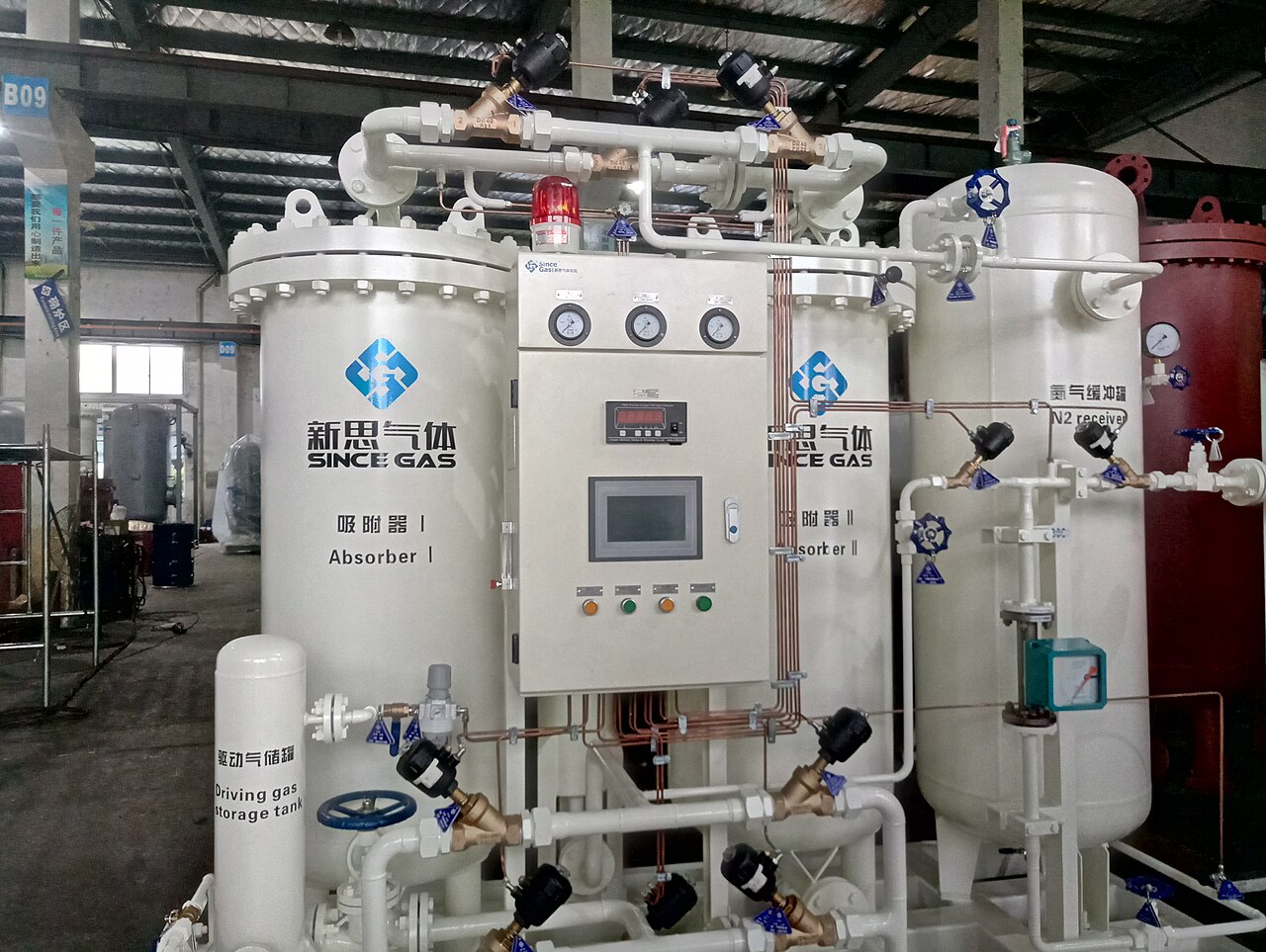
A PSA nitrogen generator makes inert gas by separating air rather than burning fuel, which gives a cleaner, sulphur-free gas that chemical and gas carriers need where combustion-type inert gas would contaminate the cargo.
Read more — Nitrogen Generator (PSA) explained ▾
What sets PSA nitrogen generation apart
Conventional inert gas plants burn fuel oil and scrub the flue gas down to a low-oxygen mixture that still carries traces of sulphur oxides and soot. A Pressure Swing Adsorption nitrogen generator instead compresses ordinary air and pushes it through beds of carbon molecular sieve that adsorb oxygen preferentially, leaving a nitrogen-rich stream behind. There is no combustion, no flue gas chemistry to manage, and no fuel consumption tied to the inerting duty -- which is why chemical tankers and gas carriers favour it over flue-gas IG for cargoes that cannot tolerate combustion by-products.

Main components
Air compressor and pre-treatment
Feeds dry, oil-free compressed air to the sieve beds; any moisture or oil carryover shortens sieve life sharply.
Carbon molecular sieve beds
Two or more vessels operating in alternating adsorption and regeneration cycles, so the plant delivers a continuous nitrogen stream while one bed vents captured oxygen and regenerates under reduced pressure.
Purity and flow control
An oxygen analyser on the product stream feeding a control valve that adjusts flow or diverts off-spec gas back to atmosphere until purity recovers after start-up.
Selection criteria
- Required purity -- cargo tank blanketing often accepts 95 to 97.5 percent nitrogen, while some chemical grades demand higher purity and lower flow.
- Flow rate matched to the largest single tank's filling or purging rate, since undersized plants cannot keep pace during fast discharge.
- Sieve bed capacity and expected feed air quality, since ambient humidity and temperature both affect achievable purity.
Regulations and class
IACS UR and class rules for inert gas systems apply to PSA plants in the same way as combustion-type IG, covering oxygen content monitoring, alarm setpoints and backup arrangements. IMO's IGC Code addresses inerting requirements for gas carriers where nitrogen systems are common, and class surveys check the oxygen analyser calibration and the plant's ability to maintain the required tank atmosphere continuously through the voyage.
Typical faults
- Sieve bed contamination from oil carryover in the feed air, which drops nitrogen purity gradually rather than all at once and can go unnoticed without trend logging.
- Oxygen analyser drift, giving a false purity reading that either wastes nitrogen through unnecessary venting or, worse, allows an off-spec gas into the tank.
- Regeneration valve wear causing incomplete bed switching, which shows up as a slow purity decline under high demand.
- Undersized product buffer causing purity dips during rapid demand swings at the start of tank purging.
What to look for in a supplier
- Sieve bed replacement intervals and cost stated up front, since this is the main recurring expense of the system.
- Documented purity and flow performance across the ambient temperature and humidity range the vessel actually trades in.
- Oxygen analyser type and calibration schedule compatible with the ship's existing spares and calibration gas stock.
Nitrogen purity on paper is measured at the analyser, not at the tank -- long, poorly purged distribution lines can let oxygen back-diffuse into the blanket gas well before it reaches the far tank, so check the actual tank atmosphere, not just the generator's output reading.
8 manufacturers · 82 models
Wärtsilä
21- Gaskapazität
- Bis 20.000 Nm³/h Nennwert
- Sauerstoffgehalt
- 3% by volume (auf Basis Marine Destillat)
- Abgasdruck (normal)
- 0,12 bar gauge
- Gasaustrittstemperatur
- Max. 5°C über Seewassertemperatur
- Inertgasfeuchte
- 100% relative Feuchte, <1 g/kg Trockengas Wassertropfenanteil
- Brennstoffverbrauch
- 0,075 kg/Nm³ Gas (nominal)
- Seewasserbedarf
- 0.06 m³/Nm³ gas (at 32°C seawater temperature)
- Betriebsdauer
- >20 Jahre Lebensdauer
- Moss IGG für Tanker (Produkt & Chemikalienöltanker)
- Moss IGG für Gastransporter (LNG Carrier)
- Moss Mult-Inert System (Dual-Mode: IG & Flue Gas)
- Moss Flue Gas System mit Topping-up Generator
- Offshore Inertgas-Pakete
- Area: Scrubber-Rohrsystem Verschmutzung & KorrosionCheck: Visual inspection through man-holes for sludging, corrosion damage, deposits; check nozzles, cooling tubes, floats, sensors, demister elements. Inspection frequency 6-12 months (doubled under critical conditions). Drydock entrance inspectable (scrubber discharge line).
- Area: Oxygen analyser sample line blockage due to carbon depositsCheck: Periodic test & cleaning of inert gas sample line to O₂ analyser (critical service position). Analyser itself: 2-point calibration (Zero-Gas N₂ 0%, Span-Gas known O₂ concentration) before operation. Calibration accuracy per manufacturer. Alarm setting: >8% O₂ volume.
- Area: Deck Water Seal Wasserniveau & FunktionsprüfungCheck: Check water supply (min. 2 separate pumps required). Visual inspection water level (equipped with low-level alarm). Inspection PMS interval per manufacturer; special attention during IG system shutdown. Check for blockage/corrosion at openings.
- Area: Pressure/Vacuum Breaker (P/V-Breaker) Druckeinstellung & FlammschutzCheck: Check flame screens/meshes (replacement per PMS plan). Calibration for required pressure values + test at operating pressure. Liquid-filled breakers: check fluid type & level; check anti-freeze additive in case of frost risk. Labelling with opening pressures & fluid type/concentration + min. operating temperature.
- Area: Rückschlagventil (Non-Return Valve / Check Valve) Freigang & VentilsitzCheck: Ventil zur Inspection öffnen. Prüfung auf Korrosion, Ventilsitz-Zustand, freie Ventilbewegung über volle Hublänge. Betriebsprobe im Service durchführen. Mindestens zwei Rückschlagvorrichtungen erforderlich (Deck Seal + Isolierventil). Kritisch für Hydrokarbon-Rückfluss-Verhinderung in Maschinenraum.
- Area: Brennkammer-Zustand & Lagerzustand Flue-Gas-Rückzirkulations-VentileCheck: Access to combustion chamber via hinged front (tool-free accessible — check for wear). Flue gas & recirculation valves regularly stroked (stroke test) when system out of service — ensure free operation over full stroke range. Inspection frequency per operating frequency.
Type-universal inspection/service points for Inert Gas Systems (Wärtsilä, Mega-Schwarm 2026-06). Per-model specs not auto-filled.
- Gaskapazität
- Bis 20.000 Nm³/h Nennwert
- Sauerstoffgehalt
- 3% by volume (auf Basis Marine Destillat)
- Abgasdruck (normal)
- 0,12 bar gauge
- Gasaustrittstemperatur
- Max. 5°C über Seewassertemperatur
- Inertgasfeuchte
- 100% relative Feuchte, <1 g/kg Trockengas Wassertropfenanteil
- Brennstoffverbrauch
- 0,075 kg/Nm³ Gas (nominal)
- Seewasserbedarf
- 0.06 m³/Nm³ gas (at 32°C seawater temperature)
- Betriebsdauer
- >20 Jahre Lebensdauer
- Moss IGG für Tanker (Produkt & Chemikalienöltanker)
- Moss IGG für Gastransporter (LNG Carrier)
- Moss Mult-Inert System (Dual-Mode: IG & Flue Gas)
- Moss Flue Gas System mit Topping-up Generator
- Offshore Inertgas-Pakete
- Area: Scrubber-Rohrsystem Verschmutzung & KorrosionCheck: Visual inspection through man-holes for sludging, corrosion damage, deposits; check nozzles, cooling tubes, floats, sensors, demister elements. Inspection frequency 6-12 months (doubled under critical conditions). Drydock entrance inspectable (scrubber discharge line).
- Area: Oxygen analyser sample line blockage due to carbon depositsCheck: Periodic test & cleaning of inert gas sample line to O₂ analyser (critical service position). Analyser itself: 2-point calibration (Zero-Gas N₂ 0%, Span-Gas known O₂ concentration) before operation. Calibration accuracy per manufacturer. Alarm setting: >8% O₂ volume.
- Area: Deck Water Seal Wasserniveau & FunktionsprüfungCheck: Check water supply (min. 2 separate pumps required). Visual inspection water level (equipped with low-level alarm). Inspection PMS interval per manufacturer; special attention during IG system shutdown. Check for blockage/corrosion at openings.
- Area: Pressure/Vacuum Breaker (P/V-Breaker) Druckeinstellung & FlammschutzCheck: Check flame screens/meshes (replacement per PMS plan). Calibration for required pressure values + test at operating pressure. Liquid-filled breakers: check fluid type & level; check anti-freeze additive in case of frost risk. Labelling with opening pressures & fluid type/concentration + min. operating temperature.
- Area: Rückschlagventil (Non-Return Valve / Check Valve) Freigang & VentilsitzCheck: Ventil zur Inspection öffnen. Prüfung auf Korrosion, Ventilsitz-Zustand, freie Ventilbewegung über volle Hublänge. Betriebsprobe im Service durchführen. Mindestens zwei Rückschlagvorrichtungen erforderlich (Deck Seal + Isolierventil). Kritisch für Hydrokarbon-Rückfluss-Verhinderung in Maschinenraum.
- Area: Brennkammer-Zustand & Lagerzustand Flue-Gas-Rückzirkulations-VentileCheck: Access to combustion chamber via hinged front (tool-free accessible — check for wear). Flue gas & recirculation valves regularly stroked (stroke test) when system out of service — ensure free operation over full stroke range. Inspection frequency per operating frequency.
Type-universal inspection/service points for Inert Gas Systems (Wärtsilä, Mega-Schwarm 2026-06). Per-model specs not auto-filled.
- Gaskapazität
- Bis 20.000 Nm³/h Nennwert
- Sauerstoffgehalt
- 3% by volume (auf Basis Marine Destillat)
- Abgasdruck (normal)
- 0,12 bar gauge
- Gasaustrittstemperatur
- Max. 5°C über Seewassertemperatur
- Inertgasfeuchte
- 100% relative Feuchte, <1 g/kg Trockengas Wassertropfenanteil
- Brennstoffverbrauch
- 0,075 kg/Nm³ Gas (nominal)
- Seewasserbedarf
- 0.06 m³/Nm³ gas (at 32°C seawater temperature)
- Betriebsdauer
- >20 Jahre Lebensdauer
- Moss IGG für Tanker (Produkt & Chemikalienöltanker)
- Moss IGG für Gastransporter (LNG Carrier)
- Moss Mult-Inert System (Dual-Mode: IG & Flue Gas)
- Moss Flue Gas System mit Topping-up Generator
- Offshore Inertgas-Pakete
- Area: Scrubber-Rohrsystem Verschmutzung & KorrosionCheck: Visual inspection through man-holes for sludging, corrosion damage, deposits; check nozzles, cooling tubes, floats, sensors, demister elements. Inspection frequency 6-12 months (doubled under critical conditions). Drydock entrance inspectable (scrubber discharge line).
- Area: Oxygen analyser sample line blockage due to carbon depositsCheck: Periodic test & cleaning of inert gas sample line to O₂ analyser (critical service position). Analyser itself: 2-point calibration (Zero-Gas N₂ 0%, Span-Gas known O₂ concentration) before operation. Calibration accuracy per manufacturer. Alarm setting: >8% O₂ volume.
- Area: Deck Water Seal Wasserniveau & FunktionsprüfungCheck: Check water supply (min. 2 separate pumps required). Visual inspection water level (equipped with low-level alarm). Inspection PMS interval per manufacturer; special attention during IG system shutdown. Check for blockage/corrosion at openings.
- Area: Pressure/Vacuum Breaker (P/V-Breaker) Druckeinstellung & FlammschutzCheck: Check flame screens/meshes (replacement per PMS plan). Calibration for required pressure values + test at operating pressure. Liquid-filled breakers: check fluid type & level; check anti-freeze additive in case of frost risk. Labelling with opening pressures & fluid type/concentration + min. operating temperature.
- Area: Rückschlagventil (Non-Return Valve / Check Valve) Freigang & VentilsitzCheck: Ventil zur Inspection öffnen. Prüfung auf Korrosion, Ventilsitz-Zustand, freie Ventilbewegung über volle Hublänge. Betriebsprobe im Service durchführen. Mindestens zwei Rückschlagvorrichtungen erforderlich (Deck Seal + Isolierventil). Kritisch für Hydrokarbon-Rückfluss-Verhinderung in Maschinenraum.
- Area: Brennkammer-Zustand & Lagerzustand Flue-Gas-Rückzirkulations-VentileCheck: Access to combustion chamber via hinged front (tool-free accessible — check for wear). Flue gas & recirculation valves regularly stroked (stroke test) when system out of service — ensure free operation over full stroke range. Inspection frequency per operating frequency.
Type-universal inspection/service points for Inert Gas Systems (Wärtsilä, Mega-Schwarm 2026-06). Per-model specs not auto-filled.
- Gaskapazität
- Bis 20.000 Nm³/h Nennwert
- Sauerstoffgehalt
- 3% by volume (auf Basis Marine Destillat)
- Abgasdruck (normal)
- 0,12 bar gauge
- Gasaustrittstemperatur
- Max. 5°C über Seewassertemperatur
- Inertgasfeuchte
- 100% relative Feuchte, <1 g/kg Trockengas Wassertropfenanteil
- Brennstoffverbrauch
- 0,075 kg/Nm³ Gas (nominal)
- Seewasserbedarf
- 0.06 m³/Nm³ gas (at 32°C seawater temperature)
- Betriebsdauer
- >20 Jahre Lebensdauer
- Moss IGG für Tanker (Produkt & Chemikalienöltanker)
- Moss IGG für Gastransporter (LNG Carrier)
- Moss Mult-Inert System (Dual-Mode: IG & Flue Gas)
- Moss Flue Gas System mit Topping-up Generator
- Offshore Inertgas-Pakete
- Area: Scrubber-Rohrsystem Verschmutzung & KorrosionCheck: Visual inspection through man-holes for sludging, corrosion damage, deposits; check nozzles, cooling tubes, floats, sensors, demister elements. Inspection frequency 6-12 months (doubled under critical conditions). Drydock entrance inspectable (scrubber discharge line).
- Area: Oxygen analyser sample line blockage due to carbon depositsCheck: Periodic test & cleaning of inert gas sample line to O₂ analyser (critical service position). Analyser itself: 2-point calibration (Zero-Gas N₂ 0%, Span-Gas known O₂ concentration) before operation. Calibration accuracy per manufacturer. Alarm setting: >8% O₂ volume.
- Area: Deck Water Seal Wasserniveau & FunktionsprüfungCheck: Check water supply (min. 2 separate pumps required). Visual inspection water level (equipped with low-level alarm). Inspection PMS interval per manufacturer; special attention during IG system shutdown. Check for blockage/corrosion at openings.
- Area: Pressure/Vacuum Breaker (P/V-Breaker) Druckeinstellung & FlammschutzCheck: Check flame screens/meshes (replacement per PMS plan). Calibration for required pressure values + test at operating pressure. Liquid-filled breakers: check fluid type & level; check anti-freeze additive in case of frost risk. Labelling with opening pressures & fluid type/concentration + min. operating temperature.
- Area: Rückschlagventil (Non-Return Valve / Check Valve) Freigang & VentilsitzCheck: Ventil zur Inspection öffnen. Prüfung auf Korrosion, Ventilsitz-Zustand, freie Ventilbewegung über volle Hublänge. Betriebsprobe im Service durchführen. Mindestens zwei Rückschlagvorrichtungen erforderlich (Deck Seal + Isolierventil). Kritisch für Hydrokarbon-Rückfluss-Verhinderung in Maschinenraum.
- Area: Brennkammer-Zustand & Lagerzustand Flue-Gas-Rückzirkulations-VentileCheck: Access to combustion chamber via hinged front (tool-free accessible — check for wear). Flue gas & recirculation valves regularly stroked (stroke test) when system out of service — ensure free operation over full stroke range. Inspection frequency per operating frequency.
Type-universal inspection/service points for Inert Gas Systems (Wärtsilä, Mega-Schwarm 2026-06). Per-model specs not auto-filled.
- Gaskapazität
- Bis 20.000 Nm³/h Nennwert
- Sauerstoffgehalt
- 3% by volume (auf Basis Marine Destillat)
- Abgasdruck (normal)
- 0,12 bar gauge
- Gasaustrittstemperatur
- Max. 5°C über Seewassertemperatur
- Inertgasfeuchte
- 100% relative Feuchte, <1 g/kg Trockengas Wassertropfenanteil
- Brennstoffverbrauch
- 0,075 kg/Nm³ Gas (nominal)
- Seewasserbedarf
- 0.06 m³/Nm³ gas (at 32°C seawater temperature)
- Betriebsdauer
- >20 Jahre Lebensdauer
- Moss IGG für Tanker (Produkt & Chemikalienöltanker)
- Moss IGG für Gastransporter (LNG Carrier)
- Moss Mult-Inert System (Dual-Mode: IG & Flue Gas)
- Moss Flue Gas System mit Topping-up Generator
- Offshore Inertgas-Pakete
- Area: Scrubber-Rohrsystem Verschmutzung & KorrosionCheck: Visual inspection through man-holes for sludging, corrosion damage, deposits; check nozzles, cooling tubes, floats, sensors, demister elements. Inspection frequency 6-12 months (doubled under critical conditions). Drydock entrance inspectable (scrubber discharge line).
- Area: Oxygen analyser sample line blockage due to carbon depositsCheck: Periodic test & cleaning of inert gas sample line to O₂ analyser (critical service position). Analyser itself: 2-point calibration (Zero-Gas N₂ 0%, Span-Gas known O₂ concentration) before operation. Calibration accuracy per manufacturer. Alarm setting: >8% O₂ volume.
- Area: Deck Water Seal Wasserniveau & FunktionsprüfungCheck: Check water supply (min. 2 separate pumps required). Visual inspection water level (equipped with low-level alarm). Inspection PMS interval per manufacturer; special attention during IG system shutdown. Check for blockage/corrosion at openings.
- Area: Pressure/Vacuum Breaker (P/V-Breaker) Druckeinstellung & FlammschutzCheck: Check flame screens/meshes (replacement per PMS plan). Calibration for required pressure values + test at operating pressure. Liquid-filled breakers: check fluid type & level; check anti-freeze additive in case of frost risk. Labelling with opening pressures & fluid type/concentration + min. operating temperature.
- Area: Rückschlagventil (Non-Return Valve / Check Valve) Freigang & VentilsitzCheck: Ventil zur Inspection öffnen. Prüfung auf Korrosion, Ventilsitz-Zustand, freie Ventilbewegung über volle Hublänge. Betriebsprobe im Service durchführen. Mindestens zwei Rückschlagvorrichtungen erforderlich (Deck Seal + Isolierventil). Kritisch für Hydrokarbon-Rückfluss-Verhinderung in Maschinenraum.
- Area: Brennkammer-Zustand & Lagerzustand Flue-Gas-Rückzirkulations-VentileCheck: Access to combustion chamber via hinged front (tool-free accessible — check for wear). Flue gas & recirculation valves regularly stroked (stroke test) when system out of service — ensure free operation over full stroke range. Inspection frequency per operating frequency.
Type-universal inspection/service points for Inert Gas Systems (Wärtsilä, Mega-Schwarm 2026-06). Per-model specs not auto-filled.
- Gaskapazität
- Bis 20.000 Nm³/h Nennwert
- Sauerstoffgehalt
- 3% by volume (auf Basis Marine Destillat)
- Abgasdruck (normal)
- 0,12 bar gauge
- Gasaustrittstemperatur
- Max. 5°C über Seewassertemperatur
- Inertgasfeuchte
- 100% relative Feuchte, <1 g/kg Trockengas Wassertropfenanteil
- Brennstoffverbrauch
- 0,075 kg/Nm³ Gas (nominal)
- Seewasserbedarf
- 0.06 m³/Nm³ gas (at 32°C seawater temperature)
- Betriebsdauer
- >20 Jahre Lebensdauer
- Moss IGG für Tanker (Produkt & Chemikalienöltanker)
- Moss IGG für Gastransporter (LNG Carrier)
- Moss Mult-Inert System (Dual-Mode: IG & Flue Gas)
- Moss Flue Gas System mit Topping-up Generator
- Offshore Inertgas-Pakete
- Area: Scrubber-Rohrsystem Verschmutzung & KorrosionCheck: Visual inspection through man-holes for sludging, corrosion damage, deposits; check nozzles, cooling tubes, floats, sensors, demister elements. Inspection frequency 6-12 months (doubled under critical conditions). Drydock entrance inspectable (scrubber discharge line).
- Area: Oxygen analyser sample line blockage due to carbon depositsCheck: Periodic test & cleaning of inert gas sample line to O₂ analyser (critical service position). Analyser itself: 2-point calibration (Zero-Gas N₂ 0%, Span-Gas known O₂ concentration) before operation. Calibration accuracy per manufacturer. Alarm setting: >8% O₂ volume.
- Area: Deck Water Seal Wasserniveau & FunktionsprüfungCheck: Check water supply (min. 2 separate pumps required). Visual inspection water level (equipped with low-level alarm). Inspection PMS interval per manufacturer; special attention during IG system shutdown. Check for blockage/corrosion at openings.
- Area: Pressure/Vacuum Breaker (P/V-Breaker) Druckeinstellung & FlammschutzCheck: Check flame screens/meshes (replacement per PMS plan). Calibration for required pressure values + test at operating pressure. Liquid-filled breakers: check fluid type & level; check anti-freeze additive in case of frost risk. Labelling with opening pressures & fluid type/concentration + min. operating temperature.
- Area: Rückschlagventil (Non-Return Valve / Check Valve) Freigang & VentilsitzCheck: Ventil zur Inspection öffnen. Prüfung auf Korrosion, Ventilsitz-Zustand, freie Ventilbewegung über volle Hublänge. Betriebsprobe im Service durchführen. Mindestens zwei Rückschlagvorrichtungen erforderlich (Deck Seal + Isolierventil). Kritisch für Hydrokarbon-Rückfluss-Verhinderung in Maschinenraum.
- Area: Brennkammer-Zustand & Lagerzustand Flue-Gas-Rückzirkulations-VentileCheck: Access to combustion chamber via hinged front (tool-free accessible — check for wear). Flue gas & recirculation valves regularly stroked (stroke test) when system out of service — ensure free operation over full stroke range. Inspection frequency per operating frequency.
Type-universal inspection/service points for Inert Gas Systems (Wärtsilä, Mega-Schwarm 2026-06). Per-model specs not auto-filled.
- Gaskapazität
- Bis 20.000 Nm³/h Nennwert
- Sauerstoffgehalt
- 3% by volume (auf Basis Marine Destillat)
- Abgasdruck (normal)
- 0,12 bar gauge
- Gasaustrittstemperatur
- Max. 5°C über Seewassertemperatur
- Inertgasfeuchte
- 100% relative Feuchte, <1 g/kg Trockengas Wassertropfenanteil
- Brennstoffverbrauch
- 0,075 kg/Nm³ Gas (nominal)
- Seewasserbedarf
- 0.06 m³/Nm³ gas (at 32°C seawater temperature)
- Betriebsdauer
- >20 Jahre Lebensdauer
- Moss IGG für Tanker (Produkt & Chemikalienöltanker)
- Moss IGG für Gastransporter (LNG Carrier)
- Moss Mult-Inert System (Dual-Mode: IG & Flue Gas)
- Moss Flue Gas System mit Topping-up Generator
- Offshore Inertgas-Pakete
- Area: Scrubber-Rohrsystem Verschmutzung & KorrosionCheck: Visual inspection through man-holes for sludging, corrosion damage, deposits; check nozzles, cooling tubes, floats, sensors, demister elements. Inspection frequency 6-12 months (doubled under critical conditions). Drydock entrance inspectable (scrubber discharge line).
- Area: Oxygen analyser sample line blockage due to carbon depositsCheck: Periodic test & cleaning of inert gas sample line to O₂ analyser (critical service position). Analyser itself: 2-point calibration (Zero-Gas N₂ 0%, Span-Gas known O₂ concentration) before operation. Calibration accuracy per manufacturer. Alarm setting: >8% O₂ volume.
- Area: Deck Water Seal Wasserniveau & FunktionsprüfungCheck: Check water supply (min. 2 separate pumps required). Visual inspection water level (equipped with low-level alarm). Inspection PMS interval per manufacturer; special attention during IG system shutdown. Check for blockage/corrosion at openings.
- Area: Pressure/Vacuum Breaker (P/V-Breaker) Druckeinstellung & FlammschutzCheck: Check flame screens/meshes (replacement per PMS plan). Calibration for required pressure values + test at operating pressure. Liquid-filled breakers: check fluid type & level; check anti-freeze additive in case of frost risk. Labelling with opening pressures & fluid type/concentration + min. operating temperature.
- Area: Rückschlagventil (Non-Return Valve / Check Valve) Freigang & VentilsitzCheck: Ventil zur Inspection öffnen. Prüfung auf Korrosion, Ventilsitz-Zustand, freie Ventilbewegung über volle Hublänge. Betriebsprobe im Service durchführen. Mindestens zwei Rückschlagvorrichtungen erforderlich (Deck Seal + Isolierventil). Kritisch für Hydrokarbon-Rückfluss-Verhinderung in Maschinenraum.
- Area: Brennkammer-Zustand & Lagerzustand Flue-Gas-Rückzirkulations-VentileCheck: Access to combustion chamber via hinged front (tool-free accessible — check for wear). Flue gas & recirculation valves regularly stroked (stroke test) when system out of service — ensure free operation over full stroke range. Inspection frequency per operating frequency.
Type-universal inspection/service points for Inert Gas Systems (Wärtsilä, Mega-Schwarm 2026-06). Per-model specs not auto-filled.
- Gaskapazität
- Bis 20.000 Nm³/h Nennwert
- Sauerstoffgehalt
- 3% by volume (auf Basis Marine Destillat)
- Abgasdruck (normal)
- 0,12 bar gauge
- Gasaustrittstemperatur
- Max. 5°C über Seewassertemperatur
- Inertgasfeuchte
- 100% relative Feuchte, <1 g/kg Trockengas Wassertropfenanteil
- Brennstoffverbrauch
- 0,075 kg/Nm³ Gas (nominal)
- Seewasserbedarf
- 0.06 m³/Nm³ gas (at 32°C seawater temperature)
- Betriebsdauer
- >20 Jahre Lebensdauer
- Moss IGG für Tanker (Produkt & Chemikalienöltanker)
- Moss IGG für Gastransporter (LNG Carrier)
- Moss Mult-Inert System (Dual-Mode: IG & Flue Gas)
- Moss Flue Gas System mit Topping-up Generator
- Offshore Inertgas-Pakete
- Area: Scrubber-Rohrsystem Verschmutzung & KorrosionCheck: Visual inspection through man-holes for sludging, corrosion damage, deposits; check nozzles, cooling tubes, floats, sensors, demister elements. Inspection frequency 6-12 months (doubled under critical conditions). Drydock entrance inspectable (scrubber discharge line).
- Area: Oxygen analyser sample line blockage due to carbon depositsCheck: Periodic test & cleaning of inert gas sample line to O₂ analyser (critical service position). Analyser itself: 2-point calibration (Zero-Gas N₂ 0%, Span-Gas known O₂ concentration) before operation. Calibration accuracy per manufacturer. Alarm setting: >8% O₂ volume.
- Area: Deck Water Seal Wasserniveau & FunktionsprüfungCheck: Check water supply (min. 2 separate pumps required). Visual inspection water level (equipped with low-level alarm). Inspection PMS interval per manufacturer; special attention during IG system shutdown. Check for blockage/corrosion at openings.
- Area: Pressure/Vacuum Breaker (P/V-Breaker) Druckeinstellung & FlammschutzCheck: Check flame screens/meshes (replacement per PMS plan). Calibration for required pressure values + test at operating pressure. Liquid-filled breakers: check fluid type & level; check anti-freeze additive in case of frost risk. Labelling with opening pressures & fluid type/concentration + min. operating temperature.
- Area: Rückschlagventil (Non-Return Valve / Check Valve) Freigang & VentilsitzCheck: Ventil zur Inspection öffnen. Prüfung auf Korrosion, Ventilsitz-Zustand, freie Ventilbewegung über volle Hublänge. Betriebsprobe im Service durchführen. Mindestens zwei Rückschlagvorrichtungen erforderlich (Deck Seal + Isolierventil). Kritisch für Hydrokarbon-Rückfluss-Verhinderung in Maschinenraum.
- Area: Brennkammer-Zustand & Lagerzustand Flue-Gas-Rückzirkulations-VentileCheck: Access to combustion chamber via hinged front (tool-free accessible — check for wear). Flue gas & recirculation valves regularly stroked (stroke test) when system out of service — ensure free operation over full stroke range. Inspection frequency per operating frequency.
Type-universal inspection/service points for Inert Gas Systems (Wärtsilä, Mega-Schwarm 2026-06). Per-model specs not auto-filled.
- Gaskapazität
- Bis 20.000 Nm³/h Nennwert
- Sauerstoffgehalt
- 3% by volume (auf Basis Marine Destillat)
- Abgasdruck (normal)
- 0,12 bar gauge
- Gasaustrittstemperatur
- Max. 5°C über Seewassertemperatur
- Inertgasfeuchte
- 100% relative Feuchte, <1 g/kg Trockengas Wassertropfenanteil
- Brennstoffverbrauch
- 0,075 kg/Nm³ Gas (nominal)
- Seewasserbedarf
- 0.06 m³/Nm³ gas (at 32°C seawater temperature)
- Betriebsdauer
- >20 Jahre Lebensdauer
- Moss IGG für Tanker (Produkt & Chemikalienöltanker)
- Moss IGG für Gastransporter (LNG Carrier)
- Moss Mult-Inert System (Dual-Mode: IG & Flue Gas)
- Moss Flue Gas System mit Topping-up Generator
- Offshore Inertgas-Pakete
- Area: Scrubber-Rohrsystem Verschmutzung & KorrosionCheck: Visual inspection through man-holes for sludging, corrosion damage, deposits; check nozzles, cooling tubes, floats, sensors, demister elements. Inspection frequency 6-12 months (doubled under critical conditions). Drydock entrance inspectable (scrubber discharge line).
- Area: Oxygen analyser sample line blockage due to carbon depositsCheck: Periodic test & cleaning of inert gas sample line to O₂ analyser (critical service position). Analyser itself: 2-point calibration (Zero-Gas N₂ 0%, Span-Gas known O₂ concentration) before operation. Calibration accuracy per manufacturer. Alarm setting: >8% O₂ volume.
- Area: Deck Water Seal Wasserniveau & FunktionsprüfungCheck: Check water supply (min. 2 separate pumps required). Visual inspection water level (equipped with low-level alarm). Inspection PMS interval per manufacturer; special attention during IG system shutdown. Check for blockage/corrosion at openings.
- Area: Pressure/Vacuum Breaker (P/V-Breaker) Druckeinstellung & FlammschutzCheck: Check flame screens/meshes (replacement per PMS plan). Calibration for required pressure values + test at operating pressure. Liquid-filled breakers: check fluid type & level; check anti-freeze additive in case of frost risk. Labelling with opening pressures & fluid type/concentration + min. operating temperature.
- Area: Rückschlagventil (Non-Return Valve / Check Valve) Freigang & VentilsitzCheck: Ventil zur Inspection öffnen. Prüfung auf Korrosion, Ventilsitz-Zustand, freie Ventilbewegung über volle Hublänge. Betriebsprobe im Service durchführen. Mindestens zwei Rückschlagvorrichtungen erforderlich (Deck Seal + Isolierventil). Kritisch für Hydrokarbon-Rückfluss-Verhinderung in Maschinenraum.
- Area: Brennkammer-Zustand & Lagerzustand Flue-Gas-Rückzirkulations-VentileCheck: Access to combustion chamber via hinged front (tool-free accessible — check for wear). Flue gas & recirculation valves regularly stroked (stroke test) when system out of service — ensure free operation over full stroke range. Inspection frequency per operating frequency.
Type-universal inspection/service points for Inert Gas Systems (Wärtsilä, Mega-Schwarm 2026-06). Per-model specs not auto-filled.
- Gaskapazität
- Bis 20.000 Nm³/h Nennwert
- Sauerstoffgehalt
- 3% by volume (auf Basis Marine Destillat)
- Abgasdruck (normal)
- 0,12 bar gauge
- Gasaustrittstemperatur
- Max. 5°C über Seewassertemperatur
- Inertgasfeuchte
- 100% relative Feuchte, <1 g/kg Trockengas Wassertropfenanteil
- Brennstoffverbrauch
- 0,075 kg/Nm³ Gas (nominal)
- Seewasserbedarf
- 0.06 m³/Nm³ gas (at 32°C seawater temperature)
- Betriebsdauer
- >20 Jahre Lebensdauer
- Moss IGG für Tanker (Produkt & Chemikalienöltanker)
- Moss IGG für Gastransporter (LNG Carrier)
- Moss Mult-Inert System (Dual-Mode: IG & Flue Gas)
- Moss Flue Gas System mit Topping-up Generator
- Offshore Inertgas-Pakete
- Area: Scrubber-Rohrsystem Verschmutzung & KorrosionCheck: Visual inspection through man-holes for sludging, corrosion damage, deposits; check nozzles, cooling tubes, floats, sensors, demister elements. Inspection frequency 6-12 months (doubled under critical conditions). Drydock entrance inspectable (scrubber discharge line).
- Area: Oxygen analyser sample line blockage due to carbon depositsCheck: Periodic test & cleaning of inert gas sample line to O₂ analyser (critical service position). Analyser itself: 2-point calibration (Zero-Gas N₂ 0%, Span-Gas known O₂ concentration) before operation. Calibration accuracy per manufacturer. Alarm setting: >8% O₂ volume.
- Area: Deck Water Seal Wasserniveau & FunktionsprüfungCheck: Check water supply (min. 2 separate pumps required). Visual inspection water level (equipped with low-level alarm). Inspection PMS interval per manufacturer; special attention during IG system shutdown. Check for blockage/corrosion at openings.
- Area: Pressure/Vacuum Breaker (P/V-Breaker) Druckeinstellung & FlammschutzCheck: Check flame screens/meshes (replacement per PMS plan). Calibration for required pressure values + test at operating pressure. Liquid-filled breakers: check fluid type & level; check anti-freeze additive in case of frost risk. Labelling with opening pressures & fluid type/concentration + min. operating temperature.
- Area: Rückschlagventil (Non-Return Valve / Check Valve) Freigang & VentilsitzCheck: Ventil zur Inspection öffnen. Prüfung auf Korrosion, Ventilsitz-Zustand, freie Ventilbewegung über volle Hublänge. Betriebsprobe im Service durchführen. Mindestens zwei Rückschlagvorrichtungen erforderlich (Deck Seal + Isolierventil). Kritisch für Hydrokarbon-Rückfluss-Verhinderung in Maschinenraum.
- Area: Brennkammer-Zustand & Lagerzustand Flue-Gas-Rückzirkulations-VentileCheck: Access to combustion chamber via hinged front (tool-free accessible — check for wear). Flue gas & recirculation valves regularly stroked (stroke test) when system out of service — ensure free operation over full stroke range. Inspection frequency per operating frequency.
Type-universal inspection/service points for Inert Gas Systems (Wärtsilä, Mega-Schwarm 2026-06). Per-model specs not auto-filled.
- Gaskapazität
- Bis 20.000 Nm³/h Nennwert
- Sauerstoffgehalt
- 3% by volume (auf Basis Marine Destillat)
- Abgasdruck (normal)
- 0,12 bar gauge
- Gasaustrittstemperatur
- Max. 5°C über Seewassertemperatur
- Inertgasfeuchte
- 100% relative Feuchte, <1 g/kg Trockengas Wassertropfenanteil
- Brennstoffverbrauch
- 0,075 kg/Nm³ Gas (nominal)
- Seewasserbedarf
- 0.06 m³/Nm³ gas (at 32°C seawater temperature)
- Betriebsdauer
- >20 Jahre Lebensdauer
- Moss IGG für Tanker (Produkt & Chemikalienöltanker)
- Moss IGG für Gastransporter (LNG Carrier)
- Moss Mult-Inert System (Dual-Mode: IG & Flue Gas)
- Moss Flue Gas System mit Topping-up Generator
- Offshore Inertgas-Pakete
- Area: Scrubber-Rohrsystem Verschmutzung & KorrosionCheck: Visual inspection through man-holes for sludging, corrosion damage, deposits; check nozzles, cooling tubes, floats, sensors, demister elements. Inspection frequency 6-12 months (doubled under critical conditions). Drydock entrance inspectable (scrubber discharge line).
- Area: Oxygen analyser sample line blockage due to carbon depositsCheck: Periodic test & cleaning of inert gas sample line to O₂ analyser (critical service position). Analyser itself: 2-point calibration (Zero-Gas N₂ 0%, Span-Gas known O₂ concentration) before operation. Calibration accuracy per manufacturer. Alarm setting: >8% O₂ volume.
- Area: Deck Water Seal Wasserniveau & FunktionsprüfungCheck: Check water supply (min. 2 separate pumps required). Visual inspection water level (equipped with low-level alarm). Inspection PMS interval per manufacturer; special attention during IG system shutdown. Check for blockage/corrosion at openings.
- Area: Pressure/Vacuum Breaker (P/V-Breaker) Druckeinstellung & FlammschutzCheck: Check flame screens/meshes (replacement per PMS plan). Calibration for required pressure values + test at operating pressure. Liquid-filled breakers: check fluid type & level; check anti-freeze additive in case of frost risk. Labelling with opening pressures & fluid type/concentration + min. operating temperature.
- Area: Rückschlagventil (Non-Return Valve / Check Valve) Freigang & VentilsitzCheck: Ventil zur Inspection öffnen. Prüfung auf Korrosion, Ventilsitz-Zustand, freie Ventilbewegung über volle Hublänge. Betriebsprobe im Service durchführen. Mindestens zwei Rückschlagvorrichtungen erforderlich (Deck Seal + Isolierventil). Kritisch für Hydrokarbon-Rückfluss-Verhinderung in Maschinenraum.
- Area: Brennkammer-Zustand & Lagerzustand Flue-Gas-Rückzirkulations-VentileCheck: Access to combustion chamber via hinged front (tool-free accessible — check for wear). Flue gas & recirculation valves regularly stroked (stroke test) when system out of service — ensure free operation over full stroke range. Inspection frequency per operating frequency.
Type-universal inspection/service points for Inert Gas Systems (Wärtsilä, Mega-Schwarm 2026-06). Per-model specs not auto-filled.
- Gaskapazität
- Bis 20.000 Nm³/h Nennwert
- Sauerstoffgehalt
- 3% by volume (auf Basis Marine Destillat)
- Abgasdruck (normal)
- 0,12 bar gauge
- Gasaustrittstemperatur
- Max. 5°C über Seewassertemperatur
- Inertgasfeuchte
- 100% relative Feuchte, <1 g/kg Trockengas Wassertropfenanteil
- Brennstoffverbrauch
- 0,075 kg/Nm³ Gas (nominal)
- Seewasserbedarf
- 0.06 m³/Nm³ gas (at 32°C seawater temperature)
- Betriebsdauer
- >20 Jahre Lebensdauer
- Moss IGG für Tanker (Produkt & Chemikalienöltanker)
- Moss IGG für Gastransporter (LNG Carrier)
- Moss Mult-Inert System (Dual-Mode: IG & Flue Gas)
- Moss Flue Gas System mit Topping-up Generator
- Offshore Inertgas-Pakete
- Area: Scrubber-Rohrsystem Verschmutzung & KorrosionCheck: Visual inspection through man-holes for sludging, corrosion damage, deposits; check nozzles, cooling tubes, floats, sensors, demister elements. Inspection frequency 6-12 months (doubled under critical conditions). Drydock entrance inspectable (scrubber discharge line).
- Area: Oxygen analyser sample line blockage due to carbon depositsCheck: Periodic test & cleaning of inert gas sample line to O₂ analyser (critical service position). Analyser itself: 2-point calibration (Zero-Gas N₂ 0%, Span-Gas known O₂ concentration) before operation. Calibration accuracy per manufacturer. Alarm setting: >8% O₂ volume.
- Area: Deck Water Seal Wasserniveau & FunktionsprüfungCheck: Check water supply (min. 2 separate pumps required). Visual inspection water level (equipped with low-level alarm). Inspection PMS interval per manufacturer; special attention during IG system shutdown. Check for blockage/corrosion at openings.
- Area: Pressure/Vacuum Breaker (P/V-Breaker) Druckeinstellung & FlammschutzCheck: Check flame screens/meshes (replacement per PMS plan). Calibration for required pressure values + test at operating pressure. Liquid-filled breakers: check fluid type & level; check anti-freeze additive in case of frost risk. Labelling with opening pressures & fluid type/concentration + min. operating temperature.
- Area: Rückschlagventil (Non-Return Valve / Check Valve) Freigang & VentilsitzCheck: Ventil zur Inspection öffnen. Prüfung auf Korrosion, Ventilsitz-Zustand, freie Ventilbewegung über volle Hublänge. Betriebsprobe im Service durchführen. Mindestens zwei Rückschlagvorrichtungen erforderlich (Deck Seal + Isolierventil). Kritisch für Hydrokarbon-Rückfluss-Verhinderung in Maschinenraum.
- Area: Brennkammer-Zustand & Lagerzustand Flue-Gas-Rückzirkulations-VentileCheck: Access to combustion chamber via hinged front (tool-free accessible — check for wear). Flue gas & recirculation valves regularly stroked (stroke test) when system out of service — ensure free operation over full stroke range. Inspection frequency per operating frequency.
Type-universal inspection/service points for Inert Gas Systems (Wärtsilä, Mega-Schwarm 2026-06). Per-model specs not auto-filled.
- Gaskapazität
- Bis 20.000 Nm³/h Nennwert
- Sauerstoffgehalt
- 3% by volume (auf Basis Marine Destillat)
- Abgasdruck (normal)
- 0,12 bar gauge
- Gasaustrittstemperatur
- Max. 5°C über Seewassertemperatur
- Inertgasfeuchte
- 100% relative Feuchte, <1 g/kg Trockengas Wassertropfenanteil
- Brennstoffverbrauch
- 0,075 kg/Nm³ Gas (nominal)
- Seewasserbedarf
- 0.06 m³/Nm³ gas (at 32°C seawater temperature)
- Betriebsdauer
- >20 Jahre Lebensdauer
- Moss IGG für Tanker (Produkt & Chemikalienöltanker)
- Moss IGG für Gastransporter (LNG Carrier)
- Moss Mult-Inert System (Dual-Mode: IG & Flue Gas)
- Moss Flue Gas System mit Topping-up Generator
- Offshore Inertgas-Pakete
- Area: Scrubber-Rohrsystem Verschmutzung & KorrosionCheck: Visual inspection through man-holes for sludging, corrosion damage, deposits; check nozzles, cooling tubes, floats, sensors, demister elements. Inspection frequency 6-12 months (doubled under critical conditions). Drydock entrance inspectable (scrubber discharge line).
- Area: Oxygen analyser sample line blockage due to carbon depositsCheck: Periodic test & cleaning of inert gas sample line to O₂ analyser (critical service position). Analyser itself: 2-point calibration (Zero-Gas N₂ 0%, Span-Gas known O₂ concentration) before operation. Calibration accuracy per manufacturer. Alarm setting: >8% O₂ volume.
- Area: Deck Water Seal Wasserniveau & FunktionsprüfungCheck: Check water supply (min. 2 separate pumps required). Visual inspection water level (equipped with low-level alarm). Inspection PMS interval per manufacturer; special attention during IG system shutdown. Check for blockage/corrosion at openings.
- Area: Pressure/Vacuum Breaker (P/V-Breaker) Druckeinstellung & FlammschutzCheck: Check flame screens/meshes (replacement per PMS plan). Calibration for required pressure values + test at operating pressure. Liquid-filled breakers: check fluid type & level; check anti-freeze additive in case of frost risk. Labelling with opening pressures & fluid type/concentration + min. operating temperature.
- Area: Rückschlagventil (Non-Return Valve / Check Valve) Freigang & VentilsitzCheck: Ventil zur Inspection öffnen. Prüfung auf Korrosion, Ventilsitz-Zustand, freie Ventilbewegung über volle Hublänge. Betriebsprobe im Service durchführen. Mindestens zwei Rückschlagvorrichtungen erforderlich (Deck Seal + Isolierventil). Kritisch für Hydrokarbon-Rückfluss-Verhinderung in Maschinenraum.
- Area: Brennkammer-Zustand & Lagerzustand Flue-Gas-Rückzirkulations-VentileCheck: Access to combustion chamber via hinged front (tool-free accessible — check for wear). Flue gas & recirculation valves regularly stroked (stroke test) when system out of service — ensure free operation over full stroke range. Inspection frequency per operating frequency.
Type-universal inspection/service points for Inert Gas Systems (Wärtsilä, Mega-Schwarm 2026-06). Per-model specs not auto-filled.
- Gaskapazität
- Bis 20.000 Nm³/h Nennwert
- Sauerstoffgehalt
- 3% by volume (auf Basis Marine Destillat)
- Abgasdruck (normal)
- 0,12 bar gauge
- Gasaustrittstemperatur
- Max. 5°C über Seewassertemperatur
- Inertgasfeuchte
- 100% relative Feuchte, <1 g/kg Trockengas Wassertropfenanteil
- Brennstoffverbrauch
- 0,075 kg/Nm³ Gas (nominal)
- Seewasserbedarf
- 0.06 m³/Nm³ gas (at 32°C seawater temperature)
- Betriebsdauer
- >20 Jahre Lebensdauer
- Moss IGG für Tanker (Produkt & Chemikalienöltanker)
- Moss IGG für Gastransporter (LNG Carrier)
- Moss Mult-Inert System (Dual-Mode: IG & Flue Gas)
- Moss Flue Gas System mit Topping-up Generator
- Offshore Inertgas-Pakete
- Area: Scrubber-Rohrsystem Verschmutzung & KorrosionCheck: Visual inspection through man-holes for sludging, corrosion damage, deposits; check nozzles, cooling tubes, floats, sensors, demister elements. Inspection frequency 6-12 months (doubled under critical conditions). Drydock entrance inspectable (scrubber discharge line).
- Area: Oxygen analyser sample line blockage due to carbon depositsCheck: Periodic test & cleaning of inert gas sample line to O₂ analyser (critical service position). Analyser itself: 2-point calibration (Zero-Gas N₂ 0%, Span-Gas known O₂ concentration) before operation. Calibration accuracy per manufacturer. Alarm setting: >8% O₂ volume.
- Area: Deck Water Seal Wasserniveau & FunktionsprüfungCheck: Check water supply (min. 2 separate pumps required). Visual inspection water level (equipped with low-level alarm). Inspection PMS interval per manufacturer; special attention during IG system shutdown. Check for blockage/corrosion at openings.
- Area: Pressure/Vacuum Breaker (P/V-Breaker) Druckeinstellung & FlammschutzCheck: Check flame screens/meshes (replacement per PMS plan). Calibration for required pressure values + test at operating pressure. Liquid-filled breakers: check fluid type & level; check anti-freeze additive in case of frost risk. Labelling with opening pressures & fluid type/concentration + min. operating temperature.
- Area: Rückschlagventil (Non-Return Valve / Check Valve) Freigang & VentilsitzCheck: Ventil zur Inspection öffnen. Prüfung auf Korrosion, Ventilsitz-Zustand, freie Ventilbewegung über volle Hublänge. Betriebsprobe im Service durchführen. Mindestens zwei Rückschlagvorrichtungen erforderlich (Deck Seal + Isolierventil). Kritisch für Hydrokarbon-Rückfluss-Verhinderung in Maschinenraum.
- Area: Brennkammer-Zustand & Lagerzustand Flue-Gas-Rückzirkulations-VentileCheck: Access to combustion chamber via hinged front (tool-free accessible — check for wear). Flue gas & recirculation valves regularly stroked (stroke test) when system out of service — ensure free operation over full stroke range. Inspection frequency per operating frequency.
Type-universal inspection/service points for Inert Gas Systems (Wärtsilä, Mega-Schwarm 2026-06). Per-model specs not auto-filled.
- Gaskapazität
- Bis 20.000 Nm³/h Nennwert
- Sauerstoffgehalt
- 3% by volume (auf Basis Marine Destillat)
- Abgasdruck (normal)
- 0,12 bar gauge
- Gasaustrittstemperatur
- Max. 5°C über Seewassertemperatur
- Inertgasfeuchte
- 100% relative Feuchte, <1 g/kg Trockengas Wassertropfenanteil
- Brennstoffverbrauch
- 0,075 kg/Nm³ Gas (nominal)
- Seewasserbedarf
- 0.06 m³/Nm³ gas (at 32°C seawater temperature)
- Betriebsdauer
- >20 Jahre Lebensdauer
- Moss IGG für Tanker (Produkt & Chemikalienöltanker)
- Moss IGG für Gastransporter (LNG Carrier)
- Moss Mult-Inert System (Dual-Mode: IG & Flue Gas)
- Moss Flue Gas System mit Topping-up Generator
- Offshore Inertgas-Pakete
- Area: Scrubber-Rohrsystem Verschmutzung & KorrosionCheck: Visual inspection through man-holes for sludging, corrosion damage, deposits; check nozzles, cooling tubes, floats, sensors, demister elements. Inspection frequency 6-12 months (doubled under critical conditions). Drydock entrance inspectable (scrubber discharge line).
- Area: Oxygen analyser sample line blockage due to carbon depositsCheck: Periodic test & cleaning of inert gas sample line to O₂ analyser (critical service position). Analyser itself: 2-point calibration (Zero-Gas N₂ 0%, Span-Gas known O₂ concentration) before operation. Calibration accuracy per manufacturer. Alarm setting: >8% O₂ volume.
- Area: Deck Water Seal Wasserniveau & FunktionsprüfungCheck: Check water supply (min. 2 separate pumps required). Visual inspection water level (equipped with low-level alarm). Inspection PMS interval per manufacturer; special attention during IG system shutdown. Check for blockage/corrosion at openings.
- Area: Pressure/Vacuum Breaker (P/V-Breaker) Druckeinstellung & FlammschutzCheck: Check flame screens/meshes (replacement per PMS plan). Calibration for required pressure values + test at operating pressure. Liquid-filled breakers: check fluid type & level; check anti-freeze additive in case of frost risk. Labelling with opening pressures & fluid type/concentration + min. operating temperature.
- Area: Rückschlagventil (Non-Return Valve / Check Valve) Freigang & VentilsitzCheck: Ventil zur Inspection öffnen. Prüfung auf Korrosion, Ventilsitz-Zustand, freie Ventilbewegung über volle Hublänge. Betriebsprobe im Service durchführen. Mindestens zwei Rückschlagvorrichtungen erforderlich (Deck Seal + Isolierventil). Kritisch für Hydrokarbon-Rückfluss-Verhinderung in Maschinenraum.
- Area: Brennkammer-Zustand & Lagerzustand Flue-Gas-Rückzirkulations-VentileCheck: Access to combustion chamber via hinged front (tool-free accessible — check for wear). Flue gas & recirculation valves regularly stroked (stroke test) when system out of service — ensure free operation over full stroke range. Inspection frequency per operating frequency.
Type-universal inspection/service points for Inert Gas Systems (Wärtsilä, Mega-Schwarm 2026-06). Per-model specs not auto-filled.
- Gaskapazität
- Bis 20.000 Nm³/h Nennwert
- Sauerstoffgehalt
- 3% by volume (auf Basis Marine Destillat)
- Abgasdruck (normal)
- 0,12 bar gauge
- Gasaustrittstemperatur
- Max. 5°C über Seewassertemperatur
- Inertgasfeuchte
- 100% relative Feuchte, <1 g/kg Trockengas Wassertropfenanteil
- Brennstoffverbrauch
- 0,075 kg/Nm³ Gas (nominal)
- Seewasserbedarf
- 0.06 m³/Nm³ gas (at 32°C seawater temperature)
- Betriebsdauer
- >20 Jahre Lebensdauer
- Moss IGG für Tanker (Produkt & Chemikalienöltanker)
- Moss IGG für Gastransporter (LNG Carrier)
- Moss Mult-Inert System (Dual-Mode: IG & Flue Gas)
- Moss Flue Gas System mit Topping-up Generator
- Offshore Inertgas-Pakete
- Area: Scrubber-Rohrsystem Verschmutzung & KorrosionCheck: Visual inspection through man-holes for sludging, corrosion damage, deposits; check nozzles, cooling tubes, floats, sensors, demister elements. Inspection frequency 6-12 months (doubled under critical conditions). Drydock entrance inspectable (scrubber discharge line).
- Area: Oxygen analyser sample line blockage due to carbon depositsCheck: Periodic test & cleaning of inert gas sample line to O₂ analyser (critical service position). Analyser itself: 2-point calibration (Zero-Gas N₂ 0%, Span-Gas known O₂ concentration) before operation. Calibration accuracy per manufacturer. Alarm setting: >8% O₂ volume.
- Area: Deck Water Seal Wasserniveau & FunktionsprüfungCheck: Check water supply (min. 2 separate pumps required). Visual inspection water level (equipped with low-level alarm). Inspection PMS interval per manufacturer; special attention during IG system shutdown. Check for blockage/corrosion at openings.
- Area: Pressure/Vacuum Breaker (P/V-Breaker) Druckeinstellung & FlammschutzCheck: Check flame screens/meshes (replacement per PMS plan). Calibration for required pressure values + test at operating pressure. Liquid-filled breakers: check fluid type & level; check anti-freeze additive in case of frost risk. Labelling with opening pressures & fluid type/concentration + min. operating temperature.
- Area: Rückschlagventil (Non-Return Valve / Check Valve) Freigang & VentilsitzCheck: Ventil zur Inspection öffnen. Prüfung auf Korrosion, Ventilsitz-Zustand, freie Ventilbewegung über volle Hublänge. Betriebsprobe im Service durchführen. Mindestens zwei Rückschlagvorrichtungen erforderlich (Deck Seal + Isolierventil). Kritisch für Hydrokarbon-Rückfluss-Verhinderung in Maschinenraum.
- Area: Brennkammer-Zustand & Lagerzustand Flue-Gas-Rückzirkulations-VentileCheck: Access to combustion chamber via hinged front (tool-free accessible — check for wear). Flue gas & recirculation valves regularly stroked (stroke test) when system out of service — ensure free operation over full stroke range. Inspection frequency per operating frequency.
Type-universal inspection/service points for Inert Gas Systems (Wärtsilä, Mega-Schwarm 2026-06). Per-model specs not auto-filled.
- Gaskapazität
- Bis 20.000 Nm³/h Nennwert
- Sauerstoffgehalt
- 3% by volume (auf Basis Marine Destillat)
- Abgasdruck (normal)
- 0,12 bar gauge
- Gasaustrittstemperatur
- Max. 5°C über Seewassertemperatur
- Inertgasfeuchte
- 100% relative Feuchte, <1 g/kg Trockengas Wassertropfenanteil
- Brennstoffverbrauch
- 0,075 kg/Nm³ Gas (nominal)
- Seewasserbedarf
- 0.06 m³/Nm³ gas (at 32°C seawater temperature)
- Betriebsdauer
- >20 Jahre Lebensdauer
- Moss IGG für Tanker (Produkt & Chemikalienöltanker)
- Moss IGG für Gastransporter (LNG Carrier)
- Moss Mult-Inert System (Dual-Mode: IG & Flue Gas)
- Moss Flue Gas System mit Topping-up Generator
- Offshore Inertgas-Pakete
- Area: Scrubber-Rohrsystem Verschmutzung & KorrosionCheck: Visual inspection through man-holes for sludging, corrosion damage, deposits; check nozzles, cooling tubes, floats, sensors, demister elements. Inspection frequency 6-12 months (doubled under critical conditions). Drydock entrance inspectable (scrubber discharge line).
- Area: Oxygen analyser sample line blockage due to carbon depositsCheck: Periodic test & cleaning of inert gas sample line to O₂ analyser (critical service position). Analyser itself: 2-point calibration (Zero-Gas N₂ 0%, Span-Gas known O₂ concentration) before operation. Calibration accuracy per manufacturer. Alarm setting: >8% O₂ volume.
- Area: Deck Water Seal Wasserniveau & FunktionsprüfungCheck: Check water supply (min. 2 separate pumps required). Visual inspection water level (equipped with low-level alarm). Inspection PMS interval per manufacturer; special attention during IG system shutdown. Check for blockage/corrosion at openings.
- Area: Pressure/Vacuum Breaker (P/V-Breaker) Druckeinstellung & FlammschutzCheck: Check flame screens/meshes (replacement per PMS plan). Calibration for required pressure values + test at operating pressure. Liquid-filled breakers: check fluid type & level; check anti-freeze additive in case of frost risk. Labelling with opening pressures & fluid type/concentration + min. operating temperature.
- Area: Rückschlagventil (Non-Return Valve / Check Valve) Freigang & VentilsitzCheck: Ventil zur Inspection öffnen. Prüfung auf Korrosion, Ventilsitz-Zustand, freie Ventilbewegung über volle Hublänge. Betriebsprobe im Service durchführen. Mindestens zwei Rückschlagvorrichtungen erforderlich (Deck Seal + Isolierventil). Kritisch für Hydrokarbon-Rückfluss-Verhinderung in Maschinenraum.
- Area: Brennkammer-Zustand & Lagerzustand Flue-Gas-Rückzirkulations-VentileCheck: Access to combustion chamber via hinged front (tool-free accessible — check for wear). Flue gas & recirculation valves regularly stroked (stroke test) when system out of service — ensure free operation over full stroke range. Inspection frequency per operating frequency.
Type-universal inspection/service points for Inert Gas Systems (Wärtsilä, Mega-Schwarm 2026-06). Per-model specs not auto-filled.
- Gaskapazität
- Bis 20.000 Nm³/h Nennwert
- Sauerstoffgehalt
- 3% by volume (auf Basis Marine Destillat)
- Abgasdruck (normal)
- 0,12 bar gauge
- Gasaustrittstemperatur
- Max. 5°C über Seewassertemperatur
- Inertgasfeuchte
- 100% relative Feuchte, <1 g/kg Trockengas Wassertropfenanteil
- Brennstoffverbrauch
- 0,075 kg/Nm³ Gas (nominal)
- Seewasserbedarf
- 0.06 m³/Nm³ gas (at 32°C seawater temperature)
- Betriebsdauer
- >20 Jahre Lebensdauer
- Moss IGG für Tanker (Produkt & Chemikalienöltanker)
- Moss IGG für Gastransporter (LNG Carrier)
- Moss Mult-Inert System (Dual-Mode: IG & Flue Gas)
- Moss Flue Gas System mit Topping-up Generator
- Offshore Inertgas-Pakete
- Area: Scrubber-Rohrsystem Verschmutzung & KorrosionCheck: Visual inspection through man-holes for sludging, corrosion damage, deposits; check nozzles, cooling tubes, floats, sensors, demister elements. Inspection frequency 6-12 months (doubled under critical conditions). Drydock entrance inspectable (scrubber discharge line).
- Area: Oxygen analyser sample line blockage due to carbon depositsCheck: Periodic test & cleaning of inert gas sample line to O₂ analyser (critical service position). Analyser itself: 2-point calibration (Zero-Gas N₂ 0%, Span-Gas known O₂ concentration) before operation. Calibration accuracy per manufacturer. Alarm setting: >8% O₂ volume.
- Area: Deck Water Seal Wasserniveau & FunktionsprüfungCheck: Check water supply (min. 2 separate pumps required). Visual inspection water level (equipped with low-level alarm). Inspection PMS interval per manufacturer; special attention during IG system shutdown. Check for blockage/corrosion at openings.
- Area: Pressure/Vacuum Breaker (P/V-Breaker) Druckeinstellung & FlammschutzCheck: Check flame screens/meshes (replacement per PMS plan). Calibration for required pressure values + test at operating pressure. Liquid-filled breakers: check fluid type & level; check anti-freeze additive in case of frost risk. Labelling with opening pressures & fluid type/concentration + min. operating temperature.
- Area: Rückschlagventil (Non-Return Valve / Check Valve) Freigang & VentilsitzCheck: Ventil zur Inspection öffnen. Prüfung auf Korrosion, Ventilsitz-Zustand, freie Ventilbewegung über volle Hublänge. Betriebsprobe im Service durchführen. Mindestens zwei Rückschlagvorrichtungen erforderlich (Deck Seal + Isolierventil). Kritisch für Hydrokarbon-Rückfluss-Verhinderung in Maschinenraum.
- Area: Brennkammer-Zustand & Lagerzustand Flue-Gas-Rückzirkulations-VentileCheck: Access to combustion chamber via hinged front (tool-free accessible — check for wear). Flue gas & recirculation valves regularly stroked (stroke test) when system out of service — ensure free operation over full stroke range. Inspection frequency per operating frequency.
Type-universal inspection/service points for Inert Gas Systems (Wärtsilä, Mega-Schwarm 2026-06). Per-model specs not auto-filled.
- Gaskapazität
- Bis 20.000 Nm³/h Nennwert
- Sauerstoffgehalt
- 3% by volume (auf Basis Marine Destillat)
- Abgasdruck (normal)
- 0,12 bar gauge
- Gasaustrittstemperatur
- Max. 5°C über Seewassertemperatur
- Inertgasfeuchte
- 100% relative Feuchte, <1 g/kg Trockengas Wassertropfenanteil
- Brennstoffverbrauch
- 0,075 kg/Nm³ Gas (nominal)
- Seewasserbedarf
- 0.06 m³/Nm³ gas (at 32°C seawater temperature)
- Betriebsdauer
- >20 Jahre Lebensdauer
- Moss IGG für Tanker (Produkt & Chemikalienöltanker)
- Moss IGG für Gastransporter (LNG Carrier)
- Moss Mult-Inert System (Dual-Mode: IG & Flue Gas)
- Moss Flue Gas System mit Topping-up Generator
- Offshore Inertgas-Pakete
- Area: Scrubber-Rohrsystem Verschmutzung & KorrosionCheck: Visual inspection through man-holes for sludging, corrosion damage, deposits; check nozzles, cooling tubes, floats, sensors, demister elements. Inspection frequency 6-12 months (doubled under critical conditions). Drydock entrance inspectable (scrubber discharge line).
- Area: Oxygen analyser sample line blockage due to carbon depositsCheck: Periodic test & cleaning of inert gas sample line to O₂ analyser (critical service position). Analyser itself: 2-point calibration (Zero-Gas N₂ 0%, Span-Gas known O₂ concentration) before operation. Calibration accuracy per manufacturer. Alarm setting: >8% O₂ volume.
- Area: Deck Water Seal Wasserniveau & FunktionsprüfungCheck: Check water supply (min. 2 separate pumps required). Visual inspection water level (equipped with low-level alarm). Inspection PMS interval per manufacturer; special attention during IG system shutdown. Check for blockage/corrosion at openings.
- Area: Pressure/Vacuum Breaker (P/V-Breaker) Druckeinstellung & FlammschutzCheck: Check flame screens/meshes (replacement per PMS plan). Calibration for required pressure values + test at operating pressure. Liquid-filled breakers: check fluid type & level; check anti-freeze additive in case of frost risk. Labelling with opening pressures & fluid type/concentration + min. operating temperature.
- Area: Rückschlagventil (Non-Return Valve / Check Valve) Freigang & VentilsitzCheck: Ventil zur Inspection öffnen. Prüfung auf Korrosion, Ventilsitz-Zustand, freie Ventilbewegung über volle Hublänge. Betriebsprobe im Service durchführen. Mindestens zwei Rückschlagvorrichtungen erforderlich (Deck Seal + Isolierventil). Kritisch für Hydrokarbon-Rückfluss-Verhinderung in Maschinenraum.
- Area: Brennkammer-Zustand & Lagerzustand Flue-Gas-Rückzirkulations-VentileCheck: Access to combustion chamber via hinged front (tool-free accessible — check for wear). Flue gas & recirculation valves regularly stroked (stroke test) when system out of service — ensure free operation over full stroke range. Inspection frequency per operating frequency.
Type-universal inspection/service points for Inert Gas Systems (Wärtsilä, Mega-Schwarm 2026-06). Per-model specs not auto-filled.
- Gaskapazität
- Bis 20.000 Nm³/h Nennwert
- Sauerstoffgehalt
- 3% by volume (auf Basis Marine Destillat)
- Abgasdruck (normal)
- 0,12 bar gauge
- Gasaustrittstemperatur
- Max. 5°C über Seewassertemperatur
- Inertgasfeuchte
- 100% relative Feuchte, <1 g/kg Trockengas Wassertropfenanteil
- Brennstoffverbrauch
- 0,075 kg/Nm³ Gas (nominal)
- Seewasserbedarf
- 0.06 m³/Nm³ gas (at 32°C seawater temperature)
- Betriebsdauer
- >20 Jahre Lebensdauer
- Moss IGG für Tanker (Produkt & Chemikalienöltanker)
- Moss IGG für Gastransporter (LNG Carrier)
- Moss Mult-Inert System (Dual-Mode: IG & Flue Gas)
- Moss Flue Gas System mit Topping-up Generator
- Offshore Inertgas-Pakete
- Area: Scrubber-Rohrsystem Verschmutzung & KorrosionCheck: Visual inspection through man-holes for sludging, corrosion damage, deposits; check nozzles, cooling tubes, floats, sensors, demister elements. Inspection frequency 6-12 months (doubled under critical conditions). Drydock entrance inspectable (scrubber discharge line).
- Area: Oxygen analyser sample line blockage due to carbon depositsCheck: Periodic test & cleaning of inert gas sample line to O₂ analyser (critical service position). Analyser itself: 2-point calibration (Zero-Gas N₂ 0%, Span-Gas known O₂ concentration) before operation. Calibration accuracy per manufacturer. Alarm setting: >8% O₂ volume.
- Area: Deck Water Seal Wasserniveau & FunktionsprüfungCheck: Check water supply (min. 2 separate pumps required). Visual inspection water level (equipped with low-level alarm). Inspection PMS interval per manufacturer; special attention during IG system shutdown. Check for blockage/corrosion at openings.
- Area: Pressure/Vacuum Breaker (P/V-Breaker) Druckeinstellung & FlammschutzCheck: Check flame screens/meshes (replacement per PMS plan). Calibration for required pressure values + test at operating pressure. Liquid-filled breakers: check fluid type & level; check anti-freeze additive in case of frost risk. Labelling with opening pressures & fluid type/concentration + min. operating temperature.
- Area: Rückschlagventil (Non-Return Valve / Check Valve) Freigang & VentilsitzCheck: Ventil zur Inspection öffnen. Prüfung auf Korrosion, Ventilsitz-Zustand, freie Ventilbewegung über volle Hublänge. Betriebsprobe im Service durchführen. Mindestens zwei Rückschlagvorrichtungen erforderlich (Deck Seal + Isolierventil). Kritisch für Hydrokarbon-Rückfluss-Verhinderung in Maschinenraum.
- Area: Brennkammer-Zustand & Lagerzustand Flue-Gas-Rückzirkulations-VentileCheck: Access to combustion chamber via hinged front (tool-free accessible — check for wear). Flue gas & recirculation valves regularly stroked (stroke test) when system out of service — ensure free operation over full stroke range. Inspection frequency per operating frequency.
Type-universal inspection/service points for Inert Gas Systems (Wärtsilä, Mega-Schwarm 2026-06). Per-model specs not auto-filled.
- Gaskapazität
- Bis 20.000 Nm³/h Nennwert
- Sauerstoffgehalt
- 3% by volume (auf Basis Marine Destillat)
- Abgasdruck (normal)
- 0,12 bar gauge
- Gasaustrittstemperatur
- Max. 5°C über Seewassertemperatur
- Inertgasfeuchte
- 100% relative Feuchte, <1 g/kg Trockengas Wassertropfenanteil
- Brennstoffverbrauch
- 0,075 kg/Nm³ Gas (nominal)
- Seewasserbedarf
- 0.06 m³/Nm³ gas (at 32°C seawater temperature)
- Betriebsdauer
- >20 Jahre Lebensdauer
- Moss IGG für Tanker (Produkt & Chemikalienöltanker)
- Moss IGG für Gastransporter (LNG Carrier)
- Moss Mult-Inert System (Dual-Mode: IG & Flue Gas)
- Moss Flue Gas System mit Topping-up Generator
- Offshore Inertgas-Pakete
- Area: Scrubber-Rohrsystem Verschmutzung & KorrosionCheck: Visual inspection through man-holes for sludging, corrosion damage, deposits; check nozzles, cooling tubes, floats, sensors, demister elements. Inspection frequency 6-12 months (doubled under critical conditions). Drydock entrance inspectable (scrubber discharge line).
- Area: Oxygen analyser sample line blockage due to carbon depositsCheck: Periodic test & cleaning of inert gas sample line to O₂ analyser (critical service position). Analyser itself: 2-point calibration (Zero-Gas N₂ 0%, Span-Gas known O₂ concentration) before operation. Calibration accuracy per manufacturer. Alarm setting: >8% O₂ volume.
- Area: Deck Water Seal Wasserniveau & FunktionsprüfungCheck: Check water supply (min. 2 separate pumps required). Visual inspection water level (equipped with low-level alarm). Inspection PMS interval per manufacturer; special attention during IG system shutdown. Check for blockage/corrosion at openings.
- Area: Pressure/Vacuum Breaker (P/V-Breaker) Druckeinstellung & FlammschutzCheck: Check flame screens/meshes (replacement per PMS plan). Calibration for required pressure values + test at operating pressure. Liquid-filled breakers: check fluid type & level; check anti-freeze additive in case of frost risk. Labelling with opening pressures & fluid type/concentration + min. operating temperature.
- Area: Rückschlagventil (Non-Return Valve / Check Valve) Freigang & VentilsitzCheck: Ventil zur Inspection öffnen. Prüfung auf Korrosion, Ventilsitz-Zustand, freie Ventilbewegung über volle Hublänge. Betriebsprobe im Service durchführen. Mindestens zwei Rückschlagvorrichtungen erforderlich (Deck Seal + Isolierventil). Kritisch für Hydrokarbon-Rückfluss-Verhinderung in Maschinenraum.
- Area: Brennkammer-Zustand & Lagerzustand Flue-Gas-Rückzirkulations-VentileCheck: Access to combustion chamber via hinged front (tool-free accessible — check for wear). Flue gas & recirculation valves regularly stroked (stroke test) when system out of service — ensure free operation over full stroke range. Inspection frequency per operating frequency.
Type-universal inspection/service points for Inert Gas Systems (Wärtsilä, Mega-Schwarm 2026-06). Per-model specs not auto-filled.
Air Products Marine
18- Typische Stickstoff-Reinheit
- 95% (Cargo-Operationen), bis 99.99% (Purging, reduzierte Durchsatzraten)
- PSA Molecular Sieve Material
- Carbon Molecular Sieve (CMS) with bi-annual filter change + annual valve seat/seal replacement
- Membran-System Vorteile
- Fewer moving parts (4 valves vs. 64 in PSA), only bi-annual filter change, no component overhauls required
- PSA System Komplexität
- 64 operative Ventile, mehr Wartungspunkte, höherer Platzbedarf
- Energieeffizienz
- GENERON HP 6800CP: 15-25% weniger Energieverbrauch vs. Konkurrenz (Meerwasser-gekuhlter Kompressor)
- Klassifikation
- Genehmigung aller Major Classification Societies (ABS, DNV, Lloyds), optional ATEX/NEC für bestimmte Regionen
- NC1 N2 System (kleine bis mittlere Schiffe)
- NC2 Large Capacity N2 System (mittlere bis grosse Schiffe)
- PRISM InertPro Nitrogen Membrane System
- GENERON Sequential PSA Nitrogen Generator
- GENERON HP 6800 CP Membrane Skid Series
- GENERON Marine Cabinet Series
- Area: Membrane/PSA bed condition (damage, wear, blockage)Check: Visual inspections for cracks/breakthrough; perform pressure drop test; check CMS powder degradation (replacement required if degraded). Membrane systems: check airflow distribution
- Area: Sauerstoff-Reinheit außer Spezifikation (O2 > Sollwert)Check: Calibrate online O2 analyzer (annual cycle recommended); test N2 purity and compare against baseline; if < 95%, diagnose molecular sieve/valves/control system. Check alarm thresholds
- Area: Compressor wear (oil, filter, seals, piston rings)Check: Every 3 months: perform inspections. Replace compressor oil, air filter (5µm pre-filter), oil filter, lubricating oil according to manufacturer's schedule. Check piston rings/cylinders for wear. Check cooling system
- Area: Piping and tank contamination (dirt, corrosion before commissioning)Check: Inspect pipes/components for contamination; if contaminants found, clean before installation/restart. Check pressure tank internally for cleanliness. Perform leak test before start-up. Check seawater cooler for corrosion/salt deposits
- Area: Valve seats/seals wear (PSA-specific)Check: PSA systems annually: inspect valve seats and seals wear; if leaking (leakage between adsorption beds reduces separation efficiency), perform replacement. Check regulation valves for smooth response
- Area: O2-Analyzer Kalibrierung/Sensoralterung (Sicherheitskritisch)Check: Analyzer replace every 2 years or per manufacturer recommendation. Perform annual calibration cycles (verify automated calibration). Perform alarm function tests. Verify calibration gases (span/zero)
Generic type inspection/maintenance points for Inert Gas Systems (Air Products Marine, Mega-Swarm 2026-06). Per-model specs not auto-populated.
- Typische Stickstoff-Reinheit
- 95% (Cargo-Operationen), bis 99.99% (Purging, reduzierte Durchsatzraten)
- PSA Molecular Sieve Material
- Carbon Molecular Sieve (CMS) with bi-annual filter change + annual valve seat/seal replacement
- Membran-System Vorteile
- Fewer moving parts (4 valves vs. 64 in PSA), only bi-annual filter change, no component overhauls required
- PSA System Komplexität
- 64 operative Ventile, mehr Wartungspunkte, höherer Platzbedarf
- Energieeffizienz
- GENERON HP 6800CP: 15-25% weniger Energieverbrauch vs. Konkurrenz (Meerwasser-gekuhlter Kompressor)
- Klassifikation
- Genehmigung aller Major Classification Societies (ABS, DNV, Lloyds), optional ATEX/NEC für bestimmte Regionen
- NC1 N2 System (kleine bis mittlere Schiffe)
- NC2 Large Capacity N2 System (mittlere bis grosse Schiffe)
- PRISM InertPro Nitrogen Membrane System
- GENERON Sequential PSA Nitrogen Generator
- GENERON HP 6800 CP Membrane Skid Series
- GENERON Marine Cabinet Series
- Area: Membrane/PSA bed condition (damage, wear, blockage)Check: Visual inspections for cracks/breakthrough; perform pressure drop test; check CMS powder degradation (replacement required if degraded). Membrane systems: check airflow distribution
- Area: Sauerstoff-Reinheit außer Spezifikation (O2 > Sollwert)Check: Calibrate online O2 analyzer (annual cycle recommended); test N2 purity and compare against baseline; if < 95%, diagnose molecular sieve/valves/control system. Check alarm thresholds
- Area: Compressor wear (oil, filter, seals, piston rings)Check: Every 3 months: perform inspections. Replace compressor oil, air filter (5µm pre-filter), oil filter, lubricating oil according to manufacturer's schedule. Check piston rings/cylinders for wear. Check cooling system
- Area: Piping and tank contamination (dirt, corrosion before commissioning)Check: Inspect pipes/components for contamination; if contaminants found, clean before installation/restart. Check pressure tank internally for cleanliness. Perform leak test before start-up. Check seawater cooler for corrosion/salt deposits
- Area: Valve seats/seals wear (PSA-specific)Check: PSA systems annually: inspect valve seats and seals wear; if leaking (leakage between adsorption beds reduces separation efficiency), perform replacement. Check regulation valves for smooth response
- Area: O2-Analyzer Kalibrierung/Sensoralterung (Sicherheitskritisch)Check: Analyzer replace every 2 years or per manufacturer recommendation. Perform annual calibration cycles (verify automated calibration). Perform alarm function tests. Verify calibration gases (span/zero)
Generic type inspection/maintenance points for Inert Gas Systems (Air Products Marine, Mega-Swarm 2026-06). Per-model specs not auto-populated.
- Typische Stickstoff-Reinheit
- 95% (Cargo-Operationen), bis 99.99% (Purging, reduzierte Durchsatzraten)
- PSA Molecular Sieve Material
- Carbon Molecular Sieve (CMS) with bi-annual filter change + annual valve seat/seal replacement
- Membran-System Vorteile
- Fewer moving parts (4 valves vs. 64 in PSA), only bi-annual filter change, no component overhauls required
- PSA System Komplexität
- 64 operative Ventile, mehr Wartungspunkte, höherer Platzbedarf
- Energieeffizienz
- GENERON HP 6800CP: 15-25% weniger Energieverbrauch vs. Konkurrenz (Meerwasser-gekuhlter Kompressor)
- Klassifikation
- Genehmigung aller Major Classification Societies (ABS, DNV, Lloyds), optional ATEX/NEC für bestimmte Regionen
- NC1 N2 System (kleine bis mittlere Schiffe)
- NC2 Large Capacity N2 System (mittlere bis grosse Schiffe)
- PRISM InertPro Nitrogen Membrane System
- GENERON Sequential PSA Nitrogen Generator
- GENERON HP 6800 CP Membrane Skid Series
- GENERON Marine Cabinet Series
- Area: Membrane/PSA bed condition (damage, wear, blockage)Check: Visual inspections for cracks/breakthrough; perform pressure drop test; check CMS powder degradation (replacement required if degraded). Membrane systems: check airflow distribution
- Area: Sauerstoff-Reinheit außer Spezifikation (O2 > Sollwert)Check: Calibrate online O2 analyzer (annual cycle recommended); test N2 purity and compare against baseline; if < 95%, diagnose molecular sieve/valves/control system. Check alarm thresholds
- Area: Compressor wear (oil, filter, seals, piston rings)Check: Every 3 months: perform inspections. Replace compressor oil, air filter (5µm pre-filter), oil filter, lubricating oil according to manufacturer's schedule. Check piston rings/cylinders for wear. Check cooling system
- Area: Piping and tank contamination (dirt, corrosion before commissioning)Check: Inspect pipes/components for contamination; if contaminants found, clean before installation/restart. Check pressure tank internally for cleanliness. Perform leak test before start-up. Check seawater cooler for corrosion/salt deposits
- Area: Valve seats/seals wear (PSA-specific)Check: PSA systems annually: inspect valve seats and seals wear; if leaking (leakage between adsorption beds reduces separation efficiency), perform replacement. Check regulation valves for smooth response
- Area: O2-Analyzer Kalibrierung/Sensoralterung (Sicherheitskritisch)Check: Analyzer replace every 2 years or per manufacturer recommendation. Perform annual calibration cycles (verify automated calibration). Perform alarm function tests. Verify calibration gases (span/zero)
Generic type inspection/maintenance points for Inert Gas Systems (Air Products Marine, Mega-Swarm 2026-06). Per-model specs not auto-populated.
- Typische Stickstoff-Reinheit
- 95% (Cargo-Operationen), bis 99.99% (Purging, reduzierte Durchsatzraten)
- PSA Molecular Sieve Material
- Carbon Molecular Sieve (CMS) with bi-annual filter change + annual valve seat/seal replacement
- Membran-System Vorteile
- Fewer moving parts (4 valves vs. 64 in PSA), only bi-annual filter change, no component overhauls required
- PSA System Komplexität
- 64 operative Ventile, mehr Wartungspunkte, höherer Platzbedarf
- Energieeffizienz
- GENERON HP 6800CP: 15-25% weniger Energieverbrauch vs. Konkurrenz (Meerwasser-gekuhlter Kompressor)
- Klassifikation
- Genehmigung aller Major Classification Societies (ABS, DNV, Lloyds), optional ATEX/NEC für bestimmte Regionen
- NC1 N2 System (kleine bis mittlere Schiffe)
- NC2 Large Capacity N2 System (mittlere bis grosse Schiffe)
- PRISM InertPro Nitrogen Membrane System
- GENERON Sequential PSA Nitrogen Generator
- GENERON HP 6800 CP Membrane Skid Series
- GENERON Marine Cabinet Series
- Area: Membrane/PSA bed condition (damage, wear, blockage)Check: Visual inspections for cracks/breakthrough; perform pressure drop test; check CMS powder degradation (replacement required if degraded). Membrane systems: check airflow distribution
- Area: Sauerstoff-Reinheit außer Spezifikation (O2 > Sollwert)Check: Calibrate online O2 analyzer (annual cycle recommended); test N2 purity and compare against baseline; if < 95%, diagnose molecular sieve/valves/control system. Check alarm thresholds
- Area: Compressor wear (oil, filter, seals, piston rings)Check: Every 3 months: perform inspections. Replace compressor oil, air filter (5µm pre-filter), oil filter, lubricating oil according to manufacturer's schedule. Check piston rings/cylinders for wear. Check cooling system
- Area: Piping and tank contamination (dirt, corrosion before commissioning)Check: Inspect pipes/components for contamination; if contaminants found, clean before installation/restart. Check pressure tank internally for cleanliness. Perform leak test before start-up. Check seawater cooler for corrosion/salt deposits
- Area: Valve seats/seals wear (PSA-specific)Check: PSA systems annually: inspect valve seats and seals wear; if leaking (leakage between adsorption beds reduces separation efficiency), perform replacement. Check regulation valves for smooth response
- Area: O2-Analyzer Kalibrierung/Sensoralterung (Sicherheitskritisch)Check: Analyzer replace every 2 years or per manufacturer recommendation. Perform annual calibration cycles (verify automated calibration). Perform alarm function tests. Verify calibration gases (span/zero)
Generic type inspection/maintenance points for Inert Gas Systems (Air Products Marine, Mega-Swarm 2026-06). Per-model specs not auto-populated.
- Typische Stickstoff-Reinheit
- 95% (Cargo-Operationen), bis 99.99% (Purging, reduzierte Durchsatzraten)
- PSA Molecular Sieve Material
- Carbon Molecular Sieve (CMS) with bi-annual filter change + annual valve seat/seal replacement
- Membran-System Vorteile
- Fewer moving parts (4 valves vs. 64 in PSA), only bi-annual filter change, no component overhauls required
- PSA System Komplexität
- 64 operative Ventile, mehr Wartungspunkte, höherer Platzbedarf
- Energieeffizienz
- GENERON HP 6800CP: 15-25% weniger Energieverbrauch vs. Konkurrenz (Meerwasser-gekuhlter Kompressor)
- Klassifikation
- Genehmigung aller Major Classification Societies (ABS, DNV, Lloyds), optional ATEX/NEC für bestimmte Regionen
- NC1 N2 System (kleine bis mittlere Schiffe)
- NC2 Large Capacity N2 System (mittlere bis grosse Schiffe)
- PRISM InertPro Nitrogen Membrane System
- GENERON Sequential PSA Nitrogen Generator
- GENERON HP 6800 CP Membrane Skid Series
- GENERON Marine Cabinet Series
- Area: Membrane/PSA bed condition (damage, wear, blockage)Check: Visual inspections for cracks/breakthrough; perform pressure drop test; check CMS powder degradation (replacement required if degraded). Membrane systems: check airflow distribution
- Area: Sauerstoff-Reinheit außer Spezifikation (O2 > Sollwert)Check: Calibrate online O2 analyzer (annual cycle recommended); test N2 purity and compare against baseline; if < 95%, diagnose molecular sieve/valves/control system. Check alarm thresholds
- Area: Compressor wear (oil, filter, seals, piston rings)Check: Every 3 months: perform inspections. Replace compressor oil, air filter (5µm pre-filter), oil filter, lubricating oil according to manufacturer's schedule. Check piston rings/cylinders for wear. Check cooling system
- Area: Piping and tank contamination (dirt, corrosion before commissioning)Check: Inspect pipes/components for contamination; if contaminants found, clean before installation/restart. Check pressure tank internally for cleanliness. Perform leak test before start-up. Check seawater cooler for corrosion/salt deposits
- Area: Valve seats/seals wear (PSA-specific)Check: PSA systems annually: inspect valve seats and seals wear; if leaking (leakage between adsorption beds reduces separation efficiency), perform replacement. Check regulation valves for smooth response
- Area: O2-Analyzer Kalibrierung/Sensoralterung (Sicherheitskritisch)Check: Analyzer replace every 2 years or per manufacturer recommendation. Perform annual calibration cycles (verify automated calibration). Perform alarm function tests. Verify calibration gases (span/zero)
Generic type inspection/maintenance points for Inert Gas Systems (Air Products Marine, Mega-Swarm 2026-06). Per-model specs not auto-populated.
- Typische Stickstoff-Reinheit
- 95% (Cargo-Operationen), bis 99.99% (Purging, reduzierte Durchsatzraten)
- PSA Molecular Sieve Material
- Carbon Molecular Sieve (CMS) with bi-annual filter change + annual valve seat/seal replacement
- Membran-System Vorteile
- Fewer moving parts (4 valves vs. 64 in PSA), only bi-annual filter change, no component overhauls required
- PSA System Komplexität
- 64 operative Ventile, mehr Wartungspunkte, höherer Platzbedarf
- Energieeffizienz
- GENERON HP 6800CP: 15-25% weniger Energieverbrauch vs. Konkurrenz (Meerwasser-gekuhlter Kompressor)
- Klassifikation
- Genehmigung aller Major Classification Societies (ABS, DNV, Lloyds), optional ATEX/NEC für bestimmte Regionen
- NC1 N2 System (kleine bis mittlere Schiffe)
- NC2 Large Capacity N2 System (mittlere bis grosse Schiffe)
- PRISM InertPro Nitrogen Membrane System
- GENERON Sequential PSA Nitrogen Generator
- GENERON HP 6800 CP Membrane Skid Series
- GENERON Marine Cabinet Series
- Area: Membrane/PSA bed condition (damage, wear, blockage)Check: Visual inspections for cracks/breakthrough; perform pressure drop test; check CMS powder degradation (replacement required if degraded). Membrane systems: check airflow distribution
- Area: Sauerstoff-Reinheit außer Spezifikation (O2 > Sollwert)Check: Calibrate online O2 analyzer (annual cycle recommended); test N2 purity and compare against baseline; if < 95%, diagnose molecular sieve/valves/control system. Check alarm thresholds
- Area: Compressor wear (oil, filter, seals, piston rings)Check: Every 3 months: perform inspections. Replace compressor oil, air filter (5µm pre-filter), oil filter, lubricating oil according to manufacturer's schedule. Check piston rings/cylinders for wear. Check cooling system
- Area: Piping and tank contamination (dirt, corrosion before commissioning)Check: Inspect pipes/components for contamination; if contaminants found, clean before installation/restart. Check pressure tank internally for cleanliness. Perform leak test before start-up. Check seawater cooler for corrosion/salt deposits
- Area: Valve seats/seals wear (PSA-specific)Check: PSA systems annually: inspect valve seats and seals wear; if leaking (leakage between adsorption beds reduces separation efficiency), perform replacement. Check regulation valves for smooth response
- Area: O2-Analyzer Kalibrierung/Sensoralterung (Sicherheitskritisch)Check: Analyzer replace every 2 years or per manufacturer recommendation. Perform annual calibration cycles (verify automated calibration). Perform alarm function tests. Verify calibration gases (span/zero)
Generic type inspection/maintenance points for Inert Gas Systems (Air Products Marine, Mega-Swarm 2026-06). Per-model specs not auto-populated.
- Typische Stickstoff-Reinheit
- 95% (Cargo-Operationen), bis 99.99% (Purging, reduzierte Durchsatzraten)
- PSA Molecular Sieve Material
- Carbon Molecular Sieve (CMS) with bi-annual filter change + annual valve seat/seal replacement
- Membran-System Vorteile
- Fewer moving parts (4 valves vs. 64 in PSA), only bi-annual filter change, no component overhauls required
- PSA System Komplexität
- 64 operative Ventile, mehr Wartungspunkte, höherer Platzbedarf
- Energieeffizienz
- GENERON HP 6800CP: 15-25% weniger Energieverbrauch vs. Konkurrenz (Meerwasser-gekuhlter Kompressor)
- Klassifikation
- Genehmigung aller Major Classification Societies (ABS, DNV, Lloyds), optional ATEX/NEC für bestimmte Regionen
- NC1 N2 System (kleine bis mittlere Schiffe)
- NC2 Large Capacity N2 System (mittlere bis grosse Schiffe)
- PRISM InertPro Nitrogen Membrane System
- GENERON Sequential PSA Nitrogen Generator
- GENERON HP 6800 CP Membrane Skid Series
- GENERON Marine Cabinet Series
- Area: Membrane/PSA bed condition (damage, wear, blockage)Check: Visual inspections for cracks/breakthrough; perform pressure drop test; check CMS powder degradation (replacement required if degraded). Membrane systems: check airflow distribution
- Area: Sauerstoff-Reinheit außer Spezifikation (O2 > Sollwert)Check: Calibrate online O2 analyzer (annual cycle recommended); test N2 purity and compare against baseline; if < 95%, diagnose molecular sieve/valves/control system. Check alarm thresholds
- Area: Compressor wear (oil, filter, seals, piston rings)Check: Every 3 months: perform inspections. Replace compressor oil, air filter (5µm pre-filter), oil filter, lubricating oil according to manufacturer's schedule. Check piston rings/cylinders for wear. Check cooling system
- Area: Piping and tank contamination (dirt, corrosion before commissioning)Check: Inspect pipes/components for contamination; if contaminants found, clean before installation/restart. Check pressure tank internally for cleanliness. Perform leak test before start-up. Check seawater cooler for corrosion/salt deposits
- Area: Valve seats/seals wear (PSA-specific)Check: PSA systems annually: inspect valve seats and seals wear; if leaking (leakage between adsorption beds reduces separation efficiency), perform replacement. Check regulation valves for smooth response
- Area: O2-Analyzer Kalibrierung/Sensoralterung (Sicherheitskritisch)Check: Analyzer replace every 2 years or per manufacturer recommendation. Perform annual calibration cycles (verify automated calibration). Perform alarm function tests. Verify calibration gases (span/zero)
Generic type inspection/maintenance points for Inert Gas Systems (Air Products Marine, Mega-Swarm 2026-06). Per-model specs not auto-populated.
- Typische Stickstoff-Reinheit
- 95% (Cargo-Operationen), bis 99.99% (Purging, reduzierte Durchsatzraten)
- PSA Molecular Sieve Material
- Carbon Molecular Sieve (CMS) with bi-annual filter change + annual valve seat/seal replacement
- Membran-System Vorteile
- Fewer moving parts (4 valves vs. 64 in PSA), only bi-annual filter change, no component overhauls required
- PSA System Komplexität
- 64 operative Ventile, mehr Wartungspunkte, höherer Platzbedarf
- Energieeffizienz
- GENERON HP 6800CP: 15-25% weniger Energieverbrauch vs. Konkurrenz (Meerwasser-gekuhlter Kompressor)
- Klassifikation
- Genehmigung aller Major Classification Societies (ABS, DNV, Lloyds), optional ATEX/NEC für bestimmte Regionen
- NC1 N2 System (kleine bis mittlere Schiffe)
- NC2 Large Capacity N2 System (mittlere bis grosse Schiffe)
- PRISM InertPro Nitrogen Membrane System
- GENERON Sequential PSA Nitrogen Generator
- GENERON HP 6800 CP Membrane Skid Series
- GENERON Marine Cabinet Series
- Area: Membrane/PSA bed condition (damage, wear, blockage)Check: Visual inspections for cracks/breakthrough; perform pressure drop test; check CMS powder degradation (replacement required if degraded). Membrane systems: check airflow distribution
- Area: Sauerstoff-Reinheit außer Spezifikation (O2 > Sollwert)Check: Calibrate online O2 analyzer (annual cycle recommended); test N2 purity and compare against baseline; if < 95%, diagnose molecular sieve/valves/control system. Check alarm thresholds
- Area: Compressor wear (oil, filter, seals, piston rings)Check: Every 3 months: perform inspections. Replace compressor oil, air filter (5µm pre-filter), oil filter, lubricating oil according to manufacturer's schedule. Check piston rings/cylinders for wear. Check cooling system
- Area: Piping and tank contamination (dirt, corrosion before commissioning)Check: Inspect pipes/components for contamination; if contaminants found, clean before installation/restart. Check pressure tank internally for cleanliness. Perform leak test before start-up. Check seawater cooler for corrosion/salt deposits
- Area: Valve seats/seals wear (PSA-specific)Check: PSA systems annually: inspect valve seats and seals wear; if leaking (leakage between adsorption beds reduces separation efficiency), perform replacement. Check regulation valves for smooth response
- Area: O2-Analyzer Kalibrierung/Sensoralterung (Sicherheitskritisch)Check: Analyzer replace every 2 years or per manufacturer recommendation. Perform annual calibration cycles (verify automated calibration). Perform alarm function tests. Verify calibration gases (span/zero)
Generic type inspection/maintenance points for Inert Gas Systems (Air Products Marine, Mega-Swarm 2026-06). Per-model specs not auto-populated.
- Typische Stickstoff-Reinheit
- 95% (Cargo-Operationen), bis 99.99% (Purging, reduzierte Durchsatzraten)
- PSA Molecular Sieve Material
- Carbon Molecular Sieve (CMS) with bi-annual filter change + annual valve seat/seal replacement
- Membran-System Vorteile
- Fewer moving parts (4 valves vs. 64 in PSA), only bi-annual filter change, no component overhauls required
- PSA System Komplexität
- 64 operative Ventile, mehr Wartungspunkte, höherer Platzbedarf
- Energieeffizienz
- GENERON HP 6800CP: 15-25% weniger Energieverbrauch vs. Konkurrenz (Meerwasser-gekuhlter Kompressor)
- Klassifikation
- Genehmigung aller Major Classification Societies (ABS, DNV, Lloyds), optional ATEX/NEC für bestimmte Regionen
- NC1 N2 System (kleine bis mittlere Schiffe)
- NC2 Large Capacity N2 System (mittlere bis grosse Schiffe)
- PRISM InertPro Nitrogen Membrane System
- GENERON Sequential PSA Nitrogen Generator
- GENERON HP 6800 CP Membrane Skid Series
- GENERON Marine Cabinet Series
- Area: Membrane/PSA bed condition (damage, wear, blockage)Check: Visual inspections for cracks/breakthrough; perform pressure drop test; check CMS powder degradation (replacement required if degraded). Membrane systems: check airflow distribution
- Area: Sauerstoff-Reinheit außer Spezifikation (O2 > Sollwert)Check: Calibrate online O2 analyzer (annual cycle recommended); test N2 purity and compare against baseline; if < 95%, diagnose molecular sieve/valves/control system. Check alarm thresholds
- Area: Compressor wear (oil, filter, seals, piston rings)Check: Every 3 months: perform inspections. Replace compressor oil, air filter (5µm pre-filter), oil filter, lubricating oil according to manufacturer's schedule. Check piston rings/cylinders for wear. Check cooling system
- Area: Piping and tank contamination (dirt, corrosion before commissioning)Check: Inspect pipes/components for contamination; if contaminants found, clean before installation/restart. Check pressure tank internally for cleanliness. Perform leak test before start-up. Check seawater cooler for corrosion/salt deposits
- Area: Valve seats/seals wear (PSA-specific)Check: PSA systems annually: inspect valve seats and seals wear; if leaking (leakage between adsorption beds reduces separation efficiency), perform replacement. Check regulation valves for smooth response
- Area: O2-Analyzer Kalibrierung/Sensoralterung (Sicherheitskritisch)Check: Analyzer replace every 2 years or per manufacturer recommendation. Perform annual calibration cycles (verify automated calibration). Perform alarm function tests. Verify calibration gases (span/zero)
Generic type inspection/maintenance points for Inert Gas Systems (Air Products Marine, Mega-Swarm 2026-06). Per-model specs not auto-populated.
- Typische Stickstoff-Reinheit
- 95% (Cargo-Operationen), bis 99.99% (Purging, reduzierte Durchsatzraten)
- PSA Molecular Sieve Material
- Carbon Molecular Sieve (CMS) with bi-annual filter change + annual valve seat/seal replacement
- Membran-System Vorteile
- Fewer moving parts (4 valves vs. 64 in PSA), only bi-annual filter change, no component overhauls required
- PSA System Komplexität
- 64 operative Ventile, mehr Wartungspunkte, höherer Platzbedarf
- Energieeffizienz
- GENERON HP 6800CP: 15-25% weniger Energieverbrauch vs. Konkurrenz (Meerwasser-gekuhlter Kompressor)
- Klassifikation
- Genehmigung aller Major Classification Societies (ABS, DNV, Lloyds), optional ATEX/NEC für bestimmte Regionen
- NC1 N2 System (kleine bis mittlere Schiffe)
- NC2 Large Capacity N2 System (mittlere bis grosse Schiffe)
- PRISM InertPro Nitrogen Membrane System
- GENERON Sequential PSA Nitrogen Generator
- GENERON HP 6800 CP Membrane Skid Series
- GENERON Marine Cabinet Series
- Area: Membrane/PSA bed condition (damage, wear, blockage)Check: Visual inspections for cracks/breakthrough; perform pressure drop test; check CMS powder degradation (replacement required if degraded). Membrane systems: check airflow distribution
- Area: Sauerstoff-Reinheit außer Spezifikation (O2 > Sollwert)Check: Calibrate online O2 analyzer (annual cycle recommended); test N2 purity and compare against baseline; if < 95%, diagnose molecular sieve/valves/control system. Check alarm thresholds
- Area: Compressor wear (oil, filter, seals, piston rings)Check: Every 3 months: perform inspections. Replace compressor oil, air filter (5µm pre-filter), oil filter, lubricating oil according to manufacturer's schedule. Check piston rings/cylinders for wear. Check cooling system
- Area: Piping and tank contamination (dirt, corrosion before commissioning)Check: Inspect pipes/components for contamination; if contaminants found, clean before installation/restart. Check pressure tank internally for cleanliness. Perform leak test before start-up. Check seawater cooler for corrosion/salt deposits
- Area: Valve seats/seals wear (PSA-specific)Check: PSA systems annually: inspect valve seats and seals wear; if leaking (leakage between adsorption beds reduces separation efficiency), perform replacement. Check regulation valves for smooth response
- Area: O2-Analyzer Kalibrierung/Sensoralterung (Sicherheitskritisch)Check: Analyzer replace every 2 years or per manufacturer recommendation. Perform annual calibration cycles (verify automated calibration). Perform alarm function tests. Verify calibration gases (span/zero)
Generic type inspection/maintenance points for Inert Gas Systems (Air Products Marine, Mega-Swarm 2026-06). Per-model specs not auto-populated.
- Typische Stickstoff-Reinheit
- 95% (Cargo-Operationen), bis 99.99% (Purging, reduzierte Durchsatzraten)
- PSA Molecular Sieve Material
- Carbon Molecular Sieve (CMS) with bi-annual filter change + annual valve seat/seal replacement
- Membran-System Vorteile
- Fewer moving parts (4 valves vs. 64 in PSA), only bi-annual filter change, no component overhauls required
- PSA System Komplexität
- 64 operative Ventile, mehr Wartungspunkte, höherer Platzbedarf
- Energieeffizienz
- GENERON HP 6800CP: 15-25% weniger Energieverbrauch vs. Konkurrenz (Meerwasser-gekuhlter Kompressor)
- Klassifikation
- Genehmigung aller Major Classification Societies (ABS, DNV, Lloyds), optional ATEX/NEC für bestimmte Regionen
- NC1 N2 System (kleine bis mittlere Schiffe)
- NC2 Large Capacity N2 System (mittlere bis grosse Schiffe)
- PRISM InertPro Nitrogen Membrane System
- GENERON Sequential PSA Nitrogen Generator
- GENERON HP 6800 CP Membrane Skid Series
- GENERON Marine Cabinet Series
- Area: Membrane/PSA bed condition (damage, wear, blockage)Check: Visual inspections for cracks/breakthrough; perform pressure drop test; check CMS powder degradation (replacement required if degraded). Membrane systems: check airflow distribution
- Area: Sauerstoff-Reinheit außer Spezifikation (O2 > Sollwert)Check: Calibrate online O2 analyzer (annual cycle recommended); test N2 purity and compare against baseline; if < 95%, diagnose molecular sieve/valves/control system. Check alarm thresholds
- Area: Compressor wear (oil, filter, seals, piston rings)Check: Every 3 months: perform inspections. Replace compressor oil, air filter (5µm pre-filter), oil filter, lubricating oil according to manufacturer's schedule. Check piston rings/cylinders for wear. Check cooling system
- Area: Piping and tank contamination (dirt, corrosion before commissioning)Check: Inspect pipes/components for contamination; if contaminants found, clean before installation/restart. Check pressure tank internally for cleanliness. Perform leak test before start-up. Check seawater cooler for corrosion/salt deposits
- Area: Valve seats/seals wear (PSA-specific)Check: PSA systems annually: inspect valve seats and seals wear; if leaking (leakage between adsorption beds reduces separation efficiency), perform replacement. Check regulation valves for smooth response
- Area: O2-Analyzer Kalibrierung/Sensoralterung (Sicherheitskritisch)Check: Analyzer replace every 2 years or per manufacturer recommendation. Perform annual calibration cycles (verify automated calibration). Perform alarm function tests. Verify calibration gases (span/zero)
Generic type inspection/maintenance points for Inert Gas Systems (Air Products Marine, Mega-Swarm 2026-06). Per-model specs not auto-populated.
- Typische Stickstoff-Reinheit
- 95% (Cargo-Operationen), bis 99.99% (Purging, reduzierte Durchsatzraten)
- PSA Molecular Sieve Material
- Carbon Molecular Sieve (CMS) with bi-annual filter change + annual valve seat/seal replacement
- Membran-System Vorteile
- Fewer moving parts (4 valves vs. 64 in PSA), only bi-annual filter change, no component overhauls required
- PSA System Komplexität
- 64 operative Ventile, mehr Wartungspunkte, höherer Platzbedarf
- Energieeffizienz
- GENERON HP 6800CP: 15-25% weniger Energieverbrauch vs. Konkurrenz (Meerwasser-gekuhlter Kompressor)
- Klassifikation
- Genehmigung aller Major Classification Societies (ABS, DNV, Lloyds), optional ATEX/NEC für bestimmte Regionen
- NC1 N2 System (kleine bis mittlere Schiffe)
- NC2 Large Capacity N2 System (mittlere bis grosse Schiffe)
- PRISM InertPro Nitrogen Membrane System
- GENERON Sequential PSA Nitrogen Generator
- GENERON HP 6800 CP Membrane Skid Series
- GENERON Marine Cabinet Series
- Area: Membrane/PSA bed condition (damage, wear, blockage)Check: Visual inspections for cracks/breakthrough; perform pressure drop test; check CMS powder degradation (replacement required if degraded). Membrane systems: check airflow distribution
- Area: Sauerstoff-Reinheit außer Spezifikation (O2 > Sollwert)Check: Calibrate online O2 analyzer (annual cycle recommended); test N2 purity and compare against baseline; if < 95%, diagnose molecular sieve/valves/control system. Check alarm thresholds
- Area: Compressor wear (oil, filter, seals, piston rings)Check: Every 3 months: perform inspections. Replace compressor oil, air filter (5µm pre-filter), oil filter, lubricating oil according to manufacturer's schedule. Check piston rings/cylinders for wear. Check cooling system
- Area: Piping and tank contamination (dirt, corrosion before commissioning)Check: Inspect pipes/components for contamination; if contaminants found, clean before installation/restart. Check pressure tank internally for cleanliness. Perform leak test before start-up. Check seawater cooler for corrosion/salt deposits
- Area: Valve seats/seals wear (PSA-specific)Check: PSA systems annually: inspect valve seats and seals wear; if leaking (leakage between adsorption beds reduces separation efficiency), perform replacement. Check regulation valves for smooth response
- Area: O2-Analyzer Kalibrierung/Sensoralterung (Sicherheitskritisch)Check: Analyzer replace every 2 years or per manufacturer recommendation. Perform annual calibration cycles (verify automated calibration). Perform alarm function tests. Verify calibration gases (span/zero)
Generic type inspection/maintenance points for Inert Gas Systems (Air Products Marine, Mega-Swarm 2026-06). Per-model specs not auto-populated.
- Typische Stickstoff-Reinheit
- 95% (Cargo-Operationen), bis 99.99% (Purging, reduzierte Durchsatzraten)
- PSA Molecular Sieve Material
- Carbon Molecular Sieve (CMS) with bi-annual filter change + annual valve seat/seal replacement
- Membran-System Vorteile
- Fewer moving parts (4 valves vs. 64 in PSA), only bi-annual filter change, no component overhauls required
- PSA System Komplexität
- 64 operative Ventile, mehr Wartungspunkte, höherer Platzbedarf
- Energieeffizienz
- GENERON HP 6800CP: 15-25% weniger Energieverbrauch vs. Konkurrenz (Meerwasser-gekuhlter Kompressor)
- Klassifikation
- Genehmigung aller Major Classification Societies (ABS, DNV, Lloyds), optional ATEX/NEC für bestimmte Regionen
- NC1 N2 System (kleine bis mittlere Schiffe)
- NC2 Large Capacity N2 System (mittlere bis grosse Schiffe)
- PRISM InertPro Nitrogen Membrane System
- GENERON Sequential PSA Nitrogen Generator
- GENERON HP 6800 CP Membrane Skid Series
- GENERON Marine Cabinet Series
- Area: Membrane/PSA bed condition (damage, wear, blockage)Check: Visual inspections for cracks/breakthrough; perform pressure drop test; check CMS powder degradation (replacement required if degraded). Membrane systems: check airflow distribution
- Area: Sauerstoff-Reinheit außer Spezifikation (O2 > Sollwert)Check: Calibrate online O2 analyzer (annual cycle recommended); test N2 purity and compare against baseline; if < 95%, diagnose molecular sieve/valves/control system. Check alarm thresholds
- Area: Compressor wear (oil, filter, seals, piston rings)Check: Every 3 months: perform inspections. Replace compressor oil, air filter (5µm pre-filter), oil filter, lubricating oil according to manufacturer's schedule. Check piston rings/cylinders for wear. Check cooling system
- Area: Piping and tank contamination (dirt, corrosion before commissioning)Check: Inspect pipes/components for contamination; if contaminants found, clean before installation/restart. Check pressure tank internally for cleanliness. Perform leak test before start-up. Check seawater cooler for corrosion/salt deposits
- Area: Valve seats/seals wear (PSA-specific)Check: PSA systems annually: inspect valve seats and seals wear; if leaking (leakage between adsorption beds reduces separation efficiency), perform replacement. Check regulation valves for smooth response
- Area: O2-Analyzer Kalibrierung/Sensoralterung (Sicherheitskritisch)Check: Analyzer replace every 2 years or per manufacturer recommendation. Perform annual calibration cycles (verify automated calibration). Perform alarm function tests. Verify calibration gases (span/zero)
Generic type inspection/maintenance points for Inert Gas Systems (Air Products Marine, Mega-Swarm 2026-06). Per-model specs not auto-populated.
- Typische Stickstoff-Reinheit
- 95% (Cargo-Operationen), bis 99.99% (Purging, reduzierte Durchsatzraten)
- PSA Molecular Sieve Material
- Carbon Molecular Sieve (CMS) with bi-annual filter change + annual valve seat/seal replacement
- Membran-System Vorteile
- Fewer moving parts (4 valves vs. 64 in PSA), only bi-annual filter change, no component overhauls required
- PSA System Komplexität
- 64 operative Ventile, mehr Wartungspunkte, höherer Platzbedarf
- Energieeffizienz
- GENERON HP 6800CP: 15-25% weniger Energieverbrauch vs. Konkurrenz (Meerwasser-gekuhlter Kompressor)
- Klassifikation
- Genehmigung aller Major Classification Societies (ABS, DNV, Lloyds), optional ATEX/NEC für bestimmte Regionen
- NC1 N2 System (kleine bis mittlere Schiffe)
- NC2 Large Capacity N2 System (mittlere bis grosse Schiffe)
- PRISM InertPro Nitrogen Membrane System
- GENERON Sequential PSA Nitrogen Generator
- GENERON HP 6800 CP Membrane Skid Series
- GENERON Marine Cabinet Series
- Area: Membrane/PSA bed condition (damage, wear, blockage)Check: Visual inspections for cracks/breakthrough; perform pressure drop test; check CMS powder degradation (replacement required if degraded). Membrane systems: check airflow distribution
- Area: Sauerstoff-Reinheit außer Spezifikation (O2 > Sollwert)Check: Calibrate online O2 analyzer (annual cycle recommended); test N2 purity and compare against baseline; if < 95%, diagnose molecular sieve/valves/control system. Check alarm thresholds
- Area: Compressor wear (oil, filter, seals, piston rings)Check: Every 3 months: perform inspections. Replace compressor oil, air filter (5µm pre-filter), oil filter, lubricating oil according to manufacturer's schedule. Check piston rings/cylinders for wear. Check cooling system
- Area: Piping and tank contamination (dirt, corrosion before commissioning)Check: Inspect pipes/components for contamination; if contaminants found, clean before installation/restart. Check pressure tank internally for cleanliness. Perform leak test before start-up. Check seawater cooler for corrosion/salt deposits
- Area: Valve seats/seals wear (PSA-specific)Check: PSA systems annually: inspect valve seats and seals wear; if leaking (leakage between adsorption beds reduces separation efficiency), perform replacement. Check regulation valves for smooth response
- Area: O2-Analyzer Kalibrierung/Sensoralterung (Sicherheitskritisch)Check: Analyzer replace every 2 years or per manufacturer recommendation. Perform annual calibration cycles (verify automated calibration). Perform alarm function tests. Verify calibration gases (span/zero)
Generic type inspection/maintenance points for Inert Gas Systems (Air Products Marine, Mega-Swarm 2026-06). Per-model specs not auto-populated.
- Typische Stickstoff-Reinheit
- 95% (Cargo-Operationen), bis 99.99% (Purging, reduzierte Durchsatzraten)
- PSA Molecular Sieve Material
- Carbon Molecular Sieve (CMS) with bi-annual filter change + annual valve seat/seal replacement
- Membran-System Vorteile
- Fewer moving parts (4 valves vs. 64 in PSA), only bi-annual filter change, no component overhauls required
- PSA System Komplexität
- 64 operative Ventile, mehr Wartungspunkte, höherer Platzbedarf
- Energieeffizienz
- GENERON HP 6800CP: 15-25% weniger Energieverbrauch vs. Konkurrenz (Meerwasser-gekuhlter Kompressor)
- Klassifikation
- Genehmigung aller Major Classification Societies (ABS, DNV, Lloyds), optional ATEX/NEC für bestimmte Regionen
- NC1 N2 System (kleine bis mittlere Schiffe)
- NC2 Large Capacity N2 System (mittlere bis grosse Schiffe)
- PRISM InertPro Nitrogen Membrane System
- GENERON Sequential PSA Nitrogen Generator
- GENERON HP 6800 CP Membrane Skid Series
- GENERON Marine Cabinet Series
- Area: Membrane/PSA bed condition (damage, wear, blockage)Check: Visual inspections for cracks/breakthrough; perform pressure drop test; check CMS powder degradation (replacement required if degraded). Membrane systems: check airflow distribution
- Area: Sauerstoff-Reinheit außer Spezifikation (O2 > Sollwert)Check: Calibrate online O2 analyzer (annual cycle recommended); test N2 purity and compare against baseline; if < 95%, diagnose molecular sieve/valves/control system. Check alarm thresholds
- Area: Compressor wear (oil, filter, seals, piston rings)Check: Every 3 months: perform inspections. Replace compressor oil, air filter (5µm pre-filter), oil filter, lubricating oil according to manufacturer's schedule. Check piston rings/cylinders for wear. Check cooling system
- Area: Piping and tank contamination (dirt, corrosion before commissioning)Check: Inspect pipes/components for contamination; if contaminants found, clean before installation/restart. Check pressure tank internally for cleanliness. Perform leak test before start-up. Check seawater cooler for corrosion/salt deposits
- Area: Valve seats/seals wear (PSA-specific)Check: PSA systems annually: inspect valve seats and seals wear; if leaking (leakage between adsorption beds reduces separation efficiency), perform replacement. Check regulation valves for smooth response
- Area: O2-Analyzer Kalibrierung/Sensoralterung (Sicherheitskritisch)Check: Analyzer replace every 2 years or per manufacturer recommendation. Perform annual calibration cycles (verify automated calibration). Perform alarm function tests. Verify calibration gases (span/zero)
Generic type inspection/maintenance points for Inert Gas Systems (Air Products Marine, Mega-Swarm 2026-06). Per-model specs not auto-populated.
- Typische Stickstoff-Reinheit
- 95% (Cargo-Operationen), bis 99.99% (Purging, reduzierte Durchsatzraten)
- PSA Molecular Sieve Material
- Carbon Molecular Sieve (CMS) with bi-annual filter change + annual valve seat/seal replacement
- Membran-System Vorteile
- Fewer moving parts (4 valves vs. 64 in PSA), only bi-annual filter change, no component overhauls required
- PSA System Komplexität
- 64 operative Ventile, mehr Wartungspunkte, höherer Platzbedarf
- Energieeffizienz
- GENERON HP 6800CP: 15-25% weniger Energieverbrauch vs. Konkurrenz (Meerwasser-gekuhlter Kompressor)
- Klassifikation
- Genehmigung aller Major Classification Societies (ABS, DNV, Lloyds), optional ATEX/NEC für bestimmte Regionen
- NC1 N2 System (kleine bis mittlere Schiffe)
- NC2 Large Capacity N2 System (mittlere bis grosse Schiffe)
- PRISM InertPro Nitrogen Membrane System
- GENERON Sequential PSA Nitrogen Generator
- GENERON HP 6800 CP Membrane Skid Series
- GENERON Marine Cabinet Series
- Area: Membrane/PSA bed condition (damage, wear, blockage)Check: Visual inspections for cracks/breakthrough; perform pressure drop test; check CMS powder degradation (replacement required if degraded). Membrane systems: check airflow distribution
- Area: Sauerstoff-Reinheit außer Spezifikation (O2 > Sollwert)Check: Calibrate online O2 analyzer (annual cycle recommended); test N2 purity and compare against baseline; if < 95%, diagnose molecular sieve/valves/control system. Check alarm thresholds
- Area: Compressor wear (oil, filter, seals, piston rings)Check: Every 3 months: perform inspections. Replace compressor oil, air filter (5µm pre-filter), oil filter, lubricating oil according to manufacturer's schedule. Check piston rings/cylinders for wear. Check cooling system
- Area: Piping and tank contamination (dirt, corrosion before commissioning)Check: Inspect pipes/components for contamination; if contaminants found, clean before installation/restart. Check pressure tank internally for cleanliness. Perform leak test before start-up. Check seawater cooler for corrosion/salt deposits
- Area: Valve seats/seals wear (PSA-specific)Check: PSA systems annually: inspect valve seats and seals wear; if leaking (leakage between adsorption beds reduces separation efficiency), perform replacement. Check regulation valves for smooth response
- Area: O2-Analyzer Kalibrierung/Sensoralterung (Sicherheitskritisch)Check: Analyzer replace every 2 years or per manufacturer recommendation. Perform annual calibration cycles (verify automated calibration). Perform alarm function tests. Verify calibration gases (span/zero)
Generic type inspection/maintenance points for Inert Gas Systems (Air Products Marine, Mega-Swarm 2026-06). Per-model specs not auto-populated.
- Typische Stickstoff-Reinheit
- 95% (Cargo-Operationen), bis 99.99% (Purging, reduzierte Durchsatzraten)
- PSA Molecular Sieve Material
- Carbon Molecular Sieve (CMS) with bi-annual filter change + annual valve seat/seal replacement
- Membran-System Vorteile
- Fewer moving parts (4 valves vs. 64 in PSA), only bi-annual filter change, no component overhauls required
- PSA System Komplexität
- 64 operative Ventile, mehr Wartungspunkte, höherer Platzbedarf
- Energieeffizienz
- GENERON HP 6800CP: 15-25% weniger Energieverbrauch vs. Konkurrenz (Meerwasser-gekuhlter Kompressor)
- Klassifikation
- Genehmigung aller Major Classification Societies (ABS, DNV, Lloyds), optional ATEX/NEC für bestimmte Regionen
- NC1 N2 System (kleine bis mittlere Schiffe)
- NC2 Large Capacity N2 System (mittlere bis grosse Schiffe)
- PRISM InertPro Nitrogen Membrane System
- GENERON Sequential PSA Nitrogen Generator
- GENERON HP 6800 CP Membrane Skid Series
- GENERON Marine Cabinet Series
- Area: Membrane/PSA bed condition (damage, wear, blockage)Check: Visual inspections for cracks/breakthrough; perform pressure drop test; check CMS powder degradation (replacement required if degraded). Membrane systems: check airflow distribution
- Area: Sauerstoff-Reinheit außer Spezifikation (O2 > Sollwert)Check: Calibrate online O2 analyzer (annual cycle recommended); test N2 purity and compare against baseline; if < 95%, diagnose molecular sieve/valves/control system. Check alarm thresholds
- Area: Compressor wear (oil, filter, seals, piston rings)Check: Every 3 months: perform inspections. Replace compressor oil, air filter (5µm pre-filter), oil filter, lubricating oil according to manufacturer's schedule. Check piston rings/cylinders for wear. Check cooling system
- Area: Piping and tank contamination (dirt, corrosion before commissioning)Check: Inspect pipes/components for contamination; if contaminants found, clean before installation/restart. Check pressure tank internally for cleanliness. Perform leak test before start-up. Check seawater cooler for corrosion/salt deposits
- Area: Valve seats/seals wear (PSA-specific)Check: PSA systems annually: inspect valve seats and seals wear; if leaking (leakage between adsorption beds reduces separation efficiency), perform replacement. Check regulation valves for smooth response
- Area: O2-Analyzer Kalibrierung/Sensoralterung (Sicherheitskritisch)Check: Analyzer replace every 2 years or per manufacturer recommendation. Perform annual calibration cycles (verify automated calibration). Perform alarm function tests. Verify calibration gases (span/zero)
Generic type inspection/maintenance points for Inert Gas Systems (Air Products Marine, Mega-Swarm 2026-06). Per-model specs not auto-populated.
- Typische Stickstoff-Reinheit
- 95% (Cargo-Operationen), bis 99.99% (Purging, reduzierte Durchsatzraten)
- PSA Molecular Sieve Material
- Carbon Molecular Sieve (CMS) with bi-annual filter change + annual valve seat/seal replacement
- Membran-System Vorteile
- Fewer moving parts (4 valves vs. 64 in PSA), only bi-annual filter change, no component overhauls required
- PSA System Komplexität
- 64 operative Ventile, mehr Wartungspunkte, höherer Platzbedarf
- Energieeffizienz
- GENERON HP 6800CP: 15-25% weniger Energieverbrauch vs. Konkurrenz (Meerwasser-gekuhlter Kompressor)
- Klassifikation
- Genehmigung aller Major Classification Societies (ABS, DNV, Lloyds), optional ATEX/NEC für bestimmte Regionen
- NC1 N2 System (kleine bis mittlere Schiffe)
- NC2 Large Capacity N2 System (mittlere bis grosse Schiffe)
- PRISM InertPro Nitrogen Membrane System
- GENERON Sequential PSA Nitrogen Generator
- GENERON HP 6800 CP Membrane Skid Series
- GENERON Marine Cabinet Series
- Area: Membrane/PSA bed condition (damage, wear, blockage)Check: Visual inspections for cracks/breakthrough; perform pressure drop test; check CMS powder degradation (replacement required if degraded). Membrane systems: check airflow distribution
- Area: Sauerstoff-Reinheit außer Spezifikation (O2 > Sollwert)Check: Calibrate online O2 analyzer (annual cycle recommended); test N2 purity and compare against baseline; if < 95%, diagnose molecular sieve/valves/control system. Check alarm thresholds
- Area: Compressor wear (oil, filter, seals, piston rings)Check: Every 3 months: perform inspections. Replace compressor oil, air filter (5µm pre-filter), oil filter, lubricating oil according to manufacturer's schedule. Check piston rings/cylinders for wear. Check cooling system
- Area: Piping and tank contamination (dirt, corrosion before commissioning)Check: Inspect pipes/components for contamination; if contaminants found, clean before installation/restart. Check pressure tank internally for cleanliness. Perform leak test before start-up. Check seawater cooler for corrosion/salt deposits
- Area: Valve seats/seals wear (PSA-specific)Check: PSA systems annually: inspect valve seats and seals wear; if leaking (leakage between adsorption beds reduces separation efficiency), perform replacement. Check regulation valves for smooth response
- Area: O2-Analyzer Kalibrierung/Sensoralterung (Sicherheitskritisch)Check: Analyzer replace every 2 years or per manufacturer recommendation. Perform annual calibration cycles (verify automated calibration). Perform alarm function tests. Verify calibration gases (span/zero)
Generic type inspection/maintenance points for Inert Gas Systems (Air Products Marine, Mega-Swarm 2026-06). Per-model specs not auto-populated.
Mahler AGS
18- Nitrogen Purity
- Up to 99.99 vol.-% (purities 95-99.99% typical for marine cargo inerting)
- Capacity Range
- 200 to 4,000 Nm³/h
- Product Pressure
- 6-9 bar(abs) at outlet
- Dew Point
- Minimum -40°C and below
- Residual O2 Content
- Down to 100 ppmv (higher purities on demand)
- Technology
- Pressure Swing Adsorption (PSA) with Carbon Molecular Sieve (CMS)
- NITROSWING PSA Nitrogen Plants
- NITROSWING Modular Design Systems
- Area: Carbon Molecular Sieve (CMS) DegradationCheck: Annual full inspection: Check CMS bed condition, verify no moisture exposure (degrades sieve lifespan 10+ years; oil contamination reduces lifespan significantly); quarterly checks of N2 purity/flow rate and sieve replacement need. Pre-filters for moisture/oil removal must be inspected and replaced timely.
- Area: Oxygen Analyzer Sampling Line BlockageCheck: Periodic inspection and CLEANING of O2 analyzer sampling pipes (at least twice yearly per updated procedures after carbon deposit incidents) to prevent partial clogging. Verify sampling line integrity, check for carbon deposits from IGG scrubber. Analyzer must trigger alarm at O2 > 8%.
- Area: Deck Water Seal Integrity & Heating SystemCheck: Internal inspection of deck seal: check Venturi non-return valves/orifice plates for corrosion/damage (excessive water carryover to tanks); inspect inlet pipe/housing for corrosion/cracks; check heating coil condition. In cold weather zones, verify deck seal heating system operational. Test seal alarms.
- Area: Activated Carbon Pre-Filter ContaminationCheck: Check activated carbon tower for oil/moisture/foreign material accumulation (activated carbon prevents contaminants entering PSA unit). Inspect air dryer & filter units functionality. Replace pre-filters according to maintenance schedule if lubricated air is used. Monitor pressure drop across filters.
- Area: P/V Valve (Pressure/Vacuum) Weight Mechanism FreezeCheck: Pre-operation inspection (especially cold weather): check P/V valve weight mechanism for freeze-in/sticking to seat. Verify non-return valve function to prevent cargo tank backflow. Test automatic shut-down systems. Confirm valve operability before each voyage commencement.
- Area: Pressure Vessel Integrity & Adsorption TowersCheck: Annual inspection of dual adsorption towers (filled with CMS) for structural integrity, corrosion, or damage. Verify tower seals/connections integrity. Check product quality downstream (N2 purity/flow); if degraded, towers may need CMS bed replacement. Pressure test vessels per classification society rules.
Generic type inspection/maintenance points for Inert Gas Systems (Mahler AGS, Mega-Swarm 2026-06). Per-model specs not auto-populated.
- Nitrogen Purity
- Up to 99.99 vol.-% (purities 95-99.99% typical for marine cargo inerting)
- Capacity Range
- 200 to 4,000 Nm³/h
- Product Pressure
- 6-9 bar(abs) at outlet
- Dew Point
- Minimum -40°C and below
- Residual O2 Content
- Down to 100 ppmv (higher purities on demand)
- Technology
- Pressure Swing Adsorption (PSA) with Carbon Molecular Sieve (CMS)
- NITROSWING PSA Nitrogen Plants
- NITROSWING Modular Design Systems
- Area: Carbon Molecular Sieve (CMS) DegradationCheck: Annual full inspection: Check CMS bed condition, verify no moisture exposure (degrades sieve lifespan 10+ years; oil contamination reduces lifespan significantly); quarterly checks of N2 purity/flow rate and sieve replacement need. Pre-filters for moisture/oil removal must be inspected and replaced timely.
- Area: Oxygen Analyzer Sampling Line BlockageCheck: Periodic inspection and CLEANING of O2 analyzer sampling pipes (at least twice yearly per updated procedures after carbon deposit incidents) to prevent partial clogging. Verify sampling line integrity, check for carbon deposits from IGG scrubber. Analyzer must trigger alarm at O2 > 8%.
- Area: Deck Water Seal Integrity & Heating SystemCheck: Internal inspection of deck seal: check Venturi non-return valves/orifice plates for corrosion/damage (excessive water carryover to tanks); inspect inlet pipe/housing for corrosion/cracks; check heating coil condition. In cold weather zones, verify deck seal heating system operational. Test seal alarms.
- Area: Activated Carbon Pre-Filter ContaminationCheck: Check activated carbon tower for oil/moisture/foreign material accumulation (activated carbon prevents contaminants entering PSA unit). Inspect air dryer & filter units functionality. Replace pre-filters according to maintenance schedule if lubricated air is used. Monitor pressure drop across filters.
- Area: P/V Valve (Pressure/Vacuum) Weight Mechanism FreezeCheck: Pre-operation inspection (especially cold weather): check P/V valve weight mechanism for freeze-in/sticking to seat. Verify non-return valve function to prevent cargo tank backflow. Test automatic shut-down systems. Confirm valve operability before each voyage commencement.
- Area: Pressure Vessel Integrity & Adsorption TowersCheck: Annual inspection of dual adsorption towers (filled with CMS) for structural integrity, corrosion, or damage. Verify tower seals/connections integrity. Check product quality downstream (N2 purity/flow); if degraded, towers may need CMS bed replacement. Pressure test vessels per classification society rules.
Generic type inspection/maintenance points for Inert Gas Systems (Mahler AGS, Mega-Swarm 2026-06). Per-model specs not auto-populated.
- Nitrogen Purity
- Up to 99.99 vol.-% (purities 95-99.99% typical for marine cargo inerting)
- Capacity Range
- 200 to 4,000 Nm³/h
- Product Pressure
- 6-9 bar(abs) at outlet
- Dew Point
- Minimum -40°C and below
- Residual O2 Content
- Down to 100 ppmv (higher purities on demand)
- Technology
- Pressure Swing Adsorption (PSA) with Carbon Molecular Sieve (CMS)
- NITROSWING PSA Nitrogen Plants
- NITROSWING Modular Design Systems
- Area: Carbon Molecular Sieve (CMS) DegradationCheck: Annual full inspection: Check CMS bed condition, verify no moisture exposure (degrades sieve lifespan 10+ years; oil contamination reduces lifespan significantly); quarterly checks of N2 purity/flow rate and sieve replacement need. Pre-filters for moisture/oil removal must be inspected and replaced timely.
- Area: Oxygen Analyzer Sampling Line BlockageCheck: Periodic inspection and CLEANING of O2 analyzer sampling pipes (at least twice yearly per updated procedures after carbon deposit incidents) to prevent partial clogging. Verify sampling line integrity, check for carbon deposits from IGG scrubber. Analyzer must trigger alarm at O2 > 8%.
- Area: Deck Water Seal Integrity & Heating SystemCheck: Internal inspection of deck seal: check Venturi non-return valves/orifice plates for corrosion/damage (excessive water carryover to tanks); inspect inlet pipe/housing for corrosion/cracks; check heating coil condition. In cold weather zones, verify deck seal heating system operational. Test seal alarms.
- Area: Activated Carbon Pre-Filter ContaminationCheck: Check activated carbon tower for oil/moisture/foreign material accumulation (activated carbon prevents contaminants entering PSA unit). Inspect air dryer & filter units functionality. Replace pre-filters according to maintenance schedule if lubricated air is used. Monitor pressure drop across filters.
- Area: P/V Valve (Pressure/Vacuum) Weight Mechanism FreezeCheck: Pre-operation inspection (especially cold weather): check P/V valve weight mechanism for freeze-in/sticking to seat. Verify non-return valve function to prevent cargo tank backflow. Test automatic shut-down systems. Confirm valve operability before each voyage commencement.
- Area: Pressure Vessel Integrity & Adsorption TowersCheck: Annual inspection of dual adsorption towers (filled with CMS) for structural integrity, corrosion, or damage. Verify tower seals/connections integrity. Check product quality downstream (N2 purity/flow); if degraded, towers may need CMS bed replacement. Pressure test vessels per classification society rules.
Generic type inspection/maintenance points for Inert Gas Systems (Mahler AGS, Mega-Swarm 2026-06). Per-model specs not auto-populated.
- Nitrogen Purity
- Up to 99.99 vol.-% (purities 95-99.99% typical for marine cargo inerting)
- Capacity Range
- 200 to 4,000 Nm³/h
- Product Pressure
- 6-9 bar(abs) at outlet
- Dew Point
- Minimum -40°C and below
- Residual O2 Content
- Down to 100 ppmv (higher purities on demand)
- Technology
- Pressure Swing Adsorption (PSA) with Carbon Molecular Sieve (CMS)
- NITROSWING PSA Nitrogen Plants
- NITROSWING Modular Design Systems
- Area: Carbon Molecular Sieve (CMS) DegradationCheck: Annual full inspection: Check CMS bed condition, verify no moisture exposure (degrades sieve lifespan 10+ years; oil contamination reduces lifespan significantly); quarterly checks of N2 purity/flow rate and sieve replacement need. Pre-filters for moisture/oil removal must be inspected and replaced timely.
- Area: Oxygen Analyzer Sampling Line BlockageCheck: Periodic inspection and CLEANING of O2 analyzer sampling pipes (at least twice yearly per updated procedures after carbon deposit incidents) to prevent partial clogging. Verify sampling line integrity, check for carbon deposits from IGG scrubber. Analyzer must trigger alarm at O2 > 8%.
- Area: Deck Water Seal Integrity & Heating SystemCheck: Internal inspection of deck seal: check Venturi non-return valves/orifice plates for corrosion/damage (excessive water carryover to tanks); inspect inlet pipe/housing for corrosion/cracks; check heating coil condition. In cold weather zones, verify deck seal heating system operational. Test seal alarms.
- Area: Activated Carbon Pre-Filter ContaminationCheck: Check activated carbon tower for oil/moisture/foreign material accumulation (activated carbon prevents contaminants entering PSA unit). Inspect air dryer & filter units functionality. Replace pre-filters according to maintenance schedule if lubricated air is used. Monitor pressure drop across filters.
- Area: P/V Valve (Pressure/Vacuum) Weight Mechanism FreezeCheck: Pre-operation inspection (especially cold weather): check P/V valve weight mechanism for freeze-in/sticking to seat. Verify non-return valve function to prevent cargo tank backflow. Test automatic shut-down systems. Confirm valve operability before each voyage commencement.
- Area: Pressure Vessel Integrity & Adsorption TowersCheck: Annual inspection of dual adsorption towers (filled with CMS) for structural integrity, corrosion, or damage. Verify tower seals/connections integrity. Check product quality downstream (N2 purity/flow); if degraded, towers may need CMS bed replacement. Pressure test vessels per classification society rules.
Generic type inspection/maintenance points for Inert Gas Systems (Mahler AGS, Mega-Swarm 2026-06). Per-model specs not auto-populated.
- Nitrogen Purity
- Up to 99.99 vol.-% (purities 95-99.99% typical for marine cargo inerting)
- Capacity Range
- 200 to 4,000 Nm³/h
- Product Pressure
- 6-9 bar(abs) at outlet
- Dew Point
- Minimum -40°C and below
- Residual O2 Content
- Down to 100 ppmv (higher purities on demand)
- Technology
- Pressure Swing Adsorption (PSA) with Carbon Molecular Sieve (CMS)
- NITROSWING PSA Nitrogen Plants
- NITROSWING Modular Design Systems
- Area: Carbon Molecular Sieve (CMS) DegradationCheck: Annual full inspection: Check CMS bed condition, verify no moisture exposure (degrades sieve lifespan 10+ years; oil contamination reduces lifespan significantly); quarterly checks of N2 purity/flow rate and sieve replacement need. Pre-filters for moisture/oil removal must be inspected and replaced timely.
- Area: Oxygen Analyzer Sampling Line BlockageCheck: Periodic inspection and CLEANING of O2 analyzer sampling pipes (at least twice yearly per updated procedures after carbon deposit incidents) to prevent partial clogging. Verify sampling line integrity, check for carbon deposits from IGG scrubber. Analyzer must trigger alarm at O2 > 8%.
- Area: Deck Water Seal Integrity & Heating SystemCheck: Internal inspection of deck seal: check Venturi non-return valves/orifice plates for corrosion/damage (excessive water carryover to tanks); inspect inlet pipe/housing for corrosion/cracks; check heating coil condition. In cold weather zones, verify deck seal heating system operational. Test seal alarms.
- Area: Activated Carbon Pre-Filter ContaminationCheck: Check activated carbon tower for oil/moisture/foreign material accumulation (activated carbon prevents contaminants entering PSA unit). Inspect air dryer & filter units functionality. Replace pre-filters according to maintenance schedule if lubricated air is used. Monitor pressure drop across filters.
- Area: P/V Valve (Pressure/Vacuum) Weight Mechanism FreezeCheck: Pre-operation inspection (especially cold weather): check P/V valve weight mechanism for freeze-in/sticking to seat. Verify non-return valve function to prevent cargo tank backflow. Test automatic shut-down systems. Confirm valve operability before each voyage commencement.
- Area: Pressure Vessel Integrity & Adsorption TowersCheck: Annual inspection of dual adsorption towers (filled with CMS) for structural integrity, corrosion, or damage. Verify tower seals/connections integrity. Check product quality downstream (N2 purity/flow); if degraded, towers may need CMS bed replacement. Pressure test vessels per classification society rules.
Generic type inspection/maintenance points for Inert Gas Systems (Mahler AGS, Mega-Swarm 2026-06). Per-model specs not auto-populated.
- Nitrogen Purity
- Up to 99.99 vol.-% (purities 95-99.99% typical for marine cargo inerting)
- Capacity Range
- 200 to 4,000 Nm³/h
- Product Pressure
- 6-9 bar(abs) at outlet
- Dew Point
- Minimum -40°C and below
- Residual O2 Content
- Down to 100 ppmv (higher purities on demand)
- Technology
- Pressure Swing Adsorption (PSA) with Carbon Molecular Sieve (CMS)
- NITROSWING PSA Nitrogen Plants
- NITROSWING Modular Design Systems
- Area: Carbon Molecular Sieve (CMS) DegradationCheck: Annual full inspection: Check CMS bed condition, verify no moisture exposure (degrades sieve lifespan 10+ years; oil contamination reduces lifespan significantly); quarterly checks of N2 purity/flow rate and sieve replacement need. Pre-filters for moisture/oil removal must be inspected and replaced timely.
- Area: Oxygen Analyzer Sampling Line BlockageCheck: Periodic inspection and CLEANING of O2 analyzer sampling pipes (at least twice yearly per updated procedures after carbon deposit incidents) to prevent partial clogging. Verify sampling line integrity, check for carbon deposits from IGG scrubber. Analyzer must trigger alarm at O2 > 8%.
- Area: Deck Water Seal Integrity & Heating SystemCheck: Internal inspection of deck seal: check Venturi non-return valves/orifice plates for corrosion/damage (excessive water carryover to tanks); inspect inlet pipe/housing for corrosion/cracks; check heating coil condition. In cold weather zones, verify deck seal heating system operational. Test seal alarms.
- Area: Activated Carbon Pre-Filter ContaminationCheck: Check activated carbon tower for oil/moisture/foreign material accumulation (activated carbon prevents contaminants entering PSA unit). Inspect air dryer & filter units functionality. Replace pre-filters according to maintenance schedule if lubricated air is used. Monitor pressure drop across filters.
- Area: P/V Valve (Pressure/Vacuum) Weight Mechanism FreezeCheck: Pre-operation inspection (especially cold weather): check P/V valve weight mechanism for freeze-in/sticking to seat. Verify non-return valve function to prevent cargo tank backflow. Test automatic shut-down systems. Confirm valve operability before each voyage commencement.
- Area: Pressure Vessel Integrity & Adsorption TowersCheck: Annual inspection of dual adsorption towers (filled with CMS) for structural integrity, corrosion, or damage. Verify tower seals/connections integrity. Check product quality downstream (N2 purity/flow); if degraded, towers may need CMS bed replacement. Pressure test vessels per classification society rules.
Generic type inspection/maintenance points for Inert Gas Systems (Mahler AGS, Mega-Swarm 2026-06). Per-model specs not auto-populated.
- Nitrogen Purity
- Up to 99.99 vol.-% (purities 95-99.99% typical for marine cargo inerting)
- Capacity Range
- 200 to 4,000 Nm³/h
- Product Pressure
- 6-9 bar(abs) at outlet
- Dew Point
- Minimum -40°C and below
- Residual O2 Content
- Down to 100 ppmv (higher purities on demand)
- Technology
- Pressure Swing Adsorption (PSA) with Carbon Molecular Sieve (CMS)
- NITROSWING PSA Nitrogen Plants
- NITROSWING Modular Design Systems
- Area: Carbon Molecular Sieve (CMS) DegradationCheck: Annual full inspection: Check CMS bed condition, verify no moisture exposure (degrades sieve lifespan 10+ years; oil contamination reduces lifespan significantly); quarterly checks of N2 purity/flow rate and sieve replacement need. Pre-filters for moisture/oil removal must be inspected and replaced timely.
- Area: Oxygen Analyzer Sampling Line BlockageCheck: Periodic inspection and CLEANING of O2 analyzer sampling pipes (at least twice yearly per updated procedures after carbon deposit incidents) to prevent partial clogging. Verify sampling line integrity, check for carbon deposits from IGG scrubber. Analyzer must trigger alarm at O2 > 8%.
- Area: Deck Water Seal Integrity & Heating SystemCheck: Internal inspection of deck seal: check Venturi non-return valves/orifice plates for corrosion/damage (excessive water carryover to tanks); inspect inlet pipe/housing for corrosion/cracks; check heating coil condition. In cold weather zones, verify deck seal heating system operational. Test seal alarms.
- Area: Activated Carbon Pre-Filter ContaminationCheck: Check activated carbon tower for oil/moisture/foreign material accumulation (activated carbon prevents contaminants entering PSA unit). Inspect air dryer & filter units functionality. Replace pre-filters according to maintenance schedule if lubricated air is used. Monitor pressure drop across filters.
- Area: P/V Valve (Pressure/Vacuum) Weight Mechanism FreezeCheck: Pre-operation inspection (especially cold weather): check P/V valve weight mechanism for freeze-in/sticking to seat. Verify non-return valve function to prevent cargo tank backflow. Test automatic shut-down systems. Confirm valve operability before each voyage commencement.
- Area: Pressure Vessel Integrity & Adsorption TowersCheck: Annual inspection of dual adsorption towers (filled with CMS) for structural integrity, corrosion, or damage. Verify tower seals/connections integrity. Check product quality downstream (N2 purity/flow); if degraded, towers may need CMS bed replacement. Pressure test vessels per classification society rules.
Generic type inspection/maintenance points for Inert Gas Systems (Mahler AGS, Mega-Swarm 2026-06). Per-model specs not auto-populated.
- Nitrogen Purity
- Up to 99.99 vol.-% (purities 95-99.99% typical for marine cargo inerting)
- Capacity Range
- 200 to 4,000 Nm³/h
- Product Pressure
- 6-9 bar(abs) at outlet
- Dew Point
- Minimum -40°C and below
- Residual O2 Content
- Down to 100 ppmv (higher purities on demand)
- Technology
- Pressure Swing Adsorption (PSA) with Carbon Molecular Sieve (CMS)
- NITROSWING PSA Nitrogen Plants
- NITROSWING Modular Design Systems
- Area: Carbon Molecular Sieve (CMS) DegradationCheck: Annual full inspection: Check CMS bed condition, verify no moisture exposure (degrades sieve lifespan 10+ years; oil contamination reduces lifespan significantly); quarterly checks of N2 purity/flow rate and sieve replacement need. Pre-filters for moisture/oil removal must be inspected and replaced timely.
- Area: Oxygen Analyzer Sampling Line BlockageCheck: Periodic inspection and CLEANING of O2 analyzer sampling pipes (at least twice yearly per updated procedures after carbon deposit incidents) to prevent partial clogging. Verify sampling line integrity, check for carbon deposits from IGG scrubber. Analyzer must trigger alarm at O2 > 8%.
- Area: Deck Water Seal Integrity & Heating SystemCheck: Internal inspection of deck seal: check Venturi non-return valves/orifice plates for corrosion/damage (excessive water carryover to tanks); inspect inlet pipe/housing for corrosion/cracks; check heating coil condition. In cold weather zones, verify deck seal heating system operational. Test seal alarms.
- Area: Activated Carbon Pre-Filter ContaminationCheck: Check activated carbon tower for oil/moisture/foreign material accumulation (activated carbon prevents contaminants entering PSA unit). Inspect air dryer & filter units functionality. Replace pre-filters according to maintenance schedule if lubricated air is used. Monitor pressure drop across filters.
- Area: P/V Valve (Pressure/Vacuum) Weight Mechanism FreezeCheck: Pre-operation inspection (especially cold weather): check P/V valve weight mechanism for freeze-in/sticking to seat. Verify non-return valve function to prevent cargo tank backflow. Test automatic shut-down systems. Confirm valve operability before each voyage commencement.
- Area: Pressure Vessel Integrity & Adsorption TowersCheck: Annual inspection of dual adsorption towers (filled with CMS) for structural integrity, corrosion, or damage. Verify tower seals/connections integrity. Check product quality downstream (N2 purity/flow); if degraded, towers may need CMS bed replacement. Pressure test vessels per classification society rules.
Generic type inspection/maintenance points for Inert Gas Systems (Mahler AGS, Mega-Swarm 2026-06). Per-model specs not auto-populated.
- Nitrogen Purity
- Up to 99.99 vol.-% (purities 95-99.99% typical for marine cargo inerting)
- Capacity Range
- 200 to 4,000 Nm³/h
- Product Pressure
- 6-9 bar(abs) at outlet
- Dew Point
- Minimum -40°C and below
- Residual O2 Content
- Down to 100 ppmv (higher purities on demand)
- Technology
- Pressure Swing Adsorption (PSA) with Carbon Molecular Sieve (CMS)
- NITROSWING PSA Nitrogen Plants
- NITROSWING Modular Design Systems
- Area: Carbon Molecular Sieve (CMS) DegradationCheck: Annual full inspection: Check CMS bed condition, verify no moisture exposure (degrades sieve lifespan 10+ years; oil contamination reduces lifespan significantly); quarterly checks of N2 purity/flow rate and sieve replacement need. Pre-filters for moisture/oil removal must be inspected and replaced timely.
- Area: Oxygen Analyzer Sampling Line BlockageCheck: Periodic inspection and CLEANING of O2 analyzer sampling pipes (at least twice yearly per updated procedures after carbon deposit incidents) to prevent partial clogging. Verify sampling line integrity, check for carbon deposits from IGG scrubber. Analyzer must trigger alarm at O2 > 8%.
- Area: Deck Water Seal Integrity & Heating SystemCheck: Internal inspection of deck seal: check Venturi non-return valves/orifice plates for corrosion/damage (excessive water carryover to tanks); inspect inlet pipe/housing for corrosion/cracks; check heating coil condition. In cold weather zones, verify deck seal heating system operational. Test seal alarms.
- Area: Activated Carbon Pre-Filter ContaminationCheck: Check activated carbon tower for oil/moisture/foreign material accumulation (activated carbon prevents contaminants entering PSA unit). Inspect air dryer & filter units functionality. Replace pre-filters according to maintenance schedule if lubricated air is used. Monitor pressure drop across filters.
- Area: P/V Valve (Pressure/Vacuum) Weight Mechanism FreezeCheck: Pre-operation inspection (especially cold weather): check P/V valve weight mechanism for freeze-in/sticking to seat. Verify non-return valve function to prevent cargo tank backflow. Test automatic shut-down systems. Confirm valve operability before each voyage commencement.
- Area: Pressure Vessel Integrity & Adsorption TowersCheck: Annual inspection of dual adsorption towers (filled with CMS) for structural integrity, corrosion, or damage. Verify tower seals/connections integrity. Check product quality downstream (N2 purity/flow); if degraded, towers may need CMS bed replacement. Pressure test vessels per classification society rules.
Generic type inspection/maintenance points for Inert Gas Systems (Mahler AGS, Mega-Swarm 2026-06). Per-model specs not auto-populated.
- Nitrogen Purity
- Up to 99.99 vol.-% (purities 95-99.99% typical for marine cargo inerting)
- Capacity Range
- 200 to 4,000 Nm³/h
- Product Pressure
- 6-9 bar(abs) at outlet
- Dew Point
- Minimum -40°C and below
- Residual O2 Content
- Down to 100 ppmv (higher purities on demand)
- Technology
- Pressure Swing Adsorption (PSA) with Carbon Molecular Sieve (CMS)
- NITROSWING PSA Nitrogen Plants
- NITROSWING Modular Design Systems
- Area: Carbon Molecular Sieve (CMS) DegradationCheck: Annual full inspection: Check CMS bed condition, verify no moisture exposure (degrades sieve lifespan 10+ years; oil contamination reduces lifespan significantly); quarterly checks of N2 purity/flow rate and sieve replacement need. Pre-filters for moisture/oil removal must be inspected and replaced timely.
- Area: Oxygen Analyzer Sampling Line BlockageCheck: Periodic inspection and CLEANING of O2 analyzer sampling pipes (at least twice yearly per updated procedures after carbon deposit incidents) to prevent partial clogging. Verify sampling line integrity, check for carbon deposits from IGG scrubber. Analyzer must trigger alarm at O2 > 8%.
- Area: Deck Water Seal Integrity & Heating SystemCheck: Internal inspection of deck seal: check Venturi non-return valves/orifice plates for corrosion/damage (excessive water carryover to tanks); inspect inlet pipe/housing for corrosion/cracks; check heating coil condition. In cold weather zones, verify deck seal heating system operational. Test seal alarms.
- Area: Activated Carbon Pre-Filter ContaminationCheck: Check activated carbon tower for oil/moisture/foreign material accumulation (activated carbon prevents contaminants entering PSA unit). Inspect air dryer & filter units functionality. Replace pre-filters according to maintenance schedule if lubricated air is used. Monitor pressure drop across filters.
- Area: P/V Valve (Pressure/Vacuum) Weight Mechanism FreezeCheck: Pre-operation inspection (especially cold weather): check P/V valve weight mechanism for freeze-in/sticking to seat. Verify non-return valve function to prevent cargo tank backflow. Test automatic shut-down systems. Confirm valve operability before each voyage commencement.
- Area: Pressure Vessel Integrity & Adsorption TowersCheck: Annual inspection of dual adsorption towers (filled with CMS) for structural integrity, corrosion, or damage. Verify tower seals/connections integrity. Check product quality downstream (N2 purity/flow); if degraded, towers may need CMS bed replacement. Pressure test vessels per classification society rules.
Generic type inspection/maintenance points for Inert Gas Systems (Mahler AGS, Mega-Swarm 2026-06). Per-model specs not auto-populated.
- Nitrogen Purity
- Up to 99.99 vol.-% (purities 95-99.99% typical for marine cargo inerting)
- Capacity Range
- 200 to 4,000 Nm³/h
- Product Pressure
- 6-9 bar(abs) at outlet
- Dew Point
- Minimum -40°C and below
- Residual O2 Content
- Down to 100 ppmv (higher purities on demand)
- Technology
- Pressure Swing Adsorption (PSA) with Carbon Molecular Sieve (CMS)
- NITROSWING PSA Nitrogen Plants
- NITROSWING Modular Design Systems
- Area: Carbon Molecular Sieve (CMS) DegradationCheck: Annual full inspection: Check CMS bed condition, verify no moisture exposure (degrades sieve lifespan 10+ years; oil contamination reduces lifespan significantly); quarterly checks of N2 purity/flow rate and sieve replacement need. Pre-filters for moisture/oil removal must be inspected and replaced timely.
- Area: Oxygen Analyzer Sampling Line BlockageCheck: Periodic inspection and CLEANING of O2 analyzer sampling pipes (at least twice yearly per updated procedures after carbon deposit incidents) to prevent partial clogging. Verify sampling line integrity, check for carbon deposits from IGG scrubber. Analyzer must trigger alarm at O2 > 8%.
- Area: Deck Water Seal Integrity & Heating SystemCheck: Internal inspection of deck seal: check Venturi non-return valves/orifice plates for corrosion/damage (excessive water carryover to tanks); inspect inlet pipe/housing for corrosion/cracks; check heating coil condition. In cold weather zones, verify deck seal heating system operational. Test seal alarms.
- Area: Activated Carbon Pre-Filter ContaminationCheck: Check activated carbon tower for oil/moisture/foreign material accumulation (activated carbon prevents contaminants entering PSA unit). Inspect air dryer & filter units functionality. Replace pre-filters according to maintenance schedule if lubricated air is used. Monitor pressure drop across filters.
- Area: P/V Valve (Pressure/Vacuum) Weight Mechanism FreezeCheck: Pre-operation inspection (especially cold weather): check P/V valve weight mechanism for freeze-in/sticking to seat. Verify non-return valve function to prevent cargo tank backflow. Test automatic shut-down systems. Confirm valve operability before each voyage commencement.
- Area: Pressure Vessel Integrity & Adsorption TowersCheck: Annual inspection of dual adsorption towers (filled with CMS) for structural integrity, corrosion, or damage. Verify tower seals/connections integrity. Check product quality downstream (N2 purity/flow); if degraded, towers may need CMS bed replacement. Pressure test vessels per classification society rules.
Generic type inspection/maintenance points for Inert Gas Systems (Mahler AGS, Mega-Swarm 2026-06). Per-model specs not auto-populated.
- Nitrogen Purity
- Up to 99.99 vol.-% (purities 95-99.99% typical for marine cargo inerting)
- Capacity Range
- 200 to 4,000 Nm³/h
- Product Pressure
- 6-9 bar(abs) at outlet
- Dew Point
- Minimum -40°C and below
- Residual O2 Content
- Down to 100 ppmv (higher purities on demand)
- Technology
- Pressure Swing Adsorption (PSA) with Carbon Molecular Sieve (CMS)
- NITROSWING PSA Nitrogen Plants
- NITROSWING Modular Design Systems
- Area: Carbon Molecular Sieve (CMS) DegradationCheck: Annual full inspection: Check CMS bed condition, verify no moisture exposure (degrades sieve lifespan 10+ years; oil contamination reduces lifespan significantly); quarterly checks of N2 purity/flow rate and sieve replacement need. Pre-filters for moisture/oil removal must be inspected and replaced timely.
- Area: Oxygen Analyzer Sampling Line BlockageCheck: Periodic inspection and CLEANING of O2 analyzer sampling pipes (at least twice yearly per updated procedures after carbon deposit incidents) to prevent partial clogging. Verify sampling line integrity, check for carbon deposits from IGG scrubber. Analyzer must trigger alarm at O2 > 8%.
- Area: Deck Water Seal Integrity & Heating SystemCheck: Internal inspection of deck seal: check Venturi non-return valves/orifice plates for corrosion/damage (excessive water carryover to tanks); inspect inlet pipe/housing for corrosion/cracks; check heating coil condition. In cold weather zones, verify deck seal heating system operational. Test seal alarms.
- Area: Activated Carbon Pre-Filter ContaminationCheck: Check activated carbon tower for oil/moisture/foreign material accumulation (activated carbon prevents contaminants entering PSA unit). Inspect air dryer & filter units functionality. Replace pre-filters according to maintenance schedule if lubricated air is used. Monitor pressure drop across filters.
- Area: P/V Valve (Pressure/Vacuum) Weight Mechanism FreezeCheck: Pre-operation inspection (especially cold weather): check P/V valve weight mechanism for freeze-in/sticking to seat. Verify non-return valve function to prevent cargo tank backflow. Test automatic shut-down systems. Confirm valve operability before each voyage commencement.
- Area: Pressure Vessel Integrity & Adsorption TowersCheck: Annual inspection of dual adsorption towers (filled with CMS) for structural integrity, corrosion, or damage. Verify tower seals/connections integrity. Check product quality downstream (N2 purity/flow); if degraded, towers may need CMS bed replacement. Pressure test vessels per classification society rules.
Generic type inspection/maintenance points for Inert Gas Systems (Mahler AGS, Mega-Swarm 2026-06). Per-model specs not auto-populated.
- Nitrogen Purity
- Up to 99.99 vol.-% (purities 95-99.99% typical for marine cargo inerting)
- Capacity Range
- 200 to 4,000 Nm³/h
- Product Pressure
- 6-9 bar(abs) at outlet
- Dew Point
- Minimum -40°C and below
- Residual O2 Content
- Down to 100 ppmv (higher purities on demand)
- Technology
- Pressure Swing Adsorption (PSA) with Carbon Molecular Sieve (CMS)
- NITROSWING PSA Nitrogen Plants
- NITROSWING Modular Design Systems
- Area: Carbon Molecular Sieve (CMS) DegradationCheck: Annual full inspection: Check CMS bed condition, verify no moisture exposure (degrades sieve lifespan 10+ years; oil contamination reduces lifespan significantly); quarterly checks of N2 purity/flow rate and sieve replacement need. Pre-filters for moisture/oil removal must be inspected and replaced timely.
- Area: Oxygen Analyzer Sampling Line BlockageCheck: Periodic inspection and CLEANING of O2 analyzer sampling pipes (at least twice yearly per updated procedures after carbon deposit incidents) to prevent partial clogging. Verify sampling line integrity, check for carbon deposits from IGG scrubber. Analyzer must trigger alarm at O2 > 8%.
- Area: Deck Water Seal Integrity & Heating SystemCheck: Internal inspection of deck seal: check Venturi non-return valves/orifice plates for corrosion/damage (excessive water carryover to tanks); inspect inlet pipe/housing for corrosion/cracks; check heating coil condition. In cold weather zones, verify deck seal heating system operational. Test seal alarms.
- Area: Activated Carbon Pre-Filter ContaminationCheck: Check activated carbon tower for oil/moisture/foreign material accumulation (activated carbon prevents contaminants entering PSA unit). Inspect air dryer & filter units functionality. Replace pre-filters according to maintenance schedule if lubricated air is used. Monitor pressure drop across filters.
- Area: P/V Valve (Pressure/Vacuum) Weight Mechanism FreezeCheck: Pre-operation inspection (especially cold weather): check P/V valve weight mechanism for freeze-in/sticking to seat. Verify non-return valve function to prevent cargo tank backflow. Test automatic shut-down systems. Confirm valve operability before each voyage commencement.
- Area: Pressure Vessel Integrity & Adsorption TowersCheck: Annual inspection of dual adsorption towers (filled with CMS) for structural integrity, corrosion, or damage. Verify tower seals/connections integrity. Check product quality downstream (N2 purity/flow); if degraded, towers may need CMS bed replacement. Pressure test vessels per classification society rules.
Generic type inspection/maintenance points for Inert Gas Systems (Mahler AGS, Mega-Swarm 2026-06). Per-model specs not auto-populated.
- Nitrogen Purity
- Up to 99.99 vol.-% (purities 95-99.99% typical for marine cargo inerting)
- Capacity Range
- 200 to 4,000 Nm³/h
- Product Pressure
- 6-9 bar(abs) at outlet
- Dew Point
- Minimum -40°C and below
- Residual O2 Content
- Down to 100 ppmv (higher purities on demand)
- Technology
- Pressure Swing Adsorption (PSA) with Carbon Molecular Sieve (CMS)
- NITROSWING PSA Nitrogen Plants
- NITROSWING Modular Design Systems
- Area: Carbon Molecular Sieve (CMS) DegradationCheck: Annual full inspection: Check CMS bed condition, verify no moisture exposure (degrades sieve lifespan 10+ years; oil contamination reduces lifespan significantly); quarterly checks of N2 purity/flow rate and sieve replacement need. Pre-filters for moisture/oil removal must be inspected and replaced timely.
- Area: Oxygen Analyzer Sampling Line BlockageCheck: Periodic inspection and CLEANING of O2 analyzer sampling pipes (at least twice yearly per updated procedures after carbon deposit incidents) to prevent partial clogging. Verify sampling line integrity, check for carbon deposits from IGG scrubber. Analyzer must trigger alarm at O2 > 8%.
- Area: Deck Water Seal Integrity & Heating SystemCheck: Internal inspection of deck seal: check Venturi non-return valves/orifice plates for corrosion/damage (excessive water carryover to tanks); inspect inlet pipe/housing for corrosion/cracks; check heating coil condition. In cold weather zones, verify deck seal heating system operational. Test seal alarms.
- Area: Activated Carbon Pre-Filter ContaminationCheck: Check activated carbon tower for oil/moisture/foreign material accumulation (activated carbon prevents contaminants entering PSA unit). Inspect air dryer & filter units functionality. Replace pre-filters according to maintenance schedule if lubricated air is used. Monitor pressure drop across filters.
- Area: P/V Valve (Pressure/Vacuum) Weight Mechanism FreezeCheck: Pre-operation inspection (especially cold weather): check P/V valve weight mechanism for freeze-in/sticking to seat. Verify non-return valve function to prevent cargo tank backflow. Test automatic shut-down systems. Confirm valve operability before each voyage commencement.
- Area: Pressure Vessel Integrity & Adsorption TowersCheck: Annual inspection of dual adsorption towers (filled with CMS) for structural integrity, corrosion, or damage. Verify tower seals/connections integrity. Check product quality downstream (N2 purity/flow); if degraded, towers may need CMS bed replacement. Pressure test vessels per classification society rules.
Generic type inspection/maintenance points for Inert Gas Systems (Mahler AGS, Mega-Swarm 2026-06). Per-model specs not auto-populated.
- Nitrogen Purity
- Up to 99.99 vol.-% (purities 95-99.99% typical for marine cargo inerting)
- Capacity Range
- 200 to 4,000 Nm³/h
- Product Pressure
- 6-9 bar(abs) at outlet
- Dew Point
- Minimum -40°C and below
- Residual O2 Content
- Down to 100 ppmv (higher purities on demand)
- Technology
- Pressure Swing Adsorption (PSA) with Carbon Molecular Sieve (CMS)
- NITROSWING PSA Nitrogen Plants
- NITROSWING Modular Design Systems
- Area: Carbon Molecular Sieve (CMS) DegradationCheck: Annual full inspection: Check CMS bed condition, verify no moisture exposure (degrades sieve lifespan 10+ years; oil contamination reduces lifespan significantly); quarterly checks of N2 purity/flow rate and sieve replacement need. Pre-filters for moisture/oil removal must be inspected and replaced timely.
- Area: Oxygen Analyzer Sampling Line BlockageCheck: Periodic inspection and CLEANING of O2 analyzer sampling pipes (at least twice yearly per updated procedures after carbon deposit incidents) to prevent partial clogging. Verify sampling line integrity, check for carbon deposits from IGG scrubber. Analyzer must trigger alarm at O2 > 8%.
- Area: Deck Water Seal Integrity & Heating SystemCheck: Internal inspection of deck seal: check Venturi non-return valves/orifice plates for corrosion/damage (excessive water carryover to tanks); inspect inlet pipe/housing for corrosion/cracks; check heating coil condition. In cold weather zones, verify deck seal heating system operational. Test seal alarms.
- Area: Activated Carbon Pre-Filter ContaminationCheck: Check activated carbon tower for oil/moisture/foreign material accumulation (activated carbon prevents contaminants entering PSA unit). Inspect air dryer & filter units functionality. Replace pre-filters according to maintenance schedule if lubricated air is used. Monitor pressure drop across filters.
- Area: P/V Valve (Pressure/Vacuum) Weight Mechanism FreezeCheck: Pre-operation inspection (especially cold weather): check P/V valve weight mechanism for freeze-in/sticking to seat. Verify non-return valve function to prevent cargo tank backflow. Test automatic shut-down systems. Confirm valve operability before each voyage commencement.
- Area: Pressure Vessel Integrity & Adsorption TowersCheck: Annual inspection of dual adsorption towers (filled with CMS) for structural integrity, corrosion, or damage. Verify tower seals/connections integrity. Check product quality downstream (N2 purity/flow); if degraded, towers may need CMS bed replacement. Pressure test vessels per classification society rules.
Generic type inspection/maintenance points for Inert Gas Systems (Mahler AGS, Mega-Swarm 2026-06). Per-model specs not auto-populated.
- Nitrogen Purity
- Up to 99.99 vol.-% (purities 95-99.99% typical for marine cargo inerting)
- Capacity Range
- 200 to 4,000 Nm³/h
- Product Pressure
- 6-9 bar(abs) at outlet
- Dew Point
- Minimum -40°C and below
- Residual O2 Content
- Down to 100 ppmv (higher purities on demand)
- Technology
- Pressure Swing Adsorption (PSA) with Carbon Molecular Sieve (CMS)
- NITROSWING PSA Nitrogen Plants
- NITROSWING Modular Design Systems
- Area: Carbon Molecular Sieve (CMS) DegradationCheck: Annual full inspection: Check CMS bed condition, verify no moisture exposure (degrades sieve lifespan 10+ years; oil contamination reduces lifespan significantly); quarterly checks of N2 purity/flow rate and sieve replacement need. Pre-filters for moisture/oil removal must be inspected and replaced timely.
- Area: Oxygen Analyzer Sampling Line BlockageCheck: Periodic inspection and CLEANING of O2 analyzer sampling pipes (at least twice yearly per updated procedures after carbon deposit incidents) to prevent partial clogging. Verify sampling line integrity, check for carbon deposits from IGG scrubber. Analyzer must trigger alarm at O2 > 8%.
- Area: Deck Water Seal Integrity & Heating SystemCheck: Internal inspection of deck seal: check Venturi non-return valves/orifice plates for corrosion/damage (excessive water carryover to tanks); inspect inlet pipe/housing for corrosion/cracks; check heating coil condition. In cold weather zones, verify deck seal heating system operational. Test seal alarms.
- Area: Activated Carbon Pre-Filter ContaminationCheck: Check activated carbon tower for oil/moisture/foreign material accumulation (activated carbon prevents contaminants entering PSA unit). Inspect air dryer & filter units functionality. Replace pre-filters according to maintenance schedule if lubricated air is used. Monitor pressure drop across filters.
- Area: P/V Valve (Pressure/Vacuum) Weight Mechanism FreezeCheck: Pre-operation inspection (especially cold weather): check P/V valve weight mechanism for freeze-in/sticking to seat. Verify non-return valve function to prevent cargo tank backflow. Test automatic shut-down systems. Confirm valve operability before each voyage commencement.
- Area: Pressure Vessel Integrity & Adsorption TowersCheck: Annual inspection of dual adsorption towers (filled with CMS) for structural integrity, corrosion, or damage. Verify tower seals/connections integrity. Check product quality downstream (N2 purity/flow); if degraded, towers may need CMS bed replacement. Pressure test vessels per classification society rules.
Generic type inspection/maintenance points for Inert Gas Systems (Mahler AGS, Mega-Swarm 2026-06). Per-model specs not auto-populated.
- Nitrogen Purity
- Up to 99.99 vol.-% (purities 95-99.99% typical for marine cargo inerting)
- Capacity Range
- 200 to 4,000 Nm³/h
- Product Pressure
- 6-9 bar(abs) at outlet
- Dew Point
- Minimum -40°C and below
- Residual O2 Content
- Down to 100 ppmv (higher purities on demand)
- Technology
- Pressure Swing Adsorption (PSA) with Carbon Molecular Sieve (CMS)
- NITROSWING PSA Nitrogen Plants
- NITROSWING Modular Design Systems
- Area: Carbon Molecular Sieve (CMS) DegradationCheck: Annual full inspection: Check CMS bed condition, verify no moisture exposure (degrades sieve lifespan 10+ years; oil contamination reduces lifespan significantly); quarterly checks of N2 purity/flow rate and sieve replacement need. Pre-filters for moisture/oil removal must be inspected and replaced timely.
- Area: Oxygen Analyzer Sampling Line BlockageCheck: Periodic inspection and CLEANING of O2 analyzer sampling pipes (at least twice yearly per updated procedures after carbon deposit incidents) to prevent partial clogging. Verify sampling line integrity, check for carbon deposits from IGG scrubber. Analyzer must trigger alarm at O2 > 8%.
- Area: Deck Water Seal Integrity & Heating SystemCheck: Internal inspection of deck seal: check Venturi non-return valves/orifice plates for corrosion/damage (excessive water carryover to tanks); inspect inlet pipe/housing for corrosion/cracks; check heating coil condition. In cold weather zones, verify deck seal heating system operational. Test seal alarms.
- Area: Activated Carbon Pre-Filter ContaminationCheck: Check activated carbon tower for oil/moisture/foreign material accumulation (activated carbon prevents contaminants entering PSA unit). Inspect air dryer & filter units functionality. Replace pre-filters according to maintenance schedule if lubricated air is used. Monitor pressure drop across filters.
- Area: P/V Valve (Pressure/Vacuum) Weight Mechanism FreezeCheck: Pre-operation inspection (especially cold weather): check P/V valve weight mechanism for freeze-in/sticking to seat. Verify non-return valve function to prevent cargo tank backflow. Test automatic shut-down systems. Confirm valve operability before each voyage commencement.
- Area: Pressure Vessel Integrity & Adsorption TowersCheck: Annual inspection of dual adsorption towers (filled with CMS) for structural integrity, corrosion, or damage. Verify tower seals/connections integrity. Check product quality downstream (N2 purity/flow); if degraded, towers may need CMS bed replacement. Pressure test vessels per classification society rules.
Generic type inspection/maintenance points for Inert Gas Systems (Mahler AGS, Mega-Swarm 2026-06). Per-model specs not auto-populated.
- Nitrogen Purity
- Up to 99.99 vol.-% (purities 95-99.99% typical for marine cargo inerting)
- Capacity Range
- 200 to 4,000 Nm³/h
- Product Pressure
- 6-9 bar(abs) at outlet
- Dew Point
- Minimum -40°C and below
- Residual O2 Content
- Down to 100 ppmv (higher purities on demand)
- Technology
- Pressure Swing Adsorption (PSA) with Carbon Molecular Sieve (CMS)
- NITROSWING PSA Nitrogen Plants
- NITROSWING Modular Design Systems
- Area: Carbon Molecular Sieve (CMS) DegradationCheck: Annual full inspection: Check CMS bed condition, verify no moisture exposure (degrades sieve lifespan 10+ years; oil contamination reduces lifespan significantly); quarterly checks of N2 purity/flow rate and sieve replacement need. Pre-filters for moisture/oil removal must be inspected and replaced timely.
- Area: Oxygen Analyzer Sampling Line BlockageCheck: Periodic inspection and CLEANING of O2 analyzer sampling pipes (at least twice yearly per updated procedures after carbon deposit incidents) to prevent partial clogging. Verify sampling line integrity, check for carbon deposits from IGG scrubber. Analyzer must trigger alarm at O2 > 8%.
- Area: Deck Water Seal Integrity & Heating SystemCheck: Internal inspection of deck seal: check Venturi non-return valves/orifice plates for corrosion/damage (excessive water carryover to tanks); inspect inlet pipe/housing for corrosion/cracks; check heating coil condition. In cold weather zones, verify deck seal heating system operational. Test seal alarms.
- Area: Activated Carbon Pre-Filter ContaminationCheck: Check activated carbon tower for oil/moisture/foreign material accumulation (activated carbon prevents contaminants entering PSA unit). Inspect air dryer & filter units functionality. Replace pre-filters according to maintenance schedule if lubricated air is used. Monitor pressure drop across filters.
- Area: P/V Valve (Pressure/Vacuum) Weight Mechanism FreezeCheck: Pre-operation inspection (especially cold weather): check P/V valve weight mechanism for freeze-in/sticking to seat. Verify non-return valve function to prevent cargo tank backflow. Test automatic shut-down systems. Confirm valve operability before each voyage commencement.
- Area: Pressure Vessel Integrity & Adsorption TowersCheck: Annual inspection of dual adsorption towers (filled with CMS) for structural integrity, corrosion, or damage. Verify tower seals/connections integrity. Check product quality downstream (N2 purity/flow); if degraded, towers may need CMS bed replacement. Pressure test vessels per classification society rules.
Generic type inspection/maintenance points for Inert Gas Systems (Mahler AGS, Mega-Swarm 2026-06). Per-model specs not auto-populated.
Parker Hannifin
18- Oxygen analyzer drift or sensor failure, typically indicated by incorrect O2 indication or quality alarm
- Membrane/adsorbent degradation or contamination where applicable, typically indicated by reduced nitrogen purity or output
- Blower/compressor wear or filter blockage, typically indicated by low flow/pressure or shutdown
- Scrubber fouling or cooling-water failure on flue-gas systems, typically indicated by high gas temperature or poor gas quality
- Non-return/deck seal or control-valve malfunction, typically indicated by unsafe backflow condition or inability to maintain tank pressure
- Oxygen analyzer drift or sensor failure, typically indicated by incorrect O2 indication or quality alarm
- Membrane/adsorbent degradation or contamination where applicable, typically indicated by reduced nitrogen purity or output
- Blower/compressor wear or filter blockage, typically indicated by low flow/pressure or shutdown
- Scrubber fouling or cooling-water failure on flue-gas systems, typically indicated by high gas temperature or poor gas quality
- Non-return/deck seal or control-valve malfunction, typically indicated by unsafe backflow condition or inability to maintain tank pressure
- Analyzer contamination or calibration drift causes incorrect oxygen indication and may block cargo operations
- Blower, compressor or fan faults cause low gas flow and system shutdown
- Filter, membrane, adsorber or scrubber fouling reduces gas quality or increases pressure drop
- Seal, valve or piping leakage causes gas loss, air ingress or unstable deck-main pressure
- Control, purge or interlock faults cause off-specification gas, alarm conditions or automatic shutdown
- Analyzer contamination or calibration drift causes incorrect oxygen indication and may block cargo operations
- Blower, compressor or fan faults cause low gas flow and system shutdown
- Filter, membrane, adsorber or scrubber fouling reduces gas quality or increases pressure drop
- Seal, valve or piping leakage causes gas loss, air ingress or unstable deck-main pressure
- Control, purge or interlock faults cause off-specification gas, alarm conditions or automatic shutdown
- Analyzer contamination or calibration drift causes incorrect oxygen indication and may block cargo operations
- Blower, compressor or fan faults cause low gas flow and system shutdown
- Filter, membrane, adsorber or scrubber fouling reduces gas quality or increases pressure drop
- Seal, valve or piping leakage causes gas loss, air ingress or unstable deck-main pressure
- Control, purge or interlock faults cause off-specification gas, alarm conditions or automatic shutdown
- Analyzer contamination or calibration drift causes incorrect oxygen indication and may block cargo operations
- Blower, compressor or fan faults cause low gas flow and system shutdown
- Filter, membrane, adsorber or scrubber fouling reduces gas quality or increases pressure drop
- Seal, valve or piping leakage causes gas loss, air ingress or unstable deck-main pressure
- Control, purge or interlock faults cause off-specification gas, alarm conditions or automatic shutdown
- Analyzer contamination or calibration drift causes incorrect oxygen indication and may block cargo operations
- Blower, compressor or fan faults cause low gas flow and system shutdown
- Filter, membrane, adsorber or scrubber fouling reduces gas quality or increases pressure drop
- Seal, valve or piping leakage causes gas loss, air ingress or unstable deck-main pressure
- Control, purge or interlock faults cause off-specification gas, alarm conditions or automatic shutdown
- Analyzer contamination or calibration drift causes incorrect oxygen indication and may block cargo operations
- Blower, compressor or fan faults cause low gas flow and system shutdown
- Filter, membrane, adsorber or scrubber fouling reduces gas quality or increases pressure drop
- Seal, valve or piping leakage causes gas loss, air ingress or unstable deck-main pressure
- Control, purge or interlock faults cause off-specification gas, alarm conditions or automatic shutdown
- Analyzer contamination or calibration drift causes incorrect oxygen indication and may block cargo operations
- Blower, compressor or fan faults cause low gas flow and system shutdown
- Filter, membrane, adsorber or scrubber fouling reduces gas quality or increases pressure drop
- Seal, valve or piping leakage causes gas loss, air ingress or unstable deck-main pressure
- Control, purge or interlock faults cause off-specification gas, alarm conditions or automatic shutdown
- Analyzer contamination or calibration drift causes incorrect oxygen indication and may block cargo operations
- Blower, compressor or fan faults cause low gas flow and system shutdown
- Filter, membrane, adsorber or scrubber fouling reduces gas quality or increases pressure drop
- Seal, valve or piping leakage causes gas loss, air ingress or unstable deck-main pressure
- Control, purge or interlock faults cause off-specification gas, alarm conditions or automatic shutdown
- Analyzer contamination or calibration drift causes incorrect oxygen indication and may block cargo operations
- Blower, compressor or fan faults cause low gas flow and system shutdown
- Filter, membrane, adsorber or scrubber fouling reduces gas quality or increases pressure drop
- Seal, valve or piping leakage causes gas loss, air ingress or unstable deck-main pressure
- Control, purge or interlock faults cause off-specification gas, alarm conditions or automatic shutdown
- Analyzer contamination or calibration drift causes incorrect oxygen indication and may block cargo operations
- Blower, compressor or fan faults cause low gas flow and system shutdown
- Filter, membrane, adsorber or scrubber fouling reduces gas quality or increases pressure drop
- Seal, valve or piping leakage causes gas loss, air ingress or unstable deck-main pressure
- Control, purge or interlock faults cause off-specification gas, alarm conditions or automatic shutdown
- Scrubber, membrane or adsorber performance loss caused by fouling, contamination or media deterioration, resulting in poor gas quality or reduced output
- Fan, compressor or blower failure caused by bearing, motor or impeller problems, resulting in low inert-gas pressure or loss of supply
- Analyzer or sensor drift caused by contamination or calibration faults, resulting in unreliable oxygen or process readings
- Valve or seal leakage caused by corrosion and wear, resulting in loss of gas containment or incorrect system routing
- Control, regeneration or drying failure caused by electrical, heating or sequencing faults, resulting in high moisture, poor purity or protective shutdown
- Scrubber, membrane or adsorber performance loss caused by fouling, contamination or media deterioration, resulting in poor gas quality or reduced output
- Fan, compressor or blower failure caused by bearing, motor or impeller problems, resulting in low inert-gas pressure or loss of supply
- Analyzer or sensor drift caused by contamination or calibration faults, resulting in unreliable oxygen or process readings
- Valve or seal leakage caused by corrosion and wear, resulting in loss of gas containment or incorrect system routing
- Control, regeneration or drying failure caused by electrical, heating or sequencing faults, resulting in high moisture, poor purity or protective shutdown
- Scrubber, membrane or adsorber performance loss caused by fouling, contamination or media deterioration, resulting in poor gas quality or reduced output
- Fan, compressor or blower failure caused by bearing, motor or impeller problems, resulting in low inert-gas pressure or loss of supply
- Analyzer or sensor drift caused by contamination or calibration faults, resulting in unreliable oxygen or process readings
- Valve or seal leakage caused by corrosion and wear, resulting in loss of gas containment or incorrect system routing
- Control, regeneration or drying failure caused by electrical, heating or sequencing faults, resulting in high moisture, poor purity or protective shutdown
- Scrubber, membrane or adsorber performance loss caused by fouling, contamination or media deterioration, resulting in poor gas quality or reduced output
- Fan, compressor or blower failure caused by bearing, motor or impeller problems, resulting in low inert-gas pressure or loss of supply
- Analyzer or sensor drift caused by contamination or calibration faults, resulting in unreliable oxygen or process readings
- Valve or seal leakage caused by corrosion and wear, resulting in loss of gas containment or incorrect system routing
- Control, regeneration or drying failure caused by electrical, heating or sequencing faults, resulting in high moisture, poor purity or protective shutdown
- Scrubber, membrane or adsorber performance loss caused by fouling, contamination or media deterioration, resulting in poor gas quality or reduced output
- Fan, compressor or blower failure caused by bearing, motor or impeller problems, resulting in low inert-gas pressure or loss of supply
- Analyzer or sensor drift caused by contamination or calibration faults, resulting in unreliable oxygen or process readings
- Valve or seal leakage caused by corrosion and wear, resulting in loss of gas containment or incorrect system routing
- Control, regeneration or drying failure caused by electrical, heating or sequencing faults, resulting in high moisture, poor purity or protective shutdown
- Scrubber, membrane or adsorber performance loss caused by fouling, contamination or media deterioration, resulting in poor gas quality or reduced output
- Fan, compressor or blower failure caused by bearing, motor or impeller problems, resulting in low inert-gas pressure or loss of supply
- Analyzer or sensor drift caused by contamination or calibration faults, resulting in unreliable oxygen or process readings
- Valve or seal leakage caused by corrosion and wear, resulting in loss of gas containment or incorrect system routing
- Control, regeneration or drying failure caused by electrical, heating or sequencing faults, resulting in high moisture, poor purity or protective shutdown
Parker
4- Scrubber, membrane or adsorber performance loss caused by fouling, contamination or media deterioration, resulting in poor gas quality or reduced output
- Fan, compressor or blower failure caused by bearing, motor or impeller problems, resulting in low inert-gas pressure or loss of supply
- Analyzer or sensor drift caused by contamination or calibration faults, resulting in unreliable oxygen or process readings
- Valve or seal leakage caused by corrosion and wear, resulting in loss of gas containment or incorrect system routing
- Control, regeneration or drying failure caused by electrical, heating or sequencing faults, resulting in high moisture, poor purity or protective shutdown
- Scrubber, membrane or adsorber performance loss caused by fouling, contamination or media deterioration, resulting in poor gas quality or reduced output
- Fan, compressor or blower failure caused by bearing, motor or impeller problems, resulting in low inert-gas pressure or loss of supply
- Analyzer or sensor drift caused by contamination or calibration faults, resulting in unreliable oxygen or process readings
- Valve or seal leakage caused by corrosion and wear, resulting in loss of gas containment or incorrect system routing
- Control, regeneration or drying failure caused by electrical, heating or sequencing faults, resulting in high moisture, poor purity or protective shutdown
- Scrubber, membrane or adsorber performance loss caused by fouling, contamination or media deterioration, resulting in poor gas quality or reduced output
- Fan, compressor or blower failure caused by bearing, motor or impeller problems, resulting in low inert-gas pressure or loss of supply
- Analyzer or sensor drift caused by contamination or calibration faults, resulting in unreliable oxygen or process readings
- Valve or seal leakage caused by corrosion and wear, resulting in loss of gas containment or incorrect system routing
- Control, regeneration or drying failure caused by electrical, heating or sequencing faults, resulting in high moisture, poor purity or protective shutdown
- Scrubber, membrane or adsorber performance loss caused by fouling, contamination or media deterioration, resulting in poor gas quality or reduced output
- Fan, compressor or blower failure caused by bearing, motor or impeller problems, resulting in low inert-gas pressure or loss of supply
- Analyzer or sensor drift caused by contamination or calibration faults, resulting in unreliable oxygen or process readings
- Valve or seal leakage caused by corrosion and wear, resulting in loss of gas containment or incorrect system routing
- Control, regeneration or drying failure caused by electrical, heating or sequencing faults, resulting in high moisture, poor purity or protective shutdown
Atlas Copco Marine
1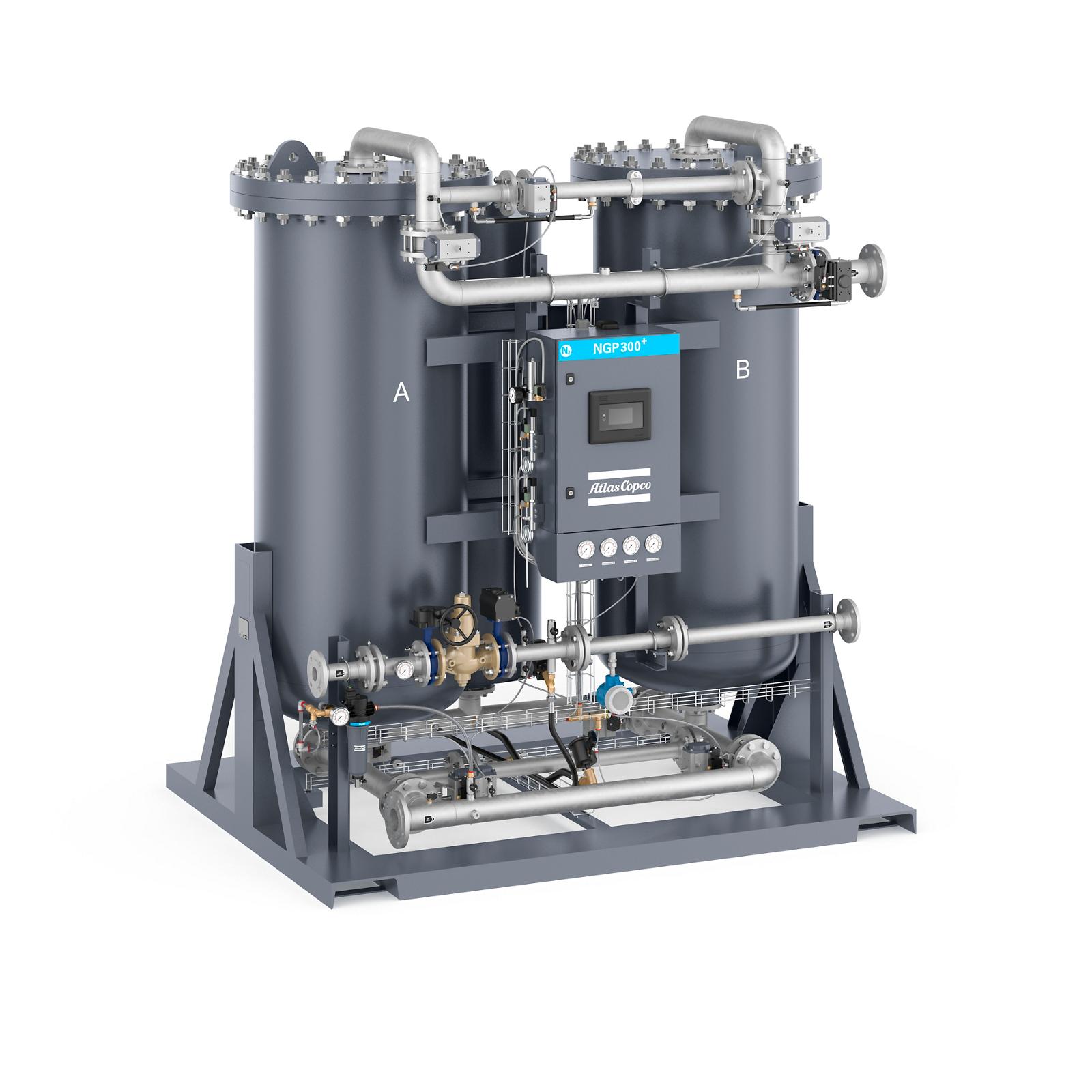
- Fouling, scaling or blocked spray paths reduce treatment effectiveness and cause abnormal pressure drop or emissions readings
- Pump, blower or fan faults cause low circulation or gas flow and system shutdown
- Analyzer or sensor contamination causes incorrect gas-quality, emissions or oxygen readings
- Seal, valve or piping leakage causes liquid or gas leakage and unstable process pressure
- Control, dosing or interlock faults cause off-specification gas, alarm conditions or automatic shutdown
- Provides continuous on‑board nitrogen at ≥99.5% purity, reducing reliance on shore‑supplied LN₂
- Compact footprint and lower weight compared with cryogenic generators
- Integrated with existing compressed‑air system; only requires clean, dry air
- Proven Atlas Copco brand reliability and service network
- Automatic valve inspection schedule (annual) simplifies maintenance planning
- Performance is directly tied to the quality of inlet compressed air; oil carry‑over can impair purity
- Known failure modes include CMS adsorbent bed channeling and switching‑valve malfunction, requiring vigilant monitoring
- Maximum flow rate may be lower than that of large cryogenic nitrogen plants for very high‑capacity tankers
- Adsorbent beds require periodic replacement or regeneration, adding lifecycle cost
- Initial capital expense is higher than simple air‑blowing inert gas systems
Generon
1
- Fouling, scaling or blocked spray paths reduce treatment effectiveness and cause abnormal pressure drop or emissions readings
- Pump, blower or fan faults cause low circulation or gas flow and system shutdown
- Analyzer or sensor contamination causes incorrect gas-quality, emissions or oxygen readings
- Seal, valve or piping leakage causes liquid or gas leakage and unstable process pressure
- Control, dosing or interlock faults cause off-specification gas, alarm conditions or automatic shutdown
- No moving parts in the separator – very low mechanical wear and maintenance
- Compact footprint and relatively light compared with compressor‑type generators
- Fast start‑up; can deliver inert gas on demand within minutes
- Energy efficient for moderate flow rates, reducing ship power consumption
- Flow capacity limited relative to large PSA/compressor systems – may be undersized for very large tankers
- Membrane fibers are susceptible to degradation over time, requiring periodic replacement
- Performance drops sharply if moisture or oil carry‑over is not tightly controlled
- Pre‑filter blockage can cause pressure loss and reduced nitrogen output
Parker Balston
1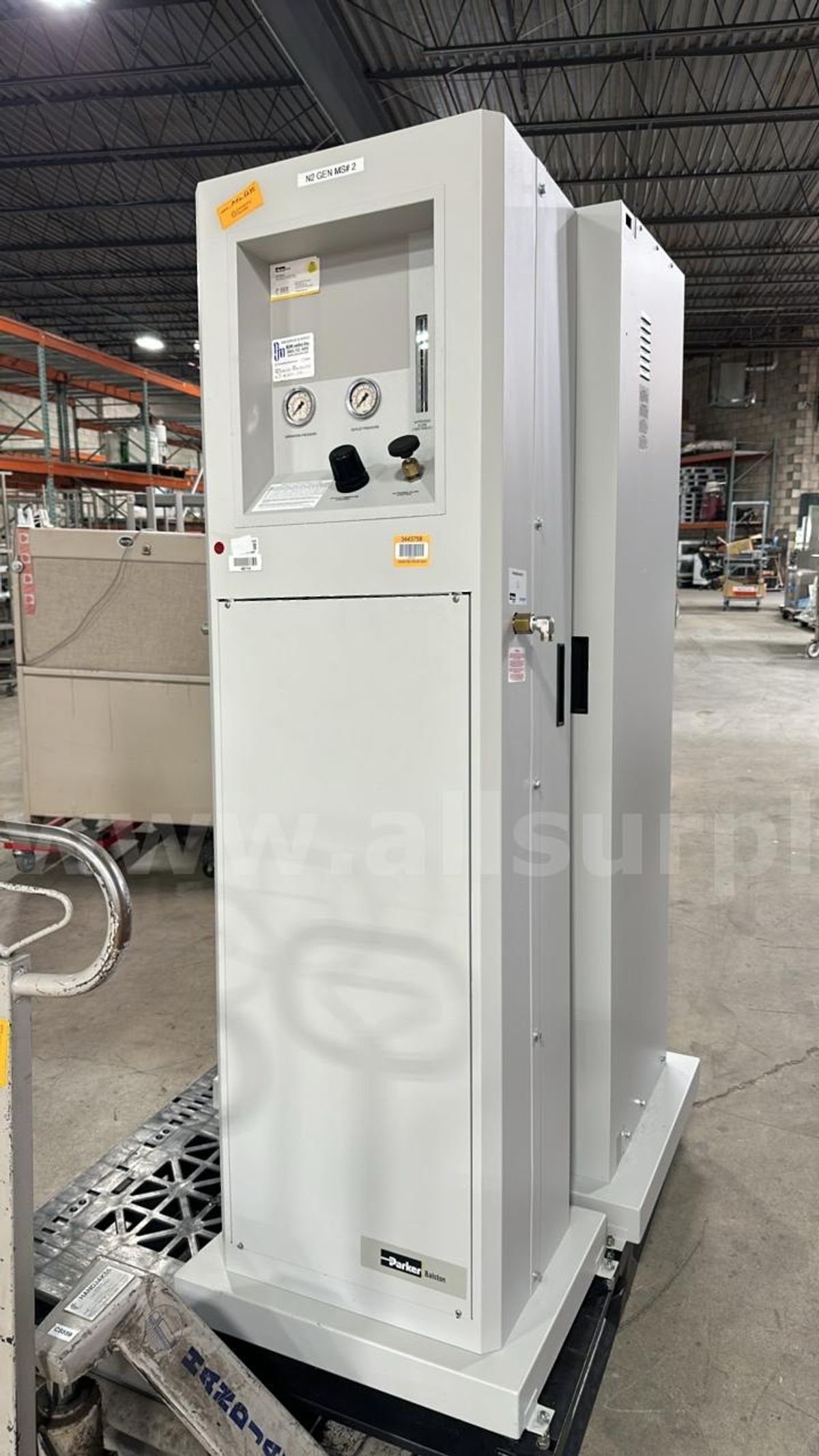
- Fouling, scaling or blocked spray paths reduce treatment effectiveness and cause abnormal pressure drop or emissions readings
- Pump, blower or fan faults cause low circulation or gas flow and system shutdown
- Analyzer or sensor contamination causes incorrect gas-quality, emissions or oxygen readings
- Seal, valve or piping leakage causes liquid or gas leakage and unstable process pressure
- Control, dosing or interlock faults cause off-specification gas, alarm conditions or automatic shutdown
- Delivers ≥99.5% nitrogen purity suitable for IMO inert gas requirements
- Compact, modular design fits limited engine‑room space on tankers
- CMS (carbon molecular sieve) cartridges have a service life of 10+ years, reducing replacement cost
- Integrated O₂ monitoring and alarm functions simplify compliance reporting
- Eliminates need for bulk liquid nitrogen storage and associated handling hazards
- Requires an oil‑free compressed air source; any contamination shortens CMS life
- Valve switching failures can cause O₂ breakthrough if not monitored closely
- Maximum flow rate is lower than cryogenic or large‑capacity systems, limiting use on very high‑throughput vessels
- CMS degradation over time reduces purity and may require periodic performance testing
- Initial capital cost higher than simple compressed‑air inert gas generators