OceanSphere
Engines

Heat Detector

medium 53 models total

A heat detector responds to temperature, not smoke, which makes it the right choice for galleys, engine rooms and other spaces where cooking fumes or exhaust would set a smoke detector off on a normal working day.

Read more — Heat Detector explained

What sets a heat detector apart from a smoke detector

Smoke detectors respond to the earliest visible sign of fire, but they respond just as readily to cooking smoke, welding fumes, diesel exhaust and dust, which makes them impractical in spaces that generate those conditions during normal operation. A heat detector ignores smoke entirely and responds only to a rise in ambient temperature, either a fixed threshold or a rate of temperature increase, giving reliable coverage in galleys, engine rooms, incinerator spaces and similar areas at the cost of somewhat slower response than smoke detection would give in a clean space.

Heat detector, ceiling-mounted cross-section
Cross-section of a ceiling-mounted heat detector showing the mounting base, the dome housing with air vents, the internal heat-sensing element and the zone wiring loop to the next detector.

Main components and detection principle

Fixed temperature element

A heat-sensitive element, commonly a eutectic alloy or a bimetallic strip, changes state and triggers the alarm once ambient temperature at the detector reaches a set threshold, typically in the region of 57-90°C depending on the model chosen for the space.

Rate-of-rise element

An air chamber and diaphragm, or an electronic equivalent, responds to how fast temperature is climbing rather than to an absolute value, so it can catch a fast-developing fire well before ambient temperature reaches a fixed-threshold trip point.

Combination units

Many marine detectors combine both principles in one housing, alarming on whichever condition is met first, which covers both a slow smouldering heat build-up and a sudden flash fire.

Selection by space

Detector class and threshold have to match the normal temperature swing of the space, or nuisance alarms will train crew to ignore them.

  • Galleys and laundries — fixed temperature units with a threshold well above normal cooking or drying heat.
  • Engine rooms — combination units rated for the ambient temperature range around running machinery, positioned clear of direct exhaust or turbocharger heat.
  • Cold, unheated spaces — a lower fixed threshold or rate-of-rise element, since a fixed high-threshold unit sized for the engine room would respond far too late in a cold store or paint locker.
  • Accommodation and public spaces — usually smoke detection instead, with heat detectors reserved for spaces where smoke detection is impractical.

Regulations and class

SOLAS Chapter II-2 sets out which spaces require fixed fire detection and permits heat detection as the appropriate technology for machinery spaces and similar areas where smoke or fumes are a normal condition, rather than mandating smoke detection everywhere. Detector spacing and maximum coverage area per unit follow the fire detection system's overall design approval, and surveys check that detector type and threshold on the approved drawings match what is actually installed.

Typical faults

  • Wrong threshold for the space — a detector rated too low for normal engine room heat gives repeated false alarms until crew starts isolating the zone.
  • Detector sited too close to a heat source — such as a turbocharger or steam line, causing chronic nuisance trips unrelated to any fire.
  • Paint or grease coating the element — insulates the sensing element and slows or prevents response to an actual temperature rise.
  • Corroded terminals in a damp compartment — produces an intermittent zone fault that can mask a genuine alarm signal.

What to look for in a supplier

  • Type approval and a threshold rating matched to the specific space's normal operating temperature.
  • Housing rated for the ambient conditions, including vibration resistance for engine room mounting.
  • Compatibility confirmed with the existing zone wiring and panel if this is a like-for-like replacement.
  • Documented maximum coverage area per detector so spacing on the fire plan stays within approval.

Never fit a smoke detector in a space that trips it on cooking or exhaust fumes just because it was the spare on the shelf — a heat detector sited correctly beats a smoke detector the crew has learned to ignore.
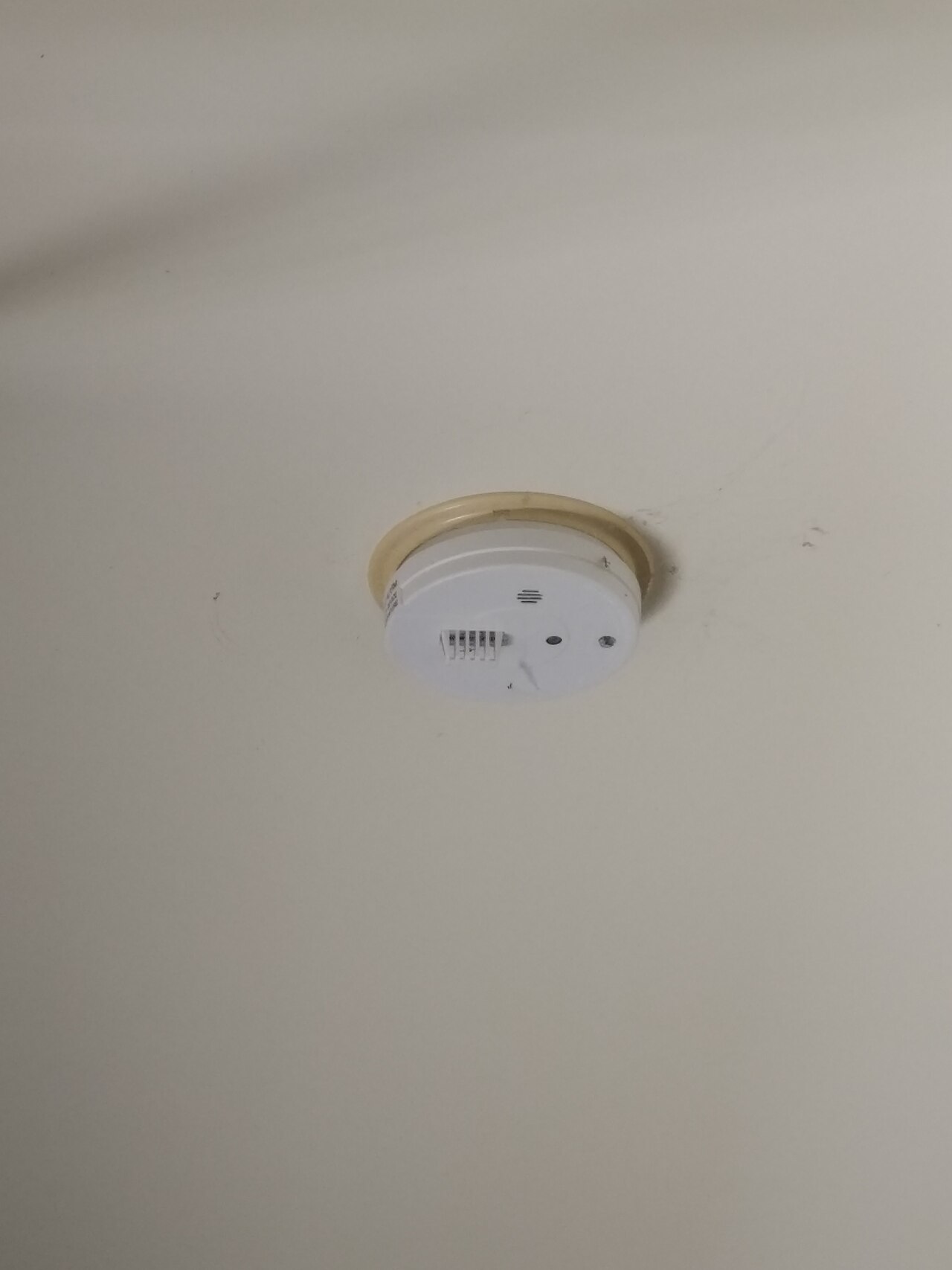
Heat detector
Heat detector. Photo: TheMrP, CC BY-SA 4.0, via Wikimedia Commons

11 manufacturers · 53 models

Consilium Marine

8
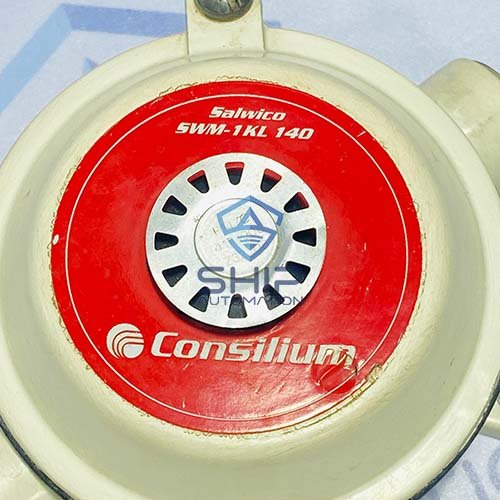
Consilium Salwico Heat Detector RoR
Salwico Heat Detector RoR
per point · Fire Suppression / Detection · Rate-of-Rise heat detector
Type
heat_ror
Alarm temp (°C)
57
Solas
ja
Common Failures & Inspection Points
  • Sensor ageing, poisoning, contamination or dirt causes drift, slow response, false alarms or failed tests
  • Power, battery, wiring or communication faults cause device-failure alarms or loss of indication
  • Water ingress, corrosion or impact damage causes intermittent operation or failed controls
  • Blocked sampling paths or obstructed detector exposure delays response or prevents correct detection
  • Incorrect calibration, configuration or detector type causes misleading readings or nuisance alarms
Service: Inspect sensors, sample paths or detector openings, wiring, power, mounting and alarm interfaces. Perform bump tests, functional tests or calibration using the approved method for the device type. Review alarm history and confirm remote indications or shutdown interfaces. Refer to the manufacturer documentation for the exact figure for calibration and alarm criteria.
Spare Parts: Carry detector heads or sensor cartridges, filters, sampling parts, batteries or chargers, fuses, calibration accessories and approved test consumables.
Strengths
  • Fast response to rapid temperature rise, ideal for high‑heat machinery spaces
  • SOLAS approved, satisfying mandatory fire detection regulations
  • Simple wiring and integration with existing alarm panels
  • Low routine maintenance – only an annual functional test required
Weaknesses
  • Thermistor element can degrade over time, leading to reduced accuracy
  • Base corrosion possible in humid or salty environments, affecting mounting integrity
  • Sensitivity drift may require more frequent calibration than specified
  • Not suited for detecting slow‑developing smolder fires where fixed‑temperature detectors are preferred
Typical Vessels: Container shipBulk carrierTankerPassenger ferryOffshore supply vessel
Certifications: SOLAS
Decision Guide: Choose if you need rapid fire detection in engine rooms, galleys or other high‑heat machinery spaces and must comply with SOLAS. Avoid if the installation area is prone to severe corrosion without protective measures, or if the primary fire risk is slow‑temperature rise where a fixed‑temp detector would be more appropriate.
Use Cases: Machinery, cargo, accommodation, enclosed-space and personal safety monitoring.
Consilium Salwico Heat Detector HD-200 unverified
Equipment Type
fire_detector
Common Failures & Inspection Points
  • Detector or sensing-element contamination caused by dust, grease, moisture or aging, resulting in false alarms, slow response or fault indication
  • Loop or cable fault caused by damaged wiring, loose terminals or earth leakage, resulting in missing devices or intermittent system faults
  • Addressing or configuration error caused by replacement or software changes, resulting in incorrect device identification or unavailable zones
  • Power-supply or backup-battery deterioration caused by charger faults or aged batteries, resulting in power alarms or reduced standby capability
  • Panel, relay or communication failure caused by electronics faults, resulting in missing alarms, failed outputs or loss of connection to other safety systems
Service: Inspect detectors, call points, panels, loops, power supplies and interfaces according to the approved fire-system test plan. Keep sensing openings clean and protect devices from paint, steam and dust. Function-test alarms, zone identification, sounders and required output relays using approved test tools and procedures. Check backup batteries and power-failure indications and record any isolated zone or disabled device. Restore all bypasses and isolations after work. Refer to the manufacturer documentation for the exact figure for test frequency, detector limits and replacement procedures.
Spare Parts: Keep approved detector heads, bases, call-point elements, loop modules, fuses, batteries, relays and selected panel components compatible with the installed system. Replacement devices must preserve addressing and type approval.
Use Cases: It is used for shipboard fire detection on merchant ships, passenger vessels, offshore units or other vessel types where this equipment category is fitted.
Salwico detector
Salwico HD-3 unverified
Type
Rate-of-Rise + Fixed Temp
Marine Approval
ja
Common Failures & Inspection Points
  • Blocked, damaged, corroded, or contaminated detectors, nozzles, piping, valves, or release components reduce coverage or prevent correct discharge
  • Loss of extinguishing medium, pressure, water supply, or foam concentrate causes low-level indications, failed tests, or reduced firefighting capability
  • Control-panel, power-supply, loop, cable, or communication faults produce alarms, disabled zones, or loss of remote release
  • Valve, damper, actuator, or interlock faults prevent the required shutdown, isolation, or agent release sequence
  • Poor maintenance, incorrect line-up, or obstructed access is identified during tests and can delay emergency response
Service: Inspect control panels, supplies, detectors or nozzles, valves, piping, alarms, remote releases, shutdown interlocks, signage, access, and system status. Functional testing, agent quantities, pressure settings, detector spacing, and discharge criteria must follow SOLAS, class, flag, approved fire-control plans, and manufacturer documentation.
Spare Parts: Carry approved detector or call-point units, fuses, seals and gaskets, valve or actuator service parts, nozzles or sprinkler heads where applicable, and critical control modules recommended for the installed system.
Use Cases: Used on all vessel types to protect machinery spaces, accommodation, cargo areas, vehicle decks, galleys, electrical rooms, and other fire-risk spaces.
Salwico HD-5 unverified
Type
Rate-of-Rise + Fixed Temp
Marine Approval
ja
Common Failures & Inspection Points
  • Blocked, damaged, corroded, or contaminated detectors, nozzles, piping, valves, or release components reduce coverage or prevent correct discharge
  • Loss of extinguishing medium, pressure, water supply, or foam concentrate causes low-level indications, failed tests, or reduced firefighting capability
  • Control-panel, power-supply, loop, cable, or communication faults produce alarms, disabled zones, or loss of remote release
  • Valve, damper, actuator, or interlock faults prevent the required shutdown, isolation, or agent release sequence
  • Poor maintenance, incorrect line-up, or obstructed access is identified during tests and can delay emergency response
Service: Inspect control panels, supplies, detectors or nozzles, valves, piping, alarms, remote releases, shutdown interlocks, signage, access, and system status. Functional testing, agent quantities, pressure settings, detector spacing, and discharge criteria must follow SOLAS, class, flag, approved fire-control plans, and manufacturer documentation.
Spare Parts: Carry approved detector or call-point units, fuses, seals and gaskets, valve or actuator service parts, nozzles or sprinkler heads where applicable, and critical control modules recommended for the installed system.
Use Cases: Used on all vessel types to protect machinery spaces, accommodation, cargo areas, vehicle decks, galleys, electrical rooms, and other fire-risk spaces.
Consilium Marine Fixed Temperature Heat 57°C unverified
Type
Fixed Temperature Heat 57°C
Marine Approval
ja
Common Failures & Inspection Points
  • Detector contamination or sensor aging can cause nuisance alarms or reduced sensitivity, noticed as repeated false alarms or failed tests
  • Open or short circuits in loops and zones can isolate devices, shown by fault indications at the panel
  • Power-supply or battery faults can reduce system availability, seen as charger, supply or standby-power alarms
  • Addressing or configuration errors can identify the wrong device or zone, noticed during functional testing
  • Moisture, corrosion or loose terminals can create intermittent faults, seen as unstable loop status or recurring device communication alarms
Service: Test representative detectors, manual inputs, sounders, panel indications, loop integrity and standby power in accordance with the vessel’s approved regime. Inspect devices for contamination, paint, obstruction and corrosion. Sensitivity limits and replacement criteria must follow manufacturer documentation.
Spare Parts: Carry compatible detectors, bases, manual-call-point elements, fuses, batteries or approved standby-power parts and common loop/interface modules as recommended.
Use Cases: Installed on virtually all SOLAS-class merchant ships and on many offshore and passenger vessels for early fire detection and alarm.
Consilium Marine Fixed Temperature Heat 90°C unverified
Type
Fixed Temperature Heat 90°C
Marine Approval
ja
Common Failures & Inspection Points
  • Detector contamination or sensor aging can cause nuisance alarms or reduced sensitivity, noticed as repeated false alarms or failed tests
  • Open or short circuits in loops and zones can isolate devices, shown by fault indications at the panel
  • Power-supply or battery faults can reduce system availability, seen as charger, supply or standby-power alarms
  • Addressing or configuration errors can identify the wrong device or zone, noticed during functional testing
  • Moisture, corrosion or loose terminals can create intermittent faults, seen as unstable loop status or recurring device communication alarms
Service: Test representative detectors, manual inputs, sounders, panel indications, loop integrity and standby power in accordance with the vessel’s approved regime. Inspect devices for contamination, paint, obstruction and corrosion. Sensitivity limits and replacement criteria must follow manufacturer documentation.
Spare Parts: Carry compatible detectors, bases, manual-call-point elements, fuses, batteries or approved standby-power parts and common loop/interface modules as recommended.
Use Cases: Installed on virtually all SOLAS-class merchant ships and on many offshore and passenger vessels for early fire detection and alarm.
Consilium Marine Rate-of-Rise Heat A1R unverified
Type
Rate-of-Rise Heat A1R
Marine Approval
ja
Common Failures & Inspection Points
  • Detector contamination or sensor aging can cause nuisance alarms or reduced sensitivity, noticed as repeated false alarms or failed tests
  • Open or short circuits in loops and zones can isolate devices, shown by fault indications at the panel
  • Power-supply or battery faults can reduce system availability, seen as charger, supply or standby-power alarms
  • Addressing or configuration errors can identify the wrong device or zone, noticed during functional testing
  • Moisture, corrosion or loose terminals can create intermittent faults, seen as unstable loop status or recurring device communication alarms
Service: Test representative detectors, manual inputs, sounders, panel indications, loop integrity and standby power in accordance with the vessel’s approved regime. Inspect devices for contamination, paint, obstruction and corrosion. Sensitivity limits and replacement criteria must follow manufacturer documentation.
Spare Parts: Carry compatible detectors, bases, manual-call-point elements, fuses, batteries or approved standby-power parts and common loop/interface modules as recommended.
Use Cases: Installed on virtually all SOLAS-class merchant ships and on many offshore and passenger vessels for early fire detection and alarm.
Consilium Marine Rate-of-Rise Heat BR unverified
Type
Rate-of-Rise Heat BR
Marine Approval
ja
Common Failures & Inspection Points
  • Detector contamination or sensor aging can cause nuisance alarms or reduced sensitivity, noticed as repeated false alarms or failed tests
  • Open or short circuits in loops and zones can isolate devices, shown by fault indications at the panel
  • Power-supply or battery faults can reduce system availability, seen as charger, supply or standby-power alarms
  • Addressing or configuration errors can identify the wrong device or zone, noticed during functional testing
  • Moisture, corrosion or loose terminals can create intermittent faults, seen as unstable loop status or recurring device communication alarms
Service: Test representative detectors, manual inputs, sounders, panel indications, loop integrity and standby power in accordance with the vessel’s approved regime. Inspect devices for contamination, paint, obstruction and corrosion. Sensitivity limits and replacement criteria must follow manufacturer documentation.
Spare Parts: Carry compatible detectors, bases, manual-call-point elements, fuses, batteries or approved standby-power parts and common loop/interface modules as recommended.
Use Cases: Installed on virtually all SOLAS-class merchant ships and on many offshore and passenger vessels for early fire detection and alarm.

Apollo Fire Detectors

7
XP95 Heat unverified
Series
XP95
Marine Approval
ja
Common Failures & Inspection Points
  • Blocked, damaged, corroded, or contaminated detectors, nozzles, piping, valves, or release components reduce coverage or prevent correct discharge
  • Loss of extinguishing medium, pressure, water supply, or foam concentrate causes low-level indications, failed tests, or reduced firefighting capability
  • Control-panel, power-supply, loop, cable, or communication faults produce alarms, disabled zones, or loss of remote release
  • Valve, damper, actuator, or interlock faults prevent the required shutdown, isolation, or agent release sequence
  • Poor maintenance, incorrect line-up, or obstructed access is identified during tests and can delay emergency response
Service: Inspect control panels, supplies, detectors or nozzles, valves, piping, alarms, remote releases, shutdown interlocks, signage, access, and system status. Functional testing, agent quantities, pressure settings, detector spacing, and discharge criteria must follow SOLAS, class, flag, approved fire-control plans, and manufacturer documentation.
Spare Parts: Carry approved detector or call-point units, fuses, seals and gaskets, valve or actuator service parts, nozzles or sprinkler heads where applicable, and critical control modules recommended for the installed system.
Use Cases: Used on all vessel types to protect machinery spaces, accommodation, cargo areas, vehicle decks, galleys, electrical rooms, and other fire-risk spaces.
Discovery Heat unverified
Series
Discovery
Marine Approval
ja
Common Failures & Inspection Points
  • Dust, salt, oil or contamination at the sensing element causes false alarms, reduced sensitivity or failed tests
  • Water ingress or condensation causes intermittent alarms or detector failure
  • Loop wiring, base or address faults cause missing-device or communication alarms
  • Paint, covers or physical obstruction prevents the detector from sensing the protected space correctly
  • Ageing electronics or sensor deterioration causes repeated nuisance alarms or failure during test
Service: Inspect detector cleanliness, base, wiring, identification and unobstructed exposure to the protected space. Perform functional testing with the approved method for the sensing principle and verify correct alarm location at the panel. Investigate recurring nuisance alarms rather than disabling the detector. Refer to the manufacturer documentation for the exact figure for testing and replacement criteria.
Spare Parts: Carry compatible detector heads, bases, loop isolators where used, fuses and approved test accessories.
Use Cases: Fire detection in accommodation, machinery, cargo and service spaces.
Orbis Heat unverified
Series
Orbis
Marine Approval
ja
Common Failures & Inspection Points
  • Detector contamination or ageing, typically indicated by false alarms, reduced sensitivity or detector fault indication
  • Loop wiring open/short circuit from cable or terminal damage, typically indicated by zone/loop fault alarms and loss of multiple devices
  • Power-supply or backup-battery failure, typically indicated by panel power alarms or loss of standby capability
  • Addressable module or panel electronics fault, typically indicated by missing devices, communication errors or unstable indications
  • Incorrect detector placement/obstruction or damaged sensing path, typically indicated by slow or unreliable detection during testing
Service: Inspect panel status, loop integrity, detector cleanliness and accessibility, manual call points, sounders, backup supply, shutdown interfaces and alarm history; perform detector and cause/effect testing under the vessel's approved fire plan.
Spare Parts: Keep compatible detectors, bases, loop isolators/modules, fuses, backup batteries where applicable, sounders and critical panel power-supply components.
Use Cases: Used on all regulated ships and offshore units for early fire detection and alarm throughout accommodation, machinery and cargo-related spaces. This entry applies specifically to the Heat Detector variant identified as Apollo Fire Detectors Orbis Heat.
Apollo Fire Detectors Fixed Temperature Heat 57°C unverified
Type
Fixed Temperature Heat 57°C
Marine Approval
ja
Common Failures & Inspection Points
  • Detector contamination or sensor aging can cause nuisance alarms or reduced sensitivity, noticed as repeated false alarms or failed tests
  • Open or short circuits in loops and zones can isolate devices, shown by fault indications at the panel
  • Power-supply or battery faults can reduce system availability, seen as charger, supply or standby-power alarms
  • Addressing or configuration errors can identify the wrong device or zone, noticed during functional testing
  • Moisture, corrosion or loose terminals can create intermittent faults, seen as unstable loop status or recurring device communication alarms
Service: Test representative detectors, manual inputs, sounders, panel indications, loop integrity and standby power in accordance with the vessel’s approved regime. Inspect devices for contamination, paint, obstruction and corrosion. Sensitivity limits and replacement criteria must follow manufacturer documentation.
Spare Parts: Carry compatible detectors, bases, manual-call-point elements, fuses, batteries or approved standby-power parts and common loop/interface modules as recommended.
Use Cases: Installed on virtually all SOLAS-class merchant ships and on many offshore and passenger vessels for early fire detection and alarm.
Apollo Fire Detectors Fixed Temperature Heat 90°C unverified
Type
Fixed Temperature Heat 90°C
Marine Approval
ja
Common Failures & Inspection Points
  • Detector contamination or sensor aging can cause nuisance alarms or reduced sensitivity, noticed as repeated false alarms or failed tests
  • Open or short circuits in loops and zones can isolate devices, shown by fault indications at the panel
  • Power-supply or battery faults can reduce system availability, seen as charger, supply or standby-power alarms
  • Addressing or configuration errors can identify the wrong device or zone, noticed during functional testing
  • Moisture, corrosion or loose terminals can create intermittent faults, seen as unstable loop status or recurring device communication alarms
Service: Test representative detectors, manual inputs, sounders, panel indications, loop integrity and standby power in accordance with the vessel’s approved regime. Inspect devices for contamination, paint, obstruction and corrosion. Sensitivity limits and replacement criteria must follow manufacturer documentation.
Spare Parts: Carry compatible detectors, bases, manual-call-point elements, fuses, batteries or approved standby-power parts and common loop/interface modules as recommended.
Use Cases: Installed on virtually all SOLAS-class merchant ships and on many offshore and passenger vessels for early fire detection and alarm.
Apollo Fire Detectors Rate-of-Rise Heat A1R unverified
Type
Rate-of-Rise Heat A1R
Marine Approval
ja
Common Failures & Inspection Points
  • Detector contamination or sensor aging can cause nuisance alarms or reduced sensitivity, noticed as repeated false alarms or failed tests
  • Open or short circuits in loops and zones can isolate devices, shown by fault indications at the panel
  • Power-supply or battery faults can reduce system availability, seen as charger, supply or standby-power alarms
  • Addressing or configuration errors can identify the wrong device or zone, noticed during functional testing
  • Moisture, corrosion or loose terminals can create intermittent faults, seen as unstable loop status or recurring device communication alarms
Service: Test representative detectors, manual inputs, sounders, panel indications, loop integrity and standby power in accordance with the vessel’s approved regime. Inspect devices for contamination, paint, obstruction and corrosion. Sensitivity limits and replacement criteria must follow manufacturer documentation.
Spare Parts: Carry compatible detectors, bases, manual-call-point elements, fuses, batteries or approved standby-power parts and common loop/interface modules as recommended.
Use Cases: Installed on virtually all SOLAS-class merchant ships and on many offshore and passenger vessels for early fire detection and alarm.
Apollo Fire Detectors Rate-of-Rise Heat BR unverified
Type
Rate-of-Rise Heat BR
Marine Approval
ja
Common Failures & Inspection Points
  • Detector contamination or sensor aging can cause nuisance alarms or reduced sensitivity, noticed as repeated false alarms or failed tests
  • Open or short circuits in loops and zones can isolate devices, shown by fault indications at the panel
  • Power-supply or battery faults can reduce system availability, seen as charger, supply or standby-power alarms
  • Addressing or configuration errors can identify the wrong device or zone, noticed during functional testing
  • Moisture, corrosion or loose terminals can create intermittent faults, seen as unstable loop status or recurring device communication alarms
Service: Test representative detectors, manual inputs, sounders, panel indications, loop integrity and standby power in accordance with the vessel’s approved regime. Inspect devices for contamination, paint, obstruction and corrosion. Sensitivity limits and replacement criteria must follow manufacturer documentation.
Spare Parts: Carry compatible detectors, bases, manual-call-point elements, fuses, batteries or approved standby-power parts and common loop/interface modules as recommended.
Use Cases: Installed on virtually all SOLAS-class merchant ships and on many offshore and passenger vessels for early fire detection and alarm.

Autronica / Honeywell

7
BD-31 unverified
Type
Rate-of-Rise
Marine Approval
ja
Common Failures & Inspection Points
  • Detector or sensing-element contamination, poisoning or ageing can cause false alarms, slow response or failed functional tests
  • Battery, power-supply or control-circuit faults caused by ageing, loose wiring or blown protection can lead to trouble alarms or unavailable safety functions
  • Cylinder pressure loss, leakage or damaged valves where stored media is used can leave the equipment outside ready condition and may be found during inspection or weighing checks
  • Blocked, corroded or mechanically damaged nozzles, piping, hoses or masks can restrict discharge or breathing flow and show as poor functional test results
  • Incorrect isolation, expired service status or disturbed release interlocks after maintenance can prevent normal arming and create panel faults or failed readiness checks
Service: Check physical condition, accessibility, labels and service status, then verify approved tests of detectors, alarms, release circuits or breathing components as applicable. Inspect cylinders, hoses, nozzles, masks, wiring and interlocks without discharging or altering safety systems outside the approved procedure. Use maker, class and statutory documentation for exact inspection and acceptance criteria.
Spare Parts: Hold only approved safety-system spares such as detector heads, filters or sensor caps, fuses, batteries where user-replaceable, seals, hoses, masks, nozzles and control modules according to the vessel's certified arrangement.
Use Cases: Machinery spaces, accommodation, cargo areas, enclosed spaces and emergency-response stations on merchant, passenger, tanker and offshore vessels.
BD-32 unverified
Type
Rate-of-Rise
Marine Approval
ja
Common Failures & Inspection Points
  • Detector or sensing-element contamination, poisoning or ageing can cause false alarms, slow response or failed functional tests
  • Battery, power-supply or control-circuit faults caused by ageing, loose wiring or blown protection can lead to trouble alarms or unavailable safety functions
  • Cylinder pressure loss, leakage or damaged valves where stored media is used can leave the equipment outside ready condition and may be found during inspection or weighing checks
  • Blocked, corroded or mechanically damaged nozzles, piping, hoses or masks can restrict discharge or breathing flow and show as poor functional test results
  • Incorrect isolation, expired service status or disturbed release interlocks after maintenance can prevent normal arming and create panel faults or failed readiness checks
Service: Check physical condition, accessibility, labels and service status, then verify approved tests of detectors, alarms, release circuits or breathing components as applicable. Inspect cylinders, hoses, nozzles, masks, wiring and interlocks without discharging or altering safety systems outside the approved procedure. Use maker, class and statutory documentation for exact inspection and acceptance criteria.
Spare Parts: Hold only approved safety-system spares such as detector heads, filters or sensor caps, fuses, batteries where user-replaceable, seals, hoses, masks, nozzles and control modules according to the vessel's certified arrangement.
Use Cases: Machinery spaces, accommodation, cargo areas, enclosed spaces and emergency-response stations on merchant, passenger, tanker and offshore vessels.
BD-32A unverified
Type
Rate-of-Rise
Marine Approval
ja
Common Failures & Inspection Points
  • Detector or sensing-element contamination, poisoning or ageing can cause false alarms, slow response or failed functional tests
  • Battery, power-supply or control-circuit faults caused by ageing, loose wiring or blown protection can lead to trouble alarms or unavailable safety functions
  • Cylinder pressure loss, leakage or damaged valves where stored media is used can leave the equipment outside ready condition and may be found during inspection or weighing checks
  • Blocked, corroded or mechanically damaged nozzles, piping, hoses or masks can restrict discharge or breathing flow and show as poor functional test results
  • Incorrect isolation, expired service status or disturbed release interlocks after maintenance can prevent normal arming and create panel faults or failed readiness checks
Service: Check physical condition, accessibility, labels and service status, then verify approved tests of detectors, alarms, release circuits or breathing components as applicable. Inspect cylinders, hoses, nozzles, masks, wiring and interlocks without discharging or altering safety systems outside the approved procedure. Use maker, class and statutory documentation for exact inspection and acceptance criteria.
Spare Parts: Hold only approved safety-system spares such as detector heads, filters or sensor caps, fuses, batteries where user-replaceable, seals, hoses, masks, nozzles and control modules according to the vessel's certified arrangement.
Use Cases: Machinery spaces, accommodation, cargo areas, enclosed spaces and emergency-response stations on merchant, passenger, tanker and offshore vessels.
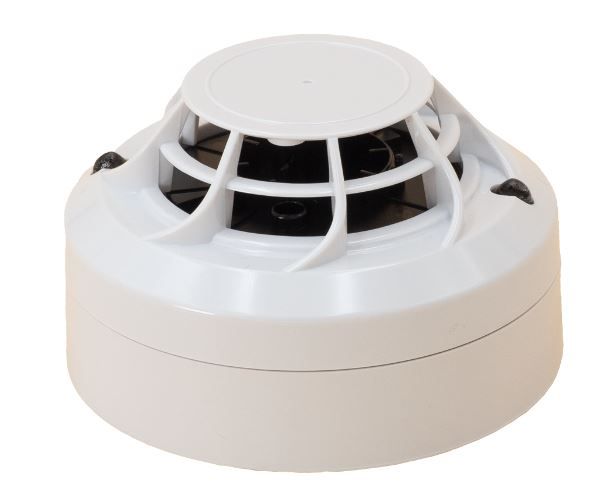
Autronica / Honeywell Autronica Fixed Temperature Heat 57°C
Autronica Fixed Temperature Heat 57°C unverified
Type
Fixed Temperature Heat 57°C
Marine Approval
ja
Common Failures & Inspection Points
  • Detector contamination or sensor aging can cause nuisance alarms or reduced sensitivity, noticed as repeated false alarms or failed tests
  • Open or short circuits in loops and zones can isolate devices, shown by fault indications at the panel
  • Power-supply or battery faults can reduce system availability, seen as charger, supply or standby-power alarms
  • Addressing or configuration errors can identify the wrong device or zone, noticed during functional testing
  • Moisture, corrosion or loose terminals can create intermittent faults, seen as unstable loop status or recurring device communication alarms
Service: Test representative detectors, manual inputs, sounders, panel indications, loop integrity and standby power in accordance with the vessel’s approved regime. Inspect devices for contamination, paint, obstruction and corrosion. Sensitivity limits and replacement criteria must follow manufacturer documentation.
Spare Parts: Carry compatible detectors, bases, manual-call-point elements, fuses, batteries or approved standby-power parts and common loop/interface modules as recommended.
Use Cases: Installed on virtually all SOLAS-class merchant ships and on many offshore and passenger vessels for early fire detection and alarm.
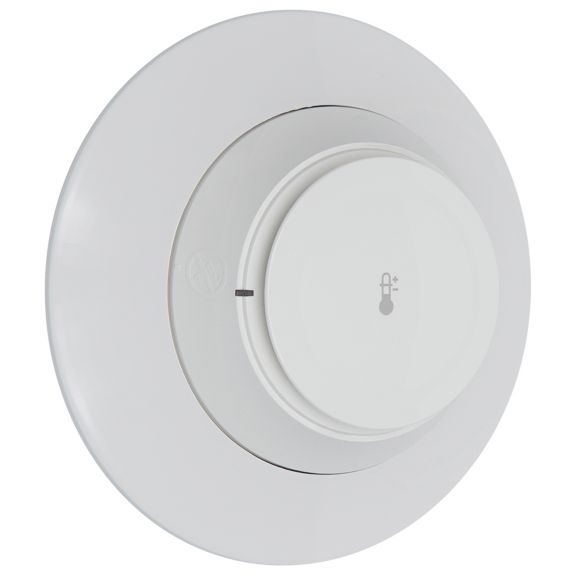
Autronica Fixed Temperature Heat 90°C unverified
Type
Fixed Temperature Heat 90°C
Marine Approval
ja
Common Failures & Inspection Points
  • Detector contamination or sensor aging can cause nuisance alarms or reduced sensitivity, noticed as repeated false alarms or failed tests
  • Open or short circuits in loops and zones can isolate devices, shown by fault indications at the panel
  • Power-supply or battery faults can reduce system availability, seen as charger, supply or standby-power alarms
  • Addressing or configuration errors can identify the wrong device or zone, noticed during functional testing
  • Moisture, corrosion or loose terminals can create intermittent faults, seen as unstable loop status or recurring device communication alarms
Service: Test representative detectors, manual inputs, sounders, panel indications, loop integrity and standby power in accordance with the vessel’s approved regime. Inspect devices for contamination, paint, obstruction and corrosion. Sensitivity limits and replacement criteria must follow manufacturer documentation.
Spare Parts: Carry compatible detectors, bases, manual-call-point elements, fuses, batteries or approved standby-power parts and common loop/interface modules as recommended.
Use Cases: Installed on virtually all SOLAS-class merchant ships and on many offshore and passenger vessels for early fire detection and alarm.
Autronica / Honeywell Autronica Rate-of-Rise Heat A1R
Autronica Rate-of-Rise Heat A1R unverified
Type
Rate-of-Rise Heat A1R
Marine Approval
ja
Common Failures & Inspection Points
  • Detector contamination or sensor aging can cause nuisance alarms or reduced sensitivity, noticed as repeated false alarms or failed tests
  • Open or short circuits in loops and zones can isolate devices, shown by fault indications at the panel
  • Power-supply or battery faults can reduce system availability, seen as charger, supply or standby-power alarms
  • Addressing or configuration errors can identify the wrong device or zone, noticed during functional testing
  • Moisture, corrosion or loose terminals can create intermittent faults, seen as unstable loop status or recurring device communication alarms
Service: Test representative detectors, manual inputs, sounders, panel indications, loop integrity and standby power in accordance with the vessel’s approved regime. Inspect devices for contamination, paint, obstruction and corrosion. Sensitivity limits and replacement criteria must follow manufacturer documentation.
Spare Parts: Carry compatible detectors, bases, manual-call-point elements, fuses, batteries or approved standby-power parts and common loop/interface modules as recommended.
Use Cases: Installed on virtually all SOLAS-class merchant ships and on many offshore and passenger vessels for early fire detection and alarm.
Autronica / Honeywell Autronica Rate-of-Rise Heat BR
Autronica Rate-of-Rise Heat BR unverified
Type
Rate-of-Rise Heat BR
Marine Approval
ja
Common Failures & Inspection Points
  • Detector contamination or sensor aging can cause nuisance alarms or reduced sensitivity, noticed as repeated false alarms or failed tests
  • Open or short circuits in loops and zones can isolate devices, shown by fault indications at the panel
  • Power-supply or battery faults can reduce system availability, seen as charger, supply or standby-power alarms
  • Addressing or configuration errors can identify the wrong device or zone, noticed during functional testing
  • Moisture, corrosion or loose terminals can create intermittent faults, seen as unstable loop status or recurring device communication alarms
Service: Test representative detectors, manual inputs, sounders, panel indications, loop integrity and standby power in accordance with the vessel’s approved regime. Inspect devices for contamination, paint, obstruction and corrosion. Sensitivity limits and replacement criteria must follow manufacturer documentation.
Spare Parts: Carry compatible detectors, bases, manual-call-point elements, fuses, batteries or approved standby-power parts and common loop/interface modules as recommended.
Use Cases: Installed on virtually all SOLAS-class merchant ships and on many offshore and passenger vessels for early fire detection and alarm.

Siemens Fire Safety

6
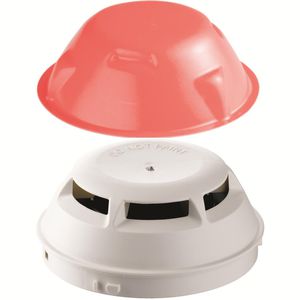
Siemens Fire Safety FDT241
FDT241 unverified
Type
Rate-of-Rise
Common Failures & Inspection Points
  • Detector or sensing-element contamination, poisoning or ageing can cause false alarms, slow response or failed functional tests
  • Battery, power-supply or control-circuit faults caused by ageing, loose wiring or blown protection can lead to trouble alarms or unavailable safety functions
  • Cylinder pressure loss, leakage or damaged valves where stored media is used can leave the equipment outside ready condition and may be found during inspection or weighing checks
  • Blocked, corroded or mechanically damaged nozzles, piping, hoses or masks can restrict discharge or breathing flow and show as poor functional test results
  • Incorrect isolation, expired service status or disturbed release interlocks after maintenance can prevent normal arming and create panel faults or failed readiness checks
Service: Check physical condition, accessibility, labels and service status, then verify approved tests of detectors, alarms, release circuits or breathing components as applicable. Inspect cylinders, hoses, nozzles, masks, wiring and interlocks without discharging or altering safety systems outside the approved procedure. Use maker, class and statutory documentation for exact inspection and acceptance criteria.
Spare Parts: Hold only approved safety-system spares such as detector heads, filters or sensor caps, fuses, batteries where user-replaceable, seals, hoses, masks, nozzles and control modules according to the vessel's certified arrangement.
Use Cases: Machinery spaces, accommodation, cargo areas, enclosed spaces and emergency-response stations on merchant, passenger, tanker and offshore vessels.
Siemens Fire Safety FDT221
FDT221 unverified
Type
Rate-of-Rise
Common Failures & Inspection Points
  • Detector or sensing-element contamination, poisoning or ageing can cause false alarms, slow response or failed functional tests
  • Battery, power-supply or control-circuit faults caused by ageing, loose wiring or blown protection can lead to trouble alarms or unavailable safety functions
  • Cylinder pressure loss, leakage or damaged valves where stored media is used can leave the equipment outside ready condition and may be found during inspection or weighing checks
  • Blocked, corroded or mechanically damaged nozzles, piping, hoses or masks can restrict discharge or breathing flow and show as poor functional test results
  • Incorrect isolation, expired service status or disturbed release interlocks after maintenance can prevent normal arming and create panel faults or failed readiness checks
Service: Check physical condition, accessibility, labels and service status, then verify approved tests of detectors, alarms, release circuits or breathing components as applicable. Inspect cylinders, hoses, nozzles, masks, wiring and interlocks without discharging or altering safety systems outside the approved procedure. Use maker, class and statutory documentation for exact inspection and acceptance criteria.
Spare Parts: Hold only approved safety-system spares such as detector heads, filters or sensor caps, fuses, batteries where user-replaceable, seals, hoses, masks, nozzles and control modules according to the vessel's certified arrangement.
Use Cases: Machinery spaces, accommodation, cargo areas, enclosed spaces and emergency-response stations on merchant, passenger, tanker and offshore vessels.
Siemens Fire Safety Fixed Temperature Heat 57°C unverified
Type
Fixed Temperature Heat 57°C
Marine Approval
ja
Common Failures & Inspection Points
  • Detector contamination or sensor aging can cause nuisance alarms or reduced sensitivity, noticed as repeated false alarms or failed tests
  • Open or short circuits in loops and zones can isolate devices, shown by fault indications at the panel
  • Power-supply or battery faults can reduce system availability, seen as charger, supply or standby-power alarms
  • Addressing or configuration errors can identify the wrong device or zone, noticed during functional testing
  • Moisture, corrosion or loose terminals can create intermittent faults, seen as unstable loop status or recurring device communication alarms
Service: Test representative detectors, manual inputs, sounders, panel indications, loop integrity and standby power in accordance with the vessel’s approved regime. Inspect devices for contamination, paint, obstruction and corrosion. Sensitivity limits and replacement criteria must follow manufacturer documentation.
Spare Parts: Carry compatible detectors, bases, manual-call-point elements, fuses, batteries or approved standby-power parts and common loop/interface modules as recommended.
Use Cases: Installed on virtually all SOLAS-class merchant ships and on many offshore and passenger vessels for early fire detection and alarm.
Siemens Fire Safety Fixed Temperature Heat 90°C unverified
Type
Fixed Temperature Heat 90°C
Marine Approval
ja
Common Failures & Inspection Points
  • Detector contamination or sensor aging can cause nuisance alarms or reduced sensitivity, noticed as repeated false alarms or failed tests
  • Open or short circuits in loops and zones can isolate devices, shown by fault indications at the panel
  • Power-supply or battery faults can reduce system availability, seen as charger, supply or standby-power alarms
  • Addressing or configuration errors can identify the wrong device or zone, noticed during functional testing
  • Moisture, corrosion or loose terminals can create intermittent faults, seen as unstable loop status or recurring device communication alarms
Service: Test representative detectors, manual inputs, sounders, panel indications, loop integrity and standby power in accordance with the vessel’s approved regime. Inspect devices for contamination, paint, obstruction and corrosion. Sensitivity limits and replacement criteria must follow manufacturer documentation.
Spare Parts: Carry compatible detectors, bases, manual-call-point elements, fuses, batteries or approved standby-power parts and common loop/interface modules as recommended.
Use Cases: Installed on virtually all SOLAS-class merchant ships and on many offshore and passenger vessels for early fire detection and alarm.
Siemens Fire Safety Siemens Fire Safety Rate-of-Rise Heat A1R
Siemens Fire Safety Rate-of-Rise Heat A1R unverified
Type
Rate-of-Rise Heat A1R
Marine Approval
ja
Common Failures & Inspection Points
  • Detector contamination or sensor aging can cause nuisance alarms or reduced sensitivity, noticed as repeated false alarms or failed tests
  • Open or short circuits in loops and zones can isolate devices, shown by fault indications at the panel
  • Power-supply or battery faults can reduce system availability, seen as charger, supply or standby-power alarms
  • Addressing or configuration errors can identify the wrong device or zone, noticed during functional testing
  • Moisture, corrosion or loose terminals can create intermittent faults, seen as unstable loop status or recurring device communication alarms
Service: Test representative detectors, manual inputs, sounders, panel indications, loop integrity and standby power in accordance with the vessel’s approved regime. Inspect devices for contamination, paint, obstruction and corrosion. Sensitivity limits and replacement criteria must follow manufacturer documentation.
Spare Parts: Carry compatible detectors, bases, manual-call-point elements, fuses, batteries or approved standby-power parts and common loop/interface modules as recommended.
Use Cases: Installed on virtually all SOLAS-class merchant ships and on many offshore and passenger vessels for early fire detection and alarm.
Siemens Fire Safety Siemens Fire Safety Rate-of-Rise Heat BR
Siemens Fire Safety Rate-of-Rise Heat BR unverified
Type
Rate-of-Rise Heat BR
Marine Approval
ja
Common Failures & Inspection Points
  • Detector contamination or sensor aging can cause nuisance alarms or reduced sensitivity, noticed as repeated false alarms or failed tests
  • Open or short circuits in loops and zones can isolate devices, shown by fault indications at the panel
  • Power-supply or battery faults can reduce system availability, seen as charger, supply or standby-power alarms
  • Addressing or configuration errors can identify the wrong device or zone, noticed during functional testing
  • Moisture, corrosion or loose terminals can create intermittent faults, seen as unstable loop status or recurring device communication alarms
Service: Test representative detectors, manual inputs, sounders, panel indications, loop integrity and standby power in accordance with the vessel’s approved regime. Inspect devices for contamination, paint, obstruction and corrosion. Sensitivity limits and replacement criteria must follow manufacturer documentation.
Spare Parts: Carry compatible detectors, bases, manual-call-point elements, fuses, batteries or approved standby-power parts and common loop/interface modules as recommended.
Use Cases: Installed on virtually all SOLAS-class merchant ships and on many offshore and passenger vessels for early fire detection and alarm.

Hochiki Marine

5
ALK-V unverified
Marine Approval
ja
Common Failures & Inspection Points
  • Sensor ageing, poisoning, contamination or dirt causes drift, slow response, false alarms or failed tests
  • Power, battery, wiring or communication faults cause device-failure alarms or loss of indication
  • Water ingress, corrosion or impact damage causes intermittent operation or failed controls
  • Blocked sampling paths or obstructed detector exposure delays response or prevents correct detection
  • Incorrect calibration, configuration or detector type causes misleading readings or nuisance alarms
Service: Inspect sensors, sample paths or detector openings, wiring, power, mounting and alarm interfaces. Perform bump tests, functional tests or calibration using the approved method for the device type. Review alarm history and confirm remote indications. Refer to the manufacturer documentation for the exact figure for calibration and alarm criteria.
Spare Parts: Carry detector heads or sensor cartridges, filters, sampling parts, batteries or chargers, fuses, calibration accessories and approved test consumables.
Use Cases: Machinery, cargo, accommodation, enclosed-space and personal safety monitoring.
Hochiki Marine Fixed Temperature Heat 57°C unverified
Type
Fixed Temperature Heat 57°C
Marine Approval
ja
Common Failures & Inspection Points
  • Detector contamination or sensor aging can cause nuisance alarms or reduced sensitivity, noticed as repeated false alarms or failed tests
  • Open or short circuits in loops and zones can isolate devices, shown by fault indications at the panel
  • Power-supply or battery faults can reduce system availability, seen as charger, supply or standby-power alarms
  • Addressing or configuration errors can identify the wrong device or zone, noticed during functional testing
  • Moisture, corrosion or loose terminals can create intermittent faults, seen as unstable loop status or recurring device communication alarms
Service: Test representative detectors, manual inputs, sounders, panel indications, loop integrity and standby power in accordance with the vessel’s approved regime. Inspect devices for contamination, paint, obstruction and corrosion. Sensitivity limits and replacement criteria must follow manufacturer documentation.
Spare Parts: Carry compatible detectors, bases, manual-call-point elements, fuses, batteries or approved standby-power parts and common loop/interface modules as recommended.
Use Cases: Installed on virtually all SOLAS-class merchant ships and on many offshore and passenger vessels for early fire detection and alarm.
Hochiki Marine Fixed Temperature Heat 90°C unverified
Type
Fixed Temperature Heat 90°C
Marine Approval
ja
Common Failures & Inspection Points
  • Detector contamination or sensor aging can cause nuisance alarms or reduced sensitivity, noticed as repeated false alarms or failed tests
  • Open or short circuits in loops and zones can isolate devices, shown by fault indications at the panel
  • Power-supply or battery faults can reduce system availability, seen as charger, supply or standby-power alarms
  • Addressing or configuration errors can identify the wrong device or zone, noticed during functional testing
  • Moisture, corrosion or loose terminals can create intermittent faults, seen as unstable loop status or recurring device communication alarms
Service: Test representative detectors, manual inputs, sounders, panel indications, loop integrity and standby power in accordance with the vessel’s approved regime. Inspect devices for contamination, paint, obstruction and corrosion. Sensitivity limits and replacement criteria must follow manufacturer documentation.
Spare Parts: Carry compatible detectors, bases, manual-call-point elements, fuses, batteries or approved standby-power parts and common loop/interface modules as recommended.
Use Cases: Installed on virtually all SOLAS-class merchant ships and on many offshore and passenger vessels for early fire detection and alarm.
Hochiki Marine Rate-of-Rise Heat A1R unverified
Type
Rate-of-Rise Heat A1R
Marine Approval
ja
Common Failures & Inspection Points
  • Detector contamination or sensor aging can cause nuisance alarms or reduced sensitivity, noticed as repeated false alarms or failed tests
  • Open or short circuits in loops and zones can isolate devices, shown by fault indications at the panel
  • Power-supply or battery faults can reduce system availability, seen as charger, supply or standby-power alarms
  • Addressing or configuration errors can identify the wrong device or zone, noticed during functional testing
  • Moisture, corrosion or loose terminals can create intermittent faults, seen as unstable loop status or recurring device communication alarms
Service: Test representative detectors, manual inputs, sounders, panel indications, loop integrity and standby power in accordance with the vessel’s approved regime. Inspect devices for contamination, paint, obstruction and corrosion. Sensitivity limits and replacement criteria must follow manufacturer documentation.
Spare Parts: Carry compatible detectors, bases, manual-call-point elements, fuses, batteries or approved standby-power parts and common loop/interface modules as recommended.
Use Cases: Installed on virtually all SOLAS-class merchant ships and on many offshore and passenger vessels for early fire detection and alarm.
Hochiki Marine Rate-of-Rise Heat BR unverified
Type
Rate-of-Rise Heat BR
Marine Approval
ja
Common Failures & Inspection Points
  • Detector contamination or sensor aging can cause nuisance alarms or reduced sensitivity, noticed as repeated false alarms or failed tests
  • Open or short circuits in loops and zones can isolate devices, shown by fault indications at the panel
  • Power-supply or battery faults can reduce system availability, seen as charger, supply or standby-power alarms
  • Addressing or configuration errors can identify the wrong device or zone, noticed during functional testing
  • Moisture, corrosion or loose terminals can create intermittent faults, seen as unstable loop status or recurring device communication alarms
Service: Test representative detectors, manual inputs, sounders, panel indications, loop integrity and standby power in accordance with the vessel’s approved regime. Inspect devices for contamination, paint, obstruction and corrosion. Sensitivity limits and replacement criteria must follow manufacturer documentation.
Spare Parts: Carry compatible detectors, bases, manual-call-point elements, fuses, batteries or approved standby-power parts and common loop/interface modules as recommended.
Use Cases: Installed on virtually all SOLAS-class merchant ships and on many offshore and passenger vessels for early fire detection and alarm.

Notifier / Honeywell

5
FSP-851T unverified
Addressable
ja
Common Failures & Inspection Points
  • Blocked, damaged, corroded, or contaminated detectors, nozzles, piping, valves, or release components reduce coverage or prevent correct discharge
  • Loss of extinguishing medium, pressure, water supply, or foam concentrate causes low-level indications, failed tests, or reduced firefighting capability
  • Control-panel, power-supply, loop, cable, or communication faults produce alarms, disabled zones, or loss of remote release
  • Valve, damper, actuator, or interlock faults prevent the required shutdown, isolation, or agent release sequence
  • Poor maintenance, incorrect line-up, or obstructed access is identified during tests and can delay emergency response
Service: Inspect control panels, supplies, detectors or nozzles, valves, piping, alarms, remote releases, shutdown interlocks, signage, access, and system status. Functional testing, agent quantities, pressure settings, detector spacing, and discharge criteria must follow SOLAS, class, flag, approved fire-control plans, and manufacturer documentation.
Spare Parts: Carry approved detector or call-point units, fuses, seals and gaskets, valve or actuator service parts, nozzles or sprinkler heads where applicable, and critical control modules recommended for the installed system.
Use Cases: Used on all vessel types to protect machinery spaces, accommodation, cargo areas, vehicle decks, galleys, electrical rooms, and other fire-risk spaces.
Notifier Fixed Temperature Heat 57°C unverified
Type
Fixed Temperature Heat 57°C
Marine Approval
ja
Common Failures & Inspection Points
  • Detector contamination or sensor aging can cause nuisance alarms or reduced sensitivity, noticed as repeated false alarms or failed tests
  • Open or short circuits in loops and zones can isolate devices, shown by fault indications at the panel
  • Power-supply or battery faults can reduce system availability, seen as charger, supply or standby-power alarms
  • Addressing or configuration errors can identify the wrong device or zone, noticed during functional testing
  • Moisture, corrosion or loose terminals can create intermittent faults, seen as unstable loop status or recurring device communication alarms
Service: Test representative detectors, manual inputs, sounders, panel indications, loop integrity and standby power in accordance with the vessel’s approved regime. Inspect devices for contamination, paint, obstruction and corrosion. Sensitivity limits and replacement criteria must follow manufacturer documentation.
Spare Parts: Carry compatible detectors, bases, manual-call-point elements, fuses, batteries or approved standby-power parts and common loop/interface modules as recommended.
Use Cases: Installed on virtually all SOLAS-class merchant ships and on many offshore and passenger vessels for early fire detection and alarm.
Notifier Fixed Temperature Heat 90°C unverified
Type
Fixed Temperature Heat 90°C
Marine Approval
ja
Common Failures & Inspection Points
  • Detector contamination or sensor aging can cause nuisance alarms or reduced sensitivity, noticed as repeated false alarms or failed tests
  • Open or short circuits in loops and zones can isolate devices, shown by fault indications at the panel
  • Power-supply or battery faults can reduce system availability, seen as charger, supply or standby-power alarms
  • Addressing or configuration errors can identify the wrong device or zone, noticed during functional testing
  • Moisture, corrosion or loose terminals can create intermittent faults, seen as unstable loop status or recurring device communication alarms
Service: Test representative detectors, manual inputs, sounders, panel indications, loop integrity and standby power in accordance with the vessel’s approved regime. Inspect devices for contamination, paint, obstruction and corrosion. Sensitivity limits and replacement criteria must follow manufacturer documentation.
Spare Parts: Carry compatible detectors, bases, manual-call-point elements, fuses, batteries or approved standby-power parts and common loop/interface modules as recommended.
Use Cases: Installed on virtually all SOLAS-class merchant ships and on many offshore and passenger vessels for early fire detection and alarm.
Notifier Rate-of-Rise Heat A1R unverified
Type
Rate-of-Rise Heat A1R
Marine Approval
ja
Common Failures & Inspection Points
  • Detector contamination or sensor aging can cause nuisance alarms or reduced sensitivity, noticed as repeated false alarms or failed tests
  • Open or short circuits in loops and zones can isolate devices, shown by fault indications at the panel
  • Power-supply or battery faults can reduce system availability, seen as charger, supply or standby-power alarms
  • Addressing or configuration errors can identify the wrong device or zone, noticed during functional testing
  • Moisture, corrosion or loose terminals can create intermittent faults, seen as unstable loop status or recurring device communication alarms
Service: Test representative detectors, manual inputs, sounders, panel indications, loop integrity and standby power in accordance with the vessel’s approved regime. Inspect devices for contamination, paint, obstruction and corrosion. Sensitivity limits and replacement criteria must follow manufacturer documentation.
Spare Parts: Carry compatible detectors, bases, manual-call-point elements, fuses, batteries or approved standby-power parts and common loop/interface modules as recommended.
Use Cases: Installed on virtually all SOLAS-class merchant ships and on many offshore and passenger vessels for early fire detection and alarm.
Notifier Rate-of-Rise Heat BR unverified
Type
Rate-of-Rise Heat BR
Marine Approval
ja
Common Failures & Inspection Points
  • Detector contamination or sensor aging can cause nuisance alarms or reduced sensitivity, noticed as repeated false alarms or failed tests
  • Open or short circuits in loops and zones can isolate devices, shown by fault indications at the panel
  • Power-supply or battery faults can reduce system availability, seen as charger, supply or standby-power alarms
  • Addressing or configuration errors can identify the wrong device or zone, noticed during functional testing
  • Moisture, corrosion or loose terminals can create intermittent faults, seen as unstable loop status or recurring device communication alarms
Service: Test representative detectors, manual inputs, sounders, panel indications, loop integrity and standby power in accordance with the vessel’s approved regime. Inspect devices for contamination, paint, obstruction and corrosion. Sensitivity limits and replacement criteria must follow manufacturer documentation.
Spare Parts: Carry compatible detectors, bases, manual-call-point elements, fuses, batteries or approved standby-power parts and common loop/interface modules as recommended.
Use Cases: Installed on virtually all SOLAS-class merchant ships and on many offshore and passenger vessels for early fire detection and alarm.

Protectowire

5
Protectowire PW-155 unverified
Type
Linear Heat Cable
Common Failures & Inspection Points
  • Detector contamination or ageing, typically indicated by false alarms, reduced sensitivity or detector fault indication
  • Loop wiring open/short circuit from cable or terminal damage, typically indicated by zone/loop fault alarms and loss of multiple devices
  • Power-supply or backup-battery failure, typically indicated by panel power alarms or loss of standby capability
  • Addressable module or panel electronics fault, typically indicated by missing devices, communication errors or unstable indications
  • Incorrect detector placement/obstruction or damaged sensing path, typically indicated by slow or unreliable detection during testing
Service: Inspect panel status, loop integrity, detector cleanliness and accessibility, manual call points, sounders, backup supply, shutdown interfaces and alarm history; perform detector and cause/effect testing under the vessel's approved fire plan.
Spare Parts: Keep compatible detectors, bases, loop isolators/modules, fuses, backup batteries where applicable, sounders and critical panel power-supply components.
Use Cases: Used on all regulated ships and offshore units for early fire detection and alarm throughout accommodation, machinery and cargo-related spaces. This entry applies specifically to the Heat Detector variant identified as Protectowire Protectowire PW-155.
Protectowire PW-185 unverified
Type
Linear Heat Cable
Common Failures & Inspection Points
  • Detector contamination or ageing, typically indicated by false alarms, reduced sensitivity or detector fault indication
  • Loop wiring open/short circuit from cable or terminal damage, typically indicated by zone/loop fault alarms and loss of multiple devices
  • Power-supply or backup-battery failure, typically indicated by panel power alarms or loss of standby capability
  • Addressable module or panel electronics fault, typically indicated by missing devices, communication errors or unstable indications
  • Incorrect detector placement/obstruction or damaged sensing path, typically indicated by slow or unreliable detection during testing
Service: Inspect panel status, loop integrity, detector cleanliness and accessibility, manual call points, sounders, backup supply, shutdown interfaces and alarm history; perform detector and cause/effect testing under the vessel's approved fire plan.
Spare Parts: Keep compatible detectors, bases, loop isolators/modules, fuses, backup batteries where applicable, sounders and critical panel power-supply components.
Use Cases: Used on all regulated ships and offshore units for early fire detection and alarm throughout accommodation, machinery and cargo-related spaces. This entry applies specifically to the Heat Detector variant identified as Protectowire Protectowire PW-185.
Protectowire PW-230 unverified
Type
Linear Heat Cable
Common Failures & Inspection Points
  • Detector contamination or ageing, typically indicated by false alarms, reduced sensitivity or detector fault indication
  • Loop wiring open/short circuit from cable or terminal damage, typically indicated by zone/loop fault alarms and loss of multiple devices
  • Power-supply or backup-battery failure, typically indicated by panel power alarms or loss of standby capability
  • Addressable module or panel electronics fault, typically indicated by missing devices, communication errors or unstable indications
  • Incorrect detector placement/obstruction or damaged sensing path, typically indicated by slow or unreliable detection during testing
Service: Inspect panel status, loop integrity, detector cleanliness and accessibility, manual call points, sounders, backup supply, shutdown interfaces and alarm history; perform detector and cause/effect testing under the vessel's approved fire plan.
Spare Parts: Keep compatible detectors, bases, loop isolators/modules, fuses, backup batteries where applicable, sounders and critical panel power-supply components.
Use Cases: Used on all regulated ships and offshore units for early fire detection and alarm throughout accommodation, machinery and cargo-related spaces. This entry applies specifically to the Heat Detector variant identified as Protectowire Protectowire PW-230.
Protectowire EPD-230 unverified
Type
Linear Heat Cable
Common Failures & Inspection Points
  • Detector contamination or ageing, typically indicated by false alarms, reduced sensitivity or detector fault indication
  • Loop wiring open/short circuit from cable or terminal damage, typically indicated by zone/loop fault alarms and loss of multiple devices
  • Power-supply or backup-battery failure, typically indicated by panel power alarms or loss of standby capability
  • Addressable module or panel electronics fault, typically indicated by missing devices, communication errors or unstable indications
  • Incorrect detector placement/obstruction or damaged sensing path, typically indicated by slow or unreliable detection during testing
Service: Inspect panel status, loop integrity, detector cleanliness and accessibility, manual call points, sounders, backup supply, shutdown interfaces and alarm history; perform detector and cause/effect testing under the vessel's approved fire plan.
Spare Parts: Keep compatible detectors, bases, loop isolators/modules, fuses, backup batteries where applicable, sounders and critical panel power-supply components.
Use Cases: Used on all regulated ships and offshore units for early fire detection and alarm throughout accommodation, machinery and cargo-related spaces. This entry applies specifically to the Heat Detector variant identified as Protectowire Protectowire EPD-230.
Protectowire XLT unverified
Type
Linear Heat Cable
Common Failures & Inspection Points
  • Blocked, damaged, corroded, or contaminated detectors, nozzles, piping, valves, or release components reduce coverage or prevent correct discharge
  • Loss of extinguishing medium, pressure, water supply, or foam concentrate causes low-level indications, failed tests, or reduced firefighting capability
  • Control-panel, power-supply, loop, cable, or communication faults produce alarms, disabled zones, or loss of remote release
  • Valve, damper, actuator, or interlock faults prevent the required shutdown, isolation, or agent release sequence
  • Poor maintenance, incorrect line-up, or obstructed access is identified during tests and can delay emergency response
Service: Inspect control panels, supplies, detectors or nozzles, valves, piping, alarms, remote releases, shutdown interlocks, signage, access, and system status. Functional testing, agent quantities, pressure settings, detector spacing, and discharge criteria must follow SOLAS, class, flag, approved fire-control plans, and manufacturer documentation.
Spare Parts: Carry approved detector or call-point units, fuses, seals and gaskets, valve or actuator service parts, nozzles or sprinkler heads where applicable, and critical control modules recommended for the installed system.
Use Cases: Used on all vessel types to protect machinery spaces, accommodation, cargo areas, vehicle decks, galleys, electrical rooms, and other fire-risk spaces.

Esser / Honeywell

4
Esser Fixed Temperature Heat 57°C unverified
Type
Fixed Temperature Heat 57°C
Marine Approval
ja
Common Failures & Inspection Points
  • Detector contamination or sensor aging can cause nuisance alarms or reduced sensitivity, noticed as repeated false alarms or failed tests
  • Open or short circuits in loops and zones can isolate devices, shown by fault indications at the panel
  • Power-supply or battery faults can reduce system availability, seen as charger, supply or standby-power alarms
  • Addressing or configuration errors can identify the wrong device or zone, noticed during functional testing
  • Moisture, corrosion or loose terminals can create intermittent faults, seen as unstable loop status or recurring device communication alarms
Service: Test representative detectors, manual inputs, sounders, panel indications, loop integrity and standby power in accordance with the vessel’s approved regime. Inspect devices for contamination, paint, obstruction and corrosion. Sensitivity limits and replacement criteria must follow manufacturer documentation.
Spare Parts: Carry compatible detectors, bases, manual-call-point elements, fuses, batteries or approved standby-power parts and common loop/interface modules as recommended.
Use Cases: Installed on virtually all SOLAS-class merchant ships and on many offshore and passenger vessels for early fire detection and alarm.
Esser Fixed Temperature Heat 90°C unverified
Type
Fixed Temperature Heat 90°C
Marine Approval
ja
Common Failures & Inspection Points
  • Detector contamination or sensor aging can cause nuisance alarms or reduced sensitivity, noticed as repeated false alarms or failed tests
  • Open or short circuits in loops and zones can isolate devices, shown by fault indications at the panel
  • Power-supply or battery faults can reduce system availability, seen as charger, supply or standby-power alarms
  • Addressing or configuration errors can identify the wrong device or zone, noticed during functional testing
  • Moisture, corrosion or loose terminals can create intermittent faults, seen as unstable loop status or recurring device communication alarms
Service: Test representative detectors, manual inputs, sounders, panel indications, loop integrity and standby power in accordance with the vessel’s approved regime. Inspect devices for contamination, paint, obstruction and corrosion. Sensitivity limits and replacement criteria must follow manufacturer documentation.
Spare Parts: Carry compatible detectors, bases, manual-call-point elements, fuses, batteries or approved standby-power parts and common loop/interface modules as recommended.
Use Cases: Installed on virtually all SOLAS-class merchant ships and on many offshore and passenger vessels for early fire detection and alarm.
Esser Rate-of-Rise Heat A1R unverified
Type
Rate-of-Rise Heat A1R
Marine Approval
ja
Common Failures & Inspection Points
  • Detector or sensing-element contamination caused by dust, grease, moisture or aging, resulting in false alarms, slow response or fault indication
  • Loop or cable fault caused by damaged wiring, loose terminals or earth leakage, resulting in missing devices or intermittent system faults
  • Addressing or configuration error caused by replacement or software changes, resulting in incorrect device identification or unavailable zones
  • Power-supply or backup-battery deterioration caused by charger faults or aged batteries, resulting in power alarms or reduced standby capability
  • Panel, relay or communication failure caused by electronics faults, resulting in missing alarms, failed outputs or loss of connection to other safety systems
Service: Inspect detectors, call points, panels, loops, power supplies and interfaces according to the approved fire-system test plan. Keep sensing openings clean and protect devices from paint, steam and dust. Function-test alarms, zone identification, sounders and required output relays using approved test tools and procedures. Check backup batteries and power-failure indications and record any isolated zone or disabled device. Restore all bypasses and isolations after work. Refer to the manufacturer documentation for the exact figure for test frequency, detector limits and replacement procedures.
Spare Parts: Keep approved detector heads, bases, call-point elements, loop modules, fuses, batteries, relays and selected panel components compatible with the installed system. Replacement devices must preserve addressing and type approval.
Use Cases: It is used for shipboard fire detection on merchant ships, passenger vessels, offshore units or other vessel types where this equipment category is fitted.
Esser Rate-of-Rise Heat BR unverified
Type
Rate-of-Rise Heat BR
Marine Approval
ja
Common Failures & Inspection Points
  • Detector or sensing-element contamination caused by dust, grease, moisture or aging, resulting in false alarms, slow response or fault indication
  • Loop or cable fault caused by damaged wiring, loose terminals or earth leakage, resulting in missing devices or intermittent system faults
  • Addressing or configuration error caused by replacement or software changes, resulting in incorrect device identification or unavailable zones
  • Power-supply or backup-battery deterioration caused by charger faults or aged batteries, resulting in power alarms or reduced standby capability
  • Panel, relay or communication failure caused by electronics faults, resulting in missing alarms, failed outputs or loss of connection to other safety systems
Service: Inspect detectors, call points, panels, loops, power supplies and interfaces according to the approved fire-system test plan. Keep sensing openings clean and protect devices from paint, steam and dust. Function-test alarms, zone identification, sounders and required output relays using approved test tools and procedures. Check backup batteries and power-failure indications and record any isolated zone or disabled device. Restore all bypasses and isolations after work. Refer to the manufacturer documentation for the exact figure for test frequency, detector limits and replacement procedures.
Spare Parts: Keep approved detector heads, bases, call-point elements, loop modules, fuses, batteries, relays and selected panel components compatible with the installed system. Replacement devices must preserve addressing and type approval.
Use Cases: It is used for shipboard fire detection on merchant ships, passenger vessels, offshore units or other vessel types where this equipment category is fitted.

Protectowire / Thermocable

4
Protectowire PW unverified
Type
Linear Heat Detection Cable
Marine Approval
ja
Common Failures & Inspection Points
  • Detector or sensing-element contamination caused by dust, grease, moisture or aging, resulting in false alarms, slow response or fault indication
  • Loop or cable fault caused by damaged wiring, loose terminals or earth leakage, resulting in missing devices or intermittent system faults
  • Addressing or configuration error caused by replacement or software changes, resulting in incorrect device identification or unavailable zones
  • Power-supply or backup-battery deterioration caused by charger faults or aged batteries, resulting in power alarms or reduced standby capability
  • Panel, relay or communication failure caused by electronics faults, resulting in missing alarms, failed outputs or loss of connection to other safety systems
Service: Inspect detectors, call points, panels, loops, power supplies and interfaces according to the approved fire-system test plan. Keep sensing openings clean and protect devices from paint, steam and dust. Function-test alarms, zone identification, sounders and required output relays using approved test tools and procedures. Check backup batteries and power-failure indications and record any isolated zone or disabled device. Restore all bypasses and isolations after work. Refer to the manufacturer documentation for the exact figure for test frequency, detector limits and replacement procedures.
Spare Parts: Keep approved detector heads, bases, call-point elements, loop modules, fuses, batteries, relays and selected panel components compatible with the installed system. Replacement devices must preserve addressing and type approval.
Use Cases: It is used for shipboard fire detection on merchant ships, passenger vessels, offshore units or other vessel types where this equipment category is fitted.
Protectowire EPD unverified
Type
Linear Heat Detection Cable
Marine Approval
ja
Common Failures & Inspection Points
  • Detector or sensing-element contamination caused by dust, grease, moisture or aging, resulting in false alarms, slow response or fault indication
  • Loop or cable fault caused by damaged wiring, loose terminals or earth leakage, resulting in missing devices or intermittent system faults
  • Addressing or configuration error caused by replacement or software changes, resulting in incorrect device identification or unavailable zones
  • Power-supply or backup-battery deterioration caused by charger faults or aged batteries, resulting in power alarms or reduced standby capability
  • Panel, relay or communication failure caused by electronics faults, resulting in missing alarms, failed outputs or loss of connection to other safety systems
Service: Inspect detectors, call points, panels, loops, power supplies and interfaces according to the approved fire-system test plan. Keep sensing openings clean and protect devices from paint, steam and dust. Function-test alarms, zone identification, sounders and required output relays using approved test tools and procedures. Check backup batteries and power-failure indications and record any isolated zone or disabled device. Restore all bypasses and isolations after work. Refer to the manufacturer documentation for the exact figure for test frequency, detector limits and replacement procedures.
Spare Parts: Keep approved detector heads, bases, call-point elements, loop modules, fuses, batteries, relays and selected panel components compatible with the installed system. Replacement devices must preserve addressing and type approval.
Use Cases: It is used for shipboard fire detection on merchant ships, passenger vessels, offshore units or other vessel types where this equipment category is fitted.
Thermocable PRO 1 unverified
Type
Linear Heat Detection Cable
Marine Approval
ja
Common Failures & Inspection Points
  • Detector or sensing-element contamination caused by dust, grease, moisture or aging, resulting in false alarms, slow response or fault indication
  • Loop or cable fault caused by damaged wiring, loose terminals or earth leakage, resulting in missing devices or intermittent system faults
  • Addressing or configuration error caused by replacement or software changes, resulting in incorrect device identification or unavailable zones
  • Power-supply or backup-battery deterioration caused by charger faults or aged batteries, resulting in power alarms or reduced standby capability
  • Panel, relay or communication failure caused by electronics faults, resulting in missing alarms, failed outputs or loss of connection to other safety systems
Service: Inspect detectors, call points, panels, loops, power supplies and interfaces according to the approved fire-system test plan. Keep sensing openings clean and protect devices from paint, steam and dust. Function-test alarms, zone identification, sounders and required output relays using approved test tools and procedures. Check backup batteries and power-failure indications and record any isolated zone or disabled device. Restore all bypasses and isolations after work. Refer to the manufacturer documentation for the exact figure for test frequency, detector limits and replacement procedures.
Spare Parts: Keep approved detector heads, bases, call-point elements, loop modules, fuses, batteries, relays and selected panel components compatible with the installed system. Replacement devices must preserve addressing and type approval.
Use Cases: It is used for shipboard fire detection on merchant ships, passenger vessels, offshore units or other vessel types where this equipment category is fitted.
Thermocable PRO 2 unverified
Type
Linear Heat Detection Cable
Marine Approval
ja
Common Failures & Inspection Points
  • Detector or sensing-element contamination caused by dust, grease, moisture or aging, resulting in false alarms, slow response or fault indication
  • Loop or cable fault caused by damaged wiring, loose terminals or earth leakage, resulting in missing devices or intermittent system faults
  • Addressing or configuration error caused by replacement or software changes, resulting in incorrect device identification or unavailable zones
  • Power-supply or backup-battery deterioration caused by charger faults or aged batteries, resulting in power alarms or reduced standby capability
  • Panel, relay or communication failure caused by electronics faults, resulting in missing alarms, failed outputs or loss of connection to other safety systems
Service: Inspect detectors, call points, panels, loops, power supplies and interfaces according to the approved fire-system test plan. Keep sensing openings clean and protect devices from paint, steam and dust. Function-test alarms, zone identification, sounders and required output relays using approved test tools and procedures. Check backup batteries and power-failure indications and record any isolated zone or disabled device. Restore all bypasses and isolations after work. Refer to the manufacturer documentation for the exact figure for test frequency, detector limits and replacement procedures.
Spare Parts: Keep approved detector heads, bases, call-point elements, loop modules, fuses, batteries, relays and selected panel components compatible with the installed system. Replacement devices must preserve addressing and type approval.
Use Cases: It is used for shipboard fire detection on merchant ships, passenger vessels, offshore units or other vessel types where this equipment category is fitted.

Apollo Marine

1
Apollo Marine Discovery Heat 58000-400
Discovery Heat 58000-400
per point · Fire Suppression / Detection · Fixed temperature heat detector
Type
heat
Solas
ja
Common Failures & Inspection Points
  • Sensor ageing, poisoning, contamination or dirt causes drift, slow response, false alarms or failed tests
  • Power, battery, wiring or communication faults cause device-failure alarms or loss of indication
  • Water ingress, corrosion or impact damage causes intermittent operation or failed controls
  • Blocked sampling paths or obstructed detector exposure delays response or prevents correct detection
  • Incorrect calibration, configuration or detector type causes misleading readings or nuisance alarms
Service: Inspect sensors, sample paths or detector openings, wiring, power, mounting and alarm interfaces. Perform bump tests, functional tests or calibration using the approved method for the device type. Review alarm history and confirm remote indications or shutdown interfaces. Refer to the manufacturer documentation for the exact figure for calibration and alarm criteria.
Spare Parts: Carry detector heads or sensor cartridges, filters, sampling parts, batteries or chargers, fuses, calibration accessories and approved test consumables.
Strengths
  • SOLAS compliance ensures acceptance on all flag states
  • Two selectable set‑points (A1R/BS) allow tailoring to engine rooms or cargo spaces
  • Robust marine‑grade housing resists vibration and salt spray
  • Simple wiring and integration with Apollo fire alarm panels
  • Low power consumption, suitable for continuous operation
Weaknesses
  • Only triggers at a single temperature threshold – no rate‑of‑rise detection
  • Sensor element can degrade in high humidity or corrosive atmospheres
  • Base corrosion reported on long‑term exposure to seawater spray
  • Potential false alarms in areas with sustained elevated ambient temperatures
Typical Vessels: TankerBulk CarrierContainer ShipGeneral Cargo VesselPassenger Ferry
Decision Guide: Choose if: you need a SOLAS‑approved, low‑maintenance heat detector with selectable set‑points for engine rooms or cargo holds and already use Apollo fire‑safety infrastructure. Avoid if: the installation area experiences frequent high ambient temperatures that could cause nuisance alarms, or if you require multi‑criteria (smoke + heat) detection.
Use Cases: Machinery, cargo, accommodation, enclosed-space and personal safety monitoring.

Autronica

1
AutroSafe Heat Detector BDH-300
per point · Fire Suppression / Detection · combined rate-of-rise/fixed temperature heat detector
Type
heat_combined
Alarm temp (°C)
57
Solas
ja
Common Failures & Inspection Points
  • Sensor ageing, poisoning, contamination or dirt causes drift, slow response, false alarms or failed tests
  • Power, battery, wiring or communication faults cause device-failure alarms or loss of indication
  • Water ingress, corrosion or impact damage causes intermittent operation or failed controls
  • Blocked sampling paths or obstructed detector exposure delays response or prevents correct detection
  • Incorrect calibration, configuration or detector type causes misleading readings or nuisance alarms
Service: Inspect sensors, sample paths or detector openings, wiring, power, mounting and alarm interfaces. Perform bump tests, functional tests or calibration using the approved method for the device type. Review alarm history and confirm remote indications or shutdown interfaces. Refer to the manufacturer documentation for the exact figure for calibration and alarm criteria.
Spare Parts: Carry detector heads or sensor cartridges, filters, sampling parts, batteries or chargers, fuses, calibration accessories and approved test consumables.
Strengths
  • Dual detection principle (RoR + fixed temp) provides early warning and redundancy
  • SOLAS‑approved, suitable for mandatory fire safety compliance
  • Addressable design allows integration into shipwide alarm networks
  • Simple annual functional test reduces maintenance complexity
  • Compact mounting base fits standard bulkhead installations
Weaknesses
  • Thermistor element has a documented failure mode in long‑term service
  • Base contact corrosion reported in high‑humidity marine environments
  • Address chip reliability issues may require periodic verification
  • Fixed alarm temperature (57 °C) may be too low for some cargo spaces, leading to nuisance alarms
  • Limited temperature range compared with dedicated high‑temp detectors
Typical Vessels: Passenger shipsRo‑Ro ferriesTankersBulk carriersContainer vessels
Certifications: SOLAS
Decision Guide: Choose if: you need a SOLAS‑compliant, addressable heat detector with early‑warning capability and can accommodate routine annual testing. Avoid if: the installation environment is prone to corrosion or you require higher alarm temperature thresholds for specific cargo areas.
Use Cases: Machinery, cargo, accommodation, enclosed-space and personal safety monitoring.