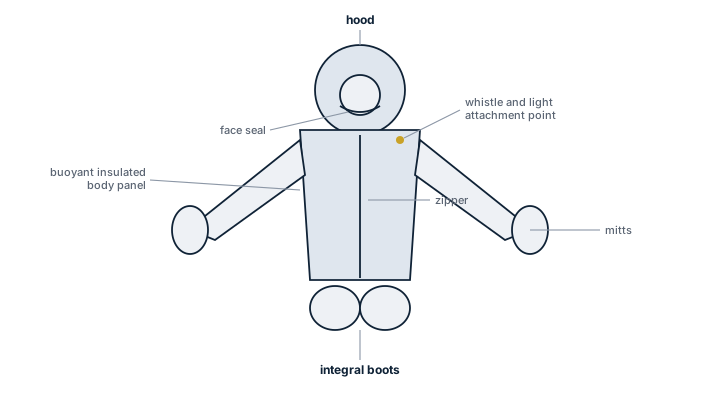
Insulated Immersion Suit
12 manufacturers · 27 models
Mullion PFD
4- Area: Pressure seal integrity and air leakageCheck: Conduct air pressure test per manufacturer specifications (typically 20-25 mbar). Apply soapy water solution to all seams, zippers, face seals, and closures. Monitor for 10-15 minutes to detect pressure drop and bubble formation indicating leaks.
- Area: Zipper functionality and watertightnessCheck: Visual inspection: verify smooth operation by sliding zipper up and down multiple times. Check for damage, corrosion, or misalignment. Apply manufacturer-recommended lubricant to zipper tracks. Verify complete seal closure and absence of gaps.
- Area: Face seal, glove, and boot deteriorationCheck: Visual and tactile inspection: check for cracks, tears, hardening, or loss of elasticity in neoprene/rubber components. Verify proper adhesion of glued seams and glove attachments. Test flexibility of glove fingers and boot construction.
- Area: Material degradation from age and environmental exposureCheck: Visual assessment of neoprene surface for brittleness, discoloration, UV damage, or adhesive deterioration. Check for salt residue, mold, or water stains. Inspect stored suits annually if over 10 years old and biennially if under 10 years; conduct pressure tests per schedule.
- Area: Reflective tape and safety equipment attachment integrityCheck: Verify retro-reflective tape adhesion and visibility (minimum 400 cm² SOLAS requirement). Check attachment of whistle, light pocket, buddy line, and inflatable components. Test inflation mechanisms quarterly for head support/buoyancy rings.
Typ-universelle Inspektionspunkte fuer Insulated Immersion Suit (verifiziert, 2026-06).
- Area: Pressure seal integrity and air leakageCheck: Conduct air pressure test per manufacturer specifications (typically 20-25 mbar). Apply soapy water solution to all seams, zippers, face seals, and closures. Monitor for 10-15 minutes to detect pressure drop and bubble formation indicating leaks.
- Area: Zipper functionality and watertightnessCheck: Visual inspection: verify smooth operation by sliding zipper up and down multiple times. Check for damage, corrosion, or misalignment. Apply manufacturer-recommended lubricant to zipper tracks. Verify complete seal closure and absence of gaps.
- Area: Face seal, glove, and boot deteriorationCheck: Visual and tactile inspection: check for cracks, tears, hardening, or loss of elasticity in neoprene/rubber components. Verify proper adhesion of glued seams and glove attachments. Test flexibility of glove fingers and boot construction.
- Area: Material degradation from age and environmental exposureCheck: Visual assessment of neoprene surface for brittleness, discoloration, UV damage, or adhesive deterioration. Check for salt residue, mold, or water stains. Inspect stored suits annually if over 10 years old and biennially if under 10 years; conduct pressure tests per schedule.
- Area: Reflective tape and safety equipment attachment integrityCheck: Verify retro-reflective tape adhesion and visibility (minimum 400 cm² SOLAS requirement). Check attachment of whistle, light pocket, buddy line, and inflatable components. Test inflation mechanisms quarterly for head support/buoyancy rings.
Typ-universelle Inspektionspunkte fuer Insulated Immersion Suit (verifiziert, 2026-06).
- Area: Pressure seal integrity and air leakageCheck: Conduct air pressure test per manufacturer specifications (typically 20-25 mbar). Apply soapy water solution to all seams, zippers, face seals, and closures. Monitor for 10-15 minutes to detect pressure drop and bubble formation indicating leaks.
- Area: Zipper functionality and watertightnessCheck: Visual inspection: verify smooth operation by sliding zipper up and down multiple times. Check for damage, corrosion, or misalignment. Apply manufacturer-recommended lubricant to zipper tracks. Verify complete seal closure and absence of gaps.
- Area: Face seal, glove, and boot deteriorationCheck: Visual and tactile inspection: check for cracks, tears, hardening, or loss of elasticity in neoprene/rubber components. Verify proper adhesion of glued seams and glove attachments. Test flexibility of glove fingers and boot construction.
- Area: Material degradation from age and environmental exposureCheck: Visual assessment of neoprene surface for brittleness, discoloration, UV damage, or adhesive deterioration. Check for salt residue, mold, or water stains. Inspect stored suits annually if over 10 years old and biennially if under 10 years; conduct pressure tests per schedule.
- Area: Reflective tape and safety equipment attachment integrityCheck: Verify retro-reflective tape adhesion and visibility (minimum 400 cm² SOLAS requirement). Check attachment of whistle, light pocket, buddy line, and inflatable components. Test inflation mechanisms quarterly for head support/buoyancy rings.
Typ-universelle Inspektionspunkte fuer Insulated Immersion Suit (verifiziert, 2026-06).
- Area: Pressure seal integrity and air leakageCheck: Conduct air pressure test per manufacturer specifications (typically 20-25 mbar). Apply soapy water solution to all seams, zippers, face seals, and closures. Monitor for 10-15 minutes to detect pressure drop and bubble formation indicating leaks.
- Area: Zipper functionality and watertightnessCheck: Visual inspection: verify smooth operation by sliding zipper up and down multiple times. Check for damage, corrosion, or misalignment. Apply manufacturer-recommended lubricant to zipper tracks. Verify complete seal closure and absence of gaps.
- Area: Face seal, glove, and boot deteriorationCheck: Visual and tactile inspection: check for cracks, tears, hardening, or loss of elasticity in neoprene/rubber components. Verify proper adhesion of glued seams and glove attachments. Test flexibility of glove fingers and boot construction.
- Area: Material degradation from age and environmental exposureCheck: Visual assessment of neoprene surface for brittleness, discoloration, UV damage, or adhesive deterioration. Check for salt residue, mold, or water stains. Inspect stored suits annually if over 10 years old and biennially if under 10 years; conduct pressure tests per schedule.
- Area: Reflective tape and safety equipment attachment integrityCheck: Verify retro-reflective tape adhesion and visibility (minimum 400 cm² SOLAS requirement). Check attachment of whistle, light pocket, buddy line, and inflatable components. Test inflation mechanisms quarterly for head support/buoyancy rings.
Typ-universelle Inspektionspunkte fuer Insulated Immersion Suit (verifiziert, 2026-06).
Survitec (Crewsaver)
4- Area: Pressure seal integrity and air leakageCheck: Conduct air pressure test per manufacturer specifications (typically 20-25 mbar). Apply soapy water solution to all seams, zippers, face seals, and closures. Monitor for 10-15 minutes to detect pressure drop and bubble formation indicating leaks.
- Area: Zipper functionality and watertightnessCheck: Visual inspection: verify smooth operation by sliding zipper up and down multiple times. Check for damage, corrosion, or misalignment. Apply manufacturer-recommended lubricant to zipper tracks. Verify complete seal closure and absence of gaps.
- Area: Face seal, glove, and boot deteriorationCheck: Visual and tactile inspection: check for cracks, tears, hardening, or loss of elasticity in neoprene/rubber components. Verify proper adhesion of glued seams and glove attachments. Test flexibility of glove fingers and boot construction.
- Area: Material degradation from age and environmental exposureCheck: Visual assessment of neoprene surface for brittleness, discoloration, UV damage, or adhesive deterioration. Check for salt residue, mold, or water stains. Inspect stored suits annually if over 10 years old and biennially if under 10 years; conduct pressure tests per schedule.
- Area: Reflective tape and safety equipment attachment integrityCheck: Verify retro-reflective tape adhesion and visibility (minimum 400 cm² SOLAS requirement). Check attachment of whistle, light pocket, buddy line, and inflatable components. Test inflation mechanisms quarterly for head support/buoyancy rings.
Typ-universelle Inspektionspunkte fuer Insulated Immersion Suit (verifiziert, 2026-06).
- Area: Pressure seal integrity and air leakageCheck: Conduct air pressure test per manufacturer specifications (typically 20-25 mbar). Apply soapy water solution to all seams, zippers, face seals, and closures. Monitor for 10-15 minutes to detect pressure drop and bubble formation indicating leaks.
- Area: Zipper functionality and watertightnessCheck: Visual inspection: verify smooth operation by sliding zipper up and down multiple times. Check for damage, corrosion, or misalignment. Apply manufacturer-recommended lubricant to zipper tracks. Verify complete seal closure and absence of gaps.
- Area: Face seal, glove, and boot deteriorationCheck: Visual and tactile inspection: check for cracks, tears, hardening, or loss of elasticity in neoprene/rubber components. Verify proper adhesion of glued seams and glove attachments. Test flexibility of glove fingers and boot construction.
- Area: Material degradation from age and environmental exposureCheck: Visual assessment of neoprene surface for brittleness, discoloration, UV damage, or adhesive deterioration. Check for salt residue, mold, or water stains. Inspect stored suits annually if over 10 years old and biennially if under 10 years; conduct pressure tests per schedule.
- Area: Reflective tape and safety equipment attachment integrityCheck: Verify retro-reflective tape adhesion and visibility (minimum 400 cm² SOLAS requirement). Check attachment of whistle, light pocket, buddy line, and inflatable components. Test inflation mechanisms quarterly for head support/buoyancy rings.
Typ-universelle Inspektionspunkte fuer Insulated Immersion Suit (verifiziert, 2026-06).
- Area: Pressure seal integrity and air leakageCheck: Conduct air pressure test per manufacturer specifications (typically 20-25 mbar). Apply soapy water solution to all seams, zippers, face seals, and closures. Monitor for 10-15 minutes to detect pressure drop and bubble formation indicating leaks.
- Area: Zipper functionality and watertightnessCheck: Visual inspection: verify smooth operation by sliding zipper up and down multiple times. Check for damage, corrosion, or misalignment. Apply manufacturer-recommended lubricant to zipper tracks. Verify complete seal closure and absence of gaps.
- Area: Face seal, glove, and boot deteriorationCheck: Visual and tactile inspection: check for cracks, tears, hardening, or loss of elasticity in neoprene/rubber components. Verify proper adhesion of glued seams and glove attachments. Test flexibility of glove fingers and boot construction.
- Area: Material degradation from age and environmental exposureCheck: Visual assessment of neoprene surface for brittleness, discoloration, UV damage, or adhesive deterioration. Check for salt residue, mold, or water stains. Inspect stored suits annually if over 10 years old and biennially if under 10 years; conduct pressure tests per schedule.
- Area: Reflective tape and safety equipment attachment integrityCheck: Verify retro-reflective tape adhesion and visibility (minimum 400 cm² SOLAS requirement). Check attachment of whistle, light pocket, buddy line, and inflatable components. Test inflation mechanisms quarterly for head support/buoyancy rings.
Typ-universelle Inspektionspunkte fuer Insulated Immersion Suit (verifiziert, 2026-06).
- Area: Pressure seal integrity and air leakageCheck: Conduct air pressure test per manufacturer specifications (typically 20-25 mbar). Apply soapy water solution to all seams, zippers, face seals, and closures. Monitor for 10-15 minutes to detect pressure drop and bubble formation indicating leaks.
- Area: Zipper functionality and watertightnessCheck: Visual inspection: verify smooth operation by sliding zipper up and down multiple times. Check for damage, corrosion, or misalignment. Apply manufacturer-recommended lubricant to zipper tracks. Verify complete seal closure and absence of gaps.
- Area: Face seal, glove, and boot deteriorationCheck: Visual and tactile inspection: check for cracks, tears, hardening, or loss of elasticity in neoprene/rubber components. Verify proper adhesion of glued seams and glove attachments. Test flexibility of glove fingers and boot construction.
- Area: Material degradation from age and environmental exposureCheck: Visual assessment of neoprene surface for brittleness, discoloration, UV damage, or adhesive deterioration. Check for salt residue, mold, or water stains. Inspect stored suits annually if over 10 years old and biennially if under 10 years; conduct pressure tests per schedule.
- Area: Reflective tape and safety equipment attachment integrityCheck: Verify retro-reflective tape adhesion and visibility (minimum 400 cm² SOLAS requirement). Check attachment of whistle, light pocket, buddy line, and inflatable components. Test inflation mechanisms quarterly for head support/buoyancy rings.
Typ-universelle Inspektionspunkte fuer Insulated Immersion Suit (verifiziert, 2026-06).
Viking Life-Saving Equipment
4- Area: Pressure seal integrity and air leakageCheck: Conduct air pressure test per manufacturer specifications (typically 20-25 mbar). Apply soapy water solution to all seams, zippers, face seals, and closures. Monitor for 10-15 minutes to detect pressure drop and bubble formation indicating leaks.
- Area: Zipper functionality and watertightnessCheck: Visual inspection: verify smooth operation by sliding zipper up and down multiple times. Check for damage, corrosion, or misalignment. Apply manufacturer-recommended lubricant to zipper tracks. Verify complete seal closure and absence of gaps.
- Area: Face seal, glove, and boot deteriorationCheck: Visual and tactile inspection: check for cracks, tears, hardening, or loss of elasticity in neoprene/rubber components. Verify proper adhesion of glued seams and glove attachments. Test flexibility of glove fingers and boot construction.
- Area: Material degradation from age and environmental exposureCheck: Visual assessment of neoprene surface for brittleness, discoloration, UV damage, or adhesive deterioration. Check for salt residue, mold, or water stains. Inspect stored suits annually if over 10 years old and biennially if under 10 years; conduct pressure tests per schedule.
- Area: Reflective tape and safety equipment attachment integrityCheck: Verify retro-reflective tape adhesion and visibility (minimum 400 cm² SOLAS requirement). Check attachment of whistle, light pocket, buddy line, and inflatable components. Test inflation mechanisms quarterly for head support/buoyancy rings.
Typ-universelle Inspektionspunkte fuer Insulated Immersion Suit (verifiziert, 2026-06).
- Area: Pressure seal integrity and air leakageCheck: Conduct air pressure test per manufacturer specifications (typically 20-25 mbar). Apply soapy water solution to all seams, zippers, face seals, and closures. Monitor for 10-15 minutes to detect pressure drop and bubble formation indicating leaks.
- Area: Zipper functionality and watertightnessCheck: Visual inspection: verify smooth operation by sliding zipper up and down multiple times. Check for damage, corrosion, or misalignment. Apply manufacturer-recommended lubricant to zipper tracks. Verify complete seal closure and absence of gaps.
- Area: Face seal, glove, and boot deteriorationCheck: Visual and tactile inspection: check for cracks, tears, hardening, or loss of elasticity in neoprene/rubber components. Verify proper adhesion of glued seams and glove attachments. Test flexibility of glove fingers and boot construction.
- Area: Material degradation from age and environmental exposureCheck: Visual assessment of neoprene surface for brittleness, discoloration, UV damage, or adhesive deterioration. Check for salt residue, mold, or water stains. Inspect stored suits annually if over 10 years old and biennially if under 10 years; conduct pressure tests per schedule.
- Area: Reflective tape and safety equipment attachment integrityCheck: Verify retro-reflective tape adhesion and visibility (minimum 400 cm² SOLAS requirement). Check attachment of whistle, light pocket, buddy line, and inflatable components. Test inflation mechanisms quarterly for head support/buoyancy rings.
Typ-universelle Inspektionspunkte fuer Insulated Immersion Suit (verifiziert, 2026-06).
- Area: Pressure seal integrity and air leakageCheck: Conduct air pressure test per manufacturer specifications (typically 20-25 mbar). Apply soapy water solution to all seams, zippers, face seals, and closures. Monitor for 10-15 minutes to detect pressure drop and bubble formation indicating leaks.
- Area: Zipper functionality and watertightnessCheck: Visual inspection: verify smooth operation by sliding zipper up and down multiple times. Check for damage, corrosion, or misalignment. Apply manufacturer-recommended lubricant to zipper tracks. Verify complete seal closure and absence of gaps.
- Area: Face seal, glove, and boot deteriorationCheck: Visual and tactile inspection: check for cracks, tears, hardening, or loss of elasticity in neoprene/rubber components. Verify proper adhesion of glued seams and glove attachments. Test flexibility of glove fingers and boot construction.
- Area: Material degradation from age and environmental exposureCheck: Visual assessment of neoprene surface for brittleness, discoloration, UV damage, or adhesive deterioration. Check for salt residue, mold, or water stains. Inspect stored suits annually if over 10 years old and biennially if under 10 years; conduct pressure tests per schedule.
- Area: Reflective tape and safety equipment attachment integrityCheck: Verify retro-reflective tape adhesion and visibility (minimum 400 cm² SOLAS requirement). Check attachment of whistle, light pocket, buddy line, and inflatable components. Test inflation mechanisms quarterly for head support/buoyancy rings.
Typ-universelle Inspektionspunkte fuer Insulated Immersion Suit (verifiziert, 2026-06).
- Area: Pressure seal integrity and air leakageCheck: Conduct air pressure test per manufacturer specifications (typically 20-25 mbar). Apply soapy water solution to all seams, zippers, face seals, and closures. Monitor for 10-15 minutes to detect pressure drop and bubble formation indicating leaks.
- Area: Zipper functionality and watertightnessCheck: Visual inspection: verify smooth operation by sliding zipper up and down multiple times. Check for damage, corrosion, or misalignment. Apply manufacturer-recommended lubricant to zipper tracks. Verify complete seal closure and absence of gaps.
- Area: Face seal, glove, and boot deteriorationCheck: Visual and tactile inspection: check for cracks, tears, hardening, or loss of elasticity in neoprene/rubber components. Verify proper adhesion of glued seams and glove attachments. Test flexibility of glove fingers and boot construction.
- Area: Material degradation from age and environmental exposureCheck: Visual assessment of neoprene surface for brittleness, discoloration, UV damage, or adhesive deterioration. Check for salt residue, mold, or water stains. Inspect stored suits annually if over 10 years old and biennially if under 10 years; conduct pressure tests per schedule.
- Area: Reflective tape and safety equipment attachment integrityCheck: Verify retro-reflective tape adhesion and visibility (minimum 400 cm² SOLAS requirement). Check attachment of whistle, light pocket, buddy line, and inflatable components. Test inflation mechanisms quarterly for head support/buoyancy rings.
Typ-universelle Inspektionspunkte fuer Insulated Immersion Suit (verifiziert, 2026-06).
Hansen Protection AS
3- Area: Pressure seal integrity and air leakageCheck: Conduct air pressure test per manufacturer specifications (typically 20-25 mbar). Apply soapy water solution to all seams, zippers, face seals, and closures. Monitor for 10-15 minutes to detect pressure drop and bubble formation indicating leaks.
- Area: Zipper functionality and watertightnessCheck: Visual inspection: verify smooth operation by sliding zipper up and down multiple times. Check for damage, corrosion, or misalignment. Apply manufacturer-recommended lubricant to zipper tracks. Verify complete seal closure and absence of gaps.
- Area: Face seal, glove, and boot deteriorationCheck: Visual and tactile inspection: check for cracks, tears, hardening, or loss of elasticity in neoprene/rubber components. Verify proper adhesion of glued seams and glove attachments. Test flexibility of glove fingers and boot construction.
- Area: Material degradation from age and environmental exposureCheck: Visual assessment of neoprene surface for brittleness, discoloration, UV damage, or adhesive deterioration. Check for salt residue, mold, or water stains. Inspect stored suits annually if over 10 years old and biennially if under 10 years; conduct pressure tests per schedule.
- Area: Reflective tape and safety equipment attachment integrityCheck: Verify retro-reflective tape adhesion and visibility (minimum 400 cm² SOLAS requirement). Check attachment of whistle, light pocket, buddy line, and inflatable components. Test inflation mechanisms quarterly for head support/buoyancy rings.
Typ-universelle Inspektionspunkte fuer Insulated Immersion Suit (verifiziert, 2026-06).
- Area: Pressure seal integrity and air leakageCheck: Conduct air pressure test per manufacturer specifications (typically 20-25 mbar). Apply soapy water solution to all seams, zippers, face seals, and closures. Monitor for 10-15 minutes to detect pressure drop and bubble formation indicating leaks.
- Area: Zipper functionality and watertightnessCheck: Visual inspection: verify smooth operation by sliding zipper up and down multiple times. Check for damage, corrosion, or misalignment. Apply manufacturer-recommended lubricant to zipper tracks. Verify complete seal closure and absence of gaps.
- Area: Face seal, glove, and boot deteriorationCheck: Visual and tactile inspection: check for cracks, tears, hardening, or loss of elasticity in neoprene/rubber components. Verify proper adhesion of glued seams and glove attachments. Test flexibility of glove fingers and boot construction.
- Area: Material degradation from age and environmental exposureCheck: Visual assessment of neoprene surface for brittleness, discoloration, UV damage, or adhesive deterioration. Check for salt residue, mold, or water stains. Inspect stored suits annually if over 10 years old and biennially if under 10 years; conduct pressure tests per schedule.
- Area: Reflective tape and safety equipment attachment integrityCheck: Verify retro-reflective tape adhesion and visibility (minimum 400 cm² SOLAS requirement). Check attachment of whistle, light pocket, buddy line, and inflatable components. Test inflation mechanisms quarterly for head support/buoyancy rings.
Typ-universelle Inspektionspunkte fuer Insulated Immersion Suit (verifiziert, 2026-06).
- Area: Pressure seal integrity and air leakageCheck: Conduct air pressure test per manufacturer specifications (typically 20-25 mbar). Apply soapy water solution to all seams, zippers, face seals, and closures. Monitor for 10-15 minutes to detect pressure drop and bubble formation indicating leaks.
- Area: Zipper functionality and watertightnessCheck: Visual inspection: verify smooth operation by sliding zipper up and down multiple times. Check for damage, corrosion, or misalignment. Apply manufacturer-recommended lubricant to zipper tracks. Verify complete seal closure and absence of gaps.
- Area: Face seal, glove, and boot deteriorationCheck: Visual and tactile inspection: check for cracks, tears, hardening, or loss of elasticity in neoprene/rubber components. Verify proper adhesion of glued seams and glove attachments. Test flexibility of glove fingers and boot construction.
- Area: Material degradation from age and environmental exposureCheck: Visual assessment of neoprene surface for brittleness, discoloration, UV damage, or adhesive deterioration. Check for salt residue, mold, or water stains. Inspect stored suits annually if over 10 years old and biennially if under 10 years; conduct pressure tests per schedule.
- Area: Reflective tape and safety equipment attachment integrityCheck: Verify retro-reflective tape adhesion and visibility (minimum 400 cm² SOLAS requirement). Check attachment of whistle, light pocket, buddy line, and inflatable components. Test inflation mechanisms quarterly for head support/buoyancy rings.
Typ-universelle Inspektionspunkte fuer Insulated Immersion Suit (verifiziert, 2026-06).
Viking
3- Zipper failure/stiffness
- Neoprene degradation from UV
- Glove seam leak
- Reflective tape peeling
- Zipper mechanism failure
- Neoprene cracking
- Seam tape delamination
- Zipper corrosion
- Fabric UV degradation
- Wrist seal leak
Hansen Protection
2- Zipper stiffness
- Neoprene cracking
- Glove leak
- Heavy-duty zipper mechanism wear
- Insulation compression over time
- Boot sole separation
Mustang Survival
2- Zipper corrosion in salt environment
- Neoprene UV degradation
- Face seal leak
- Area: Pressure seal integrity and air leakageCheck: Conduct air pressure test per manufacturer specifications (typically 20-25 mbar). Apply soapy water solution to all seams, zippers, face seals, and closures. Monitor for 10-15 minutes to detect pressure drop and bubble formation indicating leaks.
- Area: Zipper functionality and watertightnessCheck: Visual inspection: verify smooth operation by sliding zipper up and down multiple times. Check for damage, corrosion, or misalignment. Apply manufacturer-recommended lubricant to zipper tracks. Verify complete seal closure and absence of gaps.
- Area: Face seal, glove, and boot deteriorationCheck: Visual and tactile inspection: check for cracks, tears, hardening, or loss of elasticity in neoprene/rubber components. Verify proper adhesion of glued seams and glove attachments. Test flexibility of glove fingers and boot construction.
- Area: Material degradation from age and environmental exposureCheck: Visual assessment of neoprene surface for brittleness, discoloration, UV damage, or adhesive deterioration. Check for salt residue, mold, or water stains. Inspect stored suits annually if over 10 years old and biennially if under 10 years; conduct pressure tests per schedule.
- Area: Reflective tape and safety equipment attachment integrityCheck: Verify retro-reflective tape adhesion and visibility (minimum 400 cm² SOLAS requirement). Check attachment of whistle, light pocket, buddy line, and inflatable components. Test inflation mechanisms quarterly for head support/buoyancy rings.
Typ-universelle Inspektionspunkte fuer Insulated Immersion Suit (verifiziert, 2026-06).
Datrex
1- Area: Pressure seal integrity and air leakageCheck: Conduct air pressure test per manufacturer specifications (typically 20-25 mbar). Apply soapy water solution to all seams, zippers, face seals, and closures. Monitor for 10-15 minutes to detect pressure drop and bubble formation indicating leaks.
- Area: Zipper functionality and watertightnessCheck: Visual inspection: verify smooth operation by sliding zipper up and down multiple times. Check for damage, corrosion, or misalignment. Apply manufacturer-recommended lubricant to zipper tracks. Verify complete seal closure and absence of gaps.
- Area: Face seal, glove, and boot deteriorationCheck: Visual and tactile inspection: check for cracks, tears, hardening, or loss of elasticity in neoprene/rubber components. Verify proper adhesion of glued seams and glove attachments. Test flexibility of glove fingers and boot construction.
- Area: Material degradation from age and environmental exposureCheck: Visual assessment of neoprene surface for brittleness, discoloration, UV damage, or adhesive deterioration. Check for salt residue, mold, or water stains. Inspect stored suits annually if over 10 years old and biennially if under 10 years; conduct pressure tests per schedule.
- Area: Reflective tape and safety equipment attachment integrityCheck: Verify retro-reflective tape adhesion and visibility (minimum 400 cm² SOLAS requirement). Check attachment of whistle, light pocket, buddy line, and inflatable components. Test inflation mechanisms quarterly for head support/buoyancy rings.
Typ-universelle Inspektionspunkte fuer Insulated Immersion Suit (verifiziert, 2026-06).
Grand Ocean Marine
1- Area: Pressure seal integrity and air leakageCheck: Conduct air pressure test per manufacturer specifications (typically 20-25 mbar). Apply soapy water solution to all seams, zippers, face seals, and closures. Monitor for 10-15 minutes to detect pressure drop and bubble formation indicating leaks.
- Area: Zipper functionality and watertightnessCheck: Visual inspection: verify smooth operation by sliding zipper up and down multiple times. Check for damage, corrosion, or misalignment. Apply manufacturer-recommended lubricant to zipper tracks. Verify complete seal closure and absence of gaps.
- Area: Face seal, glove, and boot deteriorationCheck: Visual and tactile inspection: check for cracks, tears, hardening, or loss of elasticity in neoprene/rubber components. Verify proper adhesion of glued seams and glove attachments. Test flexibility of glove fingers and boot construction.
- Area: Material degradation from age and environmental exposureCheck: Visual assessment of neoprene surface for brittleness, discoloration, UV damage, or adhesive deterioration. Check for salt residue, mold, or water stains. Inspect stored suits annually if over 10 years old and biennially if under 10 years; conduct pressure tests per schedule.
- Area: Reflective tape and safety equipment attachment integrityCheck: Verify retro-reflective tape adhesion and visibility (minimum 400 cm² SOLAS requirement). Check attachment of whistle, light pocket, buddy line, and inflatable components. Test inflation mechanisms quarterly for head support/buoyancy rings.
Typ-universelle Inspektionspunkte fuer Insulated Immersion Suit (verifiziert, 2026-06).
Kent Safety Products
1- Area: Pressure seal integrity and air leakageCheck: Conduct air pressure test per manufacturer specifications (typically 20-25 mbar). Apply soapy water solution to all seams, zippers, face seals, and closures. Monitor for 10-15 minutes to detect pressure drop and bubble formation indicating leaks.
- Area: Zipper functionality and watertightnessCheck: Visual inspection: verify smooth operation by sliding zipper up and down multiple times. Check for damage, corrosion, or misalignment. Apply manufacturer-recommended lubricant to zipper tracks. Verify complete seal closure and absence of gaps.
- Area: Face seal, glove, and boot deteriorationCheck: Visual and tactile inspection: check for cracks, tears, hardening, or loss of elasticity in neoprene/rubber components. Verify proper adhesion of glued seams and glove attachments. Test flexibility of glove fingers and boot construction.
- Area: Material degradation from age and environmental exposureCheck: Visual assessment of neoprene surface for brittleness, discoloration, UV damage, or adhesive deterioration. Check for salt residue, mold, or water stains. Inspect stored suits annually if over 10 years old and biennially if under 10 years; conduct pressure tests per schedule.
- Area: Reflective tape and safety equipment attachment integrityCheck: Verify retro-reflective tape adhesion and visibility (minimum 400 cm² SOLAS requirement). Check attachment of whistle, light pocket, buddy line, and inflatable components. Test inflation mechanisms quarterly for head support/buoyancy rings.
Typ-universelle Inspektionspunkte fuer Insulated Immersion Suit (verifiziert, 2026-06).
Lalizas
1- Area: Pressure seal integrity and air leakageCheck: Conduct air pressure test per manufacturer specifications (typically 20-25 mbar). Apply soapy water solution to all seams, zippers, face seals, and closures. Monitor for 10-15 minutes to detect pressure drop and bubble formation indicating leaks.
- Area: Zipper functionality and watertightnessCheck: Visual inspection: verify smooth operation by sliding zipper up and down multiple times. Check for damage, corrosion, or misalignment. Apply manufacturer-recommended lubricant to zipper tracks. Verify complete seal closure and absence of gaps.
- Area: Face seal, glove, and boot deteriorationCheck: Visual and tactile inspection: check for cracks, tears, hardening, or loss of elasticity in neoprene/rubber components. Verify proper adhesion of glued seams and glove attachments. Test flexibility of glove fingers and boot construction.
- Area: Material degradation from age and environmental exposureCheck: Visual assessment of neoprene surface for brittleness, discoloration, UV damage, or adhesive deterioration. Check for salt residue, mold, or water stains. Inspect stored suits annually if over 10 years old and biennially if under 10 years; conduct pressure tests per schedule.
- Area: Reflective tape and safety equipment attachment integrityCheck: Verify retro-reflective tape adhesion and visibility (minimum 400 cm² SOLAS requirement). Check attachment of whistle, light pocket, buddy line, and inflatable components. Test inflation mechanisms quarterly for head support/buoyancy rings.
Typ-universelle Inspektionspunkte fuer Insulated Immersion Suit (verifiziert, 2026-06).
Stearns
1- Area: Pressure seal integrity and air leakageCheck: Conduct air pressure test per manufacturer specifications (typically 20-25 mbar). Apply soapy water solution to all seams, zippers, face seals, and closures. Monitor for 10-15 minutes to detect pressure drop and bubble formation indicating leaks.
- Area: Zipper functionality and watertightnessCheck: Visual inspection: verify smooth operation by sliding zipper up and down multiple times. Check for damage, corrosion, or misalignment. Apply manufacturer-recommended lubricant to zipper tracks. Verify complete seal closure and absence of gaps.
- Area: Face seal, glove, and boot deteriorationCheck: Visual and tactile inspection: check for cracks, tears, hardening, or loss of elasticity in neoprene/rubber components. Verify proper adhesion of glued seams and glove attachments. Test flexibility of glove fingers and boot construction.
- Area: Material degradation from age and environmental exposureCheck: Visual assessment of neoprene surface for brittleness, discoloration, UV damage, or adhesive deterioration. Check for salt residue, mold, or water stains. Inspect stored suits annually if over 10 years old and biennially if under 10 years; conduct pressure tests per schedule.
- Area: Reflective tape and safety equipment attachment integrityCheck: Verify retro-reflective tape adhesion and visibility (minimum 400 cm² SOLAS requirement). Check attachment of whistle, light pocket, buddy line, and inflatable components. Test inflation mechanisms quarterly for head support/buoyancy rings.
Typ-universelle Inspektionspunkte fuer Insulated Immersion Suit (verifiziert, 2026-06).