Hydraulic Power Pack
A hydraulic power pack is the single source that pressurises oil for every deck machine sharing a common manifold; its pump displacement and reservoir capacity, not the size of any individual winch motor, set the real ceiling on how many machines can run together.
Read more — Hydraulic Power Pack explained ▾
What sets a hydraulic power pack apart
A hydraulic power pack is the single point where electrical or diesel input is converted into pressurised oil flow. Everything downstream — windlass, mooring winches, crane, hatch cover rams — draws from this one source through a common manifold. Unlike an electric motor driving a winch directly, the power pack lets many actuators share one prime mover and deliver far higher force at low speed than an electric drive train of comparable size could sustain continuously. The trade-off is that the pack becomes a single point of failure for the whole deck machinery spread, and its reservoir capacity and pump displacement, not the size of any individual winch motor, usually set the real ceiling on how many machines can run together.
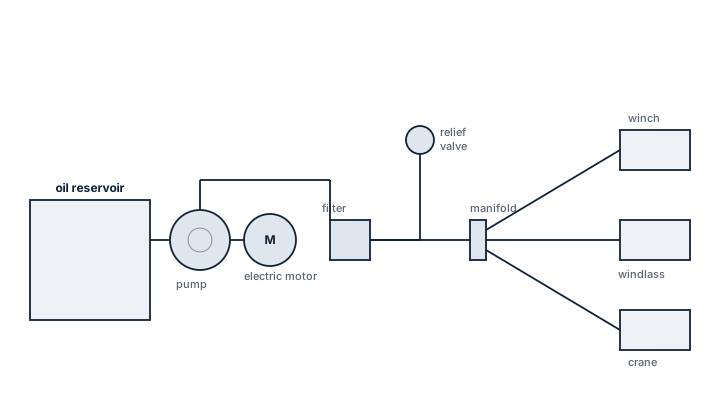
Main components
Prime mover and pump
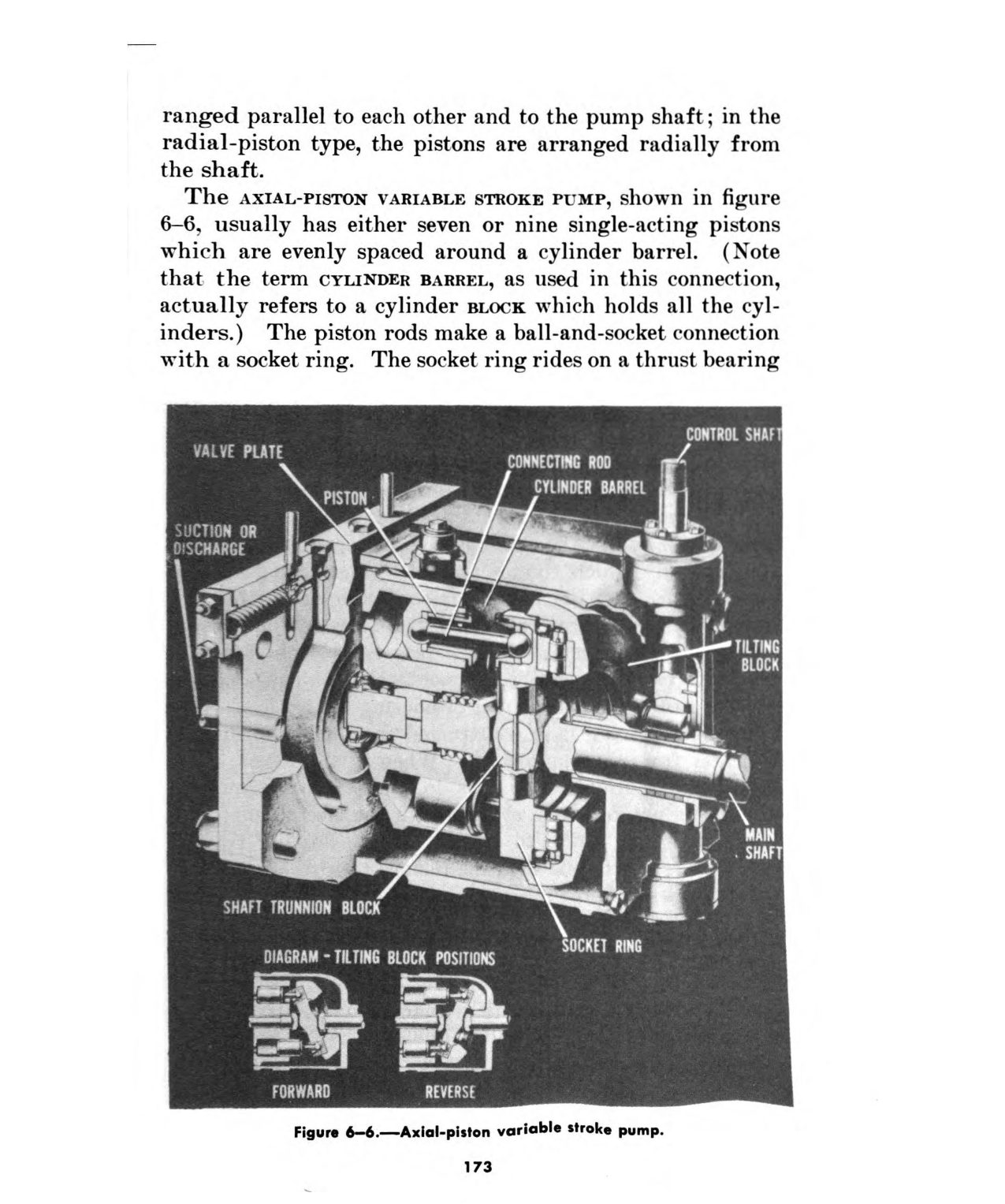
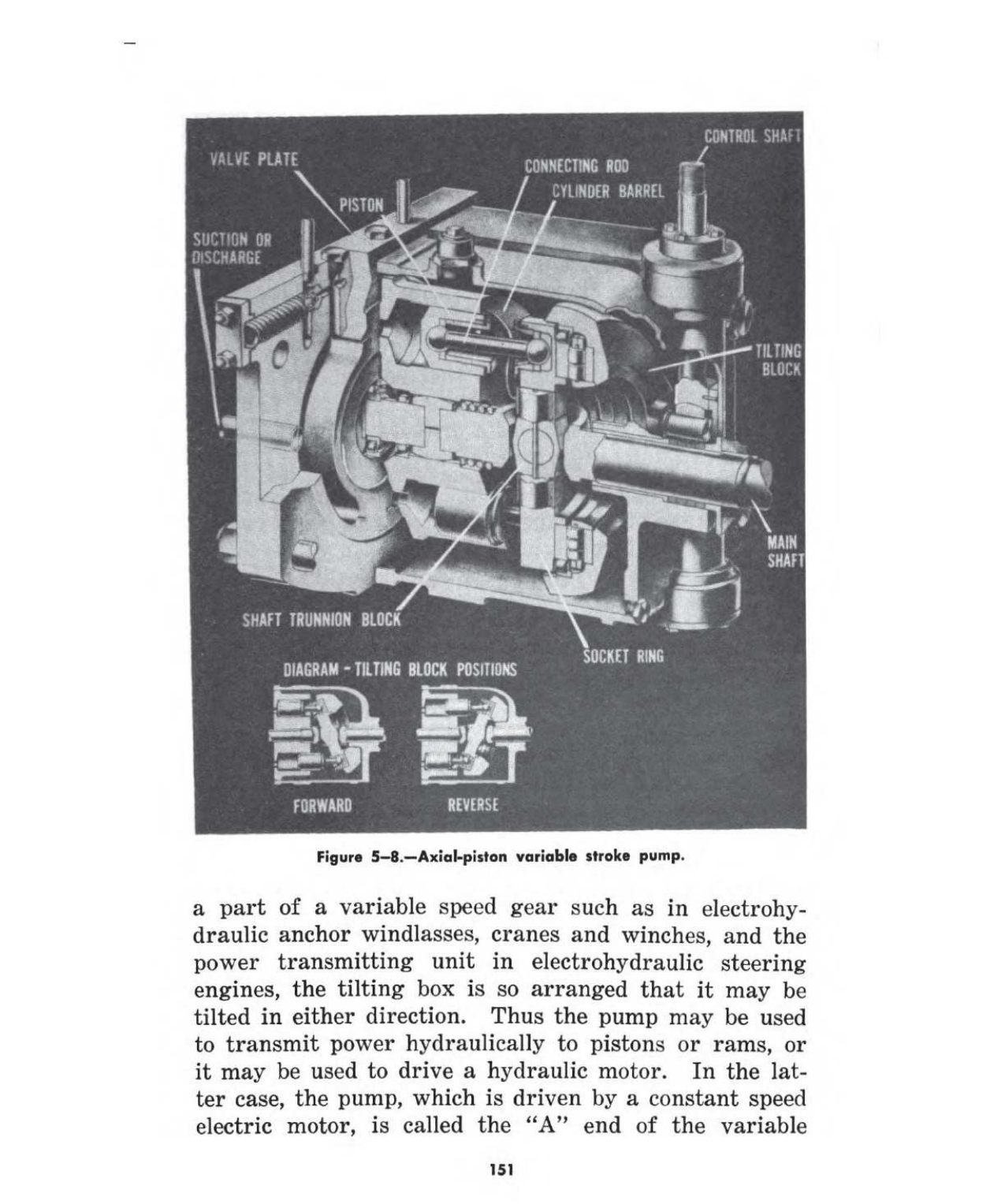
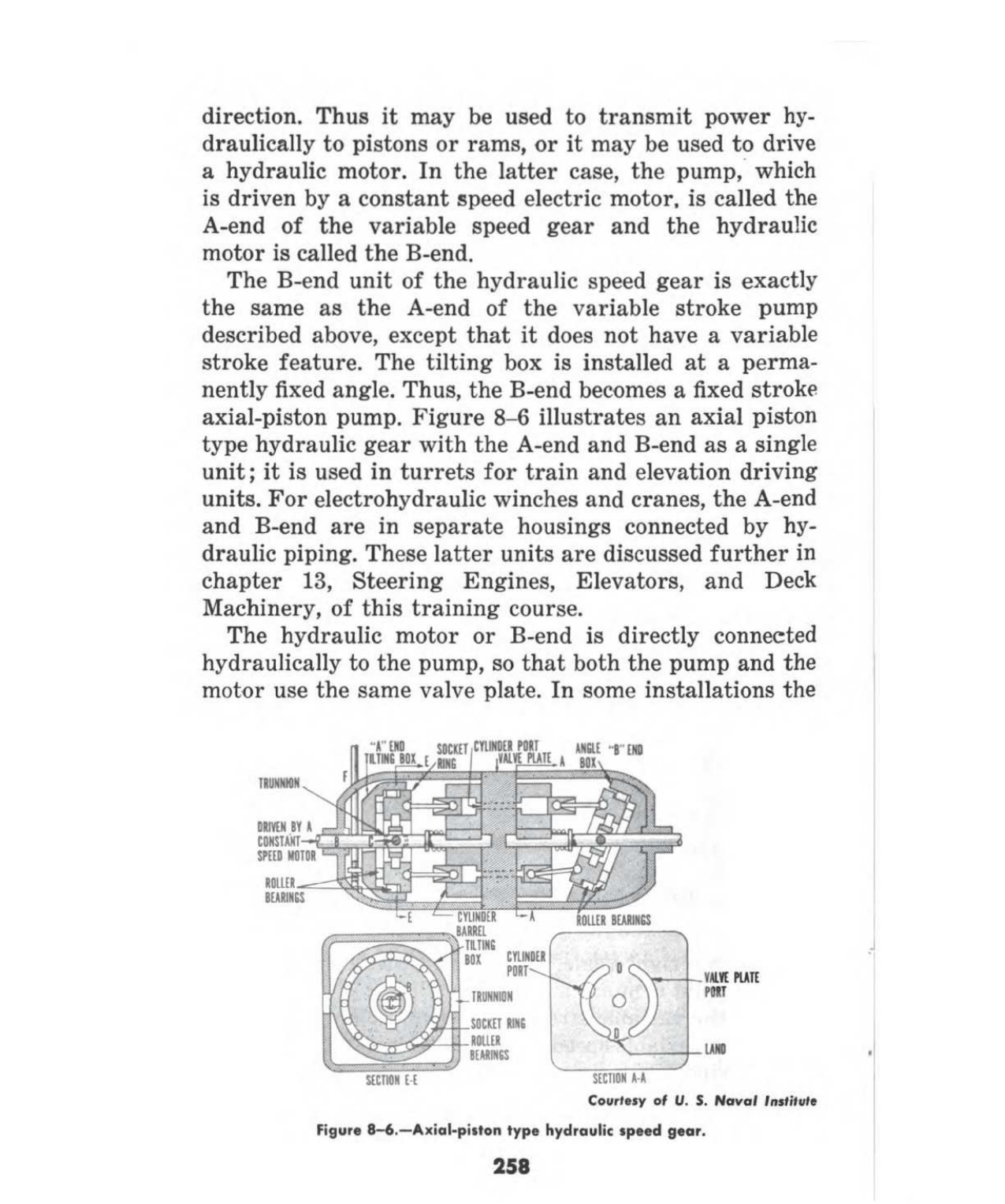
Most packs use a squirrel-cage electric motor driving a fixed or variable displacement axial piston pump. Variable displacement pumps with pressure compensators are preferred where duty cycles vary widely, since they cut flow to near zero at standby pressure instead of dumping oil across a relief valve.
Reservoir and breather
The tank is sized to roughly three to five times the pump's rated flow per minute, large enough to let entrained air separate and heat dissipate before oil is drawn back in. A desiccant breather keeps moisture out of the headspace, which matters on deck where the unit sees salt-laden air.
Valve manifold and accumulator
Directional and relief valves are usually stacked on a common manifold close to the pump rather than run out to each winch individually. A bladder accumulator smooths pressure spikes from rapid direction changes and can hold enough stored energy for one emergency stop or brake release if the pump trips.
Cooling and filtration
Continuous duty packs carry a plate cooler in the return line and duplex return-line filters rated around 10 micron, since deck hydraulics tolerate less contamination than most engine room systems because of the tight clearances in piston pumps and proportional valves.
Sizing and selection
Selection is driven by the combined flow demand of the machines expected to run simultaneously, not the sum of every winch on deck — mooring stations rarely all work at once, but windlass and one crane often do. Key figures to check against the maker's data sheet:
- Rated flow (l/min) at the working pressure the winches actually need, typically 160-250 bar for mooring equipment
- Reservoir volume relative to pump flow, for heat and air management
- Motor rating against the duty cycle — intermittent deck work allows a smaller motor than continuous crane duty
- Pipe and hose bore sized for the longest run to the furthest winch, since pressure drop over distance is often underestimated
Regulations and class
Deck machinery hydraulics fall under class society rules for lifting appliances and mooring equipment rather than a single dedicated code. Class surveyors check the power pack as part of the windlass and mooring winch survey, including brake holding capacity and relief valve settings. Where the pack feeds a crane, IACS unified requirements for lifting appliances apply to load testing and periodic thorough examination, typically annual visual inspection with a four or five year proof load test.
Typical faults
- Aerated oil from a cracked suction line or low reservoir level — causes spongy, delayed winch response and accelerated pump wear
- Clogged return filter left unchanged past its indicator — starves the pump on the next start and can cavitate it within minutes
- Relief valve set too low after a repair — mooring winch stalls under normal line tension, mistaken for a motor fault
- Accumulator precharge lost through a slow bladder leak — pressure spikes reappear and hoses fail prematurely at fittings
- Cooler seawater side fouled — oil temperature climbs past 60°C, varnishing valve spools and causing sticky operation
What to look for in a supplier
- Component brands used in the manifold and pump — repairable, commonly stocked parts beat a fully proprietary cartridge valve block
- Documented flow and pressure test certificate for the assembled pack, not just individual component data sheets
- Noise and vibration figures if the pack sits near accommodation, since deck packs often run at night during mooring stations
- Spares list that matches what the vessel's other hydraulic systems already carry, to avoid adding a new spares line
Before blaming a sluggish winch on the pack, check reservoir oil level and filter indicator first — most reported power pack failures on deck turn out to be starved suction, not a worn pump.
Technical drawings & plates
Historical engineering archive — public domain sources, cited per plate. Principles shown remain valid; always consult the OEM manual for model-specific data.



3 manufacturers · 3 models
Bosch Rexroth
1- Low oil level, suction restriction or pump wear causes low pressure, noise and sluggish machinery response
- Filter blockage or contaminated oil causes high differential pressure, valve sticking and accelerated component wear
- Hose, pipe or seal failure causes visible oil leakage and pressure loss
- Relief, directional or proportional valve faults cause overheating, drift or incorrect actuator movement
- Motor, coupling or cooler faults cause pump shutdown, vibration or rising oil temperature
- High efficiency axial‑piston pump delivers stable pressure with low heat generation
- Integrated oil cooler and filtration meet ISO 4406 cleanliness requirements, extending component life
- Modular design allows quick replacement of pump, valve or accumulator on‑site
- Built‑in accumulator provides instant pressure for start‑up and load‑swing mitigation
- Proven track record in marine deck‑machinery applications with Bosch Rexroth support network
- Requires strict oil cleanliness (ISO 4406 18/16/13) and regular sampling, increasing maintenance discipline
- Oil cooler fouling can reduce performance if not monitored, especially in warm climates
- Proportional valve contamination is a known failure mode that may need frequent filter changes
- Weight and footprint are higher than comparable electric drives for low‑power applications
- Accumulator pre‑charge loss over time demands periodic verification
Eaton (Vickers)
1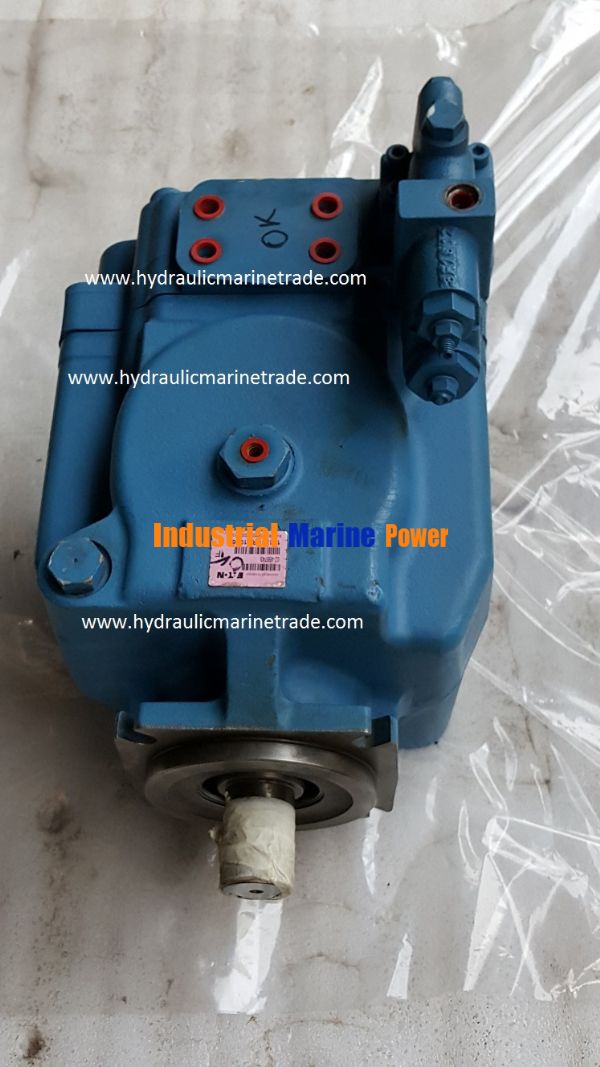
- Low oil level, suction restriction or pump wear causes low pressure, noise and sluggish machinery response
- Filter blockage or contaminated oil causes high differential pressure, valve sticking and accelerated component wear
- Hose, pipe or seal failure causes visible oil leakage and pressure loss
- Relief, directional or proportional valve faults cause overheating, drift or incorrect actuator movement
- Motor, coupling or cooler faults cause pump shutdown, vibration or rising oil temperature
- Compact, integrated package suitable for limited engine room space
- Proven track record on a wide range of merchant vessels
- Standardised control panel with built‑in safety interlocks
- Straightforward annual maintenance – vane pump performance check and breather filter replacement
- Eaton’s global service network provides quick spare parts support
- Vane pump wear can reduce efficiency and require periodic refurbishment
- Directional valve solenoids are a known failure point, leading to downtime if not monitored
- Tank level switch failures have been reported in harsh marine environments
- Motor‑coupling damage may occur if alignment is not regularly verified
- Limited flow capacity compared with larger gear‑type HPUs for very high‑demand crane systems
Parker Hannifin
1- Low oil level, suction restriction or pump wear causes low pressure, noise and sluggish machinery response
- Filter blockage or contaminated oil causes high differential pressure, valve sticking and accelerated component wear
- Hose, pipe or seal failure causes visible oil leakage and pressure loss
- Relief, directional or proportional valve faults cause overheating, drift or incorrect actuator movement
- Motor, coupling or cooler faults cause pump shutdown, vibration or rising oil temperature
- High power density in a compact footprint
- Modular PV‑series design simplifies installation and future upgrades
- Efficient oil circulation reduces energy consumption
- Standardized return‑line filtration (1500 h interval) supports reliability
- Sensitive to hydraulic oil contamination; strict cleanliness required
- Known seal leakage on pump shaft can lead to downtime if not monitored
- Pressure relief valve may drift, requiring periodic calibration
- Cooling circuit fouling can reduce performance in warm climates