Ram-Type Steering Gear
A ram-type steering gear pushes the rudder stock through a tiller using one or more hydraulic rams, and it is chosen over rotary vane gear on larger vessels because ram torque scales up with longer rams or higher pressure, without asking a rotating seal to hold that load.
Read more — Ram-Type Steering Gear explained ▾
What sets ram-type gear apart from rotary vane
Rotary vane steering gear is compact and needs no tiller, but the vane seals set a practical ceiling on torque and pressure. Ram-type gear moves the rudder stock through a tiller arm connected to one, two or four hydraulic rams, so torque is increased simply by using longer rams, a longer tiller arm or higher system pressure, without asking a rotating seal to hold that pressure. This is why almost every large tanker, bulk carrier and container ship above roughly 15,000 to 20,000 dwt uses a two-ram or four-ram gear rather than a vane unit.

Main components
Rams and tiller
Each ram is a double-acting hydraulic cylinder pinned at one end to the ship's structure and at the other to the tiller, which is keyed or shrunk onto the rudder stock. Four-ram arrangements give full torque even if one hydraulic circuit is lost, satisfying the duplication requirement for the main steering gear.
Hydraulic power units
Two independent power units, each with its own pump, are the norm. Variable-displacement axial piston pumps are common because they allow the rudder angle to be controlled by varying pump swash plate angle rather than throttling flow, which keeps losses low across the full angle range.
Rudder angle feedback and buffer system
A mechanical or electronic feedback linkage from the tiller reports actual rudder angle back to the control system, and hydraulic relief or buffer stops absorb the shock load if the rudder strikes ice, a mooring line or a grounding obstruction before the mechanical stops are reached.
Selection and sizing
The gear is sized to the rudder torque calculated from rudder area, ship speed and the required hardover time, not chosen off a general capacity table:
- Maximum design torque, which must cover the worst case of full rudder angle at maximum service speed astern as well as ahead.
- Hardover time from 35 degrees one side to 30 degrees the other, which class rules require within 28 seconds with the main steering gear in operation.
- Working pressure of the hydraulic circuit, typically in the 150 to 300 bar range depending on manufacturer and ram bore.
- Number of rams and power units, driven by the duplication requirement rather than torque alone.
Regulations and class
SOLAS Chapter II-1 requires a main steering gear capable of the 35/30 degree hardover in 28 seconds and an auxiliary steering gear able to move the rudder from 15 degrees on one side to 15 degrees on the other within 60 seconds, either as a separate system or as one of the two power units of the main gear used alone. IACS Unified Requirements set the structural design load cases for the rams, tiller and rudder stock coupling. Class surveys include an annual function test of both power units and a full stroke test of the rudder from hardover to hardover, witnessed and logged.
Typical faults
| Fault | Consequence |
|---|---|
| Worn ram gland seals | External hydraulic oil leak, falling reservoir level and eventual loss of one power unit |
| Air entrained in the hydraulic circuit | Spongy, delayed rudder response and possible cavitation damage to the pump |
| Worn tiller-to-stock key or taper | Backlash between helm order and actual rudder angle, felt as a dead band on the wheel |
| Blocked or sticking relief valve | Buffer system fails to absorb a shock load, transmitting it into the rudder stock and gear seating |
| Feedback linkage misalignment | Rudder angle indicator on the bridge disagrees with actual rudder position |
What to look for in a supplier
- Genuine or class-approved replacement seals matched to the ram bore and rod finish, since generic seal kits often leak within months on high-pressure gear.
- Experience with the specific manufacturer, as Rolls-Royce, Kawasaki and other steering gear specialists differ enough in valve block design that a generalist hydraulic shop can misdiagnose a fault.
- Ability to supply and pressure test replacement rams or tiller assemblies against the original class-approved drawing, not a look-alike part.
- On-board commissioning support for the annual steering gear trial, since a rushed test after repair can miss a fault that only shows up at full rudder angle.
Log the actual hardover time at every steering gear trial, not just a pass or fail; a gear that still meets 28 seconds but has crept up from 20 over two years is telling you a pump or ram is wearing before it fails outright.
Typical Manufacturers
4 manufacturers · 12 models
MacGregor
5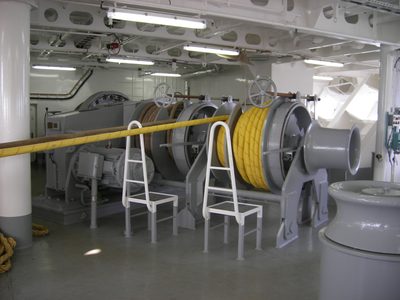
Kongsberg Maritime
4
Kawasaki
2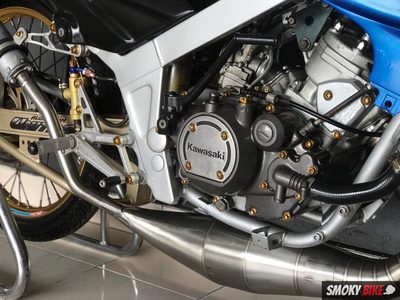
- Ram seal leakage
- Tiller pin wear
- Hydraulic pipe fracture
- Relief valve malfunction
- Four‑ram Rapson slide design offers high torque and redundancy
- Compact layout suitable for limited engine‑room space
- Kawasaki’s reputation for robust marine hydraulics
- Straightforward inspection of tiller pin clearance at class surveys
- History of ram seal leakage requiring periodic resealing
- Tiller pin wear can lead to increased clearances if not monitored
- Hydraulic pipe fracture reported in harsh vibration environments
- Relief valve malfunction may affect steering response under overload
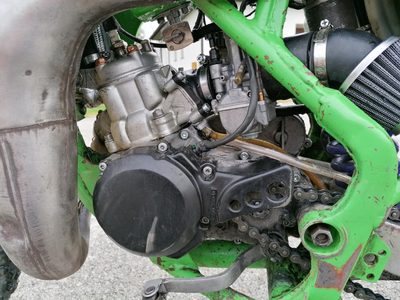
- Ram seal wear
- Crosshead bearing wear
- Oil level drop from internal leak
- Dual independent ram operation gives built‑in redundancy; one unit can be tested or operated while the other remains idle.
- Compact footprint fits well in limited engine‑room spaces typical of small vessels.
- Kawasaki’s reputation for durable marine hydraulics translates to straightforward maintenance and parts availability.
- Lower initial purchase and installation cost compared with larger electro‑hydraulic or electric steering systems.
- Torque output is limited; not appropriate for high‑power ships or vessels requiring heavy helm effort.
- Known wear points such as ram seals and crosshead bearings demand regular inspection and replacement.
- Potential oil level drop from internal leaks can affect performance if not monitored closely.
- Lacks advanced electronic control integration found in newer fully electric steering solutions.
MacTaggart Scott
1
- Cylinder seal failure
- Rapson slide wear
- Piping fatigue crack
- Pump unit failure
- Dual‑redundant pump system meets class requirements for large vessels
- High torque output suitable for VLCCs, Aframax tankers and Panamax bulk carriers
- Compact layout with easy access to hydraulic components for maintenance
- Manual handwheel override provides steering capability in total power loss
- Proven track record in tanker service with long‑standing operator familiarity
- Cylinder seal wear and Rapson slide wear are recurring maintenance issues
- Hydraulic piping can develop fatigue cracks if not inspected regularly
- Pump unit failures may require spare pump sets on board, increasing inventory
- Heavier than newer electro‑hydrostatic or electric steering solutions
- Requires strict hydraulic fluid quality control to avoid seal degradation