Mooring Winch (Electric/Hydraulic)
1 manufacturers · 65 models
MacGregor
65- Brake Holding Capacity (first layer)
- Up to 500 tonnes, or ISO/classification society compliant
- Load Capacity
- 5 to 300 tonnes on first layer (configurable)
- Windlass with Chain Stopper
- Brake must withstand min. 45% of chain cable breaking strength
- Windlass without Chain Stopper
- Brake must withstand min. 80% of chain cable breaking strength
- Drum Configuration
- Single to triple drums, modular HPU or full electrical drive
- Hatlapa (merchant ship segment, anchor handling)
- Pusnes (offshore mooring systems, eccentric fairlead chain stopper EFCS)
- Triplex (chain stopper systems)
- MacGregor MEW (electrical drive)
- MacGregor MHW (modular hydraulic power unit)
- Area: Brake Holding Capacity insufficiency or deteriorationCheck: Conduct brake rendering test using Brake Testing Kit or torque spanner method. Accept only if PRIMARY brake holds min. 60% of ship design MBL. Test after every brake lining renewal, before delivery, within 30 days takeover, and annually. Adjust lining if wear exceeds 40% residual thickness.
- Area: Chain/Gypsy Wear, Corrosion, Pitting (gypsy teeth, chain links)Check: Measure link diameter at wear points - maximum 12% reduction allowed by class rules. Inspect for cracks, distortion, corrosion pitting, especially under gypsy where crevice corrosion occurs. Monitor for abrasion from rocks/sand. In saltwater, check galvanized steel for oxidation; in stainless, examine for crevice attack in oxygen-starved spots.
- Area: Hydraulic System Contamination (brake efficiency loss)Check: Check hydraulic lines and piping monthly for leaks, tightness, proper valve function. Inspect hydraulic fluid condition (contamination, moisture, oil breakdown). Oil, moisture, or heavy rust on brake lining/drum can reduce holding capacity up to 75%. Temperature monitoring on hydraulic pipelines indicates lubrication issues.
- Area: Brake Lining Wear (linings must maintain adequate thickness)Check: Inspect brake lining thickness regularly - renewal required when residual thickness drops below 50-60% of original (e.g., 8mm original -> replace at 4-5mm). Check for discoloration, scorching, unevenness, rough spots. Replace upper AND lower linings simultaneously. On non-tank vessels, renew at every drydock regardless of condition.
- Area: Chain Stopper Hydraulic Function & Mechanical Lock (Pusnes EFCS, Hatlapa roller stopper)Check: Test hydraulic-operated chain stopper self-locking release capability under FULL DESIGN LOAD. Verify proper engagement/disengagement cycles. For Pusnes EFCS: check eccentric mechanism for wear, hydraulic pressure (motor protection integration). For Hatlapa roller stopper: inspect roller wear, high-pressure hydraulic motor function. Examine for leaks, cracks, corrosion on stopper pins/bushings.
- Area: Foundation Integrity & Corrosion (windlass mounting, fairlead supports)Check: Examine foundation bolts, welds, support frame before and after heavy anchoring/mooring operations for stress cracks, corrosion pitting, galvanic corrosion at dissimilar metal joints (fairlead/deck interface). Verify no settlement or deformation. In rough weather operations, monitor for fatigue cracking under excessive loads. Apply protective coatings where needed (zinc-rich primer + topcoat).
Typ-universelle Inspektions-/Wartungspunkte fuer Anchor & Mooring Equipment (MacGregor + DNV/OSHA, 2026-06). Per-Modell-Specs NICHT auto-gefuellt.
- Brake Holding Capacity (first layer)
- Up to 500 tonnes, or ISO/classification society compliant
- Load Capacity
- 5 to 300 tonnes on first layer (configurable)
- Windlass with Chain Stopper
- Brake must withstand min. 45% of chain cable breaking strength
- Windlass without Chain Stopper
- Brake must withstand min. 80% of chain cable breaking strength
- Drum Configuration
- Single to triple drums, modular HPU or full electrical drive
- Hatlapa (merchant ship segment, anchor handling)
- Pusnes (offshore mooring systems, eccentric fairlead chain stopper EFCS)
- Triplex (chain stopper systems)
- MacGregor MEW (electrical drive)
- MacGregor MHW (modular hydraulic power unit)
- Area: Brake Holding Capacity insufficiency or deteriorationCheck: Conduct brake rendering test using Brake Testing Kit or torque spanner method. Accept only if PRIMARY brake holds min. 60% of ship design MBL. Test after every brake lining renewal, before delivery, within 30 days takeover, and annually. Adjust lining if wear exceeds 40% residual thickness.
- Area: Chain/Gypsy Wear, Corrosion, Pitting (gypsy teeth, chain links)Check: Measure link diameter at wear points - maximum 12% reduction allowed by class rules. Inspect for cracks, distortion, corrosion pitting, especially under gypsy where crevice corrosion occurs. Monitor for abrasion from rocks/sand. In saltwater, check galvanized steel for oxidation; in stainless, examine for crevice attack in oxygen-starved spots.
- Area: Hydraulic System Contamination (brake efficiency loss)Check: Check hydraulic lines and piping monthly for leaks, tightness, proper valve function. Inspect hydraulic fluid condition (contamination, moisture, oil breakdown). Oil, moisture, or heavy rust on brake lining/drum can reduce holding capacity up to 75%. Temperature monitoring on hydraulic pipelines indicates lubrication issues.
- Area: Brake Lining Wear (linings must maintain adequate thickness)Check: Inspect brake lining thickness regularly - renewal required when residual thickness drops below 50-60% of original (e.g., 8mm original -> replace at 4-5mm). Check for discoloration, scorching, unevenness, rough spots. Replace upper AND lower linings simultaneously. On non-tank vessels, renew at every drydock regardless of condition.
- Area: Chain Stopper Hydraulic Function & Mechanical Lock (Pusnes EFCS, Hatlapa roller stopper)Check: Test hydraulic-operated chain stopper self-locking release capability under FULL DESIGN LOAD. Verify proper engagement/disengagement cycles. For Pusnes EFCS: check eccentric mechanism for wear, hydraulic pressure (motor protection integration). For Hatlapa roller stopper: inspect roller wear, high-pressure hydraulic motor function. Examine for leaks, cracks, corrosion on stopper pins/bushings.
- Area: Foundation Integrity & Corrosion (windlass mounting, fairlead supports)Check: Examine foundation bolts, welds, support frame before and after heavy anchoring/mooring operations for stress cracks, corrosion pitting, galvanic corrosion at dissimilar metal joints (fairlead/deck interface). Verify no settlement or deformation. In rough weather operations, monitor for fatigue cracking under excessive loads. Apply protective coatings where needed (zinc-rich primer + topcoat).
Typ-universelle Inspektions-/Wartungspunkte fuer Anchor & Mooring Equipment (MacGregor + DNV/OSHA, 2026-06). Per-Modell-Specs NICHT auto-gefuellt.
- Brake Holding Capacity (first layer)
- Up to 500 tonnes, or ISO/classification society compliant
- Load Capacity
- 5 to 300 tonnes on first layer (configurable)
- Windlass with Chain Stopper
- Brake must withstand min. 45% of chain cable breaking strength
- Windlass without Chain Stopper
- Brake must withstand min. 80% of chain cable breaking strength
- Drum Configuration
- Single to triple drums, modular HPU or full electrical drive
- Hatlapa (merchant ship segment, anchor handling)
- Pusnes (offshore mooring systems, eccentric fairlead chain stopper EFCS)
- Triplex (chain stopper systems)
- MacGregor MEW (electrical drive)
- MacGregor MHW (modular hydraulic power unit)
- Area: Brake Holding Capacity insufficiency or deteriorationCheck: Conduct brake rendering test using Brake Testing Kit or torque spanner method. Accept only if PRIMARY brake holds min. 60% of ship design MBL. Test after every brake lining renewal, before delivery, within 30 days takeover, and annually. Adjust lining if wear exceeds 40% residual thickness.
- Area: Chain/Gypsy Wear, Corrosion, Pitting (gypsy teeth, chain links)Check: Measure link diameter at wear points - maximum 12% reduction allowed by class rules. Inspect for cracks, distortion, corrosion pitting, especially under gypsy where crevice corrosion occurs. Monitor for abrasion from rocks/sand. In saltwater, check galvanized steel for oxidation; in stainless, examine for crevice attack in oxygen-starved spots.
- Area: Hydraulic System Contamination (brake efficiency loss)Check: Check hydraulic lines and piping monthly for leaks, tightness, proper valve function. Inspect hydraulic fluid condition (contamination, moisture, oil breakdown). Oil, moisture, or heavy rust on brake lining/drum can reduce holding capacity up to 75%. Temperature monitoring on hydraulic pipelines indicates lubrication issues.
- Area: Brake Lining Wear (linings must maintain adequate thickness)Check: Inspect brake lining thickness regularly - renewal required when residual thickness drops below 50-60% of original (e.g., 8mm original -> replace at 4-5mm). Check for discoloration, scorching, unevenness, rough spots. Replace upper AND lower linings simultaneously. On non-tank vessels, renew at every drydock regardless of condition.
- Area: Chain Stopper Hydraulic Function & Mechanical Lock (Pusnes EFCS, Hatlapa roller stopper)Check: Test hydraulic-operated chain stopper self-locking release capability under FULL DESIGN LOAD. Verify proper engagement/disengagement cycles. For Pusnes EFCS: check eccentric mechanism for wear, hydraulic pressure (motor protection integration). For Hatlapa roller stopper: inspect roller wear, high-pressure hydraulic motor function. Examine for leaks, cracks, corrosion on stopper pins/bushings.
- Area: Foundation Integrity & Corrosion (windlass mounting, fairlead supports)Check: Examine foundation bolts, welds, support frame before and after heavy anchoring/mooring operations for stress cracks, corrosion pitting, galvanic corrosion at dissimilar metal joints (fairlead/deck interface). Verify no settlement or deformation. In rough weather operations, monitor for fatigue cracking under excessive loads. Apply protective coatings where needed (zinc-rich primer + topcoat).
Typ-universelle Inspektions-/Wartungspunkte fuer Anchor & Mooring Equipment (MacGregor + DNV/OSHA, 2026-06). Per-Modell-Specs NICHT auto-gefuellt.
- Brake Holding Capacity (first layer)
- Up to 500 tonnes, or ISO/classification society compliant
- Load Capacity
- 5 to 300 tonnes on first layer (configurable)
- Windlass with Chain Stopper
- Brake must withstand min. 45% of chain cable breaking strength
- Windlass without Chain Stopper
- Brake must withstand min. 80% of chain cable breaking strength
- Drum Configuration
- Single to triple drums, modular HPU or full electrical drive
- Hatlapa (merchant ship segment, anchor handling)
- Pusnes (offshore mooring systems, eccentric fairlead chain stopper EFCS)
- Triplex (chain stopper systems)
- MacGregor MEW (electrical drive)
- MacGregor MHW (modular hydraulic power unit)
- Area: Brake Holding Capacity insufficiency or deteriorationCheck: Conduct brake rendering test using Brake Testing Kit or torque spanner method. Accept only if PRIMARY brake holds min. 60% of ship design MBL. Test after every brake lining renewal, before delivery, within 30 days takeover, and annually. Adjust lining if wear exceeds 40% residual thickness.
- Area: Chain/Gypsy Wear, Corrosion, Pitting (gypsy teeth, chain links)Check: Measure link diameter at wear points - maximum 12% reduction allowed by class rules. Inspect for cracks, distortion, corrosion pitting, especially under gypsy where crevice corrosion occurs. Monitor for abrasion from rocks/sand. In saltwater, check galvanized steel for oxidation; in stainless, examine for crevice attack in oxygen-starved spots.
- Area: Hydraulic System Contamination (brake efficiency loss)Check: Check hydraulic lines and piping monthly for leaks, tightness, proper valve function. Inspect hydraulic fluid condition (contamination, moisture, oil breakdown). Oil, moisture, or heavy rust on brake lining/drum can reduce holding capacity up to 75%. Temperature monitoring on hydraulic pipelines indicates lubrication issues.
- Area: Brake Lining Wear (linings must maintain adequate thickness)Check: Inspect brake lining thickness regularly - renewal required when residual thickness drops below 50-60% of original (e.g., 8mm original -> replace at 4-5mm). Check for discoloration, scorching, unevenness, rough spots. Replace upper AND lower linings simultaneously. On non-tank vessels, renew at every drydock regardless of condition.
- Area: Chain Stopper Hydraulic Function & Mechanical Lock (Pusnes EFCS, Hatlapa roller stopper)Check: Test hydraulic-operated chain stopper self-locking release capability under FULL DESIGN LOAD. Verify proper engagement/disengagement cycles. For Pusnes EFCS: check eccentric mechanism for wear, hydraulic pressure (motor protection integration). For Hatlapa roller stopper: inspect roller wear, high-pressure hydraulic motor function. Examine for leaks, cracks, corrosion on stopper pins/bushings.
- Area: Foundation Integrity & Corrosion (windlass mounting, fairlead supports)Check: Examine foundation bolts, welds, support frame before and after heavy anchoring/mooring operations for stress cracks, corrosion pitting, galvanic corrosion at dissimilar metal joints (fairlead/deck interface). Verify no settlement or deformation. In rough weather operations, monitor for fatigue cracking under excessive loads. Apply protective coatings where needed (zinc-rich primer + topcoat).
Typ-universelle Inspektions-/Wartungspunkte fuer Anchor & Mooring Equipment (MacGregor + DNV/OSHA, 2026-06). Per-Modell-Specs NICHT auto-gefuellt.

- Brake Holding Capacity (first layer)
- Up to 500 tonnes, or ISO/classification society compliant
- Load Capacity
- 5 to 300 tonnes on first layer (configurable)
- Windlass with Chain Stopper
- Brake must withstand min. 45% of chain cable breaking strength
- Windlass without Chain Stopper
- Brake must withstand min. 80% of chain cable breaking strength
- Drum Configuration
- Single to triple drums, modular HPU or full electrical drive
- Hatlapa (merchant ship segment, anchor handling)
- Pusnes (offshore mooring systems, eccentric fairlead chain stopper EFCS)
- Triplex (chain stopper systems)
- MacGregor MEW (electrical drive)
- MacGregor MHW (modular hydraulic power unit)
- Area: Brake Holding Capacity insufficiency or deteriorationCheck: Conduct brake rendering test using Brake Testing Kit or torque spanner method. Accept only if PRIMARY brake holds min. 60% of ship design MBL. Test after every brake lining renewal, before delivery, within 30 days takeover, and annually. Adjust lining if wear exceeds 40% residual thickness.
- Area: Chain/Gypsy Wear, Corrosion, Pitting (gypsy teeth, chain links)Check: Measure link diameter at wear points - maximum 12% reduction allowed by class rules. Inspect for cracks, distortion, corrosion pitting, especially under gypsy where crevice corrosion occurs. Monitor for abrasion from rocks/sand. In saltwater, check galvanized steel for oxidation; in stainless, examine for crevice attack in oxygen-starved spots.
- Area: Hydraulic System Contamination (brake efficiency loss)Check: Check hydraulic lines and piping monthly for leaks, tightness, proper valve function. Inspect hydraulic fluid condition (contamination, moisture, oil breakdown). Oil, moisture, or heavy rust on brake lining/drum can reduce holding capacity up to 75%. Temperature monitoring on hydraulic pipelines indicates lubrication issues.
- Area: Brake Lining Wear (linings must maintain adequate thickness)Check: Inspect brake lining thickness regularly - renewal required when residual thickness drops below 50-60% of original (e.g., 8mm original -> replace at 4-5mm). Check for discoloration, scorching, unevenness, rough spots. Replace upper AND lower linings simultaneously. On non-tank vessels, renew at every drydock regardless of condition.
- Area: Chain Stopper Hydraulic Function & Mechanical Lock (Pusnes EFCS, Hatlapa roller stopper)Check: Test hydraulic-operated chain stopper self-locking release capability under FULL DESIGN LOAD. Verify proper engagement/disengagement cycles. For Pusnes EFCS: check eccentric mechanism for wear, hydraulic pressure (motor protection integration). For Hatlapa roller stopper: inspect roller wear, high-pressure hydraulic motor function. Examine for leaks, cracks, corrosion on stopper pins/bushings.
- Area: Foundation Integrity & Corrosion (windlass mounting, fairlead supports)Check: Examine foundation bolts, welds, support frame before and after heavy anchoring/mooring operations for stress cracks, corrosion pitting, galvanic corrosion at dissimilar metal joints (fairlead/deck interface). Verify no settlement or deformation. In rough weather operations, monitor for fatigue cracking under excessive loads. Apply protective coatings where needed (zinc-rich primer + topcoat).
Typ-universelle Inspektions-/Wartungspunkte fuer Anchor & Mooring Equipment (MacGregor + DNV/OSHA, 2026-06). Per-Modell-Specs NICHT auto-gefuellt.

- Brake Holding Capacity (first layer)
- Up to 500 tonnes, or ISO/classification society compliant
- Load Capacity
- 5 to 300 tonnes on first layer (configurable)
- Windlass with Chain Stopper
- Brake must withstand min. 45% of chain cable breaking strength
- Windlass without Chain Stopper
- Brake must withstand min. 80% of chain cable breaking strength
- Drum Configuration
- Single to triple drums, modular HPU or full electrical drive
- Hatlapa (merchant ship segment, anchor handling)
- Pusnes (offshore mooring systems, eccentric fairlead chain stopper EFCS)
- Triplex (chain stopper systems)
- MacGregor MEW (electrical drive)
- MacGregor MHW (modular hydraulic power unit)
- Area: Brake Holding Capacity insufficiency or deteriorationCheck: Conduct brake rendering test using Brake Testing Kit or torque spanner method. Accept only if PRIMARY brake holds min. 60% of ship design MBL. Test after every brake lining renewal, before delivery, within 30 days takeover, and annually. Adjust lining if wear exceeds 40% residual thickness.
- Area: Chain/Gypsy Wear, Corrosion, Pitting (gypsy teeth, chain links)Check: Measure link diameter at wear points - maximum 12% reduction allowed by class rules. Inspect for cracks, distortion, corrosion pitting, especially under gypsy where crevice corrosion occurs. Monitor for abrasion from rocks/sand. In saltwater, check galvanized steel for oxidation; in stainless, examine for crevice attack in oxygen-starved spots.
- Area: Hydraulic System Contamination (brake efficiency loss)Check: Check hydraulic lines and piping monthly for leaks, tightness, proper valve function. Inspect hydraulic fluid condition (contamination, moisture, oil breakdown). Oil, moisture, or heavy rust on brake lining/drum can reduce holding capacity up to 75%. Temperature monitoring on hydraulic pipelines indicates lubrication issues.
- Area: Brake Lining Wear (linings must maintain adequate thickness)Check: Inspect brake lining thickness regularly - renewal required when residual thickness drops below 50-60% of original (e.g., 8mm original -> replace at 4-5mm). Check for discoloration, scorching, unevenness, rough spots. Replace upper AND lower linings simultaneously. On non-tank vessels, renew at every drydock regardless of condition.
- Area: Chain Stopper Hydraulic Function & Mechanical Lock (Pusnes EFCS, Hatlapa roller stopper)Check: Test hydraulic-operated chain stopper self-locking release capability under FULL DESIGN LOAD. Verify proper engagement/disengagement cycles. For Pusnes EFCS: check eccentric mechanism for wear, hydraulic pressure (motor protection integration). For Hatlapa roller stopper: inspect roller wear, high-pressure hydraulic motor function. Examine for leaks, cracks, corrosion on stopper pins/bushings.
- Area: Foundation Integrity & Corrosion (windlass mounting, fairlead supports)Check: Examine foundation bolts, welds, support frame before and after heavy anchoring/mooring operations for stress cracks, corrosion pitting, galvanic corrosion at dissimilar metal joints (fairlead/deck interface). Verify no settlement or deformation. In rough weather operations, monitor for fatigue cracking under excessive loads. Apply protective coatings where needed (zinc-rich primer + topcoat).
Typ-universelle Inspektions-/Wartungspunkte fuer Anchor & Mooring Equipment (MacGregor + DNV/OSHA, 2026-06). Per-Modell-Specs NICHT auto-gefuellt.

- Brake Holding Capacity (first layer)
- Up to 500 tonnes, or ISO/classification society compliant
- Load Capacity
- 5 to 300 tonnes on first layer (configurable)
- Windlass with Chain Stopper
- Brake must withstand min. 45% of chain cable breaking strength
- Windlass without Chain Stopper
- Brake must withstand min. 80% of chain cable breaking strength
- Drum Configuration
- Single to triple drums, modular HPU or full electrical drive
- Hatlapa (merchant ship segment, anchor handling)
- Pusnes (offshore mooring systems, eccentric fairlead chain stopper EFCS)
- Triplex (chain stopper systems)
- MacGregor MEW (electrical drive)
- MacGregor MHW (modular hydraulic power unit)
- Area: Brake Holding Capacity insufficiency or deteriorationCheck: Conduct brake rendering test using Brake Testing Kit or torque spanner method. Accept only if PRIMARY brake holds min. 60% of ship design MBL. Test after every brake lining renewal, before delivery, within 30 days takeover, and annually. Adjust lining if wear exceeds 40% residual thickness.
- Area: Chain/Gypsy Wear, Corrosion, Pitting (gypsy teeth, chain links)Check: Measure link diameter at wear points - maximum 12% reduction allowed by class rules. Inspect for cracks, distortion, corrosion pitting, especially under gypsy where crevice corrosion occurs. Monitor for abrasion from rocks/sand. In saltwater, check galvanized steel for oxidation; in stainless, examine for crevice attack in oxygen-starved spots.
- Area: Hydraulic System Contamination (brake efficiency loss)Check: Check hydraulic lines and piping monthly for leaks, tightness, proper valve function. Inspect hydraulic fluid condition (contamination, moisture, oil breakdown). Oil, moisture, or heavy rust on brake lining/drum can reduce holding capacity up to 75%. Temperature monitoring on hydraulic pipelines indicates lubrication issues.
- Area: Brake Lining Wear (linings must maintain adequate thickness)Check: Inspect brake lining thickness regularly - renewal required when residual thickness drops below 50-60% of original (e.g., 8mm original -> replace at 4-5mm). Check for discoloration, scorching, unevenness, rough spots. Replace upper AND lower linings simultaneously. On non-tank vessels, renew at every drydock regardless of condition.
- Area: Chain Stopper Hydraulic Function & Mechanical Lock (Pusnes EFCS, Hatlapa roller stopper)Check: Test hydraulic-operated chain stopper self-locking release capability under FULL DESIGN LOAD. Verify proper engagement/disengagement cycles. For Pusnes EFCS: check eccentric mechanism for wear, hydraulic pressure (motor protection integration). For Hatlapa roller stopper: inspect roller wear, high-pressure hydraulic motor function. Examine for leaks, cracks, corrosion on stopper pins/bushings.
- Area: Foundation Integrity & Corrosion (windlass mounting, fairlead supports)Check: Examine foundation bolts, welds, support frame before and after heavy anchoring/mooring operations for stress cracks, corrosion pitting, galvanic corrosion at dissimilar metal joints (fairlead/deck interface). Verify no settlement or deformation. In rough weather operations, monitor for fatigue cracking under excessive loads. Apply protective coatings where needed (zinc-rich primer + topcoat).
Typ-universelle Inspektions-/Wartungspunkte fuer Anchor & Mooring Equipment (MacGregor + DNV/OSHA, 2026-06). Per-Modell-Specs NICHT auto-gefuellt.

- Brake Holding Capacity (first layer)
- Up to 500 tonnes, or ISO/classification society compliant
- Load Capacity
- 5 to 300 tonnes on first layer (configurable)
- Windlass with Chain Stopper
- Brake must withstand min. 45% of chain cable breaking strength
- Windlass without Chain Stopper
- Brake must withstand min. 80% of chain cable breaking strength
- Drum Configuration
- Single to triple drums, modular HPU or full electrical drive
- Hatlapa (merchant ship segment, anchor handling)
- Pusnes (offshore mooring systems, eccentric fairlead chain stopper EFCS)
- Triplex (chain stopper systems)
- MacGregor MEW (electrical drive)
- MacGregor MHW (modular hydraulic power unit)
- Area: Brake Holding Capacity insufficiency or deteriorationCheck: Conduct brake rendering test using Brake Testing Kit or torque spanner method. Accept only if PRIMARY brake holds min. 60% of ship design MBL. Test after every brake lining renewal, before delivery, within 30 days takeover, and annually. Adjust lining if wear exceeds 40% residual thickness.
- Area: Chain/Gypsy Wear, Corrosion, Pitting (gypsy teeth, chain links)Check: Measure link diameter at wear points - maximum 12% reduction allowed by class rules. Inspect for cracks, distortion, corrosion pitting, especially under gypsy where crevice corrosion occurs. Monitor for abrasion from rocks/sand. In saltwater, check galvanized steel for oxidation; in stainless, examine for crevice attack in oxygen-starved spots.
- Area: Hydraulic System Contamination (brake efficiency loss)Check: Check hydraulic lines and piping monthly for leaks, tightness, proper valve function. Inspect hydraulic fluid condition (contamination, moisture, oil breakdown). Oil, moisture, or heavy rust on brake lining/drum can reduce holding capacity up to 75%. Temperature monitoring on hydraulic pipelines indicates lubrication issues.
- Area: Brake Lining Wear (linings must maintain adequate thickness)Check: Inspect brake lining thickness regularly - renewal required when residual thickness drops below 50-60% of original (e.g., 8mm original -> replace at 4-5mm). Check for discoloration, scorching, unevenness, rough spots. Replace upper AND lower linings simultaneously. On non-tank vessels, renew at every drydock regardless of condition.
- Area: Chain Stopper Hydraulic Function & Mechanical Lock (Pusnes EFCS, Hatlapa roller stopper)Check: Test hydraulic-operated chain stopper self-locking release capability under FULL DESIGN LOAD. Verify proper engagement/disengagement cycles. For Pusnes EFCS: check eccentric mechanism for wear, hydraulic pressure (motor protection integration). For Hatlapa roller stopper: inspect roller wear, high-pressure hydraulic motor function. Examine for leaks, cracks, corrosion on stopper pins/bushings.
- Area: Foundation Integrity & Corrosion (windlass mounting, fairlead supports)Check: Examine foundation bolts, welds, support frame before and after heavy anchoring/mooring operations for stress cracks, corrosion pitting, galvanic corrosion at dissimilar metal joints (fairlead/deck interface). Verify no settlement or deformation. In rough weather operations, monitor for fatigue cracking under excessive loads. Apply protective coatings where needed (zinc-rich primer + topcoat).
Typ-universelle Inspektions-/Wartungspunkte fuer Anchor & Mooring Equipment (MacGregor + DNV/OSHA, 2026-06). Per-Modell-Specs NICHT auto-gefuellt.
- Brake Holding Capacity (first layer)
- Up to 500 tonnes, or ISO/classification society compliant
- Load Capacity
- 5 to 300 tonnes on first layer (configurable)
- Windlass with Chain Stopper
- Brake must withstand min. 45% of chain cable breaking strength
- Windlass without Chain Stopper
- Brake must withstand min. 80% of chain cable breaking strength
- Drum Configuration
- Single to triple drums, modular HPU or full electrical drive
- Hatlapa (merchant ship segment, anchor handling)
- Pusnes (offshore mooring systems, eccentric fairlead chain stopper EFCS)
- Triplex (chain stopper systems)
- MacGregor MEW (electrical drive)
- MacGregor MHW (modular hydraulic power unit)
- Area: Brake Holding Capacity insufficiency or deteriorationCheck: Conduct brake rendering test using Brake Testing Kit or torque spanner method. Accept only if PRIMARY brake holds min. 60% of ship design MBL. Test after every brake lining renewal, before delivery, within 30 days takeover, and annually. Adjust lining if wear exceeds 40% residual thickness.
- Area: Chain/Gypsy Wear, Corrosion, Pitting (gypsy teeth, chain links)Check: Measure link diameter at wear points - maximum 12% reduction allowed by class rules. Inspect for cracks, distortion, corrosion pitting, especially under gypsy where crevice corrosion occurs. Monitor for abrasion from rocks/sand. In saltwater, check galvanized steel for oxidation; in stainless, examine for crevice attack in oxygen-starved spots.
- Area: Hydraulic System Contamination (brake efficiency loss)Check: Check hydraulic lines and piping monthly for leaks, tightness, proper valve function. Inspect hydraulic fluid condition (contamination, moisture, oil breakdown). Oil, moisture, or heavy rust on brake lining/drum can reduce holding capacity up to 75%. Temperature monitoring on hydraulic pipelines indicates lubrication issues.
- Area: Brake Lining Wear (linings must maintain adequate thickness)Check: Inspect brake lining thickness regularly - renewal required when residual thickness drops below 50-60% of original (e.g., 8mm original -> replace at 4-5mm). Check for discoloration, scorching, unevenness, rough spots. Replace upper AND lower linings simultaneously. On non-tank vessels, renew at every drydock regardless of condition.
- Area: Chain Stopper Hydraulic Function & Mechanical Lock (Pusnes EFCS, Hatlapa roller stopper)Check: Test hydraulic-operated chain stopper self-locking release capability under FULL DESIGN LOAD. Verify proper engagement/disengagement cycles. For Pusnes EFCS: check eccentric mechanism for wear, hydraulic pressure (motor protection integration). For Hatlapa roller stopper: inspect roller wear, high-pressure hydraulic motor function. Examine for leaks, cracks, corrosion on stopper pins/bushings.
- Area: Foundation Integrity & Corrosion (windlass mounting, fairlead supports)Check: Examine foundation bolts, welds, support frame before and after heavy anchoring/mooring operations for stress cracks, corrosion pitting, galvanic corrosion at dissimilar metal joints (fairlead/deck interface). Verify no settlement or deformation. In rough weather operations, monitor for fatigue cracking under excessive loads. Apply protective coatings where needed (zinc-rich primer + topcoat).
Typ-universelle Inspektions-/Wartungspunkte fuer Anchor & Mooring Equipment (MacGregor + DNV/OSHA, 2026-06). Per-Modell-Specs NICHT auto-gefuellt.
- Brake Holding Capacity (first layer)
- Up to 500 tonnes, or ISO/classification society compliant
- Load Capacity
- 5 to 300 tonnes on first layer (configurable)
- Windlass with Chain Stopper
- Brake must withstand min. 45% of chain cable breaking strength
- Windlass without Chain Stopper
- Brake must withstand min. 80% of chain cable breaking strength
- Drum Configuration
- Single to triple drums, modular HPU or full electrical drive
- Hatlapa (merchant ship segment, anchor handling)
- Pusnes (offshore mooring systems, eccentric fairlead chain stopper EFCS)
- Triplex (chain stopper systems)
- MacGregor MEW (electrical drive)
- MacGregor MHW (modular hydraulic power unit)
- Area: Brake Holding Capacity insufficiency or deteriorationCheck: Conduct brake rendering test using Brake Testing Kit or torque spanner method. Accept only if PRIMARY brake holds min. 60% of ship design MBL. Test after every brake lining renewal, before delivery, within 30 days takeover, and annually. Adjust lining if wear exceeds 40% residual thickness.
- Area: Chain/Gypsy Wear, Corrosion, Pitting (gypsy teeth, chain links)Check: Measure link diameter at wear points - maximum 12% reduction allowed by class rules. Inspect for cracks, distortion, corrosion pitting, especially under gypsy where crevice corrosion occurs. Monitor for abrasion from rocks/sand. In saltwater, check galvanized steel for oxidation; in stainless, examine for crevice attack in oxygen-starved spots.
- Area: Hydraulic System Contamination (brake efficiency loss)Check: Check hydraulic lines and piping monthly for leaks, tightness, proper valve function. Inspect hydraulic fluid condition (contamination, moisture, oil breakdown). Oil, moisture, or heavy rust on brake lining/drum can reduce holding capacity up to 75%. Temperature monitoring on hydraulic pipelines indicates lubrication issues.
- Area: Brake Lining Wear (linings must maintain adequate thickness)Check: Inspect brake lining thickness regularly - renewal required when residual thickness drops below 50-60% of original (e.g., 8mm original -> replace at 4-5mm). Check for discoloration, scorching, unevenness, rough spots. Replace upper AND lower linings simultaneously. On non-tank vessels, renew at every drydock regardless of condition.
- Area: Chain Stopper Hydraulic Function & Mechanical Lock (Pusnes EFCS, Hatlapa roller stopper)Check: Test hydraulic-operated chain stopper self-locking release capability under FULL DESIGN LOAD. Verify proper engagement/disengagement cycles. For Pusnes EFCS: check eccentric mechanism for wear, hydraulic pressure (motor protection integration). For Hatlapa roller stopper: inspect roller wear, high-pressure hydraulic motor function. Examine for leaks, cracks, corrosion on stopper pins/bushings.
- Area: Foundation Integrity & Corrosion (windlass mounting, fairlead supports)Check: Examine foundation bolts, welds, support frame before and after heavy anchoring/mooring operations for stress cracks, corrosion pitting, galvanic corrosion at dissimilar metal joints (fairlead/deck interface). Verify no settlement or deformation. In rough weather operations, monitor for fatigue cracking under excessive loads. Apply protective coatings where needed (zinc-rich primer + topcoat).
Typ-universelle Inspektions-/Wartungspunkte fuer Anchor & Mooring Equipment (MacGregor + DNV/OSHA, 2026-06). Per-Modell-Specs NICHT auto-gefuellt.
- Brake Holding Capacity (first layer)
- Up to 500 tonnes, or ISO/classification society compliant
- Load Capacity
- 5 to 300 tonnes on first layer (configurable)
- Windlass with Chain Stopper
- Brake must withstand min. 45% of chain cable breaking strength
- Windlass without Chain Stopper
- Brake must withstand min. 80% of chain cable breaking strength
- Drum Configuration
- Single to triple drums, modular HPU or full electrical drive
- Hatlapa (merchant ship segment, anchor handling)
- Pusnes (offshore mooring systems, eccentric fairlead chain stopper EFCS)
- Triplex (chain stopper systems)
- MacGregor MEW (electrical drive)
- MacGregor MHW (modular hydraulic power unit)
- Area: Brake Holding Capacity insufficiency or deteriorationCheck: Conduct brake rendering test using Brake Testing Kit or torque spanner method. Accept only if PRIMARY brake holds min. 60% of ship design MBL. Test after every brake lining renewal, before delivery, within 30 days takeover, and annually. Adjust lining if wear exceeds 40% residual thickness.
- Area: Chain/Gypsy Wear, Corrosion, Pitting (gypsy teeth, chain links)Check: Measure link diameter at wear points - maximum 12% reduction allowed by class rules. Inspect for cracks, distortion, corrosion pitting, especially under gypsy where crevice corrosion occurs. Monitor for abrasion from rocks/sand. In saltwater, check galvanized steel for oxidation; in stainless, examine for crevice attack in oxygen-starved spots.
- Area: Hydraulic System Contamination (brake efficiency loss)Check: Check hydraulic lines and piping monthly for leaks, tightness, proper valve function. Inspect hydraulic fluid condition (contamination, moisture, oil breakdown). Oil, moisture, or heavy rust on brake lining/drum can reduce holding capacity up to 75%. Temperature monitoring on hydraulic pipelines indicates lubrication issues.
- Area: Brake Lining Wear (linings must maintain adequate thickness)Check: Inspect brake lining thickness regularly - renewal required when residual thickness drops below 50-60% of original (e.g., 8mm original -> replace at 4-5mm). Check for discoloration, scorching, unevenness, rough spots. Replace upper AND lower linings simultaneously. On non-tank vessels, renew at every drydock regardless of condition.
- Area: Chain Stopper Hydraulic Function & Mechanical Lock (Pusnes EFCS, Hatlapa roller stopper)Check: Test hydraulic-operated chain stopper self-locking release capability under FULL DESIGN LOAD. Verify proper engagement/disengagement cycles. For Pusnes EFCS: check eccentric mechanism for wear, hydraulic pressure (motor protection integration). For Hatlapa roller stopper: inspect roller wear, high-pressure hydraulic motor function. Examine for leaks, cracks, corrosion on stopper pins/bushings.
- Area: Foundation Integrity & Corrosion (windlass mounting, fairlead supports)Check: Examine foundation bolts, welds, support frame before and after heavy anchoring/mooring operations for stress cracks, corrosion pitting, galvanic corrosion at dissimilar metal joints (fairlead/deck interface). Verify no settlement or deformation. In rough weather operations, monitor for fatigue cracking under excessive loads. Apply protective coatings where needed (zinc-rich primer + topcoat).
Typ-universelle Inspektions-/Wartungspunkte fuer Anchor & Mooring Equipment (MacGregor + DNV/OSHA, 2026-06). Per-Modell-Specs NICHT auto-gefuellt.
- Brake Holding Capacity (first layer)
- Up to 500 tonnes, or ISO/classification society compliant
- Load Capacity
- 5 to 300 tonnes on first layer (configurable)
- Windlass with Chain Stopper
- Brake must withstand min. 45% of chain cable breaking strength
- Windlass without Chain Stopper
- Brake must withstand min. 80% of chain cable breaking strength
- Drum Configuration
- Single to triple drums, modular HPU or full electrical drive
- Hatlapa (merchant ship segment, anchor handling)
- Pusnes (offshore mooring systems, eccentric fairlead chain stopper EFCS)
- Triplex (chain stopper systems)
- MacGregor MEW (electrical drive)
- MacGregor MHW (modular hydraulic power unit)
- Area: Brake Holding Capacity insufficiency or deteriorationCheck: Conduct brake rendering test using Brake Testing Kit or torque spanner method. Accept only if PRIMARY brake holds min. 60% of ship design MBL. Test after every brake lining renewal, before delivery, within 30 days takeover, and annually. Adjust lining if wear exceeds 40% residual thickness.
- Area: Chain/Gypsy Wear, Corrosion, Pitting (gypsy teeth, chain links)Check: Measure link diameter at wear points - maximum 12% reduction allowed by class rules. Inspect for cracks, distortion, corrosion pitting, especially under gypsy where crevice corrosion occurs. Monitor for abrasion from rocks/sand. In saltwater, check galvanized steel for oxidation; in stainless, examine for crevice attack in oxygen-starved spots.
- Area: Hydraulic System Contamination (brake efficiency loss)Check: Check hydraulic lines and piping monthly for leaks, tightness, proper valve function. Inspect hydraulic fluid condition (contamination, moisture, oil breakdown). Oil, moisture, or heavy rust on brake lining/drum can reduce holding capacity up to 75%. Temperature monitoring on hydraulic pipelines indicates lubrication issues.
- Area: Brake Lining Wear (linings must maintain adequate thickness)Check: Inspect brake lining thickness regularly - renewal required when residual thickness drops below 50-60% of original (e.g., 8mm original -> replace at 4-5mm). Check for discoloration, scorching, unevenness, rough spots. Replace upper AND lower linings simultaneously. On non-tank vessels, renew at every drydock regardless of condition.
- Area: Chain Stopper Hydraulic Function & Mechanical Lock (Pusnes EFCS, Hatlapa roller stopper)Check: Test hydraulic-operated chain stopper self-locking release capability under FULL DESIGN LOAD. Verify proper engagement/disengagement cycles. For Pusnes EFCS: check eccentric mechanism for wear, hydraulic pressure (motor protection integration). For Hatlapa roller stopper: inspect roller wear, high-pressure hydraulic motor function. Examine for leaks, cracks, corrosion on stopper pins/bushings.
- Area: Foundation Integrity & Corrosion (windlass mounting, fairlead supports)Check: Examine foundation bolts, welds, support frame before and after heavy anchoring/mooring operations for stress cracks, corrosion pitting, galvanic corrosion at dissimilar metal joints (fairlead/deck interface). Verify no settlement or deformation. In rough weather operations, monitor for fatigue cracking under excessive loads. Apply protective coatings where needed (zinc-rich primer + topcoat).
Typ-universelle Inspektions-/Wartungspunkte fuer Anchor & Mooring Equipment (MacGregor + DNV/OSHA, 2026-06). Per-Modell-Specs NICHT auto-gefuellt.
- Brake Holding Capacity (first layer)
- Up to 500 tonnes, or ISO/classification society compliant
- Load Capacity
- 5 to 300 tonnes on first layer (configurable)
- Windlass with Chain Stopper
- Brake must withstand min. 45% of chain cable breaking strength
- Windlass without Chain Stopper
- Brake must withstand min. 80% of chain cable breaking strength
- Drum Configuration
- Single to triple drums, modular HPU or full electrical drive
- Hatlapa (merchant ship segment, anchor handling)
- Pusnes (offshore mooring systems, eccentric fairlead chain stopper EFCS)
- Triplex (chain stopper systems)
- MacGregor MEW (electrical drive)
- MacGregor MHW (modular hydraulic power unit)
- Area: Brake Holding Capacity insufficiency or deteriorationCheck: Conduct brake rendering test using Brake Testing Kit or torque spanner method. Accept only if PRIMARY brake holds min. 60% of ship design MBL. Test after every brake lining renewal, before delivery, within 30 days takeover, and annually. Adjust lining if wear exceeds 40% residual thickness.
- Area: Chain/Gypsy Wear, Corrosion, Pitting (gypsy teeth, chain links)Check: Measure link diameter at wear points - maximum 12% reduction allowed by class rules. Inspect for cracks, distortion, corrosion pitting, especially under gypsy where crevice corrosion occurs. Monitor for abrasion from rocks/sand. In saltwater, check galvanized steel for oxidation; in stainless, examine for crevice attack in oxygen-starved spots.
- Area: Hydraulic System Contamination (brake efficiency loss)Check: Check hydraulic lines and piping monthly for leaks, tightness, proper valve function. Inspect hydraulic fluid condition (contamination, moisture, oil breakdown). Oil, moisture, or heavy rust on brake lining/drum can reduce holding capacity up to 75%. Temperature monitoring on hydraulic pipelines indicates lubrication issues.
- Area: Brake Lining Wear (linings must maintain adequate thickness)Check: Inspect brake lining thickness regularly - renewal required when residual thickness drops below 50-60% of original (e.g., 8mm original -> replace at 4-5mm). Check for discoloration, scorching, unevenness, rough spots. Replace upper AND lower linings simultaneously. On non-tank vessels, renew at every drydock regardless of condition.
- Area: Chain Stopper Hydraulic Function & Mechanical Lock (Pusnes EFCS, Hatlapa roller stopper)Check: Test hydraulic-operated chain stopper self-locking release capability under FULL DESIGN LOAD. Verify proper engagement/disengagement cycles. For Pusnes EFCS: check eccentric mechanism for wear, hydraulic pressure (motor protection integration). For Hatlapa roller stopper: inspect roller wear, high-pressure hydraulic motor function. Examine for leaks, cracks, corrosion on stopper pins/bushings.
- Area: Foundation Integrity & Corrosion (windlass mounting, fairlead supports)Check: Examine foundation bolts, welds, support frame before and after heavy anchoring/mooring operations for stress cracks, corrosion pitting, galvanic corrosion at dissimilar metal joints (fairlead/deck interface). Verify no settlement or deformation. In rough weather operations, monitor for fatigue cracking under excessive loads. Apply protective coatings where needed (zinc-rich primer + topcoat).
Typ-universelle Inspektions-/Wartungspunkte fuer Anchor & Mooring Equipment (MacGregor + DNV/OSHA, 2026-06). Per-Modell-Specs NICHT auto-gefuellt.

- Brake Holding Capacity (first layer)
- Up to 500 tonnes, or ISO/classification society compliant
- Load Capacity
- 5 to 300 tonnes on first layer (configurable)
- Windlass with Chain Stopper
- Brake must withstand min. 45% of chain cable breaking strength
- Windlass without Chain Stopper
- Brake must withstand min. 80% of chain cable breaking strength
- Drum Configuration
- Single to triple drums, modular HPU or full electrical drive
- Hatlapa (merchant ship segment, anchor handling)
- Pusnes (offshore mooring systems, eccentric fairlead chain stopper EFCS)
- Triplex (chain stopper systems)
- MacGregor MEW (electrical drive)
- MacGregor MHW (modular hydraulic power unit)
- Area: Brake Holding Capacity insufficiency or deteriorationCheck: Conduct brake rendering test using Brake Testing Kit or torque spanner method. Accept only if PRIMARY brake holds min. 60% of ship design MBL. Test after every brake lining renewal, before delivery, within 30 days takeover, and annually. Adjust lining if wear exceeds 40% residual thickness.
- Area: Chain/Gypsy Wear, Corrosion, Pitting (gypsy teeth, chain links)Check: Measure link diameter at wear points - maximum 12% reduction allowed by class rules. Inspect for cracks, distortion, corrosion pitting, especially under gypsy where crevice corrosion occurs. Monitor for abrasion from rocks/sand. In saltwater, check galvanized steel for oxidation; in stainless, examine for crevice attack in oxygen-starved spots.
- Area: Hydraulic System Contamination (brake efficiency loss)Check: Check hydraulic lines and piping monthly for leaks, tightness, proper valve function. Inspect hydraulic fluid condition (contamination, moisture, oil breakdown). Oil, moisture, or heavy rust on brake lining/drum can reduce holding capacity up to 75%. Temperature monitoring on hydraulic pipelines indicates lubrication issues.
- Area: Brake Lining Wear (linings must maintain adequate thickness)Check: Inspect brake lining thickness regularly - renewal required when residual thickness drops below 50-60% of original (e.g., 8mm original -> replace at 4-5mm). Check for discoloration, scorching, unevenness, rough spots. Replace upper AND lower linings simultaneously. On non-tank vessels, renew at every drydock regardless of condition.
- Area: Chain Stopper Hydraulic Function & Mechanical Lock (Pusnes EFCS, Hatlapa roller stopper)Check: Test hydraulic-operated chain stopper self-locking release capability under FULL DESIGN LOAD. Verify proper engagement/disengagement cycles. For Pusnes EFCS: check eccentric mechanism for wear, hydraulic pressure (motor protection integration). For Hatlapa roller stopper: inspect roller wear, high-pressure hydraulic motor function. Examine for leaks, cracks, corrosion on stopper pins/bushings.
- Area: Foundation Integrity & Corrosion (windlass mounting, fairlead supports)Check: Examine foundation bolts, welds, support frame before and after heavy anchoring/mooring operations for stress cracks, corrosion pitting, galvanic corrosion at dissimilar metal joints (fairlead/deck interface). Verify no settlement or deformation. In rough weather operations, monitor for fatigue cracking under excessive loads. Apply protective coatings where needed (zinc-rich primer + topcoat).
Typ-universelle Inspektions-/Wartungspunkte fuer Anchor & Mooring Equipment (MacGregor + DNV/OSHA, 2026-06). Per-Modell-Specs NICHT auto-gefuellt.
- Brake Holding Capacity (first layer)
- Up to 500 tonnes, or ISO/classification society compliant
- Load Capacity
- 5 to 300 tonnes on first layer (configurable)
- Windlass with Chain Stopper
- Brake must withstand min. 45% of chain cable breaking strength
- Windlass without Chain Stopper
- Brake must withstand min. 80% of chain cable breaking strength
- Drum Configuration
- Single to triple drums, modular HPU or full electrical drive
- Hatlapa (merchant ship segment, anchor handling)
- Pusnes (offshore mooring systems, eccentric fairlead chain stopper EFCS)
- Triplex (chain stopper systems)
- MacGregor MEW (electrical drive)
- MacGregor MHW (modular hydraulic power unit)
- Area: Brake Holding Capacity insufficiency or deteriorationCheck: Conduct brake rendering test using Brake Testing Kit or torque spanner method. Accept only if PRIMARY brake holds min. 60% of ship design MBL. Test after every brake lining renewal, before delivery, within 30 days takeover, and annually. Adjust lining if wear exceeds 40% residual thickness.
- Area: Chain/Gypsy Wear, Corrosion, Pitting (gypsy teeth, chain links)Check: Measure link diameter at wear points - maximum 12% reduction allowed by class rules. Inspect for cracks, distortion, corrosion pitting, especially under gypsy where crevice corrosion occurs. Monitor for abrasion from rocks/sand. In saltwater, check galvanized steel for oxidation; in stainless, examine for crevice attack in oxygen-starved spots.
- Area: Hydraulic System Contamination (brake efficiency loss)Check: Check hydraulic lines and piping monthly for leaks, tightness, proper valve function. Inspect hydraulic fluid condition (contamination, moisture, oil breakdown). Oil, moisture, or heavy rust on brake lining/drum can reduce holding capacity up to 75%. Temperature monitoring on hydraulic pipelines indicates lubrication issues.
- Area: Brake Lining Wear (linings must maintain adequate thickness)Check: Inspect brake lining thickness regularly - renewal required when residual thickness drops below 50-60% of original (e.g., 8mm original -> replace at 4-5mm). Check for discoloration, scorching, unevenness, rough spots. Replace upper AND lower linings simultaneously. On non-tank vessels, renew at every drydock regardless of condition.
- Area: Chain Stopper Hydraulic Function & Mechanical Lock (Pusnes EFCS, Hatlapa roller stopper)Check: Test hydraulic-operated chain stopper self-locking release capability under FULL DESIGN LOAD. Verify proper engagement/disengagement cycles. For Pusnes EFCS: check eccentric mechanism for wear, hydraulic pressure (motor protection integration). For Hatlapa roller stopper: inspect roller wear, high-pressure hydraulic motor function. Examine for leaks, cracks, corrosion on stopper pins/bushings.
- Area: Foundation Integrity & Corrosion (windlass mounting, fairlead supports)Check: Examine foundation bolts, welds, support frame before and after heavy anchoring/mooring operations for stress cracks, corrosion pitting, galvanic corrosion at dissimilar metal joints (fairlead/deck interface). Verify no settlement or deformation. In rough weather operations, monitor for fatigue cracking under excessive loads. Apply protective coatings where needed (zinc-rich primer + topcoat).
Typ-universelle Inspektions-/Wartungspunkte fuer Anchor & Mooring Equipment (MacGregor + DNV/OSHA, 2026-06). Per-Modell-Specs NICHT auto-gefuellt.
- Brake Holding Capacity (first layer)
- Up to 500 tonnes, or ISO/classification society compliant
- Load Capacity
- 5 to 300 tonnes on first layer (configurable)
- Windlass with Chain Stopper
- Brake must withstand min. 45% of chain cable breaking strength
- Windlass without Chain Stopper
- Brake must withstand min. 80% of chain cable breaking strength
- Drum Configuration
- Single to triple drums, modular HPU or full electrical drive
- Hatlapa (merchant ship segment, anchor handling)
- Pusnes (offshore mooring systems, eccentric fairlead chain stopper EFCS)
- Triplex (chain stopper systems)
- MacGregor MEW (electrical drive)
- MacGregor MHW (modular hydraulic power unit)
- Area: Brake Holding Capacity insufficiency or deteriorationCheck: Conduct brake rendering test using Brake Testing Kit or torque spanner method. Accept only if PRIMARY brake holds min. 60% of ship design MBL. Test after every brake lining renewal, before delivery, within 30 days takeover, and annually. Adjust lining if wear exceeds 40% residual thickness.
- Area: Chain/Gypsy Wear, Corrosion, Pitting (gypsy teeth, chain links)Check: Measure link diameter at wear points - maximum 12% reduction allowed by class rules. Inspect for cracks, distortion, corrosion pitting, especially under gypsy where crevice corrosion occurs. Monitor for abrasion from rocks/sand. In saltwater, check galvanized steel for oxidation; in stainless, examine for crevice attack in oxygen-starved spots.
- Area: Hydraulic System Contamination (brake efficiency loss)Check: Check hydraulic lines and piping monthly for leaks, tightness, proper valve function. Inspect hydraulic fluid condition (contamination, moisture, oil breakdown). Oil, moisture, or heavy rust on brake lining/drum can reduce holding capacity up to 75%. Temperature monitoring on hydraulic pipelines indicates lubrication issues.
- Area: Brake Lining Wear (linings must maintain adequate thickness)Check: Inspect brake lining thickness regularly - renewal required when residual thickness drops below 50-60% of original (e.g., 8mm original -> replace at 4-5mm). Check for discoloration, scorching, unevenness, rough spots. Replace upper AND lower linings simultaneously. On non-tank vessels, renew at every drydock regardless of condition.
- Area: Chain Stopper Hydraulic Function & Mechanical Lock (Pusnes EFCS, Hatlapa roller stopper)Check: Test hydraulic-operated chain stopper self-locking release capability under FULL DESIGN LOAD. Verify proper engagement/disengagement cycles. For Pusnes EFCS: check eccentric mechanism for wear, hydraulic pressure (motor protection integration). For Hatlapa roller stopper: inspect roller wear, high-pressure hydraulic motor function. Examine for leaks, cracks, corrosion on stopper pins/bushings.
- Area: Foundation Integrity & Corrosion (windlass mounting, fairlead supports)Check: Examine foundation bolts, welds, support frame before and after heavy anchoring/mooring operations for stress cracks, corrosion pitting, galvanic corrosion at dissimilar metal joints (fairlead/deck interface). Verify no settlement or deformation. In rough weather operations, monitor for fatigue cracking under excessive loads. Apply protective coatings where needed (zinc-rich primer + topcoat).
Typ-universelle Inspektions-/Wartungspunkte fuer Anchor & Mooring Equipment (MacGregor + DNV/OSHA, 2026-06). Per-Modell-Specs NICHT auto-gefuellt.
- Brake Holding Capacity (first layer)
- Up to 500 tonnes, or ISO/classification society compliant
- Load Capacity
- 5 to 300 tonnes on first layer (configurable)
- Windlass with Chain Stopper
- Brake must withstand min. 45% of chain cable breaking strength
- Windlass without Chain Stopper
- Brake must withstand min. 80% of chain cable breaking strength
- Drum Configuration
- Single to triple drums, modular HPU or full electrical drive
- Hatlapa (merchant ship segment, anchor handling)
- Pusnes (offshore mooring systems, eccentric fairlead chain stopper EFCS)
- Triplex (chain stopper systems)
- MacGregor MEW (electrical drive)
- MacGregor MHW (modular hydraulic power unit)
- Area: Brake Holding Capacity insufficiency or deteriorationCheck: Conduct brake rendering test using Brake Testing Kit or torque spanner method. Accept only if PRIMARY brake holds min. 60% of ship design MBL. Test after every brake lining renewal, before delivery, within 30 days takeover, and annually. Adjust lining if wear exceeds 40% residual thickness.
- Area: Chain/Gypsy Wear, Corrosion, Pitting (gypsy teeth, chain links)Check: Measure link diameter at wear points - maximum 12% reduction allowed by class rules. Inspect for cracks, distortion, corrosion pitting, especially under gypsy where crevice corrosion occurs. Monitor for abrasion from rocks/sand. In saltwater, check galvanized steel for oxidation; in stainless, examine for crevice attack in oxygen-starved spots.
- Area: Hydraulic System Contamination (brake efficiency loss)Check: Check hydraulic lines and piping monthly for leaks, tightness, proper valve function. Inspect hydraulic fluid condition (contamination, moisture, oil breakdown). Oil, moisture, or heavy rust on brake lining/drum can reduce holding capacity up to 75%. Temperature monitoring on hydraulic pipelines indicates lubrication issues.
- Area: Brake Lining Wear (linings must maintain adequate thickness)Check: Inspect brake lining thickness regularly - renewal required when residual thickness drops below 50-60% of original (e.g., 8mm original -> replace at 4-5mm). Check for discoloration, scorching, unevenness, rough spots. Replace upper AND lower linings simultaneously. On non-tank vessels, renew at every drydock regardless of condition.
- Area: Chain Stopper Hydraulic Function & Mechanical Lock (Pusnes EFCS, Hatlapa roller stopper)Check: Test hydraulic-operated chain stopper self-locking release capability under FULL DESIGN LOAD. Verify proper engagement/disengagement cycles. For Pusnes EFCS: check eccentric mechanism for wear, hydraulic pressure (motor protection integration). For Hatlapa roller stopper: inspect roller wear, high-pressure hydraulic motor function. Examine for leaks, cracks, corrosion on stopper pins/bushings.
- Area: Foundation Integrity & Corrosion (windlass mounting, fairlead supports)Check: Examine foundation bolts, welds, support frame before and after heavy anchoring/mooring operations for stress cracks, corrosion pitting, galvanic corrosion at dissimilar metal joints (fairlead/deck interface). Verify no settlement or deformation. In rough weather operations, monitor for fatigue cracking under excessive loads. Apply protective coatings where needed (zinc-rich primer + topcoat).
Typ-universelle Inspektions-/Wartungspunkte fuer Anchor & Mooring Equipment (MacGregor + DNV/OSHA, 2026-06). Per-Modell-Specs NICHT auto-gefuellt.
- Brake Holding Capacity (first layer)
- Up to 500 tonnes, or ISO/classification society compliant
- Load Capacity
- 5 to 300 tonnes on first layer (configurable)
- Windlass with Chain Stopper
- Brake must withstand min. 45% of chain cable breaking strength
- Windlass without Chain Stopper
- Brake must withstand min. 80% of chain cable breaking strength
- Drum Configuration
- Single to triple drums, modular HPU or full electrical drive
- Hatlapa (merchant ship segment, anchor handling)
- Pusnes (offshore mooring systems, eccentric fairlead chain stopper EFCS)
- Triplex (chain stopper systems)
- MacGregor MEW (electrical drive)
- MacGregor MHW (modular hydraulic power unit)
- Area: Brake Holding Capacity insufficiency or deteriorationCheck: Conduct brake rendering test using Brake Testing Kit or torque spanner method. Accept only if PRIMARY brake holds min. 60% of ship design MBL. Test after every brake lining renewal, before delivery, within 30 days takeover, and annually. Adjust lining if wear exceeds 40% residual thickness.
- Area: Chain/Gypsy Wear, Corrosion, Pitting (gypsy teeth, chain links)Check: Measure link diameter at wear points - maximum 12% reduction allowed by class rules. Inspect for cracks, distortion, corrosion pitting, especially under gypsy where crevice corrosion occurs. Monitor for abrasion from rocks/sand. In saltwater, check galvanized steel for oxidation; in stainless, examine for crevice attack in oxygen-starved spots.
- Area: Hydraulic System Contamination (brake efficiency loss)Check: Check hydraulic lines and piping monthly for leaks, tightness, proper valve function. Inspect hydraulic fluid condition (contamination, moisture, oil breakdown). Oil, moisture, or heavy rust on brake lining/drum can reduce holding capacity up to 75%. Temperature monitoring on hydraulic pipelines indicates lubrication issues.
- Area: Brake Lining Wear (linings must maintain adequate thickness)Check: Inspect brake lining thickness regularly - renewal required when residual thickness drops below 50-60% of original (e.g., 8mm original -> replace at 4-5mm). Check for discoloration, scorching, unevenness, rough spots. Replace upper AND lower linings simultaneously. On non-tank vessels, renew at every drydock regardless of condition.
- Area: Chain Stopper Hydraulic Function & Mechanical Lock (Pusnes EFCS, Hatlapa roller stopper)Check: Test hydraulic-operated chain stopper self-locking release capability under FULL DESIGN LOAD. Verify proper engagement/disengagement cycles. For Pusnes EFCS: check eccentric mechanism for wear, hydraulic pressure (motor protection integration). For Hatlapa roller stopper: inspect roller wear, high-pressure hydraulic motor function. Examine for leaks, cracks, corrosion on stopper pins/bushings.
- Area: Foundation Integrity & Corrosion (windlass mounting, fairlead supports)Check: Examine foundation bolts, welds, support frame before and after heavy anchoring/mooring operations for stress cracks, corrosion pitting, galvanic corrosion at dissimilar metal joints (fairlead/deck interface). Verify no settlement or deformation. In rough weather operations, monitor for fatigue cracking under excessive loads. Apply protective coatings where needed (zinc-rich primer + topcoat).
Typ-universelle Inspektions-/Wartungspunkte fuer Anchor & Mooring Equipment (MacGregor + DNV/OSHA, 2026-06). Per-Modell-Specs NICHT auto-gefuellt.
- Brake Holding Capacity (first layer)
- Up to 500 tonnes, or ISO/classification society compliant
- Load Capacity
- 5 to 300 tonnes on first layer (configurable)
- Windlass with Chain Stopper
- Brake must withstand min. 45% of chain cable breaking strength
- Windlass without Chain Stopper
- Brake must withstand min. 80% of chain cable breaking strength
- Drum Configuration
- Single to triple drums, modular HPU or full electrical drive
- Hatlapa (merchant ship segment, anchor handling)
- Pusnes (offshore mooring systems, eccentric fairlead chain stopper EFCS)
- Triplex (chain stopper systems)
- MacGregor MEW (electrical drive)
- MacGregor MHW (modular hydraulic power unit)
- Area: Brake Holding Capacity insufficiency or deteriorationCheck: Conduct brake rendering test using Brake Testing Kit or torque spanner method. Accept only if PRIMARY brake holds min. 60% of ship design MBL. Test after every brake lining renewal, before delivery, within 30 days takeover, and annually. Adjust lining if wear exceeds 40% residual thickness.
- Area: Chain/Gypsy Wear, Corrosion, Pitting (gypsy teeth, chain links)Check: Measure link diameter at wear points - maximum 12% reduction allowed by class rules. Inspect for cracks, distortion, corrosion pitting, especially under gypsy where crevice corrosion occurs. Monitor for abrasion from rocks/sand. In saltwater, check galvanized steel for oxidation; in stainless, examine for crevice attack in oxygen-starved spots.
- Area: Hydraulic System Contamination (brake efficiency loss)Check: Check hydraulic lines and piping monthly for leaks, tightness, proper valve function. Inspect hydraulic fluid condition (contamination, moisture, oil breakdown). Oil, moisture, or heavy rust on brake lining/drum can reduce holding capacity up to 75%. Temperature monitoring on hydraulic pipelines indicates lubrication issues.
- Area: Brake Lining Wear (linings must maintain adequate thickness)Check: Inspect brake lining thickness regularly - renewal required when residual thickness drops below 50-60% of original (e.g., 8mm original -> replace at 4-5mm). Check for discoloration, scorching, unevenness, rough spots. Replace upper AND lower linings simultaneously. On non-tank vessels, renew at every drydock regardless of condition.
- Area: Chain Stopper Hydraulic Function & Mechanical Lock (Pusnes EFCS, Hatlapa roller stopper)Check: Test hydraulic-operated chain stopper self-locking release capability under FULL DESIGN LOAD. Verify proper engagement/disengagement cycles. For Pusnes EFCS: check eccentric mechanism for wear, hydraulic pressure (motor protection integration). For Hatlapa roller stopper: inspect roller wear, high-pressure hydraulic motor function. Examine for leaks, cracks, corrosion on stopper pins/bushings.
- Area: Foundation Integrity & Corrosion (windlass mounting, fairlead supports)Check: Examine foundation bolts, welds, support frame before and after heavy anchoring/mooring operations for stress cracks, corrosion pitting, galvanic corrosion at dissimilar metal joints (fairlead/deck interface). Verify no settlement or deformation. In rough weather operations, monitor for fatigue cracking under excessive loads. Apply protective coatings where needed (zinc-rich primer + topcoat).
Typ-universelle Inspektions-/Wartungspunkte fuer Anchor & Mooring Equipment (MacGregor + DNV/OSHA, 2026-06). Per-Modell-Specs NICHT auto-gefuellt.
- Brake Holding Capacity (first layer)
- Up to 500 tonnes, or ISO/classification society compliant
- Load Capacity
- 5 to 300 tonnes on first layer (configurable)
- Windlass with Chain Stopper
- Brake must withstand min. 45% of chain cable breaking strength
- Windlass without Chain Stopper
- Brake must withstand min. 80% of chain cable breaking strength
- Drum Configuration
- Single to triple drums, modular HPU or full electrical drive
- Hatlapa (merchant ship segment, anchor handling)
- Pusnes (offshore mooring systems, eccentric fairlead chain stopper EFCS)
- Triplex (chain stopper systems)
- MacGregor MEW (electrical drive)
- MacGregor MHW (modular hydraulic power unit)
- Area: Brake Holding Capacity insufficiency or deteriorationCheck: Conduct brake rendering test using Brake Testing Kit or torque spanner method. Accept only if PRIMARY brake holds min. 60% of ship design MBL. Test after every brake lining renewal, before delivery, within 30 days takeover, and annually. Adjust lining if wear exceeds 40% residual thickness.
- Area: Chain/Gypsy Wear, Corrosion, Pitting (gypsy teeth, chain links)Check: Measure link diameter at wear points - maximum 12% reduction allowed by class rules. Inspect for cracks, distortion, corrosion pitting, especially under gypsy where crevice corrosion occurs. Monitor for abrasion from rocks/sand. In saltwater, check galvanized steel for oxidation; in stainless, examine for crevice attack in oxygen-starved spots.
- Area: Hydraulic System Contamination (brake efficiency loss)Check: Check hydraulic lines and piping monthly for leaks, tightness, proper valve function. Inspect hydraulic fluid condition (contamination, moisture, oil breakdown). Oil, moisture, or heavy rust on brake lining/drum can reduce holding capacity up to 75%. Temperature monitoring on hydraulic pipelines indicates lubrication issues.
- Area: Brake Lining Wear (linings must maintain adequate thickness)Check: Inspect brake lining thickness regularly - renewal required when residual thickness drops below 50-60% of original (e.g., 8mm original -> replace at 4-5mm). Check for discoloration, scorching, unevenness, rough spots. Replace upper AND lower linings simultaneously. On non-tank vessels, renew at every drydock regardless of condition.
- Area: Chain Stopper Hydraulic Function & Mechanical Lock (Pusnes EFCS, Hatlapa roller stopper)Check: Test hydraulic-operated chain stopper self-locking release capability under FULL DESIGN LOAD. Verify proper engagement/disengagement cycles. For Pusnes EFCS: check eccentric mechanism for wear, hydraulic pressure (motor protection integration). For Hatlapa roller stopper: inspect roller wear, high-pressure hydraulic motor function. Examine for leaks, cracks, corrosion on stopper pins/bushings.
- Area: Foundation Integrity & Corrosion (windlass mounting, fairlead supports)Check: Examine foundation bolts, welds, support frame before and after heavy anchoring/mooring operations for stress cracks, corrosion pitting, galvanic corrosion at dissimilar metal joints (fairlead/deck interface). Verify no settlement or deformation. In rough weather operations, monitor for fatigue cracking under excessive loads. Apply protective coatings where needed (zinc-rich primer + topcoat).
Typ-universelle Inspektions-/Wartungspunkte fuer Anchor & Mooring Equipment (MacGregor + DNV/OSHA, 2026-06). Per-Modell-Specs NICHT auto-gefuellt.

- Brake Holding Capacity (first layer)
- Up to 500 tonnes, or ISO/classification society compliant
- Load Capacity
- 5 to 300 tonnes on first layer (configurable)
- Windlass with Chain Stopper
- Brake must withstand min. 45% of chain cable breaking strength
- Windlass without Chain Stopper
- Brake must withstand min. 80% of chain cable breaking strength
- Drum Configuration
- Single to triple drums, modular HPU or full electrical drive
- Hatlapa (merchant ship segment, anchor handling)
- Pusnes (offshore mooring systems, eccentric fairlead chain stopper EFCS)
- Triplex (chain stopper systems)
- MacGregor MEW (electrical drive)
- MacGregor MHW (modular hydraulic power unit)
- Area: Brake Holding Capacity insufficiency or deteriorationCheck: Conduct brake rendering test using Brake Testing Kit or torque spanner method. Accept only if PRIMARY brake holds min. 60% of ship design MBL. Test after every brake lining renewal, before delivery, within 30 days takeover, and annually. Adjust lining if wear exceeds 40% residual thickness.
- Area: Chain/Gypsy Wear, Corrosion, Pitting (gypsy teeth, chain links)Check: Measure link diameter at wear points - maximum 12% reduction allowed by class rules. Inspect for cracks, distortion, corrosion pitting, especially under gypsy where crevice corrosion occurs. Monitor for abrasion from rocks/sand. In saltwater, check galvanized steel for oxidation; in stainless, examine for crevice attack in oxygen-starved spots.
- Area: Hydraulic System Contamination (brake efficiency loss)Check: Check hydraulic lines and piping monthly for leaks, tightness, proper valve function. Inspect hydraulic fluid condition (contamination, moisture, oil breakdown). Oil, moisture, or heavy rust on brake lining/drum can reduce holding capacity up to 75%. Temperature monitoring on hydraulic pipelines indicates lubrication issues.
- Area: Brake Lining Wear (linings must maintain adequate thickness)Check: Inspect brake lining thickness regularly - renewal required when residual thickness drops below 50-60% of original (e.g., 8mm original -> replace at 4-5mm). Check for discoloration, scorching, unevenness, rough spots. Replace upper AND lower linings simultaneously. On non-tank vessels, renew at every drydock regardless of condition.
- Area: Chain Stopper Hydraulic Function & Mechanical Lock (Pusnes EFCS, Hatlapa roller stopper)Check: Test hydraulic-operated chain stopper self-locking release capability under FULL DESIGN LOAD. Verify proper engagement/disengagement cycles. For Pusnes EFCS: check eccentric mechanism for wear, hydraulic pressure (motor protection integration). For Hatlapa roller stopper: inspect roller wear, high-pressure hydraulic motor function. Examine for leaks, cracks, corrosion on stopper pins/bushings.
- Area: Foundation Integrity & Corrosion (windlass mounting, fairlead supports)Check: Examine foundation bolts, welds, support frame before and after heavy anchoring/mooring operations for stress cracks, corrosion pitting, galvanic corrosion at dissimilar metal joints (fairlead/deck interface). Verify no settlement or deformation. In rough weather operations, monitor for fatigue cracking under excessive loads. Apply protective coatings where needed (zinc-rich primer + topcoat).
Typ-universelle Inspektions-/Wartungspunkte fuer Anchor & Mooring Equipment (MacGregor + DNV/OSHA, 2026-06). Per-Modell-Specs NICHT auto-gefuellt.
- Brake Holding Capacity (first layer)
- Up to 500 tonnes, or ISO/classification society compliant
- Load Capacity
- 5 to 300 tonnes on first layer (configurable)
- Windlass with Chain Stopper
- Brake must withstand min. 45% of chain cable breaking strength
- Windlass without Chain Stopper
- Brake must withstand min. 80% of chain cable breaking strength
- Drum Configuration
- Single to triple drums, modular HPU or full electrical drive
- Hatlapa (merchant ship segment, anchor handling)
- Pusnes (offshore mooring systems, eccentric fairlead chain stopper EFCS)
- Triplex (chain stopper systems)
- MacGregor MEW (electrical drive)
- MacGregor MHW (modular hydraulic power unit)
- Area: Brake Holding Capacity insufficiency or deteriorationCheck: Conduct brake rendering test using Brake Testing Kit or torque spanner method. Accept only if PRIMARY brake holds min. 60% of ship design MBL. Test after every brake lining renewal, before delivery, within 30 days takeover, and annually. Adjust lining if wear exceeds 40% residual thickness.
- Area: Chain/Gypsy Wear, Corrosion, Pitting (gypsy teeth, chain links)Check: Measure link diameter at wear points - maximum 12% reduction allowed by class rules. Inspect for cracks, distortion, corrosion pitting, especially under gypsy where crevice corrosion occurs. Monitor for abrasion from rocks/sand. In saltwater, check galvanized steel for oxidation; in stainless, examine for crevice attack in oxygen-starved spots.
- Area: Hydraulic System Contamination (brake efficiency loss)Check: Check hydraulic lines and piping monthly for leaks, tightness, proper valve function. Inspect hydraulic fluid condition (contamination, moisture, oil breakdown). Oil, moisture, or heavy rust on brake lining/drum can reduce holding capacity up to 75%. Temperature monitoring on hydraulic pipelines indicates lubrication issues.
- Area: Brake Lining Wear (linings must maintain adequate thickness)Check: Inspect brake lining thickness regularly - renewal required when residual thickness drops below 50-60% of original (e.g., 8mm original -> replace at 4-5mm). Check for discoloration, scorching, unevenness, rough spots. Replace upper AND lower linings simultaneously. On non-tank vessels, renew at every drydock regardless of condition.
- Area: Chain Stopper Hydraulic Function & Mechanical Lock (Pusnes EFCS, Hatlapa roller stopper)Check: Test hydraulic-operated chain stopper self-locking release capability under FULL DESIGN LOAD. Verify proper engagement/disengagement cycles. For Pusnes EFCS: check eccentric mechanism for wear, hydraulic pressure (motor protection integration). For Hatlapa roller stopper: inspect roller wear, high-pressure hydraulic motor function. Examine for leaks, cracks, corrosion on stopper pins/bushings.
- Area: Foundation Integrity & Corrosion (windlass mounting, fairlead supports)Check: Examine foundation bolts, welds, support frame before and after heavy anchoring/mooring operations for stress cracks, corrosion pitting, galvanic corrosion at dissimilar metal joints (fairlead/deck interface). Verify no settlement or deformation. In rough weather operations, monitor for fatigue cracking under excessive loads. Apply protective coatings where needed (zinc-rich primer + topcoat).
Typ-universelle Inspektions-/Wartungspunkte fuer Anchor & Mooring Equipment (MacGregor + DNV/OSHA, 2026-06). Per-Modell-Specs NICHT auto-gefuellt.

- Brake Holding Capacity (first layer)
- Up to 500 tonnes, or ISO/classification society compliant
- Load Capacity
- 5 to 300 tonnes on first layer (configurable)
- Windlass with Chain Stopper
- Brake must withstand min. 45% of chain cable breaking strength
- Windlass without Chain Stopper
- Brake must withstand min. 80% of chain cable breaking strength
- Drum Configuration
- Single to triple drums, modular HPU or full electrical drive
- Hatlapa (merchant ship segment, anchor handling)
- Pusnes (offshore mooring systems, eccentric fairlead chain stopper EFCS)
- Triplex (chain stopper systems)
- MacGregor MEW (electrical drive)
- MacGregor MHW (modular hydraulic power unit)
- Area: Brake Holding Capacity insufficiency or deteriorationCheck: Conduct brake rendering test using Brake Testing Kit or torque spanner method. Accept only if PRIMARY brake holds min. 60% of ship design MBL. Test after every brake lining renewal, before delivery, within 30 days takeover, and annually. Adjust lining if wear exceeds 40% residual thickness.
- Area: Chain/Gypsy Wear, Corrosion, Pitting (gypsy teeth, chain links)Check: Measure link diameter at wear points - maximum 12% reduction allowed by class rules. Inspect for cracks, distortion, corrosion pitting, especially under gypsy where crevice corrosion occurs. Monitor for abrasion from rocks/sand. In saltwater, check galvanized steel for oxidation; in stainless, examine for crevice attack in oxygen-starved spots.
- Area: Hydraulic System Contamination (brake efficiency loss)Check: Check hydraulic lines and piping monthly for leaks, tightness, proper valve function. Inspect hydraulic fluid condition (contamination, moisture, oil breakdown). Oil, moisture, or heavy rust on brake lining/drum can reduce holding capacity up to 75%. Temperature monitoring on hydraulic pipelines indicates lubrication issues.
- Area: Brake Lining Wear (linings must maintain adequate thickness)Check: Inspect brake lining thickness regularly - renewal required when residual thickness drops below 50-60% of original (e.g., 8mm original -> replace at 4-5mm). Check for discoloration, scorching, unevenness, rough spots. Replace upper AND lower linings simultaneously. On non-tank vessels, renew at every drydock regardless of condition.
- Area: Chain Stopper Hydraulic Function & Mechanical Lock (Pusnes EFCS, Hatlapa roller stopper)Check: Test hydraulic-operated chain stopper self-locking release capability under FULL DESIGN LOAD. Verify proper engagement/disengagement cycles. For Pusnes EFCS: check eccentric mechanism for wear, hydraulic pressure (motor protection integration). For Hatlapa roller stopper: inspect roller wear, high-pressure hydraulic motor function. Examine for leaks, cracks, corrosion on stopper pins/bushings.
- Area: Foundation Integrity & Corrosion (windlass mounting, fairlead supports)Check: Examine foundation bolts, welds, support frame before and after heavy anchoring/mooring operations for stress cracks, corrosion pitting, galvanic corrosion at dissimilar metal joints (fairlead/deck interface). Verify no settlement or deformation. In rough weather operations, monitor for fatigue cracking under excessive loads. Apply protective coatings where needed (zinc-rich primer + topcoat).
Typ-universelle Inspektions-/Wartungspunkte fuer Anchor & Mooring Equipment (MacGregor + DNV/OSHA, 2026-06). Per-Modell-Specs NICHT auto-gefuellt.
- Brake Holding Capacity (first layer)
- Up to 500 tonnes, or ISO/classification society compliant
- Load Capacity
- 5 to 300 tonnes on first layer (configurable)
- Windlass with Chain Stopper
- Brake must withstand min. 45% of chain cable breaking strength
- Windlass without Chain Stopper
- Brake must withstand min. 80% of chain cable breaking strength
- Drum Configuration
- Single to triple drums, modular HPU or full electrical drive
- Hatlapa (merchant ship segment, anchor handling)
- Pusnes (offshore mooring systems, eccentric fairlead chain stopper EFCS)
- Triplex (chain stopper systems)
- MacGregor MEW (electrical drive)
- MacGregor MHW (modular hydraulic power unit)
- Area: Brake Holding Capacity insufficiency or deteriorationCheck: Conduct brake rendering test using Brake Testing Kit or torque spanner method. Accept only if PRIMARY brake holds min. 60% of ship design MBL. Test after every brake lining renewal, before delivery, within 30 days takeover, and annually. Adjust lining if wear exceeds 40% residual thickness.
- Area: Chain/Gypsy Wear, Corrosion, Pitting (gypsy teeth, chain links)Check: Measure link diameter at wear points - maximum 12% reduction allowed by class rules. Inspect for cracks, distortion, corrosion pitting, especially under gypsy where crevice corrosion occurs. Monitor for abrasion from rocks/sand. In saltwater, check galvanized steel for oxidation; in stainless, examine for crevice attack in oxygen-starved spots.
- Area: Hydraulic System Contamination (brake efficiency loss)Check: Check hydraulic lines and piping monthly for leaks, tightness, proper valve function. Inspect hydraulic fluid condition (contamination, moisture, oil breakdown). Oil, moisture, or heavy rust on brake lining/drum can reduce holding capacity up to 75%. Temperature monitoring on hydraulic pipelines indicates lubrication issues.
- Area: Brake Lining Wear (linings must maintain adequate thickness)Check: Inspect brake lining thickness regularly - renewal required when residual thickness drops below 50-60% of original (e.g., 8mm original -> replace at 4-5mm). Check for discoloration, scorching, unevenness, rough spots. Replace upper AND lower linings simultaneously. On non-tank vessels, renew at every drydock regardless of condition.
- Area: Chain Stopper Hydraulic Function & Mechanical Lock (Pusnes EFCS, Hatlapa roller stopper)Check: Test hydraulic-operated chain stopper self-locking release capability under FULL DESIGN LOAD. Verify proper engagement/disengagement cycles. For Pusnes EFCS: check eccentric mechanism for wear, hydraulic pressure (motor protection integration). For Hatlapa roller stopper: inspect roller wear, high-pressure hydraulic motor function. Examine for leaks, cracks, corrosion on stopper pins/bushings.
- Area: Foundation Integrity & Corrosion (windlass mounting, fairlead supports)Check: Examine foundation bolts, welds, support frame before and after heavy anchoring/mooring operations for stress cracks, corrosion pitting, galvanic corrosion at dissimilar metal joints (fairlead/deck interface). Verify no settlement or deformation. In rough weather operations, monitor for fatigue cracking under excessive loads. Apply protective coatings where needed (zinc-rich primer + topcoat).
Typ-universelle Inspektions-/Wartungspunkte fuer Anchor & Mooring Equipment (MacGregor + DNV/OSHA, 2026-06). Per-Modell-Specs NICHT auto-gefuellt.

- Brake Holding Capacity (first layer)
- Up to 500 tonnes, or ISO/classification society compliant
- Load Capacity
- 5 to 300 tonnes on first layer (configurable)
- Windlass with Chain Stopper
- Brake must withstand min. 45% of chain cable breaking strength
- Windlass without Chain Stopper
- Brake must withstand min. 80% of chain cable breaking strength
- Drum Configuration
- Single to triple drums, modular HPU or full electrical drive
- Hatlapa (merchant ship segment, anchor handling)
- Pusnes (offshore mooring systems, eccentric fairlead chain stopper EFCS)
- Triplex (chain stopper systems)
- MacGregor MEW (electrical drive)
- MacGregor MHW (modular hydraulic power unit)
- Area: Brake Holding Capacity insufficiency or deteriorationCheck: Conduct brake rendering test using Brake Testing Kit or torque spanner method. Accept only if PRIMARY brake holds min. 60% of ship design MBL. Test after every brake lining renewal, before delivery, within 30 days takeover, and annually. Adjust lining if wear exceeds 40% residual thickness.
- Area: Chain/Gypsy Wear, Corrosion, Pitting (gypsy teeth, chain links)Check: Measure link diameter at wear points - maximum 12% reduction allowed by class rules. Inspect for cracks, distortion, corrosion pitting, especially under gypsy where crevice corrosion occurs. Monitor for abrasion from rocks/sand. In saltwater, check galvanized steel for oxidation; in stainless, examine for crevice attack in oxygen-starved spots.
- Area: Hydraulic System Contamination (brake efficiency loss)Check: Check hydraulic lines and piping monthly for leaks, tightness, proper valve function. Inspect hydraulic fluid condition (contamination, moisture, oil breakdown). Oil, moisture, or heavy rust on brake lining/drum can reduce holding capacity up to 75%. Temperature monitoring on hydraulic pipelines indicates lubrication issues.
- Area: Brake Lining Wear (linings must maintain adequate thickness)Check: Inspect brake lining thickness regularly - renewal required when residual thickness drops below 50-60% of original (e.g., 8mm original -> replace at 4-5mm). Check for discoloration, scorching, unevenness, rough spots. Replace upper AND lower linings simultaneously. On non-tank vessels, renew at every drydock regardless of condition.
- Area: Chain Stopper Hydraulic Function & Mechanical Lock (Pusnes EFCS, Hatlapa roller stopper)Check: Test hydraulic-operated chain stopper self-locking release capability under FULL DESIGN LOAD. Verify proper engagement/disengagement cycles. For Pusnes EFCS: check eccentric mechanism for wear, hydraulic pressure (motor protection integration). For Hatlapa roller stopper: inspect roller wear, high-pressure hydraulic motor function. Examine for leaks, cracks, corrosion on stopper pins/bushings.
- Area: Foundation Integrity & Corrosion (windlass mounting, fairlead supports)Check: Examine foundation bolts, welds, support frame before and after heavy anchoring/mooring operations for stress cracks, corrosion pitting, galvanic corrosion at dissimilar metal joints (fairlead/deck interface). Verify no settlement or deformation. In rough weather operations, monitor for fatigue cracking under excessive loads. Apply protective coatings where needed (zinc-rich primer + topcoat).
Typ-universelle Inspektions-/Wartungspunkte fuer Anchor & Mooring Equipment (MacGregor + DNV/OSHA, 2026-06). Per-Modell-Specs NICHT auto-gefuellt.
- Brake Holding Capacity (first layer)
- Up to 500 tonnes, or ISO/classification society compliant
- Load Capacity
- 5 to 300 tonnes on first layer (configurable)
- Windlass with Chain Stopper
- Brake must withstand min. 45% of chain cable breaking strength
- Windlass without Chain Stopper
- Brake must withstand min. 80% of chain cable breaking strength
- Drum Configuration
- Single to triple drums, modular HPU or full electrical drive
- Hatlapa (merchant ship segment, anchor handling)
- Pusnes (offshore mooring systems, eccentric fairlead chain stopper EFCS)
- Triplex (chain stopper systems)
- MacGregor MEW (electrical drive)
- MacGregor MHW (modular hydraulic power unit)
- Area: Brake Holding Capacity insufficiency or deteriorationCheck: Conduct brake rendering test using Brake Testing Kit or torque spanner method. Accept only if PRIMARY brake holds min. 60% of ship design MBL. Test after every brake lining renewal, before delivery, within 30 days takeover, and annually. Adjust lining if wear exceeds 40% residual thickness.
- Area: Chain/Gypsy Wear, Corrosion, Pitting (gypsy teeth, chain links)Check: Measure link diameter at wear points - maximum 12% reduction allowed by class rules. Inspect for cracks, distortion, corrosion pitting, especially under gypsy where crevice corrosion occurs. Monitor for abrasion from rocks/sand. In saltwater, check galvanized steel for oxidation; in stainless, examine for crevice attack in oxygen-starved spots.
- Area: Hydraulic System Contamination (brake efficiency loss)Check: Check hydraulic lines and piping monthly for leaks, tightness, proper valve function. Inspect hydraulic fluid condition (contamination, moisture, oil breakdown). Oil, moisture, or heavy rust on brake lining/drum can reduce holding capacity up to 75%. Temperature monitoring on hydraulic pipelines indicates lubrication issues.
- Area: Brake Lining Wear (linings must maintain adequate thickness)Check: Inspect brake lining thickness regularly - renewal required when residual thickness drops below 50-60% of original (e.g., 8mm original -> replace at 4-5mm). Check for discoloration, scorching, unevenness, rough spots. Replace upper AND lower linings simultaneously. On non-tank vessels, renew at every drydock regardless of condition.
- Area: Chain Stopper Hydraulic Function & Mechanical Lock (Pusnes EFCS, Hatlapa roller stopper)Check: Test hydraulic-operated chain stopper self-locking release capability under FULL DESIGN LOAD. Verify proper engagement/disengagement cycles. For Pusnes EFCS: check eccentric mechanism for wear, hydraulic pressure (motor protection integration). For Hatlapa roller stopper: inspect roller wear, high-pressure hydraulic motor function. Examine for leaks, cracks, corrosion on stopper pins/bushings.
- Area: Foundation Integrity & Corrosion (windlass mounting, fairlead supports)Check: Examine foundation bolts, welds, support frame before and after heavy anchoring/mooring operations for stress cracks, corrosion pitting, galvanic corrosion at dissimilar metal joints (fairlead/deck interface). Verify no settlement or deformation. In rough weather operations, monitor for fatigue cracking under excessive loads. Apply protective coatings where needed (zinc-rich primer + topcoat).
Typ-universelle Inspektions-/Wartungspunkte fuer Anchor & Mooring Equipment (MacGregor + DNV/OSHA, 2026-06). Per-Modell-Specs NICHT auto-gefuellt.

- Brake Holding Capacity (first layer)
- Up to 500 tonnes, or ISO/classification society compliant
- Load Capacity
- 5 to 300 tonnes on first layer (configurable)
- Windlass with Chain Stopper
- Brake must withstand min. 45% of chain cable breaking strength
- Windlass without Chain Stopper
- Brake must withstand min. 80% of chain cable breaking strength
- Drum Configuration
- Single to triple drums, modular HPU or full electrical drive
- Hatlapa (merchant ship segment, anchor handling)
- Pusnes (offshore mooring systems, eccentric fairlead chain stopper EFCS)
- Triplex (chain stopper systems)
- MacGregor MEW (electrical drive)
- MacGregor MHW (modular hydraulic power unit)
- Area: Brake Holding Capacity insufficiency or deteriorationCheck: Conduct brake rendering test using Brake Testing Kit or torque spanner method. Accept only if PRIMARY brake holds min. 60% of ship design MBL. Test after every brake lining renewal, before delivery, within 30 days takeover, and annually. Adjust lining if wear exceeds 40% residual thickness.
- Area: Chain/Gypsy Wear, Corrosion, Pitting (gypsy teeth, chain links)Check: Measure link diameter at wear points - maximum 12% reduction allowed by class rules. Inspect for cracks, distortion, corrosion pitting, especially under gypsy where crevice corrosion occurs. Monitor for abrasion from rocks/sand. In saltwater, check galvanized steel for oxidation; in stainless, examine for crevice attack in oxygen-starved spots.
- Area: Hydraulic System Contamination (brake efficiency loss)Check: Check hydraulic lines and piping monthly for leaks, tightness, proper valve function. Inspect hydraulic fluid condition (contamination, moisture, oil breakdown). Oil, moisture, or heavy rust on brake lining/drum can reduce holding capacity up to 75%. Temperature monitoring on hydraulic pipelines indicates lubrication issues.
- Area: Brake Lining Wear (linings must maintain adequate thickness)Check: Inspect brake lining thickness regularly - renewal required when residual thickness drops below 50-60% of original (e.g., 8mm original -> replace at 4-5mm). Check for discoloration, scorching, unevenness, rough spots. Replace upper AND lower linings simultaneously. On non-tank vessels, renew at every drydock regardless of condition.
- Area: Chain Stopper Hydraulic Function & Mechanical Lock (Pusnes EFCS, Hatlapa roller stopper)Check: Test hydraulic-operated chain stopper self-locking release capability under FULL DESIGN LOAD. Verify proper engagement/disengagement cycles. For Pusnes EFCS: check eccentric mechanism for wear, hydraulic pressure (motor protection integration). For Hatlapa roller stopper: inspect roller wear, high-pressure hydraulic motor function. Examine for leaks, cracks, corrosion on stopper pins/bushings.
- Area: Foundation Integrity & Corrosion (windlass mounting, fairlead supports)Check: Examine foundation bolts, welds, support frame before and after heavy anchoring/mooring operations for stress cracks, corrosion pitting, galvanic corrosion at dissimilar metal joints (fairlead/deck interface). Verify no settlement or deformation. In rough weather operations, monitor for fatigue cracking under excessive loads. Apply protective coatings where needed (zinc-rich primer + topcoat).
Typ-universelle Inspektions-/Wartungspunkte fuer Anchor & Mooring Equipment (MacGregor + DNV/OSHA, 2026-06). Per-Modell-Specs NICHT auto-gefuellt.
- Brake Holding Capacity (first layer)
- Up to 500 tonnes, or ISO/classification society compliant
- Load Capacity
- 5 to 300 tonnes on first layer (configurable)
- Windlass with Chain Stopper
- Brake must withstand min. 45% of chain cable breaking strength
- Windlass without Chain Stopper
- Brake must withstand min. 80% of chain cable breaking strength
- Drum Configuration
- Single to triple drums, modular HPU or full electrical drive
- Hatlapa (merchant ship segment, anchor handling)
- Pusnes (offshore mooring systems, eccentric fairlead chain stopper EFCS)
- Triplex (chain stopper systems)
- MacGregor MEW (electrical drive)
- MacGregor MHW (modular hydraulic power unit)
- Area: Brake Holding Capacity insufficiency or deteriorationCheck: Conduct brake rendering test using Brake Testing Kit or torque spanner method. Accept only if PRIMARY brake holds min. 60% of ship design MBL. Test after every brake lining renewal, before delivery, within 30 days takeover, and annually. Adjust lining if wear exceeds 40% residual thickness.
- Area: Chain/Gypsy Wear, Corrosion, Pitting (gypsy teeth, chain links)Check: Measure link diameter at wear points - maximum 12% reduction allowed by class rules. Inspect for cracks, distortion, corrosion pitting, especially under gypsy where crevice corrosion occurs. Monitor for abrasion from rocks/sand. In saltwater, check galvanized steel for oxidation; in stainless, examine for crevice attack in oxygen-starved spots.
- Area: Hydraulic System Contamination (brake efficiency loss)Check: Check hydraulic lines and piping monthly for leaks, tightness, proper valve function. Inspect hydraulic fluid condition (contamination, moisture, oil breakdown). Oil, moisture, or heavy rust on brake lining/drum can reduce holding capacity up to 75%. Temperature monitoring on hydraulic pipelines indicates lubrication issues.
- Area: Brake Lining Wear (linings must maintain adequate thickness)Check: Inspect brake lining thickness regularly - renewal required when residual thickness drops below 50-60% of original (e.g., 8mm original -> replace at 4-5mm). Check for discoloration, scorching, unevenness, rough spots. Replace upper AND lower linings simultaneously. On non-tank vessels, renew at every drydock regardless of condition.
- Area: Chain Stopper Hydraulic Function & Mechanical Lock (Pusnes EFCS, Hatlapa roller stopper)Check: Test hydraulic-operated chain stopper self-locking release capability under FULL DESIGN LOAD. Verify proper engagement/disengagement cycles. For Pusnes EFCS: check eccentric mechanism for wear, hydraulic pressure (motor protection integration). For Hatlapa roller stopper: inspect roller wear, high-pressure hydraulic motor function. Examine for leaks, cracks, corrosion on stopper pins/bushings.
- Area: Foundation Integrity & Corrosion (windlass mounting, fairlead supports)Check: Examine foundation bolts, welds, support frame before and after heavy anchoring/mooring operations for stress cracks, corrosion pitting, galvanic corrosion at dissimilar metal joints (fairlead/deck interface). Verify no settlement or deformation. In rough weather operations, monitor for fatigue cracking under excessive loads. Apply protective coatings where needed (zinc-rich primer + topcoat).
Typ-universelle Inspektions-/Wartungspunkte fuer Anchor & Mooring Equipment (MacGregor + DNV/OSHA, 2026-06). Per-Modell-Specs NICHT auto-gefuellt.
- Brake Holding Capacity (first layer)
- Up to 500 tonnes, or ISO/classification society compliant
- Load Capacity
- 5 to 300 tonnes on first layer (configurable)
- Windlass with Chain Stopper
- Brake must withstand min. 45% of chain cable breaking strength
- Windlass without Chain Stopper
- Brake must withstand min. 80% of chain cable breaking strength
- Drum Configuration
- Single to triple drums, modular HPU or full electrical drive
- Hatlapa (merchant ship segment, anchor handling)
- Pusnes (offshore mooring systems, eccentric fairlead chain stopper EFCS)
- Triplex (chain stopper systems)
- MacGregor MEW (electrical drive)
- MacGregor MHW (modular hydraulic power unit)
- Area: Brake Holding Capacity insufficiency or deteriorationCheck: Conduct brake rendering test using Brake Testing Kit or torque spanner method. Accept only if PRIMARY brake holds min. 60% of ship design MBL. Test after every brake lining renewal, before delivery, within 30 days takeover, and annually. Adjust lining if wear exceeds 40% residual thickness.
- Area: Chain/Gypsy Wear, Corrosion, Pitting (gypsy teeth, chain links)Check: Measure link diameter at wear points - maximum 12% reduction allowed by class rules. Inspect for cracks, distortion, corrosion pitting, especially under gypsy where crevice corrosion occurs. Monitor for abrasion from rocks/sand. In saltwater, check galvanized steel for oxidation; in stainless, examine for crevice attack in oxygen-starved spots.
- Area: Hydraulic System Contamination (brake efficiency loss)Check: Check hydraulic lines and piping monthly for leaks, tightness, proper valve function. Inspect hydraulic fluid condition (contamination, moisture, oil breakdown). Oil, moisture, or heavy rust on brake lining/drum can reduce holding capacity up to 75%. Temperature monitoring on hydraulic pipelines indicates lubrication issues.
- Area: Brake Lining Wear (linings must maintain adequate thickness)Check: Inspect brake lining thickness regularly - renewal required when residual thickness drops below 50-60% of original (e.g., 8mm original -> replace at 4-5mm). Check for discoloration, scorching, unevenness, rough spots. Replace upper AND lower linings simultaneously. On non-tank vessels, renew at every drydock regardless of condition.
- Area: Chain Stopper Hydraulic Function & Mechanical Lock (Pusnes EFCS, Hatlapa roller stopper)Check: Test hydraulic-operated chain stopper self-locking release capability under FULL DESIGN LOAD. Verify proper engagement/disengagement cycles. For Pusnes EFCS: check eccentric mechanism for wear, hydraulic pressure (motor protection integration). For Hatlapa roller stopper: inspect roller wear, high-pressure hydraulic motor function. Examine for leaks, cracks, corrosion on stopper pins/bushings.
- Area: Foundation Integrity & Corrosion (windlass mounting, fairlead supports)Check: Examine foundation bolts, welds, support frame before and after heavy anchoring/mooring operations for stress cracks, corrosion pitting, galvanic corrosion at dissimilar metal joints (fairlead/deck interface). Verify no settlement or deformation. In rough weather operations, monitor for fatigue cracking under excessive loads. Apply protective coatings where needed (zinc-rich primer + topcoat).
Typ-universelle Inspektions-/Wartungspunkte fuer Anchor & Mooring Equipment (MacGregor + DNV/OSHA, 2026-06). Per-Modell-Specs NICHT auto-gefuellt.
- Brake Holding Capacity (first layer)
- Up to 500 tonnes, or ISO/classification society compliant
- Load Capacity
- 5 to 300 tonnes on first layer (configurable)
- Windlass with Chain Stopper
- Brake must withstand min. 45% of chain cable breaking strength
- Windlass without Chain Stopper
- Brake must withstand min. 80% of chain cable breaking strength
- Drum Configuration
- Single to triple drums, modular HPU or full electrical drive
- Hatlapa (merchant ship segment, anchor handling)
- Pusnes (offshore mooring systems, eccentric fairlead chain stopper EFCS)
- Triplex (chain stopper systems)
- MacGregor MEW (electrical drive)
- MacGregor MHW (modular hydraulic power unit)
- Area: Brake Holding Capacity insufficiency or deteriorationCheck: Conduct brake rendering test using Brake Testing Kit or torque spanner method. Accept only if PRIMARY brake holds min. 60% of ship design MBL. Test after every brake lining renewal, before delivery, within 30 days takeover, and annually. Adjust lining if wear exceeds 40% residual thickness.
- Area: Chain/Gypsy Wear, Corrosion, Pitting (gypsy teeth, chain links)Check: Measure link diameter at wear points - maximum 12% reduction allowed by class rules. Inspect for cracks, distortion, corrosion pitting, especially under gypsy where crevice corrosion occurs. Monitor for abrasion from rocks/sand. In saltwater, check galvanized steel for oxidation; in stainless, examine for crevice attack in oxygen-starved spots.
- Area: Hydraulic System Contamination (brake efficiency loss)Check: Check hydraulic lines and piping monthly for leaks, tightness, proper valve function. Inspect hydraulic fluid condition (contamination, moisture, oil breakdown). Oil, moisture, or heavy rust on brake lining/drum can reduce holding capacity up to 75%. Temperature monitoring on hydraulic pipelines indicates lubrication issues.
- Area: Brake Lining Wear (linings must maintain adequate thickness)Check: Inspect brake lining thickness regularly - renewal required when residual thickness drops below 50-60% of original (e.g., 8mm original -> replace at 4-5mm). Check for discoloration, scorching, unevenness, rough spots. Replace upper AND lower linings simultaneously. On non-tank vessels, renew at every drydock regardless of condition.
- Area: Chain Stopper Hydraulic Function & Mechanical Lock (Pusnes EFCS, Hatlapa roller stopper)Check: Test hydraulic-operated chain stopper self-locking release capability under FULL DESIGN LOAD. Verify proper engagement/disengagement cycles. For Pusnes EFCS: check eccentric mechanism for wear, hydraulic pressure (motor protection integration). For Hatlapa roller stopper: inspect roller wear, high-pressure hydraulic motor function. Examine for leaks, cracks, corrosion on stopper pins/bushings.
- Area: Foundation Integrity & Corrosion (windlass mounting, fairlead supports)Check: Examine foundation bolts, welds, support frame before and after heavy anchoring/mooring operations for stress cracks, corrosion pitting, galvanic corrosion at dissimilar metal joints (fairlead/deck interface). Verify no settlement or deformation. In rough weather operations, monitor for fatigue cracking under excessive loads. Apply protective coatings where needed (zinc-rich primer + topcoat).
Typ-universelle Inspektions-/Wartungspunkte fuer Anchor & Mooring Equipment (MacGregor + DNV/OSHA, 2026-06). Per-Modell-Specs NICHT auto-gefuellt.
- Brake Holding Capacity (first layer)
- Up to 500 tonnes, or ISO/classification society compliant
- Load Capacity
- 5 to 300 tonnes on first layer (configurable)
- Windlass with Chain Stopper
- Brake must withstand min. 45% of chain cable breaking strength
- Windlass without Chain Stopper
- Brake must withstand min. 80% of chain cable breaking strength
- Drum Configuration
- Single to triple drums, modular HPU or full electrical drive
- Hatlapa (merchant ship segment, anchor handling)
- Pusnes (offshore mooring systems, eccentric fairlead chain stopper EFCS)
- Triplex (chain stopper systems)
- MacGregor MEW (electrical drive)
- MacGregor MHW (modular hydraulic power unit)
- Area: Brake Holding Capacity insufficiency or deteriorationCheck: Conduct brake rendering test using Brake Testing Kit or torque spanner method. Accept only if PRIMARY brake holds min. 60% of ship design MBL. Test after every brake lining renewal, before delivery, within 30 days takeover, and annually. Adjust lining if wear exceeds 40% residual thickness.
- Area: Chain/Gypsy Wear, Corrosion, Pitting (gypsy teeth, chain links)Check: Measure link diameter at wear points - maximum 12% reduction allowed by class rules. Inspect for cracks, distortion, corrosion pitting, especially under gypsy where crevice corrosion occurs. Monitor for abrasion from rocks/sand. In saltwater, check galvanized steel for oxidation; in stainless, examine for crevice attack in oxygen-starved spots.
- Area: Hydraulic System Contamination (brake efficiency loss)Check: Check hydraulic lines and piping monthly for leaks, tightness, proper valve function. Inspect hydraulic fluid condition (contamination, moisture, oil breakdown). Oil, moisture, or heavy rust on brake lining/drum can reduce holding capacity up to 75%. Temperature monitoring on hydraulic pipelines indicates lubrication issues.
- Area: Brake Lining Wear (linings must maintain adequate thickness)Check: Inspect brake lining thickness regularly - renewal required when residual thickness drops below 50-60% of original (e.g., 8mm original -> replace at 4-5mm). Check for discoloration, scorching, unevenness, rough spots. Replace upper AND lower linings simultaneously. On non-tank vessels, renew at every drydock regardless of condition.
- Area: Chain Stopper Hydraulic Function & Mechanical Lock (Pusnes EFCS, Hatlapa roller stopper)Check: Test hydraulic-operated chain stopper self-locking release capability under FULL DESIGN LOAD. Verify proper engagement/disengagement cycles. For Pusnes EFCS: check eccentric mechanism for wear, hydraulic pressure (motor protection integration). For Hatlapa roller stopper: inspect roller wear, high-pressure hydraulic motor function. Examine for leaks, cracks, corrosion on stopper pins/bushings.
- Area: Foundation Integrity & Corrosion (windlass mounting, fairlead supports)Check: Examine foundation bolts, welds, support frame before and after heavy anchoring/mooring operations for stress cracks, corrosion pitting, galvanic corrosion at dissimilar metal joints (fairlead/deck interface). Verify no settlement or deformation. In rough weather operations, monitor for fatigue cracking under excessive loads. Apply protective coatings where needed (zinc-rich primer + topcoat).
Typ-universelle Inspektions-/Wartungspunkte fuer Anchor & Mooring Equipment (MacGregor + DNV/OSHA, 2026-06). Per-Modell-Specs NICHT auto-gefuellt.
- Brake Holding Capacity (first layer)
- Up to 500 tonnes, or ISO/classification society compliant
- Load Capacity
- 5 to 300 tonnes on first layer (configurable)
- Windlass with Chain Stopper
- Brake must withstand min. 45% of chain cable breaking strength
- Windlass without Chain Stopper
- Brake must withstand min. 80% of chain cable breaking strength
- Drum Configuration
- Single to triple drums, modular HPU or full electrical drive
- Hatlapa (merchant ship segment, anchor handling)
- Pusnes (offshore mooring systems, eccentric fairlead chain stopper EFCS)
- Triplex (chain stopper systems)
- MacGregor MEW (electrical drive)
- MacGregor MHW (modular hydraulic power unit)
- Area: Brake Holding Capacity insufficiency or deteriorationCheck: Conduct brake rendering test using Brake Testing Kit or torque spanner method. Accept only if PRIMARY brake holds min. 60% of ship design MBL. Test after every brake lining renewal, before delivery, within 30 days takeover, and annually. Adjust lining if wear exceeds 40% residual thickness.
- Area: Chain/Gypsy Wear, Corrosion, Pitting (gypsy teeth, chain links)Check: Measure link diameter at wear points - maximum 12% reduction allowed by class rules. Inspect for cracks, distortion, corrosion pitting, especially under gypsy where crevice corrosion occurs. Monitor for abrasion from rocks/sand. In saltwater, check galvanized steel for oxidation; in stainless, examine for crevice attack in oxygen-starved spots.
- Area: Hydraulic System Contamination (brake efficiency loss)Check: Check hydraulic lines and piping monthly for leaks, tightness, proper valve function. Inspect hydraulic fluid condition (contamination, moisture, oil breakdown). Oil, moisture, or heavy rust on brake lining/drum can reduce holding capacity up to 75%. Temperature monitoring on hydraulic pipelines indicates lubrication issues.
- Area: Brake Lining Wear (linings must maintain adequate thickness)Check: Inspect brake lining thickness regularly - renewal required when residual thickness drops below 50-60% of original (e.g., 8mm original -> replace at 4-5mm). Check for discoloration, scorching, unevenness, rough spots. Replace upper AND lower linings simultaneously. On non-tank vessels, renew at every drydock regardless of condition.
- Area: Chain Stopper Hydraulic Function & Mechanical Lock (Pusnes EFCS, Hatlapa roller stopper)Check: Test hydraulic-operated chain stopper self-locking release capability under FULL DESIGN LOAD. Verify proper engagement/disengagement cycles. For Pusnes EFCS: check eccentric mechanism for wear, hydraulic pressure (motor protection integration). For Hatlapa roller stopper: inspect roller wear, high-pressure hydraulic motor function. Examine for leaks, cracks, corrosion on stopper pins/bushings.
- Area: Foundation Integrity & Corrosion (windlass mounting, fairlead supports)Check: Examine foundation bolts, welds, support frame before and after heavy anchoring/mooring operations for stress cracks, corrosion pitting, galvanic corrosion at dissimilar metal joints (fairlead/deck interface). Verify no settlement or deformation. In rough weather operations, monitor for fatigue cracking under excessive loads. Apply protective coatings where needed (zinc-rich primer + topcoat).
Typ-universelle Inspektions-/Wartungspunkte fuer Anchor & Mooring Equipment (MacGregor + DNV/OSHA, 2026-06). Per-Modell-Specs NICHT auto-gefuellt.
- Brake Holding Capacity (first layer)
- Up to 500 tonnes, or ISO/classification society compliant
- Load Capacity
- 5 to 300 tonnes on first layer (configurable)
- Windlass with Chain Stopper
- Brake must withstand min. 45% of chain cable breaking strength
- Windlass without Chain Stopper
- Brake must withstand min. 80% of chain cable breaking strength
- Drum Configuration
- Single to triple drums, modular HPU or full electrical drive
- Hatlapa (merchant ship segment, anchor handling)
- Pusnes (offshore mooring systems, eccentric fairlead chain stopper EFCS)
- Triplex (chain stopper systems)
- MacGregor MEW (electrical drive)
- MacGregor MHW (modular hydraulic power unit)
- Area: Brake Holding Capacity insufficiency or deteriorationCheck: Conduct brake rendering test using Brake Testing Kit or torque spanner method. Accept only if PRIMARY brake holds min. 60% of ship design MBL. Test after every brake lining renewal, before delivery, within 30 days takeover, and annually. Adjust lining if wear exceeds 40% residual thickness.
- Area: Chain/Gypsy Wear, Corrosion, Pitting (gypsy teeth, chain links)Check: Measure link diameter at wear points - maximum 12% reduction allowed by class rules. Inspect for cracks, distortion, corrosion pitting, especially under gypsy where crevice corrosion occurs. Monitor for abrasion from rocks/sand. In saltwater, check galvanized steel for oxidation; in stainless, examine for crevice attack in oxygen-starved spots.
- Area: Hydraulic System Contamination (brake efficiency loss)Check: Check hydraulic lines and piping monthly for leaks, tightness, proper valve function. Inspect hydraulic fluid condition (contamination, moisture, oil breakdown). Oil, moisture, or heavy rust on brake lining/drum can reduce holding capacity up to 75%. Temperature monitoring on hydraulic pipelines indicates lubrication issues.
- Area: Brake Lining Wear (linings must maintain adequate thickness)Check: Inspect brake lining thickness regularly - renewal required when residual thickness drops below 50-60% of original (e.g., 8mm original -> replace at 4-5mm). Check for discoloration, scorching, unevenness, rough spots. Replace upper AND lower linings simultaneously. On non-tank vessels, renew at every drydock regardless of condition.
- Area: Chain Stopper Hydraulic Function & Mechanical Lock (Pusnes EFCS, Hatlapa roller stopper)Check: Test hydraulic-operated chain stopper self-locking release capability under FULL DESIGN LOAD. Verify proper engagement/disengagement cycles. For Pusnes EFCS: check eccentric mechanism for wear, hydraulic pressure (motor protection integration). For Hatlapa roller stopper: inspect roller wear, high-pressure hydraulic motor function. Examine for leaks, cracks, corrosion on stopper pins/bushings.
- Area: Foundation Integrity & Corrosion (windlass mounting, fairlead supports)Check: Examine foundation bolts, welds, support frame before and after heavy anchoring/mooring operations for stress cracks, corrosion pitting, galvanic corrosion at dissimilar metal joints (fairlead/deck interface). Verify no settlement or deformation. In rough weather operations, monitor for fatigue cracking under excessive loads. Apply protective coatings where needed (zinc-rich primer + topcoat).
Typ-universelle Inspektions-/Wartungspunkte fuer Anchor & Mooring Equipment (MacGregor + DNV/OSHA, 2026-06). Per-Modell-Specs NICHT auto-gefuellt.
- Brake Holding Capacity (first layer)
- Up to 500 tonnes, or ISO/classification society compliant
- Load Capacity
- 5 to 300 tonnes on first layer (configurable)
- Windlass with Chain Stopper
- Brake must withstand min. 45% of chain cable breaking strength
- Windlass without Chain Stopper
- Brake must withstand min. 80% of chain cable breaking strength
- Drum Configuration
- Single to triple drums, modular HPU or full electrical drive
- Hatlapa (merchant ship segment, anchor handling)
- Pusnes (offshore mooring systems, eccentric fairlead chain stopper EFCS)
- Triplex (chain stopper systems)
- MacGregor MEW (electrical drive)
- MacGregor MHW (modular hydraulic power unit)
- Area: Brake Holding Capacity insufficiency or deteriorationCheck: Conduct brake rendering test using Brake Testing Kit or torque spanner method. Accept only if PRIMARY brake holds min. 60% of ship design MBL. Test after every brake lining renewal, before delivery, within 30 days takeover, and annually. Adjust lining if wear exceeds 40% residual thickness.
- Area: Chain/Gypsy Wear, Corrosion, Pitting (gypsy teeth, chain links)Check: Measure link diameter at wear points - maximum 12% reduction allowed by class rules. Inspect for cracks, distortion, corrosion pitting, especially under gypsy where crevice corrosion occurs. Monitor for abrasion from rocks/sand. In saltwater, check galvanized steel for oxidation; in stainless, examine for crevice attack in oxygen-starved spots.
- Area: Hydraulic System Contamination (brake efficiency loss)Check: Check hydraulic lines and piping monthly for leaks, tightness, proper valve function. Inspect hydraulic fluid condition (contamination, moisture, oil breakdown). Oil, moisture, or heavy rust on brake lining/drum can reduce holding capacity up to 75%. Temperature monitoring on hydraulic pipelines indicates lubrication issues.
- Area: Brake Lining Wear (linings must maintain adequate thickness)Check: Inspect brake lining thickness regularly - renewal required when residual thickness drops below 50-60% of original (e.g., 8mm original -> replace at 4-5mm). Check for discoloration, scorching, unevenness, rough spots. Replace upper AND lower linings simultaneously. On non-tank vessels, renew at every drydock regardless of condition.
- Area: Chain Stopper Hydraulic Function & Mechanical Lock (Pusnes EFCS, Hatlapa roller stopper)Check: Test hydraulic-operated chain stopper self-locking release capability under FULL DESIGN LOAD. Verify proper engagement/disengagement cycles. For Pusnes EFCS: check eccentric mechanism for wear, hydraulic pressure (motor protection integration). For Hatlapa roller stopper: inspect roller wear, high-pressure hydraulic motor function. Examine for leaks, cracks, corrosion on stopper pins/bushings.
- Area: Foundation Integrity & Corrosion (windlass mounting, fairlead supports)Check: Examine foundation bolts, welds, support frame before and after heavy anchoring/mooring operations for stress cracks, corrosion pitting, galvanic corrosion at dissimilar metal joints (fairlead/deck interface). Verify no settlement or deformation. In rough weather operations, monitor for fatigue cracking under excessive loads. Apply protective coatings where needed (zinc-rich primer + topcoat).
Typ-universelle Inspektions-/Wartungspunkte fuer Anchor & Mooring Equipment (MacGregor + DNV/OSHA, 2026-06). Per-Modell-Specs NICHT auto-gefuellt.

- Brake Holding Capacity (first layer)
- Up to 500 tonnes, or ISO/classification society compliant
- Load Capacity
- 5 to 300 tonnes on first layer (configurable)
- Windlass with Chain Stopper
- Brake must withstand min. 45% of chain cable breaking strength
- Windlass without Chain Stopper
- Brake must withstand min. 80% of chain cable breaking strength
- Drum Configuration
- Single to triple drums, modular HPU or full electrical drive
- Hatlapa (merchant ship segment, anchor handling)
- Pusnes (offshore mooring systems, eccentric fairlead chain stopper EFCS)
- Triplex (chain stopper systems)
- MacGregor MEW (electrical drive)
- MacGregor MHW (modular hydraulic power unit)
- Area: Brake Holding Capacity insufficiency or deteriorationCheck: Conduct brake rendering test using Brake Testing Kit or torque spanner method. Accept only if PRIMARY brake holds min. 60% of ship design MBL. Test after every brake lining renewal, before delivery, within 30 days takeover, and annually. Adjust lining if wear exceeds 40% residual thickness.
- Area: Chain/Gypsy Wear, Corrosion, Pitting (gypsy teeth, chain links)Check: Measure link diameter at wear points - maximum 12% reduction allowed by class rules. Inspect for cracks, distortion, corrosion pitting, especially under gypsy where crevice corrosion occurs. Monitor for abrasion from rocks/sand. In saltwater, check galvanized steel for oxidation; in stainless, examine for crevice attack in oxygen-starved spots.
- Area: Hydraulic System Contamination (brake efficiency loss)Check: Check hydraulic lines and piping monthly for leaks, tightness, proper valve function. Inspect hydraulic fluid condition (contamination, moisture, oil breakdown). Oil, moisture, or heavy rust on brake lining/drum can reduce holding capacity up to 75%. Temperature monitoring on hydraulic pipelines indicates lubrication issues.
- Area: Brake Lining Wear (linings must maintain adequate thickness)Check: Inspect brake lining thickness regularly - renewal required when residual thickness drops below 50-60% of original (e.g., 8mm original -> replace at 4-5mm). Check for discoloration, scorching, unevenness, rough spots. Replace upper AND lower linings simultaneously. On non-tank vessels, renew at every drydock regardless of condition.
- Area: Chain Stopper Hydraulic Function & Mechanical Lock (Pusnes EFCS, Hatlapa roller stopper)Check: Test hydraulic-operated chain stopper self-locking release capability under FULL DESIGN LOAD. Verify proper engagement/disengagement cycles. For Pusnes EFCS: check eccentric mechanism for wear, hydraulic pressure (motor protection integration). For Hatlapa roller stopper: inspect roller wear, high-pressure hydraulic motor function. Examine for leaks, cracks, corrosion on stopper pins/bushings.
- Area: Foundation Integrity & Corrosion (windlass mounting, fairlead supports)Check: Examine foundation bolts, welds, support frame before and after heavy anchoring/mooring operations for stress cracks, corrosion pitting, galvanic corrosion at dissimilar metal joints (fairlead/deck interface). Verify no settlement or deformation. In rough weather operations, monitor for fatigue cracking under excessive loads. Apply protective coatings where needed (zinc-rich primer + topcoat).
Typ-universelle Inspektions-/Wartungspunkte fuer Anchor & Mooring Equipment (MacGregor + DNV/OSHA, 2026-06). Per-Modell-Specs NICHT auto-gefuellt.

- Brake Holding Capacity (first layer)
- Up to 500 tonnes, or ISO/classification society compliant
- Load Capacity
- 5 to 300 tonnes on first layer (configurable)
- Windlass with Chain Stopper
- Brake must withstand min. 45% of chain cable breaking strength
- Windlass without Chain Stopper
- Brake must withstand min. 80% of chain cable breaking strength
- Drum Configuration
- Single to triple drums, modular HPU or full electrical drive
- Hatlapa (merchant ship segment, anchor handling)
- Pusnes (offshore mooring systems, eccentric fairlead chain stopper EFCS)
- Triplex (chain stopper systems)
- MacGregor MEW (electrical drive)
- MacGregor MHW (modular hydraulic power unit)
- Area: Brake Holding Capacity insufficiency or deteriorationCheck: Conduct brake rendering test using Brake Testing Kit or torque spanner method. Accept only if PRIMARY brake holds min. 60% of ship design MBL. Test after every brake lining renewal, before delivery, within 30 days takeover, and annually. Adjust lining if wear exceeds 40% residual thickness.
- Area: Chain/Gypsy Wear, Corrosion, Pitting (gypsy teeth, chain links)Check: Measure link diameter at wear points - maximum 12% reduction allowed by class rules. Inspect for cracks, distortion, corrosion pitting, especially under gypsy where crevice corrosion occurs. Monitor for abrasion from rocks/sand. In saltwater, check galvanized steel for oxidation; in stainless, examine for crevice attack in oxygen-starved spots.
- Area: Hydraulic System Contamination (brake efficiency loss)Check: Check hydraulic lines and piping monthly for leaks, tightness, proper valve function. Inspect hydraulic fluid condition (contamination, moisture, oil breakdown). Oil, moisture, or heavy rust on brake lining/drum can reduce holding capacity up to 75%. Temperature monitoring on hydraulic pipelines indicates lubrication issues.
- Area: Brake Lining Wear (linings must maintain adequate thickness)Check: Inspect brake lining thickness regularly - renewal required when residual thickness drops below 50-60% of original (e.g., 8mm original -> replace at 4-5mm). Check for discoloration, scorching, unevenness, rough spots. Replace upper AND lower linings simultaneously. On non-tank vessels, renew at every drydock regardless of condition.
- Area: Chain Stopper Hydraulic Function & Mechanical Lock (Pusnes EFCS, Hatlapa roller stopper)Check: Test hydraulic-operated chain stopper self-locking release capability under FULL DESIGN LOAD. Verify proper engagement/disengagement cycles. For Pusnes EFCS: check eccentric mechanism for wear, hydraulic pressure (motor protection integration). For Hatlapa roller stopper: inspect roller wear, high-pressure hydraulic motor function. Examine for leaks, cracks, corrosion on stopper pins/bushings.
- Area: Foundation Integrity & Corrosion (windlass mounting, fairlead supports)Check: Examine foundation bolts, welds, support frame before and after heavy anchoring/mooring operations for stress cracks, corrosion pitting, galvanic corrosion at dissimilar metal joints (fairlead/deck interface). Verify no settlement or deformation. In rough weather operations, monitor for fatigue cracking under excessive loads. Apply protective coatings where needed (zinc-rich primer + topcoat).
Typ-universelle Inspektions-/Wartungspunkte fuer Anchor & Mooring Equipment (MacGregor + DNV/OSHA, 2026-06). Per-Modell-Specs NICHT auto-gefuellt.
- Brake Holding Capacity (first layer)
- Up to 500 tonnes, or ISO/classification society compliant
- Load Capacity
- 5 to 300 tonnes on first layer (configurable)
- Windlass with Chain Stopper
- Brake must withstand min. 45% of chain cable breaking strength
- Windlass without Chain Stopper
- Brake must withstand min. 80% of chain cable breaking strength
- Drum Configuration
- Single to triple drums, modular HPU or full electrical drive
- Hatlapa (merchant ship segment, anchor handling)
- Pusnes (offshore mooring systems, eccentric fairlead chain stopper EFCS)
- Triplex (chain stopper systems)
- MacGregor MEW (electrical drive)
- MacGregor MHW (modular hydraulic power unit)
- Area: Brake Holding Capacity insufficiency or deteriorationCheck: Conduct brake rendering test using Brake Testing Kit or torque spanner method. Accept only if PRIMARY brake holds min. 60% of ship design MBL. Test after every brake lining renewal, before delivery, within 30 days takeover, and annually. Adjust lining if wear exceeds 40% residual thickness.
- Area: Chain/Gypsy Wear, Corrosion, Pitting (gypsy teeth, chain links)Check: Measure link diameter at wear points - maximum 12% reduction allowed by class rules. Inspect for cracks, distortion, corrosion pitting, especially under gypsy where crevice corrosion occurs. Monitor for abrasion from rocks/sand. In saltwater, check galvanized steel for oxidation; in stainless, examine for crevice attack in oxygen-starved spots.
- Area: Hydraulic System Contamination (brake efficiency loss)Check: Check hydraulic lines and piping monthly for leaks, tightness, proper valve function. Inspect hydraulic fluid condition (contamination, moisture, oil breakdown). Oil, moisture, or heavy rust on brake lining/drum can reduce holding capacity up to 75%. Temperature monitoring on hydraulic pipelines indicates lubrication issues.
- Area: Brake Lining Wear (linings must maintain adequate thickness)Check: Inspect brake lining thickness regularly - renewal required when residual thickness drops below 50-60% of original (e.g., 8mm original -> replace at 4-5mm). Check for discoloration, scorching, unevenness, rough spots. Replace upper AND lower linings simultaneously. On non-tank vessels, renew at every drydock regardless of condition.
- Area: Chain Stopper Hydraulic Function & Mechanical Lock (Pusnes EFCS, Hatlapa roller stopper)Check: Test hydraulic-operated chain stopper self-locking release capability under FULL DESIGN LOAD. Verify proper engagement/disengagement cycles. For Pusnes EFCS: check eccentric mechanism for wear, hydraulic pressure (motor protection integration). For Hatlapa roller stopper: inspect roller wear, high-pressure hydraulic motor function. Examine for leaks, cracks, corrosion on stopper pins/bushings.
- Area: Foundation Integrity & Corrosion (windlass mounting, fairlead supports)Check: Examine foundation bolts, welds, support frame before and after heavy anchoring/mooring operations for stress cracks, corrosion pitting, galvanic corrosion at dissimilar metal joints (fairlead/deck interface). Verify no settlement or deformation. In rough weather operations, monitor for fatigue cracking under excessive loads. Apply protective coatings where needed (zinc-rich primer + topcoat).
Typ-universelle Inspektions-/Wartungspunkte fuer Anchor & Mooring Equipment (MacGregor + DNV/OSHA, 2026-06). Per-Modell-Specs NICHT auto-gefuellt.
- Brake Holding Capacity (first layer)
- Up to 500 tonnes, or ISO/classification society compliant
- Load Capacity
- 5 to 300 tonnes on first layer (configurable)
- Windlass with Chain Stopper
- Brake must withstand min. 45% of chain cable breaking strength
- Windlass without Chain Stopper
- Brake must withstand min. 80% of chain cable breaking strength
- Drum Configuration
- Single to triple drums, modular HPU or full electrical drive
- Hatlapa (merchant ship segment, anchor handling)
- Pusnes (offshore mooring systems, eccentric fairlead chain stopper EFCS)
- Triplex (chain stopper systems)
- MacGregor MEW (electrical drive)
- MacGregor MHW (modular hydraulic power unit)
- Area: Brake Holding Capacity insufficiency or deteriorationCheck: Conduct brake rendering test using Brake Testing Kit or torque spanner method. Accept only if PRIMARY brake holds min. 60% of ship design MBL. Test after every brake lining renewal, before delivery, within 30 days takeover, and annually. Adjust lining if wear exceeds 40% residual thickness.
- Area: Chain/Gypsy Wear, Corrosion, Pitting (gypsy teeth, chain links)Check: Measure link diameter at wear points - maximum 12% reduction allowed by class rules. Inspect for cracks, distortion, corrosion pitting, especially under gypsy where crevice corrosion occurs. Monitor for abrasion from rocks/sand. In saltwater, check galvanized steel for oxidation; in stainless, examine for crevice attack in oxygen-starved spots.
- Area: Hydraulic System Contamination (brake efficiency loss)Check: Check hydraulic lines and piping monthly for leaks, tightness, proper valve function. Inspect hydraulic fluid condition (contamination, moisture, oil breakdown). Oil, moisture, or heavy rust on brake lining/drum can reduce holding capacity up to 75%. Temperature monitoring on hydraulic pipelines indicates lubrication issues.
- Area: Brake Lining Wear (linings must maintain adequate thickness)Check: Inspect brake lining thickness regularly - renewal required when residual thickness drops below 50-60% of original (e.g., 8mm original -> replace at 4-5mm). Check for discoloration, scorching, unevenness, rough spots. Replace upper AND lower linings simultaneously. On non-tank vessels, renew at every drydock regardless of condition.
- Area: Chain Stopper Hydraulic Function & Mechanical Lock (Pusnes EFCS, Hatlapa roller stopper)Check: Test hydraulic-operated chain stopper self-locking release capability under FULL DESIGN LOAD. Verify proper engagement/disengagement cycles. For Pusnes EFCS: check eccentric mechanism for wear, hydraulic pressure (motor protection integration). For Hatlapa roller stopper: inspect roller wear, high-pressure hydraulic motor function. Examine for leaks, cracks, corrosion on stopper pins/bushings.
- Area: Foundation Integrity & Corrosion (windlass mounting, fairlead supports)Check: Examine foundation bolts, welds, support frame before and after heavy anchoring/mooring operations for stress cracks, corrosion pitting, galvanic corrosion at dissimilar metal joints (fairlead/deck interface). Verify no settlement or deformation. In rough weather operations, monitor for fatigue cracking under excessive loads. Apply protective coatings where needed (zinc-rich primer + topcoat).
Typ-universelle Inspektions-/Wartungspunkte fuer Anchor & Mooring Equipment (MacGregor + DNV/OSHA, 2026-06). Per-Modell-Specs NICHT auto-gefuellt.
- Brake Holding Capacity (first layer)
- Up to 500 tonnes, or ISO/classification society compliant
- Load Capacity
- 5 to 300 tonnes on first layer (configurable)
- Windlass with Chain Stopper
- Brake must withstand min. 45% of chain cable breaking strength
- Windlass without Chain Stopper
- Brake must withstand min. 80% of chain cable breaking strength
- Drum Configuration
- Single to triple drums, modular HPU or full electrical drive
- Hatlapa (merchant ship segment, anchor handling)
- Pusnes (offshore mooring systems, eccentric fairlead chain stopper EFCS)
- Triplex (chain stopper systems)
- MacGregor MEW (electrical drive)
- MacGregor MHW (modular hydraulic power unit)
- Area: Brake Holding Capacity insufficiency or deteriorationCheck: Conduct brake rendering test using Brake Testing Kit or torque spanner method. Accept only if PRIMARY brake holds min. 60% of ship design MBL. Test after every brake lining renewal, before delivery, within 30 days takeover, and annually. Adjust lining if wear exceeds 40% residual thickness.
- Area: Chain/Gypsy Wear, Corrosion, Pitting (gypsy teeth, chain links)Check: Measure link diameter at wear points - maximum 12% reduction allowed by class rules. Inspect for cracks, distortion, corrosion pitting, especially under gypsy where crevice corrosion occurs. Monitor for abrasion from rocks/sand. In saltwater, check galvanized steel for oxidation; in stainless, examine for crevice attack in oxygen-starved spots.
- Area: Hydraulic System Contamination (brake efficiency loss)Check: Check hydraulic lines and piping monthly for leaks, tightness, proper valve function. Inspect hydraulic fluid condition (contamination, moisture, oil breakdown). Oil, moisture, or heavy rust on brake lining/drum can reduce holding capacity up to 75%. Temperature monitoring on hydraulic pipelines indicates lubrication issues.
- Area: Brake Lining Wear (linings must maintain adequate thickness)Check: Inspect brake lining thickness regularly - renewal required when residual thickness drops below 50-60% of original (e.g., 8mm original -> replace at 4-5mm). Check for discoloration, scorching, unevenness, rough spots. Replace upper AND lower linings simultaneously. On non-tank vessels, renew at every drydock regardless of condition.
- Area: Chain Stopper Hydraulic Function & Mechanical Lock (Pusnes EFCS, Hatlapa roller stopper)Check: Test hydraulic-operated chain stopper self-locking release capability under FULL DESIGN LOAD. Verify proper engagement/disengagement cycles. For Pusnes EFCS: check eccentric mechanism for wear, hydraulic pressure (motor protection integration). For Hatlapa roller stopper: inspect roller wear, high-pressure hydraulic motor function. Examine for leaks, cracks, corrosion on stopper pins/bushings.
- Area: Foundation Integrity & Corrosion (windlass mounting, fairlead supports)Check: Examine foundation bolts, welds, support frame before and after heavy anchoring/mooring operations for stress cracks, corrosion pitting, galvanic corrosion at dissimilar metal joints (fairlead/deck interface). Verify no settlement or deformation. In rough weather operations, monitor for fatigue cracking under excessive loads. Apply protective coatings where needed (zinc-rich primer + topcoat).
Typ-universelle Inspektions-/Wartungspunkte fuer Anchor & Mooring Equipment (MacGregor + DNV/OSHA, 2026-06). Per-Modell-Specs NICHT auto-gefuellt.
- Brake Holding Capacity (first layer)
- Up to 500 tonnes, or ISO/classification society compliant
- Load Capacity
- 5 to 300 tonnes on first layer (configurable)
- Windlass with Chain Stopper
- Brake must withstand min. 45% of chain cable breaking strength
- Windlass without Chain Stopper
- Brake must withstand min. 80% of chain cable breaking strength
- Drum Configuration
- Single to triple drums, modular HPU or full electrical drive
- Hatlapa (merchant ship segment, anchor handling)
- Pusnes (offshore mooring systems, eccentric fairlead chain stopper EFCS)
- Triplex (chain stopper systems)
- MacGregor MEW (electrical drive)
- MacGregor MHW (modular hydraulic power unit)
- Area: Brake Holding Capacity insufficiency or deteriorationCheck: Conduct brake rendering test using Brake Testing Kit or torque spanner method. Accept only if PRIMARY brake holds min. 60% of ship design MBL. Test after every brake lining renewal, before delivery, within 30 days takeover, and annually. Adjust lining if wear exceeds 40% residual thickness.
- Area: Chain/Gypsy Wear, Corrosion, Pitting (gypsy teeth, chain links)Check: Measure link diameter at wear points - maximum 12% reduction allowed by class rules. Inspect for cracks, distortion, corrosion pitting, especially under gypsy where crevice corrosion occurs. Monitor for abrasion from rocks/sand. In saltwater, check galvanized steel for oxidation; in stainless, examine for crevice attack in oxygen-starved spots.
- Area: Hydraulic System Contamination (brake efficiency loss)Check: Check hydraulic lines and piping monthly for leaks, tightness, proper valve function. Inspect hydraulic fluid condition (contamination, moisture, oil breakdown). Oil, moisture, or heavy rust on brake lining/drum can reduce holding capacity up to 75%. Temperature monitoring on hydraulic pipelines indicates lubrication issues.
- Area: Brake Lining Wear (linings must maintain adequate thickness)Check: Inspect brake lining thickness regularly - renewal required when residual thickness drops below 50-60% of original (e.g., 8mm original -> replace at 4-5mm). Check for discoloration, scorching, unevenness, rough spots. Replace upper AND lower linings simultaneously. On non-tank vessels, renew at every drydock regardless of condition.
- Area: Chain Stopper Hydraulic Function & Mechanical Lock (Pusnes EFCS, Hatlapa roller stopper)Check: Test hydraulic-operated chain stopper self-locking release capability under FULL DESIGN LOAD. Verify proper engagement/disengagement cycles. For Pusnes EFCS: check eccentric mechanism for wear, hydraulic pressure (motor protection integration). For Hatlapa roller stopper: inspect roller wear, high-pressure hydraulic motor function. Examine for leaks, cracks, corrosion on stopper pins/bushings.
- Area: Foundation Integrity & Corrosion (windlass mounting, fairlead supports)Check: Examine foundation bolts, welds, support frame before and after heavy anchoring/mooring operations for stress cracks, corrosion pitting, galvanic corrosion at dissimilar metal joints (fairlead/deck interface). Verify no settlement or deformation. In rough weather operations, monitor for fatigue cracking under excessive loads. Apply protective coatings where needed (zinc-rich primer + topcoat).
Typ-universelle Inspektions-/Wartungspunkte fuer Anchor & Mooring Equipment (MacGregor + DNV/OSHA, 2026-06). Per-Modell-Specs NICHT auto-gefuellt.

- Brake Holding Capacity (first layer)
- Up to 500 tonnes, or ISO/classification society compliant
- Load Capacity
- 5 to 300 tonnes on first layer (configurable)
- Windlass with Chain Stopper
- Brake must withstand min. 45% of chain cable breaking strength
- Windlass without Chain Stopper
- Brake must withstand min. 80% of chain cable breaking strength
- Drum Configuration
- Single to triple drums, modular HPU or full electrical drive
- Hatlapa (merchant ship segment, anchor handling)
- Pusnes (offshore mooring systems, eccentric fairlead chain stopper EFCS)
- Triplex (chain stopper systems)
- MacGregor MEW (electrical drive)
- MacGregor MHW (modular hydraulic power unit)
- Area: Brake Holding Capacity insufficiency or deteriorationCheck: Conduct brake rendering test using Brake Testing Kit or torque spanner method. Accept only if PRIMARY brake holds min. 60% of ship design MBL. Test after every brake lining renewal, before delivery, within 30 days takeover, and annually. Adjust lining if wear exceeds 40% residual thickness.
- Area: Chain/Gypsy Wear, Corrosion, Pitting (gypsy teeth, chain links)Check: Measure link diameter at wear points - maximum 12% reduction allowed by class rules. Inspect for cracks, distortion, corrosion pitting, especially under gypsy where crevice corrosion occurs. Monitor for abrasion from rocks/sand. In saltwater, check galvanized steel for oxidation; in stainless, examine for crevice attack in oxygen-starved spots.
- Area: Hydraulic System Contamination (brake efficiency loss)Check: Check hydraulic lines and piping monthly for leaks, tightness, proper valve function. Inspect hydraulic fluid condition (contamination, moisture, oil breakdown). Oil, moisture, or heavy rust on brake lining/drum can reduce holding capacity up to 75%. Temperature monitoring on hydraulic pipelines indicates lubrication issues.
- Area: Brake Lining Wear (linings must maintain adequate thickness)Check: Inspect brake lining thickness regularly - renewal required when residual thickness drops below 50-60% of original (e.g., 8mm original -> replace at 4-5mm). Check for discoloration, scorching, unevenness, rough spots. Replace upper AND lower linings simultaneously. On non-tank vessels, renew at every drydock regardless of condition.
- Area: Chain Stopper Hydraulic Function & Mechanical Lock (Pusnes EFCS, Hatlapa roller stopper)Check: Test hydraulic-operated chain stopper self-locking release capability under FULL DESIGN LOAD. Verify proper engagement/disengagement cycles. For Pusnes EFCS: check eccentric mechanism for wear, hydraulic pressure (motor protection integration). For Hatlapa roller stopper: inspect roller wear, high-pressure hydraulic motor function. Examine for leaks, cracks, corrosion on stopper pins/bushings.
- Area: Foundation Integrity & Corrosion (windlass mounting, fairlead supports)Check: Examine foundation bolts, welds, support frame before and after heavy anchoring/mooring operations for stress cracks, corrosion pitting, galvanic corrosion at dissimilar metal joints (fairlead/deck interface). Verify no settlement or deformation. In rough weather operations, monitor for fatigue cracking under excessive loads. Apply protective coatings where needed (zinc-rich primer + topcoat).
Typ-universelle Inspektions-/Wartungspunkte fuer Anchor & Mooring Equipment (MacGregor + DNV/OSHA, 2026-06). Per-Modell-Specs NICHT auto-gefuellt.

- Brake Holding Capacity (first layer)
- Up to 500 tonnes, or ISO/classification society compliant
- Load Capacity
- 5 to 300 tonnes on first layer (configurable)
- Windlass with Chain Stopper
- Brake must withstand min. 45% of chain cable breaking strength
- Windlass without Chain Stopper
- Brake must withstand min. 80% of chain cable breaking strength
- Drum Configuration
- Single to triple drums, modular HPU or full electrical drive
- Hatlapa (merchant ship segment, anchor handling)
- Pusnes (offshore mooring systems, eccentric fairlead chain stopper EFCS)
- Triplex (chain stopper systems)
- MacGregor MEW (electrical drive)
- MacGregor MHW (modular hydraulic power unit)
- Area: Brake Holding Capacity insufficiency or deteriorationCheck: Conduct brake rendering test using Brake Testing Kit or torque spanner method. Accept only if PRIMARY brake holds min. 60% of ship design MBL. Test after every brake lining renewal, before delivery, within 30 days takeover, and annually. Adjust lining if wear exceeds 40% residual thickness.
- Area: Chain/Gypsy Wear, Corrosion, Pitting (gypsy teeth, chain links)Check: Measure link diameter at wear points - maximum 12% reduction allowed by class rules. Inspect for cracks, distortion, corrosion pitting, especially under gypsy where crevice corrosion occurs. Monitor for abrasion from rocks/sand. In saltwater, check galvanized steel for oxidation; in stainless, examine for crevice attack in oxygen-starved spots.
- Area: Hydraulic System Contamination (brake efficiency loss)Check: Check hydraulic lines and piping monthly for leaks, tightness, proper valve function. Inspect hydraulic fluid condition (contamination, moisture, oil breakdown). Oil, moisture, or heavy rust on brake lining/drum can reduce holding capacity up to 75%. Temperature monitoring on hydraulic pipelines indicates lubrication issues.
- Area: Brake Lining Wear (linings must maintain adequate thickness)Check: Inspect brake lining thickness regularly - renewal required when residual thickness drops below 50-60% of original (e.g., 8mm original -> replace at 4-5mm). Check for discoloration, scorching, unevenness, rough spots. Replace upper AND lower linings simultaneously. On non-tank vessels, renew at every drydock regardless of condition.
- Area: Chain Stopper Hydraulic Function & Mechanical Lock (Pusnes EFCS, Hatlapa roller stopper)Check: Test hydraulic-operated chain stopper self-locking release capability under FULL DESIGN LOAD. Verify proper engagement/disengagement cycles. For Pusnes EFCS: check eccentric mechanism for wear, hydraulic pressure (motor protection integration). For Hatlapa roller stopper: inspect roller wear, high-pressure hydraulic motor function. Examine for leaks, cracks, corrosion on stopper pins/bushings.
- Area: Foundation Integrity & Corrosion (windlass mounting, fairlead supports)Check: Examine foundation bolts, welds, support frame before and after heavy anchoring/mooring operations for stress cracks, corrosion pitting, galvanic corrosion at dissimilar metal joints (fairlead/deck interface). Verify no settlement or deformation. In rough weather operations, monitor for fatigue cracking under excessive loads. Apply protective coatings where needed (zinc-rich primer + topcoat).
Typ-universelle Inspektions-/Wartungspunkte fuer Anchor & Mooring Equipment (MacGregor + DNV/OSHA, 2026-06). Per-Modell-Specs NICHT auto-gefuellt.
- Brake Holding Capacity (first layer)
- Up to 500 tonnes, or ISO/classification society compliant
- Load Capacity
- 5 to 300 tonnes on first layer (configurable)
- Windlass with Chain Stopper
- Brake must withstand min. 45% of chain cable breaking strength
- Windlass without Chain Stopper
- Brake must withstand min. 80% of chain cable breaking strength
- Drum Configuration
- Single to triple drums, modular HPU or full electrical drive
- Hatlapa (merchant ship segment, anchor handling)
- Pusnes (offshore mooring systems, eccentric fairlead chain stopper EFCS)
- Triplex (chain stopper systems)
- MacGregor MEW (electrical drive)
- MacGregor MHW (modular hydraulic power unit)
- Area: Brake Holding Capacity insufficiency or deteriorationCheck: Conduct brake rendering test using Brake Testing Kit or torque spanner method. Accept only if PRIMARY brake holds min. 60% of ship design MBL. Test after every brake lining renewal, before delivery, within 30 days takeover, and annually. Adjust lining if wear exceeds 40% residual thickness.
- Area: Chain/Gypsy Wear, Corrosion, Pitting (gypsy teeth, chain links)Check: Measure link diameter at wear points - maximum 12% reduction allowed by class rules. Inspect for cracks, distortion, corrosion pitting, especially under gypsy where crevice corrosion occurs. Monitor for abrasion from rocks/sand. In saltwater, check galvanized steel for oxidation; in stainless, examine for crevice attack in oxygen-starved spots.
- Area: Hydraulic System Contamination (brake efficiency loss)Check: Check hydraulic lines and piping monthly for leaks, tightness, proper valve function. Inspect hydraulic fluid condition (contamination, moisture, oil breakdown). Oil, moisture, or heavy rust on brake lining/drum can reduce holding capacity up to 75%. Temperature monitoring on hydraulic pipelines indicates lubrication issues.
- Area: Brake Lining Wear (linings must maintain adequate thickness)Check: Inspect brake lining thickness regularly - renewal required when residual thickness drops below 50-60% of original (e.g., 8mm original -> replace at 4-5mm). Check for discoloration, scorching, unevenness, rough spots. Replace upper AND lower linings simultaneously. On non-tank vessels, renew at every drydock regardless of condition.
- Area: Chain Stopper Hydraulic Function & Mechanical Lock (Pusnes EFCS, Hatlapa roller stopper)Check: Test hydraulic-operated chain stopper self-locking release capability under FULL DESIGN LOAD. Verify proper engagement/disengagement cycles. For Pusnes EFCS: check eccentric mechanism for wear, hydraulic pressure (motor protection integration). For Hatlapa roller stopper: inspect roller wear, high-pressure hydraulic motor function. Examine for leaks, cracks, corrosion on stopper pins/bushings.
- Area: Foundation Integrity & Corrosion (windlass mounting, fairlead supports)Check: Examine foundation bolts, welds, support frame before and after heavy anchoring/mooring operations for stress cracks, corrosion pitting, galvanic corrosion at dissimilar metal joints (fairlead/deck interface). Verify no settlement or deformation. In rough weather operations, monitor for fatigue cracking under excessive loads. Apply protective coatings where needed (zinc-rich primer + topcoat).
Typ-universelle Inspektions-/Wartungspunkte fuer Anchor & Mooring Equipment (MacGregor + DNV/OSHA, 2026-06). Per-Modell-Specs NICHT auto-gefuellt.

- Brake Holding Capacity (first layer)
- Up to 500 tonnes, or ISO/classification society compliant
- Load Capacity
- 5 to 300 tonnes on first layer (configurable)
- Windlass with Chain Stopper
- Brake must withstand min. 45% of chain cable breaking strength
- Windlass without Chain Stopper
- Brake must withstand min. 80% of chain cable breaking strength
- Drum Configuration
- Single to triple drums, modular HPU or full electrical drive
- Hatlapa (merchant ship segment, anchor handling)
- Pusnes (offshore mooring systems, eccentric fairlead chain stopper EFCS)
- Triplex (chain stopper systems)
- MacGregor MEW (electrical drive)
- MacGregor MHW (modular hydraulic power unit)
- Area: Brake Holding Capacity insufficiency or deteriorationCheck: Conduct brake rendering test using Brake Testing Kit or torque spanner method. Accept only if PRIMARY brake holds min. 60% of ship design MBL. Test after every brake lining renewal, before delivery, within 30 days takeover, and annually. Adjust lining if wear exceeds 40% residual thickness.
- Area: Chain/Gypsy Wear, Corrosion, Pitting (gypsy teeth, chain links)Check: Measure link diameter at wear points - maximum 12% reduction allowed by class rules. Inspect for cracks, distortion, corrosion pitting, especially under gypsy where crevice corrosion occurs. Monitor for abrasion from rocks/sand. In saltwater, check galvanized steel for oxidation; in stainless, examine for crevice attack in oxygen-starved spots.
- Area: Hydraulic System Contamination (brake efficiency loss)Check: Check hydraulic lines and piping monthly for leaks, tightness, proper valve function. Inspect hydraulic fluid condition (contamination, moisture, oil breakdown). Oil, moisture, or heavy rust on brake lining/drum can reduce holding capacity up to 75%. Temperature monitoring on hydraulic pipelines indicates lubrication issues.
- Area: Brake Lining Wear (linings must maintain adequate thickness)Check: Inspect brake lining thickness regularly - renewal required when residual thickness drops below 50-60% of original (e.g., 8mm original -> replace at 4-5mm). Check for discoloration, scorching, unevenness, rough spots. Replace upper AND lower linings simultaneously. On non-tank vessels, renew at every drydock regardless of condition.
- Area: Chain Stopper Hydraulic Function & Mechanical Lock (Pusnes EFCS, Hatlapa roller stopper)Check: Test hydraulic-operated chain stopper self-locking release capability under FULL DESIGN LOAD. Verify proper engagement/disengagement cycles. For Pusnes EFCS: check eccentric mechanism for wear, hydraulic pressure (motor protection integration). For Hatlapa roller stopper: inspect roller wear, high-pressure hydraulic motor function. Examine for leaks, cracks, corrosion on stopper pins/bushings.
- Area: Foundation Integrity & Corrosion (windlass mounting, fairlead supports)Check: Examine foundation bolts, welds, support frame before and after heavy anchoring/mooring operations for stress cracks, corrosion pitting, galvanic corrosion at dissimilar metal joints (fairlead/deck interface). Verify no settlement or deformation. In rough weather operations, monitor for fatigue cracking under excessive loads. Apply protective coatings where needed (zinc-rich primer + topcoat).
Typ-universelle Inspektions-/Wartungspunkte fuer Anchor & Mooring Equipment (MacGregor + DNV/OSHA, 2026-06). Per-Modell-Specs NICHT auto-gefuellt.
- Brake Holding Capacity (first layer)
- Up to 500 tonnes, or ISO/classification society compliant
- Load Capacity
- 5 to 300 tonnes on first layer (configurable)
- Windlass with Chain Stopper
- Brake must withstand min. 45% of chain cable breaking strength
- Windlass without Chain Stopper
- Brake must withstand min. 80% of chain cable breaking strength
- Drum Configuration
- Single to triple drums, modular HPU or full electrical drive
- Hatlapa (merchant ship segment, anchor handling)
- Pusnes (offshore mooring systems, eccentric fairlead chain stopper EFCS)
- Triplex (chain stopper systems)
- MacGregor MEW (electrical drive)
- MacGregor MHW (modular hydraulic power unit)
- Area: Brake Holding Capacity insufficiency or deteriorationCheck: Conduct brake rendering test using Brake Testing Kit or torque spanner method. Accept only if PRIMARY brake holds min. 60% of ship design MBL. Test after every brake lining renewal, before delivery, within 30 days takeover, and annually. Adjust lining if wear exceeds 40% residual thickness.
- Area: Chain/Gypsy Wear, Corrosion, Pitting (gypsy teeth, chain links)Check: Measure link diameter at wear points - maximum 12% reduction allowed by class rules. Inspect for cracks, distortion, corrosion pitting, especially under gypsy where crevice corrosion occurs. Monitor for abrasion from rocks/sand. In saltwater, check galvanized steel for oxidation; in stainless, examine for crevice attack in oxygen-starved spots.
- Area: Hydraulic System Contamination (brake efficiency loss)Check: Check hydraulic lines and piping monthly for leaks, tightness, proper valve function. Inspect hydraulic fluid condition (contamination, moisture, oil breakdown). Oil, moisture, or heavy rust on brake lining/drum can reduce holding capacity up to 75%. Temperature monitoring on hydraulic pipelines indicates lubrication issues.
- Area: Brake Lining Wear (linings must maintain adequate thickness)Check: Inspect brake lining thickness regularly - renewal required when residual thickness drops below 50-60% of original (e.g., 8mm original -> replace at 4-5mm). Check for discoloration, scorching, unevenness, rough spots. Replace upper AND lower linings simultaneously. On non-tank vessels, renew at every drydock regardless of condition.
- Area: Chain Stopper Hydraulic Function & Mechanical Lock (Pusnes EFCS, Hatlapa roller stopper)Check: Test hydraulic-operated chain stopper self-locking release capability under FULL DESIGN LOAD. Verify proper engagement/disengagement cycles. For Pusnes EFCS: check eccentric mechanism for wear, hydraulic pressure (motor protection integration). For Hatlapa roller stopper: inspect roller wear, high-pressure hydraulic motor function. Examine for leaks, cracks, corrosion on stopper pins/bushings.
- Area: Foundation Integrity & Corrosion (windlass mounting, fairlead supports)Check: Examine foundation bolts, welds, support frame before and after heavy anchoring/mooring operations for stress cracks, corrosion pitting, galvanic corrosion at dissimilar metal joints (fairlead/deck interface). Verify no settlement or deformation. In rough weather operations, monitor for fatigue cracking under excessive loads. Apply protective coatings where needed (zinc-rich primer + topcoat).
Typ-universelle Inspektions-/Wartungspunkte fuer Anchor & Mooring Equipment (MacGregor + DNV/OSHA, 2026-06). Per-Modell-Specs NICHT auto-gefuellt.
- Brake Holding Capacity (first layer)
- Up to 500 tonnes, or ISO/classification society compliant
- Load Capacity
- 5 to 300 tonnes on first layer (configurable)
- Windlass with Chain Stopper
- Brake must withstand min. 45% of chain cable breaking strength
- Windlass without Chain Stopper
- Brake must withstand min. 80% of chain cable breaking strength
- Drum Configuration
- Single to triple drums, modular HPU or full electrical drive
- Hatlapa (merchant ship segment, anchor handling)
- Pusnes (offshore mooring systems, eccentric fairlead chain stopper EFCS)
- Triplex (chain stopper systems)
- MacGregor MEW (electrical drive)
- MacGregor MHW (modular hydraulic power unit)
- Area: Brake Holding Capacity insufficiency or deteriorationCheck: Conduct brake rendering test using Brake Testing Kit or torque spanner method. Accept only if PRIMARY brake holds min. 60% of ship design MBL. Test after every brake lining renewal, before delivery, within 30 days takeover, and annually. Adjust lining if wear exceeds 40% residual thickness.
- Area: Chain/Gypsy Wear, Corrosion, Pitting (gypsy teeth, chain links)Check: Measure link diameter at wear points - maximum 12% reduction allowed by class rules. Inspect for cracks, distortion, corrosion pitting, especially under gypsy where crevice corrosion occurs. Monitor for abrasion from rocks/sand. In saltwater, check galvanized steel for oxidation; in stainless, examine for crevice attack in oxygen-starved spots.
- Area: Hydraulic System Contamination (brake efficiency loss)Check: Check hydraulic lines and piping monthly for leaks, tightness, proper valve function. Inspect hydraulic fluid condition (contamination, moisture, oil breakdown). Oil, moisture, or heavy rust on brake lining/drum can reduce holding capacity up to 75%. Temperature monitoring on hydraulic pipelines indicates lubrication issues.
- Area: Brake Lining Wear (linings must maintain adequate thickness)Check: Inspect brake lining thickness regularly - renewal required when residual thickness drops below 50-60% of original (e.g., 8mm original -> replace at 4-5mm). Check for discoloration, scorching, unevenness, rough spots. Replace upper AND lower linings simultaneously. On non-tank vessels, renew at every drydock regardless of condition.
- Area: Chain Stopper Hydraulic Function & Mechanical Lock (Pusnes EFCS, Hatlapa roller stopper)Check: Test hydraulic-operated chain stopper self-locking release capability under FULL DESIGN LOAD. Verify proper engagement/disengagement cycles. For Pusnes EFCS: check eccentric mechanism for wear, hydraulic pressure (motor protection integration). For Hatlapa roller stopper: inspect roller wear, high-pressure hydraulic motor function. Examine for leaks, cracks, corrosion on stopper pins/bushings.
- Area: Foundation Integrity & Corrosion (windlass mounting, fairlead supports)Check: Examine foundation bolts, welds, support frame before and after heavy anchoring/mooring operations for stress cracks, corrosion pitting, galvanic corrosion at dissimilar metal joints (fairlead/deck interface). Verify no settlement or deformation. In rough weather operations, monitor for fatigue cracking under excessive loads. Apply protective coatings where needed (zinc-rich primer + topcoat).
Typ-universelle Inspektions-/Wartungspunkte fuer Anchor & Mooring Equipment (MacGregor + DNV/OSHA, 2026-06). Per-Modell-Specs NICHT auto-gefuellt.
- Brake Holding Capacity (first layer)
- Up to 500 tonnes, or ISO/classification society compliant
- Load Capacity
- 5 to 300 tonnes on first layer (configurable)
- Windlass with Chain Stopper
- Brake must withstand min. 45% of chain cable breaking strength
- Windlass without Chain Stopper
- Brake must withstand min. 80% of chain cable breaking strength
- Drum Configuration
- Single to triple drums, modular HPU or full electrical drive
- Hatlapa (merchant ship segment, anchor handling)
- Pusnes (offshore mooring systems, eccentric fairlead chain stopper EFCS)
- Triplex (chain stopper systems)
- MacGregor MEW (electrical drive)
- MacGregor MHW (modular hydraulic power unit)
- Area: Brake Holding Capacity insufficiency or deteriorationCheck: Conduct brake rendering test using Brake Testing Kit or torque spanner method. Accept only if PRIMARY brake holds min. 60% of ship design MBL. Test after every brake lining renewal, before delivery, within 30 days takeover, and annually. Adjust lining if wear exceeds 40% residual thickness.
- Area: Chain/Gypsy Wear, Corrosion, Pitting (gypsy teeth, chain links)Check: Measure link diameter at wear points - maximum 12% reduction allowed by class rules. Inspect for cracks, distortion, corrosion pitting, especially under gypsy where crevice corrosion occurs. Monitor for abrasion from rocks/sand. In saltwater, check galvanized steel for oxidation; in stainless, examine for crevice attack in oxygen-starved spots.
- Area: Hydraulic System Contamination (brake efficiency loss)Check: Check hydraulic lines and piping monthly for leaks, tightness, proper valve function. Inspect hydraulic fluid condition (contamination, moisture, oil breakdown). Oil, moisture, or heavy rust on brake lining/drum can reduce holding capacity up to 75%. Temperature monitoring on hydraulic pipelines indicates lubrication issues.
- Area: Brake Lining Wear (linings must maintain adequate thickness)Check: Inspect brake lining thickness regularly - renewal required when residual thickness drops below 50-60% of original (e.g., 8mm original -> replace at 4-5mm). Check for discoloration, scorching, unevenness, rough spots. Replace upper AND lower linings simultaneously. On non-tank vessels, renew at every drydock regardless of condition.
- Area: Chain Stopper Hydraulic Function & Mechanical Lock (Pusnes EFCS, Hatlapa roller stopper)Check: Test hydraulic-operated chain stopper self-locking release capability under FULL DESIGN LOAD. Verify proper engagement/disengagement cycles. For Pusnes EFCS: check eccentric mechanism for wear, hydraulic pressure (motor protection integration). For Hatlapa roller stopper: inspect roller wear, high-pressure hydraulic motor function. Examine for leaks, cracks, corrosion on stopper pins/bushings.
- Area: Foundation Integrity & Corrosion (windlass mounting, fairlead supports)Check: Examine foundation bolts, welds, support frame before and after heavy anchoring/mooring operations for stress cracks, corrosion pitting, galvanic corrosion at dissimilar metal joints (fairlead/deck interface). Verify no settlement or deformation. In rough weather operations, monitor for fatigue cracking under excessive loads. Apply protective coatings where needed (zinc-rich primer + topcoat).
Typ-universelle Inspektions-/Wartungspunkte fuer Anchor & Mooring Equipment (MacGregor + DNV/OSHA, 2026-06). Per-Modell-Specs NICHT auto-gefuellt.
- Brake Holding Capacity (first layer)
- Up to 500 tonnes, or ISO/classification society compliant
- Load Capacity
- 5 to 300 tonnes on first layer (configurable)
- Windlass with Chain Stopper
- Brake must withstand min. 45% of chain cable breaking strength
- Windlass without Chain Stopper
- Brake must withstand min. 80% of chain cable breaking strength
- Drum Configuration
- Single to triple drums, modular HPU or full electrical drive
- Hatlapa (merchant ship segment, anchor handling)
- Pusnes (offshore mooring systems, eccentric fairlead chain stopper EFCS)
- Triplex (chain stopper systems)
- MacGregor MEW (electrical drive)
- MacGregor MHW (modular hydraulic power unit)
- Area: Brake Holding Capacity insufficiency or deteriorationCheck: Conduct brake rendering test using Brake Testing Kit or torque spanner method. Accept only if PRIMARY brake holds min. 60% of ship design MBL. Test after every brake lining renewal, before delivery, within 30 days takeover, and annually. Adjust lining if wear exceeds 40% residual thickness.
- Area: Chain/Gypsy Wear, Corrosion, Pitting (gypsy teeth, chain links)Check: Measure link diameter at wear points - maximum 12% reduction allowed by class rules. Inspect for cracks, distortion, corrosion pitting, especially under gypsy where crevice corrosion occurs. Monitor for abrasion from rocks/sand. In saltwater, check galvanized steel for oxidation; in stainless, examine for crevice attack in oxygen-starved spots.
- Area: Hydraulic System Contamination (brake efficiency loss)Check: Check hydraulic lines and piping monthly for leaks, tightness, proper valve function. Inspect hydraulic fluid condition (contamination, moisture, oil breakdown). Oil, moisture, or heavy rust on brake lining/drum can reduce holding capacity up to 75%. Temperature monitoring on hydraulic pipelines indicates lubrication issues.
- Area: Brake Lining Wear (linings must maintain adequate thickness)Check: Inspect brake lining thickness regularly - renewal required when residual thickness drops below 50-60% of original (e.g., 8mm original -> replace at 4-5mm). Check for discoloration, scorching, unevenness, rough spots. Replace upper AND lower linings simultaneously. On non-tank vessels, renew at every drydock regardless of condition.
- Area: Chain Stopper Hydraulic Function & Mechanical Lock (Pusnes EFCS, Hatlapa roller stopper)Check: Test hydraulic-operated chain stopper self-locking release capability under FULL DESIGN LOAD. Verify proper engagement/disengagement cycles. For Pusnes EFCS: check eccentric mechanism for wear, hydraulic pressure (motor protection integration). For Hatlapa roller stopper: inspect roller wear, high-pressure hydraulic motor function. Examine for leaks, cracks, corrosion on stopper pins/bushings.
- Area: Foundation Integrity & Corrosion (windlass mounting, fairlead supports)Check: Examine foundation bolts, welds, support frame before and after heavy anchoring/mooring operations for stress cracks, corrosion pitting, galvanic corrosion at dissimilar metal joints (fairlead/deck interface). Verify no settlement or deformation. In rough weather operations, monitor for fatigue cracking under excessive loads. Apply protective coatings where needed (zinc-rich primer + topcoat).
Typ-universelle Inspektions-/Wartungspunkte fuer Anchor & Mooring Equipment (MacGregor + DNV/OSHA, 2026-06). Per-Modell-Specs NICHT auto-gefuellt.

- Brake Holding Capacity (first layer)
- Up to 500 tonnes, or ISO/classification society compliant
- Load Capacity
- 5 to 300 tonnes on first layer (configurable)
- Windlass with Chain Stopper
- Brake must withstand min. 45% of chain cable breaking strength
- Windlass without Chain Stopper
- Brake must withstand min. 80% of chain cable breaking strength
- Drum Configuration
- Single to triple drums, modular HPU or full electrical drive
- Hatlapa (merchant ship segment, anchor handling)
- Pusnes (offshore mooring systems, eccentric fairlead chain stopper EFCS)
- Triplex (chain stopper systems)
- MacGregor MEW (electrical drive)
- MacGregor MHW (modular hydraulic power unit)
- Area: Brake Holding Capacity insufficiency or deteriorationCheck: Conduct brake rendering test using Brake Testing Kit or torque spanner method. Accept only if PRIMARY brake holds min. 60% of ship design MBL. Test after every brake lining renewal, before delivery, within 30 days takeover, and annually. Adjust lining if wear exceeds 40% residual thickness.
- Area: Chain/Gypsy Wear, Corrosion, Pitting (gypsy teeth, chain links)Check: Measure link diameter at wear points - maximum 12% reduction allowed by class rules. Inspect for cracks, distortion, corrosion pitting, especially under gypsy where crevice corrosion occurs. Monitor for abrasion from rocks/sand. In saltwater, check galvanized steel for oxidation; in stainless, examine for crevice attack in oxygen-starved spots.
- Area: Hydraulic System Contamination (brake efficiency loss)Check: Check hydraulic lines and piping monthly for leaks, tightness, proper valve function. Inspect hydraulic fluid condition (contamination, moisture, oil breakdown). Oil, moisture, or heavy rust on brake lining/drum can reduce holding capacity up to 75%. Temperature monitoring on hydraulic pipelines indicates lubrication issues.
- Area: Brake Lining Wear (linings must maintain adequate thickness)Check: Inspect brake lining thickness regularly - renewal required when residual thickness drops below 50-60% of original (e.g., 8mm original -> replace at 4-5mm). Check for discoloration, scorching, unevenness, rough spots. Replace upper AND lower linings simultaneously. On non-tank vessels, renew at every drydock regardless of condition.
- Area: Chain Stopper Hydraulic Function & Mechanical Lock (Pusnes EFCS, Hatlapa roller stopper)Check: Test hydraulic-operated chain stopper self-locking release capability under FULL DESIGN LOAD. Verify proper engagement/disengagement cycles. For Pusnes EFCS: check eccentric mechanism for wear, hydraulic pressure (motor protection integration). For Hatlapa roller stopper: inspect roller wear, high-pressure hydraulic motor function. Examine for leaks, cracks, corrosion on stopper pins/bushings.
- Area: Foundation Integrity & Corrosion (windlass mounting, fairlead supports)Check: Examine foundation bolts, welds, support frame before and after heavy anchoring/mooring operations for stress cracks, corrosion pitting, galvanic corrosion at dissimilar metal joints (fairlead/deck interface). Verify no settlement or deformation. In rough weather operations, monitor for fatigue cracking under excessive loads. Apply protective coatings where needed (zinc-rich primer + topcoat).
Typ-universelle Inspektions-/Wartungspunkte fuer Anchor & Mooring Equipment (MacGregor + DNV/OSHA, 2026-06). Per-Modell-Specs NICHT auto-gefuellt.
- Brake Holding Capacity (first layer)
- Up to 500 tonnes, or ISO/classification society compliant
- Load Capacity
- 5 to 300 tonnes on first layer (configurable)
- Windlass with Chain Stopper
- Brake must withstand min. 45% of chain cable breaking strength
- Windlass without Chain Stopper
- Brake must withstand min. 80% of chain cable breaking strength
- Drum Configuration
- Single to triple drums, modular HPU or full electrical drive
- Hatlapa (merchant ship segment, anchor handling)
- Pusnes (offshore mooring systems, eccentric fairlead chain stopper EFCS)
- Triplex (chain stopper systems)
- MacGregor MEW (electrical drive)
- MacGregor MHW (modular hydraulic power unit)
- Area: Brake Holding Capacity insufficiency or deteriorationCheck: Conduct brake rendering test using Brake Testing Kit or torque spanner method. Accept only if PRIMARY brake holds min. 60% of ship design MBL. Test after every brake lining renewal, before delivery, within 30 days takeover, and annually. Adjust lining if wear exceeds 40% residual thickness.
- Area: Chain/Gypsy Wear, Corrosion, Pitting (gypsy teeth, chain links)Check: Measure link diameter at wear points - maximum 12% reduction allowed by class rules. Inspect for cracks, distortion, corrosion pitting, especially under gypsy where crevice corrosion occurs. Monitor for abrasion from rocks/sand. In saltwater, check galvanized steel for oxidation; in stainless, examine for crevice attack in oxygen-starved spots.
- Area: Hydraulic System Contamination (brake efficiency loss)Check: Check hydraulic lines and piping monthly for leaks, tightness, proper valve function. Inspect hydraulic fluid condition (contamination, moisture, oil breakdown). Oil, moisture, or heavy rust on brake lining/drum can reduce holding capacity up to 75%. Temperature monitoring on hydraulic pipelines indicates lubrication issues.
- Area: Brake Lining Wear (linings must maintain adequate thickness)Check: Inspect brake lining thickness regularly - renewal required when residual thickness drops below 50-60% of original (e.g., 8mm original -> replace at 4-5mm). Check for discoloration, scorching, unevenness, rough spots. Replace upper AND lower linings simultaneously. On non-tank vessels, renew at every drydock regardless of condition.
- Area: Chain Stopper Hydraulic Function & Mechanical Lock (Pusnes EFCS, Hatlapa roller stopper)Check: Test hydraulic-operated chain stopper self-locking release capability under FULL DESIGN LOAD. Verify proper engagement/disengagement cycles. For Pusnes EFCS: check eccentric mechanism for wear, hydraulic pressure (motor protection integration). For Hatlapa roller stopper: inspect roller wear, high-pressure hydraulic motor function. Examine for leaks, cracks, corrosion on stopper pins/bushings.
- Area: Foundation Integrity & Corrosion (windlass mounting, fairlead supports)Check: Examine foundation bolts, welds, support frame before and after heavy anchoring/mooring operations for stress cracks, corrosion pitting, galvanic corrosion at dissimilar metal joints (fairlead/deck interface). Verify no settlement or deformation. In rough weather operations, monitor for fatigue cracking under excessive loads. Apply protective coatings where needed (zinc-rich primer + topcoat).
Typ-universelle Inspektions-/Wartungspunkte fuer Anchor & Mooring Equipment (MacGregor + DNV/OSHA, 2026-06). Per-Modell-Specs NICHT auto-gefuellt.
- Brake Holding Capacity (first layer)
- Up to 500 tonnes, or ISO/classification society compliant
- Load Capacity
- 5 to 300 tonnes on first layer (configurable)
- Windlass with Chain Stopper
- Brake must withstand min. 45% of chain cable breaking strength
- Windlass without Chain Stopper
- Brake must withstand min. 80% of chain cable breaking strength
- Drum Configuration
- Single to triple drums, modular HPU or full electrical drive
- Hatlapa (merchant ship segment, anchor handling)
- Pusnes (offshore mooring systems, eccentric fairlead chain stopper EFCS)
- Triplex (chain stopper systems)
- MacGregor MEW (electrical drive)
- MacGregor MHW (modular hydraulic power unit)
- Area: Brake Holding Capacity insufficiency or deteriorationCheck: Conduct brake rendering test using Brake Testing Kit or torque spanner method. Accept only if PRIMARY brake holds min. 60% of ship design MBL. Test after every brake lining renewal, before delivery, within 30 days takeover, and annually. Adjust lining if wear exceeds 40% residual thickness.
- Area: Chain/Gypsy Wear, Corrosion, Pitting (gypsy teeth, chain links)Check: Measure link diameter at wear points - maximum 12% reduction allowed by class rules. Inspect for cracks, distortion, corrosion pitting, especially under gypsy where crevice corrosion occurs. Monitor for abrasion from rocks/sand. In saltwater, check galvanized steel for oxidation; in stainless, examine for crevice attack in oxygen-starved spots.
- Area: Hydraulic System Contamination (brake efficiency loss)Check: Check hydraulic lines and piping monthly for leaks, tightness, proper valve function. Inspect hydraulic fluid condition (contamination, moisture, oil breakdown). Oil, moisture, or heavy rust on brake lining/drum can reduce holding capacity up to 75%. Temperature monitoring on hydraulic pipelines indicates lubrication issues.
- Area: Brake Lining Wear (linings must maintain adequate thickness)Check: Inspect brake lining thickness regularly - renewal required when residual thickness drops below 50-60% of original (e.g., 8mm original -> replace at 4-5mm). Check for discoloration, scorching, unevenness, rough spots. Replace upper AND lower linings simultaneously. On non-tank vessels, renew at every drydock regardless of condition.
- Area: Chain Stopper Hydraulic Function & Mechanical Lock (Pusnes EFCS, Hatlapa roller stopper)Check: Test hydraulic-operated chain stopper self-locking release capability under FULL DESIGN LOAD. Verify proper engagement/disengagement cycles. For Pusnes EFCS: check eccentric mechanism for wear, hydraulic pressure (motor protection integration). For Hatlapa roller stopper: inspect roller wear, high-pressure hydraulic motor function. Examine for leaks, cracks, corrosion on stopper pins/bushings.
- Area: Foundation Integrity & Corrosion (windlass mounting, fairlead supports)Check: Examine foundation bolts, welds, support frame before and after heavy anchoring/mooring operations for stress cracks, corrosion pitting, galvanic corrosion at dissimilar metal joints (fairlead/deck interface). Verify no settlement or deformation. In rough weather operations, monitor for fatigue cracking under excessive loads. Apply protective coatings where needed (zinc-rich primer + topcoat).
Typ-universelle Inspektions-/Wartungspunkte fuer Anchor & Mooring Equipment (MacGregor + DNV/OSHA, 2026-06). Per-Modell-Specs NICHT auto-gefuellt.
- Brake Holding Capacity (first layer)
- Up to 500 tonnes, or ISO/classification society compliant
- Load Capacity
- 5 to 300 tonnes on first layer (configurable)
- Windlass with Chain Stopper
- Brake must withstand min. 45% of chain cable breaking strength
- Windlass without Chain Stopper
- Brake must withstand min. 80% of chain cable breaking strength
- Drum Configuration
- Single to triple drums, modular HPU or full electrical drive
- Hatlapa (merchant ship segment, anchor handling)
- Pusnes (offshore mooring systems, eccentric fairlead chain stopper EFCS)
- Triplex (chain stopper systems)
- MacGregor MEW (electrical drive)
- MacGregor MHW (modular hydraulic power unit)
- Area: Brake Holding Capacity insufficiency or deteriorationCheck: Conduct brake rendering test using Brake Testing Kit or torque spanner method. Accept only if PRIMARY brake holds min. 60% of ship design MBL. Test after every brake lining renewal, before delivery, within 30 days takeover, and annually. Adjust lining if wear exceeds 40% residual thickness.
- Area: Chain/Gypsy Wear, Corrosion, Pitting (gypsy teeth, chain links)Check: Measure link diameter at wear points - maximum 12% reduction allowed by class rules. Inspect for cracks, distortion, corrosion pitting, especially under gypsy where crevice corrosion occurs. Monitor for abrasion from rocks/sand. In saltwater, check galvanized steel for oxidation; in stainless, examine for crevice attack in oxygen-starved spots.
- Area: Hydraulic System Contamination (brake efficiency loss)Check: Check hydraulic lines and piping monthly for leaks, tightness, proper valve function. Inspect hydraulic fluid condition (contamination, moisture, oil breakdown). Oil, moisture, or heavy rust on brake lining/drum can reduce holding capacity up to 75%. Temperature monitoring on hydraulic pipelines indicates lubrication issues.
- Area: Brake Lining Wear (linings must maintain adequate thickness)Check: Inspect brake lining thickness regularly - renewal required when residual thickness drops below 50-60% of original (e.g., 8mm original -> replace at 4-5mm). Check for discoloration, scorching, unevenness, rough spots. Replace upper AND lower linings simultaneously. On non-tank vessels, renew at every drydock regardless of condition.
- Area: Chain Stopper Hydraulic Function & Mechanical Lock (Pusnes EFCS, Hatlapa roller stopper)Check: Test hydraulic-operated chain stopper self-locking release capability under FULL DESIGN LOAD. Verify proper engagement/disengagement cycles. For Pusnes EFCS: check eccentric mechanism for wear, hydraulic pressure (motor protection integration). For Hatlapa roller stopper: inspect roller wear, high-pressure hydraulic motor function. Examine for leaks, cracks, corrosion on stopper pins/bushings.
- Area: Foundation Integrity & Corrosion (windlass mounting, fairlead supports)Check: Examine foundation bolts, welds, support frame before and after heavy anchoring/mooring operations for stress cracks, corrosion pitting, galvanic corrosion at dissimilar metal joints (fairlead/deck interface). Verify no settlement or deformation. In rough weather operations, monitor for fatigue cracking under excessive loads. Apply protective coatings where needed (zinc-rich primer + topcoat).
Typ-universelle Inspektions-/Wartungspunkte fuer Anchor & Mooring Equipment (MacGregor + DNV/OSHA, 2026-06). Per-Modell-Specs NICHT auto-gefuellt.
- Brake Holding Capacity (first layer)
- Up to 500 tonnes, or ISO/classification society compliant
- Load Capacity
- 5 to 300 tonnes on first layer (configurable)
- Windlass with Chain Stopper
- Brake must withstand min. 45% of chain cable breaking strength
- Windlass without Chain Stopper
- Brake must withstand min. 80% of chain cable breaking strength
- Drum Configuration
- Single to triple drums, modular HPU or full electrical drive
- Hatlapa (merchant ship segment, anchor handling)
- Pusnes (offshore mooring systems, eccentric fairlead chain stopper EFCS)
- Triplex (chain stopper systems)
- MacGregor MEW (electrical drive)
- MacGregor MHW (modular hydraulic power unit)
- Area: Brake Holding Capacity insufficiency or deteriorationCheck: Conduct brake rendering test using Brake Testing Kit or torque spanner method. Accept only if PRIMARY brake holds min. 60% of ship design MBL. Test after every brake lining renewal, before delivery, within 30 days takeover, and annually. Adjust lining if wear exceeds 40% residual thickness.
- Area: Chain/Gypsy Wear, Corrosion, Pitting (gypsy teeth, chain links)Check: Measure link diameter at wear points - maximum 12% reduction allowed by class rules. Inspect for cracks, distortion, corrosion pitting, especially under gypsy where crevice corrosion occurs. Monitor for abrasion from rocks/sand. In saltwater, check galvanized steel for oxidation; in stainless, examine for crevice attack in oxygen-starved spots.
- Area: Hydraulic System Contamination (brake efficiency loss)Check: Check hydraulic lines and piping monthly for leaks, tightness, proper valve function. Inspect hydraulic fluid condition (contamination, moisture, oil breakdown). Oil, moisture, or heavy rust on brake lining/drum can reduce holding capacity up to 75%. Temperature monitoring on hydraulic pipelines indicates lubrication issues.
- Area: Brake Lining Wear (linings must maintain adequate thickness)Check: Inspect brake lining thickness regularly - renewal required when residual thickness drops below 50-60% of original (e.g., 8mm original -> replace at 4-5mm). Check for discoloration, scorching, unevenness, rough spots. Replace upper AND lower linings simultaneously. On non-tank vessels, renew at every drydock regardless of condition.
- Area: Chain Stopper Hydraulic Function & Mechanical Lock (Pusnes EFCS, Hatlapa roller stopper)Check: Test hydraulic-operated chain stopper self-locking release capability under FULL DESIGN LOAD. Verify proper engagement/disengagement cycles. For Pusnes EFCS: check eccentric mechanism for wear, hydraulic pressure (motor protection integration). For Hatlapa roller stopper: inspect roller wear, high-pressure hydraulic motor function. Examine for leaks, cracks, corrosion on stopper pins/bushings.
- Area: Foundation Integrity & Corrosion (windlass mounting, fairlead supports)Check: Examine foundation bolts, welds, support frame before and after heavy anchoring/mooring operations for stress cracks, corrosion pitting, galvanic corrosion at dissimilar metal joints (fairlead/deck interface). Verify no settlement or deformation. In rough weather operations, monitor for fatigue cracking under excessive loads. Apply protective coatings where needed (zinc-rich primer + topcoat).
Typ-universelle Inspektions-/Wartungspunkte fuer Anchor & Mooring Equipment (MacGregor + DNV/OSHA, 2026-06). Per-Modell-Specs NICHT auto-gefuellt.
- Brake Holding Capacity (first layer)
- Up to 500 tonnes, or ISO/classification society compliant
- Load Capacity
- 5 to 300 tonnes on first layer (configurable)
- Windlass with Chain Stopper
- Brake must withstand min. 45% of chain cable breaking strength
- Windlass without Chain Stopper
- Brake must withstand min. 80% of chain cable breaking strength
- Drum Configuration
- Single to triple drums, modular HPU or full electrical drive
- Hatlapa (merchant ship segment, anchor handling)
- Pusnes (offshore mooring systems, eccentric fairlead chain stopper EFCS)
- Triplex (chain stopper systems)
- MacGregor MEW (electrical drive)
- MacGregor MHW (modular hydraulic power unit)
- Area: Brake Holding Capacity insufficiency or deteriorationCheck: Conduct brake rendering test using Brake Testing Kit or torque spanner method. Accept only if PRIMARY brake holds min. 60% of ship design MBL. Test after every brake lining renewal, before delivery, within 30 days takeover, and annually. Adjust lining if wear exceeds 40% residual thickness.
- Area: Chain/Gypsy Wear, Corrosion, Pitting (gypsy teeth, chain links)Check: Measure link diameter at wear points - maximum 12% reduction allowed by class rules. Inspect for cracks, distortion, corrosion pitting, especially under gypsy where crevice corrosion occurs. Monitor for abrasion from rocks/sand. In saltwater, check galvanized steel for oxidation; in stainless, examine for crevice attack in oxygen-starved spots.
- Area: Hydraulic System Contamination (brake efficiency loss)Check: Check hydraulic lines and piping monthly for leaks, tightness, proper valve function. Inspect hydraulic fluid condition (contamination, moisture, oil breakdown). Oil, moisture, or heavy rust on brake lining/drum can reduce holding capacity up to 75%. Temperature monitoring on hydraulic pipelines indicates lubrication issues.
- Area: Brake Lining Wear (linings must maintain adequate thickness)Check: Inspect brake lining thickness regularly - renewal required when residual thickness drops below 50-60% of original (e.g., 8mm original -> replace at 4-5mm). Check for discoloration, scorching, unevenness, rough spots. Replace upper AND lower linings simultaneously. On non-tank vessels, renew at every drydock regardless of condition.
- Area: Chain Stopper Hydraulic Function & Mechanical Lock (Pusnes EFCS, Hatlapa roller stopper)Check: Test hydraulic-operated chain stopper self-locking release capability under FULL DESIGN LOAD. Verify proper engagement/disengagement cycles. For Pusnes EFCS: check eccentric mechanism for wear, hydraulic pressure (motor protection integration). For Hatlapa roller stopper: inspect roller wear, high-pressure hydraulic motor function. Examine for leaks, cracks, corrosion on stopper pins/bushings.
- Area: Foundation Integrity & Corrosion (windlass mounting, fairlead supports)Check: Examine foundation bolts, welds, support frame before and after heavy anchoring/mooring operations for stress cracks, corrosion pitting, galvanic corrosion at dissimilar metal joints (fairlead/deck interface). Verify no settlement or deformation. In rough weather operations, monitor for fatigue cracking under excessive loads. Apply protective coatings where needed (zinc-rich primer + topcoat).
Typ-universelle Inspektions-/Wartungspunkte fuer Anchor & Mooring Equipment (MacGregor + DNV/OSHA, 2026-06). Per-Modell-Specs NICHT auto-gefuellt.
- Brake Holding Capacity (first layer)
- Up to 500 tonnes, or ISO/classification society compliant
- Load Capacity
- 5 to 300 tonnes on first layer (configurable)
- Windlass with Chain Stopper
- Brake must withstand min. 45% of chain cable breaking strength
- Windlass without Chain Stopper
- Brake must withstand min. 80% of chain cable breaking strength
- Drum Configuration
- Single to triple drums, modular HPU or full electrical drive
- Hatlapa (merchant ship segment, anchor handling)
- Pusnes (offshore mooring systems, eccentric fairlead chain stopper EFCS)
- Triplex (chain stopper systems)
- MacGregor MEW (electrical drive)
- MacGregor MHW (modular hydraulic power unit)
- Area: Brake Holding Capacity insufficiency or deteriorationCheck: Conduct brake rendering test using Brake Testing Kit or torque spanner method. Accept only if PRIMARY brake holds min. 60% of ship design MBL. Test after every brake lining renewal, before delivery, within 30 days takeover, and annually. Adjust lining if wear exceeds 40% residual thickness.
- Area: Chain/Gypsy Wear, Corrosion, Pitting (gypsy teeth, chain links)Check: Measure link diameter at wear points - maximum 12% reduction allowed by class rules. Inspect for cracks, distortion, corrosion pitting, especially under gypsy where crevice corrosion occurs. Monitor for abrasion from rocks/sand. In saltwater, check galvanized steel for oxidation; in stainless, examine for crevice attack in oxygen-starved spots.
- Area: Hydraulic System Contamination (brake efficiency loss)Check: Check hydraulic lines and piping monthly for leaks, tightness, proper valve function. Inspect hydraulic fluid condition (contamination, moisture, oil breakdown). Oil, moisture, or heavy rust on brake lining/drum can reduce holding capacity up to 75%. Temperature monitoring on hydraulic pipelines indicates lubrication issues.
- Area: Brake Lining Wear (linings must maintain adequate thickness)Check: Inspect brake lining thickness regularly - renewal required when residual thickness drops below 50-60% of original (e.g., 8mm original -> replace at 4-5mm). Check for discoloration, scorching, unevenness, rough spots. Replace upper AND lower linings simultaneously. On non-tank vessels, renew at every drydock regardless of condition.
- Area: Chain Stopper Hydraulic Function & Mechanical Lock (Pusnes EFCS, Hatlapa roller stopper)Check: Test hydraulic-operated chain stopper self-locking release capability under FULL DESIGN LOAD. Verify proper engagement/disengagement cycles. For Pusnes EFCS: check eccentric mechanism for wear, hydraulic pressure (motor protection integration). For Hatlapa roller stopper: inspect roller wear, high-pressure hydraulic motor function. Examine for leaks, cracks, corrosion on stopper pins/bushings.
- Area: Foundation Integrity & Corrosion (windlass mounting, fairlead supports)Check: Examine foundation bolts, welds, support frame before and after heavy anchoring/mooring operations for stress cracks, corrosion pitting, galvanic corrosion at dissimilar metal joints (fairlead/deck interface). Verify no settlement or deformation. In rough weather operations, monitor for fatigue cracking under excessive loads. Apply protective coatings where needed (zinc-rich primer + topcoat).
Typ-universelle Inspektions-/Wartungspunkte fuer Anchor & Mooring Equipment (MacGregor + DNV/OSHA, 2026-06). Per-Modell-Specs NICHT auto-gefuellt.
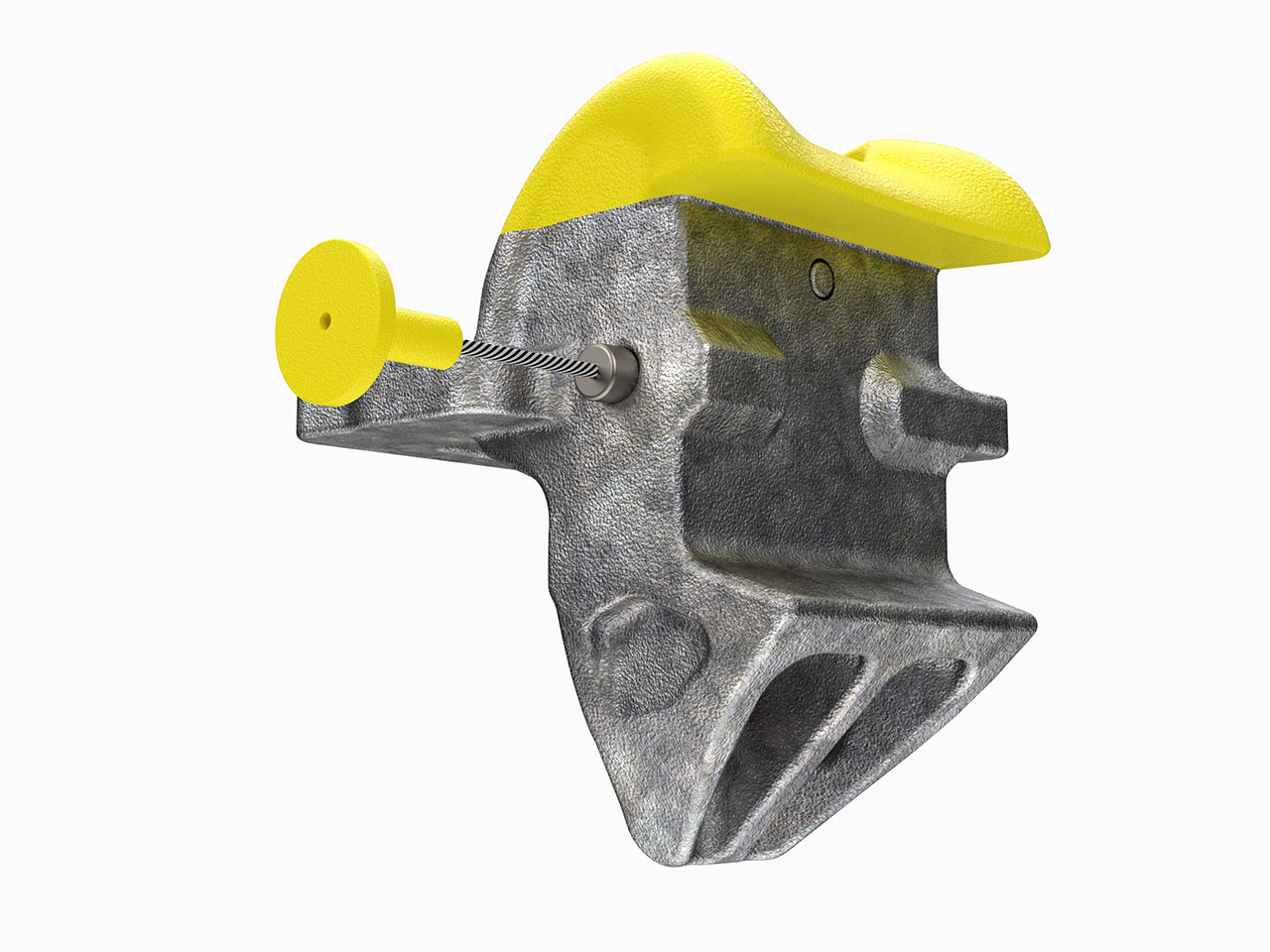
- Brake Holding Capacity (first layer)
- Up to 500 tonnes, or ISO/classification society compliant
- Load Capacity
- 5 to 300 tonnes on first layer (configurable)
- Windlass with Chain Stopper
- Brake must withstand min. 45% of chain cable breaking strength
- Windlass without Chain Stopper
- Brake must withstand min. 80% of chain cable breaking strength
- Drum Configuration
- Single to triple drums, modular HPU or full electrical drive
- Hatlapa (merchant ship segment, anchor handling)
- Pusnes (offshore mooring systems, eccentric fairlead chain stopper EFCS)
- Triplex (chain stopper systems)
- MacGregor MEW (electrical drive)
- MacGregor MHW (modular hydraulic power unit)
- Area: Brake Holding Capacity insufficiency or deteriorationCheck: Conduct brake rendering test using Brake Testing Kit or torque spanner method. Accept only if PRIMARY brake holds min. 60% of ship design MBL. Test after every brake lining renewal, before delivery, within 30 days takeover, and annually. Adjust lining if wear exceeds 40% residual thickness.
- Area: Chain/Gypsy Wear, Corrosion, Pitting (gypsy teeth, chain links)Check: Measure link diameter at wear points - maximum 12% reduction allowed by class rules. Inspect for cracks, distortion, corrosion pitting, especially under gypsy where crevice corrosion occurs. Monitor for abrasion from rocks/sand. In saltwater, check galvanized steel for oxidation; in stainless, examine for crevice attack in oxygen-starved spots.
- Area: Hydraulic System Contamination (brake efficiency loss)Check: Check hydraulic lines and piping monthly for leaks, tightness, proper valve function. Inspect hydraulic fluid condition (contamination, moisture, oil breakdown). Oil, moisture, or heavy rust on brake lining/drum can reduce holding capacity up to 75%. Temperature monitoring on hydraulic pipelines indicates lubrication issues.
- Area: Brake Lining Wear (linings must maintain adequate thickness)Check: Inspect brake lining thickness regularly - renewal required when residual thickness drops below 50-60% of original (e.g., 8mm original -> replace at 4-5mm). Check for discoloration, scorching, unevenness, rough spots. Replace upper AND lower linings simultaneously. On non-tank vessels, renew at every drydock regardless of condition.
- Area: Chain Stopper Hydraulic Function & Mechanical Lock (Pusnes EFCS, Hatlapa roller stopper)Check: Test hydraulic-operated chain stopper self-locking release capability under FULL DESIGN LOAD. Verify proper engagement/disengagement cycles. For Pusnes EFCS: check eccentric mechanism for wear, hydraulic pressure (motor protection integration). For Hatlapa roller stopper: inspect roller wear, high-pressure hydraulic motor function. Examine for leaks, cracks, corrosion on stopper pins/bushings.
- Area: Foundation Integrity & Corrosion (windlass mounting, fairlead supports)Check: Examine foundation bolts, welds, support frame before and after heavy anchoring/mooring operations for stress cracks, corrosion pitting, galvanic corrosion at dissimilar metal joints (fairlead/deck interface). Verify no settlement or deformation. In rough weather operations, monitor for fatigue cracking under excessive loads. Apply protective coatings where needed (zinc-rich primer + topcoat).
Typ-universelle Inspektions-/Wartungspunkte fuer Anchor & Mooring Equipment (MacGregor + DNV/OSHA, 2026-06). Per-Modell-Specs NICHT auto-gefuellt.
- Brake Holding Capacity (first layer)
- Up to 500 tonnes, or ISO/classification society compliant
- Load Capacity
- 5 to 300 tonnes on first layer (configurable)
- Windlass with Chain Stopper
- Brake must withstand min. 45% of chain cable breaking strength
- Windlass without Chain Stopper
- Brake must withstand min. 80% of chain cable breaking strength
- Drum Configuration
- Single to triple drums, modular HPU or full electrical drive
- Hatlapa (merchant ship segment, anchor handling)
- Pusnes (offshore mooring systems, eccentric fairlead chain stopper EFCS)
- Triplex (chain stopper systems)
- MacGregor MEW (electrical drive)
- MacGregor MHW (modular hydraulic power unit)
- Area: Brake Holding Capacity insufficiency or deteriorationCheck: Conduct brake rendering test using Brake Testing Kit or torque spanner method. Accept only if PRIMARY brake holds min. 60% of ship design MBL. Test after every brake lining renewal, before delivery, within 30 days takeover, and annually. Adjust lining if wear exceeds 40% residual thickness.
- Area: Chain/Gypsy Wear, Corrosion, Pitting (gypsy teeth, chain links)Check: Measure link diameter at wear points - maximum 12% reduction allowed by class rules. Inspect for cracks, distortion, corrosion pitting, especially under gypsy where crevice corrosion occurs. Monitor for abrasion from rocks/sand. In saltwater, check galvanized steel for oxidation; in stainless, examine for crevice attack in oxygen-starved spots.
- Area: Hydraulic System Contamination (brake efficiency loss)Check: Check hydraulic lines and piping monthly for leaks, tightness, proper valve function. Inspect hydraulic fluid condition (contamination, moisture, oil breakdown). Oil, moisture, or heavy rust on brake lining/drum can reduce holding capacity up to 75%. Temperature monitoring on hydraulic pipelines indicates lubrication issues.
- Area: Brake Lining Wear (linings must maintain adequate thickness)Check: Inspect brake lining thickness regularly - renewal required when residual thickness drops below 50-60% of original (e.g., 8mm original -> replace at 4-5mm). Check for discoloration, scorching, unevenness, rough spots. Replace upper AND lower linings simultaneously. On non-tank vessels, renew at every drydock regardless of condition.
- Area: Chain Stopper Hydraulic Function & Mechanical Lock (Pusnes EFCS, Hatlapa roller stopper)Check: Test hydraulic-operated chain stopper self-locking release capability under FULL DESIGN LOAD. Verify proper engagement/disengagement cycles. For Pusnes EFCS: check eccentric mechanism for wear, hydraulic pressure (motor protection integration). For Hatlapa roller stopper: inspect roller wear, high-pressure hydraulic motor function. Examine for leaks, cracks, corrosion on stopper pins/bushings.
- Area: Foundation Integrity & Corrosion (windlass mounting, fairlead supports)Check: Examine foundation bolts, welds, support frame before and after heavy anchoring/mooring operations for stress cracks, corrosion pitting, galvanic corrosion at dissimilar metal joints (fairlead/deck interface). Verify no settlement or deformation. In rough weather operations, monitor for fatigue cracking under excessive loads. Apply protective coatings where needed (zinc-rich primer + topcoat).
Typ-universelle Inspektions-/Wartungspunkte fuer Anchor & Mooring Equipment (MacGregor + DNV/OSHA, 2026-06). Per-Modell-Specs NICHT auto-gefuellt.
- Brake Holding Capacity (first layer)
- Up to 500 tonnes, or ISO/classification society compliant
- Load Capacity
- 5 to 300 tonnes on first layer (configurable)
- Windlass with Chain Stopper
- Brake must withstand min. 45% of chain cable breaking strength
- Windlass without Chain Stopper
- Brake must withstand min. 80% of chain cable breaking strength
- Drum Configuration
- Single to triple drums, modular HPU or full electrical drive
- Hatlapa (merchant ship segment, anchor handling)
- Pusnes (offshore mooring systems, eccentric fairlead chain stopper EFCS)
- Triplex (chain stopper systems)
- MacGregor MEW (electrical drive)
- MacGregor MHW (modular hydraulic power unit)
- Area: Brake Holding Capacity insufficiency or deteriorationCheck: Conduct brake rendering test using Brake Testing Kit or torque spanner method. Accept only if PRIMARY brake holds min. 60% of ship design MBL. Test after every brake lining renewal, before delivery, within 30 days takeover, and annually. Adjust lining if wear exceeds 40% residual thickness.
- Area: Chain/Gypsy Wear, Corrosion, Pitting (gypsy teeth, chain links)Check: Measure link diameter at wear points - maximum 12% reduction allowed by class rules. Inspect for cracks, distortion, corrosion pitting, especially under gypsy where crevice corrosion occurs. Monitor for abrasion from rocks/sand. In saltwater, check galvanized steel for oxidation; in stainless, examine for crevice attack in oxygen-starved spots.
- Area: Hydraulic System Contamination (brake efficiency loss)Check: Check hydraulic lines and piping monthly for leaks, tightness, proper valve function. Inspect hydraulic fluid condition (contamination, moisture, oil breakdown). Oil, moisture, or heavy rust on brake lining/drum can reduce holding capacity up to 75%. Temperature monitoring on hydraulic pipelines indicates lubrication issues.
- Area: Brake Lining Wear (linings must maintain adequate thickness)Check: Inspect brake lining thickness regularly - renewal required when residual thickness drops below 50-60% of original (e.g., 8mm original -> replace at 4-5mm). Check for discoloration, scorching, unevenness, rough spots. Replace upper AND lower linings simultaneously. On non-tank vessels, renew at every drydock regardless of condition.
- Area: Chain Stopper Hydraulic Function & Mechanical Lock (Pusnes EFCS, Hatlapa roller stopper)Check: Test hydraulic-operated chain stopper self-locking release capability under FULL DESIGN LOAD. Verify proper engagement/disengagement cycles. For Pusnes EFCS: check eccentric mechanism for wear, hydraulic pressure (motor protection integration). For Hatlapa roller stopper: inspect roller wear, high-pressure hydraulic motor function. Examine for leaks, cracks, corrosion on stopper pins/bushings.
- Area: Foundation Integrity & Corrosion (windlass mounting, fairlead supports)Check: Examine foundation bolts, welds, support frame before and after heavy anchoring/mooring operations for stress cracks, corrosion pitting, galvanic corrosion at dissimilar metal joints (fairlead/deck interface). Verify no settlement or deformation. In rough weather operations, monitor for fatigue cracking under excessive loads. Apply protective coatings where needed (zinc-rich primer + topcoat).
Typ-universelle Inspektions-/Wartungspunkte fuer Anchor & Mooring Equipment (MacGregor + DNV/OSHA, 2026-06). Per-Modell-Specs NICHT auto-gefuellt.
- Brake Holding Capacity (first layer)
- Up to 500 tonnes, or ISO/classification society compliant
- Load Capacity
- 5 to 300 tonnes on first layer (configurable)
- Windlass with Chain Stopper
- Brake must withstand min. 45% of chain cable breaking strength
- Windlass without Chain Stopper
- Brake must withstand min. 80% of chain cable breaking strength
- Drum Configuration
- Single to triple drums, modular HPU or full electrical drive
- Hatlapa (merchant ship segment, anchor handling)
- Pusnes (offshore mooring systems, eccentric fairlead chain stopper EFCS)
- Triplex (chain stopper systems)
- MacGregor MEW (electrical drive)
- MacGregor MHW (modular hydraulic power unit)
- Area: Brake Holding Capacity insufficiency or deteriorationCheck: Conduct brake rendering test using Brake Testing Kit or torque spanner method. Accept only if PRIMARY brake holds min. 60% of ship design MBL. Test after every brake lining renewal, before delivery, within 30 days takeover, and annually. Adjust lining if wear exceeds 40% residual thickness.
- Area: Chain/Gypsy Wear, Corrosion, Pitting (gypsy teeth, chain links)Check: Measure link diameter at wear points - maximum 12% reduction allowed by class rules. Inspect for cracks, distortion, corrosion pitting, especially under gypsy where crevice corrosion occurs. Monitor for abrasion from rocks/sand. In saltwater, check galvanized steel for oxidation; in stainless, examine for crevice attack in oxygen-starved spots.
- Area: Hydraulic System Contamination (brake efficiency loss)Check: Check hydraulic lines and piping monthly for leaks, tightness, proper valve function. Inspect hydraulic fluid condition (contamination, moisture, oil breakdown). Oil, moisture, or heavy rust on brake lining/drum can reduce holding capacity up to 75%. Temperature monitoring on hydraulic pipelines indicates lubrication issues.
- Area: Brake Lining Wear (linings must maintain adequate thickness)Check: Inspect brake lining thickness regularly - renewal required when residual thickness drops below 50-60% of original (e.g., 8mm original -> replace at 4-5mm). Check for discoloration, scorching, unevenness, rough spots. Replace upper AND lower linings simultaneously. On non-tank vessels, renew at every drydock regardless of condition.
- Area: Chain Stopper Hydraulic Function & Mechanical Lock (Pusnes EFCS, Hatlapa roller stopper)Check: Test hydraulic-operated chain stopper self-locking release capability under FULL DESIGN LOAD. Verify proper engagement/disengagement cycles. For Pusnes EFCS: check eccentric mechanism for wear, hydraulic pressure (motor protection integration). For Hatlapa roller stopper: inspect roller wear, high-pressure hydraulic motor function. Examine for leaks, cracks, corrosion on stopper pins/bushings.
- Area: Foundation Integrity & Corrosion (windlass mounting, fairlead supports)Check: Examine foundation bolts, welds, support frame before and after heavy anchoring/mooring operations for stress cracks, corrosion pitting, galvanic corrosion at dissimilar metal joints (fairlead/deck interface). Verify no settlement or deformation. In rough weather operations, monitor for fatigue cracking under excessive loads. Apply protective coatings where needed (zinc-rich primer + topcoat).
Typ-universelle Inspektions-/Wartungspunkte fuer Anchor & Mooring Equipment (MacGregor + DNV/OSHA, 2026-06). Per-Modell-Specs NICHT auto-gefuellt.
- Brake Holding Capacity (first layer)
- Up to 500 tonnes, or ISO/classification society compliant
- Load Capacity
- 5 to 300 tonnes on first layer (configurable)
- Windlass with Chain Stopper
- Brake must withstand min. 45% of chain cable breaking strength
- Windlass without Chain Stopper
- Brake must withstand min. 80% of chain cable breaking strength
- Drum Configuration
- Single to triple drums, modular HPU or full electrical drive
- Hatlapa (merchant ship segment, anchor handling)
- Pusnes (offshore mooring systems, eccentric fairlead chain stopper EFCS)
- Triplex (chain stopper systems)
- MacGregor MEW (electrical drive)
- MacGregor MHW (modular hydraulic power unit)
- Area: Brake Holding Capacity insufficiency or deteriorationCheck: Conduct brake rendering test using Brake Testing Kit or torque spanner method. Accept only if PRIMARY brake holds min. 60% of ship design MBL. Test after every brake lining renewal, before delivery, within 30 days takeover, and annually. Adjust lining if wear exceeds 40% residual thickness.
- Area: Chain/Gypsy Wear, Corrosion, Pitting (gypsy teeth, chain links)Check: Measure link diameter at wear points - maximum 12% reduction allowed by class rules. Inspect for cracks, distortion, corrosion pitting, especially under gypsy where crevice corrosion occurs. Monitor for abrasion from rocks/sand. In saltwater, check galvanized steel for oxidation; in stainless, examine for crevice attack in oxygen-starved spots.
- Area: Hydraulic System Contamination (brake efficiency loss)Check: Check hydraulic lines and piping monthly for leaks, tightness, proper valve function. Inspect hydraulic fluid condition (contamination, moisture, oil breakdown). Oil, moisture, or heavy rust on brake lining/drum can reduce holding capacity up to 75%. Temperature monitoring on hydraulic pipelines indicates lubrication issues.
- Area: Brake Lining Wear (linings must maintain adequate thickness)Check: Inspect brake lining thickness regularly - renewal required when residual thickness drops below 50-60% of original (e.g., 8mm original -> replace at 4-5mm). Check for discoloration, scorching, unevenness, rough spots. Replace upper AND lower linings simultaneously. On non-tank vessels, renew at every drydock regardless of condition.
- Area: Chain Stopper Hydraulic Function & Mechanical Lock (Pusnes EFCS, Hatlapa roller stopper)Check: Test hydraulic-operated chain stopper self-locking release capability under FULL DESIGN LOAD. Verify proper engagement/disengagement cycles. For Pusnes EFCS: check eccentric mechanism for wear, hydraulic pressure (motor protection integration). For Hatlapa roller stopper: inspect roller wear, high-pressure hydraulic motor function. Examine for leaks, cracks, corrosion on stopper pins/bushings.
- Area: Foundation Integrity & Corrosion (windlass mounting, fairlead supports)Check: Examine foundation bolts, welds, support frame before and after heavy anchoring/mooring operations for stress cracks, corrosion pitting, galvanic corrosion at dissimilar metal joints (fairlead/deck interface). Verify no settlement or deformation. In rough weather operations, monitor for fatigue cracking under excessive loads. Apply protective coatings where needed (zinc-rich primer + topcoat).
Typ-universelle Inspektions-/Wartungspunkte fuer Anchor & Mooring Equipment (MacGregor + DNV/OSHA, 2026-06). Per-Modell-Specs NICHT auto-gefuellt.
- Brake Holding Capacity (first layer)
- Up to 500 tonnes, or ISO/classification society compliant
- Load Capacity
- 5 to 300 tonnes on first layer (configurable)
- Windlass with Chain Stopper
- Brake must withstand min. 45% of chain cable breaking strength
- Windlass without Chain Stopper
- Brake must withstand min. 80% of chain cable breaking strength
- Drum Configuration
- Single to triple drums, modular HPU or full electrical drive
- Hatlapa (merchant ship segment, anchor handling)
- Pusnes (offshore mooring systems, eccentric fairlead chain stopper EFCS)
- Triplex (chain stopper systems)
- MacGregor MEW (electrical drive)
- MacGregor MHW (modular hydraulic power unit)
- Area: Brake Holding Capacity insufficiency or deteriorationCheck: Conduct brake rendering test using Brake Testing Kit or torque spanner method. Accept only if PRIMARY brake holds min. 60% of ship design MBL. Test after every brake lining renewal, before delivery, within 30 days takeover, and annually. Adjust lining if wear exceeds 40% residual thickness.
- Area: Chain/Gypsy Wear, Corrosion, Pitting (gypsy teeth, chain links)Check: Measure link diameter at wear points - maximum 12% reduction allowed by class rules. Inspect for cracks, distortion, corrosion pitting, especially under gypsy where crevice corrosion occurs. Monitor for abrasion from rocks/sand. In saltwater, check galvanized steel for oxidation; in stainless, examine for crevice attack in oxygen-starved spots.
- Area: Hydraulic System Contamination (brake efficiency loss)Check: Check hydraulic lines and piping monthly for leaks, tightness, proper valve function. Inspect hydraulic fluid condition (contamination, moisture, oil breakdown). Oil, moisture, or heavy rust on brake lining/drum can reduce holding capacity up to 75%. Temperature monitoring on hydraulic pipelines indicates lubrication issues.
- Area: Brake Lining Wear (linings must maintain adequate thickness)Check: Inspect brake lining thickness regularly - renewal required when residual thickness drops below 50-60% of original (e.g., 8mm original -> replace at 4-5mm). Check for discoloration, scorching, unevenness, rough spots. Replace upper AND lower linings simultaneously. On non-tank vessels, renew at every drydock regardless of condition.
- Area: Chain Stopper Hydraulic Function & Mechanical Lock (Pusnes EFCS, Hatlapa roller stopper)Check: Test hydraulic-operated chain stopper self-locking release capability under FULL DESIGN LOAD. Verify proper engagement/disengagement cycles. For Pusnes EFCS: check eccentric mechanism for wear, hydraulic pressure (motor protection integration). For Hatlapa roller stopper: inspect roller wear, high-pressure hydraulic motor function. Examine for leaks, cracks, corrosion on stopper pins/bushings.
- Area: Foundation Integrity & Corrosion (windlass mounting, fairlead supports)Check: Examine foundation bolts, welds, support frame before and after heavy anchoring/mooring operations for stress cracks, corrosion pitting, galvanic corrosion at dissimilar metal joints (fairlead/deck interface). Verify no settlement or deformation. In rough weather operations, monitor for fatigue cracking under excessive loads. Apply protective coatings where needed (zinc-rich primer + topcoat).
Typ-universelle Inspektions-/Wartungspunkte fuer Anchor & Mooring Equipment (MacGregor + DNV/OSHA, 2026-06). Per-Modell-Specs NICHT auto-gefuellt.

- Brake Holding Capacity (first layer)
- Up to 500 tonnes, or ISO/classification society compliant
- Load Capacity
- 5 to 300 tonnes on first layer (configurable)
- Windlass with Chain Stopper
- Brake must withstand min. 45% of chain cable breaking strength
- Windlass without Chain Stopper
- Brake must withstand min. 80% of chain cable breaking strength
- Drum Configuration
- Single to triple drums, modular HPU or full electrical drive
- Hatlapa (merchant ship segment, anchor handling)
- Pusnes (offshore mooring systems, eccentric fairlead chain stopper EFCS)
- Triplex (chain stopper systems)
- MacGregor MEW (electrical drive)
- MacGregor MHW (modular hydraulic power unit)
- Area: Brake Holding Capacity insufficiency or deteriorationCheck: Conduct brake rendering test using Brake Testing Kit or torque spanner method. Accept only if PRIMARY brake holds min. 60% of ship design MBL. Test after every brake lining renewal, before delivery, within 30 days takeover, and annually. Adjust lining if wear exceeds 40% residual thickness.
- Area: Chain/Gypsy Wear, Corrosion, Pitting (gypsy teeth, chain links)Check: Measure link diameter at wear points - maximum 12% reduction allowed by class rules. Inspect for cracks, distortion, corrosion pitting, especially under gypsy where crevice corrosion occurs. Monitor for abrasion from rocks/sand. In saltwater, check galvanized steel for oxidation; in stainless, examine for crevice attack in oxygen-starved spots.
- Area: Hydraulic System Contamination (brake efficiency loss)Check: Check hydraulic lines and piping monthly for leaks, tightness, proper valve function. Inspect hydraulic fluid condition (contamination, moisture, oil breakdown). Oil, moisture, or heavy rust on brake lining/drum can reduce holding capacity up to 75%. Temperature monitoring on hydraulic pipelines indicates lubrication issues.
- Area: Brake Lining Wear (linings must maintain adequate thickness)Check: Inspect brake lining thickness regularly - renewal required when residual thickness drops below 50-60% of original (e.g., 8mm original -> replace at 4-5mm). Check for discoloration, scorching, unevenness, rough spots. Replace upper AND lower linings simultaneously. On non-tank vessels, renew at every drydock regardless of condition.
- Area: Chain Stopper Hydraulic Function & Mechanical Lock (Pusnes EFCS, Hatlapa roller stopper)Check: Test hydraulic-operated chain stopper self-locking release capability under FULL DESIGN LOAD. Verify proper engagement/disengagement cycles. For Pusnes EFCS: check eccentric mechanism for wear, hydraulic pressure (motor protection integration). For Hatlapa roller stopper: inspect roller wear, high-pressure hydraulic motor function. Examine for leaks, cracks, corrosion on stopper pins/bushings.
- Area: Foundation Integrity & Corrosion (windlass mounting, fairlead supports)Check: Examine foundation bolts, welds, support frame before and after heavy anchoring/mooring operations for stress cracks, corrosion pitting, galvanic corrosion at dissimilar metal joints (fairlead/deck interface). Verify no settlement or deformation. In rough weather operations, monitor for fatigue cracking under excessive loads. Apply protective coatings where needed (zinc-rich primer + topcoat).
Typ-universelle Inspektions-/Wartungspunkte fuer Anchor & Mooring Equipment (MacGregor + DNV/OSHA, 2026-06). Per-Modell-Specs NICHT auto-gefuellt.
- Brake Holding Capacity (first layer)
- Up to 500 tonnes, or ISO/classification society compliant
- Load Capacity
- 5 to 300 tonnes on first layer (configurable)
- Windlass with Chain Stopper
- Brake must withstand min. 45% of chain cable breaking strength
- Windlass without Chain Stopper
- Brake must withstand min. 80% of chain cable breaking strength
- Drum Configuration
- Single to triple drums, modular HPU or full electrical drive
- Hatlapa (merchant ship segment, anchor handling)
- Pusnes (offshore mooring systems, eccentric fairlead chain stopper EFCS)
- Triplex (chain stopper systems)
- MacGregor MEW (electrical drive)
- MacGregor MHW (modular hydraulic power unit)
- Area: Brake Holding Capacity insufficiency or deteriorationCheck: Conduct brake rendering test using Brake Testing Kit or torque spanner method. Accept only if PRIMARY brake holds min. 60% of ship design MBL. Test after every brake lining renewal, before delivery, within 30 days takeover, and annually. Adjust lining if wear exceeds 40% residual thickness.
- Area: Chain/Gypsy Wear, Corrosion, Pitting (gypsy teeth, chain links)Check: Measure link diameter at wear points - maximum 12% reduction allowed by class rules. Inspect for cracks, distortion, corrosion pitting, especially under gypsy where crevice corrosion occurs. Monitor for abrasion from rocks/sand. In saltwater, check galvanized steel for oxidation; in stainless, examine for crevice attack in oxygen-starved spots.
- Area: Hydraulic System Contamination (brake efficiency loss)Check: Check hydraulic lines and piping monthly for leaks, tightness, proper valve function. Inspect hydraulic fluid condition (contamination, moisture, oil breakdown). Oil, moisture, or heavy rust on brake lining/drum can reduce holding capacity up to 75%. Temperature monitoring on hydraulic pipelines indicates lubrication issues.
- Area: Brake Lining Wear (linings must maintain adequate thickness)Check: Inspect brake lining thickness regularly - renewal required when residual thickness drops below 50-60% of original (e.g., 8mm original -> replace at 4-5mm). Check for discoloration, scorching, unevenness, rough spots. Replace upper AND lower linings simultaneously. On non-tank vessels, renew at every drydock regardless of condition.
- Area: Chain Stopper Hydraulic Function & Mechanical Lock (Pusnes EFCS, Hatlapa roller stopper)Check: Test hydraulic-operated chain stopper self-locking release capability under FULL DESIGN LOAD. Verify proper engagement/disengagement cycles. For Pusnes EFCS: check eccentric mechanism for wear, hydraulic pressure (motor protection integration). For Hatlapa roller stopper: inspect roller wear, high-pressure hydraulic motor function. Examine for leaks, cracks, corrosion on stopper pins/bushings.
- Area: Foundation Integrity & Corrosion (windlass mounting, fairlead supports)Check: Examine foundation bolts, welds, support frame before and after heavy anchoring/mooring operations for stress cracks, corrosion pitting, galvanic corrosion at dissimilar metal joints (fairlead/deck interface). Verify no settlement or deformation. In rough weather operations, monitor for fatigue cracking under excessive loads. Apply protective coatings where needed (zinc-rich primer + topcoat).
Typ-universelle Inspektions-/Wartungspunkte fuer Anchor & Mooring Equipment (MacGregor + DNV/OSHA, 2026-06). Per-Modell-Specs NICHT auto-gefuellt.
- Brake Holding Capacity (first layer)
- Up to 500 tonnes, or ISO/classification society compliant
- Load Capacity
- 5 to 300 tonnes on first layer (configurable)
- Windlass with Chain Stopper
- Brake must withstand min. 45% of chain cable breaking strength
- Windlass without Chain Stopper
- Brake must withstand min. 80% of chain cable breaking strength
- Drum Configuration
- Single to triple drums, modular HPU or full electrical drive
- Hatlapa (merchant ship segment, anchor handling)
- Pusnes (offshore mooring systems, eccentric fairlead chain stopper EFCS)
- Triplex (chain stopper systems)
- MacGregor MEW (electrical drive)
- MacGregor MHW (modular hydraulic power unit)
- Area: Brake Holding Capacity insufficiency or deteriorationCheck: Conduct brake rendering test using Brake Testing Kit or torque spanner method. Accept only if PRIMARY brake holds min. 60% of ship design MBL. Test after every brake lining renewal, before delivery, within 30 days takeover, and annually. Adjust lining if wear exceeds 40% residual thickness.
- Area: Chain/Gypsy Wear, Corrosion, Pitting (gypsy teeth, chain links)Check: Measure link diameter at wear points - maximum 12% reduction allowed by class rules. Inspect for cracks, distortion, corrosion pitting, especially under gypsy where crevice corrosion occurs. Monitor for abrasion from rocks/sand. In saltwater, check galvanized steel for oxidation; in stainless, examine for crevice attack in oxygen-starved spots.
- Area: Hydraulic System Contamination (brake efficiency loss)Check: Check hydraulic lines and piping monthly for leaks, tightness, proper valve function. Inspect hydraulic fluid condition (contamination, moisture, oil breakdown). Oil, moisture, or heavy rust on brake lining/drum can reduce holding capacity up to 75%. Temperature monitoring on hydraulic pipelines indicates lubrication issues.
- Area: Brake Lining Wear (linings must maintain adequate thickness)Check: Inspect brake lining thickness regularly - renewal required when residual thickness drops below 50-60% of original (e.g., 8mm original -> replace at 4-5mm). Check for discoloration, scorching, unevenness, rough spots. Replace upper AND lower linings simultaneously. On non-tank vessels, renew at every drydock regardless of condition.
- Area: Chain Stopper Hydraulic Function & Mechanical Lock (Pusnes EFCS, Hatlapa roller stopper)Check: Test hydraulic-operated chain stopper self-locking release capability under FULL DESIGN LOAD. Verify proper engagement/disengagement cycles. For Pusnes EFCS: check eccentric mechanism for wear, hydraulic pressure (motor protection integration). For Hatlapa roller stopper: inspect roller wear, high-pressure hydraulic motor function. Examine for leaks, cracks, corrosion on stopper pins/bushings.
- Area: Foundation Integrity & Corrosion (windlass mounting, fairlead supports)Check: Examine foundation bolts, welds, support frame before and after heavy anchoring/mooring operations for stress cracks, corrosion pitting, galvanic corrosion at dissimilar metal joints (fairlead/deck interface). Verify no settlement or deformation. In rough weather operations, monitor for fatigue cracking under excessive loads. Apply protective coatings where needed (zinc-rich primer + topcoat).
Typ-universelle Inspektions-/Wartungspunkte fuer Anchor & Mooring Equipment (MacGregor + DNV/OSHA, 2026-06). Per-Modell-Specs NICHT auto-gefuellt.
- Brake Holding Capacity (first layer)
- Up to 500 tonnes, or ISO/classification society compliant
- Load Capacity
- 5 to 300 tonnes on first layer (configurable)
- Windlass with Chain Stopper
- Brake must withstand min. 45% of chain cable breaking strength
- Windlass without Chain Stopper
- Brake must withstand min. 80% of chain cable breaking strength
- Drum Configuration
- Single to triple drums, modular HPU or full electrical drive
- Hatlapa (merchant ship segment, anchor handling)
- Pusnes (offshore mooring systems, eccentric fairlead chain stopper EFCS)
- Triplex (chain stopper systems)
- MacGregor MEW (electrical drive)
- MacGregor MHW (modular hydraulic power unit)
- Area: Brake Holding Capacity insufficiency or deteriorationCheck: Conduct brake rendering test using Brake Testing Kit or torque spanner method. Accept only if PRIMARY brake holds min. 60% of ship design MBL. Test after every brake lining renewal, before delivery, within 30 days takeover, and annually. Adjust lining if wear exceeds 40% residual thickness.
- Area: Chain/Gypsy Wear, Corrosion, Pitting (gypsy teeth, chain links)Check: Measure link diameter at wear points - maximum 12% reduction allowed by class rules. Inspect for cracks, distortion, corrosion pitting, especially under gypsy where crevice corrosion occurs. Monitor for abrasion from rocks/sand. In saltwater, check galvanized steel for oxidation; in stainless, examine for crevice attack in oxygen-starved spots.
- Area: Hydraulic System Contamination (brake efficiency loss)Check: Check hydraulic lines and piping monthly for leaks, tightness, proper valve function. Inspect hydraulic fluid condition (contamination, moisture, oil breakdown). Oil, moisture, or heavy rust on brake lining/drum can reduce holding capacity up to 75%. Temperature monitoring on hydraulic pipelines indicates lubrication issues.
- Area: Brake Lining Wear (linings must maintain adequate thickness)Check: Inspect brake lining thickness regularly - renewal required when residual thickness drops below 50-60% of original (e.g., 8mm original -> replace at 4-5mm). Check for discoloration, scorching, unevenness, rough spots. Replace upper AND lower linings simultaneously. On non-tank vessels, renew at every drydock regardless of condition.
- Area: Chain Stopper Hydraulic Function & Mechanical Lock (Pusnes EFCS, Hatlapa roller stopper)Check: Test hydraulic-operated chain stopper self-locking release capability under FULL DESIGN LOAD. Verify proper engagement/disengagement cycles. For Pusnes EFCS: check eccentric mechanism for wear, hydraulic pressure (motor protection integration). For Hatlapa roller stopper: inspect roller wear, high-pressure hydraulic motor function. Examine for leaks, cracks, corrosion on stopper pins/bushings.
- Area: Foundation Integrity & Corrosion (windlass mounting, fairlead supports)Check: Examine foundation bolts, welds, support frame before and after heavy anchoring/mooring operations for stress cracks, corrosion pitting, galvanic corrosion at dissimilar metal joints (fairlead/deck interface). Verify no settlement or deformation. In rough weather operations, monitor for fatigue cracking under excessive loads. Apply protective coatings where needed (zinc-rich primer + topcoat).
Typ-universelle Inspektions-/Wartungspunkte fuer Anchor & Mooring Equipment (MacGregor + DNV/OSHA, 2026-06). Per-Modell-Specs NICHT auto-gefuellt.