Single Gas Detector
A single gas detector monitors one hazard only, most often oxygen or one specific toxic gas, and unlike a multi-gas unit it cannot by itself clear a space for enclosed space entry under SOLAS and ISM procedures.
Read more — Single Gas Detector explained ▾
What sets a single gas detector apart
A single gas detector is a small personal instrument built to monitor one hazard, or occasionally two, continuously while worn by an individual — commonly oxygen alone, or one toxic gas such as hydrogen sulphide or carbon monoxide. It differs from a multi-gas detector, which covers oxygen, flammability and one or two toxic gases together and is what enclosed space entry procedures actually require, and from a fixed installed detector wired into the ship's alarm system covering a whole compartment rather than one person.

Main components
Sensor
An electrochemical cell for oxygen or a specific toxic gas, a catalytic bead sensor for flammable gas, or an infrared sensor where catalytic poisoning is a concern; the sensor is the part with a finite service life, typically one to two years for an electrochemical cell.
Sampling method
Most single gas detectors are diffusion type, relying on ambient gas reaching the sensor directly, which suits personal wear; pumped versions draw a sample through a hose and suit checking a space before entry.
Alarm and display
Audible, visual and vibration alarms trigger at a preset threshold, with a simple display showing the current reading; the alarm has to be noticeable over engine room noise or inside a confined space.
Battery and calibration port
A rechargeable or replaceable battery sized against typical watch length, and a port for connecting a calibration gas cylinder during routine checks.
Selection and sizing
- The gas chosen has to match the actual hazard for the task — oxygen depletion for a general enclosed space, hydrogen sulphide for sewage or certain ballast and cargo tanks, carbon monoxide near exhaust or combustion equipment.
- Diffusion detectors for personal wear during work inside a space; pumped sampling detectors for testing a space remotely before anyone enters it.
- Battery runtime against the length of the task, and IP rating against wash-down or weather exposure in the area of use.
Regulations
IMO enclosed space entry guidance and SOLAS-linked safety management procedures require gas testing before entry into any enclosed space, and this testing is expected to cover oxygen, flammability and relevant toxic gases together, which a single gas detector cannot do on its own. Detectors require periodic bump testing against a certified test gas and full calibration on a schedule, with records kept under the ship's safety management system.
Typical faults
| Fault | Cause | Consequence |
|---|---|---|
| Sensor poisoning or ageing | Electrochemical cells have a finite life and degrade with exposure to certain gases | False or drifting readings without an obvious failure indication |
| Battery depletion mid-task | Skipped charge before a long job | Loss of continuous personal monitoring at the point it matters most |
| Calibration drift | Missed calibration interval | Under- or over-reading against the true gas concentration |
| Skipped bump test | Time pressure before entry | False confidence in a detector that may not respond correctly |
What to look for in a supplier
- Availability of sensor replacement and calibration service, on board or through a shore agent, matched to the ship's trading pattern.
- Supply of certified bump-test gas cylinders compatible with the detector.
- Robustness of the housing for engine room or tank environments, and battery life against typical watch length.
A single gas detector answers one question, not the full enclosed space check — treating it as a substitute for a proper multi-gas test before entry has cost lives, and the record of near misses is not short.
6 manufacturers · 58 models
Honeywell / BW Technologies
17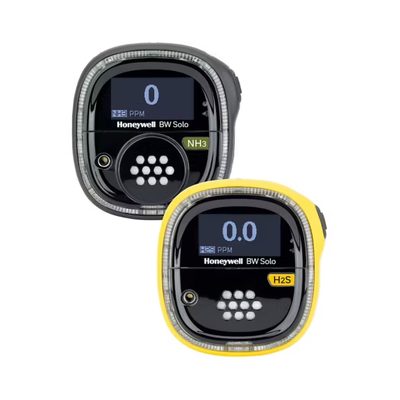


MSA Safety
14


Riken Keiki
9
Industrial Scientific
8
Crowcon
5Who can you trust with this job?
The global maritime company directory — brand coverage, certificates and direct contact routes to maritime suppliers.
Open network →Sourcing this part?
One request. You get suppliers who actually carry it, not a search page.
Request partsCan’t read the plate?
Photograph it. We identify make and model and take you to the datasheet.
Try itSanctions and the shadow fleet
Ownership, insurance and class records on ageing tankers under sanctions.
18 reports