Hoistable Car Deck
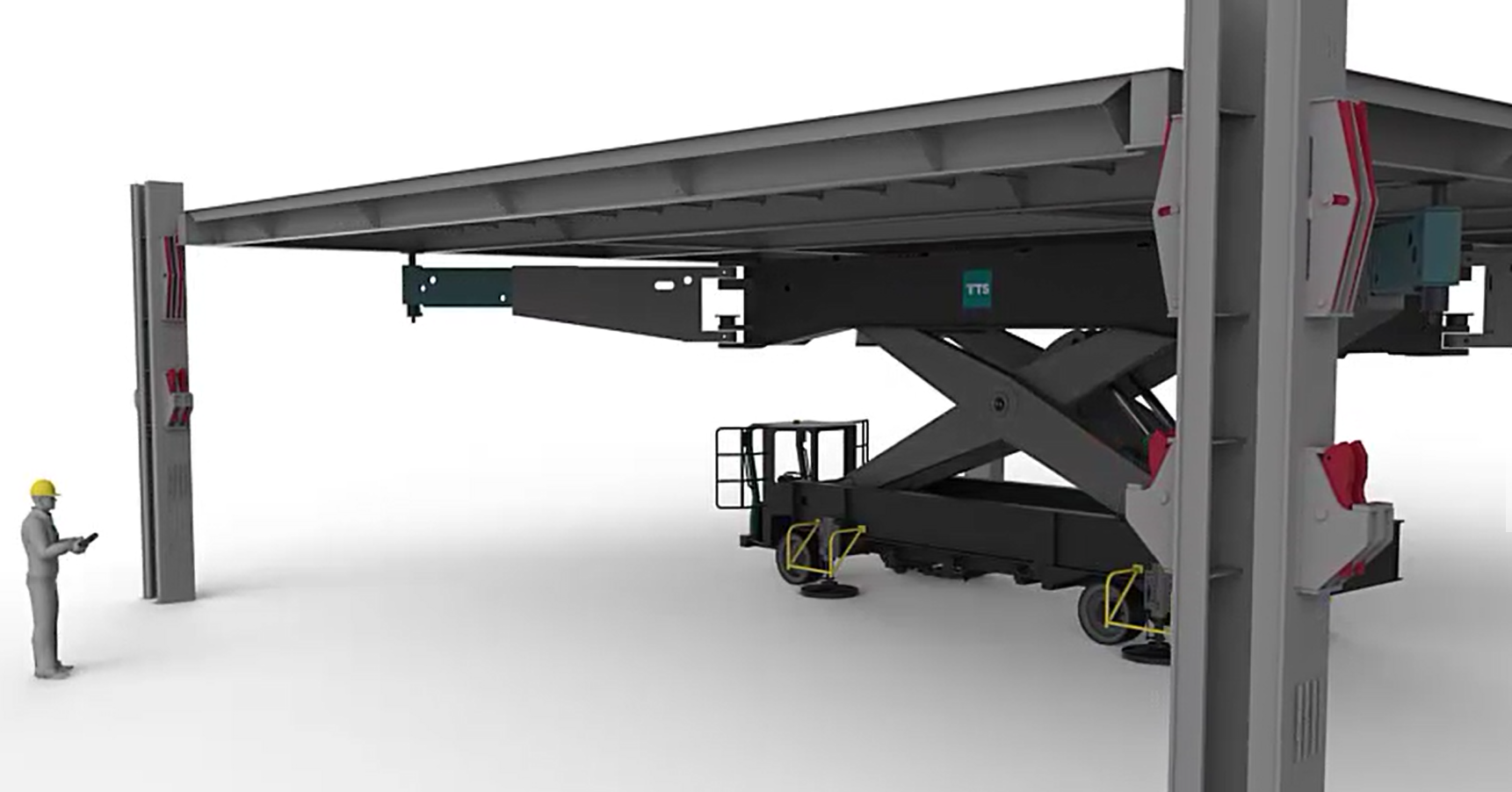
A hoistable car deck is a movable intermediate deck within a single hold that raises or lowers on hydraulic lifts to trade cargo height for cargo density, letting the same hold carry two tiers of cars one voyage and a single tier of high-and-heavy trailers the next.
Read more — Hoistable Car Deck explained ▾
What sets a hoistable car deck apart
Fixed tween decks split a hold into permanent tiers; a hoistable car deck instead hangs from lifting points or stands on hydraulic pillars that can move the deck panel up, down or fold it flush against the deckhead. This turns clear height into a variable the cargo planner controls voyage by voyage - lower the deck for two rows of passenger cars, raise it clear of the tank top for high-and-heavy cargo, or stow it against the deckhead when the hold is needed for a single tall consignment such as yachts or construction machinery.
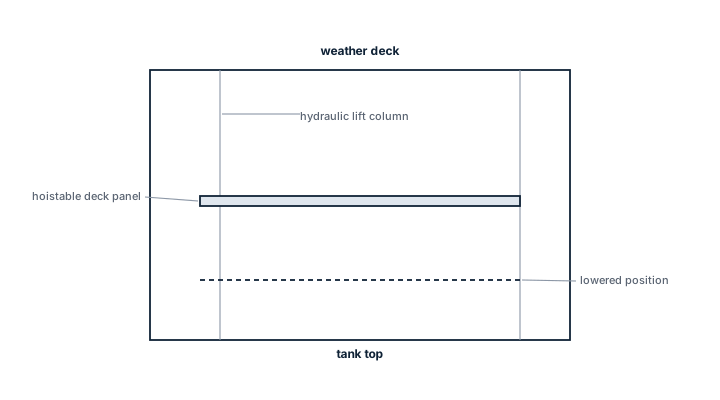
Main components
Deck panels
Steel or aluminium panels, usually built in sections that pin together across the hold width, rated for the axle loads of the vehicle mix the ship is designed to carry.
Lifting mechanism
Either wire-rope hoists running on chain blocks or built-in hydraulic cylinders at each corner, synchronised so the panel travels level. Cylinder-type systems are more common on newer purpose-built car carriers because they need no separate chain store.
Locking pins and stanchions
Once positioned, the deck is pinned into fixed sockets in the ship's structure at set height increments; the hydraulics only move the deck, they do not carry the working load once it is loaded and locked.
Hydraulic power pack
A dedicated pump station, often shared between several decks in the same hold, with pressure relief and load-holding valves so a hose failure cannot let a loaded deck fall.
Selection and sizing
| Parameter | Relevance |
|---|---|
| Uniform load rating (t/m2) | Sets whether the deck can take passenger cars only or also light trucks and heavy cargo |
| Number of height positions | More positions give finer control over clear height versus tier count |
| Lifting speed and synchronisation tolerance | Slow or uneven travel extends port time and risks panel jamming |
| Panel span and support spacing | Longer unsupported spans need thicker or stiffened panels, adding weight |
Regulations and class
Hoistable decks are assessed as lifting appliances as well as cargo structure: class rules require the lifting mechanism, wires or hydraulic cylinders and locking pins to be proof-tested and periodically surveyed, similar to other shipboard lifting gear, in addition to the normal structural fatigue assessment of the deck panels themselves. SOLAS Chapter II-1 requirements on RoRo space subdivision and damage stability apply to the hold as a whole and constrain how much load the deck may carry in each position without affecting the vessel's stability calculations.
Typical faults
- Uneven cylinder synchronisation - one corner lags, racking the panel and jamming it against the guide rails; usually traced to a worn synchronising valve or air in one hydraulic line.
- Locking pin wear - elongated pin holes let the deck settle slightly under load, transferring dynamic shock into the hydraulics instead of the fixed structure.
- Corrosion at panel hinges - sections that fold or hinge collect salt water in the joint and seize if not greased on a set schedule.
- Hydraulic seal failure - a slow cylinder drift under load, discovered only when the deck is found lower than its locked position at the next use.
What to look for in a supplier
- Proof-load and survey certificates for the lifting mechanism, not just a structural drawing of the panel
- Clear load-holding valve design so a hydraulic hose failure cannot drop a loaded deck
- Spare panel sections and pins held to the original tolerances, since mismatched sections bind on the guide rails
- Documented maintenance intervals for synchronisation calibration
Log every height position change with load and date - a deck that has spent years mostly in one position and is suddenly run through its full range for an unusual cargo mix is exactly when synchronisation and locking pin problems surface.
3 manufacturers · 20 models
MacGregor
11
- Antriebsart
- Hydraulic (double cylinder with ball bearing at ends) or electric (15–50% more efficient than hydraulic)
- Decksysteme
- Feste Rampen, hubbare Rampen, 4-stöckige hebbare Autodeck-Paneele (COREX Sandwichbauweise ca. 1/3 der Tiefe, 50% Gewichtseinsparung)
- Zugangssysteme
- Bugrüstung (Bugtüren, Liftable Bulwarks), Heck-Rampen (gerade/Viertelrampen), Seitentüren (oben/unten gehängt), innere Rampen
- Dichtung
- Sliding rubber seals against stainless steel compression rods; sealing force over 7 PSI N₂ pressure internally tested, to be checked annually
- Verriegelung
- Hydraulische Keile mit speziell konstruierten Scharnieren (Hochheben vor Öffnen für Auto-Cleats), semi-automatische Sperrmechanismen
- Betriebsstandards
- IMO SOLAS Reg. II-2/20 für Schiffe; monatliche systematische Kontrolle erforderlich (Scharniere, Dichtungen, Verriegelungen, Hydraulikanlage, Alarm/Anzeigen)
- MacGregor Stern Ramps
- MacGregor Bow Doors & Visors
- MacGregor Side Doors
- MacGregor Quarter Ramps
- MacGregor Liftable Car Decks
- MacGregor Hoistable Decks
- TTS Electrically-Operated Equipment
- Pusnes Loading Systems
- Hatlapa Deck Machinery
- Area: Hydraulic cylinder corrosion and wear on piston rodsCheck: Perform visual inspection for rust, pitting, scratches and unevenness on rod and cylinder body. Measure with caliper to check wear limits. Check chrome surface for gloss (gloss on one side only = bending). Check for leakage.
- Area: Seal and compression rod integrity (rubber wear, water ingress)Check: Check seal for wear, embrittlement and cracks. Check compression rods for scratches and corrosion. Perform N2 pressure test (maintain 7 PSI internally; annual inspection required). Check for water ingress in hinge area.
- Area: Hinge wear, lubrication and ball bearing corrosionCheck: Inspect main and end hinges for wear, contamination and freedom of movement. Check spherical ball bearings for wear and corrosion. Perform lubrication per manufacturer specifications. Check for leakage and missing bearing pins.
- Area: Hydraulic locking wedges and semi-automatic locking mechanisms (loss of function, wear)Check: Test hydraulic wedges under pressure (movement, holding, leakage). Check lock positions and auto-cleats (lift/open function). Test manual hand pumps. Check all lock fasteners for wear and deformation.
- Area: Wire ropes and supports (fatigue, fractures, wear)Check: Perform visual inspection for wear patterns, contamination, corrosion, color loss. Check for dents, scratches, crushing, kink marks. Rotate and check for continuous fractures. Inspect regularly before and after operations. Mark replaced ropes.
- Area: Weather tightness of ramp opening and bulkhead integrityCheck: Inspect rubber seal along entire bulkhead opening (wear, cracks, embrittlement). Check stainless steel compression rods for smooth surface (prevent water ingress). Detect leakage through pressure test or visual inspection (water stains). Inspect ruckling deformation of bulkhead frame.
Typ-universelle Inspektions-/Wartungspunkte fuer RoRo Equipment (MacGregor + DNV/OSHA, 2026-06). Per-Modell-Specs NICHT auto-gefuellt.
- Antriebsart
- Hydraulic (double cylinder with ball bearing at ends) or electric (15–50% more efficient than hydraulic)
- Decksysteme
- Feste Rampen, hubbare Rampen, 4-stöckige hebbare Autodeck-Paneele (COREX Sandwichbauweise ca. 1/3 der Tiefe, 50% Gewichtseinsparung)
- Zugangssysteme
- Bugrüstung (Bugtüren, Liftable Bulwarks), Heck-Rampen (gerade/Viertelrampen), Seitentüren (oben/unten gehängt), innere Rampen
- Dichtung
- Sliding rubber seals against stainless steel compression rods; sealing force over 7 PSI N₂ pressure internally tested, to be checked annually
- Verriegelung
- Hydraulische Keile mit speziell konstruierten Scharnieren (Hochheben vor Öffnen für Auto-Cleats), semi-automatische Sperrmechanismen
- Betriebsstandards
- IMO SOLAS Reg. II-2/20 für Schiffe; monatliche systematische Kontrolle erforderlich (Scharniere, Dichtungen, Verriegelungen, Hydraulikanlage, Alarm/Anzeigen)
- MacGregor Stern Ramps
- MacGregor Bow Doors & Visors
- MacGregor Side Doors
- MacGregor Quarter Ramps
- MacGregor Liftable Car Decks
- MacGregor Hoistable Decks
- TTS Electrically-Operated Equipment
- Pusnes Loading Systems
- Hatlapa Deck Machinery
- Area: Hydraulic cylinder corrosion and wear on piston rodsCheck: Perform visual inspection for rust, pitting, scratches and unevenness on rod and cylinder body. Measure with caliper to check wear limits. Check chrome surface for gloss (gloss on one side only = bending). Check for leakage.
- Area: Seal and compression rod integrity (rubber wear, water ingress)Check: Check seal for wear, embrittlement and cracks. Check compression rods for scratches and corrosion. Perform N2 pressure test (maintain 7 PSI internally; annual inspection required). Check for water ingress in hinge area.
- Area: Hinge wear, lubrication and ball bearing corrosionCheck: Inspect main and end hinges for wear, contamination and freedom of movement. Check spherical ball bearings for wear and corrosion. Perform lubrication per manufacturer specifications. Check for leakage and missing bearing pins.
- Area: Hydraulic locking wedges and semi-automatic locking mechanisms (loss of function, wear)Check: Test hydraulic wedges under pressure (movement, holding, leakage). Check lock positions and auto-cleats (lift/open function). Test manual hand pumps. Check all lock fasteners for wear and deformation.
- Area: Wire ropes and supports (fatigue, fractures, wear)Check: Perform visual inspection for wear patterns, contamination, corrosion, color loss. Check for dents, scratches, crushing, kink marks. Rotate and check for continuous fractures. Inspect regularly before and after operations. Mark replaced ropes.
- Area: Weather tightness of ramp opening and bulkhead integrityCheck: Inspect rubber seal along entire bulkhead opening (wear, cracks, embrittlement). Check stainless steel compression rods for smooth surface (prevent water ingress). Detect leakage through pressure test or visual inspection (water stains). Inspect ruckling deformation of bulkhead frame.
Typ-universelle Inspektions-/Wartungspunkte fuer RoRo Equipment (MacGregor + DNV/OSHA, 2026-06). Per-Modell-Specs NICHT auto-gefuellt.
- Antriebsart
- Hydraulic (double cylinder with ball bearing at ends) or electric (15–50% more efficient than hydraulic)
- Decksysteme
- Feste Rampen, hubbare Rampen, 4-stöckige hebbare Autodeck-Paneele (COREX Sandwichbauweise ca. 1/3 der Tiefe, 50% Gewichtseinsparung)
- Zugangssysteme
- Bugrüstung (Bugtüren, Liftable Bulwarks), Heck-Rampen (gerade/Viertelrampen), Seitentüren (oben/unten gehängt), innere Rampen
- Dichtung
- Sliding rubber seals against stainless steel compression rods; sealing force over 7 PSI N₂ pressure internally tested, to be checked annually
- Verriegelung
- Hydraulische Keile mit speziell konstruierten Scharnieren (Hochheben vor Öffnen für Auto-Cleats), semi-automatische Sperrmechanismen
- Betriebsstandards
- IMO SOLAS Reg. II-2/20 für Schiffe; monatliche systematische Kontrolle erforderlich (Scharniere, Dichtungen, Verriegelungen, Hydraulikanlage, Alarm/Anzeigen)
- MacGregor Stern Ramps
- MacGregor Bow Doors & Visors
- MacGregor Side Doors
- MacGregor Quarter Ramps
- MacGregor Liftable Car Decks
- MacGregor Hoistable Decks
- TTS Electrically-Operated Equipment
- Pusnes Loading Systems
- Hatlapa Deck Machinery
- Area: Hydraulic cylinder corrosion and wear on piston rodsCheck: Perform visual inspection for rust, pitting, scratches and unevenness on rod and cylinder body. Measure with caliper to check wear limits. Check chrome surface for gloss (gloss on one side only = bending). Check for leakage.
- Area: Seal and compression rod integrity (rubber wear, water ingress)Check: Check seal for wear, embrittlement and cracks. Check compression rods for scratches and corrosion. Perform N2 pressure test (maintain 7 PSI internally; annual inspection required). Check for water ingress in hinge area.
- Area: Hinge wear, lubrication and ball bearing corrosionCheck: Inspect main and end hinges for wear, contamination and freedom of movement. Check spherical ball bearings for wear and corrosion. Perform lubrication per manufacturer specifications. Check for leakage and missing bearing pins.
- Area: Hydraulic locking wedges and semi-automatic locking mechanisms (loss of function, wear)Check: Test hydraulic wedges under pressure (movement, holding, leakage). Check lock positions and auto-cleats (lift/open function). Test manual hand pumps. Check all lock fasteners for wear and deformation.
- Area: Wire ropes and supports (fatigue, fractures, wear)Check: Perform visual inspection for wear patterns, contamination, corrosion, color loss. Check for dents, scratches, crushing, kink marks. Rotate and check for continuous fractures. Inspect regularly before and after operations. Mark replaced ropes.
- Area: Weather tightness of ramp opening and bulkhead integrityCheck: Inspect rubber seal along entire bulkhead opening (wear, cracks, embrittlement). Check stainless steel compression rods for smooth surface (prevent water ingress). Detect leakage through pressure test or visual inspection (water stains). Inspect ruckling deformation of bulkhead frame.
Typ-universelle Inspektions-/Wartungspunkte fuer RoRo Equipment (MacGregor + DNV/OSHA, 2026-06). Per-Modell-Specs NICHT auto-gefuellt.
- Antriebsart
- Hydraulic (double cylinder with ball bearing at ends) or electric (15–50% more efficient than hydraulic)
- Decksysteme
- Feste Rampen, hubbare Rampen, 4-stöckige hebbare Autodeck-Paneele (COREX Sandwichbauweise ca. 1/3 der Tiefe, 50% Gewichtseinsparung)
- Zugangssysteme
- Bugrüstung (Bugtüren, Liftable Bulwarks), Heck-Rampen (gerade/Viertelrampen), Seitentüren (oben/unten gehängt), innere Rampen
- Dichtung
- Sliding rubber seals against stainless steel compression rods; sealing force over 7 PSI N₂ pressure internally tested, to be checked annually
- Verriegelung
- Hydraulische Keile mit speziell konstruierten Scharnieren (Hochheben vor Öffnen für Auto-Cleats), semi-automatische Sperrmechanismen
- Betriebsstandards
- IMO SOLAS Reg. II-2/20 für Schiffe; monatliche systematische Kontrolle erforderlich (Scharniere, Dichtungen, Verriegelungen, Hydraulikanlage, Alarm/Anzeigen)
- MacGregor Stern Ramps
- MacGregor Bow Doors & Visors
- MacGregor Side Doors
- MacGregor Quarter Ramps
- MacGregor Liftable Car Decks
- MacGregor Hoistable Decks
- TTS Electrically-Operated Equipment
- Pusnes Loading Systems
- Hatlapa Deck Machinery
- Area: Hydraulic cylinder corrosion and wear on piston rodsCheck: Perform visual inspection for rust, pitting, scratches and unevenness on rod and cylinder body. Measure with caliper to check wear limits. Check chrome surface for gloss (gloss on one side only = bending). Check for leakage.
- Area: Seal and compression rod integrity (rubber wear, water ingress)Check: Check seal for wear, embrittlement and cracks. Check compression rods for scratches and corrosion. Perform N2 pressure test (maintain 7 PSI internally; annual inspection required). Check for water ingress in hinge area.
- Area: Hinge wear, lubrication and ball bearing corrosionCheck: Inspect main and end hinges for wear, contamination and freedom of movement. Check spherical ball bearings for wear and corrosion. Perform lubrication per manufacturer specifications. Check for leakage and missing bearing pins.
- Area: Hydraulic locking wedges and semi-automatic locking mechanisms (loss of function, wear)Check: Test hydraulic wedges under pressure (movement, holding, leakage). Check lock positions and auto-cleats (lift/open function). Test manual hand pumps. Check all lock fasteners for wear and deformation.
- Area: Wire ropes and supports (fatigue, fractures, wear)Check: Perform visual inspection for wear patterns, contamination, corrosion, color loss. Check for dents, scratches, crushing, kink marks. Rotate and check for continuous fractures. Inspect regularly before and after operations. Mark replaced ropes.
- Area: Weather tightness of ramp opening and bulkhead integrityCheck: Inspect rubber seal along entire bulkhead opening (wear, cracks, embrittlement). Check stainless steel compression rods for smooth surface (prevent water ingress). Detect leakage through pressure test or visual inspection (water stains). Inspect ruckling deformation of bulkhead frame.
Typ-universelle Inspektions-/Wartungspunkte fuer RoRo Equipment (MacGregor + DNV/OSHA, 2026-06). Per-Modell-Specs NICHT auto-gefuellt.

- Antriebsart
- Hydraulic (double cylinder with ball bearing at ends) or electric (15–50% more efficient than hydraulic)
- Decksysteme
- Feste Rampen, hubbare Rampen, 4-stöckige hebbare Autodeck-Paneele (COREX Sandwichbauweise ca. 1/3 der Tiefe, 50% Gewichtseinsparung)
- Zugangssysteme
- Bugrüstung (Bugtüren, Liftable Bulwarks), Heck-Rampen (gerade/Viertelrampen), Seitentüren (oben/unten gehängt), innere Rampen
- Dichtung
- Sliding rubber seals against stainless steel compression rods; sealing force over 7 PSI N₂ pressure internally tested, to be checked annually
- Verriegelung
- Hydraulische Keile mit speziell konstruierten Scharnieren (Hochheben vor Öffnen für Auto-Cleats), semi-automatische Sperrmechanismen
- Betriebsstandards
- IMO SOLAS Reg. II-2/20 für Schiffe; monatliche systematische Kontrolle erforderlich (Scharniere, Dichtungen, Verriegelungen, Hydraulikanlage, Alarm/Anzeigen)
- MacGregor Stern Ramps
- MacGregor Bow Doors & Visors
- MacGregor Side Doors
- MacGregor Quarter Ramps
- MacGregor Liftable Car Decks
- MacGregor Hoistable Decks
- TTS Electrically-Operated Equipment
- Pusnes Loading Systems
- Hatlapa Deck Machinery
- Area: Hydraulic cylinder corrosion and wear on piston rodsCheck: Perform visual inspection for rust, pitting, scratches and unevenness on rod and cylinder body. Measure with caliper to check wear limits. Check chrome surface for gloss (gloss on one side only = bending). Check for leakage.
- Area: Seal and compression rod integrity (rubber wear, water ingress)Check: Check seal for wear, embrittlement and cracks. Check compression rods for scratches and corrosion. Perform N2 pressure test (maintain 7 PSI internally; annual inspection required). Check for water ingress in hinge area.
- Area: Hinge wear, lubrication and ball bearing corrosionCheck: Inspect main and end hinges for wear, contamination and freedom of movement. Check spherical ball bearings for wear and corrosion. Perform lubrication per manufacturer specifications. Check for leakage and missing bearing pins.
- Area: Hydraulic locking wedges and semi-automatic locking mechanisms (loss of function, wear)Check: Test hydraulic wedges under pressure (movement, holding, leakage). Check lock positions and auto-cleats (lift/open function). Test manual hand pumps. Check all lock fasteners for wear and deformation.
- Area: Wire ropes and supports (fatigue, fractures, wear)Check: Perform visual inspection for wear patterns, contamination, corrosion, color loss. Check for dents, scratches, crushing, kink marks. Rotate and check for continuous fractures. Inspect regularly before and after operations. Mark replaced ropes.
- Area: Weather tightness of ramp opening and bulkhead integrityCheck: Inspect rubber seal along entire bulkhead opening (wear, cracks, embrittlement). Check stainless steel compression rods for smooth surface (prevent water ingress). Detect leakage through pressure test or visual inspection (water stains). Inspect ruckling deformation of bulkhead frame.
Typ-universelle Inspektions-/Wartungspunkte fuer RoRo Equipment (MacGregor + DNV/OSHA, 2026-06). Per-Modell-Specs NICHT auto-gefuellt.
- Antriebsart
- Hydraulic (double cylinder with ball bearing at ends) or electric (15–50% more efficient than hydraulic)
- Decksysteme
- Feste Rampen, hubbare Rampen, 4-stöckige hebbare Autodeck-Paneele (COREX Sandwichbauweise ca. 1/3 der Tiefe, 50% Gewichtseinsparung)
- Zugangssysteme
- Bugrüstung (Bugtüren, Liftable Bulwarks), Heck-Rampen (gerade/Viertelrampen), Seitentüren (oben/unten gehängt), innere Rampen
- Dichtung
- Sliding rubber seals against stainless steel compression rods; sealing force over 7 PSI N₂ pressure internally tested, to be checked annually
- Verriegelung
- Hydraulische Keile mit speziell konstruierten Scharnieren (Hochheben vor Öffnen für Auto-Cleats), semi-automatische Sperrmechanismen
- Betriebsstandards
- IMO SOLAS Reg. II-2/20 für Schiffe; monatliche systematische Kontrolle erforderlich (Scharniere, Dichtungen, Verriegelungen, Hydraulikanlage, Alarm/Anzeigen)
- MacGregor Stern Ramps
- MacGregor Bow Doors & Visors
- MacGregor Side Doors
- MacGregor Quarter Ramps
- MacGregor Liftable Car Decks
- MacGregor Hoistable Decks
- TTS Electrically-Operated Equipment
- Pusnes Loading Systems
- Hatlapa Deck Machinery
- Area: Hydraulic cylinder corrosion and wear on piston rodsCheck: Perform visual inspection for rust, pitting, scratches and unevenness on rod and cylinder body. Measure with caliper to check wear limits. Check chrome surface for gloss (gloss on one side only = bending). Check for leakage.
- Area: Seal and compression rod integrity (rubber wear, water ingress)Check: Check seal for wear, embrittlement and cracks. Check compression rods for scratches and corrosion. Perform N2 pressure test (maintain 7 PSI internally; annual inspection required). Check for water ingress in hinge area.
- Area: Hinge wear, lubrication and ball bearing corrosionCheck: Inspect main and end hinges for wear, contamination and freedom of movement. Check spherical ball bearings for wear and corrosion. Perform lubrication per manufacturer specifications. Check for leakage and missing bearing pins.
- Area: Hydraulic locking wedges and semi-automatic locking mechanisms (loss of function, wear)Check: Test hydraulic wedges under pressure (movement, holding, leakage). Check lock positions and auto-cleats (lift/open function). Test manual hand pumps. Check all lock fasteners for wear and deformation.
- Area: Wire ropes and supports (fatigue, fractures, wear)Check: Perform visual inspection for wear patterns, contamination, corrosion, color loss. Check for dents, scratches, crushing, kink marks. Rotate and check for continuous fractures. Inspect regularly before and after operations. Mark replaced ropes.
- Area: Weather tightness of ramp opening and bulkhead integrityCheck: Inspect rubber seal along entire bulkhead opening (wear, cracks, embrittlement). Check stainless steel compression rods for smooth surface (prevent water ingress). Detect leakage through pressure test or visual inspection (water stains). Inspect ruckling deformation of bulkhead frame.
Typ-universelle Inspektions-/Wartungspunkte fuer RoRo Equipment (MacGregor + DNV/OSHA, 2026-06). Per-Modell-Specs NICHT auto-gefuellt.
- Antriebsart
- Hydraulic (double cylinder with ball bearing at ends) or electric (15–50% more efficient than hydraulic)
- Decksysteme
- Feste Rampen, hubbare Rampen, 4-stöckige hebbare Autodeck-Paneele (COREX Sandwichbauweise ca. 1/3 der Tiefe, 50% Gewichtseinsparung)
- Zugangssysteme
- Bugrüstung (Bugtüren, Liftable Bulwarks), Heck-Rampen (gerade/Viertelrampen), Seitentüren (oben/unten gehängt), innere Rampen
- Dichtung
- Sliding rubber seals against stainless steel compression rods; sealing force over 7 PSI N₂ pressure internally tested, to be checked annually
- Verriegelung
- Hydraulische Keile mit speziell konstruierten Scharnieren (Hochheben vor Öffnen für Auto-Cleats), semi-automatische Sperrmechanismen
- Betriebsstandards
- IMO SOLAS Reg. II-2/20 für Schiffe; monatliche systematische Kontrolle erforderlich (Scharniere, Dichtungen, Verriegelungen, Hydraulikanlage, Alarm/Anzeigen)
- MacGregor Stern Ramps
- MacGregor Bow Doors & Visors
- MacGregor Side Doors
- MacGregor Quarter Ramps
- MacGregor Liftable Car Decks
- MacGregor Hoistable Decks
- TTS Electrically-Operated Equipment
- Pusnes Loading Systems
- Hatlapa Deck Machinery
- Area: Hydraulic cylinder corrosion and wear on piston rodsCheck: Perform visual inspection for rust, pitting, scratches and unevenness on rod and cylinder body. Measure with caliper to check wear limits. Check chrome surface for gloss (gloss on one side only = bending). Check for leakage.
- Area: Seal and compression rod integrity (rubber wear, water ingress)Check: Check seal for wear, embrittlement and cracks. Check compression rods for scratches and corrosion. Perform N2 pressure test (maintain 7 PSI internally; annual inspection required). Check for water ingress in hinge area.
- Area: Hinge wear, lubrication and ball bearing corrosionCheck: Inspect main and end hinges for wear, contamination and freedom of movement. Check spherical ball bearings for wear and corrosion. Perform lubrication per manufacturer specifications. Check for leakage and missing bearing pins.
- Area: Hydraulic locking wedges and semi-automatic locking mechanisms (loss of function, wear)Check: Test hydraulic wedges under pressure (movement, holding, leakage). Check lock positions and auto-cleats (lift/open function). Test manual hand pumps. Check all lock fasteners for wear and deformation.
- Area: Wire ropes and supports (fatigue, fractures, wear)Check: Perform visual inspection for wear patterns, contamination, corrosion, color loss. Check for dents, scratches, crushing, kink marks. Rotate and check for continuous fractures. Inspect regularly before and after operations. Mark replaced ropes.
- Area: Weather tightness of ramp opening and bulkhead integrityCheck: Inspect rubber seal along entire bulkhead opening (wear, cracks, embrittlement). Check stainless steel compression rods for smooth surface (prevent water ingress). Detect leakage through pressure test or visual inspection (water stains). Inspect ruckling deformation of bulkhead frame.
Typ-universelle Inspektions-/Wartungspunkte fuer RoRo Equipment (MacGregor + DNV/OSHA, 2026-06). Per-Modell-Specs NICHT auto-gefuellt.
- Antriebsart
- Hydraulic (double cylinder with ball bearing at ends) or electric (15–50% more efficient than hydraulic)
- Decksysteme
- Feste Rampen, hubbare Rampen, 4-stöckige hebbare Autodeck-Paneele (COREX Sandwichbauweise ca. 1/3 der Tiefe, 50% Gewichtseinsparung)
- Zugangssysteme
- Bugrüstung (Bugtüren, Liftable Bulwarks), Heck-Rampen (gerade/Viertelrampen), Seitentüren (oben/unten gehängt), innere Rampen
- Dichtung
- Sliding rubber seals against stainless steel compression rods; sealing force over 7 PSI N₂ pressure internally tested, to be checked annually
- Verriegelung
- Hydraulische Keile mit speziell konstruierten Scharnieren (Hochheben vor Öffnen für Auto-Cleats), semi-automatische Sperrmechanismen
- Betriebsstandards
- IMO SOLAS Reg. II-2/20 für Schiffe; monatliche systematische Kontrolle erforderlich (Scharniere, Dichtungen, Verriegelungen, Hydraulikanlage, Alarm/Anzeigen)
- MacGregor Stern Ramps
- MacGregor Bow Doors & Visors
- MacGregor Side Doors
- MacGregor Quarter Ramps
- MacGregor Liftable Car Decks
- MacGregor Hoistable Decks
- TTS Electrically-Operated Equipment
- Pusnes Loading Systems
- Hatlapa Deck Machinery
- Area: Hydraulic cylinder corrosion and wear on piston rodsCheck: Perform visual inspection for rust, pitting, scratches and unevenness on rod and cylinder body. Measure with caliper to check wear limits. Check chrome surface for gloss (gloss on one side only = bending). Check for leakage.
- Area: Seal and compression rod integrity (rubber wear, water ingress)Check: Check seal for wear, embrittlement and cracks. Check compression rods for scratches and corrosion. Perform N2 pressure test (maintain 7 PSI internally; annual inspection required). Check for water ingress in hinge area.
- Area: Hinge wear, lubrication and ball bearing corrosionCheck: Inspect main and end hinges for wear, contamination and freedom of movement. Check spherical ball bearings for wear and corrosion. Perform lubrication per manufacturer specifications. Check for leakage and missing bearing pins.
- Area: Hydraulic locking wedges and semi-automatic locking mechanisms (loss of function, wear)Check: Test hydraulic wedges under pressure (movement, holding, leakage). Check lock positions and auto-cleats (lift/open function). Test manual hand pumps. Check all lock fasteners for wear and deformation.
- Area: Wire ropes and supports (fatigue, fractures, wear)Check: Perform visual inspection for wear patterns, contamination, corrosion, color loss. Check for dents, scratches, crushing, kink marks. Rotate and check for continuous fractures. Inspect regularly before and after operations. Mark replaced ropes.
- Area: Weather tightness of ramp opening and bulkhead integrityCheck: Inspect rubber seal along entire bulkhead opening (wear, cracks, embrittlement). Check stainless steel compression rods for smooth surface (prevent water ingress). Detect leakage through pressure test or visual inspection (water stains). Inspect ruckling deformation of bulkhead frame.
Typ-universelle Inspektions-/Wartungspunkte fuer RoRo Equipment (MacGregor + DNV/OSHA, 2026-06). Per-Modell-Specs NICHT auto-gefuellt.
- Antriebsart
- Hydraulic (double cylinder with ball bearing at ends) or electric (15–50% more efficient than hydraulic)
- Decksysteme
- Feste Rampen, hubbare Rampen, 4-stöckige hebbare Autodeck-Paneele (COREX Sandwichbauweise ca. 1/3 der Tiefe, 50% Gewichtseinsparung)
- Zugangssysteme
- Bugrüstung (Bugtüren, Liftable Bulwarks), Heck-Rampen (gerade/Viertelrampen), Seitentüren (oben/unten gehängt), innere Rampen
- Dichtung
- Sliding rubber seals against stainless steel compression rods; sealing force over 7 PSI N₂ pressure internally tested, to be checked annually
- Verriegelung
- Hydraulische Keile mit speziell konstruierten Scharnieren (Hochheben vor Öffnen für Auto-Cleats), semi-automatische Sperrmechanismen
- Betriebsstandards
- IMO SOLAS Reg. II-2/20 für Schiffe; monatliche systematische Kontrolle erforderlich (Scharniere, Dichtungen, Verriegelungen, Hydraulikanlage, Alarm/Anzeigen)
- MacGregor Stern Ramps
- MacGregor Bow Doors & Visors
- MacGregor Side Doors
- MacGregor Quarter Ramps
- MacGregor Liftable Car Decks
- MacGregor Hoistable Decks
- TTS Electrically-Operated Equipment
- Pusnes Loading Systems
- Hatlapa Deck Machinery
- Area: Hydraulic cylinder corrosion and wear on piston rodsCheck: Perform visual inspection for rust, pitting, scratches and unevenness on rod and cylinder body. Measure with caliper to check wear limits. Check chrome surface for gloss (gloss on one side only = bending). Check for leakage.
- Area: Seal and compression rod integrity (rubber wear, water ingress)Check: Check seal for wear, embrittlement and cracks. Check compression rods for scratches and corrosion. Perform N2 pressure test (maintain 7 PSI internally; annual inspection required). Check for water ingress in hinge area.
- Area: Hinge wear, lubrication and ball bearing corrosionCheck: Inspect main and end hinges for wear, contamination and freedom of movement. Check spherical ball bearings for wear and corrosion. Perform lubrication per manufacturer specifications. Check for leakage and missing bearing pins.
- Area: Hydraulic locking wedges and semi-automatic locking mechanisms (loss of function, wear)Check: Test hydraulic wedges under pressure (movement, holding, leakage). Check lock positions and auto-cleats (lift/open function). Test manual hand pumps. Check all lock fasteners for wear and deformation.
- Area: Wire ropes and supports (fatigue, fractures, wear)Check: Perform visual inspection for wear patterns, contamination, corrosion, color loss. Check for dents, scratches, crushing, kink marks. Rotate and check for continuous fractures. Inspect regularly before and after operations. Mark replaced ropes.
- Area: Weather tightness of ramp opening and bulkhead integrityCheck: Inspect rubber seal along entire bulkhead opening (wear, cracks, embrittlement). Check stainless steel compression rods for smooth surface (prevent water ingress). Detect leakage through pressure test or visual inspection (water stains). Inspect ruckling deformation of bulkhead frame.
Typ-universelle Inspektions-/Wartungspunkte fuer RoRo Equipment (MacGregor + DNV/OSHA, 2026-06). Per-Modell-Specs NICHT auto-gefuellt.

- Antriebsart
- Hydraulic (double cylinder with ball bearing at ends) or electric (15–50% more efficient than hydraulic)
- Decksysteme
- Feste Rampen, hubbare Rampen, 4-stöckige hebbare Autodeck-Paneele (COREX Sandwichbauweise ca. 1/3 der Tiefe, 50% Gewichtseinsparung)
- Zugangssysteme
- Bugrüstung (Bugtüren, Liftable Bulwarks), Heck-Rampen (gerade/Viertelrampen), Seitentüren (oben/unten gehängt), innere Rampen
- Dichtung
- Sliding rubber seals against stainless steel compression rods; sealing force over 7 PSI N₂ pressure internally tested, to be checked annually
- Verriegelung
- Hydraulische Keile mit speziell konstruierten Scharnieren (Hochheben vor Öffnen für Auto-Cleats), semi-automatische Sperrmechanismen
- Betriebsstandards
- IMO SOLAS Reg. II-2/20 für Schiffe; monatliche systematische Kontrolle erforderlich (Scharniere, Dichtungen, Verriegelungen, Hydraulikanlage, Alarm/Anzeigen)
- MacGregor Stern Ramps
- MacGregor Bow Doors & Visors
- MacGregor Side Doors
- MacGregor Quarter Ramps
- MacGregor Liftable Car Decks
- MacGregor Hoistable Decks
- TTS Electrically-Operated Equipment
- Pusnes Loading Systems
- Hatlapa Deck Machinery
- Area: Hydraulic cylinder corrosion and wear on piston rodsCheck: Perform visual inspection for rust, pitting, scratches and unevenness on rod and cylinder body. Measure with caliper to check wear limits. Check chrome surface for gloss (gloss on one side only = bending). Check for leakage.
- Area: Seal and compression rod integrity (rubber wear, water ingress)Check: Check seal for wear, embrittlement and cracks. Check compression rods for scratches and corrosion. Perform N2 pressure test (maintain 7 PSI internally; annual inspection required). Check for water ingress in hinge area.
- Area: Hinge wear, lubrication and ball bearing corrosionCheck: Inspect main and end hinges for wear, contamination and freedom of movement. Check spherical ball bearings for wear and corrosion. Perform lubrication per manufacturer specifications. Check for leakage and missing bearing pins.
- Area: Hydraulic locking wedges and semi-automatic locking mechanisms (loss of function, wear)Check: Test hydraulic wedges under pressure (movement, holding, leakage). Check lock positions and auto-cleats (lift/open function). Test manual hand pumps. Check all lock fasteners for wear and deformation.
- Area: Wire ropes and supports (fatigue, fractures, wear)Check: Perform visual inspection for wear patterns, contamination, corrosion, color loss. Check for dents, scratches, crushing, kink marks. Rotate and check for continuous fractures. Inspect regularly before and after operations. Mark replaced ropes.
- Area: Weather tightness of ramp opening and bulkhead integrityCheck: Inspect rubber seal along entire bulkhead opening (wear, cracks, embrittlement). Check stainless steel compression rods for smooth surface (prevent water ingress). Detect leakage through pressure test or visual inspection (water stains). Inspect ruckling deformation of bulkhead frame.
Typ-universelle Inspektions-/Wartungspunkte fuer RoRo Equipment (MacGregor + DNV/OSHA, 2026-06). Per-Modell-Specs NICHT auto-gefuellt.
- Antriebsart
- Hydraulic (double cylinder with ball bearing at ends) or electric (15–50% more efficient than hydraulic)
- Decksysteme
- Feste Rampen, hubbare Rampen, 4-stöckige hebbare Autodeck-Paneele (COREX Sandwichbauweise ca. 1/3 der Tiefe, 50% Gewichtseinsparung)
- Zugangssysteme
- Bugrüstung (Bugtüren, Liftable Bulwarks), Heck-Rampen (gerade/Viertelrampen), Seitentüren (oben/unten gehängt), innere Rampen
- Dichtung
- Sliding rubber seals against stainless steel compression rods; sealing force over 7 PSI N₂ pressure internally tested, to be checked annually
- Verriegelung
- Hydraulische Keile mit speziell konstruierten Scharnieren (Hochheben vor Öffnen für Auto-Cleats), semi-automatische Sperrmechanismen
- Betriebsstandards
- IMO SOLAS Reg. II-2/20 für Schiffe; monatliche systematische Kontrolle erforderlich (Scharniere, Dichtungen, Verriegelungen, Hydraulikanlage, Alarm/Anzeigen)
- MacGregor Stern Ramps
- MacGregor Bow Doors & Visors
- MacGregor Side Doors
- MacGregor Quarter Ramps
- MacGregor Liftable Car Decks
- MacGregor Hoistable Decks
- TTS Electrically-Operated Equipment
- Pusnes Loading Systems
- Hatlapa Deck Machinery
- Area: Hydraulic cylinder corrosion and wear on piston rodsCheck: Perform visual inspection for rust, pitting, scratches and unevenness on rod and cylinder body. Measure with caliper to check wear limits. Check chrome surface for gloss (gloss on one side only = bending). Check for leakage.
- Area: Seal and compression rod integrity (rubber wear, water ingress)Check: Check seal for wear, embrittlement and cracks. Check compression rods for scratches and corrosion. Perform N2 pressure test (maintain 7 PSI internally; annual inspection required). Check for water ingress in hinge area.
- Area: Hinge wear, lubrication and ball bearing corrosionCheck: Inspect main and end hinges for wear, contamination and freedom of movement. Check spherical ball bearings for wear and corrosion. Perform lubrication per manufacturer specifications. Check for leakage and missing bearing pins.
- Area: Hydraulic locking wedges and semi-automatic locking mechanisms (loss of function, wear)Check: Test hydraulic wedges under pressure (movement, holding, leakage). Check lock positions and auto-cleats (lift/open function). Test manual hand pumps. Check all lock fasteners for wear and deformation.
- Area: Wire ropes and supports (fatigue, fractures, wear)Check: Perform visual inspection for wear patterns, contamination, corrosion, color loss. Check for dents, scratches, crushing, kink marks. Rotate and check for continuous fractures. Inspect regularly before and after operations. Mark replaced ropes.
- Area: Weather tightness of ramp opening and bulkhead integrityCheck: Inspect rubber seal along entire bulkhead opening (wear, cracks, embrittlement). Check stainless steel compression rods for smooth surface (prevent water ingress). Detect leakage through pressure test or visual inspection (water stains). Inspect ruckling deformation of bulkhead frame.
Typ-universelle Inspektions-/Wartungspunkte fuer RoRo Equipment (MacGregor + DNV/OSHA, 2026-06). Per-Modell-Specs NICHT auto-gefuellt.
TTS Marine
5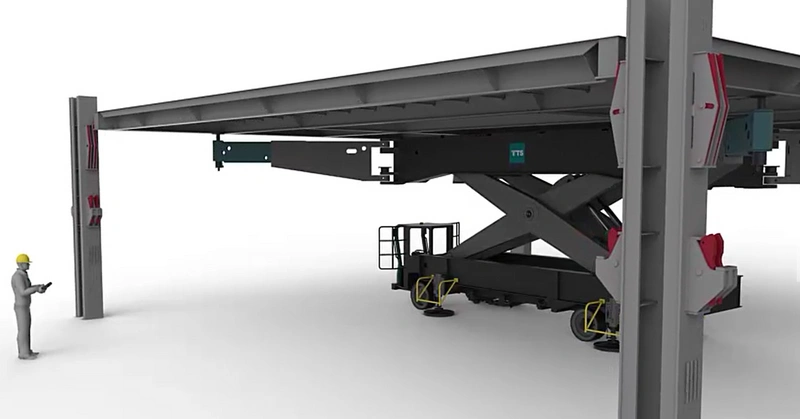
- Lifting-chain, wire or cylinder deterioration caused by corrosion, wear or poor lubrication, resulting in uneven lifting, abnormal noise or loss of movement
- Locking-device failure caused by wear, misalignment or contamination, resulting in inability to secure the deck in the required position
- Hydraulic or electric drive failure caused by leaks, motor faults or control problems, resulting in slow or unavailable lifting
- Limit-switch or position-sensor fault caused by mechanical or electrical damage, resulting in incorrect stopping or interlock alarms
- Structural cracking or deformation caused by overload, impact or fatigue, resulting in visible distortion or survey findings
- Hydraulic, wire, chain or electric-drive faults cause uneven movement, drift or inability to open, close, raise or lower
- Locking-pin or support faults cause incorrect secure indication or prevent safe loading
- Limit-switch or position-sensor faults interrupt the sequence or give incorrect position status
- Structural deformation, corrosion or cracked welds cause misalignment or poor fit
- Guide, hinge, roller or bearing wear causes binding, noise or excessive play
- Hydraulic, wire, chain or electric-drive faults cause uneven movement, drift or inability to open, close, raise or lower
- Locking-pin or support faults cause incorrect secure indication or prevent safe loading
- Limit-switch or position-sensor faults interrupt the sequence or give incorrect position status
- Structural deformation, corrosion or cracked welds cause misalignment or poor fit
- Guide, hinge, roller or bearing wear causes binding, noise or excessive play
- Hydraulic, wire, chain or electric-drive faults cause uneven movement, drift or inability to open, close, raise or lower
- Locking-pin or support faults cause incorrect secure indication or prevent safe loading
- Limit-switch or position-sensor faults interrupt the sequence or give incorrect position status
- Structural deformation, corrosion or cracked welds cause misalignment or poor fit
- Guide, hinge, roller or bearing wear causes binding, noise or excessive play
- Hydraulic, wire, chain or electric-drive faults cause uneven movement, drift or inability to open, close, raise or lower
- Locking-pin or support faults cause incorrect secure indication or prevent safe loading
- Limit-switch or position-sensor faults interrupt the sequence or give incorrect position status
- Structural deformation, corrosion or cracked welds cause misalignment or poor fit
- Guide, hinge, roller or bearing wear causes binding, noise or excessive play
ALMAC Marine
4- Loss of electrical, hydraulic, pneumatic, or other service supply caused by a tripped protection device, leakage, blockage, or upstream fault results in failed starting or loss of function
- Mechanical wear, corrosion, fouling, or contamination of moving and wetted parts causes increased noise, leakage, sticking, vibration, or reduced performance
- Seal, gasket, hose, cable, or connection deterioration from age, heat, vibration, or environmental exposure produces visible leakage, intermittent signals, or loss of pressure
- Sensor, switch, actuator, relay, or control-system faults can cause incorrect indication, nuisance alarms, failed automatic sequences, or loss of remote control
- Incorrect adjustment, assembly, or maintenance can lead to unstable operation, recurrent alarms, or performance that differs from the vessel's normal baseline
- Loss of electrical, hydraulic, pneumatic, or other service supply caused by a tripped protection device, leakage, blockage, or upstream fault results in failed starting or loss of function
- Mechanical wear, corrosion, fouling, or contamination of moving and wetted parts causes increased noise, leakage, sticking, vibration, or reduced performance
- Seal, gasket, hose, cable, or connection deterioration from age, heat, vibration, or environmental exposure produces visible leakage, intermittent signals, or loss of pressure
- Sensor, switch, actuator, relay, or control-system faults can cause incorrect indication, nuisance alarms, failed automatic sequences, or loss of remote control
- Incorrect adjustment, assembly, or maintenance can lead to unstable operation, recurrent alarms, or performance that differs from the vessel's normal baseline
- Loss of electrical, hydraulic, pneumatic, or other service supply caused by a tripped protection device, leakage, blockage, or upstream fault results in failed starting or loss of function
- Mechanical wear, corrosion, fouling, or contamination of moving and wetted parts causes increased noise, leakage, sticking, vibration, or reduced performance
- Seal, gasket, hose, cable, or connection deterioration from age, heat, vibration, or environmental exposure produces visible leakage, intermittent signals, or loss of pressure
- Sensor, switch, actuator, relay, or control-system faults can cause incorrect indication, nuisance alarms, failed automatic sequences, or loss of remote control
- Incorrect adjustment, assembly, or maintenance can lead to unstable operation, recurrent alarms, or performance that differs from the vessel's normal baseline
- Loss of electrical, hydraulic, pneumatic, or other service supply caused by a tripped protection device, leakage, blockage, or upstream fault results in failed starting or loss of function
- Mechanical wear, corrosion, fouling, or contamination of moving and wetted parts causes increased noise, leakage, sticking, vibration, or reduced performance
- Seal, gasket, hose, cable, or connection deterioration from age, heat, vibration, or environmental exposure produces visible leakage, intermittent signals, or loss of pressure
- Sensor, switch, actuator, relay, or control-system faults can cause incorrect indication, nuisance alarms, failed automatic sequences, or loss of remote control
- Incorrect adjustment, assembly, or maintenance can lead to unstable operation, recurrent alarms, or performance that differs from the vessel's normal baseline