Chlorination System
A chlorination system doses hypochlorite, generated on board or supplied in tanks, into the potable water line to keep bacterial counts down between the point of production and the cabin tap, and it is the most common method used where UV alone cannot reach stored water.
Read more — Chlorination System explained ▾
What Sets Chlorination Apart
Chlorination protects water after it leaves the point of treatment, which is what separates it from UV sterilizers or reverse osmosis membranes that only act at a single point in the system. A residual dose of chlorine keeps working as water sits in tanks and travels through long, sometimes stagnant pipe runs where regrowth of Legionella and coliform bacteria is the real risk. Systems either generate sodium hypochlorite on board by electrolysis of a brine solution, or dose a stored hypochlorite solution from a day tank. Electrolytic generation avoids storing and handling concentrated chemical but depends on a working brine and power supply; dosing from stored solution is simpler but ties the ship to a chemical resupply chain.
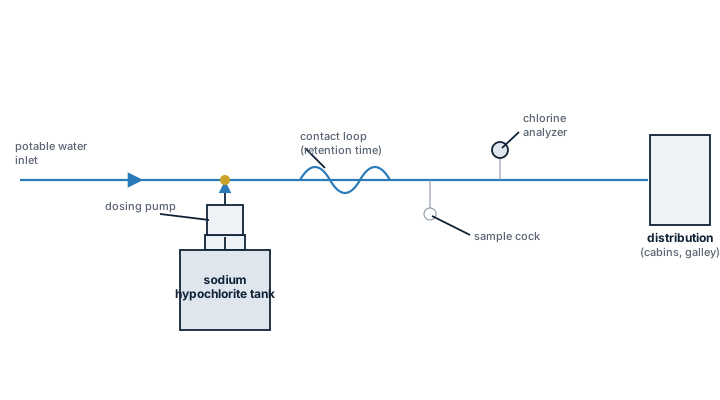
Main Components
Electrolytic Cell or Chemical Dosing Pump
The dosing pump is a positive-displacement or diaphragm pump metering hypochlorite solution in proportion to flow; the electrolytic cell produces hypochlorite in situ from a saturated brine feed and a DC power supply.
Brine Tank and Salt Saturator
Where fitted, a saturator dissolves solid salt to feed the electrolytic cell at a consistent concentration.
Residual Chlorine Analyzer
An in-line sensor that measures free or total residual chlorine and feeds back to the dosing controller to hold the setpoint automatically.
Contact Tank
A holding volume sized to give the dosed water enough contact time before it reaches the first outlet, so disinfection is complete rather than partial.
Day Tank and Injection Point
The storage vessel for ready-to-dose hypochlorite solution and the injection fitting into the potable water main, positioned upstream of the pressure set and storage tanks.
Selection and Sizing
- Daily potable water production or bunkered volume, which sets the required dosing pump capacity.
- Target residual, generally kept in a narrow band that is enough to suppress regrowth without giving the water a strong taste.
- Contact time available before the first draw-off point, which limits how low the dose can be set.
- Whether the ship already carries a brine or salt supply chain, which favors electrolytic generation over stored chemical.
Regulations and Class
Potable water quality on board is addressed through flag state and port state health regulations rather than a single IMO instrument, and many operators apply WHO drinking water guideline values as the practical benchmark for residual chlorine and microbiological limits. Class societies typically require the potable water system, including the dosing arrangement, to be part of the vessel's health and hygiene documentation reviewed at survey, and passenger vessels usually carry stricter internal monitoring frequencies driven by public health inspection regimes.
Typical Faults
| Fault | Cause | Consequence |
|---|---|---|
| Residual drops to zero | Empty day tank, failed dosing pump, or fouled electrolytic cell | Loss of protection, risk of bacterial regrowth in storage tanks |
| Chlorine taste complaints | Dosing controller set too high or analyzer drifted out of calibration | Crew reduces or bypasses dosing informally, defeating the system |
| Scale buildup on electrolytic cell plates | Hard brine feed or infrequent acid cleaning cycle | Falling hypochlorite output despite normal power draw |
| Analyzer fouling | Biofilm or scale on the sensor electrode | False high or low readings, dosing controller chases the wrong setpoint |
What to Look for in a Supplier
- A dosing controller with logged residual chlorine trend data, since spot checks alone will not catch an intermittent failure.
- Clear guidance on cell cleaning intervals if electrolytic generation is chosen, matched to the ship's actual brine quality.
- Materials in contact with hypochlorite rated for the chemical, not a generic plastic that degrades under chlorine exposure.
- Compatibility of the injection point and contact tank with the existing potable water layout, avoiding a redesign of the whole system.
Never judge a chlorination system by the dosing pump running; judge it by the residual reading at the farthest tap on the ship, that is where a failing system shows up first.
8 manufacturers · 112 models
ENWA Marine
17- Reduced treatment or sanitary performance caused by fouled filters, exhausted media, scaled membranes, aged lamps or blocked piping, resulting in poor water quality, low flow or system alarms
- Dosing, regeneration or vacuum failure caused by empty chemical supply, pump faults, air leakage or control errors, resulting in incorrect water chemistry or poor sanitary operation
- Sensor or conductivity fault caused by fouling, calibration drift or wiring problems, resulting in implausible readings or alarms
- Pump or valve failure caused by wear, blockage or electrical faults, resulting in low treatment flow or inability to route water correctly
- Leakage caused by seal, housing, membrane or piping deterioration, resulting in water loss, vacuum loss or unstable process conditions
- Scale, exhausted media or dirty treatment surfaces reduce treatment effectiveness and cause poor water quality
- Lamp, dosing pump, valve or power-supply faults cause loss of treatment and system alarms
- Sensor, conductivity or dosing-control faults cause under-treatment, over-treatment or false indication
- Filter or strainer blockage reduces flow and increases differential pressure
- Seal, vessel or piping leakage causes water loss and may contaminate the treatment area
- Scale, exhausted media or dirty treatment surfaces reduce treatment effectiveness and cause poor water quality
- Lamp, dosing pump, valve or power-supply faults cause loss of treatment and system alarms
- Sensor, conductivity or dosing-control faults cause under-treatment, over-treatment or false indication
- Filter or strainer blockage reduces flow and increases differential pressure
- Seal, vessel or piping leakage causes water loss and may contaminate the treatment area
- Scale, exhausted media or dirty treatment surfaces reduce treatment effectiveness and cause poor water quality
- Lamp, dosing pump, valve or power-supply faults cause loss of treatment and system alarms
- Sensor, conductivity or dosing-control faults cause under-treatment, over-treatment or false indication
- Filter or strainer blockage reduces flow and increases differential pressure
- Seal, vessel or piping leakage causes water loss and may contaminate the treatment area
- Scale, exhausted media or dirty treatment surfaces reduce treatment effectiveness and cause poor water quality
- Lamp, dosing pump, valve or power-supply faults cause loss of treatment and system alarms
- Sensor, conductivity or dosing-control faults cause under-treatment, over-treatment or false indication
- Filter or strainer blockage reduces flow and increases differential pressure
- Seal, vessel or piping leakage causes water loss and may contaminate the treatment area
- Scale, exhausted media or dirty treatment surfaces reduce treatment effectiveness and cause poor water quality
- Lamp, dosing pump, valve or power-supply faults cause loss of treatment and system alarms
- Sensor, conductivity or dosing-control faults cause under-treatment, over-treatment or false indication
- Filter or strainer blockage reduces flow and increases differential pressure
- Seal, vessel or piping leakage causes water loss and may contaminate the treatment area
- Reduced treatment performance caused by fouled filters, exhausted media, scaled membranes, aged lamps or contaminated process surfaces, resulting in poor water quality or increased pressure drop
- Dosing, regeneration or process-control failure caused by empty consumables, pump faults or control errors, resulting in incorrect treatment conditions
- Sensor or conductivity fault caused by fouling, calibration drift or wiring problems, resulting in implausible readings or alarms
- Pump or valve failure caused by wear, blockage or electrical faults, resulting in low treatment flow or inability to route water correctly
- Leakage caused by seal, housing, membrane, pressure-vessel or piping deterioration, resulting in water loss and unstable process conditions
- Reduced treatment or sanitary performance caused by fouled filters, exhausted media, scaled membranes, aged lamps or blocked piping, resulting in poor water quality, low flow or system alarms
- Dosing, regeneration or vacuum failure caused by empty chemical supply, pump faults, air leakage or control errors, resulting in incorrect water chemistry or poor sanitary operation
- Sensor or conductivity fault caused by fouling, calibration drift or wiring problems, resulting in implausible readings or alarms
- Pump or valve failure caused by wear, blockage or electrical faults, resulting in low treatment flow or inability to route water correctly
- Leakage caused by seal, housing, membrane or piping deterioration, resulting in water loss, vacuum loss or unstable process conditions
- Reduced treatment or sanitary performance caused by fouled filters, exhausted media, scaled membranes, aged lamps or blocked piping, resulting in poor water quality, low flow or system alarms
- Dosing, regeneration or vacuum failure caused by empty chemical supply, pump faults, air leakage or control errors, resulting in incorrect water chemistry or poor sanitary operation
- Sensor or conductivity fault caused by fouling, calibration drift or wiring problems, resulting in implausible readings or alarms
- Pump or valve failure caused by wear, blockage or electrical faults, resulting in low treatment flow or inability to route water correctly
- Leakage caused by seal, housing, membrane or piping deterioration, resulting in water loss, vacuum loss or unstable process conditions
- Reduced treatment or sanitary performance caused by fouled filters, exhausted media, scaled membranes, aged lamps or blocked piping, resulting in poor water quality, low flow or system alarms
- Dosing, regeneration or vacuum failure caused by empty chemical supply, pump faults, air leakage or control errors, resulting in incorrect water chemistry or poor sanitary operation
- Sensor or conductivity fault caused by fouling, calibration drift or wiring problems, resulting in implausible readings or alarms
- Pump or valve failure caused by wear, blockage or electrical faults, resulting in low treatment flow or inability to route water correctly
- Leakage caused by seal, housing, membrane or piping deterioration, resulting in water loss, vacuum loss or unstable process conditions
- Reduced treatment or sanitary performance caused by fouled filters, exhausted media, scaled membranes, aged lamps or blocked piping, resulting in poor water quality, low flow or system alarms
- Dosing, regeneration or vacuum failure caused by empty chemical supply, pump faults, air leakage or control errors, resulting in incorrect water chemistry or poor sanitary operation
- Sensor or conductivity fault caused by fouling, calibration drift or wiring problems, resulting in implausible readings or alarms
- Pump or valve failure caused by wear, blockage or electrical faults, resulting in low treatment flow or inability to route water correctly
- Leakage caused by seal, housing, membrane or piping deterioration, resulting in water loss, vacuum loss or unstable process conditions
- Reduced treatment or sanitary performance caused by fouled filters, exhausted media, scaled membranes, aged lamps or blocked piping, resulting in poor water quality, low flow or system alarms
- Dosing, regeneration or vacuum failure caused by empty chemical supply, pump faults, air leakage or control errors, resulting in incorrect water chemistry or poor sanitary operation
- Sensor or conductivity fault caused by fouling, calibration drift or wiring problems, resulting in implausible readings or alarms
- Pump or valve failure caused by wear, blockage or electrical faults, resulting in low treatment flow or inability to route water correctly
- Leakage caused by seal, housing, membrane or piping deterioration, resulting in water loss, vacuum loss or unstable process conditions
- Reduced treatment performance caused by fouled filters, exhausted media, scaled membranes, aged lamps or contaminated process surfaces, resulting in poor water quality or increased pressure drop
- Dosing, regeneration or process-control failure caused by empty consumables, pump faults or control errors, resulting in incorrect treatment conditions
- Sensor or conductivity fault caused by fouling, calibration drift or wiring problems, resulting in implausible readings or alarms
- Pump or valve failure caused by wear, blockage or electrical faults, resulting in low treatment flow or inability to route water correctly
- Leakage caused by seal, housing, membrane, pressure-vessel or piping deterioration, resulting in water loss and unstable process conditions
- Reduced treatment performance caused by fouled filters, exhausted media, scaled membranes, aged lamps or contaminated process surfaces, resulting in poor water quality or increased pressure drop
- Dosing, regeneration or process-control failure caused by empty consumables, pump faults or control errors, resulting in incorrect treatment conditions
- Sensor or conductivity fault caused by fouling, calibration drift or wiring problems, resulting in implausible readings or alarms
- Pump or valve failure caused by wear, blockage or electrical faults, resulting in low treatment flow or inability to route water correctly
- Leakage caused by seal, housing, membrane, pressure-vessel or piping deterioration, resulting in water loss and unstable process conditions
- Reduced treatment performance caused by fouled filters, exhausted media, scaled membranes, aged lamps or contaminated process surfaces, resulting in poor water quality or increased pressure drop
- Dosing, regeneration or process-control failure caused by empty consumables, pump faults or control errors, resulting in incorrect treatment conditions
- Sensor or conductivity fault caused by fouling, calibration drift or wiring problems, resulting in implausible readings or alarms
- Pump or valve failure caused by wear, blockage or electrical faults, resulting in low treatment flow or inability to route water correctly
- Leakage caused by seal, housing, membrane, pressure-vessel or piping deterioration, resulting in water loss and unstable process conditions
- Reduced treatment performance caused by fouled filters, exhausted media, scaled membranes, aged lamps or contaminated process surfaces, resulting in poor water quality or increased pressure drop
- Dosing, regeneration or process-control failure caused by empty consumables, pump faults or control errors, resulting in incorrect treatment conditions
- Sensor or conductivity fault caused by fouling, calibration drift or wiring problems, resulting in implausible readings or alarms
- Pump or valve failure caused by wear, blockage or electrical faults, resulting in low treatment flow or inability to route water correctly
- Leakage caused by seal, housing, membrane, pressure-vessel or piping deterioration, resulting in water loss and unstable process conditions
- Reduced treatment performance caused by fouled filters, exhausted media, scaled membranes, aged lamps or contaminated process surfaces, resulting in poor water quality or increased pressure drop
- Dosing, regeneration or process-control failure caused by empty consumables, pump faults or control errors, resulting in incorrect treatment conditions
- Sensor or conductivity fault caused by fouling, calibration drift or wiring problems, resulting in implausible readings or alarms
- Pump or valve failure caused by wear, blockage or electrical faults, resulting in low treatment flow or inability to route water correctly
- Leakage caused by seal, housing, membrane, pressure-vessel or piping deterioration, resulting in water loss and unstable process conditions
Evoqua/Xylem Marine
17- Reduced treatment performance caused by fouled filters, exhausted media, scaled membranes, aged lamps or contaminated process surfaces, resulting in poor water quality or increased pressure drop
- Dosing, regeneration or process-control failure caused by empty consumables, pump faults or control errors, resulting in incorrect treatment conditions
- Sensor or conductivity fault caused by fouling, calibration drift or wiring problems, resulting in implausible readings or alarms
- Pump or valve failure caused by wear, blockage or electrical faults, resulting in low treatment flow or inability to route water correctly
- Leakage caused by seal, housing, membrane, pressure-vessel or piping deterioration, resulting in water loss and unstable process conditions
- Reduced treatment performance caused by fouled filters, exhausted media, scaled membranes, aged lamps or contaminated process surfaces, resulting in poor water quality or increased pressure drop
- Dosing, regeneration or process-control failure caused by empty consumables, pump faults or control errors, resulting in incorrect treatment conditions
- Sensor or conductivity fault caused by fouling, calibration drift or wiring problems, resulting in implausible readings or alarms
- Pump or valve failure caused by wear, blockage or electrical faults, resulting in low treatment flow or inability to route water correctly
- Leakage caused by seal, housing, membrane, pressure-vessel or piping deterioration, resulting in water loss and unstable process conditions
- Reduced treatment performance caused by fouled filters, exhausted media, scaled membranes, aged lamps or contaminated process surfaces, resulting in poor water quality or increased pressure drop
- Dosing, regeneration or process-control failure caused by empty consumables, pump faults or control errors, resulting in incorrect treatment conditions
- Sensor or conductivity fault caused by fouling, calibration drift or wiring problems, resulting in implausible readings or alarms
- Pump or valve failure caused by wear, blockage or electrical faults, resulting in low treatment flow or inability to route water correctly
- Leakage caused by seal, housing, membrane, pressure-vessel or piping deterioration, resulting in water loss and unstable process conditions
- Reduced treatment performance caused by fouled filters, exhausted media, scaled membranes, aged lamps or contaminated process surfaces, resulting in poor water quality or increased pressure drop
- Dosing, regeneration or process-control failure caused by empty consumables, pump faults or control errors, resulting in incorrect treatment conditions
- Sensor or conductivity fault caused by fouling, calibration drift or wiring problems, resulting in implausible readings or alarms
- Pump or valve failure caused by wear, blockage or electrical faults, resulting in low treatment flow or inability to route water correctly
- Leakage caused by seal, housing, membrane, pressure-vessel or piping deterioration, resulting in water loss and unstable process conditions
- Reduced treatment performance caused by fouled filters, exhausted media, scaled membranes, aged lamps or contaminated process surfaces, resulting in poor water quality or increased pressure drop
- Dosing, regeneration or process-control failure caused by empty consumables, pump faults or control errors, resulting in incorrect treatment conditions
- Sensor or conductivity fault caused by fouling, calibration drift or wiring problems, resulting in implausible readings or alarms
- Pump or valve failure caused by wear, blockage or electrical faults, resulting in low treatment flow or inability to route water correctly
- Leakage caused by seal, housing, membrane, pressure-vessel or piping deterioration, resulting in water loss and unstable process conditions
- Reduced treatment performance caused by fouled filters, exhausted media, scaled membranes, aged lamps or contaminated process surfaces, resulting in poor water quality or increased pressure drop
- Dosing, regeneration or process-control failure caused by empty consumables, pump faults or control errors, resulting in incorrect treatment conditions
- Sensor or conductivity fault caused by fouling, calibration drift or wiring problems, resulting in implausible readings or alarms
- Pump or valve failure caused by wear, blockage or electrical faults, resulting in low treatment flow or inability to route water correctly
- Leakage caused by seal, housing, membrane, pressure-vessel or piping deterioration, resulting in water loss and unstable process conditions
- Fouling or exhausted treatment media can reduce treatment effectiveness, seen as deteriorating outlet-water quality or rising differential pressure
- Dosing-pump or chemical-feed faults can interrupt treatment, noticed as unstable readings, low dosing indication or quality alarms
- Blocked strainers or restricted piping can reduce flow, seen as low throughput or abnormal pump loading
- Sensor drift or contamination can give incorrect control feedback, noticed as implausible readings or unnecessary alarms
- Valve, seal or hose leakage can cause loss of treatment fluid or water, seen as wetness around the skid and inability to maintain normal operation
- Fouling or exhausted treatment media can reduce treatment effectiveness, seen as deteriorating outlet-water quality or rising differential pressure
- Dosing-pump or chemical-feed faults can interrupt treatment, noticed as unstable readings, low dosing indication or quality alarms
- Blocked strainers or restricted piping can reduce flow, seen as low throughput or abnormal pump loading
- Sensor drift or contamination can give incorrect control feedback, noticed as implausible readings or unnecessary alarms
- Valve, seal or hose leakage can cause loss of treatment fluid or water, seen as wetness around the skid and inability to maintain normal operation
- Fouling or exhausted treatment media can reduce treatment effectiveness, seen as deteriorating outlet-water quality or rising differential pressure
- Dosing-pump or chemical-feed faults can interrupt treatment, noticed as unstable readings, low dosing indication or quality alarms
- Blocked strainers or restricted piping can reduce flow, seen as low throughput or abnormal pump loading
- Sensor drift or contamination can give incorrect control feedback, noticed as implausible readings or unnecessary alarms
- Valve, seal or hose leakage can cause loss of treatment fluid or water, seen as wetness around the skid and inability to maintain normal operation
- Fouling or exhausted treatment media can reduce treatment effectiveness, seen as deteriorating outlet-water quality or rising differential pressure
- Dosing-pump or chemical-feed faults can interrupt treatment, noticed as unstable readings, low dosing indication or quality alarms
- Blocked strainers or restricted piping can reduce flow, seen as low throughput or abnormal pump loading
- Sensor drift or contamination can give incorrect control feedback, noticed as implausible readings or unnecessary alarms
- Valve, seal or hose leakage can cause loss of treatment fluid or water, seen as wetness around the skid and inability to maintain normal operation
- Fouling or exhausted treatment media can reduce treatment effectiveness, seen as deteriorating outlet-water quality or rising differential pressure
- Dosing-pump or chemical-feed faults can interrupt treatment, noticed as unstable readings, low dosing indication or quality alarms
- Blocked strainers or restricted piping can reduce flow, seen as low throughput or abnormal pump loading
- Sensor drift or contamination can give incorrect control feedback, noticed as implausible readings or unnecessary alarms
- Valve, seal or hose leakage can cause loss of treatment fluid or water, seen as wetness around the skid and inability to maintain normal operation
- Fouling or exhausted treatment media can reduce treatment effectiveness, seen as deteriorating outlet-water quality or rising differential pressure
- Dosing-pump or chemical-feed faults can interrupt treatment, noticed as unstable readings, low dosing indication or quality alarms
- Blocked strainers or restricted piping can reduce flow, seen as low throughput or abnormal pump loading
- Sensor drift or contamination can give incorrect control feedback, noticed as implausible readings or unnecessary alarms
- Valve, seal or hose leakage can cause loss of treatment fluid or water, seen as wetness around the skid and inability to maintain normal operation
- Fouling or exhausted treatment media can reduce treatment effectiveness, seen as deteriorating outlet-water quality or rising differential pressure
- Dosing-pump or chemical-feed faults can interrupt treatment, noticed as unstable readings, low dosing indication or quality alarms
- Blocked strainers or restricted piping can reduce flow, seen as low throughput or abnormal pump loading
- Sensor drift or contamination can give incorrect control feedback, noticed as implausible readings or unnecessary alarms
- Valve, seal or hose leakage can cause loss of treatment fluid or water, seen as wetness around the skid and inability to maintain normal operation
- Fouling or exhausted treatment media can reduce treatment effectiveness, seen as deteriorating outlet-water quality or rising differential pressure
- Dosing-pump or chemical-feed faults can interrupt treatment, noticed as unstable readings, low dosing indication or quality alarms
- Blocked strainers or restricted piping can reduce flow, seen as low throughput or abnormal pump loading
- Sensor drift or contamination can give incorrect control feedback, noticed as implausible readings or unnecessary alarms
- Valve, seal or hose leakage can cause loss of treatment fluid or water, seen as wetness around the skid and inability to maintain normal operation
- Fouling or exhausted treatment media can reduce treatment effectiveness, seen as deteriorating outlet-water quality or rising differential pressure
- Dosing-pump or chemical-feed faults can interrupt treatment, noticed as unstable readings, low dosing indication or quality alarms
- Blocked strainers or restricted piping can reduce flow, seen as low throughput or abnormal pump loading
- Sensor drift or contamination can give incorrect control feedback, noticed as implausible readings or unnecessary alarms
- Valve, seal or hose leakage can cause loss of treatment fluid or water, seen as wetness around the skid and inability to maintain normal operation
- Fouling or exhausted treatment media can reduce treatment effectiveness, seen as deteriorating outlet-water quality or rising differential pressure
- Dosing-pump or chemical-feed faults can interrupt treatment, noticed as unstable readings, low dosing indication or quality alarms
- Blocked strainers or restricted piping can reduce flow, seen as low throughput or abnormal pump loading
- Sensor drift or contamination can give incorrect control feedback, noticed as implausible readings or unnecessary alarms
- Valve, seal or hose leakage can cause loss of treatment fluid or water, seen as wetness around the skid and inability to maintain normal operation
- Fouling or exhausted treatment media can reduce treatment effectiveness, seen as deteriorating outlet-water quality or rising differential pressure
- Dosing-pump or chemical-feed faults can interrupt treatment, noticed as unstable readings, low dosing indication or quality alarms
- Blocked strainers or restricted piping can reduce flow, seen as low throughput or abnormal pump loading
- Sensor drift or contamination can give incorrect control feedback, noticed as implausible readings or unnecessary alarms
- Valve, seal or hose leakage can cause loss of treatment fluid or water, seen as wetness around the skid and inability to maintain normal operation
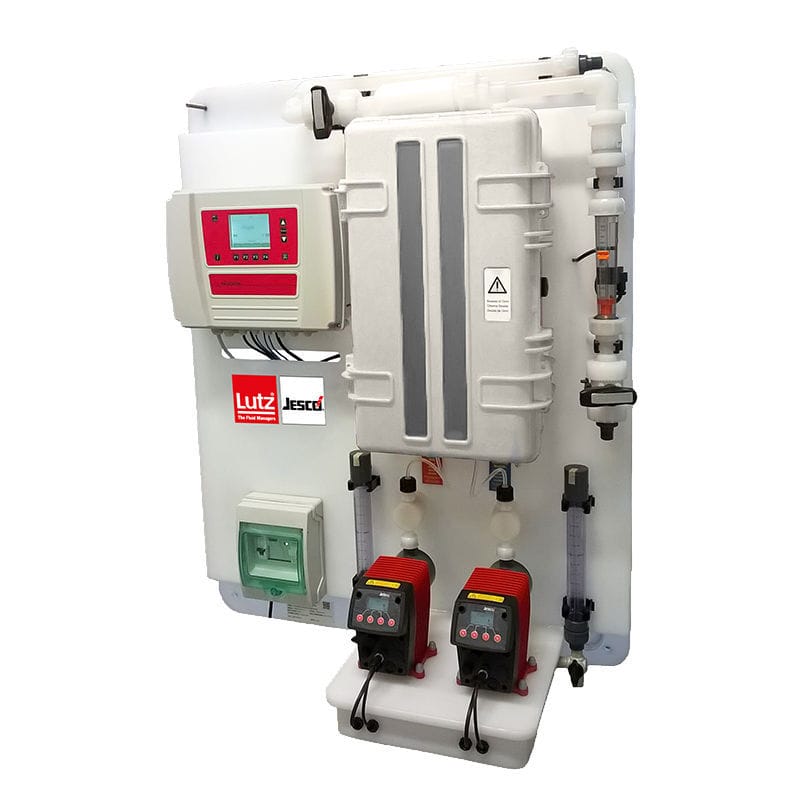
Lutz-Jesco Marine
17- Reduced treatment performance caused by fouled filters, exhausted media, scaled membranes, aged lamps or contaminated process surfaces, resulting in poor water quality or increased pressure drop
- Dosing, regeneration or process-control failure caused by empty consumables, pump faults or control errors, resulting in incorrect treatment conditions
- Sensor or conductivity fault caused by fouling, calibration drift or wiring problems, resulting in implausible readings or alarms
- Pump or valve failure caused by wear, blockage or electrical faults, resulting in low treatment flow or inability to route water correctly
- Leakage caused by seal, housing, membrane, pressure-vessel or piping deterioration, resulting in water loss and unstable process conditions
- Reduced treatment performance caused by fouled filters, exhausted media, scaled membranes, aged lamps or contaminated process surfaces, resulting in poor water quality or increased pressure drop
- Dosing, regeneration or process-control failure caused by empty consumables, pump faults or control errors, resulting in incorrect treatment conditions
- Sensor or conductivity fault caused by fouling, calibration drift or wiring problems, resulting in implausible readings or alarms
- Pump or valve failure caused by wear, blockage or electrical faults, resulting in low treatment flow or inability to route water correctly
- Leakage caused by seal, housing, membrane, pressure-vessel or piping deterioration, resulting in water loss and unstable process conditions
- Reduced treatment performance caused by fouled filters, exhausted media, scaled membranes, aged lamps or contaminated process surfaces, resulting in poor water quality or increased pressure drop
- Dosing, regeneration or process-control failure caused by empty consumables, pump faults or control errors, resulting in incorrect treatment conditions
- Sensor or conductivity fault caused by fouling, calibration drift or wiring problems, resulting in implausible readings or alarms
- Pump or valve failure caused by wear, blockage or electrical faults, resulting in low treatment flow or inability to route water correctly
- Leakage caused by seal, housing, membrane, pressure-vessel or piping deterioration, resulting in water loss and unstable process conditions
- Reduced treatment performance caused by fouled filters, exhausted media, scaled membranes, aged lamps or contaminated process surfaces, resulting in poor water quality or increased pressure drop
- Dosing, regeneration or process-control failure caused by empty consumables, pump faults or control errors, resulting in incorrect treatment conditions
- Sensor or conductivity fault caused by fouling, calibration drift or wiring problems, resulting in implausible readings or alarms
- Pump or valve failure caused by wear, blockage or electrical faults, resulting in low treatment flow or inability to route water correctly
- Leakage caused by seal, housing, membrane, pressure-vessel or piping deterioration, resulting in water loss and unstable process conditions
- Reduced treatment performance caused by fouled filters, exhausted media, scaled membranes, aged lamps or contaminated process surfaces, resulting in poor water quality or increased pressure drop
- Dosing, regeneration or process-control failure caused by empty consumables, pump faults or control errors, resulting in incorrect treatment conditions
- Sensor or conductivity fault caused by fouling, calibration drift or wiring problems, resulting in implausible readings or alarms
- Pump or valve failure caused by wear, blockage or electrical faults, resulting in low treatment flow or inability to route water correctly
- Leakage caused by seal, housing, membrane, pressure-vessel or piping deterioration, resulting in water loss and unstable process conditions
- Reduced treatment performance caused by fouled filters, exhausted media, scaled membranes, aged lamps or contaminated process surfaces, resulting in poor water quality or increased pressure drop
- Dosing, regeneration or process-control failure caused by empty consumables, pump faults or control errors, resulting in incorrect treatment conditions
- Sensor or conductivity fault caused by fouling, calibration drift or wiring problems, resulting in implausible readings or alarms
- Pump or valve failure caused by wear, blockage or electrical faults, resulting in low treatment flow or inability to route water correctly
- Leakage caused by seal, housing, membrane, pressure-vessel or piping deterioration, resulting in water loss and unstable process conditions
- Fouling or exhausted treatment media can reduce treatment effectiveness, seen as deteriorating outlet-water quality or rising differential pressure
- Dosing-pump or chemical-feed faults can interrupt treatment, noticed as unstable readings, low dosing indication or quality alarms
- Blocked strainers or restricted piping can reduce flow, seen as low throughput or abnormal pump loading
- Sensor drift or contamination can give incorrect control feedback, noticed as implausible readings or unnecessary alarms
- Valve, seal or hose leakage can cause loss of treatment fluid or water, seen as wetness around the skid and inability to maintain normal operation
- Fouling or exhausted treatment media can reduce treatment effectiveness, seen as deteriorating outlet-water quality or rising differential pressure
- Dosing-pump or chemical-feed faults can interrupt treatment, noticed as unstable readings, low dosing indication or quality alarms
- Blocked strainers or restricted piping can reduce flow, seen as low throughput or abnormal pump loading
- Sensor drift or contamination can give incorrect control feedback, noticed as implausible readings or unnecessary alarms
- Valve, seal or hose leakage can cause loss of treatment fluid or water, seen as wetness around the skid and inability to maintain normal operation
- Fouling or exhausted treatment media can reduce treatment effectiveness, seen as deteriorating outlet-water quality or rising differential pressure
- Dosing-pump or chemical-feed faults can interrupt treatment, noticed as unstable readings, low dosing indication or quality alarms
- Blocked strainers or restricted piping can reduce flow, seen as low throughput or abnormal pump loading
- Sensor drift or contamination can give incorrect control feedback, noticed as implausible readings or unnecessary alarms
- Valve, seal or hose leakage can cause loss of treatment fluid or water, seen as wetness around the skid and inability to maintain normal operation
- Fouling or exhausted treatment media can reduce treatment effectiveness, seen as deteriorating outlet-water quality or rising differential pressure
- Dosing-pump or chemical-feed faults can interrupt treatment, noticed as unstable readings, low dosing indication or quality alarms
- Blocked strainers or restricted piping can reduce flow, seen as low throughput or abnormal pump loading
- Sensor drift or contamination can give incorrect control feedback, noticed as implausible readings or unnecessary alarms
- Valve, seal or hose leakage can cause loss of treatment fluid or water, seen as wetness around the skid and inability to maintain normal operation
- Fouling or exhausted treatment media can reduce treatment effectiveness, seen as deteriorating outlet-water quality or rising differential pressure
- Dosing-pump or chemical-feed faults can interrupt treatment, noticed as unstable readings, low dosing indication or quality alarms
- Blocked strainers or restricted piping can reduce flow, seen as low throughput or abnormal pump loading
- Sensor drift or contamination can give incorrect control feedback, noticed as implausible readings or unnecessary alarms
- Valve, seal or hose leakage can cause loss of treatment fluid or water, seen as wetness around the skid and inability to maintain normal operation
- Fouling or exhausted treatment media can reduce treatment effectiveness, seen as deteriorating outlet-water quality or rising differential pressure
- Dosing-pump or chemical-feed faults can interrupt treatment, noticed as unstable readings, low dosing indication or quality alarms
- Blocked strainers or restricted piping can reduce flow, seen as low throughput or abnormal pump loading
- Sensor drift or contamination can give incorrect control feedback, noticed as implausible readings or unnecessary alarms
- Valve, seal or hose leakage can cause loss of treatment fluid or water, seen as wetness around the skid and inability to maintain normal operation
- Fouling or exhausted treatment media can reduce treatment effectiveness, seen as deteriorating outlet-water quality or rising differential pressure
- Dosing-pump or chemical-feed faults can interrupt treatment, noticed as unstable readings, low dosing indication or quality alarms
- Blocked strainers or restricted piping can reduce flow, seen as low throughput or abnormal pump loading
- Sensor drift or contamination can give incorrect control feedback, noticed as implausible readings or unnecessary alarms
- Valve, seal or hose leakage can cause loss of treatment fluid or water, seen as wetness around the skid and inability to maintain normal operation
- Fouling or exhausted treatment media can reduce treatment effectiveness, seen as deteriorating outlet-water quality or rising differential pressure
- Dosing-pump or chemical-feed faults can interrupt treatment, noticed as unstable readings, low dosing indication or quality alarms
- Blocked strainers or restricted piping can reduce flow, seen as low throughput or abnormal pump loading
- Sensor drift or contamination can give incorrect control feedback, noticed as implausible readings or unnecessary alarms
- Valve, seal or hose leakage can cause loss of treatment fluid or water, seen as wetness around the skid and inability to maintain normal operation
- Fouling or exhausted treatment media can reduce treatment effectiveness, seen as deteriorating outlet-water quality or rising differential pressure
- Dosing-pump or chemical-feed faults can interrupt treatment, noticed as unstable readings, low dosing indication or quality alarms
- Blocked strainers or restricted piping can reduce flow, seen as low throughput or abnormal pump loading
- Sensor drift or contamination can give incorrect control feedback, noticed as implausible readings or unnecessary alarms
- Valve, seal or hose leakage can cause loss of treatment fluid or water, seen as wetness around the skid and inability to maintain normal operation
- Fouling or exhausted treatment media can reduce treatment effectiveness, seen as deteriorating outlet-water quality or rising differential pressure
- Dosing-pump or chemical-feed faults can interrupt treatment, noticed as unstable readings, low dosing indication or quality alarms
- Blocked strainers or restricted piping can reduce flow, seen as low throughput or abnormal pump loading
- Sensor drift or contamination can give incorrect control feedback, noticed as implausible readings or unnecessary alarms
- Valve, seal or hose leakage can cause loss of treatment fluid or water, seen as wetness around the skid and inability to maintain normal operation
- Fouling or exhausted treatment media can reduce treatment effectiveness, seen as deteriorating outlet-water quality or rising differential pressure
- Dosing-pump or chemical-feed faults can interrupt treatment, noticed as unstable readings, low dosing indication or quality alarms
- Blocked strainers or restricted piping can reduce flow, seen as low throughput or abnormal pump loading
- Sensor drift or contamination can give incorrect control feedback, noticed as implausible readings or unnecessary alarms
- Valve, seal or hose leakage can cause loss of treatment fluid or water, seen as wetness around the skid and inability to maintain normal operation
Prominent Marine
17- Reduced treatment performance caused by fouled filters, exhausted media, scaled membranes, aged lamps or contaminated process surfaces, resulting in poor water quality or increased pressure drop
- Dosing, regeneration or process-control failure caused by empty consumables, pump faults or control errors, resulting in incorrect treatment conditions
- Sensor or conductivity fault caused by fouling, calibration drift or wiring problems, resulting in implausible readings or alarms
- Pump or valve failure caused by wear, blockage or electrical faults, resulting in low treatment flow or inability to route water correctly
- Leakage caused by seal, housing, membrane, pressure-vessel or piping deterioration, resulting in water loss and unstable process conditions
- Reduced treatment or sanitary performance caused by fouled filters, exhausted media, scaled membranes, aged lamps or blocked piping, resulting in poor water quality, low flow or system alarms
- Dosing, regeneration or vacuum failure caused by empty chemical supply, pump faults, air leakage or control errors, resulting in incorrect water chemistry or poor sanitary operation
- Sensor or conductivity fault caused by fouling, calibration drift or wiring problems, resulting in implausible readings or alarms
- Pump or valve failure caused by wear, blockage or electrical faults, resulting in low treatment flow or inability to route water correctly
- Leakage caused by seal, housing, membrane or piping deterioration, resulting in water loss, vacuum loss or unstable process conditions
- Reduced treatment or sanitary performance caused by fouled filters, exhausted media, scaled membranes, aged lamps or blocked piping, resulting in poor water quality, low flow or system alarms
- Dosing, regeneration or vacuum failure caused by empty chemical supply, pump faults, air leakage or control errors, resulting in incorrect water chemistry or poor sanitary operation
- Sensor or conductivity fault caused by fouling, calibration drift or wiring problems, resulting in implausible readings or alarms
- Pump or valve failure caused by wear, blockage or electrical faults, resulting in low treatment flow or inability to route water correctly
- Leakage caused by seal, housing, membrane or piping deterioration, resulting in water loss, vacuum loss or unstable process conditions
- Reduced treatment or sanitary performance caused by fouled filters, exhausted media, scaled membranes, aged lamps or blocked piping, resulting in poor water quality, low flow or system alarms
- Dosing, regeneration or vacuum failure caused by empty chemical supply, pump faults, air leakage or control errors, resulting in incorrect water chemistry or poor sanitary operation
- Sensor or conductivity fault caused by fouling, calibration drift or wiring problems, resulting in implausible readings or alarms
- Pump or valve failure caused by wear, blockage or electrical faults, resulting in low treatment flow or inability to route water correctly
- Leakage caused by seal, housing, membrane or piping deterioration, resulting in water loss, vacuum loss or unstable process conditions
- Reduced treatment performance caused by fouled filters, exhausted media, scaled membranes, aged lamps or contaminated process surfaces, resulting in poor water quality or increased pressure drop
- Dosing, regeneration or process-control failure caused by empty consumables, pump faults or control errors, resulting in incorrect treatment conditions
- Sensor or conductivity fault caused by fouling, calibration drift or wiring problems, resulting in implausible readings or alarms
- Pump or valve failure caused by wear, blockage or electrical faults, resulting in low treatment flow or inability to route water correctly
- Leakage caused by seal, housing, membrane, pressure-vessel or piping deterioration, resulting in water loss and unstable process conditions
- Reduced treatment performance caused by fouled filters, exhausted media, scaled membranes, aged lamps or contaminated process surfaces, resulting in poor water quality or increased pressure drop
- Dosing, regeneration or process-control failure caused by empty consumables, pump faults or control errors, resulting in incorrect treatment conditions
- Sensor or conductivity fault caused by fouling, calibration drift or wiring problems, resulting in implausible readings or alarms
- Pump or valve failure caused by wear, blockage or electrical faults, resulting in low treatment flow or inability to route water correctly
- Leakage caused by seal, housing, membrane, pressure-vessel or piping deterioration, resulting in water loss and unstable process conditions
- Fouling or exhausted treatment media can reduce treatment effectiveness, seen as deteriorating outlet-water quality or rising differential pressure
- Dosing-pump or chemical-feed faults can interrupt treatment, noticed as unstable readings, low dosing indication or quality alarms
- Blocked strainers or restricted piping can reduce flow, seen as low throughput or abnormal pump loading
- Sensor drift or contamination can give incorrect control feedback, noticed as implausible readings or unnecessary alarms
- Valve, seal or hose leakage can cause loss of treatment fluid or water, seen as wetness around the skid and inability to maintain normal operation
- Fouling or exhausted treatment media can reduce treatment effectiveness, seen as deteriorating outlet-water quality or rising differential pressure
- Dosing-pump or chemical-feed faults can interrupt treatment, noticed as unstable readings, low dosing indication or quality alarms
- Blocked strainers or restricted piping can reduce flow, seen as low throughput or abnormal pump loading
- Sensor drift or contamination can give incorrect control feedback, noticed as implausible readings or unnecessary alarms
- Valve, seal or hose leakage can cause loss of treatment fluid or water, seen as wetness around the skid and inability to maintain normal operation
- Fouling or exhausted treatment media can reduce treatment effectiveness, seen as deteriorating outlet-water quality or rising differential pressure
- Dosing-pump or chemical-feed faults can interrupt treatment, noticed as unstable readings, low dosing indication or quality alarms
- Blocked strainers or restricted piping can reduce flow, seen as low throughput or abnormal pump loading
- Sensor drift or contamination can give incorrect control feedback, noticed as implausible readings or unnecessary alarms
- Valve, seal or hose leakage can cause loss of treatment fluid or water, seen as wetness around the skid and inability to maintain normal operation
- Fouling or exhausted treatment media can reduce treatment effectiveness, seen as deteriorating outlet-water quality or rising differential pressure
- Dosing-pump or chemical-feed faults can interrupt treatment, noticed as unstable readings, low dosing indication or quality alarms
- Blocked strainers or restricted piping can reduce flow, seen as low throughput or abnormal pump loading
- Sensor drift or contamination can give incorrect control feedback, noticed as implausible readings or unnecessary alarms
- Valve, seal or hose leakage can cause loss of treatment fluid or water, seen as wetness around the skid and inability to maintain normal operation
- Fouling or exhausted treatment media can reduce treatment effectiveness, seen as deteriorating outlet-water quality or rising differential pressure
- Dosing-pump or chemical-feed faults can interrupt treatment, noticed as unstable readings, low dosing indication or quality alarms
- Blocked strainers or restricted piping can reduce flow, seen as low throughput or abnormal pump loading
- Sensor drift or contamination can give incorrect control feedback, noticed as implausible readings or unnecessary alarms
- Valve, seal or hose leakage can cause loss of treatment fluid or water, seen as wetness around the skid and inability to maintain normal operation
- Fouling or exhausted treatment media can reduce treatment effectiveness, seen as deteriorating outlet-water quality or rising differential pressure
- Dosing-pump or chemical-feed faults can interrupt treatment, noticed as unstable readings, low dosing indication or quality alarms
- Blocked strainers or restricted piping can reduce flow, seen as low throughput or abnormal pump loading
- Sensor drift or contamination can give incorrect control feedback, noticed as implausible readings or unnecessary alarms
- Valve, seal or hose leakage can cause loss of treatment fluid or water, seen as wetness around the skid and inability to maintain normal operation
- Fouling or exhausted treatment media can reduce treatment effectiveness, seen as deteriorating outlet-water quality or rising differential pressure
- Dosing-pump or chemical-feed faults can interrupt treatment, noticed as unstable readings, low dosing indication or quality alarms
- Blocked strainers or restricted piping can reduce flow, seen as low throughput or abnormal pump loading
- Sensor drift or contamination can give incorrect control feedback, noticed as implausible readings or unnecessary alarms
- Valve, seal or hose leakage can cause loss of treatment fluid or water, seen as wetness around the skid and inability to maintain normal operation
- Fouling or exhausted treatment media can reduce treatment effectiveness, seen as deteriorating outlet-water quality or rising differential pressure
- Dosing-pump or chemical-feed faults can interrupt treatment, noticed as unstable readings, low dosing indication or quality alarms
- Blocked strainers or restricted piping can reduce flow, seen as low throughput or abnormal pump loading
- Sensor drift or contamination can give incorrect control feedback, noticed as implausible readings or unnecessary alarms
- Valve, seal or hose leakage can cause loss of treatment fluid or water, seen as wetness around the skid and inability to maintain normal operation
- Fouling or exhausted treatment media can reduce treatment effectiveness, seen as deteriorating outlet-water quality or rising differential pressure
- Dosing-pump or chemical-feed faults can interrupt treatment, noticed as unstable readings, low dosing indication or quality alarms
- Blocked strainers or restricted piping can reduce flow, seen as low throughput or abnormal pump loading
- Sensor drift or contamination can give incorrect control feedback, noticed as implausible readings or unnecessary alarms
- Valve, seal or hose leakage can cause loss of treatment fluid or water, seen as wetness around the skid and inability to maintain normal operation
- Fouling or exhausted treatment media can reduce treatment effectiveness, seen as deteriorating outlet-water quality or rising differential pressure
- Dosing-pump or chemical-feed faults can interrupt treatment, noticed as unstable readings, low dosing indication or quality alarms
- Blocked strainers or restricted piping can reduce flow, seen as low throughput or abnormal pump loading
- Sensor drift or contamination can give incorrect control feedback, noticed as implausible readings or unnecessary alarms
- Valve, seal or hose leakage can cause loss of treatment fluid or water, seen as wetness around the skid and inability to maintain normal operation
- Fouling or exhausted treatment media can reduce treatment effectiveness, seen as deteriorating outlet-water quality or rising differential pressure
- Dosing-pump or chemical-feed faults can interrupt treatment, noticed as unstable readings, low dosing indication or quality alarms
- Blocked strainers or restricted piping can reduce flow, seen as low throughput or abnormal pump loading
- Sensor drift or contamination can give incorrect control feedback, noticed as implausible readings or unnecessary alarms
- Valve, seal or hose leakage can cause loss of treatment fluid or water, seen as wetness around the skid and inability to maintain normal operation
Alfa Laval
11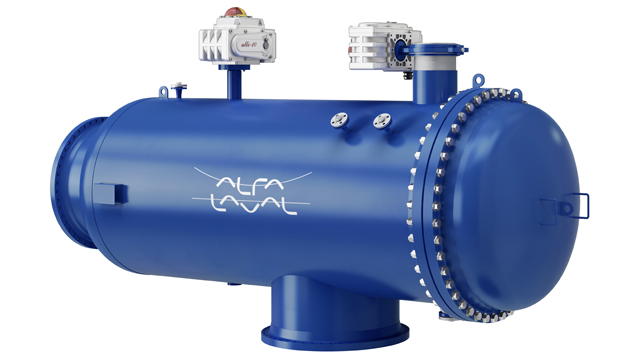
- Reduced treatment performance caused by fouled filters, exhausted media, scaled membranes, aged lamps or contaminated process surfaces, resulting in poor water quality or increased pressure drop
- Dosing, regeneration or process-control failure caused by empty consumables, pump faults or control errors, resulting in incorrect treatment conditions
- Sensor or conductivity fault caused by fouling, calibration drift or wiring problems, resulting in implausible readings or alarms
- Pump or valve failure caused by wear, blockage or electrical faults, resulting in low treatment flow or inability to route water correctly
- Leakage caused by seal, housing, membrane, pressure-vessel or piping deterioration, resulting in water loss and unstable process conditions
- Reduced treatment or sanitary performance caused by fouled filters, exhausted media, scaled membranes, aged lamps or blocked piping, resulting in poor water quality, low flow or system alarms
- Dosing, regeneration or vacuum failure caused by empty chemical supply, pump faults, air leakage or control errors, resulting in incorrect water chemistry or poor sanitary operation
- Sensor or conductivity fault caused by fouling, calibration drift or wiring problems, resulting in implausible readings or alarms
- Pump or valve failure caused by wear, blockage or electrical faults, resulting in low treatment flow or inability to route water correctly
- Leakage caused by seal, housing, membrane or piping deterioration, resulting in water loss, vacuum loss or unstable process conditions
- Reduced treatment or sanitary performance caused by fouled filters, exhausted media, scaled membranes, aged lamps or blocked piping, resulting in poor water quality, low flow or system alarms
- Dosing, regeneration or vacuum failure caused by empty chemical supply, pump faults, air leakage or control errors, resulting in incorrect water chemistry or poor sanitary operation
- Sensor or conductivity fault caused by fouling, calibration drift or wiring problems, resulting in implausible readings or alarms
- Pump or valve failure caused by wear, blockage or electrical faults, resulting in low treatment flow or inability to route water correctly
- Leakage caused by seal, housing, membrane or piping deterioration, resulting in water loss, vacuum loss or unstable process conditions
- Reduced treatment or sanitary performance caused by fouled filters, exhausted media, scaled membranes, aged lamps or blocked piping, resulting in poor water quality, low flow or system alarms
- Dosing, regeneration or vacuum failure caused by empty chemical supply, pump faults, air leakage or control errors, resulting in incorrect water chemistry or poor sanitary operation
- Sensor or conductivity fault caused by fouling, calibration drift or wiring problems, resulting in implausible readings or alarms
- Pump or valve failure caused by wear, blockage or electrical faults, resulting in low treatment flow or inability to route water correctly
- Leakage caused by seal, housing, membrane or piping deterioration, resulting in water loss, vacuum loss or unstable process conditions
- Reduced treatment or sanitary performance caused by fouled filters, exhausted media, scaled membranes, aged lamps or blocked piping, resulting in poor water quality, low flow or system alarms
- Dosing, regeneration or vacuum failure caused by empty chemical supply, pump faults, air leakage or control errors, resulting in incorrect water chemistry or poor sanitary operation
- Sensor or conductivity fault caused by fouling, calibration drift or wiring problems, resulting in implausible readings or alarms
- Pump or valve failure caused by wear, blockage or electrical faults, resulting in low treatment flow or inability to route water correctly
- Leakage caused by seal, housing, membrane or piping deterioration, resulting in water loss, vacuum loss or unstable process conditions
- Reduced treatment or sanitary performance caused by fouled filters, exhausted media, scaled membranes, aged lamps or blocked piping, resulting in poor water quality, low flow or system alarms
- Dosing, regeneration or vacuum failure caused by empty chemical supply, pump faults, air leakage or control errors, resulting in incorrect water chemistry or poor sanitary operation
- Sensor or conductivity fault caused by fouling, calibration drift or wiring problems, resulting in implausible readings or alarms
- Pump or valve failure caused by wear, blockage or electrical faults, resulting in low treatment flow or inability to route water correctly
- Leakage caused by seal, housing, membrane or piping deterioration, resulting in water loss, vacuum loss or unstable process conditions
- Reduced treatment performance caused by fouled filters, exhausted media, scaled membranes, aged lamps or contaminated process surfaces, resulting in poor water quality or increased pressure drop
- Dosing, regeneration or process-control failure caused by empty consumables, pump faults or control errors, resulting in incorrect treatment conditions
- Sensor or conductivity fault caused by fouling, calibration drift or wiring problems, resulting in implausible readings or alarms
- Pump or valve failure caused by wear, blockage or electrical faults, resulting in low treatment flow or inability to route water correctly
- Leakage caused by seal, housing, membrane, pressure-vessel or piping deterioration, resulting in water loss and unstable process conditions
- Reduced treatment performance caused by fouled filters, exhausted media, scaled membranes, aged lamps or contaminated process surfaces, resulting in poor water quality or increased pressure drop
- Dosing, regeneration or process-control failure caused by empty consumables, pump faults or control errors, resulting in incorrect treatment conditions
- Sensor or conductivity fault caused by fouling, calibration drift or wiring problems, resulting in implausible readings or alarms
- Pump or valve failure caused by wear, blockage or electrical faults, resulting in low treatment flow or inability to route water correctly
- Leakage caused by seal, housing, membrane, pressure-vessel or piping deterioration, resulting in water loss and unstable process conditions
- Reduced treatment performance caused by fouled filters, exhausted media, scaled membranes, aged lamps or contaminated process surfaces, resulting in poor water quality or increased pressure drop
- Dosing, regeneration or process-control failure caused by empty consumables, pump faults or control errors, resulting in incorrect treatment conditions
- Sensor or conductivity fault caused by fouling, calibration drift or wiring problems, resulting in implausible readings or alarms
- Pump or valve failure caused by wear, blockage or electrical faults, resulting in low treatment flow or inability to route water correctly
- Leakage caused by seal, housing, membrane, pressure-vessel or piping deterioration, resulting in water loss and unstable process conditions
- Reduced treatment performance caused by fouled filters, exhausted media, scaled membranes, aged lamps or contaminated process surfaces, resulting in poor water quality or increased pressure drop
- Dosing, regeneration or process-control failure caused by empty consumables, pump faults or control errors, resulting in incorrect treatment conditions
- Sensor or conductivity fault caused by fouling, calibration drift or wiring problems, resulting in implausible readings or alarms
- Pump or valve failure caused by wear, blockage or electrical faults, resulting in low treatment flow or inability to route water correctly
- Leakage caused by seal, housing, membrane, pressure-vessel or piping deterioration, resulting in water loss and unstable process conditions
- Reduced treatment performance caused by fouled filters, exhausted media, scaled membranes, aged lamps or contaminated process surfaces, resulting in poor water quality or increased pressure drop
- Dosing, regeneration or process-control failure caused by empty consumables, pump faults or control errors, resulting in incorrect treatment conditions
- Sensor or conductivity fault caused by fouling, calibration drift or wiring problems, resulting in implausible readings or alarms
- Pump or valve failure caused by wear, blockage or electrical faults, resulting in low treatment flow or inability to route water correctly
- Leakage caused by seal, housing, membrane, pressure-vessel or piping deterioration, resulting in water loss and unstable process conditions
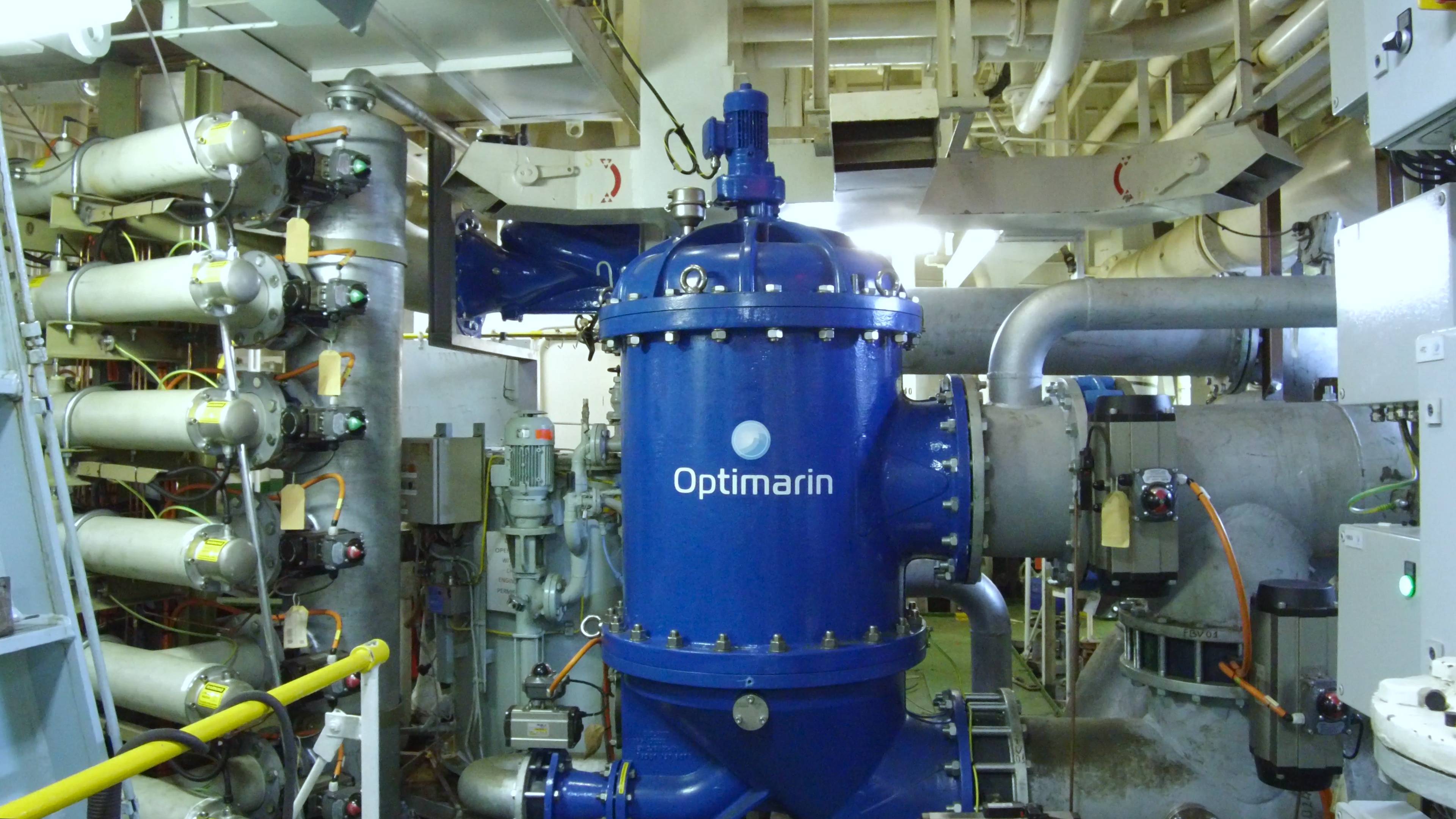
BWT Marine
11- Reduced treatment performance caused by fouled filters, exhausted media, scaled membranes, aged lamps or contaminated process surfaces, resulting in poor water quality or increased pressure drop
- Dosing, regeneration or process-control failure caused by empty consumables, pump faults or control errors, resulting in incorrect treatment conditions
- Sensor or conductivity fault caused by fouling, calibration drift or wiring problems, resulting in implausible readings or alarms
- Pump or valve failure caused by wear, blockage or electrical faults, resulting in low treatment flow or inability to route water correctly
- Leakage caused by seal, housing, membrane, pressure-vessel or piping deterioration, resulting in water loss and unstable process conditions

- Reduced treatment or sanitary performance caused by fouled filters, exhausted media, scaled membranes, aged lamps or blocked piping, resulting in poor water quality, low flow or system alarms
- Dosing, regeneration or vacuum failure caused by empty chemical supply, pump faults, air leakage or control errors, resulting in incorrect water chemistry or poor sanitary operation
- Sensor or conductivity fault caused by fouling, calibration drift or wiring problems, resulting in implausible readings or alarms
- Pump or valve failure caused by wear, blockage or electrical faults, resulting in low treatment flow or inability to route water correctly
- Leakage caused by seal, housing, membrane or piping deterioration, resulting in water loss, vacuum loss or unstable process conditions
- Reduced treatment or sanitary performance caused by fouled filters, exhausted media, scaled membranes, aged lamps or blocked piping, resulting in poor water quality, low flow or system alarms
- Dosing, regeneration or vacuum failure caused by empty chemical supply, pump faults, air leakage or control errors, resulting in incorrect water chemistry or poor sanitary operation
- Sensor or conductivity fault caused by fouling, calibration drift or wiring problems, resulting in implausible readings or alarms
- Pump or valve failure caused by wear, blockage or electrical faults, resulting in low treatment flow or inability to route water correctly
- Leakage caused by seal, housing, membrane or piping deterioration, resulting in water loss, vacuum loss or unstable process conditions
- Reduced treatment or sanitary performance caused by fouled filters, exhausted media, scaled membranes, aged lamps or blocked piping, resulting in poor water quality, low flow or system alarms
- Dosing, regeneration or vacuum failure caused by empty chemical supply, pump faults, air leakage or control errors, resulting in incorrect water chemistry or poor sanitary operation
- Sensor or conductivity fault caused by fouling, calibration drift or wiring problems, resulting in implausible readings or alarms
- Pump or valve failure caused by wear, blockage or electrical faults, resulting in low treatment flow or inability to route water correctly
- Leakage caused by seal, housing, membrane or piping deterioration, resulting in water loss, vacuum loss or unstable process conditions
- Reduced treatment or sanitary performance caused by fouled filters, exhausted media, scaled membranes, aged lamps or blocked piping, resulting in poor water quality, low flow or system alarms
- Dosing, regeneration or vacuum failure caused by empty chemical supply, pump faults, air leakage or control errors, resulting in incorrect water chemistry or poor sanitary operation
- Sensor or conductivity fault caused by fouling, calibration drift or wiring problems, resulting in implausible readings or alarms
- Pump or valve failure caused by wear, blockage or electrical faults, resulting in low treatment flow or inability to route water correctly
- Leakage caused by seal, housing, membrane or piping deterioration, resulting in water loss, vacuum loss or unstable process conditions
- Reduced treatment or sanitary performance caused by fouled filters, exhausted media, scaled membranes, aged lamps or blocked piping, resulting in poor water quality, low flow or system alarms
- Dosing, regeneration or vacuum failure caused by empty chemical supply, pump faults, air leakage or control errors, resulting in incorrect water chemistry or poor sanitary operation
- Sensor or conductivity fault caused by fouling, calibration drift or wiring problems, resulting in implausible readings or alarms
- Pump or valve failure caused by wear, blockage or electrical faults, resulting in low treatment flow or inability to route water correctly
- Leakage caused by seal, housing, membrane or piping deterioration, resulting in water loss, vacuum loss or unstable process conditions
- Reduced treatment or sanitary performance caused by fouled filters, exhausted media, scaled membranes, aged lamps or blocked piping, resulting in poor water quality, low flow or system alarms
- Dosing, regeneration or vacuum failure caused by empty chemical supply, pump faults, air leakage or control errors, resulting in incorrect water chemistry or poor sanitary operation
- Sensor or conductivity fault caused by fouling, calibration drift or wiring problems, resulting in implausible readings or alarms
- Pump or valve failure caused by wear, blockage or electrical faults, resulting in low treatment flow or inability to route water correctly
- Leakage caused by seal, housing, membrane or piping deterioration, resulting in water loss, vacuum loss or unstable process conditions
- Reduced treatment or sanitary performance caused by fouled filters, exhausted media, scaled membranes, aged lamps or blocked piping, resulting in poor water quality, low flow or system alarms
- Dosing, regeneration or vacuum failure caused by empty chemical supply, pump faults, air leakage or control errors, resulting in incorrect water chemistry or poor sanitary operation
- Sensor or conductivity fault caused by fouling, calibration drift or wiring problems, resulting in implausible readings or alarms
- Pump or valve failure caused by wear, blockage or electrical faults, resulting in low treatment flow or inability to route water correctly
- Leakage caused by seal, housing, membrane or piping deterioration, resulting in water loss, vacuum loss or unstable process conditions
- Reduced treatment or sanitary performance caused by fouled filters, exhausted media, scaled membranes, aged lamps or blocked piping, resulting in poor water quality, low flow or system alarms
- Dosing, regeneration or vacuum failure caused by empty chemical supply, pump faults, air leakage or control errors, resulting in incorrect water chemistry or poor sanitary operation
- Sensor or conductivity fault caused by fouling, calibration drift or wiring problems, resulting in implausible readings or alarms
- Pump or valve failure caused by wear, blockage or electrical faults, resulting in low treatment flow or inability to route water correctly
- Leakage caused by seal, housing, membrane or piping deterioration, resulting in water loss, vacuum loss or unstable process conditions
- Reduced treatment or sanitary performance caused by fouled filters, exhausted media, scaled membranes, aged lamps or blocked piping, resulting in poor water quality, low flow or system alarms
- Dosing, regeneration or vacuum failure caused by empty chemical supply, pump faults, air leakage or control errors, resulting in incorrect water chemistry or poor sanitary operation
- Sensor or conductivity fault caused by fouling, calibration drift or wiring problems, resulting in implausible readings or alarms
- Pump or valve failure caused by wear, blockage or electrical faults, resulting in low treatment flow or inability to route water correctly
- Leakage caused by seal, housing, membrane or piping deterioration, resulting in water loss, vacuum loss or unstable process conditions
- Reduced treatment or sanitary performance caused by fouled filters, exhausted media, scaled membranes, aged lamps or blocked piping, resulting in poor water quality, low flow or system alarms
- Dosing, regeneration or vacuum failure caused by empty chemical supply, pump faults, air leakage or control errors, resulting in incorrect water chemistry or poor sanitary operation
- Sensor or conductivity fault caused by fouling, calibration drift or wiring problems, resulting in implausible readings or alarms
- Pump or valve failure caused by wear, blockage or electrical faults, resulting in low treatment flow or inability to route water correctly
- Leakage caused by seal, housing, membrane or piping deterioration, resulting in water loss, vacuum loss or unstable process conditions
RWO/Veolia
11- Fouling or exhausted treatment media can reduce treatment effectiveness, seen as deteriorating outlet-water quality or rising differential pressure
- Dosing-pump or chemical-feed faults can interrupt treatment, noticed as unstable readings, low dosing indication or quality alarms
- Blocked strainers or restricted piping can reduce flow, seen as low throughput or abnormal pump loading
- Sensor drift or contamination can give incorrect control feedback, noticed as implausible readings or unnecessary alarms
- Valve, seal or hose leakage can cause loss of treatment fluid or water, seen as wetness around the skid and inability to maintain normal operation
- Reduced treatment performance caused by fouled filters, exhausted media, scaled membranes, aged lamps or contaminated process surfaces, resulting in poor water quality or increased pressure drop
- Dosing, regeneration or process-control failure caused by empty consumables, pump faults or control errors, resulting in incorrect treatment conditions
- Sensor or conductivity fault caused by fouling, calibration drift or wiring problems, resulting in implausible readings or alarms
- Pump or valve failure caused by wear, blockage or electrical faults, resulting in low treatment flow or inability to route water correctly
- Leakage caused by seal, housing, membrane, pressure-vessel or piping deterioration, resulting in water loss and unstable process conditions
- Reduced treatment performance caused by fouled filters, exhausted media, scaled membranes, aged lamps or contaminated process surfaces, resulting in poor water quality or increased pressure drop
- Dosing, regeneration or process-control failure caused by empty consumables, pump faults or control errors, resulting in incorrect treatment conditions
- Sensor or conductivity fault caused by fouling, calibration drift or wiring problems, resulting in implausible readings or alarms
- Pump or valve failure caused by wear, blockage or electrical faults, resulting in low treatment flow or inability to route water correctly
- Leakage caused by seal, housing, membrane, pressure-vessel or piping deterioration, resulting in water loss and unstable process conditions
- Reduced treatment performance caused by fouled filters, exhausted media, scaled membranes, aged lamps or contaminated process surfaces, resulting in poor water quality or increased pressure drop
- Dosing, regeneration or process-control failure caused by empty consumables, pump faults or control errors, resulting in incorrect treatment conditions
- Sensor or conductivity fault caused by fouling, calibration drift or wiring problems, resulting in implausible readings or alarms
- Pump or valve failure caused by wear, blockage or electrical faults, resulting in low treatment flow or inability to route water correctly
- Leakage caused by seal, housing, membrane, pressure-vessel or piping deterioration, resulting in water loss and unstable process conditions
- Reduced treatment performance caused by fouled filters, exhausted media, scaled membranes, aged lamps or contaminated process surfaces, resulting in poor water quality or increased pressure drop
- Dosing, regeneration or process-control failure caused by empty consumables, pump faults or control errors, resulting in incorrect treatment conditions
- Sensor or conductivity fault caused by fouling, calibration drift or wiring problems, resulting in implausible readings or alarms
- Pump or valve failure caused by wear, blockage or electrical faults, resulting in low treatment flow or inability to route water correctly
- Leakage caused by seal, housing, membrane, pressure-vessel or piping deterioration, resulting in water loss and unstable process conditions
- Reduced treatment performance caused by fouled filters, exhausted media, scaled membranes, aged lamps or contaminated process surfaces, resulting in poor water quality or increased pressure drop
- Dosing, regeneration or process-control failure caused by empty consumables, pump faults or control errors, resulting in incorrect treatment conditions
- Sensor or conductivity fault caused by fouling, calibration drift or wiring problems, resulting in implausible readings or alarms
- Pump or valve failure caused by wear, blockage or electrical faults, resulting in low treatment flow or inability to route water correctly
- Leakage caused by seal, housing, membrane, pressure-vessel or piping deterioration, resulting in water loss and unstable process conditions
- Reduced treatment performance caused by fouled filters, exhausted media, scaled membranes, aged lamps or contaminated process surfaces, resulting in poor water quality or increased pressure drop
- Dosing, regeneration or process-control failure caused by empty consumables, pump faults or control errors, resulting in incorrect treatment conditions
- Sensor or conductivity fault caused by fouling, calibration drift or wiring problems, resulting in implausible readings or alarms
- Pump or valve failure caused by wear, blockage or electrical faults, resulting in low treatment flow or inability to route water correctly
- Leakage caused by seal, housing, membrane, pressure-vessel or piping deterioration, resulting in water loss and unstable process conditions
- Reduced treatment performance caused by fouled filters, exhausted media, scaled membranes, aged lamps or contaminated process surfaces, resulting in poor water quality or increased pressure drop
- Dosing, regeneration or process-control failure caused by empty consumables, pump faults or control errors, resulting in incorrect treatment conditions
- Sensor or conductivity fault caused by fouling, calibration drift or wiring problems, resulting in implausible readings or alarms
- Pump or valve failure caused by wear, blockage or electrical faults, resulting in low treatment flow or inability to route water correctly
- Leakage caused by seal, housing, membrane, pressure-vessel or piping deterioration, resulting in water loss and unstable process conditions
- Reduced treatment performance caused by fouled filters, exhausted media, scaled membranes, aged lamps or contaminated process surfaces, resulting in poor water quality or increased pressure drop
- Dosing, regeneration or process-control failure caused by empty consumables, pump faults or control errors, resulting in incorrect treatment conditions
- Sensor or conductivity fault caused by fouling, calibration drift or wiring problems, resulting in implausible readings or alarms
- Pump or valve failure caused by wear, blockage or electrical faults, resulting in low treatment flow or inability to route water correctly
- Leakage caused by seal, housing, membrane, pressure-vessel or piping deterioration, resulting in water loss and unstable process conditions
- Reduced treatment performance caused by fouled filters, exhausted media, scaled membranes, aged lamps or contaminated process surfaces, resulting in poor water quality or increased pressure drop
- Dosing, regeneration or process-control failure caused by empty consumables, pump faults or control errors, resulting in incorrect treatment conditions
- Sensor or conductivity fault caused by fouling, calibration drift or wiring problems, resulting in implausible readings or alarms
- Pump or valve failure caused by wear, blockage or electrical faults, resulting in low treatment flow or inability to route water correctly
- Leakage caused by seal, housing, membrane, pressure-vessel or piping deterioration, resulting in water loss and unstable process conditions
- Reduced treatment performance caused by fouled filters, exhausted media, scaled membranes, aged lamps or contaminated process surfaces, resulting in poor water quality or increased pressure drop
- Dosing, regeneration or process-control failure caused by empty consumables, pump faults or control errors, resulting in incorrect treatment conditions
- Sensor or conductivity fault caused by fouling, calibration drift or wiring problems, resulting in implausible readings or alarms
- Pump or valve failure caused by wear, blockage or electrical faults, resulting in low treatment flow or inability to route water correctly
- Leakage caused by seal, housing, membrane, pressure-vessel or piping deterioration, resulting in water loss and unstable process conditions
Sasakura
11- Reduced treatment performance caused by fouled filters, exhausted media, scaled membranes, aged lamps or contaminated process surfaces, resulting in poor water quality or increased pressure drop
- Dosing, regeneration or process-control failure caused by empty consumables, pump faults or control errors, resulting in incorrect treatment conditions
- Sensor or conductivity fault caused by fouling, calibration drift or wiring problems, resulting in implausible readings or alarms
- Pump or valve failure caused by wear, blockage or electrical faults, resulting in low treatment flow or inability to route water correctly
- Leakage caused by seal, housing, membrane, pressure-vessel or piping deterioration, resulting in water loss and unstable process conditions
- Reduced treatment performance caused by fouled filters, exhausted media, scaled membranes, aged lamps or contaminated process surfaces, resulting in poor water quality or increased pressure drop
- Dosing, regeneration or process-control failure caused by empty consumables, pump faults or control errors, resulting in incorrect treatment conditions
- Sensor or conductivity fault caused by fouling, calibration drift or wiring problems, resulting in implausible readings or alarms
- Pump or valve failure caused by wear, blockage or electrical faults, resulting in low treatment flow or inability to route water correctly
- Leakage caused by seal, housing, membrane, pressure-vessel or piping deterioration, resulting in water loss and unstable process conditions
- Reduced treatment performance caused by fouled filters, exhausted media, scaled membranes, aged lamps or contaminated process surfaces, resulting in poor water quality or increased pressure drop
- Dosing, regeneration or process-control failure caused by empty consumables, pump faults or control errors, resulting in incorrect treatment conditions
- Sensor or conductivity fault caused by fouling, calibration drift or wiring problems, resulting in implausible readings or alarms
- Pump or valve failure caused by wear, blockage or electrical faults, resulting in low treatment flow or inability to route water correctly
- Leakage caused by seal, housing, membrane, pressure-vessel or piping deterioration, resulting in water loss and unstable process conditions
- Reduced treatment performance caused by fouled filters, exhausted media, scaled membranes, aged lamps or contaminated process surfaces, resulting in poor water quality or increased pressure drop
- Dosing, regeneration or process-control failure caused by empty consumables, pump faults or control errors, resulting in incorrect treatment conditions
- Sensor or conductivity fault caused by fouling, calibration drift or wiring problems, resulting in implausible readings or alarms
- Pump or valve failure caused by wear, blockage or electrical faults, resulting in low treatment flow or inability to route water correctly
- Leakage caused by seal, housing, membrane, pressure-vessel or piping deterioration, resulting in water loss and unstable process conditions
- Reduced treatment performance caused by fouled filters, exhausted media, scaled membranes, aged lamps or contaminated process surfaces, resulting in poor water quality or increased pressure drop
- Dosing, regeneration or process-control failure caused by empty consumables, pump faults or control errors, resulting in incorrect treatment conditions
- Sensor or conductivity fault caused by fouling, calibration drift or wiring problems, resulting in implausible readings or alarms
- Pump or valve failure caused by wear, blockage or electrical faults, resulting in low treatment flow or inability to route water correctly
- Leakage caused by seal, housing, membrane, pressure-vessel or piping deterioration, resulting in water loss and unstable process conditions
- Reduced treatment performance caused by fouled filters, exhausted media, scaled membranes, aged lamps or contaminated process surfaces, resulting in poor water quality or increased pressure drop
- Dosing, regeneration or process-control failure caused by empty consumables, pump faults or control errors, resulting in incorrect treatment conditions
- Sensor or conductivity fault caused by fouling, calibration drift or wiring problems, resulting in implausible readings or alarms
- Pump or valve failure caused by wear, blockage or electrical faults, resulting in low treatment flow or inability to route water correctly
- Leakage caused by seal, housing, membrane, pressure-vessel or piping deterioration, resulting in water loss and unstable process conditions
- Reduced treatment performance caused by fouled filters, exhausted media, scaled membranes, aged lamps or contaminated process surfaces, resulting in poor water quality or increased pressure drop
- Dosing, regeneration or process-control failure caused by empty consumables, pump faults or control errors, resulting in incorrect treatment conditions
- Sensor or conductivity fault caused by fouling, calibration drift or wiring problems, resulting in implausible readings or alarms
- Pump or valve failure caused by wear, blockage or electrical faults, resulting in low treatment flow or inability to route water correctly
- Leakage caused by seal, housing, membrane, pressure-vessel or piping deterioration, resulting in water loss and unstable process conditions
- Reduced treatment performance caused by fouled filters, exhausted media, scaled membranes, aged lamps or contaminated process surfaces, resulting in poor water quality or increased pressure drop
- Dosing, regeneration or process-control failure caused by empty consumables, pump faults or control errors, resulting in incorrect treatment conditions
- Sensor or conductivity fault caused by fouling, calibration drift or wiring problems, resulting in implausible readings or alarms
- Pump or valve failure caused by wear, blockage or electrical faults, resulting in low treatment flow or inability to route water correctly
- Leakage caused by seal, housing, membrane, pressure-vessel or piping deterioration, resulting in water loss and unstable process conditions
- Reduced treatment performance caused by fouled filters, exhausted media, scaled membranes, aged lamps or contaminated process surfaces, resulting in poor water quality or increased pressure drop
- Dosing, regeneration or process-control failure caused by empty consumables, pump faults or control errors, resulting in incorrect treatment conditions
- Sensor or conductivity fault caused by fouling, calibration drift or wiring problems, resulting in implausible readings or alarms
- Pump or valve failure caused by wear, blockage or electrical faults, resulting in low treatment flow or inability to route water correctly
- Leakage caused by seal, housing, membrane, pressure-vessel or piping deterioration, resulting in water loss and unstable process conditions
- Reduced treatment performance caused by fouled filters, exhausted media, scaled membranes, aged lamps or contaminated process surfaces, resulting in poor water quality or increased pressure drop
- Dosing, regeneration or process-control failure caused by empty consumables, pump faults or control errors, resulting in incorrect treatment conditions
- Sensor or conductivity fault caused by fouling, calibration drift or wiring problems, resulting in implausible readings or alarms
- Pump or valve failure caused by wear, blockage or electrical faults, resulting in low treatment flow or inability to route water correctly
- Leakage caused by seal, housing, membrane, pressure-vessel or piping deterioration, resulting in water loss and unstable process conditions
- Reduced treatment performance caused by fouled filters, exhausted media, scaled membranes, aged lamps or contaminated process surfaces, resulting in poor water quality or increased pressure drop
- Dosing, regeneration or process-control failure caused by empty consumables, pump faults or control errors, resulting in incorrect treatment conditions
- Sensor or conductivity fault caused by fouling, calibration drift or wiring problems, resulting in implausible readings or alarms
- Pump or valve failure caused by wear, blockage or electrical faults, resulting in low treatment flow or inability to route water correctly
- Leakage caused by seal, housing, membrane, pressure-vessel or piping deterioration, resulting in water loss and unstable process conditions