Filter + UV BWMS
Filter + UV ballast water treatment strips out organisms mechanically with a backwashing filter, then disinfects what passes through with ultraviolet light, avoiding the chlorine byproducts and neutralisation step that electrochlorination systems need.
Read more — Filter + UV BWMS explained ▾
What Makes This Type
A filter + UV BWMS treats ballast water in two stages during uptake: a self-cleaning screen or disc filter removes organisms and sediment above roughly 40-50 microns, then an ultraviolet reactor disinfects the finer fraction and any microorganisms that pass the filter by damaging their DNA so they cannot reproduce, rather than killing them outright. This is the main split from electrochlorination (EC) systems, which generate hypochlorite on board to actively kill organisms and require a neutralisation dose before discharge to bring residual oxidant below discharge limits. Filter + UV has no active substance to dose, store or neutralise, which simplifies the chemical handling side, but UV performance depends heavily on water clarity - turbid coastal or estuarine water absorbs UV dose and can push the system below its rated treatment rate.

Main Components
Filter unit
Automatic backwashing screen or disc filter fitted on the uptake line, sized to the ballast pump capacity, with a differential pressure sensor that triggers backwash cycles as the screen fouls.
UV reactor
A chamber housing multiple UV lamps (low-pressure or medium-pressure) in quartz sleeves, with a UV intensity sensor and a sleeve wiper mechanism to control the fouling that otherwise reduces dose delivery.
Control and monitoring
PLC-based control unit logging flow rate, UV transmittance (UVT), lamp intensity and filter differential pressure, all of which feed the compliance record required at each ballast operation.
Selection and Sizing
The system is sized to the vessel's largest ballast pump rate, since treatment happens in line during uptake and, on many designs, during discharge as well. Typical flow rates on installed systems range from under 100 cubic metres per hour on small vessels to several thousand on large tankers and bulk carriers, split across multiple reactor trains. UVT of the local water is the design-critical figure: a system rated for open ocean water with high UVT may under-dose in silty river or port water, so the lamp power and reactor length are chosen with the vessel's actual trading pattern in mind, not just a worst-case laboratory figure.
Regulations and Class
The system must hold type approval under the IMO Ballast Water Management Convention, either the original G8 guideline or the revised BWMS Code, and US Coast Guard type approval separately if the vessel trades to US waters, since the USCG does not accept IMO type approval alone. Since September 2024 essentially all seagoing vessels engaged in international trade need a type-approved BWMS fitted and an approved Ballast Water Management Plan on board, with entries in the Ballast Water Record Book at every uptake, treatment and discharge.
Typical Faults
- Fouled quartz sleeves - reduces UV dose reaching the water, and if the wiper mechanism fails to keep pace, treatment can fall below the required standard without an obvious alarm until the intensity sensor flags it.
- Filter screen damage or bypass valve stuck open - lets untreated organisms through to the UV stage at a size the reactor was not designed to handle effectively.
- Lamp failure or end-of-life output drop - UV lamps lose output gradually over their service life, and a control system that isn't tracking cumulative hours can miss the point where dose falls below spec.
- Low UVT alarm in turbid water - the system throttles flow rate or stops treating to stay within its certified dose, which can leave a port call waiting on ballast operations.
What to Look for in a Supplier
- Both IMO BWMS Code and USCG type approval if the trading pattern includes US ports.
- Confirmed lamp and sleeve compatibility with the specific reactor model, since these are wear parts replaced on a running schedule.
- Service support for backwash filter overhaul, not just the UV side, since filter fouling is the more frequent maintenance item in practice.
Log UVT readings against port, not just against date - a system that performs fine offshore and struggles in every silty river call is telling you something about trading pattern mismatch, not equipment failure.
2 manufacturers · 13 models
JFE BallastAce
7- Filter blockage or backflush fault, typically indicated by high differential pressure, reduced ballast flow or alarm
- UV lamp/sleeve fouling or lamp failure, typically indicated by low UV intensity and treatment alarm
- Electrolytic cell scaling/fouling where applicable, typically indicated by low oxidant production, high current or treatment failure
- TRO/quality sensor drift or sample-line blockage, typically indicated by incorrect treatment/neutralization control
- Control/valve interlock fault, typically indicated by inability to enter treatment mode or automatic shutdown
- Filter blockage or automatic-backflush failure raises differential pressure and reduces ballast flow
- UV lamp, electrode or electrolysis-cell deterioration reduces treatment intensity and causes treatment alarms
- Low salinity, poor water quality or unsuitable process conditions causes reduced treatment effectiveness and system derating
- Sensor, flowmeter or analyzer faults cause incorrect dose or intensity control and prevent compliant operation
- Valve, dosing, neutralization or control faults cause bypass, failed sequence or discharge inhibition
- Filter blockage or automatic-backflush failure raises differential pressure and reduces ballast flow
- UV lamp, electrode or electrolysis-cell deterioration reduces treatment intensity and causes treatment alarms
- Low salinity, poor water quality or unsuitable process conditions causes reduced treatment effectiveness and system derating
- Sensor, flowmeter or analyzer faults cause incorrect dose or intensity control and prevent compliant operation
- Valve, dosing, neutralization or control faults cause bypass, failed sequence or discharge inhibition
- Filter blockage or automatic-backflush failure raises differential pressure and reduces ballast flow
- UV lamp, electrode or electrolysis-cell deterioration reduces treatment intensity and causes treatment alarms
- Low salinity, poor water quality or unsuitable process conditions causes reduced treatment effectiveness and system derating
- Sensor, flowmeter or analyzer faults cause incorrect dose or intensity control and prevent compliant operation
- Valve, dosing, neutralization or control faults cause bypass, failed sequence or discharge inhibition
- Filter blockage or automatic-backflush failure raises differential pressure and reduces ballast flow
- UV lamp, electrode or electrolysis-cell deterioration reduces treatment intensity and causes treatment alarms
- Low salinity, poor water quality or unsuitable process conditions causes reduced treatment effectiveness and system derating
- Sensor, flowmeter or analyzer faults cause incorrect dose or intensity control and prevent compliant operation
- Valve, dosing, neutralization or control faults cause bypass, failed sequence or discharge inhibition
- Filter blockage or automatic-backflush failure raises differential pressure and reduces ballast flow
- UV lamp, electrode or electrolysis-cell deterioration reduces treatment intensity and causes treatment alarms
- Low salinity, poor water quality or unsuitable process conditions causes reduced treatment effectiveness and system derating
- Sensor, flowmeter or analyzer faults cause incorrect dose or intensity control and prevent compliant operation
- Valve, dosing, neutralization or control faults cause bypass, failed sequence or discharge inhibition
- Treatment reactor, ultraviolet lamp or electrolytic-cell deterioration caused by aging, fouling or electrical faults, resulting in low treatment output or an alarm
- Filter blockage where fitted caused by sediment or biological loading, resulting in rising differential pressure, backflush cycling or reduced ballast flow
- Sensor or sampling fault caused by fouling, calibration drift or blocked lines, resulting in implausible readings or automatic treatment shutdown
- Valve, actuator or flow-control failure caused by corrosion, sticking or control faults, resulting in incorrect routing or insufficient treatment contact
- Control-system or communication failure caused by software, network or power-supply faults, resulting in unavailable automatic operation or persistent alarms
Bawat
6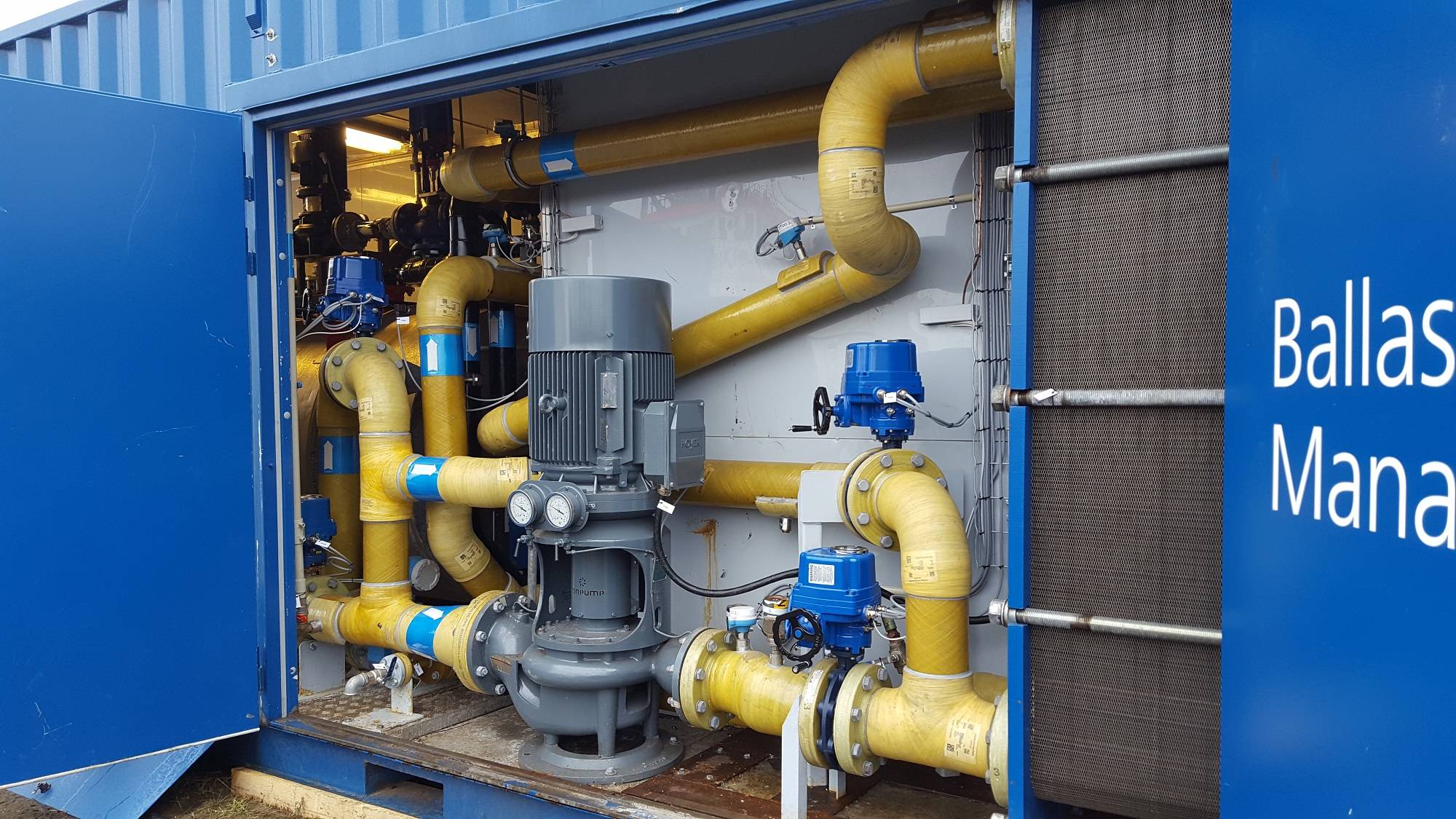
- Filter, membrane, separator or treatment-stage fouling caused by solids, oil, scale or biological contamination can reduce throughput and increase differential pressure
- Pump or valve faults caused by wear, blockage or actuator problems can cause low flow, unstable pressure or failure to complete an operating sequence
- Sensor or monitor contamination caused by dirty process fluid or poor maintenance can produce implausible readings, alarms or automatic discharge inhibition
- Seal, gasket or piping leakage caused by corrosion, ageing or vibration can lead to visible leakage, air ingress or loss of process pressure
- Control or treatment-component failure caused by electrical faults, lamp or cell deterioration where fitted, or software issues can lead to shutdown or inability to meet the required treatment condition
- Filter, membrane, separator or treatment-stage fouling caused by solids, oil, scale or biological contamination can reduce throughput and increase differential pressure
- Pump or valve faults caused by wear, blockage or actuator problems can cause low flow, unstable pressure or failure to complete an operating sequence
- Sensor or monitor contamination caused by dirty process fluid or poor maintenance can produce implausible readings, alarms or automatic discharge inhibition
- Seal, gasket or piping leakage caused by corrosion, ageing or vibration can lead to visible leakage, air ingress or loss of process pressure
- Control or treatment-component failure caused by electrical faults, lamp or cell deterioration where fitted, or software issues can lead to shutdown or inability to meet the required treatment condition
- Filter, membrane, separator or treatment-stage fouling caused by solids, oil, scale or biological contamination can reduce throughput and increase differential pressure
- Pump or valve faults caused by wear, blockage or actuator problems can cause low flow, unstable pressure or failure to complete an operating sequence
- Sensor or monitor contamination caused by dirty process fluid or poor maintenance can produce implausible readings, alarms or automatic discharge inhibition
- Seal, gasket or piping leakage caused by corrosion, ageing or vibration can lead to visible leakage, air ingress or loss of process pressure
- Control or treatment-component failure caused by electrical faults, lamp or cell deterioration where fitted, or software issues can lead to shutdown or inability to meet the required treatment condition
- Filter, membrane, separator or treatment-stage fouling caused by solids, oil, scale or biological contamination can reduce throughput and increase differential pressure
- Pump or valve faults caused by wear, blockage or actuator problems can cause low flow, unstable pressure or failure to complete an operating sequence
- Sensor or monitor contamination caused by dirty process fluid or poor maintenance can produce implausible readings, alarms or automatic discharge inhibition
- Seal, gasket or piping leakage caused by corrosion, ageing or vibration can lead to visible leakage, air ingress or loss of process pressure
- Control or treatment-component failure caused by electrical faults, lamp or cell deterioration where fitted, or software issues can lead to shutdown or inability to meet the required treatment condition
- Filter, membrane, separator or treatment-stage fouling caused by solids, oil, scale or biological contamination can reduce throughput and increase differential pressure
- Pump or valve faults caused by wear, blockage or actuator problems can cause low flow, unstable pressure or failure to complete an operating sequence
- Sensor or monitor contamination caused by dirty process fluid or poor maintenance can produce implausible readings, alarms or automatic discharge inhibition
- Seal, gasket or piping leakage caused by corrosion, ageing or vibration can lead to visible leakage, air ingress or loss of process pressure
- Control or treatment-component failure caused by electrical faults, lamp or cell deterioration where fitted, or software issues can lead to shutdown or inability to meet the required treatment condition
- Corrosion, wastage or coating breakdown causes visible section loss and weakens the fitting or surrounding structure
- Wear in pins, rollers, hinges or bearing surfaces causes excessive play, stiffness or poor line guidance
- Seal or gasket deterioration on closing appliances causes water ingress or loss of weathertight integrity
- Loose foundations, fasteners or cracked welds cause movement, vibration or visible structural defects
- Blocked drains, vents or passages cause water accumulation, pressure problems or restricted operation